Monosacáridos
Los monosacáridos son la forma más simple de los carbohidratos y sirven como bloques fundamentales para azúcares más complejos y polisacáridos. Estas moléculas de azúcar única juegan roles críticos en el metabolismo energético, la comunicación celular y los componentes estructurales de las células. En esta sección, encontrará una amplia variedad de monosacáridos esenciales para la investigación en bioquímica, biología molecular y glicociencia. Estos compuestos son cruciales para estudiar las rutas metabólicas, los procesos de glucosilación y el desarrollo de agentes terapéuticos. En CymitQuimica, ofrecemos monosacáridos de alta calidad para apoyar sus necesidades de investigación, asegurando precisión y fiabilidad en sus investigaciones científicas.
Subcategorías de "Monosacáridos"
- Allosas(11 productos)
- Arabinosas(21 productos)
- Eritrosas(11 productos)
- Fructosas(9 productos)
- Fucosas(36 productos)
- Galactosamina(41 productos)
- Galactosa(261 productos)
- Glucosas(365 productos)
- Ácidos glucurónicos(51 productos)
- Glico-sustratos para enzimas(77 productos)
- Gulosas(6 productos)
- Idosas(4 productos)
- Inositoles(15 productos)
- Lyxosas(4 productos)
- Manosas(65 productos)
- O-glicanos(48 productos)
- Psicosas(3 productos)
- Ramnosas(10 productos)
- Ribosas(61 productos)
- Ácidos siálicos(100 productos)
- Sorbosas(4 productos)
- Azúcares(173 productos)
- Tagatosis(4 productos)
- Taloses(8 productos)
- Xilosas(20 productos)
Mostrar 17 subcategorías más
Se han encontrado 6090 productos de "Monosacáridos"
Ordenar por
Pureza (%)
0
100
|
0
|
50
|
90
|
95
|
100
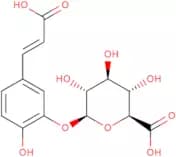
Caffeic acid 3-O-β-D-glucuronide
CAS:<p>Caffeic acid 3-O-b-D-glucuronide (3BGA) is a phenolic compound that is found in plants. It has been shown to inhibit the growth of viruses, including influenza virus, and chlorogenic acid isomers have been shown to inhibit the growth of bacteria. The highest concentration of 3BGA was found in the heartwood of the plant. Recent pharmacokinetic studies have shown that caffeic acid 3-O-b-D-glucuronide is metabolized by gut bacteria and excreted in human urine.</p>Fórmula:C15H16O10Pureza:Min. 95%Forma y color:PowderPeso molecular:356.28 g/molRef: 3D-MC32166
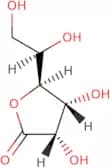
Producto descatalogadoD-Talono-1,4-lactone
CAS:<p>D-Talono-1,4-lactone is a stereoselective drug that inhibits the synthesis of c-glycosides and is used to study the mechanisms of action of these compounds. It has been shown to have antibacterial activity against gram-negative pathogens such as Escherichia coli, Salmonella typhi, Klebsiella pneumoniae, and Acinetobacter baumannii. D-Talono-1,4-lactone also has inhibitory activities against gram negative bacteria. This compound may be a potential biomarker for the detection of gram negative bacteria in water samples. The mechanism of action of this drug is not known but it is likely due to its ability to inhibit bacterial growth.</p>Fórmula:C6H10O6Pureza:Min. 95%Forma y color:PowderPeso molecular:178.14 g/molRef: 3D-MT28848
Producto descatalogado4-(3-(2,3-O-Isopropylidene-lyxofuranos-5-yl)propan-2-one-1-yl)piperidine-2,6-dione
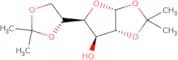
<p>4-(3-(2,3-O-Isopropylidene-lyxofuranos-5-yl)propan-2-one-1-yl)piperidine-2,6-dione is a high purity custom synthesis sugar. It is synthesized by Click modification, Fluorination, Glycosylation and Synthetic. 4-(3-(2,3-O-Isopropylidene-lyxofuranos-5-yl)propan-2-one 1 - yl)piperidine 2,6 dione has CAS No., Oligosaccharide and Carbohydrate as its properties. It is a saccharide which belongs to the class of complex carbohydrate.</p>Pureza:Min. 95%Diacetone-D-glucose
CAS:<p>1,2:5,6-Di-O-isopropylidene-alpha-D-glucofuranose, also known as diacetone-D-glucose (DAG), is a partially protected D-glucose sugar locked in the furanose form with isopropylidene protecting groups on the 1,2 and 5,6 positions. The unprotected 3 position is ready for a variety of chemical manipulations, such as alkylation, acylation or stereo-inversion. An orthogonal protecting group could be added to the 3 position to allow deprotection of an isopropylidene and therefore manipulations of the other hydroxyl groups. Diacetone-D-glucose has been used to make fluorinated hexopyranose glycolysis inhibitors useful in the treatment of brain tumours.</p>Fórmula:C12H20O6Pureza:Min. 98 Area-%Forma y color:White Off-White PowderPeso molecular:260.28 g/molRef: 3D-MD06795
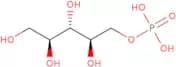
Producto descatalogadoD-Fructose 1-phosphate disodium
CAS:<p>Please enquire for more information about D-Fructose 1-phosphate disodium including the price, delivery time and more detailed product information at the technical inquiry form on this page</p>Fórmula:C6H11Na2O9PPureza:90%Forma y color:PowderPeso molecular:304.1 g/mol5-O-Lauryl-D-xylofuranose
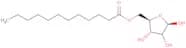
CAS:<p>5-O-Lauryl-D-xylofuranose is a lipase that can hydrolyze pentoses and hexoses. This enzyme has been shown to be active at temperatures between 0°C and 40°C, with optimal activity at 30°C. 5-O-Lauryl-D-xylofuranose is also thermostable and can be immobilized on silica gel or alumina. It is used in the manufacture of lysine, L-arabinose, and D-xylose. The enzyme catalyzes the reaction by removing a hydroxyl group from the pentoses or hexoses through an ester linkage with a dodecanoate group. The aliphatic chain of 5-O-lauryl dodecanoate is attached to the pentose or hexose molecule in an ester linkage by a thioether bond.</p>Fórmula:C17H32O6Pureza:Min. 95%Peso molecular:332.43 g/mol4-Methoxyphenyl 2,3,6-tri-O-benzoyl-b-D-galactopyranoside
CAS:<p>The 4-methoxyphenyl 2,3,6-tri-O-benzoyl-b-D-galactopyranoside (4MP) is a coagulation factor that inhibits the activity of coagulation factors Xa and IIa. The compound has been shown to be reactive with the detection methods used for other coagulation factors. The sensitivity of 4MP to detection was assessed using a battery of detection methods. 4MP was found to be more reactive than other compounds studied with regard to the use of an immunoassay for detection. This compound has hepatotoxic effects and can cause cell death in vitro. Cell culture studies show that 4MP causes membrane permeabilization and cellular uptake by bacteria.</p>Fórmula:C34H36O7Pureza:Min. 95%Forma y color:White to off-white solid.Peso molecular:556.2461Ref: 3D-MM10918
Producto descatalogadoMethyl 2,3-di-O-p-toluenesulfonyl-6-O-trityl-a-D-glucopyranoside
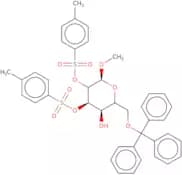
CAS:<p>Methyl 2,3-di-O-p-toluenesulfonyl-6-O-trityl-a-D-glucopyranoside is a custom synthesis of a natural product. It is an analogue of the disaccharide sucrose (CAS No. 69649-64-5). Methyl 2,3-di-O-p-toluenesulfonyl 6-[(trityloxy)methyl]-a-(1,2:4,5)-D glucopyranoside reacts with fluoride ion to form methyl 2,3 di -O - p - toluenesulfonyl 6-[(trityloxy)methyl]-a-(1,2:4,5)-D glucopyranoside fluoride ion. The monosaccharides are linked by glycosyl bonds and can be modified by different reactions such as oxidation or reduction. The saccharide can be modified</p>Fórmula:C40H40O10S2Pureza:Min. 95%Peso molecular:744.87 g/molb-D-Glucose - 85%
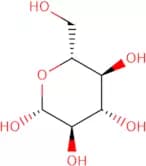
CAS:<p>Glycol ethers are compounds that are used as solvents and plasticizers. They have been shown to inhibit the activity of enzymes, such as glucose-6-phosphate dehydrogenase, which is involved in the conversion of glucose to phosphate. Glycol ethers also promote sugar transport by inhibiting the sodium-dependent glucose transporter (SGLT). This transport mechanism is important for maintaining normal blood sugar levels and preventing diabetic neuropathy. Glycol ethers are also anti-diabetic agents that can increase insulin sensitivity by stimulating insulin release from pancreatic beta cells and improving the response of peripheral tissues to insulin stimulation.</p>Fórmula:C6H12O6Pureza:Min. 95%Forma y color:White PowderPeso molecular:180.16 g/molRef: 3D-MG09278
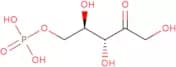
Producto descatalogadoD-Ribulose 5-phosphate sodium
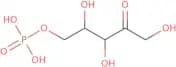
CAS:<p>Ribulose 5-phosphate sodium is a chemical that can be used to inhibit the enzyme ribulose phosphate reductase. Ribulose 5-phosphate sodium has been shown to inhibit glycolaldehyde production in the chloroplasts of plants, effectively reducing the amount of carbon dioxide produced. This chemical has also been shown to have an inhibitory effect on other enzymes involved in carbon fixation and assimilation. The effectiveness of this chemical is dependent on the specific plant species and environmental conditions.</p>Fórmula:C5H11O8P•NaxPureza:Min. 95%Forma y color:PowderPeso molecular:230.11 g/molRef: 3D-AAA09387
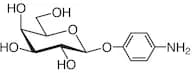
Producto descatalogado4-Aminophenyl β-D-Galactopyranoside
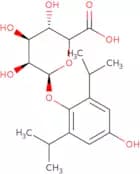
CAS:Fórmula:C12H17NO6Pureza:>98.0%(HPLC)Forma y color:White to Almost white powder to crystalPeso molecular:271.274-Hydroxypropofol 1-O-b-D-glucuronide sodium salt
CAS:<p>4-Hydroxypropofol 1-O-b-D-glucuronide is a metabolite of propofol that is found in human urine. It can be detected by chromatography and UV spectroscopy. 4-Hydroxypropofol 1-O-b-D-glucuronide has been shown to have radical scavenging activity and can be used as an analytical reagent for the validation of analytical methods. This compound has also been analysed for its cytotoxic and antiinflammatory effects on the cytosol of cultured cells, with promising results.</p>Fórmula:C18H25NaO8Pureza:Min. 95%Forma y color:PowderPeso molecular:392.38 g/molRef: 3D-MH09760
Producto descatalogadoD-Ribulose 5-phosphate sodium salt
CAS:<p>Reference compound for metabolites of the pentosephosphate pathway</p>Fórmula:C5H11O8P·xNaPureza:Min. 96 Area-%Forma y color:White Yellow PowderPeso molecular:230.11 g/molRef: 3D-MR45852
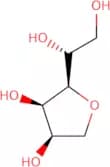
Producto descatalogado1,4-Anhydro-D-mannitol
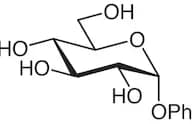
CAS:<p>1,4-Anhydro-D-mannitol is a sugar alcohol that belongs to the group of alditols. It is a tautomer of galactitol, which is found in fetal bovine serum. The dehydrated form of this compound has been shown to have an inhibitory effect on tyrosinase activity. 1,4-Anhydro-D-mannitol may be used as an intermediate in the production of polymers or as a cosmeceutical agent due to its high water solubility and low toxicity.</p>Fórmula:C6H12O5Pureza:Min. 95%Forma y color:PowderPeso molecular:164.16 g/molPhenyl α-D-Glucopyranoside
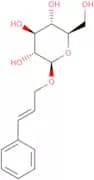
CAS:Fórmula:C12H16O6Pureza:>97.0%(GC)Forma y color:White to Light yellow powder to crystalPeso molecular:256.253-Phenyl-2-propenylbeta-D-glucopyranoside
CAS:<p>3-Phenyl-2-propenylbeta-D-glucopyranoside is a flavonoid that has been shown to have inhibitory properties. It has been used as an analytical method for the diagnosis of bronchial reactivity. The high resistance of 3-phenyl-2-propenylbeta-D-glucopyranoside to oxidation and reduction make it an interesting candidate for antiinflammatory agents. When testing the effects of this compound on human bronchial tissue, it was found that 3-phenyl-2-propenylbeta-D-glucopyranoside inhibited allergic symptoms by inhibiting the release of inflammatory mediators such as histamine and leukotrienes, which are released in response to allergens and other irritants in the airways. The use of this compound may be useful in the treatment of asthma patients who suffer from allergic reactions to dust, pollen, or animal dander.</p>Fórmula:C15H20O6Pureza:Min. 95%Forma y color:PowderPeso molecular:296.32 g/molRef: 3D-FP152931
Producto descatalogadoEthyl 3-O-benzyl-b-D-thioglucopyranoside
<p>Ethyl 3-O-benzyl-b-D-thioglucopyranoside is a modification of the sugar D-thioglucose. It is synthesized by the methylation of D-thioglucose with ethyl iodide in aqueous sulfuric acid, followed by glycosylation with benzaldehyde and sodium hydroxide. This product has been used for polymerization reactions, as well as for synthesis of oligosaccharides and polysaccharides. The molecular weight of this product is 434.2 g/mol.</p>Pureza:Min. 95%Methyl 2,3,5-tri-O-acetyl-D-arabinofuranoside
CAS:<p>Methyl 2,3,5-tri-O-acetyl-D-arabinofuranoside is a monosaccharide that is used in the synthesis of carbohydrates. It has been shown to inhibit the growth of Rhizopus stolonifer and other fungi. Methyl 2,3,5-tri-O-acetyl-D-arabinofuranoside has also been used for the quantitative analysis of deacetylated sugars. A chromatographic method was developed using an ion exchange resin and methyl glycosides as standards. The sugar was quantified by electron ionization mass spectrometry (EI) after conversion to its trimethylsilyl ether derivatives with triethylamine in methylene chloride. The spectrum obtained from EI analysis showed the presence of anomeric proton peaks at m/z 184 and 186, indicating that this sugar contains two anomeric hydroxyl groups on the same carbon atom.</p>Fórmula:C12H18O8Pureza:Min. 95%Peso molecular:290.27 g/molRef: 3D-MM31838
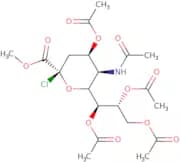
Producto descatalogadoN-Acetyl-2-chloro-2-deoxyneuraminic acid methyl ester 4,7,8,9-tetraacetate
CAS:<p>N-Acetyl-2-chloro-2-deoxyneuraminic acid methyl ester 4,7,8,9-tetraacetate is a sialic acid analog that has been shown to have antiviral properties. It binds to the influenza virus and inhibits its activity by blocking the hemagglutinin receptor. The compound is soluble in water and organic solvents and can be modified with perbenzylated groups to increase its stability in plasma and tissues. N-Acetyl-2-chloro-2-deoxyneuraminic acid methyl ester 4,7,8,9-tetraacetate is resistant to hydrolysis by esterases and can also be used for the treatment of infections caused by bacteria or fungi.</p>Fórmula:C20H28ClNO12Pureza:Min. 95%Forma y color:PowderPeso molecular:509.89 g/molRef: 3D-MA16576
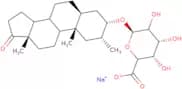
Producto descatalogado2-a-Methyl-5-a-androstan-3-a-ol-17-one glucuronide
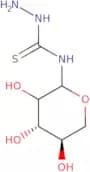
<p>2-A-Methyl-5-a-androstan-3-a-ol-17-one glucuronide is a high purity, custom synthesis, synthetic glycosylation product. It is a carbohydrate (saccharide) that is modified by fluorination, methylation and glycosylation. The CAS number for this carbohydrate is 535745-06-4. This product has the following properties: Oligosaccharide, sugar, complex carbohydrate.</p>Fórmula:C26H39O8·NaPureza:Min. 95%Peso molecular:502.57 g/molD-Arabinopyranosyl thiosemicarbazide
CAS:<p>D-Arabinopyranosyl thiosemicarbazide is a synthetic compound. It has been shown to be effective in the synthesis of oligosaccharides and sugars, as well as glycosylation reactions. This product can be used in fluorination, methylation, and other custom synthesis reactions. D-Arabinopyranosyl thiosemicarbazide is also useful for click modification of complex carbohydrates. The purity of this product is high and it can be modified with various functional groups.</p>Fórmula:C6H13N3O4SPureza:Min. 95%Peso molecular:223.25 g/molD-Xylulose 5-phosphate sodium
CAS:<p>D-Xylulose 5-phosphate sodium salt is a synthetic monosaccharide that can be used in the synthesis of oligosaccharides, polysaccharides, and complex carbohydrates. It is also used in glycosylation reactions. D-Xylulose 5-phosphate sodium salt has been fluorinated to provide better stability and solubility. The compound has a molecular weight of 206.06 g/mol and a CAS number of 105931-44-0. This product is available for custom synthesis upon request.</p>Fórmula:C5H11O8PNaPureza:Min. 95%Forma y color:PowderPeso molecular:252.09 g/molRef: 3D-MX182933
Producto descatalogado3,4,6-Tri-O-acetyl-2-azido-2-deoxy-a-D-galactopyranosyl bromide - stabilised with 2% CaCO3
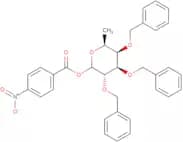
CAS:<p>3,4,6-Tri-O-acetyl-2-azido-2-deoxy-a-D-galactopyranosyl bromide - stabilised with 2% CaCO3 is a complex carbohydrate that is synthesized from 3,4,6-tri-O-acetylgalactose and 2-(bromoethyl) azide. This modification has been used to produce an oligosaccharide for use in the synthesis of glycoproteins. The modification was also used in the synthesis of a polysaccharide that is used as a reagent for the methylation of saccharides.</p>Fórmula:C12H16BrN3O7Pureza:Min. 95%Peso molecular:394.18 g/mol2,3,4-Tri-O-benzyl-1-O-(4-nitrobenzoyl)-L-fucopyranose
CAS:<p>2,3,4-Tri-O-benzyl-1-O-(4-nitrobenzoyl)-L-fucopyranose is a methylated, custom synthesized oligosaccharide. It has been modified with fluorination to give it high purity and complex carbohydrates with a saccharide backbone. This product is also a sugar and is synthesized from monosaccharides.</p>Fórmula:C34H33NO8Pureza:Min. 95%Peso molecular:583.63 g/mol2-O-Benzoyl-4,6-O-benzylidene-a-D-glucopyranoside
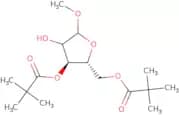
<p>2-O-Benzoyl-4,6-O-benzylidene-a-D-glucopyranoside is a synthetic carbohydrate with a structure that is similar to that of glucose. It has been shown to have anti-inflammatory properties in animal models and can be used for the treatment of inflammatory bowel disease and Crohn's disease. This compound has also been shown to inhibit the growth of bacteria such as Streptococcus pyogenes, Staphylococcus aureus, and Escherichia coli. 2-O-Benzoyl-4,6-O-benzylidene--aD glucopyranoside is soluble in water and has high purity with an average of 98%.</p>Fórmula:C20H20O7Pureza:Min. 95%Peso molecular:372.37 g/molMethyl 3,5-di-O-pivaloyl-D-xylofuranoside
<p>Methyl 3,5-di-O-pivaloyl-D-xylofuranoside is a monosaccharide and an important building block in the synthesis of complex carbohydrates. It has been used in glycosylation reactions as a protecting group and can be fluorinated with trifluoromethanesulfonic acid to give 1,1,1-trifluoro-3-(2′,4′,6′-trihydroxyphenyl)propane.</p>Fórmula:C16H28O7Pureza:Min. 95%Peso molecular:332.39 g/molRef: 3D-MM04130
Producto descatalogadoL-Galactose-6-O-sulphate sodium salt
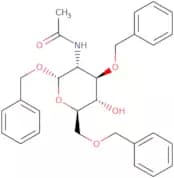
<p>L-Galactose-6-O-sulphate sodium salt is a modified carbohydrate that is synthesized by modifying the chemical structure of L-galactose. This modification can be accomplished using chemical reactions such as methylation, saccharide, polysaccharide, and click modification. The CAS number for this product is 68891-70-8.</p>Fórmula:C6H11O9SNaPureza:Min. 95%Peso molecular:282.2 g/mol2-Acetamido-1,3,6-tri-O-benzyl-2-deoxy-a-D-glucopyranoside
CAS:<p>2-Acetamido-1,3,6-tri-O-benzyl-2-deoxy-a-D-glucopyranoside is a carbohydrate that is composed of four sugar units. It is an antigenic determinant found on the surface of human erythrocytes. The chemical synthesis of this substance begins with the condensation reaction between D-glucose and 2,4,6,-trinitrophenylacetic acid followed by benzylation and acetylation. This compound belongs to the group of substances known as carbohydrates which are chains of monosaccharides that form glycosidic bonds with other sugars. These chains are classified according to their length and the number of sugar units they contain: trioses (three sugar units), tetroses (four sugar units), pentoses (five sugar units), hexoses (six sugar units) or heptoses (seven sugar).</p>Fórmula:C29H33NO6Pureza:Min. 95%Peso molecular:491.58 g/molRef: 3D-MA04621
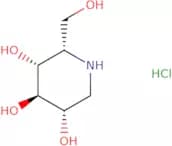
Producto descatalogado1-Deoxy-L-idonojirimycin hydrochloride
CAS:<p>1-Deoxy-L-idonojirimycin hydrochloride is a chaperone that is structurally related to the natural substrate, L-idonojirimycin. It has been found to interact with recombinant human Hsp70 and Hsp90. 1-Deoxy-L-idonojirimycin hydrochloride enhances the kinetic and thermodynamic parameters of these chaperones in vitro. The structural analysis of this compound revealed that it binds to both Hsp70 and Hsp90, which may be due to its ability to mimic the natural substrate's binding site on these chaperones.</p>Fórmula:C6H14ClNO4Pureza:Min. 95%Peso molecular:199.63 g/molRef: 3D-MD16682
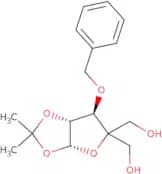
Producto descatalogado4-(Hydroxymethyl)-1,2-O-isopropylidene-3-O-benzyl-beta-L-threo-pentofuranose
CAS:<p>4-(Hydroxymethyl)-1,2-O-isopropylidene-3-O-benzyl-beta-L-threo-pentofuranose is a synthetic fluorinated monosaccharide that can be used to produce oligosaccharides and polysaccharides. It is a custom synthesis that can be modified with methylation or click chemistry. This product has been shown to bind to proteins via glycosylation, which may be useful for protein analysis. 4-(Hydroxymethyl)-1,2-O-isopropylidene-3-O-benzyl-beta-L-threo pentofuranose is CAS No. 72261 44 00 and has a purity of >99%.</p>Fórmula:C16H22O6Pureza:Min. 95%Peso molecular:310.34 g/molRef: 3D-MH148499
Producto descatalogadoMethyl 2,3,4-tri-O-benzyl-b-L-thiofucopyranoside
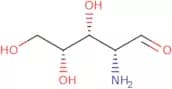
CAS:<p>Methyl 2,3,4-tri-O-benzyl-b-L-thiofucopyranoside is a glycosyl acceptor that can be used in the synthesis of oligosaccharides. It is also an intermediate for the production of antifungal drugs such as fluconazole.</p>Fórmula:C28H32O4SPureza:Min. 95%Peso molecular:464.62 g/mol2-Amino-2-deoxy-D-xylose
CAS:<p>2-Amino-2-deoxy-D-xylose is a metal chelator that can be used in the treatment of infections caused by bacteria. It has been shown to have synergistic effects with metaperiodate, a compound that inhibits bacterial growth by blocking the synthesis of folic acid. 2-Amino-2-deoxy-D-xylose also chelates and removes heavy metals such as mercury and lead from the bloodstream and other tissues. In addition, this drug is an efficient method for producing amino function pyrimidine nucleosides, which are precursors to DNA and RNA synthesis. The metal chelate ring is formed through dehydration of a furanose molecule with a chloride ion. This leads to an advanced carbohydrate product that contains chlorine.</p>Pureza:Min. 95%Thioglucosides
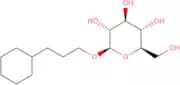
<p>Thioglucosides are a type of sugar that is modified with a thiol group at the C-3 position. A thioglucose can be synthesized by methylation, click modification, and fluorination. Thioglucoses have been used in the past for the production of oligosaccharides and polysaccharides, as well as in complex carbohydrate research. They are also used in the production of high purity monosaccharide sugars. This product is available for custom synthesis to meet your needs.</p>Pureza:Min. 95%3-Cyclohexylpropyl-b-D-glucopyranoside
CAS:<p>3-Cyclohexylpropyl-b-D-glucopyranoside is a synthetic glycoside that is used as an intermediate in the production of complex carbohydrates. This product is custom synthesized and available at a purity of 99%. It can be modified with methylation, glycosylation, or click chemistry. The saccharide can also be fluorinated for use in the synthesis of other products. 3-Cyclohexylpropyl-b-D-glucopyranoside has been shown to be stable during storage at room temperature for up to three months.</p>Fórmula:C15H28O6Pureza:Min. 95%Peso molecular:304.38 g/molRef: 3D-MC05101
Producto descatalogado4-Deoxy-D-glucose
CAS:<p>4-Deoxy-D-glucose is a sugar that is synthesized by the condensation of two molecules of erythrose. It has been shown to be an efficient donor substrate for nucleophilic attack, which can lead to the synthesis of glycosides and other natural products. 4-Deoxy-D-glucose is also a competitive inhibitor of uridine diphosphate (UDP) glucose, which is an enzyme involved in the biosynthesis of UDP sugars and glycoproteins. The concentration of 4-deoxy-D-glucose affects its catalytic mechanism, as it acts as a competitive inhibitor at high concentrations. Molecular modeling has revealed that this molecule adopts a chair conformation with significant solvent exposure.</p>Fórmula:C6H12O5Pureza:Min. 98 Area-%Forma y color:PowderPeso molecular:164.16 g/molRef: 3D-MD180432
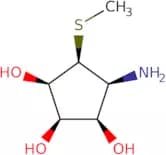
Producto descatalogadoMannostatin A hydrochloride
CAS:<p>Mannostatin A is a prodrug that is activated in the body by cleavage of the ester linkage. It has been shown to be a specific inhibitor of feedback inhibition of protein synthesis and cleavage at the carboxyl-terminal end. Mannostatin A has also been shown to inhibit, selectively, the synthesis of proteins in bacteria. In addition, it is possible that this drug may be converted into an inactive form by conjugation with glucuronic acid or by oxidation.</p>Fórmula:C6H14ClNO3SPureza:Min. 95%Peso molecular:215.7 g/molN’-Nitrosonornicotine N-β-D-glucuronide (mixture of diastereomers) hydrate
CAS:<p>Please enquire for more information about N’-Nitrosonornicotine N-β-D-glucuronide (mixture of diastereomers) hydrate including the price, delivery time and more detailed product information at the technical inquiry form on this page</p>Fórmula:C15H19N3O7•(H2O)xPureza:Min. 95%Ref: 3D-MN183993
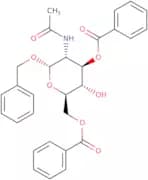
Producto descatalogadoBenzyl 2-acetamido-3,6-di-O-benzoyl-2-deoxy-a-D-glucopyranoside
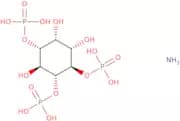
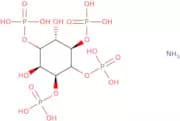
CAS:<p>A 2-acetamido-3,6-di-O-benzoyl-2-deoxy-a-D-glucopyranoside is a custom synthesis of a complex carbohydrate that has been modified with methylation and glycosylation. It is an Oligosaccharide with Polysaccharide and Modification. The CAS number for this compound is 82827-77-8 and has a purity of 99%. This compound has been fluorinated and synthesized.</p>Fórmula:C29H29NO8Pureza:Min. 95%Peso molecular:519.54 g/molD-Myo-inositol 1,4,5-triphosphate ammonium salt
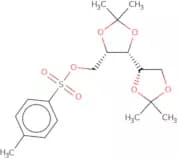
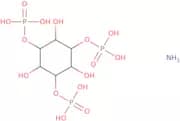
CAS:<p>D-Myo-inositol 1,4,5-triphosphate ammonium salt is a carbohydrate that can be synthesized from D-myo-inositol and phosphoric acid. D-Myo-inositol 1,4,5-triphosphate ammonium salt is a complex carbohydrate that has been fluorinated and glycosylated. It has been used as a synthetic intermediate in the synthesis of oligosaccharides and monosaccharides.</p>Pureza:Min. 95%1-O-Tosyl-2,3:4,5-di-O-isopropylidene-L-arabinitol
CAS:<p>1-O-Tosyl-2,3:4,5-di-O-isopropylidene-L-arabinitol is a sugar that is used in the synthesis of oligosaccharides and complex carbohydrates. This product can be custom synthesized to meet your needs. It has been shown to react with fluorine at high temperatures and with CH3OH/NaOH at low temperatures. 1-O-Tosyl-2,3:4,5-di-O-isopropylidene arabinitol can also be glycosylated or methylated. The CAS number for this product is 1241674-36-1.</p>Fórmula:C18H26O7SPureza:Min. 95%Forma y color:SolidPeso molecular:386.46 g/molRef: 3D-MT06908
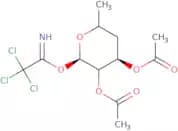
Producto descatalogado2,3-Di-O-acetyl-4,6-dideoxy-a-D-glucopyranosyl trichloroacetimidate
CAS:<p>2,3-Di-O-acetyl-4,6-dideoxy-a-D-glucopyranosyl trichloroacetimidate is a synthetic fluorinated carbohydrate with a complex structure. It is used in the synthesis of oligosaccharides and polysaccharides. 2,3-Di-O-acetyl-4,6-dideoxy-a-D-glucopyranosyl trichloroacetimidate is also used for click modification reactions to modify the sugar moiety of glycans. This product can be custom synthesized to meet customer specifications.<br>2,3 Di O acetyl 4,6 dideoxy a D glucopyranosyl trichloroacetimidate is soluble in water and methanol. It has CAS No. 485809 - 87 - 8 and Molecular Formula C17H19ClO8N2O7. The purity level is > 98</p>Fórmula:C12H16Cl3NO6Pureza:Min. 95%Peso molecular:376.62 g/molMethyl 3,4-O-isopropylidene-L-threonate
CAS:<p>Methyl 3,4-O-isopropylidene-L-threonate is a chromatographic chiral compound that is synthesized by the reaction of malonate and aspartyl amide. This product can be used to determine the stereochemistry of other chiral compounds. It is an endocannabinoid that has been found to have anti-inflammatory activities in animals. Methyl 3,4-O-isopropylidene-L-threonate has also been shown to have antiobesity effects in mice fed a high fat diet and may be used as a synthetic carbohydrate replacement for diabetics.</p>Fórmula:C8H14O5Pureza:Min. 95%Peso molecular:190.19 g/molRef: 3D-MM63237
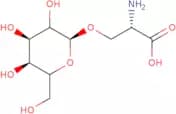
Producto descatalogadoa-D-Mannopyranosyl L-serine
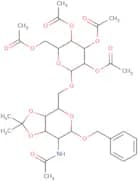
<p>a-D-Mannopyranosyl L-serine is an oligosaccharide that is synthesized by the monosaccharide a-D-mannose and the amino acid serine. It is a complex carbohydrate that has been modified with fluorination, methylation, and click chemistry. This product has a CAS number of 2468-81-7 and can be used in glycosylation reactions. The purity of this product is high, with an optical purity of > 98%.</p>Fórmula:C9H17NO8Pureza:Min. 95%Peso molecular:267.24 g/mol2-(Acetylamino)-1-O-benzyl-2-deoxy-3,4-O-isopropylidene-6-O-(2,3,4,6-tetra-O-acetyl-b-D-galactopyranosyl)-D-galactopyranoside
CAS:<p>The chemical name of this compound is 2-(Acetylamino)-1-O-benzyl-2-deoxy-3,4-O-isopropylidene-6-O-(2,3,4,6-tetra-O-acetylbDgalactopyranosyl)-Dgalactopyranoside. It is a synthetic compound and its molecular formula is C17H22N2O8. The molecular weight of this compound is 412.46 g/mol. CAS No. 352273-66-6</p>Fórmula:C32H43NO15Pureza:Min. 95%Peso molecular:681.68 g/molRef: 3D-MA16582
Producto descatalogadoPhenyl 4-azido-2,3,6-tri-O-benzyl-4-deoxy-b-D-thioglucopyranoside
CAS:<p>Phenyl 4-azido-2,3,6-tri-O-benzyl-4-deoxy-b-D-thioglucopyranoside is a fluorinated monosaccharide that can be synthesized from commercially available starting materials. The compound has been shown to inhibit the glycosylation of proteins and is used in the synthesis of complex carbohydrates such as oligosaccharides and polysaccharides. Phenyl 4-azido-2,3,6-tri-O-benzyl -4 deoxy -b D thioglucopyranoside is a white crystalline solid that has a melting point of 155 ˚C and an assay of 99% purity.</p>Fórmula:C33H36N3O4SPureza:Min. 95%Peso molecular:570.72 g/molD-Myo-inositol-1,3,5-triphosphate
CAS:<p>D-myo-inositol-1,3,5-triphosphate is a carbohydrate that is modified with fluorine. It is a custom synthesis and can be synthesized in high purity. D-myo-inositol-1,3,5-triphosphate has several glycosylations and methylations. The modification of this compound includes click chemistry for the synthesis of oligosaccharides and saccharides. D-myo-inositol-1,3,5-triphosphate can be used as a sugar or an oligosaccharide in the modification of proteins or carbohydrates.</p>Pureza:Min. 95%Methyl D-arabinofuranoside
CAS:<p>Methyl D-arabinofuranoside is an antimycobacterial agent that inhibits the synthesis of mycolic acids, which are important components of the cell wall of Mycobacterium tuberculosis. Methyl D-arabinofuranoside has been shown to be active against drug-resistant strains and has been well tolerated by animals. This compound can be synthesized from 2,4-dichlorophenylacetic acid and arabinose in two steps. The first step involves a three-component condensation reaction with sodium hydroxide, hydrochloric acid, and 2,4-dichlorophenylacetic acid. The second step is a nucleophilic attack on the pyran ring of methyl D-arabinofuranoside with hypophosphorous acid. Methyl D-arabinofuranoside can also be prepared by reacting sodium nitrosobenzene with sodium benzene sulfinate in alcoholic solution</p>Fórmula:C6H12O5Pureza:Min. 95%Forma y color:Off-White PowderPeso molecular:164.16 g/molRef: 3D-MM31839
Producto descatalogado4-Methoxyphenyl 4,6-O-Benzylidene-b-D-galactopyranoside
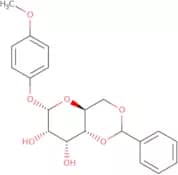
CAS:<p>4-Methoxyphenyl 4,6-O-Benzylidene-b-D-galactopyranoside is a diagnostic agent that reacts with the magnesium salt of 4,6-O-benzylidene b-D-galactopyranoside to form a bright red complex. The reaction of the complex with the magnesium oxide is rapid and highly specific for this substrate. The intensity of color can be measured spectrophotometrically at a wavelength of 420 nm. This product may be used in medical research to diagnose Alzheimer's Disease or other neurological disorders that are characterized by impaired cognition and memory.</p>Fórmula:C20H22O7Pureza:Min. 95%Peso molecular:374.38 g/molRef: 3D-MM60606
Producto descatalogadoMethyl 2,3-O-isopropylidene-5-O-(4-toluenesulfonyl)-b-D-ribofuranoside
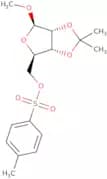
CAS:<p>Methyl 2,3-O-isopropylidene-5-O-(4-toluenesulfonyl)-b-D-ribofuranoside is a nucleoside derivative. It is a deprotected nucleoside that can be used as an alkylation agent. Methyl 2,3-O-isopropylidene-5-O-(4-toluenesulfonyl)-b-D-ribofuranoside is the sodium salt of 5'-O-(4-(methylsulfonyl)benzenesulfonate) -2'-deoxyadenosine. This compound is used in the preparation of other nucleosides, including 5'-O-(4-(methylsulfonyl)benzenesulfonate) -2'-deoxycytidine and 5'-O-(4-(methylsulfonyl)benzenesulfonate) -2'-</p>Pureza:Min. 95%9,10-Dimethoxy-pterocarpane-3-O-b-D-glucoside
<p>9,10-Dimethoxy-pterocarpane-3-O-b-D-glucoside is a custom synthesis that is a polysaccharide with a complex carbohydrate structure. The chemical name for this compound is 9,10-dimethoxy-pterocarpane-3-O-[4′″-(1″″′′)-b′″'-D-glucopyranosyl]-3′′′,4′″’,6′"’] bibenzyl. This compound has been modified by methylation and glycosylation. It can be used in the treatment of cancer and diabetes due to its high purity and fluorination. 9,10-Dimethoxy pterocarpane 3β O glucoside is a sugar or saccharide that can be found in plants such as the roots of tobacco plants. The modification of this sugar by methylation and glycosylation makes it more</p>Pureza:Min. 95%Ref: 3D-MD74553
Producto descatalogado1,2, 4,6-Tetra-O-acetyl-3-O-carbamoyl- D-mannopyranose
CAS:<p>1,2,4,6-Tetra-O-acetyl-3-O-carbamoyl-D-mannopyranose is a synthetic sugar that belongs to the class of glycosides. It can be used in the synthesis of oligosaccharides and polysaccharides. This product is custom synthesized on request and can be modified with fluorination, methylation or click modification. It is available in high purity and has a CAS number of 99748-11-5.</p>Fórmula:C15H21NO11Pureza:Min. 95%Peso molecular:391.33 g/molRef: 3D-MT159739
Producto descatalogado10-Beta-D-glucopyranosyl-1,8-dihydroxy-3-(hydroxymethyl)-anthrone heptaacetate
CAS:<p>10-Beta-D-glucopyranosyl-1,8-dihydroxy-3-(hydroxymethyl)-anthrone heptaacetate is a synthetic saccharide that can be used as a fluorescent probe. It is synthesized by reacting methyl anthrone with 10-beta-D-glucopyranosyl chloride and sodium hydroxide under basic conditions. The fluorination of the compound leads to its fluorescent properties. This product has been custom synthesized for use in click chemistry reactions.</p>Fórmula:C35H36O16Pureza:Min. 95%Peso molecular:712.60 g/molRef: 3D-NAA92872
Producto descatalogado3'-a-Sialyl-N-acetyllactosamine sodium salt
CAS:<p>3'-a-Sialyl-N-acetyllactosamine sodium salt is a high purity, custom synthesis sugar. It has been modified with fluorination, glycosylation, and methylation to provide the desired properties. This product is also available in other forms such as monosaccharide and saccharide. 3'-a-Sialyl-N-acetyllactosamine sodium salt can be used in various applications including Click modification, fluoroamination, glycosylation, carbonylation and methylation. CAS No. 350697-53-9</p>Fórmula:C25H42N2O19NaPureza:Min. 95%Peso molecular:697.59 g/molRef: 3D-MS182937
Producto descatalogado2,3,4,6-Tetra-O-acetyl-b-D-mannopyranose
CAS:<p>2,3,4,6-Tetra-O-acetyl-b-D-mannopyranose (2,3,4,6TOA) is a methylated form of b-D-mannopyranose. This compound can be synthesized by the click reaction between an aldehyde group and an amine group. The modification of 2,3,4,6TOA with acetyl groups at the 2-, 3-, 4-, and 6-positions provides a novel carbohydrate that has not been previously reported in the literature. 2,3,4,6TOA is one of many oligosaccharides that are used as building blocks for complex carbohydrate synthesis.<br>2,3,4,6TOA has high purity and is available for custom synthesis. It's potential application includes glycosylation reactions or as a substrate for fluorination reactions.</p>Pureza:Min. 95%Cyanidin-3-O-sophoroside chloride
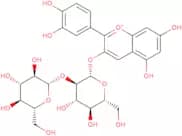
CAS:<p>Cyanidin-3-O-sophoroside chloride (CAS: 6279-21-6) is a naturally occurring phenolic compound that has been isolated from the roots of Sophora flavescens. This compound is a glycosylated form of protocatechuic acid, which is an organic compound with antioxidant properties. The surface methodology on tissue structure showed that this compound can react with nucleophilic radicals and scavenge free radicals in the presence of chloride ions, which is important for its dietary and medicinal value. COS has also been shown to have anti-inflammatory activities in a model system by inhibiting the production of prostaglandins. COS can be extracted from plants by acidic hydrolysis or preparative high performance liquid chromatography.</p>Fórmula:C27H31O16ClPureza:Min. 95%Forma y color:PowderPeso molecular:646.98 g/molEthyl 3,4,6-tri-O-acetyl-2-deoxy-2-phthalimido-b-D-thioglucopyranoside
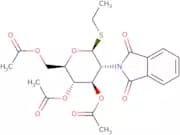
CAS:<p>The compound is an O-acetylated glycoside of 2-deoxy-2-phthalimido-b-D-thioglucopyranoside with a sugar moiety. It is used in the synthesis of complex carbohydrates with click modification and high purity.</p>Fórmula:C22H25NO9SPureza:Min. 95%Forma y color:PowderPeso molecular:479.5 g/molRef: 3D-ME04297
Producto descatalogado1-O-Acetyl-2,3,5-tri-O-benzyl-L-ribofuranose
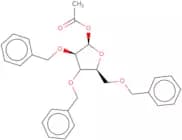
<p>1-O-Acetyl-2,3,5-tri-O-benzyl-L-ribofuranose is a modified form of ribofuranose. It is a polymer that contains three or more monosaccharides linked together by glycosidic bonds. It has been modified with methyl groups and fluorine atoms to enhance its properties. This compound can be used in the synthesis of oligosaccharides, which are complex carbohydrates that are not found in nature and have potential applications as drugs.</p>Fórmula:C28H30O6Pureza:Min. 95%Peso molecular:462.53 g/molPropranolol-2-O-b-D-glucuronide
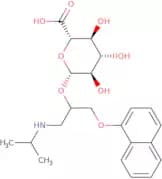
CAS:<p>Propranolol-2-O-b-D-glucuronide is a metabolite of propranolol hydrochloride. It has been shown to have low bioavailability in humans and rats. Propranolol-2-O-b-D-glucuronide is eliminated via the kidney, with an elimination rate that is faster than the parent drug propranolol hydrochloride. The glucuronide conjugate of propranolol, which is found in urine samples, has been shown to be a potential biomarker for glomerular filtration rate and renal function.</p>Fórmula:C22H29NO8Pureza:Min. 95%Forma y color:White to off-white solid.Peso molecular:435.47 g/molRef: 3D-MP09955
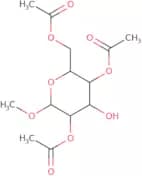
Producto descatalogadoMethyl 2,4,6-tri-O-acetyl-b-D-glucopyranoside
CAS:<p>Methyl 2,4,6-tri-O-acetyl-b-D-glucopyranoside is a modified sugar that is synthesized by a click reaction. This compound has been shown to be an efficient glycosylide donor for the synthesis of complex carbohydrates. Methyl 2,4,6-tri-O-acetyl-b-D-glucopyranoside has been used in the synthesis of oligosaccharides and glycosylated proteins.</p>Pureza:Min. 95%Methyl 6-azido-6-deoxy-a-D-glucopyranoside
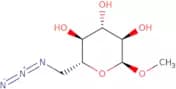
CAS:<p>Methyl 6-azido-6-deoxy-a-D-glucopyranoside is a synthetic, fluorinated, complex carbohydrate that can be used as a building block for the synthesis of saccharides and oligosaccharides. It has been shown to inhibit the glycosylation of proteins and is a useful reagent in click chemistry. Methyl 6-azido-6-deoxy-a-D-glucopyranoside is a nonionic monosaccharide that has been modified with an azido group at C2 and a deoxy group at C3. The compound has been shown to have antiviral activity against HIV and influenza A virus.<br>Methyl 6-azido-6-deoxy--a--D--glucopyranoside is not soluble in water and is best stored at -20°C.</p>Fórmula:C7H13N3O5Pureza:Min. 95%Peso molecular:219.2 g/molRef: 3D-MM152926
Producto descatalogado3,4-O-Isopropylidene-b-D-arabinopyranose
CAS:<p>3,4-O-Isopropylidene-b-D-arabinopyranose is a synthetic monosaccharide that is used in the synthesis of oligosaccharides and polysaccharides. It can be fluorinated, methylated, or glycosylated to produce a range of compounds with different properties. 3,4-O-Isopropylidene-b-D-arabinopyranose is not active against bacteria, but it does inhibit the growth of yeast cells. In addition to its use in biochemistry and as a nutritional supplement for animals and humans, 3,4-O-Isopropylidene-b-D-arabinopyranose can be used as an additive for plastics and other materials.</p>Fórmula:C8H14O5Pureza:Min. 95%Peso molecular:190.19 g/molBenzyl 4-C-nitromethyl-b-D-arabinopyranoside
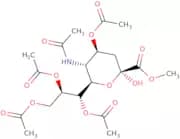
CAS:<p>Benzyl 4-C-nitromethyl-b-D-arabinopyranoside is a synthetic glycosylation agent that is used in the synthesis of complex carbohydrates. It has been shown to react with methyl, fluorine, and saccharide groups. This product can be modified to include a wide range of saccharides, including monosaccharides, disaccharides, and polysaccharides. Benzyl 4-C-nitromethyl-b-D-arabinopyranoside is also available in custom synthesis and high purity.</p>Fórmula:C13H17NO7Pureza:Min. 95%Peso molecular:299.28 g/mol4,7,8,9-Tetra-O-acetyl-N-acetyl-D-neuraminic acid methyl ester
CAS:<p>4,7,8,9-Tetra-O-acetyl-N-acetyl-D-neuraminic acid methyl ester is a modified form of sialic acid. This compound is a glycosylation product that has been modified with methyl groups and fluorine atoms. The fluorination of the molecule increases its stability and prevents it from being hydrolyzed by enzymes such as β-galactosidase. 4,7,8,9-Tetra-O-acetyl-N-acetyl-D-neuraminic acid methyl ester is often used in the synthesis of polysaccharides and oligosaccharides for medical purposes. This compound can be custom synthesized for research purposes or to meet special requirements.</p>Fórmula:C20H29NO13Pureza:Min. 95%Forma y color:White to off-white solid.Peso molecular:491.44 g/molMycophenolic acid phenolic b-D-glucoside
CAS:<p>Mycophenolic acid phenolic b-D-glucoside is a high purity custom synthesis that can be modified to suit customer requirements. It is a complex carbohydrate with a methyl group, fluorine atom, and glycosylation. The chemical name for Mycophenolic acid phenolic b-D-glucoside is CAS No. 55533-52-3. This product is also known as Glycosylation, Oligosaccharide, sugar, Synthetic, Fluorination, Custom synthesis, Methylation, Monosaccharide, Polysaccharide, saccharide. Click modification or Modification.</p>Fórmula:C23H30O11Pureza:Min. 95%Peso molecular:482.48 g/molRef: 3D-MM16812
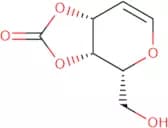
Producto descatalogado3,4-O-Carbonyl-D-galactal
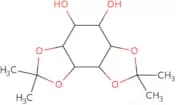
CAS:<p>3,4-O-Carbonyl-D-galactal is a custom synthesis that can be used to modify oligosaccharides, carbohydrates or complex carbohydrates. It has a high purity and is non-toxic in humans. 3,4-O-Carbonyl-D-galactal has been fluorinated and saccharide modified. This product has CAS No. 149847-26-7 and can be synthesized with methylation and glycosylation.</p>Pureza:Min. 95%1,2:5,6-Di-O-isopropylidene-D-chiro-inositol
CAS:<p>1,2:5,6-Di-O-isopropylidene-D-chiro-inositol is a complex carbohydrate that is obtained by methylation of D-chiro-inositol. It is an important component of a number of glycosidic linkages in glycoconjugates and polysaccharides. The compound has been modified with fluorination to increase its stability in organic solvents and to facilitate the attachment of other atoms or molecules. 1,2:5,6-Di-O-isopropylidene-D-chiro-inositol can be used for the synthesis of oligosaccharides and monosaccharides for custom purposes.</p>Fórmula:C12H20O6Pureza:Min. 95%Peso molecular:260.28 g/molRef: 3D-MD10119
Producto descatalogado2-Acetamido-2-deoxy-N-(2-(2-aminoethoxy)ethoxy)acetylaminohexanoyl-b-D-glucopyranosylamine
CAS:<p>2-Acetamido-2-deoxy-N-(2-(2-aminoethoxy)ethoxy)acetylaminohexanoyl-b-D-glucopyranosylamine is a modification of oligosaccharide and a carbohydrate. This chemical has been custom synthesized and is available in high purity. It is a complex carbohydrate, which belongs to the group of saccharides. 2-Acetamido-2-deoxy-N-(2-(2-aminoethoxy)ethoxy)acetylaminohexanoyl-b-D-glucopyranosylamine has CAS No. 208668901 and can be found under glycosylation, methylation, and fluorination.</p>Fórmula:C20H38N4O9Pureza:Min. 95%Peso molecular:478.54 g/mol1-a-Methylaminotrityl-2-deoxy-3,5-di-O-toluoyl-D-ribose
<p>1-a-Methylaminotrityl-2-deoxy-3,5-di-O-toluoyl-D-ribose is a custom synthesis of an oligosaccharide. The compound has a CAS number and is a polysaccharide with glycosylation and methylation. It is fluorinated at the 1 position on the ribose ring and modified with a click chemistry reaction to link two sugars together. This modification allows for high purity of this compound.</p>Pureza:Min. 95%Ref: 3D-MM145898
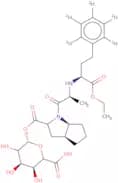
Producto descatalogadoRamipril-D5 acyl-b-D-glucuronide
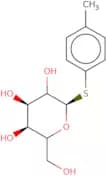
Producto controlado<p>Ramipril-D5 acyl-b-D-glucuronide is a custom synthesis of the complex carbohydrate, oligosaccharide. It has been modified with saccharide, methylation, glycosylation, and click modification. Ramipril-D5 acyl-b-D-glucuronide is a high purity product that has been fluorinated and synthesized.</p>Fórmula:C29H35D5N2O11Pureza:Min. 95%Peso molecular:597.66 g/mol4-Toluoyl-α-D-thiomannopyranoside
CAS:<p>The 4-Toluoyl-a-D-thiomannopyranoside is a six-membered ring with a hydrogen atom at the center. The structure of this molecule is composed of two chains, each of which has four atoms in their backbone. There are also two conformations to the molecule, one that can be observed as a chair conformation and one that can be seen as a boat conformation. In the chair conformation, there are three bonds that form from the central carbon atom to other carbons on the same chain. These bonds are called alpha bonds, and they connect in a linear fashion. In the boat conformation, these three bonds form an angle of 120 degrees with each other and have staggered geometry. The alpha bonds in this case form an angle of 180 degrees with each other.</p>Fórmula:C13H18O5SPureza:Min. 95%Peso molecular:286.35 g/molRef: 3D-MM10122
Producto descatalogado2-Azidoethyl 2-O-benzoyl-4,6-O-benzylidene-3-O-(4-methoxybenzyl)-a-D-mannopyranoside
<p>2-Azidoethyl 2-O-benzoyl-4,6-O-benzylidene-3-O-(4-methoxybenzyl)-a-D-mannopyranoside is a synthetic sugar that has been modified with fluorination and glycosylation. The carbohydrate is made of a complex chain of monosaccharides and saccharides. It is the CAS number for this chemical agent.</p>Pureza:Min. 95%trans-Cinnamoyl b-D-glucoside
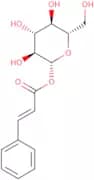
CAS:<p>Trans-Cinnamoyl b-D-glucoside is a plant tissue that can be used as a natural chemical transformation agent. Trans-Cinnamoyl b-D-glucoside is also a chemical catalyst in the synthesis of medicines. The structure of trans-Cinnamoyl b-D-glucoside has been shown to have a high degree of stereoselectivity and sensitivity to tissue culture conditions, which are due to its aldehydic group. This molecule is also able to form gels when combined with other molecules and exhibits endogenous activity.</p>Fórmula:C15H18O7Pureza:Min. 95%Peso molecular:310.3 g/mol1,4:3,6-Dianhydrogalactitol
CAS:<p>1,4:3,6-Dianhydrogalactitol (1,4:3,6-DAG) is a glycosylated sugar that belongs to the group of complex carbohydrates. It has been shown to be an effective inhibitor of methylation and Click modification reactions. 1,4:3,6-DAG also inhibits the polymerization of saccharides and oligosaccharides. This product is custom synthesized for research purposes and can be provided in high purity.</p>Fórmula:C6H10O4Pureza:Min. 95%Peso molecular:146.14 g/molRef: 3D-MD156854
Producto descatalogadoPhenyl 2,3,4,6-tetra-O-benzoyl-a-D-thiomannopyranoside
CAS:<p>Phenyl 2,3,4,6-tetra-O-benzoyl-a-D-thiomannopyranoside is a synthetic carbohydrate that can be modified with methylation, saccharide and fluorination. This product has been modified with a Click reaction to create an oligosaccharide. Phenyl 2,3,4,6-tetra-O-benzoyl-a-D-thiomannopyranoside is synthesized by the glycosylation of the sugar phenyl 2,3,4,6-tetraacetate. The CAS number for this product is 65236-83-1.</p>Pureza:Min. 95%D-Ribulose-5-phosphate sodium
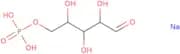
CAS:<p>D-ribulose-5-phosphate sodium is a nucleotide sugar that is one of the ribonucleotides, which are fundamental components of RNA. D-ribulose 5-phosphate sodium has been shown to be an intermediate in the metabolism of ribulose and catalyzes the oxidation of d-arabinose. This enzyme also catalyses the synthesis of fatty acids and participates in reactions involving glycerolipids and phospholipids. The reaction mechanism involves a double displacement with simultaneous attack by a water molecule on C2' and C3'. When deuterium is present, it affects the rate of these reactions in a way that depends on the orientation of the substrate to the enzyme.</p>Fórmula:C5H11NaO8PPureza:Min. 95%Peso molecular:253.1 g/molRef: 3D-BDA05475
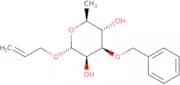
Producto descatalogadoAllyl 3-O-benzyl-a-L-rhamnopyranoside
CAS:<p>Allyl 3-O-benzyl-a-L-rhamnopyranoside is an oligosaccharide that is a modification of the disaccharide, allyl 3-O-benzyl-a-D-galactopyranoside. Allyl 3-O-benzyl-a-L-rhamnopyranoside has been synthesized from D-(+)-glucose and L-(+)-rhamnose. The compound has a molecular weight of 756.40 g/mol. It is a white to off white powder that is soluble in water, but insoluble in ethanol at low concentrations. It can be used as a carbohydrate or sugar for research purposes.</p>Fórmula:C16H22O5Pureza:Min. 95%Peso molecular:294.35 g/molRef: 3D-MA07949
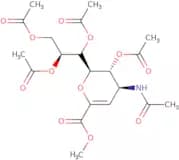
Producto descatalogadoMethyl 5,7,8,9-tetra-O-acetyl-4-acylamino-2,6-anhydro-3,4-dideoxy-D-glycero-D-galacto-2-enonate
CAS:<p>Methyl 5,7,8,9-tetra-O-acetyl-4-acylamino-2,6-anhydro-3,4-dideoxy-D-glycero-D-galacto-2-enonate is a synthetic sugar that is used as a building block for the synthesis of polysaccharides. This compound can be modified with click chemistry and fluorination to create an array of possible saccharide structures. Methylated sugar derivatives are also used in custom synthesis applications.</p>Fórmula:C20H27NO12Pureza:Min. 95%Peso molecular:473.43 g/molRef: 3D-MM16793
Producto descatalogadoD-Myo-inositol-1,3,4,5-tetraphosphate
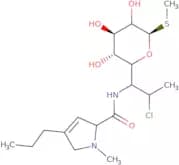
CAS:<p>D-myo-inositol-1,3,4,5-tetraphosphate (IP4) is a molecule that is involved in the regulation of cell metabolism and signal transduction. It is synthesized from myo-inositol by the enzyme inositol monophosphatase and hydrolyzed by inositol hexaphosphate kinase to form D-myo-inositol. IP4 can bind to receptors which span the plasma membrane and interact with intracellular Ca2+ channels. This binding results in an increase of cytosolic Ca2+ levels, which may be due to IP4’s ability to activate phosphatidylinositol turnover. IP4 is also involved in the regulation of neuronal death and infectious diseases such as HIV.</p>Pureza:Min. 95%Dehydroclindamycin
CAS:<p>Dehydroclindamycin is a semisynthetic antibiotic that belongs to the class of antibiotics known as lincosamides. It is used in clinical treatment for bacterial infections. Dehydroclindamycin acts by interfering with the bacterial ribosome and prevents the formation of proteins required for cell division. This drug may be susceptible to degradation by hydrolysis or oxidation, which can lead to impurities. Dehydroclindamycin is produced by hydrogenation of clindamycin hydrochloride using a Raney nickel catalyst, followed by chromatography. The spectrum of dehydroclindamycin consists of antibacterial activity against gram-positive bacteria such as Staphylococcus aureus and Enterococcus faecalis and gram-negative bacteria such as Escherichia coli and Klebsiella pneumoniae.</p>Fórmula:C18H31ClN2O5SPureza:Min. 95%Peso molecular:422.97 g/molRef: 3D-MD46888
Producto descatalogado2-Acetamido-1,3,4,6-tetra-O-acetyl-2-deoxy-a-D-galactopyranose
CAS:<p>2-Acetamido-1,3,4,6-tetra-O-acetyl-2-deoxy-a-D-galactopyranose is a fluorinated complex carbohydrate that has been modified by methylation and acetylation. This product is a custom synthesis that has not been previously described in the scientific literature. It is synthesized from 2, 3, 4, 6 tetraacetyl alpha D galactopyranoside and 2 deoxy alpha D galactopyranose. The chemical properties of this compound are similar to those of other complex carbohydrates such as glycogen and heparin.</p>Fórmula:C16H23NO10Pureza:Min. 90.0 Area-%Peso molecular:389.35 g/mol1-Deoxy-1-nitro-L-glucitol
CAS:<p>1-Deoxy-1-nitro-L-glucitol is a potent apoptosis-inducing compound that has shown promising results in cancer research. It is an analog of vanillin and nintedanib, two well-known cancer cell inhibitors. 1-Deoxy-1-nitro-L-glucitol has been shown to inhibit the activity of several kinases, including those involved in tumor growth and progression. In addition, it has been found to be effective against various types of cancer cells, including Chinese hamster ovary cells and human bladder cancer cells. This compound also exhibits synergistic effects with other anti-cancer drugs such as glimepiride and apomorphine. The presence of 1-Deoxy-1-nitro-L-glucitol in urine may serve as a potential biomarker for the diagnosis and monitoring of certain cancers.</p>Fórmula:C6H13NO7Pureza:Min. 95%Peso molecular:211.17 g/molRef: 3D-MD183192
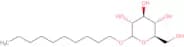
Producto descatalogadoDecyl D-glucopyranoside
CAS:<p>Decyl D-glucopyranoside is a sodium salt of decyl D-glucopyranoside that is used as a detergent additive in cleaning compositions. Decyl D-glucopyranoside has shown antimicrobial activity against both Gram-positive and Gram-negative bacteria, including methicillin resistant Staphylococcus aureus (MRSA) and Clostridium perfringens. Decyl D-glucopyranoside has also been shown to have chemical stability at high temperatures, making it useful in the manufacture of lacrimal gland preparations and cationic surfactants.</p>Fórmula:C16H32O6Peso molecular:320.42 g/molRef: 3D-MD11310
Producto descatalogadoD-Glucose-6-phosphate dipotassium salt hydrate
CAS:<p>Glucose 6-phosphatase substrate</p>Fórmula:C6H11O9PK2·H2OPureza:Min. 95%Peso molecular:354.33 g/molRef: 3D-MG05094
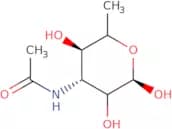
Producto descatalogado3-Acetamido-3,6-dideoxy-D-galactose
CAS:<p>3-Acetamido-3,6-dideoxy-D-galactose is a monosaccharide with two functional groups. It has been shown to be bifunctional and can act as a glycosyl donor or acceptor. 3-Acetamido-3,6-dideoxy-D-galactose was isolated from the type strain of Streptomyces venezuelae. It is also found in fatty acids and some strains of bacteria, such as Bacillus megaterium. The biological properties of 3-acetamido--3,6-dideoxy--D--galactose have been studied using monoclonal antibodies, magnetic resonance spectroscopy (MRS), and 13C nuclear magnetic resonance spectroscopy (NMR).</p>Fórmula:C8H15NO5Pureza:Min. 95%Forma y color:PowderPeso molecular:205.21 g/molRef: 3D-MA46732
Producto descatalogadoa-D-Glucose
CAS:<p>Glucose is a monosaccharide that is an important source of energy for the human body. It is a simple sugar found in many carbohydrates and is the main form of fuel used by the brain. Glucose is also used as a chemical building block for polysaccharides such as glycogen, cellulose, and chitin. The hypoglycemic effect of glucose can be observed when blood glucose levels are below 70 mg/dL. This effect can be due to its ability to increase the production of insulin or decrease the rate of gluconeogenesis in liver cells. It also has been shown to have an inhibitory effect on some viruses and bacteria, which may be due to its ability to inhibit transcription activators or polymerase chain reactions.</p>Fórmula:C6H12O6Pureza:Min. 96 Area-%Forma y color:White PowderPeso molecular:180.16 g/molRef: 3D-MG03219
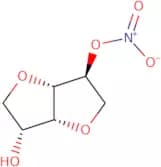
Producto descatalogado1,4:3,6-Dianhydro-2-nitro-D-glucitol
CAS:<p>Isosorbide is a dihydro-nitro sugar that belongs to the group of alkanoic acids. It is metabolized in the body by hydrolysis to yield two molecules of glucose and one molecule of nitrite ion. Isosorbide has been shown to have beneficial effects on chronic oral toxicity, systolic pressure, and myocardial infarct in experimental models. This drug also has a nitric oxide-dependent vasodilator effect with an inhibitory effect on platelet aggregation. Isosorbide has been shown to be effective against liver cells and is used as a diagnostic agent for liver diseases. In vivo human studies have demonstrated that this drug is absorbed quickly by the body and excreted primarily through the urine. This drug also exhibits pharmacokinetic properties that are dependent on pH levels for absorption.</p>Fórmula:C6H9NO6Pureza:Min. 95%Forma y color:White PowderPeso molecular:191.14 g/molRef: 3D-MD24729
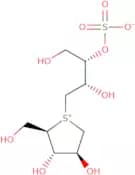
Producto descatalogadoSalacinol
CAS:<p>Salacinol is a naturally occurring sulfonium ion, which is a bioactive compound found primarily in the roots and stems of the plant Salacia reticulata. This plant is native to regions of South Asia, particularly India and Sri Lanka, and is traditionally used in Ayurvedic medicine. Salacinol's mode of action involves the inhibition of alpha-glucosidase, an enzyme responsible for breaking down carbohydrates into glucose. By inhibiting this enzyme, salacinol reduces the postprandial rise in blood glucose levels, thus demonstrating antidiabetic potential.</p>Fórmula:C9H18O9S2Pureza:Min. 95%Peso molecular:334.37 g/molRef: 3D-MS27780
Producto descatalogadoD-Ribitol-5-phosphate
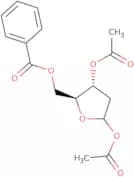
CAS:<p>Ribitol is a sugar alcohol that is found in all living organisms. It is also used as a source of carbon and energy in the form of D-ribitol-5-phosphate, which can be synthesized from ribose 5-phosphate by means of an enzymatic reaction. Ribitol 5 phosphate is used for the synthesis of monoclonal antibodies, which are useful for studying enzyme activities, immunoassays, and cell surface receptors. This compound has been shown to have regulatory effects on the expression of genes encoding fatty acid biosynthesis enzymes. Ribitol 5 phosphate has been detected using magnetic resonance spectroscopy techniques in glycan structures and galacturonic acid residues.</p>Fórmula:C5H13O8PPureza:Min. 95%Peso molecular:232.13 g/mol1,3-Di-O-acetyl-5-O-benzoyl-2-deoxy-D-xylofuranose
CAS:<p>1,3-Di-O-acetyl-5-O-benzoyl-2-deoxy-D-xylofuranose is a complex carbohydrate that has been custom synthesized. It is a monosaccharide with a methyl group at the C1 position and an acetyl group at the C3 position. The chemical formula for 1,3 Di-O-acetyl 5 O benzoyl 2 deoxy D xylofuranose is C11H21NO6. The molecular weight of 1,3 Di O acetyl 5 O benzoyl 2 deoxy D xylofuranose is 277.27 g/mol. 1,3 Di O acetyl 5 O benzoyl 2 deoxy D xylofuranose may have glycosidic bonds and be used in the synthesis of other carbohydrates or as a reagent in organic chemistry reactions.</p>Fórmula:C16H18O7Pureza:Min. 95%Peso molecular:322.31 g/molADP-L-glycero-b-D-manno-heptose
<p>ADP-L-glycero-b-D-manno-heptose is a synthetic, fluorinated oligosaccharide that is custom synthesized and modified. It has a high purity level and CAS No., as well as being a complex carbohydrate that can be modified with methylation or click modification to generate desired properties. ADP-L-glycero-b-D-manno-heptose is an Oligosaccharide with a glycosylation and methylation. This compound can be used in the synthesis of saccharides, polysaccharides, or other complex carbohydrates.</p>Pureza:Min. 95%