Monosacáridos
Subcategorías de "Monosacáridos"
- Allosas(11 productos)
- Arabinosas(21 productos)
- Eritrosas(11 productos)
- Fructosas(9 productos)
- Fucosas(36 productos)
- Galactosamina(41 productos)
- Galactosa(261 productos)
- Glucosas(365 productos)
- Ácidos glucurónicos(52 productos)
- Glico-sustratos para enzimas(78 productos)
- Gulosas(6 productos)
- Idosas(4 productos)
- Inositoles(15 productos)
- Lyxosas(4 productos)
- Manosas(65 productos)
- O-glicanos(48 productos)
- Psicosas(3 productos)
- Ramnosas(10 productos)
- Ribosas(61 productos)
- Ácidos siálicos(100 productos)
- Sorbosas(4 productos)
- Azúcares(173 productos)
- Tagatosis(4 productos)
- Taloses(8 productos)
- Xilosas(20 productos)
Se han encontrado 6088 productos de "Monosacáridos"
Glycerone phosphate hemimagnesium salt hydrate
CAS:Glycerone phosphate hemimagnesium salt hydrate is a substrate molecule that is used in the control analysis of dihydroxyacetone phosphate. Glycerone phosphate hemimagnesium salt hydrate is an optimum concentration for 3T3-L1 preadipocytes and has been shown to have an effect on energy metabolism. Glycerone phosphate hemimagnesium salt hydrate also has enzymatic activity, which can lead to neuronal death or skin cancer. This compound is a monosodium salt that can be found in cytosolic calcium, which is present in cells and helps regulate muscle contraction. Glycerone phosphate hemimagnesium salt hydrate can also be found in basic proteins that are vital for cell function.Fórmula:C3H5O6P·xH2OMgPureza:Min. 95 Area-%Forma y color:PowderPeso molecular:180.19 g/mol1,2-Dideoxy-2-fluoro-galactonojirimycin
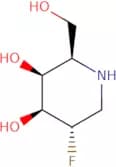
CAS:1,2-Dideoxy-2-fluoro-galactonojirimycin is a synthetic glycoside derived from galactonojirimycin. It has been modified to include fluorine and methyl groups. 1,2-Dideoxy-2-fluoro-galactonojirimycin is an oligosaccharide with a complex carbohydrate structure. It can be synthesized by Click modification of the sugar moiety with fluoroacetate followed by glycosylation and methylation of the saccharide chain.
Fórmula:C6H12NO3FPureza:Min. 95%Peso molecular:165.16 g/mol5-O-tert-Butyldimethylsilyl-2,3-O-isopropylidene-D-lyxono-1,4-lactone
CAS:5-O-tert-Butyldimethylsilyl-2,3-O-isopropylidene-D-lyxono-1,4-lactone is a synthetic monosaccharide that has been modified with fluorine. It is an oligosaccharide that has been synthesized from D-lyxose by glycosylation and methylation. The CAS number for this product is 1266546-70-6. This chemical can be used in the synthesis of complex carbohydrates such as polysaccharides or glycoconjugates. 5SDMTDSL is a white crystalline powder that can be custom synthesized to meet the requirements of customers.Fórmula:C14H26O5SiPureza:Min. 95%Peso molecular:302.45 g/mol5-O-Benzoyl-1,2-O-isopropylidene-a-D-xylofuranose
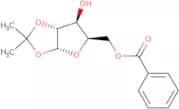
CAS:Ai Product Descriptions 50 CreativeFórmula:C15H18O6Pureza:Min. 95%Peso molecular:294.31 g/molTarenflurbil-acyl-b-D-glucuronide
CAS:Tarenflurbil-acyl-b-D-glucuronide is a custom synthesis that is a synthetic, high purity compound. This compound is an Oligosaccharide which is a complex carbohydrate that consists of two or more simple sugars linked together in a chain. It is synthesized by modifying the saccharide with Methylation and Glycosylation, Carbohydrates are polymers of sugar molecules. Tarenflurbil-acyl-b-D-glucuronide has been modified with Fluorination and Click chemistry to create an acylated derivative.Fórmula:C21H21F1O8Pureza:Min. 95%Peso molecular:420.39 g/molMannostatin A hydrochloride
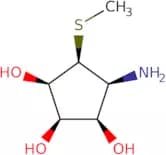
CAS:Mannostatin A is a prodrug that is activated in the body by cleavage of the ester linkage. It has been shown to be a specific inhibitor of feedback inhibition of protein synthesis and cleavage at the carboxyl-terminal end. Mannostatin A has also been shown to inhibit, selectively, the synthesis of proteins in bacteria. In addition, it is possible that this drug may be converted into an inactive form by conjugation with glucuronic acid or by oxidation.
Fórmula:C6H14ClNO3SPureza:Min. 95%Peso molecular:215.7 g/molMethyl 6-deoxy-2-O-methyl-a-D-galactopyranoside
CAS:Methyl 6-deoxy-2-O-methyl-a-D-galactopyranoside is a custom synthesis that has been modified with fluorination, methylation and click chemistry. The product is a monosaccharide or oligosaccharide that is synthetic and can be used as a sugar or carbohydrate. It has CAS No. 59981-27-0 and can be found in Polysaccharides, Glycosylations, Carbohydrates, Complex Carbohydrates.Fórmula:C8H16O5Pureza:Min. 95%Peso molecular:192.21 g/mol2,6-Di-O-Carboxymethyl-D-glucose
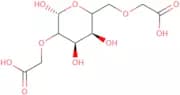
CAS:2,6-di-O-carboxymethyl-D-glucose (2,6-CMG) is a modification of D-glucose. 2,6-CMG is a complex carbohydrate with CAS No. 95350-37-1 and has the molecular formula C8H14O9. It is an oligosaccharide that can be custom synthesized to meet customer specifications. 2,6-CMG has high purity and can be used as a sugar or polysaccharide. It also has been fluorinated to meet customer requirements. The glycosylation of 2,6-CMG is methylated and saccharides are then added to it in order to produce a monosaccharide or polysaccharide. This product can be used in the synthesis of glycoproteins and other biomolecules.Fórmula:C10H16O10Pureza:Min. 95%Forma y color:Colourless LiquidPeso molecular:296.23 g/mol4-Toluoyl-α-D-thiomannopyranoside
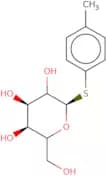
CAS:The 4-Toluoyl-a-D-thiomannopyranoside is a six-membered ring with a hydrogen atom at the center. The structure of this molecule is composed of two chains, each of which has four atoms in their backbone. There are also two conformations to the molecule, one that can be observed as a chair conformation and one that can be seen as a boat conformation. In the chair conformation, there are three bonds that form from the central carbon atom to other carbons on the same chain. These bonds are called alpha bonds, and they connect in a linear fashion. In the boat conformation, these three bonds form an angle of 120 degrees with each other and have staggered geometry. The alpha bonds in this case form an angle of 180 degrees with each other.
Fórmula:C13H18O5SPureza:Min. 95%Peso molecular:286.35 g/molcis-Resveratrol 4'-O-b-D-glucuronide
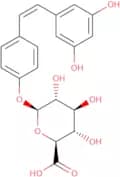
CAS:cis-Resveratrol 4'-O-b-D-glucuronide is a synthetic compound that is a sugar, with a molecular weight of 598. It is an oligosaccharide and has been modified with fluorination on the C2 position. cis-Resveratrol 4'-O-b-D-glucuronide is the methylated form of resveratrol. It has been shown to have anti-inflammatory properties and can be used for the treatment of inflammation associated with arthritis, psoriasis, or septic shock. cis-Resveratrol 4'-O-b-D-glucuronide binds to polysaccharides in the body and inhibits their ability to bind to glycoproteins on cell surfaces. This results in a decrease in inflammation and other inflammatory responses that are mediated by these cells.Fórmula:C20H20O9Pureza:Min. 95%Peso molecular:404.37 g/molMethyl 6-azido-6-deoxy-2,3-di-O-benzyl-a-D-glucopyranoside
CAS:Methyl 6-azido-6-deoxy-2,3-di-O-benzyl-a-D-glucopyranoside is a custom synthesized compound that belongs to the group of glycosylation. It is an Oligosaccharide, sugar, Synthetic, Fluorination, Custom synthesis, Methylation, Monosaccharide, Polysaccharide and saccharide. This compound has CAS No. 54522-58-6 and a molecular weight of 598.29 g/mol. The purity level is >99% and the modification level is Click modification.Fórmula:C21H25N3O5Pureza:Min. 95%Peso molecular:399.18 g/mol2,4-Anhydro-3,5-O-[(S)-phenylmethylene]- D-lyxonic acid methyl ester
CAS:2,4-Anhydro-3,5-O-[(S)-phenylmethylene]- D-lyxonic acid methyl ester is a synthetic monosaccharide that has a fluorination modification. It is commonly used as a raw material in the synthesis of oligosaccharides and polysaccharides. This chemical can be synthesized using Click chemistry or methylation reactions. 2,4-Anhydro-3,5-O-[(S)-phenylmethylene]- D-lyxonic acid methyl ester is used in the production of complex carbohydrates with glycosylation and polysaccharide modifications. This chemical exhibits high purity and can be custom synthesized to meet specific needs.Fórmula:C13H14O5Pureza:Min. 95%Peso molecular:250.25 g/mol2,5-Anhydro-D-glucitol-6-phosphate
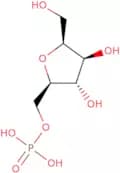
CAS:2,5-Anhydro-D-glucitol-6-phosphate is a phosphorylated derivative of D-glucitol 6 phosphate. It has been shown to be a major metabolic intermediate in the glycolytic pathway. 2,5-Anhydro-D-glucitol 6 phosphate is produced by the enzyme phosphofructokinase and hydrolyzed by the enzyme pyruvate kinase. The conversion of 2,5-anhydro -D-glucitol 6 phosphate to D -fructose 1 phosphate occurs at a rate that is dependent on the availability of oxygen. The activity of 2,5 anhydro -D-glucitol 6 phosphate in cells is also dependent on whether or not there are aerobic glycolytic enzymes present.Fórmula:C6H13O8PPureza:Min. 95%Peso molecular:244.14 g/mol4-Methoxyphenyl 3-O-benzyl-2-deoxy-2-phthalimido-b-D-glucopyranoside
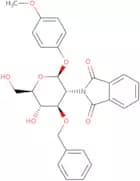
CAS:4-Methoxyphenyl 3-O-benzyl-2-deoxy-2-phthalimido-b-D-glucopyranoside is an antiviral agent that inhibits the replication of papilloma virus and other viruses. It binds to the viral DNA at a site that is not affected by other antiviral agents, preventing the viral DNA from being copied into RNA. 4MPBG also induces coagulation and cell expression in human cells and has been shown to inhibit the production of amyloid beta (Aβ) in Alzheimer's disease. This drug is not active against organisms such as bacteria, yeast, or fungi. The drug was originally synthesized as a potential pharmaceutical for cancer treatment, but it did not exhibit any cytotoxic effects on cancer cells.Fórmula:C28H27NO8Pureza:Min. 95%Peso molecular:505.52 g/molMethyl-2,3,6-tri-O-benzoyl-a-D-mannopyranose monohydrate
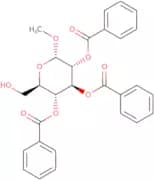
Methyl-2,3,6-tri-O-benzoyl-a-D-mannopyranose monohydrate is a carbohydrate compound with the formula CHO. It is an Oligosaccharide made of three α-(1→2) linked mannose residues and one α-(1→3) linked mannose residue. This modification has been shown to be important for glycosylation and polysaccharide synthesis. Methyl-2,3,6-tri-O-benzoyl-a-D-mannopyranose monohydrate has high purity and CAS No.Pureza:Min. 95%Methyl 2,4,6-tri-O-methyl-a-D-glucopyranoside
CAS:Methyl 2,4,6-tri-O-methyl-a-D-glucopyranoside is a sugar that has been modified by the addition of a methyl group to the hydroxyl group at the C2 position. The chemical name for this sugar is methyl 2,4,6-tri-O-methyl-β--glucopyranoside. This modification of the sugar molecule can be achieved through either a Click or an Oligosaccharide synthesis approach. Methyl 2,4,6-tri-O-methyl-a-D--glucopyranoside is used in various applications including as a synthetic intermediate for saccharides or as a carbohydrate building block for glycosylations. Methyl 2,4,6--tri--O--methyl--β--glucopyranoside is also used in fluorination reactions to produce fluoro sugars and can be used as a custom synthesis service with high purityPureza:Min. 95%Frucoste-proline
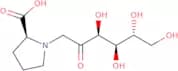
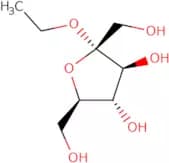
CAS:Frucoste-proline is a l-amino acid that is found in the leaves of tobacco plants. Frucoste-proline is synthesized by dehydration of L-proline, which is catalyzed by the enzyme tabacum l. Frucoste-proline can also be found in maltol and diazepine. The major function of frucoste-proline is to act as a cofactor for enzymes involved in the synthesis of aromatic compounds such as aldehydes and sulfides. This amino acid has been identified as an analytical marker for tobacco leaf, due to its low energy and high specificity.Pureza:Min. 95%Ethyl a-D-fructofuranoside
CAS:Ethyl a-D-fructofuranoside is a carbohydrate found in the roots of orientalis that has been shown to have anti-allergic effects. Ethyl a-D-fructofuranoside is extracted from the root of orientalis and purified by column chromatography. It inhibits histamine release and reduces inflammation in mouse skin tests. The structure of ethyl a-D-fructofuranoside was determined using nuclear magnetic resonance (NMR) spectroscopy, gas chromatography, and mass spectroscopy. The biosynthesis of this compound is unknown but it may be synthesized from sucrose or methanol extract with the help of an enzyme called verbascose synthase.Fórmula:C8H16O6Pureza:Min. 95%Peso molecular:208.21 g/mol2-O-Methyl-a-D-N-glycoloylneuraminic acid
CAS:2-O-Methyl-a-D-N-glycoloylneuraminic acid (2OMG) is a synthetic sugar that is used as a monosaccharide. It can be used to modify the glycosylation of saccharides, such as mono-, oligo-, and polysaccharides. The chemical structure of 2OMG includes one sugar unit and one methyl group in the alpha position, which makes it useful for click chemistry. This product is available in high purity and has a CAS number of 14206-42-9.Fórmula:C12H21NO10Pureza:Min. 95%Peso molecular:339.3 g/mol2-Naphthylmethyl 2-acetamido-2-deoxy-b-D-glucopyranoside
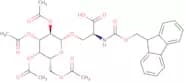
CAS:2-Naphthylmethyl 2-acetamido-2-deoxy-b-D-glucopyranoside is a synthetic, fluorinated monosaccharide. It is a custom synthesis that can be glycosylated and methylated to produce polysaccharides. It has been shown to inhibit cancer cell growth in vitro and in vivo by inhibiting protein synthesis.Fórmula:C19H23NO6Pureza:Min. 95%Peso molecular:361.39 g/mol2,3,4,6-Tetra-O-acetyl-b-D-galactopyranosyl-(N2-Fmoc)-L-serine
CAS:2,3,4,6-Tetra-O-acetyl-b-D-galactopyranosyl-(N2-Fmoc)-L-serine is a chemical compound. The molecular formula of this compound is C20H32O5 and the molecular weight is 376.429 g/mol. The chemical structure of this compound contains a tetra acetyl bDgalactopyranosyl residue linked to an N2 substituted Lserine residue.Fórmula:C32H35NO14Pureza:Min. 95%Peso molecular:657.63 g/molN-Fmoc-O-(2,3,4,6-tetra-O-acetyl-b-D-galactopyranosyl)-L-tyrosine
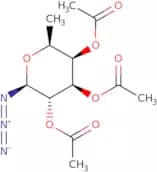
This compound is a custom synthesis that is fluorinated, methylated, and acetylated. It contains a monosaccharide and oligosaccharide sugar with glycosylation at the reducing end of the sugar. The molecular weight of this compound is 812.14 g/mol. This compound has CAS number 725-36-6 and its name is N-Fmoc-O-(2,3,4,6-tetra-O-acetyl-b-D-galactopyranosyl)-L-tyrosine.Fórmula:C39H39NO14Pureza:Min. 95%Peso molecular:733.71 g/mol2,3,4-Tri-O-acetyl-b-L-fucopyranosyl azide
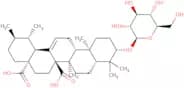
CAS:2,3,4-tri-O-acetyl-b-L-fucopyranosyl azide is a synthetic molecule that has been modified with fluorination, methylation, and acetylation. This compound is used for the synthesis of oligosaccharides and polysaccharides. It also can be used for glycosylation reactions to produce saccharides. The CAS number for this product is 95581-07-0.Fórmula:C12H17N3O7Pureza:Min. 95%Forma y color:Light (Or Pale) Yellow SolidPeso molecular:315.28 g/molQuinovic acid 3-O-b-D-glucoside
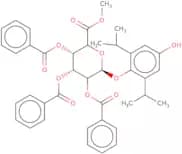
CAS:Quinovic acid 3-O-b-D-glucoside is a fluorinated saccharide that has been synthesized in the laboratory. It is a high purity, synthetic sugar with an M+1 ion at m/z 571. The structure of this compound is O-α-D-mannopyranosyl-(1→2)-β-D-glucopyranosyl-(1→6)-β-D-glucopyranosyl-(1→2)-O-.Pureza:Min. 95%Propofol 2,3,4-tri-O-benzoyl-b-D-glucuronide methyl ester
Propofol is a general anesthetic that is used to induce and maintain anesthesia. It binds to GABA receptors in the brain, leading to suppression of neuronal activity. Propofol is metabolized by esterases in the liver, resulting in its active form 2,3,4-tri-O-benzoyl-b-D-glucuronide methyl ester. This active form inhibits glycolysis by inhibiting the conversion of glucose to fructose 1,6-bisphosphate and glyceraldehyde 3-phosphate by phosphoglucose isomerase and triose phosphate isomerase respectively. It also inhibits protein synthesis by binding to the ribosomes and preventing peptide bond formation on amino acids.Fórmula:C40H40O10Pureza:Min. 95%Peso molecular:680.74 g/mol1-Amino-1-deoxy-D-glucitol hydrochloride
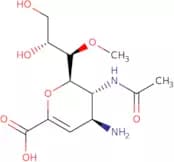
CAS:1-Amino-1-deoxy-D-glucitol hydrochloride (AMDG) is a compound that has been synthesized to inhibit the enzyme chondroitin sulfate. Chondroitin sulfate is an important component of cartilage and plays a role in the inflammatory response. It also inhibits the production of gamma-aminobutyric acid, which is an inhibitory neurotransmitter. AMDG can be used as a treatment for pain by inhibiting the transmission of pain signals through the nervous system. AMDG also has anti-inflammatory effects, which may be due to its ability to suppress prostaglandin synthesis.Pureza:Min. 95%5-(Acetylamino)-4-amino-2,6-anhydro-3,4,5-trideoxy-7-O-methyl-D-glycero-D-galacto-non-2-enonic acid
CAS:5-(Acetylamino)-4-amino-2,6-anhydro-3,4,5-trideoxy-7-O-methyl-D-glycero-D-galacto-non-2-enonic acid is a custom synthesis. It is synthesized by modification of the 7th carbon in the glycosidic bond and fluorination of the 4th carbon on the sugar ring. The chemical structure is based on an amino sugar composed of two acetic acid residues, one anhydro sugar residue and one methyl group. This product is a white to off white solid with a molecular weight of 597.07 g/mol that has a melting point of 154°C.Fórmula:C12H20N2O7Pureza:Min. 95%Peso molecular:304.3 g/molPregnanediol 3a-O-b-D-glucuronide BSA conjugate
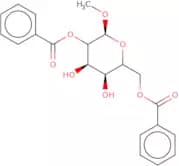
Pregnanediol 3a-O-b-D-glucuronide BSA conjugate is a complex carbohydrate, which is a synthetic glycosylation of the natural methylated pregna-3a,20-dienolide (pregnanediol) and the BSA carrier. The chemical modification of this compound has been accomplished by Click chemistry to form an oligosaccharide. This product can be utilized as a biomaterial for various applications in biotechnology, such as gene therapy and drug delivery. It can also be used to study its biological function in biological systems.Pureza:Min. 95%2,6-Di-O-benzoyl-methyl-a-D-glucopyranoside
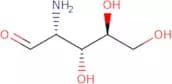
CAS:2,6-Di-O-benzoyl-methyl-a-D-glucopyranoside is a custom synthesis that is an oligosaccharide. It has a molecular weight of 590.17 g/mol and a formula weight of 594.22 g/mol. 2,6-Di-O-benzoyl-methyl-a-D-glucopyranoside has the following structure:Fórmula:C21H22O8Pureza:Min. 95%Peso molecular:402.39 g/mol2-Amino-2-deoxy-L-arabinose hydrochloride
CAS:2-Amino-2-deoxy-L-arabinose hydrochloride is an amino sugar that is used in the synthesis of glycoproteins and polysaccharides. This compound has been shown to be a potential lead for novel anticancer agents, as it can inhibit the growth of tumor cells by impairing glycolysis. 2-Amino-2-deoxy-L-arabinose hydrochloride has also been used in click chemistry to modify proteins with alkyne groups.Fórmula:C5H11NO4·HClPureza:Min. 95%Peso molecular:185.61 g/mol5-Deoxy-1,2-O-isopropylidene-5-[(2R-pyridin-4-yl-pyrrolidine)-1-yl]-a-D-xylofuranose
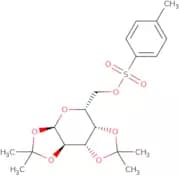
CAS:5-Deoxy-1,2-O-isopropylidene-5-[(2R-pyridin-4-yl-pyrrolidine)-1-yl]-a-D-xylofuranose is a synthetic sugar that can be custom synthesized. This sugar has been modified with fluorination and glycosylation. It is also methylated and has been modified by the addition of saccharide chains.Fórmula:C17H24N2O4Pureza:Min. 95%Peso molecular:320.39 g/mol1,2:3,4-Di-O-isopropylidene-6-O-p-toluenesulfonyl-a-D-galactopyranose
CAS:1,2:3,4-Di-O-isopropylidene-6-O-p-toluenesulfonyl-a-D-galactopyranose is a liquid at room temperature. It has been shown to form gas at temperatures below -78°C and solid at higher temperatures. 1,2:3,4 Di-O-isopropylidene-6-O p toluenesulfonyl a D galactopyranose has been shown to have magnetic properties that can be used in a particle detector. The compound has also been studied using simulations and spectrometry. 1,2:3,4 Di-O-isopropylidene 6 O p toluenesulfonyl a D galactopyranose is an electron acceptor and an electron donor. It has been shown to have absorption bands in the range of 190 nm - 400 nm as well as inFórmula:C19H26O8SPureza:Min. 95%Forma y color:Brown PowderPeso molecular:414.47 g/molMethyl 2,3,4-tri-O-benzyl-L-rhamnopyranoside
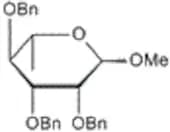
CAS:Methyl 2,3,4-tri-O-benzyl-L-rhamnopyranoside is a sugar that is used in the synthesis of oligosaccharides and saccharides. This compound has been shown to be an intermediate for the synthesis of benzylidene acetone phosphate, which can be used as a precursor for polymers that have potential use in biomedical applications.Fórmula:C28H32O5Pureza:Min. 95%Peso molecular:448.55 g/molMethyl 3-O-benzyl-4,6-O-benzylidene-2-deoxy-2-phthalimido-b-D-glucopyranose
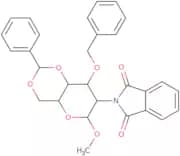
CAS:Methyl 3-O-benzyl-4,6-O-benzylidene-2-deoxy-2-phthalimido-b-D-glucopyranose is a synthetic chemical that is used in the modification of saccharides. It has been shown to be an efficient and economical way to introduce methyl groups into saccharide chains. This product is a white solid that is soluble in water, ethanol, and chloroform. Methyl 3-O-benzyl-4,6-O-benzylidene-2-deoxy -2 -phthalimido -b -D -glucopyranose has a molecular weight of 564.1 grams per mole and an empirical formula of C14H22N2O8P. It has CAS number 97276–96–5 and can be found under code XA0433.Fórmula:C29H27NO7Pureza:Min. 95%Peso molecular:501.53 g/molCys-spacer-Gly-Gly-Tyr-D-Thr-Gly-Phe-Leu-Ser(glucoside)-amide
Custom synthesis, Modification, Fluorination, Methylation, Monosaccharide, Synthetic, Click modification, Oligosaccharide, saccharide CAS No.: 1101-98-2 Polysaccharide: Glycosylated Sugar: Carbohydrate Complex carbohydrate: Glycosylated Glycosylation: sugarPureza:Min. 95%D-Arabinose phenylhydrazone
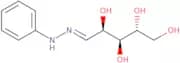
CAS:D-Arabinose phenylhydrazone is a synthetic compound that is used in the study of stereoisomers. It has a D-arabinose and a phenylhydrazine group, which are connected through an amide linkage. D-Arabinose phenylhydrazone is structurally similar to the natural ligand for phosphatase, bovine serum albumin (BSA). This similarity allows it to be used as a substrate for BSA, and also as a ligand for phosphatase enzymes. The acidic functional groups on this molecule allow it to react with tissues and tissue samples that contain carboxylic acid groups. This makes it useful in the study of human urine and tissue samples from other mammals.Fórmula:C11H16N2O4Pureza:Min. 95%Peso molecular:240.26 g/molMethyl 2,3,5-tri-O-acetyl-D-arabinofuranoside
CAS:Methyl 2,3,5-tri-O-acetyl-D-arabinofuranoside is a monosaccharide that is used in the synthesis of carbohydrates. It has been shown to inhibit the growth of Rhizopus stolonifer and other fungi. Methyl 2,3,5-tri-O-acetyl-D-arabinofuranoside has also been used for the quantitative analysis of deacetylated sugars. A chromatographic method was developed using an ion exchange resin and methyl glycosides as standards. The sugar was quantified by electron ionization mass spectrometry (EI) after conversion to its trimethylsilyl ether derivatives with triethylamine in methylene chloride. The spectrum obtained from EI analysis showed the presence of anomeric proton peaks at m/z 184 and 186, indicating that this sugar contains two anomeric hydroxyl groups on the same carbon atom.
Fórmula:C12H18O8Pureza:Min. 95%Peso molecular:290.27 g/mol1,6:3,4-Dianhydro-b-D-altropyranose
CAS:1,6:3,4-Dianhydro-b-D-altropyranose is a sugar that has been modified by methylation. It is a white powder with a melting point of 197°C. This product can be used as an intermediate in the synthesis of saccharides and polysaccharides. It can also be used as an intermediate for glycosylations and fluorinations. 1,6:3,4-Dianhydro-b-D-altropyranose is available in high purity and custom synthesis options.Fórmula:C6H8O4Pureza:Min. 95%Peso molecular:144.13 g/molMethyl 2,3,6-tri-O-benzoyl-a-D-glucopyranoside
CAS:Methyl 2,3,6-tri-O-benzoyl-a-D-glucopyranoside is a biodegradable polymer that can be used for the prevention of boron diffusion into a prosthesis. It is also resistant to corrosion. Methyl 2,3,6-tri-O-benzoyl-a-D-glucopyranoside has been shown to have a transition temperature of 232 °C and this property makes it suitable for use in high temperature applications. This material is resistant to refractory environments and can be used as an additive in thermodynamic systems.
Fórmula:C28H26O9Pureza:Min. 98 Area-%Forma y color:PowderPeso molecular:506.5 g/mol3,4-Di-O-benzyl-1,2-O-(1-methoxyethylidene)-b-L-rhamnopyranose
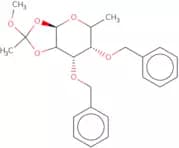
3,4-Di-O-benzyl-1,2-O-(1-methoxyethylidene)-b-L-rhamnopyranose is a custom synthesis of high purity. It is a sugar with click modification and fluorination. 3,4-Di-O-benzyl-1,2-O-(1-methoxyethylidene)-b-L-rhamnopyranose has been synthesized by glycosylation, methylation, and modification of the carbohydrate moiety. This product is an oligosaccharide or monosaccharide that belongs to the group of carbohydrates. 3,4-Di-O-benzyl 1,2 O-(1 methoxyethylidene) b L rhamnopyranose is also known as CAS No., which is a number assigned to chemicals for identification purposes.Fórmula:C23H28O6Pureza:Min. 95%Peso molecular:400.48 g/molD-myo-Inositol-2,3-O-cyclohexylidene
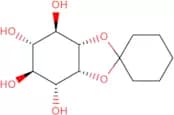
CAS:D-myo-Inositol-2,3-O-cyclohexylidene is a lipase. It hydrolyzes esters and triglycerides, which are found in many natural and synthetic products. D-myo-Inositol-2,3-O-cyclohexylidene is more effective at hydrolyzing fats than porcine pancreatic lipase. This enzyme has been shown to be enantioselective for some solvents, such as vinyl acetate. D-myo-Inositol-2,3-O-cyclohexylidene also has the ability to produce butyrate from fatty acids.Fórmula:C12H20O6Pureza:Min. 95%Peso molecular:260.28 g/molMethyl β-neuraminic acid
CAS:Methyl β-neuraminic acid is a neuraminidase inhibitor that is used to treat influenza. It inhibits the action of the influenza virus by blocking its ability to attach to the host cell and enter. Methyl β-neuraminic acid has been shown to be effective in treating influenza A and B, with an efficacy of 92%. The drug is also effective against respiratory syncytial virus and adenovirus, as well as for prevention of flu in healthy adults. In addition, methyl β-neuraminic acid is able to prevent or reduce the severity of influenza when taken prophylactically. It can be administered orally or intravenously. Methyl β-neuraminic acid is often used as a synthetic reagent because it has both acetyl groups and hydroxyl groups. The optimum pH for this compound is 5.5-7.5 at room temperature.Fórmula:C10H19NO8Pureza:Min. 95%Forma y color:White PowderPeso molecular:281.26 g/mol3-Deoxy-D-arabino-heptulosonic acid 7-phosphate disodium salt
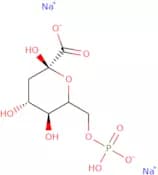
CAS:3-Deoxy-D-arabinonoheptulosonic acid 7-phosphate disodium salt is a phosphate derivative of 3-deoxy-D-arabinoheptulosonic acid (DAHP), which is an intermediate in the biosynthesis of heparin. DAHP is synthesized by the enzyme DAHP synthetase, which catalyses the conversion of D-xylose to DAHP. The enzyme can be activated by adding xylose or other sugar phosphates, and it can be inhibited by adding anthranilate or arabinose. 3-Deoxy-D-arabinonoheptulosonic acid 7-phosphate disodium salt is used as a substrate for various enzymes, including enzymes in biological samples and model systems. It was also used to study the rate constant for the polymerase chain reaction (PCR).Fórmula:C7H11Na2O10PPureza:Min. 95%Forma y color:Off-White PowderPeso molecular:332.11 g/mol3,4-Di-O-benzyl-L-rhamnal
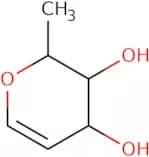
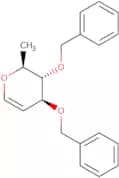
CAS:3,4-Di-O-benzyl-L-rhamnal is a high purity Glycosylation Oligosaccharide with a CAS No. 117249-17-9 that is synthesized by Click modification and methylation. It can be used as a raw material in the synthesis of complex carbohydrate. 3,4-Di-O-benzyl-L-rhamnal is water soluble and has an excellent stability in acidic conditions.Pureza:Min. 95%Trifluoroacetamidopropyl b-D-galactopyranoside
Trifluoroacetamidopropyl b-D-galactopyranoside is a custom synthesis that is an Oligosaccharide. It is a complex carbohydrate with CAS No., and can be modified with methylation, glycosylation, and click modification. Trifluoroacetamidopropyl b-D-galactopyranoside has high purity and fluoride, which makes it a Synthetic.Pureza:Min. 95%N-Acetyl-D-glucosamine-d3
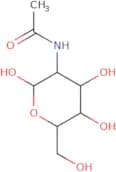
CAS:N-acetyl-D-glucosamine is a regiospecific and stereoselective hydrochloride of D-glucosamine. It is used as a building block for the synthesis of peptides, proteins, and other biological molecules. N-Acetyl-D-glucosamine is synthesized by reacting ethylene diamine with trifluoroacetic acid in the presence of hydrochloric acid. The proton at C2 in the NMR spectrum was found to be diagnostic for the compound. Solid phase microextraction (SPME) was used to extract this compound from a mixture of many components, and it was then analyzed using magnetic resonance spectroscopy (NMR).
Fórmula:C8H12D3NO6Pureza:Min. 95%Peso molecular:224.23 g/mol2-Deoxy-3,5-di-O-toluoyl-b-D-ribofuranosyl cyanide
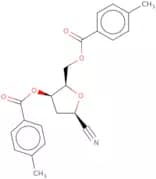
2-Deoxy-3,5-di-O-toluoyl-b-D-ribofuranosyl cyanide is a fluorinated sugar that is synthesized from 2,6-dichloro-1,4,5,8,-tetraoxybenzene and 3,5-di-O-toluoyl bromide. It is a carbohydrate that belongs to the family of oligosaccharides.Fórmula:C22H21NO5Pureza:Min. 95%Peso molecular:379.41 g/mol1,3,4,6-Tetra-O-acetyl-2-deoxy-2-(4,5-dichlorophthalimido)-D-glucopyranose
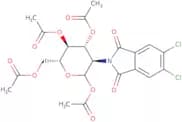
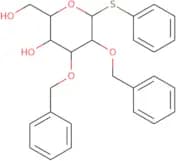
CAS:1,3,4,6-Tetra-O-acetyl-2-deoxy-2-(4,5-dichlorophthalimido)-D-glucopyranose is a Modification of the Carbohydrate. It is a synthetic compound that is used as a building block for the synthesis of complex carbohydrates. This product has been shown to be effective in the modification of glycoproteins and polysaccharides. The product can be used in applications such as fluorination reactions, saccharide methylation reactions, glycosylation reactions, and sugar polymerization reactions.Fórmula:C22H21Cl2NO11Pureza:Min. 95%Peso molecular:546.31 g/molPhenyl 2,3-di-O-benzyl-b-D-thiogalactopyranoside
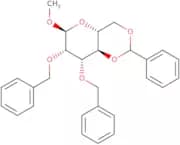
CAS:Phenyl 2,3-di-O-benzyl-b-D-thiogalactopyranoside is an organic compound that is used in the synthesis of saccharides. It is a custom synthesis product and can be modified to create a variety of products. Phenyl 2,3-di-O-benzyl-b-D-thiogalactopyranoside has been shown to have high purity and quality, as well as excellent stability. This product is also available in a variety of grades.Pureza:Min. 95%Methyl 2,3-di-O-benzyl-4,6-O-benzylidene-a-D-mannopyranoside
CAS:Methyl 2,3-di-O-benzyl-4,6-O-benzylidene-a-D-mannopyranoside is a custom synthesis of a complex carbohydrate. It is an Oligosaccharide and Polysaccharide that has been modified by methylation and glycosylation. This carbohydrate is saccharide with a high purity and a high degree of Fluorination. Methyl 2,3-di-O-benzyl-4,6-O-benzylidene-a-D-mannopyranoside is synthesized by Click chemistry using sugar as the starting material. The synthesis involves two steps: first, the sugar moiety was protected by benzylation to yield benzyl 2,3 di O acetate; second, it was methylated to give the desired product.Fórmula:C28H30O6Pureza:Min. 95%Peso molecular:462.55 g/mol3,6-Di-O-tert-butyldiphenylsilyl-D-glucal
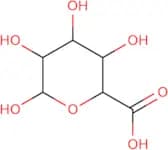
CAS:3,6-Di-O-tert-butyldiphenylsilyl-D-glucal is a monosaccharide that is synthesized from D-glucal. It can be modified with methyl groups and fluorine atoms. 3,6-Di-O-tert-butyldiphenylsilyl-D-glucal has been shown to be effective in modifying polysaccharides, glycosylation, and oligosaccharides. This compound is also used in the synthesis of complex carbohydrates.Pureza:Min. 95%L-Galacturonic acid
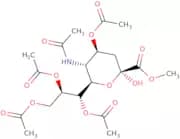
CAS:L-Galacturonic acid is an acidic polysaccharide that is a constituent of many plants, especially in the cell walls of pectin. L-Galacturonic acid has biochemical properties, such as growth factor activity and anticoagulant properties. It also has nucleophilic properties, which means it can be used to extract other substances. The chemical structures of L-galacturonic acid are C6H8O7 with hydroxyl groups on both carbons 1 and 4. The hydroxyl group on carbon 1 makes it a good reactant for nucleophilic attack by sodium carbonate. This reaction increases the number of negative charges on the molecule, which make it a good carbohydrate chemistry reagent. L-Galacturonic acid is not soluble in water but can be dissolved in hydrochloric acid or sodium carbonate solution. It is not toxic when ingested orally and has been shown to have anti-coagulant properties inPureza:Min. 95%4,7,8,9-Tetra-O-acetyl-N-acetyl-D-neuraminic acid methyl ester
CAS:4,7,8,9-Tetra-O-acetyl-N-acetyl-D-neuraminic acid methyl ester is a modified form of sialic acid. This compound is a glycosylation product that has been modified with methyl groups and fluorine atoms. The fluorination of the molecule increases its stability and prevents it from being hydrolyzed by enzymes such as β-galactosidase. 4,7,8,9-Tetra-O-acetyl-N-acetyl-D-neuraminic acid methyl ester is often used in the synthesis of polysaccharides and oligosaccharides for medical purposes. This compound can be custom synthesized for research purposes or to meet special requirements.
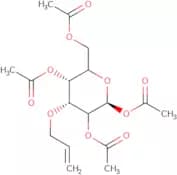
Fórmula:C20H29NO13Pureza:Min. 95%Forma y color:White to off-white solid.Peso molecular:491.44 g/mol1,2,4,6-Tetra-O-acetyl-3-O-allyl-b-D-glucopyranose
CAS:1,2,4,6-Tetra-O-acetyl-3-O-allyl-b-D-glucopyranose is a high purity and custom synthesis compound. It is a synthetic monosaccharide with CAS number 39698-00-5. This product is methylated at the C1 and C6 positions. It can be used to modify natural or synthetic oligosaccharides and polysaccharides by click chemistry. The complex carbohydrate has also been fluorinated at the C2 position.
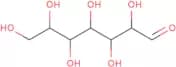
Fórmula:C17H24O10Pureza:Min. 95%Peso molecular:388.37 g/molL-Glycero-D-gluco-heptose
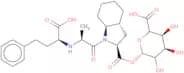
CAS:L-Glycero-D-gluco-heptose is a hexadecanoic acid that is used as a synthetic intermediate. L-Glycero-D-gluco-heptose can be synthesized from benzyl alcohol and galactose in a two step process. The first step involves the esterification of benzyl alcohol with galactose to form an acetal, while the second step involves hydrolysis of this acetal to form L-Glycero-D-gluco-heptose. The chemical data for L-Glycero-D-gluco-heptose has been determined by gas chromatography (GC) and mass spectrometry (MS). GC allows for the separation and identification of fatty acids, oligosaccharides, and other organic compounds, which are then identified by MS.Fórmula:C7H14O7Pureza:Min. 95%Forma y color:PowderPeso molecular:210.18 g/molTrandolaprilat acyl-D-glucuronide
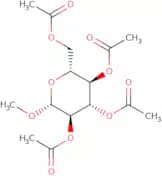
CAS:Trandolaprilat acyl-D-glucuronide is a synthetic compound that has been designed for the treatment of hypertension. Trandolaprilat acyl-D-glucuronide is an active metabolite of trandolapril, which is a prodrug of trandolaprilat. Trandolaprilat acyl-D-glucuronide is glycosylated and has high purity with low impurities. It can be custom synthesized to meet your requirements. The CAS number for this compound is 1260610-97-6.Fórmula:C28H38N2O11Pureza:Min. 95%Peso molecular:578.61 g/molMethyl 2,3,4,6-tetra-O-acetyl-b-D-glucopyranose
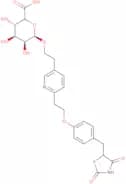
CAS:Methyl 2,3,4,6-tetra-O-acetyl-b-D-glucopyranose is a fluorinated synthetic oligosaccharide. It is custom synthesized to meet your specifications. Methyl 2,3,4,6-tetra-O-acetyl-b-D-glucopyranose is a complex carbohydrate with a glycosylation pattern that can be modified and methylated. This product has CAS No. 486085 9 and purity of >99%.Fórmula:C15H22O10Pureza:Min. 95%Peso molecular:362.33 g/molHydroxy pioglitazone (M-VII) b-D-glucuronide
CAS:Hydroxy pioglitazone (M-VII) b-D-glucuronide is a synthetic, fluorinated glucuronide of hydroxy pioglitazone. It has been shown to inhibit the activity of bacterial dna gyrase and topoisomerase IV enzymes.
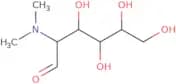
Fórmula:C25H28N2O10SPureza:Min. 95%Peso molecular:548.56 g/molN,N-Dimethyl-D-glucosamine
CAS:N,N-Dimethyl-D-glucosamine is a natural amino sugar that yields pyrazoles, triazoles, and formaldehyde. It can be prepared by the reaction of acetyl chloride with potassium hydroxide in hydrochloric acid. The synthesis of N,N-Dimethyl-D-glucosamine has been optimized on a Raney nickel catalyst to produce high yields of the desired product. This product is a broad spectrum antibiotic that has been shown to inhibit bacterial growth through inhibition of protein synthesis. The salt form of N,N-Dimethyl-D-glucosamine is sodium salt.Fórmula:C8H17NO5Pureza:Min. 95%Peso molecular:207.22 g/mol2-Deoxy-3,4-O-isopropylidene-D-arabinopyranose
2-Deoxy-3,4-O-isopropylidene-D-arabinopyranose is a synthetic sugar that has a high purity and can be custom synthesized. It is an oligosaccharide with a methylation and fluorination modification. This sugar can be used in glycosylation reactions to produce polysaccharides or complex carbohydrates. 2-Deoxy-3,4-O-isopropylidene-D-arabinopyranose is also used in click modifications. The CAS number for this compound is 5263038-92-2.
Pureza:Min. 95%1-Bromo-2,3,4-tri-O-benzoyl-a-D-glucuronide methyl ester - 1% CaCO3
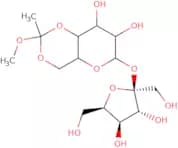
CAS:1-Bromo-2,3,4-tri-O-benzoyl-a-D-glucuronide methyl ester - 1% CaCO3 is a modified oligosaccharide. This product is synthesized by the methylation of glucuronic acid and subsequent glycosylation with maltose. It is a white crystalline powder. The purity of this product is 99% (1% CaCO3). The CAS number for this compound is 103674-69-7.Pureza:Min. 95%Sucrose 4,6-methyl orthoester
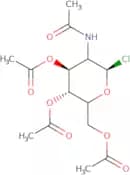
CAS:Sucrose 4,6-methyl orthoester is a sugar derivative that can be synthesized from sucrose. Sucrose 4,6-methyl orthoester is a white solid that is soluble in water, methanol, and acetone. It has been shown to have the same properties as sucrose but with higher stability in acidic conditions and at high temperatures. This compound has been custom synthesized by our laboratory to produce a high purity product.Fórmula:C15H26O12Pureza:Min. 95%Peso molecular:398.36 g/mol2-Acetamido-3,4,6-tri-O-acetyl-2-deoxy-α-D-galactopyranosyl chloride
CAS:2-Acetamido-3,4,6-tri-O-acetyl-2-deoxy-a-D-galactopyranosyl chloride is a chemical compound that can be obtained by the reaction of acetamidomalonic acid with chloral hydrate. This product is soluble in water and has a crystalline form. It reacts with thiols or arylthiols to form disulfides and thioglycosides. 2-Acetamido-3,4,6-tri-O-acetyl-2-deoxy-a-D-galactopyranosyl chloride is also used as an intermediate for the preparation of 1,5,-anhydrofructose. It is used as a catalyst for transfer hydrogenation reactions and phase transfer catalysis.Fórmula:C14H20ClNO8Pureza:Min. 95%Forma y color:PowderPeso molecular:365.76 g/molAcedoben-acyl-b-D-glucuronide
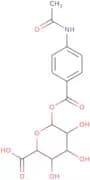
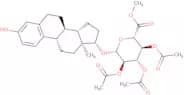
CAS:Acedoben-acyl-b-D-glucuronide is a synthetic, fluorinated monosaccharide. It has been synthesized by glycosylation of the trichloroacetimidate with D-glucuronic acid and acetic anhydride. Acedoben-acyl-b-D-glucuronide is a glycoconjugate that has been modified by methylation, which stabilizes the carbohydrate moiety in the presence of metal ions. This product is also available in oligo and polysaccharide forms.Fórmula:C15H17NO9Pureza:Min. 95%Peso molecular:355.3 g/mol17b-Estradiol 17-(2,3,4-tri-O-acetyl-b-D-glucuronide methyl ester)
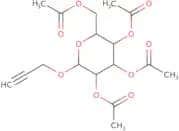
CAS:17β-Estradiol 17-(2,3,4-tri-O-acetyl-b-D-glucuronide methyl ester) is a modified form of the natural estrogen estradiol. This product is a white to pale yellow powder that can be used in the synthesis of various drugs. It has been modified by glycosylation and methylation. The product is available for custom synthesis and modification.Fórmula:C31H40O11Pureza:Min. 95%Peso molecular:588.64 g/molPropargyl 2,3,4,6-tetra-O-acetyl-b-D-galactopyranoside
CAS:Propargyl 2,3,4,6-tetra-O-acetyl-b-D-galactopyranoside is a custom synthesis of a fluorinated and methylated monosaccharide. This compound is an oligosaccharide that has been glycosylated with sugar. The CAS number for this compound is 211688-84-5.Pureza:Min. 95%S-Hydroxy topiramate
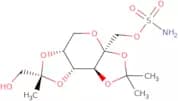
CAS:S-Hydroxy topiramate is a modification of topiramate, which is a sugar. The chemical name for this compound is carbamic acid, N-[(1R,2S)-2-[[(3S)-3-methyl-4-(2,2,2-trifluoroethoxy)piperidin-1-yl]carbonyl]cyclopentyl]-3-[(phenylmethoxy)methyl]-, monosodium salt. It has the following properties: CAS No. 198215-62-2; Carbohydrate; complex carbohydrate; Custom synthesis; Oligosaccharide; High purity; Synthetic; Monosaccharide; Methylation; Glycosylation; Polysaccharide. This product can be used in the following applications: Fluorination, saccharide.Fórmula:C12H21NO9SPureza:Min. 95%Peso molecular:355.36 g/molCyanidin-3-O-sophoroside chloride
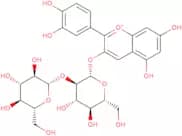
CAS:Cyanidin-3-O-sophoroside chloride (CAS: 6279-21-6) is a naturally occurring phenolic compound that has been isolated from the roots of Sophora flavescens. This compound is a glycosylated form of protocatechuic acid, which is an organic compound with antioxidant properties. The surface methodology on tissue structure showed that this compound can react with nucleophilic radicals and scavenge free radicals in the presence of chloride ions, which is important for its dietary and medicinal value. COS has also been shown to have anti-inflammatory activities in a model system by inhibiting the production of prostaglandins. COS can be extracted from plants by acidic hydrolysis or preparative high performance liquid chromatography.
Fórmula:C27H31O16ClPureza:Min. 95%Forma y color:PowderPeso molecular:646.98 g/mol1,2,3,4-Tetra-O-benzyl-b-D-galactopyranoside
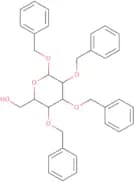
CAS:1,2,3,4-Tetra-O-benzyl-b-D-galactopyranoside is a high purity oligosaccharide that can be custom synthesized. It is a complex carbohydrate that can be modified with methylation, glycosylation, and carbonylation. It has CAS No. 35017-04-0 and is a synthetic compound that can be fluorinated or click modified. This product also has high purity and is a synthetic saccharide sugar.Fórmula:C34H36O6Pureza:Min. 95%Peso molecular:540.65 g/mol4-C-Acetoxymethyl-1,2-di-O-acetyl-3,5-di-O-benzyl-a-D-ribofuranose
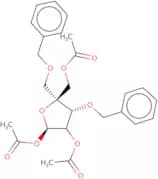
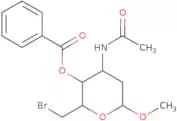
4-C-Acetoxymethyl-1,2-di-O-acetyl-3,5-di-O-benzyl-a-D-ribofuranose is a custom synthesis that belongs to the class of complex carbohydrates. It is an oligosaccharide with a CAS number. This product is a modification of saccharides and has been methylated and glycosylated. This product has been fluorinated using the click chemistry reaction, which has made it more stable. 4CAMDBF is high purity and synthetic.Fórmula:C26H30O9Pureza:Min. 95%Forma y color:Colourless syrup.Peso molecular:486.51 g/molMethyl 3-acetamido-4-O-benzoyl-6-bromo-2,3,6-trideoxy-a-D-ribo-hexopyranoside
CAS:Methyl 3-acetamido-4-O-benzoyl-6-bromo-2,3,6-trideoxy--aDribohexopyranoside is a Custom synthesis that is classified as an Oligosaccharide. It has a molecular weight of 576.07 and a purity of >99%. The chemical formula for this compound is C22H30BrNO8. Methyl 3-acetamido-4-O-benzoyl-6-bromo-2,3,6--trideoxy--aDribohexopyranoside is used in the modification of saccharides with the purpose of synthesizing polysaccharides. This compound has been shown to be effective for the synthesis of glycosylations and methylations. Methyl 3 acetamido 4 O benzoyl 6 bromo 2,3,6 trideoxy - a D ribFórmula:C16H20BrNO5Pureza:Min. 95%Peso molecular:386.25 g/mol1-O-Acetyl-2,3,5-tri-O-benzyl-L-ribofuranose
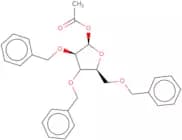
1-O-Acetyl-2,3,5-tri-O-benzyl-L-ribofuranose is a modified form of ribofuranose. It is a polymer that contains three or more monosaccharides linked together by glycosidic bonds. It has been modified with methyl groups and fluorine atoms to enhance its properties. This compound can be used in the synthesis of oligosaccharides, which are complex carbohydrates that are not found in nature and have potential applications as drugs.
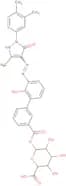
Fórmula:C28H30O6Pureza:Min. 95%Peso molecular:462.53 g/molEltrombopag Acyl Glucuronide
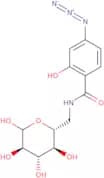
CAS:Eltrombopag aryl glucuronide is a modified form of the drug eltrombopag that contains a methyl group at the 2 position and an acetyl group at the 3 position. It has been synthesized using click chemistry to modify the oligosaccharide, which is then fluorinated and reacted with an oligosaccharide-forming reagent. Eltrombopag aryl glucuronide can be used as a monosaccharide or in combination with other saccharides to form complex carbohydrates. This product is fully synthetic and is available in high purity.Fórmula:C31H30N4O10Pureza:Min. 95%Peso molecular:618.196196-(4-Azido-2-hydroxybenzamido)-6-deoxy-D-glucopyranose
CAS:6-(4-Azido-2-hydroxybenzamido)-6-deoxy-D-glucopyranose (AGB) is a potential photoaffinity label that can be used to identify and characterize the transporter. The photoaffinity label is synthesized by reacting 2,4-dinitrophenylhydrazine with 6-(4-azido-2-hydroxybenzamido)-6-deoxy-D-glucopyranose in the presence of sodium bicarbonate or potassium carbonate. The photolysis of AGB produces an azide radical cation that reacts with amino acid residues on the protein surface, forming a covalent bond. This labeling process is irreversible.Fórmula:C13H16N4O7Pureza:Min. 95%Peso molecular:340.29 g/molBenzyl 2,3-O-[(1S,2S)-1,2-dimethoxy-1,2-dimethyl-1,2-ethanediyl]-a-L-xylopyranoside
CAS:Benzyl 2,3-O-[(1S,2S)-1,2-dimethoxy-1,2-dimethyl-1,2-ethanediyl]-a-L-xylopyranoside is a custom synthesis that is also a complex carbohydrate. It is an oligosaccharide and polysaccharide that has been modified by methylation and glycosylation. The product is a monomeric sugar with CAS No. 1084896-38-7. This product has high purity and fluoroination. It can be used in the synthesis of other compounds or as a sweetener for foods or beverages.Fórmula:C18H26O7Pureza:Min. 95%Peso molecular:354.39 g/mol3,4-O-Carbonyl-D-galactal
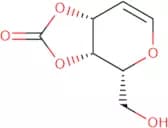
CAS:3,4-O-Carbonyl-D-galactal is a custom synthesis that can be used to modify oligosaccharides, carbohydrates or complex carbohydrates. It has a high purity and is non-toxic in humans. 3,4-O-Carbonyl-D-galactal has been fluorinated and saccharide modified. This product has CAS No. 149847-26-7 and can be synthesized with methylation and glycosylation.
Pureza:Min. 95%Hyaluronate octasaccharide
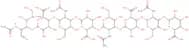
CAS:Hyaluronate octasaccharide is a regulatory molecule that has been found to be useful for staining and as a chondrocyte culture supplement. Hyaluronate octasaccharide is composed of two sugar molecules: glucuronic acid and N-acetylglucosamine. The molecular weight of this compound is about 5000 Daltons, and it has been found to show high levels of proton hydrogen bonding interactions with other molecules in the extracellular matrix. It also contains oligosaccharides and disaccharides. Hyaluronate octasaccharide can be used in vitro to stimulate cell growth, which may be due to its ability to stabilize collagen and elastin fibers by binding with collagenase.Fórmula:C56H86N4O45Pureza:Min. 95%Peso molecular:1,535.3 g/mol1,5-Anhydro-4,6-O-benzylidene-2-O-toluoyl-D-glucitol
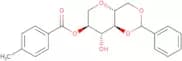
CAS:1,5-Anhydro-4,6-O-benzylidene-2-O-toluoyl-D-glucitol is a methylated, saccharide that is used in the synthesis of polysaccharides. It can be modified with Click chemistry and has been shown to have high purity and good chemical stability. This product is also available as a custom synthesis.Fórmula:C21H22O6Pureza:Min. 95%Forma y color:PowderPeso molecular:370.4 g/molN-(S-Nitroso-N-acetyl-D,L-penicillamine)-2-amino-2-deoxy-1,3,4,6-tetra-O-acetyl-b-D-glucopyranose
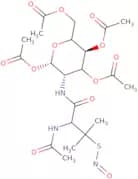
CAS:N-(S-Nitroso-N-acetyl-D,L-penicillamine)-2-amino-2-deoxy-1,3,4,6-tetra-O-acetyl-b-D-glucopyranose is a synthetic saccharide that can be used for the modification of proteins and peptides. It is also used to study the glycosylation process. The CAS number for this compound is 202656–49–3.Fórmula:C21H31N3O12SPureza:Min. 95%Peso molecular:549.55 g/mol1,3-Di-O-benzyl-4,6-O-benzylidene-2-deoxy-2-phthalimido-b-D-glucopyranoside
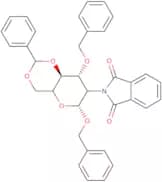
CAS:1,3-Di-O-benzyl-4,6-O-benzylidene-2-deoxy-2-phthalimido-b-D-glucopyranoside is a complex carbohydrate which has been modified with methyl groups. Click chemistry is used to introduce the methyl groups at desired positions on the carbohydrate backbone. This modification can be done in a single step and does not require protecting groups for the sugar moieties. The product is a white powder that is soluble in water and ethanol. It has an elemental composition of C12H27NO9P, molecular weight of 586.5 g/mol, and CAS No. 80035-34-3. This product can be custom synthesized to order with high purity, making it ideal for use in research into glycosylation or saccharide polymerization reactions.Fórmula:C35H31NO7Pureza:Min. 95%Peso molecular:577.64 g/moltrans-Resveratrol 4'-O-b-D-glucuronide
CAS:Trans-resveratrol 4'-O-b-D-glucuronide is a natural compound that is found in red wine and other foods. It has been shown to inhibit the growth of cancer cells through the activation of adenosine receptors, which are found on cancer cells and are responsible for apoptosis. Trans-resveratrol 4'-O-b-D-glucuronide has been shown to be an agonist of the adenosine a3 receptor, with high concentrations leading to apoptosis in human colon cancer cells. This compound also inhibits colon carcinogenesis by inhibiting cell proliferation and inducing apoptosis.Fórmula:C20H20O9Pureza:Min. 95%Peso molecular:404.37 g/molepi-Kifunensine
Epi-kifunensine is a custom synthesis drug that has been modified with fluorination, methylation, and monosaccharide. It is also synthesized using click chemistry and includes an oligosaccharide as well as saccharide. Epi-Kifunensine is a complex carbohydrate that contains glycosylation, sugar, and polysaccharides.
Fórmula:C8H12N2O6Pureza:Min. 95%Peso molecular:232.19 g/molADP-4-deoxy-D-glucose
ADP-4-deoxy-D-glucose is a carbohydrate derivative that has been modified with fluorination. ADP-4 is a methylated, custom synthesized oligosaccharide that contains saccharide and polysaccharide chains. It is not commercially available and must be custom synthesized. The modification of the sugar to ADP-4 involves the addition of one or more atoms of fluorine and may be accomplished by click chemistry. This product has high purity and can be used as a research reagent in the synthesis of complex carbohydrates.
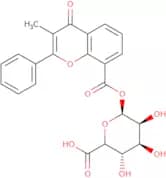
Pureza:Min. 95%3-Methylflavone-8-carboxylic acid acyl-b-D-glucuronide
CAS:3-Methylflavone-8-carboxylic acid acyl-b-D-glucuronide is a fluorinated synthetic compound that has been custom synthesized with a high purity. It is an oligosaccharide, monosaccharide, and complex carbohydrate. This chemical can be used for glycosylation, methylation, or click modification. The product is stable at room temperature and does not require any special storage conditions.Fórmula:C23H20O10Pureza:Min. 95%Peso molecular:456.4 g/molPantoprazole sulfide-b-D-glucuronide
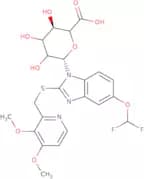
CAS:Pantoprazole sulfide-b-D-glucuronide is a custom synthesis of pantoprazole that has been modified with fluorination, methylation, and click modification. It is an oligosaccharide that consists of a saccharide. The saccharide is a carbohydrate which contains complex carbohydrates.Fórmula:C22H23F2N3O9SPureza:Min. 95%Peso molecular:543.5 g/molrac N,O-didesmethyl venlafaxine b-D-glucuronide hydrochloride
CAS:RacN,O-didesmethylvenlafaxine b-D-glucuronide hydrochloride is a synthetic glycosylated active metabolite of venlafaxine. It is an N-desmethyl derivative of racemic venlafaxine, which has been modified by oxygenation and fluorination of the methyl group at the nitrogen atom. RacN,O-didesmethylvenlafaxine b-D-glucuronide hydrochloride is a complex carbohydrate with high purity. It is also a saccharide that can be modified with click chemistry for desired modifications. The CAS No. for this compound is 1021933-99-2.Fórmula:C21H32ClNO8Pureza:Min. 95%Peso molecular:461.93 g/mol2,4,7,8,9-Penta-O-acetyl-N-acetylglycolyl-D-neuraminic acid methyl ester
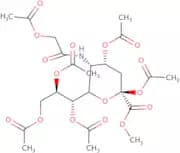
CAS:2,4,7,8,9-Penta-O-acetyl-N-acetylglycolyl-D-neuraminic acid methyl ester is a glycoside that is used as a building block for the synthesis of complex carbohydrates. It can be used as an intermediate for the production of oligosaccharides and polysaccharides. This product has been shown to be highly pure and can be custom synthesized to meet your needs.Fórmula:C24H33NO16Pureza:Min. 95%Peso molecular:591.53 g/mol2,3,4-Tri-O-benzoyl-L-fucopyranosyl bromide
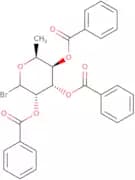
CAS:2,3,4-Tri-O-benzoyl-L-fucopyranosyl bromide is a synthetic compound that is used as a reagent in the synthesis of complex carbohydrates. It is also an intermediate in the synthesis of oligosaccharides and polysaccharides. This product can be modified by methylation, glycosylation and fluorination to generate desired products. The CAS number for this product is 855662-12-3.Fórmula:C27H23BrO7Pureza:Min. 95%Peso molecular:539.37 g/molN-Acetyl-D-[UL-13C6]glucosamine
CAS:N-Acetyl-D-[UL-13C6]glucosamine is a complex carbohydrate that contains a sugar at the end of a glycosidic bond. This product is modified with methylation, glycosylation, and fluorination. It has CAS No. 127959-06-2, High purity, and is custom synthesized for your specific needs.
Fórmula:C6C2H15NO6Pureza:Min. 95%Peso molecular:227.21 g/mol1,2,4,6-Tetra-O-acetyl-3-deoxy-3-phthalimido-D-galactopyranoside
This product is a custom synthesis of 1,2,4,6-Tetra-O-acetyl-3-deoxy-3-phthalimido-D-galactopyranoside. It is a sugar that is synthesized from 4 acetyl groups and 6 hydroxyl groups. The compound has a CAS number of 71034-05-4 and can be modified by fluorination, glycosylation, methylation, or modification. This product is an oligosaccharide that contains a saccharide with more than one monosaccharide unit. It is a complex carbohydrate with the formula C12H20O11.Fórmula:C22H23NO11Pureza:Min. 95%Peso molecular:477.42 g/molscyllo-Inosamine hydrochloride
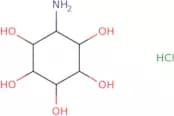
CAS:Scyllo-inosamine is a synthetic compound that is used as an oxime for the treatment of ascites tumors. It is synthesized from benzyl cyanide and cyclohexane. The benzyl groups are removed by catalytic hydrogenation, and the resulting product is hydrolyzed to scyllo-inosamine. Scyllo-inosamine has been shown to have a stereogenic center at C3, which allows it to act as an aminocyclitol, with the nitrogen atom acting as a nucleophile in the ring opening reaction. Scyllo-inosamine has been shown to be active against a number of tumor cells in culture and has been investigated as chemotherapeutic agent for cancer treatment.Fórmula:C6H13NO4·HClPureza:Min. 95%Peso molecular:199.63 g/mol4-O-Acetyl-3,6-di-O-tert-butyldimethylsilyl-D-glucal
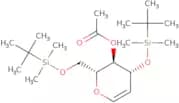
CAS:4-O-Acetyl-3,6-di-O-tert-butyldimethylsilyl-D-glucal is a methylated derivative of D-glucal which has been synthesized by the click reaction using acetyl chloride, triethylamine, and dimethyl sulfate. 4OATBDMSDG is a high purity sugar with a CAS number of 132891-79-3. This sugar can be used in the synthesis of polysaccharides or as an intermediate for custom synthesis.Pureza:Min. 95%Maltopyranosyl-CTP
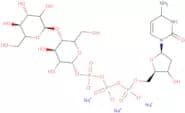
Maltopyranosyl-CTP is a high purity, custom synthesis, sugar modified with Click chemistry. The modification includes fluorination, glycosylation and methylation. Maltopyranosyl-CTP is synthesized by the reaction of maltoheptaose with 3-chloro-2-fluoroaniline. Maltopyranosyl-CTP has CAS No.: 6791-87-0 and molecular weight: 592.28. Maltopyranosyl-CTP is an oligosaccharide that consists of six monosaccharides linked together in a linear chain by alpha (1→4) glycosidic bonds. Maltopyranosyl-CTP has the following chemical formula: C6H14O6F3Cl2N3O6S2. Maltopyranosyl-CTP is a complex carbohydrate that can be found in plants and yeast.Fórmula:C21H32N2Na3O24P3Pureza:Min. 95%Peso molecular:858.37 g/mol3,4,6-Tri-O-benzyl-2-deoxy-2-phthalimdo-b-D-glucopyranosyl fluoride
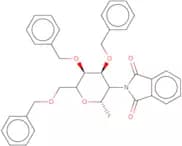
3,4,6-Tri-O-benzyl-2-deoxy-2-phthalimdo-b-D-glucopyranosyl fluoride is a modified sugar that is synthesized by the addition of a benzyl group to the 3' hydroxyl group. It's a white powder that is soluble in water and ethanol. This product has been shown to be stable in acid environments and can be used in glycosylation reactions.Fórmula:C35H32FNO6Pureza:Min. 95%Peso molecular:581.63 g/mol4-O-Acetyl-2,5-anhydro-1,3-O-isopropylidene-6-O-trityl-D-glucitol
CAS:4-O-Acetyl-2,5-anhydro-1,3-O-isopropylidene-6-O-trityl-D-glucitol is a custom synthesis of an oligosaccharide. It is a complex carbohydrate that has been modified by methylation and glycosylation. 4OATG has been fluorinated with 1,4 difluorobenzene and then reacted with Ac 2 O to make the glycosylate form. The compound was obtained in high purity and as a white solid.Fórmula:C30H32O6Pureza:Min. 95%Peso molecular:488.57 g/mol4-Methylphenyl 2-O-acetyl-3-O-benzyl-b-D-thioglucuronide methyl ester
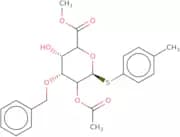
CAS:4-Methylphenyl 2-O-acetyl-3-O-benzyl-b-D-thioglucuronide methyl ester is a custom synthesis of an oligosaccharide. It has been modified with fluorination and methylation, which are chemical reactions that alter the structure of the substance. Click modification is also a type of chemical reaction involving this substance.Fórmula:C23H26O7SPureza:Min. 95%Peso molecular:446.51 g/mol3,4-Dideoxyglucosone-3-ene
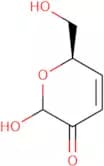
CAS:3,4-di-deoxyglucosone-3-ene is a bioreactive glucose degradation product which can be formed during heat sterilisation of glucose containing peritoneal dialysis solutions. Chemically, 3,4-Dideoxyglucosone-3-ene is an α,β-unsaturated carbonyl compound which increases its reactivity with cellular sulfhydryl, amino groups, proteins, and DNA. 3,4-Dideoxyglucosone-3-ene induces apoptosis in neutrophils, renal cells and peripheral blood mononuclear cells. Such induction leads to impaired peritoneal antibacterial defence.Fórmula:C6H8O4Pureza:Min. 95 Area-%Forma y color:Colorless PowderPeso molecular:144.13 g/molL-Rhamnal
CAS:L-Rhamnal is a sodium sulfide that is used in the synthesis of stereoselective compounds. It has been shown to have anti-leukemic properties and may be useful for the treatment of lymphocytic leukemia. L-Rhamnal has been shown to inhibit tumor growth and metastasis in animal models of cancer, as well as being cytotoxic to human leukemic cells. L-Rhamnal inhibits the proliferation of these cells by blocking DNA synthesis and preventing cell division. The hydroxymethyl group on L-rhamnal interacts with chloride ions to form a salt that can be degraded into hydrogen sulfide gas, which is known to be toxic to some organisms. The chloride ion also reacts with triterpene alcohols, glycosidic bonds, potassium phosphate, or borohydride reduction agents like sodium borohydride or lithium aluminum hydride. These reactions are used in carbohydrate chemistry and aldehydeFórmula:C6H10O3Pureza:Min. 95%Peso molecular:130.14 g/mol2,3-O-Cyclohexylidene-b-D-ribofuranose
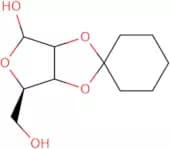
CAS:2,3-O-Cyclohexylidene-b-D-ribofuranose is a monosaccharide that is used in the synthesis of complex carbohydrates. This compound possesses a cyclic structure that contains an oxygen atom at the 2 position and a hydroxyl group at the 3 position. It has been modified by fluorination, methylation, glycosylation, and click chemistry. The chemical name for this compound is 2,3-O-Cyclohexylideneb-D-ribofuranose.
Fórmula:C11H18O5Pureza:Min. 95%Peso molecular:230.26 g/molAnhydro-4-azido-5,6,8-tri-O-benzyl-1,2,4-trideoxy-D-glycero-D-gulo-oct-1-ynitol
CAS:Anhydro-4-azido-5,6,8-tri-O-benzyl-1,2,4-trideoxy -D-glycero-D-gulo-oct 1 -ynitol is a methylated saccharide. It is a fluorinated sugar that can be used as an intermediate in the synthesis of oligosaccharides and polysaccharides. This compound has been modified by click chemistry to allow for the incorporation of azide groups at the 3′ position of the sugar moiety. The modification allows for the synthesis of complex carbohydrates with high purity and high yield. The product is a white powder that is soluble in water.Fórmula:C29H29N3O4Pureza:Min. 95%Forma y color:Colourless syrupPeso molecular:483.56 g/mol




![2,4-Anhydro-3,5-O-[(S)-phenylmethylene]- D-lyxonic acid methyl ester](/_next/image/?url=https%3A%2Fstatic.cymitquimica.com%2Fproducts%2F3D%2Fthumb-webp%2FFA76878.webp&w=3840&q=75)





![5-Deoxy-1,2-O-isopropylidene-5-[(2R-pyridin-4-yl-pyrrolidine)-1-yl]-a-D-xylofuranose](/_next/image/?url=https%3A%2Fstatic.cymitquimica.com%2Fproducts%2F3D%2Fthumb-webp%2FMD07488.webp&w=3840&q=75)




![Benzyl 2,3-O-[(1S,2S)-1,2-dimethoxy-1,2-dimethyl-1,2-ethanediyl]-a-L-xylopyranoside](/_next/image/?url=https%3A%2Fstatic.cymitquimica.com%2Fproducts%2F3D%2Fthumb-webp%2FMB16614.webp&w=3840&q=75)


![N-Acetyl-D-[UL-13C6]glucosamine](/_next/image/?url=https%3A%2Fstatic.cymitquimica.com%2Fproducts%2F3D%2Fthumb-webp%2FMA44797.webp&w=3840&q=75)