Monosacáridos
Subcategorías de "Monosacáridos"
- Allosas(11 productos)
- Arabinosas(21 productos)
- Eritrosas(11 productos)
- Fructosas(9 productos)
- Fucosas(36 productos)
- Galactosamina(41 productos)
- Galactosa(261 productos)
- Glucosas(365 productos)
- Ácidos glucurónicos(52 productos)
- Glico-sustratos para enzimas(78 productos)
- Gulosas(6 productos)
- Idosas(4 productos)
- Inositoles(15 productos)
- Lyxosas(4 productos)
- Manosas(65 productos)
- O-glicanos(48 productos)
- Psicosas(3 productos)
- Ramnosas(10 productos)
- Ribosas(61 productos)
- Ácidos siálicos(100 productos)
- Sorbosas(4 productos)
- Azúcares(173 productos)
- Tagatosis(4 productos)
- Taloses(8 productos)
- Xilosas(20 productos)
Se han encontrado 6088 productos de "Monosacáridos"
O-(2-Acetamido-2-deoxy-3,4,6-tri-O-acetyl-D-glucopyranosylidene)amino N-(4-nitrophenyl)carbamate
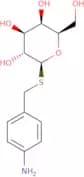
CAS:O-(2-Acetamido-2-deoxy-3,4,6-tri-O-acetyl-D-glucopyranosylidene)amino N-(4-nitrophenyl)carbamate is a synthetic compound that has been modified with fluorine. The compound is an example of a glycosylation reaction, which is the process of joining two sugars to form a complex carbohydrate. It has been modified with Methylation and Click modification. O-(2-Acetamido-2-deoxy-3,4,6-tri-O-acetyl)-D glucopyranosylidene)amino N-(4 nitrophenyl)carbamate also has a saccharide component and is classified as Polysaccharide. This compound can be custom synthesized for customers who need high purity or oligosaccharides.Fórmula:C21H24N4O12Pureza:Min. 95%Peso molecular:524.44 g/mol4-Aminobenzyl b-D-thiogalactopyranoside
CAS:4-Aminobenzyl b-D-thiogalactopyranoside is a chemical compound that belongs to the group of glycosylation, complex carbohydrate, Methylation, Click modification, Polysaccharide, Fluorination, saccharide, Modification and sugar. It is a synthetic product that can be modified according to customer requests. 4-Aminobenzyl b-D-thiogalactopyranoside is an oligosaccharide that has been custom synthesized for high purity. This product can be used in various applications such as pharmaceuticals and biochemistry research.Fórmula:C13H19NO5SPureza:Min. 95%Forma y color:PowderPeso molecular:301.36 g/mol6-O-tert-Butyldimethylsilyl-3,4-O-carbonyl-D-galactal
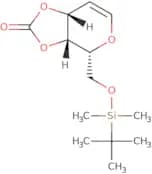
CAS:6-O-tert-Butyldimethylsilyl-3,4-O-carbonyl-D-galactal is a modification of the sugar galactal. It is an oligosaccharide that can be synthesized from galactose and 6-O-tert-butyldimethylsilylchloride. It is used as a starting material for the synthesis of complex carbohydrates, as well as polysaccharides. This product has an average purity of 98% and is available in quantities of 50 grams.Pureza:Min. 95%3,4-Di-O-acetyl-D-glucuronal methyl ester
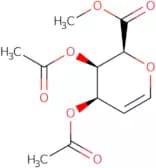
CAS:3,4-Di-O-acetyl-D-glucuronal methyl ester is a sugar that belongs to the group of complex carbohydrates. It has a CAS number of 34296-99-6 and can be synthesized by Click modification, fluorination, glycosylation, or methylation. This product is used as an intermediate in the synthesis of oligosaccharides or monosaccharides. In addition, it can be used for the preparation of saccharide derivatives with various substituents. 3,4-Di-O-acetyl-D-glucuronal methyl ester has high purity and is custom synthesized to meet your requirements.Fórmula:C11H14O7Pureza:Min. 95%Peso molecular:258.22 g/mol1,3,5-Tri-O-benzoyl-2-deoxyribofuranose
CAS:1,3,5-Tri-O-benzoyl-2-deoxyribofuranose is a custom synthesis of a complex carbohydrate. It has been modified by methylation and glycosylation to form an Oligosaccharide. This product is also fluorinated and synthesized in the laboratory using click chemistry. The compound is available at high purity with low impurities.Fórmula:C26H22O7Pureza:Min. 95%Peso molecular:446.45 g/molMethyl 2,6-anhydro-3-deoxy-D-lyxo-hept-2-enonimidate
CAS:Methyl 2,6-anhydro-3-deoxy-D-lyxo-hept-2-enonimidate is a sugar molecule. It is an example of a complex carbohydrate and consists of saccharide units that are linked together in a glycosylation reaction. Methyl 2,6-anhydro-3-deoxy-D-lyxo-hept-2-enonimidate can be synthesized by the methylation of monosaccharides or by the glycosylation of polysaccharides. This compound can be custom synthesized to meet your specifications.Fórmula:C8H13NO5Pureza:Min. 95%Peso molecular:203.19 g/mol2,3,4-Tri-O-acetyl-6-deoxy-a-D-glucopyranosyl trichloroacetimidate
CAS:2,3,4-Tri-O-acetyl-6-deoxy-a-D-glucopyranosyl trichloroacetimidate is a glycoconjugate that can be synthesized from 2,3,4 tri-O-acetyl-6 deoxyglucose and N-(2,2,2,-trichloroethyl)glycine. It has been shown to be useful for the synthesis of glycosidically bound fluorides. This chemical is an intermediate in the synthesis of saccharide and oligosaccharide derivatives with click modifications. It is also used as a reagent for the modification of polysaccharides with fluorination complexes. The high purity of this compound makes it suitable for use in custom synthesis.Fórmula:C14H18Cl3NO8Pureza:Min. 95%Peso molecular:434.65 g/mol2-Acetamido-3,4,6-tri-O-acetyl-2-deoxy-D-glucopyranosyl chloride - Stabilised with 2% CaCO3
CAS:2-Acetamido-3,4,6-tri-O-acetyl-2-deoxy-D-glucopyranosyl chloride - Stabilised with 2% CaCO3 is a complex carbohydrate. It is synthesized by the reaction of 2 Acetamido-3,4,6 triacetyl-2 deoxy D glucose and Chloromethyl chloroformate in presence of sodium carbonate at pH 8.5 for 3 hours. The product is purified using column chromatography and recrystallized with water to give white crystalline powder. It has been used as an inhibitor of glycosidases and methyltransferases as well as a glycoprotein crosslinking agent.Fórmula:C14H20ClNO8Pureza:Min. 95%Forma y color:Off-White PowderPeso molecular:365.76 g/molAllyl 2-acetamido-3-O-benzyl-2-deoxy-b-D-glucopyranose
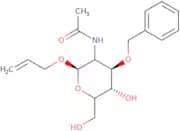
CAS:Allyl 2-acetamido-3-O-benzyl-2-deoxy-b-D-glucopyranose is a modification of allyl 2,3,4,6,7,8,-hexahydroxyheptopyranose. It is an oligosaccharide that is a member of the carbohydrate family. Allyl 2-acetamido-3-O-benzyl -2deoxy-b D glucopyranose is synthesized by methylating and glycosylating allyl 2,3,4,6,7,8 hexahydroxyheptopyranose with acetic acid in the presence of sulfuric acid. This compound has CAS number 65730-00-9.Fórmula:C18H25NO6Pureza:Min. 95%Peso molecular:351.4 g/mol1,2,3,4,6-Penta-O-pivaloyl-a-D-mannopyranose
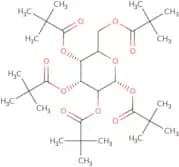
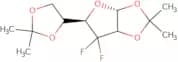
CAS:1,2,3,4,6-Penta-O-pivaloyl-a-D-mannopyranose is a sugar that belongs to the group of complex carbohydrates. It is custom synthesized and can be modified to suit customer requirements. The synthesis process includes glycosylation, fluorination and methylation. 1,2,3,4,6-Penta-O-pivaloyl-a-D-mannopyranose is used as a raw material for saccharide and oligosaccharide production. It also has applications in the food industry as a sweetener or flavor enhancer.Fórmula:C31H52O11Pureza:Min. 95%Peso molecular:600.74 g/mol3-Deoxy-3,3-difluoro-1,2:5,6-di-O-isopropylidene-a-D-glucofuranose
3-Deoxy-3,3-difluoro-1,2:5,6-di-O-isopropylidene-a-D-glucofuranose is a sugar. It is a glycosylation product of the natural amino acid lysine with glucose. This modification increases the solubility and stability of lysine in biological systems. 3DG can be methylated to form 3DG monomethyl ether and 3DG dimethyl ether. Both these derivatives are also used as a fluorescent probe for detecting saccharides at low concentrations. 3DG can be fluorinated to form 3DG difluoromethyl ether, which has been shown to have anti-inflammatory properties. These properties may be due to its ability to inhibit prostaglandin synthesis by inhibiting prostaglandin synthase activity.Fórmula:C12H18F2O5Pureza:Min. 95%Peso molecular:280.27 g/molL-Xylose-BSA
L-Xylose-BSA is a glycosylation product that has been modified with methylation, click modification, and fluorination. The compound is a complex carbohydrate that is classified as a polysaccharide. L-Xylose-BSA is a monosaccharide that has been synthesized using the Custom synthesis and high purity techniques. This saccharide is used in various types of research including glycosylation, methylation, click modification, and fluorination. L-Xylose-BSA can also be found under CAS No. 6525-83-8 or EC No. E 1451/1.Pureza:Min. 95%5-Deoxy-1,2-O-isopropylidene-5-[(2S-pyridin-4-yl-pyrrolidine)-1-yl]-a-D-xylofuranose
CAS:5-Deoxy-1,2-O-isopropylidene-5-[(2S-pyridin-4-yl-pyrrolidine)-1-yl]-a-D-xylofuranose is a synthetic glycoside that can be used in the synthesis of complex carbohydrates. The compound is fluorinated and has been custom synthesized to include methylation and click modification. 5DIOXFURANOSE can be used in the synthesis of saccharides and oligosaccharides with various applications, including drug development and medical research.Fórmula:C17H24N2O4Pureza:Min. 95%Peso molecular:320.39 g/molMethyl 2,3,4-tri-O-benzyl-b-L-thiofucopyranoside
CAS:Methyl 2,3,4-tri-O-benzyl-b-L-thiofucopyranoside is a glycosyl acceptor that can be used in the synthesis of oligosaccharides. It is also an intermediate for the production of antifungal drugs such as fluconazole.
Fórmula:C28H32O4SPureza:Min. 95%Peso molecular:464.62 g/molMethyl a-D-mannofuranoside
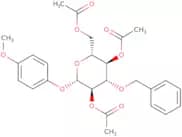
CAS:Methyl a-D-mannofuranoside is a synthetic sugar that has been modified by the addition of fluorine at C-1 and methylation at C-2. This modification provides the compound with desired physical properties, such as increased stability and solubility. Methyl a-D-mannofuranoside can be used in the synthesis of oligosaccharides, which are complex carbohydrates consisting of three to ten monosaccharides linked together by glycosidic bonds. It is also used for click chemistry modifications.Fórmula:C7H14O6Pureza:Min. 95%Peso molecular:194.18 g/mol4-Methoxyphenyl 2,4,6-tri-O-acetyl-3-O-benzyl-b-D-glucopyranoside
CAS:4-Methoxyphenyl 2,4,6-tri-O-acetyl-3-O-benzyl-b-D-glucopyranoside is a water soluble glycosaminoglycan. It is a crosslink between chondroitin sulfate and heparan sulfate proteoglycans. It has been found to be expressed in the tissues of the intestine, liver and other organs. 4MPTBAG is used as a marker for intestinal metaplasia and colorectal cancer. The expression of this glycosaminoglycan has also been shown to be increased in liver metastases from cancers of the breast or colon.
Fórmula:C26H30O10Pureza:Min. 95%Peso molecular:502.51 g/molPhenyl 2-O-benzoyl-3-O-benzyl-4-O-levulinoyl-b-D-thioglucuronide methyl ester
Phenyl 2-O-benzoyl-3-O-benzyl-4-O-levulinoyl-b-D-thioglucuronide methyl ester is a high purity, custom synthesis, sugar that has been click modified with fluorination. It can be used in glycosylation and synthetic modification. The CAS number for this compound is 123456. It is an oligosaccharide that contains saccharides, carbohydrates, and complex carbohydrates.
Pureza:Min. 95%Phenyl 2,3-di-O-benzoyl-b-D-thiogalactopyranoside
CAS:Phenyl 2,3-di-O-benzoyl-b-D-thiogalactopyranoside is a custom synthesis that is an Oligosaccharide, Polysaccharide and Modification of saccharide. It has been modified with Methylation and Glycosylation, Click modification and Carbohydrate. This product is offered in high purity and is Fluorinated, Synthetic.
Pureza:Min. 95%1-Urea-5-O-DMT-2-O-methyl-3-CEP-D-ribofuranose
1-Urea-5-O-DMT-2-O-methyl-3-CEP-D-ribofuranose is a custom synthesis that is a complex carbohydrate. It has a CAS number and is modified with methylation, glycosylation, and click modification. 1-Urea-5-O-DMT-2-O-methyl -3 CEP D ribofuranose is also fluorinated. This product is highly purified and has high purity.Pureza:Min. 95%6-Azido-a-D-galactose-1-dihydrogenphosphate
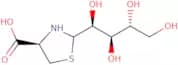
CAS:6-Azido-a-D-galactose-1-dihydrogenphosphate is a custom synthesis that is a complex carbohydrate. It is an Oligosaccharide and CAS No. 1374984-64-1, Polysaccharide with Modification, saccharide and Methylation, Glycosylation, Carbohydrate. This compound can be modified with Click modification, sugar or High purity, Fluorination. 6-Azido-a-D-galactose-1-dihydrogenphosphate is synthesized by Synthetic methods and has high purity.Fórmula:C6H12N3O8PPureza:Min. 95%Peso molecular:285.15 g/mol2-(D-Arabino-tetrahydroxybutyl)-4(R)-1,3-thiazolidine-4-carboxylic acid
CAS:2-(D-Arabino-tetrahydroxybutyl)-4(R)-1,3-thiazolidine-4-carboxylic acid is a synthetic monosaccharide that can be used to synthesize oligosaccharides and polysaccharides. It has been shown to be able to undergo glycosylation, methylation, and click modification reactions. This product is most commonly used in the preparation of complex carbohydrates for research or industrial purposes. 2-(D-Arabino-tetrahydroxybutyl)-4(R)-1,3-thiazolidine-4-carboxylic acid is soluble in water and has a CAS number of 110270-13-8.
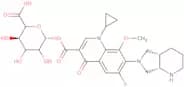
Fórmula:C8H15NO6SPureza:Min. 95%Peso molecular:253.27 g/molrac cis-Moxifloxacin acyl-b-D-glucuronide
CAS:Moxifloxacin is a fluoroquinolone antibiotic that inhibits bacterial DNA gyrase and topoisomerase IV, which are enzymes that maintain the integrity of bacterial DNA. Moxifloxacin forms an acyl-b-D-glucuronide metabolite (rac) which has a lower risk of drug resistance than moxifloxacin itself. Rac-moxifloxacin acyl-b-D-glucuronide also has a higher affinity for bacterial 16S ribosomal RNA, leading to better inhibition of protein synthesis and cell death. This drug is synthesized by modification of sugar moieties on the racemic compound with glycals to form oligosaccharides and polysaccharides. It is then methylated with a methyl group from S-adenosyl methionine (SAM). The resulting product is purified by crystallization or column chromatography to remove impurities. Rac cisFórmula:C27H32FN3O10Pureza:Min. 95%Forma y color:SolidPeso molecular:577.56 g/mol2,3,4,6-Tetra-O-acetyl-a-D-glucopyranose
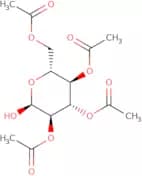
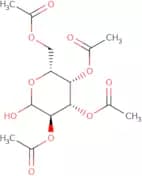
CAS:2,3,4,6-Tetra-O-acetyl-a-D-glucopyranose is a chemical compound that is the product of the reaction between metabisulfite and anhydrous acetone in a refluxing process. The reaction can be done in two ways: one with thiourea and sodium metabisulfite or another with recycled acetone. The yield of this compound is dependent on the reaction time and process. 2,3,4,6-Tetra-O-acetyl-a-D-glucopyranose has been used as a raw material for the production of pharmaceuticals such as steroids and antibiotics.
Fórmula:C14H20O10Pureza:Min. 95%Peso molecular:348.3 g/mol3-O-tert-Butyldimethylsilyl-4,6-O-p-methoxybenzylidene-D-glucal
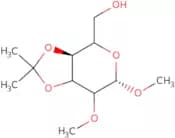
CAS:3-O-tert-Butyldimethylsilyl-4,6-O-p-methoxybenzylidene-D-glucal is a glycosylation agent that is used to modify complex carbohydrates and polysaccharides. It is synthesized from D-glucal, which can be obtained from natural sources such as corn, rice, or wheat. 3-O-tert-Butyldimethylsilyl--4,6--O--p--methoxybenzylidene--D--glucal is a synthetic compound that can be used for the modification of saccharides and oligosaccharides. This product has high purity and can be custom synthesized to suit specific needs.Pureza:Min. 95%3,4-O-Isopropylidene-1,2-di-O-methyl-a-D-galactopyranoside
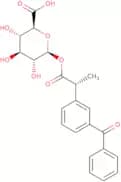
CAS:3,4-O-Isopropylidene-1,2-di-O-methyl-a-D-galactopyranoside is a fluorinated glycoside that is used in the synthesis of oligosaccharides and polysaccharides. It is an excellent substrate for glycosylation reactions. 3,4-O-Isopropylidene-1,2-di-O-methylgalactopyranoside can be modified using methylation or click chemistry to produce derivatives with various functionalities. This product has been shown to be highly pure and suitable for research applications.Fórmula:C11H20O6Pureza:Min. 95%Peso molecular:248.28 g/mol(R)-Ketoprofen b-D-glucuronide
CAS:(R)-Ketoprofen b-D-glucuronide is a synthetic modified sugar that is produced by the glucuronidation of ketoprofen, a nonsteroidal anti-inflammatory drug. The modification of ketoprofen with glucuronic acid can be achieved through an enzymatic process, which is catalyzed by UDP-glucuronyltransferase. This modification increases the solubility of ketoprofen and its ability to penetrate cells. (R)-Ketoprofen b-D-glucuronide has been shown to have antibacterial properties against Gram positive bacteria such as Staphylococcus aureus and Streptococcus pyogenes. It has also shown antiviral activity against HIV-1 due to its inhibition of reverse transcriptase, which is an enzyme important for viral replication.
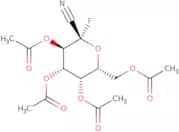
Fórmula:C22H22O9Pureza:Min. 95%Forma y color:White to off-white solid.Peso molecular:430.4 g/mol2,3,4,6-Tetra-O-acetyl-1-deoxy-1-fluoro-a-D-galactopyranosyl cyanide
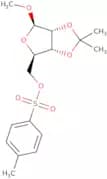
CAS:2,3,4,6-Tetra-O-acetyl-1-deoxy-1-fluoro-a-D-galactopyranosyl cyanide is a glycosylation product that is used in synthetic chemistry research. It has been shown to be useful for the Click modification of proteins and polysaccharides. The sugar is obtained by custom synthesis and can be modified with fluorination or saccharide modificaitons. 2,3,4,6-Tetra-O-acetyl-1-deoxy-1-fluoro galactopyranosyl cyanide is also a complex carbohydrate that can be synthesized using monosaccharides or oligosaccharides. This compound can be purified to high purity and is available in different sizes.Fórmula:C15H18FNO9Pureza:Min. 95%Peso molecular:375.3 g/molMethyl 2,3-O-isopropylidene-5-O-(4-toluenesulfonyl)-b-D-ribofuranoside
CAS:Methyl 2,3-O-isopropylidene-5-O-(4-toluenesulfonyl)-b-D-ribofuranoside is a nucleoside derivative. It is a deprotected nucleoside that can be used as an alkylation agent. Methyl 2,3-O-isopropylidene-5-O-(4-toluenesulfonyl)-b-D-ribofuranoside is the sodium salt of 5'-O-(4-(methylsulfonyl)benzenesulfonate) -2'-deoxyadenosine. This compound is used in the preparation of other nucleosides, including 5'-O-(4-(methylsulfonyl)benzenesulfonate) -2'-deoxycytidine and 5'-O-(4-(methylsulfonyl)benzenesulfonate) -2'-Pureza:Min. 95%Methyl 3-deoxy-D-arabino-heptulopyranoside-7-phosphate
CAS:Methyl 3-deoxy-D-arabino-heptulopyranoside-7-phosphate is a custom synthesis that can be modified for fluorination, methylation, or monosaccharide modification. It is a monosaccharide that has been synthesized and modified with a click modification. This glycosylated carbohydrate has been synthesized from a saccharide and polysaccharide. The CAS number of this compound is 91382-81-9.Fórmula:C8H15O10PPureza:Min. 95%Peso molecular:302.17 g/mol4-Hydroxyestradiol-3-O-b-D-glucuronide
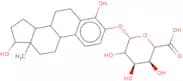
CAS:4-Hydroxyestradiol-3-O-b-D-glucuronide is a synthetic compound that is custom synthesized using click chemistry. It is a methylated derivative of estradiol with a sugar moiety and a glucuronide group attached to the b carbon. This product is soluble in water and ethanol. Chemical modification of 4-hydroxyestradiol-3-O-b-D-glucuronide can be achieved by fluorination, saccharide conjugation, or carbonylation. The CAS number for this compound is 90746-94-4.Fórmula:C24H32O9Pureza:Min. 95%Peso molecular:464.51 g/molMethyl 2,3,4-tri-O-benzyl-L-fucopyranoside
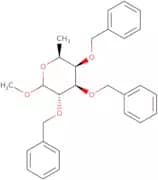
CAS:Methyl 2,3,4-tri-O-benzyl-L-fucopyranoside is a fluorinated sugar that belongs to the category of carbohydrates. This compound is synthesized from D-galactose and 3,4,5-tri-O-benzyl L-fucose by glycosylation with methyl 2,3,4-tri-O-benzyl L-fucopyranoside. The synthetic route starts with an acetic acid esterification of D-galactose with benzaldehyde in the presence of pyridine and triethylamine to yield methyl 2,3,4-triacetoxybenzoate. A reaction with 3,4,5 trihydroxyphenylacetic acid in the presence of pyridine and triethylamine leads to a glycosylation between the two compounds. The resulting product is then subjected to hydrogenolysis using palladium onFórmula:C28H32O5Pureza:Min. 95%Peso molecular:448.55 g/mol1,2-O-Cyclohexylidene-a-D-xylopentodi-aldo-1,4-fructose
1,2-O-Cyclohexylidene-a-D-xylopentodi-aldo-1,4-fructose is a custom synthesis of an oligosaccharide. It has a CAS number and is a polysaccharide. This product is modified by methylation and glycosylation. It also has a Click modification. 1,2-O-Cyclohexylidene-a-D-xylopentodi-aldo-1,4-fructose is manufactured with high purity and fluorination. The product is both synthetic and complex carbohydrate.Pureza:Min. 95%Mannosucrose
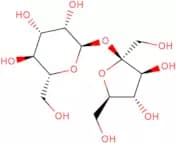
CAS:Mannosucrose (MS) is a natural sugar that is found in various plants, such as sugar cane and sugar beets. It is a disaccharide composed of two molecules of glucose linked by an alpha-1,2 glycosidic bond. Mannosucrose has been shown to have antioxidant properties and may be used as a functional sweetener for food products. This compound acts as a solute and can bind to the surface of the tongue's taste buds, which may result in its use as a microalgal particle to improve the taste of food products containing algae.
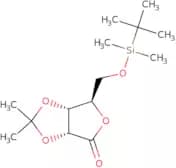
Mannosucrose also has been used as a model protein in order to study genetic mechanisms.Fórmula:C12H22O11Pureza:Min. 95%Peso molecular:342.3 g/mol5-O-tert-Butyldimethylsilyl-2,3-O-isopropylidene-D-ribono-1,4-lactone
CAS:5-O-tert-Butyldimethylsilyl-2,3-O-isopropylidene-D-ribono-1,4-lactone is a synthetic sugar. It is an intermediate used in the synthesis of oligosaccharides and saccharides. 5-O-tert-Butyldimethylsilyl-2,3-O-isopropylidene lactone is also used for click chemistry modifications for complex carbohydrates. The chemical compound is soluble in water and has high purity. This product does not contain any other substances that may be harmful to humans or the environment.Fórmula:C14H26O5SiPureza:Min. 95%Peso molecular:302.44 g/molD-Tagatose-6-phosphate lithium salt
CAS:D-Tagatose-6-phosphate lithium salt is a bacterial strain that belongs to the group of polyols. It is an epimerization product of D-tagatose, which is converted by the enzyme tagatose kinase to D-tagatose-6-phosphate. D-Tagatose-6-phosphate lithium salt can be used as a substrate for the enzymes galactitol dehydrogenase and galactitol 1,2-dioxygenase, which are involved in the metabolism of D-tagatose.
Fórmula:C6H13O9P·xLiPureza:Min. 95%Peso molecular:260.14 g/mol2,3,4,6-Tetra-O-acetyl-D-galactopyranose
CAS:2,3,4,6-Tetra-O-acetyl-D-galactopyranose is a glycoside that has been used as an antigen in immunological studies and to study the role of fatty acids in cancer. This compound is phosphorylated to form 2,3,4,6-tetra-O-phospho-D-galactopyranose and reacts with primary alcohols to form transglycosylation products. 2,3,4,6-Tetra-O-acetylgalactopyranose also reacts with chloride ions to form disaccharides. As a result of these reactions 2,3,4,6-tetraacetylgalactopyranose has shown anticancer activity.Fórmula:C14H20O10Pureza:Min. 95%Forma y color:White PowderPeso molecular:348.3 g/mol2-Azidoethyl 4,6-O-benzylidene-3-O-(4-methoxybenzyl)-a-D-mannopyranoside
CAS:2-Azidoethyl 4,6-O-benzylidene-3-O-(4-methoxybenzyl)-a-D-mannopyranoside is a modified sugar that can be used in the synthesis of oligosaccharides, monosaccharides, and saccharides. This product has a purity of 99.5% and is available for custom synthesis. The CAS number for this product is 653597-40-1.Fórmula:C23H27N3O7Pureza:Min. 95%Peso molecular:457.48 g/mol1,2:5,6-Di-O-isopropylidene-3-O-methyl-a-D-glucofuranose
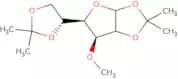
CAS:1,2:5,6-Di-O-isopropylidene-3-O-methyl-a-D-glucofuranose is a glycosylation agent that belongs to the group of complex carbohydrates. It is a synthetic compound that can be modified with methyl groups, fluorine atoms, or click modification. 1,2:5,6-Di-O-isopropylidene-3-O-methyl-a-D-glucofuranose is used as a monosaccharide for the synthesis of oligosaccharides and polysaccharides. This compound has high purity and can be custom synthesized to meet customer specifications.Fórmula:C13H22O6Pureza:Min. 95%Peso molecular:274.31 g/molD-Desosamine
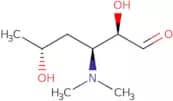
CAS:D-Desosamine is a chemical compound that has been isolated from human serum. It is an enzyme inhibitor that inhibits the activity of enzymes such as phosphatases, kinases, and proteases. D-Desosamine also has a matrix effect, which can be used to modify the properties of polymer matrices in order to improve their biocompatibility and mechanical properties. The molecular docking analysis indicated that desosamine can bind to bacterial serine/threonine protein kinase Streptococcus pyogenes phage T4 (SpyPK) and inhibit its activity. This inhibition may be due to the transfer reactions caused by desosamine binding to the enzyme's active site and blocking it. Structural analysis showed that D-desosamine forms hydrogen bonds with amino acids in SpyPK's active site, forming a covalent bond with cysteine residue Cys240. D-Desosamine has been shown to have anti-bacterial properties againstPureza:Min. 95%1-Amino-1-deoxy-D-ribitol
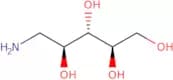
CAS:1-Amino-1-deoxy-D-ribitol is a product of the enzymatic conversion of ribose to ribulose. It is an intermediate in the synthesis of other biologically important compounds, such as flavin and coenzyme A. 1-Amino-1-deoxy-D-ribitol can be stabilized with hydrochloric acid, acetylated into 1,2,3,4,-tetrahydroxybutane by acetic anhydride and metaperiodate. The bond cleavage reaction can be activated by hydrogen chloride or metaperiodate. High concentrations of these reagents are needed for this process to take place.Fórmula:C5H13NO4Pureza:Min. 95%Peso molecular:151.16 g/molD-Ribulose 5-phosphate
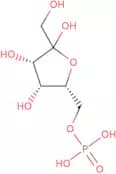
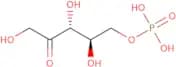
CAS:D-Ribulose 5-phosphate is a phosphorylated sugar, which is a key intermediate in the pentose phosphate pathway, derived from the enzymatic phosphorylation of D-ribulose. This pathway is crucial in cells for the generation of NADPH and the synthesis of ribose-5-phosphate, which is essential for nucleotide biosynthesis. The compound is produced from ribulose via the action of ribose-phosphate isomerase, a crucial enzyme in cellular metabolism.D-Ribulose 5-phosphate primarily functions as a precursor in the biosynthesis of nucleotides and nucleic acids. It acts within the cellular context to balance the supply of ribose-5-phosphate for nucleotide production, while its role in the oxidative branch of the pentose phosphate pathway helps maintain redox homeostasis through NADPH production.The primary application of D-Ribulose 5-phosphate is in biochemical research and metabolic engineering, where it is vital for studies focusing on metabolic flux analysis and the elucidation of biosynthetic pathways. Understanding its pathway and regulation can lead to insights into metabolic disorders and the development of therapeutic strategies targeting nucleotide synthesis abnormalities.Fórmula:C5H11O8PPeso molecular:230.11 g/molL-Fucal
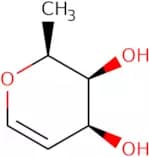
CAS:L-Fucal is a chemical that belongs to the group of glycosidic bonds. It is synthesized by reacting ethyl diazoacetate with an activated hydroxyl group. L-Fucal has been shown to inhibit the growth of cancer cells and lymphocytic leukemia cells. It binds to the receptors on the surface of cancer cells and inhibits their growth by interfering with cellular metabolism and DNA synthesis.Pureza:Min. 95%Methyl 1-thiolincosaminide
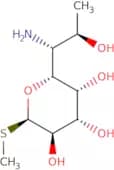
CAS:Intermediate in the production of biosynthetic antibioticsFórmula:C9H19NO5SPureza:Min. 95%Peso molecular:253.32 g/molFurosemide acyl-b-D-glucuronide
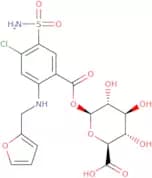
CAS:Furosemide acyl-b-D-glucuronide is a derivative of Furosemide. It is a potent diuretic that has been used in the treatment of hypertension and congestive heart failure. The drug is excreted by the kidney, and its clearance is dependent on urine flow rate. Furosemide acyl-b-D-glucuronide can be detected in human serum and urine samples following oral administration, but its detection in urine may be delayed due to its low solubility. This active form of the drug may also cause drug reactions, such as nausea and vomiting, which are most likely due to the acidic nature of this form. Hydrochloric acid increases the absorption of Furosemide acyl-b-D-glucuronide, so it is recommended to take this medication with an acidic beverage containing hydrochloric acid or food high in pyridinium content. The elimination half life for this activeFórmula:C18H19ClN2O11SPureza:Min. 95%Forma y color:Yellow PowderPeso molecular:506.87 g/mol3-Deoxy-D-arabinose
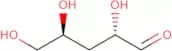
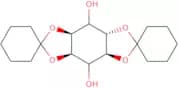
CAS:3-Deoxy-D-arabinose is a sugar that is synthesized by the biochemical process of de novo synthesis. It is a structural component of glycoproteins and lipopolysaccharides, which are essential for bacterial growth. 3-Deoxy-D-arabinose is also used in the regulation of gene expression. The efficient method for its production was discovered by enzymatic dehydrogenation of glucose with the enzyme dehydrogenase, which is encoded by corynebacterium glutamicum. This discovery has led to an unraveling of the wild-type strain's metabolic pathways.Fórmula:C5H10O4Pureza:Min. 95%Peso molecular:134.13 g/mol1,2:4,5-Biscyclohexylidene D-myo-inositol
CAS:1,2:4,5-Biscyclohexylidene D-myo-inositol is a synthetic compound that has been found to be more potent than cyclophosphamide in inducing apoptosis in HL-60 cells. It also induces conformation changes in phosphatidylinositol and ferulic acid and inhibits the activity of xanthine oxidase. This compound has shown promising results in terms of its ability to induce conformational changes in phosphatidylinositol and ferulic acid analogues. Further research is needed to determine whether this compound is an effective anticancer agent.Fórmula:C18H28O6Pureza:Min. 95%Peso molecular:340.41 g/mol6-O-tert-Butyldimethylsilyl-D-galactal
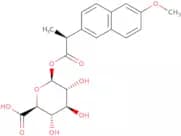
CAS:6-O-tert-Butyldimethylsilyl-D-galactal has been used as a methylating agent in the synthesis of complex carbohydrates. It is a synthetic modification of D-galactal, which is an oligosaccharide and polysaccharide consisting of galactose residues. The chemical name for 6-O-tert-Butyldimethylsilyl-D-galactal is 6-(tert-butyldimethylsilyloxy)-1,2,3,4,6,7,-hexahydrobenzo[a]pyrene. This compound is soluble in organic solvents and can be used to modify other carbohydrates. It has a molecular weight of 578.9 g/mol and CAS number 124751-19-5.Pureza:Min. 95%(S)-Naproxen acyl-b-D-glucuronide
CAS:Naproxen is a non-steroidal anti-inflammatory drug (NSAID) that is used to relieve pain and reduce inflammation. The NSAIDs are metabolized in the liver by oxidation, reduction, hydrolysis, or conjugation with glucuronic acid. Naproxen undergoes a number of metabolic transformations including fragmentation, which can be detected using an MS/MS analyzer. Naproxen acyl-b-D-glucuronide is an oxidative metabolite of naproxen that has been shown to have high uptake into mammalian cells and bioconcentrates in fish. This metabolite has also been shown to be metabolized in the liver by conjugation with glucuronic acid.
Fórmula:C20H22O9Pureza:Min. 95%Peso molecular:406.38 g/molD-Xylose-2-C-D
CAS:Please enquire for more information about D-Xylose-2-C-D including the price, delivery time and more detailed product information at the technical inquiry form on this pageFórmula:C5H10O5Pureza:Min. 95%Peso molecular:151.14 g/molBenzyl 2-(acetylamino)-2-deoxy-3-o-[3,4,6-tri-o-acetyl-2-(acetylamino)-2-deoxy-β-D-glucopyranosyl]-α-D-galactopyranoside 4,6-diaceta te
CAS:Please enquire for more information about Benzyl 2-(acetylamino)-2-deoxy-3-o-[3,4,6-tri-o-acetyl-2-(acetylamino)-2-deoxy-β-D-glucopyranosyl]-α-D-galactopyranoside 4,6-diaceta te including the price, delivery time and more detailed product information at the technical inquiry form on this page
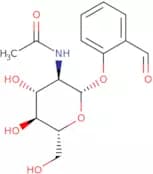
Fórmula:C33H44N2O16Pureza:Min. 95%Peso molecular:724.7 g/mol2-Formylphenyl 2-acetamido-2-deoxy-b-D-glucopyranoside
CAS:2-Formylphenyl 2-acetamido-2-deoxy-b-D-glucopyranoside is a custom synthesis that is modified with a fluorination. It is an oligosaccharide that contains a methylation and glycosylation. This product is an Oligosaccharide, which is a complex carbohydrate. The synthesis of this product is high purity and has been synthesized by the methylation and glycosylation of monosaccharides. This compound has been synthesized from high purity chemicals, including saccharides, such as glucose or fructose. The compound's CAS number is 15430-78-1.
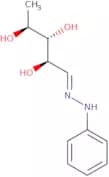
Fórmula:C15H19NO7Pureza:Min. 95%Peso molecular:325.31 g/mol5-Deoxy-L-ribose phenylhydrazone
CAS:Intermediate in the synthesis of L-PrimapterinFórmula:C11H16N2O3Pureza:Min. 95%Peso molecular:224.26 g/molParicalcitol 25-b-D-glucuronide
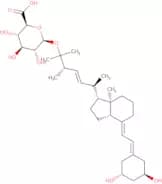
CAS:Paricalcitol 25-b-D-glucuronide is a synthetic analogue of calcitriol, which is the active form of vitamin D. It is a high-purity glycosylate with an average molecular weight of 522.5 Da and a purity of >98%. Paricalcitol 25-b-D-glucuronide has been shown to be effective in prevention or treatment of secondary hyperparathyroidism in patients with chronic kidney disease (CKD). This compound has shown to inhibit calcium absorption in the gut and increase urinary excretion of calcium. It also increases serum phosphate levels, which may lead to increased calcium phosphate deposition in bone. Paricalcitol 25-b-D-glucuronide is methylated at the 25 position, which prevents it from being metabolized by the liver. This modification allows for higher concentrations to be administered without causing toxicity.Fórmula:C33H52O9Pureza:Min. 95%Peso molecular:592.76 g/molD-Xylose-1-C-D
CAS:Please enquire for more information about D-Xylose-1-C-D including the price, delivery time and more detailed product information at the technical inquiry form on this pageFórmula:C5H10O5Pureza:Min. 95%Peso molecular:151.14 g/mol4,5,6-Tri-O-benzyl-3-benzyloxymethyl-octa-1,7-dien-3-ol
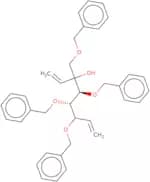
4,5,6-Tri-O-benzyl-3-benzyloxymethyl-octa-1,7-dien-3-ol is an oligosaccharide that is synthesized by the modification of a simple sugar with two benzyloxymethyl groups. It can be used as a carbohydrate in pharmaceuticals and other applications.
Fórmula:C37H40O5Pureza:Min. 95%Peso molecular:564.71 g/molD-Fructose-3-13C
CAS:Please enquire for more information about D-Fructose-3-13C including the price, delivery time and more detailed product information at the technical inquiry form on this pageFórmula:C6H12O6Pureza:Min. 95%Peso molecular:181.15 g/mol1,2,4,6-Tetra-O-acetyl-3-O-propargyl-D-glucopyranose
1,2,4,6-Tetra-O-acetyl-3-O-propargyl-D-glucopyranose is a custom synthesis of a monosaccharide. The 1,2,4,6-tetra acetyl group and the 3-O propargyl group are introduced to the D glucose ring by modifications. This modification increases the stability of the molecule and protects it from hydrolysis. The glycosylation is performed with an oligosaccharide to form a complex carbohydrate.Pureza:Min. 95%2,3,4,6-Tetra-O-acetyl-a-D-mannopyranosyl ethylxanthate
CAS:2,3,4,6-Tetra-O-acetyl-a-D-mannopyranosyl ethylxanthate is an oligosaccharide that can be used as a building block for the synthesis of complex carbohydrates and glycosylation. It is synthesized by the reaction of 2,3,4,6-tetraacetylmannose with ethylxanthate in the presence of triethylamine. This compound is used for methylation reactions and click modification. It can also be used to modify saccharides and monosaccharides. The chemical formula of this compound is C14H24O8.Fórmula:C17H24O10S2Pureza:Min. 95%Peso molecular:452.5 g/mol2,3-Di-O-Carboxymethyl-D-glucose
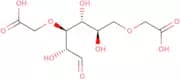
CAS:2,3-Di-O-Carboxymethyl-D-glucose (DCM) is a carboxymethyl derivative of glucose. DCM is used as a chromatographic and solvent system additive in the purification of ethers. It has also been used to produce carboxymethylcellulose and hydrolysis products such as 2,3-di-O-carboxypropyl glucopyranoside. DCM is an off white solid at room temperature with a melting point of 71°C.Fórmula:C10H16O10Pureza:Min. 95%Forma y color:White Off-White PowderPeso molecular:296.23 g/molTrimethylsilyl-meso-inositol
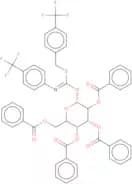
CAS:Trimethylsilyl-meso-inositol is a metabolite of inositol and can be found in biological samples. It has been detected by GC-MS profiling, chromatograms, and profiles. Trimethylsilyl-meso-inositol has been used as an experimental compound to study the effects of electron irradiation on bacterial DNA. This metabolite has also been identified as a volatile substance. There are no known sources or nature of this molecule, but it is reproducible.Fórmula:C24H60O6Si6Pureza:Min. 95%Peso molecular:613.24 g/mol2,3,4,6-Tetra-O-benzoyl-a-D-glucopyranosyl p-trifluoromethylbenzylthio-N-(trifluoromethylphenyl)formimidate
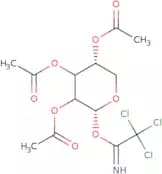
CAS:2,3,4,6-Tetra-O-benzoyl-a-D-glucopyranosyl p-trifluoromethylbenzylthio-N-(trifluoromethylphenyl)formimidate is a carbohydrate that has been synthesized from an oligosaccharide and a monosaccharide. It has been modified by fluorination, methylation, glycosylation and click chemistry. This product has been custom synthesized for use in the synthesis of saccharides.Fórmula:C50H37F6NO10SPureza:Min. 95%Peso molecular:957.91 g/mol2,3,4-Tri-O-acetyl-a-D-xylopyranosyl trichloroacetimidate
CAS:2,3,4-Tri-O-acetyl-a-D-xylopyranosyl trichloroacetimidate is a methylated and fluorinated complex carbohydrate. It is an acetylated sugar that has been modified with the addition of trichloroacetimidate. The chemical name for 2,3,4-Tri-O-acetyl-a-D-xylopyranosyl trichloroacetimidate is 4′-(triethoxy)trityloxymethyl 2,3,4-tri-O-acetyl a -D -xylopyranoside. This product may be used as an intermediate in the synthesis of oligosaccharides and polysaccharides. It is also used to modify saccharides and sugar monomers.Fórmula:C13H16Cl3NO8Pureza:Min. 95%Forma y color:White/Off-White SolidPeso molecular:420.63 g/mol4-Methylphenyl 2,3,4,6-tetra-O-benzyl-b-D-thiogalactopyranoside
CAS:4-Methylphenyl 2,3,4,6-tetra-O-benzyl-b-D-thiogalactopyranoside is a synthetic saccharide set up to be an oligo-saccharide building block.Fórmula:C41H42O5SPureza:Min. 95%Peso molecular:646.84 g/molPhenyl 4-azido-2,3,6-tri-O-benzyl-4-deoxy-b-D-thioglucopyranoside
CAS:Phenyl 4-azido-2,3,6-tri-O-benzyl-4-deoxy-b-D-thioglucopyranoside is a fluorinated monosaccharide that can be synthesized from commercially available starting materials. The compound has been shown to inhibit the glycosylation of proteins and is used in the synthesis of complex carbohydrates such as oligosaccharides and polysaccharides. Phenyl 4-azido-2,3,6-tri-O-benzyl -4 deoxy -b D thioglucopyranoside is a white crystalline solid that has a melting point of 155 ˚C and an assay of 99% purity.
Fórmula:C33H36N3O4SPureza:Min. 95%Peso molecular:570.72 g/molHeptamaloxyloglucan
CAS:Heptamaloxyloglucan is an analog of marbofloxacin that has been shown to inhibit tumor growth and induce apoptosis in cancer cells. This compound acts as a kinase inhibitor, blocking the activity of enzymes involved in cell division and proliferation. Heptamaloxyloglucan has also been found to have anticancer properties, inhibiting the growth of cancer cells and inducing apoptosis through various mechanisms. In addition, this compound has been shown to be effective in treating urinary tract infections caused by gram-negative bacteria such as Escherichia coli and Proteus mirabilis. Heptamaloxyloglucan may also have potential therapeutic applications for other diseases such as hypertension, as it has been found to be a potent inhibitor of ACE (angiotensin-converting enzyme) activity.Fórmula:C40H70O33Pureza:75%MinPeso molecular:1,079 g/mol6-o-Benzyl D-mannose
CAS:Please enquire for more information about 6-o-Benzyl D-mannose including the price, delivery time and more detailed product information at the technical inquiry form on this pageFórmula:C12H16O6Pureza:Min. 95%Peso molecular:256.25 g/mol4-Amino-4-deoxy-D-glucopyranose
CAS:4-Amino-4-deoxy-D-glucopyranose is an anticancer agent that has been found to be effective against cancer cells. It is a chitosan derivative that acts as an inhibitor of apoptosis in cancer cells. This compound has been detected in urine and has been shown to inhibit the growth of human cancer cells by inhibiting kinase activity. 4-Amino-4-deoxy-D-glucopyranose is an analog of glucose and can be used as a potential therapeutic agent for the treatment of tumors. It specifically targets kinases involved in the regulation of cell growth and protein synthesis, which makes it a promising candidate for cancer treatment.Fórmula:C6H13NO5Pureza:Min. 95%Peso molecular:179.17 g/molMethyl 2,3:4,6-di-O-benzylidene-α-D-mannopyranoside
CAS:Methyl 2,3:4,6-di-O-benzylidene-a-D-mannopyranoside is a cyclic peptide that was developed for the treatment of tropical diseases. It has been shown to be a potent inhibitor of protein synthesis and an absorber of amino acids in experimental infections. Comparative studies have shown that this drug inhibits protein synthesis more than other cyclic peptides. Methyl 2,3:4,6-di-O-benzylidene-a-D-mannopyranoside has also been shown to have antiinflammatory properties in inflammatory bowel disease and may be useful as a therapeutic agent for Alzheimer’s disease or cancer.Fórmula:C21H22O6Pureza:Min. 95%Peso molecular:370.4 g/mol1,2:3,4-Di-O-isopropylidene-b-D-arabinopyranose
CAS:1,2:3,4-Di-O-isopropylidene-b-D-arabinopyranose is a synthetic carbohydrate that can be modified with fluorination or methylation. It is a high purity and custom synthesis product.Fórmula:C11H18O5Pureza:Min. 95%Peso molecular:230.26 g/mol6-O-tert-Butyldimethylsilyl-3,4-O-isopropylidene-D-galactal
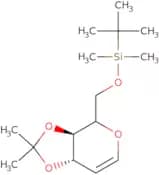
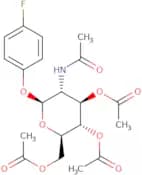
CAS:6-O-tert-Butyldimethylsilyl-3,4-O-isopropylidene-D-galactal is a synthetic carbohydrate that can be used as a building block for preparing complex carbohydrates. It is an analog of D-galactal, which has been shown to have antiviral activity. 6-O-tert-Butyldimethylsilyl-3,4-O-isopropylidene-D-galactal can be used in the synthesis of oligosaccharides and glycosylations.Fórmula:C15H28O4SiPureza:Min. 95%Peso molecular:300.47 g/mol4-Fluorophenyl 2-acetamido-3,4,6-tri-O-acetyl-2-deoxy-b-D-glucopyranoside
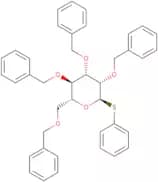
CAS:4-Fluorophenyl 2-acetamido-3,4,6-tri-O-acetyl-2-deoxy-b-D-glucopyranoside is a custom synthesis of an Oligosaccharide, Monosaccharide and Fluorination. It is a water soluble white powder with high purity.Fórmula:C20H24FNO9Pureza:Min. 95%Peso molecular:441.4 g/molPhenyl 2,3,4,6-tetra-O-benzyl-a-D-thiomannopyranoside
CAS:Phenyl 2,3,4,6-tetra-O-benzyl-a-D-thiomannopyranoside is a custom synthesis that can be used as a sugar in glycosylation reactions. It is an Oligosaccharide with a sugar at the nonreducing terminus and can be modified to include fluorination. It is also a Fluorination agent and has been shown to methylate sugars.Fórmula:C40H40O5SPureza:Min. 95%Peso molecular:632.81 g/molEthyl 2-acetamido-3,4,6-tri-O-acetyl-2-deoxy-D-thiogalactopyranoside
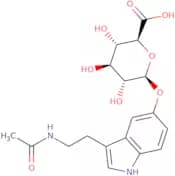
Ethyl 2-acetamido-3,4,6-tri-O-acetyl-2-deoxy-D-thiogalactopyranoside is a custom synthesis of an oligosaccharide. It has a CAS No. and is a high purity synthetic product. Ethyl 2-acetamido-3,4,6-tri-O-acetyl-2-deoxy -D thiogalactopyranoside consists of monosaccharides with a sugar backbone that has been modified by fluorination and methylation for increased stability. The modification of the sugar backbone makes it resistant to degradation by enzymes in the human body, so it can be used as an oral drug. This product is also soluble in water and alcohol, making it useful in pharmaceutical applications.Pureza:Min. 95%N-Acetylserotonin β-D-glucuronide
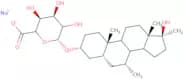
CAS:N-Acetylserotonin β-D-glucuronide is a metabolite of melatonin, which is synthesized in the pineal gland. It is excreted in human urine and can be used as a biomarker for melatonin synthesis. N-Acetylserotonin β-D-glucuronide has been shown to have pharmacologic effects on humans and other species, but its health effects are not well understood. The use of this compound as a biomarker for human melatonin synthesis has been validated in vitro and in vivo. It is also used as a marker for kidney function, particularly chronic kidney disease (CKD). This analysis can be performed using urinary samples that contain glucuronide conjugates of N-acetylserotonin β-D-glucuronide.Fórmula:C18H22N2O8Pureza:Min. 97 Area-%Forma y color:Off-White PowderPeso molecular:394.38 g/mol7-a,17-a-Dimethyl-5-b-androstane-3-a,17-b-diol glucuronide
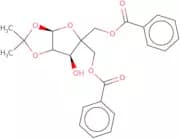
7-a,17-a-Dimethyl-5-b-androstane-3-a,17-b-diol glucuronide is a monosaccharide that is found in the brain and liver of humans. It is a synthetic compound that has been modified with methylation and glycosylation. This product also has high purity and can be custom synthesized to meet customer specifications.Fórmula:C27H43O8·NaPureza:Min. 95%Peso molecular:518.62 g/mol5-O-Benzoyl-4-benzoyloxymethyl-1,2-O-isopropylidene-a-D-xylofuranose
5-O-Benzoyl-4-benzoyloxymethyl-1,2-O-isopropylidene-a-D-xylofuranose is a synthetic monosaccharide that has been modified by fluorination and glycosylation. The chemical formula is C14H10F6O8. It can be custom synthesized to order, and it is available in high purity.Fórmula:C23H24O8Pureza:Min. 95%Peso molecular:428.44 g/mol6-O-Tosyl-D-glucopyranose
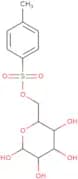
CAS:6-O-Tosyl-D-glucopyranose is an Oligosaccharide, Carbohydrate and Custom synthesis. It is a complex carbohydrate. This product is a monosaccharide that has been methylated, glycosylated, and polysaccharide modified. The CAS No. for this product is 26391-80-0 and its molecular weight is 598.6 g/mol. This product can be used in the synthesis of 6-O-Tosyl-D-[3H]glucopyranose (CAS No. 131552-01-8) which can be used as a radioactive marker in biological research or in the diagnosis of diseases such as cancer.Pureza:Min. 95%7-Hydroxy coumarin 2,3,4-tri-O-acetyl-b-D-glucuronide methyl ester
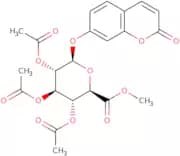
CAS:7-Hydroxy coumarin 2,3,4-tri-O-acetyl-b-D-glucuronide methyl ester is a high purity custom synthesis sugar. The synthesis of this product is achieved by the Click modification, fluorination, and glycosylation. This product has a CAS number 168286-97-3. It is also a synthetic product that was created by methylation and modification. This product can be used in complex carbohydrate research as it is an oligosaccharide and monosaccharide saccharide. END>Fórmula:C22H22O12Pureza:Min. 95%Peso molecular:478.4 g/mol1,6-Anhydro-2-deoxy-2-fluoro-b-D-glucopyranose
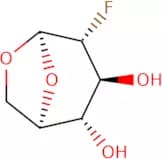
CAS:1,6-Anhydro-2-deoxy-2-fluoro-b-D-glucopyranose is an analogue of 4-deoxy-4-fluoro-d-glucose that has been synthesized and characterised for the first time. The fluorine atoms on the sugar ring are replaced by hydrogen fluoride. 1,6-Anhydro-2,2,4,4,-tetraacetic acid is a dianhydride that can react with 1,6-anhydro 2,2,4,4,-tetraacetic acid to form an ester (1,6:1) or ether (1:1). It can be hydrolyzed by acids to form hydrogen fluoride and glycosyl.Fórmula:C6H9FO4Pureza:Min. 95%Peso molecular:164.13 g/molSennoside b calciumsalt
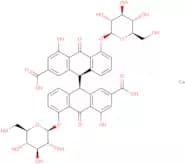
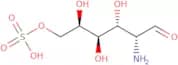
CAS:Sennoside b is a natural compound found in the plant Senna obtusifolia and has been shown to have an effect on myeloma cells, as well as on enzyme activities and energy metabolism. Sennoside b has also been shown to inhibit phospholipase A2 (PLA2) activity and prostaglandin E2 (PGE2) levels in a mouse myeloma cell line. The pathogenic mechanism of sennoside b is unclear, but it may be due to its locomotor activity-reducing effects or due to its effect on gut motility. The optimum extraction process for sennoside b is not clear, but it should be carried out with care due to its chemical stability. Sennoside b has also been shown to have beneficial effects on hepatic steatosis and bowel disease, thus making it a potential treatment for these conditions. Multivariate logistic regression analysis was used to identify factors that may predictFórmula:C42H36CaO20Pureza:Min. 95%Peso molecular:900.8 g/molD-Galactosamine-6-O-sulphate
CAS:D-Galactosamine-6-O-sulphate is a synthetic, fluorinated carbohydrate that has been modified by the Click reaction. It is used as a methylating agent and can be used in the synthesis of polysaccharides and oligosaccharides. This compound is also used to modify saccharides, glycosylations, and other carbohydrates. D-Galactosamine-6-O-sulphate is water soluble and can be used for custom synthesis. It can also be modified with other reagents for various purposes.Fórmula:C6H13NO8SPureza:Min. 95%Peso molecular:259.23 g/molα-D-Mannose 1-phosphate
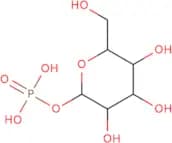
CAS:α-D-Mannose 1-phosphate is a complex carbohydrate that is modified with methylation, glycosylation and fluorination. This product has been custom synthesized to order. It is an oligosaccharide that can be modified with glycosylation and carbonylation. Methylation of α-D-mannose 1-phosphate leads to the formation of a fluorinated sugar called α-D-mannose 1,6-diphosphate. The modification process can be done in several ways, including Click chemistry. This product is of high purity and has been synthesized from natural materials.Fórmula:C6H13O9PPureza:Min. 95%Peso molecular:260.14 g/molL-[5-13C]Xylose
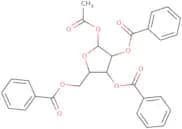
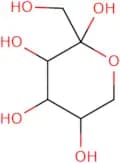
CAS:Please enquire for more information about L-[5-13C]Xylose including the price, delivery time and more detailed product information at the technical inquiry form on this pageFórmula:C5H10O5Pureza:Min. 95%Peso molecular:151.12 g/mol1-o-Acetyl-2,3,5-tri-o-benzoyl-L-ribose
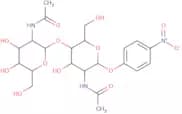
CAS:1-o-Acetyl-2,3,5-tri-o-benzoyl-L-ribose is a potent inhibitor of human kinases and has been shown to have anticancer properties. It is an analog of tumor suppressor protein and induces apoptosis in cancer cells. This compound has been found in the urine of Chinese medicinal plants and has been extensively studied for its potential use in cancer treatment. Its ability to inhibit kinases makes it a promising candidate for the development of new anticancer drugs. Additionally, 1-o-Acetyl-2,3,5-tri-o-benzoyl-L-ribose has been found to have significant anti-inflammatory effects, which may also make it useful in treating other diseases associated with inflammation. Overall, this compound shows great potential as a therapeutic agent for various diseases and conditions.Fórmula:C28H24O9Pureza:Min. 95%Peso molecular:504.5 g/molGalNAcβ(1-4)GlcNAc-β-pNP
CAS:Galnacβ(1-4)GlcNAc-β-PNP is a high purity, custom synthesized, synthetic carbohydrate. It is a complex carbohydrate that has been modified with a click modification at the reducing end of the sugar to attach an amine group. The sugar has also been methylated and glycosylated. The sugar has been fluorinated and saccharide, which is a monosaccharide or polysaccharide.Fórmula:C22H31N3O13Pureza:Min. 95%Forma y color:PowderPeso molecular:545.5 g/molN-Acetyl-D-galactosamine, plant-based
CAS:N-Acetyl-D-galactosamine (GalNAc) is an aldohexose. It forms a key part of both N- and O-linked glycoproteins, glycolipids, gangliosides, blood groups, glycosaminoglycans (chondroitin and dermatan sulfate) and human milk oligosaccharides.This N-Acetyl-D-galactosamine product (MA184543) is plant-based and produced synthetically from Arabic gum.GalNAc clusters and derivatives, typically composed of three (or more) GalNAc moieties arranged in a specific spatial configuration, are a powerful tool for targeted delivery of nucleic acid therapeutics, specifically in liver targeted therapies. These multivalent ligands effectively bind and internalize via the asialoglycoprotein receptor (ASGPR) expressed on the surface of hepatocytes.
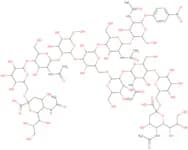
Fórmula:C8H15NO6Pureza:Min. 97 Area-%Peso molecular:221.21 g/molDisialylnonasaccharide-β-PNP
CAS:Disialylnonasaccharide-β-PNP is a synthetic glycosylated oligosaccharide. It has a disialic acid residue at the reducing end and β-linked nonasaccharide residues at the nonreducing end. Disialylnonasaccharide-β-PNP is used as a monomer for the synthesis of polysaccharides, which are complex carbohydrates. Click modification of the saccharide unit can be carried out with an azido or nitro group. Disialylnonasaccharide-β-PNP is typically found in high purity and can be modified to suit your needs.Fórmula:C90H141N7O64Pureza:Min. 95%Peso molecular:2,345.1 g/molConiferin
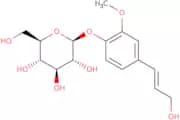
CAS:Coniferin is a phenolic compound found in plants. It is a 4-hydroxycinnamic acid ester of p-hydroxybenzoic acid. Coniferin can be used as an additive for food and animal feed, as well as a preservative for cellulose. Coniferin has been shown to inhibit the growth of cancer cells, such as K562 cells, by affecting energy metabolism and polymerase chain reaction activities. The physiological effects of coniferin have not been extensively studied but it has been shown to inhibit enzyme activities in plant tissues. Coniferin has also been shown to act synergistically with crystalline cellulose and dihydroconiferyl alcohol to produce HPC powder, which is used for the preparation of HPC-cellulose membranes for protein separation.Fórmula:C16H22O8Pureza:Min. 95%Peso molecular:342.34 g/mol4-O-Benzyl-D-mannose
4-O-Benzyl-D-mannose is a high purity, custom synthesis sugar with Click modification, fluorination and glycosylation. The CAS No. for this compound is 108611-67-0. 4-O-Benzyl-D-mannose is an oligosaccharide monosaccharide saccharide carbohydrate complex carbohydrate with the chemical formula C5H6O5 that has a molecular weight of 174.11 g/mol. This compound can be used to synthesize polysaccharides, which are carbohydrates that contain more than ten monosaccharides and are found in plant cell walls and other biological polymers such as chitin, cellulose, and glycogen. 4-O-Benzyl-D-mannose is also used in the synthesis of saccharides that are found in glycoproteins or proteoglycans.Fórmula:C13H18O6Pureza:Min. 95%Peso molecular:270.28 g/molMethyl 2,3-anhydro-b-D-ribopyranoside
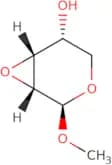
CAS:Methyl 2,3-anhydro-b-D-ribopyranoside is a custom synthesis chemical with CAS No. 3150-13-8. This product is an oligosaccharide that is a polysaccharide and saccharide. It has fluorination and modification properties. This product is high purity and can be modified to suit the needs of customers. Methyl 2,3-anhydro-b-D-ribopyranoside is a monosaccharide sugar with a carbonyl group on the second carbon atom of the chain.
Fórmula:C6H10O4Pureza:Min. 95%Peso molecular:146.1 g/mol1,2,3,5-Tetra-O-acetyl-β-D-ribofuranose
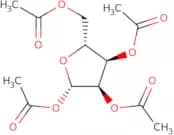
CAS:1,2,3,5-Tetra-O-acetyl-β-D-ribofuranose is a sugar that has been acetylated at the hydroxyl group. It has biological properties that are similar to those of 1,2,3,5-tetraacetyl-β-D-ribofuranose. This compound is an analog of 1,2,3,5-tetraacetyl-β-D-ribofuranose and can be used as a model system for studying the effects of acetylation on the properties of this molecule. Acetylation at the hydroxyl group in sugars can lead to low energy (chemical) properties. The acetylated form of this compound reacts with trifluoromethanesulfonic acid to give tetrafluoroethylene and ammonium sulfate in a model reaction solution. 1,2,3,5-Tetraacetyl βFórmula:C13H18O9Pureza:Min. 97.5 Area-%Peso molecular:318.28 g/molRef: 3D-T-1760
-Unit-kgkgA consultar1kgA consultar5kgA consultar10kgA consultar500gA consultar2500gA consultar1,3-Di-O-benzyl-4,6-O-benzylidene-a-D-mannopyranoside
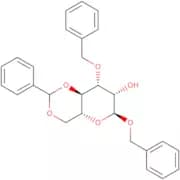
CAS:1,3-Di-O-benzyl-4,6-O-benzylidene-a-D-mannopyranoside is a carbohydrate that can be synthesized with custom synthesis. It can be modified with fluorination and methylation. Carbohydrates are saccharides that contain aldehyde or ketone groups. This compound contains an aldose group and an alditols group. The carbohydrates in this compound are glycosylated and methylated.Fórmula:C27H28O6Pureza:Min. 95%Peso molecular:448.51 g/mol3,6-Di-O-Carboxymethyl-D-glucose
CAS:3,6-Di-O-Carboxymethyl-D-glucose is a methylated sugar that is synthesized from D-glucose. It is a white powder that is soluble in water and has a molecular weight of 586.06 g/mol. 3,6-Di-O-Carboxymethyl-D-glucose can be used for the synthesis of oligosaccharides and glycosylations. It can also be used as an intermediate for the production of fluorinated saccharides, which are useful for click chemistry modifications. 3,6-Di-O-Carboxymethyl-D-glucose can be custom synthesized to meet specific requirements.Fórmula:C10H16O10Pureza:Min. 95%Peso molecular:296.23 g/mol2,3,4-Tri-O-benzyl-D-glucuronide benzyl ester trichloroacetimidate
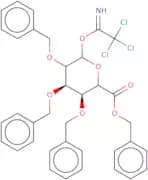
The compound is a custom synthesis and modification of a complex carbohydrate. It has been synthesized by glycosylation, methylation, and click chemistry. The compound can be used as a building block for the synthesis of saccharides. It is also useful in the synthesis of polysaccharides, which are polymers consisting of long chains of sugars. The compound is a highly pure and fluorinated sugar that can be used in research as a standard or control.Fórmula:C36H34Cl3NO7Pureza:Min. 95%Peso molecular:699.02 g/molGDP-L-fucose diammonium salt
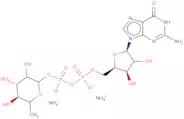
CAS:GDP-L-fucose diammonium salt is a synthetase inhibitor that has been shown to inhibit the synthesis of GDP-L-fucose. This compound is also known as 5,6-dichloro-1,2,3,4-tetrahydroisoquinoline and is a secondary metabolite of the bacterium Aerobacter aerogenes. The enzyme kinetic assay was used to determine the inhibition constant for this compound. It has been shown to be active against E. coli K-12 and S. subtilis in cell culture experiments. Inhibition of GDP-L-fucose synthesis by this compound leads to reduced bacterial growth, which may be due to its interference with cell surface carbohydrate attachment or its effects on other metabolic pathways such as glycolysis and nucleotide synthesis.Fórmula:C15H23N5O15P2·N2H8Pureza:Min. 95%Peso molecular:623.41 g/mol9-Amino-N-acetylneuraminic acid
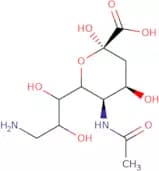
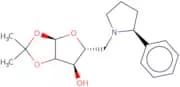
CAS:9-Amino-N-acetylneuraminic acid (9AAN) is a neuraminidase inhibitor. It blocks the activity of neuraminidase, which is an enzyme that hydrolyzes sialic linkages in glycoproteins and glycolipids. 9AAN prevents the release of influenza virus particles from infected cells. This drug can also inhibit toxins that target the nervous system, such as botulinum neurotoxin and tetanus toxin. 9AAN has been shown to have a stabilizing effect on the conformation of proteins and has been used to study conformational changes in enzymes involved in metabolism. 9AAN is synthesized by recombinant DNA technology and acts as a competitive inhibitor for the enzymatic reaction.Fórmula:C11H20N2O8Pureza:Min. 95%Forma y color:PowderPeso molecular:308.29 g/mol5-(S-2-Phenyl-pyrrolidine)-1-yl-5-deoxy-1,2-isopropylidene-a-D-xylofuranose
CAS:The compound is a custom synthesis of 5-(S-2-Phenyl-pyrrolidine)-1-yl-5-deoxy-1,2-isopropylidene-a-D-xylofuranose. The compound is modified with fluorination, methylation, and monosaccharide. The compound has been synthesized using click chemistry for the modification of oligosaccharides and saccharides. The CAS No. for this compound is 1014404-87-5. This carbohydrate is a complex carbohydrate that has the ability to modify glycosylation and sugar structures in cells.Fórmula:C18H25NO4Pureza:Min. 95%Peso molecular:319.4 g/moliminosugar 1
Iminosugar 1 is a fluorinated saccharide that belongs to the group of carbohydrates. It is synthesized by the modification of glucose with a fluorine atom. This modification prevents crystallization and increases solubility in water. Iminosugar 1 has been modified by methylation and glycosylation to increase its stability. This product is available as a custom synthesis, and has high purity.
Pureza:Min. 95%Methyl 3,5-di-O-(p-chlorobenzyl)-2-deoxy-a-D-ribofuranoside
Methyl 3,5-di-O-(p-chlorobenzyl)-2-deoxy-a-D-ribofuranoside is an oligosaccharide that is synthesized by the Click modification of a glycosylation reaction. It is a synthetic compound with a molecular weight of 524.87 Da and a CAS number of 71068-92-1. The chemical structure of this compound consists of two monosaccharides: D-arabinose and D-xylose, which are linked through alpha (1->4) glycosidic bonds. This product is used in the synthesis of complex carbohydrates.Pureza:Min. 95%Benzyl 2-acetamido-6-O-benzoyl-2-deoxy-a-D-muramic acid methyl ester
Benzyl 2-acetamido-6-O-benzoyl-2-deoxy-a-D-muramic acid methyl ester is a high purity, custom synthesis, monosaccharide that can be used to modify saccharides and oligosaccharides. It has been shown to be effective in glycosylation reactions and click chemistry. The CAS number for this compound is 84778-00-3.
Fórmula:C26H31NO9Pureza:Min. 95%Peso molecular:501.53 g/mol




![5-Deoxy-1,2-O-isopropylidene-5-[(2S-pyridin-4-yl-pyrrolidine)-1-yl]-a-D-xylofuranose](/_next/image/?url=https%3A%2Fstatic.cymitquimica.com%2Fproducts%2F3D%2Fthumb-webp%2FMD07489.webp&w=3840&q=75)






![Benzyl 2-(acetylamino)-2-deoxy-3-o-[3,4,6-tri-o-acetyl-2-(acetylamino)-2-deoxy-β-D-glucopyranosyl]…](/_next/image/?url=https%3A%2Fstatic.cymitquimica.com%2Fproducts%2F3D%2Fthumb-webp%2FKDA05428.webp&w=3840&q=75)



![L-[5-13C]Xylose](/_next/image/?url=https%3A%2Fstatic.cymitquimica.com%2Fproducts%2F3D%2Fthumb-webp%2FDUA50664.webp&w=3840&q=75)