Monosacáridos
Los monosacáridos son la forma más simple de los carbohidratos y sirven como bloques fundamentales para azúcares más complejos y polisacáridos. Estas moléculas de azúcar única juegan roles críticos en el metabolismo energético, la comunicación celular y los componentes estructurales de las células. En esta sección, encontrará una amplia variedad de monosacáridos esenciales para la investigación en bioquímica, biología molecular y glicociencia. Estos compuestos son cruciales para estudiar las rutas metabólicas, los procesos de glucosilación y el desarrollo de agentes terapéuticos. En CymitQuimica, ofrecemos monosacáridos de alta calidad para apoyar sus necesidades de investigación, asegurando precisión y fiabilidad en sus investigaciones científicas.
Subcategorías de "Monosacáridos"
- Allosas(11 productos)
- Arabinosas(21 productos)
- Eritrosas(11 productos)
- Fructosas(9 productos)
- Fucosas(36 productos)
- Galactosamina(41 productos)
- Galactosa(260 productos)
- Glucosas(365 productos)
- Ácidos glucurónicos(51 productos)
- Glico-sustratos para enzimas(77 productos)
- Gulosas(6 productos)
- Idosas(4 productos)
- Inositoles(15 productos)
- Lyxosas(4 productos)
- Manosas(65 productos)
- O-glicanos(48 productos)
- Psicosas(3 productos)
- Ramnosas(10 productos)
- Ribosas(61 productos)
- Ácidos siálicos(100 productos)
- Sorbosas(4 productos)
- Azúcares(173 productos)
- Tagatosis(4 productos)
- Taloses(8 productos)
- Xilosas(20 productos)
Mostrar 17 subcategorías más
Se han encontrado 6088 productos de "Monosacáridos"
Ordenar por
Pureza (%)
0
100
|
0
|
50
|
90
|
95
|
100
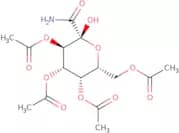
C-(2,3,4,6-Tetra-O-acetyl-1-hydroxy-b-D-galactopyranosyl)formamide
CAS:<p>C-(2,3,4,6-Tetra-O-acetyl-1-hydroxy-b-D-galactopyranosyl)formamide is a modified carbohydrate that has been synthesized and fluorinated. The chemical structure of this carbohydrate is composed of a monosaccharide and an oligosaccharide. This compound has been shown to have many different functions in the body. For example, it has been shown to inhibit the activity of the enzyme phospholipase A2 and to increase the production of prostaglandin E2. C-(2,3,4,6-Tetra-O-acetyl-1-hydroxy-b-D-galactopyranosyl)formamide has also been shown to be effective against methicillin resistant Staphylococcus aureus (MRSA).</p>Fórmula:C15H21NO11Pureza:Min. 95%Peso molecular:391.33 g/mol4-Hydroxypropofol-4-O-b-D-glucuronide
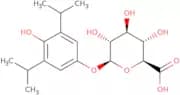
CAS:<p>4-Hydroxypropofol-4-O-b-D-glucuronide (HPG) is a synthetic carbohydrate with a 4,5-dihydroxypropyl group at C2 and an O-glycosidic bond between the hydroxyl group at C1 and the b position of a glucuronic acid. HPG is used in the synthesis of complex carbohydrates and saccharides. It can be methylated in order to produce 5,6-dimethoxycarbonyloxypropyl glycosides or glycosylated to produce mannosides. HPG has been synthesized by click modification from 4,5-dihydroxypropionic acid.</p>Fórmula:C18H26O8Pureza:Min. 95%Peso molecular:370.4 g/mol6-O-tert-Butyldimethylsilyl-D-glucal
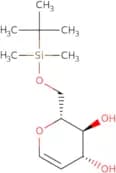
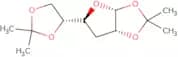
CAS:<p>6-O-tert-Butyldimethylsilyl-D-glucal is a glycosyl compound that is produced from the reaction of ethyl diazoacetate and cyclopropanes. This process can be catalyzed by metal catalysts, such as palladium. The use of bromides in this reaction allows for the production of unsaturated compounds. This compound has been shown to undergo cyclopropanation with alkenes, leading to the synthesis of cyclopropanes. 6-O-tert-Butyldimethylsilyl-D-glucal is used as a precursor to other compounds, such as polymers and pharmaceuticals.</p>Pureza:Min. 95%(3aR,3bS,6aR,7aR)-2,2-Dimethylhexahydrofuro[2',3':4,5]furo[2,3-d][1,3]dioxol-5-ol
CAS:<p>(3aR,3bS,6aR,7aR)-2,2-Dimethylhexahydrofuro[2',3':4,5]furo[2,3-d][1,3]dioxol-5-ol is a novel compound that induces the expression of an inducible gene. This compound has been shown to activate guanine and guanosine receptors and modulate the activity of guanosine triphosphatase. It has been shown to be effective in cancer cells and may have diagnostic applications. The mechanism of action for this drug is not fully understood but it has been suggested that it may act as a neuromodulator.</p>Pureza:Min. 95%2-Acetamido-1,2-dideoxynojirimycin hydrochloride
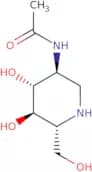
CAS:<p>2-Acetamido-1,2-dideoxynojirimycin hydrochloride is used in the treatment of human ovarian carcinoma. It has been shown to inhibit glycosidase enzymes with binding constants in the micromolar range. 2-Acetamido-1,2-dideoxynojirimycin hydrochloride has been shown to be a potential inhibitor of mammalian cell transport involving complex oligosaccharides. This drug also inhibits the enzymatic degradation of glycoproteins and other proteins by glycosidases. 2-Acetamido-1,2-dideoxynojirimycin hydrochloride is a synthetic analog of nijirimycin, which is a naturally occurring antibiotic obtained from cultures of Streptomyces nijirimensis. The clinical significance of this drug is that it can be used as an antiangiogenic agent and chemo sensitizing</p>Fórmula:C8H16N2O4·HClPureza:(%) Min. 97%Forma y color:White PowderPeso molecular:204.22 g/molMethyl 2,3,6-tri-O-benzyl-a-D-glucopyranoside
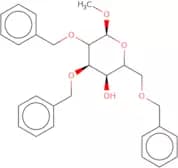
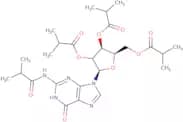
CAS:<p>Methyl 2,3,6-tri-O-benzyl-a-D-glucopyranoside is a reductive amine that can be used as an inhibitor of enzymes. The compound has been shown to inhibit the enzyme formate dehydrogenase. In addition, it has been found to inhibit other enzymes such as primary amines and reductive amination. Methyl 2,3,6-tri-O-benzyl-a-D-glucopyranoside is also a potential inhibitor of coupling reactions and anti HIV activity.</p>Fórmula:C28H32O6Pureza:Min. 95%Peso molecular:464.22 g/mol2-Isobutyramido guanosine 2',3',5'-tris(isobutanoate)
CAS:<p>2-Isobutyramido guanosine 2',3',5'-tris(isobutanoate) is an oligosaccharide, which is a type of carbohydrate. The structure of this compound is composed of a sugar, the monosaccharide saccharide and the complex carbohydrate. This compound is synthesized by a click modification and fluorination reaction using 2-amino-2-deoxy-D-ribose as the starting material. The product contains glycosylation and methylation modifications.</p>Fórmula:C26H37N5O9Pureza:Min. 95%Peso molecular:563.6 g/molMethyl b-D-thioxylopyranoside
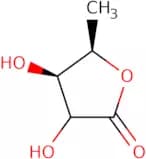
CAS:<p>Methyl b-D-thioxylopyranoside is a synthetic sugar that is used in the synthesis of saccharides and oligosaccharides. It is also used to modify saccharides, such as glucosamine, by adding methyl groups to the sugar's hydroxyl group. Methyl b-D-thioxylopyranoside can be used for glycans with high purity and high yield. This product does not contain any other substances except for water and ethanol. The chemical formula for this product is C6H8O6.</p>Pureza:Min. 95%5-Deoxy-D-lyxono-1,4-lactone
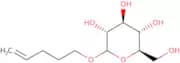
CAS:<p>5-Deoxy-D-lyxono-1,4-lactone is an oligosaccharide that is a sugar derivative. It has been synthesized by the introduction of fluorine at the C2 position of glucopyranose with methylation at the C3 position and glycosylation at the C6 position. 5-Deoxy-D-lyxono-1,4-lactone has been shown to be useful in protein labeling and detection.</p>Fórmula:C5H8O4Pureza:Min. 95%Peso molecular:132.12 g/molPent-4-enyl-D-glucopyranoside
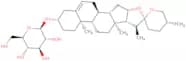
CAS:<p>Pent-4-enyl-D-glucopyranoside is a kind of compound that reacts with acetonitrile to form sodium methoxide. The reaction of the sodium methoxide with the acetonitrile will produce 2-chlorobenzoic acid and conformation. The result of this reaction is the stereospecifically, which is a pyranose ring.</p>Fórmula:C11H20O6Pureza:Min. 95%Peso molecular:248.27 g/molPolyphyllin A
CAS:<p>Polyphyllin A is a natural product that has been shown to have anti-oxidative effects. It has been demonstrated to inhibit the production of fatty acids by sephadex g-100, an enzyme activity by p. pastoris, and the production of antimicrobial peptides by tissue culture cells. Additionally, polyphyllin A has been shown to have anti-inflammatory properties and is used in traditional Chinese medicine for the treatment of cardiovascular diseases. Polyphyllin A also inhibits the oxidation of low density lipoprotein (LDL) cholesterol in coronary heart disease patients. Furthermore, polyphyllin A inhibits the proliferation of cancer cells such as leukemia HL-60 and K562 cells. The mechanism for this inhibition is not yet known but may be due to its ability to induce apoptosis or cause DNA damage.</p>Fórmula:C33H52O8Pureza:Min. 95%Peso molecular:576.76 g/mol1,2:3,5-Di-O-isopropylidene-a-D-apiose
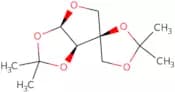
CAS:<p>1,2:3,5-Di-O-isopropylidene-a-D-apiose is a monosaccharide that is synthesized from D-apiose by methylation of the C1 hydroxyl group with formaldehyde and sodium methoxide in methanol. This carbohydrate has been shown to be a good substrate for glycosylation reactions and click chemistry.<br> 1,2:3,5-Di-O-isopropylidene-a-D-apiose is a white powder that can be dissolved in water or ethanol. It has no odor and is stable at pH 2 to pH 10. The compound does not react with other carbohydrates or proteins under normal conditions.</p>Fórmula:C11H18O5Pureza:Min. 95%Forma y color:PowderPeso molecular:230.26 g/mol2-O-Acetyl-1,3,4,6-tetra-O-benzyl-b-D-galactopyranoside
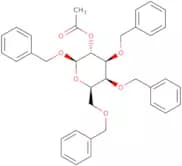
CAS:<p>2-O-Acetyl-1,3,4,6-tetra-O-benzyl-b-D-galactopyranoside is a custom synthesis that belongs to the class of complex carbohydrates. This compound contains a saccharide with a sugar group and is fluorinated at the 2 position. It has been modified by methylation on the C2 position and has an acetyl group on the C3 position.</p>Fórmula:C36H38O7Pureza:Min. 95%Peso molecular:582.68 g/molMethyl 4,6-O-benzylidene-2-deoxy-2-phthalimido-b-D-glucopyranoside
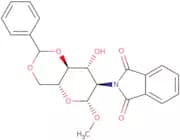
CAS:<p>Methyl 4,6-O-benzylidene-2-deoxy-2-phthalimido-b-D-glucopyranoside is a custom synthesis that is fluorinated, methylated and monosaccharided. This compound has a CAS number of 97276-95-4, which indicates that this is an oligosaccharide. Methyl 4,6-O-benzylidene-2-deoxy-2-phthalimido (4,6) b D glucopyranoside is polysaccharide that is glycosylated and sugar. It is also complex carbohydrate with saccharide and carbonyl groups.</p>Fórmula:C22H21NO7Pureza:Min. 95%Peso molecular:411.42 g/molBenzyl 5-amino-5-deoxy-2,3-O-isopropylidene-a-D-mannofuranoside
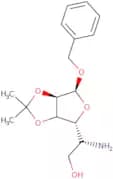
CAS:<p>Benzyl 5-amino-5-deoxy-2,3-O-isopropylidene-a-D-mannofuranoside is custom synthesized to order and can be modified with Click chemistry. It can be fluorinated or glycosylated. It is a sugar that has been synthesized from a monosaccharide and saccharide. The CAS number for this compound is 91364-19-1. This compound is an oligosaccharide and complex carbohydrate.</p>Fórmula:C16H23NO5Pureza:Min. 95%Peso molecular:309.36 g/mol2-Amino-2-deoxy-D-idose
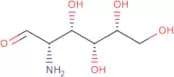
CAS:<p>2-Amino-2-deoxy-D-idose is a sugar that is found in the cell walls of bacteria. It has been shown to be an inhibitor of the enzymes that catalyze the acetylation and methylenecyclopropanes reactions, which are necessary for bacterial growth. 2-Amino-2-deoxy-D-idose binds to copper ions, preventing them from binding with the enzymes. This drug also chelates metals such as zinc, iron, and manganese to prevent their use by bacteria.</p>Fórmula:C6H13NO5Pureza:Min. 95%Peso molecular:179.17 g/molD-Sorbitol hexahydrate
<p>D-Sorbitol hexahydrate is a sugar that is used in the food industry as a substitute for sucrose. It is also an important component of many pharmaceuticals and other products. Sorbitol hexahydrate can be synthesized from glucose, which is oxidized to sorbitol, and then hydrolyzed by sulfuric acid to produce D-sorbitol hexahydrate. The product is often used as a sweetener for diabetic patients because it does not cause blood glucose levels to rise rapidly. Sorbitol hexahydrate also has anti-inflammatory properties and can be used in the treatment of gastric ulcers.</p>Fórmula:C6H14O6·6H2OPureza:Min. 95%Peso molecular:290.26 g/mol3-Deoxy-D-ribose
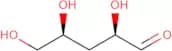
CAS:<p>3-Deoxy-D-ribose is a monosaccharide with a molecular formula of CH(OH)CO. It is the 3-deoxy form of ribose and its pyranose ring has an oxygen atom at the 3 position. 3-Deoxy-D-ribose can be synthesized by periodate treatment of glyceric acid in the presence of hydrochloric acid, followed by hydrolysis to produce sorbose and then reaction with glycolaldehyde to produce D-glycero-D-galactopyranosyl bromide. The final step is conversion to 3-deoxyribose by reaction with aqueous ammonia.<br>3-Deoxyribose inhibits ribulose synthesis, which prevents the formation of an intermediate molecule required for the synthesis of fatty acids and phospholipids.</p>Pureza:Min. 95%Methyl 3,5-di-O-(p-chlorobenzyl)-2-deoxy-a-D-ribofuranoside
<p>Methyl 3,5-di-O-(p-chlorobenzyl)-2-deoxy-a-D-ribofuranoside is an oligosaccharide that is synthesized by the Click modification of a glycosylation reaction. It is a synthetic compound with a molecular weight of 524.87 Da and a CAS number of 71068-92-1. The chemical structure of this compound consists of two monosaccharides: D-arabinose and D-xylose, which are linked through alpha (1->4) glycosidic bonds. This product is used in the synthesis of complex carbohydrates.</p>Pureza:Min. 95%Benzyl 2,3,4,6-tetra-O-acetyl-b-D-glucopyranoside
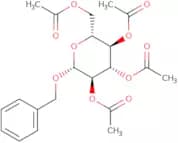
CAS:<p>Benzyl 2,3,4,6-tetra-O-acetyl-b-D-glucopyranoside is a synthetic compound that is used as a reagent to modify oligosaccharides and polysaccharides. It is also used in the synthesis of complex carbohydrates. Benzyl 2,3,4,6-tetra-O-acetyl-b-D-glucopyranoside can be fluorinated to yield benzyl 4,6-(O)fluoro-(2R)-2,3,4,6 tetra -O acetyltetra -O acetyl b D glucopyranoside. This product has high purity with a CAS number of 10343-13-2.</p>Fórmula:C21H26O10Pureza:Min. 95%Peso molecular:438.43 g/mol4-Aminophenyl b-D-thiomannopyranoside HCl
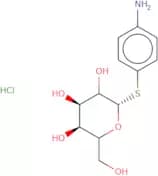
CAS:<p>4-Aminophenyl b-D-thiomannopyranoside HCl is a synthetic glycosylation agent that has been modified with fluorination, saccharide modification, and methylation. It can be used in the synthesis of complex carbohydrates, such as oligosaccharides and polysaccharides. This compound also has applications in click chemistry and fluoroquinolone resistance. 4-Aminophenyl b-D-thiomannopyranoside HCl is soluble in organic solvents such as dichloromethane or chloroform. The purity level of this product is high and the CAS number is 1174234-26-4.</p>Fórmula:C12H17NO5S·HClPureza:Min. 95%Peso molecular:323.79 g/mol3,4,6-Tri-O-acetyl-2-azido-2-deoxy-a-D-glucopyranosyl fluoride
<p>3,4,6-Tri-O-acetyl-2-azido-2-deoxy-a-D-glucopyranosyl fluoride is a custom synthesis that can be synthesized with a range of modifications. It is an azide glycosylation product that has been modified with fluorination and methylation. This compound is high purity and can be used in the synthesis of oligosaccharides or saccharides.</p>Pureza:Min. 95%2-Acetamido-2,4-dideoxy-4-fluoro-D-galactopyranose
CAS:<p>2-Acetamido-2,4-dideoxy-4-fluoro-D-galactopyranose (2ADF) is a synthetic ligand that binds to selectins, which are receptors expressed on the surface of cells. 2ADF has been shown to have a pharmacological effect in inhibiting inflammatory diseases by binding to and blocking the function of selectins. This drug has also been shown to inhibit leukocyte trafficking and chemotaxis by preventing the binding of selectins with their ligands, galectin 1 or galectin 3. 2ADF does not bind to glycan structures found on the cell membrane, but instead binds to glycan structures found on the surfaces of cells.</p>Fórmula:C8H14FNO5Pureza:Min. 95%Peso molecular:223.2 g/molPregnanetriol 3a-O-b-D-glucuronide
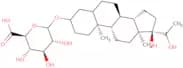
CAS:<p>Pregnanetriol 3a-O-b-D-glucuronide (PG3G) is a metabolite of progesterone that is excreted in the urine during the luteal phase. It is used as a marker for ovulation in women, and can be measured using immunoanalytical techniques. A multicentre study was conducted to measure PG3G levels and found that it is higher during ovulation than at other times of the menstrual cycle. This steroid hormone has been shown to inhibit follicular growth in rats, but its role in humans is less clear.</p>Fórmula:C27H44O9Pureza:Min. 95%Peso molecular:512.63 g/molGenistein D4-7-O-glucoside
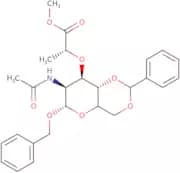
<p>Genistein D4-7-O-glucoside is a custom synthesis of genistein. The modification of the sugar molecule with fluorine and methyl groups, as well as the addition of an oligosaccharide chain, has been completed. This product is under CAS No. which will be provided to qualified customers upon request. Genistein D4-7-O-glucoside is a complex carbohydrate that has been modified by Oligosaccharide and saccharide, with glycosylation occurring at Carbohydrate.</p>Pureza:Min. 95%Benzyl N-acetyl-4,6-O-benzylidene-a-isomuramic acid methyl ester
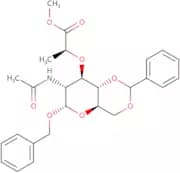
CAS:<p>This product is a custom synthesis that is synthesized in our lab. It is a high purity product with a custom synthesis. This product has been modified with Click chemistry, fluorination, and glycosylation. It was synthesized by methylation and modification of an oligosaccharide monosaccharide saccharide carbohydrate complex carbohydrate.</p>Fórmula:C26H31NO8Pureza:Min. 95%Peso molecular:485.53 g/molMethyl 3,5-di-O-pivaloyl-D-xylofuranoside
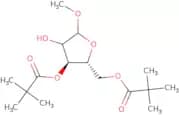
<p>Methyl 3,5-di-O-pivaloyl-D-xylofuranoside is a monosaccharide and an important building block in the synthesis of complex carbohydrates. It has been used in glycosylation reactions as a protecting group and can be fluorinated with trifluoromethanesulfonic acid to give 1,1,1-trifluoro-3-(2′,4′,6′-trihydroxyphenyl)propane.</p>Fórmula:C16H28O7Pureza:Min. 95%Peso molecular:332.39 g/molPhenyl 6-O-t-butyldimethylsilyl-b-D-thiogalactopyranoside
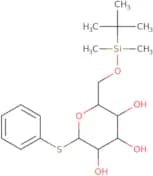
CAS:<p>Phenyl 6-O-t-butyldimethylsilyl-b-D-thiogalactopyranoside is a custom synthesis that can be used to modify the fluoroquinolone antibiotic Gatifloxacin. It has been shown to inhibit the growth of bacteria in vitro and in vivo. Phenyl 6-O-t-butyldimethylsilyl-b-D-thiogalactopyranoside is not active against acid-fast bacteria such as Mycobacterium tuberculosis or Mycobacterium avium complex.</p>Pureza:Min. 95%Methyl α-D-mannopyranoside 2,3,4,6-tetrasulfate potassium
CAS:<p>Methyl a-D-mannopyranoside 2,3,4,6-tetrasulfate potassium salt is a synthetic carbohydrate that is used in the synthesis of saccharides or glycosides. This compound is also used as an intermediate for the modification of saccharides and oligosaccharides. Methyl a-D-mannopyranoside 2,3,4,6-tetrasulfate potassium salt can be fluorinated to yield Methyl a-D-mannopyranoside 2,3,4,6,-pentafluorobenzoate potassium salt.</p>Fórmula:C7H14O18S4•K4Pureza:Min. 95%Peso molecular:670.83 g/molN-Acetyl-D-galactosamine, plant-based
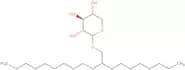
CAS:<p>N-Acetyl-D-galactosamine (GalNAc) is an aldohexose. It forms a key part of both N- and O-linked glycoproteins, glycolipids, gangliosides, blood groups, glycosaminoglycans (chondroitin and dermatan sulfate) and human milk oligosaccharides.This N-Acetyl-D-galactosamine product (MA184543) is plant-based and produced synthetically from Arabic gum.GalNAc clusters and derivatives, typically composed of three (or more) GalNAc moieties arranged in a specific spatial configuration, are a powerful tool for targeted delivery of nucleic acid therapeutics, specifically in liver targeted therapies. These multivalent ligands effectively bind and internalize via the asialoglycoprotein receptor (ASGPR) expressed on the surface of hepatocytes.</p>Fórmula:C8H15NO6Pureza:Min. 97 Area-%Peso molecular:221.21 g/mol2-Octyldodecyl-D-xylopyranoside
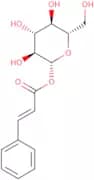
CAS:<p>2-Octyldodecyl-D-xylopyranoside is a synthetic, fluorinated glycosylated monosaccharide. The chemical name for this compound is 2-octyldodecyl-D-xylopyranoside and the CAS number is 423772-95-6. It is a white to off white solid that has Glycosylation and Methylation. This compound can be modified with Click modification and Polysaccharide. It has a molecular weight of 400.25 g/mol and it's molecular formula is C32H62O14F2N2O8S2. 2-Octyldodecyl-D-xylopyranoside can be used as a methyl donor in the synthesis of glycoproteins, glycolipids, glycopeptides, polysaccharides, oligosaccharides, or other complex carbohydrates. It is also used in fluor</p>Fórmula:C25H50O5Pureza:Min. 95%Forma y color:White solid.Peso molecular:430.66 g/moltrans-Cinnamoyl b-D-glucoside
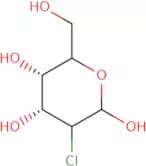
CAS:<p>Trans-Cinnamoyl b-D-glucoside is a plant tissue that can be used as a natural chemical transformation agent. Trans-Cinnamoyl b-D-glucoside is also a chemical catalyst in the synthesis of medicines. The structure of trans-Cinnamoyl b-D-glucoside has been shown to have a high degree of stereoselectivity and sensitivity to tissue culture conditions, which are due to its aldehydic group. This molecule is also able to form gels when combined with other molecules and exhibits endogenous activity.</p>Fórmula:C15H18O7Pureza:Min. 95%Peso molecular:310.3 g/mol2-Chloro-2-deoxy-D-mannose
CAS:<p>2-Chloro-2-deoxy-D-mannose is a synthetic sugar that can be used as a fluoride substrate. It has been shown to bind to the active site of bacterial enzymes and inhibit them. 2-Chloro-2-deoxy-D-mannose is a conformationally constrained analogue of 3-deoxyglucose, which binds to the same active site on bacterial enzymes. This sugar also inhibits nitrate reductase, an enzyme involved in the reductive dehalogenation of nitrates. 2-Chloro-2-deoxy-D-mannose has been shown to inhibit the growth of Mycobacterium tuberculosis and Mycobacterium avium complex by binding with high affinity to the ligand binding site on these bacteria's glycolytic enzymes.</p>Fórmula:C6H11ClO5Pureza:Min. 95%Forma y color:White PowderPeso molecular:198.6 g/mol3-Deoxy-1,2:5,6-di-O-isopropylidene-a-D-glucofuranose
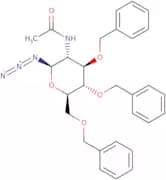
CAS:<p>3-Deoxy-1,2:5,6-di-O-isopropylidene-a-D-glucofuranose is an oligosaccharide that belongs to the group of polysaccharides. It is a methylated saccharide with a high degree of purity and can be custom synthesized for use as a carbohydrate in pharmaceuticals. 3-Deoxy-1,2:5,6-di-O-isopropylidene-a-D-glucofuranose is used in the synthesis of glycosylations and has been shown to have antiviral activity against Epstein Barr virus by inhibiting viral protein synthesis.</p>Fórmula:C12H20O5Pureza:Min. 95%Peso molecular:244.29 g/mol2-Acetamido-3,4,6-tri-O-benzyl-2-deoxy-b-D-glucopyranosyl azide
CAS:<p>2-Acetamido-3,4,6-tri-O-benzyl-2-deoxy-b-D-glucopyranosyl azide is a custom synthesis of an oligosaccharide that has been modified with fluorination and methylation. This carbohydrate is a sugar that can be used in the production of glycosylations or click chemistry reactions. It is a complex carbohydrate with high purity and can be used for research purposes or other applications.</p>Fórmula:C29H32N4O5Pureza:Min. 95%Peso molecular:516.59 g/molN-(trans-3-Hydroxycotinine)-b-D-glucuronide
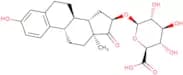
CAS:<p>N-(trans-3-Hydroxycotinine)-b-D-glucuronide is a hydroxy metabolite of trans-3-hydroxycotinine, which is a pyridine derivative and an endogenous metabolite of nicotine. It is formed by conjugation with glucuronate in the liver and excreted in the urine. It has been detected in human urine after oral administration of nicotine. N-(trans-3-Hydroxycotinine)-b-D-glucuronide can be used as an indicator for tobacco exposure or use.</p>Fórmula:C16H20N2O8Pureza:Min. 95%Peso molecular:368.34 g/mol16a-Hydroxyestrone 16-b-D-glucuronide
CAS:<p>16a-Hydroxyestrone 16-b-D-glucuronide is a conjugate of the hydroxyestrone and glucuronic acid. It is a metabolite of estradiol, which is the most potent estrogen produced by the human body. The compound has been found in urine, saliva, and breast milk. 16a-Hydroxyestrone 16-b-D-glucuronide is an inactive steroid that can be conjugated with glucuronic acid to form a water soluble molecule that can be excreted in the urine or bile.</p>Fórmula:C24H30O9Pureza:Min. 95%Peso molecular:462.49 g/mol2,4-O-Benzylidene-1-O-tosyl-D-threitol
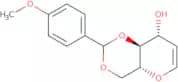
CAS:<p>2,4-O-Benzylidene-1-O-tosyl-D-threitol is a synthetic sugar that has been modified. It can be used in the synthesis of oligosaccharides and monosaccharides as well as complex carbohydrates. 2,4-O-Benzylidene-1-O-tosyl-D-threitol is a high purity product with a purity level of 99%. This product can be custom synthesized to meet your needs.</p>Fórmula:C18H20O6SPureza:Min. 95%Peso molecular:364.41 g/mol4,6-O-p-Methoxylbenzylidene-D-glucal
CAS:<p>4,6-O-p-Methoxylbenzylidene-D-glucal is a custom synthesis that can be modified to meet your needs. It is an oligosaccharide and polysaccharide which belongs to the group of carbohydrates. Carbohydrates are important in many biochemical processes. They are found in plants, animals, and bacteria and are the most abundant organic molecules in living things. Carbohydrates are composed of carbon (C), hydrogen (H), and oxygen (O). The general formula for carbohydrates is Cx(H2O)y where x represents the number of carbon atoms and y represents the number of water molecules. This product has high purity and can be used in a variety of applications including methylation, click modification, oligosaccharides, polysaccharides, saccharides, complex carbohydrate synthesis, monosaccharides, sugar synthesis, or synthetic modifications.</p>Pureza:Min. 95%2-Acetamido-2-deoxy-N-(2-(2-aminoethoxy)ethoxy)acetylaminohexanoyl-b-D-glucopyranosylamine
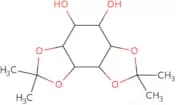
CAS:<p>2-Acetamido-2-deoxy-N-(2-(2-aminoethoxy)ethoxy)acetylaminohexanoyl-b-D-glucopyranosylamine is a modification of oligosaccharide and a carbohydrate. This chemical has been custom synthesized and is available in high purity. It is a complex carbohydrate, which belongs to the group of saccharides. 2-Acetamido-2-deoxy-N-(2-(2-aminoethoxy)ethoxy)acetylaminohexanoyl-b-D-glucopyranosylamine has CAS No. 208668901 and can be found under glycosylation, methylation, and fluorination.</p>Fórmula:C20H38N4O9Pureza:Min. 95%Peso molecular:478.54 g/mol1,2:5,6-Di-O-isopropylidene-D-chiro-inositol
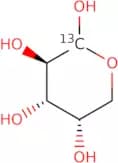
CAS:<p>1,2:5,6-Di-O-isopropylidene-D-chiro-inositol is a complex carbohydrate that is obtained by methylation of D-chiro-inositol. It is an important component of a number of glycosidic linkages in glycoconjugates and polysaccharides. The compound has been modified with fluorination to increase its stability in organic solvents and to facilitate the attachment of other atoms or molecules. 1,2:5,6-Di-O-isopropylidene-D-chiro-inositol can be used for the synthesis of oligosaccharides and monosaccharides for custom purposes.</p>Fórmula:C12H20O6Pureza:Min. 95%Peso molecular:260.28 g/mol1-13C-L-Arabinose
CAS:<p>1-13C-L-Arabinose is a metabolite of the sugar, L-arabinose. This compound is formed by escherichia bacteria and can be found in the urine of mice. 1-13C-L-Arabinose has been shown to inhibit the growth of escherichia coli and has a six membered ring structure.</p>Fórmula:CC4H10O5Pureza:Min. 95%Forma y color:White PowderPeso molecular:151.13 g/molGlycerone phosphate lithium salt
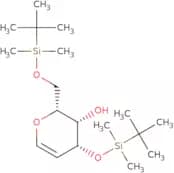
CAS:<p>Glycerone phosphate lithium salt is a reactive molecule that serves as an intermediate in the synthesis of rapamycin, a complex of glycerone phosphate and rapamycin. Glycerone phosphate lithium salt is used to detect the presence of glutamate dehydrogenase and to purify monoclonal antibodies. Glycerone phosphate lithium salt has been shown to react with platinum-based chemotherapy, which may be due to its ability to bind to active sites on cancer cells. This molecule also has been shown to reduce high cholesterol levels in mice and inhibit skin cancer tumor growth. Glycerone phosphate lithium salt's physiological effects have not been fully determined, but it may have some anticancer activity.</p>Fórmula:C3H7O6P·xLiPureza:Min. 95%Peso molecular:170.06 g/mol3,6-Di-O-tert-butyldimethylsilyl-D-galactal
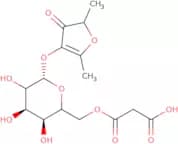
CAS:<p>3,6-Di-O-tert-butyldimethylsilyl-D-galactal is a sugar that has been modified with fluorination. This sugar can be used as an intermediate for the synthesis of complex carbohydrate or glycosylation. 3,6-Di-O-tert-butyldimethylsilyl-D-galactal can also be used in Click chemistry to modify proteins and polysaccharides. This product is offered at high purity and custom synthesis.</p>Pureza:Min. 95%2.5-Dimethyl-4-hydroxy-3(2H)-furanone-b-D-glucoside-6'-malonate
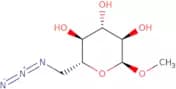
CAS:<p>2.5-Dimethyl-4-hydroxy-3(2H)-furanone-b-D-glucoside-6'-malonate is a methylated monosaccharide with a molecular formula of C8H10O3 and a molecular weight of 208.18 g/mol. It is synthesized by the reaction of 3,4,5-trimethoxybenzaldehyde with 2,5-dimethylhydroquinone in the presence of sodium carbonate and malonic acid under refluxing conditions. 2.5-Dimethyl-4-hydroxy-3(2H)-furanone-b-D glucoside 6'-malonate has been used in the synthesis of oligosaccharides and polysaccharides. This product is available for custom synthesis, click modification, fluorination and saccharide modification.</p>Fórmula:C15H20O11Pureza:Min. 95%Peso molecular:376.31 g/molMethyl 6-azido-6-deoxy-a-D-glucopyranoside
CAS:<p>Methyl 6-azido-6-deoxy-a-D-glucopyranoside is a synthetic, fluorinated, complex carbohydrate that can be used as a building block for the synthesis of saccharides and oligosaccharides. It has been shown to inhibit the glycosylation of proteins and is a useful reagent in click chemistry. Methyl 6-azido-6-deoxy-a-D-glucopyranoside is a nonionic monosaccharide that has been modified with an azido group at C2 and a deoxy group at C3. The compound has been shown to have antiviral activity against HIV and influenza A virus.<br>Methyl 6-azido-6-deoxy--a--D--glucopyranoside is not soluble in water and is best stored at -20°C.</p>Fórmula:C7H13N3O5Pureza:Min. 95%Peso molecular:219.2 g/mol1,6-Anhydro-b-D-glucofuranose
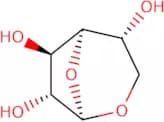
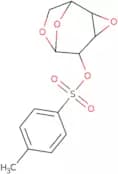
CAS:<p>B-D-glucofuranose is a natural compound with the molecular formula C6H12O6. It is found in plants, specifically in the seeds of the granatum tree. The calibration of this compound can be done using anions and ion chromatography. B-D-glucofuranose has antibacterial activity against Gram-positive bacteria, but not against Gram-negative bacteria or fungi. It also inhibits fatty acid synthesis and may have nutritional value for humans as a source of 5-hydroxymethylfurfural (HMF). HMF has been shown to inhibit the growth of cancer cells in vitro and induce apoptosis in cancer cells by uv irradiation. Mass spectrometric analysis and spectrometric methods are used to identify this compound.</p>Fórmula:C6H10O5Pureza:Min. 95%Forma y color:White PowderPeso molecular:162.14 g/mol1,6:3,4-Dianhydro-2-O-p-toluenesulfonyl-β-D-galactopyranose
CAS:<p>1,6:3,4-Dianhydro-2-O-p-toluenesulfonyl-b-D-galactopyranose is a fluorinated monosaccharide that can be used in glycosylation reactions. This compound can be custom synthesized and is not available commercially. It has CAS No. 6167-32-4 and its molecular weight is 489.1 g/mol.</p>Fórmula:C13H14O6SPureza:Min. 95%Forma y color:PowderPeso molecular:298.31 g/molBenzyl 2-acetamido-4,6-O-benzylidene-2-deoxy-a-D-muramic acid methyl ester
CAS:<p>Benzyl 2-acetamido-4,6-O-benzylidene-2-deoxy-a-D-muramic acid methyl ester is a synthetic modification of the natural pentapeptide HEXIMARAN. It is used as a fluorinating agent that adds fluoride to complex carbohydrates.</p>Fórmula:C26H31NO8Pureza:Min. 95%Forma y color:SolidPeso molecular:485.83 g/molO-Desmethyl galanthamine b-D-glucuronide
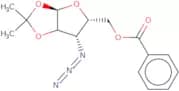
CAS:<p>O-Desmethyl galanthamine b-D-glucuronide is a synthetic carbonyl glycoside. It is an acetylated monosaccharide with a fluorinated sugar. O-Desmethyl galanthamine b-D-glucuronide is prepared by the click modification of N-acetylgalactosamine and D,L-galactose with ethyl diazoacetate in the presence of copper(I) iodide. The methylation of the hydroxyl group on the C2 position of the sugar moiety and glycosylation at the C3 position are also carried out to produce this compound.</p>Fórmula:C22H27NO9Pureza:Min. 95%Peso molecular:449.45 g/mol3-Azido-5-O-benzoyl-3-deoxy-1,2-O-isopropylidene-a-D-ribofuranose
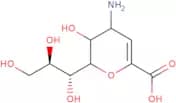
<p>3-Azido-5-O-benzoyl-3-deoxy-1,2-O-isopropylidene a D-ribofuranose (3ABI) is a synthetic monosaccharide that can be synthesized via a custom synthesis. 3ABI is an oligosaccharide that has the ability to modify glycosylation and polysaccharide synthesis. The fluorination of this sugar provides it with high purity and stability. 3ABI has been shown to have a CAS number of 44793-23-2.</p>Fórmula:C15H17N3O5Pureza:Min. 95%Peso molecular:319.31 g/mol4-Amino-2,6-anhydro-3,4-dideoxy-D-glycero-D-galacto-non-2-enoic acid
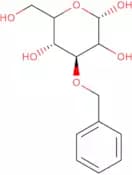
CAS:<p>4-Amino-2,6-anhydro-3,4-dideoxy-D-glycero-D-galacto-non-2-enoic acid is a modified oligosaccharide that is used in biochemical and medicinal research. This product can be custom synthesized to order and may be available as an off the shelf product. It has high purity and is available with a monosaccharide or methylated glycosylated saccharide. The CAS number for this product is 263155-12-0.</p>Fórmula:C9H15NO7Pureza:Min. 95%Peso molecular:249.22 g/mol3-O-Benzyl-a-D-mannopyranose
CAS:<p>3-O-Benzyl-a-D-mannopyranose is a sugar that is used in the synthesis of complex carbohydrates. It is a synthetic compound that can be fluorinated, glycosylated, or methylated to produce desired compounds. 3-O-Benzyl-a-D-mannopyranose has a CAS number of 65877-63-6 and can be used in the synthesis of oligosaccharides, monosaccharides, and saccharides. This product has high purity and is available for custom synthesis.</p>Fórmula:C13H18O6Pureza:Min. 95%Peso molecular:270.28 g/mol4-Deoxy-4-fluoro-D-galactopyranose
CAS:<p>4-Deoxy-4-fluoro-D-galactopyranose is a custom synthesis that is an oligosaccharide, polysaccharide, saccharide, and carbohydrate. It is fluorinated with a methyl group on the 4th carbon atom and has been modified to include a fluoro group at the 4th position of the molecule. 4-Deoxy-4-fluoro-D-galactopyranose can be used in research as it is high purity and has been modified into a monosaccharide sugar.</p>Pureza:Min. 95%(R)-Propranolol glucuronide
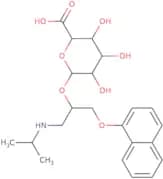
CAS:<p>Propranolol is a racemic mixture of two optical isomers, which are (R)-propranolol and (S)-propranolol. The (-) form of propranolol metabolizes to the (+) form, and vice versa. The (+) form is more potent than the (-) form as an anti-hypertensive agent. It has been shown that the metabolism of propranolol in microsomes from rat liver differs from that in human liver microsomes. Both forms of propranolol can be metabolized by cytochrome P450 enzymes, but the (-) form can also be metabolized by esterases and glucuronidases.</p>Fórmula:C22H29NO8Pureza:Min. 95%Peso molecular:435.47 g/mol2,3,5-Tri-O-benzyl-D-ribose
CAS:<p>Remdesivir impurity</p>Fórmula:C26H28O5Pureza:Min. 98 Area-%Forma y color:White Off-White PowderPeso molecular:420.5 g/molD-Xylose-BSA
<p>D-Xylose-BSA is an anaesthetic agent that is used to treat depression and postoperative pain. It is a natural compound that has been found in the blood cells of humans and animals. D-Xylose-BSA interacts with endogenous receptors for biotinylated D-xylose on granulocytes, which leads to activation of these cells and consequent release of inflammatory mediators. The ability of D-xylose-BSA to bind to microbial surfaces may be due to its chemical structure, which consists of a glycosilated hydrophilic part and a lipid part. D-Xylose-BSA also binds to polymorphonuclear leukocytes, postoperative erythrocytes, and replanted skin grafts.</p>Pureza:Min. 95%2,3,4,6-Tetra-O-acetyl-b-D-thioglucopyranose sodium salt
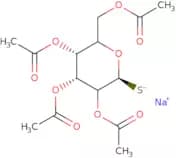
CAS:<p>2,3,4,6-Tetra-O-acetyl-b-D-thioglucopyranose sodium salt is a synthetic monosaccharide that can be used for glycosylation. This product is synthesized by the addition of acetyl groups to the 2-, 3-, 4-, and 6-positions on the glucose moiety. The resulting product has been shown to have a high degree of purity as well as a low content of impurities.</p>Fórmula:C14H19O9SNaPureza:Min. 95%Peso molecular:386.35 g/mol2,3,4-Tri-O-acetyl-a-L-rhamnopyranosyl azide
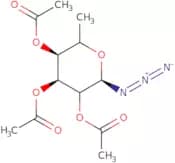
CAS:<p>2,3,4-Tri-O-acetyl-a-L-rhamnopyranosyl azide (AraG) is a triazole glycoside that is synthesized by the reaction of an acetylene glycosyl donor with a glycosyl acceptor. It has been shown to have high purity and custom synthesis. 2,3,4-Tri-O-acetyl-a-L-rhamnopyranosyl azide has been used for click modification and fluorination. It can be used to modify saccharides such as oligosaccharides and monosaccharides.</p>Fórmula:C12H17N3O7Pureza:Min. 95%Peso molecular:315.28 g/mol2,3,4,6-Tetrabenzoate D-glucopyranose
CAS:<p>Please enquire for more information about 2,3,4,6-Tetrabenzoate D-glucopyranose including the price, delivery time and more detailed product information at the technical inquiry form on this page</p>Fórmula:C34H28O10Pureza:Min. 95%Peso molecular:596.6 g/mol2-N-(S'-Acetyl-2'-thioacetyl)-2-deoxy-D-glucamine
<p>2-N-(S'-Acetyl-2'-thioacetyl)-2-deoxy-D-glucamine is a monosaccharide and is the acetylated form of 2-deoxyglucose. It can be used as a methyl donor, click reagent, or fluorinating agent. This product has been custom synthesized to meet your specifications and has been shown to have purity greater than 99%.</p>Fórmula:C10H17NO7SPureza:Min. 95%Forma y color:White to off-white solid.Peso molecular:295.31 g/mol2,3,4,6-Tetra-O-acetyl-N-(b-D-galactopyranosyl)-N'-[(2-methanethiosulfonyl)ethyl]urea
CAS:<p>2,3,4,6-Tetra-O-acetyl-N-(b-D-galactopyranosyl)-N'-[(2-methanethiosulfonyl)ethyl]urea is a glycoside that has been custom synthesized for a sugar. This product is fluorinated and has a purity of 99%. It can be used as an intermediate in the Click modification reaction. It is available in bulk quantities and can be customized to meet customer needs.</p>Fórmula:C17H26N2O12S2Pureza:Min. 95%Peso molecular:514.53 g/molmyo-Inositol 2,3,4,5,6-pentakisphosphate decasodium salt
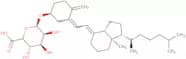
CAS:<p>Myo-inositol 2,3,4,5,6-pentakisphosphate decasodium salt is an analog of inositol. It has been shown to have physiological functions in the human body. Myo-inositol 2,3,4,5,6-pentakisphosphate decasodium salt is a significant interaction with camp levels that may be due to its uptake by cells and plasma mass spectrometry. It also interacts with cellular organelles such as the mitochondria and endoplasmic reticulum. This compound can bind to myo-inositol and inhibit phosphoinositide 3-kinase activity. It has been shown to have a biological effect in vivo through structural analysis and vivomodel studies.</p>Fórmula:C6H7Na10O21P5Pureza:Min. 95%Peso molecular:799.87 g/molVitamin D3 b-D-glucuronide
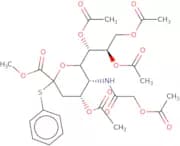
CAS:<p>Vitamin D3 b-D-glucuronide is a modified version of vitamin D3. It is a high purity chemical with a purity level of at least 99%. This product can be used in the synthesis of complex carbohydrates and saccharides.</p>Fórmula:C33H52O7Pureza:Min. 95%Peso molecular:560.76 g/molPhenyl 4,7,8,9-tetra-O-acetyl-2-thio-N-glycolyl-D-neuraminic acid methyl ester
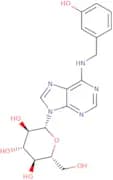
<p>Phenyl 4,7,8,9-tetra-O-acetyl-2-thio-N-glycolyl-D-neuraminic acid methyl ester is a monosaccharide with a four carbon chain. It is an analog of the natural product neuraminic acid. Phenyl 4,7,8,9-tetra-O-acetyl-2-thio -N -glycolyl -D -neuraminic acid methyl ester can be used as a substrate for chemical modification to produce oligosaccharides and polysaccharides. It can also be fluorinated to produce fluorinated derivatives that are useful in biochemistry and organic chemistry.</p>Fórmula:C28H35NO14SPureza:Min. 95%Peso molecular:641.64 g/molm-Topolin-9-glucoside
CAS:<p>M-topolin-9-glucoside is a synthetic sugar that has been modified by the introduction of fluorine atoms at C-2, C-3, and C-4. This sugar is used to study the interactions between carbohydrates and proteins. It is also used for the synthesis of oligosaccharides as well as for glycosylation and methylation reactions. M-topolin-9-glucoside is a monosaccharide that has been glycosylated and methylated. It can be used as a replacement for glucose in some reactions due to its stability and low cost.</p>Fórmula:C18H21N5O6Pureza:Min. 95%Forma y color:PowderPeso molecular:403.39 g/molFluoxetine D-glucuronide (mixture of isomers)
CAS:<p>Fluoxetine D-glucuronide is a glycosylated, fluorinated, custom-synthesized compound. It is composed of the methyl ester and glucuronide moiety of fluoxetine. The synthesis of this compound starts with the oxidation of fluoxetine to form an aldehyde intermediate. This intermediate is then condensed with chloroacetic acid to form the desired product. Fluoxetine D-glucuronide has shown efficacy in animal models for its ability to inhibit serotonin reuptake and block 5HT2A receptors. This drug is also used as a tracer in positron emission tomography (PET) imaging studies for serotonin transporters.</p>Pureza:Min. 95%Methyl 2,3,4,6-tetra-O-benzyl-b-D-glucopyranoside
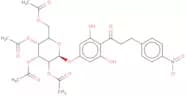
<p>Methyl 2,3,4,6-tetra-O-benzyl-b-D-glucopyranoside (MBG) is a custom synthesis of a saccharide. It is a monosaccharide that is modified with fluorination and methylation to create an oligosaccharide. MBG has a CAS number of 68766-34-7. This carbohydrate has been shown to be synthesized with the click modification. Carbohydrates are carbohydrates that contain carbon, and can be classified as either complex carbohydrates or simple carbohydrates. Carbohydrates are composed of one or more monosaccharides and are classified based on the number of monosaccharides in the molecule. Complex carbohydrates include polysaccharides, which have many monosaccharides attached to each other by glycosidic bonds, and oligosaccharides, which have two to ten monosaccharides attached to each other by</p>Pureza:Min. 95%4'-O-(b-D-2,3,4,6-Tetra-O-acetyl-glucopyranosyl)-4-nitrophloretin
CAS:<p>4'-O-(b-D-2,3,4,6-Tetra-O-acetyl-glucopyranosyl)-4-nitrophloretin is a custom synthesis with Modification. This product was prepared by fluorination and methylation of 4'-O-(b-D-2,3,4,6-tetra-O-[1,2:1,3]triazolium chloride)-4' nitrophloretin. The molecular formula is C21H18N8O12 and molecular weight is 524.32. CAS No. 82628-87-3.</p>Fórmula:C29H31NO15Pureza:Min. 95%Peso molecular:633.55 g/molL-[2-13C]Xylose
CAS:<p>Please enquire for more information about L-[2-13C]Xylose including the price, delivery time and more detailed product information at the technical inquiry form on this page</p>Fórmula:C5H10O5Pureza:Min. 95%Peso molecular:151.12 g/molXylaric acid disodium salt
CAS:<p>Xylaric acid disodium salt is a meso oxidised xylose analogue</p>Fórmula:C5H6Na2O7Pureza:Min. 98 Area-%Forma y color:PowderPeso molecular:224.08 g/mol4,6-Di-O-acetyl-2,3-O-carbonyl-a-D-mannopyranosyl bromide
CAS:<p>4,6-Di-O-acetyl-2,3-O-carbonyl-a-D-mannopyranosyl bromide is a structural analog of the endotoxin lipid A. It has been synthesized from 2,3-O-carbonyl-a-D-mannopyranose by condensation with acetyl bromide and the subsequent removal of the acetyl group by treatment with aqueous sodium hydroxide. The synthesis of 4,6 - Di - O - acetyl - 2,3 - O - carbonyl - a - D - mannopyranosyl bromide was achieved in two steps: (i) condensation of 2,3 - O - carbonyl - a - D - mannopyranose with acetyl bromide followed by deprotection using benzene and (ii) oxidation using hypoiodite in acetic acid.</p>Fórmula:C11H13BrO8Pureza:Min. 95%Peso molecular:353.12 g/molm-Methoxytopolin-9-glucoside
CAS:<p>M-methoxytopolin-9-glucoside is a synthetic oligosaccharide that has been modified with fluorination and methylation. It is an important intermediate for the synthesis of complex carbohydrates. M-methoxytopolin-9-glucoside can be used in the production of glycosylated polysaccharides, including glycoproteins, proteoglycans, and mucopolysaccharides. This product is offered at a purity level of > 98% and can be used for custom synthesis.</p>Fórmula:C19H23N5O6Pureza:Min. 95%Peso molecular:417.42 g/mol(S)-Propranolol glucuronide
CAS:<p>(S)-Propranolol glucuronide is a custom-synthesized sugar that has been modified with fluorination and methylation. It is also a polysaccharide that has been glycosylated and carbamoylated. This compound is a white crystalline solid that can be used as an intermediate in the synthesis of saccharides, oligosaccharides, and polysaccharides.</p>Fórmula:C22H29NO8Pureza:Min. 95%Peso molecular:435.47 g/mol3,4-Di-O-acetyl-2-O-benzyl-L-rhamnopyranoside
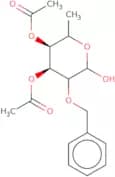
<p>3,4-Di-O-acetyl-2-O-benzyl-L-rhamnopyranoside is a custom synthesized, fluorinated, methylated, monosaccharide that can be used as a synthetic building block for the synthesis of saccharides. This compound has been shown to have a CAS number and is classified as an oligosaccharide. 3,4-Di-O-acetyl-2-O-benzyl-L-rhamnopyranoside is recommended for use in glycosylation reactions. It has been shown to react with other saccharides at the C1 position in the presence of various conditions such as mild alkaline or acid conditions.</p>Fórmula:C17H22O7Pureza:Min. 95%Peso molecular:338.35 g/mol(3S)-3-Hydroxy-L-aspartic acid
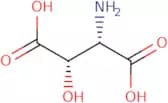
CAS:<p>3-hydroxy-L-aspartic acid is a non-protein amino acid that is found in mammalian tissue and has been shown to have structural and functional similarities to glutamate. It is involved in the metabolism of energy, such as the synthesis of fatty acids and epidermal growth factor. 3-Hydroxy-L-aspartic acid also binds to calcium ions, which may be due to its carboxylate group. This compound does not have a disulfide bond, unlike many other amino acids.<br>3S)-3-Hydroxy-L-aspartic acid can be used as a monoclonal antibody for the detection of pseudobactin, an antibiotic secreted by Pseudomonas bacteria that inhibits protein synthesis in eukaryotes.</p>Fórmula:C4H7NO5Pureza:Min. 95%Peso molecular:149.1 g/molAbacavir 5'-β-D-glucuronide
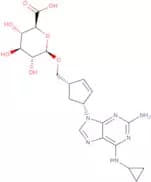
CAS:<p>Main metabolite of antiretroviral drug Abacavir with potent activity against human immunodeficiency virus type 1 (HIV-1). Abacavir is eliminated by hepatic metabolism to two major metabolites: 5’-glucuronide formed by uridine diphosphate glucuronyl transferase and 5’-carboxylate formed by cytosolic alcohol dehydrogenase.</p>Fórmula:C20H26N6O7Pureza:Min. 95%Forma y color:PowderPeso molecular:462.46 g/molD-Ribopyranosyl thiosemicarbazide
CAS:<p>D-Ribopyranosyl thiosemicarbazide is a glycosylation agent that can be used in the synthesis of complex carbohydrates. It also has the ability to modify sugar structures, such as methylation, click modification, and fluorination. This reagent can be used for the modification of saccharides, oligosaccharides, and monosaccharides. D-Ribopyranosyl thiosemicarbazide is synthesized from d-ribose and thiosemicarbazide. The CAS number for this product is 95352-77-5.</p>Fórmula:C6H13N3O4SPureza:Min. 95%Peso molecular:223.25 g/molNeocarrabiose (b anomer, crystalline)
CAS:<p>Neocarrabiose is a complex carbohydrate that is synthesized by the methylation of carrageenan. It has a molecular weight of about 1,000 Daltons and consists of a linear chain of alternating units of D-galactose and D-glucuronic acid. Neocarrabiose is used in the production of polysaccharides such as heparin, glycosaminoglycans, and polysulfated glycosaminoglycans. The enzyme modification process converts the anomeric configuration to L-arabinofuranose in order to produce polysaccharides with high purity.</p>Fórmula:C12H20O10Pureza:Min. 95%Peso molecular:324.28 g/molPinitol diacetonide
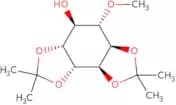
CAS:<p>Pinitol diacetonide is an acceptor substrate for β-galactosidase, a glycosyl hydrolase that catalyzes the hydrolysis of terminal galactose residues from the non-reducing end of certain glycolipids. Pinitol diacetonide has been shown to be enzymatically active in both aerobic and anaerobic conditions. This product can also be used as a substrate for 1,4-β-D-galactosyltransferase, which catalyzes the transfer of D-galactose from 1,4-β-D-glucose to the nonreducing end of certain glycolipids. Pinitol diacetonide is not a suitable substrate for p-nitrophenyl galactosyltransferase, an enzyme that catalyzes the transfer of p-nitrophenol from L -pyranosides to the nonreducing end of certain glycolipids.<br>Pin</p>Fórmula:C13H22O6Pureza:Min. 95%Peso molecular:274.31 g/molOlmesartan N2-glucuronide
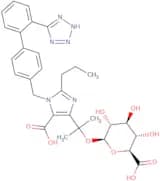
CAS:<p>Olmesartan N2-glucuronide is a methylated metabolite of olmesartan, which is an angiotensin II receptor blocker. Olmesartan glucuronide is a high purity chemical compound with CAS No. 369395-57-3. It can be custom synthesized to order and has been used in glycosylation reactions as a sugar donor or acceptor. This product is also useful for the Click modification of oligosaccharides and polysaccharides, as well as for the modification of saccharides with fluorination and other chemical reactions.</p>Fórmula:C30H34N6O9Pureza:Min. 95%Peso molecular:622.63 g/molCMP-Neu5Gc sodium salt
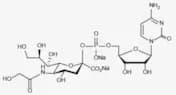
CAS:<p>Please enquire for more information about CMP-Neu5Gc sodium salt including the price, delivery time and more detailed product information at the technical inquiry form on this page</p>Fórmula:C20H29N4Na2O17PPeso molecular:674.41 g/molGalβ(1-3)[neu5acα(2-6)]GalNAc-α-PNP
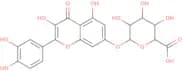
CAS:<p>Galβ(1-3)[neu5acα(2-6)]GalNAc-α-PNP is a complex carbohydrate that has been synthesized. It is a modification of the natural monosaccharide galactose by the addition of an alpha-N-acetylneuraminic acid residue. This product is highly pure and can be custom synthesized to customer specifications. Galβ(1-3)[neu5acα(2-6)]GalNAc-α-PNP has been fluorinated and methylated and has glycosylation and click chemistry modifications.</p>Fórmula:C31H45N3O21Pureza:Min. 95%Peso molecular:795.7 g/molQuercetin 7-O-b-D-glucuronide
CAS:<p>Quercetin 7-O-b-D-glucuronide is a methylated glycoside of quercetin. Quercetin 7-O-b-D-glucuronide has been shown to inhibit the activity of Saccharomyces cerevisiae alpha amylase, alpha and beta amylases, and alpha glucosidase, which are enzymes that hydrolyze starch. This product also inhibits the growth of Candida albicans and Saccharomyces cerevisiae. Quercetin 7-O-b-D-glucuronide is available for custom synthesis in order to meet customers' specific needs.</p>Fórmula:C21H18O13Pureza:Min. 95%Peso molecular:478.36 g/molb-L-Glucose-1-phosphate ammonium salt
<p>b-L-Glucose-1-phosphate ammonium salt is a modification of the natural glucose molecule. It is used in the synthesis of oligosaccharides and complex carbohydrates. This compound can be custom synthesized and has a high purity level. It is often used as a starting material for other chemical modifications, such as methylation, glycosylation, and fluorination. b-L-Glucose-1-phosphate ammonium salt is found naturally in nature as one of the building blocks of polysaccharides, which are long chains of sugar molecules that make up many organic compounds.</p>Fórmula:C6H19N2O9PPureza:Min. 95%Forma y color:PowderPeso molecular:294.2 g/molD-muco-Inositol
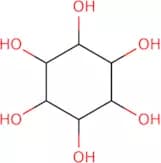
CAS:<p>D-Mucinol is an inositol that is structurally similar to scyllo-inositol. It has been shown to inhibit the growth of cancer cells and also inhibits the release of calcium ions from the mitochondria, which may be due to its ability to inhibit polymerase chain reaction. D-Mucinol is a potential treatment for ovarian cancer and other cancers.<br>D-Mucinol is a dinucleotide phosphate that binds with guanine nucleotides on DNA, inhibiting transcriptional elongation by binding to the RNA polymerase II enzyme. This prevents the production of mRNA, inhibiting protein synthesis and leading to cell death.<br>D-Mucinol has been shown to have cytostatic effects against HL60 cells in vitro, which are thought to be related to its ability to inhibit mononucleotide phosphates, including p-nitrophenyl phosphate (PNPP), at high concentrations. D-Mucin</p>Fórmula:C6H12O6Pureza:Min. 95%Peso molecular:180.16 g/molPropylthiouracil N-b-D-glucuronide
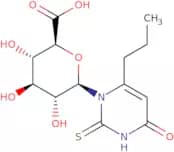
CAS:<p>Propylthiouracil N-b-D-glucuronide is a glycosylation product of propylthiouracil, which is the active form of this drug. It has been shown to inhibit thyroid hormone synthesis by binding to the enzyme thyroid peroxidase. Propylthiouracil N-b-D-glucuronide is used in the treatment of thyrotoxicosis, and can also be used as an antithyroid agent for hyperthyroidism. It is chemically synthesized from propylthiouracil with a glycosyl group added at the C3 position on the thiourea ring by glycosyltransferases. This compound has also been fluorinated and polysaccharided, modified and saccharided, oligosaccharided or sugar, synthetic or monosaccharide, custom synthesis or high purity.</p>Fórmula:C13H18N2O7SPureza:Min. 95%Peso molecular:346.36 g/molRaltegravir b-D-glucuronide
CAS:<p>Raltegravir b-D-glucuronide is a synthetic, fluorinated analog of raltegravir. It is a potent HIV-1 integrase inhibitor that has been shown to be active against the majority of HIV-1 strains. Raltegravir b-D-glucuronide is less potent than the parent compound and exhibits reduced antiviral activity in vitro. Raltegravir b-D-glucuronide is metabolized to raltegravir and eliminated in urine as the glucuronide conjugate.</p>Fórmula:C26H29FN6O11Pureza:Min. 95%Forma y color:White PowderPeso molecular:620.54 g/molD-Fructose-13C1
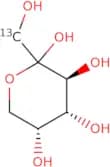
CAS:<p>D-Fructose-13C1 is a custom synthesis that belongs to the class of carbohydrates. It is an oligosaccharide, polysaccharide, and a modification of saccharides. D-Fructose-13C1 is methylated and glycosylated and has a carbonyl group on the C1 position. This product can be used in click chemistry as well as fluorination reactions. The purity of this product is high and it has been synthesized using high purity methods.</p>Fórmula:C513CH12O6Pureza:Min. 95%Peso molecular:181.15 g/molMaltosyl-ascorbic acid
<p>Maltosyl-ascorbic acid is a glycosylated form of ascorbic acid that has been shown to have synergistic effects with thiobarbituric acid and ethanal. Maltosyl-ascorbic acid also exhibits antioxidative activity and is able to inhibit the formation of thiobarbituric acid-reactive substances and α-tocopherol in lipids. Maltosyl-ascorbic acid has been shown to have antioxidant effects in stearothermophilus, which may be due to its ability to reduce lipid peroxidation. Maltosyl-ascorbic acid is also able to inhibit the transfer of alpha-tocopherol from lipoproteins into cells, which may be due to its antioxidative effect.</p>Pureza:Min. 95%Nojirimycin 1-sulfonic acid
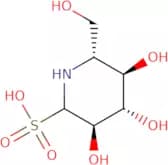
CAS:<p>Nojirimycin 1-sulfonic acid is a synthetic compound that has been shown to be an inhibitor of glycosylation. It is a modification of nojirimycin, which is a natural product that has been used as an anti-inflammatory agent for years. Nojirimycin 1-sulfonic acid (NJA) binds to the active site of the glycosyltransferase enzyme and prevents the transfer of sugar from the donor substrate to the acceptor substrate. This inhibits the synthesis of complex carbohydrates, oligosaccharides, and polysaccharides. The fluorination on NJA's sulfonate group also makes it more soluble in water, which increases its activity.</p>Fórmula:C6H13NO7SPureza:Min. 95%Forma y color:White PowderPeso molecular:243.24 g/mol3-Amino-2,3,6-trideoxy-β-L-lyxo-hexopyranose hydrochloride
CAS:<p>Please enquire for more information about 3-Amino-2,3,6-trideoxy-β-L-lyxo-hexopyranose hydrochloride including the price, delivery time and more detailed product information at the technical inquiry form on this page</p>Fórmula:C6H13NO3•HClPureza:Min. 95%Peso molecular:183.63 g/molD-Mannose- 1, 2- 13C2
CAS:<p>D-Mannose- 1, 2- 13C2 is a synthetic sugar that has been modified with a fluorination reaction. D-Mannose-1,2- 13C2 is used for the synthesis of glycosylations and oligosaccharides. This product is available in high purity and custom synthesis. CAS No. 141789-26-6</p>Pureza:Min. 95%Peso molecular:182.14 g/mol3,5-O-Isopropylidene-L-arabinofuranose
<p>3,5-O-Isopropylidene-L-arabinofuranose is a sugar that is used in the synthesis of saccharides. It is a monosaccharide that can be modified by fluorination, methylation, and custom synthesis. This product has been shown to be an excellent substrate for click chemistry and can be used as an intermediate in the production of oligosaccharides and polysaccharides. 3,5-O-Isopropylidene-L-arabinofuranose has a high purity level and can be used as a replacement for other sugars in complex carbohydrate synthesis.</p>Pureza:Min. 95%2,5-Anhydro-D-mannitol tetraacetate
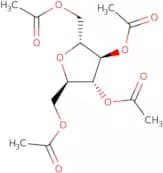
CAS:<p>2,5-Anhydro-D-mannitol tetraacetate (2,5-AMT) is a medicament that belongs to the group of tetraacetates. It is used as an oral preparation and has been shown to be effective in treating acute myeloid leukemia. 2,5-AMT is an analog of D-mannitol and it can be used for the treatment of cancer. 2,5-AMT has anticancer activity that is due to its ability to inhibit the growth of tumor cells by inhibiting the synthesis of proteins necessary for cell division. It also inhibits the production of fibrous tissue in chronic pancreatitis and fibrosis. This drug may cause allergic reactions such as skin rashes or lip swelling.</p>Fórmula:C14H20O9Pureza:Min. 95%Peso molecular:332.3 g/molD-Glucose 6-phosphate - Powder
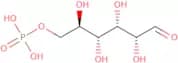
CAS:<p>D-glucose 6-phosphate is an intermediate in the hexose monophosphate shunt pathway. It is formed by the enzyme phosphoglucomutase from D-glucose 1-phosphate and UTP. D-glucose 6-phosphate is also an important intermediate in glycolysis. The conversion of D-glucose 6-phosphate to glucose 1,6-bisphosphate occurs through a series of reactions catalyzed by enzymes that are sensitive to inhibition by magnesium ions. These reactions include the phosphofructokinase, hexokinase, and pyruvate kinase reactions. The accumulation of glucose 6-phosphate leads to increased levels of lactate production and decreased levels of ATP production. This may be due to its ability to inhibit monoamine reuptake, which would lead to decreased synthesis of dopamine and serotonin.</p>Fórmula:C6H13O9PPureza:Min. 95%Forma y color:PowderPeso molecular:260.14 g/mol1-O-Propargyl 2, 3, 4, 6- tetra-O-acetyl- D- fructofuranose
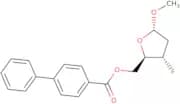
<p>1-O-Propargyl 2, 3, 4, 6- tetra-O-acetyl-D-fructofuranose is a monosaccharide that is modified with an acetyl, propargyl and fluorine. It can be used as a glycosylation agent, as well as a methylating and click modification agent. 1-O-Propargyl 2, 3, 4, 6- tetra-O-acetyl -D -fructofuranose has been shown to have antiinflammatory properties in addition to its ability to inhibit the growth of bacteria and fungi. This compound can also be used for the synthesis of polysaccharides and oligosaccharides.</p>Pureza:Min. 95%Methyl-2,3-dideoxy-3-fluoro-5-O-(4-phenylbenzoyl)-a-D-erythro-pentofuranoside
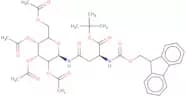
CAS:<p>A mutant is a modified form of a gene that can be either natural or artificial. This gene has been modified by the introduction of an additional chemical group, such as methyl, at a specific position in the DNA sequence. The new compound is not found in nature and may have beneficial effects on the organism. The control system for this experiment is programmable and allows for the introduction of multiple mutations to be introduced simultaneously into a single gene. This technique has been shown to create mutants with neurological disorders, including protein overload, which occurs when there are too many proteins made by one particular gene.</p>Pureza:Min. 95%2,3,4,6-Tetra-O-acetyl-b-D-glucopyranosyl-(N2-Fmoc)-L-asparagine tert-butyl ester
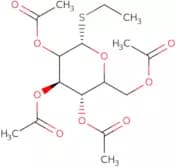
CAS:<p>2,3,4,6-Tetra-O-acetyl-b-D-glucopyranosyl-(N2-Fmoc)-L-asparagine tert-butyl ester is a glycosylation reagent that contains a reactive primary amine. It is used in the synthesis of complex carbohydrates and oligosaccharides. This compound is also used as a fluorinating agent for saccharides and sugars. 2,3,4,6-Tetra-O-acetyl-b-D-glucopyranosyl-(N2-Fmoc)-L-asparagine tert butyl ester can be custom synthesized to meet your needs. This product has CAS number 16041617 1 and it is available in high purity.</p>Fórmula:C37H44N2O14Pureza:Min. 95%Peso molecular:740.75 g/molEthyl 2,3,4,6-tetra-O-acetyl-b-D-galactopyranoside
<p>Ethyl 2,3,4,6-tetra-O-acetyl-b-D-galactopyranoside is a modified sugar that is synthesized from the natural sugar galactose. This modification can be done using different methods such as click chemistry or fluorination. The product is available in a range of purities and quantities.</p>Fórmula:C16H24O10Pureza:Min. 95%Peso molecular:376.36 g/mol

![(3aR,3bS,6aR,7aR)-2,2-Dimethylhexahydrofuro[2',3':4,5]furo[2,3-d][1,3]dioxol-5-ol](/_next/image/?url=https%3A%2Fstatic.cymitquimica.com%2Fproducts%2F3D%2Fthumb-webp%2FMD45372.webp&w=3840&q=75)












![2,3,4,6-Tetra-O-acetyl-N-(b-D-galactopyranosyl)-N'-[(2-methanethiosulfonyl)ethyl]urea](/_next/image/?url=https%3A%2Fstatic.cymitquimica.com%2Fproducts%2F3D%2Fthumb-webp%2FMT01191.webp&w=3840&q=75)
![L-[2-13C]Xylose](/_next/image/?url=https%3A%2Fstatic.cymitquimica.com%2Fproducts%2F3D%2Fthumb-webp%2FDUA50663.webp&w=3840&q=75)


![Galβ(1-3)[neu5acα(2-6)]GalNAc-α-PNP](/_next/image/?url=https%3A%2Fstatic.cymitquimica.com%2Fproducts%2F3D%2Fthumb-webp%2FRCC82290.webp&w=3840&q=75)