Monosacáridos
Los monosacáridos son la forma más simple de los carbohidratos y sirven como bloques fundamentales para azúcares más complejos y polisacáridos. Estas moléculas de azúcar única juegan roles críticos en el metabolismo energético, la comunicación celular y los componentes estructurales de las células. En esta sección, encontrará una amplia variedad de monosacáridos esenciales para la investigación en bioquímica, biología molecular y glicociencia. Estos compuestos son cruciales para estudiar las rutas metabólicas, los procesos de glucosilación y el desarrollo de agentes terapéuticos. En CymitQuimica, ofrecemos monosacáridos de alta calidad para apoyar sus necesidades de investigación, asegurando precisión y fiabilidad en sus investigaciones científicas.
Subcategorías de "Monosacáridos"
- Allosas(11 productos)
- Arabinosas(21 productos)
- Eritrosas(11 productos)
- Fructosas(9 productos)
- Fucosas(36 productos)
- Galactosamina(41 productos)
- Galactosa(260 productos)
- Glucosas(365 productos)
- Ácidos glucurónicos(51 productos)
- Glico-sustratos para enzimas(77 productos)
- Gulosas(6 productos)
- Idosas(4 productos)
- Inositoles(15 productos)
- Lyxosas(4 productos)
- Manosas(65 productos)
- O-glicanos(48 productos)
- Psicosas(3 productos)
- Ramnosas(10 productos)
- Ribosas(61 productos)
- Ácidos siálicos(100 productos)
- Sorbosas(4 productos)
- Azúcares(173 productos)
- Tagatosis(4 productos)
- Taloses(8 productos)
- Xilosas(20 productos)
Mostrar 17 subcategorías más
Se han encontrado 6088 productos de "Monosacáridos"
Ordenar por
Pureza (%)
0
100
|
0
|
50
|
90
|
95
|
100
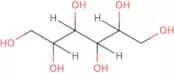
Dulcitol
CAS:<p>Dulcitol is a sugar alcohol that is used in the food industry and as an alternative to sucrose. Dulcitol can be found in wastewater treatment and has been shown to be an inhibitor of wild-type strains of Escherichia coli and Bacteroides fragilis. It also inhibits the growth of Gram-positive bacteria, such as Staphylococcus aureus, by inhibiting their ability to synthesize DNA. Dulcitol is metabolized through a number of metabolic transformations, including hydrolysis by esterases or glucuronidases, oxidation by cytochrome P450 enzymes, reduction by glutathione reductase, or conjugation with glucuronic acid. Dulcitol can also inhibit the activity of certain enzymes such as protein kinase C (PKC).</p>Fórmula:C6H14O6Pureza:Min. 99.0 Area-%Peso molecular:182.17 g/molRef: 3D-D-9500
1kgA consultar5kgA consultar10kgA consultar25kgA consultar2500gA consultar-Unit-kgkgA consultarD-Galactose-BSA
<p>D-Galactose-BSA is a modified carbohydrate that is synthesized by the selective substitution of the hydroxyl group on the beta-carbon of D-galactose. This modification enhances the binding affinity of D-galactose to bovine serum albumin (BSA), which is used as a carrier protein for many biological assays. The fluorination step in this synthesis creates reactive sites on the molecule, which are then available for chemical modifications such as methylation or glycosylation. D-Galactose-BSA can be custom synthesized to meet your specifications for purity, stability, and activity.</p>Forma y color:White PowderPenta-O-acetyl-a-L-idopyranose
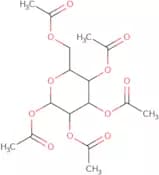
CAS:<p>Penta-O-acetyl-a-L-idopyranose is a monosaccharide that is synthesized from D-glucose and acetic anhydride. It has been modified with methylation, fluorination, and saccharide modification. Penta-O-acetyl-a-L-idopyranose is soluble in water, methanol, ethanol, and acetone. This compound has been shown to be useful for glycosylation reactions as well as click chemistry. CAS No. 16299-15-3.</p>Fórmula:C16H22O11Pureza:Min. 95%Forma y color:PowderPeso molecular:390.34 g/molN-Formyl-1-amino-1-deoxy-D-glucitol
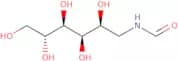
CAS:<p>N-Formyl-1-amino-1-deoxy-D-glucitol (NFA) is a custom synthesis that has been modified by fluorination, methylation, and monosaccharide click modification. It is a saccharide with CAS No. 89182-60-5. NFA is a synthetic sugar with complex carbohydrate properties.</p>Pureza:Min. 95%5-O-Trityl-D-ribose
CAS:<p>5-O-Trityl-D-ribose is a sugar derivative that is used in the chemical synthesis of pharmaceuticals, natural products, and other compounds. It is an important intermediate in the synthesis of various nucleosides and nucleotides.</p>Pureza:Min. 95%2,3-O-Carbonyl-4,6-O-isopropylidene-a-D-mannopyranoside
CAS:<p>2,3-O-Carbonyl-4,6-O-isopropylidene-a-D-mannopyranoside is a custom synthesis of a monosaccharide with a fluorinated methyl group. It is an oligosaccharide with a saccharide that contains an oxygen atom and two carbon atoms. This carbohydrate is polysaccharide which has glycosylation. 2,3-O-Carbonyl-4,6-O-isopropylidene-a-D-mannopyranoside is also known as CAS No. 669730 - 3,6'-diacetoxyacetone</p>Fórmula:C10H14O7Pureza:Min. 95%Peso molecular:246.21 g/molMethyl 2,3,4-tri-O-benzoyl-6-O-tert-butyldimethylsilyl-a-D-glucopyranoside
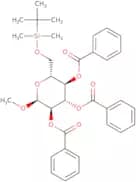
CAS:<p>Methyl 2,3,4-tri-O-benzoyl-6-O-tert-butyldimethylsilyl-a-D-glucopyranoside is a custom synthesis of a complex carbohydrate. It is an Oligosaccharide and Polysaccharide that has been modified with methylation and glycosylation. The CAS number for this chemical is 128142-70-1 and it has a purity of >99%. This chemical also has fluorination and click modification. Methyl 2,3,4-tri-O-benzoyl-6-O-tert-butyldimethylsilyl--a--D--glucopyranoside can be used in the production of polymers and plastics.</p>Fórmula:C34H40O9SiPureza:Min. 95%Peso molecular:620.78 g/mol1,2-O-Ethylidene b-D-mannopyranose
CAS:<p>1,2-O-Ethylidene b-D-mannopyranose is a complex carbohydrate that is synthesized from the modification of mannose with 1,2-O-ethylidene b-D-mannopyranose. This modification can be accomplished by either methylation or glycosylation. Modification of mannose with 1,2-O-ethylidene b-D-mannopyranose has been shown to increase the stability of the molecule and improve its resistance to degradation. The methylation of mannose with 1,2-O-ethylidene b-D-mannopyranose has been shown to produce a variety of derivatives that may have potential applications in drug design and cancer treatment. This complex carbohydrate is an important component in many saccharides and polysaccharides. It has also been used as a fluorinating agent in organic synthesis.</p>Fórmula:C8H14O6Pureza:Min. 95%Peso molecular:206.2 g/molEthyl 4,6-O-benzylidene-D-thiomannopyranoside
CAS:<p>Ethyl 4,6-O-benzylidene-D-thiomannopyranoside is a synthetic monosaccharide with the molecular formula C 10 H 12 O 8 and a molecular weight of 340.24 g/mol. It is a white crystalline solid that is soluble in many organic solvents. Ethyl 4,6-O-benzylidene-D-thiomannopyranoside has the potential to be used as a building block for the synthesis of oligosaccharides and polysaccharides. This building block can be modified with fluorination, methylation, or click modification to produce other derivatives.</p>Fórmula:C15H20O5SPureza:Min. 95%Forma y color:PowderPeso molecular:312.38 g/mol2-(L-Rhamno-tetrahydroxypentyl)-4(R)-1,3-thiazolidine-4-carboxylic acid
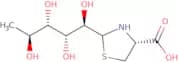
CAS:<p>2-(L-Rhamno-tetrahydroxypentyl)-4(R)-1,3-thiazolidine-4-carboxylic acid is a synthetic sugar. It has been modified with fluorination, glycosylation, and methylation. It can be used as a saccharide for a complex carbohydrate.</p>Fórmula:C10H19NO6SPureza:Min. 95%Peso molecular:281.33 g/molPhenyl 2,3-di-O-benzyl-4,6-O-benzylidene-b-D-thioglucopyranoside
CAS:<p>Phenyl 2,3-di-O-benzyl-4,6-O-benzylidene-b-D-thioglucopyranoside is an oligosaccharide that can be used to modify carbohydrate polymers. It is synthesized from the reaction of phenyl 2,3-di-O-benzylglycosides with boron trifluoride etherate and dithioglycolate in acetic acid. This material has a purity of >98% and can be used as a sugar modification agent for glycoproteins.</p>Fórmula:C33H32O5SPureza:Min. 95%Peso molecular:540.67 g/mol5-Deoxy-D-xylose
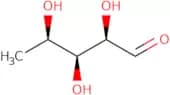
CAS:<p>5-Deoxy-D-xylose is a metabolite that is produced as a byproduct of the metabolism of l-arabinose. It can be found in urine, saliva, and cerebrospinal fluid. 5-Deoxy-D-xylose has been shown to have a role in mediating the effects of nitroacetate and hydrogen fluoride on nitric oxide synthase. This compound also has an anti-inflammatory effect, which may be due to its ability to inhibit the production of neopterin. The isomers form from 5-deoxy-D-xylose are tautomeric with each other and their optical isomers are chemically different from one another. 5-Deoxy-D-xylose can exist as a cyclic form or as an open chain form.</p>Fórmula:C5H10O4Pureza:Min. 95%Peso molecular:134.13 g/mol1,2-Dipalmitoyl-sn-glycero-3-phospho-(1'-myoinositol-4'-phosphate)
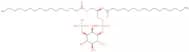
CAS:<p>1,2-Dipalmitoyl-sn-glycero-3-phospho-(1'-myoinositol-4'-phosphate) is a lipid kinase that has been shown to be localized in the cytoplasm. This enzyme is activated by receptor activity and autophagy, and plays a role in protein transport. It also activates phosphatase activity which regulates the actin cytoskeleton, and can be regulated by insulin-stimulated glucose levels. 1,2-Dipalmitoyl-sn-glycero-3-phospho-(1'-myoinositol-4'-phosphate) has been shown to have a regulatory function in epidermal growth factor (EGF)-induced cell proliferation. The physiological function of this enzyme is not yet known.</p>Fórmula:C41H80O16P2Pureza:Min. 95%Peso molecular:891.01 g/mol1,6:2,3-Dianhydro-4-O-(2',3',4',6'-tetra-O-acetyl-b-D-glucopyranosyl)-b-D-mannopyranose
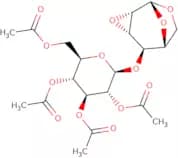
CAS:<p>1,6:2,3-Dianhydro-4-O-(2',3',4',6'-tetra-O-acetyl-b-D-glucopyranosyl)-b-D-mannopyranose is a custom synthesis of an oligosaccharide that contains a saccharide. It belongs to the class of carbohydrates and can be used in research as a fluorinated complex carbohydrate for modification. This product is not intended for human or animal consumption.</p>Fórmula:C20H26O13Pureza:Min. 95%Peso molecular:474.41 g/molD-Talose-1-13C
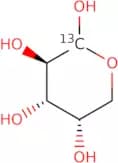
CAS:<p>D-Talose-1-13C is a high purity, custom synthesis sugar that has been modified with fluorination and glycosylation. This product is a synthetic, methylated oligosaccharide with an average molecular weight of 635. It is a complex carbohydrate that contains 1 13C isotope and has the CAS number 70849-29-5.</p>Fórmula:C6H12O6Pureza:Min. 95%Peso molecular:181.15 g/molβ-D-Ribopyranosyl amine
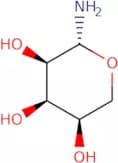
CAS:<p>b-D-Ribopyranosyl amine is a type of indoline that is derived from d-lyxose. It can be used to synthesize a variety of functionalized amines and derivatives. The stereospecificity of acetylated b-D-ribopyranosyl amine has been studied by spectroscopic methods. It has also been shown to have the ability to inhibit tyramine synthesis, which can lead to the development of Parkinson's disease.</p>Fórmula:C5H11NO4Pureza:Min. 95%Forma y color:PowderPeso molecular:149.15 g/mol1,2-O-Isopropylidene-b-L-idofuranosylurono-6,3-lactone
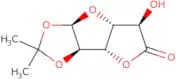
CAS:<p>This product is a high purity, custom synthesis of 1,2-O-isopropylidene-b-L-idofuranosylurono-6,3-lactone. It is a sugar that can be modified with fluorination, glycosylation, and methylation. This product has a CAS No. 29514-28-1 and is used in the synthesis of oligosaccharides and monosaccharides. It is also used as a complex carbohydrate in saccharide chemistry.</p>Fórmula:C9H12O6Pureza:Min. 95%Peso molecular:216.19 g/molIsopropyl 2-acetamido-3,4,6-tri-O-acetyl-2-deoxy-b-D-glucopyranoside
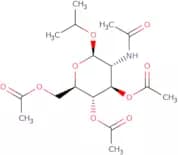
CAS:<p>Isopropyl 2-acetamido-3,4,6-tri-O-acetyl-2-deoxy-b-D-glucopyranoside (IATA) is a synthetic analog of retinoic acid (RA), a natural metabolite of vitamin A. IATA has been shown to be effective in the treatment of acute lung cancer. It activates TLR4 and inhibits TNF production in human monocytes. IATA also has antiinflammatory properties and can be used as a diagnostic agent for inflammatory diseases. This molecule can be used to diagnose the presence of various cancers, including prostate cancer, breast cancer, colon cancer, pancreatic cancer, lung cancer and leukemia.</p>Fórmula:C17H27NO9Pureza:Min. 95%Peso molecular:389.4 g/mol5-O-(t-Butyldiphenylsilyl)-1,2-O-isopropylidene-a-D-xylofuranose
CAS:<p>5-O-(t-Butyldiphenylsilyl)-1,2-O-isopropylidene-a-D-xylofuranose is a modification of the sugar xylofuranose. This compound is synthesized from 1,2-O-isopropylidene erythrose using tetrabutyldiphenylsilyl chloride and triethylamine. It is a white solid that can be used as a monosaccharide or polysaccharide in glycosylation reactions. 5-O-(t-Butyldiphenylsilyl)-1,2-O-isopropylidene -a D -xylofuranose has been found to have high purity and can be used for methylation and fluorination reactions.</p>Fórmula:C24H32O5SiPureza:Min. 95%Peso molecular:428.59 g/molD-Ribopyranosyl thiosemicarbazide
CAS:<p>D-Ribopyranosyl thiosemicarbazide is a glycosylation agent that can be used in the synthesis of complex carbohydrates. It also has the ability to modify sugar structures, such as methylation, click modification, and fluorination. This reagent can be used for the modification of saccharides, oligosaccharides, and monosaccharides. D-Ribopyranosyl thiosemicarbazide is synthesized from d-ribose and thiosemicarbazide. The CAS number for this product is 95352-77-5.</p>Fórmula:C6H13N3O4SPureza:Min. 95%Peso molecular:223.25 g/molMethyl 5-deoxy-2,3-O-isopropylidene-b-D-ribofuranoside
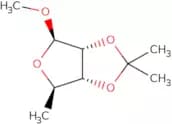
CAS:<p>Intermediate in the synthesis of capecitabine</p>Fórmula:C9H16O4Pureza:Min. 95%Peso molecular:188.22 g/mol1-O-Benzoyl-2,3:5,6-di-O-isopropylidene-D-talofuranose
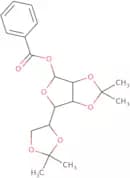
CAS:<p>1-O-Benzoyl-2,3:5,6-di-O-isopropylidene-D-talofuranose is a synthetic carbohydrate that has the same structure as pyranose. It can be modified and used in click chemistry and glycosylation reactions. The compound has been shown to have good stability, high purity, and good solubility in organic solvents. It is a complex carbohydrate that can be custom synthesized to meet customer specifications. 1-O-Benzoyl-2,3:5,6-di-O-isopropylidene-D-talofuranose is an oligosaccharide with the molecular formula C10H14O4 and a molecular weight of 200.24 g/mol.</p>Fórmula:C19H24O7Pureza:Min. 95%Peso molecular:364.39 g/mol1-13C-L-Arabinose
CAS:<p>1-13C-L-Arabinose is a metabolite of the sugar, L-arabinose. This compound is formed by escherichia bacteria and can be found in the urine of mice. 1-13C-L-Arabinose has been shown to inhibit the growth of escherichia coli and has a six membered ring structure.</p>Fórmula:CC4H10O5Pureza:Min. 95%Forma y color:White PowderPeso molecular:151.13 g/mol2,3,4,6-Tetra-O-acetyl-b-D-glucopyranosyl (1,3-benzylidene)glycerol
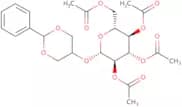
CAS:<p>2,3,4,6-Tetra-O-acetyl-b-D-glucopyranosyl (1,3-benzylidene)glycerol is a complex carbohydrate that was synthesized by modifying the glycosylation of 2,3,4,6-tetra-O-acetylmannitol. The chemical modification and fluorination of this carbohydrate were performed with an aim to introduce the acetal functionality. This modification was achieved by reacting the 1,3-benzylidene moiety with dimethylsulfonium methylide. This product is not known to have any other CAS number for this compound.</p>Fórmula:C24H30O12Pureza:Min. 95%Peso molecular:510.49 g/mol4-Methoxyphenyl 3,4-O-Isopropylidene-6-O-(4-methylbenzoyl)-b-D-galactopyranoside
CAS:<p>4-Methoxyphenyl 3,4-O-Isopropylidene-6-O-(4-methylbenzoyl)-b-D-galactopyranoside is a carbohydrate with the molecular formula C10H14O7. It is a white to off-white crystalline powder and has been shown to be stable at pH levels below 4.0. This product is custom synthesized for your specific needs and can be modified with methylation, glycosylation, or click modification.</p>Fórmula:C24H28O8Pureza:Min. 95%Peso molecular:444.47 g/molAcemetacin-acyl-β-D-glucuronide
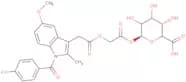
CAS:<p>Acemetacin-acyl-b-D-glucuronide is a synthetic, fluorinated, glycosylated carbohydrate. It is a custom synthesis and has high purity. The CAS No. 1260603-31-3.</p>Fórmula:C27H26ClNO12Pureza:Min. 95%Forma y color:PowderPeso molecular:591.96 g/mol1,2-o-Isopropylidene-β-D-fructopyranose
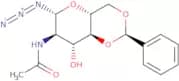
CAS:<p>1,2-O-Isopropylidene-β-D-fructopyranose is a synthetic monosaccharide. It is a fluorinated derivative of fructopyranose. This product is a modification of the alpha anomeric form of β-D-fructopyranose. It has been used as a substrate for various types of glycosylation reactions, such as methylation and click modification.</p>Fórmula:C9H16O6Pureza:Min. 95%Peso molecular:220.22 g/mol2-Acetamido-4,6-O-benzylidene-2-deoxy-b-D-glucopyranosyl azide
CAS:<p>2-Acetamido-4,6-O-benzylidene-2-deoxy-b-D-glucopyranosyl azide is a synthetic carbohydrate that has been modified with an azide group. This modification allows for the introduction of a variety of different functional groups to be incorporated into the carbohydrate. This synthetic carbohydrate can be used as a sugar or glycosylation acceptor in chemical synthesis, and it is soluble in water. The CAS number for this compound is 168397-51-1.</p>Fórmula:C15H18N4O5Pureza:Min. 95%Peso molecular:334.33 g/mol1-Hydroxypyrene b-D-glucuronide
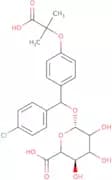
CAS:<p>1-Hydroxypyrene b-D-glucuronide is a metabolite of the carcinogen 1-hydroxypyrene. It is a monoclonal antibody that can be used as a biomarker for the detection of 1-hydroxypyrene in urine samples. The analytical method for this compound is fluorescence spectrometry, with a synchronous fluorescence detector. This technique can be used to measure hydroxy pyrene glucuronide in urine samples from both women and men, but there are statistically significant differences between genders. Logistic regression analysis has shown that age and body mass index are independent factors for the presence of 1-hydroxypyrene glucuronide in urine samples.</p>Fórmula:C22H18O7Pureza:Min. 98 Area-%Forma y color:PowderPeso molecular:394.37 g/molFenirofibrate O-b-D-glucuronide
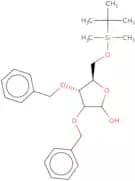
CAS:<p>Fenirofibrate O-b-D-glucuronide is a custom synthesis of saccharides. It is a fluorinated, methylated and monosaccharide modification of fenofibrate. Fenirofibrate O-b-D-glucuronide is also known as CAS No. 168844-26-6.</p>Fórmula:C23H25ClO10Pureza:Min. 95%Peso molecular:496.9 g/mol2,3-Di-O-benzyl-5-O-tert-butyldimethylsilyl-D-xylofuranose
<p>2,3-Di-O-benzyl-5-O-tert-butyldimethylsilyl-D-xylofuranose is a custom synthesis of an oligosaccharide. The modification of this product is fluorination. The product has a purity of 99% and the CAS number is 125548-81-1. This product is soluble in water and ethanol. It has a molecular weight of 600. The monosaccharides found in this product are xylose, glucose, and galactose in the ratio 2:2:1. This product can be used as a sugar substitute or as a reagent for the structural analysis of complex carbohydrates.</p>Fórmula:C25H36O5SiPureza:Min. 95%Peso molecular:444.65 g/molGlycerone phosphate lithium salt
CAS:<p>Glycerone phosphate lithium salt is a reactive molecule that serves as an intermediate in the synthesis of rapamycin, a complex of glycerone phosphate and rapamycin. Glycerone phosphate lithium salt is used to detect the presence of glutamate dehydrogenase and to purify monoclonal antibodies. Glycerone phosphate lithium salt has been shown to react with platinum-based chemotherapy, which may be due to its ability to bind to active sites on cancer cells. This molecule also has been shown to reduce high cholesterol levels in mice and inhibit skin cancer tumor growth. Glycerone phosphate lithium salt's physiological effects have not been fully determined, but it may have some anticancer activity.</p>Fórmula:C3H7O6P·xLiPureza:Min. 95%Peso molecular:170.06 g/molMethyl 3-O-allyl-4,6-O-benzylidene-a-D-mannopyranoside
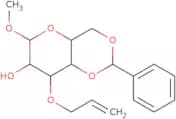
CAS:<p>Methyl 3-O-allyl-4,6-O-benzylidene-a-D-mannopyranoside is a glycosylation agent that is used in the synthesis of complex carbohydrates. It has been used to synthesize a sugar chain with a high purity and can be modified with methylation and fluorination. Methyl 3-O-allyl-4,6-O-benzylidene-a-D mannopyranoside has been shown to have good solubility in organic solvents. This product is custom synthesized and can be ordered in any quantity.</p>Fórmula:C17H22O6Pureza:Min. 95%Peso molecular:322.35 g/molL-Noviose
CAS:<p>L-Noviose is a glycopeptide antibiotic that has been modified to increase its stability and bioavailability. The modifications have led to an increase in the activity of L-Noviose against gram-negative bacteria, including strains resistant to other antibiotics. This drug also inhibits bacterial biosynthesis by binding to the 30S ribosomal subunit and preventing the initiation of protein synthesis. L-Noviose is used clinically for the treatment of infections caused by Actinomyces, Enterobacter, Erysipelothrix, Haemophilus, Klebsiella, Proteus mirabilis, Pseudomonas aeruginosa and Staphylococcus aureus. The biological function of L-Noviose is to inhibit bacterial protein synthesis by binding to the 30S ribosomal subunit.</p>Pureza:Min. 95%1,6-Anhydro-b-D-glucofuranose
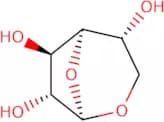
CAS:<p>B-D-glucofuranose is a natural compound with the molecular formula C6H12O6. It is found in plants, specifically in the seeds of the granatum tree. The calibration of this compound can be done using anions and ion chromatography. B-D-glucofuranose has antibacterial activity against Gram-positive bacteria, but not against Gram-negative bacteria or fungi. It also inhibits fatty acid synthesis and may have nutritional value for humans as a source of 5-hydroxymethylfurfural (HMF). HMF has been shown to inhibit the growth of cancer cells in vitro and induce apoptosis in cancer cells by uv irradiation. Mass spectrometric analysis and spectrometric methods are used to identify this compound.</p>Fórmula:C6H10O5Pureza:Min. 95%Forma y color:White PowderPeso molecular:162.14 g/molα-GalCer analog 8
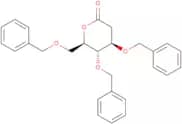
CAS:<p>α-GalCer analog 8 is a high purity, custom synthesis, synthetic α-galactocerebrosidase enzyme that has been modified to include 8 fluorine atoms. The enzyme is glycosylated at the N-terminal and methylated at the C-terminal. The modification of this enzyme with an oligosaccharide and monosaccharide moiety improves its stability in vivo. α-GalCer analog 8 is used for the treatment of Gaucher's disease, which is caused by the accumulation of complex carbohydrates in the body. This condition can be managed using α-GalCer analog 8 because it hydrolyzes these complex carbohydrates into their monosaccharides.</p>Fórmula:C50H97N3O8Pureza:Min. 95%Peso molecular:868.32 g/mol3,4,6-Tri-O-benzyl-2-deoxy-D-glucono-1,5-lactone
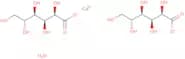
CAS:<p>3,4,6-Tri-O-benzyl-2-deoxy-D-glucono-1,5-lactone is a carbohydrate that inhibits the enzyme sglt2. It is an activator of glycoconjugates and has been shown to be effective against certain cancers. 3,4,6-Tri-O-benzyl-2-deoxy-D-glucono-1,5-lactone has been shown to inhibit the growth of cancer cells in vitro and in vivo. This compound also inhibits lactate production by inhibiting the enzyme lactate dehydrogenase (LDH).</p>Pureza:Min. 95%D-Gluconic acid calcium salt monohydrate
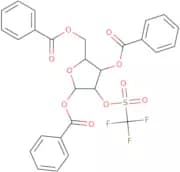
CAS:<p>D-Gluconic acid calcium salt monohydrate (DGC) is a metabolite of the digestion of glucose. It is a calcium salt that is usually formed in the gut due to the neutralization of acids by sodium bicarbonate. DGC has been shown to be effective for treatment of bowel diseases such as ulcerative colitis, but has not been tested for other conditions. DGC has been shown to have antioxidant properties, which may be responsible for its therapeutic effects in treating bowel disease. The structural analysis of DGC show that it can form stable complexes with many drugs and therefore may interfere with their absorption and distribution into tissue cells. It also can increase the risk of drug interactions because it inhibits P-glycoprotein, an efflux pump protein that pumps drugs out of cells. DGC also may cause metabolic disorders due to its ability to inhibit enzymes involved in glycolysis and gluconeogenesis, including pyruvate kinase, phosphofructokin</p>Fórmula:C12H22CaO14·H2OPureza:Min. 95%Peso molecular:448.39 g/mol1,3,5-Tri-O-benzoyl-2-O-(trifluoromethanesulfonyl)-a-D-ribofuranose
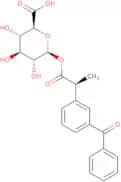
CAS:<p>1,3,5-Tri-O-benzoyl-2-O-(trifluoromethanesulfonyl)-a-D-ribofuranose is a nucleoside that is phosphorylated by the enzyme deoxycytidine kinase to form 1,3,5-tri-O-benzoyl-2'-O-(trifluoromethanesulfonyl)-a-[D]ribofuranosyl phosphate. This compound has been shown to activate immune cells in vitro and in vivo. The activation of immune cells may be due to its ability to inhibit the expression of enzymes that are required for DNA synthesis. 1,3,5-Tri-O-benzoyl-2'-O-(trifluoromethanesulfonyl)-a-[D]ribofuranosyl phosphate also inhibits the expression of enzymes involved in DNA replication and cell proliferation.</p>Fórmula:C27H21F3O10SPureza:Min. 95%Forma y color:PowderPeso molecular:594.51 g/mol(S)-Ketoprofen b-D-glucuronide
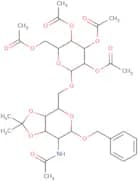
CAS:<p>(S)-Ketoprofen metabolite. Soluble in DMSO and methanol</p>Fórmula:C22H22O9Pureza:Min. 95%Forma y color:Off-White To Light (Or Pale) Yellow SolidPeso molecular:430.4 g/mol2-(Acetylamino)-1-O-benzyl-2-deoxy-3,4-O-isopropylidene-6-O-(2,3,4,6-tetra-O-acetyl-b-D-galactopyranosyl)-D-galactopyranoside
CAS:<p>The chemical name of this compound is 2-(Acetylamino)-1-O-benzyl-2-deoxy-3,4-O-isopropylidene-6-O-(2,3,4,6-tetra-O-acetylbDgalactopyranosyl)-Dgalactopyranoside. It is a synthetic compound and its molecular formula is C17H22N2O8. The molecular weight of this compound is 412.46 g/mol. CAS No. 352273-66-6</p>Fórmula:C32H43NO15Pureza:Min. 95%Peso molecular:681.68 g/moltrans-Zeatin-9-glucoside
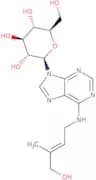
CAS:<p>Trans-zeatin-9-glucoside is a natural product that is produced by plants and is known to have a variety of biological activities. Trans-zeatin-9-glucoside has been shown to affect plant growth and development, as well as the immune system. It has also been shown to exhibit antioxidant activity and inhibit cancer cell proliferation. Trans-zeatin-9-glucoside has been found in barley, wheat, rye, oat straw, corn stover, soybean leaves, potato tubers, and composts. The biosynthesis of this compound begins with the conversion of zeatin into zeaxanthin via a series of enzymatic reactions. Zeaxanthin is then converted into trans-zeatin-9-glucoside through the action of an enzyme called β--cyclodextrin glucanotransferase.</p>Fórmula:C16H23N5O6Pureza:Min. 98 Area-%Forma y color:Colorless PowderPeso molecular:381.38 g/mol3'-O-(b-D-Glucopyranosyl)-L-DOPA
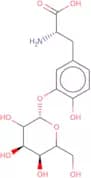
Producto controlado<p>3'-O-(b-D-Glucopyranosyl)-L-DOPA is a modification of L-DOPA. It is an oligosaccharide that is a complex carbohydrate. 3'-O-(b-D-Glucopyranosyl)-L-DOPA has been synthesized and purified to high purity, with CAS No. 85825-69-7. This compound can be methylated and glycosylated, and it can form polysaccharides (sugar). 3'-O-(b-D-Glucopyranosyl)-L-DOPA can also be fluorinated, which may inhibit the enzyme bromelain that breaks down this compound in the gastrointestinal tract.</p>Fórmula:C15H21NO9Pureza:Min. 95%Peso molecular:359.33 g/molValienamine HCl
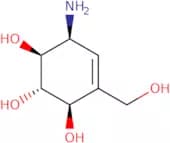
CAS:<p>Glucosidase Inhibitor</p>Fórmula:C7H13NO4Pureza:Min. 95%Forma y color:White to off-white solid.Peso molecular:175.18 g/mol1,2:4,5-Di-O-isopropylidene-b-L-erythro-2,3-hexodiulo-2,6-pyranose
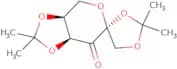
CAS:<p>1,2:4,5-Di-O-isopropylidene-b-L-erythro-2,3-hexodiulo-2,6-pyranose is a sugar that can be found in the human body. It has been shown to have a high level of hydrogen bonding and can be used as an energy source by replicon cells. It is also an enantiomer of 1,2:4,5:8,9-di-O-isopropylidene-b-(D)-threo--2,3--hexodiulo--2,6--pyranose. This molecule has been shown to inhibit the growth of herpes simplex virus in vitro and in vivo and has been investigated for its potential use as an antiherpes agent. 1,2:4,5:8,9 Di--O--isopropylidene--b-(D)--threo--2</p>Fórmula:C12H18O6Pureza:Min. 95%Peso molecular:258.27 g/molThioglucosides
<p>Thioglucosides are a type of sugar that is modified with a thiol group at the C-3 position. A thioglucose can be synthesized by methylation, click modification, and fluorination. Thioglucoses have been used in the past for the production of oligosaccharides and polysaccharides, as well as in complex carbohydrate research. They are also used in the production of high purity monosaccharide sugars. This product is available for custom synthesis to meet your needs.</p>Pureza:Min. 95%b-L-Rhamnopyranosyl nitromethane
CAS:<p>b-L-Rhamnopyranosyl nitromethane is a synthetic oligosaccharide that has been custom synthesized and modified with methyl groups. This compound is an important building block for the synthesis of complex carbohydrates and glycosides, as well as for the modification of saccharides. Click chemistry is used to modify this product, which employs copper(II) acetate and azide salts to form a single covalent bond between two molecules.</p>Fórmula:C7H13NO6Pureza:Min. 95%Peso molecular:207.18 g/molMethyl-3,5-O-isopropylidine-D-xylofuranose
CAS:<p>Methyl-3,5-O-isopropylidine-D-xylofuranose is an oligosaccharide that is synthesized in the laboratory. It is a complex carbohydrate with many glycosylation and polysaccharide chains. This compound can be used in the synthesis of various other compounds and has been shown to have high purity. Methyl-3,5-O-isopropylidine-D-xylofuranose has CAS No. 112245-59-7 and fluorination properties.</p>Fórmula:C9H16O5Pureza:Min. 95%Peso molecular:204.22 g/mol2-Amino-1-methyl-6-phenylimidazo[4,5-b]pyridine N-b-D-glucuronide
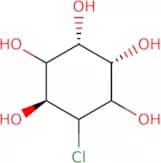
CAS:<p>2-Amino-1-methyl-6-phenylimidazo[4,5-b]pyridine N-b-D-glucuronide is a synthetic glycosylate that contains an aminomethyl group at the C2 position. It is used as a precursor to generate saccharides bearing the 1,5-anhydro sugar moiety. 2-Amino-1-methyl-6-phenylimidazo[4,5-b]pyridine N-b-D-glucuronide has been shown to react with glucose and other sugars in vivo to form oligosaccharides and polysaccharides respectively. This modified sugar can be used for click chemistry reactions such as labeling proteins, detecting protein modifications, or studying protein interactions. 2AMPI has been shown to have high purity (>99%) and is available for custom synthesis. CAS No.: 133084 - 70 - 5</p>Fórmula:C19H20N4O6Pureza:Min. 95%Peso molecular:400.39 g/mol1-Chloro-1-deoxy-scyllo-inositol
<p>1-Chloro-1-deoxy-scyllo-inositol is a molecule that can be transported by the transporter symporter. It has been shown to interact with hydrophobic interactions, and this interaction is stereospecific. This molecule is also a ligand which interacts with other molecules through hydrophobic interactions. Furthermore, it has been shown in microscopy studies to have a transporters morphology.</p>Fórmula:C6H11ClO5Pureza:Min. 95%Peso molecular:198.6 g/molLuteolin 7,3'-di-O-glucuronide
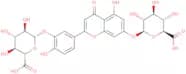
CAS:<p>Luteolin 7,3'-di-O-glucuronide is a flavonoid that is structurally similar to luteolin. It has been characterized by deglycosylation and the technique of fluitans. The deglycosylation step was carried out using glycosidase from liverwort, which cleaves the glycosidic linkage between the sugar and the aglycone. Luteolin 7,3'-di-O-glucuronide has been found in Chrysoeriol and Fluitans, which are flavonoid glycosides from Liverwort. Luteolin 7,3'-di-O-glucuronide also exhibits antiplatelet activity due to its ability to inhibit platelet aggregation and thrombus formation.</p>Fórmula:C27H26O18Pureza:Min. 95%Forma y color:PowderPeso molecular:638.48 g/mol2,3,4-Tri-O-acetyl-L-fucal
CAS:<p>2,3,4-Tri-O-acetyl-L-fucal is a synthetic oligosaccharide. It is a glycosylated sugar that contains three acetyl groups and four hydroxyl groups. The acetylation pattern of 2,3,4-tri-O-acetyl-L-fucal can be customized to suit the customer's needs. This compound is a fluorinated version of L-fucose and has been synthesized using an innovative click chemistry method. The synthesis of 2,3,4-tri-O-acetyl L -fucal has been completed in high purity and with high yield by our skilled chemists. It is also a complex carbohydrate that can be modified for different applications.</p>Fórmula:C12H16O7Pureza:Min. 95%Peso molecular:272.25 g/molN-(Dithiocarboxy)-N-methyl-D-glucamine sodium salt
CAS:<p>N-(Dithiocarboxy)-N-methyl-D-glucamine sodium salt is a carbohydrate that can be synthesized by the reaction of D-glucamine with 2,4,6-trichlorobenzene dicarboxylic acid. This product is often used as a modifying agent for saccharides and oligosaccharides. N-(Dithiocarboxy)-N-methyl-D-glucamine sodium salt has CAS No. 91840-27-6 and the molecular formula C12H14Cl3NO5S2Na. The molecular weight is 503.95 g/mol.</p>Fórmula:C8H16NO5S2NaPureza:Min. 95 Area-%Forma y color:PowderPeso molecular:293.34 g/molPhenyl 2,4,6-Tri-O-acetyl-3-O-allyl-b-D-thiogalactopyranoside
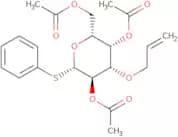
CAS:<p>Phenyl 2,4,6-Tri-O-acetyl-3-O-allyl-b-D-thiogalactopyranoside is a custom synthesis that can be modified to suit your needs. This product is a complex carbohydrate that is used in glycosylation reactions as an Oligosaccharide. It is fluorinated at the hydroxyl group of the sugar and methylated at the C5 position of the sugar. The CAS number for this product is 1820572-28-8.</p>Fórmula:C21H26O8SPureza:Min. 95%Peso molecular:438.49 g/mol1,2,3,6-Tetra-O-benzoyl-a-D-mannopyranose
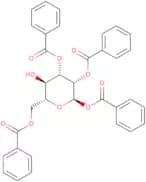
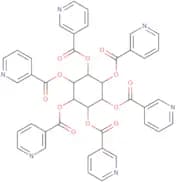
CAS:<p>1,2,3,6-Tetra-O-benzoyl-a-D-mannopyranose is a modification of the sugar mannose. It is an oligosaccharide that contains four mannoses and one D-mannopyranose. This product is custom synthesized to order and can be modified with fluorination or saccharide methylation. It is available in high purity and can be used as a monosaccharide or polysaccharide.</p>Fórmula:C34H28O10Pureza:Min. 95%Peso molecular:596.58 g/molInositol nicotinate
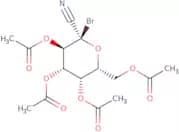
CAS:<p>Inositol nicotinate is a combination of two substances, inositol and nicotinate. It is used to reduce the risk of heart disease by lowering low-density lipoprotein-cholesterol (LDL) levels. Inositol nicotinate has been shown to increase the surface area of mitochondria, which may be due to its ability to inhibit the release of fatty acids from fat cells. Inositol nicotinate also increases magnesium levels in cells and induces mitochondrial functions. This drug has been tested in cell culture for its effects on skin cells and found that it can reduce the amount of x-linked adrenoleukodystrophy protein (XALD), a substance that accumulates in patients with X-linked adrenoleukodystrophy, an inherited disorder that causes progressive damage to the nervous system. The drugs also have been shown to have beneficial effects on cholesterol metabolism, reducing LDL cholesterol levels, as well as inhibiting platelet aggregation.</p>Fórmula:C42H30N6O12Pureza:Min. 95%Forma y color:White PowderPeso molecular:810.72 g/mol2,3,4,6-Tetra-O-acetyl-1-bromo-1-deoxy-b-D-galactopyranosyl cyanide
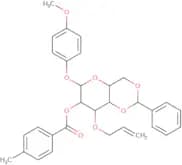
CAS:<p>2,3,4,6-Tetra-O-acetyl-1-bromo-1-deoxy-b-D-galactopyranosyl cyanide is a Carbohydrate with CAS No. 83497-42-1. It is a saccharide with the molecular formula C8H12O8 and molecular weight of 300.19 g/mol. The chemical structure of 2,3,4,6-Tetra-O-acetyl-1-bromo-, 1 -deoxy-. b-.D-.galactopyranosyl cyanide is shown in the figure below:<br>2,3,4,6,-Tetra--O--acetyl--1--bromo--1--deoxy-. b-.D-.galactopyranosyl cyanide has been shown to have fluoroquinolone resistance properties.</p>Fórmula:C15H18BrNO9Pureza:Min. 95%Peso molecular:438.3 g/mol4-Methoxyphenyl 3-O-allyl-4,6-O-benzylidene-2-O-(4-methylbenzoyl)-b-D-galactopyranoside
<p>4-Methoxyphenyl 3-O-allyl-4,6-O-benzylidene-2-O-(4-methylbenzoyl)-b-D-galactopyranoside is a custom synthesis of saccharide, CAS No. 90423-62-9. This compound has been modified by fluorination and methylation. It has also been shown to be useful for click modification, oligosaccharides, saccharides, and polysaccharides.</p>Fórmula:C31H32O8Pureza:Min. 95%Peso molecular:532.58 g/molo-Methoxytopolin-9-glucoside
CAS:<p>O-Methoxytopolin-9-glucoside is a sugar that is used in the synthesis of glycoproteins, glycosaminoglycans, and glycoconjugates. It can be used as a fluorinated sugar probe to study glycosylation. This compound has been synthesized with a variety of modifications such as methylation, fluorination, and click chemistry. O-Methoxytopolin-9-glucoside is an oligosaccharide with a monosaccharide at its reducing end. The saccharides are linked through beta 1→4 glycosidic bonds with alpha 1→2 glycosidic bonds at their other ends.<br>O-Methoxytopolin-9-glucoside has been shown to be stable under acidic conditions and can act as both an antioxidant and prooxidant depending on the pH level.</p>Fórmula:C19H23N5O6Pureza:Min. 95%Peso molecular:417.42 g/molMethylphenyl 2,3,4-tri-O-benzyl-b-L-thiorhamnopyranose
<p>Methylphenyl 2,3,4-tri-O-benzyl-b-L-thiorhamnopyranose is a modification of the natural sugar thiorhamnopyranose. It has been synthesized by methylation and glycosylation of the monosaccharide. This carbohydrate has been custom synthesized with high purity and CAS number. The chemical formula is C18H22O11. Methylphenyl 2,3,4-tri-O-benzyl-b-L-thiorhamnopyranose is a complex carbohydrate that can be used in biomedical applications.</p>Pureza:Min. 95%Losartan N1-glucuronide
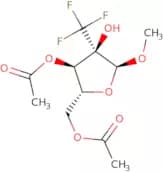
CAS:<p>Losartan N1-glucuronide is a glucuronidated metabolite of losartan that is produced naturally in the human body. It is converted from losartan by the enzyme UDP-glucuronosyltransferase, which is found in humans and other animals. The rate of glucuronidation varies between individuals and is determined by genetic factors. Losartan N1-glucuronide has shown to be an effective inhibitor of angiotensin II, with an IC50 value of 1.4 μM. This inhibition can be reversed by dobutamine or recombinant human UGT2B7 enzyme, which are both competitive inhibitors of the enzyme UGT2B7. Magnetic resonance spectroscopy has been used to study the kinetic properties of this inhibitor and its effect on dobutamine-induced changes in cardiac function.</p>Fórmula:C28H31ClN6O7Pureza:Min. 95%Peso molecular:599.03 g/molMethyl 3,5-di-O-acetyl-2-C-(trifluoromethyl)-a-D-ribofuranoside
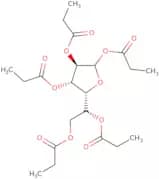
CAS:<p>Methyl 3,5-di-O-acetyl-2-C-(trifluoromethyl)-a-D-ribofuranoside is a modified sugar that is synthesized from the monosaccharide D-ribose. This sugar can be oxidized by the enzyme glycosyltransferase to produce the polymer poly(β--D--ribofuranosyl)glycine. It can also be methylated by OMT to produce the compound methyl 3,5-di-O-acetyl-2-(trifluoromethyl)-a-(D--ribofuranoside). Methylation and glycosylation are two common modifications of sugars.<br>Methyl 3,5-di-O-acetyl 2-(trifluoromethyl)-a-(D--ribofuranoside) is used in click chemistry as an artificial substrate for copper catalysis. The copper complex binds to</p>Fórmula:C11H15F3O7Pureza:Min. 95%Peso molecular:316.23 g/mol1,2,3,5,6-Penta-O-propanoyl-D-glucofuranose
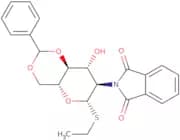
CAS:<p>Penta-O-propanoyl-D-glucofuranose is a custom synthesis of penta-O-propanoic acid and D-glucose. It is an oligosaccharide that is synthesized by the reaction of penta-O-propanoic acid with D-glucose in the presence of an acid catalyst, such as hydrochloric acid, sulfuric acid, or phosphoric acid. Penta-O-propanoyl-D-glucofuranose has been used to modify saccharides by methylation, glycosylation, or carbamylation. This product has a CAS number of 307531–77–7 and can be found on ChemSpider.</p>Fórmula:C21H32O11Pureza:Min. 95%Peso molecular:460.47 g/molEthyl 4,6-O-benzylidene-2-deoxy-2-phthalimido-b-D-thioglucopyranoside
CAS:<p>Ethyl 4,6-O-benzylidene-2-deoxy-2-phthalimido-b-D-thioglucopyranoside is a custom synthesis of Methylated Oligosaccharides. This product is an off white powder that has a purity of 99% with a molecular weight of 518.1 g/mol and an empirical formula C14H12N4O8. This product is soluble in water and DMSO and insoluble in ethanol, ether, and chloroform. Ethyl 4,6-O-benzylidene-2-deoxy-2-phthalimido b -D thioglucopyranoside can be used as a synthetic intermediate for the modification of saccharides or polysaccharides. It can also be used in the production of monosaccharides or sugar derivatives.</p>Fórmula:C23H23NO6SPureza:Min. 95%Forma y color:PowderPeso molecular:441.5 g/molCarprofen acyl-glucuronide
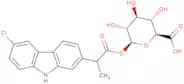
CAS:<p>Carprofen acyl-glucuronide is an acidic drug that is used for the treatment of inflammation, pain and fever. It has been shown to be active in humans at a dosage of 10 mg/kg. Carprofen acyl-glucuronide binds to nicotinic acetylcholine receptors (nAChR) and has been shown to have a high affinity for ligands containing lysine residues. The molecule can also bind to fatty acids, which may lead to its reactivity with human serum and plasma proteins, as well as the matrix effect seen in acidic pH. This drug is also selective for glutamate stereospecificity. Carprofen acyl-glucuronide has been shown to produce a dose-dependent inhibition of diazepam binding to its specific ligand, alpha 1 beta 2 gamma 2 subunit.</p>Fórmula:C21H20ClNO8Pureza:Min. 95%Peso molecular:449.84 g/mol1,2,3-Tri-O-benzyl-4,6-O-benzylidene-b-D-glucopyranoside
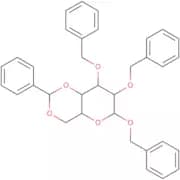
CAS:<p>1,2,3-Tri-O-benzyl-4,6-O-benzylidene-b-D-glucopyranoside is a triol with an O benzyl group on C1. It is a synthetic modification of the sugar glucose and has been used as a building block for the synthesis of glycosides and oligosaccharides. 1,2,3-Tri-O-benzyl-4,6-O-benzylideneb -D -glucopyranoside can be used in methylation reactions to produce saccharides with methyl groups at positions that are not normally present. <br>This product is highly pure and can be used in Click chemistry reactions to modify oligosaccharides. This product does not have an CAS number listed.</p>Fórmula:C34H34O6Pureza:Min. 95%Peso molecular:538.63 g/mol2-Acetamido-1,3,4,6-tetra-O-acetyl-2-deoxy-5-thio-a-D-glucopyranose
CAS:<p>2-Acetamido -1,3,4,6-tetra-O-acetyl-2-deoxy-5-thio-a-D-glucopyranose is a custom synthesis. It is an oligosaccharide and polysaccharide. It is a carbohydrate that has been modified by fluorination and a click modification. The complex carbohydrate contains one monosaccharide sugar. 2AATG can be used in the synthesis of other carbohydrates.</p>Fórmula:C16H23NO9SPureza:Min. 95%Peso molecular:405.42 g/mol2-Deoxy-3,4,6-tri-O-pivaloyl-D-glucopyranosyl azide
CAS:<p>2-Deoxy-3,4,6-tri-O-pivaloyl-D-glucopyranosyl azide is a drug that regulates the blood pressure. It is an oral hypoglycaemic agent that has been shown to lower blood sugar levels in patients with type 2 diabetes mellitus. The drug is metabolized in the liver by cytochrome p450 enzymes and can cause interactions with drugs such as lisinopril, which are metabolized by these enzymes. 2DGPA has been shown to be effective at lowering blood pressure in a low-dose group of patients with essential hypertension. The signal peptide sequence was detected in the protein sequencing of a biological sample from rats treated with 2DGPA. This drug also reduces natriuretic peptide levels and has a rate constant of 4s−1M−1s−1.</p>Fórmula:C21H35N3O7Pureza:Min. 95%Peso molecular:441.53 g/molPropranolol-2-O-b-D-glucuronide
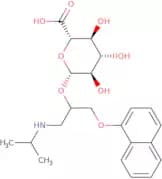
CAS:<p>Propranolol-2-O-b-D-glucuronide is a metabolite of propranolol hydrochloride. It has been shown to have low bioavailability in humans and rats. Propranolol-2-O-b-D-glucuronide is eliminated via the kidney, with an elimination rate that is faster than the parent drug propranolol hydrochloride. The glucuronide conjugate of propranolol, which is found in urine samples, has been shown to be a potential biomarker for glomerular filtration rate and renal function.</p>Fórmula:C22H29NO8Pureza:Min. 95%Forma y color:White to off-white solid.Peso molecular:435.47 g/mol3,4-Di-O-acetyl-1,6-anhydro-2-O-p-toluenesulfonyl-b-D-glucopyranose
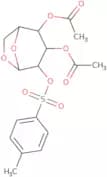
CAS:<p>3,4-Di-O-acetyl-1,6-anhydro-2-O-p-toluenesulfonyl-b-D-glucopyranose is a synthetic, high purity carbohydrate with a CAS number of 84207-46-5. This carbohydrate is synthesized by the methylation and glycosylation of 3,4 di O acetyl 1,6 anhydro 2 O p toluenesulfonyl b D glucopyranose. It is an oligosaccharide with a complex structure that has been modified by fluorination and glycosylation. This carbohydrate can be used in the production of drugs or other chemicals.</p>Fórmula:C17H20O9SPureza:Min. 95%Peso molecular:400.4 g/molDeoxymannojirimycin
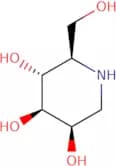
CAS:<p>Deoxymannojirimycin is a natural product that belongs to the group of mannojirimycins. It has been shown to have an inhibitory effect on the activity of matrix metalloproteinase-9 (MMP-9) in vitro, which is involved in the degradation of extracellular matrix. Deoxymannojirimycin also has hypoglycemic effects and can be used as a potential oral antidiabetic drug. The inhibition of MMP-9 may also be due to its binding to integrin receptors. In addition, deoxymannojirimycin has been shown to have anti-inflammatory properties in vitro and can inhibit the growth of oral pathogens, including Streptococcus mutans, Streptococcus sobrinus, and Porphyromonas gingivalis. Furthermore, deoxymannojirimycin has been found to have thermodynamic data and analytical methods that</p>Pureza:Min. 95%Methyl 4,6-dichloro-4,6-dideoxy-a-D-glucopyranoside
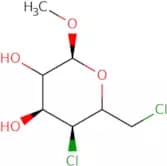
<p>Methyl 4,6-dichloro-4,6-dideoxy-a-D-glucopyranoside is a fluorinated carbohydrate that belongs to the class of monosaccharides and is synthetically produced. Methyl 4,6-dichloro-4,6-dideoxy-a-D-glucopyranoside is an oligosaccharide that has been modified with a click reaction. This product can be used in glycosylation reactions with polysaccharides or as an intermediate for the production of other modified sugars. Methyl 4,6-dichloro-4,6-dideoxy--D--glucopyranoside has high purity and CAS No. 8013695.</p>Fórmula:C7H12Cl2O4Pureza:Min. 95%Peso molecular:231.08 g/molD-[6,6'-2H2]Glucose
CAS:Producto controlado<p>D-[6,6'-2H2]Glucose is a carbohydrate that is present in many foods and also produced by the cells of the human body. It can be used as a biomarker for cancer cells because it is taken up by malignant cells at a higher rate than normal cells. D-[6,6'-2H2]Glucose is often used to assess the response of patients to chemotherapy treatment. The uptake of D-[6,6'-2H2]Glucose by malignant cells can be measured using vibrational spectroscopy or chromatographic science. The deformation of glucose molecules can be quantified using nuclear magnetic resonance (NMR) spectroscopy and this data can then be used to estimate the degree of glycolysis in specific tissues.</p>Fórmula:C6D2H10O6Pureza:Min. 95%Peso molecular:182.17 g/molp-Coumaroyl-b-D-glucose
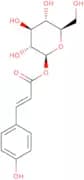
CAS:<p>P-Coumaroyl-b-D-glucose is a flavanone that belongs to the class of flavonoids. It is an intermediate in the synthesis of many other flavonoids, such as apigenin, labiatae, and rhamnetin. P-Coumaroyl-b-D-glucose has been shown to downregulate the expression of genes encoding proteins involved in the biosynthesis of proanthocyanidins and anthocyanins. This compound also induces apoptosis by binding to the mitochondria membrane and increasing reactive oxygen species production. P-Coumaroyl-b-D-glucose can be used as a marker for phenylpropanoid metabolism in plants.</p>Fórmula:C15H18O8Pureza:Min. 95%Forma y color:White PowderPeso molecular:326.3 g/molEthynyl estradiol 17-acetate-3-(2',3',4'-tri-O-acetyl-b-D-glucuronide) methyl ester
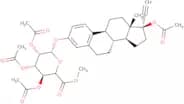
CAS:<p>Ethynyl estradiol 17-acetate-3-(2',3',4'-tri-O-acetyl-b-D-glucuronide) methyl ester is a glycosylated, fluorinated, Oligosaccharide, custom synthesized, high purity product. Ethynyl estradiol is a synthetic hormone used in oral contraceptives and estrogen replacement therapy. It is an estrogen that has been modified to have the chemical structure of a C17β unsaturated A ring. This modification prevents the breakdown of ethynyl estradiol by first pass metabolism and its subsequent transformation into estrone. Ethynyl estradiol 17-acetate 3-(2',3',4'-tri-O-acetyl-b-D-glucuronide) methyl ester is an acetate ester of ethinyl estradiol with a glucuronic acid conjugate at the C3 position.</p>Fórmula:C35H42O12Pureza:Min. 95%Peso molecular:654.7 g/mol1-Deoxy-D-glucitol
CAS:<p>1-Deoxy-D-glucitol is a sugar alcohol that is a reduction product of glucose. It can be produced by the reduction of glucose 6-phosphate in muscle cells. The enzyme dehydrogenase catalyzes this reaction, which is influenced by the presence of gemini surfactants such as DMSO. 1-Deoxy-D-glucitol has been shown to have anti-fungal properties against Aspergillus parasiticus and other organisms. This activity may be due to its ability to inhibit phosphofructokinase, hexokinases, or other enzymes that are involved in the metabolism of glucose by these organisms.</p>Fórmula:C6H14O5Pureza:Min. 95%Peso molecular:166.17 g/molImipramine N-b-D-glucuronide
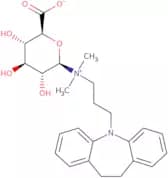
CAS:<p>Imipramine N-b-D-glucuronide is a metabolite of imipramine. Imipramine N-b-D-glucuronide is soluble in water and ethanol, but not in ether or chloroform. It has a molecular weight of 592.9 g/mol, and the CAS number is 165602-94-8. Imipramine N-b-D-glucuronide is soluble in water and ethanol, but not in ether or chloroform. It has a molecular weight of 592.9 g/mol, and the CAS number is 165602-94-8. Imipramine N-b-D-glucuronide can be modified with a click reaction to introduce fluorines at any desired position on the sugar molecule. This modification can be used for glycosylation studies as well as for fluorescent labeling of glycoconjugates for use in imaging studies.</p>Fórmula:C25H32N2O6Pureza:Min. 95%Peso molecular:456.53 g/mol4-Methylphenyl b-D-thioglucuronide methyl ester
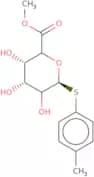
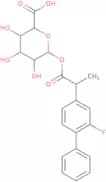
<p>4-Methylphenyl b-D-thioglucuronide methyl ester is a Carbohydrate, Modification, saccharide, Oligosaccharide, sugar. It is a synthetic monosaccharide that has been modified with fluorination and methylation. This chemical is typically used as a reagent in glycosylation reactions to synthesize complex carbohydrates.</p>Fórmula:C14H18O6SPureza:Min. 95%Peso molecular:314.36 g/molS-Flurbiprofen-acyl-b-D-glucuronide
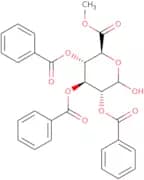
CAS:<p>Flurbiprofen-acyl-b-D-glucuronide is a modification of the compound flurbiprofen. It is a complex carbohydrate that has been custom synthesized and purified. Flurbiprofen-acyl-b-D-glucuronide is an oligosaccharide that contains a number of monosaccharides, methylated sugars, glycosylated sugars, and polysaccharides. It also contains a fluorinated saccharide at the terminal end of its structure. Flurbiprofen-acyl-b-D-glucuronide is used in research to study the interactions between carbohydrates and drugs.</p>Fórmula:C21H21FO8Pureza:Min. 95%Peso molecular:420.39 g/mol2,3,4-Tri-O-benzoyl-D-glucuronide methyl ester
CAS:<p>2,3,4-Tri-O-benzoyl-D-glucuronide methyl ester is a modification of an oligosaccharide. It has a molecular formula of C12H22O11 and a molecular weight of 342.34 g/mol. This compound has been synthesized by custom synthesis and has high purity. 2,3,4-Tri-O-benzoyl-D-glucuronide methyl ester can be used as a pharmaceutical intermediate or in the manufacture of other chemicals such as glycosides or polysaccharides. It is also used in the synthesis of sugars such as glucose and fructose and can be found in many foods such as honey and milk.br>br>2,3,4-Tri-O-benzoyl-D-glucuronide methyl ester may be used to identify complex carbohydrates with a specific structure based on its fluorescence properties. This compound is registered under</p>Fórmula:C28H24O10Pureza:Min. 95%Peso molecular:520.14 g/molL-Threitol
CAS:<p>L-threitol is a white crystalline powder that is soluble in water and alcohol. It is a natural carbohydrate that is found in many plants and animals. The chemical formula for L-threitol is C4H10O4. This molecule consists of four carbon atoms, ten hydrogen atoms, and four oxygen atoms. L-threitol has been used as a sweetener and an excipient in the pharmaceutical industry. L-threitol can be modified by fluorination or saccharide modification to create other compounds.<br>L-Threitol has been shown to have high purity and is used as a starting material for the synthesis of other carbohydrates such as oligosaccharides and polysaccharides.</p>Pureza:Min. 95%3,4,6-Tri-O-acetyl-2-azido-2-deoxy-a-D-galactopyranosyl bromide - stabilised with 2% CaCO3
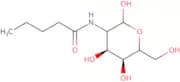
CAS:<p>3,4,6-Tri-O-acetyl-2-azido-2-deoxy-a-D-galactopyranosyl bromide - stabilised with 2% CaCO3 is a complex carbohydrate that is synthesized from 3,4,6-tri-O-acetylgalactose and 2-(bromoethyl) azide. This modification has been used to produce an oligosaccharide for use in the synthesis of glycoproteins. The modification was also used in the synthesis of a polysaccharide that is used as a reagent for the methylation of saccharides.</p>Fórmula:C12H16BrN3O7Pureza:Min. 95%Peso molecular:394.18 g/molN-Valeryl-D-glucosamine
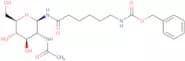
CAS:<p>N-Valeryl-D-glucosamine is an aldol product of the condensation of acetone and formaldehyde. N-Valeryl-D-glucosamine is a bioactive molecule that has been shown to be synthesized by the c-glycosidic linkage of D-glucose molecules in bacteria and fungi. It is also found in plants, such as sugar cane and sugar beet. The synthesis of this molecule occurs through the aldol reaction, which involves the unactivated ketones (acetone). This compound can also be found in biomolecular chemistry, where it is used as a substrate for condensation reactions.</p>Fórmula:C11H21NO6Pureza:Min. 95%Forma y color:White PowderPeso molecular:263.29 g/mol2-Acetamido-N',N-cbz-ε-aminocaproyl-2-deoxy-b-D-glucopyranosyl amine
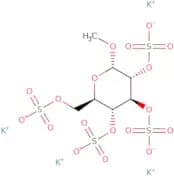
CAS:<p>2-Acetamido-N',N-cbz-epsilon-aminocaproyl-2-deoxy-b-D-glucopyranosyl amine is a high purity, fluoroquinolone resistant, custom synthesis that is an Oligosaccharide. This compound has been modified with methylation and glycosylation. Click modification has been used to modify the sugar at the terminal position. It is a carbohydrate that can be used in Polysaccharides and Modification.</p>Fórmula:C22H33N3O8Pureza:Min. 95%Peso molecular:467.51 g/molMethyl α-D-glucopyranoside 2,3,4,6-tetrasulfate potassium
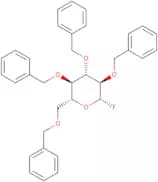
CAS:<p>Methyl a-D-glucopyranoside 2,3,4,6-tetrasulfate potassium salt is a custom synthesis. It is a modification of a monosaccharide and an oligosaccharide with the use of click chemistry. The product is synthesized by fluorinating the methyl group of the glycosyl hydroxyl group in order to increase its stability. The resulting compound has been shown to have inhibitory effects on bacterial growth and to be effective against methicillin resistant Staphylococcus aureus (MRSA).</p>Fórmula:C7H14O18S4•K4Pureza:Min. 95%Peso molecular:670.83 g/mol2,3,4,6-Tetra-O-benzyl-D-glucopyranosyl fluoride
CAS:<p>2,3,4,6-Tetra-O-benzyl-D-glucopyranosyl fluoride is a postulated molecule that has been observed in the gas phase. The molecule is a fluorinated analog of 2,3,4,6-tetra-O-acetyl-D-glucopyranosyl fluoride and was detected by its characteristic nuclear magnetic resonance (NMR) data. It was found to be more nucleophilic than 2,3,4,6-tetra-O-acetyl-D glycosyl fluoride. As with the latter molecule 2,3,4,6-tetra -O benzyl glucopyranosyl fluoride can form adducts with hydrogen fluoride or oxocarbenium ions.<br>2,3,4,6 tetra -o benzyl glucopyranosyl fluoride has not been prepared and characterized experimentally yet.</p>Fórmula:C34H35FO5Pureza:Min. 95%Peso molecular:542.64 g/mol1,2,3,4,6-Penta-O-benzoyl-a-D-glucopyranose
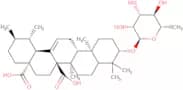
CAS:<p>1,2,3,4,6-Penta-O-benzoyl-a-D-glucopyranose is a natural product that has not been fully resolved or characterized. It is a carbohydrate and has a molecular weight of 532. It is found in urine as a metabolite of myo-inositol. 1,2,3,4,6-Penta-O-benzoyl-a-D-glucopyranose has been synthesized from inositol and benzoyl chloride. The compound can be separated into the two stereoisomers by fractional crystallization with chloroform and methanol.</p>Fórmula:C41H32O11Pureza:Min. 95%Peso molecular:700.69 g/molQuinovic acid 3-O-a-L-rhamnopyranoside
CAS:<p>Quinovic acid 3-O-a-L-rhamnopyranoside is a saponin that belongs to the group of steroid alkaloids and glycosides. It has been used in traditional Chinese medicine for the treatment of menopausal symptoms. The chemical structure of quinovic acid 3-O-a-L-rhamnopyranoside has been identified as fukinolic acid, which is an active chemical constituent. Pharmacological studies have shown that this saponin has antiinflammatory and antidiabetic activities, and inhibits the enzymes related to hormone synthesis.</p>Pureza:Min. 95%Amiprilose
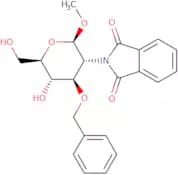
CAS:<p>Amiprilose is a nonsteroidal anti-inflammatory drug that inhibits the production of IL-2. Amiprilose has been shown to inhibit IL-17a, which is an inflammatory cytokine, in skin cells and mononuclear cells. It also inhibits cell proliferation by binding to the il-2 receptor on muscle cells. Amiprilose has been shown to be effective as a pharmacological agent for treating autoimmune diseases such as rheumatoid arthritis and psoriasis.</p>Fórmula:C14H27NOPureza:Min. 95%Peso molecular:225.37 g/molMethyl 3-O-benzyl-2-deoxy-2-phthalimido-b-D-glucopyranoside
CAS:<p>Methyl 3-O-benzyl-2-deoxy-2-phthalimido-b-D-glucopyranoside is a synthetic, fluorinated saccharide that can be used as a glycosylation or Click modification reagent. It can be used for the synthesis of oligosaccharides and polysaccharides and has been shown to be capable of introducing methyl groups in saccharides. Methyl 3-O-benzyl-2-deoxy-2-phthalimido-b-D-glucopyranoside is also a potent inhibitor of bacterial RNA polymerase.</p>Fórmula:C22H23NO7Pureza:Min. 95%Peso molecular:413.42 g/molR,S-Flurbiprofen-acyl-b-D-glucuronide
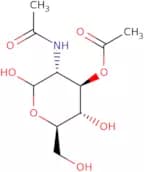
CAS:<p>R,S-Flurbiprofen-acyl-b-D-glucuronide is a custom synthesis of an oligosaccharide that has been modified by fluorination and methylation. This saccharide is synthesized from R,S-flurbiprofen using the click modification. It is a polysaccharide with glycosylation at the sugar level. The carbohydrate chain also contains monosaccharides and complex carbohydrates.</p>Fórmula:C21H21FO8Pureza:Min. 95%Peso molecular:420.39 g/mol2-Acetamido-3-O-acetyl-2-deoxy-D-glucopyranose
CAS:<p>2-Acetamido-3-O-acetyl-2-deoxy-D-glucopyranose is a methylated, acetylated, and fluorinated sugar that is used in the synthesis of glycosides. It is a polysaccharide with an Oligosaccharide and saccharide with Click modification that can be modified to suit your needs. The carbohydrate has high purity and can be synthesized from custom molecules. It can be synthesized from carbohydrates or sugars. This product is made synthetically for research purposes only, not for human consumption.</p>Fórmula:C10H17NO7Pureza:Min. 95%Forma y color:Yellow syrup.Peso molecular:263.24 g/mol4-Deoxy-4-fluoro-D-galactopyranose
CAS:<p>4-Deoxy-4-fluoro-D-galactopyranose is a custom synthesis that is an oligosaccharide, polysaccharide, saccharide, and carbohydrate. It is fluorinated with a methyl group on the 4th carbon atom and has been modified to include a fluoro group at the 4th position of the molecule. 4-Deoxy-4-fluoro-D-galactopyranose can be used in research as it is high purity and has been modified into a monosaccharide sugar.</p>Pureza:Min. 95%a-L-Arabinopyranosylnitromethane
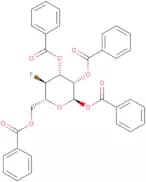
CAS:<p>a-L-Arabinopyranosylnitromethane is a synthetic, complex carbohydrate that can be used for glycosylation and methylation reactions. It is also an intermediate in the synthesis of other carbohydrates, such as oligosaccharides. This compound has been shown to be resistant to fluorination and alkylation reactions. The purity of this product is greater than 98%.</p>Fórmula:C6H11NO6Pureza:Min. 95%Peso molecular:193.2 g/mol1,2,3,6-Tetra-O-benzoyl-4-deoxy-4-fluoro-a-D-mannopyranose
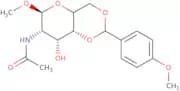
CAS:<p>1,2,3,6-Tetra-O-benzoyl-4-deoxy-4-fluoro-a-D-mannopyranose is a high purity synthetic carbohydrate that has been modified with methylation and glycosylation. It is an Oligosaccharide that belongs to the Polysaccharide group. This complex carbohydrate is a saccharide with a CAS number of 1309463-38-4. The 1,2,3,6-Tetra-O-benzoyl-4-deoxy--4--fluoro--aD--mannopyranose is a sugar that can be used for Click modification.</p>Fórmula:C34H27FO9Pureza:Min. 95%Peso molecular:598.57 g/molN-Acetyl-4,6-(p-methoxybenzylidene)-2-deoxy-1-O-methyl-α-D-galactosamine
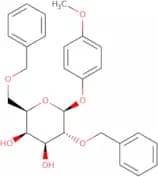
CAS:<p>N-Acetyl-4,6-(p-methoxybenzylidene)-2-deoxy-1-O-methyl-a-D-galactosamine is a custom synthesis of a monosaccharide. It has been modified with fluorination and methylation. The structure is an oligosaccharide, polysaccharide, saccharide or sugar that can be used as a carbohydrate. CAS No. 188666-34-4</p>Fórmula:C17H23NO7Pureza:Min. 95%Peso molecular:353.37 g/mol4-Methoxyphenyl 2,6-di-O-benzyl-β-D-galactopyranoside
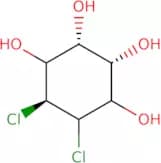
CAS:<p>4-Methoxyphenyl 2,6-di-O-benzyl-b-D-galactopyranoside is a prodrug that is metabolized by esterases to the active form, 6-fluoro-3-indoxyl beta D galactopyranoside. This drug inhibits cancer cells and has been shown to cause cell death by inhibiting the production of proteins vital for cell division. It also induces inflammatory responses in cancer cells, which may be due to its ability to bind with cyclin D2 and uptake ternary complexes. 4MPBG also inhibits repair genes in human protein synthesis and microstructural changes in cancer cells.</p>Fórmula:C27H30O7Pureza:Min. 95%Peso molecular:466.52 g/mol1,2-Dichloro-1,2-dideoxy-myo-inositol
<p>1,2-Dichloro-1,2-dideoxy-myo-inositol is a methylated saccharide. It is used in the synthesis of complex carbohydrates and can be modified to include fluorine atoms. 1,2-Dichloro-1,2-dideoxy-myo-inositol has been shown to inhibit the growth of Staphylococcus aureus and Clostridium perfringens.</p>Pureza:Min. 95%p-Methoxyphenyl 1-thio-b-D-galactopyranoside
CAS:<p>p-Methoxyphenyl 1-thio-β-D-galactopyranoside is a synthetic carbohydrate that has been modified with fluorine. It is a complex carbohydrate and an oligosaccharide that can be synthesized using a custom synthesis. This product is high purity, methylated, glycosylated, and click modified.</p>Pureza:Min. 95%Methyl L-rhamnopyranoside
CAS:<p>Methyl L-rhamnopyranoside is a sugar that is the product of the reaction between l-rhamnose and acetone. This compound has been used as a chiral building block for the synthesis of other sugars, such as D-arabinose and D-lyxose. The yield of this reaction depends on the concentration of potassium thioacetate and temperature. This compound can be obtained in two forms: (1) anomeric form, which is an intermediate in the synthesis of carbohydrates and (2) crystalline form, which is a white solid with melting point at 157.3°C. The anomeric form has a stereogenic center at carbon atom 3, whereas the crystalline form does not have any stereogenic centers. Methyl L-rhamnopyranoside also reacts with chlorination reagents to produce chlorinated derivatives, such as 2-chloro-3-(3′,4′-dimeth</p>Fórmula:C7H14O5Pureza:Min. 95%Forma y color:PowderPeso molecular:178.18 g/mol











![2-Amino-1-methyl-6-phenylimidazo[4,5-b]pyridine N-b-D-glucuronide](/_next/image/?url=https%3A%2Fstatic.cymitquimica.com%2Fproducts%2F3D%2Fthumb-webp%2FMA16593.webp&w=3840&q=75)




![D-[6,6'-2H2]Glucose](/_next/image/?url=https%3A%2Fstatic.cymitquimica.com%2Fproducts%2F3D%2Fthumb-webp%2FMG74985.webp&w=3840&q=75)