Monosacáridos
Subcategorías de "Monosacáridos"
- Allosas(11 productos)
- Arabinosas(21 productos)
- Eritrosas(11 productos)
- Fructosas(9 productos)
- Fucosas(36 productos)
- Galactosamina(41 productos)
- Galactosa(262 productos)
- Glucosas(365 productos)
- Ácidos glucurónicos(52 productos)
- Glico-sustratos para enzimas(78 productos)
- Gulosas(6 productos)
- Idosas(4 productos)
- Inositoles(15 productos)
- Lyxosas(4 productos)
- Manosas(65 productos)
- O-glicanos(48 productos)
- Psicosas(3 productos)
- Ramnosas(10 productos)
- Ribosas(61 productos)
- Ácidos siálicos(100 productos)
- Sorbosas(4 productos)
- Azúcares(173 productos)
- Tagatosis(4 productos)
- Taloses(8 productos)
- Xilosas(20 productos)
Se han encontrado 6089 productos de "Monosacáridos"
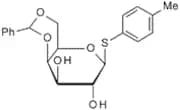
4-Methylphenyl 4,6-O-benzylidene-b-D-thiogalactopyranoside
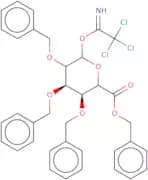
CAS:4-Methylphenyl 4,6-O-benzylidene-b-D-thiogalactopyranoside is a synthetically produced carbohydrate typically used as a building block in oligo-saccharide synthesis.Fórmula:C20H22O5SPureza:Min. 95%Peso molecular:374.45 g/mol2,3,4-Tri-O-benzyl-D-glucuronide benzyl ester trichloroacetimidate
The compound is a custom synthesis and modification of a complex carbohydrate. It has been synthesized by glycosylation, methylation, and click chemistry. The compound can be used as a building block for the synthesis of saccharides. It is also useful in the synthesis of polysaccharides, which are polymers consisting of long chains of sugars. The compound is a highly pure and fluorinated sugar that can be used in research as a standard or control.Fórmula:C36H34Cl3NO7Pureza:Min. 95%Peso molecular:699.02 g/mol1,2,6-Tri-O-benzyl-2-deoxy-4-O-[phenoxy(thiocarbonyl)]-2-phthalimido-b-D-glucopyranoside
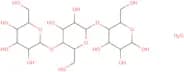
This compound is a modification of a complex carbohydrate, which is a saccharide with one or more sugar molecules. It has been synthesized by custom synthesis and is pure, but not monosaccharide. It has been fluorinated and methylated and glycosylated. The CAS number for this compound isFórmula:C42H37NO8SPureza:Min. 95%Peso molecular:715.81 g/molMaltotriose hydrate
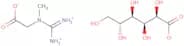
CAS:Maltotriose hydrate is a Chinese-made inhibitor analog that has shown promising anticancer properties. It has been shown to inhibit kinases, which are proteins involved in cell signaling pathways that regulate cell growth and division. This inhibition leads to apoptosis, or programmed cell death, in cancer cells. Maltotriose hydrate has been found in human urine and may have potential as a medicinal agent for the treatment of various types of tumors and cancers. Its ability to target cancer cells specifically makes it a promising candidate for further research into cancer treatments.Fórmula:C18H34O17Pureza:Min. 95%Peso molecular:522.5 g/molCreatine Gluconate
CAS:Creatine is an energy metabolism agent that is used to enhance the production of ATP, or adenosine triphosphate, in muscle cells. Creatine Gluconate is a creatine supplement that can be taken orally. It has been shown to improve contractility and cardiac function by increasing ATP levels in the cells. Creatine Gluconate also enhances uptake of creatine into muscle cells and has been shown to increase creatine levels in the blood. Creatine Gluconate may be prescribed as a diagnostic tool for identifying diseases related to creatine production such as Duchenne muscular dystrophy or McArdle disease. Creatine Gluconate can also be prescribed as an anabolic agent for patients with conditions such as congestive heart failure or cardioplegia during surgery.Fórmula:C6H11O7·C4H10N3O2Pureza:Min. 95%Peso molecular:327.29 g/mol2,3,4,6-Tetra-O-acetyl-N-(b-D-galactopyranosyl)-N'-[(2-methanethiosulfonyl)ethyl]urea
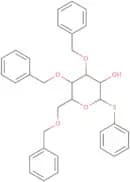
CAS:2,3,4,6-Tetra-O-acetyl-N-(b-D-galactopyranosyl)-N'-[(2-methanethiosulfonyl)ethyl]urea is a glycoside that has been custom synthesized for a sugar. This product is fluorinated and has a purity of 99%. It can be used as an intermediate in the Click modification reaction. It is available in bulk quantities and can be customized to meet customer needs.Fórmula:C17H26N2O12S2Pureza:Min. 95%Peso molecular:514.53 g/molPhenyl 3,4,6-tris-o-(phenylmethyl)-1-thio-B-D-glucopyranoside
CAS:Please enquire for more information about Phenyl 3,4,6-tris-o-(phenylmethyl)-1-thio-B-D-glucopyranoside including the price, delivery time and more detailed product information at the technical inquiry form on this page
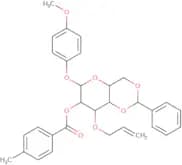
Fórmula:C33H34O5SPureza:Min. 95%Peso molecular:542.7 g/mol4-Methoxyphenyl 3-O-allyl-4,6-O-benzylidene-2-O-(4-methylbenzoyl)-b-D-galactopyranoside
4-Methoxyphenyl 3-O-allyl-4,6-O-benzylidene-2-O-(4-methylbenzoyl)-b-D-galactopyranoside is a custom synthesis of saccharide, CAS No. 90423-62-9. This compound has been modified by fluorination and methylation. It has also been shown to be useful for click modification, oligosaccharides, saccharides, and polysaccharides.Fórmula:C31H32O8Pureza:Min. 95%Peso molecular:532.58 g/molN-Desacetyl-N-formyl thiocolchicoside
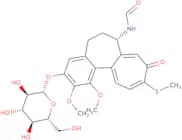
CAS:N-Desacetyl-N-formyl thiocolchicoside is a methylated saccharide that has been modified with a click chemistry reaction. This modification allows for the addition of various functional groups to the saccharide, including fluorine and bromine. N-Desacetyl-N-formyl thiocolchicoside is an oligosaccharide that contains both glucose and mannose as its constituent sugars. It is synthesized in high purity and has a CAS No. of 219547-29-2. It can be used to create glycosidic linkages between amino acids in protein synthesis and carbohydrates in glycosylation reactions.Fórmula:C26H31NO10SPureza:Min. 95%Peso molecular:549.59 g/mol2,3,4,6-Tetra-O-benzyl-1,5-di-O-mesyl-D-glucitol
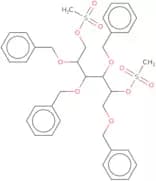
2,3,4,6-Tetra-O-benzyl-1,5-di-O-mesyl-D-glucitol is a substituted sugar alcohol that can exist as either an intramolecular or an intermolecular isomer. The intramolecular isomer has a carboxylate group in the 6 position and the intermolecular isomer has a propionate group in the 6 position. 2,3,4,6-Tetra-O-benzyl-1,5-di-O-mesyl-D-glucitol has conformational properties that depend on which substituent occupies the 4 position. Benzene rings are more flexible than benzyloxy groups. The geometry of 2,3,4,6 - Tetra - O - benzyl - 1 , 5 - di - O - mesyl - D - glucitol changes from chair to boat with substitution at position
Fórmula:C36H42O10S2Pureza:Min. 95%Peso molecular:698.84 g/mol6-O-Benzyl-D-mannose
6-O-Benzyl-D-mannose is a methylated monosaccharide. It is an important intermediate in the synthesis of oligosaccharides and polysaccharides. 6-O-Benzyl-D-mannose can be used for modification of saccharides, carbohydrates and sugars. This product has high purity and a custom synthesis.Fórmula:C13H18O6Pureza:Min. 95%Peso molecular:270.28 g/molD-[UL-13C6]Glucosamine HCl
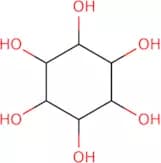
D-[UL-13C6]Glucosamine HCl is a custom synthesis of an oligosaccharide. This compound has been modified by methylation, glycosylation, and click modification. D-[UL-13C6]Glucosamine HCl is an Oligosaccharide with a CAS No. of 515-95-5. It is a complex carbohydrate that has the chemical name of Polysaccharide. D-[UL-13C6]Glucosamine HCl is Modification of saccharides, which are Carbohydrates or sugars that are composed of Carbon, Hydrogen, and Oxygen. The sugar in this compound is Glucose. D-[UL-13C6]Glucosamine HCl is a high purity product with a purity level greater than 99%. The Fluorination on this molecule increases the solubility of the compound and can be used to synthesize other compounds with similarFórmula:C6H14NO5ClPureza:(%) Min. 98%Forma y color:PowderPeso molecular:221.59 g/molallo-Inositol
CAS:Allo-inositol is a naturally occurring molecule that is classified as a vitamin. It is a member of the B-complex group of vitamins and has been shown to inhibit growth of cells in the HL-60 cell line. The optimum concentration for allo-inositol was found to be at 100 μM, with an IC50 value of 67 μM. Allo-inositol also has inhibitory properties against ovarian cancer cells and has been investigated as a potential treatment for ovarian cancer. Allo-inositol can be converted into myo-inositol in mammalian cells and may have anticancer effects through this conversion.Fórmula:C6H12O6Pureza:Min. 95%Peso molecular:180.16 g/molUDP-2-amino-2-deoxy-D-glucose
UDP-2-amino-2-deoxy-D-glucose is a modification of glucose. It is an organic compound that can be used in the synthesis of oligosaccharides and polysaccharides. It can be methylated or glycosylated with other sugars, such as galactose, to form complex carbohydrates. UDP-2-amino-2-deoxyglucose also has a high purity and CAS number.Pureza:Min. 95%D-Mannose-6-13C
CAS:Please enquire for more information about D-Mannose-6-13C including the price, delivery time and more detailed product information at the technical inquiry form on this pageFórmula:C6H12O6Pureza:Min. 95%Peso molecular:180.16 g/mol5-Deoxy-1,2-O-isopropylidene-5-[(2R-pyridin-2-yl-pyrrolidine)-1-yl]-a-D-xylofuranose
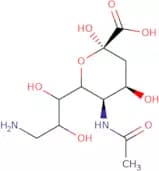
CAS:5-Deoxy-1,2-O-isopropylidene-5-[(2R-pyridin-2-yl-pyrrolidine)-1-yl]-a-D-xylofuranose is a custom synthesis that has been modified by fluorination, methylation, and monosaccharide addition. This chemical is also known as 5DIPXF.Fórmula:C17H24N2O4Pureza:Min. 95%Peso molecular:320.39 g/mol9-Amino-N-acetylneuraminic acid
CAS:9-Amino-N-acetylneuraminic acid (9AAN) is a neuraminidase inhibitor. It blocks the activity of neuraminidase, which is an enzyme that hydrolyzes sialic linkages in glycoproteins and glycolipids. 9AAN prevents the release of influenza virus particles from infected cells. This drug can also inhibit toxins that target the nervous system, such as botulinum neurotoxin and tetanus toxin. 9AAN has been shown to have a stabilizing effect on the conformation of proteins and has been used to study conformational changes in enzymes involved in metabolism. 9AAN is synthesized by recombinant DNA technology and acts as a competitive inhibitor for the enzymatic reaction.Fórmula:C11H20N2O8Pureza:Min. 95%Forma y color:PowderPeso molecular:308.29 g/molMethylphenyl 2,3,4-tri-O-benzyl-b-L-thiorhamnopyranose
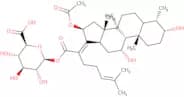
Methylphenyl 2,3,4-tri-O-benzyl-b-L-thiorhamnopyranose is a modification of the natural sugar thiorhamnopyranose. It has been synthesized by methylation and glycosylation of the monosaccharide. This carbohydrate has been custom synthesized with high purity and CAS number. The chemical formula is C18H22O11. Methylphenyl 2,3,4-tri-O-benzyl-b-L-thiorhamnopyranose is a complex carbohydrate that can be used in biomedical applications.Pureza:Min. 95%Fusidic acid acyl glucuronide
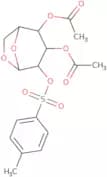
CAS:Fusidic acid acyl glucuronide is a high purity, custom synthesis, click modification of fusidic acid. It has been modified by fluorination and methylation. Fusidic acid acyl glucuronide is an Oligosaccharide, Polysaccharide, saccharide, sugar with a CAS No. 13013-66-6. It is a complex carbohydrate that has been synthesized using high purity, monosaccharides and polysaccharides.Fórmula:C37H56O12Pureza:Min. 95%Peso molecular:692.83 g/mol3,4-Di-O-acetyl-1,6-anhydro-2-O-p-toluenesulfonyl-b-D-glucopyranose
CAS:3,4-Di-O-acetyl-1,6-anhydro-2-O-p-toluenesulfonyl-b-D-glucopyranose is a synthetic, high purity carbohydrate with a CAS number of 84207-46-5. This carbohydrate is synthesized by the methylation and glycosylation of 3,4 di O acetyl 1,6 anhydro 2 O p toluenesulfonyl b D glucopyranose. It is an oligosaccharide with a complex structure that has been modified by fluorination and glycosylation. This carbohydrate can be used in the production of drugs or other chemicals.Fórmula:C17H20O9SPureza:Min. 95%Peso molecular:400.4 g/molEthyl-3,6-di-O-benzoyl-2-trifluoromethanesulfonyl-4-O-(2,3,4,6-tetra-O-acetyl-b-D-galactopyranosyl)-b-D-mannopyranoside
CAS:Ethyl-3,6-di-O-benzoyl-2-trifluoromethanesulfonyl-4-O-(2,3,4,6-tetra-O-acetyl-b-D-galactopyranosyl)-b-D-mannopyranoside is a synthetic modified oligosaccharide that has been fluorinated. It is a complex carbohydrate that has a CAS number of 1008750-65-9. The modification of the monosaccharides in this product are methylation and click modification.Fórmula:C37H41F3O19SPureza:Min. 95%Peso molecular:878.77 g/mol5-Deoxy-5-iodo-1,2-o-(1-methylethylidene)pentofuranose
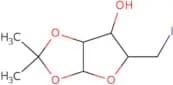
CAS:5-Deoxy-5-iodo-1,2-o-(1-methylethylidene)pentofuranose is a synthetic sugar. It is a complex carbohydrate that can be custom synthesized and has high purity. This compound is an oligosaccharide with methylation, glycosylation, and polysaccharides. 5-Deoxy-5-iodo-1,2-o-(1-methylethylidene)pentofuranose has been fluorinated to give it saccharide properties.Fórmula:C8H13IO4Pureza:Min. 95%Peso molecular:300.09 g/mol1,2,3,4-Tetra-O-acetyl-D-[6-13C]glucuronide methyl ester
1,2,3,4-Tetra-O-acetyl-D-[6-13C]glucuronide methyl ester is a custom synthesis that can be used for the methylation of saccharides and polysaccharides. It is also used to modify glycosides and oligosaccharides. This compound has a CAS number and can be modified with click chemistry. It is a high purity product that can be synthesized with fluorination or complex carbohydrates.
Pureza:Min. 95%Peso molecular:376.31 g/mol4-Amino-4-deoxy-D-glucopyranose
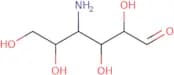
CAS:4-Amino-4-deoxy-D-glucopyranose is an anticancer agent that has been found to be effective against cancer cells. It is a chitosan derivative that acts as an inhibitor of apoptosis in cancer cells. This compound has been detected in urine and has been shown to inhibit the growth of human cancer cells by inhibiting kinase activity. 4-Amino-4-deoxy-D-glucopyranose is an analog of glucose and can be used as a potential therapeutic agent for the treatment of tumors. It specifically targets kinases involved in the regulation of cell growth and protein synthesis, which makes it a promising candidate for cancer treatment.Fórmula:C6H13NO5Pureza:Min. 95%Peso molecular:179.17 g/mol1,2,3,4-Tetra-O-acetyl-a-D-galacturonic acid
1,2,3,4-Tetra-O-acetyl-a-D-galacturonic acid is a synthetic sugar that is used in the synthesis of oligosaccharides and polysaccharides. This product can be custom synthesized to meet customer specifications. The chemical name for this product is 1,2,3,4-tetra-O-[(acetyloxy)carbonyl]-a-D-galacturonic acid. It has a CAS number of 9016-54-3 and an EC number of 232–859–5. It is also known as tetraacetyl galacturonic acid or 4'-O-(2--Acetoxypropionyl)-Galacturonic Acid.Pureza:Min. 95%Fluoxetine D-glucuronide (mixture of isomers)
CAS:Fluoxetine D-glucuronide is a glycosylated, fluorinated, custom-synthesized compound. It is composed of the methyl ester and glucuronide moiety of fluoxetine. The synthesis of this compound starts with the oxidation of fluoxetine to form an aldehyde intermediate. This intermediate is then condensed with chloroacetic acid to form the desired product. Fluoxetine D-glucuronide has shown efficacy in animal models for its ability to inhibit serotonin reuptake and block 5HT2A receptors. This drug is also used as a tracer in positron emission tomography (PET) imaging studies for serotonin transporters.Pureza:Min. 95%3-Deoxy-1,2:5,6-di-O-isopropylidene-a-D-gulofuranose
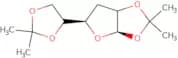
3-Deoxy-1,2:5,6-di-O-isopropylidene-a-D-gulofuranose is a synthetic sugar that is used in the production of glycoproteins. It is an important component of glycosaminoglycans, which are complex carbohydrates that are responsible for the formation and maintenance of connective tissue. 3DG has been modified by fluorination, glycosylation, methylation, and modification. It can be used to synthesize oligosaccharides and monosaccharides. It can also be used as a raw material for the synthesis of saccharides. 3DG has been shown to inhibit tumor growth in animal models because it decreases protein synthesis in cancer cells.Fórmula:C12H20O5Pureza:Min. 95%Peso molecular:244.28 g/molL-[2-13C]Xylose
CAS:Please enquire for more information about L-[2-13C]Xylose including the price, delivery time and more detailed product information at the technical inquiry form on this page
Fórmula:C5H10O5Pureza:Min. 95%Peso molecular:151.12 g/molXylaric acid disodium salt
CAS:Xylaric acid disodium salt is a meso oxidised xylose analogueFórmula:C5H6Na2O7Pureza:Min. 98 Area-%Forma y color:PowderPeso molecular:224.08 g/mol4-Methylphenyl b-D-thioglucuronide methyl ester
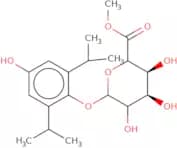
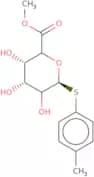
4-Methylphenyl b-D-thioglucuronide methyl ester is a Carbohydrate, Modification, saccharide, Oligosaccharide, sugar. It is a synthetic monosaccharide that has been modified with fluorination and methylation. This chemical is typically used as a reagent in glycosylation reactions to synthesize complex carbohydrates.Fórmula:C14H18O6SPureza:Min. 95%Peso molecular:314.36 g/molm-Methoxytopolin-9-glucoside
CAS:M-methoxytopolin-9-glucoside is a synthetic oligosaccharide that has been modified with fluorination and methylation. It is an important intermediate for the synthesis of complex carbohydrates. M-methoxytopolin-9-glucoside can be used in the production of glycosylated polysaccharides, including glycoproteins, proteoglycans, and mucopolysaccharides. This product is offered at a purity level of > 98% and can be used for custom synthesis.Fórmula:C19H23N5O6Pureza:Min. 95%Peso molecular:417.42 g/mol3,4-Di-O-acetyl-2-O-benzyl-L-rhamnopyranoside
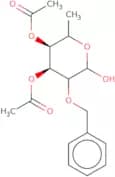
3,4-Di-O-acetyl-2-O-benzyl-L-rhamnopyranoside is a custom synthesized, fluorinated, methylated, monosaccharide that can be used as a synthetic building block for the synthesis of saccharides. This compound has been shown to have a CAS number and is classified as an oligosaccharide. 3,4-Di-O-acetyl-2-O-benzyl-L-rhamnopyranoside is recommended for use in glycosylation reactions. It has been shown to react with other saccharides at the C1 position in the presence of various conditions such as mild alkaline or acid conditions.Fórmula:C17H22O7Pureza:Min. 95%Peso molecular:338.35 g/mol2,3,4-Tri-O-benzoyl-D-glucuronide methyl ester
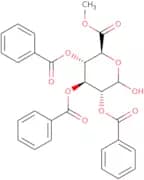
CAS:2,3,4-Tri-O-benzoyl-D-glucuronide methyl ester is a modification of an oligosaccharide. It has a molecular formula of C12H22O11 and a molecular weight of 342.34 g/mol. This compound has been synthesized by custom synthesis and has high purity. 2,3,4-Tri-O-benzoyl-D-glucuronide methyl ester can be used as a pharmaceutical intermediate or in the manufacture of other chemicals such as glycosides or polysaccharides. It is also used in the synthesis of sugars such as glucose and fructose and can be found in many foods such as honey and milk.br>br>2,3,4-Tri-O-benzoyl-D-glucuronide methyl ester may be used to identify complex carbohydrates with a specific structure based on its fluorescence properties. This compound is registered underFórmula:C28H24O10Pureza:Min. 95%Peso molecular:520.14 g/molPinitol diacetonide
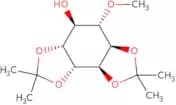
CAS:Pinitol diacetonide is an acceptor substrate for β-galactosidase, a glycosyl hydrolase that catalyzes the hydrolysis of terminal galactose residues from the non-reducing end of certain glycolipids. Pinitol diacetonide has been shown to be enzymatically active in both aerobic and anaerobic conditions. This product can also be used as a substrate for 1,4-β-D-galactosyltransferase, which catalyzes the transfer of D-galactose from 1,4-β-D-glucose to the nonreducing end of certain glycolipids. Pinitol diacetonide is not a suitable substrate for p-nitrophenyl galactosyltransferase, an enzyme that catalyzes the transfer of p-nitrophenol from L -pyranosides to the nonreducing end of certain glycolipids. PinFórmula:C13H22O6Pureza:Min. 95%Peso molecular:274.31 g/molOlmesartan N2-glucuronide
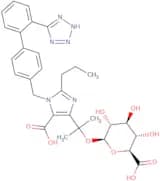
CAS:Olmesartan N2-glucuronide is a methylated metabolite of olmesartan, which is an angiotensin II receptor blocker. Olmesartan glucuronide is a high purity chemical compound with CAS No. 369395-57-3. It can be custom synthesized to order and has been used in glycosylation reactions as a sugar donor or acceptor. This product is also useful for the Click modification of oligosaccharides and polysaccharides, as well as for the modification of saccharides with fluorination and other chemical reactions.Fórmula:C30H34N6O9Pureza:Min. 95%Peso molecular:622.63 g/molN-Methylglucamine antimonate
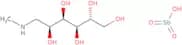
CAS:N-Methylglucamine antimonate is a drug that is used to treat cutaneous leishmaniasis. It is not active against the visceral form of the disease. The drug binds to antimony in a 1:1 stoichiometry and inhibits the polymerase chain reaction (PCR) in the parasite, which prevents DNA replication and transcription. This inhibition leads to cell death and eventual elimination of Leishmania parasites from the host. N-Methylglucamine antimonate is only effective against Leishmania parasites and has no effect on other bacteria or viruses, such as bowel disease. The drug can be given orally or intravenously, but should not be given to patients with bowel diseases because this may lead to intestinal ulceration or perforation.Fórmula:C7H17NO5·HSbO3Pureza:Min. 95%Forma y color:White PowderPeso molecular:365.98 g/mol2,3,5-Tri-O-p-chlorobenzoyl-D-ribofuranoside
CAS:2,3,5-Tri-O-p-chlorobenzoyl-D-ribofuranoside is a fluorinated and modified sugar that is synthesized in the laboratory. The chemical name is 2,3,5-Tri-O-p-chlorobenzoyl-D-(+)-ribofuranoside. It is a white to off white crystalline solid with a melting point of 154°C. The molecular weight of this compound is 366.2 g/mol and its empirical formula is C12H14ClO7. The CAS number for this compound is 29755-02-0.Fórmula:C26H19Cl3O8Pureza:Min. 95%Peso molecular:565.78 g/molR,S-Flurbiprofen-acyl-b-D-glucuronide
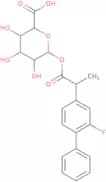
CAS:R,S-Flurbiprofen-acyl-b-D-glucuronide is a custom synthesis of an oligosaccharide that has been modified by fluorination and methylation. This saccharide is synthesized from R,S-flurbiprofen using the click modification. It is a polysaccharide with glycosylation at the sugar level. The carbohydrate chain also contains monosaccharides and complex carbohydrates.Fórmula:C21H21FO8Pureza:Min. 95%Peso molecular:420.39 g/mol2-Acetamido-3-O-acetyl-2-deoxy-D-glucopyranose
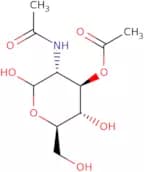
CAS:2-Acetamido-3-O-acetyl-2-deoxy-D-glucopyranose is a methylated, acetylated, and fluorinated sugar that is used in the synthesis of glycosides. It is a polysaccharide with an Oligosaccharide and saccharide with Click modification that can be modified to suit your needs. The carbohydrate has high purity and can be synthesized from custom molecules. It can be synthesized from carbohydrates or sugars. This product is made synthetically for research purposes only, not for human consumption.Fórmula:C10H17NO7Pureza:Min. 95%Forma y color:Yellow syrup.Peso molecular:263.24 g/molMethyl 2,3:4,6-di-O-benzylidene-α-D-mannopyranoside
CAS:Methyl 2,3:4,6-di-O-benzylidene-a-D-mannopyranoside is a cyclic peptide that was developed for the treatment of tropical diseases. It has been shown to be a potent inhibitor of protein synthesis and an absorber of amino acids in experimental infections. Comparative studies have shown that this drug inhibits protein synthesis more than other cyclic peptides. Methyl 2,3:4,6-di-O-benzylidene-a-D-mannopyranoside has also been shown to have antiinflammatory properties in inflammatory bowel disease and may be useful as a therapeutic agent for Alzheimer’s disease or cancer.Fórmula:C21H22O6Pureza:Min. 95%Peso molecular:370.4 g/molN-Acetyl-4,6-(p-methoxybenzylidene)-2-deoxy-1-O-methyl-α-D-galactosamine
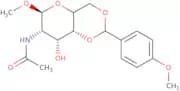
CAS:N-Acetyl-4,6-(p-methoxybenzylidene)-2-deoxy-1-O-methyl-a-D-galactosamine is a custom synthesis of a monosaccharide. It has been modified with fluorination and methylation. The structure is an oligosaccharide, polysaccharide, saccharide or sugar that can be used as a carbohydrate. CAS No. 188666-34-4Fórmula:C17H23NO7Pureza:Min. 95%Peso molecular:353.37 g/molAlphadolone 3-b-D-glucuronide
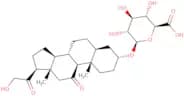
CAS:Alphadolone 3-b-D-glucuronide is a compound that is synthetically derived from alphadolone. This product can be used for the synthesis of saccharides, polysaccharides, and oligosaccharides with click modification or glycosylation. It can also be used as a starting material for the preparation of methylated saccharides or glycopeptides. The chemical formula is C12H14O6F2, and it has a molecular weight of 290.20 g/mol. Alphadolone 3-b-D-glucuronide is soluble in water, methanol, and ethanol. It's CAS number is 70522-56-4.Fórmula:C27H40O10Pureza:Min. 95%Peso molecular:524.6 g/mol3-Azido-2,3-dideoxy-D-ribose
CAS:3-Azido-2,3-dideoxy-D-ribose is a boron trifluoride etherate that has significant activity against the anomers of d-mannitol. It can be used as a stereoselective synthesis of the triflate on the corresponding anomer. Triflate is prepared by reaction with trifluoromethanesulfonic acid chloride and then reacted with sodium azide in ethanol to yield 3-azido-2,3-dideoxy-D-ribose. The product can be purified by recrystallization from acetic acid and water or by extraction with chloroform. This compound is also extracted from boric acid and dioxane using aqueous sodium hydroxide solution.Pureza:Min. 95%O-Desmethyl-N,N-desmethyl-venlafaxine D-gluronide
O-Desmethyl-N,N-desmethyl-venlafaxine D-gluronide is a custom synthesis, modification and fluorination of venlafaxine. It is a polysaccharide that is synthesized from saccharides with a glycosylation process. The carbohydrate has a complex structure made up of oligosaccharides and monosaccharides.
Pureza:Min. 95%UDP-6-amino-6-deoxy-D-glucose
CAS:UDP-6-Amino-6-deoxyglucose is a fluorinated monosaccharide that can be used as a glycosylation or polysaccharide modification reagent. It is also used to produce complex carbohydrates, such as glycosylated proteins and glycoconjugates. The synthesis of this product involves the use of Click chemistry, which allows for the selective attachment of any molecule with an amine group. This product has been shown to have high purity and is ideal for use in pharmaceuticals, agrochemicals, food additives, and other applications.
Pureza:Min. 95%N-Acetylserotonin β-D-glucuronide
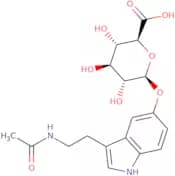
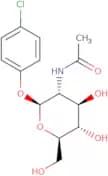
CAS:N-Acetylserotonin β-D-glucuronide is a metabolite of melatonin, which is synthesized in the pineal gland. It is excreted in human urine and can be used as a biomarker for melatonin synthesis. N-Acetylserotonin β-D-glucuronide has been shown to have pharmacologic effects on humans and other species, but its health effects are not well understood. The use of this compound as a biomarker for human melatonin synthesis has been validated in vitro and in vivo. It is also used as a marker for kidney function, particularly chronic kidney disease (CKD). This analysis can be performed using urinary samples that contain glucuronide conjugates of N-acetylserotonin β-D-glucuronide.Fórmula:C18H22N2O8Pureza:Min. 97 Area-%Forma y color:Off-White PowderPeso molecular:394.38 g/mol4-Chlorophenyl 2-acetamido-2-deoxy-b-D-glucopyranoside
CAS:4-Chlorophenyl 2-acetamido-2-deoxy-b-D-glucopyranoside is a molecule that belongs to the class of acid molecules and has been implicated in the metabolism of corynebacterium. The metabolic pathway for this molecule has been studied using databases and datasets, with population simulations and profile data being generated to help identify potential strategies for its positioning in the market. This molecule is also related to death, which may be related to its positioning.Fórmula:C14H18ClNO6Pureza:Min. 95%Peso molecular:331.75 g/molMethyl 3,4-O-isopropylidene-L-threonate
CAS:Methyl 3,4-O-isopropylidene-L-threonate is a chromatographic chiral compound that is synthesized by the reaction of malonate and aspartyl amide. This product can be used to determine the stereochemistry of other chiral compounds. It is an endocannabinoid that has been found to have anti-inflammatory activities in animals. Methyl 3,4-O-isopropylidene-L-threonate has also been shown to have antiobesity effects in mice fed a high fat diet and may be used as a synthetic carbohydrate replacement for diabetics.
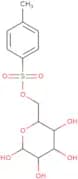
Fórmula:C8H14O5Pureza:Min. 95%Peso molecular:190.19 g/mol6-O-Tosyl-D-glucopyranose
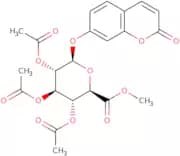
CAS:6-O-Tosyl-D-glucopyranose is an Oligosaccharide, Carbohydrate and Custom synthesis. It is a complex carbohydrate. This product is a monosaccharide that has been methylated, glycosylated, and polysaccharide modified. The CAS No. for this product is 26391-80-0 and its molecular weight is 598.6 g/mol. This product can be used in the synthesis of 6-O-Tosyl-D-[3H]glucopyranose (CAS No. 131552-01-8) which can be used as a radioactive marker in biological research or in the diagnosis of diseases such as cancer.Pureza:Min. 95%7-Hydroxy coumarin 2,3,4-tri-O-acetyl-b-D-glucuronide methyl ester
CAS:7-Hydroxy coumarin 2,3,4-tri-O-acetyl-b-D-glucuronide methyl ester is a high purity custom synthesis sugar. The synthesis of this product is achieved by the Click modification, fluorination, and glycosylation. This product has a CAS number 168286-97-3. It is also a synthetic product that was created by methylation and modification. This product can be used in complex carbohydrate research as it is an oligosaccharide and monosaccharide saccharide. END>Fórmula:C22H22O12Pureza:Min. 95%Peso molecular:478.4 g/mol1,3,4,6-Tetra-O-acetyl-2-benzoylamino-2-deoxy-D-glucopyranoside
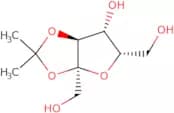
CAS:1,3,4,6-Tetra-O-acetyl-2-benzoylamino-2-deoxy-D-glucopyranoside is a synthetic carbohydrate with a fluorinated sugar that has been custom synthesized for use in click chemistry. The fluorination at the 2 position of the sugar provides an additional site for modification and has been shown to increase stability. This product is available in high purity, and can be used for oligosaccharide synthesis.Fórmula:C21H25NO10Pureza:Min. 95%Peso molecular:451.42 g/mol2,3-O-Isopropylidene-a-L-sorbofuranose
CAS:2,3-O-Isopropylidene-a-L-sorbofuranose is a furanose ring that can form both intermolecular and intramolecular hydrogen bonds. The five-membered and six-membered conformations are the most stable of the conformational isomers, although there are many different possible configurations. 2,3-O-Isopropylidene-a-L-sorbofuranose is an analog of D-(+)-fructose and has been used to produce analogs of D-(+)-fructose. This compound has also been used in carbohydrate chemistry as a reagent for the synthesis of other carbohydrates.Fórmula:C9H16O6Pureza:Min. 95%Forma y color:White solid.Peso molecular:220.22 g/molSennoside b calciumsalt
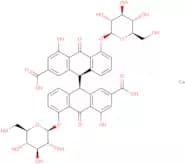
CAS:Sennoside b is a natural compound found in the plant Senna obtusifolia and has been shown to have an effect on myeloma cells, as well as on enzyme activities and energy metabolism. Sennoside b has also been shown to inhibit phospholipase A2 (PLA2) activity and prostaglandin E2 (PGE2) levels in a mouse myeloma cell line. The pathogenic mechanism of sennoside b is unclear, but it may be due to its locomotor activity-reducing effects or due to its effect on gut motility. The optimum extraction process for sennoside b is not clear, but it should be carried out with care due to its chemical stability. Sennoside b has also been shown to have beneficial effects on hepatic steatosis and bowel disease, thus making it a potential treatment for these conditions. Multivariate logistic regression analysis was used to identify factors that may predictFórmula:C42H36CaO20Pureza:Min. 95%Peso molecular:900.8 g/molD-Galactosamine-6-O-sulphate
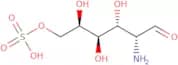
CAS:D-Galactosamine-6-O-sulphate is a synthetic, fluorinated carbohydrate that has been modified by the Click reaction. It is used as a methylating agent and can be used in the synthesis of polysaccharides and oligosaccharides. This compound is also used to modify saccharides, glycosylations, and other carbohydrates. D-Galactosamine-6-O-sulphate is water soluble and can be used for custom synthesis. It can also be modified with other reagents for various purposes.Fórmula:C6H13NO8SPureza:Min. 95%Peso molecular:259.23 g/molMethyl 3,6-di-O-benzyl-2-deoxy-2-phthalimido-b-D-glucopyranoside
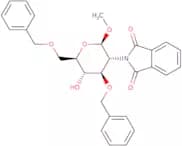
CAS:Methyl 3,6-di-O-benzyl-2-deoxy-2-phthalimido-b-D-glucopyranoside is a custom synthesis product that is used to modify saccharides. This compound is an oligosaccharide and polysaccharide that can be fluorinated to form a complex carbohydrate. Methyl 3,6-di-O-benzyl-2-deoxy-2-phthalimido-b-D--glucopyranoside has been shown to react with monosaccharides and sugars in the presence of base to form a modified sugar.Fórmula:C29H29NO7Pureza:Min. 95%Peso molecular:503.54 g/molN-(5-Carboxypentyl)-deoxynojirimycin
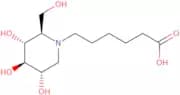
CAS:N-(5-Carboxypentyl)-deoxynojirimycin is a synthetic glycosylation agent that is used in the preparation of oligosaccharides, polysaccharides and saccharide complexes. This compound is also a potential therapeutic agent for cancer, as it can inhibit tumor cell growth by inhibiting protein synthesis. N-(5-Carboxypentyl)-deoxynojirimycin can be used as an intermediate in the synthesis of other fluorinated sugars. When modified with methyl groups, this compound has shown anticancer activity against human breast cancer cells.Fórmula:C12H23NO6Pureza:Min. 95 Area-%Forma y color:Beige PowderPeso molecular:277.31 g/mol5-(2-Hydroxyethyl)-2'-deoxyuridine
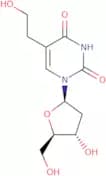
CAS:5-(2-Hydroxyethyl)-2'-deoxyuridine is a regiospecific inhibitor of the enzyme thymidylate synthase. This drug inhibits the synthesis of thymine and uracil, which are used in DNA replication. 5-(2-Hydroxyethyl)-2'-deoxyuridine binds to the carbon chain of uracil, preventing its incorporation into DNA. 5-(2-Hydroxyethyl)-2'-deoxyuridine has been shown to be an effective inhibitor of thymidylate synthase in both prokaryotic and eukaryotic cells. The mechanism of action is thought to be competitive inhibition with respect to substrate binding at the active site of the enzyme. 5-(2-Hydroxyethyl)-2'-deoxyuridine can be synthesized by reacting acrylonitrile with 5-iodouridine chloride, followed by elimination reactions with methylene chloride or thionyl chloride. The product can then beFórmula:C11H16N2O6Pureza:Min. 95%Forma y color:PowderPeso molecular:272.25 g/mol1-Acetyl-3-O-(2,3,4,6-tetra-O-acetyl-b-D-glucopyranosyl)indole
CAS:1-Acetyl-3-O-(2,3,4,6-tetra-O-acetyl-b-D-glucopyranosyl)indole is a synthetic glycoside that is used as a fluorescent probe for the analysis of glycoconjugates. It has been shown to be a highly sensitive reagent for the detection of N-linked glycoproteins. 1A3G can be modified by click chemistry and the modifications are stable under harsh conditions.Fórmula:C24H27NO11Pureza:Min. 95%Peso molecular:505.47 g/mol5-O-Benzyl-1-deoxy-D-xylulose
CAS:5-O-Benzyl-1-deoxy-D-xylulose is a sugar which is obtained by the catalytic hydrogenolysis of 5-o-benzyl-1,5-pentanediol. It is an intermediate in the synthesis of xylitol from sorbitol and can be used in the production of benzaldehyde. The reaction mechanism involves aldol condensation with elimination of water to form hydroxyacetone, followed by chemoenzymatic dehydration to give 1,5 pentanediol. This compound is also used as an intermediate for the synthesis of D-xylulose.Fórmula:C12H16O4Pureza:Min. 95%Peso molecular:224.25 g/mol1,2,3,4,6-Penta-O-acetyl-5-thio-D-galactose
1,2,3,4,6-Penta-O-acetyl-5-thio-D-galactose is a fluorinated monosaccharide that is synthesized by the reaction of 1,2,3,4,6-penta-O-acetyl-D-galactose with sodium hypochlorite in the presence of sodium bicarbonate. This compound has been shown to be an excellent substrate for glycosylation reactions and can be used as a sugar donor in polysaccharide synthesis. 1,2,3,4,6 penta O acetyl 5 thio D galactose can also be methylated with dimethylsulfoxide and trimethylsilyl chloride to form the corresponding methylated derivative. This product is available at high purity levels and CAS No. 68713-89-1.END>Fórmula:C16H22O10SPureza:Min. 95%Peso molecular:406.41 g/mol5-Deoxy-D-arabinose
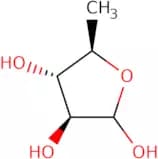
CAS:5-Deoxy-D-arabinose is a phenylhydrazone compound that is soluble in water and alcohol. It has a molecular weight of 176.20, and its chemical formula is C6H8N2O3. The substance has been shown to be an inhibitor of the bacterial enzyme d-threose synthase, which catalyzes the formation of d-threose from D-ribose 5-phosphate and glycerone phosphate. This substance also inhibits fungal pteridine reductase; however, it does not inhibit mammalian pteridine reductase. 5-Deoxy-D-arabinose has analogues that are biologically active.Fórmula:C5H10O4Pureza:Min. 95%Peso molecular:134.13 g/molD-Glucose-6-13C
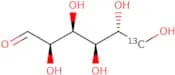
CAS:D-Glucose-6-13C is a carbohydrate that can be used as a metabolic energy source. Unlabelled D-Glucose is the most abundant monosaccharide in nature and can be found as an anhydrous dextrose in many types of food. It can also be used as a reference to measure blood glucose levels, which are important for diagnosing diabetes mellitus.Fórmula:CC5H12O6Pureza:Min. 98 Area-%Forma y color:PowderPeso molecular:181.15 g/mol2,3,4,6-Tetra-O-acetyl-a-D-mannopyranosyl-N-Fmoc-L-serine pentafluorophenyl ester
CAS:2,3,4,6-Tetra-O-acetyl-a-D-mannopyranosyl-N-Fmoc-L-serine pentafluorophenyl ester is a saccharide that has been modified using the Click chemistry. It is a polysaccharide and an oligosaccharide with a high degree of purity. The chemical formula for this compound is C22H32FN3O14PS and its molecular weight is 594.06 g/mol. This substance can be used in the synthesis of complex carbohydrates.Fórmula:C38F5H34NO14Pureza:Min. 95%Peso molecular:823.68 g/mol3,4,6-Tri-O-acetyl-N-azidoacetylmannosamine
3,4,6-Tri-O-acetyl-N-azidoacetylmannosamine is a custom synthesis, modification and fluorination of mannose. It is an oligosaccharide composed of 3,4,6-tri-O-acetyl-N-azidoacetylmannosamine which is linked to a glycosylated saccharide. The carbohydrate backbone is composed of two glucose molecules with the modified mannose attached at the 1 position on each. This compound can be used in research as a model for N3'-linked sugar modifications and has been shown to have antiviral properties.Pureza:Min. 95%1-a-Methyl-5-a-androstan-3-a-ol-17-one glucuronide
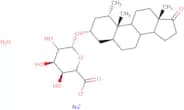
1-a-Methyl-5-a-androstan-3-a-ol-17-one glucuronide is a synthetic, fluorinated, and modified monosaccharide. It has a molecular weight of 244.062 g/mol and its chemical formula is C10H9FO6. The CAS number for this compound is 47597-62-1. This product can be custom synthesized or ordered as a high purity product. 1-a-Methyl 5a -androstan 3a -ol 17one glucuronide has been shown to be useful in glycosylation reactions with oligosaccharides, sugars, and polysaccharides. This product can also be used in Click chemistry modifications to complex carbohydrates.Fórmula:C26H39O8·Na·H2OPureza:Min. 95%Peso molecular:520.59 g/mol3-Deoxy-L-arabinose
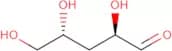
CAS:3-Deoxy-L-arabinose is a purine, which is a type of nucleoside. It is structurally similar to ribose, but lacks the hydroxyl group at the 2' position. 3-Deoxy-L-arabinose has been shown to be an effective catalyst for the synthesis of nucleosides and nucleotides. The biological activity of this compound has not yet been researched extensively. This product can be used as a metal salt in research or as an acid catalyst in organic chemistry. 3-Deoxy-L-arabinose is often used as a precursor for purines and nucleotides that are found in DNA and RNA.
Fórmula:C5H10O4Pureza:Min. 95%Peso molecular:134.13 g/molPerindoprilat acyl-b-D-glucuronide
CAS:Perindoprilat acyl-β-D-glucuronide is a synthetic, high purity compound that is custom synthesized and modified. It has been prepared by the click modification of perindoprilat with 1,3-dicyclohexylcarbodiimide (DCC) and 4-dimethylaminopyridine (DMAP). This product is useful for the synthesis of saccharides and complex carbohydrates. Perindoprilat acyl-β-D-glucuronide is a white solid at room temperature. The molecular formula is C14H20N2O7 with a molecular weight of 328.32 g/mol. The CAS number is 120381-56-8.Fórmula:C23H36N2O11Pureza:Min. 95%Forma y color:White to off-white solid.Peso molecular:516.54 g/molBromoxynil 2,3,4-tri-O-acetyl-D-glucuronide methyl ester
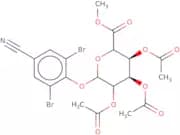
Bromoxynil 2,3,4-tri-O-acetyl-D-glucuronide methyl ester is a custom synthesis of a polysaccharide. It is a modification of the natural saccharides with an acetyl group at the 3’ position on glucose and a methyl group at the 4’ position. Bromoxynil 2,3,4-tri-O-acetyl-D-glucuronide methyl ester is synthesized by glycosylation and then fluorination to form the desired product. The compound has high purity and is stable in water solution.Fórmula:C20H19Br2NO10Pureza:Min. 95%Peso molecular:593.17 g/mol(R,R)-(+)-1,4-Dimethoxy-2,3-butanediol
CAS:(R,R)-(+)-1,4-Dimethoxy-2,3-butanediol is a modification of the sugar 1,4-dimethoxy-2,3-butanediol. It is a carbohydrate that can be synthesized and purified to high purity. The synthesis of (R,R)-(+)-1,4-dimethoxy-2,3-butanediol starts with the methylation of glycerol followed by the addition of an alpha hydroxyl group. The final product is produced by glycosylation and polysaccharide synthesis. This modification has been shown to be effective in treating cancer cells and may have potential applications in other areas as well.Fórmula:C6H14O4Pureza:Min. 95%Peso molecular:150.17 g/molGalβ(1-3)[neu5acα(2-6)]GalNAc-α-PNP
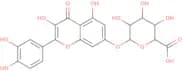
CAS:Galβ(1-3)[neu5acα(2-6)]GalNAc-α-PNP is a complex carbohydrate that has been synthesized. It is a modification of the natural monosaccharide galactose by the addition of an alpha-N-acetylneuraminic acid residue. This product is highly pure and can be custom synthesized to customer specifications. Galβ(1-3)[neu5acα(2-6)]GalNAc-α-PNP has been fluorinated and methylated and has glycosylation and click chemistry modifications.Fórmula:C31H45N3O21Pureza:Min. 95%Peso molecular:795.7 g/molQuercetin 7-O-b-D-glucuronide
CAS:Quercetin 7-O-b-D-glucuronide is a methylated glycoside of quercetin. Quercetin 7-O-b-D-glucuronide has been shown to inhibit the activity of Saccharomyces cerevisiae alpha amylase, alpha and beta amylases, and alpha glucosidase, which are enzymes that hydrolyze starch. This product also inhibits the growth of Candida albicans and Saccharomyces cerevisiae. Quercetin 7-O-b-D-glucuronide is available for custom synthesis in order to meet customers' specific needs.Fórmula:C21H18O13Pureza:Min. 95%Peso molecular:478.36 g/molb-L-Glucose-1-phosphate ammonium salt
b-L-Glucose-1-phosphate ammonium salt is a modification of the natural glucose molecule. It is used in the synthesis of oligosaccharides and complex carbohydrates. This compound can be custom synthesized and has a high purity level. It is often used as a starting material for other chemical modifications, such as methylation, glycosylation, and fluorination. b-L-Glucose-1-phosphate ammonium salt is found naturally in nature as one of the building blocks of polysaccharides, which are long chains of sugar molecules that make up many organic compounds.Fórmula:C6H19N2O9PPureza:Min. 95%Forma y color:PowderPeso molecular:294.2 g/molD-muco-Inositol
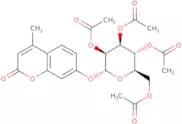
CAS:D-Mucinol is an inositol that is structurally similar to scyllo-inositol. It has been shown to inhibit the growth of cancer cells and also inhibits the release of calcium ions from the mitochondria, which may be due to its ability to inhibit polymerase chain reaction. D-Mucinol is a potential treatment for ovarian cancer and other cancers. D-Mucinol is a dinucleotide phosphate that binds with guanine nucleotides on DNA, inhibiting transcriptional elongation by binding to the RNA polymerase II enzyme. This prevents the production of mRNA, inhibiting protein synthesis and leading to cell death. D-Mucinol has been shown to have cytostatic effects against HL60 cells in vitro, which are thought to be related to its ability to inhibit mononucleotide phosphates, including p-nitrophenyl phosphate (PNPP), at high concentrations. D-MucinFórmula:C6H12O6Pureza:Min. 95%Peso molecular:180.16 g/mol4-Methylumbelliferyl 2,3,4,6-tetra-O-acetyl-a-D-mannopyranoside
CAS:The expression profile of 4-methylumbelliferyl 2,3,4,6-tetra-O-acetyl-a-D-mannopyranoside was analyzed in human cells. The gene expression levels were analyzed and compared to the profiles from other cell types. Analysis showed that this compound is expressed at high levels in the zingiberaceae family of plants.Fórmula:C24H26O12Pureza:Min. 95%Peso molecular:506.46 g/molD-Fructose-13C1
CAS:D-Fructose-13C1 is a custom synthesis that belongs to the class of carbohydrates. It is an oligosaccharide, polysaccharide, and a modification of saccharides. D-Fructose-13C1 is methylated and glycosylated and has a carbonyl group on the C1 position. This product can be used in click chemistry as well as fluorination reactions. The purity of this product is high and it has been synthesized using high purity methods.Fórmula:C513CH12O6Pureza:Min. 95%Peso molecular:181.15 g/molFluconazole D-glucuronide
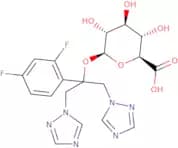
CAS:Fluconazole D-glucuronide is a synthetic, fluorinated sugar that has been modified with a glycosylation. It is synthesized by reacting fluconazole with the sugar glucuronic acid in the presence of an enzyme called glycosyltransferase. Fluconazole D-glucuronide is a custom synthesis, and it can be used as a pharmaceutical intermediate to produce other compounds. Fluconazole D-glucuronide is also used as an analytical standard for quantifying fluconazole in biological samples.
Pureza:Min. 95%iminosugar 1
Iminosugar 1 is a fluorinated saccharide that belongs to the group of carbohydrates. It is synthesized by the modification of glucose with a fluorine atom. This modification prevents crystallization and increases solubility in water. Iminosugar 1 has been modified by methylation and glycosylation to increase its stability. This product is available as a custom synthesis, and has high purity.
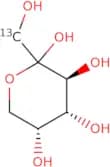
Pureza:Min. 95%L-[6-13C]Sorbose
CAS:L-[6-13C]Sorbose is a modified sugar that is synthesized from D-glucose, L-sorbose, and 13C-labeled methyl groups. This compound can be used to study the methylation and glycosylation of polysaccharides and oligosaccharides.Fórmula:C513CH12O6Pureza:Min. 95%Peso molecular:181.15 g/mol2,4-Di-O-Benzyl-D-mannopyranose
2,4-Di-O-Benzyl-D-mannopyranose is a custom synthesis of a carbohydrate. It is a fluorinated derivative of D-mannopyranose that has been modified with methylation and glycosylation.Pureza:Min. 95%6,6'-Di-O-triisopropylsilyl-lactal
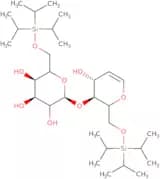
CAS:6,6'-Di-O-triisopropylsilyl-lactal is a synthetic oligosaccharide with a complex carbohydrate structure. It can be used as a monomer in the synthesis of glycosylides and glycopolymers, which are modified by fluorination, methylation, and click chemistry. This compound has been shown to have high purity and can be custom synthesized to meet your needs.Fórmula:C30H60O9Si2Pureza:Min. 95%Peso molecular:620.96 g/molb-L-Fucopyranosyl nitromethane
b-L-Fucopyranosyl nitromethane is a synthetic carbohydrate that has been modified by fluorination and methylation. It can be used as a building block for the synthesis of complex carbohydrates including saccharides, oligosaccharides, and monosaccharides.Fórmula:C7H13NO6Pureza:Min. 95%Peso molecular:207.2 g/mol2,5-Anhydro-D-mannofuranose oxime
CAS:2,5-Anhydro-D-mannofuranose oxime is a glycosylation inhibitor that prevents the formation of glycosidic bonds. It is used in the synthesis of complex carbohydrates, such as polysaccharides and oligosaccharides. This compound can be fluorinated or methylated to produce 2,5-anhydro-D-mannofuranose oxime derivatives that are useful for click chemistry. 2,5-Anhydro-D-mannofuranose oxime has been shown to inhibit the enzymatic conversion of mannitol to mannose and fructose by blocking the enzyme alpha mannosidase. The high purity of this compound makes it suitable for use in a variety of reactions, including glycobiology studies and carbohydrate modifications.
Fórmula:C6H11NO5Pureza:Min. 95%Peso molecular:177.16 g/mol3-Deoxy-2-keto-D-galactonate lithium salt
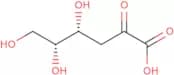
CAS:3-Deoxy-2-keto-D-galactonate lithium salt is an enzyme inhibitor that belongs to the group of galacturonosyltransferases. It is a competitive inhibitor that binds to the enzyme active site and inhibits the transfer of galacturonic acid from UDP-galactose to various acceptor molecules, including oligosaccharides, polysaccharides, glycoproteins, and glycolipids. 3-Deoxy-2-keto-D-galactonate lithium salt has been shown to inhibit wild type strains of Escherichia coli and Saccharomyces cerevisiae. This compound also inhibits acid analysis enzymes such as catalase and triosephosphate isomerase in Escherichia coli. 3DGLS also inhibits protein synthesis by inhibiting the activity of enzymes such as ribonucleotide reductase and xanthine oxidase in Escherichia coli. TheFórmula:C6H10O6·xLiPureza:Min. 95%1,4:6,3-Glucarodilactone
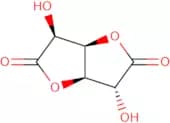
CAS:1,4:6,3-Glucarodilactone is an undecenoate with a sustainable and degradable structure. It can be used as a monomer in the production of polyols that are used in various industries, such as the plastics industry. 1,4:6,3-Glucarodilactone is also an acidic compound that has been shown to have a crystalline product and isomeric transition. It is possible to produce this compound by ring-opening polymerization of p-xylylenediamine with butyl vinyl ether or isobutyl vinyl ether.Fórmula:C6H6O6Pureza:Min. 95%Peso molecular:174.11 g/molPropofol-D-glucuronide methyl ester
Propofol-D-glucuronide methyl ester is a modification of propofol, which is an anesthetic drug. It is also known as a polysaccharide or saccharide. The modification is made by the addition of methyl groups to the phenolic hydroxyl group on the sugar ring. This modification has been shown to have properties that are similar to those of propofol, but with greater solubility in water and a longer duration of action. Propofol-D-glucuronide methyl ester is synthesized from D-glucuronic acid, which is obtained from glucose through Oligosaccharide synthesis. This compound can be used for glycosylation reactions.Fórmula:C19H28O7Pureza:Min. 95%Peso molecular:368.42 g/molD-Glucose-BSA
Glucose covalently bound to BSA through a 3 atom spacer.
Pureza:Min. 95%Forma y color:Powder1,2:5,6-Di-O-cyclohexylidene-D-mannitol
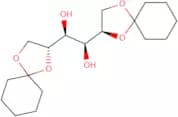
CAS:1,2:5,6-Di-O-cyclohexylidene-D-mannitol is a ligand that binds to metal ions. It forms a complex with nitro groups, which has been shown to have synergistic effects in transfer reactions. The structure of 1,2:5,6-Di-O-cyclohexylidene-D-mannitol was determined by x-ray diffraction and the crystal structure was confirmed by single crystal x-ray diffraction. This ligand can be used for the synthesis of alkenes and it reacts with magnesium chloride to form a grignard reagent. As a ligand, this compound has anticancer activity and can be used as an antiangiogenic agent.Fórmula:C18H30O6Pureza:Min. 95%Peso molecular:342.43 g/molD-Glucofuranuronic acid,gamma-lactone,1,6-13C2
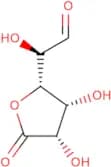
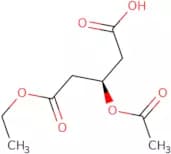
CAS:D-Glucofuranuronic acid,gamma-lactone,1,6-13C2 is an organic compound that is a glycosidic acid with a uronic acid group. It is composed of a hydrocarbon group and an acetylated d-xylose. This compound has been shown to have inhibitory activities against glycosidases and glycoside hydrolases. D-Glucofuranuronic acid,gamma-lactone,1,6-13C2 is synthesized by the reaction of trifluoroacetic acid with glyceraldehyde in the presence of water and an acid catalyst. It can be used as medicine for treating blood sugar levels but should not be taken in conjunction with other medicines because it inhibits their absorption.Fórmula:C2C4H8O6Pureza:Min. 95%Peso molecular:178.12 g/mol(R)-Monoethyl 3-acetoxyglutarate
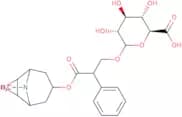
CAS:(R)-Monoethyl 3-acetoxyglutarate is a synthetic molecule that is used in the synthesis of complex carbohydrates. It can be fluorinated, methylated and glycosylated. This compound has CAS No. 113036-11-6.Fórmula:C9H14O6Pureza:Min. 95%Peso molecular:218.2 g/molScopolamine O-b-D-glucuronide
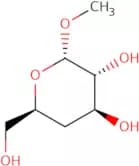
CAS:Scopolamine O-b-D-glucuronide is a methylated derivative of scopolamine. It is an oligosaccharide that is synthesized through glycosylation and has a high purity. Scopolamine O-b-D-glucuronide is used in the synthesis of complex carbohydrates.Fórmula:C23H29NO10Pureza:Min. 95%Peso molecular:479.48 g/molMethyl 4-deoxy-a-D-glucopyranoside
CAS:Methyl 4-deoxy-a-D-glucopyranoside is a high purity synthetic sugar with the molecular formula C5H10O5. It has been custom synthesized for Click modification, fluorination, glycosylation and methylation. Methyl 4-deoxy-a-D-glucopyranoside is used in glycosylation as a monosaccharide or saccharide to form complex carbohydrates. This product can be used in the synthesis of oligosaccharides and polysaccharides.Fórmula:C7H14O5Pureza:Min. 95%Peso molecular:178.19 g/molPyrogallol a-D-glucopyranoside
Pyrogallol a-D-glucopyranoside is a synthetic carbohydrate that is used in the synthesis of various saccharides and oligosaccharides. Pyrogallol a-D-glucopyranoside is also used in the modification of saccharides and oligosaccharides through glycosylation, methylation, and fluorination. This carbohydrate has CAS No. 810-12-0 and molecular weight of 368.
Fórmula:C12H16O8Pureza:Min. 95%Peso molecular:288.25 g/molPentenylglycoside derivatives
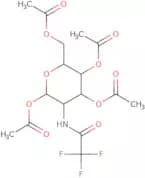
Pentenylglycoside derivatives are synthetic compounds that have a sugar as their core. These compounds are synthesized by glycosylation of pentenyl alcohols with sugars. They are highly soluble in water and have good stability. The molecules have been modified to increase their activity and reduce the toxicity. Some examples of modifications include fluorination, methylation, and click chemistry. This product is not available for sale in the United States because it has not been evaluated by the Food and Drug Administration (FDA).Pureza:Min. 95%1,3,4,6-Tetra-O-acetyl-2-deoxy-2-trifluoroacetamido-D-glucopyranose
CAS:1,3,4,6-Tetra-O-acetyl-2-deoxy-2-trifluoroacetamido-D-glucopyranose is a carbohydrate that has been modified with fluorine and acetyl groups. It is used as a precursor to other saccharides. The compound is synthesized by the reaction of 1,3,4,6-tetra -O-acetyl glucose with trifluoroacetic anhydride in methylene chloride. It can be custom synthesized for research purposes. This product has high purity and is sold in both liquid and powder form.Fórmula:C16H20F3NO10Pureza:Min. 95%Peso molecular:443.33 g/mol3-O-Benzyl-a-D-mannopyranose
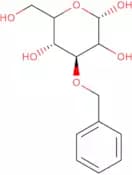
CAS:3-O-Benzyl-a-D-mannopyranose is a sugar that is used in the synthesis of complex carbohydrates. It is a synthetic compound that can be fluorinated, glycosylated, or methylated to produce desired compounds. 3-O-Benzyl-a-D-mannopyranose has a CAS number of 65877-63-6 and can be used in the synthesis of oligosaccharides, monosaccharides, and saccharides. This product has high purity and is available for custom synthesis.Fórmula:C13H18O6Pureza:Min. 95%Peso molecular:270.28 g/mol2,4,7,8,9-Penta-O-acetyl-N-azidoacetyl-b-neuraminic acid methyl ester
CAS:2,4,7,8,9-Penta-O-acetyl-N-azidoacetyl-b-neuraminic acid methyl ester is a custom synthesis of a monosaccharide. It is modified with fluorine and methyl groups to give it a higher degree of reactivity. This product can be used for the synthesis of oligosaccharides and polysaccharides. 2,4,7,8,9-Penta-O-acetyl-N-azidoacetyl-b-neuraminic acid methyl ester is also used for click modification reactions on saccharide molecules. The CAS number for this product is 1357804-21-7.Fórmula:C22H30N4O1Pureza:Min. 95%Peso molecular:366.5 g/mol1,2,3,4-Tetra-O-acetyl-β-D-glucuronic acid methyl ester
CAS:1,2,3,4-Tetra-O-acetyl-beta-D-glucuronic acid methyl ester is a phosphatidylinositol (PtdIns) synthesis inhibitor. It inhibits the activation of the PtdIns 3 kinase enzyme by binding to its C2 domain. This inhibitor blocks the synthesis of PtdIns 3,4,5P3 and reduces the activity of protein kinases such as Akt and PKC. The structural analysis of this compound has been done on wild type virus and mouse tumor cells in vitro. One study showed that 1,2,3,4-Tetra-O-acetyl-beta-D-glucuronic acid methyl ester can inhibit hematopoietic progenitor cells and suppress wild type virus growth in vivo.1,2,3,4 Tetra-O-acetyl beta D glucuronic acid methyl ester may have potential as
Fórmula:C15H20O11Peso molecular:376.32 g/mol2-Deoxy-3,4-O-isopropylidene-D-arabino-hexose propylene dithioacetal
CAS:2-Deoxy-3,4-O-isopropylidene-D-arabino-hexose propylene dithioacetal is a synthetic monosaccharide. It is a custom synthesis and can be modified with methylation, fluorination, or click chemistry. 2-Deoxy-3,4-O-isopropylidene-D-arabino-hexose propylene dithioacetal has been used in the synthesis of glycosylated proteins and oligosaccharides. It is also used as a buffer standard in high performance liquid chromatography (HPLC) methods for analysis of saccharides and sugar alcohols.Fórmula:C12H22O4S2Pureza:Min. 95%Peso molecular:294.43 g/mol1,5-Dideoxy-D-xylulose
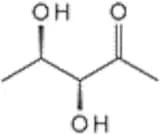
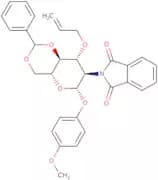
CAS:1,5-Dideoxy-D-xylulose is a synthetic compound that has been modified to make it resistant to methylation and other modifications. It can be used as a raw material for the production of complex carbohydrates and saccharides, such as oligosaccharides and polysaccharides. 1,5-Dideoxy-D-xylulose is widely used in the modification of saccharides and carbohydrates. It is important in the production of high purity monosaccharides, which are used in the synthesis of pharmaceuticals. This product is also often used for fluorination reactions.Fórmula:C5H10O3Pureza:Min. 95%Peso molecular:118.13 g/mol4-Methoxyphenyl 3-O-allyl-4,6-O-benzylidene-2-deoxy-2-phthalimido-b-D-glucopyranoside
CAS:4-Methoxyphenyl 3-O-allyl-4,6-O-benzylidene-2-deoxy-2-phthalimido-b-D-glucopyranoside (BAP) is a phosphatase inhibitor. It binds to the active site of the enzyme phosphatase and prevents it from hydrolyzing phosphate esters. BAP is used to prevent the release of calcium ions from bone, which can lead to osteitis fibrosa cystica in patients with esophagectomy or those who have undergone abdominal surgery. Thermodynamic studies indicate that BAP binds to phosphatases with a 1:1 stoichiometry and that this binding is irreversible.Fórmula:C31H29NO8Pureza:Min. 95%Peso molecular:543.56 g/mol

![1,2,6-Tri-O-benzyl-2-deoxy-4-O-[phenoxy(thiocarbonyl)]-2-phthalimido-b-D-glucopyranoside](/_next/image/?url=https%3A%2Fstatic.cymitquimica.com%2Fproducts%2F3D%2Fthumb-webp%2FMT07405.webp&w=3840&q=75)
![2,3,4,6-Tetra-O-acetyl-N-(b-D-galactopyranosyl)-N'-[(2-methanethiosulfonyl)ethyl]urea](/_next/image/?url=https%3A%2Fstatic.cymitquimica.com%2Fproducts%2F3D%2Fthumb-webp%2FMT01191.webp&w=3840&q=75)
![D-[UL-13C6]Glucosamine HCl](/_next/image/?url=https%3A%2Fstatic.cymitquimica.com%2Fproducts%2F3D%2Fthumb-webp%2FMG45066.webp&w=3840&q=75)
![5-Deoxy-1,2-O-isopropylidene-5-[(2R-pyridin-2-yl-pyrrolidine)-1-yl]-a-D-xylofuranose](/_next/image/?url=https%3A%2Fstatic.cymitquimica.com%2Fproducts%2F3D%2Fthumb-webp%2FMD07487.webp&w=3840&q=75)

![1,2,3,4-Tetra-O-acetyl-D-[6-13C]glucuronide methyl ester](/_next/image/?url=https%3A%2Fstatic.cymitquimica.com%2Fproducts%2F3D%2Fthumb-webp%2FMT08063.webp&w=3840&q=75)

![L-[2-13C]Xylose](/_next/image/?url=https%3A%2Fstatic.cymitquimica.com%2Fproducts%2F3D%2Fthumb-webp%2FDUA50663.webp&w=3840&q=75)









![Galβ(1-3)[neu5acα(2-6)]GalNAc-α-PNP](/_next/image/?url=https%3A%2Fstatic.cymitquimica.com%2Fproducts%2F3D%2Fthumb-webp%2FRCC82290.webp&w=3840&q=75)

![L-[6-13C]Sorbose](/_next/image/?url=https%3A%2Fstatic.cymitquimica.com%2Fproducts%2F3D%2Fthumb-webp%2FMS35536.webp&w=3840&q=75)