


Monosacáridos
Subcategorías de "Monosacáridos"
- Allosas(11 productos)
- Arabinosas(21 productos)
- Eritrosas(11 productos)
- Fructosas(9 productos)
- Fucosas(36 productos)
- Galactosamina(41 productos)
- Galactosa(262 productos)
- Glucosas(365 productos)
- Ácidos glucurónicos(52 productos)
- Glico-sustratos para enzimas(78 productos)
- Gulosas(6 productos)
- Idosas(4 productos)
- Inositoles(15 productos)
- Lyxosas(4 productos)
- Manosas(65 productos)
- O-glicanos(48 productos)
- Psicosas(3 productos)
- Ramnosas(10 productos)
- Ribosas(61 productos)
- Ácidos siálicos(100 productos)
- Sorbosas(4 productos)
- Azúcares(173 productos)
- Tagatosis(4 productos)
- Taloses(8 productos)
- Xilosas(20 productos)
Se han encontrado 6089 productos de "Monosacáridos"
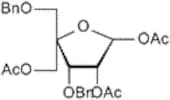
4-C-Acetoxymethyl-1,2-di-O-acetyl-3,5-di-O-benzyl-D-ribofuranose
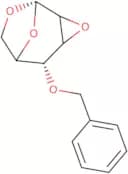
CAS:4-C-Acetoxymethyl-1,2-di-O-acetyl-3,5-di-O-benzyl-D-ribofuranose is a custom synthesis that can be modified according to your requirements. It is an oligosaccharide with a complex carbohydrate structure. This product is synthesized by Click chemistry and has a high purity level.Fórmula:C26H30O9Pureza:Min. 95%Forma y color:Colourless syrup.Peso molecular:486.51 g/mol1,6:2,3-Dianhydro-4-O-benzyl-b-D-mannopyranose
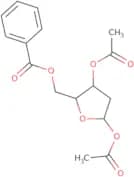
CAS:1,6:2,3-Dianhydro-4-O-benzyl-b-D-mannopyranose is a modification of the natural sugar D-mannopyranose. It is an oligosaccharide with a complex carbohydrate structure that has been synthesized by modifying the natural sugar. 1,6:2,3-Dianhydro-4-O-benzyl-b-D-mannopyranose is a high purity and monosaccharide that has been methylated and glycosylated to produce a polysaccharide sugar. This product can be used for many applications in the chemical industry including as a fluorination agent or as a saccharide in research or medical applications.Fórmula:C13H14O4Pureza:Min. 95%Peso molecular:234.25 g/mol1,3-Di-O-acetyl-2-deoxy-5-O-benzoyl-L-erythro-pentofuranose
CAS:1,3-Di-O-acetyl-2-deoxy-5-O-benzoyl-L-erythro-pentofuranose is a sugar with a complex carbohydrate structure. It is synthesized by the reaction of 1,3:2,4:5,6:7,8:9,10:11,12:13,14:15,16:17,18:19,20:21 and 22 O acetyl groups with 2 deoxyribose moieties. This product can be used in Click chemistry and glycosylization reactions. The CAS number for this product is 327027-21-4.Fórmula:C16H18O7Pureza:Min. 95%Peso molecular:322.31 g/mol1,2-Di-[(Trishydroxymethyl)aminomethane]-succinamide
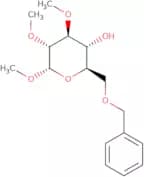
1,2-Di-[(Trishydroxymethyl)aminomethane]-succinamide is a synthetic chemical compound that has been modified to have a high purity. It can be used in the synthesis of oligosaccharides and saccharides, as well as complex carbohydrates. The chemical formula for 1,2-Di-[(Trishydroxymethyl)aminomethane]-succinamide is C6H10N4O3. This product can be found under CAS No.: 4173-71-1.Pureza:Min. 95%Methyl 6-O-benzyl-2,3-di-O-methyl-a-D-glucopyranoside
CAS:Methyl 6-O-benzyl-2,3-di-O-methyl-a-D-glucopyranoside is a custom synthesis that is fluorinated and modified. This product is an oligosaccharide with a molecular weight of 906. It has CAS No. 106220-89-7 and can be used in the modification of saccharides, carbohydrates, and polysaccharides. Methyl 6-O-benzyl-2,3-di-O-methyl -a -D -glucopyranoside has a purity greater than 99%. It is composed of a single monosaccharide sugar that has been synthesized and modified.Fórmula:C16H24O6Pureza:Min. 95%Peso molecular:312.37 g/mol4-Methoxyphenyl-2,3,5-tri-O-benzoyl-D-ribofuranoside
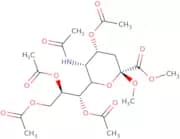
Modification of glycosylation is a process that can be used to alter the properties or characteristics of a carbohydrate. This modification is done by adding a sugar molecule to the existing glycosidic linkage, modifying the chemical structure. Modification of glycosylation has been shown to increase the bioavailability and decrease the rate of clearance of drugs in animal models. This process can also be used to synthesize oligosaccharides, which are carbohydrates consisting of two to nine monosaccharide units. Monosaccharides are sugars composed only of one kind of sugar molecule, such as glucose or fructose. Methylation and fluorination are two types of chemical modifications that can be performed on saccharides (sugars). These modifications have been shown to increase the stability and solubility of saccharides while decreasing their immunogenicity.Pureza:Min. 95%N-Acetyl-2-O-methyl-a-neuraminic acid methyl ester 4,7,8,9-tetraacetate
CAS:N-Acetyl-2-O-methyl-a-neuraminic acid methyl ester 4,7,8,9-tetraacetate is a synthetic monosaccharide that is the methyl ester of 2-O-Methyl alpha-neuraminic acid. It is an important reagent in the synthesis of oligosaccharides and polysaccharides. Methylation of the hydroxyl group on the C4' atom of NAMNAA (4,7,8,9 tetraacetate) with methyl iodide followed by acetylation with acetic anhydride produces the desired product. The resulting product has a purity level of >98% and CAS No. 73208-80-7.Fórmula:C21H31NO13Pureza:Min. 95%Peso molecular:505.47 g/molD-Fructose-1,6-diphosphate monocalcium salt
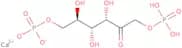
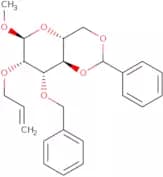
CAS:D-Fructose-1,6-diphosphate monocalcium salt is a complex carbohydrate that is produced by methylation of D-fructose 1,6-diphosphate. This compound belongs to the class of saccharides and has been modified using fluorination. It is also an important glycosylation site for many proteins. In addition, it can be used as a synthetic substrate in click chemistry and as a building block for oligosaccharides or polysaccharides.Fórmula:C6H12O12P2·CaPureza:Min. 95%Peso molecular:378.18 g/molMethyl 2-O-allyl-3-O-benzyl-4,6-O-benzylidene-a-D-mannopyranoside
CAS:Methyl 2-O-allyl-3-O-benzyl-4,6-O-benzylidene-a-D-mannopyranoside is a synthetic sugar that contains an aldose and a ketose. It has been used for the synthesis of oligosaccharides and monosaccharides. Methyl 2-O-allyl-3-O-benzyl -4,6 -O -benzylidene -a -D -mannopyranoside has been shown to have antiadhesive properties when used in combination with other sugars.Fórmula:C24H28O6Pureza:Min. 95%Peso molecular:412.48 g/molMethyl 3,5-di-O-(p-chlorobenzyl)-2-deoxy-a-D-ribofuranoside
Methyl 3,5-di-O-(p-chlorobenzyl)-2-deoxy-a-D-ribofuranoside is an oligosaccharide that is synthesized by the Click modification of a glycosylation reaction. It is a synthetic compound with a molecular weight of 524.87 Da and a CAS number of 71068-92-1. The chemical structure of this compound consists of two monosaccharides: D-arabinose and D-xylose, which are linked through alpha (1->4) glycosidic bonds. This product is used in the synthesis of complex carbohydrates.Pureza:Min. 95%2,3,4-Tri-O-acetyl-1,6-anhydro-b-D-glucopyranose
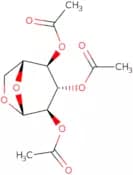
CAS:2,3,4-Tri-O-acetyl-1,6-anhydro-b-D-glucopyranose is a high purity monosaccharide that is custom synthesized to meet your needs. This product is a sugar with a click modification, fluorination, glycosylation and methylation. It can be used as a synthetic oligosaccharide or monosaccharide in the synthesis of complex carbohydrates. It has CAS No. 13242-55-2 and can be used in saccharides.Fórmula:C12H16O8Pureza:Min. 95%Forma y color:White PowderPeso molecular:288.25 g/mol4-Methoxyphenyl 4,6-O-Benzylidene-b-D-galactopyranoside
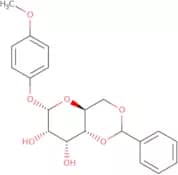
CAS:4-Methoxyphenyl 4,6-O-Benzylidene-b-D-galactopyranoside is a diagnostic agent that reacts with the magnesium salt of 4,6-O-benzylidene b-D-galactopyranoside to form a bright red complex. The reaction of the complex with the magnesium oxide is rapid and highly specific for this substrate. The intensity of color can be measured spectrophotometrically at a wavelength of 420 nm. This product may be used in medical research to diagnose Alzheimer's Disease or other neurological disorders that are characterized by impaired cognition and memory.Fórmula:C20H22O7Pureza:Min. 95%Peso molecular:374.38 g/mol4-Nitrophenyl 3-O-benzoyl-4,6-cyclohexylidene-b-D-mannopyranoside
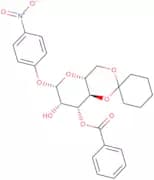
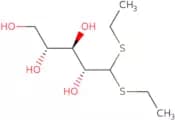
CAS:4-Nitrophenyl 3-O-benzoyl-4,6-cyclohexylidene-b-D-mannopyranoside is a Custom synthesis. It is an Oligosaccharide that consists of a Polysaccharide with Modification. The CAS No. 102717-17-9 is Methylation and Glycosylation and Carbohydrate. Click modification and saccharide are sugar and High purity. Fluorination is Synthetic.Fórmula:C25H27NO9Pureza:Min. 95%Peso molecular:485.48 g/molD-Arabinose diethyldithioacetal
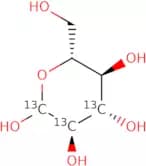
CAS:D-Arabinose diethyldithioacetal is a nitro compound that is used as an anticoagulant. It has a high degree of water solubility and can be administered intravenously. D-Arabinose diethyldithioacetal is formed from d-arabinose and diethyl dithiocarbamate by reaction with boron trifluoride etherate in the presence of hydrochloric acid. This produces the nitro group, which can then react with a hydroxymethyl group to form the final product. The reaction proceeds through two steps: first, the hydroxy methyl group converts to a trifluoroacetic acid derivative, followed by addition of nitric acid to produce the desired product. The final product contains two benzyl groups and two functional groups, which are responsible for its anticoagulant properties.Fórmula:C9H20O4S2Pureza:Min. 95%Forma y color:Off-white solid.Peso molecular:256.38 g/molD-Glucose-1,2,3-13C3
CAS:D-Glucose-1,2,3-13C3 is a synthetic monosaccharide that has been fluorinated at the 1, 2 and 3 positions. The 13C isotope has been used to study the glycosylation of this compound. This product is available in custom synthesis quantities.Fórmula:C3C3H12O6Pureza:Min. 95%Peso molecular:183.16 g/molL-Galactose-6-O-sulphate sodium salt
L-Galactose-6-O-sulphate sodium salt is a modified carbohydrate that is synthesized by modifying the chemical structure of L-galactose. This modification can be accomplished using chemical reactions such as methylation, saccharide, polysaccharide, and click modification. The CAS number for this product is 68891-70-8.
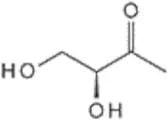
Fórmula:C6H11O9SNaPureza:Min. 95%Peso molecular:282.2 g/mol1-Deoxy-L-erythrulose
CAS:1-Deoxy-L-erythrulose is an electron acceptor that is a non-essential cofactor for the enzyme reductoisomerase. It binds to the active site of the enzyme and stabilizes its conformation, which leads to the formation of a dianion. 1-Deoxy-L-erythrulose also acts as an activator for phosphite, which is a transition state analog. This activation leads to the formation of ATP and NADPH as products.Fórmula:C4H8O3Pureza:Min. 95%Peso molecular:104.1 g/mol4-Deoxy-4-fluoro-a-D-glucopyranose
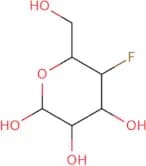
CAS:4-Deoxy-4-fluoro-a-D-glucopyranose is a carbohydrate that belongs to the group of carbohydrates. It has enthalpy and entropy values of -1,865.2 kJ/mol and -3,363.6 J/(mol·K) at 298 K, respectively. This compound has been shown to interact with water molecules in solution phase. 4-Deoxy-4-fluoro-a-D-glucopyranose is soluble in water and interacts with other carbohydrate molecules at an intermolecular level. 4DFA has an extrapolated melting point of about 216 degrees Celsius.
Fórmula:C6H11FO5Pureza:Min. 95%Peso molecular:182.15 g/molPitavastatin 3-O-glucuronide
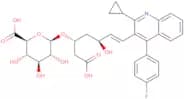
CAS:Pitavastatin 3-O-glucuronide is a synthetic, water soluble glycosylate prodrug of pitavastatin, a third generation HMG-CoA reductase inhibitor. Pitavastatin 3-O-glucuronide has been shown to be effective in lowering serum cholesterol and triglycerides in humans. This drug is metabolized by hydrolysis of the glucuronide moiety and cleavage of the sugar moiety to form active pitavastatin. Pitavastatin 3-O-glucuronide also has an increased stability against oxidation compared to pitavastatin.Fórmula:C31H31FNO10Pureza:Min. 95%Peso molecular:596.58 g/mol1-13C-D-Rhamnose
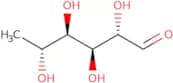
CAS:1-13C-D-Rhamnose is a monosaccharide that belongs to the group of pentoses. It is an inhibitor of bacterial growth and has been shown to inhibit the growth of P. aeruginosa strains. The mechanism of action for 1-13C-D-Rhamnose is not yet known, but it may be due to its ability to inhibit bacterial DNA polymerase, which prevents chain reactions from occurring and leads to cell death. 1-13C-D-Rhamnose has a homologous structure to GDP-D-mannose and can interact with hydrogen bonding interactions. It is found in papillae on the tongue and inhibits taste receptor cells by binding to the sweet taste receptors on the surface of these cells. The optimal pH for 1-13C-D-Rhamnose's inhibitory properties is 5.5Fórmula:C6H12O5Pureza:Min. 95%Peso molecular:164.16 g/mol1-Deoxy-1-nitro-L-galactitol
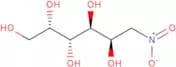
CAS:1-Deoxy-1-nitro-L-galactitol is a compound that has been shown to inhibit serine protease and glutaminyl cyclase activity. It is commonly used in laboratory settings as a potassium substitute in media formulations. This compound belongs to the class of monosaccharides known as glutaminyl derivatives. It has been studied for its potential as an inhibitor of nafamostat, a serine protease inhibitor used in the treatment of pancreatitis and disseminated intravascular coagulation (DIC). Additionally, 1-Deoxy-1-nitro-L-galactitol has been investigated for its potential as a disinfectant and as an adrenergic receptor agonist. Preliminary studies have also suggested antiviral properties against certain viruses. Further research is needed to fully understand the potential applications of this compound.
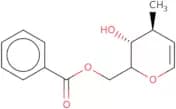
Fórmula:C6H13NO7Pureza:Min. 95%Peso molecular:211.17 g/mol3,6-Di-O-benzoyl-D-galactal
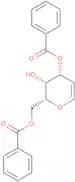
CAS:3,6-Di-O-benzoyl-D-galactal is a complex carbohydrate with CAS No. 130323-36-3 and a molecular weight of 538. It is an oligosaccharide that can be modified by methylation, glycosylation, or carbamylation. This product can also be fluorinated to form 3,6-di-O-(4'-fluoro)benzoyl-D-[2]galactal.Pureza:Min. 95%3,5-O-Benzylidene-L-lyxono-1,4-lactone
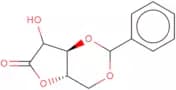
3,5-O-Benzylidene-L-lyxono-1,4-lactone is a custom synthesis that has been modified with fluorination, methylation and monosaccharide. This product is also synthesized from a saccharide and may be modified with glycosylation. These modifications will create an oligosaccharide or complex carbohydrate. 3,5-O-Benzylidene-L-lyxono-1,4-lactone can be found in the CAS registry number 177538-08-3.Fórmula:C11H10O5Pureza:Min. 95%Peso molecular:222.2 g/molPhenyl a-L-thioglucopyranoside
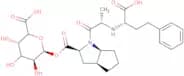
Phenyl a-L-thioglucopyranoside is an intermediate in the synthesis of glycosides. It is used as a fluorinating or methylating agent, and as a glycosylating or modifying agent. Phenyl a-L-thioglucopyranoside can be synthesized by the click modification of thioglycolic acid with phenol, followed by glycination. It has been shown to react with monosaccharides to form oligosaccharides and polysaccharides. Phenyl a-L-thioglucopyranoside can also react with saccharides to form complex carbohydrates.Pureza:Min. 95%Peso molecular:272.32 g/molPerindopril acyl-a-D-glucuronide
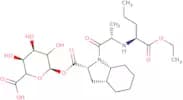
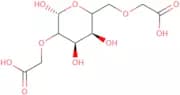
Perindopril acyl-a-D-glucuronide is a synthetic small molecule that has been modified with fluorination, methylation, and click modification. It can be used for the synthesis of oligosaccharides and saccharides. Perindopril acyl-a-D-glucuronide is a highly reactive compound that is useful in glycosylation reactions, including Click chemistry. The CAS number for this compound is 217917-05-8. The molecular weight of perindopril acyl-a-D-glucuronide is 284.36 g/mol and the molecular formula is C14H24N2O6•C2H3O2•1/2 H2O.Fórmula:C25H40N2O11Pureza:Min. 95%Peso molecular:544.6 g/mol2,3,6-Tri-O-carboxymethyl-D-glucose
CAS:2,3,6-Tri-O-carboxymethyl-D-glucose (TCMG) is a potent polyelectrolyte that can be used as an additive to cellulose. TCMG is synthesized by the reaction of 2,3,6-tri-O-carboxymethylcellulose with potassium bitartrate in acidic medium. TCMG has been shown to interact with cellulose and form a gel matrix. This reaction is due to the ionic interactions between the carboxyl groups in TCMG and the hydroxyl groups in cellulose. The conductimetric titration measurement shows that TCMGs have a constant value at pH 5.5, indicating that they are anionic polyelectrolytes. Potentiometric titration indicates that TCMGs are nonionic polyelectrolytes and the interaction between these two polymers is due to electrostatic forces.Fórmula:C12H18O12Pureza:Min. 95%Forma y color:White To Off-White SolidPeso molecular:354.26 g/molD-Glucose-4-D
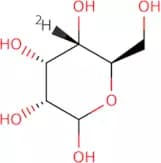
CAS:Producto controladoD-Glucose-4-D is a deuterated form of glucose. It is a halophilic sugar that is used in the biosynthesis of lipids. D-Glucose-4-D can be synthesized chemically or by isotope effect by using d-glucose as the starting material. This compound can be used to study lipid synthesis and lipid metabolism in bacteria, such as E. coli, because it has been shown to inhibit the enzyme glycerol dehydratase, which catalyzes the conversion of glycerol to dihydroxyacetone phosphate, an intermediate in lipid biosynthesis. D-Glucose-4-D also inhibits the enzyme phosphatidate phosphohydrolase, which converts phosphatidic acid to diacylglycerol. These compounds are important for membrane lipid formation and are involved in cellular signalling pathways.Fórmula:C6H11DO6Pureza:Min. 95%Peso molecular:181.16 g/molPropylbeta-D-glucopyranoside
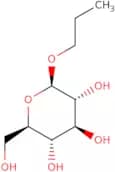
CAS:Propylbeta-D-glucopyranoside is a sugar transport inhibitor that is used to inhibit bacterial growth. It has been shown to bind to the glucose transporter and quench tryptophan fluorescence in plant cells. This active form of Propylbeta-D-glucopyranoside also inhibits bacterial growth by binding to fatty acid esters and cytochalasin, modifiers of cell membrane permeability, which inhibit the synthesis of fatty acids. Microcapsules containing this drug have been shown to be effective against staphylococci and other bacteria. The activity of Propylbeta-D-glucopyranoside can be increased by hydrochloric acid or sodium hydroxide, which increase the solubility of its salts.
Fórmula:C9H18O6Pureza:Min. 95%Peso molecular:222.24 g/mol3,4-O-Isopropylidene-D-galactal
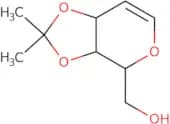
CAS:3,4-O-Isopropylidene-D-galactal is a modified form of galactal. This compound is a methylated derivative of D-galactal that has been synthesized by the click reaction. It can be used in the synthesis of oligosaccharides and polysaccharides. 3,4-O-Isopropylidene-D-galactal is a high purity compound with a CAS number of 124477-12-9.
Pureza:Min. 95%Methyl 2,3,5-tri-O-benzyl-a-D-arabinofuranoside
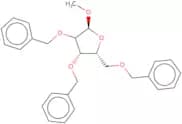
Methyl 2,3,5-tri-O-benzyl-a-D-arabinofuranoside is a methylated sugar that belongs to the group of saccharides. It is often used as a Click modification and in custom synthesis of oligosaccharides. This product is also used for glycosylation and high purity modifications. Methyl 2,3,5-tri-O-benzyl-a-D-arabinofuranoside can be synthesized from arabinose and benzaldehyde with fluorination. The CAS number for this product is 51469-61-1.Fórmula:C27H30O5Pureza:Min. 95%Peso molecular:434.52 g/mol3-O-Toluoyl decitabine
CAS:3-O-Toluoyl decitabine is a synthetic, high purity drug that is custom synthesized to order. The synthesis of 3-O-Toluoyl decitabine involves the modification of sugar molecules with fluorination, glycosylation, and methylation. This compound has CAS No. 183016-21-9 and is used in the treatment of cancer by inhibiting ribonucleic acid (RNA) synthesis. 3-O-Toluoyl decitabine inhibits RNA polymerase II and III, which are enzymes that catalyze the transcription of DNA into RNA. It also inhibits protein kinase C, which leads to cell death and tumor shrinkage.
Fórmula:C16H18N4O5Pureza:Min. 95%Peso molecular:346.34 g/molCladinose
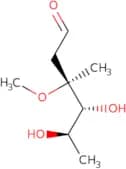
CAS:Cladinose is a natural compound that has been shown to have potent inhibitory properties against microorganisms, such as bacteria and fungi. Cladinose has been shown to inhibit the growth of bacteria by reacting with the ribosomes of cells in the bacterial cytoplasm. It inhibits bacterial protein synthesis by binding to the ribosomal RNA and blocking access to the mRNA template. Cladinose also inhibits fungal growth by inhibiting ergosterol biosynthesis, which prevents fungal cell membrane formation. Cladinose has been shown to have antiinflammatory activity in mice with induced inflammation. This is due to its ability to bind to cyclooxygenase-2 (COX-2) and prevent its activation, thereby preventing prostaglandin synthesis.Fórmula:C8H16O4Pureza:Min. 95%Peso molecular:176.21 g/mol(S,S)-(-)-1,4-Dimethoxy-2,3-butanediol
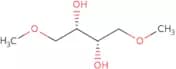
CAS:(S,S)-(-)-1,4-Dimethoxy-2,3-butanediol is an organic compound with the chemical formula CH(OCH)CHOH. This colorless liquid is a chiral molecule that can exist in two enantiomeric forms. The asymmetric carbon atom (C-1) is of high stereoselectivity and has been shown to undergo nucleophilic attack by a wide variety of nucleophiles. The reaction product can be either the corresponding enolate or enolates depending on whether the nucleophile is a base or acid. In addition, this compound yields a stereoselective synthesis of chiral products when reacted with carbonyls.Fórmula:C6H14O4Pureza:Min. 95%Peso molecular:150.17 g/molD-Galactose-BSA
D-Galactose-BSA is a modified carbohydrate that is synthesized by the selective substitution of the hydroxyl group on the beta-carbon of D-galactose. This modification enhances the binding affinity of D-galactose to bovine serum albumin (BSA), which is used as a carrier protein for many biological assays. The fluorination step in this synthesis creates reactive sites on the molecule, which are then available for chemical modifications such as methylation or glycosylation. D-Galactose-BSA can be custom synthesized to meet your specifications for purity, stability, and activity.Forma y color:White Powder5-O-Trityl-D-ribose
CAS:5-O-Trityl-D-ribose is a sugar derivative that is used in the chemical synthesis of pharmaceuticals, natural products, and other compounds. It is an important intermediate in the synthesis of various nucleosides and nucleotides.Pureza:Min. 95%UDP-N-Lev-galactosamine
CAS:UDP-N-Lev-galactosamine is a glycosylation agent that is used in the synthesis of complex carbohydrates, such as methylated and fluorinated saccharides. It can be used to modify saccharides, oligosaccharides, and sugars. This compound can also be used for the synthesis of monosaccharides. UDP-N-Lev-galactosamine is a custom synthesis that has been shown to have a high purity.Pureza:Min. 95%1,6-Anhydro-b-D-glucofuranose
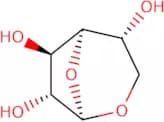
CAS:B-D-glucofuranose is a natural compound with the molecular formula C6H12O6. It is found in plants, specifically in the seeds of the granatum tree. The calibration of this compound can be done using anions and ion chromatography. B-D-glucofuranose has antibacterial activity against Gram-positive bacteria, but not against Gram-negative bacteria or fungi. It also inhibits fatty acid synthesis and may have nutritional value for humans as a source of 5-hydroxymethylfurfural (HMF). HMF has been shown to inhibit the growth of cancer cells in vitro and induce apoptosis in cancer cells by uv irradiation. Mass spectrometric analysis and spectrometric methods are used to identify this compound.Fórmula:C6H10O5Pureza:Min. 95%Forma y color:White PowderPeso molecular:162.14 g/molLuteolin 7,3'-di-O-glucuronide
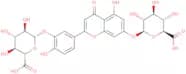
CAS:Luteolin 7,3'-di-O-glucuronide is a flavonoid that is structurally similar to luteolin. It has been characterized by deglycosylation and the technique of fluitans. The deglycosylation step was carried out using glycosidase from liverwort, which cleaves the glycosidic linkage between the sugar and the aglycone. Luteolin 7,3'-di-O-glucuronide has been found in Chrysoeriol and Fluitans, which are flavonoid glycosides from Liverwort. Luteolin 7,3'-di-O-glucuronide also exhibits antiplatelet activity due to its ability to inhibit platelet aggregation and thrombus formation.Fórmula:C27H26O18Pureza:Min. 95%Forma y color:PowderPeso molecular:638.48 g/molInositol nicotinate
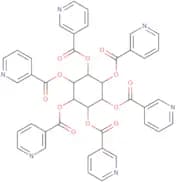
CAS:Inositol nicotinate is a combination of two substances, inositol and nicotinate. It is used to reduce the risk of heart disease by lowering low-density lipoprotein-cholesterol (LDL) levels. Inositol nicotinate has been shown to increase the surface area of mitochondria, which may be due to its ability to inhibit the release of fatty acids from fat cells. Inositol nicotinate also increases magnesium levels in cells and induces mitochondrial functions. This drug has been tested in cell culture for its effects on skin cells and found that it can reduce the amount of x-linked adrenoleukodystrophy protein (XALD), a substance that accumulates in patients with X-linked adrenoleukodystrophy, an inherited disorder that causes progressive damage to the nervous system. The drugs also have been shown to have beneficial effects on cholesterol metabolism, reducing LDL cholesterol levels, as well as inhibiting platelet aggregation.
Fórmula:C42H30N6O12Pureza:Min. 95%Forma y color:White PowderPeso molecular:810.72 g/molo-Methoxytopolin-9-glucoside
CAS:O-Methoxytopolin-9-glucoside is a sugar that is used in the synthesis of glycoproteins, glycosaminoglycans, and glycoconjugates. It can be used as a fluorinated sugar probe to study glycosylation. This compound has been synthesized with a variety of modifications such as methylation, fluorination, and click chemistry. O-Methoxytopolin-9-glucoside is an oligosaccharide with a monosaccharide at its reducing end. The saccharides are linked through beta 1→4 glycosidic bonds with alpha 1→2 glycosidic bonds at their other ends. O-Methoxytopolin-9-glucoside has been shown to be stable under acidic conditions and can act as both an antioxidant and prooxidant depending on the pH level.Fórmula:C19H23N5O6Pureza:Min. 95%Peso molecular:417.42 g/molLosartan N1-glucuronide
CAS:Losartan N1-glucuronide is a glucuronidated metabolite of losartan that is produced naturally in the human body. It is converted from losartan by the enzyme UDP-glucuronosyltransferase, which is found in humans and other animals. The rate of glucuronidation varies between individuals and is determined by genetic factors. Losartan N1-glucuronide has shown to be an effective inhibitor of angiotensin II, with an IC50 value of 1.4 μM. This inhibition can be reversed by dobutamine or recombinant human UGT2B7 enzyme, which are both competitive inhibitors of the enzyme UGT2B7. Magnetic resonance spectroscopy has been used to study the kinetic properties of this inhibitor and its effect on dobutamine-induced changes in cardiac function.
Fórmula:C28H31ClN6O7Pureza:Min. 95%Peso molecular:599.03 g/molD-[6,6'-2H2]Glucose
CAS:Producto controladoD-[6,6'-2H2]Glucose is a carbohydrate that is present in many foods and also produced by the cells of the human body. It can be used as a biomarker for cancer cells because it is taken up by malignant cells at a higher rate than normal cells. D-[6,6'-2H2]Glucose is often used to assess the response of patients to chemotherapy treatment. The uptake of D-[6,6'-2H2]Glucose by malignant cells can be measured using vibrational spectroscopy or chromatographic science. The deformation of glucose molecules can be quantified using nuclear magnetic resonance (NMR) spectroscopy and this data can then be used to estimate the degree of glycolysis in specific tissues.Fórmula:C6D2H10O6Pureza:Min. 95%Peso molecular:182.17 g/molAmiprilose
CAS:Amiprilose is a nonsteroidal anti-inflammatory drug that inhibits the production of IL-2. Amiprilose has been shown to inhibit IL-17a, which is an inflammatory cytokine, in skin cells and mononuclear cells. It also inhibits cell proliferation by binding to the il-2 receptor on muscle cells. Amiprilose has been shown to be effective as a pharmacological agent for treating autoimmune diseases such as rheumatoid arthritis and psoriasis.Fórmula:C14H27NOPureza:Min. 95%Peso molecular:225.37 g/molNeosamine
Neosamine is an antimicrobial agent that is activated by the addition of fatty acids. It has a low potency and is used to diagnose infections caused by bacteria. Neosamine has been shown to inhibit the growth of bacteria, fungi, and parasites on electron microscopy. Neosamine also inhibits protease activity and may be useful in detergent compositions for removing fats, oils, and greases from surfaces. This chemical is stable in acidic solutions and does not react with carbostyril or other diagnostic agents.Fórmula:C6H14N2O4Pureza:Min. 95%Peso molecular:178.19 g/molSecoxyloganin
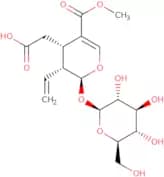
CAS:Secoxyloganin is a 4-hydroxycinnamic acid that belongs to the group of caffeic acids. It is an iridoid, which is a type of monoterpene indole alkaloid that has been found in various plants. Secoxyloganin can be found in the roots, stems, and leaves of plants such as Securigera varia and Digitalis purpurea. Secoxyloganin has shown antimicrobial activity against Gram-positive bacteria such as Staphylococcus aureus and Gram-negative bacteria such as Pseudomonas aeruginosa. It also has antiviral properties, which may be due to its ability to inhibit RNA synthesis and protein synthesis. Secoxyloganin has been shown to have physiological effects in vitro assays, including an increase in glucose uptake by cells after injection of glucose into the cell culture medium.Fórmula:C17H24O11Pureza:Min. 95%Peso molecular:404.37 g/molRaltegravir b-D-glucuronide methyl ester
Raltegravir is an HIV protease inhibitor that belongs to the class of glycosylated polymers. This compound is synthesized by a click modification of d-glucose with a methyl group and then fluorinated. The sugar moiety is attached to the backbone through a glycosyl linkage, which results in the formation of a complex carbohydrate. Raltegravir b-D-glucuronide methyl ester is soluble in water, alcohols, and organic solvents. It has been shown to be active against HIV type 1 strains resistant to other drugs. The synthesis of this compound was custom designed for high purity and high yield.Fórmula:C27H31FN6O11Pureza:Min. 95%Peso molecular:634.57 g/molD-myo-Inositol 1,2,3-triphosphate
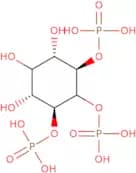
CAS:D-myo-Inositol 1,2,3-triphosphate is a polyphosphate that is involved in phosphatidylinositol signaling. It has been shown to be involved in the regulation of cellular proliferation and differentiation. The biological function of this molecule is not well understood, but it has been shown to have a high redox potential and can have protonation at high concentrations. D-myo-Inositol 1,2,3-triphosphate binds to metal ions such as iron. This molecule has been found in mammalian cells and is believed to be a structural component of these cells.Fórmula:C6H15O15P3Pureza:Min. 95%Peso molecular:420.1 g/mol1,5-Anhydroxylitol
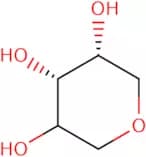
CAS:1,5-Anhydroxylitol is a white crystalline solid that is soluble in water and methanol. 1,5-Anhydroxylitol is an intermediate in the metabolic pathway of glyceric acid. It can be produced by the oxidation of sulfoxide or by reduction of glycols. 1,5-Anhydroxylitol has been shown to have acidic properties with a pKa value of 3.2. The protonation of 1,5-anhydroxylitol is postulated to involve hydroxide ions from water or hydroxide solution. The hydroxide ion reacts with the hydroxyl group on the ring at the 5th carbon atom to produce a reactive metastable form that quickly decomposes into glyceric acid and water.Fórmula:C5H10O4Pureza:Min. 95%Peso molecular:134.13 g/molMethyl 2-deoxy-D-arabinopyranoside
CAS:Methyl 2-deoxy-D-arabinopyranoside is a fluorinated monosaccharide with an alpha,beta-unsaturated carbonyl group. It is used as a building block for the synthesis of complex carbohydrates and oligosaccharides. Methyl 2-deoxy-D-arabinopyranoside has been shown to be modified by methylation, glycosylation, and polysaccharide formation. This product can be custom synthesized to meet the needs of the customer.Fórmula:C6H12O5Pureza:Min. 95%Peso molecular:164.16 g/mol3-Hydroxystanozolol glucuronide
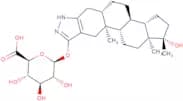
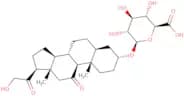
CAS:3-Hydroxystanozolol glucuronide is a metabolite of stanozolol that has been found in human urine. 3-Hydroxystanozolol glucuronide is formed as an intermediate during the metabolic conversion of stanozolol to its active form, which then is hydrolyzed by erythrocyte esterases or glucuronidases to form 3-hydroxystanozolol. This metabolite has been validated as an analytical marker for monitoring the use of stanozolol in sport and population studies.Fórmula:C26H38N2O8·C2H6Pureza:Min. 95%Peso molecular:536.66 g/molD-[4,5,6]-Fructose-13C3
CAS:D-[4,5,6]-Fructose-13C3 is a potent inhibitor of the golgi alpha-mannosidases which are enzymes that catalyze the hydrolysis of mannose residues from glycoproteins. This compound has been shown to inhibit the synthesis of glycoproteins in vitro and in vivo. D-[4,5,6]-Fructose-13C3 also inhibits other chemical reactions by binding to fatty acids or proteins. In cell culture, this compound has been shown to synergistically interact with cytochalasin B, which disrupts Golgi membranes. D-[4,5,6]-Fructose-13C3 is lipophilic and can be easily detected by magnetic resonance spectroscopy (MRS). MRS can be used to monitor the inhibition of fatty acid synthesis in cells cultured with this agent.Fórmula:C3C3H12O6Pureza:Min. 95%Peso molecular:183.13 g/mol3,4,6-Tri-O-acetyl-2-deoxy-D-galactopyranose
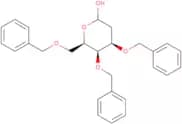
3,4,6-Tri-O-acetyl-2-deoxy-D-galactopyranose is a methylated saccharide that is the product of the reaction between 3,4,6-triacetyl-2,3,4,6-tetrapropionyl D galactopyranose and formaldehyde. It has been modified by Click chemistry and can be used for glycosylation reactions. This product is available in high purity and yields a complex carbohydrate that can be synthesised from various carbohydrates.Fórmula:C12H18O8Pureza:Min. 95%Peso molecular:290.27 g/mol2,3,5-Tri-O-benzyl-L-lyxono-1,4-lactone
Tri-O-benzyl-L-lyxono-1,4-lactone is a methylated saccharide. It can be used as a building block for the synthesis of oligosaccharides and glycosylations. It can also be used as a click modification to modify proteins and polymers.Fórmula:C26H26O5Pureza:Min. 95%Forma y color:PowderPeso molecular:418.48 g/mol3-O-tert-Butyldimethylsilyl-D-galactal
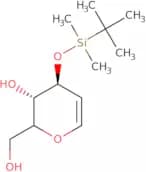
3-O-tert-Butyldimethylsilyl-D-galactal is a synthetic, fluorinated monosaccharide that has been used as a substrate for glycosylation reactions. The compound is synthesized by the reaction of 3,4,6-trichloro-2,5,7,8-tetrafluorohexanal with D-galactal in the presence of a base such as potassium carbonate. The product is purified by column chromatography and recrystallization from methanol to provide a white powder with a melting point of 176 °C.Fórmula:C12H24O4SiPureza:Min. 95%Peso molecular:260.4 g/molEmodin-1-O-b-D-glucopyranoside
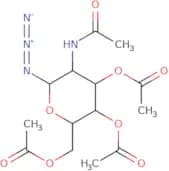
Emodin-1-O-b-D-glucopyranoside is a synthetic, fluorinated, glycosylated oligosaccharide. It can be used as a high purity, non-fluorinated carbohydrate for research purposes. Emodin-1-O-b-D-glucopyranoside has been modified via Click chemistry to provide the desired functional group and is available in various sizes.Pureza:Min. 95%Azido 2-acetamido-2-deoxy-3,4,6-tri-o-acetyl-β-D-galactopyranosyl
CAS:Azido 2-acetamido-2-deoxy-3,4,6-tri-O-acetyl-β-D-galactopyranosyl is a high purity and custom synthesis sugar. Azido 2-acetamido-2-deoxy-3,4,6-triO acetyl βD galactopyranosyl can be fluorinated, glycosylated, modified with methylation and other methods. It can also be used to synthesize oligosaccharides or monosaccharides. This carbohydrate is used in complex carbohydrates.Fórmula:C14H20N4O8Pureza:Min. 95%Peso molecular:372.33 g/molRamiprilat acyl-b-D-glucuronide
CAS:Ramiprilat acyl-b-D-glucuronide is a modified form of ramipril, an angiotensin converting enzyme inhibitor that belongs to the class of angiotensin II receptor antagonists. It is used in the treatment of hypertension and congestive heart failure. The modifications are performed by methylation, saccharide, polysaccharide, click modification, and modification. This active compound has CAS number 1357570-22-9. The chemical formula for this product is C37H53NO4. Ramiprilat acyl-b-D-glucuronide has high purity and is a complex carbohydrate with glycosylation on the sugar moiety that contains a fluorination at the 3 position on the glucose ring.Fórmula:C27H36N2O11Pureza:Min. 95%Peso molecular:564.59 g/mol2,6-Di-O-Carboxymethyl-D-glucose
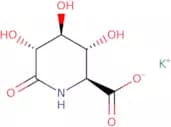
CAS:2,6-di-O-carboxymethyl-D-glucose (2,6-CMG) is a modification of D-glucose. 2,6-CMG is a complex carbohydrate with CAS No. 95350-37-1 and has the molecular formula C8H14O9. It is an oligosaccharide that can be custom synthesized to meet customer specifications. 2,6-CMG has high purity and can be used as a sugar or polysaccharide. It also has been fluorinated to meet customer requirements. The glycosylation of 2,6-CMG is methylated and saccharides are then added to it in order to produce a monosaccharide or polysaccharide. This product can be used in the synthesis of glycoproteins and other biomolecules.Fórmula:C10H16O10Pureza:Min. 95%Forma y color:Colourless LiquidPeso molecular:296.23 g/molD-Glucaro-1,5-lactam potassium salt
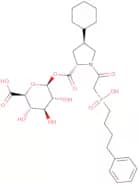
CAS:D-Glucaro-1,5-lactam potassium salt is a synthetic compound that can be used as a building block for the synthesis of glycosylated carbohydrates. It is fluorinated to prevent hydrolysis and methylated to protect against oxidation. This product is also suitable for click modification, polysaccharide synthesis, and glycosylation reactions. D-Glucaro-1,5-lactam potassium salt has CAS No. 53834-55-2 and can be custom synthesized in high purity.Fórmula:C6H9NO6·xKPureza:Min. 95%Forma y color:PowderPeso molecular:191.14 g/molFosinoprilat acyl-b-D-glucuronide
CAS:Fosinoprilat acyl-b-D-glucuronide is a modified fosinoprilat which is an orally active, potent and long lasting inhibitor of angiotensin-converting enzyme (ACE) with a high degree of selectivity for ACE. It has been shown to be effective in the treatment of hypertension, congestive heart failure, and diabetic nephropathy. Fosinoprilat acyl-b-D-glucuronide has been synthesized by click modification from L-fosinoprilat. The carbohydrate moiety is attached to the methyl group of the amine group on the saccharide backbone. This drug exhibits low toxicity and good stability in vivo.Fórmula:C29H42NO11PPureza:Min. 95%Peso molecular:611.62 g/mol6-O-Benzoyl-3-O-triisopropylsilyl-D-galactal
This is a synthetic sugar that can be custom synthesized based on the customer's specifications. 6-O-Benzoyl-3-O-triisopropylsilyl-D-galactal is a monosaccharide and an oligosaccharide that can be modified with a click modification, methylation, and glycosylation. It is a complex carbohydrate that has been shown to have anti-inflammatory properties. The glycosylation of this sugar can also be customized for specific purposes. This product has CAS number 132702-24-2 and is available at 95% purity or higher.Fórmula:C22H34O5SiPureza:Min. 95%Peso molecular:406.59 g/molUDP-D-galactosamine disodium salt
CAS:UDP-D-galactosamine disodium salt is a type of sugar that is a substrate for UDP-glucuronosyltransferase (UGT), which catalyzes the transfer of galactose from UDP-D-galactose to other molecules. The product of this reaction is UDP-D-galacturonic acid. It is produced in the liver, where it participates in the synthesis of glycoproteins, glycolipids, and glycosaminoglycans. In addition, it can be found in the distal tubule of the kidney and in leukemia cells. The histological analysis of rat liver tissue showed that UDP-D-galactosamine disodium salt is present in hepatocytes. This sugar also helps with protein synthesis and activates uridine, which can be used as a carbon source. Histological analysis also revealed that UDP-D-galactosamine disodium salt plays an important role in glucose metabolism, as well as
Fórmula:C15H23N3O16P2Na2Pureza:Min. 95%Forma y color:PowderPeso molecular:609.28 g/molIsofagomine hydrochloride
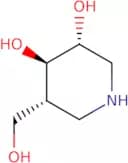
CAS:Inhibitor of lysosomal acid β-glucosidase (GlcCerase/glucocerebrosidase) with IC50 in nanomolar range for wildtype and mutant enzyme. It behaves as pharmacological chaperon by binding to instable GlcCerase active site at neutral pH values and facilitating the protein folding. In acidic lysosomes, isofagomine gets release from the enzyme active site. This results in increased levels of functional glucocerebrosidase and brings therapeutic benefits to patients with Gaucher disease.
Fórmula:C6H13NO3·HClPureza:Min. 95%Forma y color:PowderPeso molecular:183.63 g/mol6-O-Benzoylphlorigidoside B
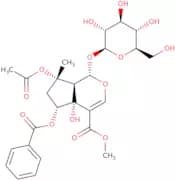
CAS:6-O-Benzoylphlorigidoside B is a natural product that belongs to the class of iridoid glycosides. It is found in plants such as callicarpa, which are members of the asterid clade. 6-O-Benzoylphlorigidoside B was isolated from iridoid glycosides in leaves of Formosana, a plant family native to Taiwan. This compound has been shown to have anti-inflammatory and anti-ulcer activities, as well as potential antiviral activity against herpes simplex virus type 1 (HSV1) and Epstein-Barr virus (EBV).Pureza:Min. 95%Gemfibrozil b-D-glucuronide-D6
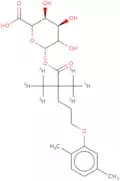
Producto controladoGemfibrozil b-D-glucuronide-D6 is a methylated, saccharide, Polysaccharide. It is a custom synthesis of the synthetic and fluorinated gemfibrozil b-D-glucuronide. The product is purified by HPLC to >98% purity and supplied as a white powder.Fórmula:C21H24D6O9Pureza:Min. 95%Forma y color:White to off-white solid.Peso molecular:432.49 g/molL-Idonic acid-1,4-lactone
CAS:L-Idonic acid-1,4-lactone is a custom synthesis that is a glycoconjugate with a carbohydrate moiety. It can be used for the modification of glycoproteins and glycopeptides, and has shown to have anti-inflammatory properties. L-Idonic acid-1,4-lactone is a sugar that is made up of an idonic acid attached to an alpha (1→4)-linked D-glucose molecule. This product can be methylated or glycosylated and has been shown to have anticancer activity in animal models. L-Idonic acid-1,4-lactone is soluble in water and has been fluorinated at the 4 position on the glucose unit.Fórmula:C6H10O6Pureza:Min. 95%Peso molecular:178.14 g/mol1,2,3,4-Tetra-O-acetyl-b-D-arabinopyranose
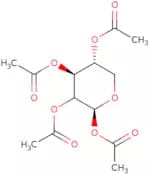
CAS:1,2,3,4-Tetra-O-acetyl-b-D-arabinopyranose is a custom synthesis of a carbohydrate. It is a tetra acetylated form of arabinopyranose that has been fluorinated. The fluorination process increases the reactivity of the sugar and allows for it to be glycosylated or methylated. This sugar can be used in the synthesis of oligosaccharides and complex carbohydrates. These can be used as sweeteners or functional food additives.Fórmula:C13H18O9Pureza:Min. 95%Peso molecular:318.28 g/mol2-Deoxy-2-fluoro-2-C-methyl-D-ribofuranose
2-Deoxy-2-fluoro-2-C-methyl-D-ribofuranose is a carbohydrate that contains a single sugar (monosaccharide) with the chemical formula C5H8O4. This compound is a synthetic monosaccharide that has been modified by fluorination, methylation, and glycosylation. It is often used in custom synthesis to create oligosaccharides or complex carbohydrates. 2DFFR can be ordered in high purity and has CAS No. 59737-89-7.Pureza:Min. 95%3-Deoxy-3-fluoro-D-glucitol
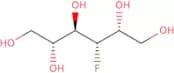
CAS:3-Deoxy-3-fluoro-D-glucitol is a glucose analog that is used as a marker for glycogen in tissue extracts. 3-Deoxy-3-fluoro-D-glucitol has been shown to be the most sensitive molecular marker for muscle glycogen concentrations, although it does not react with all types of muscle. It can also be used as a marker for glycogen content in extracts of tissue or cells because it reacts with locusta migratoria fat body. In addition, 3-deoxy-3-fluoro-D-glucitol can be used as a nuclear magnetic resonance (NMR) probe to study the structure of trehalose and fructose. The compound has been shown to bind to locusta migratoria fat body and can be used as an NMR probe to study the structure of trehalose and fructose.Fórmula:C6H13FO5Pureza:Min. 95%Peso molecular:184.16 g/molGlycosaminoglycan related oligosaccharides
Glycosaminoglycan related oligosaccharides are a family of complex carbohydrates that are found in the extracellular matrix. They consist of a monosaccharide, methylation, and glycosylation. Glycosaminoglycan related oligosaccharides have been shown to be effective in modifying cells, as well as in inhibiting bacterial growth. The fluorination of glycosaminoglycan related oligosaccharides has been shown to increase the stability and inhibit bacterial growth.Pureza:Min. 95%Astragaloside II
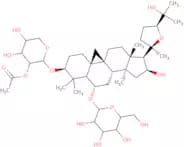
CAS:Astragaloside II is a natural compound that has been shown to have anti-inflammatory effects in vitro and in vivo. Astragaloside II inhibits the production of inflammatory mediators by inhibiting phosphodiesterase and cyclooxygenase pathways. It also has a matrix effect on the cells, which may be due to its ability to activate protein kinase C. This compound also has an analytical method, which consists of HPLC with UV detection at 210 nm.
Fórmula:C43H70O15Pureza:Min. 95%Forma y color:White To Off-White SolidPeso molecular:827.01 g/molL-Rhamnal
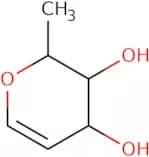
CAS:L-Rhamnal is a sodium sulfide that is used in the synthesis of stereoselective compounds. It has been shown to have anti-leukemic properties and may be useful for the treatment of lymphocytic leukemia. L-Rhamnal has been shown to inhibit tumor growth and metastasis in animal models of cancer, as well as being cytotoxic to human leukemic cells. L-Rhamnal inhibits the proliferation of these cells by blocking DNA synthesis and preventing cell division. The hydroxymethyl group on L-rhamnal interacts with chloride ions to form a salt that can be degraded into hydrogen sulfide gas, which is known to be toxic to some organisms. The chloride ion also reacts with triterpene alcohols, glycosidic bonds, potassium phosphate, or borohydride reduction agents like sodium borohydride or lithium aluminum hydride. These reactions are used in carbohydrate chemistry and aldehydeFórmula:C6H10O3Pureza:Min. 95%Peso molecular:130.14 g/molSedoheptulose-1-phosphate
CAS:Sedoheptulose-1-phosphate is a ribosomal metabolite that is produced by marine microorganisms. It is catabolized by sedoheptulose-7-phosphate kinase and converted to the pentose phosphate pathway. The metabolic profile of sedoheptulose-1-phosphate has been shown to be altered in response to environmental stress, such as changes in pH, oxygen levels, and temperature. Sedoheptulose-1-phosphate has also been shown to have structural properties similar to those of ATP and ADP, which may make it an important target for the development of antibiotics.Fórmula:C7H15O10PPureza:Min. 95%Peso molecular:290.16 g/mol1,2,3,4-Tetra-O-acetyl-a-L-rhamnopyranose
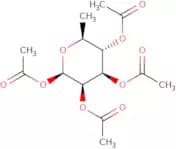
CAS:1,2,3,4-Tetra-O-acetyl-a-L-rhamnopyranose is a modified carbohydrate with the general structure of an oligosaccharide. It is a synthetic compound that has been modified with methylation and glycosylation. The purity of this product is high and it can be synthesized to order. This product has a CAS number of 27821-11-0 and can be found in the Carbohydrate section.Fórmula:C14H20O9Pureza:Min. 95%Peso molecular:332.3 g/mol2,3,4-Triacetate-beta- D- glucopyranosyl bromide
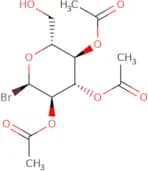
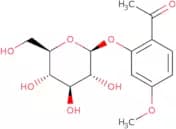
CAS:2,3,4-Triacetate-beta-D-glucopyranosyl bromide is a custom synthesis of an oligosaccharide. It is a complex carbohydrate that can be modified to create a saccharide with methylation and glycosylation. This product has CAS No. 13032-61-6 and can be used in research for the modification of saccharides and carbohydrates.Pureza:Min. 95%2-Acetyl-5-methoxyphenyl beta-D-Glucopyranoside
CAS:2-Acetyl-5-methoxyphenyl beta-D-glucopyranoside is a flavonoid that belongs to the group of dihydroquercetin. It can be prepared by liquid chromatography. 2-Acetyl-5-methoxyphenyl beta-D-glucopyranoside inhibits tumor cells in vitro and in vivo, through the inhibition of protein synthesis and DNA replication. In addition, it has been shown to inhibit the growth of leptadenia species with a high degree of selectivity. It also exhibits an antitumor effect on mouse sarcoma 180 cells, as well as on human melanoma cells. This compound binds to macroporous adsorbents such as sephadex and tricusposide, which are used for purification purposes.Fórmula:C15H20O8Pureza:Min. 95%Peso molecular:328.31 g/molSodium L-rhamnonate
CAS:Sodium L-rhamnonate is an organic compound that is a monosaccharide with the molecular formula CHONa. It can be synthesized from D-ribose, which is a pentose sugar, and rhamnose, which is a hexose sugar. Sodium L-rhamnonate has been used in click chemistry to modify oligosaccharides and glycosylate proteins. This compound also has applications in pharmaceuticals and as a food additive.Fórmula:C6H11NaO6Pureza:Min. 95%Peso molecular:202.14 g/molNaloxone 3-β-D-glucuronide
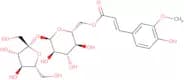
CAS:Producto controladoPlease enquire for more information about Naloxone 3-β-D-glucuronide including the price, delivery time and more detailed product information at the technical inquiry form on this pageFórmula:C25H29NO10Pureza:Min. 95%Peso molecular:503.51 g/mol6-O-Feruloylsucrose
CAS:6-O-Feruloylsucrose is a phenylpropanoid glycoside that has been shown to inhibit the growth of Gram-positive and Gram-negative bacteria. It is also hepatoprotective and has been shown to have antimicrobial activity against fungi, such as Candida albicans. The 6-O-feruloylsucrose inhibits microbial infections by binding to metal cations, which are essential for bacterial cell wall synthesis. This leads to a decrease in the production of microbial cell walls, inhibiting their growth. 6-O-Feruloylsucrose can be used as an additive in food products or as a preservative in cosmetics.Fórmula:C22H30O14Pureza:Min. 95%Forma y color:White To Off-White SolidPeso molecular:518.47 g/mol2-Amino-2-deoxy-D-idose
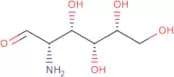
CAS:2-Amino-2-deoxy-D-idose is a sugar that is found in the cell walls of bacteria. It has been shown to be an inhibitor of the enzymes that catalyze the acetylation and methylenecyclopropanes reactions, which are necessary for bacterial growth. 2-Amino-2-deoxy-D-idose binds to copper ions, preventing them from binding with the enzymes. This drug also chelates metals such as zinc, iron, and manganese to prevent their use by bacteria.
Fórmula:C6H13NO5Pureza:Min. 95%Peso molecular:179.17 g/mol2-Bromoethyl 2,3,4,6-tetra-O-acetyl-b-D-glucopyranoside
CAS:2-Bromoethyl 2,3,4,6-tetra-O-acetyl-b-D-glucopyranoside is a modified form of D-(+)-glucose. The modification has been accomplished through the use of a click chemistry reaction with an azide and alkyne. This product is offered for custom synthesis and can be used in glycosylation reactions.Fórmula:C16H23BrO10Pureza:Min. 95%Peso molecular:455.25 g/molBenzyl b-D-xylopyranoside
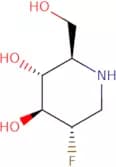
CAS:Benzyl b-D-xylopyranoside is an inorganic compound that is used as a radioactive tracer to study the movement of fluid and macromolecules in the apical membrane of the chondrocyte. It was shown to be effective in preventing the formation of tissue-damaging acute phase proteins when administered at a time point corresponding to the onset of an acute inflammatory response. Benzyl b-D-xylopyranoside has also been shown to have regulatory effects on untreated control cells, but not on untreated control cells. This drug inhibits biosynthesis of GAGs, which are molecules that provide structural support for cells and tissues. The mechanism by which benzyl b-D-xylopyranoside exerts its effect is not yet known.Fórmula:C12H16O5Pureza:Min. 95%Peso molecular:240.25 g/mol1,2-Dideoxy-2-fluoronojirimycin
CAS:1,2-Dideoxy-2-fluoronojirimycin is a synthetic alkenyl compound that inhibits the HIV-1 virus by competitively inhibiting the enzyme reverse transcriptase. It has been shown to inhibit the synthesis of viral DNA and RNA. 1,2-Dideoxy-2-fluoronojirimycin is an aralkyl compound with a hydroxyl group at position 1 and a fluorine atom at position 2. It also has sulfinyl groups in positions 3 and 4. The natural product is synthesised from glucose via glycosidase inhibition. This compound has shown potent antiviral activity against HIV-1 strains with high levels of resistance to other compounds such as AZT.Fórmula:C6H12NO3FPureza:Min. 95%Peso molecular:165.16 g/molMethyl 2-deoxy-b-D-ribofuranoside
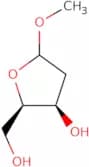
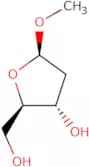
CAS:Methyl 2-deoxy-b-D-ribofuranoside is a methylglucoside that is used in the synthesis of thiourea. Methyl 2-deoxy-b-D-ribofuranoside inhibits the production of an atypical nucleotide, 5'-methylthioadenosine, which is used to synthesize thymine. It has been shown to be catalytic and may play a role in the biosynthesis of methionine and histidine. The chloride ion causes the reaction to proceed via an S N 2 mechanism. Methyl 2-deoxy-b-D-ribofuranoside can also be used in the synthesis of chloroacetic acid, azide, dimethylformamide, fluoride, anomeric alcohols, hydantoins and thionyl chloride. Methyl 2-deoxy-b-D-ribofuranoside can be chromatographically separated using silicaFórmula:C6H12O4Pureza:Min. 95%Peso molecular:148.16 g/molN-Methylglucamine antimonate
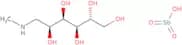
CAS:N-Methylglucamine antimonate is a drug that is used to treat cutaneous leishmaniasis. It is not active against the visceral form of the disease. The drug binds to antimony in a 1:1 stoichiometry and inhibits the polymerase chain reaction (PCR) in the parasite, which prevents DNA replication and transcription. This inhibition leads to cell death and eventual elimination of Leishmania parasites from the host. N-Methylglucamine antimonate is only effective against Leishmania parasites and has no effect on other bacteria or viruses, such as bowel disease. The drug can be given orally or intravenously, but should not be given to patients with bowel diseases because this may lead to intestinal ulceration or perforation.Fórmula:C7H17NO5·HSbO3Pureza:Min. 95%Forma y color:White PowderPeso molecular:365.98 g/molAlphadolone 3-b-D-glucuronide
CAS:Alphadolone 3-b-D-glucuronide is a compound that is synthetically derived from alphadolone. This product can be used for the synthesis of saccharides, polysaccharides, and oligosaccharides with click modification or glycosylation. It can also be used as a starting material for the preparation of methylated saccharides or glycopeptides. The chemical formula is C12H14O6F2, and it has a molecular weight of 290.20 g/mol. Alphadolone 3-b-D-glucuronide is soluble in water, methanol, and ethanol. It's CAS number is 70522-56-4.Fórmula:C27H40O10Pureza:Min. 95%Peso molecular:524.6 g/mol3-Azido-2,3-dideoxy-D-ribose
CAS:3-Azido-2,3-dideoxy-D-ribose is a boron trifluoride etherate that has significant activity against the anomers of d-mannitol. It can be used as a stereoselective synthesis of the triflate on the corresponding anomer. Triflate is prepared by reaction with trifluoromethanesulfonic acid chloride and then reacted with sodium azide in ethanol to yield 3-azido-2,3-dideoxy-D-ribose. The product can be purified by recrystallization from acetic acid and water or by extraction with chloroform. This compound is also extracted from boric acid and dioxane using aqueous sodium hydroxide solution.Pureza:Min. 95%5-Deoxy-D-arabinose
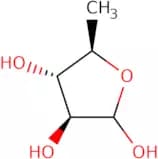
CAS:5-Deoxy-D-arabinose is a phenylhydrazone compound that is soluble in water and alcohol. It has a molecular weight of 176.20, and its chemical formula is C6H8N2O3. The substance has been shown to be an inhibitor of the bacterial enzyme d-threose synthase, which catalyzes the formation of d-threose from D-ribose 5-phosphate and glycerone phosphate. This substance also inhibits fungal pteridine reductase; however, it does not inhibit mammalian pteridine reductase. 5-Deoxy-D-arabinose has analogues that are biologically active.Fórmula:C5H10O4Pureza:Min. 95%Peso molecular:134.13 g/molScopoletin b-D-glucuronide
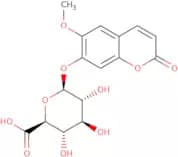
CAS:Scopoletin b-D-glucuronide is a synthetic compound that is modified by the addition of a fluorine atom to the methyl group in scopoletin. Scopoletin b-D-glucuronide has shown antiviral activity against herpes simplex virus type 1 and 2, with an IC50 value of 1.6 μM. It also has antiviral activity against HIV type 1 and HIV type 2, with an IC50 value of 0.5 μM. This compound also inhibits viral DNA synthesis, which may be due to its inhibition of host cell protein synthesis and subsequent inhibition of viral protein synthesis. Scopoletin b-D-glucuronide has been shown to have anti-inflammatory effects in a mouse model for rheumatoid arthritis, and it may be due to its suppression of prostaglandin synthesis or interference with leukocyte chemotaxis.Fórmula:C16H16O10Pureza:Min. 95%Peso molecular:368.29 g/molNaltrexone 3-D-glucuronide-D4
Naltrexone 3-D-glucuronide-D4 is a carbohydrate. It is a glycosylation product of naltrexone. The compound has been synthesized by the methylation of naltrexone and the glycosylation of the resultant product with glucose. Naltrexone 3-D-glucuronide-D4 is a high purity, custom synthesis, synthetic carbohydrate with a CAS number.Pureza:Min. 95%Rhein 8-b-D-glucuronide
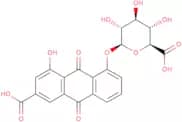
CAS:Rhein 8-b-D-glucuronide is a synthetic glycosylate that has been modified with fluorine. It is soluble in water and methanol. Rhein 8-b-D-glucuronide is used as a reagent in sugar chemistry, such as the synthesis of oligosaccharides and monosaccharides. The compound can be used to modify saccharides as well, such as methylation and Click modification. Rhein 8-b-D-glucuronide has CAS number 70793-10-1 and a high purity level of >99%.Fórmula:C21H16O12Pureza:Min. 95%Peso molecular:460.34 g/mol1-(4-methoxy-phenoxy)-a-D-talopyranose
Methylation: The process of adding a methyl group to a molecule. Saccharide: A carbohydrate that is composed of sugar units, such as glucose or sucrose. Polysaccharide: A carbohydrate consisting of many sugar units linked together. CAS No.: Chemical Abstracts Service number assigned to a chemical compound, which provides unique identification and allows for the tracking of chemical substances. Modification: The process of altering the physical properties of an organic molecule by adding or removing functional groups. Oligosaccharide: A carbohydrate consisting of three to ten sugar units linked together. Carbohydrate: One type of macronutrient that contains carbon, hydrogen, and oxygen atoms in a ratio of 1:2:1 and can be classified as either simple or complex carbohydrates. Sugar: Carbohydrates that are composed solely of one type of monosaccharide unit and typically have a sweet taste.Pureza:Min. 95%L-Xylose-BSA
L-Xylose-BSA is a glycosylation product that has been modified with methylation, click modification, and fluorination. The compound is a complex carbohydrate that is classified as a polysaccharide. L-Xylose-BSA is a monosaccharide that has been synthesized using the Custom synthesis and high purity techniques. This saccharide is used in various types of research including glycosylation, methylation, click modification, and fluorination. L-Xylose-BSA can also be found under CAS No. 6525-83-8 or EC No. E 1451/1.Pureza:Min. 95%Methyl a-D-mannofuranoside
CAS:Methyl a-D-mannofuranoside is a synthetic sugar that has been modified by the addition of fluorine at C-1 and methylation at C-2. This modification provides the compound with desired physical properties, such as increased stability and solubility. Methyl a-D-mannofuranoside can be used in the synthesis of oligosaccharides, which are complex carbohydrates consisting of three to ten monosaccharides linked together by glycosidic bonds. It is also used for click chemistry modifications.Fórmula:C7H14O6Pureza:Min. 95%Peso molecular:194.18 g/molL-Idaric acid 1,4-lactone
CAS:L-Idaric acid 1,4-lactone is a synthetic glycosylidic sugar that can be modified with fluorine compounds to create a variety of derivatives. It is used as a monomer in the synthesis of oligosaccharides, polysaccharides, and complex carbohydrates. L-Idaric acid 1,4-lactone can also be synthesized from methyl erythritol tetraacetate and glycerol in the presence of acetic anhydride.
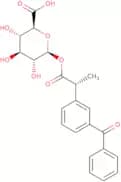
Fórmula:C6H8O7Pureza:Min. 98%Forma y color:White PowderPeso molecular:192.12 g/mol(R)-Ketoprofen b-D-glucuronide
CAS:(R)-Ketoprofen b-D-glucuronide is a synthetic modified sugar that is produced by the glucuronidation of ketoprofen, a nonsteroidal anti-inflammatory drug. The modification of ketoprofen with glucuronic acid can be achieved through an enzymatic process, which is catalyzed by UDP-glucuronyltransferase. This modification increases the solubility of ketoprofen and its ability to penetrate cells. (R)-Ketoprofen b-D-glucuronide has been shown to have antibacterial properties against Gram positive bacteria such as Staphylococcus aureus and Streptococcus pyogenes. It has also shown antiviral activity against HIV-1 due to its inhibition of reverse transcriptase, which is an enzyme important for viral replication.
Fórmula:C22H22O9Pureza:Min. 95%Forma y color:White to off-white solid.Peso molecular:430.4 g/molMannosucrose
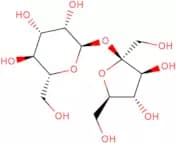
CAS:Mannosucrose (MS) is a natural sugar that is found in various plants, such as sugar cane and sugar beets. It is a disaccharide composed of two molecules of glucose linked by an alpha-1,2 glycosidic bond. Mannosucrose has been shown to have antioxidant properties and may be used as a functional sweetener for food products. This compound acts as a solute and can bind to the surface of the tongue's taste buds, which may result in its use as a microalgal particle to improve the taste of food products containing algae.
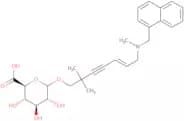
Mannosucrose also has been used as a model protein in order to study genetic mechanisms.Fórmula:C12H22O11Pureza:Min. 95%Peso molecular:342.3 g/molHydroxyterbinafine b-D-glucuronide
CAS:Hydroxyterbinafine b-D-glucuronide is a synthetic monosaccharide that has been modified by the addition of a fluorine atom. Hydroxyterbinafine b-D-glucuronide is an oligosaccharide or polysaccharide, which is composed of at least two saccharides. It is obtained from the hydrolysis of methylated hydroxyterbinafine. This compound has been shown to have antiviral, antifungal and anticancer activities.
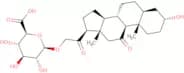
Fórmula:C27H33NO7Pureza:Min. 95%Peso molecular:483.57 g/molAlphadolone 21-b-D-glucuronide
CAS:Alphadolone 21-b-D-glucuronide (ADG) is a synthetic compound that belongs to the group of carbohydrates. ADG is a sugar that has been modified with fluorination and methylation. It is also glycosylated and click modified. This product is custom synthesized for research purposes only.Fórmula:C27H40O10Pureza:Min. 95%Peso molecular:524.6 g/mol2-Deoxy-2-fluoro-D-[1-13C]glucose
CAS:2-Deoxy-2-fluoro-D-[1-13C]glucose is a pharmacopoeia that is used in the diagnosis of thyroid gland, myocardial ischemia and malignant tumors. It is also used for the study of glucose metabolism in the thyroid gland, cerebral cortex and myocardium. 2-Deoxy-2-fluoro-D-[1-13C]glucose binds to pyranose sugars and has been shown to be an effective agent in the treatment of malignant tumors. This drug has also been shown to inhibit glucose metabolism in the thyroid gland, cerebral cortex and myocardium.
Fórmula:C6H11FO5Pureza:Min. 95%Peso molecular:183.14 g/mol

![1,2-Di-[(Trishydroxymethyl)aminomethane]-succinamide](/_next/image/?url=https%3A%2Fstatic.cymitquimica.com%2Fproducts%2F3D%2Fthumb-webp%2FMD12056.webp&w=3840&q=75)





![D-[6,6'-2H2]Glucose](/_next/image/?url=https%3A%2Fstatic.cymitquimica.com%2Fproducts%2F3D%2Fthumb-webp%2FMG74985.webp&w=3840&q=75)
![D-[4,5,6]-Fructose-13C3](/_next/image/?url=https%3A%2Fstatic.cymitquimica.com%2Fproducts%2F3D%2Fthumb-webp%2FMF171832.webp&w=3840&q=75)







![2-Deoxy-2-fluoro-D-[1-13C]glucose](/_next/image/?url=https%3A%2Fstatic.cymitquimica.com%2Fproducts%2F3D%2Fthumb-webp%2FMD45025.webp&w=3840&q=75)