Monosacáridos
Subcategorías de "Monosacáridos"
- Allosas(11 productos)
- Arabinosas(21 productos)
- Eritrosas(11 productos)
- Fructosas(9 productos)
- Fucosas(36 productos)
- Galactosamina(41 productos)
- Galactosa(261 productos)
- Glucosas(365 productos)
- Ácidos glucurónicos(52 productos)
- Glico-sustratos para enzimas(78 productos)
- Gulosas(6 productos)
- Idosas(4 productos)
- Inositoles(15 productos)
- Lyxosas(4 productos)
- Manosas(65 productos)
- O-glicanos(48 productos)
- Psicosas(3 productos)
- Ramnosas(10 productos)
- Ribosas(61 productos)
- Ácidos siálicos(100 productos)
- Sorbosas(4 productos)
- Azúcares(173 productos)
- Tagatosis(4 productos)
- Taloses(8 productos)
- Xilosas(20 productos)
Se han encontrado 6088 productos de "Monosacáridos"
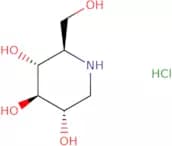
1-Deoxy-L-altronojirimycin hydrochloride
CAS:L-altronojirimycin is a diterpene glycoside that belongs to the group of natural products that have inhibitory properties against lipid peroxidation. It has been shown to decrease the concentration of 1,2-dipalmitoylglycerophosphocholine (DPPC) in primary cells and reduce the rate of lipid peroxidation in a concentration-dependent manner. L-altronojirimycin inhibits the activity of enzymes such as acetylcholinesterase and phospholipase A2, which are involved in inflammation. This drug has also been shown to have cardioprotective effects and inhibit mutations in cardiac muscle cells. L-altronojirimycin has been tested for its long-term efficacy and shown to be effective against both bowel disease and cardiac effects.
Fórmula:C6H13NO4•HClPureza:Min. 95%Forma y color:PowderPeso molecular:199.63 g/mola-L-Fucose-1-phosphate
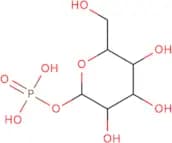
a-L-Fucose-1-phosphate is a Glycosylation, complex carbohydrate, Methylation, Click modification, Polysaccharide, Fluorination, saccharide, Modification, sugar, Oligosaccharide and Synthetic product. a-L-Fucose-1-phosphate is available for custom synthesis and can be ordered with high purity.
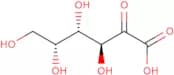
Pureza:Min. 95%2-Keto-D-galactonic acid
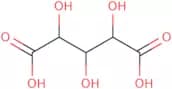
CAS:2-Keto-D-galactonic acid is a chemical compound that is used as an intermediate in the synthesis of antibiotics. It has been found to inhibit the growth of bacteria, such as Erwinia carotovora and Escherichia coli. The 2-keto-d-galactonic acid can be crystallized in two forms: an amorphous form or a crystalline form.Pureza:Min. 95%Pentaric acid
CAS:Pentaric acid is a crystalline, monocarboxylic acid with a hydroxyl group. It is used as an inhibitor of corrosion in metal and as a disinfectant. Pentaric acid can be found in urine samples and has been shown to be an effective inhibitor of the enzymatic reaction that produces azobenzene, which is associated with the development of bladder cancer. This compound also inhibits the growth of bacteria. Pentaric acid is used as an additive in some detergents and soaps because it can inhibit the growth of bacteria on surfaces.
Pentaric acid was first synthesized by German chemist Otto Wohlert in 1834. Hydrogen ions are released when pentaric acid dissolves in water, lowering the pH level and causing corrosion to metal surfaces. The corrosion inhibition properties of pentaric acid have been known since its discovery, but its anti-bacterial properties were not discovered until recently when researchers found that pentarFórmula:C5H8O7Pureza:Min. 95%Peso molecular:180.11 g/mol5-Deoxy-D-arabinose
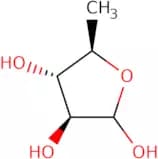
CAS:5-Deoxy-D-arabinose is a phenylhydrazone compound that is soluble in water and alcohol. It has a molecular weight of 176.20, and its chemical formula is C6H8N2O3. The substance has been shown to be an inhibitor of the bacterial enzyme d-threose synthase, which catalyzes the formation of d-threose from D-ribose 5-phosphate and glycerone phosphate. This substance also inhibits fungal pteridine reductase; however, it does not inhibit mammalian pteridine reductase. 5-Deoxy-D-arabinose has analogues that are biologically active.Fórmula:C5H10O4Pureza:Min. 95%Peso molecular:134.13 g/molRhein 8-b-D-glucuronide
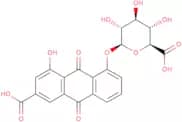
CAS:Rhein 8-b-D-glucuronide is a synthetic glycosylate that has been modified with fluorine. It is soluble in water and methanol. Rhein 8-b-D-glucuronide is used as a reagent in sugar chemistry, such as the synthesis of oligosaccharides and monosaccharides. The compound can be used to modify saccharides as well, such as methylation and Click modification. Rhein 8-b-D-glucuronide has CAS number 70793-10-1 and a high purity level of >99%.Fórmula:C21H16O12Pureza:Min. 95%Peso molecular:460.34 g/mol1-(4-methoxy-phenoxy)-a-D-talopyranose
Methylation: The process of adding a methyl group to a molecule. Saccharide: A carbohydrate that is composed of sugar units, such as glucose or sucrose. Polysaccharide: A carbohydrate consisting of many sugar units linked together. CAS No.: Chemical Abstracts Service number assigned to a chemical compound, which provides unique identification and allows for the tracking of chemical substances. Modification: The process of altering the physical properties of an organic molecule by adding or removing functional groups. Oligosaccharide: A carbohydrate consisting of three to ten sugar units linked together. Carbohydrate: One type of macronutrient that contains carbon, hydrogen, and oxygen atoms in a ratio of 1:2:1 and can be classified as either simple or complex carbohydrates. Sugar: Carbohydrates that are composed solely of one type of monosaccharide unit and typically have a sweet taste.Pureza:Min. 95%Ethyl b-D-fructofuranoside
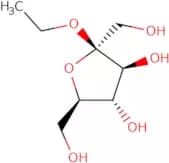
CAS:Ethyl b-D-fructofuranoside is a synthetic compound that is used in the synthesis of oligosaccharides and polysaccharides. It can be custom synthesized to suit the needs of the customer. This product is available for sale as a white powder with a purity of at least 99%.
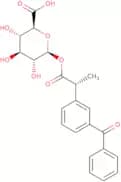
Fórmula:C8H16O6Pureza:Min. 95%Peso molecular:208.21 g/mol(R)-Ketoprofen b-D-glucuronide
CAS:(R)-Ketoprofen b-D-glucuronide is a synthetic modified sugar that is produced by the glucuronidation of ketoprofen, a nonsteroidal anti-inflammatory drug. The modification of ketoprofen with glucuronic acid can be achieved through an enzymatic process, which is catalyzed by UDP-glucuronyltransferase. This modification increases the solubility of ketoprofen and its ability to penetrate cells. (R)-Ketoprofen b-D-glucuronide has been shown to have antibacterial properties against Gram positive bacteria such as Staphylococcus aureus and Streptococcus pyogenes. It has also shown antiviral activity against HIV-1 due to its inhibition of reverse transcriptase, which is an enzyme important for viral replication.
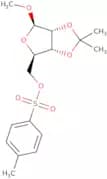
Fórmula:C22H22O9Pureza:Min. 95%Forma y color:White to off-white solid.Peso molecular:430.4 g/molMethyl 2,3-O-isopropylidene-5-O-(4-toluenesulfonyl)-b-D-ribofuranoside
CAS:Methyl 2,3-O-isopropylidene-5-O-(4-toluenesulfonyl)-b-D-ribofuranoside is a nucleoside derivative. It is a deprotected nucleoside that can be used as an alkylation agent. Methyl 2,3-O-isopropylidene-5-O-(4-toluenesulfonyl)-b-D-ribofuranoside is the sodium salt of 5'-O-(4-(methylsulfonyl)benzenesulfonate) -2'-deoxyadenosine. This compound is used in the preparation of other nucleosides, including 5'-O-(4-(methylsulfonyl)benzenesulfonate) -2'-deoxycytidine and 5'-O-(4-(methylsulfonyl)benzenesulfonate) -2'-Pureza:Min. 95%Mannosucrose
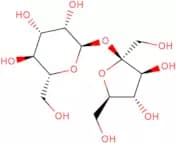
CAS:Mannosucrose (MS) is a natural sugar that is found in various plants, such as sugar cane and sugar beets. It is a disaccharide composed of two molecules of glucose linked by an alpha-1,2 glycosidic bond. Mannosucrose has been shown to have antioxidant properties and may be used as a functional sweetener for food products. This compound acts as a solute and can bind to the surface of the tongue's taste buds, which may result in its use as a microalgal particle to improve the taste of food products containing algae.
Mannosucrose also has been used as a model protein in order to study genetic mechanisms.Fórmula:C12H22O11Pureza:Min. 95%Peso molecular:342.3 g/molb-Maltosyl azide
CAS:b-Maltosyl azide is a glycosylation reagent that is used in the synthesis of complex carbohydrates, saccharides, and oligosaccharides. It has been shown to be an efficient methylation agent for alcohols and phenols, as well as a good fluorinating agent for alcohols. b-Maltosyl azide can be used to modify sugars with Click chemistry and polysaccharides with fluorination. This compound is also commonly used for custom synthesis of saccharides, oligosaccharides, and monosaccharides.
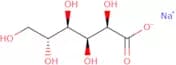
Fórmula:C12H21N3O10Pureza:Min. 95%Peso molecular:367.3 g/molD-Gluconic acid sodium salt
CAS:D-Gluconic acid sodium salt - USP grade is a biochemical reagent that is used in the synthesis of nucleotides and various other biomolecules. It is also used as an antimicrobial agent, with broad-spectrum activity against bacteria, fungi, and viruses. In addition to its antimicrobial activity, D-gluconic acid has been shown to inhibit carcinoma cell lines in vitro. This inhibition may be due to the inhibition of enzymes involved in phosphorylation reactions such as adenylate kinase, glyceraldehyde 3-phosphate dehydrogenase (GAPDH) and hexokinase. X-ray diffraction data on wild-type strains of E. coli have shown that D-gluconic acid binds to the enzyme phosphogluconate dehydrogenase (PGD), which catalyzes a reaction between D-gluconic acid and NAD+ or NADP+. The matrix effect for this reaction wasFórmula:C6H11NaO7Pureza:Min. 95%Peso molecular:218.14 g/mol1,3-O-Benzylidene-L-arabitol
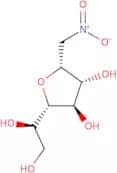
CAS:1,3-O-Benzylidene-L-arabitol is an enantiomer of arabinitol. It has been shown to have cytotoxic effects on cultured human leukemia cells, but the mechanism of action is unclear. 1,3-O-Benzylidene-L-arabitol may inhibit glycosylation by inhibiting the formation of a key enzyme that catalyzes the transfer of glucose to serine in glycosphingolipids and glycosylation. 1,3-O-Benzylidene-L-arabitol also inhibits the synthesis of erythrosphingosine and psychosine by blocking galactosyl transferase.Fórmula:C12H16O5Pureza:Min. 95%Peso molecular:240.26 g/mola-D-Galactofuranosyl nitromethane
CAS:a-D-Galactofuranosyl nitromethane is a sugar with a galactose (galactosyl) and a nitro group. It is used as a starting material for the synthesis of other glycosides, such as the synthesis of 3-indoxyl-6-fluoro β-D-galactopyranoside. This compound is also used for the synthesis of saccharides with fluorinated or methylated groups. a-D-Galactofuranosyl nitromethane has CAS number 81812-46-6 and can be synthesized from 2,4,5,7 trichloroacetophenone and 1,2,3,4 benzene tetracarboxylic acid in the presence of sodium ethoxide.Fórmula:C7H14NO7Pureza:Min. 95%Peso molecular:224.19 g/molMethimazole thio-b-D-glucuronide
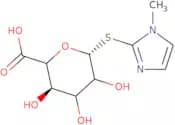
CAS:Methimazole is a drug that inhibits the synthesis of thyroid hormones by blocking the action of thyroperoxidase. Methimazole thio-b-D-glucuronide is a non-toxic, water-soluble derivative of methimazole. It is used in the treatment of hyperthyroidism and thyrotoxicosis. This compound can be synthesized from methimazole by click chemistry, fluorination or glycosylation. The product can be custom synthesized with high purity and high carbohydrate content.
Fórmula:C10H14N2O6SPureza:Min. 95%Peso molecular:290.29 g/molD-Arabinose-5-13C
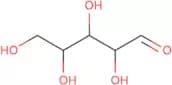
CAS:D-Arabinose-5-13C is a fluorinated monosaccharide that has been used in the synthesis of oligosaccharides and polysaccharides. It can be custom synthesized to meet customer specifications. D-Arabinose-5-13C is a white, crystalline powder that is soluble in water. This compound can be methylated or glycosylated for further modification.
Fórmula:C5H10O5Pureza:Min. 95%Peso molecular:151.12 g/mol5-Azido-5-deoxy-L-altrofuranose
5-Azido-5-deoxy-L-altrofuranose is a synthetic, fluorinated monosaccharide. It is a modification of the sugar molecule with the addition of a methyl group at the 5th carbon in the furanose ring. The complex carbohydrate is synthesized by glycosylation and polysaccharide synthesis. It can be used for click chemistry modifications to other molecules.Fórmula:C6H11N3O5Pureza:Min. 95%Peso molecular:205.17 g/molEthyl b-D-ribo-hex-3-ulopyranoside
CAS:Ethyl b-D-ribo-hex-3-ulopyranoside is a synthetic, fluorinated monosaccharide that is used as a building block for the synthesis of complex carbohydrates. It is also used in glycosylations, click modifications, and methylations to modify saccharides.Pureza:Min. 95%D-[UL-13C6,15N]Glucosamine HCl
D-[UL-13C6,15N]Glucosamine HCl is a complex carbohydrate that can be custom synthesized to order. It is a synthetic sugar that has been modified by Click chemistry. The synthesis of this product requires the use of fluorination and glycosylation reactions. This product can be used in a variety of applications including methylation, modification, or oligosaccharide synthesis. D-[UL-13C6,15N]Glucosamine HCl is also known as glucosamine hydrochloride and has CAS number 1088-96-4.Fórmula:C6H13NO5·HClPureza:Min. 95%Forma y color:White PowderPeso molecular:222.58 g/mol1-O-Methyl-β-D-galactopyranoside
CAS:1-O-Methyl-beta-D-galactopyranoside is a monosaccharide sugar, which is a natural product of the degradation of plant cell walls. It is found in the blood of humans and other animals. 1-O-Methyl-beta-D-galactopyranoside has been shown to be an important reactive oxygen species (ROS) scavenger, which can protect cells from oxidative damage by reacting with ROS and converting them into less harmful molecules. 1-O-Methyl-beta-D-galactopyranoside binds to lectins and oligosaccharides, which are carbohydrate structures on the surface of cells that are involved in cellular recognition. This binding process may lead to uptake of 1OmBG by cells, which may be due to its ability to form hydrogen bonds with the hydroxyl group on polysaccharides such as polysaccharides in the plasma membrane or glycoproteinsFórmula:C7H14O6Pureza:Min. 98.0 Area-%Peso molecular:194.19 g/molRef: 3D-M-3591
-Unit-kgkgA consultar1kgA consultar100gA consultar250gA consultar500gA consultar2500gA consultara-D-Glucosyl hesperidin
CAS:a-D-Glucosyl hesperidin is a water-soluble drug that has been shown to have antioxidant properties. It inhibits the activity of certain enzymes, such as phospholipase A2 and lipoxygenase, which are involved in inflammation. The compound has also been shown to inhibit cancer cells in vitro by inducing apoptosis and inhibiting cell proliferation. Glibenclamide, the active form of a-D-glucosyl hesperidin, is an orally active hypoglycemic agent used to treat diabetes mellitus type 2 and gestational diabetes. It works by stimulating insulin release from beta cells in the pancreas and promoting insulin sensitivity in peripheral tissues. This compound also inhibits annexin V binding to phosphatidylserine, which leads to apoptosis.
Fórmula:C34H44O20Pureza:75%Forma y color:Off-White To Yellow SolidPeso molecular:772.7 g/mol1,2,3,6-Tetra-O-benzoyl-a-D-talose
1,2,3,6-Tetra-O-benzoyl-a-D-talose is a modified sugar that can be used as a saccharide or oligosaccharide. It can be synthesized by the Click reaction with 1,2,3,6-tetra-O-benzoyl-D-talose and methyl iodide. The product can also be obtained from the reaction of methyl acetate with glycerol in the presence of hydrochloric acid. This compound has been shown to have good solubility and is available in high purity.Fórmula:C34H28O10Pureza:Min. 95%Peso molecular:596.58 g/molUDP-6-amino-6-deoxy-D-glucose
CAS:UDP-6-Amino-6-deoxyglucose is a fluorinated monosaccharide that can be used as a glycosylation or polysaccharide modification reagent. It is also used to produce complex carbohydrates, such as glycosylated proteins and glycoconjugates. The synthesis of this product involves the use of Click chemistry, which allows for the selective attachment of any molecule with an amine group. This product has been shown to have high purity and is ideal for use in pharmaceuticals, agrochemicals, food additives, and other applications.
Pureza:Min. 95%Laninamivir
CAS:Laninamivir is an antiviral drug that inhibits the neuraminidase activity of influenza A and B viruses. It is a prodrug that is activated by esterases to form the active metabolite laninamivir carboxylate, which inhibits virus replication. Laninamivir has been shown to be effective against oseltamivir-resistant mutants and has been used in combination with oseltamivir as a treatment for pandemic influenza. Laninamivir has also been studied in pediatric patients with influenza-like symptoms, with significant reductions in symptom severity, duration of symptoms, and viral load.
Fórmula:C13H22N4O7Pureza:Min. 95%Forma y color:PowderPeso molecular:346.34 g/mol1,6-Di-O-benzyl-a-D-glucopyranoside
1,6-Di-O-benzyl-a-D-glucopyranoside is an oligosaccharide that has been synthesized by the Click chemistry method. It is a polysaccharide with a high purity and an excellent yield. The product contains a single monosaccharide unit of D-glucose with a 1,6 glycosylation pattern. The product has undergone methylation and fluorination to produce the desired structure. 1,6-Di-O-benzyl-a-D-glucopyranoside has been shown to have antihypertensive effects in rats and is thought to be due to its ability to inhibit angiotensin II receptor activity.Pureza:Min. 95%2,6-Anhydro-3-deoxy-D-lyxo-hept-2-enonimidamide monohydrochloride
CAS:2,6-Anhydro-3-deoxy-D-lyxo-hept-2-enonimidamide monohydrochloride is a fluorinated sugar that has been custom synthesized to be used as a glycosylation or polysaccharide modification. It has been methylated and click modified to increase its purity. 2,6-Anhydro-3-deoxy-D-lyxo-hept-2-enonimidamide monohydrochloride is also known by the CAS number 180336-29-2.
Fórmula:C7H12N2O4·HClPureza:Min. 95%Peso molecular:224.64 g/molN-Acetylgalactosamine-BSA
N-Acetylgalactosamine-BSA is a glycoprotein that has been synthesized and purified. This product contains mannose, N-acetylglucosamine, and a variety of sugar residues. It is used as a ligand for binding to glycosidases and neoglycoproteins. N-Acetylgalactosamine-BSA also functions in the regulation of carbohydrate metabolism and the maintenance of cell membrane integrity. The product is soluble in water at millimolar concentrations.
Pureza:Min. 95%Forma y color:White/Off-White Solid4-Amino-4-deoxy-D-glucopyranose
CAS:4-Amino-4-deoxy-D-glucopyranose is an anticancer agent that has been found to be effective against cancer cells. It is a chitosan derivative that acts as an inhibitor of apoptosis in cancer cells. This compound has been detected in urine and has been shown to inhibit the growth of human cancer cells by inhibiting kinase activity. 4-Amino-4-deoxy-D-glucopyranose is an analog of glucose and can be used as a potential therapeutic agent for the treatment of tumors. It specifically targets kinases involved in the regulation of cell growth and protein synthesis, which makes it a promising candidate for cancer treatment.Fórmula:C6H13NO5Pureza:Min. 95%Peso molecular:179.17 g/mol2,3,5-Tri-O-p-chlorobenzoyl-D-ribofuranoside
CAS:2,3,5-Tri-O-p-chlorobenzoyl-D-ribofuranoside is a fluorinated and modified sugar that is synthesized in the laboratory. The chemical name is 2,3,5-Tri-O-p-chlorobenzoyl-D-(+)-ribofuranoside. It is a white to off white crystalline solid with a melting point of 154°C. The molecular weight of this compound is 366.2 g/mol and its empirical formula is C12H14ClO7. The CAS number for this compound is 29755-02-0.Fórmula:C26H19Cl3O8Pureza:Min. 95%Peso molecular:565.78 g/molL-Galactose-1-phosphate
CAS:L-Galactose-1-phosphate is a modification of the monosaccharide galactose. This product can be synthesized by methylation and glycosylation of L-galactose, as well as by fluorination and saccharide synthesis. This product has a CAS number of 210100-25-7. It is also a complex carbohydrate that contains many sugars. The molecular weight of this product is 541.37 g/mol, with an empirical formula of C6H14O6P2. This product is soluble in water, methanol, ethanol, acetone and chloroform. It has a melting point of 162 °C and a boiling point of 320 °F at atmospheric pressure. This product is not stable in alkaline conditions, but stable in acidic conditions.Pureza:Min. 95%Methyl 2,3,4-tri-O-benzyl-b-L-fucopyranoside
CAS:Methyl 2,3,4-tri-O-benzyl-b-L-fucopyranoside is a carbohydrate that contains a saccharide unit. This molecule belongs to the class of oligosaccharides and has CAS number 74841-88-6. It is synthesized from monosaccharides and custom synthesis. Methyl 2,3,4-tri-O-benzyl-b-L-fucopyranoside is also known as methylated, glycosylated, or fluorinated sugar. The product can be customized for specific requirements.Fórmula:C28H32O5Pureza:Min. 95%Peso molecular:448.55 g/molTipranovir b-D-glucuronide
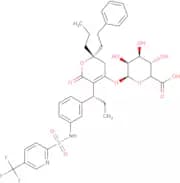
CAS:Tipranovir b-D-glucuronide is a high purity, custom synthesis, sugar modified, fluorinated, glycosylated, and methylated oligosaccharide that has been modified to form a complex carbohydrate. It is synthesized from saccharides and monosaccharides using Click chemistry. The glycosylation of the molecule can be achieved by either the addition of a glycosyl donor or removal of an alcohol group. Tipranovir b-D-glucuronide also contains a methyl group on the C6 hydroxyl position. This molecule is used as a synthetic intermediate in the production of pharmaceuticals and other products.Fórmula:C37H41F3N2O11SPureza:Min. 95%Peso molecular:778.79 g/molL-Rhodinose
CAS:L-Rhodinose is a sugar that can be found in plants, bacteria, and fungi. It has been shown to have many biological properties, including activation of the receptor binding site. L-Rhodinose is used as a model system for studying glycosidic bonds. The effective dose of L-rhodinose is not yet known. Studies have shown that L-rhodinose may be useful in treating cancer cells or preventing tumor growth. L-rhodinose has also been shown to have anti-inflammatory effects and can induce apoptosis.Fórmula:C6H12O3Pureza:Min. 95%Peso molecular:132.16 g/mol3,4-Di-O-acetyl-1,6-anhydro-2-deoxy-2-fluoro-b-D-glucopyranose
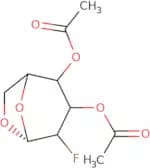
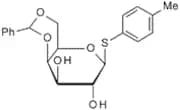
CAS:3,4-Di-O-acetyl-1,6-anhydro-2-deoxy-2-fluoro-b-D-glucopyranose is a synthetic sugar that has been modified to include a fluorine atom. It is a complex carbohydrate that is used in the synthesis of glycosides. 3,4-Di-O-acetyl-1,6-anhydro-2,3 -difluoro b D glucopyranose can be used in the synthesis of an acetylated glycoside with click chemistry. This modification can be achieved through methylation and/or glycosylation reactions. 3,4 Di O acetyl 1,6 anhydro 2 deoxy 2 fluoro b D glucopyranose can also be used in the synthesis of oligosaccharides or saccharides by modifying either its glycone or reducing end.Fórmula:C10H13FO6Pureza:Min. 95%Peso molecular:248.21 g/mol4-Methylphenyl 4,6-O-benzylidene-b-D-thiogalactopyranoside
CAS:4-Methylphenyl 4,6-O-benzylidene-b-D-thiogalactopyranoside is a synthetically produced carbohydrate typically used as a building block in oligo-saccharide synthesis.Fórmula:C20H22O5SPureza:Min. 95%Peso molecular:374.45 g/mol2,3,4-Tri-O-acetyl-b-D-ribopyranosyl azide
CAS:2,3,4-Tri-O-acetyl-b-D-ribopyranosyl azide is a high purity chemical with custom synthesis. It has been shown to have a fluorination and glycosylation reaction. This chemical also has methylation and modification properties that may be useful for the synthesis of oligosaccharides and monosaccharides. 2,3,4-Tri-O-acetyl-b-D-ribopyranosyl azide may be used as an intermediate for saccharide or complex carbohydrate synthesis.
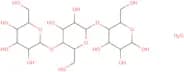
Fórmula:C11H15N3O7Pureza:Min. 95%Peso molecular:301.26 g/molMaltotriose hydrate
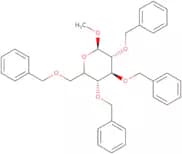
CAS:Maltotriose hydrate is a Chinese-made inhibitor analog that has shown promising anticancer properties. It has been shown to inhibit kinases, which are proteins involved in cell signaling pathways that regulate cell growth and division. This inhibition leads to apoptosis, or programmed cell death, in cancer cells. Maltotriose hydrate has been found in human urine and may have potential as a medicinal agent for the treatment of various types of tumors and cancers. Its ability to target cancer cells specifically makes it a promising candidate for further research into cancer treatments.Fórmula:C18H34O17Pureza:Min. 95%Peso molecular:522.5 g/molMethyl 2,3,4,6-tetra-O-benzyl-D-mannopyranoside
CAS:Methyl 2,3,4,6-tetra-O-benzyl-D-mannopyranoside is a benzylated sugar that has been glycosidically linked to an amino acid. This product has been shown to be a contaminant in the synthesis of other compounds and can be used as a chloride or benzylating reagent. It is used in the preparation of glycosyl halides and condensations. Methyl 2,3,4,6-tetra-O-benzyl-D-mannopyranoside is also used in the synthesis of natural products such as flavones and alkaloids.Fórmula:C35H38O6Pureza:Min. 95%Peso molecular:554.67 g/molD-Mannose-6-13C
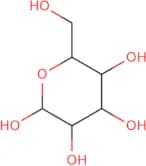
CAS:Please enquire for more information about D-Mannose-6-13C including the price, delivery time and more detailed product information at the technical inquiry form on this pageFórmula:C6H12O6Pureza:Min. 95%Peso molecular:180.16 g/molCimifugin 4'-O-b-D-glucopyranoside
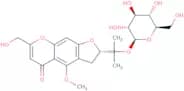
CAS:Cimifugin 4'-O-b-D-glucopyranoside is a complex carbohydrate that has been modified with methylamine and fluorine. It is a custom synthesis of cimifugin, which is an oligosaccharide found in the roots of the Chinese medicinal plant Cimicifuga. Cimifugin 4'-O-b-D-glucopyranoside has been modified to increase its solubility and stability. The modification also increases its bioavailability, which may be due to the ability of methylamine to chelate heavy metals or the fluoroalkylation of cimifugin, making it more lipophilic. Cimifugin 4'-O-b-D-glucopyranoside has been shown to have antiinflammatory effects, as well as hepatoprotective properties.Pureza:Min. 95%2-Acetamido-4-O-(2-acetamido-2-deoxy-b-D-glucopyranosyl)-2-deoxy-D-muramic acid
CAS:2-Acetamido-4-O-(2-acetamido-2-deoxy-b-D-glucopyranosyl)-2-deoxy-D-muramic acid is a synthetic, monosaccharide that is used in the synthesis of complex carbohydrates. 2AA2DMUA has been modified with methylation, glycosylation, and fluorination. This product has a CAS No. 41137-10-4 and can be custom synthesized for your needs.Fórmula:C19H32N2O13Pureza:Min. 95%Peso molecular:496.46 g/molIsopropyl-β-D-thioglucopyranoside
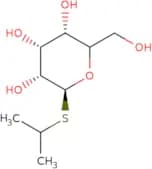
CAS:Isopropyl-beta-D-thioglucopyranoside is a carbohydrate derivative that has the same chemical formula as glucose but with a different spatial arrangement. It is also known as beta-D-thioglucose or thioisopropylglucose, and it is an intermolecular hydrogen bond donor and acceptor. Isopropyl-beta-D-thioglucopyranoside absorbs light at wavelengths of 265 nm, 280 nm, and 320 nm. Carbohydrates are compounds containing carbon, hydrogen and oxygen atoms in a ratio of 1:2:1 by weight, with the general formula CHON. They consist of many isomers that differ from each other in the configurations of their carbonyl group and hydroxyl group. The molecular system for isopropyl-beta-D-thioglucopyranoside consists of one molecule with two hydrogen bonds to two other molecules.Fórmula:C9H18O5SPeso molecular:238.3 g/molN-Acetyl-L-lyxosamine
N-Acetyl-L-lyxosamine is a glycosylation that is used in the synthesis of complex carbohydrates. It can be modified with methyl groups, fluorine atoms, and other substances to produce desired products. N-Acetyl-L-lyxosamine can be used in the synthesis of saccharides such as oligosaccharides and polysaccharides. It is also used in the modification of sugars and monosaccharides. This compound has been synthesized from various sources, including natural glycerol or plant oils. The purity of this chemical is greater than 99%.Fórmula:C7H13NO5Pureza:Min. 95%Peso molecular:191.18 g/molb-L-Xylose-1-phosphate
b-L-Xylose-1-phosphate is a methylated, fluorinated, and custom synthesized monosaccharide that can be modified to produce an oligosaccharide or polysaccharide. This monomer is a sugar that is found in complex carbohydrates and has a purity of greater than 99%. It can be used for the synthesis of saccharides or as a fluorination agent.Pureza:Min. 95%rac-Lotaustralin
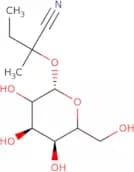
Lotaustralin is a glycosylated, fluorinated, methylated, and modified synthetic compound. Lotaustralin has been shown to inhibit the growth of bacteria by binding to the ribosomes in bacterial cells. It also inhibits the production of inflammatory cytokines and lipopolysaccharide in mice. Lotaustralin is made synthetically through custom synthesis and modification. The purity of the drug exceeds 99%.Fórmula:C11H19NO6Pureza:Min. 95%Peso molecular:261.27 g/molPhenyl 2-acetamido-2-deoxy-a-D-galactopyranoside
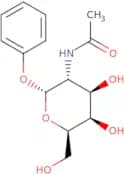
CAS:Phenyl 2-acetamido-2-deoxy-a-D-galactopyranoside is a high purity, custom synthesis, and synthetic carbohydrate. It is a modification of the natural sugar D-galactose by the addition of two acetamido groups at the C2 and C3 positions. Phenyl 2-acetamido-2-deoxy-a-D-galactopyranoside has been fluorinated to allow for chemoselective binding to DNA. This product is methylated at the C1 position, glycosylated at the C6 position, and click modified at the C5 position.Fórmula:C14H19NO6Pureza:Min. 95%Peso molecular:297.3 g/mol4-O-Benzyl-D-mannose
4-O-Benzyl-D-mannose is a high purity, custom synthesis sugar with Click modification, fluorination and glycosylation. The CAS No. for this compound is 108611-67-0. 4-O-Benzyl-D-mannose is an oligosaccharide monosaccharide saccharide carbohydrate complex carbohydrate with the chemical formula C5H6O5 that has a molecular weight of 174.11 g/mol. This compound can be used to synthesize polysaccharides, which are carbohydrates that contain more than ten monosaccharides and are found in plant cell walls and other biological polymers such as chitin, cellulose, and glycogen. 4-O-Benzyl-D-mannose is also used in the synthesis of saccharides that are found in glycoproteins or proteoglycans.Fórmula:C13H18O6Pureza:Min. 95%Peso molecular:270.28 g/molMethyl 2,3-anhydro-b-D-ribopyranoside
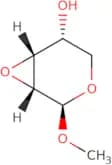
CAS:Methyl 2,3-anhydro-b-D-ribopyranoside is a custom synthesis chemical with CAS No. 3150-13-8. This product is an oligosaccharide that is a polysaccharide and saccharide. It has fluorination and modification properties. This product is high purity and can be modified to suit the needs of customers. Methyl 2,3-anhydro-b-D-ribopyranoside is a monosaccharide sugar with a carbonyl group on the second carbon atom of the chain.
Fórmula:C6H10O4Pureza:Min. 95%Peso molecular:146.1 g/mol1-Acetamido-2,3,4,6-tetra-O-acetyl-1-deoxy-b-D-galactopyranosyl cyanide
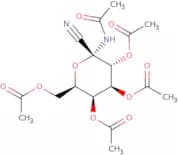
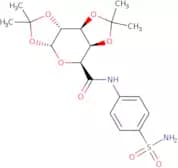
CAS:1-Acetamido-2,3,4,6-tetra-O-acetyl-1-deoxy-b-D-galactopyranosyl cyanide is a fluorinated carbohydrate that is synthesized through the Click reaction. The product has a high degree of purity and can be used in pharmaceuticals and as a research tool. It can also be used to modify saccharides or oligosaccharides.Fórmula:C17H22N2O10Pureza:Min. 95%Peso molecular:414.36 g/molN-(4'-Sulfamidophenyl)-1,2:3,4-di-O-isopropylidene-a-D-galactopyranosyluronamide
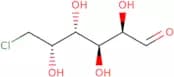
CAS:N-(4'-Sulfamidophenyl)-1,2:3,4-di-O-isopropylidene-a-D-galactopyranosyluronamide is a chemical compound that belongs to the class of carbohydrates. It is a high purity chemical with custom synthesis and modification capabilities. This product can be used in glycosylation, methylation, and oligosaccharide synthesis. N-(4'-Sulfamidophenyl)-1,2:3,4-di-O-isopropylidene-a-D-galactopyranosyluronamide has been shown to have anti cancer properties when combined with other compounds.Fórmula:C18H23NO8SPureza:Min. 95%Peso molecular:413.44 g/mol6-Chloro-6-deoxy-D-galactose
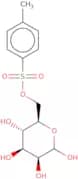
CAS:6-Chloro-6-deoxy-D-galactose is a sugar that is found in the cell wall of Mycobacterium tuberculosis. This sugar is transported by chloride anions and has been shown to be essential for bacterial growth. 6-Chloro-6-deoxy-D-galactose has also been shown to inhibit the transport of dlucose into cells, which may contribute to its inhibitory effect on glucose transport. The process by which this sugar is transported across the membrane is still not fully understood, but it has been shown to involve hydrogen bonds and ionic interactions.Fórmula:C6H11ClO5Pureza:Min. 95%Peso molecular:198.6 g/mol6-O-Tosyl-D-mannose
CAS:6-O-Tosyl-D-mannose is a Carbohydrate, Modification, saccharide, Oligosaccharide with CAS No. 105265-64-3. It is fluorinated on the 6th carbon atom and methylated on the 3rd carbon atom. It can be used in custom synthesis and also has high purity and a custom synthesis. It can be synthesized by glycosylation or click modification.Fórmula:C13H18O8SPureza:Min. 95%Forma y color:PowderPeso molecular:334.34 g/molD-Fructose-1,6-diphosphate disodium salt
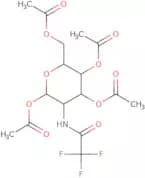
CAS:D-Fructose-1,6-diphosphate disodium salt is a custom synthesis of methylated D-fructose. D-Fructose is an oligosaccharide found in polysaccharides and saccharides. It can be modified by fluorination and click chemistry. D-Fructose has many applications including being a monosaccharide, polysaccharide, or carbohydrate in the synthesis of polymers and pharmaceuticals.Fórmula:C6H12O12P2·2NaPureza:Min. 95%Peso molecular:384.08 g/mol1,3,4,6-Tetra-O-acetyl-2-deoxy-2-trifluoroacetamido-D-glucopyranose
CAS:1,3,4,6-Tetra-O-acetyl-2-deoxy-2-trifluoroacetamido-D-glucopyranose is a carbohydrate that has been modified with fluorine and acetyl groups. It is used as a precursor to other saccharides. The compound is synthesized by the reaction of 1,3,4,6-tetra -O-acetyl glucose with trifluoroacetic anhydride in methylene chloride. It can be custom synthesized for research purposes. This product has high purity and is sold in both liquid and powder form.Fórmula:C16H20F3NO10Pureza:Min. 95%Peso molecular:443.33 g/mol6-Deoxy-1,2:3,4-di-O-isopropylidene-6-nitro-a-D-galactopyranose
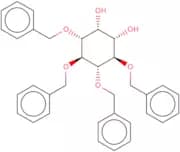
CAS:6-Deoxy-1,2:3,4-di-O-isopropylidene-6-nitro-a-D-galactopyranose is a complex carbohydrate that is a polysaccharide. It is custom synthesized and modified with methylation, glycosylation, and fluorination. 6DNG is a high purity product with a CAS number of 90367-90-1. The synthesis of this product makes it an excellent candidate for research in the area of carbohydrate chemistry.Fórmula:C12H19NO7Pureza:Min. 95%Forma y color:Off-white to pale yellow solid.Peso molecular:289.28 g/mol1,4,5,6-Tetra-O-benzyl-myo-inositol
CAS:1,4,5,6-Tetra-O-benzyl-myo-inositol is a benzylated derivative of myo-inositol. It is a pharmacological agent that has been shown to inhibit the growth of human colon adenocarcinoma cells and human glioblastoma cells in vitro. 1,4,5,6-Tetra-O-benzyl-myo-inositol also binds to cell membrane receptors and inhibits the activity of enzymes involved in the synthesis of phosphatidylcholine. The compound has been shown to be selective for axial glioblastoma tumors in animal models. The compound can be conjugated with different molecules and used as an assay for cytotoxicity studies on tumor cells. 1,4,5,6-Tetra-O-benzyl-myo-inositol has hydroxyl groups that are easily oxidizedFórmula:C34H36O6Pureza:Min. 95%Peso molecular:540.65 g/mol1,2,4,5-Di-O-cyclohexylidene-b-D-fructofuranose
1,2,4,5-Di-O-cyclohexylidene-b-D-fructofuranose is a cyclic oligosaccharide with a six-member ring structure. The sugar is synthesized by the reaction of 1,2,4,5-di-O-isopropylidene b-D-fructofuranose and ethylene oxide. It is used in the synthesis of glycosides and as a building block for complex carbohydrates. This product can be custom synthesized to meet your needs. It's high purity and low price make it an excellent choice for research purposes.Pureza:Min. 95%2,3,4-Tri-O-acetyl-α-L-fucopyranosyl bromide
CAS:2,3,4-Tri-O-acetyl-alpha-L-fucopyranosyl bromide is a methylated alpha-L-fucopyranosyl bromide that is used as a glycosylation reagent for the synthesis of complex carbohydrates. It is also used in Click chemistry and has been shown to be an effective and selective glycosylation agent. 2,3,4-Tri-O-acetyl-alpha-L-fucopyranosyl bromide is available at high purity and can be custom synthesized to your specifications. This compound has CAS number 16741-27-8 and is listed on the FDA Inactive Ingredient Database (IID).Fórmula:C12H17BrO7Peso molecular:353.16 g/molRef: 3D-T-5921
-Unit-ggA consultar1gA consultar5gA consultar250mgA consultar500mgA consultar2500mgA consultar5-Deoxy α-L-arabinose and 5-Deoxy β-L-arabinose
CAS:5-Deoxy alpha-L-arabinose and 5-Deoxy beta-L-arabinose are enantiopure compounds that are used in the synthesis of 5-deoxy-l-ribose, which is a precursor to nucleic acids. The reaction products are produced by hydrolyzing rhamnan with hydrochloric acid. This product can be used as a substrate for DNA polymerase and RNA polymerase, which are enzymes involved in the synthesis of nucleic acids. This product also has an acidic nature, which makes it suitable for use in phase chromatography. It has been shown to have stereoselective properties and can be used as an acid catalyst for other reactions.
Fórmula:C5H10O4Pureza:Min. 95 Area-%Peso molecular:134.13 g/molRef: 3D-W-201034
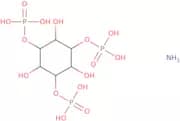
-Unit-ggA consultar1gA consultar5gA consultar10gA consultar500mgA consultar2500mgA consultarD-Myo-inositol-1,3,5-triphosphate
CAS:D-myo-inositol-1,3,5-triphosphate is a carbohydrate that is modified with fluorine. It is a custom synthesis and can be synthesized in high purity. D-myo-inositol-1,3,5-triphosphate has several glycosylations and methylations. The modification of this compound includes click chemistry for the synthesis of oligosaccharides and saccharides. D-myo-inositol-1,3,5-triphosphate can be used as a sugar or an oligosaccharide in the modification of proteins or carbohydrates.
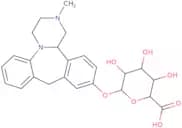
Pureza:Min. 95%8-Hydroxymianserin b-D-glucuronide
CAS:8-Hydroxymianserin b-D-glucuronide is a synthetic, fluorinated glycosylated analog of mianserin. It is a white to off-white powder that is soluble in water and methanol. This compound has been studied as a potential antihypertensive agent, but was never marketed. 8-Hydroxymianserin b-D-glucuronide is used in the synthesis of glycosylated oligosaccharides with click modification.Fórmula:C24H28N2O7Pureza:Min. 95%Peso molecular:456.5 g/mol1,6-Anhydro-3-O-benzyl-b-L-idopyranose
CAS:1,6-Anhydro-3-O-benzyl-b-L-idopyranose is an oligosaccharide in which the aldehyde group of the original sugar has been modified. It is a complex carbohydrate that is synthesized by the fluorination of glucose with 1,6-dichlorohexane and benzyl bromide. The product is purified by crystallization and recrystallization to obtain a high purity. It is a monosaccharide sugar that can be used as a starting material for modification or synthesis of other carbohydrates.Fórmula:C13H16O5Pureza:Min. 95%Peso molecular:252.26 g/molMethyl 4-O-methyl-D-glucopyranosyluronate
Methyl 4-O-methyl-D-glucopyranosyluronate is a fungal metabolite that is produced by the reaction of armillaria with methyl 4-O-methyl-D-glucopyranoside. Methyl 4-O-methylglucuronyluronate has been shown to have an esterase activity, which can hydrolyze esters and linkages in the cell wall of fungi. This enzyme has been shown to have kinetic parameters that are different for different substrates. The catalytic site of this enzyme has also been found to be glutamic acid, which plays a role in the synthesis and degradation of proteins. Methyl 4-O-methylglucuronyluronate has been found to be insoluble in water and is not active against bacteria.
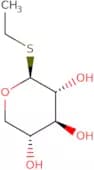
Fórmula:C8H14O7Pureza:Min. 95%Peso molecular:222.2 g/molEthyl b-D-thioxylopyranoside
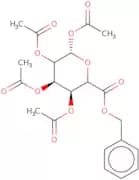
CAS:Ethyl b-D-thioxylopyranoside is a synthetic monosaccharide with an O-glycosidic linkage at the C-2 position. It is a complex carbohydrate that can be used in glycosylation or polysaccharide synthesis. Ethyl b-D-thioxylopyranoside can be fluorinated to give ethyl 2,3,4,5,6-pentafluorobenzoyloxybenzoate. This compound has been shown to have potent anti-inflammatory properties in animal models of asthma and arthritis.Pureza:Min. 95%1,2,3,4-Tri-O-acetyl-b-D-glucuronide benzyl ester
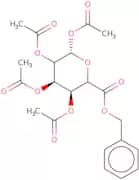
CAS:1,2,3,4-Tri-O-acetyl-b-D-glucuronide benzyl ester is a synthetic compound that belongs to the group of high purity custom synthesis. It has been shown to be a useful reagent for glycosylation and methylation reactions. This product is also used in the synthesis of oligosaccharides and monosaccharides. 1,2,3,4-Tri-O-acetyl-b-D-glucuronide benzyl ester can also be used as a sugar or complex carbohydrate in biological studies.
Fórmula:C21H24O11Pureza:Min. 95%Peso molecular:452.41 g/molMemantine N-b-D-glucuronide
CAS:Memantine N-b-D-glucuronide is a monosaccharide. The methylation of the amine group on memantine with methanethiol in the presence of sodium iodide gives the corresponding methylated compound, which is then hydrolyzed to give memantine N-b-D-glucuronide. Memantine N-b-D-glucuronide has been shown to be an inhibitor of polysaccharides and saccharides. It is also fluorinated at position 2 by means of a click modification reaction. This product is available for custom synthesis and modification.Fórmula:C18H29NO6Pureza:Min. 95%Forma y color:PowderPeso molecular:355.43 g/molEthyl 2-deoxy-2-[(trichloroacetyl)amino]-b-D-thioglucopyranoside
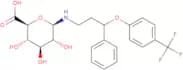
CAS:Ethyl 2-deoxy-2-[(trichloroacetyl)amino]-b-D-thioglucopyranoside is a custom synthesis of an oligosaccharide. It is a complex carbohydrate that can be modified to the desired specification. The desired modification can be fluorination, methylation, or click chemistry. Ethyl 2-deoxy-2-[(trichloroacetyl)amino]-b-D-thioglucopyranoside is a monosaccharide with a CAS number of 635684-80-9.Fórmula:C10H16Cl3NO5SPureza:Min. 95%Peso molecular:368.66 g/molNorfluoxetine b-D-glucuronide
CAS:Norfluoxetine is a selective serotonin reuptake inhibitor (SSRI) that is metabolized to the active metabolite, norfluoxetine b-D-glucuronide. The metabolism of norfluoxetine b-D-glucuronide has been shown to be inhibited by estradiol. Norfluoxetine b-D-glucuronide also exhibits antioxidant activity, which may be related to its ability to modulate expression of genes encoding antioxidant proteins. Norfluoxetine b-D-glucuronide has been found in wastewater and wastewater treatment plant effluents, suggesting this drug may have an environmental impact. The transcriptome of organisms exposed to norfluoxetine b-D-glucuronide has been studied and it was found that there are some genes that are responsive to this drug.
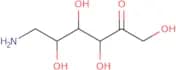
Fórmula:C22H24F3NO7Pureza:Min. 95%Forma y color:White PowderPeso molecular:471.42 g/mol1-Amino-1-deoxy-D-arabinitol
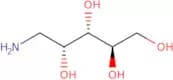
CAS:1-Amino-1-deoxy-D-arabinitol is an anhydrous sugar that can be found in the crystalline form. The crystal structure of this compound has been determined by X-ray diffraction and was shown to contain a hydrogen bond between the hydroxyl group on the 1′ carbon and the amino group on C2. This reaction occurs through a nucleophilic attack by the hydroxyl group, which displaces the fluorine atom from C2. The stereospecificity of this reaction is due to the fact that only one enantiomer of 1-amino-1-deoxyarabinitol exists. This sugar can also be found as an intermediate in reactions involving ketoses, such as acetobacter fermentation, or hydrogen fluoride. It has been shown to have anti-inflammatory properties in mice when administered orally.Fórmula:C5H13NO4Pureza:Min. 95%Peso molecular:151.16 g/mol2'-O-a-D-Ribofuranosyladenosine
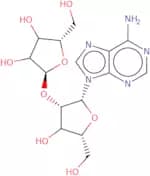
CAS:2'-O-a-D-Ribofuranosyladenosine is a synthetic carbohydrate. It has the molecular formula C5H6N2O4 and a molecular weight of 207.14. 2'-O-a-D-Ribofuranosyladenosine is an Oligosaccharide, with the chemical name of 2'-O-a-D-Ribofuranosyladenosine and the CAS number of 82481-73-0. This product is in the Carbohydrate, Modification category and can be used as a Custom synthesis or Synthetic product.Fórmula:C15H21N5O8Pureza:Min. 95%Peso molecular:399.36 g/mol1-O-Acetyl-2,3,5-tri-O-benzyl-b-D-ribofuranose
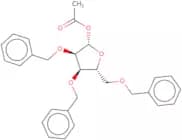
CAS:1-O-Acetyl-2,3,5-tri-O-benzyl-b-D-ribofuranose is a synthetic sugar that has been modified with various chemical groups. It is a methylated saccharide and can be used for the synthesis of oligosaccharides or polysaccharides. 1-O-Acetyl-2,3,5-tri-O-benzyl-b-D-ribofuranose is soluble in water and ethanol. The purity of this product is greater than 98% and the CAS number is 91110–24–6.Fórmula:C28H30O6Pureza:Min. 95%Forma y color:Colourless syrup.Peso molecular:462.53 g/molBenzyl b-D-glucopyranosiduronic acid methyl ester triacetate
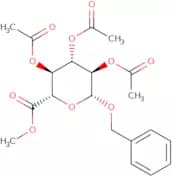
CAS:Benzyl b-D-glucopyranosiduronic acid methyl ester triacetate is a synthetic sugar that can be modified to produce a wide range of oligosaccharides. It is suitable for glycosylation reactions, such as the synthesis of complex carbohydrates. This compound has high purity and is custom synthesized according to customer specifications. Benzyl b-D-glucopyranosiduronic acid methyl ester triacetate has been fluorinated, methylated, and monosaccharide modifications. These modifications provide this compound with many potential uses in the food industry, medicine, and other industries.Fórmula:C20H24O10Pureza:Min. 95%Peso molecular:424.4 g/molMethyl 2-deoxy-D-threo-pentofuranoside
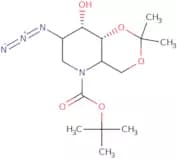
CAS:Methyl 2-deoxy-D-threo-pentofuranoside is a synthetic monosaccharide that has been modified by fluorination. It can be used for the synthesis of oligosaccharides and complex carbohydrates. Methyl 2-deoxy-D-threo-pentofuranoside can also be used for glycosylation, methylation, or click modification reactions. This product is available in high purity and will not contain any impurities.Pureza:Min. 95%2-Azido-4,6-O-benzylidene-N-Boc-1,2,5-trideoxy-1,5-imino-D-glucitol
CAS:2-Azido-4,6-O-benzylidene-N-Boc-1,2,5-trideoxy-1,5-imino-D-glucitol is a synthetic carbohydrate that has been modified with fluorine. The modification has been shown to have an inhibitory effect on the growth of cancer cells. 2-Azido-4,6-O-benzylidene can be used for the synthesis of glycosides and polysaccharides. It can also be used as a click modification agent for proteins.
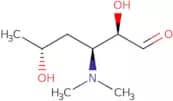
Fórmula:C14H24N4O5Pureza:Min. 95%Peso molecular:328.36 g/molD-Desosamine
CAS:D-Desosamine is a chemical compound that has been isolated from human serum. It is an enzyme inhibitor that inhibits the activity of enzymes such as phosphatases, kinases, and proteases. D-Desosamine also has a matrix effect, which can be used to modify the properties of polymer matrices in order to improve their biocompatibility and mechanical properties. The molecular docking analysis indicated that desosamine can bind to bacterial serine/threonine protein kinase Streptococcus pyogenes phage T4 (SpyPK) and inhibit its activity. This inhibition may be due to the transfer reactions caused by desosamine binding to the enzyme's active site and blocking it. Structural analysis showed that D-desosamine forms hydrogen bonds with amino acids in SpyPK's active site, forming a covalent bond with cysteine residue Cys240. D-Desosamine has been shown to have anti-bacterial properties againstPureza:Min. 95%Phenyl 2-azido-3,4,6-tri-O-benzyl-2-deoxy-b-D-thioglucopyranoside
CAS:Phenyl 2-azido-3,4,6-tri-O-benzyl-2-deoxy-b-D-thioglucopyranoside is a custom synthesis of an oligosaccharide with a complex carbohydrate. It is modified by methylation and has been fluorinated for the purpose of synthesizing the drug. This product is stable to heat and acid and can be used as a synthetic sugar. It has high purity and can be used in glycosylation reactions or click chemistry.Fórmula:C33H36N3O4SPureza:Min. 95%Peso molecular:570.72 g/molMethyl 5,7,8,9-tetra-O-acetyl-4-acylamino-2,6-anhydro-3,4-dideoxy-D-glycero-D-galacto-2-enonate
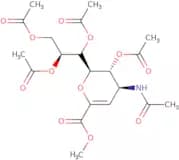
CAS:Methyl 5,7,8,9-tetra-O-acetyl-4-acylamino-2,6-anhydro-3,4-dideoxy-D-glycero-D-galacto-2-enonate is a synthetic sugar that is used as a building block for the synthesis of polysaccharides. This compound can be modified with click chemistry and fluorination to create an array of possible saccharide structures. Methylated sugar derivatives are also used in custom synthesis applications.
Fórmula:C20H27NO12Pureza:Min. 95%Peso molecular:473.43 g/mol1,2,3,4-Tetra-O-acetyl-b-D-glucuronide benzyl ester
CAS:1,2,3,4-Tetra-O-acetyl-b-D-glucuronide benzyl ester is a modification of the original 1,2,3,4-tetra-O-acetyl-b-D-glucuronide. It is an oligosaccharide that contains a complex carbohydrate. 1,2,3,4-Tetra-O-acetyl-b-D-[14C] glucuronide benzyl ester is a synthetic compound and has been shown to be high purity with monosaccharides and methylation. This substance also has glycosylation and polysaccharide properties. The fluorination of this carbohydrate has been shown to increase its stability under acid conditions.Fórmula:C21H24O11Pureza:Min. 95%Peso molecular:452.42 g/mol6-Deoxy-3-C-methyl-D-gulose
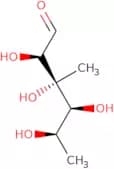
CAS:6-Deoxy-3-C-methyl-D-gulose is an enantiomer of 3,6-dideoxy-D-gluconic acid. This compound has been shown to be a virulent factor in mastitis caused by the mutant strain of Escherichia coli (MT1) and to be expressed at a higher level in mastitic milk than in normal milk. 6DMG has also been shown to induce monoclonal antibody production and stimulate specific immune responses. It is thought that 6DMG damages cells, which leads to the release of intracellular components that trigger an antibody response. The biological function of 6DMG is not known, but it may play a role in the infection process by stimulating an antibody response against infectious agents.
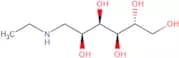
Pureza:Min. 95%N-Ethyl glucamine
CAS:N-Ethyl glucamine is a nonsteroidal anti-inflammatory drug (NSAID) that belongs to the class of drugs called salicylates. It is a prodrug that is hydrolyzed in vivo to form salicylic acid and ethylene glycol. The sub-effective dose of N-ethyl glucamine has been shown to be effective against various types of cancer cells, including lung, colon, breast, prostate, and skin cancers. This drug also has an effect on lipid metabolism and can be used for the treatment of metabolic disorders such as hyperlipidemia. N-Ethyl glucamine has been shown to have anti-inflammatory properties by inhibiting prostaglandin synthesis.Fórmula:C9H19NO5Pureza:Min. 95%Peso molecular:221.25 g/mol3-Amino-2,3,6-trideoxy-β-L-lyxo-hexopyranose hydrochloride
CAS:Please enquire for more information about 3-Amino-2,3,6-trideoxy-β-L-lyxo-hexopyranose hydrochloride including the price, delivery time and more detailed product information at the technical inquiry form on this pageFórmula:C6H13NO3•HClPureza:Min. 95%Peso molecular:183.63 g/molD-Galactose diethyldithioacetal
CAS:D-Galactose diethyldithioacetal is a phenylhydrazone that has an affinity for the C-3 position of sugars. It is synthesised from D-galactose and diethyldithiocarbonyl chloride, with a borohydride reduction to give the hydroxyl group. The hydroxyl group reacts with methyl glycosides or carbohydrates to produce 3-substituted glycosides or 3-substituted carbohydrate. D-Galactose diethyldithioacetal also inhibits glycosidase enzymes, which are enzymes that break down sugars, and thus prevents the digestion of sugars. The chemical structure of D-galactose diethyldithioacetal was determined by magnetic resonance spectroscopy. The product was found to be L-fucitol (a sweetener) after desulfurization using hydrogen gas for removal of sulfur compounds.
Fórmula:C10H22O5S2Pureza:Min. 95%Peso molecular:286.41 g/molUzarigenin digitaloside
CAS:Uzarigenin digitaloside is a glycoside that belongs to the group of cardiac glycosides. It is derived from digitoxigenin and uzarigenin, which are present in the roots of Digitalis lanata. Uzarigenin digitaloside has been shown to have effects on cardiac muscle tissue, inhibiting the production of cAMP and cGMP and thereby reducing the activity of protein kinases and phosphodiesterase. This leads to an increase in intracellular levels of calcium ions, which in turn activates the myofilaments that contract the heart muscle cells.Pureza:Min. 95%Methylglycol chitosan
CAS:Methylglycol chitosan is a cationic surfactant that has been shown to have the ability to bind with zirconium oxide and polymannuronic acid. It is used in the treatment of infectious diseases, autoimmune diseases, and histological analysis. Methylglycol chitosan has been shown to inhibit the toll-like receptor 4 (TLR4) from binding with lipopolysaccharides and other molecules that are implicated in autoimmune diseases. This binding also prevents TLR4 from activating other cells involved in inflammatory responses. The surface of methylglycol chitosan particles also have a patterning effect on bacteria by preventing them from adhering to the surface of the particle, reducing their virulence.Pureza:Min. 95%C-(1-Bromo-1-deoxy-2,3,4,6-tetra-O-benzoyl-b-D-glucopyranosyl)formamide
CAS:C-(1-Bromo-1-deoxy-2,3,4,6-tetra-O-benzoyl-b-D-glucopyranosyl)formamide is a synthetic derivative of glucose. It is a glycosylating agent that can be used in the synthesis of oligosaccharides and polysaccharides. This compound can also be used as an intermediate in the synthesis of other glycosylating agents. C-(1-Bromo-1-deoxy-2,3,4,6-tetra-O-benzoyl)-bDglucopyranosyl)formamide has a CAS number of 262849–68–3 and can be synthesized in high purity.Fórmula:C35H28BrNO10Pureza:Min. 95%Peso molecular:702.5 g/mol2,4-Dideoxy-2,4-difluoro-D-galactose
2,4-Dideoxy-2,4-difluoro-D-galactose is a high purity custom synthetic monosaccharide that is modified with fluorine. It has been synthesized by the methylation of 2,4-dideoxy-2,4-difluoroglucose followed by the click modification of the methyl group. This compound is a complex carbohydrate and an oligosaccharide. It can be used as an intermediate in the synthesis of polysaccharides and saccharides. 2,4-Dideoxy-2,4-difluoro D galactose has CAS No.: 157099-27-1.Pureza:Min. 95%2,3-O-Isopropylidene-L-apiose
CAS:2,3-O-Isopropylidene-L-apiose is a synthetic monosaccharide with a fluorinated substituent at the C2 position. It is an oligosaccharide that has been custom synthesized for glycosylation and polysaccharide modifications. The chemical name of 2,3-O-Isopropylidene-L-apiose is 2,3-O-(2,3,4,5,6) -Heptafluoroisopropylidene apiose. The CAS number for this compound is 70147-51-2. This product is available in high purity.Fórmula:C8H14O5Pureza:Min. 95%Peso molecular:190.19 g/molMannostatin A hydrochloride
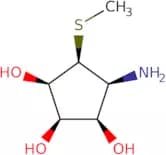
CAS:Mannostatin A is a prodrug that is activated in the body by cleavage of the ester linkage. It has been shown to be a specific inhibitor of feedback inhibition of protein synthesis and cleavage at the carboxyl-terminal end. Mannostatin A has also been shown to inhibit, selectively, the synthesis of proteins in bacteria. In addition, it is possible that this drug may be converted into an inactive form by conjugation with glucuronic acid or by oxidation.
Fórmula:C6H14ClNO3SPureza:Min. 95%Peso molecular:215.7 g/mol(S)-Naproxen acyl-b-D-glucuronide
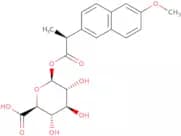
CAS:Naproxen is a non-steroidal anti-inflammatory drug (NSAID) that is used to relieve pain and reduce inflammation. The NSAIDs are metabolized in the liver by oxidation, reduction, hydrolysis, or conjugation with glucuronic acid. Naproxen undergoes a number of metabolic transformations including fragmentation, which can be detected using an MS/MS analyzer. Naproxen acyl-b-D-glucuronide is an oxidative metabolite of naproxen that has been shown to have high uptake into mammalian cells and bioconcentrates in fish. This metabolite has also been shown to be metabolized in the liver by conjugation with glucuronic acid.
Fórmula:C20H22O9Pureza:Min. 95%Peso molecular:406.38 g/molD-Xylose-1-C-D
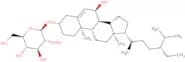
CAS:Please enquire for more information about D-Xylose-1-C-D including the price, delivery time and more detailed product information at the technical inquiry form on this pageFórmula:C5H10O5Pureza:Min. 95%Peso molecular:151.14 g/molIkshusterol 3-O-glucoside
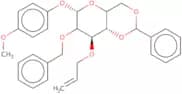
CAS:Ikshusterol 3-O-glucoside is a glycosylation of the monosaccharide ikeshinolin. It is a synthetic, fluorinated, methylated, and modified oligosaccharide with a high purity. Ikshusterol 3-O-glucoside is used in various fields including as an additive to food products, pharmaceuticals, cosmetics and other chemical manufacturing. It has been used as a sugar substitute in low calorie foods and beverages. The modification of ikeshinolin to ikeshusterol 3-O-glucoside can be achieved by click chemistry.Pureza:Min. 95%4-Methoxyphenyl 3-O-allyl-2-O-benzyl-4,6-O-benzylidene-2-deoxy-b-D-galactopyranoside
CAS:4-Methoxyphenyl 3-O-allyl-2-O-benzyl-4,6-O-benzylidene-2-deoxy-b-D galactopyranoside is a fluorinated monosaccharide that is synthesized from allose. It has been modified with click chemistry to introduce a benzyl group at the C2 position and an allyl group at the C4 position. This compound has been glycosylated with glucose and methylated with methanol to produce a complex carbohydrate that can be used as a control for glycosylation reactions. The compound was purified to high purity using column chromatography.Fórmula:C30H32O7Pureza:Min. 95%Peso molecular:504.59 g/mol6-o-Benzyl D-mannose
CAS:Please enquire for more information about 6-o-Benzyl D-mannose including the price, delivery time and more detailed product information at the technical inquiry form on this pageFórmula:C12H16O6Pureza:Min. 95%Peso molecular:256.25 g/mol6-Amino-6-deoxy-L-sorbose
CAS:6-Amino-6-deoxy-L-sorbose is a sugar that is metabolized by the body to produce energy. This compound has been shown to be an effective antidiabetic, as it may inhibit glucose production in the liver and enhance insulin sensitivity. 6-Amino-6-deoxy-L-sorbose is a nutrient that can be found in food sources such as bananas, potatoes, and soybeans. It can also be synthesized from various plant sources. The biosynthesis of this compound is dependent on a number of enzymes, including L-arabinose 1 phosphate dehydrogenase.
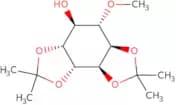
Pureza:Min. 95%Dicyclohexylidene pinitol
CAS:Dicyclohexylidene pinitol is a synthetic, cyclic oligosaccharide with an interesting structure. It is produced by the Click modification of a sugar, followed by a fluorination step and glycosylation. The methylation of the sugar can also be performed to produce this product. Its CAS number is 1037-92-1. Dicyclohexylidene pinitol has been used as an intermediate in the synthesis of saccharides, polysaccharides and other carbohydrates.Fórmula:C19H30O6Pureza:Min. 95%Peso molecular:354.44 g/molCyclobenzaprine b-D-glucuronide
CAS:Cyclobenzaprine b-D-glucuronide is a synthetic compound that has been modified to increase its solubility in water. The modification of the sugar moiety with glycosylation and fluorination increases the bioavailability of cyclobenzaprine, which is an important factor for drugs that are intended for oral administration. Cyclobenzaprine b-D-glucuronide is a complex carbohydrate that has been modified with methylation and monosaccharide. This modification helps to protect the drug from degradation by enzymes in the stomach and intestines, increasing its half-life in the body.Fórmula:C26H31NO6Pureza:Min. 95%Peso molecular:453.53 g/moltrans-Zeatin-9-glucuronide
trans-Zeatin-9-glucuronide is a cytokinin derivative, which is synthesized from the conjugation of trans-zeatin with glucuronic acid. It is sourced from plant metabolic processes where cytokinins play a pivotal role in promoting cell division and growth regulation. The mode of action of trans-Zeatin-9-glucuronide involves its capacity to modulate signal transduction pathways linked to cytokinin activity. This regulation influences various physiological processes such as cell proliferation, differentiation, and morphogenesis in plants.
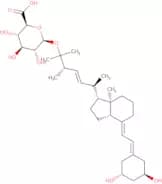
Fórmula:C16H21N5O7Pureza:Min. 95%Peso molecular:395.37 g/molParicalcitol 25-b-D-glucuronide
CAS:Paricalcitol 25-b-D-glucuronide is a synthetic analogue of calcitriol, which is the active form of vitamin D. It is a high-purity glycosylate with an average molecular weight of 522.5 Da and a purity of >98%. Paricalcitol 25-b-D-glucuronide has been shown to be effective in prevention or treatment of secondary hyperparathyroidism in patients with chronic kidney disease (CKD). This compound has shown to inhibit calcium absorption in the gut and increase urinary excretion of calcium. It also increases serum phosphate levels, which may lead to increased calcium phosphate deposition in bone. Paricalcitol 25-b-D-glucuronide is methylated at the 25 position, which prevents it from being metabolized by the liver. This modification allows for higher concentrations to be administered without causing toxicity.Fórmula:C33H52O9Pureza:Min. 95%Peso molecular:592.76 g/molD-Allose-13C
CAS:Please enquire for more information about D-Allose-13C including the price, delivery time and more detailed product information at the technical inquiry form on this page
Fórmula:C6H12O6Pureza:Min. 95%Peso molecular:181.15 g/mol




![D-[UL-13C6,15N]Glucosamine HCl](/_next/image/?url=https%3A%2Fstatic.cymitquimica.com%2Fproducts%2F3D%2Fthumb-webp%2FMG15630.webp&w=3840&q=75)













![Ethyl 2-deoxy-2-[(trichloroacetyl)amino]-b-D-thioglucopyranoside](/_next/image/?url=https%3A%2Fstatic.cymitquimica.com%2Fproducts%2F3D%2Fthumb-webp%2FME45369.webp&w=3840&q=75)