Monosacáridos
Subcategorías de "Monosacáridos"
- Allosas(11 productos)
- Arabinosas(21 productos)
- Eritrosas(11 productos)
- Fructosas(9 productos)
- Fucosas(36 productos)
- Galactosamina(41 productos)
- Galactosa(261 productos)
- Glucosas(365 productos)
- Ácidos glucurónicos(52 productos)
- Glico-sustratos para enzimas(78 productos)
- Gulosas(6 productos)
- Idosas(4 productos)
- Inositoles(15 productos)
- Lyxosas(4 productos)
- Manosas(65 productos)
- O-glicanos(48 productos)
- Psicosas(3 productos)
- Ramnosas(10 productos)
- Ribosas(61 productos)
- Ácidos siálicos(100 productos)
- Sorbosas(4 productos)
- Azúcares(173 productos)
- Tagatosis(4 productos)
- Taloses(8 productos)
- Xilosas(20 productos)
Se han encontrado 6088 productos de "Monosacáridos"
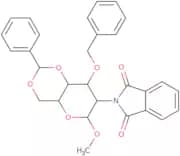
Methyl 3-O-benzyl-4,6-O-benzylidene-2-deoxy-2-phthalimido-b-D-glucopyranose
CAS:Methyl 3-O-benzyl-4,6-O-benzylidene-2-deoxy-2-phthalimido-b-D-glucopyranose is a synthetic chemical that is used in the modification of saccharides. It has been shown to be an efficient and economical way to introduce methyl groups into saccharide chains. This product is a white solid that is soluble in water, ethanol, and chloroform. Methyl 3-O-benzyl-4,6-O-benzylidene-2-deoxy -2 -phthalimido -b -D -glucopyranose has a molecular weight of 564.1 grams per mole and an empirical formula of C14H22N2O8P. It has CAS number 97276–96–5 and can be found under code XA0433.Fórmula:C29H27NO7Pureza:Min. 95%Peso molecular:501.53 g/mol4-Aminophenyl b-D-thiomannopyranoside HCl
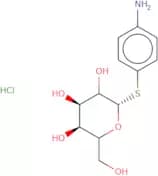
CAS:4-Aminophenyl b-D-thiomannopyranoside HCl is a synthetic glycosylation agent that has been modified with fluorination, saccharide modification, and methylation. It can be used in the synthesis of complex carbohydrates, such as oligosaccharides and polysaccharides. This compound also has applications in click chemistry and fluoroquinolone resistance. 4-Aminophenyl b-D-thiomannopyranoside HCl is soluble in organic solvents such as dichloromethane or chloroform. The purity level of this product is high and the CAS number is 1174234-26-4.Fórmula:C12H17NO5S·HClPureza:Min. 95%Peso molecular:323.79 g/molD-Arabinose phenylhydrazone
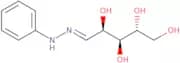
CAS:D-Arabinose phenylhydrazone is a synthetic compound that is used in the study of stereoisomers. It has a D-arabinose and a phenylhydrazine group, which are connected through an amide linkage. D-Arabinose phenylhydrazone is structurally similar to the natural ligand for phosphatase, bovine serum albumin (BSA). This similarity allows it to be used as a substrate for BSA, and also as a ligand for phosphatase enzymes. The acidic functional groups on this molecule allow it to react with tissues and tissue samples that contain carboxylic acid groups. This makes it useful in the study of human urine and tissue samples from other mammals.Fórmula:C11H16N2O4Pureza:Min. 95%Peso molecular:240.26 g/mol3,4,6-Tri-O-acetyl-2-azido-2-deoxy-a-D-glucopyranosyl fluoride
3,4,6-Tri-O-acetyl-2-azido-2-deoxy-a-D-glucopyranosyl fluoride is a custom synthesis that can be synthesized with a range of modifications. It is an azide glycosylation product that has been modified with fluorination and methylation. This compound is high purity and can be used in the synthesis of oligosaccharides or saccharides.Pureza:Min. 95%2-Acetamido-2,4-dideoxy-4-fluoro-D-galactopyranose
CAS:2-Acetamido-2,4-dideoxy-4-fluoro-D-galactopyranose (2ADF) is a synthetic ligand that binds to selectins, which are receptors expressed on the surface of cells. 2ADF has been shown to have a pharmacological effect in inhibiting inflammatory diseases by binding to and blocking the function of selectins. This drug has also been shown to inhibit leukocyte trafficking and chemotaxis by preventing the binding of selectins with their ligands, galectin 1 or galectin 3. 2ADF does not bind to glycan structures found on the cell membrane, but instead binds to glycan structures found on the surfaces of cells.Fórmula:C8H14FNO5Pureza:Min. 95%Peso molecular:223.2 g/molPhenyl 6-O-t-butyldimethylsilyl-b-D-thiogalactopyranoside
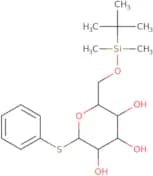
CAS:Phenyl 6-O-t-butyldimethylsilyl-b-D-thiogalactopyranoside is a custom synthesis that can be used to modify the fluoroquinolone antibiotic Gatifloxacin. It has been shown to inhibit the growth of bacteria in vitro and in vivo. Phenyl 6-O-t-butyldimethylsilyl-b-D-thiogalactopyranoside is not active against acid-fast bacteria such as Mycobacterium tuberculosis or Mycobacterium avium complex.
Pureza:Min. 95%2-Acetamido-3,4,6-tri-O-benzyl-2-deoxy-b-D-glucopyranosyl azide
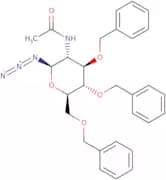
CAS:2-Acetamido-3,4,6-tri-O-benzyl-2-deoxy-b-D-glucopyranosyl azide is a custom synthesis of an oligosaccharide that has been modified with fluorination and methylation. This carbohydrate is a sugar that can be used in the production of glycosylations or click chemistry reactions. It is a complex carbohydrate with high purity and can be used for research purposes or other applications.Fórmula:C29H32N4O5Pureza:Min. 95%Peso molecular:516.59 g/mol3,4-Di-O-benzyl-1,2-O-(1-methoxyethylidene)-b-L-rhamnopyranose
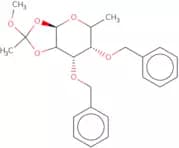
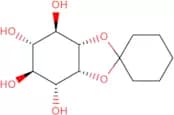
3,4-Di-O-benzyl-1,2-O-(1-methoxyethylidene)-b-L-rhamnopyranose is a custom synthesis of high purity. It is a sugar with click modification and fluorination. 3,4-Di-O-benzyl-1,2-O-(1-methoxyethylidene)-b-L-rhamnopyranose has been synthesized by glycosylation, methylation, and modification of the carbohydrate moiety. This product is an oligosaccharide or monosaccharide that belongs to the group of carbohydrates. 3,4-Di-O-benzyl 1,2 O-(1 methoxyethylidene) b L rhamnopyranose is also known as CAS No., which is a number assigned to chemicals for identification purposes.Fórmula:C23H28O6Pureza:Min. 95%Peso molecular:400.48 g/molD-myo-Inositol-2,3-O-cyclohexylidene
CAS:D-myo-Inositol-2,3-O-cyclohexylidene is a lipase. It hydrolyzes esters and triglycerides, which are found in many natural and synthetic products. D-myo-Inositol-2,3-O-cyclohexylidene is more effective at hydrolyzing fats than porcine pancreatic lipase. This enzyme has been shown to be enantioselective for some solvents, such as vinyl acetate. D-myo-Inositol-2,3-O-cyclohexylidene also has the ability to produce butyrate from fatty acids.Fórmula:C12H20O6Pureza:Min. 95%Peso molecular:260.28 g/molMethyl β-neuraminic acid
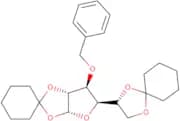
CAS:Methyl β-neuraminic acid is a neuraminidase inhibitor that is used to treat influenza. It inhibits the action of the influenza virus by blocking its ability to attach to the host cell and enter. Methyl β-neuraminic acid has been shown to be effective in treating influenza A and B, with an efficacy of 92%. The drug is also effective against respiratory syncytial virus and adenovirus, as well as for prevention of flu in healthy adults. In addition, methyl β-neuraminic acid is able to prevent or reduce the severity of influenza when taken prophylactically. It can be administered orally or intravenously. Methyl β-neuraminic acid is often used as a synthetic reagent because it has both acetyl groups and hydroxyl groups. The optimum pH for this compound is 5.5-7.5 at room temperature.Fórmula:C10H19NO8Pureza:Min. 95%Forma y color:White PowderPeso molecular:281.26 g/mol3-O-Benzyl-1,2:5,6-di-O-cyclohexylidene-a-D-glucofuranose
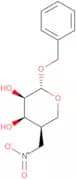
CAS:3-O-Benzyl-1,2:5,6-di-O-cyclohexylidene-a-D-glucofuranose is a synthetic sugar that is used in the synthesis of glycosides and other carbohydrates. 3-O-Benzyl-1,2:5,6-di-O-cyclohexylideneglucopyranose is an oligosaccharide that has been modified with fluorine at the C3 position. This modification is often seen in saccharides that are synthesized from monosaccharides. It is also possible to methylate the C3 position of this molecule to produce 3′-[methyl(4′)benzyl] glucopyranose. This molecule can be glycosylated or click modified to create a custom synthesis.Fórmula:C25H34O6Pureza:Min. 95%Peso molecular:430.53 g/mol(4R)-Benzyl-4-deoxy-4-C-nitromethyl-b-D-arabinopyranoside
CAS:(4R)-Benzyl-4-deoxy-4-C-nitromethyl-b-D-arabinopyranoside is a custom synthesis of an oligosaccharide. It is a polysaccharide, which are complex carbohydrates that consist of many sugar molecules linked together. The saccharide in this compound has been modified with methylation and glycosylation, which are important modifications for the structure and function of saccharides. This compound also contains a carbohydrate modification called click chemistry, where two molecules are connected by a copper ion. There is high purity in this compound and it has been fluorinated to increase its biological stability. Molecular Formula: C11H14O6N2O3 Molecular Weight: 282.25 CAS Number: 383173-71-5 Purity: >99%Fórmula:C13H17NO6Pureza:Min. 95%Peso molecular:283.28 g/molTrifluoroacetamidopropyl b-D-galactopyranoside
Trifluoroacetamidopropyl b-D-galactopyranoside is a custom synthesis that is an Oligosaccharide. It is a complex carbohydrate with CAS No., and can be modified with methylation, glycosylation, and click modification. Trifluoroacetamidopropyl b-D-galactopyranoside has high purity and fluoride, which makes it a Synthetic.Pureza:Min. 95%N-Acetyl-D-glucosamine-d3
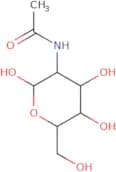
CAS:N-acetyl-D-glucosamine is a regiospecific and stereoselective hydrochloride of D-glucosamine. It is used as a building block for the synthesis of peptides, proteins, and other biological molecules. N-Acetyl-D-glucosamine is synthesized by reacting ethylene diamine with trifluoroacetic acid in the presence of hydrochloric acid. The proton at C2 in the NMR spectrum was found to be diagnostic for the compound. Solid phase microextraction (SPME) was used to extract this compound from a mixture of many components, and it was then analyzed using magnetic resonance spectroscopy (NMR).
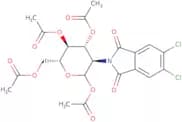
Fórmula:C8H12D3NO6Pureza:Min. 95%Peso molecular:224.23 g/mol1,3,4,6-Tetra-O-acetyl-2-deoxy-2-(4,5-dichlorophthalimido)-D-glucopyranose
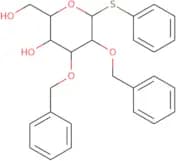
CAS:1,3,4,6-Tetra-O-acetyl-2-deoxy-2-(4,5-dichlorophthalimido)-D-glucopyranose is a Modification of the Carbohydrate. It is a synthetic compound that is used as a building block for the synthesis of complex carbohydrates. This product has been shown to be effective in the modification of glycoproteins and polysaccharides. The product can be used in applications such as fluorination reactions, saccharide methylation reactions, glycosylation reactions, and sugar polymerization reactions.Fórmula:C22H21Cl2NO11Pureza:Min. 95%Peso molecular:546.31 g/molPhenyl 2,3-di-O-benzyl-b-D-thiogalactopyranoside
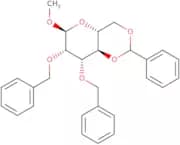
CAS:Phenyl 2,3-di-O-benzyl-b-D-thiogalactopyranoside is an organic compound that is used in the synthesis of saccharides. It is a custom synthesis product and can be modified to create a variety of products. Phenyl 2,3-di-O-benzyl-b-D-thiogalactopyranoside has been shown to have high purity and quality, as well as excellent stability. This product is also available in a variety of grades.Pureza:Min. 95%Methyl 2,3-di-O-benzyl-4,6-O-benzylidene-a-D-mannopyranoside
CAS:Methyl 2,3-di-O-benzyl-4,6-O-benzylidene-a-D-mannopyranoside is a custom synthesis of a complex carbohydrate. It is an Oligosaccharide and Polysaccharide that has been modified by methylation and glycosylation. This carbohydrate is saccharide with a high purity and a high degree of Fluorination. Methyl 2,3-di-O-benzyl-4,6-O-benzylidene-a-D-mannopyranoside is synthesized by Click chemistry using sugar as the starting material. The synthesis involves two steps: first, the sugar moiety was protected by benzylation to yield benzyl 2,3 di O acetate; second, it was methylated to give the desired product.Fórmula:C28H30O6Pureza:Min. 95%Peso molecular:462.55 g/molL-Galacturonic acid
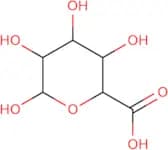
CAS:L-Galacturonic acid is an acidic polysaccharide that is a constituent of many plants, especially in the cell walls of pectin. L-Galacturonic acid has biochemical properties, such as growth factor activity and anticoagulant properties. It also has nucleophilic properties, which means it can be used to extract other substances. The chemical structures of L-galacturonic acid are C6H8O7 with hydroxyl groups on both carbons 1 and 4. The hydroxyl group on carbon 1 makes it a good reactant for nucleophilic attack by sodium carbonate. This reaction increases the number of negative charges on the molecule, which make it a good carbohydrate chemistry reagent. L-Galacturonic acid is not soluble in water but can be dissolved in hydrochloric acid or sodium carbonate solution. It is not toxic when ingested orally and has been shown to have anti-coagulant properties inPureza:Min. 95%2-Methylphenyl 4-O-benzyl-a-L-thiorhamnopyranoside
2-Methylphenyl 4-O-benzyl-a-L-thiorhamnopyranoside is a custom synthesis that can be modified to suit the needs of the customer. It is a fluorinated oligosaccharide with a complex carbohydrate structure. The product has been shown to have high purity and will be synthesized according to customer specifications. 2-Methylphenyl 4-O-benzyl-a-L-thiorhamnopyranoside is an oligosaccharide that contains a saccharide and monosaccharide unit, which are linked together by glycosidic bonds. This product is also known as methylated thioretinamide or MTT.
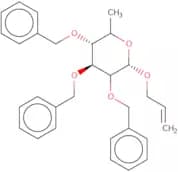
Pureza:Min. 95%Allyl 2,3,4,-tri-O-benzyl-b-L-fucopyranoside
CAS:Please enquire for more information about Allyl 2,3,4,-tri-O-benzyl-b-L-fucopyranoside including the price, delivery time and more detailed product information at the technical inquiry form on this page
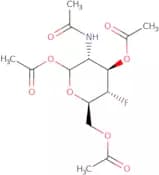
Fórmula:C30H34O5Pureza:Min. 95%Peso molecular:474.59 g/mol2-Acetamido-1,3,6-tri-O-acetyl-2,4-dideoxy-4-fluoro-D-glucopyranose
CAS:2-Acetamido-1,3,6-tri-O-acetyl-2,4-dideoxy-4-fluoro-D-glucopyranose is a high purity synthetic glycosylate with a custom synthesis. It is an oligosaccharide that has been modified for fluorination and methylation. This product is used as an intermediate in the production of complex carbohydrates.Fórmula:C14H20FNO8Pureza:Min. 95%Forma y color:PowderPeso molecular:349.31 g/mol2,4-Dinitrophenyl 3,4,6-tri-O-acetyl-2-deoxy-2-fluoro-b-D-galactoside
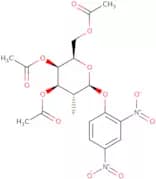
CAS:2,4-Dinitrophenyl 3,4,6-tri-O-acetyl-2-deoxy-2-fluoro-b-D-galactoside is a glycosidase inhibitor that is used in the validation of β-glucosidases. It has been shown to inhibit the activity of a number of glycosidases, including α-, β-, and γ-. 2,4-Dinitrophenyl 3,4,6-tri-O-acetyl -2 -deoxy -2 -fluoro -b D galactoside inhibits the hydrolysis of oligosaccharides containing a terminal α-- or β--glucose moiety to produce smaller sugars. This compound can be used as an acceptor for spectrophotometric assays and as an analytical standard for measuring the degree of polymerization (DP) of oligosaccharides. The rate of its reaction with gly
Fórmula:C18H19FN2O12Pureza:Min. 95%Forma y color:PowderPeso molecular:474.35 g/molAtorvastatin acyl-b-D-glucuronide
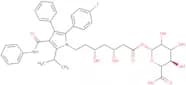
CAS:Atorvastatin acyl-b-D-glucuronide is a synthetic compound that has been modified with fluorine and methyl groups. It is a glycosylated molecule with a carbohydrate moiety. It has been shown to be active against Saccharide-producing bacteria, such as the genus Clostridium, which are responsible for the production of polysaccharides and glycans.Fórmula:C39H45FN2O11Pureza:90%MinPeso molecular:736.8 g/molD-Fructose-1,6-diphosphate trisodium
CAS:D-Fructose-1,6-diphosphate trisodium salt (D-FDP) is an ATP precursor that is used to study the effects of D-FDP on energy metabolism in rat cardiomyocytes. The results from this study showed that D-FDP increased ATP levels and inhibited the accumulation of intracellular lactate. This compound also inhibits ventricular myocardial hypertrophy induced by pressure overload in animal experiments. In addition, D-FDP has been shown to inhibit the polymerase chain reaction (PCR) process and to be active at a concentration of 25 mM.Fórmula:C6H14O12P2•Na3Pureza:Min. 99 Area-%Forma y color:PowderPeso molecular:409.09 g/molMycophenolic acid acyl-b-D-glucoside
CAS:Metabolite of Mycophenolic acidFórmula:C23H30O11Pureza:Min. 95%Peso molecular:482.48 g/molD-Glucosamine-3,4,6-tri-O-sulphate trisodium salt
CAS:D-Glucosamine-3,4,6-tri-O-sulphate trisodium salt is a high purity and custom synthesis of D-glucosamine. It is a sugar with click modification and fluorination. It has CAS No. 157297-03-5 and it is synthesized from glycosylation, methylation, and modification. It has a molecular weight of 517.85 g/mol and the chemical formula C9H14N2O12S3NaO6. Glucosamine is an oligosaccharide that can be found in many complex carbohydrates such as chitin or cellulose.Fórmula:C6H10NO14S3Na3Pureza:Min. 95%Forma y color:PowderPeso molecular:485.31 g/molD-Fructose 1-phosphate barium salt trihydrate
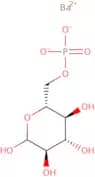
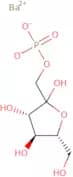
CAS:D-Fructose 1-phosphate barium salt trihydrate is a custom synthesis, high purity sugar. It has been modified with fluorination, glycosylation, and methylation. D-Fructose 1-phosphate barium salt trihydrate is made from the modification of various sugars such as oligosaccharides and monosaccharides to form complex carbohydrates. It can be used for Click modification or in the synthesis of glycoconjugates. D-Fructose 1-phosphate barium salt trihydrate is also known as saccharide.Fórmula:C6H11BaO9P·3H2OPureza:Min. 95%Forma y color:Yellow PowderPeso molecular:449.49 g/mol6-Deoxy-6-iodo-D-glucose
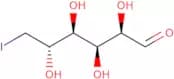
CAS:6-Deoxy-6-iodo-D-glucose is a glucose analog that can be used as a bypassed substrate for the study of d-glucose metabolism in diabetic patients. 6-Deoxy-6-iodo-D-glucose has been shown to be an acceptable substrate for animal cells and can be used for the study of glucose uptake in the pancreas. This analog does not require insulin for uptake, which may help to elucidate the role of insulin resistance in diabetes. The use of 6-deoxy-6-[18F]fluoroethyl D-[1,2]-glucose ([18F]FDG) as an optical imaging agent has also been studied.Fórmula:C6H11IO5Pureza:Min. 95 Area-%Forma y color:PowderPeso molecular:290.05 g/mol6-Phosphogluconic acid trisodium
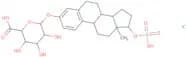
CAS:6-Phosphogluconic acid trisodium is a synthetic, non-natural glycosylation product that is used as a building block in the synthesis of complex carbohydrates. It can be fluorinated or methylated, and modified with a click reaction to produce various derivatives. The compound has been shown to have high purity and is readily available from commercial suppliers.Fórmula:C6H13O10P•Na3Pureza:Min. 95%Peso molecular:345.1 g/molβ-Estradiol 3-(β-D-glucuronide) 17-sulfate dipotassium
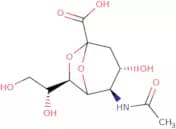
CAS:β-Estradiol 3-(β-D-glucuronide) 17-sulfate dipotassium is a synthetic, nonsteroidal estrogen with a high affinity for the human estrogen receptor. It is used in the treatment of various types of breast cancer and as hormone replacement therapy. β-Estradiol 3-(β-D-glucuronide) 17-sulfate dipotassium is a part of the drug class selective estrogen receptor modulators (SERMs). The compound has been shown to have antiestrogenic activity through its ability to compete with estradiol for binding to the estrogen receptor. This compound also has some antiandrogenic effects and can inhibit sex hormone binding globulin (SHBG), leading to increased levels of free testosterone in blood plasma.Fórmula:C24H32O11S•K2Pureza:Min. 95%Peso molecular:606.77 g/molN-Acetyl-2,7-anhydro-α-neuraminic acid
CAS:N-Acetyl-2,7-anhydro-a-neuraminic acid is a synthetic derivative of a naturally occurring sugar that is found in the human brain and other tissues. It has been proposed as a potential drug for the treatment of inflammatory bowel disease due to its ability to inhibit the growth of cells in the colon and prevent inflammation. N-Acetyl-2,7-anhydro-a-neuraminic acid has been shown to have antiinflammatory properties by inhibiting the synthesis of proinflammatory cytokines. This compound binds to an enzyme called galactosamine kinase, which is involved in making certain proteins that are necessary for inflammation. The chemical structure of N-Acetyl-2,7-anhydro-a-neuraminic acid was determined through structural analysis and carbon source titration calorimetry. Magnetic resonance spectroscopy showed that this compound reacts with water molecules and chemical ionization revealed that itFórmula:C11H17NO8Pureza:Min. 95%Peso molecular:291.25 g/mol5-Thio-L-fucose
CAS:5-Thio-L-fucose is a sugar that is found in a variety of tissues and organs. It has been shown to inhibit the antibody-dependent cellular cytotoxicity (ADCC) by binding to the Fc portion of IgG antibodies, which are used to target and destroy cancer cells. 5-Thio-L-fucose has also been shown to modulate the effector functions of natural killer cells and enhance the glycan profile of dendritic cells. It may be useful as a supplement for patients undergoing chemotherapy or radiation therapy, where it may help inhibit the growth of tumor cells. 5-Thio-L-fucose inhibits ADCC activity by binding to IgG antibodies, preventing them from attaching to immune cells, which would otherwise act as effectors in destroying tumor cells. This inhibition can be reversed with a competitive inhibitor such as D-arabinose.Fórmula:C6H12O4SPureza:Min. 95%Peso molecular:180.22 g/mol1,6-Di-O-galloyl-b-D-glucopyranose
CAS:1,6-Di-O-galloyl-β-D-glucopyranose is a plant active compound that has been shown to have insecticidal and antifungal properties. It is also an inhibitor of serine proteases. 1,6-Di-O-galloyl-β-D-glucopyranose may be used to control the spread of human immunodeficiency virus (HIV) in humans. In an in vitro study, 1,6-di galloyl β-D glucopyranose was found to inhibit HIV by binding to the viral envelope gp120 protein and preventing it from attaching to CD4 receptor sites on T cells. This inhibition prevents the virus from entering the cell and infecting it. 1,6 - di - O - galloyl - β - D - glucopyranose also inhibits HIV by blocking its entry into the host cell through interaction with gp41 protein on theFórmula:C20H20O5Pureza:Min. 95%Peso molecular:340.37 g/mol2-Benzamido-2-deoxy-D-glucopyranose
CAS:2-Benzamido-2-deoxy-D-glucopyranose is a synthetic, inexpensive, and non-toxic compound that has antibiotic properties. It is used as a reagent for the sulfonylating of aromatic rings and as an intermediate in the synthesis of other compounds. 2-Benzamido-2-deoxy-D-glucopyranose can be radiolabeled with carbon or fluorine atoms to form a resonance labeled probe that can be used in magnetic resonance spectroscopy.Fórmula:C13H17NO6Pureza:Min. 95%Forma y color:White PowderPeso molecular:283.28 g/molD-Glucose-6-phosphate dipotassium salt hydrate
CAS:Glucose 6-phosphatase substrate
Fórmula:C6H11O9PK2·H2OPureza:Min. 95%Peso molecular:354.33 g/molMethyl 1-C-[4-chloro-3-[[4-[[(3S)-tetrahydro-3-furanyl]oxy]phenyl]methyl]phenyl]-a-D-glucopyranoside
CAS:Intermediate in the synthesis of empagliflozinFórmula:C24H29ClO8Pureza:Min. 95%Peso molecular:480.94 g/mol2-Deoxy-D-glucono-1,5-lactone
CAS:2-Deoxy-D-glucono-1,5-lactone is a crystalline compound that is isolated from the hydrolysis of D-gluconic acid. This compound has been found to be a diastereoisomeric product with a lactone ring and an epimerization process. It can also be synthesized by reacting epichlorohydrin with potassium hydroxide in the presence of a hydroxy group. 2DG is an elimination product of 2-deoxyglucose and has been shown to have antihyperglycemic effects due to its ability to inhibit glucose synthesis in the liver and muscle cells. This compound also inhibits protein synthesis in bacteria, which may lead to cell death.
Fórmula:C6H10O5Pureza:Min. 95%Peso molecular:162.14 g/molFerulic acid acyl-b-D-glucoside
CAS:Ferulic acid acyl-b-D-glucoside is a flavonoid compound that has been shown to have antioxidant properties. It is found in plants and can be synthesized by the enzyme phenylalanine ammonia-lyase. Ferulic acid acyl-b-D-glucoside is insoluble in water, but soluble in organic solvents such as ethanol and acetone. The chemical composition of ferulic acid acyl-b-D-glucoside is not well understood, but it has been shown to contain chalcone, chlorogenic acids, aldehydes, celosianin, and betanidin.Pureza:Min. 95%Glycosylceramide - from plant origin
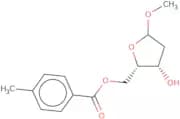
CAS:Glucosylceramide (Glc-Cer) is the common precursor in the biosynthesis of most glycosphingolipids, with exception of some Gal-Cer derivatives, such as, GM4. Glucosylceramide consists of a glucosyl moiety which is β-O-glycosydically linked to ceramide, which itself, consists of the long-chain aminoalcohol sphingosine and a fatty acid. Glucosylceramide (also called glucocerebroside) is synthesised enzymatically, by the glucosylceramide synthase-catalysed with the addition of a glucose residue to ceramide. Glucosylceramide is involved in the regulation of various cellular events and also serves as a main constituent in liposome formulations.Fórmula:C40H75NO9Pureza:Min. 95%Peso molecular:714.02 g/molMethyl 2-deoxy-5-O-toluoyl-L-ribofuranoside
CAS:Methyl 2-deoxy-5-O-toluoyl-L-ribofuranoside is a high purity, custom synthesis, methylated, Glycosylation and Oligosaccharide. It has CAS No. 676598-19-9 and is Glycosylated and Methylated. This complex carbohydrate is a synthetic, monosaccharide or saccharide that can be modified with fluorination, Click modification or glycosylation.
Fórmula:C14H18O5Pureza:Min. 95%Forma y color:Brown oil.Peso molecular:266.3 g/molDiosmetin-7-O-b-D-glucopyranoside
CAS:Diosmetin-7-O-b-D-glucopyranoside is a coumarin derivative that is found in the root of the Chinese herb Dioscorea tinctoria. It has been shown to have anti-inflammatory effects by inhibiting the expression of inflammatory genes, and it also has antioxidant properties. The chemical structure of diosmetin has been shown to be similar to protocatechuic acid, an important phenolic acid that can be found in wine and vinegar. Diosmetin has also been shown to inhibit mitochondrial apoptosis, which may contribute to its anti-cancer effects. Diosmetin has been shown to increase postprandial blood glucose levels in rats fed a high fat diet, and this effect may be due to its ability to inhibit peroxisome proliferator-activated receptor gamma (PPARγ) activity.Fórmula:C22H22O11Pureza:Min. 95%Forma y color:PowderPeso molecular:462.4 g/mol1,3,4,6-Tetra-O-acetyl-2-O-benzyl-a-D-mannopyranose
CAS:1,3,4,6-Tetra-O-acetyl-2-O-benzyl-a-D-mannopyranose (1) is a high purity monosaccharide that can be custom synthesized to meet the needs of your research. 1 is a synthetic compound that is fluorinated and glycosylated. It has been shown to be an efficient methylation and modification agent for saccharide synthesis. It also acts as a building block for oligosaccharides and complex carbohydrates.Fórmula:C21H26O10Pureza:Min. 95%Peso molecular:438.43 g/mol3,6’-Disinapoyl sucrose
CAS:3,6’-Disinapoyl sucrose is a saponin that has been shown to be neuroprotective and antidepressant. It is also able to increase the absorption of drugs in the gastrointestinal tract. 3,6’-Disinapoyl sucrose was found to have neurotrophic effects on neurons and inhibit glutamate-induced excitotoxicity. 3,6’-Disinapoyl sucrose has been shown to inhibit the mineralocorticoid receptor in vitro and may be useful as an antihypertensive agent. 3,6’-Disinapoyl sucrose can be used for clinical use in the treatment of depression and other neurological disorders such as Alzheimer's disease.Fórmula:C34H42O19Pureza:Min. 95%Forma y color:PowderPeso molecular:754.69 g/molOnitin 2'-O-glucoside
CAS:Onitin 2'-O-glucoside is a sugar that is custom synthesized and purified. It is a modification of oligosaccharides, complex carbohydrates, and polysaccharides. Onitin 2'-O-glucoside is an Oligosaccharide Carbohydrate which can be used in the synthesis of high purity monosaccharides and methylations. It also has the ability to form glycosylation with saccharides, such as glucose or fructose. This product can also be fluorinated to produce saccharides that are water soluble.Pureza:Min. 95%a-Galactosylceramide
CAS:Ligand for human and mouse NKT cellsFórmula:C50H99NO9Pureza:Min. 95 Area-%Forma y color:White Slightly Yellow PowderPeso molecular:858.32 g/molN-Oleoyl-N-methyltaurine sodium salt
CAS:N-Oleoyl-N-Methyltaurine sodium salt is a glycol ether that has been shown to be an effective transport inhibitor for fatty acids. It inhibits the growth of bacteria and fungi by interfering with the cell membrane lipid synthesis. N-Oleoyl-N-Methyltaurine sodium salt also has anti-inflammatory properties, which may be due to its ability to inhibit prostaglandin synthesis.Fórmula:C21H40NO4S·NaPureza:Min. 30.00%Peso molecular:425.6 g/mol2-Acetamido-6-azido-2,6-dideoxy-D-galactopyranose
CAS:2-Acetamido-6-azido-2,6-dideoxy-D-galactopyranose is a synthetic, unnatural monosaccharide bearing an azido biorthogonal reaction group. This compound can enter the cell and is processed by biosynthetic enzymes, in a manner similar to the natural O-linked N-acetyl-β-D-glucosamine. The glycans produced bear the azido functional group which can be chemically tagged with fluorescent dyes or biotin for visualisation or affinity.
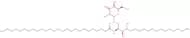
Fórmula:C8H14N4O5Pureza:Min. 95%Peso molecular:246.22 g/mol2-Acetamido-3,4,6-tri-O-acetyl-1-O-[(N-Cbz-aminoethoxy)ethoxy]-2-deoxy-β-D-galactopyranose
CAS:2-Acetamido-3,4,6-tri-O-acetyl-1-O-[(N-Cbz-aminoethoxy)ethoxy]-2-deoxy-b-D-galactopyranose is a custom synthesis of a complex carbohydrate. It is a polysaccharide that contains fluorine and has been modified with methylation, glycosylation, click modification, and polysaccharide modifications. 2-Acetamido-3,4,6-tri-O -acetyl -1 -O-[(N -Cbz -aminoethoxy)ethoxy] -2 deoxy b D galactopyranose is also known as CAS No. 1261568 35 7 and it's molecular weight is 546.81 g/mol.Fórmula:C26H36N2O12Pureza:Min. 95%Peso molecular:568.57 g/molα-D-Thiomannose sodium
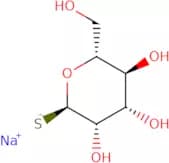
CAS:A thio-sugarFórmula:C6H11O5SNaPureza:Min. 95 Area-%Forma y color:White PowderPeso molecular:218.21 g/molb-D-Glucopyranosyl nitromethane
CAS:b-D-Glucopyranosyl nitromethane is a precursor for the synthesis of glyco-peptidesFórmula:C7H13NO7Pureza:Min. 95%Forma y color:PowderPeso molecular:223.18 g/molCornuside
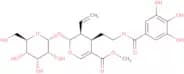
CAS:Cornuside is a natural compound that is found in the fruits of Cornus. It is a dihydrochalcone, which has been shown to have hypoglycemic effects and inhibit the activity of 5-hmf. Cornuside also inhibits the enzyme activities involved in energy metabolism, such as glucose-6-phosphate dehydrogenase and hexokinase. It has also been shown to have genotoxic properties and induce DNA damage. Cornuside may be useful for treating diabetes or cancer, but further research needs to be done before this can be confirmed.Fórmula:C24H30O14Pureza:Min. 95%Forma y color:PowderPeso molecular:542.49 g/mol3-Acetamido-3,6-dideoxy-D-galactose
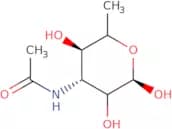
CAS:3-Acetamido-3,6-dideoxy-D-galactose is a monosaccharide with two functional groups. It has been shown to be bifunctional and can act as a glycosyl donor or acceptor. 3-Acetamido-3,6-dideoxy-D-galactose was isolated from the type strain of Streptomyces venezuelae. It is also found in fatty acids and some strains of bacteria, such as Bacillus megaterium. The biological properties of 3-acetamido--3,6-dideoxy--D--galactose have been studied using monoclonal antibodies, magnetic resonance spectroscopy (MRS), and 13C nuclear magnetic resonance spectroscopy (NMR).
Fórmula:C8H15NO5Pureza:Min. 95%Forma y color:PowderPeso molecular:205.21 g/molD-Glucoheptono-1,4-lactone
CAS:Please enquire for more information about D-Glucoheptono-1,4-lactone including the price, delivery time and more detailed product information at the technical inquiry form on this pageFórmula:C7H12O7Pureza:Min. 95%Peso molecular:208.17 g/molValidamine
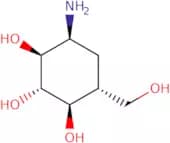
CAS:Inhibitor of alpha-glucosidaseFórmula:C7H15NO4Pureza:Min. 95%Forma y color:PowderPeso molecular:177.2 g/molD-Glucose-6-phosphate barium hepthydrate
CAS:D-Glucose-6-phosphate barium salt is a custom synthesis that is prepared by modification of D-glucose with phosphoric acid, fluorination, methylation, and monosaccharide. This compound is a synthetic carbohydrate that belongs to the category of oligosaccharides and polysaccharides. It has a molecular weight of 583.12 g/mol and an empirical formula of C7H8O10P2Ba. The CAS number for this compound is 150400-00-3.Fórmula:C6H11BaO9P•(H2O)7Pureza:Min. 95%Forma y color:PowderPeso molecular:521.55 g/mol2-Acetamido-2-deoxy-D-glucopyranosyl serine
CAS:2-Acetamido-2-deoxy-D-glucopyranosyl serine is a compound that belongs to the class of coumarins and monosaccharides. It contains a nitro group and a heterocycle, making it a unique and versatile molecule. This compound has been studied for its various properties, including its interaction with liver microsomes and its ability to undergo crystallization. Additionally, 2-Acetamido-2-deoxy-D-glucopyranosyl serine has shown promising effects on TGF-beta activation and has been found to inhibit aldehyde formation in trichloroacetic acid solutions. This compound also exhibits interactions with other molecules such as pyrazine, ofloxacin, and famotidine. Its diverse characteristics make it an intriguing compound for further research and potential applications in various fields.Fórmula:C11H20N2O8Pureza:Min. 95%Forma y color:White PowderPeso molecular:308.29 g/molD-Arabinose-5-phosphate
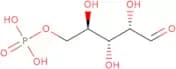
CAS:D-Arabinose-5-phosphate is an intermediate in the pentose phosphate pathway. It is synthesized from D-xylulose-5-phosphate by xylitol dehydrogenase. D-Arabinose-5-phosphate inhibits the enzyme xylitol dehydrogenase, which converts xylulose to d-xylulose, and thus prevents the formation of 5-hydroxyisoxazole phosphate, a precursor to the synthesis of NADPH. In this way, it blocks the synthesis of NADPH, which is essential for aerobic metabolism. This inhibition leads to a decrease in ATP production and consequently cell death.Fórmula:C5H11O8PPureza:Min. 95%Peso molecular:230.11 g/mol1,2,3-Tri-O-methyl-D-glucopyranoside
CAS:1,2,3-Tri-O-methyl-D-glucopyranoside is a custom synthesis and modification of the natural product 1,2,3-tri-O-methyl-D-mannopyranoside. The compound was synthesized by fluorination of the 3' hydroxyl group followed by methylation of the 2', 3' hydroxyl groups to form a triol. This sugar was then glycosylated with D-glucose to produce an oligosaccharide. 1,2,3 - Tri -O - methyl - D - glucopyranoside is a natural product that can be found in plants such as barley and wheat. It has been shown to have antiinflammatory properties.Fórmula:C9H18O6Pureza:Min. 95%Peso molecular:222.24 g/molβ-Rutinose
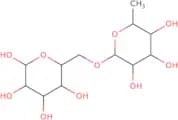
CAS:Beta-rutinose is a potent kinase inhibitor that has shown anti-tumor activity in Chinese hamster ovary (CHO) cells. It inhibits the activity of cyclin-dependent kinases, which are essential for cell division and proliferation. Beta-rutinose has been shown to induce apoptosis in human cancer cells, making it a promising candidate for anticancer therapy. This compound is an analog of rutin, a flavonoid found in many plants, and has been shown to have potent anticancer effects in vitro and in vivo. Beta-rutinose inhibits the growth of cancer cells by blocking the activity of specific kinases involved in tumor progression, making it an attractive target for developing new cancer therapies. Additionally, this compound has been found to be effective at reducing protein levels associated with cancer cell growth and proliferation.Fórmula:C12H22O10Pureza:Min. 95%Peso molecular:326.3 g/mol2,3,4,6-Tetra-O-benzyl-5-thio-D-glucono-1,5-lactone
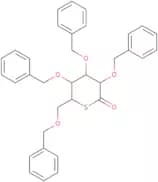
CAS:2,3,4,6-Tetra-O-benzyl-5-thio-D-glucono-1,5-lactone is a complex carbohydrate that can be modified with methylation and glycosylation. It is a saccharide that can be modified by fluorination and click modification. This compound is synthesized by the polymerization of allose in the presence of an enzyme to produce 2,3,4,6-tetra-O-(benzyloxymethyl)-5-thio--D--glucono--1,5--lactone.Fórmula:C34H34O5SPureza:Min. 95%Peso molecular:554.7 g/mol5-Deoxy-D-ribose
CAS:5-Deoxy-D-ribose is a molecule that is an intermediate in the shikimate pathway, which produces the aromatic amino acids. 5-Deoxy-D-ribose can be synthesized from D-ribose and shikimic acid. The biosynthesis of 5-deoxy-D-ribose is catalyzed by the enzyme ribose 5'-phosphate kinase, which converts ribose 5'-phosphate to 5-deoxy--D--ribose phosphate. This reaction requires ATP as a source of energy, and it is inhibited by phosphoribosyl pyrophosphate (PRPP). The asymmetric synthesis of 5-deoxy--D--ribose has been achieved with a chiral Lewis acid catalyst. The molecular structure of 5-deoxy--D--ribose has been determined by NMR spectroscopy. Shikimate pathways are present in mammalian cells, but not in plants or bacteria.Fórmula:C5H10O4Pureza:Min. 95 Area-%Forma y color:Orange Clear LiquidPeso molecular:134.13 g/mol1,4:3,6-Dianhydro-L-iditol
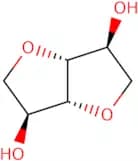
CAS:1,4:3,6-Dianhydro-L-iditol is a synthetic compound that is used in pharmaceutical preparations and tissue culture. It has been shown to inhibit the growth of bacteria such as Staphylococcus aureus and Mycobacterium tuberculosis in vitro assays. The synthesis of 1,4:3,6-dianhydro-L-iditol involves intramolecular hydrogenation of fatty acids with alkanoic acids and the use of solid catalysts.
Fórmula:C6H10O4Pureza:Min. 95%Peso molecular:146.14 g/mola-D-Glucose
CAS:Glucose is a monosaccharide that is an important source of energy for the human body. It is a simple sugar found in many carbohydrates and is the main form of fuel used by the brain. Glucose is also used as a chemical building block for polysaccharides such as glycogen, cellulose, and chitin. The hypoglycemic effect of glucose can be observed when blood glucose levels are below 70 mg/dL. This effect can be due to its ability to increase the production of insulin or decrease the rate of gluconeogenesis in liver cells. It also has been shown to have an inhibitory effect on some viruses and bacteria, which may be due to its ability to inhibit transcription activators or polymerase chain reactions.
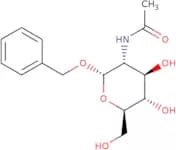
Fórmula:C6H12O6Pureza:Min. 96 Area-%Forma y color:White PowderPeso molecular:180.16 g/molBenzyl 2-acetamido-2-deoxy-α-D-glucopyranoside
CAS:Benzyl 2-acetamido-2-deoxy-α-D-glucopyranoside is a synthetic compound with a molecular weight of 342.45 g/mol. It is a white to pale yellow crystalline solid that is soluble in water and methanol. The chemical formula for this compound is C12H14N2O6 and its structural formula is represented as CH2(COOCH3)COOC8H11O6. The CAS number for this compound is 13343-62-9, and the IUPAC name for it is benzyl 2-(2-acetamido)-2,3,4,5,6-pentaacetoxy αDglucopyranoside. This compound has been used in methylation reactions and click chemistry applications due to its ability to form stable carbonyl bonds with other molecules. Benzyl 2-(2-acetamido)-2,3,4,5,6Fórmula:C15H21NO6Pureza:Min. 98 Area-%Forma y color:White PowderPeso molecular:311.33 g/mol3-Azido-3-deoxy-1,2-O-isopropylidene-a-D-ribofuranose
CAS:3-Azido-3-deoxy-1,2-O-isopropylidene-a-D-ribofuranose is a synthetic carbohydrate that contains fluorine and is used as a glycosylation and methylation reagent. It has been shown to react with various saccharides, including glucose, maltose, lactose, sucrose, and cellobiose. In addition to its use in glycosylation reactions, 3-azido-3-deoxy-1,2-O-isopropylidene -a D ribofuranose can be used for click chemistry. This reagent is available in high purity and is synthesized from the natural sugar ribofuranose.Pureza:Min. 95%Bacillithiol trifluoroacetic acid salt
CAS:Bacillithiol (BSH) is a low molecular weight thiol molecule produced in Bacilli, which is also found in Firmicutes bacteria. It plays an important role in maintaining the balance of reactive oxygen species within cells and detoxifying certain harmful compounds. It is the α-anomeric glycoside of L-cysteinyl-D-glucosamine with L-malic acid and it seems to have antioxidant properties. Bacillithiol plays an important role in bacterial redox homeostasis and plays an important role in the detoxification of electrophiles as it is a cofactor for FosB (thiol transferase). This is the salt form (trifluoroacetic acid salt, TFA) of Bacillithiol.Fórmula:C13H22N2O10S·CF3CO2HPureza:Min. 95 Area-%Forma y color:Colorless Clear LiquidPeso molecular:512.41 g/mol2-Deoxy-2-fluoro-D-fucose
2-Deoxy-2-fluoro-D-fucose is a custom synthesis, which is a complex carbohydrate. It has CAS No. and polysaccharide modification and can be methylated, glycosylated, or fluorinated. The molecular weight of this product is high purity and it can be used as a sugar or carbohydrate. Click modification is possible with 2-deoxy-2 fluoro-D-fucose.
Fórmula:C6H11FO4Pureza:Min. 95%Forma y color:PowderPeso molecular:166.15 g/molb-D-Galactopyranosyl nitromethane
CAS:b-D-Galactopyranosyl nitromethane is a high purity sugar with various modifications. It is custom synthesized to order and is available in various purity grades. This sugar can be modified by fluorination, glycosylation, methylation, or modification with oligosaccharides or monosaccharides. The CAS number for this sugar is 81846-64-2. b-D-Galactopyranosyl nitromethane High purity, Custom synthesis, sugar, Click modification, Fluorination, Glycosylation, Synthetic, Methylation, Modification, Oligosaccharide, Monosaccharide CAS No. 81846-64-2
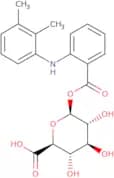
Fórmula:C7H13NO7Pureza:Min. 95%Peso molecular:223.2 g/molMefenamic acid-acyl-b-D-glucuronide
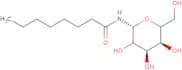
CAS:Mefenamic acid-acyl-b-D-glucuronide is a synthetic drug that binds to albumin and human serum albumin. It has been shown to irreversibly inhibit human UDP-glucuronosyltransferase, an enzyme in the human liver that catalyzes the addition of glucuronic acid to drugs and other xenobiotics. Mefenamic acid-acyl-b-D-glucuronide has also been shown to inhibit the activity of a wide range of enzymes in humans, including isoenzyme UGT1A6, which is found in the liver and kidney. This drug has been studied as a potential treatment for pain and inflammation in humans.Fórmula:C21H23NO8Pureza:Min. 95%Forma y color:White To Off-White SolidPeso molecular:417.41 g/molOctanoyl b-D-glucosylamine
CAS:Octanoyl b-D-glucosylamine is a synthetic compound that has been designed for use in the synthesis of complex carbohydrates. It is an octanoyl derivative of D-glucosamine, which is a sugar. This compound can be used for the modification of saccharides and polysaccharides, as well as sugars. It has been shown to be resistant to glycosylation and fluorination reactions.
Fórmula:C14H27NO6Pureza:Min. 95%Peso molecular:305.37 g/molDipyridamole di-O-b-D-glucuronide
CAS:Dipyridamole di-O-b-D-glucuronide is a fluorinated oligosaccharide that has been synthesized using the click chemistry reaction. It is a monosaccharide that has been glycosylated and modified with methyl groups to produce a high purity product. The carbohydrate consists of one or more sugar units linked by glycosidic bonds. Carbohydrates are classified by their number of sugar units and by the presence of other chemical groups such as phosphate, sulfate, or hydroxyl. This product is also used in the synthesis of complex carbohydrates and polysaccharides.Fórmula:C36H56N8O16Pureza:Min. 95%Peso molecular:856.87 g/mol4-Nitrobenzyl β-D-thiogalactopyranoside
CAS:4-Nitrobenzyl b-D-thiogalactopyranoside is a synthetic glycosylation agent that can be used for the modification of saccharides and oligosaccharides. The product is available in different purity grades, custom synthesis, and custom modifications.Fórmula:C13H17NO7SPureza:Min. 95%Peso molecular:331.34 g/molMethyl 5-acetamido-4,7,8,9-tetra-O-acetyl-2,6-anhydro-3,5-dideoxy-D-glycero-D-galacto-non-2-enonate
CAS:Methyl 5-acetamido-4,7,8,9-tetra-O-acetyl-2,6-anhydro-3,5-dideoxy-D-glycero-D-galacto-non-2-enonate is a synthetic oligosaccharide that is used in the synthesis of glycosides. The carbohydrate has been modified to include fluorination and glycosylation. This product can be custom synthesized to meet your specifications.Fórmula:C20H27NO12Pureza:Min. 95%Forma y color:White To Off-White SolidPeso molecular:473.43 g/mol1,2,3-Tri-O-benzoyl-α-L-fucopyranose
CAS:1,2,3-Tri-O-benzoyl-a-L-fucopyranose is a synthetic, fluorinated monosaccharide that can be synthesized from D-glucose in two steps. It is a useful building block for the synthesis of oligosaccharides and polysaccharides with different glycosylation patterns. This compound has been shown to react with methyl iodide to form 1,2,3-triiodo-a-L-fucopyranose. It has also been used as a click modification reagent for carbohydrates.Fórmula:C27H24O8Pureza:Min. 95%Peso molecular:476.47 g/molMethyl 2-deoxy-L-ribofuranoside
CAS:Methyl 2-deoxy-L-ribofuranoside is an intermediate in the synthesis of l-arabinose. It can be obtained by the reaction of methyl 2,3-dideoxy-D-ribofuranoside with pivaloyl chloride. The antiviral activity of this compound has been shown by its ability to inhibit the replication of influenza A virus. Methyl 2-deoxy-L-ribofuranoside is a fluorinating agent that can be used for the synthesis of oligosaccharides and nucleosides. This intermediate also serves as a substrate for a number of organic reactions, including regioselective and stereoselective chlorination.Fórmula:C6H12O4Pureza:Min. 95%Forma y color:PowderPeso molecular:148.16 g/mol3,4,6-Tri-O-acetyl-1,2-O-ethoxyethylidene-β-D-mannopyranose
CAS:3,4,6-Tri-O-acetyl-1,2-O-ethoxyethylidene-b-D-mannopyranose is a synthetic monosaccharide that is used as a substrate for the production of various oligosaccharides and polysaccharides. This substance can be fluorinated to produce 3,4,6-tri-O-(3′,5′ -difluoro) acetyl-1,2:5′,6′ -di(O—ethoxyethylidene)-b-D mannopyranose. It has been shown that methylation of the C1 position in this compound results in a variety of different compounds with different properties. In addition to its use as a substrate in organic synthesis, 3,4,6 triacetyl 1,2:5', 6'-di(O—ethoxyethylidene)-b D mannopyranose is alsoFórmula:C16H24O10Pureza:Min. 95%Peso molecular:376.36 g/molIrbesartan N-b-D-glucuronide
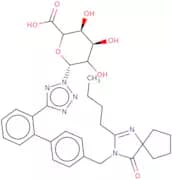
CAS:Irbesartan N-b-D-glucuronide is a complex carbohydrate that is a synthetic saccharide. It is an intermediate in the synthesis of irbesartan, which is an angiotensin II receptor antagonist. Irbesartan N-b-D-glucuronide has been shown to have antihypertensive properties, inhibiting the activity of the renin-angiotensin system and increasing blood flow to the kidneys. It also inhibits the growth of cancer cells. This compound can be custom synthesized for your specific needs and purities can be controlled to meet your specifications.Fórmula:C31H36N6O7Pureza:Min. 98 Area-%Forma y color:White PowderPeso molecular:604.65 g/mol2,3,4,6-Tetra-O-benzyl-D-galactono-1,5-lactone
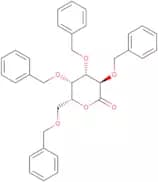
CAS:2,3,4,6-Tetra-O-benzyl-D-galactono-1,5-lactone is an aldehyde that has been synthesized from tert-butyl bromoacetate and ethynyl acetate in the presence of cesium carbonate. It is an exocyclic aldehyde that forms a cyclic ester with glycine. The synthetic pathway was stereoselective because the exocyclic double bond was only formed on one face of the molecule. This product can be used as an intermediate for the synthesis of glycine analogues and glycines.Fórmula:C34H34O6Pureza:Min. 95%Peso molecular:538.63 g/mol5-azido-5-deoxy-D-arabinose
CAS:5-azido-5-deoxy-D-arabinose is a compound derived from Aquilaria sinensis that has various biological activities. It has been shown to modulate transmembrane conductance by interacting with fatty acid-binding proteins and divalent metal ions. Additionally, it can regulate the activity of potassium channels, which play a crucial role in cellular function. 5-azido-5-deoxy-D-arabinose is known for its reactive properties and can form covalent adducts with nucleophilic residues in proteins, affecting their structure and function. This compound has also been studied for its potential therapeutic applications, such as enhancing the delivery of iron sucrose through electrode-based systems or improving the bioavailability of drugs like ketorolac or creatine. Furthermore, 5-azido-5-deoxy-D-arabinose exhibits interesting carbohydrate chemistry, making it a valuable tool for carbohydrate synthesis and modification. Its diverse characteristics and unique properties make it an intriguing compound for furtherFórmula:C5H9N3O4Pureza:Min. 95%6-Chloro-6-deoxy-D-mannose
CAS:6-Chloro-6-deoxy-D-mannose is a naturally occurring sugar that is found in the spermatozoa of many animals. It is a mannose derivative that has been shown to be an inhibitor of the enzyme glyceraldehyde 3-phosphate dehydrogenase, which plays an important role in energy metabolism and isomerization of 6-phosphate to glucose-1 phosphate. This property may be responsible for its contraceptive effects. The drug also inhibits phosphoglucomutase and enhances the transfer of glucose from the liver to other tissues, increasing blood glucose concentrations. 6-Chloro-6 deoxy mannose also has antifertility effects in rats by inhibiting transfer of spermatozoa through the female reproductive tract.Fórmula:C6H11ClO5Pureza:Min. 95%Forma y color:White Off-White PowderPeso molecular:198.6 g/molN-Propionyl-D-glucosamine
CAS:N-Propionyl-D-glucosamine is a sugar used in the synthesis of peptidoglycan, a structural component of bacterial cell walls. N-Propionyl-D-glucosamine is synthesized from formaldehyde and propionic acid. It is used as an antibiotic to treat bacterial infections caused by Gram-positive bacteria such as streptococci and staphylococci. N-Propionyl-D-glucosamine has also been shown to have anti-fungal properties against Candida albicans and Saccharomyces cerevisiae. The biosynthesis of this compound takes place through phosphorylation of the amide group on the sugar residue, which is catalyzed by a number of enzymes including phosphotransacetylase, acetate kinase, and phosphoenolpyruvate synthase. This process requires ATP, phosphate ions, ammonium ion, and water molecules.Fórmula:C9H17NO6Pureza:Min. 95%Forma y color:White PowderPeso molecular:235.23 g/molForodesine
CAS:Forodesine is a purine nucleoside that inhibits the nucleoside phosphorylase enzyme and prevents the synthesis of purines. It has minimal toxicity and is effective against intracellular targets such as mitochondria, which are important for apoptosis induction. Forodesine also inhibits the mcl-1 protein, which is an inhibitor of t-cell lymphomas. This drug has been shown to be effective in animal models of human lymphoma and leukemia.
Fórmula:C11H14N4O4Pureza:Min. 95%Forma y color:PowderPeso molecular:266.25 g/molN-5-Carboxypentyl-1-deoxygalactonojirimycin
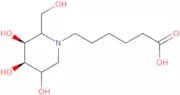
CAS:N-5-Carboxypentyl-1-deoxygalactonojirimycin is an inhibitor of glycolipid hydrolase and a potential drug for the treatment of lysosomal storage disorders. N-5-Carboxypentyl-1-deoxygalactonojirimycin is derived from the natural product galactonojirimycin, which has been shown to inhibit glycolipid hydrolase in vitro. The compound was developed by modifying the peptide sequence to increase its affinity for the enzyme. N-5-Carboxypentyl-1-deoxygalactonojirimycin displays a higher affinity for glycolipid hydrolase than galactonojirimycin, and it also has a greater inhibitory effect on this enzyme. N-5-Carboxypentyl-1-deoxygalactonojirimycin isFórmula:C12H23NO6Pureza:Min. 95%Forma y color:White PowderPeso molecular:277.31 g/mol2,3,4,6-Tetra-O-acetyl-a-D-mannopyranosyl chloride
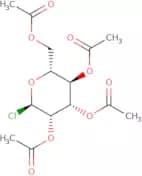
CAS:2,3,4,6-Tetra-O-acetyl-a-D-mannopyranosyl chloride is a carbohydrate that has been modified by fluorination. It is used as an ingredient in the synthesis of saccharides and oligosaccharides. This product is synthesized by the reaction of 2,3,4,6-tetra-O-acetylmannose with chlorodifluoromethane in the presence of a base.Fórmula:C14H19ClO9Pureza:Min. 95%Forma y color:PowderPeso molecular:366.75 g/mol4-Methoxyphenyl β-D-galactopyranoside
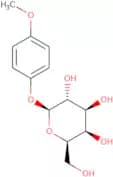
CAS:4-Methoxyphenyl b-D-galactopyranoside is a custom synthesis of a sugar with an active methyl group. It is synthesized by the Click modification of 4-hydroxyphenyl b-D-galactopyranoside and has been fluorinated. The glycosylation process has been carried out using glycone as a precursor to modify the monosaccharide and oligosaccharide. This product has a CAS number of 3150-20-7 and is considered a synthetic compound.
Fórmula:C13H18O7Pureza:Min. 95%Forma y color:PowderPeso molecular:286.28 g/molMethyl 2-azido-3,4,6-tri-O-acetyl-2-deoxy-b-D-mannopyranoside
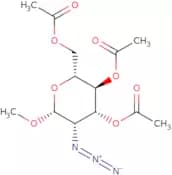
CAS:Methyl 2-azido-3,4,6-tri-O-acetyl-2-deoxy-bD mannoside is a custom synthesis that can be modified to suit the needs of the customer. It is an oligosaccharide and polysaccharide that has been modified with methylation and glycosylation. This product has CAS No. 97604-59-6 and is available for purchase in high purity with a purity level of at least 95%. Methyl 2-azido-3,4,6-triO acetyl -2 deoxy b D mannoside has been fluorinated to create a synthetic sugar.
Fórmula:C13H19N3O8Pureza:Min. 95%Forma y color:White PowderPeso molecular:345.31 g/mol1,3,4,6-Tetra-O-galloyl glucose
CAS:Tetra-O-galloyl glucose is a pentagalloyl glucose that is found in the Chinese herb Paeonia lactiflora. It has been shown to inhibit the replication of hepatitis B virus, and can be used for the treatment of hepatitis B infection. Tetra-O-galloyl glucose also has anti-inflammatory activities, which may be due to its ability to inhibit prostaglandin synthesis.Fórmula:C34H28O22Pureza:Min. 95%Peso molecular:788.57 g/mol2,3,4,6-Tetra-O-acetyl-D-mannopyranose
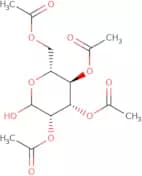
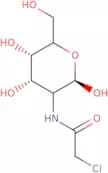
CAS:2,3,4,6-Tetra-O-acetyl-D-mannopyranose is a stereoselective technique used for the production of trisaccharides. It is also an acetylated form of D-mannopyranose that is obtained by acetylation of D-mannopyranose with acetic anhydride in the presence of hydrochloric acid or pyridine. The compound can be obtained as either levorotatory or dextrorotatory isomers depending on whether the hydroxyl group or carbonyl group are in the axial position. 2,3,4,6-Tetra-O-acetyl-D-mannopyranose can be used as a substrate for enzyme preparations to produce aminoglycoside antibiotics such as hygromycin A. Acetylation increases the solubility and stability of this drug and reduces its toxicity to humansFórmula:C14H20O10Pureza:Min. 98 Area-%Forma y color:White PowderPeso molecular:348.3 g/mol2-N-Chloroacetyl-2-deoxy-D-glucosamine
CAS:2-N-Chloroacetyl-2-deoxy-D-glucosamine is a high purity synthetic molecule that is custom synthesized to meet your needs. This product is a sugar with the following Click modification, fluorination, glycosylation, and methylation. 2-N-Chloroacetyl-2-deoxy-D-glucosamine has CAS No. 1334320-67-0. The molecular weight of this compound is 514.25 g/mol. This product can be used in the synthesis of oligosaccharides and monosaccharides as well as saccharides, which are complex carbohydrates.Fórmula:C8H14ClNO6Pureza:Min. 95%Forma y color:PowderPeso molecular:255.65 g/mol2,3,4,6-Tetra-O-benzoyl-a-D-mannopyranosyl trichloroacetimidate
CAS:Glycosyl-donor for syntheses of mannosyl-glycoconjugatesFórmula:C36H28Cl3NO10Pureza:Min. 95%Forma y color:White PowderPeso molecular:740.98 g/molα-D-Mannopyranosyl amine
CAS:a-D-Mannopyranosyl amine is a synthetic product that is used as a sugar donor in glycosylation reactions. It can be custom synthesized to suit the needs of the customer. The chemical structure contains a methyl group and an oxygen atom, which are both in their highest oxidation state. This product is not intended for use as a food additive or dietary supplement.Fórmula:C6H13NO5Pureza:Min. 95%Peso molecular:179.17 g/mol1,3,4,6-Tetra-O-acetyl-2-azido-2-deoxy-D-galactopyranose
CAS:1,3,4,6-Tetra-O-acetyl-2-azido-2-deoxy-D-galactopyranose is a carbohydrate that has been shown to bind to the lectin domain of the human insulin receptor. This binding is thought to modulate the activity of this protein. The carbohydrate has also been shown to inhibit the uptake of galactose by pancreatic beta cells in vitro. 1,3,4,6-Tetra-O-acetyl-2-azido-2-deoxy-D-galactopyranose is postulated to have anti cancer properties and may be used as a blocker for tumor growth.Fórmula:C14H19N3O9Pureza:Min. 95%Forma y color:White PowderPeso molecular:373.32 g/mol2-Aminophenyl β-D-glucuronide hydrochloride
CAS:2-Aminophenyl b-D-glucuronide HCl is a custom synthesis chemical. It is a white to pale yellow crystalline powder. This compound has a molecular weight of 363.2 and it's chemical formula is C8H10N2O7Glucuronic acid. 2-Aminophenyl b-D-glucuronide HCl is used in the modification of oligosaccharides, polysaccharides, saccharides, carbohydrates, fluorination and complex carbohydrate. The purity of this chemical is high and it can be modified with monosaccharide or sugar.
Fórmula:C12H15NO7•HClPureza:Min. 95%Peso molecular:321.71 g/mol2,3,4,6-Tetra-O-acetyl-a-D-mannopyranosyl azide
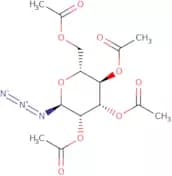
CAS:2,3,4,6-Tetra-O-acetyl-a-D-mannopyranosyl azide is a crystalline solid that can be obtained by heating 2,3,4,6-tetra-O-acetyl-a-D-mannopyranose with sodium azide. This compound has been used in the x-ray crystallographic technique for obtaining electron density maps. The x ray data collected from this compound showed the distinct difference between the electron density of the atoms and their surroundings.Fórmula:C14H19N3O9Forma y color:PowderPeso molecular:373.32 g/molD-Gluconic acid sodium salt
CAS:D-Gluconic acid sodium salt is a glycol ether that is used as an injection solution. It has been shown to have antibacterial efficacy against wild-type strains of bacteria such as Escherichia coli, Pseudomonas aeruginosa, and Staphylococcus aureus. The in vitro antimicrobial action of D-gluconic acid sodium salt was found to be due to its ability to inhibit bacterial growth by interfering with the synthesis of DNA. D-Gluconic acid sodium salt also has been shown to have antihypertensive effects in rats through the inhibition of angiotensin II type 1 receptor (AT1) signaling pathway and erythrocyte proliferation. This drug also has been shown to bind benzalkonium chloride and x-ray diffraction data show that it is crystalline in nature. The analytical method for determining the concentration of D-gluconic acid sodium salt is by electrochemical impedance
Fórmula:C6H11NaO7Pureza:Min. 95%Forma y color:White PowderPeso molecular:218.14 g/molN-(Formylamidino)-N-b-D-ribofuranosylurea
CAS:Please enquire for more information about N-(Formylamidino)-N-b-D-ribofuranosylurea including the price, delivery time and more detailed product information at the technical inquiry form on this page
Fórmula:C8H14N4O6Pureza:Min. 95%Peso molecular:262.22 g/molD-Fructose-1,6-diphosphate dibarium
CAS:D-Fructose-1,6-diphosphate dibarium salt is a synthetic sugar that is used in the synthesis of oligosaccharides and polysaccharides. This compound can be custom synthesized to meet your specifications. D-Fructose-1,6-diphosphate dibarium salt has been shown to be soluble in water, ethanol, acetone, and chloroform. D-Fructose-1,6-diphosphate dibarium salt is a fluorinated carbohydrate with a purity of 99%. It can be modified with methylation or click modification for further applications.Fórmula:C6H14O12P2•(Ba)2Pureza:Min. 95%Forma y color:PowderPeso molecular:614.75 g/molL-Lyxosamine HCl
L-Lyxosamine HCl is a synthetic monosaccharide that has been modified to contain a fluorine atom. L-Lyxosamine HCl is a methyl donor in the Methylation reaction and can be used as an intermediate for the synthesis of oligosaccharides and polysaccharides. This product is available in high purity, with an average yield of 97%. The CAS No. for this product is 590-81-6.Fórmula:C5H11NO4HClPureza:Min. 95%Peso molecular:185.61 g/molPseudaminic acid
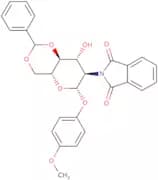
Pseudaminic acid is a sugar molecule that is found in the cell walls of bacteria, where it provides structural support. It is synthesized enzymatically by transferring the terminal hydroxyl group from glucose-1-phosphate to glycerol-3-phosphate. Pseudaminic acid can be chemoenzymatically synthesized in a scalable manner and has been shown to inhibit the growth of infectious bacteria in biological studies. Structural studies have revealed that pseudaminic acid contains an hydroxyl group and two glycosidic bonds, which are formed between the carbon atom at position C2 and C6 of glucose. This molecule also has an ester linkage between C1 and C2 of mannose. Pseudaminic acid is biosynthesized through a series of reactions that involve phosphorylation, dephosphorylation, and oxidation. This molecule also participates in protein glycosylation as well as water molecules that hydrogen bondFórmula:C13H22N2O8Pureza:Min. 95%Forma y color:PowderPeso molecular:334.32 g/mol4-Methoxyphenyl 4,6-O-benzylidene-2-deoxy-2-phthalimido-β-D-glucopyranoside
CAS:4-Methoxyphenyl 4,6-O-benzylidene-2-deoxy-2-phthalimido-b-D-glucopyranoside is an organic compound with the formula C13H14N4O8. It is a white solid that is soluble in water, methanol and ethanol. The compound has been synthesized using Click chemistry, fluorination, glycosylation, and methylation of the sugar. It has also been modified with an oligosaccharide and monosaccharide to form a complex carbohydrate.Fórmula:C28H25NO8Pureza:Min. 98 Area-%Forma y color:PowderPeso molecular:503.51 g/mol








![Methyl 1-C-[4-chloro-3-[[4-[[(3S)-tetrahydro-3-furanyl]oxy]phenyl]methyl]phenyl]-a-D-glucopyranosi…](/_next/image/?url=https%3A%2Fstatic.cymitquimica.com%2Fproducts%2F3D%2Fthumb-webp%2FMM137435.webp&w=3840&q=75)






![2-Acetamido-3,4,6-tri-O-acetyl-1-O-[(N-Cbz-aminoethoxy)ethoxy]-2-deoxy-β-D-galactopyranose](/_next/image/?url=https%3A%2Fstatic.cymitquimica.com%2Fproducts%2F3D%2Fthumb-webp%2FMA137616.webp&w=3840&q=75)