Monosacáridos
Subcategorías de "Monosacáridos"
- Allosas(11 productos)
- Arabinosas(21 productos)
- Eritrosas(11 productos)
- Fructosas(9 productos)
- Fucosas(36 productos)
- Galactosamina(41 productos)
- Galactosa(261 productos)
- Glucosas(365 productos)
- Ácidos glucurónicos(52 productos)
- Glico-sustratos para enzimas(78 productos)
- Gulosas(6 productos)
- Idosas(4 productos)
- Inositoles(15 productos)
- Lyxosas(4 productos)
- Manosas(65 productos)
- O-glicanos(48 productos)
- Psicosas(3 productos)
- Ramnosas(10 productos)
- Ribosas(61 productos)
- Ácidos siálicos(100 productos)
- Sorbosas(4 productos)
- Azúcares(173 productos)
- Tagatosis(4 productos)
- Taloses(8 productos)
- Xilosas(20 productos)
Se han encontrado 6088 productos de "Monosacáridos"
2,3-O-Isopropylidene-1-C-methyl-D-erythrose
2,3-O-Isopropylidene-1-C-methyl-D-erythrose is a modified oligosaccharide that is synthesized from D-erythrose. It can be used in the synthesis of complex carbohydrates with various biological activities. It is a sugar that can be methylated, glycosylated, or fluorinated and has been shown to have anti-inflammatory properties.
Pureza:Min. 95%(3S, 4R) -3, 4- Dihydroxy- 2- methyl-D- proline
(3S, 4R) -3, 4-Dihydroxy-2-methyl-D-proline is a synthetic monosaccharide. It is an intermediate in the synthesis of (3S, 4R)-3,4-dihydroxy-2-methyl-D-proline and can be used for the production of glycosylated products. This carbohydrate has been synthesized by fluorination followed by methylation and glycosylation. This is a high purity product that can be custom synthesized to meet your needs.
Pureza:Min. 95%Propargyl a-D-glucopyranoside
CAS:Propargyl a-D-glucopyranoside is a high purity custom synthesis sugar. It is synthesized by Click modification, fluorination, and glycosylation followed by methylation. Propargyl a-D-glucopyranoside can be used for the modification of oligosaccharides and monosaccharides to produce complex carbohydrates.
Fórmula:C9H14O6Pureza:Min. 95%Forma y color:PowderPeso molecular:218.2 g/molRef: 3D-MP31404
Producto descatalogadoN-Acetyl-L-talosaminuronic acid
CAS:N-Acetyl-L-talosaminuronic acid is a natural product that has been shown to have anti-inflammatory activity in experimental models of inflammatory bowel disease. N-Acetyl-L-talosaminuronic acid inhibits the production of proinflammatory cytokines, such as tumor necrosis factor alpha (TNFα), by binding to TNFα receptors on the surface of cells. This can be attributed to its ability to inhibit ATP levels and reduce oxidative stress, which are both factors that contribute to inflammation. N-Acetyl-L-talosaminuronic acid also has been shown to inhibit inflammatory responses in human monocytes and neutrophils. It binds specifically to her2+ breast cancer cells and inhibits their growth in culture. Furthermore, it has been shown to have cytotoxic effects on bladder cancer cells and can be used for the treatment of bladder cancer.
Fórmula:C8H13NO7Pureza:Min. 95 Area-%Forma y color:PowderPeso molecular:235.19 g/molRef: 3D-MA63240
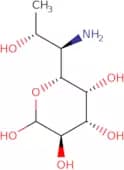
Producto descatalogadoLincosamine
CAS:Lincosamine is a nitrogen nucleophile that reacts with the electrophilic carbon of an activated aromatic ring in a chemical reaction. Lincosamine has been shown to be effective against infectious diseases caused by bacteria, such as Staphylococcus and Streptococcus, but not against viruses. The glycosidic bond between lincosamine and glucose is stereoselective. Lincosamine binds to the hybridoma cell strain through its monoclonal antibody and can be used for pharmacokinetic properties studies. Lincosamine has been used as an antimicrobial agent in biological samples such as urine, blood, and sputum.
Fórmula:C8H17NO6Pureza:Min. 95%Peso molecular:223.22 g/mol2-Deoxy-D-ribose
CAS:Used in synthetic organic chemistry and natural product synthesis. Induces apoptosis by inhibiting the synthesis and increasing the efflux of glutathione. It is used for synthesis of optically active dipyrrolyl alkanols from pyrroles on the surface of montmorillonite KSF clay.
Fórmula:C5H10O4Pureza:Min. 99.0 Area-%Peso molecular:134.13 g/molL-Xylosamine
L-Xylosamine is a carbohydrate that has been modified with fluorine. It is a monosaccharide and is found in plant cell walls. L-Xylosamine can be custom synthesized and has a high purity level. It is also methylated and glycosylated, which makes it an ideal compound for click chemistry.
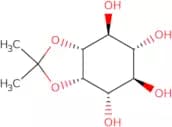
Fórmula:C5H11NO4Pureza:Min. 95%Peso molecular:149.15 g/mol1,2-Isopropylidene-D,L-myo-inositol
CAS:1,2-Isopropylidene-D,L-myo-inositol is a modification of the natural product myo-inositol. It is synthesized by methylation and glycosylation of inositol with methanol. This chemical compound has been modified to include fluorination and saccharide.
Fórmula:C9H16O6Pureza:Min. 95%Forma y color:White PowderPeso molecular:220.22 g/molRef: 3D-MI04760
Producto descatalogadoD-Fructose 1-phosphate disodium
CAS:Please enquire for more information about D-Fructose 1-phosphate disodium including the price, delivery time and more detailed product information at the technical inquiry form on this page
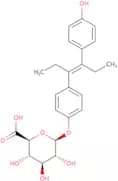
Fórmula:C6H11Na2O9PPureza:90%Forma y color:PowderPeso molecular:304.1 g/molDiethyl stilbestrol β-D-glucuronide
CAS:Diethylstilbestrol (DES) is an endogenous substance that has been shown to be a potent estrogen. It is metabolized in the body to form stilbestrol glucuronide, which is excreted in the urine. Radiolabeling studies have shown that DES has a chemical structure similar to estradiol, although its pharmacologic effects are not as potent. Diethylstilbestrol glucuronide can be used for the diagnosis of cancer and other diseases by using nuclear medicine techniques such as positron emission tomography (PET) and single-photon emission computed tomography (SPECT). Studies have also demonstrated that DES can induce erythropoietic protoporphyria in animals.
Fórmula:C24H28O8Pureza:Min. 95%Forma y color:White to off-white powder.Peso molecular:444.47 g/molRef: 3D-MD10197
Producto descatalogadoN-Butyldeoxymannojirimycin HCl
CAS:N-Butyldeoxymannojirimycin HCl is a custom synthesis, complex carbohydrate that is synthesized from Oligosaccharides and Polysaccharides. This product is modified with Methylation, Glycosylation, and Carbohydrate. It has the CAS No. 155501-85-2 and it is high purity and fluorinated. The product can be used in Synthetic applications such as Click modification, sugar, or Fluorination.
Fórmula:C10H21NO4·HClPureza:Min. 95%Forma y color:SolidPeso molecular:255.74 g/molRef: 3D-MB04672
Producto descatalogado1,2:3,5-Di-O-isopropylidene-b-L-apiose
CAS:1,2:3,5-Di-O-isopropylidene-b-L-apiose is a sugar that is used in the production of glycosylation and methylation. It is an oligosaccharide of the monosaccharide apiose and has a molecular weight of 432.06 g/mol. 1,2:3,5-Di-O-isopropylidene-b-L-apiose can be synthesized by the modification of natural apiose with chloromethyl groups at C3 and C5 positions. It is also possible to modify 1,2:3,5-Di-O-isopropylidene apiose with other functional groups such as fluorine or glycosylation. This compound can be used in the synthesis of complex carbohydrates such as heparin, hyaluronic acid, and chitin.
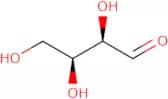
Fórmula:C11H18O5Pureza:Min. 95%Peso molecular:230.26 g/molL-Threose - aqueous solution
CAS:L-Threose is a sugar molecule that is used as a structural component of DNA and RNA. It is also an important part of the energy metabolism in cells. L-Threose can be enzymatically inactivated by glycosidases, which are enzymes that hydrolyze glycosidic bonds. The inhibition of glycosidases by L-threose may be useful for the prevention or treatment of diseases associated with enzyme activity, such as diabetes mellitus type II. L-Threose has been shown to have inhibitory properties against sephadex G-100, a membrane protein found in bacteria. L-Threose may be useful as a control agent for research into the response element of polymerase chain reaction (PCR).
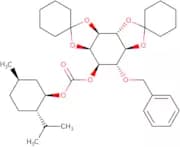
Fórmula:C4H8O4Pureza:Min. 60 Area-%Forma y color:Clear LiquidPeso molecular:120.1 g/mol6-O-Benzyl-1-(-)-carboxymenthyl-2,3:4,5-di-O-cyclohexylidene-L-myo-inositol
CAS:6-O-Benzyl-1-(-)-carboxymenthyl-2,3:4,5-di-O-cyclohexylidene-L-myo-inositol is a synthetic oligosaccharide with the chemical formula C9H14FNO5. It is a monosaccharide composed of a single sugar unit, inositol, which has been modified with benzyl groups on the 6th and 1st positions of the inositol ring. This compound is used as an intermediate in the synthesis of other saccharides.
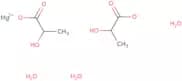
Fórmula:C36H52O8Pureza:Min. 95%Peso molecular:612.79 g/molMagnesium L-lactate
CAS:Magnesium L-lactate is a form of magnesium that is found in the human body, and it is often used to treat women with depressive disorders. This drug works by reducing the synthesis of cholesterol and increasing the level of serotonin in the brain. Magnesium L-lactate is not readily absorbed by the body, so it has low bioavailability. It also has an adverse effect on heart rate and cardiac rhythm, so people who have these conditions should avoid using this drug. The particle size of this drug is high, which can lead to low bioavailability.
Fórmula:C6H10MgO6Pureza:Min. 95%Peso molecular:202.45 g/mol3-C-Methyl- 5, 6- O- isopropylidene)-D- mannonic acid g- lactone
3-C-Methyl- 5, 6- O- isopropylidene)-D- mannonic acid g- lactone is a modification of the natural sugar D-mannonic acid. It can be used as an intermediate for the synthesis of oligosaccharides and complex carbohydrates. 3-C-Methyl-5,6 -O-isopropylidene)-D -mannonic acid g -lactone is synthesized by methylation and glycosylation. This product is available in high purity and CAS No.
Pureza:Min. 95%Butyl α-D-glucopyranoside
CAS:Butyl a-D-glucopyranoside is an antimicrobial agent that inhibits the growth of photosynthetic organisms. It has been shown to have high cytotoxicity against Gram-positive bacteria, including Enterobacter and Bacillus. Butyl a-D-glucopyranoside also exhibits strong antimicrobial activity against Gram-negative bacteria such as Escherichia coli, Salmonella enterica, Klebsiella pneumoniae, and Pseudomonas aeruginosa. This compound also has potent activity against fungi and yeast. The mechanism of action is not known but may involve the inhibition of tyrosol synthesis or the disruption of microbial membranes.
Fórmula:C10H20O6Pureza:Min. 95%Forma y color:PowderPeso molecular:236.26 g/molRef: 3D-MB08243
Producto descatalogadoL-Fucose
CAS:L-Fucose is a monosaccharide that is an important component of glycoproteins and glycolipids. L-Fucose is also found in the cell wall of bacteria. The most abundant sources of L-fucose are from the hydrolysis of lactose or sucrose by bacteria, or as a result of intestinal microbial fermentation. L-Fucose has been shown to be involved in the regulation of many metabolic processes, including the glomerular filtration rate and sephadex g-100 binding capacity in the kidney. It has also been shown to improve growth in infant rats with protein malnutrition. The enzyme that catalyzes the conversion of D-arabinose to L-fucose is known as fucokinase.
Fórmula:C6H12O5Pureza:Min. 98.0 Area-%Peso molecular:164.16 g/mol5,6-O-Isopropylidene-D-mannofurano-1,4-lactone
5,6-O-Isopropylidene-D-mannofurano-1,4-lactone (5,6-OI) is a synthetic monosaccharide that is used in the synthesis of oligosaccharides and complex carbohydrates. This compound can be fluorinated to 5,6-OI(F) and methylated to 5,6-OMe. It also has a glycosylation site at C2. The CAS number for this compound is 218070-07-5.
Pureza:Min. 95%2-Keto-D-gluconic acid hemicalcium monohydrate
CAS:Enhances dissolution of soil minerals; intermediate in L-ascorbic acid syntheses
Fórmula:C6H9O7•(Ca)•H2OPureza:Min. 99 Area-%Forma y color:White PowderPeso molecular:231.19 g/mol2-Azido-2-deoxy-L-lyxono-1,4-lactone
2-Azido-2-deoxy-L-lyxono-1,4-lactone is a fluorinated monosaccharide. It is synthesized using the Curtius rearrangement of 2-azidoethyl 4,6-dioxohexanoate and a Lewis acid. This compound is used as an intermediate in the synthesis of glycosylides and polysaccharides. The methylation of this molecule has been shown to be useful for the modification of carbohydrates, such as polysaccharides. The product purity can be as high as 98% when it is custom synthesized to order.
Pureza:Min. 95%D-Erythrulose - 1M Aqueous solution
CAS:D-erythrulose is a monosaccharide with the chemical structure of erythrose. It is structurally related to glycolaldehyde, which is a precursor in the biosynthesis of ribose. D-Erythrulose has been used for diagnosis and identification of various bacteria, such as C. glutamicum and Brucella species, by serological tests, as well as for the detection of gene products in E. coli K-12 cells. The determination of ATP levels in Brucella species has also been performed using magnetic resonance spectroscopy (MRS) after incubation with D-erythrulose.
Fórmula:C4H8O4Pureza:Min. 90 Area-%Forma y color:Clear LiquidPeso molecular:120.1 g/molRef: 3D-MD178896
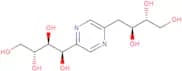
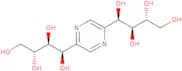
Producto descatalogado2,5-Deoxyfructosazine
CAS:2,5-Deoxyfructosazine is a physiological agent that inhibits the growth of bacteria and fungi. 2,5-Deoxyfructosazine is active against Gram-positive and Gram-negative bacteria, as well as Candida albicans and other yeasts. This drug is effective in inhibiting water vapor loss in the lungs and has been shown to be an effective antimicrobial agent for the treatment of acute lung infections. 2,5-Deoxyfructosazine has been shown to reduce the development of antibiotic resistance in bacteria by preventing cell wall synthesis. The mechanism of action is thought to involve a matrix effect with cationic compounds, which are deposited on the surface of bacterial cells and destroy them by osmotic lysis. 2,5-Deoxyfructosazine also has antidiabetic effects due to its ability to inhibit glucose uptake into cells by binding to glucose transporters on the cell membrane. A reaction mechanism for this process involves hydrogen
Fórmula:C12H20N2O7Pureza:Min. 98 Area-%Forma y color:PowderPeso molecular:304.3 g/molRef: 3D-MD16678
Producto descatalogadoMethyl 3,5-O-isopropylidene-b-D-xylofuranoside
Methyl 3,5-O-isopropylidene-b-D-xylofuranoside is a methylated saccharide. It is an intermediate in the synthesis of glycosides and can be used for modifying proteins and polysaccharides. This compound is also useful for investigating carbohydrate metabolism and for determining the structure of complex carbohydrates.
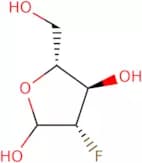
Pureza:Min. 95%2-Deoxy-2-fluoro-D-arabinofuranose
CAS:2-Deoxy-2-fluoro-D-arabinofuranose is a purine nucleoside that is used in the diagnosis and treatment of herpes simplex virus infection. It inhibits viral replication by competitively inhibiting acycloguanosine, an enzyme that catalyzes the conversion of 2’-deoxyguanosine to deoxyadenosine. 2-Deoxy-2-fluoro-D-arabinofuranose has been shown to be active against cancer cells and can be used as chemotherapeutic agent. This drug may also be used for the diagnosis of cancer by detecting the presence of activated T cells in patients with tumor necrosis factor α (TNFα) receptor gene polymorphism.
Fórmula:C5H9FO4Pureza:Min. 95%Forma y color:PowderPeso molecular:152.12 g/molRef: 3D-MD06006
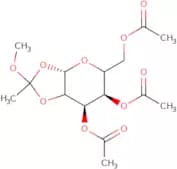
Producto descatalogado3,4,6-Tri-O-acetyl-b-D-mannopyranose 1,2-(methyl orthoacetate)
CAS:3,4,6-Tri-O-acetyl-b-D-mannopyranose 1,2-(methyl orthoacetate) is a glycosylation product that is used in the synthesis of oligosaccharides. 3,4,6-Tri-O-acetyl-b-D-mannopyranose 1,2-(methyl orthoacetate) is synthesized by the reaction of 3,4,6-triacetyl b D mannopyranose with methyl orthoacetate in aqueous solution containing an acid catalyst. This compound can be used to modify saccharides and complex carbohydrates. It is also used in click chemistry to create modified sugars. The molecular weight of this compound ranges from 200 to 600 grams per mole and it has a CAS number of 4435 05 6.Fórmula:C15H22O10Pureza:Min. 95%Forma y color:PowderPeso molecular:362.33 g/molRef: 3D-MT04874
Producto descatalogado2,3,4,6-Tetra-O-acetyl-a-D-galactopyranosyl azide
CAS:Please enquire for more information about 2,3,4,6-Tetra-O-acetyl-a-D-galactopyranosyl azide including the price, delivery time and more detailed product information at the technical inquiry form on this page
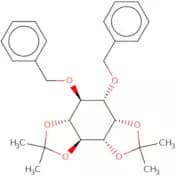
Fórmula:C14H19N3O9Pureza:Min. 98 Area-%Forma y color:PowderPeso molecular:373.32 g/mol2,3:4,5-Di-O-isopropylidene-1,6-di-O-benzyl-D-myo-inositol
2,3:4,5-Di-O-isopropylidene-1,6-di-O-benzyl-D-myo-inositol is a complex carbohydrate and a sugar. It is an oligosaccharide with two monosaccharides and a glycosidic linkage. It has been modified by methylation, fluorination and Click chemistry. This compound has been custom synthesized for high purity.
Fórmula:C26H32O6Pureza:Min. 95%Peso molecular:440.53 g/molSophoricoside
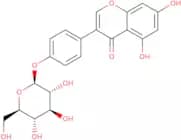
CAS:Sophoricoside is a natural compound present in the fructus of Sophora flavescens and is used as an anti-diabetic medicine. It has been shown to have genotoxic effects, which may be due to its ability to induce reactive oxygen species (ROS) and DNA damage. Sophoricoside also has a matrix effect on radiation. This effect has been shown in rat cardiac cells and human serum. Sophoricoside also exhibits hepatoprotective properties by reducing hepatic steatosis, which may be due to its ability to inhibit lipogenesis and stimulate fat oxidation. In addition, sophoricoside has been shown to have anti-inflammatory activities.
Fórmula:C21H20O10Pureza:Min. 95%Forma y color:PowderPeso molecular:432.38 g/mol6-Deoxy-L-talose
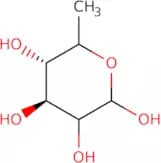
CAS:6-Deoxy-L-talose is a sugar that is found in the cell walls of bacteria. It is a component of glycan, which are long chains of sugar molecules linked together. Glycans are important for the structural integrity and function of bacterial cell walls. 6-Deoxy-L-talose is a monosaccharide that has been detected in the type strain of Bacillus subtilis and in wild-type strains of Pseudomonas aeruginosa. This sugar can be chemically analyzed using gas chromatography and mass spectrometry to determine its structure and chemical composition. 6-Deoxy-L-talose can be used to detect specific monoclonal antibodies against it, which could be useful for detecting bacterial infections or determining how antibiotics affect bacteria.
Fórmula:C6H12O5Pureza:Min. 98 Area-%Forma y color:White PowderPeso molecular:164.16 g/mol(2R, 3R, 4R, 5S) -3, 4, 5- Trihydroxy- N- methyl- 2- piperidinecarboxamid e
CAS:(2R, 3R, 4R, 5S) -3, 4, 5- Trihydroxy- N- methyl- 2- piperidinecarboxamide is a synthetic compound that can be used in the synthesis of complex carbohydrates. This compound is fluorinated at the C4 position and glycosylated at the C5 position to make it more stable. It is also methylated at the C6 position and modified by Click chemistry to make it easier to synthesize. The sugar chain has a polysaccharide structure with oligosaccharides linked through alpha 1,6 linkages. This sugar chain is then modified by oxidation of its terminal hydroxyl group to produce a reactive aldehyde that reacts with an amine on an adjacent saccharide unit. This process results in the formation of an alpha 1,2 linkage between two saccharides units.
Fórmula:C7H14N2O4Pureza:Min. 95%Peso molecular:190.2 g/molZiyuglycoside II
CAS:Ziyuglycoside II is a steroidal alkaloid that has been shown to have anti-angiogenic properties. It is a natural compound extracted from the Chinese herb ziyuglycoside. This compound has been shown to inhibit the activation of toll-like receptor 4, which plays an important role in inflammation and immunity. Ziyuglycoside II also inhibits the production of reactive oxygen species and autophagy, leading to cell death by apoptosis. This compound has been shown to be effective against bowel disease and epithelial mesenchymal transition (EMT). Ziyuglycoside II has also been shown to have matrix effects on the cells Hl-60, which are related to tumor metastasis.
Fórmula:C35H56O8Pureza:Min. 95%Forma y color:White To Off-White SolidPeso molecular:604.81 g/molRef: 3D-MZ44339
Producto descatalogado2-Allyloxycarbonylamino-2-deoxy-D-galactose
2-Allyloxycarbonylamino-2-deoxy-D-galactose is a monosaccharide that is synthetically modified for use as a synthetic building block in the synthesis of complex carbohydrates and saccharides. This compound is fluorinated at the 2 position to increase its water solubility, which makes it useful for chemical modifications. It has been shown to be methylated and glycosylated.
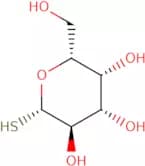
Pureza:Min. 95%b-D-Thiogalactose
CAS:Thiogalactose is a naturally occurring disaccharide that has been shown to have anti-inflammatory properties. It inhibits the production of inflammatory cytokines, such as tumor necrosis factor-α (TNF-α), and suppresses the growth of experimental colitis in mice. Thiogalactose also denatures fatty acids and prevents 3t3-l1 preadipocytes from undergoing cellular transformation. This compound also inhibits the uptake of bovine serum albumin by macrophages, which may be due to its alkylthio group. Thiogalactose has been shown to inhibit proliferation of cultured human cells, including monocytic leukemia cells, when used at concentrations less than 10 mM.
Fórmula:C6H12O5SPureza:Min. 95%Forma y color:PowderPeso molecular:196.22 g/mol4,6-O-Benzylidene-D-glucose
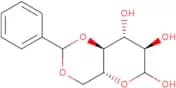
CAS:4,6-O-Benzylidene-D-glucose is a potent inhibitor of the enzyme dibutyltin oxide, which is involved in the synthesis of energy. It has been shown to have clinical activity in rat cardiomyocytes and has been tested in clinical studies. 4,6-O-Benzylidene-D-glucose inhibits enzymes by forming hydrogen bonds with their substrates. This compound also interacts with hydrochloric acid to form a stable complex that prevents it from interacting with other molecules. 4,6-O-Benzylidene-D-glucose is rapidly broken down into glucose and benzaldehyde when it reacts with carbonyl groups or amines. The asymmetric synthesis of this compound can be achieved using an intramolecular hydrogen transfer reaction.
4,6-O-Benzylidene glucose is derived from D-mannose derivatives and contains a hydroxyl group on the central carbonFórmula:C13H16O6Pureza:Min. 98 Area-%Forma y color:White PowderPeso molecular:268.26 g/molRef: 3D-MB03806
Producto descatalogadoGDP-D-mannose disodium salt
CAS:GDP-D-mannose is a natural mannosyl donor and substrate for mannosyltransferases that catalyses mannosylation, for instance during the synthesis of the trimannoside core of complex, high-mannose or hybrid N-glycans. GDP-D-mannose is widely used in (chemo)enzymatic synthesis of oligosaccharides and its biosynthesis occurs from glucose-6-phosphate over several steps. GDP-D-mannose consists of a D-mannose unit, α-glycosydically linked to the nucleotide guanosine diphosphate (GDP). Examples of this important reaction would be the transfer of mannosyl moieties onto the dolichol-P-P-GlcNAc2 precursor of N-glycans in the endoplasmatic reticulum, with release of GDP, or the mannosylation reactions during GPI-anchor (bio)synthesis. GDP-D-mannose has also been used for the in vitro synthesis of b-mannan oligosaccharides.
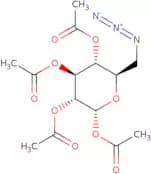
Fórmula:C16H23N5O16P2Na2Pureza:Min. 95 Area-%Peso molecular:649.3 g/mol1,2,3,4-Tetra-O-acetyl-6-azido-6-deoxy-α-D-glucopyranose
CAS:Tetra-O-acetyl-6-azido-6-deoxy-a-D-glucopyranose is a carbohydrate that has been modified to include a fluorine atom. This modification can be carried out using a variety of methods, including chlorination or bromination with elemental fluorine or chlorine gas, or by direct replacement of the hydroxyl group with a fluorine atom. Tetra-O-acetyl-6-azido-6-deoxy-aDglucopyranose is used in the synthesis of complex carbohydrates and glycosides. It can also be methylated, glycosylated, and click modified.Fórmula:C14H19N3O9Pureza:Min. 95%Peso molecular:373.32 g/molRef: 3D-MT03798
Producto descatalogado1-Amino-D-butane-2,3,4-triol
1-Amino-D-butane-2,3,4-triol is a custom synthesis of 1,2,3,4-1-amino butane. It has been modified with fluorination and methylation. This product has a CAS number of 20897-16-0. The molecular weight is 152.17 g/mol and the molecular formula is C6H11NO3. This product is a synthetic compound that consists of monosaccharides and oligosaccharides. The glycosylation is Oligosaccharide and saccharide. It can be found in the carbohydrate category as it contains complex carbohydrates.
Pureza:Min. 95%(2R, 3S, 4S, 5S) - 2-Methyl- 3, 4, 5- piperidinetriol
CAS:D-Methylated pentaerythritol has been synthesized for the first time. The synthesis of D-methylated pentaerythritol was achieved via a modified version of the Click reaction, which is a three-component coupling reaction that involves an electrophilic carbonyl compound, an azide and a nucleophile. This product is suitable for use in the synthesis of oligosaccharides and polysaccharides. It can be used as a raw material for modification or as a sugar in the synthesis of complex carbohydrates, such as saccharides or carbohydrates.
Fórmula:C6H13NO3Pureza:Min. 95%Peso molecular:147.17 g/molPolysucrose 400
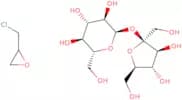
CAS:Water-soluble, nontoxic, enzyme-resistant polymer for biological applications
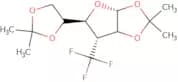
Forma y color:White PowderPeso molecular:400.03-Deoxy-1,2:5,6-di-O-isopropylidene-3-trifluoromethyl-a-D-glucofuranose
CAS:3-Deoxy-1,2:5,6-di-O-isopropylidene-3-trifluoromethyl-a-D-glucofuranose is a carbohydrate that has the following modifications: methylation at the 6 position of the 3rd carbon atom, glycosylation at the 2nd and 4th positions of the 5th carbon atom, fluorination at the 1st position of the 5th carbon atom. This carbohydrate has a CAS number 1426243-44-8 and can be found under Polysaccharide in CAS.
Fórmula:C13H19F3O5Pureza:Min. 95%Peso molecular:312.28 g/molL-g-Ethylidene glutanic acid
L-g-Ethylidene glutamic acid is an organic compound that is used in the production of pharmaceuticals, agrochemicals, and other chemicals. It can be synthesized by the methylation of L-glutamic acid with formaldehyde and sodium cyanoborohydride. L-g-Ethylidene glutamic acid has also been modified by a click reaction to create a fluorinated derivative. This product is a white crystalline solid that has a CAS number. The product is available at high purity and can be ordered as either monosaccharide or polysaccharide.
L-g-Ethylidene glutamic acid is a sugar that belongs to the carbohydrate family and can be classified as complex carbohydrates because it comprises two or more sugars linked together. This product may also be referred to as an oligosaccharide or polysaccharide, depending on its molecular size.Pureza:Min. 95%3,4-Di-O-acetyl-D-fucal
CAS:3,4-Di-O-acetyl-D-fucal is a synthetic carbohydrate with two orientations. It is a synthon for the synthesis of carbohydrates and can be used as a ligand in biomolecular design. The synthetic carbohydrate has been shown to have chemotherapeutic effects, which may be due to its ability to inhibit glycan synthesis. This synthetic carbohydrate also has conformational parameters that are similar to those of natural fucose, which makes it an attractive candidate as a potential drug target.
Fórmula:C10H14O5Pureza:Min. 95%Forma y color:PowderPeso molecular:214.22 g/molRef: 3D-MD164873
Producto descatalogado6-O-Malonyldaidzin free acid
CAS:6-O-Malonyldaidzin is a metabolite of the soybean isoflavone daidzein. It is an isoflavonoid that has been shown to activate estrogen receptors in vitro and in vivo. 6-O-Malonyldaidzin has been found to have a protective effect on hepatic steatosis, as well as an anti-inflammatory effect. This compound also appears to have matrix effects on plasma lipoproteins and vascular endothelial cells. 6-O-Malonyldaidzin is absorbed efficiently from the gastrointestinal tract, with its bioavailability being 70% or higher when taken orally. The chemical reaction for the synthesis of 6-O-Malonyldaidzin free acid can be carried out using acetylgenistin as a starting material. The sample preparation for this reaction solution may include distillation, recrystallization, or column chromatography. The analytical method for measuring the concentration of this compound includes UV spectrosc
Fórmula:C24H22O12Pureza:Min. 95%Forma y color:White PowderPeso molecular:502.42 g/molRef: 3D-MM09965
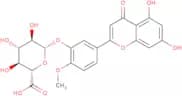
Producto descatalogadoDiosmetin-3'-O-b-D-glucuronide
CAS:Diosmetin-3'-O-b-D-glucuronide is a custom synthesis, complex carbohydrate, Oligosaccharide, Polysaccharide. It has been modified by Methylation and Glycosylation. This compound is a sugar (CAS No. 152503-50-9) that is a carbohydrate with a high purity and fluoroination. The modification of this compound includes Click chemistry.
Fórmula:C22H20O12Pureza:Min. 95%Forma y color:PowderPeso molecular:476.39 g/molRef: 3D-MD34913
Producto descatalogado2-Deoxy-D-ribose
CAS:Used in synthetic organic chemistry and natural product synthesis. Induces apoptosis by inhibiting the synthesis and increasing the efflux of glutathione. It is used for synthesis of optically active dipyrrolyl alkanols from pyrroles on the surface of montmorillonite KSF clay.
Fórmula:C5H10O4Pureza:Min. 98 Area-%Forma y color:White PowderPeso molecular:134.13 g/molFructosazine
CAS:Fructosazine is a natural compound that is found in the bark of the fructus quinquefoliae tree. It has been shown to have antimicrobial properties when it reacts with hydrochloric acid. Fructosazine inhibits the growth of bacteria by reacting with their cell walls and interfering with their metabolism. Fructosazine may also have physiological effects, such as reducing blood pressure and body weight gain, which are not fully understood. The reaction mechanism for fructosazine is not yet known, but it may be due to its reactive nature. More research needs to be done on this compound before we can understand its full potential.
Fórmula:C12H20N2O8Pureza:Min. 96 Area-%Forma y color:PowderPeso molecular:320.3 g/molColchicoside
CAS:Colchicoside is a natural compound that belongs to the chemical family of phenylpropanoids. It is used in the treatment of gout and pseudogout, and has been shown to be effective against demecolcine-induced hemolytic activity. Colchicoside has also shown to be an analog for other compounds with toxicological studies, such as hydrochloric acid and potassium dichromate. The toxicity studies performed on colchicoside have shown that it can cause damage to cells in culture by inhibiting DNA repair mechanisms.
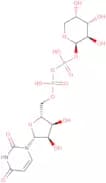
Fórmula:C27H33NO11Pureza:Min. 95%Forma y color:PowderPeso molecular:547.55 g/molUDP-b-L-arabinopyranose
CAS:UDP-b-L-arabinopyranose is a nucleotide sugar that is used in the synthesis of proteins and other macromolecules. It is synthesized from uridine and d-ribulose 5-phosphate by the enzyme ribulokinase. The reaction between UDP, b-L-arabinofuranose, and ATP, catalyzed by arabinofuranosyl transferase, produces UDP-b-L-arabinopyranose. This nucleotide sugar can be converted to UDP-b-(1→4)-glucuronate by the enzyme glucuronosyltransferase. This process plays an important role in plant physiology as well as in cell wall biosynthesis. The optimal pH for this conversion is 7.5 to 8.2.
Fórmula:C14H22N2O16P2Pureza:Min. 95%Forma y color:PowderPeso molecular:536.28 g/molRef: 3D-MU07659
Producto descatalogadoPetunidin 3-glucoside chloride
CAS:Petunidin 3-glucoside chloride is a natural compound found in the human serum and in kidney beans. It is structurally similar to chlorogenic acid, a major phenolic acid in coffee. Petunidin 3-glucoside chloride is extracted using hydrochloric acid and then purified by a surface methodology. The main degradation products of this compound are protocatechuic acid, fluorescence detector, procyanidin B4, and malonic acid. This compound can be used as an antioxidant or chemoattractant protein. It has been shown to have high levels of anthocyanins and trifluoroacetic acid (TFA) when exposed to sunlight.
Fórmula:C22H23O12ClPureza:Min. 95%Forma y color:PowderPeso molecular:514.86 g/molRef: 3D-MP44898
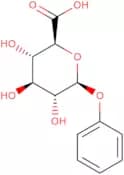
Producto descatalogadoPhenyl-beta-D-glucuronic acid monohydrate
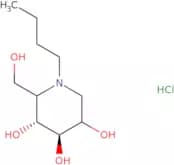
CAS:Phenyl-beta-D-glucuronic acid monohydrate is a genotoxic agent that is metabolized to S-phenylmercapturic acid. This metabolite can be detected in urine as an indicator of exposure to the compound. Phenyl-beta-D-glucuronic acid monohydrate has been shown to have toxic effects on humans, such as decreasing the glomerular filtration rate and increasing reactive oxygen species levels. It also decreases antioxidant vitamin levels and causes blood disorders, including hemolytic anemia. Phenyl-beta-D-glucuronic acid monohydrate may also be used for the treatment of autoimmune diseases by inhibiting certain enzymes involved in inflammation and immune response.Fórmula:C12H16O8Pureza:Min. 98 Area-%Forma y color:White PowderPeso molecular:288.26 g/mol(2R, 3S, 4R, 5S) -2- Butyl-3, 4, 5- piperidinetriol
(2R, 3S, 4R, 5S) -2- Butyl-3, 4, 5- piperidinetriol is a custom synthesis of a fluorinated saccharide. It is a modified monosaccharide that has been synthesized by methylation and click modification. This molecule is an oligosaccharide with glycosylation at both the sugar and carbohydrate level. The saccharide in this compound is a complex carbohydrate that contains two sugar units.
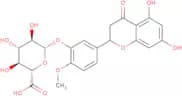
Pureza:Min. 95%Hesperetin 3'-O-b-D-glucuronide
CAS:Hesperetin 3'-O-b-D-glucuronide is a natural product that is synthesized by glycosylation of hesperidin with 3,4,5-trihydroxybenzoic acid. It is a synthetic and complex carbohydrate that can be modified to include fluorination, monosaccharide, oligosaccharide, methylation, and click modification. Hesperetin 3'-O-b-D-glucuronide can also be used in the synthesis of polysaccharides with glycosylations. This product has high purity and can be custom synthesized for customers.
Fórmula:C22H22O12Pureza:Min. 95%Forma y color:Slightly Yellow PowderPeso molecular:478.4 g/molRef: 3D-MH44424
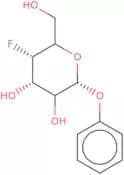
Producto descatalogadoPhenyl 4-deoxy-4-fluoro-α-D-glucopyranoside
Phenyl 4-deoxy-4-fluoro-a-D-glucopyranoside is a custom synthesis that can be modified with fluorination, methylation, monosaccharide and oligosaccharide. It has CAS No. and is a polysaccharide. Phenyl 4-deoxy-4-fluoro-a-D-glucopyranoside is a sugar that is glycosylated and complexed with carbohydrates.
Fórmula:C12H15FO5Pureza:Min. 95%Forma y color:White to off-white solid.Peso molecular:258.24 g/molRef: 3D-MP11444
Producto descatalogado2,3:5,6-Di-O-isopropylidene-D-talose
2,3:5,6-Di-O-isopropylidene-D-talose is a custom synthesis of methylated oligosaccharides. It is a complex carbohydrate that contains both a monosaccharide and a polysaccharide. 2,3:5,6-Di-O-isopropylidene-D-talose is a modification of the sugar D(+)-talose (a pentasaccharide), which has been fluorinated to make it more stable. This product has high purity, and can be used in many different applications such as click chemistry, oligosaccharide synthesis, or fluorination reactions.
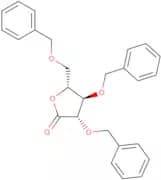
2,3:5,6-Di-O-isopropylidene-D-talose is an Oligosaccharide that is a Polysaccharide. It can be used as an inhibitor for DNA polymerase α and β enzymes in PCR reactionsFórmula:C10H16O6Pureza:Min. 95%Peso molecular:232.23 g/mol2,3,5-Tri-O-benzyl-D-arabino-1,4-lactone
CAS:2,3,5-Tri-O-benzyl-D-arabino-1,4-lactone is a carbonyl compound that has been used to synthesize carbonyl compounds. It has been shown to catalyze the formation of benzaldehyde from acetoacetic ester in the presence of hydrochloric acid. The melting point of 2,3,5-tri-O-benzyl-D-arabino-1,4--lactone is reported to be between 138° and 141°C.Fórmula:C26H26O5Pureza:Min. 95%Forma y color:PowderPeso molecular:418.48 g/molRef: 3D-MT05389
Producto descatalogado2,5-Dideoxy-2,5-imino-glycero-D,L-mannoheptitol
2,5-Dideoxy-2,5-imino-glycero-D,L-mannoheptitol is a methylated saccharide that has been modified with a click reaction. It is used in the synthesis of oligosaccharides and glycosylations. This product is an excellent choice for custom synthesis projects due to its high purity, low cost, and short lead time.
Pureza:Min. 95%1,2-O-Benzylidene -β- L- idofuranuronic acid γ-lactone
1,2-O-Benzylidene -beta- L- idofuranuronic acid gamma-lactone is a custom synthesis of a fluorinated monosaccharide. The modification of the sugar is accomplished by methylation and click chemistry. The monosaccharide can be used as a building block for oligosaccharides and polysaccharides. It is also used as an intermediate in the glycosylation process that produces complex carbohydrates.
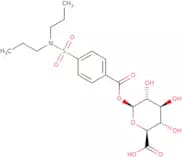
Pureza:Min. 95%Probenecid acyl b-D-glucuronide
CAS:Probenecid is a weak acid that is rapidly converted to an active metabolite in the body. It is used as an analgesic, antipyretic, and anti-inflammatory drug. Probenecid has been shown to inhibit the formation of biliary acids in animals and humans and has been used in the treatment of chronic inflammatory conditions such as rheumatoid arthritis. The most common route of administration for this drug is orally, although it can also be given intravenously or intramuscularly. Probenecid also acts as a nonsteroidal anti-inflammatory drug (NSAID). This means that it inhibits prostaglandin synthesis by blocking cyclooxygenase enzymes. This reduces inflammation, pain, and fever by inhibiting the production of prostaglandins that play a role in these processes.
Fórmula:C19H27NO10SPureza:Min. 95%Forma y color:White To Off-White SolidPeso molecular:461.48 g/molRef: 3D-MP16838
Producto descatalogadoPhenyl 3-deoxy-3-fluoro-α-D-glucopyranoside
Phenyl 3-deoxy-3-fluoro-a-D-glucopyranoside is a modified oligosaccharide, which is synthesized by the glycosylation of 3,6-diaminohexanoic acid with phenyl boronic acid. This compound is also known as an anti-tuberculosis drug. It has been shown to inhibit bacterial growth by binding to DNA dependent RNA polymerase, thereby preventing transcription and replication. The high frequency of human activity has been shown using a patch clamp technique on human erythrocytes. Phenyl 3-deoxy-3-fluoro-a-D-glucopyranoside also specifically binds to markers expressed at high levels in Mycobacterium tuberculosis strains (e.g., ESX1 secretion system protein) and inhibits cell growth in culture.
Fórmula:C12H15FO5Pureza:Min. 95%Forma y color:White to off-white solid.Peso molecular:258.24 g/molRef: 3D-MP11443
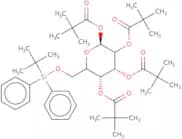
Producto descatalogado1,2,3,4-Tetra-O-pivaloyl-6-O-(tert-butyldiphenylsilyl)-b-D-glucopyranose
1,2,3,4-Tetra-O-pivaloyl-6-O-(tert-butyldiphenylsilyl)-b-D-glucopyranose is a custom synthesis of an oligosaccharide with a polysaccharide. The carbohydrate is modified with fluorination and methylation. This product has high purity and is synthesized using click chemistry. Monosaccharides are attached to the sugar backbone in order to form complex carbohydrates. This product can be used as a synthetic sugar or in the production of other oligosaccharides.
Fórmula:C42H62O10SiPureza:Min. 95%Peso molecular:755.04 g/molPhenyl 2,3,4-tri-O-acetyl-b-D-thioglucuronide methyl ester
CAS:Phenyl 2,3,4-tri-O-acetyl-b-D-thioglucuronide methyl ester is a custom synthesis. It is a complex carbohydrate with an Oligosaccharide and Polysaccharide structure. The modification of saccharides with Methylation, Glycosylation, or Carbohydrate changes the chemical properties of this compound. Phenyl 2,3,4-tri-O-acetyl-b-D-thioglucuronide methyl ester has a CAS No. 62812-42-2 and is also known as sugar. This compound is fluorinated at the phenolic hydroxyl group to produce a stable molecule with high purity.
Pureza:Min. 95%2-C-Methyl- 2, 3- O- isopropylidene - D- ribonic acid g- lactone
2-C-Methyl- 2, 3- O- isopropylidene - D- ribonic acid g- lactone (2CMP) is a modification of the sugar D- ribose that has been found to be useful in the synthesis of oligosaccharides. It can be synthesized from 2,3-O-isopropylidene -D-ribofuranose and methyl iodide. 2CMP is used as a building block for glycosylation reactions because it is easily converted to different sugars by methylation, fluorination, or saccharide modification.
Pureza:Min. 95%(2R,3S,4S,5R,6S)-3,4,5-Trihydroxy-2-hydroxymethyl-7,9-diaza-1-oxa-spiro[4,5]decane-10-one-8-thione
CAS:Glycogen phosphorylase inhibitor
Fórmula:C8H12N2O6SPureza:Min. 95%Forma y color:White solid.Peso molecular:264.26 g/molRef: 3D-MT01649
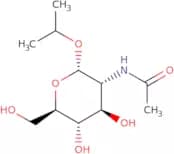
Producto descatalogadoIsopropyl 2-acetamido-2-deoxy-α-D-glucopyranoside
CAS:Isopropyl 2-acetamido-2-deoxy-α-D-glucopyranoside is a modification of an oligosaccharide. It has been synthesized and characterized by NMR spectroscopy. This carbohydrate is custom synthesized as a complex carbohydrate. It is also a synthetic carbohydrate. Isopropyl 2-acetamido-2-deoxy-α-D-glucopyranoside is used as a monosaccharide, in glycosylation, methylation, polysaccharides, and other sugar chemistry reactions. Isopropyl 2-acetamido-2-deoxy-α-D-glucopyranoside can be used for fluorination or saccharides.
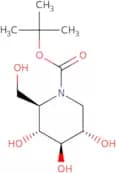
Fórmula:C11H21NO6Pureza:Min. 95%Forma y color:PowderPeso molecular:263.29 g/molN-Boc-1,5-imino-1,5-dideoxy-D-glucitol
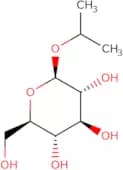
CAS:N-Boc-1,5-imino-1,5-dideoxy-D-glucitol is a custom synthesis product that is synthesized by methylation and click chemistry. The chemical name of N-Boc-1,5-imino-1,5-dideoxyglucitol is 1,5-(N′-(tertiary butyloxycarbonyl)-L-serine)-1,5-dideoxyglucitol. It has a CAS number of 1305391207 and molecular weight of 478.18 g/mol. It is a modified carbohydrate with the molecular formula C14H27NO8 and molecular weight of 478.18 g/mol. It has an Oligosaccharide with the molecular formula C14H27NO8 and molecular weight of 478.18 g/mol. It has a Polysaccharide with the molecular formula C14H27NO8 andFórmula:C11H21NO6Pureza:Min. 95%Forma y color:Beige solid.Peso molecular:263.29 g/molIsopropyl beta-D-glucopyranoside
CAS:Isopropylbeta-D-glucopyranoside is a chemical compound that has been studied for its antibacterial activity. It has been shown to inhibit the growth of bacteria by reacting with fatty acids in the cell membrane, which leads to the disruption of the cell membrane and death. Isopropylbeta-D-glucopyranoside is a member of the sugar alcohols class, and it can be synthesized from glucose, fatty acid, and hydrochloric acid using an acid catalyst. The reaction system is typically carried out in microcapsules.
Fórmula:C9H18O6Pureza:Min. 95%Forma y color:PowderPeso molecular:222.24 g/molRef: 3D-FI152923
Producto descatalogadoD-Altrose
CAS:D-Altrose is an alpha-hydroxy acid that is synthesized from D-arabinose and trifluoroacetic acid. It has been shown to be a substrate for the synthesis of oligosaccharides, which are important in carbohydrate chemistry. This molecule can also be used as a reagent in the preparation of carbohydrates with a specific configuration at C2. One use of this product is in generating analytical methods that can distinguish between D-altrose and D-arabinose by monitoring the ratio of hydrogen fluoride to carbonyl group signals. D-Altrose may also be used in asymmetric synthesis, where it is a useful chiral building block for the construction of galacturonic acid derivatives.
Fórmula:C6H12O6Pureza:Min. 98 Area-%Forma y color:White PowderPeso molecular:180.16 g/molRef: 3D-MA06614
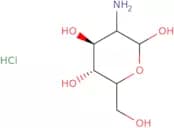
Producto descatalogadoD-Galactosamine hydrochloride
CAS:D-Galactosamine (GalN) is an aldohexose (2-amino-2-deoxygalactose) in which the hydroxyl group at position 2 is replaced by an amino group (Collins, 2006). Galactosamine (as the N-acetyl derivative) forms a key part of both N- and O-linked glycoproteins, glycolipids and glycosaminoglycans. Treatment of experimental animals with D-galactosamine / lipopolysaccharide causes lethal liver injury characterized by apoptosis of the hepatocyte and it is used as a laboratory model to study the effect of therapeutic agents (Hirono, 2001).
Fórmula:C6H13NO5·HClPureza:Min. 98 Area-%Forma y color:White Off-White PowderPeso molecular:215.63 g/molRef: 3D-MG05030
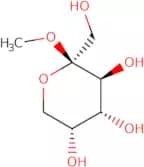
Producto descatalogadoMethyl β-D-fructopyranoside
CAS:Methyl β-D-fructopyranoside is a glycoside that is made up of a pyranose ring and the sugar d-fructose. This molecule is stable because of its hydrogen bonds, which are formed between the oxygen atom of the hydroxyl group and the hydrogen atom of the methyl group. Methyl β-D-fructopyranoside has two chiral centers, so it can exist as two enantiomers. The most common form is D-(+)-methyl β-d-fructopyranoside, which has a configuration of R (right) and S (left).
Fórmula:C7H14O6Pureza:One SpotForma y color:PowderPeso molecular:194.18 g/molRef: 3D-MM168138
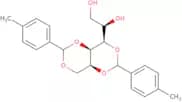
Producto descatalogadoBis(p-methylbenzylidene)sorbitol
CAS:Bis(p-methylbenzylidene)sorbitol is an organic solvent that has been used in a variety of applications, including polyolefin production, as an additive for plastics, and as a surface treatment for metals. Bis(p-methylbenzylidene)sorbitol also has been used to reduce the weight of paper and textiles. It is synthesized by the reaction of vinyl alcohol with dibenzylidene sorbitol in the presence of base. Bis(p-methylbenzylidene)sorbitol can be identified by its crystalline structure, which consists of three molecules of glucose linked together. Bis(p-methylbenzylidene)sorbitol is a colorless liquid that has no odor or taste and it has a low viscosity. This chemical is also soluble in organic solvents such as benzene or ethylene glycol ethers.
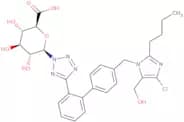
Fórmula:C22H26O6Pureza:Min. 95%Forma y color:PowderPeso molecular:386.44 g/molLosartan N2-glucuronide
CAS:Losartan N2-glucuronide is a custom synthesis that has been modified by fluorination, methylation, and monosaccharide modification. It is synthesized with click chemistry to create an oligosaccharide. This product is synthesized from saccharides (carbohydrates) and polysaccharides. Losartan glucuronide is a complex carbohydrate that has been glycosylated and sugar modified for high purity.
Fórmula:C28H31ClN6O7Pureza:Min. 95%Forma y color:White To Off-White SolidPeso molecular:599.03 g/molRef: 3D-ML09886
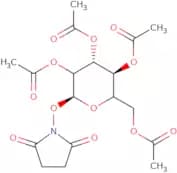
Producto descatalogadoO-(2,3,4,6-Tetra-O-acetyl-b-D-galactopyranosyl)-N-hydroxysuccinimide
CAS:O-(2,3,4,6-Tetra-O-acetyl-b-D-galactopyranosyl)-N-hydroxysuccinimide is a synthetic glycosylation reagent. It has the CAS number 896730-84-0 and is available for custom synthesis. O-(2,3,4,6-Tetra-O-acetyl-b-D-galactopyranosyl)-N-hydroxysuccinimide is used in the synthesis of oligosaccharides and saccharides. It is also used in click chemistry to modify proteins and other biomolecules. This product has a purity of 99% or higher and can be modified at any position with fluorination or methylation.
Fórmula:C18H23NO12Pureza:Min. 95%Peso molecular:445.37 g/mol1,2,3,4-Tetra-O-benzyl-6-O-tert-butyldimethylsilyl-b-D-galactopyranose
1,2,3,4-Tetra-O-benzyl-6-O-tert-butyldimethylsilyl-b-D-galactopyranose is a glycosylation product of 1,2,3,4 tetra O benzyl 6 O tert butyldimethylsilyl b D galactopyranose. It is a member of the class of complex carbohydrates and has a molecular weight of 582. The compound is soluble in methanol and acetone. It has been shown to be effective for methylation, click modification and fluorination reactions as well as other modifications such as polysaccharide synthesis and saccharide modification. This compound is custom synthesized by our company with high purity.
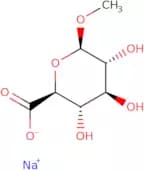
Fórmula:C40H50O6SiPureza:Min. 95%Peso molecular:654.93 g/molMethyl b-D-glucuronide sodium salt
CAS:1-O-Methyl-β-D-glucuronic acid is a β-glucuronidase inducer.
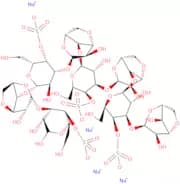
Fórmula:C7H11NaO7Pureza:(Titration) Min 99.0%Forma y color:White Slightly Yellow PowderPeso molecular:230.15 g/molNeocarraoctaose-4¹,4³,4⁵,4⁷-tetra-O-sulfate sodium
CAS:Neocarraoctaose-41,3,5,7-tetra-O-sulfate sodium salt is a synthetic carbohydrate compound that is used in the synthesis of oligosaccharides and polysaccharides. The chemical name of this product is Neocarraoctaose-41,3,5,7-tetra-O-sulfate sodium salt. It has a molecular weight of 598.34 g/mol and a CAS number of 133647-94-6. This product can be synthesized by methylation, custom synthesis, click modification and fluorination.
Fórmula:C48H74O49S4•Na4Pureza:Min. 95%Forma y color:PowderPeso molecular:1,655.3 g/molRef: 3D-MN01692
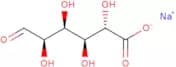
Producto descatalogadoD-Glucuronic acid, sodium salt monohydrate
CAS:Custom synthesis of D-glucuronic acid, sodium salt monohydrate.
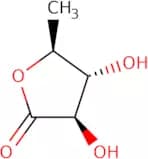
Pureza:Min. 95%5-Deoxy-L-arabonic acid 1,4-lactone
CAS:5-Deoxy-L-arabonic acid 1,4-lactone is a phytochemical present in the flowers of some plants. It has been shown to have anti-cancer properties in lung cancer cells by inhibiting the growth of these cells. 5-Deoxy-L-arabonic acid 1,4-lactone inhibits cell division and induces apoptosis by binding to DNA, preventing replication. This compound also inhibits the production of prostaglandins that promote inflammation, which may be related to its anti-cancer effects. 5-Deoxy-L-arabonic acid 1,4-lactone has been shown to inhibit the production of phenolic compounds such as vanillic acid and apigenin in lung cancer cell lines. These compounds have been shown to have chemopreventive activities against various cancers including breast cancer and colon cancer.
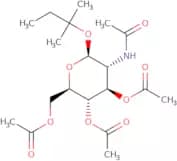
Fórmula:C5H8O4Pureza:Min. 95%Forma y color:PowderPeso molecular:132.12 g/moltert-Amyl 2-acetamido-3,4,6-tri-O-acetyl-2-deoxy-b-D-glucopyranoside
CAS:Tert-Amyl 2-acetamido-3,4,6-tri-O-acetyl-2-deoxy-b-D-glucopyranoside is a custom synthesis that has not been reported in the literature or commercialized. The compound is an oligosaccharide with a fluorinated saccharide unit. It is synthesized by methylation of glycosylation and click modification of the sugar. Tert-Amyl 2-acetamido-3,4,6-tri-O-acetyl-2DGPA has been shown to be resistant to enzymatic digestion and hydrolysis by esterases. The compound can also be used as a fluorescent probe for studying carbohydrate metabolism.
Fórmula:C19H31NO9Pureza:Min. 95%Peso molecular:417.45 g/molBenzyl 3,4-O-(2',3'-dimethoxybutane-2',3'-diyl)-a-D-mannopyanoside
CAS:Benzyl 3,4-O-(2',3'-dimethoxybutane-2',3'-diyl)-a-D-mannopyanoside is a modification of an oligosaccharide. It is a complex carbohydrate that has been synthesized from a monosaccharide and methylated on the 3' hydroxyl group. This product is available as a custom synthesis and is offered in high purity. The CAS number for this compound is 1423035-45-3.
br>
Benzyl 3,4-O-(2',3'-dimethoxybutane-2',3'-diyl)-a-D-mannopyanoside can be used as a sugar or fluorinated saccharide in glycosylation reactions with other molecules. It can also be used to produce polysaccharides by glycosylation with other molecules such as glucose, mannose, or sucrose.Fórmula:C19H28O8Pureza:Min. 95%Peso molecular:384.42 g/molRef: 3D-MB11021
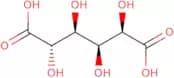
Producto descatalogadoCalcium D-saccharate tetrahydrate
CAS:Calcium D-saccharate is the calcium salt of saccharic acid, also known as glucaric acid. Calcium D-saccharate has been evaluated for chemopreventive activity in a rat tracheal epithelial cell following exposure to the carcinogen benzo[a]pyrene. Addition of calcium D-saccharate to sugarcane juice during liming enhanced clarification as high molecular weight components were removed by filtration.
Fórmula:C6H8O8·Ca·(H2O)4Forma y color:PowderPeso molecular:320.26 g/molRef: 3D-MC04536
Producto descatalogado3-Acetamido-1-benzylazetidine-2R,4S-diyl bis(methylene) diacetate
CAS:This product is a custom synthesis. The chemical formula for this product is C8H11N2O4. This product has the molecular weight of 272.24 g/mol and the molecular formula is C8H11N2O4. This product is synthesized from 3-acetamido-1-benzylazetidine-2R,4S-diyl bis(methylene) diacetate monohydrate. It can be fluorinated, glycosylated, methylated, modified and oligosaccharide or monosaccharide saccharides. This product can be used in various fields such as pharmaceuticals, agrochemicals, food additives, cosmetics and so on.
Fórmula:C18H24N2O5Pureza:Min. 95%Peso molecular:348.39 g/molUDP-2-deoxy-2-fluoro-D-mannose
CAS:UDP-2-deoxy-2-fluoro-D-mannose is a modified monosaccharide that is synthesized from D-mannose. It can be used for the synthesis of glycosyls and polysaccharides as well as for the modification of complex carbohydrates. UDP-2-deoxy-2-fluoro-D-mannose has been shown to be an excellent substrate for methylation, glycosylation, and fluorination reactions. This compound can also be used to modify high purity oligosaccharides with a high degree of substitution.
Fórmula:C15H23FN2O16P2Pureza:Min. 95%Peso molecular:568.29 g/molXylitol - BP/EP
CAS:Xylitol is a sugar alcohol that has been shown to have antimicrobial properties. It has been found to be effective in inhibiting the growth of bacteria, yeast, and fungi by disrupting their cell membranes. In addition, xylitol appears to have the ability to reduce plasma glucose levels in animals and humans. Xylitol has also been shown to inhibit the growth of bacteria in acidic environments by binding with proteins on the bacterial cell membrane. This binding prevents the transport of nutrients into the cell and results in cell death. Xylitol is not metabolized by human cells because it cannot be broken down into acetaldehyde or acetate. However, xylitol can be metabolized by certain types of liver cells.
Xylitol BP/EP is a drug that belongs to the class of antidiabetic agents used for lowering blood sugar levels in patients with diabetes mellitus type II (insulin-dependent diabetes). It is an exogenous insulin secretagogue that stimulates insulin secretion from pancreaticFórmula:C5H12O5Pureza:Min. 95%Peso molecular:152.15 g/molRef: 3D-MX01244
Producto descatalogado1,3,4,6-Tetra-O-acetyl-b-D-mannopyranose
CAS:1,3,4,6-Tetra-O-acetyl-b-D-mannopyranose is a radiopharmaceutical that is used to diagnose and evaluate malignant tumors. It is a diagnostic agent for the detection of cancerous cells in patients with suspected cancer. The molecule emits gamma radiation when it decays. This product has been tested in experimental studies on animals and humans with tumors. There are no known side effects or interactions with other drugs. 1,3,4,6-Tetra-O-acetyl-b-D-mannopyranose can be administered intravenously or orally and can be used to detect cancerous cells in the stomach and small intestine.
Fórmula:C14H20O10Pureza:Min. 95%Forma y color:White PowderPeso molecular:348.3 g/molRef: 3D-MT02170
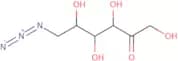
Producto descatalogado6-Azido-6-deoxy-D-fructose
CAS:6-Azido-6-deoxy-D-fructose is a piperidine that condenses with glyceraldehyde in the presence of aldolase and produces D-glyceraldehyde. This reaction is stereospecifically catalyzed by aldolase, which converts the product to D-glyceraldehyde 3-phosphate. 6Azido-6deoxy-D-fructose has been shown to exhibit polyhydroxylated properties.
Fórmula:C6H11N3O5Pureza:Min. 95%Forma y color:Clear LiquidPeso molecular:205.17 g/molRef: 3D-MA58244
Producto descatalogado2,5-Anhydro-D-mannitol
CAS:2,5-Anhydro-D-mannitol is a glucose analogue that is metabolized by the body to produce energy. It has been shown to inhibit the proliferation of HL-60 cells in vitro, and also inhibits glucose uptake and utilization in liver cells. 2,5-Anhydro-D-mannitol has been shown to have a direct effect on cellular metabolism and ATP levels. This molecule interacts with cell surface glycoproteins and nitrous oxide (NO) through hydrogen bonding interactions. 2,5-Anhydro-D-mannitol also appears to regulate peptide hormone production in the liver. The hydroxyl group on this molecule is responsible for its redox potential. In addition, 2,5-Anhydro-D-mannitol can induce cell lysis by interfering with protein synthesis due to its enzyme activities.
Fórmula:C6H12O5Pureza:Min. 98 Area-%Forma y color:PowderPeso molecular:164.16 g/mola-D-Arabinopyranosyl azide
CAS:a-D-Arabinopyranosyl azide is a new modified sugar that has been synthesized by the Click chemistry method. It is a complex carbohydrate with different substituents at the C2, C4, and C6 positions. This compound can be used for methylation, saccharide, polysaccharide, glycosylation or other custom synthesis. The CAS No. for this product is 138892-04-3, and it has a purity of >99%.
Fórmula:C5H9N3O4Pureza:Min. 95%Peso molecular:175.14 g/mol3,5-Dideoxy-N-(1-hexyl)-3,5-imino-D-xylopentitol
3,5-Dideoxy-N-(1-hexyl)-3,5-imino-D-xylopentitol is a synthetic monosaccharide that is used in the production of complex carbohydrates. It can be modified with fluorination and methylation to produce 3,5-dideoxy-N-(1-hexyl)-3,5-[(2-[(2,6-difluoro phenoxy)methyl]phenyl]imino)D-xylopentitol. The compound has been shown to have antiviral properties and has been used in the synthesis of glycosaminoglycans.
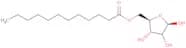
Pureza:Min. 95%5-O-Lauryl-D-xylofuranose
CAS:5-O-Lauryl-D-xylofuranose is a lipase that can hydrolyze pentoses and hexoses. This enzyme has been shown to be active at temperatures between 0°C and 40°C, with optimal activity at 30°C. 5-O-Lauryl-D-xylofuranose is also thermostable and can be immobilized on silica gel or alumina. It is used in the manufacture of lysine, L-arabinose, and D-xylose. The enzyme catalyzes the reaction by removing a hydroxyl group from the pentoses or hexoses through an ester linkage with a dodecanoate group. The aliphatic chain of 5-O-lauryl dodecanoate is attached to the pentose or hexose molecule in an ester linkage by a thioether bond.
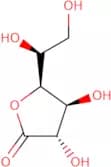
Fórmula:C17H32O6Pureza:Min. 95%Peso molecular:332.43 g/molL-Glucono-1,4-lactone
CAS:L-Glucono-1,4-lactone is a substance that belongs to the group of compounds known as alpha hydroxy acids. It is produced in the body by an enzyme called l-gluconolactonase and is present in small quantities in many fruits and vegetables. L-Glucono-1,4-lactone has been shown to prevent skin aging and protect against UV light damage through its antioxidant properties. This compound can be found in sunscreens or it can be taken orally to provide protection from the sun. Clinical data on L-Glucono-1,4-lactone treatments are not yet available.
Fórmula:C6H10O6Pureza:Min. 95%Forma y color:PowderPeso molecular:178.14 g/molRef: 3D-MG59520
Producto descatalogado2,4,6-Tri-O-benzoyl-3-O-benzyl-D-mannopyranose
2,4,6-Tri-O-benzyl-3-O-benzyl-D-mannopyranose is a modification of the monosaccharide D-mannopyranose. It is a carbohydrate that can be custom synthesized and has high purity with a CAS number. The 2,4,6-tri-O-benzoyl group can be used for glycosylation reactions to produce polysaccharides. This modification also has the ability to be fluorinated or methylated by using the corresponding reagents.
2,4,6-Tri-O-benzoyl-3-O-benzyl mannopyranose is an oligosaccharide that can serve as a building block for more complicated carbohydrates like polysaccharides. It has not been shown to have any toxicity in animals and is used as a food additive in some countries.Fórmula:C34H30O9Pureza:Min. 95%Peso molecular:582.6 g/molN-Methyl-D-glucosamine
CAS:N-Methyl-D-glucosamine is a nucleotide that is found in the adenine nucleotide pool. It can be synthesized from glucose, which is converted to glucosamine-6-phosphate by the enzyme glucosamine synthetase. This compound can also be obtained from dietary sources. N-Methyl-D-glucosamine has been shown to have cytotoxic activity against mouse tumor cells and inhibit skin cancer in mice. It binds with DNA and inhibits cell growth through a glycosidic bond with terminal residues of DNA, preventing transcription and replication. N-Methyl-D-glucosamine has also been shown to inhibit the growth of resistant microorganisms such as C. glabrata, including antibiotic resistant strains, and bacteria such as E. coli and P. aeruginosa when used in combination with an experimental model of biocompatible polymers.
NMTG has been shown toFórmula:C7H15NO5Pureza:Min. 95%Forma y color:PowderPeso molecular:193.2 g/molRef: 3D-MM66747
Producto descatalogadoTetra- O- benzoyl- b- D- xylofuranose
CAS:Tetra-O-benzoyl-b-D-xylofuranose is a custom synthesis. It is an oligosaccharide with a saccharide chain of four sugar units that are linked by glycosylation. The first and third sugars have a benzoyl group, while the second and fourth sugars are xylopyranosyl residues. The molecule has been modified with fluorination, methylation, and click chemistry. Tetra-O-benzoyl-b-D-xylofuranose is soluble in water, methanol, acetone, chloroform, ethanol, ethylene glycol ethers, and acetonitrile.
Tetra-O-benzoyl-b-D-xylofuranose has CAS number 18530–90–0.Fórmula:C33H26O9Pureza:Min. 95%Peso molecular:566.55 g/molGDP-L-fucose disodium
CAS:Please enquire for more information about GDP-L-fucose disodium including the price, delivery time and more detailed product information at the technical inquiry form on this page
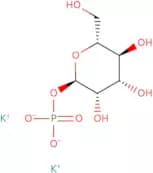
Fórmula:C16H23N5O15P2Na2Pureza:Min. 90 Area-%Peso molecular:633.31 g/mola-D-Mannose-1-phosphate dipotassium salt
CAS:a-D-Mannose-1-phosphate dipotassium salt (DMDK) is a synthetic oligosaccharide that was designed and synthesized for use as a potential drug in the treatment of cancer. DMDK has been shown to be an inhibitor of protein glycosylation, which may lead to the prevention of tumor formation. It also has anti-inflammatory properties and can inhibit the growth of bacteria by binding to bacterial 16S ribosomal RNA and inhibiting protein synthesis.Fórmula:C6H11K2O9PPureza:Min. 95%Forma y color:PowderPeso molecular:336.32 g/molRef: 3D-MM06146
Producto descatalogado5-Thio-a-D-mannose
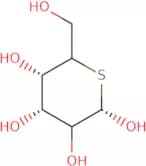
CAS:5-Thio-a-D-mannose is a disaccharide that contains a sulfhydryl group. It has been shown to be a cellular and trackable molecule, which can be acetylated by mercuric chloride. The glycosidases of this molecule are mannosidases, which cleave the 5th carbon from the glycosidic linkage of the sugar. This is an important process for a variety of biological functions, such as the synthesis of DNA and proteins. In addition, this disaccharide is involved in various metabolic pathways, including glycolysis and gluconeogenesis.
Fórmula:C6H12O5SPureza:Min. 95%Peso molecular:196.22 g/mol2,5-Di-O-acetyl-3-C-methyl-D-lyxono-1,4-lactone
2,5-Di-O-acetyl-3-C-methyl-D-lyxono-1,4-lactone is a hydrogen bonded lactone. The crystal structure of the compound has been determined by X-ray crystallography and found to be a hydrogen bonded dimer with two molecules of water located between the two monomers. This compound is also known as 3,6,9,12,15,18,21 hexaoxahexacontane 1,4-lactone or DAL.
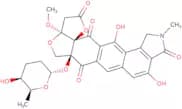
Fórmula:C10H14O7Pureza:Min. 95%Peso molecular:246.21 g/molLactonamycin
CAS:Lactonamycin is a linker that contains an oxygenated functional group. It can be found in some active natural products and has been synthesized in the laboratory. Lactonamycin is used as a model system for biosynthesis, where it was shown to efficiently produce glycosidic bonds when supplied with carbon sources such as glucose. The biological properties of Lactonamycin include its ability to inhibit microbial infection and inflammation, which may be due to its hydroxy group.
Fórmula:C28H27NO12Pureza:Min. 95%Peso molecular:569.51 g/mol

















![(2R,3S,4S,5R,6S)-3,4,5-Trihydroxy-2-hydroxymethyl-7,9-diaza-1-oxa-spiro[4,5]decane-10-one-8-thione](/_next/image/?url=https%3A%2Fstatic.cymitquimica.com%2Fproducts%2F3D%2Fthumb-webp%2FMT01649.webp&w=3840&q=75)