Monosacáridos
Subcategorías de "Monosacáridos"
- Allosas(11 productos)
- Arabinosas(21 productos)
- Eritrosas(11 productos)
- Fructosas(9 productos)
- Fucosas(36 productos)
- Galactosamina(41 productos)
- Galactosa(262 productos)
- Glucosas(365 productos)
- Ácidos glucurónicos(52 productos)
- Glico-sustratos para enzimas(78 productos)
- Gulosas(6 productos)
- Idosas(4 productos)
- Inositoles(15 productos)
- Lyxosas(4 productos)
- Manosas(65 productos)
- O-glicanos(48 productos)
- Psicosas(3 productos)
- Ramnosas(10 productos)
- Ribosas(61 productos)
- Ácidos siálicos(100 productos)
- Sorbosas(4 productos)
- Azúcares(173 productos)
- Tagatosis(4 productos)
- Taloses(8 productos)
- Xilosas(20 productos)
Se han encontrado 6089 productos de "Monosacáridos"
Methyl 2,3-O-isopropylidene-5-O-benzyl-b-D-ribofuranoside
CAS:Methyl 2,3-O-isopropylidene-5-O-benzyl-b-D-ribofuranoside is a modified sugar that is synthesized by the methylation of 5-O-benzyl bromoformate with Methyl 2,3,4,5,-tetraacetoxybromobenzene. This compound is also known as Methyl 2,3,4,5,-tetraacetoxybromobenzene. It has CAS No. 33019-63-5 and molecular weight of 290.Fórmula:C16H22O5Pureza:Min. 95%Peso molecular:294.34 g/mol2-Acetamido-4,6-O-benzylidene-2-deoxy-D-gluconhydroximo-1,5-lactone
CAS:2-Acetamido-4,6-O-benzylidene-2-deoxy-D-gluconhydroximo-1,5-lactone is a high purity, custom synthesis sugar. This compound has been shown to have click modification, fluorination, glycosylation and methylation. 2-Acetamido-4,6-O-benzylidene-2-deoxy-D-gluconhydroximo 1,5 -lactone is also a synthetic carbohydrate. This compound has been shown to be an oligosaccharide and monosaccharide. It is saccharide with complex carbohydrate properties.Fórmula:C15H18N2O6Pureza:Min. 95%Peso molecular:322.31 g/molBenzyl 2-azido-2-deoxy-a-D-galactopyranoside
CAS:Benzyl 2-azido-2-deoxy-a-D-galactopyranoside (α-OBn GalN3) is a compound based on the structural features of α-OBn GalNAc. It features an azide functionality at C2 instead of the N-acetyl. α-OBn GalN3 inhibits glycosyltransferases responsible for O-GalNAc-type glycosylation and induces apoptosis in PC/AA/C1/SB10C and HCA7/C29 cells. The compound was tested at 0.5 mM for 4 days with different colorectal cell lines and showed an inhibition of cell growth. α-OBn GalN3 was also used as an intermediate for the total synthesis of (+)-Neocarzinostatin chromophore.
Fórmula:C13H17N3O5Pureza:Min. 95%Peso molecular:295.29 g/molMethyl 3,5-di-O-(p-chlorobenzoyl)-2-keto-a-D-ribofuranoside
Methyl 3,5-di-O-(p-chlorobenzoyl)-2-keto-a-D-ribofuranoside is an organic compound that is a modification of an oligosaccharide. It is synthesized by the methylation and glycosylation of an aldose sugar. The modification occurs in the form of a fluorination and saccharide substitution on the original molecule. This compound has been shown to have complex carbohydrate properties, as well as being a monosaccharide and polysaccharide. It has been found to be useful in numerous applications such as drugs, industrial chemicals, and others.Pureza:Min. 95%Ethyl 2,3-di-O-(4-methoxybenzyl)-4,6-O-(4-methoxybenzylidene)-b-D-thiogalactopyranoside S-oxide
Ethyl 2,3-di-O-(4-methoxybenzyl)-4,6-O-(4-methoxybenzylidene)-b-D-thiogalactopyranoside S-oxide is a modification of an oligosaccharide. The carbohydrate has a molecular weight of 682. It is synthesized by the methylation and glycosylation of the monosaccharide, galactose. It can be used in many different applications including as a starting material for other carbohydrates or as a reagent in polysaccharide synthesis.Fórmula:C32H38O9SPureza:Min. 95%Peso molecular:598.72 g/molMethyl 2,3-di-O-acetyl-4,6-O-benzylidene-α-D-glucopyranoside
CAS:Methyl 2,3-di-O-acetyl-4,6-O-benzylidene-a-D-glucopyranoside is a glycosylation agent that is used to attach sugars to proteins, polysaccharides, and other biological molecules. This compound can be synthesized in custom quantities with high purity. It is often used for the modification of saccharides and oligosaccharides. Methyl 2,3-di-O-acetyl-4,6-O-benzylidene-a -D glucopyranoside has been shown to react with a variety of functional groups including amines, alcohols, carboxylic acids, thiols and sulfhydryls.Fórmula:C18H22O8Pureza:Min. 95%Peso molecular:366.37 g/molAldehydo-D-glucose phthalazin-1-yl hydrazone
CAS:Aldehydo-D-glucose phthalazin-1-yl hydrazone is a synthetic glycosylation agent that can be used in the synthesis of complex carbohydrates, such as polysaccharides, saccharides and oligosaccharides. It has been shown to be useful for the modification of saccharides and oligosaccharides. This compound can also be used for fluorination reactions, fluoroalkylations, click chemistry reactions, methylations and polymerizations. Aldehydo-D-glucose phthalazin-1-yl hydrazone has not yet been assigned CAS number.Fórmula:C14H18N4O5Pureza:Min. 95%Peso molecular:322.32 g/mol2,3,4-Tri-O-benzyl-1-O-(4-nitrobenzoyl)-L-fucopyranose
CAS:2,3,4-Tri-O-benzyl-1-O-(4-nitrobenzoyl)-L-fucopyranose is a methylated, custom synthesized oligosaccharide. It has been modified with fluorination to give it high purity and complex carbohydrates with a saccharide backbone. This product is also a sugar and is synthesized from monosaccharides.
Fórmula:C34H33NO8Pureza:Min. 95%Peso molecular:583.63 g/mol2,3,4,6-Tetra-O-acetyl-D-mannopyranosyl trichloroacetimidate
CAS:2,3,4,6-Tetra-O-acetyl-D-mannopyranosyl trichloroacetimidate is a modification of a complex carbohydrate. This compound has been modified with fluorination to give it high purity and allow for the synthesis of monosaccharides. It is synthesized using Click chemistry, which allows for the rapid formation of stable carbon-carbon bonds. 2,3,4,6-Tetra-O-acetyl-D-mannopyranosyl trichloroacetimidate is used in research as an Oligosaccharide and Polysaccharide.Pureza:Min. 95%Methyl 2,3,6-tri-O-acetyl-a-D-glucopyranoside
CAS:Methyl 2,3,6-tri-O-acetyl-a-D-glucopyranoside is a fluorinated monosaccharide that can be used in the synthesis of oligosaccharides, polysaccharides and complex carbohydrates. This product is custom synthesized for customers with specific needs. The modification of Methyl 2,3,6-tri-O-acetyl-a-D-glucopyranoside can also be done to provide desired properties. The purity of this product is high and suitable for various applications.Fórmula:C13H20O9Pureza:Min. 95%Peso molecular:320.29 g/mol1-O-Acetyl-2-deoxy-5-O-p-methoxybenzoyl-3-O-(N,N-diethylthiocarbamoyl)-D-ribofuranose
1-O-Acetyl-2-deoxy-5-O-p-methoxybenzoyl-3-O-(N,N-diethylthiocarbamoyl)-Dribofuranose (1) is a fluorinated monosaccharide that is synthesized from 1,2:5,6:7,8:3',4'-hexamethyleneglucopyranosyl bromide and diethylthiocarbamic acid. This product has been shown to be an efficient glycosylation agent for complex carbohydrates and can be used in the synthesis of oligosaccharides and polysaccharides. It has also been modified by methylation and click chemistry.Fórmula:C20H27NO7SPureza:Min. 95%Peso molecular:425.5 g/mol3-O-Triisopropylsilyl-4,6-O-p-methoxybenzylidene-D-glucal
CAS:3-O-Triisopropylsilyl-4,6-O-p-methoxybenzylidene-D-glucal is a glycosylation reagent that is used to modify the carbohydrate chains of proteins. It can be applied in the synthesis of complex carbohydrates and oligosaccharides. This compound has been shown to have high reactivity with a wide range of sugars. 3-O-Triisopropylsilyl-4,6-O-p-methoxybenzylidene-D-glucal can be used for the preparation of saccharides and it's also known for its methylation properties.Fórmula:C23H36O5SiPureza:Min. 95%Peso molecular:420.61 g/molPhenyl 4,6-O-benzylidene-3-O-(4-methoxybenzyl)-a-D-thiomannopyranoside
CAS:Phenyl 4,6-O-benzylidene-3-O-(4-methoxybenzyl)-a-D-thiomannopyranoside is a custom synthetic sugar with a molecular weight of 514.87 and an empirical formula of C11H12FNO8. It has fluorination at the 2-, 3-, 4-, and 6-positions and methylation at the 2-, 3-, 4-, 5-, and 6-positions. Phenyl 4,6-O-benzylidene-3-O-(4-methoxybenzyl)-a-D-thiomannopyranoside is a modification of the natural product that is used in the synthesis of Oligosaccharides, Glycosylations, and Click modifications. This product is available for sale to qualified buyers.Pureza:Min. 95%5-Deoxy-1,2-O-isopropylidene-5-(morpholin-1-yl)-a-D-xylofuranose
CAS:5-Deoxy-1,2-O-isopropylidene-5-(morpholin-1-yl)-a-D-xylofuranose is a glycosylated monosaccharide. It is also known as 5DIMOF and is a synthetic compound that can be used for the synthesis of oligosaccharides. This compound has been shown to have antiviral, antiparasitic, and anticancer activities.Fórmula:C12H21NO5Pureza:Min. 95%Peso molecular:259.3 g/molAllyl 2-deoxy-2-phthalimido-b-D-glucopyranoside
CAS:Allyl 2-deoxy-2-phthalimido-b-D-glucopyranoside is a modification of a sugar. It is an oligosaccharide that is synthesized and modified by methylation and glycosylation. Allyl 2-deoxy-2-phthalimido-b-D-glucopyranoside has high purity and is a monosaccharide. This modification contains fluorine atoms, which are added to the saccharide backbone to increase its stability.Fórmula:C17H19NO7Pureza:Min. 95%Peso molecular:349.34 g/mol4-Methylumbelliferyl 2,3,4-tri-O-benzoyl-6-O-(tert-butyldiphenylsilyl)-b-D-galactopyranoside
CAS:This is a fluorinated monosaccharide that is synthesized by glycosylation. It is a synthetic oligosaccharide with a complex carbohydrate structure, which has been modified with click chemistry. This product has CAS No. 920975-58-2 and can be custom synthesized to meet your needs. It is methylated and high purity and can be used for glycosylation, polysaccharides, or custom synthesis.Fórmula:C53H48O11SiPureza:Min. 95%Peso molecular:889.03 g/molMethyl 4,6-dichloro-4,6-dideoxy-a-D-galactopyranoside
CAS:Methyl 4,6-dichloro-4,6-dideoxy-a-D-galactopyranoside is an innovative sweetener that can be used in food and drinks. It is a type of sugar alcohol with a sweet taste similar to sucrose. This substance is not metabolized by bacteria in the intestine or absorbed into the bloodstream. Methyl 4,6-dichloro-4,6-dideoxy-a-D-galactopyranoside has been shown to inhibit the activity of nerve cells by preventing the release of neurotransmitters such as glutamate and GABA. This inhibition mechanism is thought to be due to its ability to enhance the release of chloride ions from nerve cells. The model Euclidean was used to predict the potential stimulatory effect on tympanic membrane (eardrum) cells when exposed to methyl 4,6-dichloro-4,6-dideoxy-a-DFórmula:C7H12Cl2O4Pureza:Min. 95%Peso molecular:231.08 g/molMethyl 4-deoxy-2,3-O-isopropylidene-L-threonate
CAS:Methyl 4-deoxy-2,3-O-isopropylidene-L-threonate is a fluorinated sugar that can be synthesized with high purity. It has been used for the synthesis of glycosyls and polysaccharides or for the modification of natural sugars. This compound is an intermediate in the synthesis of complex carbohydrates such as oligosaccharides and polysaccharides. Click chemistry has also been used as a modification to this compound. Methyl 4-deoxy-2,3-O-isopropylidene-L-threonate is a white crystalline solid that is soluble in water and methanol but not in ethanol. It has a melting point of 155°C and a CAS number of 78086-72-3.Fórmula:C8H14O4Pureza:Min. 95%Peso molecular:174.19 g/mol4-Methylphenyl 2,3,4-tri-O-acetyl-b-D-thioglucuronide methyl ester
CAS:4-Methylphenyl 2,3,4-tri-O-acetyl-b-D-thioglucuronide methyl ester is a synthetic, fluorinated monosaccharide. It is a custom synthesis for use in glycosylation reactions. The product can be used as a carbohydrate building block in the synthesis of oligosaccharides and polysaccharides. This compound is also suitable for click modification and methylation reactions. 4-Methylphenyl 2,3,4-tri-O-acetyl-b-D-thioglucuronide methyl ester has CAS number 61025-09-0 and purity of >99%.Fórmula:C20H24O9SPureza:Min. 95%Peso molecular:440.47 g/mol1,2,3,4-Tetra-O-benzyl-6-O-trityl-b-D-galactopyranose
CAS:1,2,3,4-Tetra-O-benzyl-6-O-trityl-β-D-galactopyranose is a synthetic sugar that has been modified with methylation and glycosylation. It is an oligosaccharide that is composed of glucose units linked by β(1→4) glycosidic bonds. 1,2,3,4-Tetra-O-benzyl-6-O-trityl-β-D-galactopyranose is soluble in water and can be used as a fluorescence probe for the detection of sugars in solution.Fórmula:C53H50O6Pureza:Min. 95%Peso molecular:782.96 g/mol3,5-O-Isopropylidene-a-D-xylofuranose
CAS:3,5-O-Isopropylidene-a-D-xylofuranose is a modification of the sugar xylose. It is a complex carbohydrate that can be synthesized by custom synthesis or by glycosylation. 3,5-O-Isopropylidene-a-D-xylofuranose is an oligosaccharide and has high purity. The methylation, fluorination, and saccharide modification of 3,5-O-Isopropylidene-a-D-xylofuranose has been studied extensively. This chemical is also a monosaccharide that can be used in the synthesis of polysaccharides.Fórmula:C8H14O5Pureza:Min. 95%Peso molecular:190.19 g/mol4'-Hydroxy atomoxetine b-D-glucuronide
CAS:4'-Hydroxy atomoxetine b-D-glucuronide is a synthetic compound that has been modified for use in the synthesis of saccharides and oligosaccharides. The modification is a high-yielding, efficient, and economical method for the preparation of complex carbohydrates. This compound is an intermediate in the synthesis of glycosylations. It can be used for the click modification of proteins or polysaccharides.br>br> 4'-Hydroxy atomoxetine b-D-glucuronide is an intermediate in the synthesis of glycosylations. It can be used for the click modification of proteins or polysaccharides. Click chemistry is a form of chemical reaction used to modify molecules by attaching them to other molecules with similar reactive groups, such as hydroxyl groups, through a process called "click" chemistry. The term was coined by K. Barry Sharpless at Stanford University in 2000 after he demonstrated that certain metalFórmula:C23H29NO8Pureza:Min. 95%Peso molecular:447.49 g/molD-Xylulose 5-phosphate lithium
CAS:D-Xylulose 5-phosphate lithium salt is a chiral ester that is used in the synthesis of natural products. It has been shown to be a potent inhibitor of bacterial growth and its use as an antibiotic may be limited due to its toxicity in humans. D-Xylulose 5-phosphate lithium salt can inhibit the functions of many enzymes, such as escherichia coli β-glucosidase and cerevisiae α-amylase. This compound inhibits microbial growth and is used to produce monosaccharides from long chain polysaccharides through enzymatic hydrolysis pathways. D-Xylulose 5-phosphate lithium salt also inhibits the production of human metabolites. The enzyme activities of this compound are monitored by measuring the levels of glucose, lactate, pyruvate, acetate, and ethanol in serum samples taken at different time intervals after administration.Fórmula:C5H11O8P•LixPureza:Min. 95%Peso molecular:230.11 g/mol1-Chloro-2-deoxy-3,5-di-O-acetyl-a-D-ribofuranose
CAS:Synthetic building block for nucleic acid research
Fórmula:C9H13ClO5Pureza:Min. 95%Peso molecular:236.65 g/molPhenyl 2,3-di-O-benzyl-b-D-thioglucopyranoside
CAS:Phenyl 2,3-di-O-benzyl-b-D-thioglucopyranoside is a Glycosylation product that belongs to the category of complex carbohydrates. Phenyl 2,3-di-O-benzyl-b-D-thioglucopyranoside is an Methylation product that can be Click modified with Polysaccharides and Fluorinated with saccharides. This product has been shown to have Modification capabilities in sugar and Oligosaccharides. Phenyl 2,3-di-O-benzyl-b-D-thioglucopyranoside is a Synthetic product that can be Custom synthesized for High purity.Fórmula:C33H34O5SPureza:Min. 95%Peso molecular:542.69 g/mol2,3,4-Tri-O-benzyl-5-O-(2-naphthyl)methyl-D-ribitol
2,3,4-Tri-O-benzyl-5-O-(2-naphthyl)methyl-D-ribitol is an organic compound that is an important intermediate in the synthesis of saccharides and oligosaccharides. This compound can be modified with methylation, click modification or fluorination. It is also used for the preparation of complex carbohydrates. 2,3,4-Tri-O-benzyl-5-O-(2-naphthyl)methyl -D-ribitol has a CAS number of 129610–41–8 and a molecular weight of 538.7 g/mol.Fórmula:C44H44O5Pureza:Min. 95%Peso molecular:652.82 g/mol6-O-Benzyl-2,3:4,5-di-O-cyclohexylidene-L-myo-inositol
CAS:6-O-Benzyl-2,3:4,5-di-O-cyclohexylidene-L-myo-inositol is a methylated derivative of 2,3:4,5-di--O--cyclohexylidene--L--myo--inositol. It can be used as a building block for glycosylation or modification reactions for the synthesis of oligosaccharides or polysaccharides. 6-O-Benzyl-2,3:4,5-di--O--cyclohexylidene--L--myo--inositol is also an excellent substrate for click chemistry and fluorination reactions.Fórmula:C25H34O6Pureza:Min. 95%Peso molecular:430.53 g/mol1,4,6-Tri-O-acetyl-2,3-O-carbonyl-a-D-mannopyranose
CAS:1,4,6-Tri-O-acetyl-2,3-O-carbonyl-a-D-mannopyranose is a synthetic carbohydrate that can be modified with fluorine to produce its active form. This molecule has been shown to inhibit bacterial growth by inhibiting cell wall synthesis and protein synthesis. 1,4,6-Tri-O-acetyl-2,3-O-carbonyl-a-D-mannopyranose has been shown to have high purity and custom synthesis, as well as methylation and glycosylation.Fórmula:C13H16O10Pureza:Min. 95%Peso molecular:332.26 g/mola-L-Fucose-1-phosphate bis(cyclohexylammonium) salt
CAS:a-L-Fucose-1-phosphate bis(cyclohexylammonium) salt is a synthetic, high purity, custom synthesis that is used for Click modification. It can be synthesized by fluorination and glycosylation of fucose. This product has a CAS No. 24333-03-7, and can be modified with methylation and oligosaccharide. It is used in the production of complex carbohydrates such as saccharides and monosaccharides.Fórmula:C6H13O8P·2C6H13NPureza:Min. 95%Forma y color:SolidPeso molecular:442.48 g/molEthyl 2-O-benzoyl-4,6-O-benzylidene-D-thiomannopyranoside
CAS:Ethyl 2-O-benzoyl-4,6-O-benzylidene-D-thiomannopyranoside is a glycosylation reagent that is used in the synthesis of oligosaccharides. This product has been fluorinated and methylated to provide high purity. The chemical name for this product is ethyl 2-O-benzoyl-4,6-O-(1,1'-biphenyl)-2,3,4,5,6 tetrahydroxy thiomannopyranoside. The CAS number for this compound is 153062-23-8.Fórmula:C22H24O6SPureza:Min. 95%Forma y color:PowderPeso molecular:416.49 g/molMethyl 2,3,6-tri-O-benzyl-b-D-glucopyranoside
CAS:Methyl 2,3,6-tri-O-benzyl-b-D-glucopyranoside is a glycoconjugate that is a synthetically modified glycosylated sugar. It is used to modify proteins by covalently attaching the sugar to an amino acid residue. Methyl 2,3,6-tri-O-benzyl-b-D-glucopyranoside has been shown to be useful for click chemistry reactions and can be used in the synthesis of polysaccharides and oligosaccharides. This compound can also be used as a substitute for glucose in the synthesis of saccharides or sugars. Methyl 2,3,6-tri-O-benzyl-b-D-glucopyranoside is insoluble in water and has a CAS number of 19488494.Fórmula:C28H32O6Pureza:Min. 95%Peso molecular:464.55 g/mol1,3,4,6-Tetra-O-acetyl-2-deoxy-2-fluoro-D-mannopyranose
1,3,4,6-Tetra-O-acetyl-2-deoxy-2-fluoro-D-mannopyranose is a custom synthesis that can be used as a sugar and monosaccharide. It is a modification of an Oligosaccharide and Carbohydrate. Custom synthesis has been shown to have high purity and low cost. 1,3,4,6-Tetra-O-acetyl-2-deoxy-2-fluoro--D--mannopyranose is a complex carbohydrate that has been shown to have glycosylation and polysaccharide properties. This compound also has methylation properties that make it useful for creating custom synthesis with fluorination or saccharide modifications.Pureza:Min. 95%2,6-Anhydro-1-deoxy-1-nitro-3,4,5-tri-O-acetyl-D-gulitol
CAS:2,6-Anhydro-1-deoxy-1-nitro-3,4,5-tri-O-acetyl-D-gulitol is a custom synthesized sugar that is manufactured by Click modification with the fluorination and glycosylation of the 2,6 anhydro sugar. The CAS No. 20204-84-6 belongs to the category of high purity and is a synthetic carbohydrate. This complex carbohydrate can be modified for its methylation and oligosaccharide content.Pureza:Min. 95%1,2:5,6-Di-O-isopropylidene-3-O-tosyl-a-D-gulofuranose
CAS:1,2:5,6-Di-O-isopropylidene-3-O-tosyl-a-D-gulofuranose is an oligosaccharide modification. The compound is a complex carbohydrate that can be synthesized with high purity and monosaccharide methylation. It can be used as a glycosylation or saccharide fluorination agent for the synthesis of polysaccharides. 1,2:5,6-Di-O-isopropylidene-3-O-tosyl-a-D-gulofuranose is also known by its CAS number 19131–06–7.Fórmula:C19H26O8SPureza:Min. 95%Peso molecular:414.47 g/molR,S-Equol 7-b-D-glucuronide sodium salt
CAS:R,S-equol 7-b-D-glucuronide sodium salt is a Methylated, Custom synthesis, Click modification, CAS No. 38482-82-5, Oligosaccharide, Polysaccharide, saccharide, Carbohydrate with high purity and modifiction.Fórmula:C21H21NaO9Pureza:Min. 95%Forma y color:PowderPeso molecular:440.38 g/mol1,2,3,4-Tetra-O-benzoyl-L-fucopyranose
CAS:Tetra-O-benzoyl-L-fucopyranose is a glycosylate nucleoside that is synthesized from the sugar L-fucose. It is an activated form of fucose, which can be used for the synthesis of guanosine diphosphate. Tetra-O-benzoyl-L-fucopyranose has been used to synthesize large amounts of guanosine diphosphate, which is a nucleoside that participates in the synthesis of DNA and RNA.Fórmula:C34H28O9Pureza:Min. 95%Peso molecular:580.58 g/molEthyl 2,3,4-tri-O-benzoyl-b-D-thioglucopyranosiduronic acid methyl ester
CAS:Ethyl 2,3,4-tri-O-benzoyl-b-D-thioglucopyranosiduronic acid methyl ester is a modification to the sugar molecule. It is an oligosaccharide that has been synthesized and modified by methylation, glycosylation, and fluorination. The CAS number for this compound is 302965-09-9. This compound has a high purity and can be used in various types of research including the synthesis of complex carbohydrates.Fórmula:C30H28O9SPureza:Min. 95%Peso molecular:564.6 g/mol6-O-tert-Butyldiphenylsilyl-D-glucal
CAS:6-O-tert-Butyldiphenylsilyl-D-glucal is a methylated sugar that can be used for glycosylation. It is an important building block for the synthesis of oligosaccharides and polysaccharides. The compound is readily available in high purity, which makes it suitable for synthesis of complex carbohydrates. In addition to its use as a synthetic reagent, 6-O-tert-Butyldiphenylsilyl-D-glucal can be used as a fluorinating agent. This product is listed as CAS No. 87316-22-1 in the Chemical Abstract Service (CAS) registry.Pureza:Min. 95%Phenyl 2,3,4,6-tetra-O-acetyl-b-D-glucopyranoside
CAS:Phenyl 2,3,4,6-tetra-O-acetyl-b-D-glucopyranoside is an imidate that can be synthesized from glycosides and derivatized with a variety of groups. This molecule is reactive and can be used to form glycosides by the reaction of a saccharide with phenyl 2,3,4,6-tetra-O-acetyl-b-D-glucopyranoside in the presence of acid or base. The resulting compounds are called glycosides because they contain both a sugar and phenyl 2,3,4,6-tetra-O-acetyl-b-D-glucopyranoside. Phenyl 2,3,4,6 tetra O acetyl b D glucopyranoside can also react with disaccharides to form glycosides.Pureza:Min. 95%1-Chloro-2-deoxy-3,4-di-O-toluoyl-D-ribopyranose
CAS:1-Chloro-2-deoxy-3,4-di-O-toluoyl-D-ribopyranose is a custom synthesis of a complex carbohydrate. It is an Oligosaccharide and Polysaccharide that has been modified using methylation and glycosylation. The saccharide has also been fluorinated and the synthetic product is highly pure with CAS No. 516511-18-5. 1-Chloro-2,3,4,-diO-(1'-chloroethylidene) -D-[alpha] -ribopyranose is a sugar that can be used in many different applications including pharmaceuticals, agrochemicals, and biotechnology.Fórmula:C21H21ClO5Pureza:Min. 95%Forma y color:White to off-white solid.Peso molecular:388.84 g/mol2-Naphthylmethyl 2-acetamido-3,4,6-tri-O-acetyl-2-deoxy-b-D-glucopyranoside
CAS:2-Naphthylmethyl 2-acetamido-3,4,6-tri-O-acetyl-2-deoxy-b-D-glucopyranoside is a custom synthesis of a fluorinated sugar. It is synthesized by reacting 2,6-dichloroisonicotinoyl chloride with 3,4,6 triacetylated glucose in the presence of DMAP and DBU. The product is purified by column chromatography to give a white powder.Fórmula:C25H29NO9Pureza:Min. 95%Peso molecular:487.5 g/mola-D-Glucuronic acid 1-phosphate tripotassium salt pentahydrate
CAS:1. Product Name: a-D-Glucuronic acid 1-phosphate tripotassium salt pentahydrateFórmula:C6H8O10PNa3Pureza:Min. 95%Peso molecular:340.06 g/molEthyl 4-O-allyl-3,6-di-O-benzyl-2-O-levulinoyl-b-D-thioglucopyranoside
Ethyl 4-O-allyl-3,6-di-O-benzyl-2-O-levulinoyl-b-D-thioglucopyranoside is a carbonylated sugar. It is used as an intermediate in the synthesis of glycosides and saccharides. This chemical can be custom synthesized to meet your requirements. Ethyl 4-O-allyl-3,6-di-O-benzyl 2,5,6 trideoxygalactoside can be methylated, glycosylated, or fluorinated to produce different derivatives.Pureza:Min. 95%Phenyl 2-O-benzyl-4,6-O-benzylidene-a-D-thiomannopyranoside
Phenyl 2-O-benzyl-4,6-O-benzylidene-a-D-thiomannopyranoside is a synthetic glycoside with the chemical formula C20H24N2O5. This compound is a fluorinated thioglycoside that has been used in the synthesis of complex carbohydrates. The monosaccharide is synthesized from phenol and benzaldehyde via an aldol reaction, followed by a Claisen condensation. Phenyl 2-O-benzyl-4,6-O-benzylidene-a-D-thiomannopyranoside can be modified to create polysaccharides using methylation or click chemistry on the benzyl ethers.Fórmula:C26H26O5SPureza:Min. 95%Peso molecular:450.55 g/molMethyl 3,5-di-O-(p-chlorobenzoyl)-2-deoxy-D-ribofuranoside
CAS:Methyl 3,5-di-O-(p-chlorobenzoyl)-2-deoxy-D-ribofuranoside is a custom synthesis. It is a complex carbohydrate that is an oligosaccharide or polysaccharide. It has been modified by methylation and glycosylation with saccharides. This product has high purity and can be used in the preparation of other compounds that require glycosylation or carbonylation reactions. The CAS number for this product is 99886-53-0.Fórmula:C20H18Cl2O6Pureza:Min. 95%Peso molecular:425.26 g/molMethyl 2,3-di-O-benzyl-6-deoxy-a-D-glucopyranoside
CAS:Methyl 2,3-di-O-benzyl-6-deoxy-a-D-glucopyranoside is a fluorinated monosaccharide that is synthesized by the glycosylation and polysaccharide modification of methyl 2,3-di-O-benzylglycosides. The fluorination process can be carried out on a variety of saccharides, including erythrose, threose, arabinose, and glucose. This product has been shown to have high purity and is suitable for use in research applications.Fórmula:C21H26O5Pureza:Min. 95%Peso molecular:358.18 g/mol5-O-tert-Butyldimethylsilyl-1,N-dehydro-1,4-dideoxy-1,4-imino-2,3-O-isopropylidene-D-ribitol
CAS:5-O-tert-Butyldimethylsilyl-1,N-dehydro-1,4-dideoxy-1,4-imino-2,3-O-isopropylidene-D-ribitol is a modified carbohydrate that is synthesized from D ribitol. It has been used in the preparation of oligosaccharides and polysaccharides with methylation and glycosylation. 5BDSR can be fluorinated to give 5BDSF. This product is a white crystalline solid that melts at 120°C.Fórmula:C14H27NO3SiPureza:Min. 95%Peso molecular:285.45 g/mol2-Azidoethyl 2-acetamido-2-deoxy-4,6-O-isopropylidene-b-D-glucopyranoside
2-Azidoethyl 2-acetamido-2-deoxy-4,6-O-isopropylidene-b-D-glucopyranoside is a synthetic sugar that is used in the synthesis of oligosaccharides and saccharides. This product can be custom synthesized to meet your specifications. It is soluble in water and ethanol, and insoluble in ether. It has a molecular weight of 453.5 g/mol with CAS number 53955-43-0.Fórmula:C13H22N4O6Pureza:Min. 95%Peso molecular:330.34 g/molMethyl 2,3-di-O-acetyl-b-D-xylopyranoside
CAS:Methyl 2,3-di-O-acetyl-b-D-xylopyranoside is a high purity synthetic product with custom synthesis and fluorination. This product is a sugar that has been modified by glycosylation and methylation. Methyl 2,3-di-O-acetyl-b-D-xylopyranoside is a complex carbohydrate that contains saccharides, such as monosaccharides and oligosaccharides.Fórmula:C10H16O7Pureza:Min. 95%Peso molecular:248.2 g/molIsorhamnetin 3-sophoroside-7-rhamnoside
CAS:Isorhamnetin 3-sophoroside-7-rhamnoside is a homogeneous catalyst that has been used in the synthesis of nanoparticles. The catalytic activity of this compound was found to be high, with a reported turnover frequency of up to 5 million turnovers per minute. The Suzuki coupling reaction was used to synthesize nanoparticles by reacting an organic acid with an aryl halide or metal salt. Isorhamnetin 3-sophoroside-7-rhamnoside was one of the catalysts in this process and was shown to have a high yield when combined with palladium. This synthetic method also eliminates the need for organic solvents, which can be toxic and expensive.>>END>>Pureza:Min. 95%(1R,2S,3S,5R)-5-Benzyloxy-3-(tert-butyldimethylsilyloxy)-2-hydroxymethyl cyclohexanol
(1R,2S,3S,5R)-5-Benzyloxy-3-(tert-butyldimethylsilyloxy)-2-hydroxymethyl cyclohexanol is a fluorinated carbohydrate that has been synthesized by a monosaccharide and oligosaccharide. This compound is a complex carbohydrate that has been glycosylated, methylated and modified with click chemistry. This product is available in high purity with CAS number.Pureza:Min. 95%Ethyl 3-O-allyl-4-O-benzyl-2-O-(2-naphthylmethyl)-b-D-thioglucuronide benzyl ester
Ethyl 3-O-allyl-4-O-benzyl-2-O-(2-naphthylmethyl)-b-D-thioglucuronide benzyl ester is a glycoconjugate that is synthesized by the methylation of thioglucuronic acid and subsequent etherification with ethyl bromoacetate. The chemical name for this compound is ethyl 3-[(2,4,6-trimethylphenoxy)methyl]benzoate. This chemical is soluble in ethanol and insoluble in water. It has a molecular weight of 459.5 g/mol and a CAS number of 53938-04-3.Pureza:Min. 95%2-Acetamido-2-deoxy-b-D-galactopyranosylamine
CAS:2-Acetamido-2-deoxy-b-D-galactopyranosylamine is a methylated polysaccharide that has been modified with a click chemistry reaction. It can be used as a glycosylation site for the synthesis of oligosaccharides. This compound is an excellent carbohydrate building block for the synthesis of complex carbohydrates. 2-Acetamido-2-deoxy-b-D-galactopyranosylamine is available in high purity and CAS number 102039-79-2.Fórmula:C8H16N2O5Pureza:Min. 95%Peso molecular:220.22 g/mol6-O-Benzyl-2,3-di-O-acetyl-methyl-a-D-glucopyranoside
CAS:6-O-Benzyl-2,3-di-O-acetyl-methyl-a-D-glucopyranoside is a high purity synthetic compound with a CAS number of 162284. It is a carbonyl sugar that has been modified with fluorination and methylation. The 6 position of the glucose monosaccharide has been acetylated to give an O6 benzyl group. This compound is used for glycosylation and click chemistry modifications.Fórmula:C18H24O8Pureza:Min. 95%Peso molecular:368.38 g/mol2,3,4,6-Tetra-O-acetyl-b-D-galactopyranosyl-(N2-Fmoc)-L-threonine
CAS:Mecamylamine is a drug that binds to the active site of the acetylcholine esterase enzyme and prevents the breakdown of acetylcholine, which causes muscle contractions. Mecamylamine is used for the treatment of bowel disorders, such as diarrhoea. Randomised placebo-controlled trials have shown that mecamylamine is an effective treatment for chronic idiopathic constipation. The optimal dose and duration of treatment remain unclear, but it has been suggested that a cycle of 4 weeks on and 4 weeks off may be appropriate. Mecamylamine can cause adverse reactions, such as dizziness and blurred vision. It should not be used by people with asthma or other respiratory problems or by pregnant women.Fórmula:C33H37NO14Pureza:Min. 95%Peso molecular:671.65 g/mol1,2,4,6-Tetra-O-acetyl-3-deoxy-D-glucopyranose
CAS:1,2,4,6-Tetra-O-acetyl-3-deoxy-D-glucopyranose is a compound that can inhibit the activity of the NOD1 and NOD2 receptors. It has been shown to be active against bone marrow macrophages and can be used as a potential treatment for inflammatory disorders. 1,2,4,6-Tetra-O-acetyl-3-deoxy-D-glucopyranose binds to the conformation of the NOD1 and NOD2 receptors in an uncompetitive manner. This binding prevents phosphorylation of the receptor and results in reduced NFkappaB activation.Fórmula:C14H20O9Pureza:Min. 95%Peso molecular:332.3 g/mol2,3,4,6-Tetra-O-acetyl-1,5-anhydro-D-mannitol
CAS:2,3,4,6-Tetra-O-acetyl-1,5-anhydro-D-mannitol is a high yield precursor for the production of the drug 2,3,4,6-tetraacetoxybenzoin. The anomers are selectively formed by reacting with chlorides and iodides at elevated temperatures. The reaction yields the diastereomeric mixture of tetraacetoxybenzoin in a ratio of about 1:2. This product also reacts with acetobromoglucose to produce acrylonitrile (ACN). 2,3,4,6-Tetra-O-acetyl-1,5-anhydro-D-mannitol is a catalytic precursor for the production of the drug 2-(pyranosyl)-1-[2-(chloro)acetylamino]-2-(nitrophenyl)ethanol (PAN). This product can beFórmula:C14H20O9Pureza:Min. 95%Peso molecular:332.3 g/molMethyl 3,4-O-isopropylidene-6-O-trityl-a-D-galactopyranoside
CAS:Methyl 3,4-O-isopropylidene-6-O-trityl-a-D-galactopyranoside is a synthetic, high purity carbohydrate. It is an oligosaccharide that has been modified with fluorination and methylation. Methyl 3,4-O-isopropylidene-6-O-tritylgalactopyranoside is used for the synthesis of glycosides and oligosaccharides.Fórmula:C29H32O6Pureza:Min. 95%Peso molecular:476.57 g/mol6,7,8-Trihydroxy-1-(hydroxymethyl)-3-oxo-2-oxa-4-azabicyclo[3.3.1]nonane
CAS:Valiolamine is a hydroxymethyl-derivative of jinggangmycin. It is a competitive inhibitor of the enzyme dihydroorotate dehydrogenase. Valiolamine has been shown to inhibit the production of amines, such as histamine, and has been used in the treatment of allergies.Fórmula:C8H13NO6Pureza:Min. 95%Peso molecular:219.19 g/mol2'-(N-Butylcarboamido)phenyl-2-acetamido-3,4,6-tri-O-acetyl-2-deoxy-b-D-glucopyranoside
2'-(N-Butylcarboamido)phenyl-2-acetamido-3,4,6-tri-O-acetyl-2-deoxy-b-D-glucopyranoside is a glycosylation product that is custom synthesized for use in fluoroquinolone drug development. It is an acetamido derivative of 2'-phenylglycosides that undergoes fluorination and methylation to produce the desired compound. This product has been shown to be a potent inhibitor of bacterial cell wall synthesis by glycosylation of the peptidoglycan strands.Fórmula:C25H34N2O10Pureza:Min. 95%Peso molecular:522.54 g/mol3-O-Acetyl-1,2-O-isopropylidene-a-D-galactofuranose
CAS:3-O-Acetyl-1,2-O-isopropylidene-a-D-galactofuranose is a modification of the carbohydrate structure galactofuranose. It has been custom synthesized and is available in high purity with a monosaccharide content of >99%. 3-O-Acetyl-1,2-O-isopropylidene-a-D-galactofuranose can be methylated or glycosylated and is used as a building block for the synthesis of complex carbohydrates. 3-O-Acetyl-1,2,3,4,6,7,8,-octahydrobenzo[b]naphtho[2,1b][1]benzopyran (CAS No. 109680) is also known as 3-(acetamido)-1,2:3',4'-diisopropyl
Fórmula:C11H18O7Pureza:Min. 95%Peso molecular:262.26 g/mol2-Dodecylhexadecyl-D-xylopyranoside
CAS:2-Dodecylhexadecyl-D-xylopyranoside is a synthetic sugar with a 2,6-dideoxy configuration. It is a modified sugar that can be fluorinated and glycosylated. This product has been synthesized using click chemistry, which means it has been prepared by the reaction of an azide and an alkyne in a one-pot process. This sugar has CAS No. 446264-03-5 and Methylation, Modification, Oligosaccharide, Monosaccharide, saccharide, Carbohydrate as its properties.Fórmula:C33H66O5Pureza:Min. 95%Forma y color:Colourless solid.Peso molecular:542.87 g/molBenzyl 2,3-O-isopropylidene-L-glycero-a-D-mannoheptofuranoside
CAS:Benzyl 2,3-O-isopropylidene-L-glycero-a-D-mannoheptofuranoside is a high purity, custom synthesis and modification of sugar. Fluorination, glycosylation and methylation have been utilized in this product. This product is a synthetic oligosaccharide that contains saccharides and monosaccharides. Benzyl 2,3-O-isopropylidene-L-glycero-a-D-mannoheptofuranoside is used as an intermediate in the production of complex carbohydrates.Fórmula:C17H24O7Pureza:Min. 95%Peso molecular:340.37 g/molMethyl 2,3-O-carbonyl-4,6-O-isopropylidene-a-D-mannopyranoside
CAS:Methyl 2,3-O-carbonyl-4,6-O-isopropylidene-a-D-mannopyranoside is a custom synthesis of an oligosaccharide. It has a CAS No. 74948-73-5 and is a polysaccharide. The modification of the saccharide is methylation and glycosylation. Carbohydrate is the sugar in this compound. Click modification and fluorination are two synthetic modifications that have been done on the sugar molecule. This high purity product has a purity of 98% with a molecular weight of 587.Fórmula:C11H16O7Pureza:Min. 95%Peso molecular:260.25 g/mol2,3:5,6-Di-O-isopropylidene-D-talonoic acid-1,4-lactone
CAS:2,3:5,6-Di-O-isopropylidene-D-talonoic acid-1,4-lactone is a glycosylation product of D-talonic acid. It is a synthetic compound that is fluorinated and methylated. 2,3:5,6-Di-O-isopropylidene-D-talonoic acid-1,4-lactone is soluble in water and has low toxicity. The structure of this compound is complex carbohydrate consisting of saccharide units linked by glycosidic bonds. It can be used to modify proteins or other biomolecules by click chemistry. This compound has CAS number 23262-80-8 and should be stored at -20°C.Fórmula:C12H18O6Pureza:Min. 95%Forma y color:PowderPeso molecular:258.27 g/mol5-Amino-5-deoxy-1,2-O-isopropylidene-6-O-trityl-a-D-galactofuranose
CAS:5-Amino-5-deoxy-1,2-O-isopropylidene-6-O-trityl-a-D-galactofuranose is a fluorinated analog of the natural sugar galactose. This compound has been used as a substrate for the synthesis of modified oligosaccharides and polysaccharides. It is also used in research for its ability to act as a methylation reagent. 5ADOGF has been modified with click chemistry to form 5-(2,3,4,5,6,7,8,9,10) -aminopropylidene-[beta]-D-[alpha]-D-[beta]-D-[alpha]-D-[beta]-D-[alpha] -galactofuranose (APGDF). The CAS number for this compound is 109681-00-7.Fórmula:C18H31NO5Pureza:Min. 95%Peso molecular:461.55 g/molMethyl 2-deoxy-3,5-di-O-benzoyl-D-ribofuranoside
CAS:Methyl 2-deoxy-3,5-di-O-benzoyl-D-ribofuranoside is a custom synthesis that is a complex carbohydrate. It is an Oligosaccharide, Polysaccharide and Modification of saccharides. Methyl 2-deoxy-3,5-di-O-benzoyl-D-ribofuranoside can be used in the modification of sugars and carbohydrates. This product is also fluorinated to increase its purity.Fórmula:C20H20O6Pureza:Min. 95%Peso molecular:356.37 g/mol1,2,3,6-Tetra-O-pivaloyl-a-D-galactofuranoside
CAS:Tetra-O-pivaloyl-a-D-galactofuranoside is a carbohydrate that belongs to the group of saccharides and oligosaccharides. It is a synthetic sugar that can be custom synthesized and modified through fluorination, methylation, glycosylation, or click chemistry. Tetra-O-pivaloyl-a-D-galactofuranoside has been shown to inhibit the growth of bacteria in vitro.Fórmula:C26H44O10Pureza:Min. 95%Peso molecular:516.62 g/mol2,3,4,6-Tetra-O-acetyl-a-D-mannopyranosyl isothiocyanate
CAS:2,3,4,6-Tetra-O-acetyl-a-D-mannopyranosyl isothiocyanate (TMIT) is a custom synthesis that has been modified to include a fluorine atom. TMIT is a polysaccharide that has been modified by methylation and glycosylation. This compound has been synthesized from the natural carbohydrate D-mannopyranose. TMIT is known for its ability to inhibit protein glycosylation in bacteria cells. It also has high purity with an Oligosaccharide CAS No. 93221-21-7 and modification of saccharides with the addition of methyl groups. The chemical structure of TMIT can be found at 2,3,4,6-Tetra-O-acetyl-a-D-mannopyranosyl isothiocyanate (TMIT).Fórmula:C15H19NO9SPureza:Min. 95%Peso molecular:389.38 g/molMethyl (methyl 3-deoxy-D-arabino-hept-2-ulopyranosid)onate-7-(diphenyl phosphate)
CAS:Methyl (methyl 3-deoxy-D-arabino-hept-2-ulopyranosid)onate-7-(diphenyl phosphate) is a carbohydrate that belongs to the group of oligosaccharides. It is synthesized from an alditol acetate precursor and can be modified with fluorination, methylation, glycosylation, or click chemistry. Methyl (methyl 3-deoxy-D-arabino-hept-2-ulopyranosid)onate-7-(diphenyl phosphate) is used in various industrial applications as a reagent for the synthesis of complex carbohydrates. This compound has CAS No. 91382–79–5.Fórmula:C21H25O10PPureza:Min. 95%Peso molecular:468.39 g/molD-Myo-inositol 1,4,5-triphosphate ammonium salt
CAS:D-Myo-inositol 1,4,5-triphosphate ammonium salt is a carbohydrate that can be synthesized from D-myo-inositol and phosphoric acid. D-Myo-inositol 1,4,5-triphosphate ammonium salt is a complex carbohydrate that has been fluorinated and glycosylated. It has been used as a synthetic intermediate in the synthesis of oligosaccharides and monosaccharides.
Pureza:Min. 95%4-Methoxyphenyl 3,4-O-isopropylidene-6-O-toluoyl-b-D-galactopyranoside
4-Methoxyphenyl 3,4-O-isopropylidene-6-O-toluoyl-b-D-galactopyranoside is a synthetic compound that can be used as a methyl donor for glycosylation reactions. It is a high purity product with a purity of 99% and can be used in custom synthesis. This product has been modified to include fluorination at the C4 position of the phenyl ring. The CAS number for this product is 56987-54-2.Fórmula:C24H28O8Pureza:Min. 95%Peso molecular:444.49 g/molMethyl 5-acetamido-4,7,8,9-tetra-O-benzyl-2-chloro-2,3,5-trideoxy-3-phenylthio-D-erytho-b-L-gluco-2-nonulopyranosonate
CAS:Methyl 5-acetamido-4,7,8,9-tetra-O-benzyl-2-chloro-2,3,5-trideoxy-3-phenylthio-D-erytho-b-L-gluco -2 nonulopyranosonate is a modification of an oligosaccharide. It is a complex carbohydrate that contains a high degree of polymerization and is soluble in water. The CAS number for this product is 120308 - 52 - 3. Methyl 5 - acetamido - 4 , 7 , 8 , 9 - tetra - O - benzyl - 2 - chloro - 2 , 3 , 5 - trideoxy - 3 phenylthio D erythro b L glycosonate can be used as a custom synthesis or as a synthetic product. This product has high purity and is synthesized from monosaccharides and polysaccharFórmula:C46H48ClNO8SPureza:Min. 95%Peso molecular:810.39 g/mol1,2,3,4-Tetra-O-benzoyl-D-glucuronide methyl ester
CAS:1,2,3,4-Tetra-O-benzoyl-D-glucuronide methyl ester is an Oligosaccharide that is synthesized by the glycosylation of benzoyl chloride with a sugar. The reaction is catalyzed by base and proceeds in a two step process. The first step is the addition of the sugar to the benzoyl chloride followed by a second addition to form the 1,2,3,4-tetra-O-benzoyl-D-glucuronide methyl ester. The product can be obtained in high purity and custom synthesis can be provided on request. This product can be modified according to your specifications.Fórmula:C35H28O11Pureza:Min. 95%Peso molecular:624.59 g/mol4-Bromophenyl 2-acetamido-2-deoxy-b-D-glucopyranoside
CAS:4-Bromophenyl 2-acetamido-2-deoxy-b-D-glucopyranoside is a synthetic glycosylate that is used for the modification of saccharides and polysaccharides. It can be used for click chemistry to modify proteins, antibodies, and other biomolecules. The modification of saccharides with 4-Bromophenyl 2-acetamido-2-deoxy-b-D-glucopyranoside can be done using the "glycosylation" reaction. This reaction will result in the formation of a glycosidic linkage between the sugar and the brominated acetamide group. The modification of polysaccharides with 4Bromophenyl 2-acetamido2 deoxy bD glucopyranoside can be done using "Oligosaccharide". This reaction will result in the formation of a glycosidic linkage between the sugar andFórmula:C14H18BrNO6Pureza:Min. 95%Peso molecular:376.2 g/molN-Acetyl-D-[1-13C]neuraminic acid
CAS:N-Acetyl-D-[1-13C]neuraminic acid is a monosialoganglioside that is synthesized in the human body. It is used to study the metabolic pathways of polysialic acid, which is a polysaccharide consisting of sialic acid and neuraminic acid. N-Acetyl-D-[1-13C]neuraminic acid has been shown to be effective in treating cancer and inflammatory disorders. In addition, it can be used as a diagnostic agent for glycan studies and diabetes neuropathy.Fórmula:C11H19NO9Pureza:Min. 95%Forma y color:PowderPeso molecular:309.27 g/molN-[(e-N-Benzyloxycarbonylamino)caproyl]-b-D-galactopyranosylamine
CAS:N-[(e-N-Benzyloxycarbonylamino)caproyl]-b-D-galactopyranosylamine is a synthetic glycosaminoglycan. It is an oligosaccharide, which consists of sugar molecules linked together by glycosidic bonds. This product is custom synthesized and the purity is high. It can be used for various purposes, including research, medicine, and food production.Fórmula:C20H31N3O7Pureza:Min. 95%Peso molecular:425.48 g/mol3,4,6-Tri-O-(tert-butyldimethylsilyl)-D-glucal
CAS:3,4,6-Tri-O-(tert-butyldimethylsilyl)-D-glucal is a spiroketal that has been synthesized for the first time. It is an antifungal agent that inhibits the growth of fungi by inhibiting the synthesis of glucose in the cell wall. 3,4,6-Tri-O-(tert-butyldimethylsilyl)-D-glucal binds to carbanions and alcohols in the cell membrane by π–π interactions and prevents them from forming new cross links between polysaccharides and proteins. This compound also prevents glucose from being transported into the cell wall. The antifungal properties of 3,4,6-tri-O-(tert-butyldimethylsilyl)-D-glucal are due to its ability to inhibit carbohydrate metabolism in fungi.Fórmula:C24H52O4Si3Pureza:Min. 95%Peso molecular:488.92 g/mol2,3,4-Tri-O-benzoyl-1-bromo-D-glucuronide methyl ester
2,3,4-Tri-O-benzoyl-1-bromo-D-glucuronide methyl ester is a modification of an oligosaccharide. The oligosaccharide is a complex carbohydrate that has been modified by the introduction of a bromine atom at the 2 position of the glucuronic acid moiety. This modification was accomplished through custom synthesis and high purity. This compound has CAS No. 61257-07-6 and is monosaccharide with a methyl group at the 2 position of the glucose moiety.Fórmula:C28H23BrO9Pureza:Min. 95%Peso molecular:583.38 g/mol5-O-Benzyl-2,3-O-Isopropylidene-L-lyxonic acid-1,4-lactone
5-O-Benzyl-2,3-O-isopropylidene-L-lyxonic acid-1,4-lactone is a modification of the Oligosaccharide. It is an oligomeric sugar that has a complex carbohydrate structure. The 5-O-Benzyl group is a methylation of the hydroxyl group on C5 in the sugar. This compound has been synthetically prepared and is available for custom synthesis. It can also be found as a CAS No., which is assigned to a substance that has been assigned an International Chemical Identifier (CAS) number. The CAS number for 5-O-Benzyl-2,3-O-isopropylidene - L - lyxonic acid - 1,4 - lactone is 90160–28–9. The monosaccharide form of this compound is methylated at C5 and glycosylated at C6Pureza:Min. 95%1,2-Di-O-acetyl-3-O-benzyl-4-C-(phenylmethoxy)methyl-L-Lyxofuranose 5-methanesulfonate
CAS:1,2-Di-O-acetyl-3-O-benzyl-4-C-(phenylmethoxy)methyl-L-Lyxofuranose 5-methanesulfonate is a high purity, custom synthesis sugar that has been modified with fluorination, glycosylation and methylation. It is also a synthetic saccharide that can be used in the modification of oligosaccharides and monosaccharides. This product is available in a variety of different quantities.Fórmula:C25H30O10SPureza:Min. 95%Peso molecular:522.57 g/molPhenyl 3,4,6-tri-O-acetyl-2-deoxy-1-thio-2-(2,2,2-trichloroethoxyformamido)-b-D-galactopyranoside
CAS:Phenyl 3,4,6-tri-O-acetyl-2-deoxy-1-thio-2-(2,2,2-trichloroethoxyformamido)-b-D-galactopyranoside is a high purity and custom synthesis sugar that has been modified with fluorination and glycosylation. This product is also methylated and modified with an oligosaccharide. Phenyl 3,4,6-tri-O-acetyl-2-deoxy-1-thio - 2-(2,2,2 trichloroethoxyformamido)-b - D - galactopyranoside is used as a saccharide in the synthesis of complex carbohydrates.
Fórmula:C21H24Cl3NO9SPureza:Min. 95%Forma y color:PowderPeso molecular:572.84 g/mol(1S,3S,4R,8S)-8-Benzyloxy-1-hydroxymethyl-3-methoxy-2,6-dioxabicyclo[3,2,1]octane
CAS:1-Hydroxymethyl-8-benzyloxy-3-methoxy-2,6-dioxabicyclo[3,2,1]octane is a sugar that can be modified with various functional groups. This compound is synthesized by modification of the 1S,3S,4R,8S configuration of 8-Benzyloxy-1-(hydroxymethyl)-3-methoxy-2,6 dioxabicyclo[3,2,1]octane. The synthesis can be performed in two steps: first the hydroxymethyl group is replaced by benzyloxymethyl using 1-(benzyloxy)propanol and then the methoxy group is replaced by a methoxy group with sodium methoxide.Fórmula:C15H20O5Pureza:Min. 95%Peso molecular:280.32 g/molC-(2,3,4-Tri-O-acetyl-1-hydroxy-b-D-galactopyranosyl)formamide
CAS:C-(2,3,4-Tri-O-acetyl-1-hydroxy-b-D-galactopyranosyl)formamide (TRIGAL) is a methylated saccharide that is used to modify polysaccharides. It has been shown to be an effective sugar donor for glycosylation reactions and can be used for the synthesis of complex carbohydrates. TRIGAL is also fluorinated and provides a convenient way to modify oligosaccharides. This product has a high degree of purity and can be custom synthesized with any desired modification.Fórmula:C12H17NO9Pureza:Min. 95%Peso molecular:319.3 g/molEthyl 3-O-benzyl-4,6-O-benzylidene-b-D-thiogalactopyranoside
Ethyl 3-O-benzyl-4,6-O-benzylidene-b-D-thiogalactopyranoside is a Custom synthesis Modification Fluorination Methylation Monosaccharide Synthetic Click modification Oligosaccharide Saccharide CAS No Polysaccharide Glycosylation Sugar Carbohydrate Complex carbohydrate.Pureza:Min. 95%Dimethylthexylsilyl 2-azido-2-deoxy-b-L-fucopyranoside
Dimethylthexylsilyl 2-azido-2-deoxy-b-L-fucopyranoside is a custom synthesis, complex carbohydrate. It is an Oligosaccharide with CAS No. and Polysaccharide that has been modified with Methylation, Glycosylation, Click modification and Carbohydrate. This compound is a sugar and a high purity. The compound has been fluorinated and it's synthetic.Pureza:Min. 95%2,3,4,6-Tetra-O-benzyl-1-O-(4-nitrobenzoyl)-b-D-glucopyranose
2,3,4,6-Tetra-O-benzyl-1-O-(4-nitrobenzoyl)-b-D-glucopyranose is a synthetic sugar that is the building block for oligosaccharides and polysaccharides. It has been modified with fluorination and methylation to produce a high purity product. The CAS number for this compound is 248940-24-5.Fórmula:C41H39NO9Pureza:Min. 95%Peso molecular:689.77 g/molMethyl 2-deoxy-2-fluoro-D-ribofuranoside
CAS:Methyl 2-deoxy-2-fluoro-D-ribofuranoside is a crystalline compound that contains a methoxyl group and benzoyloxy. It is used as an intermediate for the synthesis of nucleosides, pyranoside, and glycosides. Methyl 2-deoxy-2-fluoro-D-ribofuranoside has been shown to have antibacterial activity against Mycobacterium tuberculosis in the amorphous form. This compound is also debenzoylated by alkali to give methyl 2,3,4,5,6-pentafluoropentanoate.Pureza:Min. 95%5-O-Benzoyl-1,2-O-isopropylidene-3-keto-α-D-xylofuranoside
CAS:5-O-Benzoyl-1,2-O-isopropylidene 3-keto a D xylofuranoside is a custom synthesis of an oligosaccharide, polysaccharide, saccharide, or carbohydrate. It is a high purity compound with a modification of fluorination and click chemistry. This synthesis can be used for research purposes.Fórmula:C15H16O6Pureza:Min. 95%Peso molecular:292.28 g/molNeocarrahexaose-24,41,3,5-tetra-O-sulfate sodium salt
Neocarrahexaose-24,41,3,5-tetra-O-sulfate sodium salt is a glycosylation agent that is used in the synthesis of polysaccharides and oligosaccharides. It is a complex carbohydrate that contains 24% of galactose, 41% of mannose, 3% of glucose and 5% of fructose. This compound has been modified by methylation, click modification and fluorination. Neocarrahexaose-24,41,3,5-tetra-O-sulfate sodium salt has CAS No. 66894-00-2 and can be custom synthesized to meet customer specifications.Fórmula:C36H52Na4O40S4Pureza:Min. 95%Forma y color:White/Off-White SolidPeso molecular:1,345 g/mol4-Methoxyphenyl 3-O-benzyl-4,6-O-benzylidene-b-D-glucopyranoside
CAS:4-Methoxyphenyl 3-O-benzyl-4,6-O-benzylidene-b-D-glucopyranoside is a synthetic sugar. It is an oligosaccharide with a sugar that has been modified by fluorination. The synthesis of this compound can be customized to meet your needs and it is available in high purity. This compound has a CAS number of 303127-81-3.Fórmula:C27H28O7Pureza:Min. 95%Forma y color:SolidPeso molecular:464.1835Phenyl 4,6-diazido-2,3-di-O-benzyl-4,6-dideoxy-b-D-thioglucopyranoside
CAS:Phenyl 4,6-diazido-2,3-di-O-benzyl-4,6-dideoxy-b-D-thioglucopyranoside (PDB) is a modification of the Oligosaccharide. It is synthesized using Custom synthesis and has high purity. PDB is a complex carbohydrate that has a CAS No. 688744-55-0 and belongs to the Monosaccharides and Polysaccharides group. This carbohydrate can be methylated or glycosylated and has Fluorination activity.Fórmula:C26H32N6O3SPureza:Min. 95%Peso molecular:508.64 g/molPhenyl 4,6-O-benzylidene-b-D-thiogalactopyranoside
CAS:Phenyl 4,6-O-benzylidene-b-D-thiogalactopyranoside is a synthetic monosaccharide that is custom synthesized. It has a CAS number of 138922-03-9 and can be used in the modification of complex carbohydrates, saccharides, oligosaccharides, and polysaccharides. It is also used for methylation and fluorination. Phenyl 4,6-O-benzylidene-b-D-thiogalactopyranoside has a molecular weight of 270.27 g/mol and a melting point of 221 degrees Celsius.Fórmula:C19H20O5SPureza:Min. 95%Forma y color:PowderPeso molecular:360.42 g/mol(3αR,3βR,4αS,5S,5αS)-3β-[[[(1,1-Dimethylethyl)diphenylsilyl]oxy]methyl]hexahydro-2,2-dimethylcyclopropa[3,4]cyclopenta[1,2-d]-1,3-di oxol-5-ol
CAS:(1R,2R,3S,4S,5S)-1-(tert-Butyldiphenyl)silyloxymethyl-2,3-dioxy-O,O-isopropylidenebicyclo[3.1.0]hexan-4-ol is a sugar derivative that is used in the synthesis of saccharides and oligosaccharides. It can be fluorinated using the Click modification to create synthetic sugars for use in glycosylation reactions. This compound can be custom synthesized to meet your needs and specifications.
Fórmula:C26H34O4SiPureza:Min. 95%Forma y color:PowderPeso molecular:438.63 g/molBenzyl 2-acetamido-2-deoxy-4,6-O-isopropylidene-D-galactopyranoside
CAS:Benzyl 2-acetamido-2-deoxy-4,6-O-isopropylidene-D-galactopyranoside is a modified odorant that binds to the olfactory receptors in the insect antenna. This compound is used as a research tool for studying the detection of odors. It can be used to identify compounds that act as insect attractants or repellents. The binding assays are performed in vitro using recombinant proteins and fluorescence assays. Binding studies have been shown to reveal mutants with altered binding properties to benzyl 2-acetamido-2-deoxy-4,6-O-isopropylidene -D--galactopyranoside.Fórmula:C18H25NO6Pureza:Min. 95%Peso molecular:351.39 g/molC-(2,3,4-Tri-O-acetyl-1-azido-1-deoxy-b-D-galactopyranosyl)formamide
CAS:C-(2,3,4-Tri-O-acetyl-1-azido-1-deoxy-b-D-galactopyranosyl)formamide is a glycosylation reagent that can be used for the synthesis of complex carbohydrates. It is also a monosaccharide and can be used in custom synthesis. The CAS number for this product is 189633-67-8. This product has been modified with fluorination, saccharide modification, and methylation.Fórmula:C12H16N4O8Pureza:Min. 95%Peso molecular:344.3 g/mol4-Toluoyl 3,4-di-O-acetyl-2-O-benzyl-a-L-thiofucopyranoside
CAS:4-Toluoyl 3,4-di-O-acetyl-2-O-benzyl-a-L-thiofucopyranoside is a custom synthesis that has been modified with fluorination and methylation. It is a monosaccharide with a CAS No. 1632312-32-3. 4Toluoyl 3,4 di O acetyl 2 O benzyl A L thiofucopyranoside is an oligosaccharide and polysaccharide. The Carbohydrate complex has been glycosylated and saccharified with the addition of a sugar or carbohydrate to form glycoproteins or glycopeptides.Pureza:Min. 95%1,2,3,5-Tetra-O-acetyl-L-arabinofuranose
CAS:1,2,3,5-Tetra-O-acetyl-L-arabinofuranose is an organic compound that belongs to the group of sugars. It is a component of many polysaccharides and glycoproteins. 1,2,3,5-Tetra-O-acetyl-L-arabinofuranose is a useful intermediate in the synthesis of lysine and theophylline. The most common method for deacetylation involves using triphenylphosphine and chlorine in dichloromethane or chloroform as solvent. This reaction yields 1,2,3,5-tetra-O-(chloroacetoxy)-L-arabinofuranose which can be purified by chromatography. The bioassay for 1,2,3,5-tetra-O-[chloroacetoxy]-L arabinofuranose was found to be similar to that for
Fórmula:C13H18O9Pureza:Min. 95%Forma y color:Colorless PowderPeso molecular:318.28 g/mol2,3,5-Tri-O-benzyl-1-O-(4-nitrobenzoyl)-L-arabinofuranose
2,3,5-Tri-O-benzyl-1-O-(4-nitrobenzoyl)-L-arabinofuranose is a custom synthesis that is modified with fluorination, methylation, and monosaccharide. It is synthesized to be a carbohydrate molecule. This product has CAS No. and can be used in the modification of other molecules that are carbohydrates. This product can be found in oligosaccharides and saccharides as well as complex carbohydrates.
Pureza:Min. 95%Sulindac sulfone acyl-b-D-glucuronide
CAS:Sulindac sulfone acyl-b-D-glucuronide is a modification of sulindac sulfone, which is an Oligosaccharide. The complex carbohydrate is synthesized from a custom synthesis and has a high purity. It has the CAS No. 60018-37-3 and Methylation, Glycosylation, Polysaccharide, sugar, Fluorination, saccharide.Fórmula:C26H25FO10SPureza:Min. 95%Peso molecular:548.54 g/mol1,2,3,6-Tetra-O-benzoyl-b-D-mannopyranose
CAS:1,2,3,6-Tetra-O-benzoyl-b-D-mannopyranose is an oligosaccharide of the type b-D-mannopyranose. It is a synthetic compound that has been modified with a fluorine atom at the 1 position and with a benzoyl group at the 2 position. The compound is soluble in water and has an average molecular weight of 619.
Fórmula:C34H28O10Pureza:Min. 95%Peso molecular:596.58 g/mol4-O-(2-Acetamido-2-deoxy-b-D-glucopyranosyl)-L-fucopyranose
4-O-(2-Acetamido-2-deoxy-b-D-glucopyranosyl)-L-fucopyranose is a synthetic oligosaccharide that is synthesized from the sugar 4-O-(2,3,4,6 tetraacetyl) fucose. It can be used as a substrate for glycosylation reactions and may also be used to modify other compounds. This product can be fluorinated or methylated and has a CAS number. The purity of this product is high with no detectable impurities.Fórmula:C14H25NO10Pureza:Min. 95%Peso molecular:367.35 g/molMethyl 2,3,4,6-tetra-O-acetyl-α-D-thiomannopyranoside
CAS:Methyl 2,3,4,6-tetra-O-acetyl-a-D-thiomannopyranoside is a linker that is used in the synthesis of oligodeoxyribonucleotides. This compound has been shown to inhibit the expression of factor receptor α subunit in plant cells. In human studies, methyl 2,3,4,6-tetra-O-acetyl-a-D-thiomannopyranoside has been found to be effective against infectious diseases such as HIV and malaria by suppressing the production of growth factors. It also inhibits protein synthesis and cell division. Methyl 2,3,4,6-tetra-O-acetyl-a -D -thiomannopyranoside is synthesized from D -mannose and acetaldehyde in plants. The biosynthesis of this compound occurs by means of a sequence that begins with phosphorylation of D -mannoseFórmula:C15H22O9SPureza:Min. 95%Peso molecular:378.4 g/molVarenicline carbamoyl b-D-glucuronide
CAS:Varenicline is a glycosylation product with a sugar, which is synthesized by the methylation and fluorination of carbamoyl b-D-glucuronide. This drug is used for the treatment of nicotine dependence in adults. It acts on nicotinic acetylcholine receptors in the brain to reduce cravings and withdrawal symptoms from smoking, as well as increasing the release of dopamine. Varenicline binds to alpha4beta2 nicotinic acetylcholine receptors, which are located in the brain and other organs, such as the stomach and pancreas. The drug has been shown to be effective for smoking cessation when used alone or in combination with nicotine replacement therapy.Fórmula:C20H21N3O8Pureza:Min. 95%Peso molecular:431.4 g/mol(S)-3-((2R,3S,5S)-5-Allyl-3-(benzyloxy)-4-oxotetrahydrofuran-2-yl)propane-1,2-diyl dibenzoate
CAS:(S)-3-((2R,3S,5S)-5-Allyl-3-(benzyloxy)-4-oxotetrahydrofuran-2-yl)propane-1,2-diyl dibenzoate is a small molecule that inhibits the activity of the epidermal growth factor receptor (EGFR). The EGFR is a transmembrane protein that binds to and signals through growth factor proteins. Inhibition of EGFR signaling prevents activation of downstream proteins such as extracellular signal regulated kinase 1/2 and phosphatidylinositol 3 kinase. This stabilized form has been shown to inhibit the growth of tumor cells in vitro and in vivo.
Pureza:Min. 95%3,5-Di-O-benzyl-2-deoxy-2-fluoro-D-ribono-1,4-lactone
CAS:Synthetic building blockFórmula:C19H19FO4Pureza:Min. 95%Forma y color:PowderPeso molecular:330.35 g/mol2-O-Acetyl-3,4,6-tri-O-benzyl-a-D-mannopyranosyl trichloroacetimidate
CAS:2-O-Acetyl-3,4,6-tri-O-benzyl-a-D-mannopyranosyl trichloroacetimidate is a complex carbohydrate that can be modified. It can be synthesized by Methylation, Glycosylation, Carbohydrate, Click modification and fluorination of 2-(2'-deoxyribofuranosyl)propionic acid. This product has CAS No. 108869-64-3 and a purity of greater than 98%.Fórmula:C31H32Cl3NO7Pureza:Min. 95%Peso molecular:636.95 g/molEthyl 2-amino-2-deoxy-b-D-glucopyranoside HCl
CAS:Ethyl 2-amino-2-deoxy-b-D-glucopyranoside HCl is a synthetic monosaccharide that has a molecular weight of 174.14 g/mol. It is soluble in water and acidic solvents, and it can be used as a reactant for click chemistry and glycosylation reactions. Ethyl 2-amino-2-deoxy-b-D-glucopyranoside HCl is an intermediate in the synthesis of oligosaccharides, polysaccharides, and complex carbohydrates. This compound can be fluorinated with trifluoromethanesulfonic acid to produce ethyl 2-(trifluoromethanesulfonyl)amino-2-(trifluoromethanesulfonyl)deoxy-b-(trifluoromethanesulfonyl)glucopyranoside HCl. Ethyl 2 amPureza:Min. 95%1-O-Acetyl-2-O-benzoyl-3-O-tert-butyldimethylsilyl-L-threofuranose
1-O-Acetyl-2-O-benzoyl-3-O-tert-butyldimethylsilyl-L-threofuranose is a carbohydrate that can be synthesized to serve as a monosaccharide. Carbohydrates are polysaccharides composed of repeating units of sugar, which may be either glucose or fructose. This carbohydrate has been modified with fluorination and acetylation. It can also be modified with methylation, click modification, or polysaccharide synthesis. This product is custom made and can be ordered in high purity for research purposes.Pureza:Min. 95%1,3,4,6-Tetra-O-acetyl-2-deoxy-D-glucopyranose
CAS:1,3,4,6-Tetra-O-acetyl-2-deoxy-D-glucopyranose is a custom synthesis that has been modified with fluorination and methylation. The product is a monosaccharide that is synthetic and click modification. It is an oligosaccharide or complex carbohydrate that contains saccharide units. 1,3,4,6-Tetra-O-acetyl-2-deoxy-D-glucopyranose is a sugar that has the CAS number 6951591. It can be used in glycosylation reactions to produce polysaccharides.
Fórmula:C14H20O9Pureza:Min. 95%Forma y color:White To Off-White SolidPeso molecular:332.3 g/mol1-O-Propargyl 3, 4, 6- tri-O-acetyl- D- fructofuranose
1-O-Propargyl 3, 4, 6-tri-O-acetyl-D-fructofuranose is a synthetic oligosaccharide that can be used as a fluorinated building block for the synthesis of glycosides. It can be modified with various reagents such as methylation, monosaccharide or sugar modification. The CAS number for this compound is 54733-90-5.Pureza:Min. 95%Allyl 2-acetamido-3,4,6-tri-O-acetyl-2-deoxy-b-D-glucopyranoside
CAS:Allyl 2-acetamido-3,4,6-tri-O-acetyl-2-deoxy-b-D-glucopyranoside is a synthetic glycoside that can be used as a building block for the synthesis of oligosaccharides and polysaccharides. It has been shown to have high purity and custom synthesis. This molecule is fluorinated at the 3 position and glycosylated at the 4 position. Allyl 2-acetamido-3,4,6-tri-O-acetyl-2-deoxy-b-D--glucopyranoside is also methylated at the 6 position.Fórmula:C17H25NO9Pureza:Min. 95%Peso molecular:387.39 g/mol(R)-Propranolol b-D-glucuronide sodium salt
CAS:(R)-Propranolol b-D-glucuronide sodium salt is a synthetic glycosylate prodrug of the β-adrenergic blocker propranolol. It is used for the treatment of hypertension, angina pectoris, and arrhythmias. The compound has been shown to be effective in reducing mortality rates in patients with heart failure or chronic obstructive pulmonary disease (COPD). It is also used as an adjunct therapy for asthma, bronchitis, and emphysema.Fórmula:C22H28NNaO8Pureza:Min. 95%Peso molecular:457.45 g/molKeto-D-fructose phthalazin-1-ylhydrazone
CAS:Keto-D-fructose phthalazin-1-ylhydrazone is an Methylation and saccharide that can be used for the Click modification of polysaccharides, oligosaccharides, and carbohydrates. It is also used for the Modification of glycosylated proteins, as well as for the synthesis of complex carbohydrates. This compound has been shown to be effective in a number of synthetic reactions, including Fluorination. Keto-D-fructose phthalazin-1-ylhydrazone has a CAS Number of 1082040-10-5.Fórmula:C14H18N4O5Pureza:Min. 95%Peso molecular:322.32 g/molEthyl 3-O-benzyl-4,6-O-benzylidene-2-deoxy-2-N-phthalamido-a-D-thioglucopyranoside
CAS:Ethyl 3-O-benzyl-4,6-O-benzylidene-2-deoxy-2-N-phthalamido-a-D-thioglucopyranoside is a custom synthesis of a complex carbohydrate made up of saccharides. This compound is an oligosaccharide with four monosaccharides and two other saccharides. It has been shown to be a potent inhibitor of bacterial growth in the presence of various antibiotics, including penicillin G, erythromycin, tetracycline, and ampicillin. It also inhibits the growth of fungi by binding to their cell walls and disrupting membrane integrity.Pureza:Min. 95%1,2-Di-O-acetyl-3-deoxy-3-fluoro-5-O-toluoyl-D-ribofuranose
1,2-Di-O-acetyl-3-deoxy-3-fluoro-5-O-toluoyl-D-ribofuranose is a monosaccharide. It has been custom synthesized and modified with a click modification. This product is available in high purity and has been shown to be a complex carbohydrate.Fórmula:C18H23FO7Pureza:Min. 95%Peso molecular:370.37 g/molMethyl 6-deoxy-3,4-O-isopropylidene-a-D-galactopyranoside
CAS:Methyl 6-deoxy-3,4-O-isopropylidene-a-D-galactopyranoside is a saccharide that has been modified by a click reaction. It is used in the synthesis of complex carbohydrates and in the modification of glycosylations. This product is manufactured using high purity reagents and can be purchased with custom synthesis options. Methyl 6-deoxy-3,4-O-isopropylidene-a-D-galactopyranoside has CAS number 71772-35-5.Fórmula:C10H18O5Pureza:Min. 95%Peso molecular:218.25 g/mol1,4:3,6-Dianhydro-2,5-di-O-ethyl-D-glucitol
CAS:1,4:3,6-Dianhydro-2,5-di-O-ethyl-D-glucitol (1,4:3,6-DDG) is a synthetic monosaccharide that has been modified with fluorination. It is a complex carbohydrate that can be used in the synthesis of glycosylations and polysaccharides. The chemical modification of 1,4:3,6-DDG with fluorination results in its increased stability under acidic conditions. This product is custom synthesized to meet the requirements of our clients.Pureza:Min. 95%4-Methylumbelliferyl 2,3,4-tri-O-acetyl-a-L-idopyranosiduronic acid methyl ester
CAS:4-Methylumbelliferyl 2,3,4-tri-O-acetyl-a-L-idopyranosiduronic acid methyl ester is a custom synthesis of a monosaccharide. It is fluorinated, methylated, and modified with the click reaction. This product has been used in the modification of oligosaccharides and polysaccharides.Fórmula:C23H24O12Pureza:Min. 95%Peso molecular:492.43 g/mol1,3-Di-O-acetyl-2-deoxy-5-O-benzoyl-L-erythro-pentofuranose
CAS:1,3-Di-O-acetyl-2-deoxy-5-O-benzoyl-L-erythro-pentofuranose is a sugar with a complex carbohydrate structure. It is synthesized by the reaction of 1,3:2,4:5,6:7,8:9,10:11,12:13,14:15,16:17,18:19,20:21 and 22 O acetyl groups with 2 deoxyribose moieties. This product can be used in Click chemistry and glycosylization reactions. The CAS number for this product is 327027-21-4.Fórmula:C16H18O7Pureza:Min. 95%Peso molecular:322.31 g/mol1,2-Di-[(Trishydroxymethyl)aminomethane]-succinamide
1,2-Di-[(Trishydroxymethyl)aminomethane]-succinamide is a synthetic chemical compound that has been modified to have a high purity. It can be used in the synthesis of oligosaccharides and saccharides, as well as complex carbohydrates. The chemical formula for 1,2-Di-[(Trishydroxymethyl)aminomethane]-succinamide is C6H10N4O3. This product can be found under CAS No.: 4173-71-1.Pureza:Min. 95%3,4,6-Tri-O-benzyl-a-D-galactopyranose 1,2-(methyl orthoacetate)
CAS:3,4,6-Tri-O-benzyl-a-D-galactopyranose 1,2-(methyl orthoacetate) is a synthetic glycoside. It is a triaryl ether of D-galactopyranose and a methyl orthoacetate. This product can be used for the modification of saccharides and oligosaccharides. It also has high purity.Fórmula:C30H34O7Pureza:Min. 95%Peso molecular:506.59 g/molMethyl 2,3,6-tri-O-benzoyl-4-O-trifluoromethanesulfonyl-a-D-galactopyranoside
CAS:Methyl 2,3,6-tri-O-benzoyl-4-O-trifluoromethanesulfonyl-a-D-galactopyranoside is a glycosylation product that is synthesized by the reaction of methyl 4,6-dichlorohexanoate and D-galactose. The compound has been modified with a trifluoromethanesulfonyl group at the 6 position on the benzene ring. This modification allows for an increased stability in acidic conditions.Fórmula:C29H25F3O11SPureza:Min. 95%Peso molecular:638.56 g/molAllyl 2,3,4-tri-O-benzyl a-D-galactopyranoside
CAS:Allyl 2,3,4-tri-O-benzyl a-D-galactopyranoside is an Oligosaccharide with a CAS No. of 56083-16-0. It is a complex carbohydrate that has been modified by methylation and glycosylation. This product is also fluorinated and synthesized. It has high purity and can be custom synthesized.Pureza:Min. 95%2,3,4-Tri-O-acetyl-1,6-anhydro-b-D-glucopyranose
CAS:2,3,4-Tri-O-acetyl-1,6-anhydro-b-D-glucopyranose is a high purity monosaccharide that is custom synthesized to meet your needs. This product is a sugar with a click modification, fluorination, glycosylation and methylation. It can be used as a synthetic oligosaccharide or monosaccharide in the synthesis of complex carbohydrates. It has CAS No. 13242-55-2 and can be used in saccharides.Fórmula:C12H16O8Pureza:Min. 95%Forma y color:White PowderPeso molecular:288.25 g/molBenzyl 2-acetamido-6-O-benzoyl-2-deoxy-a-D-muramic acid methyl ester
Benzyl 2-acetamido-6-O-benzoyl-2-deoxy-a-D-muramic acid methyl ester is a high purity, custom synthesis, monosaccharide that can be used to modify saccharides and oligosaccharides. It has been shown to be effective in glycosylation reactions and click chemistry. The CAS number for this compound is 84778-00-3.
Fórmula:C26H31NO9Pureza:Min. 95%Peso molecular:501.53 g/mol2-Acetamido-2-deoxy-b-D-galactopyranosyl serine
2-Acetamido-2-deoxy-b-D-galactopyranosyl serine is a glycosylation agent that can be used as a sugar donor in glycoprotein synthesis. This product is available as custom synthesis and has been modified with fluorination, saccharide, and modification. It also has CAS number: 3897-78-5. 2 Acetamido-2 deoxy b D galactopyranosyl serine is a monosaccharide that is synthesized from D galactose and L serine. It can be used to produce complex carbohydrates for Methylations, Click modifications, Polysaccharides, or Fluorinations.
Pureza:Min. 95%Dimethylthexylsilyl 2,3,6-tri-O-benzyl-b-D-galactopyranoside
Dimethylthexylsilyl 2,3,6-tri-O-benzyl-b-D-galactopyranoside is a synthetic oligosaccharide with a fluorinated benzene ring. It is an important intermediate for glycosylation and can be modified with methyl groups or click chemistry. This product is of high purity and has been custom synthesized. Dimethylthexylsilyl 2,3,6-tri-O-benzyl-b-D-galactopyranoside has CAS number 69422-24-2.Pureza:Min. 95%2,3,4,6-Tetra-O-benzoyl-D-glucopyranose
CAS:2,3,4,6-Tetra-O-benzoyl-D-glucopyranose is an aldehyde that has been synthesized by the oxidation of D-glucofuranose with nitric acid. It has been shown to act as a competitive inhibitor of lipase and c-glycosidases. The acetal group in 2,3,4,6-tetra-O-benzoyl-D-glucopyranose is activated with acetyl chloride to form an acetal derivative. This compound can be used as a chemoenzymatic glycosidic bond formation method for the synthesis of various glycosides.Fórmula:C34H28O10Pureza:Min. 95%Peso molecular:596.6 g/mol1,2:5,6-Di-O-cyclohexylidene-myo-inositol
CAS:1,2:5,6-Di-O-cyclohexylidene-myo-inositol is an experimental solvent that has been shown to form hydrogen bonds with solutes. It crystallizes in the monoclinic system and shows a single crystal x-ray diffraction pattern. The molecule consists of two vicinal cyclohexane rings linked by a six carbon chain. The molecule has two conformations: one where the hydroxyl group is on the top of the ring and one where it is on the bottom. The former conformation is more favorable because it stabilizes the molecule by covering its hydroxyl group and uncovers its other functional groups. This conformation also makes the dihedral angle between C1 and C2 larger than that between C1 and C3, which causes conformational strain. In addition, this conformation creates polarities in different areas of the molecule, which may be due to intramolecular bonding or vicPureza:Min. 95%2,3,4-Tri-O-acetyl-b-L-fucopyranosyl dibenzyl phosphate
CAS:2,3,4-Tri-O-acetyl-b-L-fucopyranosyl dibenzyl phosphate is a fluorinated carbohydrate that can be custom synthesized to order. The compound is a modification of the pentose sugar, D-ribose and contains an acetyl group at C2' position of the sugar. The compound has been shown to have anti-inflammatory activities in rats.
Fórmula:C26H31O11PPureza:Min. 95%Peso molecular:550.49 g/molQuinovic acid 3-O-(3',4'-O-isopropylidene)-b-D-fucopyranoside
CAS:Quinovic acid 3-O-(3',4'-O-isopropylidene)-b-D-fucopyranoside is a monocyclic aromatic hydrocarbon that belongs to the class of phthalic acids. It is a white or light yellow crystalline solid that has been used as an absorber for rubber, polyester, and other organic solvents. This compound has been shown to be carcinogenic in animal studies with leukemia cells in mice and rats. Quinovic acid 3-O-(3',4'-O-isopropylidene)-b-D-fucopyranoside also induces bone resorption in animals.Pureza:Min. 95%1,3,4-Tri-O-benzoyl-2-deoxy-b-D-ribopyranose
CAS:1,3,4-Tri-O-benzoyl-2-deoxy-b-D-ribopyranose is a synthetic sugar that is used as a methylation substrate for the synthesis of polysaccharides. It is a white solid that can be dissolved in water and organic solvents. This product has been shown to have good reactivity with various polysaccharide templates, including glycosylation and glycosyltransferase.Fórmula:C26H22O7Pureza:Min. 95%Peso molecular:446.45 g/molAcetylsalicylic acid-acyl-β-D-glucuronide
CAS:Acetylsalicylic acid-acyl-b-D-glucuronide is a glycosylation product of acetylsalicylic acid. It is a complex carbohydrate that can be methylated, fluorinated, or modified by click chemistry. Acetylsalicylic acid-acyl-b-D-glucuronide has been shown to be an effective inhibitor of the MMPs metalloproteinases and collagenase in vitro. It also inhibits the growth of Staphylococcus aureus, Streptococcus agalactiae, and Group A Streptococcus. Acetylsalicylic acid-acyl-b-D-glucuronide can be synthesized using monosaccharides, oligosaccharides, or custom synthesis. This product is available in high purity (99%) and CAS No. 24719-72-0.Fórmula:C15H16O10Pureza:Min. 95%Forma y color:White PowderPeso molecular:356.28 g/mol(-)-1,4-Di-O-benzyl-L-threitol
CAS:(-)-1,4-Di-O-benzyl-L-threitol is an organic compound that belongs to the group of homochiral compounds. It can be synthesized from l-tartaric acid and benzaldehyde. The reaction starts with a base addition to the carbonyl group of the acid, followed by nucleophilic attack at the carbonyl carbon by a hydroxyl group on the benzaldehyde. This reaction is mechanistic, showing electron transfer as well as desymmetrization. (-)-1,4-Di-O-benzyl-L-threitol can be used for asymmetric synthesis of alkanes and tetrahydrofurans without requiring any chiral reagents or catalysts. It has also been shown to react with acetone and ethylene glycol in dioxolane and alkylation reactions.Fórmula:C18H22O4Pureza:Min. 95%Peso molecular:302.36 g/molBenzyl 2,3:4,6-di-O-benzylidene-a-D-mannopyranoside
CAS:The benzyl 2,3:4,6-di-O-benzylidene-a-D-mannopyranoside is a synthetic fluorinated carbohydrate. It is a complex carbohydrate that is synthesized by glycosylation and methylation of the sugar. The CAS number for this compound is 58650-53-6. This product can be custom synthesized to meet your specifications.Fórmula:C27H26O6Pureza:Min. 95%Peso molecular:446.49 g/molDaidzein 7-b-D-glucuronide 4'-sulfate disodium salt
CAS:Daidzein 7-b-D-glucuronide 4'-sulfate disodium salt (DAI) is a flavonoid that has significant antioxidant activity and is an inhibitor of the release of inflammatory cytokines. DAI has been shown to inhibit the production of necrotizing factor (NF)-κB and induce apoptosis in cultured dendritic cells. It also possesses anti-inflammatory properties, which may be due to its ability to inhibit phagocytosis and degranulation of mast cells. The major metabolites of DAI are glucuronides, sulfates, or sulfonates. These metabolites are excreted in urine and bile or hydrolyzed back into DAI by various enzymes such as esterases or glucuronidases.Fórmula:C21H16Na2O13SPureza:Min. 95%Peso molecular:554.39 g/molBenzyl 2-acetamido-2-deoxy-6-O-DMT-a-D-galactopyranoside
Benzyl 2-acetamido-2-deoxy-6-O-DMT-a-D-galactopyranoside is a synthetic monosaccharide that has been modified with fluorine and acetamide groups. It has shown to have a high degree of purity, which is an indication of its quality. This product is used in the modification of complex carbohydrates, such as saccharides and oligosaccharides, for research purposes. Benzyl 2-acetamido-2-deoxy-6-O-DMT-a-D-galactopyranoside is available for custom synthesis upon request.Fórmula:C36H39NO8Pureza:Min. 95%Peso molecular:613.7 g/mol(S)-Naproxen acyl-b-D-glucuronide benzyl ester
CAS:(S)-Naproxen acyl-b-D-glucuronide benzyl ester is a custom synthesis of a sugar, Click modification, and fluorination. This synthetic compound has shown anti-inflammatory properties and is used to treat pain in the treatment of osteoarthritis. The drug is also used to treat other conditions such as rheumatoid arthritis and gouty arthritis.Fórmula:C27H28O9Pureza:Min. 95%Peso molecular:496.51 g/molEthyl 2-O-benzoyl-3-O-benzyl-4,6-O-benzylidene-b-D-thioglucopyranoside
Ethyl 2-O-benzyl-3-O-benzyl-4,6-O-benzylidene-b-D-thioglucopyranoside is a glycoside. It consists of a sugar molecule that is attached to an alcohol or phenol by the action of an enzyme called glycosidase. The sugar molecule can be either a monosaccharide, such as glucose, or a disaccharide, such as sucrose. The alcohol or phenolic group may be derived from any of a number of sources and can carry any desired substituents. Ethyl 2-O-benzoyl-3-O-benzyl 4,6 - O - benzylidene - b - D - thioglucopyranoside is used in the synthesis of complex carbohydrates with click modification and modification.Pureza:Min. 95%2-Acetamido-3,4,6-tri-O-benzyl-2-deoxy-a-D-galactopyranosyl-(N-Fmoc)-L-threonine
CAS:2-Acetamido-3,4,6-tri-O-benzyl-2-deoxy-a-D-galactopyranosyl-(N-Fmoc)-L-threonine is a methylated sugar with a saccharide. It is custom synthesized by Click chemistry and modified to be an oligosaccharide. The CAS number for this product is 1398123-86-8. This product has a high purity level and is fluorinated. 2-Acetamido-3,4,6-triObenzyl2deoxyA D Galactopyranosyl-(N Fmoc)L Threonine can be used as a glycosylation agent in the synthesis of complex carbohydrates.Fórmula:C48H50N2O10Pureza:Min. 95%Peso molecular:814.92 g/molMethyl 4,5,7,8,9-penta-O-acetyl-2,6-anhydro-3-deoxy-D-glycero-D-galacto-non-2-enonate
CAS:Methyl 4,5,7,8,9-penta-O-acetyl-2,6-anhydro-3-deoxy-D-glycero-D-galacto-non-2-enonate is a custom synthesis with fluorination and methylation modifications. It is an oligosaccharide that has saccharide units linked by glycosylation. The carbohydrate moiety of the compound consists of a complex carbohydrate containing a sugar unit (saccharide) linked by glycosylation to two other saccharides. Methyl 4,5,7,8,9-penta -O -acetyl -2,6 -anhydro -3 -deoxy – D – glycero – D – galacto – non – 2 -enonate contains one monosaccharide (sugar) unit and three polysaccharides (complex carbohydrates).Fórmula:C22H26O13Pureza:Min. 95%Peso molecular:498.43 g/mol3,5-Di-O-benzyl-4-C-hydroxymethyl-1,2-O-isopropylidene-a-D-ribofuranose
3,5-Di-O-benzyl-4-C-hydroxymethyl-1,2-O-isopropylidene-a-D-ribofuranose is a modification of D(+)-ribofuranose. It is a white to off white solid that is soluble in water and ethanol. 3,5-Di-O--benzyl--4--C--hydroxymethyl--1,2--O--isopropylidene--a-(D)--ribofuranose has an odorless taste and is used as a carbohydrate for use in pharmaceuticals. This oligosaccharide has been shown to be synthesized using the following methods: Custom synthesis, Synthetic, and High purity. 3,5-Di--O---benzyl---4---C---hydroxymethyl-----1,2----O-----isopropylidene----a-(D)----ribofuranPureza:Min. 95%1,2,3,5-Tetra-O-acetyl-b-L-xylofuranose
CAS:1,2,3,5-Tetra-O-acetyl-b-L-xylofuranose is a carbohydrate. It is the only tetra-acetoxylated monosaccharide that has been reported to date. The synthesis of 1,2,3,5-tetra-O-acetyl-b-L-xylofuranose was achieved by modifying the glycosylation of bromoacetaldehyde with 1,2,3,5 triacetoxy xylan. This product has high purity and custom synthesis capabilities. It is also available as a methyl ether and can be modified using Click chemistry to incorporate different functional groups at specific positions on the molecule.Fórmula:C13H18O9Pureza:Min. 95%Peso molecular:318.3 g/mol1-O-Acetyl-2,3,5-tri-O-benzoyl-4-thio-b-D-ribofuranose
CAS:1-O-Acetyl-2,3,5-tri-O-benzoyl-4-thio-b-D-ribofuranose is a carbohydrate that has been modified with acetylation and benzoylation. This chemical has not been reported in the literature and is available for custom synthesis to order. 1-O-Acetyl-2,3,5-tri-O-benzoyl -4--thio--b--D--ribofuranose is a white solid that can be used as a monosaccharide or glycosylation building block for the synthesis of oligosaccharides, polysaccharides, or other saccharide derivatives. It also has high purity and is available for fluorination.Fórmula:C28H24O8SPureza:Min. 95%Peso molecular:520.55 g/mol2-Deoxy-scyllo-inosose
CAS:2-Deoxy-scyllo-inosose is a biochemical with an unknown function. It is not a substrate for any known enzyme, but has been shown to be a substrate for the synthesis of corynebacterium glutamicum. The reaction mechanism of 2-deoxy-scyllo-inosose is still unclear, but it has been proposed that this molecule undergoes dehydration and then undergoes an acid catalyzed aldol cyclization to form 3-aminohexanol. This reaction produces fluorescence resonance energy transfer in group p2 subtilisin.
2DOS is also an antimicrobial agent which exhibits activity against Gram positive bacteria such as Streptococcus pyogenes, Enterococcus faecalis, and Bacillus subtilis.Fórmula:C6H10O5Pureza:Min. 95%Forma y color:White PowderPeso molecular:162.14 g/mol2-Deoxy-b-L-erythro-pentofuranose
CAS:2-Deoxy-b-L-erythro-pentofuranose is an experimental drug that is a protonation product of 2,3-dideoxyproline. It is the result of conformational changes in the deoxyribose ring and puckering of the ribose units. The puckering motion also results in a change in the orientation of the hydrogen atoms on the carbons. This has led to analogous carbon configurations with different numbers of hydrogens, which can lead to different solutions. 2-Deoxy-b-L-erythro-pentofuranose binds to ribosomes and inhibits protein synthesis, which may be due to its pyrrolidine ring or membered ring structure.Fórmula:C5H10O4Pureza:Min. 95%Peso molecular:134.13 g/mol1-Deoxy-L-idonojirimycin hydrochloride
CAS:1-Deoxy-L-idonojirimycin hydrochloride is a chaperone that is structurally related to the natural substrate, L-idonojirimycin. It has been found to interact with recombinant human Hsp70 and Hsp90. 1-Deoxy-L-idonojirimycin hydrochloride enhances the kinetic and thermodynamic parameters of these chaperones in vitro. The structural analysis of this compound revealed that it binds to both Hsp70 and Hsp90, which may be due to its ability to mimic the natural substrate's binding site on these chaperones.
Fórmula:C6H14ClNO4Pureza:Min. 95%Peso molecular:199.63 g/molNBD-Fructose
CAS:Fluorescent substrate used to monitor fructose uptakeFórmula:C12H14N4O8Pureza:Min. 95%Peso molecular:342.26 g/molMethyl b-D-altropyranoside
CAS:Methyl b-D-altropyranoside is a methylated saccharide that can be used as a sugar substitute. It has the same sweetness as sugar and is also resistant to browning. Methyl b-D-altropyranoside is synthesized by treating an aldose or ketose with formaldehyde in the presence of sulfuric acid and an alkali. This product is water soluble, heat stable, and free from impurities such as glucose or fructose. Methyl b-D-altropyranoside can be used to modify polysaccharides and oligosaccharides, adding a methyl group to the carbon 2 position. In addition, it has been shown to have antioxidant properties due to its ability to quench reactive oxygen species (ROS).Fórmula:C7H14O6Pureza:Min. 95%Peso molecular:194.18 g/mol1,2,6-Tri-O-methyl-D-glucopyranoside
CAS:1,2,6-Tri-O-methyl-D-glucopyranoside is a synthetic sugar that has been modified by fluorination and glycosylation. This product is a white crystalline powder with a melting point of 185°C. The chemical formula for this product is C5H12O5.Fórmula:C9H18O6Pureza:Min. 95%Peso molecular:222.24 g/mol4-Deoxy-4-fluoro-D-galactopyranose
CAS:4-Deoxy-4-fluoro-D-galactopyranose is a custom synthesis that is an oligosaccharide, polysaccharide, saccharide, and carbohydrate. It is fluorinated with a methyl group on the 4th carbon atom and has been modified to include a fluoro group at the 4th position of the molecule. 4-Deoxy-4-fluoro-D-galactopyranose can be used in research as it is high purity and has been modified into a monosaccharide sugar.Pureza:Min. 95%(3S)-3-Hydroxy-L-aspartic acid
CAS:3-hydroxy-L-aspartic acid is a non-protein amino acid that is found in mammalian tissue and has been shown to have structural and functional similarities to glutamate. It is involved in the metabolism of energy, such as the synthesis of fatty acids and epidermal growth factor. 3-Hydroxy-L-aspartic acid also binds to calcium ions, which may be due to its carboxylate group. This compound does not have a disulfide bond, unlike many other amino acids. 3S)-3-Hydroxy-L-aspartic acid can be used as a monoclonal antibody for the detection of pseudobactin, an antibiotic secreted by Pseudomonas bacteria that inhibits protein synthesis in eukaryotes.Fórmula:C4H7NO5Pureza:Min. 95%Peso molecular:149.1 g/mol6-Chloro-6-deoxy-D-glucitol
6-Chloro-6-deoxy-D-glucitol is a synthetic sugar, in which the D-glucose moiety has been substituted with a 6-chloro group. It is an important precursor for the synthesis of many complex carbohydrates and polysaccharides. The product can be used as a methylating agent to modify saccharides, oligosaccharides, and polysaccharides. The product is also used to modify sugars by glycosylation, fluorination, or click chemistry. In addition, this product can be used as a starting material for the synthesis of other sugars via glycosylation or fluorination.Fórmula:C6H13ClO5Pureza:Min. 95%Peso molecular:200.62 g/mol2-Amino-2-deoxy-D-lyxose
CAS:2-Amino-2-deoxy-D-lyxose is a sugar that is commonly found in nature. It is an isomaltose and a galactitol, which are both forms of sugar alcohols. 2-Amino-2-deoxy-D-lyxose can be found in acid hydrolysates and arabinitol, which are the products of the hydrolysis of starch. It has been shown to have inhibitory effects on the metabolism of glucose and to regulate the blood glucose levels due to its ability to stimulate insulin secretion. This compound also has an effect on logarithmic growth phase in bacteria, as it inhibits cell growth. 2-Amino-2-deoxy-D-lyxose can be used as a chromatographic stationary phase with glycolaldehyde, which is another sugar alcohol that binds strongly to the column matrix. This compound also has an effect on galacturonic acid, ion exchangeFórmula:C5H11NO4Pureza:Min. 95%Peso molecular:149.15 g/mola-Glucametacin
CAS:a-Glucametacin is a methylation of glucosamine. It is a polysaccharide that consists of glycosylated and non-glycosylated saccharides. The glycosylation pattern can be customized to suit the needs of the customer, as well as being synthesized to have no glycosylation at all. This compound also has fluorination on its sugar ring, which may be beneficial for certain applications.Fórmula:C25H27ClN2O8Pureza:Min. 95%Peso molecular:518.94 g/molIsopropyl-β-D-thioglucopyranoside
CAS:Isopropyl-β-D-thioglucopyranoside is a hydrogen bond donor that has been shown to inhibit the glyceraldehyde-3-phosphate dehydrogenase enzyme, which is involved in lipid biosynthesis. It has been used for the diagnosis of malariae and has potential as a biomarker for diagnosing human tissues. Isopropyl-β-D-thioglucopyranoside may be useful in the study of protein synthesis, due to its ability to bind to recombinant proteins and block the formation of intermolecular hydrogen bonds. Isopropyl-β-D-thioglucopyranoside is also expressed at high levels in Mycobacterium tuberculosis strains (e.g., ESX-1 secretion system protein) and inhibits cell growth in culture.Fórmula:C9H18O5SPureza:Min 95%Forma y color:PowderPeso molecular:238.3 g/mol1,5-Anhydroxylitol
CAS:1,5-Anhydroxylitol is a white crystalline solid that is soluble in water and methanol. 1,5-Anhydroxylitol is an intermediate in the metabolic pathway of glyceric acid. It can be produced by the oxidation of sulfoxide or by reduction of glycols. 1,5-Anhydroxylitol has been shown to have acidic properties with a pKa value of 3.2. The protonation of 1,5-anhydroxylitol is postulated to involve hydroxide ions from water or hydroxide solution. The hydroxide ion reacts with the hydroxyl group on the ring at the 5th carbon atom to produce a reactive metastable form that quickly decomposes into glyceric acid and water.Fórmula:C5H10O4Pureza:Min. 95%Peso molecular:134.13 g/molMethyl 2-deoxy-D-arabinopyranoside
CAS:Methyl 2-deoxy-D-arabinopyranoside is a fluorinated monosaccharide with an alpha,beta-unsaturated carbonyl group. It is used as a building block for the synthesis of complex carbohydrates and oligosaccharides. Methyl 2-deoxy-D-arabinopyranoside has been shown to be modified by methylation, glycosylation, and polysaccharide formation. This product can be custom synthesized to meet the needs of the customer.Fórmula:C6H12O5Pureza:Min. 95%Peso molecular:164.16 g/molAzido 2-acetamido-2-deoxy-3,4,6-tri-o-acetyl-β-D-galactopyranosyl
CAS:Azido 2-acetamido-2-deoxy-3,4,6-tri-O-acetyl-β-D-galactopyranosyl is a high purity and custom synthesis sugar. Azido 2-acetamido-2-deoxy-3,4,6-triO acetyl βD galactopyranosyl can be fluorinated, glycosylated, modified with methylation and other methods. It can also be used to synthesize oligosaccharides or monosaccharides. This carbohydrate is used in complex carbohydrates.Fórmula:C14H20N4O8Pureza:Min. 95%Peso molecular:372.33 g/molBenzyl 2,3-di-O-acetyl-4-deoxy-4-C-nitromethylene-b-D-arabinopyranoside
CAS:Benzyl 2,3-di-O-acetyl-4-deoxy-4-C-nitromethylene-b-D-arabinopyranoside is a synthetic sugar. It is a complex carbohydrate with two saccharides and one monosaccharide. The saccharides are glucose and galactose, and the monosaccharide is arabinose. Benzyl 2,3-di-O-acetyl-4-deoxy-4C nitromethylene bD arabinopyranoside has been modified by fluorination, methylation, glycosylation and click chemistry to create a high purity product.Fórmula:C17H19NO8Pureza:Min. 95%Peso molecular:365.33 g/molGemfibrozil b-D-glucuronide-D6
Producto controladoGemfibrozil b-D-glucuronide-D6 is a methylated, saccharide, Polysaccharide. It is a custom synthesis of the synthetic and fluorinated gemfibrozil b-D-glucuronide. The product is purified by HPLC to >98% purity and supplied as a white powder.Fórmula:C21H24D6O9Pureza:Min. 95%Forma y color:White to off-white solid.Peso molecular:432.49 g/mol2-Deoxy-2-fluoro-2-C-methyl-D-ribofuranose
2-Deoxy-2-fluoro-2-C-methyl-D-ribofuranose is a carbohydrate that contains a single sugar (monosaccharide) with the chemical formula C5H8O4. This compound is a synthetic monosaccharide that has been modified by fluorination, methylation, and glycosylation. It is often used in custom synthesis to create oligosaccharides or complex carbohydrates. 2DFFR can be ordered in high purity and has CAS No. 59737-89-7.Pureza:Min. 95%3-Deoxy-3-fluoro-D-glucitol
CAS:3-Deoxy-3-fluoro-D-glucitol is a glucose analog that is used as a marker for glycogen in tissue extracts. 3-Deoxy-3-fluoro-D-glucitol has been shown to be the most sensitive molecular marker for muscle glycogen concentrations, although it does not react with all types of muscle. It can also be used as a marker for glycogen content in extracts of tissue or cells because it reacts with locusta migratoria fat body. In addition, 3-deoxy-3-fluoro-D-glucitol can be used as a nuclear magnetic resonance (NMR) probe to study the structure of trehalose and fructose. The compound has been shown to bind to locusta migratoria fat body and can be used as an NMR probe to study the structure of trehalose and fructose.Fórmula:C6H13FO5Pureza:Min. 95%Peso molecular:184.16 g/molAstragaloside II
CAS:Astragaloside II is a natural compound that has been shown to have anti-inflammatory effects in vitro and in vivo. Astragaloside II inhibits the production of inflammatory mediators by inhibiting phosphodiesterase and cyclooxygenase pathways. It also has a matrix effect on the cells, which may be due to its ability to activate protein kinase C. This compound also has an analytical method, which consists of HPLC with UV detection at 210 nm.
Fórmula:C43H70O15Pureza:Min. 95%Forma y color:White To Off-White SolidPeso molecular:827.01 g/mol2,3,4-Triacetate-beta- D- glucopyranosyl bromide
CAS:2,3,4-Triacetate-beta-D-glucopyranosyl bromide is a custom synthesis of an oligosaccharide. It is a complex carbohydrate that can be modified to create a saccharide with methylation and glycosylation. This product has CAS No. 13032-61-6 and can be used in research for the modification of saccharides and carbohydrates.Pureza:Min. 95%2-Amino-2-deoxy-D-idose
CAS:2-Amino-2-deoxy-D-idose is a sugar that is found in the cell walls of bacteria. It has been shown to be an inhibitor of the enzymes that catalyze the acetylation and methylenecyclopropanes reactions, which are necessary for bacterial growth. 2-Amino-2-deoxy-D-idose binds to copper ions, preventing them from binding with the enzymes. This drug also chelates metals such as zinc, iron, and manganese to prevent their use by bacteria.
Fórmula:C6H13NO5Pureza:Min. 95%Peso molecular:179.17 g/mol2-Keto-D-galactonic acid
CAS:2-Keto-D-galactonic acid is a chemical compound that is used as an intermediate in the synthesis of antibiotics. It has been found to inhibit the growth of bacteria, such as Erwinia carotovora and Escherichia coli. The 2-keto-d-galactonic acid can be crystallized in two forms: an amorphous form or a crystalline form.Pureza:Min. 95%UDP-6-deoxy-6-fluoro-D-glucose
CAS:UDP-6-deoxy-6-fluoro-D-glucose is a chemical compound that is an intermediate in glucosyltransferase and 4 epimerase reactions. UDP-6-deoxy-6-fluoro-D-glucose is used in the enzymatic synthesis of oligosaccharides, which are important to the biology of E. coli. The structure of this compound has been determined by X ray crystallography, revealing that it is a beta anomer. UDP-6 deoxy 6 fluoro D glucose also shows promiscuity with other enzymes, such as kinases, and can be used as a substrate for profiling.Pureza:Min. 95%Pentaric acid
CAS:Pentaric acid is a crystalline, monocarboxylic acid with a hydroxyl group. It is used as an inhibitor of corrosion in metal and as a disinfectant. Pentaric acid can be found in urine samples and has been shown to be an effective inhibitor of the enzymatic reaction that produces azobenzene, which is associated with the development of bladder cancer. This compound also inhibits the growth of bacteria. Pentaric acid is used as an additive in some detergents and soaps because it can inhibit the growth of bacteria on surfaces.
Pentaric acid was first synthesized by German chemist Otto Wohlert in 1834. Hydrogen ions are released when pentaric acid dissolves in water, lowering the pH level and causing corrosion to metal surfaces. The corrosion inhibition properties of pentaric acid have been known since its discovery, but its anti-bacterial properties were not discovered until recently when researchers found that pentarFórmula:C5H8O7Pureza:Min. 95%Peso molecular:180.11 g/mol3-O-Benzyl-a-D-mannopyranose
CAS:3-O-Benzyl-a-D-mannopyranose is a sugar that is used in the synthesis of complex carbohydrates. It is a synthetic compound that can be fluorinated, glycosylated, or methylated to produce desired compounds. 3-O-Benzyl-a-D-mannopyranose has a CAS number of 65877-63-6 and can be used in the synthesis of oligosaccharides, monosaccharides, and saccharides. This product has high purity and is available for custom synthesis.Fórmula:C13H18O6Pureza:Min. 95%Peso molecular:270.28 g/molEthyl b-D-fructofuranoside
CAS:Ethyl b-D-fructofuranoside is a synthetic compound that is used in the synthesis of oligosaccharides and polysaccharides. It can be custom synthesized to suit the needs of the customer. This product is available for sale as a white powder with a purity of at least 99%.
Fórmula:C8H16O6Pureza:Min. 95%Peso molecular:208.21 g/mol3,4,6-Tri-O-acetyl-2-azido-2-deoxy-a-D-galactopyranosyl bromide - stabilised with 2% CaCO3
CAS:3,4,6-Tri-O-acetyl-2-azido-2-deoxy-a-D-galactopyranosyl bromide - stabilised with 2% CaCO3 is a complex carbohydrate that is synthesized from 3,4,6-tri-O-acetylgalactose and 2-(bromoethyl) azide. This modification has been used to produce an oligosaccharide for use in the synthesis of glycoproteins. The modification was also used in the synthesis of a polysaccharide that is used as a reagent for the methylation of saccharides.Fórmula:C12H16BrN3O7Pureza:Min. 95%Peso molecular:394.18 g/molEthyl a-D-thiomannopyranoside
CAS:Ethyl a-D-thiomannopyranoside is an oligosaccharide that is synthesized by the methylation of a-D-mannopyranoside. This product is also known as 3,6-O-(2-acetamido)-a-D-glucopyranose, which is a type of saccharide. It has been fluorinated for use in structural studies. The modification of this product includes click chemistry and glycosylation to produce a complex carbohydrate with high purity and high molecular weight. The monosaccharides include glucose, galactose, and mannose. This product has been used as a synthetic sugar to produce oligosaccharides or polysaccharides.
Fórmula:C8H16O5SPureza:Min. 95%Peso molecular:224.28 g/molHydroxyterbinafine b-D-glucuronide
CAS:Hydroxyterbinafine b-D-glucuronide is a synthetic monosaccharide that has been modified by the addition of a fluorine atom. Hydroxyterbinafine b-D-glucuronide is an oligosaccharide or polysaccharide, which is composed of at least two saccharides. It is obtained from the hydrolysis of methylated hydroxyterbinafine. This compound has been shown to have antiviral, antifungal and anticancer activities.
Fórmula:C27H33NO7Pureza:Min. 95%Peso molecular:483.57 g/molAlphadolone 21-b-D-glucuronide
CAS:Alphadolone 21-b-D-glucuronide (ADG) is a synthetic compound that belongs to the group of carbohydrates. ADG is a sugar that has been modified with fluorination and methylation. It is also glycosylated and click modified. This product is custom synthesized for research purposes only.Fórmula:C27H40O10Pureza:Min. 95%Peso molecular:524.6 g/mol2-Deoxy-2-fluoro-D-[1-13C]glucose
CAS:2-Deoxy-2-fluoro-D-[1-13C]glucose is a pharmacopoeia that is used in the diagnosis of thyroid gland, myocardial ischemia and malignant tumors. It is also used for the study of glucose metabolism in the thyroid gland, cerebral cortex and myocardium. 2-Deoxy-2-fluoro-D-[1-13C]glucose binds to pyranose sugars and has been shown to be an effective agent in the treatment of malignant tumors. This drug has also been shown to inhibit glucose metabolism in the thyroid gland, cerebral cortex and myocardium.
Fórmula:C6H11FO5Pureza:Min. 95%Peso molecular:183.14 g/mola-D-Galactofuranosyl nitromethane
CAS:a-D-Galactofuranosyl nitromethane is a sugar with a galactose (galactosyl) and a nitro group. It is used as a starting material for the synthesis of other glycosides, such as the synthesis of 3-indoxyl-6-fluoro β-D-galactopyranoside. This compound is also used for the synthesis of saccharides with fluorinated or methylated groups. a-D-Galactofuranosyl nitromethane has CAS number 81812-46-6 and can be synthesized from 2,4,5,7 trichloroacetophenone and 1,2,3,4 benzene tetracarboxylic acid in the presence of sodium ethoxide.Fórmula:C7H14NO7Pureza:Min. 95%Peso molecular:224.19 g/molPolyphyllin A
CAS:Polyphyllin A is a natural product that has been shown to have anti-oxidative effects. It has been demonstrated to inhibit the production of fatty acids by sephadex g-100, an enzyme activity by p. pastoris, and the production of antimicrobial peptides by tissue culture cells. Additionally, polyphyllin A has been shown to have anti-inflammatory properties and is used in traditional Chinese medicine for the treatment of cardiovascular diseases. Polyphyllin A also inhibits the oxidation of low density lipoprotein (LDL) cholesterol in coronary heart disease patients. Furthermore, polyphyllin A inhibits the proliferation of cancer cells such as leukemia HL-60 and K562 cells. The mechanism for this inhibition is not yet known but may be due to its ability to induce apoptosis or cause DNA damage.Fórmula:C33H52O8Pureza:Min. 95%Peso molecular:576.76 g/molEthyl b-D-ribo-hex-3-ulopyranoside
CAS:Ethyl b-D-ribo-hex-3-ulopyranoside is a synthetic, fluorinated monosaccharide that is used as a building block for the synthesis of complex carbohydrates. It is also used in glycosylations, click modifications, and methylations to modify saccharides.Pureza:Min. 95%1,2,3,4-Tetra-O-acetyl-L-xylopyranose
CAS:1,2,3,4-Tetra-O-acetyl-L-xylopyranose is a custom synthesis product. It is a sugar that is found in glycosaminoglycans and proteoglycans. This product can be customized through the modification of the sugar with fluorination, methylation, acetylation or other modifications. This product has a CAS number of 142130-89-0 and can be synthesized from sucrose using Click chemistry. The chemical name for this compound is 1,2,3,4-Tetra-O-[(trimethylsilyl)acetyl]-L-xylopyranose.
Fórmula:C13H18O9Pureza:Min. 95%Peso molecular:318.28 g/mol1,2,3,4-Tetra-O-benzoyl-a-D-glucuronide methyl ester
CAS:1,2,3,4-Tetra-O-benzoyl-a-D-glucuronide methyl ester is a synthetic compound that belongs to the class of complex carbohydrates. It has been custom synthesized and modified using glycosylation, methylation, and click chemistry. It is composed of one monosaccharide and four oligosaccharides linked together by O-glycosidic bonds. The carbohydrate moiety contains a benzoyl group attached to the 1 position on the glucose molecule through an ether linkage. This product is available in high purity (≥ 99%) at CAS No. 201789-32-4.Fórmula:C35H28O11Pureza:Min. 95%Peso molecular:624.59 g/molMethyl 2-deoxy-a-D-ribofuranoside diacetate
Methyl 2-deoxy-a-D-ribofuranoside diacetate is a custom synthesis that is used for modification of natural and synthetic saccharides. This compound can be fluorinated, methylated, or modified with the click reaction. It can also be used to synthesize oligosaccharides and polysaccharides. Methyl 2-deoxy-a-D-ribofuranoside diacetate has been used as a monosaccharide and in glycosylation reactions. The CAS number is 5892-77-8 and it has the molecular formula C11H19NO9.Pureza:Min. 95%4'-Hydroxytrazodone b-D-glucuronide
CAS:4'-Hydroxytrazodone b-D-glucuronide is a modification of the drug 4'-hydroxytrazodone, which is used to treat hypertension and depression. The modification prevents the degradation of 4'-hydroxytrazodone by glucuronyl transferase enzymes in the liver, prolonging its half-life. It is synthesized from the glycogen or starch of plants such as corn, wheat, or potatoes. This compound can also be found in natural sources such as honey and fruit juices.
Fórmula:C25H30ClN5O8Pureza:Min. 95%Peso molecular:564 g/mol2,6-Anhydro-3-deoxy-D-lyxo-hept-2-enonimidamide monohydrochloride
CAS:2,6-Anhydro-3-deoxy-D-lyxo-hept-2-enonimidamide monohydrochloride is a fluorinated sugar that has been custom synthesized to be used as a glycosylation or polysaccharide modification. It has been methylated and click modified to increase its purity. 2,6-Anhydro-3-deoxy-D-lyxo-hept-2-enonimidamide monohydrochloride is also known by the CAS number 180336-29-2.
Fórmula:C7H12N2O4·HClPureza:Min. 95%Peso molecular:224.64 g/molEntacapone 3-b-D-glucuronide
CAS:Producto controladoEntacapone 3-b-D-glucuronide is a product of the human UDP-glucuronosyltransferase enzyme. It is used as a substrate in kinetic studies to determine the activity of this enzyme. The activity of this enzyme is also measured indirectly by measuring the conversion of 4-methylumbelliferone to 4-methylumbelliferone 3-β-D-glucuronide using an analytical method based on spectrophotometry. Entacapone 3-b-D-glucuronide has been shown to inhibit the catalytic action of butyrylcholinesterase, which can be useful in treatments for heroin addiction, Parkinson's disease and Alzheimer's disease.Fórmula:C20H23N3O11Pureza:Min. 95%Peso molecular:481.41 g/mol4-C-Acetoxymethyl-1,2-di-O-acetyl-3,5-di-O-benzyl-a-D-ribofuranose
4-C-Acetoxymethyl-1,2-di-O-acetyl-3,5-di-O-benzyl-a-D-ribofuranose is a custom synthesis that belongs to the class of complex carbohydrates. It is an oligosaccharide with a CAS number. This product is a modification of saccharides and has been methylated and glycosylated. This product has been fluorinated using the click chemistry reaction, which has made it more stable. 4CAMDBF is high purity and synthetic.Fórmula:C26H30O9Pureza:Min. 95%Forma y color:Colourless syrup.Peso molecular:486.51 g/molMethyl 2,3,4,6-tetra-O-acetyl-b-D-glucopyranose
CAS:Methyl 2,3,4,6-tetra-O-acetyl-b-D-glucopyranose is a fluorinated synthetic oligosaccharide. It is custom synthesized to meet your specifications. Methyl 2,3,4,6-tetra-O-acetyl-b-D-glucopyranose is a complex carbohydrate with a glycosylation pattern that can be modified and methylated. This product has CAS No. 486085 9 and purity of >99%.Fórmula:C15H22O10Pureza:Min. 95%Peso molecular:362.33 g/molEltrombopag Acyl Glucuronide
CAS:Eltrombopag aryl glucuronide is a modified form of the drug eltrombopag that contains a methyl group at the 2 position and an acetyl group at the 3 position. It has been synthesized using click chemistry to modify the oligosaccharide, which is then fluorinated and reacted with an oligosaccharide-forming reagent. Eltrombopag aryl glucuronide can be used as a monosaccharide or in combination with other saccharides to form complex carbohydrates. This product is fully synthetic and is available in high purity.Fórmula:C31H30N4O10Pureza:Min. 95%Peso molecular:618.19619Hydroxy pioglitazone (M-VII) b-D-glucuronide
CAS:Hydroxy pioglitazone (M-VII) b-D-glucuronide is a synthetic, fluorinated glucuronide of hydroxy pioglitazone. It has been shown to inhibit the activity of bacterial dna gyrase and topoisomerase IV enzymes.
Fórmula:C25H28N2O10SPureza:Min. 95%Peso molecular:548.56 g/molBenzyl 2,3-O-[(1S,2S)-1,2-dimethoxy-1,2-dimethyl-1,2-ethanediyl]-a-L-xylopyranoside
CAS:Benzyl 2,3-O-[(1S,2S)-1,2-dimethoxy-1,2-dimethyl-1,2-ethanediyl]-a-L-xylopyranoside is a custom synthesis that is also a complex carbohydrate. It is an oligosaccharide and polysaccharide that has been modified by methylation and glycosylation. The product is a monomeric sugar with CAS No. 1084896-38-7. This product has high purity and fluoroination. It can be used in the synthesis of other compounds or as a sweetener for foods or beverages.Fórmula:C18H26O7Pureza:Min. 95%Peso molecular:354.39 g/mol3,4-O-Carbonyl-D-galactal
CAS:3,4-O-Carbonyl-D-galactal is a custom synthesis that can be used to modify oligosaccharides, carbohydrates or complex carbohydrates. It has a high purity and is non-toxic in humans. 3,4-O-Carbonyl-D-galactal has been fluorinated and saccharide modified. This product has CAS No. 149847-26-7 and can be synthesized with methylation and glycosylation.
Pureza:Min. 95%1,5-Anhydro-4,6-O-benzylidene-2-O-toluoyl-D-glucitol
CAS:1,5-Anhydro-4,6-O-benzylidene-2-O-toluoyl-D-glucitol is a methylated, saccharide that is used in the synthesis of polysaccharides. It can be modified with Click chemistry and has been shown to have high purity and good chemical stability. This product is also available as a custom synthesis.Fórmula:C21H22O6Pureza:Min. 95%Forma y color:PowderPeso molecular:370.4 g/molN-(S-Nitroso-N-acetyl-D,L-penicillamine)-2-amino-2-deoxy-1,3,4,6-tetra-O-acetyl-b-D-glucopyranose
CAS:N-(S-Nitroso-N-acetyl-D,L-penicillamine)-2-amino-2-deoxy-1,3,4,6-tetra-O-acetyl-b-D-glucopyranose is a synthetic saccharide that can be used for the modification of proteins and peptides. It is also used to study the glycosylation process. The CAS number for this compound is 202656–49–3.Fórmula:C21H31N3O12SPureza:Min. 95%Peso molecular:549.55 g/mol1,3-Di-O-benzyl-4,6-O-benzylidene-2-deoxy-2-phthalimido-b-D-glucopyranoside
CAS:1,3-Di-O-benzyl-4,6-O-benzylidene-2-deoxy-2-phthalimido-b-D-glucopyranoside is a complex carbohydrate which has been modified with methyl groups. Click chemistry is used to introduce the methyl groups at desired positions on the carbohydrate backbone. This modification can be done in a single step and does not require protecting groups for the sugar moieties. The product is a white powder that is soluble in water and ethanol. It has an elemental composition of C12H27NO9P, molecular weight of 586.5 g/mol, and CAS No. 80035-34-3. This product can be custom synthesized to order with high purity, making it ideal for use in research into glycosylation or saccharide polymerization reactions.Fórmula:C35H31NO7Pureza:Min. 95%Peso molecular:577.64 g/molepi-Kifunensine
Epi-kifunensine is a custom synthesis drug that has been modified with fluorination, methylation, and monosaccharide. It is also synthesized using click chemistry and includes an oligosaccharide as well as saccharide. Epi-Kifunensine is a complex carbohydrate that contains glycosylation, sugar, and polysaccharides.
Fórmula:C8H12N2O6Pureza:Min. 95%Peso molecular:232.19 g/molMethyl 3-acetamido-4-O-benzoyl-6-bromo-2,3,6-trideoxy-a-D-ribo-hexopyranoside
CAS:Methyl 3-acetamido-4-O-benzoyl-6-bromo-2,3,6-trideoxy--aDribohexopyranoside is a Custom synthesis that is classified as an Oligosaccharide. It has a molecular weight of 576.07 and a purity of >99%. The chemical formula for this compound is C22H30BrNO8. Methyl 3-acetamido-4-O-benzoyl-6-bromo-2,3,6--trideoxy--aDribohexopyranoside is used in the modification of saccharides with the purpose of synthesizing polysaccharides. This compound has been shown to be effective for the synthesis of glycosylations and methylations. Methyl 3 acetamido 4 O benzoyl 6 bromo 2,3,6 trideoxy - a D ribFórmula:C16H20BrNO5Pureza:Min. 95%Peso molecular:386.25 g/molPantoprazole sulfide-b-D-glucuronide
CAS:Pantoprazole sulfide-b-D-glucuronide is a custom synthesis of pantoprazole that has been modified with fluorination, methylation, and click modification. It is an oligosaccharide that consists of a saccharide. The saccharide is a carbohydrate which contains complex carbohydrates.Fórmula:C22H23F2N3O9SPureza:Min. 95%Peso molecular:543.5 g/molMethyl 4-chloro-4-deoxy-a-D-galactopyranoside
Methyl 4-chloro-4-deoxy-a-D-galactopyranoside is a synthetic monosaccharide that has been modified with fluorination and methylation. The modification of this sugar provides it with the ability to be used in glycosylation reactions, click chemistry, and other modification reactions. This product is offered as a custom synthesis and can be synthesized for any desired specification. It is also available in high purity form.Fórmula:C7H13ClO5Pureza:Min. 95%Peso molecular:212.63 g/mol2,4,7,8,9-Penta-O-acetyl-N-acetylglycolyl-D-neuraminic acid methyl ester
CAS:2,4,7,8,9-Penta-O-acetyl-N-acetylglycolyl-D-neuraminic acid methyl ester is a glycoside that is used as a building block for the synthesis of complex carbohydrates. It can be used as an intermediate for the production of oligosaccharides and polysaccharides. This product has been shown to be highly pure and can be custom synthesized to meet your needs.Fórmula:C24H33NO16Pureza:Min. 95%Peso molecular:591.53 g/mol
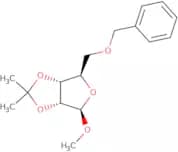

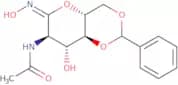
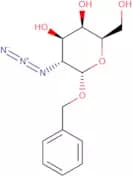
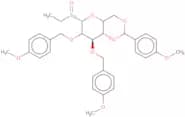

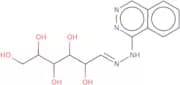
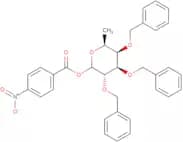
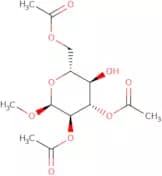
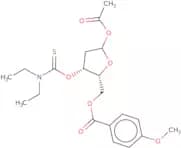
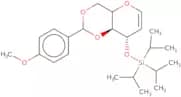
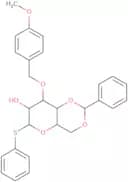
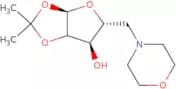
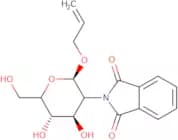
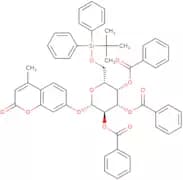

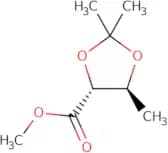

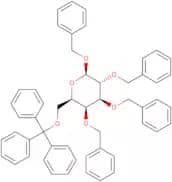
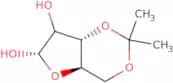
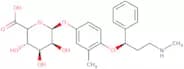
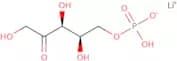
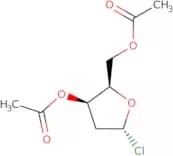


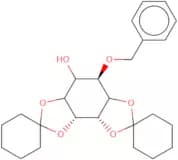
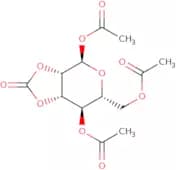

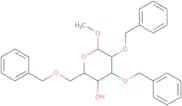


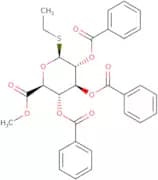
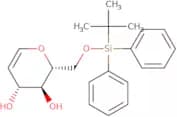
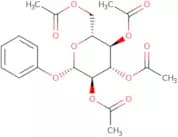
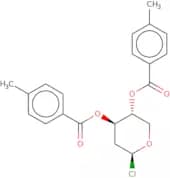




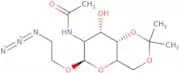




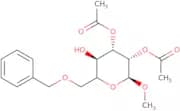
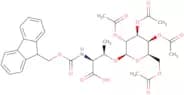


![6,7,8-Trihydroxy-1-(hydroxymethyl)-3-oxo-2-oxa-4-azabicyclo[3.3.1]nonane](/_next/image/?url=https%3A%2Fstatic.cymitquimica.com%2Fproducts%2F3D%2Fthumb-webp%2FMT15196.webp&w=3840&q=75)
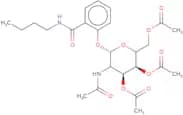
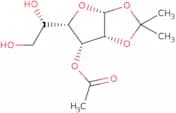
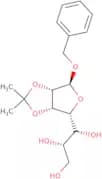
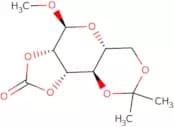
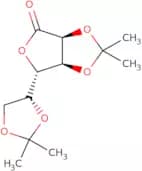
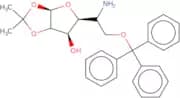
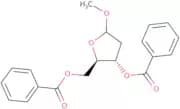

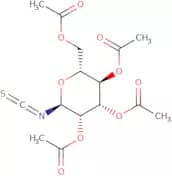
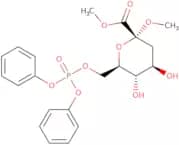
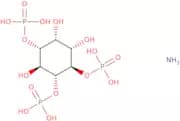
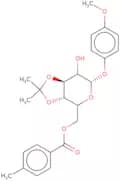
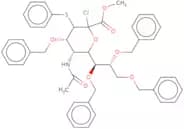
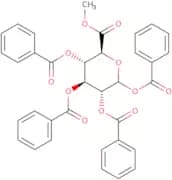
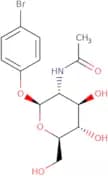
![N-Acetyl-D-[1-13C]neuraminic acid](/_next/image/?url=https%3A%2Fstatic.cymitquimica.com%2Fproducts%2F3D%2Fthumb-webp%2FMA15642.webp&w=3840&q=75)
![N-[(e-N-Benzyloxycarbonylamino)caproyl]-b-D-galactopyranosylamine](/_next/image/?url=https%3A%2Fstatic.cymitquimica.com%2Fproducts%2F3D%2Fthumb-webp%2FMB04505.webp&w=3840&q=75)
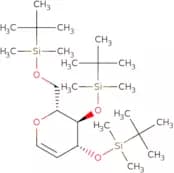
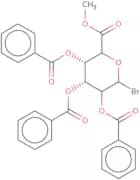
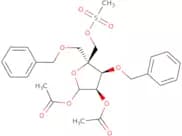
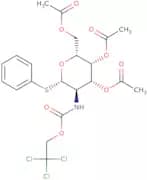
![(1S,3S,4R,8S)-8-Benzyloxy-1-hydroxymethyl-3-methoxy-2,6-dioxabicyclo[3,2,1]octane](/_next/image/?url=https%3A%2Fstatic.cymitquimica.com%2Fproducts%2F3D%2Fthumb-webp%2FMB10613.webp&w=3840&q=75)
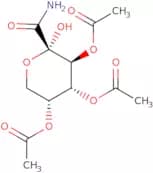
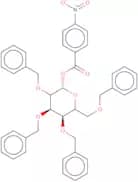
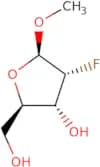
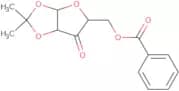
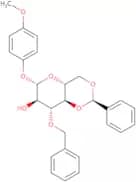
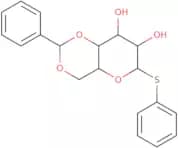
![(3αR,3βR,4αS,5S,5αS)-3β-[[[(1,1-Dimethylethyl)diphenylsilyl]oxy]methyl]hexahydro-2,2-dimethylcyclo…](/_next/image/?url=https%3A%2Fstatic.cymitquimica.com%2Fproducts%2F3D%2Fthumb-webp%2FMB159555.webp&w=3840&q=75)

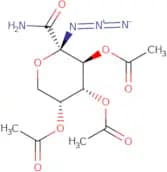
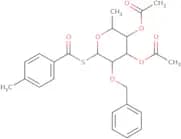

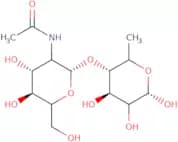

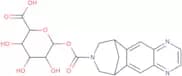
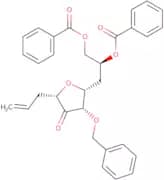
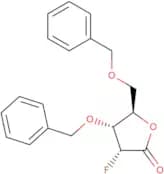
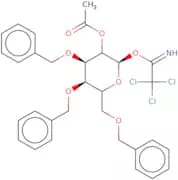
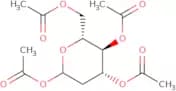
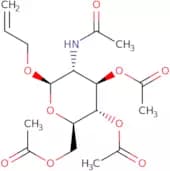
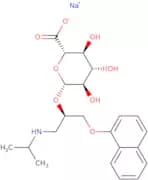
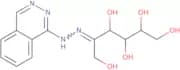


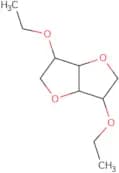
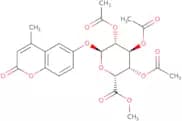
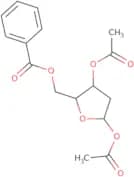
![1,2-Di-[(Trishydroxymethyl)aminomethane]-succinamide](/_next/image/?url=https%3A%2Fstatic.cymitquimica.com%2Fproducts%2F3D%2Fthumb-webp%2FMD12056.webp&w=3840&q=75)
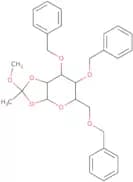
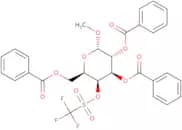

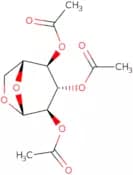


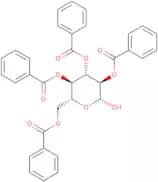
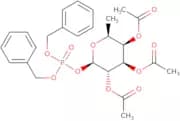
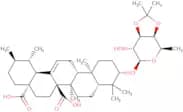
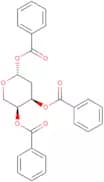
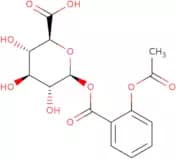
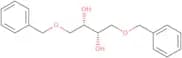
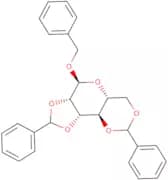
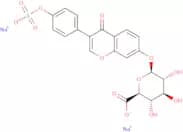
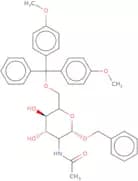


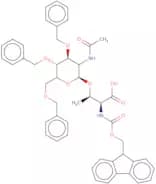


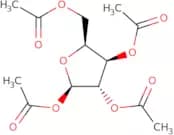
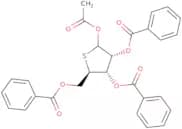
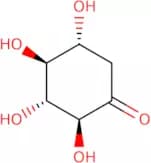
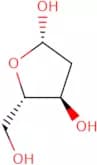
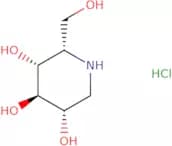
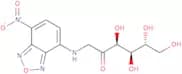
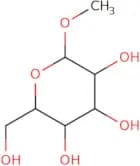
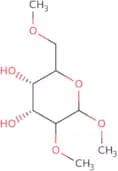


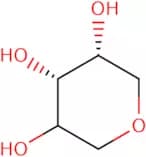
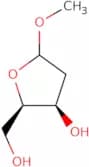
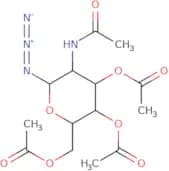
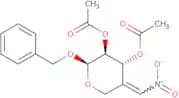
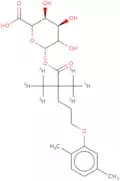
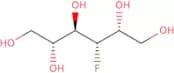
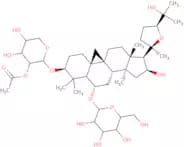
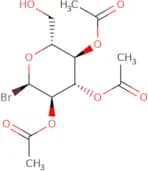
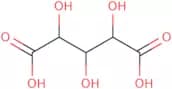
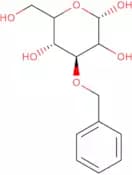
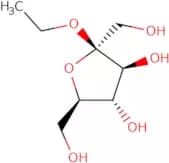
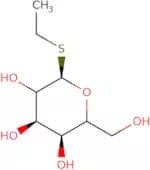
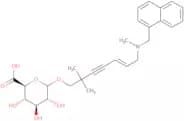
![2-Deoxy-2-fluoro-D-[1-13C]glucose](/_next/image/?url=https%3A%2Fstatic.cymitquimica.com%2Fproducts%2F3D%2Fthumb-webp%2FMD45025.webp&w=3840&q=75)
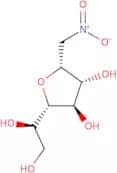
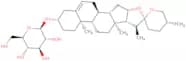

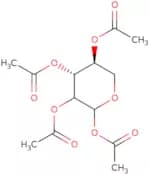
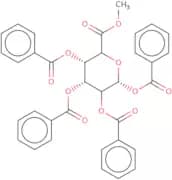

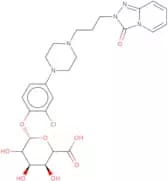
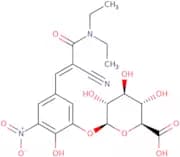
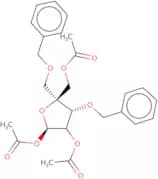
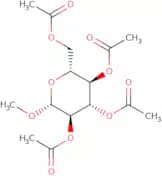
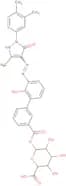
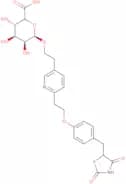
![Benzyl 2,3-O-[(1S,2S)-1,2-dimethoxy-1,2-dimethyl-1,2-ethanediyl]-a-L-xylopyranoside](/_next/image/?url=https%3A%2Fstatic.cymitquimica.com%2Fproducts%2F3D%2Fthumb-webp%2FMB16614.webp&w=3840&q=75)