Monosacáridos
Subcategorías de "Monosacáridos"
- Allosas(11 productos)
- Arabinosas(21 productos)
- Eritrosas(11 productos)
- Fructosas(9 productos)
- Fucosas(36 productos)
- Galactosamina(41 productos)
- Galactosa(261 productos)
- Glucosas(365 productos)
- Ácidos glucurónicos(52 productos)
- Glico-sustratos para enzimas(78 productos)
- Gulosas(6 productos)
- Idosas(4 productos)
- Inositoles(15 productos)
- Lyxosas(4 productos)
- Manosas(65 productos)
- O-glicanos(48 productos)
- Psicosas(3 productos)
- Ramnosas(10 productos)
- Ribosas(61 productos)
- Ácidos siálicos(100 productos)
- Sorbosas(4 productos)
- Azúcares(173 productos)
- Tagatosis(4 productos)
- Taloses(8 productos)
- Xilosas(20 productos)
Se han encontrado 6088 productos de "Monosacáridos"
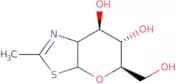
N-Acetyl-glucosaminyl thiazoline
CAS:Inhibitor of O-GlcNAcase
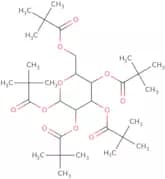
Fórmula:C8H13NO4SPureza:Min. 97 Area-%Forma y color:White PowderPeso molecular:219.26 g/mol1,2,3,4,6-Penta-O-pivaloyl-α-D-glucopyranoside
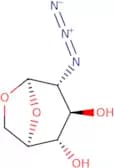
CAS:1,2,3,4,6-Penta-O-pivaloyl-a-D-glucopyranoside is a synthetic carbohydrate that has been fluorinated and methylated. This product is a modification of the natural compound D-glucose. It is an oligosaccharide which contains six pivaloyl groups attached to the 1-, 2-, 3-, 4-, 6-, and 7-positions on the glucose molecule. This product can be used in the synthesis of polysaccharides and glycosylations.Fórmula:C31H52O11Pureza:Min. 95%Peso molecular:600.75 g/mol1,6-Anhydro-2-azido-2-deoxy-b-D-glucopyranose
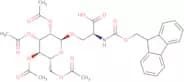
CAS:1,6-Anhydro-2-azido-2-deoxy-b-D-glucopyranose is a sugar. It belongs to the group of carbohydrates and has a molecular weight of 198.15 g/mol. The CAS number for this compound is 67546-20-7. 1,6-Anhydro-2-azido-2,3,4,5,6,7,8,9,10,-hexahydroxybenzoate (1) is an intermediate in the synthesis of 1,6 anhydro 2 azido 2 deoxy b D glucopyranose (2). In this reaction 2 are reacted with sodium azide and potassium hydroxide in ethanol to give 2 as a white crystalline solid with mp 169°C. This product can be used as a monosaccharide or modified monosaccharide for glycosylation or methylation reactions.Fórmula:C6H9N3O4Pureza:Min. 95%Forma y color:SolidPeso molecular:187.15 g/mol2,3,4,6-Tetra-O-acetyl-α-D-mannopyranosyl-Fmoc serine
CAS:2,3,4,6-Tetra-O-acetyl-a-D-mannopyranosyl-Fmoc serine is a sugar that is synthesized from the natural amino acid serine. It is a modified sugar that has been fluorinated and acetylated on the 4th carbon position. The Fmoc protecting group was removed through a click modification to yield 2,3,4,6-Tetra-O-acetyl-a-D-mannopyranosyl serine. This glycoconjugate can be used for glycosylation or methylation of proteins or peptides. This sugar has been shown to have antihypertensive effects in animal models and has been used as an adjuvant therapy in cancer treatment.Fórmula:C32H35NO14Pureza:Min. 95%Forma y color:PowderPeso molecular:657.63 g/molcis-Inositol
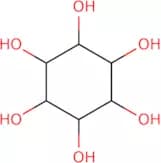
CAS:Inositol is a member of the B-vitamin family and is classified as a sugar alcohol. It has a structural similarity to glucose and can be synthesized by plants, bacteria, and mammals. Inositol is found in high concentrations in the brain and liver. Inositol has been shown to inhibit guanine nucleotide-binding proteins (G proteins) and ryanodine receptor channels in HL-60 cells. It also inhibits cancer cell proliferation and suppresses ovarian activity. Inositol appears to work by binding to the inositol-1,4,5-trisphosphate receptor on the surface of cells, thereby inhibiting intracellular calcium release from its storage site within the endoplasmic reticulum. The effects of inositol are mediated by dinucleotide phosphate or p-nitrophenyl phosphate.
Fórmula:C6H12O6Pureza:Min. 90 Area-%Forma y color:PowderPeso molecular:180.16 g/molPhenyl b-L-thiofucopyranoside
Phenyl b-L-thiofucopyranoside is a custom-synthesized, fluorinated, modified sugar that is used in the synthesis of oligosaccharides and polysaccharides. This compound is an excellent choice for methylation reactions due to its high reactivity and stability under harsh conditions. Phenyl b-L-thiofucopyranoside can be used as a precursor for the synthesis of saccharide derivatives, such as monosaccharides and complex carbohydrates. It has been shown to be stable to heat and pH extremes, making it ideal for use in organic syntheses.Fórmula:C12H16O4SPureza:Min. 95%Forma y color:PowderPeso molecular:256.32 g/molCroscarmellose sodium
CAS:Superdisintegrant used in pharmaceutical formulationsForma y color:White PowderPeso molecular:982.44Validamine acetate
CAS:Inhibitor of beta-glucosidaseFórmula:C17H25NO9Pureza:Min. 95%Peso molecular:387.38 g/molD-Threitol
CAS:D-Threitol is a carbohydrate that has been shown to have anti-microbial activity against a number of microbes, including E. coli, Klebsiella pneumoniae, Bacillus subtilis, and Staphylococcus aureus. It may also be useful in the treatment of microbial infections in the respiratory tract. D-Threitol is an analogue of threitol with an acyl chain at the 4 position instead of the 5 position. The allyl carbonate moiety can be cleaved by acid to form an acid complex, which is more stable than D-threitol. D-Threitol binds to antibody response sites on cells, thereby preventing cells from responding to pathogens or other foreign bodies by initiating appropriate immune responses. This binding also prevents bacteria from attaching themselves to cell walls.Fórmula:C4H10O4Pureza:Min. 98 Area-%Forma y color:PowderPeso molecular:122.12 g/molBlue dextran (MW 2000000) - from Leuconostoc spp
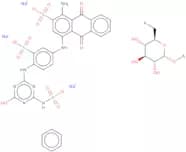
CAS:Blue dextran is a high molecular weight (MW 2000000) polymer that has been used as a model compound in experimental studies of transport and control. It is an oxidant, which can be used to make hydroquinone in the presence of other chemicals. Blue dextran has also been used to study the environment, for mathematical modeling and chromatographic experiments. This polymer has been shown to have antimicrobial activity against some microorganisms. Experiments with blue dextran have shown that it can inhibit the growth of Lactobacillus acidophilus and other bacteria.Forma y color:PowderD-Mannose-6-phosphate sodium
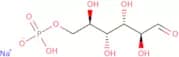
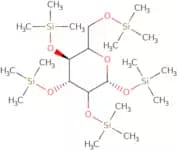
CAS:D-Mannose-6-phosphate sodium salt (DMSP) is a phosphorylated sugar that is produced by the enzyme expressed in the yeast, Saccharomyces cerevisiae. DMSP has been shown to be involved in the synthesis of phosphatidylcholine and other lipids. Its solubilization and adsorption properties have been studied using dibutyryl camp, which is a lipid found in milk fat. The amino acid analysis of DMSP revealed that it contains both D-mannose residues and 6-phosphate groups. The 6-phosphate group is found only on one side of the molecule, which may contribute to its asymmetry.Fórmula:C6H12NaO9PPureza:Min. 98 Area-%Forma y color:White PowderPeso molecular:282.12 g/mol1,2,3,4,6-Penta-O-trimethylsilyl-D-glucopyranose
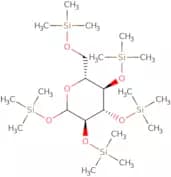
CAS:1,2,3,4,6-Penta-O-trimethylsilyl-D-glucopyranose is a high purity product custom synthesized for research purposes. It is a sugar that has been modified by the Click modification and fluorination. 1,2,3,4,6-Penta-O-trimethylsilyl-D-glucopyranose is an oligosaccharide with a complex carbohydrate structure that can be used in glycosylation reactions. This product is a saccharide with a CAS number of 19126-99-9.Fórmula:C21H52O6Si5Pureza:Min. 95%Forma y color:Colorless PowderPeso molecular:541.07 g/mol2,3,4-Tri-O-benzyl-L-rhamnopyranose
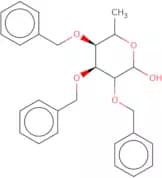
CAS:2,3,4-Tri-O-benzyl-L-rhamnopyranose is a chemical compound that belongs to the family of carbohydrates known as rhamnopyranoses. It is a derivative of L-rhamnose, which is a naturally occurring aldohexose sugar. The compound is often used as a glycosyl donor in the synthesis of oligosaccharides and glycoconjugates. The three benzyl groups in the molecule provide protection for the hydroxyl groups, allowing for selective deprotection and glycosylation. 2,3,4-Tri-O-benzyl-L-rhamnopyranose is also used as a precursor in the synthesis of various natural products.
Fórmula:C27H30O5Pureza:Min. 95%Forma y color:PowderPeso molecular:434.52 g/molBenzyl 3-O-benzyl-4,6-O-benzylidene-2-deoxy-2-N-phthalamido-a-D-glucopyranoside
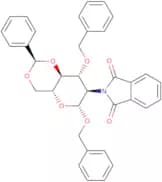
CAS:Benzyl 3-O-benzyl-4,6-O-benzylidene-2-deoxy-2-N-phthalamido-a-D-glucopyranoside is a sugar that is used as a building block for the synthesis of glycosaminoglycans. This sugar can be fluorinated, glycosylated, or methylated and is a synthetically modified oligosaccharide with an average molecular weight of about 880 Da. The monomer unit consists of two glucose residues linked by an α(1→4) glycosidic bond. It has been shown to have antihypertensive properties in vitro and in vivo.Fórmula:C35H31NO7Pureza:Min. 95%Forma y color:White to off-white solid.Peso molecular:577.62 g/mola-Homonojirimycin
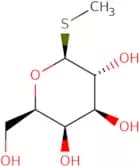
CAS:a-Homonojirimycin is a chaperone that is effective in inhibiting HIV infection. It has been shown to inhibit the activity of chymotrypsin, carboxypeptidase A, and aminopeptidase B. The model system used for this compound was the human liver, which showed that a-homonojirimycin had a potent inhibitory activity against these enzymes. This drug also has a dry weight of 1,520 g/mol and an effective dose of 0.01 mg/mL. In vitro studies have shown that a-homonojirimycin inhibits influenza virus by binding to the hemagglutinin protein on the surface of the virus and preventing its attachment to host cells.Fórmula:C7H15NO5Pureza:Min. 98 Area-%Forma y color:White PowderPeso molecular:193.2 g/molMethyl b-D-thiogalactopyranoside
CAS:Methyl b-D-thiogalactopyranoside (MTGP) is a cell lysis agent that can be used for diagnostic purposes to measure enzyme activities in cells. It is also used to determine the kinetic of an enzyme reaction, as well as its acid formation. MTGP has been shown to inhibit sugar transport and metabolism by binding to the sugar molecule and preventing it from passing through cellular membranes. This inhibition prevents the accumulation of proton gradients across the membrane, which disrupts ATP production and leads to cell death. MTGP is also an inhibitor of glucose-6-phosphate dehydrogenase (G6PDH), which converts glucose into sorbitol. Sorbitol accumulates intracellularly and leads to cell death by osmotic lysis.Fórmula:C7H14O5SPureza:Min. 98 Area-%Forma y color:PowderPeso molecular:210.25 g/molAllyl 2-acetamido-2-deoxy-?-D-glucopyranoside
CAS:Allyl 2-acetamido-2-deoxy-a-D-glucopyranoside is a synthetic oligosaccharide that has the ability to bind to the O antigen of bacterial cells. It is used in vaccines as an adjuvant and has been shown to increase antibody production and provide protection against Shigella, a bacterial infection. This compound also shows chemoenzymatic activity, which allows for regiospecifically catalytic conversion of glycosides. Allyl 2-acetamido-2-deoxy-a-D-glucopyranoside binds to specific microbial enzymes that contain an acceptor site, with its catalytic function being activated by these enzymes.Fórmula:C11H19NO6Pureza:Min. 95%Forma y color:PowderPeso molecular:261.27 g/mol6-O-Desmethyl donepezil glucuronide sodium (Mixture of Diastereomers)
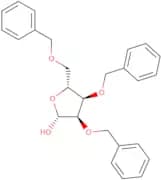
CAS:Please enquire for more information about 6-O-Desmethyl donepezil glucuronide sodium (Mixture of Diastereomers) including the price, delivery time and more detailed product information at the technical inquiry form on this pageFórmula:C29H35NO9•NaPureza:Min. 95%Peso molecular:540.59 g/mol2,3,5-Tri-O-benzyl-b-D-ribofuranose
CAS:2,3,5-Tri-O-benzyl-b-D-ribofuranose is a synthetic monosaccharide that is used in the synthesis of complex carbohydrates such as glycosylation and polysaccharides. One use for this chemical is to modify the sugar moiety with methyl groups, yielding 2,3,5-tri-O-methyl b-D-ribofuranose. This modification helps prevent the sugar from being metabolized by enzymes in the body. The chemical can also be fluorinated to yield 2,3,5-trifluoro b-D-ribofuranose.
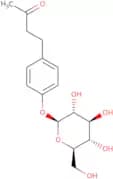
Fórmula:C26H28O5Pureza:Min. 95%Forma y color:White PowderPeso molecular:420.5 g/molRaspberry ketone glucoside
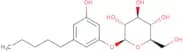
CAS:Raspberry ketone glucoside is a hydrogenated, isopropyl palmitate fatty acid. It is a dietary supplement that has been shown to inhibit the activity of matrix metalloproteinases, which are enzymes that break down collagen in the skin and lead to wrinkles. Raspberry ketone glucoside also inhibits tyrosinase, an enzyme involved in the production of melanin. As a result, raspberry ketone glucoside has been shown to reduce pigmentation and inhibit UV-induced skin damage. Raspberry ketone glucoside may have an inhibitory effect on fatty acids by inhibiting the synthesis of fatty acids and reducing the number of fat cells in adipose tissue. This compound is also used as a crystallization aid for cellulose and as an organic solvent for food composition.Fórmula:C16H22O7Pureza:Min. 95%Forma y color:White PowderPeso molecular:326.34 g/mol4-Methoxyphenyl 3-O-benzyl-4,6-O-benzylidene-2-deoxy-2-phthalimido-β-D-glucopyranoside
CAS:4-Methoxyphenyl 3-O-benzyl-4,6-O-benzylidene-2-deoxy-2-phthalimido-b-D-glucopyranoside is a complex carbohydrate that has been modified with methylation and glycosylation. It has been synthesized using the following reactants: 4-(methoxy)phenol, benzaldehyde, and 2,3,4,6,-tetraacetylpiperidine. This product has a CAS number of 129575–88–8 and is available for custom synthesis in quantities from 1 gram to 50 kilograms. This product is used as a custom synthesis for oligosaccharides or polysaccharides.Fórmula:C35H31NO8Pureza:Min. 95%Peso molecular:593.62 g/mol1,2,3,4,6-Penta-O-trimethylsilyl-a-D-galactopyranose
CAS:1,2,3,4,6-Penta-O-trimethylsilyl-a-D-galactopyranose is a modification of the sugar galactose. It is a complex carbohydrate and an oligosaccharide that has been custom synthesized. The molecular weight of 1,2,3,4,6-Penta-O-trimethylsilyl-a-D-galactopyranose is 592.77 g/mol. The purity of this compound is >99%. This compound has been fluorinated and saccharide methylated.Fórmula:C21H52O6Si5Pureza:Min. 95%Peso molecular:541.07 g/molD-ido-Heptono-1,4-lactone
D-ido-Heptono-1,4-lactone is a glycosylation product of heptose with d-ido-D-glucofuranose and is a synthetic sugar. It has an Oligosaccharide, sugar, Synthetic, Fluorination, Custom synthesis, Methylation, Monosaccharide, Polysaccharide, saccharide Click modification. It has CAS No., Modification.
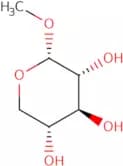
Pureza:Min. 95%Methyl a-D-xylopyranoside
CAS:Methyl a-D-xylopyranoside is an iron chelator that can be used as a mycobacterial drug candidate. It binds to both ferric and ferrous iron, and has been shown to inhibit the uptake of ferric iron by Mycobacterium tuberculosis. It also inhibits the synthesis of siderophores, which are molecules produced by bacteria in order to acquire iron from their environment. Methyl a-D-xylopyranoside does not bind to the alpha-d-glucopyranoside moiety typically found in iron complexes. This is due to its hydroxamate group, which causes it to have an increased affinity for Fe3+. This compound is active against gram negative bacteria such as E. coli and Salmonella enterica serovar Typhimurium, but not against gram positive organisms such as Staphylococcus aureus or Streptococcus pneumoniae.Fórmula:C6H12O5Pureza:Min. 95%Forma y color:White Off-White PowderPeso molecular:164.16 g/molMethyl 3,5-di-O-benzyl-β-D-ribofuranoside
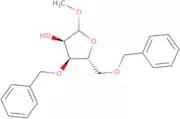
CAS:Methyl 3,5-di-O-benzyl-b-D-ribofuranoside is a synthetic glycoconjugate. The methyl group at the 3 position of the ribose is substituted with a fluorine atom. This modification results in increased resistance to nucleases and enhanced cell penetration. Methyl 3,5-di-O-benzyl-b-D-ribofuranoside can be used for the synthesis of complex carbohydrates that are not accessible by other methods.Fórmula:C20H24O5Pureza:Min. 95%Forma y color:Yellow PowderPeso molecular:344.4 g/molPhenyl b-D-thioglucuronide
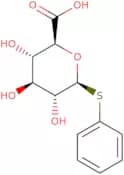
CAS:Phenyl b-D-thioglucuronide is a synthetic molecule that has been used in studies of the carotid, abdominal and symmetric techniques. It can be used to study water absorption and squamous cell growth. Phenyl b-D-thioglucuronide has been used as a crosslinking agent for optical imaging techniques, such as fluorescence microscopy and confocal microscopy. The basic protein form of phenyl b-D-thioglucuronide is found in the human brain and spinal cord. There have been reports that phenyl b-D-thioglucuronide causes death and teratomas in mice when injected into the sigmoid colon or teratoma. Phenyl b-D-thioglucuronide also causes neuroinflammation, which may be due to its ability to induce matrix metalloproteinase production.Fórmula:C12H14O6SPureza:(%) Min. 95%Peso molecular:286.3 g/molL-Talose
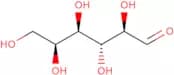
CAS:L-Talose is a type of sugar that is found in plants and animals. It is a stereoselective, synthetic carbohydrate with the chemical formula C12H24O11. L-Talose has an anhydrous dextrose equivalent (DE) of 180. L-Talose is synthesized from D-glucal and D-talonol by a recombinant protein. The immobilization process has been shown to be successful for the production of L-talose as it prevents the loss of product due to adsorption on the surface of the reactor. Molecular modeling was used to determine that L-talose binds to carbonyl groups more strongly than other types of molecules. Anhydrous dextrose was shown to be an effective acceptor for L-talose because it reacts with hydroxyl groups at room temperature and pressure conditions. The nmr spectra show that the hydroxyl group interacts with hydrogen bonding and coordinate covalent bonding
Fórmula:C6H12O6Pureza:Min. 95%Forma y color:PowderPeso molecular:180.16 g/mol6-O-Malonylglycitin
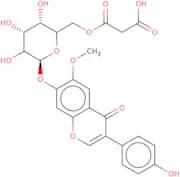
CAS:6-O-Malonylglycitin is a glycosylated flavonoid that belongs to the group of isoflavones. It is found in a variety of plants, including soybeans and fava beans. 6-O-Malonylglycitin has been shown to be an effective inhibitor of β-glucosidase activity at temperatures below 37°C, which overlaps with the range of temperatures where it inhibits glycitein production. This inhibition may be due to its pleiotropic effects on various treatments, such as its ability to inhibit cancer cell growth by inhibiting protein synthesis and inducing apoptosis. 6-O-Malonylglycitin also has synergistic effects when used concomitantly with chromatographic markers, such as high performance liquid chromatography (HPLC), which can be used to analyze the levels of endogenous compounds in human blood samples.Fórmula:C25H24O13Pureza:Min. 95%Forma y color:PowderPeso molecular:532.45 g/molCanagliflozin hemihydrate
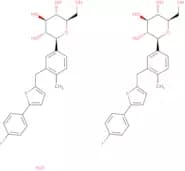
CAS:Canagliflozin is an oral diabetes drug that belongs to the class of sodium-glucose cotransporter 2 (SGLT2) inhibitors. It works by blocking reabsorption of glucose in the kidney, thereby lowering blood sugar levels. Canagliflozin has been shown to be a potent inhibitor of insulin resistance and has been used clinically in combination with metformin hydrochloride. The chemical stability of canagliflozin is dependent on its particle size, which can range from 10 micrometres to 100 micrometres. A number of analytical methods have been developed for canagliflozin, including high performance liquid chromatography with ultraviolet detection, gas chromatography with mass spectrometry detection, and dihedral angle analysis. Canagliflozin is an example of a polymorphic compound: it exists as two enantiomers due to chiral symmetry.Fórmula:(C24H25FO5S)2•H2OPureza:Min. 95%Forma y color:PowderPeso molecular:907.05 g/mol2,3,4,6-Tetra-O-benzyl-D-glucopyranose
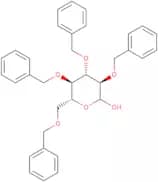
CAS:2,3,4,6-Tetra-O-benzyl-D-glucopyranose is a selectively protected intermediate, where the anomeric 1-O-hydroxyl group is free. This hemiacetal has been used successfully as an intermediate for glucosylation couplings, where it was converted into 2,3,4,6-tetra-O-benzyl-D-glucopyranose trichloroacetimidate using trichloroacetonitrile in the presence of a base such as potassium carbonate and DBU. Importantly, this imidate donor with no neighbouring participating groups is commonly used for the selective formation of α-glucosides. 2,3,4,6-tetra-O-benzyl-D-glucopyranose can also be oxidized to the lactone, or reduced to give the open chain form. Additionally, 2,3,4,6-tetra-O-benzyl-D-glucopyranose can be used for the preparation of glucono-1,5-lactone hydrazine, which was used, in-turn, to form a glucosylidene-spirocyclopropane.
Fórmula:C34H36O6Pureza:Min. 97 Area-%Forma y color:White PowderPeso molecular:540.65 g/molα-D-Galactosamine-1-phosphate
CAS:a-D-Galactosamine-1-phosphate is a synthetic, fluorinated glycosylation inhibitor. It inhibits the synthesis of complex carbohydrates and is used in biochemical research. This compound has been shown to inhibit the methylation of glycoproteins and polysaccharides. It also inhibits the phosphorylation of glycogen, which may be useful in cases of diabetes mellitus.Fórmula:C6H14NO8PPureza:Min. 95%Forma y color:PowderPeso molecular:259.15 g/molL-Lyxose
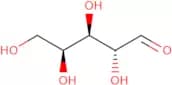
CAS:Starting material for chiral-pool based organic synthesis
Fórmula:C5H10O5Pureza:Min. 98 Area-%Forma y color:White PowderPeso molecular:150.13 g/mol1,5-Anhydro-2,3,4-tri-O-benzoyl-D-threo-pent-1-enitol
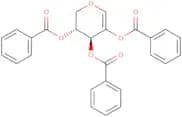
CAS:1,5-Anhydro-2,3,4-tri-O-benzoyl-D-threo-pent-1-enitol is a high purity compound that is synthesized from D-threo pent 1 enitol. It is a sugar that belongs to the category of complex carbohydrates. This product can be custom synthesized and modified according to customer requirements.
Fórmula:C26H207Pureza:Min. 95%Forma y color:PowderPeso molecular:444.43 g/mol3-Aminopropyl α-D-glucopyranoside
CAS:3-Aminopropyl α-D-glucopyranoside is a monomer that can be used to produce polymers. It has been shown to be effective in methylation, saccharide and oligosaccharide modifications. 3-Aminopropyl α-D-glucopyranoside is an alpha glucosidase inhibitor. The compound also inhibits the action of other enzymes, such as glycosidases, which are responsible for breaking down glycogen and starch. 3-Aminopropyl α-D-glucopyranoside is a white powder with a melting point of about 150°C and boiling point of about 300°C.Fórmula:C9H19NO6Pureza:Min. 95%Forma y color:PowderPeso molecular:237.35 g/mol1,4:3,6-Dianhydro-D-glucitol
CAS:Isosorbide dinitrate is a drug that belongs to the class of nitrates. It is used in the treatment of angina pectoris, as well as congestive heart failure and chronic heart failure. Isosorbide dinitrate has been shown to cause caspase-independent cell death in human leukemia cells and breast cancer cells. This may be due to its ability to inhibit mitochondrial membrane potential and interfere with intracellular calcium mobilization. The optimum concentration for isosorbide dinitrate is 10 µM, which inhibits the growth of bacteria, including Mycobacterium tuberculosis and Salmonella enterica serovar Typhimurium. The drug also inhibits the production of proinflammatory cytokines such as IL-1β, IL-6, and TNF-α by inhibiting c-jun phosphorylation. Isosorbide dinitrate also has anti-inflammatory properties, which may be due to its ability to inhibit 4-hyd
Fórmula:C6H10O4Pureza:(%) Min. 98%Forma y color:White Off-White PowderPeso molecular:146.14 g/molN1-α-L-Arabinopyranosylamino-guanidine hydrochloride
CAS:N1-a-L-Arabinopyranosylamino-guanidine HCl is a carbohydrate that belongs to the class of oligosaccharides. It is a synthetic compound, which is custom synthesized for use in research. This product has been shown to be high purity and is methylated, glycosylated, and click modified. The CAS number 109853-78-3 refers to the chemical name of this product. The molecular weight of N1-a-L-Arabinopyranosylamino-guanidine HCl is 597.14 g/mol with an empirical formula C8H23N2O6.Fórmula:C6H14N4O4•HClPureza:Min. 95%Forma y color:White to off-white solid.Peso molecular:242.66 g/mol11-Dehydroxygrevilloside B
CAS:11-Dehydroxygrevilloside B is a natural glycoside compound, which is primarily isolated from the plant genus Grevillea. This genus is known for its rich diversity of secondary metabolites with various biological activities. The mode of action of 11-Dehydroxygrevilloside B involves interactions with specific molecular targets, potentially influencing biochemical pathways associated with inflammation, oxidative stress, or other cellular processes. Its exact mechanism is still under research, aiming to unravel its potential therapeutic or protective effects. Applications of 11-Dehydroxygrevilloside B are mainly within the realm of biochemical and pharmacological research, where it serves as a subject for in vitro or in vivo experiments to explore its efficacy and safety profile. Its study contributes to understanding how plant-derived compounds can be harnessed for medicinal purposes and augments the exploration of novel drug candidates from natural sources.Fórmula:C17H26O7Pureza:Min. 95 Area-%Forma y color:PowderPeso molecular:342.38 g/mol3-o-Benzyl-diacetonide-d-glucose
3-O-benzyl-diacetonide-d-glucose is a synthetic monosaccharide that can be used as a building block for oligosaccharides and polysaccharides. It is custom synthesized to meet your specific needs and can be modified with fluorination, methylation, or glycosylation. 3-O-benzyl-diacetonide-d-glucose has been shown to have high purity and is available in small quantities for custom synthesis.
Pureza:Min. 95%Methyl 3,4,6-tri-O-acetyl-2-deoxy-2-phthalimido-β-D-glucopyranoside
CAS:Methyl 3,4,6-tri-O-acetyl-2-deoxy-2-phthalimido-b-D-glucopyranoside is a high purity natural carbohydrate. It is an oligosaccharide that can be custom synthesized to meet your requirements. Methyl 3,4,6-tri-O-acetyl-2-deoxy-2-phthalimido b D glucopyranoside has many modifications including click and fluorination. Its CAS number is 76101 13 8. This product can be used for modification, glycosylation and fluorination in the synthesis of complex carbohydrates. !-- --> !-- -->Fórmula:C21H23NO10Pureza:Min. 95%Forma y color:White to off-white solid.Peso molecular:449.41 g/mol3,4-Di-O-methyl-D-glucose
CAS:3,4-Di-O-methyl-D-glucose is a partially protected glucose .It is found in the exudates of certain plants.Fórmula:C8H16O6Pureza:Min. 95%Forma y color:PowderPeso molecular:208.21 g/molEthyl 2,3,4-tri-O-benzyl-L-thiofucopyranoside
CAS:Ethyl 2,3,4-tri-O-benzyl-L-thiofucopyranoside is a glycosylation agent that is used in the synthesis of complex carbohydrates. It can also be used in the methylation and click modification of saccharides. Ethyl 2,3,4-tri-O-benzyl-L-thiofucopyranoside has been shown to have a high purity and can be custom synthesized to fit the needs of the customer. This product has a CAS number of 169532-17-6 and it is available in both monosaccharides and oligosaccharides.
Fórmula:C29H34O4SPureza:Min. 95%Forma y color:White Off-White PowderPeso molecular:478.64 g/mol2,4,7,8-Tetra-O-acetyl-9-azido-9-deoxy-N-acetylneuraminic acid methyl ester
CAS:2,4,7,8-Tetra-O-acetyl-9-azido-9-deoxy-N-acetylneuraminic acid methyl ester is a high purity synthetic compound that has been modified for use in Click chemistry. It is a monosaccharide with an acetyl group on the 2' position and an azido group on the 9' position of the sugar. This compound is used in fluoroination reactions to modify sugars and oligosaccharides. It can also be used in glycosylation reactions to attach monosaccharides and saccharides to proteins or other molecules.Fórmula:C20H28N4O12Pureza:One SpotForma y color:White PowderPeso molecular:516.46 g/mol3-O-Allyl-1,2-O-isopropylidene-α-D-galactofuranose
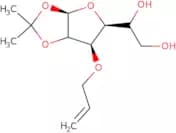
CAS:3-O-Allyl-1,2-O-isopropylidene-α-D-galactofuranose is a synthetic glycoside that can be custom synthesized. It is a fluorinated monosaccharide that reacts with an allyl group to form an allyl glycoside. This modification increases the solubility of the molecule and can make it soluble in organic solvents. 3-O-Allyl-1,2-O-isopropylidene α D galactofuranose is used to modify saccharides or complex carbohydrates for use in research.Fórmula:C12H20O6Pureza:Min. 95%Forma y color:Clear LiquidPeso molecular:260.28 g/mol2,3,4,6-Tetra-O-benzoyl-α-D-glucopyranosyl bromide
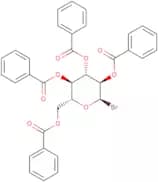
CAS:2,3,4,6-Tetra-O-benzoyl-α-D-glucopyranosyl bromide is a derivative of vitamin A. It has been used as a carbonate for the synthesis of retinol, tetrabenzoate and other related compounds. The compound is soluble in water and has shown growth promoting activity in studies with Salmonella typhimurium. 2,3,4,6-Tetra-O-benzoyl-α-D-glucopyranosyl bromide is metabolized to retinol by hydrolysis or oxidation. It can also be converted into tetrabenzoate by oxidation followed by reduction of the 4′ position hydroxyl group.Fórmula:C34H27BrO9Pureza:Min. 95%Forma y color:PowderPeso molecular:659.48 g/molPhenyl-β-D-thioglucuronic acid
CAS:Phenyl-beta-D-thioglucuronic acid is a drug that is used to treat inflammatory diseases and autoimmune diseases. It is a basic structure that has been shown to have anti-estrogenic effects in vitro, although the mechanism of action is not well understood. Phenyl-beta-D-thioglucuronic acid can be crosslinked with proteins to form a matrix for wound healing. This drug has also been shown to be a potent inhibitor of proteases, and may inhibit other enzymes such as matrix metalloproteinases and serine proteases.
Fórmula:C12H14O6SPeso molecular:286.31 g/molRef: 3D-P-4300
-Unit-ggA consultar1gA consultar5gA consultar10gA consultar500mgA consultar2500mgA consultar1,2-O-Cyclohexylidene-myo-inositol
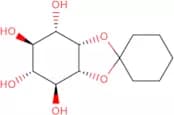
CAS:1,2-O-Cyclohexylidene-myo-inositol (CIM) is a fatty acid that has a 6-hydroxyl group. This compound is used in the diagnosis of chemical biology, immunocomplexes and phosphate derivatives. CIM has been shown to bind to iron and form an immunocomplex with it. CIM also binds to phosphate derivatives, which are found in carbohydrate chemistry. The hydroxyl group on CIM can react with chloride ions and form asymmetric synthesis. Growth factors like insulin and other hormones can be synthesized from this compound through the addition of an amine group or phosphate group. CIM also reacts with monoclonal antibodies for use in diagnostic tests for pancreatic lipase.Fórmula:C12H20O6Pureza:Min. 95%Forma y color:PowderPeso molecular:260.28 g/mol1,2,3,4-Tetra-O-acetyl-6-O-trityl-b-D-mannopyranose
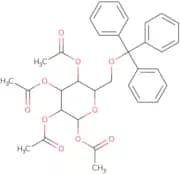
CAS:1,2,3,4-Tetra-O-acetyl-6-O-trityl-b-D-mannopyranose is a synthetic sugar that can be used as a building block for the synthesis of oligosaccharides. It is also used to alter the properties of sugars and polysaccharides by modifying their glycosidic linkages. The product is insoluble in water and organic solvents. It is stable under acidic conditions and can be hydrolyzed with acids or alkalis. It is also soluble in methanol and methylene chloride. The CAS number for this product is 92621-31-3.End>Pureza:Min. 95%2-Deoxy-L-ribose-anilide
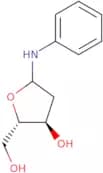
CAS:2-Deoxy-L-ribose-anilide is a chemical compound that has been patented for its use in the detection of magnetic fields. The patent claims that this compound can be used as an intermediate in the preparation of other compounds. 2DRA has different transition temperatures, depending on whether it is in the solid or liquid state. When 2DRA is heated, it changes from a colorless liquid to a yellow crystal at around 100°C and then becomes a white solid at around 150°C. The magnetic properties of 2DRA arise from its ability to form strong bonds with other molecules, which are broken by external magnetic fields.Fórmula:C11H15NO3Pureza:Min. 98 Area-%Forma y color:PowderPeso molecular:209.12 g/molα-D-Mannopyranosyl L-threonine
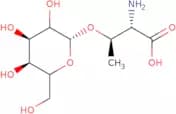
CAS:a-D-Mannopyranosyl L-threonine is a carbohydrate with the molecular formula C6H14O5. It is a white crystalline powder that has a sweet taste. This product can be used as an ingredient in food and beverage products, such as confectionery products, soft drinks, dairy products, baked goods, and chewing gum. It may also be used in pharmaceuticals, such as chewable tablets or capsules for oral use.Fórmula:C10H19NO8Pureza:Min. 95%Forma y color:PowderPeso molecular:281.26 g/mol2,3,4,6-Tetra-O-benzyl-D-glucopyranose
CAS:2,3,4,6-Tetra-O-benzyl-D-glucopyranose is a selectively protected intermediate, where the anomeric 1-O-hydroxyl group is free. This hemiacetal has been used successfully as an intermediate for glucosylation couplings, where it was converted into 2,3,4,6-tetra-O-benzyl-D-glucopyranose trichloroacetimidate using trichloroacetonitrile in the presence of a base such as potassium carbonate and DBU. Importantly, this imidate donor with no neighbouring participating groups is commonly used for the selective formation of α-glucosides. 2,3,4,6-tetra-O-benzyl-D-glucopyranose can also be oxidized to the lactone, or reduced to give the open chain form. Additionally, 2,3,4,6-tetra-O-benzyl-D-glucopyranose can be used for the preparation of glucono-1,5-lactone hydrazine, which was used, in-turn, to form a glucosylidene-spirocyclopropane.
Fórmula:C34H36O6Pureza:Min. 98.0 Area-%Peso molecular:540.66 g/molRef: 3D-T-1900
-Unit-ggA consultar1kgA consultar50gA consultar250gA consultar500gA consultar2500gA consultar