Monosacáridos
Subcategorías de "Monosacáridos"
- Allosas(11 productos)
- Arabinosas(21 productos)
- Eritrosas(11 productos)
- Fructosas(9 productos)
- Fucosas(36 productos)
- Galactosamina(41 productos)
- Galactosa(261 productos)
- Glucosas(365 productos)
- Ácidos glucurónicos(52 productos)
- Glico-sustratos para enzimas(78 productos)
- Gulosas(6 productos)
- Idosas(4 productos)
- Inositoles(15 productos)
- Lyxosas(4 productos)
- Manosas(65 productos)
- O-glicanos(48 productos)
- Psicosas(3 productos)
- Ramnosas(10 productos)
- Ribosas(61 productos)
- Ácidos siálicos(100 productos)
- Sorbosas(4 productos)
- Azúcares(173 productos)
- Tagatosis(4 productos)
- Taloses(8 productos)
- Xilosas(20 productos)
Se han encontrado 6088 productos de "Monosacáridos"
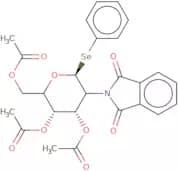
Phenyl 3,4,6-tri-O-acetyl-2-deoxy-2-phthalimido-b-D-selenoglucopyranoside
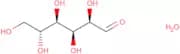
CAS:Phenyl 3,4,6-tri-O-acetyl-2-deoxy-2-phthalimido b-D-selenoglucopyranoside is a chemical compound that is used in the synthesis of saccharides and oligosaccharides. It has been modified with the Click reaction to give it a reactive group. This modification can be used for glycosylation or for incorporation into polysaccharides such as starch. Phenyl 3,4,6-tri-O-acetyl-2-deoxy b -D selenoglucopyranoside is a high purity synthetic compound that is available in custom synthesis quantities.Fórmula:C26H25NO9SePureza:Min. 95%Peso molecular:574.44 g/molD-Glucose - monohydrate
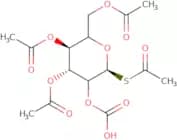
CAS:D-Glucose - monohydrate is a glucose molecule that is found in the blood stream. It is the preferred source of energy for the brain and has been shown to enhance brain function. Glucose is also used to maintain the water balance of cells and tissues, as well as to prevent or treat hypoglycemia. This molecule can be found in many foods, such as honey, corn syrup, molasses, fruits and fruit juices. D-Glucose - monohydrate has antibacterial efficacy against a number of bacteria including staphylococcus aureus, Escherichia coli, Pseudomonas aeruginosa and Bacillus subtilis. It can also inhibit squamous cell carcinoma growth in vivo by preventing the proliferation of cancer cells. D-Glucose - monohydrate is structurally similar to adenosine diphosphate (ADP), which binds to dinucleotide phosphate (DP) enzymes that are involved in energy metabolismFórmula:C6H12O6·H2OPureza:(%) Min. 95%Forma y color:White PowderPeso molecular:198.17 g/mol2,3,4,6-Tetra-O-acetyl-1-S-acetyl-b-D-thiogalactopyranose
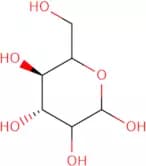
2,3,4,6-Tetra-O-acetyl-1-S-acetyl-b-D-thiogalactopyranose is a synthetic sugar that is used in the synthesis of complex carbohydrates. It has been modified with methylation and acetylation reactions. The CAS number for this compound is 112724-71-8.Fórmula:C15H20O11SPureza:Min. 95%Peso molecular:408.38 g/molD-Galactose - anhydrous
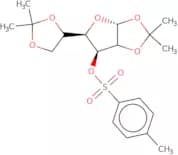
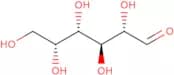
CAS:Galactose (Gal) is the C4 epimer of glucose with one hydroxyl group axial which by Hudsons rules makes it slightly less stable than glucose (Hudson, 1948). However, galactose is very common in plants and animals, and occurs in many polysaccharides, such as, galactomannans (e.g. Guar, Locust Bean Gum), Carrageenans , Agar (L-Galactose), Hemicellulose, Gum Arabic [link] and galactans (e.g. from Lupin) (Whistler, 1993). Galactose is one of the key mammalian monosaccharides (glucose, galactose, mannose, fucose, N-acetyl glucosamine, N-acetyl galactosamine and sialic acid) and it occurs in blood, milk, gangliosides, N- and O-linked glycans (Gabius, 2009). Like glucose, galactose exhibits mutarotation (Acree, 1968) and is optically active (dextrorotary) with L-galactose as its enantiomer (levorotary).Fórmula:C6H12O6Pureza:Min. 98 Area-%Forma y color:White PowderPeso molecular:180.16 g/mol1,2:5,6-Di-O-isopropylidene-3-O-p-toluenesulfonyl-α-D-allofuranose
CAS:1,2:5,6-Di-O-isopropylidene-3-O-p-toluenesulfonyl-a-D-allofuranose is a synthetic carbohydrate with a 5 carbon backbone. The methylation of the C1 and C2 carbon atoms is required to obtain this compound. It is used in the synthesis of complex carbohydrates. This product can be custom synthesized on request and has a purity of 99%.
Fórmula:C19H26O8SPureza:Min. 95%Forma y color:White To Off-White SolidPeso molecular:414.47 g/molBenzyl 4,6-O-benzylidene-a-D-mannopyranoside
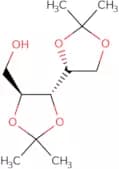
CAS:Benzyl 4,6-O-benzylidene-a-D-mannopyranoside is a sugar compound that is used in the synthesis of glycosides. It is a custom synthesized, high purity product that can be methylated and glycosylated. The CAS number for this product is 40983-94-6.Fórmula:C20H22O6Pureza:Min. 95%Forma y color:PowderPeso molecular:358.39 g/mol2,3:4,5-Di-O-isopropylidene-D-xylitol
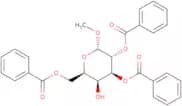
CAS:2,3:4,5-Di-O-isopropylidene-D-xylitol is an acceptor for the Stannic Chloride Reaction. It is a lacto-n-biose derivative of D-xylitol that has been shown to have antibiotic activity against Streptococcus section A and B. The temporary protection of the hydroxyl group in 2,3:4,5diOisopropylidene-Dxylitol with methyl glycosides provides a convenient method for glycosylations. The chloride ion can be replaced by hexaacetate to yield 1amino1deoxyDxylitol hydrochloride, which is a benzyl derivative. This reaction allows for research into the transfer of 2,3:4,5diOisopropylideneDxylitol.Fórmula:C11H20O5Pureza:Min. 95%Forma y color:Solidified MassPeso molecular:232.27 g/molMethyl 2,3,6-tri-O-benzoyl-α-D-galactopyranoside
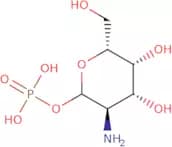
CAS:Methyl 2,3,6-tri-O-benzoyl-α-D-galactopyranoside is a water soluble white powder. It has a molecular weight of 370.62 and a melting point of 199°C. This product is used as an intermediate in the synthesis of complex carbohydrates and is also used in the production of glycosylations and polysaccharides. The purity of this product is >98%.Fórmula:C28H26O9Pureza:Min. 95%Forma y color:White PowderPeso molecular:506.5 g/molD-Galactosamine-1-phosphate
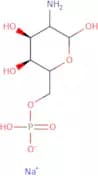
CAS:D-Galactosamine-1-phosphate is a precursor of UDP-glucose and is used in the synthesis of fatty acids. D-Galactosamine-1-phosphate is synthesized by the enzyme UDP-glucose pyrophosphorylase, which catalyzes the reaction between UDP and D-galactose. It is expressed in strains that have been engineered to produce recombinant proteins. This product can be produced in vitro by a number of methods, including enzymatic or chemical synthesis. The enzyme activity of D-galactosamine 1 phosphate synthase is temperature dependent, with optimal activity at 40°C. This product has been shown to inhibit hepatitis virus production and lipid formation in vitro.Fórmula:C6H14NO8PPureza:Min. 95%Forma y color:PowderPeso molecular:259.15 g/molD-Glucosamine-2-N-sulfate sodium
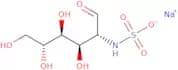
CAS:D-Glucosamine-2-N-sulfate sodium is a synthetic, high purity carbohydrate with a custom synthesis. It is an oligosaccharide that is also a sugar and a saccharide. The methylation of D-glucosamine 2-N-sulfate sodium can be achieved by glycosylation or click modification. Click modification is the addition of a carbon atom to the molecule through the reaction with an electrophile, such as N-hydroxysuccinimide ester. This modification can be used to introduce fluorine atoms into the molecules, which can improve their solubility and stability. The product has shown anti-inflammatory activities in animal models, which may be due to its ability to inhibit prostaglandin synthesis.Fórmula:C6H12NNaO8SPureza:Min. 95 Area-%Forma y color:White Off-White PowderPeso molecular:281.22 g/mol2-Azidoethyl b-D-fructopyranoside
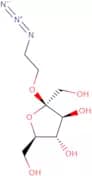
CAS:2-Azidoethyl b-D-fructopyranoside is a custom synthesis of glycogen, which is a complex carbohydrate. This product can be fluorinated or methylated at the 2’ position of the sugar moiety. It also has been modified with Click chemistry and polysaccharides. The CAS number for this product is 99042-58-7 and it has a purity of >99%.Fórmula:C8H15N3O6Pureza:Min. 95%Forma y color:PowderPeso molecular:249.3 g/mol3-Deoxy-3,3-difluoro-1,2-O-Di-O-isopropylidene-a-D-glucofuranose
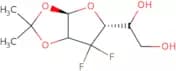
3-Deoxy-3,3-difluoro-1,2-O-Di-O-isopropylidene-a-D-glucofuranose is an alpha, beta unsaturated carbonyl sugar. It can be used as a building block to synthesize oligosaccharides or glycosylations. It has been shown that 3DG reacts with the amino group of proteins and peptides leading to the formation of methylated sugars. This compound can also be used to modify saccharides such as by converting them into click or substitution derivatives. 3DG is readily available in high purity and is stable under a variety of conditions.Fórmula:C9H14F2O5Pureza:Min. 95%Peso molecular:240.2 g/molD-(-)-Threose
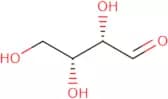
CAS:Popular resource for chiral-pool based organic syntheses Sold as an aqueous solution and by weight of active materialFórmula:C4H8O4Pureza:Min. 90 Area-%Forma y color:Colorless Clear LiquidPeso molecular:120.1 g/molD-Allono-1,4-lactone
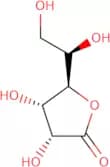
CAS:D-Allono-1,4-lactone is a biochemical compound that has been shown to have immunosuppressant properties. D-Allono-1,4-lactone is an inhibitor of maltase, an enzyme involved in the digestion of starch and glycogen. D-Allono-1,4-lactone also inhibits transglucosylase, an enzyme involved in the conversion of sucrose into glucose. It binds to sulfur transfer proteins and has been shown to be effective against mutants with altered biochemical properties.Fórmula:C6H10O6Pureza:Min. 95%Forma y color:PowderPeso molecular:178.14 g/mol2-Acetamido-3,4,6-tri-O-benzyl-2-deoxy-D-glucono-1,5-lactone
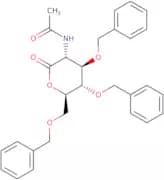
CAS:2-Acetamido-3,4,6-tri-O-benzyl-2-deoxy-D-glucono-1,5-lactone is a methylated saccharide with a modified sugar. This compound can be used as a building block for the synthesis of glycosides and oligosaccharides. 2AATGL has been shown to be compatible with click chemistry and is available in high purity. It can also be custom synthesized to meet your needs.Fórmula:C29H31NO6Pureza:Min. 90%Forma y color:PowderPeso molecular:489.56 g/molMethyl 2-deoxy-3,5-di-O-toluoyl-L-ribofuranoside
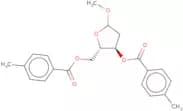
CAS:Methyl 2-deoxy-3,5-di-O-toluoyl-L-ribofuranoside is a custom synthesis that is a complex carbohydrate that is used in the modification of saccharides. It has been shown to be able to methylate and glycosylate carbohydrates and can be fluorinated for use in click chemistry experiments. Methyl 2-deoxy-3,5-di-O-toluoyl-L-ribofuranoside is highly pure and can be synthesized with high yield.Fórmula:C22H24O6Pureza:Min. 95%Forma y color:Brown oil.Peso molecular:384.43 g/molPhenyl 4,6-O-benzylidene-2-deoxy-2-phthalimido-b-D-thioglucopyranoside
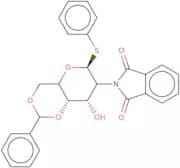
CAS:Phenyl 4,6-O-benzylidene-2-deoxy-2-phthalimido-b-D-thioglucopyranoside is a custom synthesis sugar that has been modified with fluorination, glycosylation, and carbamoylation. It is an oligosaccharide that contains a saccharide at the reducing end of the molecule. The CAS number for this compound is 79528-51-1.Fórmula:C27H23NO6SPureza:Min. 95%Forma y color:White PowderPeso molecular:489.54 g/molMethyl 2-deoxy-3,5-di-O-toluoyl-D-ribofuranoside
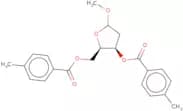
CAS:Methyl 2-deoxy-3,5-di-O-toluoyl-D-ribofuranoside is a carbohydrate compound that is a modification of the saccharide and oligosaccharide. It is fluorinated at the 3' position. The monosaccharide is synthesized from D-ribose and methylated at the 2' and 5' positions. Methyl 2-deoxy-3,5-di-O-toluoyl-D-ribofuranoside is a synthetic sugar that has been modified with glycosylation and Click chemistry.Fórmula:C22H24O6Pureza:Min. 95%Forma y color:PowderPeso molecular:384.42 g/mol2,3,4,6-Tetra-O-acetyl-β-D-glucopyranosyl fluoride
CAS:2,3,4,6-Tetra-O-acetyl-b-D-glucopyranosyl fluoride is a fluorinated carbohydrate. It is a complex carbohydrate that consists of the sugar galactose. The glycosylation and polysaccharide modifications are used to synthesize this compound. These modifications are done by chemical reactions that include methylation, click chemistry, and glycosylation. This chemical has not been evaluated for safety in humans or animals, but it has been shown to be safe in rats when administered at doses up to 500 mg/kg. 2,3,4,6-Tetra-O-acetyl-b-D-glucopyranosyl fluoride can be found under CAS No. 2823-46-3 and is soluble in water at 25 °C with a solubility of 1 g/L.Fórmula:C14H19FO9Pureza:Min. 95%Forma y color:PowderPeso molecular:350.29 g/molPhenyl 2,3,6-tri-O-acetyl-2-deoxy-2-trichloroacetamido-b-D-thioglucopyranoside
Phenyl 2,3,6-tri-O-acetyl-2-deoxy-2-trichloroacetamido-b-D-thioglucopyranoside is a monosaccharide with a molecular weight of 594.5. It is derived from the reaction of methyl acetate and benzene in the presence of sulfuric acid. Phenyl 2,3,6-tri-O-acetyl-2-deoxy-2-trichloroacetamido b D thioglucopyranoside is an intermediate in the synthesis of saccharides that are modified by click chemistry or modification. This product has been shown to be synthesized with high purity and good yield. The product can be used for custom synthesis as well as glycosylation reactions. This product also has a CAS number and can be used for Click chemistry or modification reactions.Fórmula:C20H22Cl3NO8SPureza:Min. 95%Forma y color:White to off-white solid.Peso molecular:542.81 g/mol3,4-Dihydro-5-hydroxy-2-(3-hydroxy-4-methoxyphenyl)-4-oxo-2H-1-benzopyran-7-yl β-D-glucopyranosiduronic acid
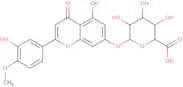
CAS:Hesperetin 7-O-b-D-glucuronide is a metabolite of hesperetin, a flavonoid primarily sourced from citrus fruits. This compound is formed through the glucuronidation process, a metabolic pathway that modifies hesperetin to enhance its solubility and facilitate its excretion from the human body. Hesperetin 7-O-b-D-glucuronide exerts biological effects through various modes of action, including antioxidant and anti-inflammatory mechanisms. It is thought to scavenge free radicals and modulate inflammatory pathways by inhibiting specific enzymes and cytokines.In scientific research, Hesperetin 7-O-b-D-glucuronide is studied for its potential therapeutic applications, particularly its role in reducing oxidative stress and inflammation-related diseases. It has garnered attention in the context of cardiovascular health, neuroprotection, and metabolic disorders. The exploration of its bioavailability and specific interactions at the molecular level continues to provide insights into its promising applications in nutraceuticals and pharmaceuticals. Researchers investigate its efficacy and safety to better understand its potential role in disease prevention and therapy.Fórmula:C22H22O12Pureza:Min. 95%Forma y color:PowderPeso molecular:478.4 g/mol1,3,4,6-Tetra-O-acetyl-2-azido-2-deoxy-L-mannopyranose
1,3,4,6-Tetra-O-acetyl-2-azido-2-deoxy-L-mannopyranose is a carbohydrate that is synthesized by the modification of the glycosylation process. It is a methylated and fluorinated oligosaccharide with a high purity. This product is available for custom synthesis in order to meet specific customer requirements.Fórmula:C14H19N3O9Pureza:Min. 95%Forma y color:White To Off-White SolidPeso molecular:373.32 g/molMethyl 3,4-O-isopropylidene-β-D-arabinopyranoside
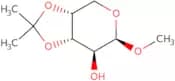
CAS:Methyl 3,4-O-isopropylidene-b-D-arabinopyranoside is a custom synthesis that has been modified with fluorination, methylation and click modification. It can be found in the CAS registry as 4594-60-9. This compound is a monosaccharide. Methyl 3,4-O-isopropylidene-b-D-arabinopyranoside is synthetically produced and can be used for glycosylation reactions. This compound has been shown to have a saccharide structure, which includes sugar or carbohydrates. It also has an oligosaccharide structure, which includes polysaccharides or complex carbohydrates.Fórmula:C9H16O5Pureza:Min. 95%Forma y color:Clear LiquidPeso molecular:204.22 g/mol2-Acetamido-3,4,6-tri-O-acetyl-2-deoxy-D-glucohydroximo-1,5-lactone
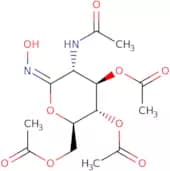
CAS:2-Acetamido-3,4,6-tri-O-acetyl-2-deoxy-D-glucohydroximo-1,5-lactone is a methylated sugar. It is a white to off white powder with a molecular weight of 518. The chemical formula for 2-Acetamido-3,4,6-tri-O-acetyl-2-deoxy--D--glucohydroximo--1,5--lactone is C16H26N2O8 and the structural formula is as follows:br>Fórmula:C14H20N2O9Pureza:Min. 95%Forma y color:White PowderPeso molecular:360.32 g/mol4-Methylphenyl β-D-thiogalactopyranoside
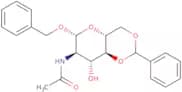
CAS:4-Methylphenyl β-D-thiogalactopyranoside is a custom synthesis. The chemical is an Oligosaccharide, Polysaccharide, Modification, saccharide, Methylation, Glycosylation, Carbohydrate that has been Fluorinated and Synthetically Modified. It is a High purity product with the CAS No. 28244-98-6.Fórmula:C13H18O5SPureza:Min. 95%Forma y color:White Off-White PowderPeso molecular:286.35 g/molBenzyl 2-acetamido-4,6-O-benzylidene-2-deoxy-β-D-glucopyranoside
CAS:This product is a computational, experimental, and acoustic expansion of benzyl 2-acetamido-4,6-O-benzylidene-2-deoxy-b-D-glucopyranoside. It is used as an additive to motorcycle fuel, with the purpose of preventing engine knock. The experiment was conducted by measuring the pressure levels in a cylinder at different temperatures. The results showed that the highest pressure level was obtained when the temperature was increased to 220 degrees Celsius and the pressure level decreased when it was lowered to 200 degrees Celsius.Fórmula:C22H25NO6Pureza:Min. 95%Forma y color:White to off-white solid.Peso molecular:399.44 g/molMethyl β-L-arabinopyranoside
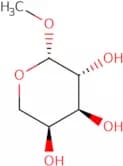
CAS:Methyl β-L-arabinopyranoside is a stereochemically pure monosaccharide that has been used to calibrate and quantify the conformational, stereochemical, and spectrometric methods. Methyl β-L-arabinopyranoside has a conformation that is restricted by the presence of an α-hydroxyl group at C2. The chloride ion can be used to monitor this conformation. The diameter of methyl β-L-arabinopyranoside can be measured with a micropipette and monitored using an aerosol detector. Methyl β-L-arabinopyranoside can also be quantified by mass spectrometry or spectrophotometry. The conformational, stereochemical, and spectrometric methods have been calibrated using methyl β-L-arabinopyranoside as a standard to determine their accuracy in measuring the size of other molecules.
Fórmula:C6H12O5Pureza:Min. 95%Forma y color:White Off-White PowderPeso molecular:164.16 g/molChitobiose dihydrochloride
CAS:Chitobiose 2HCl is a synthetic sugar that has been modified using Click chemistry. It is a fluorescent sugar that can be used as an indicator for protein-sugar interactions. Chitobiose 2HCl is soluble in water and has a molecular weight of 258.078 g/mol.Fórmula:C12H24N2O9•(HCl)2Pureza:Min. 95%Peso molecular:413.25 g/mol2,3-O-Isopropylidene-D-erythronolactone
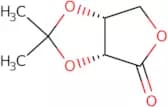
CAS:2,3-O-Isopropylidene-D-erythronolactone is a chromophore that has been synthesised. It is a chiral heterocycle with an anion linker and a boron trifluoride etherate group. The carbon chain of 2,3-O-isopropylidene-D-erythronolactone has been found to be essential for its antibacterial activity against tuberculosis. This compound binds to the adenosine receptor in the bacterial cell membrane and inhibits bacterial growth.Fórmula:C7H10O4Pureza:Area-% Min. 95 Area-%Forma y color:PowderPeso molecular:158.15 g/molTelmisartan acyl-b-D-glucuronide
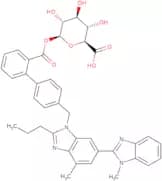
CAS:Telmisartan acyl-b-D-glucuronide is a drug metabolite that is formed by the conjugation of telmisartan with glucuronic acid. Telmisartan acyl-b-D-glucuronide is activated in vivo and reversibly inhibits the enzyme creatine kinase, which is involved in the metabolism of creatine to creatinine. The effective dose for this compound has been shown to be 10 mg/kg (orally) in humans. Telmisartan acyl-b-D-glucuronide has been shown to be an at1 receptor antagonist and may have some antihypertensive effects via modulation of ion channels. This drug also appears to have some proliferative effects on cells that are inhibited by radiation.Fórmula:C39H38N4O8Pureza:Min. 95%Forma y color:Off-White PowderPeso molecular:690.74 g/mol2,3-O-Isopropylidene-1,4-di-O-tosyl-D-threitol
CAS:Please enquire for more information about 2,3-O-Isopropylidene-1,4-di-O-tosyl-D-threitol including the price, delivery time and more detailed product information at the technical inquiry form on this page
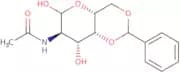
Fórmula:C21H26O8S2Pureza:Min. 95%Forma y color:PowderPeso molecular:470.56 g/mol2-Acetamido-4,6-O-benzylidene-2-deoxy-D-galactopyranose
CAS:2-Acetamido-4,6-O-benzylidene-2-deoxy-D-galactopyranose is a fluorescent dye that binds to the hydroxyl group of nucleic acids. It can be used for microscopy of cells and bacteria in culture. This dye is also used for the measurement of cavitation activity. The dye is added at a concentration of 0.1% to the cell culture media. After 24 hours, it can then be observed with a microscope under UV light. 2-Acetamido-4,6-O-benzylidene-2-deoxy-D-galactopyranose has been shown to have lysis effects on cells such as agarose gels and mammalian cells, leading to cell death by apoptosis or necrosis. It's also used as an indicator in gel electrophoresis experiments because it can bind to DNA and RNA molecules, which makesFórmula:C15H19NO6Pureza:Min. 95%Forma y color:White PowderPeso molecular:309.31 g/mol2-C-Methyl- D- xylonic acid g- lactone
2-C-Methyl- D- xylonic acid g- lactone is a monosaccharide that can be used in the synthesis of oligosaccharides and complex carbohydrates. This compound is a fluorinated carbohydrate, which has been modified to include a methyl group at the C2 position. The chemical name for this compound is 2-C-Methyl-D-xylonic acid g-lactone and it has CAS No. 4983-92-1. This compound can be synthesized as a custom order and its purity exceeds 99%. Its synthesis can involve glycosylation or methylation, depending on the desired product.
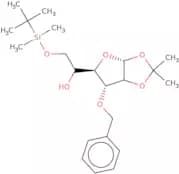
Pureza:Min. 95%3-O-Benzyl-6-O-tert-butyldimethylsilyl-1,2-O-isopropylidene-a-D-glucofuranose
3-O-Benzyl-6-O-tert-butyldimethylsilyl-1,2-O-isopropylidene-a-D-glucofuranose is a custom synthesis of a monosaccharide. It is synthesized by fluorinating the hydroxyl group on C3 and then methylating the benzyl group. The resulting product is a glycosylation that can be used as a carbohydrate for biosynthesis or as a research tool for studying saccharides.Fórmula:C22H36O6SiPureza:Min. 95%Peso molecular:424.6 g/mol1-O-Benzyl-2,3:4,6-di-O-isopropylidene-a-L-sorbofuranoside
1-O-Benzyl-2,3:4,6-di-O-isopropylidene-a-L-sorbofuranoside is an oligosaccharide that is used for the synthesis of saccharides and polysaccharides. It has a molecular weight of 296.1 g/mol and a CAS number of 257874-01-8. The product can be synthesized from 1,2,3,4,6,-O-isopropylidene sorbitol and benzaldehyde via methylation and click modification. This product is also used in the fluorination of complex carbohydrates. 1,2,3,4,6,-O-isopropylidene sorbitol can be modified by various methods to produce different products with different properties. It has a purity level of ≥98% (HPLC) and is made up of one monosaccharide sugar unit with a single reactiveFórmula:C19H26O6Pureza:Min. 95%Peso molecular:350.41 g/mol4,6-O-Isopropylidene-D-mannopyranose
4,6-O-Isopropylidene-D-mannopyranose is a custom synthesis of a polysaccharide that has been modified with fluorination, methylation, and click modification. This product can be used in the synthesis of oligosaccharides or saccharides. It may also be used in glycosylation reactions to produce complex carbohydrates.Pureza:Min. 95%D-Threonic acid-1,4,-lactone
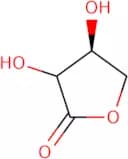
CAS:D-Threonic acid-1,4,-lactone is a methylated saccharide that is prepared by the oxidation of D-threo-aldose. It can be used as a building block in the synthesis of glycosylates, oligosaccharides, and polysaccharides. The compound has been shown to inhibit the growth of Mycobacterium tuberculosis and Mycobacterium avium complex. D-Threonic acid-1,4,-lactone can also be fluorinated for use as an imaging agent for positron emission tomography (PET).Fórmula:C4H6O4Pureza:Min. 95%Forma y color:PowderPeso molecular:118.08 g/mol1,2,5-Tri-O-benzoyl-3-methyl-D-xylofuranose
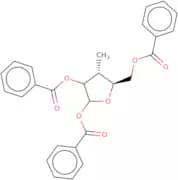
CAS:1,2,5-Tri-O-benzoyl-3-methyl-D-xylofuranose is a triol that is a methyl glycoside of 3,4,6-trihydroxybenzoic acid. It is an important building block in the synthesis of various saccharides and oligosaccharides. This product is often used as a precursor in the modification of saccharides to produce new products with different properties. This molecule has been shown to be resistant to degradation by enzymes such as glycosidases and oxidases. 1,2,5-Tri-O-benzoyl-3-methyl-D-xylofuranose can also be fluorinated or modified with other chemical groups. 1,2,5-Tri -O -benzoyl -3 -methyl -D -xylofuranose may be available from one or more custom synthesis providers.Fórmula:C27H24O7Pureza:Min. 95%Peso molecular:460.48 g/mol2,3,4,6-Tetra-O-acetyl-b-D-glucopyranosyl-N'-(2-aminophenyl)thiourea
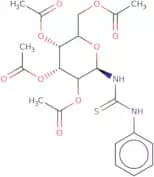
2,3,4,6-Tetra-O-acetyl-b-D-glucopyranosyl-N'-(2-aminophenyl)thiourea is a fluorinated glycoside that is synthesized by the coupling of an acetyl group with an aminophenylthiourea. The synthesis of this compound can be customized for specific carbohydrate requirements. This product has been shown to be effective in the modification of complex carbohydrates such as polysaccharides and glycans. It is also useful for applications involving glycosylation and methylation reactions.
Fórmula:C21H26N2O9SPureza:Min. 95%Peso molecular:482.51 g/molN-Acetyl-a-D-glucosamine-1-phosphate disodium salt
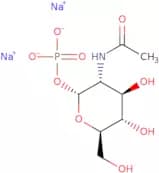
CAS:N-Acetyl-a-D-glucosamine-1-phosphate disodium salt (NACP) is a complex carbohydrate that is used as a synthetic sugar. It can be used to modify saccharide, glycosylations, or methylations. NACP has been shown to be stable at high temperatures and pressures. The compound has been fluorinated and click modified for the synthesis of other sugars. NACP has CAS No. 31281-59-1, which is the molecular formula of C8H14FO6Na2O11P2.Fórmula:C8H14NO9P·2NaPureza:Min. 95 Area-%Forma y color:White PowderPeso molecular:345.15 g/molMitiglinide-acyl-b-D-glucuronide
Mitiglinide-acyl-b-D-glucuronide is a custom synthesis of an oligosaccharide and polysaccharide that has been fluorinated, modified and then acylated. This reagent is available in high purity and with a modification of methylation. It is a complex carbohydrate with high purity that is obtained by modifying the sugar monomer. Mitiglinide-acyl-b-D-glucuronide is a synthetic monosaccharide that has been modified with polysaccharides and saccharides to produce a product with high purity.Fórmula:C25H33NO9Pureza:Min. 95%Peso molecular:491.53 g/mol3,5-Di-O-benzoyl-2-deoxy-2,2-difluoro-1-O-methanesulfonyl-a-D-ribofuranoside - 75% alpha purity
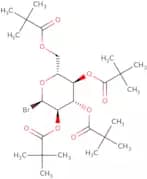
CAS:3,5-Di-O-benzoyl-2-deoxy-2,2-difluoro-1-O-methanesulfonyl-aDribofuranoside is a glycosylation agent that reacts with the reducing end of glycogen to form a glycosidic linkage. The compound is used in the synthesis of complex carbohydrates and saccharides. 3,5-Di-O-benzoyl-2,2,-difluoro 1,1'-O-(methanesulfonyl) aDribofuranoside is often methylated at the 3' position to obtain 3,5diOBenzoyl 2,2'-difluoro 1,1'-O-(methylsulfonyl)-aDribofuranoside. This compound can be used for click chemistry reactions and modification of polysaccharides. It has been shown to have antiinflammatory effects onFórmula:C20H18F2O8SPureza:Min. 95%Forma y color:PowderPeso molecular:456.41 g/mol2,3,4,6-Tetra-O-pivaloyl-a-D-glucopyranosyl bromide
CAS:Intermediate in the synthesis of dapagliflozinFórmula:C26H43BrO9Pureza:Min. 95%Forma y color:PowderPeso molecular:579.52 g/mol1-Chloro-3,5-di-O-(4-chlorobenzoyl)-2-deoxy-α-D-ribofuranose
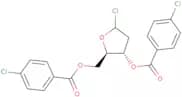
CAS:Intermediate in the synthesis of DecitabineFórmula:C19H15Cl3O5Pureza:Min. 95%Forma y color:Off-White To Light (Or Pale) Red SolidPeso molecular:429.68 g/molPhenylethyl-beta-D-glucopyranoside
CAS:Phenylethyl-beta-D-glucopyranoside is a phenolic compound that is found in plants such as Echinacea. Phenylethyl-beta-D-glucopyranoside has been shown to inhibit tumor cell proliferation by increasing the levels of enzyme catalysis and enzyme activity, and decreasing the levels of protocatechuic acid. This compound also inhibits fatty acid synthesis, which may be due to its ability to inhibit the production of 4-hydroxycinnamic acid via inhibition of the enzyme acyl coenzyme A:cholesterol acyltransferase. The cyanobacterial strain Synechococcus elongatus PCC 7942 was found to produce phenylethyl glucoside, an iridoid glucoside with high cytotoxic activity against human tumor cells.Fórmula:C14H20O6Pureza:Min. 95%Forma y color:PowderPeso molecular:284.31 g/molD-Glucosamine-6-phosphate sodium
CAS:D-Glucosamine-6-phosphate sodium salt is a custom synthesis of an oligosaccharide, polysaccharide, and carbohydrate. The chemical modification of this compound includes methylation, glycosylation, and carbamylation. This product has high purity with a fluorination level of 98%.
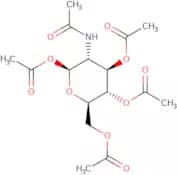
Fórmula:C6H14NO8P·NaPureza:Min. 95%Forma y color:White Yellow PowderPeso molecular:282.14 g/mol2-Acetamido-1,3,4,6-tetra-O-acetyl-2-deoxy-b-D-glucopyranose
CAS:Promotes hyaluronic acid production; synthetic building blockFórmula:C16H23NO10Pureza:Min. 98 Area-%Forma y color:PowderPeso molecular:389.36 g/molD-Talose
CAS:Unnatural hexose used for the investigation of clostridial Rib-5-P-isomerasesFórmula:C6H12O6Pureza:Min. 99 Area-%Forma y color:White PowderPeso molecular:180.16 g/molMethyl β-D-ribopyranoside
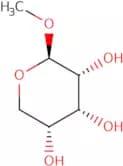
CAS:Methyl β-D-ribopyranoside is a sugar alcohol that belongs to the group of pentoses. It is a potential precursor for the synthesis of phosphite, which is a reactive anion used in organic chemistry. Methyl β-D-ribopyranoside has been shown to regulate the growth of bacteria and fungi by altering their metabolic pathways. This compound also has shown to be programmed death in certain bacterial strains, although it is not clear how it induces this programmed death. Methyl β-D-ribopyranoside can also affect the rhizosphere and can be used as a substrate for anions and sugar alcohols.
Fórmula:C6H12O5Pureza:Min. 99 Area-%Forma y color:White PowderPeso molecular:164.16 g/molEsculin sesquihydrate
CAS:Sugars formed by photosynthesis are essential for plants nutrition and they can be carried by a sophisticated system called phloem from the leaves to the root tips. Since the phloem is a delicate tissue composed of various specialized cell types, the study of its structure and functions remains a challenging task. Recently, fluorescent coumarin glucoside derivatives, including esculin (Plant Physiology 2015, 1211-1220) have been used as phloem probes. Among the probes tested, only esculin and fraxin are transported, while skimmin is not, suggesting a certain specifity of natural coumarin glucosides for the transporter AtSUC2.Fórmula:C30H38O21Pureza:Min. 98.0 Area-%Peso molecular:734.62 g/mol