Monosacáridos
Los monosacáridos son la forma más simple de los carbohidratos y sirven como bloques fundamentales para azúcares más complejos y polisacáridos. Estas moléculas de azúcar única juegan roles críticos en el metabolismo energético, la comunicación celular y los componentes estructurales de las células. En esta sección, encontrará una amplia variedad de monosacáridos esenciales para la investigación en bioquímica, biología molecular y glicociencia. Estos compuestos son cruciales para estudiar las rutas metabólicas, los procesos de glucosilación y el desarrollo de agentes terapéuticos. En CymitQuimica, ofrecemos monosacáridos de alta calidad para apoyar sus necesidades de investigación, asegurando precisión y fiabilidad en sus investigaciones científicas.
Subcategorías de "Monosacáridos"
- Allosas(11 productos)
- Arabinosas(21 productos)
- Eritrosas(11 productos)
- Fructosas(9 productos)
- Fucosas(36 productos)
- Galactosamina(41 productos)
- Galactosa(261 productos)
- Glucosas(365 productos)
- Ácidos glucurónicos(51 productos)
- Glico-sustratos para enzimas(77 productos)
- Gulosas(6 productos)
- Idosas(4 productos)
- Inositoles(15 productos)
- Lyxosas(4 productos)
- Manosas(65 productos)
- O-glicanos(48 productos)
- Psicosas(3 productos)
- Ramnosas(10 productos)
- Ribosas(61 productos)
- Ácidos siálicos(100 productos)
- Sorbosas(4 productos)
- Azúcares(173 productos)
- Tagatosis(4 productos)
- Taloses(8 productos)
- Xilosas(20 productos)
Mostrar 17 subcategorías más
Se han encontrado 6088 productos de "Monosacáridos"
Ordenar por
Pureza (%)
0
100
|
0
|
50
|
90
|
95
|
100
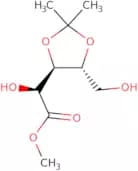
Methyl 3,4-O-isopropylidene-D-lyxonate
CAS:<p>Methyl 3,4-O-isopropylidene-D-lyxonate is a glycosylation product of L-xylose. It has been used in click chemistry as a fluorinated building block for the synthesis of polysaccharides and saccharides. Methyl 3,4-O-isopropylidene-D-lyxonate can be custom synthesized to any desired purity.</p>Fórmula:C9H16O6Pureza:Min. 95%Peso molecular:220.22 g/mol4-Azido-2,3-di-O-benzoyl-4-deoxy-6-O-trityl-a-D-glucopyranoside
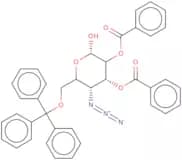
<p>4-Azido-2,3-di-O-benzoyl-4-deoxy-6-O-trityl-a-D-glucopyranoside is a synthetic glycosylation reagent that can be used for the synthesis of oligosaccharides. It is a fluorinated sugar that can be custom synthesized to order. 4A2B4D6OATG is a high purity product with CAS No. 62990-51-1 and has been modified using click chemistry to incorporate azide functional groups.</p>Fórmula:C39H33N3O7Pureza:Min. 95%Peso molecular:655.7 g/molC-(2,3,4,6-Tetra-O-acetyl-1-azido-1-deoxy-a-D-galactopyranosyl)formamide
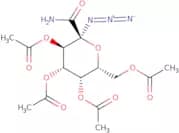
CAS:<p>C-(2,3,4,6-Tetra-O-acetyl-1-azido-1-deoxy-a-D-galactopyranosyl)formamide is a sugar that can be custom synthesized. It is an aldose sugar with the chemical formula C12H22N2O8. This compound is often used as a fluorination agent in glycosylation and methylation reactions due to its high purity.</p>Fórmula:C15H20N4O10Pureza:Min. 95%Peso molecular:416.34 g/mol2-Deoxy-D-glucose-6-phosphate
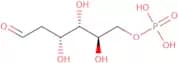
CAS:<p>2-Deoxy-D-glucose-6-phosphate is a glucose analogue that is phosphorylated by hexokinase to 2-deoxy-D-glucose. It has been shown to inhibit the activity of enzymes involved in energy metabolism, such as atp synthase and dpp IV. This drug can also inhibit the synthesis of proteins and RNA by binding to response elements, which are DNA sequences that regulate gene expression. The 2-deoxy glucose analogue has been shown to be a potent inhibitor of ventricular myocardium contractility via its ability to reduce mitochondrial membrane potential.</p>Fórmula:C6H13O8PPureza:Min. 95%Peso molecular:244.14 g/molMethyl 3-O-benzyl-6-deoxy-2-O-methyl-a-D-galactopyranoside
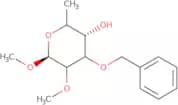
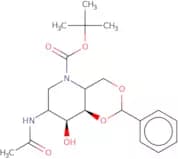
CAS:<p>Methyl 3-O-benzyl-6-deoxy-2-O-methyl-a-D-galactopyranoside is a custom synthesis that has been modified by fluorination, methylation and click modification. This product is a monosaccharide that can be used in the synthesis of oligosaccharides and polysaccharides. It has been shown to have many applications including glycosylation, sugar, and carbohydrate.</p>Fórmula:C15H22O5Pureza:Min. 95%Peso molecular:282.34 g/mol2-Acetamido-4,6-O-benzylidene-N-Boc-1,2,5-trideoxy-1,5-imino-D-glucitol
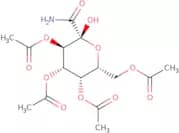
CAS:<p>2-Acetamido-4,6-O-benzylidene-N-Boc-1,2,5-trideoxy-1,5-imino-D-glucitol is a complex carbohydrate that belongs to the class of oligosaccharides. It is a methylated and glycosylated saccharide. 2ACBG has been modified with Click chemistry to introduce a fluorine atom at the C2 position on the glucose moiety. This modification prevents the formation of an intramolecular hemiacetal linkage between C2 and C3 in the ring structure, thereby preventing cyclization and stabilizing the linear configuration of 2ACBG. 2ACBG can be synthesized using high purity raw materials such as glucose and acetic acid in a two step process using ethyl bromoacetate as a reagent for acetylation followed by NBS (N-(3-bromopropyl)phthal</p>Fórmula:C20H28N2O6Pureza:Min. 95%Peso molecular:392.45 g/molC-(2,3,4,6-Tetra-O-acetyl-1-hydroxy-b-D-galactopyranosyl)formamide
CAS:<p>C-(2,3,4,6-Tetra-O-acetyl-1-hydroxy-b-D-galactopyranosyl)formamide is a modified carbohydrate that has been synthesized and fluorinated. The chemical structure of this carbohydrate is composed of a monosaccharide and an oligosaccharide. This compound has been shown to have many different functions in the body. For example, it has been shown to inhibit the activity of the enzyme phospholipase A2 and to increase the production of prostaglandin E2. C-(2,3,4,6-Tetra-O-acetyl-1-hydroxy-b-D-galactopyranosyl)formamide has also been shown to be effective against methicillin resistant Staphylococcus aureus (MRSA).</p>Fórmula:C15H21NO11Pureza:Min. 95%Peso molecular:391.33 g/mol2,4:3,5-Di-O-benzylidene-L-iditol
CAS:<p>2,4:3,5-Di-O-benzylidene-L-iditol is a custom synthesis that has been modified with methylation and glycosylation. It is a complex carbohydrate consisting of an oligosaccharide and polysaccharide. This product is a modification of saccharides by Methylation and Glycosylation. 2,4:3,5-Di-O-benzylidene-L-iditol is fluorinated at the C2 position. It has high purity with less than 1% impurities. The product is synthetic and consists of one monosaccharide</p>Fórmula:C20H22O6Pureza:Min. 95%Peso molecular:358.39 g/molCotinine b-D-glucuronide
CAS:<p>Cotinine is a major metabolite of nicotine. It is excreted in the urine and has been extensively studied for its role in nicotine addiction and the development of cancer. Cotinine is also used as a biomarker to identify exposure to tobacco smoke, secondhand smoke, and nicotine replacement therapy. The levels of cotinine are proportional to the number of cigarettes smoked per day, with an average half-life of 15 hours. The concentration can be determined by LC-MS/MS with chemical ionization or LC-MS/MS with electron impact ionization. Cotinine can be hydrolyzed by esterases or glucuronidases, oxidized by cytochrome P450 enzymes, reduced by glutathione reductase, or conjugated with glucuronic acid.</p>Fórmula:C16H20N2O7Pureza:Min. 95%Peso molecular:352.34 g/mol1-O-(5-Carboxy-N-phenyl-2-(1H)-pyridone)-D-glucuronide
<p>1-O-(5-Carboxy-N-phenyl-2-(1H)-pyridone)-D-glucuronide is a modification of Oligosaccharide, Carbohydrate. It's CAS No. is 61877-69-8 and it has a molecular weight of 398.7 g/mol. The purity of this product is >99%. This product can be custom synthesized and has a glycosylation and methylation level of 100%. 1-O-(5-Carboxy-N-phenyl-2-(1H)-pyridone)-D-glucuronide is soluble in water and insoluble in oils, fats, ethers, chloroform and benzene. It is also resistant to acid hydrolysis.</p>Fórmula:C18H17NO9Pureza:Min. 95%Peso molecular:391.33 g/mol2-Methoxycarbonylphenyl 2,3,4,6-tetra-O-acetyl-b-D-glucopyranoside
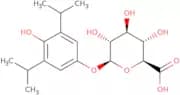
CAS:<p>2-Methoxycarbonylphenyl 2,3,4,6-tetra-O-acetyl-β-D-glucopyranoside is a high purity and custom synthesis sugar that can be fluorinated and glycosylated. This molecule has been modified with methyl groups and is an oligosaccharide. It is a complex carbohydrate with saccharide units, which are monosaccharides or polysaccharides. CAS No. 7791-66-4</p>Fórmula:C22H26O12Pureza:Min. 95%Peso molecular:482.43 g/mol4-Hydroxypropofol-4-O-b-D-glucuronide
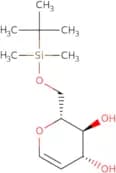
CAS:<p>4-Hydroxypropofol-4-O-b-D-glucuronide (HPG) is a synthetic carbohydrate with a 4,5-dihydroxypropyl group at C2 and an O-glycosidic bond between the hydroxyl group at C1 and the b position of a glucuronic acid. HPG is used in the synthesis of complex carbohydrates and saccharides. It can be methylated in order to produce 5,6-dimethoxycarbonyloxypropyl glycosides or glycosylated to produce mannosides. HPG has been synthesized by click modification from 4,5-dihydroxypropionic acid.</p>Fórmula:C18H26O8Pureza:Min. 95%Peso molecular:370.4 g/mol6-O-tert-Butyldimethylsilyl-D-glucal
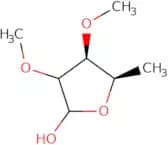
CAS:<p>6-O-tert-Butyldimethylsilyl-D-glucal is a glycosyl compound that is produced from the reaction of ethyl diazoacetate and cyclopropanes. This process can be catalyzed by metal catalysts, such as palladium. The use of bromides in this reaction allows for the production of unsaturated compounds. This compound has been shown to undergo cyclopropanation with alkenes, leading to the synthesis of cyclopropanes. 6-O-tert-Butyldimethylsilyl-D-glucal is used as a precursor to other compounds, such as polymers and pharmaceuticals.</p>Pureza:Min. 95%5-Deoxy-3,4-di-O-methyl-D-ribose
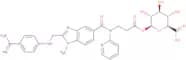
<p>5-Deoxy-3,4-di-O-methyl-D-ribose is a fluorinated monosaccharide that has been synthesized from D-ribose and 5-deoxyadenosine. It can be found in glycosylated polysaccharides or as the methylated derivative. This product is custom synthesized for research purposes, and is not intended for use in humans. It is available in high purity, with a CAS number of 6042-92-0.</p>Pureza:Min. 95%Dabigatran acyl-b-D-glucuronide
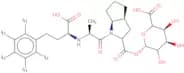
CAS:<p>Dabigatran acyl-b-D-glucuronide is a synthetic, high purity, high quality carbohydrate that has been modified by fluorination and methylation. It is an oligosaccharide with a glycosylation site at the reducing end of the sugar. Dabigatran acyl-b-D-glucuronide is a carbohydrate that can be synthesized in custom amounts for research purposes.</p>Fórmula:C31H33N7O9Pureza:Min. 95%Peso molecular:647.64 g/molRamiprilat-D5 acyl-b-D-glucuronide
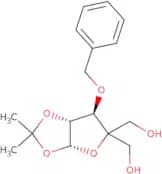
Producto controlado<p>Ramiprilat-D5 acyl-b-D-glucuronide is a synthetic, fluorinated, complex carbohydrate. It is a monosaccharide sugar that has been modified by methylation and Click chemistry to produce an elegant compound with a diverse range of applications. Ramiprilat-D5 acyl-b-D-glucuronide is synthesized in high purity, making it an ideal candidate for use in research. This molecule has been shown to be effective as a fluoroquinolone antibiotic against bacterial strains such as Mycobacterium tuberculosis, Mycobacterium avium complex, and Clostridium perfringens.</p>Fórmula:C27H31D5N2O11Pureza:Min. 95%Peso molecular:569.61 g/mol4-(Hydroxymethyl)-1,2-O-isopropylidene-3-O-benzyl-β-L-threo-pentofuranose
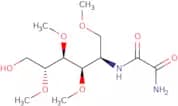
CAS:<p>4-(Hydroxymethyl)-1,2-O-isopropylidene-3-O-benzyl-beta-L-threo-pentofuranose is a synthetic fluorinated monosaccharide that can be used to produce oligosaccharides and polysaccharides. It is a custom synthesis that can be modified with methylation or click chemistry. This product has been shown to bind to proteins via glycosylation, which may be useful for protein analysis. 4-(Hydroxymethyl)-1,2-O-isopropylidene-3-O-benzyl-beta-L-threo pentofuranose is CAS No. 72261 44 00 and has a purity of >99%.</p>Fórmula:C16H22O6Pureza:Min. 95%Peso molecular:310.34 g/mol2-Deoxy-1,3:4,5-di-O-isopropylidene-2-oxamoylamino-D-mannitol
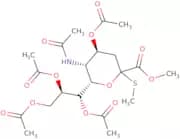
CAS:<p>2-Deoxy-1,3:4,5-di-O-isopropylidene-2-oxamoylamino-D-mannitol is a synthetic glycosylation building block that has been fluorinated and custom synthesized. It is used for the synthesis of oligosaccharides and polysaccharides. This product is also used for click modification and complex carbohydrate modification. 2-Deoxy-1,3:4,5-di-O-isopropylidene-2-oxamoylamino D mannitol has a CAS number of 128741–75–3.</p>Fórmula:C14H24N2O7Pureza:Min. 95%Peso molecular:332.35 g/molMethyl 4,7,8,9-tetra-O-acetyl-2-thio-N-acetyl-a-D-neuraminic acid methyl ester
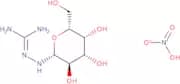
CAS:<p>Methyl 4,7,8,9-tetra-O-acetyl-2-thio-N-acetyl-a-D-neuraminic acid methyl ester is a fluorescent analog of sialic acid. It is a water soluble compound that can be used in the modification of proteins and glycoproteins. This product is synthesized by methylation and fluorination of the C4 hydroxyl group of a sialic acid. This process leads to a high degree of purity as well as the desired chemical modifications. The modification of saccharides with this product has many applications in research and industrial settings.</p>Fórmula:C21H31NO12SPureza:Min. 95%Peso molecular:521.54 g/molN1-b-D-Galactopyranosylamino-guanidine HNO3
CAS:<p>N1-b-D-Galactopyranosylamino-guanidine HNO3 is a synthetic compound that has been modified by methylesterification and glycosylation. It can be used for the preparation of saccharides, polysaccharides, oligosaccharides, and custom synthesis. The CAS No. 109853-86-3 is 109853-86-3.</p>Fórmula:C7H16N4O5·HNO3Pureza:Min. 95%Peso molecular:299.24 g/mol2-Amino-a-D-ribofurano[1',2':4,5]oxazoline
CAS:<p>2-Amino-a-D-ribofurano[1',2':4,5]oxazoline is a modified ribose analogue</p>Fórmula:C5H10N2O4Pureza:Min. 95%Peso molecular:162.2 g/mol1-Pyrenyl-2,3,4-tri-O-acetyl-b-D-glucuronide methyl ester
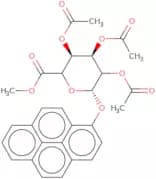
<p>1-Pyrenyl-2,3,4-tri-O-acetyl-b-D-glucuronide methyl ester is a custom synthesis product that can be used to modify oligosaccharides and polysaccharides. This product is a fluorinated sugar that has been modified with acetyl groups at the 1 and 4 positions of the pyrene ring. It is an Oligosaccharide, Polysaccharide, saccharide, Carbohydrate and Monosaccharide. The complex carbohydrate modification provides high purity and high quality. The 1-Pyrenyl-2,3,4-tri-O-acetyl-b-D-glucuronide methyl ester is useful in Click chemistry applications as well as in other chemical reactions such as polymerization and condensation reactions.</p>Fórmula:C29H26O10Pureza:Min. 95%Peso molecular:534.51 g/molMethyl 2,3,4-tri-O-acetyl-6-O-trityl-a-D-glucopyranoside
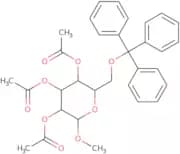
CAS:<p>Methyl 2,3,4-tri-O-acetyl-6-O-trityl-a-D-glucopyranoside is a custom synthesis. It is a monosaccharide that has been modified with fluorination and methylation. This chemical is soluble in water and is used as an intermediate for the synthesis of oligosaccharides and polysaccharides.</p>Fórmula:C32H34O9Pureza:Min. 95%Peso molecular:562.62 g/molC24:1 b-D-Galactosyl ceramide
CAS:<p>C24:1 b-D-Galactosyl ceramide is a fatty acid that is found in mammalian cells. It is one of the major components of cerebrosides and gangliosides, which are important in the development and function of the brain. C24:1 b-D-Galactosyl ceramide has been shown to be an essential component of leukocytes, which are blood cells that help fight infection. The fatty acid composition of this molecule can be used as a marker for diagnosis and research on neurological disorders such as Alzheimer's disease or Parkinson's disease.</p>Fórmula:C48H91NO8Pureza:Min. 95%Peso molecular:810.24 g/molFructose-isoleucine
CAS:<p>Fructose-isoleucine is a flavoring agent that is used in the food industry. It has an acrid taste and a sweet aftertaste. Fructose-isoleucine is typically used in the production of chewing gum, candy, and baked goods. This product can be found in two forms: as a white powder or as a clear liquid. The flavoring agent reacts with acetonitrile to form reaction products that are chromatographically separated by reversed phase HPLC. The desired product can then be isolated by elution from the column with methanol and characterized using various analytical methods. In addition to this use, fructose-isoleucine has been shown to have anti-inflammatory properties due to its ability to inhibit prostaglandin synthesis.<br>Fructose-isoleucine can also be found in tobacco leaves where it serves as an amide precursor for 5-hydroxymethylfurfural (HMF). HMF is a</p>Fórmula:C12H23NO7Pureza:Min. 95%Peso molecular:293.31 g/molMethyl 2,3,6-tri-O-benzyl-a-D-glucopyranoside
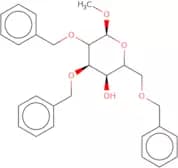
CAS:<p>Methyl 2,3,6-tri-O-benzyl-a-D-glucopyranoside is a reductive amine that can be used as an inhibitor of enzymes. The compound has been shown to inhibit the enzyme formate dehydrogenase. In addition, it has been found to inhibit other enzymes such as primary amines and reductive amination. Methyl 2,3,6-tri-O-benzyl-a-D-glucopyranoside is also a potential inhibitor of coupling reactions and anti HIV activity.</p>Fórmula:C28H32O6Pureza:Min. 95%Peso molecular:464.22 g/mol2-Isobutyramido guanosine 2',3',5'-tris(isobutanoate)
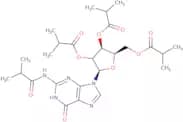
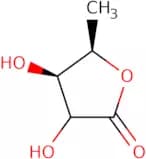
CAS:<p>2-Isobutyramido guanosine 2',3',5'-tris(isobutanoate) is an oligosaccharide, which is a type of carbohydrate. The structure of this compound is composed of a sugar, the monosaccharide saccharide and the complex carbohydrate. This compound is synthesized by a click modification and fluorination reaction using 2-amino-2-deoxy-D-ribose as the starting material. The product contains glycosylation and methylation modifications.</p>Fórmula:C26H37N5O9Pureza:Min. 95%Peso molecular:563.6 g/mol5-Deoxy-D-lyxono-1,4-lactone
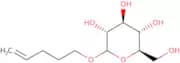
CAS:<p>5-Deoxy-D-lyxono-1,4-lactone is an oligosaccharide that is a sugar derivative. It has been synthesized by the introduction of fluorine at the C2 position of glucopyranose with methylation at the C3 position and glycosylation at the C6 position. 5-Deoxy-D-lyxono-1,4-lactone has been shown to be useful in protein labeling and detection.</p>Fórmula:C5H8O4Pureza:Min. 95%Peso molecular:132.12 g/molPent-4-enyl-D-glucopyranoside
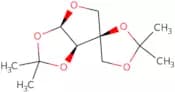
CAS:<p>Pent-4-enyl-D-glucopyranoside is a kind of compound that reacts with acetonitrile to form sodium methoxide. The reaction of the sodium methoxide with the acetonitrile will produce 2-chlorobenzoic acid and conformation. The result of this reaction is the stereospecifically, which is a pyranose ring.</p>Fórmula:C11H20O6Pureza:Min. 95%Peso molecular:248.27 g/mol1,2:3,5-Di-O-isopropylidene-a-D-apiose
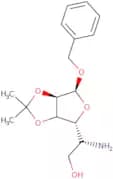
CAS:<p>1,2:3,5-Di-O-isopropylidene-a-D-apiose is a monosaccharide that is synthesized from D-apiose by methylation of the C1 hydroxyl group with formaldehyde and sodium methoxide in methanol. This carbohydrate has been shown to be a good substrate for glycosylation reactions and click chemistry.<br> 1,2:3,5-Di-O-isopropylidene-a-D-apiose is a white powder that can be dissolved in water or ethanol. It has no odor and is stable at pH 2 to pH 10. The compound does not react with other carbohydrates or proteins under normal conditions.</p>Fórmula:C11H18O5Pureza:Min. 95%Forma y color:PowderPeso molecular:230.26 g/molBenzyl 5-amino-5-deoxy-2,3-O-isopropylidene-a-D-mannofuranoside
CAS:<p>Benzyl 5-amino-5-deoxy-2,3-O-isopropylidene-a-D-mannofuranoside is custom synthesized to order and can be modified with Click chemistry. It can be fluorinated or glycosylated. It is a sugar that has been synthesized from a monosaccharide and saccharide. The CAS number for this compound is 91364-19-1. This compound is an oligosaccharide and complex carbohydrate.</p>Fórmula:C16H23NO5Pureza:Min. 95%Peso molecular:309.36 g/mol1,2,3,6-Tetra-O-benzoyl-5-thio-D-glucopyranose
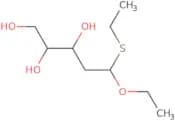
<p>1,2,3,6-Tetra-O-benzoyl-5-thio-D-glucopyranose is a monosaccharide that can be synthesized by the methylation of 1,2,3,6-tetra-O-(benzoyl) D-glucopyranose. The synthesis of this compound is accomplished by a click modification and the use of a fluoroquinolone to modify the sugar at C1. This compound has been shown to be an excellent substrate for polysaccharide and saccharide synthesis as well as fluorination. Purity levels are high with this product.</p>Pureza:Min. 95%2-Deoxy-D-ribose diethyl thioacetal
CAS:<p>2-Deoxy-D-ribose diethyl thioacetal is a synthetic, fluorinated carbohydrate that is used in the modification of saccharides and oligosaccharides. It is a complex carbohydrate that has been synthesized from D-ribose and diethyl thioacetal. Fluorination of 2-deoxy-D-ribose diethyl thioacetal has been shown to lead to glycosylation reactions with glycosyl acceptors. Click chemistry reactions have been used to modify this compound with methyl groups. This product has a high purity and can be custom synthesized by request.</p>Fórmula:C9H20O3S2Pureza:Min. 95%Peso molecular:240.39 g/mol1-O -Acetyl-2,5-di-O-benzoyl-3-fluoro-3-deoxy-D-ribofuranoside
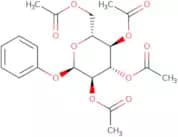
CAS:<p>1-O -Acetyl-2,5-di-O-benzoyl-3-fluoro-3-deoxy-D-ribofuranoside is a synthetic carbohydrate that has been modified by fluorination and methylation. The molecule has a molecular weight of 581.1 g/mol, with the chemical formula C14H12F6O8N2. It is a white crystalline solid that can be used in the synthesis of glycosides, saccharides, oligosaccharides, and monosaccharides. 1-O -Acetyl-2,5-di-O-benzoyl-3-fluoro-3-deoxyribofuranoside can be useful for glycosylation reactions such as click chemistry or glycosidase reactions. This product is high purity and custom synthesis to order.</p>Fórmula:C21H19FO7Pureza:Min. 95%Peso molecular:402.37 g/molPhenyl 2,3,4,6-tetra-O-acetyl-a-D-glucopyranoside
CAS:<p>Phenyl 2,3,4,6-tetra-O-acetyl-a-D-glucopyranoside is a custom synthesis of a monosaccharide. Phenyl 2,3,4,6-tetra-O-acetyl-a-D-glucopyranoside can be fluorinated and methylated to produce other compounds. It is also used in the modification of saccharides and oligosaccharides to produce polysaccharides. Phenyl 2,3,4,6-tetra-O-acetyl-a -D -glucopyranoside is soluble in water and has CAS No. 34274500.</p>Fórmula:C20H24O10Pureza:Min. 95%Peso molecular:424.4 g/molN6-Benzyladenine-3-glucoside
CAS:<p>N6-Benzyladenine-3-glucoside is a carbohydrate that is modified with a click chemistry reaction. It is synthesized from D-mannose and 6-benzylaminopurine and has been glycosylated with 2,3,4,6-tetra-O-acetyl glucosamine. N6-Benzyladenine-3-glucoside is an important component of the bacterial cell wall. The compound consists of a single sugar chain and is fluorinated at the C2 position.</p>Fórmula:C18H21N5O5Pureza:Min. 95%Forma y color:PowderPeso molecular:387.39 g/mol1,2,3-Tri-O-acetyl-5-deoxy-D-ribofuranoside
CAS:<p>1,2,3-Tri-O-acetyl-5-deoxy-D-ribofuranoside is an acetylated form of a sugar derivative. It is used as a reagent for the acetylation of alcohols and amines. The reaction yield for this compound is stereoselective and can be prepared from readily available starting materials in good yield. The compound crystallizes in cyclic form with an organic solvent such as n-hexane or pyridine. This product is soluble in organic solvents such as n-hexane, pyridine, or vinyl acetate.</p>Fórmula:C11H16O7Pureza:Min. 95%Peso molecular:260.24 g/molPhenyl a-L-thiorhamnopyranoside
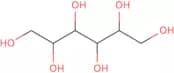
CAS:<p>Phenyl a-L-thiorhamnopyranoside is a monosaccharide that is synthesized by the methylation of alpha-D-glucose. It is a custom synthesis that is used in the synthesis of oligosaccharides, polysaccharides, and sugar drugs. Phenyl a-L-thiorhamnopyranoside can be fluorinated to create an active form that has antibacterial activity. This compound has shown no signs of toxicity in animal studies and has been used as a food additive.</p>Fórmula:C12H16O4SPureza:Min. 95%Peso molecular:256.32 g/molD-Sorbitol hexahydrate
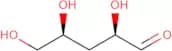
<p>D-Sorbitol hexahydrate is a sugar that is used in the food industry as a substitute for sucrose. It is also an important component of many pharmaceuticals and other products. Sorbitol hexahydrate can be synthesized from glucose, which is oxidized to sorbitol, and then hydrolyzed by sulfuric acid to produce D-sorbitol hexahydrate. The product is often used as a sweetener for diabetic patients because it does not cause blood glucose levels to rise rapidly. Sorbitol hexahydrate also has anti-inflammatory properties and can be used in the treatment of gastric ulcers.</p>Fórmula:C6H14O6·6H2OPureza:Min. 95%Peso molecular:290.26 g/mol3-Deoxy-D-ribose
CAS:<p>3-Deoxy-D-ribose is a monosaccharide with a molecular formula of CH(OH)CO. It is the 3-deoxy form of ribose and its pyranose ring has an oxygen atom at the 3 position. 3-Deoxy-D-ribose can be synthesized by periodate treatment of glyceric acid in the presence of hydrochloric acid, followed by hydrolysis to produce sorbose and then reaction with glycolaldehyde to produce D-glycero-D-galactopyranosyl bromide. The final step is conversion to 3-deoxyribose by reaction with aqueous ammonia.<br>3-Deoxyribose inhibits ribulose synthesis, which prevents the formation of an intermediate molecule required for the synthesis of fatty acids and phospholipids.</p>Pureza:Min. 95%Pregnanetriol 3a-O-b-D-glucuronide
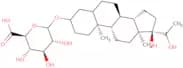
CAS:<p>Pregnanetriol 3a-O-b-D-glucuronide (PG3G) is a metabolite of progesterone that is excreted in the urine during the luteal phase. It is used as a marker for ovulation in women, and can be measured using immunoanalytical techniques. A multicentre study was conducted to measure PG3G levels and found that it is higher during ovulation than at other times of the menstrual cycle. This steroid hormone has been shown to inhibit follicular growth in rats, but its role in humans is less clear.</p>Fórmula:C27H44O9Pureza:Min. 95%Peso molecular:512.63 g/molGenistein D4-7-O-glucoside
<p>Genistein D4-7-O-glucoside is a custom synthesis of genistein. The modification of the sugar molecule with fluorine and methyl groups, as well as the addition of an oligosaccharide chain, has been completed. This product is under CAS No. which will be provided to qualified customers upon request. Genistein D4-7-O-glucoside is a complex carbohydrate that has been modified by Oligosaccharide and saccharide, with glycosylation occurring at Carbohydrate.</p>Pureza:Min. 95%Benzyl N-acetyl-4,6-O-benzylidene-a-isomuramic acid methyl ester
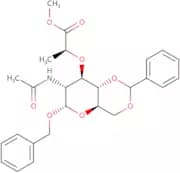
CAS:<p>This product is a custom synthesis that is synthesized in our lab. It is a high purity product with a custom synthesis. This product has been modified with Click chemistry, fluorination, and glycosylation. It was synthesized by methylation and modification of an oligosaccharide monosaccharide saccharide carbohydrate complex carbohydrate.</p>Fórmula:C26H31NO8Pureza:Min. 95%Peso molecular:485.53 g/molMethyl 3,5-di-O-pivaloyl-D-xylofuranoside
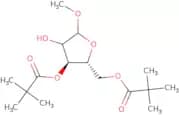
<p>Methyl 3,5-di-O-pivaloyl-D-xylofuranoside is a monosaccharide and an important building block in the synthesis of complex carbohydrates. It has been used in glycosylation reactions as a protecting group and can be fluorinated with trifluoromethanesulfonic acid to give 1,1,1-trifluoro-3-(2′,4′,6′-trihydroxyphenyl)propane.</p>Fórmula:C16H28O7Pureza:Min. 95%Peso molecular:332.39 g/molMethyl α-D-mannopyranoside 2,3,4,6-tetrasulfate potassium
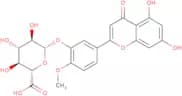
CAS:<p>Methyl a-D-mannopyranoside 2,3,4,6-tetrasulfate potassium salt is a synthetic carbohydrate that is used in the synthesis of saccharides or glycosides. This compound is also used as an intermediate for the modification of saccharides and oligosaccharides. Methyl a-D-mannopyranoside 2,3,4,6-tetrasulfate potassium salt can be fluorinated to yield Methyl a-D-mannopyranoside 2,3,4,6,-pentafluorobenzoate potassium salt.</p>Fórmula:C7H14O18S4•K4Pureza:Min. 95%Peso molecular:670.83 g/molDiosmetin-d3-3'-O-glucuronide
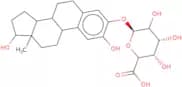
CAS:<p>Diosmetin-d3-3'-O-glucuronide is a synthetic sugar derivative that is used as a building block for the synthesis of oligosaccharides and polysaccharides. Diosmetin-d3-3'-O-glucuronide can be fluorinated and methylated, which makes it useful for click chemistry reactions, because it can be easily modified to create new structures. This product is available in high purity with custom synthesis options.</p>Fórmula:C22H17D3O12Pureza:Min. 95%Peso molecular:479.4 g/mol2-Hydroxyestradiol 3-O-b-D-glucuronide
CAS:<p>2-Hydroxyestradiol 3-O-b-D-glucuronide is a high purity, custom synthesis compound. It is a fluorinated modification of estradiol and has been shown to have immunomodulatory properties. This compound can be used in the treatment of cancer cells and is an excellent candidate for methylation or click modification.</p>Fórmula:C24H32O9Pureza:Min. 95%Peso molecular:464.51 g/molLasofoxifene b-D-glucuronide
CAS:<p>Lasofoxifene b-D-glucuronide is a synthetic, nonsteroidal estrogen that was developed to avoid the side effects of other estrogens. It is a prodrug that is hydrolyzed in vivo to lasofoxifene and then undergoes methylation and glucuronidation. Lasofoxifene b-D-glucuronide has been shown to inhibit tumor growth in animals by reducing the number of cancer cells and blocking their spread. This drug also prevents bone loss by inhibiting the production of osteoclasts, which are cells that break down bone tissue.</p>Fórmula:C34H39NO8Pureza:Min. 95%Peso molecular:589.68 g/molMetronidazole b-D-glucuronide
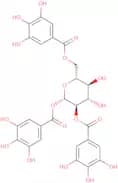
CAS:<p>Metronidazole b-D-glucuronide is a glycosylated form of metronidazole that is rapidly hydrolyzed by esterases or glucuronidases to the parent drug. Metronidazole b-D-glucuronide has been shown to be an effective inhibitor of bacterial growth, which may be due to its inhibition of DNA synthesis. The drug also has anti-inflammatory and antiproliferative activity in vitro. Metronidazole b-D-glucuronide is a water soluble prodrug that is used as an antimicrobial agent for the treatment of infections caused by susceptible bacteria. It can be custom synthesized with high purity and good yield.</p>Fórmula:C12H17N3O9Pureza:Min. 95%Peso molecular:347.28 g/mol1,2,6-Tri-O-galloylglucose
CAS:<p>1,2,6-Tri-O-galloylglucose is a natural compound that has been shown to have inhibitory effects on the human immunodeficiency virus (HIV) enzyme serine protease. This inhibits the viral replication process by preventing the protease from cleaving viral polyproteins. The compound also inhibits complement activation and has antioxidant properties. 1,2,6-Tri-O-galloylglucose is active against leukemia cells and has been shown to be more effective at lower pH levels. It also has an inhibitory effect on ellagitannins and anticomplement activity.</p>Fórmula:C27H24O18Pureza:Min. 95%Peso molecular:636.47 g/mol



![2-Amino-a-D-ribofurano[1',2':4,5]oxazoline](/_next/image/?url=https%3A%2Fstatic.cymitquimica.com%2Fproducts%2F3D%2Fthumb-webp%2FMA01170.webp&w=3840&q=75)