Sales de metal
En esta sección, puede encontrar diversas sales metálicas, que son compuestos caracterizados por contener átomos metálicos y no metálicos. Esencialmente, las sales metálicas están compuestas por cationes que son uno o más átomos metálicos. Estas sales desempeñan un papel crucial en numerosas reacciones y aplicaciones químicas, sirviendo como catalizadores, reactivos o intermediarios en varios procesos industriales y de investigación. En CymitQuimica, ofrecemos una amplia selección de sales metálicas de alta calidad para satisfacer sus necesidades de investigación e industriales, asegurando un rendimiento fiable y efectivo en sus aplicaciones.
Se han encontrado 2870 productos de "Sales de metal"
Ordenar por
Pureza (%)
0
100
|
0
|
50
|
90
|
95
|
100
Ferrozine sodium salt
CAS:<p>Ferrozine sodium salt, also known as ferrozine, is an iron chelator. It is used for the removal of iron from physiological fluids and tissue samples in order to identify the presence of reactive oxygen species (ROS). Ferrozine binds to iron ions and forms ferrous complexes that are excreted through urine or bile. It has been shown that ferrozine inhibits lipid peroxidation in rat liver mitochondria. This may be due to its ability to react with hydrogen peroxide and form a complex with iron-hydrogen peroxide, which prevents the formation of hydroxyl radicals.</p>Fórmula:C20H13N4NaO6S2Pureza:Min. 97 Area-%Forma y color:Off-White PowderPeso molecular:492.46 g/molCalcium folinate
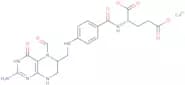
CAS:<p>Dihydrofolate reductase activator; decreases methotrexate toxicity</p>Fórmula:C20H21CaN7O7Pureza:Min. 95%Forma y color:PowderPeso molecular:511.50 g/molValeric acid sodium
CAS:<p>Valeric acid sodium salt is a fatty acid that has been shown to inhibit bacterial growth in the presence of epidermal growth factor and sodium salts. Valeric acid sodium salt is used as an antiseptic in topical formulations and as a preservative for pharmaceuticals. Valeric acid sodium salt also inhibits HIV infection by inhibiting the binding of HIV to its receptor, which prevents the virus from entering cells.</p>Fórmula:C5H10O2•NaPureza:Min. 95%Forma y color:PowderPeso molecular:125.12 g/molPotassium citrate
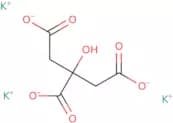
CAS:<p>Potassium citrate is a salt of potassium and citric acid. It is used as an antacid to help relieve the symptoms of heartburn, sour stomach, and acid indigestion. Potassium citrate can also be used as a supplement when the body does not produce enough of this chemical on its own. It is usually taken with calcium pantothenate to provide additional relief for people who have low levels of these chemicals in their urine. The phase transition temperature for potassium citrate is approximately 33°C (91°F).</p>Fórmula:C6H5K3O7Forma y color:White Off-White PowderPeso molecular:306.39 g/molCopper(II) oxide
CAS:<p>Copper oxide is a solid ionic compound that has the chemical formula CuO. It has been shown to have potent anti-inflammatory properties and can be used in pharmaceutical preparations to treat rheumatoid arthritis, osteoarthritis, and gout. Copper oxide has a particle size of less than 10 microns with amines adsorbed on its surface. The adsorption of amines on the surface of copper oxide particles is an important factor for increasing the effectiveness of this material in biological applications. Copper oxide also provides protection against oxidative stress by scavenging free radicals. The activation energy for the reaction is high at 40 kcal/mol, which leads to a slow reaction rate. This reaction is kinetically controlled and the rate increases with increased temperature.</p>Fórmula:CuOPureza:Min. 95%Forma y color:PowderPeso molecular:79.55 g/molLithium phenyl(2,4,6-trimethylbenzoyl)phosphinate
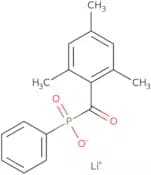
CAS:<p>Lithium phenyl(2,4,6-trimethylbenzoyl)phosphinate is a disulfide bond reductant that can be used to reduce the disulfide bonds in proteins. Lithium phenyl(2,4,6-trimethylbenzoyl)phosphinate has been shown to inhibit the proliferation of human hepatic cells and reverse the accumulation of lipids in these cells. It also has antiviral properties and has been shown to inhibit HIV-1 replication in vitro. This drug may have potential applications in radiation therapy as it is not affected by light exposure or radiation. Low-density lipoprotein (LDL)-cholesterol levels were found to decrease after administration of lithium phenyl(2,4,6-trimethylbenzoyl)phosphinate. This drug also has effects on body weight and body mass index (BMI). Lithium phenyl(2,4,6-trim</p>Fórmula:C16H16LiO3PPureza:Min. 95%Forma y color:White PowderPeso molecular:294.21 g/molL-Aspartic acid sodium salt monohydrate
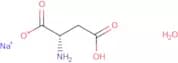
CAS:<p>L-Aspartic acid sodium salt monohydrate is a sodium carbonate salt of L-aspartic acid that has been shown to inhibit the growth of leishmania in vitro. It may also be effective against other protozoa and amoeba, including Entamoeba histolytica and Naegleria fowleri. L-Aspartic acid sodium salt monohydrate inhibits acid formation by inhibiting the enzyme carbonate synthetase. This compound also has potential as a drug target for infantile lysosomal storage disease due to its ability to activate glutamate, which is an amino acid that is deficient in this condition. The surface methodology used for this study was titration calorimetry, which can be used to measure the thermodynamic properties of activated carboxylates.</p>Fórmula:C4H6NO4Na·H2OForma y color:White Off-White Clear LiquidPeso molecular:173.1 g/molZinc glycinate
CAS:<p>Zinc glycinate is a form of zinc that is well-absorbed in the gut and has low toxicity. It is used to treat metabolic disorders such as fatty acid oxidation, ethylene diamine oxidation, and antimicrobial peptide synthesis. Zinc glycinate also inhibits the activity of enzymes involved in reactions involving acid complex, nutrient solution, drug interactions, and tissue antigens. Zinc glycinate binds to picolinic acid (a metabolite of tryptophan) and inhibits mitochondrial membrane potential. Structural analysis shows that zinc glycinate has a molecular weight of 196.2 g/mol and an empirical formula of C9H12N2O6Zn.</p>Fórmula:C4H8N2O4ZnPureza:Min. 95%Forma y color:PowderPeso molecular:213.5 g/molIndigosol O, disodium salt
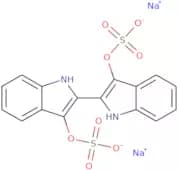
CAS:<p>Indigo-sols are a class of high quality, versatile building blocks. They are useful in the synthesis of complex organic compounds and can be used as a reagent for reactions such as the Wittig reaction. Indigo-sols are an important intermediate for the production of indigo dye and have been shown to be useful scaffolds for drug discovery research. Indigo-sols have also been shown to exhibit antiviral activity against HIV protease, influenza neuraminidase, and herpes simplex virus type 1 protease. The CAS number is 3875-70-5.</p>Fórmula:C16H10N2Na2O8S2Pureza:Min. 95%Forma y color:PowderPeso molecular:468.37 g/molZinc pentamethylenedithiocarbamate
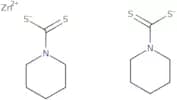
CAS:<p>Zinc pentamethylenedithiocarbamate is an analytical reagent for the determination of fatty acid, viscosity, and cross-linking agent. It is also used as a synthetic, inorganic, organosilicon, piperidine derivative. Zinc pentamethylenedithiocarbamate is a molecule that consists of two divalent hydrocarbons: zinc diethyldithiocarbamate and organosilicon. The molecular weight of zinc pentamethylenedithiocarbamate is 476.6 g/mol.</p>Fórmula:C12H20N2S4ZnPureza:(%) Min. 95%Forma y color:PowderPeso molecular:385.94 g/molD-(+)-2-Phosphoglyceric acid sodium hydrate
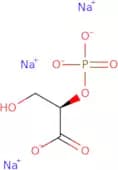
CAS:<p>Please enquire for more information about D-(+)-2-Phosphoglyceric acid sodium hydrate including the price, delivery time and more detailed product information at the technical inquiry form on this page</p>Fórmula:C3H4Na3O7PPureza:Min. 95 Area-%Forma y color:PowderPeso molecular:252 g/molSodium sulfide nonahydrate
CAS:Producto controlado<p>Sodium sulfide nonahydrate is a chemical compound that has been shown to be statistically significantly more genotoxic than sodium sulfate, but less genotoxic than sodium sulfite. Sodium sulfide nonahydrate is used as a coating material and in the production of polychromatic pigment. It has also been studied for its potential use in analytical methods such as surface methodology, x-ray absorption spectroscopy, and photoelectron spectroscopy. Recent studies have also shown that this compound may enhance the rate of reaction between nucleophiles and electrophiles. Sodium sulfide nonahydrate can cause hematological changes in humans at high doses, including lymphocyte reduction, leukocytosis, and increased erythrocyte sedimentation rate.</p>Fórmula:Na2S•(H2O)9Pureza:Min. 98%Forma y color:PowderPeso molecular:240.18 g/molSodium carboxyl methylstarch
CAS:<p>Sodium carboxymethyl starch, sometimes abbreviated as CMS or SCMS, is a modified starch derivative widely used as an excipient in pharmaceutical formulations. It is used to support the stability, delivery, and performance of the API in drug products.</p>Pureza:Min. 95%Forma y color:PowderL-Thyroxine sodium pentahydrate
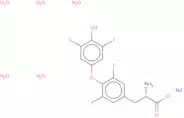
CAS:<p>L-Thyroxine sodium pentahydrate is an organic chemical compound that belongs to the group of thyroxine compounds. It is a white, crystalline solid with a molecular formula of C5H11NNaO4S. L-Thyroxine sodium pentahydrate is used in research as a reagent, scaffold, and intermediate, and can be used as a building block for other chemicals. This chemical has many different uses because it is versatile and reacts easily with other compounds.</p>Fórmula:C15H20I4NNaO9Forma y color:PowderPeso molecular:888.93 g/molLasalocid A sodium salt
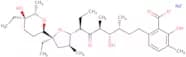
CAS:<p>Lasalocid is a water-soluble sodium salt of lasalocid A, an antimicrobial agent that is used in wastewater treatment. Lasalocid A has been shown to have effects on the enzyme activities of quillaja saponaria, which may be due to its ability to change the phase transition temperature and react with enzymes involved in energy metabolism. Lasalocid A also appears to have cardiotoxic effects when administered in high doses in experimental models. The potential for toxicity is decreased when it is combined with dopamine β-hydroxylase inhibitors such as carbidopa.</p>Fórmula:C34H53NaO8Pureza:Min. 95%Forma y color:White PowderPeso molecular:612.77 g/molDisodium pamoate
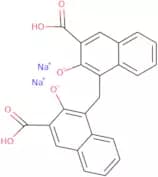
CAS:<p>Disodium pamoate is a compound that contains caproic acid. It is used as an analytical reagent for the determination of peptide hormones and pharmacological agents. Disodium pamoate has been shown to be an antimicrobial agent, and can inhibit the growth of bacteria by binding to the ribosomal subunits. Disodium pamoate has also been shown to have anticancer properties, which may be due to its ability to induce mitochondrial membrane depolarization in HL-60 cells. This compound binds to nitrogen atoms on biological structures, such as proteins or other organic compounds, thereby altering their structure and function.</p>Fórmula:C23H14Na2O6Pureza:Min. 95%Forma y color:Slightly Yellow PowderPeso molecular:432.33 g/molTitanium (IV) oxide - Rutile
CAS:<p>Rutile is the most common form of titanium oxide and is a photocatalyst that can react with water vapor to produce hydrogen gas. Rutile has been shown to be toxicologically safe and has been used in analytical methods for the detection of sodium salts, such as the determination of sodium in seawater. Rutile can also be used for wastewater treatment, where it functions as a catalyst for chemical reactions that remove organic pollutants from water.</p>Fórmula:TiO2Pureza:Min. 95%Forma y color:White Clear LiquidPeso molecular:79.87 g/molZirconiumdicarbonate
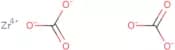
CAS:<p>Zirconiumdicarbonate is a zirconium compound that is used as an oxidation catalyst for wastewater treatment. The chemical stability of zirconiumdicarbonate makes it a good choice for this application because it can withstand harsh conditions. Zirconiumdicarbonate is typically used in conjunction with potassium dichromate, which oxidizes organic compounds and converts them to carbon dioxide, water vapor, and hydrogen chloride. The reaction mechanism involves the dimethyl fumarate being reduced to formaldehyde and methanol. These substances react with the zirconium oxide to produce hydrogen gas and water vapor. Zirconiumdicarbonate is also used in the production of polyvinyl chloride (PVC) plastics. Zirconiumdicarbonate reacts with sodium carbonate or sodium hydroxide to produce sodium dichromate or sodium hydroxide respectively.</p>Fórmula:C2O6ZrForma y color:PowderPeso molecular:211.24 g/molEstramustine sodium phosphate
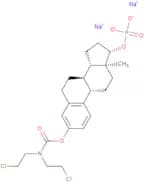
CAS:<p>Estramustine is a cytotoxic agent that inhibits the growth of cancer cells by interfering with intracellular targets. It is classified as an alkylating agent, which means it damages DNA and RNA by binding to them. Estramustine can be used in chemotherapy for the treatment of various types of cancers, including prostate cancer. This drug has minimal toxicity and long-term toxicity effects on the prostate gland, which limits its use in treating prostate cancer. Estramustine phosphate also inhibits a protein that helps maintain cellular calcium levels and can be used as an anti-inflammatory agent.</p>Fórmula:C23H32Cl2NO6P•Na2Pureza:Min. 98 Area-%Forma y color:PowderPeso molecular:566.36 g/molAndrosterone sulfate sodium
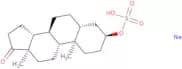
CAS:<p>Androsterone sulfate sodium is a fine chemical that is used as a versatile building block in the synthesis of complex compounds. It is also a valuable reagent in research and speciality chemicals. Androsterone sulfate sodium is used as a high-quality reaction component and can be used as an intermediate to produce other useful compounds. This compound has the CAS number 1852-41-1 and can be used as a scaffold to generate other related compounds.</p>Fórmula:C19H29NaO5SPureza:Min. 95 Area-%Forma y color:White PowderPeso molecular:392.49 g/molMethylene Green zinc chloride double salt
CAS:<p>Methylene green zinc chloride double salt is a reactive dye that is used in biological and analytical methods. It has a high affinity for proteins, which allows it to be used as a marker for protein-dye interactions. The methylene green zinc chloride double salt is an optical sensor that changes color when the dye interacts with other substances. It can be used to detect the presence of pathogens, such as bacteria or viruses, by determining the amount of dye remaining after exposure to the pathogen. Methylene green zinc chloride double salt also reacts with tetrazolium dye in biological samples, such as human serum or brain tissue, to produce a color change. This reaction mechanism can be used to measure metabolic activity in cells and tissues. In wastewater treatment, methylene green zinc chloride double salt can be used as an adsorbent for removal of organic pollutants from water. Methylene green zinc chloride double salt also has radiation-blocking properties and can be used as a protective agent against radiation exposure</p>Fórmula:C16H17ClN4O2S•(ZnCl2)0Pureza:Min. 70 Area-%Forma y color:PowderPeso molecular:432.99 g/molSulfadiazine sodium
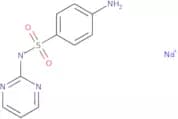
CAS:<p>Sulfadiazine sodium is an antimicrobial agent that belongs to the sulfa drugs. It has a wide range of uses, such as wastewater treatment, disinfecting water supplies, and treating infectious diseases. Sulfadiazine sodium is commonly used in the treatment of urinary tract infections and skin infections. The structure of sulfadiazine sodium is similar to the structure of other sulfa drugs. Sulfa drugs are compounds containing a sulfonamide group linked to a 4-carbon organic acid. They are characterized by their antibiotic properties and their ability to prevent bacterial growth by blocking the synthesis of folic acid. Sulfa drugs also have a synergistic effect with penicillin antibiotics, which can help kill bacteria that have become resistant to penicillin alone.</p>Fórmula:C10H9N4NaO2SPureza:Min. 95%Forma y color:White To Yellow SolidPeso molecular:272.26 g/molGualicol sulfonic acid potassium salt
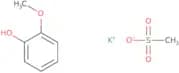
CAS:<p>Gualicol sulfonic acid potassium salt is a potassium salt that has expectorant properties. It can be used for the treatment of respiratory conditions such as bronchitis and asthma. Gualicol sulfonic acid potassium salt is used to treat coughs and other symptoms of respiratory infections, such as bronchitis and asthma. The drug is administered by mouth in tablet form.</p>Fórmula:C7H7KO5SPureza:Min. 95%Forma y color:PowderPeso molecular:242.29 g/molGlycocholic acid, sodium salt hydrate
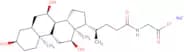
CAS:<p>Glycocholic acid, sodium salt hydrate is a bile acid derivative, which is primarily derived from cholesterol in the liver. It is formed by the conjugation of cholic acid with the amino acid glycine. This compound acts primarily as a detergent in the digestive system, aiding in the emulsification and absorption of lipids and fat-soluble vitamins in the small intestine.</p>Fórmula:C26H42NNaO6(anhydrousbasis)Pureza:Min. 98 Area-%Forma y color:White PowderPeso molecular:487.62 g/molZinc sulfate monohydrate
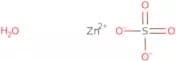
CAS:<p>Zinc sulfate monohydrate is a white crystalline solid that is soluble in water. It is used as a nutrient supplement, such as in the form of zinc sulfate. The compound is also used to prepare zinc citrate, which can be used as a buffer or reaction solution. Zinc sulfate monohydrate reacts with other compounds to produce zinc salts and water vapor. In the presence of calcium pantothenate and phosphorus pentoxide, it forms zinc phosphate and zinc carbonate. This compound has been shown to increase locomotor activity when injected into rats at an optimum concentration. Zinc sulfate monohydrate has been shown to have cardiac effects in rats at higher doses, including delayed repolarization and reduced contractility. Structural analysis of this compound has shown that it contains a complex enzyme-like site that may be involved in the catalytic process. Thermodynamic data for this compound has been obtained by differential scanning calorimetry and X-ray powder diffraction analysis,</p>Fórmula:ZnSO4•H2OPureza:Min. 95%Forma y color:PowderPeso molecular:179.46 g/molSodium diformylamide
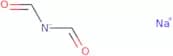
CAS:<p>Sodium diformylamide is a chemical compound that belongs to the class of amides. It has been shown to inhibit the activity of a number of enzymes including alkanoic acid, inorganic acid, and amide. It has also shown promising results in the prevention and treatment of metabolic disorders such as hepatitis. The asymmetric synthesis of this compound is achieved through the use of trifluoroacetic acid and nitrogen atoms. The biological properties of sodium diformylamide have not yet been fully researched but it has been found to have integrin receptor-binding properties.</p>Fórmula:C2H3NO2•NaPureza:Min. 95%Peso molecular:96.04 g/molTaurochenodeoxycholic acid sodium
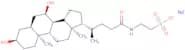
CAS:<p>Taurochenodeoxycholic acid sodium is a bile acid derivative, which is naturally sourced from the bile of mammals. It is synthesized by conjugating chenodeoxycholic acid with taurine, resulting in its sodium salt form. The primary mode of action of taurochenodeoxycholic acid sodium involves its role in the emulsification and absorption of dietary fats and fat-soluble vitamins in the intestines. Additionally, it acts on the liver, where it enhances bile flow and exhibits hepatoprotective properties by modulating bile acid composition and reducing cytotoxicity.</p>Fórmula:C26H45NO6S•NaPureza:Min. 95%Forma y color:PowderPeso molecular:522.7 g/molDL-4-Hydroxy-2-ketoglutarate dilithium salt
CAS:<p>DL-4-Hydroxy-2-ketoglutarate dilithium salt (DL4KG) is a lysine analogue that is used as a substrate for the enzyme aldolase. DL4KG has a hydroxyl group, which can react with the amino group of lysine residues on proteins to produce an unstable intermediate. This process eventually leads to the production of glutamate and glyceraldehyde 3-phosphate, which are needed in the synthesis of ATP. DL4KG has been shown to be an inhibitor of bacterial enzymes such as glutamate dehydrogenase, which catalyzes the conversion of L-glutamic acid to L-glutamine. Inhibition by DL4KG has been demonstrated in vitro at concentrations between 2 and 10 mM.</p>Fórmula:C5H4O6Li2Pureza:90%MinForma y color:White to off-white solid.Peso molecular:173.96 g/molTitanium (IV) oxide - Rutile nanopowder ca. 25 nm particle size
CAS:<p>Rutile titanium dioxide is a naturally occurring mineral that is composed of titanium (IV) oxide and oxygen. Rutile TiO2 nanopowder has shown to be an effective catalyst for the decomposition of organic matter in wastewater treatment, due to its strong reactive properties. Rutile TiO2 nanopowder can also be used as an additive in polymerase chain reactions (PCR). It has been shown to have a number of physiological effects, such as changes in the expression of genes related to the pathogenesis of certain cancers. The mechanism by which this occurs is not yet fully understood and requires further research. Rutile TiO2 nanopowder is produced by laser ablation and has been used for analytical methods such as electrochemical impedance spectroscopy. The toxicity of rutile TiO2 nanopowder has been studied extensively with regards to its effects on animals, humans, and plants.</p>Fórmula:TiO2Pureza:(%) Min. 98%Forma y color:White Off-White PowderPeso molecular:79.87 g/molPoly-L-glutamic acid sodium, MW 50,000-100,000
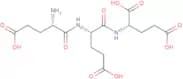
CAS:<p>Poly-L-glutamic acid sodium, MW 50,000-100,000 is a treatment agent that belongs to the group of oligopeptides. It is a low-dose therapeutic agent for the treatment of hair loss and alopecia. The amino acid sequence of this product has been shown to be similar to that of methionine and contains carboxyl groups. Poly-L-glutamic acid sodium, MW 50,000-100,000 is formed by the deprotonation and protonation of amino groups and carboxyl groups in an acidic environment.</p>Fórmula:(C5H9NO4)x•NaxPureza:Min. 95%Forma y color:PowderGlyoxal Sodium Bisulfite (contains oligomers)
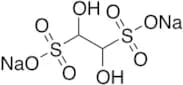
CAS:Producto controlado<p>Applications Glyoxal Sodium Bisulfite (contains oligomers) (cas# 517-21-5) is a useful research chemical.<br></p>Fórmula:C2H4Na2O8S2Forma y color:NeatPeso molecular:266.15Sodium Hydrosulfide Hydrate
CAS:Producto controlado<p>Applications Sodium Hydrosulfide Hydrate is a stable hydrogen sulfide (H2S) donor and oxidant in the formation of benzothiazoles. It is also used as a reagent in the synthesis of imidazo[1,2-b]thiazole derivatives as novel SIRT1 activators.<br> Not a dangerous good if item is equal to or less than 1g/ml and there is less than 100g/ml in the package<br>References Meng, J., et al.: Int. J. Impot. Res., 25, 86 (2013); Park, N., et al.: Eur. J. Org. Chem., 2012, 1984 (2012); Vu, C.B., et al.: J. Med. Chem., 52, 1275 (2009)<br></p>Fórmula:HNaS(xH2O)Forma y color:NeatPeso molecular:56.06 + x(18.02)Sodium Stearate
CAS:Producto controlado<p>Applications Sodium stearate (cas# 822-16-2) is a useful research chemical.<br></p>Fórmula:C18H35NaO2Forma y color:NeatPeso molecular:306.46Sodium Phenoxide Trihydrate
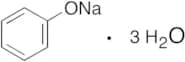
CAS:Producto controlado<p>Applications Sodium Phenoxide Trihydrate, is used in the synthesis of trialkylphosphonium salts as replacements for easily oxidizable trialkylphosphines. Also used in the aminocarbonylation of aryl chlorides at atmospheric pressure.<br> Not a dangerous good if item is equal to or less than 1g/ml and there is less than 100g/ml in the package<br>References Martinelli, J. et al.: Angew. Chem. Int. Ed., 46, 8460 (2007); Netherton, M. et al.: Org. Lett., 3, 4295 (2001);<br></p>Fórmula:C6H5NaOH2OForma y color:NeatPeso molecular:170.14Lithium Iodide Hydrate
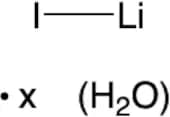
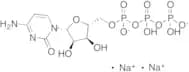
CAS:Producto controlado<p>Applications Lithium Iodide Hydrate is used in the dehydration of alkali metal iodides in vacuum and in the dehydration of lithium iodide hydrate crystals.<br>References Sofronov, D. S., et al.: Functional Materials, 12, 559 (2005), Demidov, A. I., et al.: Zhurnal Prikladnoi Khimii, 71, 1249 (1998)<br></p>Fórmula:ILi·x(H2O)Forma y color:NeatPeso molecular:133.85 + x(18.02)Cytidine 5'-Triphosphate Disodium Salt
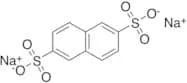
CAS:<p>Applications Cytidine 5'-Triphosphate Disodium Salt is a P2X purinergic receptor agonist. It can be used as reactant/reagent in chemoenzymic synthesis of sialosides containing C7-modified sialic acids and their application in sialidase substrate specificity studies.<br>References Khedri, Z., et al.: Carbohyd Res, 389, 100 (2014)<br></p>Fórmula:C9H14N3Na2O14P3Forma y color:NeatPeso molecular:527.12Sodium Naphthalene-2,6-disulfonate
CAS:Producto controlado<p>Applications Sodium Naphthalene-2,6-disulfonate (cas# 1655-45-4) is a useful research chemical.<br></p>Fórmula:C10H6Na2O6S2Forma y color:NeatPeso molecular:332.26Potassium Fluoride Dihydrate
CAS:Producto controlado<p>Applications Potassium Fluoride Dihydrate is a useful chemical reagent.<br> Not a dangerous good if item is equal to or less than 1g/ml and there is less than 100g/ml in the package<br></p>Fórmula:KF·2H2OForma y color:NeatPeso molecular:94.13Sodium a-Chloroacetate
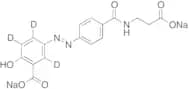
CAS:Producto controlado<p>Applications Sodium α-Chloroacetate is used in the synthesis of potent PDE10 inhibitors in the treatment and control of schizophrenia. Also used in the preparation of various anionic surfactants.<br> Not a dangerous good if item is equal to or less than 1g/ml and there is less than 100g/ml in the package<br>References Yang, S. et al. Bioorg. Med. Chem. Lett., 22, 235 (2012); Sakai, T. et al.: J. Phys. Chem. B., 117, 5081 (2013);<br></p>Fórmula:C2H2ClNaO2Forma y color:NeatPeso molecular:116.48Balsalazide-d3 Disodium Salt
CAS:Producto controlado<p>Applications Balsalazide-d3 Disodium Salt is a labeled analogue of Sulfasalazine (S699084). A prodrug of 5-aminosalicylic acid where carrier molecule is 4-aminobenzoyl-β-alanine. Anti-inflammatory (gastrointestinal).<br>References Prakash, A., et al.: Drugs, 56, 83 (1998); Coyne, C., et al.: Mol. Biol. Cell, 13, 3218 (2002); Willemsen, L., et al.: Clin. Exp. Immunol., 142, 275 (2005)<br></p>Fórmula:C17D3H10N3Na2O6Forma y color:NeatPeso molecular:404.3Cesium Iodide
CAS:Producto controlado<p>Applications Cesium Iodide (cas# 7789-17-5) is a useful research chemical.<br></p>Fórmula:CsIForma y color:NeatPeso molecular:259.814-[1-(4-Iodophenyl)-5-(2,4-dinitrophenyl)-formaz-3-yl]-1,3-benzene Disulfonate, Disodium Salt
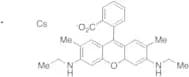
CAS:Producto controlado<p>Applications 4-[1-(4-Iodophenyl)-5-(2,4-dinitrophenyl)-formaz-3-yl]-1,3-benzene Disulfonate, Disodium Salt (cas# 161617-44-3) is a compound useful in organic synthesis.<br></p>Fórmula:C19H11IN6O10S2·2NaForma y color:NeatPeso molecular:720.349-(2-Carboxyphenyl)-3,6-bis(ethylamino)-2,7-dimethylxanthylium Cesium Salt
CAS:Producto controlado<p>Applications 9-(2-Carboxyphenyl)-3,6-bis(ethylamino)-2,7-dimethylxanthylium Cesium Salt is an intermediate in the synthesis of SkQR1 (S555050), a mitochondria-targeted plastoquinone antioxidant that exhibits neuroprotective effect. Potent Mitochondrial Targeting antioxidant (1)<br>References Isaev NK. et al. 2012. Biochemistry (Mosc). Sep;77(9):996-9 Isaev NK, et al. Rev Neurosci. 2016 Aug 25.<br></p>Fórmula:C26H26CsN2O3Forma y color:NeatPeso molecular:547.4Sodium Phosphate Dibasic
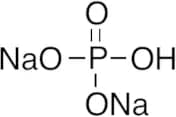
CAS:<p>Applications Sodium Phosphate Dibasic is used as an in conjunction with trisodium phosphate in foods and water treatment. In foods, it is used to adjust pH. In water treatment, It retards calcium scale formation. It is also found in some detergents and cleaning agents. Sodium Phosphate Dibasic is used as a saline laxative to treat constipation or to clean the bowel before a colonoscopy.<br>References Tsioulpas, A., et al.: Food Chem., 122, 1027 (2010); Schrödter, K., et al.: Ullmann’s Encyclopedia of Industrial Chemistry (2008); Hansen, C., et al.: Am. J. Obstet. Gynecol., 196, 311 (2007)<br></p>Fórmula:Na·HO4PForma y color:NeatPeso molecular:141.96Potassium Thioacetate
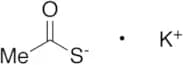
CAS:Producto controlado<p>Applications Potassium Thioacetate is the potassium salt of Thioacetic Acid, a commonly used reagent in organic synthesis for the introduction of thiol groups in molecules.<br> Not a dangerous good if item is equal to or less than 1g/ml and there is less than 100g/ml in the package<br>References Chapman, J.H. et al.: J. Chem. Soc., 579 (1950);<br></p>Fórmula:C2H4KOSForma y color:NeatPeso molecular:114.21Chlorodifluoro-acetic Acid Sodium Salt
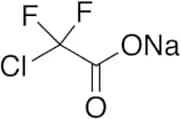
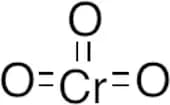
CAS:Producto controlado<p>Applications Chlorodifluoro-acetic Acid Sodium Salt (cas# 1895-39-2) is a compound useful in organic synthesis.<br></p>Fórmula:C2ClF2NaO2Forma y color:NeatPeso molecular:152.46Chromium (VI) Oxide
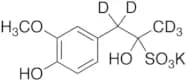
CAS:Producto controlado<p>Applications Chromium (VI) oxide is a toxic compound that has been strongly linked to initiating cancer in humans. Chromium (VI) oxide is also used as a catalyst in the oxidation of benzylic compounds (e.g. Toluene [T535870]) with periodic acid as the terminal oxidant.<br> Not a dangerous good if item is equal to or less than 1g/ml and there is less than 100g/ml in the package<br>References Pritchard Jr., K., et al.: J. Environ. Pathol. Tox., 19, 251 (1999); Yamazaki, S.: Org. Lett., 1, 2129 (1999)<br></p>Fórmula:CrO3Forma y color:Dark PurplePeso molecular:99.99α,4-Dihydroxy-3-methoxy-α-methyl-benzeneethanesulfonic Acid Potassium Salt-d5
CAS:Producto controlado<p>Applications A labelled intermediate in the preparation of DOPA-decarboxylase inhibitors.<br></p>Fórmula:C10H8D5KO6SForma y color:NeatPeso molecular:305.4N-[2-(N’,N’,N’-Trimethylammoniumbromide)ethyl]maleamic Acid Sodium Salt
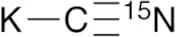
CAS:Producto controlado<p>Applications N-[2-(N’,N’,N’-Trimethylammoniumbromide)ethyl]maleamic Acid Sodium Salt is a compound useful in organic synthesis.<br></p>Fórmula:C9H16N2NaO3·BrForma y color:NeatPeso molecular:303.129Potassium Cyanide-15N
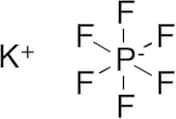
CAS:Producto controlado<p>Applications Labelled analogue of Potassium Cyanide, a reagent widely used in organic synthesis for the preparation of nitriles and carboxylic acids, particularly in the von Richter reaction.<br> Not a dangerous good if item is equal to or less than 1g/ml and there is less than 100g/ml in the package<br>References Kollenz, G. et al.: Org. Prep. Proc. Int., 12, 244 (1980); Subramanian, L. R.: Sci. Synth., 19, 173 (2004);<br></p>Fórmula:CK15NForma y color:NeatPeso molecular:66.11Potassium Hexafluorophosphate
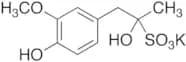
CAS:Producto controlado<p>Applications POTASSIUM HEXAFLUOROPHOSPHATE (cas# 17084-13-8) is a useful research chemical.<br></p>Fórmula:F6P·KForma y color:NeatPeso molecular:184.062α,4-Dihydroxy-3-methoxy-α-methyl-benzeneethanesulfonic Acid Potassium Salt
CAS:Producto controlado<p>Applications An intermediate in the preparation of DOPA-decarboxylase inhibitors<br></p>Fórmula:C10H13KO6SForma y color:NeatPeso molecular:300.37D-Aspartic Acid-d3 L-Alanine Copper(II) Complex
CAS:Producto controlado<p>Applications D-Aspartic Acid-d3 L-Alanine Copper(II) Complex is an intermediate in the synthesis of D-Aspartic-2,3,3-d3 Acid (A790019) which is derived from D-Asparatic Acid (A790020), which is a non-essential amino acid found in food sources. Its conjugate base D-aspartate has potential use as an therapeutic agent in the treatment of schizophrenia-related symptoms.<br>References Errico, F. et al.: J. Neurosci., 28, 10404 (2008); Denu, J.M. et al.: Biochem., 34, 3396 (1995); Chen, P.E. et al.: Mol. Pharmacol., 67, 1470 (2005);<br></p>Fórmula:C7H9D3CuN2O62Forma y color:NeatPeso molecular:286.74Lithium Fluoride
CAS:Producto controlado<p>Applications LITHIUM FLUORIDE (cas# 7789-24-4) is a useful research chemical.<br></p>Fórmula:LiFForma y color:NeatPeso molecular:25.938Cobalt(II) Chloride Hydrate
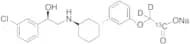
CAS:Producto controlado<p>Applications Cobalt(II) Chloride Hydrate, is used in biological studies as adual control of glut1 glucose transporter gene by hypoxia and by inhibition of oxidative phosphorylation and structural and functional characterization of promoter region of rat glut1 gene<br> Not a dangerous good if item is equal to or less than 1g/ml and there is less than 100g/ml in the package<br>References Behrooz, A., et al.: J. Biol. Chem., 272, 5555 (1997)<br></p>Fórmula:Cl2Co•xH2OForma y color:NeatPeso molecular:129.8418012-(3-((1R,3S)-3-(((R)-2-(3-Chlorophenyl)-2-hydroxyethyl)amino)cyclohexyl)phenoxy)acetic Acid-13C, d2 Sodium Salt
CAS:Producto controladoFórmula:CC21D2H23ClNNaO4Forma y color:NeatPeso molecular:428.886Lithium Bromide
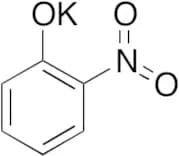
CAS:<p>Applications Lithium bromide is used as an inexpensive catalyst for the opening of epoxide rings by amines at room temperature. Lithium bromide is also used in conjunction with water to create a refrigerant-absorbent solution for use in refrigeration systems.<br>References Arun, M., et al.: Appl. Therm. Eng., 21, 1273 (2001); Chakraborti, A., et al.: Eur. J. Org. Chem., 17, 3597 (2004)<br></p>Fórmula:Br·LiForma y color:NeatPeso molecular:86.842-Nitrophenol Potassium Salt
CAS:Producto controlado<p>Applications 2-Nitrophenol Potassium Salt s an intermediate in the synthesis of 5-Methyl-bis-(2-aminophenoxymethylene)-N,N,N’,N’-tetraacetate Methyl Ester (M294140)<br></p>Fórmula:C6H4KNO3Forma y color:NeatPeso molecular:177.2Silver Cyanate
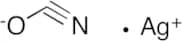
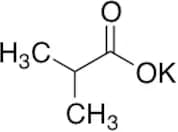
CAS:Producto controlado<p>Applications Silver cyanate is a chemosterilant in adult houseflies, and is also used as a reagent to synthesize 1-(3-thianyl)uracil and 9-(3-thianyl)adenine derivatives, compounds that have potential anti-human immunodeficiency virus (HIV) and antitumour activity.<br>References Fye, R., et al.: J. Econ. Entomol., 62, 522 (1969); Hultin, P. & Szarek, W.: Can. J. Chem., 72, 208 (1994)<br></p>Fórmula:AgOCNForma y color:NeatPeso molecular:149.88Potassium Isobutyrate
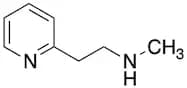
CAS:Producto controlado<p>Applications Potassium Isobutyrate (cas# 19455-20-0) is a useful research chemical.<br></p>Fórmula:C4H7O2·KForma y color:NeatPeso molecular:126.195Betahistine
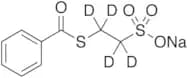
CAS:Producto controlado<p>Applications Betahistine free base (cas# 5638-76-6) is a useful research chemical.<br></p>Fórmula:C8H12N2Forma y color:Light Yellow To YellowPeso molecular:136.19Sodium Benzoylthioethanesulfonate-d4
CAS:Producto controlado<p>Applications Sodium Benzoylthioethanesulfonate-d4 (cas# 1189657-00-8) is a compound useful in organic synthesis.<br></p>Fórmula:C92H4H5O4S2·NaForma y color:NeatPeso molecular:272.31Copper(II) Chloride
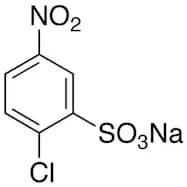
CAS:<p>Applications Copper(II) chloride is a reagent that is used in the synthesis of Diisobutyl Phosphate (D455480), which is an analyte found in human urine and municipal wastewaters.<br> Not a dangerous good if item is equal to or less than 1g/ml and there is less than 100g/ml in the package<br>References Reemtsma, T., et al.: Sci. Total Environ., 409, 1990 (2011); Quintana, J.B., et al.: Anal. Chem., 78, 1644 (2006)<br></p>Fórmula:Cl2CuForma y color:NeatPeso molecular:134.452-Chloro-5-nitrobenzene Sodium Sulphonate
CAS:Producto controlado<p>Applications 2-Chloro-5-nitrobenzene Sodium Sulphonate (cas# 946-30-5) is a compound useful in organic synthesis.<br></p>Fórmula:C6H3ClNO5S·NaForma y color:NeatPeso molecular:259.60Potassium Deuteroxide (40% w/w in D2O)
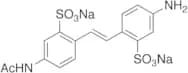
CAS:Producto controlado<p>Applications Labelled Potassium Hydroxide, used in the synthesis of biodiesels.<br>References Boz, N. et al.: Appl. Catal. B-Environ., 138, 236 (2013); Rathore, P. et al.: Energy. Fuels. 27, 2776 (2013);<br></p>Fórmula:DKOForma y color:Single SolutionPeso molecular:57.114-Acetamido-4’-aminostilbene-2,2’-disulfonic Acid Disodium Salt
CAS:Producto controlado<p>Stability Temperature Sensitive - Recommended Storage at -20°C<br>Applications 4-Acetamido-4’-aminostilbene-2,2’-disulfonic Acid Disodium Salt (cas# 78211-74-2) is a compound useful in organic synthesis.<br></p>Fórmula:C16H14N2O7S2·2NaForma y color:NeatPeso molecular:456.40Lithium Perchlorate
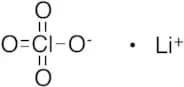
CAS:Producto controlado<p>Applications Lithium Perchlorate is an inorganic compound that is highly soluble in organic solvents. It is also used as an electrolyte in lithium-ion batteries.<br> Not a dangerous good if item is equal to or less than 1g/ml and there is less than 100g/ml in the package<br>References Xu, K., et al.: Chem. Rev., 104, 4303-4417 (2004)<br></p>Fórmula:ClO4·LiForma y color:NeatPeso molecular:99.45+(6.94)Iron
CAS:Producto controlado<p>Applications Iron is a transition metal element used in coordination chemistry as well as in metallo-organic molecules in pharmaceutical chemistry.<br>References Brozek, C. et al.: Chem. Mat., 25, 2998 (2013); Mesbah, A. et al.: Inorg. Chem., 52, 12057 (2013);<br></p>Fórmula:FeForma y color:NeatPeso molecular:55.84Vanadium(IV) Oxide Acetylacetonate
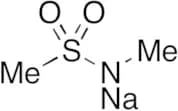
CAS:Producto controlado<p>Applications Vanadium(IV) Oxide Acetylacetonate is used as a catalyst in organic chemistry and is also an intermediate in synthetic reactions, such as the synthesis of novel oxovanadium complexes that display antitumor activity.<br>References Rui, W. et al.: Polyhedron, 117, 803 (2016); Tahmasebi, V. et al.: J. Mol. Struct., 1123, 367 (2016);<br></p>Fórmula:C10H14O5VForma y color:NeatPeso molecular:265.16N-Methylmethanesulfonamide Sodium Salt
CAS:Producto controlado<p>Applications N-Methylmethanesulfonamide Sodium Salt is an substituent in the synthesis of Rosuvastatin (R700500), a selective, competitive HMG-CoA reductase inhibitor.<br>References Tomita, N., et al.: Bioorg. Med. Chem. Lett., 23, 1779 (2013);<br></p>Fórmula:C2H6NNaO2SForma y color:NeatPeso molecular:131.11Potassium Azide-15N
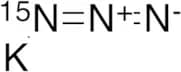
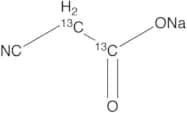
CAS:Producto controlado<p>Applications Potassium Azide-15N is a labelled intermediate in the synthesis of Tazobactam Sodium Salt-13C2,15N1, which is the labeled analogue of Tazobactam Sodium Salt (T010100), which is a β-Lactamase inhibitor, used with β-lactam antibiotics to enhance their effect.<br>References Gould, I.M., et al.: Drugs Exp. Clin. Res., 17, 187 (1991), Roland, R.K., et al.: J. Infect. Dis., 4, 226 (2000), Bonomo, R.A., et al.: Biochim. Biophys. Acta, 1547, 196 (2001),<br></p>Fórmula:KN215NForma y color:Off-WhitePeso molecular:82.112-Cyano-acetic Acid Sodium Salt-13C2
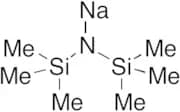
CAS:Producto controlado<p>Applications 2-Cyano-acetic Acid Sodium Salt-13C2 (cas# 1346598-51-3) is a compound useful in organic synthesis.<br></p>Fórmula:C13C2H2NNaO2Forma y color:NeatPeso molecular:109.03Sodium bis(trimethylsilyl)amide (95%)
CAS:Producto controlado<p>Applications can be used in the generation of carbenes, the amination of sulfenamides, and the preparation of lanthanide complexes.<br>References Hasan T.m et al.: Journal of the Chemical Society. Perkin Transactions 1 , 1923-1923, (1992); S C Bock Journal of the American Chemical Society 116, 7637-7637, (1994)<br></p>Fórmula:C6H18NNaSi2Pureza:95%Forma y color:NeatPeso molecular:183.37Lead(II) Oxide
CAS:<p>Applications Lead(II) Oxide is used as the starting material in the synthesis of Dibasic Lead Phthalate Hydrate (D417070); a compound that is used in vinyl wire insulation as a flame retardant.<br> Not a dangerous good if item is equal to or less than 1g/ml and there is less than 100g/ml in the package<br>References Grossman, R. et al.: J. Vinyl Addt. Tech., 9, 65 (2003); Grossman, R. et al.: Vinyl Addt. Tech., 6, 138 (2000)<br></p>Fórmula:PbOForma y color:NeatPeso molecular:223.97157Potassium Hydrogen Fluoride
CAS:Producto controlado<p>Applications Potassium hydrogen fluoride (cas# 7789-29-9) is a useful research chemical.<br> Not a dangerous good if item is equal to or less than 1g/ml and there is less than 100g/ml in the package<br></p>Fórmula:K·HFForma y color:NeatPeso molecular:59.1Aluminum Chloride
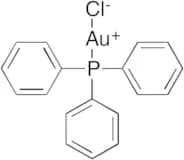
CAS:<p>Stability Moisture Sensitive<br>Applications Aluminum Trichloride is a powerful chemical reagent used as a catalyst in Freidel Crafts reactions, alkylations and acylations.<br> Not a dangerous good if item is equal to or less than 1g/ml and there is less than 100g/ml in the package<br>References Groggins. P. et al.: Ind. Eng. Chem., 23, 152 (1931); Brown, H. et al.L J. Am. Chem. Soc., 80, 2291 (1958);<br></p>Fórmula:AlCl3Forma y color:Off-White To Light YellowPeso molecular:133.34Chloro(triphenylphosphine)gold(I)
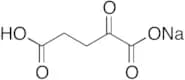
CAS:Producto controlado<p>Applications Chloro(triphenylphosphine)gold(I) is a coordination compound.<br></p>Fórmula:C18H15AuClPForma y color:NeatPeso molecular:494.71α-Ketoglutaric Acid Monosodium Salt
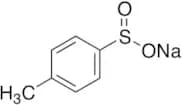
CAS:Producto controlado<p>Stability Hygroscopic<br>Applications alpha-Ketoglutaric Acid Sodium Salt (cas# 22202-68-2) is a compound useful in organic synthesis.<br></p>Fórmula:C5H5NaO5Forma y color:NeatPeso molecular:168.08Sodium 4-Methylbenzenesulfinate
CAS:Producto controlado<p>Applications Sodium 4-methylbenzenesulfinate (cas# 824-79-3) is a useful research chemical.<br></p>Fórmula:C7H7NaO2SForma y color:NeatPeso molecular:178.19Sodium Tert-Butoxide
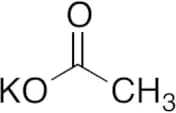
CAS:Producto controlado<p>Applications Sodium Tert-Butoxide is a useful research chemical for organic synthesis and other chemical processes.<br> Not a dangerous good if item is equal to or less than 1g/ml and there is less than 100g/ml in the package<br>References Henidi, H. A., et al.: RSC Adv., 9, 21578 (2019); Nefertiti, A. S. G., et al.: Antimicrob. Agents Chemother., 62, 1 (2018);<br></p>Fórmula:C4H9ONaForma y color:NeatPeso molecular:96.1Potassium Acetate
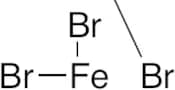
CAS:Producto controlado<p>Applications Potassium Acetate is a competitive and false substrate which inhibits histone deacetylase 6 (HDAC-6), thus reducing the cytotoxicity and inflammatory responses caused by C. difficile toxin A.<br>References Lu, L. F., et al.: J. Microbiol. Biotechnol., 26, 693-699 (2016);<br></p>Fórmula:C2H3O2·KForma y color:NeatPeso molecular:98.14Iron(III) Bromide
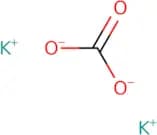
CAS:Producto controlado<p>Applications Iron(III) Bromide is used in the production of new disinfectant and in the study of it’s antimicrobial activity, improved synthesis of neotame, an artificial sweetner.<br>References Gluzman, M. K., et al.: Farmatsevtichnii Zhurnal, 24, 37 (1969); Yan, R., et al.: From Shipin Kexue (Beijing, China) (2008), 29(12), 312-315<br></p>Fórmula:Br3FeForma y color:NeatPeso molecular:295.56Potassium carbonate
CAS:Producto controlado<p>Potassium carbonate is a white crystalline salt that is soluble in water. It has the chemical formula K2CO3 and its molecular weight is 98.0 g/mol. Potassium carbonate has been used as a buffering agent, in the manufacture of glass, soap, and fertilizer. It also has been used to treat infectious diseases such as malaria and tuberculosis. Potassium carbonate can be used to stop the growth of bacteria by inhibiting their DNA replication due to its ability to bind potassium ions. This results in the inhibition of polymerase chain reaction (PCR) and DNA synthesis by complex enzymes such as DNA gyrase and topoisomerase IV. The phase transition temperature for potassium carbonate is around 40°C, which means it will decompose at this temperature or above. When exposed to CO2 flow, potassium carbonate will react with CO2 to form water vapor (H2O) and anhydrous sodium carbonate (Na2CO3).</p>Fórmula:K2CO3Pureza:Min. 95%Forma y color:White Clear LiquidPeso molecular:138.21 g/molN-Ethyl-N-(2-hydroxy-3-sulfopropyl)-3,5-dimethoxyaniline sodium salt
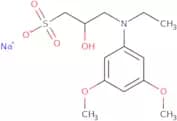
CAS:<p>N-Ethyl-N-(2-hydroxy-3-sulfopropyl)-3,5-dimethoxyaniline sodium salt is an antioxidant that has been shown to have antiviral properties. This drug has been found to be a potent inhibitor of HIV replication in wild type mice and was able to inhibit the virus in human serum. The mechanism by which this drug inhibits the virus is not known, but it may be due to its ability to scavenge free radicals and protect cells against oxidative stress. Studies have also shown that this drug can increase the activity of antioxidant enzymes such as superoxide dismutase, catalase, and glutathione reductase. It has also been found to decrease lipoprotein lipase activity in vitro. These effects are thought to be due to the ability of this drug to bind with proteins and lipids on cell membranes and prevent them from being oxidized. Clinical trials have shown that N-Ethyl-N-(2</p>Fórmula:C13H20NO6S·NaPureza:Min. 98 Area-%Forma y color:White PowderPeso molecular:341.36 g/molTrans-diamminedichloropalladium(II)
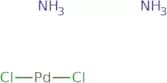
CAS:<p>Trans-Diamminedichloropalladium is a particle with an average size of 0.5 microns. It is a metal carbonyl complex that belongs to the group of analytical methods. Trans-Diamminedichloropalladium can be used for the treatment of wastewater and oxidation catalysts. The electrochemical impedance spectroscopy (EIS) of the particles has been shown to be sensitive to changes in morphology, which may be due to the hydroxyl group on the surface or due to a change in oxidation state. Trans-Diamminedichloropalladium can also act as an oxidizing agent that converts hydrochloric acid into chlorine gas, which has been shown by solid catalyst experiments.</p>Fórmula:Pd(NH3)2Cl2Pureza:Min. 95%Forma y color:Yellow Clear LiquidPeso molecular:211.39 g/mol1,2-Benzisoxazole-3-methanesulfonate sodium salt
CAS:<p>1,2-Benzisoxazole-3-methanesulfonate sodium salt (BMS) is a reactive intermediate that is used in the synthesis of drugs. It is a dehydrating agent and can be used as an impurity in the synthesis of pharmaceuticals. BMS has a flow rate of 0.5 to 2.0 g/min and an end point at around 200°C. BMS can be synthesized by reacting benzisoxazole with methanesulfonyl chloride in acetonitrile or chloroform or by reacting cetylpyridinium chloride with hydrochloric acid in acetonitrile. This compound can be purified by chromatographic methods such as flash column chromatography or gas chromatography, which are both reproducible and validated methods for purification.</p>Fórmula:C8H6NNaO4SPureza:Min. 95%Forma y color:White PowderPeso molecular:235.19 g/molAcetylacetonatocarbonyl triphenylphosphine rhodium(I)
CAS:<p>Acetylacetonatocarbonyl triphenylphosphine rhodium(I) is a fine chemical that can be used as a building block in the synthesis of complex compounds. It is also a useful intermediate in the production of research chemicals and speciality chemicals. Acetylacetonatocarbonyl triphenylphosphine rhodium(I) is a high quality reagent that has been shown to catalyze reactions with high yields.</p>Fórmula:C24H22O3PRhPureza:Min. 95%Forma y color:PowderPeso molecular:492.31 g/mol(S,S)-(+)-N,N'-Bis(3,5-di-tert-butylsalicylidene)-1,2-cyclohexanediaminocobalt(II)
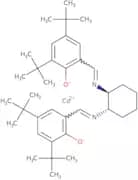
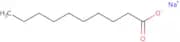
CAS:<p>The (S,S)-(+)-N,N'-Bis(3,5-di-tert-butylsalicylidene)-1,2-cyclohexanediaminocobalt(II) is an orange copolymer that is soluble in water and organic solvents. It has a molecular weight of 542.83 g/mol and a density of 1.221 g/cm3. The (S,S)-(+)-N,N'-Bis(3,5-di-tert-butylsalicylidene)-1,2-cyclohexanediaminocobalt(II) is used to catalyze the desymmetrization of epoxides and the ligand in enantioselective kinetic preparative reactions. The (S,S)-(+)-N,N'-Bis(3,5-di-tert-butylsalicyl</p>Fórmula:C36H52CoN2O2Pureza:(Icp) Min. 96%Forma y color:Red PowderPeso molecular:603.74 g/molCapric acid sodium salt
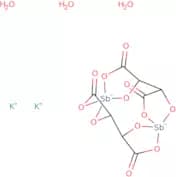
CAS:<p>Sodium caprate (C10) and salcaprozate sodium (SNAC), FS168567, are two of the most advanced intestinal permeation enhancers (PEs) that have been tested in clinical trials for oral delivery of macromolecules.</p>Fórmula:C10H19NaO2Forma y color:White Off-White PowderPeso molecular:194.25 g/molAntimony potassium tartrate trihydrate
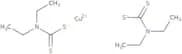
CAS:<p>Antimony potassium tartrate trihydrate is a compound that contains antimony, potassium, and tartaric acid. It is used in the treatment of bladder cancer. Antimony potassium tartrate trihydrate has been shown to have cytotoxic and genotoxic properties in humans. This compound has lysing effects on the cells of the bladder and can lead to cell death by inhibiting enzymes in the cell's metabolic pathway. The mechanism of action for this drug is not completely understood but it may be due to its ability to reduce adenine nucleotide levels or through cell lysis caused by kinetic or cytotoxicity studies. Antimony potassium tartrate trihydrate also has toxic effects on cardiac tissue and liver lesions, which may be due to its ability to inhibit atp levels or transport properties.</p>Fórmula:C8H4K2O12Sb2·3H2OPureza:Min. 95%Forma y color:White/Off-White SolidPeso molecular:667.87 g/molCopper(II) diethyldithiocarbamate
CAS:<p>Copper(II) diethyldithiocarbamate is a reactive chemical that has been extensively studied. The mechanism of its reaction with hydrochloric acid is well understood. Copper(II) diethyldithiocarbamate reacts with hydrochloric acid to form the copper complex and Zn(II) diethyldithiocarbamate. Copper complexes are known for their high resistance to oxidation, which makes them stable in analytical chemistry. This stability also contributes to their clinical relevance as they can be used in prostate cancer cells without causing oxidative damage. Copper(II) diethyldithiocarbamate is used in analytical chemistry because it reacts with ethylene diamine to produce an intense color change, which can be detected by eye or spectrophotometrically.</p>Fórmula:C10H20CuN2S4Forma y color:PowderPeso molecular:360.09 g/molLithium 12-hydroxy stearate
CAS:<p>Lithium 12-hydroxy stearate is a lithium salt of a fatty acid and a main component of lithium soap, which is used in lubricating greases and as foam-release agent. Lithium stearates are contained in greases used in vehicles, aircraft, and heavy machinery.</p>Fórmula:C18H35LiO3Pureza:Min. 95%Forma y color:PowderPeso molecular:306.41 g/molPotassium Trifluoromethanesulfonate
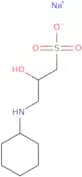
CAS:<p>Potassium trifluoromethanesulfonate is a chemical compound that belongs to the family of organofluorine compounds. It has been shown to be an excellent hydrogen bond acceptor, which is the most important factor for its application in water vapor detection. Potassium trifluoromethanesulfonate has been used as an enhancement agent in analytical chemistry. It has also been used as a fluorescence detector and in x-ray crystal structure determination studies. The reaction mechanism of potassium trifluoromethanesulfonate is not yet known with certainty, but it is likely that the protonated amide form of potassium trifluoromethanesulfonate reacts with light emission from an organic dye, producing a fluorescent product.</p>Fórmula:CF3KO3SPureza:Min. 95%Forma y color:PowderPeso molecular:188.17 g/molCAPSO sodium salt
CAS:<p>CAPSO-Na salt, also known as3-Cyclohexylamino-2-hydroxypropanesulfonic acid sodium salt, is a zwitterionic buffer chemical that has an optimal pH range of 8.9-10.3 and a pKa of 9.6. This buffering agent shows low metal ion binding and high solubility and is commonly used in protein transfer applications and during cell lysis for membrane protein extraction.</p>Fórmula:C9H18NNaO4SPureza:Min. 95%Forma y color:White To Off-White SolidPeso molecular:259.3 g/molChromotropic acid disodium salt dihydrate - ACS reagent
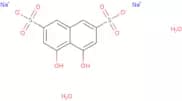
CAS:<p>Chromotropic acid is a reactive compound that has been shown to be adsorbed on the surface of activated carbon. The adsorption mechanism and the kinetic constants for this reaction have been studied in detail. Chromotropic acid decomposes at high temperatures, releasing hydrogen chloride gas and water vapor. This chemical is also used in pharmaceutical preparations as an additive to inhibit oxidation reactions. It may also serve as a photoreceptor, reacting with tyramine hydrochloride and other compounds to produce a color change.</p>Fórmula:C10H6O8S2Na2·2H2OForma y color:PowderPeso molecular:400.29 g/molIron(II) Phthalocyanine (purified by sublimation)
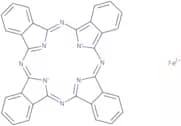
CAS:<p>Iron(II) phthalocyanine is a compound that is used for wastewater treatment. It has been shown to have physiological activities, such as the ability to inhibit the growth of bacteria and fungi in tissue culture. Iron(II) phthalocyanine can be used to remove organics from water, with a kinetic data of 1.2 x 10⁻³ mol/L/min and a synergic effect with other compounds. The molecule contains two methyl ketones on each side, which are connected by disulfide bonds. The molecule also contains nitrogen atoms and has a redox potential of -0.256 volts. Iron(II) phthalocyanine adsorbs to the surface of another compound through an adsorption mechanism, which may include hydrogen bonding or ion exchange.</p>Fórmula:C32H16FeN8Pureza:Min. 95%Forma y color:Dark Purple SolidPeso molecular:568.37 g/molDichloro[9,9-dimethyl-4,5-bis(diphenylphosphino)xanthene]palladium(II)
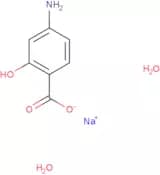
CAS:Producto controlado<p>Dichloro[9,9-dimethyl-4,5-bis(diphenylphosphino)xanthene]palladium(II) is a fine chemical that can be used as a building block in the synthesis of compounds with diverse structures. It is a research chemical and reagent that has been found to be useful in the synthesis of complex organic compounds. This compound is also versatile enough to be used as an intermediate or scaffold in the synthesis of many different types of organic compounds.</p>Fórmula:C39H32Cl2OP2PdPureza:Min. 95%Forma y color:Yellow PowderPeso molecular:755.94 g/mol4-Aminosalicylic acid sodium salt dihydrate
CAS:<p>4-Aminosalicylic acid sodium salt dihydrate is a molecule that has been shown to be useful for the diagnosis of viral, autoimmune, and cancerous diseases. It is a diagnostic agent that can be used in both the diagnosis and treatment of bowel disease. 4-Aminosalicylic acid sodium salt dihydrate can also be used to treat cavity formation in teeth. It binds to fatty acids in the target tissue, which leads to cell death by apoptosis. This drug has been shown to be effective against inflammatory bowel disease (IBD) as well as other types of bowel disease. This drug has been shown to have no adverse effects on healthy cells or tissues, but it may cause kidney toxicity when taken orally or injected intravenously.</p>Fórmula:C7H6NNaO3·2H2OPureza:Min. 95%Forma y color:White PowderPeso molecular:211.15 g/molDirhodium tetracaprolactamate
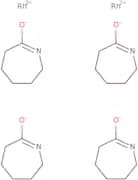
CAS:<p>Dirhodium tetracaprolactamate is a functionalised dirhodium compound that is used in the preparation of carbenes and biomolecules. The ligand can be prepared by the reaction of diazomethane with an activated acetonitrile, followed by addition of hydroscopic silver nitrate, which gives a complex tetraacetate. This product can be used in organic synthesis as a diazo compound. Dirhodium tetracaprolactamate has been shown to be effective in the synthesis of natural products such as ferulic acid and chlorogenic acid.</p>Fórmula:C24H40N4O4Rh2Pureza:Min. 95%Forma y color:PowderPeso molecular:654.41 g/molSodium dodecylbenzenesulfonate (hard type) (mixture)
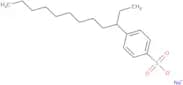
CAS:<p>Sodium dodecylbenzenesulfonate (SDS) is a synthetic surfactant. It is used as a detergent in household and industrial cleaning products, as well as in textiles and paper manufacturing. SDS is also used to remove protein from cells and tissues during the process of cell harvesting or tissue harvesting. The hard type (mixture) contains sodium dodecylbenzenesulfonate, which has a hydrophilic head group and a hydrophobic tail group that are not ionized at physiological pH. This type of SDS has been shown to have low toxicity in vivo and in vitro.</p>Fórmula:C18H29NaO3SPureza:Min. 95%Forma y color:PowderPeso molecular:348.48 g/mol














![4-[1-(4-Iodophenyl)-5-(2,4-dinitrophenyl)-formaz-3-yl]-1,3-benzene Disulfonate, Disodium Salt](/_next/image/?url=https%3A%2Fstatic.cymitquimica.com%2Fproducts%2FTR%2Fthumb-webp%2FI718225.webp&w=3840&q=75)
![N-[2-(N’,N’,N’-Trimethylammoniumbromide)ethyl]maleamic Acid Sodium Salt](/_next/image/?url=https%3A%2Fstatic.cymitquimica.com%2Fproducts%2FTR%2Fthumb-webp%2FT795833.webp&w=3840&q=75)















![Dichloro[9,9-dimethyl-4,5-bis(diphenylphosphino)xanthene]palladium(II)](/_next/image/?url=https%3A%2Fstatic.cymitquimica.com%2Fproducts%2F3D%2Fthumb-webp%2FFD60980.webp&w=3840&q=75)