Sales de metal
En esta sección, puede encontrar diversas sales metálicas, que son compuestos caracterizados por contener átomos metálicos y no metálicos. Esencialmente, las sales metálicas están compuestas por cationes que son uno o más átomos metálicos. Estas sales desempeñan un papel crucial en numerosas reacciones y aplicaciones químicas, sirviendo como catalizadores, reactivos o intermediarios en varios procesos industriales y de investigación. En CymitQuimica, ofrecemos una amplia selección de sales metálicas de alta calidad para satisfacer sus necesidades de investigación e industriales, asegurando un rendimiento fiable y efectivo en sus aplicaciones.
Se han encontrado 2870 productos de "Sales de metal"
Ordenar por
Pureza (%)
0
100
|
0
|
50
|
90
|
95
|
100
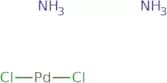
Trans-diamminedichloropalladium(II)
CAS:<p>Trans-Diamminedichloropalladium is a particle with an average size of 0.5 microns. It is a metal carbonyl complex that belongs to the group of analytical methods. Trans-Diamminedichloropalladium can be used for the treatment of wastewater and oxidation catalysts. The electrochemical impedance spectroscopy (EIS) of the particles has been shown to be sensitive to changes in morphology, which may be due to the hydroxyl group on the surface or due to a change in oxidation state. Trans-Diamminedichloropalladium can also act as an oxidizing agent that converts hydrochloric acid into chlorine gas, which has been shown by solid catalyst experiments.</p>Fórmula:Pd(NH3)2Cl2Pureza:Min. 95%Forma y color:Yellow Clear LiquidPeso molecular:211.39 g/molPotassium hydrogen phthalate
CAS:<p>Potassium hydrogen phthalate is a corrosion inhibitor and a co-catalyst for the production of polyvinyl chloride. It has been shown to exhibit toxic effects on the central nervous system, liver, and kidneys in animal studies. Potassium hydrogen phthalate is also used as a corrosion inhibitor in wastewater treatment plants. The toxicity of potassium hydrogen phthalate may be due to its ability to inhibit ryanodine receptor, an intracellular calcium release channel that regulates cellular functions such as muscle contraction, enzyme activities, and cell cycle progression. Potassium hydrogen phthalate can also be used to produce polyvinyl chloride. It has been shown to have toxic effects on insects as well as thermodynamic data related to water vapor. Potassium hydrogen phthalate is an analytical reagent that can be used for picolinic acid determination.</p>Fórmula:C8H5KO4Pureza:Min. 95%Forma y color:PowderPeso molecular:204.22 g/molSulfaclozine sodium monohydrate
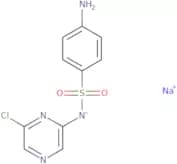
CAS:<p>Sulfaclozine sodium monohydrate is an extractant that is used in sample preparation. It has a molecular weight of 273.5 daltons and can be used to separate and purify proteins, which are often found in the extracellular matrix. Sulfaclozine sodium monohydrate binds to the protein matrix, which prevents other substances from binding to it and causing interference with the results of the experiment. This extractant is commonly used in research involving coccidiosis, collagen, lectins, and animal cells. Sulfaclozine sodium monohydrate also has been shown to be effective against human serum proteins when it is used as an extractant for sample preparation.</p>Fórmula:C10H8ClN4O2SNa·H2OPureza:Min. 95%Forma y color:PowderPeso molecular:324.72 g/molZinc diethyldithiocarbamate
CAS:<p>Zinc diethyldithiocarbamate is an inorganic compound that has been shown to have potent anti-inflammatory and antipyretic properties. It has been used as a chemical inhibitor of phospholipase A2, which is an enzyme involved in the inflammatory process. Zinc diethyldithiocarbamate also has been shown to be a potent inducer of metallothionein and other proteins that are involved in detoxification processes. This drug has been used as an injection solution for the treatment of infectious diseases such as tuberculosis, leprosy, brucellosis, and malaria. Zinc diethyldithiocarbamate is also used as a pharmacological agent for the treatment of myocardial infarction.</p>Fórmula:C10H20N2S4ZnPureza:Min. 95%Forma y color:PowderPeso molecular:361.92 g/mol2'-Hydroxy-5'-nitrohexadecanamide sodium
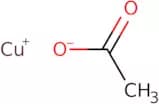
CAS:<p>2'-Hydroxy-5'-nitrohexadecanamide sodium is a reagent that can be used for a variety of laboratory reactions. It is a versatile building block, useful intermediate, and useful building block for complex compounds. This compound has also been shown to be useful in the synthesis of pharmaceuticals and other fine chemicals.</p>Fórmula:C22H36N2O4NaPureza:Min. 95%Peso molecular:415.52 g/molCopper(I) acetate
CAS:<p>Copper acetate is a coordination compound that contains copper and acetate ions. Copper acetate has a redox potential of -0.7 V, which is higher than that of ferrous iron (-0.4 V). The reaction mechanism for the formation of copper acetate is as follows:</p>Fórmula:C2H4O2·CuPureza:Min. 95%Forma y color:White PowderPeso molecular:123.6 g/molTris(dibenzylideneacetone)dipalladium (0)-chloroform adduct
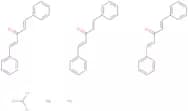
CAS:Producto controlado<p>Tris(dibenzylideneacetone)dipalladium (0)-chloroform adduct is a catalyst that is used in cross-coupling reactions. It is an efficient method for the preparation of β-unsaturated ketones, which are important intermediates in organic synthesis. The catalytic cycle involves hydrolysis and condensation reactions. Tris(dibenzylideneacetone)dipalladium (0)-chloroform adduct can be prepared by reacting chloroform with a palladium compound in the presence of silver trifluoromethanesulfonate and a diphosphine ligand. The product contains a chloroform molecule that can be replaced by other functional groups such as chloride, fatty acid, or imine nitrogen. Tris(dibenzylideneacetone)dipalladium (0)-chloroform adduct has been characterized by x-ray crystal structures to identify</p>Fórmula:C51H42O3Pd2·CHCl3Pureza:Min. 95%Forma y color:PowderPeso molecular:1,035.09 g/molCefmetazole sodium
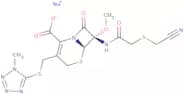
CAS:<p>Cefmetazole sodium is a penicillin-type antibiotic that inhibits the synthesis of bacterial cell walls. It binds to the penicillin-binding proteins in the bacterial cell wall by competitive inhibition, preventing the formation of an antibiotic-inhibitor complex with the enzyme cell wall synthesis that is required for cell wall biosynthesis, inhibiting protein synthesis and cell division. Cefmetazole sodium has been shown to be active against a wide variety of bacteria, including gram-positive and gram-negative bacteria. The drug's activity against most strains of methicillin-resistant Staphylococcus aureus (MRSA) has been confirmed. Cefmetazole sodium is used to treat infectious diseases such as pneumonia and urinary tract infections. Drug interactions are possible, but not well understood at this time.</p>Fórmula:C15H17N7O5S3•NaPureza:Min. 93 Area-%Forma y color:PowderPeso molecular:494.53 g/molSodium tetraborate decahydrate
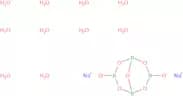
CAS:<p>Sodium tetraborate decahydrate is a boron compound that is used in wastewater treatment. It is a good adsorbent for organic molecules and can be used to remove organic contaminants from wastewater. Sodium tetraborate decahydrate has shown to have good thermal stability, chemical stability, and optical properties. This compound also has the ability to adsorb benzalkonium chloride, which is an antibacterial agent used in hospitals.</p>Fórmula:Na2B4O7·10H2OPureza:Min. 95%Forma y color:PowderPeso molecular:381.37 g/mol4-Methoxybenzyl chloride - stabilised with potassium carbonate
CAS:<p>4-Methoxybenzyl chloride is a chemotherapeutic agent that inhibits the binding of inhibitor molecules to their target proteins. It has been shown to inhibit the binding of uridine and methanol solvent to their targets, which are enzymes in the synthesis of nucleic acids. The inhibition of these enzymes prevents DNA replication and protein synthesis, leading to cell death. 4-Methoxybenzyl chloride has been found to be effective in treating autoimmune diseases and solid tumours, as well as being an antimicrobial treatment for microbial infections. 4-Methoxybenzyl chloride is also used in chemical syntheses for its ability to undergo cationic polymerization and asymmetric synthesis.</p>Fórmula:C8H9ClOPureza:Min. 95%Forma y color:Colorless Clear LiquidPeso molecular:156.61 g/mol3,5-Dinitrosalicylic acid sodium
CAS:<p>3,5-Dinitrosalicylic acid sodium is an inorganic compound that is used as a biochemical reagent. It can be used to measure the phosphatase activity of muscle and liver samples, as well as to determine the level of autophagy in cells. 3,5-Dinitrosalicylic acid sodium has been shown to inhibit the activity of a number of enzymes, including acid phosphatase and thiourea. When combined with chloroplast or mitochondria, it can be used to determine the rate of electron transport chain. 3,5-Dinitrosalicylic acid sodium binds to sulfhydryl groups on proteins and prevents them from being used for other purposes. This process optimization leads to engulfment followed by lysosomal degradation.</p>Fórmula:C7H3N2NaO7Pureza:Min. 95%Forma y color:PowderPeso molecular:250.1 g/mol6-Thiouric acid sodium salt dihydrate
CAS:<p>6-Thiouric acid sodium salt dihydrate is a reaction component and fine chemical that is used as a reagent in the synthesis of various speciality chemicals. It has been used as a building block for the synthesis of complex compounds, and is also an intermediate for the production of high quality research chemicals. 6-Thiouric acid sodium salt dihydrate is soluble in water, methanol, ethanol, acetone and benzene. The CAS number for this product is 1329805-85-7.</p>Fórmula:C5H7N4NaO4SPureza:Min. 95%Forma y color:PowderPeso molecular:242.19 g/molSodium N-lauroylsarcosinate
CAS:<p>Sodium N-lauroylsarcosinate is a surfactant that is used in water treatment, wastewater treatment, and as a detergent. It is also used as an analytical tool for the titration calorimetry of sodium salts. Sodium N-lauroylsarcosinate is a sodium salt that belongs to the group of sodium salts. It has been shown to have biological properties such as permeability through human serum and biodegradability. The salt form of this compound has an electrochemical impedance spectrum which can be used to identify it.</p>Fórmula:C15H28NNaO3Pureza:Min. 94%Forma y color:White Off-White PowderPeso molecular:293.38 g/molSodium gualenate
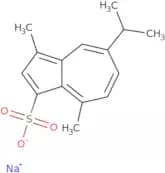
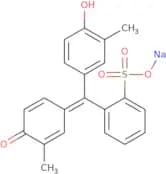
CAS:<p>Sodium gualenate is a skin protectant and anti-inflammatory drug that is used to treat mild to moderate forms of dermatitis. Sodium gualenate is a sodium salt of guaiazulene, which is an epidermal growth factor that has been shown to stimulate the metabolism of skin cells. In vitro studies have demonstrated that dextran sulfate, a water-soluble drug, inhibits the growth of bacteria by binding to the cell surface. The optimum concentration for sodium gualenate appears to be 1%. This drug also has an agonist effect on the hydroxyl group and may interact with cationic surfactants.</p>Fórmula:C15H17NaO3SPureza:Min. 95%Forma y color:Blue PowderPeso molecular:300.35 g/molCresol Red Sodium Salt
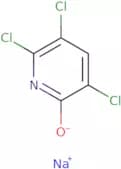
CAS:<p>Cresol Red Sodium Salt is a reagent, complex compound, and useful intermediate. It is CAS No. 62625-29-0 and has the molecular formula C10H8O4Na2S. It can be used as a building block for the synthesis of speciality chemicals, research chemicals, and versatile building blocks. This chemical can be used as a reaction component in organic syntheses.</p>Fórmula:C21H17NaO5SForma y color:PowderPeso molecular:404.41 g/molSodium 3,5,6-trichloro-2-pyridinol
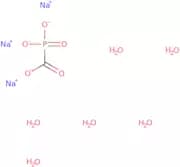
CAS:<p>Sodium 3,5,6-trichloro-2-pyridinol is an inorganic compound that has been shown to be an effective biocide for the removal of hydrogen chloride and hydroxide solution. The optimal reaction was found to be at pH 10.3 with a reaction vessel containing 1% sodium hydroxide solution and a concentration of 0.2 grams per liter of hydrogen chloride. This compound reacts with hydrogen chloride to form hydrochloric acid (HCl) and sodium 3,5,6-trichloro-2-pyridinol hydrochloride (NCTP), which can then be removed by wastewater treatment or precipitation as sodium chloride. NCTP is also used for the treatment of skin conditions such as acne and eczema.</p>Fórmula:C5HCl3NONaPureza:Min. 95%Forma y color:Off-White SolidPeso molecular:220.42 g/molTrisodium phosphonoformate hexahydrate
CAS:<p>Trisodium phosphonoformate hexahydrate is a cytotoxic drug that is used to treat cytomegalovirus infections. It acts by inhibiting viral DNA polymerase and RNA synthesis, leading to cell death. Trisodium phosphonoformate hexahydrate can be used in combination with other antiviral drugs such as ganciclovir or foscarnet sodium for the treatment of HIV-1 infection. Trisodium phosphonoformate hexahydrate can also be used for prophylactic treatment against cytomegalovirus infection in immunosuppressed patients. This drug has been shown to be effective in reducing the incidence of CMV disease and mortality in transplant recipients who were undergoing low-dose chemotherapy. Trisodium phosphonoformate hexahydrate has been shown to be more effective than foscarnet sodium alone in preventing CMV disease and mortality during low-dose chemotherapy.</p>Fórmula:CH12O11Na3PPureza:Min. 95%Forma y color:PowderPeso molecular:300.04 g/mol1,1'-Ferrocenedicarboxylic acid
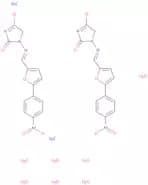
CAS:Producto controlado<p>Ferrocene is a polycyclic aromatic hydrocarbon consisting of two fused cyclopentadiene rings. It is used in organic synthesis as a source of one equivalent of ferrocenium cation, which is useful as a catalyst for hydrogenation and hydroformylation reactions. Ferrocene-based polymers are layered materials that have been studied as transducers or sensors. They can be used to detect small changes in the environment, such as pH or temperature. Ferrocene-based polymers can also be used to make an electrode that detects antibodies, which are proteins produced by the immune system. Immunosensors are devices that use antibodies to detect the presence of antigens in blood or other fluids. The setup for this type of immunosensor consists of an antibody immobilized on an electrode surface, with a layer of material containing the antigen placed on top and covered with a solution containing ferrocene molecules. When an antibody binds to the antigen at the interface between these</p>Fórmula:C12H10FeO4Pureza:Min. 95%Forma y color:Orange To Brown To Orange Brown SolidPeso molecular:274.05 g/molDantrolene sodium salt hemiheptahydrate
CAS:<p>Ryanodine receptor blocker; inhibitor of calcium release; muscle relaxant</p>Fórmula:C14H9N4NaO5•(H2O)3Pureza:Min. 95%Forma y color:Yellow To Orange SolidPeso molecular:399.29 g/molCalcium fluoride
CAS:<p>Calcium fluoride crystals are the mineral form of calcium fluoride, which is a high-resistance ionic conductor. Calcium fluoride has been used for many purposes, such as in the production of semiconductors and lasers. Calcium fluoride is also used as a radiation shield and in the production of hydrogen fluoride, which is an important chemical reagent. The crystal structure of calcium fluoride has been determined using x-ray crystallography and electron diffraction studies. This mineral has a hexagonal crystal system (space group P6 3 /mmc) with lattice constants a = 5.9 Å and c = 6.3 Å, where c equals the length of one side of an equilateral triangle that fits within the unit cell. The space group indicates that each unit cell contains twelve atoms: six Ca2+ and six F-. The unit cell dimensions are given by a = b = 1/2 × 10−8 m and c = 2 × 10⁻⁷ m. These</p>Fórmula:CaF2Pureza:Min. 95%Peso molecular:78.07 g/molSodium methanethiosulfonate
CAS:<p>Sodium methanethiosulfonate is a chemical compound that is used in the preparation of conjugates for use as radiopharmaceuticals. It is also used to modify proteins, such as serine proteases, to study their function. Sodium methanethiosulfonate binds to carbohydrate moieties on proteins and stabilizes the protein-carbohydrate complex by forming a covalent bond with the protein. This modification prevents the protein from being degraded by enzymes that cleave bonds between carbohydrates and proteins. The molecular modelling studies performed on model proteins show that sodium methanethiosulfonate binds to serine protease active sites and inhibits enzymatic activity. Sodium methanethiosulfonate has been shown to be effective in treating muscle tissue damage caused by radiation treatments and chemotherapy.</p>Fórmula:CH3NaO2S2Pureza:Min. 95%Peso molecular:134.16 g/molSodium dibutyldithiocarbamate, 40% aqueous solution
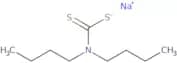
CAS:<p>Sodium dibutyldithiocarbamate is a chemical that belongs to the group of cross-linking agents. It is used in the production of rubber and plastic products, as well as in textile finishing. This chemical is also used in the treatment of allergic reactions, such as those caused by poison ivy. Sodium dibutyldithiocarbamate has been shown to be an effective crosslinker for elastomeric polymers, such as natural rubber and synthetic polymers, including polychloroprene and styrene-butadiene copolymers. The viscosity of sodium dibutyldithiocarbamate solutions are dependent on the concentration, and can range from about 1 centipoise (cP) at 40% to 3 cP at 60%. Its average particle diameter ranges from 10 nm to 20 nm.</p>Fórmula:C9H18NNaS2Forma y color:Clear LiquidPeso molecular:227.37 g/mol2-(4-Morpholino)ethanesulfonic acid hemisodium salt
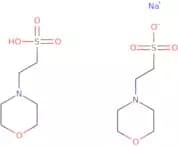
CAS:<p>2-(4-Morpholino)ethanesulfonic acid hemisodium salt (MESH) is a potent inhibitor of matrix metalloproteinases and other enzymes involved in the degradation of extracellular matrix. MESH inhibits the transport rate of cancer cells by binding to cell surface receptors, which prevents the cells from migrating. The PC12 cell growth has been shown to be inhibited by MESH through a mechanism involving iron oxides in the culture medium. This compound also binds to specific antibodies and has strong enzyme activities that are related to collagen production. MESH has been shown to stimulate the concentration of cortisol and inhibit the production of malonic acid, which is a product of the reaction between proteins and glucose. MESH also binds to model protein and structural proteins such as collagen. This compound also binds to monoclonal antibodies, which are used for detecting structural changes in proteins during reactions.</p>Fórmula:C6H13NO4SNaPureza:Min. 95%Forma y color:White PowderPeso molecular:206.73 g/molSodium sarcosinate - ca. 40% in water
CAS:<p>Sodium sarcosine is a salt of sarcosine with sodium. It has an average molecular weight of 255 and is soluble in water. Sodium sarcosine is used as a biological sample for non-steroidal anti-inflammatory drugs (NSAIDs) in the study of their inhibitory properties against mammalian DNA polymerase. NSAIDs are also used to treat inflammation, pain, and fever by inhibiting prostaglandin synthesis. The rate constant for the reaction between NSAIDs and DNA polymerase was found to be 1.6x10^-4 M^-1s^-1 at 25°C, which is close to the Km value for the reaction. This finding indicates that NSAIDs may be competitive inhibitors of the enzyme, although further experiments are needed to confirm this hypothesis. Using electrochemical impedance spectroscopy, it was found that NSAIDs have a higher affinity for divalent cations than monovalent cations, suggesting that they bind to a site on the</p>Fórmula:C3H6NNaO2Pureza:Min. 95%Forma y color:Colorless Clear LiquidPeso molecular:111.08 g/molPotassiumtetrachloroaurate(III)
CAS:<p>Potassiumtetrachloroaurate(III) is a chemical compound with the molecular formula KAuCl4. It is a white solid that has been shown to have anti-cancer properties in animal studies. Potassiumtetrachloroaurate(III) has also been found to be toxic to bacteria, such as Pseudomonas aeruginosa. The redox potential of potassiumtetrachloroaurate(III) can be changed by adding copper chloride or sodium citrate, which may affect its toxicity towards bacteria.</p>Fórmula:AuCl4KPureza:Min. 95%Peso molecular:377.88 g/molPotassium phosphate dibasic, anhydrous
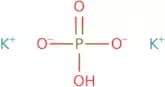
CAS:<p>Potassium phosphate dibasic, anhydrous is a versatile building block useful in the production of specialty chemicals, fine chemicals, and reagents. Potassium phosphate dibasic, anhydrous has been used as an intermediate in the production of research chemicals and pharmaceuticals. It is also used as a reagent in the synthesis of organic compounds. This compound is a complex compound that can be used to make high-quality products by reacting with other compounds. CAS No. 7758-11-4</p>Fórmula:K2HPO4Forma y color:White PowderPeso molecular:174.18 g/molSodium butyrate
CAS:<p>Reversible inhibitor of histone deacetylases (HDAC) that causes histone hyperacetylation, changes in chromatin structure and in gene expression. Sodium butyrate was shown to induce apoptosis in adenoma and carcinoma cell lines as well as to stimulate neurogenesis following cerebral ischemic injury. Sodium butyrate is present in large bowel as naturally occurring fatty acid and a by-product of bacterial fermentation of dietary fibres.</p>Fórmula:C4H7NaO2Forma y color:White PowderPeso molecular:110.09 g/molN-Ethyl-N-(2-hydroxy-3-sulfopropyl)-3,5-dimethoxyaniline sodium salt
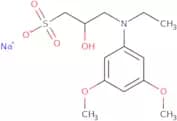
CAS:<p>N-Ethyl-N-(2-hydroxy-3-sulfopropyl)-3,5-dimethoxyaniline sodium salt is an antioxidant that has been shown to have antiviral properties. This drug has been found to be a potent inhibitor of HIV replication in wild type mice and was able to inhibit the virus in human serum. The mechanism by which this drug inhibits the virus is not known, but it may be due to its ability to scavenge free radicals and protect cells against oxidative stress. Studies have also shown that this drug can increase the activity of antioxidant enzymes such as superoxide dismutase, catalase, and glutathione reductase. It has also been found to decrease lipoprotein lipase activity in vitro. These effects are thought to be due to the ability of this drug to bind with proteins and lipids on cell membranes and prevent them from being oxidized. Clinical trials have shown that N-Ethyl-N-(2</p>Fórmula:C13H20NO6S·NaPureza:Min. 98 Area-%Forma y color:White PowderPeso molecular:341.36 g/mol2-Phenylindole-5-sulfonic acid monosodium salt
CAS:<p>2-Phenylindole-5-sulfonic acid monosodium salt is a fine chemical that can be used as a building block for research chemicals, reagents, and speciality chemicals. It is also used as a reaction component for the synthesis of various complex compounds, such as pharmaceuticals and dyes. 2-Phenylindole-5-sulfonic acid monosodium salt is a versatile building block that can be used in the synthesis of useful scaffolds. The CAS number for this compound is 119205-39-9.</p>Fórmula:C14H10NO3S·NaPureza:Min. 95%Forma y color:White PowderPeso molecular:295.29 g/molDichloro[9,9-dimethyl-4,5-bis(diphenylphosphino)xanthene]palladium(II)
CAS:Producto controlado<p>Dichloro[9,9-dimethyl-4,5-bis(diphenylphosphino)xanthene]palladium(II) is a fine chemical that can be used as a building block in the synthesis of compounds with diverse structures. It is a research chemical and reagent that has been found to be useful in the synthesis of complex organic compounds. This compound is also versatile enough to be used as an intermediate or scaffold in the synthesis of many different types of organic compounds.</p>Fórmula:C39H32Cl2OP2PdPureza:Min. 95%Forma y color:Yellow PowderPeso molecular:755.94 g/molEGTA tetrasodium salt
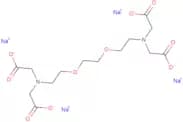
CAS:<p>Chelator of bivalent ions; high affinity to calcium ions</p>Fórmula:C14H20N2O10·4NaPureza:Min. 95%Forma y color:White PowderPeso molecular:468.28 g/molSodium 2-(hydroxymethyl)butanoate
CAS:<p>Sodium 2-(hydroxymethyl)butanoate is a high quality and versatile building block. Sodium 2-(hydroxymethyl)butanoate can be used as a useful intermediate to synthesize a wide range of complex compounds. It has been shown to react with other chemicals in order to form an array of useful scaffolds, which can be used for the synthesis of fine chemicals. Sodium 2-(hydroxymethyl)butanoate is also a reagent that is useful for research purposes.</p>Fórmula:C5H9NaO3Pureza:Min. 95%Forma y color:PowderPeso molecular:140.11 g/mol1-Hexane sulfonic acid sodium
CAS:<p>Hexane sulfonic acid sodium is a non-toxic, water-soluble salt that is used as a matrix in the analysis of drug metabolites. It is used for sample preparation in order to reduce interferences from other compounds and to increase sensitivity. Hexane sulfonic acid sodium can be analyzed by fluorescence spectrometry or plasma mass spectrometry, both of which involve a sample preparation step with trifluoroacetic acid. The analytical method is applied to urine samples and utilizes caproic acid as an internal standard. The presence of protocatechuic acid and benzalkonium chloride can interfere with the detection of hexane sulfonic acid sodium by fluorescence spectrometry. Dinucleotide phosphate has also been shown to interfere with the analysis of hexane sulfonic acid sodium by fluorescence spectrometry. A fluorescence detector is the most common detector for this type of analysis because it allows for high sensitivity measurements without interference from quenchers such as benzalk</p>Fórmula:C6H13NaO3SPureza:Min. 95%Forma y color:PowderPeso molecular:188.22 g/molLithium fluoride
CAS:<p>Lithium fluoride (LiF) is a chemical compound that has high chemical stability and kinetic energy. It can be used as a laser medium or to generate light in the infrared region. Lithium fluoride is used to produce fluorine gas by reaction with hydrochloric acid, which is then reacted with hydrogen fluoride to produce hydrogen trifluoride. Lithium fluoride is also used for biological purposes, such as the treatment of hyperthyroidism. In addition, lithium fluoride can be used to treat syphilis and other sexually transmitted diseases because it has an inhibitory effect on bacterial growth. Lithium fluoride also inhibits erythrocyte proliferation by inhibiting DNA synthesis and protein synthesis in vivo.</p>Fórmula:LiFPureza:Min. 95%Forma y color:PowderPeso molecular:25.94 g/mol1,2-Benzisoxazole-3-methanesulfonate sodium salt
CAS:<p>1,2-Benzisoxazole-3-methanesulfonate sodium salt (BMS) is a reactive intermediate that is used in the synthesis of drugs. It is a dehydrating agent and can be used as an impurity in the synthesis of pharmaceuticals. BMS has a flow rate of 0.5 to 2.0 g/min and an end point at around 200°C. BMS can be synthesized by reacting benzisoxazole with methanesulfonyl chloride in acetonitrile or chloroform or by reacting cetylpyridinium chloride with hydrochloric acid in acetonitrile. This compound can be purified by chromatographic methods such as flash column chromatography or gas chromatography, which are both reproducible and validated methods for purification.</p>Fórmula:C8H6NNaO4SPureza:Min. 95%Forma y color:White PowderPeso molecular:235.19 g/molClodronic acid disodium salt
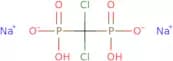
CAS:<p>Clodronic acid disodium salt is a drug that can be used as a treatment for bowel disease. It binds to the chemoattractant protein and inhibits the activation of toll-like receptor 4, which is involved in inflammatory reactions. Clodronic acid also has an effect on polymorphonuclear leucocytes, inhibiting the production of cytokines and other inflammatory mediators. Clodronic acid has been shown to reduce neuronal death in experimental models and inhibit mitochondrial membrane potential in leukemic mice. The drug acts by binding to basic proteins in bone cells, preventing the release of calcium from bone stores into the blood stream. The monosodium salt form is more soluble than clodronate, which is a disodium salt.</p>Fórmula:CH2Cl2Na2O6P2Pureza:Min. 95%Forma y color:White PowderPeso molecular:288.86 g/molSodium ammonium hydrogen phosphate
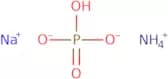
CAS:<p>Sodium ammonium hydrogen phosphate is a salt that has genotoxic effects. The genotoxic potential of this compound is dependent on the concentration and duration of exposure. This substance can interact synergistically with other substances, such as inorganic acids or hydrochloric acid. Sodium ammonium hydrogen phosphate has been shown to cause malonic acid in the presence of an appropriate carbon source, and to form diammonium phosphate, which is a genotoxic agent. It also interacts with collagen and particle substrates, forming a carbonyl group which may be responsible for its genotoxicity. br>br> Sodium ammonium hydrogen phosphate is acidic and reacts with proteins to form amide bonds. This reaction may lead to biochemical pathways that are associated with DNA damage.</p>Fórmula:H5NNaO4PPureza:Min. 95%Forma y color:PowderPeso molecular:137.01 g/mol4-Hydroxyamino-2-sulfosuccinic Acid Sodium Salt and 4-Hydroxyamino-3-sulfosuccinic Acid Sodium Salt
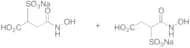
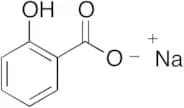
CAS:Producto controladoFórmula:C4H6NNaO7SForma y color:NeatPeso molecular:470.295Sodium Salicylate
CAS:<p>Applications Sodium 2-Hydroxybenzoate is used in the preparation of inhibitors for tyrosyl-tRNA synthetase as an antibacterial. Also used in the preparation of a copolymers for the use of drug carriers.<br>References Wang, X. et al.: Bioorg. Med. Chem., 21, 4914 (2013); Vorob'eva, A. et al.: Russ. J. App. Chem., 85, 1758 (2012);<br></p>Fórmula:C7H5O3·NaForma y color:White To Off-WhitePeso molecular:160.10(4S)-2,2-Dimethyl-1,3-dioxolane-4-carboxylic Acid Potassium Salt
CAS:Producto controladoFórmula:C6H9KO4Forma y color:NeatPeso molecular:184.23PNPP, Disodium Hexahydrate
CAS:<p>Applications PNPP, Disodium Salt is a colorimetric alkaline phosphatase soluble substrate, p-Nitrophenyl Phosphate (pNPP) is the substrate of choice for use with alkaline phosphatase in Enzyme Linked Immunosorbant Assay (ELISA) procedures.<br>References Voller, A., et al. 1976. Bull. World Health Organ. 53: 55-65; Engvall, E. 1980. Meth. Enzymol. 70: 419-439; Voller, A., et al. 1986. Manual of Clinical Laboratory Immunology, 3rd Edition. In Rose, N., et al. eds., Washington, D.C. American Society for Microbiology, 106-107<br></p>Fórmula:C6H4NNa2O6P•6(H2O)Forma y color:Light YellowPeso molecular:263.05 + 6(18.01)Methoxy(monomethyl Carbonato-O')-magnesium (~0.4M in Methanol)
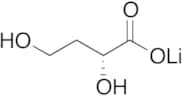
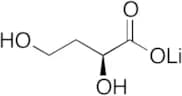
CAS:Producto controladoFórmula:C3H6MgO4Forma y color:Single SolutionPeso molecular:130.38(R)-2,4-Dihydroxybutanoic Acid Lithium Salt
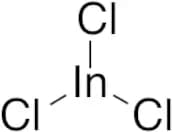
CAS:Producto controladoFórmula:C4H7LiO4Forma y color:NeatPeso molecular:126.037Indium(III) Chloride
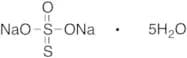
CAS:Producto controlado<p>Applications Indium(III) Chloride is a potent genotoxic chemical that has genotoxic effect on mammalian cells both in vivo and in vitro and which may be mediated partly by inducing oxidative stress.<br> Not a dangerous good if item is equal to or less than 1g/ml and there is less than 100g/ml in the package<br>References Lin, R., et al.: Environ. Toxicol., 28, 595 (2013); Takagi, R., et al.: J. Occup. Health, 53, 102 (2011)<br></p>Fórmula:Cl3InForma y color:NeatPeso molecular:221.18Sodium Thiosulfate Pentahydrate
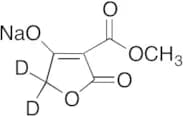
CAS:<p>Applications Sodium Thiosulfate is used primarily as a medicament against cyanide poisoning, able to convert cyanide into thiocyanate, a reaction which is catalyzed by the enzyme Rhodanese. Antioxidant.<br>References Emuebie, O. et al: Aus. J. Basic App. Sci., 5, 507 (2011); Cambal, L. et al.: Chem. Res. Toxicol., 24, 1104 (2011); Lam, X. et al.: J. Pharm. Sci., 86, 1250 (1997);<br></p>Fórmula:Na·O3S2·5H2OForma y color:NeatPeso molecular:248.18Methyl 2,5-Dihydro-4-hydroxy-2-oxo-3-furancarboxylic Acid-d2 Ester Sodium Salt
CAS:Producto controladoFórmula:C6D2H3NaO5Forma y color:NeatPeso molecular:182.103Sodium Methanesulfonate-d3,13C
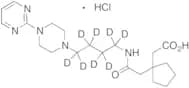
CAS:Producto controlado<p>Applications Sodium Methanesulfonate-d3,13C is an intermediate used in the synthesis of Methanesulfonyl Chloride-d3,13C (M258847), which is a labeled analogue of Methanesulfonyl Chloride (M258845). Methanesulfonyl Chloride used in the synthesis of phosphodiesterase 9A Inhibitors, used in treatments for Alzheimer’s disease. It is also used in the preparation of sulfonamide derivatives showing antibacterial activity.<br>References Reddy, N. et al.: J. Chem. Sci., 124, 723 (2012); Claffey, M. et al.: J. Med. Chem., 55, 9055 (2012);<br></p>Fórmula:CD3NaO3SForma y color:NeatPeso molecular:122.099seco-(8,9)-Buspirone (Butyl-d8) Carboxylic Acid
CAS:Producto controladoFórmula:C21H25D8N5O3·HClForma y color:NeatPeso molecular:448.04Sodium 6-Hydroxycaproate
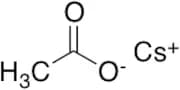
CAS:Producto controlado<p>Applications Sodium 6-Hydroxycaproate is an intermediate in the synthesis of Mono-5-carboxy-n-pentyl-phthalate (M525495), which is a metabolite of Dibutyl phthalate (DBP) (D429495), which is widely used in consumer products.<br>References Silva, M., et al.: Arch. Toxicol., 77, 561 (2003), Silva, M., et al.: Toxicology, 210, 123 (2005), Silva, M., et al.: J. Anal. Toxicol., 29, 819, (2005),<br></p>Fórmula:C6H11O3·NaForma y color:NeatPeso molecular:154.139Cesium Acetate
CAS:Producto controlado<p>Applications Cesium Acetate (cas# 3396-11-0) is a useful research chemical.<br></p>Fórmula:C2H3CsO2Forma y color:NeatPeso molecular:191.95Zinc Acetate
CAS:Producto controlado<p>Applications Zinc Acetate is used in biological studies and pharmacological activity of motexafin gadolinium disruptions of zinc metabolism in human cancer cell lines.<br> Not a dangerous good if item is equal to or less than 1g/ml and there is less than 100g/ml in the package<br>References Magda, D., et al.: Cancer Res., 65, 3837 (2005);<br></p>Fórmula:C4H6O4ZnForma y color:NeatPeso molecular:183.47(S)-2,4-Dihydroxybutanoic Acid Lithium Salt
CAS:Producto controladoFórmula:C4H7LiO4Forma y color:NeatPeso molecular:126.0374-(2-Tetradecyl)phenyl-13C6 1-Sodium Sulfonate
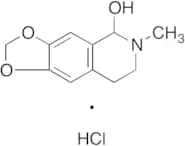
Producto controladoFórmula:C6C14H33NaO3SForma y color:NeatPeso molecular:382.485Hydrastinine Hydrochloride
CAS:Producto controladoFórmula:C11H13NO3·HClForma y color:NeatPeso molecular:243.687Copper Oxalate Hemihydrate
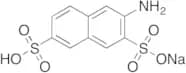
CAS:Producto controlado<p>Applications Copper Oxalate is an coordination compound used to engineer copper carbonate hydroxide photocatalysts.<br>References Xu, L., et al.: Int. J. Hydrogen. Energy., 39, 11486 (2014);<br></p>Fórmula:C5H12N4Forma y color:NeatPeso molecular:128.1763-Amino-2,7-naphthalenedisulfonic Acid Sodium Salt
CAS:Producto controlado<p>Stability Hygroscopic<br>Applications 3-Amino-2,7-naphthalenedisulfonic Acid Sodium Salt, can be used in various reactions including in the synthesis of 2,3,6-Trichloronaphthalene (T774070), that binds to the aryl hydrocarbon receptor (AhR) and induce a wide range of pleotrophic effects.<br>References Petrulis, J., et al.: Toxicol. Lett., 105, 251 (1999), Hilscherova, K., et al.: Environ. Sci. Pollut. Res., 7, 159 (2000),<br></p>Fórmula:C10H8NNaO6S2Forma y color:NeatPeso molecular:325.29Sodium Ethylxanthate (~90%)
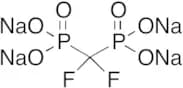
CAS:Producto controlado<p>Applications Sodium O-ethyl Carbondoithioate, is a reagent that is used in DNA isolation from animal cells or tissues. This compound has been used to evaluate the toxicity and adverse effect on marine diatom and is a reagent in the production of ethiolate (E918060).<br> Not a dangerous good if item is equal to or less than 1g/ml and there is less than 100g/ml in the package<br>References Florence, T.M., et al.: Aquat Toxicol., 8, 11 (1986)<br></p>Fórmula:C3H5NaOS2Pureza:~90%Forma y color:NeatPeso molecular:144.19Difluoromethylenediphosphonic Acid Sodium Salt
CAS:Producto controlado<p>Applications Difluoromethylenediphosphonic Acid Sodium Salt is a phosphonic acid derivative for development of biologically active compounds.<br>References Ma, Q.F., et al.: Biochemistry, 29, 1412 (1990); Soti, C., et al.: Eur. J. Biochem., 270, 2421 (2003); Barabas, O., et al.: J. Biol. Chem., 279, 42907 (2004)<br></p>Fórmula:CF2Na4O6P2Forma y color:NeatPeso molecular:299.911Sodium Carbonate
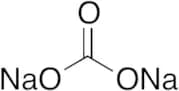
CAS:<p>Applications Sodium Carbonate, has wide rang of applications. It can be used as a food additive acting as an acidity regulator, anti-caking agent, raising agent, and stabilizer. It is also used widely in the manufacture of glass. Sodium carbonate is also used as a relatively strong base in various settings.<br>References Karaca, H. et al.: Int. J. Food Microbio., 58, 1230 (2014); Merten, G. et al.: J. Am. Med. Addoc., 291, 2328 (2004); Robey, I. et al.: Canc. Res., 69, 2260 (2009);<br></p>Fórmula:CO3·2NaForma y color:White To Off-WhitePeso molecular:105.988Cerivastatin-D3, Sodium Salt
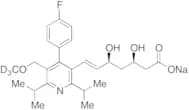
CAS:Producto controladoFórmula:C26D3H30FNNaO5Forma y color:NeatPeso molecular:484.551Potassium Cyanide-13C
CAS:Producto controlado<p>Applications Labelled analogue of Potassium Cyanide, a reagent widely used in organic synthesis for the preparation of nitriles and carboxylic acids, particularly in the von Richter reaction.<br> Not a dangerous good if item is equal to or less than 1g/ml and there is less than 100g/ml in the package<br>References Kollenz, G. et al.: Org. Prep. Proc. Int., 12, 244 (1980); Subramanian, L. R.: Sci. Synth., 19, 173 (2004);<br></p>Fórmula:CKNForma y color:NeatPeso molecular:66.11Sulfosuccinimidyl Linoleate Sodium
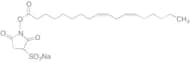
Producto controlado<p>Applications Sulfosuccinimidyl Linoleate Sodium is an analog of Sulfosuccinimidyl Oleate Sodium (S689200).<br></p>Fórmula:C22H34NNaO7SForma y color:NeatPeso molecular:479.5632,2'-Biquinoline-4,4-dicarboxylic Acid Disodium Salt Hydrate
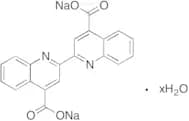
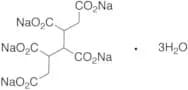
CAS:Producto controlado<p>Stability Hygrscopic<br>Applications 2,2'-Biquinoline-4,4-dicarboxylic acid disodium salt<br></p>Fórmula:C20H10N2Na2O4·xH2OForma y color:NeatPeso molecular:388.28 + x(18.02)1,2,3,4,5-Pentanepentacarboxylic Acid Sodium Salt Trihydrate
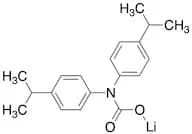
CAS:Producto controlado<p>Applications It is used as a detergent builder.<br></p>Fórmula:C10H13Na5O13Forma y color:NeatPeso molecular:456.15Lithium Bis(4-isopropylphenyl)carbamate
Producto controlado<p>Applications Lithium Bis(4-isopropylphenyl)carbamate is an intermediate in the synthesis of 2,7-Diisopropyl-9,9-dimethyl-9,10-dihydroacridine-d6 (D455762), which is a labeled analogue of 2,7-Diisopropyl-9,9-dimethyl-9,10-dihydroacridine (D455760), a useful chemical reagent. Also, it is derived from 9,9-Dimethyl-9,10-dihydroacridine (D474300), which are currently being used in the development of thermally activated delayed fluorescence (TADF) molecules which are being researched for their possible efficient deep-blue TADF emitting potential.<br>References Kwon, D.Y., et al.: J. Nanosci. Nanotechnol., 15, 7828-31 (2015); Wada, Y., et al.: Adv. Mater., 30 (2018).<br></p>Fórmula:C19H22LiNO2Forma y color:NeatPeso molecular:303.325Tin(II) Oxalate
CAS:Producto controlado<p>Applications Tin(II) Oxalate is used in stannous oral care compositions.<br> Not a dangerous good if item is equal to or less than 1g/ml and there is less than 100g/ml in the package<br>References Surerus, K., et al.: Biochemistry, 1994, 33, 4980 (1994),<br></p>Fórmula:C2O4SnForma y color:NeatPeso molecular:206.73Sodium n-Octyl-d17 Sulfate
CAS:Producto controlado<p>Applications Sodium n-Octyl-d17 Sulfate (CAS# 1219802-16-0) is a useful isotopically labeled research compound.<br></p>Fórmula:C8D17NaO4SForma y color:NeatPeso molecular:249.37Sodium Bromate
CAS:Producto controlado<p>Applications Sodium bromate (cas# 7789-38-0) is a useful research chemical.<br> Not a dangerous good if item is equal to or less than 1g/ml and there is less than 100g/ml in the package<br></p>Fórmula:NaBrO3Forma y color:NeatPeso molecular:150.89Potassium 1H-indole-6-trifluoroborate
CAS:Producto controladoFórmula:C8H6BF3N·KForma y color:NeatPeso molecular:244.6672-Bromoethanesulfonic Acid Sodium Salt
CAS:Producto controlado<p>Applications 2-Bromoethanesulfonic Acid Sodium Salt (cas# 4263-52-9) is a compound useful in organic synthesis.<br></p>Fórmula:C2H4BrNaO3SForma y color:NeatPeso molecular:211.01Potassium (2-Methoxyethyl)trifluoroborate
CAS:Producto controlado<p>Applications Potassium (2-Methoxyethyl)trifluoroborate can used to synthesize aryl/heteroarylethyloxy motifs by Suzuki-Miyaura Cross-Coupling.<br>References Fleury-Bregeot, N., et al.: J. Org. Chem., 77, 10399 (2012)<br></p>Fórmula:C3H7BF3O·KForma y color:NeatPeso molecular:165.9922-Hydroxy-3-(carboxymethylamino)-hydrocinnamic Acid, Dipotassium Salt
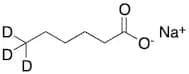
CAS:Producto controlado<p>Applications 2-Hydroxy-3-(carboxymethylamino)-hydrocinnamic Acid, Dipotassium Salt (cas# 100750-38-7 ) is a compound useful in organic synthesis.<br></p>Fórmula:C11H11K2NO5Forma y color:NeatPeso molecular:315.41Sodium Hexanoate-6,6,6-d3
CAS:Producto controlado<p>Applications Sodium Hexanoate-6,6,6-d3 (CAS# 1219794-91-8) is a useful isotopically labeled research compound.<br></p>Fórmula:C6H8D3NaO2Forma y color:NeatPeso molecular:141.16Potassium 4-Carboxybenzenesulfonate
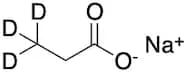
CAS:Producto controlado<p>Applications Potassium 4-Carboxybenzenesulfonate is used as a reactant for the synthesis of Potassium and Rubidium Arenesulfonates which shows coordination behavior towards the anions.<br>References Gunderman, B., et al.:Inorg. Chem., 33,2924(1994)<br></p>Fórmula:C7H5KO5SForma y color:NeatPeso molecular:240.27Sodium Propionate-3,3,3-d3
CAS:Producto controlado<p>Applications Sodium Propionate-3,3,3-d3 (CAS# 1210410-35-7) is a useful isotopically labeled research compound. This compound can be used to demonstrate intereactions between ergosterol and amphotericin B in lipid bilayers using NMR spectroscopy to exert antifungal activity.<br>References Matsumori, N.,et.al., J.Am.Chem.Soc., 131,11855-11860,(2009);<br></p>Fórmula:C3H2D3O2•NaForma y color:NeatPeso molecular:76.09 + 22.992-Anthraquinonesulfonic Acid Sodium Salt-d7
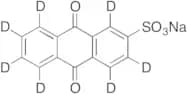
CAS:Producto controlado<p>Applications 2-Anthraquinonesulfonic Acid Sodium Salt-d7, is the labeled analogue of Anthraquinone-2-sulfonic Acid Sodium Salt (A679280), which is used as a dopant to enhance membrane integration with electrocatalysis.<br>References Zhao,F., Liu, L., Yang, F., Ren, N.: Chem. Eng. J., 230, 491 (2013);<br></p>Fórmula:C14D7NaO5SForma y color:NeatPeso molecular:317.3Adenosine 3',5'-Bisphosphate Dicalcium Hydrate
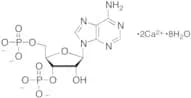
CAS:Producto controladoFórmula:C10H27Ca2N5O18P2Forma y color:NeatPeso molecular:423.1694-Biphenylyl Sulfate-d5 Potassium Salt
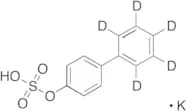
CAS:Producto controlado<p>Applications 4-Biphenylyl Sulfate-d5 Potassium Salt is the isotope labelled analog of 4-Biphenylyl Sulfate Potassium Salt . 4-Biphenylyl Sulfate Potassium Salt is a derivative of 4-Phenylphenol (P336135). 4-Phenylphenol is a reagent used in the synthesis of pyrrolo[1,2-c]imidazole dione derivatives as selective serotonin 5-HT1A receptor agonists with antinociceptive activity.<br>References Valhondo, M., et al.: J. Med. Chem., 56, 7851 (2013); Nichols, D., et al.: Chem. Rev., 108, 1614 (2008)<br></p>Fórmula:C12D5H5O4S·KForma y color:NeatPeso molecular:294.399((2R,3S,4R)-3,4,5-Trihydroxytetrahydrofuran-2-yl)methyl Barium Phosphate
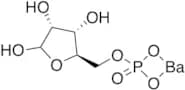
CAS:Producto controlado<p>Applications ((2R,3S,4R)-3,4,5-Trihydroxytetrahydrofuran-2-yl)methyl Barium Phosphate is a reagent in the synthesis of D-erythro-Imidazoleglycerol Phosphate Monohydrate (~90%) (I350000) which is a compound useful in organic synthesis.<br>References Ames, B.N., et al: J. Gen. Microbiol., 22, 369 (1960), Ames, B.N., et al: J. of Biol. Chem., 236, 7, 2019 (1961)<br></p>Fórmula:C5H9BaO8PForma y color:NeatPeso molecular:365.421Phosphorothioic Acid Trisodium Salt Hydrate
CAS:Producto controlado<p>Applications Phosphorothioic Acid Trisodium Salt Hydrate can be involved in reactions of alkali hexafluoroaluminates.<br>References Bukhalova, G. A., et al.: Issled. v Obl. Khim. i Technol. Mineral'n. Solei i Okislov, Akad. Nauk SSSR, Sb. Statei, 124 (1965)<br></p>Fórmula:Na3O3PS•x(H2O)Forma y color:NeatPeso molecular:180.00 + x(18.02)Potassium Hexadecanoate-2,2-d2
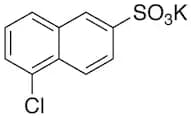
CAS:Producto controlado<p>Applications Potassium Hexadecanoate-2,2-d2 (CAS# 203805-86-1) is a useful isotopically labeled research compound.<br></p>Fórmula:C16H29D2KO2Forma y color:NeatPeso molecular:296.535-Chloronaphthalene-2-sulfonic Acid, Potassium Salt
CAS:Producto controlado<p>Applications 5-Chloronaphthalene-2-sulfonic Acid, Potassium Salt (cas# 1024267-23-9) is a compound useful in organic synthesis.<br></p>Fórmula:C10H6ClO3S·KForma y color:NeatPeso molecular:280.77Sodium Pyrophosphate Dibasic
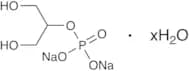
CAS:Producto controladoFórmula:H2Na2O7P2Forma y color:NeatPeso molecular:221.94Glycerol Phosphate Disodium Salt Hydrate, Isomeric Mixture
CAS:Producto controlado<p>Applications Glycerol phosphate disodium salt hydrate, isomeric mixture (cas# 55073-41-1) is a useful research chemical.<br></p>Fórmula:C3H7Na2O6P•xH2OForma y color:NeatPeso molecular:216.04Bismuth Sodium rac-Tartrate
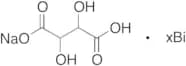
CAS:Producto controladoFórmula:C4H2O6·Bi·NaForma y color:NeatPeso molecular:378.025Sodium Diformamide
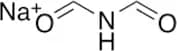
CAS:Producto controlado<p>Applications Sodium diformamide, 98% (cas# 18197-26-7) is a useful research chemical.<br></p>Fórmula:C2H3NO2·NaForma y color:Off-WhitePeso molecular:96.048-Dodecanoyloxypyrene-1,3,6-trisulfonic Acid Trisodium Salt
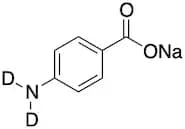
CAS:Producto controlado<p>Applications 8-Dodecanoyloxypyrene-1,3,6-trisulfonic Acid Trisodium Salt can be used in engineering or chemical process of solid phase synthesis of histidine-containing peptide dendrimers and their activity for catalytic hydrolysis of acyloxypyrene trisulfonates, which proceeds with enzyme-like kinetics in aqueous medium.<br>References Delort, E., et al.: J Org Chem, 71, 4468 (2006)<br></p>Fórmula:C28H32O11S3•3NaForma y color:NeatPeso molecular:640.74 + 3(22.99)4-Amino-D2 Benzoic Acid Monosodium Salt
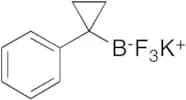
CAS:Producto controlado<p>Applications 4-Amino-D2 Benzoic Acid Monosodium Salt is an intermediate in the synthesis of DMABA-d4 NHS Ester (D678402), which is a labelled DMABA NHS ester (D678400). DMABA NHS ester is a reagent that reacts with the primary amine group of PE lipids. DMABA NHS ester has been used in combination with DMABA NHS ester-d4, -d6, and -d10 to study relative changes in PE lipid abundance before and after radical oxidation.<br>References Wester, H., et al.: Nucl. Med. Bio., 23, 365 (1996), Frees, D., et al.: Mol. Microbiol., 48, 1565 (2003), Michel, A., et al.: J. Bacteriol., 188, 5783 (2006), Voelker, T., et al.: Bioorg. Med. Chem., 17, 2047 (2009),<br></p>Fórmula:C7D2H4NNaO2Forma y color:NeatPeso molecular:161.13Potassium (1-Phenylcyclopropyl)trifluoroborate
CAS:Producto controlado<p>Applications Potassium (1-Phenylcyclopropyl)trifluoroborate is a potassium trifluoroborate salt. potassium trifluoroborate salts are a class of reagents often used in organic synthesis as alternatives to boronic acids, boronate esters, and organoboranes, particularly for Suzuki-Miyaura coupling.<br>References Sylvain, D., et al.: Chem. Rev., 108, 288 (2008); Gary, M., et al.: Acc. Chem. Res., 40, 275 (2007)<br></p>Fórmula:C9H9BF3·KForma y color:NeatPeso molecular:224.072Dipropyl Sodium Phosphate
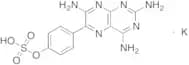
CAS:Producto controlado<p>Applications Dipropyl Sodium Phosphate is used in the preparation of alkyl thiopyrophasphates.<br>References McIvor, R.A., et. al.: Can. J. Chem., 34, 1819 (1956)<br></p>Fórmula:C6H14NaO4PForma y color:NeatPeso molecular:204.1374-Hydroxy Triamterene Sulfate Potassium Salt
CAS:Producto controladoFórmula:C12H11N7O4S·KForma y color:NeatPeso molecular:388.423Sulfonazo III Sodium Salt (Technical Grade)
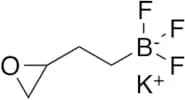
CAS:Producto controladoFórmula:C22H12N4Na4O14S4Forma y color:NeatPeso molecular:776.568Potassium 2-(oxiran-2-yl)ethyltrifluoroborate
CAS:Producto controlado<p>Applications Potassium 2-(oxiran-2-yl)ethyltrifluoroborate (cas# 608140-72-3) is a useful research chemical.<br></p>Fórmula:C4H7BF3O·KForma y color:NeatPeso molecular:178.002Sodium Acetate (2-13C)
CAS:Producto controlado<p>Applications Sodium Acetate (2-13c, 99%) (cas# 13291-89-9) is a useful research chemical.<br></p>Fórmula:C13CH3NaO2Forma y color:Off-WhitePeso molecular:83.03N-Succinyl-5-aminoimidazole-4-carboxamide Ribose 5’-Phosphate Dibarium Salt-d3
CAS:Producto controladoFórmula:C13D3H12N4O12P·2BaForma y color:NeatPeso molecular:727.924Sodium Acetylide Suspension (18 wt. % slurry in xylene)
CAS:Producto controlado<p>Applications Sodium Acetylide Suspension is a reagent used in the synthesis of rhodium(I) amidinate complexes.<br>References Moos, E. et al.: Eur. J. Inorg. Chem., 2018, 3022 (2018);<br></p>Fórmula:C2HNaForma y color:Single SolutionPeso molecular:48.02Suberic Acid Bis(3-sulfo-N-hydroxysuccinimide ester)-d4 Disodium Salt
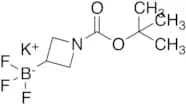
CAS:Producto controladoFórmula:C16D4H14N2Na2O14S2Forma y color:NeatPeso molecular:576.453Potassium (1-(tert-Butoxycarbonyl)azetidin-3-yl)trifluoroborate
CAS:Producto controladoFórmula:C8H14BF3NO2·KForma y color:NeatPeso molecular:263.107













![Dichloro[9,9-dimethyl-4,5-bis(diphenylphosphino)xanthene]palladium(II)](/_next/image/?url=https%3A%2Fstatic.cymitquimica.com%2Fproducts%2F3D%2Fthumb-webp%2FFD60980.webp&w=3840&q=75)