Sales de metal
En esta sección, puede encontrar diversas sales metálicas, que son compuestos caracterizados por contener átomos metálicos y no metálicos. Esencialmente, las sales metálicas están compuestas por cationes que son uno o más átomos metálicos. Estas sales desempeñan un papel crucial en numerosas reacciones y aplicaciones químicas, sirviendo como catalizadores, reactivos o intermediarios en varios procesos industriales y de investigación. En CymitQuimica, ofrecemos una amplia selección de sales metálicas de alta calidad para satisfacer sus necesidades de investigación e industriales, asegurando un rendimiento fiable y efectivo en sus aplicaciones.
Se han encontrado 2870 productos de "Sales de metal"
Ordenar por
Pureza (%)
0
100
|
0
|
50
|
90
|
95
|
100
Lithium Bromide
CAS:<p>Applications Lithium bromide is used as an inexpensive catalyst for the opening of epoxide rings by amines at room temperature. Lithium bromide is also used in conjunction with water to create a refrigerant-absorbent solution for use in refrigeration systems.<br>References Arun, M., et al.: Appl. Therm. Eng., 21, 1273 (2001); Chakraborti, A., et al.: Eur. J. Org. Chem., 17, 3597 (2004)<br></p>Fórmula:Br·LiForma y color:NeatPeso molecular:86.84Cobalt(II) Chloride Hydrate
CAS:Producto controlado<p>Applications Cobalt(II) Chloride Hydrate, is used in biological studies as adual control of glut1 glucose transporter gene by hypoxia and by inhibition of oxidative phosphorylation and structural and functional characterization of promoter region of rat glut1 gene<br> Not a dangerous good if item is equal to or less than 1g/ml and there is less than 100g/ml in the package<br>References Behrooz, A., et al.: J. Biol. Chem., 272, 5555 (1997)<br></p>Fórmula:Cl2Co•xH2OForma y color:NeatPeso molecular:129.841801Lithium Fluoride
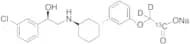
CAS:Producto controlado<p>Applications LITHIUM FLUORIDE (cas# 7789-24-4) is a useful research chemical.<br></p>Fórmula:LiFForma y color:NeatPeso molecular:25.9382-(3-((1R,3S)-3-(((R)-2-(3-Chlorophenyl)-2-hydroxyethyl)amino)cyclohexyl)phenoxy)acetic Acid-13C, d2 Sodium Salt
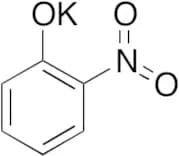
CAS:Producto controladoFórmula:CC21D2H23ClNNaO4Forma y color:NeatPeso molecular:428.8862-Nitrophenol Potassium Salt
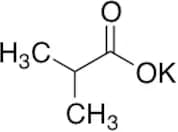
CAS:Producto controlado<p>Applications 2-Nitrophenol Potassium Salt s an intermediate in the synthesis of 5-Methyl-bis-(2-aminophenoxymethylene)-N,N,N’,N’-tetraacetate Methyl Ester (M294140)<br></p>Fórmula:C6H4KNO3Forma y color:NeatPeso molecular:177.2Potassium Isobutyrate
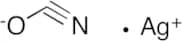
CAS:Producto controlado<p>Applications Potassium Isobutyrate (cas# 19455-20-0) is a useful research chemical.<br></p>Fórmula:C4H7O2·KForma y color:NeatPeso molecular:126.195Silver Cyanate
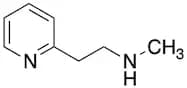
CAS:Producto controlado<p>Applications Silver cyanate is a chemosterilant in adult houseflies, and is also used as a reagent to synthesize 1-(3-thianyl)uracil and 9-(3-thianyl)adenine derivatives, compounds that have potential anti-human immunodeficiency virus (HIV) and antitumour activity.<br>References Fye, R., et al.: J. Econ. Entomol., 62, 522 (1969); Hultin, P. & Szarek, W.: Can. J. Chem., 72, 208 (1994)<br></p>Fórmula:AgOCNForma y color:NeatPeso molecular:149.88Betahistine
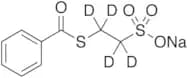
CAS:Producto controlado<p>Applications Betahistine free base (cas# 5638-76-6) is a useful research chemical.<br></p>Fórmula:C8H12N2Forma y color:Light Yellow To YellowPeso molecular:136.19Sodium Benzoylthioethanesulfonate-d4
CAS:Producto controlado<p>Applications Sodium Benzoylthioethanesulfonate-d4 (cas# 1189657-00-8) is a compound useful in organic synthesis.<br></p>Fórmula:C92H4H5O4S2·NaForma y color:NeatPeso molecular:272.31Potassium Deuteroxide (40% w/w in D2O)
CAS:Producto controlado<p>Applications Labelled Potassium Hydroxide, used in the synthesis of biodiesels.<br>References Boz, N. et al.: Appl. Catal. B-Environ., 138, 236 (2013); Rathore, P. et al.: Energy. Fuels. 27, 2776 (2013);<br></p>Fórmula:DKOForma y color:Single SolutionPeso molecular:57.11Copper(II) Chloride
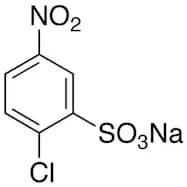
CAS:<p>Applications Copper(II) chloride is a reagent that is used in the synthesis of Diisobutyl Phosphate (D455480), which is an analyte found in human urine and municipal wastewaters.<br> Not a dangerous good if item is equal to or less than 1g/ml and there is less than 100g/ml in the package<br>References Reemtsma, T., et al.: Sci. Total Environ., 409, 1990 (2011); Quintana, J.B., et al.: Anal. Chem., 78, 1644 (2006)<br></p>Fórmula:Cl2CuForma y color:NeatPeso molecular:134.452-Chloro-5-nitrobenzene Sodium Sulphonate
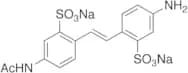
CAS:Producto controlado<p>Applications 2-Chloro-5-nitrobenzene Sodium Sulphonate (cas# 946-30-5) is a compound useful in organic synthesis.<br></p>Fórmula:C6H3ClNO5S·NaForma y color:NeatPeso molecular:259.604-Acetamido-4’-aminostilbene-2,2’-disulfonic Acid Disodium Salt
CAS:Producto controlado<p>Stability Temperature Sensitive - Recommended Storage at -20°C<br>Applications 4-Acetamido-4’-aminostilbene-2,2’-disulfonic Acid Disodium Salt (cas# 78211-74-2) is a compound useful in organic synthesis.<br></p>Fórmula:C16H14N2O7S2·2NaForma y color:NeatPeso molecular:456.40Lithium Perchlorate
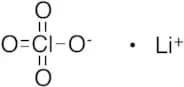
CAS:Producto controlado<p>Applications Lithium Perchlorate is an inorganic compound that is highly soluble in organic solvents. It is also used as an electrolyte in lithium-ion batteries.<br> Not a dangerous good if item is equal to or less than 1g/ml and there is less than 100g/ml in the package<br>References Xu, K., et al.: Chem. Rev., 104, 4303-4417 (2004)<br></p>Fórmula:ClO4·LiForma y color:NeatPeso molecular:99.45+(6.94)Iron
CAS:Producto controlado<p>Applications Iron is a transition metal element used in coordination chemistry as well as in metallo-organic molecules in pharmaceutical chemistry.<br>References Brozek, C. et al.: Chem. Mat., 25, 2998 (2013); Mesbah, A. et al.: Inorg. Chem., 52, 12057 (2013);<br></p>Fórmula:FeForma y color:NeatPeso molecular:55.84Vanadium(IV) Oxide Acetylacetonate
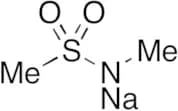
CAS:Producto controlado<p>Applications Vanadium(IV) Oxide Acetylacetonate is used as a catalyst in organic chemistry and is also an intermediate in synthetic reactions, such as the synthesis of novel oxovanadium complexes that display antitumor activity.<br>References Rui, W. et al.: Polyhedron, 117, 803 (2016); Tahmasebi, V. et al.: J. Mol. Struct., 1123, 367 (2016);<br></p>Fórmula:C10H14O5VForma y color:NeatPeso molecular:265.16N-Methylmethanesulfonamide Sodium Salt
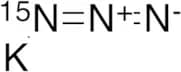
CAS:Producto controlado<p>Applications N-Methylmethanesulfonamide Sodium Salt is an substituent in the synthesis of Rosuvastatin (R700500), a selective, competitive HMG-CoA reductase inhibitor.<br>References Tomita, N., et al.: Bioorg. Med. Chem. Lett., 23, 1779 (2013);<br></p>Fórmula:C2H6NNaO2SForma y color:NeatPeso molecular:131.11Potassium Azide-15N
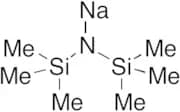
CAS:Producto controlado<p>Applications Potassium Azide-15N is a labelled intermediate in the synthesis of Tazobactam Sodium Salt-13C2,15N1, which is the labeled analogue of Tazobactam Sodium Salt (T010100), which is a β-Lactamase inhibitor, used with β-lactam antibiotics to enhance their effect.<br>References Gould, I.M., et al.: Drugs Exp. Clin. Res., 17, 187 (1991), Roland, R.K., et al.: J. Infect. Dis., 4, 226 (2000), Bonomo, R.A., et al.: Biochim. Biophys. Acta, 1547, 196 (2001),<br></p>Fórmula:KN215NForma y color:Off-WhitePeso molecular:82.11Sodium bis(trimethylsilyl)amide (95%)
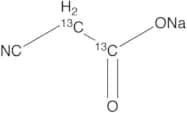
CAS:Producto controlado<p>Applications can be used in the generation of carbenes, the amination of sulfenamides, and the preparation of lanthanide complexes.<br>References Hasan T.m et al.: Journal of the Chemical Society. Perkin Transactions 1 , 1923-1923, (1992); S C Bock Journal of the American Chemical Society 116, 7637-7637, (1994)<br></p>Fórmula:C6H18NNaSi2Pureza:95%Forma y color:NeatPeso molecular:183.372-Cyano-acetic Acid Sodium Salt-13C2
CAS:Producto controlado<p>Applications 2-Cyano-acetic Acid Sodium Salt-13C2 (cas# 1346598-51-3) is a compound useful in organic synthesis.<br></p>Fórmula:C13C2H2NNaO2Forma y color:NeatPeso molecular:109.03Potassium Hydrogen Fluoride
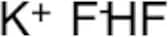
CAS:Producto controlado<p>Applications Potassium hydrogen fluoride (cas# 7789-29-9) is a useful research chemical.<br> Not a dangerous good if item is equal to or less than 1g/ml and there is less than 100g/ml in the package<br></p>Fórmula:K·HFForma y color:NeatPeso molecular:59.1Aluminum Chloride
CAS:<p>Stability Moisture Sensitive<br>Applications Aluminum Trichloride is a powerful chemical reagent used as a catalyst in Freidel Crafts reactions, alkylations and acylations.<br> Not a dangerous good if item is equal to or less than 1g/ml and there is less than 100g/ml in the package<br>References Groggins. P. et al.: Ind. Eng. Chem., 23, 152 (1931); Brown, H. et al.L J. Am. Chem. Soc., 80, 2291 (1958);<br></p>Fórmula:AlCl3Forma y color:Off-White To Light YellowPeso molecular:133.34Lead(II) Oxide
CAS:<p>Applications Lead(II) Oxide is used as the starting material in the synthesis of Dibasic Lead Phthalate Hydrate (D417070); a compound that is used in vinyl wire insulation as a flame retardant.<br> Not a dangerous good if item is equal to or less than 1g/ml and there is less than 100g/ml in the package<br>References Grossman, R. et al.: J. Vinyl Addt. Tech., 9, 65 (2003); Grossman, R. et al.: Vinyl Addt. Tech., 6, 138 (2000)<br></p>Fórmula:PbOForma y color:NeatPeso molecular:223.97157α-Ketoglutaric Acid Monosodium Salt
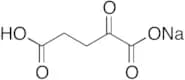
CAS:Producto controlado<p>Stability Hygroscopic<br>Applications alpha-Ketoglutaric Acid Sodium Salt (cas# 22202-68-2) is a compound useful in organic synthesis.<br></p>Fórmula:C5H5NaO5Forma y color:NeatPeso molecular:168.08Sodium 4-Methylbenzenesulfinate
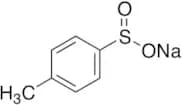
CAS:Producto controlado<p>Applications Sodium 4-methylbenzenesulfinate (cas# 824-79-3) is a useful research chemical.<br></p>Fórmula:C7H7NaO2SForma y color:NeatPeso molecular:178.19Sodium Tert-Butoxide
CAS:Producto controlado<p>Applications Sodium Tert-Butoxide is a useful research chemical for organic synthesis and other chemical processes.<br> Not a dangerous good if item is equal to or less than 1g/ml and there is less than 100g/ml in the package<br>References Henidi, H. A., et al.: RSC Adv., 9, 21578 (2019); Nefertiti, A. S. G., et al.: Antimicrob. Agents Chemother., 62, 1 (2018);<br></p>Fórmula:C4H9ONaForma y color:NeatPeso molecular:96.1Chloro(triphenylphosphine)gold(I)
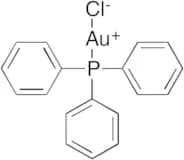
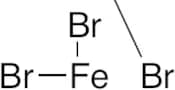
CAS:Producto controlado<p>Applications Chloro(triphenylphosphine)gold(I) is a coordination compound.<br></p>Fórmula:C18H15AuClPForma y color:NeatPeso molecular:494.71Iron(III) Bromide
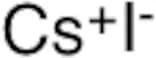
CAS:Producto controlado<p>Applications Iron(III) Bromide is used in the production of new disinfectant and in the study of it’s antimicrobial activity, improved synthesis of neotame, an artificial sweetner.<br>References Gluzman, M. K., et al.: Farmatsevtichnii Zhurnal, 24, 37 (1969); Yan, R., et al.: From Shipin Kexue (Beijing, China) (2008), 29(12), 312-315<br></p>Fórmula:Br3FeForma y color:NeatPeso molecular:295.56Cesium Iodide
CAS:Producto controlado<p>Applications Cesium Iodide (cas# 7789-17-5) is a useful research chemical.<br></p>Fórmula:CsIForma y color:NeatPeso molecular:259.81Sodium Hydrosulfide Hydrate
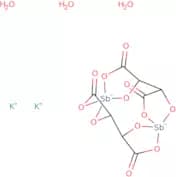
CAS:Producto controlado<p>Applications Sodium Hydrosulfide Hydrate is a stable hydrogen sulfide (H2S) donor and oxidant in the formation of benzothiazoles. It is also used as a reagent in the synthesis of imidazo[1,2-b]thiazole derivatives as novel SIRT1 activators.<br> Not a dangerous good if item is equal to or less than 1g/ml and there is less than 100g/ml in the package<br>References Meng, J., et al.: Int. J. Impot. Res., 25, 86 (2013); Park, N., et al.: Eur. J. Org. Chem., 2012, 1984 (2012); Vu, C.B., et al.: J. Med. Chem., 52, 1275 (2009)<br></p>Fórmula:HNaS(xH2O)Forma y color:NeatPeso molecular:56.06 + x(18.02)Antimony potassium tartrate trihydrate
CAS:<p>Antimony potassium tartrate trihydrate is a compound that contains antimony, potassium, and tartaric acid. It is used in the treatment of bladder cancer. Antimony potassium tartrate trihydrate has been shown to have cytotoxic and genotoxic properties in humans. This compound has lysing effects on the cells of the bladder and can lead to cell death by inhibiting enzymes in the cell's metabolic pathway. The mechanism of action for this drug is not completely understood but it may be due to its ability to reduce adenine nucleotide levels or through cell lysis caused by kinetic or cytotoxicity studies. Antimony potassium tartrate trihydrate also has toxic effects on cardiac tissue and liver lesions, which may be due to its ability to inhibit atp levels or transport properties.</p>Fórmula:C8H4K2O12Sb2·3H2OPureza:Min. 95%Forma y color:White/Off-White SolidPeso molecular:667.87 g/molSodium sarcosinate - ca. 40% in water
CAS:<p>Sodium sarcosine is a salt of sarcosine with sodium. It has an average molecular weight of 255 and is soluble in water. Sodium sarcosine is used as a biological sample for non-steroidal anti-inflammatory drugs (NSAIDs) in the study of their inhibitory properties against mammalian DNA polymerase. NSAIDs are also used to treat inflammation, pain, and fever by inhibiting prostaglandin synthesis. The rate constant for the reaction between NSAIDs and DNA polymerase was found to be 1.6x10^-4 M^-1s^-1 at 25°C, which is close to the Km value for the reaction. This finding indicates that NSAIDs may be competitive inhibitors of the enzyme, although further experiments are needed to confirm this hypothesis. Using electrochemical impedance spectroscopy, it was found that NSAIDs have a higher affinity for divalent cations than monovalent cations, suggesting that they bind to a site on the</p>Fórmula:C3H6NNaO2Pureza:Min. 95%Forma y color:Colorless Clear LiquidPeso molecular:111.08 g/molAcetylacetonatocarbonyl triphenylphosphine rhodium(I)
CAS:<p>Acetylacetonatocarbonyl triphenylphosphine rhodium(I) is a fine chemical that can be used as a building block in the synthesis of complex compounds. It is also a useful intermediate in the production of research chemicals and speciality chemicals. Acetylacetonatocarbonyl triphenylphosphine rhodium(I) is a high quality reagent that has been shown to catalyze reactions with high yields.</p>Fórmula:C24H22O3PRhPureza:Min. 95%Forma y color:PowderPeso molecular:492.31 g/molSulfaclozine sodium monohydrate
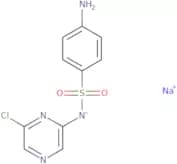
CAS:<p>Sulfaclozine sodium monohydrate is an extractant that is used in sample preparation. It has a molecular weight of 273.5 daltons and can be used to separate and purify proteins, which are often found in the extracellular matrix. Sulfaclozine sodium monohydrate binds to the protein matrix, which prevents other substances from binding to it and causing interference with the results of the experiment. This extractant is commonly used in research involving coccidiosis, collagen, lectins, and animal cells. Sulfaclozine sodium monohydrate also has been shown to be effective against human serum proteins when it is used as an extractant for sample preparation.</p>Fórmula:C10H8ClN4O2SNa·H2OPureza:Min. 95%Forma y color:PowderPeso molecular:324.72 g/mol3,5-Dinitrosalicylic acid sodium
CAS:<p>3,5-Dinitrosalicylic acid sodium is an inorganic compound that is used as a biochemical reagent. It can be used to measure the phosphatase activity of muscle and liver samples, as well as to determine the level of autophagy in cells. 3,5-Dinitrosalicylic acid sodium has been shown to inhibit the activity of a number of enzymes, including acid phosphatase and thiourea. When combined with chloroplast or mitochondria, it can be used to determine the rate of electron transport chain. 3,5-Dinitrosalicylic acid sodium binds to sulfhydryl groups on proteins and prevents them from being used for other purposes. This process optimization leads to engulfment followed by lysosomal degradation.</p>Fórmula:C7H3N2NaO7Pureza:Min. 95%Forma y color:PowderPeso molecular:250.1 g/mol2-Phenylindole-5-sulfonic acid monosodium salt
CAS:<p>2-Phenylindole-5-sulfonic acid monosodium salt is a fine chemical that can be used as a building block for research chemicals, reagents, and speciality chemicals. It is also used as a reaction component for the synthesis of various complex compounds, such as pharmaceuticals and dyes. 2-Phenylindole-5-sulfonic acid monosodium salt is a versatile building block that can be used in the synthesis of useful scaffolds. The CAS number for this compound is 119205-39-9.</p>Fórmula:C14H10NO3S·NaPureza:Min. 95%Forma y color:White PowderPeso molecular:295.29 g/molCopper(II) diethyldithiocarbamate
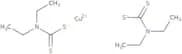
CAS:<p>Copper(II) diethyldithiocarbamate is a reactive chemical that has been extensively studied. The mechanism of its reaction with hydrochloric acid is well understood. Copper(II) diethyldithiocarbamate reacts with hydrochloric acid to form the copper complex and Zn(II) diethyldithiocarbamate. Copper complexes are known for their high resistance to oxidation, which makes them stable in analytical chemistry. This stability also contributes to their clinical relevance as they can be used in prostate cancer cells without causing oxidative damage. Copper(II) diethyldithiocarbamate is used in analytical chemistry because it reacts with ethylene diamine to produce an intense color change, which can be detected by eye or spectrophotometrically.</p>Fórmula:C10H20CuN2S4Forma y color:PowderPeso molecular:360.09 g/molCAPSO sodium salt
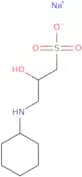
CAS:<p>CAPSO-Na salt, also known as3-Cyclohexylamino-2-hydroxypropanesulfonic acid sodium salt, is a zwitterionic buffer chemical that has an optimal pH range of 8.9-10.3 and a pKa of 9.6. This buffering agent shows low metal ion binding and high solubility and is commonly used in protein transfer applications and during cell lysis for membrane protein extraction.</p>Fórmula:C9H18NNaO4SPureza:Min. 95%Forma y color:White To Off-White SolidPeso molecular:259.3 g/molLithium 12-hydroxy stearate
CAS:<p>Lithium 12-hydroxy stearate is a lithium salt of a fatty acid and a main component of lithium soap, which is used in lubricating greases and as foam-release agent. Lithium stearates are contained in greases used in vehicles, aircraft, and heavy machinery.</p>Fórmula:C18H35LiO3Pureza:Min. 95%Forma y color:PowderPeso molecular:306.41 g/molIron(II) Phthalocyanine (purified by sublimation)
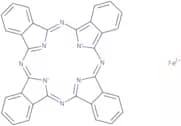
CAS:<p>Iron(II) phthalocyanine is a compound that is used for wastewater treatment. It has been shown to have physiological activities, such as the ability to inhibit the growth of bacteria and fungi in tissue culture. Iron(II) phthalocyanine can be used to remove organics from water, with a kinetic data of 1.2 x 10⁻³ mol/L/min and a synergic effect with other compounds. The molecule contains two methyl ketones on each side, which are connected by disulfide bonds. The molecule also contains nitrogen atoms and has a redox potential of -0.256 volts. Iron(II) phthalocyanine adsorbs to the surface of another compound through an adsorption mechanism, which may include hydrogen bonding or ion exchange.</p>Fórmula:C32H16FeN8Pureza:Min. 95%Forma y color:Dark Purple SolidPeso molecular:568.37 g/molChromotropic acid disodium salt dihydrate - ACS reagent
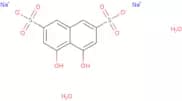
CAS:<p>Chromotropic acid is a reactive compound that has been shown to be adsorbed on the surface of activated carbon. The adsorption mechanism and the kinetic constants for this reaction have been studied in detail. Chromotropic acid decomposes at high temperatures, releasing hydrogen chloride gas and water vapor. This chemical is also used in pharmaceutical preparations as an additive to inhibit oxidation reactions. It may also serve as a photoreceptor, reacting with tyramine hydrochloride and other compounds to produce a color change.</p>Fórmula:C10H6O8S2Na2·2H2OForma y color:PowderPeso molecular:400.29 g/mol1,2-Benzisoxazole-3-methanesulfonate sodium salt
CAS:<p>1,2-Benzisoxazole-3-methanesulfonate sodium salt (BMS) is a reactive intermediate that is used in the synthesis of drugs. It is a dehydrating agent and can be used as an impurity in the synthesis of pharmaceuticals. BMS has a flow rate of 0.5 to 2.0 g/min and an end point at around 200°C. BMS can be synthesized by reacting benzisoxazole with methanesulfonyl chloride in acetonitrile or chloroform or by reacting cetylpyridinium chloride with hydrochloric acid in acetonitrile. This compound can be purified by chromatographic methods such as flash column chromatography or gas chromatography, which are both reproducible and validated methods for purification.</p>Fórmula:C8H6NNaO4SPureza:Min. 95%Forma y color:White PowderPeso molecular:235.19 g/molPotassium Trifluoromethanesulfonate
CAS:<p>Potassium trifluoromethanesulfonate is a chemical compound that belongs to the family of organofluorine compounds. It has been shown to be an excellent hydrogen bond acceptor, which is the most important factor for its application in water vapor detection. Potassium trifluoromethanesulfonate has been used as an enhancement agent in analytical chemistry. It has also been used as a fluorescence detector and in x-ray crystal structure determination studies. The reaction mechanism of potassium trifluoromethanesulfonate is not yet known with certainty, but it is likely that the protonated amide form of potassium trifluoromethanesulfonate reacts with light emission from an organic dye, producing a fluorescent product.</p>Fórmula:CF3KO3SPureza:Min. 95%Forma y color:PowderPeso molecular:188.17 g/mol4-Aminosalicylic acid sodium salt dihydrate
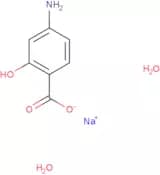
CAS:<p>4-Aminosalicylic acid sodium salt dihydrate is a molecule that has been shown to be useful for the diagnosis of viral, autoimmune, and cancerous diseases. It is a diagnostic agent that can be used in both the diagnosis and treatment of bowel disease. 4-Aminosalicylic acid sodium salt dihydrate can also be used to treat cavity formation in teeth. It binds to fatty acids in the target tissue, which leads to cell death by apoptosis. This drug has been shown to be effective against inflammatory bowel disease (IBD) as well as other types of bowel disease. This drug has been shown to have no adverse effects on healthy cells or tissues, but it may cause kidney toxicity when taken orally or injected intravenously.</p>Fórmula:C7H6NNaO3·2H2OPureza:Min. 95%Forma y color:White PowderPeso molecular:211.15 g/molCapric acid sodium salt
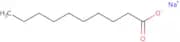
CAS:<p>Sodium caprate (C10) and salcaprozate sodium (SNAC), FS168567, are two of the most advanced intestinal permeation enhancers (PEs) that have been tested in clinical trials for oral delivery of macromolecules.</p>Fórmula:C10H19NaO2Forma y color:White Off-White PowderPeso molecular:194.25 g/molSulfosuccinimidyl 3-[[2-(biotinamido)ethyl] dithio]propionate sodium salt
CAS:<p>Sulfosuccinimidyl 3-[[2-(biotinamido)ethyl] dithio]propionate sodium salt (BSP) is a biotin-avidin binding molecule that forms a covalent linkage with the antigen and antibody. It is used in immunoassays to detect specific antigens or antibodies in biological samples. BSP is manufactured by reacting carbodiimide hydrochloride with sulfosuccinic acid. The product can be used for a variety of immunoassays such as enzyme-linked immunosorbent assays, real-time polymerase chain reaction, and immunohistochemistry. The sensitivity of this product has been shown to be greater than those of other detection methods such as Western blotting.</p>Fórmula:C19H27N4NaO9S4Pureza:Min. 95%Forma y color:White Off-White PowderPeso molecular:606.69 g/molDirhodium tetracaprolactamate
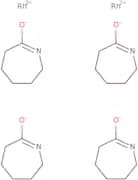
CAS:<p>Dirhodium tetracaprolactamate is a functionalised dirhodium compound that is used in the preparation of carbenes and biomolecules. The ligand can be prepared by the reaction of diazomethane with an activated acetonitrile, followed by addition of hydroscopic silver nitrate, which gives a complex tetraacetate. This product can be used in organic synthesis as a diazo compound. Dirhodium tetracaprolactamate has been shown to be effective in the synthesis of natural products such as ferulic acid and chlorogenic acid.</p>Fórmula:C24H40N4O4Rh2Pureza:Min. 95%Forma y color:PowderPeso molecular:654.41 g/molSodium dodecylbenzenesulfonate (hard type) (mixture)
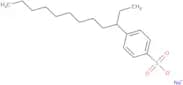
CAS:<p>Sodium dodecylbenzenesulfonate (SDS) is a synthetic surfactant. It is used as a detergent in household and industrial cleaning products, as well as in textiles and paper manufacturing. SDS is also used to remove protein from cells and tissues during the process of cell harvesting or tissue harvesting. The hard type (mixture) contains sodium dodecylbenzenesulfonate, which has a hydrophilic head group and a hydrophobic tail group that are not ionized at physiological pH. This type of SDS has been shown to have low toxicity in vivo and in vitro.</p>Fórmula:C18H29NaO3SPureza:Min. 95%Forma y color:PowderPeso molecular:348.48 g/molPotassium hydrogen phthalate
CAS:<p>Potassium hydrogen phthalate is a corrosion inhibitor and a co-catalyst for the production of polyvinyl chloride. It has been shown to exhibit toxic effects on the central nervous system, liver, and kidneys in animal studies. Potassium hydrogen phthalate is also used as a corrosion inhibitor in wastewater treatment plants. The toxicity of potassium hydrogen phthalate may be due to its ability to inhibit ryanodine receptor, an intracellular calcium release channel that regulates cellular functions such as muscle contraction, enzyme activities, and cell cycle progression. Potassium hydrogen phthalate can also be used to produce polyvinyl chloride. It has been shown to have toxic effects on insects as well as thermodynamic data related to water vapor. Potassium hydrogen phthalate is an analytical reagent that can be used for picolinic acid determination.</p>Fórmula:C8H5KO4Pureza:Min. 95%Forma y color:PowderPeso molecular:204.22 g/molIndium(III) trifluoromethanesulfonate
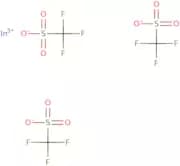
CAS:<p>Indium trifluoromethanesulfonate is a reactive, c1-c4 haloalkyl. It has been used as a reagent for the synthesis of serine protease inhibitors. Indium trifluoromethanesulfonate reacts with unsaturated ketones to form x-ray absorption products, which can be analyzed by x-ray diffraction and x-ray fluorescence techniques. The reaction products are quinoline derivatives, which are useful in the synthesis of carbohydrates and other organic compounds. Control experiments were performed to ensure that the reactivity of indium trifluoromethanesulfonate was not due to contaminants or impurities. A more efficient method for synthesizing indium trifluoromethanesulfonate was developed in order to avoid the use of toxic solvents like diphenyl ether. This process involves amines as nucleophiles, which are activated by transfer reactions with carbon tetr</p>Fórmula:C3F9InO9S3Pureza:Min. 95%Forma y color:SolidPeso molecular:562.03 g/mol



















![Sulfosuccinimidyl 3-[[2-(biotinamido)ethyl] dithio]propionate sodium salt](/_next/image/?url=https%3A%2Fstatic.cymitquimica.com%2Fproducts%2F3D%2Fthumb-webp%2FFS27965.webp&w=3840&q=75)