Sales de metal
En esta sección, puede encontrar diversas sales metálicas, que son compuestos caracterizados por contener átomos metálicos y no metálicos. Esencialmente, las sales metálicas están compuestas por cationes que son uno o más átomos metálicos. Estas sales desempeñan un papel crucial en numerosas reacciones y aplicaciones químicas, sirviendo como catalizadores, reactivos o intermediarios en varios procesos industriales y de investigación. En CymitQuimica, ofrecemos una amplia selección de sales metálicas de alta calidad para satisfacer sus necesidades de investigación e industriales, asegurando un rendimiento fiable y efectivo en sus aplicaciones.
Se han encontrado 2870 productos de "Sales de metal"
Ordenar por
Pureza (%)
0
100
|
0
|
50
|
90
|
95
|
100
Butynediol sulfopropyl ethersodium
CAS:Producto controlado<p>Please enquire for more information about Butynediol sulfopropyl ethersodium including the price, delivery time and more detailed product information at the technical inquiry form on this page</p>Fórmula:C7H11NaO5SPureza:Min. 95%Peso molecular:230.22 g/molPotassium trimethylsilanolate
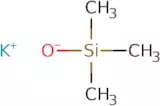
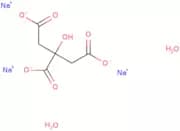
CAS:<p>Potassium trimethylsilanolate is a chemical substance that has inhibitory properties. It is a trifluoroacetic acid derivative that inhibits the activity of certain enzymes, such as proteases and lipases. The compound's inhibitory properties are due to its ability to bind to cytochrome cb2 receptors by means of hydrogen bonding. The binding of potassium trimethylsilanolate to the receptor prevents the activation of apoptosis proteins and protein synthesis in cells. This substance also has an inhibitory effect on water vapor, inhibiting the formation of water molecules from hydrogen atoms and oxygen atoms. Potassium trimethylsilanolate can be used as an anti-cancer agent by preventing cell division in tumor cells and preventing cancer metastasis through inhibition of protease activity.</p>Fórmula:C3H9KOSiPureza:Min. 95%Peso molecular:128.29 g/molTrisodium citrate dihydrate
CAS:<p>Trisodium citrate dihydrate is a chemical compound that is used as a buffer and to maintain the pH of solutions. It is often used as an acidity regulator in pharmaceutical formulations and food products. Trisodium citrate dihydrate has been shown to be effective at reducing the matrix effect and increasing the concentration response, which can lead to better analytical results. This compound has also been shown to have anti-inflammatory properties, which may be due to its ability to prevent fatty acid production by inhibiting the enzyme lipase.</p>Fórmula:C6H5Na3O7·2H2OPureza:(Titration) Min. 98%Forma y color:White Off-White PowderPeso molecular:294.1 g/molFerroceneacetic acid
CAS:Producto controlado<p>Ferroceneacetic acid is a compound that has been shown to have chemiluminescent properties. It is a potent reductant and oxidant, which means that it can reduce or oxidize other compounds. Ferroceneacetic acid is also an active enzyme, and its redox potential changes depending on the concentration of ferrocene in the solution. Ferroceneacetic acid can be used as a model system for analytical chemistry and electrochemistry.</p>Fórmula:C12H12FeO2Pureza:Min. 95%Forma y color:PowderPeso molecular:244.07 g/mol[1,1'-Bis(diphenylphosphino)ferrocene]-dichloropalladium (II) dichloromethane complex
CAS:Producto controlado<p>1,1'-Bis(diphenylphosphino)ferrocene]-dichloropalladium (II) dichloromethane complex is a fine chemical that is used as a scaffold for the synthesis of other compounds. It can be used as a building block to make other chemicals or as an intermediate in chemical reactions. It is also a versatile research chemical and is used to make speciality chemicals. 1,1'-Bis(diphenylphosphino)ferrocene]-dichloropalladium (II) dichloromethane complex has high quality and is a useful building block for making other compounds.</p>Fórmula:C35H30Cl4P2PdFePureza:Min. 95%Forma y color:Red PowderPeso molecular:816.64 g/molDiacetato[(R)-(+)-2,2'-bis(diphenylphosphino)-1,1'-binaphthyl]ruthenium(II)
CAS:<p>Please enquire for more information about Diacetato[(R)-(+)-2,2'-bis(diphenylphosphino)-1,1'-binaphthyl]ruthenium(II) including the price, delivery time and more detailed product information at the technical inquiry form on this page</p>Fórmula:C48H38O4P2RuPureza:Min. 95%Peso molecular:841.83 g/molCalcium
CAS:Producto controlado<p>Calcium is a chemical element with the symbol Ca and atomic number 20. It has an atomic weight of 40.078, which means that it is 40.078 times heavier than hydrogen. Calcium is an alkaline earth metal, as are magnesium and barium. Calcium is classified as a hard metal because it has a high melting point and its oxide layer resists corrosion by water and air. The ionized form of calcium (Ca2+) may be found in the cytosol, or in transport vesicles in muscle cells or other types of cells such as those of the intestine or bone cells. The main biological role of calcium ions is to maintain the potential difference across excitable cell membranes, enabling normal nerve transmission and muscle contraction, including the contraction of heart muscles. The concentration of calcium ions in extracellular fluid is tightly regulated by the kidneys under instruction from parathyroid hormone (PTH) and calcitonin hormones to keep blood calcium levels within a narrow range</p>Fórmula:CaPureza:Min. 95%Forma y color:Metal Or Metallic SolidPeso molecular:40.08 g/molPlatinum(IV) oxide monohydrate
CAS:<p>Platinum(IV) oxide monohydrate (PtO) is a compound used as an oxidation catalyst in organic synthesis. It can be used to oxidize fatty acids in rat liver microsomes and has been shown to hydrolyze hydrogenated, hydrated, and nitro fatty acids. PtO also has the ability to catalyze the oxidation of alcohols and ketones. Platinum(IV) oxide monohydrate is a brown powder that is soluble in water at high concentrations and slightly soluble in methanol. It has a molecular weight of 243.3 g/mol and a melting point of over 2000 °C. PtO can be analyzed by determining its mass spectrum or its fluorescence properties with a specific probe.</p>Fórmula:PtO2•H2OPureza:Min. 95%Forma y color:PowderPeso molecular:245.09 g/molHydroxymethanesulfinic acid monosodium salt dihydrate
CAS:<p>Hydroxymethanesulfinic acid monosodium salt dihydrate (HMSD) is a chemical that can be used to remove sulfoxylate and formaldehyde in wastewater. It can also be used as a polymerization catalyst, an activator for epoxy resins, and as a stabilizer of glycol ethers. HMSD is formed by the reaction of methyl ethyl sulfoxide with copper chloride. This chemical has been shown to have thermal expansion properties and high chemical stability, making it useful for industrial processes involving polymerization or glycol esters.</p>Fórmula:CH3NaO3S·2H2OPureza:Min. 95%Forma y color:White/Off-White SolidPeso molecular:154.12 g/molBarium chloride anhydrous
CAS:<p>Barium chloride anhydrous is a chemical compound with the formula BaCl2. It is soluble in water and has been used for wastewater treatment. The solubility of this compound increases as temperature decreases. Barium chloride anhydrous can also be used to measure the levels of calcium ions in cells and tissues, by measuring the fluorescence intensity produced when the compound reacts with Ca2+. This property has been utilized to study neuronal death and Ca2+ overload. Barium chloride anhydrous also exhibits biological properties, such as enzyme activity or the ability to bind coumarin derivatives. X-ray diffraction data have shown that BaCl2 consists of a cubic crystalline structure, with each barium ion coordinated by six chloride ions. In solution, BaCl2 dissociates into Ba2+ and Cl-. Water vapor may cause the formation of anhydrous sodium carbonate on surfaces of objects exposed to it. The structural analysis of this compound has been modeled using particle methods.</p>Fórmula:BaCl2Pureza:Min. 95%Peso molecular:208.23 g/molZinc iodide
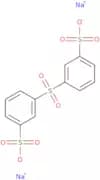
CAS:<p>Zinc iodide is a chemical compound with the molecular formula ZnI. It is used as an anti-inflammatory agent, and it has been shown to be effective against inflammatory diseases such as asthma. The reaction mechanism of zinc iodide is complex and may involve a copper complex. One possible reactive site for this reaction is a hydroxyl group on the nitrogen atom. Hydrogen bonds are also present in this molecule, which may allow the formation of polymeric matrices that can be used to deliver ZnI to cells or tissues.</p>Fórmula:I2ZnPureza:Min. 95%Forma y color:PowderPeso molecular:319.19 g/molDiphenylsulfone-3,3'-disulfonic Acid Disodium Salt
CAS:<p>Please enquire for more information about Diphenylsulfone-3,3'-disulfonic Acid Disodium Salt including the price, delivery time and more detailed product information at the technical inquiry form on this page</p>Pureza:Min. 95%Alizarin Yellow R sodium salt
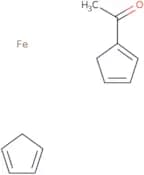
CAS:<p>Acid-base indicator dye; textile dye; yellow color</p>Fórmula:C13H8N3O5NaPureza:Min. 95%Peso molecular:309.21 g/mol1-Acetylferrocene
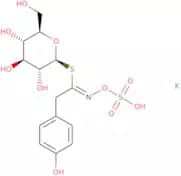
CAS:Producto controlado<p>1-Acetylferrocene is a reaction vessel for the synthesis of ferrocenecarboxylic acids and their derivatives. It is also used as an initiator for the polymerization of epoxides, dienes, and cyclohexenes. 1-Acetylferrocene is used in the production of active substances such as anti-cancer drugs, pharmaceuticals, and pesticides. This compound has been shown to have a redox potential that is lower than copper complex compounds. 1-Acetylferrocene can be used for desulfurization reactions because it reacts with sulfur dioxide at low temperatures.</p>Fórmula:C7H8O·C5H6FePureza:Min. 95%Forma y color:Light yellow low melting solid.Peso molecular:230.08 g/molSinalbin potassium
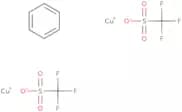
CAS:<p>Sinalbin potassium is a chemical compound that serves as a glucosinolate derivative, specifically sourced from white mustard seeds. It is a naturally occurring molecule that undergoes enzymatic conversion to yield biologically active substances. This compound is primarily characterized by its role in plant defense mechanisms, where it participates in chemical reactions that deter herbivores and pathogens.</p>Fórmula:C14H18NO10S2·KPureza:Min. 95%Forma y color:Off-White PowderPeso molecular:463.52 g/molCopper(I) trifluoromethanesulfonate benzene complex
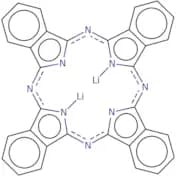
CAS:<p>Copper trifluoromethanesulfonate is a copper complex that inhibits the activity of thrombin receptor and other diazo compounds. It has been shown to inhibit the activity of the cannabinoid receptors, sodium channels, and voltage-gated potassium channels. Copper trifluoromethanesulfonate can be used in organic chemistry as an alkylating agent or to form thioacetals. The activity of this compound is chiral, meaning that it can exist as two different enantiomers: (1) (S)-(+)-Copper(I) trifluoromethanesulfonate benzene complex and (2) (R)-(-)-Copper(I) trifluoromethanesulfonate benzene complex. These two enantiomers have different chemical properties, including their ability to bind to protein receptors.</p>Fórmula:(CF3SO3Cu)2•C6H6Pureza:Min. 95%Forma y color:PowderPeso molecular:503.34 g/molDilithium phthalocyanine
CAS:<p>Dilithium phthalocyanine is a low-energy metathesis catalyst that is used in the synthesis of organic compounds. It is a coordination complex that has been shown to have a high chemical stability and to be resistant to radiation. The mechanism of action of dilithium phthalocyanine involves the formation of a covalent bond between two molecules or ions. The activation energy for this reaction is relatively low, making it an ideal catalyst for reactions involving ether linkages in which the hydrochloric acid acts as the base. One example of such a reaction is the synthesis of phthalocyanines from lithium and hydrogen chloride.</p>Pureza:93%MinSodium stearyl maleate
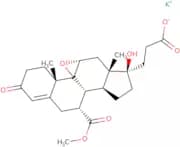
CAS:<p>Sodium stearyl maleate is a pharmaceutical excipient that has been used as a diluent and granule. It is an effective particle in the treatment of pancreatitis. Sodium stearyl maleate is also used to help treat chronic bladder inflammation by increasing its fluidity. The use of sodium stearyl maleate in lipoprotein preparations can increase their proliferative activity, which can be useful in cancer research and the treatment of malignant and benign tumors. The long-chain fatty acids found in sodium stearyl maleate have been shown to decrease cholesterol levels and prevent the progression of liver cirrhosis and hepatocellular carcinoma.</p>Fórmula:C22H39NaO4Pureza:Min. 95%Peso molecular:390.53 g/molEplerenone hydroxyacid potassium salt
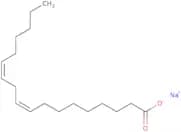
CAS:<p>Eplerenone is a drug that belongs to the class of drugs known as selective mineralocorticoid receptor antagonists. It is a prodrug that is metabolized in vivo to its active form, eplerenone acid. Eplerenone inhibits the binding of aldosterone to its receptors in the kidney. Eplerenone hydroxyacid potassium salt has been shown to have stereochemical purity of >98% and no detectable process-related impurities or experimental impurities. High-performance liquid chromatography (HPLC) methods have been used to characterize this drug substance and confirm that it has an average particle size 10 micrometers with no particles > 150 micrometers.</p>Fórmula:C24H31KO7Pureza:Min. 95%Peso molecular:470.6 g/molSodium linoleate
CAS:<p>Sodium linoleate is a model system for studying the effect of radiation on tumorigenesis. Sodium linoleate is used to study the relationship between light exposure and cancer. It has been shown to inhibit Cox-2 expression in carcinoma cell lines, which may be due to its ability to inhibit cox-2 activity by preventing the production of prostaglandins E2 (PGE2). The increased levels of PGE2 can lead to an increase in inflammation and cancer growth. Sodium linoleate has also been shown to have a synergic effect with sodium carbonate in inhibiting tumour growth, which is due to the inhibition of nuclear DNA transcription and protein synthesis.</p>Fórmula:C18H32O2·NaPureza:Min. 95%Forma y color:PowderPeso molecular:303.44 g/molAllylpalladium(II) chloride dimer
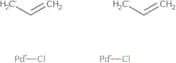
CAS:<p>Allylpalladium(II) chloride dimer is a homogeneous catalyst that can be used for the asymmetric synthesis of organosilicon compounds. It is an allylation agent and has been shown to react with certain nitrogen-containing compounds to form a palladium nitride complex. This compound is also a good transport agent, due to its high solubility in organic solvents. Allylpalladium(II) chloride dimer has been shown to be effective in the production of cancer chemotherapeutic agents, including chlorambucil, as well as anti-inflammatory drugs such as ibuprofen. This catalyst has also been used for cross-coupling reactions with alkyl bromides and iodides. A major drawback of this catalyst is that it often leads to an isolated yield of the product, which can be improved by using a solvent or by adding water or alcohols.</p>Fórmula:C6H10Cl2Pd2Pureza:95%NmrPeso molecular:365.89 g/molDichloro(1,1-bis(diphenylphosphino)ferrocene)palladium(II)acetoneadduct
CAS:Producto controlado<p>Please enquire for more information about Dichloro(1,1-bis(diphenylphosphino)ferrocene)palladium(II)acetoneadduct including the price, delivery time and more detailed product information at the technical inquiry form on this page</p>Fórmula:C37H34Cl2FeOP2PdPureza:Min. 95%Peso molecular:789.78 g/molHeptadecafluorooctanesulfonic acid potassium
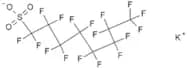
CAS:<p>Please enquire for more information about Heptadecafluorooctanesulfonic acid potassium including the price, delivery time and more detailed product information at the technical inquiry form on this page</p>Fórmula:C8HF17O3S•KPureza:Min. 95%Forma y color:PowderPeso molecular:539.23 g/molSodium triacetoxyborohydride
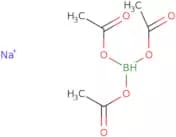
CAS:<p>Sodium triacetoxyborohydride is an oxidizing agent that is used in organic synthesis as a reagent for the reduction of esters and nitriles to alcohols and amines, respectively. This compound has been shown to be effective in reducing the activity of ccr5 receptors, which are important in HIV infection. Sodium triacetoxyborohydride can also be used to reduce antibodies, such as monoclonal antibodies, that have been conjugated with drugs or toxins to produce immunotoxins. Sodium triacetoxyborohydride has also been shown to be an effective agent for the treatment of inflammatory bowel disease and cancer therapy. It has been found to be toxic to some bacteria, fungi, and protozoa.</p>Fórmula:C6H10BNaO6Forma y color:White PowderPeso molecular:211.94 g/molBis(tricyclohexylphosphine)palladium(II) Dichloride
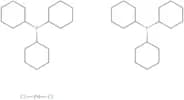
CAS:Producto controlado<p>Bis(tricyclohexylphosphine)palladium(II) Dichloride is a cross-coupling agent that is used for the synthesis of organic and organometallic compounds. It reacts with terminal alkynes to form a phosphine oxide, which can then be converted into an arylated product. The reaction proceeds by the formation of a palladium-carbon bond and subsequent cleavage of the carbon-palladium bond in the presence of ammonium formate. Bis(tricyclohexylphosphine)palladium(II) Dichloride is insoluble in water, but soluble in organic solvents such as dichloromethane, 1,2-dichloroethane, or chloroform. This reagent has been shown to enhance the rate of transfer reactions between monomers.</p>Fórmula:C36H66Cl2P2PdPureza:Min. 95%Peso molecular:738.18 g/molSilver(I) cyanide
CAS:Producto controlado<p>Silver(I) cyanide is an inorganic compound that is a silver salt of cyanide. It is a high-resistance material and can be used for the treatment of cancer. Silver(I) cyanide has been shown to induce apoptotic cell death in cultured cells by interfering with protein synthesis and the mitochondria membrane potential. The vibrational, structural, and functional properties of silver(I) cyanide are studied using different techniques. Silver(I) cyanide has also been shown to have fluorescence properties.</p>Fórmula:AgCNPureza:Min. 95%Peso molecular:133.89 g/mol8-Hydroxyquinoline copper(II)
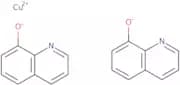
CAS:<p>8-Hydroxyquinoline copper(II) salt is a metal chelate that can be used as an analytical reagent. It is prepared by the reaction of ethylene diamine with 8-hydroxyquinoline and copper(II) chloride. The product has been found to emit light when irradiated with UV light. This product is also used as a substrate for methyl transferase, which is an enzyme involved in the metabolism of drugs. 8-Hydroxyquinoline copper(II) salt has been shown to inhibit the activity of P-glycoprotein (Pgp), which is a drug transporter protein found in mammalian cells that functions to pump xenobiotics from the inside of cells out into the bloodstream. When Pgp is inhibited, it causes cellular accumulation of certain drugs, such as cyclosporin A and tacrolimus.</p>Fórmula:C18H12CuN2O2Pureza:Min. 95%Forma y color:PowderPeso molecular:351.85 g/molBenzene-1,3-disulfonic acid disodium
CAS:<p>This is a polynuclear compound that has an electrochemical method for detection. It is catalytic, with a low detection limit. The shape of the crystals are spherical, which is due to the size of the crystals. There are no interferences in these measurements, as well as photomicrographs and dopamine sensor. This compound will have synergistic effects with chloride and glucose sensors. The following are some properties of benzene-1,3-disulfonic acid disodium salt: -It has a molecular weight of 227.2 -It has a melting point of about 237 degrees Celsius -It is soluble in water -It has a boiling point at about 515 degrees Celsius -Benzene-1,3-disulfonic acid disodium salt is not hazardous to humans if it is ingested orally; however, it can be harmful if inhaled or if it comes into contact with skin</p>Fórmula:C6H4Na2O6S2Pureza:Min. 95%Forma y color:PowderPeso molecular:282.2 g/molSodium 1-Dodecanesulfonate
CAS:<p>Sodium 1-dodecanesulfonate is a surfactant that can be used in the treatment of wastewater containing organic and inorganic substances. This compound adsorbs on the surface of bacteria and helps to destroy them by inhibiting their growth. Sodium 1-dodecanesulfonate has been shown to inhibit the growth of Gram-positive and Gram-negative bacteria, including Pseudomonas aeruginosa, Staphylococcus aureus, Escherichia coli, Enterobacter cloacae, Klebsiella pneumoniae, Citrobacter freundii, Proteus mirabilis, Salmonella typhimurium, Campylobacter jejuni and Shigella sonnei. The sodium dodecyl sulfonate molecule binds to phospholipids in bacterial cell membranes by electrostatic interactions with the hydrophilic head group and hydrophobic tail. This inhibits the activity of enzymes such as protein</p>Fórmula:C12H25NaO3SPureza:Min. 95%Forma y color:White To Light (Or Pale) Yellow SolidPeso molecular:272.38 g/molent-montelukast sodium salt
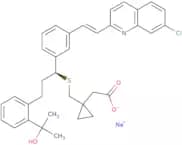
CAS:<p>Please enquire for more information about ent-montelukast sodium salt including the price, delivery time and more detailed product information at the technical inquiry form on this page</p>Fórmula:C35H35ClNNaO3SPureza:Min. 95%Peso molecular:608.17 g/molLithium chromate
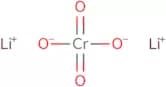
CAS:<p>Lithium chromate is a chemical compound that has the chemical formula Li2CrO4. It is a salt of lithium and chromic acid, with a basic structure of Li+-O-Cr+-O-Li+. The hydroxyl group on the chromium atom makes it soluble in water. Lithium chromate is an ionic compound that undergoes phase transitions to form solids and solutions at various temperatures. Lithium chromate can be synthesized by reacting potassium dichromate, magnesium salt, and dimethyl fumarate with lithium carbonate or lithium hydroxide. The product has been shown to have toxicological properties in animal studies.</p>Fórmula:Li2CrO4Pureza:Min. 95%Peso molecular:129.88 g/molBismuth hydroxide
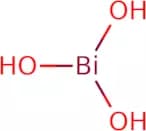
CAS:<p>Bismuth hydroxide is a white powder that is insoluble in water and has a pH of 3.5 to 4.5. It is used as an antimicrobial agent and can be used to treat urinary tract infections and dental plaque. Bismuth hydroxide is added to the acidic solution of hydrochloric acid, sodium citrate, and galacturonic acid to form a bismuth citrate complex that can be analyzed by various methods, including the analytical method of particle size distribution using zirconium oxide. This metal hydroxide has been shown to have transport properties that are dependent on temperature changes, with large increases in particle size at high temperatures. Bismuth hydroxide also has antifungal activity against usnic acid-producing fungi such as Candida albicans and Saccharomyces cerevisiae.</p>Pureza:Min. 95%Copper(II) sulfate, anhydrous
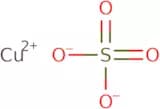
CAS:<p>Copper sulfate is a salt of copper and sulfuric acid. It is used as an antibiotic in the treatment of bacterial infections, although it does not exhibit a bactericidal effect. Copper sulfate can be used to create a synergistic effect with other antibiotics, such as penicillin, erythromycin, tetracycline, and clindamycin. The mechanism of action for this drug is unclear but may involve disruption of membrane function by formation of pores or alteration of ion channels. This drug also has been shown to have an inhibitory effect on toll-like receptor 4 (TLR4) activation and cytokine production in vitro. This inhibition may be due to its ability to bind copper ions in the cytoplasm or nucleus. Copper sulfate also has been shown to inhibit the ryanodine receptor, which is involved in calcium release from intracellular stores and regulation of cardiac muscle contraction. Clinical studies have shown that copper sulfate can increase the rate</p>Fórmula:CuSO4Pureza:Min. 95%Forma y color:PowderPeso molecular:159.61 g/molLithium formate
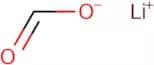
CAS:<p>Lithium formate is an inorganic compound that belongs to the group of sodium salts. It is a white crystalline solid that is soluble in water and has a melting point of -10°C. Lithium formate is used as an antimicrobial agent in wastewater treatment systems and as a polymerase chain reaction (PCR) model system. The mechanism of action for lithium formate was determined to be inhibition of the enzyme structural analysis, activity index, wild-type strain, phase transition temperature</p>Fórmula:CHLiO2Pureza:Min. 95%Forma y color:White To Off-White SolidPeso molecular:51.96 g/molFerrocenecarboxaldehyde
CAS:<p>Ferrocenecarboxaldehyde is a fatty acid with a ferrocene carboxylic acid group. It has been shown to have antimicrobial activity against bacteria, fungi, and yeast when it was mixed with nitric acid. Ferrocenecarboxaldehyde can be synthesized by reacting ferrocene with glycerol in the presence of sulfuric acid. The reaction mechanism of this synthesis is as follows: The structural analysis of ferrocenecarboxaldehyde has been studied using FT-IR spectroscopy and NMR spectroscopy. The chemical structure of ferrocenecarboxaldehyde is as follows: The asymmetric synthesis of ferrocenecarboxaldehyde is shown below:</p>Fórmula:C11H10FeOPureza:Min. 95%Forma y color:PowderPeso molecular:214.04 g/molPotassium dicyanoargenate
CAS:Producto controlado<p>Potassium dicyanoargenate is an organic acid that is a precursor to silver nanoparticles. This compound is typically used in the production of cellulose derivatives, and for the activation of polymerization reactions. Potassium dicyanoargenate can also be used to produce insoluble polymers and cationic surfactants by combining it with a metal ion, such as sodium carbonate or hydroxyl groups.</p>Fórmula:C2AgKN2Pureza:Min. 95%Peso molecular:199 g/molBarium hydroxide
CAS:<p>Barium hydroxide is a hydroxide salt that is used as an analytical reagent. It has been shown to be toxic to many organisms, including bacteria and fungi. Barium hydroxide is a strong base that reacts with glycol esters and zirconium oxide to form water vapor. The reaction mechanism of barium hydroxide is not well-understood. However, it may involve the formation of a complex between barium ions and copper chloride, which then reacts with oxygen to form hydrogen peroxide. Structural analysis of this compound reveals that it has high resistance against water vapor and metal hydroxides.</p>Fórmula:BaH2O2Pureza:Min. 95%Forma y color:PowderPeso molecular:171.34 g/molSodium naphthenate
CAS:<p>Sodium naphthenate is a sodium salt that is used as an intermediate in the production of polyvinyl chloride. It can be obtained by reacting ethylene diamine with sodium hydroxide and carbon dioxide. The reaction takes place at high temperatures and pressure, forming a solution of sodium carbonate, which is then hydrolyzed to form sodium naphthenate. This compound has been shown to have a low solubility in water and it can be purified by recrystallization or distillation. Sodium naphthenate is soluble in organic solvents such as acetone or chloroform. It has also been shown to be useful as a model system for studying transfer reactions between polycarboxylic acids and fatty acids, which are important processes in the manufacture of polyester resins.</p>Fórmula:C10H17NaO2Forma y color:Off-White PowderPeso molecular:192.23 g/molD-Glyceric acid calcium dihydrate
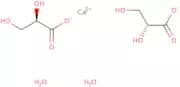
CAS:<p>Please enquire for more information about D-Glyceric acid calcium dihydrate including the price, delivery time and more detailed product information at the technical inquiry form on this page</p>Fórmula:C3H6O4•Ca0•H2OPureza:Min. 95%Peso molecular:288.26 g/molRhodium 5% on alumina
CAS:<p>Rhodium 5% on alumina is a chemical catalyst that is used in the oxidation of hydrocarbons and the reduction of nitro compounds. It is used in the process of catalytic conversion of hydrocarbons to produce gasoline, diesel fuel, and other fuels. Rhodium 5% on alumina has high resistance to hydrochloric acid, water vapor, and acid complex. This catalyst has been shown to be an effective catalyst for hydrogenation reactions with boron nitride as a support material. Rhodium 5% on alumina also has analytical chemistry applications due to its ability to bind up blood group antigens from animal sources or human blood samples.</p>Pureza:Min. 95%[1,2-Bis(diphenylphosphino)ethane]dichloropalladium(II)
CAS:Producto controlado<p>[1,2-Bis(diphenylphosphino)ethane]dichloropalladium(II) is a chemical compound that is insoluble in water and soluble in organic solvents. It is a reagent used to prepare other compounds. The synthesis of this compound involves the reaction of chloroform with dichloro[1,2-bis(diphenylphosphino)ethane]palladium (II). The resulting compound has a yellow color due to its ligands, which are amines or halides. This compound can be recrystallized from toluene or ether for use in preparative work. [1,2-Bis(diphenylphosphino)ethane]dichloropalladium(II) has been used as an analytical reagent for the determination of chloride and ligand content in some organic solvents.</p>Fórmula:C26H24Cl2P2PdPureza:Min. 95%Peso molecular:575.74 g/mol7,7-Azo-3-a,12-a-dihydroxytaurocholanic acid sodium salt
CAS:<p>Please enquire for more information about 7,7-Azo-3-a,12-a-dihydroxytaurocholanic acid sodium salt including the price, delivery time and more detailed product information at the technical inquiry form on this page</p>Fórmula:C26H42N3NaO6SPureza:Min. 95%Peso molecular:547.68 g/molBis(tri-tert-butylphosphine)palladium(0)
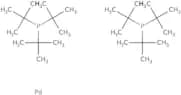
CAS:<p>Bis(tri-tert-butylphosphine)palladium(0) is a chemical compound, insoluble in organic solvents. It has been used as a catalyst for cross-coupling reactions in organic chemistry. Bis(tri-tert-butylphosphine)palladium(0) reacts with sodium salts and palladium-catalyzed cross-coupling to form an insoluble complex in the presence of hexane, which is soluble in organic solvents. The reaction proceeds through reductive elimination, yielding a trisubstituted product. This process can be used for the synthesis of halides and transmetallation.</p>Fórmula:C24H54P2PdPureza:Min. 95%Forma y color:White PowderPeso molecular:511.05 g/molLevothyroxine sodium
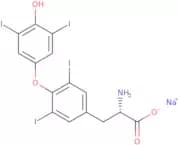
CAS:<p>Levothyroxine sodium is a thyroid hormone that is used to treat hypothyroidism. It is also used to treat goiter and other thyroid problems. Levothyroxine sodium comes in three different forms: tablets, oral solution, and levothyroxine sodium for injection. The tablet form of levothyroxine sodium is taken by mouth once daily with or without food. Oral solution is taken by mouth twice daily (morning and evening) with or without food. Injection should be given as directed by a physician or healthcare provider. Levothyroxine sodium can interact with many drugs, especially ones that affect the heart or blood sugar levels, such as potassium supplements, diuretics, beta blockers, calcium channel blockers, erythromycin, clarithromycin and ketoconazole. Levothyroxine sodium can also interact with certain foods such as soybean flour and grapefruit juice. Levothyroxine sodium has been shown to have a linear calibration curve in vivo</p>Fórmula:C15H10I4NNaO4Pureza:Min. 95%Forma y color:White PowderPeso molecular:798.85 g/molGlycochenodeoxycholic acid 3-sulfate disodium salt
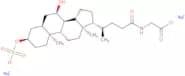
CAS:<p>Please enquire for more information about Glycochenodeoxycholic acid 3-sulfate disodium salt including the price, delivery time and more detailed product information at the technical inquiry form on this page</p>Fórmula:C26H41NNa2O8SPureza:Min. 95%Forma y color:PowderPeso molecular:573.65 g/molTitanium(IV) isopropoxide
CAS:<p>Titanium(IV) isopropoxide is a chemical compound with the formula Ti(OCH(CH)) (i-Pr). It is an organotitanium compound that reacts with water to form titanium hydroxide. The compound has a low vapor pressure and a high melting point, which makes it well suited for use in high temperature environments. Titanium(IV) isopropoxide can be used as an additive to improve the corrosion resistance of metal surfaces, such as steel and copper. It also has been shown to have synergistic effects when combined with other additives, such as metal hydroxides or methyl glycosides.</p>Fórmula:C12H28O4TiPureza:Min. 95%Peso molecular:284.22 g/molTris(2-phenylpyridine)iridium
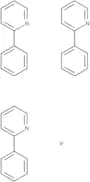
CAS:<p>Tris(2-phenylpyridine)iridium (IrCl) is a coordination compound that is used as a catalyst to initiate cationic polymerization of biphenyl. It is also used as an analytical reagent for determining the content of fatty acids in oils and fats. The steric interactions between the phenyl groups and the electron-rich iridium atoms lead to a high degree of conversion of ethylene oxide to ethylene glycol, which can be observed by UV absorption. The synthesis of IrCl occurs in two steps: first, the reaction of chloroacetone with phenylmagnesium bromide followed by addition of hydrated iridium chloride. The product crystallizes in red needles, which are analyzed using x-ray crystal structures. Analysis using nmr spectroscopy reveals that IrCl contains four nitrogen atoms and three oxygen atoms. Its redox potentials are -0.9 volts for oxidation and +1.3 volts for reduction, making</p>Fórmula:C33H24IrN3Pureza:Min. 98 Area-%Forma y color:PowderPeso molecular:654.78 g/molSilver tetrafluoroborate
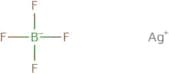
CAS:<p>Silver tetrafluoroborate (AgBF) is a chemical reagent that is used in analytical chemistry and structural analysis. It has shown to be a stable complex with organic molecules, such as fatty acids, and has been used to study the properties of these compounds. AgBF is an inorganic salt that can be synthesized by reacting silver nitrate and barium fluoride in the presence of trifluoroacetic acid. This compound has also been found to form stable complexes with organic molecules containing a hydroxyl group or nitrogen atom. The structure of AgBF has been determined through X-ray crystal structures and electron diffraction patterns. The molecule consists of two symmetric chains joined by a central disulfide bond.</p>Fórmula:AgBF4Pureza:Min. 95%Forma y color:PowderPeso molecular:194.67 g/molSodium oxalate
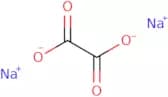
CAS:<p>Sodium oxalate is a salt of oxalic acid and sodium. It can be used as an inhibitor in electrochemical impedance spectroscopy, which is a method for measuring the mass transport of ions in a solution. Sodium oxalate has been shown to inhibit the reaction solution by hydrogen bonding interactions with the citric acid that is present in wastewater. This inhibition leads to the formation of the salt citrate, which is insoluble and can be removed by filtration. The surface methodology was used to measure the kinetic energy of sodium oxalate crystals on surfaces. The x-ray diffraction data was collected from anhydrous sodium oxalate crystals at room temperature.</p>Fórmula:C2O4Na2Pureza:Min. 95%Forma y color:PowderPeso molecular:134 g/molBis (1,5-Cyclooctadiene) rhodium(I)tetrafluoroborate
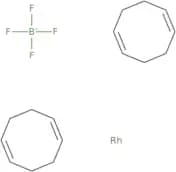
CAS:<p>Bis (1,5-Cyclooctadiene) rhodium(I)tetrafluoroborate (BODIPY) is a catalyst that enhances the rate of hydrosilylation reactions. This catalyst has been shown to be effective in the synthesis of aryl chlorides from amines and aldehydes with high enantioselectivity. BODIPY is also immobilized on silica gel to create an active catalyst for asymmetric synthesis. The immobilization process on silica gel is done by reacting BODIPY with ammonium formate and amines. The resulting catalyst can be used for the synthesis of functionalized organic compounds, such as pyrrolidines, tetrahydrofurans, and thiophenes.</p>Fórmula:C16H24BF4RhPureza:Min. 95%Peso molecular:406.07 g/mol



![[1,1'-Bis(diphenylphosphino)ferrocene]-dichloropalladium (II) dichloromethane complex](/_next/image/?url=https%3A%2Fstatic.cymitquimica.com%2Fproducts%2F3D%2Fthumb-webp%2FFB31909.webp&w=3840&q=75)
![Diacetato[(R)-(+)-2,2'-bis(diphenylphosphino)-1,1'-binaphthyl]ruthenium(II)](/_next/image/?url=https%3A%2Fstatic.cymitquimica.com%2Fproducts%2F3D%2Fthumb-webp%2FFD162446.webp&w=3840&q=75)













![[1,2-Bis(diphenylphosphino)ethane]dichloropalladium(II)](/_next/image/?url=https%3A%2Fstatic.cymitquimica.com%2Fproducts%2F3D%2Fthumb-webp%2FFB54999.webp&w=3840&q=75)