Aminoácidos (AA)
Los aminoácidos (AAs) son los componentes fundamentales de las proteínas y desempeñan un papel crucial en diversos procesos biológicos. Estos compuestos orgánicos son esenciales para la síntesis de proteínas, las rutas metabólicas y la señalización celular. En esta categoría, encontrará una gama completa de aminoácidos, incluyendo formas esenciales, no esenciales y modificadas, que son vitales para la investigación en bioquímica, biología molecular y ciencias de la nutrición. En CymitQuimica, ofrecemos aminoácidos de alta calidad para apoyar sus necesidades de investigación y desarrollo, asegurando precisión y fiabilidad en sus resultados experimentales.
Subcategorías de "Aminoácidos (AA)"
- Derivados de aminoácidos(3.955 productos)
- Aminoácidos y compuestos relacionados con aminoácidos(3.466 productos)
- Aminoácidos con oxígeno o azufre(168 productos)
- Aminoácidos protegidos con Boc(351 productos)
- Aminoácidos protegidos con Fmoc(1.710 productos)
Se han encontrado 38249 productos de "Aminoácidos (AA)"
Ordenar por
Pureza (%)
0
100
|
0
|
50
|
90
|
95
|
100
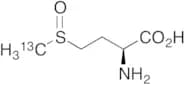
L-Methionine Sulfoxide,13C
CAS:Producto controlado<p>Applications L-Methionine Sulfoxide 13C1 is a labelled analogue of L-Methionine Sulfoxide ( M260450). L-Methionine Sulfoxide ( M260450) an intermediate in the synthesis of the acyclic amino carboxylic acid L-Methionine sulfoximine.<br>References Lee, B., et al.: J. Biol. Chem., 283, 28361 (2008), Nordqvist, A., et al.: Bioorg. Med. Chem., 16, 5501 (2008);Balog, E., et al.: Biochem., 48, 3005 (2009);<br></p>Fórmula:CC4H11NO3SForma y color:White To Off-WhitePeso molecular:166.203Fmoc-Ser(TBDMS)-OH
CAS:Producto controlado<p>Applications Fmoc-Ser(TBDMS)-OH (cas# 146346-81-8) is a useful research chemical.<br></p>Fórmula:C24H31NO5SiForma y color:NeatPeso molecular:441.592Ethyl 3-(dimethylamino)-2-(2,4,5-trifluoro-3-methoxybenzoyl)acrylate
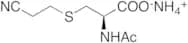
CAS:Fórmula:C15H16F3NO4Forma y color:NeatPeso molecular:331.287N-Acetyl-S-(2-cyanoethyl)-L-cysteine Ammonium Salt
CAS:<p>Stability Hygroscopic<br>Applications N-Acetyl-S-(2-cyanoethyl)-L-cysteine Ammonium Salt is a metabolite of Acrylonitrile (AN) and acrylamide (AM); and are commonly used in the synthesis of plastics and polymers.<br>References van Bladeren, P., et al.: Drug Metab. Dispos., 9, 246 (1981), Guengerich, F., et al.: Chem. Res. Toxicol., 4, 168 (1991),<br></p>Fórmula:C8H11N2O3S·H4NForma y color:SolidPeso molecular:233.29Guaiacol-β-D-glucopyranoside-d3
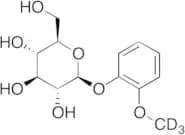
CAS:Producto controlado<p>Stability Hygroscopic<br>Applications Guaiacol-beta-D-glucopyranoside-d3, is a labeled analogue of Guaiacol-beta-D-glucopyranoside (G245565), a Guaiacol Conjugate, that has shown to present in fermentation of grapes that had been exposed to bushfire smoke and can potentially yield unpalatable, smoke-affected wine.<br>References Hayasaka, Y.m et al.: J. Arg. Food Chem., Vol. 58, Issue 4, P: 2076; 2081 (2010);<br></p>Fórmula:C13H15D3O7Forma y color:NeatPeso molecular:289.3N-Acetyl-L-cysteine
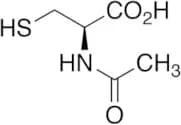
CAS:Producto controlado<p>Stability Air Sensitive<br>Applications A metabolite of Methyl Isocyanate.<br>References Slatter, J. G., et al.: Chem. Res. Toxicol., 4, 157 (1991),<br></p>Fórmula:C5H9NO3SForma y color:Light YellowPeso molecular:163.19Ethylenediaminetetraacetic Acid-d16
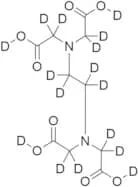
CAS:Producto controlado<p>Applications Ethylenediaminetetraacetic Acid-d16 (CAS# 203805-96-3) is a useful isotopically labeled research compound.<br></p>Fórmula:C10D16N2O8Forma y color:White To Off-WhitePeso molecular:308.34L-Aspartic Acid
CAS:<p>Applications L-Aspartic Acid is a non-essential amino acid found in food sources. L-Aspartic Acid is one of the 20 proteinogenic amino acids; the building blocks of proteins. Its conjugate base L-aspartate is an excitatory neurotransmitter in the central nervous system.<br>References Ager, D.J. et al.: J. Mol. Catal. Enzym., 11, 199 (2001); Velisek, J. et al.: Cze. J. Food. Sci., 24, 1 (2006); Nagahama, M. et al.: Cell Tiss. Res., 318, 483 (2004);<br></p>Fórmula:C4H7NO4Forma y color:WhitePeso molecular:133.10Nε-(1-Carboxymethyl)-L-lysine-d4
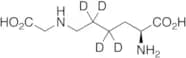
CAS:Producto controlado<p>Stability Hygroscopic<br>Applications CEL and CML are two stable, nonenzymatic chemical modifications of protein lysine residues resulting from glycation and oxidation reactions.<br>References Fu, M.X., et al.: J. Biol. Chem., 271, 9982 (1996), Ahmed M.U., et al.: Biochem.J., 324, 565 (1997), Schleicher, E.D., et al.: J. Clin. Invest., 99, 457 (1997), Shibayama, R., et al.: Diabetes, 48, 1842 (1999),<br></p>Fórmula:C8H12D4N2O4Forma y color:NeatPeso molecular:208.25N-Boc-propargylamine
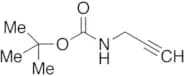
CAS:Producto controlado<p>Applications N-Boc-propargylamine is used in the preparation of triazolobenzylidene-thiazolopyrimidines which act as CDC25 phosphatase inhibitors. Also used in the synthesis of β-glucan polysaccharide analogs.<br>References Duval, R. et al.: J. Comb. Chem., 11, 947 (2009); Tanaka, H. et al.: Tetrahedron Lett., 53, 4104 (2012);<br></p>Fórmula:C8H13NO2Forma y color:NeatPeso molecular:155.2L-Leucic Acid
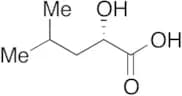
CAS:Producto controlado<p>Applications L-Leucic Acid is a reagent in the synthesis of cryptophycins based macrocyclic depsipeptides which are used as tubulin inhibitors.<br>References Kumar, A., et al.: Eur. J. Med. Chem., 93, 55 (2015)<br></p>Fórmula:C6H12O3Forma y color:NeatPeso molecular:132.16S-Phenylmercapturic Acid-d5
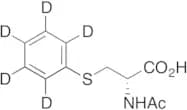
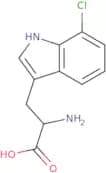
CAS:Producto controlado<p>Applications S-Phenylmercapturic Acid-d5 is the labelled analogue of S-Phenylmercapturic Acid (P335600), an important metabolite of Benzene.<br>References Qu, Q., et al.: Am. J. Ind. Med., 37, 522 (2000); Ghittori, S., et al.: Int. Arch. Occup. Environ. Health, 67, 195 (1995);<br></p>Fórmula:C11H8D5NO3SForma y color:NeatPeso molecular:244.327-Chloro-L-Tryptophan
CAS:Producto controlado<p>Stability Hygroscopic<br>Applications 7-CHLORO-L-TRYPTOPHAN (cas# 73945-46-7) is a useful research chemical.<br></p>Fórmula:C11H11N2O2ClForma y color:NeatPeso molecular:238.672-Methylresorcinol
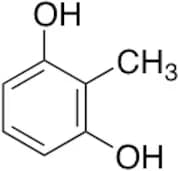
CAS:Producto controlado<p>Applications 2-Methylresorcinol (cas# 608-25-3) is a useful research chemical.<br> Not a dangerous good if item is equal to or less than 1g/ml and there is less than 100g/ml in the package<br></p>Fórmula:C7H8O2Forma y color:Light YellowPeso molecular:124.142,6-Diaminopimelic Acid
CAS:Producto controlado<p>Applications 2,6-Diaminopimelic Acid is useful in biological studies involving amino acids and amino sugars as molecular indicators of the origins of organic matter in buried tephra soils.<br>References Hobara, S., et al.: Geoderma, 373, 114449 (2020)<br></p>Fórmula:C7H14N2O4Forma y color:NeatPeso molecular:190.204-Methoxyphenylacetic Acid
CAS:Producto controlado<p>Applications 4-Methoxyphenylacetic Acid is a compound that was found from microbial phenolic metabolites in human feces after the consumption of gin, red wine and dealcholized red wine.<br>References Jimenez-Giron, A., et. al.: J. Arg. Food Chem., 61, 3909 (2013);<br></p>Fórmula:C9H10O3Forma y color:NeatPeso molecular:166.17H-Val-Trp-OH
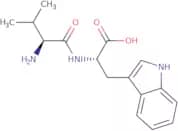
CAS:<p>H-Val-Trp-OH is a noncompetitive inhibitor of the enzyme tyrosinase, which plays a role in melanin production. It also has radical scavenging activities and can inhibit the activity of other enzymes such as glucose 6-phosphate dehydrogenase and acetylcholinesterase. The compound is stable in aqueous solution and can be used to study the effects of H-Val-Trp-OH on wheat germ cells. It is composed of an amino acid sequence that resembles tyrosine, with a carboxylate group attached to the hydroxyl group at position 3. H-Val-Trp-OH is most active against tyrosinase when it is in its activated form, but it can also act as an inhibitor when it is not activated. The compound inhibits the activity of tyrosinase by binding to its active site and blocking the binding or catalysis of substrate molecules. This inhibition occurs through competitive interactions with</p>Fórmula:C16H21N3O3Pureza:Min. 95%Forma y color:PowderPeso molecular:303.36 g/mol(3-((hydroxyimino)ethyl)-4-methyl(2,5-thiazolyl))phenylamine
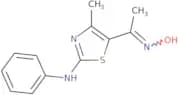
CAS:<p>Please enquire for more information about (3-((hydroxyimino)ethyl)-4-methyl(2,5-thiazolyl))phenylamine including the price, delivery time and more detailed product information at the technical inquiry form on this page</p>Fórmula:C12H13N3OSPureza:Min. 95%Forma y color:Clear LiquidPeso molecular:247.32 g/mol1-(4-Iodobenzyl)-4-methylpiperazine
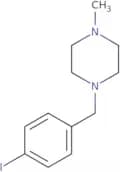
CAS:Producto controlado<p>1-(4-Iodobenzyl)-4-methylpiperazine is a chemical compound that is used as a building block for the synthesis of other organic compounds. It is also a reagent for organic synthesis and can be used to prepare high-quality research chemicals. 1-(4-Iodobenzyl)-4-methylpiperazine has many applications, including use as a versatile building block and a reaction component in the preparation of complex compounds. This chemical compound has CAS No. 102294-97-3 and can be found under the name <br>"1-(4-iodobenzyl)piperazine".</p>Fórmula:C12H17IN2Pureza:Min. 95%Forma y color:PowderPeso molecular:316.18 g/mol(Des-Gly10,D-Trp6,D-Leu7,Pro-NHEt 9)-LHRH trifluoroacetate salt
<p>Please enquire for more information about (Des-Gly10,D-Trp6,D-Leu7,Pro-NHEt 9)-LHRH trifluoroacetate salt including the price, delivery time and more detailed product information at the technical inquiry form on this page</p>Fórmula:C64H83N17O12Pureza:Min. 95%Forma y color:PowderPeso molecular:1,282.45 g/mol4-Fluoro-3-phenoxybenzaldehyde
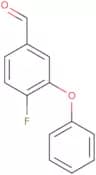
CAS:<p>4-Fluoro-3-phenoxybenzaldehyde is a chiral organic compound that has been synthesized in the laboratory. This compound has a linear response to peroxide and can be used as an environmental pollutant indicator. It is produced by the reaction of phenol with peroxide in deionized water, which is catalyzed by acid. The reaction time is dependent on the diluent used, and ultrasonic irradiation can be used to speed up the reaction. 4-Fluoro-3-phenoxybenzaldehyde's structure consists of two isomers, each containing either a fluorine atom or hydrogen atom on one of the phenyl rings. 4-Fluoro-3-phenoxybenzaldehyde can be purified using distillation or recrystallization techniques.</p>Fórmula:C13H9FO2Pureza:Min. 95%Forma y color:LiquidPeso molecular:216.21 g/mol4-Bromo-α-methylbenzyl alcohol
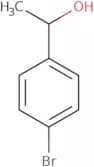
CAS:<p>4-Bromo-alpha-methylbenzyl alcohol is a reactive compound, which can be synthesized in two different forms. The first form is an isomer with the bromine atom on the alpha position and the second form has the bromine atom on the beta position. 4-Bromo-alpha-methylbenzyl alcohol reacts with hydrogen peroxide in order to produce borohydride reduction products. It has also been shown to inhibit protein synthesis by binding to DNA and RNA molecules, such as primary alcohols and benzyl groups. 4-Bromo-alpha-methylbenzyl alcohol may have potential therapeutic uses in cancer treatment due its ability to inhibit cell growth in prostate cancer cells (Mcf7) and breast cancer cells (MCF7).</p>Fórmula:C8H9BrOPureza:Min. 95%Forma y color:White Clear LiquidPeso molecular:201.06 g/mol2-Fluoro-3-methylbenzaldehyde
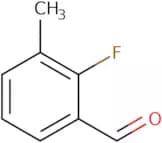
CAS:<p>2-Fluoro-3-methylbenzaldehyde is a chemical that can be used in the synthesis of other chemicals, such as pharmaceuticals. It is a versatile building block that can be used in the synthesis of complex compounds and scaffolds. The compound has been shown to react with amines to form ureas.</p>Fórmula:C8H7FOPureza:80%Peso molecular:138.14 g/molL-Arginine methyl ester dihydrochloride
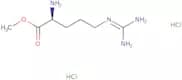
CAS:<p>L-Arginine methyl ester dihydrochloride is a bioactive form of L-arginine, which is an amino acid. L-Arginine methyl ester dihydrochloride has been shown to increase the production of cyclic guanosine monophosphate (cGMP) in mammalian cells. It also causes protein synthesis and cell division in C. neoformans and is a substrate for nitric oxide synthase (NOS). It has been shown to have opioid receptor activity and can act as an alpha-2 adrenergic agonist. L-Arginine methyl ester dihydrochloride can inhibit serine proteases by binding to their active site and preventing them from breaking down proteins such as collagen and elastin.</p>Fórmula:C7H16N4O2·2HClPureza:Min. 95%Forma y color:White PowderPeso molecular:261.15 g/molN2-Boc-guanine-9-acetic acid
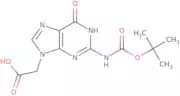
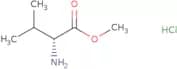
CAS:<p>N2-Boc-guanine-9-acetic acid is a versatile building block that is used as a reagent, speciality chemical and intermediate in the synthesis of complex compounds. It has shown high quality, high purity and usefulness as an intermediate in the synthesis of organic molecules. This compound can be used to generate large quantities of guanine derivatives which are important building blocks for many types of research chemicals. N2-Boc-guanine-9-acetic acid is also useful as a reaction component or scaffold in organic syntheses.</p>Fórmula:C12H15N5O5Pureza:Min. 95 Area-%Forma y color:White Off-White PowderPeso molecular:309.28 g/molD-Valine methyl ester hydrochloride
CAS:<p>D-Valine methyl ester hydrochloride is a synthetic cannabinoid that binds to the CB2 receptor. It is an enantiomer of MDMB-CHMICA, which has been shown to be a potent inhibitor of influenza virus replication. D-Valine methyl ester hydrochloride has been shown to inhibit the synthesis of proteins and nucleic acids in cells infected with viruses. The activity of d-valine methyl ester hydrochloride as an antiviral agent is due to its ability to form acid conjugates with amino acids and amines, which are necessary for protein synthesis.</p>Fórmula:C6H13NO2·HClPureza:Min. 95%Peso molecular:167.63 g/mol8-Methoxy-2-methyl-2,3,4,5-tetrahydro-1H-pyrido[4,3-b]indole
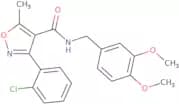
CAS:<p>8-Methoxy-2-methyl-2,3,4,5-tetrahydro-1H-pyrido[4,3-b]indole is a versatile building block that can be used as a reagent or speciality chemical. It has been used in research and development of pharmaceuticals and as a useful intermediate for the synthesis of other compounds. 8-Methoxy-2-methyl-2,3,4,5-tetrahydro-1H-pyrido[4,3-b]indole is an important reaction component for the synthesis of many types of compounds such as indoles, coumarins, and quinazolinones.</p>Fórmula:C13H16N2OPureza:Min. 95%Forma y color:PowderPeso molecular:216.28 g/molN-((3,4-dimethoxyphenyl)methyl)(3-(2-chlorophenyl)-5-methylisoxazol-4-yl)formamide
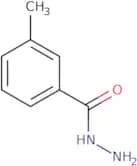
CAS:<p>Please enquire for more information about N-((3,4-dimethoxyphenyl)methyl)(3-(2-chlorophenyl)-5-methylisoxazol-4-yl)formamide including the price, delivery time and more detailed product information at the technical inquiry form on this page</p>Pureza:Min. 95%3-Methyl-benzoylhydrazide
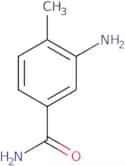
CAS:<p>3-Methyl-benzoylhydrazide is a chemical compound that has been shown to have antibacterial effects against Gram-positive bacteria. It has been found to inhibit the growth of chickpea, acrylonitrile, and subtilis at acidic pH levels. 3-Methyl-benzoylhydrazide inhibits bacterial growth by reacting with the enzyme protein imine (NAD+), which is required for oxidative metabolism in bacteria. This reaction results in the formation of an iminium ion, which is highly reactive and can lead to the destruction of DNA, RNA, and proteins. 3-Methyl-benzoylhydrazide also reacts with staphylococcus by inhibiting its growth at alkaline pH levels. This compound also has nutritional benefits because it contains amino acids such as cysteine and methionine.</p>Fórmula:C8H10N2OPureza:Min. 95%Forma y color:PowderPeso molecular:150.18 g/mol3-Amino-4-methylbenzamide
CAS:<p>3-Amino-4-methylbenzamide is an interchemical that can be utilized to synthesize naphthol. 3-Amino-4-methylbenzamide is an amide that has been shown to have a molecular modeling structure of a conformation. The interaction of 3-amino-4-methylbenzamide with the P38 kinase enzyme has been shown to inhibit the activity of this enzyme, which may lead to its use as a drug for the treatment of inflammation.</p>Fórmula:C8H10N2OPureza:Min. 95%Forma y color:PowderPeso molecular:150.18 g/mol6-Boc-hydrazinonicotinicacid
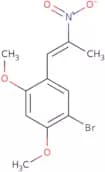
CAS:<p>6-Boc-hydrazinonicotinicacid is a cytotoxic compound that binds to hydroxyapatite and induces necrosis in cancer cells. This compound also has antimicrobial properties. 6-Boc-hydrazinonicotinic acid is conjugated with peptides for use as an immunoconjugate for the targeted delivery of drugs to cancer cells. It can be used to diagnose cancer by its uptake in human serum and inflammatory cells, as well as to identify cancerous tissues through its binding to hydroxyapatite. The biological studies have shown that 6-Boc-hydrazinonicotinic acid inhibits the growth of various types of tumour cells, including breast, prostate, colon, and lung cancers.</p>Fórmula:C11H15N3O4Pureza:Min. 95%Forma y color:PowderPeso molecular:253.25 g/mol5-Bromo-2,4-dimethoxy-β-methylnitrostyrene
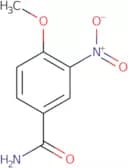
CAS:<p>5-Bromo-2,4-dimethoxy-beta-methylnitrostyrene is a fine chemical that is an important reagent and building block. It can be used as a reaction component or intermediate for the synthesis of more complex compounds. 5-Bromo-2,4-dimethoxy-beta-methylnitrostyrene can also be used as a versatile building block to produce high quality complex compounds. The compound has been shown to have a high level of purity and is suitable for use in research or speciality chemicals.</p>Fórmula:C11H12BrNO4Pureza:Min. 95%Forma y color:PowderPeso molecular:302.12 g/mol3-Nitro-4-methoxybenzamide
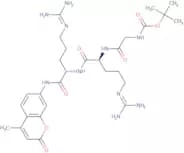
CAS:<p>3-Nitro-4-methoxybenzamide is a versatile building block that belongs to the group of fine chemicals. It is a reagent that is used in the synthesis of complex compounds. 3-Nitro-4-methoxybenzamide has been shown to be an effective intermediate for the synthesis of pharmaceuticals, such as antibiotics and immunosuppressants. This compound also has high quality and can be used as a scaffold for other chemical syntheses.</p>Fórmula:C8H8N2O4Pureza:Min. 95%Forma y color:PowderPeso molecular:196.16 g/molBoc-Gly-Arg-Arg-AMC acetate salt
CAS:<p>Boc-Gly-Arg-Arg-AMC acetate salt is a protease inhibitor that inhibits the activity of serine proteases. This protein is a potent and selective inhibitor of the NS3 protease from hepatitis C virus, which is responsible for the cleavage of polyproteins into mature proteins. Boc-Gly-Arg-Arg-AMC acetate salt has been shown to be effective in transfection experiments and polymerase chain reaction, as well as in inhibiting the activity of soybean trypsin and mammalian tissue proteases.</p>Fórmula:C29H44N10O7•(C2H4O2)xPureza:Min. 98 Area-%Forma y color:PowderPeso molecular:644.72 g/molSex Pheromone Inhibitor iPD1 trifluoroacetate salt
CAS:<p>Sex pheromone inhibitor IPD1 is an antibody that inhibits the production of sex pheromones by Streptococcus faecalis. It is used to diagnose and treat allergic diseases, such as atopic dermatitis or bronchial asthma. This antibody binds to a protein called polypide, which is involved in the synthesis of sex pheromones, and inhibits its activity. It has been shown to inhibit the production of sex pheromones by Streptococcus faecalis when analyzed using an SDS-polyacrylamide gel electrophoresis method. Sex pheromone inhibitor IPD1 also binds to antibodies against streptococcus, acari, and other bacteria.</p>Fórmula:C39H72N8O11Pureza:Min. 95%Forma y color:PowderPeso molecular:829.04 g/molArg-Gly-Asp TFA salt
CAS:<p>Arg-Gly-Asp TFA salt is a molecule that is used as a prodrug, meaning it is inactive until it has been converted to the active form. It has been shown to be effective when injected subcutaneously or intramuscularly and is hydrophilic. Arg-Gly-Asp TFA salt has been shown to have problematic effects on polymerization when exposed to heat. The molecule has an active form that can be absorbed into the body through injection sites and then hydrolyzed by esterases or glucuronidases, oxidized by cytochrome P450 enzymes, reduced by glutathione reductase, or conjugated with glucuronic acid. Arg-Gly-Asp TFA salt also specifically binds to markers expressed at high levels in Mycobacterium tuberculosis strains (e.g., ESX-1 secretion system protein) and inhibits cell growth in culture.</p>Fórmula:C12H22N6O6·C2HF3O2Pureza:Min. 95%Forma y color:PowderPeso molecular:460.36 g/molN-α-Benzoyl-L-arginine amide hydrochloride
CAS:<p>N-alpha-Benzoyl-L-arginine amide hydrochloride (BA) is a synthetic, noncompetitive inhibitor of phosphodiesterase. It has been shown to inhibit protease activity in vitro and rhizosphere enzyme activities in vivo. BA also inhibits the formation of hippuric acid from benzoic acid, which is a reaction catalyzed by the enzyme phosphatase. The kinetics of this inhibition have been studied using a number of different substrates and enzymes. BA binds to the catalytic site on the enzyme, sterically hindering binding of the substrate and preventing hydrolysis.</p>Fórmula:C13H19N5O2·HClPureza:Min. 95%Forma y color:PowderPeso molecular:313.78 g/molL-Proline
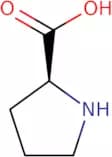
CAS:<p>L-Proline is a small molecule drug that can be synthesized by plants. It is a nonessential amino acid with biological properties such as proline, which is a constituent of collagen and the precursor to other amino acids. L-Proline has been shown to have locomotor activity in vivo and in vitro assays, as well as enzyme activities that are involved in mitochondrial functions and polymerase chain reactions. It also has transcriptional regulation properties and can be used for the treatment of Parkinson's disease. L-Proline is also believed to have antioxidant effects due to its ability to bind metals.</p>Fórmula:C5H9NO2Pureza:Min. 95%Forma y color:White PowderPeso molecular:115.13 g/molBoc-L-prolinal
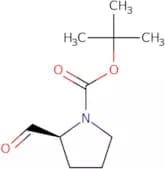
CAS:<p>Boc-L-prolinal is a stereoselective enolate that has been used in the synthesis of organometallic compounds. It is also used in the preparation of monoclonal antibodies, which are proteins that are produced by the immune system to help fight off infections. Boc-L-prolinal has been shown to be an effective agent for treating many cancers, including breast cancer and melanoma. In addition, it has been shown to inhibit epidermal growth factor (EGF) and other growth factors, which may be due to its ability to induce apoptotic signaling. Boc-L-prolinal also contains a carbonyl group, which can undergo acidolysis reactions with nucleophiles such as water or alcohols.</p>Fórmula:C10H17NO3Pureza:Min. 95%Forma y color:Colorless Clear LiquidPeso molecular:199.25 g/mol4-Mercapto-4-methyl-pentan-2-one
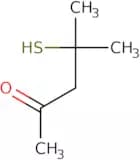
CAS:<p>4-Mercapto-4-methyl-pentan-2-one is a fatty acid that is used as a flavor and fragrance agent. It has shown potential as a biomarker for exposure to volatile organic compounds (VOCs). 4-Mercapto-4-methylpentan2one has been found to inhibit the transcriptional regulation of genes encoding thiols and is an important component of the matrix effect. This compound can be extracted by solid phase microextraction, which will require sample preparation before use. The wild type strain of Escherichia coli was used in this experiment, but it may also be possible to use other bacteria such as Bacillus subtilis or Pseudomonas aeruginosa. Chemical ionization mass spectrometry was used to identify 4-mercapto-4-methylpentan2one in the extract.</p>Fórmula:C6H12SOPureza:Min. 98 Area-%Peso molecular:132.22 g/mol3-Hydroxy-5-methylbenzoic acid
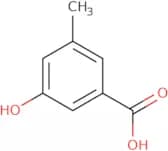
CAS:<p>3-Hydroxy-5-methylbenzoic acid is a gentisate oxidation product that is obtained from the degradation of 3-hydroxybenzoic acid. Gentisate is synthesized by Pseudomonas fluorescens, which belongs to the genus Pseudomonas. This product has been shown to inhibit the growth of Pseudomonas aeruginosa and other fluorescent pseudomonads, but not other bacteria such as Escherichia coli and Staphylococcus aureus. The mechanism of this inhibition may be due to the production of reactive oxygen species (ROS) by these organisms. 3-Hydroxy-5-methylbenzoic acid can also act as an antioxidant in alkaline conditions by reducing 2,5-dihydroxybenzoic acid to benzoic acid. It has also been shown to be a fluorescent product that can be used for unambiguous identification of Pseudomonas fluorescens isolates and</p>Fórmula:C8H8O3Pureza:Min. 95%Forma y color:PowderPeso molecular:152.15 g/molD-Thiaproline
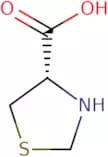
CAS:<p>D-Thiaproline is a pro-inflammatory cytokine that belongs to the group of tnf-α. It has been shown to have depressant activity on mitochondria and can be used as a sample preparation agent. D-Thiaproline has also been shown to inhibit the uptake of various neurotransmitters, such as serotonin and dopamine, in rat brain synaptosomes. This compound also has functional groups, such as hydroxyl, carboxyl, and amino acid groups, which are necessary for reactions with other molecules. D-Thiaproline is an isomer of L-thiaproline and can be differentiated from this form by its protonated amine group at pH 7.0 and by its zwitterionic nature.</p>Fórmula:C4H7NO2SPureza:Min. 95%Forma y color:PowderPeso molecular:133.2 g/mol3-Chloro-4-methoxybenzoic acid ethyl ester
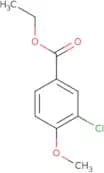
CAS:<p>3-Chloro-4-methoxybenzoic acid ethyl ester is a chemical compound that is used as a reactant in organic synthesis. It has shown high quality and can be used for research. 3-Chloro-4-methoxybenzoic acid ethyl ester can be used as a scaffold to make fine chemicals, pharmaceuticals, and other products. It has been shown to be useful in the synthesis of many complex compounds and as an intermediate or building block for chemical reactions.</p>Fórmula:C10H11ClO3Pureza:Min. 95%Forma y color:PowderPeso molecular:214.65 g/molH-Met-Asp-OH
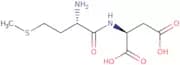
CAS:<p>H-Met-Asp-OH is a synthetic formyl peptide that was designed to be hydrolyzed by proteolytic enzymes. It has been shown to be able to inhibit the formation of β-amyloid, which is associated with Alzheimer's disease. H-Met-Asp-OH also has been shown to have physicochemical properties similar to aspirin, and can be used as an antiplatelet agent. In addition, it has been shown to act as a catalase inhibitor in vitro and may have some therapeutic potential for the treatment of diabetes mellitus type 2.</p>Fórmula:C9H16N2O5SPureza:Min. 95%Forma y color:White PowderPeso molecular:264.3 g/mol1-Iodo-2-methoxybenzene
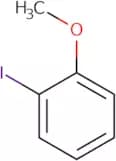
CAS:<p>1-Iodo-2-methoxybenzene is a compound that has shown to have anti-cancer properties. It is an effective inhibitor of protein tyrosine kinases, which are involved in the activation of inflammatory diseases and cancer. The hydroxyl group on the benzenoid ring activates the molecule by hydrogen bonding with the protein target, thereby inhibiting its activity. 1-Iodo-2-methoxybenzene may also be used as a contrast agent for magnetic resonance imaging (MRI) due to its light emission properties.</p>Fórmula:C7H7IOPureza:Min. 95%Forma y color:Clear LiquidPeso molecular:234.03 g/mol(2-methoxyethyl)((2-nitrophenyl)sulfonyl)amine
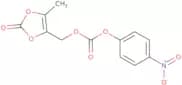
CAS:<p>Please enquire for more information about (2-methoxyethyl)((2-nitrophenyl)sulfonyl)amine including the price, delivery time and more detailed product information at the technical inquiry form on this page</p>Pureza:Min. 95%(5-Methyl-2-oxo-1,3-dioxol-4-yl)methyl 4-nitrophenyl carbonate
CAS:<p>(5-Methyl-2-oxo-1,3-dioxol-4-yl)methyl 4-nitrophenyl carbonate is a fine chemical that is used as a building block for the synthesis of complex compounds. It is an intermediate in the synthesis of 3,4-Dihydroquinazolinone. This compound has been reported to have useful pharmacological activity and has been used as a research chemical and in the synthesis of pharmaceuticals. (5-Methyl-2-oxo-1,3-dioxol-4-yl)methyl 4 nitrophenyl carbonate also has potential as a reagent and can be used in organic synthesis.</p>Fórmula:C12H9NO8Pureza:Min. 95%Forma y color:White PowderPeso molecular:295.2 g/mol7-Chlorotryptophan
CAS:<p>Tryptophan is an amino acid that is an essential building block for proteins, neurotransmitters, and hormones. It is also a precursor for the synthesis of vitamin B3. 7-Chlorotryptophan has been shown to inhibit the growth of bacteria by inhibiting their ability to synthesize proteins by interfering with the covalent enzyme that controls the reaction mechanism in plants. Tryptophan may also have anti-inflammatory properties due to its inhibition of prostaglandin synthesis. The chlorinating and chloride groups on 7-chlorotryptophan are responsible for its bactericidal activity against Gram-positive bacteria.</p>Fórmula:C11H11ClN2O2Pureza:Min. 95%Forma y color:SolidPeso molecular:238.67 g/mol1,2-Dihydro-1,5-dimethyl-2-phenyl-3H-pyrazol-3-one
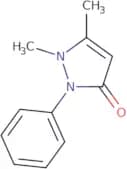
CAS:<p>1,2-Dihydro-1,5-dimethyl-2-phenyl-3H-pyrazol-3-one (1,2DHDP) is a chemical inhibitor that prevents the activity of enzymes by binding to their active site. 1,2DHDP has been shown to inhibit the enzyme pyrazole ring synthesis in rat liver microsomes. It also inhibits the production of antimicrobial agents and has been used as a sample preparation agent. 1,2DHDP also interferes with drug interactions by inhibiting cytochrome P450 enzymes in the liver. This compound can be used for wastewater treatment because it is not toxic to bacteria or plants. The mechanism of this inhibitor is unknown but may be due to its ability to bind to the dinucleotide phosphate cofactor at the active site of an enzyme.</p>Fórmula:C11H12N2OPureza:Min. 95%Forma y color:White/Off-White SolidPeso molecular:188.23 g/molDL-Arginine hydrochloride
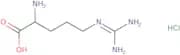
CAS:<p>L-Arginine is a conditionally essential amino acid that is used in the biosynthesis of proteins. It has been shown to inhibit the activity of specific enzymes, such as casein kinase II and phospholipase A2, which are involved in cellular processes. L-Arginine has been found to be beneficial for patients with type 2 diabetes mellitus who have poor glucose homeostasis and renal dysfunction. L-Arginine also enhances uptake of cationic surfactants by cells. L-Arginine HCl is an inorganic acid that may be used for pharmacokinetic studies in humans or animals.</p>Fórmula:C6H14N4O2•(HCl)xPureza:Min. 95%Forma y color:PowderPeso molecular:174.2 g/mol3-(tert-butyl)-2-methyl-6-nitroindeno[3,2-c]pyrazol-4-one
CAS:<p>Please enquire for more information about 3-(tert-butyl)-2-methyl-6-nitroindeno[3,2-c]pyrazol-4-one including the price, delivery time and more detailed product information at the technical inquiry form on this page</p>Pureza:Min. 95%Ethyl 5-methylindole-2-carboxylate
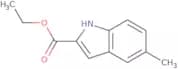
CAS:<p>Ethyl 5-methylindole-2-carboxylate is an antioxidant that is used as a reagent in the synthesis of other compounds. It has been shown to inhibit cancer cell growth in vitro via its ability to inhibit the metabolic activity of human hepatoma cells. Ethyl 5-methylindole-2-carboxylate has also been shown to have cytotoxic activity against human hepatoma cells in vitro, and may be a potential anticancer drug candidate.</p>Fórmula:C12H13NO2Pureza:Min. 95%Forma y color:PowderPeso molecular:203.24 g/molL-Valine tert-butyl ester hydrochloride
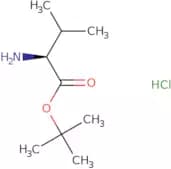
CAS:<p>L-Valine tert-butyl ester hydrochloride is a chiral diastereomeric, stereocontrolled acid ester. This product is a kinetically controlled reaction of L-valine and toluene that produces a racemic mixture of the cis and trans isomers in the ratio of 1:1. The cis isomer has been shown to be more effective than the trans isomer as a peptidomimetic. This product also exhibits stereogenic properties when reacted with acid anhydrides.</p>Fórmula:C9H19NO2·HClPureza:Min. 95%Forma y color:PowderPeso molecular:209.71 g/molN-[(4-Amino-2-methylpyrimidin-5-yl)methyl]formamide
CAS:<p>N-[(4-Amino-2-methylpyrimidin-5-yl)methyl]formamide (NAMPT) is a triazolo compound that inhibits the ATP binding cassette transporter and blocks the uptake of uridine and pyrimidine compounds. It also inhibits inorganic pyrophosphatase, which is an enzyme that catalyzes the hydrolysis of pyrophosphate to inorganic phosphate. NAMPT has been shown to be a substrate for hypochlorous acid production in neutrophils, suggesting it may play a role in the regulation of oxidative stress. Chemical biology studies have demonstrated that NAMPT plays a physiological function as an intermediate in vitamin B1 biosynthesis.</p>Fórmula:C7H10N4OPureza:Min. 95%Forma y color:PowderPeso molecular:166.18 g/mol6-Methoxy-1-tetralone
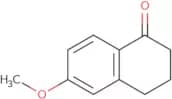
CAS:<p>6-Methoxy-1-tetralone (6MTO) is a quinoline derivative that has been shown to have potent inhibitory activity against human liver cancer. It is related to the compound 1,4-dimethylquinoline, which has been shown to possess anticancer properties in vitro. 6MTO inhibits the growth of carcinoma cell lines by inducing apoptosis and arresting cell cycle at G2/M phase. 6MTO also inhibits isovaleric acid production in thp-1 cells and the proliferation of hepatoma cells, leading to a decrease in the viability of these cells.</p>Fórmula:C11H12O2Pureza:Min. 95%Forma y color:PowderPeso molecular:176.21 g/mol3-Fluoro-5-methoxybenzylamine hydrochloride
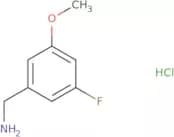
CAS:<p>3-Fluoro-5-methoxybenzylamine hydrochloride is a chemical building block that can be used in organic synthesis. It is a versatile building block and can be used to synthesize complex compounds. 3-Fluoro-5-methoxybenzylamine hydrochloride is used as a reaction component and reagent for the production of pharmaceuticals, agricultural chemicals, and other organic compounds. It has CAS number 1158269-22-7 and can be found in the Chemical Abstract Services database.</p>Fórmula:C8H10FNO•HClPureza:Min. 95%Forma y color:Clear LiquidPeso molecular:191.63 g/molCyclo(-Leu-Trp)
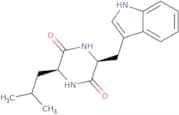
CAS:<p>Cyclo(-Leu-Trp) is a sweetener that has been used in the food industry for many years. Cyclo(-Leu-Trp) is able to bind with quinine and form a complex that can be detected using analytical methods. Cyclo(-Leu-Trp) has been investigated as a ligand that may be able to bind to receptors on cancer cells, which could lead to new treatments for cancer. Cyclo(-Leu-Trp) also has amphipathic properties and can form liposomes at high concentrations. This molecule has also been studied for its ability to induce transduction of DNA into bacterial cells and cellular thermogenesis.</p>Fórmula:C17H21N3O2Pureza:Min. 98 Area-%Forma y color:PowderPeso molecular:299.37 g/molL-threo-Phenylserine
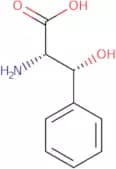
CAS:<p>L-threo-Phenylserine is a naturally occurring amino acid that is synthesized in the human body. It can be found in the brain and muscles, where it is used for protein synthesis. L-threo-phenylserine has been shown to be an effective oxygen nucleophile and can catalyze the hydrolysis of hydrogen fluoride. This compound has also been shown to have biological activity in vitro as well as structural properties that are useful for conformational analysis and structural biology research. L-threo-phenylserine may also have potential medical applications, such as its use as a treatment for mental disorders and epilepsy.</p>Fórmula:C9H11NO3Pureza:Min. 95%Forma y color:White To Off-White SolidPeso molecular:181.19 g/mol4'-Methoxyacetophenone
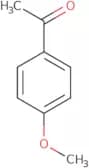
CAS:<p>4'-Methoxyacetophenone is a compound that belongs to the group of detergent compositions. It has a phase transition temperature of about 75°C and meets the requirements for use in laundry detergents. 4'-Methoxyacetophenone is an antimicrobial agent that can be used in personal care products, such as soaps and lotions. It has been shown to be effective against bacteria, such as Staphylococcus aureus, Pseudomonas aeruginosa, and Escherichia coli. The antibacterial activity of 4'-methoxyacetophenone may be due to its hydroxyl group and phosphotungstic acid moiety. This compound also reacts with thione compounds and carbonyl groups to form acylation reactions.</p>Fórmula:C9H10O2Pureza:Min. 95%Forma y color:White Or Clear Colourless Solid Or Liquid (May Vary)Peso molecular:150.17 g/mol2-Phenoxyphenylacetonitrile
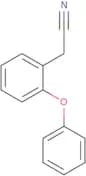
CAS:<p>2-Phenoxyphenylacetonitrile is a pyrethroid n-oxide that is chemically related to other insecticides that are used in agriculture and against insects such as mosquitoes. 2-Phenoxyphenylacetonitrile is a synthetic compound that has been shown to have an optimum pH of 5.5, which makes it difficult to dissolve in water. The compound's high stability at low pH levels means that it can be used in acidic environments. It also has been shown to have strong activity against human serum and food composition, with no detectable activity against bacteria or fungi.</p>Fórmula:C14H11NOPureza:Min. 95%Forma y color:Clear LiquidPeso molecular:209.24 g/molα-Methylbenzyl alcohol
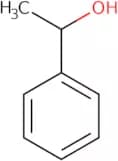
CAS:<p>Alpha-methylbenzyl alcohol is a fatty acid that is used as a chemical intermediate in the synthesis of pharmaceutical agents. It has been shown to inhibit phosphotungstic acid (PTA) hydrolysis and surface methodology, as well as to have carcinogenic potential. Alpha-methylbenzyl alcohol has also been found to be an inhibitor of phospholipase A2, which catalyzes the hydrolysis of glycerophospholipids into free fatty acids and lysophospholipids. Alpha-methylbenzyl alcohol inhibits the reaction by binding reversibly with the hydroxyl group on enzyme active site. The kinetic mechanism studies of alpha-methylbenzyl alcohol have revealed that it is a competitive inhibitor for enzymes such as protein kinase C and leucine aminopeptidase.</p>Fórmula:C8H10OPureza:Min. 95%Forma y color:Clear LiquidPeso molecular:122.16 g/molN-α-[2,4-Dinitro-5-fluorophenyl]-L-valine amide
CAS:<p>N-alpha-[2,4-Dinitro-5-fluorophenyl]-L-valine amide is an acidic amino acid that is used as a reagent in organic synthesis. It has been shown to have amide and hydrogen bond properties. This compound has been shown to be involved in the biosynthesis of carboxylic acids and primary amino acids. It also absorbs UV light at 265 nm and can be used for determination of uv absorption using high performance liquid chromatography (HPLC).</p>Fórmula:C11H13N4O5FPureza:Min. 95%Forma y color:Yellow PowderPeso molecular:300.24 g/mol(5-Chloro-4-hydroxy-3-methoxyphenyl)acetone
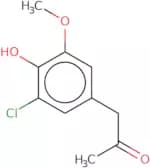
CAS:<p>(5-Chloro-4-hydroxy-3-methoxyphenyl)acetone is a high quality reagent that is useful as an intermediate in the synthesis of complex compounds. It can be used to synthesize a wide range of fine chemicals, such as pharmaceuticals, pesticides, and fragrances. (5-Chloro-4-hydroxy-3-methoxyphenyl)acetone is also a versatile building block for the synthesis of speciality chemicals. This compound has been shown to react with other compounds to form reaction components for research purposes.</p>Fórmula:C10H11ClO3Pureza:Min. 95%Peso molecular:214.65 g/mol4-Methoxy propranolol
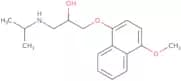
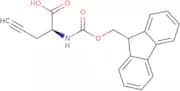
CAS:<p>4-Methoxy propranolol is an intermediate in the synthesis of propranolol, a beta blocker.</p>Fórmula:C17H23NO3Pureza:Min. 95%Peso molecular:289.37 g/molFmoc-L-propargylglycine
CAS:<p>Fmoc-L-propargylglycine is a cyclic peptide that is synthesized by chemical ligation. It has antiviral, anti-tumor, and anti-inflammatory activities. Fmoc-L-propargylglycine inhibits the growth of cancer cells in vitro. The mechanism of action is not fully understood, but it may involve the inhibition of cellular proliferation and the induction of apoptosis. This compound also inhibits epidermal growth factor (EGF) induced cell proliferation in caco-2 cells.</p>Fórmula:C20H17NO4Pureza:Min. 98 Area-%Forma y color:White PowderPeso molecular:335.35 g/mol2-Methoxy-1-[(4-methylphenyl)sulphinyl]benzene
CAS:<p>2-Methoxy-1-[(4-methylphenyl)sulphinyl]benzene is a reagent and useful intermediate that is used in the synthesis of complex compounds. This chemical has been shown to be a useful scaffold for the synthesis of natural products. It can also be used as a building block in the synthesis of speciality chemicals and research chemicals, as well as versatile building blocks in reactions.</p>Fórmula:C14H14O2SPureza:Min. 95%Peso molecular:246.33 g/molN-Succinyl-L-alanyl-L-alanyl-L-alanine 4-nitroanilide
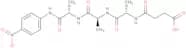
CAS:<p>N-Succinyl-L-alanyl-L-alanyl-L-alanine 4 nitroanilide is a synthetic substrate that has been shown to have proteolytic activity against dextran sulfate, collagen, and sephadex g-100. It also has insecticidal activity in that it inhibits the development of larvae of the insect Drosophila melanogaster. NSLAAALAALAAN can be used as a chemotactic agent for tissue culture cells. This synthetic substrate was also found to have antiinflammatory properties and may be useful in treating chronic bronchitis or other metabolic disorders.</p>Fórmula:C19H25N5O8Pureza:Min. 95%Forma y color:PowderPeso molecular:451.43 g/molDansyl-Gly-Cys-Val-Leu-Ser-OH
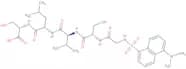
CAS:<p>Dansyl-Gly-Cys-Val-Leu-Ser-OH is an α subunit of the enzyme farnesyl diphosphate synthase. Dansyl-Gly-Cys-Val-Leu-Ser-OH is a substrate for this enzyme, which catalyzes the conversion of prenyl pyrophosphates to farnesyl pyrophosphate. The biological function of this peptide is not well understood, but it may be involved in cholesterol synthesis or cellular signaling. This peptide binds to cell membranes and has been shown to have a fluorescent property. Dansyl-Gly-Cys-Val-Leu-Ser OH can also bind to peptides and proteins, including the protein receptor for the HIV virus (CD4).</p>Fórmula:C31H46N6O9S2Pureza:Min. 95%Forma y color:PowderPeso molecular:710.86 g/molQuinolin-2-yl-methylamine
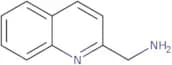
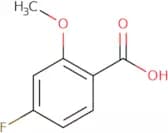
CAS:<p>Quinolin-2-yl-methylamine is an amine that is used in the synthesis of other compounds. It can be prepared by protonation of quinoline with methylamine, followed by crystallization. The yield of this reaction is dependent on the purity of the starting materials and the reaction conditions. This compound has a molecular weight of 169.07 g/mol and a melting point at 217 °C. The infrared spectrum for Quinolin-2-yl-methylamine shows peaks at 2900 cm−1, 1670 cm−1, and 1590 cm−1. It also has x-ray crystallography data (space group P21/c).</p>Fórmula:C10H10N2Pureza:Min. 96 Area-%Forma y color:PowderPeso molecular:158.2 g/mol4-Fluoro-2-methoxybenzoic acid
CAS:<p>4-Fluoro-2-methoxybenzoic acid is a versatile building block that is used in the synthesis of many complex compounds. It is a reagent, which means it can be used as an intermediate in the synthesis of other compounds. 4-Fluoro-2-methoxybenzoic acid is also a useful scaffold for the preparation of new chemical entities with specific pharmaceutical properties. The CAS number for this compound is 395-82-4.</p>Fórmula:C8H7FO3Pureza:Min. 95%Forma y color:PowderPeso molecular:170.14 g/mol3-Amino-4-methoxybenzoic acid ethyl ester
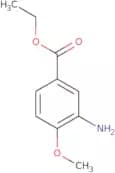
CAS:<p>3-Amino-4-methoxybenzoic acid ethyl ester is a chemical building block that can be used in the synthesis of various organic compounds. It is an important reaction component, and can also be used as a reagent or useful scaffold. 3-Amino-4-methoxybenzoic acid ethyl ester is soluble in organic solvents and has a high quality. This chemical has been shown to be useful for research purposes.</p>Fórmula:C10H13NO3Pureza:Min. 95%Forma y color:PowderPeso molecular:195.22 g/molFmoc-Cys(Trt)-OH
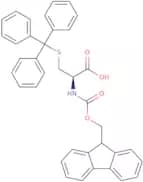
CAS:<p>Fmoc-Cys(Trt)-OH is a cyclic peptide that has potent antitumor activity. It binds to albumin and inhibits protein synthesis, leading to cell death by inhibiting the production of proteins vital for cell division. Fmoc-Cys(Trt)-OH has been shown to be effective against cancer cells in vitro and in vivo. Fmoc-Cys(Trt)-OH also binds the plasma glucose, which may be due to its ability to impede insulin release from the pancreas. This compound is synthesized by a stepwise light-induced solid-phase synthesis with trifluoroacetic acid as a solvent.</p>Fórmula:C37H31NO4SPureza:Min. 98 Area-%Forma y color:White PowderPeso molecular:585.71 g/molD,L-Cystathionine
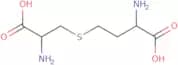
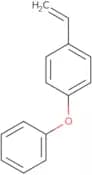
CAS:<p>Cystathionine is a sulfur-containing amino acid that is the precursor of cysteine. Cystathionine synthase, the enzyme that catalyzes the formation of cystathionine, is inhibited by L-cysteine and glutathione. Cystathionine has been shown to be an important growth factor for fibroblasts and osteoblasts in culture as well as a regulator of gene expression. It also has been shown to be essential for iron homeostasis, as it increases iron absorption from the gut and reduces iron excretion in bile. Cystathionine is a highly reactive molecule with a high redox potential and can cause oxidative injury to cells, which may contribute to bowel disease. Cystathionine has been shown to have receptor activity in neurons, and its physiological effects are similar to those of glutamate.</p>Fórmula:C7H14N2O4SPureza:Min. 95%Forma y color:PowderPeso molecular:222.26 g/mol4-Phenoxystyrene, stabilised with 0.1% p-tert-butylcatechol
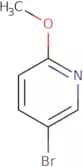
CAS:<p>4-Phenoxystyrene (4PS) is a vinylic monomer that is used in the production of polymers and plastics. 4PS can be synthesized by electroreduction of styrene, followed by halide abstraction. The dimerization reactions are reversible and depend on the temperature, concentration, and pH. Monomeric 4PS can also be produced through chlorination of the phenol groups at -30°C. <br>The yield of monomeric 4PS is between 63% to 81% with an overall yield of 78%. The ethers diphenyl ether (DPE) and tetradecylphenylether (TEPE) were found to be good catalysts for the dimerization reaction. The rate of this reaction was found to increase as the number of phenyl groups increased on the molecule.</p>Fórmula:C14H12OPureza:Min. 95%Forma y color:PowderPeso molecular:196.24 g/mol5-Bromo-2-methoxypyridine
CAS:<p>5-Bromo-2-methoxypyridine is a synthetic organic chemical that is used in organic chemistry. It is a precursor to the HIV integrase inhibitor, PSC 833, and has been shown to be effective in treating idiopathic pulmonary fibrosis. 5-Bromo-2-methoxypyridine is synthesized by reacting phosphorus oxychloride with 2-bromomethoxybenzene. This reaction produces a mixture of products that are then separated using column chromatography. The desired product can be purified by recrystallization or distillation. 5-Bromo-2-methoxypyridine has three pairs of asymmetric carbon atoms and four different functional groups: halides, sulfur trifluoride, bromine, and methoxy groups.</p>Fórmula:C6H6BrNOPureza:Min. 95%Forma y color:Clear LiquidPeso molecular:188.02 g/mol1-O-Hexadecyl-sn-glycero-3-phosphocholine
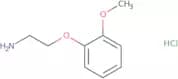
CAS:<p>1-O-Hexadecyl-sn-glycero-3-phosphocholine (1OHDGPC) is a compound that inhibits the uptake of oxidized LDL in neuronal cells and reduces neuronal death. 1OHDGPC also has antihypertensive activity, as it decreases systolic blood pressure. This compound is an antioxidant because it prevents the oxidation of LDL cholesterol, which is the main cause of atherosclerosis. 1OHDGPC has been shown to reduce the incidence of allergic reactions in animal studies. It also has been shown to have hydroxyl groups and fatty acid chains, which may contribute to its antioxidant properties.</p>Fórmula:C24H52NO6PForma y color:PowderPeso molecular:481.65 g/mol2-(2-Methoxyphenoxy)ethylamine hydrochloride
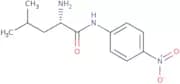
CAS:<p>2-(2-Methoxyphenoxy)ethylamine hydrochloride is a fine chemical with the CAS No. of 64464-07-9. It is a versatile building block that can be used as an intermediate for research chemicals, reaction components and specialty chemicals. This compound has been shown to work as a reagent in high quality synthesis.</p>Fórmula:C9H14ClNO2Pureza:Min. 95%Forma y color:PowderPeso molecular:203.67 g/molL-Leucine 4-nitroanilide
CAS:<p>L-Leucine 4-nitroanilide serves as a substrate for the colorimetric determination of leucine aminopeptidase. The application of L-Leucine-p-nitroanilide includes its utilization as a substrate in studies assessing the intestinal leucine aminopeptidase activity of juvenile rainbow trout (Oncorhynchus mykiss). Additionally, it plays a role in insulin-regulated aminopeptidase inhibition assays and is employed to determine exopeptidase activity.</p>Fórmula:C12H17N3O3Pureza:(Titration) 99 To 101%Forma y color:PowderPeso molecular:251.28 g/molH-Trp-Pro-OH
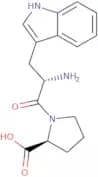
CAS:<p>H-Trp-Pro-OH is an amide that can be used as a model system in the preparation of collagen. It has been shown to inhibit the linker between collagen molecules, which may lead to the formation of proline-rich peptides. H-Trp-Pro-OH has also been found to have anticancer properties, and inhibits cancer cell growth by inhibiting protein synthesis and promoting apoptosis. H-Trp-Pro-OH was found to inhibit cancer cells through a mechanism that is not yet fully understood, but it may involve both competitive inhibition of amino acids and activation of apoptosis through reactive oxygen species.</p>Fórmula:C16H19N3O3Pureza:Min. 98 Area-%Forma y color:PowderPeso molecular:301.34 g/molZ-Val-Met-OH
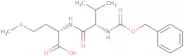
CAS:<p>Z-Val-Met-OH is a high purity synthetic compound that can be used as a research tool in cell biology, ion channels and peptides. This compound is an activator of the receptor for bradykinin and has been shown to inhibit the activity of protein kinase C. Z-Val-Met-OH is also a ligand for the acetylcholine receptor and has been shown to inhibit acetylcholinesterase, leading to an increase in acetylcholine levels. Z-Val-Met-OH binds to the receptor for insulin and can be used as an inhibitor of insulin release from pancreatic beta cells.</p>Fórmula:C18H26N2O5SPureza:Min. 95%Peso molecular:382.48 g/mol3-Cyclohexyl-1-[4-[2-(7-methoxy -4,4-dimethyl-1,3-dioxo-isoquinolin -2-yl)ethyl]phenyl]sulfonyl-urea
CAS:<p>3-Cyclohexyl-1-[4-[2-(7-methoxy -4,4-dimethyl-1,3-dioxo-isoquinolin -2-yl)ethyl]phenyl]sulfonyl-urea is a drug that inhibits the enzyme DPPIV, which breaks down the incretin hormone glucagon-like peptide (GLP)-1. It may be used to treat diabetes by regulating blood glucose levels. This drug has been shown to reduce postprandial blood glucose levels in patients with type 2 diabetes. 3CYCSU is also capable of reducing body weight and food intake in mice. The mechanism of action of this drug is not fully understood, but it appears to have an effect on the cytosolic calcium ion concentration and may reduce inflammatory responses in cells. 3CYCSU is a promising potential treatment for infectious diseases such as Hepatitis C virus (HCV).</p>Fórmula:C27H33N3O6SForma y color:PowderPeso molecular:527.63 g/mol3-((4,5-dichloroimidazolyl)methyl)-4-bromo-2-methyl-1-phenyl-3-pyrazolin-5-one
CAS:<p>Please enquire for more information about 3-((4,5-dichloroimidazolyl)methyl)-4-bromo-2-methyl-1-phenyl-3-pyrazolin-5-one including the price, delivery time and more detailed product information at the technical inquiry form on this page</p>Pureza:Min. 95%4-Chloro-1-(2-methyl(8-quinolyloxy))-2-nitrobenzene
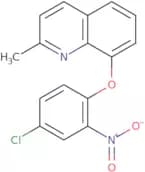
CAS:<p>Please enquire for more information about 4-Chloro-1-(2-methyl(8-quinolyloxy))-2-nitrobenzene including the price, delivery time and more detailed product information at the technical inquiry form on this page</p>Fórmula:C16H11ClN2O3Pureza:Min. 95%Forma y color:PowderPeso molecular:314.72 g/mol2-Methoxybenzaldehyde oxime
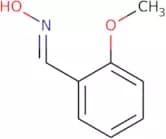
CAS:<p>2-Methoxybenzaldehyde oxime is a synthetic amine that is used in the synthesis of peroxides. The reaction rate and nature depend on the type of peroxide being synthesized, but typically, it is used with acetonitrile as a solvent and an acid catalyst. 2-Methoxybenzaldehyde oxime reacts with peracid to create an aldoxime and nitrite. This product can also be made by reacting benzaldehyde with nitrous acid, which will produce dioxane as an intermediate. The reaction time for this process takes about four hours at room temperature.</p>Fórmula:C8H9NO2Pureza:Min. 95%Forma y color:PowderPeso molecular:151.16 g/molL-Valinol
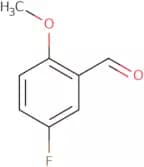
CAS:<p>L-Valinol is a model system that is used to study the reaction of aziridines with oxygen nucleophiles. It has been shown that this reaction proceeds through the formation of an intermediate, hydrogen tartrate, followed by a second step with nitrogen atoms as the nucleophile and alcohol residue as the substrate. The use of L-valinol in asymmetric synthesis was also demonstrated. In this process, amides were obtained with high enantioselectivity by reacting L-valinol with amines in acidic conditions. This synthetic pathway was found to be synergic with other reactions, such as nitroolefination and benzoylation.</p>Fórmula:C5H13NOPureza:Min. 95%Forma y color:Solidified MassPeso molecular:103.16 g/mol5-Fluoro-2-methoxybenzaldehyde
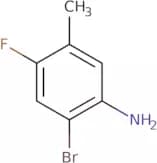
CAS:<p>5-Fluoro-2-methoxybenzaldehyde is an inhibitor that blocks the enzyme acetylcholinesterase. It has been shown to be useful in the synthesis of a variety of drugs, including anticancer agents and antibiotics. 5-Fluoro-2-methoxybenzaldehyde is used in the industrial production of acetonitrile and can also be found in small quantities as a natural component of many fruits and vegetables. It is also used as a precursor for other chemicals, such as pharmaceuticals and pesticides. The compound is generally synthesized by condensation reactions involving benzaldehyde, acetamide, and formaldehyde. This chemical has been studied in medicinal chemistry because it can inhibit bacterial growth by binding to DNA gyrase.</p>Fórmula:C8H7FO2Pureza:Min. 95%Forma y color:White PowderPeso molecular:154.14 g/mol2-Bromo-4-fluoro-5-methylaniline
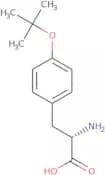
CAS:<p>2-Bromo-4-fluoro-5-methylaniline (BFM) is a reactive intermediate that is used as a building block in the synthesis of various organic compounds. It is also used in research and development for the preparation of pharmaceuticals, pesticides, herbicides, and dyes. BFM is a versatile intermediate that can be used in many different types of reactions. This chemical belongs to the group of halogenated methylanilines and has a CAS number of 1065076-39-2.</p>Fórmula:C7H7BrFNPureza:Min. 95%Forma y color:PowderPeso molecular:204.04 g/molO-tert-Butyl-L-tyrosine
CAS:<p>O-tert-Butyl-L-tyrosine is a biostable, low molecular weight, hydrophobic, and diffraction active compound. It can be used as a solvent for chiral and non-chiral compounds. O-tert-Butyl-L-tyrosine has been shown to have biological function in the synthesis of peptides, proteins, and amides. This compound also has an effect on gelation and is often used in organic solvents.</p>Fórmula:C13H19NO3Pureza:Min. 95%Forma y color:SolidPeso molecular:237.29 g/mol(Des-Gly10,D-Tyr5,D-Trp6,Pro-NHEt 9)-LHRH trifluoroacetate salt
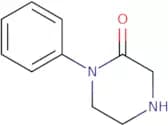
CAS:<p>Please enquire for more information about (Des-Gly10,D-Tyr5,D-Trp6,Pro-NHEt 9)-LHRH trifluoroacetate salt including the price, delivery time and more detailed product information at the technical inquiry form on this page</p>Fórmula:C64H83N17O12Pureza:Min. 95%Forma y color:PowderPeso molecular:1,282.45 g/mol1-Phenyl-piperazin-2-one
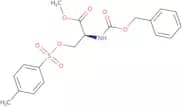
CAS:<p>1-Phenyl-piperazin-2-one is a versatile chemical that can be used as a building block in the synthesis of complex compounds. This compound is also used as a reagent and speciality chemical. It is an important intermediate in organic synthesis and has been used in the preparation of pharmaceuticals, pesticides, and herbicides. 1-Phenyl-piperazin-2-one can be prepared by reacting phenylacetonitrile with nitrous acid to form the nitrile followed by hydrolysis to produce the corresponding carboxylic acid.</p>Fórmula:C10H12N2OPureza:Min. 95%Forma y color:PowderPeso molecular:176.22 g/molZ-O-4-Toluenesulfonyl-L-serine methyl ester
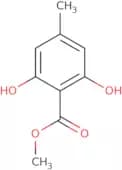
CAS:<p>Z-O-4-Toluenesulfonyl-L-serine methyl ester is a new chemical substance that has been synthesized as a potential pharmaceutical formulation. It has been shown to have protective effects against ischemia reperfusion injury in rats, reducing the damage to muscle and other tissues caused by ischemia reperfusion. The mechanism of action may be due to glyceride release and creatine production, which can maintain perfusion during periods of ischemia. Z-O-4-Toluenesulfonyl-L-serine methyl ester has also been shown to be effective in preventing damage to platelets during induction of ischemia.</p>Fórmula:C19H21NO7SPureza:Min. 95%Forma y color:PowderPeso molecular:407.44 g/molMethyl 2,6-dihydroxy-4-methylbenzoate
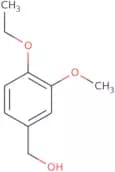
CAS:<p>Methyl 2,6-dihydroxy-4-methylbenzoate is a compound that can be used to treat cancer. It inhibits the growth of cancer cells by binding to DNA and RNA molecules, which prevents transcription and replication. The drug also inhibits the production of usnic acid, an antioxidant that has been shown to have anticancer effects in vitro. Methyl 2,6-dihydroxy-4-methylbenzoate has been tested against a number of cancer cell lines including MDA-MB231 breast cancer cells and MCF7 breast cancer cells. This drug is not toxic to healthy cells at concentrations of up to 250 µM. At higher concentrations, methyl 2,6-dihydroxy-4-methylbenzoate may cause denaturation or cell death of cells due to its ability to attack DNA and RNA molecules.</p>Fórmula:C9H10O4Pureza:Min. 95%Forma y color:PowderPeso molecular:182.17 g/mol4-Ethoxy-3-methoxybenzyl alcohol
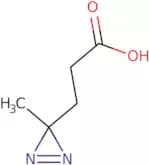
CAS:<p>4-Ethoxy-3-methoxybenzyl alcohol is a metabolite of the drug benzocaine. It is formed by hydrolysis of the ester linkages in benzocaine and is then further metabolized to form 4-hydroxy-3-methoxybenzyl alcohol. 4-Ethoxy-3-methoxybenzyl alcohol has been shown to have antinociceptive effects in rats, which may be due to its ability to inhibit pain signals from the peripheral nerves.</p>Fórmula:C10H14O3Pureza:Min. 95%Forma y color:PowderPeso molecular:182.22 g/mol3-(3-Methyl-3H-diazirine-3-yl)propionic acid
CAS:<p>3-(3-Methyl-3H-diazirine-3-yl)propionic acid (3MDZ) is a fluorophore that can be used in cancer research. It has been shown to bind to the active site of human SIRT1 and inhibit its activity, which leads to cell death by deacylating histone H3. 3MDZ is also able to bind to carbenes, which are highly reactive molecules that have been implicated in aging and cancer. 3MDZ has shown chemopreventive effects against tumor formation and growth by binding to the carbenes and preventing them from forming reactive oxygen species. It can be used as a fluorescent probe for studying the interactions between carbenes and nucleic acids.</p>Fórmula:C5H8N2O2Pureza:Min. 95%Forma y color:Clear LiquidPeso molecular:128.13 g/mol7-Methoxy-1-naphthaldehyde
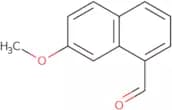
CAS:<p>7-Methoxy-1-naphthaldehyde is an aldehyde that is synthesized from acetaldehyde and 7-methoxy-1-naphthol. It has been shown to inhibit the cytosolic aldehyde dehydrogenase, which converts acetaldehyde to acetate. This reaction is one of the major routes for the metabolism of alcohol in humans. 7-Methoxy-1-naphthaldehyde can be used as a substrate in immunochemical assays, and its synthetic scheme has been published. 7MNA was also found to have cytotoxic effects on human liver cells in vitro.</p>Fórmula:C12H10O2Pureza:Min. 95%Peso molecular:186.21 g/molNe-Trifluoroacetyl-L-lysine
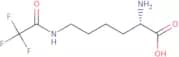
CAS:<p>Ne-Trifluoroacetyl-L-lysine is a trifluoroacetylated lysine derivative. It is the first compound to inhibit the production of serum alanine aminotransferase, which is an enzyme that catalyzes the conversion of amino acids to sugars. Ne-Trifluoroacetyl-L-lysine has been shown to be effective in animal models of chronic kidney disease and hepatitis. The compound inhibits the formation of disulfide bonds in proteins by binding to free sulfhydryl groups on cysteine residues. This inhibition prevents protein denaturation and subsequent liver damage. Ne-Trifluoroacetyl-L-lysine is also active against human hepatoma cells in vitro and may be useful in diagnosing liver diseases such as hepatitis.</p>Fórmula:C8H13N2O3F3Pureza:Min. 95%Forma y color:PowderPeso molecular:242.2 g/mol8-Methyl-3,8-diazabicyclo[3.2.1]octane dihydrochloride
CAS:<p>8-Methyl-3,8-diazabicyclo[3.2.1]octane dihydrochloride is a high quality reagent that is used as an intermediate in the synthesis of complex compounds. This compound has been shown to be useful as a scaffold for the synthesis of new compounds and is also a versatile building block for reactions in organic chemistry. 8-Methyl-3,8-diazabicyclo[3.2.1]octane dihydrochloride is also used as a speciality chemical and research chemical in various fields such as pharmaceuticals, agrochemicals, and other industries.</p>Fórmula:C7H16Cl2N2Pureza:Min. 95 Area-%Forma y color:PowderPeso molecular:199.12 g/mol2-Chloromethyl-3,5-dimethyl-4-methoxypyridine
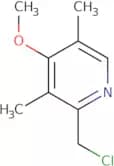
CAS:<p>2-Chloromethyl-3,5-dimethyl-4-methoxypyridine is a drug substance that is used as a pump inhibitor. The optimal reaction conditions for the synthesis of this molecule are a Grignard reagent, chlorinating agent, and magnesium salt. Impurities may arise during the synthetic process due to chloride or inorganic acid catalyst. This drug substance is not soluble in water but can be dissolved in organic solvents such as ethers, chloroform, or benzene. It reacts with magnesium to form a chelate ring with an organic molecule.</p>Fórmula:C9H12ClNOPureza:Min. 95%Forma y color:PowderPeso molecular:185.65 g/molL-a-Glycerophosphorylcholine
CAS:<p>Precursor of neurotransmitter acetylcholine</p>Fórmula:C8H20NO6PPureza:(%) Min. 95%Forma y color:White PowderPeso molecular:257.22 g/mol5-Fluoro-2-methylphenol
CAS:<p>The fluoroquinolone 5-Fluoro-2-methylphenol (5FM) is an inhibitor of angiotensin, an enzyme that is involved in the regulation of blood pressure and fluid balance. The structure of this compound was optimized to make it more potent and selective for angiotensin, while minimizing its adverse effects. This optimization was achieved using high throughput screening and x-ray crystallography. The fluorine atom in 5FM binds to aspartyl protease, which prevents the protease from breaking down proteins into smaller amino acid chains. This binding also inhibits the activity of other enzymes that are involved in protein synthesis, such as aspartyl proteases and salicylic acid esterases. 5FM has been shown to inhibit the growth of bacteria such as Staphylococcus aureus at concentrations that are not toxic to mammalian cells.</p>Fórmula:C7H7FOPureza:Min. 95%Forma y color:Clear LiquidPeso molecular:126.13 g/mol







![8-Methoxy-2-methyl-2,3,4,5-tetrahydro-1H-pyrido[4,3-b]indole](/_next/image/?url=https%3A%2Fstatic.cymitquimica.com%2Fproducts%2F3D%2Fthumb-webp%2FFM117858.webp&w=3840&q=75)



![3-(tert-butyl)-2-methyl-6-nitroindeno[3,2-c]pyrazol-4-one](/_next/image/?url=https%3A%2Fstatic.cymitquimica.com%2Fproducts%2F3D%2Fthumb-webp%2FFB169678.webp&w=3840&q=75)
![N-[(4-Amino-2-methylpyrimidin-5-yl)methyl]formamide](/_next/image/?url=https%3A%2Fstatic.cymitquimica.com%2Fproducts%2F3D%2Fthumb-webp%2FFA31702.webp&w=3840&q=75)
![N-α-[2,4-Dinitro-5-fluorophenyl]-L-valine amide](/_next/image/?url=https%3A%2Fstatic.cymitquimica.com%2Fproducts%2F3D%2Fthumb-webp%2FFD48428.webp&w=3840&q=75)
![2-Methoxy-1-[(4-methylphenyl)sulphinyl]benzene](/_next/image/?url=https%3A%2Fstatic.cymitquimica.com%2Fproducts%2F3D%2Fthumb-webp%2FFM66194.webp&w=3840&q=75)

![3-Cyclohexyl-1-[4-[2-(7-methoxy -4,4-dimethyl-1,3-dioxo-isoquinolin -2-yl)ethyl]phenyl]sulfonyl-ur…](/_next/image/?url=https%3A%2Fstatic.cymitquimica.com%2Fproducts%2F3D%2Fthumb-webp%2FFG40551.webp&w=3840&q=75)



![8-Methyl-3,8-diazabicyclo[3.2.1]octane dihydrochloride](/_next/image/?url=https%3A%2Fstatic.cymitquimica.com%2Fproducts%2F3D%2Fthumb-webp%2FFM140960.webp&w=3840&q=75)