Aminoácidos (AA)
Los aminoácidos (AAs) son los componentes fundamentales de las proteínas y desempeñan un papel crucial en diversos procesos biológicos. Estos compuestos orgánicos son esenciales para la síntesis de proteínas, las rutas metabólicas y la señalización celular. En esta categoría, encontrará una gama completa de aminoácidos, incluyendo formas esenciales, no esenciales y modificadas, que son vitales para la investigación en bioquímica, biología molecular y ciencias de la nutrición. En CymitQuimica, ofrecemos aminoácidos de alta calidad para apoyar sus necesidades de investigación y desarrollo, asegurando precisión y fiabilidad en sus resultados experimentales.
Subcategorías de "Aminoácidos (AA)"
- Derivados de aminoácidos(3.955 productos)
- Aminoácidos y compuestos relacionados con aminoácidos(3.469 productos)
- Aminoácidos con oxígeno o azufre(168 productos)
- Aminoácidos protegidos con Boc(351 productos)
- Aminoácidos protegidos con Fmoc(1.710 productos)
Se han encontrado 38260 productos de "Aminoácidos (AA)"
Ordenar por
Pureza (%)
0
100
|
0
|
50
|
90
|
95
|
100
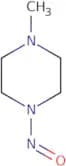
N-Methyl-N’-nitrosopiperazine
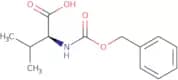
CAS:<p>N-Methyl-N’-nitrosopiperazine is a chemical that has been shown to produce genotoxic effects in mammalian cells. It was found to be carcinogenic in rats, but not in mice. This chemical induces mutations by reacting with nucleic acids and producing covalent DNA adducts. The uptake of N-methyl-N’-nitrosopiperazine into the body occurs through inhalation, ingestion, or skin contact. It can also be detected using analytical methods such as high performance liquid chromatography (HPLC) and gas chromatography/mass spectrometry (GC/MS).</p>Fórmula:C5H11N3OPureza:Min. 95 Area-%Forma y color:Clear LiquidPeso molecular:129.16 g/molN-Cbz-L-valine
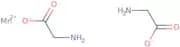
CAS:<p>N-Cbz-L-valine is a chiral amino acid derivative that is used as an intermediate for the synthesis of polycarbonates. It can be prepared by a phase separation and hydrolysis of N-Cbz-L-leucine. The optimal reaction conditions for the preparation of N-Cbz-L-valine are hydrochloric acid, hydroxyl group, n-dimethyl formamide, sodium hydroxide solution, and polycarbonates. This compound can be synthesized by solid phase synthesis on anhydrous sodium carbonate or sodium hydroxide solution. Hydrogen chloride is reacted with a reaction solution to produce N-Cbz-L-valine.</p>Fórmula:C13H17NO4Pureza:Min. 95%Forma y color:White PowderPeso molecular:251.28 g/molManganese bisglycinate
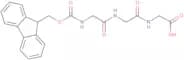
CAS:<p>Manganese bisglycinate is a manganese compound that is used as a dietary supplement. It is an activated form of manganese, which means it has been chemically altered to make it more bioavailable. The manganese bisglycinate molecule contains two glycine molecules for each manganese atom. This form of manganese is bound to the amino acid glycine and, therefore, does not bind to other compounds in the gastrointestinal tract. Manganese bisglycinate has shown to be effective in the prevention of tooth decay by increasing bone growth and preventing cavities. It also has antioxidant properties due to its ability to bind with free radicals in the mouth and control oral bacteria emissions.<br>Manganese bisglycinate can be taken orally, but it should not be taken intravenously because it may cause serious side effects.</p>Fórmula:C4H8MnN2O4Pureza:Min. 95%Forma y color:Red PowderPeso molecular:203.06 g/molFmoc-Gly-Gly-Gly-OH
CAS:<p>Fmoc-gly-gly-gly-OH is a synthetic amino acid with the carboxylate group at the alpha position and an amide group at the beta position. It is a white solid that can be synthesized by reacting glycine ethyl ester with glyoxylic acid in a solvent such as chloroform. Fmoc-gly-gly-gly-OH has been used to study the binding of oxytocin to its receptor, which is important for regulating uterine contraction during childbirth. The compound also has potential applications in drug delivery, biotechnology, and medical research.</p>Fórmula:C21H21N3O6Pureza:Min. 95%Forma y color:PowderPeso molecular:411.41 g/molFmoc-L-Glu-OtBu
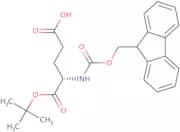
CAS:<p>Fmoc-L-Glu-OtBu is a synthetic ligand that is used as a fluorescent probe in vivo. It has been shown to bind to semaglutide with high affinity, and it can be used to study the function of semaglutide in the cell. Fmoc-L-Glu-OtBu has also been found to have an inhibitory effect on cancer cells. This ligand can be synthesized by solid-phase synthesis and purified by column chromatography. The purity of Fmoc-L-Glu-OtBu is confirmed by elemental analysis, and its impurities are determined by fluorescence spectroscopy. The carboxylate group of Fmoc-L-Glu-OtBu is activated with sulfuric acid to form the corresponding active ester, which can then be conjugated with other molecules.</p>Fórmula:C24H27NO6Pureza:Min. 95%Forma y color:White PowderPeso molecular:425.47 g/molDL-Penicillamine
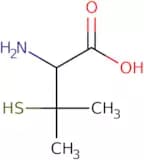
CAS:<p>DL-Penicillamine is a penicillamine that is used in the treatment of various diseases such as rheumatoid arthritis and primary sclerosing cholangitis. It has been shown to inhibit the production of inflammatory prostaglandins, which are responsible for pain and swelling. DL-Penicillamine has been used as a fluorescence probe for the detection of nonsteroidal anti-inflammatory drugs in water samples. DL-Penicillamine is also used to study coordination geometry and rate constants in solid tumours using fluorescence spectroscopy. This drug can be analyzed using chromatographic techniques or by X-ray diffraction data obtained with an electrochemical impedance spectroscopy system. The analytical method was published in 1981 by J.D. Hamer, et al., in "Analytical Chemistry".</p>Fórmula:C5H11NO2SPureza:Min. 95%Forma y color:White PowderPeso molecular:149.21 g/molL-Serine methyl ester HCl
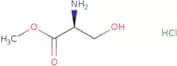
CAS:<p>L-Serine methyl ester HCl is a non-steroidal anti-inflammatory agent that is used in the treatment of blood disorders. L-Serine methyl ester HCL inhibits the production of leukotrienes, which are mediators of inflammatory responses. It does this by inhibiting the enzyme 5-lipoxygenase and therefore reducing the production of lipid mediators such as leukotrienes, prostaglandins, and thromboxanes. L-Serine methyl ester HCl also has been shown to have biological properties that inhibit hyperproliferative diseases in rats.</p>Fórmula:C4H9NO3·HClPureza:Min. 98 Area-%Forma y color:PowderPeso molecular:155.58 g/mol4-Methylcinnamic acid
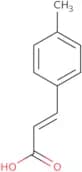
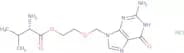
CAS:<p>4-Methylcinnamic acid is a cinnamic acid derivative that is used as an intermediate in the synthesis of various drugs. It can be synthesized from 2-chlorocinnamic acid, which is prepared by reaction with phosphorus pentachloride. 4-Methylcinnamic acid is also able to be oxidized to 4-hydroxycinnamic acid, which has been shown to have anti-aging effects. The molecule can be modeled using molecular dynamics simulations and was found to be polarizable and diffracting.</p>Fórmula:C10H10O2Pureza:Min. 95%Forma y color:White PowderPeso molecular:162.19 g/molL-Valacyclovir hydrochloride
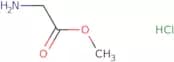
CAS:<p>Anti-viral; DNA polymerase inhibitor</p>Fórmula:C13H20N6O4•HClPureza:Min. 95%Forma y color:PowderPeso molecular:360.8 g/molGlycine methylester HCl
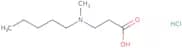
CAS:<p>Glycine methylester HCl is a glycine ester that is synthesized by the reaction of glycine with methanol and hydrochloric acid. The compound has potent antitumor activity, which is due to its ability to inhibit DNA synthesis and RNA synthesis. Glycine methylester HCl also interacts with a number of receptors, including those for serotonin, acetylcholine, histamine, and dopamine. It is an inhibitor of the enzyme methyltransferase and has been shown to be useful in the treatment of autoimmune diseases or other disorders involving excessive cell proliferation. Glycine methylester HCl is metabolized through a number of reactions, including transfer reactions or oxidation reactions that produce methylglyoxal. This compound also binds water molecules and has high water permeability properties.</p>Fórmula:C3H7NO2•HClPureza:Min. 95%Forma y color:PowderPeso molecular:125.55 g/mol3-(N-Methyl-N-pentylamino)propionic acid hydrochloride
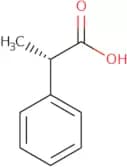
CAS:<p>Trichloroethylene is a chlorinated hydrocarbon that is primarily used as a solvent. The propionic acid is the monosodium salt of 3-(N-Methyl-N-pentylamino)propionic acid hydrochloride, which is an organic compound. The monohydrate and trichloride are two polymorphic forms of this substance. Acetone and unreacted Trichloroethylene are substances that may be formed during the chemical process. The alkaline form of Trichloroethylene may be obtained by refluxing the substance with sodium hydroxide in water or with potassium hydroxide in alcohol. This substance can also exist in a polymorphic form.</p>Fórmula:C9H20ClNO2Pureza:Min. 95%Forma y color:PowderPeso molecular:209.71 g/mol(S)-(+)-2-Phenylpropionic acid
CAS:<p>(S)-(+)-2-Phenylpropionic acid is an organic solvent that is catalyzed by a hydroxy group. It has been shown to be active against bacterial strains in the presence of borohydride reduction and immobilized on polystyrene beads. The enzyme activities were stereoselectively inhibited in the presence of (R)-(-)2-phenylpropionic acid, which is an enantiomer of (S)-(+)2-phenylpropionic acid. This inhibition may be due to the ability of this compound to form a more stable radical coupling with fatty acids such as oleic acid. The reaction temperature can affect the stereoselectivity, with higher temperatures favoring (R)-(-)2-phenylpropionic acid.</p>Fórmula:C9H10O2Pureza:Min. 98 Area-%Forma y color:Clear LiquidPeso molecular:150.17 g/molMethyl 3,5-diiodo-4-methoxybenzoate
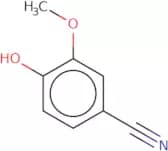
CAS:<p>Please enquire for more information about Methyl 3,5-diiodo-4-methoxybenzoate including the price, delivery time and more detailed product information at the technical inquiry form on this page</p>Fórmula:C9H8I2O3Pureza:Min. 95%Forma y color:PowderPeso molecular:417.97 g/mol4-Hydroxy-3-methoxybenzonitrile
CAS:<p>4-Hydroxy-3-methoxybenzonitrile is a synthetic compound that is used in the synthesis of a variety of other organic compounds. The hydroxyl group on the 3-position of this molecule reacts with nitrogen nucleophiles, such as tetrazole, to form amides. 4-Hydroxy-3-methoxybenzonitrile also has the ability to act as a substrate for tyrosinase and demethylate. This property makes it useful in the synthesis of linear dNMPs and oligodeoxynucleotides.</p>Fórmula:C8H7NO2Pureza:Min. 98%Forma y color:PowderPeso molecular:149.15 g/mol3-Methoxy-2-methylbenzoic acid
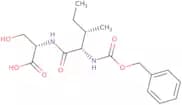
CAS:<p>3-Methoxy-2-methylbenzoic acid is a diazotization agent that is used to produce bromoethane. It is also used as an initiator in the synthesis of dimethylformamide and tetrahydrofuran. 3-Methoxy-2-methylbenzoic acid can be recycled and is used to synthesize methylbenzene, chloroanisole, and grignard reaction products such as chlorobenzene and low yield. 3-Methoxy-2-methylbenzoic acid has been shown to have a high yield for these reactions in comparison to other diazotization agents.</p>Fórmula:C9H10O3Pureza:Min. 95%Forma y color:White PowderPeso molecular:166.17 g/molZ-Ile-Ser-OH
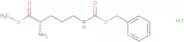
CAS:<p>Z-Ile-Ser-OH is a fine chemical that belongs to the group of useful scaffolds and versatile building blocks. It is a useful intermediate in research and as a reaction component in speciality chemicals. Z-Ile-Ser-OH has been shown to be an excellent reagent for complex compounds. This compound is used as a building block for pharmaceuticals, agrochemicals, and other chemicals. Z-Ile-Ser-OH has high quality and can be used as a research chemical or as an intermediate for other chemical syntheses.</p>Fórmula:C17H24N2O6Pureza:Min. 95 Area-%Forma y color:PowderPeso molecular:352.38 g/molNd-Z-L-ornithine methyl ester hydrochloride
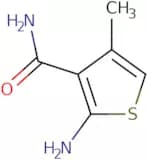
CAS:<p>Please enquire for more information about Nd-Z-L-ornithine methyl ester hydrochloride including the price, delivery time and more detailed product information at the technical inquiry form on this page</p>Fórmula:C14H20N2O4·HClPureza:Min. 95%Forma y color:PowderPeso molecular:316.78 g/mol2-Amino-4-methylthiophene-3-carboxamide
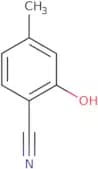
CAS:<p>2-Amino-4-methylthiophene-3-carboxamide is a small molecule that is a potent inhibitor of the JAK2 kinase. This enzyme is associated with human fibrosis and has been shown to be involved in the development of liver fibrosis in rats. 2-Amino-4-methylthiophene-3-carboxamide inhibits the production of cytokines such as IL1α, IL6, and TNFα. It also blocks the activation of transcription factors such as NFκB, which are involved in inflammation. The compound has been shown to be orally active and has demonstrated efficacy in animal studies. Analogues have also been synthesized for this compound that show similar activity.</p>Fórmula:C6H8N2OSPureza:(%) Min. 85%Forma y color:PowderPeso molecular:156.21 g/mol2-Hydroxy-4-methyl-benzonitrile
CAS:<p>2-Hydroxy-4-methylbenzonitrile is a high quality chemical, which can be used as a reagent, intermediate or building block in the synthesis of other compounds. It is a versatile building block and can be used to make compounds with various functional groups. 2-Hydroxy-4-methylbenzonitrile is also a useful scaffold for new drug discovery and has been shown to react with many different types of functional groups. This compound has been found to have antibacterial properties, making it useful for research into new antibiotics.</p>Fórmula:C8H7NOPureza:Min. 95%Peso molecular:133.15 g/mol3-tert-Butyl-6-methylsalicylic acid
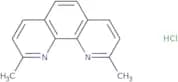
CAS:<p>3-tert-Butyl-6-methylsalicylic acid is a versatile building block that is used in the synthesis of complex compounds. It reacts with amines to form salicylanilides and is also used as a reagent for the synthesis of acetylenes. 3-tert-Butyl-6-methylsalicylic acid can be used as a starting material for the production of pharmaceuticals, pesticides, and dyes. This compound has been shown to be an effective intermediate in the synthesis of new drugs, such as antimalarial agents and analgesics. The high quality of this chemical makes it a useful scaffold for organic synthesis.</p>Fórmula:C12H16O3Pureza:Min. 95%Forma y color:PowderPeso molecular:208.25 g/mol2,9-Dimethyl-1,10-phenanthroline hydrochloride monohydrate
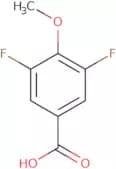
CAS:<p>Chelating agent used to detect aqueous copper ions by electrochemiluminescence</p>Fórmula:C14H12N2·HCl·H2OForma y color:White PowderPeso molecular:262.73 g/mol3,5-Difluoro-4-methoxybenzoic acid
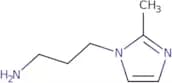
CAS:<p>3,5-Difluoro-4-methoxybenzoic acid is a chemical compound that is used as both a starting material and an intermediate in organic synthesis. It can be obtained from the reaction of 2,4-difluoro-3-methoxybenzoyl chloride with 3,5-dimethoxyaniline. 3,5-Difluoro-4-methoxybenzoic acid has been shown to be useful as a building block in the synthesis of other compounds with potent antibiotic activity such as fluoroquinolones. This compound is also used to synthesize aminomethylcyclohexane and methylaminomethylcyclohexane, which are useful in the manufacture of pesticides.</p>Fórmula:C8H6F2O3Pureza:Min. 95%Forma y color:PowderPeso molecular:188.13 g/mol2-Methyl-1H-imidazole-1-propanamine
CAS:<p>2-Methyl-1H-imidazole-1-propanamine is a byproduct of the reaction that produces acrylonitrile. It is a polar compound that has been shown to be an effective viscosity modifier for various types of formulations. 2-Methyl-1H-imidazole-1-propanamine can be used as an additive in pharmaceutical formulations, such as those for thiamine pyrophosphate, and is nonpolluting. The optimum concentration for this product is between 0.5% and 1%.</p>Fórmula:C7H13N3Pureza:Min. 95 Area-%Forma y color:Clear LiquidPeso molecular:139.2 g/molL-Histidine methyl ester dihydrochloride
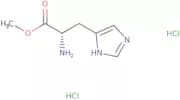
CAS:<p>L-Histidine methyl ester dihydrochloride is a β-amino acid with the chemical formula HNCH2CH(CH3)CO2H. It has the functional group of an isopropyl group and a chloride ion. L-Histidine methyl ester dihydrochloride has been shown to bind to receptors in the central nervous system that are involved in pain perception. As a result, it can be used for the treatment of neuropathic pain, chronic pain, and cancer pain. This drug also inhibits nitric oxide production by binding to iron ions or copper ions. L-Histidine methyl ester dihydrochloride has been shown to have antiinflammatory effects as well as antioxidant properties.</p>Fórmula:C7H11N3O2•(HCl)2Pureza:Min. 95%Forma y color:PowderPeso molecular:242.1 g/molN-Hydroxy-2-(4-methoxyphenoxy)ethanimidamide
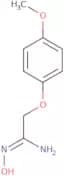
CAS:<p>Please enquire for more information about N-Hydroxy-2-(4-methoxyphenoxy)ethanimidamide including the price, delivery time and more detailed product information at the technical inquiry form on this page</p>Fórmula:C9H12N2O3Pureza:Min. 95%Forma y color:PowderPeso molecular:196.2 g/mol3-(Dimethylphosphono)-N-methylolpropionamide
CAS:<p>Dimethylphosphonoacetamide (DMPPA) is a phosphorus-containing compound that is used as an intermediate in the synthesis of fatty acids. DMPPA can be synthesized by the reaction of ethylene diamine and phosphorus pentoxide, which is a common reagent for preparing phosphorus compounds. The reaction mechanism has been studied using electrochemical impedance spectroscopy. This study revealed that DMPPA can be converted to a water-soluble product by treatment with water vapor or by adding cotton. In addition, the kinetic data obtained from this study showed that the reaction rate was affected by temperature and the type of solvent used. The frequency shift observed during this study indicated that nitrogen atoms are involved in the reaction mechanism.</p>Fórmula:C6H14NO5PPureza:(%) Min. 80%Peso molecular:211.15 g/molMeOSuc-Ala-Phe-Lys-AMC trifluoroacetate salt
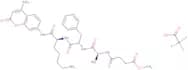
CAS:<p>MeOSuc-Ala-Phe-Lys-AMC is a compound that has a destabilizing effect on the vascular wall, due to its ability to inhibit proteolytic activity. It is also able to reduce the level of angiogenic factors, and thus has an anti-angiogenic effect. MeOSuc-Ala-Phe-Lys-AMC has been shown to have a macroscopic effect on vessels in tissue culture, and this can be observed through leucocyte migration. MeOSuc-Ala-Phe-Lys-AMC has also been shown to cause haemorrhagic changes in microvessels and muscle cells. This compound is also able to inhibit placental growth factor and muscle cell proliferation, as well as reducing the number of microvessels in the placenta.</p>Fórmula:C33H41N5O8•C2HF3O2Pureza:Min. 95 Area-%Forma y color:PowderPeso molecular:749.73 g/mol4-Methyl-3-nitrobenzamide
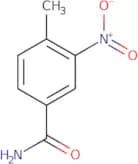
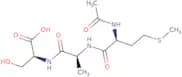
CAS:<p>4-Methyl-3-nitrobenzamide is a nitrile that can be synthesized by the reaction of potassium hydroxide and 3-nitrobenzamide. It has been shown to react with dichloroethane to form 4-methyl-3-nitrobenzoic acid. The optimum temperature for this reaction is 120°C, which leads to a high yield of 4-methyl-3-nitrobenzamide. This product is also available in an isotopic form at high purity.</p>Fórmula:C8H8N2O3Pureza:Min. 95%Forma y color:PowderPeso molecular:180.16 g/molAc-Met-Ala-Ser-OH
CAS:<p>Ac-Met-Ala-Ser-OH is a fine chemical that can be used as a building block in the synthesis of other compounds. It is also a reagent and speciality chemical, which are substances that are not typically found in everyday life but have specific uses. Ac-Met-Ala-Ser-OH is an intermediate chemical, meaning it is used to make something else, and can be used as a scaffold for developing new compounds. Ac-Met-Ala-Ser-OH has CAS number 149151-19-9.</p>Fórmula:C13H23N3O6SPureza:Min. 95%Forma y color:PowderPeso molecular:349.4 g/molAmyloid β-Protein (40-1) hydrochloride salt
CAS:<p>Hydrochloride salt</p>Fórmula:C194H295N53O58SPureza:Min. 95%Peso molecular:4,329.81 g/molN2-Phenoxyacetyl guanine
CAS:<p>N2-Phenoxyacetyl guanine is a labile nucleoside that can be synthesized by the aminoacylation of guanosine with phenoxyacetic acid. It has been shown to have an important role in oxidative DNA damage, which may lead to mutagenesis and cancer. N2-Phenoxyacetyl guanine is stereoselective and binds preferentially to the GGC sequence, and it is also aminopropylated at its 2′ position. This nucleoside is not ionizing but can be degraded by radiation or enzymes such as deaminases.</p>Fórmula:C13H11N5O3Pureza:Min. 95%Peso molecular:285.26 g/mol7-Methyl-2-(trifluoromethyl)[1,2,4]triazolo[1,5-a]pyrimidine-6-carboxylic acid
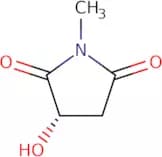
CAS:<p>7-Methyl-2-(trifluoromethyl)[1,2,4]triazolo[1,5-a]pyrimidine-6-carboxylic acid is a versatile building block that is useful in the synthesis of complex compounds. It is also a reagent for research and as a speciality chemical. It has been used in the synthesis of many important drugs such as methotrexate and trimethoprim. 7-Methyl-2-(trifluoromethyl)[1,2,4]triazolo[1,5-a]pyrimidine-6-carboxylic acid can also be used as an intermediate for the synthesis of other compounds and scaffolds.</p>Fórmula:C8H5F3N4O2Pureza:Min. 95%Forma y color:PowderPeso molecular:246.15 g/mol(S)-N-Methylhydroxysuccinimide
CAS:<p>N-Methylhydroxysuccinimide is a reagent used in chemical synthesis, including the production of 3-indoxyl-beta-D-galactopyranoside. It has been shown to be safe for human use by short-term exposure and uptake studies in Sprague-Dawley rats. N-Methylhydroxysuccinimide is not carcinogenic and does not cause adverse effects to the liver or kidney, based on animal experiments. This compound also has an analytical method that can be used to determine its concentration in urine samples from humans.</p>Fórmula:C5H7NO3Pureza:Min. 95%Forma y color:PowderPeso molecular:129.11 g/mol3-Methyl-5-Isothiazolamine
CAS:<p>3-Methyl-5-isothiazolamine is a linear molecule with a molecular weight of 122.1. 3-Methyl-5-isothiazolamine has an interaction with chloride and can be used as a reagent for the identification of disulfides. Disulfide bonds are formed by the oxidation of sulfhydryl groups in proteins, which are reduced by glutathione reductase to produce sulfhydryl groups. 3-Methyl-5-isothiazolamine has been shown to react with molecular ions that are characteristic of isothiazoles and isothiazole derivatives, as well as aromatic compounds such as 4-hydroxybenzoic acid. This product also reacts with dehydrogenase enzymes, such as alcohol dehydrogenase, which produces oxidized products from carbohydrates and other organic molecules that contain hydroxyl groups.</p>Fórmula:C4H6N2SPureza:Min. 95%Forma y color:PowderPeso molecular:114.17 g/molL-Propargylglycine
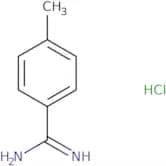
CAS:<p>L-Propargylglycine is a novel, synthetic compound that has been shown to inhibit bacterial growth. It is a strong inhibitor of the polymerase chain reaction (PCR) and nuclear DNA replication. L-Propargylglycine has also been shown to inhibit mitochondrial membrane potential and human serum which may lead to its anti-inflammatory properties. L-Propargylglycine has antioxidative properties, antimicrobial peptide activity, and ATP channel inhibition. This drug also has a number of other pharmacological effects including modulation of intestinal inflammation in models of inflammatory bowel disease and improvement of atherosclerotic lesions in animal models.</p>Fórmula:C5H7NO2Pureza:(%) Min. 98%Forma y color:PowderPeso molecular:113.11 g/mol4-Methylbenzamidine hydrochloride
CAS:<p>4-Methylbenzamidine hydrochloride is a synthetic molecule that has been shown to have anticancer activity. It is an efficient method for the preparation of modified chromenones, which are biomolecules with anticancer activity. 4-Methylbenzamidine hydrochloride can be used as a template molecule to synthesize biologically active molecules, such as etoposide, which is a synthetic anti-cancer drug. The hydroxyl group in 4-methylbenzamidine hydrochloride is nucleophilic and can undergo dehydrogenative reactions with various reagents. 4-Methylbenzamidine hydrochloride has been shown to inhibit the growth of cancer cells in vitro and in vivo. It inhibits the synthesis of DNA, RNA, and proteins by binding to the ribosomal RNA of cancer cells and preventing protein synthesis.</p>Fórmula:C8H10N2·HClPureza:Min. 95%Forma y color:PowderPeso molecular:170.64 g/molFmoc-O-benzyl-L-serine
CAS:<p>Fmoc-O-benzyl-L-serine is a synthetic amino acid that is synthesized by the reaction of piperidine and L-serine. This amino acid has high specificity and is used in the synthesis of human cell lines. Fmoc-O-benzyl-L-serine may be useful for bone morphogenetic protein (BMP) activation, cancer treatment, and other therapeutic purposes. It also integrates with a linker to form peptides or proteins, which can be optimized for specific uses. The synthesis methods of this amino acid are proteolytic, solid phase synthesis, and optimization.</p>Fórmula:C25H23NO5Pureza:(%) Min. 99%Forma y color:White PowderPeso molecular:417.45 g/mol5-Phenylpenta-2,4-dienoic acid
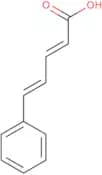
CAS:<p>5-Phenylpenta-2,4-dienoic acid is a high-potency inhibitor of tyrosine kinases. It has been shown to have an inhibitory effect on cancer cells in both squamous and non-squamous cell lines. This compound has been shown to inhibit the proliferation of cancer cells by arresting cell cycle progression at the G1 phase, which leads to the inhibition of DNA synthesis. 5-Phenylpenta-2,4-dienoic acid is also able to block the activation of transcription factors that are involved in tumorigenesis. In addition, this compound inhibits the proliferation of cancer cells by arresting cell cycle progression at the G1 phase, leading to inhibition of DNA synthesis. The molecular modeling study suggests that this compound may be able to bind with tyrosine kinase receptors on the surface of tumor cells and block their activity. The chemical structure of 5-phenylpenta-2,4-dien</p>Fórmula:C11H10O2Pureza:Min. 95%Forma y color:PowderPeso molecular:174.2 g/mol1-benzoyl-4-phenyl-3-thiosemicarbazide
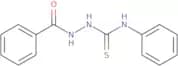
CAS:<p>1-Benzoyl-4-phenyl-3-thiosemicarbazide is an adsorbent that has been shown to be a bidentate ligand. It is used as a corrosion inhibitor and exhibits potentiodynamic polarization. The adsorption isotherm of 1-benzoyl-4-phenyl-3-thiosemicarbazide has been measured using Langmuir and Freundlich techniques. This compound has been shown to have fluorescent properties. 1-Benzoyl-4-phenyl-3-thiosemicarbazide also reacts with thiocyanates, yielding the reaction product 1,2,4,5,6 - hexahydrobenzothiazole.</p>Pureza:Min. 95%3-(4-methoxy-1-naphthyl)acrylic acid
CAS:<p>Please enquire for more information about 3-(4-methoxy-1-naphthyl)acrylic acid including the price, delivery time and more detailed product information at the technical inquiry form on this page</p>Pureza:Min. 95%2-Methoxyphenylacetonitrile
CAS:<p>2-Methoxyphenylacetonitrile is a chemical that is used in the manufacture of pharmaceuticals. It has antibacterial activity and can be used to treat typhoid fever, staphylococcal infections, and mental disorders such as schizophrenia. 2-Methoxyphenylacetonitrile is an alkylating agent that reacts with nucleophiles in proteins, DNA, and RNA. These reactions lead to the destruction of the bacterial cell wall and inhibition of protein synthesis. The mechanism by which 2-methoxyphenylacetonitrile exerts its antibacterial effect may involve formation of a reactive intermediate that inhibits bacterial ribonucleotide reductase. The addition of an electron to this intermediate leads to the formation of a covalent bond with one or more amino acids in the protein acceptor, thereby preventing further growth and division of bacteria.</p>Fórmula:C9H9NOPureza:Min. 90%Forma y color:White PowderPeso molecular:147.17 g/mol2,2-dimethyl-5-(((2-phenylethyl)amino)methylene)-1,3-dioxane-4,6-dione
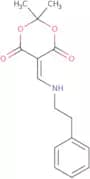
CAS:<p>Please enquire for more information about 2,2-dimethyl-5-(((2-phenylethyl)amino)methylene)-1,3-dioxane-4,6-dione including the price, delivery time and more detailed product information at the technical inquiry form on this page</p>Pureza:Min. 95%7-Methoxy-1-tetralone
CAS:<p>7-Methoxy-1-tetralone is a synthetic compound that inhibits the activity of hepg2 cells. It has been shown to induce apoptosis in these cells and inhibit tumor growth in vivo. This substance is a fatty acid derivative that can be synthesized by Friedel-Crafts acylation of 7-methoxycoumarin with oleic acid. 7-Methoxy-1 tetralone has been shown to have antitumor effects in vitro, as well as in vivo animal studies. The inhibition of hepg2 cells may be due to damage to the cell membrane, which leads to the release of lysosomal enzymes and cell death.</p>Fórmula:C11H12O2Pureza:Min. 95%Forma y color:PowderPeso molecular:176.21 g/mol2-Methylveratraldehyde
CAS:<p>2-Methylveratraldehyde is a chiral compound that can be used as a reagent in organic synthesis. It has been shown to be a potentiator of the antimicrobial activity of grignard reagents and carbonation, which are chemical reactions that form new carbon-carbon bonds. 2-Methylveratraldehyde also has biological studies, such as its use as an inducer of phytoalexin production in plants.</p>Fórmula:C10H12O3Pureza:Min. 95%Forma y color:White PowderPeso molecular:180.2 g/molBoc-N-methyl-D-isoleucine
CAS:<p>Boc-N-methyl-D-isoleucine is a useful building block and research chemical. It is a high quality, complex compound that is versatile for use as a reaction component or scaffold. Boc-N-methyl-D-isoleucine can be used to produce fine chemicals, pharmaceuticals, herbicides, pesticides, and other products.</p>Fórmula:C12H23NO4Pureza:Min. 95%Forma y color:PowderPeso molecular:245.32 g/molL-Valine benzyl ester 4-toluenesulfonate salt
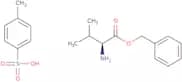
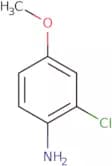
CAS:<p>L-Valine benzyl ester 4-toluenesulfonate salt is a derivatised variant of the amino acid L-valine. It contains a monobenzyl group, terminal alkynes, and sequences that are used for reaction solution yields. The benzyl group can be synthesized by using xylene and benzyl alcohols. L-Valine benzyl ester 4-toluenesulfonate salt is photophisical, has high yields in solid-phase synthesis, and is stereoselective.</p>Fórmula:C12H17NO2·C7H8O3SPureza:Min. 95%Forma y color:PowderPeso molecular:379.47 g/mol2-Chloro-4-methoxyaniline
CAS:<p>2-Chloro-4-methoxyaniline is a primary amine that has been used in the synthesis of polychlorinated and chlorinated amines. It is an important precursor for the manufacture of herbicides, insecticides, and pharmaceuticals. 2-Chloro-4-methoxyaniline reacts with hydrogen chloride to form chloroacetanilide, which can be hydrolysed to aniline. This reaction proceeds at room temperature and does not require catalysts. The reactivity of this compound is due to its nucleophilic substitutions in the presence of ketocarboxylic acids or vinyl ethers. 2-Chloro-4-methoxyaniline has also been used as a dehydrating reagent in organic synthesis reactions.br>br><br>2-Chloro-4-methoxyaniline is highly reactive because it contains two primary amines (NH2) that</p>Fórmula:C7H8ClNOPureza:Min. 95%Peso molecular:157.6 g/mol2',6'-Dimethoxy-β-methyl-β-nitrostyrene
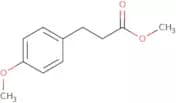
CAS:<p>2',6'-Dimethoxy-beta-methyl-beta-nitrostyrene is a chemical building block that is useful for the synthesis of complex organic molecules. It is an intermediate in the manufacture of pharmaceuticals, pesticides and dyes. 2',6'-Dimethoxy-beta-methyl-beta-nitrostyrene is an important component in the production of research chemicals and speciality chemicals. The compound has been assigned CAS number 78904-44-6.</p>Fórmula:C11H13NO4Pureza:Min. 95%Peso molecular:223.23 g/molMethyl 4-methoxyphenylpropionate
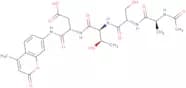
CAS:<p>Methyl 4-methoxyphenylpropionate is a pyridine derivative that is used as a solvent, reagent, and intermediate in organic synthesis. It has been shown to be a marker for aerosols in the environment and has been detected in the atmosphere of Beijing, China. The methyl ester can also be used to synthesize dienones and benzyl mesylates.</p>Fórmula:C11H14O3Pureza:Min. 95%Forma y color:PowderPeso molecular:194.23 g/molAc-Ala-Ser-Thr-Asp-AMC
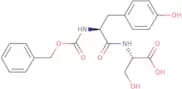
CAS:<p>Ac-Ala-Ser-Thr-Asp-AMC is a versatile building block that can be used as an intermediate in organic synthesis, a reagent, or a speciality chemical. It is also a useful scaffold for drug discovery and development. Ac-Ala-Ser-Thr-Asp-AMC has been shown to be an effective inhibitor of phosphodiesterase 3 (PDE3) and cyclic nucleotide phosphodiesterases (PDEs).</p>Fórmula:C26H33N5O11Pureza:Min. 95 Area-%Forma y color:PowderPeso molecular:591.57 g/molZ-Tyr-Ser-OH
CAS:<p>Z-Tyr-Ser-OH is a fine chemical that is used as a versatile building block in the synthesis of complex compounds. It is also a useful intermediate for the production of many other chemicals, including pharmaceuticals, agrochemicals and research chemicals. The CAS number for Z-Tyr-Ser-OH is 20448-71-9. This compound has been shown to be a high quality reagent with many applications in research and commercial manufacturing.</p>Fórmula:C20H22N2O7Pureza:Min. 95%Forma y color:PowderPeso molecular:402.4 g/mol[(2-Methylimidazo[2,1-b][1,3,4]thiadiazol-6-yl)methyl]amine dihydrochloride
CAS:<p>[(2-Methylimidazo[2,1-b][1,3,4]thiadiazol-6-yl)methyl]amine dihydrochloride is a high quality reagent with many uses. It is a complex compound that is used as an intermediate in the synthesis of many other compounds. This chemical has been shown to be useful as a scaffold for drug design and development. It also has been found to be a valuable building block for the synthesis of speciality chemicals and pharmaceuticals. This chemical can be used in reactions as a versatile building block and reaction component.</p>Fórmula:C6H8N4S·2HClPureza:Min. 95%Forma y color:White PowderPeso molecular:241.14 g/molN-(4-Hydroxyphenyl)-5-methyl-2-1H-pyridone
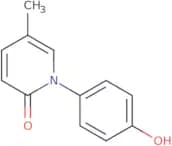
CAS:<p>N-(4-Hydroxyphenyl)-5-methyl-2-1H-pyridone is a molecule that is found in plasma samples and has been shown to inhibit the growth of cells. It is a potent inhibitor of tubulointerstitial injury, which is the most common type of kidney disease. The mechanism of this drug has been shown to involve the inhibition of primary amino acid uptake. This compound also inhibits urea synthesis and decreases plasma concentrations by increasing the rate of elimination. In addition, it has been shown to have an inhibitory effect on growth factors such as EGF, bFGF, IGF-1, and PDGF. N-(4-Hydroxyphenyl)-5-methyl-2-1H-pyridone can be synthesized by heating at high temperatures (thermally activated).</p>Fórmula:C12H11NO2Pureza:Min. 95%Forma y color:Off-White PowderPeso molecular:201.22 g/mol2-Methoxy-1-naphthaldehyde
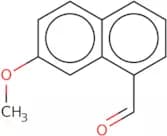
CAS:<p>2-Methoxy-1-naphthaldehyde is a potential chemical intermediate for the synthesis of a variety of biologically active compounds. It has been shown to have anti-tumor activity in solid tumours and can be used as a precursor for the production of new drugs that inhibit the growth of cancer cells. 2-Methoxy-1-naphthaldehyde is synthesized via an intramolecular hydrogen addition reaction with salicylaldehyde, which generates resonance stabilization. It also has an intermolecular hydrogen bond with naphthalene to form the dimer or trimer. The vibrational spectra and analytical methods are used to identify the functional groups present in 2-Methoxy-1-naphthaldehyde, which includes a hydrogen bond between the two methoxy groups. Computational methods can be used to predict how different molecules bind to this chemical intermediate and its role in biological activity.</p>Fórmula:C12H10O2Pureza:Min. 95%Forma y color:PowderPeso molecular:186.21 g/mol5-Phenyl-2-oxazolidone
CAS:<p>5-Phenyl-2-oxazolidone is a glucosinolate precursor. It is used in the synthesis of peptides and has been shown to have anti-inflammatory effects. 5-Phenyl-2-oxazolidone has also been found to have tranquilizing properties, which may be due to its ability to inhibit the enzyme acetylcholinesterase. This compound has also been shown to have a protective effect against damage caused by chloramine T, which is a chemical that is used as a disinfectant and for water purification. 5-Phenyl-2-oxazolidone can be found in brassica vegetables such as broccoli, cauliflower, cabbage and Brussels sprouts. 5-Phenyl-2-oxazolidone also has pharmacological effects on the nucleus and leaves of lutea l., a plant belonging to the brassicaceae family.</p>Fórmula:C9H9NO2Pureza:Min. 95%Forma y color:PowderPeso molecular:163.17 g/mol3-Methyl-2-benzothiazolinone hydrazone hydrochloride monohydrate
CAS:<p>3-Methyl-2-benzothiazolinone hydrazone hydrochloride monohydrate is a diazonium salt that inhibits the activity of tyrosinase. It is used in pharmaceutical preparations as an inhibitor molecule to treat skin cancer. This compound has been shown to inhibit the production of melanin, which protects cells from damage by ultraviolet (UV) radiation. 3-Methyl-2-benzothiazolinone hydrazone hydrochloride monohydrate binds to tyrosinase and prevents it from forming radicals, which are necessary for the formation of melanin. The inhibition of this enzyme results in skin that is less susceptible to UV radiation and therefore less likely to develop skin cancer.</p>Fórmula:C8H9N3S·HCl·H2OPureza:Min. 98 Area-%Forma y color:PowderPeso molecular:233.72 g/mol6-amino-3-methyl-4-(3-nitrophenyl)-4H-pyrano[3,2-d]pyrazole-5-carbonitrile
CAS:<p>Please enquire for more information about 6-amino-3-methyl-4-(3-nitrophenyl)-4H-pyrano[3,2-d]pyrazole-5-carbonitrile including the price, delivery time and more detailed product information at the technical inquiry form on this page</p>Fórmula:C14H11N5O3Pureza:Min. 95%Forma y color:PowderPeso molecular:297.27 g/molS-acetyl-L-glutathione
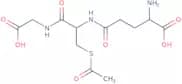
CAS:<p>Acetylcysteine is a drug that inhibits the growth of bacteria and viruses. Acetylcysteine is a precursor to the amino acid cysteine and has been shown to have antiviral properties against herpes simplex virus. It also has protective effects on human liver cells by preventing lipid peroxidation, which may be due to its antioxidant activity. Acetylcysteine can be used as an analytical method for particle size, thermal expansion, and hydrogen chloride content in industrial processes. Its use in metabolic disorders and cancer therapy is limited because it does not cross the blood-brain barrier easily. Acetylcysteine has been shown to inhibit HIV infection by blocking reverse transcriptase activity, but it cannot cure HIV infection.</p>Fórmula:C12H19N3O7SPureza:Min. 96 Area-%Forma y color:White Off-White PowderPeso molecular:349.36 g/mol2-acetyl-N-phenyl-3-((3-(trifluoromethyl)phenyl)amino)prop-2-enamide
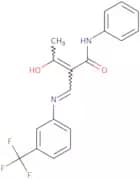
CAS:<p>Please enquire for more information about 2-acetyl-N-phenyl-3-((3-(trifluoromethyl)phenyl)amino)prop-2-enamide including the price, delivery time and more detailed product information at the technical inquiry form on this page</p>Fórmula:C18H15F3N2O2Pureza:Min. 95%Forma y color:PowderPeso molecular:348.32 g/molN-Benzyl-4-phenyl pyridinium tetrafluoroborate
CAS:<p>N-Benzyl-4-phenyl pyridinium tetrafluoroborate is a fine chemical that can be used as a building block in the synthesis of complex compounds. It has been shown to have versatile applications in organic synthesis, such as being a useful intermediate and reaction component. N-Benzyl-4-phenyl pyridinium tetrafluoroborate is an extremely high quality reagent with few side effects and low toxicity.</p>Fórmula:C18H16N•BF4Pureza:Min. 95%Peso molecular:333.13 g/mol2-Fluoro-4-methoxyphenol
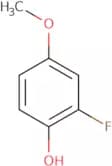
CAS:<p>2-Fluoro-4-methoxyphenol is a white crystalline solid with a melting point of 100°C. It is soluble in water, ethanol and ether and insoluble in chloroform. The compound has been shown to be an intermediate for the synthesis of other organic compounds, such as 2-fluoro-4-(2,2,2-trifluoroethoxy)benzaldehyde, 2-fluoro-4-(3,3,3-trifluoropropoxy)benzaldehyde and 4-(2,2,2-trifluoroethoxy)-3'-nitroacetophenone. 2-Fluoro-4-methoxyphenol can also be used as a building block for speciality chemicals including research chemicals.</p>Fórmula:C7H7FO2Pureza:Min. 95%Forma y color:Clear LiquidPeso molecular:142.13 g/molFmoc-4-(Boc-amino)-D-phenylalanine
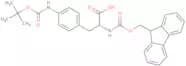
CAS:<p>Fmoc-4-(Boc-amino)-D-phenylalanine is a versatile building block and a useful intermediate in organic synthesis. It is used as a reaction component in the synthesis of pharmaceuticals, antibiotics, herbicides, pesticides and other organic compounds. Fmoc-4-(Boc-amino)-D-phenylalanine is also used as an additive for the production of polyurethane foams. This compound has a high quality and purity level and can be used as a reagent for chemical reactions.</p>Fórmula:C29H30N2O6Pureza:Min. 98 Area-%Forma y color:White Off-White PowderPeso molecular:502.56 g/mol3-((4,5-dichloroimidazolyl)methyl)-4-bromo-2-methyl-1-phenyl-3-pyrazolin-5-one
CAS:<p>Please enquire for more information about 3-((4,5-dichloroimidazolyl)methyl)-4-bromo-2-methyl-1-phenyl-3-pyrazolin-5-one including the price, delivery time and more detailed product information at the technical inquiry form on this page</p>Pureza:Min. 95%Kinetin-9-glucoside
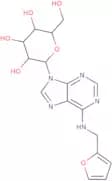
CAS:<p>Kinetin-9-glucoside is a conjugate of kinetin and glucose. It has been shown to inhibit the growth of several types of bacteria, including Pseudomonas aeruginosa, Staphylococcus aureus, and Streptococcus pyogenes. Kinetin-9-glucoside also has anti-inflammatory properties that may be due to its ability to inhibit prostaglandin synthesis. Kinetin-9-glucoside is used in tissue culture for the induction of plant regeneration from callus tissue or from excised root tissues. Kinetin-9-glucoside has been shown to stimulate the formation of apical roots in plantlets and promote cell division in neuronal cells.</p>Fórmula:C16H19N5O6Pureza:Min. 95 Area-%Forma y color:PowderPeso molecular:377.35 g/molO-Benzyl-L-tyrosine benzyl ester 4-toluenesulfonate
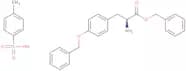
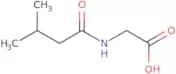
CAS:<p>O-Benzyl-L-tyrosine benzyl ester 4-toluenesulfonate salt is a fine chemical that belongs to the category of useful scaffolds and versatile building blocks. It is a high quality reagent that can be used as a reaction component in the preparation of complex compounds. This compound has shown to be useful in research on various types of drugs, including analgesics, antibiotics, antihistamines, antidepressants, antipsychotics and others.</p>Fórmula:C23H23NO3•C7H8O3SPureza:Min. 95%Forma y color:White solid.Peso molecular:533.64 g/molN-Isovalerylglycine
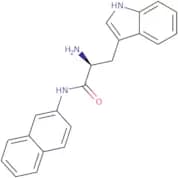
CAS:<p>N-Isovalerylglycine is a metabolite of the branched-chain amino acid leucine. It is found in the urine of patients with acidemia due to ethylmalonic aciduria, but not in healthy individuals. N-Isovalerylglycine has been shown to be an intermediate compound for the synthesis of acetoacetate and isovalerylglycine from acetyl-CoA. This metabolite can be used as a marker for diagnosing metabolic disorders such as diabetes mellitus, obesity, and polycystic ovary syndrome.</p>Fórmula:C7H13NO3Pureza:Min. 95%Forma y color:White PowderPeso molecular:159.18 g/molL-Tryptophan β-naphthylamide
CAS:<p>L-Tryptophan beta-naphthylamide is a fine chemical that is useful for research purposes. It can be used as a versatile building block in the synthesis of other chemicals and can also be used as a reaction component. L-Tryptophan beta-naphthylamide has been used to synthesize complex compounds such as 5,6-dihydroindolizine, which has been shown to have anti-inflammatory properties. This compound can also be used as a reagent in organic synthesis.</p>Fórmula:C21H19N3OPureza:Min. 95%Forma y color:PowderPeso molecular:329.4 g/molL-Histidine monohydrochloride monohydrate
CAS:<p>L-Histidine monohydrochloride monohydrate is a histidine derivative that is used in the treatment of chronic oral and bowel diseases. L-histidine has been shown to activate phospholipase A2, which releases arachidonic acid from phospholipids. Arachidonic acid then reacts with other molecules to form prostaglandins and leukotrienes. L-histidine also inhibits the release of tumor necrosis factor (TNF) by blocking the activity of lipoxygenase, or it can stimulate the production of prostaglandins and leukotrienes that suppress inflammation in animal models. L-histidine monohydrochloride monohydrate has been shown to have an anti-inflammatory effect in animals with inflammatory bowel disease due to its ability to inhibit the production of prostaglandin E2 (PGE2). This drug has also been shown to be capable of neutralizing acidic ph by forming a salt with</p>Fórmula:C6H9N3O2·HCl·H2OForma y color:White PowderPeso molecular:209.63 g/mol1-Palmitoyl-rac-glycerol
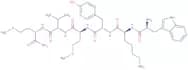
CAS:<p>1-Palmitoyl-rac-glycerol is a fatty acid that contains nitrogen atoms. It has hypoglycemic effects and is used to treat metabolic disorders. 1-Palmitoyl-rac-glycerol has been shown to have a protective effect on the liver by decreasing the levels of triglycerides in the blood and preventing lipid peroxidation. It also improves glucose metabolism and insulin sensitivity. 1-Palmitoyl-rac-glycerol is an important component of biological membranes, where it forms a hydrophobic region that helps maintain membrane structure. This compound also has hemolytic activity, which may be due to its ability to bind with phospholipids or cell membranes, leading to changes in their permeability or stability. The stability of 1-palmitoyl-rac glycerol can be tested by adding reagents such as sodium nitrite or potassium permanganate, which will cause a color change from yellow to brown if it reacts</p>Fórmula:C19H38O4Pureza:Min. 95%Forma y color:PowderPeso molecular:330.5 g/molH-Trp-Lys-Tyr-Met-Val-Met-NH2
CAS:<p>H-Trp-Lys-Tyr-Met-Val-Met-NH2 is a natural compound that belongs to the group of pharmacological agents. It has been shown to have a therapeutic effect on congestive heart failure, bowel disease and autoimmune diseases. This compound has also been shown to stimulate locomotor activity in mice by increasing dopamine levels in the brain. H-Trp-Lys-Tyr-Met-Val-Met NH2 has been found to inhibit the growth of HL60 cells in culture, which are a type of white blood cell that is involved in immune response. H-Trp-Lys Tyr Met Val Met NH2 also binds to receptors for formyl and sesquiterpenoid lactones, which are chemical compounds that are used as pharmacological agents for cancer therapy and treatment of inflammatory bowel disease.</p>Fórmula:C41H61N9O7S2Pureza:Min. 95%Peso molecular:856.11 g/molZinc glycinate
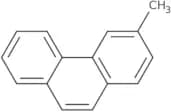
CAS:<p>Zinc glycinate is a form of zinc that is well-absorbed in the gut and has low toxicity. It is used to treat metabolic disorders such as fatty acid oxidation, ethylene diamine oxidation, and antimicrobial peptide synthesis. Zinc glycinate also inhibits the activity of enzymes involved in reactions involving acid complex, nutrient solution, drug interactions, and tissue antigens. Zinc glycinate binds to picolinic acid (a metabolite of tryptophan) and inhibits mitochondrial membrane potential. Structural analysis shows that zinc glycinate has a molecular weight of 196.2 g/mol and an empirical formula of C9H12N2O6Zn.</p>Fórmula:C4H8N2O4ZnPureza:Min. 95%Forma y color:PowderPeso molecular:213.5 g/mol3-Methylphenanthrene
CAS:<p>3-Methylphenanthrene is a compound that inhibits the reductase activity of aromatic hydrocarbons. 3-Methylphenanthrene has been shown to inhibit both bacterial and mammalian reductases, with interactive effects on the enzyme's substrate molecule. It also shows an inhibitory effect on axonal growth, which may be due to its ability to reduce fatty acid uptake, as well as its ability to interact with the aromatic hydrocarbon uptake system. 3-Methylphenanthrene is easily detected by spectrometry analyses and can be used as a substrate molecule for bacterial enzymes.</p>Fórmula:C15H12Pureza:Min. 98%Forma y color:White PowderPeso molecular:192.26 g/mol3,5-Dimethyl-4-methoxybenzonitrile
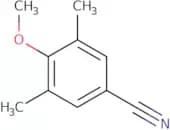
CAS:<p>3,5-Dimethyl-4-methoxybenzonitrile is a chemical that can be used as an intermediate for the synthesis of organic compounds. It is also useful for research purposes. 3,5-Dimethyl-4-methoxybenzonitrile has a CAS number of 152775-45-6 and can be found in the chemical catalog at Acros Organics. This compound is a reactive building block that can undergo many reactions to produce other chemicals. 3,5-Dimethyl-4-methoxybenzonitrile is a complex compound with high purity and quality.</p>Fórmula:C10H11NOPureza:Min. 95%Forma y color:PowderPeso molecular:161.2 g/molPhenylacetyl glycine
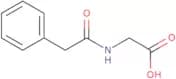
CAS:<p>Phenylacetyl glycine (PAG) is a non-essential amino acid and dietary supplement that has been shown to be effective in animals with metabolic disorders. PAG can be detected by magnetic resonance spectroscopy as a potential biomarker for chronic kidney disease and cancer. PAG has been shown to have anti-cancer effects by inhibiting the proliferation of malignant cells, which may be due to its ability to inhibit the production of monocarboxylic acids. It also inhibits the synthesis of ATP, which leads to a decrease in cellular energy metabolism.</p>Fórmula:C10H11NO3Pureza:Min. 95%Peso molecular:193.2 g/mol5,5-dimethyl-2-(4-(2-methylpropyl)phenyl)-1,3-thiazolidine-4-carboxylic acid
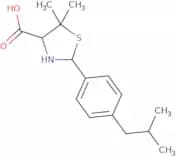
CAS:<p>Please enquire for more information about 5,5-dimethyl-2-(4-(2-methylpropyl)phenyl)-1,3-thiazolidine-4-carboxylic acid including the price, delivery time and more detailed product information at the technical inquiry form on this page</p>Pureza:Min. 95%3-(3-Pyridyl)-L-alanine
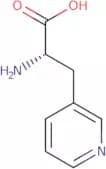
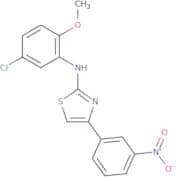
CAS:<p>3-(3-Pyridyl)-L-alanine is a cytotoxic compound that inhibits the biosynthesis of peptide hormones and has been shown to be effective against prostate cancer cells. It acts by inhibiting the functioned of the synthase gene, which encodes for a synthetase enzyme necessary for peptidyl chain formation. 3-(3-Pyridyl)-L-alanine also binds to receptors on cells such as cyclodepsipeptide analogs and antibiotics. This drug has been shown to inhibit the growth of bacteria in vivo through its ability to bind to ribosomal enzymes.</p>Fórmula:C8H10N2O2·HClPureza:Min. 95 Area-%Forma y color:PowderPeso molecular:202.64 g/mol(5-Chloro-2-methoxyphenyl)(4-(3-nitrophenyl)(2,5-thiazolyl))amine
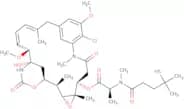
CAS:<p>Please enquire for more information about (5-Chloro-2-methoxyphenyl)(4-(3-nitrophenyl)(2,5-thiazolyl))amine including the price, delivery time and more detailed product information at the technical inquiry form on this page</p>Pureza:Min. 95%Maytansinoid DM 4
CAS:<p>N2'-Deacetyl-N2'-(4-mercapto-4-methyl-1-oxopentyl)-maytansine (DMAP) is a structural analogue of maytansinoids that has potent antitumor activity against renal cell cancer. DMAP binds to the active site of wild type enzyme, and inhibits its activity. DMAP also inhibits the activities of other enzymes that are involved in the synthesis of proteins and other cellular components. The inhibition of these enzymes by DMAP leads to tumor cell death. This drug was found to be more cytotoxic at higher doses than the parent compound, maytansinol, which indicates that DMAP has a higher affinity for its target enzyme. The cytotoxicity of this drug is not affected by platinum resistance in ovarian cancer cells or by P-glycoprotein (Pgp) inhibitors such as verapamil and cyclosporin A.</p>Fórmula:C38H54ClN3O10SPureza:Min. 95%Forma y color:Off-White PowderPeso molecular:780.37 g/mol2-[(2-Amino-5-methoxyphenyl)dithio]-4-methoxyaniline
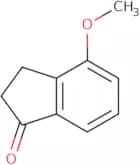
CAS:<p>2-[(2-Amino-5-methoxyphenyl)dithio]-4-methoxyaniline is a high quality chemical reagent that can be used as a useful intermediate in the synthesis of a variety of complex compounds. This compound has been shown to have a wide range of uses, including as a building block in the synthesis of speciality chemicals and research chemicals. 2-[(2-Amino-5-methoxyphenyl)dithio]-4-methoxyaniline is an important reaction component that can be used in many organic reactions, such as coupling, condensation, substitution, elimination, nucleophilic addition and reduction.</p>Fórmula:C14H16N2O2S2Pureza:Min. 95%Forma y color:PowderPeso molecular:308.42 g/mol4-Methoxy-1-indanone
CAS:<p>4-Methoxy-1-indanone is a quinoline derivative that is used as an intermediate for the synthesis of a number of bioactive molecules, such as gephyrotoxin (a potent neurotoxin) and oxime derivatives. 4-Methoxy-1-indanone has been shown to be activated by metal ions and oximes to form iminium cations. These cations are then converted into chloride or carbonic anions by dehydrogenase enzymes, which are important in the metabolism of carbohydrates in living organisms.</p>Fórmula:C10H10O2Pureza:Min. 95%Forma y color:PowderPeso molecular:162.19 g/molEthyl [2-methyl-3-(chlorosulfonyl)phenoxy]acetate
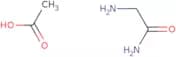
CAS:<p>Ethyl [2-methyl-3-(chlorosulfonyl)phenoxy]acetate is a fine chemical that has been used as a building block in the synthesis of other complex chemicals. It is also an intermediate for the production of pesticides and pharmaceuticals. The compound can be used to form more than one hundred different organic compounds, which makes it a versatile building block. It can be reacted with other chemicals to create new compounds, such as drugs or herbicides.</p>Fórmula:C11H13ClO5SPureza:Min. 95 Area-%Forma y color:PowderPeso molecular:292.74 g/molGlycine amide acetate
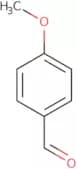
CAS:Producto controlado<p>Glycine amide acetate is a product that contains an imine group. It has been shown to have staining properties when applied to human keratin and is used in the cosmetic industry as a depigmenting agent. Glycine amide acetate has been shown to be effective in the treatment of depression, although it is not yet approved for this use. The molecule also contains an iridoid compound, which may be responsible for its effects on mood.</p>Fórmula:C2H6N2O•C2H4O2Pureza:Min. 95%Forma y color:PowderPeso molecular:134.13 g/mol4-Methoxybenzaldehyde
CAS:<p>4-Methoxybenzaldehyde is a surfactant with a Langmuir adsorption isotherm. It can be used in analytical methods for the determination of sodium carbonate at concentrations of 1 mg/mL and higher. The redox potentials of 4-methoxybenzaldehyde are +0.37 and -0.35 volts, which corresponds to group P2. The reaction mechanism for 4-methoxybenzaldehyde is the oxidation of the compound by potassium permanganate (KMnO4) in aqueous solution to form 4-hydroxybenzoic acid (4HB). The fluorescent derivative of 4-methoxybenzaldehyde is magnesium salt, which has been shown to react with ryanodine receptors in skeletal muscle cells, leading to a decrease in calcium release from the sarcoplasmic reticulum. Process optimization may be necessary for this product due to its limited applications in analytical chemistry.</p>Fórmula:C8H8O2Pureza:Min. 95%Forma y color:Colorless Clear LiquidPeso molecular:136.15 g/mol(R)-N-Boc-2-Hydroxymethylmorpholine
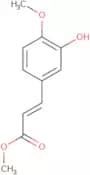
CAS:<p>(R)-N-Boc-2-Hydroxymethylmorpholine is an enantioselective synthesis of a drug. It is used in the reductive amination of aldehydes with ammonia, which has been shown to be operationally enantioselective. (R)-N-Boc-2-Hydroxymethylmorpholine undergoes an intramolecular reaction that results in the formation of an azido group. This asymmetric reaction is catalyzed by palladium, and the product can be used for the reductive amination of aldehydes with ammonia.</p>Fórmula:C10H19NO4Pureza:Min. 95%Forma y color:White PowderPeso molecular:217.26 g/molMethyl 3-(3-hydroxy-4-methoxyphenyl)acrylate
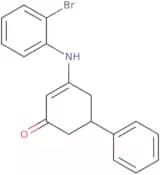
CAS:<p>Methyl 3-(3-hydroxy-4-methoxyphenyl)acrylate is a compound that has been shown to be active against viruses. It is a derivative of salvianolic acid, which has been found to have anti-inflammatory and antiviral properties. Salvianolic acid and its derivatives are produced by the plant Salvia miltiorrhiza Bunge, and are known for their use in traditional Chinese medicine. The mechanism of action of methyl 3-(3-hydroxy-4-methoxyphenyl)acrylate is not yet fully understood, but it may inhibit the replication of influenza virus by binding to the RNA polymerase in the virus. This drug also has a hydrogen bond with cinnamic acid derivatives, which can inhibit HIV replication.</p>Fórmula:C11H12O4Pureza:Min. 95%Peso molecular:208.21 g/mol3-((2-bromophenyl)amino)-5-phenylcyclohex-2-en-1-one
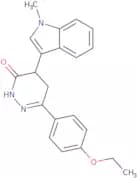
CAS:<p>Please enquire for more information about 3-((2-bromophenyl)amino)-5-phenylcyclohex-2-en-1-one including the price, delivery time and more detailed product information at the technical inquiry form on this page</p>Pureza:Min. 95%3-(4-ethoxyphenyl)-5-(1-methylindol-3-yl)-1H,4H,5H-1,2-diazin-6-one
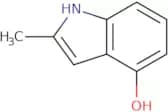
CAS:<p>Please enquire for more information about 3-(4-ethoxyphenyl)-5-(1-methylindol-3-yl)-1H,4H,5H-1,2-diazin-6-one including the price, delivery time and more detailed product information at the technical inquiry form on this page</p>Pureza:Min. 80%4-Hydroxy-2-methylindole
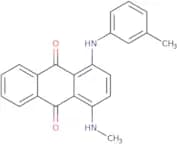
CAS:<p>4-Hydroxy-2-methylindole is an organic compound that belongs to the class of metal salts. It can be obtained as a white solid by reacting indole with alkali metal hydroxide or alkali metal carbonate in the presence of water at high temperatures. The reaction yields 4-hydroxy-2-methylindole and hydrogen chloride gas, which are removed by distillation. 4-Hydroxy-2-methylindole is used in the production of epichlorohydrin, which is a raw material for polyurethane resins and olefins.</p>Fórmula:C9H9NOPureza:Min. 95%Forma y color:PowderPeso molecular:147.17 g/molSolvent Blue 63
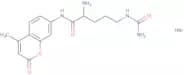
CAS:<p>1-[2,(3)-Methylanilino]-4-(methylamino)anthraquinone is a diazo dye that emits light when irradiated with UV-A or UV-B radiation. It is used as a fluorescent stain in electron microscopy to detect and identify the presence of metals and metal oxides in films. The compound is also used in polyvinyl chloride (PVC) films to increase thermal expansion and viscosity. 1-[2,(3)-Methylanilino]-4-(methylamino)anthraquinone may be used as a substrate film for the production of polyurethane foam for furniture cushions and automotive components. The compound can be acylated with fatty acids such as p-hydroxybenzoic acid to give it desirable properties such as lower viscosity, better adhesion, or improved light emission. This reaction can be catalyzed by heat or radiation.</p>Fórmula:C22H18N2O2Pureza:Min. 95%Forma y color:PowderPeso molecular:342.39 g/molH-Cit-AMC·HBr
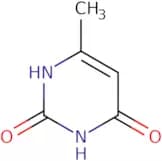
CAS:<p>Please enquire for more information about H-Cit-AMC·HBr including the price, delivery time and more detailed product information at the technical inquiry form on this page</p>Fórmula:C16H20N4O4·HBrPureza:Min. 95%Forma y color:SolidPeso molecular:413.27 g/mol6-Methyluracil
CAS:<p>6-Methyluracil is an antimetabolite that inhibits protein synthesis and is therefore used in the treatment of infectious diseases. 6-Methyluracil has two hydroxyl groups, which are located in adjacent positions on the ring. The optimum concentration for this drug is 3-10 μM, which can be achieved with a malonic acid buffer solution at pH 7.4. 6-Methyluracil reacts with sodium succinate to form an acid complex, which may have antiinflammatory activity. 6-Methyluracil has been shown to inhibit prostaglandin synthesis and exhibits a reaction with radiation to produce photoproducts that can be detected by analytical chemistry.</p>Fórmula:C5H6N2O2Pureza:Min. 95%Forma y color:PowderPeso molecular:126.12 g/mol[(1-Methyl-1H-indol-5-yl)methyl]amine acetate
CAS:<p>[(1-Methyl-1H-indol-5-yl)methyl]amine acetate is a versatile building block that can be used in the preparation of a wide range of chemicals. This compound has been shown to react with a variety of reagents, such as phenyliodine diacetate and chloroacetic acid to give various products. [(1-Methyl-1H-indol-5-yl)methyl]amine acetate also reacts with potassium hydroxide (KOH) to produce indole. It is an important intermediate in the synthesis of other chemical compounds and has been reported in more than 200 scientific publications. The chemical formula for [(1-Methyl-1H-indol-5-yl)methyl]amine acetate is C13H14N2O4.</p>Fórmula:C10H12N2·C2H4O2Pureza:Min. 95%Forma y color:White PowderPeso molecular:220.27 g/molN-Methylbis(trifluoroacetamide)
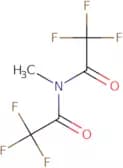
CAS:<p>N-Methylbis(trifluoroacetamide) is a molecule that is used in the preparation of an analytical method. This molecule reacts with human serum and urine to produce a reaction solution. The matrix effect can be seen in metabolic disorders, such as the case of creatine kinase which is not affected by the derivatization. N-Methylbis(trifluoroacetamide) is also used to prepare samples for solid phase microextraction with basic structures that are amines.</p>Fórmula:C5H3F6NO2Pureza:Min. 95%Forma y color:Clear LiquidPeso molecular:223.07 g/mol(S)-(+)-Glycidyl nosylate
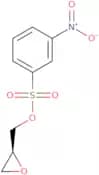
CAS:<p>(S)-(+)-Glycidyl nosylate is a trimerized activated phosphite that is used in the synthesis of amides, epoxides, nitro compounds, and styrene. It reacts with nucleophiles to produce an amide or enolate. This compound can also be used to produce a variety of other products by reacting with activated halogens or alcohols. The reaction between (S)-(+)-glycidyl nosylate and nitrous acid produces a nitro group on the aromatic ring. This compound has been evaluated for its ability to bind to receptors.</p>Fórmula:C9H9NO6SPureza:Min. 98 Area-%Forma y color:Off-White Beige Yellow PowderPeso molecular:259.24 g/molKresoxim-methyl
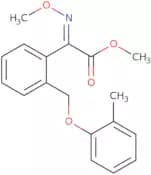
CAS:<p>Kresoxim-methyl is a fungicide that inhibits the growth of fungi by inhibiting the synthesis of ATP. This inhibition is due to the inhibition of mitochondrial enzymes, such as atp synthase. Kresoxim-methyl also has been shown to inhibit the activity of several enzymes in plant mitochondria and chloroplasts, including acetolactate synthase, malate dehydrogenase, isocitrate dehydrogenase, and succinate dehydrogenase. Kresoxim-methyl binds to natural compounds with terminal methyl groups through a hydrogen bond, resulting in the formation of kresoxim-methyl derivatives, which are more stable than their parent compounds. It also has been shown to inhibit mitochondrial cytochrome C oxidase and increase membrane potential in mammalian cells.</p>Fórmula:C18H19NO4Pureza:Min. 95%Forma y color:PowderPeso molecular:313.35 g/mol3-Methyl-2-nitrophenol
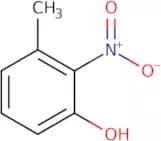
CAS:<p>3-Methyl-2-nitrophenol is a hydroxy group that contains a reactive methylene group. It has been shown to be formed by the reaction of nitric acid with alcohols or amines. The rate of formation is influenced by the steric interactions and intramolecular hydrogen bonds present in the reactants. 3-Methyl-2-nitrophenol can react with other molecules to form various reaction products, such as 2-methylphenol, nitrobenzene, and picric acid. 3-Methyl-2-nitrophenol also has phytotoxic properties, which may be due to its ability to inhibit root growth and chlorophyll production in plants.</p>Fórmula:C7H7NO3Pureza:Min. 95%Peso molecular:153.14 g/molL-Seleno-L-methionine
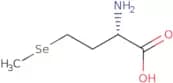
CAS:<p>L-Seleno-L-methionine is a selenium-containing amino acid that is found in the proteins of some plants and animals. It functions as an enzyme cofactor and aids in energy metabolism, protein synthesis, and other biochemical processes. Seleno-L-methionine has been shown to have a protective effect against oxidative damage by scavenging free radicals. It also increases mitochondrial membrane potential and prevents the release of proapoptotic factors from mitochondria into the cytosol. Seleno-L-methionine has been used for analytical purposes as well as to evaluate changes in cell signaling pathways due to chemiluminescence methods or chemical inhibitors. Seleno-L-methionine also has an antioxidant activity that reduces the production of reactive oxygen species (ROS) by reacting with hydroxyl radicals, hydrogen peroxide, nitric oxide, singlet oxygen, and peroxynitrite. Seleno-L-m</p>Fórmula:C5H11NO2SePureza:(Hplc) Min. 98%Forma y color:White PowderPeso molecular:196.11 g/mol5-Methylcytosine
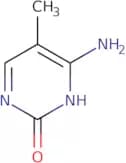
CAS:<p>5-Methylcytosine is a nucleic acid that is found in the DNA and RNA of the cell. It is an important component of methylation, which is the process by which a methyl group is added to a molecule. This process can lead to cellular transformation, a process that can cause cancer. 5-Methylcytosine has also been shown as a molecular pathogenesis factor in infectious diseases such as HIV and herpes simplex virus type 1. The presence of 5-methylcytosine in nuclear DNA has been detected by analytical techniques such as gas chromatography/mass spectrometry (GC/MS). There are many analytical methods, including GC/MS, that can be used to detect 5-methylcytosine in cellular nuclei.</p>Fórmula:C5H7N3OPureza:Min. 95%Forma y color:PowderPeso molecular:125.13 g/mol6-Phenyl-2-thiouracil
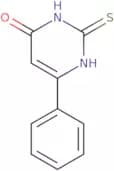
CAS:<p>6-Phenyl-2-thiouracil (6PTU) is an alkylthio group that inhibits the growth of microorganisms by binding to DNA. 6PTU binds to the oxygen nucleophiles in DNA and prevents transcription and replication. It also has a positive effect on the synthesis of proteins, which may be due to its ability to regulate gene transcription. 6PTU has been shown to inhibit cell growth in culture by blocking protein synthesis. This drug is used as an analytical method for determining urinary glucose levels in animals because it reacts with glucose in urine samples. The reaction produces a chromatographic peak that can be quantified using an electrochemical detector.</p>Fórmula:C10H8N2OSPureza:Min. 95%Forma y color:PowderPeso molecular:204.25 g/mol2-(3-Methoxyphenoxy)-2-methylpropanoic acid
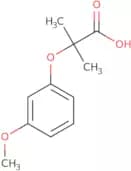
CAS:<p>2-(3-Methoxyphenoxy)-2-methylpropanoic acid is a reagent, useful intermediate and speciality chemical. It is a versatile building block for the synthesis of complex compounds. This product has CAS No. 140239-94-7, which is a fine chemical with high quality. It is an essential reaction component for the preparation of many other valuable chemicals in the laboratory.</p>Fórmula:C11H14O4Pureza:Min. 95%Forma y color:PowderPeso molecular:210.23 g/mol






![7-Methyl-2-(trifluoromethyl)[1,2,4]triazolo[1,5-a]pyrimidine-6-carboxylic acid](/_next/image/?url=https%3A%2Fstatic.cymitquimica.com%2Fproducts%2F3D%2Fthumb-webp%2FFM100430.webp&w=3840&q=75)








![[(2-Methylimidazo[2,1-b][1,3,4]thiadiazol-6-yl)methyl]amine dihydrochloride](/_next/image/?url=https%3A%2Fstatic.cymitquimica.com%2Fproducts%2F3D%2Fthumb-webp%2FFM123820.webp&w=3840&q=75)


![6-amino-3-methyl-4-(3-nitrophenyl)-4H-pyrano[3,2-d]pyrazole-5-carbonitrile](/_next/image/?url=https%3A%2Fstatic.cymitquimica.com%2Fproducts%2F3D%2Fthumb-webp%2FFA169032.webp&w=3840&q=75)





![2-[(2-Amino-5-methoxyphenyl)dithio]-4-methoxyaniline](/_next/image/?url=https%3A%2Fstatic.cymitquimica.com%2Fproducts%2F3D%2Fthumb-webp%2FFA117846.webp&w=3840&q=75)
![Ethyl [2-methyl-3-(chlorosulfonyl)phenoxy]acetate](/_next/image/?url=https%3A%2Fstatic.cymitquimica.com%2Fproducts%2F3D%2Fthumb-webp%2FFE22936.webp&w=3840&q=75)

![[(1-Methyl-1H-indol-5-yl)methyl]amine acetate](/_next/image/?url=https%3A%2Fstatic.cymitquimica.com%2Fproducts%2F3D%2Fthumb-webp%2FFM124972.webp&w=3840&q=75)