Aminoácidos (AA)
Los aminoácidos (AAs) son los componentes fundamentales de las proteínas y desempeñan un papel crucial en diversos procesos biológicos. Estos compuestos orgánicos son esenciales para la síntesis de proteínas, las rutas metabólicas y la señalización celular. En esta categoría, encontrará una gama completa de aminoácidos, incluyendo formas esenciales, no esenciales y modificadas, que son vitales para la investigación en bioquímica, biología molecular y ciencias de la nutrición. En CymitQuimica, ofrecemos aminoácidos de alta calidad para apoyar sus necesidades de investigación y desarrollo, asegurando precisión y fiabilidad en sus resultados experimentales.
Subcategorías de "Aminoácidos (AA)"
- Derivados de aminoácidos(3.971 productos)
- Aminoácidos y compuestos relacionados con aminoácidos(3.477 productos)
- Aminoácidos con oxígeno o azufre(168 productos)
- Aminoácidos protegidos con Boc(351 productos)
- Aminoácidos protegidos con Fmoc(1.710 productos)
Se han encontrado 38321 productos de "Aminoácidos (AA)"
Ordenar por
Pureza (%)
0
100
|
0
|
50
|
90
|
95
|
100
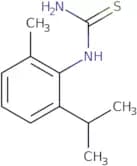
1-(2-Isopropyl-6-methylphenyl)thiourea
CAS:<p>Please enquire for more information about 1-(2-Isopropyl-6-methylphenyl)thiourea including the price, delivery time and more detailed product information at the technical inquiry form on this page</p>Fórmula:C11H16N2SPureza:Min. 95%Forma y color:PowderPeso molecular:208.32 g/molAc-Ala-Ala-OH
CAS:Ac-Ala-Ala-OH is a compound that has been shown to bind to the receptor molecule, and is stable in the presence of proton. It also forms stable complexes with amide and teicoplanin. Ac-Ala-Ala-OH has a carbonyl group, which can be detected by magnetic resonance spectroscopy (MRS) at 1.8 ppm. The compound also has an nmr spectrum in which it can be seen that the trifluoroacetic acid does not affect the binding experiments. Ac-Ala-Ala-OH is used for binding experiments because it binds specifically to the receptor molecule and has a number of other properties that make it useful for research purposes.Fórmula:C8H14N2O4Pureza:Min. 95%Forma y color:PowderPeso molecular:202.21 g/mol1-O-(cis-9-Octadecenyl)-sn-glycero-3-phosphocholine
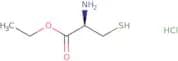
CAS:<p>1-Octadecenyl-sn-glycero-3-phosphocholine is a fine chemical that can be used as a versatile building block or reaction component in the synthesis of complex compounds. It is a useful intermediate and speciality chemical that is available at high quality. The CAS number for this compound is 97802-55-6.</p>Fórmula:C26H54NO6PPureza:Min. 95%Forma y color:PowderPeso molecular:507.68 g/molL-Cysteine ethyl ester hydrochloride
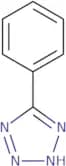
CAS:<p>L-Cysteine ethyl ester HCl is a disulfide bond that is used in the synthesis of proteins. It is also used to prevent hair loss and to treat baldness. L-Cysteine ethyl ester HCl has potent antitumor activity, which may be due to its ability to react with nucleophilic substitutions. In addition, L-Cysteine ethyl ester HCl can induce apoptosis by binding to the apoptosis protein. The reaction mechanism is not well understood but it may involve hydroxide ion and organometallic complexes. L-Cysteine ethyl ester HCl is soluble in water at neutral pH and poorly soluble in ethanol. It hydrolyzes in the presence of acid or base, forming trifluoroacetic acid or sodium hydroxide solution respectively.</p>Fórmula:C5H11NO2S•HClPureza:Min. 95%Forma y color:PowderPeso molecular:185.67 g/mol5-Phenyl-1H-tetrazole
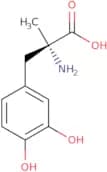
CAS:<p>5-Phenyl-1H-tetrazole is a heterocyclic compound that has been shown to have hydrogen bonding interactions with biological molecules. 5-Phenyl-1H-tetrazole is also able to react with glycol ethers to form a glycol ether derivative, which has the ability to inhibit the activity of choroidal neovascularization. 5-Phenyl-1H-tetrazole is used in electrochemical impedance spectroscopy (EIS) as a tracer molecule, and in structural analysis of solid materials such as polymers and metals. It has been shown that 5-phenyl tetrazole can bind to receptors on cell membranes and can be used as a ligand in coordination geometry.</p>Fórmula:C7H6N4Pureza:Min. 95%Forma y color:PowderPeso molecular:146.15 g/mol3-(3,4-Dihydroxyphenyl)-2-methyl-L-alanine sesquihydrate
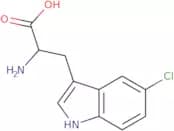
CAS:<p>3-(3,4-Dihydroxyphenyl)-2-methyl-L-alanine sesquihydrate is a biological sample that is an active inhibitor of the enzyme methyldopa. This compound has been shown to reduce blood pressure in rats and humans by blocking the α7 nicotinic acetylcholine receptor. 3-(3,4-Dihydroxyphenyl)-2-methyl-L-alanine sesquihydrate is also a polymer composition that has been shown to be toxic in animal studies. The toxicity of 3-(3,4-dihydroxyphenyl)-2-methyl-L-alanine sesquihydrate can be attributed to its structural similarity to methyldopa or its ability to act as a receptor agonist.</p>Fórmula:C10H13NO4•(H2O)1Pureza:Min. 95%Peso molecular:238.24 g/mol5-Chloro-DL-tryptophan
CAS:<p>5-Chloro-DL-tryptophan is an antibiotic that is synthesized from tryptophan. It is used as a precursor for the synthesis of other antibiotics, including 5-chloro-dl-tryptophan and indole. 5-Chloro-DL-tryptophan has been shown to have a significant effect on the synthesis of protein amino acids, such as d-aspartic acid and α-amino acids. The steric properties of 5-chloro-dl-tryptophan are also important in its ability to block protein synthesis. Ozonization can be used to oxidize α,β unsaturated carbonyl compounds found in 5 - chloro - DL - tryptophan.</p>Fórmula:C11H11ClN2O2Pureza:Min. 95%Forma y color:White PowderPeso molecular:238.67 g/molFmoc-NH-PEG8-CH2CH2COOH
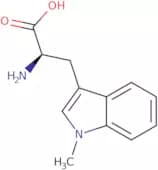
CAS:<p>Fmoc-NH-PEG8-CH2CH2COOH is a PEG compound with two different functional groups (also known as heterobifunctional). Unlike homobifunctional PEG compounds (same functional group on both ends), this type of compounds are more versatile as have two different anchor points. Fmoc-NH-PEG8-CH2CH2COOH is used as a linker and spacer to add a PEG moiety, via pegylation (a bioconjugation technique) to proteins, peptides, oligonucleotides, small molecules and nanoparticles.</p>Fórmula:C34H49NO12Pureza:Min. 95%Forma y color:Colorless PowderPeso molecular:663.75 g/mol1-Methyl-D-tryptophan
CAS:Producto controlado<p>1-Methyl-D-tryptophan (1MT) is a metabolite of tryptophan. It has been shown to inhibit the enzyme IDO1, which is involved in the production of tumor necrosis factor (TNF), and to possess immunomodulatory effects. 1MT may be useful for the treatment of cancer, as it has been shown to inhibit growth and induce apoptosis in human liver and brain tumor cells, as well as in human leukemia cells. 1MT also inhibits the proliferation of myeloid-derived suppressor cells and increases their sensitivity to cytotoxic drugs.</p>Fórmula:C12H14N2O2Pureza:Min. 95%Forma y color:PowderPeso molecular:218.25 g/molFmoc-Ala-OH
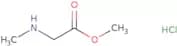
CAS:<p>Fmoc-Ala-OH is a bioactive molecule with a molecular weight of 195.2 Daltons. It has been shown to have receptor activity and cyclic peptide properties. Fmoc-Ala-OH is soluble in chloroform and methanol, but insoluble in water. It can be used as a substrate for the chemical ligation reaction, which involves the joining of two peptides by forming an amide bond between their carboxyl groups. This process is known as "Fmoc chemistry". Fmoc-Ala-OH has also been shown to have anti-inflammatory effects in animal models of autoimmune diseases such as rheumatoid arthritis and multiple sclerosis.</p>Fórmula:C18H17NO4Pureza:Min. 98 Area-%Forma y color:White PowderPeso molecular:311.33 g/molSarcosine methyl ester hydrochloride
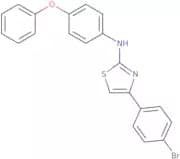
CAS:<p>Sarcosine methyl ester hydrochloride is a pharmaceutical drug that inhibits the production of inosine monophosphate (IMP) and guanosine monophosphate (GMP). It is thought to work by interfering with the synthesis of nucleotides. Sarcosine methyl ester hydrochloride has been shown to inhibit tumour growth in solid tumours. It also has pharmacokinetic properties that include a low volume of distribution, high protein binding, and low clearance rate.</p>Fórmula:C4H9NO2·HClForma y color:White PowderPeso molecular:139.58 g/mol(4-(4-bromophenyl)(2,5-thiazolyl))(4-phenoxyphenyl)amine
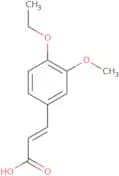
CAS:<p>Please enquire for more information about (4-(4-bromophenyl)(2,5-thiazolyl))(4-phenoxyphenyl)amine including the price, delivery time and more detailed product information at the technical inquiry form on this page</p>Pureza:Min. 95%4-Ethoxy-3-methoxycinnamic acid
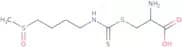
CAS:<p>4-Ethoxy-3-methoxycinnamic acid (4EMC) is a metabolite of propionic acid. It is produced by the fungus Phanerochaete chrysosporium when it is grown on lignocellulose. 4EMC can be cleaved from its ester bond with benzyl alcohol and vanillyl alcohol to produce vanillyl, benzyl, and ethanol. These products are then further metabolized to produce other compounds such as acetaldehyde, acetic acid, and butanol. 4EMC also inhibits the enzyme catalysed that converts propanol to butanol in cultures of P. chrysosporium</p>Fórmula:C12H14O4Pureza:Min. 95%Forma y color:PowderPeso molecular:222.24 g/molD,L-Sulforaphane-L-cysteine
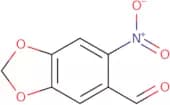
CAS:<p>Sulforaphane is a natural compound found in cruciferous vegetables, such as broccoli, cabbage and cauliflower. It has been shown to inhibit the growth of cancer cells and induce apoptosis in prostate cancer cells. Sulforaphane also induces molecular responses that can be measured in assays, including a decrease in protein expression of cyclin-dependent kinase 2 (CDK2) and an increase in the expression of p21. Sulforaphane has been shown to inhibit cell proliferation by blocking the phosphorylation of retinoblastoma protein (pRB) and reducing the levels of cyclins A2/B1. The optimum concentration for sulforaphane is not yet known, but it has been shown to be more effective at lower concentrations. Sulforaphane has also been shown to reduce tumor size and number in bovine fetuses exposed to carcinogens during gestation. In addition, sulforaphane decreased the incidence of tumors when administered before</p>Fórmula:C9H18N2O3S3Pureza:Min. 95%Forma y color:PowderPeso molecular:298.45 g/mol2-Nitro-4,5-methylenedioxybenzaldehyde
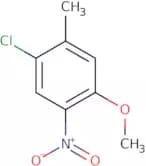
CAS:<p>2-Nitro-4,5-methylenedioxybenzaldehyde (2NMB) is a molecule with a molecular weight of 188.24, an empirical formula of C8H8NO2 and a chemical structure consisting of a benzene ring attached to two nitro groups. 2NMB has been shown to bind to the dopamine β-hydroxylase enzyme in human serum and inhibit the production of dopa, which leads to a decrease in dopamine levels. It also inhibits the growth of staphylococcus, cryptococcus neoformans, and typhimurium. 2NMB also has been used as radiotracers for gyrase activity and can be used for asymmetric synthesis due to its piperonal group. The uptake of 2NMB by cells is dependent on its nucleophilic properties.</p>Fórmula:C8H5NO5Pureza:Min. 98%Forma y color:PowderPeso molecular:195.13 g/mol5-Chloro-2-methoxy-4-methylnitrobenzene
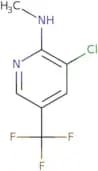
CAS:<p>5-Chloro-2-methoxy-4-methylnitrobenzene is a high quality chemical that can be used as a research chemical, reagent, or a useful scaffold. It is also an intermediate in the synthesis of organic compounds. 5-Chloro-2-methoxy-4-methylnitrobenzene is a versatile building block for the synthesis of other chemicals and has many uses in the pharmaceutical industry. The CAS number for this chemical is 101080-03-9.</p>Fórmula:C8H8ClNO3Pureza:Min. 95%Forma y color:PowderPeso molecular:201.61 g/mol3-Chloro-N-methyl-5-(trifluoromethyl)-2-pyridinamine
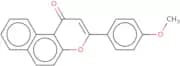
CAS:<p>3-Chloro-N-methyl-5-(trifluoromethyl)-2-pyridinamine is a fine chemical that is used as a versatile building block for the synthesis of other chemical compounds. 3-Chloro-N-methyl-5-(trifluoromethyl)-2-pyridinamine is also useful as an intermediate in research and development, and can be used to produce speciality chemicals. This compound has shown to be a useful reagent and is of high quality.</p>Fórmula:C7H6ClF3N2Pureza:Min. 95%Peso molecular:210.58 g/mol4'-Methoxy-5,6-benzoflavone
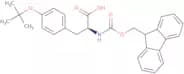
CAS:<p>4'-Methoxy-5,6-benzoflavone is a versatile chemical building block that can be used in the synthesis of complex compounds. It is a high quality reagent for research and has been used as a speciality chemical due to its ability to react with other chemicals. This compound is also useful in the synthesis of pharmaceuticals and agrochemicals. 4'-Methoxy-5,6-benzoflavone can be used as an intermediate for the synthesis of polycyclic aromatic hydrocarbons or it can be used as a scaffold in organic chemistry.</p>Fórmula:C20H14O3Pureza:Min. 95%Forma y color:White Off-White PowderPeso molecular:302.32 g/molFmoc-Tyr(tBu)-OH
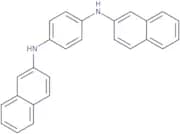
CAS:<p>Fmoc-Tyr(tBu)-OH is an amide that binds to the natriuretic receptor. It has a disulfide bond with a hydroxyapatite, which makes it more stable and inhibits its degradation. Fmoc-Tyr(tBu)-OH is hemolytic in vitro and minimally toxic in vivo at high concentrations. It also has a hydroxyl group, which can be used to synthesize other molecules. Fmoc-Tyr(tBu)-OH also has antimicrobial properties, as it inhibits the growth of bacteria and fungi by binding to cell membranes and disrupting their integrity.br>br> Fmoc-Tyr(tBu)-OH is taken up by cells through sodium/hydrogen antiporter system. This uptake process is mediated by the protein Na+, K+ -ATPase, which provides energy for transport across the membrane.</p>Fórmula:C28H29NO5Pureza:Min. 98 Area-%Forma y color:White Off-White PowderPeso molecular:459.53 g/molN,N'-Di-2-naphthyl-1,4-phenylenediamine
CAS:<p>N,N'-Di-2-naphthyl-1,4-phenylenediamine is a chemical compound that is used in the production of polyvinyl chloride (PVC). It can be used as an antimicrobial agent to prevent the growth of bacteria and fungi. It is also used as a crosslinking agent in the production of PVC. The reaction solution consists of hydrochloric acid and methyl ethyl chloride. The monochloride is then reacted with 2-naphthol, followed by reaction with benzalkonium chloride. The final product is N,N'-di-(2-naphthyl)-1,4-(phenylene) diamine monochloride.</p>Fórmula:C26H20N2Pureza:Min. 95 Area-%Forma y color:PowderPeso molecular:360.45 g/molPotassium 4-fluorophenyl glycinate
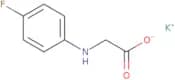
CAS:<p>Potassium 4-fluorophenyl glycinate is a compound that has the potential for use as a building block in organic synthesis. It can be used as an intermediate in the synthesis of various other compounds, and is also useful as a reagent in organic reactions. Potassium 4-fluorophenyl glycinate is also used in research to develop new therapeutic agents. This compound has a number of applications, including being used as a building block for pharmaceuticals, agrochemicals, and specialty chemicals.</p>Fórmula:C8H8FNO2•KPureza:Min. 90%Forma y color:PowderPeso molecular:208.25 g/mol1-Methyl-3-pyrrolidinol
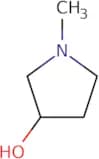
CAS:<p>1-Methyl-3-pyrrolidinol is a synthetic, organic compound that is soluble in organic solvents. It has been shown to have potent inducers of systemic effect and receptor binding. The structural formula for 1-methyl-3-pyrrolidinol is CHNO. It has been shown to have anticholinergic properties, which may be due to its ability to bind to nicotinic acetylcholine receptors.</p>Fórmula:C5H11NOPureza:Min. 97 Area-%Forma y color:Colorless Clear LiquidPeso molecular:101.15 g/molFmoc-O-tert-butyl-D-serine
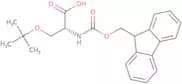
CAS:<p>Fmoc-O-tert-butyl-D-serine is a synthetic, serine protease inhibitor. It has been shown to have antibacterial activity against gram-negative pathogens, such as Proteus vulgaris and Escherichia coli. Fmoc-O-tert-butyl-D-serine inhibits the influenza virus by blocking the cleavage of the M1 protein from the viral RNA strand. The molecule also has a matrix assisted laser desorption/ionization (MALDI) mass spectrometry detection method that can be used for identification of homologous proteins.</p>Fórmula:C22H25NO5Pureza:Min. 95%Forma y color:PowderPeso molecular:383.44 g/mol(S)-Glycerol 1-benzyl ether
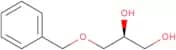
CAS:<p>(S)-Glycerol 1-benzyl ether is a chiral, synthesised antidepressant drug that has shown to be effective in the treatment of depression. It binds to α-adrenergic receptors and blocks the binding of norepinephrine and epinephrine, preventing the production of stress hormones. (S)-Glycerol 1-benzyl ether is also used as a reagent for the synthesis of doxazosin and d-mannitol.</p>Fórmula:C10H14O3Pureza:Min. 95%Forma y color:Colourless To White To Yellow SolidPeso molecular:182.22 g/mol4-Bromo-alpha-methylbenzyl alcohol
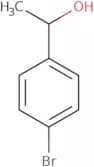
CAS:<p>4-Bromo-alpha-methylbenzyl alcohol is a reactive compound, which can be synthesized in two different forms. The first form is an isomer with the bromine atom on the alpha position and the second form has the bromine atom on the beta position. 4-Bromo-alpha-methylbenzyl alcohol reacts with hydrogen peroxide in order to produce borohydride reduction products. It has also been shown to inhibit protein synthesis by binding to DNA and RNA molecules, such as primary alcohols and benzyl groups. 4-Bromo-alpha-methylbenzyl alcohol may have potential therapeutic uses in cancer treatment due its ability to inhibit cell growth in prostate cancer cells (Mcf7) and breast cancer cells (MCF7).</p>Fórmula:C8H9BrOPureza:Min. 95%Forma y color:White Clear LiquidPeso molecular:201.06 g/molBoc-L-prolinal
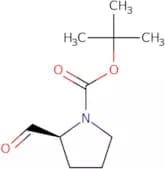
CAS:<p>Boc-L-prolinal is a stereoselective enolate that has been used in the synthesis of organometallic compounds. It is also used in the preparation of monoclonal antibodies, which are proteins that are produced by the immune system to help fight off infections. Boc-L-prolinal has been shown to be an effective agent for treating many cancers, including breast cancer and melanoma. In addition, it has been shown to inhibit epidermal growth factor (EGF) and other growth factors, which may be due to its ability to induce apoptotic signaling. Boc-L-prolinal also contains a carbonyl group, which can undergo acidolysis reactions with nucleophiles such as water or alcohols.</p>Fórmula:C10H17NO3Pureza:Min. 95%Forma y color:Colorless Clear LiquidPeso molecular:199.25 g/mol7-Methylgramine
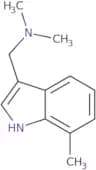
CAS:<p>Please enquire for more information about 7-Methylgramine including the price, delivery time and more detailed product information at the technical inquiry form on this page</p>Fórmula:C12H16N2Pureza:Min. 95%Forma y color:PowderPeso molecular:188.27 g/mol4-(4-(dimethylamino)phenyl)-2-methylthiosemicarbazide
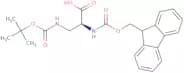
CAS:<p>Please enquire for more information about 4-(4-(dimethylamino)phenyl)-2-methylthiosemicarbazide including the price, delivery time and more detailed product information at the technical inquiry form on this page</p>Pureza:Min. 95%N-α-Fmoc-N β-Boc-L-2,3-diaminopropionic acid
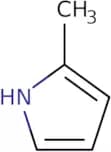
CAS:<p>N-alpha-Fmoc-Nbeta-Boc-L-2,3-diaminopropionic acid is a supramolecular compound that has antiproliferative effects on cancer cells. It can be used to inhibit the activity of tyrosine phosphatases, which are enzymes that regulate cell proliferation and differentiation. This compound has been shown to have synergistic effects with other chemotherapeutic agents in vitro and in vivo. It has also been shown to have a high binding affinity for polyacrylamide gels and is stable under various conditions.</p>Fórmula:C23H26N2O6Pureza:Min. 95%Forma y color:PowderPeso molecular:426.46 g/mol2-Methyl-1H-pyrrole
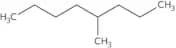
CAS:<p>2-Methyl-1H-pyrrole is an organic compound that belongs to the group of chiral lactams. It has a high solubility in organic solvents, and can be used as a fluorescent probe for chiral separations. The nmr spectra of 2-methyl-1H-pyrrole show the presence of two different enantiomers. The data base contains information about the reaction products and volatile compounds from this compound. 2-Methyl-1H-pyrrole is a photosensitiser that can be used to enhance the production of singlet oxygen in amines or aliphatic hydrocarbons. This compound is also homochiral, which means it does not have an opposite mirror image.</p>Fórmula:C5H7NPureza:Min. 95%Forma y color:Clear LiquidPeso molecular:81.12 g/mol4-Methyloctane
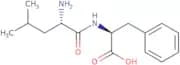
CAS:<p>4-Methyloctane is a hydrocarbon that consists of a chain of eight carbon atoms and four methyl groups. The chemical formula is CH3(CH2)4CH3. 4-Methyloctane has been shown to reduce the proliferation of leukemia cells and human macrophages, which may be due to its ability to inhibit fatty acid synthesis. It also has been shown to have protonation properties, which is why it can be used as a reaction intermediate for many organic reactions.</p>Fórmula:C9H20Pureza:Min. 95%Forma y color:Colorless Clear LiquidPeso molecular:128.26 g/molH-Leu-Phe-OH
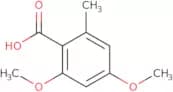
CAS:<p>H-Leu-Phe-OH is a synthetic substrate that has been shown to bind to neutrophils and induce chemotactic activity. H-Leu-Phe-OH binds to the receptor on the surface of neutrophils and increases their recruitment to sites of inflammation. Studies have shown that H-Leu-Phe-OH can also stimulate production of interleukin, which may be useful in treating systemic diseases such as chronic kidney disease. H-Leu-Phe-OH is expressed at high levels in glomeruli, where it is secreted into the glomerular filtrate by proximal tubules. The biological effects of this substance are mediated by intracellular calcium ion release from intracellular stores, which leads to increased levels of messenger RNA for monoclonal antibody production and protein synthesis in neutrophils.</p>Fórmula:C15H22N2O3Pureza:Min. 95%Forma y color:PowderPeso molecular:278.35 g/mol2,4-Dimethoxy-6-methylbenzoic acid
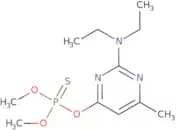
CAS:<p>2,4-Dimethoxy-6-methylbenzoic acid is a polyunsaturated compound that has been shown to have antioxidative properties. It has been shown to inhibit the formation of reactive oxygen species (ROS) and lipid peroxidation and reduce oxidative stress in mice. This molecule also has anticancer activities and is able to inhibit the growth of cancer cells. 2,4-Dimethoxy-6-methylbenzoic acid has been quantified in different food products such as vegetables, fruits, and grains. It can be found in dietary supplements, solvents, and cosmetics.</p>Fórmula:C10H12O4Pureza:Min. 95%Forma y color:White PowderPeso molecular:196.2 g/molPirimiphos-methyl
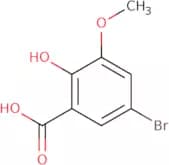
CAS:<p>Pirimiphos-methyl is a pesticide that belongs to the class of organophosphates. It is an insecticide that is applied on the surface of plants to control aphids, thrips, leafhoppers, and other insects. Pirimiphos-methyl has been shown to have a high degree of resistance in weevils. The LD50 for pirimiphos-methyl in weevils was found to be much higher than in other insects such as Drosophila melanogaster or Musca domestica. Pirimiphos-methyl inhibits acetylcholinesterase activity by reacting with the enzyme's active site and blocking the transfer of an acetyl group from acetyl coenzyme A to choline. This results in increased levels of acetylcholine at neuromuscular junctions and subsequent paralysis and death.</p>Fórmula:C11H20N3O3PSPureza:Min. 90 Area-%Forma y color:Clear LiquidPeso molecular:305.33 g/mol5-Bromo-2-hydroxy-3-methoxybenzoic acid
CAS:<p>5-Bromo-2-hydroxy-3-methoxybenzoic acid (5BHB) is a phenolic compound that has been shown to have fungicidal properties. The uptake of 5BHB in the brain was studied using positron emission tomography and computerized tomography scans in monkeys. The affinity of 5BHB for the dopamine D2 receptor, and its ability to inhibit methylation reactions, were also investigated. The results show that 5BHB is able to cross the blood-brain barrier and bind with high affinity to the dopamine D2 receptor. These findings suggest that 5BHB may be used as a therapeutic agent for Parkinson's disease.</p>Fórmula:C8H7BrO4Pureza:Min. 95%Forma y color:PowderPeso molecular:247.04 g/mol3-O-Hexadecyl-sn-glycerol
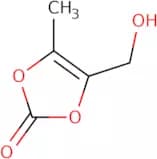
CAS:3-O-Hexadecyl-sn glycerol (3OHG) is a neutral, high molecular weight glycol ether that is used for the preparation of zirconium oxide. 3OHG has been shown to be a substrate for carbohydrate chemistry and as an inhibitor of enzymes, such as hexokinase and phosphoglycerate kinase. 3OHG has minimal toxicity when administered orally to rats and does not cause any hemolysis in human erythrocytes. This compound is also a monoclonal antibody that binds to the surface glycoprotein on the HL-60 cell line and inhibits its growth. 3OHG is not cytotoxic at concentrations up to 10 mM in cultured cells, but it can induce Ca2+ release from the cytosol in HL-60 cells with minimal toxicity. The structure of 3OHG appears closely related to benzalkonium chloride (BAC).Fórmula:C19H40O3Pureza:Min. 95%Peso molecular:316.52 g/mol4-(Hydroxymethyl)-5-methyl-1,3-dioxol-2-one
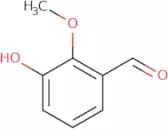
CAS:<p>4-(Hydroxymethyl)-5-methyl-1,3-dioxol-2-one is a reagent used in organic synthesis, particularly for the introduction of the non-chiral (oxodioxolenyl)methyl carbamate group to active pharmaceutical ingredients (APIs) to afford the corresponding pro-drug. The pro-drug helps to increase the bio-availability of the active drug which is generated in vivo by a base catalysed decomposition process that destroys the 1,3-dioxol-2-one ring. A high-profile example of this is the hypertension drug Alizsartan medoxomil. 4-(Hydroxymethyl)-5-methyl-1,3-dioxol-2-one can be reacted with oxalyl chloride to afford (5-methyl-2-oxo-1,3-dioxol-4-yl)methyloxyoxayl chloride which provides for an alternative approach to introduce the (oxodioxolenyl)methyl carbamate group.</p>Fórmula:C5H6O4Pureza:Min. 95%Forma y color:Colorless Clear LiquidPeso molecular:130.1 g/mol3-Hydroxy-2-methoxybenzaldehyde
CAS:<p>3-Hydroxy-2-methoxybenzaldehyde is a synthetic compound that is used as an antiviral agent. It has been shown to inhibit the replication of Coxsackievirus A9 (CV-A9). In addition, 3-Hydroxy-2-methoxybenzaldehyde reacts with isoeugenol and isonicotinic acid under acidic conditions to form 4-allyl-2-methoxyphenol, which has antiviral activity against CV-A9. This reaction requires a catalyst, such as zinc chloride or nickel sulfate. The rate of this reaction can be increased by increasing the reaction time. 3-Hydroxy-2-methoxybenzaldehyde also inhibits the virus's ability to bind to cells and enter them, reducing its infectivity.</p>Fórmula:C8H8O3Forma y color:PowderPeso molecular:152.15 g/molFmoc-neopentylglycine
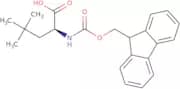
CAS:<p>Fmoc-neopentylglycine is a versatile building block that can be used in the synthesis of complex compounds. It is a high quality and useful intermediate for synthesis, as well as a reaction component or scaffold. Fmoc-neopentylglycine has been shown to be an effective reagent in organic synthesis. This compound has also been used to synthesize drug candidates, including anti-cancer agents, inhibitors of protein translation, and antibiotics. Its versatility makes it a very useful building block for research chemicals and speciality chemicals.</p>Fórmula:C22H25NO4Pureza:Min. 95%Forma y color:White PowderPeso molecular:367.44 g/molFmoc-AEEAc-AEEAc-OH
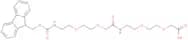
CAS:<p>Fmoc-AEEAc-AEEAc-OH is a coupling agent that is used in the industrial production of polypeptides and peptides. It has been shown to be reactive with amino acids, amino acid derivatives, and other compounds. Fmoc-AEEAc-AEEAc-OH can be synthesized by reacting an acetic acid derivative with an amine (e.g., AEEAc) in the presence of a base catalyst or by coupling two equivalents of the AEEAc derivative. The reactivity and efficiency of this coupling agent are influenced by both the type and concentration of reactants used in the synthesis process.</p>Fórmula:C27H34N2O9Pureza:Min. 95%Forma y color:PowderPeso molecular:530.57 g/mol3-Amino-4-methylbenzoic acid
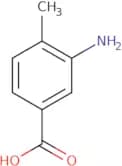
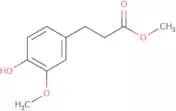
CAS:<p>3-Amino-4-methylbenzoic acid is a chemical that is used in the synthesis of pharmaceuticals. It has been shown to have receptor binding activity and is able to inhibit aminotransferase activity. 3-Amino-4-methylbenzoic acid has been shown to be a competitive inhibitor of ptp1b, an enzyme that degrades phosphatidylinositol (3,4,5)-triphosphate. This property may be useful for treating inflammatory diseases such as Crohn's disease and rheumatoid arthritis. 3-Amino-4-methylbenzoic acid binds to the active site of ptp1b with high affinity and forms a coordination complex with two zinc ions. Monomers are also able to bind to ptp1b and inhibit its function.<br>3-Amino-4-methylbenzoic acid has been tested in vitro for its ability to inhibit the growth</p>Pureza:Min. 95%Forma y color:PowderPeso molecular:151.16 g/molβ-(4-Hydroxy-3-methoxyphenyl)propionic acid methyl ester
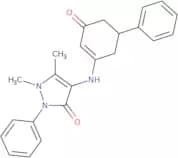
CAS:<p>β-(4-Hydroxy-3-methoxyphenyl)propionic acid methyl ester is a fine chemical used as a building block in the synthesis of pharmaceuticals, agrochemicals, and other chemicals. It is also used as a reagent for the detection of alkaloids and for the preparation of valuable speciality chemicals. β-(4-Hydroxy-3-methoxyphenyl)propionic acid methyl ester is an intermediate in organic reactions or can be used to synthesize complex compounds such as antibiotics. It is also an important scaffold that can be modified to produce new drugs with different properties.</p>Fórmula:C11H14O4Pureza:Min. 95%Forma y color:Clear LiquidPeso molecular:210.23 g/mol2,3-dimethyl-4-((3-oxo-5-phenylcyclohex-1-enyl)amino)-1-phenyl-3-pyrazolin-5-one
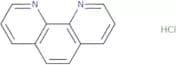
CAS:Please enquire for more information about 2,3-dimethyl-4-((3-oxo-5-phenylcyclohex-1-enyl)amino)-1-phenyl-3-pyrazolin-5-one including the price, delivery time and more detailed product information at the technical inquiry form on this pagePureza:Min. 95%1,10-Phenanthroline hydrochloride monohydrate
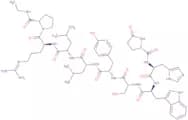
CAS:<p>1,10-Phenanthroline·HCl·H2O is a chemical compound that has been used for the preparation of samples for spectroscopic analysis. The compound is chemically stable and resistant to hydrolysis, making it suitable for long-term storage. 1,10-Phenanthroline·HCl·H2O has an inhibitory effect on bitter taste receptors in the mouth. It also has a hydroxyl group and a carbonyl group, which can react with acid molecules to form hydrogen ions and water. 1,10-Phenanthroline·HCl·H2O belongs to the class of metal ion sequestrants and can be used to remove aluminium from solutions. The molecular formula of this compound is C14H12N2O4Cl2. The structural formula is shown below:<br><br>[[image:1,10-phenanthroline-hcl-h2o.png]]</p>Fórmula:C12H8N2•HCl•H2OPureza:Min. 95%Peso molecular:234.68 g/mol(Des-Gly10,D-Ser4,D-Leu6,Pro-NHEt 9)-LHRH trifluoroacetate
CAS:<p>Please enquire for more information about (Des-Gly10,D-Ser4,D-Leu6,Pro-NHEt 9)-LHRH trifluoroacetate including the price, delivery time and more detailed product information at the technical inquiry form on this page</p>Fórmula:C59H84N16O12•(C2HF3O2)xPureza:Min. 98 Area-%Forma y color:PowderPeso molecular:1,209.4 g/molFmoc-Thr(tBu)-Thr(Psi(Me,Me)pro)-OH
CAS:<p>Fmoc-Thr(tBu)-Thr(Psi(Me, Me)pro)-OH is a versatile building block that can be used as a starting material for the synthesis of a wide range of compounds. It is often used as an intermediate in organic chemistry reactions and can be converted to a variety of other compounds with different functional groups. This compound has been shown to be useful in the production of pharmaceuticals and research chemicals. Fmoc-Thr(tBu)-Thr(Psi(Me, Me)pro)-OH is also important for generating high-quality chemical products, such as speciality chemicals and reagents that are difficult to synthesize. The CAS number for this compound is 1676104-73-6.</p>Fórmula:C30H38N2O7Pureza:Min. 98 Area-%Forma y color:PowderPeso molecular:538.63 g/mol(1-Methylethyl)boronic acid
CAS:<p>(1-Methylethyl)boronic acid is a boronic acid that can be used as a catalyst in organic synthesis. This compound is an organometallic compound that has been shown to be a good catalyst for the polymerization of olefins, and for the preparation of copolymers with polyenes. It can also be used in asymmetric synthesis and as a site-specific ligand in transition metal catalyzed reactions. (1-Methylethyl)boronic acid has been shown to inhibit protease activity and may have therapeutic potential for metabolic disorders such as obesity.</p>Fórmula:C3H9BO2Pureza:Min. 95%Forma y color:PowderPeso molecular:87.91 g/molFmoc-D-1,2,3,4-tetrahydronorharman-3-carboxylic acid
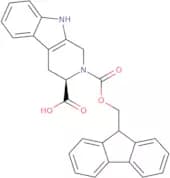
CAS:<p>Fmoc-D-1,2,3,4-tetrahydronorharman-3-carboxylic acid is a fine chemical that is a versatile building block and reaction intermediate. It is a high quality compound with CAS No. 268731-07-3. Fmoc-D-1,2,3,4-tetrahydronorharman-3-carboxylic acid can be used as a reagent for the synthesis of complex compounds and scaffolds. This compound has been shown to have useful properties in the research field.</p>Fórmula:C27H22N2O4Pureza:Min. 95%Peso molecular:438.47 g/molBoc-Leu-OH monohydrate
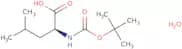
CAS:<p>Boc-Leu-OH monohydrate is a thrombin receptor inhibitor that is used as an antithrombotic agent. It has been shown to inhibit the activity of nucleoside phosphorylase, which converts nucleosides into their corresponding nucleotides. Boc-Leu-OH monohydrate has also been found to be stable in acidic environments. The chemical stability of this molecule can be attributed to its structure and modification with 3-mercaptopropionic acid. This compound has been shown to have anti-inflammatory properties by inhibiting prostaglandin synthesis by inhibiting the conversion of glutamic acid into prostaglandins.</p>Fórmula:C11H21NO4·H2OPureza:Min. 98 Area-%Forma y color:White Off-White PowderPeso molecular:249.3 g/molN-Chloroacetyl-L-tryptophan
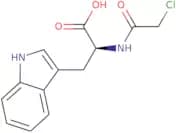
CAS:<p>N-Chloroacetyl-L-tryptophan is a synthetic biomimetic that inhibits the chloride channel in the intestine. It has been shown to inhibit the replication of a number of viruses, including HIV and influenza virus. N-Chloroacetyl-L-tryptophan has also been shown to have an inhibitory effect on intestinal sodium taurocholate, which is involved in fatty acid metabolism. This compound is a cyclic peptide with a lactam structure that contains a trifluoromethyl group. The kinetic data for this compound was obtained by measuring the rate of hydrolysis of L-tryptophan by pepsin at pH 2.5 and 37°C.</p>Fórmula:C13H12ClN2O3Pureza:Min. 95%Forma y color:PowderPeso molecular:280.7 g/molFmoc-(S)-4-amino-2-carboxymethyl-1,3,4,5-tetrahydro-2H-[2]benzazepin-3-one
CAS:<p>Fmoc-(S)-4-amino-2-carboxymethyl-1,3,4,5-tetrahydro-2H-[2]benzazepin-3-one is a specialized chemical compound, which is an Fmoc-protected amino acid derivative. This compound is synthesized through a series of organic synthesis steps that incorporate chiral precursors to ensure enantiomeric purity. As a building block for peptide synthesis, it acts by introducing a protected amino function into the peptide chain, providing stability and selectivity during the synthesis process.The primary applications of Fmoc-(S)-4-amino-2-carboxymethyl-1,3,4,5-tetrahydro-2H-[2]benzazepin-3-one are in the fields of medicinal chemistry and drug discovery, where it plays a crucial role in the development of novel peptide-based therapeutics. This compound is particularly valuable due to its ability to enhance the bioavailability and metabolic stability of peptides, allowing for the exploration of new therapeutic pathways and functions. Its use is integral in the design of peptides with specific biological activities, facilitating research into new pharmacological agents and treatments.</p>Fórmula:C27H24N2O5Pureza:Min. 95%Peso molecular:456.49 g/mol4-Methoxybenzenecarbothioamide
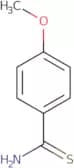
CAS:<p>4-Methoxybenzenecarbothioamide is a urea nitrogen analogue that inhibits the synthesis of urea and other nitrogenous compounds. It is an inhibitor of the enzyme pyruvic transaminase, which converts pyruvate to alanine. The drug is also an inhibitor of the enzyme lactam synthetase, which catalyzes the formation of lactams from amino acids. This activity results in decreased production of cancer cells and renal toxicity. 4-Methoxybenzenecarbothioamide has been shown to have anticancer activity in vitro against a number of human cancer cell lines, including A549 lung carcinoma cells and MCF-7 breast cancer cells.</p>Fórmula:C8H9NOSPureza:Min. 98 Area-%Forma y color:Off-White Yellow PowderPeso molecular:167.23 g/mol2,5-Dimethoxy-N-[(2-methoxyphenyl)methyl]-4-(trifluoromethyl)benzeneethanamine
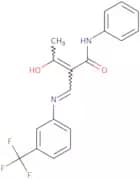
CAS:Producto controlado2,5-Dimethoxy-N-[(2-methoxyphenyl)methyl]-4-(trifluoromethyl)benzeneethanamine is a synthetic drug that belongs to the group of psychotropic drugs. It has been shown to cause death in rats, which is likely due to its ability to inhibit serotonin uptake by neurons. 2,5-Dimethoxy-N-[(2-methoxyphenyl)methyl]-4-(trifluoromethyl)benzeneethanamine also inhibits the enzyme monoamine oxidase and prevents the breakdown of monoamines such as serotonin. This drug has been shown to have both stimulant and depressant properties. 2,5-Dimethoxy-N-[(2-methoxyphenyl)methyl]-4-(trifluoromethyl)benzeneethanamine can be quantified in human blood samples using liquid chromatography with aFórmula:C19H22F3NO3Pureza:Min. 95%Peso molecular:369.38 g/mol2-acetyl-N-phenyl-3-((3-(trifluoromethyl)phenyl)amino)prop-2-enamide
CAS:<p>Please enquire for more information about 2-acetyl-N-phenyl-3-((3-(trifluoromethyl)phenyl)amino)prop-2-enamide including the price, delivery time and more detailed product information at the technical inquiry form on this page</p>Fórmula:C18H15F3N2O2Pureza:Min. 95%Forma y color:PowderPeso molecular:348.32 g/mol1-Methyl-3-[3-methyl-4-[4-[(trifluoromethyl)sulfonyl]phenoxy]phenyl]-1,3,5-triazine-2,4,6(1H,3H,5H)-trione
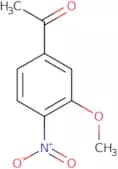
CAS:<p>Ponazuril is a veterinary drug that belongs to the group of chemotherapeutics. It is used in the treatment of endoparasites, such as nematodes and cestodes, which are parasites that live inside the human body. Ponazuril is administered orally or by injection and has been shown to have minimal toxicity in CD-1 mice. Ponazuril binds to DNA polymerase, inhibiting RNA synthesis and protein synthesis. This leads to cell death by apoptosis and necrosis. The drug also inhibits DNA replication in the parasite and blocks parasite growth.</p>Fórmula:C18H14F3N3O6SPureza:Min. 95%Forma y color:PowderPeso molecular:457.38 g/mol3-Methoxy-4-nitroacetophenone
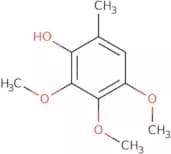
CAS:<p>3-Methoxy-4-nitroacetophenone is an enamine that can be used in the synthesis of a variety of organic compounds. It is a good reducing agent and can be used to synthesize nitrophenols and nitrosamines. Catalytic hydrogenation, transfer hydrogenation, and reductive condensation reactions all use 3-methoxy-4-nitroacetophenone as a starting material. It has been shown to react with a range of alcohols to form acetals, which are stable compounds with a protective group on the alcohol. Cyclization reactions using 3-methoxy-4-nitroacetophenone have also been reported. This compound has been crystallized in pure form.</p>Fórmula:C9H9NO4Pureza:Min. 95%Forma y color:PowderPeso molecular:195.17 g/mol2,3,4-Trimethoxy-6-methylphenol
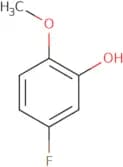
CAS:2,3,4-Trimethoxy-6-methylphenol is a prenylated phenol with an acidic character. It is synthesised from 5-nitrovanillin and methoxyphenol in dioxane by reaction with hydrogen peroxide and hydrochloric acid. This acid catalyst initiates the reactions that produce 2,3,4-trimethoxy-6-methylphenol. The reaction time is 10 hours at pH 3 to 4. 2,3,4-Trimethoxy-6-methylphenol has been used for the synthesis of phosphotungstate, which is used as a reagent in analytical chemistry for the determination of metal ions. 2,3,4-Trimethoxy-6 methylphenol also provides a route to manufacture peracid and peroxide, which are oxidants with antimicrobial properties.Fórmula:C10H14O4Pureza:Min. 95%Forma y color:PowderPeso molecular:198.22 g/mol5-Fluoro-2-methoxyphenol
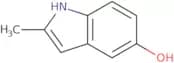
CAS:<p>5-Fluoro-2-methoxyphenol is a heterodimeric natural product that consists of anisoles and acetanilides. It has been shown to induce liver microsomes in rats, as well as hypervalent organometallic complexes with methoxy groups. 5-Fluoro-2-methoxyphenol also exhibits vinylic shift and product synthesis abilities. This compound is useful for the synthesis of acetanilides and other compounds with a methoxy group. Reagents such as phenyllithium, butyllithium, and lithium diisopropylamide are used in this synthesis.</p>Fórmula:C7H7FO2Pureza:Min. 95%Forma y color:Clear LiquidPeso molecular:142.13 g/mol5-Hydroxy-2-methylindole
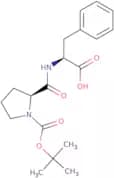
CAS:<p>5-Hydroxy-2-methylindole is a product that transfers serotonin and melatonin, which are neurotransmitters. It can be used in animal studies to investigate the effects on cancer cells and its potential as an anti-cancer agent. 5-Hydroxy-2-methylindole can also be used to stabilize nitro compounds, such as TNT and RDX, by inhibiting the oxidation of these substances. This compound has been shown to have antiviral properties against HIV and HSV and may also have potentials for treating Alzheimer's disease. 5-Hydroxy-2-methylindole is synthesized by reacting indole with hydrogen peroxide in the presence of a halogeno (e.g., chlorine) or ferrous salts. The reaction rate of this synthesis depends on the concentrations of these reactants.</p>Fórmula:C9H9NOForma y color:PowderPeso molecular:147.17 g/molBoc-Pro-Phe-OH
CAS:<p>Boc-Pro-Phe-OH is an ionic liquid that contains a chloride anion. It has been shown to have the ability to dissolve organic compounds, such as 1-methylimidazole, imidazolium, proline, and chloride ions. It has been observed using FTIR and mass spectroscopy that Boc-Pro-Phe-OH forms hydrogen bonds with the chloride ion. The thermal stability of Boc-Pro-Phe-OH has been measured at 250°C for one hour in air with no decomposition observed. This compound also has a low vapor pressure and can be stored in a liquid state at room temperature.</p>Fórmula:C19H26N2O5Pureza:Min. 95%Forma y color:PowderPeso molecular:362.42 g/mol3,5-Diiodo-4(4'-methoxyphenoxy)benzoic acid
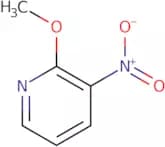
CAS:<p>3,5-Diiodo-4-(4'-methoxyphenoxy)benzoic acid is a chemical intermediate that has been used in the synthesis of pharmaceuticals and agricultural chemicals. It is a versatile building block that can be used to produce pharmaceuticals, such as diazepam and bromazepam, and other useful compounds. 3,5-Diiodo-4-(4'-methoxyphenoxy)benzoic acid is a fine chemical with high quality and speciality chemical. It has been extensively researched for its usefulness as a reagent for organic synthesis reactions.</p>Fórmula:C14H10I2O4Pureza:Min. 95%Forma y color:PowderPeso molecular:496.04 g/mol2-Methoxy-3-nitropyridine
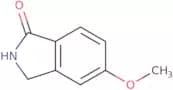
CAS:<p>2-Methoxy-3-nitropyridine is a chemical compound with the molecular formula CHNO. It is classified as an amine and has a molecular weight of 140.24 g/mol. 2-Methoxy-3-nitropyridine is a colorless liquid that can be used to make other compounds, such as nitroarenes, boronic acids, and dyes. The molecule consists of a central carbon atom with four nitrogen atoms at the corners of a tetrahedron. The electron configuration for this molecule is 1s22s22p4. This means that the outer shell electrons are in orbitals with principal quantum numbers s=1 and p=2. These orbitals are located near the middle of the molecule rather than on the periphery as in ethane (CH3CH2). This orientation provides more space for other atoms to attach to the central carbon atom, which increases its affinity for nucleophilic attack. 2-M</p>Fórmula:C6H6N2O3Pureza:Min. 95%Forma y color:PowderPeso molecular:154.12 g/mol5-Methoxy-2,3-Dihydro-Isoindol-1-One
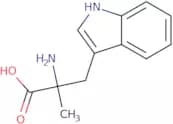
CAS:<p>5-Methoxy-2,3-Dihydro-Isoindol-1-One is a chemical compound that can be used as a building block in organic synthesis. It is an intermediate in the synthesis of various pharmaceuticals and other organic compounds. 5-Methoxy-2,3-Dihydro-Isoindol-1-One is soluble in ethanol, methanol, diethyl ether, chloroform, and benzene. This chemical has been classified as being safe for human use by the FDA.</p>Fórmula:C9H9NO2Pureza:Min. 95%Forma y color:PowderPeso molecular:163.17 g/molDL-α-Methyltryptophan
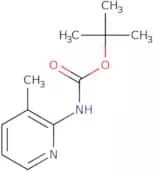
CAS:<p>DL-alpha-Methyltryptophan is a metabolite of the amino acid tryptophan. It is a monoamine neurotransmitter that has been implicated in brain function and inflammatory lesions. DL-alpha-Methyltryptophan can be used as a potential drug target for the treatment of Parkinson's disease, depression, and anxiety disorders. The hydroxyl group on the indole ring of DL-alpha-Methyltryptophan gives it an increased reactivity with oxygen, which allows it to be oxidized by monoamine oxidase B (MAO B) to 3-hydroxyanthranilic acid. This reaction can be inhibited by MAO A inhibitors such as clorgyline or selegiline. The oxidation of DL-alpha-Methyltryptophan leads to increased concentrations of serotonin in the brain and increased activity of aminotransferases.</p>Fórmula:C12H14N2O2Pureza:Min. 98 Area-%Forma y color:PowderPeso molecular:218.25 g/mol2-(Boc-amino)-3-methylpyridine
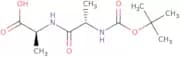
CAS:<p>2-(Boc-amino)-3-methylpyridine is a cytotoxic agent that has been shown to inhibit the proliferation of cancer cells. It is a potent cytotoxic agent that can be used to treat cancer. 2-(Boc-amino)-3-methylpyridine inhibits the growth of cancer cells by inhibiting the activity of B-Raf, a protein involved in cell proliferation and apoptosis. The anticancer properties are due to its ability to inhibit protein synthesis in cells by inhibiting the enzyme carbinolamine N-methyltransferase, which is required for the synthesis of methionine. 2-(Boc-amino)-3-methylpyridine also inhibits DNA and RNA synthesis in cells. This drug has been shown to have antiangiogenic effects, which may be due to its ability to inhibit vascular endothelial growth factor (VEGF) production.<br>END></p>Fórmula:C11H16N2O2Pureza:Min. 95%Forma y color:PowderPeso molecular:208.26 g/molBoc-Ala-Ala-OH
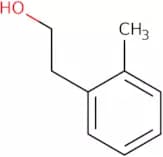
CAS:<p>Boc-Ala-Ala-OH is an amide of the amino acid alanine with a hydroxyl group. This compound has been synthesized as a stable complex with enzymes and is used in enzymatic methods to study peptidase activity. Boc-Ala-Ala-OH inhibits the enzyme by forming a covalent bond with the hydroxyl group on the enzyme's active site, which prevents it from interacting with its substrate, leading to inhibition of enzymatic activity. Boc-Ala-Ala-OH binds to mammalian cells and lysosomal systems and can be used as a probe for studying proteolytic enzyme activity in cells. Spectrometric data shows that Boc-Ala-Ala-OH is an easily activated molecule and may be useful in synthetic studies.</p>Fórmula:C11H20N2O5Pureza:Min. 95%Forma y color:PowderPeso molecular:260.29 g/mol2-Methylphenethyl alcohol
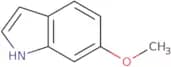
CAS:2-Methylphenethyl alcohol (2MPE) is an organic acid that is found in plants. It has been shown to have anti-inflammatory and anti-cancer properties. 2MPE inhibits the production of prostaglandins, which are a type of hormone that causes inflammation and pain. When 2MPE is combined with ferrocene, it forms a complex that can be used as a gas sensor. This complex absorbs light at certain wavelengths, which can then be detected by lasers to indicate the presence of various gases. The use of 2MPE as an organic solvent for coating plates has also been investigated. The process involves adding 2MPE to an organic solution, followed by the addition of ferrocene and argon gas. This process creates a thin film on the plate's surface that can be used for kinetic data collection.Fórmula:C9H12OPureza:Min. 95%Forma y color:Clear LiquidPeso molecular:136.19 g/mol6-Methoxyindole
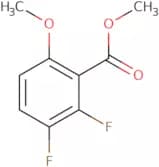
CAS:<p>6-Methoxyindole is an acetate extract of the plant 5-methoxyindole. It has been shown to be a 5-HT1A receptor agonist in animals, and has been shown to have cardiac effects in rats. 6-Methoxyindole is also used as a precursor for the synthesis of diphenylacetylindoles. 6-Methoxyindole is one of the molecules that can be recombined to form a batcho-leimgruber indole (BLI).</p>Fórmula:C9H9NOPureza:Min. 99 Area-%Forma y color:PowderPeso molecular:147.17 g/mol2,3-Difluoro-6-methoxybenzoic acid methyl ester
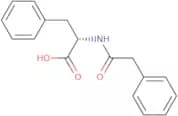
CAS:<p>2,3-Difluoro-6-methoxybenzoic acid methyl ester is a versatile building block that can be used in the production of fine chemicals and research chemicals. It is an intermediate for the synthesis of complex compounds and can be used as a reagent or speciality chemical in research. 2,3-Difluoro-6-methoxybenzoic acid methyl ester is also a useful building block for the synthesis of drugs.</p>Fórmula:C9H8F2O3Pureza:Min. 95%Peso molecular:202.15 g/molPhenylac-Phe-OH
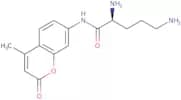
CAS:<p>Phenylac-Phe-OH is an amphipathic molecule that has been shown to exhibit potent antagonistic activity against proton pumps. This compound also has the potential use in retinoid acid assays, where it was found to be a potent antagonist of retinoic acid. Phenylac-Phe-OH can be used as a probe for magnetic resonance analysis and its metabolic profiles have been studied extensively.</p>Fórmula:C17H17NO3Pureza:Min. 95%Forma y color:PowderPeso molecular:283.32 g/molH-Orn-AMC hydrochloride salt
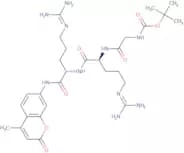
CAS:<p>H-Orn-AMC hydrochloride salt is a white solid with a melting point of about 150°C. It is used as a reactant in the manufacture of pharmaceuticals, research chemicals and other speciality chemicals. H-Orn-AMC hydrochloride salt is also an intermediate for the synthesis of complex compounds, useful as building blocks for chemical synthesis, and can be used as a reagent in analytical chemistry.</p>Fórmula:C15H20ClN3O3Pureza:Min. 98 Area-%Forma y color:PowderPeso molecular:325.79 g/molBoc-Gly-Arg-Arg-AMC acetate salt
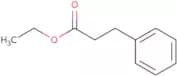
CAS:<p>Boc-Gly-Arg-Arg-AMC acetate salt is a protease inhibitor that inhibits the activity of serine proteases. This protein is a potent and selective inhibitor of the NS3 protease from hepatitis C virus, which is responsible for the cleavage of polyproteins into mature proteins. Boc-Gly-Arg-Arg-AMC acetate salt has been shown to be effective in transfection experiments and polymerase chain reaction, as well as in inhibiting the activity of soybean trypsin and mammalian tissue proteases.</p>Fórmula:C29H44N10O7•(C2H4O2)xPureza:Min. 98 Area-%Forma y color:PowderPeso molecular:644.72 g/molEthyl 3-phenylpropionate
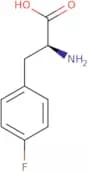
CAS:<p>Ethyl 3-phenylpropionate is a clear, colorless liquid with a fruity odor. It has been used in the production of perfumes and as a solvent. The compound is also known to be used in the synthesis of other organic compounds and can be found in dry weight. Palladium complexes are formed when ethyl 3-phenylpropionate is mixed with palladium chloride or palladium acetate. Ethyl 3-phenylpropionate is an intermediate in the conversion of ethyl decanoate to methyl anthranilate by diethyl succinate and p. pastoris. This conversion takes place at room temperature and below the phase transition temperature (T). The compound has been shown to have low lp-pla2 activity, which may be due to its lack of hydroxyl group.</p>Fórmula:C11H14O2Pureza:Min. 95%Forma y color:Colorless PowderPeso molecular:178.23 g/mol4-Fluoro-L-phenylalanine
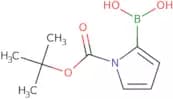
CAS:<p>4-Fluoro-L-phenylalanine is a fluorinated analog of phenylalanine. It has been shown to be an inhibitor of the enzyme that catalyzes the formation of disulfide bonds in nuclear DNA. 4-Fluoro-L-phenylalanine has also been found to have antiviral properties, which may be due to its ability to inhibit viral replication by interfering with protein synthesis and chromosome replication. This compound may also inhibit the growth of resistant mutant strains of viruses, such as influenza virus, and wild type strains. 4-Fluoro-L-phenylalanine inhibits the activity of enzymes involved in biological processes, such as protein synthesis. It is thought that this compound may have potential uses for treating infectious diseases.</p>Fórmula:C9H10FNO2Pureza:Min. 98 Area-%Forma y color:White Off-White PowderPeso molecular:183.18 g/molN-Boc-pyrroyl-boronic acid
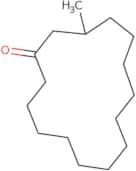
CAS:<p>N-Boc-pyrroyl-boronic acid is a linker that is used in organic synthesis. It reacts with chloride to form an organochlorine compound, which can be used as an inhibitor of s. aureus or other bacteria. The reaction time for this chemical is shorter than for the corresponding boronic acid, and it does not require the presence of a Lewis acid. This chemical has been shown to have anticancer activity in vitro, and its optimization has been studied using fluorescent carbonyl groups as the active component.</p>Fórmula:C9H14BNO4Pureza:Min. 95%Peso molecular:211.02 g/mol3-Methyl-1-cyclopentadecanone
CAS:<p>3-Methyl-1-cyclopentadecanone is a chemical compound with the molecular formula C10H18O. It has an optimum concentration of 0.08% and phase transition temperature of -83 degrees Celsius. The pro-apoptotic protein, Bax, is activated by 3-methyl-1-cyclopentadecanone in mammalian cells, inducing apoptosis. This compound also inhibits the activity of enzymes such as lipoxygenase and cyclooxygenase, which are involved in inflammation. 3-Methyl-1-cyclopentadecanone has been shown to be effective against cancer tissues and neuronal death in rats. 3MCTD has been shown to inhibit polymerase chain reaction (PCR) amplification of DNA from rhizoma gastrodiae, a traditional Chinese herbal medicine for the treatment of myocardial infarcts.</p>Fórmula:C16H30OPureza:Min. 95%Forma y color:Clear LiquidPeso molecular:238.41 g/molLaricitrin-3,5'-di-O-glucoside
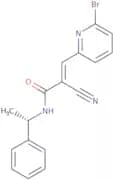
<p>Laricitrin-3,5'-di-O-glucoside is an organic compound that can be used as a research chemical. Laricitrin-3,5'-di-O-glucoside is a building block for the synthesis of other compounds and has been used in the synthesis of novel antibiotics. This compound is also a useful intermediate in the production of 3,6-dihydroxychalcone.</p>Fórmula:C28H32O18Pureza:Min. 95%Peso molecular:656.54 g/mol(S,E)-3-(6-Bromopyridin-2-yl)-2-cyano-N-(1-phenylethyl)acrylamide
CAS:<p>(S,E)-3-(6-Bromopyridin-2-yl)-2-cyano-N-(1-phenylethyl)acrylamide (MBI-23) is a potential antineoplastic agent that has been shown to induce regression of bladder cancer in mice. MBI-23 induces apoptosis by inhibiting the proliferation of cancer cells and inducing differentiation of cancer stem cells. It is also shown to inhibit tumor growth and progression in glioma and prostate cancer models. MBI-23 binds to the KDR receptor subtype, which is activated by organic acids and inhibited by inorganic compounds. This binding leads to constitutive activation of the KDR receptor, thereby inducing apoptosis. The tautomers and stereoisomers of MBI-23 have not been fully elucidated yet.</p>Fórmula:C17H14ON3BrPureza:Min. 98 Area-%Forma y color:White PowderPeso molecular:356.22 g/molLY2112688 trifluoroacetate
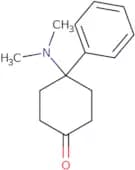
CAS:<p>Please enquire for more information about LY2112688 trifluoroacetate including the price, delivery time and more detailed product information at the technical inquiry form on this page</p>Fórmula:C51H70N18O11S2•(C2HF3O2)xPureza:Min. 95%Forma y color:PowderPeso molecular:1,175.35 g/mol4-(Dimethylamino)-4-phenylcyclohexan-1-one
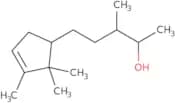
CAS:Producto controlado<p>Dimethylphencyclidine is a potent analgesic with high affinity for opioid receptors. It is an agonist at the μ-opioid receptor and κ-opioid receptor. Dimethylphencyclidine may also act as a nociceptive agent and has been shown to modulate pain in animals. This drug has also been shown to be neuropathic, as it inhibits the development of chronic constriction injury (CCI) in rats by reducing the formation of reactive oxygen species and increasing the expression of brain-derived neurotrophic factor (BDNF). Dimethylphencyclidine has undergone clinical trials for the treatment of neuropathic pain and is currently in phase II clinical development.<br>The pharmacological properties of dimethylphencyclidine are due to its ability to act on opioid receptors and other neurotransmitter systems, including serotonin, dopamine, acetylcholine, glutamate, and glycine. The chemical name for this drug is 4-(Dimethylamino)-4-phen</p>Fórmula:C14H19NOPureza:Min. 95%Peso molecular:217.31 g/mol5-(2,2,3-Trimethyl-3-cyclopentenyl)-3-methyl-pentan-2-ol
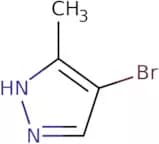
CAS:<p>5-(2,2,3-Trimethyl-3-cyclopentenyl)-3-methyl-pentan-2-ol (5MMPP) is a natural product that has been identified as an inhibitor of human immunodeficiency virus (HIV) replication. 5MMPP inhibits the formation of farnesyl diphosphate (FPP), which is essential for the production of protein kinase C and other cellular processes. This compound also blocks the HIV co-receptor CCR5, reducing the ability of HIV to latch onto cells. 5MMPP also has shown chemotactic activity against leukemia cells and skin cells in vitro, which may be due to its ability to stimulate growth factor release.</p>Fórmula:C14H26OPureza:Min. 95%Forma y color:Colorless PowderPeso molecular:210.36 g/mol4-Bromo-3-methylpyrazole
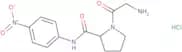
CAS:<p>4-Bromo-3-methylpyrazole is a 3-methylpyrazole that has been shown to have an inhibitory effect on the growth of plants. It is used as a predictive model for pyrazole compounds and has been shown to be an additive in crop plants. 4-Bromo-3-methylpyrazole can be activated by diazo compounds, such as nitrosamines, leading to a variety of chemical reactions. The descriptor for this compound is C6H4BrN2.</p>Fórmula:C4H5BrN2Forma y color:PowderPeso molecular:161 g/molH-Gly-Pro-pNA•hydrochloride
CAS:<p>H-Gly-Pro-pNA is an antidiabetic drug that inhibits the activity of dipeptidyl peptidase IV (DPP IV), a family of enzymes that catalyses the cleavage of the amino acid sequence of proline and arginine. The inhibitory effect on DPP IV by H-Gly-Pro-pNA was demonstrated using magnetic resonance spectroscopy, chromatographic assays, and electrospray ionization mass spectrometry. H-Gly-Pro-pNA also has hydrophobic properties and can interact with other drugs that are lipophilic. In vitro assays have been used to determine the inhibition activity of H-Gly-Pro-pNA against various proteins involved in diabetes mellitus, including aminopeptidases, carboxypeptidases and endopeptidases.</p>Fórmula:C13H16N4O4•HClPureza:Min. 95%Forma y color:White PowderPeso molecular:328.75 g/molClobetasol Propionate - Impurity B
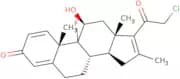
CAS:Producto controlado<p>(11β)-21-Chloro-9-fluoro-11-hydroxy-16-methylpregna-1,4,16-triene-3,20-dione is a chemical compound that can be used as a building block in the synthesis of other chemicals. It is structurally related to progesterone and has been found to have antiandrogenic properties. This product can also be used as a reagent or speciality chemical in research. It is high quality and versatile. (11β)-21-Chloro-9-fluoro-11-hydroxy-16-methylpregna 1,4,16 triene 3,20 dione has been shown to have an effect on the body's reproductive system by binding to the androgen receptor.</p>Fórmula:C22H26ClFO3Pureza:Min. 95%Forma y color:PowderPeso molecular:392.89 g/mol4,6-Dihydroxy-2-methylpyrimidine
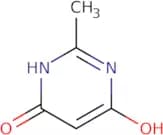
CAS:<p>4,6-Dihydroxy-2-methylpyrimidine is an organic compound that is synthesized by the reaction of 2-chloroethanol with ethyl chloroformate and nitroethane in the presence of a magnesium salt. The synthesis can be done systematically or by chance. 4,6-Dihydroxy-2-methylpyrimidine can be formed by the hydrolysis of ethyl esters with a metallacycle. Its acidic properties are due to its electron withdrawing groups. The systematic synthesis is carried out in two steps: 1) formation of the monomers from ethyl chloroformate and nitroethane; 2) condensation of the monomers to form 4,6-dihydroxy-2-methylpyrimidine. This synthesis requires hydroxide solution and chloroformate as well as a base such as sodium hydroxide or potassium hydroxide. The chemical reaction mechanism is based</p>Fórmula:C5H6N2O2Pureza:Min. 95%Peso molecular:126.11 g/molα-Methylene-γ-butyrolactone
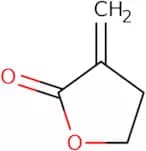
CAS:<p>Alpha-methylene-gamma-butyrolactone (AMGBL) is a naturally occurring sesquiterpene lactone. It has been shown to have anticancer effects on solid tumours, such as those of the liver and lung. AMGBL is also used in the treatment of tuliposide-induced skin lesions. The biological activity of AMGBL is due to its ability to inhibit matrix metalloproteinase (MMP)-1 and -2 and to enhance the production of epidermal growth factor receptor (EGFR). AMGBL also binds to DNA at the hydroxyl group and can be used as an anti-aging agent.</p>Fórmula:C5H6O2Pureza:Min. 95%Forma y color:Clear LiquidPeso molecular:98.1 g/mol2-(2-Butyl)-4-{4-[4-(4-methyloxy-phenyl)-piperazin-1-yl]-phenyl}-2,4-dihydro-[1,2,4]-triazol-3-one
CAS:<p>2-(2-Butyl)-4-{4-[4-(4-methyloxy-phenyl)-piperazin-1-yl]-phenyl}-2,4-dihydro-[1,2,4]-triazol-3-one (ITZ) is an antifungal drug that inhibits the synthesis of ergosterol. It is used in the treatment of systemic fungal infections such as candidiasis and cryptococcosis. ITZ is a metabolite of itraconazole and fluconazole. The presence of impurities in ITZ can be detected by liquid chromatography with a diode array detector or a fluorescence detector. An antiinfective drug product should be bioequivalent to the reference product and have comparable levels of impurities. Chromatograms are used to identify peaks on a graph and measure their height (area under the curve) to determine how much of each substance is present in the sample.</p>Fórmula:C23H29N5O2Pureza:Min. 95%Forma y color:White To Yellow SolidPeso molecular:407.51 g/molN-Me-D-Tyr-OH·HCl
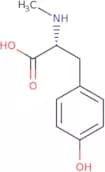
CAS:<p>N-Me-D-Tyr-OH·HCl is an antibiotic that belongs to the group of esters. It has been shown to inhibit the growth of bacteria by binding to the 50S ribosomal subunit. N-Me-D-Tyr-OH·HCl was analyzed using gas chromatography and found to have a retention time of 3.6 minutes. This antibiotic has been used as a substrate for chemical analysis and identification of methyl esters, which are derivatives of carboxylic acids with methyl groups added to the molecule.</p>Fórmula:C10H13NO3·HClPureza:Min. 95%Forma y color:PowderPeso molecular:231.68 g/molCbz-Ser(bzl)-OH
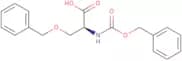
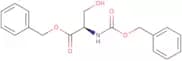
CAS:<p>Cbz-Ser(bzl)-OH is an alcohol that can be used in the synthesis of a variety of compounds. This compound has been shown to have high yields, and can be synthesized from sulfides, phenols, and carboxylic acids. It is neutral and has a carboxylic linkage.</p>Fórmula:C18H19NO5Pureza:Min. 95%Forma y color:PowderPeso molecular:329.35 g/molCalcium β-hydroxy-β-methylbutyrate monohydrate
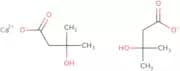
CAS:<p>Calcium b-hydroxy-b-methylbutyrate monohydrate is a dietary supplement that has been shown to be effective in the treatment of skin conditions such as eczema. It is a calcium salt of the natural fatty acid, b-hydroxy-b-methylbutyrate, which is naturally found in kidney beans. This product may also be used for kidney disease and other health care products. The extract from this compound has been shown to increase collagen production in skin cells, as well as protein synthesis and casein production. Calcium b-hydroxy-b-methylbutyrate monohydrate can also bind with acetate (a chemical compound) and form calcium acetate, which has been shown to have antihypertensive effects.</p>Fórmula:C5H10O3•Ca0•(H2O)0Pureza:Min 97%Forma y color:White PowderPeso molecular:294.36 g/mol5-Methylcytosine
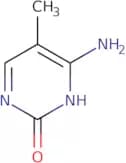
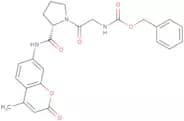
CAS:<p>5-Methylcytosine is a nucleic acid that is found in the DNA and RNA of the cell. It is an important component of methylation, which is the process by which a methyl group is added to a molecule. This process can lead to cellular transformation, a process that can cause cancer. 5-Methylcytosine has also been shown as a molecular pathogenesis factor in infectious diseases such as HIV and herpes simplex virus type 1. The presence of 5-methylcytosine in nuclear DNA has been detected by analytical techniques such as gas chromatography/mass spectrometry (GC/MS). There are many analytical methods, including GC/MS, that can be used to detect 5-methylcytosine in cellular nuclei.</p>Fórmula:C5H7N3OPureza:Min. 95%Forma y color:PowderPeso molecular:125.13 g/molZ-Gly-Pro-AMC
CAS:<p>Z-Gly-Pro-AMC is a substrate molecule that mimics the natural substrate of dipeptidyl peptidase IV (DPP-IV) and is used in the study of plant physiology. It has been shown to inhibit DPP-IV activity by binding to the enzyme’s active site, preventing it from cleaving biologically active peptides. This drug also has an antidiabetic effect, which may be due to its ability to inhibit α-amylase activity. Z-Gly-Pro-AMC also has been shown to increase locomotor activity and reduce body weight in rats with metabolic disorders. Z-Gly-Pro-AMC inhibits serine proteases, such as trypsin, chymotrypsin, elastase, and cathepsin G, which are involved in tumor progression.</p>Fórmula:C25H25N3O6Pureza:Min. 98%Forma y color:White PowderPeso molecular:463.48 g/molL-Glutamic acid monopotassium salt monohydrate
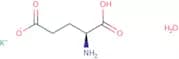
CAS:<p>Amino acid; neurotransmitter; flavor enhancer</p>Fórmula:C5H8KNO4·H2OForma y color:White PowderPeso molecular:203.23 g/mol(3-Methoxyphenyl)acetonitrile
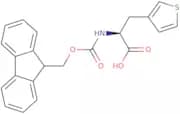
CAS:<p>3-Methoxyphenylacetonitrile (3MPAN) is a small molecule that has been shown to inhibit the activity of kinases, which are enzymes that transfer phosphate groups from ATP onto other substrates. 3MPAN has been found to be selective for the estrogen receptor alpha (ERα), with little or no effect on ERβ, and shows promise as a potential drug for hormone-dependent breast cancer. It also inhibits fatty acid synthesis and is active against some viruses. 3MPAN binds to the enzyme's ATP binding site and blocks phosphorylation by preventing access of ATP. This prevents DNA synthesis and protein synthesis, leading to cell death.</p>Fórmula:C9H9NOPureza:Min. 95%Forma y color:PowderPeso molecular:147.17 g/molFmoc-β-(3-thienyl)-L-alanine
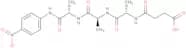
CAS:<p>Please enquire for more information about Fmoc-β-(3-thienyl)-L-alanine including the price, delivery time and more detailed product information at the technical inquiry form on this page</p>Fórmula:C22H19NO4SPureza:Min. 95%Forma y color:PowderPeso molecular:393.46 g/molN-Succinyl-L-alanyl-L-alanyl-L-alanine 4-nitroanilide
CAS:<p>N-Succinyl-L-alanyl-L-alanyl-L-alanine 4 nitroanilide is a synthetic substrate that has been shown to have proteolytic activity against dextran sulfate, collagen, and sephadex g-100. It also has insecticidal activity in that it inhibits the development of larvae of the insect Drosophila melanogaster. NSLAAALAALAAN can be used as a chemotactic agent for tissue culture cells. This synthetic substrate was also found to have antiinflammatory properties and may be useful in treating chronic bronchitis or other metabolic disorders.</p>Fórmula:C19H25N5O8Pureza:Min. 95%Forma y color:PowderPeso molecular:451.43 g/molZ-D-serine benzyl ester
CAS:<p>Please enquire for more information about Z-D-serine benzyl ester including the price, delivery time and more detailed product information at the technical inquiry form on this page</p>Fórmula:C18H19NO5Pureza:Min. 95%Peso molecular:329.35 g/mol9-Phenylcarbazole
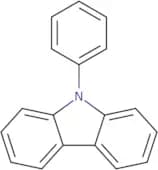
CAS:<p>9-Phenylcarbazole is a chemical compound that belongs to the group of activated carbazoles. It is a hydroxyl containing molecule that has a redox potential and can reversibly oxidize in the presence of oxygen or other electron acceptors, such as ferricyanide ions. 9-Phenylcarbazole is used in analytical chemistry as an indicator for measuring pH levels and also as a reagent for Suzuki coupling reactions. The most common application of 9-phenylcarbazole is in photophysical experiments, where it acts as an efficient photosensitizer. This compound has been shown to be insensitive to light when it is not activated by UV radiation, but its absorption spectrum changes when it becomes activated through irradiation with UV light.</p>Fórmula:C18H13NPureza:Min. 95%Forma y color:Yellow PowderPeso molecular:243.3 g/molN-ε-(1-Carboxymethyl)-L-lysine
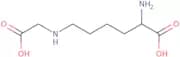
CAS:<p>N-ε-(1-Carboxymethyl)-L-lysine (NEM) is a versatile building block that is used in the synthesis of complex compounds. It is a reagent and speciality chemical that can be used as an intermediate to produce other useful chemicals or as a reaction component. It has been shown to be useful in the synthesis of peptides, oligonucleotides, and organic molecules. NEM has also been shown to have high quality and purity, making it a useful scaffold for further research into new compounds.</p>Fórmula:C8H16N2O4Pureza:Min. 97%Forma y color:White PowderPeso molecular:204.22 g/mol3-Methyl-2-nitroanisole
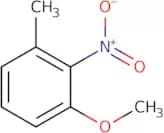
CAS:<p>3-Methyl-2-nitroanisole is a synthetic monosubstituted nitro compound that can be produced by the oxidation of 3,4-dimethoxybenzaldehyde. It has three methyl groups and one nitro group on its ring. 3-Methyl-2-nitroanisole has been used in high concentrations as a reactant for the synthesis of other compounds. It can also be used to synthesize anthranilic acid, which is an intermediate in the synthesis of many dyes and pharmaceuticals. 3-Methyl-2-nitroanisole has been characterized using vibrational spectroscopy and NMR spectroscopy with frequency values ranging from 9 to 22 cm/sec, depending on substituents. The molecular weight is estimated at 196 g/mol. 3MNA has been shown to undergo demethylation and hydrolysis under acidic conditions to produce 2,5-dihydroxyanth</p>Fórmula:C8H9NO3Pureza:Min. 95%Forma y color:PowderPeso molecular:167.16 g/mol








![Fmoc-(S)-4-amino-2-carboxymethyl-1,3,4,5-tetrahydro-2H-[2]benzazepin-3-one](/_next/image/?url=https%3A%2Fstatic.cymitquimica.com%2Fproducts%2F3D%2Fthumb-webp%2FFF50028.webp&w=3840&q=75)
![2,5-Dimethoxy-N-[(2-methoxyphenyl)methyl]-4-(trifluoromethyl)benzeneethanamine](/_next/image/?url=https%3A%2Fstatic.cymitquimica.com%2Fproducts%2F3D%2Fthumb-webp%2FFD100429.webp&w=3840&q=75)
![1-Methyl-3-[3-methyl-4-[4-[(trifluoromethyl)sulfonyl]phenoxy]phenyl]-1,3,5-triazine-2,4,6(1H,3H,5H…](/_next/image/?url=https%3A%2Fstatic.cymitquimica.com%2Fproducts%2F3D%2Fthumb-webp%2FFM27105.webp&w=3840&q=75)

![2-(2-Butyl)-4-{4-[4-(4-methyloxy-phenyl)-piperazin-1-yl]-phenyl}-2,4-dihydro-[1,2,4]-triazol-3-one](/_next/image/?url=https%3A%2Fstatic.cymitquimica.com%2Fproducts%2F3D%2Fthumb-webp%2FFB19470.webp&w=3840&q=75)