Aminoácidos (AA)
Los aminoácidos (AAs) son los componentes fundamentales de las proteínas y desempeñan un papel crucial en diversos procesos biológicos. Estos compuestos orgánicos son esenciales para la síntesis de proteínas, las rutas metabólicas y la señalización celular. En esta categoría, encontrará una gama completa de aminoácidos, incluyendo formas esenciales, no esenciales y modificadas, que son vitales para la investigación en bioquímica, biología molecular y ciencias de la nutrición. En CymitQuimica, ofrecemos aminoácidos de alta calidad para apoyar sus necesidades de investigación y desarrollo, asegurando precisión y fiabilidad en sus resultados experimentales.
Subcategorías de "Aminoácidos (AA)"
- Derivados de aminoácidos(3.971 productos)
- Aminoácidos y compuestos relacionados con aminoácidos(3.477 productos)
- Aminoácidos con oxígeno o azufre(168 productos)
- Aminoácidos protegidos con Boc(351 productos)
- Aminoácidos protegidos con Fmoc(1.710 productos)
Se han encontrado 38321 productos de "Aminoácidos (AA)"
Ordenar por
Pureza (%)
0
100
|
0
|
50
|
90
|
95
|
100
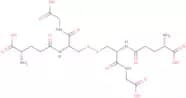
L-Glutathione oxidized
CAS:<p>Marker for oxidative stress; hydrogen acceptor in NADP and NADPH assay</p>Fórmula:C20H32N6O12S2Pureza:Min. 98.0 Area-%Forma y color:White PowderPeso molecular:612.64 g/mol6-Boc-hydrazinonicotinicacid
CAS:<p>6-Boc-hydrazinonicotinicacid is a cytotoxic compound that binds to hydroxyapatite and induces necrosis in cancer cells. This compound also has antimicrobial properties. 6-Boc-hydrazinonicotinic acid is conjugated with peptides for use as an immunoconjugate for the targeted delivery of drugs to cancer cells. It can be used to diagnose cancer by its uptake in human serum and inflammatory cells, as well as to identify cancerous tissues through its binding to hydroxyapatite. The biological studies have shown that 6-Boc-hydrazinonicotinic acid inhibits the growth of various types of tumour cells, including breast, prostate, colon, and lung cancers.</p>Fórmula:C11H15N3O4Pureza:Min. 95%Forma y color:PowderPeso molecular:253.25 g/mol5-Methylcyclohexane-1,3-dione
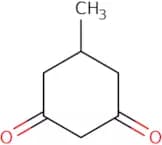
CAS:<p>5-Methylcyclohexane-1,3-dione is a dione that is synthesized by the reaction of glyoxal with α-pinene. It has two functional groups and three chiral centers. This compound can be activated by azides and undergoes alkylation reactions with aldehydes to form pinonic acid derivatives. 5-Methylcyclohexane-1,3-dione also undergoes thermal isomerization to form azides and dioxime derivatives.</p>Fórmula:C7H10O2Pureza:Min. 95%Forma y color:PowderPeso molecular:126.15 g/molEthyl 5-(4-bromophenyl)-2-phenylpyrrole-3-carboxylate
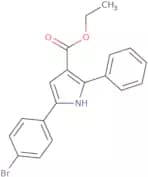
CAS:<p>Please enquire for more information about Ethyl 5-(4-bromophenyl)-2-phenylpyrrole-3-carboxylate including the price, delivery time and more detailed product information at the technical inquiry form on this page</p>Pureza:Min. 95%Trimethylolpropane tris(2-methyl-1-aziridinepropionate)
CAS:<p>Trimethylolpropane tris(2-methyl-1-aziridinepropionate) is a crosslinker that belongs to the group of aziridines. It is a reaction product of trimethylolpropane and 2-methyl-1,3-aziridinium chloride. Trimethylolpropane tris(2-methyl-1-aziridinepropionate) can be used as a coating additive or an additive in the production of polymers. In this way, it can be used to modify the properties of polymer films and plastics. Trimethylolpropane tris(2-methyl-1-aziridinepropionate) has been shown to have excellent adhesion and flexibility when used in coatings. This product also has good resistance to degradation by light, heat and acids</p>Fórmula:C24H41N3O6Pureza:Min. 98.00%Forma y color:Colorless Clear LiquidPeso molecular:467.6 g/molH-Trp-Trp-Trp-OH
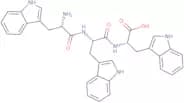
CAS:<p>H-Trp-Trp-Trp-OH is a protonated tripeptide that has hydrophobic properties. It is highly soluble in water, but not in organic solvents. The protonation of the amino acid residues in H-Trp-Trp-Trp-OH has been shown to be pH dependent. This compound is synthesized by reacting an amino acid with a carboxylic acid, which gives the product a bitter taste. The synthesis of this compound also yields reaction products that are acidic and exhibit anti tumor effects. This product can be used as a prebiotic to promote the growth of beneficial bacteria in the gastrointestinal tract.</p>Fórmula:C33H32N6O4Pureza:Min. 95%Forma y color:PowderPeso molecular:576.65 g/mol4-Amino-1-Boc-piperidine
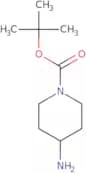
CAS:<p>4-Amino-1-Boc-piperidine is a potent inhibitor of the CCR5 receptor. It is an x-ray crystal structure with a hydroxide solution that inhibits the growth of cancer cells. The inhibitor binding site for 4-Amino-1-Boc-piperidine was determined to be the CCR5 receptor, which is located on the surface of hematopoietic cells. The compound has been shown to inhibit human T lymphocyte proliferation in vitro and inhibit HIV replication in infected patients. 4-Amino-1-Boc-piperidine is able to inhibit the growth of cancer cells by blocking the production of cytokines, such as interleukin 2, that are needed for cell division and growth.</p>Fórmula:C10H20N2O2Pureza:Min. 95%Forma y color:PowderPeso molecular:200.28 g/mol4-Phenyl-2-pyrrolidone
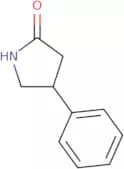
CAS:<p>4-Phenyl-2-pyrrolidone (4PP) is a chemical that inhibits bacterial growth by binding to the fatty acids required for cellular membrane synthesis. 4PP has been shown to inhibit the production of gamma-aminobutyric acid (GABA), an inhibitory neurotransmitter, and also has an aromatic hydrocarbon structure, which may be important for its antibacterial activity. The effective dose of 4PP is 10 µg/mL and it can be used in aerobic environments. This chemical also has a kinetic effect on the production of RNA sequences, which could play a role in its ability to inhibit bacterial growth.</p>Fórmula:C10H11NOPureza:Min. 95%Forma y color:PowderPeso molecular:161.2 g/mol2-Hydroxy-3-methylbutyric acid
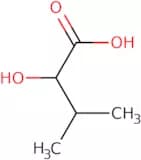
CAS:<p>2-Hydroxy-3-methylbutyric acid is an intermediate in the microbial metabolism of hydrogen fluoride and caproic acid. It can be used as a diagnostic for probiotic bacteria. 2-Hydroxy-3-methylbutyric acid has been shown to cause cell lysis, which may be due to its ability to act as a polymerase chain reaction (PCR) enhancer. The activity index of 2-hydroxy-3-methylbutyric acid is higher than that of other organic acids, such as 3,4-dimethoxybenzoic acid and ferulic acid.</p>Fórmula:C5H10O3Pureza:Min. 95%Forma y color:PowderPeso molecular:118.13 g/mol2-(2,4-dichlorophenoxy)-N-(6-methoxy(3-pyridyl))ethanamide
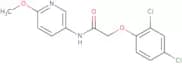
CAS:<p>Please enquire for more information about 2-(2,4-dichlorophenoxy)-N-(6-methoxy(3-pyridyl))ethanamide including the price, delivery time and more detailed product information at the technical inquiry form on this page</p>Pureza:Min. 95%2-Methoxyhydroquinone
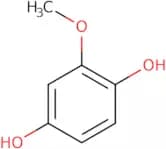
CAS:<p>2-Methoxyhydroquinone is a reactive phenolic compound that is used as an antioxidant in nutrient solutions. The compound reacts with a hydroxyl group to form 2,2-bis(4-hydroxyphenyl)propane through the addition of hydrogen bonds. It is also used for wastewater treatment and in radiation-induced polymerization reactions. 2-Methoxyhydroquinone can react with alcohol residues on proteins to form p-hydroxybenzoic acid esters. In addition, this compound has been shown to be an excellent enzyme substrate, which may result from its ability to undergo hydrogen bonding interactions with the enzyme active site.</p>Fórmula:C7H8O3Forma y color:PowderPeso molecular:140.14 g/molTetrakis[N-phthaloyl-(R)-tert-leucinato]dirhodium bis(ethyl acetate) adduct
CAS:<p>Tetrakis[N-phthaloyl-(R)-tert-leucinato]dirhodium bis(ethyl acetate) adduct is a reagent that is used in organic synthesis and research. It has been shown to be useful as a scaffold for the synthesis of complex compounds, such as polymers. Tetrakis[N-phthaloyl-(R)-tert-leucinato]dirhodium bis(ethyl acetate) adduct can be used as an intermediate in the production of fine chemicals and speciality chemicals, as well as a versatile building block for the synthesis of diverse chemical compounds.</p>Fórmula:C56H56N4O16Rh2·C8H16O4Pureza:Min. 95%Forma y color:Yellow To Brown To Dark Green SolidPeso molecular:1423.0817alpha-Methyl-19-nortestosterone
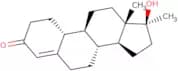
CAS:Producto controlado<p>17alpha-Methyl-19-nortestosterone (17MT) is an anti-cancer agent that has been used as a contraceptive. It inhibits the conversion of testosterone to dihydrotestosterone by competitive inhibition of the enzyme 3beta-hydroxysteroid dehydrogenase, which is responsible for the first step in the biosynthesis of androgens. 17MT has also been shown to inhibit angiotensin II formation, thereby reducing blood pressure. This drug acts as a structural analogue of progesterone and binds to progesterone receptors, as well as other steroid receptors, with high affinity. 17MT also inhibits fatty acid synthesis in cancer cells, leading to decreased tumor growth.</p>Fórmula:C19H28O2Pureza:Min. 95%Forma y color:PowderPeso molecular:288.42 g/mol5,6-Methylenedioxyindole
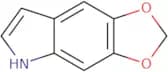
CAS:<p>5,6-Methylenedioxyindole (MDI) is a compound that is often used in the synthesis of other bioactive molecules. It has been shown to bind to the pyridinium moiety of receptor sites and form a stable complex, which can then be displaced by an agonist or antagonist. The binding experiments were performed using radioactive MDI and zoxazolamine as the ligand. Radiolabelled MDI was synthesized from 5-methyl-2-pyridinone with the use of a linker, methylenetriphenylphosphorane (MTPP). The molecular electrostatic potentials of the two compounds were calculated in order to investigate the possible binding interactions between them. Ellipticines are also synthesised using MDI as a precursor molecule, which is alkylated with dimethyl sulfate and then reacted with phenylhydrazine. This reaction produces a mixture containing both ellipticines and</p>Fórmula:C9H7NO2Pureza:Min. 95%Peso molecular:161.16 g/molL-Glutamic acid di-tert-butyl ester hydrochloride
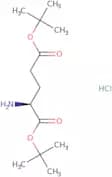
CAS:<p>L-glutamic acid di-tert-butyl ester hydrochloride is a synthetic glutamic acid conjugate that can be used in the treatment of cancer. L-Glutamic acid di-tert-butyl ester hydrochloride is a substrate for many enzymes, such as glutamate transporters and glutaminase, which are found in tumor cells. It has been shown to decrease the uptake of docetaxel by tumor xenografts in mice. The expression of L-Glutamic acid di-tert-butyl ester hydrochloride has been observed in tissues during cancerous growth and it is expressed at higher levels than in normal tissues.</p>Fórmula:C13H25NO4·HClPureza:Min. 95%Forma y color:White PowderPeso molecular:295.8 g/mol5-Nitro-m-phenylenediamine
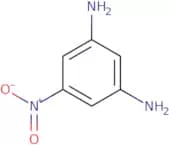
CAS:<p>5-Nitro-m-phenylenediamine is an organic compound that has the chemical formula CHNO. It is a white crystalline solid with a melting point of 158 °C. The compound is soluble in water and other polar solvents but insoluble in nonpolar solvents such as hexane. 5-Nitro-m-phenylenediamine can be prepared by nitration of m-phenylenediamine, which produces the desired product in about 30% yield and with impurities that must be removed by fractional crystallization. The compound is used as an intermediate for making dyes and pharmaceuticals.</p>Fórmula:C6H7N3O2Pureza:Min. 95%Forma y color:PowderPeso molecular:153.14 g/molFmoc-L-aspartic acid beta-2-phenylisopropyl ester
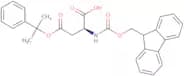
CAS:<p>Fmoc-L-aspartic acid beta-2-phenylisopropyl ester is a macrocyclic amino acid with conformational and anti-inflammatory properties. It has been shown to inhibit the proliferation of cancer cells in vitro, as well as the osteolytic, lymphoproliferative, and inflammatory activities in vivo. Fmoc-L-aspartic acid beta-2-phenylisopropyl ester also has antiarrhythmic effects on cardiac tissue that are caused by its ability to bind to chloride channels. This compound also inhibits the production of inflammatory cytokines such as tumor necrosis factor alpha (TNFα) and interleukin 6 (IL6).</p>Fórmula:C28H27NO6Pureza:Min. 95%Forma y color:PowderPeso molecular:473.52 g/molAc-Ile-Glu-Thr-Asp-AMC
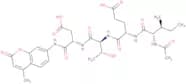
CAS:<p>Ac-Ile-Glu-Thr-Asp-AMC is a reactive, nonsteroidal anti-inflammatory drug that inhibits the activity of survivin, which is an important protein for the survival of prostate cancer cells. Ac-Ile-Glu-Thr-Asp-AMC also inhibits mitochondrial membrane potential in prostate cancer cells and normal peripheral blood mononuclear cells, leading to apoptosis. The biochemical properties of Ac-Ile-Glu-Thr-Asp-AMC are similar to those of other NSAIDs. This drug has been shown to inhibit protein synthesis in experimental models and hydrochloric acid causes mitochondrial membrane depolarization, which triggers apoptosis.</p>Fórmula:C31H41N5O12Pureza:Min. 95 Area-%Forma y color:PowderPeso molecular:675.68 g/molDL-Threonine
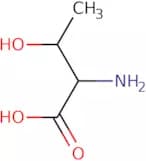
CAS:<p>DL-Threonine (or 2-amino-3-hydroxybutanoic acid), is an essential, non-protein amino acid naturally occurring in the human body and it is involved in many biological processes. DL-threonine takes part in the conversion of glycogen into the glucose pathway, supports muscle tissue maintenance and growth, and plays a key role in regulating levels of other amino acids. In addition, DL-threonine helps to provide protection against heat, reduce tiredness and lowers blood pressure. It is an important source of energy for the liver and has been shown to be effective in stimulating liver function, as well as, to have a protective effect against various diseases, including hepatitis and cirrhosis. The liver uses DL-Threonine to produce other amino acids and helping in protein synthesis, such as insulin. The human body can produce DL-threonine from serine by threonine synthase, but not enough to meet the body's needs and thus it must be obtained from food sources or supplements. DL-Threonine can be found in many foods including meat, eggs, soybeans, and dairy products. It can chelate metal cations to improve the absorption of minerals from supplements, which is used in fertilizers for agriculture.</p>Fórmula:C4H9NO3Pureza:Min 98%Forma y color:PowderPeso molecular:119.12 g/molD,L-Sulforaphane N-acetyl-L-cysteine
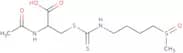
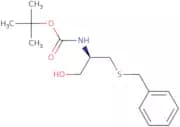
CAS:<p>Sulforaphane is a natural compound found in broccoli and other cruciferous vegetables. It has been shown to have anti-cancer properties, including inhibition of skin cancer. Sulforaphane N-acetyl-L-cysteine (SFNAC) is an analogue of sulforaphane that can be used to inhibit the epidermal growth factor response element. SFNAC also has inhibitory properties against the apoptosis pathway and can induce cellular death by inhibiting mitochondrial membrane potential. The lc-ms/ms method was used to measure SFNAC levels in bovine fetal serum and it was found that this compound was present at low doses (1 mg/kg body weight).</p>Fórmula:C11H20N2O4S3Pureza:Min. 95%Forma y color:PowderPeso molecular:340.49 g/molBoc-S-benzyl-L-cysteinol
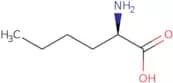
CAS:<p>Please enquire for more information about Boc-S-benzyl-L-cysteinol including the price, delivery time and more detailed product information at the technical inquiry form on this page</p>Fórmula:C15H23NO3SPureza:Min. 95%Forma y color:PowderPeso molecular:297.41 g/molD-Norleucine
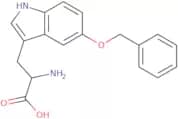
CAS:<p>D-Norleucine is a non-protein amino acid that is an important part of the synthesis of proteins. It has been shown to be a competitive inhibitor of the racemase enzyme, which converts D-alanine to L-alanine. The target cell for this reaction is unknown, but it may be related to the protein synthesis process. D-Norleucine has also been shown to inhibit the growth of Mycobacterium avium and other acid-fast bacteria by interfering with the production of ATP and incorporation into cellular structures. This inhibition is caused by its ability to form ionic bonds with functional groups in these compounds.</p>Fórmula:C6H13NO2Pureza:Min. 95%Forma y color:PowderPeso molecular:131.17 g/mol5-Benzyloxy-DL-tryptophan
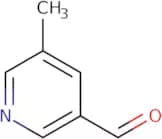
CAS:<p>5-Benzyloxy-DL-tryptophan is a tryptophan metabolite that has been shown to have physiological effects. It is formed by the hydrolysis of l-tryptophan by hydrochloric acid, which leads to an increase in extracellular Ca2+ and the production of reaction products. 5-Benzyloxy-DL-tryptophan is also involved in the biosynthesis of serotonin, which is a neurotransmitter that affects mood and appetite. Clinical oncology studies have shown that 5-benzyloxy-DL-tryptophan can be used as adjuvant therapy to attenuate tumor growth and metastasis. 5-Benzyloxy-DL-tryptophan has been found to bind to the serotonin receptor cells in the intestine, leading to an increase in Ca2+, which promotes intestinal motility. 5BTT also acts as a precursor for serotonin synthesis when combined with amino acids such as L -</p>Fórmula:C18H18N2O3Forma y color:PowderPeso molecular:310.35 g/mol5-Methylnicotinaldehyde
CAS:<p>5-Methylnicotinaldehyde is a chemical compound that belongs to the group of tetrahydropyridines. It is a reagent for producing triphosgene and dimethylformamide. 5-Methylnicotinaldehyde has been shown to inhibit muscarinic acetylcholine receptors, leading to an increase in acetylcholine release from nerve endings. This may be due to its ability to bind with the receptor affinity site at the base of the nicotinic acetylcholine receptor. 5-Methylnicotinaldehyde also has anti-inflammatory properties and can be used as a pesticide.</p>Fórmula:C7H7NOPureza:Min. 95%Forma y color:PowderPeso molecular:121.14 g/molFmoc-Thr(tBu)-D-Ser(Psi(Me,Me)pro)-OH
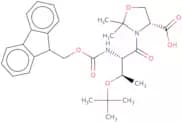
<p>Fmoc-Thr(tBu)-D-Ser(Psi(Me,Me)pro)-OH is a speciality chemical that is used as a reagent for peptide synthesis. It is also useful in the synthesis of complex compounds and scaffolds. This compound has high quality with a CAS number of 56610-81-8. Fmoc-Thr(tBu)-D-Ser(Psi(Me,Me)pro)-OH is a versatile building block that can be used in reactions involving amines and carboxylic acids. Fmoc-Thr(tBu)-D-Ser(Psi(Me,Me)pro)-OH is an intermediate that can be used in the synthesis of many different compounds.</p>Fórmula:C29H36N2O7Pureza:Min. 95%Forma y color:PowderPeso molecular:524.61 g/mol4.6-Dihydroxy-2-methylpyrimidine
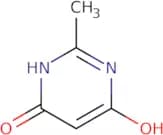
CAS:<p>4,6-Dihydroxy-2-methylpyrimidine is a monomer that is used in the synthesis of polyurethanes. It is an intermediate in the reaction between hydrochloric acid and nitrous acid, which produces 4,6-dichloro-2-methylpyrimidine. The reaction mechanism involves transfer of a methyl group from an organic molecule to hydrochloric acid. This reaction can be carried out at either low or high pH values. The addition of magnesium salt increases the rate of the reaction by increasing the solubility of chloroformate in water. When ethyl esters are used as starting materials, a constant conversion rate can be obtained with a large excess of magnesium salt.</p>Fórmula:C5H6N2O2Pureza:Min 99%Forma y color:PowderPeso molecular:126.11 g/mol3-Fluoro-5-methylpyridine
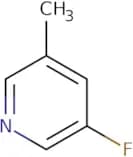
CAS:<p>3-Fluoro-5-methylpyridine is a fine chemical, useful building block and research chemical. It is a versatile building block that can be used as a reaction component or as an intermediate in the synthesis of various other organic compounds. 3-Fluoro-5-methylpyridine is also a reagent for the preparation of pharmaceuticals and agrochemicals. This compound can be used in the synthesis of complex compounds with high quality and purity, such as inorganic salts, metal complexes and organometallic compounds. 3-Fluoro-5-methylpyridine has CAS No. 407-21-6 and has been assigned to category 1B by the European Union's classification system (EU CLP).</p>Fórmula:C6H6FNPureza:Min. 95%Peso molecular:111.12 g/molDL-Asparagine monohydrate
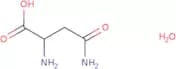
CAS:<p>DL-Asparagine monohydrate is a low potency amino acid that can be used as a biomarker for wastewater treatment. It has been shown to inhibit the activity of enzymes such as guanine nucleotide-binding proteins, toll-like receptors, and response elements. Asparagine also has inhibitory properties against tumour cells in solid tumours.</p>Fórmula:C4H10N2O4Forma y color:PowderPeso molecular:150.14 g/molTertiapin
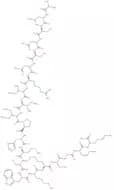
CAS:<p>Tertiapin is a synthetic bee venom peptide (Honey Bee, Apis mellifera) containing disulfide bonds between Cys3-Cys14 and Cys5-Cys18. It is an inward rectifier K+ channel blocker and also blocks the activity of calcium activated large conductance potassium channels. The pain and inflammation symptoms experienced after a bee sting is caused by this peptide even though bee venom also has the potential to treat pain and inflammation in conditions such as rheumatoid arthritis and multiple sclerosis.</p>Fórmula:C106H180N34O23S5Pureza:Min. 95%Peso molecular:2,459.11 g/mol2-(4-tert-Butylphenoxy)-2-methylpropanoic acid
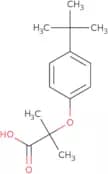
CAS:<p>2-(4-tert-Butylphenoxy)-2-methylpropanoic acid is a versatile building block and reagent for the synthesis of complex compounds. It has been used in research as a possible treatment for inflammatory diseases, including asthma and rheumatoid arthritis. This product is also a useful scaffold for the development of new drugs. 2-(4-tert-Butylphenoxy)-2-methylpropanoic acid has been shown to have antiviral properties against human immunodeficiency virus (HIV) and hepatitis C virus (HCV).</p>Fórmula:C14H20O3Pureza:Min. 95%Forma y color:PowderPeso molecular:236.31 g/mol2-Isopropyl-5-methylanisole
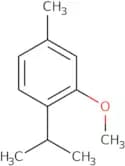
CAS:<p>2-Isopropyl-5-methylanisole is a natural compound that has been shown to have potent antimicrobial activity in a model system. It has been shown to inhibit the growth of bacteria by binding to the active site of bacterial DNA gyrase and topoisomerase IV, which are enzymes that maintain the integrity of bacterial DNA. 2-Isopropyl-5-methylanisole has also been shown to be nontoxic in toxicity studies on various model organisms. 2-Isopropyl-5-methylanisole is absorbed through the skin when applied topically or taken orally, and can be used as an antibacterial agent for topical application or in foods.</p>Fórmula:C11H16OPureza:Min. 95%Forma y color:Clear LiquidPeso molecular:164.24 g/mol2-Hydroxy-6-methoxyacetophenone
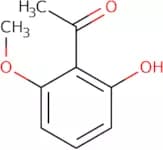
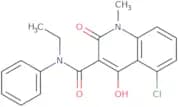
CAS:<p>2-Hydroxy-6-methoxyacetophenone is a chalcone that belongs to the group of flavonoids. It has been shown to have anticancer properties, inhibiting the growth of colorectal carcinoma cells in a dose-dependent manner. The mechanism of action for 2-hydroxy-6-methoxyacetophenone is not fully understood, but it may be due to its ability to inhibit the enzyme demethylase and induce apoptosis. This compound also has been shown to inhibit the growth of Escherichia coli and Salmonella typhimurium when used at high concentrations. 2-Hydroxy-6-methoxyacetophenone can be synthesized by reacting ethyl acetoacetate with two equivalents of methylamine in the presence of a base such as sodium methoxide or potassium hydroxide.<br>2-Hydroxy-6-methoxyacetophenone has also been shown to inhibit</p>Fórmula:C9H10O3Pureza:Min. 95%Forma y color:PowderPeso molecular:166.17 g/mol5-Chloro-4-hydroxy-1-methyl-2-oxo-1,2-dihydro-quinoline-3-carboxylic acid ethyl-phenyl-amide
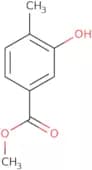
CAS:<p>Laquinimod is an immunomodulator drug that inhibits the activity of the immune system. It binds to toll-like receptor 7, which is a protein on the surface of certain cells that responds to infection and inflammation. Laquinimod has been shown to inhibit neurodegeneration in vitro, which may be due to its ability to bind with neuronal death receptors and block the inflammatory response. Laquinimod also inhibits bowel disease by reducing inflammation and controlling immunity in the intestinal tract. Laquinimod has been shown to have long-term efficacy when administered at physiological levels. This drug is chemically stable, even after exposure to light.</p>Fórmula:C19H17ClN2O3Pureza:Min. 95%Forma y color:White PowderPeso molecular:356.8 g/molMethyl 3-hydroxy-4-methylbenzoate
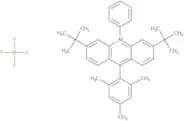
CAS:<p>Methyl 3-hydroxy-4-methylbenzoate (HMBA) is a metabolite of the anti-cancer drug methotrexate. HMBA has shown an inhibitory effect on acid phosphatase and on the growth of cancer cells. It also has an anti-inflammatory effect, which may be due to its ability to inhibit enzyme extracts from inflammatory diseases such as arthritis or asthma. HMBA has been shown to have a pharmacokinetic profile in vivo, which has been demonstrated by using SW620 cells. This compound is also able to cross the blood brain barrier and accumulate in cancerous tumors.</p>Fórmula:C9H10O3Pureza:Min. 95%Forma y color:PowderPeso molecular:166.17 g/mol3,6-Bis(1,1-dimethylethyl)-10-phenyl-9-(2,4,6-trimethylphenyl)-acridinium tetrafluoroborate
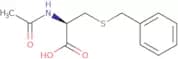
CAS:<p>3,6-Bis(1,1-dimethylethyl)-10-phenyl-9-(2,4,6-trimethylphenyl)-acridinium tetrafluoroborate is a high quality reagent that is used as an intermediate in the synthesis of other compounds. It has CAS No. 1810004-87-5 and a molecular weight of 345.7 g/mol. This compound is useful for the synthesis of complex compounds and can be used in fine chemicals. 3,6-Bis(1,1-dimethylethyl)-10-phenyl-9-(2,4,6-trimethylphenyl)-acridinium tetrafluoroborate is also useful for research purposes and can be used as a scaffold for drug discovery. It is also a versatile building block that can be used in reactions to produce speciality chemicals and reaction components such as esters or amides.</p>Fórmula:C36H40BF4NPureza:Min 95%Forma y color:PowderPeso molecular:573.51 g/molN-Acetyl-S-benzyl-L-cysteine
CAS:<p>N-Acetyl-S-benzyl-L-cysteine is a fluorescence detector that is often used in toxicological studies. It is commonly used to measure the formation of urinary acid after the ingestion of drugs or toxins, as well as the oxidative DNA damage. N-Acetyl-S-benzyl-L-cysteine can be found in urine samples and maternal blood. This compound is prepared by mixing an aqueous solution with a solvent, such as toluene or methyl ethyl ketone, yielding an oily precipitate. The resulting precipitate is then dissolved in water and filtered with a syringe filter for use in fluorescence detection.</p>Fórmula:C12H15NO3SPureza:Min. 95%Forma y color:PowderPeso molecular:253.32 g/molD-Serine
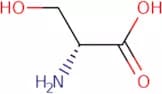
CAS:<p>D-Serine is an amino acid that has been shown to have a physiological function in the brain. It is an endogenous coagonist at the glycine site on the N-methyl-D-aspartate (NMDA) receptor. D-Serine has been shown to be neuroprotective and reduce neuronal death in experimental models of Parkinson's disease, Alzheimer's disease, and stroke. D-Serine also has a role in energy metabolism, as it can be converted to serine by racemase. This conversion is critical for neuronal survival during periods of prolonged fasting or low glucose levels. The production of d-serine from l-serine via racemase may serve as a potential biomarker for certain diseases such as Parkinson's disease and Alzheimer's disease.</p>Fórmula:C3H7NO3Forma y color:White PowderPeso molecular:105.09 g/mol2-Boc-6-Chloro-3,4-dihydro-1H-isoquinoline-1-carboxylic acid
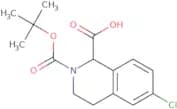
CAS:<p>2-Boc-6-Chloro-3,4-dihydro-1H-isoquinoline-1-carboxylic acid is a useful scaffold for the production of various chemical compounds. It is a versatile building block that can be used as an intermediate in various chemical reactions or as a speciality chemical. 2-Boc-6-Chloro-3,4-dihydro-1H-isoquinoline-1 carboxylic acid has been shown to be a high quality and reliable reagent for use in research and development.</p>Fórmula:C15H18ClNO4Pureza:Min. 95%Forma y color:White PowderPeso molecular:311.76 g/molN-Methyl-4-pyridone-3-carboxamide
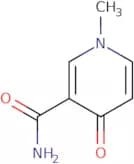
CAS:<p>N-Methyl-4-pyridone-3-carboxamide is a nonnutritive sweetener that has been shown to have no effect on peroxisome proliferation. It also had no effect on the levels of fatty acids in rat cardiomyocytes and did not affect uv absorption. N-Methyl-4-pyridone-3-carboxamide binds to the receptor α subunit of the taste receptor and inhibits adenosine uptake, which may be responsible for its effects on depression. This compound also alters energy metabolism by inhibiting mitochondrial ATP production and glycolysis.</p>Fórmula:C7H8N2O2Pureza:(%) Min. 95%Forma y color:PowderPeso molecular:152.15 g/molBenzyl glycinate hydrochloride
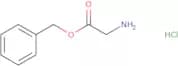
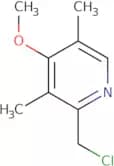
CAS:<p>Benzyl glycinate hydrochloride is a piperidinecarboxylic acid ester that is bound to a benzyl group. It is chemically stable and has biological properties that are similar to those of oxytocin. This drug may be used as an antiviral agent or in the treatment of infectious diseases, such as hepatitis. The binding of benzyl glycinate hydrochloride to the ns3 protease prevents the conversion of amide-containing prodrugs into active form. The ester hydrochloride moiety in this molecule may act as a competitive inhibitor against carboxylesterases found in erythrocytes, which are responsible for the hydrolysis of oxytocin. Benzyl glycinate hydrochloride also binds to the oxytocin receptor and may be used as an oxytocin mimetic.</p>Fórmula:C9H11NO2•HClPureza:Min. 97 Area-%Forma y color:PowderPeso molecular:201.65 g/mol2-Chloromethyl-3,5-dimethyl-4-methoxypyridine
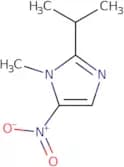
CAS:<p>2-Chloromethyl-3,5-dimethyl-4-methoxypyridine is a drug substance that is used as a pump inhibitor. The optimal reaction conditions for the synthesis of this molecule are a Grignard reagent, chlorinating agent, and magnesium salt. Impurities may arise during the synthetic process due to chloride or inorganic acid catalyst. This drug substance is not soluble in water but can be dissolved in organic solvents such as ethers, chloroform, or benzene. It reacts with magnesium to form a chelate ring with an organic molecule.</p>Fórmula:C9H12ClNOPureza:Min. 95%Forma y color:PowderPeso molecular:185.65 g/molN-(3-Methyl-2-propan-2-ylimidazol-4-Yl)-N-oxidohydroxylamine
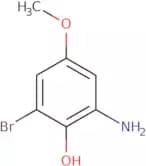
CAS:<p>N-(3-Methyl-2-propan-2-ylimidazol-4-yl)-N-oxidohydroxylamine is a chemical compound that has been shown to have antimicrobial activity in vitro. It interacts with the matrix effect and can be used as a chemotherapeutic agent. The molecule is also an analytical method for detection of cancer cells, which can be performed using a lc-ms/ms method.</p>Fórmula:C7H11N3O2Pureza:Min. 95%Forma y color:PowderPeso molecular:169.18 g/mol2-Amino-6-bromo-4-methoxyphenol
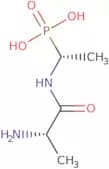
CAS:2-Amino-6-bromo-4-methoxyphenol (2ABMP) is a benzyl compound that can be used as a substitute for 2,4-diaminophenol. It has been shown to have estrogenic activity and may function as an estrogen receptor agonist. 2ABMP has also been shown to inhibit the growth of breast cancer cells in culture. The role of this drug in the treatment of breast cancer is not yet clear, but it may be useful in combination therapy with other drugs.Fórmula:C7H8BrNO2Pureza:Min. 95%Forma y color:PowderPeso molecular:218.05 g/molAlafosfalin
CAS:<p>Antibacterial phosphonopeptide mimic of peptidoglycan dipeptide D-Ala-D-Ala</p>Fórmula:C5H13N2O4PPureza:Min. 98 Area-%Forma y color:White PowderPeso molecular:196.14 g/molL-Methionine 4-nitroanilide
CAS:<p>L-Methionine 4-nitroanilide is a polymerase chain reaction (PCR) substrate. It has been shown to bind to DNA with calcium and to have protease activity. L-Methionine 4-nitroanilide is a synthetic substrate used in the biochemical study of serine proteases. L-Methionine 4-nitroanilide has been found to be active against P. aeruginosa and thermococcus, but not against mosquitoes. The optimum pH for this compound is 7 and it can be found at a concentration of 10mM in the range of pH 5 - 8.</p>Fórmula:C11H15N3O3SPureza:Min. 95%Forma y color:White To Light (Or Pale) Yellow SolidPeso molecular:269.32 g/mol7-Methyl-DL-tryptophan
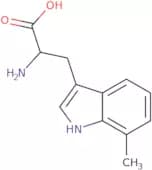
CAS:<p>7-Methyl-DL-tryptophan is a crystalline solid that is used as a protein analog. It is structurally similar to L-tryptophan and has been shown to have the same biochemical properties. 7-Methyl-DL-tryptophan can be used in the production of recombinant proteins, such as human growth hormone, and for structural analysis of proteins. This compound also has herbicide resistance, which may be due to its ability to bind with anthranilate. The solubility of 7-methyl-DL-tryptophan in water is about 0.1 mg/mL at room temperature.</p>Fórmula:C12H14N2O2Pureza:Min. 95%Forma y color:PowderPeso molecular:218.25 g/molN-Acetyl-DL-leucine
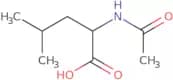
CAS:<p>N-Acetyl-DL-leucine is a non-protein amino acid that has been shown to have a variety of pharmacological effects. It has been found to reduce neuronal death and protect against cerebellar damage. N-Acetyl-DL-leucine acts by binding to the alpha subunit of the glutamate receptor, which increases its affinity for glutamate. This leads to an increased response in neuronal cells, and the prevention of neurotoxicity. N-acetyl-l-leucine has also been shown to be effective as a treatment for vestibular disorders. However, it is only soluble at high concentrations in water, so it cannot be taken orally without first being dissolved in alcohol or another solvent.</p>Fórmula:C8H15NO3Pureza:Min. 95%Forma y color:PowderPeso molecular:173.21 g/mol3'-Fluoro-4'-methoxyacetophenone
CAS:<p>3'-Fluoro-4'-methoxyacetophenone is a chalcone that has been shown to have vibrational frequencies of 3.1, 3.2, and 3.3 cm-1. The conformation of this molecule is in the cis form with a 2,6-diisopropylphenyl group on the cyclohexane ring. This molecule has two functional groups: a hydroxyl and a methoxy group. These molecules are soluble in organic solvents such as benzene and chloroform, but not in water or ethanol due to their high polarity. The crystal structure of this molecule was determined by x-ray diffraction experiments at room temperature and found to be monoclinic with space group C2/c with lattice constants a = 5.853 Å, b = 12.638 Å, c = 6.225 Å and β = 120° ± 10° at 25 °C</p>Fórmula:C9H9FO2Pureza:Min. 95%Forma y color:PowderPeso molecular:168.16 g/mol1-(4-Methylphenyl)ethanol
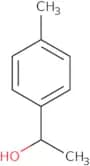
CAS:<p>1-(4-Methylphenyl)ethanol is a colorless liquid that has a low energy and functional groups. It can be used as a reaction product in vitro assays and rhizosphere. 1-(4-Methylphenyl)ethanol reacts quickly with high salt, phosphatase, and silicon. The rate of the reaction increases with an increase in temperature. 1-(4-Methylphenyl)ethanol is also used for cationic polymerization, which is used to detect cirrhosis, high salt, phosphatase, and silicon by optical properties.</p>Fórmula:C9H12OPureza:Min. 95%Forma y color:Clear LiquidPeso molecular:136.19 g/molDL-Serine
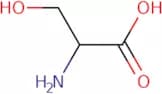
CAS:<p>DL-Serine is a metabolite of the amino acid serine. It is an important intermediate in the biosynthesis of other amino acids, such as glycine and cysteine. DL-Serine can also be used to synthesize phospholipids and nucleotides. DL-Serine is a stable complex with sodium ester hydrochloride at pH 1.5 and anhydrous sodium at pH 2.8, which makes it suitable for use in acidic conditions. It has been shown to have clinical relevance in enzymatic processes related to fatty acid synthesis and metabolism, including glycerophospholipid synthesis and degradation of triacylglycerols. DL-Serine has been shown to have optimum concentration at 0.1 mM, with hydroxyl group interactions stabilizing the molecule by forming hydrogen bonding interactions with adjacent molecules; however, if the concentration exceeds 0.2 mM there will be a net decrease in free energy due to its ability to form</p>Fórmula:C3H7NO3Forma y color:White PowderPeso molecular:105.09 g/mol3,4-Dihydroxy-DL-phenylalanine
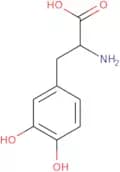
CAS:Producto controlado<p>3,4-Dihydroxy-DL-phenylalanine is a phenolic compound that can be found in plants, animals and humans. It is a precursor of dopamine and has been shown to inhibit bacterial growth and decrease the production of p-hydroxybenzoic acid by inhibiting the enzyme tyrosinase. 3,4-Dihydroxy-DL-phenylalanine has also been shown to have antioxidant properties and may be useful in preventing neuronal death. 3,4-Dihydroxy-DL-phenylalanine has the ability to prevent oxidative stress by scavenging free radicals. The compound also inhibits lipid peroxidation induced by trifluoroacetic acid (TFA).</p>Fórmula:C9H11NO4Pureza:Min. 95%Forma y color:White PowderPeso molecular:197.19 g/molN-(2-Indol-3-ylethyl)(4-methylphenyl)formamide
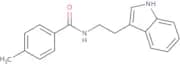
CAS:Please enquire for more information about N-(2-Indol-3-ylethyl)(4-methylphenyl)formamide including the price, delivery time and more detailed product information at the technical inquiry form on this pageFórmula:C18H18N2OPureza:Min. 95%Forma y color:PowderPeso molecular:278.35 g/molMethyl 3-methylsalicylate
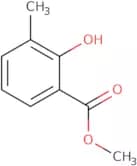
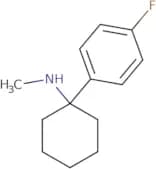
CAS:<p>Methyl 3-methylsalicylate is a member of the class of organic compounds known as phenols. It has a molecular formula of C6H5OCH3 and a molecular weight of 126.08 g/mol. The compound possesses three methoxy groups, two hydroxyl groups, and one methyl group. Methyl 3-methylsalicylate is used in dyestuffs and as an intermediate in the synthesis of pyrazole derivatives. Methyl 3-methylsalicylate has been shown to induce behavioral responses in model organisms such as honeybees and ants, which may be due to its ability to affect their cuticular hydrocarbons.</p>Fórmula:C9H10O3Pureza:Min. 95%Forma y color:Colorless PowderPeso molecular:166.17 g/mol1-(4-Fluorophenyl)-N-Methylcyclohexylamine
CAS:Producto controlado<p>1-(4-Fluorophenyl)-N-Methylcyclohexylamine is a planar molecule with an electron density distribution that is more concentrated in the region of the benzene ring. The 4-fluorostyrene substituent has a vinyl group. The electron density distribution is more concentrated in the region of the benzene ring, and is less concentrated in the region of the methyl group, which is substituted by a fluorine atom. This molecule can be used as an intermediate to synthesize other molecules with conformational, planar, or hybridized properties.</p>Fórmula:C13H18FNPureza:Min. 95%Peso molecular:207.29 g/molN-(4-Fluorophenyl)(5-methyl-3-phenylisoxazol-4-yl)formamide
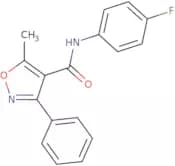
CAS:<p>Please enquire for more information about N-(4-Fluorophenyl)(5-methyl-3-phenylisoxazol-4-yl)formamide including the price, delivery time and more detailed product information at the technical inquiry form on this page</p>Fórmula:C17H13FN2O2Pureza:Min. 95%Forma y color:PowderPeso molecular:296.3 g/molPhosphorodiamidous acid N,N,N',N'-tetrakis(1-methylethyl)-1-methylethyl ester
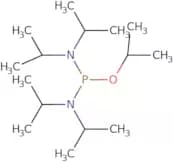
CAS:Please enquire for more information about Phosphorodiamidous acid N,N,N',N'-tetrakis(1-methylethyl)-1-methylethyl ester including the price, delivery time and more detailed product information at the technical inquiry form on this pageFórmula:C15H35N2OPPureza:Min. 95%Peso molecular:290.43 g/molFmoc-L-norvaline
CAS:<p>Fmoc-L-norvaline is a potent inhibitor of protein–protein interactions. It was originally identified as a cyclotide and has been shown to inhibit the serine protease activity of trypsin, chymotrypsin, and elastase. Fmoc-L-norvaline is also an analog of rauwolscine, which is used in the treatment of chronic hepatitis. The selectivity profile of Fmoc-L-norvaline is similar to that of rauwolscine, but with a higher potency against serine proteases. This molecule has been shown to have second order rate constants (k) in the range of 2×10 M−1s−1 to 1×10 M−1s−1 when bound to various proteins.</p>Fórmula:C20H21NO4Pureza:Min. 95%Forma y color:White To Off-White SolidPeso molecular:339.39 g/molFmoc-4-methyl-L-phenylalanine
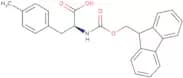
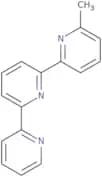
CAS:<p>Fmoc-4-methyl-L-phenylalanine is a versatile building block that can be used as a reagent, speciality chemical, or useful intermediate. It is a high quality compound with many applications in the field of research chemicals and pharmaceuticals. Fmoc-4-methyl-L-phenylalanine can be used as an important reaction component in the synthesis of various complex compounds. The versatility of this compound makes it an excellent scaffold for synthesizing new compounds.</p>Fórmula:C25H23NO4Pureza:Min. 95%Forma y color:White PowderPeso molecular:401.45 g/mol6-Methyl-2,2':6',2''-terpyridine
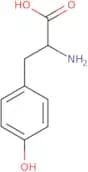
CAS:<p>6-Methyl-2,2':6',2''-terpyridine is a versatile building block that can be used in the synthesis of complex compounds. It is a fine chemical and is sold for research purposes only. 6-Methyl-2,2':6',2''-terpyridine has been used as a reagent or speciality chemical in the manufacture of pharmaceuticals, agrochemicals, and other organic compounds. This compound also has potential use as an intermediate in the synthesis of other useful compounds or scaffolds.</p>Fórmula:C16H13N3Pureza:Min. 85 Area-%Forma y color:PowderPeso molecular:247.29 g/molDL-Tyrosine
CAS:<p>DL-Tyrosine is a non-essential amino acid that can be synthesized in the body from phenylalanine or obtained from food. DL-Tyrosine is a precursor of the neurotransmitter dopamine, which is involved in regulating mood, movement, and cognitive functions. DL-Tyrosine has been shown to inhibit the conversion of tyrosine to 3,4-dihydroxyphenylacetic acid (DOPAC) by dopamine β-hydroxylase. Tyrosine also prevents the formation of reactive oxygen species due to its chemical stability and ability to scavenge free radicals. DL-Tyrosine may have implications for treating Parkinson's disease, ADHD, depression, and chronic fatigue syndrome.</p>Fórmula:C9H11NO3Pureza:Min. 95%Forma y color:PowderPeso molecular:181.19 g/mol(13C2,15N)Glycine
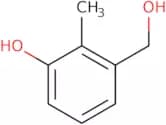
CAS:<p>Glycine is an amino acid that is found in the human blood. It is a non-essential amino acid and has a high level of stability. Glycine can be used as an untreated control to measure the stability of other compounds; it has been shown to be stable for up to six months at room temperature and for more than one year when frozen. Glycine is not found in any food sources, but can be synthesized by the body from other amino acids. The following are sample product descriptions: Rifapentine Rifapentine is an anti-tuberculosis drug that belongs to the class of rifamycins. It is the most active of the rifamycins for the treatment of tuberculosis. Rifapentine inhibits bacterial growth by binding to DNA-dependent RNA polymerase, thereby preventing transcription and replication. The high frequency of human activity has been shown using a patch-clamp technique on human</p>Pureza:Min. 95%Forma y color:PowderPeso molecular:77.99 g/mol3-Hydroxy-2-methylbenzyl alcohol
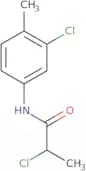
CAS:<p>3-Hydroxy-2-methylbenzyl alcohol is a solvent with a high molecular weight. It is insoluble in water and has good solvency power for organic solvents. 3-Hydroxy-2-methylbenzyl alcohol has anisotropy, which means it can rotate the plane of polarization of light passing through it. 3-Hydroxy-2-methylbenzyl alcohol is used as a reagent to measure the degree of birefringence, which is the property of crystalline materials that causes light passing through them to split into two rays with different polarizations. This property can be used to identify the type and size of chains in crystals. 3HMBAA has been shown to be soluble in organic solvents, but not in water or other nonpolar solvents. The theory behind this is that molecules are generally more soluble in liquids similar to themselves than they are in liquids that are dissimilar from themselves. Hel</p>Fórmula:C8H10O2Pureza:Min. 95%Forma y color:Off-White PowderPeso molecular:138.16 g/mol2-Chloro-N-(3-chloro-4-methylphenyl)propanamide
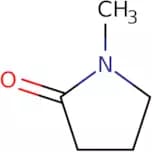
CAS:<p>Please enquire for more information about 2-Chloro-N-(3-chloro-4-methylphenyl)propanamide including the price, delivery time and more detailed product information at the technical inquiry form on this page</p>Fórmula:C10H11Cl2NOPureza:Min. 95%Peso molecular:232.11 g/molN-Methyl-2-pyrrolidone
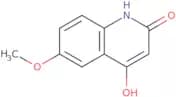
CAS:<p>N-Methyl-2-pyrrolidone is a solvent that is used in the production of polymers, paints, and other products. It has been shown to be a potent inducer of cardiac arrhythmias in rats. N-Methyl-2-pyrrolidone also has been shown to have a linear calibration curve for electrochemical impedance spectroscopy (EIS) data from 0.1 M to 5 M. This property makes it useful for determining reaction mechanisms and surface methodology. NMP has been shown to have constant pressure experimental solubility data, which can be used for thermodynamic data and high resistance values. NMP is not toxic to humans or animals at concentrations up to 2000 mg/kg body weight, but it does cause congestive heart failure in rats at doses of 500 mg/kg body weight or higher.</p>Fórmula:C5H9NOPureza:Min. 98 Area-%Forma y color:Colorless Clear LiquidPeso molecular:99.13 g/mol2,4-Dihydroxy-6-methoxyquinoline
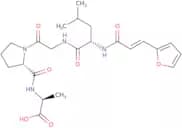
CAS:<p>2,4-Dihydroxy-6-methoxyquinoline is a compound that exhibits antifungal properties. It has been shown to have activity against Aspergillus flavus, Aspergillus fumigatus, Candida albicans and other fungi. 2,4-Dihydroxy-6-methoxyquinoline also inhibits the growth of E. coli and A. aureus in vitro. Elemental analysis showed that this compound possesses antibacterial properties and can inhibit the growth of Staphylococcus aureus.</p>Fórmula:C10H9NO3Pureza:Min. 95%Forma y color:PowderPeso molecular:191.18 g/molFA-Leu-Gly-Pro-Ala-OH
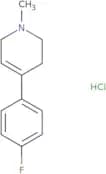
CAS:<p>FA-Leu-Gly-Pro-Ala-OH is a gelatinase inhibitor that inhibits the action of collagenase, an enzyme that breaks down collagen. It has been shown to inhibit the growth of cancer cells in vitro and may be useful as a therapeutic agent against skin cancer. FA-Leu-Gly-Pro-Ala-OH binds to the active site of the enzyme and blocks its catalytic activity by preventing proton transfer during the hydrolysis of peptide bonds. This inhibitor also has proteolytic properties, which are due to its ability to cleave proteins with basic amino acids such as arginine and lysine. The inhibitory effects of FA-Leu-Gly-Pro-Ala-OH on histological analysis were also tested on fibroblast cells with collagenase activity, which showed a significant reduction in enzyme activity after incubation with this inhibitor.</p>Fórmula:C23H32N4O7Pureza:Min. 95%Forma y color:PowderPeso molecular:476.52 g/mol4-(4-Fluorophenyl)-1,2,3,6-tetrahydro-1-methylpyridine hydrochloride (1:1)
CAS:<p>4-(4-Fluorophenyl)-1,2,3,6-tetrahydro-1-methylpyridine hydrochloride (1:1) is a neuroleptic drug that has analgesic and antihistaminic effects. It is an alkylthio compound that inhibits serotonin release from the pre-synaptic neuron. 4-(4-Fluorophenyl)-1,2,3,6-tetrahydro-1-methylpyridine hydrochloride (1:1) also blocks the uptake of dopamine by nerve cells in the brain and prevents its conversion to norepinephrine. This medicine acts as an antagonist for both alpha and beta receptors because it binds to the benzene ring of these neurotransmitters. The alpha receptor antagonist properties of this drug are due to its ability to prevent norepinephrine from binding with alpha receptors on muscle cells. The beta receptor antagonist properties are due to its ability</p>Fórmula:C12H14FN•HClPureza:Min. 95%Forma y color:PowderPeso molecular:227.71 g/molDL-Ornithine hydrochloride
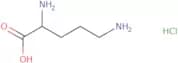
CAS:<p>Ornithine hydrochloride (OHCl) is a food additive that functions as a cross-linking agent in polyvinyl chloride. OHCl is used to modify the properties of polyvinyl chloride, such as thermal expansion and viscosity. It also functions as an effective dose for preventing radiation and is often used in sample preparation of histidine. OHCl reacts with hydrochloric acid to form the solute ornithine hydrochloride, which can be used to study the optical properties of this compound. Ornithine hydrochloride has been shown to have anti-inflammatory effects when administered intravenously due to its ability to inhibit cyclooxygenase enzymes.</p>Fórmula:C5H12N2O2•HClPureza:One SpotForma y color:PowderPeso molecular:168.62 g/molL-Alanine 4-nitroanilide hydrochloride
CAS:<p>L-alanine 4-nitroanilide hydrochloride (H-Ala-pNAHCl) functions as a substrate for L-alanine aminopeptidase, an enzyme found in bacterial cell walls that catalyzes the cleavage of L-alanine from peptides. Notably, significant activity of L-alanine aminopeptidase is specific to gram-negative microbes. Thus, the utilization of H-Ala-pNAHCl can provide evidence for distinguishing between gram-positive and gram-negative organisms. When acted upon by L-alanine aminopeptide, it undergoes cleavage into L-alanine and 4-nitroanine, with the latter compound causing bacterial suspensions to exhibit a yellow coloration.</p>Fórmula:C9H11N3O3•HClPureza:Min. 95%Forma y color:PowderPeso molecular:245.66 g/molH-Asn-Val-OH
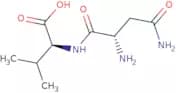
CAS:<p>H-Asn-Val-OH is a dipeptide and a useful peptide building block</p>Fórmula:C9H17N3O4Pureza:Min. 95%Peso molecular:231.25 g/molBoc-L-Phg-OH
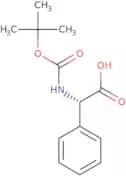
CAS:Boc-L-Phg-OH is a synthetic molecule that binds to the receptor for spasticity and inhibits spasticity. It has been shown to have potent inhibition of t-cell leukemia and virus replication. Boc-L-Phg-OH is a fluorescent compound that can be used as a molecular probe for studies of protein dynamics in living cells. The pharmacokinetic properties of this compound have also been studied, suggesting that it could be an effective treatment for tuberculosis.Fórmula:C13H17NO4Pureza:Min. 95%Forma y color:White PowderPeso molecular:251.28 g/mol2,4-Dimethoxy-3-methylbenzyl alcohol
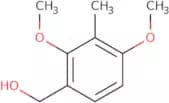
CAS:<p>2,4-Dimethoxy-3-methylbenzyl alcohol is a syntheses and deuterium analogue of orsellinic acid. It has been shown to inhibit bacterial growth in the presence of an oxygen atmosphere.</p>Fórmula:C10H14O3Pureza:Min. 95%Peso molecular:182.22 g/molDL-5-Hydroxytryptophan
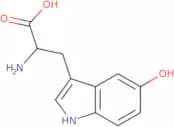
CAS:<p>DL-5-Hydroxytryptophan (5-HTP) is a naturally occurring amino acid that is converted to serotonin in the brain. It is used to treat depression and anxiety, as well as other psychological disorders. 5-HTP has been shown to stimulate the production of serotonin, which may be due to its ability to activate 5-HT2 receptors. 5-HTP has also been shown to increase the activity of various enzymes, such as esterase and aminopeptidase, in human serum. 5-HTP has been shown to have no effects on carcinoid syndrome or 5-ht concentrations in blood plasma. However, it does have biochemical properties that are different from those of other amino acids and can be used as a fluorescent probe for biological research.</p>Fórmula:C11H12N2O3Pureza:Min. 95%Forma y color:White PowderPeso molecular:220.22 g/molMagnesium L-threonate monohydrate
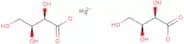
CAS:<p>Magnesium L-threonate monohydrate is a complex chemical that is a versatile building block. The CAS No. for this compound is 500304-76-7. Magnesium L-threonate monohydrate can be used as a research chemical, reagent or speciality chemical in the laboratory. It is also useful as a building block for complex chemical reactions and as an intermediate for the synthesis of other compounds. Magnesium L-threonate monohydrate has been shown to be useful in the synthesis of pharmaceuticals, agrochemicals and materials science products.</p>Fórmula:C8H14MgO10·H2OPureza:Min. 95%Forma y color:White PowderPeso molecular:312.51 g/mol4-Ethyl-5-methylthiophene-3-carboxylic acid
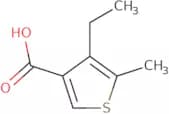
CAS:<p>4-Ethyl-5-methylthiophene-3-carboxylic acid is a chemical compound that can be used as an intermediate for the synthesis of other compounds. It is also a building block and a versatile building block in organic synthesis, with many applications in research and industry. This compound has a CAS number of 884497-34-1 and is classified as a speciality chemical.</p>Fórmula:C8H10O2SPureza:Min. 95%Forma y color:PowderPeso molecular:170.23 g/mol1-Palmitoyl-2-ω-(2-Diazo-3,3,3-Trifluoropropionyloxy)Lauroyl-Sn-Glycero-3-Phosphocholine
CAS:<p>1-Palmitoyl-2-omega-(2-Diazo-3,3,3-Trifluoropropionyloxy)Lauroyl-Sn-Glycero-3-Phosphocholine is a potential therapy for pulmonary fibrosis. It is an admixture of two phospholipids containing the fatty acid palmitic acid and omega-(2,3,3,3,-trifluoroethoxy)acetyl lauroylglycerophosphocholine. The molecule is activated by carbon monoxide (CO), which converts it to a form that can be taken up by cells. CO has been shown to inhibit the growth of cells in culture and in animal models of pulmonary fibrosis. Treatment with the molecule also inhibits production of galacturonic acid and oligosaccharides from lysophosphatidylethanolamine and its derivatives.</p>Fórmula:C39H71F3N3O10PPureza:Min. 95%Peso molecular:829.96 g/mol(1R,2S,5R)-5-Methyl-2-isopropylcyclohexyl-5-oxo-L-prolinate
CAS:<p>(1R,2S,5R)-5-Methyl-2-isopropylcyclohexyl-5-oxo-L-prolinate is a reagent that can be used as a building block for the synthesis of various chemical compounds. It is also a useful intermediate in organic synthesis. This compound has a CAS number of 64519-44-4 and is recognized as an important speciality chemical. The compound is versatile and can be used as an intermediate to synthesize complex compounds. It has been shown to be a useful scaffold in the synthesis of natural products.</p>Fórmula:C15H25NO3Pureza:Min. 95%Forma y color:Clear LiquidPeso molecular:267.36 g/molCrustacean Erythrophore Concentrating Hormone Pyr-Leu-Asn-Phe-Ser-Pro-Gly-Trp-NH2
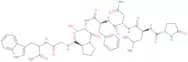
CAS:Crustacean Erythrophore Concentrating Hormone Pyr-Leu-Asn-Phe-Ser-Pro-Gly-Trp-NH2 is a polypeptide hormone that belongs to the family of peptide hormones. It is a type of neurohormone that has been found in crustaceans. Crustacean Erythrophore Concentrating Hormone Pyr-Leu-Asn-Phe-Ser-Pro-Gly-Trp-NH2 shows high affinity for cardiac tissue and blocks the uptake of calcium ions into cells by binding to intracellular receptors. This peptide has been shown to have neurotrophic effects, which may be due to its ability to stimulate the production of nerve growth factor (NGF).Fórmula:C45H59N11O11Pureza:Min. 95%Peso molecular:930.02 g/mol(S)-(+)-N-(3,5-Dinitrobenzoyl)-alpha-phenylglycine
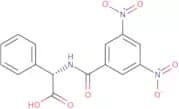
CAS:<p>(S)-(+)-N-(3,5-Dinitrobenzoyl)-alpha-phenylglycine is a chiral compound that is made up of two enantiomers. It has been shown to be a potent anthelmintic drug, but it is not currently used clinically due to its high toxicity. This compound destroys the parasite's gut lining by reacting with sulfoxide and capillaries in the intestine. The sulfoxide reacts with the pyrrole to form a sulfoxonium ion, which reacts with amino acid residues in the parasite's cell membrane to form a covalent bond. This reaction disrupts the integrity of the parasite's cell membrane and leads to cell death.</p>Fórmula:C15H11N3O7Pureza:Min. 95%Forma y color:White PowderPeso molecular:345.26 g/molN-Boc-L-homoserine
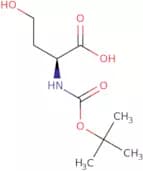
CAS:<p>N-Boc-L-homoserine is a lactam with an alkyl group, which makes it a useful synthetic intermediate for the synthesis of various products. It has been used in the synthesis of β-unsaturated ketones and conjugates. N-Boc-L-homoserine is also found naturally in nature and can be found as its two isomers, L-homoserine and D-homoserine. This compound has been shown to have histone deacetylase inhibition activity, which may be due to its ability to inhibit histone acetyl transferase. N-Boc-L-homoserine is synthesized from butyric acid, which is a tetrapeptide that contains four amino acids: valine, leucine, proline, and hydroxyproline.</p>Fórmula:C9H17NO5Pureza:Min. 95%Forma y color:PowderPeso molecular:219.24 g/mol2-Hydroxy-6-methylbenzoic acid methyl ester
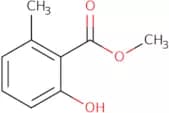
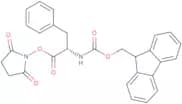
CAS:Methyl anthranilate is a bioactive molecule that belongs to the group of methyl 2-hydroxybenzoates. It has been shown to be effective against formicidae and other insects in bioassays. The chemical composition of methyl anthranilate includes a hydroxyl group and an aromatic ring, which may allow for a diverse range of chemical structures. Methyl anthranilate is synthesized by the non-enzymatic condensation of formaldehyde with 2-hydroxybenzoic acid. This molecule has been used as an insecticide in model organisms such as Drosophila melanogaster and Caenorhabditis elegans.Fórmula:C9H10O3Pureza:Min. 95%Forma y color:PowderPeso molecular:166.17 g/molFmoc-L-phenylalanine N-hydroxysuccinimide ester
CAS:<p>Please enquire for more information about Fmoc-L-phenylalanine N-hydroxysuccinimide ester including the price, delivery time and more detailed product information at the technical inquiry form on this page</p>Fórmula:C28H24N2O6Pureza:Min. 95%Forma y color:PowderPeso molecular:484.5 g/mol2-Mercapto-L-histidine
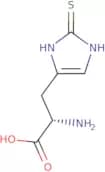
CAS:<p>2-Mercapto-L-histidine is a dietary amino acid that has been shown to be an effective inhibitor of opportunistic fungal growth in vitro. It has been shown to have a second-order rate constant of 0.0037 s−1, which is the same as lysine and arginine. This compound also inhibits the growth of fungi by competing with tryptophan for binding sites on the enzyme histidine ammonia-lyase. 2-Mercapto-L-histidine can also react with nucleophiles such as divalent cations and form covalent bonds, which may lead to its antimicrobial activity against Gram-positive bacteria. 2-Mercapto-L-histidine is not active against Gram negative bacteria or yeast due to structural differences in their cell walls.<br>2-Mercapto-L-histidine has been shown to inhibit glucose metabolism and plasma glucose levels in vitro, but it does not affect insulin secretion or</p>Fórmula:C6H9N3O2SPureza:Min. 95%Forma y color:PowderPeso molecular:187.22 g/molN-(Hydroxymethyl)-glycine sodium - 50%, in water
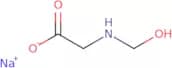
CAS:N-(Hydroxymethyl)-glycine sodium salt is a fixative agent that can be used for the preservation of biological samples. It has been shown to prevent bacterial growth and maintain chemical stability in the presence of benzalkonium chloride, which is an antibacterial agent. The activity index of N-(Hydroxymethyl)-glycine sodium salt is 50%, and it is active against bacteria such as Staphylococcus aureus, Escherichia coli, and Salmonella enterica. N-(Hydroxymethyl)-glycine sodium salt also has antimicrobial properties and has been shown to be effective against Mycobacterium tuberculosis, Mycobacterium avium complex, and Candida albicans. This fixative solution should not be used on tissues from patients with diabetic neuropathy or sclera due to its high osmolarity.Fórmula:C3H6NNaO3Pureza:Min. 95%Forma y color:Clear LiquidPeso molecular:127.07 g/mol(Sar 1,Ala8)-Angiotensin II
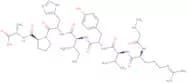
CAS:<p>Angiotensin II is a peptide hormone that is involved in the regulation of blood pressure and fluid and electrolyte balance. It also acts as a vasoconstrictor by binding to angiotensin receptors on vascular smooth muscle cells. Angiotensin II is produced from angiotensin I by the action of renin. The high-resolution linear reformulating (HRLR) technique is used to estimate the spectrum and parameters of this molecule. This technique uses iterative methods for estimating the frequency response function and parameters for each frequency, including nonlinear ones. HRLR has been shown to be an accurate estimator with a frequency range from 0 to 10 kHz, which has not been achieved with other techniques.</p>Fórmula:C43H67N13O10Pureza:Min. 95 Area-%Forma y color:PowderPeso molecular:926.07 g/mol1-(3-Methoxybenzoyl)piperidine-4-carboxylic acid
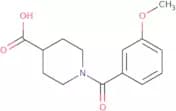
CAS:<p>1-(3-Methoxybenzoyl)piperidine-4-carboxylic acid is a fine chemical that can be used as a building block in organic synthesis. It has CAS No. 353465-22-2 and is also known as P1. This compound is useful in the preparation of a variety of complex compounds, including pharmaceuticals, agrochemicals, and other specialty chemicals. The compound can be used as a reagent or intermediate for reactions such as Friedel-Crafts acylation, carbonylation, and sulfonylation. 1-(3-Methoxybenzoyl)piperidine-4-carboxylic acid is also an excellent scaffold for the synthesis of complex molecules with versatile functional groups.</p>Fórmula:C14H17NO4Pureza:Min. 98 Area-%Forma y color:PowderPeso molecular:263.29 g/mol3-Methyl-4-nitroanisole
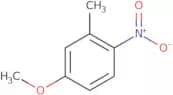
CAS:<p>3-Methyl-4-nitroanisole is a chemical compound used in the preparation of other compounds. It is obtained by reacting nitromethane with anisole in the presence of hydrochloric acid and a catalyst such as zinc chloride or copper chloride. It can be used to make melatonin, which is a hormone that regulates sleep cycles and seasonal changes in animals. 3-Methyl-4-nitroanisole can also be used to prepare nitrophenol, which is a precursor in the production of nylon. The luminescent properties of 3-methyl-4-nitroanisole are useful for analytical techniques such as UV spectroscopy, which can detect concentrations of this chemical at less than 1 ppm.</p>Fórmula:C8H9NO3Pureza:Min. 95%Forma y color:PowderPeso molecular:167.16 g/mol2-(2,2-dimethylpropanoyl)-5-phenylpenta-2,4-dienenitrile
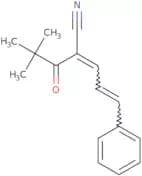
CAS:<p>Please enquire for more information about 2-(2,2-dimethylpropanoyl)-5-phenylpenta-2,4-dienenitrile including the price, delivery time and more detailed product information at the technical inquiry form on this page</p>Fórmula:C16H17NOPureza:Min. 95%Forma y color:PowderPeso molecular:239.31 g/molN-Boc-6-bromohexylamine
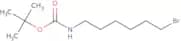
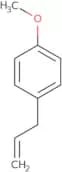
CAS:<p>N-Boc-6-bromohexylamine is a hypoglycemic agent that belongs to the group of diagnostic agents. It has been shown to have an effect on glucose regulation and was used in clinical development. N-Boc-6-bromohexylamine interacts with the catalytic subunit of protein kinase C delta (PKCδ) and inhibits its activity, which can lead to a decrease in cellular glucose uptake. This molecule has also been shown to interact with chloride channels, which are involved in the regulation of cell volume, and 2-nitroimidazole, which is a hypoxic tumor promoter. N-Boc-6-bromohexylamine is synthesized from fatty acids and amides by supramolecular chemistry.</p>Fórmula:C11H22BrNO2Pureza:Min. 95%Forma y color:Colourless Clear LiquidPeso molecular:280.2 g/mol1-Methoxy-4-(2-propenyl)benzene
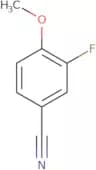
CAS:<p>1-Methoxy-4-(2-propenyl)benzene is a natural compound that has been found to have insecticidal properties. It is used in the synthesis of eugenol and estragole, which are important components in the flavor industry. The optimum concentration of 1-methoxy-4-(2-propenyl)benzene for killing insects is around 0.1%. In toxicity studies, it has been shown to be carcinogenic in rats and mice. However, this chemical's effect on humans is not well understood at this time.</p>Fórmula:C10H12OPureza:Min. 95%Forma y color:Clear LiquidPeso molecular:148.2 g/mol3-Fluoro-4-methoxybenzonitrile
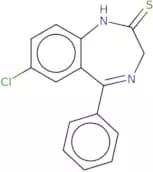
CAS:<p>3-Fluoro-4-methoxybenzonitrile is a ferroelectric liquid crystal chiral molecule. It can be synthesized industrially by the reaction of 3-fluoro-4-methoxybenzoyl chloride with sodium methoxide. The synthesis is scalable and leads to high yields. 3-Fluoro-4-methoxybenzonitrile has been used in the synthesis of other ferroelectric liquid crystals, such as 4-(3′,5′-diiodophenyl)pentaerythritol triacrylate and 3,5′-(1H,1′H) -dibenzothiophene. This compound also displays nematic phase behavior at room temperature when in contact with a nematic director. Polarization data for this substance are available from experiments on thin films.</p>Fórmula:C8H6FNOPureza:Min. 95%Forma y color:PowderPeso molecular:151.14 g/mol7-Chloro-1,3-dihydro-5-phenyl-2H-1,4-benzodiazepine-2-thione
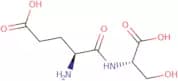
CAS:Producto controlado<p>7-Chloro-1,3-dihydro-5-phenyl-2H-1,4-benzodiazepine-2-thione is a reagent that is used as a starting material for the synthesis of various organic compounds. It can be used in the production of pharmaceuticals, pesticides and other chemicals. 7CBDT has been found to be a useful scaffold for complex compounds and as a building block for fine chemicals.</p>Fórmula:C15H11ClN2SPureza:Min. 95%Forma y color:Yellow PowderPeso molecular:286.78 g/molH-Glu-Ser-OH
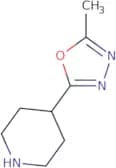
CAS:<p>H-Glu-Ser-OH is a tryptic fragment of the protein hormone erythropoietin that is produced by the kidneys. It is one of the major hormones involved in regulating red blood cell production. Erythropoietin stimulates the proliferation of hematopoietic cells, which are responsible for making new blood cells, and also plays an important role in wound healing. The amino acid sequence of this peptide consists of two alpha helices and four beta sheets. Structural analysis has shown that H-Glu-Ser-OH can be cleaved by proteases to produce the amino acid sequence H-Glu-Arg-OH. This fragment has been shown to have a bitter taste receptor binding activity and may play a role in casein coagulation.</p>Fórmula:C8H14N2O6Pureza:Min. 98 Area-%Forma y color:PowderPeso molecular:234.21 g/mol4-(5-Methyl-1,3,4-oxadiazol-2-yl)piperidine dihydrochloride
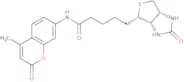
CAS:<p>4-(5-Methyl-1,3,4-oxadiazol-2-yl)piperidine dihydrochloride is a fine chemical that is a useful building block for research chemicals and speciality chemicals. It is also a versatile intermediate for the synthesis of complex compounds with diverse structures. In addition, 4-(5-methyl-1,3,4-oxadiazol-2-yl)piperidine dihydrochloride can be used as a reagent in the synthesis of pharmaceuticals or other organic compounds. This compound has been assigned CAS No. 1993195-75-7 and its molecular formula is C9H12N2O2.</p>Fórmula:C8H13N3O·2HClPureza:Min. 95 Area-%Forma y color:PowderPeso molecular:240.13 g/molN-D-Biotinyl-7-amino-4-methylcoumarin
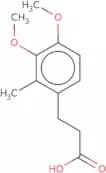
CAS:<p>N-D-Biotinyl-7-amino-4-methylcoumarin is a fluorescent substrate that is used to measure the activity of biotinidase, an enzyme that catalyzes the hydrolysis of biotin. It is detectable by measuring fluorescence with a spectrophotometer. Biotinidase deficiency can be diagnosed by measuring the activity of this enzyme in biological fluids. This assay has been shown to be useful for diagnosing patients with deficient biotinidase activity.</p>Fórmula:C20H23N3O4SPureza:Min. 98 Area-%Forma y color:PowderPeso molecular:401.48 g/mol3,4-Dimethoxy-2-methylphenylpropionic acid
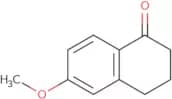
CAS:<p>3,4-Dimethoxy-2-methylphenylpropionic acid is a building block for organic synthesis. It has been used as a research chemical and as a reaction component in the synthesis of other chemicals. 3,4-Dimethoxy-2-methylphenylpropionic acid is also available at high purity levels and can be used as a reagent for analytical purposes.</p>Fórmula:C12H16O4Pureza:Min. 95%Forma y color:PowderPeso molecular:224.25 g/mol6-Methoxy-1-tetralone
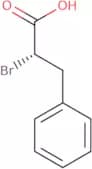
CAS:<p>6-Methoxy-1-tetralone (6MTO) is a quinoline derivative that has been shown to have potent inhibitory activity against human liver cancer. It is related to the compound 1,4-dimethylquinoline, which has been shown to possess anticancer properties in vitro. 6MTO inhibits the growth of carcinoma cell lines by inducing apoptosis and arresting cell cycle at G2/M phase. 6MTO also inhibits isovaleric acid production in thp-1 cells and the proliferation of hepatoma cells, leading to a decrease in the viability of these cells.</p>Fórmula:C11H12O2Pureza:Min. 95%Forma y color:PowderPeso molecular:176.21 g/mol(L)-2-Bromo-3-phenylpropionic acid
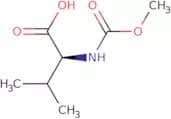
CAS:<p>L-2-Bromo-3-phenylpropionic acid is a synthetic amino acid that is structurally similar to L-phenylalanine. It can be prepared by the reaction of triphosgene with l-(+)-phenylglycine, followed by hydrolysis of the resulting 2-(bromophenyl)acetic acid. L-2-Bromo-3-phenylpropionic acid has been used in peptidomimetics, which are synthesized using strategies derived from the structures and properties of proteins. One of these strategies is based on the conformational change of an amide bond. This synthetic amino acid has been shown to have affinity for certain chiral conformations and may be used as a chiral ligand in asymmetric synthesis.</p>Fórmula:C9H9BrO2Pureza:Min. 95%Forma y color:Slightly Yellow PowderPeso molecular:229.07 g/mol(S)-2-((Methoxycarbonyl)amino)-3-methylbutanoic acid
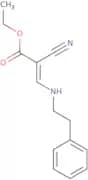
CAS:<p>(S)-2-((Methoxycarbonyl)amino)-3-methylbutanoic acid is a synthetic molecule that has been studied for its antiviral activity against hepatitis C virus. The compound was found to inhibit the replication of the virus, with an IC50 of 0.5 mM in cell culture studies. It also inhibited the replicon and reaction yield of the virus in vitro. (S)-2-((Methoxycarbonyl)amino)-3-methylbutanoic acid is effective against genotype 1 and 2, but not against genotype 3. It is active against a broad range of HCV isolates, including those resistant to other drugs such as ribavirin or telaprevir. The drug has been shown to be well tolerated in animals and humans. END></p>Fórmula:C7H13NO4Pureza:Min. 95%Forma y color:White PowderPeso molecular:175.18 g/molethyl 2-nitrilo-3-((2-phenylethyl)amino)prop-2-enoate
CAS:<p>Please enquire for more information about ethyl 2-nitrilo-3-((2-phenylethyl)amino)prop-2-enoate including the price, delivery time and more detailed product information at the technical inquiry form on this page</p>Pureza:Min. 85%


![Tetrakis[N-phthaloyl-(R)-tert-leucinato]dirhodium bis(ethyl acetate) adduct](/_next/image/?url=https%3A%2Fstatic.cymitquimica.com%2Fproducts%2F3D%2Fthumb-webp%2FFT60015.webp&w=3840&q=75)