Péptidos
Subcategorías de "Péptidos"
Se han encontrado 29654 productos de "Péptidos"
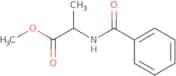
Bz-Ala-OMe
CAS:Bz-Ala-OMe is a reactive mercuric chloride that undergoes hydrolysis to form reactive mercuric acetate. It has been shown that the activation energy of the reaction is high and the reaction can be initiated by soybean trypsin. The reactive site of Bz-Ala-OMe is composed of chloride atoms and sephadex g-100. This compound reacts with serine proteases, such as trypsin or chymotrypsin, to form an amide intermediate. This intermediate reacts with n-acetyl-l-tyrosine to produce a chloromethyl ketone which then undergoes a nucleophilic attack by histidine to produce histamine in the presence of H2O2 or O2. Histamine binds to H1 receptors in the body, leading to an inflammatory response.
Fórmula:C11H13NO3Pureza:Min. 95%Peso molecular:207.23 g/molDBCO-dPEG®12-Carboxyfluorescein
DBCO-dPEG®12-Carboxyfluorescein is a PEG compound containing a fluorescein dye used for tagging biomolecules, and serving as fluorescent probe for bioimaging applications.
Pureza:Min. 95%Peso molecular:1,234.34 g/molBoc-Leu-Ser-Thr-Arg-pNA acetate hydrate
CAS:Boc-Leu-Ser-Thr-Arg-pNA acetate hydrate is a substrate for enteropeptidase. It has an acid sequence of Gly-Phe-Lys and an amino acid sequence of Arg-Pro-Gly. Enteropeptidase cleaves the peptide bond between the N and C termini of the peptides with Lys or Arg at the P1 position.
Fórmula:C30H49N9O10•CH3COOH•H2OPureza:Min. 95%Peso molecular:773.83 g/molHaptoglobin Light Tryptic Peptide Standard (4nmol)
This Haptoglobin Light Tryptic Peptide Standard has the potential for use in proteomics studies and in the identification and quantitation of proteins. Haptoglobin is involved in the removal of free hemoglobin and also in neutralizing oxidative damage.
Pureza:Min. 95%Apolipoprotein E C-term Light Tryptic Peptide Standard (4nmol)
An apolipoprotein E C-term light tryptic peptide standard for use in protein identification and quantitation studies. As part of a fat-binding protein family, apolipoprotein E plays a role in the metabolism of fats in the body through interacting with the low density lipoprotein receptor, which is involved in the catabolism of triglyceride rich lipoproteins. Apolipoprotein E is also a major component in cholesterol metabolism and is a carrier of cholesterol in the brain. Additionally when forming a complex with C1q, apolipoprotein E is an inhibitor of the classical complement pathway. The N and C terminal regions of apolipoprotein are connected by a hinge region and the C-terminal region is a hydrophobic surface made up of three alpha helices and a low density lipoprotein receptor binding site.Pureza:Min. 95%Amylin (Human)
CAS:Amylin is a peptide hormone that is found in the pancreas. It regulates blood glucose levels and plays an important role in diabetes. Amylin is also used as a research tool for studying the function of ion channels, cell biology, protein interactions, and pharmacology.Fórmula:C165H261N51O55S2Pureza:Min. 95%Peso molecular:3,903.3 g/mol[Sar1,Thr8]-Angiotensin II
CAS:Angiotensin II is a peptide that is produced in the body and has a variety of effects. It is an activator of angiotensin receptors, which are found on cells throughout the body. Angiotensin II also binds to ligand binding sites on the surface of cells, which are called receptors. The receptor-ligand complex activates or inhibits ion channels in the cell membrane, which results in changes in cell function.Fórmula:C44H69N13O11Pureza:Min. 95%Peso molecular:956.1 g/molNeuropeptide W-30 (Human)
CAS:Neuropeptide W-30 is a peptide that has been shown to activate the receptor for neuropeptide W (NPW). Neuropeptide W is a member of the tachykinin family of peptides, which are known to function as activators of G protein-coupled receptors. Neuropeptide W-30 has been shown to be a potent inhibitor of ion channels and ligand-gated ion channels, including potassium channels, calcium channels, and sodium channels. Neuropeptide W-30 also blocks the release of neurotransmitters such as acetylcholine, noradrenaline, dopamine, and serotonin in animal cells.Fórmula:C165H249N49O37SPureza:Min. 95%Peso molecular:3,543.1 g/molAnti PTH (1-15) (Rat) Serum
Anti PTH (1-15) (Rat) Serum is a research tool that is used to study the activity of the parathyroid hormone. This product can be used as an activator or ligand in cell biology experiments. It has been shown to have a high affinity for the parathyroid hormone receptor and can be used to study protein interactions. Anti PTH (1-15) (Rat) Serum can also be used in pharmacological studies and may inhibit ion channels. This product has been shown to bind with peptides, which are small proteins, as well as antibodies and it may also inhibit protein synthesis.Pureza:Min. 95%Osteopontin Heavy Tryptic Peptide Standard (4nmol)
For Protein Identification and QuantitationPureza:Min. 95%TentaGel® Macrobead-NH2 Resin (Particle size: 140-170 µm)
TentaGel® Macrobead-NH2 Resin (Particle size: 140-170 µm) is a building block for peptide synthesis. It is a resin of crosslinked polystyrene macroparticles with an average particle size of 140-170 µm. TentaGel® Macrobead-NH2 Resin (Particle size: 140-170 µm) is used as a solid support in peptide synthesis. The resin is made up of crosslinked polystyrene macroparticles that are insoluble in water and organic solvents, making it particularly suitable for use as a solid support in peptide synthesis.Pureza:Min. 95%HIST1H2AG, H2AFP, HIST1H2AI, H2AFC, HIST1H2AK, H2AFD, HIST1H2AL, H2AFI, HIST1H2AM, H2AFN MS Calibrator-2 (25nmol)
HIST1H2AG, H2AFP, HIST1H2AI, H2AFC, HIST1H2AK, H2AFD, HIST1H2AL, and H2AFN are histone proteins that are components of the nucleosome. They are involved in regulating gene expression. Histones can be analyzed by a proteomics technique known as TrypTides to identify modifications to the protein's amino acid sequence. The Proteomics Tools Kit provides a number of tools for performing peptide enrichment and analysis of proteins extracted from cells or tissues. In this kit is an MS Calibrator-2 (25nmol) which is used to calibrate mass spectrometers with different capabilities.
Pureza:Min. 95%Schizophrenia Related Peptide
Schizophrenia Related Peptide is a research tool that can be used to study ion channels and receptors. It is an artificial peptide that has the same amino acid sequence as the part of the human brain that is believed to be responsible for schizophrenia. The Schizophrenia Related Peptide can bind to cell membranes and inhibit protein interactions, which may lead to new pharmacological treatments for schizophrenia.
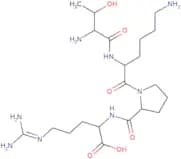
Fórmula:C15H29N3O5Pureza:Min. 95%Peso molecular:331.41 g/molNeuromedin U Precursor-Related Peptide 33 (Rat, Mouse)
CAS:Neuromedin U Precursor-Related Peptide 33 (Rat, Mouse) is a research tool that can be used to study the effects of neuromedin U on the activation of receptors. This peptide is a ligand for the receptor and has been shown to inhibit ion channels. Neuromedin U Precursor-Related Peptide 33 (Rat, Mouse) may also be used as an antibody or in protein interactions studies. This product is made from high purity materials and can be used in pharmacology and life science experiments.
Fórmula:C174H272N46O47Pureza:Min. 95%Peso molecular:3,760.3 g/molBis-dPEG®21-Acid
CAS:Bis-dPEG®21-Acid is a PEG polymer categorised as homobifunctional PEG (X-PEG X). Used as a linker, bis-dPEG®21-Acid is used to attached PEG to proteins, peptides, oligonucleotides, nanoparticles and small molecules via pegylation, a bioconjugation technique.Fórmula:C46H90O25Pureza:Min. 95%Peso molecular:1,043.19 g/molAlpha-2-Macroglobulin Heavy Tryptic Peptide Standard (4nmol)
An Alpha-2-Macroglobulin heavy tryptic peptide standard for protein identification and quantitation studies. Alpha-2-Macroglobulin is a broad spectrum protease inhibitor which also plays roles in cell migration and in the binding of growth factors and cytokines.Pureza:Min. 95%Neuromedin U (Rat)
CAS:Neuromedin U is a peptide that is found in the brain and has been shown to have a variety of effects on the body. It can be used as an activator or inhibitor of ion channels and has been shown to inhibit ligand-gated ion channels. Neuromedin U can also act as a ligand for G-protein coupled receptors, which are involved in many physiological processes. The high purity of this product makes it suitable for use in research tools such as antibodies.Fórmula:C124H180N34O31Pureza:Min. 95%Peso molecular:2,643 g/molAngiotensin Light Tryptic Peptide Standard (4nmol)
Angiotensin Light Tryptic Peptide Standard f use in protein identification and quantitation studies. Angiotensin is a peptide hormone that causes vasoconstriction and is responsible for an increase in blood pressure. Furthermore angiotensin stimulates aldosterone release.Pureza:Min. 95%Mastoparan
CAS:Producto controladoA cell-penetrating peptide toxin whose sequence is derived from wasp venom and a potent activator of heterotrimeric G proteins. This product is available as a 0.5mg vial. One letter code: INLKALAALAKKIL-NH2Fórmula:C70H131N19O15Pureza:Min. 95%Peso molecular:1,478.9 g/molPyr-Lys-Arg-Pro-Ser-Gln-Arg-Ser-Lys-Tyr-Leu
CAS:Pyr-Lys-Arg-Pro-Ser-Gln-Arg-Ser-Lys-Tyr-Leu is a lysine based peptide. It is an activator of the GABA receptor, which mediates inhibitory neurotransmission in the central nervous system. Pyr-Lys-Arg Pro Ser Gln Arg Ser Lys Tyr Leu has been shown to bind to the alpha2/delta subunit of the GABA receptor and increase its affinity for GABA. This peptide has also been shown to be an inhibitor of glutamate receptors.Fórmula:C60H100N20O17Pureza:Min. 95%Peso molecular:1,373.6 g/molDNP-dPEG®12-NHS Ester
CAS:DNP-dPEG®12-NHS Ester is a PEG compound with two different functional groups (also known as heterobifunctional). Unlike homobifunctional PEG compounds (same functional group on both ends), this type of compounds are more versatile as have two different anchor points. DNP-dPEG®12-NHS Ester is used as a linker and spacer to add a PEG moiety, via pegylation (a bioconjugation technique) to proteins, peptides, oligonucleotides, small molecules and nanoparticles.Fórmula:C60H110N6O28Pureza:Min. 95%Peso molecular:1,363.54 g/molPlasminogen Heavy Tryptic Peptide Standard (4nmol)
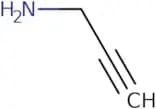
For Protein Identification and QuantitationPureza:Min. 95%Propargyl Amine
CAS:Propargyl Amine is a monoamine neurotransmitter that is an active analogue of the neurotransmitter epidermal growth factor. It has been shown to have biological effects on skin cancer cells and have potential for use as a drug in the treatment of skin cancer. Propargyl amine has been shown to be an effective inhibitor of rat striatal dopamine uptake and amines, which may be due to its hydroxyl group. This propargylamine binds to the surface of the skin cancer cells, causing them to die. The asymmetric synthesis of propargyl amine has been studied using molecular modeling techniques.Fórmula:C24H50N4O11Pureza:Min. 95%Peso molecular:570.67 g/molStresscopin (Human)
CAS:Stresscopin is a peptide that belongs to the family of activators. It is a molecular "switch" that can be used to control the activity of ion channels and protein interactions. Stresscopin is purified from human tissue and is supplied as lyophilized powder.Fórmula:C195H326N56O53S2Pureza:Min. 95%Peso molecular:4,367.1 g/molCRF (Ovine)
CAS:This product is an ovine, Corticotropin Release Factor (CRF) and is available as a 0.5mg vial. CRF is a peptide hormone and a key regulator of the hypothalamic-pituitary adrenal (HPA) axis. In response to stress the hypothalams releases CRF which stimulates the production of glucocorticoids and adrenocorticotropin, which are stress hormones. Glucocorticoids are then involved in a negative feedback loop, in that they prevent the pituitary gland and hypothalamus from exhibiting any further endocrine activity. Studies have shown that symptoms of depression can be caused by the over production of CRF due to the overstimulation of the hypothalamic-pituitary adrenal axis. Interestingly CRF receptors are expressed in both glial cells and T cells. Elevated levels of CRF and glucocorticoids prevent T-cell proliferation. During stress cytokines can also stimulate the secretion of CRF. However CRF can also regulate these cytokines. CRF has the potential to be used in the research into depression treatments.Fórmula:C205H339N59O63SPureza:Min. 95%Peso molecular:4,670.3 g/molPhebestin
CAS:Phebestin is a peptide that activates the immune system. It is an activator of antibodies and an inhibitor of ion channels. Phebestin has been shown to inhibit protein interactions and receptor binding, as well as ligand-receptor binding. It is used in research tools for studying cell biology, pharmacology, and protein interactions. Phebestin has a CAS number of 187402-73-9 and is available in high purity.Fórmula:C24H31N3O5Pureza:Min. 95%Peso molecular:441.53 g/molH-YLEYRQVPV-OH
MAGE-A protein: MAGE-A p248V9, also kwon as multi-MAGE-A (YLEYRQVPV) is an epitope of Melanoma Antigen Gene expressed by tumors of different histological types and is a Cancer/Testis Antigens (CTA). Type of MAGE-A expressed in tumors cells varies according to the type of tumor. Targeting epitopes shared by all MAGE-A antigens would be interest in immunotherapy against a broad spectrum of cancers. Applications of MAGE-A p248V9 (multi-MAGE-A) : MAGE-A p248V9 is very useful because it could generate an HLA-A*02:01-restricted CTL response and shared by MAGE-A1,-A2,-A3,-A4,-A6,-A10 and -A12. MAGE-A p248V9 is used to stimulate specific cytotoxic T lymphocytes (CTL) in PBMCs and then to analyze CTL response especially the cytokine production by ELISPOT assay.Fmoc-N-Amido-dPEG®24-Acid
CAS:Fmoc-N-Amido-dPEG®24-Acid is a PEG compound with two different functional groups (also known as heterobifunctional). Unlike homobifunctional PEG compounds (same functional group on both ends), this type of compounds are more versatile as have two different anchor points. Fmoc-N-Amido-dPEG®24-Acid is used as a linker and spacer to add a PEG moiety, via pegylation (a bioconjugation technique) to proteins, peptides, oligonucleotides, small molecules and nanoparticles.Pureza:Min. 95%Peso molecular:1,368.59 g/molMannose Binding Lectin Heavy Tryptic Peptide Standard (4 nmol)
Mannose binding lectin is a host defense protein which has the ability to recognize a variety of infectious agents. This Mannose Binding Lectin Heavy Tryptic Peptide Standard can be used in protein identification and quantitation studies.Pureza:Min. 95%Cholesterol ester transfer protein Heavy Tryptic Peptide Standard (4nmol)
A Cholesterol Ester Transfer Protein (CETP) heavy tryptic peptide standard responsible for use in protein identification and quantitation studies. CETP is an enzyme which moves cholesterol esters from high density lipoproteins (HDL) to apolioprotein B-containing particles. This action lowers the amount of HDL which may increase the risk of the disease atherosclerosis.
Pureza:Min. 95%Propargyl Amine
CAS:Propargyl amine is a biologically active compound that has been shown to induce neuronal death in hl-60 cells. It also inhibits the production of neurotrophic factors and induces the formation of coumarin derivatives. Propargyl amine is structurally related to other known neurotoxic compounds, such as coumarin and pyridine. The mechanism of action is currently unknown, but it may involve interactions with ubiquitin ligases or receptor activity. Propargyl amine was found to be an active analogue for the treatment of skin cancer and has shown good analytical properties for use in quantitative analysis. This product should be stored at room temperature in a dry place away from light in order to avoid chemical degradation.Pureza:Min. 95%Peso molecular:55.08 g/mol[Lys3, Phe10, Tyr13]-Autocamtide-2-Related Inhibitory Peptide (AIP)
CAS:Autocamtide-2-related inhibitory peptide (AIP) is a small peptide. It is an inhibitor of the ion channels in cells and can be used for research purposes. AIP binds to receptor sites on the cell membrane, which are also known as ion channels, and blocks them, preventing ions from passing through the channel. This stops the flow of ions across the membrane and may lead to cell death. AIP has been shown to have a high purity level with a CAS number of 209005-05-0.Fórmula:C74H121N23O20Pureza:Min. 95%Peso molecular:1,652.9 g/molHemopexin Heavy Tryptic Peptide Standard (4nmol)
A Hemopexin HeavyTryptic Peptide Standard for use in protein identification and quantitation applications. Hemopexin is a protein found within the plasma which has a high binding affinity for heme.Pureza:Min. 95%Lipopolysaccharide-induced TNF factor, Mouse Anti Human
Mouse antibody against human Lipopolysaccharide-induced TNF factor. Lipopolysaccharide-induced TNF factor itself is a member of the family of proteins that activate cells and trigger a response. Lipopolysaccharide-induced TNF factor, mouse anti human binds to the receptor for lipopolysaccharides (LPS) and may also bind to other receptors on the cell surface. The binding of this protein to LPS can lead to activation of ion channels in the cell membrane and an increase in calcium ion levels.Pureza:Min. 95%SPAI-1 (Porcine)
SPAI-1 is a protein that belongs to the group of activator proteins. It is an activator of the N-type calcium channels. SPAI-1 interacts with the receptor and peptides, which are involved in signal transduction pathways. SPAI-1 has been shown to be a high purity ion channel ligand that can be used as a research tool for cell biology and pharmacology studies.Fórmula:C245H378N72O65S8Pureza:Min. 95%Peso molecular:5,628.6 g/molANP (Rat, 3-28)
CAS:ANP (Rat, 3-28) is a peptide that is a potent inhibitor of protein interactions. This peptide binds to the ligand-binding domain of the receptor and blocks the binding of the ligand. ANP (Rat, 3-28) also has high purity and can be used as a research tool or an antibody in life science studies.
Fórmula:C119H189N43O36S2Pureza:Min. 95%Peso molecular:2,862.2 g/molMambalgin-1
CAS:Mambalgin-1 is a peptide that can be used as a research tool to study the function of ion channels and receptor proteins. It is an activator of potassium ion channels, which are involved in the regulation of cell membrane potential. Mambalgin-1 also binds to serotonin receptors, which are involved in the transmission of nerve impulses. The peptide's affinity for different types of receptors suggests it may have therapeutic potential for treating disorders such as depression and schizophrenia.Fórmula:C272H429N85O84S10Pureza:Min. 95%Peso molecular:6,554.5 g/molIL 3 Rhesus Macaque
The IL-3R is a cytokine receptor that binds to the interleukin 3 (IL-3) molecule. The protein has a molecular weight of approximately 40 kDa and consists of two extracellular immunoglobulin-like domains, a transmembrane domain, and an intracellular tyrosine kinase domain. The IL-3R is expressed on hematopoietic stem cells, progenitor cells, erythrocytes, mast cells, neutrophils, lymphocytes and macrophages.
Pureza:Min. 95%Glt-Ala-Ala-Pro-Leu-pNA hydrate
Glt-Ala-Ala-Pro-Leu-pNA hydrate is a peptide substrate that is used in the study of elastase activity. This compound has been shown to be hydrolyzed by human pancreatic elastase and human recombinant elastase. Glt-Ala-Ala-Pro-Leu-pNA hydrate also has a high affinity for proteases, such as chymotrypsin, trypsin, and pepsin.Fórmula:C28H40N6O9•H2OPureza:Min. 95%Peso molecular:622.67 g/molSerum Thymic Factor (FTS)
Serum Thymic Factor (FTS) is a glycoprotein that regulates the development of T-lymphocytes. FTS has been shown to interact with ion channels, receptors, and ligands. It is used in pharmacology research as a tool for studying protein interactions and in cell biology research to study the activation of cells. Serum Thymic Factor (FTS) is a recombinant protein with high purity and high specific activity. It can be used as an antibody or as an inhibitor in research studies.Fórmula:C33H54N12O15•CH3COOH•2H2OPureza:Min. 95%Peso molecular:954.93 g/molCoV-2 S1 (319-529)
COVID-19 is a recombinant protein that was derived from the SARS-CoV. It is an antibody, which binds to the SARS-CoV and prevents it from infecting cells. COVID-19 is a monoclonal antibody that targets the glycoprotein spike of the coronavirus. The 319-529 region of this protein shows high binding affinity for SARS-CoV and SARS-CoV/SARS-CoV-2, which are two types of coronaviruses. This region can be used as a diagnostic marker for these viruses. COVID-19 may also have therapeutic potential as it has shown to neutralize SARS in cell culture and protect mice against lethal challenge with the virus.Pureza:Min. 95%Alpha-2-antiplasmin Heavy Tryptic Peptide Standard (4nmol)
An Alpha-2-antiplasmin heavy tryptic peptide standard for protein identification and quantitation studies. Alpha-2-antiplasmin is a serine protease inhibitor of plasmin, an enzyme involved in fibrinolysis.Pureza:Min. 95%Hydroxy-dPEG®8-t-Butyl Ester
CAS:Hydroxy-dPEG®8-t-Butyl Ester is a PEG polymer categorised as monofunctional (OH-PEG-X). Used as a linker, hydroxy-dPEG®8-t-Butyl Ester is used to attached PEG to proteins, peptides, oligonucleotides, nanoparticles and small molecules via pegylation, a bioconjugation technique.
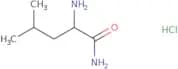
Pureza:Min. 95%Peso molecular:498.6 g/molLeu-NH2 • HCl
CAS:Leu-NH2 • HCl is an imidazolidinone that has been shown to have anti-inflammatory properties. The compound is a highly selective, full agonist at the CB1 receptor and has been shown to be effective in animal models of inflammatory diseases, such as collagen-induced arthritis. Leu-NH2 • HCl also has been shown to inhibit the enzymatic activity of cb1 receptor in food chemistry and c1-6 alkyl atrial receptors. Leu-NH2 • HCl binds to the same site on the receptor as THC (Δ9-tetrahydrocannabinol) and is used in research on Alzheimer's disease. This drug has also been shown to inhibit the enzymatic activity of hyaluronic acid synthetase, which may be related to its pharmacokinetic study.Fórmula:C6H14N2O•HCIPureza:Min. 95%Peso molecular:166.65 g/molH-2kb tetramer peptide - E1
Please enquire for more information about H-2kb tetramer peptide - E1 including the price, delivery time and more detailed product information at the technical inquiry form on this pageH-2kb tetramer peptide - Q7
Please enquire for more information about H-2kb tetramer peptide - Q7 including the price, delivery time and more detailed product information at the technical inquiry form on this page
Tuftsin
CAS:Tuftsin is a ligand with the ability to activate specific receptors. It is also known as Activator, and is a reagent that can be used in research for cell biology and pharmacology. Tuftsin has been shown to bind to ion channels and act as an inhibitor of these channels. This activity leads to the inhibition of calcium influx into cells, which may be important for regulating cellular processes such as apoptosis, cytoskeletal rearrangement, or protein synthesis. It may also play a role in immune response pathways.Fórmula:C21H40N8O6Pureza:Min. 95%Peso molecular:500.6 g/molH-2kb tetramer peptide - VSV
Please enquire for more information about H-2kb tetramer peptide - VSV including the price, delivery time and more detailed product information at the technical inquiry form on this pageBoc-Val-OH
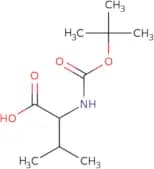
CAS:Boc-Val-OH is a natural compound that belongs to the class of ferrocene fatty acid. It has been shown to have antimicrobial properties in cell culture and pharmacokinetic properties in rats. Boc-Val-OH is able to inhibit the activity of serine proteases, which are enzymes that break down proteins and amino acids within cells, as well as cyclopropavir, a virus inhibitor. This compound also has potent inhibitory activity against various microbial strains, including methicillin-resistant Staphylococcus aureus (MRSA) and Helicobacter pylori. Boc-Val-OH has been shown to have hepatoprotective effects in rats with liver damage.Fórmula:C10H19NO4Pureza:Min. 95%Peso molecular:217.26 g/molBiotin-dPEG®11-NH2
CAS:Biotin-dPEG®11-NH2 is a PEG compound with two different functional groups (also known as heterobifunctional). Unlike homobifunctional PEG compounds (same functional group on both ends), this type of compounds are more versatile as have two different anchor points. Biotin-dPEG®11-NH2 is used as a linker and spacer to add a PEG moiety, via pegylation (a bioconjugation technique) to proteins, peptides, oligonucleotides, small molecules and nanoparticles.Fórmula:C34H66N4O13SPureza:Min. 95%Peso molecular:770.97 g/molm-dPEG®12-Amine
CAS:m-dPEG®12-Amine is a PEG compound with two different functional groups (also known as heterobifunctional). Unlike homobifunctional PEG compounds (same functional group on both ends), this type of compounds are more versatile as have two different anchor points. m-dPEG®12-Amine is used as a linker and spacer to add a PEG moiety, via pegylation (a bioconjugation technique) to proteins, peptides, oligonucleotides, small molecules and nanoparticles.
Pureza:Min. 95%Peso molecular:559.69 g/molCRF, Human Antiserum
CRF is a human antibody that is used as a research tool. It has reactivity with cells that are activated by CRF, and binds to the receptor on these cells. CRF is also known as a ligand, which can bind to the receptor and trigger changes in the cell, such as ion channels or protein interactions. CRF is an activator of G-protein coupled receptors.
Thymosin β10 (human, rat) trifluoroacetate
CAS:Please enquire for more information about Thymosin β10 (human, rat) trifluoroacetate including the price, delivery time and more detailed product information at the technical inquiry form on this pageFórmula:C211H353N57O76S•(C2HF3O2)xPureza:Min. 95%Forma y color:PowderRas Homolog Enriched in Brain, human, recombinant
Ras Homolog Enriched in Brain, human, recombinant is a research peptide that is derived from Escherichia Coli. This protein is commonly used in scientific research for various applications. It is highly pure and has been produced using advanced recombinant technology. Ras Homolog Enriched in Brain plays a crucial role in cellular signaling pathways and is involved in numerous biological processes. Its high-quality and purity make it an ideal choice for researchers looking to study the functions and mechanisms of this protein.Pureza:Min. 95%Alamandine
CAS:Alamandine is a complex heterocyclic molecule. It has been shown to activate ion channels and ligand-gated ion channels, such as nicotinic acetylcholine receptors and serotonin receptors. Alamandine also has an inhibitory effect on the release of neurotransmitters. Alamandine has been observed to bind to a number of proteins that are involved in signal transduction pathways, including protein kinases and transcription factors.
Fórmula:C40H62N12O9Pureza:Min. 95%Peso molecular:855 g/molDelta Sleep-Inducing Peptide [DSIP]
CAS:Delta Sleep-Inducing Peptide (DSIP) is a neuropeptide that induces delta sleep in mammals. Studies have shown that DSIP plasma concentrations and the human circadian rhythm are correlated and that DSIP concentrations are dependent on the initiation of sleep. Interestingly DSIP has the ability to cross the blood-brain barrier and can be absorbed from the gut. This neuropeptide is found in plasma, peripheral organs and neurons and its functions extend beyond inducing sleep. For example it has the ability to affect levels of hormones, neurotransmitters and psychological performance. It has also been found that schizophrenia and depression patients have lower concentrations of DSIP in their cerebrospinal fluid and plasma. Clinically DFSIP has already been used to treat opioid and alcohol withdrawal in reducing symptoms felt by patients.
Fórmula:C35H48N10O15Pureza:Min. 95%Peso molecular:848.82 g/molEGF Human, Pichia
EGF is a protein that belongs to the epidermal growth factor family. It has been shown to be an activator of the receptor tyrosine kinase, and binds to the extracellular domain of the receptor with high affinity. EGF is a ligand for the epidermal growth factor receptor (EGFR), and it has been shown that there are many other receptors that can bind to EGF, including insulin-like growth factor 1 receptor (IGF1R), insulin-like growth factor 2 receptor (IGF2R), platelet-derived growth factor A receptor alpha chain (PDGFRα), c-met proto-oncogene, fibroblast growth factor receptor 3 (FGFR3), and nerve growth factor receptor (NGFR). EGF also activates ion channels such as TRPC6 and TRPV4, which are involved in cell proliferation and differentiation.
Pureza:Min. 95%Apolipoprotein A1 Heavy Tryptic Peptide Standard (4nmol)
Apolipoprotein A1 heavy tryptic peptide standard for protein identification and quantitation studies. Apolipoprotein A1 is a structural component of high density lipoprotein (HDL) and is involved in cellular cholesterol homeostasis and reverse cholesterol transport.Pureza:Min. 95%[D-Arg1,D-Trp7,9,Leu11]-Substance P
CAS:This product is a Substance P antagonist in the Hydrochloride salt from and as a 0.5mg vial. Substance P is a neuropeptide that acts as a neurotransmitter and neuromodulator. It is best known for its role in nociception or pain perception. Substance P is also involved in other biological processes such as the regulation of gastrointestinal motility and the inflammatory response. As a tachykinin neuropeptide, substance P acts through binding to its specific neurokinin 1 receptor (NK-1R). NK-1R is present in neurons and on glial cell types. Substance P is also involved in: increased inflammation in the lungs, gastrointestinal tract and the skin and neuroinflammation. Interestingly the levels of Substance P are raised in inflammatory bowel diseases and through its involvement in cytokine release, it contributes to asthma pathology. These diverse selection of functions makes substance P a target for therapeutic research.
Fórmula:C75H108N20O13Pureza:Min. 95%Peso molecular:1,497.8 g/molH-QDVH-OH
Please enquire for more information about H-QDVH-OH including the price, delivery time and more detailed product information at the technical inquiry form on this pageCalcitonin, Human Antiserum
Calcitonin is a peptide hormone that is involved in the regulation of calcium and phosphate levels. It is used as a research tool to study ion channels, protein interactions, and receptor-ligand interactions. Calcitonin has been shown to inhibit the release of neurotransmitters from nerve cells and to activate certain types of receptors, such as the calcitonin receptor. Calcitonin is a polypeptide that consists of 33 amino acids residues. It binds to the calcitonin receptor with high affinity, but does not activate it.Pureza:Min. 95%DMD MS Calibrator-2 (25nmol)
The dystrophin protein is encoded for by the DMD gene which when mutated can result in a muscle-wasting diseases, Becker and Duchenne muscular dystrophy. As a member of the β-spectrin/α-actinin protein family the dystrophin cytoskeletal protein has a NH2 – terminal actin binding domain and spectrin-like repeats. This product can be used as a peptide calibrator for Mass Spectroscopy research.Pureza:Min. 95%PAH MS Calibrator-3 (1ea)
PAH MS Calibrator-3 is a tryptic peptide that is used as an internal standard in the analysis of PAHs. It is a Biologically Active Peptide that can be used in proteomics and peptides and biochemicals research. PAH MS Calibrator-3 is a Phe-4-monooxygenase, which converts Phenylalanine to the PAH, 4-hydroxyphenylpyruvic acid. This product can be used as an internal standard for PAHs, including phenanthrene, anthracene, fluoranthene, pyrene, benzo(a)pyrene and chrysene.Pureza:Min. 95%[Pyr11]-Amyloid β-Protein (Human,11-40) (0.5 mg Vial)
CAS:[Pyr11]-Amyloid β-Protein (Human,11-40) is a peptide fragment of amyloid beta protein that is found in the brain. It has been shown to bind to receptors and activate ion channels. The binding of amyloid beta to these receptors may play a role in Alzheimer's disease and other neurological disorders. This product is for research purposes only, not for use in diagnostic procedures.Fórmula:C143H226N38O39SPureza:Min. 95%Peso molecular:3,133.6 g/molLeucine-Enkephalin (Human, Porcine, Bovine, Rat, Mouse)
CAS:Leucine-Enkephalin is a peptide that is composed of the amino acids leucine and enkephalin. It functions as an endogenous opioid with effects on the brain that include analgesia, sedation, and appetite suppression. Leucine-Enkephalin stimulates κ-opioid receptors in the brain and has been shown to reduce neuronal death caused by energy metabolism deficiency or cerebral ischemia. This peptide also causes autophagy and neurokinin-1 receptor activation, which can lead to significant interactions with physiological effects such as symptoms of anxiety, depression, or addiction.Fórmula:C28H37N5O7•H2OPureza:Min. 95%Peso molecular:573.64 g/molLys-Thr-Glu-Glu-Ile-Ser-Glu-Val-Asn-Sta-Val-Ala-Glu-Phe
CAS:Lys-Thr-Glu-Glu-Ile-Ser-Glu-Val-Asn-Sta-Val-Ala-Glu-Phe is a peptide that inhibits the interaction between the beta2 adrenergic receptor and its ligand. It is a high purity, nonpeptide inhibitor of the beta2 adrenergic receptor that is useful for research purposes. The antibody to Lys-Thr-Glu-Glu-Ile-Ser-Glu Val Asn Sta Val Ala Glu Phe can be used to identify this peptide in Western blot or ELISA experiments.Fórmula:C73H118N16O27Pureza:Min. 95%Peso molecular:1,651.8 g/molmonobiotin INSL5
Monobiotin INSL5 is a peptide that is biologically active and is obtained from the New England Peptide Company. Monobiotin INSL5 has shown to be an antagonist of the insulin-like growth factor II receptor and may have potential as a therapeutic agent for diabetes mellitus.Pureza:Min. 95%Cy5 Biotin
Cy5 Biotin can be used for detecting and quantifying biotin binding sites of avidin, streptavidin or neutravidin. It is water soluble and its red fluorescence is pH independent from pH 4 - 10. The PEG3 spacer between biotin moiety and fluorescent tag minimize steric hindrance involved in binding to avidin, streptavidin or neutravidin.Abs/Em Maxima: 649/671 nmExtinction Coefficient: 250,000Fórmula:C51H72N6S4O15Pureza:Min. 95%Peso molecular:1,136.39 g/molAzido-dPEG®11-amine
CAS:Azido-dPEG®11-amine is a PEG compound with two different functional groups (also known as heterobifunctional). Unlike homobifunctional PEG compounds (same functional group on both ends), this type of compounds are more versatile as have two different anchor points. Azido-dPEG®11-amine is used as a linker and spacer to add a PEG moiety, via pegylation (a bioconjugation technique) to proteins, peptides, oligonucleotides, small molecules and nanoparticles.Fórmula:C49H99N3O24Pureza:Min. 95%Peso molecular:1,114.32 g/molmonobiotin RLN3
Monobiotin is a pharmacological substance that has been used as an activator of protein kinase C (PKC) and for the inhibition of ion channels. It is also responsible for the phosphorylation of proteins such as glycogen synthase kinase-3β, which are involved in cell proliferation and differentiation. Monobiotin can be used as a research tool to study PKC activation and ion channel inhibition.
Pureza:Min. 95%ANP (Human, 1-28)
CAS:ANP (1-28) is a peptide that is secreted by the human heart and has been shown to act as an inhibitor of ion channels and receptors. ANP (1-28) binds to the receptor, which then changes its shape. The receptor then becomes more sensitive to other ligands and it can activate or inhibit cell signaling pathways. ANP (1-28) also binds to antibodies that are used in research tools for cell biology, pharmacology, and protein interactions. This peptide has a high purity level of > 95% with a CAS number of 91917-63-4.Fórmula:C127H203N45O39S3Pureza:Min. 95%Peso molecular:3,080.4 g/molMAL-dPEG®4-Glu(TFP Ester)-NH-dPEG®4-Glu(TFP Ester)-NH-m-dPEG®24
MAL-dPEG®4-Glu(TFP Ester)-NH-dPEG®4-Glu(TFP Ester)-NH-m-dPEG®24 is a peptide containing polyethylene glycol (PEG) as spacer to alter their pharmacokinetic properties and pharmodynamics.
Fórmula:C100H162F8N6O43Pureza:Min. 95%Peso molecular:2,288.36 g/molDendrotoxin I
CAS:Dendrotoxin I is a synthetic black mamba snake toxin sourced from the block mamba, Dendroaspis polylepis polylepis and is a voltage-dependent K+ channel blocker. This product has disulfide bonds between Cys7-Cys57, Cys16-Cys40, and Cys32-Cys53 and is available as a 0.1mg vial.
Fórmula:C312H487N97O84S6Pureza:Min. 95%Peso molecular:7,133.2 g/molGTPBP9 Blocking Peptide
A synthetic peptide for use as a blocking control in assays to test for specificity of GTPBP9 antibody, catalog no. 70R-1417Pureza:Min. 95%Leukocyte-Associated Ig-Like Receptor 2, human, recombinant
This is a recombinant human Leukocyte-Associated Ig-Like Receptor 2 (LAIR2) protein. It is an activator of the LAIR2 receptor, which is a member of the immunoglobulin superfamily. LAIR2 is expressed on activated T cells and NK cells. This protein also can interact with other receptors, such as CD4 and FcRγ, to inhibit ion channels and activate cell signaling pathways. LAIR2 has been shown to be involved in immune responses, including antibody production and cytokine release by activated lymphocytes.Pureza:Min. 95%Myr-Ser-Ile-Tyr-Arg-Arg-Gly-Ala-Arg-Arg-Trp-Arg-Lys-Leu
Myr-Ser-Ile-Tyr-Arg-Arg-Gly-Ala-Arg-Arg-Trp-Arg-Lys-Leu is a peptide that has been shown to activate potassium channels in the central nervous system. It has been suggested as a potential treatment for epilepsy and Parkinson's disease. Myr Ser Ile Tyr Arg Arg Gly Ala Arg Arg Trp Arg Lys Leu is also an inhibitor of ligand binding to the GABA receptor, which may be useful in the treatment of anxiety disorders.Fórmula:C90H154N30O17Pureza:Min. 95%Peso molecular:1,928.4 g/molAla-Arg-Gly-Ile-Lys-Gly-Ile-Arg-Gly-Phe-Ser-Gly• 3AcOH• 5H2O [Lysine Hydroxylase Substrate L-1]
Ala-Arg-Gly-Ile-Lys-Gly-Ile-Arg-Gly-Phe-Ser-Gly• 3AcOH• 5H2O is a peptide that is the substrate for lysine hydroxylase. Lysine hydroxylase catalyzes the conversion of lysine to 2,3 diaminopropionic acid (DAPA) and hydrogen peroxide. The reaction proceeds in two steps: first, the enzyme converts L -lysine to L -3,4 diaminobutyric acid (DABA), then it reacts with oxygen to form DAPA.Fórmula:C53H91N19O14•3CH3COOH•5H2OPureza:Min. 95%Peso molecular:1,488.64 g/molMyocd Blocking Peptide
A synthetic peptide for use as a blocking control in assays to test for specificity of Myocd antibody, catalog no. 70R-9004Pureza:Min. 95%SMYD3 Blocking Peptide
A synthetic peptide for use as a blocking control in assays to test for specificity of SMYD3 antibody, catalog no. 70R-8965Pureza:Min. 95%HAPLN1 Blocking Peptide
A synthetic peptide for use as a blocking control in assays to test for specificity of HAPLN1 antibody, catalog no. 70R-6065Pureza:Min. 95%Biotin-dPEG®23-MAL
CAS:Biotin-dPEG®23-MAL is a PEG compound with two different functional groups (also known as heterobifunctional). Unlike homobifunctional PEG compounds (same functional group on both ends), this type of compounds are more versatile as have two different anchor points. Biotin-dPEG®23-MAL is used as a linker and spacer to add a PEG moiety, via pegylation (a bioconjugation technique) to proteins, peptides, oligonucleotides, small molecules and nanoparticles.Fórmula:C65H119N5O28SPureza:Min. 95%Peso molecular:1,450.72 g/molMesothelin Light Tryptic Peptide Standard (4nmol)
For Protein Identification and QuantitationPureza:Min. 95%PTK2B Blocking Peptide
A synthetic peptide for use as a blocking control in assays to test for specificity of PTK2B antibody, catalog no. 70R-6094Pureza:Min. 95%ADAT1 Blocking Peptide
A synthetic peptide for use as a blocking control in assays to test for specificity of ADAT1 antibody, catalog no. 70R-4703Pureza:Min. 95%ACTL6A Blocking Peptide
A synthetic peptide for use as a blocking control in assays to test for specificity of ACTL6A antibody, catalog no. 70R-3160Pureza:Min. 95%Humanin
CAS:Encoded for by mitochondrial DNA, Humanin is an endogenous peptide known to be a ‘rescue factor’ with the ability to abolish neuronal cell death. This characteristic has promoted Humanin as a potential treatment for Alzheimer’s disease. Another function of Humanin is it can inhibit mitochondira-dependent apoptosis through preventing the formation of apoptotic bodies and the release of Cytochrome C. Humanin has been found to be related to aging related cardiovascular disease (ACVDs) due to evidence of Humanin serum levels as age increases. Furthermore Humanin increases the expression of antioxidant defense system proteins and impedes complexes I and III from their activity in the electron transport chain in myocardial cells and mitochondria, therefore decreasing oxidative stress damage caused by H2O2. Humanin further reduces reactive oxygen species production and protects cardiomyocytes and fibroblasts, from oxidative stress. Overall Humanin has a variety of protective functions such as mitochondrial homeostasis and redox systems regulation, anti-aging, prevention of myocardial fibrosis, anti-inflammation, metabolism improvement and autophagy promotion. It has also been found to improve beta-cell survival and thus can be used as a diabetes treatment due to it improving insulin secretion and resistance. This product is available as a 0.5mg vial.Fórmula:C119H204N34O32S2Pureza:Min. 95%Peso molecular:2,687.2 g/molPirin Human Recombinant
Please enquire for more information about Pirin Human Recombinant including the price, delivery time and more detailed product information at the technical inquiry form on this pagePureza:95.0% By Sds-PagePeso molecular:34,300 g/molETFA Blocking Peptide
A synthetic peptide for use as a blocking control in assays to test for specificity of ETFA antibody, catalog no. 70R-2504Pureza:Min. 95%Von Willebrand Factor Light Tryptic Peptide Standard (4nmol)
This is a Von Willebrand Factor Light Tryptic Peptide Standard for use in protein identification and quantitation. Von Wilebrand Factor is a glycoprotein involved in platelet adhesion and when it is deficient in the body it can result in diseases such as von Willebrand disease.Pureza:Min. 95%Dnp-Pro-Leu-Gly
CAS:DNP-Pro-Leu-Gly is a synthetic substrate of carboxypeptidase A. It is a peptide that has been shown to have potential as an anti-ulcer agent in animal studies. DNP-Pro-Leu-Gly is able to activate the enzyme carboxypeptidase A by binding to its active site and mimicking the natural substrate, tryptophan. The peptide has also been shown to inhibit collagen degradation in vitro, which may be due to its ability to bind collagen and inhibit the activity of collagenase enzymes.
Fórmula:C19H25N5O8Pureza:Min. 95%Peso molecular:451.43 g/molBiotin-dPEG®24-TFP Ester
Biotin-dPEG®24-TFP Ester is a PEG compound with two different functional groups (also known as heterobifunctional). Unlike homobifunctional PEG compounds (same functional group on both ends), this type of compounds are more versatile as have two different anchor points. Biotin-dPEG®24-TFP Ester is used as a linker and spacer to add a PEG moiety, via pegylation (a bioconjugation technique) to proteins, peptides, oligonucleotides, small molecules and nanoparticles.Fórmula:C67H117F4N3O28SPureza:Min. 95%Peso molecular:1,520.71 g/molPCDHA10 Blocking Peptide
A synthetic peptide for use as a blocking control in assays to test for specificity of PCDHA10 antibody, catalog no. 70R-6166
Pureza:Min. 95%[Val5]-Angiotensin I (Bovine)
CAS:[Val5]-Angiotensin I (Bovine) is a peptide that activates angiotensin receptors. It is used as a research tool in the study of ion channels and protein interactions. The antibody recognizes the C-terminal region of angiotensin I, which can be used to inhibit the activation of these receptors by preventing binding to their ligands.Fórmula:C61H87N17O14•CH3COOH•5H2OPureza:Min. 95%Peso molecular:1,432.53 g/molSIL1 Blocking Peptide
A synthetic peptide for use as a blocking control in assays to test for specificity of SIL1 antibody, catalog no. 70R-6272Pureza:Min. 95%ZNF791 Blocking Peptide
A synthetic peptide for use as a blocking control in assays to test for specificity of ZNF791 antibody, catalog no. 70R-8149
Pureza:Min. 95%Conantokin G trifluoroacetic acid
CAS:Conantokin G trifluoroacetic acid is a peptide that is derived from the conantokins. It has been shown to have neuroprotective properties and inhibitory properties. Conantokin G trifluoroacetic acid binds to calcium in neuronal cells, which leads to the inhibition of glutamate-induced neuronal death and brain infarction. The binding of this peptide to calcium also inhibits intracellular signalling pathways, leading to an anti-inflammatory response. In addition, this compound may be a potential therapeutic agent for chronic oral toxicity due to its ability to bind with glutamate receptors and prevent activation.Fórmula:C88H138N26O44•TFAPureza:Min. 95%Peso molecular:2,264.21 g/molADA Blocking Peptide
A synthetic peptide for use as a blocking control in assays to test for specificity of ADA antibody, catalog no. 70R-5745Pureza:Min. 95%Amyloid β-Protein (Human, 1-38)
CAS:Amyloid β-Protein (Human, 1-38) is a peptide that is a major constituent of the amyloid plaques found in the brains of people with Alzheimer's disease. It has been shown to inhibit ion channels and ligand-activated ion channels. The receptor for this protein is unknown, but it may be involved in cell signaling or neurotransmitter release. Amyloid β-Protein (Human, 1-38) can be used as a research tool to study proteins and their interactions with other proteins, as well as to study how these interactions affect the function of cells. It can also be used to study how antibody molecules bind to specific proteins and how these antibodies interact with other molecules.
Fórmula:C184H277N51O56SPureza:Min. 95%Peso molecular:4,131.5 g/molBis-dPEG®2-PFP Ester
CAS:Bis-dPEG®2-PFP Ester is a PEG polymer categorised as homobifunctional PEG (X-PEG X). Used as a linker, bis-dPEG®2-PFP Ester is used to attached PEG to proteins, peptides, oligonucleotides, nanoparticles and small molecules via pegylation, a bioconjugation technique.Fórmula:C20H12F10O6Pureza:Min. 95%Peso molecular:538.29 g/mol



![[Sar1,Thr8]-Angiotensin II](/_next/image/?url=https%3A%2Fstatic.cymitquimica.com%2Fproducts%2F3D%2Fthumb-webp%2FPAN-4102-V.webp&w=3840&q=75)







![[Lys3, Phe10, Tyr13]-Autocamtide-2-Related Inhibitory Peptide (AIP)](/_next/image/?url=https%3A%2Fstatic.cymitquimica.com%2Fproducts%2F3D%2Fthumb-webp%2FIKK-4374-V.webp&w=3840&q=75)







![Delta Sleep-Inducing Peptide [DSIP]](/_next/image/?url=https%3A%2Fstatic.cymitquimica.com%2Fproducts%2F3D%2Fthumb-webp%2FPDS-4054.webp&w=3840&q=75)


![[D-Arg1,D-Trp7,9,Leu11]-Substance P](/_next/image/?url=https%3A%2Fstatic.cymitquimica.com%2Fproducts%2F3D%2Fthumb-webp%2FPSP-4173-V.webp&w=3840&q=75)


![[Pyr11]-Amyloid β-Protein (Human,11-40) (0.5 mg Vial)](/_next/image/?url=https%3A%2Fstatic.cymitquimica.com%2Fproducts%2F3D%2Fthumb-webp%2FPAB-4493-V.webp&w=3840&q=75)








![Ala-Arg-Gly-Ile-Lys-Gly-Ile-Arg-Gly-Phe-Ser-Gly• 3AcOH• 5H2O [Lysine Hydroxylase Substrate L-1]](/_next/image/?url=https%3A%2Fstatic.cymitquimica.com%2Fproducts%2F3D%2Fthumb-webp%2FSAG-4166.webp&w=3840&q=75)





![[Val5]-Angiotensin I (Bovine)](/_next/image/?url=https%3A%2Fstatic.cymitquimica.com%2Fproducts%2F3D%2Fthumb-webp%2FPAN-4069-V.webp&w=3840&q=75)