Péptidos
Los péptidos son cadenas cortas de aminoácidos unidas por enlaces peptídicos, que desempeñan papeles importantes como moléculas biológicas en los procesos celulares. Funcionan como hormonas, neurotransmisores y moléculas de señalización, y se utilizan ampliamente en aplicaciones terapéuticas y diagnósticas. Los péptidos también son cruciales en la investigación para estudiar las interacciones de proteínas, actividades enzimáticas y vías de señalización celular. En CymitQuimica, ofrecemos una amplia selección de péptidos de alta calidad para apoyar sus necesidades de investigación y desarrollo en biotecnología y farmacéutica.
Subcategorías de "Péptidos"
Se han encontrado 30159 productos de "Péptidos"
Ordenar por
Pureza (%)
0
100
|
0
|
50
|
90
|
95
|
100
ANP (Rat, 3-28)
CAS:<p>ANP (Rat, 3-28) is a peptide that is a potent inhibitor of protein interactions. This peptide binds to the ligand-binding domain of the receptor and blocks the binding of the ligand. ANP (Rat, 3-28) also has high purity and can be used as a research tool or an antibody in life science studies.</p>Fórmula:C119H189N43O36S2Pureza:Min. 95%Peso molecular:2,862.2 g/molSFRS12 Blocking Peptide
<p>A synthetic peptide for use as a blocking control in assays to test for specificity of SFRS12 antibody, catalog no. 70R-4438</p>Pureza:Min. 95%Cholesterol ester transfer protein Heavy Tryptic Peptide Standard (4nmol)
<p>A Cholesterol Ester Transfer Protein (CETP) heavy tryptic peptide standard responsible for use in protein identification and quantitation studies. CETP is an enzyme which moves cholesterol esters from high density lipoproteins (HDL) to apolioprotein B-containing particles. This action lowers the amount of HDL which may increase the risk of the disease atherosclerosis.</p>Pureza:Min. 95%Methionine-Enkephalin (Human, Porcine, Bovine, Rat, Mouse)
CAS:<p>Methionine-Enkephalin (ME) is a peptide that has been shown to bind to the opioid receptor and inhibit the production of pro-inflammatory cytokines. ME has been shown to have an inhibitory effect on human liver cells, as well as on cultured human epidermal cells. ME may also have a role in epidermal growth factor receptors, which could be related to its anti-inflammatory effects.</p>Fórmula:C27H35N5O7S•H2OPureza:Min. 95%Peso molecular:591.68 g/molIFN g Rat
<p>IFN-g rat is a peptide that has been used as an activator of immune cells. It binds to the interferon gamma receptor, and promotes the proliferation of T helper cells and B cells, as well as the production of cytokines. IFN-g rat is also used in research to study protein interactions and ligand-receptor binding. IFN-g rat is a recombinant human protein that has been shown to have no detectable levels of pyrogens or endotoxins.<br>IFN-g Rat is available in bulk quantities from Life Science Research Tools, Inc.</p>Pureza:Min. 95%2,3,4,6-Tetra-O-Acetyl-α-D-Galactopyranosyl Fluoride
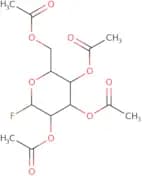
CAS:<p>2,3,4,6-Tetra-O-acetyl-α-D-galactopyranosyl fluoride (TATA) is a fluorinated sugar that is used as a building block for the synthesis of peptides and other biochemicals. TATA has been shown to be an inhibitor of bacterial growth in medium containing glycosyl residues. This product has also been shown to have anti-inflammatory properties in animal models.</p>Fórmula:C14H19O9FPureza:Min. 95%Peso molecular:350.29 g/molLSM2 Blocking Peptide
<p>A synthetic peptide for use as a blocking control in assays to test for specificity of LSM2 antibody, catalog no. 70R-1438</p>Pureza:Min. 95%DMBX1 Blocking Peptide
<p>A synthetic peptide for use as a blocking control in assays to test for specificity of DMBX1 antibody, catalog no. 70R-8205</p>Pureza:Min. 95%MAK Blocking Peptide
<p>A synthetic peptide for use as a blocking control in assays to test for specificity of MAK antibody, catalog no. 70R-2672</p>Pureza:Min. 95%Bis-dPEG®4-TFP Ester
<p>Bis-dPEG®4-TFP Ester is a PEG polymer categorised as homobifunctional PEG (X-PEG X). Used as a linker, bis-dPEG®4-TFP Ester is used to attached PEG to proteins, peptides, oligonucleotides, nanoparticles and small molecules via pegylation, a bioconjugation technique.</p>Fórmula:C24H22F8O8Pureza:Min. 95%Peso molecular:590.41 g/molJunctophilin 2 Blocking Peptide
<p>A synthetic peptide for use as a blocking control in assays to test for specificity of JPH2 antibody, catalog no. 70R-6923</p>GUCA1A Blocking Peptide
<p>A synthetic peptide for use as a blocking control in assays to test for specificity of GUCA1A antibody, catalog no. 70R-2671</p>Pureza:Min. 95%Boc-Gln-Pro
CAS:<p>Boc-Gln-Pro is a peptide that can be used as a substrate for peptidoglutaminase.</p>Fórmula:C15H25N3O6Pureza:Min. 95%Peso molecular:343.38 g/molRIBC1 Blocking Peptide
<p>A synthetic peptide for use as a blocking control in assays to test for specificity of RIBC1 antibody, catalog no. 70R-4023</p>Pureza:Min. 95%TYMS Blocking Peptide
<p>A synthetic peptide for use as a blocking control in assays to test for specificity of TYMS antibody, catalog no. 70R-2717</p>Pureza:Min. 95%NHS-dPEG®4-( m-dPEG®24)3-Ester
CAS:<p>NHS-dPEG®4-( m-dPEG®24)3-Ester is a PEG compound with two different functional groups (also known as heterobifunctional). Unlike homobifunctional PEG compounds (same functional group on both ends), this type of compounds are more versatile as have two different anchor points. NHS-dPEG®4-( m-dPEG®24)3-Ester is used as a linker and spacer to add a PEG moiety, via pegylation (a bioconjugation technique) to proteins, peptides, oligonucleotides, small molecules and nanoparticles.</p>Fórmula:C15H24N4O8Pureza:Min. 95%Peso molecular:388.37 g/molDOTA-tris(Acid)-Amido-dPEG®12-TFP Ester
<p>DOTA-tris(Acid)-Amido-dPEG®12-TFP Ester is a PEG compound with two different functional groups (also known as heterobifunctional). Unlike homobifunctional PEG compounds (same functional group on both ends), this type of compounds are more versatile as have two different anchor points. DOTA-tris(Acid)-Amido-dPEG®12-TFP Ester is used as a linker and spacer to add a PEG moiety, via pegylation (a bioconjugation technique) to proteins, peptides, oligonucleotides, small molecules and nanoparticles.</p>Pureza:Min. 95%Peso molecular:1,380.23 g/molDCUN1D3 Blocking Peptide
<p>A synthetic peptide for use as a blocking control in assays to test for specificity of DCUN1D3 antibody, catalog no. 70R-3750</p>Pureza:Min. 95%OCEL1 Blocking Peptide
<p>A synthetic peptide for use as a blocking control in assays to test for specificity of OCEL1 antibody, catalog no. 70R-8967</p>Pureza:Min. 95%TentaGel® MB NH2
<p>grafted copolymers consisting of a low crosslinked polystyrene matrix on which polyethylene glycol (PEG or POE) is grafted via an ethyl ether group which increases stability towards acid treatment and minimizes PEG-leaching. These copolymers are pressure stable. They have high diffusion rates and excellent swelling in a wide range of solvents from e.g. toluene to water. Can be used in a wide variety of applications such as acylations.</p>Pureza:Min. 95%Ref: 3D-TMB-9908
Producto descatalogadoMPEG1 Blocking Peptide
<p>A synthetic peptide for use as a blocking control in assays to test for specificity of MPEG1 antibody, catalog no. 70R-3787</p>Pureza:Min. 95%Human GIP (Total) ELISA (1ea)
<p>This ELISA kit is designed for the quantitative measurement of human GIP (total) in serum, plasma and cell culture supernatant. It is a colorimetric competitive immunoassay with a sensitivity of 0.1 ng/mL. This assay has been designed to measure human GIP (total) from mouse, rat, monkey and human samples. The kit contains all the necessary reagents required for the complete assay, including calibrators and controls, along with detailed instructions and protocols.</p>Pureza:Min. 95%BEST3 Blocking Peptide
<p>A synthetic peptide for use as a blocking control in assays to test for specificity of BEST3 antibody, catalog no. 70R-8857</p>Pureza:Min. 95%KIAA0776 Blocking Peptide
<p>A synthetic peptide for use as a blocking control in assays to test for specificity of KIAA0776 antibody, catalog no. 70R-3793</p>Pureza:Min. 95%Atosiban
<p>Atosiban is a drug that is used to prevent preterm labor in pregnant women. It works by inhibiting the release of oxytocin from the hypothalamus, which decreases contractions and relaxes the uterus. Atosiban has been shown to be effective in decreasing the incidence of preterm birth in women with bacterial vaginosis who are at high risk for preterm delivery (e.g., those with a history of preterm labor). Clinical trials have shown that it may also be useful as an adjunct therapy in treating women with unexplained infertility and recurrent pregnancy loss. The drug binds to receptors on cells, which inhibits the release of intracellular calcium, thus preventing contraction of uterine muscle cells. This effect can be reversed by administration of estradiol benzoate or other drugs that affect receptor activity. It is not known whether atosiban affects fetal development during pregnancy or if it causes any effects on the mother's heart rate or body mass index after childbirth.</p>Fórmula:C43H67N11O12S2Pureza:Min. 95%Cysteine
<p>Cysteine peptide (Ac RFAAKAA COOH) is used in combination with Lysinepeptide (Ac RFAACAA COOH) in the Direct Peptide Reactivity Assay (DPRA) test.<br>Direct Peptide Reactivity Assay is used in cosmetic applications for the characterization of the skin sensitizing potential of a substance, framed by OECD Guideline no 442.<br>The molecular initiating event (MIE) in skin sensitization is a binding between epidermal proteins and the sensitizing chemical substance. MIE is part of the adverse outcome pathway (AOP) of skin sensitization.<br>It is thanks to the properties of Lysine peptide and Cysteine peptide that the chemical binding will be able to take place, so these synthetic heptapeptides will mimic the reaction of a skin exposed to a substance.<br>Binding between nucleophilic proteins and electrophile substance will be measured by High Performance Liquid Chromatography (HPLC). Therefore, the decrease in Lysine peptide and Cysteine peptide levels will be a sign of sensitizing event. Depending on the rate of depletion, the sensitizing character of a molecule will be determined (see table at the bottom of the page).<br>In chemico DPRA test also has wider applications such as hazard classification in cosmetics, but also for pharmaceuticals and biocides. It is a good alternative to animal experimentation.</p>Fórmula:C32H50O9N10S1Peso molecular:750.87 g/molSLC29A2 Blocking Peptide
<p>A synthetic peptide for use as a blocking control in assays to test for specificity of SLC29A2 antibody, catalog no. 70R-7165</p>Pureza:Min. 95%LRFN3 Blocking Peptide
<p>A synthetic peptide for use as a blocking control in assays to test for specificity of LRFN3 antibody, catalog no. 70R-7159</p>Pureza:Min. 95%TFP-dPEG®12-Biotinidase Resistant Biotin
CAS:<p>TFP-dPEG®12-Biotinidase Resistant Biotin is a PEG compound with two different functional groups (also known as heterobifunctional). Unlike homobifunctional PEG compounds (same functional group on both ends), this type of compounds are more versatile as have two different anchor points. TFP-dPEG®12-Biotinidase Resistant Biotin is used as a linker and spacer to add a PEG moiety, via pegylation (a bioconjugation technique) to proteins, peptides, oligonucleotides, small molecules and nanoparticles.</p>Fórmula:C14H26O9Pureza:Min. 95%Peso molecular:338.35 g/molMethoxytrityl-S-dPEG®4 Acid
CAS:<p>Methoxytrityl-S-dPEG®4 Acid is a PEG compound with two different functional groups (also known as heterobifunctional). Unlike homobifunctional PEG compounds (same functional group on both ends), this type of compounds are more versatile as have two different anchor points. Methoxytrityl-S-dPEG®4 Acid is used as a linker and spacer to add a PEG moiety, via pegylation (a bioconjugation technique) to proteins, peptides, oligonucleotides, small molecules and nanoparticles.</p>Pureza:Min. 95%Peso molecular:554.7 g/molm-dPEG®12-Azide (Azido-m-dPEG®12)
CAS:<p>m-dPEG®12-Azide (Azido-m-dPEG®12) is a PEG compound with two different functional groups (also known as heterobifunctional). Unlike homobifunctional PEG compounds (same functional group on both ends), this type of compounds are more versatile as have two different anchor points. m-dPEG®12-Azide (Azido-m-dPEG®12) is used as a linker and spacer to add a PEG moiety, via pegylation (a bioconjugation technique) to proteins, peptides, oligonucleotides, small molecules and nanoparticles.</p>Fórmula:C24H28F4N2O9Pureza:Min. 95%Peso molecular:564.48 g/molAlpha-Conotoxin SI
CAS:<p>Sourced from the marine snail, conus striatus, this synthetic cone snail toxin is a nicotinic acetylcholine receptor blocker. This product has disulfide bonds between Cys2-Cys7 and Cys3-Cys7.</p>Fórmula:C55H84N16O16S4Pureza:Min. 95%Peso molecular:1,353.6 g/molLys-Ala-AMC
CAS:<p>Lys-Ala-AMC is an activator of ion channels and a ligand for receptors. It is used in research as a tool to study protein interactions, receptor pharmacology, and ion channel pharmacology. Lys-Ala-AMC binds to the α-subunit of voltage gated calcium channels and can activate these channels by increasing the rate of opening. This peptide also inhibits receptor binding by competing with the natural ligand. It has been shown to be an antagonist at the NMDA receptor and can inhibit the binding of glycine to this receptor.</p>Fórmula:C19H26N4O4Pureza:Min. 95%Peso molecular:374.43 g/molH-LLEVPEGR-OH
<p>Peptide H-LLEVPEGR-OH is a Research Peptide with significant interest within the field academic and medical research. This peptide is available for purchase at Cymit Quimica in multiple sizes and with a specification of your choice.</p>Fmoc-MeDbz
CAS:<p>Fmoc-MeDbz is an antimicrobial peptide that has been synthesized using solid-phase synthesis. The peptide is composed of the unusual amino acids Fmoc-Me and Dbz. It is a cyclic peptide with an amide bond at its C-terminus. Fmoc-MeDbz has a neutral ph value and can be activated using chemical ligation and modifications to improve its stability. Synthetic analogs of this peptide have also been developed to improve its antibacterial activity against various bacterial strains such as methicillin resistant Staphylococcus aureus (MRSA).</p>Fórmula:C23H20N2O4Pureza:Min. 95%Peso molecular:388.42 g/molC1ORF75 Blocking Peptide
<p>A synthetic peptide for use as a blocking control in assays to test for specificity of C1orf75 antibody, catalog no. 70R-6574</p>ZFYVE27 Blocking Peptide
<p>A synthetic peptide for use as a blocking control in assays to test for specificity of ZFYVE27 antibody, catalog no. 70R-1729</p>Pureza:Min. 95%GSG1 Blocking Peptide
<p>A synthetic peptide for use as a blocking control in assays to test for specificity of GSG1 antibody, catalog no. 70R-7537</p>Pureza:Min. 95%DHCR24 Blocking Peptide
<p>A synthetic peptide for use as a blocking control in assays to test for specificity of NUSAP1 antibody, catalog no. 70R-2155</p>Pureza:Min. 95%Cyclo(Pro-Thr) (Bulk)
CAS:<p>Cyclo(Thr-Pro) is a flavonol glycoside that has been shown to have neuroprotective activity. Cyclo(Thr-Pro) binds to the mitochondrial membrane potential, which is important in the regulation of the cell's life and death. Cyclo(Thr-Pro) has also been shown to inhibit tumor growth and induce apoptosis in cancer cells. Cyclo(Thr-Pro) has been shown to be reactive with gamma-aminobutyric acid (GABA), an inhibitor of neurotransmitter release from neurons, which may contribute to its anti-inflammatory properties. Cyclo(Thr-Pro) is found in the genus Fusarium, and its natural compounds profile includes caffeine.</p>Fórmula:C9H14N2O3Pureza:Min. 95%Peso molecular:198.22 g/molSuc-Gly-Pro-Leu-Gly-Pro-AMC
CAS:<p>Suc-Gly-Pro-Leu-Gly-Pro-AMC is a high purity, monoclonal antibody that can be used as a research tool or as an inhibitor. It has been shown to inhibit ion channels and protein interactions. Suc-Gly-Pro-Leu-Gly-Pro-AMC is also known as a ligand for the receptor. It has been shown to activate the receptor and cause a change in the cell membrane permeability by increasing calcium flux, which leads to an increase in intracellular calcium levels. Suc-Gly-Pro-Leu-Gly-Pro-AMC is found in Cell Biology and Pharmacology research studies.</p>Fórmula:C34H44N6O10Pureza:Min. 95%Peso molecular:696.75 g/molGly-Gly-Gly
CAS:<p>Gly-Gly-Gly is a fluorescent probe that has been shown to be cytotoxic, with a 1:1 ratio of glycolic acid and glyoxylic acid. Gly-Gly-Gly is an ester hydrochloride that can be used as a fluorescence probe in electrochemical impedance spectroscopy. It has been shown to have biological properties and to be structurally similar to the group P2 polymerase chain reaction (PCR) primer. Gly-Gly-Gly is able to inhibit the polymerase chain reaction by binding to the template DNA strands, inhibiting the formation of the hydrogen bonds required for DNA replication. This inhibition leads to strand breakage, preventing duplication of genetic material.</p>Fórmula:C6H11N3O4Pureza:Min. 95%Peso molecular:189.17 g/molH-MEVGWYRPPFSRVVHLYRNGK-OH
<p>MOG(35-55) human corresponds to amino acids 35 to 55 of the human myelin oligodendrocyte glycoprotein (MOG). It can be used in multiple sclerosis research to induce experimental autoimmune encephalomyelitis (EAE) in mouse and rat models.</p>PLEKHA9 Blocking Peptide
<p>A synthetic peptide for use as a blocking control in assays to test for specificity of PLEKHA9 antibody, catalog no. 70R-3896</p>Pureza:Min. 95%Angiotensin II (3-8), human
<p>Custom research peptide; min purity 95%.</p>Fórmula:C40H54N8O8Pureza:Min. 95%Peso molecular:774.93 g/molRef: 3D-PA16905
Producto descatalogadoATP1B1 Blocking Peptide
<p>A synthetic peptide for use as a blocking control in assays to test for specificity of ATP1B1 antibody, catalog no. 70R-6360</p>Pureza:Min. 95%L-Asparaginase
<p>L-asparaginase is a drug that inhibits the production of asparagine, which is an amino acid that is used in the synthesis of proteins. It has been shown to be effective against T-cell lymphomas, as well as other cancers such as leukemia and colorectal cancer. L-Asparaginase has been shown to inhibit mitochondrial functions in blood samples from patients with prostate cancer. This inhibition may lead to cell death. L-Asparaginase binds to the sephadex G-100 column in a similar manner to sodium citrate and prevents the formation of polymers when it combines with ATP. The enzyme can also be found in primary cells and liver cells, where it causes hypoglycemia by inhibiting glucose production. L-Asparaginase also inhibits dna synthesis by binding to DNA polymerases, preventing their attachment to nucleotide triphosphates (e.g., ATP).</p>Pureza:Min. 95%TGF b 1 Human
<p>TGF-β is a cytokine with two forms, TGF-β1 and TGF-β2. The tgf-beta protein is a molecule that controls cell growth, differentiation and apoptosis. It can be found in the desiccated state, which must be reconstituted before use. Reconstitution of the protein requires acetonitrile and trifluoroacetic acid. Cytokines are molecules that regulate cell behavior by acting on other cells. Chromatographic techniques are used to separate these molecules by size and charge, while growth factors are molecules that promote cell growth and differentiation. The experimentally determined molecular mass of TGF-β1 is 25 kDa.END></p>Pureza:Min. 95%IL 4 Rhesus Macaque
<p>IL 4R is a receptor for Interleukin-4. It is a member of the type II cytokine receptor family and has been shown to be an inhibitor of cell proliferation. IL 4R also interacts with the protein tyrosine phosphatase SHP2, which plays a role in signaling pathways. IL 4R binds to specific Ligands, such as IL-4 and IL-13, that are found in the extracellular matrix and on the surface of cells. These interactions activate the receptor and lead to intracellular signaling cascades. The protein's activation can be inhibited by small molecules like peptides or antibodies that bind to its extracellular domain.</p>Pureza:Min. 95%CTDSP2 Blocking Peptide
<p>A synthetic peptide for use as a blocking control in assays to test for specificity of CTDSP2 antibody, catalog no. 70R-3514</p>Pureza:Min. 95%SFPQ Blocking Peptide
<p>A synthetic peptide for use as a blocking control in assays to test for specificity of SFPQ antibody, catalog no. 70R-1422</p>Pureza:Min. 95%Melanocyte Protein PMEL 17 (256-264) (human, bovine, mouse)
<p>Custom research peptide; min purity 95%.</p>Fórmula:C44H67N9O14Pureza:Min. 95%Peso molecular:946.08 g/molRef: 3D-PM17049
Producto descatalogadoHuman IgG3 (hinge) Heavy Tryptic Peptide Standard (4nmol)
<p>Human IgG3 (hinge) heavy tryptic peptide standard for use in protein identification and quantitation studies. Human IgG3 is one of the four subclasses of IgG and it induces complement-mediated cellular lysis. Its hinge region is extended and is made up of 62 amino acids.</p>Pureza:Min. 95%Gastrin Related Peptide
<p>Gastrin-related peptide is a peptide that is involved in the regulation of the growth of cells. It has been shown to promote cancer cell growth, and may be involved in other cancers such as prostate cancer and neurological disorders. Gastrin related peptide is not active against normal cells, which makes it a potential therapeutic target for cancer treatment.</p>Fórmula:C35H46N6O8SPureza:Min. 95%Peso molecular:710.84 g/molCARD17 Blocking Peptide
<p>A synthetic peptide for use as a blocking control in assays to test for specificity of CARD17 antibody, catalog no. 70R-10271</p>Pureza:Min. 95%NFKBIL1 Blocking Peptide
<p>A synthetic peptide for use as a blocking control in assays to test for specificity of NFKBIL1 antibody, catalog no. 70R-8263</p>Pureza:Min. 95%Fructose-1,6-Bisphosphatase 1, human, recombinant
<p>Please enquire for more information about Fructose-1,6-Bisphosphatase 1, human, recombinant including the price, delivery time and more detailed product information at the technical inquiry form on this page</p>Pureza:Min. 95%SPG20 Blocking Peptide
<p>A synthetic peptide for use as a blocking control in assays to test for specificity of SPG20 antibody, catalog no. 70R-3161</p>Pureza:Min. 95%Amyloid β-Protein (Human, 1-38)
CAS:<p>Amyloid β-Protein (Human, 1-38) is a peptide that is a major constituent of the amyloid plaques found in the brains of people with Alzheimer's disease. It has been shown to inhibit ion channels and ligand-activated ion channels. The receptor for this protein is unknown, but it may be involved in cell signaling or neurotransmitter release. Amyloid β-Protein (Human, 1-38) can be used as a research tool to study proteins and their interactions with other proteins, as well as to study how these interactions affect the function of cells. It can also be used to study how antibody molecules bind to specific proteins and how these antibodies interact with other molecules.</p>Fórmula:C184H277N51O56SPureza:Min. 95%Peso molecular:4,131.5 g/molTentaGel® TOPPA
<p>TentaGel based resin for protected peptide amides; particle size: 90 µmcapacity: 0.18 - 0.25 mmol/g</p>Pureza:Min. 95%MTUS1 Blocking Peptide
<p>A synthetic peptide for use as a blocking control in assays to test for specificity of MTUS1 antibody, catalog no. 70R-7029</p>Pureza:Min. 95%Magainin 2
<p>Custom research peptide; min purity 95%.</p>Fórmula:C114H180N30O29SPureza:Min. 95%Peso molecular:2,466.95 g/molRef: 3D-PM17037
Producto descatalogadoRNF20 Blocking Peptide
<p>A synthetic peptide for use as a blocking control in assays to test for specificity of RNF20 antibody, catalog no. 70R-2098</p>Pureza:Min. 95%4,7,8,9-Ac4-Neu5Troc(2→O)-O-C(CF3)=NPh Methyl Ester
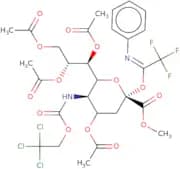
CAS:<p>4,7,8,9-Ac4-Neu5Troc(2→O)-O-C(CF3)=NPh Methyl Ester is a glycosylated peptide that is conjugated with an acetate ester. This compound is a member of the Acetyl Neu5Ac family of glycoconjugates that are found on the surface of cells and are involved in cell-cell interactions and immune responses. 4,7,8,9-Ac4-Neu5Troc(2→O)-O-C(CF3)=NPh Methyl Ester has been shown to inhibit bacterial growth by interfering with the synthesis of bacterial cell walls.</p>Fórmula:C29H32N2O14Cl3F3Pureza:Min. 95%Peso molecular:795.92 g/mol[Des-Acetyl]-a-MSH
<p>Custom research peptide; min purity 95%.</p>Fórmula:C75H107N21O18SPureza:Min. 95%Peso molecular:1,622.88 g/molRef: 3D-PD16872
Producto descatalogadoAMC
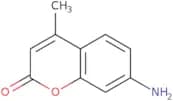
CAS:<p>AMC is a peptide that acts as an activator of the nicotinic acetylcholine receptor. AMC is a high-purity, ion channel ligand with a CAS No. 26093-31-2. It is used in life science research to study cell biology and pharmacology. AMC has been shown to be an inhibitor of the enzyme acetylcholinesterase (AChE) in rat brain slices and it has been reported that it can inhibit the proliferation of human leukemia cells.END></p>Fórmula:C10H9NO2Pureza:Min. 95%Peso molecular:175.18 g/molPeptide YY(3-36), PYY, human
<p>Custom research peptide; min purity 95%.</p>Fórmula:C180H279N53O54Pureza:Min. 95%Peso molecular:4,049.55 g/molRef: 3D-PP17072
Producto descatalogadoCbz-N-Amido-dPEG®12-Acid
CAS:<p>Cbz-N-Amido-dPEG®12-Acid is a PEG compound with two different functional groups (also known as heterobifunctional). Unlike homobifunctional PEG compounds (same functional group on both ends), this type of compounds are more versatile as have two different anchor points. Cbz-N-Amido-dPEG®12-Acid is used as a linker and spacer to add a PEG moiety, via pegylation (a bioconjugation technique) to proteins, peptides, oligonucleotides, small molecules and nanoparticles.</p>Pureza:Min. 95%Peso molecular:751.86 g/molSuc-Ala-Glu-AMC
<p>Suc-Ala-Glu-AMC is a synthetic molecule that is used as a research tool to study protein interactions, ion channels, and other cell biology. Suc-Ala-Glu-AMC binds to specific receptors and activates them. This compound can also be used to isolate ligand/receptor complexes. Suc-Ala-Glu-AMC is a high purity compound with an analytical purity of 98%. It has been shown in pharmacological studies to inhibit the activity of peptides such as vasopressin and oxytocin at the receptor level.</p>Fórmula:C22H25N3O9Pureza:Min. 95%Peso molecular:475.45 g/molCA2 Blocking Peptide
<p>A synthetic peptide for use as a blocking control in assays to test for specificity of CA2 antibody, catalog no. 70R-9978</p>Pureza:Min. 95%FBXO31 Blocking Peptide
<p>A synthetic peptide for use as a blocking control in assays to test for specificity of FBXO31 antibody, catalog no. 70R-2500</p>Pureza:Min. 95%Amyloid Beta-Protein (Human, 34-40) Antiserum
<p>This product is an antiserum targeting amino acids 34-40 of the amyloid beta-protein which is a key component of extracellular plaques found in the brains of patients with Alzheimer’s disease (AD). It may also be involved in the pathogenesis of other neurodegenerative diseases such as Huntington’s disease and Parkinson’s disease. Targeting this protein may be key to drug discovery and the treatment of AD and other diseases this protein is associated with. Furthermore amyloid beta peptides located in the cerebrospinal fluid are well known biomarkers used to diagnose AD. Although AD is not yet curable, an early diagnosis can be useful in that patients can be treated to delay or improve symptoms.</p>Pureza:Min. 95%Bovine Serum Albumin
CAS:<p>Bovine Serum Albumin (BSA) is a protein that is used in the pharmaceutical industry as a research tool and an immunological reagent. BSA can be used to bind, stabilize, and prevent denaturation of other proteins in the laboratory. It has been shown to inhibit ion channels and ligand-gated ion channels, which are important for membrane potentials. BSA is also an activator of receptor tyrosine kinases, which are involved in cell signaling pathways.</p>Pureza:Min. 95%Big Endothelin-1 (Human, 1-38)
CAS:<p>This product has disulfide bonds between Cys1-Cys15 and Cys3-Cys11 and is available as a 0.1mg vial. Big Endothelin-1 (Human, 1-38) is part of the full lengthed 29 amino acid peptide Big Endothlin-1 which is a precursor peptide of the vasoconstrictorEndothelin-1 (ET-1). ET-1 exhibits vasoconstrictive properties and is an activator of endothelin G-protein coupled receptors. Furthermore ET-1 is produced when inflammation, vascular stress or hypoxia occurs. In vivo Big Endothelin-1 has a greater half life compared to ET-1 and therefore makes it useful to study secretory activity in the endothelial system.<br>Overall Big Endothelin-1 (Human, 1-38) can be used as a research tool for studying protein interactions, receptor activation and function, and ligand binding. This peptide is also used in pharmacology to study the effects of therapeutic agents on receptor activity and expression.</p>Fórmula:C189H282N48O56S5Pureza:Min. 95%Peso molecular:4,282.9 g/molUrinary Trypsin Inhibitor-Ulinastatin Human
<p>Urinary Trypsin Inhibitor-Ulinastatin Human is a protein that is found in human urine. This protein was originally identified as an autoantigen in patients with the tripartite syndrome, which consists of nephrotic syndrome, skin lesions and lymphocytic infiltration. The protein is also found to be involved in the development of type 1 diabetes and other autoimmune disorders. Urinary Trypsin Inhibitor-Ulinastatin Human may be a ribonucleoprotein or a proteinase inhibitor. It has been shown to inhibit trypsin activity on Escherichia coli cells.</p>Pureza:Min. 95%Insulin, human
<p>Insulin is a peptide hormone that is produced by beta cells in the pancreas. Insulin has several important functions, including regulation of blood sugar levels, lipid metabolism and protein synthesis. It is also involved in the regulation of cellular growth and proliferation. Insulin binds to insulin receptors on the surface of cells, activating them and allowing for the uptake of glucose into cells and storage as glycogen. Insulin is a ligand for the insulin receptor. It can also bind to other receptors, such as IGF1R, which causes activation of PI3K/AKT pathway. Insulin is an antibody that can be used as research tool or cell biology reagent.<br>INSULIN CAN BE USED TO:<br>- Measure blood sugar levels<br>- Monitor diabetes<br>- Treat diabetes<br>- Control weight gain<br>- Improve muscle mass</p>ovalbumine 154-159
<p>Ovalbumin 154-159, also nammed TNGIIR peptide, is a portion of interest of the egg white albumen.</p>FBN1 Blocking Peptide
<p>A synthetic peptide for use as a blocking control in assays to test for specificity of FBN1 antibody, catalog no. 70R-8232</p>Pureza:Min. 95%NASP Blocking Peptide
<p>A synthetic peptide for use as a blocking control in assays to test for specificity of NASP antibody, catalog no. 70R-2036</p>Pureza:Min. 95%Peptide YY (canine, mouse, porcine, rat)
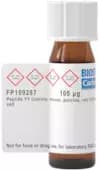
CAS:<p>Peptide YY (PYY) is a peptide hormone that inhibits gastric emptying and increases intestinal transit time. This peptide can be given as an intubation, perfusion, or intravenous infusion to increase the absorption of nutrients. It also has the potential to reduce body weight in obese people. PYY is a potent activator of protein synthesis and it has been shown to stimulate lipolysis in adipocytes. PYY is found in the ileum and colon, where it may have its effects on appetite suppression and regulation of gastrointestinal motility.</p>Fórmula:C190H288N54O57Pureza:Min. 95%Forma y color:PowderPeso molecular:4,240.65 g/molRef: 3D-FP109287
Producto descatalogadoFibronectin Active Fragment (RGDS)
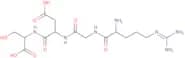
CAS:<p>Fibronectin is an extracellular matrix protein that plays a critical role in cell adhesion, migration, and differentiation. Fibronectin subunits are composed of repeating units of three types of modules: type I, type II, and type III. The active fragment of fibronectin refers to a small peptide sequence within the type III modules of fibronectin that has been shown to have potent biological activity.<br>The fibronectin active fragment, also known as the cell-binding domain or RGD domain, is a short peptide sequence consisting of the amino acid sequence Arg-Gly-Asp (RGD). This peptide sequence interacts with cell surface receptors known as integrins, which are important for mediating cell adhesion, migration, and signaling.<br>The fibronectin active fragment has been extensively studied as a research tool to investigate the mechanisms of cell adhesion and migration. It has also been used in tissue engineering applications to promote cell attachment and proliferation on synthetic biomaterials.</p>Fórmula:C15H27N7O8CH3COOH•2H2OPureza:Min. 95%Peso molecular:499.48 g/molMAL dPEG®6-Acid
CAS:<p>MAL dPEG®6-Acid is a PEG compound with two different functional groups (also known as heterobifunctional). Unlike homobifunctional PEG compounds (same functional group on both ends), this type of compounds are more versatile as have two different anchor points. MAL dPEG®6-Acid is used as a linker and spacer to add a PEG moiety, via pegylation (a bioconjugation technique) to proteins, peptides, oligonucleotides, small molecules and nanoparticles.</p>Fórmula:C22H36N2O11Pureza:Min. 95%Peso molecular:504.53 g/molAmino-dPEG®12-ODMT
CAS:<p>Amino-dPEG®12-ODMT is a PEG compound with two different functional groups (also known as heterobifunctional). Unlike homobifunctional PEG compounds (same functional group on both ends), this type of compounds are more versatile as have two different anchor points. Amino-dPEG®12-ODMT is used as a linker and spacer to add a PEG moiety, via pegylation (a bioconjugation technique) to proteins, peptides, oligonucleotides, small molecules and nanoparticles.</p>Fórmula:C10H20O5Pureza:Min. 95%Peso molecular:220.26 g/molAzido-dPEG®3-Amine
CAS:<p>Azido-dPEG®3-Amine is a PEG compound with two different functional groups (also known as heterobifunctional). Unlike homobifunctional PEG compounds (same functional group on both ends), this type of compounds are more versatile as have two different anchor points. Azido-dPEG®3-Amine is used as a linker and spacer to add a PEG moiety, via pegylation (a bioconjugation technique) to proteins, peptides, oligonucleotides, small molecules and nanoparticles.</p>Pureza:Min. 95%Peso molecular:218.25 g/molDipeptidyl-Peptidase IV, human, recombinant
<p>Dipeptidyl-peptidase IV (DPP4) is a complex enzyme that is expressed in the pancreas and regulates glucose-dependent insulinotropic polypeptides. DPP4 cleaves the amino terminal dipeptide from these polypeptides, which prevents the activation of pancreatic β-cells. The recombinant human form of this enzyme has been shown to activate T cells and induce apoptosis in insect cells. Its activity against chemokines in vitro may be due to its ability to cleave glycosylated polypeptides. This enzyme also has anti-inflammatory effects by inhibiting the production of proinflammatory cytokines such as tumor necrosis factor α (TNFα), interleukin 1β (IL1β), and IL6.</p>Pureza:Min. 95%Val-His-Leu-Thr-Pro-Glu
<p>Please enquire for more information about Val-His-Leu-Thr-Pro-Glu including the price, delivery time and more detailed product information at the technical inquiry form on this page</p>Fórmula:C31H50N8O10Pureza:Min. 95%Peso molecular:694.78 g/molIFT172 Blocking Peptide
<p>A synthetic peptide for use as a blocking control in assays to test for specificity of IFT172 antibody, catalog no. 70R-9095</p>Pureza:Min. 95%Arf4 Blocking Peptide
<p>A synthetic peptide for use as a blocking control in assays to test for specificity of Arf4 antibody, catalog no. 70R-9371</p>Pureza:Min. 95%GAPDH Blocking Peptide
<p>The GAPDH Blocking Peptide is a powerful tool used in Life Sciences research. It is a ligase that acts as a blocking peptide for glyceraldehyde-3-phosphate dehydrogenase (GAPDH). This peptide specifically inhibits the activity of GAPDH, an essential enzyme involved in glycolysis and other cellular processes. By blocking the function of GAPDH, researchers can study the impact of its inhibition on various cellular pathways and processes. The GAPDH Blocking Peptide is widely used in biochemical and molecular biology studies, providing valuable insights into the role of this enzyme in cellular functions. With its high quality and effectiveness, this peptide is a valuable addition to any research project in the field of Life Sciences.</p>Pureza:Min. 95%ZFP589 Blocking Peptide
<p>A synthetic peptide for use as a blocking control in assays to test for specificity of ZFP589 antibody, catalog no. 20R-1179</p>Pureza:Min. 95%Lipoamido-dPEG®8-TFP Ester
CAS:<p>Lipoamido-dPEG®8-TFP Ester is a PEG molecule conjugated with a lipid moiety. Lipoamido-dPEG®8-TFP Ester, conjugated to this lipid constituent, is very important especially in drug delivery and vaccine development as it helps improve the stability and circulation time of lipid nanoparticles (LNPs) and liposomes.</p>Fórmula:C55H110O27Pureza:Min. 95%Peso molecular:1,203.45 g/molTRAPPC5 Blocking Peptide
<p>A synthetic peptide for use as a blocking control in assays to test for specificity of TRAPPC5 antibody, catalog no. 70R-3203</p>Pureza:Min. 95%Leptin (Rat)-HS ELISA Kit (1ea)
<p>The leptin (RAT)-HS ELISA Kit is a sandwich enzyme-linked immunosorbent assay kit for the quantitative measurement of rat leptin in serum or plasma. Rat leptin is a protein hormone that regulates body weight, food intake, and energy expenditure. Leptin is synthesized and secreted by adipose tissue in proportion to fat mass. The human form of this hormone is called human leptin.</p>Pureza:Min. 95%TMEM138 Blocking Peptide
<p>A synthetic peptide for use as a blocking control in assays to test for specificity of TMEM138 antibody, catalog no. 70R-6431</p>Pureza:Min. 95%Ac-Lys-Thr-Lys-Gln-Leu-Arg-AMC
<p>Ac-Lys-Thr-Lys-Gln-Leu-Arg-AMC is a peptide that is used as a research tool in the study of protein interactions. Ac-Lys-Thr-Lys-Gln-Leu-Arg-AMC binds to the acetylcholine receptor (AChR) at the interface between two subunits, which inhibits the formation of ion channels and blocks neurotransmission. This peptide has been shown to be a potent inhibitor of AChR activation by nicotinic agonists, such as acetylcholine (ACh), nicotine, and carbachol. Acetylcholine binding to AChRs induces conformational changes in the receptor that are transmitted across the synapse to activate postsynaptic receptors on muscle cells. Acetylcholine binding triggers an allosteric change in the AChR that results in increased permeability of ion channels, leading to depolarization of</p>Fórmula:C45H73N13O11Pureza:Min. 95%Peso molecular:972.14 g/molCHST13 Blocking Peptide
<p>A synthetic peptide for use as a blocking control in assays to test for specificity of Clns1a antibody, catalog no. 70R-9131</p>Pureza:Min. 95%Ref: 3D-PH16986
Producto descatalogadoRNA Binding Motif Protein 3, human, recombinant
<p>RNA Binding Motif Protein 3 (RBMY3) is a high-quality research peptide that is commonly used in scientific studies. It is a recombinant protein derived from Escherichia Coli. RBMY3 plays a crucial role in RNA metabolism and regulation, specifically in the binding and processing of RNA molecules. This protein is highly purified and has been extensively tested for its quality and functionality. Researchers rely on RBMY3 to study various cellular processes, including gene expression, mRNA splicing, and post-transcriptional modifications. With its exceptional purity and reliability, RBMY3 is an essential tool for any laboratory conducting cutting-edge research in the field of RNA biology.</p>Pureza:Min. 95%Ref: 3D-PRO-1462
Producto descatalogadoDBCO-dPEG®12-Carboxyfluorescein
<p>DBCO-dPEG®12-Carboxyfluorescein is a PEG compound containing a fluorescein dye used for tagging biomolecules, and serving as fluorescent probe for bioimaging applications.</p>Pureza:Min. 95%Peso molecular:1,234.34 g/molHNRPDL Blocking Peptide
<p>A synthetic peptide for use as a blocking control in assays to test for specificity of HNRPDL antibody, catalog no. 70R-1322</p>Pureza:Min. 95%FAM124A Blocking Peptide
<p>A synthetic peptide for use as a blocking control in assays to test for specificity of FAM124A antibody, catalog no. 70R-3890</p>Pureza:Min. 95%CYP3A4, CYP3A3 MS Calibrator (25nmol)
<p>Cytochrome P450 3A4 is an enzyme that is involved in the metabolism of a wide range of compounds, including drugs and other xenobiotics. CYP3A4 can metabolize a drug from one chemical to another by adding or removing a functional group. CYP3A4 also has monooxygenase activity, meaning it can convert one compound into another using oxygen as a reactant. CYP3A4 is responsible for the metabolism of many drugs and is commonly found in humans, mice, rats, dogs and cattle.</p>Pureza:Min. 95%OR2H2 Blocking Peptide
<p>A synthetic peptide for use as a blocking control in assays to test for specificity of OR2H2 antibody, catalog no. 70R-9863</p>Pureza:Min. 95%RHOB Blocking Peptide
<p>A synthetic peptide for use as a blocking control in assays to test for specificity of RHOB antibody, catalog no. 70R-4030</p>Pureza:Min. 95%Substance P-Gly-Lys-Arg
<p>Custom research peptide; min purity 95%.</p>Fórmula:C77H124N24O17SPureza:Min. 95%Peso molecular:1,690.06 g/molRef: 3D-PS17103
Producto descatalogadoSPDP-dPEG®36-Acid
CAS:<p>SPDP-dPEG®36-Acid is a PEG compound with two different functional groups (also known as heterobifunctional). Unlike homobifunctional PEG compounds (same functional group on both ends), this type of compounds are more versatile as have two different anchor points. SPDP-dPEG®36-Acid is used as a linker and spacer to add a PEG moiety, via pegylation (a bioconjugation technique) to proteins, peptides, oligonucleotides, small molecules and nanoparticles.</p>Fórmula:C83H158N2O39S2Pureza:Min. 95%Peso molecular:1,872.26 g/molHuman s-IgA (Saliva) ELISA (1ea)
<p>Human s-IgA (Saliva) ELISA (1ea) is a human IgA immunoglobulin that is found in saliva. It is used to detect the presence of antibodies against specific substances such as drugs, food, and other allergens.</p>Pureza:Min. 95%KHDRBS1 Blocking Peptide
<p>A synthetic peptide for use as a blocking control in assays to test for specificity of KHDRBS1 antibody, catalog no. 20R-1132</p>Pureza:Min. 95%RNASEH2A Blocking Peptide
<p>A synthetic peptide for use as a blocking control in assays to test for specificity of RNASEH2A antibody, catalog no. 70R-1626</p>Pureza:Min. 95%Amino-dPEG® Acid
CAS:<p>Amino-dPEG® Acid is a PEG compound with two different functional groups (also known as heterobifunctional). Unlike homobifunctional PEG compounds (same functional group on both ends), this type of compounds are more versatile as have two different anchor points. Amino-dPEG® Acid is used as a linker and spacer to add a PEG moiety, via pegylation (a bioconjugation technique) to proteins, peptides, oligonucleotides, small molecules and nanoparticles.</p>Pureza:Min. 95%Peso molecular:441.51 g/molSARS-CoV-2 Spike RBD 395-430 peptide
<p>SARS-CoV-2 Spike RBD 395-430 peptide is an epitope of interest of the SARS-CoV-2 Spike S glycoprotein Receptor-Binding Domain (RBD). SARS-CoV-2 Spike RBD 395-430 peptide is useful for vaccine development and for structure-activity relationship studies<br>SARS-CoV-2 Spike (S) glycoprotein<br>Spike (S) glycoprotein corresponds to one of the leading targets for COVID-19 disease. Present on the surface of Sars-CoV-2 virus, Spike S protein is a class I fusion protein that allows the virus to enter host cells.<br>With a 1 273 aa length, Spike protein has 2 subunits : S1 contains the receptor-binding domain RBD and S2 induces the fusion of the viral envelop with the cellular membrane.<br>SARS-CoV-2 Spike RBD:<br>The receptor-binding domain in SARS-CoV-2 Spike protein allows binding to the Angiotensin-Converting Enzyme receptor 2 (ACE2 receptor) which mediates the viral entry.<br>SB-PEPTIDE also offers SARS-CoV-2 Spike RBD 395-430 (Biotin-LC) peptide</p>Peroxiredoxin-1, human, recombinant
<p>Peroxiredoxin-1 is a protein that belongs to the peroxiredoxin family. It is a redox-active protein that can reduce hydroperoxides and organic hydroperoxides. Peroxiredoxin-1 has been shown to be an activator of ion channels, receptors, and ligands. It is used as a research tool for studying the interactions between proteins and peptides.</p>Pureza:Min. 95%SIVmac239-2
<p>Custom research peptide; min purity 95%.</p>Fórmula:C70H123N19O25Pureza:Min. 95%Peso molecular:1,630.87 g/molRef: 3D-PS17093
Producto descatalogado[Nle8,18,Tyr34]-Parathyroid Hormone (Human, 3-34 amide)
<p>Parathyroid hormone (PTH) is a peptide hormone that regulates the calcium and phosphate concentrations in the blood. It is produced by the parathyroid gland, located near the thyroid gland in the neck. PTH has three forms: amino-terminal proparathyroid hormone (PTH 1-34), amino-terminal parathyroid hormone fragment 34-84 (PTH 1-34 amide), and carboxy-terminal parathyroid hormone fragment 84-120 (PTH 1-84). The receptor for PTH is called the parathyroid hormone receptor (PTR). The binding of PTH to its receptor leads to activation of adenylate cyclase, which increases levels of intracellular cAMP.</p>Fórmula:C175H282N54O48Pureza:Min. 95%Peso molecular:3,910.4 g/molIL 1 α Human
<p>IL-1α is a cytokine protein that has been shown to be involved in the immune system. IL-1α is an activator of the receptor and is also a ligand for it. The protein has been shown to activate ion channels, which are proteins that allow ions to pass through either by diffusion or by facilitated transport. This activation causes cells to produce more hydrogen ions, which leads to an increase in the acidity of the cell. IL-1α has also been shown to inhibit cell proliferation and induce apoptosis.</p>Pureza:Min. 95%Glucagon-like Peptide 2 (Human)
CAS:<p>Glucagon-like peptide 2 (GLP-2) is a protein hormone that belongs to the glucagon family of peptides. GLP-2 has been shown to activate ion channels and regulate the movement of ions across cell membranes, which is important for many physiological processes. GLP-2 also has an inhibitory effect on the release of insulin from beta cells in pancreatic islets. It has been shown to improve glucose tolerance in animal models of Type 2 diabetes by stimulating the production and secretion of insulin from beta cells in pancreatic islets. Additionally, GLP-2 can bind to a receptor on the surface of certain types of immune cells called T lymphocytes and stimulate them to produce cytokines that promote growth and development of other immune cells. Glucagon-like Peptide 2 (Human) is a research tool used in studies involving protein interactions, ligand binding, pharmacology, cell biology, or antibody production. This product is highly purified with a purity</p>Fórmula:C165H254N44O55SPureza:Min. 95%Peso molecular:3,766.1 g/molTentaGel® Macrobead-NH2 Resin (Particle size: 200 - 250 µm)
<p>TentaGel; is a gelatinous resin, an important support for solid phase synthesis. TentaGel; resins are constructed with a backbone of low crosslinked polystyrene grafted with polyoxyethylene (polyethylene glycol) as shown below. The typical chain length of POE (n) is approximately 68 ethylene oxide units or an average MW of 3000. This long chain creates a spacer that effectively separates the reactive site (X) from the crosslinked backbone matrix. particle size: 200 - 250 µmcapacity: 0.2 - 0.3 mmol/g1.5 nmol/bead; 160 000 beads/g.<br>These resins are designed for single bead synthesis and single bead analysis (mean particle size 200-250 µm: capacity 02-03 meq/g).</p>Pureza:Min. 95%ZNF266 Blocking Peptide
<p>A synthetic peptide for use as a blocking control in assays to test for specificity of ZNF266 antibody, catalog no. 70R-8283</p>Pureza:Min. 95%Bis-dPEG®29-Acid
CAS:<p>Bis-dPEG®29-Acid is a PEG polymer categorised as homobifunctional PEG (X-PEG X). Used as a linker, bis-dPEG®29-Acid is used to attached PEG to proteins, peptides, oligonucleotides, nanoparticles and small molecules via pegylation, a bioconjugation technique.</p>Fórmula:C30H49N5O11S3Pureza:Min. 95%Peso molecular:751.94 g/molHspb7 Blocking Peptide
<p>A synthetic peptide for use as a blocking control in assays to test for specificity of Hspb7 antibody, catalog no. 70R-8511</p>Pureza:Min. 95%NIT2 Blocking Peptide
<p>A synthetic peptide for use as a blocking control in assays to test for specificity of NIT2 antibody, catalog no. 70R-2400</p>Pureza:Min. 95%Kisspeptin-10 (Rat) / Metastin (Rat, 43-52)
CAS:Producto controlado<p>Kisspeptin-10 (Rat) / Metastin (Rat, 43-52) is a Research Tool that belongs to the group of Activators and Ligands. It is an agonist for G protein coupled receptor 54 (GPR54). Kisspeptin-10 (Rat) / Metastin (Rat, 43-52) has been shown to inhibit ion channels and act as a potent inhibitor of phosphoinositide 3-kinase. This compound has high purity and can be used in pharmacological research.</p>Fórmula:C63H83N17O15Pureza:Min. 95%Peso molecular:1,318.4 g/molC2ORF55 Blocking Peptide
<p>A synthetic peptide for use as a blocking control in assays to test for specificity of C2orf55 antibody, catalog no. 70R-4287</p>Pureza:Min. 95%Angiotensin A
<p>Custom research peptide; min purity 95%.</p>Fórmula:C56H78N16O13Pureza:Min. 95%Peso molecular:1,183.34 g/molRef: 3D-PA16913
Producto descatalogadoLYVE1 Blocking Peptide
<p>A synthetic peptide for use as a blocking control in assays to test for specificity of LYVE1 antibody, catalog no. 70R-6181</p>Pureza:Min. 95%GSK3 Peptide Substrate
<p>Catalogue peptide; min. 95% purity</p>Fórmula:C470H76N16O16Peso molecular:1,121.23 g/mol[Tyr52] PTH (52-84) (human)
<p>Catalogue peptide; min. 95% purity</p>Fórmula:C158H262N44O56Peso molecular:3,674.02 g/molLaminin Penta Peptide, amide
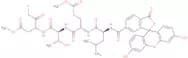
<p>Catalogue peptide; min. 95% purity</p>Fórmula:C26H43N9O7Peso molecular:593.7 g/molFluorescein-6-carbonyl-Leu-Glu(OMe)-Thr-DL-Asp(OMe)-fluoromethylketone
CAS:<p>Please enquire for more information about Fluorescein-6-carbonyl-Leu-Glu(OMe)-Thr-DL-Asp(OMe)-fluoromethylketone including the price, delivery time and more detailed product information at the technical inquiry form on this page</p>Fórmula:C43H47FN4O15Pureza:Min. 95%Peso molecular:878.85 g/molRef: 3D-FF111108
Producto descatalogadoMyelin Oligodendrocyte Glycoprotein (35-55) (mouse, rat) trifluoroacetate
CAS:<p>Myelin oligodendrocyte glycoprotein (MOG) is a myelin protein found in the central nervous system. MOG is a ligand for CD200, which is an inhibitory receptor expressed by astrocytes. It has been shown that MOG can induce the proliferation and differentiation of primary cultures of rat astrocytes in vitro. MOG induces the production of reactive oxygen species in mitochondria and increases the expression of acid-binding protein, which are both important factors in the demyelination process. MOG has also been implicated as a potential factor in the development of multiple sclerosis. Further research into this protein may lead to new treatments or cures for disorders such as encephalomyelitis, nervous system diseases, or even cancer.</p>Fórmula:C118H177N35O29S•C2HO2F3Pureza:Min. 95%Forma y color:PowderPeso molecular:2,695.98 g/molRef: 3D-FM109206
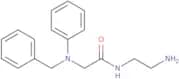
Producto descatalogadoN-(2-Amino-ethyl)-2-(benzyl-phenyl-amino)-acetamide
CAS:<p>Please enquire for more information about N-(2-Amino-ethyl)-2-(benzyl-phenyl-amino)-acetamide including the price, delivery time and more detailed product information at the technical inquiry form on this page</p>Fórmula:C17H21N3OPureza:Min. 95%Forma y color:White PowderPeso molecular:283.37 g/molRef: 3D-FA111189
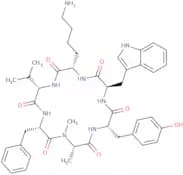
Producto descatalogadoSeglitide acetate
CAS:Producto controlado<p>Seglitide is a cyclic peptide that is a model system for the receptor activity of somatostatin. Somatostatin inhibits cells by binding to its receptors, which are found on the surface of endocrine cells and in the hypothalamus. Seglitide has been shown to inhibit cell growth in tissue culture and is a potent inhibitor of epidermal growth factor (EGF) production. Seglitide also activates locomotor activity in mice, suggesting that it may have some clinical relevance. Structural analysis has revealed that seglitide's amino acid sequence is similar to somatostatin's, making them closely related compounds. It also binds to DNA-dependent RNA polymerase, preventing transcription and replication.</p>Fórmula:C44H56N8O7·C2H4O2Pureza:Min. 95%Peso molecular:869.02 g/molDefensin (human) HNP-2
<p>Catalogue peptide; min. 95% purity</p>Fórmula:C147H217N43O37S6Peso molecular:3,370.94 g/molAmyloid beta-Protein (33-42)
<p>Catalogue peptide; min. 95% purity</p>Fórmula:C41H74N10O11SPeso molecular:915.17 g/mol[Des-Pro2] Bradykinin
<p>Catalogue peptide; min. 95% purity</p>Fórmula:C45H66N14O10Peso molecular:963.12 g/mol[D-Tyr6, beta-Ala11, beta-Phe13, Nle14]-Bombesin
<p>Catalogue peptide; min. 95% purity</p>Fórmula:C81H115N23O18Peso molecular:1,698.98 g/molAmyloid Dan Protein (1-34) (reduced)
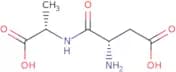
<p>Catalogue peptide; min. 95% purity</p>Fórmula:C185H270N48O51S2Peso molecular:4,046.63 g/molH-Asp-Ala-OH
CAS:<p>Adriamycin is an anticancer drug that is a structural analogue of aspartic acid. It can be synthesized in a solid-phase synthesis using a polymeric resin with an acidic functional group, such as H-Asp-Ala-OH. Adriamycin inhibits the production of inflammatory cytokines and prostaglandins, which are involved in the development of inflammatory diseases. Adriamycin has been shown to have anti-inflammatory effects on human serum and to inhibit the production of proteins important for tumor cell proliferation. Adriamycin also has anti-inflammatory properties due to its ability to bind with hydrogen bonds to acidic residues on proteins.<br>END></p>Fórmula:C7H12N2O5Pureza:Min. 98 Area-%Forma y color:PowderPeso molecular:204.18 g/molRef: 3D-FA107993
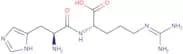
Producto descatalogadoH-His-Arg-OH
CAS:<p>H-His-Arg-OH is a synthetic peptide that has been shown to have cytotoxic effects on mammalian cells. The H-His-Arg-OH peptide can be used for the treatment of heart disease and autoimmune diseases, such as rheumatoid arthritis. This peptide has been found to be resistant to congestive heart failure, which is caused by a number of factors, including hypertension and valvular stenosis. It has also been shown to have an immunoglobulin G1 (IgG1) genotype.</p>Fórmula:C12H21N7O3Pureza:Min. 95%Peso molecular:311.34 g/molRef: 3D-FH108062
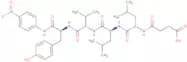
Producto descatalogadoSuc-Leu-Leu-Val-Tyr-pNA
CAS:<p>Please enquire for more information about Suc-Leu-Leu-Val-Tyr-pNA including the price, delivery time and more detailed product information at the technical inquiry form on this page</p>Fórmula:C36H50N6O10Pureza:Min. 95%Peso molecular:726.82 g/molRef: 3D-FS110818
Producto descatalogadoVesicular Stomatitis Virus Nucleoprotein (52-59) trifluoroacetate salt
CAS:<p>Please enquire for more information about Vesicular Stomatitis Virus Nucleoprotein (52-59) trifluoroacetate salt including the price, delivery time and more detailed product information at the technical inquiry form on this page</p>Fórmula:C44H66N12O12Pureza:Min. 95%Peso molecular:955.07 g/molRef: 3D-FV110198
Producto descatalogadoBiotin-Intermedin (rat)
<p>Catalogue peptide; min. 95% purity</p>Fórmula:C236H377N77O66S3Peso molecular:5,445.29 g/molbeta-Amyloid Protein Precursor 770 (135-155)
<p>Catalogue peptide; min. 95% purity</p>Fórmula:C116H173N35O31S2Peso molecular:2,617.95 g/molRef: 3D-VAC-00391
Producto descatalogadoCarassin (Carrassius Auratus)
<p>Catalogue peptide; min. 95% purity</p>Fórmula:C103H175N35O27SPeso molecular:2,367.83 g/molLL-37, Antimicrobial Peptide, human
<p>Catalogue peptide; min. 95% purity</p>Fórmula:C205H340N60O53Peso molecular:4,493.37 g/molTirzepatide acetate
CAS:<p>Cymit Quimica provides this product solely for uses within the scope of any statute or law providing for an immunity, exemption, or exception to patent infringement (“Exempted Uses”), including but not limited to 35 U.S.C. § 271(e)(1) in the United States, the Bolar type exemption in Europe, and any corresponding exception to patent infringement in any other country. It is the sole responsibility of the purchaser or user of this product, and the purchaser or user of this product agrees to engage only in such Exempted Uses, and to comply with all applicable intellectual property laws and/or regulations. The purchaser of this product agrees to indemnify Cymit Quimica against all claims in connection with the performance of the respective commercial agreement (e.g. supply agreement) and possible infringements of intellectual property rights.</p>Pureza:Min. 95%CJC-1295
CAS:<p>CJC-1295 is a synthetic peptide, which is an analogue of growth hormone-releasing hormone (GHRH). It is synthesized through recombinant DNA technology, which allows for precise control over its sequence and length. This particular peptide is designed to bind to GHRH receptors in the pituitary gland. By activating these receptors, CJC-1295 stimulates the release of growth hormone (GH) into the bloodstream.The primary function of CJC-1295 is to influence the endocrine system, particularly enhancing the release of endogenous growth hormone. It achieves this by increasing the amplitude and frequency of GH pulses without affecting the natural negative feedback mechanisms that regulate GH production. This mode of action distinguishes CJC-1295 from other growth hormone therapies, as it promotes a more physiological pattern of hormone secretion.CJC-1295 is used in various scientific contexts, primarily in research focusing on growth hormone deficiencies, muscle wasting conditions, and certain metabolic disorders. Its ability to increase GH release also makes it a subject of interest in studies related to aging, tissue repair, and regeneration. The longer half-life of CJC-1295 compared to natural GHRH peptides further enhances its applications in research, allowing for more sustained and controlled experimentation.</p>Pureza:Min. 95%Ref: 3D-FC138107
Producto descatalogadobeta II probe
<p>Catalogue peptide; min. 95% purity</p>Fórmula:C94H150N26O31SPeso molecular:2,172.46 g/molA-A-A-Y-G-G-F-L
<p>Catalogue peptide; min. 95% purity</p>Fórmula:C37H52N8O10Peso molecular:768.87 g/molHead activator
<p>Catalogue peptide; min. 95% purity</p>Fórmula:C54H84N12O14Peso molecular:1,125.36 g/mol




























![[Des-Acetyl]-a-MSH](/_next/image/?url=https%3A%2Fstatic.cymitquimica.com%2Fproducts%2F3D%2Fthumb-webp%2FPD16872.webp&w=3840&q=75)



















![[Nle8,18,Tyr34]-Parathyroid Hormone (Human, 3-34 amide)](/_next/image/?url=https%3A%2Fstatic.cymitquimica.com%2Fproducts%2F3D%2Fthumb-webp%2FPTH-4181-V.webp&w=3840&q=75)






![[Tyr52] PTH (52-84) (human)](/_next/image/?url=https%3A%2Fstatic.cymitquimica.com%2Fproducts%2F3D%2Fthumb-webp%2FVAC-00889.webp&w=3840&q=75)



![[Des-Pro2] Bradykinin](/_next/image/?url=https%3A%2Fstatic.cymitquimica.com%2Fproducts%2F3D%2Fthumb-webp%2FVAC-00674.webp&w=3840&q=75)
![[D-Tyr6, beta-Ala11, beta-Phe13, Nle14]-Bombesin](/_next/image/?url=https%3A%2Fstatic.cymitquimica.com%2Fproducts%2F3D%2Fthumb-webp%2FVAC-00196.webp&w=3840&q=75)