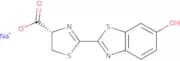
Sustratos de enzimas
Los sustratos enzimáticos son moléculas sobre las cuales actúan las enzimas para catalizar reacciones químicas. El sustrato se une al sitio activo de la enzima, donde sufre una transformación específica para formar el producto de la reacción. Los sustratos enzimáticos son herramientas esenciales en la investigación para estudiar la cinética enzimática, la especificidad y el mecanismo de acción. También se utilizan en ensayos diagnósticos y estudios bioquímicos. En CymitQuimica, ofrecemos una selección diversa de sustratos enzimáticos de alta calidad para apoyar su investigación en enzimología y bioquímica.
Subcategorías de "Sustratos de enzimas"
Se han encontrado 1527 productos de "Sustratos de enzimas"
Ordenar por
Pureza (%)
0
100
|
0
|
50
|
90
|
95
|
100
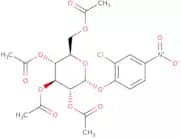
2-Chloro-4-nitrophenyl 2,3,4,6-tetra-O-acetyl-a-D-glucopyranoside
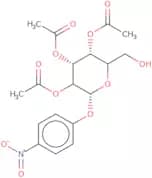
CAS:<p>2-Chloro-4-nitrophenyl 2,3,4,6-tetra-O-acetyl-a-D-glucopyranoside is a chromogenic substrate used to characterize enzymes in biochemical assays. The substrate is cleaved by enzymes, such as esterases and glycosidases, releasing the chromogenic group, which can be detected by its yellow color.</p>Pureza:Min. 95%Peso molecular:503.84 g/mol4-Nitrophenyl 2,3,4-tri-O-acetyl-a-D-glucopyranoside
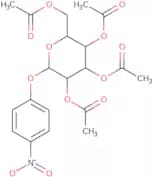
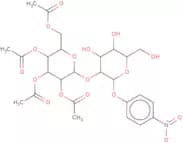
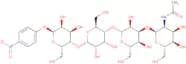
<p>4-Nitrophenyl 2,3,4-tri-O-acetyl-a-D-glucopyranoside is a high quality chemical used in the development of various diagnostic and research applications. It is also used in the production of enzymatic substrates for enzyme activity assays. 4NPTAG is a chromogenic substrate that produces chemiluminescence when it reacts with an oxidizing agent and has been shown to be very effective as a fluorogenic substrate for protein kinases. This compound has been shown to bind to ligands and can be used as a bioluminescent reporter for molecular biology applications. The CAS number for this product is 54973-14-0.</p>Pureza:Min. 95%Peso molecular:427.36 g/mol4-Nitrophenyl 2-acetamido-6-O-(2-acetamido-3,4,6-tri-O-acetyl-2-deoxy-b-D-glucopyranosyl)-3-O-(2,3,4,6-tetra-O-acetyl-b-D-galactopyr anosyl)-2-deoxy-a-D-galactopyranoside
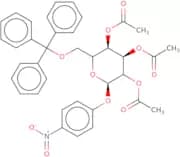
<p>4-Nitrophenyl 2-acetamido-6-O-(2-acetamido-3,4,6-tri-O-acetyl-2-deoxy-b-D-glucopyranosyl)-3-O-(2,3,4,6-tetra -O acetyl -b D galactopyranosyl)-2 deoxy a D galactopyranoside is a high purity fluorogenic substrate for the enzyme β galactosidase. It can be used for the detection of β galactosidase in biological samples. 4NPAG can also be used as a ligand for various types of chromogenic substrates. This product is also commonly used in diagnostics and conjugates to detect β galactosidase activity or as a culture media supplement.</p>Pureza:Min. 95%Peso molecular:1,001.89 g/mol4-Nitrophenyl 2,3,4-tri-O-acetyl-6-O-trityl-a-D-glucopyranoside
<p>4-Nitrophenyl 2,3,4-tri-O-acetyl-6-O-trityl-a-D-glucopyranoside is a substrate for chemiluminescent assays. It is a high quality chemical that can be used in environmental testing, staining, ligand binding and bioluminescence. 4NP2T6AODG is used as a chromogenic substrate or fluorogenic substrate to detect the presence of enzymes in diagnostics and food testing. This product has CAS No. 67794-14-0 and can be purchased at high purity.</p>Pureza:Min. 95%Peso molecular:669.67 g/mol4-Nitrophenyl 2-acetamido-2-deoxy-3,6-di-O-benzoyl-b-D-galactopyranoside
CAS:<p>4-Nitrophenyl 2-acetamido-2-deoxy-3,6-di-O-benzoyl-b-D-galactopyranoside is an advanced pNP-based enzyme substrate designed for the detection and measurement of glycosidase activity in biological samples. This synthetic compound offers high specificity and sensitivity for b-galactosidase enzymes, enabling accurate determination of enzymatic hydrolysis rates in a variety of research applications, including diagnostics, drug development, and discovery of novel enzymes. Its chromogenic properties ensure easy analysis of the results and make it suitable for high-throughput screening.</p>Pureza:Min. 95%Peso molecular:550.51 g/molAldol® 455 β-D-glucopyranoside - Biosynth Patent: EP 2427431 and US 8940909
<p>Aldol® 455 is a substrate for the enzyme beta-galactosidase. It is used in food testing, staining, and environmental testing. Aldol® 455 has been shown to be a good substrate for fluorogenic and chromogenic substrates. It can be conjugated with an antibody or other ligand for use in immunoassays. Aldol® 455 is of high purity and high quality, making it suitable for use in diagnostics and as an enzyme substrate. This product can also be used as a culture media additive.</p>Pureza:Min. 95%2-Chloro-4-nitrophenyl b-D-lactoside
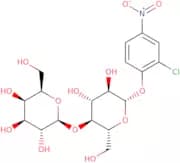
CAS:<p>2-Chloro-4-nitrophenyl b-D-galactopyranoside is a chromogenic enzyme substrate used to study the activity of beta-lactoside. It produces a yellow color when cleaved by the enzyme, making it a useful tool in enzyme assays and screening experiments.</p>Pureza:Min. 95%Forma y color:PowderPeso molecular:497.83 g/mol4-Methylumbelliferyl 2-acetamido-3,4,6-tri-O-acetyl-2-deoxy-a-D-glucopyranoside
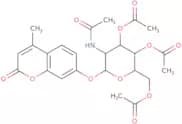
CAS:<p>4-Methylumbelliferyl 2-acetamido-3,4,6-tri-O-acetyl-2-deoxy-a-D-glucopyranoside is a chromogenic substrate for enzymes that catalyze the hydrolysis of glycosidic bonds. It can be used in diagnostic tests to identify antibodies against certain bacteria and fungi. The fluorogenic form of 4-methylumbelliferyl 2-acetamido-3,4,6-triO acetyl -2 deoxy a D glucopyranoside can be used as a chemiluminescent substrate for detecting bacterial activity. 4 methylumbelliferyl 2 acetamido 3,4,6 triO acetyl -2 deoxy a D glucopyranoside is also useful in bioluminescent assays to detect ATP production in bacteria and other microorganisms. CAS No: 1174287–76–3</p>Pureza:Min. 95%Peso molecular:505.48 g/mol2,4-Dinitrophenyl b-D-cellobioside
CAS:<p>2,4-Dinitrophenyl b-D-cellobioside is a chemiluminescent substrate that is used to detect the activity of enzymes and other proteins. It can be conjugated with an antibody or other ligand for use in diagnostic purposes. 2,4-DNPBC is a pure compound with a high quality that does not contain any other impurities. Its CAS number is 157956-96-2.</p>Pureza:Min. 95%2-Chloro-4-nitrophenyl 2-acetamido-2-deoxy-a-D-glucopyranoside
<p>L-2-Chloro-4-nitrophenyl 2-acetamido-2-deoxy-a-D-glucopyranoside is a chemiluminescent substrate for the detection of aminoglycoside antibiotics. It can be used to determine the concentration of aminoglycosides in blood, urine, and serum. The chemiluminescence reaction is dependent on the presence of oxygen. This product has been shown to have a high quality and purity with environmental testing and staining properties. L-2-Chloro-4-nitrophenyl 2-acetamido-2-deoxy--a--D--glucopyranoside has also been shown to bind ligands such as porphyrins, bilirubin, or hemin with bioluminescence or chromogenic substrates in diagnostics or culture media for food testing. L--2--Chloro--4--</p>Pureza:Min. 95%4-Nitrophenyl 2,3,4,6-tetra-O-acetyl-a-D-mannopyranoside
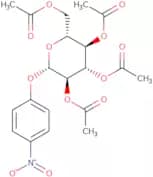
CAS:<p>4-Nitrophenyl 2,3,4,6-tetra-O-acetyl-a-D-mannopyranoside is a highly sensitive and efficient chromogenic substrate designed for the detection and quantification of α-D-mannosidases. These enzymes play a crucial role in the degradation and metabolism of glycoproteins and glycolipids, thus having high importance in biotechnology and biochemical research. When acted upon by α-D-mannosidase, this substrate releases a bright yellow product, 4-nitrophenol, which is easily measured spectrophotometrically at 405 nm. This enables quick and accurate analysis in various applications such as enzyme kinetics, inhibitor screening, and activity assays.</p>Pureza:Min. 95%Peso molecular:469.4 g/molS-(4-Nitrophenyl)mercapturic acid
CAS:<p>S-(4-Nitrophenyl)mercapturic acid (S-NPMA) is the major metabolite of 4-nitrophenol, which is a precursor to dyes and pharmaceuticals. S-NPMA has been detected in urine samples from humans, rats, and mice. The main metabolic pathway for S-NPMA is an oxidative conversion by cytochrome P450 enzymes. S-NPMA has been found to be a useful biomarker for the presence of polycyclic aromatic hydrocarbons in wastewater and human urine. The levels of this compound have also been shown to increase with age in humans.</p>Pureza:Min. 95%Peso molecular:284.29 g/mol3-Nitrophenyl 2-acetamido-2-deoxy-b-D-glucopyranoside
CAS:<p>3-Nitrophenyl 2-acetamido-2-deoxy-b-D-glucopyranoside is a chemiluminescent substrate that is used for the detection of glycosidases. It has been shown to be a good ligand for the study of nucleic acid hybridization, and it can also be used in enzyme assays. 3NPPAG is available in high purity and high quality. This product has been tested for use in culture media, environmental testing, bioluminescence, staining, fluorogenic substrate, CAS No. 61894-63-1, diagnostics, chromogenic substrate, enzyme substrate, food testing and conjugate applications.</p>Pureza:Min. 95%2-Bromo-4-nitrophenyl b-D-galactopyranoside
<p>2-Bromo-4-nitrophenyl b-D-galactopyranoside is a chemiluminescent substrate that is used for the detection of β-galactosidase activity in the biochemical reaction. It has been shown to be an excellent ligand for metal ions and can be used as a reagent in the determination of metal ions in biological systems. This product is manufactured with high purity and quality, which ensures its suitability for use in culture media, environmental testing, and diagnostics. 2-Bromo-4-nitrophenyl b-D-galactopyranoside has been tested as a fluorogenic substrate for β-galactosidase. It has also been used as a chromogenic substrate for β-galactosidase and an enzyme substrate for β-galactosidase. This product can be conjugated with other molecules such as biotin to enable rapid analysis of proteins or</p>Fórmula:C12H14BrNO8Pureza:Min. 95%Peso molecular:380.15 g/mol6-Bromo-2-naphthyl-α-D-mannopyranoside
CAS:<p>6-Bromo-2-naphthyl-alpha-D-mannopyranoside is a strong inhibitor of alpha-mannosidase. It has been shown to inhibit the growth of Mycobacterium tuberculosis and Streptococcus pneumoniae, which are both known to cause bacterial infections in humans. 6BNA inhibits the enzyme alpha-mannosidase, which hydrolyzes terminal α-(1,4)-linked mannose residues from oligosaccharides and glycoproteins. This drug has a high affinity for the active site of alpha-mannosidase and an IC50 value of 0.2 mM, making it an effective inhibitor.</p>Fórmula:C16H17BrO6Pureza:Min. 98.0 Area-%Peso molecular:385.22 g/mol4-Nitrophenyl 2-acetamido-3-O-acetyl-4,6-O-benzylidene-2-deoxy-a-D-glucopyranoside
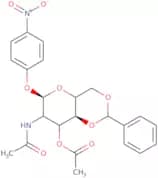
CAS:<p>4-Nitrophenyl 2-acetamido-3-O-acetyl-4,6-O-benzylidene-2-deoxy-aDglucopyranoside is a fluorogenic substrate that can be used for the detection of β-glucosidase activity. It is a water soluble substrate with an extinction coefficient of approximately 10,000 M−1 cm−1 at 420 nm. 4NPAABGDG is a chromogenic substrate that can be used to detect β-galactosidase activity. It has an extinction coefficient of approximately 1,700 M−1 cm−1 at 420 nm. The CAS number for 4NPAABGDG is 23262–56–8 and it is sold by Sigma Aldrich under catalog number L4959.</p>Pureza:Min. 95%Peso molecular:472.44 g/mol4-Nitrophenyl 2,3,4,6-tetra-O-acetyl-b-D-glucopyranoside
CAS:<p>4-Nitrophenyl 2,3,4,6-tetra-O-acetyl-β-D-glucopyranoside is a versatile chromogenic substrate designed for the detection and quantification of various glycosidase enzymes. This substrate is widely used in enzyme assays, producing a yellow color upon cleavage by target enzymes. The 4-Nitrophenol released in this reaction can be easily monitored spectrophotometrically, allowing for rapid and accurate enzyme analysis. This high-quality substrate provides a convenient and reliable tool for researchers in biochemistry, enzymology, and related fields.</p>Fórmula:C20H23NO12Pureza:Min. 95 Area-%Forma y color:PowderPeso molecular:469.4 g/mol4-Nitrophenyl 2,3-di-O-(b-D-glucopyranosyl)-b-D-glucopyranoside
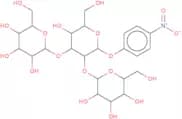
<p>4-Nitrophenyl 2,3-di-O-(b-D-glucopyranosyl)-b-D-glucopyranoside is a chromogenic substrate that can be used to detect the presence of β-glucuronidase in human and animal tissue. The compound is also a fluoroquinolone substrate for the detection of β-lactamase activity. 4NPBG is used in diagnostics as well as food testing, due to its ability to detect bacteria in both food and water samples. 4NPBG is a chemiluminescent substrate that emits light upon hydrolysis by β-glucuronidase or β-lactamase. The compound has been shown to be an excellent ligand for binding to protein A or protein G and can be used for immunoassays such as ELISA or Western blotting.</p>Pureza:Min. 95%Peso molecular:625.53 g/mol4-Nitrophenyl b-D-cellohexaoside
CAS:<p>4-Nitrophenyl b-D-cellohexaoside is a substrate for many enzymes and can be used to detect the presence of these enzymes in biological samples. It can also be used to detect the presence of bacteria, fungi, parasites, and viruses. 4-Nitrophenyl b-D-cellohexaoside is an excellent substrate for enzyme reactions that produce a chromogenic or fluorogenic product. This product is often conjugated with other compounds such as antibodies or antigens to form an immunoassay. 4-Nitrophenyl b-D-cellohexaoside is made from a high purity chemical by a process called nitration with sodium nitrate and sulfuric acid.</p>Pureza:Min. 95%Peso molecular:1,111.95 g/mol4-Nitrophenyl 4-O-(b-D-mannopyranosyl)-b-D-glucopyranoside
<p>4-Nitrophenyl 4-O-(b-D-mannopyranosyl)-b-D-glucopyranoside is a fluorogenic substrate that can be used for the detection of β-glucosidase activity in biological samples. It is an excellent substrate for the enzyme β-glucosidase, which catalyzes the hydrolysis of ester bonds in glycosides with release of glucose and formation of a phenolic product. The 4-nitrophenol group reacts with oxygen to produce light, making it useful as a chemiluminescent or bioluminescent substrate. The conjugate may also be used to detect β-glucosidase activity in culture media by adding the substrate to the culture medium and measuring its fluorescence.<br>4NP4OBG has been shown to have high purity, with only trace amounts of impurities detected such as benzaldehyde and 2,6-dinitro</p>Pureza:Min. 95%Peso molecular:463.39 g/molL-Citrulline-p-nitroanilide hydrobromide
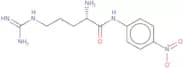
CAS:<p>L-Citrulline-p-nitroanilide hydrobromide is a substrate for enzymes such as beta-galactosidase, beta-glucuronidase, and alkaline phosphatase. It is used in biochemical assays for the detection of microorganisms and in medical diagnostics. This compound has been shown to be useful in fluorescence microscopy and bioluminescence. It also has applications in food testing, environmental testing, and high purity research.</p>Fórmula:C12H20Br2N6O3Pureza:Min. 95%Peso molecular:453.996362-Methyl-4-nitrophenyl b-D-galactopyranoside
<p>2-Methyl-4-nitrophenyl b-D-galactopyranoside is a chemiluminescent substrate that is used in various applications. It is a ligand that binds to the enzyme beta-galactosidase and is used in diagnostics for detecting the presence of the enzyme. 2-Methyl-4-nitrophenyl b-D-galactopyranoside has been shown to be an appropriate substrate for chemiluminescence reactions, such as those used in diagnostic or research applications. The product also has been tested for potential toxicity and found not to be toxic at concentrations up to 100mg/mL. This product can be used in a variety of applications, including food testing, bacterial culture media, and environmental testing.</p>Pureza:Min. 95%Peso molecular:315.28 g/molβ-Alanine 7-amido-4-methylcoumarin trifluoroacetate
CAS:<p>Beta-alanine 7-amido-4-methylcoumarin, trifluoroacetate salt is a high purity, ligand, and conjugate. It can be used in the food testing and environmental testing fields. This product has been shown to be a good substrate for enzyme activity and can also function as a fluorescent dye in chemiluminescence assays. Beta-alanine 7-amido-4-methylcoumarin, trifluoroacetate salt is soluble in water and has a CAS number of 201847-54-3.</p>Fórmula:C15H15F3N2O5Peso molecular:360.29 g/molRef: 3D-A-4501
1gA consultar100mgA consultar250mgA consultar500mgA consultar2500mgA consultar-Unit-ggA consultar4-Nitrophenyl 2-O-(2,3,4,6-tetra-O-acetyl-a-D-mannopyranosyl)-a-D-mannopyranoside
<p>4-Nitrophenyl 2-O-(2,3,4,6-tetra-O-acetyl-a-D-mannopyranosyl)-a-D-mannopyranoside is a fluorogenic substrate that is used as a diagnostic tool and can be used to detect the presence of β--glucosidase in the gut. It is also used as a conjugate with enzymes such as peroxidase or alkaline phosphatase for use in enzyme catalyzed reactions. The product has been shown to be active against a variety of bacteria, including Staphylococcus aureus and Escherichia coli. This product has been shown to produce chemiluminescence when incubated with horseradish peroxidase and hydrogen peroxide. This product is light sensitive and should be stored at room temperature away from direct sunlight.</p>Pureza:Min. 95%Peso molecular:631.54 g/molZ-Gly-Pro-Arg-pNA acetate
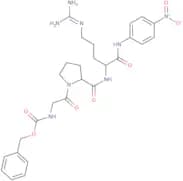
CAS:<p>Z-Gly-Pro-Arg-pnaacetate is a substrate commonly used in enzyme research, particularly in the study of proteases. Proteases are enzymes responsible for catalyzing the hydrolysis of peptide bonds in proteins. In a study investigating the activation of protein C in blood plasma by a protease from Aspergillus ochraceus, the enzyme activity was qualitatively assessed using chromogenic peptide substrates, such as pGlu-Pro-Arg-pNA.</p>Fórmula:C27H34N8O7Pureza:Min. 95%Peso molecular:582.6 g/molAldol® 515 N-glutaryl-L-phenylalanine amide potassium salt, Biosynth Patent: EP 2427431 and US 8940909
CAS:<p>Aldol® 515 N-glutaryl-L-phenylalanine amide is a chromogenic and fluorogenic enzyme substrate used for detection of L-glutamate-phenylalanine (GluPhe)-specific peptidase activity. The colorless enzyme substrate is cleaved the GluPhe-specific peptidase, yielding development of orange-red coloration. In addition, red fluorescence is generated when Aldol® 355 fluorescence enhancer or a suitable matrix is present. Aldol® 515 N-glutaryl-L-phenylalanine amide can be used in enzyme assays and live bacterial cultures. Aldol® 515 N-glutaryl-L-phenylalanine amide is suitable for use in liquid and solid media, under aerobic as well as anaerobic conditions.</p>Fórmula:C37H35KN4O5Pureza:Min. 95.0 Area-%Peso molecular:654.80 g/mol5-Bromo-6-chloro-1H-indol-3-yl-a-D-mannopyranoside
CAS:<p>5-Bromo-6-chloro-1H-indol-3-yl-a-D-mannopyranoside is a chromogenic substrate that yields a magenta-colored product after cleavage. The chromophore 5-bromo-6-chloro-indoxyl is released, generating the observable color. It is used in lysosomal storage disorder screening.</p>Fórmula:C14H15BrClNO6Pureza:Min. 95 Area-%Forma y color:White Off-White PowderPeso molecular:408.63 g/molAldol® 470 L-alanine ester, hydrochloride, Biosynth Patent: EP 2427431 and US 8940909
CAS:Producto controlado<p>Aldol® 470 L-alanine ester, hydrochloride is a chromogenic substrate that is used as a food testing reagent and enzyme substrate in diagnostics. It is also used to detect the presence of ligands in an environment. Aldol® 470 L-alanine ester, hydrochloride is used in chemiluminescence and bioluminescence reactions.</p>Fórmula:C26H25ClN2O5Pureza:Min. 95.0 Area-%Peso molecular:480.95 g/mol2-Chloro-4-nitrophenyl 2-acetamido-2-deoxy-β-D-glucopyranoside
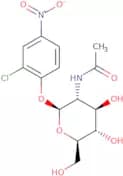
CAS:<p>2-Chloro-4-nitrophenyl 2-acetamido-2-deoxy-β-D-glucopyranoside is a chromogenic substrate used for beta-N-acetylglucosaminidase assays. Upon enzymatic hydrolysis, 2-chloro-4-nitrophenol is released, which has a yellowish color. It is used in diagnostic applications such as lysosomal storage disorder diagnosis (for example, Tay-Sachs disease) and glycosidase inhibition studies.</p>Fórmula:C14H17ClN2O8Pureza:Min. 98 Area-%Forma y color:White PowderPeso molecular:376.75 g/mol4-Nitrophenyl b-D-cellopentaoside
CAS:<p>Substrates for endoglucanase and beta-cellobiohydrolase activity in the study of digestive system in Zygentoma as an insect model for high cellulase activity</p>Fórmula:C36H55NO28Pureza:Min. 95%Forma y color:PowderPeso molecular:949.81 g/mol4-Aminoantipyrine
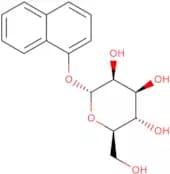
CAS:<p>4-Aminoantipyrine has been used as an analgesic and anti-inflammatory agent. It can also target peroxidase enzymes to produce a red color</p>Fórmula:C11H13N3OForma y color:Off-White To Yellow SolidPeso molecular:203.24 g/mol1-Naphthyl-α-D-mannopyranoside
CAS:<p>1-Naphthyl-alpha-D-mannopyranoside is a chromogenic substrate. It is used in diagnostics and as a reagent for enzymatic analysis of alpha-mannosidase activity in culture media, food testing, and environmental testing.</p>Fórmula:C16H18O6Pureza:Min. 95%Forma y color:PowderPeso molecular:306.31 g/mol4-Nitrophenyl b-globo-N-tetraoside
CAS:<p>4-Nitrophenyl beta-galactoside (pNP-Gal) is a chromogenic substrate commonly used in enzymatic assays to detect and quantify the presence of beta-galactosidase. It is hydrolyzed by the enzyme to release 4-nitrophenol, which produces a yellow color that can be measured spectrophotometrically. Similarly, 4-Nitrophenyl beta-glucoside (pNP-Glc) can be used to assay beta-glucosidase activity. 4-Nitrophenyl beta-globotrioside (pNP-Glo) is a similar compound that has been designed as a substrate for glycosidases that cleave terminal beta-galactosyl-(1->3)-N-acetylgalactosamine residues. In these assays, the release of 4-nitrophenol can be measured to determine the activity of the enzyme under study. The use of chromogenic substrates like pNP-Glo allows for the rapid and reliable detection of glycosidase activity in a variety of biological samples.</p>Pureza:Min. 95%Forma y color:PowderPeso molecular:828.72 g/mol1,8,15,22-Tetrazacyclooctacosane-2,7,16,21-tetraone
CAS:<p>1,8,15,22-Tetrazacyclooctacosane-2,7,16,21-tetraone is an inhibitor with potent anticancer properties. It induces apoptosis in cancer cells by inhibiting kinases that are critical for cell survival and proliferation. This compound has been shown to be effective against various types of cancer in both Chinese hamster ovary and human cancer cell lines. Additionally, it has been found to increase the excretion of the anti-allergic drug rupatadine in urine. The use of 1,8,15,22-Tetrazacyclooctacosane-2,7,16,21-tetraone as a tumor inhibitor has also been investigated in combination with other kinase inhibitors such as bendamustine analogs. This compound holds great potential for the development of new anticancer therapies.</p>Fórmula:C24H44N4O4Pureza:Min. 95%Peso molecular:452.6 g/molAmine transaminases kit
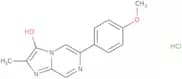
<p>Used for synthesis of chiral amines from ketones and ketoacids</p>Pureza:Min. 95%2-Methyl-6-(4-methoxyphenyl)-3,7-dihydroimidazo(1,2-a)pyrazin-3-one hydrochloride
CAS:<p>2-Methyl-6-(4-methoxyphenyl)-3,7-dihydroimidazo(1,2-a)pyrazin-3-one hydrochloride (ABI) is a potent and selective inhibitor of the enzyme toll-like receptor. The drug has been shown to decrease the metabolic rate in experimental models. ABI has also been used as an analog for other compounds to study their effects on redox potentials and reactive species. It is unclear how ABI inhibits protein synthesis by polymerase chain reaction (PCR). One possible mechanism is that it may inhibit the binding of primers to DNA. ABI also inhibits the production of chemokines which are small proteins that stimulate inflammatory responses. This drug can be used in autoimmune diseases such as rheumatoid arthritis and multiple sclerosis.</p>Pureza:Min. 95%Peso molecular:290.72 g/molRemazol brilliant blue R D-xylan
<p>Remazol Brilliant Blue R D-xylan is a chromogenic substrate used for the detection and quantification of xylanase enzyme activity. This substrate consists of a xylan polymer backbone covalently linked to the Remazol Brilliant Blue R dye. Upon cleavage by xylanase enzymes, the dye is released, producing a vibrant blue color that can be easily measured spectrophotometrically. This substrate is widely used in various applications, including the study of xylanase-producing microorganisms, optimization of enzyme production, and evaluation of enzyme kinetics.</p>Pureza:Min. 95%Forma y color:PowderNaphthol AS-OL acetate
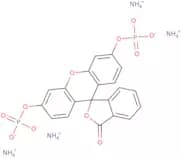
CAS:<p>Modified naphtol AS substrate used in histochemical and cytochemical staining</p>Pureza:Min. 95%Peso molecular:335.35 g/molFluorescein diphosphate tetraammonium salt
CAS:<p>Fluorogenic substrate targeting phosphatase</p>Fórmula:C20H14O11P2•(NH3)4Pureza:Min. 90 Area-%Forma y color:Yellow PowderPeso molecular:560.39 g/molSulindac sulphide
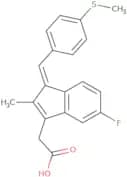
CAS:<p>COX inhibitor; nonsteroidal anti-inflammatory drug</p>Fórmula:C20H17FO2SPureza:Min. 95%Forma y color:PowderPeso molecular:340.41 g/mol3-Amino-9-ethylcarbazole
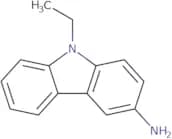
CAS:<p>3-Amino-9-ethylcarbazole is a peroxidase substrate suitable for use in immunoblotting and immunohistochemical staining procedures. This substrate produces an insoluble end product that is red in color and can be observed visually.</p>Fórmula:C14H14N2Pureza:Min. 95%Forma y color:Beige PowderPeso molecular:210.27 g/mol2,4-Dinitrophenyl)-L-lysine hydrochloride monohydrate
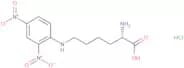
CAS:<p>2,4-Dinitrophenyl)-L-lysine hydrochloride monohydrate is a lysine derivative that has been modified with a 2,4-dinitrophenyl group. It could be used as an enzyme substrate to monitor enzymes that recognize and modify lysine residues, such as lysine methyltransferases and demethylases, lysine acylases and lysine oxidases.</p>Pureza:Min. 95%Forma y color:PowderPeso molecular:348.74 g/mol4-Nitrophenyl a-D-maltotetraoside
CAS:<p>4-Nitrophenyl alpha-D-maltotetraoside is a chromogenic substrate used for the detection of alpha-glucosidase and alpha-amylase activity. The four glucose units in the molecule are hydrolyzed by the enzyme, releasing 4-nitrophenol and allowing for easy colorimetric measurement of enzymatic activity</p>Pureza:Min. 95%Peso molecular:787.67 g/molFast blue BB salt
CAS:<p>Fast Blue BB is commonly used for assaying beta-glycosidase activity and the chromogenic reaction between Fast Blue BB and beta-naphthol results in a reddish colored product and is at the basis of its application to different enzymatic activity assays. Produces a fluorescent, blue-green chromophore.</p>Fórmula:C34H36Cl4N6O6ZnPureza:Min. 95%Peso molecular:831.9 g/mol6-Benzoyl-2-naphthylphosphate disodium salt
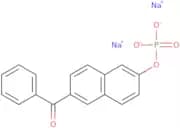
CAS:<p>6-Benzoyl-2-naphthylphosphate disodium salt is a chromogenic substrate used to detect and quantify alkaline phosphatase activity. After enzymatic hydrolysis, 6-benzoyl-2-naphthol is released, which can be detect or even further react with other reagents (e.g. Fast Red) to increase the intensity of the colorimetric signal. It is used in common applications such as ELISA, immunohistochemistry and Western Blotting.</p>Pureza:Min. 95%Peso molecular:374.24 g/mol4-Nitrophenyl 2-azido-2-deoxy-b-D-galactopyranoside
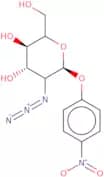
<p>4-Nitrophenyl 2-azido-2-deoxy-beta-D-galactopyranoside is a chromogenic substrate for beta-galactosidase. Upon hydrolysis, para-nitrophenol is released yielding a yellowish colour. 4-Nitrophenyl 2-azido-2-deoxy-beta-D-galactopyranoside is used in different applications such as the Bacterial enzyme assays (e.g., E. coli detection)</p>Pureza:Min. 95%Forma y color:White To Off-White SolidPeso molecular:326.26 g/molChlorophenol red b-D-galactopyranoside
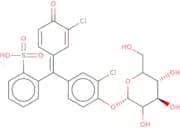
CAS:<p>Used in biological studies as a chromogenic substrate for β-galactosidase; red color.Chlorophenol red indicates changes of pH in the range of 4.8 to 6.7 by turning the solution from yellow (at pH 4.8) to violet (at pH 6.7). Converted as signalogenic moiety of an enzyme substrate, chlorophenol red beta-D-galactopyranoside has a good proven sensitivity in the detection of beta-galactosidase activity in transfected mammalian cells, when compared to ONPG (o-nitrophenyl-beta-D-galactopyranoside) (Eustice, 1991)</p>Fórmula:C25H22Cl2O10SPureza:Min. 95%Forma y color:Orange Red PowderPeso molecular:585.41 g/molNaphthol AS sulphate potassium
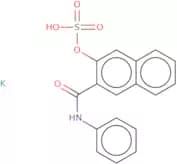
CAS:<p>Modified naphtol AS substrate used in histochemical and cytochemical staining</p>Fórmula:C17H13NO5S•KPureza:Min. 95%Forma y color:PowderPeso molecular:382.45 g/molAquaSpark® 510 Nitroreductase/NADH Probe, lyophilized, Ramot at Tel-Aviv University Ltd. Patent family WO 2017/130191
CAS:<p>The AquaSpark® 510 Nitroreductase/NADH Probe (CL-NTR) is a water-soluble probe for the selective chemiluminescent detection of nitroreductase (NTR) activity. It is a versatile tool for monitoring a number of biological processes.</p>Fórmula:C28H28ClNO8Forma y color:PowderPeso molecular:541.15 g/molNaphthol AS-CL phosphate
CAS:<p>Modified naphtol AS substrate used in histochemical and cytochemical staining</p>Pureza:Min. 95%Peso molecular:407.74 g/mol4-Nitrophenyl 2-acetamido-2-deoxy-4-O-(β-D-galactopyranosyl)-α-D-glucopyranoside
CAS:<p>4-Nitrophenyl 2-acetamido-2-deoxy-4-O-(β-D-galactopyranosyl)-α-D-glucopyranoside is a high-quality chromogenic pNP enzyme substrate specifically designed to enable effective and accurate detection of enzyme activity. By utilizing this advanced substrate, researchers and professionals can perform a range of applications, including activity assays, enzyme inhibition studies, and substrate specificity profiling. This substrate's unique properties result in exceptional sensitivity and throughput, ensuring effective results for a wide variety of enzyme assays.</p>Fórmula:C20H28N2O13Pureza:Min. 90%Forma y color:White PowderPeso molecular:504.44 g/mol4-Nitrophenyl valerate
CAS:<p>Please enquire for more information about 4-Nitrophenyl valerate including the price, delivery time and more detailed product information at the technical inquiry form on this page</p>Fórmula:C11H13NO4Peso molecular:223.23 g/mol2-O-(4-Nitrophenyl)-a-D-N-acetylneuraminic acid
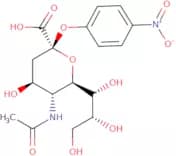
CAS:<p>2-O-(4-Nitrophenyl)-a-D-N-acetylneuraminic acid, also known as p-nitrophenyl N-acetylneuraminic acid, is a chromogenic substrate specifically designed for the detection and quantification of neuraminidase (sialidase) activity. Upon cleavage by neuraminidase, it releases a yellow-colored product, 4-nitrophenol, which can be easily monitored spectrophotometrically at 405 nm. This substrate is widely used in various applications, including enzyme kinetics studies, inhibitor screening, and the determination of neuraminidase activity in biological samples such as viruses, bacteria, and cell lysates. It is particularly useful for studying the enzymatic properties of neuraminidases from different sources and for the development of novel antiviral and antibacterial agents targeting neuraminidase activity.</p>Fórmula:C17H22N2O11Pureza:Min. 90 Area-%Forma y color:White PowderPeso molecular:430.36 g/mol2-Nitrobenzyl 2-deoxy-2-fluoro-L-fucopyranoside
<p>The photorelease of 2-deoxy-2-fluoro-L-fucose from 2-nitrobenzyl-2-deoxy-2-fluoro-L-fucopyranoside was performed under a 365 nm LED illumination. It has been shown in plant cells this liberated 2-deoxy-2-fluoro-L-fucose can be converted by the endogenous metabolic machinery into the corresponding nucleotide-sugar, which then efficiently inhibits Golgi-localized fucosyltransferases.</p>Fórmula:C13H16FNO6Pureza:Min. 95%Forma y color:PowderPeso molecular:301.27 g/mol1,2,4-trihydroxynaphthalene-4-O-b-D-glucopyranoside
CAS:<p>Please enquire for more information about 1,2,4-trihydroxynaphthalene-4-O-b-D-glucopyranoside including the price, delivery time and more detailed product information at the technical inquiry form on this page</p>Fórmula:C16H18O8Peso molecular:338.31 g/mol1,2,4-trihydroxynaphthalene-2-O-b-D-glucopyranoside
CAS:<p>Please enquire for more information about 1,2,4-trihydroxynaphthalene-2-O-b-D-glucopyranoside including the price, delivery time and more detailed product information at the technical inquiry form on this page</p>Fórmula:C16H18O8Peso molecular:338.31 g/molMethyl 4-nitrophenyl hexylphosphonate
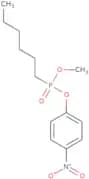
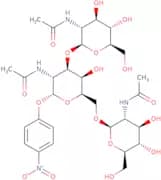
CAS:<p>Methyl 4-nitrophenyl hexylphosphonate is a phosphonate inhibitor of the enzyme serine esterase. It has been shown to be more potent than other irreversible inhibitors such as ethyl 4-nitrophenyl hexylphosphonate and methyl 4-nitrophenoxybutyl phosphate. This compound is an immobilized form of the methyl 4-nitrophenyl hexylphosphonate that is immobilized on an inert surface, such as silica gel, via a covalent bonding process. The immobilization of the molecule ensures that it will not leach from the surface and is stable over time. The molecular weight of this substance is 411.5 Daltons and its molecular formula is C8H15NO4P. This substance has a diameter of 0.8 nm and can be found in crystalline form with a melting point of 143 degrees Celsius at atmospheric pressure. Methyl 4-nitrophenyl</p>Fórmula:C13H20NO5PPureza:Min. 95%Peso molecular:301.27 g/mol4-Nitrophenyl 2-acetamido-3,6-di-O-(2-acetamido-2-deoxy-b-D-glucopyranosyl)-2-deoxy-a-D-galactopyranoside
CAS:<p>4-Nitrophenyl 2-acetamido-3,6-di-O-(2-acetamido-2-deoxy-b-D-glucopyranosyl)-2-deoxy-a-D-galactopyranoside is a fluorogenic substrate that is used in enzyme assays to detect the presence of an enzyme. The substrate reacts with the enzyme to produce a fluorescent product. 4NPAAG can be used for diagnostics, culture media, food testing and environmental testing.</p>Fórmula:C30H44N4O18Pureza:Min. 95%Peso molecular:748.69 g/mol4-Nitrophenyl-myo-inositol-1-yl phosphate
CAS:<p>4-Nitrophenyl-myo-inositol-1-yl phosphate is a highly specific chromogenic substrate used for the detection, quantification, and characterization of phosphoinositide phosphatases. When cleaved by the target enzyme, it generates a highly absorbing 4-nitrophenyl moiety, producing a yellow color that can be measured spectrophotometrically. This versatile substrate is valuable in examining phosphoinositide phosphatase activity, enzyme kinetics, substrate specificity, and inhibition studies in various cellular processes, including signal transduction, lipid metabolism, and membrane trafficking.</p>Pureza:Min. 95%Peso molecular:381.23 g/molLuc-E.coli K
<p>Bioluminescent substrate for detection of E. coli.</p>Fórmula:C17H14K2N2O9S2Pureza:Min. 94 Area-%Peso molecular:532.63 g/molH-Ala-Phe-Pro-pNA trifluoroacetate
CAS:<p>Please enquire for more information about H-Ala-Phe-Pro-pNA trifluoroacetate including the price, delivery time and more detailed product information at the technical inquiry form on this page</p>Fórmula:C23H27N5O5•C2HF3O2Pureza:Min. 95%Peso molecular:567.51 g/mol4-Nitrophenyl a-L-galactopyranoside
<p>Chromogenic substrate targeting alpha-D-galactosidase</p>Pureza:Min. 95%Peso molecular:301.25 g/molLuciferin-β-D-glucuronide, dipotassium salt
<p>Luciferin-beta-D-glucuronide, dipotassium salt is a fluorescent compound that is used as a diagnostic tool. It can be used to detect the presence of enzymes, such as beta-galactosidase and beta-glucuronidase, in culture media or biological fluids. Luciferin-beta-D-glucuronide, dipotassium salt is also used for food testing and environmental testing.</p>Fórmula:C17H14K2N2O9S2Pureza:Min. 94.0 Area-%Peso molecular:532.63 g/mol6-Hexanoylamino-4-methylumbelliferyl b-D-galactopyranoside
<p>6-Hexanoylamino-4-methylumbelliferyl b-D-galactopyranoside is a chromogenic substrate for beta-galactosidase.</p>Pureza:Min. 95%4-Methylumbelliferyl b-D-xylobioside
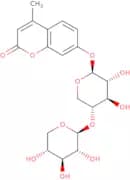
CAS:<p>4-Methylumbelliferyl beta-D-xylobioside is a fluorogenic substrate for xylanase. After enzymatic cleaveage, free 4-methylumbelliferone (also known as hymecromone) is released, exhibiting blue fluorescence upon excitation with UV light. The strongest fluorescence of 4-methylumbelliferone requires deprotonation of the hydroxyl group (thus requires alkaline pH), with a maximal fluorescence intensity obtained with excitation at 350 to 370 nm and emission at 440 to 470 nm. The use of 4-methylumbelliferyl beta-D-xylobiosideas a substrate for measuring the xylanase activity is used for detecting bacterial infection and gut microbiome analysis.</p>Fórmula:C20H24O11Pureza:Min. 95 Area-%Forma y color:White PowderPeso molecular:440.4 g/mol1,8,15,22,29,36-Hexaazacyclodotetracontane-2,7,16,21,30,35-hexone
CAS:<p>Please enquire for more information about 1,8,15,22,29,36-Hexaazacyclodotetracontane-2,7,16,21,30,35-hexone including the price, delivery time and more detailed product information at the technical inquiry form on this page</p>Fórmula:C36H66N6O6Pureza:Min. 95%Forma y color:PowderPeso molecular:678.9 g/mol6,8-Difluoro-4-methylumbelliferyl β-D-galactopyranoside
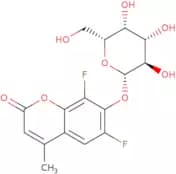
CAS:<p>6,8-Difluoro-4-methylumbelliferyl b-D-galactopyranoside, commonly known as DiFMUG, is a fluorogenic substrate to detect beta-galactosidase. It has higher sensitivity than the common MUG (4-methylumbelliferyl beta-D-galactopyranoside) subtrate.</p>Fórmula:C16H16F2O8Pureza:Min. 95%Forma y color:PowderPeso molecular:374.29 g/molcis-6,7-Dimethyl-5,6,7,8-tetrahydropterin hydrochloride
CAS:<p>Please enquire for more information about cis-6,7-Dimethyl-5,6,7,8-tetrahydropterin hydrochloride including the price, delivery time and more detailed product information at the technical inquiry form on this page</p>Fórmula:C8H13N5O•HClPureza:Min. 95%Peso molecular:231.68 g/mol4-Chloro-1-naphthol
CAS:<p>4-Chloro-1-naphthol is a chemical compound that has been used in clinical pathology to identify human immunoglobulin. It is also used as a potential biomarker for the diagnosis of Alzheimer's disease. 4-Chloro-1-naphthol binds to the amyloid fibrils and has anti-angiogenic effects in the hippocampus, which may be due to its ability to inhibit the formation of new blood vessels. This chemical compound can be used as a substrate molecule for electrochemical impedance spectroscopy and is used in wastewater treatment.</p>Fórmula:C10H7ClOPureza:Min. 97.0 Area-%Peso molecular:178.62 g/molAquaSpark® Alkaline Phosphatase Substrate, 2 mM in DMSO, Ramot at Tel-Aviv University Ltd. Patent family WO 2017/130191
CAS:<p>Chemiluminescence substrate for AP detection</p>Fórmula:C21H24NaO9PForma y color:Clear LiquidPeso molecular:474.37 g/mol5-Iodo-3-indolyl b-D-galactopyranoside
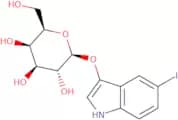
CAS:<p>5-Iodo-3-indolyl b-D-galactopyranoside is a chromogenic substrate used for beta-galactosidase. It is incorporated into media or detection kits for rapid and direct identification of microorganisms.</p>Fórmula:C14H16INO6Pureza:Min. 98 Area-%Forma y color:PowderPeso molecular:421.18 g/molRef: 3D-EI03217
Producto descatalogadoAquaSpark® Enhanced HRP Detection Solution, Ramot at Tel-Aviv University Ltd. Patent family WO 2017/130191
CAS:<p>AquaSpark® Enhanced HRP Detection Solution is a sensitive chemiluminescent substrate solution for detecting horseradish peroxidase (HRP) conjugates on immunoblots (Western blot, dot blot) and in enzyme-linked immunosorbent assays (ELISA). The ready-to-use detection solution contains the AquaSpark® substrate and the oxidizing reagent hydrogen peroxide (H2O2).</p>Pureza:Min. 95%Forma y color:Clear LiquidEspresso-Gal
<p>Espresso-Gal (Espresso-beta-D-galactopyranoside) is a chromogenic indicator for beta-galactosidase activity. The colorless product is cleaved by lactose-utilizing bacteria in liquid media or on agar plates and yields an espresso brown colored precipitate. Espresso-Gal can also be used as detecting agent for beta-galactosidase activity in reporter gene assays or for identification of positive transformants on agar plates when using the α-complementation approach. Read more in the Application Notes.</p>Pureza:Min. 95%4-Methylumbelliferyl β-D-glucopyranoside
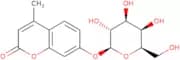
CAS:<p>Fluorogenic substrate for β-glucosidase</p>Fórmula:C16H18O8Pureza:Min. 98 Area-%Forma y color:PowderPeso molecular:338.31 g/molRef: 3D-EM05983
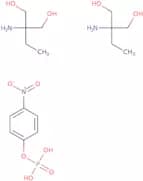
Producto descatalogado4-Nitrophenyl phosphate mono(2-amino-2-ethyl-1,3-propanediol) salt monohydrate
CAS:<p>Chromogenic substrate for alkaline phosphatase</p>Fórmula:C26H32N3NaO6S2Pureza:Min. 95%Forma y color:PowderPeso molecular:457.41 g/mol4-Methylumbelliferyl b-D-galactopyranoside
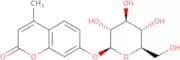
CAS:<p>Fluorogenic substrate for β-galactosidase</p>Fórmula:C16H18O8Pureza:Min. 95%Forma y color:White PowderPeso molecular:338.31 g/mol4-Nitrophenyl-β-D-glucopyranoside
CAS:<p>4-Nitrophenyl-beta-D-glucopyranoside is a fluorescent probe that can be used in the study of the biochemical properties of enzymes. This compound binds to the enzyme's active site, which allows for transfer reactions to occur. 4-Nitrophenyl-beta-D-glucopyranoside is an artificial substrate that is biochemically inert and has a similar physical structure to natural substrates. It can be used as a model system to study enzymatic reactions and has been shown to have pharmacokinetic properties and a pH optimum. The detection sensitivity of this compound is high, making it ideal for use in biochemical studies.</p>Fórmula:C12H15NO8Pureza:Min. 99.0 Area-%Peso molecular:301.25 g/mol4-Methylumbelliferyl b-D-glucuronide hydrate
CAS:<p>4-Methylumbelliferyl beta;-D-glucuronide (MUG) is commonly used as a substrate for detecting beta;-glucuronidase. MUG is used for identifying E. coli contamination in food, drinkingwater, clinical samples and for rapid bacterial identification in blood cultures. It is recommended in international normatives (ISO, DIN) as a fluorogenic substrate for detection of E. coli. MUG is also a tool assaying the glucuronidase gene in plants.</p>Fórmula:C16H18O10Pureza:(%) Min. 99%Forma y color:White PowderPeso molecular:352.29 g/mol5-Amino-3-indoxyl-β-D-galactopyranoside
<p>5-Amino-3-indoxyl-b-D-galactopyranoside is a chromogenic substrate for the enzyme galactosidase. 5-Amino-3-indoxyl-b-D-galactopyranoside is used in diagnostic tests to identify the presence of lactose intolerance. It can also be used to detect traces of blood in food, water, and other substances. This product has a high purity that makes it suitable for conjugation applications.</p>Fórmula:C14H18N2O6Pureza:Min. 95%Peso molecular:310.31 g/mol2-Nitrophenyl b-D-cellobioside
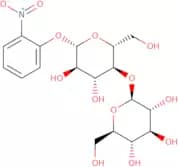
CAS:<p>Chromogenic substrate targeting cellulases</p>Fórmula:C18H25NO14Pureza:Min. 98 Area-%Forma y color:White PowderPeso molecular:463.39 g/molAquaSpark® Broad Range Phosphatase Substrate, Ramot at Tel-Aviv University Ltd. Patent family WO 2017/130191
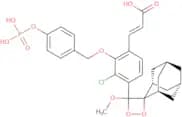
CAS:<p>Chemiluminescent phosphatase substrate in a wide pH range (pH 6 - 10)</p>Fórmula:C28H30ClO10PPureza:Min. 80 Area-%Peso molecular:592.13 g/mol6-Chloro-3-indolyl phosphate p-toluidine salt
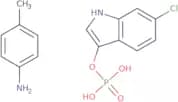
CAS:<p>A substrate for visualising alkaline phosphatase activity. Produces a red colored insoluble end product that is detected visually, when used together with Nitroblue tetrazolium. The substrate system is versatile and functions in a variety of applications, including Northern, Southern, and Western blotting, in situ hybridization, ELISAs and immunohistochemistry. DMF soluble.</p>Fórmula:C15H16ClN2O4PPureza:Min. 98%Forma y color:White Off-White PowderPeso molecular:354.73 g/molRef: 3D-EC09439
Producto descatalogadoAquaSpark® 510 acetate, 10 mM in DMSO, Ramot at Tel-Aviv University Ltd. Patent family WO 2017/130191
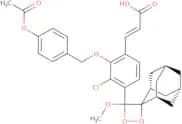
CAS:<p>Chemiluminescence substrate for C2-esterase (acetyl esterase)</p>Fórmula:C30H31ClO8Pureza:Min. 95%Forma y color:Clear LiquidPeso molecular:554.17 g/mol4-Methylumbelliferyl b-D-xylopyranoside
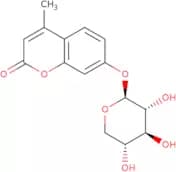
CAS:<p>Please enquire for more information about 4-Methylumbelliferyl b-D-xylopyranoside including the price, delivery time and more detailed product information at the technical inquiry form on this page</p>Fórmula:C15H16O7Pureza:Min. 98 Area-%Forma y color:PowderPeso molecular:308.28 g/mol5-Cyano-3-indolyl-β-D-galactopyranoside
<p>5-Cyano-3-indolyl-b-D-galactopyranoside is a chemiluminescent substrate that can be used to measure the activity of esterases and other enzymes. It has been shown to be a potent inhibitor of human erythrocyte esterase. The compound is also a potent inducer of bioluminescence in bacteria, which can be used for diagnostic applications. 5-Cyano-3-indolyl-b-D-galactopyranoside is a fluorogenic substrate that can be used to measure the activity of phosphatases and other enzymes. This product has an enzyme substrate function, which can be used for enzyme assays. 5CIGP is useful for measuring high levels of enzyme activity in the presence of strong inhibitors such as phenylmethylsulfonyl fluoride (PMSF).</p>Fórmula:C15H16N2O6Pureza:Min. 95%Forma y color:PowderPeso molecular:320.3 g/molAquaSpark® β-D-glucoside, 10 mM in DMSO, Ramot at Tel-Aviv University Ltd. Patent family WO 2017/130191
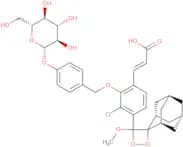
CAS:<p>Please enquire for more information about AquaSpark® beta-D-glucoside, 10 mM in DMSO, Ramot at Tel-Aviv University Ltd. Patent family WO 2017/130191 including the price, delivery time and more detailed product information at the technical inquiry form on this page</p>Fórmula:C34H39ClO12Pureza:Min. 95%Forma y color:Clear LiquidPeso molecular:675.12 g/molCrimson-Gal
<p>Crimson-Gal (Crimson-beta-D-galactopyranoside) is a chromogenic indicator for beta-galactosidase activity. The colorless product is cleaved by lactose-utilizing bacteria in liquid media or on agar plates and yields a crimson colored precipitate. Crimson-Gal can also be used as detecting agent for beta-galactosidase activity in reporter gene assays or for identification of positive transformants on agar plates when using the α-complementation approach. Read more in the Application Notes.</p>Pureza:Min. 95%Aldol® 518 alpha-D-glucopyranoside, Biosynth Patent: EP 2427431 and US 8940909
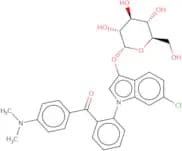
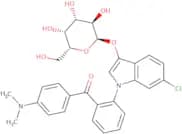
CAS:<p>Aldol® 518 alpha-D-glucopyranoside is a fluorogenic enzyme substrate used for detection of alpha-D-glucosidase activity. The colorless enzyme substrate is cleaved by alpha-D-glucosidase, generating red fluorescent signal and in some conditions, an orange colour in the visible spectrum can get formed, staining bacterial colonies in faint orange coloration. Aldol® 518 alpha-D-glucopyranoside can be used under aerobic and anaerobic conditions.</p>Fórmula:C29H29ClN2O7Pureza:Min. 95%Forma y color:PowderPeso molecular:553 g/molRef: 3D-EA175358
Producto descatalogado5-Bromo-6-chloro-3-indolyl b-D-glucuronide cyclohexylammonium salt
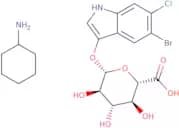
CAS:<p>5-Bromo-6-chloro-3-indolyl b-D-glucuronide cyclohexylammonium salt is a magenta enzyme substrate commonly used in biochemical assays. This compound is a derivative of indole, containing bromine and chlorine atoms at positions 5 and 6, respectively. The glucuronide moiety is attached to the indolyl ring, and the cyclohexylammonium cation serves as a counterion to balance the charge. This substrate is often utilized in the detection and quantification of β-glucuronidase activity, an enzyme involved in the metabolism of glucuronides. Upon cleavage by β-glucuronidase, the substrate produces a magenta-colored product, allowing for easy visualization and measurement of enzyme activity.</p>Fórmula:C14H13BrClNO7·C6H13NPureza:Min. 98 Area-%Forma y color:PowderPeso molecular:521.79 g/molRef: 3D-EB03300
Producto descatalogado4-Methylumbelliferyl-β-D-xylopyranoside
CAS:<p>4-Methylumbelliferyl-β-D-xylopyranoside is a fluorescent probe that has been used to visualize the enzyme activities of glycosidases, such as endoglycosidase H and α-amylase. It is also used as a tool in structural analysis of oligosaccharides. 4-Methylumbelliferyl-β-D-xylopyranoside has been shown to inhibit collagenase activity in mice, which may be due to its ability to inhibit protein synthesis and cell division.</p>Fórmula:C15H16O7Pureza:Min. 99.0 Area-%Peso molecular:308.29 g/molAldol® 470 phosphate, disodium salt, Biosynth Patent: EP 2427431 and US 8940909
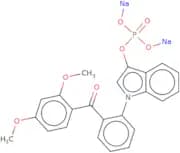
CAS:<p>Aldol® 470 phosphate, disodium salt is a fluorogenic substrate that is used in the detection of enzyme activity. It can be used to detect the presence of an enzyme by measuring the light emitted from the substrate after it has been converted to fluorescent product. Aldol® 470 phosphate, disodium salt is a chromogenic substrate that is used for detecting and measuring enzyme activity. The product of this reaction can be measured by absorbance or fluorescence spectroscopy, making it useful for many different types of diagnostic tests. This product can be conjugated with a variety of ligands for use in diagnostic assays and research. Aldol® 470 phosphate, disodium salt can also be used in culture media as a bioluminescent substrate for bacterial growth and metabolism studies. This product can also be used as an environmental testing reagent or as a staining agent in microscopy applications.</p>Fórmula:C23H18NNa2O7PPureza:Min. 95%Forma y color:PowderPeso molecular:497.34 g/molRef: 3D-EA175336
Producto descatalogadoBronze-Gal
<p>Bronze-Gal (Bronze-beta-D-galactopyranoside) is a chromogenic indicator for beta-galactosidase activity. The colorless product is cleaved by lactose-utilizing bacteria in liquid media or on agar plates and yields a bronze colored precipitate. Bronze-Gal can also be used as detecting agent for beta-galactosidase activity in reporter gene assays or for identification of positive transformants on agar plates when using the α-complementation approach. Read more in the Application Notes.</p>Pureza:Min. 95%Peso molecular:443.574-Methylumbelliferyl α-L-idopyranosiduronic acid 2-sulfate disodium salt
CAS:<p>4-Methylumbelliferyl alpha-L-idopyranosiduronic acid 2-sulfate disodium salt is a chromogenic substrate that is used in the detection of glycosidases. It reacts with enzymes such as alpha-amylase, beta-galactosidase, and beta-glucosidase to produce a fluorescent product. This product can be detected using a fluorometer or spectrophotometer. The CAS number for 4-methylumbelliferyl alpha-L-idopyranosiduronic acid 2-sulfate disodium salt is 1045020-74-3.</p>Fórmula:C16H14Na2O12SPureza:Min. 99.0 Area-%Peso molecular:476.32 g/molAquaSpark® Broad Range Phosphatase Substrate, 2 mM in DMSO, Ramot at Tel-Aviv University Ltd. Patent family WO 2017/130191
CAS:<p>Chemiluminescent phosphatase substrate in a wide pH range (pH 6 - 10)</p>Fórmula:C28H30ClO10PForma y color:Clear LiquidPeso molecular:592.96 g/mol4-Methylumbelliferyl 2-acetamido-2-deoxy-b-D-galactopyranoside
CAS:<p>Please enquire for more information about 4-Methylumbelliferyl 2-acetamido-2-deoxy-b-D-galactopyranoside including the price, delivery time and more detailed product information at the technical inquiry form on this page</p>Fórmula:C18H21NO8Pureza:Min. 98 Area-%Forma y color:White PowderPeso molecular:379.36 g/molRef: 3D-EM06390
Producto descatalogado5-Bromo-4-chloro-3-indoxyl-alpha-L-fucopyranoside
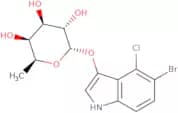
CAS:<p>5-Bromo-4-chloro-3-indoxyl-alpha-L-fucopyranoside is a chromogenic substrate for alpha-L-Fucosidase. It produces a green-blue color.</p>Fórmula:C14H15BrClNO5Pureza:Min. 98 Area-%Forma y color:PowderPeso molecular:392.63 g/molAquaSpark® Alkaline Phosphatase Detection Solution, Ramot at Tel-Aviv University Ltd. Patent family WO 2017/130191
CAS:<p>Ready-to-use chemiluminescence substrate solution for AP detection</p>Fórmula:C21H24NaO9PForma y color:Clear LiquidPeso molecular:474.37 g/molLuc-Enterococcus K
<p>Luc-Enterococcus K is a conjugate of the bacterial luciferase enzyme and Enterococcus faecalis. It is used in food testing, environmental testing and diagnostics. Luc-Enterococcus K can be used as a replacement for the fluorogenic substrate luminol, which is difficult to handle because it has to be kept cold during use and is explosive. Luc-Enterococcus K produces light when it reacts with the chromogenic substrate luciferin, which can be stored at room temperature without degrading. The light produced by Luc-Enterococcus K is blue green in color, making it easy to detect with a camera or eye.</p>Pureza:Min. 95%Ref: 3D-EL175441
Producto descatalogadoD-Luciferin Firefly, sodium salt monohydrate
CAS:<p>Luciferin is a product that will react with oxygen in the presence of luciferase BX180145 to release energy in the form of light. UV wavelength - 383 to 387 nmMolar extinction coefficient - min. 17500 L/(mol cm)</p>Fórmula:C11H9N2NaO4S2Pureza:Min. 95%Peso molecular:320.3 g/molD-Luciferin-6-O b-D-galactopyranoside
CAS:<p>Chemiluminescent substrate for b-galactosidase</p>Fórmula:C17H18N2O8S2Pureza:Min. 95 Area-%Forma y color:Beige PowderPeso molecular:442.47 g/molRef: 3D-EL28834
Producto descatalogado4-Nitrophenyl phosphate bis(cyclohexylammonium)
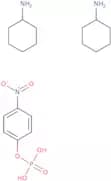
CAS:<p>4-Nitrophenyl phosphate bis(cyclohexylammonium) is an excellent chromogenic substrate designed for the detection and quantification of phosphatase enzyme activities. Aided by the presence of the cyclohexylammonium cation, it undergoes enzymatic hydrolysis, yielding the colored 4-nitrophenolate ion, which can be readily observed at 405 nm. The substrate has become an essential tool for biomedical research, playing a crucial role in unearthing cellular mechanisms, function, and potential drug targets.</p>Fórmula:C18H32N3O6PPureza:97.0 To 103.0%Forma y color:PowderPeso molecular:417.44 g/mol4-Nitrophenyl a-D-glucopyranoside
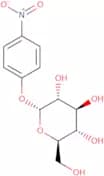
CAS:<p>Chromogenic substrate for alpha-glucosidase</p>Fórmula:C12H15NO8Pureza:Min. 98 Area-%Forma y color:White PowderPeso molecular:301.25 g/molD-Luciferin Firefly, potassium salt
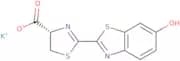
CAS:<p>Water soluble substrate for firefly luciferase. Used for imaging the expression of the LUC marker gene and luciferase-fusion conjugates in living cells, tissues and organisms. Extensively utilized in reporter gene assays, immunoassays and hygiene monitoring. Endotoxin free product.</p>Fórmula:C11H7KN2O3S2Pureza:Min. 98 Area-%Forma y color:Slightly Yellow PowderPeso molecular:318.41 g/molAldol® 518 α-D-galactopyranoside, Biosynth Patent: EP 2427431 and US 8940909
CAS:<p>Aldol® 518 alpha-D-galactopyranoside is a chromogenic and fluorogenic enzyme substrate used for detection of alpha-galactosidase activity. The enzyme substrate is cleaved by alpha-galactosidase positive bacteria and yeasts in liquid or solid media, yielding red color and red fluorescence signal. Aldol® 518 alpha-D-galactopyranoside can also be used to detect alpha-galactosidase (encoded by the Mel1 gene) in yeast gene reporter assays or for identification of alpha-gal positive transformants on agar plates. Aldol® 518 alpha-D-galactopyranoside can be used under aerobic and anaerobic conditions.</p>Fórmula:C29H29ClN2O7Pureza:Min. 95%Forma y color:PowderPeso molecular:553.01 g/molRef: 3D-EA175377
Producto descatalogado2-Amino-5-pyridyl 2-acetamido-3,4,6-tri-O-acetyl-2-deoxy-a-D-galactopyranose
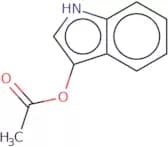
<p>2-Amino-5-pyridyl 2-acetamido-3,4,6-tri-O-acetyl-2-deoxy-a-D-galactopyranose is a chromogenic substrate for the enzyme β galactosidase. It is used to detect the presence of β galactosidase in bacterial cultures. The substrate is soluble in water and has a long shelf life. 2APAAG can be used for food testing and environmental testing as it produces a bioluminescent signal when cleaved by β galactosidase.</p>Pureza:Min. 95%3-Indoxylacetate
CAS:<p>Please enquire for more information about 3-Indoxylacetate including the price, delivery time and more detailed product information at the technical inquiry form on this page</p>Fórmula:C10H9NO2Forma y color:White PowderPeso molecular:175.18 g/molRef: 3D-FI10731
Producto descatalogadoAquaSpark® 510 Peroxide Probe, 10 mM in DMSO, Ramot at Tel-Aviv University Ltd. Patent family WO 2017/130191
CAS:<p>AquaSpark® Peroxide Probe is a dioxetane-based substrate for the luminescence detection of hydrogen peroxide and other peroxides in biological samples. AquaSpark® Peroxide Probe is the most sensitive probe for H2O2 detection available. It is also an extremely versatile probe for oxidase detection applicable in a wide range of biocompatible buffers. For example it can be used for glucose oxidase detection and for the quantitation of glucose levels (when coupled to the glucoseoxidase activity in an assay). In addition, AquaSpark® Peroxide Probe is used for the quantification of other biologically relevant compounds (e.g. amino acids) using the corresponding peroxide releasing oxidases.</p>Fórmula:C34H40BClO8Pureza:Min. 95%Forma y color:Clear LiquidPeso molecular:622.95 g/molAldol® 515 nonanoate hydrochloride, Biosynth Patent: EP 2427431 and US 8940909
CAS:<p>Aldol® 515 nonanoate hydrochloride is a chromogenic and fluorogenic enzyme substrate for detection of lipase activity. The colorless product is cleaved by C9 esterases produced by bacteria in liquid or solid media, yielding a red color and red fluorescence when Aldol® 355 fluorescence enhancer or a suitable matrix is present. Aldol® 515 nonanoate can be used under aerobic and anaerobic conditions. Well detectable color/fluorescence of bacterial colonies or liquid cultures is obtained within 24-48 h. In the presence of a purified lipase, color and fluorescence develops within minutes to few hours.</p>Fórmula:C32H36ClN2O3Pureza:Min. 95%Forma y color:PowderPeso molecular:533.1 g/molRef: 3D-EA175382
Producto descatalogadoAc-D-Cha-GR-aminoluciferin
<p>Please enquire for more information about Ac-D-Cha-GR-aminoluciferin including the price, delivery time and more detailed product information at the technical inquiry form on this page</p>Fórmula:C30H41N9O6S2Peso molecular:687.83 g/molRef: 3D-EA175448
Producto descatalogadoo-Dianisidine Dihydrochloride [for Biochemical Research]
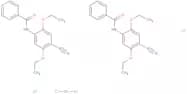
CAS:Fórmula:C14H16N2O2·2HClPureza:>98.0%(HPLC)Forma y color:White to Gray to Red powder to crystalPeso molecular:317.21Phenylphosphate Disodium Salt Dihydrate (High Purity) extrapure AR, 98%
CAS:Fórmula:C6H5Na2O4P·2H2OPureza:min. 98%Forma y color:White, Crystalline powder, Clear, ColourlessPeso molecular:254.09S-Acetylthiocholine Iodide extrapure AR, 99%
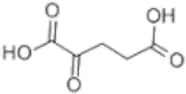
CAS:Fórmula:C7H16NOSIPureza:min. 99%Forma y color:White to off - white, Crystalline powder, ClearPeso molecular:289.17a-Ketoglutaric Acid extrapure, 99%
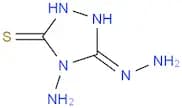
CAS:Fórmula:C5H6O5Pureza:min. 99%Forma y color:White to pale yellow, Crystalline powder, Clear, Colourless to pale yellowPeso molecular:146.104-Amino-3-Hydrazino-5-Mercapto-1,2,4-Triazole (AHMT), 98%
CAS:Fórmula:C2H6N6SPureza:min. 98%Forma y color:White, Powder, PurplePeso molecular:146.173,3-Diaminobenzidine Tetrahydrochloride (DAB.4HCl) Buffer Substrate Solution for Peroxidase
Forma y color:Clear, Brown, Liquida-Ketoglutaric Acid (High Purity) extrapure AR, 99.5%
CAS:Fórmula:C5H6O5Pureza:min. 99.5%Forma y color:White to pale yellow, Crystalline powder, Clear, Colourless to pale yellowPeso molecular:146.102'-(4-Methylumbelliferyl)-α-D-N-acetylneuraminic acid, sodium salt
CAS:<p>2'-(4-Methylumbelliferyl)-alpha-D-N-acetylneuraminic acid, sodium salt is a fluorogenic substrate for alpha-galactosidase. It is used in the analysis of cultured media and as a conjugate for enzyme substrates. This product has been shown to be useful in food testing, diagnostics, and environmental testing. 2'-(4-Methylumbelliferyl)-alpha-D-N-acetylneuraminic acid, sodium salt has been used as a chromogenic substrate for the detection of alpha-galactosidase activity. This product is also used as a bioluminescent substrate for the detection of bioluminescence.</p>Fórmula:C21H24NNaO11Pureza:Min. 96.5 Area-%Peso molecular:489.42 g/molLuciferin-β-D-glucoside, potassium salt
<p>Luciferin-beta-D-glucoside, potassium salt is a conjugate of luciferin and beta-D-glucose. This compound is a substrate for enzymes that catalyze the oxidation of luciferin to generate light. It can be used in diagnostic tests as a chromogenic or fluorogenic substrate to detect specific substances, such as metals and microbes.</p>Fórmula:C17H17KN2O8S2Pureza:Min. 94 Area-%Peso molecular:464.47 g/mol5-Bromo-4-chloro-3-indoxyl-a-D-xylopyranoside
<p>5-Bromo-4-chloro-3-indoxyl-a-D-xylopyranoside is a fluorogenic substrate that can be used in food testing and environmental testing. This product is a conjugate of the xylosidase enzyme (EC 3.2.1.37) with 5-bromo-4-chloroindoxyl, which has been shown to have a high affinity for the enzyme's active site and enzymatic activity. The purity of this product is > 95% and the CAS number is 68618-41-5.</p>Pureza:Min. 95%Ref: 3D-EB172037
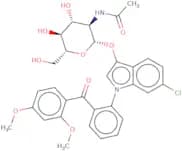
Producto descatalogadoAldol® 467 N-acetyl-beta-D-glucosaminide, Biosynth Patent: EP 2427431 and US 8940909
CAS:<p>Aldol® 467 N-acetyl-beta-D-glucosaminide is a chromogenic and fluorogenic enzyme substrate used for detection of beta-N-acetyl-glucosaminidase activity. The colorless enzyme substrate is cleaved in the presence of beta-N-acetyl-glucosaminidase yielding development of a yellow product. In addition, green fluorescence is generated when a suitable matrix or Aldol® 355 fluorescence enhancer is present. Aldol® 467 N-acetyl-beta-D-glucosaminide amide can be used in enzymatic assays or in live bacterial cultures. Aldol® 467 N-acetyl-beta-D-glucosaminide is suitable for use in liquid and solid media, under aerobic as well as anaerobic conditions.</p>Fórmula:C31H31ClN2O9Pureza:Min. 95%Forma y color:PowderPeso molecular:611.04 g/molRef: 3D-EA175316
Producto descatalogadoLuciferin-beta-D-glucoside, potassium salt
<p>Luciferin-beta-D-glucoside, potassium salt is a fluorogenic substrate that can be used as a ligand in enzyme assays. It is also used in the manufacture of diagnostic reagents, such as conjugates and culture media. It is often used to test for the presence of bacteria or fungi.</p>Pureza:Min. 95%Ref: 3D-EL175429
Producto descatalogadoD-Luciferin Firefly, sodium salt monohydrate - Endotoxin-free
CAS:<p>Water soluble substrate for firefly luciferase, with low endotoxin.</p>Fórmula:C11H9N2NaO4S2Pureza:Min. 95%Peso molecular:320.3 g/molRef: 3D-EL175436
Producto descatalogadoD-Luciferin Firefly, potassium salt - white
CAS:<p>Water soluble substrate for firefly luciferase. Used for imaging the expression of the LUC marker gene and luciferase-fusion conjugates in living cells, tissues and organisms. Extensively utilized in reporter gene assays, immunoassays and hygiene monitoring. Endotoxin free product.</p>Fórmula:C11H7KN2O3S2Pureza:Min. 95%Forma y color:PowderPeso molecular:318.42 g/molRef: 3D-EL175434
Producto descatalogadoLuciferin-β-D-glucuronide, dipotassium salt
<p>Luciferin-beta-D-glucuronide, dipotassium salt, is a bioluminescent substrate for beta-glucuronidase (GUS). It is used in various fields, including biomedical research, diagnostics, and imaging.</p>Fórmula:C17H14K2N2O9S2Pureza:Min. 95%Forma y color:PowderPeso molecular:531.94149Ref: 3D-EL175427
Producto descatalogado





































![o-Dianisidine Dihydrochloride [for Biochemical Research]](/_next/image/?url=https%3A%2Fstatic.cymitquimica.com%2Fproducts%2F3B%2Fthumb-webp%2FD3893.webp&w=3840&q=75)