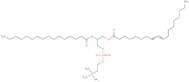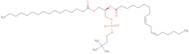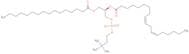
CAS 8002-43-5
:Lécithines
Description :
Lécithines sont un groupe de substances grasses que l'on trouve dans les tissus végétaux et animaux, composées principalement de phospholipides, de triglycérides et d'autres lipides. Le numéro CAS 8002-43-5 fait spécifiquement référence à un mélange de phospholipides dérivés de sources telles que le soja ou les jaunes d'œufs. Lécithines sont des molécules amphiphiles, ce qui signifie qu'elles possèdent à la fois des propriétés hydrophiles (attirant l'eau) et hydrophobes (repoussant l'eau), ce qui en fait d'excellents émulsifiants. Cette caractéristique permet à Lécithines de stabiliser des mélanges d'huile et d'eau, ce qui les rend largement utilisés dans les produits alimentaires, pharmaceutiques et cosmétiques. Ils jouent un rôle crucial dans la structure et la fonction de la membrane cellulaire, contribuant à la signalisation cellulaire et au métabolisme. Lécithines sont généralement reconnus comme sûrs (GRAS) par les agences réglementaires et sont appréciés pour leurs bienfaits nutritionnels, y compris leurs potentielles propriétés antioxydantes et leur soutien à la santé cérébrale. De plus, ils sont souvent utilisés dans les compléments alimentaires et les aliments fonctionnels en raison de leur capacité à améliorer l'absorption des nutriments.
Formule :Unspecified
Synonymes :- 3F-Ub
- Adlec
- Airlink
- BioBlatt
- Cetinol
- Giralec
- Gliddex
- Granulestin
- Kelecin
- Lecion
- Lecithin
- Lecithine
- Lecithines
- Lecithinon
- Lecithol
- Lecitinas
- Phospholutein
- Planticin
- Sico-Ns
- Slpw-Sp
- Ultralec
- Voir plus de synonymes
Trier par
Degré de pureté (%)
0
100
|
0
|
50
|
90
|
95
|
100
Lecithin
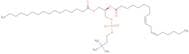
CAS :<p>Lecithin is a fat-like substance that consists of a glycerol molecule with three fatty acids attached to it. It is found in the membranes of cells and has many biological functions, including acting as an emulsifier and being involved in the uptake of cholesterol from the blood stream. Lecithin also has antioxidant properties, which have been shown by its ability to inhibit oxidation of α-tocopherol. Lecithin can be used as a therapeutic agent for inflammatory diseases and other conditions linked to oxidative stress.</p>Formule :C42H80NO8PDegré de pureté :Min. 97%Couleur et forme :Yellow PowderMasse moléculaire :758.06 g/molLecithin - PC 9-15
CAS :<p>Please enquire for more information about Lecithin - PC 9-15 including the price, delivery time and more detailed product information at the technical inquiry form on this page</p>Degré de pureté :Min. 95%Lecithin ex. Egg, 60%
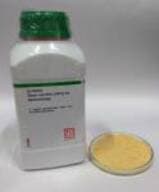
CAS :Degré de pureté :60%Couleur et forme :Yellowish brown, Waxy solid/lump, Clear, Yellowish brownSoya Lecithin (30%) BactoBio for bacteriology
CAS :Couleur et forme :Cream to yellow, Free flowing powderLecithin, from sunflower
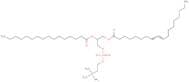
CAS :Please enquire for more information about Lecithin, from sunflower including the price, delivery time and more detailed product information at the technical inquiry form on this pageFormule :C42H80NO8PMasse moléculaire :758.1 g/molLecithin, from sunflower
CAS :<p>Please enquire for more information about Lecithin, from sunflower including the price, delivery time and more detailed product information at the technical inquiry form on this page</p>Formule :C42H80NO8PDegré de pureté :(%) Min. 96%Couleur et forme :PowderMasse moléculaire :758.1 g/molL-a-Phosphatidylcholine - PC30
CAS :<p>L-A-Phosphatidylcholine is a natural product that is extracted from the Chinese herb Salvia miltiorrhizae. It is a phospholipid that has been shown to inhibit the growth of colorectal adenocarcinoma cells in vitro. The mechanism of action for L-A-Phosphatidylcholine is unclear, but it may be due to its ability to inhibit the activity of polymerase chain reaction (PCR) and nitrite ion. L-A-Phosphatidylcholine also inhibits fatty acid uptake and acyl chain synthesis in vitro, as well as hydrogen bond formation with the hydroxyl group and water vapor uptake. L-A-Phosphatidylcholine also has a strong affinity for nitrate ions, which may be related to its anti-inflammatory effects.</p>Formule :C42H80NO8PDegré de pureté :Min. 95%Masse moléculaire :758.06 g/molL-a-Phosphatidylcholine - PC 20
CAS :<p>L-a-Phosphatidylcholine (PC) is a phospholipid that is present in all living cells. It is the major component of biological membranes and is essential for maintaining cell membrane integrity. PC 20 is a purified form of L-a-Phosphatidylcholine, made from soybean extract. The purity of PC 20 has been shown by its ability to inhibit nitrite ion production from soybean extract in vitro. PC 20 also has low bioavailability, meaning that it may not be absorbed well into the bloodstream following oral consumption. This may be due to the uptake of PC 20 by other organs and tissues in the body, such as the liver or spleen, before it can be transported to the blood stream. Further research is needed to determine how PC 20 affects colorectal adenocarcinoma cells.</p>Formule :C42H80NO8PDegré de pureté :Min. 95%Masse moléculaire :758.06 g/mol