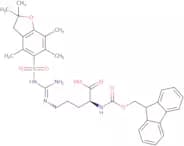
Dérivés d'acides aminés
Les dérivés d'acides aminés sont des composés structurellement liés aux acides aminés, mais qui ont été chimiquement modifiés pour introduire de nouveaux groupes fonctionnels ou altérer leurs propriétés. Ces dérivés sont largement utilisés dans la synthèse de peptides, le développement de médicaments et la recherche biochimique. Chez CymitQuimica, nous offrons une large gamme de dérivés d'acides aminés de haute qualité pour soutenir vos recherches et applications industrielles, garantissant des résultats précis et efficaces dans vos expériences et projets de synthèse.
3957 produits trouvés pour "Dérivés d'acides aminés"
Trier par
Degré de pureté (%)
0
100
|
0
|
50
|
90
|
95
|
100
trans-4-Hydroxy-L-proline
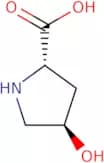
CAS :<p>Proline is a non-essential amino acid that is found in the basic structure of collagen. Proline has been shown to have physiological effects, including a protective effect on the myocardium, and can be used as an analytical method for detecting proline residues in biological samples. Trans-4-Hydroxy-L-proline is a proline derivative that has been shown to inhibit collagenase activity in vitro. It was also shown to have an optimum concentration of 1 mM and a matrix effect at pH 6.5. The model system used to study trans-4-hydroxy-l-proline was the enzyme extracted from rat liver.</p>Formule :C5H9NO3Couleur et forme :White PowderMasse moléculaire :131.13 g/molD-Valinol
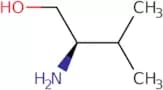
CAS :<p>D-Valinol is a synthetic compound that contains a chiral alcohol group. It is an ester hydrochloride salt of D-valinol and has been shown to be clinically effective in treating chronic lymphocytic leukemia (CLL). This drug is a potent inhibitor of the bcr-abl kinase, which is involved in the regulation of protein synthesis. D-Valinol binds to the kinase domain of this enzyme and inhibits its activity by preventing it from transferring phosphate groups from ATP to tyrosine residues on proteins. D-Valinol also inhibits chloride channels, which are required for cell survival.</p>Formule :C5H13NODegré de pureté :Min. 95%Couleur et forme :PowderMasse moléculaire :103.16 g/molFmoc-Gln(Trt)-OH
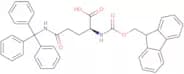
CAS :<p>Fmoc-Gln(Trt)-OH is a synthetic amino acid that contains a hydroxyl group in its side chain. The hydroxyl group of Fmoc-Gln(Trt)-OH can react with other molecules and form conjugates, which leads to impurities in the final product. In the synthesis of Fmoc-Gln(Trt)-OH, the reaction time can affect the efficiency of the synthesis. In order to produce a high concentration of Fmoc-Gln(Trt)-OH, it is necessary to use chromatographic methods for purification. Fmoc-Gln(Trt)-OH has been shown to be beneficial as an anticancer agent due to its ability to inhibit serine proteases.</p>Formule :C39H34N2O5Degré de pureté :Min. 98 Area-%Couleur et forme :White Off-White PowderMasse moléculaire :610.7 g/molFmoc-D-Asp(OtBu)-L-Ser(Psi(Me,Me)pro)-OH
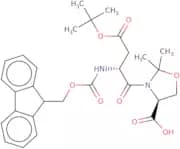
<p>Fmoc-D-Asp(OtBu)-L-Ser(Psi(Me,Me)pro)-OH is a high quality reagent that can be used as an intermediate in the synthesis of complex compounds. It is a useful building block for the synthesis of speciality chemicals and research chemicals. Fmoc-D-Asp(OtBu)-L-Ser(Psi(Me,Me)pro)-OH is also a versatile building block that can be used to synthesize different types of compounds.</p>Formule :C29H34N2O8Degré de pureté :Min. 95%Couleur et forme :PowderMasse moléculaire :538.59 g/molN-Acetyl-L-alanine
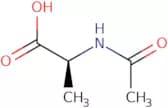
CAS :<p>N-Acetyl-L-alanine is the N-acetylated form of L-alanine and is a nonessential amino acid. It is an amide containing one nitrogen atom and two carbonyl groups. The nitrogen can be found in either the alpha or beta position on the amide. The biological properties of N-acetyl-L-alanine are similar to those of L-alanine, as it is used as a substrate for protein synthesis and has been shown to inhibit p21 and epidermal growth factor. The conformational properties of N-acetyl-L-alanine are different from that of L-alanine due to its changed shape, which may affect its biological activity.</p>Formule :C5H9NO3Degré de pureté :Min. 95%Couleur et forme :White PowderMasse moléculaire :131.13 g/molCyclo(L-His-L-Pro)
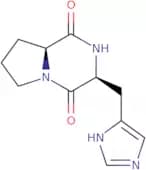
CAS :<p>Cyclo(L-His-L-Pro) is a dipeptide molecule that is part of the thyroid hormone thyrotropin-releasing hormone. It has been shown to have physiological effects on experimental models, such as increased thyrotropin release and decreased calcium levels in cells. Cyclo(L-His-L-Pro) is synthesized by the enzyme prohormone convertase in the cytosol of cells. The cyclic structure of this molecule is due to intermolecular hydrogen bonding between His and Pro residues. This peptide can be metabolized into a number of metabolites, including cyclic, diketopiperazines.</p>Formule :C11H14N4O2Degré de pureté :Min. 98 Area-%Couleur et forme :PowderMasse moléculaire :234.25 g/molFurosine dihydrochloride
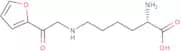
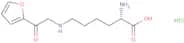
CAS :<p>Reference material for food analysis</p>Formule :C12H18N2O4•2HClDegré de pureté :Min. 98 Area-%Couleur et forme :PowderMasse moléculaire :327.20 g/molL-Serine tert-butyl ester hydrochloride
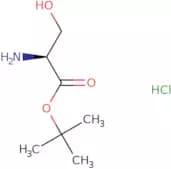
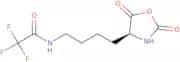
CAS :<p>L-Serine tert-butyl ester hydrochloride is a conditionally catalytic reagent that is used to synthesize aromatic compounds. It is an effective catalyst for toluene hydroxylation, and can be used in the synthesis of L-serine from serine. The tert-butyl group on the molecule prevents side reactions by sterically hindering other molecules from reacting with the reagent.</p>Formule :C7H15O3N·HClDegré de pureté :Area-% Min. 95 Area-%Couleur et forme :White PowderMasse moléculaire :197.66 g/molN6-Trifluoroacetyl-L-lysine N-carboxyanhydride
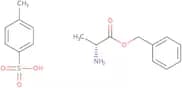
CAS :<p>Trifluoroacetyl-L-lysine N-carboxyanhydride is an N6-trifluoroacetylated lysine derivative that is used in the synthesis of peptides. It is a racemic mixture of L and D forms, which is hydrolyzed to form L-glutamic acid, NH4Cl, and CO2. Trifluoroacetyl-L-lyside N-carboxyanhydride has been shown to be useful in the formation of bonds between amino acids, such as lysine and dipeptides. The compound is also used for the protection of lysine against oxidation during peptide synthesis.</p>Formule :C9H11F3N2O4Degré de pureté :Min. 95%Couleur et forme :White PowderMasse moléculaire :268.19 g/molD-Alanine benzyl ester p-toluenesulfonate salt
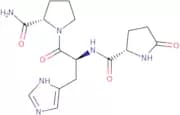
CAS :<p>D-Alanine benzyl ester p-toluenesulfonate salt is a fine chemical that is used in research and development. It is a versatile building block that can be used as an intermediate or a reaction component. D-Alanine benzyl ester p-toluenesulfonate salt has been shown to have high quality, which makes it useful for the production of complex compounds. This compound can be used as a speciality chemical or as a reagent in research.</p>Formule :C10H13NO2·C7H8O3SDegré de pureté :Min. 95%Couleur et forme :PowderMasse moléculaire :351.42 g/molL-Pyroglutamyl-L-histidyl-L-prolinamide
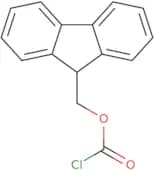
CAS :<p>L-Pyroglutamyl-L-histidyl-L-prolinamide (PGC) is a pyrrolidine that is used for the treatment of neurologic disorders. It has been shown to be effective in treating depression and a number of other neurologic disorders, including Parkinson's disease, Alzheimer's disease, and epilepsy. PGC has also been shown to have an antidepressant effect in women with depression who are pregnant or have recently given birth. In addition, it has been found to be clinically effective in the treatment of symptoms associated with Parkinson’s Disease. PGC is not absorbed into the bloodstream and must be injected directly into muscle tissue or fat cells in order to produce its therapeutic effects.</p>Formule :C16H22N6O4Degré de pureté :Min. 95%Couleur et forme :White PowderMasse moléculaire :362.38 g/molFmoc-Cl
CAS :<p>Fmoc-Cl is a fluorescent derivative that can be used as an analytical method for amino acids in human serum. This reagent is synthesized from chloroformate and derivatization of the amino acid with polymyxin B. Fmoc-Cl reacts with amino acids, producing a fluorescent molecule. The reaction solution can be applied to human serum to determine the concentration of various types of amino acids in the sample. The main matrix effect comes from the presence of human serum proteins, which have been shown to interfere with the measurement of some amino acid concentrations. Fmoc-Cl has also been studied as a potential therapeutic agent for autoimmune diseases, such as multiple sclerosis, lupus erythematosus, and rheumatoid arthritis. It has been shown that Fmoc-Cl inhibits complex enzymes and can reduce levels of certain inflammatory markers in animal models.</p>Formule :C15H11ClO2Degré de pureté :Min. 95%Couleur et forme :White PowderMasse moléculaire :258.7 g/molVal-Cit-PAB-MMAE
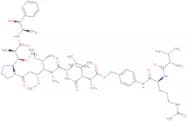
CAS :<p>Val-Cit-PAB-MMAE is a linker that has been conjugated to a monoclonal antibody (Val-Cit) and a cytotoxic agent (MMAE). This linker is designed to provide predictable strategies for site-specific conjugation of therapeutic agents to antibodies. The Val-Cit sequence facilitates the attachment of the linker to the antibody, while MMAE targets cancer cells through its chemotherapeutic effect. The linker provides an anti-cancer drug with an increased halflife in vivo, which may be due to its physicochemical properties. Val-Cit-PAB-MMAE also has the potential for use in other applications such as diagnostics and biosensors.</p>Formule :C58H94N10O12Degré de pureté :Min. 95 Area-%Couleur et forme :PowderMasse moléculaire :1,123.43 g/molγ-Polyglutamic acid sodium - MW > 700,000
CAS :<p>Gamma-Polyglutamic acid sodium - MW > 700,000 is a high molecular weight biopolymer, which is a salt form of polyglutamic acid. Its unique structure consists of glutamic acid units linked via γ-amide bonds, resulting in a robust and biodegradable polymer.The mode of action of gamma-Polyglutamic acid sodium involves its high water-binding capacity and viscosity, which make it exceptional in forming hydrogels. This property is pivotal in applications that require moisture retention or controlled release of active ingredients. Its biodegradability and non-toxic nature add to its versatility and safety profile.Gamma-Polyglutamic acid sodium is used across various fields, including biotechnology, pharmaceuticals, agriculture, and cosmetics. In biotechnology and pharmaceuticals, it is utilized as a drug delivery vehicle and tissue engineering scaffold due to its compatibility with human tissues. Its agricultural applications include acting as a soil conditioner and enhancing water retention. In cosmetics, it serves as a potent moisturizer and anti-aging ingredient.</p>Formule :(C5H7NO3)n•NaxDegré de pureté :Min. 90 Area-%Couleur et forme :White PowderL-Arginine methyl ester dihydrochloride
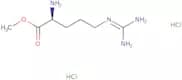
CAS :<p>L-Arginine methyl ester dihydrochloride is a bioactive form of L-arginine, which is an amino acid. L-Arginine methyl ester dihydrochloride has been shown to increase the production of cyclic guanosine monophosphate (cGMP) in mammalian cells. It also causes protein synthesis and cell division in C. neoformans and is a substrate for nitric oxide synthase (NOS). It has been shown to have opioid receptor activity and can act as an alpha-2 adrenergic agonist. L-Arginine methyl ester dihydrochloride can inhibit serine proteases by binding to their active site and preventing them from breaking down proteins such as collagen and elastin.</p>Formule :C7H16N4O2·2HClDegré de pureté :Min. 95%Couleur et forme :White PowderMasse moléculaire :261.15 g/molSar-Gly-OH
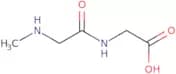
CAS :<p>Sar-Gly-OH is a high quality, reagent chemical that is a useful intermediate in the production of complex compounds. It has CAS No. 38082-72-3 and can be used as a fine chemical, speciality chemical, or research chemical. Sar-Gly-OH is also a versatile building block that can be used in the production of many different types of compounds. It has been shown to be an important reaction component in the synthesis of several types of pharmaceuticals and other organic materials.</p>Formule :C5H10N2O3Degré de pureté :Min. 95%Couleur et forme :PowderMasse moléculaire :146.14 g/molBoc-Gly-Gly-OH
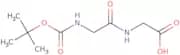
CAS :<p>Boc-Gly-Gly-OH is a synthetic molecule with inhibitory properties. It has been shown to prevent the polymerization of tubulin into microtubules by binding to the hydroxyl group on lysine residues in the monomeric form. Boc-Gly-Gly-OH can be used as a reagent in organic solution, and can be seen under an electron microscope as nanodots.</p>Formule :C9H16N2O5Degré de pureté :Min. 95%Couleur et forme :PowderMasse moléculaire :232.23 g/molD-Penicillamine
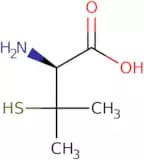
CAS :<p>D-Penicillamine is a nonsteroidal anti-inflammatory drug that is used to treat bowel disease, including ulcerative colitis and Crohn's disease. It has also been used as a treatment for schizophrenia that is unresponsive to other treatments. D-Penicillamine binds covalently to reactive oxygen species (ROS), thereby preventing their interaction with proteins and DNA. The binding of ROS by D-penicillamine can be monitored using electrochemical impedance spectroscopy (EIS). The compound has also been shown to reduce the expression of bcl-2 protein in human cells, which may result in increased oxidative injury and rates of cell proliferation. D-Penicillamine has been shown to have therapeutic benefits for patients with primary sclerosing cholangitis, myocardial infarcts, or preparative high performance liquid chromatography (HPLC) analysis.</p>Formule :C5H11NO2SDegré de pureté :Min 97%Couleur et forme :White PowderMasse moléculaire :149.21 g/molD-Isoserine
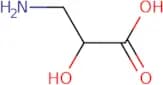
CAS :<p>D-Isoserine is a stereoselective synthetic amino acid that can be used as a structural analog of l-serine. D-Isoserine is synthesized from d-threonine and has been shown to inhibit the bacterial enzyme tyrosine kinase, which is important in cell signaling. D-Isoserine is also being investigated as a treatment for inflammatory diseases such as rheumatoid arthritis and Crohn's disease. The marine sponge Aerogenes sp. produces this compound, which is also produced by the microbial species Aerobacter aerogenes and Staphylococcus aureus.</p>Formule :C3H7NO3Degré de pureté :Min. 95%Masse moléculaire :105.09 g/molL-Histidine methyl ester dihydrochloride
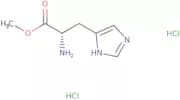
CAS :<p>L-Histidine methyl ester dihydrochloride is a β-amino acid with the chemical formula HNCH2CH(CH3)CO2H. It has the functional group of an isopropyl group and a chloride ion. L-Histidine methyl ester dihydrochloride has been shown to bind to receptors in the central nervous system that are involved in pain perception. As a result, it can be used for the treatment of neuropathic pain, chronic pain, and cancer pain. This drug also inhibits nitric oxide production by binding to iron ions or copper ions. L-Histidine methyl ester dihydrochloride has been shown to have antiinflammatory effects as well as antioxidant properties.</p>Formule :C7H11N3O2•(HCl)2Degré de pureté :Min. 95%Couleur et forme :PowderMasse moléculaire :242.1 g/molL-Histidine acetate
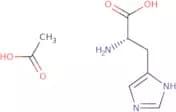
CAS :Produit contrôlé<p>L-Histidine acetate is a white, crystalline powder that has a constant melting point and can be soluble in water. It has a monoclinic crystal system with a crystal form of α-l-histidine dihydrogen acetate. L-Histidine acetate is an amino acid that is necessary for the biosynthesis of proteins and the metabolism of histamine. L-Histidine acetate has been studied using x-ray diffraction and optical properties to determine its functional groups. The activation energy for this compound is found to be at 4.1 kcal/mol, which is lower than most other compounds in nature. The frequencies of light waves are measured at 3,040 cm-1 and the evaporation rate at 15°C is 0.039 cm3/s.</p>Formule :C6H9N3O2•C2H4O2Degré de pureté :Min. 95%Masse moléculaire :215.21 g/molN-b-Boc-L-2,3-diaminopropionic acid
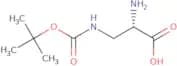
CAS :<p>N-Boc-L-2,3-diaminopropionic acid is an antimicrobial agent that has been shown to be active against Listeria monocytogenes. It inhibits the growth of bacteria by binding to cell walls and interfering with their functions. This compound has been shown to inhibit the growth of bacterial strains such as Camembert and lactobacillus at a concentration of 10mg/mL. N-Boc-L-2,3-diaminopropionic acid also has a high heat transfer coefficient, which makes it suitable for use in cooling systems for food processing plants.</p>Formule :C8H16N2O4Degré de pureté :Min. 95%Couleur et forme :White PowderMasse moléculaire :204.22 g/molFmoc-Gly-Gly-Gly-OH
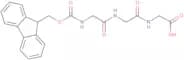
CAS :<p>Fmoc-gly-gly-gly-OH is a synthetic amino acid with the carboxylate group at the alpha position and an amide group at the beta position. It is a white solid that can be synthesized by reacting glycine ethyl ester with glyoxylic acid in a solvent such as chloroform. Fmoc-gly-gly-gly-OH has been used to study the binding of oxytocin to its receptor, which is important for regulating uterine contraction during childbirth. The compound also has potential applications in drug delivery, biotechnology, and medical research.</p>Formule :C21H21N3O6Degré de pureté :Min. 95%Couleur et forme :PowderMasse moléculaire :411.41 g/molFmoc-Lys(Boc)-OH
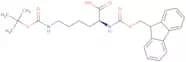
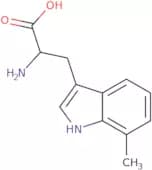
CAS :<p>Fmoc-Lys(Boc)-OH is a synthetic amino acid that has been used to synthesize polypeptides. It is prepared by the reaction of naphthalene, trifluoroacetic acid and copper (II) acetate in an acidic environment. The synthesis of Fmoc-Lys(Boc)-OH involves the use of a high salt and coordination geometry for the copper complex. This amino acid can be used as a cancer drug, because it inhibits NS3 protease, which is an enzyme that promotes tumor growth. Fmoc-Lys(Boc)-OH also binds to carbohydrate receptors on cancer cells and inhibits uptake of these cells by macrophages.</p>Formule :C26H32N2O6Degré de pureté :Min. 98 Area-%Couleur et forme :White PowderMasse moléculaire :468.54 g/mol7-Methyl-DL-tryptophan
CAS :<p>7-Methyl-DL-tryptophan is a crystalline solid that is used as a protein analog. It is structurally similar to L-tryptophan and has been shown to have the same biochemical properties. 7-Methyl-DL-tryptophan can be used in the production of recombinant proteins, such as human growth hormone, and for structural analysis of proteins. This compound also has herbicide resistance, which may be due to its ability to bind with anthranilate. The solubility of 7-methyl-DL-tryptophan in water is about 0.1 mg/mL at room temperature.</p>Formule :C12H14N2O2Degré de pureté :Min. 95%Couleur et forme :PowderMasse moléculaire :218.25 g/molGlutamic acid
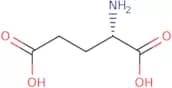
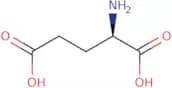
CAS :<p>Glutamic acid is a non-essential amino acid that is present in all cells. It is one of the most abundant amino acids and plays an important role in the biochemical properties and biological properties of living organisms. Glutamic acid has been found to be an important neurotransmitter and is involved in neuronal activity, which can lead to death. It also has been shown to be a potent inhibitor of DNA polymerase, which may explain the structural analysis of glutamic acid as a divalent cation coordination-activator molecule. Glutamate can be used as a model system for studying glutamate receptor function and its optimum concentration is determined using vitro assays. The dinucleotide phosphate (NADPH) oxidase pathway may be involved in the toxicity of glutamic acid as it produces reactive oxygen species.</p>Formule :C5H9NO4Degré de pureté :Min. 95%Couleur et forme :White PowderMasse moléculaire :147.13 g/molFA-Phe-Gly-Gly-OH
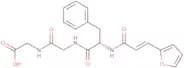
CAS :<p>FA-Phe-Gly-Gly-OH is a peptide with angiotensin II inhibitory properties. It has been shown that FA-Phe-Gly-Gly-OH inhibits the enzyme activity of angiotensin converting enzyme (ACE) and prevents the formation of angiotensin II, which causes blood vessel constriction. The inhibitory effects of FA-Phe-Gly-Gly-OH on ACE are reversible and competitive, which is different from other ACE inhibitors that are irreversible and noncompetitive. This peptide also has antioxidative properties, due to its ability to scavenge reactive oxygen species (ROS). This peptide can be hydrolysed by esterases or proteases in vitro or in vivo.</p>Formule :C20H21N3O6Degré de pureté :Min. 95%Couleur et forme :White PowderMasse moléculaire :399.4 g/molN-Acetyl-L-glutamine
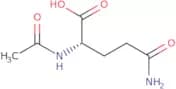
CAS :<p>N-Acetylglutamine is an amino acid that is not synthesized by the human body and must be obtained through diet. It is a precursor to glutamate, which is an important neurotransmitter in the brain. N-Acetyl-L-glutamine has been shown to have neuroprotective effects against various metabolic disorders including diabetes, bowel disease, and microdialysis probes. The effect of N-acetyl-L-glutamine on neuronal death can be observed using a reaction solution containing sodium citrate and glucose injection. N-acetylglutamine has been shown to increase the activity of enzymes such as citrate synthase in this reaction solution.</p>Formule :C7H12N2O4Degré de pureté :Min. 95%Couleur et forme :White PowderMasse moléculaire :188.18 g/molLeu-Enkephalin acetate
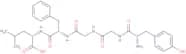
CAS :<p>Leu-Enkephalin is an endogenous opioid peptide that has been shown to produce analgesia, anti-inflammatory effects, and changes in locomotor activity. Leu-enkephalin binds to the kappa opioid receptor, which is found in high concentrations in the caudate putamen and hippocampal formation. The enkephalins are a family of basic proteins with two amino acids linked by a single amide bond. They are peptide hormones that act as neurotransmitters in the central nervous system and peripheral nervous system. Leu-enkephalin is a drug candidate for treatment of infectious diseases such as HIV and malaria. In addition, leu-enkephalin has been shown to have side effect profiles that are less severe than morphine or methadone.</p>Formule :C28H37N5O7·C2H4O2Degré de pureté :Min. 95%Couleur et forme :PowderMasse moléculaire :554.64 g/molTaurine
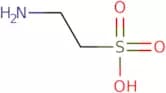
CAS :<p>Taurine is an amino acid that is found in the body and plays a number of different roles, including in biochemical composition, energy metabolism, and cell signaling. Taurine has been shown to be effective for the treatment of bowel disease and can be used as a reaction solution. It has also been shown to increase mitochondrial membrane potential and prevent cellular death in 3T3-L1 preadipocytes. Taurine inhibits growth factor-β1, which may be responsible for the inhibition of cellular proliferation and apoptosis induction. Taurine also decreases tubulointerstitial injury by increasing the synthesis of collagen type II and decreasing the production of reactive oxygen species. Taurine may play a role in reversing neuronal death through its interactions with intracellular targets such as tubulin.</p>Formule :C2H7NO3SCouleur et forme :PowderMasse moléculaire :125.15 g/molL-Homopropargylglycine
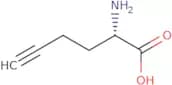
CAS :<p>L-Homopropargylglycine is a small molecule that inhibits the activity of enzymes involved in fatty acid synthesis. It has been shown to inhibit the activity of enzymes involved in mitochondrial membrane potential and reactive oxygen species production, as well as collagen degradation. L-Homopropargylglycine is used to study the molecular mechanisms of lipid metabolism and mitochondrial function, as well as for wastewater treatment. L-Homopropargylglycine has also been studied as a potential drug for the treatment of metabolic syndrome, diabetes, and cancer.</p>Formule :C6H9NO2Degré de pureté :Min. 95%Couleur et forme :PowderMasse moléculaire :127.14 g/molDL-5-Hydroxytryptophan
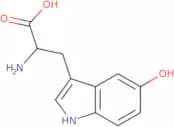
CAS :<p>DL-5-Hydroxytryptophan (5-HTP) is a naturally occurring amino acid that is converted to serotonin in the brain. It is used to treat depression and anxiety, as well as other psychological disorders. 5-HTP has been shown to stimulate the production of serotonin, which may be due to its ability to activate 5-HT2 receptors. 5-HTP has also been shown to increase the activity of various enzymes, such as esterase and aminopeptidase, in human serum. 5-HTP has been shown to have no effects on carcinoid syndrome or 5-ht concentrations in blood plasma. However, it does have biochemical properties that are different from those of other amino acids and can be used as a fluorescent probe for biological research.</p>Formule :C11H12N2O3Degré de pureté :Min. 95%Couleur et forme :White PowderMasse moléculaire :220.22 g/molBoc-L-alanine
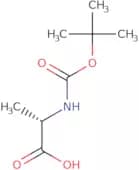
CAS :<p>Boc-L-alanine is an amino acid that is used as a building block in the synthesis of peptides and proteins. It has been shown to be stable at high temperatures and to form complexes with sephadex g-100. Boc-L-alanine has also been shown to have antimicrobial activity against Gram-positive bacteria, such as Staphylococcus aureus and Streptococcus pneumoniae, and Gram-negative bacteria, such as Pseudomonas aeruginosa. This compound can act as a hydrogen bond donor or acceptor depending on the other molecule it interacts with. Boc-L-alanine hydrochloride is an ester of boc-L-alanine and hydrochloric acid that has been activated by trifluoroacetic acid. The hydroxyl group on the molecule can react with hydrogen fluoride to form an ester hydrochloride.</p>Formule :C8H15NO4Degré de pureté :Min. 98 Area-%Couleur et forme :White Off-White PowderMasse moléculaire :189.21 g/molFmoc-4-benzoyl-L-phenylalanine
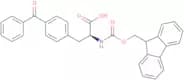
CAS :<p>Fmoc-4-benzoyl-L-phenylalanine is a benzoic acid derivative that binds to the 5-HT1A receptor and the intestinal polypeptide receptor. It may also act as a vasoactive intestinal peptide (VIP) agonist. The pharmacophore of Fmoc-4-benzoyl-L-phenylalanine is similar to other antiarrhythmic drugs, such as quinidine and procainamide, with substituents at positions 2, 3, 4, 6, 7, and 8. Fmoc-4-benzoyl-L-phenylalanine has been shown to inhibit nitric oxide production in amines and ethane. This drug has been shown to have therapeutic potential in the treatment of cardiovascular diseases by visualizing cellular changes in heart tissue.</p>Formule :C31H25NO5Degré de pureté :Min. 95%Couleur et forme :Off-White PowderMasse moléculaire :491.53 g/molH-Pro-2Cl-Trt resin
<p>Please enquire for more information about H-Pro-2Cl-Trt resin including the price, delivery time and more detailed product information at the technical inquiry form on this page</p>Degré de pureté :Min. 95%L-Threonine methyl ester hydrochloride
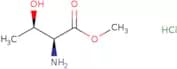
CAS :<p>L-Threonine methyl ester hydrochloride is a synthetic amino acid that has shown efficacy in treating Gram-negative infections. L-Threonine methyl ester hydrochloride is an agonist for the hyaluronic acid receptor and has been demonstrated to be potent in vitro against gram-negative bacteria such as Escherichia coli and Klebsiella pneumoniae. It also exhibits high stereoselectivity, with one enantiomer being more active than the other. L-Threonine methyl ester hydrochloride is currently in clinical development for cancer treatments, as it shows promise for inhibiting tumor growth and inducing apoptosis.</p>Formule :C5H11NO3•HClDegré de pureté :Min. 97%Couleur et forme :Yellow PowderMasse moléculaire :169.61 g/molFmoc-L-valine N-hydroxysuccinimide ester
CAS :<p>Fmoc-L-valine N-hydroxysuccinimide ester is a pegylated, cytotoxic drug that is used in the treatment of cancer. It is delivered to cells by an organic solvent, which causes uptake into the cell and intracellular delivery. Fmoc-L-valine N-hydroxysuccinimide ester forms particles that are excreted from the body through the kidneys. This drug has been shown to be effective against a number of different types of cancer cells, including breast cancer, lung cancer, and colon cancer cells. Fmoc-L-valine N-hydroxysuccinimide ester has been shown to be cytotoxic in vivo and in vitro against tumor tissue and MFC-7 cells with no effect on normal tissue or healthy cells.<br>Fmoc-L-valine N-hydroxysuccinimide ester can also be used as a</p>Formule :C24H24N2O6Degré de pureté :Min. 98 Area-%Couleur et forme :White PowderMasse moléculaire :436.46 g/molN-Phospho-L-arginine lithium salt hydrate
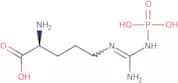
CAS :<p>N-Phospho-L-arginine lithium salt hydrate is an arginine derivative that has a complex life cycle. It is used as a substrate for ATP synthesis, and also participates in the formation of disulfide bonds during protein folding. N-Phospho-L-arginine lithium salt hydrate is an important component of many enzymes, which are vital to the body's metabolic processes. This compound can be used to study biochemical properties of enzymes in biological samples and infectious diseases, which could lead to new treatments for these diseases.</p>Formule :C6H15N4O5P·xLi·yH2ODegré de pureté :Min. 95%Couleur et forme :PowderMasse moléculaire :254.18 g/molN-Acetyl-L-tyrosine ethyl ester hydrate
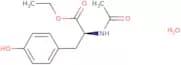
CAS :<p>N-Acetyl-L-tyrosine ethyl ester hydrate is a synthetic compound that has been used in the past as a substrate for protease activity. It is a monoclonal antibody that is used to detect the presence of human serum proteins and to prepare samples for analysis by liquid chromatography. This derivative of L-tyrosine is related to proteolytic activity and redox potential, but it does not have any biological properties. N-Acetyl-L-tyrosine ethyl ester hydrate can be prepared from soybean trypsin and caproic acid.</p>Formule :C13H17NO4·H2ODegré de pureté :Min. 96.0 Area-%Couleur et forme :White Off-White PowderMasse moléculaire :269.29 g/molD-Allo-isoleucine
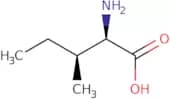
CAS :<p>D-Allo-isoleucine is an antimicrobial agent that belongs to the group of hydroxyl compounds. It is a natural amino acid that can be synthesized by asymmetric synthesis, and its conformational properties are different from those of L-isoleucine. D-Allo-isoleucine has been shown to increase activity against microorganisms in vitro and in mice models. D-Allo-isoleucine also has an inhibitory effect on aminotransferase activity, which may be due to its ability to form a cyclic peptide with the fatty acid group p2.</p>Formule :C6H13NO2Degré de pureté :Min. 95%Couleur et forme :PowderMasse moléculaire :131.17 g/molGlycine ethyl ester hydrochloride
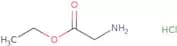
CAS :<p>Used with EDC for carboxyl-foot printing studies of proteins</p>Formule :C4H9NO2•HClDegré de pureté :Min. 95%Couleur et forme :PowderMasse moléculaire :139.58 g/molFurosine hydrochloride
CAS :<p>Furosine hydrochloride is a white crystalline chemical with a molecular formula of C6H7N3O4S. It is soluble in water and has a melting point of about 140 degrees Celsius. Furosine hydrochloride is a useful building block for the synthesis of polymers, pharmaceuticals, organic semiconductors and other organic compounds. Furosine hydrochloride is used as an intermediate to produce fine chemicals such as polyurethanes, polyamides and amino acids. It can also be used as a reaction component in the synthesis of complex compounds such as 2-amino-5-nitrothiophene or 2,2'-dithiobis(benzothiazole). Furosine hydrochloride can be used as a scaffold for the production of various drugs such as antihypertensives or antidepressants.</p>Formule :C12H18N2O4·xHClDegré de pureté :Min. 98 Area-%Couleur et forme :PowderMasse moléculaire :254.28 g/molD-Cysteine
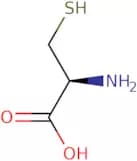
CAS :<p>D-Cysteine is a versatile building block for the synthesis of complex compounds and peptides.</p>Formule :C3H7NO2SMasse moléculaire :121.16 g/mol6-Oxo DL-norleucine, formate salt
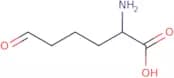
CAS :<p>6-Oxo DL-norleucine, formate salt is an anti-inflammatory agent that has been shown to reduce the symptoms of inflammatory bowel disease. It is a prodrug that is converted in vivo to 6-oxo DL-norleucine, its active form. This drug inhibits the activity of enzymes involved in metabolic pathways including ester hydrolysis and dinucleotide phosphate metabolism. 6-Oxo DL-norleucine has also been shown to inhibit the production of inflammatory mediators such as prostaglandin E2 (PGE2), leukotriene B4 (LTB4), and reactive oxygen species (ROS) in human serum. The mechanism by which this drug exerts its effects is not yet fully understood but may be due to inhibition of p. pastoris, a fungus that can cause opportunistic fungal infections.</p>Formule :C7H13NO5Degré de pureté :Min. 95%Couleur et forme :PowderMasse moléculaire :191.18 g/molγ-Aminobutyric acid tert-butyl ester HCl
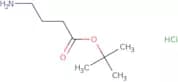
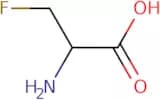
CAS :<p>GABA is a neurotransmitter that is found in the brain and spinal cord. It is an analog of the amino acid gamma-aminobutyric acid and can be synthesized from glutamic acid. GABA has been shown to have anti-inflammatory properties by inhibiting prostaglandin synthesis, which may be due to its ability to decrease the proliferation of T cells and macrophages. GABA also has been shown to promote growth of hybridomas, which are immune cells that produce antibodies.</p>Formule :C8H17NO2·HClDegré de pureté :Min. 95%Couleur et forme :White PowderMasse moléculaire :195.69 g/molβ-Fluoro-DL-alanine
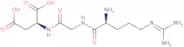
CAS :<p>b-Fluoro-DL-alanine is an amino acid that is synthesized by the asymmetric synthesis of hydrogen fluoride and acetic anhydride. b-Fluoro-DL-alanine has a deuterium isotope effect on the NMR spectra, which can be used to determine the structure of the molecule. It has been found that this amino acid inhibits ribonucleotide reductase activity. The inhibition constant for b-fluoro-DL-alanine is 1.6 mM with a kinetic rate of 0.0012 min−1 M−1, which can be used to compare its inhibitory effect with other chemicals. This chemical also has inhibitory effects on transcriptase polymerase chain and protein synthesis by binding to the A site on RNA polymerase and preventing transcription from occurring.</p>Formule :C3H6FNO2Degré de pureté :Min. 95%Couleur et forme :PowderMasse moléculaire :107.08 g/molArg-Gly-Asp
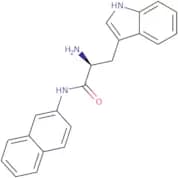
CAS :<p>Arg-Gly-Asp is a peptide with inhibitory properties against tumor growth. It binds to the integrin receptor and blocks the angiogenic process by inhibiting the expression of vascular endothelial growth factor (VEGF) and transforming growth factor beta (TGF-β). Arg-Gly-Asp also inhibits the proliferation of pluripotent cells, which are cells that can differentiate into any type of cell in the body, and prevents the formation of new blood vessels. This peptide has been shown to have inhibitory properties against leukemia inhibitory factor (LIF), which is a cytokine that regulates cell growth.</p>Formule :C12H22N6O6Degré de pureté :Min. 98 Area-%Couleur et forme :PowderMasse moléculaire :346.34 g/molL-Tryptophan β-naphthylamide
CAS :<p>L-Tryptophan beta-naphthylamide is a fine chemical that is useful for research purposes. It can be used as a versatile building block in the synthesis of other chemicals and can also be used as a reaction component. L-Tryptophan beta-naphthylamide has been used to synthesize complex compounds such as 5,6-dihydroindolizine, which has been shown to have anti-inflammatory properties. This compound can also be used as a reagent in organic synthesis.</p>Formule :C21H19N3ODegré de pureté :Min. 95%Couleur et forme :PowderMasse moléculaire :329.4 g/mol(Des-Glu22)-Amyloid β-Protein (1-42) trifluoroacetate
CAS :<p>The E22delta (Osaka mutation) mutation of Amyloid β promotes β-sheet transformation.</p>Formule :C198H304N54O57SDegré de pureté :Min. 95 Area-%Couleur et forme :PowderMasse moléculaire :4,384.93 g/molFmoc-Arg(Pbf)-OH
CAS :<p>The Fmoc-Arg(Pbf)-OH is a cyclic peptide that has been shown to have significant cytotoxicity against human tumor cells. It binds to integrin receptors, which are involved in transcriptional regulation and cellular proliferation. The Fmoc-Arg(Pbf)-OH has been shown to be hypoglycemic and it also possesses redox potential. The chemical biology of this compound is not yet known, but toxicity studies have shown that it is nontoxic in mice.</p>Formule :C34H40N4O7SDegré de pureté :Min. 98 Area-%Couleur et forme :White Off-White PowderMasse moléculaire :648.77 g/mol