Endocrinologie/Hormones
Les inhibiteurs en endocrinologie/hormonaux sont des composés qui bloquent l'action des hormones ou interfèrent avec les voies de signalisation hormonales. Ces inhibiteurs sont essentiels pour étudier la régulation des systèmes endocriniens et pour développer des traitements pour les maladies liées aux hormones, telles que le diabète, les troubles de la thyroïde et les cancers hormonodépendants. En modulant l'activité hormonale, ces inhibiteurs peuvent aider à élucider les interactions complexes au sein du système endocrinien. Chez CymitQuimica, nous offrons une large gamme d'inhibiteurs de haute qualité en endocrinologie/hormonaux pour soutenir vos recherches en endocrinologie, pharmacologie et sciences médicales.
Sous-catégories appartenant à la catégorie "Endocrinologie/Hormones"
- Récepteur des androgènes(226 produits)
- Annexine A(16 produits)
- Aromatase(21 produits)
- Récepteur d'œstrogène/progestatif(55 produits)
- GPR(1 produits)
- Récepteur des glucocorticoïdes(165 produits)
- LHRH(1 produits)
- Récepteur opioïde(321 produits)
- Récepteur de prostaglandine(122 produits)
- RAAS(91 produits)
- Réductase(51 produits)
- Somatostatine(53 produits)
- Récepteur des hormones thyroïdiennes (THR)(30 produits)
- Récepteur de la vasopressine(46 produits)
Affichez 6 plus de sous-catégories
3320 produits trouvés pour "Endocrinologie/Hormones"
Trier par
Degré de pureté (%)
0
100
|
0
|
50
|
90
|
95
|
100
EasyStep Human PCT(Procalcitonin) ELISA Kit
The test principle applied in this kit is Sandwich enzyme immunoassay. The microtiter plate provided in this kit has been pre-coated with an antibody specific to Human PCT, and the Human PCT standard plate wells that pre-coated using protein-related techniques are provided separately. Standard/Sample Diluent Buffer or samples are added to the appropriate microtiter plate wells ,then added a HRP-conjugated antibody specific to Human PCT. After TMB substrate solution is added, only those wells that contain Human PCT and HRP-conjugated antibody will exhibit a change in color. The enzyme-substrate reaction is terminated by the addition of sulphuric acid solution and the color change is measured spectrophotometrically at a wavelength of 450nm ± 10nm. The concentration of Human PCT in the samples is then determined by comparing the OD of the samples to the standard curve.Couleur et forme :Colourless TransparentliquidEasyStep Human CP(C-Peptide) ELISA Kit
The test principle applied in this kit is Sandwich enzyme immunoassay. The microtiter plate provided in this kit has been pre-coated with an antibody specific to Human CP, and the Human CP standard plate wells that pre-coated using protein-related techniques are provided separately. Standard/Sample Diluent Buffer or samples are added to the appropriate microtiter plate wells ,then added a HRP-conjugated antibody specific to Human CP. After TMB substrate solution is added, only those wells that contain Human CP and HRP-conjugated antibody will exhibit a change in color. The enzyme-substrate reaction is terminated by the addition of sulphuric acid solution and the color change is measured spectrophotometrically at a wavelength of 450nm ± 10nm. The concentration of Human CP in the samples is then determined by comparing the OD of the samples to the standard curve.Couleur et forme :Colourless TransparentliquidNCRW0005-F05
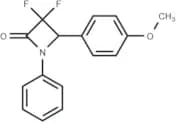
CAS :<p>NCRW0005-F05 is a potent agonist of orphan G-protein coupled receptor GPR139 with an IC 50 value of 0.21 μM.</p>Formule :C16H13F2NO2Degré de pureté :99.97%Couleur et forme :SolidMasse moléculaire :289.28EasyStep Human IGFBP1(Insulin Like Growth Factor Binding Protein 1) ELISA Kit
The test principle applied in this kit is Sandwich enzyme immunoassay. The microtiter plate provided in this kit has been pre-coated with an antibody specific to Human IGFBP1, and the Human IGFBP1 standard plate wells that pre-coated using protein-related techniques are provided separately. Standard/Sample Diluent Buffer or samples are added to the appropriate microtiter plate wells ,then added a HRP-conjugated antibody specific to Human IGFBP1. After TMB substrate solution is added, only those wells that contain Human IGFBP1 and HRP-conjugated antibody will exhibit a change in color. The enzyme-substrate reaction is terminated by the addition of sulphuric acid solution and the color change is measured spectrophotometrically at a wavelength of 450nm ± 10nm. The concentration of Human IGFBP1 in the samples is then determined by comparing the OD of the samples to the standard curve.Couleur et forme :Colourless TransparentliquidEthaselen
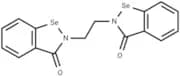
CAS :<p>Ethaselen (BBSKE) is an oral TrxR inhibitor with IC50 of 0.5 μM (human) and 0.35 μM (rat), targeting a selenocysteine site to fight NSCLC.</p>Formule :C16H12N2O2Se2Degré de pureté :98.06% - 99.14%Couleur et forme :SolidMasse moléculaire :422.2Methyl candesartan
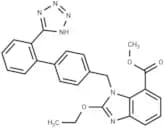
CAS :Methyl candesartan (Candesartan Methyl Ester) 是一种有效的血管紧张素2受体拮抗剂,可用于研究高血压。Formule :C25H22N6O3Degré de pureté :98.82%Couleur et forme :SolidMasse moléculaire :454.48ANP (13-26)
<p>ANP (13-26) is derived from the atrial natriuretic peptide (ANP) which is a cardiac hormone involved in maintaining cardio-renal homeostasis. This occurs through the activation of the guanylyl cyclase-coupled receptor, resulting in the increased concentration of cyclic guanylate monophosphate. Moreover its function in the processes of anti-proliferation and anti-angiogenesis allow it to take part in the cardiovascular remodelling process.ANP is a member of the natriuretic peptide family and it is encoded by the NPPA gene, located on chromosome 1. Once synthesized from the 151 amino acid pre-prohormone into its biologically active form, ANP is secreted by the atrial cardiomyocytes in the circulating forms: ANP (1-98) and ANP (99-126). This synthesis process involves the signal peptide being removed from the pre-prohormone resulting in proANP (1-126) which is converted into the circulating forms by the type II transmembrane serine protease Corin.</p>Couleur et forme :PowderMasse moléculaire :1,423.7 g/molAlexamorelin
<p>The heptapeptide Alexamorelin is a member of the Growth Hormone secretagogues (GHS) family. These are synthetic molecules which act through the central nervous system to stimulate the secretion of somatotrophs, prolactin, adrenocorticotrophin and cortisol. Alexamorelin has also been shown to inhibit 125I-Tyr-Ala-HEX binding in tissues. Due to their stimulation of growth hormone release, they are known as non-approved pharmaceuticals and are a concern to sport's drug testing organisations.</p>Masse moléculaire :957.5 g/molANP (7-20)
<p>ANP (7-20) is derived from the atrial natriuretic peptide (ANP) which is a cardiac hormone involved in maintaining cardio-renal homeostasis. This occurs through the activation of the guanylyl cyclase-coupled receptor, resulting in the increased concentration of cyclic guanylate monophosphate. Moreover its function in the processes of anti-proliferation and anti-angiogenesis allow it to take part in the cardiovascular remodelling process.ANP is a member of the natriuretic peptide family and it is encoded by the NPPA gene, located on chromosome 1. Once synthesized from the 151 amino acid pre-prohormone into its biologically active form, ANP is secreted by the atrial cardiomyocytes in the circulating forms: ANP (1-98) and ANP (99-126). This synthesis process involves the signal peptide being removed from the pre-prohormone resulting in proANP (1-126) which is converted into the circulating forms by the type II transmembrane serine protease Corin.</p>Couleur et forme :PowderMasse moléculaire :1,453.7 g/molGIP, human
<p>Gastric inhibitory polypeptide (GIP) is an inhibiting hormone of the secretin family of hormones. While GIP is a weak inhibitor of gastric acid secretion, its main role is to stimulate insulin secretion - in a glucose-dependent mechanism. Therefore, GIP is referred to as a glucose-dependent insulinotropic peptide.GIP is derived from a 153-amino acid pro-protein encoded by the GIP gene and circulates as a biologically active 42-amino acid peptide. It is synthesised by K cells, which are found in the mucosa of the duodenum and the jejunum of the gastrointestinal tract. GIP receptors are seven-transmembrane proteins found on β-cells in the pancreas. These β-cells are those that are able to simultaneously detect glucose and release insulin as a result to GIP binding.The clinical relevance of GIP is related to type 2 diabetes mellitus (T2DM)- studies have found that T2DM diabetics are unresponsive to GIP and have lower levels of GIP secretion after a meal when compared to non-diabetics. In research involving knockout mice, it was found that absence of the GIP receptors correlates with resistance to obesity.</p>Couleur et forme :PowderMasse moléculaire :4,980.5 g/molGIP (1-42)-[C] human
<p>Peptide derived from the Gastric inhibitory polypeptide (GIP), an inhibiting hormone of the secretin family of hormones. While GIP is a weak inhibitor of gastric acid secretion, its main role is to stimulate insulin secretion - in a glucose-dependent mechanism. Therefore, GIP is referred to as a glucose-dependent insulinotropic peptide.GIP is derived from a 153-amino acid pro-protein encoded by the GIP gene and circulates as a biologically active 42-amino acid peptide. It is synthesised by K cells, which are found in the mucosa of the duodenum and the jejunum of the gastrointestinal tract. GIP receptors are seven-transmembrane proteins found on β-cells in the pancreas. These β-cells are those that are able to simultaneously detect glucose and release insulin as a result to GIP binding.The clinical relevance of GIP is related to type 2 diabetes mellitus (T2DM)- studies have found that T2DM diabetics are unresponsive to GIP and have lower levels of GIP secretion after a meal when compared to non-diabetics. In research involving knockout mice, it was found that absence of the GIP receptors correlates with resistance to obesity.</p>Masse moléculaire :1,234.5 g/molInsulin beta Chain Peptide (15 - 23)
<p>Insulin is a polypeptide composed of two peptide chains referred to as the alpha chain and β chain. These chains are linked by two disulphide bonds, and an additional disulphide is formed within the alpha chain. In most species, the alpha chain consists of 21 amino acids and the β chain of 30 amino acids. Insulin is normally secreted rapidly from the β-cells of the pancreatic islets in response to nutrients absorbed after a meal. In type 1 diabetes mellitus, there may be an absolute insulin deficiency as a consequence of autoimmune destruction of the β-cells. On the other hand, in type 2 diabetes mellitus, insulin secretion is impaired and is inadequate to overcome peripheral insulin resistance.</p>Couleur et forme :PowderMasse moléculaire :1,008.5 g/molBradykinin
<p>Bradykinins and their associated kinins are inflammatory mediators produced during inflammation. The two main kinins in mammals are the nonapeptide bradykinin, BK (1-9) and the decapeptide kallidin (KD), [Lys0]-BK(1-10). Their biological actions are mediated by two distinct receptors, termed B1 and B2.-BK is involved in several pathophysiological processes, such as inflammation, pain, cell proliferation, and tumours. It plays a crucial role in corneal epithelial cells, corneal stromal cells, and fibroblasts.Inflammation has been reported as one significant hallmark of breast cancer in relation to tumour development, metastasis, and invasion. The bradykinin receptor 1 (B1R) associated with kallidin is highly expressed on inflammatory breast tumour cells thus providing a promising targeting site for tumour recognition and sufficient receptor mediated endocytosis.</p>Masse moléculaire :1,059.6 g/molGlucagon (3-29)
<p>The cleavage of proglucagon forms glucagon. Increased levels of glucagon that can't be regulated are linked to diabetic hyperglycaemia and other pathologies. Typically, glucagon levels should be suppressed as glucose levels rise. However, the opposite has generally been found to be accurate, and the nature of this elevated immunoreactive glucagon has led to more research. Hyperglucagonaemia is a characteristic of several pathologies, but the detection of immunoreactive glucagon has yet to be fully verified due to the nature of available detection.Glucagon can be hydrolysed by dipeptidyl peptidase IV (DPIV) to products such as (18-29) and (3-29). Current methods for detecting glucagon rely on antibodies to the N terminus or C-terminus to detect pancreatic glucagon. However, these antibodies may also detect truncated forms due to a pathology affecting the secretion, clearance or processing of proglucagon-derived peptides. Theoretically, these can be used in a sandwich process to detect only full-length glucagon. Therefore, the availability of the truncated glucagon (3-29) as a control to test the sensitivity of the available antibodies and the ELISAs is useful. Plasma levels from hyperglucagonaemic patients and healthy counterparts were used as a control to test the commercial glucagon assays and ELISAs. The truncated glucagon (3-29) provided valuable information about the sensitivity and specificity of the antibodies that have been used as an industry standard for glucagon measurement. This truncated glucagon is vital in ensuring our research moves forward with more controls and fewer assumptions.</p>Couleur et forme :PowderMasse moléculaire :3,298.5 g/molANP (1-23)
<p>ANP (1-23) is derived from the atrial natriuretic peptide (ANP) which is a cardiac hormone involved in maintaining cardio-renal homeostasis. This occurs through the activation of the guanylyl cyclase-coupled receptor, resulting in the increased concentration of cyclic guanylate monophosphate. Moreover its function in the processes of anti-proliferation and anti-angiogenesis allow it to take part in cardiovascular remodelling.ANP is a member of the natriuretic peptide family and it is encoded by the NPPA gene, located on chromosome 1. Once synthesized from the 151 amino acid pre-prohormone into its biologically active form, ANP is secreted by the atrial cardiomyocytes in the circulating forms: ANP (1-98) and ANP (99-126). This synthesis process involves the signal peptide being removed from the pre-prohormone resulting in pro-ANP (1-126) which is converted into the circulating forms by the type II transmembrane serine protease Corin.</p>Couleur et forme :PowderMasse moléculaire :2,411.1 g/molPTH (1-34) human
<p>PTH 1-34, is a biologically active peptide fragment of parathyroid hormone (PTH). PHT 1-34 has been shown to enhance bone fracture healing by promoting osteogenesis. PTH 1-34 also has chondrogenic properties.PTH is an 84-amino-acid polypeptide hormone (PTH 1-84) which is secreted by the parathyroid glands along with its fragments (such as PTH 1-34 and PTH 7-84). PTH increases calcium and decrease phosphate levels in the blood and the abundance of PTH-derived peptides is regulated by blood calcium levels. PTH inhibits the bone growth-promoting activity of osteoblasts and induces osteoclasts to resorb bone and release calcium and phosphate ions into the blood. PTH binds to and activates the receptor parathyroid hormone receptor 1 (PTHR1). PTHR1 is a G-protein-coupled receptor (GPCR) which regulates mineral ion homeostasis, bone turnover and skeletal development.</p>Couleur et forme :PowderMasse moléculaire :4,115.1 g/molGlucagon like-peptide-2 (GLP-2)
<p>Glucagon like-peptide-2 (GLP-2) is a gut hormone produced in the enteroendocrine L cells of gastrointestinal tract by the cleavage of the 160-amino-acid proglucagon molecule. GLP-2 is secreted following the ingestion of food and carries out its activities via the GLP-2 G-protein coupled receptors (GLP-2Rs). GLP-2 has a range of roles within the cell, including: anti-inflammatory effects promoting the expansion of the intestinal mucosa, stimulating intestinal blood flow, inhibiting gastric acid secretion and gastric emptying, increasing intestinal barrier function and enhancing nutrient and fluid absorption.</p>Masse moléculaire :3,555.7 g/mol[Arg8]-Vasopressin
CAS :<p>Vasopressin is a peptide antidiuretic hormone, originating from the hypothalamus, that regulates water balance in the body. It is also known as arginine vasopressin or antidiuretic hormone (ADH). The clinical efficacy of vasopressin has been evaluated using in vitro methods on mouse monoclonal antibody production cells, blood sampling, and microdialysis probes for monitoring blood pressure. This product is available in the salt form: Acetate.</p>Formule :C46H65N15O12S2Degré de pureté :Min. 95%Masse moléculaire :1,084.25 g/molMotilin (1-10)
<p>Residues 1-10 of the gastrointestinal hormone motilin, secreted from endocrine cells in the small intestines, mainly from the jejunum and duodenum, in response to the fasting, drinking water or the mechanical stimulus of eating.</p>Masse moléculaire :1,184.6 g/molGPS1573
<p>GPS1573 is a potent and dose-dependent peptide antagonist of adrenocorticotrophic (ACTH) -stimulated melanocortin type 2 receptor (MC2R). Along with GPS1574, GPS1773 is an ACTH analogue and as such antagonises MC2R in the nanomolar range.The clinical relevance of GPS1573 is related to Cushing's disease and syndrome, which are both associated with a hypercortisolemic state. Selective antagonism of MC2R using GPS1573 may be a novel treatment modality for Cushing's disease and syndrome.</p>Degré de pureté :Min. 95%Couleur et forme :PowderGastrin Releasing Peptide, human
CAS :<p>Mammalian bombesin-like peptide neurotransmitter that is an agonist for the gastrin-releasing peptide receptor (GRPR). It exhibits physiological functions such as gastrin and somatostatin release and chemoattraction within the immune system.</p>Masse moléculaire :2,857.5 g/molGLP-1 (1-37)
CAS :<p>Glucagon-like peptide (GLP) 1 is a post-translationally modified version of proglucagon. GLP-1 (1-37) is a naturally produced analog of GLP-1. Unlike truncated GLP-1, GLP-1 (1-37) does not alter food intake in rat models or pancreatic insulin secretion. GLP-1 (1-37) can induce insulin production in developing adult intestinal cells via upregulation of the ngn3 gene and its downstream targets. This can restore glucose homeostasis when implanted into diabetic mice. GLP-1 (1-37) may offer a future treatment for diabetes mellitus. GLP-1 (1-37) can also inhibit chemokine-induced migration of human CD4-positive lymphocytes, an early step in atherogenesis. This raises the possibility that GLP-1 (1-37) is part of a novel mechanism to modulate vascular disease.</p>Masse moléculaire :4,169.54 g/molGIP (Pro 3)
<p>Gastric inhibitory polypeptide (GIP) is an inhibiting hormone of the secretin family of hormones. While GIP is a weak inhibitor of gastric acid secretion, its main role is to stimulate insulin secretion - in a glucose-dependent mechanism. Therefore, GIP is referred to as a glucose-dependent insulinotropic peptide. In GIP (Pro 3) the glutamic acid at position 3 has been substituted for a proline.GIP is derived from a 153-amino acid proprotein encoded by the GIP gene and circulates as a biologically active 42-amino acid peptide. It is synthesised by K cells, which are found in the mucosa of the duodenum and the jejunum of the gastrointestinal tract. GIP receptors are seven-transmembrane proteins found on β-cells in the pancreas. These β-cells are those that are able to simultaneously detect glucose and release insulin as a result to GIP binding.The clinical relevance of GIP is related to type 2 diabetes mellitus (T2DM)- studies have found that T2DM diabetics are unresponsive to GIP and have lower levels of GIP secretion after a meal when compared to non-diabetics. In research involving knockout mice, it was found that absence of the GIP receptors correlates with resistance to obesity.</p>Masse moléculaire :4,947.5 g/molBNP-32 human
CAS :<p>This 32 amino acid peptide contains a 17 amino acid ring structure that is common to all natriuretic peptides. It is also called the brain natriuretic peptide (BNP) because it was first identified in porcine brain- however, the main source of this peptide is not the brain but the cardiac ventricle. This cardiac neurohormone is secreted from the ventricles in response to volume expansion and pressure overload. It has natriuretic and vasodilatory effects and suppresses the renin-angiotensin-aldosterone system.</p>Formule :C143H244N50O42S4Couleur et forme :PowderMasse moléculaire :3,463.8 g/molMotilin (human, porcine)
<p>Peptide derived from the gastrointestinal hormone Motilin, secreted from endocrine cells in the small intestines, mainly from the jejunum and duodenum, in response to the fasting, drinking water or the mechanical stimulus of eating.</p>Masse moléculaire :2,697.4 g/molPTH (1-13) Human
<p>N-terminal tryptic peptide of parathyroid hormone (PTH), used for quantification and optimisation in LC-MS/MS assays.PTH is an 84-amino-acid polypeptide hormone (PTH 1-84) which is secreted by the parathyroid glands along with its fragments (such as PTH 1-34 and PTH 7-84). PTH increases calcium and decrease phosphate levels in the blood and the abundance of PTH-derived peptides is regulated by blood calcium levels. PTH inhibits the bone growth-promoting activity of osteoblasts and induces osteoclasts to resorb bone and release calcium and phosphate ions into the blood. PTH binds to and activates the receptor parathyroid hormone receptor 1 (PTHR1). PTHR1 is a G-protein-coupled receptor (GPCR) which regulates mineral ion homeostasis, bone turnover and skeletal development</p>Masse moléculaire :1,454.8 g/molCalcitonin, Salmon
<p>Calcitonin is a peptide hormone excreted by the thyroid parafollicular cells to regulate calcium and phosphorus levels. Calcitonin acts in opposition to parathyroid hormone (PTH) and vitamin D. Calcitonin functions by inhibiting osteoclast activity in the bones preventing calcium release- there is also inhibition of renal tubular cell reabsorption of calcium and phosphate, so they are excreted preventing a rise in levels.Calcitonin is used for as marker for detection and prognosis of nodular thyroid diseases. Medullary thyroid cancer is one example of the malignant parafollicular cells detectable with the assay, as they present with an increased calcitonin level even at an early stage.Since the discovery of calcitonin over 50 years ago the salmon sourced peptide has been used in numerous treatments including bone metastases, Paget disease, hypercalcaemia, and postmenopausal osteoporosis. The salmon calcitonin has been shown to be equivalent to human form but more active and can be synthetically generated.</p>Masse moléculaire :3,429.7 g/molANP (9-22)
<p>ANP (9-22) is derived from the atrial natriuretic peptide (ANP) which is a cardiac hormone involved in maintaining cardio-renal homeostasis. This occurs through the activation of the guanylyl cyclase-coupled receptor, resulting in the increased concentration of cyclic guanylate monophosphate. Moreover its function in the processes of anti-proliferation and anti-angiogenesis allow it to take part in the cardiovascular remodelling process.ANP is a member of the natriuretic peptide family and it is encoded by the NPPA gene, located on chromosome 1. Once synthesized from the 151 amino acid pre-prohormone into its biologically active form, ANP is secreted by the atrial cardiomyocytes in the circulating forms: ANP (1-98) and ANP (99-126). This synthesis process involves the signal peptide being removed from the pre-prohormone resulting in proANP (1-126) which is converted into the circulating forms by the type II transmembrane serine protease Corin.</p>Couleur et forme :PowderMasse moléculaire :1,373.7 g/molExendin 3 (9-39) amide
<p>Originally identified in Heloderma horridum horridum (Mexican beaded lizard), exendin-3 shares homology with vasoactive intestinal peptide (VIP), secretin, helospectin I and II and helodermin. Exendin-3 increases cellular cAMP levels and amylase release from pig pancreatic cells.Truncated exendin-3 is a potent and selective GLP-1 receptor antagonist. It inhibits cAMP production and insulin release induced by GLP-1, exendin-3, and exendin-4. It also blocks the inhibitory effect of GLP-1 on food intake in rats. Exendin 3 (9-39) amide is being considered for clinical use in obese patients. This is based on the extensive and consistent data demonstrating its effectiveness as a tool to improve fasting and postprandial levels of glucose and glucagon.</p>Couleur et forme :PowderMasse moléculaire :3,367.7 g/molPro-BNP (47-76)
<p>Pro B-type natriuretic peptide (Pro-BNP) is secreted from cardiac myocytes and cleaved into BNP and the remaining part of the prohormone N-terminal proBNP (NT-proBNP). When the heart fibres become stretched more BNP and NT-proBNP are released to try and compensate for the increased pressure. During heart failure the walls of the atria become over stretched and thus increase the levels of NT-proBNP detectable. NT-proBNP has a longer half-life than BNP and therefore is detectable at higher levels in blood plasma than BNP. NT-pro-BNP is believed to be cleared by renal excretion, but this is not confirmed. As a diagnostic tool, NT-proBNP (47-76) has become very useful in helping diagnose heart failure and provide a prognosis. The measurement of NT-proBNP (47-76) has been incorporated into management and guidelines of clinical settings. As a research tool it still provides valuable data such as symptoms onset in relation to NT-proBNP levels and how inflammation effects the level of BNP as well as the BNP/ NT-proBNP ratio.</p>Masse moléculaire :3,463.9 g/molACTH (7-39) human
<p>C- terminal fragment of adrenocorticotropic hormone (ACTH) also known as corticotropin, and competitive antagonist of ACTH receptor (ACTHR), also known as melanocortin type 2 receptor (MC2R).ACTH is a member of the melanocortins-peptide family, this tropic hormone is produced and secreted by the anterior pituitary gland. ACTH is an important component of the hypothalamic-pituitary-adrenal (HPA) axis and is often produced in response to biological stress. ACTH acts to increase the production and release of cortisol via its interaction with ACTHR. Receptor activation increases the intracellular concentration of cAMP via adenylyl cyclase. Abnormal ACTH levels in the body have been linked to primary adrenal insufficiency/Addison's disease, Cushing's disease and secondary adrenal insufficiency.</p>Couleur et forme :PowderMasse moléculaire :3,804 g/molGLP-1 (7-36) amide
CAS :<p>This is an incretin hormone that causes glucose dependent release of insulin by pancreatic beta cells. It is the cleavage product of GLP-1 (1-36) amide peptide. This peptide, human GLP-1 (7–36), shares the same sequence with preproglucagon (78-107), amide, human.</p>Formule :C149H226N40O45Couleur et forme :PowderMasse moléculaire :3,297.63 g/molh-Chemerin-9 (149-157)
<p>A Chemerin-9 peptide derived from chemerin, a protein that is involved in a variety of functions such as autocrine, angiogenic, reproductive and chemotactic processes. Chemerin-9 binds to the chemerin receptor 23 (G-protein coupled receptor) and causes the receptors internalisation.</p>Masse moléculaire :1,063.5 g/molANP (7-23)
<p>ANP (7-23) is derived from the atrial natriuretic peptide (ANP) which is a cardiac hormone involved in maintaining cardio-renal homeostasis. This occurs through the activation of the guanylyl cyclase-coupled receptor, resulting in the increased concentration of cyclic guanylate monophosphate. Moreover its function in the processes of anti-proliferation and anti-angiogenesis allow it to take part in the cardiovascular remodelling process.ANP is a member of the natriuretic peptide family and it is encoded by the NPPA gene, located on chromosome 1. Once synthesized from the 151 amino acid pre-prohormone into its biologically active form, ANP is secreted by the atrial cardiomyocytes in the circulating forms: ANP (1-98) and ANP (99-126). This synthesis process involves the signal peptide being removed from the pre-prohormone resulting in proANP (1-126) which is converted into the circulating forms by the type II transmembrane serine protease Corin.</p>Couleur et forme :PowderMasse moléculaire :1,724.8 g/molGLP-1 (9-36) amide
CAS :<p>Natural cleavage product of GLP-1 which, unlike GLP-1, does not affect either insulin secretion or glucose homeostasis. GLP-1(9-36) has low affinity for, and acts as an antagonist to, the GLP-1 receptor.GLP-1 (9-36) does however display unique biological activities such as beneficial cardiovascular effects and reducing the production of reactive oxygen species (ROS). GLP-1 (9-36) also exerts important physiological effects on neuronal plasticity in the hippocampus, and inhibits chemokine-induced migration of human CD4-positive lymphocytes.GLP-1 (9-36) is formed from the breakdown of biologically active but highly unstable GLP-1 (7-36) amide by the ubiquitous serine protease, dipeptidyl peptidase-IV (DPP-IV).</p>Couleur et forme :PowderMasse moléculaire :3,087.6 g/molPTH (13-34) Human
PTH 13-34 is a biologically active fragment of parathyroid hormone (PTH) with hypertensive activities. PTH 13-34 is being trialled as a possible treatment for osteoporosis (to replace the existing recombinant human PTH 1-34 treatment peptide).PTH is an 84-amino-acid polypeptide hormone (PTH 1-84) which is secreted by the parathyroid glands along with its fragments (such as PTH 1-34 and PTH 7-84). PTH increases calcium and decrease phosphate levels in the blood and the abundance of PTH-derived peptides is regulated by blood calcium levels. PTH inhibits the bone growth-promoting activity of osteoblasts and induces osteoclasts to resorb bone and release calcium and phosphate ions into the blood. PTH binds to and activates the receptor parathyroid hormone receptor 1 (PTHR1). PTHR1 is a G-protein-coupled receptor (GPCR) which regulates mineral ion homeostasis, bone turnover and skeletal development.Masse moléculaire :2,806.5 g/molGRP (14-27), human, porcine
<p>Mammalian bombesin-like neuropeptide- first isolated from pig spinal cord, which can stimulate rat uterine smooth muscle contraction and gastrin and somatostatin secretion in vitro. Increases blood pressure and pancreatic exocrine secretion in dogs.</p>Couleur et forme :PowderMasse moléculaire :1,666.8 g/molCalcitonin, Rat
<p>The hormone Calcitonin, reduces the amount of serum calcium during hypercalcemia and is released from the C-cells of the thyroid gland. Within its structure it contains a disulphide bridge between cysteine 1 and 7 and a proline at its carboxy terminal.Calcitonin is used therapeutically in the treatment of hypercalcemia diseases such as Paget disease, Sudeck atrophy, bone metastases and vitamin-D intoxication.The level of calcitonin in the plasma can also be used as a marker for medullary thyroid carcinoma, while procalcitonin is used to diagnose sepsis.</p>Masse moléculaire :3,397.6 g/molMotilin (1-12)
<p>Residues 1-12 of the gastrointestinal hormone motilin, secreted from endocrine cells in the small intestines, mainly from the jejunum and duodenum, in response to the fasting, drinking water or the mechanical stimulus of eating.</p>Masse moléculaire :1,468.8 g/molExendin 4 (4-39)
<p>This is a truncated exendin-4 peptide, the original peptide was identified in Gila monster lizard (Heloderma suspectum). Exendin-4 is an incretin mimetic, an analog of glucagon-like-peptide-1 (GLP-1), it stimulates insulin secretion and modulates gastric emptying to slow the entry of ingested sugars into the bloodstream. Exendin-4 is resistant to cleavage by plasma DPP-IV unlike GLP-1. This gives it a longer half-life and duration of action than GLP-1, as well as greater potency in vivo. Exendin-4 increases insulin sensitivity and improves glucose tolerance and is currently used for the treatment of Type 2 diabetes mellitus in its synthetic form Exenatide.Exendin-4 also promotes the production and proliferation of β-cells leading to regeneration of the pancreas. It is a ligand to the exendin receptor and increases pancreatic acinar cell cAMP levels. However, the GLP-1 analog was found to have a toxic effect by inducing hypotension due to relaxation of the cardiac smooth muscle.</p>Couleur et forme :PowderMasse moléculaire :3,860.9 g/molHydrocortisone-d4
CAS :Hydrocortisone-d4 is a deuterated compound of Hydrocortisone. Hydrocortisone has a CAS number of 50-23-7. Hydrocortisone, a glucocorticoid receptor agonist, promotes protein catabolism, gluconeogenesis, capillary wall stability, renal excretion of calcium, and suppresses immune and inflammatory responses. Therapeutic Hydrocortisone is a synthetic or semisynthetic analog of natural hydrocortisone hormone produced by the adrenal glands with primary glucocorticoid and minor mineralocorticoid effects.Formule :C21H26D4O5Masse moléculaire :366.48Estrone-d4 3-Sulfate Sodium Salt
CAS :Estrone-d4 3-Sulfate Sodium Salt is a deuterated compound of Estrone 3-Sulfate Sodium Salt. Estrone 3-Sulfate Sodium Salt has a CAS number of 438-67-5.Formule :C18H17D4NaO5SCouleur et forme :SolidMasse moléculaire :376.44Estrone-d2
CAS :<p>Estrone-d2 is a deuterated compound of Estrone. Estrone has a CAS number of 53-16-7. Estrone is an aromatized C18 steroid with a 3-hydroxyl group and a 17-ketone, a major mammalian estrogen. It is converted from ANDROSTENEDIONE directly, or from TESTOSTERONE via ESTRADIOL. In humans, it is produced primarily by the cyclic ovaries, PLACENTA, and the ADIPOSE TISSUE of men and postmenopausal women.</p>Formule :C18H20D2O2Couleur et forme :SolidMasse moléculaire :272.38Fulvestrant-d3
<p>Fulvestrant-d3 is a isotope labeled compound of Fulvestrant.an estrogen receptor (ER) antagonist and GPR30 agonist thatinduces apoptosis and autophagy.</p>Formule :C32H47F5O3SCouleur et forme :SolidMasse moléculaire :609.79Lisinopril
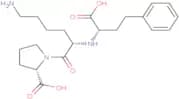
CAS :Lisinopril, an ACE inhibitor, treats hypertension, heart failure, heart attacks, and prevents diabetes-related eye and kidney issues.Formule :C21H31N3O5Degré de pureté :97.59% - 99.34%Couleur et forme :SolidMasse moléculaire :405.49A 274
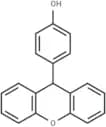
CAS :A 274 is a highly aromatic, monosubstituted phenol antioxidant generated during differentiation of neuroblastoma cells.Formule :C19H14O2Degré de pureté :98%Couleur et forme :SolidMasse moléculaire :274.31T3-ATA (S-isomer)
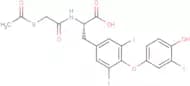
T3-ATA S-isomer, the S-isomer of T3-ATA, represents the active form of the thyroid hormone.Formule :C19H16I3NO6SDegré de pureté :98%Couleur et forme :SolidMasse moléculaire :767.11L-6424
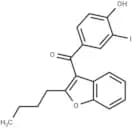
CAS :L-6424 is an intermediate of Amiodarone and a non-selective ion channel blocker. It has an antiarrhythmic.Formule :C19H17IO3Degré de pureté :98%Couleur et forme :SolidMasse moléculaire :420.24Fenclofenac
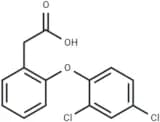
CAS :Fenclofenac: a non-steroidal anti-inflammatory that blocks T4 and T3 binding to TBG.Formule :C14H10Cl2O3Couleur et forme :SolidMasse moléculaire :297.13ASN04885796
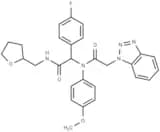
CAS :ASN04885796 is a neuroprotective, specific GPR17 agonist with an EC50=2.27 nM for GPR17-mediated GTPγS binding and study neurodegenerative diseasesFormule :C28H28FN5O4Degré de pureté :95.36%Couleur et forme :SolidMasse moléculaire :517.55








![GIP (1-42)-[C] human](/_next/image/?url=https%3A%2Fstatic.cymitquimica.com%2Fproducts%2F3D%2Fthumb-webp%2FCRB1000509.webp&w=3840&q=75)






![[Arg8]-Vasopressin](/_next/image/?url=https%3A%2Fstatic.cymitquimica.com%2Fproducts%2F3D%2Fthumb-webp%2FVAS-3878-PI.webp&w=3840&q=75)