Composés polycycliques
Sous-catégories appartenant à la catégorie "Composés polycycliques"
- Acridines(98 produits)
- Anthraquinones(533 produits)
- Acides anthraquinonesulfoniques(16 produits)
- Azobenzènes(270 produits)
- Azonaphtalènes(98 produits)
- Azoxybenzènes(12 produits)
- Azulènes(11 produits)
- Benzimidazoles(1.476 produits)
- Benzodioxanes(27 produits)
- Benzofuranes(928 produits)
- Benzothiophènes(701 produits)
- Benzotriazoles(438 produits)
- Binaphthyls(133 produits)
- Carbazoles(464 produits)
- Chromanes, Chromenes(480 produits)
- Coumarines(1.125 produits)
- Cyclophanes(11 produits)
- Fluorènes et Fluorénones(384 produits)
- Imidazopyridines(10 produits)
- Indans(118 produits)
- Indazoles(2.038 produits)
- Indenes(22 produits)
- Indoles(3.986 produits)
- Indolines(119 produits)
- Isatines(234 produits)
- Isobenzofuranes(17 produits)
- Phtalimides N-substitués(153 produits)
- Naphtalènes(2.438 produits)
- Naphtyridine(17 produits)
- Naphtoquinone(2 produits)
- Perylènes(36 produits)
- Phénazines(25 produits)
- Phtalazines(33 produits)
- Phtalimide(153 produits)
- Hydrocarbures aromatiques polycycliques (HAP)(284 produits)
- Polyphénol(270 produits)
- Ptéridines(52 produits)
- Pyrènes(87 produits)
- Quinuclidine(1 produits)
- Tétracènes(7 produits)
4575 produits trouvés pour "Composés polycycliques"
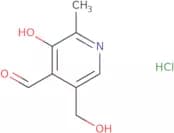
Pyridoxal hydrochloride
CAS :Pyridoxal hydrochloride is a vitamin B6 metabolite. It is involved in many biochemical reactions, including trans-sulfuration, amino acid synthesis, and neurotransmitter synthesis. Pyridoxal hydrochloride has been shown to have antimicrobial activity against some bacteria species by inhibiting their enzyme activities. This compound also inhibits the growth of various fungi. The redox potentials of pyridoxal hydrochloride can be determined by titration calorimetry, which can be used to study its structural properties. In vitro experiments with cells have shown that pyridoxal hydrochloride may increase the efficiency of protein production when used during cell transfection. Toxicity studies have shown that pyridoxal hydrochloride is not toxic to humans at doses up to 2000 mg/kg body weight per day for up to 14 days.
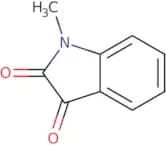
Formule :C8H9NO3·HClDegré de pureté :Min. 98 Area-%Couleur et forme :White PowderMasse moléculaire :203.62 g/mol1-Methyl-1H-indole-2,3-dione
CAS :1-Methyl-1H-indole-2,3-dione is a chemical compound that belongs to the class of indole derivatives. It can be synthesized by reacting 2,3-dihydroxybenzaldehyde with 2,2'-azobis(2-amidinopropane) dihydrochloride and methyl iodide in the presence of copper (II) acetate. This reaction mechanism is similar to that of other reactions involving an intramolecular hydrogen transfer. The binding constants for 1-methyl-1H-indole-2,3-dione are very high and this compound has been shown to inhibit herpes simplex virus replication in vitro. 1MIDD binds to the active site of tryptophan fluorescence and synchronous fluorescence proteins. 1MIDD also binds to copper ions in a coordination geometry that is similar to that found for other compounds containing a carbonyl group.
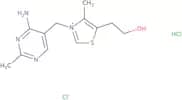
Formule :C9H7NO2Degré de pureté :Min. 95%Couleur et forme :PowderMasse moléculaire :161.16 g/molThiamine hydrochloride
CAS :Thiamine hydrochloride is a water-soluble vitamin that belongs to the group of B vitamins. It has been used as a model system for investigating the phase transition temperature of fatty acids in biological membranes. In addition, it has been shown to enhance thermal expansion and improve chronic exposure in fetal bovine brain cells. Thiamine hydrochloride has also shown insecticidal activity against various species of insects, including the tobacco budworm and the Indianmeal moth. This drug has been found to be active against phytophagous insects that cause crop damage, such as Anthranilate and Pyridoxine Hydrochloride. Thiamine hydrochloride is involved in cellular metabolism by enhancing the conversion of l-lysine into succinic acid via an intermediate product called anthranilate. It also plays an important role in pyridoxal phosphate synthesis, which is essential for protein synthesis and tissue growth.
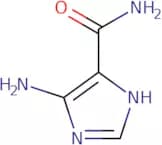
Formule :C12H18Cl2N4OSDegré de pureté :Min. 95%Couleur et forme :White Off-White PowderMasse moléculaire :337.27 g/mol5-Amino-1H-imidazole-4-carboxamide
CAS :5-Amino-1H-imidazole-4-carboxamide is a potent inhibitor of inosine monophosphate dehydrogenase (IMPDH). This enzyme converts inosine 5'-monophosphate (IMP) to xanthosine 5'-monophosphate (XMP) and is essential for the synthesis of purines. By inhibiting IMPDH, 5-amino-1H-imidazole-4-carboxamide prevents the formation of XMP, which leads to the depletion of purines, thereby inhibiting DNA synthesis. In addition to its role as an anti-inflammatory agent, this drug has been shown to reduce disease activity in bowel disease patients by reducing nitrate reductase activity. The molecule has also been shown to inhibit protein kinases such as PKC and MAPK/ERK kinases.
Formule :C4H6N4ODegré de pureté :Min. 95%Couleur et forme :PowderMasse moléculaire :126.12 g/molRef: 3D-FA09803
Produit arrêté6-Fluoroindole
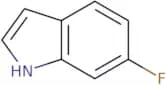
CAS :6-Fluoroindole is an aromatic organic compound that has been shown to have anti-inflammatory and antioxidant properties in vitro and in vivo. 6-Fluoroindole is a 5-methoxyindole and can be synthesized from the amino acid tryptophan, which is a precursor of serotonin. 6-Fluoroindole has also been shown to be active against plant pathogens, human protein, and human pathogens. It can produce hemolytic activity at high concentrations and its chemical stability was tested by incubating it with various acids such as hydrochloric acid or acetic acid. 6-Fluoroindole showed no reaction with either of these acids. The vibrational spectra of 6-fluoroindole was measured using dipolar coupling constants and found to have a dipole moment of 0.01 D for the molecule.
Formule :C8H6FNDegré de pureté :Min. 98 Area-%Couleur et forme :White Yellow PowderMasse moléculaire :135.14 g/mol4,4'-Dibromo-2,2'-bipyridine
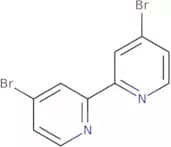
CAS :4,4'-Dibromo-2,2'-bipyridine is a nucleophilic compound that can react with a wide range of electrophiles. It has been used in medications as a thermally stable and non-toxic ligand for metal ions. 4,4'-Dibromo-2,2'-bipyridine is an efficient ligand for the coordination of many transition metals. This compound also has high values in light emission and is used in crystallography to study protein binding sites. The n-oxide form of 4,4'-dibromo-2,2'-bipyridine has biological properties that have not yet been studied.
Formule :C10H6Br2N2Degré de pureté :Min. 97 Area-%Couleur et forme :PowderMasse moléculaire :313.98 g/molUmbelliferone-3-carboxylic acid
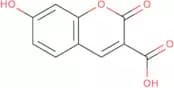
CAS :Umbelliferone-3-carboxylic acid is a coumarin derivative, which is a type of natural or synthetic organic compound often utilized in biochemical research. It is sourced from modifications of natural coumarins, which are typically isolated from plants belonging to the Apiaceae family, such as parsley, celery, and carrots. This compound functions by interacting with cellular enzymes, providing a fluorescent probe that aids in the investigation of enzymatic activities and pathways.
Formule :C10H6O5Degré de pureté :Min. 95%Couleur et forme :PowderMasse moléculaire :206.15 g/mol3-(2,6,6-Trimethyl-4-oxo-5,6,7-trihydroindolyl)benzoic acid
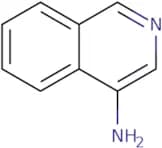
CAS :Please enquire for more information about 3-(2,6,6-Trimethyl-4-oxo-5,6,7-trihydroindolyl)benzoic acid including the price, delivery time and more detailed product information at the technical inquiry form on this pageFormule :C18H19NO3Degré de pureté :Min. 95%Couleur et forme :PowderMasse moléculaire :297.35 g/mol4-Amino isoquinoline
CAS :4-Amino isoquinoline is a synthetic chemical that has a pyridine ring and chlorine atom. It can be synthesized by reacting 2,4-dichlorobenzene with acetaldehyde and hydrochloric acid. 4-Amino isoquinoline binds to the receptor that it interacts with, such as the ligand, dimethyl acetylenedicarboxylate, or taraxasterol acetate. This binding process can be used for treatment purposes. The ligand is usually introduced into the body through injection or ingestion of a drug. The ligand can also be attached to an antibody in order to target specific cells. The ligand has shown efficacy in treating cancerous tumors and other diseases like Parkinson's disease and Alzheimer's disease.
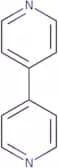
Formule :C9H8N2Degré de pureté :Min. 95%Couleur et forme :White To Brown SolidMasse moléculaire :144.17 g/mol4,4'-Dipyridyl - 98%
CAS :4,4'-Dipyridyl is a cyclic peptide with a basic structure. It has been found to have inhibitory effects against the growth of bacteria in human serum and group P2. The x-ray crystal structures reveal that it has strong intermolecular hydrogen bonding interactions. Experimental solubility data and coordination models show that 4,4'-dipyridyl is soluble in anhydrous sodium. Structural analysis and kinetic energy calculations indicate that the inhibitor binding site is located on the hydroxyl groups of the backbone of the molecule. This ligand also binds to metal ions such as copper or zinc.
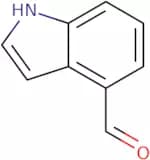
Formule :C10H8N2Couleur et forme :Off-White PowderMasse moléculaire :156.19 g/molIndole-4-carboxaldehyde
CAS :Indole-4-carboxaldehyde is a natural compound that can be found in the acetate extract of the roots of Scopolia japonica. It has been shown to have an inhibitory effect on locomotor activity and may also have an inhibitory effect on protein synthesis. The mechanism of this inhibition is not yet known, but it may be due to an intramolecular hydrogen bond or other interactions with proteins. Indole-4-carboxaldehyde has also been shown to induce apoptotic cell death in 3T3-L1 preadipocytes by inducing mitochondrial dysfunction and oxidative stress.
Formule :C9H7NOCouleur et forme :Off-White PowderMasse moléculaire :145.16 g/mol1-Acetyl-3-indolecarboxaldehyde
CAS :1-Acetyl-3-indolecarboxaldehyde is a ligand that binds to the cannabinoid receptor 1 (CB1). It has been shown to bind to the CB1 receptor with high affinity and selectivity. In addition, it has been demonstrated to inhibit the proliferation of human breast cancer cells in vitro. The compound is used as a fluorescent probe for cb1 receptor binding. Data obtained from molecular modelling studies have suggested that the hydroxyl group might be involved in binding to the CB1 receptor. 1-Acetyl-3-indolecarboxaldehyde also binds carotenoids, which are molecules responsible for giving plants and other photosynthetic organisms their coloration. This compound can be found in many different plants, such as carrots and bananas, where it acts as an antioxidant.
Formule :C11H9NO2Degré de pureté :Min. 95%Couleur et forme :PowderMasse moléculaire :187.19 g/molAmodiaquine
CAS :Amodiaquine is a drug that belongs to the class of antimalarial agents. It is used for the treatment and prevention of malaria caused by erythrocytic forms of Plasmodium falciparum. Amodiaquine has shown synergistic effects with other drugs, such as sulfadoxine and pyrimethamine, for the treatment of malaria due to P. falciparum. The mechanism of action of amodiaquine is not well understood, but it may involve inhibition of the Toll-like receptor. Amodiaquine has been shown to inhibit polymerase chain reaction in a concentration-dependent manner and also inhibits polymorphonuclear leucocytes, which are important in innate immunity. In addition, amodiaquine is a hypoglycemic agent and can be used for the treatment of bowel disease.
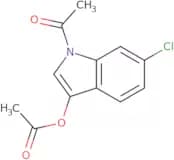
Formule :C20H22ClN3ODegré de pureté :Min. 95%Couleur et forme :Off-White PowderMasse moléculaire :355.86 g/mol6-Chloro-3-indolyl 1,3-diacetate
CAS :6-Chloro-3-indolyl 1,3-diacetate is an aglycone that is used as a chromogenic substrate for the detection of bacteria. It reacts with specific enzymes in the bacterial cell wall to produce a red or pink color. 6-Chloro-3-indolyl 1,3-diacetate is used as a diagnostic tool to identify bacteria and has been shown to be excreted in urine.
Formule :C12H10ClNO3Degré de pureté :Min. 95%Couleur et forme :Yellow To Light Brown SolidMasse moléculaire :251.67 g/molIndole-3-glyoxylamide
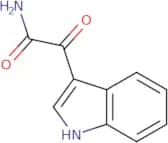
CAS :Indole-3-glyoxylamide is a synthetic compound that was originally developed as a potential anti-cancer drug. It has been shown to inhibit glycogen synthase kinase 3 (GSK-3) and thereby reduce the production of proinflammatory cytokines in bowel disease. Indole-3-glyoxylamide also inhibits inflammatory bowel disease by inhibiting secretory phospholipase A2, which prevents the release of arachidonic acid from phospholipids. This synthesis is required for the production of prostaglandins and leukotrienes, which are involved in the inflammatory process. The compound has been shown to have immunomodulatory effects in chronic bronchitis, with an inhibitory effect on neutrophil chemotaxis, macrophage activity, and cytokine production. Indole-3-glyoxylamide has also been shown to be effective against cancer cells in vitro and in vivo animal models. It is metabolized through
Formule :C10H8N2O2Degré de pureté :Min. 95%Couleur et forme :PowderMasse moléculaire :188.18 g/mol5,5'-Diamino-2,2'-bipyridine
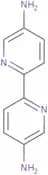
CAS :5,5'-Diamino-2,2'-bipyridine is an acidic metalloporphyrin that has been shown to react with epoxides to form nucleophilic adducts. This compound can be used as a ligand for lanthanide ions and reacts with aminopyridine to form bromoethane. 5,5'-Diamino-2,2'-bipyridine has been shown to have carcinogenic properties and may induce bromoethane mutagenicity in the liver. This compound is also mutagenic when added to propylene carbonate. 5,5'-Diamino-2,2'-bipyridine is luminescent in air or water when exposed to UV light.
Formule :C10H10N4Degré de pureté :Min. 97 Area-%Couleur et forme :PowderMasse moléculaire :186.21 g/mol5-Nitroisoquinoline
CAS :5-Nitroisoquinoline is a nitro compound that has been shown to be a potential biomarker for liver disease. 5-Nitroisoquinoline is synthesized from the reaction of hydroxylamine, sodium carbonate, and nitric acid. This chemical can also be found in human liver tissue. The titration calorimetry experiments performed on 5-nitroisoquinoline showed that the compound has a high heat of formation (194.1 kJ/mol) and low enthalpy of formation (-19.6 kJ/mol). Vibrational analysis revealed that there are four nitrogens in the molecule and two nitrogen atoms per molecule. X-ray crystal structures were obtained for 5-nitroisoquinoline with different solvents and hydrogen bonding was observed in all cases. Molecular modeling showed that there are five nitro groups, which would explain the name "5-nitro." The five nitrogen atoms coordinate to form a trigonal bip
Formule :C9H6N2O2Degré de pureté :Min. 95%Couleur et forme :PowderMasse moléculaire :174.16 g/molPyridoxine-5'-phosphate
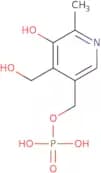
CAS :Pyridoxine-5'-phosphate is a cofactor of the enzyme pyridoxal kinase, which catalyzes the conversion of pyridoxine to pyridoxal. Pyridoxine-5'-phosphate is also an essential cofactor for the enzyme transketolase, which catalyzes the transfer of a sugar phosphate group from erythrose 4-phosphate to dihydroxyacetone phosphate. Pyridoxine-5'-phosphate is involved in many reactions in the body, including protein synthesis and metabolism. It is required for glucocorticoid receptor activation and transcriptional regulation. It may also play a role in growth factor-β1 production and its role in cell signaling pathways. The deficiency of this vitamin causes symptoms such as weakness, irritability, depression, apathy, memory loss, hallucinations or convulsions.
Formule :C8H12NO6PDegré de pureté :Min. 90 Area-%Couleur et forme :PowderMasse moléculaire :249.16 g/mol1,3,9-Trimethylxanthine
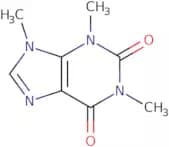
CAS :Produit contrôlé1,3,9-Trimethylxanthine is a naturally occurring purine alkaloid that has been shown to have cytosolic calcium ion-antagonistic properties. It can also act as an antioxidant by donating electrons to free radicals and inhibiting lipid peroxidation. This compound is found in coffee beans and other sources of caffeine. It binds to the receptor for adenosine, which causes the antagonistic effects on intracellular calcium concentration. Trimethylxanthine can also be used to treat ventricular arrhythmias and increase locomotor activity in mammals. Trimethylxanthine has been shown to be effective in wastewater treatment as it removes organic pollutants from water by oxidizing them with hydrogen peroxide or chlorine gas.
Formule :C8H10N4O2Degré de pureté :Min. 95%Couleur et forme :White PowderMasse moléculaire :194.19 g/molRef: 3D-FT08061
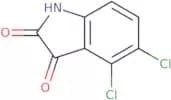
Produit arrêté4,5-Dichloroisatin
CAS :4,5-Dichloroisatin is a versatile building block that can be used as a reagent for research and as a speciality chemical. It is also useful in the synthesis of complex compounds. 4,5-Dichloroisatin is a high quality compound with a CAS number of 1677-47-0. This compound is not intended for use in humans or animals.
Formule :C8H3Cl2NO2Degré de pureté :Min. 95%Couleur et forme :Yellow PowderMasse moléculaire :216.02 g/mol