Ligands organométalliques
Dans cette catégorie, vous trouverez un grand nombre de molécules organométalliques utilisées comme ligands dans les biomolécules. Ces ligands organométalliques peuvent être utilisés en chimie organique et en synthèse au laboratoire. Ils jouent un rôle crucial dans la formation de complexes de coordination et la catalyse de diverses réactions chimiques. Chez CymitQuimica, nous offrons une sélection diversifiée de ligands organométalliques de haute qualité pour soutenir vos recherches et besoins industriels.
Sous-catégories appartenant à la catégorie "Ligands organométalliques"
- Ligands de Buchwald(22 produits)
- DPEN(4 produits)
- DPHEN(4 produits)
- JOSIPHOS(4 produits)
- Phosphine(497 produits)
- Porphyrines(75 produits)
2887 produits trouvés pour "Ligands organométalliques"
Trier par
Degré de pureté (%)
0
100
|
0
|
50
|
90
|
95
|
100
TPPB
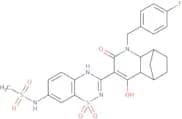
CAS :<p>TPPB is a small molecule inhibitor, which is synthetically derived for targeted biochemical studies. It functions by selectively modulating G-protein-coupled receptor (GPCR) signaling pathways through the inhibition of specific protein-protein interactions. This mode of action makes TPPB an insightful tool for dissecting the complex mechanisms by which G-proteins relay extracellular signals to intracellular responses.</p>Formule :C27H30F3N3O3Degré de pureté :Min. 95 Area-%Couleur et forme :PowderMasse moléculaire :501.54 g/molBAY-876
CAS :<p>BAY-876 is a small-molecule inhibitor, which is a synthesized compound with a specific mode of action targeting the glucose transporter 1 (GLUT1). GLUT1 is primarily responsible for glucose uptake across the plasma membranes of mammalian cells, a critical process for cellular metabolism and energy production. BAY-876 inhibits GLUT1 by binding to its active site, thus preventing glucose transport into cells. This inhibition disrupts the metabolic processes within cancer cells, as they heavily rely on glucose for growth and proliferation due to the Warburg effect.</p>Formule :C24H23NO3Degré de pureté :Min. 95%Masse moléculaire :373.4 g/molICI 192605
CAS :<p>ICI 192605 is a leukotriene receptor antagonist, which is a synthetic compound that specifically inhibits leukotriene activity. Leukotrienes are lipid compounds derived from arachidonic acid through the 5-lipoxygenase pathway. ICI 192605 functions by selectively blocking the cysteinyl leukotriene receptor 1 (CysLT1), thereby preventing leukotrienes from binding to this receptor.</p>Formule :C22H23ClO5Degré de pureté :Min. 95%Masse moléculaire :402.87 g/molγ-Globulins
CAS :<p>γ-Globulins are a class of immunoproteins, which are derived from human blood plasma with critical importance in the immune response. The mode of action of γ-Globulins involves their specific ability to recognize, bind to, and neutralize foreign antigens such as bacteria, viruses, and other pathogens. This process involves the activation of various immunological pathways that lead to the clearance of pathogenic entities from the host system. Furthermore, they can modulate immune activity and mediate effects such as opsonization, complement activation, and antibody-dependent cellular cytotoxicity. The primary applications of γ-Globulins are in treating and managing immune deficiencies, autoimmune disorders, and infectious diseases. They are employed in clinical settings to provide passive immunity and boost the immunological capacity of individuals who are unable to produce adequate antibodies due to inherent deficiencies or during acute infections. Additionally, γ-Globulins are utilized in therapeutic interventions for conditions such as Kawasaki disease, idiopathic thrombocytopenic purpura, and chronic inflammatory demyelinating polyneuropathy. Their versatility makes them invaluable in both prophylactic and therapeutic regimens.</p>Degré de pureté :Min. 95%W-84 dibromide
CAS :<p>W-84 dibromide is a chemical compound often categorized as a pharmacological research tool, which is typically synthesized in specialized laboratories focusing on medicinal chemistry and receptor research. This compound functions as a modulator, interacting with specific neurotransmitter receptors to influence signal transduction pathways. Researchers utilize W-84 dibromide to investigate the physiological roles of these receptors and their related pathways, helping to elucidate mechanisms of action at the molecular level.</p>Formule :C32H44Br2N4O4Degré de pureté :Min. 95%Masse moléculaire :708.52 g/molNortriptyline
CAS :Produit contrôlé<p>Serotonin and norepinephrine reuptake inhibitor; anti-depressant</p>Formule :C19H21NDegré de pureté :Min. 95%Couleur et forme :PowderMasse moléculaire :263.38 g/molRecilisib sodium
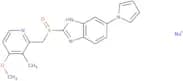
CAS :<p>Recilisib sodium is a synthetic compound, which is a stabilized sodium salt of a novel chemical entity developed through chemical synthesis. Its mode of action involves the modulation of cellular signaling pathways related to the DNA damage response. By enhancing the repair of radiation-induced DNA damage and mitigating apoptosis, it assists in maintaining genomic integrity under stress conditions.</p>Formule :C16H12ClNaO4SDegré de pureté :Min. 95%Masse moléculaire :358.8 g/molBMS-665053
CAS :<p>BMS-665053 is an investigational antiviral compound, which is a synthetic small molecule derived through chemical synthesis techniques. This compound is designed to interfere with the entry process of viral pathogens into host cells, specifically targeting the mechanisms that facilitate viral fusion and entry. By inhibiting these processes, BMS-665053 effectively blocks the initial stages of viral infection, preventing the virus from replicating within the host.</p>Formule :C16H14Cl3F2N3O2Degré de pureté :Min. 95%Masse moléculaire :424.66 g/molAS 2863619
CAS :<p>Cyclin-dependent kinase 8 (CDK8) and CDK19 inhibitor</p>Formule :C16H14Cl2N8ODegré de pureté :Min. 95%Masse moléculaire :405.24 g/molNicotinamide-13C6
CAS :<p>Nicotinamide-13C6 is an isotopically labeled compound, which is a stable isotope variant of the naturally occurring nicotinamide. This compound is synthesized through advanced chemical processes that incorporate six carbon-13 isotopes, replacing the common carbon-12 atoms. The mode of action involves its integration into biological systems, where it serves as a tracer for metabolic studies and elucidates nicotinamide metabolism pathways with high precision.</p>Formule :C6H6N2ODegré de pureté :Min. 95%Masse moléculaire :128.08 g/mol5-[[5-[(4-Chlorophenyl)(cyclopropylmethyl)amino]-2-pyridinyl]carbonyl]-2-(4-methoxybenzoyl)benzoic acid
CAS :<p>5-[[5-[(4-Chlorophenyl)(cyclopropylmethyl)amino]-2-pyridinyl]carbonyl]-2-(4-methoxybenzoyl)benzoic acid is a chemical compound developed as a selective COX-2 inhibitor. It is derived from synthetic organic chemistry, specifically designed to target the cyclooxygenase-2 (COX-2) enzyme, which is a major player in inflammatory pathways. By selectively inhibiting COX-2, this compound reduces the synthesis of pro-inflammatory prostaglandins while sparing COX-1, thus minimizing gastrointestinal side effects commonly associated with non-selective NSAIDs.</p>Formule :C31H25ClN2O5Degré de pureté :Min. 95%Masse moléculaire :541 g/molPB 28 dihydrochloride
CAS :<p>PB 28 dihydrochloride is a selective sigma-2 receptor ligand, which is a synthetic compound targeting specific receptor sites. These receptors are predominantly found in cancer cells, implicating them in cellular proliferation and apoptosis. PB 28 dihydrochloride is synthetically derived and is employed extensively in preclinical studies. Its mode of action involves high-affinity binding to the sigma-2 receptors, allowing modulation of cellular stress responses and apoptosis pathways.</p>Formule :C24H38N2O·2HClDegré de pureté :Min. 95%Masse moléculaire :443.5 g/molCombretastatin A4
CAS :<p>Tubulin binding agent; targets tumour vasculature</p>Formule :C18H20O5Degré de pureté :Min. 95%Masse moléculaire :316.35 g/molMMP-2 Inhibitor II
CAS :<p>MMP-2 Inhibitor II is a synthetic inhibitor, which is a chemically synthesized compound that specifically targets and inhibits matrix metalloproteinase-2 (MMP-2) activity. MMP-2 is an enzyme involved in the degradation of extracellular matrix components, playing a crucial role in various physiological and pathological processes, such as tissue remodeling, angiogenesis, and metastasis.</p>Formule :C16H17NO6S2Degré de pureté :Min. 95%Masse moléculaire :383.44 g/molRimtuzalcap
CAS :<p>Rimtuzalcap is a monoclonal antibody, which is derived from a hybridoma technology involving the fusion of specific immune cells. It operates through the highly specific binding to a targeted antigen, thereby modulating immune responses or interfering with signaling pathways. This precision in action enhances its efficacy and minimizes off-target effects compared to broader immunomodulatory agents.</p>Formule :C18H24F2N6ODegré de pureté :Min. 95%Masse moléculaire :378.42 g/molOtaplimastat
CAS :<p>Otaplimastat is a pharmacological agent classified as a matrix metalloproteinase (MMP) inhibitor, specifically targeting MMP-9. It is derived from a structured synthetic process designed to modulate MMP activity in pathological contexts. The mode of action involves the inhibition of MMP-9, an enzyme implicated in the degradation of extracellular matrix components, thereby playing a crucial role in inflammatory and neurodegenerative processes.</p>Formule :C28H34N6O5Degré de pureté :Min. 95%Masse moléculaire :534.61 g/molCID-797718
CAS :<p>CID-797718 is a synthetic small-molecule compound that functions as a ligand specifically targeting dopamine receptors. It is commonly sourced from laboratories specializing in neurotransmitter research and chemical synthesis. As an agonist or antagonist, its precise mode of interaction with dopamine receptors involves modulation of neuronal signaling pathways, often used to elucidate receptor functions and signaling cascades relevant to neuropharmacology.</p>Formule :C12H11NO3Degré de pureté :Min. 95%Masse moléculaire :217.22 g/molBAY-958 hydrochloride
CAS :<p>BAY-958 hydrochloride is a selective kinase inhibitor, specifically targeting Interleukin-1 receptor-associated kinase 4 (IRAK4). This compound is synthesized through chemical processes in advanced pharmaceutical research facilities. Its mode of action involves the selective inhibition of IRAK4, a crucial kinase in the signaling pathways of the innate immune system, particularly those initiated by toll-like receptors (TLRs) and interleukin-1 receptors (IL-1Rs).</p>Formule :C17H16FN5O3S·HClDegré de pureté :Min. 95%Masse moléculaire :425.86 g/molLY 288513
CAS :<p>LY 288513 is a synthetic small molecule compound, which is developed through rigorous chemical synthesis. It primarily originates from the advanced field of medicinal chemistry, where it has been designed and optimized for its biochemical activity and specificity. The mode of action for LY 288513 involves the modulation of certain metabolic pathways within cells, acting as a receptor antagonist to influence intracellular signaling cascades. This interaction results in altered cellular responses, potentially leading to therapeutic outcomes.</p>Formule :C22H18BrN3O2Degré de pureté :Min. 95%Masse moléculaire :436.3 g/molSF-22
CAS :<p>SF-22 is a biosurfactant, which is derived from a specific strain of microorganisms through fermentation. It exhibits an amphiphilic structure that allows it to effectively reduce surface and interfacial tension. This unique mode of action facilitates the solubilization of hydrophobic compounds, enhancing their availability in aqueous environments.</p>Formule :C28H26N2O3SDegré de pureté :Min. 95%Masse moléculaire :470.6 g/molN-Naphthalen-1-yl-5-pyridin-4-yl-1,3,4-thiadiazol-2-amine
CAS :<p>N-Naphthalen-1-yl-5-pyridin-4-yl-1,3,4-thiadiazol-2-amine is a heterocyclic compound, which is a synthetic compound commonly utilized in the field of organic chemistry and pharmaceutical research. This compound is typically derived through multi-step synthetic procedures, often involving the cyclization of appropriate precursors to form the thiadiazole ring, followed by functionalization with naphthyl and pyridyl groups.</p>Formule :C17H12N4SDegré de pureté :Min. 95%Masse moléculaire :304.4 g/molY-33075
CAS :<p>Y-33075 is a synthetic chemical compound that functions as a selective Rho-associated protein kinase (ROCK) inhibitor, derived from laboratory synthesis processes. It primarily acts by targeting and inhibiting the activity of ROCK, an enzyme that plays a crucial role in modulating cytoskeletal dynamics and cellular contraction through the phosphorylation of downstream substrates. This inhibition effectively reduces smooth muscle contraction, cellular proliferation, and migration by altering the actin cytoskeleton.</p>Formule :C16H16N4ODegré de pureté :Min. 95%Masse moléculaire :280.32 g/molJMV 390-1
CAS :<p>JMV 390-1 is a synthetic analog that functions as a neuropeptide receptor ligand. It is derived through chemical synthesis techniques aimed at modifying the structure of native neuropeptides to enhance specificity and stability. The mode of action of JMV 390-1 involves binding to specific neural receptors, potentially exhibiting agonistic or antagonistic effects depending on the receptor subtype targeted. This interaction can modulate various physiological processes by either mimicking natural neuropeptides or inhibiting their actions.</p>Formule :C23H35N3O6Degré de pureté :Min. 95%Masse moléculaire :449.5 g/molN-(3-((5-Cyclopropyl-2-((2-methyl-1,2,3,4-tetrahydroisoquinolin-6-yl)amino)pyrimidin-4-yl)amino)propyl)cyclobutanecarboxamide hydroc hloride
CAS :<p>N-(3-((5-Cyclopropyl-2-((2-methyl-1,2,3,4-tetrahydroisoquinolin-6-yl)amino)pyrimidin-4-yl)amino)propyl)cyclobutanecarboxamide hydrochloride is a potent and selective kinase inhibitor, which is a synthetic small molecule. Its design leverages structure-based drug design methodologies to achieve high specificity toward targeted kinases implicated in oncogenic signaling pathways. By selectively antagonizing these kinases, the compound disrupts the phosphorylation cascade essential for tumor cell proliferation and survival.</p>Formule :C25H35ClN6ODegré de pureté :Min. 95%Masse moléculaire :471 g/molAgn 192403 hydrochloride
CAS :<p>Agn 192403 hydrochloride is a synthetic compound designed as a selective antagonist of the calcitonin gene-related peptide (CGRP) receptor. This product is derived through chemical synthesis, specific to modulating biological pathways related to bone metabolism. Its mode of action involves inhibiting the activity of CGRP, a neuropeptide that plays a significant role in the regulation of bone resorption and vasodilation.</p>Formule :C10H20ClNDegré de pureté :Min. 95%Masse moléculaire :189.72 g/molIII-31-C
CAS :<p>III-31-C is a complex chemical compound, which is synthetically derived, with specific molecular architecture designed to facilitate targeted interactions at a biochemical level. It predominantly originates from a series of controlled laboratory reactions involving precursor chemicals that are meticulously purified to ensure high efficacy and consistency.</p>Formule :C35H52N4O7Degré de pureté :Min. 95%Masse moléculaire :640.8 g/mol(S)-ML753286
CAS :<p>(S)-ML753286 is a chiral small molecule antagonist, which is a synthetic compound with potential applications in biochemical research. It primarily originates from the study of receptor-ligand interactions and is known for its particular efficacy in modulating specific signaling pathways.</p>Formule :C20H25N3O3Degré de pureté :Min. 95%Masse moléculaire :355.4 g/molPerindopril L-arginine
CAS :<p>Perindopril L-arginine is an angiotensin-converting enzyme (ACE) inhibitor, which is synthetically derived for pharmacological applications. Its mode of action involves the inhibition of the ACE, reducing the conversion of angiotensin I to angiotensin II, a potent vasoconstrictor. Consequently, this results in vasodilation, decreased blood pressure, and reduced cardiac workload. The addition of L-arginine aims to enhance endothelial function due to its role as a precursor to nitric oxide, a vasodilator that further complements the antihypertensive effects.</p>Formule :C25H46N6O7Degré de pureté :Min. 95%Masse moléculaire :542.7 g/molLHVS
CAS :<p>LHVS is a small-molecule inhibitor, synthesized for biological research, known to target protease activity. Derived from advanced chemical synthesis techniques, it serves as a potent inhibitor with specificity for lysosomal enzymes. Its mechanism of action involves the covalent modification of the active-site cysteines in proteases, effectively inhibiting their enzymatic function. By blocking these critical enzymes, LHVS disrupts protein processing and turnover within cellular environments. This makes it a valuable tool in studying autophagic and lysosomal degradation pathways, contributing to a deeper understanding of cellular homeostasis and related disorders. Researchers utilize LHVS to dissect molecular pathways in various disease models, including cancer and neurodegeneration, where protease activity and protein degradation are dysregulated.</p>Formule :C28H37N3O5SDegré de pureté :Min. 95%Masse moléculaire :527.7 g/molSimvastatin Na
CAS :<p>Simvastatin Na is the salt form of Simvastatin. It acts as HMG-CoA reductase inhibitor and suppresses TNF-mediated NF-kappaB activation.</p>Formule :C25H39O6NaDegré de pureté :Min. 95%Couleur et forme :Beige To Brown SolidMasse moléculaire :458.56 g/molMBQ-167
CAS :<p>MBQ-167 is a synthetic compound designed as an inhibitor, which is synthesized through complex organic chemistry techniques. Its mode of action involves the selective inhibition of Rac and Cdc42, two critical GTPases involved in cell motility and metastasis. MBQ-167 effectively disrupts signaling pathways that regulate cytoskeletal organization and migration, by impeding the interaction between these GTPases and their downstream effectors.</p>Formule :C22H18N4Degré de pureté :Min. 95%Masse moléculaire :338.41 g/molPF-03882845
CAS :<p>PF-03882845 is a selective small molecule inhibitor of Janus kinase 3 (JAK3), which is derived from a pharmaceutical synthesis process. Its mode of action involves targeting and inhibiting the JAK3 enzyme, a crucial component of the JAK-STAT signaling pathway, which is integral to immune system function and various cellular processes. By specifically inhibiting JAK3, PF-03882845 interferes with the signaling pathways that rely on this kinase, potentially modulating immune responses.</p>Formule :C24H22ClN3O2Degré de pureté :Min. 95%Masse moléculaire :419.9 g/molEstradiol 3-sulfamate
CAS :<p>Estradiol 3-sulfamate is a synthetic estrogen analogue, which is derived from the natural estrogen hormone, estradiol. Its mode of action involves the inhibition of steroid sulfatase, an enzyme responsible for converting sulfated steroid precursors into active estrogens. This inhibition reduces estrogen levels and influences the hormonal regulation pathways within the body.</p>Formule :C18H25NO4SDegré de pureté :Min. 95%Masse moléculaire :351.5 g/molSKF-83566
CAS :<p>SKF-83566 is a synthetic compound that acts as a selective dopamine receptor D1 antagonist, derived from organic chemical synthesis. This compound effectively binds to dopamine D1 receptors, thereby inhibiting the physiological actions mediated by these receptors in the central nervous system (CNS). SKF-83566 is instrumental in research focusing on the dopaminergic system, allowing scientists to dissect the complex role of dopamine in neurobiological processes. Its ability to selectively block D1 receptors makes it an invaluable tool in the study of neurological disorders such as schizophrenia, Parkinson's disease, and addiction, where dopamine signaling plays a crucial role. Researchers employ SKF-83566 to investigate signal transduction pathways, receptor pharmacology, and the behavioral outcomes of altered dopaminergic activity. By modulating receptor activity, SKF-83566 contributes to our understanding of neurophysiological mechanisms and furthers the development of potential therapeutic approaches. Its precise interaction with D1 receptors provides clarity in experimental outcomes, shedding light on the nuanced dynamics of brain function and dysfunction.</p>Formule :C17H18BrNODegré de pureté :Min. 95%Masse moléculaire :332.2 g/molSNIPER(ABL)-039
CAS :<p>SNIPER(ABL)-039 is a heterobifunctional chemical compound, which is a synthetic molecule manufactured through advanced organic synthesis techniques. This compound functions by specifically targeting and binding to aberrant BCR-ABL fusion proteins, utilizing a protein degradation pathway. It operates through the proteolysis-targeting chimera (PROTAC) mechanism, whereby it recruits E3 ubiquitin ligase to the target protein, leading to its ubiquitination and subsequent proteasomal degradation.</p>Formule :C54H68ClN11O9S2Degré de pureté :Min. 95%Masse moléculaire :1,114.8 g/molB-Tribromoborazine
CAS :<p>B-Tribromoborazine is an organoboron compound that has the chemical formula BBr3. It is a colorless solid that is insoluble in water, but soluble in organic solvents. The solid dissolves to give a colorless solution with boric acid. It has two structural isomers: B-Bromoborazine and B-Dibromoborazine. The first one has a dipole moment of 0.8 D and the second one has a dipole moment of 1.2 D, which are calculated by taking into account the charge distribution on each atom in the molecule. In addition, B-Tribromoborazine has vibrational frequencies at 3287 cm-1 and 2967 cm-1, which are also calculated based on the geometry of the molecule and its bonds. Thermodynamic data shows that it is an acceptor for electrons and a structural isomer of bromine, which can be used as</p>Formule :B3Br3H3N3Degré de pureté :Min. 95%Masse moléculaire :317.2 g/molrac Tolterodine-d14 hydrochloride
CAS :<p>rac Tolterodine-d14 hydrochloride is an isotopically labeled compound, specifically a deuterium-labeled version of tolterodine. It is synthesized for research purposes and serves as a powerful tool for studying the pharmacokinetics and metabolic pathways of tolterodine in biological systems. The deuterium isotopes in the compound allow for detailed and precise tracing during analytical studies.</p>Formule :C22H18D14ClNODegré de pureté :Min. 95%Masse moléculaire :376.03 g/molBAY 826
CAS :<p>BAY 826 is a synthetic fungicidal compound, which is derived from chemical synthesis designed to inhibit the growth of pathogenic fungi. Its mode of action involves disrupting specific enzymes involved in maintaining the integrity of fungal cell membranes, leading to increased permeability and subsequent cell death. The mechanism involves targeting sterol biosynthesis pathways, thereby preventing the formation of essential membrane components, which ultimately destabilize and compromise the fungal cell structure.</p>Formule :C26H19F5N6OSDegré de pureté :Min. 95%Masse moléculaire :558.5 g/mol3-[4-[(1,3-Benzodioxol-5-ylmethyl)amino]-4-oxobutyl]-N-(3-chlorophenyl)-3,4-dihydro-2,4-dioxo-1(2H)-quinazolineacetamide
CAS :<p>3-[4-[(1,3-Benzodioxol-5-ylmethyl)amino]-4-oxobutyl]-N-(3-chlorophenyl)-3,4-dihydro-2,4-dioxo-1(2H)-quinazolineacetamide is a synthetic quinazoline derivative, developed for research and pharmaceutical purposes. This compound originates from a sophisticated chemical synthesis process involving the modification of quinazoline cores, which are well-known for their pharmacological activities. Its mode of action likely involves the inhibition of specific enzymatic pathways or receptor binding, typical of quinazoline compounds that interact with targets such as protein kinases or receptors involved in cellular growth and differentiation.</p>Formule :C28H25ClN4O6Degré de pureté :90%MinMasse moléculaire :548.98 g/molp-((4-((1-Oxotetradecyl)amino)phenyl)methyl)-phosphonic acid
CAS :<p>P-((4-((1-Oxotetradecyl)amino)phenyl)methyl)-phosphonic acid is a synthetic compound, which is a specialized reagent used primarily in chemical research. It is derived from the modification of phosphonic acid with an aryl amide and a long-chain fatty acid substituent on the phenyl group. This structural configuration imparts the compound with unique physicochemical properties that make it suitable for various scientific studies.</p>Formule :C21H36NO4PDegré de pureté :Min. 95%Masse moléculaire :397.5 g/mol4-[5-[2,2-Dimethyl-4-(4-methylphenyl)-2H-1-benzopyran-6-yl]-1H-pyrrol-2-yl]benzoic acid sodium
CAS :<p>4-[5-[2,2-Dimethyl-4-(4-methylphenyl)-2H-1-benzopyran-6-yl]-1H-pyrrol-2-yl]benzoic acid sodium is a sophisticated fluorescent dye, which is derived from benzopyran compounds known for their strong light-emitting properties. Its core structure is meticulously designed to maximize photo-stability and fluorescence intensity, making it highly suitable for advanced imaging applications.</p>Formule :C29H25NO3•NaDegré de pureté :Min. 95%Masse moléculaire :458.5 g/molDichlorodenafil
CAS :<p>Dichlorodenafil is a synthetic compound, which is an analogue of sildenafil. The source of this product is a laboratory synthesis where chemical manipulation replicates the structural characteristics of known phosphodiesterase inhibitors. Its mode of action involves the inhibition of the phosphodiesterase type 5 (PDE5) enzyme, leading to the relaxation of smooth muscle tissue and increased blood flow, primarily in the corpus cavernosum. This mechanism is similar to other compounds aimed at treating erectile dysfunction.</p>Formule :C19H20Cl2N4O2Degré de pureté :Min. 95%Masse moléculaire :407.3 g/molp-Hydroxymesocarb
CAS :Produit contrôlé<p>p-Hydroxymesocarb is an organic chemical compound, categorized as a pharmacological agent, which is derived from synthetic sources through a series of chemical reactions involving carbamate derivatives. Its mode of action primarily involves interaction with central nervous system receptors, potentially influencing neurochemical pathways by modulating neurotransmitter activity. This compound may mimic or interfere with endogenous neurotransmitters, leading to altered physiological and psychological responses.</p>Formule :C18H18N4O3Degré de pureté :Min. 95%Masse moléculaire :338.4 g/molAZD1208 hydrochloride
CAS :<p>AZD1208 hydrochloride is a small-molecule inhibitor, sourced from synthetic chemical production, which targets Pim kinases. Pim kinases are serine/threonine kinases implicated in the regulation of cell survival and proliferation. AZD1208 hydrochloride functions by selectively inhibiting all three Pim kinases (Pim-1, Pim-2, and Pim-3), thus disrupting pathways essential for cancer cell growth and survival, particularly in hematologic malignancies.</p>Formule :C21H22ClN3O2SDegré de pureté :Min. 95%Masse moléculaire :415.9 g/molGSK269962A HCl
CAS :<p>GSK269962A HCl is a potent and selective inhibitor of Rho-associated coiled-coil containing protein kinase (ROCK), which is derived from synthetic chemical sources. This inhibitor functions by targeting the ATP-binding site of ROCK I and ROCK II isoforms, thereby blocking their kinase activity. The mode of action involves interfering with the phosphorylation of downstream substrates that are crucial for cytoskeletal dynamics. <br><br>GSK269962A HCl is widely used in scientific research to elucidate the roles of ROCK signaling pathways in various cellular processes, including smooth muscle contraction, cell motility, and proliferation. It is invaluable in exploring the therapeutic potential of ROCK inhibition in conditions like hypertension, cancer metastasis, and neurodegenerative diseases. By providing insights into the mechanistic pathways, this inhibitor aids in the understanding of ROCK as a therapeutic target and paves the way for the development of drugs tailored for specific pathologies associated with ROCK dysregulation. Its application in preclinical research contributes significantly to unraveling the complexities of cell signaling and disease mechanisms.</p>Formule :C29H30N8O5·HClDegré de pureté :Min. 95%Masse moléculaire :607.06 g/molAZ82
CAS :<p>AZ82 is a small molecule inhibitor, which is synthetically derived, specifically targeting epigenetic regulatory pathways. It functions by inhibiting the activity of a particular class of enzymes involved in chromatin modification, thereby affecting gene expression patterns. Through its ability to modulate these epigenetic marks, AZ82 is instrumental in shifting transcriptional landscapes within cells.</p>Formule :C28H31F3N4O3SDegré de pureté :Min. 95%Masse moléculaire :560.63 g/molSTK16-IN-1
CAS :<p>STK16-IN-1 is a sophisticated multi-target antibody cocktail, which is a scientific tool meticulously designed to investigate signaling pathways. It consists of a collection of antibodies derived from hybridoma production to precisely target key proteins involved in cellular signal transduction. Through the simultaneous engagement of multiple pathways, STK16-IN-1 effectively enhances the detection and analysis of post-translational modifications and protein-protein interactions.</p>Formule :C17H12FN3ODegré de pureté :Min. 95%Masse moléculaire :293.3 g/molUCL 1684
CAS :<p>UCL 1684 is a potent chemical compound that functions as an antimicrobial agent. It is derived from natural sources and has been extensively studied for its inhibitory action on various microbial activities. The mode of action of UCL 1684 involves the disruption of microbial cell membranes, leading to the cessation of essential cell processes and ultimately resulting in cell death. This compound demonstrates strong efficacy against a broad spectrum of both gram-positive and gram-negative bacteria, as well as certain fungi.</p>Formule :C34H30Br2N4Degré de pureté :Min. 95%Masse moléculaire :654.4 g/molN-Methylquipazine dimaleate
CAS :<p>N-Methylquipazine dimaleate is a selective ligand product, which is a synthetically produced compound with a specific affinity for serotonin receptors, particularly the 5-HT3 subtype. It is derived from a well-established chemical synthesis process that ensures high purity and consistent activity.</p>Formule :C22H25N3O8Degré de pureté :Min. 95%Masse moléculaire :459.4 g/molWWL113
CAS :<p>WWL113 is a synthetic biochemical compound, which is designed to modulate enzymatic activity. It is developed through advanced organic synthesis techniques that allow for precision targeting of specific molecular pathways. The mode of action involves selective inhibition of a particular enzyme, which plays a crucial role in various biochemical processes.</p>Formule :C29H26N2O4Degré de pureté :Min. 95%Masse moléculaire :466.53 g/molNaphthidine
CAS :<p>Naphthidine is an organic compound, which is derived from naphthalene sources with a specific chemical synthesis process. Its mode of action involves acting as an intermediary in chemical reactions, potentially influencing biological systems through its interaction with specific molecular targets. Naphthidine has shown promise in various research domains, particularly in pharmacology, where it is investigated for its potential therapeutic properties. This compound may modulate biochemical pathways, offering insight into novel therapeutic strategies. Current research explores its efficacy and safety profiles, paving the way for future applications in medicine. Understanding Naphthidine's mechanism of action on a molecular level is crucial to exploiting its full potential in scientific and clinical research settings.</p>Formule :C20H16N2Degré de pureté :Min. 95%Masse moléculaire :284.4 g/molRO 28-1674
CAS :<p>RO 28-1674 is an investigational compound, classified as an ORL1 receptor agonist, derived from synthetic chemical processes. As an agonist of the opioid receptor-like 1 (ORL1), RO 28-1674 selectively targets the nociceptin/orphanin FQ peptide receptor, influencing the modulation of pain and other physiological responses. This mechanism of action involves the activation of intracellular signaling pathways that alter neuronal excitability and neurotransmitter release, impacting nociception and potentially other neurophysiological processes.</p>Formule :C18H22N2O3S2Degré de pureté :Min. 95%Masse moléculaire :378.5 g/molPf-06412154 hydrochloride
CAS :<p>Pf-06412154 hydrochloride is an investigational anti-inflammatory agent, which is synthesized chemically. It functions as a selective inhibitor of Janus kinases (JAK), crucial enzymes involved in the signaling pathways of various cytokines and growth factors. By inhibiting JAK activity, Pf-06412154 disrupts the JAK-STAT pathway, which is implicated in the pathogenesis of several inflammatory and autoimmune disorders. This mode of action is intended to reduce the expression of inflammatory cytokines, offering potential therapeutic benefits.</p>Formule :C24H28ClN3O3Degré de pureté :Min. 95%Masse moléculaire :441.9 g/molXE 991 dihydrochloride
CAS :<p>XE 991 dihydrochloride is a small molecule inhibitor, which is an experimental compound used primarily in neuroscience research. It is sourced synthetically and serves as a specific and selective blocker of the K_v7/M (KCNQ) potassium channels. The mode of action of XE 991 dihydrochloride involves binding to these channels, thereby inhibiting their activity and preventing potassium ion flow across neuronal membranes. This results in changes to neuronal excitability and membrane potential.</p>Formule :C26H20N2O·2HClDegré de pureté :Min. 95%Masse moléculaire :449.37 g/molα-Mycolic acid (c80)
CAS :<p>α-Mycolic acid (c80) is a complex lipid product, which is derived from the cell wall of mycobacteria, particularly species like Mycobacterium tuberculosis. This lipid is characterized by its unique long-chain hydrocarbon structure, typically containing 80 carbon atoms. It plays a critical role in the integrity and pathogenicity of the mycobacterial cell wall by forming a protective barrier that contributes to the organism’s resistance to environmental stress and antibiotics.</p>Formule :C80H156O3Degré de pureté :Min. 95%Masse moléculaire :1,166.09 g/molγ-Globulins from human blood
CAS :<p>γ-Globulins are a class of immunoproteins, which are derived from human blood plasma with critical importance in the immune response. The mode of action of γ-Globulins involves their specific ability to recognize, bind to, and neutralize foreign antigens such as bacteria, viruses, and other pathogens. This process involves the activation of various immunological pathways that lead to the clearance of pathogenic entities from the host system. Furthermore, they can modulate immune activity and mediate effects such as opsonization, complement activation, and antibody-dependent cellular cytotoxicity. The primary applications of γ-Globulins are in treating and managing immune deficiencies, autoimmune disorders, and infectious diseases. They are employed in clinical settings to provide passive immunity and boost the immunological capacity of individuals who are unable to produce adequate antibodies due to inherent deficiencies or during acute infections. Additionally, γ-Globulins are utilized in therapeutic interventions for conditions such as Kawasaki disease, idiopathic thrombocytopenic purpura, and chronic inflammatory demyelinating polyneuropathy. Their versatility makes them invaluable in both prophylactic and therapeutic regimens.</p>Degré de pureté :Min. 95%Masse moléculaire :1,000 g/molCP-226269
CAS :<p>CP-226269 is a synthetic glucocorticoid, which is a type of steroid hormone. This compound is derived from chemical synthesis, originating from laboratories dedicated to the development of advanced biomolecules for research. Its mode of action involves binding to glucocorticoid receptors, which are part of the nuclear receptor superfamily. Once bound, it modulates the expression of target genes that play pivotal roles in inflammation, immune response, and metabolic processes.</p>Formule :C18H19FN4Degré de pureté :Min. 95%Masse moléculaire :310.37 g/molLUF7346
CAS :<p>LUF7346 is a selective competitive antagonist, which is a biochemical compound designed to inhibit specific receptors. Originating from targeted synthetic chemistry approaches, LUF7346 functions primarily by blocking the adenosine A2B receptors. By binding with high affinity to these receptors, it effectively prevents the natural ligand's action, thereby modulating downstream signaling pathways associated with this receptor subtype.</p>Formule :C20H15BrN2O3Degré de pureté :Min. 95%Masse moléculaire :411.2 g/molMoxonidine
CAS :<p>α1and α2 receptor agonist; imidazoline receptor ligand; anti-hypertensive</p>Formule :C9H12ClN5ODegré de pureté :Min. 95%Masse moléculaire :241.68 g/molPCI-33380
CAS :<p>PCI-33380 is a small molecule inhibitor, which is a synthetic compound specifically designed to target and inhibit the mammalian target of rapamycin (mTOR) pathway. This pathway plays a critical role in cell growth, proliferation, and survival by sensing and integrating various environmental cues. Inhibition of mTOR using compounds like PCI-33380 disrupts these signaling cascades, affecting tumor progression and providing a potentially effective approach for cancer therapeutics.</p>Formule :C46H52BF2N11O3Degré de pureté :Min. 95%Masse moléculaire :855.78 g/molUFP-101
CAS :<p>UFP-101 is a synthetic antimicrobial compound, which is engineered from advanced chemical synthesis methodologies with unique molecular modifications. The compound acts by disrupting microbial cell membranes, resulting in cell lysis and death. This mode of action is particularly effective against a broad spectrum of bacterial strains, including multi-drug-resistant varieties.</p>Formule :C82H138N32O21Degré de pureté :Min. 95%Masse moléculaire :1,908.2 g/molAZD3229 Tosylate
CAS :<p>AZD3229 Tosylate is a small molecule tyrosine kinase inhibitor, which is derived through advanced chemical synthesis methodologies. The compound acts by selectively targeting and inhibiting specific receptor tyrosine kinases, which play a crucial role in the signaling pathways that regulate cellular processes such as proliferation, differentiation, and survival.</p>Formule :C31H34FN7O6SDegré de pureté :Min. 95%Masse moléculaire :651.71 g/molUNC3866
CAS :<p>UNC3866 is a small molecule inhibitor that is synthetically derived. It acts specifically on the methyl-lysine binding activity of the chromatin-associated proteins CBX7 and CBX8. This particular mode of action involves mimicking the natural binding partners of these proteins, thereby disrupting their normal interaction with chromatin. Consequently, this inhibition modulates the transcriptional regulation associated with these proteins.</p>Formule :C43H66N6O8Degré de pureté :Min. 95%Masse moléculaire :795.02 g/molCblc000 trifluoroacetate
CAS :<p>Cblc000 trifluoroacetate is a synthetic peptide, which is derived from chemical synthesis with trifluoroacetic acid as a counterion. It functions by selectively interacting with target proteins, thereby modulating their activity. This interaction is influenced by its specific amino acid sequence, allowing it to bind with high specificity and affinity to particular protein domains, often disrupting or enhancing their biological function.</p>Formule :C18H20N4O4Degré de pureté :Min. 95%Masse moléculaire :356.4 g/molORG 25935
CAS :<p>ORG 25935 is a synthetic inhibitor of the glycine transporter-1 (GlyT1), which is an integral membrane protein involved in the reuptake of glycine from synaptic clefts. Originating from extensive pharmacological research, this compound acts by selectively inhibiting GlyT1, thereby increasing glycine concentration in the synaptic cleft. Glycine is an important neurotransmitter that co-activates NMDA receptors, crucial for synaptic plasticity and cognitive function.</p>Formule :C21H26ClNO3Degré de pureté :Min. 95%Masse moléculaire :375.9 g/mol5-Methyl-N-(1-methyl-1H-pyrazol-3-yl)-1-[[3-(trifluoromethyl)phenyl]methyl]-1H-imidazole-4-carboxamide
CAS :<p>5-Methyl-N-(1-methyl-1H-pyrazol-3-yl)-1-[[3-(trifluoromethyl)phenyl]methyl]-1H-imidazole-4-carboxamide is a chemical compound known for its role as a potent inhibitor. This compound is synthetically derived, designed to interfere with specific molecular pathways by binding to targeted active sites, which in turn inhibits enzymatic functions. Its mechanism of action includes the disruption of particular cellular signaling processes, making it a valuable tool in biochemical research.</p>Formule :C17H16F3N5ODegré de pureté :Min. 95%Masse moléculaire :363.34 g/molDefactinib hydrochloride
CAS :<p>Defactinib hydrochloride is a small-molecule inhibitor, which is a synthetic compound designed for targeted therapeutic applications. It specifically inhibits focal adhesion kinase (FAK), a non-receptor tyrosine kinase involved in signaling pathways that regulate cellular processes such as adhesion, migration, and survival. This action is achieved through competitive inhibition of ATP binding to FAK, thereby preventing its activation and subsequent downstream signaling.</p>Formule :C20H22ClF3N8O3SDegré de pureté :Min. 95%Masse moléculaire :546.95 g/molPS210
CAS :<p>PS210 is a highly advanced chemical compound, which is a synthetic catalyst designed for precision-driven applications in chemical laboratories. It is derived from a meticulous synthesis process involving transition metals and organic ligands. The mode of action of PS210 involves facilitating specific chemical reactions by lowering the activation energy, thereby increasing reaction rates without being consumed in the process.</p>Formule :C19H15F3O5Degré de pureté :Min. 95%Masse moléculaire :380.3 g/molEPZ020411 2HCl
CAS :<p>EPZ020411 2HCl is a chemical compound known as a potent selective inhibitor of the EZH2 methyltransferase, which is derived from enzymatic development processes involving high-throughput screening and medicinal chemistry optimization. With its mode of action centered on inhibiting the enzymatic activity of EZH2 (enhancer of zeste homolog 2), EPZ020411 2HCl effectively reduces the methylation of histone H3 on lysine 27 (H3K27), a critical process in gene expression regulation. This activity makes it an invaluable tool for studying epigenetic modifications and underlying oncogenic pathways.<br><br>The application of EPZ020411 2HCl is predominantly in the realm of cancer research, particularly in investigating the role of EZH2 in various malignancies, including prostate, breast, and hematopoietic cancers. By targeting and inhibiting EZH2, this compound aids in elucidating mechanisms of cancer progression, potentially leading to advancements in targeted therapeutic strategies. Additionally, it serves as a pivotal reference molecule in the structural and functional studies of histone methyltransferases, contributing to our broader understanding of epigenetic regulation.</p>Formule :C25H40Cl2N4O3Degré de pureté :Min. 95%Masse moléculaire :515.52 g/molNSC 86530
CAS :<p>NSC 86530 is an alkylating agent, which is a synthetic compound with the primary function of interfering with DNA replication. This compound originates from a class of chemicals known for their ability to form covalent bonds with nucleophilic sites in DNA. Its mode of action involves the formation of cross-links between DNA strands, leading to strand breakage and disrupted DNA synthesis. This interference with the DNA replication process is crucial in halting the proliferation of rapidly dividing cancer cells.</p>Formule :C16H14O4Degré de pureté :Min. 95%Masse moléculaire :270.28 g/molS107 hydrochloride
CAS :Produit contrôlé<p>S107 hydrochloride is a pharmacological compound that functions as a stabilizer of the ryanodine receptor (RyR), which is a crucial channel in the sarcoplasmic reticulum involved in calcium ion regulation within muscle cells. This synthetic molecule originates from medicinal chemistry efforts aimed at modulating intracellular calcium handling, particularly in skeletal and cardiac muscle tissues.</p>Formule :C11H15NOS•HClDegré de pureté :Min. 95%Masse moléculaire :245.77 g/molRaf1 Kinase Inhibitor I
CAS :<p>Raf1 Kinase Inhibitor I is a small molecule inhibitor, which is synthetically derived to target the Raf1 kinase enzyme specifically. It operates by intervening in the kinase signaling pathways, particularly inhibiting the activity of Raf1 kinase, which is part of the MAPK/ERK pathway. This effectively impedes the downstream phosphorylation processes that are crucial for cell proliferation and differentiation.</p>Formule :C15H8Br2INO2Degré de pureté :Min. 95%Masse moléculaire :520.94 g/molL002
CAS :<p>L002 is a chemical inhibitor that targets lysine acetyltransferases (KATs), which are enzymes responsible for the acetylation of lysine residues on histone and non-histone proteins. This small-molecule inhibitor is derived from a synthetic chemical source utilizing rational design principles to enhance its specificity and efficacy. The mode of action of L002 involves the competitive inhibition of the KATs catalytic activity, which leads to a reduction in protein acetylation levels. This alteration affects chromatin structure and function, thereby influencing gene expression and cellular processes such as proliferation and differentiation.</p>Formule :C15H15NO5SDegré de pureté :Min. 95%Masse moléculaire :321.35 g/molPD 173955-Analog1
CAS :<p>PD 173955-Analog1 is a synthetic small molecule inhibitor, which is derived from a class of tyrosine kinase inhibitors commonly used in biochemical research. It functions by targeting the ATP-binding site of tyrosine kinases, leading to the inhibition of kinase activity. This interruption of signaling pathways is crucial for understanding the biological processes involved in cell proliferation and oncogenesis.</p>Formule :C21H14Cl2N4O3Degré de pureté :Min. 95%Couleur et forme :PowderMasse moléculaire :441.27 g/molMPI-0479605
CAS :<p>MPI-0479605 is a small molecule inhibitor, specifically designed to target and inhibit the activity of certain protein kinases. It is synthetically derived and formulated to interact with key signaling pathways involved in cellular growth and proliferation. The compound works by selectively binding to the ATP-binding site of the targeted kinases, thereby preventing their phosphorylation activity. This interaction disrupts downstream signaling pathways, ultimately influencing cellular functions such as differentiation, apoptosis, and migration.</p>Formule :C22H29N7ODegré de pureté :Min. 95%Masse moléculaire :407.52 g/molCCG-222740
CAS :<p>CCG-222740 is a small molecule inhibitor, which is derived from synthetic chemistry advancements aimed at developing targeted cancer therapies. It operates by modulating specific signaling pathways that are known to contribute to tumor growth and survival. Specifically, CCG-222740 targets the Rho GTPase family, which is involved in regulating cytoskeletal dynamics and cell proliferation.</p>Formule :C23H19ClF2N2O3Degré de pureté :Min. 95%Masse moléculaire :444.86 g/molN-Desboc docetaxel-d5
CAS :<p>N-Desboc docetaxel-d5 is a deuterated analog of the chemotherapy drug docetaxel, which is derived from the diterpenoid taxane with a substitution at isotopic positions. This compound is synthesized to enhance the stability and traceability of docetaxel in biological systems during pharmacokinetic and metabolic studies. Its mode of action involves the inhibition of microtubule depolymerization, thus disrupting cell division and leading to apoptosis in rapidly dividing cancer cells.</p>Formule :C38H45NO12Degré de pureté :Min. 95%Masse moléculaire :707.8 g/mol42-(2-Tetrazolyl)rapamycin
CAS :<p>42-(2-Tetrazolyl)rapamycin is an immunophilin-binding compound, which is derived from the natural product rapamycin. It is a semi-synthetic derivative designed to enhance the properties of the parent compound. As a macrolide, it is sourced from a bacterium called *Streptomyces hygroscopicus*. The mode of action involves binding to FKBP12, forming a complex that inhibits the mammalian target of rapamycin (mTOR), a critical kinase in cell growth, proliferation, and survival pathways.</p>Formule :C52H79N5O12Degré de pureté :Min. 95%Masse moléculaire :966.2 g/molASP 4058
CAS :<p>ASP 4058 is a metallo-β-lactamase inhibitor, which is derived from synthetic sources and designed to counteract the resistance mechanisms of β-lactam antibiotics. The compound operates by binding to and inhibiting metallo-β-lactamase enzymes, which are responsible for hydrolyzing and inactivating the β-lactam ring of antibiotics, rendering them ineffective against resistant bacterial strains.</p>Formule :C19H12F6N4O2Degré de pureté :Min. 95%Masse moléculaire :442.3 g/molUNC10217938A
CAS :<p>UNC10217938A is a synthetic small molecule serving as a histone deacetylase (HDAC) inhibitor, which is designed through extensive medicinal chemistry optimization. This compound originates from research-based laboratories focused on epigenetic regulation and its implications in cellular processes. The mode of action involves selective inhibition of HDAC enzymes, leading to increased acetylation of histone proteins. This alteration in the acetylation status affects the chromatin structure, ultimately influencing gene expression.</p>Formule :C26H28N6O2Degré de pureté :Min. 95%Masse moléculaire :456.5 g/molI-Cbp 112 hydrochloride
CAS :<p>I-Cbp 112 hydrochloride is a small molecule inhibitor that is synthetically derived. Its primary mode of action involves the selective inhibition of bromodomain-containing proteins, specifically targeting interactions between bromodomains and acetylated lysine residues on histone tails. This results in modulation of transcriptional regulation by interfering with the reader functions of bromodomains, thereby impacting chromatin remodeling and gene expression pathways.</p>Formule :C27H37ClN2O5Degré de pureté :Min. 95%Masse moléculaire :505 g/molCM-272
CAS :<p>CM-272 is a small-molecule inhibitor, which is synthetically derived with high specificity and selectivity. Its mode of action involves dual inhibition of G9a and DNMT (DNA methyltransferases), key enzymes responsible for histone and DNA methylation. This dual inhibition alters the epigenetic landscape, leading to changes in gene expression profiles.</p>Formule :C28H38N4O3Degré de pureté :Min. 95%Masse moléculaire :478.63 g/molAlmokalant
CAS :<p>Almokalant is an investigational antiarrhythmic drug, which is a synthetic pharmaceutical compound. It is derived from the class of drugs known as selective potassium channel blockers. Almokalant's mode of action involves the blockade of hERG (human Ether-à-go-go-Related Gene) potassium channels. This blockade prolongs the cardiac action potential duration, which can be beneficial in stabilizing irregular heartbeats.</p>Formule :C18H28N2O3SDegré de pureté :Min. 95%Masse moléculaire :352.5 g/molS186
CAS :<p>Please enquire for more information about S186 including the price, delivery time and more detailed product information at the technical inquiry form on this page</p>Formule :C5H13CaNNaO7P2Degré de pureté :Min. 95%Masse moléculaire :324.17 g/molCPI-455 HCl
CAS :<p>CPI-455 HCl is a potent, selective bromodomain inhibitor, which is a synthetic chemical compound designed to modulate epigenetic targets. Its source is a laboratory-synthesized small molecule developed to specifically inhibit the activity of bromodomains, which are protein domains that recognize acetylated lysine residues. The mode of action involves competitively binding to bromodomains, thereby preventing the interaction between these domains and acetylated histones. This inhibition disrupts the transcriptional activity of bromodomain-containing proteins and can alter gene expression patterns.</p>Formule :C16H15ClN4ODegré de pureté :Min. 95%Masse moléculaire :314.77 g/molNU6027
CAS :<p>NU6027 is a potent checkpoint kinase 1 (CHK1) inhibitor, which is synthesized as a small molecule compound designed to interfere with specific biochemical pathways in cellular biology. The source of this compound lies in synthetic organic chemistry, where it was developed to target and inhibit the activity of CHK1 kinase. This enzyme is pivotal in the cell cycle, particularly in the DNA damage response pathway. By inhibiting CHK1, NU6027 disrupts the cell's ability to manage DNA damage and repair processes, thereby promoting cell cycle arrest and apoptosis in selectively targeted cells.</p>Formule :C11H17N5O2Degré de pureté :Min. 95%Masse moléculaire :251.28 g/molAcat-in-1 cis isomer
CAS :<p>Acat-in-1 cis isomer is an enzymatic inhibitor, which is synthesized through organic chemical processes. It is particularly known for its action as an inhibitor of acyl-coenzyme A:cholesterol acyltransferase (ACAT), an enzyme crucial for the esterification of cholesterol. This inhibition occurs through the specific binding to the active site of ACAT, preventing the conversion of cholesterol to cholesteryl esters, and thereby influencing the cholesterol metabolism pathways.</p>Formule :C29H25NO2Degré de pureté :Min. 95%Masse moléculaire :419.5 g/molα-Phenyllongifolol
CAS :<p>α-Phenyllongifolol is a sesquiterpenoid compound, which is derived primarily from certain plant species known for their essential oil production. This compound is biosynthesized through the mevalonate pathway, a critical metabolic route in plants responsible for terpene production. The mode of action of α-Phenyllongifolol involves disrupting microbial cell membranes, exhibiting potent antimicrobial properties. It interferes with the lipid bilayer, leading to increased permeability and, subsequently, cell death.</p>Formule :C21H30ODegré de pureté :Min. 95%Masse moléculaire :298.46 g/molAZD7624
CAS :<p>AZD7624 is an inhaled anti-inflammatory compound, which is derived from AstraZeneca's research efforts. It functions as a p38 MAP kinase inhibitor, targeting specific pathways involved in inflammatory responses within the respiratory system. AZD7624 is designed for the modulation of inflammatory processes in diseases such as chronic obstructive pulmonary disease (COPD) and asthma. By inhibiting the p38 MAP kinase, AZD7624 attenuates the production of pro-inflammatory cytokines and other mediators that contribute to the pathological progression of respiratory disorders. Its use is particularly significant in patients suffering from persistent inflammation where traditional therapies may be insufficient. The development of AZD7624 highlights the ongoing efforts to manage inflammatory diseases at the molecular level with a targeted therapeutic approach, providing insights into novel intervention strategies for respiratory illnesses.</p>Formule :C27H30FN5O3Degré de pureté :Min. 95%Masse moléculaire :491.56 g/molOctadecanoic acid 1,1′-[(1R)-1-[[[hydroxy[2-[(7-nitro-2,1,3-benzoxadiazol-4-yl)amino]ethoxy]phosphinyl]oxy]methyl]-1,2-ethanediyl] e ster ammonium salt
CAS :<p>Octadecanoic acid 1,1′-[(1R)-1-[[[hydroxy[2-[(7-nitro-2,1,3-benzoxadiazol-4-yl)amino]ethoxy]phosphinyl]oxy]methyl]-1,2-ethanediyl] ester ammonium salt is a synthetic phospholipid analog, which is often utilized in biochemical and cellular research. This compound is derived from modifications of natural lipids and is strategically designed to include a fluorescent group, enhancing its utility in various analytical applications. Its mode of action involves integrating into lipid membranes, serving as a marker for studying membrane dynamics and interactions due to the presence of the fluorescent nitrobenzoxadiazole (NBD) moiety.</p>Formule :C47H86N5O11PDegré de pureté :Min. 95%Masse moléculaire :928.19 g/molPKI (5-24)
CAS :<p>PKI (5-24) is a synthetic peptide specifically designed as a protein kinase inhibitor. Derived from a segment of the endogenous PKA inhibitor protein, this peptide is utilized to inhibit the activity of cyclic AMP-dependent protein kinase (PKA). The sequence corresponds to amino acids 5-24 of the native protein, retaining its potent inhibitory activity. PKI (5-24) functions by binding to the catalytic subunit of PKA, thus preventing the phosphorylation of downstream targets.</p>Formule :C94H148N32O31Degré de pureté :Min. 95%Masse moléculaire :2,222.4 g/molFASN-IN-2
CAS :<p>FASN-IN-2 is a chemical inhibitor, specifically targeting fatty acid synthase (FASN), a key enzyme involved in lipogenesis. It is derived from synthetic chemical methods and engineered to interfere with the enzymatic function of FASN by binding to its active site, thereby preventing the conversion of acetyl-CoA and malonyl-CoA to fatty acids. This inhibition is crucial as FASN is overexpressed in various cancer cells, contributing to their rapid proliferation and survival by providing necessary lipids for membrane synthesis.</p>Formule :C27H29N5ODegré de pureté :Min. 95%Masse moléculaire :439.6 g/molVL285
CAS :<p>VL285 is a biochemical compound designed as a specific enzyme inhibitor, derived from advanced synthetic chemistry processes. This compound functions by binding to the active site of the target enzyme, thereby preventing substrate interaction and subsequent catalytic activity. Its action is characterized by high specificity and potency, which allows for effective modulation of enzyme function without significant off-target effects.</p>Formule :C29H32N4O4SDegré de pureté :Min. 95%Masse moléculaire :532.65 g/molGSK8814
CAS :<p>GSK8814 is a pharmacological compound, specifically a selective receptor modulator, which is synthesized through advanced chemical engineering processes. This compound acts by selectively targeting specific receptors within biological systems, influencing cellular responses and signaling pathways. Its mode of action involves the modulation of receptor activity, offering precise control over physiological and biochemical processes. GSK8814 is predominantly used in both clinical research and therapeutic contexts, where it plays a crucial role in exploring the regulation of physiological responses. Its applications may include the investigation of receptor-mediated effects and the development of treatment paradigms for various disorders. By providing insights into receptor function, GSK8814 facilitates the expansion of knowledge in receptor biology and the advancement of targeted therapies.</p>Formule :C28H35F2N5O3Degré de pureté :Min. 95%Masse moléculaire :527.6 g/molIsamoltane hemifumarate
CAS :<p>Isamoltane hemifumarate is a non-selective beta-adrenergic receptor antagonist, which is a synthetic compound. It functions by competitively inhibiting the action of catecholamines like adrenaline and noradrenaline on beta-adrenergic receptors. This antagonistic effect leads to a decrease in sympathetic nervous system activity, affecting cardiovascular and respiratory systems prominently.</p>Formule :C36H48N4O8Degré de pureté :Min. 95%Masse moléculaire :664.8 g/molPrifuroline
CAS :<p>Please enquire for more information about Prifuroline including the price, delivery time and more detailed product information at the technical inquiry form on this page</p>Formule :C14H16N2ODegré de pureté :Min. 95%Masse moléculaire :228.29 g/molValsartan-d3
CAS :Produit contrôlé<p>Valsartan-d3 is a deuterated version of valsartan, which is a pharmacological compound used for research purposes. This isotopically labeled compound is derived through the strategic substitution of hydrogen atoms with deuterium in the valsartan molecule. The incorporation of deuterium, a stable isotope of hydrogen, enhances the compound's utility in various scientific applications without altering its fundamental biological activity.</p>Formule :C24H26D3N5O3Degré de pureté :Min. 95%Masse moléculaire :438.54 g/molGlesatinib hydrochloride
CAS :<p>Glesatinib hydrochloride is a small-molecule kinase inhibitor, specifically targeting the MET, RON, and AXL receptor tyrosine kinases. This compound is synthesized chemically, showcasing specificity towards pathways implicated in various malignancies. The mode of action involves competitively inhibiting ATP binding, which is critical for the phosphorylation and activation of downstream signaling pathways that promote cell proliferation, survival, and metastasis. By impeding these pathways, Glesatinib hydrochloride effectively hampers the growth and spread of cancer cells.</p>Formule :C31H28ClF2N5O3S2Degré de pureté :Min. 95%Masse moléculaire :656.17 g/molBAY 61-3606 dihydrochloride
CAS :<p>BAY 61-3606 dihydrochloride is a potent, selective inhibitor of phosphoinositide 3-kinase (PI3K) signaling, which is a synthetic chemical compound. It primarily inhibits the PI3K isoforms, particularly PI3Kβ and PI3Kδ, contributing to its utility in probing kinase-related pathways. Its mode of action involves competitive inhibition of the ATP-binding site of these kinases, thereby disrupting downstream signaling pathways critical for cell proliferation and survival.</p>Formule :C20H20Cl2N6O3Degré de pureté :Min. 95%Masse moléculaire :463.32 g/molBSJ-03-204
CAS :<p>Please enquire for more information about BSJ-03-204 including the price, delivery time and more detailed product information at the technical inquiry form on this page</p>Formule :C43H48N10O8Degré de pureté :Min. 95%Masse moléculaire :832.9 g/mol(-)-Ibuprofenamide
CAS :<p>(-)-Ibuprofenamide is a chiral pharmaceutical compound, derived from the widely used nonsteroidal anti-inflammatory drug (NSAID) ibuprofen. It is obtained through the amide formation from the carboxylic acid group of ibuprofen, which involves chemical synthesis methods that focus on retaining the stereochemistry of the parent molecule. The mode of action of (-)-Ibuprofenamide involves the modulation of enzyme activity within the cyclooxygenase (COX) pathways, specifically targeting COX-1 and COX-2 enzymes. By inhibiting these enzymes, (-)-Ibuprofenamide reduces the synthesis of pro-inflammatory prostaglandins, leading to potential analgesic and anti-inflammatory effects.</p>Formule :C13H19NODegré de pureté :Min. 95%Masse moléculaire :205.3 g/molQF0301B
CAS :<p>QF0301B is a synthetic antimicrobial agent derived from a series of chemotherapeutic compounds. It functions as an inhibitor targeting the pivotal processes of bacterial cell wall synthesis, thereby disrupting the growth and proliferation of susceptible strains. This mode of action involves the inhibition of specific enzymes crucial to the biosynthesis of peptidoglycan, a major structural component of bacterial cell walls. As a result, the cell wall integrity is compromised, leading to cell lysis and death.</p>Formule :C23H28N2O2Degré de pureté :Min. 95%Masse moléculaire :364.5 g/molFTI-277 hydrochloride
CAS :<p>FTI-277 hydrochloride is a small molecule inhibitor of farnesyltransferase, which is critical in the post-translational modification of proteins such as the Ras oncoproteins. Derived through meticulous chemical synthesis, this compound targets the enzymatic pathway responsible for the farnesylation of proteins, a key step for their localization and function within cell membranes.</p>Formule :C22H30ClN3O3S2Degré de pureté :Min. 95%Masse moléculaire :484.07 g/molEpelsiban
CAS :<p>Epelsiban is an oxytocin receptor antagonist, which is a chemically synthesized compound. It functions by selectively blocking the oxytocin receptor, thereby inhibiting the effects mediated by oxytocin, a naturally occurring hormone involved in uterine contractions. This mode of action is particularly significant in the context of managing preterm labor.</p>Formule :C30H38N4O4Degré de pureté :Min. 95%Masse moléculaire :518.6 g/mol(+)-CI 1044
CAS :<p>(+)-CI 1044 is a potent synthetic compound that serves as a selective inhibitor of enzyme activity. It is derived through chemical synthesis, ensuring high purity and consistency. The compound exerts its effects by targeting specific enzymatic pathways, thereby altering the biochemical processes in targeted cells or tissues. This targeted inhibition is achieved through binding to the enzyme's active site, modulating its activity, and influencing downstream signaling pathways.</p>Formule :C23H19N5O2Degré de pureté :Min. 95%Masse moléculaire :397.4 g/molItanapraced
CAS :<p>Itanapraced is a pharmaceutical compound classified as a dopamine receptor modulator, primarily sourced through synthetic chemistry processes in advanced laboratory settings. It operates by selectively binding to dopamine receptors, thereby modulating their activity to either enhance or inhibit neurotransmission depending on the specific receptor subtype targeted.</p>Formule :C16H11Cl2FO2Degré de pureté :Min. 95%Masse moléculaire :325.16 g/molM-Methyl atomoxetine hydrochloride
CAS :<p>M-Methyl atomoxetine hydrochloride is a chemical compound, classified as a pharmaceutical intermediate or research chemical. It is synthesized from atomoxetine, a selective norepinephrine reuptake inhibitor (NRI). The compound functions by inhibiting the transporter responsible for the reabsorption of norepinephrine, thus increasing its availability in the synaptic cleft.</p>Formule :C17H22ClNODegré de pureté :Min. 95%Masse moléculaire :291.8 g/molBIIB-057
CAS :<p>BIIB-057 is a monoclonal antibody, which is derived from recombinant DNA technology with a specific mode of action targeting the cytokine interferon-alpha (IFN-α) receptor. It functions by binding to and neutralizing IFN-α, thereby modulating the immune response that is often aberrant in certain autoimmune diseases. This mechanism is crucial because an overactive IFN-α signaling pathway can exacerbate autoimmune conditions.<br><br>The primary use of BIIB-057 is in the investigation of treatment for systemic lupus erythematosus (SLE), a complex autoimmune disorder characterized by widespread inflammation and tissue damage. By inhibiting the activity of IFN-α, BIIB-057 aims to reduce the pathological immune activation seen in patients with SLE, potentially ameliorating symptoms and improving quality of life. Further clinical trials are underway to evaluate the efficacy and safety profile of BIIB-057, making it a promising candidate in the landscape of novel immunomodulatory therapies.</p>Formule :C19H23N9ODegré de pureté :Min. 95%Masse moléculaire :393.45 g/molBis-imidazole phenol idh1 inhibitor
CAS :<p>Bis-imidazole phenol IDH1 inhibitor is a small-molecule therapeutic, which is a novel compound synthesized to specifically target mutant forms of isocitrate dehydrogenase 1 (IDH1). It operates by binding to the mutant IDH1 enzyme and inhibiting its aberrant function, which involves converting alpha-ketoglutarate to an oncometabolite, 2-hydroxyglutarate (2-HG). This conversion leads to epigenetic changes that drive the tumorigenesis process.</p>Formule :C22H30N4ODegré de pureté :Min. 95%Masse moléculaire :366.5 g/molVortioxetine-d8
CAS :Produit contrôlé<p>Vortioxetine-d8 is a deuterated version of the antidepressant vortioxetine, which is a synthetic analog derived from the original compound. This compound incorporates deuterium atoms, replacing specific hydrogen atoms, to provide stability and distinct characteristics useful in scientific studies. The deuterium-labeling technique is used to enhance the resolution in mass spectrometry by shifting the mass, aiding in pharmacokinetic evaluation and metabolic studies. Vortioxetine is known for its multimodal action as a serotonin reuptake inhibitor and modulator, affecting various serotonin receptors which contribute to its antidepressant effects.</p>Formule :C18H22N2SDegré de pureté :Min. 95%Masse moléculaire :306.5 g/molLUF7244
CAS :<p>LUF7244 is a pharmaceutical agent, which is a synthetic compound derived from rational drug design. Its primary source is laboratory synthesis utilizing advanced organic chemistry techniques. The mode of action of LUF7244 involves selective antagonism of specific receptor subtypes, allowing for precise modulation of receptor activity. This antagonistic behavior is achieved through competitive binding at the receptor site, inhibiting the natural ligand interaction and subsequent signaling pathways.</p>Formule :C16H16ClN3O2S2Degré de pureté :Min. 95%Masse moléculaire :381.9 g/molVH 032 amide-alkylC8-acid
CAS :<p>VH 032 amide-alkylC8-acid is an amide-based compound, which is a synthetic chemical product derived from the modification of alkyl chains with amide groups. Its structure incorporates a C8 (octyl) chain, providing the compound with distinctive hydrophobic properties. This unique configuration enhances solubility in organic solvents and facilitates its interaction with lipid-based environments.</p>Formule :C32H46N4O6SDegré de pureté :Min. 95%Masse moléculaire :614.8 g/mol11-Pentafluorophenoxyundecyltriethoxysilane
CAS :<p>11-Pentafluorophenoxyundecyltriethoxysilane is an organosilane compound, which is a specialized reagent for creating functional coatings. This compound is synthesized from phenol derivatives through the substitution of ethoxy groups, allowing it to integrate with various surfaces. Its mode of action involves hydrolysis of the triethoxy groups to form silanols, which can then covalently bond with hydroxyl groups present on substrates such as glass, metals, and silica.</p>Formule :C23H37F5O4SiDegré de pureté :Min. 95%Masse moléculaire :500.6 g/molEpertinib hydrochloride
CAS :<p>Epertinib hydrochloride is a potent tyrosine kinase inhibitor, which is a small molecule derived from rational drug design targeting specific enzymes involved in signal transduction pathways. This compound acts by selectively inhibiting the activity of epidermal growth factor receptor (EGFR) and human epidermal growth factor receptor 2 (HER2) tyrosine kinases, which are pivotal in the proliferation and survival of cancer cells.</p>Formule :C30H28Cl2FN5O3Degré de pureté :Min. 95%Masse moléculaire :596.5 g/molEptifibatide acetate
CAS :<p>Eptifibatide acetate is a synthetic cyclic heptapeptide, which is derived from a disintegrin protein found in the venom of the southeastern pygmy rattlesnake, Sistrurus miliarius barbouri. This compound functions as a potent inhibitor of platelet aggregation by competitively binding to the glycoprotein IIb/IIIa receptor on the platelet surface. This receptor plays a critical role in the final common pathway of platelet aggregation by facilitating fibrinogen cross-linking between platelets.</p>Formule :C35H49N11O9S2Degré de pureté :Min. 95%Masse moléculaire :832 g/molPI 103 hydrochloride
CAS :<p>PI 103 hydrochloride is a pharmacological compound, specifically a dual inhibitor, which is synthetically derived. It acts by inhibiting both the phosphoinositide 3-kinase (PI3K) and mammalian target of rapamycin (mTOR) pathways. This compound disrupts signaling pathways critical for cell growth and survival, making it a valuable tool in cancer research. By targeting these pathways, PI 103 hydrochloride is used to investigate cellular processes and mechanisms underlying tumor growth and proliferation. Researchers employ this compound to study the effects of pathway inhibition on cancer cells, potentially leading to the development of novel therapeutic strategies. This makes PI 103 hydrochloride a significant component in the exploration of targeted cancer therapies and advanced studies in cellular biology.</p>Formule :C19H16N4O3·HClDegré de pureté :Min. 95%Masse moléculaire :384.82 g/molAAPK-25
CAS :<p>AAPK-25 is an advanced synthetic compound known as a potassium channel activator, which is derived from extensive pharmacological research. Its mode of action involves selective modulation of certain potassium channels, notably enhancing ion flux across cellular membranes. This modulation is pivotal in influencing electrical excitability and cellular signaling.</p>Formule :C30H35ClN4O2Degré de pureté :Min. 95%Masse moléculaire :519.1 g/molLMT-28
CAS :<p>LMT-28 is an antimicrobial peptide, which is derived from natural amino acid sequences with potent bactericidal effects. This peptide functions by integrating into bacterial membranes, disrupting their integrity, and ultimately leading to cell lysis. The mechanism of action involves targeting the phospholipid bilayer of pathogenic microorganisms, thereby inducing membrane permeability and causing cell death.</p>Formule :C17H29NO4Degré de pureté :Min. 95%Masse moléculaire :311.4 g/molSumanirole maleate
CAS :<p>D2 receptor agonist; for treating Parkinson's disease and restless leg syndrome</p>Formule :C11H13N3O·C4H4O4Degré de pureté :Min. 95%Couleur et forme :White PowderMasse moléculaire :319.31 g/molForetinib
CAS :<p>Inhibits MET, VEGFR2, Ron, AXL, Tie-2, Flt-1, Flt-3 and Flt-4 tyrosine kinases</p>Formule :C34H34F2N4O6Degré de pureté :Min. 95%Couleur et forme :White To Off-White SolidMasse moléculaire :632.24464HS56
CAS :<p>HS56 is an advanced biopolymer, which is derived from a proprietary synthesis of renewable sources. With its unique molecular configuration, this product stands out due to its sustainable origin and innovative production method. The mode of action involves its ability to form stable complexes with diverse substrates, which can enhance material properties such as strength, flexibility, and biodegradability.</p>Formule :C13H8ClN5OSDegré de pureté :Min. 95%Masse moléculaire :317.75 g/mol(D)-PPA 1
CAS :<p>(D)-PPA, known as (D)-phenylpropanolamine, is a chiral compound frequently utilized in chemical research and synthesis. It is derived from the stereospecific synthesis of phenylpropanolamine, a known sympathomimetic compound. The mode of action of (D)-PPA involves interaction with adrenergic receptors, exhibiting a preference for specific binding characteristics associated with its stereochemistry. This interaction can influence various biochemical pathways, making it a valuable tool in the study of adrenergic functions on a molecular level.</p>Formule :C70H98N20O21Degré de pureté :Min. 95%Masse moléculaire :1,555.6 g/molDeshydroxyethoxy Ticagrelor
CAS :<p>Deshydroxyethoxy Ticagrelor is a metabolite that emerges as a derivative of the antiplatelet medication Ticagrelor. This compound originates from the biotransformation processes in the human body, where Ticagrelor undergoes metabolic conversion. As a metabolite, Deshydroxyethoxy Ticagrelor retains activity, contributing to the parent compound's overall therapeutic effect. The primary mode of action involves the reversible inhibition of the P2Y12 receptor on platelets, which plays a crucial role in the inhibition of platelet aggregation.<br><br>The applications of Deshydroxyethoxy Ticagrelor are primarily linked to the study of its pharmacokinetic and pharmacodynamic properties to understand better its contribution to Ticagrelor's efficacy and safety profile. Such insights can help refine dosing strategies and therapeutic regimens in clinical settings, enhancing antiplatelet therapy's precision, especially in managing acute coronary syndromes and preventing thrombotic vascular events. Understanding this metabolite is essential for developing next-generation antiplatelet agents and optimizing current treatment protocols.</p>Formule :C21H24F2N6O3SDegré de pureté :Min. 95%Couleur et forme :PowderMasse moléculaire :478.52 g/mol(S,R,S)-AHPC-C4-NH2 hydrochloride
CAS :<p>(S,R,S)-AHPC-C4-NH2 hydrochloride is a chemical compound that functions as a linker in the field of targeted protein degradation. This compound is a bifunctional molecule derived from synthetic organic chemistry, notable for its ability to facilitate the recruitment of target proteins to an E3 ubiquitin ligase.</p>Formule :C27H40ClN5O4SDegré de pureté :Min. 95%Masse moléculaire :566.2 g/molCEP-28122
CAS :<p>CEP-28122 is a selective and potent small-molecule inhibitor, which is derived from chemical synthesis targeting receptor tyrosine kinases, specifically the fibroblast growth factor receptors (FGFRs). Its mode of action involves the competitive inhibition of ATP binding, thereby preventing the phosphorylation cascade necessary for signal transduction downstream of FGFRs. By inhibiting these pathways, CEP-28122 effectively impedes processes such as cell proliferation and angiogenesis, which are critical in various pathological conditions including cancer.</p>Formule :C28H35ClN6O3Degré de pureté :Min. 95%Masse moléculaire :539.07 g/molR 112
CAS :<p>R 112 is a chlorinated fluorocarbon compound, which is an industrial chemical synthesized through halogenation processes typically involving methane or ethane derivatives. The mode of action of R 112 involves its utilization as a refrigerant, solvent, or chemical intermediate, leveraging its stability and volatility under various thermal conditions.</p>Formule :C16H13FN4O2Degré de pureté :Min. 95%Masse moléculaire :312.3 g/mol12-PAHSA
CAS :<p>12-PAHSA is a bioactive lipid molecule, which is a member of the family of fatty acid esters of hydroxy fatty acids. It is derived from natural sources, including various tissues in mammals, where it is synthesized endogenously. This compound functions through mechanisms involving the modulation of inflammatory pathways and metabolic processes. It is known to enhance insulin sensitivity, reduce inflammation, and improve glucose tolerance, making it relevant in the context of metabolic disorders.</p>Formule :C34H66O4Degré de pureté :Min. 95%Masse moléculaire :538.9 g/molT 0156 Hydrochloride
CAS :<p>T 0156 Hydrochloride is a chemical compound used primarily in neuroscience research. It is a synthetic organic molecule developed to interact with specific neuroreceptor sites. This compound is typically sourced from advanced chemical synthesis techniques in laboratory settings, ensuring high purity and stability suitable for research applications.</p>Formule :C31H30ClN5O7Degré de pureté :Min. 95%Masse moléculaire :620 g/molJZP 430
CAS :<p>JZP 430 is a pharmaceutical compound, which is synthesized in a laboratory setting with advanced techniques of medicinal chemistry. It functions as a modulator of specific neural pathways associated with sleep regulation. By targeting and interacting with specific neurotransmitter systems, JZP 430 aims to optimize the sleep-wake cycle, offering potential therapeutic benefits for sleep disorders. Its mode of action involves binding to neural receptors, enhancing sleep quality, and reducing the latency to sleep onset. The applications of JZP 430 are focused on treating conditions such as narcolepsy and idiopathic hypersomnia, where irregular sleep patterns significantly impact daily functioning. The compound is undergoing rigorous clinical evaluations to determine its efficacy and safety profile, aiming to fill the current therapeutic gaps in managing complex sleep disorders.</p>Formule :C16H26N4O3SDegré de pureté :Min. 95%Masse moléculaire :354.5 g/molLerociclib dihydrochloride
CAS :<p>Lerociclib dihydrochloride is a selective cyclin-dependent kinase 4 and 6 (CDK4/6) inhibitor, which is derived from targeted chemical synthesis. Its mode of action involves binding to CDK4/6 and inhibiting their activity, which in turn blocks the phosphorylation of the retinoblastoma (Rb) protein. This results in the prevention of cell cycle progression from the G1 to the S phase, thereby exerting antiproliferative effects on tumor cells that rely on the CDK4/6 pathway.</p>Formule :C26H36Cl2N8ODegré de pureté :Min. 95%Masse moléculaire :547.5 g/molSKI V
CAS :<p>SKI V is a synthetic small-molecule inhibitor, which is derived from chemical synthesis, with a targeted mode of action that modulates specific signaling pathways. This compound functions by selectively inhibiting key components of the TGF-β (Transforming Growth Factor-beta) pathway, thereby affecting cellular processes such as proliferation, differentiation, and apoptosis.</p>Formule :C15H10O4Degré de pureté :Min. 95%Masse moléculaire :254.24 g/molL-745870 Hydrochloride
CAS :<p>L-745870 Hydrochloride is a selective dopamine D4 receptor antagonist, which is synthesized as a research compound for neuroscientific studies. This product originates from medicinal chemistry efforts aimed at understanding the role of dopamine receptors in brain function and pathology. Its mode of action involves the competitive inhibition of the dopamine D4 receptor, a subtype of the dopamine receptor family, which plays a significant role in modulating neuronal signaling pathways associated with cognition, emotion, and potential behavioral disorders.</p>Formule :C18H20Cl2N4Degré de pureté :Min. 95%Masse moléculaire :363.3 g/mol(-)-Sparteine
CAS :<p>Sparteine acts as an inhibitor of voltage-gated sodium channels. In organic chemisty, it is used for chiral synthesis.</p>Formule :C15H26N2Degré de pureté :Min. 95%Couleur et forme :Yellow Clear LiquidMasse moléculaire :234.38 g/mol5-Bromo-N-[1-(3-cyclopropyl-1,2,4-oxadiazol-5-yl)cyclohexyl]-2-furamide
CAS :Produit contrôlé<p>5-Bromo-N-[1-(3-cyclopropyl-1,2,4-oxadiazol-5-yl)cyclohexyl]-2-furamide is a synthetic compound, which is often classified as a small molecule inhibitor or modulator, widely utilized in biochemical and pharmacological research. This compound is typically derived through a series of intricate organic synthesis processes involving selective bromination and cyclization steps that yield its unique structure, with features such as a bromine atom and a cyclopropyl group contributing to its specific biochemical properties.</p>Formule :C16H18BrN3O3Degré de pureté :Min. 95%Masse moléculaire :380.24 g/molMLT-747
CAS :<p>MLT-747 is a high-performance polymer composite, which is a synthetic material derived from advanced polymerization techniques involving specific monomers and additives. Its formulation is designed to provide exceptional mechanical properties and thermal stability through the integration of reinforcing agents and proprietary chemical modifications.</p>Formule :C20H21Cl2N7O3Degré de pureté :Min. 95%Masse moléculaire :478.3 g/molKU 59403
CAS :<p>KU 59403 is a potent inhibitor that functions as an anti-proliferative agent, targeting specific biochemical pathways. Developed through chemical synthesis, it primarily acts as an inhibitor of DNA-dependent protein kinase (DNA-PK). This kinase is integral to the non-homologous end joining (NHEJ) pathway, responsible for repairing double-strand breaks in DNA.</p>Formule :C29H32N4O4S2Degré de pureté :Min. 95%Masse moléculaire :564.72 g/molTipepidine hydrochloride
CAS :<p>Tipepidine hydrochloride is a centrally-acting antitussive agent, which is a synthetic compound designed for pharmaceutical use. This substance primarily acts on the central nervous system by modulating neurotransmitter pathways, specifically influencing the sigma-1 receptors, which are implicated in the regulation of cough reflex.</p>Formule :C15H18ClNS2Degré de pureté :Min. 95%Masse moléculaire :311.9 g/molGW7604
CAS :<p>GW7604 is a potent chemical inhibitor, which is developed from synthetic organic compounds with highly specific mechanisms of action. Its primary mode of action involves the inhibition of certain protein kinases that are overexpressed in particular tumor cells. Consequently, this inhibition disrupts signaling pathways that are vital for cancer cell proliferation and survival.</p>Formule :C25H22O3Degré de pureté :Min. 95%Masse moléculaire :370.4 g/molZD 9379
CAS :<p>ZD 9379 is a synthetic glucocorticoid compound, derived from laboratory synthesis methods that mimic natural glucocorticoid activity. This compound acts by binding to glucocorticoid receptors in cells, which then modulate the transcription of anti-inflammatory and immunosuppressive genes. The resultant effect is the reduction of inflammatory mediators and a suppression of the immune response.</p>Formule :C19H14ClN3O4Degré de pureté :Min. 95%Masse moléculaire :383.79 g/molFTI-277 trifluoroacetate salt
CAS :<p>FTI-277 trifluoroacetate salt is a synthetic biochemical compound, classified as a farnesyltransferase inhibitor (FTI). This compound is derived through chemical synthesis, aimed at disrupting specific molecular pathways. Its primary mode of action involves the inhibition of farnesyltransferase, an enzyme responsible for post-translational modification of certain proteins through the addition of a farnesyl group. By preventing this modification, FTI-277 impedes the proper localization and function of these proteins, which are often involved in oncogenic pathways.<br><br>The principal uses and applications of FTI-277 trifluoroacetate salt are in the realm of cancer research. It is employed to study the Ras signaling pathway, a critical driver in many forms of cancer. Researchers utilize this compound to investigate potential therapeutic interventions for Ras-driven malignancies, allowing for the elucidation of cellular mechanisms and the exploration of targeted cancer therapies. As a tool compound, FTI-277 is vital for understanding the intricate biochemical interactions that promote oncogenesis, offering insights that could lead to the development of novel anti-cancer strategies.</p>Formule :C22H29N3O3S2·xC2HF3O2Degré de pureté :Min. 95%Masse moléculaire :561.64 g/molSulfamethoxazole-d4
CAS :<p>Sulfamethoxazole-d4 is a deuterated analog of sulfamethoxazole, which is a synthetic antibacterial agent. It is primarily sourced from chemical synthesis processes that involve replacing hydrogen atoms with deuterium in the sulfamethoxazole molecule. This isotope labeling provides a distinctive advantage in pharmacokinetic studies, as it allows for the precise tracking and differentiation of the deuterated form from the non-labeled drug in biological systems.</p>Formule :C10H11N3O3SDegré de pureté :Min. 95%Masse moléculaire :257.3 g/molMelanin probe-1
CAS :<p>Melanin probe-1 is a specialized fluorescent probe, derived from chemical synthesis, designed for the selective detection and quantification of melanin. This innovative probe operates by specifically binding to melanin pigments, resulting in a measurable fluorescence signal that correlates with the concentration of melanin present. The mode of action involves the interaction of Melanin probe-1 with melanin's chemical structure, leading to its activation and subsequent emission of fluorescence, which can be detected and quantified using standard fluorescence microscopy or spectroscopy.</p>Formule :C12H18FN3ODegré de pureté :Min. 95%Masse moléculaire :239.29 g/mol(S)-N¹-[(3-Hydroxy-2-diethylphosphonomethoxy)propyl]cytosine
CAS :<p>(S)-N¹-[(3-Hydroxy-2-diethylphosphonomethoxy)propyl]cytosine is a nucleoside analogue, which is synthesized for its antiviral properties. It derives from advancements in medicinal chemistry, targeting specific viral enzymes to disrupt viral replication. As a nucleoside analogue, its mode of action involves the inhibition of DNA polymerase, effectively halting the DNA synthesis necessary for viral proliferation.</p>Formule :C12H22N3O6PDegré de pureté :Min. 95%Masse moléculaire :335.29 g/molSGC2085 Hydrochloride
CAS :<p>SGC2085 Hydrochloride is a selective inhibitor, which is a chemically synthesized compound designed to specifically target and inhibit certain biological processes. This inhibitor is derived from small molecule chemical synthesis and acts by selectively binding to its target, thereby modulating its biological activity.</p>Formule :C19H24N2O2•HClDegré de pureté :Min. 95%Masse moléculaire :312.41 g/mol3-Bromo-4-[4-(2-methoxyphenyl)-1-piperazinyl]-1H-pyrazolo[3,4-d]pyrimidine
CAS :<p>3-Bromo-4-[4-(2-methoxyphenyl)-1-piperazinyl]-1H-pyrazolo[3,4-d]pyrimidine is a synthetic compound, commonly classified as a pyrazolopyrimidine derivative. This type of compound is frequently studied for its potential pharmacological properties and significant role in receptor modulation. Originating from the intricate design of heterocyclic chemistry, it is synthesized through a series of complex reactions involving the fusion of different molecular structures.</p>Formule :C16H17BrN6ODegré de pureté :Min. 95%Masse moléculaire :389.25 g/molPlatelet-derived growth factor β−receptor fragment 742-758
CAS :<p>Platelet-derived growth factor β-receptor fragment 742-758 is a synthetic peptide, which is a derivative of the PDGF β-receptor sourced through chemical synthesis. This peptide interacts with the PDGF signaling pathway by mimicking a part of the PDGF β-receptor, which plays a critical role in cellular communication and proliferation. This fragment specifically affects the interaction of the receptor with its natural ligands, PDGF-BB, thereby inhibiting its downstream signaling cascade.</p>Formule :C84H135N19O31S3Degré de pureté :Min. 95%Masse moléculaire :2,003.27 g/mol(R)-CPP
CAS :<p>NMDA receptor antagonist</p>Formule :C8H17N2O5PDegré de pureté :Min. 95%Masse moléculaire :252.2 g/mol14-3-3 Ζ, Gst tagged human
CAS :<p>14-3-3 ζ, GST tagged human, is a recombinant fusion protein that serves as a biochemical tool for research applications. This product is expressed and purified from a human source, specifically designed to investigate protein-protein interactions. The GST (glutathione S-transferase) tag facilitates easy purification and detection, making it suitable for use in affinity chromatography and other laboratory techniques.</p>Degré de pureté :Min. 95%Malic enzyme inhibitor Me1
CAS :<p>Malic enzyme inhibitor Me1 is a biochemical reagent used primarily in research laboratories. It is derived synthetically, designed to specifically inhibit the activity of malic enzyme 1 (ME1), a crucial enzyme involved in the conversion of malate to pyruvate. This inhibitor works by binding to the active site of the enzyme, thereby blocking its catalytic action and subsequently affecting metabolic pathways dependent on this reaction.</p>Formule :C20H21N3O3Degré de pureté :Min. 95%Masse moléculaire :351.4 g/molVonoprazan fumarate
CAS :<p>Vonoprazan fumarate is a pharmaceutical compound that functions as a potassium-competitive acid blocker (PCAB), which is derived from synthetic sources. It acts by selectively inhibiting the gastric hydrogen-potassium ATPase enzyme, commonly known as the proton pump, located in the stomach lining. This mode of action results in a significant reduction in gastric acid secretion, offering a therapeutic alternative to traditional proton pump inhibitors (PPIs).</p>Formule :C17H16FN3O2S•C4H4O4Degré de pureté :Min. 95%Couleur et forme :PowderMasse moléculaire :461.46 g/molJionoside A1
CAS :<p>Jionoside A1 is a triterpenoid saponin, which is a naturally occurring compound principally derived from the plant species Cyclocarya paliurus. These saponins are secondary metabolites that exhibit a diverse range of biological activities. The source of Jionoside A1, Cyclocarya paliurus, is known for its medicinal properties and is traditionally used in various herbal formulations.</p>Formule :C36H48O20Degré de pureté :Min. 95%Masse moléculaire :800.76 g/molGrk2I
CAS :<p>Grk2I is a selective inhibitor, which is a synthetic compound designed to target G protein-coupled receptor kinase 2 (GRK2). This compound is developed through intricate chemical synthesis, enabling precise modulation of GRK2 activity. Its mode of action involves the competitive inhibition of GRK2, thereby preventing it from phosphorylating target receptors. This disruption of receptor phosphorylation subsequently alters downstream signaling pathways, which can be crucial in various physiological and pathological processes.</p>Formule :C153H256N50O41SDegré de pureté :Min. 95%Masse moléculaire :3,484 g/mol(2S)-1-(7-Ethylfuro[2,3-G]indazol-1-yl)propan-2-amine
CAS :<p>(2S)-1-(7-Ethylfuro[2,3-G]indazol-1-yl)propan-2-amine is a pharmacologically active compound that acts as a synthetic amine derivative. This compound is derived from the indazole class of heterocyclic aromatic organic compounds, which are renowned for their significant biological activities. The mechanism of action primarily involves its interaction with molecular targets within cancerous cells, potentially leading to the modulation of signal transduction pathways or inhibition of specific enzymes crucial for tumor growth and survival.</p>Formule :C14H17N3ODegré de pureté :Min. 95%Masse moléculaire :243.3 g/molDxd
CAS :<p>Dxd is a type of Antibody-Drug Conjugate (ADC), which is a sophisticated therapeutic agent arising from bioconjugate chemistry. It incorporates a monoclonal antibody that specifically targets cancer cell antigens, linked to a cytotoxic payload designed to induce cell death. The mechanism of action involves the highly selective binding of the ADC to a cancer-specific antigen, followed by internalization, and subsequent release of the cytotoxic agent within the cell. This targeted approach allows for the preferential destruction of cancer cells while minimizing damage to healthy tissues.</p>Formule :C26H24FN3O6Degré de pureté :Min. 95%Masse moléculaire :493.5 g/mol3-Fluoro-6-methyloxane-2,4,5-triol
CAS :<p>3-Fluoro-6-methyloxane-2,4,5-triol is a synthetic chemical compound belonging to the class of organofluorine molecules, which is structurally derived from naturally occurring carbohydrates. This compound is synthesized through advanced organic chemistry techniques, involving the selective fluorination of methylated sugar derivatives.</p>Formule :C6H11FO4Degré de pureté :Min. 95%Masse moléculaire :166.15 g/molVercirnon
CAS :<p>Vercirnon is a small molecule antagonist, which is derived from synthetic chemical processes with a specific mode of action targeting the CCR9 receptor. This receptor is a chemokine receptor involved in the migration of inflammatory cells to the gastrointestinal tract. By inhibiting the CCR9 receptor, Vercirnon aims to reduce the recruitment of lymphocytes to sites of inflammation, thereby dampening the inflammatory response.</p>Formule :C22H21ClN2O4SDegré de pureté :Min. 95%Masse moléculaire :444.93 g/molIHR-1
CAS :<p>IHR-1 is a peptide-based antihypertensive product, which is derived from a specific strain of yeast through fermentation processes. Its mode of action involves the inhibition of the angiotensin-converting enzyme (ACE), an important component of the renin-angiotensin system that regulates blood pressure. By inhibiting ACE, IHR-1 effectively reduces the conversion of angiotensin I to angiotensin II, thereby helping to lower blood pressure levels.</p>Formule :C20H12Cl4N2O2Degré de pureté :Min. 95%Masse moléculaire :454.1 g/molCyclo(Arg-Gly-Asp-D-Phe-Val) TFA
CAS :<p>Cyclo(Arg-Gly-Asp-D-Phe-Val) TFA is a cyclic peptide, which is a synthetic analog often used in biochemical research. It is derived from a sequence known to be a core recognition motif for integrins, particularly the RGD binding integrins. This synthetic peptide is synthesized using solid-phase peptide synthesis techniques, allowing precise control over its structure and stereochemistry.</p>Formule :C28H39F3N8O9Degré de pureté :Min. 95%Masse moléculaire :688.7 g/molEpz011989 trifluoroacetate
CAS :<p>EPZ011989 trifluoroacetate is a small molecule inhibitor, specifically targeting the EZH2 methyltransferase. This enzyme is a part of the Polycomb-group proteins, originating from the human chromatin-modifying system, which plays a vital role in epigenetic gene regulation. The mode of action involves the inhibition of methyltransferase activity, reducing the trimethylation of histone H3 on lysine 27 (H3K27me3), a modification linked to the repression of gene transcription.</p>Formule :C37H52F3N5O6Degré de pureté :Min. 95%Masse moléculaire :719.8 g/molγ-secretase modulator 1
CAS :<p>Gamma-secretase modulator 1 is a small-molecule therapeutic agent designed to selectively target the enzymatic activity of gamma-secretase, a protease complex involved in the processing of amyloid precursor protein (APP). This compound is chemically synthesized through rational drug design focused on modulating gamma-secretase to alter the production and aggregation of amyloid-beta peptides without affecting other substrates critical to cellular function.</p>Formule :C24H24N4OSDegré de pureté :Min. 95%Masse moléculaire :416.54 g/molHomocarbonyltopsentin
CAS :<p>Homocarbonyltopsentin is a heteroaromatic alkaloid, which is isolated from marine sponges. This compound is characterized by its unique indole-imidazole structure, derived from natural products found primarily in marine ecosystems. Its mode of action involves the inhibition of specific enzymes and interference with cellular processes, such as DNA synthesis and signal transduction pathways.</p>Formule :C21H14N4O3Degré de pureté :Min. 95%Masse moléculaire :370.4 g/molPI3K inhibitor B591
CAS :<p>PI3K inhibitor B591 is a selective small molecule inhibitor, which is synthetically derived to target the phosphoinositide 3-kinases (PI3K) signaling pathway. This pathway is crucial in multiple cellular processes including growth, proliferation, and survival. B591 specifically inhibits the catalytic activity of the PI3K enzyme, thus impeding downstream signaling pathways such as the AKT/mTOR axis.</p>Formule :C27H29N3O3Degré de pureté :Min. 95%Masse moléculaire :443.5 g/molAtp synthase inhibitor 1
CAS :<p>ATP Synthase Inhibitor 1 is a chemical compound used in biochemical research, which is sourced synthetically to target ATP synthase, an essential enzyme in cellular energy production. The compound functions by binding to ATP synthase, thereby disrupting its catalytic activity, and effectively halting the conversion of ADP to ATP. This inhibition acts as a powerful tool for investigating cellular metabolism, bioenergetics, and the role of ATP synthase in pathological conditions such as cancer and neurodegenerative diseases. Researchers utilize it to simulate conditions of cellular energy deprivation or to study the cellular response to impaired ATP production, providing significant insights into mitochondrial function and cellular energy dynamics.</p>Formule :C17H18ClN3O3S2Degré de pureté :Min. 95%Masse moléculaire :411.9 g/molRS 102221 hydrochloride
CAS :<p>Antagonist of 5-HT2C receptor</p>Formule :C27H31F3N4O7SDegré de pureté :Min. 95%Masse moléculaire :612.62 g/molMBX2546
CAS :<p>MBX2546 is a synthetic biochemical compound, which is derived from advanced chemical synthesis techniques to create a stable and reactive molecular structure. Its design leverages cutting-edge methodologies in organic chemistry, allowing for precise customization at the atomic level. With a mode of action that involves binding to specific molecular targets, MBX2546 can modulate or inhibit biochemical pathways of interest, providing a powerful tool for investigators aiming to dissect complex biological processes.</p>Formule :C18H21N3O5SDegré de pureté :Min. 95%Masse moléculaire :391.4 g/mol2-Acetyl-N-(5-chloro-4-(trifluoromethyl)pyridin-2-yl)thiazole-5-carboxamide
CAS :<p>2-Acetyl-N-(5-chloro-4-(trifluoromethyl)pyridin-2-yl)thiazole-5-carboxamide is a synthetic heterocyclic compound, which is primarily utilized in the realm of agrochemical research. This compound is derived from a complex synthesis involving heteroatoms and halogenated aromatic systems. Its molecular architecture features a pyridine ring substituted with chlorine and trifluoromethyl groups, enhancing its stability and bioactivity.<br><br>The mode of action of this compound involves the inhibition of key enzymatic pathways in target organisms, offering potential as a lead compound in the development of novel pesticides. Its structure allows for strong target binding, increasing its effectiveness in disrupting biological processes critical to pest survival.<br><br>In terms of applications, this compound is predominantly used in experimental settings aimed at discovering new strategies for pest control. It serves as a candidate for testing in bioassays to evaluate its efficacy and safety in diverse agricultural environments. Such studies can help in developing advanced agrochemicals, contributing to sustainable agriculture by providing more efficient and environmentally safer solutions compared to conventional pesticides.</p>Formule :C12H7ClF3N3O2SDegré de pureté :Min. 95%Masse moléculaire :349.72 g/molMelanin production inhibitor A
CAS :<p>Melanin production inhibitor A is a biochemical compound designed to regulate melanogenesis, which is crucial for skin pigmentation. This inhibitor is sourced from synthetic pathways designed to intervene at key stages of melanin biosynthesis. Its mode of action involves targeting specific enzymes responsible for the conversion of tyrosine to melanin, such as tyrosinase, thereby reducing its activity and subsequent melanin production.</p>Formule :C16H17NO2Degré de pureté :Min. 95%Masse moléculaire :255.31 g/molIr(p-tbu-ppy)3
CAS :<p>Ir(p-tbu-ppy)₃ is an organometallic phosphorescent complex, which is synthesized from iridium metal coordinated with three tert-butyl phenylpyridine ligands. This type of complex is known for its unique photophysical properties, particularly its high phosphorescence efficiency facilitated by strong spin-orbit coupling inherent to iridium. The presence of the tert-butyl and phenylpyridine ligands enhances the stability and photoluminescent properties of the compound, making it ideal for use in optoelectronic devices.</p>Formule :C45H48IrN3Degré de pureté :Min. 95%Masse moléculaire :823.1 g/molPk7242 maleate
CAS :<p>PK7242 maleate is a synthetic biochemical compound, classified as a selective agonist, which is derived from pharmaceutical research and development processes. Its primary mode of action involves binding to specific receptor subtypes to modulate physiological pathways and signal transduction within cellular systems. This compound exerts its effects by interacting meticulously with receptor sites, allowing researchers to investigate the downstream effects of receptor activation or inhibition in various biological contexts.</p>Formule :C21H23FN4O4Degré de pureté :Min. 95%Masse moléculaire :414.4 g/molGSK2033
CAS :<p>GSK2033 is a chemical compound that acts as a liver X receptor (LXR) antagonist, primarily sourced from synthetic origins. It functions by binding to the LXR, which is a nuclear receptor involved in regulating the expression of genes controlling lipid metabolism and cholesterol homeostasis. By inhibiting the activation of LXR, GSK2033 decreases lipid and cholesterol synthesis pathways, thereby modulating lipid levels within cells.</p>Formule :C29H28F3NO5S2Degré de pureté :Min. 95%Masse moléculaire :591.66 g/molSerine hydrolase inhibitor-11
CAS :<p>Serine hydrolase inhibitor-11 is a biochemical research tool designed to target the serine hydrolase enzyme class. This compound is synthesized through advanced chemical methods, offering precise inhibitory effects on serine hydrolase enzymes. It functions by covalently binding to the active serine site within the enzyme's structure, effectively blocking its catalytic action and altering substrate metabolism.</p>Formule :C9H13N3ODegré de pureté :Min. 95%Masse moléculaire :179.22 g/molNSC23005 sodium
CAS :<p>NSC23005 sodium is a synthetic sodium channel inhibitor, which is designed to interfere with the function of sodium ion channels in cells. It is sourced from chemical synthesis processes that allow precise structural configuration necessary for targeting specific ion channels. The mode of action involves binding to the sodium channels, altering their conformation, and inhibiting the flow of sodium ions, which can disrupt cellular processes that depend on sodium gradients.</p>Formule :C13H16NNaO4SDegré de pureté :Min. 95%Masse moléculaire :305.33 g/molbal-27862
CAS :<p>BAL-27862 is an investigational small molecule, which is a synthetic derivative developed through systematic medicinal chemistry approaches. It functions primarily as an inhibitor of microtubule polymerization, exhibiting a mode of action that targets cancer cell division by disrupting the mitotic spindle apparatus. As an anti-cancer agent, BAL-27862 interferes with the cellular processes essential for tumor growth and proliferation, thus demonstrating potential efficacy against various cancer types including those resistant to standard chemotherapies.</p>Formule :C20H17N7O2Degré de pureté :Min. 95%Masse moléculaire :387.4 g/molSar405 R enantiomer
CAS :<p>Sar405 R enantiomer is a chiral small molecule compound, which is developed as a potent and selective inhibitor of the class III phosphatidylinositol 3-kinase (PI3K). This compound originates from synthetic chemical processes, designed to specifically target and modulate the PI3K pathway known for its critical role in autophagy, endocytosis, and various signaling processes within the cell.</p>Formule :C19H21ClF3N5O2Degré de pureté :Min. 95%Masse moléculaire :443.8 g/molN-[(3R,6S,9S,12R)-6-Ethyl-12-methyl-9-[3-[(N'-methylcarbamimidoyl)amino]propyl]-2,5,8,11-tetraoxo-3-phenyl-1,4,7,10-tetrazacyclotetr adec-12-yl]-2-methylpropanamide
CAS :<p>N-[(3R,6S,9S,12R)-6-Ethyl-12-methyl-9-[3-[(N'-methylcarbamimidoyl)amino]propyl]-2,5,8,11-tetraoxo-3-phenyl-1,4,7,10-tetrazacyclotetradec-12-yl]-2-methylpropanamide is a cyclic peptide compound, which is synthesized through a sequence of chemical reactions involving the assembly of amino acids into a ring structure followed by modification for increased stability and specificity. The mode of action involves the interaction with specific biological targets, predominantly through hydrogen bonding and hydrophobic interactions, altering cellular processes via inhibition or activation of enzymatic pathways. This compound finds utility in the development of therapeutic agents due to its ability to engage specific protein targets with high affinity. Its applications extend to the field of drug development, particularly in the design of inhibitors for enzymes or receptors involved in critical physiological pathways, thus serving as a valuable tool in targeting diseases at a molecular level.</p>Formule :C28H44N8O5Degré de pureté :Min. 95%Masse moléculaire :572.7 g/molY1 Receptor antagonist 1
CAS :<p>Y1 Receptor antagonist 1 is a highly specialized pharmaceutical compound, which is derived from synthetic chemical processes, aimed at inhibiting the neuropeptide Y1 receptor. This antagonist operates by selectively blocking the binding of neuropeptide Y (NPY) to the Y1 receptor, a G-protein coupled receptor involved in various physiological processes, including appetite regulation and energy homeostasis.</p>Formule :C28H33N5O3Degré de pureté :Min. 95%Masse moléculaire :487.6 g/molSPK-601
CAS :<p>SPK-601 is a novel antimicrobial peptide-based product, which is derived from engineered microbial strains with proficient peptide synthesis capabilities. This product functions by disrupting the structural integrity of microbial cell walls, leading to cell lysis and eventual death of the targeted microorganisms. Its mechanism of action involves binding to specific lipid components on the bacterial cell surface, resulting in pore formation and an imbalance in osmotic pressures across the cell membrane.</p>Formule :C11H15KOS2Degré de pureté :Min. 95%Masse moléculaire :266.46 g/molTT01001
CAS :<p>TT01001 is a biological control agent, which is derived from naturally occurring soil bacteria with a unique insecticidal mode of action. Specifically, it utilizes a strain that targets and disrupts the digestive systems of specific insect larvae, leading to their eventual mortality. This biocontrol mechanism involves the secretion of specific metabolites that bind to gut receptors in the pests, disrupting cellular functions and effectively neutralizing the threat to crops.</p>Formule :C15H19Cl2N3O2SDegré de pureté :Min. 95%Masse moléculaire :376.3 g/mol4,5-Bis(4-methoxyphenyl)-1,3-dihydroimidazol-2-one
CAS :<p>4,5-Bis(4-methoxyphenyl)-1,3-dihydroimidazol-2-one is a selective estrogen receptor modulator (SERM), which is a synthetic compound designed to bind with high affinity and selectivity to estrogen receptors. Derived from chemical synthesis, it incorporates structural elements that enable specific interactions with estrogen receptor subtypes.</p>Formule :C17H16N2O3Degré de pureté :Min. 95%Masse moléculaire :296.32 g/molcIAP1 ligand 1
CAS :<p>cIAP1 ligand 1 is a small-molecule inhibitor, which is synthesized through organic chemistry techniques with a focus on targeting protein-protein interactions. It acts by specifically binding to the cellular inhibitor of apoptosis protein 1 (cIAP1), a member of the IAP family known for its role in regulating apoptotic pathways. The ligand's mode of action involves disrupting the interaction between cIAP1 and ubiquitin ligases, leading to the autoubiquitination and subsequent degradation of cIAP1. This destabilization results in the activation of downstream apoptotic signaling cascades, primarily through the extrinsic and intrinsic pathways.</p>Formule :C31H42N4O6SDegré de pureté :Min. 95%Masse moléculaire :598.8 g/molSumanirole
CAS :<p>D2 receptor agonist; for treating Parkinson's disease and restless leg syndrome</p>Formule :C11H13N3ODegré de pureté :Min. 95%Couleur et forme :SolidMasse moléculaire :203.24 g/molLeucettine L41
CAS :<p>Leucettine L41 is a small-molecule inhibitor, derived from marine sponge alkaloids, that targets dual-specificity tyrosine-regulated kinase-1A (DYRK1A) and related kinases. As a product originating from bioactive compounds isolated from the marine environment, its unique structure allows it to interact specifically with its target enzymes.</p>Formule :C17H13N3O3Degré de pureté :Min. 95%Masse moléculaire :307.3 g/mol18:1(2R-OH) ceramide
CAS :<p>18:1(2R-OH) ceramide is a sphingolipid metabolite, which is derived from natural lipid sources such as animal skin or microbial fermentation. It plays a crucial role in cellular signaling and structure. As a bioactive lipid, 18:1(2R-OH) ceramide participates in the regulation of apoptosis and cell differentiation by integrating into the cell membrane and interacting with lipid rafts. These interactions affect membrane fluidity and permeability, influencing signaling pathways within the cell.</p>Formule :C36H69NO4Degré de pureté :Min. 95%Masse moléculaire :579.94 g/molRegorafenib monohydrate
CAS :<p>Multi-kinase inhibitor; inhibits epoxide hydrolase; antineoplastic</p>Formule :C21H15ClF4N4O3•H2ODegré de pureté :Min. 95%Masse moléculaire :500.83 g/molPAOPA
CAS :<p>PAOPA is a tyrosinase inhibitor that has been shown to be a potent and selective competitive inhibitor of tyrosinase. It has been shown to inhibit the dopamine-induced tyrosinase activity in rat striatal membranes. PAOPA also blocks the binding of L-DOPA to its receptor, and inhibits the synthesis of melanin by inhibiting the conversion of DOPA to dopaquinone. The low bioavailability of PAOPA may be due to its poor absorption from the gastrointestinal tract and rapid metabolism in liver. PAOPA is effective when used at doses greater than 10 mg/kg body weight.</p>Formule :C11H18N4O3Degré de pureté :Min. 95%Masse moléculaire :254.29 g/molSAG 21k
CAS :<p>SAG 21k is a synthetic ion channel, which is a laboratory-created entity designed to mimic the functionality of natural ion channels found in biological membranes. These synthetic constructs are engineered through chemical synthesis, allowing precise control over their structural and functional properties. The mode of action of SAG 21k involves the facilitation of ion transport across lipid bilayers, thereby enabling the study of transmembrane ion flow in controlled environments.</p>Formule :C29H28ClF2N3O2SDegré de pureté :Min. 95%Masse moléculaire :556.1 g/molβ-Catenin/cbp-in-1
CAS :<p>β-Catenin/cbp-in-1 is a small-molecule inhibitor, which is synthetically derived, specifically designed to disrupt the interaction between β-Catenin and the coactivator CBP (CREB-binding protein) within cells. The mode of action involves selective interference with the β-Catenin/CBP signaling pathway, which is crucial for regulating gene transcription involved in cell growth and development.</p>Formule :C33H35N6O7PDegré de pureté :Min. 95%Masse moléculaire :658.6 g/molCGS 15435
CAS :<p>CGS 15435 is a synthetic compound that functions as a dopamine receptor agonist, derived from chemical synthesis processes involving targeted modifications of organic compounds. It exhibits high affinity and selectivity toward specific subtypes of dopamine receptors, which are G-protein-coupled receptors critical to neurotransmission in the central nervous system.</p>Formule :C20H21ClN2O2Degré de pureté :Min. 95%Masse moléculaire :356.8 g/molGLPG 1837
CAS :<p>GLPG 1837 is a small molecule potentiator, which is derived from a synthetic compound designed to target cystic fibrosis transmembrane conductance regulator (CFTR) protein variants. The source of GLPG 1837 is based on medicinal chemistry approaches focused on optimizing interactions with CFTR. The mode of action involves enhancing the channel gating of the CFTR protein, specifically addressing defects in CFTR function by increasing the probability of the channel being open and facilitating chloride ion transport across cell membranes.</p>Formule :C16H20N4O3SDegré de pureté :Min. 95%Masse moléculaire :348.42 g/mol(3αS)-1-(3-Aminophenyl)-3α-hydroxy-6-methyl-2,3-dihydropyrrolo[2,3-β]quinolin-4-one
CAS :Produit contrôlé<p>(3αS)-1-(3-Aminophenyl)-3α-hydroxy-6-methyl-2,3-dihydropyrrolo[2,3-β]quinolin-4-one is a heterocyclic compound, which is synthesized from organic chemical sources. This bioactive molecule is characterized by its complex structure, incorporating an aminophenyl group with a fused pyrroloquinoline scaffold. The mode of action involves interaction with specific biological targets, potentially influencing enzymatic or receptor pathways, making it a candidate for biochemical research and pharmacological studies.</p>Formule :C18H17N3O2Degré de pureté :Min. 95%Masse moléculaire :307.3 g/molPHA 767491
CAS :<p>PHA 767491 is a selective cyclin-dependent kinase (CDK) inhibitor, which is a synthetic compound derived from pharmaceutical research. It functions primarily by inhibiting CDK7 and CDK9, which play a crucial role in cell cycle regulation and transcriptional control. By targeting these kinases, PHA 767491 effectively halts the proliferation of cancer cells, making it a valuable tool in cancer research.<br><br>This compound has been widely used in preclinical studies to explore the mechanisms of cell cycle arrest and apoptosis in various cancer cell lines. Additionally, its application extends to understanding transcriptional regulation in oncogenesis. The high selectivity and potency of PHA 767491 provide researchers with a precise means of dissecting CDK-mediated pathways, contributing to the development of more targeted cancer therapies.</p>Formule :C12H11N3ODegré de pureté :Min. 95%Masse moléculaire :213.24 g/molAgomelatine (L(+)-tartaric acid)
CAS :Produit contrôlé<p>Agomelatine (L(+)-tartaric acid) is a synthetic antidepressant, which is derived from chemical synthesis. It acts primarily by serving as an agonist at melatonin MT1 and MT2 receptors and as an antagonist at 5-HT2C serotonin receptors. This dual mechanism of action is particularly significant as it helps regulate sleep-wake cycles and mood by re-establishing normal circadian rhythms.</p>Formule :C19H23NO8Degré de pureté :Min. 95%Masse moléculaire :393.4 g/molBW 245C
CAS :<p>BW 245C is a synthetic compound that functions as an herbicide. It is derived from chemical synthesis specifically designed to target and manage the growth of unwanted plants. The mode of action of BW 245C involves the disruption of essential physiological processes within plants, often targeting enzymatic pathways crucial for growth and photosynthesis. This disruption leads to inhibited growth or plant death, making it effective in controlling a broad spectrum of weed species.</p>Formule :C19H32N2O5Degré de pureté :Min. 95%Masse moléculaire :368.47 g/molMLN 0905
CAS :<p>Inhibitor of Polo-like kinase 1</p>Formule :C24H25F3N6SDegré de pureté :Min. 95%Masse moléculaire :486.56 g/molPT2399
CAS :<p>PT2399 is a delay line integrated circuit, which is a monolithic IC sourced from Princeton Technology Corp. It operates through analog and digital signal processing to achieve time-delay effects in audio signals. The PT2399 utilizes a digital delay line technique, converting analog input signals to digital through an integrated ADC. These digital signals are subsequently delayed and processed internally, after which they are reconverted back into analog form via a built-in DAC.</p>Formule :C17H10F5NO4SDegré de pureté :Min. 95%Masse moléculaire :419.3 g/molUbch5C-in-1
CAS :<p>Ubch5C-in-1 is a selective chemical inhibitor targeting the E2 ubiquitin-conjugating enzyme Ubch5C. The product is derived from rigorous biochemical synthesis aimed at interfering with the ubiquitination process. Ubch5C-in-1 functions by binding to the active site of the Ubch5C enzyme, thereby preventing its interaction with ubiquitin and subsequent conjugation to substrate proteins. This inhibition disrupts the ubiquitin-proteasome pathway, which is crucial for regulating protein degradation and maintaining cellular homeostasis.</p>Formule :C22H21BrO3Degré de pureté :Min. 95%Masse moléculaire :413.3 g/molVelnacrine
CAS :<p>Velnacrine is a reversible monoamine oxidase B (MAO-B) inhibitor, which is a synthetic compound derived from acridine. Its mode of action involves inhibiting the enzyme MAO-B, which is responsible for the breakdown of monoamines in the central nervous system. This inhibition leads to increased levels of monoamines, such as dopamine, which are crucial for cognitive and motor function.</p>Formule :C13H14N2ODegré de pureté :Min. 95%Masse moléculaire :214.26 g/mol06:0-06:0 NBD pa
CAS :<p>06:0-06:0 NBD PA is a fluorescent phospholipid analog, which is derived from natural phospholipid sources. It functions through the integration of an NBD (7-nitrobenz-2-oxa-1,3-diazole) fluorescent group at the phosphate head, providing a tool for the study of lipid interactions and membrane dynamics. This fluorescent probe is primarily used in biophysical research to investigate membrane structure, organization, and fluidity. Its integration into lipid membranes allows for the visualization and quantification of lipid movement and distribution using fluorescence microscopy and spectroscopy. Such capabilities are invaluable in studies of membrane fusion, lipid rafts, endocytosis, and protein-lipid interactions, helping to elucidate mechanisms at a molecular level.</p>Formule :C21H34N5O11PDegré de pureté :Min. 95%Masse moléculaire :563.5 g/molSetrobuvir (ana-598)
CAS :<p>Setrobuvir (ANA-598) is an investigational antiviral compound, which is a non-nucleoside inhibitor with specific activity against the Hepatitis C virus (HCV). It acts by targeting the NS5B polymerase, an enzyme essential for the replication of the viral RNA genome. By inhibiting this polymerase, Setrobuvir disrupts the viral life cycle, effectively preventing the virus from replicating within host cells.</p>Formule :C25H25FN4O6S2Degré de pureté :Min. 95%Masse moléculaire :560.6 g/molIlaprazole sodium
CAS :<p>Ilaprazole sodium is a proton pump inhibitor (PPI), which is derived from synthetic sources. It functions by selectively and irreversibly inhibiting the H+/K+ ATPase enzyme system found on the gastric parietal cells. This action effectively blocks the final step of acid production, leading to a significant reduction in gastric acid secretion.</p>Formule :C19H17N4NaO2SDegré de pureté :Min. 95%Masse moléculaire :388.42 g/mol
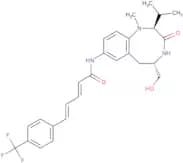




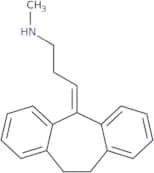

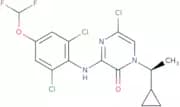
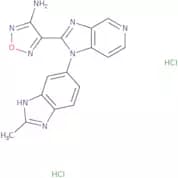

![5-[[5-[(4-Chlorophenyl)(cyclopropylmethyl)amino]-2-pyridinyl]carbonyl]-2-(4-methoxybenzoyl)benzoic…](/_next/image/?url=https%3A%2Fstatic.cymitquimica.com%2Fproducts%2F3D%2Fthumb-webp%2FVZB73461.webp&w=3840&q=75)

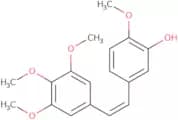



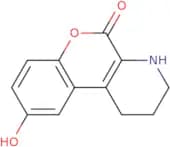
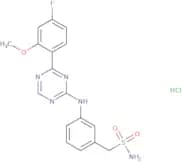


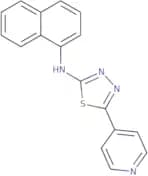

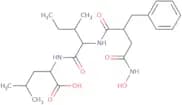
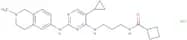


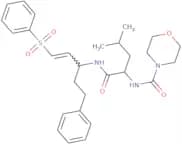
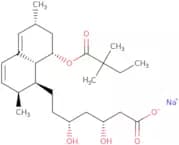

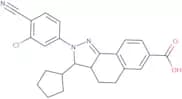
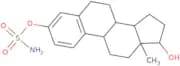
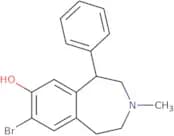


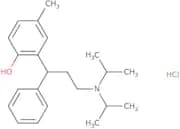

![3-[4-[(1,3-Benzodioxol-5-ylmethyl)amino]-4-oxobutyl]-N-(3-chlorophenyl)-3,4-dihydro-2,4-dioxo-1(2H…](/_next/image/?url=https%3A%2Fstatic.cymitquimica.com%2Fproducts%2F3D%2Fthumb-webp%2FBB184123.webp&w=3840&q=75)

![4-[5-[2,2-Dimethyl-4-(4-methylphenyl)-2H-1-benzopyran-6-yl]-1H-pyrrol-2-yl]benzoic acid sodium](/_next/image/?url=https%3A%2Fstatic.cymitquimica.com%2Fproducts%2F3D%2Fthumb-webp%2FBD184121.webp&w=3840&q=75)

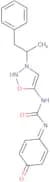


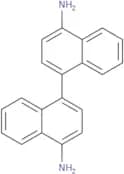
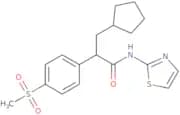

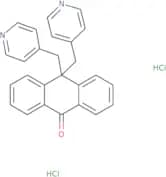


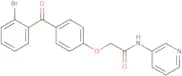
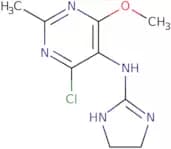
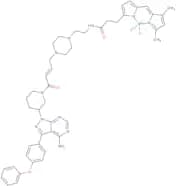


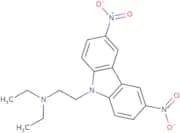
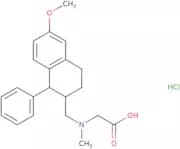
![5-Methyl-N-(1-methyl-1H-pyrazol-3-yl)-1-[[3-(trifluoromethyl)phenyl]methyl]-1H-imidazole-4-carboxa…](/_next/image/?url=https%3A%2Fstatic.cymitquimica.com%2Fproducts%2F3D%2Fthumb-webp%2FVBC54187.webp&w=3840&q=75)


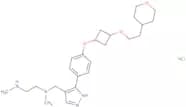
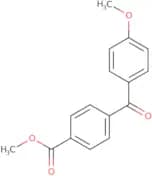
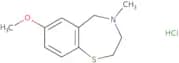


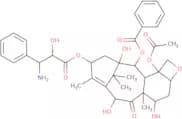
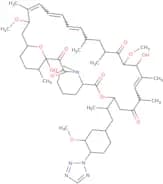
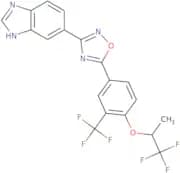
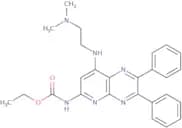
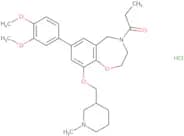

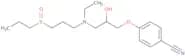


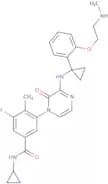
![Octadecanoic acid 1,1′-[(1R)-1-[[[hydroxy[2-[(7-nitro-2,1,3-benzoxadiazol-4-yl)amino]ethoxy]phosph…](/_next/image/?url=https%3A%2Fstatic.cymitquimica.com%2Fproducts%2F3D%2Fthumb-webp%2FWZB30301.webp&w=3840&q=75)

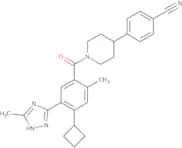
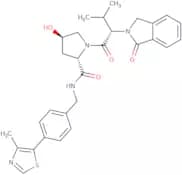
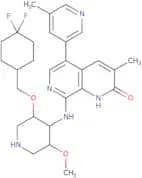

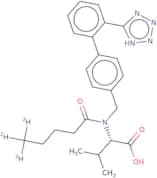
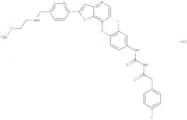
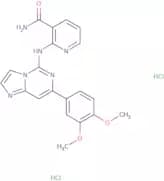
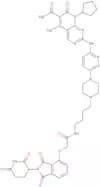
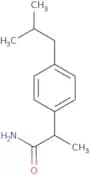
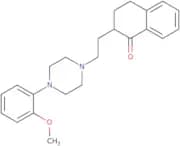

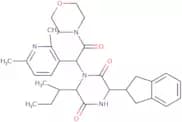

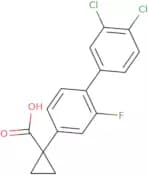


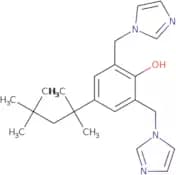


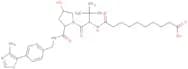


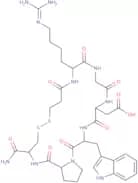
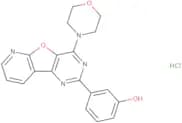


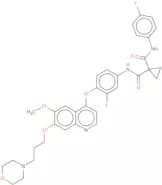


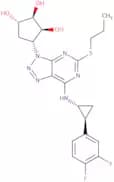
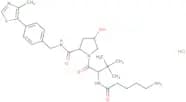


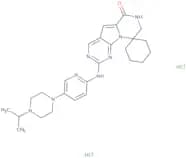

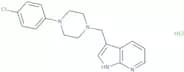
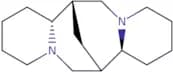
![5-Bromo-N-[1-(3-cyclopropyl-1,2,4-oxadiazol-5-yl)cyclohexyl]-2-furamide](/_next/image/?url=https%3A%2Fstatic.cymitquimica.com%2Fproducts%2F3D%2Fthumb-webp%2FWFC68099.webp&w=3840&q=75)
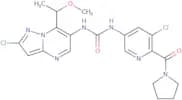

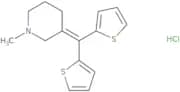

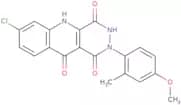


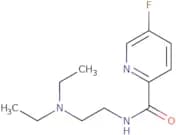
![(S)-N¹-[(3-Hydroxy-2-diethylphosphonomethoxy)propyl]cytosine](/_next/image/?url=https%3A%2Fstatic.cymitquimica.com%2Fproducts%2F3D%2Fthumb-webp%2FVEA36235.webp&w=3840&q=75)

![3-Bromo-4-[4-(2-methoxyphenyl)-1-piperazinyl]-1H-pyrazolo[3,4-d]pyrimidine](/_next/image/?url=https%3A%2Fstatic.cymitquimica.com%2Fproducts%2F3D%2Fthumb-webp%2FWJB34088.webp&w=3840&q=75)

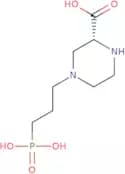

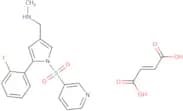
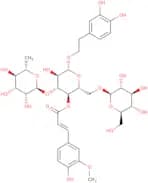
![(2S)-1-(7-Ethylfuro[2,3-G]indazol-1-yl)propan-2-amine](/_next/image/?url=https%3A%2Fstatic.cymitquimica.com%2Fproducts%2F3D%2Fthumb-webp%2FXPA16384.webp&w=3840&q=75)
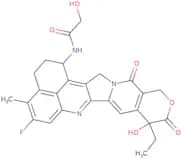

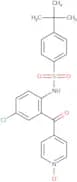
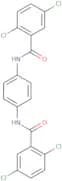
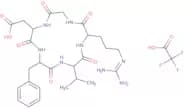
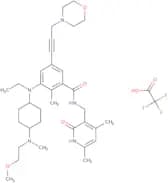


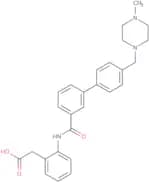


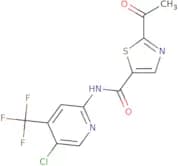

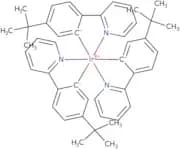

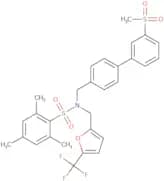

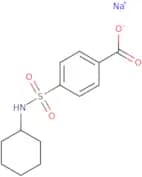
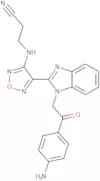

![N-[(3R,6S,9S,12R)-6-Ethyl-12-methyl-9-[3-[(N'-methylcarbamimidoyl)amino]propyl]-2,5,8,11-tetraoxo-…](/_next/image/?url=https%3A%2Fstatic.cymitquimica.com%2Fproducts%2F3D%2Fthumb-webp%2FXID88720.webp&w=3840&q=75)

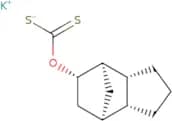
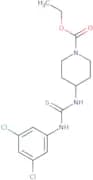

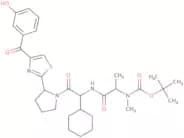

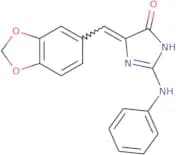

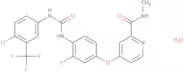


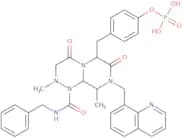


![(3αS)-1-(3-Aminophenyl)-3α-hydroxy-6-methyl-2,3-dihydropyrrolo[2,3-β]quinolin-4-one](/_next/image/?url=https%3A%2Fstatic.cymitquimica.com%2Fproducts%2F3D%2Fthumb-webp%2FXID14118.webp&w=3840&q=75)