Ligands organométalliques
Dans cette catégorie, vous trouverez un grand nombre de molécules organométalliques utilisées comme ligands dans les biomolécules. Ces ligands organométalliques peuvent être utilisés en chimie organique et en synthèse au laboratoire. Ils jouent un rôle crucial dans la formation de complexes de coordination et la catalyse de diverses réactions chimiques. Chez CymitQuimica, nous offrons une sélection diversifiée de ligands organométalliques de haute qualité pour soutenir vos recherches et besoins industriels.
Sous-catégories appartenant à la catégorie "Ligands organométalliques"
- Ligands de Buchwald(22 produits)
- DPEN(4 produits)
- DPHEN(4 produits)
- JOSIPHOS(4 produits)
- Phosphine(497 produits)
- Porphyrines(75 produits)
2887 produits trouvés pour "Ligands organométalliques"
Trier par
Degré de pureté (%)
0
100
|
0
|
50
|
90
|
95
|
100
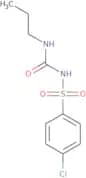
Chlorpropamide
CAS :<p>Hypoglycemic agent</p>Formule :C10H13ClN2O3SDegré de pureté :Min. 95%Couleur et forme :White Off-White PowderMasse moléculaire :276.74 g/molTrodusquemine
CAS :<p>Inhibitor of protein tyrosine phosphatase PTP1B</p>Formule :C37H72N4O5SDegré de pureté :Min. 95%Masse moléculaire :685.06 g/molIrdabisant
CAS :<p>Irdabisant is a novel small-molecule therapeutic, which functions as a histamine H3 receptor antagonist or inverse agonist. This compound is chemically synthesized and designed to target the central nervous system. The mode of action involves the selective inhibition of presynaptic H3 receptors, which are primarily responsible for modulating the release of histamine and other neurotransmitters such as acetylcholine, norepinephrine, and dopamine. By inhibiting these receptors, Irdabisant enhances neurotransmitter release, facilitating improved synaptic transmission.</p>Formule :C18H23N3O2Degré de pureté :Min. 95%Masse moléculaire :313.39 g/mol9''-Methyl salvianolate B
CAS :<p>9''-Methyl salvianolate B is a naturally derived phenolic acid compound, specifically a methylated derivative, extracted from the roots of Salvia miltiorrhiza. This plant, commonly known as Danshen, is widely used in traditional Chinese medicine. The compound’s primary source involves a meticulous extraction and purification process aimed at isolating its bioactive constituents.</p>Formule :C37H32O16Degré de pureté :Min. 95%Masse moléculaire :732.65 g/molVU0453379
CAS :<p>VU0453379 is a chemical compound that functions as a positive allosteric modulator (PAM) of the M4 muscarinic acetylcholine receptor. It is synthetically derived through medicinal chemistry processes designed to selectively enhance receptor signaling pathways. VU0453379 acts by binding to an allosteric site on the M4 receptor, distinct from the orthosteric site where endogenous neurotransmitters bind. This binding potentiates receptor sensitivity and activity in response to acetylcholine, thereby amplifying receptor-mediated signaling pathways.</p>Formule :C26H34N4O2Degré de pureté :Min. 95%Masse moléculaire :434.6 g/mol5-Hydroxymatrine
CAS :<p>5-Hydroxymatrine is an alkaloid compound, which is derived from the roots of Sophora plants, notably Sophora flavescens. This compound is characterized by its structure as a quinolizidine alkaloid and is a modified form of matrine, with a hydroxyl group adding to its chemical complexity.</p>Formule :C15H24N2O2Degré de pureté :Min. 95%Masse moléculaire :264.36 g/molLiarozole
CAS :<p>Liarozole is an imidazole derivative that functions as a non-specific inhibitor of cytochrome P450-dependent retinoic acid metabolism. It primarily acts by inhibiting the cytochrome P450 enzyme family, particularly affecting the 4-hydroxylation process. This inhibition increases the local concentration of retinoic acid in tissues, which can lead to a modulation of transcriptional activity by retinoic acid receptors and ultimately influence cellular proliferation and differentiation.</p>Formule :C17H13ClN4Degré de pureté :Min. 95%Masse moléculaire :308.8 g/molGW 3965 hydrochloride
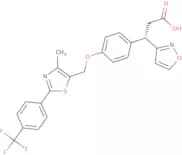
CAS :<p>GW 3965 hydrochloride is a selective liver X receptor (LXR) agonist, which is a synthetic compound derived through pharmaceutical research aimed at modulating lipid metabolism. It functions by binding to and activating LXRs, which are nuclear receptors that regulate the expression of genes involved in cholesterol, fatty acid, and glucose homeostasis. Upon activation, these receptors influence the transcription of various target genes, leading to increased cholesterol efflux, decreased intestinal cholesterol absorption, and modulation of inflammatory responses.</p>Formule :C33H31ClF3NO3•HClDegré de pureté :Min. 95%Masse moléculaire :618.51 g/molGLP-1 (1-37) (human, bovine, guinea pig, mouse, rat) trifluoroacetate salt
CAS :<p>GLP-1 (1-37) (human, bovine, guinea pig, mouse, rat) trifluoroacetate salt is a posttranslational modification of the endogenous human hormone GLP-1. It is a synthetic form of this hormone that has been modified to allow for improved stability and solubility. This peptide is found in the pancreatic alpha cells and intestinal L cells and stimulates the release of insulin from pancreatic beta cells. GLP-1 (1-37) (human, bovine, guinea pig, mouse, rat) trifluoroacetate salt has also been shown to increase glucose uptake by muscle tissue as well as stimulate the release of incretin hormones such as glucagon-like peptide 1 and gastric inhibitory polypeptide. GLP-1 (1-37) (human, bovine, guinea pig, mouse, rat) trifluoroacetate salt</p>Formule :C186H275N51O59Degré de pureté :Min. 95%Masse moléculaire :4,169.48 g/molSiponimod fumarate
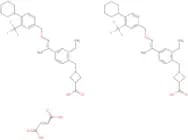
CAS :<p>Siponimod fumarate is a selective sphingosine 1-phosphate (S1P) receptor modulator, which is a synthetically derived agent with immunomodulatory properties. Its mode of action involves high affinity for S1P receptors 1 and 5, which plays a crucial role in immune cell signaling. By binding to these receptors, siponimod sequesters lymphocytes in lymphoid organs, reducing peripheral blood lymphocyte counts and thereby modulating immune responses.</p>Degré de pureté :Min. 95%IRAK4-IN-1
CAS :<p>IRAK4-IN-1 is a small molecule inhibitor, which is a synthetic compound designed to interfere with specific biological pathways. This product originates from extensive chemical synthesis and medicinal chemistry efforts, aimed at targeting key components of the immune signaling cascade. Its primary mode of action involves selective inhibition of interleukin-1 receptor-associated kinase 4 (IRAK4), a crucial kinase in the Toll-like receptor (TLR) and interleukin-1 receptor (IL-1R) pathway. By inhibiting IRAK4, IRAK4-IN-1 effectively downregulates downstream inflammatory signaling processes.</p>Formule :C19H23N5ODegré de pureté :Min. 95%Masse moléculaire :337.42 g/molOdevixibat
CAS :<p>Odevixibat is a pharmacological agent that functions as an ileal bile acid transport inhibitor, which is synthesized through complex organic chemistry methods to create a specific molecular structure targeting bile acid transport mechanisms. It works by inhibiting the apical sodium-dependent bile acid transporter (ASBT) in the terminal ileum. This action reduces the reabsorption of bile acids from the small intestine back into the liver, thereby reducing overall bile acid levels in the body.</p>Formule :C37H48N4O8S2Degré de pureté :Min. 95%Couleur et forme :PowderMasse moléculaire :740.93 g/molDoramapimod
CAS :<p>p38α MAP kinase inhibitor; JNK2α2 protein kinase inhibitor</p>Formule :C31H37N5O3Degré de pureté :Min. 95%Couleur et forme :PowderMasse moléculaire :527.66 g/molCl2A-SN-38
CAS :<p>Cl2A-SN-38 is an innovative antibody-drug conjugate (ADC), which is derived from a targeted delivery system designed to enhance the therapeutic index of chemotherapeutic agents. The product is synthesized through the chemical conjugation of the monoclonal antibody Cl2A with the potent topoisomerase I inhibitor, SN-38. This conjugation is achieved using a stable linker that facilitates selective delivery of SN-38 to cancer cells expressing the target antigen, thus minimizing systemic toxicity.</p>Formule :C73H97N11O22Degré de pureté :Min. 95%Masse moléculaire :1,480.6 g/molARQ 531
CAS :<p>ARQ 531 is a small molecule inhibitor specifically designed to target Bruton's tyrosine kinase (BTK), which is a type of enzymatic protein. This compound is meticulously developed within a laboratory setting to disrupt key pathways involved in cancer cell survival. Its mode of action involves the selective and reversible inhibition of BTK, thereby obstructing signal transduction that promotes malignant cell proliferation and survival.</p>Formule :C25H23ClN4O4Degré de pureté :Min. 95%Masse moléculaire :478.93 g/mol1-(7Z-Pentadecenoyl)-rac-glycerol
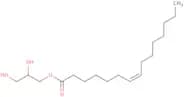
CAS :<p>1-(7Z-Pentadecenoyl)-rac-glycerol is a glycerol derivative, which is typically synthesized or isolated from natural fats and oils. This compound is part of the monoacylglycerol family, characterized by a glycerol backbone esterified with a single fatty acid chain. The source of 1-(7Z-Pentadecenoyl)-rac-glycerol can be varied, stemming from enzymatic processes that occur in biological systems, or through chemical synthesis that mimics these natural interactions.</p>Formule :C18H34O4Degré de pureté :Min. 95%Masse moléculaire :314.46 g/molImidazole ketone erastin
CAS :<p>Imidazole ketone erastin is a small molecule compound, which is a synthetic analog derived from erastin. The origin of this compound is rooted in the study of ferroptosis, a form of regulated cell death characterized by iron-dependent lipid peroxidation. Imidazole ketone erastin functions by inhibiting the cystine/glutamate antiporter system Xc–, leading to the accumulation of lethal reactive oxygen species (ROS) within cells.</p>Formule :C35H35ClN6O5Degré de pureté :Min. 95%Masse moléculaire :655.14 g/molAM 4668
CAS :<p>AM 4668 is a biochemical compound, which is derived from synthetic origins with complex organic synthesis processes. Its primary mode of action involves targeted enzymatic inhibition, effectively interacting with specific enzyme active sites to modulate biochemical pathways.</p>Formule :C24H19F3O4SDegré de pureté :Min. 95%Masse moléculaire :488.48 g/molPRI-724
CAS :<p>PRI-724 is an investigational small molecule known as a selective inhibitor of the Wnt/β-catenin signaling pathway. It is derived from extensive research into targeting dysregulated cellular pathways implicated in oncogenesis. PRI-724 operates by binding to the transcriptional co-activator CBP, thereby disrupting the interaction between CBP and β-catenin, which is crucial for the transcription of genes involved in cell proliferation and survival.</p>Formule :C33H35N6O7PDegré de pureté :Min. 95%Masse moléculaire :658.6 g/molFelodipine
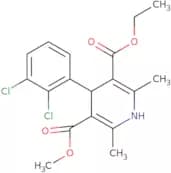
CAS :<p>L-type calcium channel blocker; anti-hypertensive</p>Formule :C18H19Cl2NO4Degré de pureté :Min. 95%Couleur et forme :White PowderMasse moléculaire :384.25 g/molSalmefamol
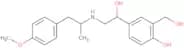
CAS :<p>A β2-adrenoceptor agonist that is structurally related to salbutamol. Ellicits β-adrenergic stimulatory effects on smooth muscles in trachea and bronchi. More effective (1.5 to 2 times more) as a bronchodilator than salbutamol.</p>Formule :C19H25NO4Degré de pureté :Min. 95%Couleur et forme :SolidMasse moléculaire :331.41 g/molCID 16020046
CAS :<p>Puromycin is an aminonucleoside antibiotic, derived from the bacterium Streptomyces albus, with its primary mode of action involving the inhibition of protein synthesis. During translation, puromycin mimics the aminoacyl end of tRNA, enabling its incorporation into the growing polypeptide chain within the ribosome. This incorporation disrupts further chain elongation, ultimately leading to premature termination of protein synthesis.</p>Formule :C25H19N3O4Degré de pureté :Min. 95%Masse moléculaire :425.44 g/molML191
CAS :<p>Please enquire for more information about ML191 including the price, delivery time and more detailed product information at the technical inquiry form on this page</p>Formule :C24H25N3O3Degré de pureté :Min. 95%Masse moléculaire :403.47 g/molVX 702
CAS :<p>p38 MAP kinase antagonist</p>Formule :C19H12F4N4O2Degré de pureté :Min. 95%Couleur et forme :SolidMasse moléculaire :404.32 g/molPAF (C16)
CAS :<p>PAF, short for Platelet-activating factor, is a mediator of platelet aggregation and a ligand for PAF receptors. It has roles in many other leukocyte functions around inflammation and immune response, as well as, chemotaxis and vasuclar changes. The PAF signaling system can trigger significant inflammatory and thrombotic cascades, and has been show to have roles in septic shock.</p>Formule :C26H54NO7PDegré de pureté :Min. 95%Masse moléculaire :523.68 g/molAMD 070 Hydrochloride
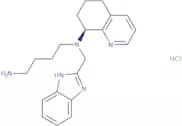
CAS :<p>an orally active, reversible and selective CXCR4 (CD184, fusin) antagonist</p>Formule :C21H28ClN5Degré de pureté :Min. 95%Couleur et forme :PowderMasse moléculaire :385.93 g/molMiransertib (ARQ 092) HCl
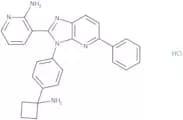
CAS :<p>Miransertib (ARQ 092) HCl is a selective inhibitor, which is a synthetic small molecule specifically targeting the AKT pathway. It is sourced through specialized chemical synthesis designed to interfere with key signaling pathways implicated in the proliferation and survival of cancer cells. The mode of action involves the inhibition of the serine/threonine kinase AKT, an integral part of the PI3K/AKT/mTOR signaling pathway that is frequently dysregulated in various cancers.</p>Formule :C27H25ClN6Degré de pureté :Min. 95%Masse moléculaire :468.98 g/molPerakine
CAS :<p>Perakine is an indole alkaloid, which is a naturally occurring compound obtained primarily from the plant Rauvolfia species. As an indole alkaloid, it is synthesized through complex biosynthetic pathways within the plant, involving the secondary metabolism that characterizes many biochemical systems in flora.</p>Formule :C21H22N2O3Degré de pureté :Min. 95%Masse moléculaire :350.4 g/molAZD4205
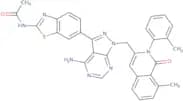
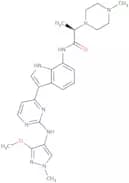
CAS :<p>AZD4205 is an investigational therapeutic agent, which is a small molecule inhibitor developed by AstraZeneca. It is designed to target specific signaling pathways involved in cancer cell proliferation and survival. The source of AZD4205 lies in the meticulous synthesis of a compound specifically engineered to interfere with aberrant molecular processes within cancer cells.</p>Formule :C25H31N9O2Degré de pureté :Min. 95%Masse moléculaire :489.57 g/molBerubicin
CAS :<p>Berubicin is an anthracycline-based chemotherapeutic agent, which is a semi-synthetic derivative sourced primarily from the bacterium Streptomyces peucetius. It operates by intercalating into DNA strands, disrupting the replication and transcription processes, which ultimately induces apoptosis in rapidly dividing tumor cells.</p>Formule :C34H35NO11Degré de pureté :Min. 95%Couleur et forme :PowderMasse moléculaire :633.6 g/molIPTG Hemidioxane
CAS :<p>A non-metabolizable allolactose analogue, widely used in molecular biology for overexpression of recombinant proteins from inducible systems under the control of lac promoter. IPTG binds to the LacI repressor and causes its release from the lac operator, allowing gene expression to take place. Present in vectors of pGEX, pGEM-T, pET, pRSET, pMAL class and others.</p>Degré de pureté :Min. 95%Masse moléculaire :282.35 g/molDT2216
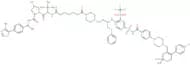
CAS :<p>DT2216 is a small-molecule anticancer compound, which is a product of rational drug design originating from advanced chemical synthesis techniques. The primary mode of action of DT2216 involves selectively targeting and disrupting BCL-XL interactions with pro-apoptotic proteins. By specifically degrading BCL-XL, DT2216 enhances the induction of apoptosis in cancer cells, thereby addressing the challenge of resistance associated with conventional therapies.</p>Formule :C77H96ClF3N10O10S4Degré de pureté :95%NmrMasse moléculaire :1,542.4 g/molAzilsartan medoxomil
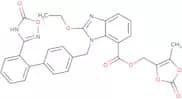
CAS :<p>Azilsartan medoxomil is an antihypertensive drug, which is a prodrug of the angiotensin II receptor blocker azilsartan. It is synthesized through a chemical process involving the modification of the medoxomil ester, converting it into its active form upon absorption in the gastrointestinal tract. The primary mode of action of azilsartan medoxomil involves selective antagonism of the angiotensin II type 1 (AT1) receptor. By blocking the effects of angiotensin II—a potent vasoconstrictor—azilsartan medoxomil effectively reduces vascular resistance, leading to decreased blood pressure.</p>Formule :C30H24N4O8Degré de pureté :Min. 95%Couleur et forme :White PowderMasse moléculaire :568.53 g/molRosuvastatin
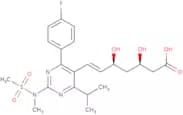
CAS :<p>Rosuvastatin is a synthetic lipid-lowering agent, which is a product of pharmaceutical manufacturing derived from extensive research in cardiovascular pharmacology. It functions as an HMG-CoA reductase inhibitor, effectively blocking the enzyme responsible for cholesterol biosynthesis in the liver. By inhibiting this enzyme, Rosuvastatin reduces the production of cholesterol, especially low-density lipoprotein (LDL) cholesterol, which is known to contribute to atherosclerosis.</p>Formule :C22H28FN3O6SDegré de pureté :Min. 95%Masse moléculaire :481.54 g/molOltipraz metabolite M2
CAS :<p>Oltipraz metabolite M2 is a pharmacologically active compound, which is derived from the metabolism of Oltipraz, a well-known chemopreventive agent. This metabolite is produced through hepatic biotransformation processes and plays a critical role in mediating the biological effects associated with its parent compound.</p>Formule :C10H12N2S2Degré de pureté :Min. 95%Masse moléculaire :224.4 g/molLY 294002
CAS :<p>First generation PI 3-kinase inhibitor</p>Formule :C19H17O3NDegré de pureté :Min. 95%Couleur et forme :White To Off-White SolidMasse moléculaire :307.12084Mozavaptan
CAS :Produit contrôlé<p>Mozavaptan is a pharmacological agent that acts as a vasopressin V2 receptor antagonist. It is derived through synthetic chemical processes designed to target specific neurohormonal pathways in the body. Mozavaptan exerts its effects by inhibiting the action of vasopressin, a hormone that promotes water reabsorption in the kidneys. By blocking the vasopressin receptors, it enhances water excretion and corrects imbalances in electrolyte levels, particularly addressing conditions like hyponatremia.</p>Formule :C27H29N3O2Degré de pureté :Min. 98 Area-%Couleur et forme :PowderMasse moléculaire :427.54 g/molKUNB31
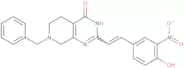
CAS :<p>KUNB31 is a synthetic enzyme inhibitor, which is an engineered compound designed to interfere with the activity of specific enzymes in various biochemical pathways. This product is synthesized through a series of complex chemical reactions, ensuring high specificity and activity against target enzymes. Its mode of action involves binding to the active sites of enzymes, thereby preventing substrates from interacting and altering enzymatic activity.</p>Formule :C19H18N2O3Degré de pureté :Min. 95%Masse moléculaire :322.4 g/molDooku1
CAS :<p>Dooku1 is a synthetic biochemical compound designed for advanced research applications. It is derived through a complex series of organic synthesis processes that utilize specialized reactants and catalysts to achieve high purity and specificity. The compound functions by selectively binding to molecular targets, allowing researchers to investigate cellular pathways and molecular interactions with greater precision.</p>Formule :C13H9Cl2N3OSDegré de pureté :Min. 95%Masse moléculaire :326.2 g/molBifluranolum
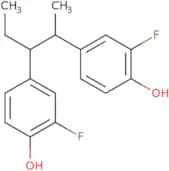
CAS :<p>Bifluranolum is a synthetic nonsteroidal antiandrogen, which is synthesized in laboratory settings and not derived from natural sources. Its mode of action involves competitive inhibition of androgen receptors. By occupying these receptor sites, Bifluranolum inhibits the binding of endogenous androgens, effectively blocking their physiological actions. This property makes it a valuable tool in studies related to androgen-dependent biological processes.</p>Formule :C17H18F2O2Degré de pureté :Min. 95%Masse moléculaire :292.32 g/molUprifosbuvir
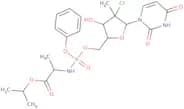
CAS :<p>Uprifosbuvir is an investigational antiviral compound, which is a nucleotide analog prodrug of uridine. It functions by targeting the hepatitis C virus (HCV) NS5B RNA-dependent RNA polymerase, an essential enzyme for viral RNA replication. As an uridine nucleotide analog, Uprifosbuvir interferes with the viral replication process by incorporating itself into the viral RNA, leading to chain termination.</p>Formule :C22H29ClN3O9PDegré de pureté :Min. 95%Masse moléculaire :545.9 g/molJDQ-443
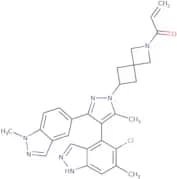
CAS :<p>JDQ-443 is a synthetic chemical compound, which is a product of organic synthesis, with a precise mode of action targeting specific cellular enzymes. This compound functions as an enzymatic inhibitor, designed to interfere with the activity of a specific class of enzymes critical to cellular proliferation pathways. JDQ-443 exerts its effects by binding to the active sites of these enzymes, thereby preventing substrate access and subsequent catalysis.</p>Formule :C29H28ClN7ODegré de pureté :Min. 98%Masse moléculaire :526.03 g/molE3 Ligase ligand 1a
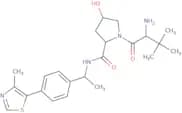
CAS :<p>E3 Ligase Ligand 1a is a small molecule ligand, which is typically synthesized in a laboratory setting. The ligand acts as a recruiter for E3 ubiquitin ligases, proteins that play a pivotal role in the ubiquitin-proteasome pathway. By binding to an E3 ligase, the ligand can facilitate the ubiquitination and subsequent degradation of target proteins. This mechanism is central to modulating protein levels within a cell, enabling researchers to study protein function and regulation dynamically.</p>Formule :C23H32N4O3SDegré de pureté :Min. 95%Masse moléculaire :444.6 g/molrac Enterolactone -13C3
CAS :<p>rac Enterolactone -13C3 is a stable isotope-labelled lignan, which is a type of compound derived from plant sources. It is biosynthesized through the conversion of dietary lignans by intestinal microbiota. The -13C3 label indicates that three carbon atoms in the compound have been replaced with the carbon-13 isotope, facilitating precise analytical tracking. This product acts as a tracer, allowing scientists to study metabolic pathways and the bioavailability of lignans in biological systems.</p>Formule :C18H18O4Degré de pureté :Min. 95%Masse moléculaire :298.3 g/molGanetespib
CAS :<p>Heat shock protein 90 (HSP90) inhibitor</p>Formule :C20H20N4O3Degré de pureté :Min. 95%Couleur et forme :White PowderMasse moléculaire :364.4 g/molNalmefene
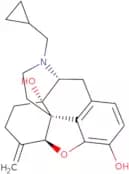
CAS :Produit contrôlé<p>μ- and κ- opioid receptor antagonist; partial agonist of δ- opioid receptors</p>Formule :C21H25NO3Degré de pureté :Min. 95%Masse moléculaire :339.43 g/molUM729
CAS :<p>UM729 is an advanced surface coating, which is a chemical formulation with the aim of enhancing surface durability and protection. Sourced from novel polymeric materials, UM729 is designed to form a robust and resilient layer when applied to various substrates. Its mode of action involves cross-linking at the molecular level, creating a cohesive barrier that offers resistance to environmental factors such as abrasion, moisture, and UV radiation.</p>Formule :C20H25N5O2Degré de pureté :Min. 95%Masse moléculaire :367.44 g/molROPA
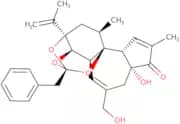
CAS :<p>ROPA or resiniferonol 9,13,14-orthophenylacetate is an analogue of resiniferatoxin that has been shown to have synergistic interactions with detergents, such as Tween-80, in the removal of wheat germ agglutinin (WGA) from Brucella. ROPA is also active against herpes simplex virus and tumour necrosis factor-alpha (TNF-α). When combined with a basic protein, it can activate the receptor and inhibits the formation of dry weight. ROPA has been shown to be able to inhibit the growth of infectious bacteria, such as those that cause tuberculosis or brucellosis. The mechanism for this inhibition is not clear, but may be due to its ability to bind to water molecules and inhibit their binding with bacterial cytoplasmic membranes.</p>Formule :C28H32O6Degré de pureté :Min. 95%Masse moléculaire :464.55 g/molBenzoic acid 5-amino-1-(4-methoxy-benzenesulfonyl)-1H-pyrazol-3-yl ester
CAS :<p>Benzoic acid 5-amino-1-(4-methoxy-benzenesulfonyl)-1H-pyrazol-3-yl ester is a synthetic chemical compound used primarily in advanced organic synthesis. It is derived from benzoic acid and functionalized with a pyrazole moiety, enhancing its reactivity and versatility in chemical transformations. This compound acts as an intermediate in the synthesis of more complex molecules, playing a crucial role as a precursor or reagent due to its unique structure, which facilitates targeted chemical modifications.</p>Formule :C17H15N3O5SDegré de pureté :Min. 95%Masse moléculaire :373.4 g/molALX-1393
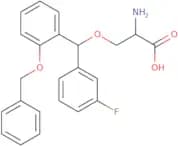
CAS :<p>ALX-1393 is a synthetic compound that acts as an inhibitor, specifically targeting the glycine transporter 1 (GlyT1). As a small molecule inhibitor derived from chemical synthesis, it modulates neurotransmitter systems by blocking the reuptake of glycine, an important co-agonist of the NMDA receptor, in the central nervous system. The mode of action of ALX-1393 involves binding to the GlyT1 transporter, thereby increasing the synaptic concentration of glycine. This elevation in glycine levels enhances NMDA receptor function, which is crucial for synaptic plasticity, learning, and memory.</p>Formule :C23H22FNO4Degré de pureté :Min. 95%Masse moléculaire :395.4 g/molUK 383367
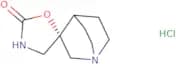
CAS :<p>UK 383367 is a chemical compound classified as a synthetic small molecule, which is derived from a meticulously controlled chemical synthesis process. Its mode of action involves modulating specific biochemical pathways by binding to target receptors, thereby influencing cellular processes at a molecular level. This compound is utilized extensively in pharmaceutical research for its potential therapeutic effects, particularly in the context of investigating receptor activity and signaling pathways. Additionally, UK 383367 finds applications in various industrial processes, serving as an intermediate in the synthesis of more complex compounds. Due to its precision in targeting and influencing biological systems, UK 383367 is a valuable tool for scientists seeking to elucidate the mechanistic pathways underlying disease and for the development of novel therapeutic strategies.</p>Formule :C15H24N4O4Degré de pureté :Min. 95%Masse moléculaire :324.38 g/mol2-Benzyl-2,8-diazaspiro[4.5]decan-1-one hydrochloride
CAS :<p>2-Benzyl-2,8-diazaspiro[4.5]decan-1-one hydrochloride is a chemical compound utilized chiefly in pharmacological research. It is synthesized through organic chemical processes designed to produce spirocyclic frameworks that can interact specifically with biological macromolecules. The compound acts as a ligand in receptor studies, allowing researchers to investigate the binding properties and activities at selective receptor subtypes.</p>Formule :C15H20N2O•HClDegré de pureté :Min. 95%Masse moléculaire :280.79 g/molVasopressin
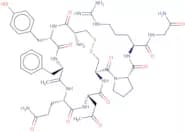
CAS :<p>Vasopressin receptor agonist; antidiuretic</p>Formule :C46H65N15O12S2Degré de pureté :Min. 95%Couleur et forme :White PowderMasse moléculaire :1,084.23 g/molFAPI-46 trifluoroacetate
CAS :<p>FAPI-46 trifluoroacetate is a fibroblast activation protein (FAP) inhibitor, which is synthesized as part of targeted cancer research efforts. It is derived from chemical engineering processes focusing on the modification of small molecules to selectively interact with FAP, an enzyme overexpressed in cancer-associated fibroblasts (CAFs) within the tumor microenvironment. FAPI-46 binds to and inhibits FAP, reducing its enzymatic activity. By blocking FAP, FAPI-46 trifluoroacetate disrupts the tumor-promoting interactions between CAFs and tumor cells, potentially impeding tumor growth and progression.</p>Formule :C41H57F2N11O9•(C2HF3O2)xDegré de pureté :Min. 95%PI3K-γ inhibitor 1
CAS :<p>PI3K-gamma inhibitor 1 is a small molecule inhibitor, which is selectively synthesized for targeting the PI3K-gamma isoform. This inhibitor is derived through precise medicinal chemistry, involving the synthesis of compounds that specifically interact with the catalytic domain of the phosphoinositide 3-kinase gamma (PI3K-γ) enzyme. Its mode of action involves the selective inhibition of the PI3K-γ pathway, a critical signaling route responsible for modulating immune cell functions and inflammatory responses.</p>Formule :C32H26N8O2SDegré de pureté :Min. 95%Masse moléculaire :586.67 g/molAlprostadil alfadex
CAS :<p>Alprostadil alfadex is a medicinal drug that has been found to have anticancer properties. It works by inhibiting the growth of cancer cells and inducing apoptosis, or programmed cell death. This drug is an analog of a naturally occurring protein that acts as a tumor inhibitor in humans. Alprostadil alfadex has been shown to be effective against various types of cancer, including those found in the urinary tract and prostate. It works by blocking the action of certain enzymes and proteins involved in the cell cycle, thereby preventing cancer cells from dividing and multiplying. Chinese researchers have also found that this drug has a kinase-inhibiting effect, which may contribute to its anticancer activity.</p>Formule :C36H60O30•C20H34O5Degré de pureté :Min. 95%Couleur et forme :PowderMasse moléculaire :1,327.3 g/molN-(5-Aminopentyl) methotrexate amide-LC-biotin
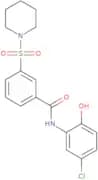
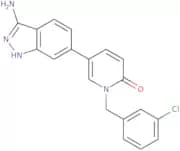
<p>N-(5-Aminopentyl) methotrexate amide-LC-biotin is a specialized bioconjugate, derived through the conjugation of methotrexate, an established antifolate drug, with an LC-biotin moiety. This product is synthesized by covalently linking methotrexate, which is known for its role in cancer therapy through the inhibition of dihydrofolate reductase (DHFR), to a biotin moiety via a long-chain spacer. The resultant bioconjugate retains the therapeutic effects of methotrexate, particularly in its ability to interrupt nucleotide synthesis, thereby affecting cell division in rapidly proliferating cancer cells.The inclusion of biotin in the structure allows for facile attachment to avidin or streptavidin-labeled systems, facilitating targeted delivery and enhanced detection in molecular and cellular studies. The primary application of N-(5-Aminopentyl) methotrexate amide-LC-biotin lies in the realm of targeted drug delivery and advanced research into methotrexate metabolism. By leveraging the high affinity of biotin-streptavidin interactions, researchers can effectively study the biodistribution and cellular uptake of methotrexate, advancing cancer therapeutic strategies and providing insights into antifolate drug mechanisms at the molecular level.</p>Formule :C41H59N13O7SDegré de pureté :Min. 95%Couleur et forme :PowderMasse moléculaire :878.06 g/molN-(5-Chloro-2-hydroxyphenyl)-3-(1-piperidinylsulfonyl)benzamide
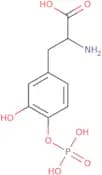
CAS :<p>A negative allosteric modulator of Flt-3 receptor tyrosine kinase</p>Formule :C18H19ClN2O4SDegré de pureté :Min. 95%Masse moléculaire :394.87 g/molFoslevodopa
CAS :<p>Foslevodopa is a prodrug that is converted to levodopa in the body. This drug has been shown to be safe and effective for the treatment of Parkinson's disease with minimal side effects, although it does not affect the progression of the disease. Foslevodopa is a synthetic compound that has been synthesized using chemical methods. It can be manufactured in large quantities, making it a scalable pharmaceutical formulation.</p>Formule :C9H12NO7PDegré de pureté :Min. 95%Masse moléculaire :277.17 g/mol1,2-Dipalmitoyl-3-dimethylammonium-propane
CAS :<p>1,2-Dipalmitoyl-3-dimethylammonium-propane is a cationic lipid, which is a type of synthetic lipid commonly used in biochemical and biophysical research. It is sourced from chemical synthesis, involving the formulation of lipid molecules with specific chemical modifications to confer particular properties. The mode of action of this compound involves its ability to integrate into lipid bilayers and form liposomes. These liposomes can encapsulate nucleic acids, facilitating their delivery into cells by merging with cell membranes, which is crucial for gene delivery applications.</p>Formule :C37H73NO4Degré de pureté :Min. 95%Masse moléculaire :595.98 g/molOsmanthuside H
CAS :<p>Osmanthuside H is a natural compound, specifically a phenylethanoid glycoside, which is predominantly sourced from the plant Osmanthus fragrans, as well as other related species. This compound is characterized by a specific glycosidic linkage that contributes to its stability and bioactivity. The mode of action of Osmanthuside H primarily involves its significant antioxidant properties, attributed to the presence of its phenolic structure and glycosidic moiety. This facilitates its role in scavenging free radicals and reducing oxidative stress within biological systems.</p>Formule :C19H28O11Degré de pureté :Min. 95%Masse moléculaire :432.4 g/molL-MobileTrex
CAS :<p>L-MobileTrex is an advanced analytical technology platform, which is a product of cutting-edge research in data science and computational modeling. This platform operates by integrating multi-dimensional datasets through sophisticated algorithms, providing enhanced data visualization and interpretability.</p>Formule :C23H23N5O5Degré de pureté :Min. 95%Masse moléculaire :449.46 g/molVS1
CAS :<p>VS1 is a novel synthetic peptide, which is engineered to function as an antimicrobial agent. This peptide originates from recombinant DNA technology, providing a customizable approach to target specific microbial strains. Its mode of action involves the selective disruption of microbial cell membranes, leading to the lysis and consequent death of the target cell. The specificity of VS1 for microbial cells over mammalian cells minimizes off-target effects, making it a highly effective agent for infection control.</p>Formule :C22H20N4O4Degré de pureté :Min. 95%Masse moléculaire :404.42 g/molJ 104129 fumarate
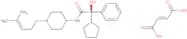
CAS :<p>A novel muscarinic M3 receptor antagonist with high selectivity for M3 over M2 receptors</p>Formule :C24H36N2O2·C4H4O4Degré de pureté :Min. 95%Masse moléculaire :500.63 g/molAlvameline
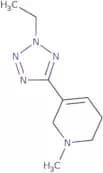
CAS :<p>Alvameline is a muscarinic receptor agonist, which is a small molecule drug derived from synthetic chemistry processes. Its primary source is the intricate design of pharmacologically active compounds targeting the central nervous system. Alvameline exerts its effects through selective agonism of muscarinic acetylcholine receptors, playing a pivotal role in modulating neurotransmission. Specifically, by activating these receptors, it enhances cholinergic signaling, which is crucial for cognitive functions such as memory and attention.</p>Formule :C9H15N5Degré de pureté :Min. 95%Masse moléculaire :193.25 g/molCAY10727
CAS :<p>CAY10727 is a potent biochemical inhibitor, which is derived from synthetic sources with specific action targeting cyclooxygenase-2 (COX-2) enzymes. It functions by selectively blocking the enzymatic activity of COX-2, which plays a critical role in the biosynthesis of prostaglandins involved in inflammatory responses. This targeted inhibition allows the study of COX-2-related pathways without interference from COX-1, which is significant for maintaining gastrointestinal integrity.The use and applications of CAY10727 are primarily in research settings where understanding the pathways involved in inflammation, pain, and cancer progression are critical. This compound is utilized in various in vitro experiments to delineate the role of COX-2 in cellular and molecular contexts, enabling scientists to dissect complex signaling networks. Given its specificity, CAY10727 is instrumental in the development of new therapeutic approaches where selective COX-2 inhibition might offer benefits over non-selective inhibitors.</p>Formule :C21H22Cl2N4O2Degré de pureté :Min. 95%Masse moléculaire :433.3 g/molFR-190809
CAS :<p>FR-190809 is a peptide that acts as an inhibitor of protein interactions. It binds to the receptor and blocks the activation of phospholipase C. FR-190809 also stimulates the production of cyclic AMP, which in turn activates protein kinase A, thereby inhibiting the production of cAMP. FR-190809 has been shown to have a high purity and is used as a research tool for studying protein interactions.</p>Formule :C29H34FN3O6S2Degré de pureté :Min. 95%Masse moléculaire :603.7 g/molPF-06658607
CAS :<p>PF-06658607 is an investigational drug that is classified as a small molecule inhibitor. It is developed from synthetic chemical sources with a specific mode of action targeting aggrecanases, enzymes that degrade aggrecan, a critical component of cartilage. By inhibiting these enzymes, PF-06658607 aims to prevent the breakdown of cartilage in joints.</p>Formule :C27H24N6O2Degré de pureté :Min. 95%Couleur et forme :PowderMasse moléculaire :464.5 g/molCB-1158
CAS :<p>CB-1158 is an arginase inhibitor, which is a small molecule derived from a synthetic source designed to modulate immune functions. Its mode of action involves the inhibition of the arginase enzyme, a key player in the urea cycle responsible for the hydrolysis of arginine into ornithine and urea. By blocking arginase, CB-1158 effectively prevents the depletion of extracellular arginine, a vital amino acid required for the activation and proliferation of T cells within the immune system. This inhibition leads to enhanced immune responses against tumors.</p>Formule :C11H22BN3O5Degré de pureté :Min. 95%Masse moléculaire :287.12 g/molBCR-ABL-IN-2
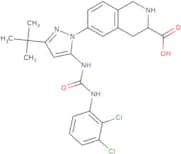
CAS :<p>BCR-ABL-IN-2 is a small molecule inhibitor, which is synthetically derived for precision-targeted therapeutic applications. It functions as a selective inhibitor of the BCR-ABL fusion protein, a tyrosine kinase that is constitutively active in certain leukemias, particularly chronic myeloid leukemia (CML). The product is engineered via chemical synthesis to ensure high specificity and selectivity in binding to the ATP-binding site of the BCR-ABL protein, effectively inhibiting its kinase activity.</p>Formule :C24H25Cl2N5O3Degré de pureté :Min. 95%Masse moléculaire :502.4 g/molAR-R 17779 hydrochloride - Bio-X ™
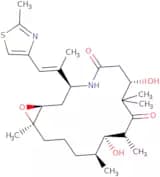
CAS :<p>AR-R 17779 is a selective agonist for α7 nicotinic acetylcholine receptors or nAChRs. It is suggested that AR-R 17779 reduces formation of atherosclerotic plaques and abdominal aortic aneurysms in apolipoprotein E-deficient mice.</p>Formule :C9H14N2O2•HClDegré de pureté :Min. 95%Couleur et forme :PowderMasse moléculaire :218.68 g/molIxabepilone
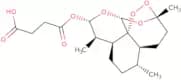
CAS :<p>Microtubule-stabilizing agent; antineoplastic;</p>Formule :C27H42N2O5SDegré de pureté :Min. 95 Area-%Couleur et forme :White PowderMasse moléculaire :506.71 g/molArtesunate
CAS :<p>Prodrug of dihydroartemisin (DHA); antimalarial</p>Formule :C19H28O8Degré de pureté :Min. 98 Area-%Couleur et forme :PowderMasse moléculaire :384.42 g/molRef: 3D-FA17994
Produit arrêtéTrypsin
CAS :<p>Trypsin (EC 3.4.21.4) is a protease that hydrolyses proteins by cleaving the peptide bond at the carboxyl side of the positively charged amino acid (Lysine or Arginine). Trypsin belongs to a family of serine proteases, as it has a serine in its active site. Trypsin can be inhibited by using trypsin inhibitor Alpha 1 Antitrypsin.</p>Degré de pureté :Min. 95%Couleur et forme :White PowderMK 4827
CAS :<p>Inhibitor of PARP1 and PARP2 enzymes</p>Formule :C19H20N4ODegré de pureté :Min. 96 Area-%Couleur et forme :White PowderMasse moléculaire :320.39 g/molRef: 3D-FP35532
Produit arrêtéUM171
CAS :<p>UM171 is a small-molecule compound, which is derived from synthetic chemical processes with properties that enable the expansion of human hematopoietic stem cells (HSCs) in vitro. It acts by targeting and modulating specific cellular pathways to enhance the self-renewal and proliferation of HSCs without inducing differentiation.<br><br>The primary application of UM171 lies in the field of regenerative medicine and transplantation. By facilitating the expansion of HSCs, UM171 holds significant potential in improving the outcomes of bone marrow and cord blood transplants. This is particularly relevant in contexts where donor cell availability is limited or where augmenting the engraftment potential of HSCs is critical. The ability to expand HSCs ex vivo opens avenues for improved treatment of hematological disorders, potentially allowing for more effective and accessible transplant therapies. Researchers are exploring its utility in diverse experimental setups, aiming to translate this compound's capabilities into clinical settings to enhance patient outcomes in hematopoietic recovery and therapy.</p>Formule :C25H27N9Degré de pureté :Min. 95%Couleur et forme :PowderMasse moléculaire :453.54 g/molTAPI-1
CAS :<p>TAPI-1 is an inhibitor of TACE (TNF-α converting enzyme, also known as ADAM17) and matrix metalloproteinases (MMPs). It blocks the shedding of several cell surface proteins, including tumor necrosis factor-alpha (TNF-α), IL-6 receptor, and TNF receptors p60 (TNFRI) and p80 (TNFRII).</p>Formule :C26H37N5O5Degré de pureté :Min. 95%Masse moléculaire :499.6 g/molElafibranor
CAS :<p>Please enquire for more information about Elafibranor including the price, delivery time and more detailed product information at the technical inquiry form on this page</p>Formule :C22H24O4SDegré de pureté :Min. 95%Masse moléculaire :384.49 g/molAmelubant
CAS :<p>Amelubant is a synthetic compound designed for use in detailed biochemical research and therapeutic investigations. As a product derived from innovative chemical synthesis techniques, Amelubant is engineered to interact with particular biological pathways, predominantly in the field of inflammatory response modulation. Its mode of action involves specific binding to target receptors, influencing downstream signaling cascades.</p>Formule :C33H34N2O5Degré de pureté :Min. 95%Masse moléculaire :538.6 g/molSNIPER(ABL)-058
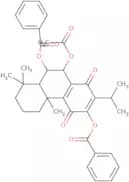
CAS :<p>SNIPER(ABL)-058 is a cutting-edge selective protein degrader, developed from the field of chemical biology. It is based on a bifunctional small molecule that acts as a degrader by recruiting the ubiquitin-proteasome system to specifically tag the target protein for degradation. This compound is synthesized through precise chemical modifications designed to form specific interactions with its target, namely the BCR-ABL protein, a critical driver in certain cancer pathways.</p>Formule :C62H75N11O9SDegré de pureté :Min. 95%Masse moléculaire :1,150.4 g/mol(4bS,8aS,9S,10S)-10-(Acetyloxy)-3,9-bis(benzoyloxy)-4b,5,6,7,8,8a,9,10-octahydro-4b,8,8-trimethyl-2-(1-methylethyl)-1,4-phenanthrene dione
CAS :<p>(4bS,8aS,9S,10S)-10-(Acetyloxy)-3,9-bis(benzoyloxy)-4b,5,6,7,8,8a,9,10-octahydro-4b,8,8-trimethyl-2-(1-methylethyl)-1,4-phenanthrene dione is a potent chemokine molecule that is an agonist of the CXCR2 receptor. It has been shown to inhibit cancer stem cells and chemoattractant production in colon carcinoma cells. This compound selectively targets the translation of lamiaceae mRNA and induces apoptosis in colon carcinoma cells.</p>Formule :C36H38O8Degré de pureté :Min. 95%Masse moléculaire :598.7 g/mol(R)-DPN
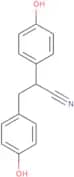
CAS :<p>(R)-DPN is a selective agonist, which is a chemical compound primarily sourced through synthetic organic chemistry techniques. Its mode of action involves specifically binding to and activating the estrogen-related receptor gamma (ERRγ), a member of the nuclear receptor superfamily. By acting as a highly selective ligand, (R)-DPN modulates the transcriptional activity associated with the ERRγ receptor, influencing various biological pathways.</p>Formule :C15H13NO2Degré de pureté :Min. 95%Masse moléculaire :239.27 g/molMots-C
CAS :<p>Mots-C is a mitochondrial-derived peptide, which is encoded by the small open reading frame found within the mitochondrial 12S rRNA. This peptide functions by interacting with the cellular metabolic pathways to enhance mitochondrial bioenergetics and overall cellular metabolism. Mechanistically, Mots-C modulates the folate–methionine cycle, directly impacting glucose regulation and energy utilization, and consequently facilitating cellular adaptation to metabolic stress.</p>Formule :C101H152N28O22S2Degré de pureté :Min. 95%Masse moléculaire :2,174.6 g/molPKCβpseudosubstrate
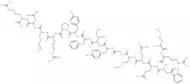
CAS :<p>PKCβpseudosubstrate is a peptide inhibitor, which is derived from the regulatory domain of protein kinase C beta (PKCβ). It functions by mimicking the substrate's binding sequence, thereby competitively inhibiting the kinase activity of PKCβ. As a pseudosubstrate, it binds to the catalytic domain of PKCβ, preventing the phosphorylation of actual substrates by occupying the active site.</p>Formule :C177H294N62O38S3Degré de pureté :Min. 95%Masse moléculaire :3,995 g/molD-Threonic acid lithium salt
CAS :<p>D-Threonic acid lithium salt is a cell signaling molecule that belongs to the class of ligands. It has been used as a research tool in pharmacology and protein interaction studies. D-Threonic acid lithium salt can activate ion channels, which are cellular membrane proteins that allow ions to flow in or out of cells. D-Threonic acid lithium salt also interacts with receptors, which are proteins on the surface of cells that receive chemical signals from outside the cells. Receptors can be either agonists or antagonists. D-Threonic acid lithium salt is a ligand for receptor tyrosine kinase, which is involved in cell growth and differentiation.</p>Formule :C4H8O5·LiDegré de pureté :Min. 95%AMBMP Hydrochloride
CAS :<p>AMBMP Hydrochloride is a synthetic compound, specifically designed for research purposes in the field of neuroscience. This compound is derived from a series of carefully crafted chemical reactions, typically originating from a laboratory setting specializing in organic synthesis. Its primary mode of action is as a selective ligand targeting specific receptors within the central nervous system, allowing researchers to investigate receptor function and signaling pathways with precision.</p>Formule :C19H18N4O3·HClDegré de pureté :Min. 95%Masse moléculaire :350.37 g/molSLV-2436
CAS :<p>SLV-2436 is a highly specialized laboratory reagent, which is synthetically derived through an advanced chemical process with rigorous quality control. Its mode of action involves precise interactions at a molecular level, facilitating targeted reactions and transformations essential for a variety of analytical and research applications.</p>Formule :C19H15ClN4ODegré de pureté :Min. 95%Masse moléculaire :350.8 g/mol














![2-Benzyl-2,8-diazaspiro[4.5]decan-1-one hydrochloride](/_next/image/?url=https%3A%2Fstatic.cymitquimica.com%2Fproducts%2F3D%2Fthumb-webp%2FVSB16608.webp&w=3840&q=75)