Ligands organométalliques
Dans cette catégorie, vous trouverez un grand nombre de molécules organométalliques utilisées comme ligands dans les biomolécules. Ces ligands organométalliques peuvent être utilisés en chimie organique et en synthèse au laboratoire. Ils jouent un rôle crucial dans la formation de complexes de coordination et la catalyse de diverses réactions chimiques. Chez CymitQuimica, nous offrons une sélection diversifiée de ligands organométalliques de haute qualité pour soutenir vos recherches et besoins industriels.
Sous-catégories appartenant à la catégorie "Ligands organométalliques"
- Ligands de Buchwald(22 produits)
- DPEN(4 produits)
- DPHEN(4 produits)
- JOSIPHOS(4 produits)
- Phosphine(497 produits)
- Porphyrines(75 produits)
2887 produits trouvés pour "Ligands organométalliques"
Trier par
Degré de pureté (%)
0
100
|
0
|
50
|
90
|
95
|
100
Cardanol monoene
CAS :<p>Cardanol monoene is a phenolic lipid, which is a natural derivative obtained from cashew nut shell liquid. It is sourced from the renewable agricultural by-product of the Anacardium occidentale, allowing for a sustainable means of production. Its chemical structure features a phenolic ring with an aliphatic chain, which imparts unique properties that facilitate its mode of action.</p>Formule :C21H34ODegré de pureté :Min. 95%Couleur et forme :PowderMasse moléculaire :302.49 g/mol14-3-3 Ε, Untagged human
CAS :<p>14-3-3 Ε, Untagged human, is a recombinant protein expressed in Escherichia coli, which is derived from human sources. This protein belongs to the 14-3-3 family, known for regulatory roles in diverse biological processes, primarily involving protein-protein interactions that modulate the function of its bound targets.</p>Degré de pureté :Min. 95%KT185
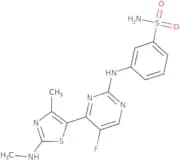
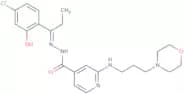
CAS :<p>KT185 is an advanced catalytic complex, which is synthesized from proprietary ligand-modified transition metals. It operates by facilitating electron exchange and lowering activation energy, thus optimizing reaction kinetics in various chemical processes. KT185's efficacy in catalyzing complex transformations makes it a versatile tool in industrial settings, including the synthesis of pharmaceuticals, polymers, and fine chemicals. Its robust performance across diverse conditions reduces energy consumption and byproduct formation, making it an invaluable component in modern sustainable manufacturing. The precision enhancement in reaction pathways afforded by KT185 significantly contributes to advancing efficiency in chemical synthesis, aligning with green chemistry principles.</p>Formule :C32H33N5O2Degré de pureté :Min. 95%Masse moléculaire :519.64 g/molAM095
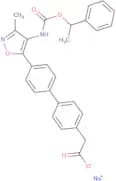
CAS :<p>AM095 is a synthetic compound derived from algal extracts, which serves as a potent modulator of cellular pathways. The product originates from marine algae, known for their diverse biochemical properties, and is synthesized through a series of refined extraction and modification processes to enhance its stability and efficacy. AM095 acts by specifically targeting and altering key signaling pathways within cells, particularly those involved in cell proliferation and apoptosis.</p>Formule :C27H23N2O5·NaDegré de pureté :Min. 95%Masse moléculaire :478.47 g/molAminopeptidase N inhibitor
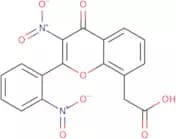
CAS :Produit contrôlé<p>Aminopeptidase N inhibitor is a biochemical compound, often derived from synthetic sources, that selectively inhibits the activity of the enzyme aminopeptidase N (APN). APN is a metalloprotease involved in the hydrolysis of N-terminal amino acids from peptides and proteins. By binding to the active site of APN, this inhibitor effectively obstructs the enzyme's function, which can modulate a variety of physiological processes.</p>Formule :C17H10N2O8Degré de pureté :Min. 95%Masse moléculaire :370.3 g/molGSK2807 Trifluoroacetate
CAS :<p>GSK2807 Trifluoroacetate is a selective inhibitor, specifically targeting the lysine acetyltransferase MYST3 (MOZ), which is derived synthetically through medicinal chemistry. This compound functions by competitively inhibiting the acetylation of histone lysine residues, crucial components in the regulation of gene expression through chromatin modification. The inhibition of MYST3 disrupts its role in facilitating transcriptional activation by modulating chromatin structure, thereby impairing the recruitment of transcription factors and other co-regulatory proteins essential for gene expression.</p>Formule :C21H33F3N8O7Degré de pureté :Min. 95%Masse moléculaire :566.53 g/molBAY-545
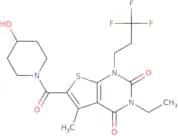
CAS :<p>BAY-545 is a small molecule inhibitor, which is synthetically developed with precise activity targeting cyclin-dependent kinases (CDKs). It serves as a critical advancement in understanding the pharmacological modulation of key regulatory proteins involved in cell cycle progression. BAY-545 exerts its effects by selectively inhibiting specific CDKs, thereby altering the phosphorylation status of downstream targets. This inhibition disrupts the cell cycle, leading to cell cycle arrest and potentially inducing apoptosis in cancerous cells.</p>Formule :C18H22F3N3O4SDegré de pureté :Min. 95%Masse moléculaire :433.45 g/molIsatoribine monohydrate
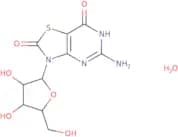
CAS :<p>Isatoribine monohydrate is a synthetic nucleoside analog, which is a derivative of the naturally occurring compound prodrug. It is sourced from the chemical modification of inosine, an endogenous compound in the body involved in purine metabolism. The mode of action of Isatoribine monohydrate involves the activation of the toll-like receptor 7 (TLR7) pathway, which is integral to the innate immune response. This activation results in the production of type I interferons and other cytokines that bolster antiviral defense mechanisms.</p>Formule :C10H14N4O7SDegré de pureté :Min. 95%Masse moléculaire :334.31 g/mol18:1 Pi(3,4,5)P3
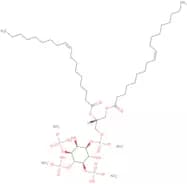
CAS :<p>18:1 PI(3,4,5)P3 is a phosphatidylinositol polyphosphate, which is a signaling lipid molecule derived from a glycerophospholipid source, commonly used in biochemical research. It is a product of the PI3K (phosphoinositide 3-kinase) pathway, where it acts as a secondary messenger involved in various cellular processes. This lipid plays a critical role in signal transduction by recruiting proteins with pleckstrin homology (PH) domains to the cell membrane, thereby modulating cell growth, proliferation, survival, and migration.</p>Formule :C45H98N4O22P4Degré de pureté :Min. 95%Masse moléculaire :1,171.17 g/molLY2794193
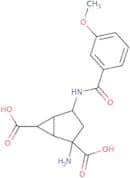
CAS :<p>LY2794193 is a dual inhibitor that serves as a small molecule compound, which is synthesized through advanced organic chemistry techniques. Its mode of action involves the inhibition of specific protein tyrosine kinases, which are critical in the signaling pathways that regulate cellular proliferation and survival. These kinases play significant roles in oncogenic processes and immune responses.</p>Formule :C16H18N2O6Degré de pureté :Min. 95%Masse moléculaire :334.32 g/molSG3199
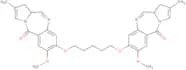
CAS :<p>SG3199 is an advanced agricultural plant growth regulator, which is synthetically derived with effects mimicking those of natural auxins. Auxins are a class of plant hormones essential for growth regulation, so SG3199 provides critical support for optimizing developmental processes in crops. As a synthetic analog, it functions by modulating cell elongation and division through targeted interaction with cellular auxin receptors, thereby enhancing phenotypic characteristics, such as stem elongation, root initiation, and overall plant vigor.</p>Formule :C33H36N4O6Degré de pureté :Min. 95%Masse moléculaire :584.7 g/molM-110
CAS :<p>M-110 is a high-pressure homogenizer, which is an advanced instrument primarily derived from mechanical engineering principles. This device operates by rapidly pushing a liquid sample through a narrow orifice under extremely high pressure, typically up to tens of thousands of psi, causing cell disruption and micronization due to intense shear forces and impact mechanisms. The high-pressure action facilitates precise particle size reduction and emulsification, allowing a uniform distribution of particles at the nanoscale.</p>Formule :C22H28ClN5O3Degré de pureté :Min. 95%Masse moléculaire :445.94 g/molSBI-0640756
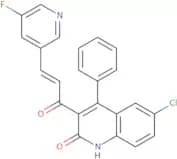
CAS :<p>SBI-0640756 is a chemical compound, which is derived from novel synthesis techniques with a specific focus on targeting cellular pathways. It functions as a small molecule modulator that influences lysosomal homeostasis by interacting with specific molecular targets involved in autophagy and cellular degradation processes.</p>Formule :C23H14ClFN2O2Degré de pureté :Min. 95%Masse moléculaire :404.82 g/molIrindalone
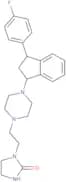
CAS :<p>Irindalone is a pharmacological compound, classified as a dopamine antagonist, which is developed from synthetic chemical processes. Its mode of action involves the inhibition of dopamine receptors, particularly in the central nervous system. By blocking these receptors, Irindalone alters dopamine-mediated neurotransmission, which may modulate various neurological pathways.</p>Formule :C24H29FN4ODegré de pureté :Min. 95%Masse moléculaire :408.5 g/molMM-589 TFA
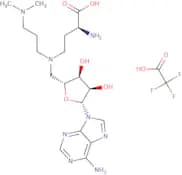
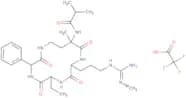
CAS :<p>MM-589 TFA is a synthetic compound, which is an engineered chemical designed for biochemical research. It is derived from synthetic organic chemistry, providing a pure and controlled source for experimental applications. The mode of action for MM-589 TFA involves the modulation of the biosynthesis pathway of fatty acids. It acts by interfering with key enzymes involved in the elongation and desaturation steps, thereby altering lipid profiles within cells.</p>Formule :C30H45F3N8O7Degré de pureté :Min. 95%Masse moléculaire :686.7 g/mol1-tert-Butyl-3-[2-(3-methoxyphenoxy)-5-nitrophenyl]sulfonylurea
CAS :1-tert-Butyl-3-[2-(3-methoxyphenoxy)-5-nitrophenyl]sulfonylurea is a highly specialized sulfonylurea herbicide. It is synthetically derived from intricate chemical processes involving phenoxy and nitrophenyl compounds. The mode of action involves the inhibition of the acetolactate synthase (ALS) enzyme in susceptible plants. This inhibition disrupts the biosynthesis of branched-chain amino acids, leading to the cessation of cell division and growth in the targeted weed species.Formule :C18H21N3O7SDegré de pureté :Min. 95%Masse moléculaire :423.4 g/molCXCR2 Antagonist IV, Sch527123
CAS :<p>CXCR2 Antagonist IV, Sch527123, is a small molecule antagonist, which is a synthetic chemical compound with high specificity and affinity for the CXCR2 receptor. This receptor is primarily sourced from the leukocyte population, playing a significant role in the inflammatory response and immune cell trafficking.</p>Formule :C21H23N3O5Degré de pureté :Min. 95%Masse moléculaire :397.42 g/molGSK2981278
CAS :<p>GSK2981278 is a novel investigational product developed by GlaxoSmithKline. It is a potent and selective activator of the transcription factor Nrf2, derived through advanced medicinal chemistry and designed for targeted pharmacological effects. This compound functions by modulating the Nrf2 pathway, which plays a pivotal role in the cellular response to oxidative stress. By activating Nrf2, GSK2981278 aims to enhance the cellular defense systems, thereby mitigating oxidative damage.</p>Formule :C25H35NO5SDegré de pureté :Min. 95%Masse moléculaire :461.61 g/molBAY 1000394
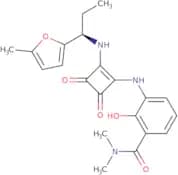
CAS :<p>BAY 1000394 is an investigational drug compound that functions as an oral anticoagulant. It originates from synthetic chemical processes designed to create potent and selective inhibitors of specific targets within the coagulation cascade. The mode of action involves the inhibition of Factor Xa, an essential enzyme in the coagulation pathway that catalyzes the conversion of prothrombin to thrombin, ultimately leading to fibrin clot formation. By targeting Factor Xa, BAY 1000394 effectively reduces the generation of thrombin, thereby diminishing the formation of pathologic clots without markedly altering existing fibrinogen levels.</p>Formule :C18H21F3N4O3SDegré de pureté :Min. 95%Masse moléculaire :430.44 g/molPentapotassium, 2-[2-[2-[6-[bis(carboxylatomethyl)amino]-2,3-difluorophenoxy]ethoxy]-N-(carboxylatomethyl)-4-(2,7-dichloro-3-oxido-6 -oxoxanthen-9-yl)anilino]acetate
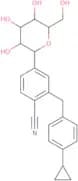
CAS :<p>Pentapotassium, 2-[2-[2-[6-[bis(carboxylatomethyl)amino]-2,3-difluorophenoxy]ethoxy]-N-(carboxylatomethyl)-4-(2,7-dichloro-3-oxido-6-oxoxanthen-9-yl)anilino]acetate is a specialized chemical compound used in advanced biochemical and biomedical research. This compound is synthesized through a series of complex organic reactions involving the integration of carboxylate groups, fluorinated aromatic structures, and xanthenes. Such structural components are critical for its ion-binding properties and fluorescent characteristics.</p>Formule :C35H21Cl2F2K5N2O13Degré de pureté :Min. 95%Masse moléculaire :981.9 g/molCG347B
CAS :<p>CG347B is a synthetic glucocorticoid-receptor-binding molecule, which is derived from laboratory-based chemical synthesis focused on modulating glucocorticoid receptor pathways. This compound works through selective glucocorticoid receptor engagement, inducing changes in gene expression that replicate aspects of natural hormone binding but with distinct specificity and kinetics.</p>Formule :C16H17N3O2Degré de pureté :Min. 95%Masse moléculaire :283.32 g/molFGH10019
CAS :<p>FGH10019 is an enzyme formulation, which is derived from recombinant DNA technology, with a highly specific catalytic mode of action. This enzyme functions by selectively cleaving peptide bonds in protein substrates, enabling precise modification and degradation of target proteins. The source of FGH10019 is a genetically engineered strain of *Escherichia coli*, optimized for high yield and activity.</p>Formule :C18H19N3O2S2Degré de pureté :Min. 95%Masse moléculaire :373.49 g/molGardiquimod
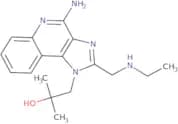
CAS :<p>Gardiquimod is a synthetic imidazoquinoline, which is a small molecule produced through chemical synthesis. Its primary mode of action involves binding to Toll-like receptor 7 (TLR7), a pattern recognition receptor that plays a pivotal role in the innate immune response. Through this interaction, Gardiquimod activates antigen-presenting cells such as dendritic cells and macrophages, leading to the production of type I interferons and other inflammatory cytokines.</p>Formule :C17H23N5ODegré de pureté :Min. 95%Masse moléculaire :313.4 g/molGSK-239512
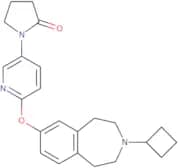
CAS :<p>GSK-239512 is a potent and selective histamine H3 receptor antagonist, which is a compound developed by GSK, derived from extensive pharmacological research. This organic compound acts by selectively inhibiting the H3 receptor subtype, which modulates the release of neurotransmitters in the central nervous system, including histamine, acetylcholine, and norepinephrine.<br><br>The pharmacological action of GSK-239512 involves attenuating the inhibitory action of histamine on neurotransmitter release, thereby increasing wakefulness and enhancing cognitive processes. This mechanism makes it a compelling candidate in the context of researching treatments for cognitive disorders such as Alzheimer's disease and attention-deficit hyperactivity disorder (ADHD).<br><br>In preclinical studies, GSK-239512 has demonstrated encouraging results in improving cognition and memory. Its application extends to experimental models where modulating central histaminergic pathways is explored for therapeutic benefits. Current investigations aim to determine its efficacy and safety profiles in human clinical trials, where it continues to be pivotal in understanding histaminergic neuromodulation's role in cognitive enhancement and neuroprotection.</p>Formule :C23H27N3O2Degré de pureté :Min. 95%Masse moléculaire :377.48 g/molSKA-121
CAS :<p>SKA-121 is a synthetic antimicrobial peptide, which is derived from a combinatorial library of synthetic peptides. The source of SKA-121 involves bioengineering techniques to mimic naturally occurring antimicrobial peptides, enhancing their stability and efficacy. Its mode of action involves disrupting bacterial cell membranes, leading to cell lysis and death. This disruption is primarily due to the peptide's amphipathic nature, allowing it to integrate into lipid bilayers, destabilizing the membrane structure. SKA-121 is utilized in various applications including antibacterial coatings, infection control, and as a research tool to study microbial resistance mechanisms. Its versatile application extends to medical devices, surfaces, and potential therapeutic options where bacterial infection poses substantial challenges. The efficacy of SKA-121 against multidrug-resistant strains underlines its importance as a research focus for developing next-generation antimicrobials.</p>Formule :C12H10N2ODegré de pureté :Min. 95%Masse moléculaire :198.22 g/molTenidap
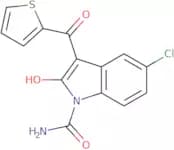
CAS :<p>Tenidap is a synthetic anti-inflammatory drug, which is derived from the chemical modification of nonsteroidal anti-inflammatory drugs (NSAIDs). It functions as both a cyclooxygenase (COX) inhibitor and a modulator of cytokine production. This dual mode of action allows Tenidap to simultaneously reduce the synthesis of prostaglandins by inhibiting COX enzymes and suppress the production of pro-inflammatory cytokines like interleukin-1 and tumor necrosis factor. This makes it unique compared to traditional NSAIDs.</p>Formule :C14H9ClN2O3SDegré de pureté :Min. 95%Masse moléculaire :320.75 g/molGlutathione S-transferase
CAS :<p>Glutathione S-transferase is an enzyme, which is a member of a family of enzymes found in many organisms, including humans, plants, and bacteria. It plays a crucial role in the detoxification process by catalyzing the conjugation of the antioxidant molecule glutathione to various electrophilic compounds. This conjugation reaction facilitates the conversion of lipophilic toxins and metabolites into more water-soluble forms, which can then be excreted from the body.</p>Degré de pureté :Min. 95%Couleur et forme :PowderMasse moléculaire :4,550 g/mol3-[2-[2-[2-[2-[2-(2-Azidoethoxy)ethoxy]ethoxy]ethoxy]ethoxy]ethoxy]prop-1-yne
CAS :<p>3-[2-[2-[2-[2-[2-(2-Azidoethoxy)ethoxy]ethoxy]ethoxy]ethoxy]ethoxy]prop-1-yne is a polyether-based alkyne azide compound, which is a synthetic chemical reagent commonly used within the fields of chemical biology and materials science. This compound is derived from the azide-alkyne Huisgen cycloaddition reaction principles, often known as "click chemistry." Its mode of action involves the azide group, which can participate in efficient and selective reactions with terminal alkynes under copper-catalyzed conditions, leading to the formation of stable 1,2,3-triazole linkages.</p>Formule :C15H27N3O6Degré de pureté :Min. 95%Masse moléculaire :345.39 g/molTC-G 1000
CAS :<p>TC-G 1000 is a thermoconductive gel, synthesized from synthetic polymer composites with high thermal conductivity properties. This product is designed to enhance heat dissipation in high-performance electronic devices. Leveraging advanced polymer technology, TC-G 1000 effectively bridges the gap between heat-generating components and cooling solutions, ensuring optimal thermal management.</p>Formule :C17H18N2O4SDegré de pureté :Min. 95%Masse moléculaire :346.4 g/molK 114
CAS :<p>K 114 is a selective herbicide, which is a synthetic chemical intervention designed to target and manage unwanted plant species in agricultural settings. Derived from advanced chemical synthesis processes, it ensures high purity and efficacy in real-world applications. The mode of action involves the inhibition of key enzymatic pathways crucial for the survival and growth of broadleaf and grassy weeds, thereby effectively hindering their development without affecting the desired crops.</p>Formule :C22H17BrO2Degré de pureté :Min. 95%Masse moléculaire :393.27 g/molFGTI-2734
CAS :<p>Please enquire for more information about FGTI-2734 including the price, delivery time and more detailed product information at the technical inquiry form on this page</p>Formule :C26H31FN6O2SDegré de pureté :Min. 95%Masse moléculaire :510.6 g/molAsp 2535
CAS :<p>Asp 2535 is a sodium hypochlorite-based compound, which is a chlorine-releasing agent with potent antimicrobial properties. It originates from the oxidation of sodium chloride and displays its efficacy through the release of hypochlorous acid upon dissolution in water. This mode of action involves the disruption of essential cellular processes in microorganisms, including protein synthesis and nucleic acid structure, ultimately leading to cell death.</p>Formule :C22H18N6ODegré de pureté :Min. 95%Masse moléculaire :382.4 g/molGI 254023X
CAS :<p>Inhibitor of ADAM10 metalloprotease</p>Formule :C21H33N3O4Degré de pureté :Min. 95%Masse moléculaire :391.5 g/molCDKI-73
CAS :<p>CDKI-73 is a selective cyclin-dependent kinase (CDK) inhibitor, which originates from targeted medicinal chemistry efforts aimed at modulating cell cycle progression. This compound operates through the inhibition of specific CDK enzymes, crucial regulators of the cell cycle, and transcriptional processes. By selectively targeting these kinases, CDKI-73 disrupts the phosphorylation events necessary for cell cycle progression, thereby inducing cell cycle arrest and promoting apoptosis in cancer cells.</p>Formule :C15H15FN6O2S2Degré de pureté :Min. 95%Masse moléculaire :394.45 g/molPcna, His tagged human
CAS :<p>PCNA, His tagged human, is a recombinant protein that plays a critical role in DNA replication and repair, serving as a pivotal component of the DNA replication machinery. It is derived from a human source and is produced using recombinant DNA technology, with a His-tag for purification and detection purposes. The His-tag is a polyhistidine sequence that facilitates purification through affinity chromatography, allowing for high purity and specificity in experimental applications.</p>Degré de pureté :Min. 95%Paricalcitol-d6
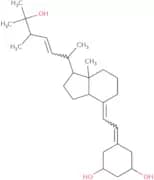
CAS :<p>Paricalcitol-d6 is a stable isotope-labeled analog of paricalcitol, which is a synthetic vitamin D analog. It is designed with deuterium atoms, serving as an isotopic variant to assist in precise analytical measurements. The source of Paricalcitol-d6 involves synthetic chemical processes, meticulously incorporating six deuterium atoms to replace hydrogen atoms in the original paricalcitol structure.</p>Formule :C27H38D6O3Degré de pureté :Min. 95%Masse moléculaire :422.67 g/molDPM-1001
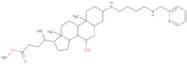
CAS :<p>DPM-1001 is a bioactive synthetic compound, classified as a small molecule inhibitor, which is derived from targeted chemical synthesis and optimization processes. It functions through the inhibition of specific enzymatic pathways that are critical in cellular signaling cascades. The mode of action involves binding to the active site of the target enzyme, thereby preventing its normal substrate interaction and subsequent downstream signaling. This mechanism allows for the modulation of specific biochemical pathways, making it a powerful tool in cellular research.</p>Formule :C35H57N3O3Degré de pureté :Min. 95%Masse moléculaire :567.8 g/molAMG 337
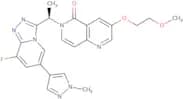
CAS :<p>AMG 337 is a small molecule inhibitor, which is derived from synthetic chemical processes, with a mode of action involving the selective inhibition of the c-Met receptor tyrosine kinase. The c-Met receptor, also known as hepatocyte growth factor receptor, plays a critical role in various cellular processes such as proliferation, survival, and motility. Dysregulation of c-Met signaling is implicated in several types of cancers, making it a significant therapeutic target.</p>Formule :C23H22FN7O3Degré de pureté :Min. 95%Masse moléculaire :463.46 g/molVelagliflozin
CAS :<p>Velagliflozin is an investigational pharmaceutical compound, which is a selective sodium-glucose cotransporter 2 (SGLT2) inhibitor. It is derived from synthetic chemical sources, specifically designed for the modulation of glucose levels in the bloodstream. Velagliflozin functions by inhibiting the SGLT2 protein in the proximal renal tubules, thereby preventing glucose reabsorption in the kidney and promoting its excretion through urine. This mechanism of action effectively lowers blood glucose levels and provides an adjunct therapeutic approach in the management of type 2 diabetes mellitus.</p>Formule :C23H25NO5Degré de pureté :Min. 95%Masse moléculaire :395.4 g/molErk1/2 inhibitor 2
CAS :<p>Erk1/2 inhibitor 2 is a selective small molecule inhibitor designed to target and inhibit the activity of the extracellular signal-regulated kinases 1 and 2 (Erk1/2). These kinases are critical components of the mitogen-activated protein kinase (MAPK) signaling pathway, which is integral to regulating various cellular processes, including proliferation, differentiation, and survival. The source of Erk1/2 inhibitor 2 is synthetic, produced through meticulous organic synthesis techniques specifically tailored to enhance its selectivity and potency.</p>Formule :C29H31ClFN5O5Degré de pureté :Min. 95%Masse moléculaire :584 g/molPF-06305591
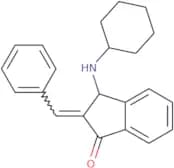
CAS :<p>PF-06305591 is an investigational drug that functions as a selective antagonist of the neuronal nitric oxide synthase (nNOS) enzyme. It is derived from synthetic chemical sources designed to inhibit the production of nitric oxide in neural tissues. By specifically inhibiting nNOS, this compound reduces the nociceptive signaling pathways associated with pain and inflammation.</p>Formule :C15H22N4ODegré de pureté :Min. 95%Masse moléculaire :274.36 g/mol(E)-2-Benzylidene-3-(cyclohexylamino)-2,3-dihydro-1H-inden-1-one
CAS :<p>(E)-2-Benzylidene-3-(cyclohexylamino)-2,3-dihydro-1H-inden-1-one is a synthetically derived organic compound, which serves as a selective inhibitor of specific protein kinases. It is synthesized through a series of organic reactions including condensation and amination, primarily in research laboratories focusing on medicinal chemistry.</p>Formule :C22H23NODegré de pureté :Min. 95%Masse moléculaire :317.4 g/molRen-1869 hydrochloride
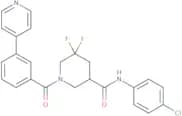
CAS :<p>Ren-1869 hydrochloride is a highly selective renin inhibitor, which is a synthetic compound used extensively in cardiovascular research. As a chemically synthesized molecule, it is designed to specifically target and inhibit renin, an enzyme critical in the renin-angiotensin-aldosterone system (RAAS). This system plays a significant role in blood pressure regulation and electrolyte balance.</p>Formule :C24H28ClNO2Degré de pureté :Min. 95%Masse moléculaire :397.9 g/molN-(4-Chlorophenyl)-5,5-difluoro-1-(3-(pyridin-4-yl)benzoyl)piperidine-3-carboxamide
CAS :<p>N-(4-Chlorophenyl)-5,5-difluoro-1-(3-(pyridin-4-yl)benzoyl)piperidine-3-carboxamide is an advanced fluorinated piperidine derivative often used in biochemical research and drug development. This compound is synthesized through intricate organic chemistry techniques that typically involve multi-step processes designed to achieve precise structural functionalities. Its mode of action is based on interacting with target receptors or enzymes in biological systems, possibly altering their activity in a highly selective manner.</p>Formule :C24H20ClF2N3O2Degré de pureté :Min. 95%Masse moléculaire :455.9 g/molCalpain Inhibitor III
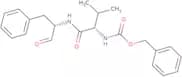
CAS :<p>Inhibitor of calpain and cathepsin B</p>Formule :C22H26N2O4Degré de pureté :Min. 95%Couleur et forme :PowderMasse moléculaire :382.45 g/mol1,2-Distearoyl-sn-glycero-3-phosphoinositol ammonium
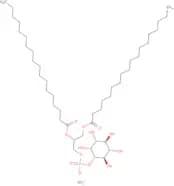
CAS :<p>1,2-Distearoyl-sn-glycero-3-phosphoinositol ammonium is a synthetic phospholipid utilized in numerous scientific and medical applications. It is derived from glycerophospholipids, which are integral components of cellular membranes. These phospholipids can be synthesized to include specific fatty acids like stearic acid to enhance their functional properties.</p>Formule :C45H90NO13PDegré de pureté :Min. 95%Masse moléculaire :884.17 g/molPep2m, myristoylated
CAS :<p>Pep2m, myristoylated, is a synthetic lipopeptide that acts as a research tool, derived from biochemical synthesis methods. It is myristoylated to facilitate membrane association, utilizing the lipophilic properties of the myristoyl group, which enhance its interaction with cell membranes or synthetic vesicles. The primary mode of action involves the insertion of the myristoylated moiety into lipid bilayers, influencing membrane dynamics and protein-membrane interactions.</p>Formule :C63H118N18O14SDegré de pureté :Min. 95%Masse moléculaire :1,383.8 g/molTryphos(R)
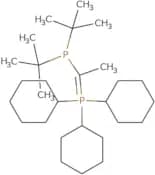
CAS :<p>Tryphos(R) is a specialized solvent and extractant, derived from organophosphorus compounds. This product originates from a chemically synthesized source, characterized by the complex manipulation of phosphorus chemistry to achieve its specific functional properties. Its mode of action involves the selective solvation and coordination with target molecules, which facilitates the separation or purification of specific compounds via liquid-liquid extraction processes.</p>Formule :C28H54P2Degré de pureté :Min. 95%Masse moléculaire :452.68 g/molGSK-J5 Hydrochloride
CAS :<p>GSK-J5 Hydrochloride is a potent small-molecule inhibitor, which is synthesized through chemical processes aimed at targeting specific inflammatory pathways. The source of this compound lies in its development from molecular research focused on modulating the bromodomain and extra-terminal (BET) family of proteins.</p>Formule :C24H28ClN5O2Degré de pureté :Min. 95%Masse moléculaire :453.96 g/molCevipabulin fumarate
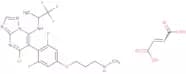
CAS :<p>Cevipabulin fumarate is a synthetic chemical compound, which is a small molecule derived from chemical synthesis with potent antineoplastic properties. It functions as a microtubule stabilizer, binding to the colchicine binding site on beta-tubulin, thereby disrupting the dynamic instability of microtubules. This disruption inhibits the polymerization and depolymerization of tubulin dimers, ultimately arresting the cell cycle and inducing apoptosis in cancer cells.</p>Formule :C22H22ClF5N6O5Degré de pureté :Min. 95%Masse moléculaire :580.9 g/mol



![1-tert-Butyl-3-[2-(3-methoxyphenoxy)-5-nitrophenyl]sulfonylurea](/_next/image/?url=https%3A%2Fstatic.cymitquimica.com%2Fproducts%2F3D%2Fthumb-webp%2FVMB71628.webp&w=3840&q=75)

![Pentapotassium, 2-[2-[2-[6-[bis(carboxylatomethyl)amino]-2,3-difluorophenoxy]ethoxy]-N-(carboxylat…](/_next/image/?url=https%3A%2Fstatic.cymitquimica.com%2Fproducts%2F3D%2Fthumb-webp%2FYNA07914.webp&w=3840&q=75)

![3-[2-[2-[2-[2-[2-(2-Azidoethoxy)ethoxy]ethoxy]ethoxy]ethoxy]ethoxy]prop-1-yne](/_next/image/?url=https%3A%2Fstatic.cymitquimica.com%2Fproducts%2F3D%2Fthumb-webp%2FYXB08003.webp&w=3840&q=75)