Composés organosiliciés
Dans cette section, vous trouverez un grand nombre de composés organosiliciés. Les composés organosiliciés sont caractérisés par des atomes de carbone liés à des atomes de silicium. D'autres composés non métalliques peuvent également être présents. Ces composés sont largement utilisés en synthèse organique, en science des matériaux et en pharmaceutique en raison de leurs propriétés chimiques uniques. Chez CymitQuimica, nous offrons une large gamme de composés organosiliciés de haute qualité pour soutenir vos recherches et projets industriels.
Sous-catégories appartenant à la catégorie "Composés organosiliciés"
4327 produits trouvés pour "Composés organosiliciés"
Trier par
Degré de pureté (%)
0
100
|
0
|
50
|
90
|
95
|
100
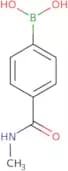
(4-(Methylcarbamoyl)phenyl)boronic acid
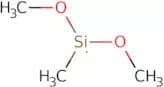
CAS :<p>Please enquire for more information about (4-(Methylcarbamoyl)phenyl)boronic acid including the price, delivery time and more detailed product information at the technical inquiry form on this page</p>Formule :C8H10BNO3Degré de pureté :Min. 95%Couleur et forme :PowderMasse moléculaire :178.98 g/molDimethoxy(methyl)silane - 90%
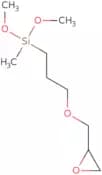
CAS :<p>Dimethoxy(methyl)silane is a fluorescing hydrocarbon that is used as a sealant. It has been shown to react with calcium carbonate and chloride, forming stable complexes. Dimethoxy(methyl)silane reacts with hydrogen chloride to form a divalent hydrocarbon and can be used to produce polymer films.</p>Formule :C3H10O2SiDegré de pureté :Min. 95%Couleur et forme :Clear LiquidMasse moléculaire :106.2 g/mol(3-glycidoxypropyl)methyldimethoxysilane
CAS :<p>3-Glycidoxypropyl methyldimethoxysilane (3-GPMDMS) is a compound that belongs to the group of organosilicon compounds. It is an organic solvent that has been used for the activation energy of ring-opening reactions. 3-GPMDMS is also suitable for immobilizing polysaccharides, proteins, and enzymes on surfaces or in polymer matrices. 3-GPMDMS has been used to produce polymers with high molecular weight and a wide range of molecular weights by polymerization. 3-GPMDMS can be synthesized by reacting glycidoxypropyltrimethoxysilane with methanol in the presence of hydrochloric acid. The chemical structure includes methoxy groups connected to silicon atoms via methylphenyl groups. 3-GPMDMS has been shown to exhibit excellent magnetic resonance properties and be a potential candidate for use as nanomaterials. It</p>Formule :C9H20O4SiDegré de pureté :Min. 95%Masse moléculaire :220.34 g/mol2,3-Dichlorophenylboronic acid
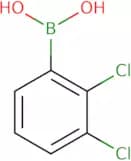
CAS :<p>2,3-Dichlorophenylboronic acid is a boron-containing compound. It is a substrate for the enzyme phosphatase and has been shown to inhibit the activity of the SHP2 protein kinase in vitro. This inhibition can lead to programmed cell death via apoptosis and necrosis. 2,3-Dichlorophenylboronic acid has also been shown to inhibit the growth of erythromycin resistant bacteria. The two isomers are not equally active. Dichloro(phenyl)boronic acid (1) is more potent than dichlorobis(phenyl)boronic acid (2).</p>Formule :C6H5BCl2O2Degré de pureté :Min. 97.5 Area-%Couleur et forme :White PowderMasse moléculaire :190.82 g/mol4-Amino-2-chlorophenylboronic acid pinacol ester
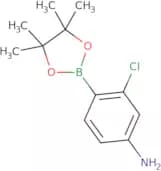
CAS :<p>4-Amino-2-chlorophenylboronic acid pinacol ester is a versatile building block that is used in the synthesis of complex compounds. It can be used as a research chemical, reagent, or speciality chemical depending on the desired use. 4-Amino-2-chlorophenylboronic acid pinacol ester reacts with nucleophiles to form covalent bonds and is also useful as a scaffold for synthesizing other compounds. This compound has been shown to be useful in the synthesis of many different types of chemicals.</p>Formule :C12H17BClNO2Degré de pureté :Min. 95%Couleur et forme :PowderMasse moléculaire :253.53 g/mol2,5-Diphenyl-3-(4-methoxyphenyl)pyronium tetrafluoroborate
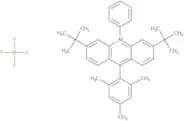
CAS :<p>2,5-Diphenyl-3-(4-methoxyphenyl)pyronium tetrafluoroborate is a chemical compound that can be used as a reagent or building block for the synthesis of other chemical compounds. It is also useful for research and as a versatile building block in organic chemistry. 2,5-Diphenyl-3-(4-methoxyphenyl)pyronium tetrafluoroborate is classified as a speciality chemical product. This compound has CAS Number 2907-20-2 and a molecular weight of 244.12 g/mol.</p>Formule :C24H19O2·BF4Degré de pureté :90%Couleur et forme :PowderMasse moléculaire :426.21 g/mol3,6-Bis(1,1-dimethylethyl)-10-phenyl-9-(2,4,6-trimethylphenyl)-acridinium tetrafluoroborate
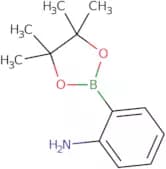
CAS :<p>3,6-Bis(1,1-dimethylethyl)-10-phenyl-9-(2,4,6-trimethylphenyl)-acridinium tetrafluoroborate is a high quality reagent that is used as an intermediate in the synthesis of other compounds. It has CAS No. 1810004-87-5 and a molecular weight of 345.7 g/mol. This compound is useful for the synthesis of complex compounds and can be used in fine chemicals. 3,6-Bis(1,1-dimethylethyl)-10-phenyl-9-(2,4,6-trimethylphenyl)-acridinium tetrafluoroborate is also useful for research purposes and can be used as a scaffold for drug discovery. It is also a versatile building block that can be used in reactions to produce speciality chemicals and reaction components such as esters or amides.</p>Formule :C36H40BF4NDegré de pureté :Min 95%Couleur et forme :PowderMasse moléculaire :573.51 g/mol2-Aminophenylboronic acid pinacol cyclic ester
CAS :<p>This compound is a drug target that is an organic molecule found in many pharmaceuticals. It is an acidic, ammonium persulfate-sensitive biomolecule, which can be introduced into cells and tissues to study their function. This compound has been shown to have cancer-fighting abilities, and has potent inhibitory activity against microbial infections. The compound also has suzuki coupling properties, which are used to introduce hemicyanine groups onto other molecules.</p>Formule :C12H18BNO2Degré de pureté :Min. 95%Couleur et forme :White PowderMasse moléculaire :219.09 g/molN-[3-(4,4,5,5-TetraMethyl-[1,3,2]dioxaborolan-2-yl)-phenyl]succinamic acid
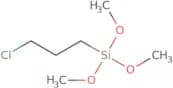
CAS :<p>N-[3-(4,4,5,5-TetraMethyl-[1,3,2]dioxaborolan-2-yl)-phenyl]succinamic acid is an intermediate in the synthesis of a variety of compounds. It is also a useful building block in the synthesis of complex compounds. In addition to its use as a research chemical and reagent, N-[3-(4,4,5,5-TetraMethyl-[1,3,2]dioxaborolan-2-yl)-phenyl]succinamic acid can be used as a speciality chemical.</p>Formule :C16H22BNO5Degré de pureté :Min. 95%Masse moléculaire :319.16 g/molγ-Chloropropyl trimethoxysilane
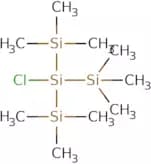
CAS :<p>Gamma-chloropropyl trimethoxysilane (CPS) is a chemical compound with the formula Cl3Si(OCH3)2. It is an organosilicon compound that is used in surface preparation and modification to improve hydrophobicity, chemical stability, and mechanical properties. CPS forms covalent linkages with organic compounds on the surface by reaction with hydroxyl groups. It has been shown to react with fatty acids such as oleic acid, forming a metal chelate. CPS reacts with sodium carbonate (Na2CO3) to form sodium chloropropoxide (NaClOCH3). This reaction is exothermic and can be used for sample preparation. The mechanism of this reaction is thought to involve the formation of a copper complex followed by its hydrolysis.</p>Formule :C6H15ClO3SiDegré de pureté :Min. 95%Couleur et forme :Clear LiquidMasse moléculaire :198.72 g/molChlorotris(trimethylsilyl)silane
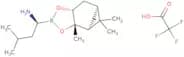
CAS :<p>Chlorotris(trimethylsilyl)silane is a chlorosilane with a trifluoromethyl group and one other organic group. It can be prepared by thermal decomposition of chlorotrimethylsilane. Chlorotris(trimethylsilyl)silane has been used in the synthesis of branched-chain alkanes and cycloalkanes, as well as in the preparation of molecular fragments for use in organometallic syntheses. This molecule absorbs ultraviolet light strongly at 254 nm, making it useful for measurements of UV absorption spectra.</p>Formule :C9H27ClSi4Degré de pureté :Min. 95 Area-%Couleur et forme :White PowderMasse moléculaire :283.11 g/mol(R)-BoroLeu-(+)-pinanediol-trifluoroacetate
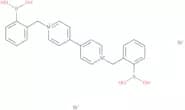
CAS :<p>(R)-BoroLeu-(+)-pinanediol-trifluoroacetate is a complex compound with CAS No. 179324-87-9 and can be used as a reagent, useful intermediate, or fine chemical. It is a versatile building block that can be used in the synthesis of speciality chemicals, research chemicals, and reaction components. This compound has been reported to be a useful scaffold for the synthesis of novel compounds that could have applications in medicine, such as anti-cancer drugs and antibiotics.</p>Formule :C17H29BF3NO4Couleur et forme :White Off-White PowderMasse moléculaire :379.22 g/molN,N'-4,4'-Bis(benzyl-2-boronic acid)-bipyridinium dibromide
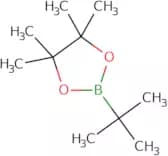
CAS :<p>N,N'-4,4'-Bis(benzyl-2-boronic acid)-bipyridinium dibromide is a high quality reagent that can be used as an intermediate for the synthesis of complex organic compounds. It is a complex compound that contains boronic acid and bipyridinium moieties. N,N'-4,4'-Bis(benzyl-2-boronic acid)-bipyridinium dibromide is useful in the synthesis of fine chemicals and speciality chemicals. It has versatile building block properties and can be used as a reaction component in many chemical reactions.</p>Formule :C24H24B2N2O4Br2Degré de pureté :Min. 95%Couleur et forme :PowderMasse moléculaire :585.89 g/moltert-Butylboronic acid pinacol ester
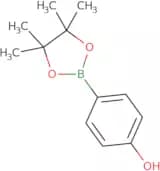
CAS :<p>tert-Butylboronic acid pinacol ester is a fine chemical reagent that is used as a building block in the synthesis of complex compounds. It is an intermediate in reactions involving the conversion of alcohols to esters with the use of acid catalysts. Tert-butylboronic acid pinacol ester has been shown to be a useful scaffold for organic synthesis, and can be used as a high quality reaction component. It also has applications as a research chemical and speciality chemical.</p>Formule :C10H21BO2Degré de pureté :Min. 95%Couleur et forme :Clear LiquidMasse moléculaire :184.08 g/mol4-Hydroxyphenylboronic acid pinacol ester
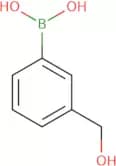
CAS :<p>4-Hydroxyphenylboronic acid pinacol ester is a hydrophilic compound that has been used as a long-acting iron chelator. It has been shown to be active in the treatment of anemic patients with chronic kidney disease. 4-Hydroxyphenylboronic acid pinacol ester has been shown to bind to hepcidin, which is a peptide hormone that regulates iron homeostasis in the body by decreasing its absorption from the gut and increasing its excretion. It also binds to functional groups on proteins and other molecules, which allow for selective targeting of certain tissues or cells. This compound can be activated by light, making it photochromic. The addition of an active oxygen atom enables this molecule to react at a faster rate than most compounds and also creates reactive oxygen species (ROS) in humans when activated.</p>Formule :C12H17BO3Degré de pureté :Min. 95%Couleur et forme :White PowderMasse moléculaire :220.1 g/mol3-(Hydroxymethyl)phenylboronic acid
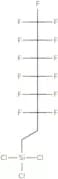
CAS :<p>3-(Hydroxymethyl)phenylboronic acid (3HMBBA) is an analog of 3-hydroxymethylphenylboronic acid. It has been used in the Suzuki coupling reaction to produce a number of biologically important compounds, such as beta-lactamase inhibitors. This compound also inhibits the activity of human liver cancer cells and human liver tissue in vitro. The hydroxy group on the left-hand side of the molecule provides a potent inhibition effect on beta-lactamases that are produced by bacteria and may be useful for treating infections caused by these bacteria. 3HMBBA is soluble in neutral pH solutions, which makes it easy to work with and store. 3HMBBA can also be used as a ferrite for permanent magnets due to its high magnetic moment.</p>Formule :C7H9BO3Degré de pureté :Min. 95%Couleur et forme :PowderMasse moléculaire :151.96 g/molTrichloro(1H,1H,2H,2H- tridecafluoro-n-octyl)silane
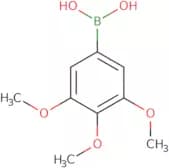
CAS :<p>Trichloro(1H,1H,2H,2H-tridecafluoro-n-octyl)silane is a chemical compound with the formula CClF[CF(CF)CFSiCl]. It is a colorless liquid that can be used in coatings and as a precursor to other fluorinated compounds. Trichloro(1H,1H,2H,2H-tridecafluoro-n-octyl)silane has been shown to have synergistic effects when combined with cationic surfactants and laser ablation techniques for microbial infection. This compound also has transport properties that are influenced by the presence of water vapor. Trichloro(1H,1H,2H,2H-tridecafluoro-n-octyl)silane is an inert monolayer on boron nitride substrates and has constant optical properties.</p>Formule :C8H4Cl3F13SiDegré de pureté :Min. 95%Couleur et forme :Clear LiquidMasse moléculaire :481.54 g/mol(3,4,5-Trimethoxyphenyl)boronic acid
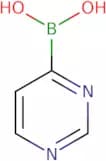
CAS :<p>(3,4,5-Trimethoxyphenyl)boronic acid is an active analogue of 3,4,5-trimethoxybenzoic acid. It has potent anti-inflammatory properties and inhibits cancer cell proliferation. (3,4,5-Trimethoxyphenyl)boronic acid has been shown to inhibit the growth of cancer cells in vitro by binding to the gyrase enzyme. This drug also has biological properties that may be useful for treating human liver diseases such as hepatic steatosis or nonalcoholic fatty liver disease (NAFLD).</p>Formule :C9H13BO5Degré de pureté :Min. 95 Area-%Couleur et forme :PowderMasse moléculaire :212.01 g/molPyrimidine-4-boronic acid
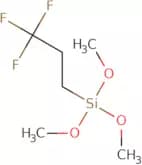
CAS :<p>Pyrimidine-4-boronic acid is a pyrimidine derivative that is used as a building block or intermediate in organic chemistry. It has the CAS number 852362-24-4 and can be found in research chemicals and speciality chemicals. Pyrimidine-4-boronic acid is a versatile chemical with many uses, including as a reaction component or reagent. This compound has many properties that make it useful for synthesis, such as its low toxicity and high quality.</p>Formule :C4H5BN2O2Degré de pureté :Min. 95 Area-%Couleur et forme :PowderMasse moléculaire :123.91 g/molTrimethoxy(3,3,3-trifluoropropyl)silane
CAS :<p>Trimethoxy(3,3,3-trifluoropropyl)silane is a chemical that is used as a coating for metals and plastics. It has been shown to be an excellent lubricant and can be used as a fuel additive. Trimethoxy(3,3,3-trifluoropropyl)silane is also used in analytical chemistry for gravimetric analysis. This chemical can undergo reactions with other compounds such as hydrogen gas to form trimethoxysilane (SiH), which can be detected by FT-IR spectroscopy. Trimethoxy(3,3,3-trifluoropropyl)silane also reacts with metal ions in the presence of light to form metal complexes that have potential applications in photovoltaic devices and electrochemical studies. !--END--> !--END--></p>Formule :C6H13F3O3SiDegré de pureté :Min. 95%Couleur et forme :Clear LiquidMasse moléculaire :218.25 g/molLithium tetraborate
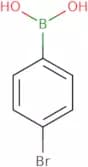
CAS :<p>Lithium tetraborate (LiBO) is a compound used in the preparation of samples for laser ablation. It can be synthesized by reacting lithium carbonate with boron nitride in a hydrochloric acid solution at room temperature. Lithium tetraborate is often used as a buffer to increase the pH of the solution and to maintain it at a constant level during reactions. This compound has been studied extensively, and its spectroscopic properties have been well documented. The thermal expansion coefficient of LiBO is high, which makes it suitable for use in radiation experiments. Lithium tetraborate has also been shown to be an effective catalyst for organic synthesis reactions that require high activation energies, such as the synthesis of phenol from benzene and formaldehyde.</p>Formule :Li2B4O7Degré de pureté :Min. 95%Couleur et forme :PowderMasse moléculaire :169.12 g/mol4-Bromophenylboronic acid
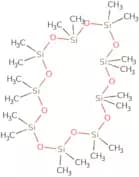
CAS :<p>4-Bromophenylboronic acid is a boronic acid with a basic structure. It has been used to synthesize picolinic acid, which is a water-soluble drug with light emission and anhydrous sodium. 4-Bromophenylboronic acid has been shown to have diagnostic properties because of its ability to enhance the concentration–time curve of sodium salts in human serum. It can also be used as an asymmetric synthesis agent for the production of fatty acids.</p>Formule :C6H6BBrO2Degré de pureté :Min. 97.5 Area-%Couleur et forme :PowderMasse moléculaire :200.83 g/molOctadecamethylcyclononasiloxane
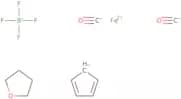
CAS :<p>Octadecamethylcyclononasiloxane is a silicon-containing molecule, which has been shown to have antihypertensive activity. It works by inhibiting the production of angiotensin II, a key regulator of blood pressure, and thereby reducing blood pressure. Octadecamethylcyclononasiloxane also exhibits tumor-promoting activities in some animal models. This molecule is used as a surface active agent in many household products such as dishwashing detergents, shampoos, and cosmetics. It is also used as an acid catalyst in organic synthesis and in the manufacture of magnetic particles for use in biotechnology.<br>A fatty acid ester with functional groups that can be found on its surface may contribute to octadecamethylcyclononasiloxane's cancer-promoting activities.</p>Formule :C18H54O9Si9Degré de pureté :Min. 95%Couleur et forme :Clear LiquidMasse moléculaire :667.39 g/molCyclopentadienyldicarbonyl(tetrahydrofuran)iron(II) tetrafluoroborate
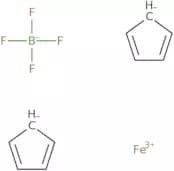
CAS :<p>Cyclopentadienyldicarbonyl(tetrahydrofuran)iron(II) tetrafluoroborate is a chemical that is used as a building block in research and speciality chemical synthesis. The compound has been shown to be versatile, with many possible reactions, including the formation of a complex. This compound can also be used as an intermediate for another chemical or as a scaffold for other compounds. Cyclopentadienyldicarbonyl(tetrahydrofuran)iron(II) tetrafluoroborate is a high quality reagent that can be used in reaction processes with low toxicity.</p>Formule :C11H13FeO3•BF4Degré de pureté :Min. 95%Couleur et forme :SolidMasse moléculaire :335.87 g/molFerrocenium Tetrafluoroborate
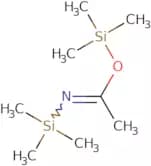
CAS :<p>Ferrocenium tetrafluoroborate is a chiral, unreactive compound that is synthesized through the reaction of ferrocene and tetrafluoroboric acid. Ferrocenium tetrafluoroborate is a kinetic polymer that can be used as a linker in the synthesis of polymeric materials. This compound has been shown to catalyze the epoxidation of aliphatic alcohols to yield epoxides. Ferrocenium tetrafluoroborate has also been shown to catalyze the epoxidation of cyclic olefins, such as 1-octene. Ferrocenium tetrafluoroborate is an achiral catalyst and does not change during the course of the reaction.</p>Formule :C10H2BF4FeCouleur et forme :Brown PowderMasse moléculaire :264.77 g/molN,O-Bis(trimethylsilyl) acetamide
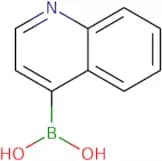
CAS :<p>N,O-Bis(trimethylsilyl) acetamide is a protein that is used as a reagent for the detection of integrin receptors. It can be used to identify human immunoglobulin and human serum proteins. This compound has been shown to be pluripotent in cells, which means that it can differentiate into any type of cell. N,O-Bis(trimethylsilyl) acetamide has been shown to have surfactant properties and can be used as an alternative in toxicity studies. This compound has been shown to be toxic to bowel disease cells when tested with a dose of 3mg/mL. The disulfide bond within this molecule may be important for its biological activity. Synchronous fluorescence spectroscopy and plasma mass spectrometry are two methods that have been used to study the structure of this molecule. Electrochemical impedance spectroscopy is another method that has been used in the structural analysis of this molecule.</p>Formule :C8H21NOSi2Degré de pureté :Min. 95 Area-%Couleur et forme :Colorless Yellow Clear LiquidMasse moléculaire :203.43 g/molQuinolin-4-ylboronic acid
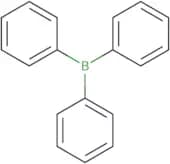
CAS :<p>Quinolin-4-ylboronic acid is a heterocyclic compound with two nitrogen atoms that are attached to the ring by means of carbonyl groups. This compound is a precursor in the synthesis of the drug dorsomorphin, which is used for pain relief. It also has an important role in pharmacokinetics because it can be used as a marker for estimating blood levels of other drugs. Quinolin-4-ylboronic acid yields an active form, quinolin-4-yl boronic acid, when reacted with piperazine in basic conditions. The drug ldn-193189 is a derivative of this active form and has been evaluated as a potential drug for treating osteoporosis and cancer.</p>Formule :C9H8BNO2Degré de pureté :Min. 95 Area-%Couleur et forme :PowderMasse moléculaire :172.98 g/molTriphenylborane
CAS :<p>Triphenylborane is a chemical compound with the formula B(C6H5)3. It is a white solid that is soluble in organic solvents, but not water. Triphenylborane reacts with phosphorus pentoxide to form diphenyl sulfoxide, and it also reacts with nitrogen gas to form diphenyl diazonium salts. Triphenylborane has been shown to be nontoxic when administered orally at doses up to 100 mg/kg in rats and mice, although it has acute toxicities when injected into rabbits and dogs. The chemical stability of triphenylborane makes it an ideal candidate for use as a high-temperature fuel additive.</p>Formule :C18H15BDegré de pureté :Min. 95%Couleur et forme :PowderMasse moléculaire :242.12 g/mol2-Methylpyridine-4-boronic acid pinacol ester
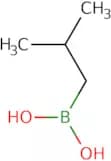
CAS :<p>Please enquire for more information about 2-Methylpyridine-4-boronic acid pinacol ester including the price, delivery time and more detailed product information at the technical inquiry form on this page</p>Formule :C12H18BNO2Degré de pureté :Min. 95%Masse moléculaire :219.09 g/molIsobutylboronic acid
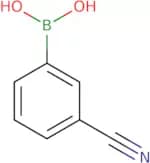
CAS :<p>Isobutylboronic acid is a chemical compound that is used as an antimicrobial treatment for autoimmune diseases. This drug has a polyene structure and inhibits the production of proinflammatory cytokines such as IL-1, TNF-α, and IL-2. Isobutylboronic acid also inhibits the growth of cancer cells in vitro by inhibiting DNA synthesis. Isobutylboronic acid is also used to determine the mechanisms of organometallic compounds. It can be analyzed using liquid chromatography or gas chromatography techniques. The effective dose for this drug is not yet known.</p>Formule :C4H11BO2Degré de pureté :Min. 95%Couleur et forme :PowderMasse moléculaire :101.94 g/mol3-Cyanophenylboronic acid
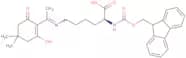
CAS :<p>3-Cyanophenylboronic acid is an organic compound that has been shown to have antimicrobial activity against Pseudomonas aeruginosa. The synthetic pathway of this compound begins with the benzamidine, which reacts with dibutyltin oxide to form 3-cyanophenylboronic acid. This molecule can then be reacted with a cationic polymerization agent such as polyethyleneimine or polyallylamine, producing a polymerized product. When tested in humans, 3-cyanophenylboronic acid showed a high oral bioavailability and low plasma protein binding. It also has a short serum half-life and is metabolized by serine proteases in the liver.</p>Formule :C7H6BNO2Degré de pureté :Min. 95%Couleur et forme :PowderMasse moléculaire :146.94 g/molN-α-Fmoc-Nε-1-(4,4-dimethyl-2,6-dioxocyclohex-1-ylidene)ethyl-L-lysine
CAS :<p>N-alpha-Fmoc-Nepsilon-1-(4,4-dimethyl-2,6-dioxocyclohex-1-ylidene)ethyl-L-lysine is a synthetic amide with a peptide backbone. It has been shown to have anti tumor activity in vivo and in vitro against a variety of solid tumor xenografts. The compound was conjugated to the integrin receptor ligand RGD, which is expressed on the surface of various types of cancer cells. This modification increased the uptake of N-alpha-Fmoc-Nepsilon-1-(4,4 dimethyl 2,6 dioxocyclohex1 ylidene)ethyl L lysine by leukemia cells and solid tumor xenografts.</p>Formule :C31H36N2O6Degré de pureté :Min. 98 Area-%Couleur et forme :Slightly Yellow PowderMasse moléculaire :532.63 g/mol(1-Methylethyl)boronic acid
CAS :<p>(1-Methylethyl)boronic acid is a boronic acid that can be used as a catalyst in organic synthesis. This compound is an organometallic compound that has been shown to be a good catalyst for the polymerization of olefins, and for the preparation of copolymers with polyenes. It can also be used in asymmetric synthesis and as a site-specific ligand in transition metal catalyzed reactions. (1-Methylethyl)boronic acid has been shown to inhibit protease activity and may have therapeutic potential for metabolic disorders such as obesity.</p>Formule :C3H9BO2Degré de pureté :Min. 95%Couleur et forme :PowderMasse moléculaire :87.91 g/molImidazo[1,2-α]pyridin-3-yl-boronic acid pinacol ester
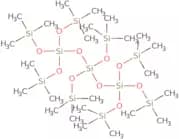
CAS :<p>Imidazo[1,2-a]pyridin-3-yl-boronic acid pinacol ester is a reagent that is used as an intermediate in the synthesis of complex compounds. The compound has been shown to be useful for research purposes and can be used as a building block in the synthesis of chemical compounds. Imidazo[1,2-a]pyridin-3-yl-boronic acid pinacol ester has an CAS number of 1238337-02-4 and is a versatile building block that can be used to synthesize speciality chemicals.</p>Formule :C13H17BN2O2Degré de pureté :Min. 95%Couleur et forme :PowderMasse moléculaire :244.1 g/molOctakis(trimethylsiloxy)silsesquioxane
CAS :<p>Octakis(trimethylsiloxy)silsesquioxane is a cross-linking agent that forms covalent bonds with ethylene diamine and aluminium ions. It has been shown to be active against bacterial species such as Staphylococcus aureus, Pseudomonas aeruginosa, and Escherichia coli. Octakis(trimethylsiloxy)silsesquioxane binds to the calcium carbonate of the cell wall, forming a complex that prevents the bacteria from adhering to surfaces. The fluidity of octakis(trimethylsiloxy)silsesquioxane particles allows them to penetrate the cell membrane and inhibit protein synthesis by binding to ribosomes. Octakis(trimethylsiloxy)silsesquioxane can also be used as an encapsulation agent for drugs in order to prevent their degradation by enzymes in the gastrointestinal tract.</p>Formule :C24H72O20Si16Degré de pureté :Min. 95%Couleur et forme :Clear LiquidMasse moléculaire :1,130.18 g/molN-α-tert-BOC-N-ε-formyl-L-lysine
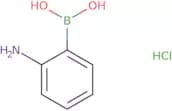
CAS :<p>N-alpha-tert-BOC-N-epsilon-formyl-L-lysine is a dry weight of 4.1g/100g. It's diameter is 2.5mm with a growth rate of 0.3mm per day. This compound has been statistically shown to have no effect on the growth rates of bacteria in the presence of zinc bacitracin. The leucaena plant, which is a natural source of antibiotics, can be used as a sustainable treatment for bacterial infections because it contains N-alpha-tert-BOC-N-epsilon-formyl-L-lysine and other compounds that are effective against infections. This compound also catalyses energy efficiency, by providing an alternative to antibiotics, which may lead to more sustainable treatments for bacterial infections.</p>Formule :C12H22N2O5Degré de pureté :Min. 95%Couleur et forme :White PowderMasse moléculaire :274.31 g/mol(2-Aminophenyl)boronic acid hydrochloride
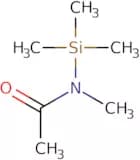
CAS :<p>(2-Aminophenyl)boronic acid hydrochloride is an analytical reagent that is used in the cross-coupling reaction between aryl bromides and organoboron compounds. It has been synthesized from 2-aminophenylboronic acid, which can be produced by the alkylation of phenol with 3-bromoquinoline. This compound has been shown to have antimalarial activity against the human malaria parasite Plasmodium falciparum in vitro. (2-Aminophenyl)boronic acid hydrochloride has also been shown to have a high intestinal absorption rate when given orally to rats. In vivo studies are needed to determine whether this chemical is safe for humans.</p>Formule :C6H9BClNO2Degré de pureté :Min. 95%Couleur et forme :PowderMasse moléculaire :173.41 g/molN-Methyl-N-trimethylsilylacetamide
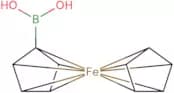
CAS :<p>N-Methyl-N-trimethylsilylacetamide is a bifunctional amide that can react with an electrophile, such as hexane, to form an N-methylated product. The amide group of the molecule can also be deprotonated by a strong base to form an enolate, which can then react with a nucleophile. The NMR spectra of this compound show that it has a multinuclear structure and contains two tautomers. It is used in analytical chemistry for sample preparation, chromatographic science for reaction intermediates, and chemical study for its reactivity.</p>Formule :C6H15NOSiDegré de pureté :Min. 97 Area-%Couleur et forme :Clear LiquidMasse moléculaire :145.27 g/molFerroceneboronic acid
CAS :<p>Ferroceneboronic acid is a reagent, complex compound, useful intermediate, fine chemical and useful scaffold. It is also a versatile building block for the synthesis of speciality chemicals. Ferroceneboronic acid reacts with an organic halide to form a ferrocenyl-containing boronate ester that is useful as a reaction component in organic synthesis. The CAS number for ferroceneboronic acid is 12152-94-2.</p>Formule :C5H6BO2·C5H5·FeDegré de pureté :Min. 95 Area-%Couleur et forme :PowderMasse moléculaire :229.85 g/mol1-Isopropyl-o-carborane
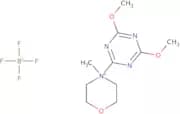
CAS :Produit contrôlé<p>1-Isopropyl-o-carborane is a solvent that is used in the preparation of alicyclic and iso-alicyclic compounds. It can be used as an alkylating agent for the preparation of substituted cyclohexanes, butyric acid, and aldehydes. 1-Isopropyl-o-carborane has been shown to react with carbon nuclei to form organometallic reagents. This reaction allows for the substitution of hydrogen atoms in hydrocarbons with other organic groups. 1-Isopropyl-o-carborane is also an organometallic reagent that reacts with butyric acid to form 1,2,3,4,5,6,-hexahydrobenzocyclobuta[cd]pentalene and 1,2,3,4,-tetrahydrobenzocyclobuta[cd]pentalene.</p>Degré de pureté :Min. 95%4-(4,6-Dimethoxy-1,3,5-triazin-2-yl)-4-morpholinium tetrafluoroborate
CAS :<p>4-(4,6-Dimethoxy-1,3,5-triazin-2-yl)-4-morpholinium tetrafluoroborate is a modulating agent that is used in the treatment of infectious and metabolic disorders. The compound has been shown to increase the activity of fatty acid oxidation and decrease the production of inflammatory mediators. 4-(4,6-Dimethoxy-1,3,5-triazin-2-yl)-4-morpholinium tetrafluoroborate interacts with a variety of proteins by binding to their Nterminal domains. It can be conjugated to other molecules and then used as probes for kinetic studies or as antiinflammatory compounds.</p>Formule :C10H17N4O3•BF4Degré de pureté :Min. 97 Area-%Couleur et forme :PowderMasse moléculaire :328.07 g/molTrimethylsilylacetylene
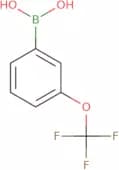
CAS :<p>Trimethylsilylacetylene is a chemical compound that belongs to the class of organic compounds. It is an intermediate in the production of fatty acids and has been shown to be involved in the metabolism of other compounds, such as halides. Trimethylsilylacetylene is also used to inhibit inflammatory diseases and metabolic disorders, such as diabetes mellitus and Alzheimer's disease. Trimethylsilylacetylene inhibits replication by binding to the amine group on purine bases or DNA at the replication fork. This prevents DNA synthesis, which prevents cell division, causing cells to die. Trimethylsilylacetylene also inhibits cell division by reacting with carbonyl groups on proteins during replication.</p>Formule :C5H10SiDegré de pureté :Min. 95%Couleur et forme :Colorless Clear LiquidMasse moléculaire :98.22 g/mol3-Trifluoromethoxyphenylboronic acid
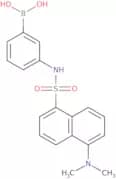
CAS :<p>3-Trifluoromethoxyphenylboronic acid is a lead compound that has the potential to be an efficient and water-soluble inhibitor of protein kinases. It has been shown to have a significant inhibitory effect on vismodegib transport. This compound may also have anticancer properties. 3-Trifluoromethoxyphenylboronic acid binds to the active site of protein kinases, blocking their catalytic activity and inhibiting cell proliferation by interfering with the signaling pathway that regulates cancer cells.</p>Formule :C7H6BF3O3Degré de pureté :Min. 90%Couleur et forme :PowderMasse moléculaire :205.93 g/mol3-Dansylaminophenylboronic acid
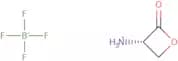
CAS :<p>3-Dansylaminophenylboronic acid is a boronic acid that forms reversible covalent bonds with dopamine. It can be used in the diagnosis of cancer, as it binds to histone lysine and magnetic particles. The fluorescence resonance of 3-Dansylaminophenylboronic acid can also be used in the diagnosis of cancer, as it produces a strong signal. This compound has been shown to have homogeneous assays for the detection of dopamine and lipoprotein lipase in urine samples. 3-Dansylaminophenylboronic acid has also been found to be effective against cancer cells in culture, although it is not active against polysialic-expressing cells.</p>Formule :C18H19BN2O4SDegré de pureté :Min. 95%Couleur et forme :PowderMasse moléculaire :370.23 g/molL-Serine β-lactone tetrafluoroborate
CAS :<p>L-Serine beta-lactone tetrafluoroborate salt is a fine chemical that is used as a reagent, complex compound and building block in the synthesis of other compounds. It is also an important intermediate for the production of pharmaceuticals and agrochemicals. L-Serine beta-lactone tetrafluoroborate salt has been shown to be a versatile building block in organic synthesis. This product may react with acids to produce hydrogen fluoride gas, which can cause injury or death through inhalation or contact with skin, eyes or clothing.</p>Formule :C3H5NO2•BF4•HDegré de pureté :Min. 95%Couleur et forme :White/Off-White SolidMasse moléculaire :174.89 g/molNα-Z-Nε-Boc-D-lysine methyl ester
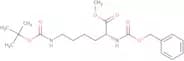
CAS :<p>Please enquire for more information about Nα-Z-Nε-Boc-D-lysine methyl ester including the price, delivery time and more detailed product information at the technical inquiry form on this page</p>Formule :C20H30N2O6Degré de pureté :Min. 95%Couleur et forme :PowderMasse moléculaire :394.46 g/mol1,4-Phenylenebisboronic acid
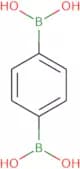
CAS :<p>1,4-Phenylenebisboronic acid is a chemical compound with the following structural formula:<br>It is a white crystalline solid, soluble in water and ethanol. 1,4-Phenylenebisboronic acid has been used for analytical chemistry and photochemical studies. It has also been studied as a model system for ternary complex formation, x-ray diffraction data analysis, and ester linkages. Structural analysis of 1,4-phenylenebisboronic acid reveals hydrogen bonding interactions between the nitrogen atoms and the boron atoms.</p>Formule :C6H8B2O4Degré de pureté :Min. 95 Area-%Couleur et forme :PowderMasse moléculaire :165.75 g/mol(E)-2-(1-Butenyl)-1,3,2-benzodioxaborole
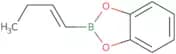
CAS :<p>(E)-2-(1-Butenyl)-1,3,2-benzodioxaborole is a novel glycogen synthase inhibitor that has been shown to be effective in diabetic animal models. It was found to inhibit the activity of glycogen phosphorylase and increase the level of glycogen in the liver. (E)-2-(1-Butenyl)-1,3,2-benzodioxaborole has been optimized by replacing one or more of its moieties with anthranilimide groups. This replacement increases potency by 2 orders of magnitude with nanomolar potency. (E)-2-(1-Butenyl)-1,3,2-benzodioxaborole inhibits xanthine oxidase and xanthine dehydrogenase enzymes and prevents the formation of uric acid from xanthine during purine metabolism. It also inhibits glycolysis and glucose production through inhibition of phosphofructokinase 1.</p>Formule :C10H11BO2Degré de pureté :Min. 95%Couleur et forme :PowderMasse moléculaire :174 g/molN-Benzyl-4-phenyl pyridinium tetrafluoroborate
CAS :<p>N-Benzyl-4-phenyl pyridinium tetrafluoroborate is a fine chemical that can be used as a building block in the synthesis of complex compounds. It has been shown to have versatile applications in organic synthesis, such as being a useful intermediate and reaction component. N-Benzyl-4-phenyl pyridinium tetrafluoroborate is an extremely high quality reagent with few side effects and low toxicity.</p>Formule :C18H16N•BF4Degré de pureté :Min. 95%Masse moléculaire :333.13 g/molPoly(methylhydrosiloxane)
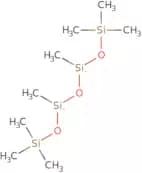
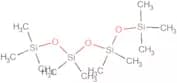
CAS :<p>Polymethylhydrosiloxane is a polymer that is used in coatings and adhesives. It has been shown to be an efficient aid for removing copper chloride from water and can be applied to the treatment of calcium carbonate sludge. Poly(methylhydrosiloxane) also has high affinity for fatty esters, which is important for its use as a mass analyzer in environmental pollution studies. This polymer has been shown to have excellent kinetic and optical properties, making it a good candidate for electrochemical studies.</p>Couleur et forme :Colorless Clear Liquid1,1,1,3,5,7,7,7-Octamethyltetrasiloxane
CAS :<p>1,1,1,3,5,7,7,7-Octamethyltetrasiloxane is a volatile liquid that is used as a fumigant. It is used in the manufacture of silicone elastomers and sealants. This chemical has been shown to be an effective sealant and to have good adhesion properties. It also has excellent resistance to high temperatures and chemicals. The mechanism of 1,1,1,3,5,7,7,7-octamethyltetrasiloxane is not fully understood but it may involve hydrogen bonding with the organic solvent. In addition to its use as a sealant and fumigant this chemical can be used as a ligand for bifunctional catalysts for polymerization reactions or for kinetic studies on polyolefins</p>Formule :C8H26O3Si4Degré de pureté :Min. 95%Couleur et forme :Clear LiquidMasse moléculaire :282.63 g/mol6-Chloro-2-fluoropyridine-3-boronic acid
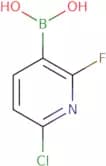
CAS :<p>6-Chloro-2-fluoropyridine-3-boronic acid is a versatile building block for the synthesis of complex compounds, which can be used as a reagent in research or as a speciality chemical. This compound can be used as an intermediate, reaction component, or scaffold to synthesize other more complex structures. 6-Chloro-2-fluoropyridine-3-boronic acid is available in high quality and has CAS No. 1256345-66-0.</p>Formule :C5H4BClFNO2Degré de pureté :Min. 95%Couleur et forme :Light (Or Pale) Orange SolidMasse moléculaire :175.35 g/molN-Benzyl-2,4,6-triphenyl pyridinium tetrafluoroborate
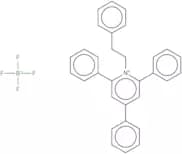
CAS :<p>N-Benzyl-2,4,6-triphenyl pyridinium tetrafluoroborate is a molecule that regulates transcriptional activity. It can be used to isolate regulatory genes from different organisms and identify the specific genes that regulate the expression of other genes. The algorithm for this process is a stepwise, stereoselective, aerobic search. This process starts with an algorithm that identifies the best possible match between the gene sequence and the database sequences. The algorithm then transfers to another stepwise and stereoselective search of the database until it finds a match. The process ends when there are no more matches in the database or when all possible combinations have been searched. N-Benzyl-2,4,6-triphenyl pyridinium tetrafluoroborate has been shown to activate Staphylococcus aureus at very low concentrations but does not cause activation of mammalian cells at these concentrations.</p>Formule :C30H24N·BF4Degré de pureté :Min. 95%Masse moléculaire :485.32 g/molN-Ethylamine-2,4,6-triphenyl pyridinium tetrafluoroborate
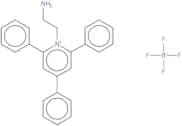
CAS :<p>N-Ethylamine-2,4,6-triphenyl pyridinium tetrafluoroborate is a chemical reagent that belongs to the group of fine chemicals. It is soluble in water and ethanol, and has a melting point of around 100°C. N-Ethylamine-2,4,6-triphenyl pyridinium tetrafluoroborate is used in organic synthesis as a useful building block or as a research chemical for the production of other compounds. This compound is a versatile building block that can be used in the preparation of complex compounds such as pharmaceuticals. N-Ethylamine-2,4,6-triphenyl pyridinium tetrafluoroborate has been classified as an extremely hazardous substance by the US Department of Transportation due to its high reactivity with water.</p>Formule :C25H23N2·BF4Degré de pureté :Min. 95%Masse moléculaire :438.27 g/mol3,5-Dibromophenylboronic acid
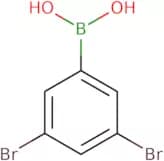
CAS :<p>3,5-Dibromophenylboronic acid is a boronic acid with the chemical formula B(OH)Br. The boron atom in this molecule has a unique electron configuration that allows it to form strong bonds with other atoms and molecules. This reactive compound can be used as a ligand in cross-coupling reactions or to modify an organic molecule by coupling it to another molecule. 3,5-Dibromophenylboronic acid is typically used as a precursor for the synthesis of nanomaterials and can be synthesized from monomers at temperatures ranging from -78°C to 80°C.</p>Formule :C6H5BBr2O2Degré de pureté :Min. 95%Masse moléculaire :279.72 g/molCarboxyethylsilanetriol sodium salt - 25% in water
CAS :<p>Carboxyethylsilanetriol sodium salt - 25% in water is a reagent that is used to form complex compounds. It can be used as a reaction component or a building block to create more complex compounds, such as new medicines. Carboxyethylsilanetriol sodium salt - 25% in water has been shown to be an efficient and versatile scaffold for the production of fine chemicals and research chemicals. CAS No. 18191-40-7 is a speciality chemical that can react with other organic compounds to form new compounds for research purposes. Carboxyethylsilanetriol sodium salt - 25% in water is a useful intermediate and building block for various synthetic reactions because it can easily react with other organics to form new compounds which are useful in pharmaceuticals, agrochemicals, and other industries.</p>Formule :C3H6Na2O5SiDegré de pureté :Approximately 25%Couleur et forme :Clear LiquidMasse moléculaire :196.14 g/mol4-Fluorophenylboronic acid
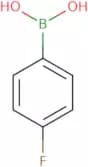
CAS :<p>4-Fluorophenylboronic acid is a boron compound that has been used in molecular modeling and functional assays. It has been shown to be a strong ligand for palladium complexes and can be used to synthesize metal complexes. 4-Fluorophenylboronic acid has also been shown to bind to the CB2 receptor with high affinity and selectivity, making it a potential drug for the treatment of pain. This compound can be synthesized by many different methods, but one of the most common is the synthesis from phenylacetic acid and boron trifluoride gas. The other methods include direct reaction with phenylboronic acid, or by heating anhydrous copper chloride in anhydrous hydrochloric acid with boric acid at high temperatures. Magnetic resonance spectroscopy (MRS) has also been used to study its properties. Canagliflozin is an example of a drug that contains this chemical group as</p>Formule :C6H6BFO2Degré de pureté :Min. 95%Couleur et forme :White PowderMasse moléculaire :139.92 g/mol(1R,2R,3S,5R)-Pinanediol pyrrolidine-2S-boronate hydrochloride
CAS :<p>(1R,2R,3S,5R)-Pinanediol pyrrolidine-2S-boronate hydrochloride is a reagent that can be used in the synthesis of complex compounds. It is a fine chemical with CAS No. 149716-73-4. (1R,2R,3S,5R)-Pinanediol pyrrolidine-2S-boronate hydrochloride has a number of uses including as an intermediate for the preparation of speciality chemicals and as a building block for reactions in research. This compound is also useful as a versatile building block for many reactions.</p>Formule :C14H25BClNO2Degré de pureté :Min. 95%Couleur et forme :PowderMasse moléculaire :285.62 g/molArsenazo III
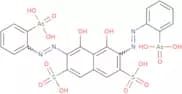
CAS :<p>Arsenazo III is a metal-binding dye that has been shown to bind to the cytosolic calcium ion. The binding of Arsenazo III to calcium has been shown to inhibit the voltage-dependent calcium channels, leading to a decrease in cytosolic calcium concentration. This reduction in cytosolic calcium is associated with energy metabolism and human serum titration calorimetry experiments. The binding of Arsenazo III to calcium is also responsible for its light signal. Arsenazo III binds to copper chloride and forms an insoluble precipitate when reacted with acidic solutions. This reaction can be used for analytical purposes as it produces a quantifiable end-point with plasma mass spectrometry.</p>Formule :C22H18As2N4O14S2Degré de pureté :(%) Min. 85%Masse moléculaire :776.37 g/mol1-Cyano-4-(dimethylamino)pyridinium tetrafluoroborate
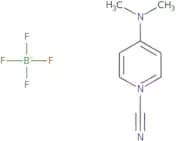
CAS :<p>1-Cyano-4-(dimethylamino)pyridinium tetrafluoroborate (CDAP) is an organic cyanylating agent. It is reactive under acidic conditions giving CDAP an advantage over other sulfhydryl labeling agents, as it can avoid potential thiol-disulfide exchange.</p>Formule :C8H10N3BF4Degré de pureté :Min. 98 Area-%Couleur et forme :PowderMasse moléculaire :234.99 g/mol2,3-Dimethoxyphenylboronic acid
CAS :<p>2,3-Dimethoxyphenylboronic acid is a synthetic molecule that contains a boronic acid group. This compound has been shown to interact with histones H3 and L6. It has also been shown to modify lysine residues on the histone H3 protein by methylation. In addition, 2,3-dimethoxyphenylboronic acid interacts with other molecules in a way that changes their conformation and this interaction can be studied using vibrational spectroscopy. Organic chemists may use 2,3-dimethoxyphenylboronic acid as a ligand for biological targets or as a means of modifying proteins.</p>Formule :C8H11BO4Degré de pureté :Min. 95%Couleur et forme :PowderMasse moléculaire :181.98 g/mol3-Aminopropyldiisopropylethoxysilane
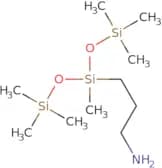
CAS :<p>3-Aminopropyldiisopropylethoxysilane (APDS) is a monolayer chemical that is used to modify the surface properties of a variety of substrates. This chemical can be used for patterning, functionalization, and immobilization of biomolecules. APDS has been shown to have a protective effect on cells in culture by preventing oxidation and denaturation of proteins. APDS also has been used for detection methods such as electron microscopy and photoelectron spectroscopy.</p>Formule :C10H29NO2Si3Degré de pureté :Min. 95%Couleur et forme :Clear LiquidMasse moléculaire :279.6 g/molBis(trimethylsilyl)cytosine
CAS :<p>Bis(trimethylsilyl)cytosine is an immunosuppressive agent that binds to the immunodeficient acceptor. It has been shown to be active against a number of viruses, including HIV-1 and HSV-1. Bis(trimethylsilyl)cytosine also inhibits the activity of purine and pyrimidine nucleotide synthesis, although it does not inhibit the activity of adenosine deaminase or ribonucleotide reductase. This compound has been shown to stimulate the immune system in mice with a deficiency in T cells by reducing the expression of genes that are responsible for cytokines such as IL-4 and IL-10.</p>Formule :C10H21N3OSi2Degré de pureté :Min. 90%Couleur et forme :PowderMasse moléculaire :255.46 g/molCalcium dobesilate
CAS :<p>Calcium dobesilate is a calcium salt that emits chemiluminescence in the presence of an oxidant. It has been used as a treatment for hypercalcemia, which is caused by high levels of calcium in the blood, and to prevent skin cancer. The experimental model was conducted on human serum and showed that calcium dobesilate reduced the enzyme activities in serum samples by 30% after 15 minutes of incubation. This reduction was statistically significant when compared to untreated groups. Calcium dobesilate also inhibited the growth of skin cancer cells in a pharmacological agent-induced experimental model.</p>Formule :C8H6O5S•Ca0Degré de pureté :Min. 98 Area-%Couleur et forme :PowderMasse moléculaire :418.41 g/mol(S)-BoroLeu-(+)-pinanediol-trifluoroacetate
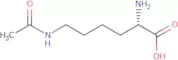
CAS :<p>(S)-BoroLeu-(+)-pinanediol-trifluoroacetate is a useful scaffold, building block, and intermediate for the synthesis of complex compounds. It is a high quality reagent that can be used in research chemicals and speciality chemicals. (S)-BoroLeu-(+)-pinanediol-trifluoroacetate is a versatile building block because it can be used as a reaction component in the synthesis of fine chemicals and as an intermediate in the synthesis of other reagents. CAS No. 477254-69-6</p>Formule :C15H28BNO2·C2HF3O2Degré de pureté :Min. 95%Couleur et forme :PowderMasse moléculaire :379.22 g/molN-ε-Acetyl-L-lysine
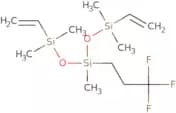
CAS :<p>N-epsilon-acetyl-L-lysine is a diagnostic agent that is used to identify cancer cells. This compound is synthesized by the enzyme polymerase chain reaction (PCR) and is a fluorescent probe that selectively binds to lysine residues in proteins of the cell membrane, including glycoproteins and proteoglycans. The presence of this compound can be detected using spectroscopy. It has been shown that higher levels of N-epsilon-acetyl-L-lysine in urine are associated with an increased body mass index and fatty acid content.</p>Formule :C8H16N2O3Degré de pureté :Min. 98 Area-%Couleur et forme :White PowderMasse moléculaire :188.22 g/molPolysiloxanes di-Me, Me 3,3,3-trifluoropropyl vinyl group-terminated, 14,000-18,000 Cst
CAS :<p>14,000-18,000 Cst</p>Degré de pureté :Min. 95%Couleur et forme :Clear LiquidN-Ethylbenzene-2,4,6-triphenyl pyridinium tetrafluoroborate
CAS :<p>N-Ethylbenzene-2,4,6-triphenyl pyridinium tetrafluoroborate is a reagent that can be used in chemical reactions. It is a fine chemical and research chemicals with high quality and a versatile scaffold. It is useful as an intermediate in the synthesis of complex compounds. N-Ethylbenzene-2,4,6-triphenyl pyridinium tetrafluoroborate has CAS number 66310-06-3.</p>Formule :C31H26N·BF4Degré de pureté :Min. 95%Couleur et forme :PowderMasse moléculaire :499.35 g/molAdrenochrome monoaminoguanidine mesilate
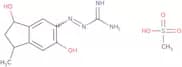
CAS :<p>Adrenochrome monoaminoguanidine mesilate is a synthetic drug that has been used in the treatment of cellulite, obesity, and chronic fatigue syndrome. It is an orally administered drug that causes the body to release adrenaline and noradrenaline. Adrenochrome monoaminoguanidine mesilate is a crystalline substance with a melting point of 130-140°C. The drug contains no additives or excipients other than gelatinization and cellulose.</p>Formule :C11H17N5O5SDegré de pureté :Min. 95%Couleur et forme :PowderMasse moléculaire :331.35 g/molN-Boc-pyrroyl-boronic acid
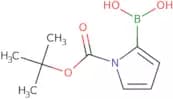
CAS :<p>N-Boc-pyrroyl-boronic acid is a linker that is used in organic synthesis. It reacts with chloride to form an organochlorine compound, which can be used as an inhibitor of s. aureus or other bacteria. The reaction time for this chemical is shorter than for the corresponding boronic acid, and it does not require the presence of a Lewis acid. This chemical has been shown to have anticancer activity in vitro, and its optimization has been studied using fluorescent carbonyl groups as the active component.</p>Formule :C9H14BNO4Degré de pureté :Min. 95%Masse moléculaire :211.02 g/mol(1R)-(1S,2S,3R,5S)-Pinanediol-N-(N-pyrazinylphenylalaninoyl)-1-amino-3-methyl-butane-1-boronate
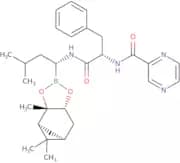
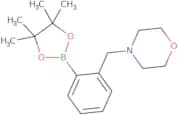
CAS :<p>(1R)-(1S,2S,3R,5S)-Pinanediol-N-(N-pyrazinylphenylalaninoyl)-1-amino-3-methyl-butane-1-boronate is a boronic acid derivative that has been shown to have an antiproliferative effect on cancer cells. It is a biodegradable, water soluble drug with a low toxicity profile. The maximum tolerated dose has been established in vivo studies and it can be used as an imaging agent for diagnosis. (1R)-(1S,2S,3R,5S)-Pinanediol-N-(N-pyrazinylphenylalaninoyl)-1-amino-3-methyl-butane-1-boronate may be used to treat cancers such as breast cancer or leukemia. This drug targets the proteasome and inhibits its activity by binding to the active site of the 20s</p>Formule :C29H39BN4O4Degré de pureté :Min. 95%Couleur et forme :SolidMasse moléculaire :518.46 g/mol2-(MorpholinoMethyl)phenylboronic acid pinacol ester
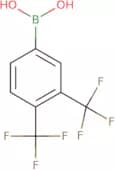
CAS :<p>2-(MorpholinoMethyl)phenylboronic acid pinacol ester is a fine chemical that can be used as a building block for the synthesis of complex compounds. It is also suitable for use in research and development, as it has been shown to be a reagent and speciality chemical. This compound is an intermediate for the synthesis of other compounds, such as pharmaceuticals, agrochemicals, and cosmetics. 2-(MorpholinoMethyl)phenylboronic acid pinacol ester can be used as a versatile building block in organic synthesis reactions. It has been shown to have high quality properties and can be used to synthesize valuable scaffolds.</p>Formule :C17H26BNO3Degré de pureté :Min. 95%Couleur et forme :PowderMasse moléculaire :303.20 g/mol(3,4-Bis(trifluoromethyl)phenyl)boronic acid
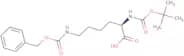
CAS :<p>3,4-Bis(trifluoromethyl)phenylboronic acid is a versatile building block that can be used as a reagent in organic synthesis. It has been shown to be a high quality product with the CAS number 1204745-88-9. This chemical is used to produce fine chemicals and research chemicals. 3,4-Bis(trifluoromethyl)phenylboronic acid is also a useful intermediate in the production of complex compounds and can be used as a building block for speciality chemicals.</p>Formule :C8H5BF6O2Degré de pureté :Min. 95%Couleur et forme :PowderMasse moléculaire :257.93 g/molN-α-Boc-Nε-Z-D-lysine
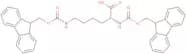
CAS :<p>N-alpha-Boc-Nepsilon-Z-D-lysine is a fusogenic peptide that has an acidic pKa. It is a potent inhibitor of survivin, which is a protein that regulates cell death. It also inhibits the uptake of l-phenylalanine to promote cancer cell death. The functional groups on this compound are epoxyketones, which have regulatory properties as well as being able to inhibit the growth of cells.</p>Formule :C19H28N2O6Degré de pureté :Min. 95%Masse moléculaire :380.44 g/molN-α,ε-Bis-Fmoc-D-lysine
CAS :<p>N-α,ε-Bis-Fmoc-D-lysine is a protease inhibitor that inhibits the protease activity of a number of proteases, including trypsin, chymotrypsin and elastase. It is an immunogenic protein. N-α,ε-Bis-Fmoc-D-lysine has been shown to be effective in preventing the immune response against peptides when used as an adjuvant for vaccines. This protein has also been shown to have proton nmr spectral properties that are similar to those of natural amino acids and therefore may not be detected by the immune system as a foreign antigen. N-α,ε-Bis-Fmoc-D-lysine has been postulated to act as a cell maturation agent through its ability to inhibit protein synthesis or cellular growth.</p>Formule :C36H34N2O6Degré de pureté :Min. 95%Couleur et forme :PowderMasse moléculaire :590.67 g/molTris[3-(trimethoxysilyl)propyl] isocyanurate
CAS :<p>Tris(trimethoxysilyl)propyl isocyanurate (TTIPi) is an efficient method for the synthesis of conjugates. TTIPi can be used to prepare a variety of conjugates, such as those containing biomolecules such as proteins, peptides, nucleotides, and small molecules. The resulting conjugates can be visualized by microscopy and analyzed using the Anova statistical package. TTIPi has been shown to form covalent bonds with DNA bases and other substrates. It has also been shown to form coordination bonds with ethylene oxide or tetraethyl silane which are worthwhile for dispersive polymerization in organic solvents. The mesoporous silica support used in this process has been shown to be acidic or basic depending on the pH of the solution. This versatile technique is useful for preparing a wide range of conjugates.</p>Formule :C21H45N3O12Si3Degré de pureté :Min. 95%Couleur et forme :Colorless Clear LiquidMasse moléculaire :615.85 g/mol3-Aminophenylboronic acid hemisulphate
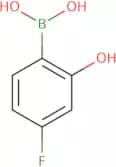
CAS :<p>3-Aminophenylboronic acid hemisulphate is a cross-linking agent that has been shown to induce apoptosis in mammalian cells. It also has the ability to bind to glycan, a sugar molecule on the surface of cells. The binding of 3-aminophenylboronic acid hemisulphate induces morphogenetic protein (MP) secretion, which leads to cell death. This compound is used as an adjuvant in vaccines and also as a research reagent for studying protein sequences and antigen/antibody interactions.</p>Formule :C6H8BNO2•(H2SO4)0Degré de pureté :Min. 95%Couleur et forme :White PowderMasse moléculaire :185.98 g/molB-(4-Fluoro-2-hydroxyphenyl)-boronic acid
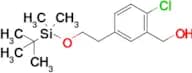
CAS :<p>B-(4-Fluoro-2-hydroxyphenyl)-boronic acid is a fungicide that has been synthesized to inhibit the growth of fungi. This compound is an effective fungicide against a wide variety of plant pathogens. It has been shown to be highly efficient in catalyzing intramolecular cyclization reactions, which are sometimes difficult to perform with traditional methods. The regulatory nature of this compound makes it an excellent candidate for commercial applications in agroscience and industry.</p>Formule :C6H6BFO3Degré de pureté :Min. 95%Couleur et forme :PowderMasse moléculaire :155.92 g/mol(5-(2-((tert-Butyldimethylsilyl)oxy)ethyl)-2-chlorophenyl)methanol
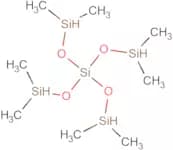
CAS :Degré de pureté :98%Masse moléculaire :300.8999939Tetrakis(dimethylsiloxy)silane
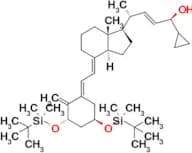
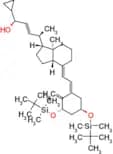
CAS :<p>S15675 - Tetrakis(dimethylsiloxy)silane</p>Formule :C8H28O4Si5Degré de pureté :95%Couleur et forme :ClearMasse moléculaire :328.733(1S,4R,E)-4-((1R,3aS,7aR,E)-4-((E)-2-((3S,5R)-3,5-bis(tert-butyldimethylsilyloxy)-2-methylenecyclohexylidene)ethylidene)-7a-methyloctahydro-1H-inden-1-yl)-1-cyclopropylpent-2-en-1-ol
CAS :Degré de pureté :98%Masse moléculaire :641.14001464-Bromo-1-((2-(trimethylsilyl)ethoxy)methyl)-1H-pyrrolo[2,3-b]pyridine
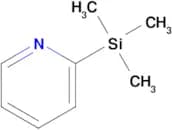
CAS :Degré de pureté :95%Masse moléculaire :327.29699712-(Trimethylsilyl)pyridine
CAS :Formule :C8H13NSiDegré de pureté :97%Couleur et forme :LiquidMasse moléculaire :151.2841-[(Trimethylsilyl)ethynyl]cyclohexene
CAS :<p>S19400 - 1-[(Trimethylsilyl)ethynyl]cyclohexene</p>Formule :C11H18SiDegré de pureté :98%Couleur et forme :Liquid, ClearMasse moléculaire :178.351,4-Bis(triethoxysilyl)benzene
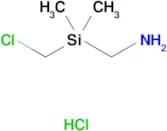
CAS :<p>S25067 - 1,4-Bis(triethoxysilyl)benzene</p>Formule :C18H34O6Si2Degré de pureté :98%Couleur et forme :Liquid, ClearMasse moléculaire :402.634((Chloromethyl)dimethylsilyl)methanamine hydrochloride
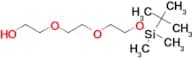
CAS :Degré de pureté :98%Couleur et forme :SolidMasse moléculaire :174.142,2,3,3-TETRAMETHYL-4,7,10-TRIOXA-3-SILADODECAN-12-OL
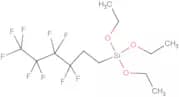
CAS :Formule :C12H28O4SiDegré de pureté :95%Masse moléculaire :264.437Nonafluorohexyltriethoxysilane
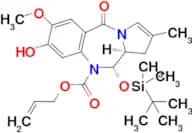
CAS :<p>S25247 - Nonafluorohexyltriethoxysilane</p>Formule :C12H19F9O3SiDegré de pureté :97%Couleur et forme :Liquid, ClearMasse moléculaire :410.352Allyl (11S,11aS)-11-((tert-butyldimethylsilyl)oxy)-8-hydroxy-7-methoxy-2-methyl-5-oxo-11,11a-dihydro-1H-benzo[e]pyrrolo[1,2-a][1,4]diazepine-10(5H)-carboxylate
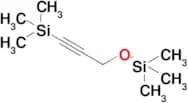
CAS :Degré de pureté :97%Masse moléculaire :474.6289978Trimethyl(3-((trimethylsilyl)oxy)prop-1-yn-1-yl)silane
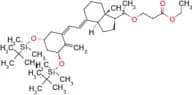
CAS :Degré de pureté :97%Masse moléculaire :200.4279938Ethyl 3-((S)-1-((1S,3aS,7aS,E)-4-((Z)-2-((3S,5R)-3,5-bis((tert-butyldimethylsilyl)oxy)-2-methylenecyclohexylidene)ethylidene)-7a-methyloctahydro-1H-inden-1-yl)ethoxy)propanoate
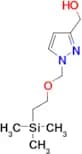
CAS :Degré de pureté :98%Masse moléculaire :661.127(1-((2-(TRIMETHYLSILYL)ETHOXY)METHYL)-1H-PYRAZOL-3-YL)METHANOL
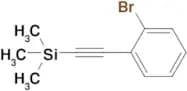
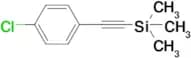
CAS :Degré de pureté :98%Masse moléculaire :228.3670044(2-Bromophenylethynyl)trimethylsilane
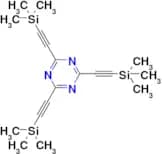
CAS :Degré de pureté :98%Couleur et forme :LiquidMasse moléculaire :253.21400452,4,6-Tris((trimethylsilyl)ethynyl)-1,3,5-triazine
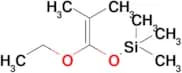
CAS :Degré de pureté :95%Masse moléculaire :369.6900024((1-Ethoxy-2-methylprop-1-en-1-yl)oxy)trimethylsilane
CAS :Degré de pureté :97%Masse moléculaire :188.34199527-Fluoro-8-((triisopropylsilyl)ethynyl)naphthalene-1,3-diol
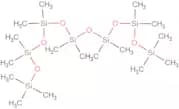
CAS :Degré de pureté :98%Masse moléculaire :358.5280151Hexadecamethyl heptasiloxane
CAS :<p>S09355 - Hexadecamethyl heptasiloxane</p>Formule :C16H48O6Si7Degré de pureté :97%Couleur et forme :LiquidMasse moléculaire :533.149(4-((Trimethylsilyl)ethynyl)phenyl)methanol
CAS :Formule :C12H16OSiDegré de pureté :98%Couleur et forme :Liquid, No data available.Masse moléculaire :204.344Triisopropyl((6-(methoxymethoxy)-8-(4,4,5,5-tetramethyl-1,3,2-dioxaborolan-2-yl)naphthalen-1-yl)ethynyl)silane
CAS :Degré de pureté :97%Masse moléculaire :494.5499878(1R,3S,Z)-3-(tert-butyldimethylsilyloxy)-5-((E)-2-((1R,3aS,7aR)-1-((R)-6-hydroxy-6-methylheptan-2-yl)-7a-methyldihydro-1H-inden-4(2H,5H,6H,7H,7aH)-ylidene)ethylidene)-4-methylenecyclohexanol
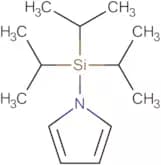
CAS :Degré de pureté :95%Masse moléculaire :530.9091-Triisopropylsilylpyrrole
CAS :<p>S18025 - 1-Triisopropylsilylpyrrole</p>Formule :C13H25NSiDegré de pureté :95%Couleur et forme :LiquidMasse moléculaire :223.4351,2-Bis(dimethylsilyl)benzene
CAS :<p>S01774 - 1,2-Bis(dimethylsilyl)benzene</p>Formule :C10H18Si2Degré de pureté :97%Couleur et forme :LiquidMasse moléculaire :194.4241H-PYRROLO[2,3-B]PYRIDINE-5-CARBOXYLIC ACID, 4-CHLORO-1-[TRIS(1-METHYLETHYL)SILYL]-, METHYL ESTER
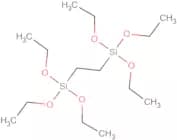
CAS :Formule :C18H27ClN2O2SiDegré de pureté :98%Masse moléculaire :366.961,2-Bis(triethoxysilyl)ethane(Hexaethoxydisilethylene)
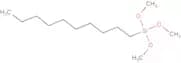
CAS :<p>S02108 - 1,2-Bis(triethoxysilyl)ethane(Hexaethoxydisilethylene)</p>Formule :C14H34O6Si2Degré de pureté :95%Couleur et forme :Liquid, Colourless liquidMasse moléculaire :354.59n-Decyltrimethoxysilane
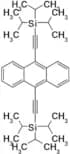
CAS :<p>S05625 - n-Decyltrimethoxysilane</p>Formule :C13H30O3SiDegré de pureté :97%Couleur et forme :LiquidMasse moléculaire :262.4659,10-Bis((triisopropylsilyl)ethynyl)anthracene
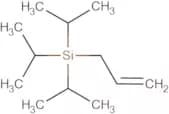
CAS :Degré de pureté :98%Masse moléculaire :538.9660034Allyltriisopropylsilane
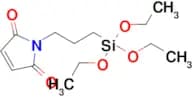
CAS :<p>S00400 - Allyltriisopropylsilane</p>Formule :C12H26SiDegré de pureté :95%Couleur et forme :LiquidMasse moléculaire :198.4251-(3-(Triethoxysilyl)propyl)-1H-pyrrole-2,5-dione
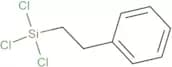
CAS :Formule :C13H23NO5SiDegré de pureté :95%Couleur et forme :LiquidMasse moléculaire :301.414Phenethyltrichlorosilane
CAS :<p>S13200 - Phenethyltrichlorosilane</p>Formule :C8H9Cl3SiDegré de pureté :95%Couleur et forme :Liquid, ClearMasse moléculaire :239.63,3-Dibromo-1-((2-(trimethylsilyl)ethoxy)methyl)-1H-pyrrolo[2,3-b]pyridin-2(3H)-one
CAS :Degré de pureté :98%Masse moléculaire :422.19198614,4-DIMETHYL-1,4-AZASILINANE HCL
CAS :Formule :C6H16ClNSiDegré de pureté :97%Couleur et forme :SolidMasse moléculaire :165.74p-Trimethylsilyl styrene
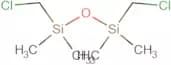
CAS :<p>S20277 - p-Trimethylsilyl styrene** CUSTOM SYNTHESIS-PLEASE ASK **</p>Formule :C11H16SiDegré de pureté :97%Masse moléculaire :176.3341,3-Bis(chloromethyl)tetramethyldisiloxane
CAS :<p>S01450 - 1,3-Bis(chloromethyl)tetramethyldisiloxane</p>Formule :C6H16Cl2OSi2Degré de pureté :95%Couleur et forme :Liquid, ClearMasse moléculaire :231.261,3,2-Dioxaborolane, 4,4,5,5-tetramethyl-2-[(1E)-2-(trimethylsilyl)ethenyl]-
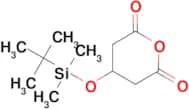
CAS :Degré de pureté :97%(stabilized with TBC)Masse moléculaire :226.23-(tert-Butyldimethylsilyloxy)glutaric anhydride
CAS :Formule :C11H20O4SiDegré de pureté :95%Couleur et forme :SolidMasse moléculaire :244.36211-Bromoundecyltrimethoxysilane
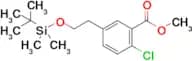
CAS :<p>S25083 - 11-Bromoundecyltrimethoxysilane</p>Formule :C14H31BrO3SiDegré de pureté :95%Couleur et forme :ClearMasse moléculaire :355.388Methyl 5-(2-((tert-butyldimethylsilyl)oxy)ethyl)-2-chlorobenzoate
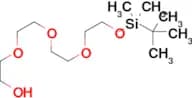
CAS :Degré de pureté :98%Masse moléculaire :328.91000372,2,3,3-TETRAMETHYL-4,7,10,13-TETRAOXA-3-SILAPENTADECAN-15-OL
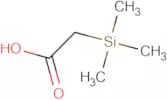
CAS :Formule :C14H32O5SiDegré de pureté :95%Masse moléculaire :308.49(Trimethylsilyl)acetic acid
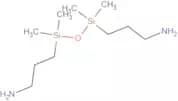
CAS :<p>S18925 - (Trimethylsilyl)acetic acid</p>Formule :C5H12O2SiDegré de pureté :95%Couleur et forme :SolidMasse moléculaire :132.2341,3-Bis(3-aminopropyl)-1,1,3,3-tetramethyl-disiloxane
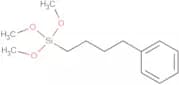
CAS :<p>S01250 - 1,3-Bis(3-aminopropyl)-1,1,3,3-tetramethyl-disiloxane</p>Formule :C10H28N2OSi2Degré de pureté :95%Couleur et forme :Liquid, ClearMasse moléculaire :248.5174-Phenylbutyltrimethoxy silane
CAS :<p>S25349 - 4-Phenylbutyltrimethoxy silane</p>Formule :C13H22O3SiDegré de pureté :98%Couleur et forme :LiquidMasse moléculaire :254.401TRANS-3-[[(1,1-DIMETHYLETHYL)DIMETHYLSILYL]OXY]CYCLOBUTANEMETHANOL
CAS :Formule :C11H24O2SiDegré de pureté :97%Masse moléculaire :216.396tert-Butyldimethyl((4-(4,4,5,5-tetramethyl-1,3,2-dioxaborolan-2-yl)but-3-en-1-yl)oxy)silane
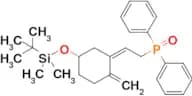
CAS :Formule :C16H33BO3SiDegré de pureté :97%Masse moléculaire :312.33(S,Z)-(2-(5-((tert-butyldimethylsilyl)oxy)-2-methylenecyclohexylidene)ethyl)diphenylphosphine oxide
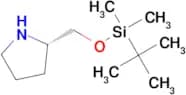
CAS :Degré de pureté :96%Masse moléculaire :452.6499939(S)-2-(((TERT-BUTYLDIMETHYLSILYL)OXY)METHYL)PYRROLIDINE
CAS :Formule :C11H25NOSiDegré de pureté :98%Couleur et forme :LiquidMasse moléculaire :215.412Ref: 10-F512768
1g155,00€5g462,00€10g883,00€25g1.361,00€2.5g287,00€100mg49,00€250mg72,00€500mg127,00€3-Bromo-1-(trimethylsilyl)-1-propyne
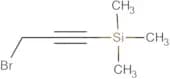
CAS :<p>S03140 - 3-Bromo-1-(trimethylsilyl)-1-propyne</p>Formule :C6H11BrSiDegré de pureté :95%Couleur et forme :LiquidMasse moléculaire :191.1433-(N,N-Diethylamino)propyltrimethoxysilane
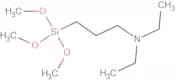
CAS :<p>S06300 - 3-(N,N-Diethylamino)propyltrimethoxysilane</p>Formule :C10H25NO3SiDegré de pureté :95%Couleur et forme :LiquidMasse moléculaire :235.3993-((Trimethylsilyl)ethynyl)aniline
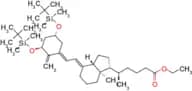
CAS :Formule :C11H15NSiDegré de pureté :98%Couleur et forme :LiquidMasse moléculaire :189.333(5R)-ethyl 5-((1R,3aS,7aR)-4-((E)-2-((3S,5R)-3,5-bis(tert-butyldimethylsilyloxy)-2-methylenecyclohexylidene)ethyl)-7a-methyloctahydro-1H-inden-1-yl)hexanoate
CAS :Degré de pureté :98%Masse moléculaire :659.1553-NITRO-1-[[2-(TRIMETHYLSILYL)ETHOXY]METHYL]-1H-PYRAZOLE
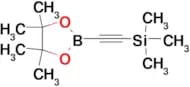
CAS :Formule :C9H17N3O3SiDegré de pureté :98+%Masse moléculaire :243.338Trimethyl((4,4,5,5-tetramethyl-1,3,2-dioxaborolan-2-yl)ethynyl)silane
CAS :Formule :C11H21BO2SiDegré de pureté :95%Couleur et forme :SolidMasse moléculaire :224.18TERT-BUTYL((1-METHOXYVINYL)OXY)DIMETHYLSILANE
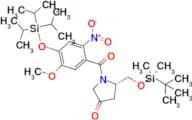
CAS :Formule :C9H20O2SiDegré de pureté :95%Couleur et forme :LiquidMasse moléculaire :188.342(S)-5-(((tert-Butyldimethylsilyl)oxy)methyl)-1-(5-methoxy-2-nitro-4-((triisopropylsilyl)oxy)benzoyl)pyrrolidin-3-one
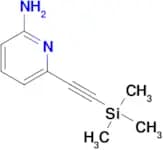
CAS :Degré de pureté :98%Masse moléculaire :580.8696-((Trimethylsilyl)ethynyl)pyridin-3-amine
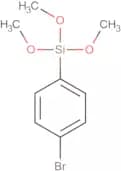
CAS :Formule :C10H14N2SiDegré de pureté :97%Couleur et forme :SolidMasse moléculaire :190.321Bromophenyltrimethoxysilane (mixed isomers)
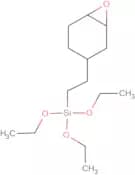
CAS :<p>S03075 - Bromophenyltrimethoxysilane (mixed isomers)</p>Formule :C9H13BrO3SiDegré de pureté :97%Couleur et forme :LiquidMasse moléculaire :277.1892-(3,4-Epoxycyclohexyl)-ethyltriethoxysilane
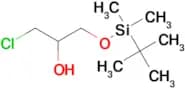
CAS :<p>S25145 - 2-(3,4-Epoxycyclohexyl)-ethyltriethoxysilane</p>Formule :C14H28O4SiDegré de pureté :98%Couleur et forme :Clear to straw liquidMasse moléculaire :288.4591-((TERT-BUTYLDIMETHYLSILYL)OXY)-3-CHLOROPROPAN-2-OL
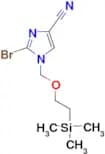
CAS :Formule :C9H21ClO2SiDegré de pureté :97%Masse moléculaire :224.81-((2-(TRIMETHYLSILYL)ETHOXY)METHYL)-2-BROMO-1H-IMIDAZOLE-4-CARBONITRILE
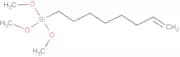
CAS :Formule :C10H16BrN3OSiDegré de pureté :97%Couleur et forme :SolidMasse moléculaire :302.2477-Oct-1-enyltrimethoxysilane
CAS :<p>S12600 - 7-Oct-1-enyltrimethoxysilane</p>Formule :C11H24O3SiDegré de pureté :95%Couleur et forme :ClearMasse moléculaire :232.395Decamethyltetrasiloxane
CAS :<p>S05500 - Decamethyltetrasiloxane</p>Formule :C10H30O3Si4Degré de pureté :95%Couleur et forme :ClearMasse moléculaire :310.6877-(3-((tert-Butyldimethylsilyl)oxy)propyl)-6-(1-ethoxyvinyl)-5-(p-tolyl)-7H-pyrrolo[2,3-d]pyrimidin-4-amine
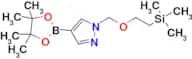
CAS :Degré de pureté :97%Masse moléculaire :466.70098884-(4,4,5,5-Tetramethyl-1,3,2-dioxaborolan-2-yl)-1-((2-(trimethylsilyl)ethoxy)methyl)-1H-pyrazole
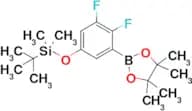
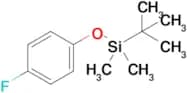
CAS :Formule :C15H29BN2O3SiDegré de pureté :95%Couleur et forme :Liquid, OilMasse moléculaire :324.3tert-Butyl(3,4-difluoro-5-(4,4,5,5-tetramethyl-1,3,2-dioxaborolan-2-yl)phenoxy)dimethylsilane
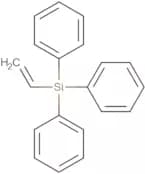
CAS :Degré de pureté :98%Masse moléculaire :370.3200073Triphenylvinylsilane
CAS :<p>S20725 - Triphenylvinylsilane</p>Formule :C20H18SiDegré de pureté :98%Couleur et forme :Solid, White to very pale yellow powderMasse moléculaire :286.4494-Bromo-1-trimethylsilyl-1-butyne
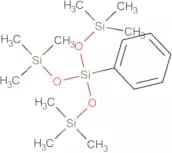
CAS :Degré de pureté :95%Couleur et forme :LiquidMasse moléculaire :205.1699982Tris(trimethylsiloxy)phenylsilane
CAS :<p>S21150 - Tris(trimethylsiloxy)phenylsilane</p>Formule :C15H32O3Si4Degré de pureté :98%Couleur et forme :Clear to straw liquidMasse moléculaire :372.7583-[[(1,1-DIMETHYLETHYL)DIMETHYLSILYL]OXY]CYCLOBUTANONE
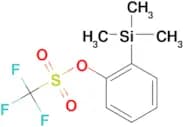
CAS :Formule :C10H20O2SiDegré de pureté :98%Masse moléculaire :200.3532-(Trimethylsilyl)phenyl trifluoromethanesulfonate
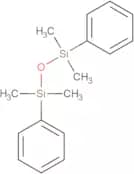
CAS :Formule :C10H13F3O3SSiDegré de pureté :95%Couleur et forme :Liquid, ClearMasse moléculaire :298.351,3-Diphenyl-1,1,3,3-tetramethyldisiloxane
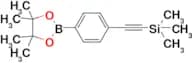
CAS :<p>S08175 - 1,3-Diphenyl-1,1,3,3-tetramethyldisiloxane</p>Formule :C16H22OSi2Degré de pureté :95%Couleur et forme :LiquidMasse moléculaire :286.521Trimethyl((4-(4,4,5,5-tetramethyl-1,3,2-dioxaborolan-2-yl)phenyl)ethynyl)silane
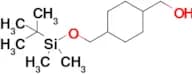
CAS :Degré de pureté :98%Masse moléculaire :300.2799988(4-(((Tert-butyldimethylsilyl)oxy)methyl)cyclohexyl)methanol
CAS :Degré de pureté :97%Masse moléculaire :258.47698976-Methyl-8-(methylthio)-3-[1-[[2-(trimethylsilyl)ethoxy]methyl]-1H-pyrazol-4-yl]imidazo[1,2-a]pyrazine
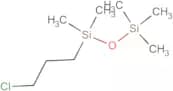
CAS :Degré de pureté :95%Masse moléculaire :375.5700073(3-Chloropropyl)pentamethyldisiloxane
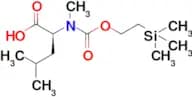
CAS :<p>S25113 - (3-Chloropropyl)pentamethyldisiloxane</p>Formule :C8H21ClOSi2Degré de pureté :98%Masse moléculaire :224.88N-Methyl-N-((2-(trimethylsilyl)ethoxy)carbonyl)-L-leucine
CAS :Degré de pureté :97%Masse moléculaire :289.4469911H-Pyrazole, 3-(4,4,5,5-tetramethyl-1,3,2-dioxaborolan-2-yl)-1-[[2-(trimethylsilyl)ethoxy]methyl]-
CAS :Formule :C15H29BN2O3SiDegré de pureté :97%Couleur et forme :Liquid, OilMasse moléculaire :324.34-((tert-Butyldimethylsilyl)oxy)cyclohexanol
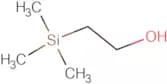
CAS :Formule :C12H26O2SiDegré de pureté :97%Masse moléculaire :230.4232-Trimethylsilylethanol
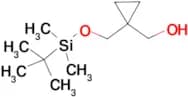
CAS :<p>S19375 - 2-Trimethylsilylethanol</p>Formule :C5H14OSiDegré de pureté :95%Couleur et forme :ClearMasse moléculaire :118.251(1-(((TERT-BUTYLDIMETHYLSILYL)OXY)METHYL)CYCLOPROPYL)METHANOL
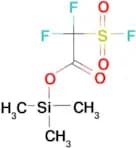
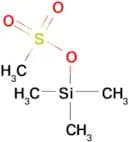
CAS :Formule :C11H24O2SiDegré de pureté :97%Couleur et forme :LiquidMasse moléculaire :216.396Trimethylsilyl fluorosulfonyldifluoroacetate
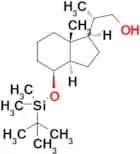
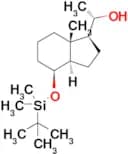
CAS :Formule :C5H9F3O4SSiDegré de pureté :95%Couleur et forme :Liquid, ClearMasse moléculaire :250.26(S)-2-((1R,3aR,4S,7aR)-4-((tert-butyldimethylsilyl)oxy)-7a-methyloctahydro-1H-inden-1-yl)propan-1-ol
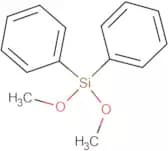
CAS :Degré de pureté :96%Masse moléculaire :326.5960083Diphenyldimethoxysilane(Dimethoxydiphenylsilane)
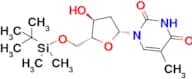
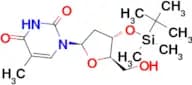
CAS :<p>S07875 - Diphenyldimethoxysilane(Dimethoxydiphenylsilane)</p>Formule :C14H16O2SiDegré de pureté :95+%Couleur et forme :Liquid, ClearMasse moléculaire :244.3651-((2R,4S,5R)-4-((tert-Butyldimethylsilyl)oxy)-5-(hydroxymethyl)tetrahydrofuran-2-yl)-5-methylpyrimidine-2,4(1H,3H)-dione
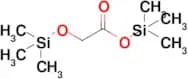
CAS :Formule :C16H28N2O5SiDegré de pureté :97%Couleur et forme :SolidMasse moléculaire :356.494Trimethylsilyl 2-((trimethylsilyl)oxy)acetate
CAS :Degré de pureté :97%Masse moléculaire :220.41499332-(Trimethylsilyl)phenol
CAS :Degré de pureté :97%Couleur et forme :LiquidMasse moléculaire :166.2949982Methyl 3-bromo-5-(((tert-butyldiphenylsilyl)oxy)methyl)benzoate
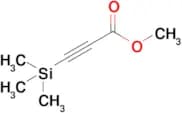
Degré de pureté :98%Masse moléculaire :483.4769897Methyl 3-(trimethylsilyl)propiolate
CAS :Degré de pureté :96%Couleur et forme :LiquidMasse moléculaire :156.2559967(S)-1-((1S,3aR,4S,7aR)-4-((tert-Butyldimethylsilyl)oxy)-7a-methyloctahydro-1H-inden-1-yl)ethan-1-ol
CAS :Degré de pureté :98%Masse moléculaire :312.56900024-((S)-1-((1S,3aS,7aS,E)-4-((Z)-2-((3S,5R)-3,5-bis((tert-butyldimethylsilyl)oxy)-2-methylenecyclohexylidene)ethylidene)-7a-methyloctahydro-1H-inden-1-yl)ethoxy)-2-methylbutan-2-ol
CAS :Degré de pureté :97%Masse moléculaire :647.144(3S,4R)-3-(((Tert-butyldimethylsilyl)oxy)methyl)-4-(4-fluorophenyl)piperidine
CAS :Degré de pureté :95%Masse moléculaire :323.5270081trans-Ethyl 2-((5-bromo-1-((2-(trimethylsilyl)ethoxy)methyl)-1H-indazol-3-yl)amino)-1-((1r,4r)-4-((tert-butyldimethylsilyl)oxy)cyclohexyl)-1H-benzo[d]imidazole-5-carboxylate
CAS :Degré de pureté :95%Masse moléculaire :742.906Phenylmethylsiloxane-Dimethylsiloxane Copolymers cSt 50
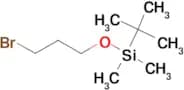
CAS :Degré de pureté :50cStCouleur et forme :Liquid, ClearMasse moléculaire :372.142851004(3-Bromopropoxy)-tert-butyldimethylsilane
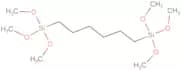
CAS :Formule :C9H21BrOSiDegré de pureté :97%Couleur et forme :LiquidMasse moléculaire :253.2551,6-Bis(trimethoxysilyl)hexane
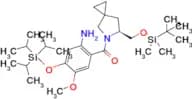
CAS :<p>S02250 - 1,6-Bis(trimethoxysilyl)hexane</p>Formule :C12H30O6Si2Degré de pureté :95%Couleur et forme :Liquid, ClearMasse moléculaire :326.536(S)-(2-Amino-5-methoxy-4-((triisopropylsilyl)oxy)phenyl)(6-(((tert-butyldimethylsilyl)oxy)methyl)-5-azaspiro[2.4]heptan-5-yl)methanone
CAS :Degré de pureté :96%Masse moléculaire :562.942Ethyl 2-amino-1-[trans-4-[(tert-butyldimethylsilyl)oxy]cyclohexyl]-1H-benzo[d]imidazole-5-carboxylate
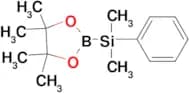
CAS :Degré de pureté :98%Masse moléculaire :417.625(Dimethylphenylsilyl)boronic acid pinacol ester
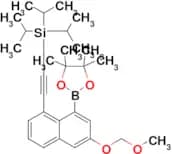
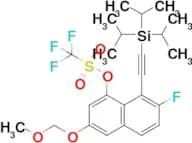
CAS :Formule :C14H23BO2SiDegré de pureté :90%Couleur et forme :LiquidMasse moléculaire :262.237-Fluoro-3-(methoxymethoxy)-8-((triisopropylsilyl)ethynyl)naphthalen-1-yl trifluoromethanesulfonate
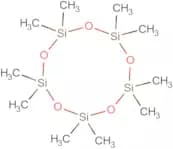
CAS :Degré de pureté :97%Masse moléculaire :534.6400146Cyclopentasiloxane
CAS :Formule :C10H30O5Si5Degré de pureté :98%Couleur et forme :LiquidMasse moléculaire :370.77(3R,4S,5R,6R)-3,4,5-Tris((trimethylsilyl)oxy)-6-(((trimethylsilyl)oxy)methyl)tetrahydro-2H-pyran-2-one
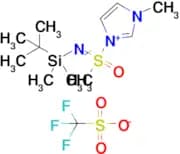
CAS :Degré de pureté :95%Couleur et forme :LiquidMasse moléculaire :466.86801153-(N-(tert-Butyldimethylsilyl)-S-methylsulfonimidoyl)-1-methyl-1H-imidazol-3-ium trifluoromethanesulfonate
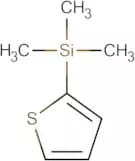
CAS :Degré de pureté :97%Masse moléculaire :423.542-Thienyltrimethylsilane
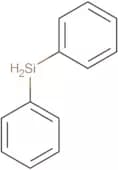
CAS :<p>S16530 - 2-Thienyltrimethylsilane</p>Formule :C7H12SSiDegré de pureté :95%Couleur et forme :LiquidMasse moléculaire :156.32Diphenylsilane
CAS :<p>S08050 - Diphenylsilane</p>Formule :C12H12SiDegré de pureté :97%Couleur et forme :Liquid, Clear LiquidMasse moléculaire :184.313N,4-dimethyl-N-((trimethylsilyl)ethynyl)benzenesulfonamide
CAS :Degré de pureté :98%Masse moléculaire :281.4500122(1-((2-(Trimethylsilyl)ethoxy)methyl)-1H-pyrrolo[2,3-b]pyridin-2-yl)boronic acid
CAS :Degré de pureté :95%Couleur et forme :SolidMasse moléculaire :292.2200012


![N-[3-(4,4,5,5-TetraMethyl-[1,3,2]dioxaborolan-2-yl)-phenyl]succinamic acid](/_next/image/?url=https%3A%2Fstatic.cymitquimica.com%2Fproducts%2F3D%2Fthumb-webp%2FFT39771.webp&w=3840&q=75)




![Imidazo[1,2-α]pyridin-3-yl-boronic acid pinacol ester](/_next/image/?url=https%3A%2Fstatic.cymitquimica.com%2Fproducts%2F3D%2Fthumb-webp%2FFI51745.webp&w=3840&q=75)









![Tris[3-(trimethoxysilyl)propyl] isocyanurate](/_next/image/?url=https%3A%2Fstatic.cymitquimica.com%2Fproducts%2F3D%2Fthumb-webp%2FFT168667.webp&w=3840&q=75)


![4-Bromo-1-((2-(trimethylsilyl)ethoxy)methyl)-1H-pyrrolo[2,3-b]pyridine](/_next/image/?url=https%3A%2Fstatic.cymitquimica.com%2Fproducts%2F10%2Fthumb-webp%2FF600247.webp&w=3840&q=75)
![1-[(Trimethylsilyl)ethynyl]cyclohexene](/_next/image/?url=https%3A%2Fstatic.cymitquimica.com%2Fproducts%2F10%2Fthumb-webp%2FS19400.webp&w=3840&q=75)






![1H-PYRROLO[2,3-B]PYRIDINE-5-CARBOXYLIC ACID, 4-CHLORO-1-[TRIS(1-METHYLETHYL)SILYL]-, METHYL ESTER](/_next/image/?url=https%3A%2Fstatic.cymitquimica.com%2Fproducts%2F10%2Fthumb-webp%2FF502024.webp&w=3840&q=75)
![3,3-Dibromo-1-((2-(trimethylsilyl)ethoxy)methyl)-1H-pyrrolo[2,3-b]pyridin-2(3H)-one](/_next/image/?url=https%3A%2Fstatic.cymitquimica.com%2Fproducts%2F10%2Fthumb-webp%2FF788512.webp&w=3840&q=75)


![1,3,2-Dioxaborolane, 4,4,5,5-tetramethyl-2-[(1E)-2-(trimethylsilyl)ethenyl]-](/_next/image/?url=https%3A%2Fstatic.cymitquimica.com%2Fproducts%2F10%2Fthumb-webp%2FF980037.webp&w=3840&q=75)

![TRANS-3-[[(1,1-DIMETHYLETHYL)DIMETHYLSILYL]OXY]CYCLOBUTANEMETHANOL](/_next/image/?url=https%3A%2Fstatic.cymitquimica.com%2Fproducts%2F10%2Fthumb-webp%2FF503913.webp&w=3840&q=75)


![3-NITRO-1-[[2-(TRIMETHYLSILYL)ETHOXY]METHYL]-1H-PYRAZOLE](/_next/image/?url=https%3A%2Fstatic.cymitquimica.com%2Fproducts%2F10%2Fthumb-webp%2FF530622.webp&w=3840&q=75)


![2-[2-(trimethylsilyl)ethynyl]aniline](/_next/image/?url=https%3A%2Fstatic.cymitquimica.com%2Fproducts%2F10%2Fthumb-webp%2FF641058.webp&w=3840&q=75)
![7-(3-((tert-Butyldimethylsilyl)oxy)propyl)-6-(1-ethoxyvinyl)-5-(p-tolyl)-7H-pyrrolo[2,3-d]pyrimidi…](/_next/image/?url=https%3A%2Fstatic.cymitquimica.com%2Fproducts%2F10%2Fthumb-webp%2FF789359.webp&w=3840&q=75)
![2-[2-(Trimethylsilyl)ethynyl]benzaldehyde](/_next/image/?url=https%3A%2Fstatic.cymitquimica.com%2Fproducts%2F10%2Fthumb-webp%2FF618474.webp&w=3840&q=75)

![3-[[(1,1-DIMETHYLETHYL)DIMETHYLSILYL]OXY]CYCLOBUTANONE](/_next/image/?url=https%3A%2Fstatic.cymitquimica.com%2Fproducts%2F10%2Fthumb-webp%2FF468032.webp&w=3840&q=75)
![6-Methyl-8-(methylthio)-3-[1-[[2-(trimethylsilyl)ethoxy]methyl]-1H-pyrazol-4-yl]imidazo[1,2-a]pyra…](/_next/image/?url=https%3A%2Fstatic.cymitquimica.com%2Fproducts%2F10%2Fthumb-webp%2FF600854.webp&w=3840&q=75)
![1H-Pyrazole, 3-(4,4,5,5-tetramethyl-1,3,2-dioxaborolan-2-yl)-1-[[2-(trimethylsilyl)ethoxy]methyl]-](/_next/image/?url=https%3A%2Fstatic.cymitquimica.com%2Fproducts%2F10%2Fthumb-webp%2FF517029.webp&w=3840&q=75)






![Ethyl 2-amino-1-[trans-4-[(tert-butyldimethylsilyl)oxy]cyclohexyl]-1H-benzo[d]imidazole-5-carboxyl…](/_next/image/?url=https%3A%2Fstatic.cymitquimica.com%2Fproducts%2F10%2Fthumb-webp%2FF986358.webp&w=3840&q=75)


![(1-((2-(Trimethylsilyl)ethoxy)methyl)-1H-pyrrolo[2,3-b]pyridin-2-yl)boronic acid](/_next/image/?url=https%3A%2Fstatic.cymitquimica.com%2Fproducts%2F10%2Fthumb-webp%2FF602847.webp&w=3840&q=75)