Composés deutérés
Les composés deutérés sont des molécules organiques dans lesquelles un ou plusieurs atomes d'hydrogène sont remplacés par du deutérium, un isotope stable de l'hydrogène. Ces composés sont essentiels dans divers domaines scientifiques, notamment la spectroscopie RMN, la spectrométrie de masse et les études cinétiques d'isotopes. Les composés deutérés améliorent la clarté et la précision des signaux dans les analyses en réduisant le bruit de fond et en offrant des perspectives uniques sur les mécanismes réactionnels et les structures moléculaires. Chez CymitQuimica, vous trouverez une large gamme de composés deutérés spécialement conçus pour soutenir vos recherches en chimie analytique et en études moléculaires.
4233 produits trouvés pour "Composés deutérés"
Trier par
Degré de pureté (%)
0
100
|
0
|
50
|
90
|
95
|
100
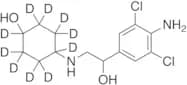
Clencyclohexerol-d10
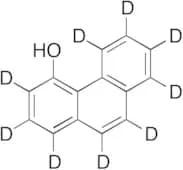
CAS :Produit contrôlé<p>Stability Hygroscopic<br>Applications Clencyclohexerol-d10 is a labelled analog of Clenbuterol, a β-agonist which can be used as a growth promoter in farm animals.<br>References Maistro, S., et al.: Lancet, 346, 180 (1995); Vanoosthuyze, K., et al.: J. Agric. Food Chem., 45, 3129 (1997); Fiori, M., et al.: Anal. Chim. Acta, 529, 207 (2005); Salquebre, G., et al.: J. Anal. Toxicol., 31, 114 (2007);<br></p>Formule :C14H10D10Cl2N2O2Couleur et forme :Light YellowMasse moléculaire :329.294-Phenanthrol-d9
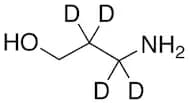
CAS :Produit contrôlé<p>Applications 4-Phenanthrol-d9 has been used as a reactant for the preparation of stable isotope-labeled internal standards of PAH metabolites from urine of smokers and nonsmokers.<br>References Jacob, P. III, et. al.: Anal. Chem., 79, 587 (2007)<br></p>Formule :C14HD9OCouleur et forme :NeatMasse moléculaire :203.283-Amino-1-propanol-d4
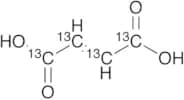
CAS :Produit contrôlé<p>Applications Compound forms a complex with Mefenamic acid increasing its transdermal permeation properties<br> Not a dangerous good if item is equal to or less than 1g/ml and there is less than 100g/ml in the package<br>References Fang, L., et al.: J. Pharm. Sci., 93, 144 (2004), Gibellini, F., et al.: Biochem. J., 415, 135 (2008),<br></p>Formule :C3H5D4NOCouleur et forme :NeatMasse moléculaire :79.13Fumaric Acid-13C4
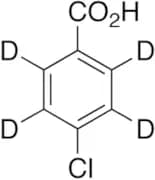
CAS :<p>Applications Labelled Fumaric Acid (F500380). Occurs in many plants. Essential to vegetable and tissue respiration. Used as an antioxidant.<br>References Jelitto, T., et al.: Planta, 188, 238 (1992), Son, H., et al.: J. Agric. Food Chem., 56, 8007 ( 2008),<br></p>Formule :C4H4O4Couleur et forme :NeatMasse moléculaire :120.044-Chlorobenzoic Acid-d4
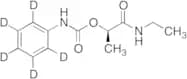
CAS :Produit contrôlé<p>Applications Isotope labelled 4-Chlorobenzoic Acid is a benzoic acid analogue that showed antifungal activity against strains of Aspergillus flavus, Aspergillus fumigatus and Aspergillus terreus, causative agents of human aspergillosis, in in vitro bioassays. It is used as a preservative.<br>References Rep, M., et al.: J. Biol. Chem., 275, 8290 (2000), Jaeger, T., et al.: Biofactors, 27, 109 (2006), Kim, J., et al.: Fungal Biology, 114, 817 (2010),<br></p>Formule :C72H4HClO2Couleur et forme :NeatMasse moléculaire :160.59Carbetamide-D5
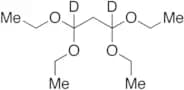
CAS :Produit contrôlé<p>Applications Carbetamide-D5 is the labelled analogue of Carbetamide (C178028). Carbetamide is used in the determination of pesticides.<br>References Jia, W., et al.: Journal of Chromatogr. A., 1395, 160-166 (2015)<br></p>Formule :C12H11D5N2O3Couleur et forme :NeatMasse moléculaire :241.31,1,3,3-Tetraethoxypropane-1,3-d2
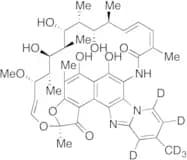
CAS :Produit contrôlé<p>Applications The precursor of the ubiquitous natural compound malondialdehyde.<br>References Basu, A.K., et al.: J. of Labelled Compounds & Radiopharmaceuticals, XX11, 11, 1175 (1985)<br></p>Formule :C112H2H22O4Couleur et forme :ColourlessMasse moléculaire :222.32Desacetyl Rifaximin-d6 (major)
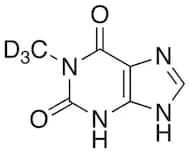
CAS :Produit contrôléFormule :C41D6H45N3O10Couleur et forme :NeatMasse moléculaire :751.891-Methyl Xanthine-d3
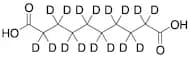
CAS :Produit contrôlé<p>Applications A labelled metabolite of Theophylline.<br>References ottrup, A., et al.: Pharmacol. Toxicol., 67, 340 (1990), El-Kadi, A., et al.: Drug Metab. Dispos., 28, 1112 (2000), Kim, S., et al.: J. Med. Chem., 45, 2131 ( 2002), Hansel, T., et al.: Drugs Today, 40, 55 (2004),<br></p>Formule :C62H3H3N4O2Couleur et forme :NeatMasse moléculaire :169.161,10-Decanedioic-d16 Acid
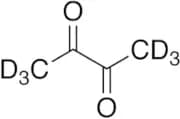
CAS :Produit contrôlé<p>Applications 1,10-Decanedioic-d16 Acid (CAS# 73351-71-0) is a useful isotopically labelled compound for studying saturated fatty acids.<br>References Yamada, T., et al.: Adv. Synth. Catal., 358, 3277 (2016)<br></p>Formule :C10D16H2O4Couleur et forme :NeatMasse moléculaire :218.352,3-Butanedione-d6
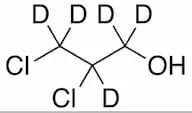
CAS :Produit contrôlé<p>Applications Labelled 2,3-Butanedione (B690030). 2,3-Butanedione (Diacetyl), the molecule implicated in the disease known as popcorn lung, has now been implicated in amyloid-β peptide toxicity associated with Alzheimer’s disease. Diacetyl accelerates amyloid-β aggregation-a hallmark of Alzheimer’s disease. These preliminary finding raise the possibility of long-term neurological toxicity mediated by DA.<br> Not a dangerous good if item is equal to or less than 1g/ml and there is less than 100g/ml in the package<br>References Wang, J., et al.: Exp. Neurol., 158, 328 (1999); Brown, M., et al.: Cell, 100, 391 (2000); Heinitz, K., et al.: J. Neurochem., 98, 1930 (2006); Brody, D., et al.: Science, 321, 1221 (2008); More, S., et al.: J. Med. Chem., 52, 4650 (2009);<br></p>Formule :C42H6O2Couleur et forme :YellowMasse moléculaire :92.132,3-Dichloro-1-propanol-d5
CAS :Produit contrôlé<p>Applications A labelled isomer of dichloropropanol; shows metabolite toxicity.<br> Not a dangerous good if item is equal to or less than 1g/ml and there is less than 100g/ml in the package<br>References Omura, M., et al.: Bull. Environ. Contam. Toxicol., 55, 1 (1995),<br></p>Formule :C3HD5Cl2OCouleur et forme :Colourless To Light YellowMasse moléculaire :134.021,3-Dibromopropane-d6
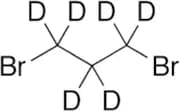
CAS :Produit contrôlé<p>Applications Isotope labelled 1,3-Dibromopropane is a substrate specificity of haloalkane dehalogenases.<br> Not a dangerous good if item is equal to or less than 1g/ml and there is less than 100g/ml in the package<br>References Koudelakova, T., et al.: Biochem. J., 435, 345 (2011),<br></p>Formule :C3D6Br2Couleur et forme :NeatMasse moléculaire :207.92Nonanal-d18
CAS :Produit contrôlé<p>Applications Nonanal-d18, is the labeled analogue of Nonanal (N649330), a component of essential oils. Nonanal possesses a strong fruity odor. Essential oils have varying effects from antibacterial activity to hypolipidemic activity.<br>References Zorrilla-Fontanesi, Yet al.: Plant. Phys., 159, 851 (2012): Taherkhani, M. et al.: Asian. J. Chem., 24, 1461 (2012); Ahmadvand, H. et al.: Iran. J. Pharm. Res., 11, 1219 (2012);<br></p>Formule :C9D18OCouleur et forme :NeatMasse moléculaire :160.35N-Desmethyl Regorafenib (Pyridine)-N-oxide-d3
CAS :Produit contrôlé<p>Applications N-Desmethyl Regorafenib (Pyridine)-N-oxide-d3 is the isotope labelled analog of N-Desmethyl Regorafenib (Pyridine)-N-oxide (D293280); a synthetic metabolite of Regorafenib (R143000) used for treatment and prevention of cancer.<br>References Wilhelm, S.: PCT Int. Appl. WO 2011130728 A1 20111020. Oct 20, 2011<br></p>Formule :C20D3H10ClF4N4O4Couleur et forme :NeatMasse moléculaire :487.807N-Acetylneuraminic Acid-13C,d3
CAS :Produit contrôlé<p>Stability Hygroscopic<br>Applications N-Acetylneuraminic Acid-13C,d3 is a labelled Neuraminic Acid derivative.<br>References Oetke, C., et al.: J. Biol. Chem., 277, 6688 (2002)<br></p>Formule :C1013CH16D3NO9Couleur et forme :NeatMasse moléculaire :313.282,7-Diisopropyl-9,9-dimethyl-9,10-dihydroacridine-d6 (Major)
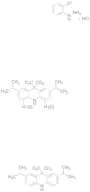
Produit contrôlé<p>Applications 2,7-Diisopropyl-9,9-dimethyl-9,10-dihydroacridine-d6 (Major) is a labeled analogue of 2,7-Diisopropyl-9,9-dimethyl-9,10-dihydroacridine (D455760), a useful chemical reagent. Also, it is derived from 9,9-Dimethyl-9,10-dihydroacridine (D474300), which are currently being used in the development of thermally activated delayed fluorescence (TADF) molecules which are being researched for their possible efficient deep-blue TADF emitting potential.<br>References Kwon, D.Y., et al.: J. Nanosci. Nanotechnol., 15, 7828-31 (2015); Wada, Y., et al.: Adv. Mater., 30 (2018).<br></p>Formule :C13H8Cl4O2Couleur et forme :NeatMasse moléculaire :338.012-Acetylthioethanesulfonic Acid-d4 Sodium Salt
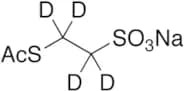
CAS :Produit contrôlé<p>Applications Labelled 2-acetylthioethanesulfonic acid. Mesna (M225750) impurity.<br></p>Formule :C4D4H3NaO4S2Couleur et forme :NeatMasse moléculaire :210.24Oxaloacetic Acid-13C4
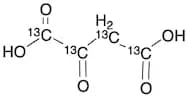
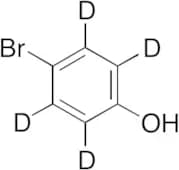
CAS :<p>Applications Oxaloacetic Acid-13C4 is labelled form of Oxaloacetic Acid (O845030) which is a four carbon dicarboxylic acid that is an intermediate in the citric acid cycle and glucogenesis. It has been shown to inhibit succinate dehydrogenase.<br> Not a dangerous good if item is equal to or less than 1g/ml and there is less than 100g/ml in the package<br>References Zeylemaker, W.P. et al.: Biochim. Biophys. Acta Enzymol., 132, 210 (1967); Dalla-Betta, P. et al.: Int. J. Mol. Sci., 10, 2809 (2009);<br></p>Formule :C4H4O5Couleur et forme :White To Off-WhiteMasse moléculaire :136.044-Bromophenol-2,3,5,6-d4
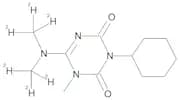
CAS :Produit contrôlé<p>Applications 4-Bromophenol-2,3,5,6-d4 is the labelled analogue of 4-Bromophenol (B686405) which is used as a reagent in Stille reactions.<br>References Littke, A.F. et al.: J. Am. Chem. Soc., 124, 6343 (2002);<br></p>Formule :C62H4HBrOCouleur et forme :NeatMasse moléculaire :177.03Hexazinone-d6 (Dimethyl-d6-amino)
CAS :Produit contrôlé<p>Applications Hexazinone-d6 (dimethyl-d6-amino) (CAS# 1219804-22-4) is a useful isotopically labeled research compound.<br></p>Formule :C122H6H14N4O2Couleur et forme :White To Off-WhiteMasse moléculaire :258.35N-Acetyl-S-(3-hydroxypropyl-1,1,2,2,3,3-D6)cysteine, Dicyclohexylammonium Salt
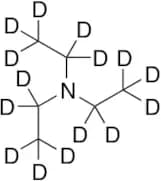
CAS :Produit contrôlé<p>Applications N-Acetyl-S-(3-hydroxypropyl-1,1,2,2,3,3-D6)cysteine Dicyclohexylammonium Salt is labelled N-Acetyl-S-(3-hydroxypropyl)cysteine Dicyclohexylammonium Salt (A179075), which is a metabolite of halopropanes.<br>References Barnsley, E.A.: Biochem. J., 100, 362 (1966)<br></p>Formule :C12H23N·C8D6H9NO4SCouleur et forme :Off-WhiteMasse moléculaire :408.6287Triethylamine-d15
CAS :Produit contrôlé<p>Applications Triethylamine (D15, 98%) (cas# 66688-79-7) is a useful research chemical.<br></p>Formule :C62H15NCouleur et forme :NeatMasse moléculaire :116.2829-Bromophenanthrene-d9
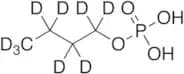
CAS :Produit contrôlé<p>Applications Isotope labelled 9-Bromophenanthrene (B687200), a halogenated polycyclic aromatic hydrocarbon that has been seen to have a room temperature phosphorescence that can be induced by β-cyclodextrin (β-CD) in the presence of cyclohexane; however, trace Fe(III) causes a decrease of the RTP emission.<br></p>Formule :C14D9BrCouleur et forme :NeatMasse moléculaire :266.18Monobutyl Phosphate-d9
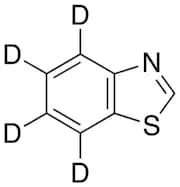
CAS :Produit contrôlé<p>Applications Labelled Monobutyl Phosphate (M525050). Mono and dibasic phosphate esters are anionic surfactants which have the main feature of the stability in alkaline conditions over other surfactants. They have a wide range of properties including outstanding wetting, emulsification, lubrication, coupling activity and detergency.<br> Not a dangerous good if item is equal to or less than 1g/ml and there is less than 100g/ml in the package<br>References Ramirez, F., et al.: Tetrahedron, 35, 1581 (1979);<br></p>Formule :C4H2D9O4PCouleur et forme :NeatMasse moléculaire :163.16Benzothiazole-d4
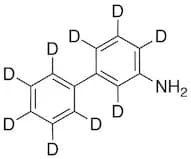
CAS :Produit contrôlé<p>Applications Labelled Benzothiazole. Various benzothiazole-benzamides synthesized were evaluated for their analgesic and antidepressant activities.<br> Not a dangerous good if item is equal to or less than 1g/ml and there is less than 100g/ml in the package<br>References Porsolt, R., et al.: Nature, 266, 730 (1977), Foster, J., et al.: Bioorg. Med. Chem., 7, 2415 (1999), Caliendo, G., et al.: Eur. J. Med. Chem., 36, 517 (2001), Rana, A., et al.: Eur. J. Med. Chem., 43, 1114 (2008),<br></p>Formule :C7HD4NSCouleur et forme :NeatMasse moléculaire :139.213-Aminobiphenyl-d9
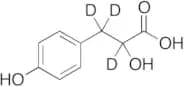
CAS :Produit contrôlé<p>Applications Product of smoking tobacco<br> Not a dangerous good if item is equal to or less than 1g/ml and there is less than 100g/ml in the package<br>References Benigni, R., et al.: Env. Mol. Mutagen., 48, 754 (2007), Shin, H., et al.: Food Chem. Toxicol., 47, 192 (2009),<br></p>Formule :C122H9H2NCouleur et forme :Light Yellow To Dark BrownMasse moléculaire :178.28DL-p-Hydroxyphenyllactic Acid-d3
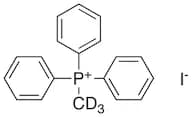
CAS :Produit contrôlé<p>Applications DL-p-Hydroxyphenyllactic Acid-d3 is the isotope labelled analog of DL-p-Hydroxyphenyllactic Acid (H953665); a reagent in the synthesis of 2-O-(4-coumaroyl)-3-(4-hydroxyphenyl)lactic acid which is an important intermediate of rosmarinic acid biosynthesis.<br>References Matsuno, M., et al.: Chem. Pharm. Bull., 49, 1644 (2001)<br></p>Formule :C9H7D3O4Couleur et forme :NeatMasse moléculaire :185.19(Methyl)triphenylphosphonium Iodide-D3
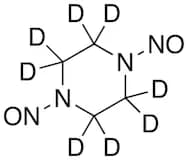
CAS :Produit contrôlé<p>Applications Wittig Reagent<br></p>Formule :C192H3H15P·ICouleur et forme :NeatMasse moléculaire :407.241,4-Dinitrosopiperazine-d8
CAS :Produit contrôlé<p>Stability Hygroscopic<br>Applications Labelled 1,4-Dinitrosopiperazine. N,N'-Dinitrosopiperazine (DNP) induces nasopharyngeal carcinoma (NPC) and shows organ specificity to the nasopharyneal epithelium.<br> Not a dangerous good if item is equal to or less than 1g/ml and there is less than 100g/ml in the package<br>References Lanier, A., et al.: Cancer, 46, 2100 (1980), Waalkes, M., et al.: Carcinogenesis, 25, 133 (2004), Toth, E., et al.: Int. J. Cancer, 121, 1744 (2007),<br></p>Formule :C4D8N4O2Couleur et forme :Off-White To Light YellowMasse moléculaire :152.181N,N-Dimethyldodecylamine-d6
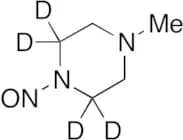
CAS :Produit contrôlé<p>Applications N,N-Dimethyldodecylamine-d6 is the isotope labelled analog of N,N-Dimethyldodecylamine. N,N-Dimethyldodecylamine is used as a reagent in the synthesis of epoxy quaternary ammonium salt surfactants which exhibit potential antibacterial activity.<br> Not a dangerous good if item is equal to or less than 1g/ml and there is less than 100g/ml in the package<br>References Liu, Y., et al.: J. Disper. Sci. Technol., 35, 1460 (2014)<br></p>Formule :C14D6H25NCouleur et forme :Colourless To Off-WhiteMasse moléculaire :219.44N-Methyl-N’-nitrosopiperazine-d4
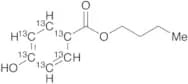
CAS :Produit contrôlé<p>Applications N-Methyl-N’-nitrosopiperazine-d4 is the isotope labelled analog of N-Methyl-N’-nitrosopiperazine (M325800), which is used as a reagent in the organic synthesis of several compounds including that of (4-methoxyphenoxy)acetic and (3,4,5-trimethoxyphenoxy)acetic acid amides and hydrazides which display antimicrobial and anthelmintic properties and may act as potential neurotropic and cardiovascular agents. N-Methyl-N’-nitrosopiperazine also diplayed strong nasal carcinogenity and genotoxicity toward nasal cells.<br> Not a dangerous good if item is equal to or less than 1g/ml and there is less than 100g/ml in the package<br>References Valenta, V., et al.: Collect. Czech. Chem. C., 52, 3013 (1987); Klein, R., et al.: Carcinogenesis, 20, 1629 (1999);<br></p>Formule :C52H4H7N3OCouleur et forme :Light Yellow To OrangeMasse moléculaire :133.185Butyl Paraben-13C6
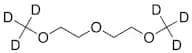
CAS :<p>Applications Labelled Butylparaben. An antimicrobial agent used in cosmetic products.<br>References Gilliland, D. et al.: J. Appl. Bacteriol., 72, 258 (1992); Routledge, E. et al.: Toxicol. Appl. Pharmacol., 153, 12 (1998); Miller, C. et al.: J. Biol. Chem., 272, 32824 (1997); Nakagawa, Y. et al.: Biochem. Pharmacol., 55, 1907 (1998);<br></p>Formule :C6C5H14O3Couleur et forme :White To Off-WhiteMasse moléculaire :200.18Diglyme-d6
CAS :Produit contrôlé<p>Applications Labelled Diglyme. Solvent; it is used as reaction medium for Grignard and similar synthesis.<br> Not a dangerous good if item is equal to or less than 1g/ml and there is less than 100g/ml in the package<br></p>Formule :C6H8D6O3Couleur et forme :NeatMasse moléculaire :140.211-Amino Hydantoin-13C3
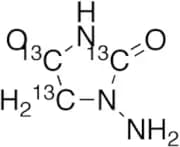
CAS :<p>Applications 1-Amino Hydantoin Hydrochloride (A611090), a metabolite of Nitrofuran.Environmental contaminants<br>References Tribalat, L., et al.: Anal. Bioanal. Chem., 386, 2168 (2006), Chu, P., et al.: J. Agric. Food Chem., 55, 2129 (2007),<br></p>Formule :C3H5N3O2Couleur et forme :White To Light YellowMasse moléculaire :118.07(4E)-4-Octenedioic Acid-1,8-13C2
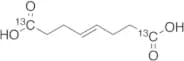
CAS :Produit contrôlé<p>Applications Metabolite of oleic and linoleic acids.<br>References Jin, S.J., et al.: Biochem., 29, 8540 (1990).<br></p>Formule :C613C2H12O4Couleur et forme :WhiteMasse moléculaire :174.16Diethyleneglycol Monoethyl-d5 Ether
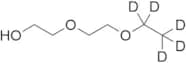
CAS :Produit contrôlé<p>Applications Diethyleneglycol Monoethyl-d5 Ether (CAS# 1219804-11-1) is a useful isotopically labeled research compound.<br></p>Formule :C6D5H9O3Couleur et forme :ColourlessMasse moléculaire :139.2ε-Aminocaproic Acid-d10 Hydrochloride
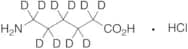
CAS :Produit contrôlé<p>Applications Labelled ε-Aminocaproic Acid. Used in the preparatiom of esters of 6-aminohexanoic acid as antibacterial agents. EACA is reported to inhibit chymotrypsin, Factor VIIa, lysine carbo xy peptidase, plasmin, and plasminogen activator.<br>References Dolezal, P., et al.: Pharm. Res., 10, 1015 (1993), Vavrova, K., et al.: Curr. Med. Chem., 12, 2273 (2005), Holas, T., et al.: Bioorg. Med. Chem., 14, 7671 (2006),<br></p>Formule :C6H4D10ClNO2Couleur et forme :NeatMasse moléculaire :177.72-Bromopropane-d7
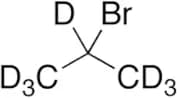
CAS :Produit contrôlé<p>Applications Labelled analogue of 2-Bromopropane, a short chain alkyl halide used in organic synthesis primarily as an alkylating agent for introducing the isopropyl functional groups.<br> Not a dangerous good if item is equal to or less than 1g/ml and there is less than 100g/ml in the package<br>References Mayants, A.G. et al.: Zhur. Org. Khim., 25, 419 (1989); Miller, B. et al.: J. Org Chem., 30, 3895 (1965);<br></p>Formule :C32H7BrCouleur et forme :NeatMasse moléculaire :130.03Trigonelline-D3 Hydrate
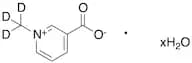
CAS :Produit contrôlé<p>Applications Trigonelline-D3 is an intermediate used in the synthesis of Trigonelline-d3 HCl (N-methyl-d3) (T794052), which is deuterium labelled Trigonelline HCl. Trigonelline HCl has utility in developing site-specific system that delivers drugs to the brain. It has also been suggested as a potential anti-Alzheimer disease agent.<br>References Bodor, N., et al.: J. Med. Chem 26, 313 (1983); Makowska, J., et al.: J. Chromatogr. B 968, 101 (2014)<br></p>Formule :C7H4D3NO2•xH2OCouleur et forme :NeatMasse moléculaire :140.151802N-(4-Aminobenzoyl-d4)-β-alanine
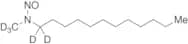
CAS :Produit contrôlé<p>Applications N-(4-Aminobenzoyl-d4)-β-alanine is the labeled analogue of N-(4-Aminobenzoyl)-β-alanine (A593795), a metabolite of BX661A, a therapeutic agent used in the treatment of ulcerative colitis, chemotaxis and reactive oxygen species production in polymorphonuclear leukocyctes. Inhibits lipid peroxidation in large intestinal mucosa after mesenteric ischemia/reperfusion.<br>References Kimura, I. et al.: Arzneimittelforschung., 48, 1007 (1998); Kumamoto, T. et al.: Jpn. J. Pharmacol., 75, 187 (1997);<br></p>Formule :C10D4H8N2O3Couleur et forme :NeatMasse moléculaire :212.238N-Nitroso-N-methyl-N-dodecylamine-d5
CAS :Produit contrôlé<p>Applications Labelled N-Nitroso-N-methyl-N-dodecylamine (N529935). N-Nitroso-N-methyl-N-dodecylamine is a nitroso compound with carcinogenic potency.<br>References Singer, S., et al.: J. Med. Chem., 28, 1088 (1985), Gonzalez-Mancebo, S., et al.: Mutat. Res., 558, 45 (2004), Luan, F., et al.: Chem. Res. Toxicol., 18, 198 (2005),<br></p>Formule :C13H23D5N2OCouleur et forme :NeatMasse moléculaire :233.412-(1-Piperazinyl)pyrimidine-d8
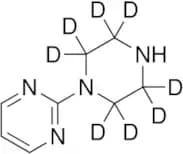
CAS :Produit contrôlé<p>Applications Labelled 2-(1-Piperazinyl)pyrimidine, the major metabolite of Tandospirone (T006430).<br>References Goa, K., et al.: Drugs, 32, 114 (1986); Lamberg, T., et al.: Clin. Pharmacol. Ther., 63, 640 (1998); Niwa, T., et al.: Biol. Pharm. Bull 28, 1711 (2005); Natsui, K., et al.: Eur. J. Drug Metab. Pharmacokinet., 32, 233 (2007);<br></p>Formule :C8H4D8N4Couleur et forme :Off White To Light YellowMasse moléculaire :172.26DL-Serine-2,3,3-d3
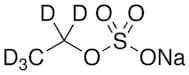
CAS :Produit contrôlé<p>Applications Labelled DL-Serine is used in the synthesis of novel tryptoline derivatives as IDO (indoleamine 2,3-Deoxygenase) inhibitors, for potential use in Alzheimer’s treatment.<br>References Tanaka, M. et al.: Bioorg. Med. Chem., 21, 1159 (2013);<br></p>Formule :C32H3H4NO3Couleur et forme :NeatMasse moléculaire :108.11Sodium Ethyl-d5 Sulfate
CAS :Produit contrôlé<p>Applications A labelled metabolite of ethanol in humans and a potential biomarker of acute alcohol intake.<br>References Jones, A., et al.: Forensic Sci. Int., 45, 217 (1990), Schmitt, G., et al.: J. Anal. Toxicol., 19, 91 (1995), Dahl, H., et al.: J. Anal. Toxicol., 26, 201 (2002), Stephanson, N., et al.: Ther. Drug Monit., 24, 645 (2002), Helander, A., et al.: Clin. Chem., 50, 936 (2004),<br></p>Formule :C2D5NaO4SDegré de pureté :>90%Couleur et forme :BrownMasse moléculaire :153.14Sodium DL-Lactate-d3 (60% w/w in H2O)
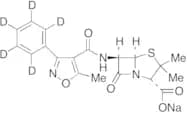
CAS :Produit contrôlé<p>Applications Labelled Sodium DL Lactate used as coatings in the food industry, providing antimicrobial resistance<br>References Zhang, H. et al.: J. Food Sci., 74, M418 (2009); Jiang, Z. et al.: J. Food Sci., 76, M22 (2011);<br></p>Formule :C32H3H2O3·NaCouleur et forme :Single SolutionMasse moléculaire :115.08Oxacillin Sodium-d5 Salt
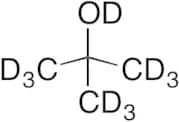
CAS :Produit contrôlé<p>Applications Isotope labelled Oxacillin Sodium Salt is a semi-synthetic antibiotic related to Penicillin. Antibacterial.<br>References Goldenthal, E.I., et al.: Toxicol. Appl. Pharmacol., 18, 185 (1971),<br></p>Formule :C19D5H13N3O5S·NaCouleur et forme :Off-WhiteMasse moléculaire :428.45tert-Butyl Alcohol-d10
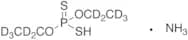
CAS :Produit contrôlé<p>Applications tert-Butyl Alcohol-d10 is an isotopic analog of Tert-butyl Alcohol (T117540), an organic solvent. It is also used in the synthesis of proteosome inhibitors that are quite potent.<br> Not a dangerous good if item is equal to or less than 1g/ml and there is less than 100g/ml in the package<br>References Kawamura, S. et al.: J. Med. Chem., 56, 3689 (2013); Galy, N. et al.: Tetrahedron Lett., 54, 2703 (2013)<br></p>Formule :C4D10OCouleur et forme :NeatMasse moléculaire :84.18O,O-Diethyl Dithiophosphate-d10 Ammonium Salt
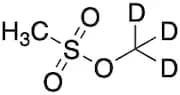
CAS :Produit contrôlé<p>Applications Isotope labelled O,O-Diethyl Dithiophosphate-d10 is used in the synthesis of novel phosphorothioates and phosphorodithioates as cholinesterase inhibitor.<br> Not a dangerous good if item is equal to or less than 1g/ml and there is less than 100g/ml in the package<br>References Millard, C., et al.: J. Neurochem., 64, 1909 (1995), Nicolet, Y., et al.: J. Biol. Chem., 278, 41141 (2003), Casida, J., et al.: Chem. Res. Toxicol., 17, 983 (2004),<br></p>Formule :C4H4D10NO2PS2Couleur et forme :White To Off-WhiteMasse moléculaire :213.32Methyl-d3 Methanesulfonate
CAS :Produit contrôlé<p>Applications Methyl-d3 Methanesulfonate (CAS# 91419-94-2) is a useful isotopically labeled research compound.<br></p>Formule :C2D3H3O3SCouleur et forme :NeatMasse moléculaire :113.151Squalane-d62
CAS :Produit contrôlé<p>Applications Isotope labelled Squalane is used as an emollient and moisturizer in cosmetic applications.<br>References Allison, A.: Method, 19, 87 (1999)<br></p>Formule :C30D62Couleur et forme :Colourless OilyMasse moléculaire :485.2rac 3-Hydroxybutyric Acid-d4 Sodium Salt
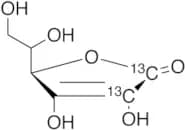
CAS :Produit contrôlé<p>Stability Hygroscopic<br>Applications Labelled rac 3-Hydroxybutyric Acid (H833020). Optically active 3-hydroxybutyric acids are key intermediates of the biosynthesis and metabolism of fatty acids and exist widely in biological systems.<br>References Freeman, J., et al.: Pediatrics, 102, 1358 (1998), Thio, L., et al.: Neurology, 54, 325 (2000), Rho, J., et al.: Epilepsia, 43, 358 (2002),<br></p>Formule :C42H4H3O3·NaCouleur et forme :White To Off-WhiteMasse moléculaire :130.11L-Ascorbic Acid-1,2-13C2
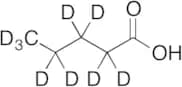
CAS :<p>Applications Labelled Ascorbic Acid. Physiological antioxidant. Coenzyme for a number of hydroxylation reactions; required for collagen synthesis. Widely distributed in plants and animals. Inadequate intake results in deficiency syndromes such as scurvy. Used as antimicrobial and antioxidant in foodstuffs.<br>References Al-Meshal, I.A., et al.: Anal. Profiles Drug Subs., 11, 45 (1982), Levine, M., et al.: N. Engl. J. Med., 314, 892 (1986), Prust, C., et al.: Nature Biotech., 23, 195 (2005),<br></p>Formule :C413C2H8O6Couleur et forme :NeatMasse moléculaire :178.11Valeric Acid-d9
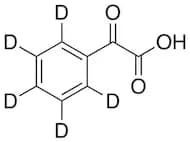
CAS :Produit contrôlé<p>Applications Valeric Acid-d9 is the isotope labelled analog of Valeric Acid which is used in biological studies of (D)-β-hydroxybutyrate which inhibits adipocyte lipolysis via the nicotinic acid receptor PUMA-G.<br> Not a dangerous good if item is equal to or less than 1g/ml and there is less than 100g/ml in the package<br>References Taggart, A.K.P., et al.: J. Bio. Chem., 280, 26649 (2005);<br></p>Formule :C5D9HO2Couleur et forme :NeatMasse moléculaire :111.19Phenylglyoxylic Acid-d5
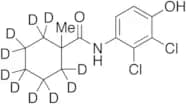
CAS :Produit contrôlé<p>Applications Phenylglyoxylic Acid-d5 (cas# 1217089-53-6) is a compound useful in organic synthesis.<br></p>Formule :C8HD5O3Couleur et forme :White To BeigeMasse moléculaire :155.16Fenhexamid-d10
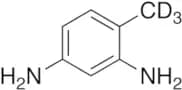
CAS :Produit contrôlé<p>Applications Labelled Fenhexamid (F247650). Hydroxyanilide fungicide.<br> Not a dangerous good if item is equal to or less than 1g/ml and there is less than 100g/ml in the package<br>References Yamashita, M., et al.: J. Phys. Chem., 88, 4451 (1984), Kende, A., et al.: Microchem. J., 84, 63 (2006),<br></p>Formule :C14H7D10Cl2NO2Couleur et forme :Light BrownMasse moléculaire :312.262,4-Diaminotoluene-d3
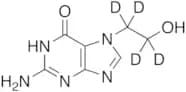
CAS :Produit contrôlé<p>Applications 2,4-Diaminotoluene (D416780). Aromatic amines likely to have high carcinogenic potency. QSARs of aromatic amines.<br> Not a dangerous good if item is equal to or less than 1g/ml and there is less than 100g/ml in the package<br>References Franke, R., et al.: Carcinogenesis, 22, 1561 (2001), Benigni, R., et al.: Chem. Rev., 105, 1767 (2005), Benigni, R., et al.: Environ. Mol. Mutagen., 50, 152 (2009),<br></p>Formule :C72H3H7N2Couleur et forme :NeatMasse moléculaire :125.19N7-(2-Hydroxyethyl)guanine-d4
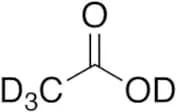
CAS :Produit contrôlé<p>Applications A labelled ethylene oxide-DNA adduct. Ethylene oxide (EtO) is classified as a known human carcinogen. The formation of EtO-DNA adducts is considered as an important early event in the EtO carcinogenic process.<br>References Walker, V., et al.: Cancer Res., 52, 4320 (1992), Wu, K., et al.: Chem. Res. Toxicol., 12, 722 (1999), van Sittert, N., et al.: Mutat. Res., 447, 27 (2000),<br></p>Formule :C7H5D4N5O2Couleur et forme :NeatMasse moléculaire :199.2Acetic Acid-d4
CAS :Produit contrôlé<p>Stability Hygroscopic, Moisture Sensitive<br>Applications Labelled Acetic Acid is used for analysis and profiling of biological samples resolved through NMR spectroscopy. It helps with the labelling of RNA for high resolution NMR.<br>References Cahoreau, E. et al.: Anal. Bio., 427, 158 (2012);<br></p>Formule :C22H4O2Couleur et forme :ColourlessMasse moléculaire :64.08Coumarin-d4
CAS :Produit contrôlé<p>Applications Labelled Coumarin (C755380). Pharmaceutic aid (flavor). Found in tonka beans, levender oil, woodruff, sweet clover.<br> Not a dangerous good if item is equal to or less than 1g/ml and there is less than 100g/ml in the package<br>References Hazleton, L., et al.: J. Pharmacol. Exp. Ther., 118, 348 (1956), Lake, B., et al.: Food Chem. Toxicol., 37, 423 (1999), Frerot, E., et al.: Flavour Fragrance J., 17, 218 (2002), Yang, Z., et al.: Food Chem., 114, 289 (2009),<br></p>Formule :C92H4H2O2Couleur et forme :NeatMasse moléculaire :150.17S-Phenyl-d5-mercapturic Acid
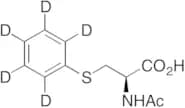
CAS :Produit contrôlé<p>Applications An important isooptically labelled metabolite of benzene.<br>References Muller, G., et al. : Anal. Hazard. Sust. Biol. Mater., 5, 143 (1997)<br></p>Formule :C112H5H8NO3SCouleur et forme :Off-White To BrownMasse moléculaire :244.32Folpet-d4
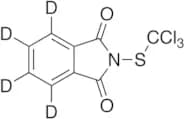
CAS :Produit contrôlé<p>Applications Labelled Folpet (F402000). Agricultural fungicide.<br> Not a dangerous good if item is equal to or less than 1g/ml and there is less than 100g/ml in the package<br>References Cohen, S., et al.: Crit. Rev. Toxicol., 40, 531 (2010), Wong, J., et al.: J. Agric. Food Chem., 58, 5884 (2010),<br></p>Formule :C92H4Cl3NO2SCouleur et forme :Off-WhiteMasse moléculaire :300.58N,N-Dimethylethanediamine-d6 Dihydrochloride
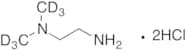
CAS :Produit contrôlé<p>Applications The labelled analogue of a versatile ethylenediamine derivative used as an intermediate in the organic synthesis of neurochemicals, antitumor agents and other pharmaceutical compounds.<br> Not a dangerous good if item is equal to or less than 1g/ml and there is less than 100g/ml in the package<br>References Squires, R.F. et al.: Neurochem. Res., 18, 787 (1993); Murdock, K.C. et al.: J. Med. Chem., 22, 1024 (1974);<br></p>Formule :C4H6D6N2•2HClCouleur et forme :NeatMasse moléculaire :94.1923646Bromoacetic Acid-d3
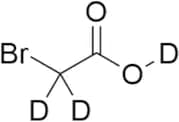
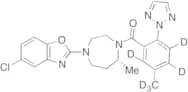
CAS :Produit contrôlé<p>Applications Bromoacetic Acid-d3 (CAS# 14341-48-1) is a useful isotopically labeled research compound.<br></p>Formule :C2D3BrO2Couleur et forme :NeatMasse moléculaire :141.97Suvorexant-d6
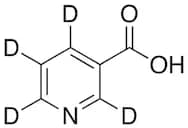
CAS :Produit contrôlé<p>Applications Suvorexant-d6 is the labeled analog of Suvorexant (S870000), a dual (non-selective) orexin receptor antagonist in development by Merck & Co. for the treatment of insomnia. It works by turning off wakefulness rather than by inducing sleep. Users of higher doses had an increased rate of suicidal ideation.<br>References Cox, C., et al.: J. Med. Chem., 53, 5320 (2010); Baxter, C., et al.: Org. Process Res. Dev., 15, 367 (2011); Winrow, C., et al.: J. Neurogenet., 25, 52 (2011); Mieda, M., et al.: CNS Drugs, 27, 83 (2013); Osborne, R.: Nat. Rev. Drug Discov., 12, 492 (2013)<br></p>Formule :C23H17D6ClN6O2Couleur et forme :NeatMasse moléculaire :456.96Nicotinic Acid-d4
CAS :Produit contrôlé<p>Applications Labelled Nicotinic acid. It is a precursor of the coenzymes NAD and NADP. Widely distributed in nature; appreciable amounts are found in liver , fish, yeast and cereal grains. Dietary deficiency is associated with pellagra. The term “niacin” has also been applied to nicotinamide or to other derivatives exhibiting the biological activity of nicotinic acid. Vitamin (enzyme cofactor).<br>References Darby, W.J., et al.: Nutr. Rev., 33, 289 (1975), Black, A., et al.: Eur. J. Clin. Nutr., 54, 395 (2000), Cole, T., et al.: Br. Med. J., 320, 1240 (2000), Forshee, R., et al.: J. Nutr., 134, 2733 (2004),<br></p>Formule :C62H4HNO2Couleur et forme :Off-WhiteMasse moléculaire :127.13Potassium Cyanide-13C,15N
CAS :Produit contrôlé<p>Applications Labelled analogue of Potassium Cyanide, a reagent widely used in organic synthesis for the preparation of nitriles and carboxylic acids, particularly in the von Richter reaction.<br> Not a dangerous good if item is equal to or less than 1g/ml and there is less than 100g/ml in the package<br>References Kollenz, G. et al.: Org. Prep. Proc. Int., 12, 244 (1980); Subramanian, L. R.: Sci. Synth., 19, 173 (2004);<br></p>Formule :CK15NCouleur et forme :NeatMasse moléculaire :67.10n-Dotriacontane-d66
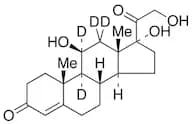
CAS :Produit contrôlé<p>Applications n-Dotriacontane-d66 (CAS# 62369-68-0) is a useful isotopically labelled research compound. It has been studied as a potential generator to supply charged particles to plastic nuclear track detectors for high-energy neutrons.<br>References Oda, K., et al.: Radiation Measurements, 36, 119 (2003)<br></p>Formule :C32D66Couleur et forme :Off-WhiteMasse moléculaire :517.27Cortisol-9,11,12,12-d4
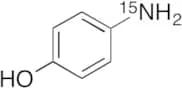
CAS :Produit contrôlé<p>Applications Labelled Cortisol (H714615). Cortisol, or Hydrocortisone, is a steroid hormone, more specifically a glucocorticoid, produced by the zona fasciculata of the adrenal gland. Cortisol is released in response to stress and a low level of blood glucocorticoids. Its primary functions are to increase blood sugar through gluconeogenesis; suppress the immune system; and aid in fat, protein and carbohydrate metabolism.<br>References Hechter, O., et al.: Arch. Biochem. Biophys., 25, 457 (1950), Colingsworth, D.R., et al.: J. Biol. Chem., 203, 807 (1953), Florey, K., et al.: Anal. Profiles Drug Subs., 12, 277 (1983),<br></p>Formule :C212H4H26O5Couleur et forme :Off-WhiteMasse moléculaire :366.484-Aminophenol-15N
CAS :<p>Applications 4-Aminophenol-15N is an intermediate in the synthesis of Acetaminophen-13C2,15N (A161228), a labelled analgesic and antipyretic agent used as a pain reliever to treat headache, muscle aches, and arthritis.<br></p>Formule :C6H715NOCouleur et forme :NeatMasse moléculaire :110.12rac 4-Hydroxy-3-methoxyphenylethylene Glycol-d3
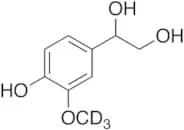
CAS :Produit contrôlé<p>Applications A labelled metabolite of Catecholamines.<br>References Kopin, I.J., et al.: J. Biol. Chem., 236, 2109 (1961), Short, F.W., et al.: J. Med. Pharm. Chem., 5, 642 (1962)<br></p>Formule :C92H3H9O4Couleur et forme :NeatMasse moléculaire :187.211?-Hydroxy Bufuralol-d9 (Mixture of Diastereomers)
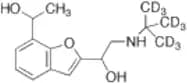
CAS :Produit contrôlé<p>Stability Hygroscopic<br>Applications A metabolite of Bufuralol, a β-Adrenergic blocker with peripheral vasodilating activity.<br>References Boobis, A.R., et al.: Biochem. Pharmacol., 34, 65 (1985), Yamazaki, H., et al.: Mol. Pharmacol., 46, 568 (1994), Mast, N., et al.: Biochem., 42, 14284 (2003),<br></p>Formule :C16H14D9NO3Couleur et forme :White To YellowMasse moléculaire :286.41Fumaric Acid-d2
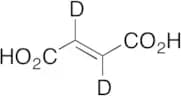
CAS :Produit contrôlé<p>Applications Fumaric Acid-d2 is the isotope labelled analog of Fumaric Acid. Fumaric acid is a compound that occurs in many plants. It is essential to vegetable and tissue respiration and also used as an antioxidant. Fumaric acid is also a metabolite of Dimethyl Fumarate (D464965), a compound used as a treatment for the relapsing forms of multiple sclerosis and psoriasis.<br>References Jelitto, T., et al.: Planta, 188, 238 (1992); Schimrigk, S., et al.: Eur. J. Neurol., 13, 604 (2006); Son, H., et al.: J. Agric. Food Chem., 56, 8007 (2008);<br></p>Formule :C4D2H2O4Couleur et forme :NeatMasse moléculaire :118.08rac Tenofovir-d6 Diphosphate Triethylamine Salt (mixture of diastereomers)
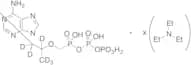
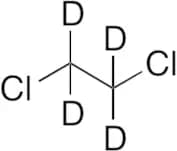
CAS :Produit contrôlé<p>Stability Very Hygroscopic<br>Applications rac Tenofovir-d6 Diphosphate Triethylamine Salt is an isotopic analog of Tenofovir Diphosphate Triethylamine Salt (T018525), which is a metabolite of Tenofovir (T018500).<br>References Hazra, R., et al.: Antimicrob. Agents Chemother., 48, 124 (2004), Piketty, C., et al.: Antivir. Ther., 11, 213 (2006), Molto, J., et al.: Ther. Drug Monit., 29, 648 (2007),<br></p>Formule :C9H10D6N5O10P3•x(C6H15N)Couleur et forme :NeatMasse moléculaire :453.21+x(101.19)1,2-Dichloroethane-D4
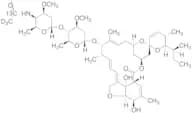
CAS :Produit contrôlé<p>Stability Volatile<br>Applications 1,2-Dichloroethane-D4 is a labelled analogue of 1,2-Dichloroethane (D434325). 1,2-Dichloroethane is one of the major waste products of the Vinyl Chloride industries, and has also been classified as a potential human carcinogen.<br> Not a dangerous good if item is equal to or less than 1g/ml and there is less than 100g/ml in the package<br>References Hung, W., et al.: Appl. Surf. Sci., 255, 2205 (2008); Rannug, U., et al.: Chem.-Biol. Int., 20, 1 (1978)<br></p>Formule :C22H4Cl2Couleur et forme :ColourlessMasse moléculaire :102.98Eprinomectin-13CD3
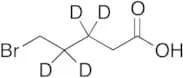
CAS :Produit contrôlé<p>Stability Hygroscopic<br>Applications Eprinomectin-13CD3 is an isotopic analog of Eprinomectin (E590050), a mixture of semi-synthetic Avermectins.<br>References Jones, T.K., et al.: J. Agric. Food Chem., 42, 1786 (1994), Arena, J.P., et al.: J. Parasitol., 81, 286 (1995),<br></p>Formule :CC49D3H72NO14Couleur et forme :White To Off-WhiteMasse moléculaire :918.145-Bromopentanoic-3,3,4,4-d4 Acid
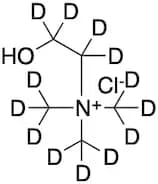
CAS :Produit contrôlé<p>Applications Isotope labelled 5-Bromopentanoic Acid used in the synthesis of inhibitors for aminoglycoside resistant bacteria. Also used in the preparation of sequence specific base pair mimics as topoisomerase IB inhibitors.<br>References Vong, K. et al.: ACS Chem. Biol., 7, 470 (2012); Vekhoff, P. et al.: Biochem., 52, 43 (2012);<br></p>Formule :C5D4H5BrO2Couleur et forme :NeatMasse moléculaire :185.05Choline-d13 Chloride (N,N,N-trimethyl-d9; 1,1,2,2-d4)
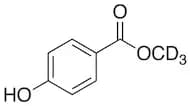
CAS :Produit contrôlé<p>Applications Choline-d13 Chloride (N,N,N-trimethyl-d9; 1,1,2,2-d4) (CAS# 352438-97-2) is a useful isotopically labeled research compound.<br></p>Formule :C5HD13ClNOCouleur et forme :Off White To Light YellowMasse moléculaire :152.704Methyl-d3 Paraben
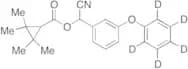
CAS :Produit contrôlé<p>Applications Labelled Methylparaben (M325660). It is used as preservative in foods, beverages and cosmetics.<br>References Goodwin, M., et al.: Science, 203, 559 (1979),<br></p>Formule :C8D3H5O3Couleur et forme :NeatMasse moléculaire :155.166Fenpropathrin-d5
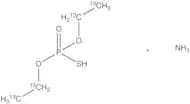
CAS :Produit contrôlé<p>Applications Fenpropathrin-d5 is labelled Fenpropathrin (F249300), a pesticide.<br> Not a dangerous good if item is equal to or less than 1g/ml and there is less than 100g/ml in the package<br>References Lehotay, S., et al.: J. AOAC International, 88, 595 (2005); Andersen, H., et al.: Toxicol. Appl. Pharmacol., 179, 1 (2002)<br></p>Formule :C22H18D5NO3Couleur et forme :NeatMasse moléculaire :354.45O,O-Diethyl Thiophosphate-13C4 Ammonium Salt
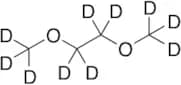
CAS :Produit contrôlé<p>Stability Hygroscopic<br>Applications Labelled O,O-Diethyl Thiophosphate (D445120). Used in the synthesis of novel phosphorothioates and phosphorodithioates as cholinesterase inhibitor.<br>References Sussman, J., et al.: Science, 253, 872 (1991), Mallender, W., et al.: J. Biol. Chem 1999, 274, 8491,<br></p>Formule :C4H14NO3PSCouleur et forme :White To Off-WhiteMasse moléculaire :191.17Glyme (1,2-dimethoxyethane-d10)
CAS :Produit contrôlé<p>Stability Volatile<br>Applications Glyme (1,2-Dimethoxyethane) (D10, 99%) (cas# 107975-86-0) is a useful research chemical.<br></p>Formule :C4D10O2Couleur et forme :NeatMasse moléculaire :100.18Fenpropidin-d10
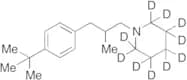
CAS :Produit contrôlé<p>Applications Fenpropidin-d10 is the labeled analogue of Fenpropidin (F249470), a fungicide.<br>References Leroux, P. Walker, A.: Eur. J. Plant Path., 135, 683 (2013); Zhao, H., et. al.: Ecotox. Environ. Safe., 77, 52 (2012)<br></p>Formule :C19H21D10NCouleur et forme :White To Light YellowMasse moléculaire :283.521,3-Diphenyl-d10-urea
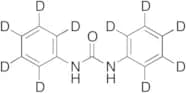
CAS :Produit contrôlé<p>Applications 1,3-Diphenyl-d10-urea is labelled 1,3-Diphenyl-urea which is a cytokinin compound present in fruit and vegetables. It is metabolized by a moderate halophilic Marinobacter sp.<br>References Sørensen, S., et al.: FEMS Microbiol. Lett., 213, 199 (2002); Campillo, N., et al.: Talanta, 116, 376 (2013)<br></p>Formule :C132H10H2N2OCouleur et forme :NeatMasse moléculaire :222.31Azoxystrobin-d4
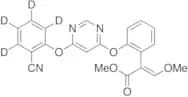
CAS :Produit contrôlé<p>Applications Strobilurin fungicide; inhibits mitochondrial respiration by blocking electron transfer between cytochromes b and c1. Agricultural fungicide. Used in Pesticide detection.<br> Not a dangerous good if item is equal to or less than 1g/ml and there is less than 100g/ml in the package<br>References Smalling, K., et al.: Environ. Toxicol. Chem., 29, 2593 (2010), Lu, X., et al.: Phytopathol., 100, 1162 (2010), Schafer, R., et al.: Environ. Sci. Technol., 45, 1665 (2011),<br></p>Formule :C222H4H13N3O5Couleur et forme :NeatMasse moléculaire :407.41N-Methyl-N-nitroso Urea-d5 (Wetted with water >20%)
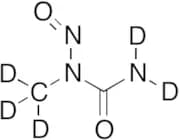
CAS :Produit contrôlé<p>Applications N-Methyl-N-nitroso Urea-d6 is the labelled form of N-Methyl-N-nitroso Urea (M325815), which is a precursor of Diazomethane. It has a cytotoxicity effect.<br>References Huggins, C., et al.: J. Exp. Med., 131, 321 (1970); Gullino, P.M., et al.: J. Natl. Cancer Inst., 54, 401 (1975)<br></p>Formule :C2D5N3O2Couleur et forme :NeatMasse moléculaire :108.11Sex Pheromone Inhibitor iPD1 trifluoroacetate salt
CAS :<p>Sex pheromone inhibitor IPD1 is an antibody that inhibits the production of sex pheromones by Streptococcus faecalis. It is used to diagnose and treat allergic diseases, such as atopic dermatitis or bronchial asthma. This antibody binds to a protein called polypide, which is involved in the synthesis of sex pheromones, and inhibits its activity. It has been shown to inhibit the production of sex pheromones by Streptococcus faecalis when analyzed using an SDS-polyacrylamide gel electrophoresis method. Sex pheromone inhibitor IPD1 also binds to antibodies against streptococcus, acari, and other bacteria.</p>Formule :C39H72N8O11Degré de pureté :Min. 95%Couleur et forme :PowderMasse moléculaire :829.04 g/mol6-Fluorovitamin D3
CAS :6-Fluorovitamin D3 is a synthetic analog of vitamin D3, which is a modified form of the naturally occurring hormone known as cholecalciferol. This molecule is typically derived through chemical synthesis, incorporating a fluorine atom at a specific position on the vitamin D3 structure. The introduction of the fluorine atom is designed to enhance the stability of the compound and potentially alter its biological activity.Formule :C27H43FODegré de pureté :Min. 95%Masse moléculaire :402.63 g/molTolterodine-D14
CAS :Tolterodine-D14 is a postoperative drug that belongs to the class of non-selective muscarinic receptor antagonists. It has been evaluated for pharmacokinetic properties in plasma samples from patients undergoing surgery. Tolterodine-D14 undergoes extensive hepatic metabolism, with only about 50% of the drug being excreted unchanged in urine. The elimination half-life of this drug ranges from 2 to 3 hours. Tolterodine-D14 has been shown to be bioequivalent to the reference drug (tolterodine) and can be used as a control level for chromatographic analyses.Formule :C22H17D14NODegré de pureté :Min. 95%Masse moléculaire :339.57 g/molL-Proline-13C5
CAS :L-Proline-13C5 is a high quality, reagent grade, complex compound that is useful as an intermediate for the synthesis of fine chemicals. It has CAS No. 201740-83-2 and can be used in a variety of chemical reactions to produce useful scaffolds or building blocks. L-Proline-13C5 is also a versatile building block that can be used in research or pharmaceutical applications. It is a speciality chemical that has many uses including reaction components for the synthesis of other compounds.Formule :C5H9NO2Degré de pureté :Min. 95%Couleur et forme :PowderMasse moléculaire :120.13 g/molAlbendazole-sulphone-D3
CAS :Albendazole-sulphone-D3 is an analyte that is extracted from a dispersive sulphoxide. It is extracted by an acetonitrile phase extraction and analyzed by liquid chromatography. Albendazole-sulphone-D3 has been shown to have anthelmintic properties, which are due to its ability to inhibit the synthesis of folic acid in nematodes. This drug binds to the acetylcholine receptor site on the worm's neuromuscular junction, preventing acetylcholine from accessing this site and causing paralysis. It has also been shown to be effective against roundworms (Ascaris lumbricoides), hookworms (Ancylostoma duodenale), and whipworms (Trichuris trichiura).Formule :C12H12D3N3O4SDegré de pureté :Min. 95%Couleur et forme :PowderMasse moléculaire :300.35 g/mol25-Hydroxyvitamin D3 monohydrate
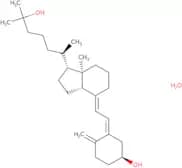
CAS :<p>25-Hydroxyvitamin D3 monohydrate is a vitamin D analog that has been shown to reduce elevated levels of parathyroid hormone and improve bone mineral density. It is used for the treatment of chronic kidney disease, hyperparathyroidism, and osteoporosis. 25-Hydroxyvitamin D3 monohydrate has been found to be effective in the treatment of these conditions because it increases the body's production of calcitriol, the active form of vitamin D. Calcitriol promotes calcium absorption in the gut and reduces renal excretion of calcium by inhibiting parathyroid hormone synthesis. This drug also inhibits pro-inflammatory cytokines such as IL-1β, IL-6, and TNF-α.</p>Formule :C27H44O2·H2ODegré de pureté :Min. 97 Area-%Couleur et forme :White PowderMasse moléculaire :418.65 g/mol22-Fluorovitamin D3
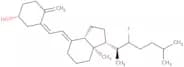
CAS :22-Fluorovitamin D3 is a synthetic analog of vitamin D3, which is derived from chemical synthesis involving fluorination at the C-22 position. This modification results in a compound that mimics the structure and activity of naturally occurring vitamin D3 but with altered pharmacokinetics and metabolic stability. The fluorine atom, due to its size and electronegativity, influences the binding affinity and activity of the compound at vitamin D receptors.Formule :C27H43FODegré de pureté :Min. 95%Masse moléculaire :402.63 g/molCholine O-sulfate - D13 ,98%
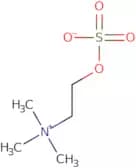
CAS :Choline O-sulfate is a choline salt that is used as a dietary supplement. It has been shown to be effective in the prevention of neural tube defects in pregnant women. Choline O-sulfate has been shown to increase acetylcholine levels in the brain and may be useful in the treatment of Alzheimer's disease. The biological activity of this compound is due to its ability to act as a substrate for enzymes such as polymerase chain reaction and calcium pantothenate, which are required for cell growth and energy metabolism respectively. The structural formula of this compound was determined using x-ray diffraction data collected from wild-type strains and an atherosclerotic lesion model system.Formule :C5D13NO4SDegré de pureté :Min. 95%Couleur et forme :PowderMasse moléculaire :196.3 g/mol5-(Hydroxymethyl)-2’-deoxycytidine-d3
CAS :Produit contrôlé<p>5-(Hydroxymethyl)-2’-deoxycytidine is an activator that can be used in the synthesis of nucleosides and phosphoramidites. It is a novel compound that has antiviral, anticancer, and ribonucleoside activities. 5-(Hydroxymethyl)-2’-deoxycytidine is a monophosphate derivative that can be used to synthesize diphosphates, which are important for DNA replication. The drug has been shown to have anticancer properties against breast cancer cells. It also inhibits the growth of leukemia cells by preventing the synthesis of DNA and RNA.</p>Formule :C10H12D3N3O5Degré de pureté :Min. 95%Couleur et forme :PowderMasse moléculaire :260.26 g/mol(13C2,15N)Glycine
CAS :Glycine is an amino acid that is found in the human blood. It is a non-essential amino acid and has a high level of stability. Glycine can be used as an untreated control to measure the stability of other compounds; it has been shown to be stable for up to six months at room temperature and for more than one year when frozen. Glycine is not found in any food sources, but can be synthesized by the body from other amino acids. The following are sample product descriptions: Rifapentine Rifapentine is an anti-tuberculosis drug that belongs to the class of rifamycins. It is the most active of the rifamycins for the treatment of tuberculosis. Rifapentine inhibits bacterial growth by binding to DNA-dependent RNA polymerase, thereby preventing transcription and replication. The high frequency of human activity has been shown using a patch-clamp technique on humanDegré de pureté :Min. 95%Couleur et forme :PowderMasse moléculaire :77.99 g/molVitamin D2
CAS :<p>Vitamin D2 is a fat-soluble vitamin that is required for the absorption of calcium and phosphate. It can be obtained through dietary supplements or by exposure to sunlight. Vitamin D2 is a prohormone that needs to undergo two hydroxylation reactions in the liver and kidney before it becomes the active form, calcitriol. Vitamin D2 has been shown to have beneficial effects on bone mineralization and phosphatase activity, as well as an inhibitory effect on the production of parathyroid hormone. Hydroxyapatite, a component of bone tissue, has been shown to react with vitamin D2 in vitro, which may be due to its ability to act as an additive or stabilizer.END>></p>Formule :C28H44ODegré de pureté :Min. 97 Area-%Couleur et forme :PowderMasse moléculaire :396.65 g/molChlorobenzene-d5
CAS :Produit contrôléChlorobenzene-d5 is a synthetic compound that can be used as an analytical reference material. It is reactive and has been shown to have chemical ionization, vibrational, and light emission properties. Chlorobenzene-d5 has been used in the analysis of solutes in the environment, detection of volatile organic compounds (VOCs), and identification of unknown substances. The usefulness of chlorobenzene-d5 as a reference material is due to its stability and high abundance in nature.Formule :C6D5ClDegré de pureté :Min. 95%Couleur et forme :Colorless Clear LiquidMasse moléculaire :117.58 g/molLeucocrystal Violet-d6
CAS :Produit contrôléLeucocrystal violet-d6 is a dye that has been used for decades as a fluorescent marker for chromatographic analysis. It is commonly used as an indicator to determine the purity of acetonitrile in analytical methods. Leucocrystal violet-d6 is prepared by dissolving the dye in acetonitrile and adding it to a test sample. The solvent is then evaporated and the dye will be left behind. Leucocrystal violet-d6 has a strong absorption band at approximately 605 nm, which can be detected using a spectrometer. The major limitation of this method is that it cannot be used to analyze samples containing water or organic solvents such as methanol or ethanol.Formule :C25D6H25N3Degré de pureté :Min. 95%Couleur et forme :PowderMasse moléculaire :379.57 g/molAmodiaquine-d10
CAS :Produit contrôlé<p>Amodiaquine-d10 is a quinoline derivative that is used in the treatment of malaria. It has been shown to have a good bioavailability and is not metabolized by the body. Amodiaquine-d10 has a low risk of toxicity, which makes it appropriate for use in patients with an uncomplicated malaria infection. The plasma concentrations are determined through an analysis of the presence of amodiaquine-d10 in plasma samples. The pharmacokinetic study was performed using an ionization interface and a spectrometer. The evaporation technique was used to measure the concentration of amodiaquine-d10 in plasma samples, which were then analyzed using high performance liquid chromatography (HPLC). This technique allows for the measurement of amodiaquine-d10 at low concentrations and can differentiate between drugs that are chemically similar.</p>Formule :C20H12D10ClN3ODegré de pureté :Min. 95%Couleur et forme :PowderMasse moléculaire :365.92 g/mol