Halogénures organiques
Sous-catégories appartenant à la catégorie "Halogénures organiques"
20442 produits trouvés pour "Halogénures organiques"
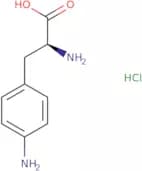
p-Amino-L-phenylalanine hydrochloride
CAS :p-Amino-L-phenylalanine hydrochloride (PABA) is a type of amino acid that is used in the synthesis of melphalan hydrochloride, a drug used to treat cancer. PABA is a white crystalline powder that can be dissolved in water and formic acid. It has been shown to interact with the hydrophilic interaction chromatography column and flow rate sensor in order to improve the chromatographic separation of ammonium formate. PABA has also been found to be chiral and can be converted into its enantiomeric form by means of an organic solvent, such as acetonitrile. The impurities of PABA are mandelic acid and l-phenylalanine. These impurities are separated from PABA by means of HPLC analysis.Formule :C9H13ClN2O2Degré de pureté :Min. 95%Couleur et forme :White/Off-White SolidMasse moléculaire :216.66 g/mol1-Hexyl-3-methylimidazolium hexafluorophosphate
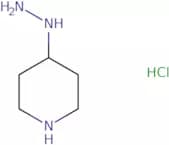
CAS :1-Hexyl-3-methylimidazolium hexafluorophosphate is a cationic surfactant that is soluble in water. It has been shown to be effective for the removal of heavy metals, organic pollutants, and radioactive substances from wastewater by anion exchange resin. This compound also interacts with potassium hexafluorophosphate (KFP) to form a highly efficient ion pair. The transport properties of 1-hexyl-3-methylimidazolium hexafluorophosphate are due to its concentration dependent interactions with water molecules, which are affected by the temperature and pressure. The Langmuir adsorption isotherm has been used to describe the equilibrium between 1-hexyl-3-methylimidazolium hexafluorophosphate and KFP.Formule :C10H19F6N2PDegré de pureté :Min. 95%Couleur et forme :Colourless To Yellow LiquidMasse moléculaire :312.24 g/mol4-Hydrazinopiperidine dihydrochloride
CAS :4-Hydrazinopiperidine dihydrochloride is a versatile chemical compound that can be used as a reagent and as a building block in organic synthesis. It is also an intermediate for the production of pharmaceuticals, dyes, and pesticides. 4-Hydrazinopiperidine dihydrochloride is a fine chemical that has been approved by the U.S. Food and Drug Administration (FDA) for use in food contact applications, such as polymers, coatings, adhesives and sealants.Formule :C5H13N3·2ClHDegré de pureté :Min. 95%Masse moléculaire :188.1 g/moltert-Butyl 3-bromo-1H-indole-1-carboxylate
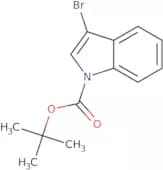
CAS :Tert-Butyl 3-bromo-1H-indole-1-carboxylate is a versatile building block that can be used in the synthesis of complex compounds. It is a useful reagent and speciality chemical, as well as a useful intermediate in the production of research chemicals. Tert-Butyl 3-bromo-1H-indole-1-carboxylate has been found to be a useful scaffold for drug design and development, with potential applications in cancer treatment.Formule :C13H14BrNO2Degré de pureté :Min. 95%Couleur et forme :White To Off-White SolidMasse moléculaire :296.16 g/mol2,3,4-Trifluoronitrobenzene
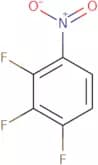
CAS :2,3,4-Trifluoronitrobenzene is a chemical compound that contains fluorine and nitrogen. It can be used in the synthesis of medicines to treat cancer and autoimmune diseases. The reaction of 2,3,4-trifluoronitrobenzene with hydrochloric acid produces hydrogen fluoride and nitrous acid. Hydroxide solution is then added to the mixture, which causes a series of chemical reactions involving hydrogen ions. This process results in the formation of a factor receptor that is activated by growth factors. This activated factor receptor is then involved in eye disorders such as age-related macular degeneration and retinitis pigmentosa.Formule :C6H2F3NO2Degré de pureté :Min. 95%Masse moléculaire :177.08 g/mol7-Chloroquinoxaline
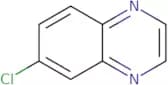
CAS :7-Chloroquinoxaline is a nucleophilic compound that can be synthesized by reductive chlorination of 7-chloroquinoline. 7-Chloroquinoxaline has been shown to have anticancer activity in vitro, as well as the ability to inhibit the proliferation of human breast cancer cells (MCF-7) in culture. It also inhibits glyoxalase I and II, which are enzymes that catalyze the conversion of glyoxal to D-lactate and H2O2. This inhibition may be due to its ability to react with the C=N bond at carbon 2 of dimethylformamide (DMF), forming a covalent adduct with DMF and an anticancer agent such as methotrexate or 5-fluorouracil. The formation of this conjugate would result in a decrease in DMF concentration, leading to decreased production of H2O2 and increased levels of D-l
Formule :C8H5ClN2Degré de pureté :Min. 95%Masse moléculaire :164.59 g/mol3',5'-Dichloroacetophenone
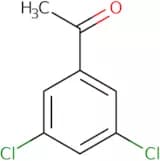
CAS :3',5'-Dichloroacetophenone is a synthetic pyrazoline that is a colorless liquid with an aromatic odor. It is soluble in ethyl acetate, chloroform, benzene, and other organic solvents. 3',5'-Dichloroacetophenone has significant effects on the protonation of amines, which are compounds containing nitrogen and hydrogen. This chemical has been shown to be able to react with anions like chloride or sulfide to form hypophosphorous acid. The symmetric structure of 3',5'-dichloroacetophenone is also susceptible to halide attack and can be synthesized from phenylhydrazine and piperidine.Formule :C8H6Cl2ODegré de pureté :Min. 95%Couleur et forme :LiquidMasse moléculaire :189.04 g/molN,N'-Bis-(4-chlorobenzylidene)-C-phenylmethanediamine
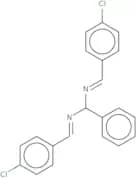
CAS :N,N'-Bis-(4-chlorobenzylidene)-C-phenylmethanediamine is a fine chemical that is useful as a building block for the preparation of other compounds. It can also be used as a reaction component in research and as a reagent for synthesizing organic compounds. This compound has CAS No. 320734-42-7 and is classified as speciality chemicals.Formule :C21H16Cl2N2Degré de pureté :Min. 95%Masse moléculaire :367.27 g/mol5-Bromoisophthalic acid
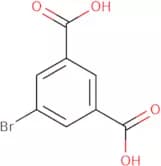
CAS :5-Bromoisophthalic acid is a chemical compound that belongs to the carboxylate group and has a molecular weight of 155.03. It is also known as 5-bromo-2,4-diphenyl ether and has a chemical formula of C6H4BrO2. This compound exhibits peroxidase-like activity and has been shown to be more stable than phenol in acidic solutions. The dipole moment of 5-bromoisophthalic acid is 0.7 D, indicating that it is an aromatic compound with a nonpolar region on one side and a polar region on the other side. 5-Bromoisophthalic acid can form hydrogen bonds with water molecules and other compounds, which affects its properties such as fluorescence properties.
Formule :C8H5BrO4Degré de pureté :Min. 95%Couleur et forme :White PowderMasse moléculaire :245.03 g/mol2-Chloroacetophenone
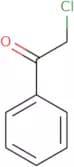
CAS :Produit contrôlé2-Chloroacetophenone is a chemical that has been shown to be an effective inhibitor of the enzyme form of the human acetylcholinesterase. It is used in experimental studies for its ability to inhibit the activity of other enzymes such as polymerase chain, which is involved in DNA replication. 2-Chloroacetophenone has also been shown to have anti-cancer properties, inhibiting skin cancer cells and cancer cells derived from cardiac tissue. The drug also has anti-inflammatory properties and can be used for the treatment of arthritis. 2-Chloroacetophenone's toxicity has been studied extensively and it does not appear to affect glomerular filtration rate or body mass index significantly, although it may affect receptor activity.Formule :C8H7ClODegré de pureté :Min. 95%Couleur et forme :PowderMasse moléculaire :154.59 g/mol3-(5-Iodo-4-hydroxy-3-methoxy)cinnamic acid
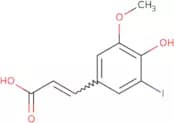
CAS :3-(5-Iodo-4-hydroxy-3-methoxy)cinnamic acid is a chemical compound that can be used as a starting material for synthesis of complex compounds. It is a white solid with a melting point of about 100°C, and it is soluble in water. This product is an excellent reagent for the synthesis of new chemicals, and it has been widely used as a reaction component in organic syntheses. 3-(5-Iodo-4-hydroxy-3-methoxy)cinnamic acid also has antibacterial properties.Formule :C10H9IO4Degré de pureté :Min. 95%Masse moléculaire :320.08 g/mol2-Chloro-5-nitrotoluene
CAS :2-Chloro-5-nitrotoluene (2CNT) is an organic compound that is used as an intermediate in the synthesis of dyes and pharmaceuticals. It is a potent carcinogen, mutagen, and hepatotoxin. 2CNT can be synthesized from nitrobenzene and hydrochloric acid by a three-step process: nitration to form the corresponding nitro compound, followed by chlorination with chlorine gas to form 2CNT. The industrial preparation of 2CNT includes the following reaction yield:Formule :C7H6ClNO2Degré de pureté :Min. 95%Couleur et forme :PowderMasse moléculaire :171.58 g/mol1-Bromopinacolone
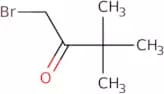
CAS :1-Bromopinacolone is a synthetic analogue of the naturally occurring acetylcholine. It is used as a pharmaceutical preparation to treat psychotic disorders and inflammatory diseases, such as asthma. 1-Bromopinacolone has irreversible inhibition of the cholinergic receptor activity, which blocks the neurotransmitter signal from binding to its receptors. This drug also has an effect on the β-unsaturated ketones (PUFA), which are involved in syncytial virus infection. The molecular modelling of 1-bromopinacolone shows that it forms intramolecular hydrogen bonds with neighbouring nitrogen atoms and chlorine atoms, which stabilises its structure and leads to its high stability and low toxicity.
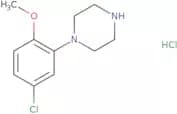
Formule :C6H11BrODegré de pureté :Min. 95%Couleur et forme :Colorless Clear LiquidMasse moléculaire :179.05 g/mol1-(5-Chloro-2-methoxyphenyl)piperazine HCl
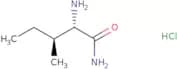
CAS :Produit contrôlé1-(5-Chloro-2-methoxyphenyl)piperazine HCl is a fine chemical that belongs to the group of research chemicals. It is used as a reagent, speciality chemical and intermediate in organic synthesis. 1-(5-Chloro-2-methoxyphenyl)piperazine HCl is an effective building block for complex compounds, which can be used in reactions involving acetals, amides, nitriles, sulfones, sulfonamides and imines. This compound also has versatile building blocks and is a useful scaffold in organic synthesis.Formule :C11H16Cl2N2ODegré de pureté :Min. 95%Couleur et forme :Off-White PowderMasse moléculaire :263.16 g/molL-Isoleucine amide hydrochloride
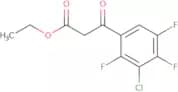
CAS :L-Isoleucine amide hydrochloride is a high quality reagent that is useful as an intermediate, fine chemical or speciality chemical. It can be used to synthesize compounds with a wide range of properties and uses. L-Isoleucine amide hydrochloride can be used in research for the development of new drugs or other chemicals. The versatility of this reagent makes it a useful building block for reactions involving amino acids, peptides, nucleosides, and carbohydrates.Formule :C6H14N2O·HClDegré de pureté :Min. 95%Couleur et forme :White PowderMasse moléculaire :166.65 g/molEthyl 3-chloro-2,4,5-trifluorobenzoylacetate
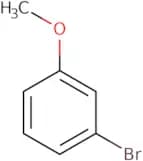
CAS :Ethyl 3-chloro-2,4,5-trifluorobenzoylacetate is a high quality chemical that is used as an intermediate in the production of complex compounds. It is also a reagent that is used in fine chemical reactions. This compound has many uses, including being a useful scaffold for the production of new compounds and a versatile building block for reactions. Ethyl 3-chloro-2,4,5-trifluorobenzoylacetate is used in research as well as in the production of speciality chemicals.Formule :C11H8ClF3O3Degré de pureté :Min. 95%Couleur et forme :PowderMasse moléculaire :280.63 g/mol3-Bromoanisole
CAS :3-Bromoanisole is a chemical compound that is used as a solvent for organic reactions. It is typically used in Suzuki coupling reactions, which are employed to form carbon-carbon bonds between two organic molecules. 3-Bromoanisole has been shown to be more reactive than 2-bromoanisole and reacts with hydrogen chloride in hydrochloric acid to form the corresponding bromoalkane. 3-Bromoanisole also participates in molecular interactions by forming steric interactions with other molecules or atoms. This can be seen through molecular modeling studies, where it was observed that 3-bromoanisole interacts with the methoxy group of an adjacent molecule. The sterics of this interaction are illustrated by the increased distance between the two molecules when compared with those without bromoalkanes present.Formule :C7H7BrODegré de pureté :Min. 95%Couleur et forme :PowderMasse moléculaire :187.03 g/mol(R)-Benzyl-2-[4-(trifluoromethyl)phenyl]-6,7-dihydro-5H-pyrrolo[2,1-c][1,2,4]triazolium Tetrafluoroborate
CAS :(R)-Benzyl-2-[4-(trifluoromethyl)phenyl]-6,7-dihydro-5H-pyrrolo[2,1-c][1,2,4]triazolium Tetrafluoroborate is a bactericide that inhibits the production of proteins necessary for cellular growth. It has been shown to inhibit the growth of bacteria such as E. coli in vitro and in animal models. The effective dose for this drug is not known at this time.
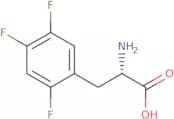
Formule :C19H17BF7N3Degré de pureté :Min. 95%Couleur et forme :White PowderMasse moléculaire :431.16 g/molL-2,4,5-Trifluorophenylalanine
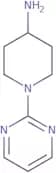
CAS :L-2,4,5-Trifluorophenylalanine is a fluorinated amino acid that can be used as a diagnostic probe for the detection of magnetic resonance imaging. L-2,4,5-Trifluorophenylalanine has been shown to have an orientation sensitive fluorescence emission in the presence of an external magnetic field. This compound can also be used as a ligand for site-specific labeling and has been studied by multidimensional spectroscopic methods. The conformational study of L-2,4,5-Trifluorophenylalanine has revealed that it has a site for binding fluorotryptophan.Formule :C9H8F3NO2Degré de pureté :Min. 95%Couleur et forme :White Off-White PowderMasse moléculaire :219.050711-Pyrimidin-2-ylpiperidin-4-amine dihydrochloride
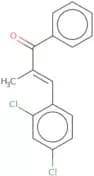
CAS :1-Pyrimidin-2-ylpiperidin-4-amine dihydrochloride is a high quality, crystalline compound with a CAS number of 1179369-48-2. It is an intermediate in the synthesis of various fine chemicals, including pharmaceuticals and pesticides. 1-Pyrimidin-2-ylpiperidin-4-amine dihydrochloride also has applications as a versatile building block for the synthesis of other compounds and is used as a reaction component in organic chemistry. This reagent can be used to synthesize many different compounds for use in research or medical purposes.Formule :C9H14N4·2HClDegré de pureté :Min. 95%Couleur et forme :PowderMasse moléculaire :251.16 g/molα-Methyl 2,4-dichlorochalcone
CAS :α-Methyl 2,4-dichlorochalcone is a useful scaffold for the synthesis of complex compounds. It can be used as a reaction component in research chemicals, speciality chemicals, and fine chemicals. This compound has a CAS No. 199788-52-8 and can be used as an intermediate in the synthesis of many other compounds with varying structures. It is also a versatile building block that can be used to synthesize various useful building blocks. α-Methyl 2,4-dichlorochalcone also has high quality and purity and can be used as a reagent for chemical reactions.Formule :C16H12Cl2ODegré de pureté :Min. 95%Couleur et forme :PowderMasse moléculaire :291.17 g/mol4-Bromo-2-methoxytoluene
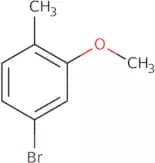
CAS :4-Bromo-2-methoxytoluene is a lactone compound that has been shown to have bioactivities. It is also known as methoxy, an aromatic organic compound with one methyl substituent and two hydroxyl substituents on a benzene ring. 4-Bromo-2-methoxytoluene is found in the natural products cephalotaxaceae and cephalotaxus. This compound can be synthesized by reacting diisopropylamine with formylation of bromobenzene in the presence of acetic acid followed by treatment with sodium acetate. The chemical structure forms a skeleton containing four carbon atoms and six hydrogen atoms, which are arranged in three rings (a cyclic system). This compound exists as two isomers, namely cis and trans.Formule :C8H9BrODegré de pureté :Min. 95%Couleur et forme :PowderMasse moléculaire :201.06 g/mol(3-Bromo-4,5-dimethoxyphenyl)acetone
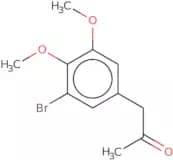
CAS :(3-Bromo-4,5-dimethoxyphenyl)acetone is a reagent that is used as an intermediate in the synthesis of a variety of compounds. It also has potential use as a building block for the synthesis of a wide range of complex compounds. (3-Bromo-4,5-dimethoxyphenyl)acetone can be used as a building block for chemical reactions and research chemicals. This compound has been shown to have versatile applications and is useful in the synthesis of fine chemicals, speciality chemicals, and research chemicals.Formule :C11H13BrO3Degré de pureté :Min. 95%Masse moléculaire :273.12 g/mol2-Chloro-5-ethyl-1,3,4-thiadiazole
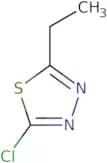
CAS :2-Chloro-5-ethyl-1,3,4-thiadiazole is a volatile organic compound that can be found in the headspace of crops and soils. It is also a metabolite produced by various fungi and bacteria. 2-Chloro-5-ethyl-1,3,4-thiadiazole has been shown to inhibit the growth of Erysiphe cichoracearum and Fusarium oxysporum f. sp. lycopersici. It has also been shown to have antiinflammatory properties in mice due to its ability to suppress the production of prostaglandins.Formule :C4H5ClN2SDegré de pureté :Min. 95%Couleur et forme :Yellow PowderMasse moléculaire :148.61 g/mol2-Bromo-5-methoxybenzoic acid methyl ester
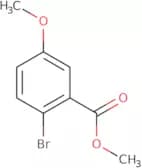
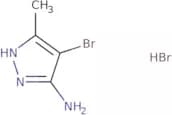
CAS :2-Bromo-5-methoxybenzoic acid methyl ester is an antibiotic with a broad spectrum of activity against bacteria, including Staphylococcus aureus and Pseudomonas aeruginosa. 2-Bromo-5-methoxybenzoic acid methyl ester is an inhibitor of the enzyme benzohydrazide, which is involved in the production of prostaglandins. This drug also has antioxidant activity and can inhibit the growth of Escherichia coli and Cereus. 2-Bromo-5-methoxybenzoic acid methyl ester has analgesic properties and was shown to have analgesic activities in animal tests.Formule :C9H9BrO3Degré de pureté :Min. 95%Couleur et forme :Clear LiquidMasse moléculaire :245.07 g/mol5-Amino-4-bromo-3-methylpyrazole hydrobromide
CAS :5-Amino-4-bromo-3-methylpyrazole hydrobromide is an intermediate in the synthesis of a variety of compounds. It is also a building block for the synthesis of heterocycles, such as pyrazoles, indazoles, benzoxazoles, and benzothiazoles. 5-Amino-4-bromo-3-methylpyrazole hydrobromide can be used as a reagent to synthesize pharmaceuticals and other useful compounds. 5-Amino-4-bromo-3-methylpyrazole hydrobromide is a versatile building block that can be used in the synthesis of many different types of compounds. This compound has been shown to react with various groups on organic molecules to form new chemical structures.Formule :C4H6BrN3•BrHDegré de pureté :Min. 95%Couleur et forme :PowderMasse moléculaire :256.93 g/mol2,4,6-Trimethylpyronium tetrafluoroborate
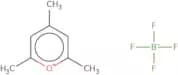
CAS :2,4,6-Trimethylpyronium tetrafluoroborate is a chemical compound that is used in pharmaceutical preparations. It is an analog of pyridinium diacetate and can be prepared by reacting 2,4,6-trimethylpyridine with hydrogen fluoride to form the corresponding pyridinium tetrafluoroborate. The chemical reactions of 2,4,6-trimethylpyridine are similar to those of other pyridines. It has been shown that 2,4,6-trimethylpyridine reacts with diazo compounds to produce a fluorescent product. This reaction can be monitored using a fluorescence assay and statistically analyzed. The plasma samples were analyzed using isotopic analysis and showed that the pyronium ion was present in human serum as well as inorganic materials such as water samples.Formule :C8H11O·BF4Degré de pureté :Min. 95%Masse moléculaire :209.98 g/mol2-Chloro-6-methylnicotinic acid
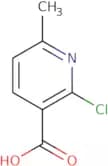
CAS :2-Chloro-6-methylnicotinic acid is a protonated nicotinic acid derivative with potent inhibitory activity against hepatitis C virus. It has been shown to inhibit the replication of the virus by competitive inhibition at the 2-chloro-6-methylnicotinic acid site on the viral genome. It also inhibits the synthesis of viral proteins, which are necessary for viral replication. The molecule has been shown to have an inhibitory effect on other RNA viruses such as influenza and HIV, but it is not active against DNA viruses such as herpes simplex or adenovirus. 2-Chloro-6-methylnicotinic acid is absorbed orally and its pharmacokinetic properties are well understood. This compound can be used as a probe in supramolecular chemistry to study hydrogen bonding and biomolecular interactions.Formule :C7H6ClNO2Degré de pureté :Min. 95%Couleur et forme :Yellow SolidMasse moléculaire :171.58 g/mol2-Chloro-4-methylaniline
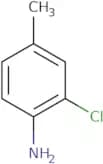
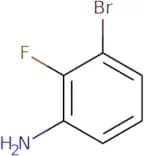
CAS :2-Chloro-4-methylaniline is a molecule that can be classified as an amine. It is a functional theory, which is a chemical ionization technique used to study the structure of molecules. 2-Chloro-4-methylaniline has been shown to have high metabolic profiles and to produce many metabolic products when it reacts with chlorine in the environment. This chemical has been studied extensively for its potential carcinogenic properties. It was found that 2-chloro-4-methylaniline causes DNA damage in human erythrocytes and induces mutations in calf thymus DNA, suggesting that this molecule may be carcinogenic. 2-Chloro-4-methylaniline also binds to hemoglobin, which may lead to the formation of methemoglobin that reduces oxygen transport in red blood cells. The matrix effect of this chemical on clinical pathology is not known.Formule :C7H8ClNDegré de pureté :Min. 95%Masse moléculaire :141.6 g/mol3-Bromo-2-fluoroaniline
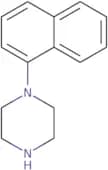
CAS :3-Bromo-2-fluoroaniline is a reagent, complex compound, and useful intermediate. It is used as a building block for chemical syntheses, such as the synthesis of pharmaceuticals and agrochemicals. 3-Bromo-2-fluoroaniline can be used in chemical reactions to form amines or nitriles, which are useful scaffolds for the synthesis of other compounds. 3-Bromo-2-fluoroaniline is also used as a building block in organic chemistry reactions that require an electron acceptor. This chemical has many applications in research chemicals and speciality chemicals production.Formule :C6H5BrFNDegré de pureté :Min. 95%Couleur et forme :Colourless To Pale Yellow LiquidMasse moléculaire :190.01 g/mol1-(1-Naphthyl)piperazine hydrochloride
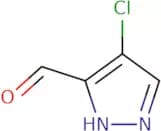
CAS :1-(1-Naphthyl)piperazine hydrochloride is a 5-HT3 receptor antagonist that has been shown to act as a potent serotonergic agent in the central nervous system of mammals. It is believed to inhibit the presynaptic serotonin uptake, resulting in an increase of serotonin concentration at the postsynaptic 5-HT1A receptor cells. 1-(1-Naphthyl)piperazine hydrochloride has also been shown to be a potent 5-HT1A receptor agonist and has antinociceptive effects following administration. This drug has been found to be more selective for the peripheral nervous system than other drugs of this type. It does not cross the blood-brain barrier and therefore does not interfere with mental function or behavior.Formule :C14H16N2·HClDegré de pureté :Min. 95%Masse moléculaire :248.75 g/mol4-Chloro-1H-pyrazole-3-carboxaldehyde
CAS :4-Chloro-1H-pyrazole-3-carboxaldehyde is a fine chemical that is used as a building block in research and development. The CAS number is 623570-54-7. This compound has been found to be useful in the synthesis of complex compounds and versatile scaffolds.Formule :C4H3ClN2ODegré de pureté :Min. 95%Couleur et forme :SolidMasse moléculaire :130.53 g/molLithium fluoride
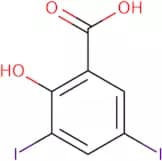
CAS :Lithium fluoride (LiF) is a chemical compound that has high chemical stability and kinetic energy. It can be used as a laser medium or to generate light in the infrared region. Lithium fluoride is used to produce fluorine gas by reaction with hydrochloric acid, which is then reacted with hydrogen fluoride to produce hydrogen trifluoride. Lithium fluoride is also used for biological purposes, such as the treatment of hyperthyroidism. In addition, lithium fluoride can be used to treat syphilis and other sexually transmitted diseases because it has an inhibitory effect on bacterial growth. Lithium fluoride also inhibits erythrocyte proliferation by inhibiting DNA synthesis and protein synthesis in vivo.Formule :LiFDegré de pureté :Min. 95%Couleur et forme :PowderMasse moléculaire :25.94 g/mol3,5-Diiodosalicylic acid
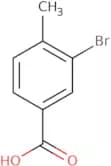
CAS :3,5-Diiodosalicylic acid is a chemical compound that has been used in biological studies to study the kinetic energy of nuclear DNA and to examine the surface glycoprotein receptors. It binds tightly to copper chloride and lithium and can be used as an inhibitor for receptor activity. 3,5-Diiodosalicylic acid has also been shown to have anti-inflammatory effects in hl-60 cells by inhibiting the production of cytokines such as IL-1β, TNFα, IL-6, IL-10, and GM-CSF.Formule :C7H4I2O3Degré de pureté :Min. 95%Couleur et forme :PowderMasse moléculaire :389.91 g/mol3-Bromo-4-methylbenzoic acid
CAS :3-Bromo-4-methylbenzoic acid is a labile chemical compound that is used in the synthesis of retinoic acid, an analog of vitamin A. 3-Bromo-4-methylbenzoic acid can be synthesized by a two step process involving the boronic ester and biphenyl. The biphenyl is first treated with phosphorus pentachloride to produce a phenoxyacetate which reacts with 3-bromo-4-methylbenzoyl chloride in the presence of base to produce 3-bromo-4-methylbenzoic acid. This conversion can also be done via a solid phase synthesis where the biphenyl is anchored on silica gel and reacted with 3-bromo-4 methylbenzoyl chloride. The boronic esters are then cleaved from the solid support by treatment with sodium hydroxide under reflux conditions. 3 - Bromo -Formule :C8H7BrO2Degré de pureté :Min. 95%Couleur et forme :PowderMasse moléculaire :215.04 g/molLevofloxacin hydrochloride
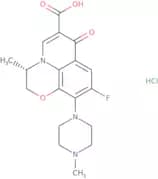
CAS :Levofloxacin is a fluoroquinolone antibiotic that inhibits bacterial DNA gyrase and topoisomerase IV, which are enzymes that maintain the integrity of bacterial DNA. It binds to bacterial 16S ribosomal RNA and inhibits protein synthesis, leading to cell death by inhibiting the production of proteins vital for cell division. Levofloxacin has been shown to be effective against many infectious diseases, including urinary tract infections and some types of pneumonia. Levofloxacin also has inhibitory properties against gram-positive bacteria such as Streptococcus pyogenes and Staphylococcus aureus. The mechanism of action is not fully understood, but it is believed that levofloxacin interferes with protein synthesis by binding to the 30S subunit of the bacterial ribosome. The drug also binds to benzalkonium chloride (BAK) in wastewater treatment systems, which may contribute to its effectiveness in theseFormule :C18H20FN3O4•HClDegré de pureté :Min. 95%Couleur et forme :PowderMasse moléculaire :397.83 g/mol2-Fluoro-4-trifluoromethoxyphenyl boronic acid
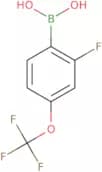
CAS :2-Fluoro-4-trifluoromethoxyphenyl boronic acid is a fine chemical that has been used as a building block in organic synthesis. It is also a versatile intermediate, which can be used for the preparation of complex compounds. The compound is soluble in methanol, ethanol, and THF. It has a CAS number of 503309-10-2 and was first synthesized in 1960.Formule :C7H5BF4O3Degré de pureté :Min. 95%Couleur et forme :White PowderMasse moléculaire :223.92 g/mol4-Iodophenylboronic acid
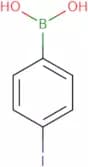
CAS :4-Iodophenylboronic acid is a chemical compound that has been shown to bind to disaccharides and form hydrogen bonding interactions. It has also been shown to enhance the chemiluminescence of ethylene diamine in a light emission assay, which is due to its ability to bind to fatty acids. 4-Iodophenylboronic acid has been used in studies on tumor xenografts and optical properties. 4-Iodophenylboronic acid has also been shown to have vibrational and nmr spectra that differ from other boronic acids. This compound is unique because it binds with water molecules more strongly than any other boronic acid.Formule :C6H6BIO2Degré de pureté :Min. 95%Couleur et forme :PowderMasse moléculaire :247.83 g/mol4-Cyano-3,5-difluorophenol
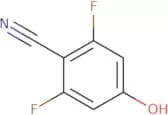
CAS :4-Cyano-3,5-difluorophenol (4CF) is a mesomorphic compound that has a number of reactions with chloride. 4CF is synthesized from 3,5-difluoroaniline and the reaction product is then heated with chlorine to produce 4CF. The optimal reaction temperature is between 100°C and 120°C. When exposed to light, 4CF will react with chloride ions in the presence of heat to form a hydrophobic chlorinated product. This product reacts with proton donors such as NaOH or KOH to produce hydrogen gas. At room temperature, 4CF can be used as a gas sensor.Formule :C7H3F2NODegré de pureté :Min. 95 Area-%Masse moléculaire :155.1 g/mol2,2'-Dichloro diphenyl disulfide
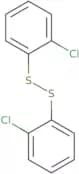
CAS :2,2'-Dichloro diphenyl disulfide is a high quality chemical that is widely used as a reagent. It belongs to the category of complex compounds and has been extensively studied as an intermediate for the synthesis of pharmaceuticals. 2,2'-Dichloro diphenyl disulfide is also useful as a building block or scaffold for the preparation of a wide range of useful chemicals. This product can be used in research laboratories and by industry as a versatile building block in organic synthesis, with applications including use as a reaction component in the production of pharmaceuticals and agrochemicals.Formule :C12H8Cl2S2Degré de pureté :Min. 95%Couleur et forme :PowderMasse moléculaire :287.23 g/mol[(5-Cyclopropyl-1,2,4-oxadiazol-3-yl)methyl]amine hydrochloride
CAS :[(5-Cyclopropyl-1,2,4-oxadiazol-3-yl)methyl]amine hydrochloride is an intermediate used in the synthesis of a variety of complex compounds. It is also a fine chemical that can be used as a reagent and building block in the manufacture of drugs. [(5-Cyclopropyl-1,2,4-oxadiazol-3-yl)methyl]amine hydrochloride has been shown to be a versatile building block for the synthesis of many types of compounds. This compound has been shown to react with various functional groups, including alcohols and amines. This reagent can also be used as a reaction component with other chemicals such as nitroalkanes or ketones to produce heterocycles or other useful compounds. ([(5-Cyclopropyl-1,2,4-oxadiazol-3-yl)methyl]amine hydrochloride)Formule :C6H10ClN3ODegré de pureté :Min. 95%Couleur et forme :Off-White PowderMasse moléculaire :175.62 g/mol2,2-Difluoro-2-(4-fluorophenyl)acetic acid
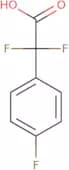
CAS :2,2-Difluoro-2-(4-fluorophenyl)acetic acid is a versatile building block that can be used as a reagent in the synthesis of complex compounds. This chemical is also an intermediate in the synthesis of pharmaceuticals and agrochemicals. It can be used as a speciality chemical for research purposes. The compound has been shown to have high quality and is useful as a scaffold for the synthesis of other compounds.Formule :C8H5F3O2Degré de pureté :Min. 95%Couleur et forme :White To Off-White SolidMasse moléculaire :190.12 g/mol3-(3-Fluoro-4-methoxybenzoyl)propionic acid
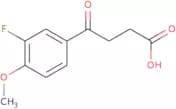
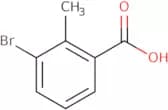
CAS :3-(3-Fluoro-4-methoxybenzoyl)propionic acid is a versatile building block that is used in the synthesis of many organic compounds. 3-(3-Fluoro-4-methoxybenzoyl)propionic acid has been used as a reagent in the synthesis of pharmaceuticals and other chemicals. 3-(3-Fluoro-4-methoxybenzoyl)propionic acid can be used to produce high quality research chemicals, speciality chemicals, and fine chemicals. This compound is also used to produce complex compounds and useful intermediates. 3-(3-Fluoro-4-methoxybenzoyl)propionic acid is available through chemical suppliers such as Sigma Aldrich or Acros Organics.Formule :C11H11FO4Degré de pureté :Min. 95%Masse moléculaire :226.2 g/mol3-Bromo-2-methylbenzoic acid
CAS :3-Bromo-2-methylbenzoic acid is a hydrogen bond donor. Hydrogen bonding may provide an explanation for the functional theory of 3-bromo-2-methylbenzoic acid, which has been shown to have anticancer properties in vitro and in vivo. This compound has been shown to be effective against cancer cells that express PDL1 (programmed cell death protein 1) and is being studied as a potential therapeutic agent for cancers that are resistant to conventional anticancer drugs. 3-Bromo-2-methylbenzoic acid has low solubility in water and is poorly absorbed from the gastrointestinal tract. It also does not bind to plasma proteins, which makes it pharmacologically active even at low doses. 3BBMBA inhibits viral replication by binding to the viral RNA polymerase enzyme, thereby inhibiting transcription and replication of the virus genome. In addition, it inhibits the proliferation of human cancer cells through inhibition of protein synthesis and DNA synthesisFormule :C8H7BrO2Degré de pureté :Min. 95%Couleur et forme :PowderMasse moléculaire :215.04 g/mol5-(2-Bromophenyl)-1H-tetrazole
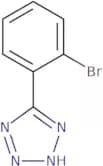
CAS :5-(2-Bromophenyl)-1H-tetrazole is a synthetic bidentate ligand that has an inhibitory effect on the enzyme nitric oxide synthase. It has been shown to inhibit the production of nitric oxide in cells by binding to iron and copper ions, which are essential for the synthesis of nitric oxide. 5-(2-Bromophenyl)-1H-tetrazole has a luminescent property, with a wavelength at around 530 nm. This compound is also characterized by its photophysical properties, such as high quantum yield, fast decay time, and low solubility in organic solvents. The inhibition mechanism of 5-(2-bromophenyl)-1H-tetrazole is not yet fully understood but it is thought to be related to its ability to bind chloride ions, which are required for nitric oxide synthesis.
Formule :C7H5BrN4Degré de pureté :Min. 95%Couleur et forme :SolidMasse moléculaire :225.05 g/mol1-(4-Bromophenyl)piperazine hydrochloride
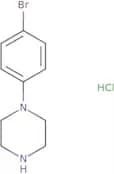
CAS :Produit contrôlé1-(4-Bromophenyl)piperazine hydrochloride is a linker that binds to serotonin receptors. It has been shown to inhibit the reuptake of serotonin, which may lead to an increase in the neurotransmitter's level in the synaptic cleft. The compound also inhibits the production of 5-hydroxytryptamine and other monoamine neurotransmitters, which can lead to anaphylactic reactions in humans.Formule :C10H14BrClN2Degré de pureté :Min. 95%Masse moléculaire :277.59 g/molChloro[1,3-bis(2,6-diisopropylphenyl)imidazol-2-ylidene]copper(I)
CAS :Chloro[1,3-bis(2,6-diisopropylphenyl)imidazol-2-ylidene]copper(I) is a transfer reagent that can be used in preparative organic chemistry. It reacts with alkyl halides to form 1,3-bis(2,6-diisopropylphenyl)-imidazolium chloride. This reaction can be used for the preparation of chloroalkenes by filtration and pentane extraction. In addition to its use as a transfer reagent, chloro[1,3-bis(2,6-diisopropylphenyl)imidazol-2-ylidene]copper(I) has been shown to have anti-inflammatory properties due to its ability to inhibit the transcription of proinflammatory genes.Formule :C27H36ClCuN2Degré de pureté :Min. 95%Couleur et forme :White Off-White PowderMasse moléculaire :487.59 g/molPotassiumtetrachloroaurate(III)
CAS :Potassiumtetrachloroaurate(III) is a chemical compound with the molecular formula KAuCl4. It is a white solid that has been shown to have anti-cancer properties in animal studies. Potassiumtetrachloroaurate(III) has also been found to be toxic to bacteria, such as Pseudomonas aeruginosa. The redox potential of potassiumtetrachloroaurate(III) can be changed by adding copper chloride or sodium citrate, which may affect its toxicity towards bacteria.
Formule :AuCl4KDegré de pureté :Min. 95%Masse moléculaire :377.88 g/mol6-Chloro-1,3-dimethyluracil
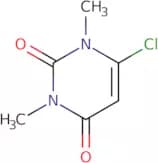
CAS :6-Chloro-1,3-dimethyluracil is a nucleoside analog that has been shown to be cytotoxic in vitro. This compound can be synthesized by reacting naphthalene with a nucleophilic nitrogen source, such as sodium carbonate and chlorinating the resulting product with trifluoroacetic acid. 6-Chloro-1,3-dimethyluracil can also be synthesized by reacting malonic acid with cyclen and uridine in the presence of copper metal. The reaction mechanism is believed to involve photoelectron transfer from the copper metal to the uridine ring.
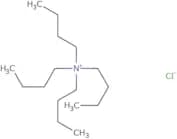
Formule :C6H7ClN2O2Degré de pureté :Min. 95%Couleur et forme :White PowderMasse moléculaire :174.58 g/molTetra-n-butylammonium chloride anhydrous
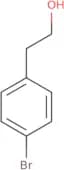
CAS :Tetra-n-butylammonium chloride anhydrous (TBACl) is an inorganic acid that is a colorless solid. It is soluble in water and soluble in organic solvents. TBACl reacts with hydrogen fluoride to form a colorless solution of tetrabutylammonium hydrogen fluoride (TBHF). The reaction proceeds by the following equation:Formule :C16H36NClDegré de pureté :Min. 95%Couleur et forme :White PowderMasse moléculaire :277.92 g/mol2-(4-Bromophenyl)ethanol
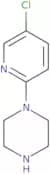
CAS :2-(4-Bromophenyl)ethanol is an analog of histone lysine and histone H3. It is a synthetic substrate for the acylation reaction on the carboxyl group of fatty acids. 2-(4-Bromophenyl)ethanol has been shown to have optical properties similar to those of natural fatty acids and has been used as a polymer film for cell line A549.Formule :C8H9BrODegré de pureté :Min. 95%Couleur et forme :Slightly Yellow Clear LiquidMasse moléculaire :201.06 g/mol1-(5-Chloropyridin-2-yl)piperazine
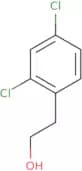
CAS :1-(5-Chloropyridin-2-yl)piperazine is a chemical compound that binds to the tropane receptor. It has been shown to have affinity for the ligands of protein kinase C, and as such may be useful in treating tumors. 1-(5-Chloropyridin-2-yl)piperazine is an analog of homopiperazine and piperazine and is related to the oxime class of compounds. It has not been shown to have any affinity for the other types of receptors, including dopamine, serotonin, acetylcholine, or histamine receptors.Formule :C9H12ClN3Degré de pureté :Min. 95%Couleur et forme :White/Off-White SolidMasse moléculaire :197.66 g/mol2-(2,4-Dichlorophenyl)ethanol
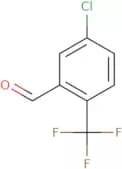
CAS :2-(2,4-Dichlorophenyl)ethanol is an organic compound that can be synthesized by reacting 2,4-dichlorobenzoic acid with trifluoroacetic acid in the presence of a base. The reaction scheme is:Formule :C8H8Cl2ODegré de pureté :Min. 95%Masse moléculaire :191.05 g/mol5-Chloro-2-(trifluoromethyl)benzaldehyde
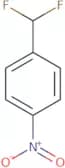
CAS :5-Chloro-2-(trifluoromethyl)benzaldehyde is a fine chemical that can be used as a versatile building block for organic synthesis. It has CAS number 90381-07-0 and is an intermediate in the synthesis of a variety of organic compounds. 5-Chloro-2-(trifluoromethyl)benzaldehyde is also an effective reagent for the preparation of complex compounds. It is soluble in polar solvents, such as chloroform, ethanol, ether, acetone, and benzene.Formule :C8H4ClF3ODegré de pureté :Min. 95%Masse moléculaire :208.56 g/mol1-(Difluoromethyl)-4-nitrobenzene
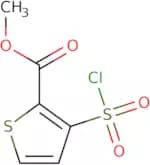
CAS :1-(Difluoromethyl)-4-nitrobenzene is a versatile building block that can be used as a fine chemical, research chemical, or reagent. It is an intermediate for the production of difluoromethylene-1,4-diamine and 1,1-difluoroethane. This compound has been shown to be useful in the synthesis of complex compounds such as 3-hydroxyazetidine and 4-amino-5H-thiazolo[3,2-a]pyrimidin-2(7H)-one. The high purity of this product makes it excellent for use in laboratory settings.Formule :C7H5F2NO2Degré de pureté :Min. 95%Couleur et forme :SolidMasse moléculaire :173.12 g/molMethyl 3-chlorosulfonylthiophene-2-carboxylate
CAS :Methyl 3-chlorosulfonylthiophene-2-carboxylate is a chemical compound that belongs to the family of thiophene carboxylic acid esters. It has been used for the synthesis of bioactive molecules, such as tenoxicam, and heteroarylations. Methyl 3-chlorosulfonylthiophene-2-carboxylate can be used in cross-coupling reactions with chloride as a reagent and is regiospecific. This chemical has also been shown to be reactive towards proteins, nucleic acids, and other biomolecules.
Formule :C6H5ClO4S2Degré de pureté :Min. 95%Couleur et forme :PowderMasse moléculaire :240.69 g/mol2-Bromothiophene
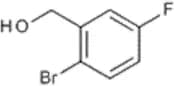
CAS :2-Bromothiophene is a brominated organic compound with six carbon atoms in a ring. It is synthesized by the Suzuki coupling reaction of 2-bromobenzene and aniline, which forms the pyrazole ring. The molecule can be used as a monomer for cationic polymerization to form polymers with high thermal stability. 2-Bromothiophene has been shown to be effective in treating chronic bronchitis, and can also be used as a photoelectron source.Formule :C4H3BrSDegré de pureté :Min. 95%Couleur et forme :Clear LiquidMasse moléculaire :163.04 g/mol2-Bromo-5-fluorobenzyl alcohol
CAS :2-Bromo-5-fluorobenzyl alcohol is a synthetic organoboron compound that can be used in the synthesis of other compounds. It has been shown to have a thermal expansion coefficient of 0.038 x 10^-6 K, which is an intermediate value for organic materials. The two polymorphic forms are monoclinic (space group P2/c) and hexagonal (P63). When 2-bromo-5-fluorobenzyl alcohol is irradiated with microwaves and magnetic fields, it undergoes anisotropic expansion, which suggests that intermolecular interactions are important in this phenomenon. This material has been shown to exhibit antifungal properties.
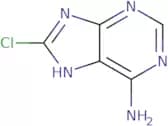
Formule :C7H6BrFODegré de pureté :Min. 95%Couleur et forme :PowderMasse moléculaire :205.02 g/mol8-Chloroadenine
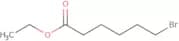
CAS :8-Chloroadenine is an antimicrobial agent that inhibits the DNA replication of bacteria by binding to the dna template. It is a potent inhibitor of oxidative DNA damage and has been shown to be effective against various bacteria, including Staphylococcus aureus. 8-Chloroadenine also has reactive properties and can react with chloride in the environment to form hypochlorous acid (HOCl) and 8-chloroguanine. This compound may also act as an enzyme catalyst for the enzymatic reaction between hypochlorous acid and chloride ions.Formule :C5H4ClN5Degré de pureté :Min. 95%Couleur et forme :PowderMasse moléculaire :169.57 g/mol6-Bromohexanoic acid ethyl ester
CAS :6-Bromohexanoic acid ethyl ester is a fluorescent compound that has been used to assess the presence of azobenzene in urine samples. This product is also used as a marker for capsicum annuum, which is an edible plant. 6-Bromohexanoic acid ethyl ester has been shown to be effective in the diagnosis of cancer, especially carcinoma cells. Coumarin derivatives have been found to possess fluorescence properties similar to 6-bromohexanoic acid ethyl ester and are also used as markers for cancer cells. The use of polyclonal antibodies and hydrochloric acid for this product can lead to fluorescence properties that are specific for cancer cells.Formule :C8H15BrO2Degré de pureté :Min. 95%Couleur et forme :Colourless To Pale Yellow LiquidMasse moléculaire :223.11 g/mol5,7-Dichloro-1H-imidazo[4,5-b]pyridine
CAS :5,7-Dichloro-1H-imidazo[4,5-b]pyridine is a synthetic compound that has been shown to inhibit the replication of herpes simplex virus in cell culture. It is active against a broad range of viruses including HIV and influenza A. The antiviral potency of 5,7-dichloro-1H-imidazo[4,5-b]pyridine against herpes simplex virus may be due to its ability to act as an agonist on adenosine receptor subtypes such as A2aR. This drug also has immunosuppressive properties and can be used for the treatment of immunodeficiency disorders.
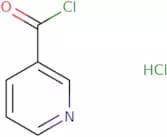
Formule :C6H3Cl2N3Degré de pureté :Min. 95%Couleur et forme :PowderMasse moléculaire :188.01 g/molNicotinoyl chloride hydrochloride
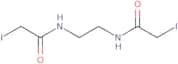
CAS :Nicotinoyl chloride hydrochloride is a coordination complex with a hydroxyl group. It is an antimicrobial agent that inhibits the growth of bacteria by binding to the adenosine A3 receptor and inhibiting adenylate cyclase activity. Nicotinoyl chloride hydrochloride has been shown to inhibit the proliferation of muscle cells in vitro and may be used as an anti-inflammatory agent in pharmaceutical preparations. This compound also has proton transport properties, which are related to its amide group. The nicotinic acid moiety of nicotinoyl chloride hydrochloride is metabolized by fatty acid synthase, which produces fatty acids that can be used as a source of energy by muscle cells. Nicotinoyl chloride hydrochloride also has growth factor activity and can modulate brain functions such as memory and learning.Formule :C6H5Cl2NODegré de pureté :Min. 95%Couleur et forme :PowderMasse moléculaire :178.02 g/molN,N'-Ethylenebis(iodoacetamide)
CAS :N,N'-Ethylenebis(iodoacetamide) is a molecule that binds to peptides and is used in cancer research. It has been shown to inhibit the growth of leukemia cells by inhibiting the synthesis of DNA. N,N'-Ethylenebis(iodoacetamide) has been shown to be an active analog for artemisinin, a drug used for malaria prophylaxis, and podophyllotoxin, a natural product used for the treatment of cancer. The molecule also inhibits cancer cell proliferation through its effects on protein synthesis.
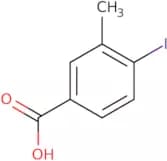
Formule :C6H10I2N2O2Degré de pureté :Min. 95%Couleur et forme :PowderMasse moléculaire :395.96 g/mol4-Iodo-3-methylbenzoic acid
CAS :4-Iodo-3-methylbenzoic acid is a bifunctional phosphine that can be activated by phosphine gas. This compound has been shown to react with diethyl ethers and form a lanthanide phosphine complex. 4-Iodo-3-methylbenzoic acid also reacts with azides to form triazinylphosphines, which are used in fluorescence techniques. 4-Iodo-3-methylbenzoic acid has luminescent properties, which may be due to its ability to produce singlet oxygen when irradiated with visible light.Formule :C8H7IO2Degré de pureté :Min. 80%Couleur et forme :PowderMasse moléculaire :262.04 g/mol4-Acetamido-2'-nitro-4'-(trifluoromethyl)diphenyl sulphone
CAS :4-Acetamido-2'-nitro-4'-(trifluoromethyl)phenyl sulphone is a fine chemical that has versatile building block properties. It is a complex compound that has been used in research chemicals and as a reagent. 4-Acetamido-2'-nitro-4'-(trifluoromethyl)phenyl sulphone is also useful for the production of speciality chemicals and as an intermediate for the synthesis of high quality compounds, such as pharmaceuticals, agrochemicals and other industrial products. This product can be used as a reaction component or scaffold for the synthesis of new compounds.
Formule :C15H11F3N2O5SDegré de pureté :Min. 95%Couleur et forme :PowderMasse moléculaire :388.32 g/mol1-Bromo-2-(4-bromophenyl)ethylene
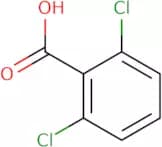
CAS :The 1-Bromo-2-(4-bromophenyl)ethylene (1-BPEE) is a highly reactive anion radical that can be generated from the reaction of chlorine with various organic compounds. The 1-BPEE is often used as an analytical method for the determination of the concentration of bromine in environmental samples. It has been shown to have antiviral and antimicrobial properties, and has been found to inhibit hepatitis B virus and human immunodeficiency virus type 1. The 1-BPEE is also a potential candidate for use in removing chlorinated organics from wastewater effluent.Formule :C8H6Br2Degré de pureté :Min. 95%Couleur et forme :Off-White To Light (Or Pale) Yellow SolidMasse moléculaire :261.94 g/mol2,6-Dichlorobenzoic acid
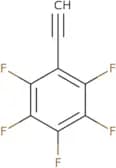
CAS :2,6-Dichlorobenzoic acid (2,6-DCBA) is a chemical substance that can be found in groundwater. 2,6-DCBA is metabolized by colon cells to produce metabolites, including 2,4-dichlorophenol and 4-chlorophenylacetic acid. The metabolic reaction products have been shown to inhibit the uptake of radioactive iodine by Caco-2 cells. 2,6-DCBA is also a monocarboxylic acid with two nitrogen atoms. It has been shown to have acute toxicities in rats and other animals. This substance can also be used as an analytical reagent for the determination of metals such as iron and copper.Formule :C7H4Cl2O2Degré de pureté :Min. 95%Couleur et forme :PowderMasse moléculaire :191.01 g/mol1-Ethynyl-2,3,4,5,6-pentafluorobenzene
CAS :1-Ethynyl-2,3,4,5,6-pentafluorobenzene is an organofluorine compound that has been the subject of research. The compound has been shown to react with nucleophiles at the 1- and 2-positions in a nucleophilic substitution reaction. It is also used as a solvent for reactions involving amines and alcohols.
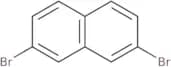
Formule :C8HF5Degré de pureté :Min. 98 Area-%Couleur et forme :PowderMasse moléculaire :192.09 g/mol2,7-Dibromonaphthalene
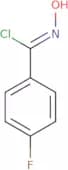
CAS :2,7-Dibromonaphthalene is a chemosensor that is used to sense the presence of halides in water. It reacts with anion radicals in the atmosphere to produce a fluorescent compound with a long wavelength emission. This reaction can be observed using ultraviolet spectroscopy and amination reactions. 2,7-Dibromonaphthalene has been shown to react with copper oxide to form a blue-green compound. This property has been used as an indicator of copper contamination in water and soil samples. 2,7-Dibromonaphthalene also reacts with metal ions to form metal cations, which can be detected using cyclen or other organic compounds.Formule :C10H6Br2Degré de pureté :Min. 95%Couleur et forme :PowderMasse moléculaire :285.96 g/molα-Chloro-4-fluorobenzaldehyde oxime
CAS :Alpha-Chloro-4-fluorobenzaldehyde oxime is a selenium compound that can be stabilized with heat resistance and structuring. It is used as an additive in the plating of alloys, thermoplastics, and rubber products. Alpha-Chloro-4-fluorobenzaldehyde oxime has been shown to have anti-oxidant effects, which may be due to its ability to stabilize free radicals.Formule :C7H5ClFNODegré de pureté :Min. 95%Masse moléculaire :173.57 g/mol2-(Trifluoromethoxy)phenylboronic acid
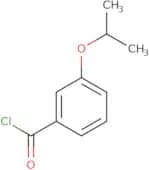
CAS :2-(Trifluoromethoxy)phenylboronic acid (2-TFB) is a boronic acid that is used in cross-coupling reactions. It has been shown to be an effective inhibitor of the Vismodegib pathway, which may offer therapeutic benefits for cancer patients. 2-TFB has also been shown to inhibit the activity of other pathways involved in cancer development, such as the benzamide and suzuki pathways. 2-TFB is metabolized through filtration, which can lead to significant pharmacokinetic properties. This compound can be recycled and reused in cross-coupling reactions, which reduces waste production and costs.Formule :C7H6BF3O3Degré de pureté :Min. 95%Couleur et forme :PowderMasse moléculaire :205.93 g/mol3-Isopropoxybenzoyl chloride
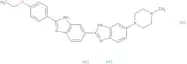
CAS :3-Isopropoxybenzoyl chloride is an organic compound that is used as a reactant, reagent, or building block in organic chemistry. 3-Isopropoxybenzoyl chloride is a versatile building block with a wide range of chemical properties. It has been shown to be useful as an intermediate and building block in the synthesis of complex compounds. 3-Isopropoxybenzoyl chloride can be used for research purposes and as a speciality chemical. This compound has been assigned the CAS number 214847-64-0.Formule :C10H11ClO2Degré de pureté :Min. 95%Couleur et forme :PowderMasse moléculaire :198.65 g/molHoechst 33342
CAS :2'-(4-Ethoxyphenyl)-5-(4-methyl-1-piperazinyl)-2,5'-bi-1H-benzimidazole trihydrochloride (EPMB) is a DNA binding agent that is used in tumor detection and research into apoptosis. It has been shown to inhibit the activity of p-glycoprotein, which is an efflux pump protein, and Bcl-2 protein. EPMB has also been shown to cause apoptosis in human squamous cell carcinoma cells in a concentration dependent manner. This compound has shown potential as a treatment for cancer because it inhibits the ability of cancer cells to proliferate by binding to the NMDA receptor.
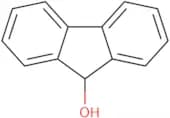
Formule :C27H28N6O·3HCl·xH2ODegré de pureté :Min. 95%Couleur et forme :Yellow PowderMasse moléculaire :561.93 g/mol9-Hydroxyfluorene
CAS :Produit contrôlé9-Hydroxyfluorene is a chiral compound that exhibits antimicrobial activity. It has been shown to inhibit the growth of bacteria by interacting with bacterial DNA and preventing RNA synthesis. 9-Hydroxyfluorene binds to bacterial DNA, specifically the nitrogen atoms, which are not present in mammalian DNA. This binding causes the formation of intramolecular hydrogen bonds that inhibits bacterial DNA replication. 9-Hydroxyfluorene also interacts with cellular membranes, inhibiting protein synthesis and cell division. The antimicrobial properties of 9-hydroxyfluorene are due to its ability to bind to bacterial membranes and form hydrogen bonds at specific sites on the membrane surface. This binding alters the membrane's physical properties, leading to cell death.Formule :C13H10ODegré de pureté :Min. 95%Masse moléculaire :182.22 g/mol2-Fluoro-6-nitrotoluene
CAS :2-Fluoro-6-nitrotoluene is a nitro compound that is used as an additive in the manufacture of pesticides. It has been shown to have addictive properties and is structurally similar to 2,4-dinitrotoluene and other nitrotoluenes. The conformational and structural stability of 2-fluoro-6-nitrotoluene has been studied using computational methods. These studies revealed that its activation energy for cyclization was about 5 kcal/mol higher than that of 2,4-dinitrotoluene. This difference in activation energy can be attributed to fluorine substitutions on the aromatic ring. In addition, it can be seen from the vibrational spectra of these two compounds that they are not identical.
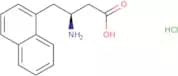
Formule :C7H6FNO2Degré de pureté :Min. 95%Couleur et forme :LiquidMasse moléculaire :155.13 g/mol(S)-3-Amino-4-(1-naphthyl)butanoic acid hydrochloride
CAS :(S)-3-Amino-4-(1-naphthyl)butanoic acid hydrochloride is a high quality chemical that is used as a reaction component for the synthesis of complex organic compounds. It may also be used to produce fine chemicals, pharmaceuticals, and other useful compounds. This product has a wide variety of uses including as an intermediate in the production of speciality chemicals, as a building block for synthesizing more complex compounds, or as a precursor to producing other useful chemicals.Formule :C14H16ClNO2Degré de pureté :Min. 95%Couleur et forme :White PowderMasse moléculaire :265.74 g/molNesfatin-1 (rat) trifluoroacetate salt
CAS :Please enquire for more information about Nesfatin-1 (rat) trifluoroacetate salt including the price, delivery time and more detailed product information at the technical inquiry form on this pageFormule :C424H684N116O136Degré de pureté :Min. 95%Masse moléculaire :9,582.67 g/mol4-Ethyl-1,3-thiazol-2-amine
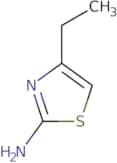
CAS :4-Ethyl-1,3-thiazol-2-amine is a tertiary amine that is used as an alkylating agent. It has been shown to react with alcohols and form tertiary amines. 4-Ethyl-1,3-thiazol-2-amine can also react with carboxylic acids to form esters and with aldehydes to form acetals. This compound has been used in the synthesis of compounds such as aminothiazoles and thiazole.
Formule :C5H8N2SDegré de pureté :Min. 95%Masse moléculaire :128.2 g/mol1-Butyl-1-methylpyrrolidinium bromide
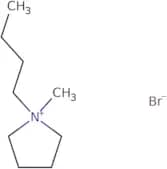
CAS :1-Butyl-1-methylpyrrolidinium bromide is a pyridinium salt with a pyrrolidinium moiety. It forms by the reaction of 1-butylpiperidine and 2 equivalents of Br2 in dichloromethane at -20 degrees Celsius. The formation rate can be determined by measuring the absorbance of the product at 227 nm. 1-Butyl-1-methylpyrrolidinium bromide is an analytical reagent that has been used to determine the viscosity and pH of organic solutions, as well as enzyme activities and kinetic parameters. It has also been used for chemical structures and chromatographic science studies, such as electrochemical impedance spectroscopy.Formule :C9H20BrNDegré de pureté :Min. 95%Couleur et forme :White PowderMasse moléculaire :222.17 g/mol2-Bromo-4-methylphenol
CAS :2-Bromo-4-methylphenol is an organic compound that has interactive effects with hydrochloric acid, molybdenum, and trifluoromethanesulfonic acid. It is soluble in water vapor, but insoluble in polyvinyl. 2-Bromo-4-methylphenol reacts with sodium hydroxide solution to form a hydroxide solution and sodium carbonate. The reaction product of 2-bromo-4-methylphenol with triterpenoid saponin produces fatty acids. This reaction occurs because the hydroxide ion from the sodium hydroxide solution attacks the ester group of the saponin, forming an alcohol group on one end and a carboxylic acid group on the other end. The benzyl groups are removed by hydrogenation to produce phenol.
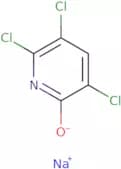
Formule :C7H7BrODegré de pureté :Min. 95%Masse moléculaire :187.03 g/molSodium 3,5,6-trichloro-2-pyridinol
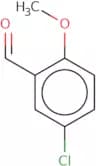
CAS :Sodium 3,5,6-trichloro-2-pyridinol is an inorganic compound that has been shown to be an effective biocide for the removal of hydrogen chloride and hydroxide solution. The optimal reaction was found to be at pH 10.3 with a reaction vessel containing 1% sodium hydroxide solution and a concentration of 0.2 grams per liter of hydrogen chloride. This compound reacts with hydrogen chloride to form hydrochloric acid (HCl) and sodium 3,5,6-trichloro-2-pyridinol hydrochloride (NCTP), which can then be removed by wastewater treatment or precipitation as sodium chloride. NCTP is also used for the treatment of skin conditions such as acne and eczema.Formule :C5HCl3NONaDegré de pureté :Min. 95%Couleur et forme :Off-White SolidMasse moléculaire :220.42 g/mol5-Chloro-2-methoxybenzaldehyde
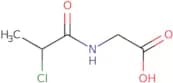
CAS :5-Chloro-2-methoxybenzaldehyde is a potent inhibitor of the bacterial enzyme acetylcholinesterase. It has been shown to have an interaction with biomolecules, such as chalcones, and can be used in the manufacture of antibacterial agents. 5-Chloro-2-methoxybenzaldehyde has been found to have potent inhibitory activity against organocatalytic aldehydes and atypical aldehydes and can be used as an active ingredient in the synthesis of novel compounds with antibacterial activity.Formule :C8H7ClO2Degré de pureté :Min. 95%Couleur et forme :PowderMasse moléculaire :170.59 g/mol2-Chloropropionylglycine
CAS :2-Chloropropionylglycine is an organic chemical compound that is used as a raw material for the production of other chemicals. It is a colorless, odorless solid with a melting point of 131°C. 2-Chloropropionylglycine has high chemical stability and can be used in industrial processes to produce ethyl acetate, sodium carbonate, and carbonates. 2-Chloropropionylglycine can also be used as a precursor for other chemicals such as chlorinated acetic acid and glyoxylic acid.Formule :C5H8ClNO3Degré de pureté :Min. 95%Couleur et forme :PowderMasse moléculaire :165.57 g/mol1-[[2-(4-Chlorophenyl)-4,4-dimethylcyclohex-1-enyl]methyl]piperazine
CAS :1-[[2-(4-Chlorophenyl)-4,4-dimethylcyclohex-1-enyl]methyl]piperazine is a high quality compound that can be used as a reagent or intermediate. It is a complex compound with the CAS No. 1228780-72-0 that is useful in the production of fine chemicals, research chemicals and speciality chemicals. 1-[2-(4-Chlorophenyl)-4,4-dimethylcyclohex-1-enyl]methyl]piperazine is a versatile building block that can be used in reactions to produce specialized products such as pharmaceuticals, agrochemicals, dyes and fragrances.Formule :C19H27ClN2Degré de pureté :Min. 95%Couleur et forme :White PowderMasse moléculaire :318.88 g/molN-1-Adamantyl-2-chloroacetamide
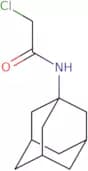
CAS :Adamantyl-2-chloroacetamide is an analog of adamantyl acetamide and has been shown to be a potent inhibitor of Mycobacterium tuberculosis. Adamantyl-2-chloroacetamide inhibits the growth of Mycobacterium tuberculosis by inhibiting the synthesis of DNA, RNA, and protein. This compound also shows selectivity for Mycobacterium tuberculosis over other bacteria such as Escherichia coli. Adamantyl-2-chloroacetamide may have a role in the treatment of tuberculosis because it can inhibit the synthesis of DNA, RNA, and protein in Mycobacterium tuberculosis while leaving these functions intact in other bacteria.
Formule :C12H18ClNODegré de pureté :Min. 95%Couleur et forme :PowderMasse moléculaire :227.73 g/mol3,5-Difluorophenylhydrazine HCl
CAS :3,5-Difluorophenylhydrazine HCl is a versatile building block. It is a fine chemical that is used in research chemicals and speciality chemicals. 3,5-Difluorophenylhydrazine HCl has been used as a reagent and as a reaction component for the synthesis of complex compounds. This chemical may be useful as a scaffold for the construction of novel molecules with desired properties.Formule :C6H6F2N2·HClDegré de pureté :Min. 95%Masse moléculaire :180.58 g/mol3-Chloro-2-fluoroaniline
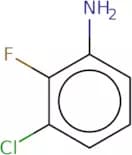
CAS :3-Chloro-2-fluoroaniline is an industrial chemical, which is used to manufacture a variety of other chemicals. 3-Chloro-2-fluoroaniline is the product of the chlorinating reaction between 2-fluoroaniline and hydrochloric acid. It has been used in the synthesis of drugs such as probenecid and sulfinpyrazone, which are used for the treatment of cardiac disease. 3-Chloro-2-fluoroaniline also has chloride ion activity and can be used as a synthetic intermediate for other organic acids.
Formule :C6H5ClFNCouleur et forme :Clear LiquidMasse moléculaire :145.56 g/mol1-Isoquinolin-1-ylmethanamine dihydrochloride
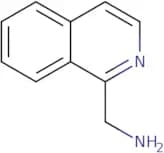
CAS :1-Isoquinolin-1-ylmethanamine dihydrochloride is a versatile building block that can be used for the synthesis of a wide variety of compounds. It is a reagent and speciality chemical, as well as an intermediate or reaction component in the production of pharmaceuticals, agrochemicals, plastics, dyes and other chemicals. 1-Isoquinolin-1-ylmethanamine dihydrochloride has been shown to have high purity and quality.Formule :C10H10N2·2HClDegré de pureté :Min. 95%Couleur et forme :Light Blue SolidMasse moléculaire :231.12 g/molalpha,alpha'-2,3,5,6-Hexachloro-p-xylene
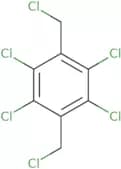
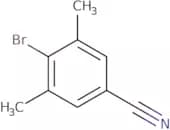
CAS :alpha,alpha'-2,3,5,6-Hexachloro-p-xylene is a chemical compound that is used as a research and speciality chemical. It is a versatile building block that can be used in the synthesis of complex compounds. alpha,alpha'-2,3,5,6-Hexachloro-p-xylene has been used as a reaction component and useful intermediate in the synthesis of many compounds. This compound is also involved in the production of pesticides and pharmaceuticals. CAS No. 1079-17-0Formule :C8H4Cl6Degré de pureté :Min. 95%Masse moléculaire :312.83 g/mol4-Bromo-3,5-dimethylbenzonitrile
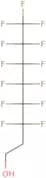
CAS :4-Bromo-3,5-dimethylbenzonitrile is a high quality reagent that has been used as an intermediate in the synthesis of complex compounds. This compound has been shown to be useful in the synthesis of fine chemicals and research chemicals. 4-Bromo-3,5-dimethylbenzonitrile is also a versatile building block for use in reactions for the production of speciality chemicals. The CAS number for this compound is 75344-77-3.Formule :C9H8BrNDegré de pureté :Min. 95%Couleur et forme :PowderMasse moléculaire :210.07 g/mol1H,1H,2H,2H-Tridecafluoro-1-n-octanol
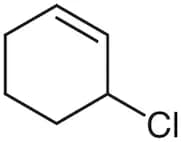
CAS :1H,1H,2H,2H-Tridecafluoro-1-n-octanol is a potent and selective halogenated hydrocarbon. It binds to DNA at the dinucleotide phosphate site, which is an important site for polymerase chain reaction (PCR) activation. 1HFN has been shown to be more effective than other halogenated hydrocarbons in vitro assays on rat liver microsomes. It has been used as an additive in wastewater treatment to remove organic contaminants and metal ions. In vivo studies have been carried out in CD-1 mice to determine the effects of 1HFN on the liver and kidneys; these studies showed no toxicological effects on these organs. 1HFN also has been shown to inhibit enzymes such as cytochrome P450 and monoamine oxidase B that are involved in drug metabolism and may lead to adverse reactions with drugs metabolized by these enzymes.Formule :C8H5F13ODegré de pureté :Min. 95%Masse moléculaire :364.1 g/mol3-Chlorocyclohexene
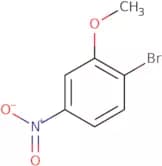
CAS :Formule :C6H9ClDegré de pureté :>95.0%(GC)Couleur et forme :Colorless to Light yellow clear liquidMasse moléculaire :116.592-Bromo-5-nitroanisole
CAS :2-Bromo-5-nitroanisole is a chemical compound that has been shown to have glutamate receptor modulating properties. This molecule also has been shown to have allosteric modulating effects on metabotropic glutamate receptors. The molecular mechanism of 2-Bromo-5-nitroanisole involves the formation of a covalent bond with glutamine residues, which may be due to its nucleophilic character. This drug has been studied in clinical trials for the treatment of Alzheimer's disease and Parkinson's disease. It has also been studied for its effects on the frequency and severity of migraines.Formule :C7H6BrNO3Degré de pureté :Min. 98 Area-%Couleur et forme :PowderMasse moléculaire :232.03 g/mol2-Chloro-6-methylaniline
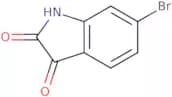
CAS :2-Chloro-6-methylaniline is a molecule that has been used for wastewater treatment and process optimization. It is synthesized from the reaction of amines with trifluoroacetic acid. 2-Chloro-6-methylaniline was found to stimulate the growth of human population in a study conducted at the University of Texas. This molecule has been shown to inhibit the proliferation of t-cells by binding to their surface receptors. 2-Chloro-6-methylaniline has also been shown to be effective in inhibiting dasatinib, which is an anti-cancer drug. 2CMA binds to dasatinib and inhibits its activity by competing with it for binding sites on the protein target. The structure of 2CMA is characterized by proton NMR spectroscopic data and liquid chromatography methods.Formule :C7H8ClNDegré de pureté :Min. 95%Couleur et forme :Colourless To Purple To Brown LiquidMasse moléculaire :141.6 g/mol6-Bromoisatin
CAS :6-Bromoisatin is an antimicrobial agent that belongs to the group of ethylene diamines. It has been shown to be a potent inhibitor of cancer cell viability in vivo and can be used as a potential chemotherapy agent. 6-Bromoisatin is active against human pathogens, such as Staphylococcus aureus and Streptococcus pyogenes. This compound has also been shown to inhibit the growth of LPS-stimulated RAW264.7 macrophages, which are used in vitro for studying innate immunity. The mechanism of action involves inhibition of cyclic AMP production, which leads to cell death in cancer cells. 6-Bromoisatin also inhibits the proliferation and viability of granulosa cells and carcinoma cells, with IC50 values in the range of 0.5 - 2 µM.END>>Formule :C8H4BrNO2Degré de pureté :Min. 95%Couleur et forme :Yellow PowderMasse moléculaire :226.03 g/mol4-Chloro-2-methylbenzoic acid
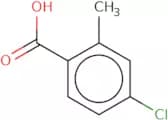
CAS :4-Chloro-2-methylbenzoic acid is a high quality chemical that is used as an intermediate in the preparation of other compounds. It belongs to the group of complex compounds and has CAS No. 7499-07-2. This reagent can be used to synthesize speciality chemicals, research chemicals, and versatile building blocks. 4-Chloro-2-methylbenzoic acid is also useful as a reaction component for the synthesis of fine chemicals, pharmaceuticals, and agrochemicals.Formule :C8H7ClO2Degré de pureté :Min. 95%Masse moléculaire :170.59 g/mol5-(Bromomethyl)-2-chloropyridine
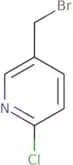
CAS :5-(Bromomethyl)-2-chloropyridine is a drug with mediated activity. It is a potent inhibitor of the enzyme aldehyde oxidase, which is responsible for the oxidation of aldehydes to carboxylic acids. The inhibition of this enzyme leads to an increase in the concentration of reactive aldehydes and reactive oxygen species, which can lead to cell death. 5-(Bromomethyl)-2-chloropyridine has been shown to be effective as an anti-inflammatory agent in animal models and has also been used as an immunosuppressant in organ transplantation. 5-(Bromomethyl)-2-chloropyridine analogues have been synthesized and shown to be potent inhibitors of aldehyde oxidase, with much better pharmacokinetics than the parent molecule.Formule :C6H5BrClNDegré de pureté :Min. 95%Couleur et forme :SolidMasse moléculaire :206.47 g/molTriphenylmethanesulfenyl chloride
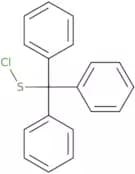
CAS :Triphenylmethanesulfenyl chloride is a nucleophilic reagent that reacts with hydrochloric acid to form triphenylmethanesulfonyl chloride. This compound is a key precursor in the synthesis of technetium-99m, which is used in diagnostic nuclear medicine. Triphenylmethanesulfenyl chloride was first synthesized by K. W. James and J. F. Danielli in 1961 as a means to produce Tc-99m by reacting it with Cl- via nucleophilic substitution at the sulfur atom. The macrocyclic structure of this compound has been determined using X-ray crystal structures and isolated yields have been shown to be high (typically >95%). Triphenylmethanesulfenyl chloride can also be used for the preparation of other organic compounds, such as carbodiimides and carboxamides, through its reaction with carbonic anhydrase or carbodiimide respectively.
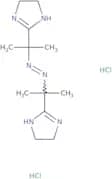
Formule :C19H15ClSDegré de pureté :Min. 95%Couleur et forme :Yellow PowderMasse moléculaire :310.84 g/mol1,2-Bis(2-(4,5-dihydro-1H-imidazol-2-yl)propan-2-yl)diazene dihydrochloride
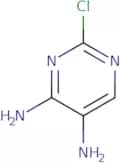
CAS :1,2-Bis(2-(4,5-dihydro-1H-imidazol-2-yl)propan-2-yl)diazene dihydrochloride is an analog of bis(pentafluorophenyl)diazene. It is a surfactant that can be used in micelles or as a solvent for amine reactions. It has been shown to cause death in mice and inhibit the growth of cells. The mechanism of this compound's effects is not fully understood but may involve the transfer of pentafluorophenyl groups from one molecule to another.Formule :C12H24Cl2N6Degré de pureté :Min. 95%Couleur et forme :White PowderMasse moléculaire :323.26 g/mol2-Chloro-4,5-diaminopyrimidine
CAS :2-Chloro-4,5-diaminopyrimidine is a pyrimidine compound with the molecular formula CHClN. It can be synthesized by reacting glycine and phenol with piperidine in the presence of hydrochloric acid. 2-Chloro-4,5-diaminopyrimidine has a solubility of 1.2 g/100 mL in water and reacts with quinine to form a red solution. This product also reacts with proline to produce an orange solution that fluoresces green when exposed to UV light. 2-Chloro-4,5-diaminopyrimidine has been used as an intermediate in the synthesis of other compounds such as pyridoxal phosphate and cefixime.Formule :C4H5ClN4Degré de pureté :Min. 95%Couleur et forme :PowderMasse moléculaire :144.56 g/mol



![(R)-Benzyl-2-[4-(trifluoromethyl)phenyl]-6,7-dihydro-5H-pyrrolo[2,1-c][1,2,4]triazolium Tetrafluor…](/_next/image/?url=https%3A%2Fstatic.cymitquimica.com%2Fproducts%2F3D%2Fthumb-webp%2FFB59921.webp&w=3840&q=75)

![[(5-Cyclopropyl-1,2,4-oxadiazol-3-yl)methyl]amine hydrochloride](/_next/image/?url=https%3A%2Fstatic.cymitquimica.com%2Fproducts%2F3D%2Fthumb-webp%2FFC121975.webp&w=3840&q=75)
![Chloro[1,3-bis(2,6-diisopropylphenyl)imidazol-2-ylidene]copper(I)](/_next/image/?url=https%3A%2Fstatic.cymitquimica.com%2Fproducts%2F3D%2Fthumb-webp%2FFC60942.webp&w=3840&q=75)


![5,7-Dichloro-1H-imidazo[4,5-b]pyridine](/_next/image/?url=https%3A%2Fstatic.cymitquimica.com%2Fproducts%2F3D%2Fthumb-webp%2FFD139433.webp&w=3840&q=75)





![1-[[2-(4-Chlorophenyl)-4,4-dimethylcyclohex-1-enyl]methyl]piperazine](/_next/image/?url=https%3A%2Fstatic.cymitquimica.com%2Fproducts%2F3D%2Fthumb-webp%2FFC145625.webp&w=3840&q=75)