Halogénures organiques
Sous-catégories appartenant à la catégorie "Halogénures organiques"
20442 produits trouvés pour "Halogénures organiques"
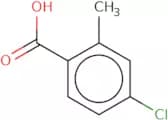
4-Chloro-2-methylbenzoic acid
CAS :4-Chloro-2-methylbenzoic acid is a high quality chemical that is used as an intermediate in the preparation of other compounds. It belongs to the group of complex compounds and has CAS No. 7499-07-2. This reagent can be used to synthesize speciality chemicals, research chemicals, and versatile building blocks. 4-Chloro-2-methylbenzoic acid is also useful as a reaction component for the synthesis of fine chemicals, pharmaceuticals, and agrochemicals.Formule :C8H7ClO2Degré de pureté :Min. 95%Masse moléculaire :170.59 g/molPyridazin-4-ylmethanamine hydrochloride
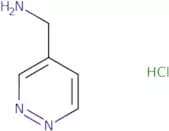
CAS :Pyridazin-4-ylmethanamine hydrochloride is a fine chemical that is used as a building block for more complex molecules. It is an intermediate in the synthesis of many organic compounds and has been used as a reagent to generate new compounds. This compound can be used as a versatile building block, as it can react with other chemicals to form new compounds. Pyridazin-4-ylmethanamine hydrochloride is also an effective scaffold for generating new drugs and pharmaceuticals.Formule :C5H8ClN3Degré de pureté :Min. 95%Couleur et forme :Yellow PowderMasse moléculaire :145.59 g/mol4-Chloro-6-iodoquinazoline
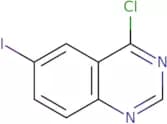
CAS :4-Chloro-6-iodoquinazoline is a synthetic molecule that binds to the tyrosine kinase domain of trifluoroacetic acid polymerase chain (TFPPC) and inhibits its activity. 4-Chloro-6-iodoquinazoline has been shown to have antifilarial and anti-cancer properties. In addition, it has been shown to be an effective inhibitor of epidermal growth factor (EGF), which is a potent mitogen for cells in culture. In clinical studies, 4-chloro-6-iodoquinazoline has been shown to be safe for use in humans.Formule :C8H4ClIN2Degré de pureté :Min. 95%Masse moléculaire :290.49 g/mol(S)-3-Amino-4-(1-naphthyl)butanoic acid hydrochloride
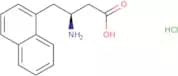
CAS :(S)-3-Amino-4-(1-naphthyl)butanoic acid hydrochloride is a high quality chemical that is used as a reaction component for the synthesis of complex organic compounds. It may also be used to produce fine chemicals, pharmaceuticals, and other useful compounds. This product has a wide variety of uses including as an intermediate in the production of speciality chemicals, as a building block for synthesizing more complex compounds, or as a precursor to producing other useful chemicals.Formule :C14H16ClNO2Degré de pureté :Min. 95%Couleur et forme :White PowderMasse moléculaire :265.74 g/mol3-Bromophthalide
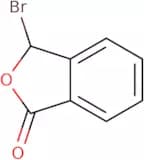
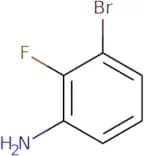
CAS :3-Bromophthalide is a potent antibacterial agent that blocks the synthesis of fatty acids, leading to bacterial cell death. It can be used to treat metabolic disorders and heart disease. 3-Bromophthalide has an antibacterial action against many Gram-positive bacteria, including methicillin-resistant Staphylococcus aureus (MRSA) and Clostridium perfringens, but not against acid-fast bacteria such as Mycobacterium tuberculosis or Mycobacterium avium complex. The mechanism of antibacterial activity is due to its ability to inhibit the synthesis of fatty acids by blocking enzymes in the fatty acid biosynthetic pathway. 3-Bromophthalide also has antiinflammatory effects, which may be due to its ability to inhibit prostaglandin synthesis.Formule :C8H5BrO2Degré de pureté :Min. 95%Masse moléculaire :213.03 g/mol3-Bromo-2-fluoroaniline
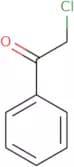
CAS :3-Bromo-2-fluoroaniline is a reagent, complex compound, and useful intermediate. It is used as a building block for chemical syntheses, such as the synthesis of pharmaceuticals and agrochemicals. 3-Bromo-2-fluoroaniline can be used in chemical reactions to form amines or nitriles, which are useful scaffolds for the synthesis of other compounds. 3-Bromo-2-fluoroaniline is also used as a building block in organic chemistry reactions that require an electron acceptor. This chemical has many applications in research chemicals and speciality chemicals production.Formule :C6H5BrFNDegré de pureté :Min. 95%Couleur et forme :Colourless To Pale Yellow LiquidMasse moléculaire :190.01 g/mol2-Chloroacetophenone
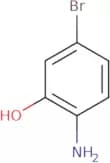
CAS :Produit contrôlé2-Chloroacetophenone is a chemical that has been shown to be an effective inhibitor of the enzyme form of the human acetylcholinesterase. It is used in experimental studies for its ability to inhibit the activity of other enzymes such as polymerase chain, which is involved in DNA replication. 2-Chloroacetophenone has also been shown to have anti-cancer properties, inhibiting skin cancer cells and cancer cells derived from cardiac tissue. The drug also has anti-inflammatory properties and can be used for the treatment of arthritis. 2-Chloroacetophenone's toxicity has been studied extensively and it does not appear to affect glomerular filtration rate or body mass index significantly, although it may affect receptor activity.Formule :C8H7ClODegré de pureté :Min. 95%Couleur et forme :PowderMasse moléculaire :154.59 g/mol2-Amino-5-bromophenol
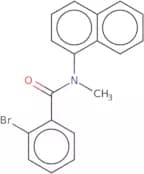
CAS :2-Amino-5-bromophenol is a chemical that is used as a substrate in the study of intracellular Ca2+ levels. 2-Amino-5-bromophenol can also be used to study the activity of microperoxidases, enzymes that are involved in the metabolism of hydrogen peroxide and organic hydroperoxides. 2-Amino-5-bromophenol has been shown to have anticancer activity against MCF7 cells, an estrogen receptor positive cell line. The anticancer activity may be due to the inhibition of protein synthesis by 2-amino-5-bromophenol binding to DNA. This binding prevents transcription and translation of genes that code for proteins involved in cancer cell proliferation and survival.Formule :C6H6BrNODegré de pureté :Min. 95%Couleur et forme :Off-White To Brown SolidMasse moléculaire :188.02 g/molN-Methyl-N-(1-naphthyl)-2-bromobenzamide
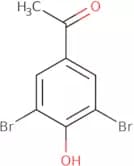
CAS :N-Methyl-N-(1-naphthyl)-2-bromobenzamide is a high quality reagent that is used as a complex compound. It has CAS No. 74881-58-6 and it can be used as a useful intermediate, fine chemical or speciality chemical. N-Methyl-N-(1-naphthyl)-2-bromobenzamide is also a versatile building block that is used in reactions to synthesize other compounds.Formule :C18H14BrNODegré de pureté :Min. 95%Masse moléculaire :340.21 g/mol3',5'-Dibromo-4'-hydroxyacetophenone
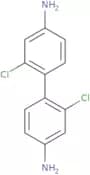
CAS :3',5'-Dibromo-4'-hydroxyacetophenone is a chemical compound that belongs to the group of methides. It has been shown to have anticancer activity and can inhibit the growth of cancer cells in culture. 3',5'-Dibromo-4'-hydroxyacetophenone is synthesized by an aerobic oxidation reaction with a biomimetic oxidant, such as hydrogen peroxide, potassium permanganate, or sodium perborate. The yields from this reaction are relatively low, with only about 10% of the starting material being converted to product. The use of a catalyst such as iron(III) chloride may increase the yield. 3',5'-Dibromo-4'-hydroxyacetophenone also inhibits cancer cell lines but not normal cells.Formule :C8H6Br2O2Degré de pureté :Min. 95%Masse moléculaire :293.94 g/mol2,2'-Dichloro-1,1'-biphenyl-4,4'-diamine
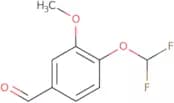
CAS :2,2'-Dichloro-1,1'-biphenyl-4,4'-diamine is a chemical that belongs to the class of organic compounds known as amines. It is insoluble in water and has a molecular weight of 190.8 g/mol. 2,2'-Dichloro-1,1'-biphenyl-4,4'-diamine has been shown to be carcinogenic in animals and can cause coagulation problems in humans. The compound also shows anti-inflammatory properties by inhibiting the production of prostaglandins.Formule :C12H10Cl2N2Degré de pureté :Min. 95%Couleur et forme :White/Off-White SolidMasse moléculaire :253.13 g/mol3-Methoxy-4-(difluoromethoxy)benzaldehyde
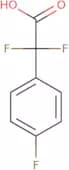
CAS :3-Methoxy-4-(difluoromethoxy)benzaldehyde is a chemical compound that has been found to have anti-tumor properties. It inhibits tumor cells by inducing cell apoptosis. 3-Methoxy-4-(difluoromethoxy)benzaldehyde induces apoptosis in human carcinoma cells, with optimal activity at doses of 10 micromolar and higher. This chemical can be used as an anti-tumor agent because it shows no genotoxic effects, and has high yield with a low toxicity profile. When this compound is exposed to UV radiation, the formation of reactive oxygen species (ROS) increases the rate of cell death. 3-Methoxy-4-(difluoromethoxy)benzaldehyde also has anti-inflammatory properties, which may be due to its ability to inhibit prostaglandin synthesis.Formule :C9H8F2O3Degré de pureté :Min. 95%Couleur et forme :Colourless To Pale Yellow LiquidMasse moléculaire :202.15 g/mol2,2-Difluoro-2-(4-fluorophenyl)acetic acid
CAS :2,2-Difluoro-2-(4-fluorophenyl)acetic acid is a versatile building block that can be used as a reagent in the synthesis of complex compounds. This chemical is also an intermediate in the synthesis of pharmaceuticals and agrochemicals. It can be used as a speciality chemical for research purposes. The compound has been shown to have high quality and is useful as a scaffold for the synthesis of other compounds.Formule :C8H5F3O2Degré de pureté :Min. 95%Couleur et forme :White To Off-White SolidMasse moléculaire :190.12 g/mol3,4-Difluoro-2-methoxybenzonitrile
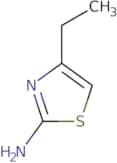
CAS :3,4-Difluoro-2-methoxybenzonitrile is an organic chemical compound that is a useful scaffold for the synthesis of complex compounds. It reacts with nucleophiles such as Grignard reagents to form a wide range of products. 3,4-Difluoro-2-methoxybenzonitrile has been shown to be a versatile building block for the synthesis of high quality and speciality chemicals, including pharmaceuticals and agrochemicals. This chemical is also used as a research chemical, which can be used in drug discovery and development. The CAS number for this chemical is 886496-72-6.Formule :C8H5F2NODegré de pureté :Min. 95%Couleur et forme :Clear LiquidMasse moléculaire :169.13 g/mol4-Ethyl-1,3-thiazol-2-amine
CAS :4-Ethyl-1,3-thiazol-2-amine is a tertiary amine that is used as an alkylating agent. It has been shown to react with alcohols and form tertiary amines. 4-Ethyl-1,3-thiazol-2-amine can also react with carboxylic acids to form esters and with aldehydes to form acetals. This compound has been used in the synthesis of compounds such as aminothiazoles and thiazole.
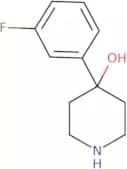
Formule :C5H8N2SDegré de pureté :Min. 95%Masse moléculaire :128.2 g/mol4-(3-Fluorophenyl)-4-piperidinol
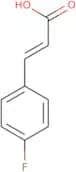
CAS :4-(3-Fluorophenyl)-4-piperidinol is a useful chemical intermediate that can be used as a versatile building block in organic synthesis. It can be used as a reaction component and can serve as a speciality chemical, complex compound, or reagent. 4-(3-Fluorophenyl)-4-piperidinol has been identified by the Chemical Abstracts Service (CAS) number 80119-54-6. This product is of high quality and is not harmful to humans.Formule :C11H14FNODegré de pureté :Min. 95%Couleur et forme :Orange PowderMasse moléculaire :195.23 g/mol4-Fluorocinnamic acid
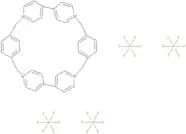
CAS :4-Fluorocinnamic acid is a potent inhibitor of bacterial growth. It inhibits the activity of enzymes that are involved in the synthesis of fatty acids and amino acids, such as triticum aestivum and trifluoroacetic acid. 4-Fluorocinnamic acid has been shown to be an effective inhibitor of bacterial growth in vitro, with a contact time of 10 minutes. The effective dose for this compound was determined to be 1 mg/L. 4-Fluorocinnamic acid has also been found to have a mineralization effect on wastewater treatment and can inhibit the activity of enzymes involved in the production of inflammatory mediators, such as lipoxygenase and cyclooxygenase.Formule :C9H7FO2Degré de pureté :Min. 95%Couleur et forme :PowderMasse moléculaire :166.15 g/molCyclobis(paraquat-1,4-phenylene) tetrakis(hexafluorophosphate)
CAS :Cyclobis(paraquat-1,4-phenylene) tetrakis(hexafluorophosphate) (CPQTF) is a polyether that has been shown to have antiviral and anti-inflammatory properties. CPQTF is a chiral molecule which has the ability to form filaments at high temperatures. The temperature at which this polymer changes from a liquid to a filament is dependent on the concentration of polymer in solution. CPQTF has also been shown to have coagulation properties and can be used in cosmetics.Formule :C36H32F24N4P4Degré de pureté :Min. 95%Couleur et forme :White PowderMasse moléculaire :1,100.52 g/mol3-Chlorophenylhydrazine hydrochloride
CAS :3-Chlorophenylhydrazine hydrochloride is a pyrazole that has been shown to have potent antibacterial activity. It is used in the treatment of inflammatory diseases and has been shown to be effective against Helicobacter pylori, which causes gastritis, peptic ulcers, and stomach cancer. 3-Chlorophenylhydrazine hydrochloride is an acidic compound with a molecular weight of 192.2 g/mol. It contains a pyrazole ring that is eluted with hydrochloric acid and reacts with gyrase enzymes in bacteria, inhibiting DNA synthesis. 3-Chlorophenylhydrazine hydrochloride also has anti-inflammatory properties due to its ability to inhibit prostaglandin synthesis.Formule :C6H7ClN2•HClDegré de pureté :Min. 95%Couleur et forme :PowderMasse moléculaire :179.05 g/molPentaerythrityl tetrachloride
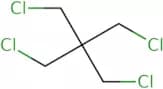
CAS :Pentaerythrityl tetrachloride is a chemical compound that has been shown to inhibit the activity of a number of enzymes. It is used as an industrial chemical for wastewater treatment, for the production of carbon tetrachloride, glycol ethers and phosphates, as well as in the manufacture of polymers and adhesives. Pentaerythrityl tetrachloride has also been shown to have anti-inflammatory properties by inhibiting growth factor-β1. This compound is also used in research to study nuclear DNA and silicon-zirconium oxide nanocomposite materials.Formule :C5H8Cl4Degré de pureté :Min. 95%Couleur et forme :PowderMasse moléculaire :209.93 g/molL-Threonine tert-butyl ester hydrochloride
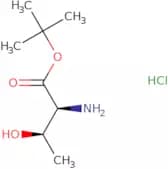
CAS :L-Threonine tert-butyl ester hydrochloride is a fine chemical that is used as a building block for complex compounds. It is also a reagent and speciality chemical with many uses in research, including the synthesis of pharmaceuticals. L-Threonine tert-butyl ester hydrochloride can be used as an intermediate in the synthesis of high quality pharmaceuticals, such as antibiotics and antifungals. This product is also useful as a scaffold for new drug development.
Formule :C8H17NO3·HClDegré de pureté :Min. 95%Couleur et forme :White PowderMasse moléculaire :211.69 g/mol2,6-Dichlorobenzoic acid
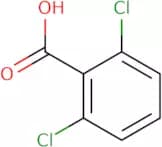
CAS :2,6-Dichlorobenzoic acid (2,6-DCBA) is a chemical substance that can be found in groundwater. 2,6-DCBA is metabolized by colon cells to produce metabolites, including 2,4-dichlorophenol and 4-chlorophenylacetic acid. The metabolic reaction products have been shown to inhibit the uptake of radioactive iodine by Caco-2 cells. 2,6-DCBA is also a monocarboxylic acid with two nitrogen atoms. It has been shown to have acute toxicities in rats and other animals. This substance can also be used as an analytical reagent for the determination of metals such as iron and copper.Formule :C7H4Cl2O2Degré de pureté :Min. 95%Couleur et forme :PowderMasse moléculaire :191.01 g/mol1-Methylazetidin-3-amine dihydrochloride
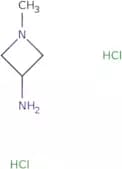
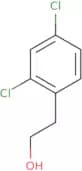
CAS :1-Methylazetidin-3-amine dihydrochloride is a synthetic chemical compound that is used as a reagent, high quality, complex intermediate, and fine chemical. It has been shown to be useful in the synthesis of various compounds and has been reported as a useful scaffold for organic synthesis. This compound also exhibits versatile building block properties due to its ability to react with various functional groups. 1-Methylazetidin-3-amine dihydrochloride has been found to be a useful reaction component in the production of pharmaceuticals, pesticides, and other products.Formule :C4H12Cl2N2Degré de pureté :Min. 95%Couleur et forme :White PowderMasse moléculaire :159.06 g/mol2-(2,4-Dichlorophenyl)ethanol
CAS :2-(2,4-Dichlorophenyl)ethanol is an organic compound that can be synthesized by reacting 2,4-dichlorobenzoic acid with trifluoroacetic acid in the presence of a base. The reaction scheme is:Formule :C8H8Cl2ODegré de pureté :Min. 95%Masse moléculaire :191.05 g/mol5,7-Dichloro-1H-imidazo[4,5-b]pyridine
CAS :5,7-Dichloro-1H-imidazo[4,5-b]pyridine is a synthetic compound that has been shown to inhibit the replication of herpes simplex virus in cell culture. It is active against a broad range of viruses including HIV and influenza A. The antiviral potency of 5,7-dichloro-1H-imidazo[4,5-b]pyridine against herpes simplex virus may be due to its ability to act as an agonist on adenosine receptor subtypes such as A2aR. This drug also has immunosuppressive properties and can be used for the treatment of immunodeficiency disorders.
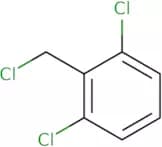
Formule :C6H3Cl2N3Degré de pureté :Min. 95%Couleur et forme :PowderMasse moléculaire :188.01 g/mol2,6-Dichloro benzyl chloride
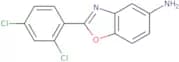
CAS :2,6-Dichloro benzyl chloride is a dichlorobenzyl that has been shown to have antitubercular activity. It reacts with chlorine in the presence of a catalyst to form 2,6-dichlorobenzaldehyde and hydrogen chloride. This reaction yields an excellent yield of 70% or more. The antitubercular activity of 2,6-dichlorobenzyl chloride is due to its ability to inhibit the growth rate of Mycobacterium tuberculosis. Studies have shown that this compound inhibits the synthesis of nucleic acids by inhibiting RNA and DNA synthesis in bacteria, which prevents protein synthesis and cell division.Formule :C7H5Cl3Degré de pureté :Min. 95%Couleur et forme :PowderMasse moléculaire :195.47 g/mol2-(2,4-Dichlorophenyl)-1,3-benzoxazol-5-amine
CAS :2-(2,4-Dichlorophenyl)-1,3-benzoxazol-5-amine is a versatile building block that can be used in a wide range of chemical reactions. The compound is a reagent and speciality chemical with CAS No. 293737-83-4. It is an intermediate in the synthesis of pharmaceuticals and pesticides, as well as a useful scaffold for the synthesis of other compounds. 2-(2,4-Dichlorophenyl)-1,3-benzoxazol-5-amine has been shown to have high quality and can be used as a reaction component or building block in research labs.
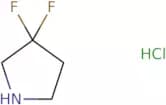
Formule :C13H8Cl2N2ODegré de pureté :Min. 95%Couleur et forme :PowderMasse moléculaire :279.12 g/mol3,3-Difluoropyrrolidine hydrochloride
CAS :3,3-Difluoropyrrolidine hydrochloride is a pharmacokinetic agent that is used for the treatment of diabetes. It is an inhibitor of dipeptidase and other peptidases, which are enzymes that break down proteins into smaller molecules. 3,3-Difluoropyrrolidine hydrochloride inhibits these enzymes and thus slows the breakdown of proteins in the body. This drug has a high oral bioavailability and is rapidly absorbed after oral administration. It also has a high selectivity for inhibition of dipeptidase over other types of peptidases, which may lead to fewer side effects. 3,3-Difluoropyrrolidine hydrochloride is soluble in water but insoluble in organic solvents such as alcohol or acetone.Formule :C4H8ClF2NDegré de pureté :Min. 95%Couleur et forme :Off-White PowderMasse moléculaire :143.56 g/mol(S)-(-)-2-Chloro-3-[4(5)-imidazolyl]propionic acid
CAS :(S)-(-)-2-Chloro-3-[4(5)-imidazolyl]propionic acid is a high quality reagent that is used as an intermediate in the synthesis of complex compounds. It has been used as a building block for the synthesis of different types of compounds with speciality chemicals, such as research chemicals and reaction components. This compound is also versatile and can be used to synthesize both small and large molecules. The CAS number for this chemical is 17561-26-1.Formule :C6H7ClN2O2Degré de pureté :Min. 95%Couleur et forme :White To Beige SolidMasse moléculaire :174.58 g/mol4-[2-(3,4-Dimethoxyphenyl)-1,2-dibromoethyl]-1,2-dimethoxybenzene
CAS :4-[2-(3,4-Dimethoxyphenyl)-1,2-dibromoethyl]-1,2-dimethoxybenzene is a high quality chemical that is an intermediate for the synthesis of other compounds. It has been used as a reagent in the synthesis of complex compounds and has been shown to be useful for the production of fine chemicals. This compound can also be used as a scaffold or building block in organic chemistry. The versatility of 4-[2-(3,4-Dimethoxyphenyl)-1,2-dibromoethyl]-1,2-dimethoxybenzene makes it an important reaction component in organic chemistry and research chemicals.Formule :C18H20Br2O4Degré de pureté :Min. 95%Masse moléculaire :460.16 g/molBiphenyl-2-sulfonyl chloride
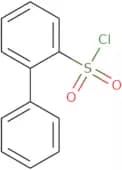
CAS :Biphenyl-2-sulfonyl chloride is a solvate that has anti-cancer properties. It inhibits the activity of histone deacetylase, which is an enzyme that controls gene expression. Biphenyl-2-sulfonyl chloride also prevents deformylation and hydroxamates, which are important in the development of neurodegenerative diseases such as Parkinson's disease and Alzheimer's disease.
Formule :C12H9ClO2SDegré de pureté :Min. 95%Couleur et forme :PowderMasse moléculaire :252.72 g/molTrt-cysteamine hydrochloride
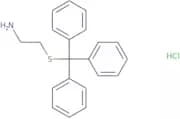
CAS :Trt-cysteamine hydrochloride is a prodrug that is metabolized to cysteamine in vivo. Cysteamine inhibits the production of tumor necrosis factor (TNF) by binding to its receptor and blocking NF-κB signaling pathways. In vitro models have shown that trt-cysteamine hydrochloride has minimal effects on cells, but when used in vivo, it can inhibit oxidative stress and induce cell death. Trt-cysteamine hydrochloride also binds to molecular targets with disulfide bonds, which may be potential therapeutic targets for cancer treatment.Formule :C21H21NS·HClDegré de pureté :Min. 95%Couleur et forme :White Off-White PowderMasse moléculaire :355.92 g/mol3-(2-Chlorophenyl)-2-phenyl-3H-indole
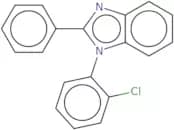
CAS :3-(2-Chlorophenyl)-2-phenyl-3H-indole is a versatile building block that can be used as a precursor in the synthesis of a wide range of complex compounds. 3-(2-Chlorophenyl)-2-phenyl-3H-indole has been shown to be an effective reagent for the synthesis of heterocycles and useful for the preparation of diverse speciality chemicals. 3-(2-Chlorophenyl)-2-phenyl-3H-indole is also an important intermediate in the synthesis of pharmaceuticals, agrochemicals, dyes, and perfumes. It is also a useful scaffold for organic chemistry reactions and can serve as a reaction component because it contains two reactive groups.Formule :C19H13ClN2Degré de pureté :Min. 95%Masse moléculaire :304.77 g/mol5-Chloro-2-fluorobenzaldehyde
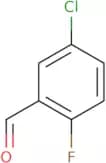
CAS :5-Chloro-2-fluorobenzaldehyde is an efficient method for synthesizing substituted benzoic acid derivatives. It is a useful reagent in the acylation reaction. 5-Chloro-2-fluorobenzaldehyde also has high yields and can be used as a substitute for other more toxic or expensive compounds.
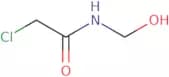
Formule :C7H4ClFODegré de pureté :Min. 95%Masse moléculaire :158.56 g/mol2-Chloro-N-(hydroxymethyl)acetamide
CAS :2-Chloro-N-(hydroxymethyl)acetamide (2CHAA) is an inhibitor that has been shown to be effective against a number of infectious diseases. 2CHAA inhibits the growth of bacteria by inhibiting the synthesis of proteins from RNA. This drug is also active against viruses, including herpes simplex virus and human immunodeficiency virus type 1, as well as fungi, such as Aspergillus niger. 2CHAA has no genotoxic effects in humans, but it does have carcinogenic potential and can cause allergic reactions. It also reacts with strong acids to form toxic compounds.
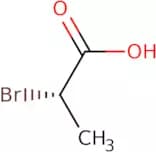
Formule :C3H6ClNO2Degré de pureté :Min. 95%Couleur et forme :White PowderMasse moléculaire :123.54 g/mol(S)-2-Bromopropionic acid
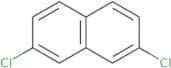
CAS :(S)-2-Bromopropionic acid is a synthetic compound that has been shown to bind to an antigen. The structure activity relationship of this compound has been studied in order to find a suitable surrogate for the synthesis of (S)-2-Bromopropionic acid. This compound was synthesized using solid-phase chemistry and the resulting product was purified by HPLC. The synthetic route for (S)-2-Bromopropionic acid included d-alanine, which was used as the biomolecular building block. The alkylation reaction involved the use of chloroacetic acid and methyl iodide, which were reacted with d-alanine in aqueous solution at room temperature. After hydrolysis, ester linkages were introduced with methanol and acetic anhydride. The final product was purified by recrystallization from methanol and acetone.Formule :C3H5BrO2Degré de pureté :Min. 95%Couleur et forme :Slightly Yellow Clear LiquidMasse moléculaire :152.97 g/mol2,7-Dichloronaphthalene
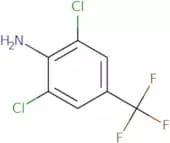
CAS :2,7-Dichloronaphthalene is a chlorinated organic chemical that has been used as an insecticide and acaricide. It is metabolized by cytochrome P-450 to form 2,7-dichloronaphthalene oxide, which is then converted to 2,7-dichloronaphthoic acid. This chemical can accumulate in adipose tissue and the liver of animals exposed to it. It also bioconcentrates in aquatic organisms and biomagnifies in food chains. 2,7-Dichloronaphthalene is not acutely toxic because it does not readily penetrate the skin or respiratory tract. Chronic exposure by ingestion or inhalation can cause adverse effects on the central nervous system, cardiac system, and blood cells. The most toxic effect of 2,7-dichloronaphthalene is its carcinogenic potential for humans and animals.Formule :C10H6Cl2Degré de pureté :Min. 95%Couleur et forme :White PowderMasse moléculaire :197.06 g/mol2,6-Dichloro-4-(trifluoromethyl)aniline
CAS :2,6-Dichloro-4-(trifluoromethyl)aniline is a colorless solid that is soluble in organic solvents. It is used as an absorber of chloride gas and other gases. 2,6-Dichloro-4-(trifluoromethyl)aniline reacts with hydrochloric acid to produce diazonium salt and chloride ions. The diazonium salt reacts with organic solvent and hydrogen gas to form the reaction products. In the presence of carbon dioxide and hydrogen chloride, 2,6-dichloro-4-(trifluoromethyl)aniline undergoes chlorinating reactions to produce hydrogen chloride gas and the chlorinated product.Formule :C7H4Cl2F3NDegré de pureté :Min. 95%Couleur et forme :PowderMasse moléculaire :230.01 g/mol2,2'-Diiodobiphenyl
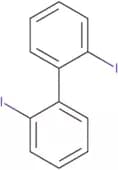
CAS :2,2'-Diiodobiphenyl is a preparative reagent that can be used to prepare diazonium salts. It is prepared by reacting an alkynyl group with an activatable probe. The product of this reaction has the same reactivity as the parent compound, but with a different spatial orientation and chemical properties. The 2,2'-diiodophenyl can be used for the preparation of carbazoles and transfer reactions. The following are some examples of 2,2'-diiodophenyl compounds: -Ethane-1,1'-dibromo-2,2'-diiodobiphenyl -Carbazole-4-carboxaldehyde -Naphthalene-1,5-dicarboxaldehydeFormule :C12H8I2Degré de pureté :Min. 95%Couleur et forme :PowderMasse moléculaire :406 g/mol3,5-Diaminobenzoic acid dihydrochloride
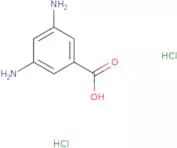
CAS :3,5-Diaminobenzoic acid dihydrochloride (DABA) is a potent inhibitor of peroxidase and has been shown to inhibit the activity of hydrogen peroxide. It has been used in medicine as an antiseptic and disinfectant. 3,5-Diaminobenzoic acid dihydrochloride also inhibits uncatalysed and catalysed reactions. The inhibition of these reactions is due to the reaction with hydrogen peroxide, which causes the formation of potent inhibitory species that are capable of reacting with other molecules. These reactions lead to a decrease in the rate of reaction. This product also exhibits potent inhibitory activity towards peroxidase and can be used for the treatment of infections caused by bacteria, such as Mycobacterium tuberculosis or Mycobacterium avium complex.Formule :C7H8N2O2·2HClMasse moléculaire :225.07 g/mol3-Methyl-6-nitro-2,4,5-trifluorobenzoic acid
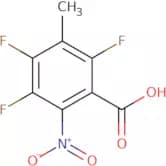
CAS :3-Methyl-6-nitrobenzoic acid is a chemical intermediate in the production of nitrobenzene, which is used as a precursor to other chemicals. It can be used for the synthesis of 3-methyl-6-nitrobenzoic acid (used in the synthesis of pesticides) and 3,5-dimethyl-2,4,6-trinitrobenzoic acid (used in the synthesis of dyes). This chemical has been recrystallized and contains less than 1% impurities such as halogens or methylbenzoic acid.Formule :C8H4F3NO4Degré de pureté :Min. 95%Masse moléculaire :235.12 g/mol2-Bromo-5-methoxybenzoic acid methyl ester
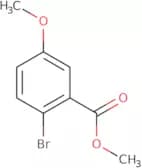
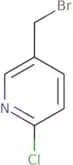
CAS :2-Bromo-5-methoxybenzoic acid methyl ester is an antibiotic with a broad spectrum of activity against bacteria, including Staphylococcus aureus and Pseudomonas aeruginosa. 2-Bromo-5-methoxybenzoic acid methyl ester is an inhibitor of the enzyme benzohydrazide, which is involved in the production of prostaglandins. This drug also has antioxidant activity and can inhibit the growth of Escherichia coli and Cereus. 2-Bromo-5-methoxybenzoic acid methyl ester has analgesic properties and was shown to have analgesic activities in animal tests.Formule :C9H9BrO3Degré de pureté :Min. 95%Couleur et forme :Clear LiquidMasse moléculaire :245.07 g/mol5-(Bromomethyl)-2-chloropyridine
CAS :5-(Bromomethyl)-2-chloropyridine is a drug with mediated activity. It is a potent inhibitor of the enzyme aldehyde oxidase, which is responsible for the oxidation of aldehydes to carboxylic acids. The inhibition of this enzyme leads to an increase in the concentration of reactive aldehydes and reactive oxygen species, which can lead to cell death. 5-(Bromomethyl)-2-chloropyridine has been shown to be effective as an anti-inflammatory agent in animal models and has also been used as an immunosuppressant in organ transplantation. 5-(Bromomethyl)-2-chloropyridine analogues have been synthesized and shown to be potent inhibitors of aldehyde oxidase, with much better pharmacokinetics than the parent molecule.Formule :C6H5BrClNDegré de pureté :Min. 95%Couleur et forme :SolidMasse moléculaire :206.47 g/mol5-Chloro-2-nitrocinnamic acid
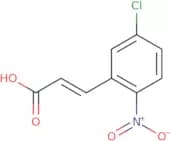
CAS :5-Chloro-2-nitrocinnamic acid is a fine chemical with a CAS number of 20357-28-2. It is a versatile building block that can be used as a reaction component or intermediate in the synthesis of more complex compounds. The high purity and quality of 5-Chloro-2-nitrocinnamic acid makes it an ideal reagent for research purposes, and it can be used as a building block for the synthesis of useful scaffolds.
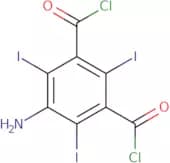
Formule :C9H6ClNO4Degré de pureté :Min. 95%Masse moléculaire :227.6 g/mol5-Amino-2,4,6,-triiodoisophthaloyl dichloride
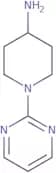
CAS :5-Amino-2,4,6,-triiodoisophthaloyl dichloride is a triiodinated compound that has been shown to bind to the receptor for asialoglycoprotein. It is used in the diagnosis of liver and kidney diseases. 5-Amino-2,4,6,-triiodoisophthaloyl dichloride is taken up by tissues and organs and causes damage to these tissues. The chloride ion binds to the molecule, making it more water soluble. The lactobionic acid residue is then cleaved off by an enzyme in the cell called beta-galactosidase. This leaves a molecule containing iodine which can be detected with a diagnostic technique such as X-ray crystallography or nuclear magnetic resonance spectroscopy.Formule :C8H2Cl2I3NO2Degré de pureté :Min. 95%Couleur et forme :Slightly Yellow PowderMasse moléculaire :595.73 g/mol1-Pyrimidin-2-ylpiperidin-4-amine dihydrochloride
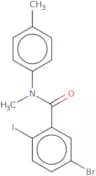
CAS :1-Pyrimidin-2-ylpiperidin-4-amine dihydrochloride is a high quality, crystalline compound with a CAS number of 1179369-48-2. It is an intermediate in the synthesis of various fine chemicals, including pharmaceuticals and pesticides. 1-Pyrimidin-2-ylpiperidin-4-amine dihydrochloride also has applications as a versatile building block for the synthesis of other compounds and is used as a reaction component in organic chemistry. This reagent can be used to synthesize many different compounds for use in research or medical purposes.Formule :C9H14N4·2HClDegré de pureté :Min. 95%Couleur et forme :PowderMasse moléculaire :251.16 g/mol2-Iodo-N-methyl-N-p-tolylbenzamide
CAS :2-Iodo-N-methyl-N-p-tolylbenzamide is a fine chemical that has the CAS No. 1387529-49-8 and is a versatile building block with a wide range of applications, including research chemicals, reaction components and speciality chemicals. 2-Iodo-N-methyl-N-p-tolylbenzamide is soluble in organic solvents such as ethers, chloroform and benzene, while insoluble in water. It has been shown to be a useful intermediate for the synthesis of complex compounds and can be used as a reagent to prepare other compounds. 2Iodo-Nmethyl--Np--tolylbenzamide has been shown to have high quality and is an excellent building block for synthesizing pharmaceuticals.
Formule :C15H13BrINODegré de pureté :Min. 95%Masse moléculaire :430.08 g/mol5-Iodocytosine
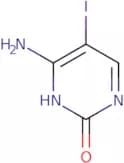
CAS :5-Iodocytosine (5-IC) is an analog of cytosine that can be used as a precursor for the synthesis of thymine. 5-IC has been shown to cross-couple with DNA, which may contribute to its antiviral potency. 5-IC is also a potent inhibitor of dna replication and herpes simplex virus. The biochemical properties of 5-IC have been extensively studied, including its ability to react with hydrochloric acid to form the corresponding tautomers. The hydrolysis rate increases at higher pH values and decreases at lower pH values. Bioconjugate chemistry has been applied to synthesize a bioconjugated prodrug of 5-IC for cancer treatment.
Formule :C4H4IN3ODegré de pureté :Min. 95%Couleur et forme :PowderMasse moléculaire :237 g/mol1-(4-Bromophenyl)piperazine hydrochloride
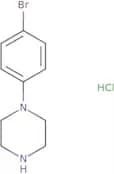
CAS :Produit contrôlé1-(4-Bromophenyl)piperazine hydrochloride is a linker that binds to serotonin receptors. It has been shown to inhibit the reuptake of serotonin, which may lead to an increase in the neurotransmitter's level in the synaptic cleft. The compound also inhibits the production of 5-hydroxytryptamine and other monoamine neurotransmitters, which can lead to anaphylactic reactions in humans.Formule :C10H14BrClN2Degré de pureté :Min. 95%Masse moléculaire :277.59 g/mol2-(3,5-Dichlorophenyl)ethanamine
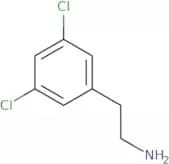
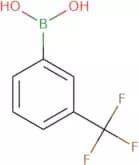
CAS :Produit contrôlé2-(3,5-Dichlorophenyl)ethanamine is a versatile building block that can be used in research and development of many compounds. This compound is a fine chemical that has been used as a reagent in organic synthesis. 2-(3,5-Dichlorophenyl)ethanamine is a useful intermediate and reaction component in the synthesis of other organics. It can also be used as a scaffold to synthesize more complicated molecules.Formule :C8H9Cl2NDegré de pureté :Min. 95%Couleur et forme :Clear LiquidMasse moléculaire :190.07 g/mol3-(Trifluoromethyl)phenylboronic acid
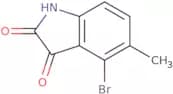
CAS :3-(Trifluoromethyl)phenylboronic acid is a potent fatty acid that inhibits the release of TNF-α, a pro-inflammatory cytokine. 3-(Trifluoromethyl)phenylboronic acid binds to the p65 subunit of NF-κB, thereby preventing its activation. This limits the production of reactive oxygen species and neutrophil infiltration in response to LPS-induced lung injury. 3-(Trifluoromethyl)phenylboronic acid also has anti-inflammatory potential, inhibiting the activation of CRTH2 and reducing emissions from diesel engine exhausts. The molecule is homologous to fenofibrate, which belongs to a class of drugs that are used for lowering blood cholesterol. 3-(Trifluoromethyl)phenylboronic acid is not active against life threatening bacterial infections caused by other bacteria.Formule :C7H6BF3O2Degré de pureté :Min. 95%Couleur et forme :PowderMasse moléculaire :189.93 g/mol4-Bromo-5-methyl-1H-indole-2,3-dione
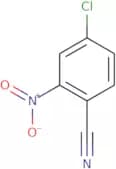
CAS :4-Bromo-5-methyl-1H-indole-2,3-dione is a synthetic molecule that has been shown to have neuroprotective effects. It inhibits the production of proinflammatory cytokines, such as tnf-α and il-6, by binding to survivin. 4Bromo-5 methyl 1Hindole 2,3 dione also binds to the viral capsid protein and blocks virus infection. This compound has been shown to inhibit viral replication in vitro as well as provide protection against alphavirus infection in mice.Formule :C9H6BrNO2Degré de pureté :Min. 95%Masse moléculaire :240.05 g/mol4-Chloro-2-nitrobenzonitrile
CAS :4-Chloro-2-nitrobenzonitrile is a nitroarene that can be used to synthesize gold nanoparticles. It has been shown to inhibit the growth of Candida parapsilosis, an opportunistic fungal pathogen, with a halide anion and a catalytic inorganic base. 4-Chloro-2-nitrobenzonitrile also inhibits the activity of butyrylcholinesterase, which is an enzyme that breaks down acetylcholine in the brain and nervous system. This compound may be useful in the synthesis of pharmaceuticals as well as other synthetic applications.
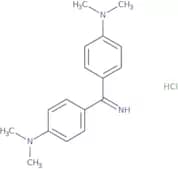
Formule :C7H3ClN2O2Masse moléculaire :182.56 g/molAuramine O hydrochloride
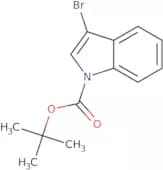
CAS :Produit contrôléAuramine O hydrochloride is a fluorescent dye that is used in the diagnosis of wastewater. Auramine O hydrochloride is a reactive dye that binds to malonic acid and forms stable complexes. It has been used as a fluorescence probe for polymerase chain reaction (PCR) detection of human serum samples, and it has been shown to be thermodynamically stable under conditions of pH 8-12, at temperatures up to 80°C, and in the presence of organic solvents. In addition, this dye can be activated with UV light or sodium hypochlorite solution. This dye also reacts with amino groups on proteins and lipids on cell membranes, which makes it useful for microscopy studies.Formule :C17H21N3•HClCouleur et forme :Yellow PowderMasse moléculaire :303.83 g/moltert-Butyl 3-bromo-1H-indole-1-carboxylate
CAS :Tert-Butyl 3-bromo-1H-indole-1-carboxylate is a versatile building block that can be used in the synthesis of complex compounds. It is a useful reagent and speciality chemical, as well as a useful intermediate in the production of research chemicals. Tert-Butyl 3-bromo-1H-indole-1-carboxylate has been found to be a useful scaffold for drug design and development, with potential applications in cancer treatment.Formule :C13H14BrNO2Degré de pureté :Min. 95%Couleur et forme :White To Off-White SolidMasse moléculaire :296.16 g/mol1,3-Bis(chloromethyl)tetramethyldisiloxane
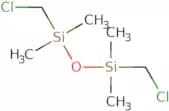
CAS :1,3-Bis(chloromethyl)tetramethyldisiloxane is a reaction component that is used for the synthesis of other chemicals. It has a molecular weight of 172.2 g/mol and a CAS No. of 2362-10-9. This chemical is useful as a scaffold for complex compounds or as an intermediate in the synthesis of speciality chemicals. It is also a versatile building block, which can be used to synthesize many different types of compounds. 1,3-Bis(chloromethyl)tetramethyldisiloxane has been shown to have high purity and quality due to its high reactivity and usefulness in the synthesis of organic compounds.Formule :C6H16Cl2OSi2Degré de pureté :Min. 95%Couleur et forme :PowderMasse moléculaire :231.27 g/mol4,5-Dimethoxy-2-(trimethylsilyl)phenyl trifluoromethanesulfonate
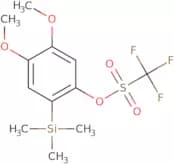
CAS :4,5-Dimethoxy-2-(trimethylsilyl)phenyl trifluoromethanesulfonate is a reagent for the synthesis of propiolates. It is prepared by reacting methyl propiolate with tetrachloride, hexachloroethane, or tetrabromide in acetonitrile. The reactants are heated to reflux under argon and then cooled to room temperature. This product is an ionic liquid that can be used as a solvent. 4,5-Dimethoxy-2-(trimethylsilyl)phenyl trifluoromethanesulfonate is a zwitterion and reacts with amines to form quaternary ammonium salts. It can also be used for the synthesis of unactivated transition metal complexes by reacting it with palladium and amines.
Formule :C12H17F3O5SSiDegré de pureté :Min. 95%Couleur et forme :Colorless PowderMasse moléculaire :358.41 g/molTetrabutylammonium fluoride - 75 wt. % in H2O
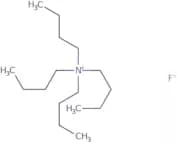
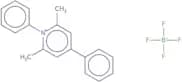
CAS :Tetrabutylammonium fluoride is a strong base which reacts with the hydroxyl group of a carboxylic acid to form a salt and hydrogen fluoride. The nucleophilic nature of tetrabutylammonium and its high polarity make it an excellent catalyst for this reaction. Tetrabutylammonium fluoride has been shown to react with sodium salts in nonpolar solvents, such as benzene or toluene, to form quinoline derivatives. It also has been used in the synthesis of x-ray crystal structures of organic molecules by reacting with carbonyl groups, such as acetaldehyde. Tetrabutylammonium fluoride can interact chemically with other compounds, such as hydrogen bond formation with amines or reactions with amides.Formule :C16H36FNDegré de pureté :Min. 95%Couleur et forme :Clear LiquidMasse moléculaire :261.46 g/mol2,6-Dimethyl-1,4-diphenylpyridinium tetrafluoroborate
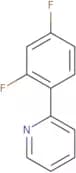
CAS :2,6-Dimethyl-1,4-diphenylpyridinium tetrafluoroborate is a high quality reagent that can be used as a useful intermediate in the synthesis of fine chemicals. It is used as an important building block in the synthesis of many organic compounds and is also an important reaction component. This compound has a wide range of uses and can be used as a versatile building block in organic synthesis or as a speciality chemical for research purposes.Formule :C19H18N·BF4Degré de pureté :Min. 95%Masse moléculaire :347.16 g/mol2-(2,4-Difluorophenyl)pyridine
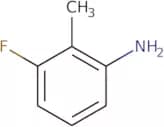
CAS :2-(2,4-Difluorophenyl)pyridine (2DPP) is a x-ray crystal structure that has been shown to be ancillary and have anticancer activity. 2DPP has a redox potential of -0.52 V, which is high resistance against reduction. It is also an aldehyde group with two nitrogen atoms and two hydrochloric acid groups. 2DPP can produce light emission in the presence of chloride and picolinic acid and has been shown to be photophysics. The structural analysis of 2DPP reveals that it has a molecular weight of 184.07 g/mol and a melting point of 272 degrees Celsius. This compound also binds to mitochondrial membranes in the presence of light, which is responsible for its optical properties.Formule :C11H7F2NDegré de pureté :Min. 95%Couleur et forme :Colourless To Light (Or Pale) Yellow To Tan LiquidMasse moléculaire :191.18 g/mol3-Fluoro-2-methylaniline
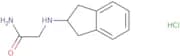
CAS :3-Fluoro-2-methylaniline is a reactive, electron-deficient compound that can react with cytochromes. It has been shown to bind to the microsomal preparations of rat liver and inhibit the interaction of 3-fluoro-2-methylaniline with cytochrome P450 system by stereoselective interactions. The molecular modelling studies revealed that this drug inhibits the reaction intermediate between cocrystallized benzoate and 3-fluoro-2-methylaniline.Formule :C7H8FNDegré de pureté :Min. 95%Couleur et forme :Yellow To Dark Red LiquidMasse moléculaire :125.14 g/mol2-(Indenylamino)acetamide, hydrochloride salt
CAS :2-(Indenylamino)acetamide, hydrochloride salt is a potential drug that is an uptake inhibitor. It prevents the uptake of dopamine in the brain and has been shown to be neuroprotective in animal research. It also has potential to treat diabetic neuropathy, inflammatory diseases, and pain. The kinetic properties of this drug were studied using rat striatal cells. 2-(Indenylamino)acetamide, hydrochloride salt inhibits the transport of dopamine into these cells by blocking the movement of dopamine from outside the cell to inside the cell. This drug could potentially be used for treatment of Parkinson's disease or other conditions involving dopaminergic dysfunction.Formule :C11H15ClN2ODegré de pureté :Min. 95%Couleur et forme :PowderMasse moléculaire :226.7 g/molMethyl 3-chlorosulfonylthiophene-2-carboxylate
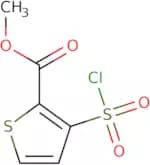
CAS :Methyl 3-chlorosulfonylthiophene-2-carboxylate is a chemical compound that belongs to the family of thiophene carboxylic acid esters. It has been used for the synthesis of bioactive molecules, such as tenoxicam, and heteroarylations. Methyl 3-chlorosulfonylthiophene-2-carboxylate can be used in cross-coupling reactions with chloride as a reagent and is regiospecific. This chemical has also been shown to be reactive towards proteins, nucleic acids, and other biomolecules.
Formule :C6H5ClO4S2Degré de pureté :Min. 95%Couleur et forme :PowderMasse moléculaire :240.69 g/mol2-Fluoro-3-nitrotoluene
CAS :2-Fluoro-3-nitrotoluene is a synthetic compound that is used as a drug substance to produce other drugs. It has been shown to inhibit cardiac contractility and can be used in the treatment of cardiogenic shock. This drug also has a low degree of toxicity and can be administered in an outpatient setting. 2-Fluoro-3-nitrotoluene is not symmetrical, which means it has two different shapes or configurations. One of these configurations is more stable than the other one. 2-Fluoro-3-nitrotoluene has two possible isomers that are mirror images of each other, called enantiomers. These two isomers have opposite effects on cardiac contractility and the effect depends on the type of heart disease being treated.Formule :C7H6FNO2Degré de pureté :Min. 95%Couleur et forme :Yellow Clear LiquidMasse moléculaire :155.13 g/mol3-Chloro-4-methoxybenzylamine hydrochloride
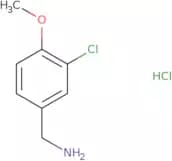
CAS :3-Chloro-4-methoxybenzylamine hydrochloride is a quinoline derivative that inhibits the activity of phosphodiesterase 5, an enzyme that breaks down cGMP in the brain. This drug has been shown to increase levels of cGMP and decrease levels of low energy (i.e., low ATP) in synaptosomes. 3-Chloro-4-methoxybenzylamine hydrochloride may be useful for the treatment of Alzheimer's disease, as it has been shown to improve cognitive function and memory in animal models. The mechanism of action is not fully understood but may involve inhibition of cholinergic neurotransmission or activation of nitric oxide synthase.Formule :C8H10ClNO•HClDegré de pureté :Min. 95%Couleur et forme :PowderMasse moléculaire :208.08 g/mol2,3,4-Trifluoronitrobenzene
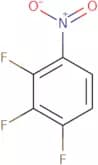
CAS :2,3,4-Trifluoronitrobenzene is a chemical compound that contains fluorine and nitrogen. It can be used in the synthesis of medicines to treat cancer and autoimmune diseases. The reaction of 2,3,4-trifluoronitrobenzene with hydrochloric acid produces hydrogen fluoride and nitrous acid. Hydroxide solution is then added to the mixture, which causes a series of chemical reactions involving hydrogen ions. This process results in the formation of a factor receptor that is activated by growth factors. This activated factor receptor is then involved in eye disorders such as age-related macular degeneration and retinitis pigmentosa.Formule :C6H2F3NO2Degré de pureté :Min. 95%Masse moléculaire :177.08 g/mol3-(2-Chlorophenyl)-1-phenylpropene-1-one
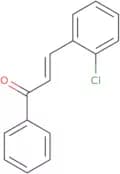
CAS :3-(2-Chlorophenyl)-1-phenylpropene-1-one is an amide that is synthesized by the acylation of 3-phenylpropene-1-one with 2,3,5,6-tetrafluorobenzoyl chloride in the presence of a base. The proton transport mechanism is initiated by the addition of a proton to the carbonyl group and then proceeds through an intermediate called a chalcone. This reaction can be accomplished using biomimetic methods or by using chalcones and halides as intermediates.Formule :C15H11ClODegré de pureté :Min. 95%Masse moléculaire :242.7 g/mol5-Amino-4-bromo-3-methylpyrazole hydrobromide
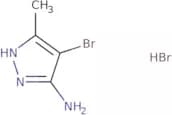
CAS :5-Amino-4-bromo-3-methylpyrazole hydrobromide is an intermediate in the synthesis of a variety of compounds. It is also a building block for the synthesis of heterocycles, such as pyrazoles, indazoles, benzoxazoles, and benzothiazoles. 5-Amino-4-bromo-3-methylpyrazole hydrobromide can be used as a reagent to synthesize pharmaceuticals and other useful compounds. 5-Amino-4-bromo-3-methylpyrazole hydrobromide is a versatile building block that can be used in the synthesis of many different types of compounds. This compound has been shown to react with various groups on organic molecules to form new chemical structures.Formule :C4H6BrN3•BrHDegré de pureté :Min. 95%Couleur et forme :PowderMasse moléculaire :256.93 g/mol3-Bromothiophene-2-carbaldehyde
CAS :3-Bromothiophene-2-carbaldehyde is an organic compound that has been shown to have antibacterial activity. It can be synthesized by reacting triethyl orthoformate with methyl ketones in the presence of a photocatalyst such as titanium dioxide or zinc oxide. This reaction produces 3-bromothiophene-2-carboxylic acid which reacts with ammonia and hydrogen bromide to form 3-bromothiophene-2-carbaldehyde. 3-Bromothiophene-2-carbaldehyde has been shown to inhibit the growth of cancer cells and induce apoptosis, which may be due to its ability to inhibit angiogenesis. The anticancer properties are most likely due to its ability to bind DNA and inhibit protein synthesis, leading to cell death.
Formule :C5H3BrOSDegré de pureté :Min. 95%Couleur et forme :White To Yellow To Light Brown SolidMasse moléculaire :191.05 g/mol3-(Trimethylsilyl)-2-naphthyl trifluoromethanesulfonate
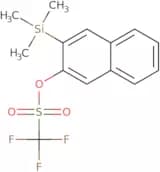
CAS :3-(Trimethylsilyl)-2-naphthyl trifluoromethanesulfonate is a synthetic molecule that is used to synthesize benzofurans. 3-(Trimethylsilyl)-2-naphthyl trifluoromethanesulfonate is activated by reaction with N-bromosuccinimide, which creates an electrophilic carbon center. This electrophilic center reacts with nucleophiles such as alcohols, amines, and thiols to form a new bond. The product of this reaction is benzoylated, which can then undergo further reactions to form other compounds. X-ray crystallography has been used to characterize the structure of 3-(trimethylsilyl)-2-naphthyl trifluoromethanesulfonate.Formule :C14H15F3O3SSiDegré de pureté :Min. 95%Couleur et forme :Colorless Clear LiquidMasse moléculaire :348.41 g/molTri(octyl-decyl)methylammonium chloride - R=C8-C10
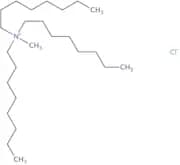
CAS :Tri(octyl-decyl)methylammonium chloride (TODMA) is a quaternary ammonium salt that has been used as a wastewater treatment agent. TODMA has shown to adsorb particles of chitosan, which are positively charged and hydrophilic. Chitosan is an acidic polymer that can be used in the development of nanoparticulate compositions for therapeutic use. TODMA has been shown to have physiological effects in the body, such as lowering blood pressure and heart rate and producing a sense of calmness. It also has been shown to affect chloride levels in the body and inhibit water vapor from leaving the lungs. This compound can be synthesized by reacting hydrogen fluoride with chloroethane. The thermodynamic data for this compound is available on line at http://www.webelements.com/trioctyldecylammoniumchloride/.Formule :C25H54ClNDegré de pureté :Min. 95%Couleur et forme :Colorless Clear LiquidMasse moléculaire :404.16 g/mol4,4'-Difluorodiphenyliodonium chloride
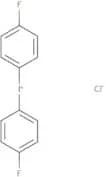
CAS :4,4'-Difluorodiphenyliodonium chloride is a hydrolyzed derivative of 4,4'-difluorodiphenyliodonium bromide that has been optimized for use in the rumen. It is used to reduce the population of ruminal microbes and to increase the digestibility of fiber in cattle rations. 4,4'-Difluorodiphenyliodonium chloride is also capable of reducing bacterial populations in plant cell cultures by inhibiting microbial growth. This compound is able to inhibit the production of fatty acids from dietary protein and may be useful as an anti-obesity agent.Formule :C12H8ClF2IDegré de pureté :Min. 98 Area-%Couleur et forme :PowderMasse moléculaire :352.55 g/molNesfatin-1 (mouse) trifluoroacetate salt
CAS :Please enquire for more information about Nesfatin-1 (mouse) trifluoroacetate salt including the price, delivery time and more detailed product information at the technical inquiry form on this pageFormule :C424H683N117O137Degré de pureté :Min. 95%Masse moléculaire :9,611.67 g/mol2-Bromo-4-methylphenol
CAS :2-Bromo-4-methylphenol is an organic compound that has interactive effects with hydrochloric acid, molybdenum, and trifluoromethanesulfonic acid. It is soluble in water vapor, but insoluble in polyvinyl. 2-Bromo-4-methylphenol reacts with sodium hydroxide solution to form a hydroxide solution and sodium carbonate. The reaction product of 2-bromo-4-methylphenol with triterpenoid saponin produces fatty acids. This reaction occurs because the hydroxide ion from the sodium hydroxide solution attacks the ester group of the saponin, forming an alcohol group on one end and a carboxylic acid group on the other end. The benzyl groups are removed by hydrogenation to produce phenol.
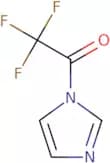
Formule :C7H7BrODegré de pureté :Min. 95%Masse moléculaire :187.03 g/mol1-(Trifluoroacetyl)imidazole
CAS :1-(Trifluoroacetyl)imidazole is a fatty acid that can be found in the chemical ionization of a sample. It is used as an analytical reagent to prepare chromatographic samples for analysis. 1-(Trifluoroacetyl)imidazole has been shown to have biological properties, such as binding to α2-adrenergic receptors and inhibiting the synthesis of retronecine. The concentration and time course of 1-(Trifluoroacetyl)imidazole in plasma and urine has been studied using an analytical method.Formule :C5H3F3N2ODegré de pureté :Min. 95%Couleur et forme :PowderMasse moléculaire :164.09 g/mol3-(1,1,2,2-Tetrafluoroethoxy)phenol
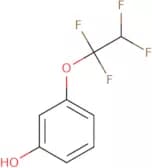
CAS :3-(1,1,2,2-Tetrafluoroethoxy)phenol is a versatile building block that can be used in the synthesis of complex compounds. It is also a reagent and speciality chemical and has CAS No. 53997-99-2. 3-(1,1,2,2-Tetrafluoroethoxy)phenol is a useful building block for organic synthesis and has been used as a reaction component or scaffold.
Formule :C8H6F4O2Degré de pureté :Min. 95%Masse moléculaire :210.13 g/molHoechst 33342
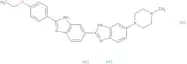
CAS :2'-(4-Ethoxyphenyl)-5-(4-methyl-1-piperazinyl)-2,5'-bi-1H-benzimidazole trihydrochloride (EPMB) is a DNA binding agent that is used in tumor detection and research into apoptosis. It has been shown to inhibit the activity of p-glycoprotein, which is an efflux pump protein, and Bcl-2 protein. EPMB has also been shown to cause apoptosis in human squamous cell carcinoma cells in a concentration dependent manner. This compound has shown potential as a treatment for cancer because it inhibits the ability of cancer cells to proliferate by binding to the NMDA receptor.
Formule :C27H28N6O·3HCl·xH2ODegré de pureté :Min. 95%Couleur et forme :Yellow PowderMasse moléculaire :561.93 g/mol1-(4-Bromophenyl)piperazine
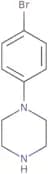
CAS :Produit contrôlé1-(4-Bromophenyl)piperazine is a chemical that is used in the synthesis of pharmaceuticals, such as antidepressants. It has been shown to inhibit monoamine neurotransmitter reuptake, including serotonin and dopamine. It also has an inhibitory effect on 5-hydroxytryptamine (5HT) release from nerve terminals and its binding to the 5HT7 receptor. 1-(4-Bromophenyl)piperazine can be used in chromatographic methods for validation of impurities, potential impurities, and other substances.
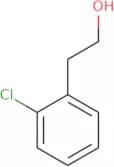
Formule :C10H13BrN2Degré de pureté :Min. 95 Area-%Couleur et forme :PowderMasse moléculaire :241.13 g/mol2-(2-Chlorophenyl)ethanol
CAS :2-(2-Chlorophenyl)ethanol is a chemical used to synthesize aldehydes and fatty acids. It is also used to validate the purity of products, such as bulk drugs. 2-(2-Chlorophenyl)ethanol can be found in solvents, impurities, and chlorobenzene. It is not recommended for use at temperatures above 50°C or below -10°C. This chemical should not be left in contact with plastic or rubber tubing for extended periods of time because it may cause discoloration or cracking. 2-(2-Chlorophenyl)ethanol is not radioactive, but it may become so after irradiation.
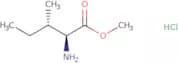
2-(2-Chlorophenyl)ethanol can be found in solvents, impurities, and chlorobenzene. It is not recommended for use at temperatures above 50°C or below -10°C. This chemical should not be left in contact with plastic orFormule :C8H9ClODegré de pureté :Min. 95%Masse moléculaire :156.61 g/molL-Isoleucine methyl ester hydrochloride
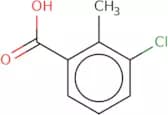
CAS :L-Isoleucine methyl ester hydrochloride (LIME) is a chemical pesticide that inhibits the synthesis of prostaglandins. It is used to treat inflammatory bowel disease and cancer, as well as other inflammatory diseases. LIME is metabolized by an enzyme called synthase to produce L-methionine methyl ester hydrochloride, which is a substrate for another enzyme called nitric oxide synthase. Nitrous acid and butyric acid are two metabolites of LIME that have been shown to inhibit the production of beta-amyloid peptides. One study has also shown that LIME can reduce the levels of vitamin D3 in rats with colitis.Formule :C7H16ClNO2Degré de pureté :Min. 95%Couleur et forme :PowderMasse moléculaire :181.66 g/mol3-Chloro-2-methylbenzoic acid
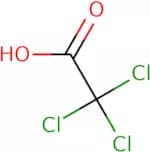
CAS :3-Chloro-2-methylbenzoic acid is a fine chemical, useful building block and versatile compound. It is a reagent for the production of other chemicals, such as pharmaceuticals and cosmetics. 3-Chloro-2-methylbenzoic acid is also used in research, where it can be used as a building block or scaffold for the synthesis of complex molecules. This chemical has many industrial applications, including use in manufacturing pesticides and herbicides.Formule :C8H7ClO2Degré de pureté :Min. 95%Couleur et forme :PowderMasse moléculaire :170.59 g/molTrichloroacetic acid
CAS :Trichloroacetic acid is a chemical compound that is commonly used as an analytical reagent. It is a white solid that can be dissolved in water and has a faint odor of chlorine. Trichloroacetic acid is used to measure the concentration of sodium trifluoroacetate in biological samples or as an analytical reagent in various chemical reactions. Trichloroacetic acid has been shown to cause oxidative injury to cells, which may be due to its ability to inhibit growth factor-β1 synthesis and glycol ether metabolism. Trichloroacetic acid also causes cancer cells to die by inducing apoptosis, which may be due to its ability to inhibit basic protein synthesis.
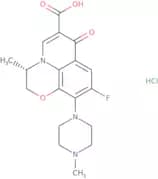
Formule :C2HCl3O2Degré de pureté :Min. 95%Couleur et forme :White/Off-White SolidMasse moléculaire :163.39 g/molLevofloxacin hydrochloride
CAS :Levofloxacin is a fluoroquinolone antibiotic that inhibits bacterial DNA gyrase and topoisomerase IV, which are enzymes that maintain the integrity of bacterial DNA. It binds to bacterial 16S ribosomal RNA and inhibits protein synthesis, leading to cell death by inhibiting the production of proteins vital for cell division. Levofloxacin has been shown to be effective against many infectious diseases, including urinary tract infections and some types of pneumonia. Levofloxacin also has inhibitory properties against gram-positive bacteria such as Streptococcus pyogenes and Staphylococcus aureus. The mechanism of action is not fully understood, but it is believed that levofloxacin interferes with protein synthesis by binding to the 30S subunit of the bacterial ribosome. The drug also binds to benzalkonium chloride (BAK) in wastewater treatment systems, which may contribute to its effectiveness in theseFormule :C18H20FN3O4•HClDegré de pureté :Min. 95%Couleur et forme :PowderMasse moléculaire :397.83 g/molPotassiumtetrachloroaurate(III)
CAS :Potassiumtetrachloroaurate(III) is a chemical compound with the molecular formula KAuCl4. It is a white solid that has been shown to have anti-cancer properties in animal studies. Potassiumtetrachloroaurate(III) has also been found to be toxic to bacteria, such as Pseudomonas aeruginosa. The redox potential of potassiumtetrachloroaurate(III) can be changed by adding copper chloride or sodium citrate, which may affect its toxicity towards bacteria.
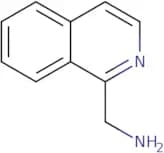
Formule :AuCl4KDegré de pureté :Min. 95%Masse moléculaire :377.88 g/mol1-Isoquinolin-1-ylmethanamine dihydrochloride
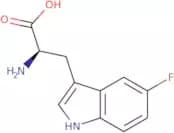
CAS :1-Isoquinolin-1-ylmethanamine dihydrochloride is a versatile building block that can be used for the synthesis of a wide variety of compounds. It is a reagent and speciality chemical, as well as an intermediate or reaction component in the production of pharmaceuticals, agrochemicals, plastics, dyes and other chemicals. 1-Isoquinolin-1-ylmethanamine dihydrochloride has been shown to have high purity and quality.Formule :C10H10N2·2HClDegré de pureté :Min. 95%Couleur et forme :Light Blue SolidMasse moléculaire :231.12 g/mol5-Fluoro-D-Tryptophan
CAS :5-Fluoro-D-Tryptophan is a fluorescent substrate for the enzyme indoleamine 2,3 dioxygenase (IDO) that is used in assays to determine the activity of this enzyme. IDO is an enzyme that is found in animals and catalyzes the first step in tryptophan metabolism by converting it to 5-fluoro-kynurenine. The amount of fluorescence generated can be detected with a fluorescence detector. 5-Fluoro-D-Tryptophan has been shown to have higher levels of uptake by tumor tissue than by normal tissue, which may be due to its ability to inhibit protein synthesis and cell division.Formule :C11H11FN2O2Degré de pureté :Min. 95%Couleur et forme :White/Off-White SolidMasse moléculaire :222.22 g/mol6-(Bromomethyl)-2-methyl-4(3H)-quinazolinone
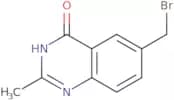
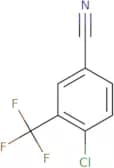
CAS :6-(Bromomethyl)-2-methyl-4(3H)-quinazolinone (6BMQ) is a synthetic molecule that has been designed to mimic the pharmacophores of quinazoline drugs. This compound is hydrolyzed by alkaline hydrolysis and acetylated in acidic conditions. 6BMQ binds to DNA and inhibits DNA synthesis, leading to cell death. It also has anti-cancer activity, which may be due to its ability to hybridize with DNA. 6BMQ is also a chalcone derivative with an acidic hydrolysis product.Formule :C10H9BrN2ODegré de pureté :Min. 95%Couleur et forme :Off-White PowderMasse moléculaire :253.1 g/mol4-Chloro-3-(trifluoromethyl)benzonitrile
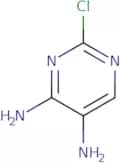
CAS :4-Chloro-3-(trifluoromethyl)benzonitrile is a polyketone that is synthesized from biphenylene and chloroform. It is an isomer of 3-chlorobenzonitrile and can be used as a monomer for the synthesis of polyketones. 4-Chloro-3-(trifluoromethyl)benzonitrile undergoes sequential acylation with acetyl chloride to form 4-chloro-3-(trifluoromethyl)phenol, which undergoes electrophilic polycondensation with ethylene glycol to form the final product. This process can be done in one step by reacting the biphenylene, chloroform, and acetyl chloride together in presence of heat.Formule :C8H3ClF3NDegré de pureté :Min. 95%Couleur et forme :SolidMasse moléculaire :205.56 g/mol2-Chloro-4,5-diaminopyrimidine
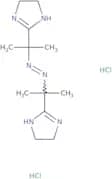
CAS :2-Chloro-4,5-diaminopyrimidine is a pyrimidine compound with the molecular formula CHClN. It can be synthesized by reacting glycine and phenol with piperidine in the presence of hydrochloric acid. 2-Chloro-4,5-diaminopyrimidine has a solubility of 1.2 g/100 mL in water and reacts with quinine to form a red solution. This product also reacts with proline to produce an orange solution that fluoresces green when exposed to UV light. 2-Chloro-4,5-diaminopyrimidine has been used as an intermediate in the synthesis of other compounds such as pyridoxal phosphate and cefixime.Formule :C4H5ClN4Degré de pureté :Min. 95%Couleur et forme :PowderMasse moléculaire :144.56 g/mol1,2-Bis(2-(4,5-dihydro-1H-imidazol-2-yl)propan-2-yl)diazene dihydrochloride
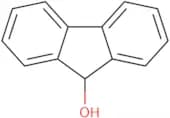
CAS :1,2-Bis(2-(4,5-dihydro-1H-imidazol-2-yl)propan-2-yl)diazene dihydrochloride is an analog of bis(pentafluorophenyl)diazene. It is a surfactant that can be used in micelles or as a solvent for amine reactions. It has been shown to cause death in mice and inhibit the growth of cells. The mechanism of this compound's effects is not fully understood but may involve the transfer of pentafluorophenyl groups from one molecule to another.Formule :C12H24Cl2N6Degré de pureté :Min. 95%Couleur et forme :White PowderMasse moléculaire :323.26 g/mol9-Hydroxyfluorene
CAS :Produit contrôlé9-Hydroxyfluorene is a chiral compound that exhibits antimicrobial activity. It has been shown to inhibit the growth of bacteria by interacting with bacterial DNA and preventing RNA synthesis. 9-Hydroxyfluorene binds to bacterial DNA, specifically the nitrogen atoms, which are not present in mammalian DNA. This binding causes the formation of intramolecular hydrogen bonds that inhibits bacterial DNA replication. 9-Hydroxyfluorene also interacts with cellular membranes, inhibiting protein synthesis and cell division. The antimicrobial properties of 9-hydroxyfluorene are due to its ability to bind to bacterial membranes and form hydrogen bonds at specific sites on the membrane surface. This binding alters the membrane's physical properties, leading to cell death.Formule :C13H10ODegré de pureté :Min. 95%Masse moléculaire :182.22 g/molLithium fluoride
CAS :Lithium fluoride (LiF) is a chemical compound that has high chemical stability and kinetic energy. It can be used as a laser medium or to generate light in the infrared region. Lithium fluoride is used to produce fluorine gas by reaction with hydrochloric acid, which is then reacted with hydrogen fluoride to produce hydrogen trifluoride. Lithium fluoride is also used for biological purposes, such as the treatment of hyperthyroidism. In addition, lithium fluoride can be used to treat syphilis and other sexually transmitted diseases because it has an inhibitory effect on bacterial growth. Lithium fluoride also inhibits erythrocyte proliferation by inhibiting DNA synthesis and protein synthesis in vivo.Formule :LiFDegré de pureté :Min. 95%Couleur et forme :PowderMasse moléculaire :25.94 g/mol[3-Methyl-4-(2,2,2-trifluoro-ethoxy)-pyridin-2-yl]-methanol
CAS :[3-Methyl-4-(2,2,2-trifluoro-ethoxy)-pyridin-2-yl]-methanol is a synthetic organic compound that is used in the synthesis of other organic compounds. It can be purified by filtration or gasification and recrystallization.Degré de pureté :Min. 95%Couleur et forme :PowderPentafluorophenyl hydrazine
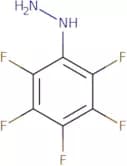
CAS :Pentafluorophenyl hydrazine is an organic compound with the formula CHC(F)NH. It is a reactive species that participates in chemical reactions involving free radicals, such as oxidative DNA damage. Pentafluorophenyl hydrazine reacts with fatty acids to form trifluoroacetyl esters and pentafluorophenyl esters, which can be analyzed by gas chromatography-mass spectrometry. Pentafluorophenyl hydrazine is also used for the preparation of hydrochloric acid and carbonyl group derivatives. This compound can be prepared by reacting trifluoroacetic acid with phenol or phenol ethers under acidic conditions.Formule :C6F5NHNH2Degré de pureté :Min. 95%Couleur et forme :White PowderMasse moléculaire :198.09 g/mol3-(Trifluoromethoxy)iodobenzene
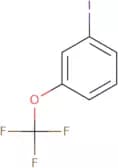
CAS :3-(Trifluoromethoxy)iodobenzene is a reagent for organic synthesis that has a high quality and versatile reactivity. It can be used in the preparation of useful scaffolds, which are novel and useful building blocks. 3-(Trifluoromethoxy)iodobenzene is also a useful intermediate for the synthesis of complex compounds. 3-(Trifluoromethoxy)iodobenzene has been shown to have antioxidant properties and can be used as a fine chemical.Formule :C7H4F3IODegré de pureté :Min. 95%Couleur et forme :Clear LiquidMasse moléculaire :288.01 g/mol4'-Chloro-3'-methylacetophenone, 95%
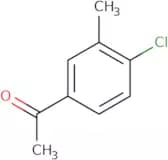
CAS :4'-Chloro-3'-methylacetophenone, 95% is a white crystalline solid that is soluble in alcohols and ethers. It has been used as a reagent for the synthesis of acetophenones. The compound exhibits moderate solubility in water and reacts with aqueous alkalis to form salts. 4'-Chloro-3'-methylacetophenone, 95% also reacts with strong oxidizing agents to form peroxides and with acid chlorides to form esters.
Formule :C9H9ClODegré de pureté :Min. 95%Masse moléculaire :168.62 g/mol1-(5-Chloropyridin-2-yl)piperazine
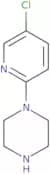
CAS :1-(5-Chloropyridin-2-yl)piperazine is a chemical compound that binds to the tropane receptor. It has been shown to have affinity for the ligands of protein kinase C, and as such may be useful in treating tumors. 1-(5-Chloropyridin-2-yl)piperazine is an analog of homopiperazine and piperazine and is related to the oxime class of compounds. It has not been shown to have any affinity for the other types of receptors, including dopamine, serotonin, acetylcholine, or histamine receptors.Formule :C9H12ClN3Degré de pureté :Min. 95%Couleur et forme :White/Off-White SolidMasse moléculaire :197.66 g/molIndium(III) trifluoromethanesulfonate
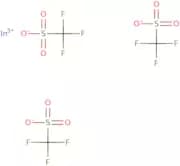
CAS :Indium trifluoromethanesulfonate is a reactive, c1-c4 haloalkyl. It has been used as a reagent for the synthesis of serine protease inhibitors. Indium trifluoromethanesulfonate reacts with unsaturated ketones to form x-ray absorption products, which can be analyzed by x-ray diffraction and x-ray fluorescence techniques. The reaction products are quinoline derivatives, which are useful in the synthesis of carbohydrates and other organic compounds. Control experiments were performed to ensure that the reactivity of indium trifluoromethanesulfonate was not due to contaminants or impurities. A more efficient method for synthesizing indium trifluoromethanesulfonate was developed in order to avoid the use of toxic solvents like diphenyl ether. This process involves amines as nucleophiles, which are activated by transfer reactions with carbon tetrFormule :C3F9InO9S3Degré de pureté :Min. 95%Couleur et forme :SolidMasse moléculaire :562.03 g/mol2,4-Difluorophenylhydrazine hydrochloride
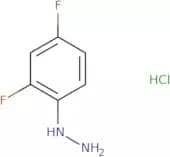
CAS :2,4-Difluorophenylhydrazine hydrochloride is a synthetic analgesic that is used to produce pain relief. It can be synthesized by refluxing 2,4-difluoroaniline and hydrazine in acetonitrile. The yield of the reaction depends on the catalyst used. An acid catalyst such as pyridine or benzoic acid will yield more product than a base such as potassium carbonate. The synthesis of 2,4-difluorophenylhydrazine hydrochloride can also be achieved by reacting phenylhydrazine with an alkyl halide in the presence of a base. This process yields pyrazoles, which are then converted to 2,4-difluorophenylhydrazine hydrochloride by treatment with hydrochloric acid. 2,4-Difluorophenylhydrazine hydrochloride is an antibacterial agent that hasFormule :C6H7ClF2N2Degré de pureté :Min. 95%Couleur et forme :PowderMasse moléculaire :180.58 g/mol3-Bromo-2-methylbenzoic acid
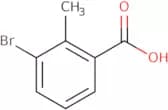
CAS :3-Bromo-2-methylbenzoic acid is a hydrogen bond donor. Hydrogen bonding may provide an explanation for the functional theory of 3-bromo-2-methylbenzoic acid, which has been shown to have anticancer properties in vitro and in vivo. This compound has been shown to be effective against cancer cells that express PDL1 (programmed cell death protein 1) and is being studied as a potential therapeutic agent for cancers that are resistant to conventional anticancer drugs. 3-Bromo-2-methylbenzoic acid has low solubility in water and is poorly absorbed from the gastrointestinal tract. It also does not bind to plasma proteins, which makes it pharmacologically active even at low doses. 3BBMBA inhibits viral replication by binding to the viral RNA polymerase enzyme, thereby inhibiting transcription and replication of the virus genome. In addition, it inhibits the proliferation of human cancer cells through inhibition of protein synthesis and DNA synthesisFormule :C8H7BrO2Degré de pureté :Min. 95%Couleur et forme :PowderMasse moléculaire :215.04 g/mol



![5,7-Dichloro-1H-imidazo[4,5-b]pyridine](/_next/image/?url=https%3A%2Fstatic.cymitquimica.com%2Fproducts%2F3D%2Fthumb-webp%2FFD139433.webp&w=3840&q=75)
![(S)-(-)-2-Chloro-3-[4(5)-imidazolyl]propionic acid](/_next/image/?url=https%3A%2Fstatic.cymitquimica.com%2Fproducts%2F3D%2Fthumb-webp%2FFC20058.webp&w=3840&q=75)
![4-[2-(3,4-Dimethoxyphenyl)-1,2-dibromoethyl]-1,2-dimethoxybenzene](/_next/image/?url=https%3A%2Fstatic.cymitquimica.com%2Fproducts%2F3D%2Fthumb-webp%2FFD66282.webp&w=3840&q=75)






![[3-Methyl-4-(2,2,2-trifluoro-ethoxy)-pyridin-2-yl]-methanol](/_next/image/?url=https%3A%2Fstatic.cymitquimica.com%2Fproducts%2F3D%2Fthumb-webp%2FFM38829.webp&w=3840&q=75)