Halogénures organiques
Sous-catégories appartenant à la catégorie "Halogénures organiques"
20442 produits trouvés pour "Halogénures organiques"
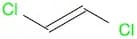
Ethene, 1,2-dichloro-, (1E)-
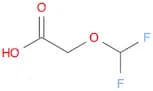
CAS :Formule :C2H2Cl2Degré de pureté :98%Couleur et forme :LiquidMasse moléculaire :96.94332-(Difluoromethoxy)acetic acid
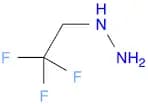
CAS :Formule :C3H4F2O3Degré de pureté :95%Couleur et forme :SolidMasse moléculaire :126.05892,2,2-Trifluoroethylhydrazine
CAS :Formule :C2H5F3N2Degré de pureté :65%Couleur et forme :LiquidMasse moléculaire :114.0697Butane, 1,3-dichloro-
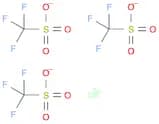
CAS :Formule :C4H8Cl2Degré de pureté :98%Couleur et forme :LiquidMasse moléculaire :127.0123NEODYMIUM(III) TRIFLUOROMETHANESULFONATE
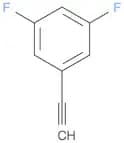
CAS :Formule :C3F9NdO9S3Degré de pureté :98%Couleur et forme :SolidMasse moléculaire :591.4473Benzene, 1-ethynyl-3,5-difluoro-
CAS :Formule :C8H4F2Degré de pureté :97%Couleur et forme :LiquidMasse moléculaire :138.1142Ref: IN-DA001NAL
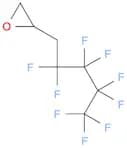
Produit arrêtéOxirane, 2-(2,2,3,3,4,4,5,5,5-nonafluoropentyl)-
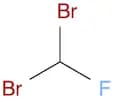
CAS :Formule :C7H5F9ODegré de pureté :98%Couleur et forme :LiquidMasse moléculaire :276.0996Dibromofluoromethane
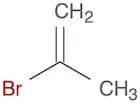
CAS :Formule :CHBr2FDegré de pureté :97%Couleur et forme :LiquidMasse moléculaire :191.82502-Bromopropene
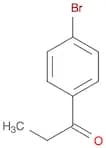
CAS :Formule :C3H5BrDegré de pureté :99%Couleur et forme :LiquidMasse moléculaire :120.97584'-Bromopropiophenone
CAS :Formule :C9H9BrODegré de pureté :98%Couleur et forme :SolidMasse moléculaire :213.07124-Bromo-1-butyne
CAS :Formule :C4H5BrDegré de pureté :97%Couleur et forme :LiquidMasse moléculaire :132.9865Ref: IN-DA0035UJ
Produit arrêtéBenzene, 1-fluoro-4-isocyanato-
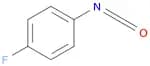
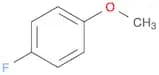
CAS :Formule :C7H4FNODegré de pureté :97%Couleur et forme :LiquidMasse moléculaire :137.1112P-fluoroanisole
CAS :Formule :C7H7FODegré de pureté :97%Couleur et forme :LiquidMasse moléculaire :126.1283Ref: IN-DA003418
Produit arrêté(BROMOMETHYL)CYCLOBUTANE
CAS :Formule :C5H9BrDegré de pureté :98%Couleur et forme :LiquidMasse moléculaire :149.02902-Chlorothiophene
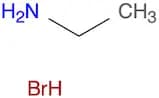
CAS :Formule :C4H3ClSDegré de pureté :98%Couleur et forme :LiquidMasse moléculaire :118.5846Ethanamine hydrobromide
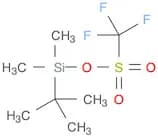
CAS :Formule :C2H8BrNDegré de pureté :98%Couleur et forme :SolidMasse moléculaire :125.9956tert-Butyldimethylsilyl trifluoromethanesulfonate
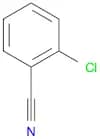
CAS :Formule :C7H15F3O3SSiDegré de pureté :95%Couleur et forme :LiquidMasse moléculaire :264.33792-Chlorobenzonitrile
CAS :Formule :C7H4ClNDegré de pureté :98%Couleur et forme :SolidMasse moléculaire :137.56641,2-DIIODOTETRAFLUOROETHANE
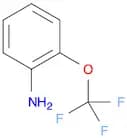
CAS :Formule :C2F4I2Degré de pureté :96%Couleur et forme :LiquidMasse moléculaire :353.82402-(Trifluoromethoxy)aniline
CAS :Formule :C7H6F3NODegré de pureté :97%Couleur et forme :LiquidMasse moléculaire :177.1238Ref: IN-DA003F59
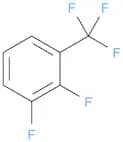
Produit arrêté1,2-Difluoro-3-trifluoromethylbenzene
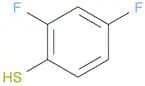
CAS :Formule :C7H3F5Degré de pureté :97%Couleur et forme :LiquidMasse moléculaire :182.0907Benzenethiol, 2,4-difluoro-
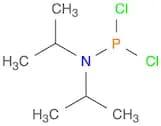
CAS :Formule :C6H4F2SDegré de pureté :97%Couleur et forme :LiquidMasse moléculaire :146.1578N,N-Bis(1-methylethyl)phosphoramidous dichloride
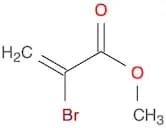
CAS :Formule :C6H14Cl2NPDegré de pureté :95%Couleur et forme :SolidMasse moléculaire :202.0618Methyl 2-bromoacrylate
CAS :Formule :C4H5BrO2Degré de pureté :97%Couleur et forme :LiquidMasse moléculaire :164.9853Ref: IN-DA00359B
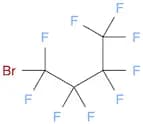
Produit arrêtéButane,1-bromo-1,1,2,2,3,3,4,4,4-nonafluoro-
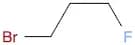
CAS :Formule :C4BrF9Degré de pureté :98%Couleur et forme :LiquidMasse moléculaire :298.93241-Bromo-3-fluoropropane
CAS :Formule :C3H6BrFDegré de pureté :97%Couleur et forme :LiquidMasse moléculaire :140.9821Ethanol,2,2,2-trifluoro-, phosphate (3:1)
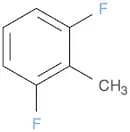
CAS :Formule :C6H6F9O4PDegré de pureté :96%Couleur et forme :LiquidMasse moléculaire :344.06882,6-Difluorotoluene
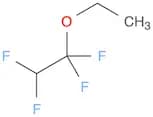
CAS :Formule :C7H6F2Degré de pureté :98%Couleur et forme :LiquidMasse moléculaire :128.11931-Ethoxy-1,1,2,2-tetrafluoroethane
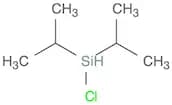
CAS :Formule :C4H6F4ODegré de pureté :97%Masse moléculaire :146.0835Diisopropylchlorosilane
CAS :Formule :C6H15ClSiDegré de pureté :95%Couleur et forme :LiquidMasse moléculaire :150.72184-Chlorophenylacetylene
CAS :Formule :C8H5ClDegré de pureté :98%Couleur et forme :SolidMasse moléculaire :136.5783Ref: IN-DA003L81
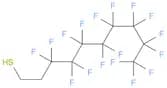
Produit arrêté3,3,4,4,5,5,6,6,7,7,8,8,9,9,10,10,10-Heptadecafluoro-1-decanethiol
CAS :Formule :C10H5F17SDegré de pureté :97%Couleur et forme :LiquidMasse moléculaire :480.1845543999997Ref: IN-DA007HBJ
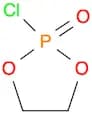
Produit arrêté2-Chloro-1,3,2-dioxaphospholane-2-oxide
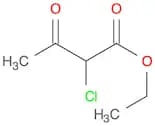
CAS :Formule :C2H4ClO3PDegré de pureté :95%Couleur et forme :LiquidMasse moléculaire :142.4781Ethyl 2-chloroacetoacetate
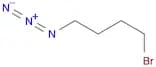
CAS :Formule :C6H9ClO3Degré de pureté :95%Couleur et forme :LiquidMasse moléculaire :164.58691-Azido-4-bromobutane
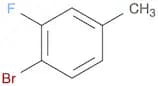
CAS :Formule :C4H8BrN3Degré de pureté :98%Couleur et forme :LiquidMasse moléculaire :178.03041-Bromo-2-fluoro-4-methylbenzene
CAS :Formule :C7H6BrFDegré de pureté :98%Couleur et forme :LiquidMasse moléculaire :189.0249Ref: IN-DA003KY8
Produit arrêté6-Bromo-1-hexene
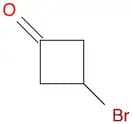
CAS :Formule :C6H11BrDegré de pureté :97%Couleur et forme :LiquidMasse moléculaire :163.05553-Bromocyclobutanone
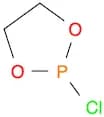
CAS :Formule :C4H5BrODegré de pureté :97%Couleur et forme :LiquidMasse moléculaire :148.98592-Chloro-1,3,2-dioxaphospholane
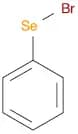
CAS :Formule :C2H4ClO2PDegré de pureté :97%Couleur et forme :LiquidMasse moléculaire :126.4787Phenylselenyl bromide
CAS :Formule :C6H5BrSeDegré de pureté :98%Couleur et forme :SolidMasse moléculaire :235.96799H-Fluoren-9-ol
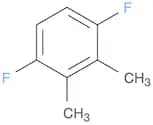
CAS :Formule :C13H10ODegré de pureté :98%Couleur et forme :SolidMasse moléculaire :182.2179Benzene, 1,4-difluoro-2,3-dimethyl-
CAS :Formule :C8H8F2Degré de pureté :97%Couleur et forme :LiquidMasse moléculaire :142.1459Pyridine, 2-fluoro-3-methyl-
CAS :Formule :C6H6FNDegré de pureté :98%Couleur et forme :LiquidMasse moléculaire :111.11691-(Aminomethyl)cyclopropanecarboxamide hydrochloride
CAS :1-(Aminomethyl)cyclopropanecarboxamide hydrochloride is a versatile building block that can be used in the synthesis of complex compounds. It has been shown to be an excellent reagent for the synthesis of novel pharmaceuticals and speciality chemicals. This compound is also a useful intermediate for the preparation of high-quality products and can be used as a reaction component or scaffold in synthesis.Formule :C5H10N2O·HClDegré de pureté :Min. 95%Couleur et forme :White PowderMasse moléculaire :150.61 g/molCopper (I) chloride
CAS :Copper (I) chloride is a chemical compound that is made up of copper and chlorine. It has an ideal pH of 5.8 and reacts with water to form cuprous chloride, which can be used in the production of nitric acid. Copper (I) chloride also forms insoluble complexes with fatty acids, amines, and nitrogen atoms. Copper (I) chloride has been shown to inhibit the growth of some bacteria, such as Staphylococcus aureus, by inhibiting protein synthesis. This inhibition may be due to the structural similarities between copper (I) chloride and copper (II) sulfate, which inhibits protein synthesis by binding to ribosomes. Copper (I) chloride has also been shown to cause autoimmune diseases in mice because it contains hydroxyl groups that are similar to those found on human thyroglobulin proteins. The resulting immune response leads to an inflammatory reaction that damages tissues in the body.br>br>
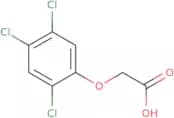
Formule :CuClCouleur et forme :Yellow Clear LiquidMasse moléculaire :99 g/mol2,4,5-Trichlorophenoxyacetic acid
CAS :Produit contrôlé2,4,5-Trichlorophenoxyacetic acid (2,4,5-T) is a herbicide that inhibits the growth of plants by inhibiting photosynthesis. It can be found in the environment as a contaminant of manufactured items such as vinyl chloride and polyurethane. 2,4,5-T is also used to produce dioxin and polychlorinated biphenyls (PCBs). The mechanism of toxicity involves inhibition of the activity of an enzyme called acetolactate synthase (ALS), which is responsible for synthesizing an important amino acid called L-alanine. ALS inhibitors are toxic to animals because they inhibit the formation of L-alanine and disrupt cellular energy production. In CD-1 mice, 2,4,5-T has been shown to have an inhibitory dose at 1 mg/kg body weight with long-term toxicity at doses up to 5 mg/kg body weight. 2,4,5
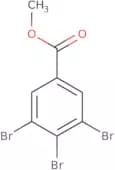
Formule :Cl3C6H2OCH2CO2HDegré de pureté :Min. 95%Couleur et forme :PowderMasse moléculaire :255.48 g/mol3,4,5-Tribromobenzoic acid methyl ester
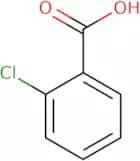
CAS :3,4,5-Tribromobenzoic acid methyl ester is a versatile building block for organic synthesis. It is a boron compound with the chemical formula C6H3Br3O2. It has been shown to be useful as a reagent, reaction component, and intermediate in organic synthesis. 3,4,5-Tribromobenzoic acid methyl ester is a complex compound that can be used as a speciality chemical or fine chemical.Formule :C8H5Br3O2Degré de pureté :Min. 95%Couleur et forme :PowderMasse moléculaire :372.84 g/mol2-Chlorobenzoic acid
CAS :Please enquire for more information about 2-Chlorobenzoic acid including the price, delivery time and more detailed product information at the technical inquiry form on this page
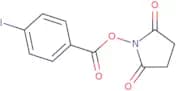
Formule :C7H5ClO2Degré de pureté :Min. 95%Couleur et forme :White PowderMasse moléculaire :156.57 g/molN-Succinimidyl 4-iodobenzoate
CAS :N-Succinimidyl 4-iodobenzoate is a succinimyl activated heterocycle
Formule :C11H8INO4Degré de pureté :Min. 95%Couleur et forme :PowderMasse moléculaire :345.09 g/mol2-Chloro-6-(trichloromethyl)pyridine
CAS :2-Chloro-6-(trichloromethyl)pyridine (2CTCP) is an inorganic acid that is used as a synthetic reagent in the synthesis of pharmaceuticals, such as antihistamines, vasodilators and antipsychotics. 2CTCP inhibits the process of nitrification by competing with nitrite for the enzyme nitrate reductase. It also inhibits plant metabolism by inhibiting nitrogen fixation and hydrogen production. 2CTCP is not toxic to humans or animals under normal conditions; however, it may be hazardous if inhaled or ingested. 2CTCP can be synthesized by reacting sodium carbonate with chloroacetyl chloride followed by hydrolysis of the resulting intermediate. The analytical method for 2CTCP involves gas chromatography with electron capture detection (GC-ECD). The compound can also be analyzed using high performance liquid chromatography (HPLC).
Formule :C6H3Cl4NDegré de pureté :Min. 95%Masse moléculaire :230.91 g/molChloroacetaldehyde (40% aq.)
CAS :Chloroacetaldehyde is a reactive compound that is found in wastewater. It can be used to remove other pollutants from the water. Chloroacetaldehyde has been shown to be toxic and may cause cancer, but it also has been used as a model system for studying energy metabolism. This substance is toxic because it reacts with cellular components such as proteins and DNA by cross-linking them. The cytosolic Ca2+ concentration increases when chloroacetaldehyde binds to cellular proteins, which affects cell physiology and the production of MMP-9.
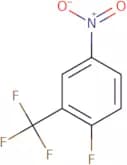
Formule :ClCH2CHODegré de pureté :Min. 95%Couleur et forme :Clear LiquidMasse moléculaire :78.5 g/mol2-Fluoro-5-nitrobenzotrifluoride
CAS :2-Fluoro-5-nitrobenzotrifluoride is a chiral, fluorinated organic compound that has been shown to be an effective antiviral agent. It is active against Coxsackievirus B3 and other viruses in vitro. The antiviral activity of 2-fluoro-5-nitrobenzotrifluoride appears to be due to its ability to inhibit the virus's ability to bind and enter the host cell. In vivo studies have shown that 2-fluoro-5-nitrobenzotrifluoride can reduce the spread of coxsackievirus B3 in mice. This compound also has been shown to inhibit viral replication by preventing the synthesis of viral protein pai-1, which is necessary for viral assembly and release from infected cells.
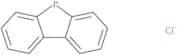
Formule :C7H3F4NO2Degré de pureté :Min. 95%Couleur et forme :PowderMasse moléculaire :209.1 g/molDiphenyleneiodonium chloride
CAS :Diphenyleneiodonium chloride is a diphenyliodonium salt that inhibits neuronal death and induces pluripotent stem cells. It has been shown to activate toll-like receptor 4 (TLR4) which initiates the inflammatory response, leading to the activation of growth factor-β1 and polymerase chain reactions. This compound also has an oral hypoglycemic effect and can be used as an antidiabetic drug. Diphenyleneiodonium chloride has also been shown to induce oxidative cell death in cancer cells by inhibiting the production of NADPH oxidase, which is required for caspase-independent cell death.
Formule :C12H8ClIDegré de pureté :Min. 95%Couleur et forme :White PowderMasse moléculaire :314.55 g/mol2-[4-(2,2-Dichlorocyclopropyl)phenoxy]-2-methylpropanoic acid
CAS :2-[4-(2,2-Dichlorocyclopropyl)phenoxy]-2-methylpropanoic acid (CGP) is a drug that blocks the nuclear receptor PPARγ. It has been shown to reduce cholesterol levels by inhibiting the synthesis of cholesterol, as well as reducing liver lesions in vivo. CGP also inhibits the growth of cancer cells through its ability to bind to DNA and regulate transcriptional activity. The response element for this compound is found in the promoter region of the gene encoding the growth factor-β1 (GF-β1), which is an important regulator of cell proliferation, differentiation, and apoptosis. CGP also inhibits peroxisome proliferator activator receptor α (PPARα) and γ (PPARγ). This inhibition leads to decreased expression of genes involved in lipid metabolism, such as acyl CoA synthase and fatty acid synthetase. CGP has also been shown to be carcinogenic in vivo
Formule :C13H14Cl2O3Degré de pureté :Min. 98 Area-%Couleur et forme :PowderMasse moléculaire :289.15 g/molMonofluoroamine
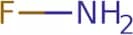
CAS :Produit contrôléMonofluoroamine is a chemical substance with the chemical formula NH2F. It is a colorless liquid that is stable to both acidic and basic environments, but reacts with fluorine gas to form hydrofluoric acid. Monofluoroamine is used in the synthesis of pharmaceuticals, pesticides, and other organic compounds. This compound can be prepared by reacting ammonia with hydrogen fluoride at low temperature or by reacting ammonia with hydrogen fluoride at high pressure. The Friedel-Crafts reaction of monofluoroamine with an amide produces the corresponding amine. Monofluoroamine has been used as a conditioning agent in NMR spectroscopy experiments to remove the water signal from complex NMR spectra. In addition, this compound has been shown to have antiviral effects against HIV infection through its ability to inhibit protein synthesis.
Formule :FH2NDegré de pureté :Min. 95%Masse moléculaire :35.02 g/mol2,2,2-Trifluoroacetamide
CAS :2,2,2-Trifluoroacetamide is a chemical compound that is stable under normal conditions and can be stored for long periods of time. The compound has been shown to react with trifluoroacetic acid and in the presence of an electrochemical probe to give a redox reaction. This reaction mechanism has been studied by using pharmacokinetic properties of 2,2,2-trifluoroacetamide and its metabolites. The compound is not active against infectious diseases but may be used as a reagent in analytical methods. 2,2,2-Trifluoroacetamide has also been investigated for its ability to bind hydrogen atoms and form intramolecular hydrogen bonds with tryptophan residues in proteins.
Formule :C2H2F3NODegré de pureté :Min. 95%Couleur et forme :PowderMasse moléculaire :113.04 g/mol3,4-Dimethoxybenzyl bromide
CAS :3,4-Dimethoxybenzyl bromide is an organic compound that is used in the synthesis of isoquinoline alkaloids. This chemical has been found to have anticancer activity against human colon cancer cells (HCT116) and low energy properties. The asymmetric synthesis of 3,4-dimethoxybenzyl bromide can be achieved through a Grignard reaction with phenylmagnesium bromide. A linker can be used to attach 3,4-dimethoxybenzyl bromide to other chemicals such as biphenyls or amines.
Formule :C9H11BrO2Degré de pureté :Min. 95 Area-%Couleur et forme :White PowderMasse moléculaire :231.09 g/mol2-Chloro-5-hydroxybenzoic acid
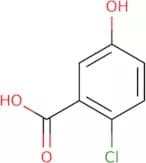
CAS :2-Chloro-5-hydroxybenzoic acid is a compound that contains a hydroxyl group. It is an organic acid and a monomer that can be used in the preparation of coumarin derivatives. 2-Chloro-5-hydroxybenzoic acid can be prepared by oxidation of 2,3,4,5,6 tetrahydrobenzoquinone with hydrogen peroxide followed by hydrolysis. The oxidation step is carried out using potassium permanganate as oxidant and activated manganese dioxide as catalyst. This method yields the desired product in high yield.
Formule :C7H5ClO3Degré de pureté :Min. 95%Couleur et forme :PowderMasse moléculaire :172.57 g/mol1,4-Dibromo-2,3-butandiol
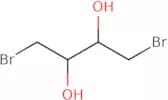
CAS :1,4-Dibromo-2,3-butandiol is a halogenated butandiol.
Formule :C4H8Br2O2Degré de pureté :Min. 95%Couleur et forme :PowderMasse moléculaire :248.11 g/mol4-(Trifluoromethylthio)benzyl alcohol
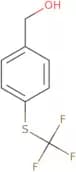
CAS :4-(Trifluoromethylthio)benzyl alcohol (4TFABA) is a chemical that is used as a reagent in organic synthesis. It can be used to synthesize a variety of compounds, including pharmaceuticals and agrochemicals. 4TFABA has been found to be an excellent building block for the synthesis of complex molecules. It is also widely used as a reaction component in high-quality research chemicals, such as chiral ligands and heteroaryl ligands.
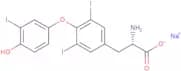
Formule :C8H7F3OSDegré de pureté :Min. 95%Couleur et forme :PowderMasse moléculaire :208.2 g/mol3,3',5-Triiodo-L-thyronine sodium salt
CAS :Synthetic thyroid hormone (T3) analog; promotes adipogenic differentiation
Formule :C15H11I3NNaO4Degré de pureté :Min. 95 Area-%Couleur et forme :Slightly Yellow PowderMasse moléculaire :672.96 g/mol2-[4-(4-Chloro-a-phenylbenzyl)-1-piperazinyl]-ethoxyacetic acid hydrochloride
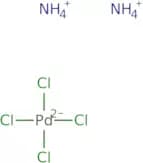
CAS :2-[4-(4-Chloro-a-phenylbenzyl)-1-piperazinyl]-ethoxyacetic acid hydrochloride is a chemical compound that has been used to investigate the possible neuroprotective effects of cetirizine, an antihistamine. This drug was developed as a prodrug of cetirizine, which is converted in vivo to its active form. The main mechanism of action for this drug is inhibition of histamine release from mast cells and basophils by blocking H1 receptors. 2-[4-(4-Chloro-a-phenylbenzyl)-1-piperazinyl]-ethoxyacetic acid hydrochloride has also been shown to have beneficial effects on allergic symptoms and bowel disease in experimental models and clinical properties.Formule :C21H25ClN2O3·HClDegré de pureté :Min. 95%Couleur et forme :PowderMasse moléculaire :425.35 g/molAmmonium tetrachloropalladate(II) - 94%
CAS :Ammonium tetrachloropalladate(II) is a chemical compound that acts as an oxidation catalyst, which is used in the production of polyvinyl chloride. Ammonium tetrachloropalladate(II) is also used as a catalyst in organic reactions such as the sodium citrate-catalyzed oxidation of alcohols to form esters and acyl chlorides. This compound is stable at high temperatures and has been shown to be genotoxic in vitro. Ammonium tetrachloropalladate(II) can be synthesized by reacting palladium with zirconium oxide in a plasma mass spectrometry process.
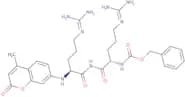
Formule :(NH4)2PdCl4Degré de pureté :Min. 95%Couleur et forme :PowderMasse moléculaire :284.31 g/molZ-Arg-Arg-AMC hydrochloride salt
CAS :Z-Arg-Arg-AMC hydrochloride salt is a versatile compound that acts as a catalyst and forms strong hydrogen bonds. It exhibits proteolytic activity and has been found to be effective in breaking down proteins. In addition, Z-Arg-Arg-AMC hydrochloride salt has been shown to possess neuroprotective properties, making it a potential candidate for the treatment of neurological disorders. It also demonstrates anthelmintic activity, which means it can be used to combat parasitic worm infections. Furthermore, this compound has antioxidant activity and can help reduce lipid peroxidation, protecting cells from oxidative damage. With its diverse range of characteristics, Z-Arg-Arg-AMC hydrochloride salt holds great promise in various research fields such as biochemistry and medicine.
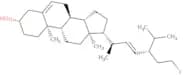
Formule :C30H39N9O6·xHClDegré de pureté :Min. 95%Couleur et forme :PowderMasse moléculaire :621.69 g/mol(3β,22E)-29-Fluorostigmasta-5,22-dien-3-ol
CAS :Produit contrôlé3β,22E)-29-Fluorostigmasta-5,22-dien-3-ol is a plant growth regulator that belongs to the group of fatty alcohols. It is found in the horticultural and tissue culture industries and is used as an additive in bioassays. 3β,22E)-29-Fluorostigmasta-5,22-dien-3-ol enhances the growth rate of nematodes and has been shown to be a potent inhibitor of benzoate degradation. This compound also has hormone effects that are similar to those of furostanols or steroids.
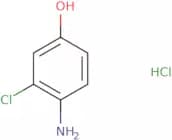
Formule :C29H47FODegré de pureté :Min. 95%Masse moléculaire :430.68 g/mol4-Amino-3-chlorophenol hydrochloride
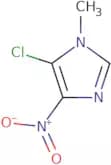
CAS :Intermediate in the synthesis of lenvatinibFormule :C6H7Cl2NODegré de pureté :Min. 95%Couleur et forme :PowderMasse moléculaire :180.03 g/mol5-Chloro-1-methyl-4-nitroimidazole
CAS :5-Chloro-1-methyl-4-nitroimidazole (5C1MI) is a fatty acid that is synthesized by the reaction of phosphorus pentachloride and an aliphatic hydrocarbon. It has been shown to be effective in treating women with breast cancer. 5C1MI blocks the activity of a protein called HER2, which promotes tumor growth. The drug has been shown to cause an increase in the number of circulating lymphocytes and natural killer cells, as well as an increase in the production of antibodies in mice. These effects are likely caused by 5C1MI's ability to inhibit the proliferation of T cells and B cells. 5C1MI has also been shown to have a high solubility in water and low solubility in lipids, which makes it suitable for administration via intravenous injection.
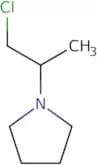
Formule :C4H4ClN3O2Degré de pureté :Min. 95%Couleur et forme :PowderMasse moléculaire :161.55 g/mol1-(2-Chloro-1-methylethyl)pyrrolidine hydrochloride
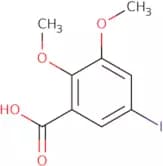
CAS :1-(2-Chloro-1-methylethyl)pyrrolidine hydrochloride is a versatile building block that can be used in the synthesis of fine chemicals, complex compounds, research chemicals, reagents and specialty chemicals. This compound is also useful as a building block for the synthesis of pharmaceuticals and chemical products. 1-(2-Chloro-1-methylethyl)pyrrolidine hydrochloride is a high quality chemical that can be used as a reaction component or scaffold for the synthesis of new chemical entities.Formule :C7H15Cl2NDegré de pureté :Min. 95%Couleur et forme :PowderMasse moléculaire :184.1 g/mol5-Iodo-2,3-dimethoxybenzoic acid
CAS :5-Iodo-2,3-dimethoxybenzoic acid (5IMB) is a synthetic chemical that is used as a radiolabeled substrate for the synthesis of dopamine. The 5IMB is a substrate for the enzyme monoamine oxidase, which converts it to 5-hydroxyindoleacetic acid (5HIAA). The intensity of the signal emitted by 5IMB increases with the increase in concentration of dopamine. It can be used as a positron emission tomography (PET) tracer for dopamine receptors in the brain. The kinetic and uptake properties of 5IMB are different in various regions of the brain, such as striatum and caudate putamen. This difference can be measured using high-performance liquid chromatography (HPLC) and flow rate.
5IMB has been shown to have anti-oxidant properties due to its ability to scavenge peroxide radicals.Formule :C9H9IO4Degré de pureté :Min. 98 Area-%Couleur et forme :PowderMasse moléculaire :308.07 g/mol3-(Bromomethyl)benzamide
CAS :3-(Bromomethyl)benzamide is a versatile building block that can be used in the synthesis of a variety of complex compounds. It is also useful as a research chemical and as a reagent. 3-(Bromomethyl)benzamide can be used to produce useful intermediates and reaction components. This compound has been shown to be useful as scaffolds for synthetic organic chemistry.
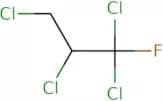
Formule :C8H8BrNODegré de pureté :Min. 95%Couleur et forme :PowderMasse moléculaire :214.06 g/mol1,1,2,3-Tetrachloro-1-fluoropropane
CAS :Produit contrôlé1,1,2,3-Tetrachloro-1-fluoropropane is a solvent that can be used to solvate organic compounds. It is volatile and has a boiling point of -78°C. This compound is used in the chlorination of methane and ethane, which produces 1,1,2-trichloroethane and 1,2-dichloroethane respectively. Hydrogen fluoride is also produced as an unwanted byproduct. The chlorine produced by this process is then catalyzed to form fluorine gas. This gas can be vaporized or depletes depending on the reaction conditions and the temperature of the reactor. Fluorine gas reacts with atmospheric water vapor to produce hydrofluoric acid (HF). When HF comes into contact with moist surfaces it will corrode them and produce hydrogen ions that react with metal oxides to produce metal salts and water. The emission of HF from chlorofluorocarbons
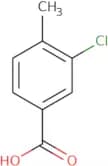
Formule :C3H3Cl4FDegré de pureté :Min. 95%Masse moléculaire :199.87 g/mol3-Chloro-4-toluic acid
CAS :3-Chloro-4-toluic acid is a quinone, which is derived from 3,4-dichlorotoluene. It has been shown to bind to nuclear receptors and act as a retinoic acid linker. This compound is also used in the synthesis of organic compounds by desorption in an acidic environment, followed by methyl esterification with an alcohol. 3-Chloro-4-toluic acid can be converted into zirconium chloride or hydrotalcite through chlorination or hydrochlorination. The resulting product can be used for dispersive solid-phase extraction methods.
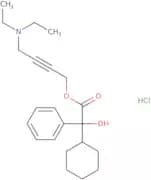
Formule :C8H7ClO2Degré de pureté :Min. 95%Couleur et forme :PowderMasse moléculaire :170.59 g/molOxybutynin chloride
CAS :Muscarinic antagonist; anti-spasmodic
Formule :C22H32ClNO3Degré de pureté :Min. 95%Couleur et forme :White PowderMasse moléculaire :393.95 g/mol3-((4,5-dichloroimidazolyl)methyl)-4-bromo-2-methyl-1-phenyl-3-pyrazolin-5-one
CAS :Please enquire for more information about 3-((4,5-dichloroimidazolyl)methyl)-4-bromo-2-methyl-1-phenyl-3-pyrazolin-5-one including the price, delivery time and more detailed product information at the technical inquiry form on this page
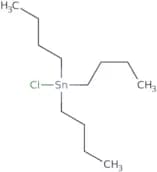
Degré de pureté :Min. 95%Tributyltin chloride
CAS :Produit contrôléTributyltin chloride is an experimental chemical that is used as a model for apoptosis. It binds to the chloride ion and induces apoptosis in 3T3-L1 preadipocytes. The process of apoptosis involves the mitochondrial membrane potential, which is an important factor in the regulation of intracellular Ca2+ levels. Tributyltin chloride has also been shown to increase copper-induced toxicity in cells by inhibiting ryanodine receptors, which are involved in calcium homeostasis. Tributyltin chloride has a phase transition temperature of -25°C and is not soluble in water; it can be dissolved in methanol, ethanol, acetone, benzene, chloroform, hexane, or ether. Tributyltin chloride also has been shown to have physiological effects on cell nuclei and maternal blood cells.
Formule :C12H27ClSnDegré de pureté :Min. 95%Couleur et forme :Colourless To Yellowish LiquidMasse moléculaire :325.51 g/mol3-Chloro-4-nitrobenzoic acid
CAS :3-Chloro-4-nitrobenzoic acid (3CNB) is an amine that has been shown to be a 5-HT1A receptor agonist. It has been used in animal models of anxiety, depression and schizophrenia. 3CNB is able to activate the 5-HT1A receptor, which is involved in the regulation of anxiety, mood and other behaviors. The activation energies for the binding of 3CNB to the 5-HT1A receptor are calculated to be 8.3 kcal/mol and 9.2 kcal/mol at pH 7.0 and 10 respectively. A clinical study found that this agent was effective in treating trichomonas vaginalis infections as well as reducing symptoms of irritable bowel syndrome. In vivo studies have revealed that 3CNB is capable of inducing a sustained increase in extracellular serotonin levels in rat brain tissue with a half life of 2 hours. Kinetic studies have also shown that nitro groups enhance
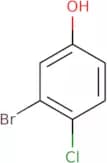
Formule :C7H4ClNO4Degré de pureté :Min. 98 Area-%Couleur et forme :PowderMasse moléculaire :201.56 g/mol3-Bromo-4-chlorophenol
CAS :3-Bromo-4-chlorophenol (3BCP) is a halogenated phenolic compound that is used as a preservative in the food industry. It is also used in the chemical and pharmaceutical industries for polymerization reactions and to produce other chemicals such as chlorinated hydrocarbons. 3BCP has been shown to inhibit the growth of organisms by binding to their receptors, which can be deformed and thus not function properly. The affinity of 3BCP for these receptors can be rationalized by its chemical nature, which includes chlorine atoms that are nucleophilic and can form hydrogen bonds with other molecules. 3BCP has two isomers: 3-bromo-4-chlorophenol and 4-bromo-3-chlorophenol, each with different effects on organisms.
Formule :C6H4BrClODegré de pureté :Min. 95%Couleur et forme :PowderMasse moléculaire :207.45 g/mol5-Amino-1,3-dimethyl-1,3-dihydro-2H-benzimidazol-2-one dihydrochloride
CAS :5-Amino-1,3-dimethyl-1,3-dihydro-2H-benzimidazol-2-one dihydrochloride (5ADMB) is a high quality reagent that is used as a complex compound. It has been shown to be useful in the synthesis of various compounds and is a fine chemical that can be used as a building block. 5ADMB has also been shown to be an excellent scaffold for the synthesis of benzo[b]thiophenes. This compound is also useful as a research chemical or specialty chemical. 5ADMB can be used in organic syntheses as a versatile building block and it reacts with nucleophiles such as alcohols and amines to form substituted derivatives. It has an appearance of white solid powder and its CAS number is 1986846-08-5.
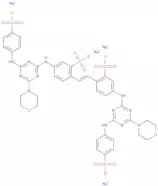
Formule :C9H11N3O·2HClDegré de pureté :Min. 95%Couleur et forme :PowderMasse moléculaire :250.12 g/molFluorescent Brightener 210, Technical grade
CAS :Fluorescent Brightener 210 is a water-soluble, non-toxic, non-irritating, and non-sensitizing penetrant that fluoresces under ultraviolet light. It is used in the textile industry as a dye for cotton and wool and to increase the brightness of colors on paper. Fluorescent Brightener 210 is also used as an effective drug for mycoses, such as tinea pedis and ringworm of the body. This drug can be applied topically or taken by mouth. Fluorescent Brightener 210 has been shown to be effective against tinea pedis when irradiated with ultraviolet light at a dosage of 2 milligrams per square centimeter of skin for 8 hours per day for 4 weeks. The drug must be applied twice daily to the affected area during this time period. When used orally, Fluorescent Brightener 210 has been shown to reduce symptoms of tinea corporis and tinea cruris within 3 days of treatment in most
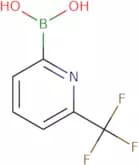
Formule :C40H36N12O14S4Na4Couleur et forme :Clear LiquidMasse moléculaire :1,129 g/mol6-(Trifluoromethyl)pyridine-2-boronic acid
CAS :6-(Trifluoromethyl)pyridine-2-boronic acid is a solid chemical that is soluble in organic solvents. It is a building block for the synthesis of more complex compounds, and also serves as an intermediate in the synthesis of pharmaceuticals. 6-(Trifluoromethyl)pyridine-2-boronic acid has been shown to be useful for the preparation of fine chemicals and has been widely used as a reagent in research.
Formule :C6H5BF3NO2Degré de pureté :Min. 95%Couleur et forme :PowderMasse moléculaire :190.92 g/molDimethyldistearylammonium chloride
CAS :Dimethyldistearylammonium chloride is a chemical compound that is used as an antimicrobial agent. It is a cationic quaternary ammonium salt that functions by forming a covalent bond with the sulfhydryl group of cysteine residues in proteins, which disrupts the disulfide bonds in the protein's tertiary or quaternary structure. Dimethyldistearylammonium chloride has been shown to have high antimicrobial activity against gram-positive bacteria and fungi but low activity against gram-negative bacteria. The optimum concentration for this compound is 0.2%. Dimethyldistearylammonium chloride has been used as a model system to study the effect of molecular weight on transfer reactions and polymer compositions, and it has also been used to study the biological properties of human immunoglobulin G (IgG).
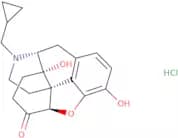
Formule :C38H80ClNCouleur et forme :PowderMasse moléculaire :586.5 g/molNaltrexone hydrochloride
CAS :Produit contrôléμ-opioid receptor antagonist; management of alcohol dependence, opioid addiction
Formule :C20H23NO4•HClDegré de pureté :(%) Min. 98%Couleur et forme :PowderMasse moléculaire :377.86 g/molRef: 3D-FN26133
Produit arrêtéDecafluorobis(Trifluoromethyl)Cyclohexane
CAS :Produit contrôléDecafluorobis(trifluoromethyl)cyclohexane is a film-forming polymer that can be used as a nutrient solution. It is synthesized by the thermal decomposition of hydrogen fluoride and caproic acid. Decafluorobis(trifluoromethyl)cyclohexane can be analyzed by combining it with fatty acids in an enzyme hydrolysis reaction. The product will then form a film on the surface of the container, which can be analyzed using ionization techniques such as mass spectrometry or nuclear magnetic resonance.
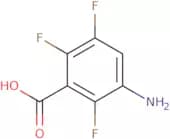
Formule :C8F16Degré de pureté :Min. 95%Masse moléculaire :400.06 g/mol3-Amino-2,5,6-trifluorobenzoic acid
CAS :3-Amino-2,5,6-trifluorobenzoic acid is a pharmaceutical agent that can be used in the synthesis of dyestuffs and as a matrix for laser desorption/ionization (LDI) mass spectrometry. 3-Amino-2,5,6-trifluorobenzoic acid has been shown to form crystals that are insoluble in water or organic solvents. The crystal morphology was determined by using XRD and FTIR. 3-Amino-2,5,6-trifluorobenzoic acid also has high concentrations of impurities such as 2,4,6-trichloroaniline and 2-(3,4 dichlorophenyl) ethyl amine.
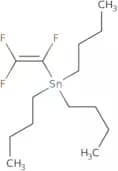
Formule :C7H4F3NO2Degré de pureté :Min. 95%Couleur et forme :PowderMasse moléculaire :191.11 g/molTributyl(trifluoroethenyl)stannane
CAS :Produit contrôléTributyl(trifluoroethynyl)stannane is a drug that has immunosuppressive activity. It is used to treat certain cancers, including chronic lymphocytic leukemia and rheumatoid arthritis. Tributyl(trifluoroethynyl)stannane has been shown to inhibit the production of cytokines and other inflammatory mediators by macrophages, which may be due to its ability to inhibit DNA synthesis.
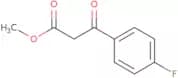
Formule :C14H27F3SnDegré de pureté :Min. 95%Masse moléculaire :371.07 g/molMethyl 4-fluorobenzoylacetate
CAS :Methyl 4-fluorobenzoylacetate is a prenyl compound that can be used as an anti-oxidant, hepatoprotective, and regulatory agent. The prenyl group in this molecule is responsible for its antioxidant activity. It also has been shown to have hepatoprotective properties in experimental animals with liver injuries. Methyl 4-fluorobenzoylacetate is used as a synthetic intermediate in the synthesis of coumarin derivatives and phenylcoumarins. This molecule may also have anti-inflammatory properties, which are due to its ability to inhibit cyclooxygenase enzymes. Methyl 4-fluorobenzoylacetate is also an antibacterial agent and has been shown to be a potent inhibitor of bacterial DNA gyrase and topoisomerase IV, which maintain the integrity of bacterial DNA. In addition, methyl 4-fluorobenzoylacetate has anticoagulant
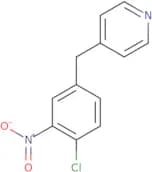
Formule :C10H9FO3Degré de pureté :Min. 85%Couleur et forme :Colourless To Pale Yellow LiquidMasse moléculaire :196.18 g/mol4-(4-Chloro-3-nitrobenzyl)pyridine
CAS :Ai Product Descriptions 50 Creative
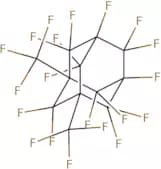
Formule :C12H9ClN2O2Degré de pureté :Min. 95%Couleur et forme :PowderMasse moléculaire :248.66 g/mol1,2,2,3,4,4,6,6,8,8,9,9,10,10-Tetradecafluoro-5,7-Bis(Trifluoromethyl)Adamantane
CAS :Produit contrôlé1,2,2,3,4,4,6,6,8,8,9,9,10,10-Tetradecafluoro-5,7-Bis(trifluoromethyl)adamantane (FDP) is a perfluorinated gas with an electron affinity that can be used to measure the rate of oxygen transport. It is also a diagnostic agent for bone growth and can be used to measure the proliferative activity in animals. FDP is insoluble in water and has a particle size of approximately 3 nm. Impurities such as hydrocarbons are often found in FDP samples because it is created by reacting dichlorodifluoromethane with hydrogen fluoride at high temperatures. This chemical species has been shown to have a low toxicity profile in animal studies.
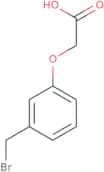
Formule :C12F20Degré de pureté :Min. 95%Masse moléculaire :524.1 g/mol3-(Bromomethyl)phenoxyacetic acid
CAS :3-(Bromomethyl)phenoxyacetic acid is a versatile building block that has been used as a reagent for the synthesis of complex compounds. It has also been used in the synthesis of research chemicals, such as 3-bromophenoxyacetic acid, and in the preparation of useful scaffolds. This product is high quality and can be used as an intermediate in the production of pharmaceuticals or other specialty chemicals. The CAS number for this compound is 136645-25-5.
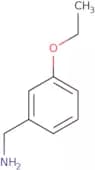
Formule :C9H9BrO3Degré de pureté :Min. 90%Couleur et forme :PowderMasse moléculaire :245.07 g/mol3-Ethoxybenzylamine hydrochloride
CAS :3-Ethoxybenzylamine hydrochloride is a chemical compound that belongs to the group of industrial chemicals. It is used as an intermediate for the production of vanillin and as a catalyst for hydrogenation reactions. 3-Ethoxybenzylamine hydrochloride can be used in large-scale, industrial reactions. The target product is a reaction solvent that can be used in reduction reactions and aminations. The catalytic activity of 3-ethoxybenzylamine hydrochloride has been shown to increase with increasing pH, temperature, and concentration. The use of this product as a catalyst in the hydrogenation process results in high yield products with low levels of byproducts.
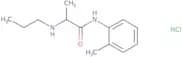
Formule :C9H13NO·HClDegré de pureté :Min. 95%Couleur et forme :White PowderMasse moléculaire :187.67 g/molPrilocaine hydrochloride
CAS :Sodium channel blocker
Formule :C13H20N2O•HClDegré de pureté :Min. 95%Couleur et forme :PowderMasse moléculaire :256.77 g/molRef: 3D-FP61505
Produit arrêtéSolriamfetol
CAS :Produit contrôléSolriamfetol is a drug that belongs to the class of psychostimulants. It is used as an adjunct in the treatment of major depressive disorder, and has been shown to be clinically relevant in patients with major depression. Solriamfetol has been shown to have long-term efficacy and stable doses, which may be due to its chemical stability. It also has dose-dependent effects on dopamine release in the striatum, which can lead to increased symptoms of depression. The drug has also been shown to increase cardiac rate, even at stable doses and does not affect renal function. This may be because solriamfetol does not undergo oxidative injury or cause decreased glomerular filtration rate (GFR).
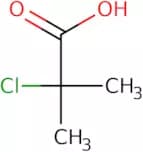
Formule :C10H14N2O2Degré de pureté :Min. 95%Couleur et forme :PowderMasse moléculaire :194.23 g/mol2-Chloro-2-methylpropionic acid
CAS :2-Chloro-2-methylpropionic acid (MCPA) is a chemical compound that belongs to the group of organic compounds called acyl chlorides. It is used in industry for the production of acrylic acid and polyacrylic acid, as well as in the production of herbicides. MCPA is produced by reacting an alkali metal with 2-chloroethanol and thioacetic acid. This reaction can be catalyzed by a variety of compounds, including palladium chloride, nickel chloride, and titanium tetrachloride. The high yield of this reaction makes it suitable for commercial use. MCPA also has been shown to stimulate cell growth through its inhibition of monomers from polymerization into polymers.
Formule :C4H7ClO2Degré de pureté :Min. 95%Couleur et forme :PowderMasse moléculaire :122.55 g/molRef: 3D-FC44546
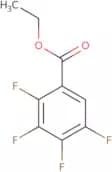
Produit arrêté2,3,4,5-Tetrafluorobenzoic acid ethyl ester
CAS :2,3,4,5-Tetrafluorobenzoic acid ethyl ester is a fine chemical that is useful in the synthesis of complex compounds. It is a versatile building block with many potential applications in research and as a reagent. 2,3,4,5-Tetrafluorobenzoic acid ethyl ester has been shown to have high purity and quality. This compound can be used as a reaction component for other chemical reactions and as an intermediate for the production of pharmaceuticals. CAS No. 122894-73-9
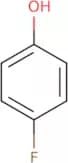
Formule :C9H6F4O2Degré de pureté :Min. 95%Masse moléculaire :222.14 g/mol4-Fluorophenol
CAS :4-Fluorophenol is the organic compound with the formula CHFOH. It is a phenolic compound and has been used in the manufacture of other chemicals such as trifluoroacetic acid, sodium carbonate and creatinine sulfate. The hydroxyl group of 4-Fluorophenol is capable of donating a proton to hydrogen fluoride to form the intramolecular hydrogen bond, which is an important factor in its chemical reactivity. This reaction mechanism can be seen using electrochemical impedance spectroscopy on bacterial strains.
4-Fluorophenol has been shown to be effective for wastewater treatment due to its ability to react with oxygen nucleophiles such as creatinine sulfate and p-hydroxybenzoic acid.Formule :C6H5FODegré de pureté :Min. 95%Couleur et forme :White PowderMasse moléculaire :112.1 g/mol2,4,6-Trifluorophenylacetic acid
CAS :2,4,6-Trifluorophenylacetic acid is a fluorinated phenylacetic acid that has been shown to inhibit the growth of the fungus Botrytis cinerea. It does this by disrupting the conformation of microtubules and inhibiting cell division. This compound has been synthesized in analogy with other known phenylacetic acids and its structure was confirmed through single-crystal x-ray diffraction studies. The heteroaryl groups on 2,4,6-Trifluorophenylacetic acid disrupt the microtubule polymerization process by binding to tubulin subunits. The fluorine atom also binds to the pyridine ring in this molecule to form an electron-deficient heterocycle.
Formule :C8H5F3O2Degré de pureté :Min. 95%Couleur et forme :White PowderMasse moléculaire :190.12 g/molRef: 3D-FT63991
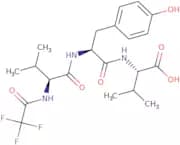
Produit arrêtéN-(2,2,2-Trifluoroacetyl)-L-valyl-L-tyrosyl-L-valine
CAS :Trifluoroacetic acid is a synthetic molecule that is used as a precursor for the synthesis of various pharmaceuticals, including the skin-lightening agent N-(2,2,2-trifluoroacetyl)-L-valyl-L-tyrosyl-L-valine. This drug is an inhibitor of tyrosinase and blocks the synthesis of melanin. Trifluoroacetic acid has been shown to inhibit tyrosinase activity in human skin cells by binding to tyrosinase and blocking its catalytic site. The hydrogenation of trifluoroacetic acid yields 2,2,2-trifluoroethanol (TFE), which can be used as a solvent in cosmetic formulations.Formule :C21H28F3N3O6Degré de pureté :Min. 98 Area-%Couleur et forme :PowderMasse moléculaire :475.46 g/molRef: 3D-FT92987
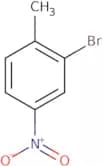
Produit arrêté2-Bromo-4-nitrotoluene
CAS :2-Bromo-4-nitrotoluene (2BNT) is a mononitro substituted aromatic compound and a potent inhibitor of protein synthesis. It has been shown to have antimalarial activity, but it is not known to what extent the inhibition of protein synthesis contributes to its anti-malarial activity. 2-Bromo-4-nitrotoluene is also used in the preparation of imatinib, an anticancer drug that inhibits the growth of certain types of cancer cells. It can also be used as an inhibitor in vibrational spectroscopy.
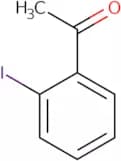
Formule :C7H6BrNO2Degré de pureté :Min. 97.5%Couleur et forme :PowderMasse moléculaire :216.03 g/mol2'-Iodoacetophenone
CAS :2'-Iodoacetophenone is a bioactive molecule that reacts with boronic acids to form aryl boronic acid derivatives. This reaction can be carried out in chlorobenzene or dihedral solvents, and it is scalable and applicable to a variety of boronic acids. The product of this reaction is an organocatalyst for the synthesis of bioactive molecules. 2'-Iodoacetophenone also reacts with dipole-containing additives to form dichlorodiphenyldichloroethane, which has been used as a fungicide, insecticide, and herbicide.
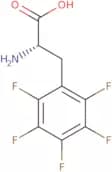
Formule :C8H7IODegré de pureté :Min. 95%Couleur et forme :Clear LiquidMasse moléculaire :246.05 g/mol2,3,4,5,6-Pentafluoro-L-phenylalanine
CAS :2,3,4,5,6-Pentafluoro-L-phenylalanine (PFPA) is a substrate molecule that has been shown to inhibit the α1 subunit of the Na+/K+ ATPase in human heart cells. PFPA also inhibits the growth of bacteria in culture and is active against bacterial strains that have developed resistance to other antimicrobial agents. PFPA is also effective against bowel disease caused by H. pylori. PFPA has been shown to inhibit the production of an antimicrobial peptide by hl-60 cells in vitro and has been shown to be effective against a number of infectious diseases including tuberculosis and some autoimmune diseases.
Formule :C9H6F5NO2Degré de pureté :Min. 95%Couleur et forme :PowderMasse moléculaire :255.14 g/mol













![2-[4-(2,2-Dichlorocyclopropyl)phenoxy]-2-methylpropanoic acid](/_next/image/?url=https%3A%2Fstatic.cymitquimica.com%2Fproducts%2F3D%2Fthumb-webp%2FFD11320.webp&w=3840&q=75)


![2-[4-(4-Chloro-a-phenylbenzyl)-1-piperazinyl]-ethoxyacetic acid hydrochloride](/_next/image/?url=https%3A%2Fstatic.cymitquimica.com%2Fproducts%2F3D%2Fthumb-webp%2FFC33467.webp&w=3840&q=75)