Halogénures organiques
Sous-catégories appartenant à la catégorie "Halogénures organiques"
20442 produits trouvés pour "Halogénures organiques"
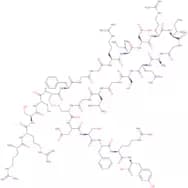
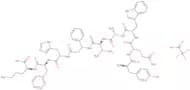
Oxyntomodulin (bovine, dog, porcine) trifluoroacetate salt
CAS :Please enquire for more information about Oxyntomodulin (bovine, dog, porcine) trifluoroacetate salt including the price, delivery time and more detailed product information at the technical inquiry form on this pageFormule :C192H295N59O60SDegré de pureté :Min. 95%Masse moléculaire :4,421.82 g/mol(D-Tyr6,betaPhe11,Phe13, Nle 14)-Bombesin (6-14) (free acid) trifluoroacetate salt
CAS :Please enquire for more information about (D-Tyr6,betaPhe11,Phe13, Nle 14)-Bombesin (6-14) (free acid) trifluoroacetate salt including the price, delivery time and more detailed product information at the technical inquiry form on this page
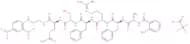
Formule :C63H79N13O12Degré de pureté :Min. 95%Masse moléculaire :1,210.38 g/molAbz-Ala-Phe-Arg-Phe-Ser-Gln-EDDnp trifluoroacetate salt
CAS :Please enquire for more information about Abz-Ala-Phe-Arg-Phe-Ser-Gln-EDDnp trifluoroacetate salt including the price, delivery time and more detailed product information at the technical inquiry form on this pageFormule :C50H63N15O13Degré de pureté :Min. 95%Masse moléculaire :1,082.13 g/molIron(II) tetrafluoroborate - 40-45% aqueous solution
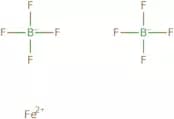
CAS :Iron(II) tetrafluoroborate is a green-yellow crystalline solid that is soluble in water. It has been shown to have structural and optical properties that are similar to those of ferric chloride, but with the advantage of being less toxic. Iron(II) tetrafluoroborate is used as a homogeneous catalyst for organic reactions such as the hydrogenation of nitroarenes and the reduction of ketones. The catalytic activity of Iron(II) tetrafluoroborate arises from its ability to form hydrogen bonding interactions with other molecules and ions in solution.
Iron(II) tetrafluoroborate undergoes a number of reactions with other compounds, including cleavage products such as hydrogen sulfate and nitrogen atoms, which may be due to its chelate ligand. In coordination chemistry, Iron(II) tetrafluoroborate can form coordination complexes by reacting with potassium dichromate or calcium carbonate. These complexes areFormule :B2F8FeDegré de pureté :About 45%Couleur et forme :Slightly Green Clear LiquidMasse moléculaire :229.45 g/molTetraethylammonium tetrafluoroborate
CAS :Tetraethylammonium tetrafluoroborate is a diamagnetic chemical species that reacts with water, forming the hydrated salt tetraethylammonium hydroxide. Tetraethylammonium tetrafluoroborate has a high resistance to oxidation and reduction reactions. It can be used as an electrolyte in electrochemistry and as a thermal expansion agent in plastics. The potentials of this substance are around +1 V, which makes it useful for electrochemical impedance spectroscopy. Tetraethylammonium tetrafluoroborate is activated by organic solvents, but not by water vapor.
Formule :C8H20N·BF4Couleur et forme :White Off-White PowderMasse moléculaire :217.06 g/molRef: 3D-FT75558
Produit arrêté1-Chlorobenzotriazole
CAS :1-Chlorobenzotriazole is a nucleophilic reagent that can be used in analytical chemistry, such as the determination of propranolol hydrochloride. It reacts with phospholipid membranes by transferring a chlorine atom to the hydroxyl group on the lipid molecule. The reaction mechanism is not well understood, but it has been shown that the deuterium isotope effect is not involved in this reaction. 1-Chlorobenzotriazole is unsymmetrical and can react with both acidic and alkaline solutions. Hydrochloric acid is often used to activate this compound, which will then react with an amine group to form an iminium ion. Kinetics data for this compound show that activation energies are required for reactions involving nucleophiles, such as ketones, alcohols, or amines.
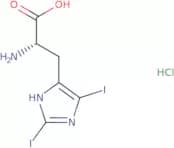
Formule :C6H4ClN3Degré de pureté :Min. 95%Masse moléculaire :153.57 g/molH-2,5-Diiodo-His-OH·HCl
CAS :Please enquire for more information about H-2,5-Diiodo-His-OH·HCl including the price, delivery time and more detailed product information at the technical inquiry form on this page
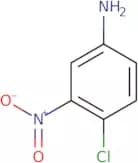
Formule :C6H7I2N3O2·HClDegré de pureté :Min. 95%Masse moléculaire :443.41 g/mol4-Chloro-3-nitroaniline
CAS :4-Chloro-3-nitroaniline is an antibacterial agent that inhibits bacterial growth by binding to the enzyme topoisomerase II, which is essential for DNA replication. It has been shown to have a statistically significant inhibitory effect on the growth of Staphylococcus aureus. 4-Chloro-3-nitroaniline may also disrupt hemosiderosis and reduce iron levels in plasma samples from patients with hemosiderosis. The biological effects of this drug are not well understood.
Formule :C6H5ClN2O2Degré de pureté :Min. 95%Couleur et forme :PowderMasse moléculaire :172.57 g/molRef: 3D-FC170383
Produit arrêtéBIM-23627 trifluoroacetate salt
CAS :Please enquire for more information about BIM-23627 trifluoroacetate salt including the price, delivery time and more detailed product information at the technical inquiry form on this page
Formule :C58H69ClN12O8S2Degré de pureté :Min. 95%Masse moléculaire :1,161.83 g/molBiotinyl-Obestatin (human) trifluoroacetate salt
CAS :Please enquire for more information about Biotinyl-Obestatin (human) trifluoroacetate salt including the price, delivery time and more detailed product information at the technical inquiry form on this page
Formule :C126H190N34O35SDegré de pureté :Min. 95%Masse moléculaire :2,773.13 g/mol1-(4,4'-Difluorobenzhydry)piperazine
CAS :1-(4,4'-Difluorobenzhydry)piperazine (1-DFBP) is a potential antitumor agent that has been shown to inhibit the growth of leukemia cells. It may be an inhibitor of apoptotic cell death, as it has been shown to induce hydrogen bond formation with coumarin derivatives. 1-DFBP has also been shown to have inhibitory activities against leukemia HL-60 cells, and is a competitive inhibitor of cinnarizine. The catalytic mechanism for 1-DFBP is not known, although kinetic data suggest that it involves hydrogen bonding and/or pi stacking interactions.
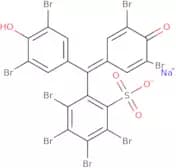
Formule :C17H18F2N2Degré de pureté :Min. 95%Masse moléculaire :288.34 g/molTetrabromophenol blue sodium salt
CAS :Tetrabromophenol blue sodium salt is a dye that is used as an additive in the production of vinyl alcohol polymer films. Tetrabromophenol blue sodium salt can be used to measure albumin concentration and postexposure by adding phenyl groups to the molecule. The color of tetrabromophenol blue sodium salt changes upon exposure to radiation, which makes it useful for diagnostic purposes. It also has a hydrocarbon group that transforms into an insoluble form when exposed to evaporation, making it useful for titration methods. Tetrabromophenol blue sodium salt is relatively stable and labile in nature, making it susceptible to techniques such as pyrolysis, oxidation, or reduction.
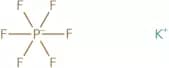
Formule :C19H5Br8NaO5SDegré de pureté :Min. 95%Masse moléculaire :1,007.53 g/molPotassium hexafluorophosphate
CAS :Potassium hexafluorophosphate is a chemical compound that is used as an antimicrobial agent in the laboratory. It reacts with hydroxyl groups on various surfaces to form potassium hexafluorophosphate and water. The reaction solution can be used to disinfect equipment and surfaces, and is stable at room temperature. Potassium hexafluorophosphate has been shown to have biological properties such as inhibiting the growth of bacteria and fungi, but not viruses. This chemical compound has been shown to be effective against E. coli, Klebsiella pneumoniae, Staphylococcus aureus, Proteus vulgaris, Bacillus subtilis, Pseudomonas aeruginosa, Aspergillus niger, Candida albicans, or Saccharomyces cerevisiae.
Formule :KPF6Degré de pureté :Min. 95%Couleur et forme :PowderMasse moléculaire :184.06 g/molRef: 3D-FP38776
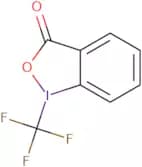
Produit arrêté1-(Trifluoromethyl)-1,2-benziodoxol-3(1h)-one
CAS :1-(Trifluoromethyl)-1,2-benziodoxol-3(1H)-one is a deuterated analog of the phenoxy radical. It has been shown to be a potent inhibitor of the apical radiation-induced chain reactions in mitochondria and chloroplasts. The deuterium isotope effect makes 1-(Trifluoromethyl)-1,2-benziodoxol-3(1H)-one more reactive than its non-deuterated counterpart. This increased reactivity leads to an increase in biological properties, such as toxicity studies and reaction mechanism. This drug also has modulating effects on sulfonic acids, which are important for many biological reactions.
Formule :C8H4F3IO2Degré de pureté :Min. 95 Area-%Couleur et forme :White PowderMasse moléculaire :316.02 g/molRef: 3D-FT30314
Produit arrêté4,5-Dibromo-1,2,6,7-tertahydro-8H-indeno[5,4-b]furan-8-one
CAS :4,5-Dibromo-1,2,6,7-tertahydro-8H-indeno[5,4-b]furan-8-one is a chemical reagent that is used for the debromination of ethyl cyanoacetate. The nucleophilic nature of the hydroxyl group in the target compound makes it an efficient substrate for this reaction. This reagent can be used to synthesize ramelteon which is a drug approved by the U.S. Food and Drug Administration (FDA) for insomnia treatment. This high yield synthesis highlights 4,5-dibromo-1,2,6,7-tertahydro-8H-indeno[5,4b]furan-8one's usefulness as a debrominating agent.
Formule :C11H8Br2O2Degré de pureté :Min. 95%Masse moléculaire :331.99 g/molLIP2 (human) trifluoroacetate salt
Please enquire for more information about LIP2 (human) trifluoroacetate salt including the price, delivery time and more detailed product information at the technical inquiry form on this pageFormule :C184H288N58O58Degré de pureté :Min. 95%Masse moléculaire :4,240.61 g/molH-Trp-Lys-Tyr-Met-Val-D-Met-NH2 trifluoroacetate salt
CAS :Please enquire for more information about H-Trp-Lys-Tyr-Met-Val-D-Met-NH2 trifluoroacetate salt including the price, delivery time and more detailed product information at the technical inquiry form on this pageFormule :C41H61N9O7S2·C2HF3O2Degré de pureté :Min. 95%Masse moléculaire :970.13 g/mol(Dibromomethyl)benzene
CAS :Dibromomethylbenzene is a reactive, non-metallic chemical compound with the formula CHBr2. It is a colorless liquid that is soluble in water and has a strong odor. Dibromomethylbenzene can be used to treat wastewater by removing metals, such as iron and copper, that are not removed by conventional methods. This compound also has been shown to inhibit the growth of infectious bacteria, such as Salmonella enterica and Escherichia coli. Dibromomethylbenzene reacts with metal hydroxides to produce volatile bromide ions, which react with the carbohydrate to form cyclic peptides. These reactions are catalyzed by solid catalysts like activated carbon or alumina.
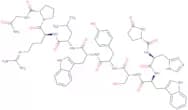
Formule :C7H6Br2Degré de pureté :95%MinMasse moléculaire :249.93 g/mol(D-Ser4,D-Trp6)-LHRH trifluoroacetate salt
CAS :Please enquire for more information about (D-Ser4,D-Trp6)-LHRH trifluoroacetate salt including the price, delivery time and more detailed product information at the technical inquiry form on this pageFormule :C64H82N18O13Degré de pureté :Min. 95%Masse moléculaire :1,311.45 g/molThr-Ala-Pro-Arg-Atrial Natriuretic Factor (1-28) (human, bovine, porcine) trifluoroacetate salt
CAS :Thr-Ala-Pro-Arg-Atrial Natriuretic Factor (1-28) (human, bovine, porcine) trifluoroacetate salt is a peptide hormone that regulates blood pressure by causing the kidneys to excrete sodium and water. It is used as a model system for studying the physiological effects of urodilatin and has been shown to inhibit the cyclase enzyme. Thr-Ala-Pro-Arg-Atrial Natriuretic Factor (1-28) (human, bovine, porcine) trifluoroacetate salt may also have an antihypertensive effect through its ability to reduce levels of natriuretic peptides in plasma. This drug is also being investigated as a possible treatment for congestive heart failure. The small molecular weight makes it suitable for use as a natriuretic or antihypertensive drug with minimal side effects.
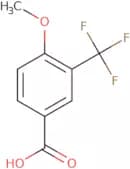
Formule :C145H234N52O44S3Degré de pureté :Min. 95%Masse moléculaire :3,505.93 g/mol4-Methoxy-3-(trifluoromethyl)benzoic acid
CAS :4-Methoxy-3-(trifluoromethyl)benzoic acid is a useful scaffold that can be used as a building block for the synthesis of complex compounds. It has been shown to react with various reagents and is a versatile building block that can be used in organic synthesis. 4-Methoxy-3-(trifluoromethyl)benzoic acid is a high quality chemical and has been classified as speciality chemicals. This product is also known by the CAS number 213598-09-5.
Formule :C9H7F3O3Degré de pureté :Min. 98 Area-%Couleur et forme :PowderMasse moléculaire :220.15 g/molAtrial Natriuretic Factor (3-28) (rat) trifluoroacetate salt
CAS :Natriuretic factor is a peptide hormone that regulates blood pressure. This peptide is encoded by a gene located on chromosome 10 and is made up of 28 amino acids. Natriuretic factor binds to the membrane of mitochondria and zymogen granules, causing them to release their contents into the cytosol. The resulting increase in cytosolic volume causes an increased diastolic pressure, as well as an increased glomerular filtration rate and cardiac output. Natriuretic factors have also been shown to stimulate the production of natriuretic peptides, which are involved in water balance and electrolyte homeostasis.
Formule :C119H189N43O36S2Degré de pureté :Min. 95%Masse moléculaire :2,862.17 g/mol(Beta-Asp5)-delta-Sleep Inducing Peptide trifluoroacetate salt
CAS :(Beta-Asp5)-delta-Sleep Inducing Peptide is a synthetic molecule that has been shown to be an atypical compound. It is a fragment of the natural sleep-inducing peptide, which is also called clostridium sporogenes. The fragment was synthesized and found to have similar properties and structures as the natural form. The fragment is labile in neutral or acidic solution, but stable in basic conditions. (Beta-Asp5)-delta-Sleep Inducing Peptide can be used for the detection of methyltransferase activity, by using it as a substrate for methylation reactions and measuring the rate of spontaneous desorption from a matrix. This compound can also be used for proteomic studies by using matrix-assisted laser desorption ionization time-of-flight mass spectrometry (MALDI TOF MS) techniques.
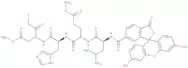
Formule :C35H48N10O15Degré de pureté :Min. 95%Masse moléculaire :848.81 g/molFluorescein-6-carbonyl-Leu-Glu(OMe)-His-DL-Asp(OMe)-fluoromethylketone
CAS :Please enquire for more information about Fluorescein-6-carbonyl-Leu-Glu(OMe)-His-DL-Asp(OMe)-fluoromethylketone including the price, delivery time and more detailed product information at the technical inquiry form on this page
Formule :C45H47FN6O14Degré de pureté :Min. 95%Masse moléculaire :914.89 g/mol2-(4-Chlorobenzyl)pyridine
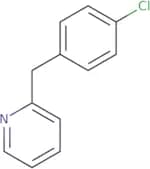
CAS :2-(4-Chlorobenzyl)pyridine is a synthetic pyridine compound that has been shown to have anti-cancer properties. It is also a potent inducer of the enzyme methane monooxygenase and has been shown to interact with other compounds, such as maleates and sulfoxides, which are also used in this type of experiment. The catalytic mechanism for 2-(4-chlorobenzyl)pyridine is not yet known, but it may involve an acidic chlorine atom or a hydrochloric acid catalyst. 2-(4-Chlorobenzyl)pyridine has been found to be effective at inhibiting the growth of cancer cells in vitro without toxic effects on healthy cells. It has also been shown to inhibit the proliferation of human leukemia cells in vivo.
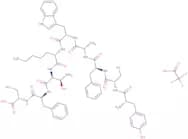
Formule :C12H10ClNDegré de pureté :Min. 95%Masse moléculaire :203.67 g/molH-Tyr-Cys-Phe-Ala-Trp-Lys-Thr-Phe-Cys-OH trifluoroacetate salt (Disulfide bond)
CAS :Please enquire for more information about H-Tyr-Cys-Phe-Ala-Trp-Lys-Thr-Phe-Cys-OH trifluoroacetate salt (Disulfide bond) including the price, delivery time and more detailed product information at the technical inquiry form on this page
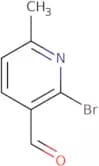
Formule :C57H71N11O12S2Degré de pureté :Min. 95%Masse moléculaire :1,166.37 g/mol2-Bromo-6-methylpyridine-3-carboxaldehyde
CAS :2-Bromo-6-methylpyridine-3-carboxaldehyde (BMPCA) is a pharmacological agent that belongs to the group of antagonists. It has been shown to be a potent antagonist at the NMDA receptor and may be used for treating neuropathic pain. BMPCA also has been shown to have competitive inhibition at the naphthyridine receptor, which may allow it to act as an antagonist or an agonist depending on its binding site. The regioisomeric analogs of BMPCA are 2-(2,5-dichloropyridyl)-6-methylpyridine-3-carboxaldehyde and 2-(2,5-dimethylpyridyl)-6-methylpyridine-3-carboxaldehyde. These analogs have been shown to inhibit the growth of tumor cells in vitro and in vivo.
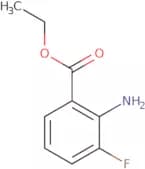
Formule :C7H6BrNODegré de pureté :Min. 95%Masse moléculaire :200.03 g/mol2-Amino-3-fluorobenzoic acid ethyl ester
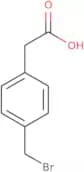
CAS :Please enquire for more information about 2-Amino-3-fluorobenzoic acid ethyl ester including the price, delivery time and more detailed product information at the technical inquiry form on this pageFormule :C9H10FNO2Degré de pureté :Min. 95%Couleur et forme :PowderMasse moléculaire :183.18 g/mol4-(Bromomethyl)phenylacetic acid
CAS :4-(Bromomethyl)phenylacetic acid is a potent cancer drug that blocks the activity of hydrogen-bonding interactions. It inhibits the growth of prostate cancer cells, DU145 cells, and other cell lines. The drug has been shown to inhibit the activation of toll-like receptor 4 (TLR4) in primary blood cells from healthy donors. TLR4 is a protein found on the surface of immune cells that senses molecules from bacteria, fungi, parasites, and viruses. This protein plays an important role in triggering anti-inflammatory and pro-inflammatory responses to infection. The drug also inhibits platelet aggregation and lipoprotein lipase activity in vitro.
Formule :C9H9BrO2Degré de pureté :Min. 95%Couleur et forme :SolidMasse moléculaire :229.07 g/molNeuropeptide Y (18-36) trifluoroacetate salt
CAS :Neuropeptide Y (18-36) trifluoroacetate salt H-Ala-Arg-Tyr-Tyr-Ser-Ala-Leu-Arg-His-Tyr-Ile-Asn-Leu-Ile-Thr-Arg -Gln is a peptide belonging to the family of neuropeptides. It has been shown to have potent vasoconstricting activity in rat and guinea pig hearts, as well as contractile activity in rat aortic rings. Neuropeptide Y (18 - 36) trifluoroacetate salt H -Ala -Arg Tyr Tyr Ser Ala Leu Arg His Tyr Ile Asn Leu Ile Thr Arg Gln Arg Tyr NH2 trifl uoroacetate salt also inhibits the cyclase activity of adenylate cyclase, which is responsible for generating the second messenger cAMP. This compound may be used to treat congestFormule :C112H174N36O27Degré de pureté :Min. 95%Masse moléculaire :2,456.81 g/molVIP (3-28) (human, mouse, rat) trifluoroacetate salt
CAS :Please enquire for more information about VIP (3-28) (human, mouse, rat) trifluoroacetate salt including the price, delivery time and more detailed product information at the technical inquiry form on this pageFormule :C138H226N40O39SDegré de pureté :Min. 95%Masse moléculaire :3,101.58 g/mol5-Chloro-8-hydroxyquinoline
CAS :5-Chloro-8-hydroxyquinoline (5-CQ) is a quinoline derivative that has been used as an anticancer agent. It binds to DNA and inhibits the synthesis of RNA and proteins, leading to cell death. 5-CQ has been shown to be cytotoxic against skin cells in vitro by inhibiting mitochondrial oxidative phosphorylation and decreasing the mitochondrial membrane potential. This compound also has genotoxic effects on cultured choroidal neovascularization cells through the inhibition of DNA synthesis.
5-CQ binds to DNA via hydrogen bonds with nitrogen atoms in the purine ring of nucleobases. The overall geometry is that of a distorted octahedron with two faces, each containing six nitrogens in square planar coordination geometry. The binding constants are low for purines but high for pyrimidines, which is why 5-CQ preferentially targets purine rich regions of the genome.Formule :C9H6ClNODegré de pureté :Min. 95%Couleur et forme :Green To Grey SolidMasse moléculaire :179.6 g/molSuc-Ala-Ala-Pro-Phe-2,4-difluoroanilide
CAS :Please enquire for more information about Suc-Ala-Ala-Pro-Phe-2,4-difluoroanilide including the price, delivery time and more detailed product information at the technical inquiry form on this page
Formule :C30H35F2N5O7Degré de pureté :Min. 95%Masse moléculaire :615.63 g/molTrityl chloride resin
CAS :Trityl chloride resin is a chemical compound that is used as a model system for the study of trifluoroacetic acid and its reactions. Trityl chloride resin is insoluble in water and has been used as a reaction solution for transfer reactions. It has been shown to be an effective ligand for many types of receptors, with binding constants ranging from 10 M-1 to 10 M-10. Trityl chloride resin can also be chiral, which means that it may exist in two forms that are mirror images of each other. The physiological effects of this compound are not well understood, but it has been shown to have an effect on coordination geometry.
Couleur et forme :PowderZinc 1,2,3,4,8,9,10,11,15,16,17,18,22,23,24,25-hexadecafluoro-29H,31H-phthalocyanine
CAS :Please enquire for more information about Zinc 1,2,3,4,8,9,10,11,15,16,17,18,22,23,24,25-hexadecafluoro-29H,31H-phthalocyanine including the price, delivery time and more detailed product information at the technical inquiry form on this pageFormule :C32F16N8ZnDegré de pureté :Min. 95%Masse moléculaire :865.75 g/molRef: 3D-FZ101052
Produit arrêté2,3,5-Trichlorobenzaldehyde
CAS :2,3,5-Trichlorobenzaldehyde is a chemical compound that has been shown to have anticancer and apoptotic effects. It inhibits the growth of bacteria by chelating iron ions and inhibiting bacterial dna synthesis. 2,3,5-Trichlorobenzaldehyde has also been shown to inhibit the growth of cancer cells in culture in an experimental study. This chemical has been used as a substrate for nmr spectroscopy to study its functional groups and radical scavenging activities. 2,3,5-Trichlorobenzaldehyde can be synthesized from phenacyl chloride and benzaldehyde in the presence of hydrogen chloride gas. The carbonyl group in 2,3,5-trichlorobenzaldehyde may cause metabolic disorders such as diabetes mellitus or hyperglycemia.
Formule :C7H3Cl3ODegré de pureté :Min. 95%Couleur et forme :PowderMasse moléculaire :209.46 g/molAmmonium Undecafluorohexanoate
CAS :Undecafluorohexanoic acid is a perfluoroalkyl carboxylic acid that has been shown to disrupt steroidogenesis in vitro. It may be able to inhibit the transport of cholesterol, fats, and other lipids in cells, which causes disruption in steroidogenesis. This compound also has anti-cancer properties due to its ability to induce apoptosis and arrest cancer cell proliferation. Undecafluorohexanoic acid may also have developmental effects on animals because it can bind to estrogen receptors and disrupt the normal process of estrogen-mediated signaling pathways.
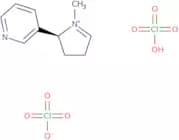
Formule :C6H4F11NO2Degré de pureté :Min. 95%Masse moléculaire :331.08 g/molS-(-)-Nicotine-delta1’-(5’)-iminium diperchlorate salt
CAS :Please enquire for more information about S-(-)-Nicotine-delta1’-(5’)-iminium diperchlorate salt including the price, delivery time and more detailed product information at the technical inquiry form on this page
Formule :C10H14Cl2N2O8Degré de pureté :Min. 95%Masse moléculaire :361.13 g/molRef: 3D-FN26207
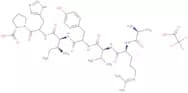
Produit arrêtéAngiotensin A (1-7) trifluoroacetate
CAS :Endogenous heptapetide which causes vasodilation and has anti-hypertensive properties.
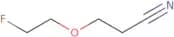
Formule :C40H62N12O9•(C2HF3O2)xDegré de pureté :Min. 95%Couleur et forme :PowderMasse moléculaire :855 g/mol3-(2-Fluoroethoxy)Propanenitrile
CAS :3-(2-Fluoroethoxy)Propanenitrile is a chemical with toxic properties. It is classified as a fluoroacetic acid and has been used in the production of other chemicals. Fluoroacetic acid is toxic to humans, showing signs of skin irritation, respiratory tract irritation, and kidney damage. 3-(2-Fluoroethoxy)Propanenitrile is not found naturally and has been sponsored by many companies.
Formule :C5H8FNODegré de pureté :Min. 95%Masse moléculaire :117.12 g/mol2,3-Bis(bromomethyl)quinoxaline
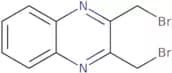
CAS :2,3-Bis(bromomethyl)quinoxaline is a nitrogenous heterocyclic compound that has a coordination geometry of square planar. It has been used as an inhibitor for the protein p21 and the nucleophile in palladium complexes. 2,3-Bis(bromomethyl)quinoxaline is also a model system for studying reaction mechanisms and chemical structures. The electron density map of the compound was obtained by X-ray crystal structure analysis. The reaction mechanism of this molecule is proposed to be through a chelate ring cross-coupling process.
Formule :C10H8Br2N2Degré de pureté :Min. 95%Couleur et forme :Brown PowderMasse moléculaire :315.99 g/molTriethyloxonium tetrafluoroborate
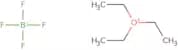
CAS :Triethyloxonium tetrafluoroborate is an antimicrobial agent that inhibits the transfer of electrons from one molecule to another. It has been shown to be effective against methicillin-resistant Staphylococcus aureus and Mycobacterium tuberculosis. Triethyloxonium tetrafluoroborate binds to the bacterial enzyme, Jak1, which is involved in the formation of cytokines and interleukins. This binding inhibits the production of these molecules, leading to cell death by apoptosis. The use of triethyloxonium tetrafluoroborate as a research tool has facilitated its discovery as a potential anti-inflammatory drug for autoimmune diseases such as type 1 diabetes mellitus and rheumatoid arthritis. Triethyloxonium tetrafluoroborate can be used to inhibit amide synthesis, which may have applications in the study of carbohydrate chemistry and nitrogen atoms in biological systems. This compound has also been used
Formule :C6H15BF4ODegré de pureté :Min. 95%Couleur et forme :PowderMasse moléculaire :189.99 g/mol







![4,5-Dibromo-1,2,6,7-tertahydro-8H-indeno[5,4-b]furan-8-one](/_next/image/?url=https%3A%2Fstatic.cymitquimica.com%2Fproducts%2F3D%2Fthumb-webp%2FFD21568.webp&w=3840&q=75)