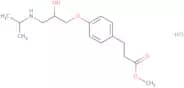
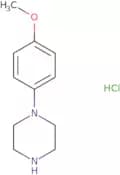
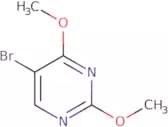
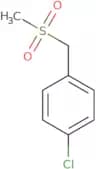
Halogénures organiques
Sous-catégories appartenant à la catégorie "Halogénures organiques"
20442 produits trouvés pour "Halogénures organiques"
(3-(2,6-dichlorophenyl)-5-methylisoxazol-4-yl)-N-(4-(2-pyridylthio)phenyl)formamide
CAS :Please enquire for more information about (3-(2,6-dichlorophenyl)-5-methylisoxazol-4-yl)-N-(4-(2-pyridylthio)phenyl)formamide including the price, delivery time and more detailed product information at the technical inquiry form on this pageDegré de pureté :Min. 95%1-(4-Fluorophenyl)-2-nitropropene
CAS :1-(4-Fluorophenyl)-2-nitropropene is a versatile building block that is used in the synthesis of a wide range of complex chemical compounds. This compound is also found to be useful as a key component in the synthesis of pharmaceuticals, research chemicals, and other fine chemicals. 1-(4-Fluorophenyl)-2-nitropropene can be used as a reagent for organic reactions, and it has been shown to react with amines to form nitrosoamines. This compound is an intermediate in the synthesis of 4-fluoroaniline, which has various industrial applications. The chemical formula for 1-(4-Fluorophenyl)-2-nitropropene is C8H6FO3N3O2.Formule :C9H8FNO2Degré de pureté :Min. 95%Couleur et forme :PowderMasse moléculaire :181.16 g/mol4-(Trifluoromethoxy)phenol
CAS :4-(Trifluoromethoxy)phenol is an anti-tuberculosis drug. It is a diode that has been shown to have pharmacokinetic properties in rats and mice. 4-(Trifluoromethoxy)phenol has been shown to act as a prodrug, which is activated by conversion to the active form. This active form inhibits the growth of Mycobacterium tuberculosis by binding to the 50S ribosomal subunit and preventing bacterial transcription and replication. The molecular structure of 4-(trifluoromethoxy)phenol is similar to phenoxypropanoid compounds, such as biphenyl, which may be responsible for its anti-tuberculosis effects. 4-(Trifluoromethoxy)phenol also binds DNA at specific sites with high affinity and specificity, inhibiting gene expression and RNA synthesis.Formule :C7H5F3O2Degré de pureté :Min. 95%Couleur et forme :Clear LiquidMasse moléculaire :178.11 g/mol3-Hydroxy-4-methoxybenzylamine hydrochloride
CAS :3-Hydroxy-4-methoxybenzylamine hydrochloride is a vanilloid receptor 1 (VR1) antagonist. It has been shown to inhibit the growth of prostate cancer cells in cell-based assays and to have potential as a therapeutic for prostate cancer patients with high triglycerides. 3-Hydroxy-4-methoxybenzylamine hydrochloride is also an inhibitor of guanosine, which is involved in the production of energy. It has been shown to enhance the antitumor effects of cetuximab, an antibody that targets the epidermal growth factor receptor (EGFR). 3-Hydroxy-4-methoxybenzylamine hydrochloride is soluble in water and can be used as a solvent for other compounds. 3-Hydroxy-4-methoxybenzylamine hydrochloride is also known by its chemical name, N-(3,4 dimethylphenyl)-Formule :C8H12ClNO2Degré de pureté :Min. 95%Couleur et forme :PowderMasse moléculaire :189.64 g/molN-[5-(Phenylamino)-2,4-pentadienylidene]aniline monohydrochloride
CAS :N-[5-(Phenylamino)-2,4-pentadienylidene]aniline monohydrochloride is a fluorescent probe that reacts with malonic acid. The reaction produces an emission peak at 595 nm and can be detected by fluorescence microscopy. This probe has been used in the study of hypoxia imaging, as well as for detection of reactive carbonyl groups and acetylation reactions. It can also be used to monitor treatment effects on residues from emulsions.Formule :C17H16N2·HClDegré de pureté :(Titration) Min 98%Couleur et forme :Red PowderMasse moléculaire :284.78 g/mol4-(2- fluorophenyl)-6,8-dihydro-1,3,8-trimethyl-Pyrazolo[3,4-e][1,4]diazepin-7(1H)-one mixt. with 2-(ethylamino)-2-(2-thienyl)cycloh exanone hydrochloride
CAS :Produit contrôléTelazol is an anesthetic that belongs to the class of nonbenzodiazepine drugs. It is used as a short-term sedative and analgesic in preoperative, obstetrical, and diagnostic procedures. Telazol is a prodrug that is metabolized in vivo to its active form, 4-(2-fluorophenyl)-6,8-dihydro-1,3,8-trimethyl-Pyrazolo[3,4-e][1,4]diazepin-7(1H)-one (TFD). Telazol has been shown to have low toxicity when administered at low doses (0.5 mg/kg) to rats.Formule :C27H33ClFN5O2SDegré de pureté :Min. 95%Masse moléculaire :546.1 g/molEthyl 5-chloropyrazolo[1,5-a]pyrimidine-3-carboxylate
CAS :Please enquire for more information about Ethyl 5-chloropyrazolo[1,5-a]pyrimidine-3-carboxylate including the price, delivery time and more detailed product information at the technical inquiry form on this pageFormule :C9H8ClN3O2Degré de pureté :Min. 95%Couleur et forme :PowderMasse moléculaire :225.63 g/mol3-Chloro-N-methyl-5-(trifluoromethyl)-2-pyridinamine
CAS :3-Chloro-N-methyl-5-(trifluoromethyl)-2-pyridinamine is a fine chemical that is used as a versatile building block for the synthesis of other chemical compounds. 3-Chloro-N-methyl-5-(trifluoromethyl)-2-pyridinamine is also useful as an intermediate in research and development, and can be used to produce speciality chemicals. This compound has shown to be a useful reagent and is of high quality.Formule :C7H6ClF3N2Degré de pureté :Min. 95%Masse moléculaire :210.58 g/molHydrochlorothiazide
CAS :Produit contrôléHydrochlorothiazide is a thiazide-sensitive NaCl cotransporter inhibitor. Due to its diuretic properties, hydrochlorothiazide can inhibit the transport of sodium chloride in the distal tubule in the nephron and, as a consequence, the concentration of Na is decreased. In combination with other substances, such as captopril, hydrochlorothiazide acts an antihypertensive to reduce high blood pressure.Formule :C7H8ClN3O4S2Degré de pureté :Min. 98 Area-%Couleur et forme :White PowderMasse moléculaire :297.74 g/mol2-Amino-3-fluorobenzoic acid
CAS :2-Amino-3-fluorobenzoic acid is a covid-19 pandemic anti-infective agent that has been shown to modulate the nicotinic acetylcholine receptor. It has been shown to be effective in preventing the spread of influenza A (H1N1) and other flu strains, as well as the related H5N1 avian flu. 2-Amino-3-fluorobenzoic acid is an organofluorine compound with a five membered ring and fluorine atom in the para position. 2-Amino-3-fluorobenzoic acid binds to the ligand binding site of the acetylcholine receptor, which is found on nerve cells. The drug competitively inhibits acetylcholine's binding to this site, preventing activation of the receptor and blocking transmission of nerve impulses across synapses. This prevents muscle contraction, leading to paralysis and death from respiratory
Formule :C7H6FNO2Degré de pureté :Min. 95%Couleur et forme :PowderMasse moléculaire :155.13 g/molZ-Val-Ala-DL-Asp-fluoromethylketone
CAS :Z-Val-Ala-DL-Asp-fluoromethylketone is a drug that is used for the treatment of cancer. It can be used in combination with other chemotherapeutic drugs, such as z-vad-fmk, to induce apoptosis in cancer cells. Z-Val-Ala-DL-Asp-fluoromethylketone also inhibits autophagy and neuronal death by inhibiting caspase activation, which prevents the release of proapoptotic proteins from mitochondria into the cytosol. This drug has been shown to have antiinflammatory effects on IL2 receptor signaling pathways and inhibits the production of proinflammatory cytokines by binding to IL2.Formule :C21H28FN3O7Degré de pureté :Min. 95%Couleur et forme :PowderMasse moléculaire :453.46 g/mol2-Bromo-4,5-difluorobenzaldehyde
CAS :2-Bromo-4,5-difluorobenzaldehyde is a chemical intermediate and speciality chemical. It is an important building block for the synthesis of organic compounds, such as pharmaceuticals and agrochemicals. This product is a versatile building block, which can be used in a wide range of reactions and is suitable for use as an intermediate or scaffold. It has high quality and complex structure that can be used to synthesize a number of different compounds.
Formule :C7H3BrF2ODegré de pureté :Min. 97%Couleur et forme :PowderMasse moléculaire :221 g/mol2-(4-Methyl-4H-1,2,4-triazol-3-yl)ethanamine dihydrochloride
CAS :2-(4-Methyl-4H-1,2,4-triazol-3-yl)ethanamine dihydrochloride is a high quality chemical used as a building block in the synthesis of complex compounds. It is an intermediate in the manufacture of research chemicals, reagents and speciality chemicals. 2-(4-Methyl-4H-1,2,4-triazol-3-yl)ethanamine dihydrochloride is also a versatile building block that can be used in reactions to produce useful scaffolds. CAS No. 1158631-54-9Formule :C5H10N4·2HClDegré de pureté :Min. 95%Couleur et forme :White PowderMasse moléculaire :199.08 g/mol6-Bromo-4-chloroquinoline
CAS :6-Bromo-4-chloroquinoline is a chemical compound with the molecular formula C8H6BrClN. It belongs to the class of heterocyclic compounds and has been used in the synthesis of other compounds, such as pharmaceuticals. 6-Bromo-4-chloroquinoline has been shown to be an effective anticancer drug, with measurable levels in the blood after oral administration. This drug interacts with hydrogen bonding interactions with thp-1 cells, which are erythrocytes derived from human peripheral blood lymphocytes. 6-Bromo-4-chloroquinoline also interacts with sodium sulfide, which is found in human liver and kidney cells. The pharmacokinetic properties of 6-bromo-4-chloroquine have been studied in rats and mice.
Formule :C9H5BrClNDegré de pureté :Min. 95%Couleur et forme :PowderMasse moléculaire :242.5 g/mol5-Chloro-2-(6-methylpyridin-3-yl)-3-(4-methylsulfonylphenyl)pyridine
CAS :Produit contrôléEtoricoxib is a cyclooxygenase-2 (COX-2) inhibitor, which is a type of nonsteroidal anti-inflammatory drug (NSAID). It works by blocking the enzyme COX-2 that is involved in the production of certain hormones called prostaglandins. These hormones are involved in the inflammation (swelling and heat) associated with conditions such as arthritis. By blocking the action of the COX-2 enzyme, etoricoxib reduces the production of prostaglandins and thus, reduces the inflammation and pain. It has been observed that Etoricoxib shows a higher selectivity for COX-2 over COX-1 in diverse studies, with a COX-1/COX-2 IC50 ratio of 344 for in vitro assays, and it is involved in the modulation of NF-ΚB/COX-2/PGE2 signaling.Formule :C18H15ClN2O2SDegré de pureté :Min. 95%Couleur et forme :PowderMasse moléculaire :358.84 g/mol3-(N-Methyl-N-pentylamino)propionic acid hydrochloride
CAS :Trichloroethylene is a chlorinated hydrocarbon that is primarily used as a solvent. The propionic acid is the monosodium salt of 3-(N-Methyl-N-pentylamino)propionic acid hydrochloride, which is an organic compound. The monohydrate and trichloride are two polymorphic forms of this substance. Acetone and unreacted Trichloroethylene are substances that may be formed during the chemical process. The alkaline form of Trichloroethylene may be obtained by refluxing the substance with sodium hydroxide in water or with potassium hydroxide in alcohol. This substance can also exist in a polymorphic form.Formule :C9H20ClNO2Degré de pureté :Min. 95%Couleur et forme :PowderMasse moléculaire :209.71 g/molN-(6-Hydroxyhexyl)trifluoroacetamide
CAS :6-(Trifluoroacetylamino)-1-Hexanol is a magnetic compound that has been shown to bind to liposomes and hydrophobic membranes. It is also amphipathic, meaning it contains both hydrophilic and hydrophobic properties. This compound can be used for the diagnosis of certain diseases, such as cancer, by detecting gadolinium ions in the body. 6-(Trifluoroacetylamino)-1-Hexanol is also an imidazolide ligand that binds to ribonucleotides and nucleic acid matrix proteins. This allows it to be used as a contrast agent in magnetic resonance imaging (MRI).Formule :C8H14F3NO2Degré de pureté :Min. 95%Couleur et forme :PowderMasse moléculaire :213.2 g/mol9-Fluorenone oxime
CAS :9-Fluorenone oxime is a pharmacological agent that has been shown to inhibit the activity of proteases. It has been shown to be effective in the treatment of hepatitis caused by radiation and amines, such as fluorenone. 9-Fluorenone oxime binds to the hydroxyl group of the active site on the protease enzyme and forms a covalent bond with it. This prevents hydrolysis of substrate proteins and thus blocks protein synthesis. 9-Fluorenone oxime also has chelate ligand properties, which allow it to bind to metal ions, such as phosphotungstic acid or fluorescence probes, and form complexes. The thermal expansion property of 9-fluorenones can be used for thermometry in biochemistry research.
Formule :C13H9NODegré de pureté :90%Couleur et forme :PowderMasse moléculaire :195.22 g/mol(2-chlorophenyl)(4-(4-fluorophenyl)(2,5-thiazolyl))amine
CAS :Please enquire for more information about (2-chlorophenyl)(4-(4-fluorophenyl)(2,5-thiazolyl))amine including the price, delivery time and more detailed product information at the technical inquiry form on this pageDegré de pureté :Min. 95%2-Amino-4-chlorobenzonitrile
CAS :2-Amino-4-chlorobenzonitrile is a synthetic molecule that can be synthesized in a metal chelator. It has potent inhibitory activities against amines, choline, and other molecules. 2-Amino-4-chlorobenzonitrile also has fluorescence properties. The reaction mechanism of 2-Amino-4-chlorobenzonitrile is not well understood, but it is believed to inhibit the synthesis of proteins by binding to their functional groups. This chemical can also enhance the rate of reactions by removing a hydrogen ion from the reactant.Formule :C7H5ClN2Degré de pureté :Min. 95%Couleur et forme :PowderMasse moléculaire :152.58 g/mol4-Methoxy-2-(trifluoromethyl)aniline
CAS :4-Methoxy-2-(trifluoromethyl)aniline is a chemical compound that is used as a research chemical, reagent, and speciality chemical. It is a versatile building block that can be used in reactions to produce complex compounds. 4-Methoxy-2-(trifluoromethyl)aniline has been identified by the Chemical Abstracts Service (CAS) as having high quality and is useful for preparing fine chemicals. This substance also has uses in the field of medicinal chemistry and can be used as a scaffold for pharmaceutical products.Formule :C8H8F3NODegré de pureté :Min. 95%Couleur et forme :Clear LiquidMasse moléculaire :191.15 g/mol(4-(tert-Butyl)phenyl)hydrazine hydrochloride
CAS :4-(tert-Butyl)phenylhydrazine hydrochloride (BPHH) is a chemical compound that has been used as a synthetic precursor to indole. It has been shown to be synthesized from cycloheptanone and sulfuric acid, with the addition of hydrazine hydrochloride and sodium acetate. BPHH can also be synthesized from 4-nitrobenzaldehyde and hydrazine sulfate, which is then reacted with ethanolamine.Formule :C10H16N2•HClDegré de pureté :Min. 95%Couleur et forme :Light brown powder.Masse moléculaire :200.71 g/mol2-Bromo-4'-methylpropiophenone
CAS :Produit contrôlé2-Bromo-4'-methylpropiophenone is a chemical compound that belongs to the group of phenols. It is used as a solvent in silicone rubber and as a colorant in plastics, paints, and enamels. 2-Bromo-4'-methylpropiophenone has been shown to be an effective antioxidant for china, silica gel, and silicone rubber. This chemical also produces red color when heated and can be used as a connector or monochrome panel on copper plates. 2-Bromo-4'-methylpropiophenone is soluble in water but insoluble in organic solvents such as alcohols and ethers. This chemical has been found to have the ability to produce solar modules with high efficiency by converting sunlight into electricity.Formule :C10H11BrODegré de pureté :(%) Min. 85%Couleur et forme :PowderMasse moléculaire :227.1 g/molMethyl 3-amino-5,6-dichloro-2-pyrazine carboxylate
CAS :Methyl 3-amino-5,6-dichloro-2-pyrazine carboxylate is a synthetic molecule that has been synthesized from dimethylamiloride. This chemical has been labeled and used for a variety of homologous and synthetic modifications. It may be used in labeling experiments to identify an unknown compound or to determine the structure of a known compound. The methyl 3-amino-5,6-dichloro-2-pyrazine carboxylate can also be used as a ligand to bind with subunits of proteins or nucleic acids. Photolabile methyl 3-amino-5,6-dichloro-2-pyrazine carboxylate can be synthesized by using light energy to cleave the ester bonds in the chemical. This chemical is useful for assays and techniques such as spectroscopy and nuclear magnetic resonance (NMR).Formule :C6H5Cl2N3O2Degré de pureté :Min. 96.5 Area-%Couleur et forme :PowderMasse moléculaire :222.03 g/molN-[2-(2,3-Dimethoxyphenyl)ethyl]-2-chlorobenzamide
CAS :Produit contrôléN-[2-(2,3-Dimethoxyphenyl)ethyl]-2-chlorobenzamide is a versatile building block that can be used as a reaction component and reagent. It is an intermediate in the synthesis of pharmaceuticals and fine chemicals and has been shown to be useful in the synthesis of complex compounds. This compound reacts with nucleophiles, such as amines and alcohols, by replacing the chloride group with a variety of functional groups. The product is then hydrolyzed to release the original reactant. N-[2-(2,3-Dimethoxyphenyl)ethyl]-2-chlorobenzamide has a CAS number of 320576-19-0 and can be found at ChemDiv.com.Formule :C17H18ClNO3Degré de pureté :Min. 95%Masse moléculaire :319.78 g/mol3-Benzylazetidine hydrochloride
CAS :3-Benzylazetidine hydrochloride is a versatile building block with a wide range of applications. It has been used as a reagent, intermediate, and scaffold in the synthesis of complex compounds and speciality chemicals. 3-Benzylazetidine hydrochloride is also used as an experimental drug for the treatment of cancer, Parkinson's disease and Alzheimer's disease. 3-Benzylazetidine hydrochloride is soluble in water and organic solvents such as alcohols, ethers, chloroform, acetone, ethyl acetate etc., making it easy to dissolve in solution.Formule :C10H13N•HClDegré de pureté :Min. 95%Couleur et forme :PowderMasse moléculaire :183.68 g/mol2-Aminoethoxyamine dihydrochloride
CAS :2-Aminoethoxyamine dihydrochloride is a cardiotonic, which is a chemical agent that acts on the heart to increase contractility. It has been shown to be more efficient and less toxic than other cardiotonics. 2-Aminoethoxyamine dihydrochloride has been found to act as an epoxidizing agent and can be used in the synthesis of istaroxime, an inhibitor of cholesterol biosynthesis.2-Aminoethoxyamine dihydrochloride also reacts with dehydroepiandrosterone to form 2-aminoethoxyamidine hydrochloride.Formule :C2H10Cl2N2ODegré de pureté :Min. 95%Couleur et forme :PowderMasse moléculaire :149.02 g/mol5-Bromo-4,6-dimethylpyrimidin-2-amine
CAS :Please enquire for more information about 5-Bromo-4,6-dimethylpyrimidin-2-amine including the price, delivery time and more detailed product information at the technical inquiry form on this pageFormule :C6H8BrN3Degré de pureté :Min. 95%Couleur et forme :PowderMasse moléculaire :202.05 g/molPiperazinophenylacetic acid benzylamide hydrochloride
CAS :Piperazinophenylacetic acid benzylamide hydrochloride is a versatile building block that can be used in the synthesis of complex compounds for research and development. It is a reagent for the preparation of speciality chemicals and also a useful intermediate for the synthesis of reaction components. Piperazinophenylacetic acid benzylamide hydrochloride is a high quality, commercially available chemical that can be used as a scaffold for the preparation of new chemical compounds.Formule :C13H19N3O•HClDegré de pureté :Min. 95%Couleur et forme :PowderMasse moléculaire :269.77 g/mol2-Iodo-5-methylbenzoic acid
CAS :2-Iodo-5-methylbenzoic acid is a fine chemical, useful building block and reagent that is used in the synthesis of complex compounds. It is versatile because it can be used as a reactant, intermediate or scaffold in many chemical reactions. It has been shown to be an effective catalyst for the Suzuki reaction and Buchwald-Hartwig amination reaction. 2-Iodo-5-methylbenzoic acid has also been found to be a useful intermediate for the synthesis of many pharmaceuticals, such as tamoxifen, griseofulvin, mesalazine, and risperidone.Formule :C8H7IO2Degré de pureté :Min. 95%Couleur et forme :PowderMasse moléculaire :262.04 g/mol5-Fluoro-2-methoxybenzonitrile
CAS :5-Fluoro-2-methoxybenzonitrile is a fine chemical that has a versatile building block and is used as a reaction component in the synthesis of complex compounds. It is also used as a reagent and research chemical. The compound can be useful for the preparation of high quality pharmaceuticals, pesticides, materials science, and other industries.Formule :C8H6FNODegré de pureté :Min. 95%Masse moléculaire :151.14 g/molDextromethorphan hydrobromide monohydrate
CAS :Produit contrôléDextromethorphan is a drug that is used for the treatment of cough and cold symptoms. It has been shown to be effective in human studies, and has minimal side effects. Dextromethorphan hydrobromide monohydrate is a pseudoephedrine prodrug that is metabolized in the liver through demethylation and hydroxylation before being excreted in urine. Dextromethorphan has been shown to have anti-inflammatory properties, which may be due to its ability to inhibit prostaglandin synthesis. The pharmacological mechanism of action of dextromethorphan remains unclear.Formule :C18H25NO•HBr•H2ODegré de pureté :Min. 98 Area-%Couleur et forme :White PowderMasse moléculaire :370.32 g/mol2-Bromo-4-chlorobenzoic acid methyl ester
CAS :2-Bromo-4-chlorobenzoic acid methyl ester is a versatile chemical that can be used as a building block in the synthesis of many complex chemical compounds. It is also a useful reagent, and can be used to synthesize speciality chemicals. 2-Bromo-4-chlorobenzoic acid methyl ester has a high quality that makes it useful for research purposes. It is also an important intermediate in the synthesis of other compounds and has been found to be an effective scaffold for drug discovery. This compound is also commercially available under CAS No. 57381-62-1.Formule :C8H6BrClO2Degré de pureté :Min. 95%Couleur et forme :Clear LiquidMasse moléculaire :249.49 g/molL-Leucine b-naphthylamide hydrochloride
CAS :Please enquire for more information about L-Leucine b-naphthylamide hydrochloride including the price, delivery time and more detailed product information at the technical inquiry form on this pageFormule :C16H20N2O·HClDegré de pureté :Min. 95%Couleur et forme :PowderMasse moléculaire :292.8 g/mol4-Methyl-5-hydromethylimidazole hydrochloride
CAS :4-Methyl-5-hydromethylimidazole hydrochloride is a drug that is used in the treatment of hydrochloric acid. It reacts with hydrochloric acid to form cimetidine and cysteamine, which are pharmaceuticals. 4-Methyl-5-hydromethylimidazole hydrochloride is also used as a corrosion inhibitor and may be used as an additive in animal feed.Formule :C5H8N2O•HClDegré de pureté :Min. 95%Couleur et forme :PowderMasse moléculaire :148.59 g/molDimethyltin dichloride
CAS :Dimethyltin dichloride is a compound that belongs to the group of organotin compounds. It is an x-ray crystal structure analysis and a coordination geometry study of the sodium salt of dimethyltin dichloride. The energy metabolism, biological studies, and analytical methods are used to study this compound. Dimethyltin dichloride has been shown to have acute toxicities in animals, and the solubility data is determined by plasma mass spectrometry.
Formule :C2H6Cl2SnDegré de pureté :Min. 95%Couleur et forme :PowderMasse moléculaire :219.68 g/mol4-Methoxy-2-(trifluoromethyl)benzaldehyde
CAS :4-Methoxy-2-(trifluoromethyl)benzaldehyde is a chemical that has been used in the synthesis of a variety of compounds. It is an important intermediate for the production of pharmaceuticals, agrochemicals, and fine chemicals. This compound can be used as a building block to produce other organic compounds with high quality. 4-Methoxy-2-(trifluoromethyl)benzaldehyde can also be used as a reagent in organic chemistry reactions, such as the synthesis of indoles. The CAS number for this compound is 106312-36-1.Formule :C9H7F3O2Degré de pureté :Min. 95%Couleur et forme :PowderMasse moléculaire :204.15 g/mol3-Iodoanisole
CAS :3-Iodoanisole is a reactive aryl halide that undergoes the Friedel-Crafts reaction with carbamic acid to produce anisole. The rate of this reaction is increased by the addition of nitrous acid, which is used as a catalyst. 3-Iodoanisole has two stereoisomers, one of which is more reactive than the other. This reactivity can be explained by electron-donating and electron-withdrawing effects on the substituents on the ring. The functional theory states that nucleophilic attack occurs at the carbon atom with least steric hindrance. 3-Iodoanisole reacts faster in hexane than in methanol because it has a lower boiling point and higher solubility in hexane.Formule :C7H7IODegré de pureté :Min. 98 Area-%Couleur et forme :Colorless Clear LiquidMasse moléculaire :234.03 g/mol4-Phenylbutyryl chloride
CAS :4-Phenylbutyryl chloride is a chemical with a chiral center and an asymmetric carbon atom. The chemical can be synthesized by the reaction of phenylacetic acid and butyric acid chloride. This compound has been shown to have hypoglycemic effects in animal studies, which may be due to its ability to inhibit the activity of alpha-glucosidase. 4-Phenylbutyryl chloride has also been used for the synthesis of some drugs, including acarbose, miglitol, and glipizide. It has also been shown to have anti-cancer properties in prostate cancer cells. 4-Phenylbutyryl chloride is metabolized by the liver into urinary metabolites that are detectable in urine samples.Formule :C10H11ClODegré de pureté :Min. 97 Area-%Couleur et forme :Brown Off-White Yellow Clear LiquidMasse moléculaire :182.65 g/mol4-Iodoguaiacol
CAS :4-Iodoguaiacol is a chemical compound that has selective inhibitory effects on neuroinflammation. It is an isoquinoline alkaloid, which means that it contains nitrogen and carbon atoms in its structure. This molecule contains two vinyl ether groups and one methyl methacrylate group. The vinyl ether groups are responsible for the selectivity of 4-iodoguaiacol by binding to a protein called signal transducer and activator of transcription (STAT) 1. STAT1 is a signaling molecule that regulates inflammation in the brain. 4-Iodoguaiacol inhibits the production of amyloid beta proteins, which are linked to Alzheimer's disease, and can be used as a treatment for this condition.
Formule :C7H7IO2Degré de pureté :Min. 95%Couleur et forme :White PowderMasse moléculaire :250.03 g/mol3-Amino-3'-nitrobiphenyl hydrochloride
CAS :3-Amino-3'-nitrobiphenyl hydrochloride is a versatile intermediate that can be used in the synthesis of complex compounds. It is a white crystalline solid with a melting point of 178 °C. This product is soluble in water, methanol, ethanol, acetone and chloroform. 3-Amino-3'-nitrobiphenyl hydrochloride has many applications including research chemicals and speciality chemicals.Formule :C12H10N2O2·HClDegré de pureté :Min. 95%Couleur et forme :PowderMasse moléculaire :250.68 g/mol2-Bromo-1,3-diphenylpropane-1,3-dione
CAS :2-Bromo-1,3-diphenylpropane-1,3-dione is a ligand that binds to metal ions. It has been used as an efficient method for the synthesis of phenyl groups in organic chemistry. 2-Bromo-1,3-diphenylpropane-1,3-dione was found to have a catalytic effect on reactions involving halides and phosphine. A study on the reaction mechanism revealed that 2-bromo-1,3-diphenylpropane-1,3-dione acts as an electron donor to phosphites and phosphines. The xray diffraction study showed that the ligand binds to metal ions through its phenyl groups.Formule :C15H11BrO2Degré de pureté :Min. 95%Masse moléculaire :303.15 g/mol1-Fluorocyclopropane-1-carboxylic acid
CAS :1-Fluorocyclopropane-1-carboxylic acid is a fluorinated carboxylic acid that is an intermediate in the synthesis of the drug Covid-19, which has antiviral activity against pandemic influenza. The compound has a unique conformational property, which allows it to bind to the e3 ubiquitin ligase. This binding activates the ligase and leads to ubiquitin conjugation of proteins. 1-Fluorocyclopropane-1-carboxylic acid is also used as a reagent for chemical studies. It can be used as an acceptor or hydrogen donor in intramolecular reactions, and it can form strong dipole interactions with phenoxy groups. 1-Fluorocyclopropane-1-carboxylic acid is also bifunctional; it binds to two different molecules at once and has strong hydrogen bonding properties with fluorine atoms.
Formule :C4H5FO2Degré de pureté :Min. 95%Couleur et forme :PowderMasse moléculaire :104.08 g/mol2-Fluoro-6-nitrobenzoic acid
CAS :Intermediate in the synthesis of idelalisib
Formule :C7H4FNO4Degré de pureté :Min. 95%Couleur et forme :PowderMasse moléculaire :185.11 g/mol4-Sulfonamidophenylhydrazine hydrochloride
CAS :4-Sulfonamidophenylhydrazine hydrochloride is an in vitro antifungal agent with a diazonium salt structure. It is used as a chemical intermediate to synthesize other pharmaceuticals, such as nonsteroidal anti-inflammatory drugs and antimicrobial agents. 4-Sulfonamidophenylhydrazine hydrochloride has been shown to inhibit the production of Cox-2, which is associated with inflammation and cancer. The drug also exhibits antiinflammatory activity due to its ability to inhibit prostaglandin synthesis. 4-Sulfonamidophenylhydrazine hydrochloride exhibits high affinity for human serum albumin and can be used as an indicator for the presence of carbonic acid or carbonyl groups in organic compounds.Formule :C6H9N3O2S·HClDegré de pureté :Min. 95%Masse moléculaire :223.68 g/mol4-Amino-3-chlorobenzonitrile
CAS :4-Amino-3-chlorobenzonitrile is a ligand that binds to the heme of cytochrome P450 (CYP) enzymes. It has been shown to have a pharmacokinetic profile in rats and mice with lung diseases, which is similar to that of 4-amino-2-bromobenzonitrile. This ligand inhibits CYP enzymes by competing with endogenous substrates for binding sites on the heme, leading to an increase in the metabolism of drugs such as carbonyl drugs. 4-Amino-3-chlorobenzonitrile also has potent inhibitory effects on efflux pumps in cells and may be used to treat drug resistant bacteria.Formule :C7H5ClN2Degré de pureté :Min. 95%Couleur et forme :PowderMasse moléculaire :152.58 g/mol10-O-2,2-Dichloroethoxycarbonyl docetaxel
CAS :10-O-2,2-Dichloroethoxycarbonyl docetaxel is a fine chemical that is useful for the preparation of complex compounds, scaffolds and reaction components. It is a versatile building block that can be used as an intermediate in the synthesis of more complex molecules. This compound has been shown to be an effective agent against cancer cells. The structures of 10-O-2,2-Dichloroethoxycarbonyl docetaxel and docetaxel are shown below.Formule :C46H55Cl2NO16Degré de pureté :Min. 95%Couleur et forme :White PowderMasse moléculaire :948.83 g/mol(6α,11β,16α,17α)-6,9-Difluoro-11-hydroxy-16-methyl-spiro[androsta-1,4-diene-17,5'-[1,3]oxathiolane]-2',3,4'-trione
CAS :(6α,11β,16α,17α)-6,9-Difluoro-11-hydroxy-16-methyl-spiro[androsta-1,4-diene-17,5'-[1,3]oxathiolane]-2',3,4'-trione is a fine chemical that can be used as a building block for the synthesis of complex compounds. This compound is also useful as a reagent and specialty chemical. (6α,11β,16α,17α)-6,9-Difluoro-11-hydroxy-16-methyl spiro[androsta-1,4 diene 17.beta., 5'(1'3'oxathiolane)] 2',3',4'-trione has been shown to be an excellent intermediate for organic reactions and may be used as a scaffold in drug design.
Formule :C22H24F2O5SDegré de pureté :Min. 95%Masse moléculaire :438.49 g/mol3-(Methylamino)propiophenone hydrochloride
CAS :3-(Methylamino)propiophenone hydrochloride is a synthetic compound that can be used as an alternative to fluoxetine in microwave irradiation. It has similar effects to the drug, including advances in neurodegenerative diseases. 3-(Methylamino)propiophenone hydrochloride has been shown to improve the effects of radiation therapy on cancer cells, by inhibiting the production of reactive oxygen species and improving cell survival.Formule :C10H13NO•HClDegré de pureté :Min. 95%Couleur et forme :PowderMasse moléculaire :199.68 g/mol5,6-Diethyl-2,3-dihydro-1H-inden-2-amine hydrochloride
CAS :Produit contrôlé5,6-Diethyl-2,3-dihydro-1H-inden-2-amine hydrochloride is the salt form of a chemical compound that belongs to the group of acetylation agents. This chemical is highly soluble in water and is used as a reagent to acetylate amines. The industrial process for this compound begins with an acetone solution of 2,3-dihydroindene. Acetyl chloride reacts with 2,3-dithiobenzoyl chloride in an acid environment to produce 5,6-diethyl-2,3-dihydroindane. The product is treated with hydrogen chloride gas to produce 5,6-diethyl-2,3 dihydroindanamine hydrochloride. This compound has been shown to be toxic for aquatic life and can cause environmental pollution when released into the environment.Formule :C13H19N•HClDegré de pureté :Min. 95%Couleur et forme :White PowderMasse moléculaire :225.76 g/mol2,4,5-Trifluorophenol
CAS :2,4,5-Trifluorophenol is a chemical compound that is used in the production of plastics and synthetic fibers. It is also found as an environmental pollutant when released into the environment from industrial waste. Trichloroacetic acid reacts with 2,4,5-trifluorophenol to produce dibenzodioxins that are toxic and mutagenic. Trifluorophenol has been shown to activate rat hepatocytes by increasing the rate of synthesis of messenger RNA (mRNA) for proteins involved in drug metabolism. This activation may be due to its ability to induce oxidative stress or because it can react with DNA bases to form covalent adducts. The photoelectron spectrum includes bands at 1210 and 1240 cm-1 that correspond to chlorine atoms attached to arene rings.
2,4,5-Trifluorophenol has been shown to inhibit the growth of primary cultures of rat hepatocytesFormule :C6H3F3ODegré de pureté :Min. 95%Couleur et forme :PowderMasse moléculaire :148.08 g/mol3,3'-Dichloro-4,4'-dihydroxystilbene
CAS :3,3'-Dichloro-4,4'-dihydroxystilbene is a chemical compound that is used as a reagent and intermediate. It has been shown to be an effective building block in organic synthesis. 3,3'-Dichloro-4,4'-dihydroxystilbene can be used for the production of speciality chemicals and research chemicals. This versatile compound is also used to make a variety of reactions components.Formule :C14H10Cl2O2Degré de pureté :Min. 95%Couleur et forme :PowderMasse moléculaire :281.13 g/mol1-(6-Chloropyridazin-3-yl)piperidin-4-ol
CAS :1-(6-Chloropyridazin-3-yl)piperidin-4-ol (CPP) is an organic compound that is used as a corrosion inhibitor. It has been shown to be effective in the presence of hydrochloric acid and chloride ions in various media. The mechanism of CPP's anti-corrosion properties is due to its ability to form a protective film on metal surfaces, which can be attributed to its electron donating ability. This film prevents the occurrence of metal dissolution or metal oxidation, thereby preventing corrosion. CPP has been shown to inhibit the growth of bacteria by binding with DNA and RNA. It also inhibits protein synthesis through competitive inhibition of ribosomes.Formule :C9H12ClN3ODegré de pureté :(%) Min. 85%Masse moléculaire :213.66 g/mol4-Cyano-2-fluorobenzoic acid methyl ester
CAS :4-Cyano-2-fluorobenzoic acid methyl ester is a versatile building block for complex compounds. It can be used as a reagent to synthesize other compounds and as a speciality chemical with high quality. This chemical is also an intermediate in the synthesis of other compounds, such as 4-cyano-2-fluorobenzoic acid ethyl ester, which has been shown to be useful in the synthesis of β-lactam antibiotics.Formule :C9H6FNO2Degré de pureté :Min. 95%Couleur et forme :PowderMasse moléculaire :179.15 g/molMethyl 2-chloro-4-nitrobenzoate
CAS :Methyl 2-chloro-4-nitrobenzoate (MCNB) is a structural analog of the benzimidazole drug, trypanocidal activity. It has been shown to be effective against mouse macrophages in vitro studies, and is more potent than biphenyl. MCNB has also been shown to inhibit the enzyme epimerase, which converts N-methylpyridinium to N-methylpiperidinium. This inhibition may lead to increased cytotoxic effect of MCNB on T. brucei epimastigotes.Formule :C8H6ClNO4Degré de pureté :Min. 95%Couleur et forme :PowderMasse moléculaire :215.59 g/mol1-Bromo-3-isopropylbenzene
CAS :1-Bromo-3-isopropylbenzene is a reactive chemical that is used to produce diazotization, which is the addition of nitrite ion or its salts to an amine. This reaction produces an unstable intermediate product called diazoaminobenzene, which reacts with water and forms nitrous acid. The production of 1-bromo-3-isopropylbenzene involves the use of a deuterium isotope, which has been shown to have different effects on the reactivity of the molecule. Deuterium substitution can lead to a termination reaction rather than the desired aromatisation, as well as other reactions that are not observed when using regular hydrogen. The presence of nitrite ions in the environment can lead to deaminate reactions in 1-bromo-3-isopropylbenzene, which leads to degradation by hydrolysis and biodegradation.
Formule :C9H11BrDegré de pureté :Min. 95%Couleur et forme :Clear LiquidMasse moléculaire :199.09 g/mol3-Chloro-4-(trifluoromethoxy)aniline
CAS :Please enquire for more information about 3-Chloro-4-(trifluoromethoxy)aniline including the price, delivery time and more detailed product information at the technical inquiry form on this pageFormule :C7H5ClF3NODegré de pureté :Min. 95%Couleur et forme :PowderMasse moléculaire :211.57 g/mol4-Bromo-3-methylpyrazole
CAS :4-Bromo-3-methylpyrazole is a 3-methylpyrazole that has been shown to have an inhibitory effect on the growth of plants. It is used as a predictive model for pyrazole compounds and has been shown to be an additive in crop plants. 4-Bromo-3-methylpyrazole can be activated by diazo compounds, such as nitrosamines, leading to a variety of chemical reactions. The descriptor for this compound is C6H4BrN2.Formule :C4H5BrN2Couleur et forme :PowderMasse moléculaire :161 g/mol7-Chloroquinaldine
CAS :7-Chloroquinaldine is a redox potential that is used in the industrial production of quinoline. It is also used as an intermediate for the synthesis of other organic compounds, such as 7-chloroquinoline and chloroquine. The reaction generally starts with sodium hydroxide solution (NaOH) and pyridine (C5H5N), which react to form sodium pyridinium chloride (NaC5H4N+Cl−). This compound reacts with chloroform (CHCl3) to form 7-chloroquinoline and hydrochloric acid (HCl). The reaction product can be purified by crystallization or by washing with water. A Friedel-Crafts reaction is then conducted using aluminum chloride, which reacts with the 7-chloroquinolone to produce 3,4-dichloropyridine. Finally, this compound reacts with hydrogen peroxide and potassium hydroxide to produce hydrogen chlorideFormule :C10H8ClNDegré de pureté :Min. 95%Couleur et forme :PowderMasse moléculaire :177.63 g/mol2-[[(Heptadecafluorooctyl)Sulphonyl]Propylamino]Ethyl Methacrylate
CAS :Produit contrôlé2-[[(Heptadecafluorooctyl)Sulphonyl]Propylamino]Ethyl Methacrylate is a sulfonate that is used as a crosslinker in various chemical substances. It is also used to connect substances together, such as chemicals. 2-[[(Heptadecafluorooctyl)Sulphonyl]Propylamino]Ethyl Methacrylate has the chemical formula CH2=CFCF2CF(OCH2CH2)SO3H. 2-[[(Heptadecafluorooctyl)Sulphonyl]Propylamino]Ethyl Methacrylate is an oily liquid that is colorless and odorless.Formule :C17H16F17NO4SDegré de pureté :Min. 95%Masse moléculaire :653.35 g/molBromotrimethylammoniumbimane bromide
CAS :Bromotrimethylammoniumbimane bromide is a fluorescent molecule that can be used as a probe for protease activity. It is also used to study the α1 subunit of the human histone deacetylase (HDAC) complex, which plays an important role in HIV infection and autoimmune diseases. The redox potential of Bromotrimethylammoniumbimane bromide has been shown to be dependent on its basic structure, with the disulfide bond being the most reactive. This chemical has been shown to have cytosolic Ca2+-dependent effects on cell signaling pathways, including induction of apoptosis and modulation of protein phosphatases.Formule :C13H19Br2N3O2Degré de pureté :Min. 95%Couleur et forme :PowderMasse moléculaire :409.12 g/mol3,4-Dibromobenzoic acid
CAS :3,4-Dibromobenzoic acid (DBBA) is a white solid that has a melting point of -5°C. It is produced by the electrolysis of bromoacetic acid in the presence of aluminium chloride and phenylacetonitrile, followed by hydrolysis. DBBA can be used for the synthesis of 2-amino-4-bromobenzamide, which is an important intermediate for dyes and pharmaceuticals. The compound has been studied as a precursor to trifluoromethyl compounds with high thermal stability. DBBA can be prepared by bromination of benzene with bromine in acetic acid, followed by fluorination with hydrogen fluoride in acetic acid to yield 3-fluoro-4-(trifluoromethyl)benzoic acid and 3,4-dibromobenzoic acid. This process also yields anhydrous hydrogen fluoride as a co
Formule :C7H4Br2O2Degré de pureté :Min. 95%Couleur et forme :PowderMasse moléculaire :279.91 g/mol4-Chloro-3,5-dinitrobenzamide
CAS :4-Chloro-3,5-dinitrobenzamide is a bifunctional molecule that contains a chlorine atom. It has been found to react with dipolar solutes as well as vicinal dioxan arylation. The nucleophilic amide group is also labile and can be hydrolyzed by strong acids or bases. The electron lone pair of the chlorine atom in 4-chloro-3,5-dinitrobenzamide can be used for electrophilic substitution reactions with aromatic rings or amines. This molecule has been found to undergo an arylation reaction with imidazole in the presence of dioxan solvent at room temperature.Formule :C7H4ClN3O5Degré de pureté :Min. 95%Masse moléculaire :245.58 g/mol2-Chloro-4-hydroxybenzoic acid monohydrate
CAS :2-Chloro-4-hydroxybenzoic acid monohydrate is a fine chemical that is used as a building block for research chemicals. It is an important reagent for the synthesis of complex compounds and can be used as a versatile building block for the synthesis of polymers and pharmaceuticals. 2-Chloro-4-hydroxybenzoic acid monohydrate has been used to synthesize a range of novel polymers with potential application in materials science, medicine, and electronics. This compound is also a useful intermediate in organic synthesis reactions and can be used as a scaffold to produce more complex molecules.Formule :C7H5ClO3·H2ODegré de pureté :Min. 95%Couleur et forme :White PowderMasse moléculaire :190.58 g/mol4-Chloro-4'-methoxychalcone
CAS :4-Chloro-4'-methoxychalcone (4MC) is a chalcone with an antibacterial activity. It is synthesized from 4,4'-dimethoxychalcone by substitution of one or two methoxy groups on the aromatic ring with chlorine atoms. 4MC has shown to be active against a number of different bacterial strains, including Staphylococcus aureus and Pseudomonas aeruginosa. The dilution method is used for the determination of the minimal inhibitory concentrations (MICs). This method involves serial dilutions in which bacteria are grown in liquid media containing increasing concentrations of the test compound. The lowest concentration of the test compound that inhibits bacterial growth is determined and recorded as MIC. Plutella xylostella larvae were found to be resistant to 4MC because they lack esterase enzymes that hydrolyze 4MC. Irradiation can be used to produce esters that are more reactive towardsFormule :C16H13ClO2Degré de pureté :Min. 95%Couleur et forme :PowderMasse moléculaire :272.73 g/mol3,4,5-Triiodobenzoic acid
CAS :3,4,5-Triiodobenzoic acid is a mesomeric molecule that has regulatory effects on root formation. It is an inhibitor of the transport of calcium ions and thereby inhibits the uptake of calcium by plant cells. 3,4,5-Triiodobenzoic acid also prevents the formation of intermolecular hydrogen bonds and molecular electrostatic potentials in biological studies. In addition, it has been shown to have a pH optimum of 6.0 and vibrational frequencies at 157 cm-1. This compound is used as a radiopaque contrast agent for X-ray imaging in muscle tissue.
Formule :C7H3I3O2Degré de pureté :Min. 95%Couleur et forme :PowderMasse moléculaire :499.81 g/mol8-Methyl-3,8-diazabicyclo[3.2.1]octane dihydrochloride
CAS :8-Methyl-3,8-diazabicyclo[3.2.1]octane dihydrochloride is a high quality reagent that is used as an intermediate in the synthesis of complex compounds. This compound has been shown to be useful as a scaffold for the synthesis of new compounds and is also a versatile building block for reactions in organic chemistry. 8-Methyl-3,8-diazabicyclo[3.2.1]octane dihydrochloride is also used as a speciality chemical and research chemical in various fields such as pharmaceuticals, agrochemicals, and other industries.Formule :C7H16Cl2N2Degré de pureté :Min. 95 Area-%Couleur et forme :PowderMasse moléculaire :199.12 g/mol3-(4-Bromophenyl)propionic acid
CAS :3-(4-Bromophenyl)propionic acid is a potent linker that is synthesized from trifluoromethanesulfonic acid by the reaction of bromine and 4-bromobenzene. 3-(4-Bromophenyl)propionic acid inhibits the biosynthesis of fatty acids by inhibiting the enzyme fatty acid synthase. 3-(4-Bromophenyl)propionic acid has been shown to be an effective inhibitor of cellular growth in glioma cells. It also decreases blood pressure through inhibition of angiotensin II receptors.Formule :C9H9BrO2Degré de pureté :Min. 95%Couleur et forme :PowderMasse moléculaire :229.07 g/mol3-Chloro-4-fluorophenylhydrazine hydrochloride
CAS :3-Chloro-4-fluorophenylhydrazine hydrochloride is a fine chemical that has been used in research as a reagent and building block. It is also used as an intermediate in the synthesis of other compounds with high commercial value, such as pharmaceuticals and agrochemicals. 3-Chloro-4-fluorophenylhydrazine hydrochloride can be used to synthesize complex molecules that are difficult to make, such as pharmaceuticals, agrochemicals, and speciality chemicals. This compound can be reacted with other compounds to form new compounds or reactants that are useful in a variety of reactions.Formule :C6H7Cl2FN2Degré de pureté :Min. 95%Couleur et forme :PowderMasse moléculaire :197.04 g/mol2,5-Dichlorocinnamic acid
CAS :2,5-Dichlorocinnamic acid is a chemical compound with the formula CHClCOCHCl. It is typically used as a reagent or building block in organic synthesis. 2,5-Dichlorocinnamic acid is an alpha-hydroxycarboxylic acid that exists in two tautomeric forms: the enol form (2,5-dichloro-3-oxopentanoic acid) and the keto form (2,5-dichlorohexanedioic acid). The enol form predominates at pH 7 and above. The keto form predominates at pH 1 and below.Formule :C9H6Cl2O2Degré de pureté :Min. 95%Couleur et forme :PowderMasse moléculaire :217.05 g/mol2-Bromo-5-methylaniline
CAS :2-Bromo-5-methylaniline is an insecticide that is used to control a number of pests, such as flies and mosquitoes. It has been shown to be effective against plasmodium falciparum, the parasite responsible for causing malaria. 2-Bromo-5-methylaniline inhibits the growth of plasmodium by interfering with the synthesis of proteins vital for cell division. This drug can cause unintended effects on other insects and mammals, which may be due to its ability to inhibit acetylcholinesterase activity in humans and rats, leading to paralysis. 2-Bromo-5-methylaniline is also a product of palladium catalyzed reactions with isocryptolepine, a chemical compound that has been shown to have antiplasmodial properties.Formule :C7H8BrNDegré de pureté :Min. 95%Couleur et forme :White To Brown SolidMasse moléculaire :186.05 g/mol3,6-Dibromothieno[3,2-b]thiophene
CAS :3,6-Dibromothieno[3,2-b]thiophene is a semiconducting material that has been shown to have electron mobility of 1.5 cm2/Vs and an enhancement factor of ~5 in pyridine as the acceptor molecule. The compound is processed into thin films using chemical vapor deposition and shows potential for use in transistors. 3,6-Dibromothieno[3,2-b]thiophene is also a natural gas sensor that can be used to detect methane concentrations in the range of 0.1% - 10% by volume.
Formule :C6H2Br2S2Degré de pureté :Min. 95%Couleur et forme :PowderMasse moléculaire :298.02 g/mol[(1E)-1,2-Difluoro-1,2-ethenediyl]bistributylstannane
CAS :Produit contrôlé[(1E)-1,2-Difluoro-1,2-ethenediyl]bistributylstannane is a β-lactamase inhibitor that is used as an antibacterial. It inhibits the activity of β-lactamases, which are enzymes that hydrolyze β-lactams in bacteria and render them ineffective. This compound has been shown to inhibit the growth of microorganisms in culture and to be effective against hydrogenated and nonhydrogenated cultures. The inhibition of growth by [(1E)-1,2-difluoro-1,2-ethenediyl]bistributylstannane is due to its structural similarity to penicillin. It also has been shown to have potential as an anticancer agent because it can induce homologous recombination repair in human cells.Degré de pureté :Min. 95%25-Fluorocholesterol
CAS :Produit contrôlé25-Fluorocholesterol is a hydroxylated form of cholesterol that was originally synthesized in vitro. It has been found to inhibit cholesterol synthesis and is used to study the role of cholesterol in mitochondrial function. 25-Fluorocholesterol has also been shown to possess anti-carcinogenic properties, as it inhibits adrenocortical carcinoma cells by inhibiting the production of desmosterol, which is required for their growth. This compound is also able to inhibit cho-k1 cells by side-chain cleavage. 25-Fluorocholesterol has the ability to cross cell membranes and can be detected in non-steroidal anti-inflammatory drug studies using chromatography.Formule :C27H45FODegré de pureté :Min. 95%Masse moléculaire :404.64 g/mol4-Bromo-2-fluorobenzaldoxime
CAS :4-Bromo-2-fluorobenzaldoxime is a fine chemical that is used as a building block in the synthesis of complex molecules. It is also an intermediate in the production of pharmaceuticals, research chemicals, and other specialty chemicals. 4-Bromo-2-fluorobenzaldoxime has a CAS number of 202865-64-3 and is a useful reagent for organic synthesis. It can be used to produce high quality compounds with versatile building blocks.
Formule :C7H5BrFNODegré de pureté :Min. 95%Couleur et forme :PowderMasse moléculaire :218.02 g/molEthyl N-ethyl-N-[(heptadecafluorooctyl)sulphonyl]glycinate
CAS :Produit contrôléEthyl N-Ethyl-N-[(Heptadecafluorooctyl)Sulphonyl]Glycinate is a sulfonate that is used as a surfactant. It is a clear, colorless liquid with a slight odor that is soluble in water and can be used as a chemical intermediate. Ethyl N-Ethyl-N-[(Heptadecafluorooctyl)Sulphonyl]Glycinate is also known as an additive to substances, such as alcohols and other chemicals, or mixtures of substances.Formule :C14H12F17NO4SDegré de pureté :Min. 95%Couleur et forme :PowderMasse moléculaire :613.29 g/mol3,5-Dibromobenzylamine hydrochloride
CAS :3,5-Dibromobenzylamine hydrochloride is a versatile building block that is used as a reaction component and intermediate in the synthesis of pharmaceuticals. It is also useful as a research chemical and speciality chemical, which are substances that are not typically found in consumer products. 3,5-Dibromobenzylamine hydrochloride can be used as a building block for the synthesis of new compounds by reacting with other chemicals. This compound has been registered under CAS 202982-73-8 and has high quality standards.Formule :C7H8Br2ClNDegré de pureté :Min. 95%Couleur et forme :PowderMasse moléculaire :301.41 g/molHomo fluorindine
CAS :Fluorindine is a fluorophor that has been shown to modulate the interaction of biomolecules with the environment. It is synthesized by reacting potassium dichromate with 4-amino-1,6-dihydroxynaphthalene. Fluorindine has been observed to be fluorescent in the visible range, and also emits light in the ultraviolet range at wavelengths shorter than 320 nm. Fluorindine is soluble in water and acetone, but insoluble in ether or chloroform. The fluorescence quantum yield for this molecule is reported to be about 0.4%.Formule :C18H12N4Degré de pureté :Min. 95%Couleur et forme :PowderMasse moléculaire :284.31 g/molL-Valine tert-butyl ester hydrochloride
CAS :L-Valine tert-butyl ester hydrochloride is a chiral diastereomeric, stereocontrolled acid ester. This product is a kinetically controlled reaction of L-valine and toluene that produces a racemic mixture of the cis and trans isomers in the ratio of 1:1. The cis isomer has been shown to be more effective than the trans isomer as a peptidomimetic. This product also exhibits stereogenic properties when reacted with acid anhydrides.Formule :C9H19NO2·HClDegré de pureté :Min. 95%Couleur et forme :PowderMasse moléculaire :209.71 g/mol4-Bromo-3,5-dinitroaniline
CAS :4-Bromo-3,5-dinitroaniline is a versatile chemical intermediate that has been used in the synthesis of various drugs. This compound is a fine chemical that is not available at any commercial level and can be obtained from research chemicals suppliers. It has been found to be useful as a building block in the synthesis of chemicals such as pharmaceuticals and agrochemicals. The CAS number for this compound is 62554-90-9.Formule :C6H4BrN3O4Degré de pureté :Min. 95%Masse moléculaire :262.02 g/mol4-Fluoro-2-methoxybenzoic acid
CAS :4-Fluoro-2-methoxybenzoic acid is a versatile building block that is used in the synthesis of many complex compounds. It is a reagent, which means it can be used as an intermediate in the synthesis of other compounds. 4-Fluoro-2-methoxybenzoic acid is also a useful scaffold for the preparation of new chemical entities with specific pharmaceutical properties. The CAS number for this compound is 395-82-4.Formule :C8H7FO3Degré de pureté :Min. 95%Couleur et forme :PowderMasse moléculaire :170.14 g/molRimonabant hydrochloride
CAS :Produit contrôléCB1 cannabinoid antagonist, non-CB1/CB2 receptor (GPR55) agonist; anorecticFormule :C22H22Cl4N4ODegré de pureté :Min. 98 Area-%Couleur et forme :PowderMasse moléculaire :500.25 g/molDiosmetinidin chloride
CAS :Diosmetinidin chloride is a fine chemical that can be used as a versatile building block for the synthesis of complex compounds. Diosmetinidin chloride has been shown to have useful scaffolding properties and is useful as a reaction component in research chemicals and speciality chemicals. It reacts with alcohols, phenols, amines, thiols, sulfides, and carboxylic acid derivatives to form new compounds. This compound is also used as a reagent in organic synthesis.Formule :C16H13ClO5Degré de pureté :Min. 95%Couleur et forme :PowderMasse moléculaire :320.72 g/mol3,5-Dibromosalicylaldehyde
CAS :3,5-Dibromosalicylaldehyde is a copper complex that has been synthesized from 3,5-dibromosalicylaldehyde and copper chloride. FTIR spectroscopy revealed that the coordination geometry of the copper complex is octahedral with two nitrogen atoms in the equatorial plane. The presence of hydrogen bonding interactions was confirmed by homologous protein adsorption experiments. This chemical structure was determined using X-ray crystallography and fluorescence probe experiments. The copper complex showed high affinity for malonic acid, which is an ester hydrochloride. The molecular mechanism of this interaction is based on adsorption, which occurs through hydrogen bonding interactions and hydrophobic interactions. Structural analysis revealed that the polymeric matrix consists of a three-dimensional network of crosslinked chains, while FTIR analysis indicated a possible disulfide bond between two cysteine residues.Formule :C7H4Br2O2Degré de pureté :Min. 95%Couleur et forme :Yellow PowderMasse moléculaire :279.91 g/moltert-Butyl diphenylchlorosilane
CAS :Tert-butyl diphenylchlorosilane is a chemical compound that belongs to the group of organosilicon compounds. It is used for the preparation of various organosilicon compounds, such as trifluoroacetic acid, which is used in analytical chemistry. The synthesis of tert-butyl diphenylchlorosilane starts with the reaction between hydrochloric acid and sodium citrate. This yields a phosphate bond and a hydroxyl group. In order to form the desired product, tert-butyl diphenylchlorosilane, this intermediate is reacted with trifluoroacetic acid in an asymmetric synthesis to yield the desired product. The reaction mechanism of this process involves hydrogen chloride as an electrophile attacking the carbonyl carbon atom in trifluoroacetic acid, leading to an elimination reaction. This elimination reaction results in two possible products: tert-butyl acetate or tert-butyl chlorosFormule :C16H19ClSiDegré de pureté :Min. 97 Area-%Couleur et forme :Clear LiquidMasse moléculaire :274.87 g/molMagnesium chloride hexahydrate
CAS :Magnesium chloride hexahydrate is a chemical compound with the formula MgCl2·6H2O. It is used as an electrolyte in wastewater treatment and for the production of magnesium metal. The optimum concentration for this chemical is between 0.1-0.3 mol/L, which can be found in nature. Magnesium chloride hexahydrate is also used as a component in dextran sulfate, which is an additive to prevent clumping of particles suspended in water or other liquids. This compound has been shown to affect the activity of enzymes such as xylanase, protease, and amylase. Magnesium chloride hexahydrate has a phase transition temperature of 40 °C and can form coordination geometry structures with copper(II) ions at high temperatures.Formule :MgCl2·6H2OCouleur et forme :PowderMasse moléculaire :203.3 g/mol(2,4-Dichlorophenoxy)acetic acid methyl ester
CAS :2,4-Dichlorophenoxyacetic acid methyl ester is a herbicide that inhibits the growth of plants by inhibiting photosynthesis. It is an organic compound with a molecular weight of 168.2 g/mol. This product has been shown to biodegrade in soil and water, as well as be non-persistent in the environment. 2,4-Dichlorophenoxyacetic acid methyl ester is also a pesticide that kills plants by blocking the synthesis of chlorophyll and other plant pigments. This product can be used on trees and shrubs for control of broadleaf weeds and grasses.Formule :C9H8Cl2O3Degré de pureté :Min. 95%Couleur et forme :PowderMasse moléculaire :235.06 g/molClomipramine hydrochloride
CAS :Produit contrôléClomipramine hydrochloride is the hydrochloride salt form of clomipramine, an amphiphilic drug, derivative of dibenzazepine. It is presumed that this tricyclic compound affects serotonin uptake in the brain increasing thus the activity of serotonin. Also, clomipramine reduces the re-uptake of norepinephrine (active metabolite desmethylclomipramine) and binds to alpha-adrenergic, histaminergic, and cholinergic receptors (side effects). Clomipramine is antidepressant, used to treat obsessive compulsive disorder, panic disorders and cataplexy. Clomipramine is shown to modulate immune activation, shows constant anti-inflammatory properties at therapeutic concentrations by consistently decreasing pro- inflammatory cytokines. Clomipramine could be a good candidate to counteract SARS-CoV-2 infection worsening thanks to its high penetration in the brain and its anti-inflammatory effects.Formule :C19H24Cl2N2Degré de pureté :Min. 95%Couleur et forme :SolidMasse moléculaire :351.31 g/mol(Asn(4-aminobutyl)1·7·23,Gln(4-aminobutyl)3·11·22)-Amyloid b-Protein (1-40) trifluoroacetate salt
Please enquire for more information about (Asn(4-aminobutyl)1·7·23,Gln(4-aminobutyl)3·11·22)-Amyloid b-Protein (1-40) trifluoroacetate salt including the price, delivery time and more detailed product information at the technical inquiry form on this pageFormule :C218H355N65O52SDegré de pureté :Min. 95%Masse moléculaire :4,750.62 g/molBuclizine dihydrochloride
CAS :Buclizine is a tricyclic antidepressant that inhibits the activity of dopamine receptors. It can be used to treat nausea and vomiting, which are symptoms of many chronic diseases, including cancer. Buclizine also has anti-infectious effects and can inhibit the growth of bacteria by preventing their ability to synthesize DNA. This drug is used as an antimicrobial agent for the treatment of infectious diseases such as syphilis and leprosy. The hypoglycemic effect of buclizine may be due to its ability to inhibit insulin release or to decrease the production of glucose by liver cells.Formule :C28H35Cl3N2Degré de pureté :Min. 98 Area-%Couleur et forme :PowderMasse moléculaire :505.95 g/molCycloguanil hydrochloride
CAS :Cycloguanil hydrochloride is an anti-malarial drug that inhibits the activity of dihydrofolate reductase, which is a target enzyme for many drugs. The drug is structurally similar to proguanil, but the latter has more potent activity against the parasite and better oral bioavailability. Cycloguanil hydrochloride binds to the enzyme's active site and blocks its action, thereby inhibiting essential enzymes in the synthesis of DNA. This leads to a decrease in production of malarial parasites and inhibition of their growth. Cycloguanil hydrochloride can also be used for chemoprophylaxis in falciparum malaria when combined with other drugs such as sulfadoxine or pyrimethamine.Formule :C11H14ClN5•HClDegré de pureté :Min. 98 Area-%Couleur et forme :PowderMasse moléculaire :288.18 g/mol1-(2,2-Dibromoethenyl)cyclopropane
CAS :1-(2,2-Dibromoethenyl)cyclopropane is a versatile building block that can be used as a reagent or an intermediate in the synthesis of other chemical compounds. It is also a useful scaffold for organic reactions and has been shown to be a high-quality product with valuable research applications. 1-(2,2-Dibromoethenyl)cyclopropane is not currently registered as a pesticide.Formule :C5H6Br2Degré de pureté :Min. 95%Couleur et forme :LiquidMasse moléculaire :225.91 g/molArotinolol hydrochloride
CAS :Arotinolol hydrochloride is a beta-blocker that, in contrast to propranolol, has a higher selectivity for the β1 receptor. It is used to treat hypertension and angina pectoris. Arotinolol hydrochloride lowers blood pressure by inhibiting the activity of α-adrenergic receptors, which are found in the heart and vascular smooth muscle. This inhibition reduces the release of norepinephrine and causes vasodilation. Arotinolol hydrochloride also has a positive effect on cardiac function as it decreases myocardial oxygen demand and increases coronary flow. Arotinolol hydrochloride has been shown to lower systolic pressure in anesthetized dogs with an intravenous dose of sodium citrate. The drug also lowers diastolic pressure in conscious dogs at doses of 0.5 mg/kg (0.2 mg/lb) or greater when given intravenously or subcutaneously.
Formule :C15H22ClN3O2S3Degré de pureté :Min. 98%Couleur et forme :PowderMasse moléculaire :408 g/mol2-Chloro-N-(3-chloro-4-methylphenyl)propanamide
CAS :Please enquire for more information about 2-Chloro-N-(3-chloro-4-methylphenyl)propanamide including the price, delivery time and more detailed product information at the technical inquiry form on this pageFormule :C10H11Cl2NODegré de pureté :Min. 95%Masse moléculaire :232.11 g/mol2,5-Dichloro-4-ethoxybenzenesulfonyl chloride
CAS :2,5-Dichloro-4-ethoxybenzenesulfonyl chloride is a chlorosulfonyl reagent that is used in the synthesis of organic compounds. It can be used as a building block, a research chemical, or an intermediate compound. This material has been shown to be useful in the synthesis of many different types of compounds and it provides a versatile scaffold for chemical reactions. The reaction component has shown high quality and was obtained from a reliable source.Formule :C8H7Cl3O3SDegré de pureté :Min. 95 Area-%Couleur et forme :PowderMasse moléculaire :289.56 g/mol4-Fluoro-2-(trifluoromethyl)phenol
CAS :4-Fluoro-2-(trifluoromethyl)phenol is a reactive compound that can be used for the synthesis of a variety of functionalized molecules. It is prepared by a cross-coupling reaction with an organometallic reagent and a chloride such as methylene chloride or chloroform. The 4-fluoro group on the phenol provides the desired electrophilic character to react with electron rich nucleophiles, such as an allylbenzene or styrene. The product of this reaction is an alkylating agent that has been shown to have signalling properties, operational capabilities, and fabricating benefits.Formule :C7H4F4ODegré de pureté :Min. 95%Couleur et forme :PowderMasse moléculaire :180.1 g/molDi-(1-adamantyl)amine hydrochloride
CAS :Di-(1-adamantyl)amine hydrochloride is a fine chemical that is used as a building block in research. It has been shown to be an effective reagent for the preparation of polymers and as a speciality chemical. Di-(1-adamantyl)amine hydrochloride can be used as a reaction component for the synthesis of other compounds and is available in high quality. It is also versatile, being able to react with carboxylic acids, amines, alcohols, phosphorus halides, and thiols. This compound is not listed with CAS No., but it is available from many suppliers.Formule :C20H32ClNDegré de pureté :Min. 95%Couleur et forme :PowderMasse moléculaire :321.93 g/molChlorfluazuron
CAS :Chlorfluazuron is a pesticide that inhibits the activity of an enzyme, amino transferase, which is involved in nitrogen metabolism. Chlorfluazuron has been shown to be effective against a wide range of insects and weeds. It is used for the control of pests on crops such as cotton, soybean, corn, sorghum, wheat, rice and vegetables. Chlorfluazuron also has a synergistic effect with other pesticides such as carbaryl and pyrethroid.
Formule :C20H9Cl3F5N3O3Degré de pureté :Min. 95%Couleur et forme :PowderMasse moléculaire :540.65 g/mol3-Chloro-4-fluorobenzoic acid
CAS :3-Chloro-4-fluorobenzoic acid is a prodrug that is converted to fluvoxamine maleate, its active form, by esterases. It is an inhibitor of the enzyme nitric oxide synthase and is used in the treatment of cancer. 3-Chloro-4-fluorobenzoic acid has been shown to inhibit cellular growth and proliferation in cancer cells. The molecular modeling study showed that 3-chloro-4-fluorobenzoic acid binds to the kinesin motor domain in a manner similar to fluvoxamine maleate but has a lower inhibitory potency than fluvoxamine maleate. Nonetheless, it was found that 3-chloro-4-fluorobenzoic acid could be used as a prodrug for fluvoxamine maleate.Formule :C7H4ClFO2Degré de pureté :Min. 95%Couleur et forme :PowderMasse moléculaire :174.56 g/molN-Iodosuccinimide
CAS :N-Iodosuccinimide is a reagent that is used in the synthesis of monoclonal antibodies. It reacts with the amino groups of proteins to form stable complexes that are soluble in organic solvents. N-Iodosuccinimide can also be used for the treatment of tumors by reacting with DNA to form cross-links and inhibiting tumor cell growth. N-Iodosuccinimide reacts with methyl ketones to form mixtures of stable complexes, which are useful for the synthesis of polymers and polyesters. This reaction mechanism is a variation on the Suzuki coupling reaction and has been shown to be effective for cervical cancer cells in culture.
Formule :C4H4INO2Couleur et forme :Brown Clear LiquidMasse moléculaire :224.98 g/molZorubicin hydrochloride
CAS :Zorubicin hydrochloride is an anthracycline antibiotic, which is a derivative of daunorubicin, sourced from Streptomyces bacteria. This compound exhibits its mode of action primarily through intercalation into DNA, inhibiting the progression of the enzyme topoisomerase II. This interference prevents DNA replication and RNA synthesis, leading to apoptosis in rapidly dividing cells, making it a potent chemotherapeutic agent.Formule :C34H36ClN3O10Degré de pureté :Min. 95%Couleur et forme :Red PowderMasse moléculaire :682.12 g/mol3-Bromo-4-methoxyphenylacetic acid
CAS :3-Bromo-4-methoxyphenylacetic acid is a benzyl ester of hydroxybenzoic acid. It is used as a synthetic precursor for the synthesis of curare and related compounds. 3-Bromo-4-methoxyphenylacetic acid was first synthesized in 1869 by German chemist Wilhelm Koenigs and has been widely used as a synthetic intermediate in organic chemistry. This compound can be prepared from bromobenzene, methoxybenzene, and acetic acid in the presence of dimethyl ether or nitrite. 3-Bromo-4-methoxyphenylacetic acid is also used to produce nitromethane, an alkylating agent that reacts with amines, alcohols, thiols, and sulfides to form N-substituted nitro compounds.
Formule :C9H9BrO3Degré de pureté :Min. 95%Couleur et forme :PowderMasse moléculaire :245.07 g/mol4-Methoxyphenylmagnesium bromide - 0.5M solution in THF
CAS :4-Methoxyphenylmagnesium bromide - 0.5M solution in THF is a cytotoxic agent that binds to the estrogen receptor, which is involved in breast cancer cell proliferation and differentiation. It is an azide that has been shown to react with hydrochloric acid to form an amide. This reaction may be stereoselective and involve dehydration of the amine group. The mechanism of this reaction involves the formation of a trifluoroacetic acid derivative, which undergoes unsaturated alkyl halogenation followed by chloride ion attack on the double bond. 4-Methoxyphenylmagnesium bromide - 0.5M solution in THF has been shown to inhibit the proliferation of human MCF-7 breast cancer cells, as well as other estrogen receptor modulators such as amines and trifluoroacetic acid.Formule :C7H7BrMgODegré de pureté :Min. 95%Couleur et forme :PowderMasse moléculaire :211.34 g/molSpermidine trihydrochloride
CAS :Spermidine is a naturally occurring polyamine that has been shown to be essential for cell growth and proliferation. It can be found in a variety of foods, such as soybeans, mushrooms, and seafood. Spermidine is also present in human plasma. However, the concentration varies widely between individuals. Spermidine has been shown to act as an effective inhibitor of human osteosarcoma cells by binding to the polymerase chain reaction (PCR) matrix and slowing down the rate of DNA synthesis. Spermidine trihydrochloride (SPDC) is a derivative of spermidine that has been shown to have higher anti-cancer potential than its parent molecule in vitro and in vivo. The compound has been shown to induce autophagy by regulating the expression of genes related to energy metabolism and transcriptional regulation. SPDC may also induce programmed cell death by hydrogen bonding interactions with certain amino acids on the protein matrix. SPDC has also been shownFormule :C7H19N3·3HClCouleur et forme :White PowderMasse moléculaire :254.63 g/mol2-Fluoro-5-nitrobenzonitrile
CAS :2-Fluoro-5-nitrobenzonitrile is a reactive chemical that has been used to study the interaction of amines with nitro groups. It can react with serine protease and acetylcholine, forming a lactam intermediate. The reaction of 2-fluoro-5-nitrobenzonitrile with hydrogen peroxide produces oxygen gas, water, and nitrous acid. The reaction of 2-fluoro-5-nitrobenzonitrile with benzamidine produces phenylhydrazine and benzoic acid. This chemical has shown anti-cancer activity in cell culture studies, as well as inhibition of cancer cell growth in vivo. 2-Fluoro-5-nitrobenzonitrile is also an inhibitor of the enzyme nitric oxide synthase (NOS). It reacts with the heme group in NOS, which prevents the formation of NO from L-arginine.
Formule :C7H3FN2O2Degré de pureté :Min. 95%Couleur et forme :PowderMasse moléculaire :166.11 g/mol7-Amino-5-chloro-2(3H)-benzoxazolone
CAS :7-Amino-5-chloro-2(3H)-benzoxazolone is a high quality, versatile building block that has been used in the synthesis of many complex compounds. It has been used as an intermediate for the synthesis of reagents and fine chemicals. 7-Amino-5-chloro-2(3H)-benzoxazolone can be used as a speciality chemical and research chemical. CAS No. 889884-60-0.Formule :C7H5ClN2O2Degré de pureté :Min. 95%Masse moléculaire :184.58 g/mol3-(Bromomethyl)pyridine hydrobromide
CAS :3-(Bromomethyl)pyridine hydrobromide is a small molecule that inhibits the influenza virus by binding to its neuraminidase enzyme. This binding prevents the virus from attaching to host cells and spreading. 3-(Bromomethyl)pyridine hydrobromide has been shown to inhibit the growth of influenza A in both cell culture and animal models. The drug also has anti-influenza virus activity against strains of the virus that are resistant to amantadine and rimantadine. 3-(Bromomethyl)pyridine hydrobromide could be used as a diagnostic tool for influenza, as well as an antiviral agent for treatment of influenza infections.Formule :C6H7Br2NDegré de pureté :Min. 95%Couleur et forme :PowderMasse moléculaire :252.93 g/mol4-Chloro-3-hydroxybenzoic acid methyl ester
CAS :4-Chloro-3-hydroxybenzoic acid methyl ester is a high quality, versatile building block that can react as a reagent to form complex compounds. It is also used as an intermediate in the synthesis of other fine chemicals. 4-Chloro-3-hydroxybenzoic acid methyl ester is a useful scaffold for chemical research and has been shown to be a speciality chemical with many uses. This compound is also useful as an intermediate in the synthesis of other fine chemicals, such as pharmaceuticals or agrochemicals.Formule :C8H7ClO3Degré de pureté :Min. 98%Couleur et forme :White PowderMasse moléculaire :186.59 g/mol10-DEBC hydrochloride
CAS :10-Deoxy-10-β-D-arabinofuranosylcytosine (10-DEBC) is a chemotherapeutic drug that is used to treat cancers and degenerative diseases. 10-DEBC is an analog of deoxycytidine and it inhibits the synthesis of DNA by competitively inhibiting the ATP binding cassette transporter, leading to cell death by apoptosis or autophagy. It has been shown to be active against B16 mouse melanoma cells in vitro, as well as atp-binding cassette transporter positive cancer cells in vivo. 10-DEBC also inhibits glycogen synthase kinase 3 (GSK3), which regulates autophagy and apoptotic cell death. 10-DEBC has been shown to induce apoptotic cell death in Caco2 cells, a type of human colon adenocarcinoma cell line.Formule :C20H25N2OCl·HClDegré de pureté :Min. 95%Couleur et forme :White PowderMasse moléculaire :381.34 g/mol2-Iodo-5,6-dimethoxybenzoic acid
CAS :2-Iodo-5,6-dimethoxybenzoic acid is a reagent that is used in the synthesis of complex compounds and fine chemicals. It has a high quality and is useful as an intermediate or building block for the synthesis of versatile compounds. This chemical can be used in research to create new compounds with special properties. 2-Iodo-5,6-dimethoxybenzoic acid can be used in various reactions to make diverse building blocks or scaffolds that are useful in organic chemistry.Formule :C9H9IO4Degré de pureté :Min. 95%Masse moléculaire :308.07 g/mol2-(2,3-dimethylphenoxy)-N-(4-(trifluoromethoxy)phenyl)ethanamide
CAS :Please enquire for more information about 2-(2,3-dimethylphenoxy)-N-(4-(trifluoromethoxy)phenyl)ethanamide including the price, delivery time and more detailed product information at the technical inquiry form on this pageDegré de pureté :Min. 95%(±)-Bufuralol hydrochloride
CAS :Bufuralol hydrochloride is a drug that belongs to the class of drugs known as beta-blockers. It is a prodrug and it is metabolized in vivo to 1'-hydroxybufuralol, its active form. Bufuralol hydrochloride has been shown to be an inhibitor of human cytochrome P450 2D6 (CYP2D6) and a substrate for cytochrome P450 1A2 (CYP1A2). The concentrations of bufulalol hydrochloride at which these enzymes are inhibited are different. This means that bufulalol hydrochloride may affect the metabolism of other drugs taken concurrently with it, leading to potential drug interactions. Bufuralol hydrochloride has also been shown to inhibit water vapor from entering cells, which may be due to its ability to bind with protein genes.
Formule :C16H24ClNO2Degré de pureté :(%) Min. 95%Couleur et forme :Off-White PowderMasse moléculaire :297.82 g/mol5-Fluoro-D,L-lysine hydrochloride
CAS :Please enquire for more information about 5-Fluoro-D,L-lysine hydrochloride including the price, delivery time and more detailed product information at the technical inquiry form on this pageFormule :C6H13FN2O2•HClDegré de pureté :90%MinCouleur et forme :PowderMasse moléculaire :200.64 g/mol2-(2-Chlorophenyl)thiazole-4-carbaldehyde
CAS :Please enquire for more information about 2-(2-Chlorophenyl)thiazole-4-carbaldehyde including the price, delivery time and more detailed product information at the technical inquiry form on this page
Formule :C10H6ClNOSDegré de pureté :Min. 95%Couleur et forme :PowderMasse moléculaire :223.68 g/mol4-Hydroxypiperidine-4-carboxylic acid hydrochloride
CAS :4-Hydroxypiperidine-4-carboxylic acid hydrochloride (HPCA) is a versatile building block, which can be used as a starting material for the synthesis of complex compounds. It is also a useful intermediate in the synthesis of pharmaceuticals, agrochemicals and other fine chemicals. HPCA has been shown to react with various reagents, such as amines and alcohols. This compound is widely used in research and industrial applications. 4-Hydroxypiperidine-4-carboxylic acid hydrochloride is a white crystalline solid that can be synthesized from piperidone through oxidation with hydrogen peroxide in the presence of sulfuric acid.Formule :C6H11NO3·HClDegré de pureté :Min. 95 Area-%Couleur et forme :White PowderMasse moléculaire :181.62 g/molDL-2,3-Diaminopropionic acid monohydrochloride
CAS :DL-2,3-Diaminopropionic acid monohydrochloride is used in the preparation of drug samples for clinical chemistry analysis. This chemical has a number of uses, including as a modifier to increase the solubility and stability of drugs in solution and as a reagent to prepare analytical standards. DL-2,3-Diaminopropionic acid monohydrochloride also has been used as an inhibitor in titration methods for the determination of pH. DL-2,3-Diaminopropionic acid monohydrochloride is an inorganic chemical that can be derived from biochemical reactions by hydrolysis or derivatization. It has been shown to have selectivities for elimination reactions involving intramolecular hydrogen transfer.Formule :C3H8N2O2•HClDegré de pureté :Min. 95%Couleur et forme :White Off-White PowderMasse moléculaire :140.57 g/mol2,2,3,3-Tetrafluoro-1-propanol
CAS :2,2,3,3-Tetrafluoro-1-propanol is a solvent that has been used in the manufacture of polymers. It can be distilled from sodium trifluoroacetate at high pressure and temperature to give a constant boiling point. 2,2,3,3-Tetrafluoro-1-propanol is transported by gas or liquid diffusion. The kinetic energy of the molecules increases with increasing temperature and pressure; however, it does not have an appreciable chemical reaction with oxygen or ozone. This chemical has been used as a photoinitiator to polymerize cationic monomers such as trifluoroacetic acid and acrylamide. 2,2,3,3-Tetrafluoro-1-propanol has also been shown to react with water vapor to form hydrogen fluoride and hydrofluoric acid.
Formule :C3H4F4ODegré de pureté :Min. 98 Area-%Couleur et forme :Clear LiquidMasse moléculaire :132.06 g/mol1,2,2,3,3-Pentachloro-1,1-Difluoro-Propane
CAS :Produit contrôlé1,2,2,3,3-Pentachloro-1,1-difluoro-propane is a solvent that can be used to clean metal parts and surfaces. It is an organic solvent with a strong affinity for water. It has been shown to be effective in the removal of chlorine compounds from natural gas. This solvent is also used as a hydrogen fluoride absorber in the production of magnesium metal. 1,2,2,3,3-Pentachloro-1,1-difluoro-propane has been shown to be energy efficient and low energy in comparison to other solvents. It is not corrosive or flammable and does not produce hazardous byproducts.Formule :C3HCl5F2Degré de pureté :Min. 95%Masse moléculaire :252.3 g/mol4-Fluoro-3-nitrobenzoic acid
CAS :4-Fluoro-3-nitrobenzoic acid (4FNBA) is a molecule that has been studied for its ability to inhibit the activity of amine oxidases and haloperoxidases. 4FNBA was shown to be a substrate for the model protein, with an equilibrium constant of 2.6 x 10^6 M^(-1). The conversion of 4FNBA to the corresponding quinoxalines was also observed. Molecular docking analysis revealed that 4FNBA binds to the chloride ion and hydrogen bond interactions with nitrogen and oxygen atoms in the protein. This molecule is structurally diverse and may be useful in chemical synthesis or as a drug for treating certain medical conditions.Formule :C7H4FNO4Couleur et forme :PowderMasse moléculaire :185.11 g/mol3,5-Dichloro-4-methoxybenzoic acid
CAS :3,5-Dichloro-4-methoxybenzoic acid is a metabolite of 2,4-dichlorobenzoic acid and hydroxybenzoic acid that has been shown to have pharmacokinetic properties similar to those of the parent compounds. 3,5-Dichloro-4-methoxybenzoic acid has been shown to inhibit cell growth in vitro by methylating DNA and interacting with amines and growth regulators. This compound may be used for treatment of cancer cells that are resistant to chemotherapy.Formule :C8H6Cl2O3Degré de pureté :Min. 95%Couleur et forme :PowderMasse moléculaire :221.04 g/mol2-Chloro-4,6-difluorobenzoic acid
CAS :2-Chloro-4,6-difluorobenzoic acid is the product of a reaction between 2-chloro-4,6-difluoroaniline and 4,6-dichlorobenzonitrile. It is used as a building block in the synthesis of pharmaceuticals and other specialty chemicals. 2-Chloro-4,6-difluorobenzoic acid is also used as a reagent in organic synthesis reactions. This chemical is soluble in water and has a boiling point of 190°C. 2CDFBA is found in CAS No. 1242339-67-8 and can be stored at room temperature.Formule :C7H3ClF2O2Degré de pureté :Min. 95%Couleur et forme :PowderMasse moléculaire :192.55 g/mol2,6-Dichloro-3-nitrobenzaldehyde
CAS :2,6-Dichloro-3-nitrobenzaldehyde (DCNB) is an electrophilic bidentate ligand that reacts with chlorine to form chloroform. It is also a good ligand for many metal ions, such as copper and nickel. DCNB can catalyze the epoxidation of alkenes to form epoxides. DCNB has been used in the industrial production of chlorinated solvents and hydrocarbons. It is a very efficient reagent for formylation, which can be used to convert alcohols and amines into formyl groups or carboxylic acids. The DCN group is also an excellent leaving group, which makes it useful as a solvent in organic syntheses. Finally, DCNB reacts with chlorine atoms to produce chloride ions that are soluble in water and organic solvents.Formule :C7H3Cl2NO3Degré de pureté :Min. 95%Masse moléculaire :220.01 g/mol3-Fluoro-4-methylphenol
CAS :3-Fluoro-4-methylphenol is a regiospecific, nature, activating, radiopharmaceutical, which is used in the synthesis of asymmetric formylation reagents. It can be synthesized from nitrobenzene and formaldehyde in the presence of sodium hydroxide. 3-Fluoro-4-methylphenol can be converted to 3-fluoroacetophenone by hydrogenation with palladium on charcoal. This compound has an electron withdrawing group and a nucleophilic group that are activated by a dihedral angle of 30° or less. The nitro group has the ability to accept electrons from other compounds or compounds such as ammonia or amines.Formule :C7H7FODegré de pureté :Min. 95%Couleur et forme :PowderMasse moléculaire :126.13 g/molEthoxyamine hydrochloride
CAS :Ethoxyamine hydrochloride is an organic compound that contains a hydroxyl group and a chlorine atom. It is an amine with properties of an acid. Ethoxyamine hydrochloride can be used in the treatment of metabolic disorders, such as nitro, dehydrogenase deficiency and amino acid transport disorder. The compound also has been shown to have anti-inflammatory effects, which may be due to its ability to inhibit the production of prostaglandin synthesis. This drug has been found to have no significant toxicity in humans and animals, and it has been shown to be safe for use in humans.
Formule :C2H7NO·HClDegré de pureté :Min. 95%Couleur et forme :White PowderMasse moléculaire :97.54 g/molMethyl 5-bromo-1H-1,2,3-triazole-4-carboxylate
CAS :Methyl 5-bromo-1H-1,2,3-triazole-4-carboxylate is a versatile building block and research chemical that is used in the synthesis of complex compounds. It can be used as an intermediate in the synthesis of pharmaceuticals and other chemicals. Methyl 5-bromo-1H-1,2,3-triazole-4-carboxylate is a high quality reagent and scaffold for organic chemistry. This compound reacts with alcohols to form boronic esters or boronates. It also reacts with amines to form nitrile derivatives.Formule :C4H4BrN3O2Degré de pureté :Min. 95%Couleur et forme :White PowderMasse moléculaire :206 g/mol2-Chloro-3-fluorobenzoic acid
CAS :2-Chloro-3-fluorobenzoic acid is a common intermediate used in organic synthesis. It can be synthesized by the halogenation of 2,4-dichlorophenol with
chlorine or bromine followed by nitration and reduction. This compound is an important reagent for generating various heterocycles. It is characterized by a coefficient of 0.5 (palladium), which makes it useful for analytical methods that require a high level of purity, such as spectroscopic analysis. The chemical diversity descriptor demonstrates the variety of chemical reactions that this compound has undergone during its synthesis.Formule :C7H4ClFO2Degré de pureté :Min. 95%Couleur et forme :PowderMasse moléculaire :174.56 g/mol4-Bromophenylhydrazine hydrochloride
CAS :4-Bromophenylhydrazine hydrochloride is a hydroxylated phenylhydrazine derivative that is used as an inhibitor of the enzyme tyrosinase. It has been shown to have significant antiproliferative activity against various cancer cell lines in vitro. 4-Bromophenylhydrazine hydrochloride has undergone extensive chemical study and its molecular structure has been elucidated by means of computational methods. The compound inhibits human tyrosinase by cleaving the C-C bond between the hydroxyl group and the phenyl ring, inhibiting tyrosinase activity and preventing melanin production. This process is reversible, so it can be used to maintain skin pigmentation at a desired level. 4-Bromophenylhydrazine hydrochloride also inhibits other enzymes that are related to pigment production, such as chymotrypsin and trypsin.Formule :C6H7BrN2•HClDegré de pureté :Min. 95%Masse moléculaire :223.5 g/mol3-Bromocinnamic acid methyl ester
CAS :3-Bromocinnamic acid methyl ester is a chemical compound that belongs to the group of useful scaffolds. It is a versatile building block and can be used as an intermediate in the synthesis of complex compounds. 3-Bromocinnamic acid methyl ester has been found to be a useful research chemical, reaction component, and speciality chemical. This chemical can be used in the production of fine chemicals and other products. 3-Bromocinnamic acid methyl ester is also useful as a reagent for organic reactions.Formule :C10H9BrO2Degré de pureté :Min. 95%Couleur et forme :PowderMasse moléculaire :241.08 g/mol2-Bromo-4-fluorobenzyl bromide
CAS :2-Bromo-4-fluorobenzyl bromide is a benzyl anion with the chemical formula C6H5BrF. It has magnetic properties and crystallizes in the monoclinic system. 2-Bromo-4-fluorobenzyl bromide is synthesized by reacting benzyl chloride with phosphorus tribromide and can be purified using chromatography or recrystallization methods. 2-Bromo-4-fluorobenzyl bromide has antiferromagnetic coupling, which means that it is attracted to magnets, but does not align itself in the same direction as other magnets.Formule :C7H5Br2FDegré de pureté :Min. 90%Couleur et forme :PowderMasse moléculaire :267.92 g/molN-Methyl-N-phenylazetidin-3-amine hydrochloride
CAS :N-Methyl-N-phenylazetidin-3-amine hydrochloride is a white solid with a melting point of 175°C. It is soluble in water, ethanol, and ether. N-Methyl-N-phenylazetidin-3-amine hydrochloride is an intermediate for the synthesis of chemical compounds that are used in research and development. This compound can be used as a building block to create complex compounds with biological activity. It can also be used as a scaffold to create novel chemical compounds that have not been observed before. The quality of this chemical is high, making it suitable for research purposes.Formule :C10H15N2ClDegré de pureté :Min. 95%Couleur et forme :Solid.Masse moléculaire :198.69 g/mol2-Cyclopropyl-4-(4-fluorophenyl)-quinolyl-3-methanol
CAS :2-Cyclopropyl-4-(4-fluorophenyl)-quinolyl-3-methanol is a crystalline compound that has been obtained by reacting 3-methoxyquinoline with cyclopropyl bromide. It has the dihedral angle of about 120 degrees and is stabilized by hydrogen bonds. The compound crystallizes in an asymmetric unit cell with two molecules in the asymmetric unit and space group P2/n. The target compound can be obtained in high yield, and it is soluble in organic solvents such as benzene and triphenylphosphine. 2-Cyclopropyl-4-(4-fluorophenyl)-quinolyl-3-methanol can be used to suppress wastewater containing halogenated aromatic compounds, such as quinoline.Formule :C19H16FNODegré de pureté :Min. 95%Masse moléculaire :293.33 g/mol1,3-Bis(4-chlorophenyl)urea
CAS :Triclocarban is a chlorinated aromatic compound that is widely used as a biocide in wastewater treatment. Triclocarban can be found in water, soil, and human and animal wastes. The analytical method for triclocarban is based on the reaction of the analyte with 1,3-bis(4-chlorophenyl)urea to form a red product that can be measured spectrophotometrically at 630 nm. Triclosan is another chlorinated aromatic compound that may contaminate water sources due to its use as an antimicrobial agent and deodorant. Triclosan has also been shown to have mutagenic properties. It has been shown to inhibit microbial growth by binding to nucleophilic sites on enzymes in the cell membrane or by forming stable complexes with metal ions necessary for cellular metabolism.Formule :C13H10Cl2N2ODegré de pureté :Min. 98 Area-%Couleur et forme :White Off-White PowderMasse moléculaire :281.14 g/molPotassium hexafluoraluminate
CAS :Potassium hexafluoromalonate is a chemical compound that is used as an intermediate in the production of other chemicals. It has been shown to be a useful building block in organic synthesis and can also be used as a research chemical. Potassium hexafluoromalonate is prepared by reacting fluoroaluminate with potassium hydroxide, producing potassium hexafluoromalonate. This reaction produces hydrogen fluoride gas, which must be removed from the product before use. Potassium hexafluoromalonate is soluble in water and is stable at room temperature for up to one year.Formule :K3AlF6Degré de pureté :Min 97%Couleur et forme :Colorless White PowderMasse moléculaire :258.27 g/mol4,5-Dichloro-1,2,3-dithiazoliumchloride
CAS :4,5-Dichloro-1,2,3-dithiazoliumchloride is a pyrazole ring with an acidic hydrogen. It is used as a model system to study the reactions of nucleophilic attack on amines and the low energy chemistry of pyrazoles. The compound has significant antifungal activity against Candida glabrata, which may be due to its ability to react with the carbonyl group in the active methylene. This reaction mechanism leads to inhibition of the synthesis of ergosterol and other sterols essential for fungal cell membranes.Formule :C2Cl3NS2Degré de pureté :Min. 95 Area-%Couleur et forme :PowderMasse moléculaire :208.52 g/molAcridine orange 10-nonylbromide
CAS :Acridine orange 10-nonylbromide is a fluorescent dye that binds to DNA and RNA. It is used in biochemistry to stain cells and tissues for examination under a microscope. Acridine orange 10-nonylbromide has been shown to bind to the mitochondria in human white blood cells, thereby inhibiting mitochondrial membrane potential, which leads to cell lysis. Acridine orange 10-nonylbromide also has an index of high values with water vapor, making it an ideal candidate for use as an indicator in ecological studies. Acridine orange 10-nonylbromide can be used as a probe for the study of biological samples because it binds reversibly to nucleic acids, giving it chemical stability. Acridine orange 10-nonylbromide also has monoclonal antibodies that are specific for the physiological function of proteins, which makes it useful as a probe for biochemical research involving protein synthesis or degradation.Formule :C26H38BrN3Degré de pureté :Min. 95%Couleur et forme :SolidMasse moléculaire :472.5 g/mol5-Chloroindole-3-carboxylic acid
CAS :5-Chloroindole-3-Carboxylic Acid is a ring system that is a dimer of two indole rings and one carboxyl group. It has the ability to form hydrogen bonds with itself, which allows it to stack together in an orderly manner. The carboxyl group on the 5-chloroindole-3-carboxylic acid molecule can form hydrogen bonds with water molecules due to its electronegativity. This property enables 5-chloroindole-3-carboxylic acid molecules to be soluble in water, which is why it is used for water treatment and as a corrosion inhibitor.Formule :C9H6ClNO2Degré de pureté :Min. 95%Masse moléculaire :195.6 g/molSultopride hydrochloride
CAS :Produit contrôléSultopride hydrochloride is a drug that has been shown to be effective in treating treatment-resistant schizophrenia. It has also been shown to have cardiac effects, such as prolonging the QT interval on an electrocardiogram, and can cause amisulpride-like side effects. Sultopride hydrochloride is a dopamine receptor antagonist and it has been shown to reduce serum prolactin levels in rats. Ziprasidone, an antipsychotic drug, was found to have moderate interactions with sultopride hydrochloride. In addition, sultopride hydrochloride has been used in the past as an analytical model system for studying biological samples. This drug can also be used to treat infectious diseases, such as malaria or tuberculosis.Formule :C17H27ClN2O4SDegré de pureté :Min. 95%Couleur et forme :PowderMasse moléculaire :390.93 g/mol3-Chloro-4-morpholino-1,2,5-thiadiazole
CAS :3-Chloro-4-morpholino-1,2,5-thiadiazole is a nucleophilic reagent that is used in analytical chemistry. The purity of this chemical can be determined by the use of chromatographic and phase chromatography methods. Impurities can be removed through the use of radiation or by using chloride as a solvent. 3-Chloro-4-morpholino-1,2,5-thiadiazole has two isomers: maleate and morpholine. It also contains preservatives such as anhydrase and benzalkonium chloride.
Formule :C6H8ClN3OSDegré de pureté :Min. 95%Couleur et forme :PowderMasse moléculaire :205.67 g/mol2-Chloro-1,3-bis(dimethylamino)trimethinium hexafluorophosphate
CAS :2-Chloro-1,3-bis(dimethylamino)trimethinium hexafluorophosphate is a glycogen phosphorylase inhibitor. It is a synthetic compound that belongs to the class of allylamines. The synthesis of 2-chloro-1,3-bis(dimethylamino)trimethinium hexafluorophosphate has been achieved by reacting phosphorus oxychloride with dimethylformamide and amines. This reaction leads to the formation of chlorides and heterocycles. 2-Chloro-1,3-bis(dimethylamino)trimethinium hexafluorophosphate inhibits glycogen phosphorylase by binding to the active site and blocking access to the substrate glucose. It also inhibits β-glucosidase, which prevents the hydrolysis of glucosides into glucose.Formule :C7H14ClN2·PF6Degré de pureté :Min. 95%Couleur et forme :White PowderMasse moléculaire :306.62 g/mol2-(1-Adamantyl)-4-bromophenol
CAS :2-(1-Adamantyl)-4-bromophenol is a synthetic polymer that is used in the production of film. It has been used to produce chromatographic films, which are used for the separation and purification of organic compounds. 2-(1-Adamantyl)-4-bromophenol is also used to manufacture ion-exchange resins, which are used for the separation and purification of ions in water. 2-(1-Adamantyl)-4-bromophenol has been shown to be carcinogenic when administered orally to rats, causing human colon carcinoma. It also causes pleural mesothelioma when administered intrapleurally in rats. This chemical has been shown to have anti-inflammatory properties due to its ability to inhibit prostaglandin synthesis.Formule :C16H19BrODegré de pureté :Min. 95%Couleur et forme :PowderMasse moléculaire :307.23 g/mol1-Bromo-6-chlorohexane
CAS :1-Bromo-6-chlorohexane is a quaternary ammonium salt that is used as a disinfectant, germicide, and an antiseptic. It has a high chemical reactivity with halides, such as chloride and bromide. 1-Bromo-6-chlorohexane has been shown to be most effective against Gram negative bacteria and fungi by disrupting the cell membrane. This product can also be used to sterilize water or other liquids.Formule :C6H12BrClDegré de pureté :Min. 95%Couleur et forme :Clear LiquidMasse moléculaire :199.52 g/mol5-Fluorotryptamine hydrochloride
CAS :Produit contrôlé5-Fluorotryptamine hydrochloride (5FTH) is a chlorinating agent that is used to treat oxidative injury. It has been shown to inhibit tumor growth in animal models. 5FTH is taken up by tissues and reacts with hypochlorous acid to form 5-fluoro-2,4-diaminobenzoic acid and chloride ions. The chloride ions react with the molecule or the radiotracer to produce the thermodynamic depolarization of hydrogen atoms, which leads to hyperpolarization of the molecule and positron emission.Formule :C10H12ClFN2Degré de pureté :Min 95%Masse moléculaire :214.67 g/molFmoc-4-bromo-D-phenylalanine
CAS :Fmoc-4-bromo-D-phenylalanine is a reaction component that is used in the synthesis of complex compounds. It can be used as a building block for the synthesis of many types of compounds, such as pharmaceuticals, agrochemicals and speciality chemicals. Fmoc-4-bromo-D-phenylalanine has been shown to be a useful intermediate in the preparation of halogenated phenylalanines. It is also an important reagent in organic synthesis. This chemical belongs to the group of speciality chemicals and research chemicals with CAS No. 198545-76-5.Formule :C24H20BrNO4Degré de pureté :Min. 98 Area-%Couleur et forme :PowderMasse moléculaire :466.32 g/mol3-Chloro-2-pyrazine-carboxylic acid
CAS :3-Chloro-2-pyrazinecarboxylic acid is a nucleophilic compound that is synthetically produced and has antimicrobial properties. It is an active component of the drug 3,4 dichloro-2-pyrazinecarboxylic acid (DCP). This agent binds to the chloride ion in bacterial cells, which inactivates the enzyme adenosine triphosphatase that is essential for maintaining cellular homeostasis. 3-Chloro-2-pyrazinecarboxylic acid has been shown to be active against a number of Gram positive and Gram negative bacteria, including Staphylococcus epidermidis, Streptococcus pneumoniae, and Pseudomonas aeruginosa. It also has antibacterial activity against mycobacteria such as Mycobacterium tuberculosis and Mycobacterium avium complex.Formule :C5H3ClN2O2Degré de pureté :Min. 95%Couleur et forme :Off-White To Light Brown SolidMasse moléculaire :158.54 g/mol4-Fluorobenzoic hydrazide
CAS :Ceftriaxone is a semi-synthetic broad-spectrum cephalosporin antibiotic that belongs to the beta-lactam class of antibiotics. It has been shown to inhibit the growth of staphylococcus, which is a common cause of bacterial infections. Ceftriaxone binds to penicillin-binding proteins and inhibits the synthesis of bacterial cell walls, thereby inhibiting bacterial growth. 4-Fluorobenzoic hydrazide is an analog of ceftriaxone, with similar antimicrobial activity. This drug has been shown to have anti-cancer properties in mice by inhibiting DNA replication and protein synthesis. The quantum theory can be used to predict the chemical structures and properties of four different analogs based on their molecular docking analysis. The ether linkages in these compounds are responsible for their stability and antimicrobial activity.Formule :C7H7FN2ODegré de pureté :Min. 95%Couleur et forme :PowderMasse moléculaire :154.14 g/mol2,6-Difluoronitrobenzene
CAS :2,6-Difluoronitrobenzene is a compound that is classified as an aromatic amine. It has been shown to be a potential antiviral drug for the treatment of pandemic covid-19. Covid-19 virus is a respiratory syncytial virus that causes serious disease in infants and young children, with symptoms including fever, runny nose, cough and difficulty breathing. 2,6-Difluoronitrobenzene inhibits the viral membrane fusion by competing with the receptor activity of the virus. This drug also has anti-inflammatory effects on muscle cells by inhibiting proliferation and decreasing cytokines such as TNF-α and IL-1β.Formule :C6H3F2NO2Degré de pureté :Min. 95%Couleur et forme :Red Clear LiquidMasse moléculaire :159.09 g/mol(4α,6β(E))-DL-6-(2-(4'-Fluoro-3,3',5-trimethyl(1,1'-biphenyl)-2-Yl)ethenyl)tetrahydro-4-hydroxy-2H-pyran-2-one
CAS :Produit contrôlé(4alpha,6beta(E))-DL-6-(2-(4'-Fluoro-3,3',5-trimethyl(1,1'-biphenyl)-2-Yl)ethenyl)tetrahydro-4-hydroxy-2H-pyran-2-one is a pharmacological agent that binds to and inhibits the HMG CoA reductase enzyme. This enzyme plays a role in the production of cholesterol, which is used to form bile acids and steroid hormones. The ring structure of (4alpha,6beta(E))-DL-6-(2-(4'-Fluoro-3,3',5-trimethyl(1,1'-biphenyl)-2--Yl)ethenyl)tetrahydro -4hydroxy -2H pyran 2 one allows for it to bind to the active site of the reductase enzymeFormule :C22H23FO3Degré de pureté :Min. 95%Masse moléculaire :354.41 g/molManganese(II) chloride monohydrate
CAS :Manganese(II) chloride monohydrate is a high quality, reagent grade chemical that is used as a complexing agent and intermediate in the production of fine chemicals. It can also be used as a versatile building block for the synthesis of speciality chemicals. Manganese(II) chloride monohydrate is a useful scaffold with which to build other molecules and has been found to be an important reaction component for the synthesis of various organic compounds.
Formule :Cl2Mn·H2ODegré de pureté :Min. 95%Couleur et forme :PowderMasse moléculaire :143.86 g/mol2'-Fluoro acetophenone
CAS :2'-Fluoro acetophenone is a chiral compound that can be used as an organic overlayer to control the enantiomeric purity of organic reactions. The cavity in the molecule provides an electronic interaction that stabilizes the radical form of 2'-fluoroacetophenone. This cavity also allows for hydrogenation reactions to occur more quickly and with less byproduct formation than other types of reactions. Additionally, this reaction occurs at a lower temperature than most other reactions, making it optimal for industrial production.Formule :C8H7FODegré de pureté :Min. 95%Couleur et forme :Clear LiquidMasse moléculaire :138.14 g/mol2,2-Dichloro-1,1,3,3-Tetrafluoropropane
CAS :Produit contrôlé2,2-Dichloro-1,1,3,3-Tetrafluoropropane (DCTF) is a fluorinated ether that is used in laboratories as an anaesthetic or gas. It has been shown to be a potent inhibitor of respiration in animals and is also used to produce nitrous oxide. DCTF inhibits the enzyme cytochrome oxidase by binding to its heme group and prevents the formation of oxygen from hydrogen. DCTF is not metabolized by the body and has a half-life of about 40 minutes.
Formule :C3H2Cl2F4Degré de pureté :Min. 95%Masse moléculaire :184.95 g/mol3,5-Dichlorophenylthiourea
CAS :3,5-Dichlorophenylthiourea is an inorganic compound that can be used as a corrosion inhibitor. It is an acidic compound with a magnetic resonance spectrum that contains amide peaks. This substance is also bifunctional and reacts with potassium dichromate to form an ammonium salt. 3,5-Dichlorophenylthiourea has been shown to inhibit the growth of C. neoformans in human serum and may be useful as a chemotherapy agent for this type of infection. The substance has also been shown to have some effect on chloride ions and may be useful as an environmental pollution control agent or as a chemical substance. 3,5-Dichlorophenylthiourea may react with alkanolamines or polyvinyls in order to form new compounds.Degré de pureté :Min. 95%3-Bromo-4,5-dimethoxybenzaldehyde
CAS :3-Bromo-4,5-dimethoxybenzaldehyde is a molecule that is acidic in nature. It inhibits phosphatases and has shown cytotoxic activity against cancer cells in vitro. This compound also has antibacterial properties and can be used to treat bacterial infections. 3-Bromo-4,5-dimethoxybenzaldehyde is also a synthetic compound that can be found in the bisbenzylisoquinoline alkaloids family. It has been shown to have anti-tumor activity as well as an interaction with aldehydes and chalcones, which may lead to anti-inflammatory effects.
Formule :C9H9BrO3Degré de pureté :Min. 95%Couleur et forme :PowderMasse moléculaire :245.07 g/molL-Glutamic acid di-tert-butyl ester hydrochloride
CAS :L-glutamic acid di-tert-butyl ester hydrochloride is a synthetic glutamic acid conjugate that can be used in the treatment of cancer. L-Glutamic acid di-tert-butyl ester hydrochloride is a substrate for many enzymes, such as glutamate transporters and glutaminase, which are found in tumor cells. It has been shown to decrease the uptake of docetaxel by tumor xenografts in mice. The expression of L-Glutamic acid di-tert-butyl ester hydrochloride has been observed in tissues during cancerous growth and it is expressed at higher levels than in normal tissues.Formule :C13H25NO4·HClDegré de pureté :Min. 95%Couleur et forme :White PowderMasse moléculaire :295.8 g/mol4,6-Dichloro-1H-indole-2-carboxylic acid ethyl ester
CAS :4,6-Dichloro-1H-indole-2-carboxylic acid ethyl ester is a synthetic compound that functions as an agonist of the indole 2 receptor. It has been shown to have affinity for cortical and brain membranes, with a greater affinity for acidic regions of the membrane. 4,6-Dichloro-1H-indole-2-carboxylic acid ethyl ester is also capable of binding to the indole 2 receptor and activating it. The carboxyl group in this compound is substituted with benzene rings, which are connected by a moiety containing two carboxylic groups. 4,6-Dichloro-1H-indole-2-carboxylic acid ethyl ester was synthesised from 1H -indole acetic acid and chloroethane in four steps.Formule :C11H9Cl2NO2Degré de pureté :Min. 95%Couleur et forme :SolidMasse moléculaire :258.1 g/mol5-Fluoroindole-3-acetic acid
CAS :5-Fluoroindole-3-acetic acid is a fluorine-containing drug that inhibits the transport of indoleacetic acid (IAA), an auxin, in the peo-iaa system. It has been shown to inhibit cancer cell growth and induce apoptosis in a variety of tumour cells. 5-Fluoroindole-3-acetic acid can be used as a chemotherapeutic agent for cancers such as bladder, breast, and prostate cancers. This drug also activates enzymatic reactions by introducing fluorine atoms into reaction sites.Formule :C10H8FNO2Couleur et forme :PowderMasse moléculaire :193.17 g/mol3-(4-Chlorophenyl)propionic acid
CAS :3-(4-Chlorophenyl)propionic acid is a chemical compound that is used in the preparation of gabapentin. It is an organic solvent that can be used for the calibration and sample preparation of clinical toxicology tests, as well as analytical toxicology tests. 3-(4-Chlorophenyl)propionic acid is often used as an eluant in analytical chemistry to separate organic compounds from solutions. It is also used to extract γ-aminobutyric acid (GABA).
Formule :C9H9ClO2Degré de pureté :Min. 95%Couleur et forme :PowderMasse moléculaire :184.62 g/mol4-(3-Chloropropyl)morpholine hydrochloride
CAS :Please enquire for more information about 4-(3-Chloropropyl)morpholine hydrochloride including the price, delivery time and more detailed product information at the technical inquiry form on this pageFormule :C7H14ClNO•HClDegré de pureté :Min. 95%Masse moléculaire :200.11 g/mol2,5-Diphenyl-3-(4-methoxyphenyl)pyronium tetrafluoroborate
CAS :2,5-Diphenyl-3-(4-methoxyphenyl)pyronium tetrafluoroborate is a chemical compound that can be used as a reagent or building block for the synthesis of other chemical compounds. It is also useful for research and as a versatile building block in organic chemistry. 2,5-Diphenyl-3-(4-methoxyphenyl)pyronium tetrafluoroborate is classified as a speciality chemical product. This compound has CAS Number 2907-20-2 and a molecular weight of 244.12 g/mol.Formule :C24H19O2·BF4Degré de pureté :90%Couleur et forme :PowderMasse moléculaire :426.21 g/mol2,3,4,6-Tetrachloroanisole
CAS :2,3,4,6-Tetrachloroanisole is a chlorinated aromatic compound that has been used as a chemical intermediate and as an additive to rubber products. It is also used as a precursor to other chemicals. 2,3,4,6-Tetrachloroanisole is found in the environment as contaminants in soil and water and may be present in foodstuffs. This chemical can be detected by gas chromatography with mass spectrometry detection or by liquid chromatography with ultraviolet detection. The matrix effect of samples needs to be considered when using these analytical methods because it can significantly affect the results. Samples need to be prepared carefully before analysis because they are often contaminated with geosmin (a natural organic compound) and carbon tetrachloride (an organic solvent). Solid phase microextraction is a technique for extracting analytes from solid matrices that does not require sample preparation prior to extraction.Formule :C7H4Cl4ODegré de pureté :Min. 95 Area-%Couleur et forme :White PowderMasse moléculaire :245.92 g/mol4,6-Dichloro-5-methoxypyrimidine
CAS :4,6-Dichloro-5-methoxypyrimidine is a reactive intermediate in the synthesis of sulfadoxine. It is a chlorinating agent that reacts with alkanes and alkenes to produce halogenated products. 4,6-Dichloro-5-methoxypyrimidine can be used as a reagent to synthesize malonic acid and formamide. This compound has been used as an isotopic label for studies of the efficiency of the reaction between malonic acid and formamide. The chloride ions are used in this study to monitor the reaction rate. 4,6-Dichloro-5-methoxypyrimidine is also an intermediate in the synthesis of sulfanilamide and aminophenol.Formule :C5H4Cl2N2ODegré de pureté :Min. 95%Couleur et forme :PowderMasse moléculaire :179 g/mol1,3-Thiazol-5-ylmethylamine dihydrochloride
CAS :1,3-Thiazol-5-ylmethylamine dihydrochloride is a useful scaffold for the preparation of complex compounds. It is a versatile building block that can be used to synthesize a wide range of chemical products. The compound has been shown to be an effective reagent in organic synthesis and is widely used as a research chemical. 1,3-Thiazol-5-ylmethylamine dihydrochloride is soluble in water and can be stored at room temperature.Formule :C4H6N2S·2HClDegré de pureté :Min. 95%Couleur et forme :PowderMasse moléculaire :187.09 g/mol6-Fluoro-2-(2'-fluorobiphenyl-4-yl)-3-methylquinoline-4-carboxylic acid
CAS :Brequinar sodium is a drug that belongs to the class of quinoline carboxylic acid derivatives. It has been shown to be effective in the treatment of infectious diseases and bowel disease. Brequinar sodium inhibits bacterial growth by binding to DNA-dependent RNA polymerase, thereby preventing transcription and replication. The high frequency of human activity has been shown using a patch-clamp technique on human erythrocytes. This active form is metabolized through a number of metabolic transformations, including hydrolysis by esterases or glucuronidases, oxidation by cytochrome P450 enzymes, reduction by glutathione reductase, or conjugation with glucuronic acid. Brequinar also specifically binds to markers expressed at high levels in Mycobacterium tuberculosis strains (e.g., ESX-1 secretion system protein) and inhibits cell growth in culture.Formule :C23H15F2NO2Degré de pureté :Min. 97 Area-%Couleur et forme :White/Off-White SolidMasse moléculaire :375.37 g/mol3,5-Dihydroxybenzylamine hydrochloride
CAS :3,5-Dihydroxybenzylamine hydrochloride is a high quality chemical used as a reagent for organic synthesis. It has also been used as an intermediate for the production of other chemicals and in the synthesis of complex compounds. 3,5-Dihydroxybenzylamine hydrochloride is also a useful scaffold for drug design and development. It can be used to make fine chemicals with various applications such as research chemicals, versatile building blocks, reaction components, and speciality chemicals.Formule :C7H10ClNO2Degré de pureté :Min. 95%Couleur et forme :PowderMasse moléculaire :175.61 g/mol3-(Difluoromethoxy)-2,4,5-trifluorobenzoic acid
CAS :3-(Difluoromethoxy)-2,4,5-trifluorobenzoic acid is an antibacterial drug that belongs to the class of fluoroquinolones. It inhibits bacterial growth by binding to DNA gyrase and topoisomerase IV enzymes in bacteria. 3-(Difluoromethoxy)-2,4,5-trifluorobenzoic acid has been shown to be active against a wide variety of bacteria and is used as a treatment for urinary tract infections and skin infections. 3-(Difluoromethoxy)-2,4,5-trifluorobenzoic acid can also be used in combination with other antibiotics such as tetrabutyl ammonium chloride to enhance their effects.Formule :C8H3F5O3Degré de pureté :Min. 95%Couleur et forme :SolidMasse moléculaire :242.1 g/mol4-(Maleimidomethyl)cyclohexane-1-carboxyl-hydrazide trifluoroacetic acid
CAS :4-(Maleimidomethyl)cyclohexane-1-carboxyl-hydrazide trifluoroacetic acid is a versatile building block that is useful as a reagent and scaffold in many chemical reactions. It is used in the synthesis of complex compounds, research chemicals, and speciality chemicals. 4-(Maleimidomethyl)cyclohexane-1-carboxyl-hydrazide trifluoroacetic acid has been shown to be a high quality compound with uses as a reaction component and useful scaffold.Formule :C12H17N3O3·CF3CO2HDegré de pureté :Min. 95%Couleur et forme :White PowderMasse moléculaire :365.31 g/mol5-(5-Chloro-2-hydroxyphenyl)-1-phenylpyrazole
CAS :5-(5-Chloro-2-hydroxyphenyl)-1-phenylpyrazole is a useful intermediate for the synthesis of complex compounds. It is also used as a reagent and a speciality chemical in research. 5-(5-Chloro-2-hydroxyphenyl)-1-phenylpyrazole has a CAS number of 36124-03-5. This chemical is soluble in organic solvents such as benzene, chloroform, dichloromethane, tetrahydrofuran, and toluene.Formule :C15H11ClN2ODegré de pureté :Min. 95%Couleur et forme :PowderMasse moléculaire :270.71 g/mol1-Benzyl-4-(2-bromo-2-methylpropanoyl)piperazine
CAS :Produit contrôléPlease enquire for more information about 1-Benzyl-4-(2-bromo-2-methylpropanoyl)piperazine including the price, delivery time and more detailed product information at the technical inquiry form on this page
Formule :C15H21BrN2ODegré de pureté :Min. 95%Masse moléculaire :325.24 g/molMethyl trioctyl ammonium chloride
CAS :Methyl trioctyl ammonium chloride is a quaternary ammonium compound that is used as a surfactant in a variety of applications. It has been shown to have an adsorption isotherm with a Langmuir type of behavior and it can be used as an optical sensor for water vapor. Methyl trioctyl ammonium chloride has covalent links with other molecules, such as chloride ions. The chemical composition of the nanoparticles of this chemical are determined by surface methodology, such as plasma mass spectrometry or electrochemical impedance spectroscopy. Methyl trioctyl ammonium chloride has been shown to reduce nitrite ion and sodium citrate in wastewater treatment systems. This agent also exhibits physiological effects on animals and humans, including toxic effects on the central nervous system, liver toxicity, and reproductive toxicity.
Formule :C25H54N·ClDegré de pureté :(%) Min. 95%Couleur et forme :Slightly Yellow Clear LiquidMasse moléculaire :404.16 g/mol3-(Trifluoromethyl)-1-benzothiophene-2-carboxylic acid
CAS :3-(Trifluoromethyl)-1-benzothiophene-2-carboxylic acid is a versatile building block that can be used as a reagent, speciality chemical, and useful scaffold in research. This compound has been used to synthesize the drug called Raxibacumab, which is an antibody fragment. 3-(Trifluoromethyl)-1-benzothiophene-2-carboxylic acid can be used as a reaction component or intermediate to produce drugs such as Cefotaxime, Penicillin G, and Ampicillin.Formule :C10H5F3O2SDegré de pureté :Min. 95%Masse moléculaire :246.21 g/mol3,4-Dichlorobenzoic acid
CAS :3,4-Dichlorobenzoic acid (3,4-DCBA) is a compound with the molecular formula C6H2Cl2O2. It is a white solid that has been shown to inhibit the growth of bacteria in tissue culture. 3,4-Dichlorobenzoic acid can be used as a biocide in wastewater treatment because it has a high solubility and low toxicity, and it inhibits the growth of bacteria by binding to hydrogen bonding interactions. 3,4-Dichlorobenzoic acid also inhibits the synthesis of 1-hydroxy-2-naphthoic acid, which is an intermediate in bacterial dioxygenases.Formule :C7H4Cl2O2Degré de pureté :Min. 98 Area-%Couleur et forme :PowderMasse moléculaire :191.01 g/mol3H-Spiro[Isobenzofuran-1,4'-piperidine] hydrochloride
CAS :3H-Spiro[Isobenzofuran-1,4'-piperidine] hydrochloride is a high quality reagent that is used as a complex compound for the synthesis of various fine chemicals. It has been shown to be an excellent building block for drug discovery and development. 3H-Spiro[Isobenzofuran-1,4'-piperidine] hydrochloride is available in bulk quantities and can be shipped worldwide. This chemical is also used as a reaction component in the synthesis of various speciality chemicals. 3H-Spiro[Isobenzofuran-1,4'-piperidine] hydrochloride is versatile and can be used in reactions with different functional groups.Formule :C12H15NO·HClDegré de pureté :Min. 95%Couleur et forme :PowderMasse moléculaire :225.71 g/mol6-Chloro-2-nitrotoluene
CAS :6-Chloro-2-nitrotoluene is a synthetic organic compound that has been identified in environmental samples as a reaction product of chlorine and organic compounds. It has been shown to induce root formation in plants, which is related to its ability to inhibit the formation of chlorinated hydrocarbons. 6-Chloro-2-nitrotoluene can be produced by reacting nitrogen atoms with zirconium at high temperatures and low pressures, requiring an activation energy of 50 kcal/mol.Formule :C7H6ClNO2Degré de pureté :Min. 95%Masse moléculaire :171.58 g/mol5-(2-Chlorophenyl)thiophene-2-carboxylic acid
CAS :5-(2-Chlorophenyl)thiophene-2-carboxylic acid is a reagent, complex compound, and useful intermediate that belongs to the class of fine chemicals. CAS No. 500604-91-1 is a speciality chemical that is used as a versatile building block in research chemicals and as a reaction component for the synthesis of new drugs. It is also an excellent building block for synthesizing 1,4-benzothiazepines and other heterocyclic compounds.
Formule :C11H7ClO2SDegré de pureté :Min. 95%Couleur et forme :PowderMasse moléculaire :238.69 g/mol1,1,2-Tribromo-2-Fluoroethane
CAS :Produit contrôlé1,1,2-Tribromo-2-fluoroethane (TBE) is a chiral compound that reacts with p-toluenesulfonic acid to give two products. One product is the 1,1,2,3-tetra bromo-4-(p-tolyloxy)benzene, which has a chiral center at the 4 position. The other product is 2-(p-tolyloxy)-1,1,2,3-tetrafluorobenzene. These products can be used to synthesize sitafloxacin or malonate. The amino group in TBE can be hydrolyzed to form an amine and bromine.
Formule :C2H2Br3FDegré de pureté :Min. 95%Masse moléculaire :284.75 g/mol2-Chloro-4-fluoro-5-sulfamoylbenzoic acid
CAS :2-Chloro-4-fluoro-5-sulfamoylbenzoic acid is a sulfonamide-based compound with potential antibacterial activity to inhibit folic acid synthesis, an essential process for bacterial growth and reproduction. Additionally, the presence of the sulfamoyl group may contribute to diuretic properties, making it a candidate for treating conditions like hypertension and edema. Furthermore, this compound could exhibit antidiabetic effects by inhibiting carbonic anhydrase enzymes involved in glucose metabolism and insulin secretion, although further research is necessary to validate these applications.Formule :C7H5ClFNO4SDegré de pureté :Min. 95.5 Area-%Couleur et forme :PowderMasse moléculaire :253.64 g/molBis(4-bromomethylphenyl)methane - 90%
CAS :Bis(4-bromomethylphenyl)methane (BBMM) is a synthesized molecule that can be used as a substitute for uranyl in the synthesis of uranium complexes. The molecule has been synthesized by reacting 4-bromomethylphenol with methyltetrahydrofuran. BBMM is an acidic compound and has affinity for anions such as chloride, fluoride, and cyclophanes. It also exhibits constant molecular weight with a functionalised structure, which makes it suitable for use in nuclear magnetic resonance spectroscopy.Formule :C15H14Br2Degré de pureté :Min. 95%Couleur et forme :PowderMasse moléculaire :354.08 g/mol7-Methyl-2-(trifluoromethyl)[1,2,4]triazolo[1,5-a]pyrimidine-6-carboxylic acid
CAS :7-Methyl-2-(trifluoromethyl)[1,2,4]triazolo[1,5-a]pyrimidine-6-carboxylic acid is a versatile building block that is useful in the synthesis of complex compounds. It is also a reagent for research and as a speciality chemical. It has been used in the synthesis of many important drugs such as methotrexate and trimethoprim. 7-Methyl-2-(trifluoromethyl)[1,2,4]triazolo[1,5-a]pyrimidine-6-carboxylic acid can also be used as an intermediate for the synthesis of other compounds and scaffolds.
Formule :C8H5F3N4O2Degré de pureté :Min. 95%Couleur et forme :PowderMasse moléculaire :246.15 g/molBuformin hydrochloride
CAS :Buformin hydrochloride is an oral hypoglycemic drug that belongs to the group of biguanides. It is used for the treatment of type 2 diabetes mellitus and has been shown to have a hypoglycemic effect in patients with breast cancer. The mechanism of action of buformin hydrochloride is not fully understood, but it may involve the regulation of mitochondrial membrane potential and transcription activators. Buformin hydrochloride has been shown to decrease the number of lymphocytes, which are responsible for immune responses. This drug also inhibits the growth of c. glabrata, an opportunistic fungal pathogen, by disrupting energy metabolism. Buformin hydrochloride is metabolized in humans and animals by glucuronidation or sulfation. In analytical studies, benzalkonium chloride (BAK) was used as a crystalline cellulose carrier to increase solubility and stability.Formule :C6H16ClN5Degré de pureté :Min. 95%Couleur et forme :White PowderMasse moléculaire :193.68 g/mol2-Chloro-2',5'-difluoroacetophenone - 90%
CAS :2-Chloro-2',5'-difluoroacetophenone is a fine chemical, useful building block, and research chemical with CAS No. 60468-36-2. It is a versatile building block that can be used in reactions as a reagent or intermediate. 2-Chloro-2',5'-difluoroacetophenone has been used as a reactant in the synthesis of complex compounds and is also an excellent scaffold for organic synthesis. This compound is soluble in most common organic solvents and has high quality.Formule :C8H5ClF2ODegré de pureté :Min. 95%Couleur et forme :SolidMasse moléculaire :190.57 g/mol1,2-Dibromo-1,1-Difluoroethane
CAS :Produit contrôlé1,2-Dibromo-1,1-difluoroethane is a hydrocarbon solvent that has proton and chlorine atoms. It is used as a section in organic chemistry to study the properties of fluorine and chlorine. 1,2-Dibromo-1,1-difluoroethane can be obtained by reacting hydrogen fluoride with an aliphatic hydrocarbon such as cyclohexane or chloromethane. This compound has liquid crystal composition and produces nmr spectra in the region of 50 ppm up to 400 ppm. 1,2-Dibromo-1,1-difluoroethane also decomposes into hydrogen chloride when heated to high temperatures.Formule :C2H2Br2F2Degré de pureté :Min. 95%Masse moléculaire :223.84 g/mol1-Ethyl-3-methylimidazolium chloride
CAS :1-Ethyl-3-methylimidazolium chloride (EMIMCl) is a coordination complex that is acidic and soluble in water. It has transport properties and chemical stability, with a low redox potential of 0.161 V. EMIMCl can be used to produce ionic liquids that are stable and dissolve many organic molecules. EMIMCl has been shown to react with glycosidic bonds in cellulose to produce ionic cellulose, which can then be dissolved in the ionic liquid. The thermal expansion of EMIMCl is about 3.2 x 10^-6/°C at 300 K, while the thermal expansion coefficient for crystalline cellulose is about 9 x 10^-6/°C at 300 K.Formule :C6H11ClN2Degré de pureté :Min. 95%Couleur et forme :PowderMasse moléculaire :146.62 g/mol3-Chloro-L-tyrosine
CAS :3-Chloro-L-tyrosine (3CT) is a reactive, nitrogen containing molecule that has been used as a model system to study oxidative injury in the heart. The molecule reacts with the air and oxygen in the environment, producing reactive oxygen species (ROS) that can cause oxidative injury. 3CT has been shown to inhibit ATP binding cassette transporter A1 (ABCA1), which is involved in cholesterol efflux from macrophages. 3CT also promotes the release of eosinophil peroxidase from eosinophils and induces tumor necrosis factor alpha (TNF-α). The analytical method for 3CT includes liquid chromatography-mass spectrometry/mass spectrometry (LC-MS/MS).Formule :C9H10NO3ClDegré de pureté :Min. 95%Couleur et forme :PowderMasse moléculaire :215.63 g/mol2-(4,5-dichloroimidazolyl)-N-(2-indol-3-ylethyl)ethanamide
CAS :Please enquire for more information about 2-(4,5-dichloroimidazolyl)-N-(2-indol-3-ylethyl)ethanamide including the price, delivery time and more detailed product information at the technical inquiry form on this pageDegré de pureté :Min. 95%4-Bromo-2-iodoaniline
CAS :4-Bromo-2-iodoaniline is a peroxide with a hydrophobic nature. It is an intermediate in the synthesis of the herbicide Arbidol and the pharmaceuticals 4-Bromo-2,6-dinitroaniline and aminopyridine. Oxidation of 4-bromo-2-iodoaniline can be accomplished by halogenation with hydrogen peroxide or trifluoroacetic acid. The halides are then replaced by chlorine to form bromochlorodianisole, which is an intermediate for the synthesis of aminopyridine. Other functional groups that react with 4-bromo-2-iodoaniline are amines, arbidol, chloride, and potassium thioacetate. Fluorescent tests indicate that this compound has a strong absorption at 360 nm and emission at 420 nm. This reaction is also used as a virus detection test due to itsFormule :C6H5BrINDegré de pureté :Min. 95%Couleur et forme :PowderMasse moléculaire :297.92 g/mol4-Fluororesorcinol
CAS :4-Fluororesorcinol is a sulfonation agent that is used to synthesize sulfones and sulfonamides. It has been shown to have anticancer activity in vitro, but its use in vivo has been limited by its high toxicity. 4-Fluororesorcinol has also been shown to inhibit the functional groups of tyrosinase, an enzyme that helps produce melanin. The oxidation products of 4-fluororesorcinol are less toxic and more photostable than the parent compound. This compound inhibits the production of melanin by tyrosinase, which may lead to potential skin care applications.Formule :C6H5FO2Degré de pureté :(%) Min. 98%Couleur et forme :White PowderMasse moléculaire :128.1 g/molCaesium trifluoroacetate
CAS :Caesium trifluoroacetate is a polymerase chain reaction (PCR) reagent that is used to detect and quantify the presence of DNA or RNA. It can be used for the detection of DNA in water vapor, for the estimation of the number of bacteria in wastewater treatment, or to measure the amount of active drug in plasma samples. Caesium trifluoroacetate is a salt that consists of one molecule each of caesium trifluoroacetate and sodium trifluoroacetate. The ester hydrochloride form has an antiinflammatory effect, which may be due to its ability to inhibit prostaglandin synthesis.Formule :C2CsF3O2Degré de pureté :ReportedMasse moléculaire :245.92 g/mol3-(4-Bromobenzoyl)-acrylic acid
CAS :3-(4-Bromobenzoyl)-acrylic acid is a chiral secondary amine that was synthesised in the laboratory. It is an inhibitor of xanthine oxidase, which is an enzyme involved in purine metabolism. The compound inhibits the enzyme by binding to it and preventing it from breaking down xanthine into uric acid. This has been shown to inhibit xanthine oxidase activity in vitro, but not in vivo. 3-(4-Bromobenzoyl)-acrylic acid has been shown to be more potent than some other inhibitors, such as thiourea and erythromycin. However, it has only been studied at low concentrations so far and its effects on human cells are unknown.
Formule :C10H7BrO3Degré de pureté :Min. 95%Couleur et forme :PowderMasse moléculaire :255.06 g/molDibenzo-11-chloro[b,f][1,4]thiazepine
CAS :Dibenzo-11-chloro[b,f][1,4]thiazepine is an inorganic base that has a chemical formula of PCl. It is used as a pharmaceutical dosage form and is available in both solid and liquid forms. The compound is found in human urine and can be identified by chromatographic techniques such as reversed-phase high-performance liquid chromatography (RP-HPLC) with oxalyl or ultraviolet detection. Reaction time for the compound ranges from 5 to 10 minutes at room temperature. Dibenzo-11-chloro[b,f][1,4]thiazepine can be used for the preparation of pharmaceutical preparations such as tablets, pills, capsules, and solutions. This compound has been shown to have pharmacokinetic properties in humans with an average half life of 8 hours.
Formule :C13H8ClNSDegré de pureté :Min. 92%Couleur et forme :White PowderMasse moléculaire :245.73 g/mol5-(1-Aza-2-(4-fluorophenyl)vinyl)-4-imino-2-oxo-3-phenyl-1H-1,3-diazine-6-carbonitrile
CAS :Please enquire for more information about 5-(1-Aza-2-(4-fluorophenyl)vinyl)-4-imino-2-oxo-3-phenyl-1H-1,3-diazine-6-carbonitrile including the price, delivery time and more detailed product information at the technical inquiry form on this page
Formule :C18H12FN5ODegré de pureté :Min. 95%Couleur et forme :PowderMasse moléculaire :333.32 g/mol2-Bromo-6-fluorobenzoic acid ethyl ester
CAS :2-Bromo-6-fluorobenzoic acid ethyl ester is a chemical that reacts with other chemicals to form new substances. It is a useful scaffold for complex compounds and can be used as a building block for fine chemicals, pharmaceuticals, agrochemicals, and other organic compounds. 2-Bromo-6-fluorobenzoic acid ethyl ester is also a versatile building block or intermediate in the synthesis of many different substances.Formule :C9H8BrFO2Degré de pureté :Min. 90%Couleur et forme :PowderMasse moléculaire :247.06 g/molN-alpha-Benzoyl-L-arginine amide hydrochloride
CAS :N-alpha-Benzoyl-L-arginine amide hydrochloride (BA) is a synthetic, noncompetitive inhibitor of phosphodiesterase. It has been shown to inhibit protease activity in vitro and rhizosphere enzyme activities in vivo. BA also inhibits the formation of hippuric acid from benzoic acid, which is a reaction catalyzed by the enzyme phosphatase. The kinetics of this inhibition have been studied using a number of different substrates and enzymes. BA binds to the catalytic site on the enzyme, sterically hindering binding of the substrate and preventing hydrolysis.Formule :C13H19N5O2·HClDegré de pureté :Min. 95%Couleur et forme :PowderMasse moléculaire :313.78 g/molN-(Ethoxy-Fluorophosphoryl)-N-Methylmethanamine
CAS :Produit contrôléEthoxy-Fluorophosphoryl-N-Methylmethanamine is a chemical that belongs to the class of nerve agents. It can be used as an antidote for sarin poisoning. This compound reacts with the enzyme butyrylcholinesterase, which breaks down acetylcholine in the synapses. In this way, it blocks the transmission of nerve impulses and causes muscle paralysis. Ethoxy-Fluorophosphoryl-N-Methylmethanamine acts as an antagonist of acetylcholine receptors in both animals and humans. It also inhibits cholinesterase activity in blood pressure regulation, which leads to increased blood pressure levels. When administered at sublethal doses, this compound induces a long lasting sensitization of the central nervous system to other cholinergic drugs such as atropine or nerve gases such as sarin.Formule :C4H11FNO2PDegré de pureté :Min. 95%Masse moléculaire :155.11 g/mol3-Fluorobenzyl isocyanate
CAS :3-Fluorobenzyl isocyanate is a potent inhibitor of glycogen synthase kinase-3β (GSK-3β). GSK-3β is a serine/threonine protein kinase that plays an important role in the regulation of glycogen metabolism, cell cycle progression, and apoptosis. 3-Fluorobenzyl isocyanate blocks the phosphorylation site on GSK-3β's ATP binding site and inhibits its activity. This drug also has inhibitory effects on x-ray irradiation induced hyperphosphorylation of tau protein in Alzheimer's disease patients. 3-Fluorobenzyl isocyanate has been shown to form co-crystals with oxadiazole derivatives, which may be due to their structural similarity. The co-crystal structure of 3-fluorobenzyl isocyanate and oxadiazole derivatives was determined using x-ray diffFormule :C8H6FNODegré de pureté :Min. 95%Couleur et forme :PowderMasse moléculaire :151.14 g/molEsmolol hydrochloride
CAS :Produit contrôléBeta adrenergic antagonist; anti-arrhythmicFormule :C16H26ClNO4Degré de pureté :Min. 95%Couleur et forme :PowderMasse moléculaire :331.83 g/mol1-(4-Methoxyphenyl)piperazine hydrochloride
CAS :Produit contrôlé1-(4-Methoxyphenyl)piperazine hydrochloride is a high-potency inhibitor of the K+ channels. It has been shown to inhibit the activity of these channels in lead compound screening and optimization. The modification of potassium channels by 1-(4-Methoxyphenyl)piperazine hydrochloride has been evaluated using a patch clamp technique on rat erythrocytes. This inhibitory activity was found to be concentration dependent and voltage sensitive. 1-(4-Methoxyphenyl)piperazine hydrochloride was also shown to have pharmacological effects, such as analgesia, sedation and muscle relaxation.Formule :C11H16N2O•HClDegré de pureté :Min. 95%Masse moléculaire :228.72 g/mol5-Bromo-2,4-dimethoxypyrimidine
CAS :5-Bromo-2,4-dimethoxypyrimidine is a compound that functions as a potent inhibitor of L-glutamic acid amidohydrolase. This enzyme is essential for the synthesis of gamma-amino butyric acid (GABA) and glutamine, which are neurotransmitters in the central nervous system. 5-Bromo-2,4-dimethoxypyrimidine inhibits the formylation of l-glutamic acid to glutamate by inhibiting the enzyme L-glutamate formate lyase. It also inhibits herpes simplex virus type 1 (HSV1) replication by preventing viral DNA polymerization. 5-Bromo-2,4-dimethoxypyrimidine has been shown to be an effective inhibitor of chloride ion transport in some bacteria. The compound also shows photochromism when exposed to ultraviolet light or visible light under certain conditions. 5BROMO 2, 4 -DIMFormule :C6H7BrN2O2Degré de pureté :Min. 95%Couleur et forme :PowderMasse moléculaire :219.04 g/mol2-Chloro-5-hydroxybenzoic acid ethyl ester
CAS :2-Chloro-5-hydroxybenzoic acid ethyl ester is synthesized by the substitution of anthranilic acid with an aryl ring. The substituents on the aryl ring are chloro and hydroxy, which are attached to carbon atoms. 2-Chloro-5-hydroxybenzoic acid ethyl ester can be metabolized into a number of different metabolites. For example, it can be converted into acid metabolites that have substituents on the benzene ring such as nitro or nitroso groups. These metabolites are then excreted in urine or bile.Formule :C9H9ClO3Degré de pureté :Min. 95%Couleur et forme :Off-White To Yellow To Brown SolidMasse moléculaire :200.62 g/mol1-Chloro-4-(methanesulfonylmethyl)benzene
CAS :1-Chloro-4-(methanesulfonylmethyl)benzene is an organic compound with a molecular formula of C6H3ClO2S and a molecular weight of 163.14 g/mol. It has an interaction enhancement with other molecules and is highly soluble in water. The nature of the substances can be physicochemical or chemical, depending on its physical state. 1-Chloro-4-(methanesulfonylmethyl)benzene has terminal residues that are phenyl ring structures and are located at opposite ends of the molecule. These residues interact with muscle tissues when ingested orally and is metabolized by methyl sulfone, benzyl, and thiocarbamate. This substance also interacts with rhizosphere bacteria when it's applied to soil as a pesticide.Formule :C8H9ClO2SDegré de pureté :Min. 95%Couleur et forme :White Off-White PowderMasse moléculaire :204.67 g/mol(4-Bromophenyl)acetone
CAS :Produit contrôlé4-Bromophenylacetone is a useful building block that is used in the synthesis of fine chemicals, research chemicals, and specialty chemicals. This compound can be used as a reagent or as a speciality chemical and has been shown to be highly reactive. 4-Bromophenylacetone is also a versatile building block with many possible reactions. It has also been shown to be an intermediate for the synthesis of pharmaceuticals and agrochemicals. CAS No. 6186-22-7Formule :C9H9BrODegré de pureté :Min. 95%Couleur et forme :Clear LiquidMasse moléculaire :213.07 g/molAmmonium trifluoroacetate
CAS :Ammonium trifluoroacetate is a chemical compound that has two hydroxyl groups. It is used for the treatment of autoimmune diseases, such as rheumatoid arthritis, and in the synthesis of nomegestrol acetate, which is an estrogenic drug. Ammonium trifluoroacetate is also used to study the biological properties of receptors and other proteins. The thermal expansion property of ammonium trifluoroacetate can be used to determine its concentration in a sample. Ammonium trifluoroacetate also has potent antagonistic effects against HIV infection and can be detected with high sensitivity. Studies have shown that ammonium trifluoroacetate is toxic to humans; however, it does not accumulate in the body.Formule :C2H4F3NO2Degré de pureté :Min. 95%Couleur et forme :PowderMasse moléculaire :131.05 g/mol
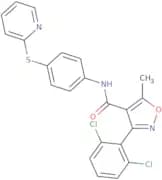

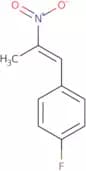
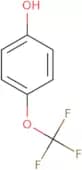
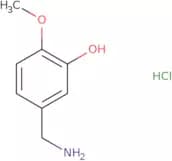
![N-[5-(Phenylamino)-2,4-pentadienylidene]aniline monohydrochloride](/_next/image/?url=https%3A%2Fstatic.cymitquimica.com%2Fproducts%2F3D%2Fthumb-webp%2FFP29019.webp&w=3840&q=75)
![4-(2- fluorophenyl)-6,8-dihydro-1,3,8-trimethyl-Pyrazolo[3,4-e][1,4]diazepin-7(1H)-one mixt. with …](/_next/image/?url=https%3A%2Fstatic.cymitquimica.com%2Fproducts%2F3D%2Fthumb-webp%2FFF104101.webp&w=3840&q=75)
![Ethyl 5-chloropyrazolo[1,5-a]pyrimidine-3-carboxylate](/_next/image/?url=https%3A%2Fstatic.cymitquimica.com%2Fproducts%2F3D%2Fthumb-webp%2FFE44325.webp&w=3840&q=75)
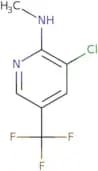
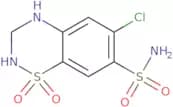
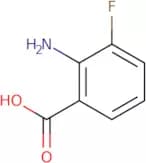
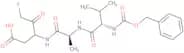
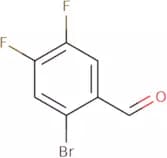
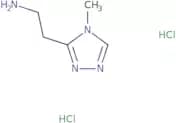
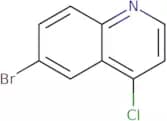
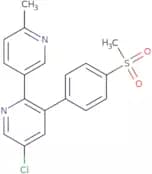
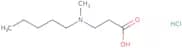
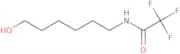
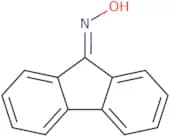
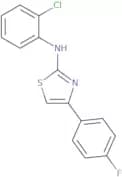


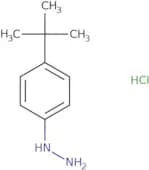
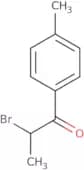
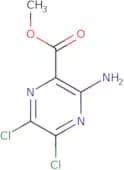
![N-[2-(2,3-Dimethoxyphenyl)ethyl]-2-chlorobenzamide](/_next/image/?url=https%3A%2Fstatic.cymitquimica.com%2Fproducts%2F3D%2Fthumb-webp%2FFD66108.webp&w=3840&q=75)
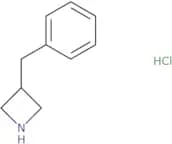
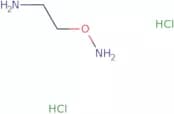
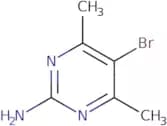
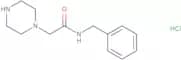
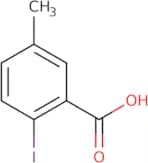
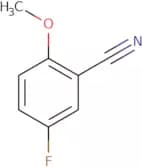

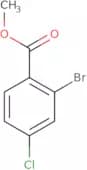
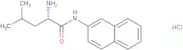
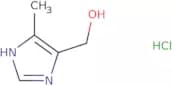
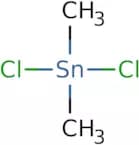
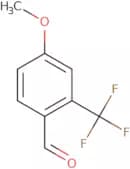
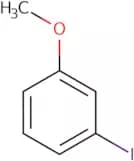
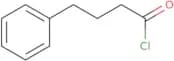
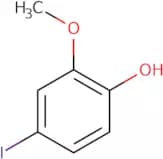

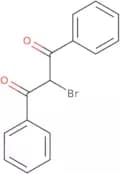
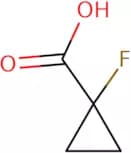
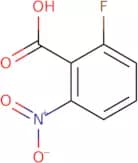
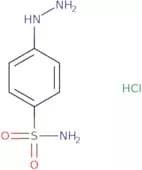
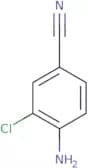
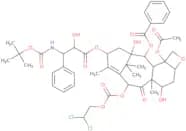
![(6α,11β,16α,17α)-6,9-Difluoro-11-hydroxy-16-methyl-spiro[androsta-1,4-diene-17,5'-[1,3]oxathiolane…](/_next/image/?url=https%3A%2Fstatic.cymitquimica.com%2Fproducts%2F3D%2Fthumb-webp%2FFD103607.webp&w=3840&q=75)
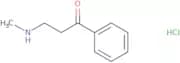
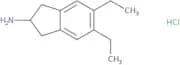
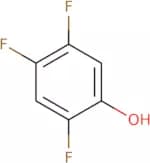
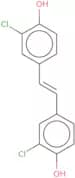
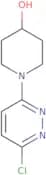
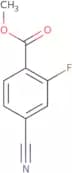
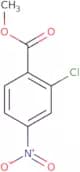
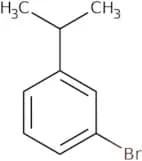
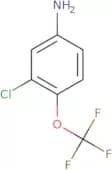
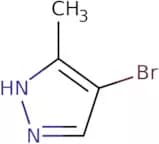
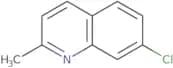
![2-[[(Heptadecafluorooctyl)Sulphonyl]Propylamino]Ethyl Methacrylate](/_next/image/?url=https%3A%2Fstatic.cymitquimica.com%2Fproducts%2F3D%2Fthumb-webp%2FFH97996.webp&w=3840&q=75)
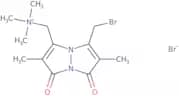
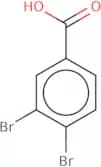
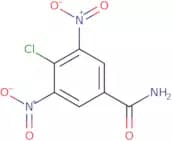
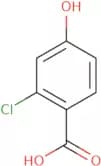
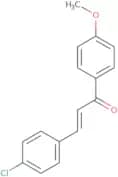
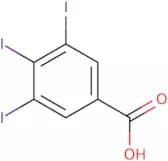
![8-Methyl-3,8-diazabicyclo[3.2.1]octane dihydrochloride](/_next/image/?url=https%3A%2Fstatic.cymitquimica.com%2Fproducts%2F3D%2Fthumb-webp%2FFM140960.webp&w=3840&q=75)
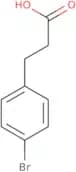
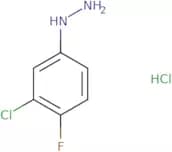
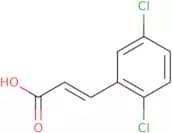
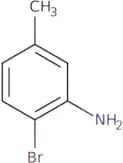
![3,6-Dibromothieno[3,2-b]thiophene](/_next/image/?url=https%3A%2Fstatic.cymitquimica.com%2Fproducts%2F3D%2Fthumb-webp%2FFD62226.webp&w=3840&q=75)
![[(1E)-1,2-Difluoro-1,2-ethenediyl]bistributylstannane](/_next/image/?url=https%3A%2Fstatic.cymitquimica.com%2Fproducts%2F3D%2Fthumb-webp%2FFD93559.webp&w=3840&q=75)
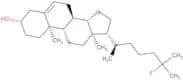

![Ethyl N-ethyl-N-[(heptadecafluorooctyl)sulphonyl]glycinate](/_next/image/?url=https%3A%2Fstatic.cymitquimica.com%2Fproducts%2F3D%2Fthumb-webp%2FFE95451.webp&w=3840&q=75)
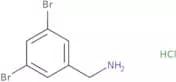
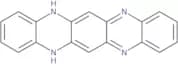
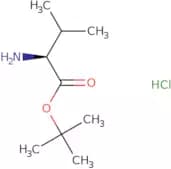
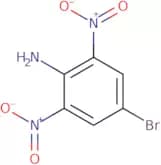
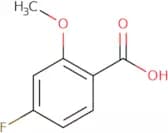
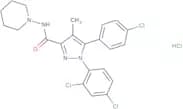
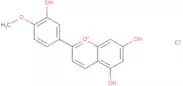
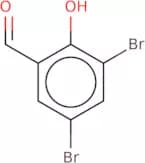
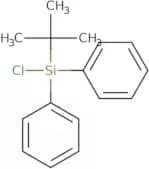
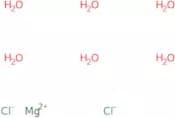
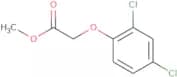
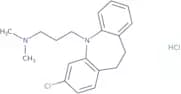

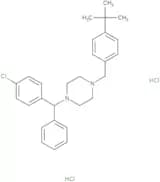
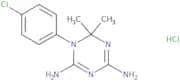
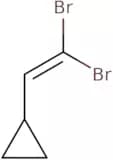
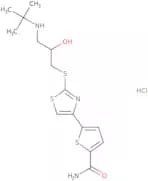
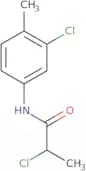
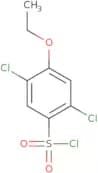
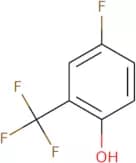
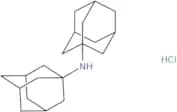
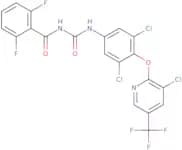
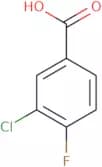
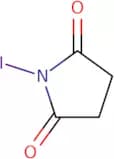

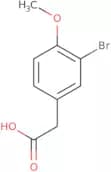
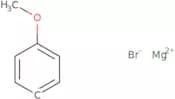
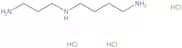
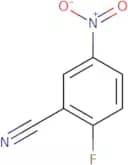
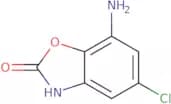
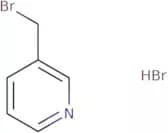
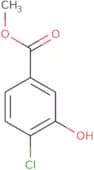
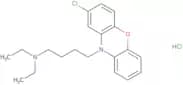
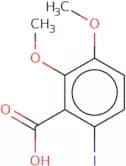
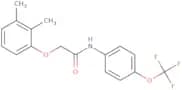
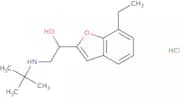
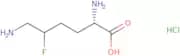
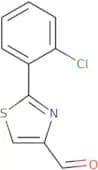
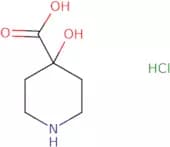
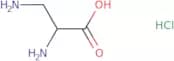
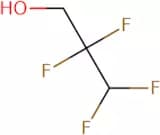
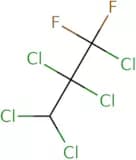
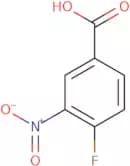
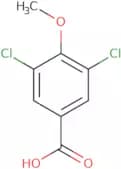
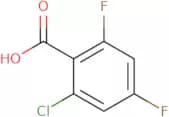
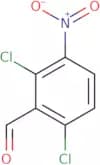
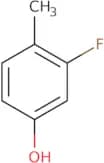
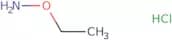
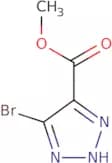
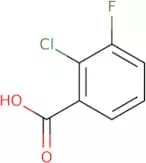

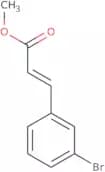
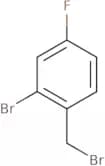
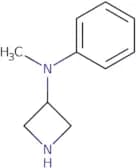
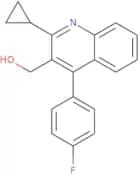
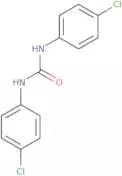
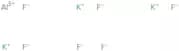
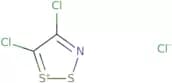
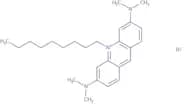
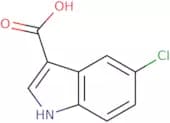


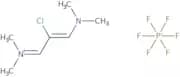
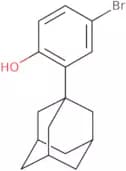

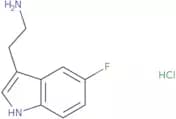
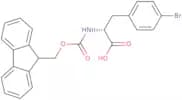

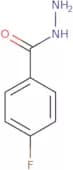

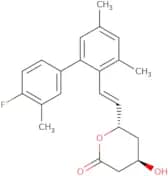

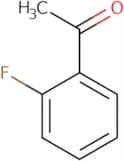
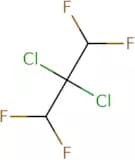
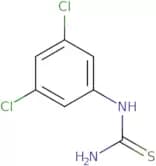
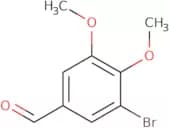
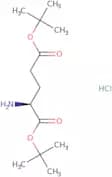
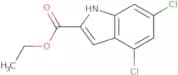
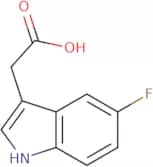
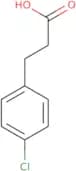


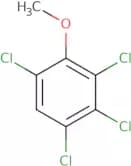
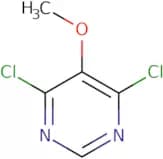
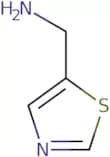
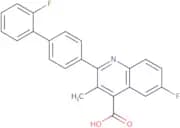
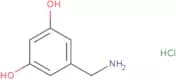
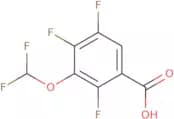
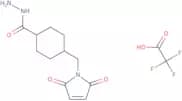
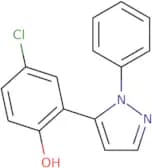
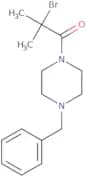
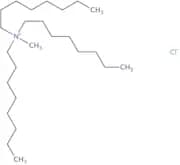
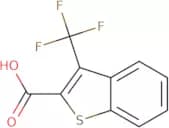
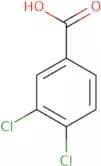
![3H-Spiro[Isobenzofuran-1,4'-piperidine] hydrochloride](/_next/image/?url=https%3A%2Fstatic.cymitquimica.com%2Fproducts%2F3D%2Fthumb-webp%2FFS53076.webp&w=3840&q=75)

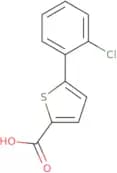
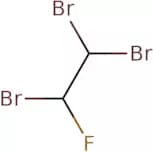
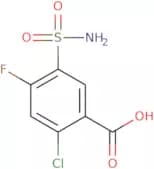
![7-Methyl-2-(trifluoromethyl)[1,2,4]triazolo[1,5-a]pyrimidine-6-carboxylic acid](/_next/image/?url=https%3A%2Fstatic.cymitquimica.com%2Fproducts%2F3D%2Fthumb-webp%2FFM100430.webp&w=3840&q=75)
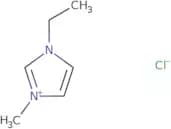
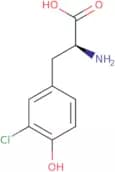

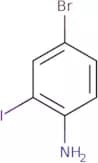
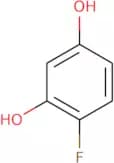
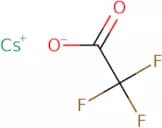
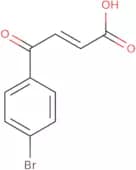
![Dibenzo-11-chloro[b,f][1,4]thiazepine](/_next/image/?url=https%3A%2Fstatic.cymitquimica.com%2Fproducts%2F3D%2Fthumb-webp%2FFD147074.webp&w=3840&q=75)