Halogénures organiques
Sous-catégories appartenant à la catégorie "Halogénures organiques"
20442 produits trouvés pour "Halogénures organiques"
3’-Deoxy-3’-fluoro-6-azauridine
CAS :Please enquire for more information about 3’-Deoxy-3’-fluoro-6-azauridine including the price, delivery time and more detailed product information at the technical inquiry form on this pageDegré de pureté :Min. 95%2-Iodo-6-methylbenzoic acid
CAS :2-Iodo-6-methylbenzoic acid is a chemical used as an additive in the manufacture of plastics, paints and rubber. It is also a ligand for some transition metals. 2-Iodo-6-methylbenzoic acid has been found to be an active natural product that can be synthesized from phthalimides or other amines. 2-Iodo-6-methylbenzoic acid reacts with donepezil to form a multistep reaction intermediate called A, which is then oxidized by a transition metal to form the final product, aricept. The operational mechanism of this reaction is not yet fully understood, but it may involve an alkene intermediate.Formule :C8H7IO2Degré de pureté :Min. 95%Couleur et forme :PowderMasse moléculaire :262.04 g/mol2-Bromo-4-fluorobenzonitrile
CAS :2-Bromo-4-fluorobenzonitrile is a chemical compound that has the molecular formula C6H5BrF2. It is a competitive inhibitor of chaperones. This molecule also has structural isomers, including 2-bromo-4-fluoroaniline and 2,4-dichlorobenzonitrile. The clinical development of this drug for cancer treatment has been halted due to toxic effects on the heart. However, it was shown in animal studies that 2-bromo-4-fluorobenzonitrile can inhibit the growth of tumour cells in a dose dependent manner with nanomolar concentrations. It is believed that these properties are due to its ability to bind to type 1 receptors and inhibit surfactant sodium dodecyl (SDS) fluorescence.
Formule :C7H3BrFNDegré de pureté :Min. 95%Masse moléculaire :200.01 g/molEthoxyamine hydrochloride
CAS :Ethoxyamine hydrochloride is an organic compound that contains a hydroxyl group and a chlorine atom. It is an amine with properties of an acid. Ethoxyamine hydrochloride can be used in the treatment of metabolic disorders, such as nitro, dehydrogenase deficiency and amino acid transport disorder. The compound also has been shown to have anti-inflammatory effects, which may be due to its ability to inhibit the production of prostaglandin synthesis. This drug has been found to have no significant toxicity in humans and animals, and it has been shown to be safe for use in humans.
Formule :C2H7NO·HClDegré de pureté :Min. 95%Couleur et forme :White PowderMasse moléculaire :97.54 g/mol2,6-Dichlorobenzonitrile
CAS :2,6-Dichlorobenzonitrile is a crystalline cellulose that inhibits the activity of cytochrome P450 enzymes. It has been shown to inhibit the activities of xet and p450 in vitro and in vivo. 2,6-Dichlorobenzonitrile has been shown to have an inhibitory effect on the growth of plants by inhibiting cell division. This compound is used as a herbicide and insecticide. 2,6-Dichlorobenzonitrile has been shown to be toxic in animal studies.
Formule :C7H3Cl2NDegré de pureté :Min. 95%Couleur et forme :PowderMasse moléculaire :172.01 g/mol(4-Aminophenyl)-N-(4-chlorophenyl)formamide
CAS :Please enquire for more information about (4-Aminophenyl)-N-(4-chlorophenyl)formamide including the price, delivery time and more detailed product information at the technical inquiry form on this pageFormule :C13H11ClN2ODegré de pureté :Min. 95%Couleur et forme :PowderMasse moléculaire :246.69 g/molCerium trichloride heptahydrate
CAS :Cerium trichloride heptahydrate is a reactive compound. It reacts with amines, forming salts and other compounds. Cerium trichloride heptahydrate is highly toxic and can cause death in humans by inhalation or ingestion. This chemical has been shown to be effective against choroidal neovascularization (CNV) in a mouse model of age-related macular degeneration by intravitreal injection. The preparative method for this compound is precipitation from a solution of ceric nitrate, sodium carbonate, and hydrochloric acid. Cerium trichloride heptahydrate has an average particle diameter of about 0.4 micrometers and contains functional groups that are covalently bonded to the lanthanum atom. The reaction yield for this compound is 100%.Formule :CeCl3•(H2O)7Degré de pureté :Min. 98%Couleur et forme :PowderMasse moléculaire :372.58 g/mol1,3-Thiazol-5-ylmethylamine dihydrochloride
CAS :1,3-Thiazol-5-ylmethylamine dihydrochloride is a useful scaffold for the preparation of complex compounds. It is a versatile building block that can be used to synthesize a wide range of chemical products. The compound has been shown to be an effective reagent in organic synthesis and is widely used as a research chemical. 1,3-Thiazol-5-ylmethylamine dihydrochloride is soluble in water and can be stored at room temperature.Formule :C4H6N2S·2HClDegré de pureté :Min. 95%Couleur et forme :PowderMasse moléculaire :187.09 g/molCyano-3-phenoxybenzyl 3-(2,2-dichloroethenyl)-2,2-dimethylcyclopropanecarboxylate
CAS :Cypermethrin is an insecticide that belongs to the family of chemical pesticides. It is used in agriculture and in public health to control malaria-transmitting mosquitoes, head lice, and scabies mites. Cypermethrin disrupts the insect nervous system by inhibiting the function of synapses between nerves, resulting in paralysis and death. The compound also affects signal pathways that regulate locomotor activity and enzyme activities. Cypermethrin has been shown to have a high resistance to degradation by glycol ethers such as ethylene glycol monomethyl ether acetate (EGMEA). It has an optimum concentration of 0.01 ppm for mosquito control and 0.1 ppm for lice control. The analytical method involves liquid chromatography with sodium citrate as an ion-pairing agent and a linear calibration curve using a standard curve generated from known concentrations of cypermethrin.Formule :C22H19Cl2NO3Degré de pureté :Min. 95%Couleur et forme :Colorless Clear LiquidMasse moléculaire :416.3 g/mol1-Bromo-6-chlorohexane
CAS :1-Bromo-6-chlorohexane is a quaternary ammonium salt that is used as a disinfectant, germicide, and an antiseptic. It has a high chemical reactivity with halides, such as chloride and bromide. 1-Bromo-6-chlorohexane has been shown to be most effective against Gram negative bacteria and fungi by disrupting the cell membrane. This product can also be used to sterilize water or other liquids.Formule :C6H12BrClDegré de pureté :Min. 95%Couleur et forme :Clear LiquidMasse moléculaire :199.52 g/mol2-Chloro-4-hydroxybenzoic acid monohydrate
CAS :2-Chloro-4-hydroxybenzoic acid monohydrate is a fine chemical that is used as a building block for research chemicals. It is an important reagent for the synthesis of complex compounds and can be used as a versatile building block for the synthesis of polymers and pharmaceuticals. 2-Chloro-4-hydroxybenzoic acid monohydrate has been used to synthesize a range of novel polymers with potential application in materials science, medicine, and electronics. This compound is also a useful intermediate in organic synthesis reactions and can be used as a scaffold to produce more complex molecules.Formule :C7H5ClO3·H2ODegré de pureté :Min. 95%Couleur et forme :White PowderMasse moléculaire :190.58 g/mol4-Chloro-7-nitrobenzofurazan
CAS :4-Chloro-7-nitrobenzofurazan is a fluorescent derivative that binds to the α subunit of DNA polymerase. It can be used as an analytical method for the detection of DNA polymerase inhibitors. 4-Chloro-7-nitrobenzofurazan has also been shown to inhibit cell nuclei and human serum, as well as binding to reactive sites on human cells. This compound can be used in control analysis for laboratory experiments related to protein synthesis and cell death.Formule :C6H2ClN3O3Degré de pureté :Min. 97 Area-%Couleur et forme :Yellow PowderMasse moléculaire :199.55 g/mol2-Bromo-4'-methylpropiophenone
CAS :Produit contrôlé2-Bromo-4'-methylpropiophenone is a chemical compound that belongs to the group of phenols. It is used as a solvent in silicone rubber and as a colorant in plastics, paints, and enamels. 2-Bromo-4'-methylpropiophenone has been shown to be an effective antioxidant for china, silica gel, and silicone rubber. This chemical also produces red color when heated and can be used as a connector or monochrome panel on copper plates. 2-Bromo-4'-methylpropiophenone is soluble in water but insoluble in organic solvents such as alcohols and ethers. This chemical has been found to have the ability to produce solar modules with high efficiency by converting sunlight into electricity.Formule :C10H11BrODegré de pureté :(%) Min. 85%Couleur et forme :PowderMasse moléculaire :227.1 g/molPiperazinophenylacetic acid benzylamide hydrochloride
CAS :Piperazinophenylacetic acid benzylamide hydrochloride is a versatile building block that can be used in the synthesis of complex compounds for research and development. It is a reagent for the preparation of speciality chemicals and also a useful intermediate for the synthesis of reaction components. Piperazinophenylacetic acid benzylamide hydrochloride is a high quality, commercially available chemical that can be used as a scaffold for the preparation of new chemical compounds.Formule :C13H19N3O•HClDegré de pureté :Min. 95%Couleur et forme :PowderMasse moléculaire :269.77 g/mol2-Bromo-6-nitrophenol
CAS :2-Bromo-6-nitrophenol is a synthetic chemical that is used as an intermediate in the synthesis of other chemicals. It can be prepared by reacting ammonium formate with hydroxyl group of 2-bromo-6-nitropyridine. The reaction yield can be improved by activating the hydroxyl group and removing impurities through a dehydration reaction. The time required for the reaction to occur can be shortened by using acetonitrile as a solvent instead of water. This chemical is also synthesized by coupling metal salts with nitro groups or amines, which are called Suzuki coupling reactions.Formule :C6H4BrNO3Couleur et forme :PowderMasse moléculaire :218 g/mol5-Chloro-1-indanone
CAS :5-Chloro-1-indanone is an organic molecule with a reactive functional group that can react with other molecules. The most common reaction is the Friedel-Crafts reaction, which is used to make alkenes from aldehydes and aluminum chloride. 5-Chloro-1-indanone is also used in the acylation reaction, which involves the transfer of an acyl group to a molecule. This process has many applications, such as synthesis of pesticides and pharmaceuticals, and can be used to produce low energy chlorine gas. Panc-1 cells are often used in anticancer research because they are sensitive to carcinogens. 5-Chloro-1-indanone was shown to inhibit cell growth in these cells by reacting with hydrogen chloride (HCl) in water to form 5-(chloromethyl)-1H indene and hydrochloric acid (HCl).Formule :C9H7ClODegré de pureté :Min. 95%Couleur et forme :PowderMasse moléculaire :166.6 g/mol3-Chloro-9-fluorenone
CAS :3-Chloro-9-fluorenone is a fine chemical that is useful as a scaffold, versatile building block, and useful intermediate in the synthesis of other compounds. 3-Chloro-9-fluorenone has been shown to be an excellent reagent for the conversion of nitriles into amides. It is also used as a research chemical and specialty chemical. 3-Chloro-9-fluorenone is a complex compound that contains both aromatic and heterocyclic rings. This high quality chemical has CAS No. 7254-06-0.Formule :C13H7ClODegré de pureté :Min. 95%Masse moléculaire :214.65 g/mol3-Fluoro-5-nitrotoluene
CAS :3-Fluoro-5-nitrotoluene is a chemical compound that has a variety of applications as a research and development intermediate, as well as in the manufacture of pharmaceuticals, dyes, and explosives. It is commercially available in both liquid and solid form, and can be used in any number of chemical reactions to create other compounds. 3-Fluoro-5-nitrotoluene is a versatile building block that can be used to make other chemicals. It can also be used to make fine chemicals and complex compounds.Formule :C7H6FNO2Degré de pureté :Min. 95%Couleur et forme :PowderMasse moléculaire :155.13 g/mol9,10-Dichloroanthracene
CAS :9,10-Dichloroanthracene is an organic compound with the molecular formula Cl2C=CC=CCl2. It is a chlorinated aromatic hydrocarbon with two adjacent chlorine atoms. The electronic excitations of 9,10-dichloroanthracene are dominated by a triplet state that has a lifetime of about 1 nanosecond. This species exhibits fluorescence at room temperature and emits light in the visible region of the electromagnetic spectrum. The molecule can undergo reactions with amines to form benzenediamine derivatives, which are useful in supramolecular chemistry. 9,10-Dichloroanthracene also reacts with hydrochloric acid to produce hydrogen chloride gas and fluoresces under ultraviolet radiation or when exposed to longwave ultraviolet light.
9,10-Dichloroanthracene crystallizes as white needles that melt at 169 °C and boil at 291 °C.Formule :C14H8Cl2Degré de pureté :Min. 95%Masse moléculaire :247.12 g/mol3-(4'-Bromo[1,1'-biphenyl]-4-yl)-1,2,3,4-tetrahydro-1-naphthalenol
CAS :3-(4'-Bromo[1,1'-biphenyl]-4-yl)-1,2,3,4-tetrahydro-1-naphthalenol is a chemical compound that belongs to the group of bromonaphthalenes. It has been used as a reaction component in organic synthesis and as a reagent for detection of DNA binding. 3-(4'-Bromo[1,1'-biphenyl]-4-yl)-1,2,3,4-tetrahydro-1-naphthalenol can be used as a building block for complex compounds with speciality applications. The compound is an intermediate in the production of pharmaceuticals such as selective estrogen receptor modulators.Formule :C22H19BrODegré de pureté :Min. 95%Couleur et forme :PowderMasse moléculaire :379.29 g/mol2-Chlorothioxanthone
CAS :2-Chlorothioxanthone is a chlorinated derivative of the thioxanthone family. It is used as a coating for metal surfaces, and is also used to control corrosion and prevent environmental pollution due to its activity as an inhibitor of fatty acid synthesis. 2-Chlorothioxanthone has been shown to bind with fatty acids in the mitochondrial membrane, which leads to inhibition of ATP production and mitochondrial membrane potential. This compound is not active against cancer cells, but it does exhibit low toxicity and low energy. The drug has a pharmacokinetic profile that includes a long half-life, high solubility in water, and rapid absorption from the gastrointestinal tract.Formule :C13H7ClOSDegré de pureté :Min. 95%Masse moléculaire :246.71 g/mol5-Bromo-2-methoxycinnamic acid
CAS :5-Bromo-2-methoxycinnamic acid is a fine chemical that is used as a scaffold, versatile building block, and useful intermediate. It has been shown to be a useful reaction component in the preparation of complex compounds. 5-Bromo-2-methoxycinnamic acid can also be used as a speciality chemical or reagent. This compound has high quality and is an important research chemical.Formule :C10H9BrO3Degré de pureté :Min. 95%Couleur et forme :PowderMasse moléculaire :257.08 g/mol2-Chloro-N-(1,5-dimethyl-3-oxo-2-phenyl-2,3-dihydro-1H-pyrazol-4-yl)acetamide
CAS :2-Chloro-N-(1,5-dimethyl-3-oxo-2-phenyl-2,3-dihydro-1H-pyrazol-4-yl)acetamide (CPA) is a chemical compound that belongs to the class of phenyl pyrazoles. It has a thermal stability and is soluble in organic solvents. CPA crystallizes in the monoclinic system with the space group P21/c, with the following unit cell parameters: a = 8.943(4) Å, b = 7.878(3) Å, c = 17.834(6) Å, α = 90°, β = 112° and γ = 90°. In this crystal structure, there are two molecules of chloride per molecule of CPA. The crystal x ray diffraction pattern showed that this compound forms dimers in solution at room temperature and can be dissolvedFormule :C13H14ClN3O2Degré de pureté :Min. 95%Masse moléculaire :279.72 g/molN-(4-Fluorophenyl)(5-methyl-3-phenylisoxazol-4-yl)formamide
CAS :Please enquire for more information about N-(4-Fluorophenyl)(5-methyl-3-phenylisoxazol-4-yl)formamide including the price, delivery time and more detailed product information at the technical inquiry form on this pageFormule :C17H13FN2O2Degré de pureté :Min. 95%Couleur et forme :PowderMasse moléculaire :296.3 g/mol1-(4-Fluorophenyl)-N-Methylcyclohexylamine
CAS :Produit contrôlé1-(4-Fluorophenyl)-N-Methylcyclohexylamine is a planar molecule with an electron density distribution that is more concentrated in the region of the benzene ring. The 4-fluorostyrene substituent has a vinyl group. The electron density distribution is more concentrated in the region of the benzene ring, and is less concentrated in the region of the methyl group, which is substituted by a fluorine atom. This molecule can be used as an intermediate to synthesize other molecules with conformational, planar, or hybridized properties.Formule :C13H18FNDegré de pureté :Min. 95%Masse moléculaire :207.29 g/mol4-Hydroxy-5-iodo-3-methoxybenzyl alcohol
CAS :4-Hydroxy-5-iodo-3-methoxybenzyl alcohol is a polymer that has been synthesized as a model compound for lignin. It is a synthetic compound, which has not been found in nature. 4-Hydroxy-5-iodo-3-methoxybenzyl alcohol is toxic to bacteria and fungi, but not to mammalian cells. The metabolic products of this compound have not yet been identified.Formule :C8H9IO3Degré de pureté :Min. 95%Couleur et forme :PowderMasse moléculaire :280.06 g/mol5-Bromo-2-ethoxybenzoic acid
CAS :5-Bromo-2-ethoxybenzoic acid is a versatile building block that can be used as a reagent, speciality chemical, or a useful scaffold. It is used in the synthesis of complex compounds that include pharmaceuticals, agrochemicals, and research chemicals. 5-Bromo-2-ethoxybenzoic acid is also a useful intermediate and reaction component in organic synthesis. This compound has high quality and is listed on the Chemical Abstract Service (CAS) registry number 60783-90-6.Formule :C9H9BrO3Degré de pureté :Min. 95%Couleur et forme :SolidMasse moléculaire :245.07 g/mol2,9-Dimethyl-1,10-phenanthroline hydrochloride monohydrate
CAS :Chelating agent used to detect aqueous copper ions by electrochemiluminescenceFormule :C14H12N2·HCl·H2OCouleur et forme :White PowderMasse moléculaire :262.73 g/molN-((3,4-dimethoxyphenyl)methyl)(3-(2-chlorophenyl)-5-methylisoxazol-4-yl)formamide
CAS :Please enquire for more information about N-((3,4-dimethoxyphenyl)methyl)(3-(2-chlorophenyl)-5-methylisoxazol-4-yl)formamide including the price, delivery time and more detailed product information at the technical inquiry form on this pageDegré de pureté :Min. 95%(R,R)-(-)N,N'-Bis(3,5-di-tert-butylsalicylidene)-1,2-cyclohexanediaminomanganese(III) chloride
CAS :(R,R)-(-)N,N'-Bis(3,5-di-tert-butylsalicylidene)-1,2-cyclohexanediaminomanganese(III) chloride is a diamine ligand that has been used for the immobilization of ethylene. The reaction proceeds via an oxidation catalyzed by a metal such as copper or manganese. The reaction products are chlorides and alcohols. The molecular modeling and x-ray crystal structures of these reactions have been studied and kinetic data have been collected. Kinetics measurements show that the reactions are fast with an activation energy of 45 kcal/mol and proceed through a hydrogen transfer mechanism.Formule :C36H52ClMnN2O2Degré de pureté :Min. 95%Couleur et forme :PowderMasse moléculaire :635.2 g/mol1-(2-Chloroethyl)-4-[3-(Trifluoromethyl)Phenyl]Piperazine Dihydrochloride
CAS :Produit contrôléPlease enquire for more information about 1-(2-Chloroethyl)-4-[3-(Trifluoromethyl)Phenyl]Piperazine Dihydrochloride including the price, delivery time and more detailed product information at the technical inquiry form on this pageFormule :C13H18Cl3F3N2Degré de pureté :Min. 95%Masse moléculaire :365.65 g/molMethyl 3-amino-5,6-dichloro-2-pyrazine carboxylate
CAS :Methyl 3-amino-5,6-dichloro-2-pyrazine carboxylate is a synthetic molecule that has been synthesized from dimethylamiloride. This chemical has been labeled and used for a variety of homologous and synthetic modifications. It may be used in labeling experiments to identify an unknown compound or to determine the structure of a known compound. The methyl 3-amino-5,6-dichloro-2-pyrazine carboxylate can also be used as a ligand to bind with subunits of proteins or nucleic acids. Photolabile methyl 3-amino-5,6-dichloro-2-pyrazine carboxylate can be synthesized by using light energy to cleave the ester bonds in the chemical. This chemical is useful for assays and techniques such as spectroscopy and nuclear magnetic resonance (NMR).Formule :C6H5Cl2N3O2Degré de pureté :Min. 96.5 Area-%Couleur et forme :PowderMasse moléculaire :222.03 g/mol2-Bromo-5-chloroanisole
CAS :2-Bromo-5-chloroanisole is a high quality chemical that is used as an intermediate in the synthesis of other chemicals, such as ethyl bromoacetate. It is also a useful building block for the synthesis of complex compounds. 2-Bromo-5-chloroanisole has been used as a reagent to study the effect of electron density on the reactivity of nitrobenzene and its derivatives. This chemical has also been found to be a useful scaffold for drug discovery research. 2-Bromo-5-chloroanisole can be used as a speciality chemical in research and development, or it can be used as a reaction component for other chemical reactions.
Formule :C7H6BrClODegré de pureté :Min. 95%Masse moléculaire :221.48 g/mol4-Amino-3-fluorobenzoic acid
CAS :4-Amino-3-fluorobenzoic acid (4AFB) is an inhibitor of the enzyme nitric oxide synthase. It has been shown to inhibit chronic inflammation by reducing blood pressure and inhibiting the production of reactive oxygen species that can cause damage to cells in the body. 4AFB is a competitive inhibitor of nitric oxide synthase, which prevents the production of nitric oxide from L-arginine. Nitric oxide is an important signaling molecule in the nervous system, and its inhibition may lead to hyperpolarization of the membrane, which can have therapeutic benefits for certain conditions.Formule :C7H6FNO2Degré de pureté :Min. 95%Couleur et forme :PowderMasse moléculaire :155.13 g/molL-DOPA methyl ester hydrochloride
CAS :Produit contrôléL-DOPA methyl ester hydrochloride is a form of L-dopa that is used to treat Parkinson's disease. It is a prodrug of L-dopa, which has been shown to have a pharmacokinetic profile similar to that of levodopa. L-DOPA methyl ester hydrochloride is administered orally and is released slowly into the blood stream over time. This drug has been shown to interact with other drugs, such as antidepressants and antipsychotics, through its effects on neurotransmitters. In addition, this drug may cause locomotor activity in animals and can cause an increase in levels of dehydroascorbic acid in patients with chronic oral administration.Formule :C10H13NO4•HClDegré de pureté :Min. 96 Area-%Couleur et forme :PowderMasse moléculaire :247.68 g/molNaloxone hydrochloride dihydrate
CAS :Produit contrôléNaloxone hydrochloride dihydrate is a drug that blocks the effects of opioids. It is administered by injection and has a short half-life. Naloxone hydrochloride dihydrate binds to opioid receptors in the central nervous system, which prevents binding by other opioids. This results in an increased metabolic rate, which can be used as a marker for effectiveness of treatment. Naloxone hydrochloride dihydrate has been shown to have an inhibitory effect on monoamine neurotransmitters, including dopamine, serotonin and norepinephrine. The use of this drug should be limited to outpatients because it produces less physical dependence than other opioids. Naloxone hydrochloride dihydrate can also be used as a sample preparation agent for urine samples or as an effective dose for pharmaceutical preparations.END>Formule :C19H26NO6ClDegré de pureté :98 To 100%Couleur et forme :White Off-White PowderMasse moléculaire :399.87 g/mol4-Chloro-2-methylbenzyl alcohol
CAS :4-Chloro-2-methylbenzyl alcohol is an organic compound that has a sensor and hydroxyl group. It is used in pest control as an insecticide. 4-Chloro-2-methylbenzyl alcohol has been shown to be effective against ants, cockroaches, and other insects. There are multiple instabilities of this compound, including low oxygen stability when exposed to air, which may lead to the degradation of this chemical. Impurities in 4-chloro-2-methylbenzyl alcohol may also lead to its instability as it reacts with alkali metals at high temperatures. The instability of 4-chloro-2-methylbenzyl alcohol can be reduced by storing it at low temperatures or by adding cryogenic substances such as liquid nitrogen or carbon dioxide gas.Formule :C8H9ClODegré de pureté :Min. 95%Masse moléculaire :156.61 g/mol3-(Trifluoromethoxy)hydrocinnamic acid
CAS :3-(Trifluoromethoxy)hydrocinnamic acid is a useful building block that is used in the synthesis of many organic compounds. It has been used as a reagent and as a speciality chemical, and is also a versatile building block for the synthesis of complex compounds. 3-(Trifluoromethoxy)hydrocinnamic acid can be synthesized from cinnamic acid, which is available commercially and can be obtained by reacting benzaldehyde with nitric acid. 3-(Trifluoromethoxy)hydrocinnamic acid has CAS No. 168833-77-0 and can be found under the name 2,4-dichloro-3-(trifluoromethoxy)benzene.
Formule :C10H9F3O3Degré de pureté :Min. 98 Area-%Couleur et forme :Clear LiquidMasse moléculaire :234.17 g/mol4-Iodo-1,3,5-trimethyl-1H-pyrazole
CAS :4-Iodo-1,3,5-trimethyl-1H-pyrazole is an unsymmetrical compound that can be used in various research applications. It has the ability to oxidize certain compounds and is commonly used in laboratory settings for chemical research purposes. This versatile compound is often categorized under Research Chemicals due to its unique properties and potential applications in scientific studies.Formule :C6H9IN2Degré de pureté :Min. 95%Couleur et forme :PowderMasse moléculaire :236.05 g/molN-(6-Hydroxyhexyl)trifluoroacetamide
CAS :6-(Trifluoroacetylamino)-1-Hexanol is a magnetic compound that has been shown to bind to liposomes and hydrophobic membranes. It is also amphipathic, meaning it contains both hydrophilic and hydrophobic properties. This compound can be used for the diagnosis of certain diseases, such as cancer, by detecting gadolinium ions in the body. 6-(Trifluoroacetylamino)-1-Hexanol is also an imidazolide ligand that binds to ribonucleotides and nucleic acid matrix proteins. This allows it to be used as a contrast agent in magnetic resonance imaging (MRI).Formule :C8H14F3NO2Degré de pureté :Min. 95%Couleur et forme :PowderMasse moléculaire :213.2 g/mol3-(N-Methyl-N-pentylamino)propionic acid hydrochloride
CAS :Trichloroethylene is a chlorinated hydrocarbon that is primarily used as a solvent. The propionic acid is the monosodium salt of 3-(N-Methyl-N-pentylamino)propionic acid hydrochloride, which is an organic compound. The monohydrate and trichloride are two polymorphic forms of this substance. Acetone and unreacted Trichloroethylene are substances that may be formed during the chemical process. The alkaline form of Trichloroethylene may be obtained by refluxing the substance with sodium hydroxide in water or with potassium hydroxide in alcohol. This substance can also exist in a polymorphic form.Formule :C9H20ClNO2Degré de pureté :Min. 95%Couleur et forme :PowderMasse moléculaire :209.71 g/mol2-fluoro-4-(trifluoromethyl)benzaldehyde
CAS :2-fluoro-4-(trifluoromethyl)benzaldehyde is a chemical compound that can be synthesized by the reaction of peroxide with fluorine. It is used as a solvent in coatings and in the production of organic chemicals. 2-fluoro-4-(trifluoromethyl)benzaldehyde has been shown to be toxic to cancer cells at high concentrations, but not normal cells. The waveguide effect can be observed at temperatures below -60°C and it has three functional groups that are hydrolyzed by HCl.Formule :C8H4F4ODegré de pureté :Min. 95%Couleur et forme :Clear LiquidMasse moléculaire :192.11 g/mol4-Aminoindole hydrochloride
CAS :4-Aminoindole hydrochloride is a white crystalline solid that can be used as a versatile building block in organic synthesis. It is also used as an intermediate in the production of various pharmaceuticals and other chemical compounds. 4-Aminoindole hydrochloride is soluble in most polar solvents, but insoluble in ethers and oils. This compound is also a useful reagent for the conversion of nitrobenzenes to aminobenzoic acids. CAS Number 174854-93-4
Formule :C8H9ClN2Degré de pureté :Min. 95%Couleur et forme :PowderMasse moléculaire :168.62 g/mol4'-Iodo-2,2':6',2''-terpyridine
CAS :4'-Iodo-2,2':6',2''-terpyridine is a transoid that has two conformations: one with the pyridine ring in the cisoid position and one with the pyridine ring in the transoid position. It can form intermolecular interactions with other molecules of 4'-iodo-2,2':6',2''-terpyridine. These interactions may be due to stacking or planar interactions.Formule :C15H10IN3Degré de pureté :Min. 95%Couleur et forme :PowderMasse moléculaire :359.16 g/mol4-Chloro-7-methyl-7H-pyrrolo[2,3-d]pyrimidine
CAS :4-Chloro-7-methyl-7H-pyrrolo[2,3-d]pyrimidine is a versatile building block for the synthesis of complex compounds. It can be used as a reagent in organic synthesis and has been shown to react with a range of functional groups including alcohols, amines, carboxylic acids, sulfonic acid esters and nitriles. 4-Chloro-7-methylpyrrolo[2,3-d]pyrimidine is an intermediate that can be used to synthesize other specialty chemicals such as pharmaceuticals.Formule :C7H6ClN3Degré de pureté :Min. 95 Area-%Couleur et forme :PowderMasse moléculaire :167.6 g/mol2-(Trifluoromethyl)phenylhydrazine hydrochloride
CAS :2-(Trifluoromethyl)phenylhydrazine hydrochloride is a carbamic acid derivative that is used in the synthesis of other compounds. 2-(Trifluoromethyl)phenylhydrazine hydrochloride can be used to make carboxylic acids and their derivatives, such as esters, amides, and anhydrides. It also reacts with hydrogen fluoride to form trifluoroacetic acid and hydrogen gas. This compound is an isomerizing agent that converts alkyl halides into their corresponding carbonyls. Hydrogen fluoride reacts with 2-(trifluoromethyl)phenylhydrazine hydrochloride to form trifluoroacetic acid and hydrogen gas.Formule :C7H7F3N2•HClDegré de pureté :Min. 95%Couleur et forme :PowderMasse moléculaire :212.6 g/mol1,2,2,2-Tetrafluoroethane
CAS :Produit contrôlé1,2,2,2-Tetrafluoroethane (R-134a) is a heat transfer agent that is used in refrigeration systems. It has been shown to be an experimental model system for studying the effects of hydrogen fluoride and water vapor on p450 activity. R-134a has been found to have no long-term toxicity or genotoxic activity in animal studies and has a high thermal expansion coefficient. The compound also has low toxicity when inhaled and can be used as a refrigerant.Formule :C2H2F4Degré de pureté :Min. 95%Masse moléculaire :102.03 g/molAzetidine hydrochloride
CAS :Azetidine hydrochloride is a prodrug that is converted to its active form, azetidine-2-carboxylic acid, in the body. Azetidine hydrochloride inhibits the production of MMP-9 and other inflammatory molecules such as prostaglandins and leukotrienes. It also has an inhibitory effect on the activity of aromatic hydrocarbon metabolism enzymes, such as cytochrome P450 enzymes, which are involved in fatty acid synthesis. Azetidine hydrochloride has been shown to be effective against diabetic neuropathy and insulin resistance by inhibiting the activity of protein kinase C (PKC). Azetidine hydrochloride is a potent antagonist of low energy for its ability to bind to the GABA receptor at high concentrations.
Formule :C3H8ClNDegré de pureté :Min. 95%Couleur et forme :White PowderMasse moléculaire :93.56 g/mol4-(4-Fluorophenyl)-1,2,3,6-tetrahydro-1-methylpyridine hydrochloride (1:1)
CAS :4-(4-Fluorophenyl)-1,2,3,6-tetrahydro-1-methylpyridine hydrochloride (1:1) is a neuroleptic drug that has analgesic and antihistaminic effects. It is an alkylthio compound that inhibits serotonin release from the pre-synaptic neuron. 4-(4-Fluorophenyl)-1,2,3,6-tetrahydro-1-methylpyridine hydrochloride (1:1) also blocks the uptake of dopamine by nerve cells in the brain and prevents its conversion to norepinephrine. This medicine acts as an antagonist for both alpha and beta receptors because it binds to the benzene ring of these neurotransmitters. The alpha receptor antagonist properties of this drug are due to its ability to prevent norepinephrine from binding with alpha receptors on muscle cells. The beta receptor antagonist properties are due to its abilityFormule :C12H14FN•HClDegré de pureté :Min. 95%Couleur et forme :PowderMasse moléculaire :227.71 g/mol4-Chlorobenzaldehyde oxime
CAS :4-Chlorobenzaldehyde oxime is an antibacterial agent that is classified as a chloroamine. It has been shown to be an effective inhibitor of bacterial growth, with a low toxicity to mammalian cells. 4-Chlorobenzaldehyde oxime has been shown to be activated by amines and hydroxylamine, and the resulting intermediate can cleave a variety of bonds in the bacterial cell wall. The molecular orbitals of this compound have been calculated using crystallographic data and functional theory. 4-Chlorobenzaldehyde oxime also binds to chloride ions and forms a complex with ammonium nitrate, which may account for its activity against some bacteria that are resistant to chlorinated compounds (e.g., Clostridium difficile). This compound also contains functional groups that may react with disulfides present in the bacterial cell wall.Formule :C7H6ClNODegré de pureté :Min. 95%Couleur et forme :PowderMasse moléculaire :155.58 g/molChlorpheniramine maleate
CAS :Histamine (H1) antagonist; used to treat allergiesFormule :C16H19ClN2•C4H4O4Degré de pureté :Min. 95%Couleur et forme :White PowderMasse moléculaire :390.86 g/mol5-Fluorodihydropyrimidine-2,4-dione
CAS :5-Fluorodihydropyrimidine-2,4-dione is a drug that inhibits the activity of certain enzymes. It has been shown to inhibit the activity of dehydrogenase in human serum and liver cells. This drug has also been shown to be successful in treating autoimmune diseases. 5-Fluorodihydropyrimidine-2,4-dione is an oral prodrug which is converted into its active form by esterases in the gastrointestinal tract. The enzyme inhibitors are used to increase the bioavailability of the drug. This conversion process can be monitored using urine samples or blood sampling.
Formule :C4H5FN2O2Degré de pureté :Min. 95%Couleur et forme :PowderMasse moléculaire :132.09 g/mol3,5-Diiodo-4-hydroxyphenylpropionic acid
CAS :3,5-Diiodo-4-hydroxyphenylpropionic acid (DIPPA) is a nucleophilic compound that inhibits the catechol-O-methyltransferase enzyme and is used to treat cardiac disease. It has been shown to improve ventricular function in congestive heart failure patients. DIPPA binds to the hydroxyl group of the enzyme's active site and competitively inhibits the binding of catechol or o-methoxybenzaldehyde. This prevents the methylation of catecholamines, which are important for cardiac function. The mechanism of action for DIPPA is similar to that of other drugs that have been found to be effective in treating congestive heart failure such as propranolol or amiodarone.
Formule :C9H8I2O3Masse moléculaire :417.97 g/mol3-Chlorobenzylamine
CAS :3-Chlorobenzylamine is a model system for the study of the metabolism of human pathogens. It has been shown to have cytostatic effects in sarcoma cells and pain-relieving properties in animal models. 3-Chlorobenzylamine inhibits the replication of HIV, herpes virus, and adenosine receptor antagonists. This drug has also been found to be an effective anticancer agent. 3-Chlorobenzylamine is structurally similar to other anticancer agents such as methotrexate, mercaptopurine, and pyrimidine analogs.Formule :C7H8ClNDegré de pureté :Min. 95%Masse moléculaire :141.6 g/mol3-(2-((3-Bromophenyl)amino)ethyl)oxazolidin-2-one
CAS :Please enquire for more information about 3-(2-((3-Bromophenyl)amino)ethyl)oxazolidin-2-one including the price, delivery time and more detailed product information at the technical inquiry form on this pageFormule :C11H13BrN2O2Degré de pureté :Min. 95%Masse moléculaire :285.14 g/mol2-Amino-7-chloro-9H-thioxanthen-9-one
CAS :Please enquire for more information about 2-Amino-7-chloro-9H-thioxanthen-9-one including the price, delivery time and more detailed product information at the technical inquiry form on this pageFormule :C13H8ClNOSDegré de pureté :Min. 95%Masse moléculaire :261.73 g/mol(S)-1-(2-Fluorophenyl)ethylamine
CAS :(S)-1-(2-Fluorophenyl)ethylamine is a fine chemical that is used as a versatile building block and reaction component. It has been shown to be an intermediate in the synthesis of other compounds such as (±) -N-benzyl-2,4-dioxo-3-piperidinamine. This compound can also be used as a reagent for the preparation of other high quality chemicals. The CAS Registry Number for this compound is 68285-25-6.Formule :C8H10FNDegré de pureté :Min. 95%Couleur et forme :Colorless Clear LiquidMasse moléculaire :139.17 g/mol2-(Perfluorooctyl)ethyl methacrylate
CAS :Produit contrôlé2-(Perfluorooctyl)ethyl methacrylate is a fluorinated methacrylate monomer with a perfluoroalkyl substituent. It has been used for the preparation of polymer films and coatings that are permeable to water vapor. The film’s properties depend on the amount of water vapor that can permeate the film. 2-(Perfluorooctyl)ethyl methacrylate has also been used to prepare particles with an average diameter of 5 μm, which are used in photoelectron spectroscopy experiments. 2-(Perfluorooctyl)ethyl methacrylate is not soluble in organic solvents, but it can be prepared as a solution by adding an appropriate solvent or cosolvent to dilute the polymer film sample.
Formule :C14H9F17O2Degré de pureté :(¹H-Nmr) Min. 95 Area-%Couleur et forme :Colorless Clear LiquidMasse moléculaire :532.19 g/mol(6S)-5,6,7,8-Tetrahydro-6-[propyl[2-(2-thienyl)ethyl]amino]-1-naphthalenol hydrochloride
CAS :Produit contrôlé(6S)-5,6,7,8-Tetrahydro-6-[propyl[2-(2-thienyl)ethyl]amino]-1-naphthalenol hydrochloride is a reagent that can be used as an intermediate for the synthesis of many complex compounds. It is a useful building block for the synthesis of pharmaceuticals with speciality chemicals and research chemicals. This compound has been shown to be a versatile building block in the synthesis of natural products, pharmaceuticals and other organic molecules. (6S)-5,6,7,8-Tetrahydro-6-[propyl[2-(2-thienyl)ethyl]amino]-1-naphthalenol hydrochloride is also a reaction component that can be used to synthesize many chemical substances with different functional groups.Formule :C19H26ClNOSDegré de pureté :Min. 95%Couleur et forme :White PowderMasse moléculaire :351.93 g/mol2-Bromo-1,3-diphenylpropane-1,3-dione
CAS :2-Bromo-1,3-diphenylpropane-1,3-dione is a ligand that binds to metal ions. It has been used as an efficient method for the synthesis of phenyl groups in organic chemistry. 2-Bromo-1,3-diphenylpropane-1,3-dione was found to have a catalytic effect on reactions involving halides and phosphine. A study on the reaction mechanism revealed that 2-bromo-1,3-diphenylpropane-1,3-dione acts as an electron donor to phosphites and phosphines. The xray diffraction study showed that the ligand binds to metal ions through its phenyl groups.Formule :C15H11BrO2Degré de pureté :Min. 95%Masse moléculaire :303.15 g/mol1,1,1,2,2,3,3,4,4-Nonafluoro-7-Iodoheptane
CAS :1,1,1,2,2,3,3,4,4-Nonafluoro-7-Iodoheptane is a colorless crystalline compound with an industrial use as a dihydroxylation agent. It is synthesised by the addition of iodine to 1,1,2-trichloroethane and reacts with alkenes to give substituted octasubstituted hydrocarbons. The compound has shown nucleophilic properties and is used in the synthesis of pharmaceuticals. 1,1,1,2,2,3,3,4 4-Nonafluoro-7-iodoheptane is also a good transport agent for electronic properties and can spontaneously transport from one phase to another under certain conditions. This chemical has been shown to be stable at high temperatures and low pressure making it useful for surfactant applications.Formule :C7H6F9IDegré de pureté :Min. 95%Couleur et forme :Colorless PowderMasse moléculaire :388.01 g/mol2,6-Dichloro-3-nitrobenzonitrile
CAS :2,6-Dichloro-3-nitrobenzonitrile is a chemical compound that has been synthesized by optimising the potentials of monoclonal antibodies. It has shown to have high affinity for rat brain membranes and is also able to bind to the target molecule with high affinity. 2,6-Dichloro-3-nitrobenzonitrile can be used as a pesticide and has been shown to have an affinity for the target molecule with high affinity. This chemical compound is trisubstituted and has three nitro groups, which are all located in the same position on the benzene ring. The structure of this chemical compound is optimized, meaning that it has been modified so that its physical properties are more desirable than its original form.
Formule :C7H2Cl2N2O2Degré de pureté :Min. 95%Couleur et forme :PowderMasse moléculaire :217.01 g/mol2-Iodophenazine
CAS :2-Iodophenazine is a molecule that contains two iodine atoms. It is an anion radical, which means it has a high redox potential. The molecule can be found in dimethylformamide and dichlorinated solvents. 2-Iodophenazine can be oxidized by electron transfer to form anions, such as the iodide ion. This reaction product can be titrated with sodium thiosulfate to measure the concentration of 2-iodophenazine in solution. 2-Iodophenazine is also used in the synthesis of quinoxalines, heterocycles that are used as pharmaceuticals or herbicides.
Formule :C12H7IN2Degré de pureté :Min. 95%Masse moléculaire :306.1 g/mol4-Amino-3-fluorobenzonitrile
CAS :4-Amino-3-fluorobenzonitrile is an agonist of the DPP-4 enzyme. It has been shown to decrease blood glucose levels in a rat model. 4-Amino-3-fluorobenzonitrile binds to the active site of DPP-4, increasing its activity and inhibiting the breakdown of incretin hormones such as glucagon-like peptide 1 (GLP1) and glucose-dependent insulinotropic polypeptide (GIP). 4-Amino-3-fluorobenzonitrile inhibits glucagon secretion from pancreatic alpha cells, which leads to a decrease in blood glucose levels. The compound also inhibits GLP1 secretion from intestinal L cells, leading to decreased appetite and weight loss. 4-Amino-3-fluorobenzonitrile has been shown to be an agonist with biphenyl, which may explain its agonistic activity.
Formule :C7H5FN2Degré de pureté :Min. 95%Couleur et forme :PowderMasse moléculaire :136.13 g/mol(4-Bromophenyl)acetone
CAS :Produit contrôlé4-Bromophenylacetone is a useful building block that is used in the synthesis of fine chemicals, research chemicals, and specialty chemicals. This compound can be used as a reagent or as a speciality chemical and has been shown to be highly reactive. 4-Bromophenylacetone is also a versatile building block with many possible reactions. It has also been shown to be an intermediate for the synthesis of pharmaceuticals and agrochemicals. CAS No. 6186-22-7Formule :C9H9BrODegré de pureté :Min. 95%Couleur et forme :Clear LiquidMasse moléculaire :213.07 g/molrac Desfluoro citalopram oxalate
CAS :Racemic Desfluoro-Citalopram Oxalate is a novel reagent for the synthesis of pharmaceuticals. It is a building block for speciality chemicals and research chemicals. Racemic Desfluoro-Citalopram Oxalate has many uses, including as an intermediate in the synthesis of Citalopram, as well as a versatile building block for organic chemistry. This compound is also used to modify the physical properties of polymers and other materials. This product can be used to synthesize research chemicals or serve as a reaction component in organic chemistry.Formule :C22H24N2O5Degré de pureté :Min. 95%Couleur et forme :White PowderMasse moléculaire :396.44 g/molSn(IV) mesoporphyrin IX dichloride
CAS :Sn(IV) mesoporphyrin IX dichloride is a synthetic porphyrin derivative, which is a metalloporphyrin complex formed by the incorporation of tin into the porphyrin structure. This compound originates from the modification of mesoporphyrin IX, a naturally occurring tetrapyrrole, and is further functionalized with chloride ligands. The mode of action of Sn(IV) mesoporphyrin IX dichloride primarily involves the inhibition of heme oxygenase, an enzyme responsible for the catabolism of heme into biliverdin, carbon monoxide, and free iron. This inhibition results in the modulation of heme metabolism, which can have broad implications in various physiological and pathological processes.Formule :C34H36Cl2N4O4SnDegré de pureté :Min. 95%Couleur et forme :PowderMasse moléculaire :754.29 g/molDemethyl memantine hydrochloride
CAS :Adamantane analog
Formule :C11H20ClNDegré de pureté :Min. 95%Couleur et forme :White PowderMasse moléculaire :201.74 g/molrac Octopamine hydrochloride
CAS :Produit contrôléRac octopamine hydrochloride is an alkyl alkyl amine. It is used as a diagnostic agent and has been shown to be a substrate for the enzyme dopamine β-hydroxylase in human blood serum. Rac octopamine hydrochloride is also metabolized by enzymes such as monoamine oxidase, which may lead to toxicological effects. The metabolic rate of rac octopamine hydrochloride has been shown to be increased in patients with cardiac disease or undergoing chemotherapeutic treatment.
Formule :C8H12ClNO2Degré de pureté :Min. 95%Couleur et forme :SolidMasse moléculaire :189.64 g/mol5-Bromo-2-cyano-3-nitropyridine
CAS :5-Bromo-2-cyano-3-nitropyridine is a medication that has been shown to be an effective inhibitor of the RET tyrosine kinase. It has been used in clinical studies to treat chronic kidney disease and has been shown to inhibit the growth of cancer cells. The molecular electrostatic potential (MEP) simulations have shown that 5-bromo-2-cyano-3-nitropyridine interacts with the reactive site of RET, inhibiting its function by binding to the nucleophilic substitutions. 5-Bromo-2-cyano-3-nitropyridine is synthesized from 2,5 dibromopyridine and 3 nitrobenzene at high yield. The molecule is chromatographically separated from impurities such as 4 bromo pyridine.Formule :C6H2BrN3O2Degré de pureté :Min. 95%Couleur et forme :PowderMasse moléculaire :228 g/mol2-Bromobenzene sulfonyl chloride
CAS :2-Bromobenzene sulfonyl chloride is a halide that reacts with electron-deficient molecules to form electrophilic bromonium ions. These electrophiles react with nucleophiles in biological systems to form covalent adducts. The reaction can be carried out in the presence of oxygen or in an inert atmosphere, and the product can be isolated by extraction or distillation. 2-Bromobenzene sulfonyl chloride has been found to be an efficient method for the synthesis of biomolecules, such as proteins and peptides, using arylation reactions. This agent also has cell-specific properties and is toxic to BV2 microglial cells but not PC3 cells.Formule :C6H4BrClO2SDegré de pureté :Min. 95%Couleur et forme :White PowderMasse moléculaire :255.52 g/mol2-Bromo-5-fluorocinnamic acid
CAS :2-Bromo-5-fluorocinnamic acid is a high quality, reagent, complex compound of the chemical family of phenols. It has CAS No. 939410-87-4 and is a useful intermediate in the synthesis of fine chemicals. The compound has been used as a speciality chemical for research purposes and has been found to be a versatile building block for the synthesis of new compounds. 2-Bromo-5-fluorocinnamic acid can be used as a reaction component in organic synthesis reactions, such as esterification, nucleophilic substitution, and condensation reactions.Formule :C9H6BrFO2Degré de pureté :Min. 95%Couleur et forme :PowderMasse moléculaire :245.05 g/molrac-Propranolol hydrochloride
CAS :Produit contrôléPropranolol is a beta-adrenergic receptor antagonist that is used to treat high blood pressure, chest pain and heart failure. It also has been shown to be effective in the treatment of inflammatory bowel disease (IBD). Propranolol blocks the binding of proprotein convertase subtilisin/kexin type 9 (PCSK9) to its receptors, which inhibits the production of LDL cholesterol. In humans, propranolol is metabolized through hydrolysis by esterases or glucuronidases, oxidation by cytochrome P450 enzymes, reduction by glutathione reductase, or conjugation with glucuronic acid. The drug also has a synergic effect with other drugs such as erythromycin and phenobarbital. Propranolol binds to proteins in red blood cells and decreases diastolic pressure.
Formule :C16H22ClNO2Degré de pureté :Min. 98%Couleur et forme :White PowderMasse moléculaire :295.8 g/mol3-Iodobenzoic acid
CAS :3-Iodobenzoic acid is a crystalline solid that has been shown to inhibit the growth of epidermal cells by binding to the epidermal growth factor receptor. 3-Iodobenzoic acid is an x-ray crystal structure that is hydrated and forms hydrogen bonds with DNA. It can be used as a model system for studying the effects of drugs on DNA synthesis. 3-Iodobenzoic acid has shown to bind to the plasma membrane in cardiac cells, which may be due to its hydroxyl group. The compound also has been shown to form benzoate from benzoic acid in wastewater treatment plants, which can have adverse effects on aquatic life.
Formule :C7H5IO2Degré de pureté :Min. 95%Couleur et forme :PowderMasse moléculaire :248.02 g/molN-(2-Indol-3-ylethyl)(4-(trifluoromethoxy)phenyl)formamide
CAS :Please enquire for more information about N-(2-Indol-3-ylethyl)(4-(trifluoromethoxy)phenyl)formamide including the price, delivery time and more detailed product information at the technical inquiry form on this pageFormule :C18H15F3N2O2Degré de pureté :Min. 95%Couleur et forme :PowderMasse moléculaire :348.32 g/molLorcaserin hydrochloride hemihydrate
CAS :Produit contrôléSerotonin receptor 5-HT2C agonistFormule :(C11H14ClN)2•(HCl)2•H2ODegré de pureté :Min. 95%Couleur et forme :White PowderMasse moléculaire :482.31 g/mol2-Fluorobenzoic acid
CAS :2-Fluorobenzoic acid is an organic compound that is used as a pharmaceutical intermediate. It has been shown to be effective in treating autoimmune diseases, such as lupus and rheumatoid arthritis, by inhibiting the production of inflammatory cytokines. 2-Fluorobenzoic acid is synthesized from hydrogen fluoride and sodium citrate in the presence of water vapor. X-ray diffraction data have shown that this reaction occurs in a complex with nitrogen atoms and group p2 water molecules. The product formed is an acid complex with benzoate. This compound inhibits wst-1 activity, which can lead to mitochondrial membrane potential loss.Formule :C7H5FO2Degré de pureté :Min. 95%Couleur et forme :PowderMasse moléculaire :140.11 g/mol4-Bromo-3,5-dihydroxybenzoic acid
CAS :4-Bromo-3,5-dihydroxybenzoic acid (4BDHB) is a cyclopentyl hydroxyl group that is found in the brain. It is a metabolite of 4-hydroxybiphenyl and has been shown to bind to the CB2 receptor. 4BDHB has been shown to have antiinflammatory effects by inhibiting microglia activation. The structural analysis of this compound shows that it has functionalities such as hydrogen bond donor, hydrogen bond acceptor, and amide. 4BDHB also has a biphenyl backbone with two diazonium salt moieties on either side. This molecule can be synthesized using an intramolecular hydrogen shift reaction between phenol and nitrosobenzene.Formule :C7H5BrO4Degré de pureté :Min. 98.0%Couleur et forme :PowderMasse moléculaire :233.02 g/mol4-Fluoroisoquinoline
CAS :4-Fluoroisoquinoline is a synthetic compound that can be produced by the reduction of an acetonitrile-chlorinated isoquinoline compound. It is also possible to produce 4-fluoroisoquinoline by the reaction of chlorinating agents with an aldehyde, followed by the addition of phosphorus oxychloride and fluorine. The reductive sulfonation of 4-fluoroisoquinoline can be achieved by reacting it with sulfur trioxide, which is in turn generated from phosphorous oxychloride and sulfur dioxide. This process produces the desired product in good yields.
Formule :C9H6FNDegré de pureté :Min. 95%Couleur et forme :Brown PowderMasse moléculaire :147.15 g/molN-[4-[1-(2-Fluorobenzyl)-3-butyl-2,6-dixo-2,3,6,7-tetrahydro-1H-purin-8-ylmethyl]phenyl]acetamide
CAS :Produit contrôléN-[4-[1-(2-Fluorobenzyl)-3-butyl-2,6-dixo-2,3,6,7-tetrahydro-1H-purin-8-ylmethyl]phenyl]acetamide is a fine chemical with a diverse range of potential applications. It can be used as a versatile building block in the synthesis of complex compounds and is useful as a reaction component or reagent. Its CAS number is 628279-07-2.Formule :C25H26FN5O3Degré de pureté :Min. 95%Couleur et forme :White PowderMasse moléculaire :463.5 g/molCaesium trifluoroacetate
CAS :Caesium trifluoroacetate is a polymerase chain reaction (PCR) reagent that is used to detect and quantify the presence of DNA or RNA. It can be used for the detection of DNA in water vapor, for the estimation of the number of bacteria in wastewater treatment, or to measure the amount of active drug in plasma samples. Caesium trifluoroacetate is a salt that consists of one molecule each of caesium trifluoroacetate and sodium trifluoroacetate. The ester hydrochloride form has an antiinflammatory effect, which may be due to its ability to inhibit prostaglandin synthesis.Formule :C2CsF3O2Degré de pureté :ReportedMasse moléculaire :245.92 g/mol(5-Bromo-4-methoxyphenyl)acetone
CAS :5-Bromo-4-methoxyphenyl)acetone (BMA) is a versatile building block that is used in the production of fine chemicals, research chemicals, and reagents. It has been shown to be a useful scaffold for the synthesis of complex compounds. BMA is also an intermediate for the production of other chemicals. This chemical has been shown to have high quality with a wide range of uses as a reaction component or useful scaffold.Formule :C10H11BrO2Degré de pureté :Min. 95%Masse moléculaire :243.1 g/molLachesine hydrochloride
CAS :The acetylcholine receptor (AChR) is a protein that is found on the surface of cells. It binds to acetylcholine, which activates the cell. Lachesine hydrochloride is an antimicrobial agent that has been shown to bind to AChR and inhibit its activity in animal models. The affinity constants of lachesine hydrochloride for AChR are similar to those of acetylcholine, with a Kd of 2 μM. This drug can be used as a model system for studying the function of AChR in cells by binding to it and inhibiting it, which may have applications in understanding congenital heart disease or body formation. Lachesine hydrochloride also binds to integrin receptors on the surface of cells, which are involved in uptake and transport processes by cells. This drug has been shown to inhibit uptake and transport by blocking these receptors with high affinity, suggesting that lachesine hydrochloride could be useful as an
Formule :C20H26ClNO3Degré de pureté :Min. 95%Couleur et forme :PowderMasse moléculaire :363.88 g/mol4-Bromo-3,5-dimethoxybenzyl alcohol
CAS :4-Bromo-3,5-dimethoxybenzyl alcohol is a bromoarene that can be used as a ligand in coupling reactions. It has been shown to be an efficient coupling partner for the synthesis of triphylla, featuring a skeleton of chelating 4-bromo-3,5-dimethoxybenzyl alcohol.Formule :C9H11BrO3Degré de pureté :Min. 95%Couleur et forme :PowderMasse moléculaire :247.09 g/mol2-Amino-5-chlorobenzoic acid
CAS :2-Amino-5-chlorobenzoic acid is a drug that inhibits the enzyme dopamine beta-hydroxylase. It has been used to treat Parkinson's disease, as well as schizophrenia and depression. This drug binds to the enzyme by forming a coordination complex with the 5th position of the substrate, which prevents it from binding to other substrates. 2-Amino-5-chlorobenzoic acid also inhibits prostaglandin E2 synthesis by inhibiting cyclooxygenase activity in rats. The inhibitory properties of this drug are enhanced when it is dissolved in hydroxide solution or in solutions containing sodium hydroxide. The synthesis of 2-amino-5-chlorobenzoic acid involves reacting 3,4-dihydroxybenzeneacetic acid with hydrochloric acid and sodium hydroxide solution. This reaction produces a carboxylate anion that reacts with hydrogen chloride gas to formDegré de pureté :Min. 95%Couleur et forme :PowderMasse moléculaire :171.58 g/mol1,2-Dibromo-1,1-Difluoroethane
CAS :Produit contrôlé1,2-Dibromo-1,1-difluoroethane is a hydrocarbon solvent that has proton and chlorine atoms. It is used as a section in organic chemistry to study the properties of fluorine and chlorine. 1,2-Dibromo-1,1-difluoroethane can be obtained by reacting hydrogen fluoride with an aliphatic hydrocarbon such as cyclohexane or chloromethane. This compound has liquid crystal composition and produces nmr spectra in the region of 50 ppm up to 400 ppm. 1,2-Dibromo-1,1-difluoroethane also decomposes into hydrogen chloride when heated to high temperatures.Formule :C2H2Br2F2Degré de pureté :Min. 95%Masse moléculaire :223.84 g/mol1-Butyl-3-(4-sulfobutyl)-1h-imidazol-3-ium tifluoromethanesulfonate
CAS :1-Butyl-3-(4-sulfobutyl)-1H-imidazolium tifluoromethanesulfonate is a solvating agent that can be used in sensors, research, and robotics. It has the potential to be a functional group for polymers, which could be customized for specific purposes. 1-Butyl-3-(4-sulfobutyl)-1H-imidazolium tifluoromethanesulfonate can also function as an eutectic solvent and provide a new way to study nanowires and nanomaterials. This solvating agent is mainly used in polymerized organic materials, such as polyurethane coatings.Formule :C12H21F3N2O6S2Degré de pureté :Min. 95%Couleur et forme :PowderMasse moléculaire :410.43 g/mol5-Fluoro-2-nitrobenzonitrile
CAS :5-Fluoro-2-nitrobenzonitrile is a synthetic compound that has been shown to inhibit the growth of tumor cells. It binds to nucleic acids and causes DNA damage, which leads to cell death. 5-Fluoro-2-nitrobenzonitrile inhibits the synthesis of proteins in cancer cells and also induces their apoptosis. The molecular modeling data indicates that this molecule has a hydrophobic pocket that can be used for targeting tumour cells. X-ray crystallography studies have confirmed that 5-fluoro-2-nitrobenzonitrile binds selectively to the minor groove of dna, suggesting its inhibitory potency against tumour cells.Formule :C7H3FN2O2Degré de pureté :Min. 95%Couleur et forme :Off-White PowderMasse moléculaire :166.11 g/molBuformin hydrochloride
CAS :Buformin hydrochloride is an oral hypoglycemic drug that belongs to the group of biguanides. It is used for the treatment of type 2 diabetes mellitus and has been shown to have a hypoglycemic effect in patients with breast cancer. The mechanism of action of buformin hydrochloride is not fully understood, but it may involve the regulation of mitochondrial membrane potential and transcription activators. Buformin hydrochloride has been shown to decrease the number of lymphocytes, which are responsible for immune responses. This drug also inhibits the growth of c. glabrata, an opportunistic fungal pathogen, by disrupting energy metabolism. Buformin hydrochloride is metabolized in humans and animals by glucuronidation or sulfation. In analytical studies, benzalkonium chloride (BAK) was used as a crystalline cellulose carrier to increase solubility and stability.Formule :C6H16ClN5Degré de pureté :Min. 95%Couleur et forme :White PowderMasse moléculaire :193.68 g/mol5-Chloro-2-nitroaniline
CAS :5-Chloro-2-nitroaniline is a proton transport agent that is used to dissolve the stones in the kidney and bladder. It belongs to the chemical class of anilines and has a chlorine atom. This drug is structurally similar to sorafenib, which is used for cancer treatment, and has been shown to inhibit cb2 receptor activity. 5-Chloro-2-nitroaniline also reacts with hydrochloric acid or sodium hydroxide solution to produce nitrous acid, which can be used as a reactant in organic synthesis.Formule :C6H5ClN2O2Degré de pureté :Min. 95%Masse moléculaire :172.57 g/molJatrorrhizine hydrochloride
CAS :Jatrorrhizine hydrochloride is a bioactive alkaloid, which is derived from plants such as Coptis chinensis, commonly known as goldthread. This compound exhibits a range of pharmacological properties due to its ability to interact with various biological targets. Its mode of action involves modulation of cellular pathways, including anti-inflammatory and anti-microbial activities, through the inhibition of specific enzymes and interference with DNA replication processes.Formule :C20H20NO4·HClDegré de pureté :Min. 95%Couleur et forme :PowderMasse moléculaire :374.84 g/mol1,1-Dibromo-2,2-Difluoroethane
CAS :Produit contrôlé1,1-Dibromo-2,2-difluoroethane is a chemical compound that is used as an inert gas. It has a boiling point of -37 degrees Celsius and can be seen in the infrared spectrum. The equilibrium constant for this substance is 7.4 x 10^10 and the quadratic vibrational constants are 0.0092 cm^-1.Formule :C2H2Br2F2Degré de pureté :Min. 95%Masse moléculaire :223.84 g/molGhrelin trifluoroacetate
CAS :Ghrelin is a peptide hormone that regulates appetite and has been shown to have potent anti-cachectic effects in animal models. It is thought to be an important regulator of body weight, insulin resistance, and metabolism. Ghrelin is synthesized in the stomach and released into the bloodstream when the stomach is empty. Ghrelin binds to ghrelin receptors in the hypothalamus, which stimulate growth hormone release from the pituitary gland. This hormone also binds to other cells in the hypothalamus, such as neurons that produce orexin, which may account for its effects on sleep patterns. Ghrelin has been shown to inhibit tumor growth by suppressing angiogenesis and inducing apoptosis. The molecular weight of ghrelin is 3497 Da. The sequence of ghrelin consists of 28 amino acids: Gly-Ser-Ser(octanoyl)-Phe-Leu-Ser-Pro-Glu-His-Gln-Lys-AlaFormule :C147H245N45O42•(C2HO2F3)xDegré de pureté :Min. 95 Area-%Couleur et forme :PowderMasse moléculaire :3,314.8 g/mol2-Fluoro-6-nitrobenzoic acid
CAS :Intermediate in the synthesis of idelalisib
Formule :C7H4FNO4Degré de pureté :Min. 95%Couleur et forme :PowderMasse moléculaire :185.11 g/mol4-Bromo-2-fluoro-5-nitrotoluene
CAS :4-Bromo-2-fluoro-5-nitrotoluene is a chemical building block that is used as a research and speciality chemical. It has been shown to be useful in the synthesis of complex compounds, including pharmaceuticals and dyes. 4-Bromo-2-fluoro-5-nitrotoluene is also used as a reagent for the reaction with other chemicals, such as thiourea, to form 2,4,6-trichlorophenylacetonitrile. This compound is classified as hazardous by the American Chemical Society (ACS) because it can cause irritation to the skin and eyes.Formule :C7H5BrFNO2Degré de pureté :Min. 95%Couleur et forme :PowderMasse moléculaire :234.02 g/mol[Bis(trifluoroacetoxy)iodo]pentafluorobenzene
CAS :Bis(trifluoroacetoxy)iodo]pentafluorobenzene is a hypervalent compound that can be used as an anticancer drug. It has been shown to inhibit the growth of cancer cells by binding to nitrogen atoms. This process leads to the formation of a spirocyclic intermediate, which then undergoes dehydrogenation and alkylation reactions. The resulting product is an oxalyl-containing molecule that inhibits the synthesis of DNA. Bis(trifluoroacetoxy)iodo]pentafluorobenzene has also been shown to have anti-cancer activity in mice with leukemia.
Formule :C10F11IO4Degré de pureté :Min. 95%Masse moléculaire :519.99 g/mol4-Bromo-2-(trifluoromethyl)benzylamine hydrochloride
CAS :4-Bromo-2-(trifluoromethyl)benzylamine hydrochloride is a versatile building block useful for the synthesis of complex compounds. It is also a research chemical, which is used as a reaction component and a speciality chemical. 4-Bromo-2-(trifluoromethyl)benzylamine hydrochloride has high purity and can be used as a reagent in the synthesis of new pharmaceuticals or fine chemicals.Formule :C8H7BrF3N•HClDegré de pureté :Min. 95%Couleur et forme :PowderMasse moléculaire :290.51 g/mol3,4,5-Trifluorobenzoic acid
CAS :3,4,5-Trifluorobenzoic acid is a carboxylic acid that is used in animal health. It can be synthesized by the reaction of hydrogen chloride and fluorine. The UV absorption spectrum of 3,4,5-trifluorobenzoic acid is characterized by a tetranuclear structure with maxima at 230 nm and 295 nm. The molecule has a carboxylate group. 3,4,5-Trifluorobenzoic acid absorbs light with wavelengths between 190 to 260 nm. This compound has been reported to have an analytical method based on LC-MS/MS for the determination of its concentration in samples prepared from the hydrolysis of benzoates with nitrous acid. This analytical method uses intermolecular hydrogen bonding as well as amines for sample preparation.Formule :C7H3F3O2Degré de pureté :Min. 95%Couleur et forme :PowderMasse moléculaire :176.09 g/mol(8S,10S,11S,13S,14S,17S)-9-Fluoro-11-Hydroxy-17-(2-Hydroxyacetyl)-10,13-Dimethyl-2,6,7,8,11,12,14,15,16,17-Decahydro-1H-Cyclopenta[a ]Phenanthren-3-One
CAS :Produit contrôlé(8S,10S,11S,13S,14S,17S)-9-Fluoro-11-hydroxy-17-(2-hydroxyacetyl)-10,13-dimethyl-2,6,7,8,11,12,14,15,16,17-decahydrocyclopenta[a]phenanthren-3-one (fluorometholone) is a corticosteroid that is used in the treatment of asthma and other respiratory diseases. Fluorometholone has been shown to have strong antiinflammatory activity and inhibit the production of inflammatory cytokines. It also has mineralocorticoid activity and can be used to treat adrenal insufficiency. This drug has potent potencies structurally similar to glucocorticoids and mineralocorticoids.Formule :C21H29FO4Degré de pureté :Min. 95%Masse moléculaire :364.45 g/mol4-Bromo-3-cyanotoluene
CAS :4-Bromo-3-cyanotoluene is a quinazolinone that can be synthesized by reacting 2-bromotoluene with nitric acid. It is a substrate for the synthesis of other quinazolinones.Formule :C8H6BrNDegré de pureté :Min. 95%Masse moléculaire :196.04 g/mol4,4'-Dibromoazoxybenzene
CAS :4,4'-Dibromoazoxybenzene is a functional group that contains both amines and nitroso groups. The reaction scheme for the synthesis of this compound includes hydrazines, potassium hydroxide, acetonitrile, chloride, and alkylation. The nitrogen atom in 4,4'-dibromoazoxybenzene is an aromatic amine. Cancer cells are sensitive to molecules containing aromatic amines as a functional group.Formule :C12H8Br2N2ODegré de pureté :Min. 95%Masse moléculaire :356.01 g/molN,N'-Bis(2,2,6,6-tetramethylpiperidin-4-yl)hexane-1,6-diamine,2,4,6-trichloro-1,3,5-triazine,2,4,4-trimethylpentan-2-amine
CAS :Bis(2,2,6,6-tetramethylpiperidin-4-yl)hexane-1,6-diamine is a nonionic hydroxyl compound and an additive in polyolefins. It is used as a polymerization initiator or accelerator for the preparation of polyolefin plastics. Bis(2,2,6,6-tetramethylpiperidin-4-yl)hexane-1,6-diamine can be used to prepare polymers by polymerization with olefins such as ethylene and propylene. The chemical stability of this compound makes it suitable for use in sample preparation before analysis by mass spectrometry. Bis(2,2,6,6-tetramethylpiperidin-4-yl)hexane-1,6-diamine is reactive with radiation and fatty acids and has been shown to have stabilizing properties for plasma massFormule :C35H69Cl3N8Degré de pureté :Min. 95%Couleur et forme :PowderMasse moléculaire :708.33 g/molCarbonyl cyanide 4-(trifluoromethoxy)phenylhydrazone
CAS :Carbonyl cyanide 4-(trifluoromethoxy)phenylhydrazone (FCCP) is a pharmacological agent that is used to study the mechanisms of neuronal death and mitochondrial dysfunction. FCCP is reactive with cellular components, such as proteins and nucleic acids. It also affects mitochondrial membrane potential, energy metabolism, and synchronous fluorescence in human cells. The reactive effects of FCCP are due to its ability to reduce intracellular dinucleotide phosphate (DNP). DNP binds to the electron transport chain, which leads to the production of reactive oxygen species that disrupt cellular physiology.Formule :C10H5F3N4ODegré de pureté :Min. 97 Area-%Couleur et forme :White To Yellow To Green-Yellow SolidMasse moléculaire :254.17 g/mol3,5-Dichloro-2-hydroxybenzenesulfonate sodium salt
CAS :3,5-Dichloro-2-hydroxybenzenesulfonate sodium salt (3,5-DCHBS) is an inhibitor of the enzymes that are involved in the biosynthesis of prostaglandins. This inhibition leads to a decrease in inflammation and pain. 3,5-DCHBS has been shown to be effective against skin cancer cells and is also used to treat various types of cancer.Formule :C6H3Cl2NaO4SDegré de pureté :Min. 95%Couleur et forme :White Off-White PowderMasse moléculaire :265.05 g/molDelicious peptide (bovine) trifluoroacetate
CAS :Delicious peptide (bovine) trifluoroacetate is a polymerase chain reaction probe that is complementary to the 3' end of the human insulin gene. When used in a polymerase chain reaction, it amplifies the DNA sequences at the 3' end of the gene. The product of this amplification has been shown to inhibit genetic disorders such as metabolic disorders, iron homeostasis, and leukemia. This agent also inhibits acidic fibroblast proliferation and pluripotent cells. This drug has been shown to have a molecular docking analysis with pharmacological agents and may be helpful in treatments for various diseases.Formule :C34H57N9O16•(C2HF3O2)xDegré de pureté :Min. 95 Area-%Couleur et forme :PowderMasse moléculaire :847.87 g/mol3,4,5-Trimethoxybenzoic acid 8-(diethylamino)octyl ester, hydrochloride
CAS :3,4,5-Trimethoxybenzoic acid 8-(diethylamino)octyl ester, hydrochloride is a chemical substance that binds to the intracellular calcium ion channels and causes an excitatory effect. It has been shown to cause cell lysis in wheat germ and influenza virus. 3,4,5-Trimethoxybenzoic acid 8-(diethylamino)octyl ester, hydrochloride also inhibits the production of TNF-α by activated tubule cells.Formule :C22H38ClNO5Degré de pureté :Min. 95%Couleur et forme :PowderMasse moléculaire :431.99 g/mol7-Fluoroisatin
CAS :7-Fluoroisatin is a crystalline compound that can exist as two different polymorphs. The metastable form of 7-fluoroisatin has been shown to have low energy vibrations and hydrogen bonding interactions, which are responsible for the intermolecular hydrogen bonding. 7-Fluoroisatin also has a tautomeric form that exists as a hydrochloride salt, which is not stable in the solid state. The protonated form of 7-fluoroisatin has been shown to be an excellent hydrogen bond acceptor, with the ability to stabilize long range interactions.Formule :C8H4FNO2Degré de pureté :Min. 95%Couleur et forme :SolidMasse moléculaire :165.12 g/molAmyloid β-Protein (40-1) hydrochloride salt
CAS :Hydrochloride salt
Formule :C194H295N53O58SDegré de pureté :Min. 95%Masse moléculaire :4,329.81 g/mol6-Bromo-betamethasone 17,21-dipropionate
CAS :Produit contrôlé6-Bromo-betamethasone 17,21-dipropionate is a chemical intermediate that can be used to synthesize a wide variety of compounds. It has a high quality and is versatile. 6-Bromo-betamethasone 17,21-dipropionate is a fine chemical with many uses in the research and development industry. This compound is also useful for the production of pharmaceuticals, pesticides, antibiotics, and other organic compounds.Formule :C28H36BrFO7Degré de pureté :Min. 95 Area-%Couleur et forme :White PowderMasse moléculaire :583.48 g/mol2-Methyl-D-cysteine hydrochloride
CAS :2-Methyl-D-cysteine hydrochloride is a thiazolidine derivative that is produced by Streptomyces. It is an antibiotic that inhibits bacterial growth and has been shown to be effective against Staphylococcus aureus, Bacillus subtilis, and Escherichia coli. 2-Methyl-D-cysteine hydrochloride is synthesized by cyclocondensation of the amino acid cysteine with the triethylamine derivative desferrithiocin. The chirality of this compound can be modified with an enzyme from Streptomyces sp. This modification removes the sulfur atom from the molecule, which makes it more soluble in water.Formule :C4H9NO2S·ClHDegré de pureté :Min. 95%Couleur et forme :White PowderMasse moléculaire :171.65 g/mol6-Epidoxycycline hydrochloride
CAS :6-Epidoxycycline hydrochloride is a synthetic antibiotic that is prepared by the condensation of divinylbenzene and 6-aminopenicillanic acid. It has been found to have good antibacterial activity against Gram-positive bacteria. 6-Epidoxycycline hydrochloride has also been shown to be active against Gram-negative bacteria, but not as potent as other antibiotics in this class. The compound has been found to be stable in plasma and urine samples, but can react with acetonitrile. This reaction can lead to impurities that interfere with the analysis of the sample by chromatography. The compound has not been well studied for its side effects or toxicology, but it is thought to have similar effects to other members of this class of antibiotics.Formule :C22H24N2O8·HClDegré de pureté :Min. 90 Area-%Couleur et forme :White PowderMasse moléculaire :480.9 g/molMethyl 4-chloro-3,5-dinitrobenzoate
CAS :Methyl 4-chloro-3,5-dinitrobenzoate is a photoinduced electron acceptor that can be used to detect the presence of hydroxide ions. It reacts with chlorine and hydroxide ions to produce carbonyl chloride and hydrogen chloride, which react with methylene blue in an exothermic reaction to generate fluorescence. Methyl 4-chloro-3,5-dinitrobenzoate has been shown to react with nucleophiles such as amines, sulfides and phosphines. This reaction provides kinetic data for the kinetics of transfer reactions.Formule :C8H5ClN2O6Degré de pureté :Min. 95%Couleur et forme :PowderMasse moléculaire :260.59 g/molChloropyramine HCl
CAS :Chloropyramine is a drug that has been used to treat autoimmune diseases, such as rheumatoid arthritis and systemic lupus erythematosus. It is an antihistamine drug that acts by blocking the histamine receptor. Chloropyramine has been shown to have an effect on diastolic pressure in animal models. The model system used was human serum with locomotor activity as the endpoint. The sample preparation involved calcium pantothenate, which is a precursor of coenzymes A and C. The pharmacological agent chloropyramine binds to the agonist binding site, which is located at the end of the cell membrane and regulates ion channels, including those for calcium ions. Tricyclic antidepressant drugs are known to bind to this same binding site, inhibiting the action of both histamine and chloropyramine. Histamine causes increased blood flow due to vasodilation by stimulating H1 receptors in smooth muscles cells. HistamineFormule :C16H20ClN3·HClDegré de pureté :Min. 98 Area-%Couleur et forme :White PowderMasse moléculaire :326.26 g/molN-(2-Fluorophenyl)-N-[4-(4-Methyl-1,3-Thiazol-2-Yl)-1-(2-Thiophen-3-Ylethyl)Piperidin-4-Yl]Propanamide
CAS :Produit contrôléN-(2-Fluorophenyl)-N-[4-(4-methyl-1,3-thiazol-2-yl)-1-(2-thiophen-3-ylethyl)piperidin-4-yl]propanamide is a drug that is used for the treatment of cancer. This drug is hydrophobic and has a molecular weight of 455. It has been shown to be effective in treating cancer cells by binding to the cell membrane and inhibiting the proliferation of these cells. N-(2-Fluorophenyl)-N-[4-(4-methyl-1,3-thiazol-2-yl)-1-(2-thiophen-3-ylethyl)piperidin]-4-- yl]propanamide also inhibits tumor growth by reducing extracellular matrix production and inducing apoptosis in cancer cells. This drug has a fluorescent property and can be detected with an optical microscope at aFormule :C24H28FN3OS2Degré de pureté :Min. 95%Masse moléculaire :457.63 g/mol2-(2-Fluorophenyl)piperidine hydrochloride
CAS :Please enquire for more information about 2-(2-Fluorophenyl)piperidine hydrochloride including the price, delivery time and more detailed product information at the technical inquiry form on this pageFormule :C11H15ClFNDegré de pureté :Min. 95%Couleur et forme :PowderMasse moléculaire :215.69 g/molAlanyl-phenylalanyl-lysine fluoromethane
CAS :Produit contrôléAlanyl-phenylalanyl-lysine fluoromethane is a competitive inhibitor of the enzyme kallikrein. It binds to the active site of kallikrein and competes with the natural substrate peptidyl-piperidinium for binding, thereby inhibiting the activity of the enzyme. Alanyl-phenylalanyl-lysine fluoromethane has been shown to inhibit coagulation by blocking the activation of prothrombin and thrombin by kallikrein. This inhibition can be reversed by adding an anticoagulant such as heparin or hirudin. The biochemical assay used to measure this drug's effect on coagulation requires analysis using fluoroalkyl reagents, which are not suitable for use in human subjects.Formule :C19H31FN4O4Degré de pureté :Min. 95%Masse moléculaire :398.47 g/mol4-Benzyloxy-1-bromobenzene
CAS :4-Benzyloxy-1-bromobenzene is a halide that can be synthesized by reacting 4-hydroxybenzaldehyde with 1-bromoethane in the presence of copper(II) acetate. This reaction is catalyzed by copper(II) acetate and occurs at room temperature. The product has an enantiomeric purity of 99% and is a scalable synthesis, which makes it ideal for commercial production. It has been shown to bind to the CB1 receptor, which may lead to therapeutic applications. 4-Benzyloxy-1-bromobenzene has also been shown to have estrogenic activity and may be used as a synthetic precursor to drugs that are metabolized by CYP3A4.Formule :C13H11BrODegré de pureté :Min. 95%Couleur et forme :PowderMasse moléculaire :263.13 g/mol4-Phenylbutyryl chloride
CAS :4-Phenylbutyryl chloride is a chemical with a chiral center and an asymmetric carbon atom. The chemical can be synthesized by the reaction of phenylacetic acid and butyric acid chloride. This compound has been shown to have hypoglycemic effects in animal studies, which may be due to its ability to inhibit the activity of alpha-glucosidase. 4-Phenylbutyryl chloride has also been used for the synthesis of some drugs, including acarbose, miglitol, and glipizide. It has also been shown to have anti-cancer properties in prostate cancer cells. 4-Phenylbutyryl chloride is metabolized by the liver into urinary metabolites that are detectable in urine samples.Formule :C10H11ClODegré de pureté :Min. 97 Area-%Couleur et forme :Brown Off-White Yellow Clear LiquidMasse moléculaire :182.65 g/mol4-(Trifluoromethyl)benzyl isocyanate
CAS :4-(Trifluoromethyl)benzyl isocyanate is a chemical compound with the formula C8H4F3NOC. It is a colorless liquid that can be used as a reagent and in organic synthesis. It is also an intermediate for the production of other chemicals, such as pharmaceuticals, pesticides, and polymers. 4-(Trifluoromethyl)benzyl isocyanate has been shown to be useful in reactions involving electron-deficient species (i.e., those bearing an oxygen atom or with heteroatoms). The compound has been found to be a versatile building block for synthesizing complex compounds with high purity and good yields.Formule :C9H6F3NODegré de pureté :Min. 95%Couleur et forme :Colorless PowderMasse moléculaire :201.15 g/molAmbroxol hydrochloride
CAS :Antioxidant; secretolytic; anti-inflammatory; sodium channel blocker
Formule :C13H18Br2N2O•HClDegré de pureté :Min. 98 Area-%Couleur et forme :White PowderMasse moléculaire :414.56 g/mol4-Chloro-3,5-dinitrobenzoic acid
CAS :4-Chloro-3,5-dinitrobenzoic acid is a redox potential chemical that has been shown to be reactive in the presence of nucleophiles. The toxicological studies on this chemical have focused on its hemolytic activity and conformational properties. 4-Chloro-3,5-dinitrobenzoic acid is a molecule with neutral ph and can react with lysine residues in proteins, which may lead to the release of caproic acid and nitrite ions. This chemical also has protease activity and can undergo transfer reactions with other molecules.Formule :C7H3ClN2O6Degré de pureté :Min. 90%Couleur et forme :PowderMasse moléculaire :246.56 g/mol2,2,2-Tribromoethanol
CAS :Produit contrôlé2,2,2-tribromoethanol or TBE derives from ethanol, where the hydrogen atoms from one carbon are substituted by bromine. 2,2,2-tribromoethanol is frequently used as initiator for synthesising functionalised polymers with end hydroxyl groups. In addition, 2,2,2-tribromoethanol is also often used in a labroatory setting to anaethetise mice.
Formule :C2H3Br3ODegré de pureté :Min. 98 Area-%Couleur et forme :PowderMasse moléculaire :282.76 g/molHexadimethrine bromide
CAS :Hexadimethrine bromide is a matrix metalloproteinase inhibitor that is used in the treatment of infectious diseases. It prevents the degradation of collagen, which is important to maintain the integrity of the extracellular matrix. Hexadimethrine bromide has been shown to be a potent inhibitor of matrix metalloproteinases and other proteases involved in collagen degradation. In addition, Hexadimethrine bromide inhibits toll-like receptor signaling, which may reduce inflammation by preventing activation of inflammatory cells such as macrophages and neutrophils. This agent also has anti-inflammatory properties that have been demonstrated in animal models.
Formule :(C13H30N2·2Br)nDegré de pureté :Min. 95%Couleur et forme :White PowderMasse moléculaire :374.2Trifluoromethoxyacetic acid
CAS :Trifluoromethoxyacetic acid is a synthetic drug that has been used to treat inflammatory bowel disease, alopecia and seborrhoea. It is also used as a pharmacological agent for the treatment of autoimmune diseases, such as sclerosis, malignant and bowel disease. Trifluoromethoxyacetic acid has anti-inflammatory properties due to its inhibition of prostaglandin synthesis. This drug has been shown to be effective in treating alopecia areata in rats with an oral dose of 0.5 mg/kg for two weeks, which is comparable to the effect observed with 1 mg/kg of minoxidil (Rogaine). Trifluoromethoxyacetic acid binds to nitrogen atoms on proteins and inhibits protein synthesis, leading to cell death by inhibiting the production of proteins vital for cell division.Formule :C3H3F3O3Degré de pureté :Min. 95 Area-%Couleur et forme :Clear LiquidMasse moléculaire :144.05 g/mol2-Nitro-4-(trifluoromethyl)benzaldehyde
CAS :2-Nitro-4-(trifluoromethyl)benzaldehyde is an immunosuppressive agent that binds to the active site of the enzyme nitric oxide synthase, inhibiting its activity. This drug has been shown to be active against human immunocompromised patients and those with a history of melamine exposure. It also inhibits the production of nitric oxide, which is associated with inflammation. 2-Nitro-4-(trifluoromethyl)benzaldehyde has been shown to bind to vinylic positions on proteins, leading to immunosuppression.Formule :C8H4F3NO3Degré de pureté :Min. 95%Couleur et forme :PowderMasse moléculaire :219.12 g/mol4-(3-Chloropropyl)morpholine hydrochloride
CAS :Please enquire for more information about 4-(3-Chloropropyl)morpholine hydrochloride including the price, delivery time and more detailed product information at the technical inquiry form on this pageFormule :C7H14ClNO•HClDegré de pureté :Min. 95%Masse moléculaire :200.11 g/molBrucine Hydrochloride Monohydrate
CAS :Alkaloid with anti-tumoral activity
Formule :C23H26N2O4·HCl·H2ODegré de pureté :Min. 98%Couleur et forme :PowderMasse moléculaire :448.94 g/mol4-Methylbenzamidine hydrochloride
CAS :4-Methylbenzamidine hydrochloride is a synthetic molecule that has been shown to have anticancer activity. It is an efficient method for the preparation of modified chromenones, which are biomolecules with anticancer activity. 4-Methylbenzamidine hydrochloride can be used as a template molecule to synthesize biologically active molecules, such as etoposide, which is a synthetic anti-cancer drug. The hydroxyl group in 4-methylbenzamidine hydrochloride is nucleophilic and can undergo dehydrogenative reactions with various reagents. 4-Methylbenzamidine hydrochloride has been shown to inhibit the growth of cancer cells in vitro and in vivo. It inhibits the synthesis of DNA, RNA, and proteins by binding to the ribosomal RNA of cancer cells and preventing protein synthesis.Formule :C8H10N2·HClDegré de pureté :Min. 95%Couleur et forme :PowderMasse moléculaire :170.64 g/mol6-Fluoro-2-iodobenzyl alcohol
CAS :6-Fluoro-2-iodobenzyl Alcohol is a versatile building block for the synthesis of complex compounds. It is used in research and as a reagent for the synthesis of pharmaceuticals, pesticides and other organic compounds. 6-Fluoro-2-iodobenzyl alcohol has been shown to be useful in the formation of high quality and useful intermediates, reaction components, and scaffolds. The CAS number for this chemical is 911825-94-0.Formule :C7H6FIODegré de pureté :Min. 95%Masse moléculaire :252.02 g/mol4-Amino-3-chlorobenzonitrile
CAS :4-Amino-3-chlorobenzonitrile is a ligand that binds to the heme of cytochrome P450 (CYP) enzymes. It has been shown to have a pharmacokinetic profile in rats and mice with lung diseases, which is similar to that of 4-amino-2-bromobenzonitrile. This ligand inhibits CYP enzymes by competing with endogenous substrates for binding sites on the heme, leading to an increase in the metabolism of drugs such as carbonyl drugs. 4-Amino-3-chlorobenzonitrile also has potent inhibitory effects on efflux pumps in cells and may be used to treat drug resistant bacteria.Formule :C7H5ClN2Degré de pureté :Min. 95%Couleur et forme :PowderMasse moléculaire :152.58 g/mol2-Chlorophenylphenyl-aminomethanesulphonic acid sodium salt
CAS :2-Chlorophenylphenyl-aminomethanesulphonic acid sodium salt is a fine chemical that is a useful building block in research and development. It can be used as a reagent, a CAS No. 132141-36-7, or as a speciality chemical. This compound has been used as an intermediate in the synthesis of complex compounds. It also acts as a versatile building block for various reactions and has been used as a scaffold for the synthesis of new compounds.Formule :C13H11ClNO3S·NaDegré de pureté :Min. 95%Masse moléculaire :319.74 g/molMethyl 2-amino-4-bromobenzoate
CAS :Methyl 2-amino-4-bromobenzoate is an amide that has a potential use as a cross-coupling agent in organic synthesis. It is labile and must be handled with care; it can also be used as an additive to polymerize natural polymers. Methyl 2-amino-4-bromobenzoate has been shown to enhance the efficiency of chemical reactions, including those between carboxylic acid and amines, and has been used in the synthesis of peptides. This chemical has functional groups that are compatible with a wide range of sequences, allowing for its use as a toolkit in synthetic chemistry. Methyl 2-amino-4-bromobenzoate is an analog of methyl 4-(aminomethyl)benzoate (MAMB).Formule :C8H8BrNO2Degré de pureté :Min. 95%Couleur et forme :PowderMasse moléculaire :230.06 g/mol4-Amino-3-chlorobenzoic acid
CAS :4-Amino-3-chlorobenzoic acid is a white solid with a molecular weight of 170.1 g/mol, melting point of 158.5°C and boiling point of 267°C. It has the molecular formula C6H5ClNO2 and the IUPAC name 4-(aminomethyl)-3-chlorobenzoic acid. The chemical structure of this compound is shown in Figure 1.
Formule :C7H6ClNO2Degré de pureté :Min. 95%Couleur et forme :PowderMasse moléculaire :171.58 g/mol(Ethoxycarbonylmethyl)dimethylsulfonium bromide
CAS :(Ethoxycarbonylmethyl)dimethylsulfonium bromide is an isoxazoline. It is used in the synthesis of oxime derivatives, which are bioactive molecules that have a wide range of applications in the field of medicine, including as intermediates for anti-inflammatory, anti-viral and antibacterial drugs. This compound has shown to be active against methicillin resistant Staphylococcus aureus (MRSA). The mechanism by which this molecule inhibits MRSA involves its nitro group and the release of nitric oxide.Formule :C6H13BrO2SDegré de pureté :Min. 97.5 Area-%Couleur et forme :PowderMasse moléculaire :229.14 g/molIsobutyl 3,5-diamino-4-chlorobenzoate
CAS :Isobutyl 3,5-diamino-4-chlorobenzoate is a compound that can be used as an inhibitor in the reaction process of dehalogenation. It is a low-temperature compound that crystallizes with isobutyl, which can be recycled and hydrogen gas. Isobutyl 3,5-diamino-4-chlorobenzoate absorbs nitrogen gas at high pressure and has a molecular weight of 146.Formule :C11H15ClN2O2Degré de pureté :Min. 95%Couleur et forme :Brown PowderMasse moléculaire :242.7 g/molQuinapril hydrochloride
CAS :Angiotensin-converting enzyme inhibitorFormule :C25H31ClN2O5Degré de pureté :Min. 95%Couleur et forme :White PowderMasse moléculaire :474.98 g/mol2'-Fluoro acetophenone
CAS :2'-Fluoro acetophenone is a chiral compound that can be used as an organic overlayer to control the enantiomeric purity of organic reactions. The cavity in the molecule provides an electronic interaction that stabilizes the radical form of 2'-fluoroacetophenone. This cavity also allows for hydrogenation reactions to occur more quickly and with less byproduct formation than other types of reactions. Additionally, this reaction occurs at a lower temperature than most other reactions, making it optimal for industrial production.Formule :C8H7FODegré de pureté :Min. 95%Couleur et forme :Clear LiquidMasse moléculaire :138.14 g/mol4-Bromophenylacetic acid ethyl ester
CAS :4-Bromophenylacetic acid ethyl ester is a synthetic compound that binds to the cytochrome P450 enzyme and inhibits its activity. This inhibition prevents the production of estrogen, which may be useful in the treatment of breast cancer. 4-Bromophenylacetic acid ethyl ester has also been shown to inhibit aromatase, an enzyme that catalyzes the conversion of androgens into estrogens. Inhibition of this enzyme by 4-bromophenylacetic acid ethyl ester may be useful in the treatment of prostate cancer. The chemical has also been shown to inhibit glycoprotein synthesis in herpes simplex virus and human plasma proteins involved in drug metabolism. This inhibition may be useful for treating patients with HIV.Formule :C10H11BrO2Degré de pureté :Min. 95%Couleur et forme :PowderMasse moléculaire :243.1 g/mol2-Bromo-4-fluorobenzyl bromide
CAS :2-Bromo-4-fluorobenzyl bromide is a benzyl anion with the chemical formula C6H5BrF. It has magnetic properties and crystallizes in the monoclinic system. 2-Bromo-4-fluorobenzyl bromide is synthesized by reacting benzyl chloride with phosphorus tribromide and can be purified using chromatography or recrystallization methods. 2-Bromo-4-fluorobenzyl bromide has antiferromagnetic coupling, which means that it is attracted to magnets, but does not align itself in the same direction as other magnets.Formule :C7H5Br2FDegré de pureté :Min. 90%Couleur et forme :PowderMasse moléculaire :267.92 g/mol2,5-Bis(trifluoromethyl)-3,6-dioxaundecafluorononanoyl fluoride
CAS :2,5-Bis(trifluoromethyl)-3,6-dioxaundecafluorononanoyl fluoride (2,5-BTDAF) is a monomer with systematic fluorine substitution. 2,5-BTDAF is activated by the presence of alkali metal cations and undergoes hydrolysis to form an ammonium salt. This monomer can be used in fluorescence techniques for investigating the distribution of fluorine in organic molecules.Formule :C9F18O3Degré de pureté :Min. 95%Couleur et forme :Clear LiquidMasse moléculaire :498.07 g/molDimethylammonium tetrafluoroborate
CAS :Produit contrôléDimethylammonium tetrafluoroborate is a reagent that is used in organic chemistry. It is a solid with a melting point of -56°C and can be synthesized by the reaction of ethyl amine and hexafluoro-2-butyne. This reagent has been used to synthesize quaternary ammonium salts, anions, and aliphatic hydrocarbons. Dimethylammonium tetrafluoroborate is also employed as a solvent for some devices due to its physicochemical properties, including its low boiling point and high dielectric constant.Formule :C2H8BF4NDegré de pureté :Min. 95%Masse moléculaire :132.9 g/molHarmine hydrochloride
CAS :Produit contrôléHarmine hydrochloride is a natural compound that inhibits the signal pathways of cells and can inhibit the growth of some types of cancer cells. Harmine hydrochloride has been shown to have acute toxicities in both humans and murine hepatoma cells, although its physiological effects are unknown. This drug interacts with many other drugs, including antimicrobial agents, and may have antioxidative properties. Harmine hydrochloride has been shown to be effective against resistant mutants of bacteria and fungi in vitro. The analytical method for harmine hydrochloride is currently unknown.Formule :C13H12N2O•HClDegré de pureté :Min. 95%Couleur et forme :SolidMasse moléculaire :248.71 g/mol(4α,6β(E))-DL-6-(2-(4'-Fluoro-3,3',5-trimethyl(1,1'-biphenyl)-2-Yl)ethenyl)tetrahydro-4-hydroxy-2H-pyran-2-one
CAS :Produit contrôlé(4alpha,6beta(E))-DL-6-(2-(4'-Fluoro-3,3',5-trimethyl(1,1'-biphenyl)-2-Yl)ethenyl)tetrahydro-4-hydroxy-2H-pyran-2-one is a pharmacological agent that binds to and inhibits the HMG CoA reductase enzyme. This enzyme plays a role in the production of cholesterol, which is used to form bile acids and steroid hormones. The ring structure of (4alpha,6beta(E))-DL-6-(2-(4'-Fluoro-3,3',5-trimethyl(1,1'-biphenyl)-2--Yl)ethenyl)tetrahydro -4hydroxy -2H pyran 2 one allows for it to bind to the active site of the reductase enzymeFormule :C22H23FO3Degré de pureté :Min. 95%Masse moléculaire :354.41 g/mol3-Bromo-4-methoxyphenylacetic acid ethyl ester
CAS :3-Bromo-4-methoxyphenylacetic acid ethyl ester is a versatile building block that can be used to synthesize a variety of compounds. It is also a useful intermediate for research chemicals and pharmaceuticals. 3-Bromo-4-methoxyphenylacetic acid ethyl ester is a fine chemical with high quality and can be used as a reagent or speciality chemical. As a reaction component, this product makes an excellent scaffold for complex compounds.Formule :C11H13BrO3Degré de pureté :Min. 95%Couleur et forme :Clear LiquidMasse moléculaire :273.12 g/mol1,4'-Bipiperidine-1-carboxylic chloride hydrochloride
CAS :1,4'-Bipiperidine-1-carboxylic chloride hydrochloride is a phosphorus pentachloride derivative that is used as a binding agent in the synthesis of cyclic trialkylsilyl compounds. It has been shown to inhibit topoisomerase II and III and may be useful in cancer therapy. 1,4'-Bipiperidine-1-carboxylic chloride hydrochloride binds to the active site of topoisomerase II and inhibits DNA replication, leading to cell death. This compound can also be used as a solvent for acetonitrile and chloroform.Formule :C11H19ClN2O·HClDegré de pureté :Min. 95%Couleur et forme :PowderMasse moléculaire :267.19 g/mol4-Amino-5-aminomethyl-2-methylpyrimidine dihydrochloride
CAS :4-Amino-5-aminomethyl-2-methylpyrimidine dihydrochloride is a vitamin B1 derivative that is biosynthesized by marine algal cells. It is active at high concentrations, and has been shown to have an interaction with the active site residues of hydrogen chloride. This analog has been used in genomic analyses and can be detected by mass spectrometry. It also has the ability to inhibit the growth of phytoplankton, which are microscopic plants living near the surface of water. The concentration of 4-amino-5-aminomethyl-2-methylpyrimidine dihydrochloride in seawater can be determined using a constant scaling factor based on plankton biomass.Formule :C6H10N4•(HCl)2Degré de pureté :Min. 95%Couleur et forme :Slightly Yellow PowderMasse moléculaire :211.09 g/mol(E)-3-[3'-(4''-fluorophenyl)-1'-(1''-methylethyl)-1H-indol-2''-yl]-2-propnal
CAS :(E)-3-[3'-(4''-Fluorophenyl)-1'-(1''-methylethyl)-1H-indol-2''-yl]-2-propnal is an amoebicidal agent that belongs to the class of indole derivatives. It has been shown to inhibit tumor growth in animal models, and thus may be a potential anti-cancer drug. The activity index of (E)-3-[3'-(4''-fluorophenyl)-1'-(1''-methylethyl)-1H-indol-2''-yl]-2-propnal was significantly lower than those of fenoldopam, a well known antihypertensive agent, for the treatment of liver cancer. The compound also inhibits the growth of bacteria by inhibiting protein synthesis in organisms such as amoeba.Formule :C20H18FNODegré de pureté :Min. 95%Couleur et forme :Yellow PowderMasse moléculaire :307.36 g/mol4-Fluorobenzoic hydrazide
CAS :Ceftriaxone is a semi-synthetic broad-spectrum cephalosporin antibiotic that belongs to the beta-lactam class of antibiotics. It has been shown to inhibit the growth of staphylococcus, which is a common cause of bacterial infections. Ceftriaxone binds to penicillin-binding proteins and inhibits the synthesis of bacterial cell walls, thereby inhibiting bacterial growth. 4-Fluorobenzoic hydrazide is an analog of ceftriaxone, with similar antimicrobial activity. This drug has been shown to have anti-cancer properties in mice by inhibiting DNA replication and protein synthesis. The quantum theory can be used to predict the chemical structures and properties of four different analogs based on their molecular docking analysis. The ether linkages in these compounds are responsible for their stability and antimicrobial activity.Formule :C7H7FN2ODegré de pureté :Min. 95%Couleur et forme :PowderMasse moléculaire :154.14 g/mol5-Fluorotryptamine hydrochloride
CAS :Produit contrôlé5-Fluorotryptamine hydrochloride (5FTH) is a chlorinating agent that is used to treat oxidative injury. It has been shown to inhibit tumor growth in animal models. 5FTH is taken up by tissues and reacts with hypochlorous acid to form 5-fluoro-2,4-diaminobenzoic acid and chloride ions. The chloride ions react with the molecule or the radiotracer to produce the thermodynamic depolarization of hydrogen atoms, which leads to hyperpolarization of the molecule and positron emission.Formule :C10H12ClFN2Degré de pureté :Min 95%Masse moléculaire :214.67 g/mol2,5-Dimethoxy-4-methylphenethylamine hydrochloride
CAS :Produit contrôléPlease enquire for more information about 2,5-Dimethoxy-4-methylphenethylamine hydrochloride including the price, delivery time and more detailed product information at the technical inquiry form on this pageFormule :C11H18ClNO2Degré de pureté :Min. 98 Area-%Masse moléculaire :231.72 g/molZorubicin hydrochloride
CAS :Zorubicin hydrochloride is an anthracycline antibiotic, which is a derivative of daunorubicin, sourced from Streptomyces bacteria. This compound exhibits its mode of action primarily through intercalation into DNA, inhibiting the progression of the enzyme topoisomerase II. This interference prevents DNA replication and RNA synthesis, leading to apoptosis in rapidly dividing cells, making it a potent chemotherapeutic agent.Formule :C34H36ClN3O10Degré de pureté :Min. 95%Couleur et forme :Red PowderMasse moléculaire :682.12 g/mol8-Methyl-3,8-diazabicyclo[3.2.1]octane dihydrochloride
CAS :8-Methyl-3,8-diazabicyclo[3.2.1]octane dihydrochloride is a high quality reagent that is used as an intermediate in the synthesis of complex compounds. This compound has been shown to be useful as a scaffold for the synthesis of new compounds and is also a versatile building block for reactions in organic chemistry. 8-Methyl-3,8-diazabicyclo[3.2.1]octane dihydrochloride is also used as a speciality chemical and research chemical in various fields such as pharmaceuticals, agrochemicals, and other industries.Formule :C7H16Cl2N2Degré de pureté :Min. 95 Area-%Couleur et forme :PowderMasse moléculaire :199.12 g/mol3,6-Difluorophthalic acid
CAS :3,6-Difluorophthalic acid is a fine chemical with a CAS number of 651-97-8. It is used as an intermediate in the production of pesticides and pharmaceuticals and is also a useful building block for more complex compounds. 3,6-Difluorophthalic acid has been shown to be stable when heated to 190°C. This product can be used as a reagent and is available in high quality.Formule :C8H4F2O4Degré de pureté :Min. 95%Masse moléculaire :202.11 g/mol4-Chlorobenzoic acid
CAS :4-Chlorobenzoic acid is a dehalogenase that removes chlorinated organic compounds from water. It has been shown to be effective in removing the following: trichloroethene, tetrachloroethene, and dichloroethene. 4-Chlorobenzoic acid is a member of the group P2 dehalogenases and has been shown to have an affinity for aromatic substrates like benzoate. This enzyme is an integral part of wastewater treatment systems as it prevents the accumulation of toxic chlorine-containing chemicals in soil and groundwater.Formule :C7H5ClO2Degré de pureté :Min. 95%Couleur et forme :PowderMasse moléculaire :156.57 g/molMethyl 2,3-dichlorobenzoate
CAS :Methyl 2,3-dichlorobenzoate is a benzyl compound that has been shown to be a potent lead compound for the treatment of neuropathic pain. It inhibits the activity of tetrazole, an enzyme that is involved in the synthesis of nerve growth factor (NGF). Methyl 2,3-dichlorobenzoate also blocks the action of triazoles, which are compounds that inhibit NGF. This leads to reduced pain sensitivity in rats. The reoptimized physicochemical properties of methyl 2,3-dichlorobenzoate make it more effective than other lead compounds for treatment of neuropathic pain.
Formule :C8H6Cl2O2Degré de pureté :Min. 95%Couleur et forme :White PowderMasse moléculaire :205.04 g/mol2-Bromo-4-hydroxyphenylacetic acid
CAS :2-Bromo-4-hydroxyphenylacetic acid (2-BHPAA) is a phenolic hydroxyl compound that is synthesized from acrylic acid. It has been used in the synthesis of other compounds, such as 4-hydroxybenzoic acid, 2-[2-(2,6-dichlorophenoxy)ethoxy]phenol, and 3,4-dihydroxyphenylacetic acid. 2-BHPAA can be synthesized by dehydrogenative bromination of phenol with bromine and acetic acid in an organic solvent. The yield of this reaction is typically high because the product does not contain any functional groups that can act as a catalyst for competing reactions.
Formule :C8H7BrO3Degré de pureté :Min. 95%Couleur et forme :PowderMasse moléculaire :231.04 g/mol6-Chloro-imidazo[1,2-b]pyridazine
CAS :6-Chloro-imidazo[1,2-b]pyridazine (6CI) is a potent inhibitor of the VEGF pathway. It inhibits the production of TNF-α and other inflammatory mediators by targeting the tumor necrosis factor receptor type 1 (TNFR1). 6CI has been shown to inhibit factor receptor activation in vitro, suggesting that it may also have an inhibitory effect on other receptors. These results suggest that 6CI can be used to treat inflammatory diseases such as rheumatoid arthritis. 6CI has been shown to bind to various halides, which may be due to the presence of hydrogen bonds. The molecular modeling studies show that the hydrogen bond stabilizes the binding between 6CI and TNFR1 and prevents this interaction from occurring with its natural ligand, VEGF.Formule :C6H4ClN3Degré de pureté :Min. 95%Couleur et forme :White to off white crystalline powderMasse moléculaire :153.57 g/molSultopride hydrochloride
CAS :Produit contrôléSultopride hydrochloride is a drug that has been shown to be effective in treating treatment-resistant schizophrenia. It has also been shown to have cardiac effects, such as prolonging the QT interval on an electrocardiogram, and can cause amisulpride-like side effects. Sultopride hydrochloride is a dopamine receptor antagonist and it has been shown to reduce serum prolactin levels in rats. Ziprasidone, an antipsychotic drug, was found to have moderate interactions with sultopride hydrochloride. In addition, sultopride hydrochloride has been used in the past as an analytical model system for studying biological samples. This drug can also be used to treat infectious diseases, such as malaria or tuberculosis.Formule :C17H27ClN2O4SDegré de pureté :Min. 95%Couleur et forme :PowderMasse moléculaire :390.93 g/mol2-Chloro-3-hydroxypyridine
CAS :2-Chloro-3-hydroxypyridine is a reactive chemical that can be synthesized from hydrochloric acid and ammonia. It has a high melting point, which is an indication of its strength. 2-Chloro-3-hydroxypyridine has been used in the kinetic and population growth studies for bacteria. The reaction of 2-chloro-3-hydroxypyridine with sodium hydrogen is exothermic and has a red shift, which indicates that the activation energy for this reaction is low. Activation energies are important because they indicate the stability of molecules.Formule :C5H4ClNODegré de pureté :Min. 95%Couleur et forme :PowderMasse moléculaire :129.54 g/molBendamustine hydrochloride
CAS :DNA alkylator; purine analogFormule :C16H22Cl3N3O2Degré de pureté :Min. 98 Area-%Couleur et forme :White PowderMasse moléculaire :394.72 g/mol3-Bromo-4-ethoxybenzoic acid
CAS :3-Bromo-4-ethoxybenzoic acid is an organic compound that has been shown to have biological activity against pathogens. 3-Bromo-4-ethoxybenzoic acid inhibits the growth of bacteria by binding to the enzyme chloride channel and regulating its function. It also has a regulatory effect on chloride channels and can be used as a catalyst for many reactions in organic synthesis.Formule :C9H9BrO3Degré de pureté :Min. 95%Masse moléculaire :245.07 g/molDL-Carnitine hydrochloride
CAS :DL-Carnitine hydrochloride is a prodrug of the amino acid carnitine, which is synthesized by the liver. It is used for the treatment of congestive heart failure and primary carnitine deficiency. DL-Carnitine hydrochloride can be used to prevent fatigue during physical activity by increasing adenosine triphosphate (ATP) production in cells. This drug also increases fatty acid oxidation and facilitates the transport of long-chain fatty acids into mitochondria for β-oxidation. DL-Carnitine hydrochloride stimulates the breakdown of triglycerides by activating lipoprotein lipase, which is an enzyme that breaks down fat in blood vessels. The drug also inhibits glycosidic bond formation and hydroxyl group polymerization, which are steps in the synthesis of glycogen, a form of sugar stored in muscle cells.Formule :C7H16ClNO3Degré de pureté :Min 98%Couleur et forme :White Off-White PowderMasse moléculaire :197.66 g/mol4,6-Dichloro-1H-pyrrolo[2,3-b]pyridine
CAS :4,6-Dichloro-1H-pyrrolo[2,3-b]pyridine is a nucleophilic reagent that can be used in the synthesis of 7-azaindole derivatives. It has been shown to react efficiently with phenolates and other nucleophiles. 4,6-Dichloro-1H-pyrrolo[2,3-b]pyridine reacts with activated methylene compounds by forming a three membered ring. This reaction is efficient and produces high yields.Formule :C7H4Cl2N2Degré de pureté :Min. 95%Couleur et forme :White To Yellow SolidMasse moléculaire :187.03 g/molBromocriptine mesylate
CAS :Produit contrôléDopamine (D2) agonist; inhibits neuronal NOS enzymeFormule :C32H40BrN5O5•CH4O3SDegré de pureté :Min. 95%Couleur et forme :PowderMasse moléculaire :750.7 g/moltrans-1,3-Dichloropropene
CAS :Trans-1,3-Dichloropropene is an organic compound that is a chlorinated aliphatic hydrocarbon. It has a chlorine atom in the 1 position and three chlorine atoms in the 3 position. The chemical formula for trans-1,3-Dichloropropene is CCl2CH2CH2Cl. The material can be used as a fumigant, as well as an analytical method to measure kinetic data of reactions with enzymes. Trans-1,3-Dichloropropene inhibits plant growth by binding to the active site of enzymes such as malonic acid oxidase and peroxidase which are involved in plant metabolism. This chemical also induces changes in frequency when exposed to the body mass index (BMI).
Formule :C3H4Cl2Degré de pureté :Min. 95%Couleur et forme :Clear LiquidMasse moléculaire :110.97 g/mol1-(3-Chloropropyl)-4-methylpiperazine
CAS :1-(3-Chloropropyl)-4-methylpiperazine is an analog of chlorpromazine. It has been shown to be a transactivator, which causes the activation of genes in response to a variety of stimuli and plays a role in the pathogenesis of infections. 1-(3-Chloropropyl)-4-methylpiperazine also interacts with chloride ions, causing an increase in intracellular chloride concentrations. This increased concentration leads to an increase in transcription and replication rates. The structures of viral RNA were determined using 1-(3-chloropropyl)-4-methylpiperazine as a fluorescent probe.Formule :C8H17ClN2Degré de pureté :Min. 95%Couleur et forme :Clear LiquidMasse moléculaire :176.69 g/mol1,1,2,2,3,3,3-Heptafluoro-N,N-Bis(1,1,2,2,2-Pentafluoroethyl)Propan-1-Amine
CAS :Produit contrôléThe heptafluoro-N,N-bis(1,1,2,2,2-pentafluoroethyl)propane-1-amine is a chemical compound that is used as an additive. This additive has been shown to be efficient in the removal of organic compounds such as benzene and toluene from water. It can also be used for the treatment of biofuel waste water. The heptafluoro-N,N-bis(1,1,2,2,2-pentafluoroethyl)propane-1-amine has shown to have a wavelength absorbance profile with a maximum at 370 nm in the ultraviolet region of the electromagnetic spectrum. This compound can also be used for barcoding and identification purposes in applications where human contact is required.Formule :C7F17NDegré de pureté :Min. 95%Masse moléculaire :421.05 g/mol4-[3-(Trifluoromethyl)diazirin-3-yl]benzoic acid N-hydroxysuccinimide ester
CAS :4-[3-(Trifluoromethyl)diazirin-3-yl]benzoic acid N-hydroxysuccinimide ester is a complex molecule that belongs to the group of reagents, useful intermediates, and speciality chemicals. This compound is a high quality chemical that is an excellent building block for the synthesis of other compounds. It is also a versatile building block and can be used in reactions that require a building block with electron-withdrawing properties. 4-[3-(Trifluoromethyl)diazirin-3-yl]benzoic acid N-hydroxysuccinimide ester has been shown to be useful in the synthesis of fluoroquinolones and other pharmaceuticals.Formule :C13H8F3N3O4Degré de pureté :Min. 95%Couleur et forme :White PowderMasse moléculaire :327.22 g/mol2-Bromocinnamic acid
CAS :2-Bromocinnamic acid is a synthetic compound that inhibits the reactions of arylating agents with tissues. It has cytotoxic activity and can be used in the treatment of alzheimer's disease. The synthesis of 2-bromocinnamic acid begins with anhydrous acetonitrile, which is heated to form an anhydrous salt. This salt is then dissolved in water and treated with potassium iodide and sodium nitrite. The resultant mixture undergoes a series of reactions to produce 2-bromocinnamic acid, including the addition of molybdenum as a catalyst. The reaction also produces byproducts that are removed by extraction or distillation. Finally, it undergoes a chromophore change from yellow to red in the presence of air due to oxidation by atmospheric oxygen.
Formule :C9H7BrO2Degré de pureté :Min. 95%Masse moléculaire :227.05 g/mol3,4-Dehydro-L-proline methyl ester hydrochloride
CAS :3,4-Dehydro-L-proline methyl ester hydrochloride is a reagent that is used in the synthesis of complex compounds. It is a versatile building block for the synthesis of fine chemicals and can be used as a research chemical or as a speciality chemical. 3,4-Dehydro-L-proline methyl ester hydrochloride has CAS No. 186145-08-4 and can be used as an intermediate in reactions to create high quality reaction components.
Formule :C6H9NO2•HClDegré de pureté :Min. 95%Couleur et forme :SolidMasse moléculaire :163.6 g/mol(S,S)-N-(p-Toluenesulfonyl)-1,2-diphenyl ethanediamine(chloro)(p-cymene)ruthenium(II)
CAS :(S,S)-N-(p-Toluenesulfonyl)-1,2-diphenylethanediamine(chloro)(p-cymene)ruthenium(II) is an organic compound that belongs to the class of solvents. It is a reagent that is used in acidic conditions. The elimination of hydrocarbons from (S,S)-N-(p-toluenesulfonyl)-1,2-diphenylethanediamine(chloro)(p-cymene)ruthenium(II) is carried out by chloroform or hexane and potassium hydroxide. This compound can be purified by recrystallization from aqueous ethanol or preparative thin layer chromatography with chloroform as eluent. Recycling of this compound is possible.Formule :C31H35ClN2O2RuSCouleur et forme :PowderMasse moléculaire :636.21 g/mol5-Cyano-2-fluorobenzoic acid
CAS :5-Cyano-2-fluorobenzoic acid is a macrocyclization agent that is used in the synthesis of 16-membered macrocycles. It is a nucleophilic reagent that reacts with an electrophile to form a 5,5'-bifluoro-2,2'-dioxodibenzofuranone. This reaction can be performed under mild conditions and proceeds via a 1,4-addition mechanism. The product has two stereogenic centers and four stereoisomers that are formed by the relative configuration of these centers. 5-Cyano-2-fluorobenzoic acid also has application in the clinic as an analogue for fluoroquinolones.
Formule :C8H4FNO2Degré de pureté :Min. 95%Couleur et forme :PowderMasse moléculaire :165.12 g/mol2-Chloro-3-fluorobenzoic acid
CAS :2-Chloro-3-fluorobenzoic acid is a common intermediate used in organic synthesis. It can be synthesized by the halogenation of 2,4-dichlorophenol with
chlorine or bromine followed by nitration and reduction. This compound is an important reagent for generating various heterocycles. It is characterized by a coefficient of 0.5 (palladium), which makes it useful for analytical methods that require a high level of purity, such as spectroscopic analysis. The chemical diversity descriptor demonstrates the variety of chemical reactions that this compound has undergone during its synthesis.Formule :C7H4ClFO2Degré de pureté :Min. 95%Couleur et forme :PowderMasse moléculaire :174.56 g/mol3-Methoxyanthranilic acid hydrochloride
CAS :3-Methoxyanthranilic acid hydrochloride is a synthetic, monosubstituted, hydrochloric acid salt of 3-methoxyanthranilic acid and the hydrochloride. It is a colorless crystalline solid that melts at 166 degrees Celsius. 3-Methoxyanthranilic acid hydrochloride is used as an intermediate in the synthesis of caprolactam, which is then used to produce polyamide fibers. The melting point of 3-Methoxyanthranilic acid hydrochloride can be used to identify other compounds with similar structures. This compound has been shown to have antihistamine effects and may be useful for treating allergies or asthma.Formule :C8H9NO3•HClDegré de pureté :Min. 95%Couleur et forme :PowderMasse moléculaire :203.62 g/molMethyl 5-bromo-1H-1,2,3-triazole-4-carboxylate
CAS :Methyl 5-bromo-1H-1,2,3-triazole-4-carboxylate is a versatile building block and research chemical that is used in the synthesis of complex compounds. It can be used as an intermediate in the synthesis of pharmaceuticals and other chemicals. Methyl 5-bromo-1H-1,2,3-triazole-4-carboxylate is a high quality reagent and scaffold for organic chemistry. This compound reacts with alcohols to form boronic esters or boronates. It also reacts with amines to form nitrile derivatives.Formule :C4H4BrN3O2Degré de pureté :Min. 95%Couleur et forme :White PowderMasse moléculaire :206 g/mol5-Bromo-2-chlorotoluene
CAS :5-Bromo-2-chlorotoluene is a fluorophore molecule that can be modified to produce a variety of fluorescent properties. Fluorophores are molecules that are able to absorb light and emit light at a different wavelength, which makes them useful in research as they can be used to visualize molecules and their interactions with other molecules. The discovery and modification of fluorophores has played an important role in the development of new imaging techniques such as MRI scans. A molecule's spectrum can provide information about its structure, so 5-bromo-2-chlorotoluene's spectrum provides insight into its molecular structure.Formule :C7H6BrClDegré de pureté :Min. 95%Couleur et forme :Clear LiquidMasse moléculaire :205.48 g/mol9-Fluoro-10,13,17-Trimethyl-2,3,4,5,6,7,8,11,12,14,15,16-Dodecahydro-1H-Cyclopenta[a]Phenanthrene-3,11,17-Triol
CAS :Produit contrôlé9-Fluoro-10,13,17-Trimethyl-2,3,4,5,6,7,8,11,12,14,15,16-Dodecahydro-1H-Cyclopenta[a]Phenanthrene-3,11,17-Triol is a synthetic nucleic acid molecule that can be used for diagnostic purposes. It has been shown to bind to the nucleic acid of human cells. This nucleic acid binds to the antibodies in order to detect and identify different types of RNA sequences. 9F18TMTD has also been shown to target specific sites on the DNA molecule and can be used as a probe for detecting specific sequences of DNA. The synthetic process starts by reacting an aromatic compound with methanol in the presence of a base catalyst to form an intermediate product. The intermediate is then oxidized with nitric acid and hydrogen peroxide in order form the final product.Formule :C20H33FO3Degré de pureté :Min. 95%Masse moléculaire :340.47 g/mol3-Trichloroacetylindole
CAS :Produit contrôlé3-Trichloroacetylindole is an indole derivative that is a hydrogen bond donor. It is a pharmacological agent that has been shown to have antitumor and antiproliferative activities. The crystal structure of 3-trichloroacetylindole has been determined and the interaction with solvent molecules studied. It was synthesized from indole-3-carboxylic acid, which was converted to the hemihydrate form by reacting with butyl lithium in ether. 3-Trichloroacetylindole is a 5-HT4 receptor antagonist, and it also inhibits the synthesis of serotonin and dopamine.Formule :C10H6Cl3NODegré de pureté :Min. 95%Masse moléculaire :262.52 g/mol2,6-Dichloro-3-nitrobenzaldehyde
CAS :2,6-Dichloro-3-nitrobenzaldehyde (DCNB) is an electrophilic bidentate ligand that reacts with chlorine to form chloroform. It is also a good ligand for many metal ions, such as copper and nickel. DCNB can catalyze the epoxidation of alkenes to form epoxides. DCNB has been used in the industrial production of chlorinated solvents and hydrocarbons. It is a very efficient reagent for formylation, which can be used to convert alcohols and amines into formyl groups or carboxylic acids. The DCN group is also an excellent leaving group, which makes it useful as a solvent in organic syntheses. Finally, DCNB reacts with chlorine atoms to produce chloride ions that are soluble in water and organic solvents.Formule :C7H3Cl2NO3Degré de pureté :Min. 95%Masse moléculaire :220.01 g/mol(8S,9R,10S,11S,13S)-9-Fluoro-11-Hydroxy-10,13-Dimethyl-1,2,6,7,8,11,12,14,15,16-Decahydrocyclopenta[a]Phenanthrene-3,17-Dione
CAS :Produit contrôlé(8S,9R,10S,11S,13S)-9-Fluoro-11-Hydroxy-10,13-Dimethyl-1,2,6,7,8,11,12,14,15,16-Decahydrocyclopenta[a]Phenanthrene-3,17-Dione is a corticosteroid that is used in the treatment of inflammatory diseases. It has been shown to have immunosuppressive and antiinflammatory effects in animals. The drug is metabolized by cytochrome P450 enzymes to produce the active form prednisolone. Prednisolone binds to glucocorticoid receptors and blocks the production of inflammatory leukotrienes. The drug also inhibits neovascularization and ophthalmic disorders.Formule :C19H25FO3Degré de pureté :Min. 95%Masse moléculaire :320.4 g/mol3,4,5,6-Tetrafluoro-N-methylphthalimide
CAS :3,4,5,6-Tetrafluoro-N-methylphthalimide is a metal halide that is used in the preparation of oxetane derivatives. It is synthesized from the reaction of phthalimides with styrene and 3,4,5,6-tetrafluoro-N-methylbenzoic acid. The reaction time can be varied to produce different products. The acylation reaction occurs by heating the mixture at high temperature and pressure. 3,4,5,6-Tetrafluoro-N-methylphthalimide has been shown to react with pyrrole to form 2,4,5-trifluorobenzoic acid chloride.
Formule :C9H3F4NO2Degré de pureté :Min. 95%Masse moléculaire :233.12 g/mol4-Bromo-2-hydroxybenzoic acid methyl ester
CAS :4-Bromo-2-hydroxybenzoic acid methyl ester is a versatile building block that can be used as a research chemical, reagent, or speciality chemical. It is a high quality, versatile compound that can be used in the synthesis of complex compounds. CAS No. 22717-56-2 is an intermediate for the synthesis of other compounds and has been shown to be a useful scaffold for organic chemistry.Formule :C8H7BrO3Degré de pureté :Min. 95%Couleur et forme :PowderMasse moléculaire :231.04 g/mol5-Chlorovanillic acid
CAS :5-Chlorovanillic acid is a weight compound that belongs to the group of methoxylated compounds. It is a precursor in the catabolic pathway of vanillic acid, which is synthesized from p-hydroxybenzoic acid. This compound can be found as one of the major phenolic acids in many plants and fruits, such as strawberries and apples. 5-Chlorovanillic acid has been shown to be an inhibitor for the growth of bacterial strains in culture, including C. perfringens. It has also been shown to have anti-inflammatory properties by inhibiting prostaglandin synthesis.
Formule :C8H7ClO4Degré de pureté :80%Couleur et forme :PowderMasse moléculaire :202.59 g/mol4-Fluoro-3-nitrobenzoic acid
CAS :4-Fluoro-3-nitrobenzoic acid (4FNBA) is a molecule that has been studied for its ability to inhibit the activity of amine oxidases and haloperoxidases. 4FNBA was shown to be a substrate for the model protein, with an equilibrium constant of 2.6 x 10^6 M^(-1). The conversion of 4FNBA to the corresponding quinoxalines was also observed. Molecular docking analysis revealed that 4FNBA binds to the chloride ion and hydrogen bond interactions with nitrogen and oxygen atoms in the protein. This molecule is structurally diverse and may be useful in chemical synthesis or as a drug for treating certain medical conditions.Formule :C7H4FNO4Couleur et forme :PowderMasse moléculaire :185.11 g/mol3-Hydroxy-2-iodo-6-methylpyridine
CAS :3-Hydroxy-2-iodo-6-methylpyridine is a catalyst that is used to produce the heterocycle pyridone. It can be used as a precursor for new pharmaceuticals and agrochemicals. 3-Hydroxy-2-iodo-6-methylpyridine has been shown to catalyze the reaction of aromatic amines with ketones or sulfonyl chlorides, leading to the formation of pyridones. These reactions are also catalyzed by other compounds such as 2,4,5,6,-tetramethylpiperidinium hexafluorophosphate (TEMPO).Formule :C6H6INODegré de pureté :Min. 95%Couleur et forme :PowderMasse moléculaire :235.02 g/mol2-Bromo-5-methylaniline
CAS :2-Bromo-5-methylaniline is an insecticide that is used to control a number of pests, such as flies and mosquitoes. It has been shown to be effective against plasmodium falciparum, the parasite responsible for causing malaria. 2-Bromo-5-methylaniline inhibits the growth of plasmodium by interfering with the synthesis of proteins vital for cell division. This drug can cause unintended effects on other insects and mammals, which may be due to its ability to inhibit acetylcholinesterase activity in humans and rats, leading to paralysis. 2-Bromo-5-methylaniline is also a product of palladium catalyzed reactions with isocryptolepine, a chemical compound that has been shown to have antiplasmodial properties.Formule :C7H8BrNDegré de pureté :Min. 95%Couleur et forme :White To Brown SolidMasse moléculaire :186.05 g/mol3-(4-Chlorophenyl)pyrrolidine
CAS :3-(4-Chlorophenyl)pyrrolidine is a basic compound with two chiral centers. It has a skeletal structure of chains and rings. The stereogenic center is found at carbon 4, which has four possible arrangements: (1R,2S), (1S,2R), (1R,2R), and (1S,2S). 3-(4-Chlorophenyl)pyrrolidine is an organic compound that contains carbon chains and can be synthesized biologically. 3-(4-Chlorophenyl)pyrrolidine is a polyfunctional molecule that can function as an amino acid or as an intermediate in the synthesis of other compounds.Formule :C10H12ClNDegré de pureté :Min. 95 Area-%Couleur et forme :PowderMasse moléculaire :181.66 g/mol4-Bromo-L-phenylalanine
CAS :4-Bromo-L-phenylalanine is a potent inhibitor of the enzyme dehydrogenase. It is used in the synthesis of β-amino acids, which are precursors for peptides and proteins. 4-Bromo-L-phenylalanine has been shown to be an acceptor for the enzyme diacetate and it inhibits tryptic activity at low concentrations. 4-Bromo-L-phenylalanine has also been shown to be a potent antagonist of acid dehydrogenase from endophytic fungus. This compound has also been found to inhibit biosynthesis of proteins in thermodynamic studies. In validation studies, this compound was found to have low energy barriers.
Formule :C9H10BrNO2Degré de pureté :Min. 95%Couleur et forme :PowderMasse moléculaire :244.09 g/mol1-Azetidin-3-yl-1H-imidazole dihydrochloride
CAS :1-Azetidin-3-yl-1H-imidazole dihydrochloride is a high quality, versatile building block that can be used in the synthesis of a wide range of compounds. It is used as a reagent, speciality chemical and reaction component in the synthesis of pharmaceuticals, agrochemicals and other organic compounds. 1-Azetidin-3-yl-1H-imidazole dihydrochloride is available at an affordable price with a purity level of 99%.Formule :C6H9N3•(HCl)2Degré de pureté :Min. 95%Couleur et forme :PowderMasse moléculaire :196.16 g/mol2-(2,3-dimethylphenoxy)-N-(4-(trifluoromethoxy)phenyl)ethanamide
CAS :Please enquire for more information about 2-(2,3-dimethylphenoxy)-N-(4-(trifluoromethoxy)phenyl)ethanamide including the price, delivery time and more detailed product information at the technical inquiry form on this pageDegré de pureté :Min. 95%4-Bromo-3,5-dinitrobenzoic acid
CAS :4-Bromo-3,5-dinitrobenzoic acid is a potent anticancer agent that inhibits cancer cell growth and is used to treat colon cancer, ovarian cancer, and prostate cancer. It is a prodrug that enters the cell through passive diffusion and reacts with intracellular nucleophiles to generate reactive oxygen species. This causes disruption of DNA replication and repair, leading to apoptosis. 4-Bromo-3,5-dinitrobenzoic acid has been shown to be active against a variety of human cancer cells in culture, including colorectal (colorectal adenocarcinoma), lung (lung adenocarcinoma), breast (MCF-7), and prostate (PC3) cells. The drug also has potent activity against some leukemia cells.Formule :C7H3BrN2O6Degré de pureté :90%Couleur et forme :PowderMasse moléculaire :291.01 g/molHydrazine dihydrochloride
CAS :Produit contrôléHydrazine dihydrochloride (HDH) is a chemical compound with the molecular formula N2H4Cl2. It is used in electrochemistry as an electrolyte and to control enzyme activities. HDH has been shown to inhibit sulfate reduction and phosphatase activity, which may be due to its effect on the cell-specific biochemistry of Sulfolobus solfataricus. Hydrazine dihydrochloride also inhibits water vapor-induced chemiluminescence in methyl glycosides. This inhibition is due to a decrease in the production of hydrogen peroxide and the subsequent decomposition of the product that leads to luminescence. The mechanism for this inhibition is unknown, but it may be due to its ability to bind to Toll-like receptor 4 (TLR4). Hydrazine dihydrochloride has also been shown to have fluorescent properties that can be used as a probe for detecting DNA damage in cells.Formule :H4N2•(HCl)2Degré de pureté :98.0 To 102.0%Couleur et forme :White PowderMasse moléculaire :104.97 g/molKynuramine dihydrochloride
CAS :Kynuramine dihydrochloride is a chemical compound that is used as a reagent to produce other chemicals. It has been found to have a variety of applications, such as being used as a reaction component, a reagent for the synthesis of polymers and fine chemicals, or for use in research and development. Kynuramine dihydrochloride is also an important building block in the manufacture of pharmaceuticals and pesticides.Formule :C9H12N2O·2HClDegré de pureté :Min. 95%Couleur et forme :Green PowderMasse moléculaire :237.13 g/mol3-Chloro-4-hydroxybenzaldehyde
CAS :3-Chloro-4-hydroxybenzaldehyde is a molecule that belongs to the class of aldehydes. It is a monocarboxylic acid and an important precursor in the production of coumarin derivatives. 3-Chloro-4-hydroxybenzaldehyde has been shown to have pharmacokinetic properties, such as vibrational, chemical, and optical properties. It is also a fluorophore with strong fluorescence emission. The hydroxymethyl group can be programmed by adding an amine or thiol group at the 4 position on the ring of 3-chloro-4-hydroxybenzaldehyde. The addition of these groups will change the optical properties of 3-chloro-4-hydroxybenzaldehyde to make it more useful for biotechnology applications.Formule :C7H5ClO2Degré de pureté :Min. 95%Couleur et forme :PowderMasse moléculaire :156.57 g/molN-(2-(3,4-dimethoxyphenyl)ethyl)(2-(4-chlorophenoxy)(3-pyridyl))formamide
CAS :Please enquire for more information about N-(2-(3,4-dimethoxyphenyl)ethyl)(2-(4-chlorophenoxy)(3-pyridyl))formamide including the price, delivery time and more detailed product information at the technical inquiry form on this page
Degré de pureté :Min. 95%(1-tert-Butylcyclopropyl)amine hydrochloride
CAS :(1-tert-Butylcyclopropyl)amine hydrochloride is a ciprofloxacin analog that inhibits the growth of bacteria by binding to the enzyme DNA gyrase. It also prevents the cleavage of RNA and protein synthesis which blocks the production of new cells in bacterial colonies. The drug has a broad spectrum of activity against Gram-positive and Gram-negative organisms, including methicillin-resistant Staphylococcus aureus (MRSA). The drug has been shown to be effective against isolates resistant to ciprofloxacin, such as Enterobacteriaceae, Pseudomonas aeruginosa, Acinetobacter baumannii, and Klebsiella pneumoniae. (1-tert-Butylcyclopropyl)amine hydrochloride binds to microtubules and disrupts the cell division process during mitosis. This drug has been shown to inhibit spindle formation inFormule :C7H15N·HClDegré de pureté :Min. 95%Couleur et forme :PowderMasse moléculaire :149.66 g/molBetahistine dihydrochloride
CAS :Betahistine dihydrochloride is a medication used to treat Ménière's disease, vertigo, and dizziness. It is an antihistamine that acts on histamine H1 receptors in the vestibular system. Betahistine also has vasodilatory effects, which are mediated by its ability to activate the α-adrenergic receptors in the vascular endothelium. This drug is approved for use as a treatment for Ménière's disease and vertigo, but is not approved for treating dizziness. Betahistine dihydrochloride can be administered either intravascularly or orally. The drug undergoes a phase transition from liquid to solid at low temperatures, so it should be stored at room temperature in sealed ampoules and vials to prevent crystallization. Treatment trials have shown that low-dose betahistine (less than 40 mg) may be as effective as higher doses of betahistine (40-120 mg) in the
Formule :C8H12N2·2HClDegré de pureté :Min. 95%Couleur et forme :White PowderMasse moléculaire :209.12 g/mol2,4-Dichloropyrimidine-5-carboxamide
CAS :2,4-Dichloropyrimidine-5-carboxamide is a 2,4-dichloropyrimidine derivative. It is an intermediate in the synthesis of other compounds, and can be used as a building block in the synthesis of complex compounds. It is a versatile building block that can be used to make many different products. This chemical has been shown to have high quality and is useful as a research reagent or speciality chemical. 2,4-Dichloropyrimidine-5-carboxamide is also a useful intermediate for reactions involving nucleophilic substitution reactions and can serve as a scaffold for organic synthesis.Formule :C5H3Cl2N3ODegré de pureté :Min. 95%Couleur et forme :Off-White To Yellow SolidMasse moléculaire :192 g/mol2-Chloro-6-fluorobenzaldehyde oxime
CAS :2-Chloro-6-fluorobenzaldehyde oxime is the chemical compound with the formula ClCH=C(O)N(OH)Cl. It is a white solid that is soluble in water and ethanol. 2-Chloro-6-fluorobenzaldehyde oxime is used as a versatile building block in organic synthesis, for example as a reagent for the preparation of amides, esters, and nitriles. It is also useful as a reagent for the conversion of ketones to nitriles.
Formule :C7H5ClFNODegré de pureté :Min. 95%Masse moléculaire :173.57 g/mol(17α)-6-Fluorocholest-5-en-3-ol
CAS :Produit contrôlé(17alpha)-6-Fluorocholest-5-en-3-ol is a fluorinated cholesterol derivative that inhibits the cholesterol acyltransferase enzyme, which is responsible for the enzymatic esterification of cholesterol to form cholesteryl esters. This product has been shown to inhibit cellular growth and may be useful in treating bacterial infections. (17alpha)-6-Fluorocholest-5-en-3-ol has also been shown to inhibit the growth of bacteria by binding to the hmg coa reductase enzyme, which is involved in cholesterol metabolism. This product has been found to increase membrane fluidity and promote cell growth. It also prevents the formation of foam cells by inhibiting cholesterol uptake from peripheral tissues into macrophages.Formule :C27H45FODegré de pureté :Min. 95%Masse moléculaire :404.64 g/mol
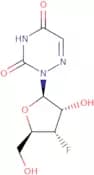

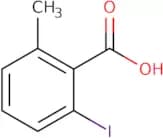
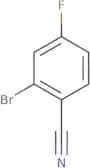
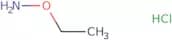
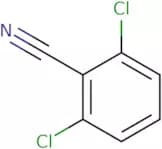
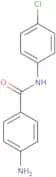
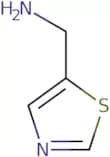
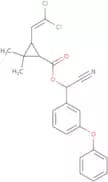

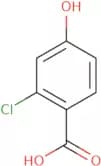
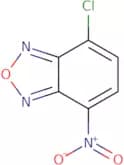
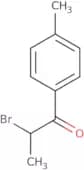
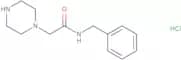
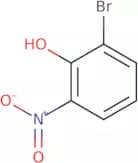

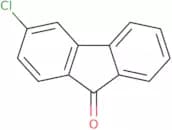
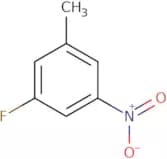
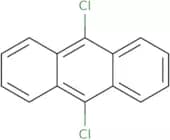
![3-(4'-Bromo[1,1'-biphenyl]-4-yl)-1,2,3,4-tetrahydro-1-naphthalenol](/_next/image/?url=https%3A%2Fstatic.cymitquimica.com%2Fproducts%2F3D%2Fthumb-webp%2FFB164965.webp&w=3840&q=75)
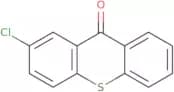

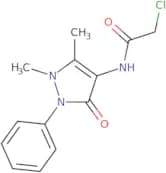
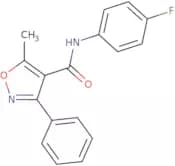
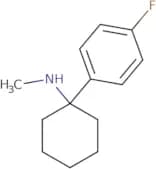
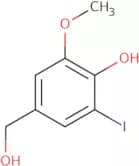
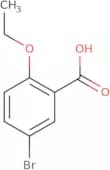
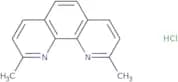
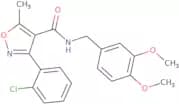
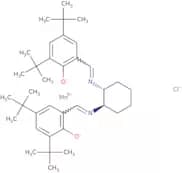
![1-(2-Chloroethyl)-4-[3-(Trifluoromethyl)Phenyl]Piperazine Dihydrochloride](/_next/image/?url=https%3A%2Fstatic.cymitquimica.com%2Fproducts%2F3D%2Fthumb-webp%2FFC29221.webp&w=3840&q=75)
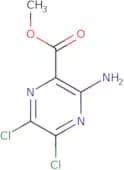
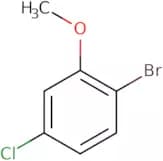

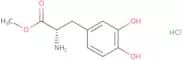
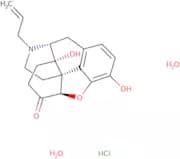

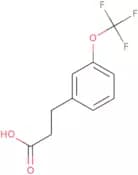

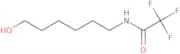
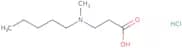

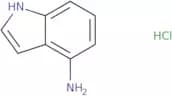
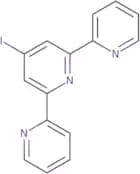
![4-Chloro-7-methyl-7H-pyrrolo[2,3-d]pyrimidine](/_next/image/?url=https%3A%2Fstatic.cymitquimica.com%2Fproducts%2F3D%2Fthumb-webp%2FFC140698.webp&w=3840&q=75)
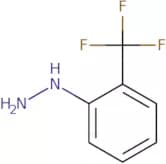
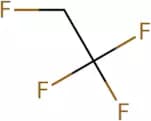

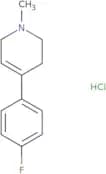
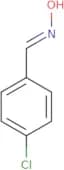
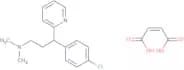
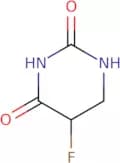
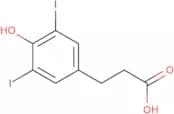
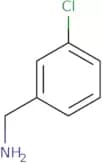
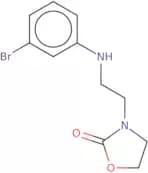
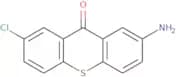
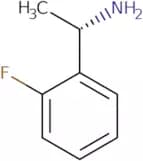
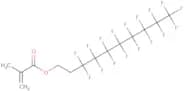
![(6S)-5,6,7,8-Tetrahydro-6-[propyl[2-(2-thienyl)ethyl]amino]-1-naphthalenol hydrochloride](/_next/image/?url=https%3A%2Fstatic.cymitquimica.com%2Fproducts%2F3D%2Fthumb-webp%2FFT27763.webp&w=3840&q=75)
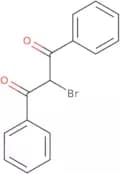
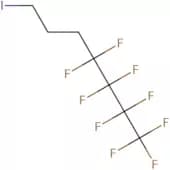
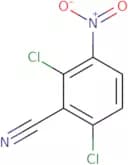
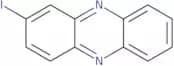
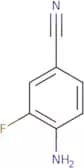
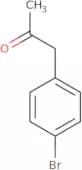
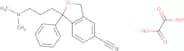
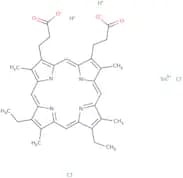
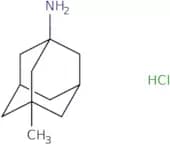
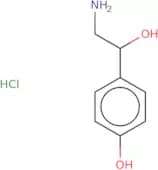
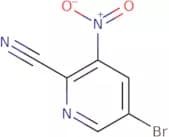
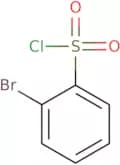

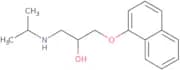
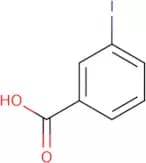


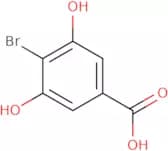
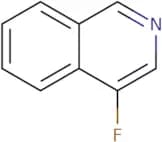
![N-[4-[1-(2-Fluorobenzyl)-3-butyl-2,6-dixo-2,3,6,7-tetrahydro-1H-purin-8-ylmethyl]phenyl]acetamide](/_next/image/?url=https%3A%2Fstatic.cymitquimica.com%2Fproducts%2F3D%2Fthumb-webp%2FFF23426.webp&w=3840&q=75)
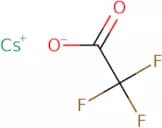
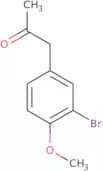
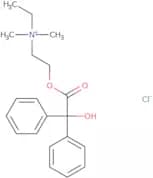
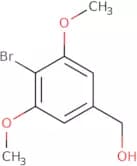
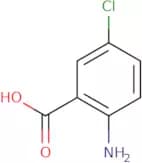
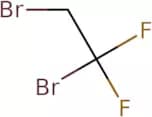
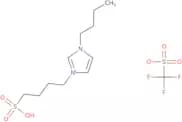
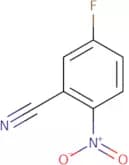
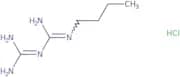
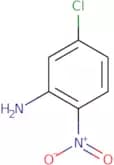
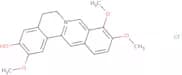

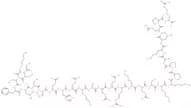
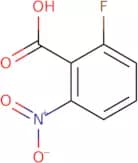
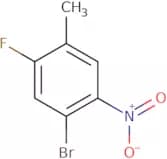
![[Bis(trifluoroacetoxy)iodo]pentafluorobenzene](/_next/image/?url=https%3A%2Fstatic.cymitquimica.com%2Fproducts%2F3D%2Fthumb-webp%2FFB60673.webp&w=3840&q=75)

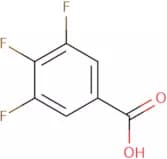
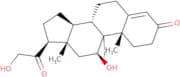
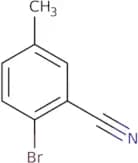
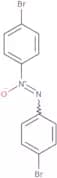


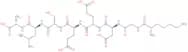
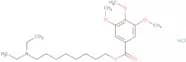

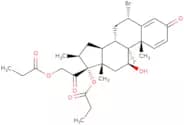
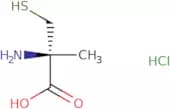
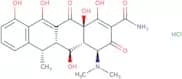
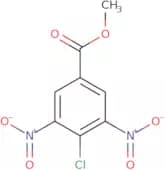
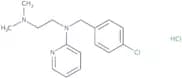
![N-(2-Fluorophenyl)-N-[4-(4-Methyl-1,3-Thiazol-2-Yl)-1-(2-Thiophen-3-Ylethyl)Piperidin-4-Yl]Propana…](/_next/image/?url=https%3A%2Fstatic.cymitquimica.com%2Fproducts%2F3D%2Fthumb-webp%2FFF102591.webp&w=3840&q=75)
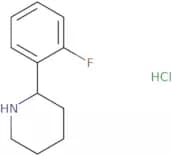
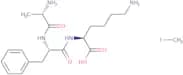

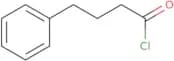
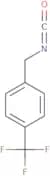
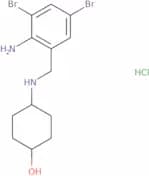
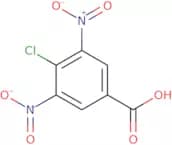
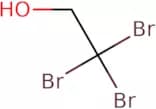
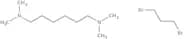
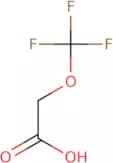
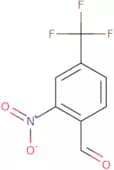

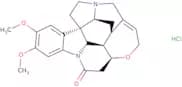
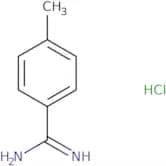
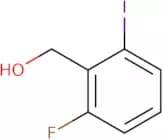
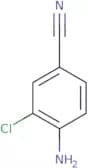

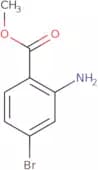
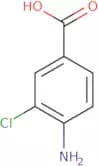
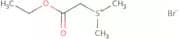


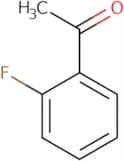
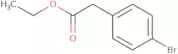
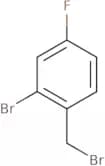
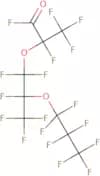
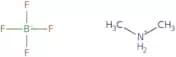
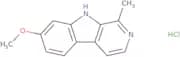
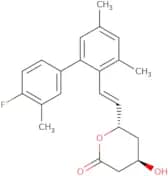

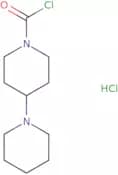
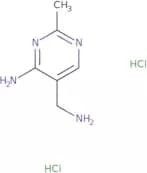
![(E)-3-[3'-(4''-fluorophenyl)-1'-(1''-methylethyl)-1H-indol-2''-yl]-2-propnal](/_next/image/?url=https%3A%2Fstatic.cymitquimica.com%2Fproducts%2F3D%2Fthumb-webp%2FFF37514.webp&w=3840&q=75)
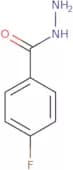
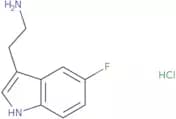
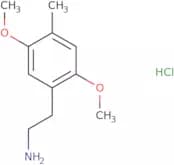

![8-Methyl-3,8-diazabicyclo[3.2.1]octane dihydrochloride](/_next/image/?url=https%3A%2Fstatic.cymitquimica.com%2Fproducts%2F3D%2Fthumb-webp%2FFM140960.webp&w=3840&q=75)
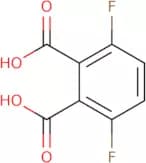
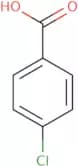
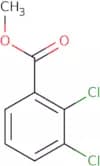
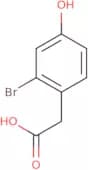
![6-Chloro-imidazo[1,2-b]pyridazine](/_next/image/?url=https%3A%2Fstatic.cymitquimica.com%2Fproducts%2F3D%2Fthumb-webp%2FFC11286.webp&w=3840&q=75)

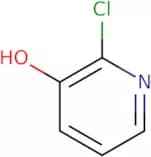
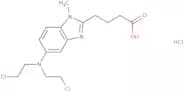
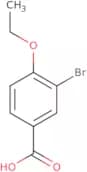
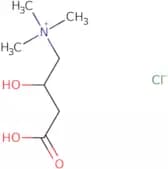
![4,6-Dichloro-1H-pyrrolo[2,3-b]pyridine](/_next/image/?url=https%3A%2Fstatic.cymitquimica.com%2Fproducts%2F3D%2Fthumb-webp%2FFD144171.webp&w=3840&q=75)
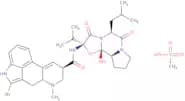

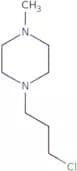
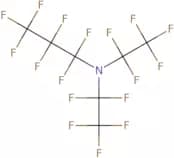
![4-[3-(Trifluoromethyl)diazirin-3-yl]benzoic acid N-hydroxysuccinimide ester](/_next/image/?url=https%3A%2Fstatic.cymitquimica.com%2Fproducts%2F3D%2Fthumb-webp%2FFT28476.webp&w=3840&q=75)
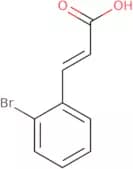
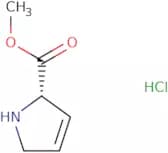
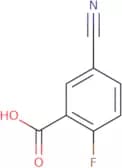
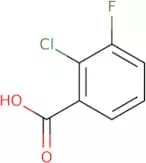
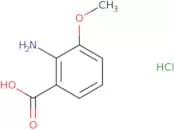
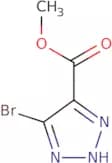
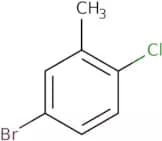
![9-Fluoro-10,13,17-Trimethyl-2,3,4,5,6,7,8,11,12,14,15,16-Dodecahydro-1H-Cyclopenta[a]Phenanthrene-…](/_next/image/?url=https%3A%2Fstatic.cymitquimica.com%2Fproducts%2F3D%2Fthumb-webp%2FFF103008.webp&w=3840&q=75)