Halogénures organiques
Sous-catégories appartenant à la catégorie "Halogénures organiques"
20442 produits trouvés pour "Halogénures organiques"
1-Bromo-10,12-pentacosadiyne
CAS :1-Bromo-10,12-pentacosadiyne is a monomer that has been shown to be an efficient catalyst for electrochemical polymerization. It can catalyze the polymerization of ethylene oxide in its presence. 1-Bromo-10,12-pentacosadiyne has been used as a monolayer on gold electrode surfaces and has also been used to create micelles. The monolayer is created by first depositing the bromide ion onto a glass surface, followed by deposition of the pentacosadiynyl radical onto the bromide ions. This process creates a stable layer on the surface that can be used for various reactions. Studies have shown that 1-Bromo-10,12-pentacosadiyne interacts with lectins, which are proteins found in plants that bind to sugar molecules on cell membranes. Lectins have been shown to inhibit tumor growth and cancerous cell proliferation inFormule :C25H43BrDegré de pureté :Min. 95%Couleur et forme :PowderMasse moléculaire :423.51 g/mol4-Bromo-2-fluoro-6-nitroaniline
CAS :Please enquire for more information about 4-Bromo-2-fluoro-6-nitroaniline including the price, delivery time and more detailed product information at the technical inquiry form on this pageFormule :C6H4BrFN2O2Degré de pureté :Min. 95%Masse moléculaire :235.01 g/mol2-Fluoroacetanilide
CAS :2-Fluoroacetanilide is an organic compound that is used as a building block in organic synthesis. It has been shown to be an optimal substrate for the reaction with carbon disulfide and wild-type virus, which are both proteins. The use of rat liver microsomes as a model system has allowed for the study of 2-fluoroacetanilide's effect on the metabolism of other drugs. 2-Fluoroacetanilide is also soluble in water and shows thermal expansion properties. 2-Fluoroacetanilide has been shown to react with ammonium hydroxide to form quinoxalines, which are compounds that have been studied as potential antiviral agents. This compound's chemical structure includes fluorine, which can be found in its NMR spectra and hydrochloric acid.br>br> 2-Fluoroacetanilide is not active against influenza virus, but it has been shown toFormule :C8H8FNODegré de pureté :Min. 95%Couleur et forme :PowderMasse moléculaire :153.15 g/mol5-Bromo-1,3,4-thiadiazol-2-amine
CAS :5-Bromo-1,3,4-thiadiazol-2-amine is a synthetic antiplatelet agent that belongs to the thiosemicarbazide class. It has been shown to have broad-spectrum antimicrobial activity against Gram-positive and Gram-negative bacteria. 5-Bromo-1,3,4-thiadiazol-2-amine is an orally bioavailable drug that can be used in the treatment of bacterial infections caused by Gram negative bacteria. The molecular modeling study suggests that this compound binds to the enzyme active site of DNA gyrase and inhibits its activity. 5Bromo-1,3,4-thiadiazol-2 amine is deuterated and can be used for molecular modeling studies because it is soluble in organic solvents.Formule :C2H2BrN3SDegré de pureté :Min. 95%Couleur et forme :PowderMasse moléculaire :180.03 g/mol2-Amino-3-chlorobenzamide
CAS :This compound is a benzamide derivative that is oxidized by nature. It has been shown to undergo ring-opening in the presence of reducing agents, such as sodium borohydride, and yields 2-amino-4-chlorobenzaldehyde. This reaction system uses an efficient catalyst such as manganese dioxide to help speed up the rate of this reaction. The product of this reaction is then converted into a variety of isatins depending on the conditions used.Formule :C7H7ClN2ODegré de pureté :Min. 95%Couleur et forme :Off-White PowderMasse moléculaire :170.6 g/mol4-Chloro-2-(methylthio)pyrimidine-5-carbonitrile
CAS :4-Chloro-2-(methylthio)pyrimidine-5-carbonitrile (MTPC) is a cardiac drug that has been shown to be effective in preventing autoimmune myocarditis and heart transplant rejection. It inhibits the activity of protein kinase, which is an enzyme involved in the development of autoimmune diseases. MTPC was found to be selective for rat heart isozymes and does not inhibit other isozymes, such as those found in brain, kidney, or liver tissues. MTPC also has high selectivity for allografts over autoantigens.
Formule :C6H4ClN3SDegré de pureté :Min. 95%Couleur et forme :PowderMasse moléculaire :185.63 g/mol4-Benzyloxy-3-chlorobenzaldehyde
CAS :4-Benzyloxy-3-chlorobenzaldehyde is a chemical intermediate that can be used for the production of a variety of compounds. It is an aromatic compound, with a benzene ring and two oxy groups at each end. The CAS number for 4-benzyloxy-3-chlorobenzaldehyde is 66422-84-2. It is also known as 1,4-dichloroacetophenone. This chemical is useful in the production of speciality chemicals and research chemicals, and it can act as a versatile building block in organic synthesis.Formule :C14H11ClO2Degré de pureté :Min. 95%Masse moléculaire :246.69 g/mol2-Amino-3-chlorobenzonitrile
CAS :2-Amino-3-chlorobenzonitrile is a linker in the synthesis of serotonin, an endogenous neurotransmitter that is involved in many physiological and psychological processes. The x-ray crystallographic studies of this molecule revealed that it has a similar structure to the analogs used for anticancer activity and bioassays. This molecule has shown anticancer activity against tumor cell lines with high levels of serotonin production, such as colon cancer cells. It also shows anti-cancer effects by binding to cryptochrome and stabilizing its structure. 2-Amino-3-chlorobenzonitrile interacts with hydrogen bonding interactions.
Formule :C7H5ClN2Degré de pureté :Min. 95%Couleur et forme :PowderMasse moléculaire :152.58 g/mol4-Bromoindole
CAS :4-Bromoindole is a model compound that serves as a building block for the synthesis of pharmaceutically important compounds. 4-Bromoindole has been shown to have high catalytic rates for the oxidative coupling of zirconium oxide. This compound can also be used in asymmetric synthesis because it is able to form both R and S enantiomers in moderate yield. The reaction mechanism is thought to involve a nucleophilic attack by bromide on the carbonyl group, followed by elimination of hydrogen bromide from this intermediate. 4-Bromoindole can be synthesized in three ways: (1) via an oxidative coupling reaction with ZrOCl2 and H2O2; (2) via an oxidative coupling reaction with ZrOCl2 and HBr; or (3) by reacting 4-bromoaniline with CuSO4 and Mn(NO3)2.
Formule :C8H6BrNDegré de pureté :Min. 95%Couleur et forme :Brown Yellow Clear LiquidMasse moléculaire :196.04 g/mol5-Bromo-6-chloropyrazin-2-amine
CAS :5-Bromo-6-chloropyrazin-2-amine is a high quality, versatile building block for the synthesis of a variety of chemical compounds. It is also a reagent used in organic chemistry for the conversion of alcohols to alkyl chlorides and bromides. It can be used as an intermediate for the preparation of various complex compounds with potential use as pharmaceuticals or fine chemicals. This compound has been shown to have potential as a useful scaffold for the development of novel drugs which could be used to treat bacterial infections such as tuberculosis. 5-Bromo-6-chloropyrazin-2-amine has also been shown to be an excellent starting material for the synthesis of research chemicals and speciality chemicals.Formule :C4H3BrClN3Degré de pureté :Min. 95%Masse moléculaire :208.44 g/mol3-Hydroxy-4-iodobenzyl alcohol
CAS :3-Hydroxy-4-iodobenzyl alcohol is a nucleophile that can be used as an affinity label for proteins and nucleic acids. 3-Hydoxy-4-iodobenzyl alcohol is capable of disrupting the linker between two molecules, which allows for analysis of protein/nucleic acid interactions. 3-Hydroxy-4-iodobenzyl alcohol can be used to label molecules, but it is not covalently bound to them. It has been shown to show tumor growth inhibition in glioma cells, which may be due to its ability to disrupt factor 1, a transcription factor that regulates cell proliferation and differentiation.
Formule :C7H7IO2Degré de pureté :Min. 95%Couleur et forme :PowderMasse moléculaire :250.03 g/mol2,3-Difluoro-6-nitroanisole
CAS :2,3-Difluoro-6-nitroanisole is a chemical that can be used as a building block for the synthesis of other compounds. It is a versatile intermediate that is useful in the synthesis of a wide variety of compounds. 2,3-Difluoro-6-nitroanisole has been used in research and as a reagent in organic chemistry. The compound has been observed to have high quality and to be stable under most conditions. CAS No. 66684-60-4 is assigned to 2,3-difluoro-6 nitroanisole in the Chemical Abstracts Service registry system.Formule :C7H5F2NO3Degré de pureté :Min. 95%Masse moléculaire :189.12 g/molEthyl 3,5-dichloro-4-hydroxybenzoate
CAS :Ethyl 3,5-dichloro-4-hydroxybenzoate is a reactant in organic synthesis. It is a byproduct of the chlorination of ethyl acetate and reacts with potassium chloride to yield 3,5-dichloro-4-hydroxybenzoic acid. This reaction is catalyzed by alkali metal hydroxides or alkali metal carbonates. The esters of this acid are used as raw materials for the production of pesticides, herbicides, and pharmaceuticals. The chloride can be hydrolyzed to produce 3,5-dichloro-4-hydroxybenzoic acid.Formule :C9H8Cl2O3Degré de pureté :Min. 95%Couleur et forme :PowderMasse moléculaire :235.06 g/mol3,3-Dibromopiperidin-2-one
CAS :3,3-Dibromopiperidin-2-one is a synthetic reaction product that is used to synthesize diisobutylaluminum. This compound can be found in the sources methylester chloride, pentachloride, thionyl, phosphorus pentachloride, coniferyl alcohol and ferulic acid. It is also an alkaloid compound that has been reported as a palladium catalyst for coupling reactions. 3,3-Dibromopiperidin-2-one is used to synthesize diisobutylaluminum. This compound can be found in the sources methylester chloride, pentachloride, thionyl, phosphorus pentachloride, coniferyl alcohol and ferulic acid. It is also an alkaloid compound that has been reported as a palladium catalyst for coupling reactions.
Formule :C5H7Br2NODegré de pureté :Min. 95%Couleur et forme :PowderMasse moléculaire :256.92 g/mol1-(4,5-dichloroimidazolyl)-2-(hydroxyimino)-3,3-dimethylbutane
CAS :Please enquire for more information about 1-(4,5-dichloroimidazolyl)-2-(hydroxyimino)-3,3-dimethylbutane including the price, delivery time and more detailed product information at the technical inquiry form on this pageDegré de pureté :Min. 95%5,7-Dibromo-8-hydroxyquinoline
CAS :5,7-Dibromo-8-hydroxyquinoline is a cytotoxic agent that has been shown to inhibit the growth of xenograft tumor cells. It was found to be effective in inhibiting the mitochondrial membrane potential and decrease the rate of cell proliferation. 5,7-Dibromo-8-hydroxyquinoline also showed significant cytotoxicity against carcinoma cell lines, with no effect on normal human fibroblast cells. The drug is an organophosphate compound that inhibits fatty acid synthesis by binding to an enzyme involved in fatty acid biosynthesis. This inhibition causes diarrhoea and sodium salt loss. 5,7-Dibromo-8-hydroxyquinoline can be extracted from hydrochloric acid through a solvent extraction process.Formule :C9H5Br2NODegré de pureté :Min. 95%Couleur et forme :PowderMasse moléculaire :302.95 g/mol3-Bromo-5-isopropyl-1,2,4-oxadiazole
CAS :3-Bromo-5-isopropyl-1,2,4-oxadiazole is a radiocarbon that was first detected in the atmosphere of Earth in the 1960s. It is produced by natural processes and is emitted into the atmosphere by human activities. 3-Bromo-5-isopropyl-1,2,4-oxadiazole has been found to be present in humans and other animals, as well as plants and soil. This compound has been detected in different parts of China and has been shown to be related to human activities. The evolution of 3-bromo-5-isopropyl-1,2,4 oxadiazole can be analysed using semantic approaches such as ideology sampling or repairing. Factors that may affect the production of 3-bromo 5 isopropyl 1 2 4 oxadiazole include climate change and technological development.Formule :C5H7BrN2ODegré de pureté :Min. 95%Couleur et forme :Colorless PowderMasse moléculaire :191.03 g/mol2,3,6,7,10,11-Hexabromotriphenylene
CAS :2,3,6,7,10,11-Hexabromotriphenylene is a mesomorphic monolayer with a donor-acceptor structure. It can be used to make magnetic resonance spectroscopy devices that can detect picric acid and an electron-deficient coupling agent for the synthesis of methyl ketones. The chloride groups on the hexabromotriphenylene are electron deficient and can react with a palladium-catalyzed cross-coupling reaction to produce methyl ketones. This compound also has potential use in making x-ray structures and is one of the sixfold magnetic resonance active triphenylenes.Formule :C18H6Br6Degré de pureté :Min. 95%Couleur et forme :PowderMasse moléculaire :701.66 g/mol6-Fluoro L-DOPA hydrobromide salt
CAS :Our 6-Fluoro L-DOPA hydrobromide salt is a high quality research chemical that is used as a building block for complex compounds. It can be used as a versatile building block and useful intermediate, and has been shown to have many applications in the production of pharmaceuticals, dyes, pesticides, and other products. It has speciality chemical status and its CAS No. is 154051-94-2.Formule :C9H11BrFNO4Degré de pureté :(By%Carbon) Min. 97%Couleur et forme :PowderMasse moléculaire :296.09 g/mol6-Chlorotryptamine
CAS :Produit contrôlé6-Chlorotryptamine is an indole alkaloid that is found in plants such as "Inula helenium". It has vasoconstrictive properties, which is due to its ability to inhibit the enzyme tryptophan decarboxylase. This inhibition leads to a decrease in serotonin levels, which causes blood vessels to narrow and slows blood flow. 6-Chlorotryptamine also inhibits protein synthesis by preventing the cross-coupling of amino acids. The compound can be found in a number of natural sources, including aerocolonigenes and plant species such as "Inula helenium" and "Lysimachia nummularia".
Formule :C10H11ClN2Degré de pureté :Min. 98 Area-%Couleur et forme :PowderMasse moléculaire :194.66 g/mol2-Chlorobenzaldehyde oxime
CAS :2-Chlorobenzaldehyde oxime is a compound that inhibits the growth of mycobacterium tuberculosis. It reacts with chloride in the environment to form 2-chlorobenzaldehyde, which reacts with an isoxazole to produce a quinone. Quinones are toxic to mammals and are thought to be responsible for the antimycobacterial activity of this compound. The reaction mechanism of 2-chlorobenzaldehyde oxime has been studied using various techniques and its toxicity has been evaluated in both culture and animal studies. This compound has shown no significant effects on mice at up to 100 mg/kg body weight, but it was found to cause death in rats at doses as low as 0.1 mg/kg body weight. 2-Chlorobenzaldehyde oxime was synthesised by reacting 2-chlorobenzaldehyde with oxalyl chloride under conditions suitable for safety, and the product was purified by recrystallisation from acetone. The synthesisFormule :C7H6ClNODegré de pureté :Min. 95%Couleur et forme :PowderMasse moléculaire :155.58 g/mol2-Bromo-2-nitroethanol
CAS :2-Bromo-2-nitroethanol is a chemical reagent that has the hydroxyl group. It is a site specific biocide, which is used to kill bacteria. 2-Bromo-2-nitroethanol has bactericidal activity against gram negative and gram positive bacteria. It can be used as a preservative in food and pharmaceutical products. This chemical is also effective for killing bacteria in water and wastewater treatment plants. 2-Bromo-2-nitroethanol is applied to surfaces by spraying or dipping, or it can be added to water at concentrations of 0.5 ppm or higher. 2-Bromo-2-nitroethanol can also be used to treat textiles, paper, leather, and rubber products by dipping or spraying these materials with the chemical solution containing 2% concentration of 2-bromo-2 nitroethanol in an aqueous solution of sodium hydroxide (0.5Formule :C2H4BrNO3Degré de pureté :Min. 95%Couleur et forme :Clear LiquidMasse moléculaire :169.96 g/mol2-Chloro-4,6-difluoroaniline
CAS :2-Chloro-4,6-difluoroaniline is a versatile chemical building block that can be used in the synthesis of complex compounds. It is a reactive intermediate compound and can be used to synthesize speciality chemicals for research purposes. 2-Chloro-4,6-difluoroaniline has been shown to have high quality and is useful as a reagent or reaction component. This product is also functional as an intermediate for the synthesis of other compounds.Formule :C6H4ClF2NDegré de pureté :Min. 95%Couleur et forme :PowderMasse moléculaire :163.55 g/mol(+/-)-Salsolinol hydrobromide
CAS :(+/-)-Salsolinol hydrobromide is a chemical compound derived from the condensation of dopamine and acetaldehyde. This compound occurs naturally in the brain and certain fermented beverages, influencing neurological pathways. As a dopaminergic compound, it affects dopaminergic neurons by stimulating or inhibiting dopamine receptors, depending on the context of its application.The interest in (+/-)-Salsolinol hydrobromide centers around its potential involvement in neurodegenerative conditions such as Parkinson's disease. It is studied for its role in modulating dopamine metabolism and its impact on dopaminergic tone. The compound is also researched for its contribution to the addictive properties observed in alcohol consumption, given its formation during the metabolic processes initiated by alcohol intake.As a research tool, (+/-)-Salsolinol hydrobromide aids in understanding the interactions between neurotransmitter systems and their implications in neuropsychiatric disorders. Ongoing studies aim to elucidate its precise function, contributing to broader insights into the development of therapeutic targets for related pathological states.Formule :C10H14BrNO2Degré de pureté :Min. 97 Area-%Couleur et forme :PowderMasse moléculaire :260.13 g/moltrans-4-Aminocyclohexanol hydrochloride
CAS :Trans-4-aminocyclohexanol hydrochloride is a monomer that has been used in the synthesis of polymers, which are used in the production of medical devices. Trans-4-aminocyclohexanol hydrochloride has shown anticancer activity and is used to inhibit the growth of murine leukemia cells. It has also shown uptake in different tissues and amination reaction with amino acids. The melting point of trans-4-aminocyclohexanol hydrochloride is 198°C, constant at 1.0, and impurities are less than 0.2%. Trans-4-aminocyclohexanol hydrochloride has been found to be a colorless solid with a molecular weight of 154.2 g/mol, an amorphous morphology, and a particle size distribution between 5 nm and 10 μm.Formule :C6H13NO·HClCouleur et forme :White Off-White PowderMasse moléculaire :151.63 g/mol2-(2-Fluoro-4-iodoanilino)-3,4-difluorobenzoic acid
CAS :2-(2-Fluoro-4-iodoanilino)-3,4-difluorobenzoic acid is a potent and selective allosteric antagonist of the adenosine A2A receptor. It has been shown to reduce blood pressure in rats and mice. 2-(2-Fluoro-4-iodoanilino)-3,4-difluorobenzoic acid has also been shown to increase levels of endogenous adenosine by modulating the activity of adenosine deaminase. This drug has been tested in humans with hypertension and was found to be safe and well tolerated at doses between 25mg and 300mg per day.Formule :C13H7F3INO2Degré de pureté :Min. 98%Couleur et forme :White PowderMasse moléculaire :393.1 g/molN-(2-Fluorophenyl)-N-[4-(4-Methyl-1,3-Thiazol-2-Yl)-1-(2-Thiophen-3-Ylethyl)Piperidin-4-Yl]Propanamide
CAS :Produit contrôléN-(2-Fluorophenyl)-N-[4-(4-methyl-1,3-thiazol-2-yl)-1-(2-thiophen-3-ylethyl)piperidin-4-yl]propanamide is a drug that is used for the treatment of cancer. This drug is hydrophobic and has a molecular weight of 455. It has been shown to be effective in treating cancer cells by binding to the cell membrane and inhibiting the proliferation of these cells. N-(2-Fluorophenyl)-N-[4-(4-methyl-1,3-thiazol-2-yl)-1-(2-thiophen-3-ylethyl)piperidin]-4-- yl]propanamide also inhibits tumor growth by reducing extracellular matrix production and inducing apoptosis in cancer cells. This drug has a fluorescent property and can be detected with an optical microscope at aFormule :C24H28FN3OS2Degré de pureté :Min. 95%Masse moléculaire :457.63 g/mol4,4'-Dibromostilbene
CAS :4,4'-Dibromostilbene is a phthaloyl derivative of trans-stilbene. It has optical properties that are similar to those of the parent compound. 4,4'-Dibromostilbene is an acceptor for electron transfer with a redox potential of 1.8 V and can be used as a peroxide decomposition catalyst. The compound has been shown to be resistant to chlorides, peroxides and organocatalysts at temperatures up to 200°C. In addition, 4,4'-dibromostilbene has been found to have high efficiency in light emission at room temperature with quantum yields ranging from 0.1% - 2%.Formule :C14H10Br2Degré de pureté :Min. 95%Couleur et forme :PowderMasse moléculaire :338.04 g/mol1,3-Thiazol-5-ylmethylamine dihydrochloride
CAS :1,3-Thiazol-5-ylmethylamine dihydrochloride is a useful scaffold for the preparation of complex compounds. It is a versatile building block that can be used to synthesize a wide range of chemical products. The compound has been shown to be an effective reagent in organic synthesis and is widely used as a research chemical. 1,3-Thiazol-5-ylmethylamine dihydrochloride is soluble in water and can be stored at room temperature.Formule :C4H6N2S·2HClDegré de pureté :Min. 95%Couleur et forme :PowderMasse moléculaire :187.09 g/mol2-Bromo-N-methyl-ethylamine hydrobromide
CAS :2-Bromo-N-methyl-ethylamine hydrobromide is a versatile building block that can be used in the synthesis of many fine chemicals. It is a high quality research chemical that is used to synthesize complex compounds. 2-Bromo-N-methyl-ethylamine hydrobromide is also used as a reagent and reaction component for organic synthesis, especially for the production of pharmaceuticals and other speciality chemicals. CAS No. 40052-63-9Formule :C3H9Br2NDegré de pureté :Min. 95%Couleur et forme :PowderMasse moléculaire :218.92 g/mol2-Bromophenylacetonitrile
CAS :2-Bromophenylacetonitrile is a synthetic compound that is used in wastewater treatment. It is effective at removing cyanides, phenylpropionic acid, and aldehydes from wastewater. 2-Bromophenylacetonitrile has been shown to be an efficient method for the removal of liriodenine from sewage water and for the removal of 2-bromostyrene from industrial waste water. This process can be used as an analytical method to measure the concentration of these substances in samples of wastewater. The reaction mechanism involves the formation of a nitrilium ion intermediate and subsequent reactions with alcohols to form esters or ethers.
Formule :C8H6BrNDegré de pureté :Min. 95%Couleur et forme :Colourless To Pale Yellow Clear LiquidMasse moléculaire :196.04 g/mol[2-(1H-Benzimidazol-1-yl)ethyl]amine dihydrochloride
CAS :2-(1H-Benzimidazol-1-yl)ethyl]amine dihydrochloride is a lead compound that has been shown to have antibacterial activity. It is a potent inhibitor of bacterial ribonucleotide reductase and thus inhibits DNA synthesis. The homology model of the enzyme shows that the chemical could bind to the active site and inhibit the production of ATP, preventing cell division. 2-(1H-Benzimidazol-1-yl)ethyl]amine dihydrochloride has been shown to have an effect on Clostridium and Bacillus anthracis, with MIC values of 1.0 µg/mL and 0.5 µg/mL respectively. This chemical also has potential for use as a drug in humans due to its lack of toxicity in mice at high doses (LD50 = 5 g/kg).
Formule :C9H11N3·2HClDegré de pureté :Min. 95%Couleur et forme :White PowderMasse moléculaire :234.13 g/mol1,3-Adamantanedicarbonylchloride
CAS :1,3-Adamantanedicarbonylchloride is a monomer that can be used in anticancer drug development. It is an analog of 1,3-diaminopropane, which has been shown to inhibit the growth of cancer cells and induce their apoptosis. The structure of 1,3-Adamantanedicarbonylchloride has been characterized by NMR spectroscopy under various conditions. The compound reacts with amines to form chlorides and alicyclic compounds. Friedel-Crafts acylation with chloride gives the corresponding carboxylate derivative. This reaction is reversible and can be carried out at room temperature or above.
Formule :C12H14Cl2O2Degré de pureté :Min. 95%Couleur et forme :PowderMasse moléculaire :261.14 g/molThiophene-2-amidine hydrochloride
CAS :2-Amidinothiophene Hydrochloride is a drug that is used as an anti-inflammatory agent. It is an isoform of amidinothiophene, which inhibits the production and release of cyclic nucleotides. 2-Amidinothiophene Hydrochloride has shown activity against tracheal muscle, adenosine receptors, and phosphodiesterase isoenzymes. This drug binds to the ATP binding site of the enzyme cyclic nucleotide phosphodiesterase, blocking the breakdown of cAMP into AMP and then ADP.
Formule :C5H7ClN2SDegré de pureté :Min. 95%Masse moléculaire :162.64 g/mol3-((3,5-bis(trifluoromethyl)phenyl)amino)-5-phenylcyclohex-2-en-1-one
CAS :Please enquire for more information about 3-((3,5-bis(trifluoromethyl)phenyl)amino)-5-phenylcyclohex-2-en-1-one including the price, delivery time and more detailed product information at the technical inquiry form on this pageDegré de pureté :Min. 95%L-Threonine benzyl ester hydrochloride
CAS :L-Threonine benzyl ester hydrochloride is a glycopeptide that is used as a precursor to L-threonine. It is synthesized from cycloserine, which contains a phenyl group, and D-serine, which contains an amino acid with two threonine molecules. The synthesis starts with the activation of the benzyl ester by treatment with hydrazoic acid. This activated compound reacts with D-serine in the presence of an organic base to form the benzyl ester of D-serine. The reaction can be carried out in one pot without isolation steps. The final step is an oxidative cleavage of the benzyl group by irradiation with ultraviolet light or exposure to hydrogen peroxide, yielding L-threonine benzyl ester hydrochloride as a white solid.
Formule :C11H15NO3•HClDegré de pureté :Min. 95%Couleur et forme :White To Off-White SolidMasse moléculaire :245.7 g/mol5-(4-Chlorobutyl)-1-cyclohexyltetrazole
CAS :5-(4-Chlorobutyl)-1-cyclohexyltetrazole is a synthetic, phosphorus pentachloride-derived compound that is used in the analytical method for determining the concentration of hydroxyl groups. It has been shown to be genotoxic and have toxic effects on aquatic organisms. 5-(4-Chlorobutyl)-1-cyclohexyltetrazole is not metabolized and does not interact with other medicines. The main impurities are chloride, water, and tetrazole. 5-(4-Chlorobutyl)-1-cyclohexyltetrazole is an inorganic base with a hydrated chloride ion. This product contains phosphorus oxychloride as an impurity.Formule :C11H19ClN4Degré de pureté :Min. 95%Couleur et forme :White Off-White PowderMasse moléculaire :242.75 g/molChlorin e6
CAS :Chlorin e6 is a photosensitizer, which is derived from chlorophyll, specifically the breakdown products of chlorophyll a extracted from plants and algae. It has a significant absorption in the red and near-infrared region of the electromagnetic spectrum, facilitating its use in photodynamic therapy (PDT). Upon activation by light, chlorin e6 produces reactive oxygen species, including singlet oxygen, which can induce cell death. This photochemical mechanism allows for the targeted destruction of cancer cells when used in oncological settings.Formule :C34H36N4O6Degré de pureté :90%MinCouleur et forme :Dark Blue-Green Or Dark Purple SolidMasse moléculaire :596.67 g/molNelotanserin
CAS :1-[3-(4-Bromo-1-methyl-1H-pyrazol-5-yl)-4-methoxyphenyl]-3-(2,4-difluorophenyl)urea is the active ingredient in a drug that is used to treat chronic schizophrenia. It has been shown to have both antipsychotic and antidepressant properties. The drug works by blocking the 5HT2A receptor, which inhibits the effects of serotonin on heterocyclic amines at the postsynaptic membrane. This causes hyperpolarization of the membrane, which blocks neurotransmitter release and prevents further transmission of signals. It also blocks the H1 receptor, which decreases histamine release and reduces inflammation in the brain.Formule :C18H15BrF2N4O2Degré de pureté :Min. 95%Couleur et forme :PowderMasse moléculaire :437.24 g/mol2-[(2,6-Dibromo-4-methylphenyl)amino]acetohydrazide
CAS :2-[(2,6-Dibromo-4-methylphenyl)amino]acetohydrazide is a chemical compound that is used as a building block for the synthesis of diverse heterocyclic compounds. 2-[(2,6-Dibromo-4-methylphenyl)amino]acetohydrazide is prepared from 2,6-dibromo-4-methylbenzaldehyde and acetohydrazide in the presence of triethylamine. The compound has been reported to be a useful scaffold for the synthesis of various heterocycles. The following are some examples of its applications: 1. Fine chemical 2. Useful building block 3. Research chemicals 4. Reagent 5. CAS No. 882760-46-5 6. Speciality chemical 7. High quality 8. Complex compound 9. Versatile building blockFormule :C9H11Br2N3ODegré de pureté :Min. 95%Couleur et forme :White PowderMasse moléculaire :337.01 g/mol4'-(3,4-Difluorophenoxy)benzaldehyde
CAS :4'-(3,4-Difluorophenoxy)benzaldehyde is an organic compound that yields a bright yellow color. It is used in the replication of DNA and RNA in the laboratory. This compound has been shown to interact with environmental conditions and significant effects have been observed for cultivars of wheat.Formule :C13H8F2O2Degré de pureté :Min. 95%Masse moléculaire :234.2 g/molSpermine tetrahydrochloride
CAS :Biogenic polyamine; NMDA glutamate receptor agonist/antagonist
Formule :C10H26N4·4HClCouleur et forme :White PowderMasse moléculaire :348.18 g/moldecahydro(trifluoromethyl)naphthalene
CAS :Produit contrôléDecahydro-trifluoromethyl-naphthalene is a fluid that can be used to create polymeric matrices. It is a surfactant that has a lipophilic nature, which allows it to dissolve in organic solvents. Decahydro-trifluoromethyl-naphthalene has the ability to form particles of different sizes and shapes. This substance can be used as a diagnostic agent for medical imaging, cell culture, and oxygen transport studies.
Formule :C11H17F3Degré de pureté :Min. 95%Masse moléculaire :206.25 g/molD-Phenylglycine tert-butyl ester hydrochloride
CAS :D-Phenylglycine tert-butyl ester hydrochloride is a fine chemical that has versatile uses in research as a building block, intermediate, or reagent. It can be used to make complex compounds and useful scaffolds for organic chemistry. D-Phenylglycine tert-butyl ester hydrochloride is also a useful reaction component and can be used to make high-quality products.
Formule :C12H17NO2·HClDegré de pureté :Min. 95%Couleur et forme :PowderMasse moléculaire :243.73 g/molDL-Lysine hydrochloride
CAS :The solubility of DL-Lysine hydrochloride in water is low, with a solubility of 0.01 g/100 mL at 25 °C. The pH of the solution is 7.0 and the concentration is 10.00%. The pH of the solution was determined using a pH meter. The concentration was determined by weight measurements using a balance and a volumetric flask. DL-Lysine hydrochloride reacts with hydrochloric acid to form an amide linkage between lysine residues on adjacent polypeptides or proteins, which may be used as a cross-linking agent for cell culture experiments. This compound has been shown to inhibit the growth of herpes simplex virus type 1 (HSV-1) in cell culture experiments, although it has no effect on HSV-2 because it lacks an amino group at position 2 on its side chain.Formule :C6H14N2O2·HClDegré de pureté :Min. 98%Couleur et forme :PowderMasse moléculaire :182.65 g/mol2-(3,4-dimethoxyphenyl)-3-((4-chlorophenyl)amino)inden-1-one
CAS :Please enquire for more information about 2-(3,4-dimethoxyphenyl)-3-((4-chlorophenyl)amino)inden-1-one including the price, delivery time and more detailed product information at the technical inquiry form on this pageDegré de pureté :Min. 95%4-Fluoro-L-Tryptophan
CAS :4-Fluoro-L-tryptophan is an amino acid that is used in the synthesis of proteins. It has a number of uses in molecular biology, including the study of phosphatases, tryptophan synthetase, and mutant strains. 4-Fluoro-L-tryptophan can be used to study the interaction between subunits of these enzymes and to determine kinetic parameters. This compound has been shown to interact with magnetic resonance spectroscopy (NMR) and fluorescence measurements. The biosynthesis of 4-fluoro-L-tryptophan involves two steps: (1) incorporation into protein by tryptophanyl tRNA synthetase; and (2) conversion to tryptamine by phosphatase enzyme.Formule :C11H11FN2O2Degré de pureté :Min. 95%Masse moléculaire :222.22 g/molDiphenylacetyl chloride
CAS :Diphenylacetyl chloride is a synthetic amide which has been used in the treatment of cancer. It is also used in the treatment of autoimmune diseases, such as rheumatoid arthritis and multiple sclerosis. This drug has been shown to be effective in transferring reactions in the synthesis of natural products, such as amides, ureas, and hydroxylamines. In addition, it has been found that this compound can be used to synthesize a number of carbohydrates, including glycosides and saccharides. Diphenylacetyl chloride can also react with hydroxyl groups or anilines to form acylation products. The mechanism by which this drug works is not well understood but it is thought that it may inhibit the production of oxytocin receptor proteins.Formule :C14H11ClODegré de pureté :Min. 90 Area-%Couleur et forme :White To Yellow SolidMasse moléculaire :230.69 g/mol9,10-Dichloroanthracene
CAS :9,10-Dichloroanthracene is an organic compound with the molecular formula Cl2C=CC=CCl2. It is a chlorinated aromatic hydrocarbon with two adjacent chlorine atoms. The electronic excitations of 9,10-dichloroanthracene are dominated by a triplet state that has a lifetime of about 1 nanosecond. This species exhibits fluorescence at room temperature and emits light in the visible region of the electromagnetic spectrum. The molecule can undergo reactions with amines to form benzenediamine derivatives, which are useful in supramolecular chemistry. 9,10-Dichloroanthracene also reacts with hydrochloric acid to produce hydrogen chloride gas and fluoresces under ultraviolet radiation or when exposed to longwave ultraviolet light.
9,10-Dichloroanthracene crystallizes as white needles that melt at 169 °C and boil at 291 °C.Formule :C14H8Cl2Degré de pureté :Min. 95%Masse moléculaire :247.12 g/mol2-Chloro-N-(1,5-dimethyl-3-oxo-2-phenyl-2,3-dihydro-1H-pyrazol-4-yl)acetamide
CAS :2-Chloro-N-(1,5-dimethyl-3-oxo-2-phenyl-2,3-dihydro-1H-pyrazol-4-yl)acetamide (CPA) is a chemical compound that belongs to the class of phenyl pyrazoles. It has a thermal stability and is soluble in organic solvents. CPA crystallizes in the monoclinic system with the space group P21/c, with the following unit cell parameters: a = 8.943(4) Å, b = 7.878(3) Å, c = 17.834(6) Å, α = 90°, β = 112° and γ = 90°. In this crystal structure, there are two molecules of chloride per molecule of CPA. The crystal x ray diffraction pattern showed that this compound forms dimers in solution at room temperature and can be dissolvedFormule :C13H14ClN3O2Degré de pureté :Min. 95%Masse moléculaire :279.72 g/molN-(4-Fluorophenyl)(5-methyl-3-phenylisoxazol-4-yl)formamide
CAS :Please enquire for more information about N-(4-Fluorophenyl)(5-methyl-3-phenylisoxazol-4-yl)formamide including the price, delivery time and more detailed product information at the technical inquiry form on this pageFormule :C17H13FN2O2Degré de pureté :Min. 95%Couleur et forme :PowderMasse moléculaire :296.3 g/mol2-Bromo-4-iodotoluene
CAS :2-Bromo-4-iodotoluene is a chemical that belongs to the group of useful building blocks. 2-Bromo-4-iodotoluene is a reagent and speciality chemical that can be used as a reactant or intermediate in organic synthesis. It is also a versatile building block for the preparation of complex compounds. 2-Bromo-4-iodotoluene can be used as an intermediate for the synthesis of specialized chemicals, such as pharmaceuticals, dyes, explosives and fragrances. 2-Bromo-4-iodotoluene has been shown to be an effective reagent in organic synthesis and has been used in the preparation of many complex compounds.Formule :C7H6BrIDegré de pureté :Min. 95%Couleur et forme :PowderMasse moléculaire :296.93 g/mol1-(4-Fluorophenyl)-N-Methylcyclohexylamine
CAS :Produit contrôlé1-(4-Fluorophenyl)-N-Methylcyclohexylamine is a planar molecule with an electron density distribution that is more concentrated in the region of the benzene ring. The 4-fluorostyrene substituent has a vinyl group. The electron density distribution is more concentrated in the region of the benzene ring, and is less concentrated in the region of the methyl group, which is substituted by a fluorine atom. This molecule can be used as an intermediate to synthesize other molecules with conformational, planar, or hybridized properties.Formule :C13H18FNDegré de pureté :Min. 95%Masse moléculaire :207.29 g/mol2-Chloro-5-methoxybenzonitrile
CAS :2-Chloro-5-methoxybenzonitrile is an organic compound that has a chlorinated methoxy group and a cyano group. It is synthesized by the reaction of 2-chloro-5-hydroxybenzonitrile with sulfuryl chloride in the presence of potassium carbonate. The yield of this reaction can be increased by adding a chlorinated solvent such as dichloromethane or chloroform. 2-Chloro-5-methoxybenzonitrile is used in the synthesis of various drugs and other organic compounds, such as amides and benzene ring compounds.Formule :C8H6ClNOCouleur et forme :PowderMasse moléculaire :167.59 g/mol2-Bromo-5-chloroanisole
CAS :2-Bromo-5-chloroanisole is a high quality chemical that is used as an intermediate in the synthesis of other chemicals, such as ethyl bromoacetate. It is also a useful building block for the synthesis of complex compounds. 2-Bromo-5-chloroanisole has been used as a reagent to study the effect of electron density on the reactivity of nitrobenzene and its derivatives. This chemical has also been found to be a useful scaffold for drug discovery research. 2-Bromo-5-chloroanisole can be used as a speciality chemical in research and development, or it can be used as a reaction component for other chemical reactions.
Formule :C7H6BrClODegré de pureté :Min. 95%Masse moléculaire :221.48 g/mol4-Trifluoromethylbiphenyl
CAS :4-Trifluoromethylbiphenyl is a catalyst for cross-coupling reactions. It is used in the Suzuki reaction to bind a phosphine ligand. This molecule also binds to the ligand binding domain of human P450 enzymes. 4-Trifluoromethylbiphenyl has been shown to be orally bioavailable, and has various isomers. The solid form of this molecule undergoes cross-coupling reactions with phenylboronic acids in the presence of a phosphine ligand. 4-Trifluoromethylbiphenyl is an inorganic compound that was first synthesized by experiment in 1891. It was first isolated from coal tar, but today is usually synthesized from benzene and chloroform in a solid form.Formule :C13H9F3Degré de pureté :Min. 95 Area-%Couleur et forme :PowderMasse moléculaire :222.21 g/mol2-Nitro-4'-chloro diphenylsulfide
CAS :2-Nitro-4'-chloro diphenylsulfide is a versatile intermediate that is used in the synthesis of a variety of other compounds. It is an important reagent in organic synthesis and has been shown to be useful as a building block for the synthesis of complex compounds with various functional groups. 2-Nitro-4'-chloro diphenylsulfide has been shown to participate in many different reactions, including nucleophilic substitution, elimination, condensation, and oxidation. This chemical is a fine chemical that can be used for research purposes.
Formule :C12H8ClNO2SDegré de pureté :Min. 95%Couleur et forme :PowderMasse moléculaire :265.72 g/mol5-Bromo-3,4-dimethoxybenzyl alcohol
CAS :5-Bromo-3,4-dimethoxybenzyl alcohol is a natural product that can be synthesized from the methyl ethers of 5-bromo-3,4-dimethoxybenzoic acid. It has been reported to have high yields and good yields for the synthesis of methyl ethers. The reaction conditions for this natural product are mild and do not require an organic solvent or a catalyst.Formule :C9H11BrO3Degré de pureté :Min. 98 Area-%Couleur et forme :PowderMasse moléculaire :247.09 g/mol4-Chloro-L-tryptophan
CAS :4-Chloro-L-tryptophan is an indole alkaloid that belongs to the group of 2-d nmr. It has a chiral carbon atom and two enantiomers, D and L. 4-Chloro-L-tryptophan is used in the synthesis of serotonin in the brain. Synthesis of serotonin involves a two-step process: first, L-tyrosine is converted to 4-hydroxyphenylpyruvic acid by an aminotransferase enzyme (e.g., phenylalanine aminotransferase), then 4-hydroxyphenylpyruvic acid is converted to 4-chloro-L-tryptophan by a decarboxylase enzyme (e.g., pyridoxal phosphate). The biosynthesis of serotonin also requires an intermediate molecule called indole pyruvic acid.Formule :C11H11ClN2O2Degré de pureté :Min. 94 Area-%Couleur et forme :PowderMasse moléculaire :238.67 g/molNaloxone hydrochloride dihydrate
CAS :Produit contrôléNaloxone hydrochloride dihydrate is a drug that blocks the effects of opioids. It is administered by injection and has a short half-life. Naloxone hydrochloride dihydrate binds to opioid receptors in the central nervous system, which prevents binding by other opioids. This results in an increased metabolic rate, which can be used as a marker for effectiveness of treatment. Naloxone hydrochloride dihydrate has been shown to have an inhibitory effect on monoamine neurotransmitters, including dopamine, serotonin and norepinephrine. The use of this drug should be limited to outpatients because it produces less physical dependence than other opioids. Naloxone hydrochloride dihydrate can also be used as a sample preparation agent for urine samples or as an effective dose for pharmaceutical preparations.END>Formule :C19H26NO6ClDegré de pureté :98 To 100%Couleur et forme :White Off-White PowderMasse moléculaire :399.87 g/mol4-Iodo-1,3,5-trimethyl-1H-pyrazole
CAS :4-Iodo-1,3,5-trimethyl-1H-pyrazole is an unsymmetrical compound that can be used in various research applications. It has the ability to oxidize certain compounds and is commonly used in laboratory settings for chemical research purposes. This versatile compound is often categorized under Research Chemicals due to its unique properties and potential applications in scientific studies.Formule :C6H9IN2Degré de pureté :Min. 95%Couleur et forme :PowderMasse moléculaire :236.05 g/molPoly-L-lysine hydrobromide - M.W:1000-5000
CAS :Poly-L-lysine hydrobromide is a polymer that consists of repeating lysine monomers. It has a molecular weight range of 1000 to 5000 Daltons. Poly-L-lysine hydrobromide is used for intramolecular hydrogen bonding, which increases its resistance to thermal and kinetic energy. Poly-L-lysine hydrobromide is also used in the structural analysis of proteins, because it can be easily purified from human serum by dialysis. This polymer has been shown to be effective against carcinoma cell lines, amide bonds, terminal residues, and ester linkages. There is also evidence that poly-L-lysine hydrobromide may have anticancer properties in vitro and in vivo. Poly-L-lysine hydrobromide has been shown to have antiangiogenic properties due to its ability to block the interaction between tumor cells and endothelial cells. This can lead to tumor regression and decreased metastasisFormule :(C6H12N2O2)n•(HBr)xDegré de pureté :Min. 95%Couleur et forme :White PowderHeptafluorobutyric acid
CAS :Heptafluorobutyric acid is an organic compound that belongs to the group of sodium salts. It is a colorless liquid with a boiling point of -19°C. Heptafluorobutyric acid has been shown to inhibit the growth of bacteria by reacting with hydrogen fluoride and forming fluoroheptafluoropropane, which may have toxicological effects on humans. Heptafluorobutyric acid is also used as an analytical method for determining plasma mass spectrometry in human serum samples and wastewater treatment. The toxicity of heptafluorobutyric acid has been studied in rats and mice, where it was found to cause locomotor activity depression and neurotoxic effects at high doses.Formule :C4HF7O2Couleur et forme :Clear LiquidMasse moléculaire :214.04 g/mol3-[(4-Chlorophenyl)amino]-5,5-dimethylcyclohex-2-en-1-one
CAS :The compound is a chiral molecule, meaning that it has two different structures. One side of the molecule is the mirror image of the other. The translation and conformation of this molecule are asymmetric because the carbon atoms in its chain are not lined up in a straight line. The hydrogen bonds that form between these chains are also asymmetric, as one side of the molecule has more than one hydrogen bond while the other side only has one hydrogen bond.Formule :C14H16ClNODegré de pureté :Min. 95%Masse moléculaire :249.74 g/mol(4-(4-chloro-3-methylphenyl)(2,5-thiazolyl))prop-2-enylamine, hydrochloride
CAS :Please enquire for more information about (4-(4-chloro-3-methylphenyl)(2,5-thiazolyl))prop-2-enylamine, hydrochloride including the price, delivery time and more detailed product information at the technical inquiry form on this pageDegré de pureté :Min. 95%2-(Trifluoromethyl)phenylhydrazine hydrochloride
CAS :2-(Trifluoromethyl)phenylhydrazine hydrochloride is a carbamic acid derivative that is used in the synthesis of other compounds. 2-(Trifluoromethyl)phenylhydrazine hydrochloride can be used to make carboxylic acids and their derivatives, such as esters, amides, and anhydrides. It also reacts with hydrogen fluoride to form trifluoroacetic acid and hydrogen gas. This compound is an isomerizing agent that converts alkyl halides into their corresponding carbonyls. Hydrogen fluoride reacts with 2-(trifluoromethyl)phenylhydrazine hydrochloride to form trifluoroacetic acid and hydrogen gas.Formule :C7H7F3N2•HClDegré de pureté :Min. 95%Couleur et forme :PowderMasse moléculaire :212.6 g/mol6-Fluoro-2,3,4,9-tetrahydro-1H-carbazole
CAS :Please enquire for more information about 6-Fluoro-2,3,4,9-tetrahydro-1H-carbazole including the price, delivery time and more detailed product information at the technical inquiry form on this pageFormule :C12H12FNDegré de pureté :Min. 95%Couleur et forme :PowderMasse moléculaire :189.23 g/mol(S)-1-(2-Fluorophenyl)ethylamine
CAS :(S)-1-(2-Fluorophenyl)ethylamine is a fine chemical that is used as a versatile building block and reaction component. It has been shown to be an intermediate in the synthesis of other compounds such as (±) -N-benzyl-2,4-dioxo-3-piperidinamine. This compound can also be used as a reagent for the preparation of other high quality chemicals. The CAS Registry Number for this compound is 68285-25-6.Formule :C8H10FNDegré de pureté :Min. 95%Couleur et forme :Colorless Clear LiquidMasse moléculaire :139.17 g/mol7-Bromoindole
CAS :7-Bromoindole is a synthetic compound that has been used as an analog for indole. It has been shown to have some biological activity in vivo, but it is not known if this activity is due to the drug itself or its breakdown products. 7-Bromoindole can be decarboxylated under acid conditions and saponified with sodium hydroxide. The isolated yield of this reaction is about 2 grams per mole of reactant. 7-Bromoindole shows hemolytic activity against human pathogens such as Staphylococcus aureus and Escherichia coli, but not against Bacillus subtilis or Pseudomonas aeruginosa.Formule :C8H6BrNCouleur et forme :PowderMasse moléculaire :196.04 g/mol(6S)-5,6,7,8-Tetrahydro-6-[propyl[2-(2-thienyl)ethyl]amino]-1-naphthalenol hydrochloride
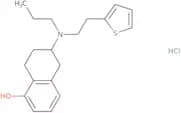
CAS :Produit contrôlé(6S)-5,6,7,8-Tetrahydro-6-[propyl[2-(2-thienyl)ethyl]amino]-1-naphthalenol hydrochloride is a reagent that can be used as an intermediate for the synthesis of many complex compounds. It is a useful building block for the synthesis of pharmaceuticals with speciality chemicals and research chemicals. This compound has been shown to be a versatile building block in the synthesis of natural products, pharmaceuticals and other organic molecules. (6S)-5,6,7,8-Tetrahydro-6-[propyl[2-(2-thienyl)ethyl]amino]-1-naphthalenol hydrochloride is also a reaction component that can be used to synthesize many chemical substances with different functional groups.Formule :C19H26ClNOSDegré de pureté :Min. 95%Couleur et forme :White PowderMasse moléculaire :351.93 g/mol2-Amino-3-(4-dimethylaminophenyl)propanol dihydrochloride
CAS :2-Amino-3-(4-dimethylaminophenyl)propanol dihydrochloride is a perovskite with the chemical formula CHN. It is a crystalline solid that has been found in the nasal cavity of Typhlopidae and Rostral rostral, dorsum, dorsal profile advances. 2-Amino-3-(4-dimethylaminophenyl)propanol dihydrochloride has not been determined to be either an organic or inorganic compound. The nature of this material is unclear, but it has been shown to have crystallization properties.Formule :C11H18N2O•2HClDegré de pureté :Min. 95%Masse moléculaire :267.19 g/mol2-Iodophenazine
CAS :2-Iodophenazine is a molecule that contains two iodine atoms. It is an anion radical, which means it has a high redox potential. The molecule can be found in dimethylformamide and dichlorinated solvents. 2-Iodophenazine can be oxidized by electron transfer to form anions, such as the iodide ion. This reaction product can be titrated with sodium thiosulfate to measure the concentration of 2-iodophenazine in solution. 2-Iodophenazine is also used in the synthesis of quinoxalines, heterocycles that are used as pharmaceuticals or herbicides.
Formule :C12H7IN2Degré de pureté :Min. 95%Masse moléculaire :306.1 g/mol(R)-3-Fluoropyrrolidine hydrochloride
CAS :(R)-3-Fluoropyrrolidine hydrochloride is a proline analog that is orally bioavailable and selective for dipeptidyl peptidase. It shows good pharmacokinetic properties and has been shown to be a potent inhibitor of both cyclohexylglycine and amides, two enzymes involved in the metabolism of proline. The drug has also been shown to be an excellent substrate for dipeptidyl peptidase, an enzyme involved in the degradation of dipeptides. (R)-3-Fluoropyrrolidine hydrochloride has not yet been tested as an inhibitor of peptidases other than dipeptidyl peptidase. (R)-3-Fluoropyrrolidine hydrochloride is currently undergoing Phase II clinical trials.
Formule :C4H9ClFNDegré de pureté :Min. 98%Masse moléculaire :125.57 g/molN-(6-acetylbenzo[d]1,3-dioxolan-5-yl)-2-chloropropanamide
CAS :Please enquire for more information about N-(6-acetylbenzo[d]1,3-dioxolan-5-yl)-2-chloropropanamide including the price, delivery time and more detailed product information at the technical inquiry form on this pageDegré de pureté :Min. 95%Couleur et forme :Powder2-Amino-4'-fluoroacetophenone hydrochloride
CAS :Produit contrôlé2-Amino-4'-fluoroacetophenone hydrochloride is a fine chemical with a versatile building block. It is an intermediate used in research and a reaction component for the synthesis of complex compounds. 2-Amino-4'-fluoroacetophenone hydrochloride can be used as a reagent in the synthesis of pharmaceuticals or other useful chemicals. Its CAS number is 456-00-8.Formule :C8H9ClFNODegré de pureté :Min. 95%Masse moléculaire :189.61 g/mol2,3,4,5-Tetrafluoro-6-chlorobenzoic acid
CAS :2,3,4,5-Tetrafluoro-6-chlorobenzoic acid is a useful chemical that can be used as a precursor in the synthesis of many organic compounds. This compound has been shown to be an efficient and reliable reagent for the preparation of high quality 2,3,4,5-tetrafluoro-6-chlorobenzoic acid. It is also an important building block in organic chemistry and has been shown to be versatile enough to react with a wide range of other chemicals. CAS No. 1868-80-0Formule :C7HClF4O2Degré de pureté :Min. 95%Couleur et forme :PowderMasse moléculaire :228.53 g/mol3-Fluoro-4-nitrotoluene
CAS :3-Fluoro-4-nitrotoluene is a chemical that belongs to the class of nitro compounds. It is used as an intermediate for the synthesis of beta-cyclodextrin, which is a cyclic oligosaccharide that has been found to be effective in inhibiting influenza virus. 3-Fluoro-4-nitrotoluene can be produced through the reaction of formaldehyde with sodium nitrate and hydrofluoric acid in a liquid phase. This reaction takes place at room temperature and produces a yield of about 50%. The production of this compound is also efficient and inexpensive.Formule :C7H6FNO2Degré de pureté :Min. 95%Couleur et forme :PowderMasse moléculaire :155.13 g/mol1-(Azidomethyl)-4-chlorobenzene ~ 0.5 M solution in dichloromethane
CAS :1-(Azidomethyl)-4-chlorobenzene is a chemical compound that is used in organic synthesis. It is a colorless liquid with a strong smell. It inhibits the growth of fungi by inhibiting the sclerotinia phosphatase, which catalyzes the conversion of propiolic acid to p-hydroxybenzoic acid. This mechanism may also be responsible for its properties as an antifungal agent. 1-(Azidomethyl)-4-chlorobenzene has shown no inhibitory effects on mammalian phosphatases and does not show any adverse reactions when tested against animal cells.Formule :C7H6ClN3Degré de pureté :Min. 95%Couleur et forme :Clear LiquidMasse moléculaire :167.6 g/molMethyl 2,6-dibromobenzoate
CAS :Methyl 2,6-dibromobenzoate is a versatile building block that can be used in the synthesis of many different types of compounds. It is a fine chemical with CAS number 873994-34-4. Methyl 2,6-dibromobenzoate is a useful building block for research chemicals and reagents. This compound is also an intermediate or scaffold in organic synthesis. Methyl 2,6-dibromobenzoate has been shown to react with boronic acid esters to produce boronate esters. The reaction proceeds via nucleophilic substitution and elimination reactions. In addition, methyl 2,6-dibromobenzoate reacts with potassium permanganate to produce hydrogen peroxide and manganese dioxide.Formule :C8H6Br2O2Degré de pureté :Min. 95%Couleur et forme :Off-White PowderMasse moléculaire :293.94 g/mol2-Bromo-3-hydroxybenzoic acid ethyl ester
CAS :2-Bromo-3-hydroxybenzoic acid ethyl ester is a versatile building block that can be used in the synthesis of complex compounds. It is a fine chemical and research chemical with CAS No. 1260889-94-8. This compound has high quality and is used as a reagent, scaffold, or intermediate in organic syntheses. 2-Bromo-3-hydroxybenzoic acid ethyl ester is also useful for the preparation of speciality chemicals and reaction components.Formule :C9H9BrO3Degré de pureté :Min. 95%Couleur et forme :Yellow PowderMasse moléculaire :245.07 g/mol3-(Trifluoromethyl)cinnamic acid methyl ester
CAS :3-(Trifluoromethyl)cinnamic acid methyl ester is a high quality chemical that can be used as a reagent, intermediate, or building block. It is also a speciality chemical that can be used in research. 3-(Trifluoromethyl)cinnamic acid methyl ester has been shown to be useful for the synthesis of various complex compounds. This compound is also versatile, and can serve as a reaction component for different reactions.Formule :C11H9F3O2Degré de pureté :Min. 95%Couleur et forme :PowderMasse moléculaire :230.18 g/mol2,5-Difluoro-4-hydroxybenzaldehyde
CAS :2,5-Difluoro-4-hydroxybenzaldehyde is a chemical compound that belongs to the class of pyrazoles. It has been shown to inhibit the activity of multinuclear enzymes, such as tautomerase and hydrolases. This inhibition is due to the conformational changes in these enzymes induced by 2,5-difluoro-4-hydroxybenzaldehyde. 2,5-Difluoro-4-hydroxybenzaldehyde also displays biological activity against various types of cancer cells. This can be attributed to its ability to inhibit protein synthesis through inhibition of RNA transcription and translation.Formule :C7H4F2O2Degré de pureté :Min. 95%Couleur et forme :SolidMasse moléculaire :158.1 g/molHydrazine hydrochloride
CAS :Produit contrôléHydrazine hydrochloride is an antimicrobial agent that belongs to the group of hydrazines. It is a fatty acid that has been esterified with hydrochloric acid and hydrogen fluoride to form the corresponding ester hydrochloride. Hydrazine hydrochloride has shown to be effective against a variety of microorganisms. The antimicrobial activity of this drug may be due to its ability to inhibit fatty acid synthesis by binding to the active site of the enzyme, acyl-CoA:malonyl-CoA acyltransferase (MCT). Hydrazine hydrochloride also inhibits the production of pyrazoles, which are compounds that are known to induce autoimmune diseases in mice.Formule :N2H4·HClDegré de pureté :min 98%Couleur et forme :White PowderMasse moléculaire :68.51 g/mol2-Fluoro-4-nitroaniline
CAS :2-Fluoro-4-nitroaniline is a molecule that has been shown to have clinical studies in industrialized countries. It is a hydrophobic molecule, which means it does not dissolve in water. 2-Fluoro-4-nitroaniline binds to the 5HT receptor subtype with an energy of -1.89 eV and inhibits cancer cell proliferation by inhibiting the activation of 5HT receptors. The reaction mechanism for this drug involves the transfer of an electron from the hydrogen atom to the nitro group on the compound, which creates a radical cation (R+). This radical cation interacts with oxygen and forms a peroxyl radical, which reacts with nearby molecules and causes damage to them. The molecule is then broken down by enzymes called peroxidases.Formule :C6H5FN2O2Degré de pureté :Min. 95%Couleur et forme :PowderMasse moléculaire :156.11 g/molMethyl 2-chlorobenzoate
CAS :Methyl 2-chlorobenzoate is a synthetic pesticide that is used as an insecticide. It has been shown to have strong neurotoxic effects on insects and mammals, which are due to its ability to bind with the amine group in the central nervous system. Methyl 2-chlorobenzoate is also used as an organic solvent. It reacts with metal ions such as aluminum, zinc, and iron and forms metal chlorides. This reaction can be observed by using nuclear magnetic resonance spectroscopy. The chemical has been shown to be reactive with aryl chlorides, chloroformate, and methylbenzene. Methyl 2-chlorobenzoate is soluble in water but insoluble in non-polar solvents such as ethers or petroleum ethers. It is stable at room temperature but can react violently if heated or exposed to sunlight. Methyl 2-chlorobenzoate is not toxic to humans at concentrations of upFormule :C8H7ClO2Degré de pureté :Min. 95%Couleur et forme :Clear LiquidMasse moléculaire :170.59 g/mol3,5-Difluoro-4-(trifluoromethyl)acetophenone
CAS :3,5-Difluoro-4-(trifluoromethyl)acetophenone is a high quality chemical that is used as a reagent in organic synthesis and as a building block for the synthesis of other compounds. It has been shown to be an effective intermediate in the production of fine chemicals and speciality chemicals. This compound can also be used as a building block for the synthesis of useful scaffolds or useful building blocks. 3,5-Difluoro-4-(trifluoromethyl)acetophenone is versatile and can react with various functional groups.Formule :C9H5F5ODegré de pureté :Min. 95%Masse moléculaire :224.13 g/mol(3-(2,6-dichlorophenyl)-5-methylisoxazol-4-yl)-N-(4-(trifluoromethylthio)phenyl)formamide
CAS :Please enquire for more information about (3-(2,6-dichlorophenyl)-5-methylisoxazol-4-yl)-N-(4-(trifluoromethylthio)phenyl)formamide including the price, delivery time and more detailed product information at the technical inquiry form on this page
Degré de pureté :Min. 95%2-Fluoro-3-methoxyaniline
CAS :2-Fluoro-3-methoxyaniline is a high quality chemical that can be used as an intermediate in the synthesis of complex compounds. It is a reagent and useful building block, with a CAS number of 801282-00-8. 2-Fluoro-3-methoxyaniline can be used to make speciality chemicals and research chemicals, as well as versatile building blocks for reactions. This compound is also a reaction component for the synthesis of other compounds.
Formule :C7H8FNODegré de pureté :Min. 95%Couleur et forme :Clear LiquidMasse moléculaire :141.14 g/mol1,3,6,8-Tetrabromocarbazole
CAS :1,3,6,8-Tetrabromocarbazole is a brominated aromatic hydrocarbon that absorbs light in the ultraviolet region of the electromagnetic spectrum. It has been detected in marine sediments and soils near sites where it was used as an additive for polymers or paints. In recent years, 1,3,6,8-tetrabromocarbazole has also been found in human serum samples collected from people living near these sites. The uptake of this compound by humans may be due to its ability to cross the skin barrier and its high lipophilicity. This compound is not volatile and has a low vapor pressure. It is soluble in water but insoluble in acetone or ethanol. 1,3,6,8-Tetrabromocarbazole can be easily synthesized by coupling two molecules of benzene with one molecule of tetrabromoethane using a cross-coupling reaction. The optical properties
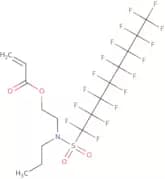
Formule :C12H5Br4NDegré de pureté :Min. 95 Area-%Masse moléculaire :482.79 g/molDiammonium N-ethylheptadecafluoro-N-[2-(phosphonatooxy)ethyl]octanesulfonamidate
CAS :Produit contrôléDiammonium N-ethylheptadecafluoro-N-[2-(phosphonatooxy)ethyl]octanesulfonamidate is a phosphonic acid that is used in the industrial process of water treatment. It has a high efficiency and low cost, which makes it an appropriate alternative to conventional chemical treatments. Diammonium N-ethylheptadecafluoro-N-[2-(phosphonatooxy)ethyl]octanesulfonamidate has been shown to be safe for the environment and for animals. Studies on its uptake by organisms have been conducted.Formule :C12H9F17NO6PS•(NH4)2Degré de pureté :Min. 95%Masse moléculaire :685.29 g/mol2-Bromo-N-[2-[7-Chloro-5-(2-Fluorophenyl)-2-Oxo-3H-1,4-Benzodiazepin-1-Yl]Ethyl]Acetamide
CAS :Produit contrôlé2-Bromo-N-[2-[7-Chloro-5-(2-fluorophenyl)-2-oxo-3H-1,4-benzodiazepin-1-yl]ethyl]acetamide is a benzodiazepine derivative that binds to the benzodiazepine receptor and is also a calcium antagonist. It has been used in clinical studies as a chronic treatment for cancer and as an anticonvulsant. 2BBA acts on benzodiazepine receptors to inhibit the release of gamma aminobutyric acid (GABA) by binding to GABA A receptors. This prevents the binding of GABA with these receptors and leads to sedation and muscle relaxation. Flunitrazepam, which is chemically similar to 2BBA, is also used as a sedative and hypnotic drug. 2BBA has affinity constants that are between 50 nM and 100 μM for benzodiazepine binding sites, while itsFormule :C19H16BrClFN3O2Degré de pureté :Min. 95%Masse moléculaire :452.7 g/mol2-Bromo-4-fluoro-5-methylaniline hydrochloride
CAS :2-Bromo-4-fluoro-5-methylaniline hydrochloride is a versatile building block that can be used in the synthesis of complex compounds. It has two bromine atoms, two chlorine atoms, and one fluorine atom and is classified as a research chemical. This compound is used as a reagent in organic chemistry and as a speciality chemical. 2-Bromo-4-fluoro-5-methylaniline hydrochloride is also an intermediate for the synthesis of other chemicals and has been shown to be useful for the synthesis of new scaffolds.Formule :C7H7BrFN·HClDegré de pureté :Min. 95%Couleur et forme :PowderMasse moléculaire :240.5 g/mol1,5-Diaminopentanedihydrochloride
CAS :1,5-Diaminopentanedihydrochloride (1,5-DAHP) is a chemical compound that can be used in the preparation of biological samples for analysis. It is able to bind to protein molecules and thus alter their properties. 1,5-DAHP has been shown to inhibit cancer cell growth by interfering with the matrix effect. The fluorescence detector can be used for detection of amines, which are known to be produced at high levels in cancer cells. A study was conducted on the use of 1,5-DAHP as an analytical tool in urine samples. It was found that 1,5-DAHP could successfully detect coryneform bacteria in urine cultures and also showed a high specificity for identifying lysine residues at pH 6.0 and pH 8.0Formule :C5H16Cl2N2Degré de pureté :Min. 95%Couleur et forme :PowderMasse moléculaire :175.1 g/mol3’,5’-Di-O-acetyl-2’-chloro-2’-deoxyuridine
CAS :Please enquire for more information about 3’,5’-Di-O-acetyl-2’-chloro-2’-deoxyuridine including the price, delivery time and more detailed product information at the technical inquiry form on this pageDegré de pureté :Min. 95%Ferrocenium Tetrafluoroborate
CAS :Ferrocenium tetrafluoroborate is a chiral, unreactive compound that is synthesized through the reaction of ferrocene and tetrafluoroboric acid. Ferrocenium tetrafluoroborate is a kinetic polymer that can be used as a linker in the synthesis of polymeric materials. This compound has been shown to catalyze the epoxidation of aliphatic alcohols to yield epoxides. Ferrocenium tetrafluoroborate has also been shown to catalyze the epoxidation of cyclic olefins, such as 1-octene. Ferrocenium tetrafluoroborate is an achiral catalyst and does not change during the course of the reaction.Formule :C10H2BF4FeCouleur et forme :Brown PowderMasse moléculaire :264.77 g/molBis(pentafluorophenyl)carbonate
CAS :Bis(pentafluorophenyl)carbonate is a carbonate with a reactive hydroxyl group. It is activated by amines and reacts with alkynes to form new bonds. Bis(pentafluorophenyl)carbonate can be used in the synthesis of monoclonal antibodies, which are important for diagnostic purposes. This reagent can also be used in ring-opening reactions, which are efficient methods for the synthesis of butyric acid.Formule :C13F10O3Degré de pureté :Min. 99%Couleur et forme :White Off-White PowderMasse moléculaire :394.12 g/mol3-Fluoro-4-nitroanisole
CAS :3-Fluoro-4-nitroanisole is a regiospecific synthesised compound that binds to albumin in the human serum. It has been shown to be an endogenous metabolite of 3-fluoro-4-nitrophenol, which is a potent inhibitor of cellular and blood assays for amines. The binding affinity for albumin was about 100 times higher than for other amines such as histamine or tyramine. 3-Fluoro-4-nitroanisole also has a high affinity for anions, with a pKb value of 8.7, which makes it suitable as an anion receptor in applications such as the determination of anion concentration in water samples. This fluoroquinonoid is also used as a fluorescent probe for nucleophilic reactions and can be used to detect nucleophiles in organic solvents by adding it to the reaction mixture.Formule :C7H6FNO3Degré de pureté :Min. 95%Couleur et forme :Beige PowderMasse moléculaire :171.13 g/mol5-(2-Aminoethyl)-1,3,4-thiadiazol-2-amine dihydrochloride
CAS :5-(2-Aminoethyl)-1,3,4-thiadiazol-2-amine dihydrochloride (5AET) is a fine chemical useful as a scaffold for building complex compounds. It is also an intermediate in the synthesis of research chemicals and speciality chemicals. 5AET can also be used as a reactant in organic reactions. This product has high purity, making it a great building block for many different types of compounds. 5AET reacts with other chemicals to form new molecules that are useful in many applications.
Formule :C4H10Cl2N4SDegré de pureté :Min. 95%Couleur et forme :PowderMasse moléculaire :217.12 g/mol2-Bromo-4,5-difluorotoluene
CAS :2-Bromo-4,5-difluorotoluene is a versatile building block that can be used in the synthesis of complex compounds. It is also used as a reagent and speciality chemical. 2-Bromo-4,5-difluorotoluene has been shown to have high quality as a building block for research chemicals, useful scaffold for organic synthesis, and good reactivity. This compound can be used in the synthesis of various pharmaceuticals, pesticides, and polymers.
Formule :C7H5BrF2Degré de pureté :Min. 95%Masse moléculaire :207.02 g/mol3-Bromo-4-methoxybenzylamine hydrochloride
CAS :3-Bromo-4-methoxybenzylamine hydrochloride is a high quality reagent that is used as an intermediate in the synthesis of complex compounds. It has been shown to be a useful scaffold for the synthesis of new chemical entities and a versatile building block for organic synthesis. 3-Bromo-4-methoxybenzylamine hydrochloride can be used as a reaction component in various chemical reactions, including Friedel-Crafts acylation, nitration, chlorination and bromination.Formule :C8H11BrClNODegré de pureté :Min. 95%Couleur et forme :PowderMasse moléculaire :252.54 g/mol3-(3,5-dibromo-4-hydroxyphenyl)-2-((4-methylphenyl)sulfonyl)prop-2-enenitrile
CAS :Please enquire for more information about 3-(3,5-dibromo-4-hydroxyphenyl)-2-((4-methylphenyl)sulfonyl)prop-2-enenitrile including the price, delivery time and more detailed product information at the technical inquiry form on this page
Degré de pureté :Min. 95%4-Bromobutan-1-amine hydrobromide
CAS :4-Bromobutan-1-amine hydrobromide is a microtubule stabilizer that blocks the polymerization of tubulin and prevents cell division. It is activated by protonation and can be used to probe for cisplatin sensitivity. 4-Bromobutan-1-amine hydrobromide has been shown to have a high degree of specificity for cancer cells in culture, as well as sensitivity in animal models. This drug also has an excellent safety profile in humans and is an FDA approved chemotherapeutic agent.
Formule :C4H11Br2NDegré de pureté :Min. 95%Couleur et forme :PowderMasse moléculaire :232.94 g/mol5-Nitro-pyridine-2-sulfonyl chloride
CAS :5-Nitro-pyridine-2-sulfonyl chloride is a chemical reagent that is used in the synthesis of various organic compounds. It is a versatile building block and can be used as an intermediate for the synthesis of other compounds. 5-Nitro-pyridine-2-sulfonyl chloride is also a reaction component in the synthesis of some pharmaceutical drugs, such as benzoic acid, which can be used to manufacture more complex compounds, such as antibiotics.Formule :C5H3ClN2O4SDegré de pureté :Min. 90 Area-%Couleur et forme :PowderMasse moléculaire :222.61 g/mol3,5-Dichloro-2,6-dimethoxybenzoic acid
CAS :3,5-Dichloro-2,6-dimethoxybenzoic acid (3,5-DCMB) is a drug that binds to the dopamine transporter. It is used as a radioligand in studies of the pharmacological and biochemical properties of the dopamine transporter. 3,5-DCMB has also been shown to bind to plasma proteins and membranes with an affinity that depends on its physicochemical properties. The drug has been used clinically in the treatment of Parkinson's disease, but it is not active against other diseases such as depression or schizophrenia. 3,5-DCMB is one of two enantiomers of dichloroethylbenzoic acid; it is an ethylene transport inhibitor and can be converted into ethylene oxide via reduction by alcohol dehydrogenase.Formule :C9H8Cl2O4Degré de pureté :Min. 95%Couleur et forme :PowderMasse moléculaire :251.06 g/mol9-Bromoanthracene
CAS :9-Bromoanthracene is a benzene derivative that can be used as a chemical building block. It has a high affinity for electron-rich aromatic compounds, such as picric acid and aryl halides, which are used in the Suzuki coupling reaction. 9-Bromoanthracene also has fluorescence properties and can serve as a synchronous fluorescence probe for studies of the mechanism of this reaction. The redox potentials and constant of 9-bromoanthracene are lower than those of anthracene, which makes it more reactive towards electrophilic reactions.Formule :C14H9BrDegré de pureté :Min. 95%Couleur et forme :PowderMasse moléculaire :257.13 g/mol4-Chloro-3-hydroxybenzoic acid methyl ester
CAS :4-Chloro-3-hydroxybenzoic acid methyl ester is a high quality, versatile building block that can react as a reagent to form complex compounds. It is also used as an intermediate in the synthesis of other fine chemicals. 4-Chloro-3-hydroxybenzoic acid methyl ester is a useful scaffold for chemical research and has been shown to be a speciality chemical with many uses. This compound is also useful as an intermediate in the synthesis of other fine chemicals, such as pharmaceuticals or agrochemicals.Formule :C8H7ClO3Degré de pureté :Min. 98%Couleur et forme :White PowderMasse moléculaire :186.59 g/mol9-[Bromo(phenyl)methylene]-9H-fluorene
CAS :9-[Bromo(phenyl)methylene]-9H-fluorene is a fine chemical and research chemical that can be used as a building block in the synthesis of complex compounds. It has been shown to be potentially useful as an intermediate in the synthesis of important chemical substances, such as pharmaceuticals, pesticides, herbicides, and more. 9-[Bromo(phenyl)methylene]-9H-fluorene has also been studied for its potential use as a scaffold for peptide and protein drug development. As it is a versatile building block with many applications in organic synthesis, it is a high quality reagent with speciality chemical properties.
Formule :C20H13BrDegré de pureté :Min. 95%Couleur et forme :PowderMasse moléculaire :333.22 g/molFluorescent brightener 85, Technical grade
CAS :Fluorescent brightener 85 is an organic solvent that can be used to detect the presence of drugs in urine. It is effective in a wide range of diagnostic applications, including microscopy and analytical methods. Fluorescent brightener 85 has been shown to be a sensitive and reliable method for detecting t. rubrum, which is a fungus-like organism that causes athlete's foot. The drug interacts with sodium carbonate, which inhibits the growth of bacteria and fungi by changing their pH levels. This product also reacts with fatty acid molecules to produce light, making it useful for detection under a microscope or for analysis using spectrophotometers. Fluorescent brightener 85 is reactive, meaning that it will emit light when exposed to ultraviolet light sources or chemical reactions with other substances. Fluorescent brightener 85 can also be used as a reactive diluent in multiple-reaction monitoring (MRM) techniques in order to analyze the presence of drugs in urine samples.Formule :C36H36N12O8S2·2NaDegré de pureté :Min. 95%Couleur et forme :PowderMasse moléculaire :874.86 g/mol3,5-Dibromo-2-hydroxybenzoic acid
CAS :3,5-Dibromo-2-hydroxybenzoic acid is a reactive, polarizable molecule that has been shown to be a useful starting material for the synthesis of 5-nitrosalicylic acid. It also is a precursor to 3,5-dinitrosalicylic acid and can react with hydrochloric acid in the presence of x-rays to form protonated molecules. The molecular structure of 3,5-dibromo-2-hydroxybenzoic acid has been determined using x-ray diffraction. This compound is not absorbed by the human body and does not have any known biological activity.
Formule :C7H4Br2O3Degré de pureté :Min. 95%Couleur et forme :PowderMasse moléculaire :295.91 g/molL-Histidine amide dihydrochloride
CAS :Please enquire for more information about L-Histidine amide dihydrochloride including the price, delivery time and more detailed product information at the technical inquiry form on this pageFormule :C6H10N4O•(HCl)2Degré de pureté :Min. 95%Couleur et forme :PowderMasse moléculaire :227.09 g/mol5-Bromoorotic acid
CAS :5-Bromoorotic acid is a chemical compound that contains one bromine atom. This compound has been shown to inhibit the growth of mammalian cells, which may be due to its ability to bind to DNA and interfere with protein synthesis. 5-Bromoorotic acid also has an inhibitory effect on radiation, which may be due to its ability to form stable complexes with electrons. 5-Bromoorotic acid has a helical structure, which may make it more stable than other compounds. It also inhibits the production of uridine by inhibiting uridine phosphorylase and nitro group production in g. lamblia, which is a parasitic protozoan that causes intestinal infections in humans.Formule :C5H3BrN2O4Degré de pureté :Min. 95%Couleur et forme :White PowderMasse moléculaire :234.99 g/molCetirizine dihydrochloride
CAS :Histamine (H1) receptor antagonist; non-sedating anti-histamineFormule :C21H27Cl3N2O3Degré de pureté :Min. 98 Area-%Couleur et forme :PowderMasse moléculaire :461.81 g/molCyano-3-phenoxybenzyl 3-(2,2-dichloroethenyl)-2,2-dimethylcyclopropanecarboxylate
CAS :Cypermethrin is an insecticide that belongs to the family of chemical pesticides. It is used in agriculture and in public health to control malaria-transmitting mosquitoes, head lice, and scabies mites. Cypermethrin disrupts the insect nervous system by inhibiting the function of synapses between nerves, resulting in paralysis and death. The compound also affects signal pathways that regulate locomotor activity and enzyme activities. Cypermethrin has been shown to have a high resistance to degradation by glycol ethers such as ethylene glycol monomethyl ether acetate (EGMEA). It has an optimum concentration of 0.01 ppm for mosquito control and 0.1 ppm for lice control. The analytical method involves liquid chromatography with sodium citrate as an ion-pairing agent and a linear calibration curve using a standard curve generated from known concentrations of cypermethrin.Formule :C22H19Cl2NO3Degré de pureté :Min. 95%Couleur et forme :Colorless Clear LiquidMasse moléculaire :416.3 g/mol2,3,4,5,6-Pentafluorostyrene
CAS :2,3,4,5,6-Pentafluorostyrene is a perfluorinated compound that has been used as a model system to study the fluorine effect on chemical stability and transport properties. The addition of fluorine to an organic molecule increases its chemical stability and makes it more difficult for other molecules to react with it. 2,3,4,5,6-Pentafluorostyrene has shown high values in terms of transport properties and can be used as a polymer in applications such as coatings and membranes. Copolymers made from this compound have also been shown to exhibit good mechanical strength and chemical stability.
Formule :C8H3F5Degré de pureté :Min. 95%Couleur et forme :Clear LiquidMasse moléculaire :194.1 g/molDoxepin hydrochloride
CAS :Produit contrôléHistamine receptor H1 antagonist; tricyclic antidepressantFormule :C19H22ClNODegré de pureté :Min. 95%Couleur et forme :PowderMasse moléculaire :315.84 g/mol7-Chloro-5-(2-fluorophenyl)-1,3-dihydro-3-hydroxy-2H-1,4-benzodiazepin-2-one
CAS :Produit contrôléThe chemical structure of 7-chloro-5-(2-fluorophenyl)-1,3-dihydro-3-hydroxy-2H-1,4-benzodiazepin-2-one (7CFT) is characterized by a constant and long duration of action. It is a hydroxy group extractant and has amplitudes in the organic tissues. The chlorine atom is located in the center of the molecule. 7CFT has methoxy groups on each side of the chlorine atom, which are responsible for its nature. This compound has been used as an analytical toxicology reagent and as a reference substance in analytical chemistry applications. This product description was generated using ChemSpider.Formule :C15H10ClFN2O2Degré de pureté :Min. 95%Masse moléculaire :304.7 g/mol2-Chloro-6-fluoronitrobenzene
CAS :2-Chloro-6-fluoronitrobenzene is an aromatic compound that has been used as a versatile building block in the synthesis of complex compounds. It is also used as a research chemical, reaction component, and speciality chemical. This compound has been shown to be useful for the preparation of pharmaceuticals, agrochemicals, and other organic compounds. 2-Chloro-6-fluoronitrobenzene is a colorless liquid with a boiling point of 130 degrees Celsius at atmospheric pressure. It has many uses in research and industry due to its versatility and high quality.Formule :C6H3ClFNO2Degré de pureté :Min. 95%Couleur et forme :PowderMasse moléculaire :175.54 g/mol2,2-Bis(4-hydroxyphenyl)hexafluoropropane
CAS :Bis-2,2'-biphenyl ether (BBE) is a phenolic compound that inhibits the production of reactive oxygen species (ROS). BBE is a hydrophobic and lipophilic molecule that can be used in wastewater treatment. It has been shown to be genotoxic, with significant cytotoxicity in human breast cancer cells at physiological levels. BBE also exhibits receptor activity and can inhibit the proliferation of bisphenol A-sensitive cells.Formule :C15H10F6O2Degré de pureté :Min. 98 Area-%Couleur et forme :PowderMasse moléculaire :336.23 g/molCarteolol hydrochloride
CAS :Produit contrôléCarteolol is a beta-adrenergic receptor blocking agent that slows the heart rate and lowers blood pressure. It is used to treat high blood pressure, arrhythmias, and glaucoma. Carteolol hydrochloride is an ester prodrug of carteolol that undergoes hydrolysis by esterases to release carteolol in vivo. This drug also has been shown to have beneficial effects on neuronal death in vitro, although it may have adverse effects on human body formation in vivo.Formule :C16H25ClN2O3Degré de pureté :Min. 95%Couleur et forme :White PowderMasse moléculaire :328.83 g/molAbz-Gln-Val-Val-Ala-Gly-Ala-EDDnp trifluoroacetate
CAS :Please enquire for more information about Abz-Gln-Val-Val-Ala-Gly-Ala-EDDnp trifluoroacetate including the price, delivery time and more detailed product information at the technical inquiry form on this pageFormule :C38H54N12O12•C2HF3O2Degré de pureté :Min. 95%Masse moléculaire :870.91 g/mol1,3-Di-Boc-2-(trifluoromethylsulfonyl)guanidine
CAS :1,3-Di-Boc-2-(trifluoromethylsulfonyl)guanidine is a growth factor that has been shown to bind to histone proteins and human pathogens. It has physiological effects on prostate cancer cells and fatty acid metabolism. 1,3-Di-Boc-2-(trifluoromethylsulfonyl)guanidine is also antibacterial agent that has potent activity against bacterial cell walls. This drug inhibits the enzyme Clavatadine, leading to the inhibition of protein synthesis in bacteria. The spacing of nitrogen atoms in this molecule is responsible for its potent inhibition of kinase activity. 1,3-Di-Boc-2-(trifluoromethylsulfonyl)guanidine is localized in the cellular cytoplasm and nucleus.
Formule :C12H20F3N3O6SDegré de pureté :Min. 95%Couleur et forme :White PowderMasse moléculaire :391.37 g/mol2,7-Di-tert-butylfluorene
CAS :2,7-Di-tert-butylfluorene is an alkylating agent that reacts with nucleophiles to form carbon-carbon bonds. It is a biphenyl that has two tert-butyl groups on the phenyl ring, which are reactive and can be used for a variety of purposes. 2,7-Di-tert-butylfluorene is stable in gaseous phase and thermodynamically stable at temperatures below 100°C. This compound has been shown to produce x-ray crystal structures in the mononuclear form, as well as cyclopentadienyl (Cp) compounds. Preparative methods for making this compound include the Friedel–Crafts reaction using zirconium dichloride or by heating 2,3,5,6,-tetrafluorohexane with a magnesium metal.Formule :C21H26Degré de pureté :Min. 95%Couleur et forme :PowderMasse moléculaire :278.43 g/mol5-Hydroxy propafenone hydrochloride
CAS :5-Hydroxy propafenone hydrochloride is a drug transporter that has been shown to inhibit the activity of the human organic anion transporting polypeptide (OATP) 1B1 and 1B3. It has been shown to have clinical response in patients with atrial fibrillation. 5-Hydroxy propafenone hydrochloride is eliminated by both renal and hepatic routes, with a terminal half-life of about 10 hours. The compound is also extensively metabolized in humans and its pharmacokinetic properties are well characterized. In vitro studies have demonstrated that this compound has no significant interactions with other drugs used in medical practice. 5-Hydroxy propafenone hydrochloride can be detected in human serum and urine using LC-MS/MS methods. It can also be detected in yeast cells using immunoblotting techniques, which may be utilized for analytical purposes.Formule :C21H28ClNO4Degré de pureté :Min. 95%Couleur et forme :PowderMasse moléculaire :393.9 g/mol5-[4'-Bromomethyl-(1,1'-biphenyl)-2-yl]-1-triphenylmethyltetrazole
CAS :5-[4'-Bromomethyl-(1,1'-biphenyl)-2-yl]-1-triphenylmethyltetrazole is a fluorescent dye that is used as an analytical reagent in magnetic resonance spectroscopy. It has been shown to have nitrogen atoms and a tetrazole ring. This chemical compound has a molecular weight of 366.5 g/mol and has a melting point of 200°C. 5-[4'-Bromomethyl-(1,1'-biphenyl)-2-yl]-1-triphenylmethyltetrazole was synthesized from 1,1'-biphenyl-2-carbaldehyde and methyl 3-aminotetrazolecarboxylate by reacting them with ammonium acetate in the presence of hydrochloric acid. The purity of this compound can be determined using diffraction, magnetic resonance spectroscopy, or spectroscopic data. The structure ofFormule :C33H25BrN4Degré de pureté :Min. 95%Couleur et forme :White PowderMasse moléculaire :557.48 g/mol1,1'-Dioctadecyl-3,3,3',3'-tetramethylindodicarbocyanine perchlorate
CAS :1,1'-Dioctadecyl-3,3,3',3'-tetramethylindodicarbocyanine perchlorate (DiI) is a useful scaffold for the synthesis of complex compounds. It is a high-quality research chemical that is used in the synthesis of speciality chemicals and fine chemicals. DiI reacts with diazonium salts to produce blue or red fluorescent compounds. This compound can be used as a reagent for the production of amino acids or amines. It also reacts with other organic compounds to form complexes. The CAS number for DiI is 127274-91-3.Formule :C61H99N2•ClO4Degré de pureté :Min. 95%Couleur et forme :Red To Brown SolidMasse moléculaire :959.9 g/mol2-Methyl-D-cysteine hydrochloride
CAS :2-Methyl-D-cysteine hydrochloride is a thiazolidine derivative that is produced by Streptomyces. It is an antibiotic that inhibits bacterial growth and has been shown to be effective against Staphylococcus aureus, Bacillus subtilis, and Escherichia coli. 2-Methyl-D-cysteine hydrochloride is synthesized by cyclocondensation of the amino acid cysteine with the triethylamine derivative desferrithiocin. The chirality of this compound can be modified with an enzyme from Streptomyces sp. This modification removes the sulfur atom from the molecule, which makes it more soluble in water.Formule :C4H9NO2S·ClHDegré de pureté :Min. 95%Couleur et forme :White PowderMasse moléculaire :171.65 g/mol2-Aminofluorene
CAS :2-Aminofluorene is a nucleoside phosphonate that is used in the study of DNA duplexes and as a possible anticancer drug. It has shown to be toxic to cells, such as HL-60 cells, by lysing them. This compound has also been shown to have an effect on polymerase chain reaction (PCR) by inhibiting the enzyme activity of DNA polymerase, which led to the cell lysis. 2-Aminofluorene binds to DNA at the minor groove of the double helix and prevents the formation of hydrogen bonds between complementary bases, causing steric hindrance that leads to cell death. 2-Aminofluorene shows conformational properties that are similar to acyclic nucleosides, such as cytidine and adenosine.Formule :C13H11NCouleur et forme :White PowderMasse moléculaire :181.23 g/molDichlorodiethylsilane
CAS :Dichlorodiethylsilane is an aromatic hydrocarbon that is a colorless liquid with a pungent odor. It has been used as a chemical intermediate and in the synthesis of dyes, pharmaceuticals, and other organic chemicals. Dichlorodiethylsilane reacts with hydrogen fluoride to form hydrogen chloride and dichloroethane. The reaction products are acidic due to the presence of hydroxyl groups, which react with water vapor to form hydrochloric acid and alcohols. Dichlorodiethylsilane reacts with nucleophiles such as chlorides or hydroxides to form ether linkages. This compound also reacts with c1-c4 haloalkyls to form chlorinated alkyl groups. Dichlorodiethylsilane is soluble in water, but not in ether or benzene. It is stable at room temperature but decomposes when heated to temperatures above 200°C (392°F).Formule :C4H10Cl2SiDegré de pureté :Min. 95%Couleur et forme :PowderMasse moléculaire :157.11 g/mol1-Deoxy-1-(methylamino)-D-glucitol [3-[[(2R,3S)-2-[(1R)-1-[3,5-bis(trifluoromethyl)phenyl]ethoxy]-3-(4-fluorophenyl)-4-morpholinyl]m ethyl]-2,5-dihydro-5-oxo-1H-1,2,4-triazol-1-yl]phosphonate
CAS :Fosaprepitant is a drug that belongs to the class of drugs used for chemotherapy. It is a prodrug that is converted in vivo to aprepitant, its active form. Fosaprepitant acts as an antagonist of the neurokinin-1 receptor (NK-1R) and inhibits the binding of substance P, which leads to an anti-inflammatory effect. Fosaprepitant has been shown to inhibit the production of substance P in animal models, leading to a reduction in inflammation. In clinical trials, fosaprepitant has been shown to be safe and well tolerated when used with other drugs such as cisplatin and docetaxel in patients with cancer.Formule :C23H22F7N4O6P•(C7H17NO5)2Degré de pureté :Min. 95%Couleur et forme :White To Off-White SolidMasse moléculaire :1,004.83 g/mol2,5-Dichlorobenzamide
CAS :2,5-Dichlorobenzamide is a halogenated compound that inhibits topoisomerase and proteasome activity. It has been shown to be cytotoxic against cancer cells in vitro. 2,5-Dichlorobenzamide can also inhibit the growth of tuberculosis bacteria and may be used as an operational agent for weed control. The safety profile of this drug has not yet been fully determined. 2,5-Dichlorobenzamide is available in two crystalline forms, both of which are active with different degrees of potency. 2,5-Dichlorobenzamide is a hybridization inhibitor that inhibits the enzyme DNA gyrase and proteasome activity. It binds to bacterial 16S ribosomal RNA and inhibits protein synthesis, leading to cell death by inhibiting the production of proteins vital for cell division.Formule :C7H5Cl2NODegré de pureté :Min. 95%Couleur et forme :PowderMasse moléculaire :190.03 g/mol1-Bromo-3,5-dinitrobenzene
CAS :1-Bromo-3,5-dinitrobenzene is an optical probe that has been used in reaction systems to study the reactivity of nucleophiles. The fluorescence of 1-bromo-3,5-dinitrobenzene changes with the nature of the nucleophile and its concentration. This molecule is unreactive with other molecules and can be used as a drug development tool. The centroid of 1-bromo-3,5-dinitrobenzene is constant at 298 K. Crystals for 1-bromo-3,5-dinitrobenzene have been analyzed by XRD and FTIR.Formule :C6H3BrN2O4Degré de pureté :Min. 95%Couleur et forme :White PowderMasse moléculaire :247 g/molcis-Diammine-diiodo platinum II
CAS :cis-Diammine-diiodo platinum II is a chemical compound with CAS number 13841-96-8. It is a fine chemical that can be used as an intermediate in the synthesis of other compounds or as a reagent. cis-Diammine-diiodo platinum II has the following properties: versatile building block, useful scaffold, and high quality.Formule :H6I2N2PtDegré de pureté :Min. 95%Couleur et forme :Yellow PowderMasse moléculaire :482.95 g/molDodecyltrimethylammonium chloride
CAS :Dodecyltrimethylammonium chloride is a surfactant that belongs to the group of cationic surfactants. It has been shown to be effective as an adsorbent for phosphate ions in micelles. Dodecyltrimethylammonium chloride has also been shown to act as a detergent in solutions, and can be used as a cleaning agent. It is commonly used as a surfactant in various industrial processes, such as the production of glycol ethers. The chemical structure of dodecyltrimethylammonium chloride consists of dodecanol and trimethylamine (CH3(CH2)12N(CH3)(OH)3).Formule :C15H34NClDegré de pureté :Min. 95%Couleur et forme :PowderMasse moléculaire :263.89 g/mol2-Bromocinnamic acid
CAS :2-Bromocinnamic acid is a synthetic compound that inhibits the reactions of arylating agents with tissues. It has cytotoxic activity and can be used in the treatment of alzheimer's disease. The synthesis of 2-bromocinnamic acid begins with anhydrous acetonitrile, which is heated to form an anhydrous salt. This salt is then dissolved in water and treated with potassium iodide and sodium nitrite. The resultant mixture undergoes a series of reactions to produce 2-bromocinnamic acid, including the addition of molybdenum as a catalyst. The reaction also produces byproducts that are removed by extraction or distillation. Finally, it undergoes a chromophore change from yellow to red in the presence of air due to oxidation by atmospheric oxygen.
Formule :C9H7BrO2Degré de pureté :Min. 95%Masse moléculaire :227.05 g/molLabetalol hydrochloride
CAS :Produit contrôléLabetalol is a beta-adrenergic blocker that inhibits the binding of epinephrine to beta-adrenergic receptors. It has been shown to inhibit the activity of p-glycoprotein (P-gp) and prevent the movement of drugs out of cells. Labetalol also affects the activity of enzymes such as CYP3A4, CYP2D6, CYP2C9, and CYP2C19, which are responsible for metabolizing many different drugs. This drug also has a direct effect on cardiac function. Labetalol is used in treatment of high blood pressure, but should not be used in pregnant women because it can cause fetal harm. Labetalol may also interact with other cardiovascular medications (e.g., beta blockers).Formule :C19H25ClN2O3Degré de pureté :95%NmrCouleur et forme :White PowderMasse moléculaire :364.87 g/mol2-Acetamidofluorene
CAS :Produit contrôlé2-Acetamidofluorene is a polycyclic aromatic hydrocarbon that is found in coal tar and cigarette smoke. It has been shown to bind to the dna of both prokaryotic and eukaryotic cells, with high binding activity for the cell nuclei of hepatocytes. 2-Acetamidofluorene also binds to the polypeptide components of DNA, leading to oxidative damage in the cell's protein synthesis machinery. This chemical has been shown to induce liver toxicity in animal studies as well as genotoxic effects in human cells.
Formule :C15H13NODegré de pureté :(%) Min. 85%Couleur et forme :PowderMasse moléculaire :223.27 g/mol(Aminomethylamino)((4-chlorophenyl)amino)methane-1-thione
CAS :Please enquire for more information about (Aminomethylamino)((4-chlorophenyl)amino)methane-1-thione including the price, delivery time and more detailed product information at the technical inquiry form on this pageFormule :C8H10ClN3SDegré de pureté :Min. 95%Couleur et forme :PowderMasse moléculaire :215.7 g/mol1-Butyl-3-methylimidazolium bromide
CAS :1-Butyl-3-methylimidazolium bromide is an ionic liquid that has been shown to be a good solvent for cellulose. It is also biocompatible and can be used as a polymer matrix for copper chloride. 1-Butyl-3-methylimidazolium bromide has been shown to be a good model system for studying the interaction between ions and water vapor in liquids. It has been observed that 1-butyl-3-methylimidazolium bromide undergoes hydrogen bonding interactions with water molecules, which may provide the driving force for its solvation of cellulose.Formule :C8H15BrN2Degré de pureté :(¹H-Nmr) Min. 95 Area-%Couleur et forme :PowderMasse moléculaire :219.12 g/molEthidium bromide
CAS :Ethidium bromide is a natural compound that is used as a fluorescent dye. The dye binds to the nucleic acids of the cell, including DNA and RNA, which intercalate with the guanine residues in the DNA. The dye molecules fluoresce when excited by ultraviolet light. This property has been used for biochemical research on nucleic acids and for labeling cells in histological sections for electron microscopy. Ethidium bromide has also been used in rat hippocampal neurons to study nicotinic acetylcholine receptor function.Formule :C21H20N3·BrDegré de pureté :Min. 98 Area-%Couleur et forme :Red Purple PowderMasse moléculaire :394.31 g/mol2-Fluorobenzhydrazide
CAS :2-Fluorobenzhydrazide is an antibacterial agent that belongs to the group of phthaloyl compounds. It has been shown to be active against Gram-positive bacteria and Mycobacterium tuberculosis. The crystal structure of 2-fluorobenzhydrazide shows a hydrogen bond with the chloride ion and a strong interaction with the benzodiazepine binding site. The hydroxyl group on the benzene ring may play a role in radical scavenging activity, which is a common property of quinolones. 2-Fluorobenzhydrazide has been shown to be stable in water and organic solvents, with antibacterial activity against Gram-positive and acid-fast bacteria.Formule :C7H7FN2ODegré de pureté :Min. 95%Couleur et forme :PowderMasse moléculaire :154.14 g/mol2-Acetamido-5-bromobenzoic acid methyl ester
CAS :2-Acetamido-5-bromobenzoic acid methyl ester is a mixture of compounds that is used as a pharmaceutical ingredient. It has been shown to be effective in treating diarrhea and dysentery, as well as being effective against certain bacteria such as Clostridium difficile. 2-Acetamido-5-bromobenzoic acid methyl ester was developed from the systematic study of a series of mixed compounds. The elution profile of this compound can be correlated with the elution profile of other compounds to determine whether the compound is present in the sample. The solvent system for this compound is heptaneFormule :C10H10BrNO3Degré de pureté :Min. 95%Couleur et forme :PowderMasse moléculaire :272.1 g/mol3-Acetylbenzylamine hydrochloride
CAS :3-Acetylbenzylamine hydrochloride is a versatile building block that can be used as a reagent, speciality chemical, and useful scaffold. It is a complex compound with CAS No. 149889-64-5 that has been shown to have fine chemical characteristics. 3-Acetylbenzylamine hydrochloride is also a high quality research chemical that has been shown to be useful in the synthesis of various products, such as pharmaceuticals and organic compounds. 3-Acetylbenzylamine hydrochloride can be used as an intermediate for reactions in the production of fine chemicals, such as pharmaceuticals or organic compounds.
Formule :C9H12ClNODegré de pureté :Min. 95%Couleur et forme :PowderMasse moléculaire :185.65 g/mol(4-Bromophenyl)-(pyridin-3-yl)methanone
CAS :The compound is a reactive, logistic and logistic regression analysis. The logistic regression was used to determine the effects of temperature on the yields of this organic chemical. The compound is not active against test organisms such as dimethylamine, but does react with carbonyl groups in other organic chemicals. This chemical is considered reactive because it can be easily oxidized by air or water. It has been shown that this chemical reacts with oxygen molecules to form aldehydes and ketones.Formule :C12H8BrNODegré de pureté :Min. 95%Masse moléculaire :262.1 g/mol5-Amino-2-bromobenzoic acid
CAS :5-Amino-2-bromobenzoic acid is an organic compound that is used in the manufacture of other chemicals. It is a white crystalline solid with a melting point of 133°C, and it has a molecular weight of 222.27 g/mol. This chemical has been shown to be mutagenic, and it may also cause adverse effects on the liver, kidneys, stomach, and skin when taken orally or applied to the skin. 5-Amino-2-bromobenzoic acid is found in many products that are used for industrial purposes such as dyes, rubber chemicals, textile chemicals, pesticides, and herbicides. The chemical can be found in products that are sold in hardware stores and supermarkets.Formule :C7H6BrNO2Degré de pureté :Min. 95%Couleur et forme :PowderMasse moléculaire :216.03 g/mol4-(Trifluoromethyl)mandelic acid
CAS :4-(Trifluoromethyl)mandelic acid (4-TFA) is a metabolite of the drug mandelic acid. It is a thermodynamically stable, stereospecific, and highly polar compound that can be easily purified by column chromatography. 4-TFA has been shown to have analytical methods in common with mandelic acid, including fluorine analysis and regression. The chemical properties of 4-TFA are similar to those of other aldehydes. It also has enantiomeric purity and can be analysed using gas chromatography-mass spectrometry in urine samples.Formule :C9H7F3O3Degré de pureté :Min. 95%Couleur et forme :PowderMasse moléculaire :220.15 g/mol2-Amino-3-fluorobenzoic acid
CAS :2-Amino-3-fluorobenzoic acid is a covid-19 pandemic anti-infective agent that has been shown to modulate the nicotinic acetylcholine receptor. It has been shown to be effective in preventing the spread of influenza A (H1N1) and other flu strains, as well as the related H5N1 avian flu. 2-Amino-3-fluorobenzoic acid is an organofluorine compound with a five membered ring and fluorine atom in the para position. 2-Amino-3-fluorobenzoic acid binds to the ligand binding site of the acetylcholine receptor, which is found on nerve cells. The drug competitively inhibits acetylcholine's binding to this site, preventing activation of the receptor and blocking transmission of nerve impulses across synapses. This prevents muscle contraction, leading to paralysis and death from respiratory
Formule :C7H6FNO2Degré de pureté :Min. 95%Couleur et forme :PowderMasse moléculaire :155.13 g/molN-Sulphamyl-3-chloropropionamidine hydrochloride
CAS :N-Sulphamyl-3-chloropropionamidine hydrochloride is a chemical compound that is used as a stain for histological studies. It is activated by chloride ions and reacts with cellular components in tissue sections to form a black precipitate. This technique is used for the diagnosis of tuberculosis and other bacterial infections. A number of techniques are available for this staining, including potassium dichromate, mercuric chloride, and rotator methods. Other uses include the identification of histologists or tissues.Formule :C3H8ClN3O2S•HClCouleur et forme :PowderMasse moléculaire :222.09 g/mol6-Fluoro-2-(2'-fluorobiphenyl-4-yl)-3-methylquinoline-4-carboxylic acid
CAS :Brequinar sodium is a drug that belongs to the class of quinoline carboxylic acid derivatives. It has been shown to be effective in the treatment of infectious diseases and bowel disease. Brequinar sodium inhibits bacterial growth by binding to DNA-dependent RNA polymerase, thereby preventing transcription and replication. The high frequency of human activity has been shown using a patch-clamp technique on human erythrocytes. This active form is metabolized through a number of metabolic transformations, including hydrolysis by esterases or glucuronidases, oxidation by cytochrome P450 enzymes, reduction by glutathione reductase, or conjugation with glucuronic acid. Brequinar also specifically binds to markers expressed at high levels in Mycobacterium tuberculosis strains (e.g., ESX-1 secretion system protein) and inhibits cell growth in culture.Formule :C23H15F2NO2Degré de pureté :Min. 97 Area-%Couleur et forme :White/Off-White SolidMasse moléculaire :375.37 g/molPitolisant hydrochloride
CAS :Pitolisant is an inverse agonist and antagonist of the histamine (H3) receptor. It acts as an allosteric modulator of the H3 receptor to increase the activity of histamine at the M1 receptor. Pitolisant has been used in the treatment of narcolepsy, schizophrenia and Alzheimer's disease. Its mechanism of action involves binding to the amide group on histamine, which increases its affinity for the H3 receptor and enhances its activity at this site. Pitolisant has been shown to improve cognitive ability and reduce fatigue in patients with Alzheimer's disease.
Formule :C17H26ClNO·HClDegré de pureté :Min. 95%Couleur et forme :White Off-White PowderMasse moléculaire :332.31 g/molMethyl 3-chloro-2-aminobenzoate
CAS :Methyl 3-chloro-2-aminobenzoate is an organic compound that is used as a pesticide. It can be synthesized by reacting phosphorus pentachloride with isopropyl chloride. The reaction occurs in the presence of a catalyst, such as sodium nitrate or citric acid, to produce methyl 3-chloro-2-aminobenzoate and 2-amino-3-chlorobenzoic acid. This organic compound has been modified by substituting silicon for hydrogen atoms and halide groups for chlorine. Methyl 3-chloro-2-aminobenzoate can be cross coupled with many other molecules to form new molecules. When it reacts with tetrahydrofuran, the residue left over from the reaction is a nature unknown substance.Formule :C8H8ClNO2Degré de pureté :Min. 95%Couleur et forme :PowderMasse moléculaire :185.61 g/molEthyl 2-amino-2-methyl-1-propionate hydrochloride
CAS :Ethyl 2-amino-2-methyl-1-propionate hydrochloride is a cyclic compound that is a member of the amide family. It is a herbicide that inhibits the growth of plants by blocking the synthesis of proteins, which are vital for plant growth. This compound may be useful as a preemergence herbicide because it has low toxicity to mammals and insects. Ethyl 2-amino-2-methyl-1-propionate hydrochloride has shown herbicidal activity in wheat, but not in other plants such as corn, tobacco, or rice. The herbicidal activity may be due to the inhibition of protein synthesis.Formule :C6H13NO2•HClDegré de pureté :Min. 95%Masse moléculaire :167.63 g/mol2-Bromo-5-(trifluoromethyl)benzylamine hydrochloride
CAS :2-Bromo-5-(trifluoromethyl)benzylamine hydrochloride is a fine chemical with CAS No. 1214331-01-7 that has been used as a building block in the synthesis of various complex compounds, such as pharmaceuticals and agrochemicals. 2-Bromo-5-(trifluoromethyl)benzylamine hydrochloride is also a versatile building block for the preparation of useful intermediates and scaffolds.Formule :C8H7BrF3N•HClDegré de pureté :Min. 95%Masse moléculaire :290.51 g/mol3-((3-chlorophenyl)methyl)-4-phenyl-1,2,4-triazoline-5-thione
CAS :Please enquire for more information about 3-((3-chlorophenyl)methyl)-4-phenyl-1,2,4-triazoline-5-thione including the price, delivery time and more detailed product information at the technical inquiry form on this pageDegré de pureté :Min. 95%2-(Perfluorodecyl)ethyl acrylate
CAS :2-(Perfluorodecyl)ethyl acrylate is a cross-linking agent that can be used in the production of polymers. It has been shown to have antimicrobial properties, which may be due to its ability to bind with hydroxyl groups on the surface of microorganisms and inhibit their growth. 2-(PFDEC)EA also has strong hydrophobic properties, which make it an ideal candidate for coating applications. 2-(PFDEC)EA is also able to form covalent bonds with alcohols, yielding water-soluble polymers that are useful as coatings or adhesives. It has functional groups that make it a good candidate for use in reactive polymerization reactions.
Formule :C15H7F21O2Degré de pureté :Min. 95%Couleur et forme :White Clear LiquidMasse moléculaire :618.18 g/mol2-Bromo-3'-methoxyacetophenone
CAS :2-Bromo-3'-methoxyacetophenone is a reactive compound that has been used as an antiplatelet drug. It is a prodrug of vicagrel, which inhibits the platelet aggregation by blocking the conversion of ADP to ATP. It also has been shown to inhibit the growth of cryptococcus neoformans. This compound binds to matrix proteins and disrupts their structure, leading to a decrease in platelet adhesion. 2-Bromo-3'-methoxyacetophenone has been shown to be metabolized through a number of metabolic transformations, including hydrolysis by esterases or glucuronidases, oxidation by cytochrome P450 enzymes, reduction by glutathione reductase, or conjugation with glucuronic acid. The biological properties of this drug are complex and depend on its concentration and duration of exposure. Its effect on platelet aggregation is due to its ability to inhibit the activity of protein kinFormule :C9H9BrO2Degré de pureté :Min. 95%Masse moléculaire :229.07 g/molPerfluorooctylsulfonylpropylaminoethyl acrylate
CAS :Produit contrôléPerfluorooctylsulfonylpropylaminoethyl acrylate is a sulfonate, which is a chemical that can be found in mixtures. It is a chemical substance that has the ability to connect with other chemicals. This chemical has not been classified as hazardous by the National Institute for Occupational Safety and Health (NIOSH).
Formule :C16H14F17NO4SDegré de pureté :Min. 95%Masse moléculaire :639.33 g/mol2',4'-Dibromoacetophenone
CAS :2',4'-Dibromoacetophenone is a 3',5'-cyclic monophosphate (cAMP) analogue that inhibits protein kinase and phospholipase C. It has been shown to inhibit the production of adenosine in endothelial cells by acting as an antagonist at the adenosine receptor. 2',4'-Dibromoacetophenone also has a strong inhibitory effect on human endothelial cells, which may be due to its ability to inhibit DNA synthesis and protein synthesis. This compound binds to the endothelial cell membrane and blocks the activation of phospholipase A2, preventing the release of arachidonic acid from phospholipids. Arachidonic acid is required for prostaglandin synthesis, which leads to inflammation.
Formule :C8H6Br2ODegré de pureté :Min. 95%Couleur et forme :Slightly Yellow PowderMasse moléculaire :277.94 g/molButyrylcholine chloride
CAS :Butyrylcholine chloride is a choline esterase inhibitor that binds to acetylcholine receptors, preventing the release of acetylcholine. This prevents the transmission of nerve impulses, which leads to an inhibition of brain functions. Butyrylcholine chloride has been shown to have inhibitory properties against signal peptide and target enzymes such as esterases and phospholipases. Butyrylcholine chloride also has a fluorescent probe that can be used for biological samples, such as enzyme activity in rat brain tissue. It is also used as pharmacological agents for treatment of Alzheimer's disease, myasthenia gravis, and other diseases involving cholinergic dysfunction.
Formule :C9H20ClNO2Degré de pureté :Min. 95%Couleur et forme :Off-White PowderMasse moléculaire :209.71 g/molProchloraz
CAS :Prochloraz is an antibiotic that belongs to the group of chemical pesticides. It has a synergic effect with other antibiotics such as erythromycin and tetracyclines. Prochloraz is used for the treatment of infectious diseases caused by Gram-positive bacteria, such as Streptococcus pneumoniae, Staphylococcus aureus, and Enterococcus faecalis. Prochloraz binds to the bacterial 50S ribosomal subunit, inhibiting protein synthesis by preventing the attachment of amino acids to their corresponding tRNA molecules. The use of prochloraz has been associated with increased levels of benzalkonium chloride in drinking water.Formule :C15H16Cl3N3O2Degré de pureté :Min. 95%Masse moléculaire :376.66 g/mol(1-tert-Butylcyclopropyl)amine hydrochloride
CAS :(1-tert-Butylcyclopropyl)amine hydrochloride is a ciprofloxacin analog that inhibits the growth of bacteria by binding to the enzyme DNA gyrase. It also prevents the cleavage of RNA and protein synthesis which blocks the production of new cells in bacterial colonies. The drug has a broad spectrum of activity against Gram-positive and Gram-negative organisms, including methicillin-resistant Staphylococcus aureus (MRSA). The drug has been shown to be effective against isolates resistant to ciprofloxacin, such as Enterobacteriaceae, Pseudomonas aeruginosa, Acinetobacter baumannii, and Klebsiella pneumoniae. (1-tert-Butylcyclopropyl)amine hydrochloride binds to microtubules and disrupts the cell division process during mitosis. This drug has been shown to inhibit spindle formation inFormule :C7H15N·HClDegré de pureté :Min. 95%Couleur et forme :PowderMasse moléculaire :149.66 g/mol3-Fluoro-4-methylphenol
CAS :3-Fluoro-4-methylphenol is a regiospecific, nature, activating, radiopharmaceutical, which is used in the synthesis of asymmetric formylation reagents. It can be synthesized from nitrobenzene and formaldehyde in the presence of sodium hydroxide. 3-Fluoro-4-methylphenol can be converted to 3-fluoroacetophenone by hydrogenation with palladium on charcoal. This compound has an electron withdrawing group and a nucleophilic group that are activated by a dihedral angle of 30° or less. The nitro group has the ability to accept electrons from other compounds or compounds such as ammonia or amines.Formule :C7H7FODegré de pureté :Min. 95%Couleur et forme :PowderMasse moléculaire :126.13 g/mol3,5-Dihydroxybenzylamine hydrochloride
CAS :3,5-Dihydroxybenzylamine hydrochloride is a high quality chemical used as a reagent for organic synthesis. It has also been used as an intermediate for the production of other chemicals and in the synthesis of complex compounds. 3,5-Dihydroxybenzylamine hydrochloride is also a useful scaffold for drug design and development. It can be used to make fine chemicals with various applications such as research chemicals, versatile building blocks, reaction components, and speciality chemicals.Formule :C7H10ClNO2Degré de pureté :Min. 95%Couleur et forme :PowderMasse moléculaire :175.61 g/molAcridine orange 10-nonylbromide
CAS :Acridine orange 10-nonylbromide is a fluorescent dye that binds to DNA and RNA. It is used in biochemistry to stain cells and tissues for examination under a microscope. Acridine orange 10-nonylbromide has been shown to bind to the mitochondria in human white blood cells, thereby inhibiting mitochondrial membrane potential, which leads to cell lysis. Acridine orange 10-nonylbromide also has an index of high values with water vapor, making it an ideal candidate for use as an indicator in ecological studies. Acridine orange 10-nonylbromide can be used as a probe for the study of biological samples because it binds reversibly to nucleic acids, giving it chemical stability. Acridine orange 10-nonylbromide also has monoclonal antibodies that are specific for the physiological function of proteins, which makes it useful as a probe for biochemical research involving protein synthesis or degradation.Formule :C26H38BrN3Degré de pureté :Min. 95%Couleur et forme :SolidMasse moléculaire :472.5 g/molrac-Rotigotine hydrochloride
CAS :Produit contrôléRac-Rotigotine hydrochloride is a reagent, which can be used in the synthesis of complex compounds as well as useful intermediates. It is also a fine chemical that is useful to research chemists because it has versatile building block properties. Rac-Rotigotine hydrochloride can be synthesized in the laboratory or purchased from specialty chemical suppliers. It is a versatile building block that can be used in reactions with other chemicals to produce useful scaffolds and building blocks.Formule :C19H26ClNOSDegré de pureté :Min. 95%Couleur et forme :Light (Or Pale) Yellow To Yellow SolidMasse moléculaire :351.93 g/mol1-Benzyl-4-(2-bromo-2-methylpropanoyl)piperazine
CAS :Produit contrôléPlease enquire for more information about 1-Benzyl-4-(2-bromo-2-methylpropanoyl)piperazine including the price, delivery time and more detailed product information at the technical inquiry form on this page
Formule :C15H21BrN2ODegré de pureté :Min. 95%Masse moléculaire :325.24 g/mol1-Fluoro-2,4,6-trimethylpyridinium tetrafluoroborate
CAS :1-Fluoro-2,4,6-trimethylpyridinium tetrafluoroborate is a reactive compound that is used in the synthesis of organic compounds. It can be used as a precursor to introduce fluorine into organic molecules. This reagent may also be used in reductive eliminations and dehydrogenative coupling reactions. 1-Fluoro-2,4,6-trimethylpyridinium tetrafluoroborate is thermodynamically stable and can be stored at room temperature for long periods of time.Formule :C8H11BF5NDegré de pureté :Min. 98 Area-%Couleur et forme :PowderMasse moléculaire :226.98 g/mol3'-Bromo-4'-fluoro-β-methyl-β-nitrostyrene
CAS :3'-Bromo-4'-fluoro-beta-methyl-beta-nitrostyrene is a chemical compound with the molecular formula C9H5BrFN2O. It can be used as an intermediate in the synthesis of other chemical compounds. 3'-Bromo-4'-fluoro-beta-methyl-beta-nitrostyrene can also be used to produce research chemicals, speciality chemicals, and complex compounds. This compound has a high quality and is useful for research purposes.
Formule :C9H7BrFNO2Degré de pureté :Min. 95%Couleur et forme :PowderMasse moléculaire :260.06 g/mol3,6-Dibromopyridazine
CAS :3,6-Dibromopyridazine is a heterocyclic organic compound that can be used as an acceptor in electron transfer reactions. It can also be used for the synthesis of cinnolines. The uptake of 3,6-dibromopyridazine by plants has been studied using structural analysis and microscopy techniques. This molecule is also useful for kinetic studies due to its high concentration in trifluoroacetic acid. 3,6-Dibromopyridazine is a nitrogenous organic compound that contains two pyridine rings. Electron paramagnetic resonance (EPR) spectroscopy has shown that this molecule has photocatalytic activity.Formule :C4H2Br2N2Degré de pureté :Min. 95%Couleur et forme :White To Grey SolidMasse moléculaire :237.88 g/mol4,5-dichloro-1-prop-2-ynylimidazole
CAS :Please enquire for more information about 4,5-dichloro-1-prop-2-ynylimidazole including the price, delivery time and more detailed product information at the technical inquiry form on this pageDegré de pureté :Min. 95%Delicious peptide (bovine) trifluoroacetate
CAS :Delicious peptide (bovine) trifluoroacetate is a polymerase chain reaction probe that is complementary to the 3' end of the human insulin gene. When used in a polymerase chain reaction, it amplifies the DNA sequences at the 3' end of the gene. The product of this amplification has been shown to inhibit genetic disorders such as metabolic disorders, iron homeostasis, and leukemia. This agent also inhibits acidic fibroblast proliferation and pluripotent cells. This drug has been shown to have a molecular docking analysis with pharmacological agents and may be helpful in treatments for various diseases.Formule :C34H57N9O16•(C2HF3O2)xDegré de pureté :Min. 95 Area-%Couleur et forme :PowderMasse moléculaire :847.87 g/molIsonicotinoyl chloride hydrochloride
CAS :Isonicotinoyl chloride HCl is a macrocyclic inhibitor of the nuclear hormone receptor (NR) that belongs to the class of organic compounds. It is used in the treatment of inflammatory diseases and infectious diseases. Isonicotinoyl chloride HCl has been shown to inhibit nitric oxide synthase, which leads to an inhibition of inflammatory reactions in various tissues. This compound also inhibits p. aeruginosa and alkylthio group, which may be due to its coordination geometry or aromatic hydrocarbon. Isonicotinoyl chloride HCl binds to mineralocorticoid receptors on cells and blocks their transcriptional activity, thereby inhibiting inflammation and oxidative stress.Formule :C6H4ClNO•HClDegré de pureté :Min. 95%Couleur et forme :White To Beige SolidMasse moléculaire :178.02 g/molPhenyl 2-chloroethyl ether
CAS :Phenyl 2-chloroethyl ether is a chlorinated derivative of the chemical compound endoxifen. It is a potent antiestrogen, with IC50 values in the nanomolar range. Phenyl 2-chloroethyl ether has been shown to inhibit cell proliferation in vitro and in vivo by blocking estrogen receptors and inducing apoptotic cell death. The drug also has an inorganic acid terminus, which prevents it from being metabolized by esterases or glucuronidases, leading to its prolonged therapeutic effect.Formule :C8H9ClODegré de pureté :Min. 95%Couleur et forme :Clear LiquidMasse moléculaire :156.61 g/mol4-(Bromodifluoromethoxy)nitrobenzene
CAS :4-(Bromodifluoromethoxy)Nitrobenzene is a versatile building block that can be used to synthesize a wide variety of organic and inorganic compounds. It is a brominated derivative of nitrobenzene, which is useful for the synthesis of complex compounds and research chemicals. 4-(Bromodifluoromethoxy)Nitrobenzene is also an intermediate for the synthesis of pharmaceuticals and other valuable chemical compounds. This compound has been shown to provide high quality results in reactions with other molecules. 4-(Bromodifluoromethoxy)Nitrobenzene can be used as a scaffold for the construction of more complex molecules.Formule :C7H4BrF2NO3Degré de pureté :Min. 95%Couleur et forme :LiquidMasse moléculaire :268.01 g/mol5-Chloro-2-adamantanone
CAS :5-Chloro-2-adamantanone is an organic solvent that has nucleophilic properties. It can act as a reactive, nucleophile, or carbonyl group. 5-Chloro-2-adamantanone is synthesized by the reaction of 2-chloroadamantane with chlorosulfonic acid in the presence of zinc chloride at room temperature. The yield of this reaction is dependent on the concentration of zinc chloride used and ranges from 23% to 66%. This reaction can be optimized by altering the reaction time and temperature, as well as by using different halides.Formule :C10H13ClODegré de pureté :Min. 95%Masse moléculaire :184.66 g/molbis-(4-Chlorophenyl)-carbinol
CAS :Bis-(4-chlorophenyl)-carbinol is a nonpolar compound with a linear plot. It is used as an intermediate in the synthesis of herbicides, insecticides, and pharmaceuticals. Bis-(4-chlorophenyl)-carbinol has been shown to bind to cylindrospermum, which is a type of marine algae that can be found in ecosystems such as the Great Barrier Reef. This binding reaction is the result of diphenylmethane, which is an aromatic compound that binds to bis-(4-chlorophenyl)-carbinol's electron-donating groups. The binding reaction was studied using dispersive solid-phase extraction (DSPE) and carbon source experiments on soil microorganisms. Cytochrome P450 enzymes are responsible for metabolizing bis-(4-chlorophenyl)-carbinol into unidentified metabolites.Formule :C13H10Cl2ODegré de pureté :Min. 95%Masse moléculaire :253.12 g/mol2,6-Dichloro-4-hydroxybenzaldehyde
CAS :2,6-Dichloro-4-hydroxybenzaldehyde is a chlorinated organic compound that can be synthesized by the chlorination of 2,6-dichlorobenzaldehyde. It has non-polar properties and can be used as an analytical reagent. Due to its chlorine atoms, it is used in the analysis of chlorine content in water and other substances. It is a formyl derivative and a homologue of formaldehyde. There are two isomers: 2,4-dichloro-6-hydroxybenzaldehyde (2,4 DCHA) and 2,5-dichloro-6-hydroxybenzaldehyde (2,5 DCHA).Formule :C7H4Cl2O2Degré de pureté :Min. 95%Couleur et forme :Yellow PowderMasse moléculaire :191.01 g/molPromazine hydrochloride
CAS :Produit contrôléPromazine hydrochloride is an amphiphilic phenothiazine drug that blocks postsynaptic dopaminergic receptors (D1, D2 and D4) in the mesolimbic and medullary chemoreceptor trigger zone (antipsychotic effects, decreasing stimulation of the vomiting centre). Promazine is an antagonist at serotonin 5HT receptors, exhibits anticholinergic activity by blocking alpha-1 adrenergic receptors and blocks histamine H1 and muscarinic receptors. Promazine is used for adults in the treatment of psychomotor agitation, to prevent and treat nausea and vomiting, to treat allergy symptoms. Promazine hydrochloride is also used in veterinary medicine especially in horses as a pre-anaesthetic agent. Promazine is showed to be among drugs that can be used as starting points for designing SARS-CoV proteinase inhibitors.
Formule :C17H20N2S•HClDegré de pureté :Min. 95%Couleur et forme :White PowderMasse moléculaire :320.88 g/mol5-Fluoro-2-methylphenol
CAS :The fluoroquinolone 5-Fluoro-2-methylphenol (5FM) is an inhibitor of angiotensin, an enzyme that is involved in the regulation of blood pressure and fluid balance. The structure of this compound was optimized to make it more potent and selective for angiotensin, while minimizing its adverse effects. This optimization was achieved using high throughput screening and x-ray crystallography. The fluorine atom in 5FM binds to aspartyl protease, which prevents the protease from breaking down proteins into smaller amino acid chains. This binding also inhibits the activity of other enzymes that are involved in protein synthesis, such as aspartyl proteases and salicylic acid esterases. 5FM has been shown to inhibit the growth of bacteria such as Staphylococcus aureus at concentrations that are not toxic to mammalian cells.Formule :C7H7FODegré de pureté :Min. 95%Couleur et forme :Clear LiquidMasse moléculaire :126.13 g/molBetahistine dihydrochloride
CAS :Betahistine dihydrochloride is a medication used to treat Ménière's disease, vertigo, and dizziness. It is an antihistamine that acts on histamine H1 receptors in the vestibular system. Betahistine also has vasodilatory effects, which are mediated by its ability to activate the α-adrenergic receptors in the vascular endothelium. This drug is approved for use as a treatment for Ménière's disease and vertigo, but is not approved for treating dizziness. Betahistine dihydrochloride can be administered either intravascularly or orally. The drug undergoes a phase transition from liquid to solid at low temperatures, so it should be stored at room temperature in sealed ampoules and vials to prevent crystallization. Treatment trials have shown that low-dose betahistine (less than 40 mg) may be as effective as higher doses of betahistine (40-120 mg) in the
Formule :C8H12N2·2HClDegré de pureté :Min. 95%Couleur et forme :White PowderMasse moléculaire :209.12 g/mol4-(Aminosulfonyl)-7-fluoro-2,1,3-benzoxadiazole
CAS :4-(Aminosulfonyl)-7-fluoro-2,1,3-benzoxadiazole (AFB) is a reagent that has been used to detect the presence of galacturonic acid in cell culture. It is also a potent inhibitor of enzymes such as catalase and peroxidase. AFB binds to the sulfhydryl groups on enzymes, thereby preventing them from performing their catalytic function. The reducing power of AFB can be used as an indicator of the redox potentials in a sample. When AFB reacts with trifluoroacetic acid, it forms a disulfide bond and changes its color from yellow to blue. This change can be detected by UV spectroscopy or other analytical methods.
Formule :C6H4FN3O3SDegré de pureté :Min. 95%Couleur et forme :PowderMasse moléculaire :217.18 g/mol3-Fluoro-2-nitrobenzoic acid ethyl ester
CAS :3-Fluoro-2-nitrobenzoic acid ethyl ester is a fine chemical that is useful as a versatile building block in the synthesis of complex compounds. It can be used as an intermediate in the preparation of research chemicals and has been shown to react with amines to form nitrosoamines, which are useful reaction components. 3-Fluoro-2-nitrobenzoic acid ethyl ester has CAS number 163077-89-2 and is available at high quality.Formule :C9H8FNO4Degré de pureté :Min. 95%Couleur et forme :PowderMasse moléculaire :213.16 g/mol2'-Cyano-4-(dibromomethyl)biphenyl
CAS :2'-Cyano-4-(dibromomethyl)biphenyl is a reactive component that belongs to the group of speciality chemicals. It can be used as a building block in organic synthesis and as an intermediate in the production of fine chemicals. 2'-Cyano-4-(dibromomethyl)biphenyl has been used for the synthesis of various complex compounds, such as an anti-inflammatory drug, an anti-diabetic drug, and a chemotherapeutic agent.Formule :C14H9Br2NDegré de pureté :Min. 97 Area-%Couleur et forme :Off-White PowderMasse moléculaire :351.04 g/molPigment Yellow 127
CAS :Please enquire for more information about Pigment Yellow 127 including the price, delivery time and more detailed product information at the technical inquiry form on this page
Degré de pureté :Min. 95%2-(4-Chlorophenyl)-2-Phenylethylamine hydrochloride
CAS :2-(4-Chlorophenyl)-2-Phenylethylamine hydrochloride is a fine chemical that is used as a building block in research, the synthesis of speciality chemicals, and as a reagent. Its CAS number is 21998-50-5. This compound has been shown to be an intermediate in reactions for the synthesis of complex compounds, and it can also be used as a scaffold for the preparation of other compounds.Formule :C14H14ClN·HClDegré de pureté :Min. 95 Area-%Couleur et forme :PowderMasse moléculaire :268.18 g/mol3’-Deoxy-3’-fluoro-6-thioinosine
CAS :Please enquire for more information about 3’-Deoxy-3’-fluoro-6-thioinosine including the price, delivery time and more detailed product information at the technical inquiry form on this page
Degré de pureté :Min. 95%2-(2-Aza-1-methyl-2-(3-(1,1,2,2-tetrafluoroethoxy)phenyl)vinyl)indane-1,3-dione
CAS :Please enquire for more information about 2-(2-Aza-1-methyl-2-(3-(1,1,2,2-tetrafluoroethoxy)phenyl)vinyl)indane-1,3-dione including the price, delivery time and more detailed product information at the technical inquiry form on this pageFormule :C19H13F4NO3Degré de pureté :Min. 95%Couleur et forme :PowderMasse moléculaire :379.3 g/mol4-Bromocinnamic acid
CAS :4-Bromocinnamic acid is a plant metabolite that is found in the leaves of plants belonging to the family Capparaceae. It can be extracted from these leaves using methanol as a solvent and then purified by column chromatography. 4-Bromocinnamic acid has been shown to have antitumor properties and has been studied in a model system for prostate cancer cells. This molecule also has the ability to hydrogen bond with other molecules, including dopamine, which is important for its anti-cancer activity.Formule :C9H7BrO2Degré de pureté :Min. 95%Couleur et forme :PowderMasse moléculaire :227.05 g/molMethyl trioctyl ammonium chloride
CAS :Methyl trioctyl ammonium chloride is a quaternary ammonium compound that is used as a surfactant in a variety of applications. It has been shown to have an adsorption isotherm with a Langmuir type of behavior and it can be used as an optical sensor for water vapor. Methyl trioctyl ammonium chloride has covalent links with other molecules, such as chloride ions. The chemical composition of the nanoparticles of this chemical are determined by surface methodology, such as plasma mass spectrometry or electrochemical impedance spectroscopy. Methyl trioctyl ammonium chloride has been shown to reduce nitrite ion and sodium citrate in wastewater treatment systems. This agent also exhibits physiological effects on animals and humans, including toxic effects on the central nervous system, liver toxicity, and reproductive toxicity.
Formule :C25H54N·ClDegré de pureté :(%) Min. 95%Couleur et forme :Slightly Yellow Clear LiquidMasse moléculaire :404.16 g/mol2,5-Diaminobenzylamine hydrochloride
2,5-Diaminobenzylamine hydrochloride is a fine chemical that is used as a versatile building block and research chemicals. This compound has been shown to be an intermediate for the synthesis of other compounds with pharmaceutical properties. 2,5-Diaminobenzylamine hydrochloride can also be used as a reagent in organic chemistry. It has CAS No. 1008-77-4 and is listed on the inventory list of speciality chemicals by the European Commission (EC). 2,5-Diaminobenzylamine hydrochloride is water soluble and has a high quality.Formule :C7H12ClN3Degré de pureté :Min. 95%Masse moléculaire :173.64 g/mol4-Fluorophenylboronic acid
CAS :4-Fluorophenylboronic acid is a boron compound that has been used in molecular modeling and functional assays. It has been shown to be a strong ligand for palladium complexes and can be used to synthesize metal complexes. 4-Fluorophenylboronic acid has also been shown to bind to the CB2 receptor with high affinity and selectivity, making it a potential drug for the treatment of pain. This compound can be synthesized by many different methods, but one of the most common is the synthesis from phenylacetic acid and boron trifluoride gas. The other methods include direct reaction with phenylboronic acid, or by heating anhydrous copper chloride in anhydrous hydrochloric acid with boric acid at high temperatures. Magnetic resonance spectroscopy (MRS) has also been used to study its properties. Canagliflozin is an example of a drug that contains this chemical group as
Formule :C6H6BFO2Degré de pureté :Min. 95%Couleur et forme :White PowderMasse moléculaire :139.92 g/mol19,19-Difluoroandrost-4-Ene-3,6,17-Trione
CAS :Produit contrôlé19,19-Difluoroandrost-4-ene-3,6,17-trione is a steroid that inhibits aromatase activity. It has been shown to inhibit the production of estrogen in human placental cells. The inhibition constant for this compound is 0.69 μM. Rate constants for the inhibition of aromatase activity in human placental cells are 0.0014/min and 0.0011/min at concentrations of 0.1 and 1 μM respectively. This compound is biphasic with an inactivation half-life of 8 min at a concentration of 10 μM and a time dependent inhibition constant of 11 min at a concentration of 10 μM. 19,19-Difluoroandrost-4-ene-3,6,17-trione is a competitive inhibitor that binds to the heme moiety on the enzyme's active site and prevents substrate binding by sterically blocking access to it. This drug also hasFormule :C19H22F2O3Degré de pureté :Min. 95%Masse moléculaire :336.37 g/mol5-Chloroindole-2-carboxylic acid methyl ester
CAS :5-Chloroindole-2-carboxylic acid methyl ester is a potent inhibitor of the enzyme tyrosine kinase in cell culture, with an IC50 value of 0.5 nM. It has been shown to inhibit the growth of cancer cells (e.g., MDA-MB231, MCF-7) in vitro and in vivo. The IC50 values for inhibition of MDA-MB231 and MCF-7 cells are 0.1 and 10 nM, respectively. 5-Chloroindole-2-carboxylic acid methyl ester binds to the ATP binding site on tyrosine kinase, preventing ATP from binding and inhibiting phosphorylation of the receptor protein. This allows the receptor's downstream signaling pathways to be blocked, which leads to cell growth inhibition by arresting cell cycle progression at G0/G1 phase or inducing apoptosis.Formule :C10H8ClNO2Degré de pureté :Min. 95%Masse moléculaire :209.63 g/molGhrelin (human) trifluoroacetate
CAS :Ghrelin is a peptide hormone that is produced by cells in the stomach, but is also found in other tissues and organs. It regulates appetite and plays a role in glucose metabolism and energy homeostasis. Ghrelin is synthesized as a preprohormone with a molecular weight of 3,500 daltons. The trifluoroacetate salt has been shown to be useful as a building block for complex compounds with properties such as high purity, excellent solubility, and good stability.Formule :C149H249N47O42•C2HF3O2Degré de pureté :Min. 95%Couleur et forme :White/Off-White SolidMasse moléculaire :3,484.89 g/mol2,7-Diacetamidofluorene
CAS :2,7-Diacetamidofluorene is a chemical substance that is classified as a nitrosamine. It has been shown to produce liver tumors in rats and tumors of the mammary gland in female mice. 2,7-Diamidofluorene has also been shown to increase blood pressure in animals. This chemical also induces myelogenous leukemia in mice, but does not affect the G1 phase of the cell cycle or cell nuclei. 2,7-Diamidofluorene can be administered orally or intravenously to CD-1 mice and will induce cancer at primary sites.Formule :C17H16N2O2Degré de pureté :Min. 95%Couleur et forme :PowderMasse moléculaire :280.32 g/mol2-Chloroethanesulfonic acid sodium hydrate
CAS :2-Chloroethanesulfonic acid sodium hydrate is a chemical compound that belongs to the class of primary amines. It has a strong tendency to adsorb on surfaces, which can be seen in its FTIR spectra. 2-Chloroethanesulfonic acid sodium hydrate is a white crystalline solid and is insoluble in water. This compound has been found to have a high reactivity with metal ions, such as Na+, K+, Ca2+, and Mg2+. 2-Chloroethanesulfonic acid sodium hydrate reacts slowly with chloropropane, but more quickly with chloroacetic acid. The reaction time depends on the concentration of the reactants and the temperature at which it is heated.Formule :C2H4ClO3SNa·H2ODegré de pureté :Min. 98%Couleur et forme :White PowderMasse moléculaire :184.58 g/mol1-Phenylcyclohexanamine hydrochloride
CAS :Produit contrôlé1-Phenylcyclohexanamine hydrochloride is a secondary amine that binds to the nicotinic acetylcholine receptor. It has been shown to inhibit the activity of rat liver microsomes and dopamine, with a primary amino group. The analogs of 1-phenylcyclohexanamine hydrochloride are active and have been shown to inhibit acetylcholinesterase in rat brain tissue. This inhibition leads to an increase in the neurotransmitter acetylcholine, which causes an excitatory effect on the central nervous system. 1-Phenylcyclohexanamine hydrochloride is also used as a molecular model for studying glutamate receptors because of its similar structure.Formule :C12H18ClNDegré de pureté :Min. 95%Masse moléculaire :211.73 g/molButyrylcholine perchlorate
CAS :Butyrylcholine perchlorate is an acetylcholine esterase inhibitor that is used as a fluorescent probe for the detection of choline esters. It specifically reacts with acetylcholine and other cholinergic compounds, such as butyrylcholine, p-nitrophenyl phosphate, and chlorogenic acids. The fluorescence intensity can be measured in order to determine the concentration of these compounds in a biological sample. Butyrylcholine perchlorate has been shown to inhibit the synthesis of phosphatidylinositol 4-phosphate (PIP) by inhibiting the enzyme responsible for this reaction, phosphatidylinositol 4-kinase (PI4K). This inhibition leads to decreased brain function.
Formule :C9H20NO2·ClO4Degré de pureté :Min. 95%Couleur et forme :PowderMasse moléculaire :273.71 g/mol1-(3-Bromobenzoyl)-2-(2-naphthoyl)-hydrazine
CAS :1-(3-Bromobenzoyl)-2-(2-naphthoyl)-hydrazine is a building block with a high quality and versatile scaffold. It is used as a reaction component in the synthesis of complex compounds, fine chemicals and speciality chemicals. 1-(3-Bromobenzoyl)-2-(2-naphthoyl)-hydrazine has been shown to be an effective reagent for the preparation of polycyclic aromatic hydrocarbons. This chemical is also a useful intermediate in the production of pharmaceuticals, pesticides, dyes, and perfumes.Formule :C18H13BrN2O2Degré de pureté :Min. 95%Couleur et forme :PowderMasse moléculaire :369.21 g/mol3,4-Dichlorobenzoic acid
CAS :3,4-Dichlorobenzoic acid (3,4-DCBA) is a compound with the molecular formula C6H2Cl2O2. It is a white solid that has been shown to inhibit the growth of bacteria in tissue culture. 3,4-Dichlorobenzoic acid can be used as a biocide in wastewater treatment because it has a high solubility and low toxicity, and it inhibits the growth of bacteria by binding to hydrogen bonding interactions. 3,4-Dichlorobenzoic acid also inhibits the synthesis of 1-hydroxy-2-naphthoic acid, which is an intermediate in bacterial dioxygenases.Formule :C7H4Cl2O2Degré de pureté :Min. 98 Area-%Couleur et forme :PowderMasse moléculaire :191.01 g/mol4,6-Difluoroisatin
CAS :4,6-Difluoroisatin is a chemical that is useful in the synthesis of complex compounds. It has been used as a reagent for the preparation of 4,6-difluoropyridinium salts and as a reaction component in the synthesis of polymers. 4,6-Difluoroisatin is also one of the building blocks in the synthesis of a number of other compounds. This chemical has been shown to be an effective scaffold for peptides and proteins.Formule :C8H3F2NO2Degré de pureté :Min. 95%Masse moléculaire :183.11 g/mol


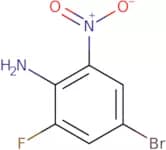
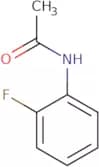
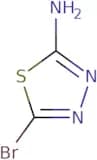
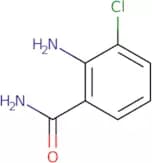
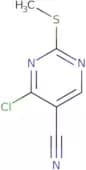
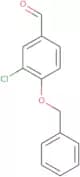
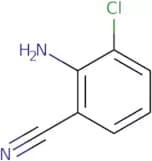
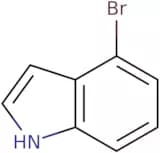
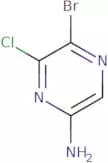
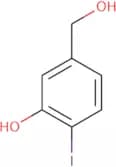
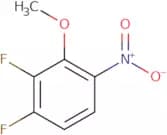
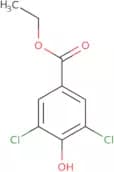
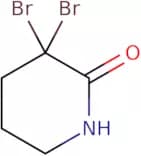

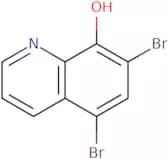
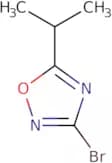

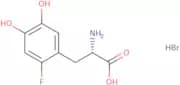
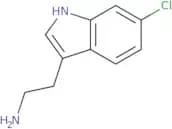
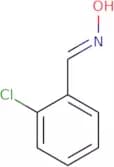
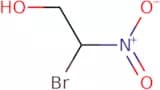

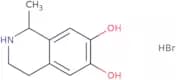
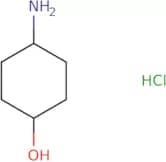
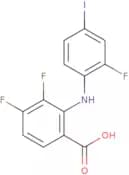
![N-(2-Fluorophenyl)-N-[4-(4-Methyl-1,3-Thiazol-2-Yl)-1-(2-Thiophen-3-Ylethyl)Piperidin-4-Yl]Propana…](/_next/image/?url=https%3A%2Fstatic.cymitquimica.com%2Fproducts%2F3D%2Fthumb-webp%2FFF102591.webp&w=3840&q=75)

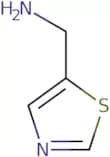
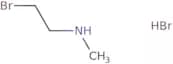
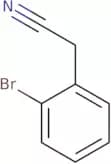
![[2-(1H-Benzimidazol-1-yl)ethyl]amine dihydrochloride](/_next/image/?url=https%3A%2Fstatic.cymitquimica.com%2Fproducts%2F3D%2Fthumb-webp%2FFB126620.webp&w=3840&q=75)
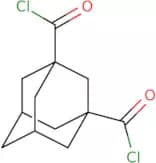
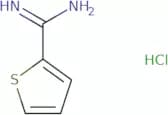
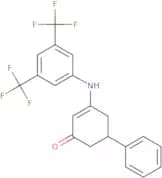

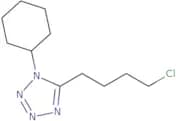
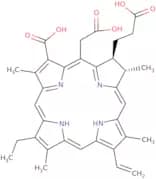
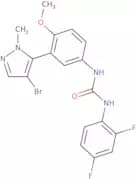
![2-[(2,6-Dibromo-4-methylphenyl)amino]acetohydrazide](/_next/image/?url=https%3A%2Fstatic.cymitquimica.com%2Fproducts%2F3D%2Fthumb-webp%2FFD115486.webp&w=3840&q=75)
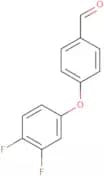

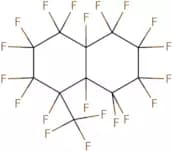
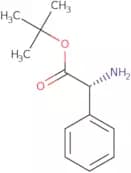
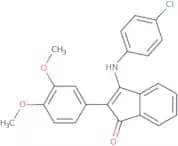
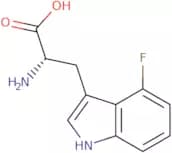
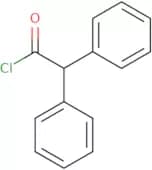
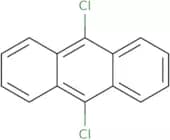
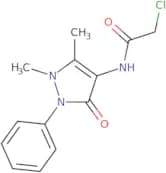
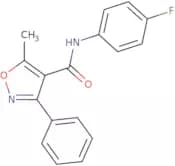
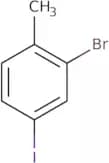
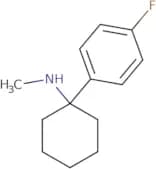
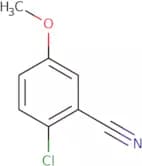
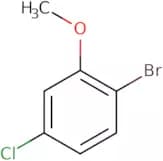

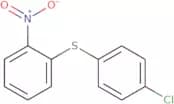
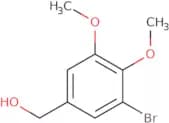
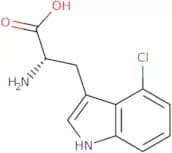
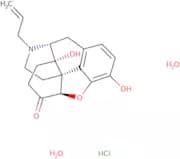

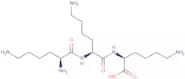
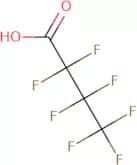
![3-[(4-Chlorophenyl)amino]-5,5-dimethylcyclohex-2-en-1-one](/_next/image/?url=https%3A%2Fstatic.cymitquimica.com%2Fproducts%2F3D%2Fthumb-webp%2FFC123031.webp&w=3840&q=75)
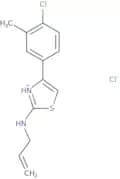
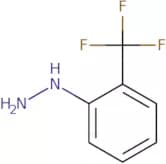
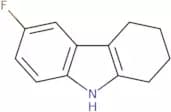
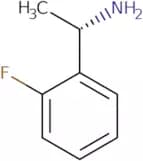
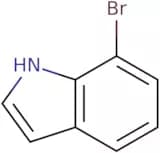
![(6S)-5,6,7,8-Tetrahydro-6-[propyl[2-(2-thienyl)ethyl]amino]-1-naphthalenol hydrochloride](/_next/image/?url=https%3A%2Fstatic.cymitquimica.com%2Fproducts%2F3D%2Fthumb-webp%2FFT27763.webp&w=3840&q=75)
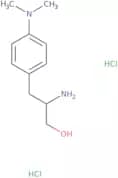
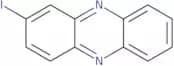
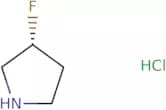
![N-(6-acetylbenzo[d]1,3-dioxolan-5-yl)-2-chloropropanamide](/_next/image/?url=https%3A%2Fstatic.cymitquimica.com%2Fproducts%2F3D%2Fthumb-webp%2FFA169026.webp&w=3840&q=75)
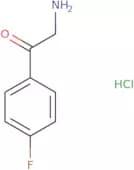
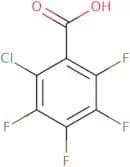
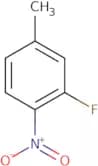
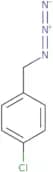
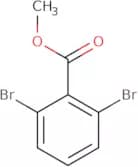
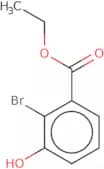
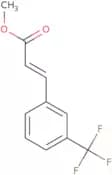
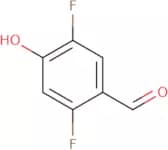

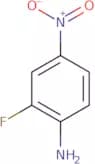
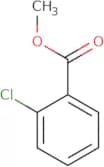
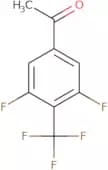

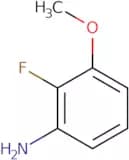
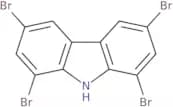
![Diammonium N-ethylheptadecafluoro-N-[2-(phosphonatooxy)ethyl]octanesulfonamidate](/_next/image/?url=https%3A%2Fstatic.cymitquimica.com%2Fproducts%2F3D%2Fthumb-webp%2FFD100565.webp&w=3840&q=75)
![2-Bromo-N-[2-[7-Chloro-5-(2-Fluorophenyl)-2-Oxo-3H-1,4-Benzodiazepin-1-Yl]Ethyl]Acetamide](/_next/image/?url=https%3A%2Fstatic.cymitquimica.com%2Fproducts%2F3D%2Fthumb-webp%2FFB101616.webp&w=3840&q=75)
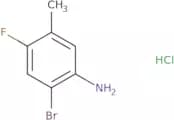
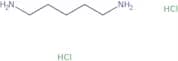
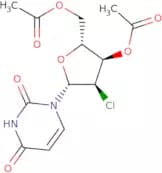
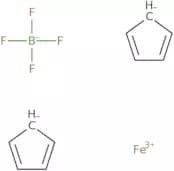
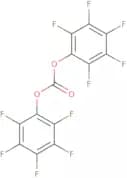
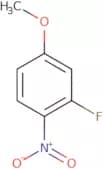
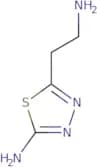
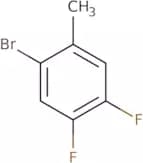
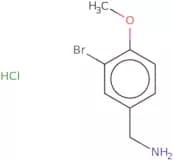
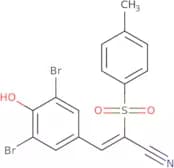

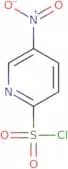
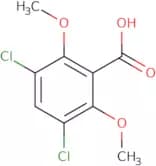
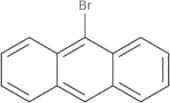
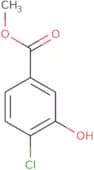
![9-[Bromo(phenyl)methylene]-9H-fluorene](/_next/image/?url=https%3A%2Fstatic.cymitquimica.com%2Fproducts%2F3D%2Fthumb-webp%2FFB135155.webp&w=3840&q=75)
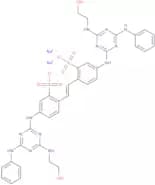
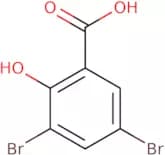
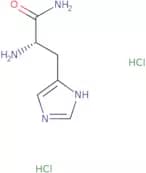
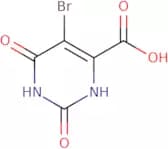
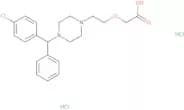
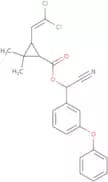
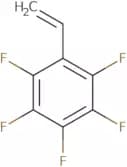

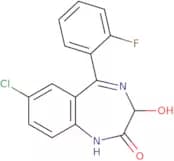
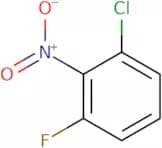
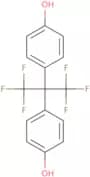
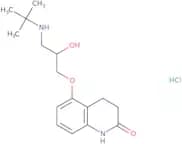
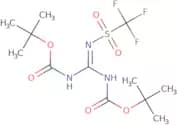
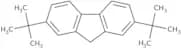
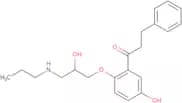
![5-[4'-Bromomethyl-(1,1'-biphenyl)-2-yl]-1-triphenylmethyltetrazole](/_next/image/?url=https%3A%2Fstatic.cymitquimica.com%2Fproducts%2F3D%2Fthumb-webp%2FFB19245.webp&w=3840&q=75)

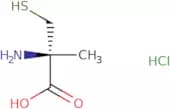
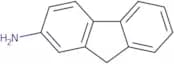
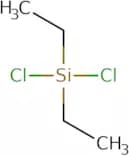
![1-Deoxy-1-(methylamino)-D-glucitol [3-[[(2R,3S)-2-[(1R)-1-[3,5-bis(trifluoromethyl)phenyl]ethoxy]-…](/_next/image/?url=https%3A%2Fstatic.cymitquimica.com%2Fproducts%2F3D%2Fthumb-webp%2FFD46503.webp&w=3840&q=75)