Halogénures organiques
Sous-catégories appartenant à la catégorie "Halogénures organiques"
20442 produits trouvés pour "Halogénures organiques"
4-Chloro-3-methoxybenzoic acid
CAS :4-Chloro-3-methoxybenzoic acid (4CMB) is a putative cancer drug that belongs to the group of imidazole derivatives. 4CMB has been shown to inhibit the growth of human breast and colon cancer cells in culture by altering the metabolism of 3-hydroxyanthranilic acid, which is an acceptor for aromatic amino acid hydroxylase. The effect of 4CMB on this enzyme leads to a decrease in the production of kynurenine, which is a molecule involved in the production of melanin. This reduced amount of kynurenine results in a loss of pigment and decreases the ability of melanocytes to produce pigments such as melanin. This may help explain how 4CMB works against malignant cells and cancer.Formule :C8H7ClO3Degré de pureté :Min. 95%Couleur et forme :PowderMasse moléculaire :186.59 g/molMethyl 4-bromo-3-nitrobenzoate
CAS :Methyl 4-bromo-3-nitrobenzoate is a methoxy-substituted methyl ester of 3-nitrobenzoic acid. It has been shown to bind to copper ions with high affinity, and can be used to regulate the uptake of copper ions in cells. Methyl 4-bromo-3-nitrobenzoate is a ligand for many metal ions, and can be used as a predictable, conformationally constrained framework for drug design. Selectivities are achieved by carboxylate substituents and nitro groups on the benzene ring. The asymmetric center allows for conformational control of the molecule, which can be exploited in drug design.Formule :C8H6BrNO4Degré de pureté :Min. 95%Couleur et forme :PowderMasse moléculaire :260.04 g/mol2'-Fluoro acetophenone
CAS :2'-Fluoro acetophenone is a chiral compound that can be used as an organic overlayer to control the enantiomeric purity of organic reactions. The cavity in the molecule provides an electronic interaction that stabilizes the radical form of 2'-fluoroacetophenone. This cavity also allows for hydrogenation reactions to occur more quickly and with less byproduct formation than other types of reactions. Additionally, this reaction occurs at a lower temperature than most other reactions, making it optimal for industrial production.Formule :C8H7FODegré de pureté :Min. 95%Couleur et forme :Clear LiquidMasse moléculaire :138.14 g/molTitanium(IV) Chloride - (14% in Dichloromethane, ca. 1.0mol/L)
CAS :Titanium chloride is a chemical compound with the formula TiCl4. It is soluble in many organic solvents, and it reacts with water to form an acidic solution of hydrochloric acid. Titanium chloride is used as a catalyst for the synthesis of polymers such as poly(trifluoroethylene) and poly(vinyl chloride). This compound also has been used in clinical studies to treat chronic bronchitis. The reaction mechanism of titanium chloride is not clear, but it has been suggested that it may involve a Friedel-Crafts type reaction or an electrochemical process. The transport properties of titanium chloride are not well studied, but fluorescence spectrometry indicates that the molecule contains cationic moieties and carbonyl groups. Titanium chloride can be synthesized by a two-step process: first, iron oxide (FeO) is reacted with trifluoroacetic acid (TFA), followed by addition of TiCl4. The coordination geometry around titaniumFormule :TiCl4Degré de pureté :Min. 95%Couleur et forme :Colorless PowderMasse moléculaire :189.68 g/mol5-Chloro-3-methyl-1H-indole-2-carboxylic acid
CAS :5-Chloro-3-methyl-1H-indole-2-carboxylic acid (5CMC) is a versatile building block and research chemical. It has been shown to be an effective intermediate for the synthesis of many complex compounds with interesting pharmacological properties. 5CMC is also used as a speciality chemical in the production of pharmaceuticals, agrochemicals, and other chemicals. The compound is a fine chemical that can be used in various research and industrial applications.
Formule :C10H8ClNO2Degré de pureté :Min. 95 Area-%Couleur et forme :PowderMasse moléculaire :209.63 g/mol3,4,5-Triiodobenzoic acid
CAS :3,4,5-Triiodobenzoic acid is a mesomeric molecule that has regulatory effects on root formation. It is an inhibitor of the transport of calcium ions and thereby inhibits the uptake of calcium by plant cells. 3,4,5-Triiodobenzoic acid also prevents the formation of intermolecular hydrogen bonds and molecular electrostatic potentials in biological studies. In addition, it has been shown to have a pH optimum of 6.0 and vibrational frequencies at 157 cm-1. This compound is used as a radiopaque contrast agent for X-ray imaging in muscle tissue.
Formule :C7H3I3O2Degré de pureté :Min. 95%Couleur et forme :PowderMasse moléculaire :499.81 g/mol2-Iodobenzaldehyde
CAS :2-Iodobenzaldehyde is a chemical compound that contains a benzene ring with two iodine substituents. 2-Iodobenzaldehyde has been shown to have affinity for ligands with electron-donating groups, such as methoxy and hydroxyl groups, which may contribute to its high reactivity. This chemical also has the ability to inhibit estrogen receptor modulators, which may be beneficial in treating autoimmune diseases. 2-Iodobenzaldehyde has been shown to reduce electron density between two molecules, allowing it to form hydrogen bonds and interact with stilbene derivatives.
Formule :IC6H4CHODegré de pureté :Min. 95%Couleur et forme :White PowderMasse moléculaire :232.02 g/mol2-Bromobenzoic acid
CAS :2-Bromobenzoic acid is a sodium salt that has been reported to be used in the treatment of autoimmune diseases and bowel disease. It is a prodrug that is hydrolyzed in vivo to 2-bromophenol, its active form. 2-Bromobenzoic acid has been shown to inhibit the production of inflammatory mediators, such as prostaglandins, leukotrienes, and cytokines by inhibiting cyclooxygenase 1 and 2 enzymes. This drug also inhibits the activation of nuclear factor kappa B (NF-κB) in vitro. 2-Bromobenzoic acid may have an anti-inflammatory effect through its ability to inhibit NF-κB activation by preventing the release of tumor necrosis factor alpha (TNFα).Formule :C7H5BrO2Degré de pureté :Min. 95%Couleur et forme :PowderMasse moléculaire :201.02 g/molFmoc-3,5-diiodo-D-tyrosine
CAS :Please enquire for more information about Fmoc-3,5-diiodo-D-tyrosine including the price, delivery time and more detailed product information at the technical inquiry form on this pageFormule :C24H19I2NO5Degré de pureté :Min. 95%Couleur et forme :PowderMasse moléculaire :655.22 g/mol3-Amino-4-methylpentan-2-one hydrochloride
CAS :3-Amino-4-methylpentan-2-one hydrochloride is a versatile building block that is used for the synthesis of high quality research chemicals, useful scaffolds, and speciality chemicals. It is also used as a reagent in organic syntheses. This chemical has a wide range of uses and is a fine chemical that can be used as an intermediate or reaction component. 3-Amino-4-methylpentan-2-one hydrochloride can be reacted with other compounds to form complex molecules that have many different applications.Formule :C6H13NO•HClDegré de pureté :Min. 95%Couleur et forme :SolidMasse moléculaire :151.63 g/molAzepan-4-one hydrochloride
CAS :Azepan-4-one hydrochloride is a versatile building block that can be used as a precursor to many other compounds. It is an important reagent in organic synthesis and is also used as a reactant in the preparation of complex compounds. Azepan-4-one hydrochloride has been shown to be useful for the synthesis of valuable research chemicals, such as thiophene and benzothiophene derivatives. It is also an intermediate in the production of high quality pharmaceuticals, such as anti-cancer drugs and antibiotics. Azepan-4-one hydrochloride is a useful scaffold for the design of new compounds with desired properties.BR> Azepan-4-one hydrochloride can be used as an intermediate for pharmaceuticals, speciality chemicals, and research chemicals.BR> Azepan-4-one hydrochloride can be converted into other products by using it as a building block or reagent in organic synthesis.BRFormule :C6H11NO•HClDegré de pureté :Min. 95%Couleur et forme :PowderMasse moléculaire :149.62 g/molD-Valine ethyl ester hydrochloride
CAS :D-Valine ethyl ester hydrochloride is a reagent that is used in the synthesis of complex compounds. It can be used as an intermediate for fine chemicals and research chemicals, or as a building block for versatile building blocks. D-Valine ethyl ester hydrochloride can also be used in reactions to form other compounds, such as pharmaceuticals.Formule :C7H15NO2·HClDegré de pureté :Min. 95%Couleur et forme :PowderMasse moléculaire :181.66 g/molSDF-1β (human) trifluoroacetate salt
CAS :Please enquire for more information about SDF-1beta (human) trifluoroacetate salt including the price, delivery time and more detailed product information at the technical inquiry form on this pageFormule :C382H620N114O97S5Degré de pureté :Min. 95%Masse moléculaire :8,522.05 g/mol4-Bromo-2-hydroxybenzoic acid
CAS :4-Bromo-2-hydroxybenzoic acid is a viscometric, anticancer drug that is used in the treatment of cancer. It inhibits the production of dioxane and cyclic peptide, which are important for cancer cell proliferation. 4-Bromo-2-hydroxybenzoic acid has also been shown to have antimycobacterial activity against Mycobacterium tuberculosis and antitubercular activity against Mycobacterium avium complex. This drug has a potent inhibitory effect on u87 cells and has a significant antitumor activity. The mechanism of action involves inhibiting the synthesis of p-hydroxybenzoic acid by hydrogen peroxide in the oxidation of salicylic acid.
Formule :C7H5BrO3Degré de pureté :Min. 95 Area-%Couleur et forme :PowderMasse moléculaire :217.02 g/mol2,4-Dichloro-β-methyl-β-nitrostyrene
CAS :2,4-Dichloro-beta-methyl-beta-nitrostyrene is a versatile building block that can be used as a reaction component or reagent for the synthesis of other fine chemicals. It is also a useful intermediate for the production of complex compounds. 2,4-Dichloro-beta-methyl-beta-nitrostyrene has been widely used in research and development due to its high quality and versatility. This compound is also available from Sigma Aldrich at competitive prices.Formule :C9H7Cl2NO2Degré de pureté :Min. 95%Masse moléculaire :232.06 g/mol5-Bromo-2,3-dihydro-1H-indole
CAS :Please enquire for more information about 5-Bromo-2,3-dihydro-1H-indole including the price, delivery time and more detailed product information at the technical inquiry form on this page
Formule :C8H8BrNDegré de pureté :Min. 95%Couleur et forme :PowderMasse moléculaire :198.06 g/mol6-Amino-2,4-dichlorophenol
CAS :6-Amino-2,4-dichlorophenol is an organic solution that has been shown to inhibit the uptake of quinoline derivatives by lung fibroblasts. It also inhibits cellular targets such as flavin, blood pressure and v79 cells. 6-Amino-2,4-dichlorophenol has potent antibacterial activity and a reactive nucleophilic group that can form covalent bonds with proteins in the cell membrane. 6-Amino-2,4-dichlorophenol is a reactive agent that binds to DNA and RNA in the bacterial cell's cytoplasmic membrane and inhibits protein synthesis.
Formule :C6H5Cl2NODegré de pureté :Min. 95%Couleur et forme :PowderMasse moléculaire :178.02 g/mol(6α,17β)-6-Fluoro-17-Hydroxyandrost-4-En-3-One
CAS :Produit contrôlé(6alpha,17beta)-6-Fluoro-17-Hydroxyandrost-4-En-3-One is an androgen that has both agonistic and antagonistic effects on nuclear receptors. It activates the androgen receptor and is equipotent with testosterone. This drug also inhibits the estrogen receptor, but does not bind to the progesterone receptor. This synthetic agent is used for treating hypogonadism in males due to castration or aging and prostate cancer.Formule :C19H27FO2Degré de pureté :Min. 95%Masse moléculaire :306.41 g/mol2-Iodo-5-methylbenzoic acid
CAS :2-Iodo-5-methylbenzoic acid is a fine chemical, useful building block and reagent that is used in the synthesis of complex compounds. It is versatile because it can be used as a reactant, intermediate or scaffold in many chemical reactions. It has been shown to be an effective catalyst for the Suzuki reaction and Buchwald-Hartwig amination reaction. 2-Iodo-5-methylbenzoic acid has also been found to be a useful intermediate for the synthesis of many pharmaceuticals, such as tamoxifen, griseofulvin, mesalazine, and risperidone.Formule :C8H7IO2Degré de pureté :Min. 95%Couleur et forme :PowderMasse moléculaire :262.04 g/mol2-Fluoro-4-methoxyphenylacetone
CAS :2-Fluoro-4-methoxyphenylacetone is a high quality chemical that can be used as a reagent, complex compound, and useful intermediate. It is also a fine chemical and speciality chemical with CAS No. 16817-46-2. This product can be used as a reaction component for diverse synthetic reactions in research and development of various types of pharmaceuticals and fine chemicals. It is also versatile building block for the synthesis of valuable products.Formule :C10H11FO2Degré de pureté :Min. 95%Masse moléculaire :182.19 g/molD-Valine methyl ester hydrochloride
CAS :D-Valine methyl ester hydrochloride is a synthetic cannabinoid that binds to the CB2 receptor. It is an enantiomer of MDMB-CHMICA, which has been shown to be a potent inhibitor of influenza virus replication. D-Valine methyl ester hydrochloride has been shown to inhibit the synthesis of proteins and nucleic acids in cells infected with viruses. The activity of d-valine methyl ester hydrochloride as an antiviral agent is due to its ability to form acid conjugates with amino acids and amines, which are necessary for protein synthesis.
Formule :C6H13NO2·HClDegré de pureté :Min. 95%Masse moléculaire :167.63 g/mol3'-Fluoro-4'-methoxy-beta-methyl-beta-nitrostyrene
CAS :3'-Fluoro-4'-methoxy-beta-methyl-beta-nitrostyrene is a reactive building block that can be used in the synthesis of many different compounds. It is a fine chemical and a reagent which is useful in organic chemistry. 3'-Fluoro-4'-methoxy-beta-methyl-beta-nitrostyrene is used as a reaction component for the synthesis of many different compounds, including pharmaceuticals, agrochemicals, and other specialty chemicals. It has CAS number 1023717-11-4 and can be used as an intermediate compound or building block for the production of complex compounds.Formule :C10H10FNO3Degré de pureté :Min. 95%Couleur et forme :PowderMasse moléculaire :211.19 g/mol3-Iodo-4-hydroxybenzaldehyde
CAS :3-Iodo-4-hydroxybenzaldehyde (3IB) is an amide that is found in plant tissue. It has been shown to have a number of biological activities, including hypoiodous acid production, chromatographic activity, and ether extract activity. 3IB can be synthesized from benzofuran derivatives or by treating the corresponding nitrobenzene with hydrochloric acid. Bioassays using thyroid enzyme have shown that 3IB may inhibit the synthesis of daunorubicin, a potent antitumour drug. Molecular modelling studies suggest that 3IB binds to ATP synthase by forming hydrogen bonds with the amino acids Gly and His in the active site.Formule :C7H5IO2Degré de pureté :90%Couleur et forme :PowderMasse moléculaire :248.02 g/mol2-Chloro-3-nitrobenzoic acid ethyl ester
CAS :2-Chloro-3-nitrobenzoic acid ethyl ester is a reactive chemical intermediate that can be used as a building block in organic synthesis. It is a versatile reagent that can be used in many reactions, such as condensation, cyclization, amination, and oxidation. The compound has been shown to be useful in the synthesis of polymers, pharmaceuticals, and natural products. 2-Chloro-3-nitrobenzoic acid ethyl ester is an environmentally friendly compound with a low toxicity profile. It has been classified as a high quality fine chemical with CAS number 3979-45-1.Formule :C9H8ClNO4Degré de pureté :Min. 95%Couleur et forme :PowderMasse moléculaire :229.62 g/molN-Dechloroethyl cyclophosphamide
CAS :N-Dechloroethyl cyclophosphamide is a metabolic inhibitor that is used in the treatment of cancer. It is classified as an alkylating agent and inhibits ribonucleotide reductase, which prevents the production of DNA, RNA, and protein. The chemical ionization technique has been used to measure the concentration of this compound in human liver and urine samples. N-Dechloroethyl cyclophosphamide can be analyzed using chromatography or mass spectrometry methods.Formule :C5H12ClN2O2PDegré de pureté :Min. 95%Couleur et forme :PowderMasse moléculaire :198.59 g/molMethyl 2-(chloromethyl)acrylate
CAS :Methyl 2-(chloromethyl)acrylate is a monomer for polymerization. It is a low molecular weight compound with an average molecular weight of 120. Methyl 2-(chloromethyl)acrylate is produced by the oxidation of methoxyethane, which is then chlorinated to produce methyl 2-(chloromethyl)acrylate. The main use of this monomer is as a co-monomer in the production of poly(methyl methacrylate), which is also known as plexiglass or acrylic glass.Formule :C5H7ClO2Degré de pureté :Min. 94.5 Area-%Couleur et forme :Colorless Clear LiquidMasse moléculaire :134.56 g/molLY2112688 trifluoroacetate
CAS :Please enquire for more information about LY2112688 trifluoroacetate including the price, delivery time and more detailed product information at the technical inquiry form on this page
Formule :C51H70N18O11S2•(C2HF3O2)xDegré de pureté :Min. 95%Couleur et forme :PowderMasse moléculaire :1,175.35 g/mol2-Bromo-4-methoxybenzonitrile
CAS :2-Bromo-4-methoxybenzonitrile is a high quality reagent that is used as a versatile building block in the synthesis of complex organic compounds. It is a useful intermediate and can be used to form 2,4-dimethoxybenzaldehyde. This compound has been used as a reaction component in the production of pharmaceuticals, pesticides, and other fine chemicals. The chemical formula for 2-bromo-4-methoxybenzonitrile is C6H5BrO2.Formule :C8H6BrNODegré de pureté :Min. 95%Masse moléculaire :212.04 g/mol4-Bromo-2-(5-isoxazolyl)phenol
CAS :4-Bromo-2-(5-isoxazolyl)phenol is a fine chemical that is used as a building block in the synthesis of other chemicals. It is also useful as a reagent, speciality chemical, and intermediate to produce complex compounds. This compound has versatile uses as it can be used in reactions involving nucleophilic substitution, electrophilic substitution, and elimination. 4-Bromo-2-(5-isoxazolyl)phenol is also a useful scaffold for the synthesis of new molecules with biological activity.
Formule :C9H6BrNO2Degré de pureté :Min. 95%Couleur et forme :PowderMasse moléculaire :240.05 g/mol1-Bromo-2,6-dimethyl benzene
CAS :1-Bromo-2,6-dimethyl benzene is a functional compound that has been used in the synthesis of palladium complexes with different types of ligands. It also has optical properties, such as its high boiling point and low solubility in water. The bromine atom in 1-bromo-2,6-dimethylbenzene can be replaced by other halogens or hydrogen. This allows for a variety of reactions to occur on the molecule, including cross coupling reactions and nucleophilic substitution reactions. 1-Bromo-2,6-dimethylbenzene has been used to synthesize ethyl acetate as well as other organic compounds. The ethyl group can be replaced by other alkyl groups or halides to produce different products. The reaction is catalyzed by a suzuki coupling reaction.Formule :C8H9BrDegré de pureté :Min. 97 Area-%Couleur et forme :Clear LiquidMasse moléculaire :185.06 g/mol5-Bromouracil
CAS :5-Bromouracil is a cytotoxic agent that inhibits the synthesis of DNA by inhibiting the enzyme thymine-5-bromo-2'-deoxyribonucleotide synthetase. It also has genotoxic effects on the organism, which can be observed in transfection experiments with human lymphocytes and polymerase chain reaction (PCR) experiments. 5-Bromouracil binds to the hydroxyl group of thymine and interacts with the nucleic acid bases, blocking the process of DNA synthesis. This drug is used to treat cancer in humans, but it is also toxic to eosinophils, which are white blood cells that produce chemicals such as peroxidases that help fight infections. The mechanism of action for 5-Bromouracil is not yet fully understood.Formule :C4H3BrN2O2Degré de pureté :Min. 95%Couleur et forme :Yellow PowderMasse moléculaire :190.98 g/mol2-chloro-3-(trifluoromethyl)aniline
CAS :2-Chloro-3-(trifluoromethyl)aniline is a chemical intermediate. It can be used in the synthesis of various organic compounds and has been shown to have a variety of applications, such as the use as a reagent, fine chemical, or speciality chemical. This compound has been used as a building block for research chemicals.Formule :C7H5ClF3NDegré de pureté :Min. 98%Masse moléculaire :195.57 g/mol4-Fluoroindole
CAS :4-Fluoroindole is a compound that belongs to the class of 5-methoxyindoles, which are used as drugs in plant physiology. The analog of 4-fluoroindole is important for cell culture and transcriptomic analysis. It has been shown to reduce the growth of cryptococcus neoformans by inhibiting its ability to produce acid. 4-Fluoroindole also inhibits the growth of other opportunistic fungi, such as Aspergillus niger. This drug is addictive and can be toxic if it enters the environment. 4-Fluoroindole also inhibits the growth of plants when applied as a pesticide.Formule :C8H6FNCouleur et forme :PowderMasse moléculaire :135.14 g/mol2-Fluoro-6-nitrobenzaldehyde
CAS :2-Fluoro-6-nitrobenzaldehyde is an electron donor that reduces a range of electron acceptors including piperazine. This compound has been shown to have antitumor effects. 2-Fluoro-6-nitrobenzaldehyde has also been shown to inhibit the growth of cancer cells in vitro and in vivo. The mechanism of action is not yet known, but it is thought that 2-fluoro-6-nitrobenzaldehyde may be a potential chemotherapeutic agent for pancreatic cancer therapy.Formule :C7H4FNO3Degré de pureté :Min. 95%Couleur et forme :PowderMasse moléculaire :169.11 g/molcis-4-Chloro-3-nitrocinnamic acid
Cis-4-Chloro-3-nitrocinnamic acid is an aromatic organic compound with potential utility in biochemical research and synthesis. This compound is typically derived from synthetic chemical processes involving chlorination and nitration reactions on cinnamic acid derivatives. Its molecular structure, characterized by both chloro and nitro functional groups, allows it to interact in unique ways with various biochemical pathways and molecular frameworks.
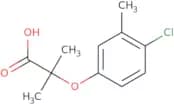
Formule :C9H6ClNO4Degré de pureté :Min. 95%Couleur et forme :White PowderMasse moléculaire :227.6 g/mol2-(2,4-Dichlorophenoxy)-2-methylpropanoic acid
CAS :2,4-Dichlorophenoxyacetic acid is a plant growth regulator that inhibits the transfer of auxin from the shoot to the root. It does this by preventing synthesis of 2,4-dichlorophenoxyacetic acid (2,4-D) and its conversion to 2,4-dichlorophenoxypropionic acid (2,4-DP). The 2,4-D then binds to the auxin transport proteins in the plasma membrane and prevents their passage through the cell wall. The mechanism of action of 2,4-D is not well understood but it is thought that it may inhibit or interfere with indoleacetic acid production or metabolism. Auxins are also mediators of plant physiology and play a role in many processes such as phototropism and phytochrome sensitivity. 2,4-D has been shown to block photosynthesis and respiration in plants by inhibiting chlorophyll synthesis. Indoleacetic acidFormule :C10H10Cl2O3Degré de pureté :Min. 95%Couleur et forme :Clear LiquidMasse moléculaire :249.09 g/molN-[2-Iodoethyl]trifluoroacetamide
CAS :N-[2-Iodoethyl]trifluoroacetamide is a reactive alkylating agent that is used in the synthesis of biologically active molecules. It reacts with lysines, tryptic and other amino acids to form covalent bonds, which can be cleaved by hydrolysis. The compound also reacts with sulfhydryl groups to produce sulfonium ions, which react with the thiol group at position C6 on the sarcoplasmic reticulum Ca2+ -ATPase to inhibit muscle contraction. N-[2-Iodoethyl]trifluoroacetamide has been shown to cause allergic reactions in rats, mice, and guinea pigs. This drug has also been observed to have an effect on the central nervous system when administered at high doses.Formule :C4H5NOIF3Degré de pureté :Min. 95%Couleur et forme :PowderMasse moléculaire :266.99 g/mol6-Fluorogramine
CAS :6-Fluorogramine is a synthetic compound that is metabolized by drug-metabolizing enzymes to form 6-fluorohydroxymethyltetrahydrofolate. This intermediate is then hydrolyzed to form 6-hydroxymethyltetrahydrofolate and monohydroxy methylene tetrahydrofolate. The reaction yield for this reaction is about 60%. 6-Fluorohydroxymethyltetrahydrofolate can also be converted to paraformaldehyde and dimethylamine, which are used in the synthesis of other compounds. The positional isomer of 6-fluoromethylenetetrahydropterin (6FMTP) can be synthesized from 6-fluoroformaldehyde and paraformaldehyde.
Formule :C11H13FN2Degré de pureté :Min. 95%Masse moléculaire :192.23 g/mol2-Bromo-5-hydroxybenzoic acid
CAS :2-Bromo-5-hydroxybenzoic acid is a naturally occurring chemical that belongs to the group of phenols. It is an intermediate in the biosynthesis of the phorbol esters and is used as a nutrient for many bacteria. 2-Bromo-5-hydroxybenzoic acid has been shown to protect against microbial infections by inhibiting the growth of certain bacteria. It also inhibits production of inflammatory compounds, such as leukotrienes and prostaglandins, by modifying the enzyme activity of peroxidases and other enzymes involved in lipid metabolism. 2-Bromo-5-hydroxybenzoic acid has been shown to inhibit the enzyme lactoperoxidase and prevent oxidation of thiol groups in proteins, altering their functions. This compound also potently inhibits tissue inflammation induced by phorbol myristate acetate (PMA).Formule :C7H5BrO3Degré de pureté :Min. 95%Couleur et forme :PowderMasse moléculaire :217.02 g/mol2-Bromofluorene
CAS :2-Bromofluorene is an organic compound that belongs to the group of aryl halides. It is used in the synthesis of polymers, pesticides and pharmaceuticals. 2-Bromofluorene has been shown to be mutagenic and carcinogenic in kidney cells. The chemical structure of 2-bromofluorene consists of two phenyl groups (benzene rings) connected by a single bromine atom. The optimal reaction condition for this chemical is hydrochloric acid in acetic acid with heat and high values of optical rotation. A number of compounds are derived from 2-bromofluorene, such as 4-chlorobenzophenone, 3-chlorobenzophenone, 4-bromoacetophenone, 3-bromoacetophenone, 2-(2'-hydroxyethoxy)ethanol, 2-(2'-hydroxyethyl)phenol, and 2-(2'-Formule :C13H9BrDegré de pureté :Min. 95%Masse moléculaire :245.11 g/molD-erythro-Chloramphenicol
CAS :D-erythro-Chloramphenicol is a chloramphenicol antibiotic that has been shown to inhibit the uptake of nucleic acids by bacteria. It binds to the ribosomal RNA in the bacterial cell and prevents protein synthesis, causing bacterial death. D-erythro-Chloramphenicol is also able to inhibit the uptake of glycine, which is an important amino acid for bacteria. D-erythro-Chloramphenicol has been shown to be active against many different types of bacteria, including those that are resistant to other antibiotics such as penicillin.
Formule :C11H12Cl2N2O5Degré de pureté :Min. 95%Masse moléculaire :323.13 g/molMethyl 1-(2-chloro-4-fluorobenzyl)-3-formyl-6-methoxy-1H-indole-2-carboxylate
CAS :Produit contrôléPlease enquire for more information about Methyl 1-(2-chloro-4-fluorobenzyl)-3-formyl-6-methoxy-1H-indole-2-carboxylate including the price, delivery time and more detailed product information at the technical inquiry form on this pageFormule :C19H15ClFNO4Degré de pureté :Min. 95%Masse moléculaire :375.78 g/mol5-Bromo-2-adamantanone
CAS :5-Bromo-2-adamantanone is a potent and selective inhibitor of human alpha-amylase. It binds to the active site in the enzyme, hindering its catalytic activity. 5-Bromo-2-adamantanone has been shown to inhibit the production of glucose by inhibiting alpha amylase, an enzyme that breaks down starch into maltose. 5-Bromo-2-adamantanone has also been shown to be a potential drug for diabetes therapy.
Formule :C10H13BrODegré de pureté :Min. 95%Couleur et forme :PowderMasse moléculaire :229.11 g/molPerfluoroalkylsulfonyl quaternary ammonium iodide
CAS :Produit contrôléPerfluoroalkylsulfonyl quaternary ammonium iodide is a chemical substance that is used as an industrial treatment for wastewater, including industrial effluents, sludge, and waste water. It is liquid at room temperature. The reaction mechanism of perfluoroalkylsulfonyl quaternary ammonium iodide is nucleophilic attack on the electron-deficient carbon atom in the aromatic ring of the target molecule. This leads to formation of a covalent bond between the two molecules. The photoelectron microscopy technique has been used to study this reaction and has shown that it occurs in three phases: liquid phase, gas phase, and solid phase. Infrared spectrometry was also used to show that perfluoroalkylsulfonyl quaternary ammonium iodide reacts with chemical substances such as triphase.Formule :C14H16F17IN2O2SDegré de pureté :Min. 95%Couleur et forme :Slightly Yellow PowderMasse moléculaire :726.23 g/mol1-[(5-Chloro-1-methyl-1H-indol-3-yl)methyl]piperidine-4-carboxylic acid
CAS :Produit contrôléPlease enquire for more information about 1-[(5-Chloro-1-methyl-1H-indol-3-yl)methyl]piperidine-4-carboxylic acid including the price, delivery time and more detailed product information at the technical inquiry form on this pageFormule :C16H19ClN2O2Degré de pureté :Min. 95%Masse moléculaire :306.79 g/mol2-Chloro-3-fluoroaniline
CAS :2-Chloro-3-fluoroaniline is a chemical compound that is used as a reagent, solvent, and building block in the synthesis of many other compounds. 2-Chloro-3-fluoroaniline can be used in the chemical industry to produce high quality research chemicals. This compound is also useful as an intermediate for the synthesis of pharmaceuticals and pesticides. The CAS number for this compound is 21397-08-0.Formule :C6H5ClFNDegré de pureté :Min. 95%Couleur et forme :Clear LiquidMasse moléculaire :145.56 g/mol3-Amino-4-bromophenol
CAS :3-Amino-4-bromophenol is an industrial chemical that is used in the diazotization and reduction reactions. 3-Amino-4-bromophenol can be synthesized by reacting hydrazine with iron oxide and nitrite in a condition of acetone and sodium nitrite. The product yield for this reaction is about 90%. 3-Amino-4-bromophenol crystallizes from acetone as a white powder.Formule :C6H6BrNODegré de pureté :Min. 95%Masse moléculaire :188.02 g/molBethanechol chloride
CAS :Bethanechol chloride is an ester of bethanechol and phosphorus oxychloride. It has been used as a cholinergic agent to treat urinary infections and other disorders in which the bladder muscles are not working properly. Bethanechol chloride functions by increasing the activity of the group P2 receptors in the hippocampus, which can increase cytosolic calcium levels. The drug is absorbed when applied topically or taken orally, with absorption being greater when applied topically. Bethanechol chloride has shown little toxicity in animals, but has been shown to cause headache, nausea, vomiting, diarrhea, abdominal pain and cramps, dry mouth and throat, thirstiness, dizziness, drowsiness or fatigue after oral administration.Formule :C7H17ClN2O2Degré de pureté :Min. 95%Couleur et forme :PowderMasse moléculaire :196.67 g/molB-(4-Fluoro-2-hydroxyphenyl)-boronic acid
CAS :B-(4-Fluoro-2-hydroxyphenyl)-boronic acid is a fungicide that has been synthesized to inhibit the growth of fungi. This compound is an effective fungicide against a wide variety of plant pathogens. It has been shown to be highly efficient in catalyzing intramolecular cyclization reactions, which are sometimes difficult to perform with traditional methods. The regulatory nature of this compound makes it an excellent candidate for commercial applications in agroscience and industry.Formule :C6H6BFO3Degré de pureté :Min. 95%Couleur et forme :PowderMasse moléculaire :155.92 g/molN-[3,5-Bis(trifluoroMethyl)phenyl]-N'-[(9R)-6'-Methoxy-9-cinchonanyl]thiourea
CAS :Please enquire for more information about N-[3,5-Bis(trifluoroMethyl)phenyl]-N'-[(9R)-6'-Methoxy-9-cinchonanyl]thiourea including the price, delivery time and more detailed product information at the technical inquiry form on this pageFormule :C29H28F6N4OSDegré de pureté :Min. 95%Couleur et forme :PowderMasse moléculaire :594.62 g/mol3-Bromo-4-fluorobenzylamine hydrochloride
CAS :3-Bromo-4-fluorobenzylamine hydrochloride is a versatile building block that can be used in the preparation of complex compounds. It has been shown to be an effective reagent for research and as a speciality chemical. The compound is also useful as a reaction component or scaffold in the synthesis of high quality and useful intermediates.Formule :C7H8BrClFNDegré de pureté :Min. 95%Couleur et forme :White PowderMasse moléculaire :240.5 g/molHarmine hydrochloride
CAS :Produit contrôléHarmine hydrochloride is a natural compound that inhibits the signal pathways of cells and can inhibit the growth of some types of cancer cells. Harmine hydrochloride has been shown to have acute toxicities in both humans and murine hepatoma cells, although its physiological effects are unknown. This drug interacts with many other drugs, including antimicrobial agents, and may have antioxidative properties. Harmine hydrochloride has been shown to be effective against resistant mutants of bacteria and fungi in vitro. The analytical method for harmine hydrochloride is currently unknown.Formule :C13H12N2O•HClDegré de pureté :Min. 95%Couleur et forme :SolidMasse moléculaire :248.71 g/mol2,5-Diphenyl-1-(2-chlorophenyl)-1,3,4-triazole
CAS :2,5-Diphenyl-1-(2-chlorophenyl)-1,3,4-triazole is a white powder that is soluble in water and insoluble in organic solvents. It is a high quality reagent for the synthesis of complex compounds, as well as a useful intermediate for the production of fine chemicals and speciality chemicals. 2,5-Diphenyl-1-(2-chlorophenyl)-1,3,4-triazole has been used as a building block for the synthesis of diverse reactions and has been shown to be versatile and useful in reaction components.Formule :C20H14ClN3Degré de pureté :Min. 95%Couleur et forme :PowderMasse moléculaire :331.8 g/molS-Benzylisothiourea hydrochloride
CAS :S-Benzylisothiourea hydrochloride (SBIT) is a potent inhibitor of the influenza virus by binding to the polymerase domain of the virus’s RNA-dependent RNA polymerase. SBIT inhibits viral transcription and replication, as well as viral assembly, release, and infectivity. SBIT has been shown to inhibit avian influenza A/H5N1 in cell culture and in mice models with no observable adverse effects. The mechanism of action for this drug is not yet understood but may be related to its ability to inhibit the kinase domain of avian influenza NS1 protein which is involved in regulating inflammatory responses.Formule :C8H10N2S·HClDegré de pureté :Min. 95%Couleur et forme :PowderMasse moléculaire :202.71 g/mol2,5-Dibromo-3-methylpyridine
CAS :2,5-Dibromo-3-methylpyridine is used in the synthesis of new ligands for receptor ligand interactions. The compound is synthesized by a cross-coupling reaction with boronic acids. This reaction occurs at room temperature and does not require any harsh chemicals. The product has been shown to be effective against oncologic cells, as well as against cancerous cells in a chloride solution. Cryogenic techniques are also used in this synthesis process.Formule :C6H5Br2NDegré de pureté :Min. 95%Couleur et forme :PowderMasse moléculaire :250.92 g/mol4-Chloro-3-nitrobenzyl alcohol
CAS :4-Chloro-3-nitrobenzyl alcohol is a synthetic chemical that reacts with hydrochloric acid to form 4-chloro-3-nitrobenzyl chloride and hydrogen. It can be used in the preparation of other chemicals, such as divinylbenzene and chloride. This compound is insoluble in water and soluble in organic solvents, such as acetone and ether. 4-Chloro-3-nitrobenzyl alcohol has two stereoisomers, one of which is more reactive than the other.
Formule :C7H6ClNO3Degré de pureté :Min. 95%Masse moléculaire :187.58 g/mol5-(Trifluoromethoxy)salicylaldehyde
CAS :5-(Trifluoromethoxy)salicylaldehyde is a ligand that binds to the active site of the enzyme catalysis, thereby inhibiting its activity. It has been shown to be effective in colon cancer and other cancers due to its ability to inhibit protein synthesis. 5-(Trifluoromethoxy)salicylaldehyde also inhibits the production of prostaglandins, which may prevent inflammation. The compound is also used in supramolecular chemistry and biological studies as a tool for studying protein-ligand interactions. 5-(Trifluoromethoxy)salicylaldehyde has been shown to have dose-dependent effects on cell proliferation and protein synthesis.Formule :C8H5F3O3Degré de pureté :Min. 95%Couleur et forme :PowderMasse moléculaire :206.12 g/molAluminium phthalocyanine chloride
CAS :Aluminium phthalocyanine chloride (APC) is a photosensitizer that has been used in experimental squamous cell carcinoma. It has been shown to activate oxygen species, which can react with DNA and lead to the formation of reactive oxygen species. APC is cytotoxic to cells in culture and causes the inhibition of DNA synthesis. It has also been shown to be more effective at killing cervical carcinoma cells than squamous cell carcinoma cells.Formule :C32H16AlClN8Degré de pureté :Min. 95%Couleur et forme :PowderMasse moléculaire :574.96 g/mol(4α,6β(E))-DL-6-(2-(4'-Fluoro-3,3',5-trimethyl(1,1'-biphenyl)-2-Yl)ethenyl)tetrahydro-4-hydroxy-2H-pyran-2-one
CAS :Produit contrôlé(4alpha,6beta(E))-DL-6-(2-(4'-Fluoro-3,3',5-trimethyl(1,1'-biphenyl)-2-Yl)ethenyl)tetrahydro-4-hydroxy-2H-pyran-2-one is a pharmacological agent that binds to and inhibits the HMG CoA reductase enzyme. This enzyme plays a role in the production of cholesterol, which is used to form bile acids and steroid hormones. The ring structure of (4alpha,6beta(E))-DL-6-(2-(4'-Fluoro-3,3',5-trimethyl(1,1'-biphenyl)-2--Yl)ethenyl)tetrahydro -4hydroxy -2H pyran 2 one allows for it to bind to the active site of the reductase enzymeFormule :C22H23FO3Degré de pureté :Min. 95%Masse moléculaire :354.41 g/mol2-Amino-5-fluorobenzothiazole
CAS :2-Amino-5-fluorobenzothiazole is a synthetic compound that is used as an agrochemical. It has low efficiency and can be found in tissue culture. The biological properties of this compound are not fully understood. It has been shown to have potential antitumor activity and may be able to inhibit tyrosine kinase. 2-Amino-5-fluorobenzothiazole is also found in the inorganic section of the periodic table. This compound is water soluble, but does not dissolve well in organic solvents such as acetone or chloroform. 2-Amino-5-fluorobenzothiazole also has agricultural applications, being used as a pesticide and for controlling tuberculosis in animals.Formule :C7H5FN2SDegré de pureté :Min. 95%Couleur et forme :PowderMasse moléculaire :168.19 g/mol2,2,3,3-Tetrafluoro-1-propanol
CAS :2,2,3,3-Tetrafluoro-1-propanol is a solvent that has been used in the manufacture of polymers. It can be distilled from sodium trifluoroacetate at high pressure and temperature to give a constant boiling point. 2,2,3,3-Tetrafluoro-1-propanol is transported by gas or liquid diffusion. The kinetic energy of the molecules increases with increasing temperature and pressure; however, it does not have an appreciable chemical reaction with oxygen or ozone. This chemical has been used as a photoinitiator to polymerize cationic monomers such as trifluoroacetic acid and acrylamide. 2,2,3,3-Tetrafluoro-1-propanol has also been shown to react with water vapor to form hydrogen fluoride and hydrofluoric acid.
Formule :C3H4F4ODegré de pureté :Min. 98 Area-%Couleur et forme :Clear LiquidMasse moléculaire :132.06 g/mol2-(4-Hydroxy-3-iodophenyl)acetic acid
CAS :2-(4-Hydroxy-3-iodophenyl)acetic acid is a versatile building block that is used in the production of fine chemicals and research chemicals. Cas No. 19039-15-7, it is a high quality reagent that can be used as a speciality chemical or building block for more complex compounds. This compound can be used as an intermediate in organic synthesis and as a reaction component for organic reactions. It is also a useful scaffold for synthesizing other organic compounds.Formule :C8H7IO3Degré de pureté :Min. 95%Couleur et forme :PowderMasse moléculaire :278.04 g/mol3’-Deoxy-3’-fluoro-6-azauridine
CAS :Please enquire for more information about 3’-Deoxy-3’-fluoro-6-azauridine including the price, delivery time and more detailed product information at the technical inquiry form on this pageDegré de pureté :Min. 95%3-Bromo-4-methoxyphenylacetic acid ethyl ester
CAS :3-Bromo-4-methoxyphenylacetic acid ethyl ester is a versatile building block that can be used to synthesize a variety of compounds. It is also a useful intermediate for research chemicals and pharmaceuticals. 3-Bromo-4-methoxyphenylacetic acid ethyl ester is a fine chemical with high quality and can be used as a reagent or speciality chemical. As a reaction component, this product makes an excellent scaffold for complex compounds.Formule :C11H13BrO3Degré de pureté :Min. 95%Couleur et forme :Clear LiquidMasse moléculaire :273.12 g/mol(+)-1-(9Fluorenyl)ethyl chloroformate - 18mM acetone solution
CAS :(+)-1-(9-Fluorenyl)ethyl chloroformate is a chemical reagent that is used to prepare pharmaceutical preparations. It is an acetone solution with a concentration of 18mM. Its thermal expansion properties are such that it can be used in the manufacturing of microcapsules and analytical chemistry techniques. The emission of (+)-1-(9-Fluorenyl)ethyl chloroformate has been shown to be carcinogenic, but only at high concentrations. Toxicity profiles have not been established for this compound. It is also known to cause biochemical changes in the heart and skin cells, as well as act on the calcium overload and epidermal growth factor receptor (EGFR).Formule :C16H13ClO2Couleur et forme :Colorless Clear LiquidMasse moléculaire :272.73 g/molPropargyl chloride
CAS :Propargyl chloride is a chemical that is used as an inhibitor in organic synthesis. It can be used to synthesize compounds with reactive groups such as alkenes, ketones, and amines. Propargyl chloride reacts with the hydroxyl group of an alcohol to form a propargyl alcohol. The reaction mechanism involves intramolecular hydrogen bonding between the hydroxyl group of the propargyl chloride and the carbon atom adjacent to it. Kinetic energy is required for this reaction to occur. The product of this reaction can then react with other molecules in order to form new compounds. Propargyl chloride has been shown to have therapeutic effects on chronic coughs due its ability to reduce the amount of kinetic energy needed for respiratory tract cells, which may have reduced coughing frequency. END>>Formule :C3H3ClDegré de pureté :Min. 95%Couleur et forme :Colorless Yellow Clear LiquidMasse moléculaire :74.51 g/molm-Iodobenzonitrile
CAS :m-Iodobenzonitrile is a chemical reagent that is a hydrogen bond acceptor and donor. It has been used for the analysis of dopamine, tosylates, and carbonyl compounds. It can also be used in kinetic studies of hydrogen bonding interactions. The dipole moment of m-iodobenzonitrile is 1.779 D. The transport properties of m-iodobenzonitrile are negligible due to its low vapor pressure. Kinetic studies have shown that it reacts with hydrogen gas at room temperature to form a dipole ion pair with an estimated rate constant of 6x10 M/sec. Cross-coupling reactions with aryl halides have been observed at room temperature in the presence of copper catalyst and sodium bicarbonate buffer. Analytical chemistry has shown that m-iodobenzonitrile reacts with acidic solutions to produce hydrogen ions and carbon dioxide gas.Formule :C7H4INDegré de pureté :Min. 95%Couleur et forme :PowderMasse moléculaire :229.02 g/mol1-Chloro-2-(2-methoxyethoxy)ethane
CAS :Please enquire for more information about 1-Chloro-2-(2-methoxyethoxy)ethane including the price, delivery time and more detailed product information at the technical inquiry form on this page
Formule :C5H11ClO2Degré de pureté :Min. 95%Couleur et forme :Clear Colourless LiquidMasse moléculaire :138.59 g/mol4-Bromo-1H-indole-6-carbonitrile
CAS :4-Bromo-1H-indole-6-carbonitrile is a versatile building block that can be used in the synthesis of complex compounds and research chemicals. 4-Bromo-1H-indole-6-carbonitrile is a reagent in the production of speciality chemicals, and is also used as an intermediate to produce other compounds. This compound is useful as a starting material for the synthesis of pharmaceuticals, agrochemicals, and perfumes. It has been shown to be an effective scaffold for the construction of heterocycles.Formule :C9H5BrN2Degré de pureté :Min. 95 Area-%Couleur et forme :White Off-White PowderMasse moléculaire :221.05 g/mol2-Iodo-6-methylbenzoic acid
CAS :2-Iodo-6-methylbenzoic acid is a chemical used as an additive in the manufacture of plastics, paints and rubber. It is also a ligand for some transition metals. 2-Iodo-6-methylbenzoic acid has been found to be an active natural product that can be synthesized from phthalimides or other amines. 2-Iodo-6-methylbenzoic acid reacts with donepezil to form a multistep reaction intermediate called A, which is then oxidized by a transition metal to form the final product, aricept. The operational mechanism of this reaction is not yet fully understood, but it may involve an alkene intermediate.Formule :C8H7IO2Degré de pureté :Min. 95%Couleur et forme :PowderMasse moléculaire :262.04 g/mol2-Fluoro-3-methylaniline
CAS :2-Fluoro-3-methylaniline is a reactive, biomolecular, research chemical that belongs to the class of allosteric modulators. It has been shown to have muscarinic M1 receptor antagonist activity and can be used as a pharmacophore for the development of cholinergic drugs. 2-Fluoro-3-methylaniline also has carbonylation and formylation properties. It forms 1-bromo-2-iodobenzene through reductive amination with benzyne. This reaction is both intramolecular and allosteric, thus making it a useful tool for studying these types of reactions.Formule :C7H8FNDegré de pureté :Min. 95%Couleur et forme :Clear LiquidMasse moléculaire :125.14 g/mol2,6-Difluoronitrobenzene
CAS :2,6-Difluoronitrobenzene is a compound that is classified as an aromatic amine. It has been shown to be a potential antiviral drug for the treatment of pandemic covid-19. Covid-19 virus is a respiratory syncytial virus that causes serious disease in infants and young children, with symptoms including fever, runny nose, cough and difficulty breathing. 2,6-Difluoronitrobenzene inhibits the viral membrane fusion by competing with the receptor activity of the virus. This drug also has anti-inflammatory effects on muscle cells by inhibiting proliferation and decreasing cytokines such as TNF-α and IL-1β.Formule :C6H3F2NO2Degré de pureté :Min. 95%Couleur et forme :Red Clear LiquidMasse moléculaire :159.09 g/mol(E)-3-[3'-(4''-fluorophenyl)-1'-(1''-methylethyl)-1H-indol-2''-yl]-2-propnal
CAS :(E)-3-[3'-(4''-Fluorophenyl)-1'-(1''-methylethyl)-1H-indol-2''-yl]-2-propnal is an amoebicidal agent that belongs to the class of indole derivatives. It has been shown to inhibit tumor growth in animal models, and thus may be a potential anti-cancer drug. The activity index of (E)-3-[3'-(4''-fluorophenyl)-1'-(1''-methylethyl)-1H-indol-2''-yl]-2-propnal was significantly lower than those of fenoldopam, a well known antihypertensive agent, for the treatment of liver cancer. The compound also inhibits the growth of bacteria by inhibiting protein synthesis in organisms such as amoeba.Formule :C20H18FNODegré de pureté :Min. 95%Couleur et forme :Yellow PowderMasse moléculaire :307.36 g/mol4-Fluoro-2-nitrobenzoic acid ethyl ester
CAS :4-Fluoro-2-nitrobenzoic acid ethyl ester is a fine chemical that can be used as a reagent, intermediate compound, building block, scaffold and building block for speciality chemicals. It has been shown to be an effective chemical in the synthesis of 4-fluoro-2-nitrobenzoic acid, which is a versatile building block with many potential applications. 4-Fluoro-2-nitrobenzoic acid ethyl ester is also useful in reactions involving amines and alcohols as well as metal catalyzed reactions. This product has CAS No. 1072207-10-3.Formule :C9H8FNO4Degré de pureté :(%) Min. 85%Couleur et forme :Clear LiquidMasse moléculaire :213.16 g/mol4-(3,4-Dichlorophenyl)-1-tetralone
CAS :4-(3,4-Dichlorophenyl)-1-tetralone (4DCP) is a solvent that can be used for the preparation of tetrahydrofuran and benzohydrazide. It is also an important intermediate in organic synthesis. 4DCP is obtained by the reaction of 3,4-dichloroacetophenone with sodium methoxide in methanol. The use of 4DCP as a solvent has been shown to produce significant cytotoxicity against cells in culture. 4DCP has been shown to have antidepressant effects, which may be due to its ability to inhibit monoamine oxidase A (MAO-A).Formule :C16H12Cl2ODegré de pureté :Min. 95%Couleur et forme :PowderMasse moléculaire :291.17 g/mol2,4-Difluorobenzaldehyde
CAS :2,4-Difluorobenzaldehyde is a glycosidic bond compound that is chiral. It has been shown to be able to inhibit human immunodeficiency virus (HIV) infection and inflammatory bowel disease. 2,4-Difluorobenzaldehyde is also an inhibitor of cholesterol ester transfer protein that can lead to autoimmune diseases. This compound has been shown to have receptor activity and is synthesized by the reaction of 2,4-dichlorobenzaldehyde with dimethyl acetal in refluxing ethanol. The synthesis method for this compound involves synchronous fluorescence and radiations. 2,4-Difluorobenzaldehyde has been found to have anti-inflammatory properties due to its ability to inhibit chronic pulmonary inflammation in rats.
Formule :C7H4F2ODegré de pureté :Min. 95%Couleur et forme :Clear LiquidMasse moléculaire :142.1 g/molEthyl [2-methyl-3-(chlorosulfonyl)phenoxy]acetate
CAS :Ethyl [2-methyl-3-(chlorosulfonyl)phenoxy]acetate is a fine chemical that has been used as a building block in the synthesis of other complex chemicals. It is also an intermediate for the production of pesticides and pharmaceuticals. The compound can be used to form more than one hundred different organic compounds, which makes it a versatile building block. It can be reacted with other chemicals to create new compounds, such as drugs or herbicides.Formule :C11H13ClO5SDegré de pureté :Min. 95 Area-%Couleur et forme :PowderMasse moléculaire :292.74 g/molPotassium chloride
CAS :Potassium chloride is a salt that prevents and treats low blood potassium levels. It is used in the treatment of hypokalemia, which can result from kidney disease, diuretic use, or gastrointestinal loss. Potassium chloride is also used to prevent and treat high blood potassium levels that can result from some medicines, such as heparin or diuretics. Common side effects of potassium chloride include nausea, vomiting, stomach pain, diarrhea, skin rash, and muscle weakness.Formule :KClDegré de pureté :(Titration) Min. 99.0%Couleur et forme :White Clear LiquidMasse moléculaire :74.55 g/molN-(2,5-dimethylphenyl)(3-chlorobenzo[b]thiophen-2-yl)formamide
CAS :Please enquire for more information about N-(2,5-dimethylphenyl)(3-chlorobenzo[b]thiophen-2-yl)formamide including the price, delivery time and more detailed product information at the technical inquiry form on this pageDegré de pureté :Min. 95%2',7'-Bis(2-carboxyethyl)-5(6)-carboxyfluorescein
CAS :2',7'-Bis(2-carboxyethyl)-5(6)-carboxyfluorescein (BCECF) is a fluorescent probe that is used to measure the intracellular concentration of Ca2+. BCECF binds to Ca2+ and transfers its energy to a fluorophore. This process results in an increase in fluorescence intensity proportional to the amount of Ca2+ present. The BCECF dye can be used for detecting mitochondrial membrane potential, as well as monitoring changes in cellular metabolism. It has been shown to be effective in mesenchymal cells, blood sampling, and internalization assays.Formule :C27H20O11Degré de pureté :Min. 90 Area-%Couleur et forme :PowderMasse moléculaire :520.44 g/mol3-Hydroxy-4-iodobenzyl alcohol
CAS :3-Hydroxy-4-iodobenzyl alcohol is a nucleophile that can be used as an affinity label for proteins and nucleic acids. 3-Hydoxy-4-iodobenzyl alcohol is capable of disrupting the linker between two molecules, which allows for analysis of protein/nucleic acid interactions. 3-Hydroxy-4-iodobenzyl alcohol can be used to label molecules, but it is not covalently bound to them. It has been shown to show tumor growth inhibition in glioma cells, which may be due to its ability to disrupt factor 1, a transcription factor that regulates cell proliferation and differentiation.
Formule :C7H7IO2Degré de pureté :Min. 95%Couleur et forme :PowderMasse moléculaire :250.03 g/molN,N-Dimethyl-(tetrahydro-3,3 diphenyl-2-furilidine)ammonium bromide
CAS :N,N-Dimethyl-(tetrahydro-3,3 diphenyl-2-furilidine)ammonium bromide is a synthetic opioid analgesic and is used in the treatment of severe pain. It has been shown to cause life-threatening cardiac effects, supratherapeutic concentrations, or fatalities in humans and animals. N,N-Dimethyl-(tetrahydro-3,3 diphenyl-2-furilidine)ammonium bromide has also been shown to cause gastrointestinal inflammation in animal models. This drug acts as an agonist at opioid receptors and can be fatal at high doses.
Formule :C18H20BrNODegré de pureté :Min. 95%Couleur et forme :White PowderMasse moléculaire :346.26 g/molN-(2-Piperidin-4-ylethyl)methanesulfonamide hydrochloride
CAS :N-(2-Piperidin-4-ylethyl)methanesulfonamide hydrochloride (MSM) is a fine chemical that belongs to the group of useful scaffolds. It is used as a versatile building block in research and can be used as a reaction component for speciality chemicals. The compound has high quality and can be used as a reagent, which is an important tool for organic synthesis.
Formule :C8H18N2O2S·HClDegré de pureté :Min. 95%Couleur et forme :SolidMasse moléculaire :242.77 g/mol5,5,5-Trifluoro-DL-leucine
CAS :5,5,5-Trifluoro-DL-leucine is a chemical compound that has been shown to be stable in the presence of hydrogen and can be used as an analog for leucine. It has been shown to bind with the ribosome and inhibit protein synthesis in bacteria. 5,5,5-Trifluoro-DL-leucine binds to the ribosomal A site and blocks peptide bond formation. It also inhibits glucose monitoring by interfering with the binding of glucose to the G protein. 5,5,5-Trifluoro-DL-leucine also has structural properties that are similar to those of 2,3,-dihydrobenzofuran (DHF). This similarity may account for its ability to denature proteins.Formule :C6H10F3NO2Degré de pureté :Min. 95%Couleur et forme :PowderMasse moléculaire :185.14 g/mol2-Chlorotrityl chloride
CAS :2-Chlorotrityl chloride is a chemical compound that is synthesized by the reaction of phosphorus pentachloride and chloroform. It is a versatile building block for organic synthesis, which can be used to synthesize many different types of compounds in a single reaction. The hydroxyl group on 2-chlorotrityl chloride reacts with disulfide bonds to form thioethers, while the chlorine atom undergoes substitution reactions. 2-Chlorotrityl chloride is used in the synthesis of serine protease inhibitors and antimicrobial peptides. It also has significant cytotoxicity in biological cells, which may be due to its ability to affect cell membranes or inhibit protein synthesis.
Formule :C19H14Cl2Degré de pureté :Min. 98 Area-%Couleur et forme :White PowderMasse moléculaire :313.22 g/molTetradecyl pyridinium chloride
CAS :Tetradecyl pyridinium chloride is a cationic surfactant that is used in toothpaste, mouthwash and other oral hygiene products. Tetradecyl pyridinium chloride is an antimicrobial agent which can be found in cosmetics, household cleaning products, and various other personal care items. It is effective against bacterial strains such as Streptococcus mutans and Staphylococcus aureus by disrupting the cell membrane. Tetradecyl pyridinium chloride has also been shown to be active against fungi such as Candida albicans, but not against viruses or parasites.
Formule :C19H34ClNDegré de pureté :Min. 98 Area-%Couleur et forme :White PowderMasse moléculaire :311.93 g/mol2-(4-Fluorophenyl)thiazole-4-carbaldehyde
CAS :Please enquire for more information about 2-(4-Fluorophenyl)thiazole-4-carbaldehyde including the price, delivery time and more detailed product information at the technical inquiry form on this pageFormule :C10H6FNOSDegré de pureté :Min. 95%Couleur et forme :PowderMasse moléculaire :207.23 g/mol3-Chloro-4-(dichloromethyl)-5-hydroxy-2(5H)-furanone
CAS :3-Chloro-4-(dichloromethyl)-5-hydroxy-2(5H)-furanone belongs to the class of polymerase chain inhibitors. It inhibits DNA synthesis by binding to the enzyme DNA polymerase and blocking the progression of DNA synthesis. 3-Chloro-4-(dichloromethyl)-5-hydroxy-2(5H)-furanone has significant cytotoxicity in mammalian cells and is genotoxic, which may be due to its mutagenicity. The mechanism of its mutagenicity is not known, but it has been shown that this compound reacts with effector proteins such as thiols and sulfhydryls. 3-Chloro-4-(dichloromethyl)-5-hydroxy-2(5H)-furanone can react with chlorine in water to form a chlorinated derivative that is more stable than the parent compound. This chemical stability has been usedFormule :C5H3Cl3O3Degré de pureté :(%) Min. 95%Couleur et forme :PowderMasse moléculaire :217.43 g/molHepcidin-25 (human) trifluoroacetate salt
CAS :Please enquire for more information about Hepcidin-25 (human) trifluoroacetate salt including the price, delivery time and more detailed product information at the technical inquiry form on this pageFormule :C113H170N34O31S9·C2HF3O2Degré de pureté :Min. 95 Area-%Couleur et forme :PowderMasse moléculaire :2,903.38 g/molChloroalkanes C10-13
CAS :Chloroalkanes are a class of hydrocarbons that have one or more carbon atoms bonded to two or more chlorine atoms. They are used as additives in human and animal tissues, as well as coatings for industrial chemicals. Short-chain chloroalkanes are regulated by the EPA, and long-chain chloroalkanes are regulated by the International Agency for Research on Cancer (IARC). Regulatory strategies for short-chain chloroalkanes include reducing emissions from industrial sources, while strategies for long-chain chloroalkanes include reducing exposure through food packaging.
Degré de pureté :Min. 95%Couleur et forme :Clear Light (Or Pale) Liquid3-Bromobenzaldoxime
CAS :3-Bromobenzaldoxime is a dialkylamino aldoxime compound that is soluble in organic solvents such as diethyl ether, chloroform, dichloromethane, and benzene. It can be synthesized from benzaldehyde and aniline through the reaction of cyclopentenes with phenylsulfonyl chloride. This reaction produces an intermediate that is then reacted with nitrobenzene to produce 3-bromobenzaldoxime. 3-Bromobenzaldoxime has been used in the synthesis of hydroxamic acids and its use as a solvent for nitro compounds.Formule :C7H6BrNODegré de pureté :Min. 98 Area-%Couleur et forme :PowderMasse moléculaire :200.03 g/mol3-Iodo-4-methylbenzamidine
CAS :3-Iodo-4-methylbenzamidine is a chemical building block that is used as a reagent for the synthesis of other chemicals. 3-Iodo-4-methylbenzamidine is a versatile building block that can be used to synthesize complex compounds. It can also be used to produce fine chemicals and pharmaceuticals, such as antibiotics, chemotherapeutics, and antivirals. 3-Iodo-4-methylbenzamidine has been shown in preliminary research to have anti-inflammatory properties.Formule :C8H6INDegré de pureté :90%Couleur et forme :White PowderMasse moléculaire :243.04 g/molMethyl 2-amino-4-(trifluoromethyl)benzoate
CAS :Methyl 2-amino-4-(trifluoromethyl)benzoate is a non-steroidal anti-inflammatory drug that is structurally related to anthranilic acid. It has been shown to reduce the proliferation of human breast cancer cells in vitro. This drug inhibits the activity of cellular senescence, which has been implicated in aging and cancer progression. Methyl 2-amino-4-(trifluoromethyl)benzoate binds to receptor sites on the cell nucleus and prevents the binding of ligands to these receptors, thereby inhibiting transcriptional activity. This compound also increases cell sensitivity to radiation and chemotherapeutic agents by preventing DNA repair mechanisms from functioning properly. Methyl 2-amino-4-(trifluoromethyl)benzoate inhibits the production of reactive oxygen species by inducing oxidative stress in cells and may inhibit protein synthesis through its ability to bind tightly to proteins.Formule :C9H8F3NO2Degré de pureté :Min. 95%Couleur et forme :Slightly Yellow PowderMasse moléculaire :219.16 g/mol4-Fluorobenzoic hydrazide
CAS :Ceftriaxone is a semi-synthetic broad-spectrum cephalosporin antibiotic that belongs to the beta-lactam class of antibiotics. It has been shown to inhibit the growth of staphylococcus, which is a common cause of bacterial infections. Ceftriaxone binds to penicillin-binding proteins and inhibits the synthesis of bacterial cell walls, thereby inhibiting bacterial growth. 4-Fluorobenzoic hydrazide is an analog of ceftriaxone, with similar antimicrobial activity. This drug has been shown to have anti-cancer properties in mice by inhibiting DNA replication and protein synthesis. The quantum theory can be used to predict the chemical structures and properties of four different analogs based on their molecular docking analysis. The ether linkages in these compounds are responsible for their stability and antimicrobial activity.Formule :C7H7FN2ODegré de pureté :Min. 95%Couleur et forme :PowderMasse moléculaire :154.14 g/molDL-Homocysteine thiolactone hydrochloride
CAS :DL-Homocysteine thiolactone hydrochloride is a compound that has been found in human serum and urine. It is used to measure the concentration of homocysteine in the blood, which may be an indicator of coronary heart disease. DL-Homocysteine thiolactone hydrochloride is used to synthesize the amino acid cysteine, which is vital for cell growth and protein synthesis. DL-Homocysteine thiolactone hydrochloride also has optical properties that make it suitable as a photochromic material. The compound has been shown to be a hydrogen bond donor, which makes it useful for stabilizing proteins in mammalian cells.Formule :C4H8ClNOSDegré de pureté :Min. 95%Couleur et forme :White PowderMasse moléculaire :153.63 g/molEthoxyamine hydrochloride
CAS :Ethoxyamine hydrochloride is an organic compound that contains a hydroxyl group and a chlorine atom. It is an amine with properties of an acid. Ethoxyamine hydrochloride can be used in the treatment of metabolic disorders, such as nitro, dehydrogenase deficiency and amino acid transport disorder. The compound also has been shown to have anti-inflammatory effects, which may be due to its ability to inhibit the production of prostaglandin synthesis. This drug has been found to have no significant toxicity in humans and animals, and it has been shown to be safe for use in humans.
Formule :C2H7NO·HClDegré de pureté :Min. 95%Couleur et forme :White PowderMasse moléculaire :97.54 g/molTomoxetine hydrochloride
CAS :Produit contrôléNoradrenalin reuptake inhibitorFormule :C17H22ClNODegré de pureté :(%) Min. 95%Couleur et forme :White PowderMasse moléculaire :291.82 g/mol2,3-Dichlorophenylboronic acid
CAS :2,3-Dichlorophenylboronic acid is a boron-containing compound. It is a substrate for the enzyme phosphatase and has been shown to inhibit the activity of the SHP2 protein kinase in vitro. This inhibition can lead to programmed cell death via apoptosis and necrosis. 2,3-Dichlorophenylboronic acid has also been shown to inhibit the growth of erythromycin resistant bacteria. The two isomers are not equally active. Dichloro(phenyl)boronic acid (1) is more potent than dichlorobis(phenyl)boronic acid (2).Formule :C6H5BCl2O2Degré de pureté :Min. 97.5 Area-%Couleur et forme :White PowderMasse moléculaire :190.82 g/molL-Tyrosinol hydrochloride
CAS :L-Tyrosinol hydrochloride is a chiral molecule that is the hydrogenated form of L-tyrosine. It is an intermediate in the synthesis of L-dopa, which is used to treat Parkinson's disease. The enzymatic reaction that converts L-tyrosinol hydrochloride to L-dopa requires adenosine 5'-phosphosulfate as cofactor and histidine as a catalyst. The conversion of L-tyrosinol hydrochloride to L-dopa occurs with high yield and has been shown to be stereoselective. This synthetic pathway has been shown to have an activation energy of 53 kcal/mol and a reaction time of 30 minutes at room temperature.Formule :C9H13NO2·HClCouleur et forme :White Off-White PowderMasse moléculaire :203.67 g/mol4-Chloro-2-methylbenzaldehyde
CAS :4-Chloro-2-methylbenzaldehyde is a nucleophilic and electrophilic compound that has a carbonyl group. The vivo model of 4-Chloro-2-methylbenzaldehyde suggests that the methyl groups on the molecule are important for its anti-cancer activities. This compound also has anti-inflammatory properties, which may be due to its ability to inhibit prostaglandin synthesis. It is used in anti-cancer agents as well as in other applications such as catalysis and synthetic chemistry. 4-Chloro-2-methylbenzaldehyde is synthesized by first reacting benzaldehyde with sodium nitrite, followed by chlorination with phosphorus pentachloride and sodium hydroxide. The mechanistic details of this reaction have not been elucidated yet, but it is believed that the selectivity of this reaction may be due to the presence of aldehydes in the reactants. Further optimization of this reaction would involve changing theFormule :C8H7ClODegré de pureté :Min. 95%Couleur et forme :Clear LiquidMasse moléculaire :154.59 g/mol2-Fluoroethyl tosylate
CAS :2-Fluoroethyl tosylate is a potent antagonist of the benzodiazepine receptor that is used in vivo to measure the affinity and selectivity of ligands. The 2-fluoroethyl tosylate binds reversibly to the benzodiazepine receptor, so that it can be easily displaced by another ligand. This process can be quantified using positron emission tomography (PET) or optical imaging. 2-Fluoroethyl tosylate has also been used as a radiotracer for cardiac imaging and tumor xenografts. It is also used for studying glutamate receptors and uptake mechanisms in cells. The salt form of 2-fluoroethyl tosylate is sodium salts, which are water soluble and stable at high temperatures, making them useful for in vivo studies.
Formule :C9H11FO3SDegré de pureté :Min. 95%Couleur et forme :PowderMasse moléculaire :218.25 g/molFmoc-4-bromo-D-phenylalanine
CAS :Fmoc-4-bromo-D-phenylalanine is a reaction component that is used in the synthesis of complex compounds. It can be used as a building block for the synthesis of many types of compounds, such as pharmaceuticals, agrochemicals and speciality chemicals. Fmoc-4-bromo-D-phenylalanine has been shown to be a useful intermediate in the preparation of halogenated phenylalanines. It is also an important reagent in organic synthesis. This chemical belongs to the group of speciality chemicals and research chemicals with CAS No. 198545-76-5.Formule :C24H20BrNO4Degré de pureté :Min. 98 Area-%Couleur et forme :PowderMasse moléculaire :466.32 g/mol3-Bromo-5-chloro-2-hydroxybenzaldehyde
CAS :3-Bromo-5-chloro-2-hydroxybenzaldehyde is a molecule that contains nitrogen atoms. It has coordination geometry and a chelate ring. 3-Bromo-5-chloro-2-hydroxybenzaldehyde also has electrochemical properties, which can be studied by cyclic voltammetry. This molecule is a copper complex that exhibits fluorescence properties and dihedral angles. The magnetic resonance spectrum of 3-bromo-5-chloro-2 hydroxybenzaldehyde displays hydrogen bonding interactions and an imine nitrogen. 3BChBrOH also absorbs light at wavelengths of 280 nm (max) and 240 nm (min).Formule :C7H4BrClO2Degré de pureté :Min. 95%Couleur et forme :PowderMasse moléculaire :235.46 g/molDimethyl malonyl chloride
CAS :Dimethyl malonyl chloride is a carboxylic acid that is used as a solid catalyst in the production of polymers and resins. It can also be used to produce ethyl diazoacetate, which is an important component of the manufacturing process for azoxy compounds. Dimethyl malonyl chloride has been shown to react with various metal chlorides to form palladium complexes that are catalysts for hydrogenation reactions. This chemical has been found to function as an absorber in activated carbon film and can be used as a hydroxy group donor or an oxidation catalyst.Formule :C5H6Cl2O2Degré de pureté :Min. 95%Masse moléculaire :169.01 g/mol4-Chlorobenzaldehyde
CAS :4-Chlorobenzaldehyde is a chemical compound with the molecular formula C6H5ClO. It can be synthesized by reacting malonic acid with sephadex g-100, copper chloride, and diphenolase. This reaction mechanism is shown in Figure 1. The product then reacts with copper to form a copper complex. 4-Chlorobenzaldehyde has been shown to have anticancer activity against carcinoma cell lines and squamous carcinoma cells. The mechanism of action for this compound may be due to its ability to inhibit the synthesis of picolinic acid, which is an important precursor for the synthesis of nicotinamide adenine dinucleotide (NAD).Formule :C7H5ClODegré de pureté :Min. 95%Couleur et forme :White Clear LiquidMasse moléculaire :140.57 g/mol2,6-Dichlorobenzonitrile
CAS :2,6-Dichlorobenzonitrile is a crystalline cellulose that inhibits the activity of cytochrome P450 enzymes. It has been shown to inhibit the activities of xet and p450 in vitro and in vivo. 2,6-Dichlorobenzonitrile has been shown to have an inhibitory effect on the growth of plants by inhibiting cell division. This compound is used as a herbicide and insecticide. 2,6-Dichlorobenzonitrile has been shown to be toxic in animal studies.
Formule :C7H3Cl2NDegré de pureté :Min. 95%Couleur et forme :PowderMasse moléculaire :172.01 g/mol7,8,9,10-Tetrahydro-8-(trifluoroacetyl)-6,10-methano-6H-pyrazino[2,3-h][3]benzazepine
CAS :7,8,9,10-Tetrahydro-8-(trifluoroacetyl)-6,10-methano-6H-pyrazino[2,3-h][3]benzazepine is a chemical compound that is used as a reagent in the synthesis of other compounds. It is an intermediate for the production of fine chemicals and useful scaffolds. This compound has been shown to be a versatile building block for a variety of reactions. 7,8,9,10-Tetrahydro-8-(trifluoroacetyl)-6,10-methano-6H-pyrazino[2,3-h][3]benzazepine also has CAS number 230615-70-0 and can be found on the Chemical Abstracts Service Registry Number.Formule :C15H12F3N3ODegré de pureté :Min. 98 Area-%Couleur et forme :Slightly Yellow PowderMasse moléculaire :307.27 g/mol2,5-Dichlorobenzoic acid potassium
CAS :2,5-Dichlorobenzoic acid potassium salt is a fine chemical that is used as an intermediate for the synthesis of pharmaceuticals and speciality chemicals. It is a versatile building block with a variety of uses in research and manufacturing, including being used as a reaction component or as a reagent. This product has CAS No. 184637-62-5 and has been assigned the Chemical Abstract Service (CAS) number 184637-62-5.Formule :C7H4Cl2O2•KDegré de pureté :Min. 95%Couleur et forme :PowderMasse moléculaire :230.11 g/molMethyl 5-(aminomethyl)-2-furoate hydrochloride
CAS :Methyl 5-(aminomethyl)-2-furoate hydrochloride is a chemical compound that is used as a building block in organic synthesis. It is an aminomethyl derivative of 2-furoic acid and can be used as a versatile intermediate. The compound has been shown to react with alkyl halides, alcohols, and thiols, among other compounds. Methyl 5-(aminomethyl)-2-furoate hydrochloride is also known for its high purity and quality.Formule :C7H9NO3·HClDegré de pureté :Min. 95 Area-%Couleur et forme :White PowderMasse moléculaire :191.61 g/mol5-Fluorotryptamine hydrochloride
CAS :Produit contrôlé5-Fluorotryptamine hydrochloride (5FTH) is a chlorinating agent that is used to treat oxidative injury. It has been shown to inhibit tumor growth in animal models. 5FTH is taken up by tissues and reacts with hypochlorous acid to form 5-fluoro-2,4-diaminobenzoic acid and chloride ions. The chloride ions react with the molecule or the radiotracer to produce the thermodynamic depolarization of hydrogen atoms, which leads to hyperpolarization of the molecule and positron emission.Formule :C10H12ClFN2Degré de pureté :Min 95%Masse moléculaire :214.67 g/molLithium chloride
CAS :Lithium chloride is a cyclic peptide drug that has anthelmintic properties. It is active against various nematodes and cestodes, such as Ascaris lumbricoides, Toxocara canis, and Taenia pisiformis. Lithium chloride induces autophagy in cultured cells by increasing the permeability of the cell membrane to water vapor. This leads to the release of intracellular contents into the extracellular space and subsequent cell death. In vivo studies using a rat model have shown that lithium chloride is also capable of inducing autophagy in the gastrointestinal tract and inhibiting food intake. Lithium chloride has been shown to be effective in treating metabolic disorders, such as obesity and diabetes mellitus type II, due to its ability to increase GLP-1 production.Formule :LiClCouleur et forme :White PowderMasse moléculaire :42.39 g/molN-[4-[[(1-Methylethyl)amino]acetyl]phenyl]-methanesulfonamide monohydrochloride
CAS :Please enquire for more information about N-[4-[[(1-Methylethyl)amino]acetyl]phenyl]-methanesulfonamide monohydrochloride including the price, delivery time and more detailed product information at the technical inquiry form on this pageFormule :C12H18N2O3S•HClDegré de pureté :Min. 95%Couleur et forme :PowderMasse moléculaire :306.81 g/molN-(5-Cyano-2-chlorophenyl)acetamide
CAS :N-(5-Cyano-2-chlorophenyl)acetamide is a high quality, reagent, and versatile building block. It is a fine chemical that can be used as a building block for the synthesis of other compounds. N-(5-Cyano-2-chlorophenyl)acetamide is also a speciality chemical that can be used in research or as a reaction component. It has been found to be useful as an intermediate in the synthesis of complex compounds.
END>Formule :C9H7ClN2ODegré de pureté :Min. 95%Masse moléculaire :194.62 g/mol2-Chloro-4-hydroxybenzoic acid monohydrate
CAS :2-Chloro-4-hydroxybenzoic acid monohydrate is a fine chemical that is used as a building block for research chemicals. It is an important reagent for the synthesis of complex compounds and can be used as a versatile building block for the synthesis of polymers and pharmaceuticals. 2-Chloro-4-hydroxybenzoic acid monohydrate has been used to synthesize a range of novel polymers with potential application in materials science, medicine, and electronics. This compound is also a useful intermediate in organic synthesis reactions and can be used as a scaffold to produce more complex molecules.Formule :C7H5ClO3·H2ODegré de pureté :Min. 95%Couleur et forme :White PowderMasse moléculaire :190.58 g/mol(1R,2S)-2-(3,4-Difluorophenyl)cyclopropanamine (2R)-Hydroxy(phenyl)ethanoate
CAS :Produit contrôléIntermediate in the synthesis of ticagrelorFormule :C9H9F2N·C8H8O3Degré de pureté :Min. 95%Couleur et forme :White PowderMasse moléculaire :321.32 g/mol2,4,6-Trifluoroaniline
CAS :2,4,6-Trifluoroaniline is a catalase inhibitor that can be used to measure the activity of this enzyme. It has been shown to have carcinogenic activity in rats and is mutagenic in bacteria. 2,4,6-Trifluoroaniline reacts with hydrochloric acid to form ethyl esters, which are used for surface-enhanced Raman spectroscopy. This chemical also has antibacterial activity against Staphylococcus aureus and Mycobacterium tuberculosis. Techniques such as X-ray crystallography have been used to study the reaction mechanism of 2,4,6-trifluoroaniline.
Formule :C6H4F3NDegré de pureté :Min. 95%Couleur et forme :PowderMasse moléculaire :147.1 g/mol4-Bromophenylhydrazine hydrochloride
CAS :4-Bromophenylhydrazine hydrochloride is a hydroxylated phenylhydrazine derivative that is used as an inhibitor of the enzyme tyrosinase. It has been shown to have significant antiproliferative activity against various cancer cell lines in vitro. 4-Bromophenylhydrazine hydrochloride has undergone extensive chemical study and its molecular structure has been elucidated by means of computational methods. The compound inhibits human tyrosinase by cleaving the C-C bond between the hydroxyl group and the phenyl ring, inhibiting tyrosinase activity and preventing melanin production. This process is reversible, so it can be used to maintain skin pigmentation at a desired level. 4-Bromophenylhydrazine hydrochloride also inhibits other enzymes that are related to pigment production, such as chymotrypsin and trypsin.Formule :C6H7BrN2•HClDegré de pureté :Min. 95%Masse moléculaire :223.5 g/molSodium fluoroacetate
CAS :Sodium fluoroacetate is a salt that is synthesized by the reaction of methyl ethyl and sodium trifluoroacetate. It has been used as an insecticide, but also has been used to treat metabolic disorders such as bowel disease and eye disorders. Sodium fluoroacetate also has been used in natural products for the treatment of autoimmune diseases. The toxicological studies of sodium fluoroacetate have shown that it can cause eye disorders and x-ray crystal structures have revealed its mechanism of action.Formule :C2H2FNaO2Couleur et forme :White PowderMasse moléculaire :100.02 g/molN-(4-Acetylphenyl)-2-chloropropanamide
CAS :Please enquire for more information about N-(4-Acetylphenyl)-2-chloropropanamide including the price, delivery time and more detailed product information at the technical inquiry form on this pageFormule :C11H12ClNO2Degré de pureté :Min. 95%Masse moléculaire :225.67 g/mol1,1,1,3,3,3-Hexabromoacetone
CAS :Hexabromoacetone is a synthetic chemical that belongs to the class of organometallics. It is an efficient method for preparing amines and primary alcohols from halogenated acetones, as well as a polymerization inhibitor. Hexabromoacetone is also used in analytical methods for detecting amines and primary alcohols. The compound has antiviral properties, with its action being primarily due to UV irradiation. This chemical can be prepared using hydrogen chloride and hydroxyl groups, or by using uv irradiation on 2-bromoethanol.
Formule :C3Br6ODegré de pureté :Min. 97 Area-%Couleur et forme :PowderMasse moléculaire :531.46 g/mol1-Bromo-3,4-dihydroxy-5-methoxybenzene monohydrate
CAS :1-Bromo-3,4-dihydroxy-5-methoxybenzene monohydrate is a versatile building block for the creation of complex compounds. It is a useful intermediate and can be used as a reagent in organic synthesis. This chemical is also used as an additive in plastics and rubber production. 1-Bromo-3,4-dihydroxy-5-methoxybenzene monohydrate is synthesized from 3,4,5-trimethoxyphenol and bromine. It has been assigned the CAS number 205748-04-5.Formule :C7H7BrO3·H2ODegré de pureté :Min. 95%Couleur et forme :PowderMasse moléculaire :237.05 g/molMethyl 3,5-dichlorobenzoate
CAS :Methyl 3,5-dichlorobenzoate is an organic compound that belongs to the class of dihalo benzoates. It is a colorless solid with a melting point of -28 °C. The molecule consists of three asymmetric carbon atoms, two of which are in the terminal positions and one in the middle. This molecule has acidic properties due to its carboxylic acid group. Methyl 3,5-dichlorobenzoate has been shown to have antibacterial activity against bacteria such as Staphylococcus and Mycobacterium tuberculosis. Methyl 3,5-dichlorobenzoate is typically used for formylation reactions and analytical methods such as covid-19 pandemic testing.Formule :C8H6Cl2O2Degré de pureté :Min. 95%Masse moléculaire :205.04 g/molMethyl phosphorodichloridate
CAS :Produit contrôléUsed in the synthesis of cyclic phosphatesFormule :CH3Cl2O2PDegré de pureté :Min. 95%Couleur et forme :Clear LiquidMasse moléculaire :148.91 g/mol2-Chloro-N-(2-fluorophenyl)propanamide
CAS :Please enquire for more information about 2-Chloro-N-(2-fluorophenyl)propanamide including the price, delivery time and more detailed product information at the technical inquiry form on this pageFormule :C9H9ClFNODegré de pureté :Min. 95%Masse moléculaire :201.63 g/mol6-Fluoroindole-3-carboxaldehyde
CAS :6-Fluoroindole-3-carboxaldehyde (6FLA) is a synthetic compound that inhibits biosynthesis of the phytoalexins salicylic acid and lignin in plants. It also inhibits the β-glucuronidase enzyme, which hydrolyzes the glucuronide conjugates of phenolic compounds and xenobiotics. 6FLA has been shown to cause mild liver damage in rats, but its effects on humans are unknown. 6FLA may be used as a detectable substance for assays.
Formule :C9H6FNODegré de pureté :Min. 95%Masse moléculaire :163.15 g/mol3-Bromocinnamic acid methyl ester
CAS :3-Bromocinnamic acid methyl ester is a chemical compound that belongs to the group of useful scaffolds. It is a versatile building block and can be used as an intermediate in the synthesis of complex compounds. 3-Bromocinnamic acid methyl ester has been found to be a useful research chemical, reaction component, and speciality chemical. This chemical can be used in the production of fine chemicals and other products. 3-Bromocinnamic acid methyl ester is also useful as a reagent for organic reactions.Formule :C10H9BrO2Degré de pureté :Min. 95%Couleur et forme :PowderMasse moléculaire :241.08 g/molcis-3-(2-Chloro-3,3,3-trifluoro-1-propenyl)-2,2-dimethyl-cyclopropanecarboxylic acid
CAS :Cis-3-(2-Chloro-3,3,3-trifluoro-1-propenyl)-2,2-dimethyl-cyclopropanecarboxylic acid is a synthetic pyrethroid insecticide that is used in pest control. It has been detected in urine samples at concentrations of up to 10 ng/mL and has been found to be an enantiomer of the natural pyrethroid cis-3-(2,2,2-trifluoroethoxy)-2,2-dimethylcyclopropanecarboxylic acid. Cis-3-(2-Chloro-3,3,3-trifluoro-1-propenyl)-2,2,-dimethylcyclopropanecarboxylic acid is also known as "RIVM" and has been shown to have high detection rates for naphthalene. This compound is acidic and can be hydro
Formule :C9H10ClF3O2Degré de pureté :Min. 95%Couleur et forme :White PowderMasse moléculaire :242.62 g/mol6-Bromoindole-2-carboxylic acid
CAS :6-Bromoindole-2-carboxylic acid is a useful building block that can be used in the synthesis of complex compounds. This chemical is also a versatile intermediate for research chemicals and pharmaceuticals. 6-Bromoindole-2-carboxylic acid is often used as a reaction component for organic syntheses, such as the manufacture of reagents and other specialty chemicals.Formule :C9H6BrNO2Degré de pureté :Min. 95%Couleur et forme :PowderMasse moléculaire :240.05 g/mol1,1,3,3-Tetrachloro-1-Fluoropropane
CAS :Produit contrôlé1,1,3,3-Tetrachloro-1-fluoropropane is an efficient fluorinating agent with azeotropic properties. It is an intermediate in the production of fluorine compounds such as hydrogen fluoride and 1,1,2-trichloroethane. 1,1,3,3-Tetrachloro-1-fluoropropane can be used to efficiently fluorinate other compounds.Formule :C3H3Cl4FDegré de pureté :Min. 95%Masse moléculaire :199.87 g/mol2-Bromo-4-cyanotoluene
CAS :2-Bromo-4-cyanotoluene is a ligand that is used in cross-coupling reactions. It is used to form complexes with metals, such as palladium and nickel, for the preparation of organometallic reagents. 2-Bromo-4-cyanotoluene has been shown to inhibit secretory phospholipase A2 (sPLA2) and PLA2 activity in a fluorimetric assay. This compound also inhibits the catalytic activity of spla2, which is an enzyme involved in the biosynthesis of arachidonic acid. 2-Bromo-4-cyanotoluene also inhibits piperazine synthesis by reacting with the nitrogen atom on the piperazine ring.
Formule :C8H6BrNDegré de pureté :Min. 95%Masse moléculaire :196.04 g/mol4,4'-Dibromobenzophenone
CAS :4,4'-Dibromobenzophenone is a bromopropylate that has chromatographic properties. It can be used as an analytical reagent in order to detect the presence of potassium dichromate in a sample. The product reacts with potassium dichromate to form a yellow-orange compound. This reaction is catalyzed by light and the resulting product is determined using gas chromatography. 4,4'-Dibromobenzophenone can also be used for the amination reaction and is best suited for low detection levels. It also has a molecular dipole moment and interacts with other molecules more strongly than other compounds due to its carbonyl group.END>Formule :C13H8Br2ODegré de pureté :Min. 95%Couleur et forme :PowderMasse moléculaire :340.01 g/mol1-Chloroadamantanecarb oxylic acid chloride
CAS :1-Chloroadamantane carboxylic acid chloride is a chemical compound that can be used as a reagent, building block, or intermediate in organic synthesis. It is soluble in ether and chloroform, but insoluble in water. This chemical is often used as a reactant in organic reactions. 1-Chloroadamantane carboxylic acid chloride has the CAS number 55982-64-4 and was first synthesized by A. W. Hofmann and R. Schmidlin in 1916. 1-Chloroadamantane carboxylic acid chloride is an important precursor for the manufacture of pharmaceuticals, agrochemicals, and other specialty chemicals with high quality and purity requirements.Formule :C11H14Cl2ODegré de pureté :Min. 95%Couleur et forme :PowderMasse moléculaire :233.13 g/mol2-Chloro-1-methylquinolinium tetrafluoroborate
CAS :2-Chloro-1-methylquinolinium tetrafluoroborate (2CQBF) is a synthetic compound that inhibits protein synthesis. It has been used as an analytical reagent for the determination of proteins, including those in urine samples. 2CQBF has been shown to be effective in the treatment of cancer and other diseases, such as lupus erythematosus, arthritis, and psoriasis.Formule :C10H9ClN•BF4Degré de pureté :Min. 95%Couleur et forme :White PowderMasse moléculaire :265.44 g/mol2-(2-Chlorophenoxy)ethanol
CAS :2-(2-Chlorophenoxy)ethanol is a versatile building block that can be used as a chemical reagent, speciality chemical, or useful intermediate. It is a high quality chemical with many uses in research and industrial chemistry. 2-(2-Chlorophenoxy)ethanol has been shown to be an efficient building block for the synthesis of complex compounds and has also been used as a reaction component in the synthesis of many other chemical compounds. This compound has been shown to have many applications and is worth consideration for any number of research or industrial endeavors.Formule :C8H9ClO2Degré de pureté :Min. 95%Couleur et forme :Clear LiquidMasse moléculaire :172.61 g/mol3-Bromobenzyl bromide
CAS :3-Bromobenzyl bromide is a molecule that has been synthesized and shown to have anticancer activity. It inhibits the activity of cancer cells by binding to amines in these cells and preventing the formation of hydrogen bonds between these molecules. 3-Bromobenzyl bromide has also been shown to selectively inhibit the activity of NS5B polymerase, an enzyme that is important in the replication of the hepatitis C virus. The synthetic nature of this molecule makes it an attractive target for analytical methods such as nuclear magnetic resonance spectroscopy. This molecule also shows significant cytotoxicity against cancer cell lines in vitro, as well as inducing tumor necrosis factor-alpha (TNF-α) production in lps-stimulated murine macrophages.Formule :C7H6Br2Degré de pureté :Min. 95%Couleur et forme :PowderMasse moléculaire :249.93 g/mol2-Bromo-5-nitrotoluene
CAS :2-Bromo-5-nitrotoluene is a monosubstituted aromatic compound with a pKa of -2.5. The hydroxyl group on the ring makes this compound acidic, and it will readily react with an electrophile to form an addition product. 2-Bromo-5-nitrotoluene undergoes reductive elimination to form 2-aminoethanol, which is more stable than the nitroso group. The mechanism of this reaction involves labile intermediates that are sensitive to light and heat. The frequency data for 2-bromo-5-nitrotoluene can be found in the table below: 2H NMR (400 MHz, CDCl) δ 7.60 (d, J=8 Hz, 1H), 7.50 (dd, J=8 Hz, 1H), 3.80 (s, 3H). 1H NFormule :C7H6BrNO2Degré de pureté :Min. 95%Couleur et forme :PowderMasse moléculaire :216.03 g/molFmoc-6-chloro L-tryptophan
CAS :Fmoc-6-chloro L-tryptophan is a heterocycle with methylene and active methylene groups that can be used as a building block for 1,3-dipolar cycloadditions. It has been shown to react with perchlorates in the presence of catalysts such as dibromodifluoromethane (DBDM) and perchloric acid to form an exocyclic azomethine imine. This reaction generates a proton, which shifts the equilibrium to the right, forming more product. The optimal conditions for this reaction are pH 8, 50% DBDM, and 10% HClO4.
Formule :C26H21ClN2O4Degré de pureté :Min. 97 Area-%Couleur et forme :White PowderMasse moléculaire :460.91 g/molD-Phenylalanyl-prolyl-arginyl chloromethyl ketone
CAS :D-Phenylalanyl-prolyl-arginyl chloromethyl ketone is a chemical compound that inhibits the proteolytic activity of serine proteases. It binds to the thrombin receptor on the surface of cells and prevents activation of fibrinogen by thrombin, which is an enzyme that promotes clotting. D-Phenylalanyl-prolyl-arginyl chloromethyl ketone also blocks platelet aggregation and has shown an ability to induce muscle cell proliferation. This drug has been used in pharmacological experiments as an inhibitor binding agent.Formule :C21H31ClN6O3Degré de pureté :Min. 90 Area-%Couleur et forme :PowderMasse moléculaire :450.96 g/mol(4-Aminophenyl)-N-(4-chlorophenyl)formamide
CAS :Please enquire for more information about (4-Aminophenyl)-N-(4-chlorophenyl)formamide including the price, delivery time and more detailed product information at the technical inquiry form on this pageFormule :C13H11ClN2ODegré de pureté :Min. 95%Couleur et forme :PowderMasse moléculaire :246.69 g/mol6α-Fluoro-11β,17,21-Trihydroxypregna-1,4-Diene-3,20-Dione 17-Valerate
CAS :Produit contrôlé6alpha-Fluoro-11beta,17,21-Trihydroxypregna-1,4-Diene-3,20-Dione 17-Valerate is a hydrogenated and esterified form of 6alpha-fluoro-11beta,17,21-trihydroxypregna1,4diene3,20dione. It is an oil with a fatty acid ester that has been synthetically modified to be more hydrophobic. 6alpha-Fluoro-11beta,17,21-Trihydroxypregna1,4diene3,20dione 17valerate is used in the synthesis of pharmaceuticals and hormones. It can also be used as an enhancer for the stability of pharmaceutical preparations.Formule :C26H35FO6Degré de pureté :Min. 95%Masse moléculaire :462.55 g/mol1,3,7-Trichloronaphthalene
CAS :This validated method for the analysis of 1,3,7-trichloronaphthalene is based on a validated experimental method. It uses a set of structural coefficients and an experimental value to calculate the bioconcentration factor (BCF). The BCF is then used to calculate the optimum vector, which is found by using descriptors and structural factors. The experimental values are also used to determine the vector. This method has been validated experimentally and theoretically.
Formule :C10H5Cl3Degré de pureté :Min. 95%Couleur et forme :PowderMasse moléculaire :231.5 g/mol6-Amino-1-hexanethiol hydrochloride
CAS :6-Amino-1-hexanethiol hydrochloride is a monolayer with an affinity for basic proteins, such as theophylline. The binding of 6-aminohexanethiol hydrochloride to theophylline has been shown to be linear and specific in electrochemical methods. 6-Aminohexanethiol hydrochloride immobilized on a surface binds theophylline with high affinity. This compound was also found to bind phosphatidylcholine, which is a major component of biological membranes. It has been demonstrated that 6-aminohexanethiol hydrochloride can be used as a functional group for immobilizing biomolecules on surfaces.Formule :C6H15NS•HClDegré de pureté :Min. 95%Couleur et forme :PowderMasse moléculaire :169.72 g/mol(2-chloro(3-pyridyl))-N-((3-(trifluoromethoxy)phenyl)methyl)formamide
CAS :Please enquire for more information about (2-chloro(3-pyridyl))-N-((3-(trifluoromethoxy)phenyl)methyl)formamide including the price, delivery time and more detailed product information at the technical inquiry form on this pageDegré de pureté :Min. 95%2,5-Dichlorobenzyl alcohol
CAS :2,5-Dichlorobenzyl alcohol is a lacteous compound that is used as a herbicide. It inhibits the growth of plants by inhibiting the activity of enzymes that are involved in the biosynthesis of amino acids and fatty acids. 2,5-Dichlorobenzyl alcohol is also used to produce polychlorinated compounds and has significant effects on weed science. 2,5-Dichlorobenzyl alcohol may be used as a linker molecule in chemical reactions. This compound can be catalysed by dioxygenation to produce chlorobenzal or benzaldehyde.Formule :C7H6Cl2ODegré de pureté :Min. 95%Couleur et forme :PowderMasse moléculaire :177.03 g/molN,N-Dimethylaminoethyl chloride HCl
CAS :Produit contrôléN,N-Dimethylaminoethyl chloride HCl is a reactive compound that inhibits the amine binding site on chitosan. It is used for the preparation of chitosan quaternary ammonium salts and esters. N,N-Dimethylaminoethyl chloride HCl has an inhibitory effect on both chitosan and suzuki coupling reactions. This compound also has a safety profile similar to other halides such as chlorine and hydrogen chloride.Formule :C4H10ClN·HClDegré de pureté :Min. 98%Masse moléculaire :144.04 g/mol3,3',5,5'-Tetraiodo-L-thyronine sodium hydrate
CAS :3,3',5,5'-Tetraiodo-L-thyronine sodium hydrate is a synthetic thyroid hormone that is used to treat hypothyroidism and myxedema coma. It is also used as an ingredient in pharmaceuticals. 3,3',5,5'-Tetraiodo-L-thyronine sodium hydrate has been shown to be effective in the treatment of hypothyroidism and myxedema coma. The drug exhibits a high degree of bioequivalence with levothyroxine sodium tablets.
MRP2/ABCG2 transport proteins are expressed at high levels in the liver and gut epithelium and play a role in the absorption of 3,3',5,5'-tetraiodo-L-thyronine sodium hydrate from the small intestine into blood circulation. This drug binds to sorbitol and d-mannitol through hydrogen bonding interactions. These interactions may be responsible forFormule :C15H10I4NNaO4•(H2O)xDegré de pureté :Min. 97 Area-%Couleur et forme :PowderMasse moléculaire :798.851,4-Dibromo-2,3-butanedione
CAS :1,4-Dibromo-2,3-butanedione is an organic compound that is used as a model organism in organic chemistry. It is reactive with light and can emit light when it reacts with oxygen. 1,4-Dibromo-2,3-butanedione has been studied for its use in the synthesis of adenine nucleotides and amino acids. This chemical also has reactive functional groups that can be used to synthesize other molecules. The chlorine atom present in the molecule makes it reactive with many other compounds. 1,4-Dibromo-2,3-butanedione is not found naturally but can be synthesized from dehydroabietic acid through a series of steps involving oxidation and reduction reactions.Formule :C4H4Br2O2Degré de pureté :Min. 95%Couleur et forme :PowderMasse moléculaire :243.88 g/molcis-(+/-)-2-[(N-Benzyl-N-methyl)aminomethyl]-1-(3-methoxyphenyl)cyclohexanol hydrochloride
CAS :cis-(+/-)-2-[(N-Benzyl-N-methyl)aminomethyl]-1-(3-methoxyphenyl)cyclohexanol hydrochloride is a versatile building block that can be used in the synthesis of complex compounds. This compound is also a useful reagent, speciality chemical, and reaction component. cis-(+/-)-2-[(N-Benzyl-N-methyl)aminomethyl]-1-(3-methoxyphenyl)cyclohexanol hydrochloride has been shown to be a valuable scaffold for research chemicals with high quality.Formule :C22H30ClNO2Degré de pureté :Min. 95 Area-%Couleur et forme :PowderMasse moléculaire :375.93 g/mol2-(4-Bromophenyl)-5,5-dimethyl-1,3-thiazolidine-4-carboxylic acid
CAS :2-(4-Bromophenyl)-5,5-dimethyl-1,3-thiazolidine-4-carboxylic acid is a fine chemical that can be used as a building block for research chemicals. It can also be used as an intermediate in the synthesis of complex compounds. 2-(4-Bromophenyl)-5,5-dimethyl-1,3-thiazolidine-4-carboxylic acid has been shown to react with various groups including hydroxyls and amines, making it a versatile compound. This compound is synthesized by condensation of 4 bromobenzene with 5,5 dimethyllithium and the subsequent reaction with thiourea. The product is purified by recrystallization from ethanol.Formule :C12H14BrNO2SDegré de pureté :Min. 95%Couleur et forme :PowderMasse moléculaire :316.21 g/mol3-Amino-2,5-dichlorobenzoic acid
CAS :2,5-Dichlorobenzoic acid is a chemical compound that is used as an intermediate in the production of herbicides and other agricultural chemicals. It is also used for the synthesis of pharmaceuticals and dyes. 2,5-Dichlorobenzoic acid has been shown to have significant physiological effects at high doses. The use of 2,5-dichlorobenzoic acid may cause death in humans through kidney failure, although it has not been shown to be toxic to humans at low doses. The mechanism by which this effect occurs is not known. 2,5-Dichlorobenzoic acid has been found to be moderately toxic in animal studies with acute oral LD50 values ranging from 1,000 mg/kg body weight (mg/kg BW) to 10,000 mg/kg BW depending on the animal species tested.Formule :C7H5Cl2NO2Degré de pureté :Min. 95%Couleur et forme :White PowderMasse moléculaire :206.03 g/molCerium trichloride heptahydrate
CAS :Cerium trichloride heptahydrate is a reactive compound. It reacts with amines, forming salts and other compounds. Cerium trichloride heptahydrate is highly toxic and can cause death in humans by inhalation or ingestion. This chemical has been shown to be effective against choroidal neovascularization (CNV) in a mouse model of age-related macular degeneration by intravitreal injection. The preparative method for this compound is precipitation from a solution of ceric nitrate, sodium carbonate, and hydrochloric acid. Cerium trichloride heptahydrate has an average particle diameter of about 0.4 micrometers and contains functional groups that are covalently bonded to the lanthanum atom. The reaction yield for this compound is 100%.Formule :CeCl3•(H2O)7Degré de pureté :Min. 98%Couleur et forme :PowderMasse moléculaire :372.58 g/mol6-(3-(Trifluoromethyl)phenoxy)picolinic acid
CAS :6-(3-(Trifluoromethyl)phenoxy)picolinic acid is a fine chemical that is used as a building block for complex compounds or as an intermediate for the synthesis of other compounds. It has been used in the synthesis of several pharmaceuticals, such as tamoxifen, and also has been used in research studies. 6-(3-(Trifluoromethyl)phenoxy)picolinic acid can be used to synthesize many different types of compounds, making it a versatile building block with many useful applications.Formule :C13H8F3NO3Degré de pureté :Min. 95%Couleur et forme :PowderMasse moléculaire :283.2 g/molDimethyl(methylthio)sulfonium Tetrafluoroborate
CAS :Dimethyl(methylthio)sulfonium Tetrafluoroborate (DMTSBF) is a synthetic, activated, nucleophilic reagent that has the ability to cleave disulfide bonds in proteins. DMTSBF is used for the synthesis of fatty acids and other organic compounds. It can also be used as an analytical reagent for determining the blood group of proteins. The chloride ion is necessary for this reaction. DMTSBF reacts with a nucleophile (e.g., hydroxyl, amine, thiol) to form a new bond and release sodium carbonate and silver trifluoromethanesulfonate.
Formule :C3H9BF4S2Degré de pureté :Min. 95%Couleur et forme :PowderMasse moléculaire :196.04 g/mol3-Bromo-5-iodobenzoic acid methyl ester
CAS :3-Bromo-5-iodobenzoic acid methyl ester is a reactive, insensitive and phosphine-sensitive chemical that can be used as a probe for the detection of azides and anions. This compound has been shown to be damaging to DNA and peptidic bonds in proteins. 3-Bromo-5-iodobenzoic acid methyl ester reacts with anions such as chloride, bromide, iodide, fluoride, nitrate, and thiocyanate. It also reacts with azides such as sodium azide. The reactivity of 3-bromo-5-iodobenzoic acid methyl ester towards halides and polysulfides is not yet known.Formule :C8H6BrIO2Degré de pureté :Min. 95%Couleur et forme :PowderMasse moléculaire :340.94 g/mol3-Fluoro-2-hydroxybenzoic acid methyl ester
CAS :3-Fluoro-2-hydroxybenzoic acid methyl ester (3-FHBA) is a high quality chemical compound that is used as an intermediate to produce other compounds. It has been shown to be a useful scaffold for the synthesis of complex compounds with various functional groups. 3-FHBA is also a reagent in the production of fine chemicals, research chemicals, and speciality chemicals. This compound has many uses, including being a versatile building block for reactions in organic synthesis and being a reaction component in the production of many types of products.Formule :C8H7FO3Degré de pureté :Min. 95%Couleur et forme :White PowderMasse moléculaire :170.14 g/mol2-Amino-5-bromothiazole-4-carboxylic acid methyl ester
CAS :2-Amino-5-bromothiazole-4-carboxylic acid methyl ester is a reagent that can be used as a building block for the synthesis of complex compounds. It is also an intermediate in the synthesis of other chemical compounds with therapeutic potential. 2-Amino-5-bromothiazole-4-carboxylic acid methyl ester is a fine chemical, which is useful for research purposes. The CAS number for this product is 850429-60-6.Formule :C5H5BrN2O2SDegré de pureté :Min. 95%Couleur et forme :PowderMasse moléculaire :237.08 g/mol4-Bromo-2-chlorobenzonitrile
CAS :4-Bromo-2-chlorobenzonitrile is a pharmaceutical agent that has been patented for its use in the treatment of castration-resistant prostate cancer. The compound inhibits the androgen receptor, which is important for the growth of prostate cancer cells. 4-Bromo-2-chlorobenzonitrile also binds to amines, which are involved in cross-coupling reactions, and can be used as a ligand in assays. It is a synthetic chemical that belongs to the group of alkylating agents and is used as an intermediate in organic chemistry. This compound has high selectivity for nucleophilic centers over electrophilic centers because it forms covalent bonds with electron rich functional groups.Formule :C7H3BrClNDegré de pureté :Min. 95%Couleur et forme :PowderMasse moléculaire :216.46 g/mol2-Cyclopropyl-4-(4-fluorophenyl)-quinolyl-3-methanol
CAS :2-Cyclopropyl-4-(4-fluorophenyl)-quinolyl-3-methanol is a crystalline compound that has been obtained by reacting 3-methoxyquinoline with cyclopropyl bromide. It has the dihedral angle of about 120 degrees and is stabilized by hydrogen bonds. The compound crystallizes in an asymmetric unit cell with two molecules in the asymmetric unit and space group P2/n. The target compound can be obtained in high yield, and it is soluble in organic solvents such as benzene and triphenylphosphine. 2-Cyclopropyl-4-(4-fluorophenyl)-quinolyl-3-methanol can be used to suppress wastewater containing halogenated aromatic compounds, such as quinoline.Formule :C19H16FNODegré de pureté :Min. 95%Masse moléculaire :293.33 g/mol4-Fluoro-3-phenoxy benzoic acid
CAS :4-Fluoro-3-phenoxy benzoic acid is a metabolite of pyrethroid insecticides. This metabolite can be found in urine samples and has been detected in the general population. The concentration of 4-fluoro-3-phenoxy benzoic acid in urine is higher in females than males, which may be due to the excretion of metabolites from insecticide exposure. It has also been shown that this metabolite is found at higher concentrations in people with high levels of carboxylic acids. It is not known if 4-fluoro-3-phenoxy benzoic acid is harmful to humans or other animals.Formule :C13H9FO3Degré de pureté :Min. 95%Couleur et forme :White PowderMasse moléculaire :232.21 g/mol7-Fluorooxindole
CAS :7-Fluorooxindole is an alkylating agent that can be used in the synthesis of oxindoles. This compound can be prepared by aldol condensation reaction with butyllithium, followed by alkylation with bromides or iodides. The use of 7-fluorooxindole and its derivatives has been optimized to yield high yields. The optimal conditions for this reaction are deprotonation with an organometallic reagent, such as butyllithium, followed by alkylation with bromides or iodides.Formule :C8H6FNODegré de pureté :Min. 95%Couleur et forme :SolidMasse moléculaire :151.14 g/mol2-Chloro-6-nitroanisole
CAS :2-Chloro-6-nitroanisole is a versatile building block that can be used to make a variety of products, including pharmaceuticals, agrochemicals, plastics, and other organic compounds. It can be used as a reagent or research chemical in the synthesis of complex molecules, such as synthetic cannabinoids. 2-Chloro-6-nitroanisole is also useful for making high quality compounds and has been used in the synthesis of a number of pharmaceuticals. This compound is an intermediate that can be used to create scaffolds for drug design.Formule :C7H6ClNO3Degré de pureté :Min. 95%Couleur et forme :PowderMasse moléculaire :187.58 g/mol2-Bromo-4-hydroxyphenylacetic acid
CAS :2-Bromo-4-hydroxyphenylacetic acid (2-BHPAA) is a phenolic hydroxyl compound that is synthesized from acrylic acid. It has been used in the synthesis of other compounds, such as 4-hydroxybenzoic acid, 2-[2-(2,6-dichlorophenoxy)ethoxy]phenol, and 3,4-dihydroxyphenylacetic acid. 2-BHPAA can be synthesized by dehydrogenative bromination of phenol with bromine and acetic acid in an organic solvent. The yield of this reaction is typically high because the product does not contain any functional groups that can act as a catalyst for competing reactions.
Formule :C8H7BrO3Degré de pureté :Min. 95%Couleur et forme :PowderMasse moléculaire :231.04 g/mol4-Fluoroaniline hydrochloride
CAS :4-Fluoroaniline hydrochloride is a redox-active compound that is synthesized from 4-fluorobenzene and ammonia. It has been shown to be a ligand for some transition metals, such as copper, manganese and nickel. This compound can also be used as an electrode in electrochemical studies. The magnetic properties of the 4-fluoroaniline hydrochloride are due to the presence of perchlorate ions. 4-Fluoroaniline hydrochloride reacts with elemental iodine to form a divalent carbon electrode.Formule :C6H7ClFNDegré de pureté :Min. 95%Couleur et forme :Off-White PowderMasse moléculaire :147.58 g/molN-(4-Fluorophenyl)acetamide
CAS :4-Fluorophenylacetic acid is a synthetic organic compound that has been used as a model system for the study of the reaction between hydrogen sulfate and hydrogen. 4-Fluorophenylacetic acid is a fluorinated analog of acetamide, which can be synthesized from sodium borohydride and hydrogen fluoride. It has been shown to inhibit the growth of Mycobacterium tuberculosis in an on-line assay and is also active against Mycobacterium avium complex. 4-Fluorophenylacetic acid also inhibits rat liver microsomes with a second order rate constant of 0.0006 M−1 s−1 at pH 7.4 and 37 °C (pH and temperature not specified). The biological properties of 4-fluorophenylacetic acid are not well understood, but it may bind to hydrophobic regions on proteins or DNA through hydrogen bonding interactions.Formule :C8H8FNODegré de pureté :Min. 95%Couleur et forme :PowderMasse moléculaire :153.15 g/molN-[1-[2-(4-Ethyl-5-Oxotetrazol-1-Yl)Ethyl]-4-Phenylpiperidin-4-Yl]-N-(2-Fluorophenyl)Propanamide
CAS :Produit contrôléN-[1-[2-(4-Ethyl-5-Oxotetrazol-1-Yl)Ethyl]-4-Phenylpiperidin-4-Yl]-N-(2-Fluorophenyl)Propanamide is a drug that is used clinically for the treatment of depression. It is an analog of amitriptyline, an antidepressant and a tricyclic compound. N-[1-[2-(4-Ethyl-5-Oxotetrazol-1-Yl)Ethyl]-4-Phenylpiperidin-4-Yl]-N-(2-Fluorophenyl)Propanamide has been shown to increase the concentration of plasma drug levels by increasing transporter gene expression in muscle tissue. This drug also has clinical pharmacology and thermal expansion properties.Formule :C25H31FN6O2Degré de pureté :Min. 95%Masse moléculaire :466.55 g/mol2-Chloro-1,3-bis(dimethylamino)trimethinium hexafluorophosphate
CAS :2-Chloro-1,3-bis(dimethylamino)trimethinium hexafluorophosphate is a glycogen phosphorylase inhibitor. It is a synthetic compound that belongs to the class of allylamines. The synthesis of 2-chloro-1,3-bis(dimethylamino)trimethinium hexafluorophosphate has been achieved by reacting phosphorus oxychloride with dimethylformamide and amines. This reaction leads to the formation of chlorides and heterocycles. 2-Chloro-1,3-bis(dimethylamino)trimethinium hexafluorophosphate inhibits glycogen phosphorylase by binding to the active site and blocking access to the substrate glucose. It also inhibits β-glucosidase, which prevents the hydrolysis of glucosides into glucose.Formule :C7H14ClN2·PF6Degré de pureté :Min. 95%Couleur et forme :White PowderMasse moléculaire :306.62 g/mol5-Iodo-2-methoxybenzonitrile
CAS :5-Iodo-2-methoxybenzonitrile is a fine chemical that is used as a building block in the synthesis of other chemicals or pharmaceuticals. The compound reacts with strong bases to produce an aryl amine and iodoethane, and can be used to make derivatives as well. 5-Iodo-2-methoxybenzonitrile has a number of uses, including as a research chemical, reagent, specialty chemical, and intermediate. It is also useful in the synthesis of other complex compounds. 5-Iodo-2-methoxybenzonitrile belongs to the group of organoiodine compounds that are classified as speciality chemicals. This compound has CAS number 933672-32-3.Formule :C8H6INOCouleur et forme :PowderMasse moléculaire :259.04 g/molNeuropeptide W-23 (human)
CAS :Neuropeptide W-23 (human) is an antibody that recognizes the neuropeptide receptor, specifically the Neuropeptide Y receptor 1. The antibody binds to the Npy1 receptor and inhibits its activity. Neuropeptide W-23 (human) can be used as a research tool in cell biology and pharmacology studies.Formule :C119H183N35O28SDegré de pureté :Min. 95%Masse moléculaire :2,584.01 g/molPotassium hexafluoraluminate
CAS :Potassium hexafluoromalonate is a chemical compound that is used as an intermediate in the production of other chemicals. It has been shown to be a useful building block in organic synthesis and can also be used as a research chemical. Potassium hexafluoromalonate is prepared by reacting fluoroaluminate with potassium hydroxide, producing potassium hexafluoromalonate. This reaction produces hydrogen fluoride gas, which must be removed from the product before use. Potassium hexafluoromalonate is soluble in water and is stable at room temperature for up to one year.Formule :K3AlF6Degré de pureté :Min 97%Couleur et forme :Colorless White PowderMasse moléculaire :258.27 g/mol5-Fluoro-2-methylbenzaldehyde
CAS :5-Fluoro-2-methylbenzaldehyde is a fine chemical that is used as an intermediate in the synthesis of pharmaceuticals, agrochemicals, and other organic molecules. It is also useful in the preparation of synthetic resins, dyes, and flavors. 5-Fluoro-2-methylbenzaldehyde has been shown to be a versatile building block with many potential applications. This molecule can be used as a reaction component or as a speciality chemical to produce high quality reagents.
Formule :C8H7FODegré de pureté :90%Couleur et forme :Clear LiquidMasse moléculaire :138.14 g/mol2-(Bromomethyl)-1h-imidazole hydrobromide
CAS :Please enquire for more information about 2-(Bromomethyl)-1h-imidazole hydrobromide including the price, delivery time and more detailed product information at the technical inquiry form on this pageFormule :C4H6Br2N2Degré de pureté :Min. 95%Couleur et forme :PowderMasse moléculaire :241.91 g/mol6-Bromo-1H-indole-3-carboxylic acid
CAS :6-Bromo-1H-indole-3-carboxylic acid is a natural product that is isolated from the marine sponge Smenospongia purpurea. It was first reported in 1979 and has been used for the synthesis of other compounds. 6-Bromoindole, a precursor to 6-bromo-1H-indole-3-carboxylic acid, is biosynthesized from methyl ester and NMR spectra indicate that it has a dihedral angle of 173°. This compound has been shown to have antibacterial activity against staphylococcus.Formule :C9H6BrNO2Degré de pureté :Min. 95%Couleur et forme :PowderMasse moléculaire :240.05 g/mol6-Fluorovitamin D3
CAS :6-Fluorovitamin D3 is a synthetic analog of vitamin D3, which is a modified form of the naturally occurring hormone known as cholecalciferol. This molecule is typically derived through chemical synthesis, incorporating a fluorine atom at a specific position on the vitamin D3 structure. The introduction of the fluorine atom is designed to enhance the stability of the compound and potentially alter its biological activity.Formule :C27H43FODegré de pureté :Min. 95%Masse moléculaire :402.63 g/mol4-Fluoro-L-Tryptophan
CAS :4-Fluoro-L-tryptophan is an amino acid that is used in the synthesis of proteins. It has a number of uses in molecular biology, including the study of phosphatases, tryptophan synthetase, and mutant strains. 4-Fluoro-L-tryptophan can be used to study the interaction between subunits of these enzymes and to determine kinetic parameters. This compound has been shown to interact with magnetic resonance spectroscopy (NMR) and fluorescence measurements. The biosynthesis of 4-fluoro-L-tryptophan involves two steps: (1) incorporation into protein by tryptophanyl tRNA synthetase; and (2) conversion to tryptamine by phosphatase enzyme.Formule :C11H11FN2O2Degré de pureté :Min. 95%Masse moléculaire :222.22 g/mol2-Bromo-4-tert-octylphenol
CAS :2-Bromo-4-tert-octylphenol is a high quality chemical that can be used in research. It is an organic compound that reacts as a building block to create other complex compounds. 2-Bromo-4-tert-octylphenol is also a versatile building block, useful intermediate, and useful building block for the creation of speciality chemicals. This reagent has been shown to be effective as a reaction component in the synthesis of reagents, such as with the synthesis of 1,3-bis(2,4,6-trimethylbenzoyl)benzene.Formule :C14H21BrODegré de pureté :Min. 95 Area-%Couleur et forme :Clear LiquidMasse moléculaire :285.22 g/mol3-Amino-4-fluoroacetanilide
CAS :3-Amino-4-fluoroacetanilide is a white crystalline solid that is soluble in polar organic solvents. It has been used as a reaction component for the synthesis of heterocyclic compounds and as a reagent in organic synthesis. 3-Amino-4-fluoroacetanilide is also useful scaffold for the synthesis of high quality research chemicals and specialty chemicals. This compound can be used as an intermediate to synthesize more complex compounds, such as amino acid derivatives, amides, esters, and thioesters. 3-Amino-4-fluoroacetanilide is also a versatile building block with a broad range of uses in pharmaceuticals, agrochemicals, dyes, pigments, explosives and other fine chemicals.Formule :C8H9FN2OCouleur et forme :PowderMasse moléculaire :168.17 g/mol3-Chloro-4-morpholino-1,2,5-thiadiazole
CAS :3-Chloro-4-morpholino-1,2,5-thiadiazole is a nucleophilic reagent that is used in analytical chemistry. The purity of this chemical can be determined by the use of chromatographic and phase chromatography methods. Impurities can be removed through the use of radiation or by using chloride as a solvent. 3-Chloro-4-morpholino-1,2,5-thiadiazole has two isomers: maleate and morpholine. It also contains preservatives such as anhydrase and benzalkonium chloride.
Formule :C6H8ClN3OSDegré de pureté :Min. 95%Couleur et forme :PowderMasse moléculaire :205.67 g/molFluoroethylene carbonate
CAS :Fluoroethylene carbonate is a compound that contains fluorine and carbon. The hydrogen fluoride in the compound has been replaced by fluorine, which makes it less corrosive to metals. Fluoroethylene carbonate is used as an electrolyte in electrochemical reactions and as a reactant for chemical reactions. It can also be used as an additive for high-salt solutions or as an electrode for electrochemical impedance spectroscopy. The rate of formation of this compound depends on the type of lithium salt used, with lithium acetate being the most effective.
Formule :C3H3FO3Degré de pureté :Min. 95%Couleur et forme :Clear LiquidMasse moléculaire :106.05 g/molCyclizine hydrochloride
CAS :Produit contrôléCyclizine hydrochloride is a histamine H1 receptor antagonist that has been shown to have antioxidative properties. It is used to treat infectious diseases such as influenza, herpes, and malaria. Cyclizine hydrochloride has also been shown to have antimicrobial resistance and can be used for the treatment of autoimmune diseases such as lupus erythematosus. The drug binds to the histamine H1 receptor on the surface of certain cells in the body and blocks the action of histamine, which is a chemical messenger that causes allergic reactions. This binding prevents activation of mast cells or basophils, thereby preventing release of inflammatory mediators such as leukotrienes and prostaglandins. Cyclizine hydrochloride is available in oral tablet form or nasal spray form.Formule :C18H23ClN2Degré de pureté :Min 98%Couleur et forme :White PowderMasse moléculaire :302.84 g/mol4-Chloro-3,5-dinitrobenzamide
CAS :4-Chloro-3,5-dinitrobenzamide is a bifunctional molecule that contains a chlorine atom. It has been found to react with dipolar solutes as well as vicinal dioxan arylation. The nucleophilic amide group is also labile and can be hydrolyzed by strong acids or bases. The electron lone pair of the chlorine atom in 4-chloro-3,5-dinitrobenzamide can be used for electrophilic substitution reactions with aromatic rings or amines. This molecule has been found to undergo an arylation reaction with imidazole in the presence of dioxan solvent at room temperature.Formule :C7H4ClN3O5Degré de pureté :Min. 95%Masse moléculaire :245.58 g/mol3,4-Dibromobenzoic acid
CAS :3,4-Dibromobenzoic acid (DBBA) is a white solid that has a melting point of -5°C. It is produced by the electrolysis of bromoacetic acid in the presence of aluminium chloride and phenylacetonitrile, followed by hydrolysis. DBBA can be used for the synthesis of 2-amino-4-bromobenzamide, which is an important intermediate for dyes and pharmaceuticals. The compound has been studied as a precursor to trifluoromethyl compounds with high thermal stability. DBBA can be prepared by bromination of benzene with bromine in acetic acid, followed by fluorination with hydrogen fluoride in acetic acid to yield 3-fluoro-4-(trifluoromethyl)benzoic acid and 3,4-dibromobenzoic acid. This process also yields anhydrous hydrogen fluoride as a co
Formule :C7H4Br2O2Degré de pureté :Min. 95%Couleur et forme :PowderMasse moléculaire :279.91 g/molFluoroiodomethane
CAS :Fluoromethylating agentFormule :CH2FIDegré de pureté :Min. 95 Area-%Couleur et forme :Colorless Clear LiquidMasse moléculaire :159.93 g/mol5-Bromoindole-2-carboxylic acid
CAS :5-Bromoindole-2-carboxylic acid is an indole derivative that has been shown to inhibit the expression of MMP-13, a matrix metalloproteinase that is involved in tumor invasion and metastasis. This compound also inhibits the transcriptional activity of RNA polymerases I and II, which is important for preventing cancer cell proliferation. 5-Bromoindole-2-carboxylic acid may be used as a treatment for cancer by inhibiting collagen synthesis. This would reduce the size of a tumor by preventing it from expanding in size.
Formule :C9H6BrNO2Degré de pureté :Min. 95%Couleur et forme :PowderMasse moléculaire :240.05 g/mol1-Acetyl-5-bromoindoline
CAS :1-Acetyl-5-bromoindoline is an organic compound with the formula CH3COCH2CH(Br)CH2NH. It is a colorless solid that is soluble in organic solvents. The compound undergoes several reactions, including chloromethylation, amination, and hydrogenation. 1-Acetyl-5-bromoindoline can be used as a precursor to other compounds through catalytic hydrogenation or deprotection of alcohols. This compound has been shown to be an effective catalyst for the epimerization of lactones and β-lactams, such as penicillin G.Formule :C10H10BrNODegré de pureté :Min. 95%Couleur et forme :PowderMasse moléculaire :240.1 g/mol2-Methoxy-4-morpholinobenzenediazonium chloride zinc chloride double
CAS :2-Methoxy-4-morpholinobenzenediazonium chloride zinc chloride double (2MBZD) is a chemical compound that has been analyzed by X-ray crystallography and nuclear magnetic resonance. This molecule consists of two parts: a diazonium salt and zinc chloride. The diazonium salt is a heterocyclic nitrogen ring with two nitrogens, which are bonded to the same carbon atom. The second part of the molecule is zinc chloride, which has one chlorine atom attached to it. The zinc chloride component stabilizes the compound, while the diazonium component provides the antibacterial activity. 2MBZD has shown activity against Staphylococcus aureus and Bacillus subtilis.Formule :C11H14N3O2•(ZnCl4)0Degré de pureté :Min. 90 Area-%Couleur et forme :Yellow Green PowderMasse moléculaire :323.85 g/mol4-Bromo-2,6-difluoroaniline
CAS :4-Bromo-2,6-difluoroaniline is an alkali metal that inhibits cancer cells. It has been shown to inhibit the growth of cancer cells in vitro and in vivo by binding to DNA and RNA. This drug also inhibits the activity of a number of enzymes, including carbonic anhydrase, topoisomerase II, glutathione S-transferase, and phospholipases. 4-Bromo-2,6-difluoroaniline is not cytotoxic to normal cells. The anticancer effect of this drug has been demonstrated in both clinical and laboratory settings.
Formule :C6H4BrF2NDegré de pureté :Min. 95%Couleur et forme :White PowderMasse moléculaire :208 g/molPerfluorooctanesulfonyl fluoride
CAS :Produit contrôléPerfluorooctanesulfonyl fluoride is a reactive chemical that reacts with hydrogen fluoride to form perfluorooctanoic acid. This chemical is used in wastewater treatment to reduce the amount of hydrogen fluoride in water. Perfluorooctanesulfonyl fluoride has been shown to be an effective agent against infectious diseases, such as hepatitis B and C, by inhibiting the enzyme DNA polymerase. It also has a role in the analytical method for detecting human serum proteins. The toxicological studies have shown that it may cause reproductive and developmental effects, including a decrease in the body mass index and natural compounds sodium carbonate and potassium dichromate.
Formule :C8F18O2SDegré de pureté :Min. 95%Couleur et forme :Clear LiquidMasse moléculaire :502.12 g/molRevaprazan hydrochloride
CAS :K+/H+ ATPase inhibitorFormule :C22H23FN4•HClDegré de pureté :Min. 95%Couleur et forme :PowderMasse moléculaire :398.9 g/molSultopride hydrochloride
CAS :Produit contrôléSultopride hydrochloride is a drug that has been shown to be effective in treating treatment-resistant schizophrenia. It has also been shown to have cardiac effects, such as prolonging the QT interval on an electrocardiogram, and can cause amisulpride-like side effects. Sultopride hydrochloride is a dopamine receptor antagonist and it has been shown to reduce serum prolactin levels in rats. Ziprasidone, an antipsychotic drug, was found to have moderate interactions with sultopride hydrochloride. In addition, sultopride hydrochloride has been used in the past as an analytical model system for studying biological samples. This drug can also be used to treat infectious diseases, such as malaria or tuberculosis.Formule :C17H27ClN2O4SDegré de pureté :Min. 95%Couleur et forme :PowderMasse moléculaire :390.93 g/mol[1-(Morpholin-4-ylcarbonyl)propyl]amine hydrochloride
CAS :Produit contrôléPlease enquire for more information about [1-(Morpholin-4-ylcarbonyl)propyl]amine hydrochloride including the price, delivery time and more detailed product information at the technical inquiry form on this pageFormule :C8H16N2O2Degré de pureté :Min. 95%Masse moléculaire :172.22 g/mol2-(4-Chloro-3-methylphenoxy)-2-methylpropanoic acid
CAS :2-(4-Chloro-3-methylphenoxy)-2-methylpropanoic acid (mCPP) is a pharmaceutical agent with a molecular weight of 318. It is used as an antidepressant and to treat anxiety disorders. This compound is quantified by reaction monitoring and recovery, using acetonitrile, chromatographic and spectrometric analysis. Optimization of the parameters for this analytical method has been carried out by monitoring the effects of ammonium formate on high concentrations of mCPP. The liquid chromatography technique was used to identify and quantify mCPP in order to develop a robust analytical method that can be applied to clinically relevant samples.
Formule :C11H13ClO3Degré de pureté :Min. 95%Couleur et forme :PowderMasse moléculaire :228.67 g/molAnagrelide hydrochloride
CAS :Phosphodiesterase-III inhibitor; thrombocytopenicFormule :C10H7Cl2N3O•HClDegré de pureté :Min. 95%Couleur et forme :PowderMasse moléculaire :292.55 g/mol5-Bromo-2-chloro-3-methoxypyridine
CAS :5-Bromo-2-chloro-3-methoxypyridine is a kinase inhibitor that belongs to the class of compounds called analogues. This compound has been shown to be an efficient, selective and potent inhibitor of the csf1R protein kinase. 5-Bromo-2-chloro-3-methoxypyridine has also been shown to inhibit the activity of other kinases such as cdc2, cdk4, cdk6 and cdk7. The structure of this compound was used as a starting point in the development of a new class of kinase inhibitors.
Formule :C6H5BrClNODegré de pureté :Min. 95%Couleur et forme :SolidMasse moléculaire :222.47 g/mol2-Amino-4-chlorobenzamide
CAS :2-Amino-4-chlorobenzamide is a chemical compound that has been shown to be an effective oxidant in biological systems. It is an oxidative condensation product of 4-chloro-2-nitrobenzoic acid and ammonium chloride, which is formed by the reaction of these two compounds at room temperature. The nature of the functional group on 2-amino-4-chlorobenzamide allows it to be used as a transition state analogue for the study of reactions involving amines and nitrates. This compound can also be used in experiments with isatins, due to its ability to react with ammonia hydroxide to form 2-amino-4,6 dichlorobenzamide.
Formule :C7H7ClN2ODegré de pureté :Min. 95%Couleur et forme :PowderMasse moléculaire :170.6 g/mol5-Methoxytryptamine hydrochloride
CAS :Produit contrôléNon-selective serotonin receptor agonist that lacks affinity for the 5-HT3 receptor.
Formule :C11H15ClN2OMasse moléculaire :226.71 g/molAlprenolol hydrochloride
CAS :Produit contrôléAlprenolol hydrochloride is a beta-adrenergic receptor blocker that is used to treat high blood pressure, angina pectoris, and myocardial infarcts. It binds to the β1-adrenergic receptor in the myocardium and blocks the stimulation of adenylate cyclase. This prevents cAMP production, which leads to decreased calcium influx into the myocardium and an inhibition of contractility. Alprenolol hydrochloride has been shown to be effective in treating congestive heart failure (CHF). Alprenolol is metabolized by esterases in the liver and gut wall. The drug has been shown to have a low potency because it is rapidly metabolized by esterases in humans. It also has potential for drug interactions with other drugs that are metabolized by these enzymes. Alprenolol hydrochloride has structural similarity to guanine nucleotide-binding proteins, which may
Formule :C15H23NO2·HClDegré de pureté :Min. 98 Area-%Couleur et forme :PowderMasse moléculaire :285.81 g/mol5-(2,3-Dichlorophenyl)-1H-tetrazole
CAS :Please enquire for more information about 5-(2,3-Dichlorophenyl)-1H-tetrazole including the price, delivery time and more detailed product information at the technical inquiry form on this pageDegré de pureté :Min. 95%5-Fluoro-2-(trifluoromethyl)pyridin-4-amine
CAS :5-Fluoro-2-(trifluoromethyl)pyridin-4-amine is a fine chemical that is used to create other organic compounds. This compound is an intermediate in the production of pharmaceuticals, pesticides, and herbicides. It can also be used as a reagent or a speciality chemical in research. 5-Fluoro-2-(trifluoromethyl)pyridin-4-amine can be used as a reaction component to synthesize other compounds and has been shown to have versatile functions as a building block for complex molecules. This compound is not classified by the Chemical Abstract Service (CAS) and does not have any reported toxic effects on humans.Formule :C6H4F4N2Degré de pureté :Min. 95 Area-%Couleur et forme :PowderMasse moléculaire :180.1 g/molN'-(2-Cyano-4-fluorophenyl)-N,N-dimethylimidoformamide
CAS :N'-(2-Cyano-4-fluorophenyl)-N,N-dimethylimidoformamide is a high quality, reagent that is useful for the synthesis of complex compounds. It can be used as a fine chemical and speciality chemical in research and development. The CAS number for this compound is 1017082-62-0. N'-(2-Cyano-4-fluorophenyl)-N,N-dimethylimidoformamide has shown to be a versatile building block for the synthesis of novel compounds that are not commercially available. This product is suitable for use in reaction components as well as being an intermediate for the synthesis of other compounds.Formule :C10H10FN3Degré de pureté :Min. 95%Couleur et forme :PowderMasse moléculaire :191.21 g/mol3-Fluoro-2-methoxybenzaldehyde
CAS :3-Fluoro-2-methoxybenzaldehyde is a synthetic chemical that has been used as a precursor in the synthesis of pharmaceuticals and other organic compounds. 3-Fluoro-2-methoxybenzaldehyde can be prepared through the lithiation, chloromethylation, or trimethylation of 3-fluoroacetophenone. The compound can be oxidized to 3,4-dihydrobenzofuran with peroxide at low temperature. This conversion can be achieved using a variety of reagents, such as boron tribromide or boron trichloride.
Formule :C8H7FO2Degré de pureté :Min. 95%Couleur et forme :Colorless PowderMasse moléculaire :154.14 g/mol
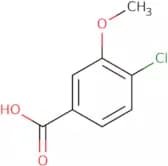

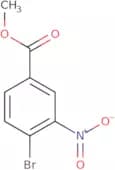
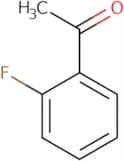
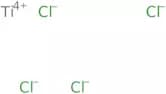
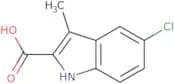
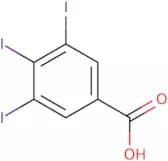
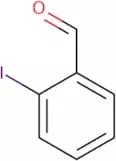
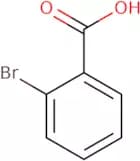
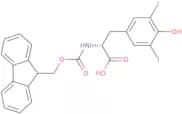
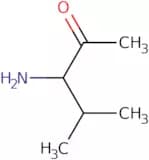
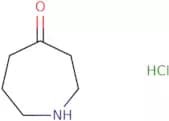
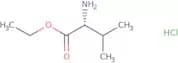
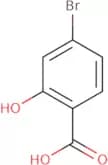

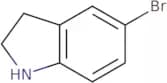
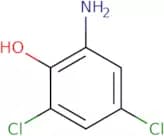
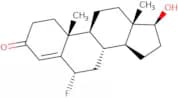
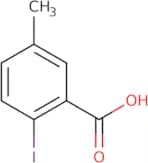
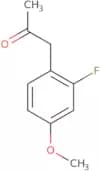
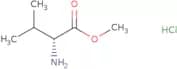
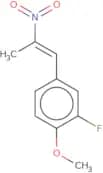
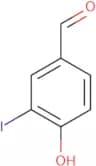
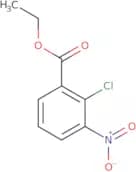
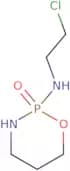
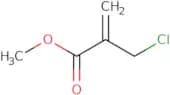
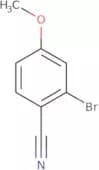
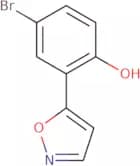
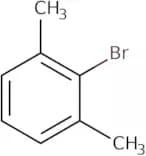
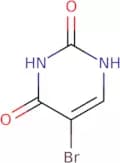
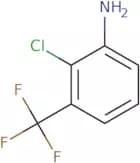
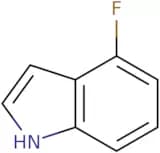
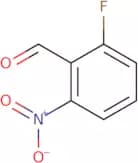
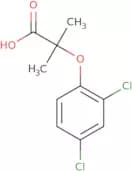
![N-[2-Iodoethyl]trifluoroacetamide](/_next/image/?url=https%3A%2Fstatic.cymitquimica.com%2Fproducts%2F3D%2Fthumb-webp%2FFI52744.webp&w=3840&q=75)
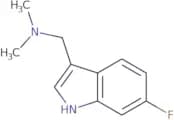
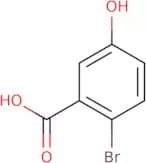
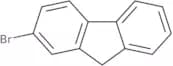
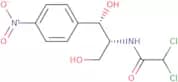
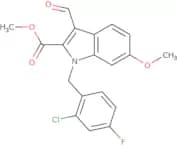
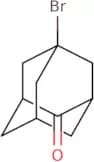
![1-[(5-Chloro-1-methyl-1H-indol-3-yl)methyl]piperidine-4-carboxylic acid](/_next/image/?url=https%3A%2Fstatic.cymitquimica.com%2Fproducts%2F3D%2Fthumb-webp%2FFC128187.webp&w=3840&q=75)
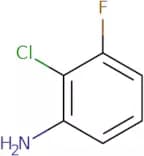
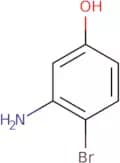
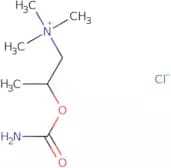
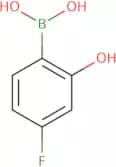
![N-[3,5-Bis(trifluoroMethyl)phenyl]-N'-[(9R)-6'-Methoxy-9-cinchonanyl]thiourea](/_next/image/?url=https%3A%2Fstatic.cymitquimica.com%2Fproducts%2F3D%2Fthumb-webp%2FFB100790.webp&w=3840&q=75)
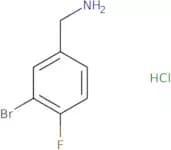
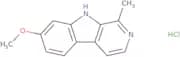
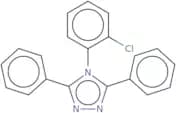
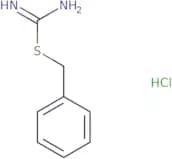
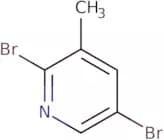
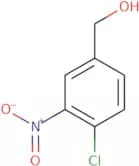
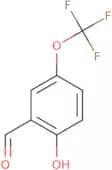
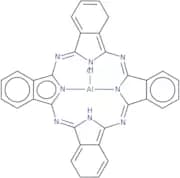
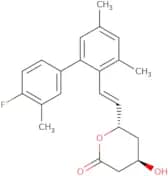
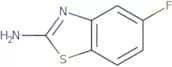
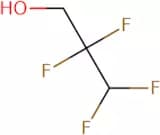

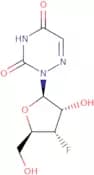

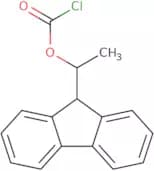
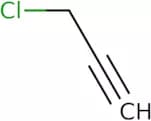
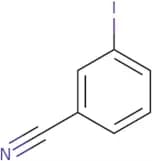

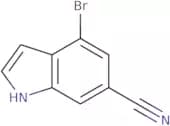
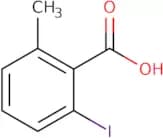
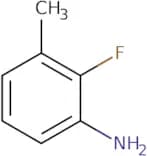

![(E)-3-[3'-(4''-fluorophenyl)-1'-(1''-methylethyl)-1H-indol-2''-yl]-2-propnal](/_next/image/?url=https%3A%2Fstatic.cymitquimica.com%2Fproducts%2F3D%2Fthumb-webp%2FFF37514.webp&w=3840&q=75)
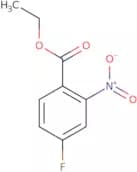
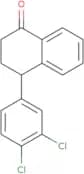
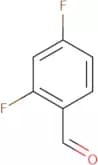
![Ethyl [2-methyl-3-(chlorosulfonyl)phenoxy]acetate](/_next/image/?url=https%3A%2Fstatic.cymitquimica.com%2Fproducts%2F3D%2Fthumb-webp%2FFE22936.webp&w=3840&q=75)

![N-(2,5-dimethylphenyl)(3-chlorobenzo[b]thiophen-2-yl)formamide](/_next/image/?url=https%3A%2Fstatic.cymitquimica.com%2Fproducts%2F3D%2Fthumb-webp%2FFD169538.webp&w=3840&q=75)
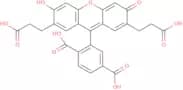
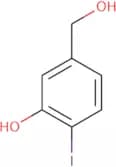
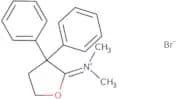
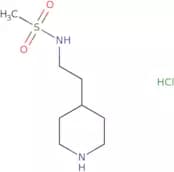
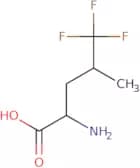
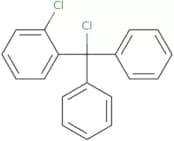


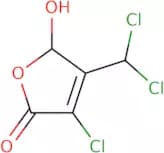
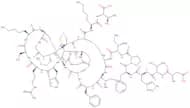

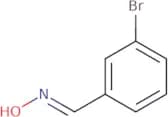
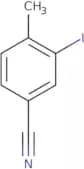

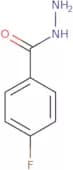
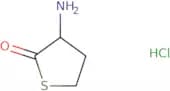
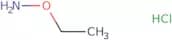
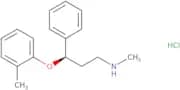
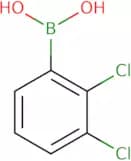


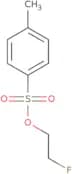
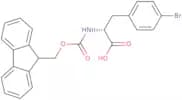
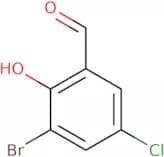
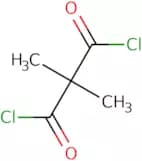
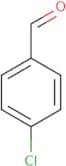
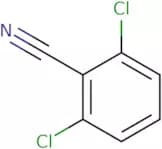
![7,8,9,10-Tetrahydro-8-(trifluoroacetyl)-6,10-methano-6H-pyrazino[2,3-h][3]benzazepine](/_next/image/?url=https%3A%2Fstatic.cymitquimica.com%2Fproducts%2F3D%2Fthumb-webp%2FFT11986.webp&w=3840&q=75)

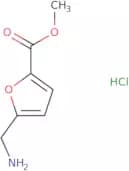
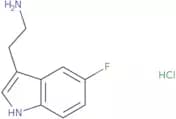

![N-[4-[[(1-Methylethyl)amino]acetyl]phenyl]-methanesulfonamide monohydrochloride](/_next/image/?url=https%3A%2Fstatic.cymitquimica.com%2Fproducts%2F3D%2Fthumb-webp%2FFI150565.webp&w=3840&q=75)
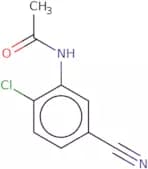
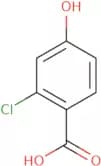
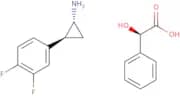
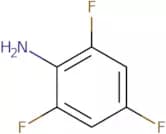

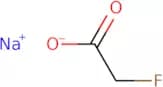

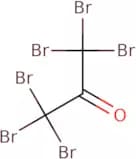

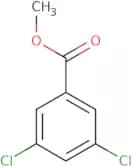
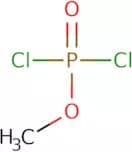
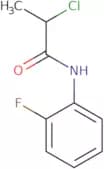
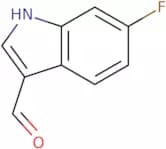
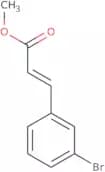
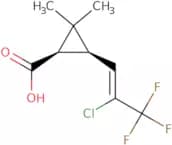
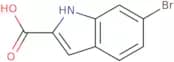
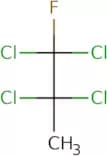
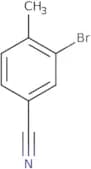
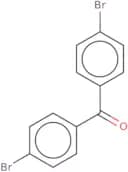
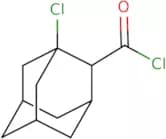

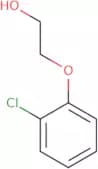
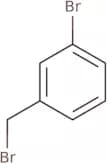
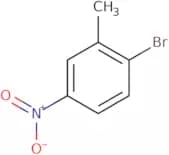
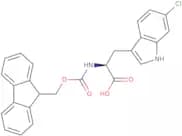
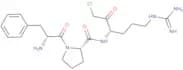
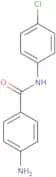
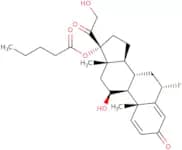
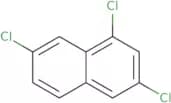

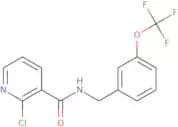
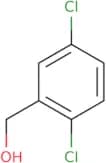
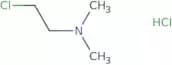
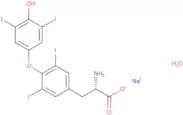

![cis-(+/-)-2-[(N-Benzyl-N-methyl)aminomethyl]-1-(3-methoxyphenyl)cyclohexanol hydrochloride](/_next/image/?url=https%3A%2Fstatic.cymitquimica.com%2Fproducts%2F3D%2Fthumb-webp%2FFB18402.webp&w=3840&q=75)
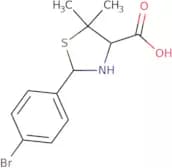
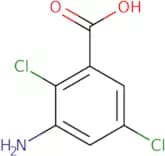
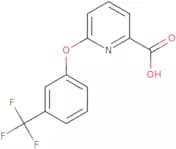

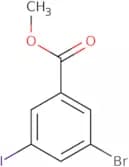
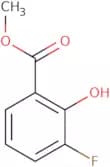
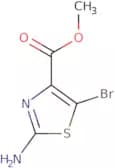
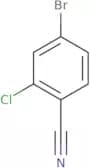
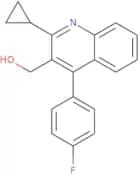

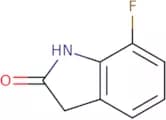
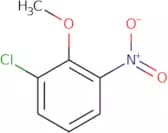
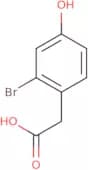
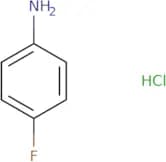
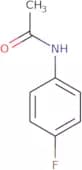
![N-[1-[2-(4-Ethyl-5-Oxotetrazol-1-Yl)Ethyl]-4-Phenylpiperidin-4-Yl]-N-(2-Fluorophenyl)Propanamide](/_next/image/?url=https%3A%2Fstatic.cymitquimica.com%2Fproducts%2F3D%2Fthumb-webp%2FFE102162.webp&w=3840&q=75)
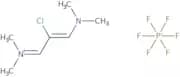

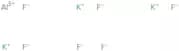
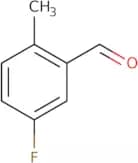
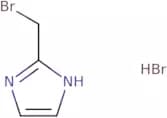
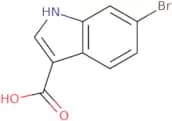

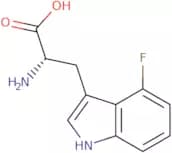
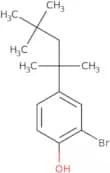
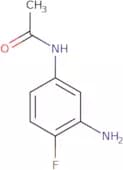

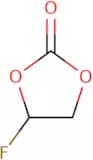
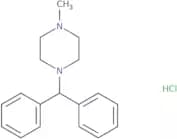
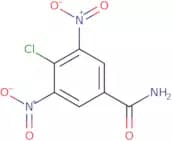
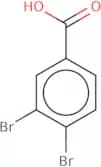
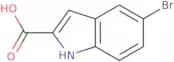
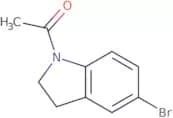


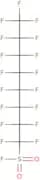
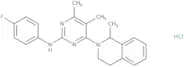

![[1-(Morpholin-4-ylcarbonyl)propyl]amine hydrochloride](/_next/image/?url=https%3A%2Fstatic.cymitquimica.com%2Fproducts%2F3D%2Fthumb-webp%2FFM130661.webp&w=3840&q=75)