Halogénures organiques
Sous-catégories appartenant à la catégorie "Halogénures organiques"
20442 produits trouvés pour "Halogénures organiques"
2'-Bromo-5'-methoxyacetophenone
CAS :2'-Bromo-5'-methoxyacetophenone is a perchloric acid catalyst that can be used in the synthesis of ketones, methyl ketones, and other organic compounds. Bromination reactions are catalyzed by hypobromous acid (HOBr), which is generated from bromine and HOCl. The reaction is typically initiated with an acid catalyst such as 2'-bromo-5'-methoxyacetophenone.
Formule :C9H9BrO2Degré de pureté :Min. 95%Couleur et forme :Clear LiquidMasse moléculaire :229.07 g/mol3-Fluoro-5-methylbenzonitrile
CAS :3-Fluoro-5-methylbenzonitrile is a reactive halogen molecule that can be used in model compounds, such as 3-fluoro-5-methylbenzoic acid. It has been shown to react with nucleophiles in the presence of microwaves, yielding high yields. The compound can be labeled with a variety of labels, including fluorine isotopes, which can be useful for tracking the compound's metabolism.Formule :C8H6FNDegré de pureté :Min. 95%Couleur et forme :PowderMasse moléculaire :135.14 g/mol4-Bromo-3-methylpyrazole
CAS :4-Bromo-3-methylpyrazole is a 3-methylpyrazole that has been shown to have an inhibitory effect on the growth of plants. It is used as a predictive model for pyrazole compounds and has been shown to be an additive in crop plants. 4-Bromo-3-methylpyrazole can be activated by diazo compounds, such as nitrosamines, leading to a variety of chemical reactions. The descriptor for this compound is C6H4BrN2.Formule :C4H5BrN2Couleur et forme :PowderMasse moléculaire :161 g/molClobetasol Propionate - Impurity B
CAS :Produit contrôlé(11β)-21-Chloro-9-fluoro-11-hydroxy-16-methylpregna-1,4,16-triene-3,20-dione is a chemical compound that can be used as a building block in the synthesis of other chemicals. It is structurally related to progesterone and has been found to have antiandrogenic properties. This product can also be used as a reagent or speciality chemical in research. It is high quality and versatile. (11β)-21-Chloro-9-fluoro-11-hydroxy-16-methylpregna 1,4,16 triene 3,20 dione has been shown to have an effect on the body's reproductive system by binding to the androgen receptor.Formule :C22H26ClFO3Degré de pureté :Min. 95%Couleur et forme :PowderMasse moléculaire :392.89 g/mol3-Chloro-1,1-diethoxypropane - Stabilized with CaCO3
CAS :3-Chloro-1,1-diethoxypropane is a molecule that has been studied for its potential in cancer treatment. It has shown to be toxic to some human cell lines but not others. 3-Chloro-1,1-diethoxypropane has also been shown to be effective at reducing blood pressure and as an antiviral agent against HIV. The molecule is stable in the presence of calcium carbonate and can be administered orally or intravenously.Formule :C7H15ClO2Degré de pureté :Min. 90 Area-%Couleur et forme :Clear LiquidMasse moléculaire :166.65 g/mol4-Chloromandelic acid
CAS :4-Chloromandelic acid is an organic compound that is an important intermediate in the synthesis of pharmaceuticals and other organic compounds. It can be used as a ligand to form complexes with transition metals, such as Mo(VI), which are used to catalyze hydrogenation reactions. 4-Chloromandelic acid binds to the substrate binding site on the enzyme through hydrogen bonding interactions. This binding causes a conformational change in the enzyme that inhibits its activity. The kinetic data for 4-chloromandelic acid was determined using trifluoroacetic acid as the solvent and supercritical carbon dioxide as the antisolvent. The enantiomer of 4-chloromandelic acid was identified by analytical methods, including gas chromatography and mass spectroscopy.
Formule :C8H7ClO3Degré de pureté :Min. 95%Couleur et forme :PowderMasse moléculaire :186.59 g/mol3-Bromobenzamide
CAS :3-Bromobenzamide is an amide compound, which is a functional group. It has a molecular weight of 273.3 g/mol and three amine groups. The 3-methoxybenzamide moiety in the molecule can be protonated, which provides the hydration of the molecule and increases its solubility in water. This molecule also has a dipole moment due to the presence of two amide groups. The synthesis of 3-bromobenzamide starts with the reaction between 3-aminobenzoic acid and benzoyl chloride to form 3-benzoyloxybenzoic acid. This is then reacted with ammonia to form 3-aminobenzamide. Finally this is converted into 3-bromobenzamide by reacting it with bromine in the presence of potassium carbonate as a catalyst. This molecule is used as an inhibitory compound for mammalian cell proliferation, specifically for cancer cellsFormule :C7H6BrNODegré de pureté :Min. 95%Couleur et forme :PowderMasse moléculaire :200.03 g/mol4-Fluoro-α-methylbenzylamine
CAS :4-Fluoro-a-methylbenzylamine is a chiral, protonated, and enthalpic compound. It can be synthesized by reacting anilines with 4-fluorobenzaldehyde in the presence of a base such as sodium ethoxide. The flavonoids from the plant Hedera helix have been shown to inhibit this enzyme.
4-Fluoro-a-methylbenzylamine has been found to be a potent inhibitor of imidazole amidohydrolase, an enzyme involved in the metabolism of histamine and other biologically active amines. This inhibition prevents the conversion of histamine to imidazole and therefore may help prevent allergic reactions such as asthma.Formule :C8H10FNDegré de pureté :Min. 95%Masse moléculaire :139.17 g/mol3-Chloro-4-(trifluoromethoxy)aniline
CAS :Please enquire for more information about 3-Chloro-4-(trifluoromethoxy)aniline including the price, delivery time and more detailed product information at the technical inquiry form on this pageFormule :C7H5ClF3NODegré de pureté :Min. 95%Couleur et forme :PowderMasse moléculaire :211.57 g/mol1-Bromo-3-isopropylbenzene
CAS :1-Bromo-3-isopropylbenzene is a reactive chemical that is used to produce diazotization, which is the addition of nitrite ion or its salts to an amine. This reaction produces an unstable intermediate product called diazoaminobenzene, which reacts with water and forms nitrous acid. The production of 1-bromo-3-isopropylbenzene involves the use of a deuterium isotope, which has been shown to have different effects on the reactivity of the molecule. Deuterium substitution can lead to a termination reaction rather than the desired aromatisation, as well as other reactions that are not observed when using regular hydrogen. The presence of nitrite ions in the environment can lead to deaminate reactions in 1-bromo-3-isopropylbenzene, which leads to degradation by hydrolysis and biodegradation.
Formule :C9H11BrDegré de pureté :Min. 95%Couleur et forme :Clear LiquidMasse moléculaire :199.09 g/mol6-Chloro-9-(tetrahydro-2H-pyran-2-yl)purine
CAS :6-Chloro-9-(tetrahydro-2H-pyran-2-yl)purine is a nucleoside analog that is used to treat various types of cancer. It is a c–h bond regiospecific nucleophile that forms the 6-chloro 9-(tetrahydro-2H-pyran-2-yl)purine intermediate. The chloride ion acts as a nucleophile in the first step of this process, which results in the formation of an organocuprate and glyoxylate. 6CPP binds to DNA and inhibits RNA synthesis, leading to cell death by apoptosis or necrosis. This drug has been shown to be effective for treating human cell lines. 6CPP is also known for its antitumor effects, which may be due to its ability to inhibit phosphonates and cross-coupling reactions.Formule :C10H11ClN4ODegré de pureté :Min. 95%Couleur et forme :SolidMasse moléculaire :238.67 g/mol1-(Aminomethyl)cyclopropanecarboxamide hydrochloride
CAS :1-(Aminomethyl)cyclopropanecarboxamide hydrochloride is a versatile building block that can be used in the synthesis of complex compounds. It has been shown to be an excellent reagent for the synthesis of novel pharmaceuticals and speciality chemicals. This compound is also a useful intermediate for the preparation of high-quality products and can be used as a reaction component or scaffold in synthesis.Formule :C5H10N2O·HClDegré de pureté :Min. 95%Couleur et forme :White PowderMasse moléculaire :150.61 g/molBenzyl 4-bromophenyl ketone
CAS :Benzyl 4-bromophenyl ketone is a colorless liquid with a sweet odor. It is soluble in alcohol, ether, and benzene but insoluble in water. It can be synthesized by the reaction of an amino alcohol with a hydrochloride acid. Benzyl 4-bromophenyl ketone is an analog of diethyl ether and trihexyphenidyl.Formule :C14H11BrODegré de pureté :Min. 95%Masse moléculaire :275.14 g/mol4-Cyano-2-fluorobenzoic acid methyl ester
CAS :4-Cyano-2-fluorobenzoic acid methyl ester is a versatile building block for complex compounds. It can be used as a reagent to synthesize other compounds and as a speciality chemical with high quality. This chemical is also an intermediate in the synthesis of other compounds, such as 4-cyano-2-fluorobenzoic acid ethyl ester, which has been shown to be useful in the synthesis of β-lactam antibiotics.Formule :C9H6FNO2Degré de pureté :Min. 95%Couleur et forme :PowderMasse moléculaire :179.15 g/mol4-Bromo-3-fluorocinnamic acid
CAS :4-Bromo-3-fluorocinnamic acid is a brominated derivative of cinnamic acid. It is used as an alloying agent in steel production, and can be used to control the content of manganese, nickel, phosphorous, and sulfur in steels. The equation for the preparation of 4-bromo-3-fluorocinnamic acid from cinnamic acid is: 4C6H5CO2H + 3HBr → 4C6H5BrFO2 + 2H2OFormule :C9H6BrFO2Degré de pureté :Min. 95%Couleur et forme :PowderMasse moléculaire :245.05 g/molSodium Hexafluoroacetylacetonate
CAS :Sodium hexafluoroacetylacetonate is a reactive chemical that can be used as a catalyst in organic synthesis. It is produced by the reaction of hexane and anhydrous hydrogen fluoride. The product has been shown to contain impurities and traces of non-polar solvents, such as chlorinated hydrocarbons and chloroform.Formule :C5HF6NaO2Degré de pureté :Min. 95%Couleur et forme :PowderMasse moléculaire :230.04 g/mol2-Chloro-5-isobutyl-1,3,4-thiadiazole
CAS :2-Chloro-5-isobutyl-1,3,4-thiadiazole is a particle that is used as an additive in the production of sodium hydroxide solution and calcium carbonate. It has been shown to have a high viscosity in concentrations up to 15% by weight with glucose solution. 2-Chloro-5-isobutyl-1,3,4-thiadiazole also exhibits hydrogen bonding properties with fatty acids and organic solvents. This chemical is used as a crosslinking agent for the production of conditioners. 2-Chloro-5-isobutyl-1,3,4-thiadiazole can be found in environmental pollution due to its use as an acid catalyst and crosslinking agent.Formule :C6H9ClN2SDegré de pureté :Min. 95%Couleur et forme :Yellow PowderMasse moléculaire :176.67 g/mol5-Bromo-3-methoxybenzyl alcohol
CAS :5-Bromo-3-methoxybenzyl alcohol is a synthetic hydroxyphenyl compound that can be used as a coupling agent. It is prepared by the reaction of bromoacetaldehyde with 3-hydroxybenzyl alcohol in the presence of an amine base, such as pyridine. 5-Bromo-3-methoxybenzyl alcohol can also be used to synthesize pyridines and bromides.Formule :C8H9BrO2Degré de pureté :Min. 95%Couleur et forme :PowderMasse moléculaire :217.06 g/mol2-Fluoro-2-methyl-1-propanol
CAS :Please enquire for more information about 2-Fluoro-2-methyl-1-propanol including the price, delivery time and more detailed product information at the technical inquiry form on this page
Formule :C4H9FODegré de pureté :Min. 95%Couleur et forme :Colorless PowderMasse moléculaire :92.11 g/molLGD-4033
CAS :Produit contrôlé4-[(2R)-2-[(1R)-2,2,2-Trifluoro-1-hydroxyethyl]-1-pyrrolidinyl]-2-(trifluoromethyl)benzonitrile is a potent estrogen receptor modulator (SERM) that binds to the estrogen receptor with high affinity. It has been shown to inhibit the growth of cancer cells in vitro and in vivo. The binding of 4-[(2R)-2-[(1R)-2,2,2-Trifluoro-1-hydroxyethyl]-1-pyrrolidinyl]-2-(trifluoromethyl)benzonitrile to the estrogen receptor is competitive and it can be displaced by estradiol. The drug has a long detection time in urine samples due to its stability and low molecular weight.Formule :C14H12F6N2ODegré de pureté :Min. 95%Couleur et forme :White Beige PowderMasse moléculaire :338.25 g/mol1-(6-Chloropyridazin-3-yl)piperidin-4-ol
CAS :1-(6-Chloropyridazin-3-yl)piperidin-4-ol (CPP) is an organic compound that is used as a corrosion inhibitor. It has been shown to be effective in the presence of hydrochloric acid and chloride ions in various media. The mechanism of CPP's anti-corrosion properties is due to its ability to form a protective film on metal surfaces, which can be attributed to its electron donating ability. This film prevents the occurrence of metal dissolution or metal oxidation, thereby preventing corrosion. CPP has been shown to inhibit the growth of bacteria by binding with DNA and RNA. It also inhibits protein synthesis through competitive inhibition of ribosomes.Formule :C9H12ClN3ODegré de pureté :(%) Min. 85%Masse moléculaire :213.66 g/mol4-(Chloromethyl)benzoic acid methyl ester
CAS :4-(Chloromethyl)benzoic acid methyl ester is a synthetic compound that inhibits the DPP-IV enzyme, which is involved in the breakdown of the incretin hormones glucagon-like peptide-1 (GLP-1) and glucose-dependent insulinotropic polypeptide (GIP). Its structure consists of a benzene ring with a chloromethyl group on one side and an ester group on the other. 4-(Chloromethyl)benzoic acid methyl ester has been shown to be more potent than other known DPP-IV inhibitors. It has also been shown to have genotoxic impurities and chronic treatment effects, such as cancer.
Formule :C9H9ClO2Degré de pureté :Min. 95%Couleur et forme :PowderMasse moléculaire :184.62 g/mol2-Amino-5-bromobenzoic acid
CAS :2-Amino-5-bromobenzoic acid is a chemical compound that is used to synthesize other pharmaceuticals. It has been shown to have potent antiinflammatory activity and inhibit the growth of certain types of cancer cells. 2-Amino-5-bromobenzoic acid also has antiviral properties, and it inhibits the replication of human immunodeficiency virus type 1 (HIV-1) in cell culture. This drug has been shown to be effective against herpes simplex virus type 1 (HSV-1), varicella zoster virus (VZV), and cytomegalovirus (CMV). 2-Amino-5-bromobenzoic acid is poorly soluble in water; therefore, it can be administered intravenously as a prodrug. The absorption of this drug is dependent on pH levels, with higher concentrations found in acidic environments.
Formule :C7H6BrNO2Degré de pureté :Min. 95%Couleur et forme :PowderMasse moléculaire :216.03 g/molStrontium chloride hexahydrate
CAS :Strontium chloride hexahydrate is a chemical compound that belongs to the group of strontium compounds. It is used as an injection solution and reaction solution, and has been shown to have a beneficial effect on liver lesions in mice. Strontium chloride hexahydrate can be injected intravenously or intraperitoneally to treat patients with hypercalcemia or hypophosphatemia. This drug also has a toll-like receptor (TLR) agonistic effect, which may be due to its ability to stimulate the production of proinflammatory cytokines such as IL-1β, IL-6, IL-8, and TNF-α in macrophages. The optimum concentration for this drug is 1 mmol/L. Strontium chloride hexahydrate binds to plasma proteins through ionic interactions with chloride ions. This binding makes it difficult for the drug to pass through cell membranes, which limits its effectiveness.
Formule :SrCl2•(H2O)6Degré de pureté :Min 99%Couleur et forme :Colorless PowderMasse moléculaire :266.62 g/mol2-Chloro-5-methoxyaniline hydrochloride
CAS :2-Chloro-5-methoxyaniline hydrochloride is an intercalating agent that is used in the treatment of cancer. It binds to DNA and causes a breakage of the hydrogen bonds between the two strands, which leads to cell death. The 2-Chloro-5-methoxyaniline hydrochloride molecule has affinity for lactams, which are sugar molecules found in cell walls of bacteria, fungi, and plants. This compound can be metabolized by lactamase enzymes that are found in cancer cells and other cells. The metabolized products are fluorescent, which allows them to be detected by fluorescence microscopy. 2-Chloro-5-methoxyaniline hydrochloride has been shown to inhibit the growth of lung cancer cells and leukemia cells by interfering with their ability to synthesize DNA and RNA.Formule :C7H8ClNO•HClDegré de pureté :Min. 95%Couleur et forme :PowderMasse moléculaire :194.06 g/mol3-Fluoro-4-hydroxybenzoic acid ethyl ester
CAS :3-Fluoro-4-hydroxybenzoic acid ethyl ester is a versatile building block that is used as a reagent in organic synthesis. It has the CAS number 56355-21-6. This compound has been shown to be useful for the synthesis of various pharmaceuticals and other complex compounds, such as 3-fluoro-4-(2,2,2-trifluoroethoxy)benzoic acid ethyl ester.
Formule :C9H9FO3Degré de pureté :Min. 95%Couleur et forme :PowderMasse moléculaire :184.16 g/mol2-Bromo-4,5-dimethoxyphenylacetic acid
CAS :2-Bromo-4,5-dimethoxyphenylacetic acid is a synthetic compound that has been shown to be effective in the treatment of cancer. It acts by inhibiting the growth and proliferation of cancer cells. 2-Bromo-4,5-dimethoxyphenylacetic acid inhibits cancer cell division by amide formation with DNA, leading to DNA strand breakage. This drug also prevents the growth and proliferation of cancer cells by preventing their division. 2-Bromo-4,5-dimethoxyphenylacetic acid is used as a precursor for other anti-cancer agents that are synthesized from it and have increased potency.Formule :C10H11BrO4Degré de pureté :Min. 95%Couleur et forme :PowderMasse moléculaire :275.1 g/mol4,5-Dichloro-2-octyl-isothiazolone
CAS :4,5-Dichloro-2-octyl-isothiazolone is a biocide that inhibits the growth of marine organisms. It prevents fouling by binding to the cell surface of bacteria and algae cells and interfering with their energy metabolism. The compound also has anti-fouling effects because it binds to the cell surface and interferes with the function of enzymes involved in nutrient uptake. 4,5-Dichloro-2-octyl-isothiazolone is not toxic to humans but can cause acute toxicity in aquatic organisms. It is commonly used as an antifoulant agent in paints, coatings, adhesives, and other industrial products.
Formule :C11H17Cl2NOSDegré de pureté :Min. 98 Area-%Couleur et forme :Beige PowderMasse moléculaire :282.23 g/mol3,3'-Dichloro-4,4'-dihydroxystilbene
CAS :3,3'-Dichloro-4,4'-dihydroxystilbene is a chemical compound that is used as a reagent and intermediate. It has been shown to be an effective building block in organic synthesis. 3,3'-Dichloro-4,4'-dihydroxystilbene can be used for the production of speciality chemicals and research chemicals. This versatile compound is also used to make a variety of reactions components.Formule :C14H10Cl2O2Degré de pureté :Min. 95%Couleur et forme :PowderMasse moléculaire :281.13 g/mol2,4,5-Trifluorophenol
CAS :2,4,5-Trifluorophenol is a chemical compound that is used in the production of plastics and synthetic fibers. It is also found as an environmental pollutant when released into the environment from industrial waste. Trichloroacetic acid reacts with 2,4,5-trifluorophenol to produce dibenzodioxins that are toxic and mutagenic. Trifluorophenol has been shown to activate rat hepatocytes by increasing the rate of synthesis of messenger RNA (mRNA) for proteins involved in drug metabolism. This activation may be due to its ability to induce oxidative stress or because it can react with DNA bases to form covalent adducts. The photoelectron spectrum includes bands at 1210 and 1240 cm-1 that correspond to chlorine atoms attached to arene rings.
2,4,5-Trifluorophenol has been shown to inhibit the growth of primary cultures of rat hepatocytesFormule :C6H3F3ODegré de pureté :Min. 95%Couleur et forme :PowderMasse moléculaire :148.08 g/mol2-[Methyl[(tridecafluorohexyl)sulphonyl]amino]ethyl acrylate
CAS :Please enquire for more information about 2-[Methyl[(tridecafluorohexyl)sulphonyl]amino]ethyl acrylate including the price, delivery time and more detailed product information at the technical inquiry form on this page
Formule :C12H10F13NO4SDegré de pureté :80%MinCouleur et forme :PowderMasse moléculaire :511.26 g/mol3-Fluoro-4-methoxycinnamic acid
CAS :3-Fluoro-4-methoxycinnamic acid is a template for the synthesis of azido compounds. Azide is a versatile functional group that can be used in many chemical reactions. 3-Fluoro-4-methoxycinnamic acid can be used to synthesize various azido products by reacting with hydrogen gas and an appropriate nucleophile, such as acrylic acid or ammonia. This reaction is called the "hydrogenating" reaction because it involves the addition of hydrogen. The target product can be synthesized by adding an appropriate electrophile, such as sodium azide, to the starting material in a solvent such as methylene chloride.Formule :C10H9FO3Degré de pureté :Min. 95%Couleur et forme :PowderMasse moléculaire :196.18 g/mol3-Fluoro-4-hydroxycinnamic acid
CAS :3-Fluoro-4-hydroxycinnamic acid is a phenol that is an intermediate in the biocatalytic conversion of pyruvate to phenols. It has been shown to be a good candidate for use in organic synthesis, due to its ability to catalyze the reaction between benzene and hydrogen peroxide. 3-Fluoro-4-hydroxycinnamic acid also has potential applications in science and catalysis.Formule :C9H7FO3Couleur et forme :PowderMasse moléculaire :182.15 g/molN-(5-Chloro-2-hydroxyphenyl)-2-chloropropanamide
CAS :Please enquire for more information about N-(5-Chloro-2-hydroxyphenyl)-2-chloropropanamide including the price, delivery time and more detailed product information at the technical inquiry form on this pageDegré de pureté :Min. 95%(5-Bromo-2-methoxyphenyl)acetonitrile
CAS :5-Bromo-2-methoxyphenyl)acetonitrile is a chemical building block that can be used in the synthesis of complex compounds. It is a versatile intermediate that can be used as a reagent in organic reactions. This compound has been shown to be useful as a reaction component and is a high quality product. 5-Bromo-2-methoxyphenyl)acetonitrile has CAS number 7062-40-0 and is listed on the Chemical Abstracts Service (CAS).Formule :C9H8BrNODegré de pureté :Min. 95%Masse moléculaire :226.07 g/mol3,4-Difluoro-2-methoxybenzoic acid
CAS :3,4-Difluoro-2-methoxybenzoic acid is a chemical compound that can be used as a reaction component or reagent. It is also a useful scaffold for organic synthesis of complex compounds and can be used as a building block to produce fine chemicals. 3,4-Difluoro-2-methoxybenzoic acid has the CAS number 875664-52-1 and is listed under the chemical name 3,4-difluoro-2-methoxybenzoic acid.
Formule :C8H6F2O3Degré de pureté :Min. 95%Couleur et forme :PowderMasse moléculaire :188.13 g/molLauryl isoquinolinium bromide
CAS :Lauryl isoquinolinium bromide is a pyridinium cationic surfactant that is used as a diagnostic agent and pharmaceutical preparation. It is also used as an antimicrobial agent in liquid chromatography, which is a technique to separate chemical compounds. Lauryl isoquinolinium bromide has been shown to be effective against Gram-positive bacteria such as Staphylococcus aureus and Enterococcus faecalis, and Gram-negative bacteria such as Pseudomonas aeruginosa. Lauryl isoquinolinium bromide has also been shown to be effective against yeast such as Candida albicans. Lauryl isoquinolinium bromide is not effective against viruses or fungi. This agent can be used to enhance the permeability of membranes during cross-linking reactions between polymers.Formule :C21H32NBrDegré de pureté :Min. 95%Couleur et forme :PowderMasse moléculaire :378.39 g/mol2,3-Difluoro-5-methylbenzoic acid
CAS :2,3-Difluoro-5-methylbenzoic acid is a versatile building block that can be used as a reagent in organic chemistry. It is a useful intermediate for the synthesis of more complex compounds. The compound is also a useful scaffold for the preparation of new chemical entities for research purposes.Formule :C8H6F2O2Degré de pureté :Min. 95%Couleur et forme :PowderMasse moléculaire :172.13 g/mol2-Fluoro-6-hydroxybenzoic acid
CAS :2-Fluoro-6-hydroxybenzoic acid is a fluorescent compound that is commonly used as a reagent in organic synthesis. It has been shown to be an effective fungicide, and has also been shown to have pesticidal activity against various insects. The stability of 2-fluoro-6-hydroxybenzoic acid in water depends on the pH level; at low pH levels, it is stable and can be used as a fungicide, while at high pH levels, it is unstable and cannot be used as a fungicide. Studies have shown that 2-fluoro-6-hydroxybenzoic acid binds with hydrogen ions to form stable complexes, which may explain its pesticidal properties.
Formule :C7H5FO3Degré de pureté :Min. 95%Couleur et forme :PowderMasse moléculaire :156.11 g/mol2-(4-Fluorophenyl)azetidine
CAS :Please enquire for more information about 2-(4-Fluorophenyl)azetidine including the price, delivery time and more detailed product information at the technical inquiry form on this page
Formule :C9H10FNDegré de pureté :Min. 90%Couleur et forme :Clear LiquidMasse moléculaire :151.18 g/mol3-Chloropropiophenone
CAS :3-Chloropropiophenone is a chiral compound that is used as an antidepressant drug. It was first synthesized in the 1950s and has been studied extensively for its pharmacological effects. 3-Chloropropiophenone is a racemic mixture of two enantiomers, one of which is active and the other inactive. The active enantiomer binds to serotonin receptors and inhibits the reuptake of serotonin, which leads to an increase in serotonin levels. The inactive enantiomer does not bind to serotonin receptors and does not inhibit the reuptake of serotonin. 3-Chloropropiophenone has been shown to be effective when administered at an optimum concentration of 5 milligrams per kilogram body weight.
Formule :C9H9ClODegré de pureté :Min. 95%Couleur et forme :PowderMasse moléculaire :168.62 g/mol6-Bromo-2-pyridinecarbonitrile
CAS :6-Bromo-2-pyridinecarbonitrile is a small molecule that can be used as a sensitizer for photovoltaic cells. It has been shown to have photocurrents in the visible region of the spectrum and strong luminescence properties. 6-Bromo-2-pyridinecarbonitrile is also an effective chromophore for use in solar cells and can be functionalised by means of pyrazolyl or triazolyl groups. This compound has been shown to bind to antibodies, which are proteins that are produced by the body's immune system to identify and neutralize foreign objects, including bacteria and viruses. The binding of 6-bromo-2-pyridinecarbonitrile with monoclonal antibodies provides a possible route for the development of new biomolecules with antibacterial properties.
Formule :C6H3N2BrDegré de pureté :Min. 95%Couleur et forme :PowderMasse moléculaire :183.01 g/mol(6α,11β,16α,17α)-6,9-Difluoro-11-hydroxy-16-methyl-spiro[androsta-1,4-diene-17,5'-[1,3]oxathiolane]-2',3,4'-trione
CAS :(6α,11β,16α,17α)-6,9-Difluoro-11-hydroxy-16-methyl-spiro[androsta-1,4-diene-17,5'-[1,3]oxathiolane]-2',3,4'-trione is a fine chemical that can be used as a building block for the synthesis of complex compounds. This compound is also useful as a reagent and specialty chemical. (6α,11β,16α,17α)-6,9-Difluoro-11-hydroxy-16-methyl spiro[androsta-1,4 diene 17.beta., 5'(1'3'oxathiolane)] 2',3',4'-trione has been shown to be an excellent intermediate for organic reactions and may be used as a scaffold in drug design.
Formule :C22H24F2O5SDegré de pureté :Min. 95%Masse moléculaire :438.49 g/molN-[(2Z)-Piperazin-2-ylidene]-2,2,2-trifluoroacetohydrazide
CAS :N-[(2Z)-Piperazin-2-ylidene]-2,2,2-trifluoroacetohydrazide (NPI) is a hydrazine derivative with cyclization and chlorination. It is an oxychloride of N-(2-chloroethyl)hydrazinecarbothioamide. Hydrazine derivatives are mainly used as synthetic intermediates for the production of pharmaceuticals and agrochemicals. Trifluoroacetate is a chemical compound that has been shown to be active against the growth of Mycobacterium tuberculosis and Mycobacterium avium complex. Trifluoroacetate inhibits the biosynthesis of mycolic acids, which are essential components of the cell wall in these bacteria. The mechanism of action of trifluoroacetate involves inhibition of the enzyme mycolic acid synthase through covalent modification by forming an adduct with its active site cysteine residue.Formule :C6H9F3N4ODegré de pureté :Min. 95%Couleur et forme :PowderMasse moléculaire :210.16 g/molAluminium chloride hexahydrate
CAS :Produit contrôléAluminium chloride hexahydrate is a chemical compound that is used to produce aluminum, as well as in the production of paper and textiles. It is also used in the manufacture of other chemicals such as chlorine, copper, and hydrochloric acid. Aluminium chloride hexahydrate has been shown to have neurotoxic effects on the central nervous system (CNS), specifically in the brain. The neurotoxic effects are due to its ability to inhibit various functions of brain cells, including cellular growth factor-β1. This chemical compound also inhibits polymerase chain reaction (PCR) with low doses. Aluminium chloride hexahydrate can be detected using electrochemical impedance spectroscopy (EIS).
Formule :AlCl3•(H2O)6Couleur et forme :White PowderMasse moléculaire :241.43 g/mol3,5-Dibromo-4-methylbenzoic acid
CAS :3,5-Dibromo-4-methylbenzoic acid is a high quality compound that is a useful intermediate in the synthesis of complex compounds. It has been used as a reagent in various chemical reactions and as a building block for the synthesis of other compounds. This compound may also be used as a speciality chemical or research chemical. 3,5-Dibromo-4-methylbenzoic acid can be used to synthesize many different types of compounds, including those with diverse functional groups.Formule :C8H6Br2O2Degré de pureté :Min. 95%Couleur et forme :PowderMasse moléculaire :293.94 g/mol10-O-2,2-Dichloroethoxycarbonyl docetaxel
CAS :10-O-2,2-Dichloroethoxycarbonyl docetaxel is a fine chemical that is useful for the preparation of complex compounds, scaffolds and reaction components. It is a versatile building block that can be used as an intermediate in the synthesis of more complex molecules. This compound has been shown to be an effective agent against cancer cells. The structures of 10-O-2,2-Dichloroethoxycarbonyl docetaxel and docetaxel are shown below.Formule :C46H55Cl2NO16Degré de pureté :Min. 95%Couleur et forme :White PowderMasse moléculaire :948.83 g/mol4-Sulfonamidophenylhydrazine hydrochloride
CAS :4-Sulfonamidophenylhydrazine hydrochloride is an in vitro antifungal agent with a diazonium salt structure. It is used as a chemical intermediate to synthesize other pharmaceuticals, such as nonsteroidal anti-inflammatory drugs and antimicrobial agents. 4-Sulfonamidophenylhydrazine hydrochloride has been shown to inhibit the production of Cox-2, which is associated with inflammation and cancer. The drug also exhibits antiinflammatory activity due to its ability to inhibit prostaglandin synthesis. 4-Sulfonamidophenylhydrazine hydrochloride exhibits high affinity for human serum albumin and can be used as an indicator for the presence of carbonic acid or carbonyl groups in organic compounds.Formule :C6H9N3O2S·HClDegré de pureté :Min. 95%Masse moléculaire :223.68 g/mol4-Azido-L-homoalanine hydrochloride
CAS :4-Azido-L-homoalanine hydrochloride is a chemical compound that belongs to the group of amino acid derivatives. It is a useful building block for the preparation of a variety of compounds. 4-Azido-L-homoalanine hydrochloride can be used as an intermediate in organic synthesis, or as a reagent in research. This chemical has been found to have high quality and is versatile, making it a useful scaffold for complex compounds.Formule :C4H9ClN4O2Couleur et forme :White PowderMasse moléculaire :180.59 g/mol1-(4-(Trifluoromethyl)phenyl)-2-nitroethene
CAS :1-(4-(Trifluoromethyl)phenyl)-2-nitroethene is a high quality reagent, which is used as a useful intermediate in the production of fine chemicals. It is also a useful scaffold for the synthesis of speciality chemicals and research chemicals. 1-(4-(Trifluoromethyl)phenyl)-2-nitroethene can be used as a versatile building block for organic synthesis reactions.Formule :C9H6F3NO2Couleur et forme :PowderMasse moléculaire :217.14 g/molDidecyl dimethyl ammonium chloride - 95%min
CAS :Didecyl dimethyl ammonium chloride is a quaternary ammonium compound. It has been used in toxicity studies on animals and as an analytical reagent for the detection of ammonium and chloride ions in the presence of copper chloride. Didecyl dimethyl ammonium chloride is also used as a disinfectant, with some reports of its use to treat infectious diseases. It has been found to have some effect on diptera larvae, but has no effect on epithelial mesenchymal cells. The phase transition temperature of this product is between -10°C and +20°C. This product can be purified by preparative high-performance liquid chromatography (HPLC).
Formule :C22H48ClNDegré de pureté :Min. 95%Couleur et forme :White To Cream To Light (Or Pale) Yellow To Yellow To Brown SolidMasse moléculaire :361.34753Bambuterol hydrochloride
CAS :β-adrenoceptor agonist; bronchodilatorFormule :C18H30ClN3O5Degré de pureté :Min. 95%Couleur et forme :PowderMasse moléculaire :403.9 g/molRosuvastatin triphenylphosphonium bromide
CAS :Rosuvastatin is a high-quality reagent for organic synthesis. It has a CAS number of 885477-83-8 and is used as an intermediate in the production of fine chemicals, research chemicals, and speciality chemicals. Rosuvastatin is also a versatile building block for organic synthesis because it can be used to make many different chemical compounds. It is also used as a reaction component in the production of other chemical compounds.Formule :C34H34BrFN3O2PSDegré de pureté :Min. 95%Couleur et forme :White PowderMasse moléculaire :678.59 g/molN-(2,3-Dichlorophenyl)piperazine hydrochloride
CAS :Produit contrôléN-(2,3-Dichlorophenyl)piperazine hydrochloride is a synthetic compound that is also known as DDPP. It is a 5-HT1A and 5-HT2A receptor agonist, which means that it binds to these receptors and stimulates them. DDPP has been shown to have antidepressant effects in animal models of depression, but it has not been tested for its therapeutic potential in humans. DDPP is an acidic compound with molecular weight of 222.4 g/mol and melting point of 174°C. The impurities of this compound are identified as hydrogen chloride (HCl), chloride (Cl−), and homologues.Formule :C10H13Cl3N2Degré de pureté :Min. 95%Couleur et forme :White to off-white solid.Masse moléculaire :267.58 g/mol(1R,4S)-4-Amino-2-cyclopentene-1-methanol hydrochloride
CAS :(1R,4S)-4-Amino-2-cyclopentene-1-methanol hydrochloride is a chemical compound that is used as a building block in the synthesis of other compounds. It is also known to be a speciality chemical and a research chemical. (1R,4S)-4-Amino-2-cyclopentene-1-methanol hydrochloride can be used as an intermediate in the production of fine chemicals, pharmaceuticals and agrochemicals. The compound has been found to have high quality and good purity by the manufacturer.Formule :C6H11NO•HClDegré de pureté :Min. 95%Couleur et forme :Brown SolidMasse moléculaire :149.62 g/molDiphenyleneiodonium chloride
CAS :Diphenyleneiodonium chloride is a diphenyliodonium salt that inhibits neuronal death and induces pluripotent stem cells. It has been shown to activate toll-like receptor 4 (TLR4) which initiates the inflammatory response, leading to the activation of growth factor-β1 and polymerase chain reactions. This compound also has an oral hypoglycemic effect and can be used as an antidiabetic drug. Diphenyleneiodonium chloride has also been shown to induce oxidative cell death in cancer cells by inhibiting the production of NADPH oxidase, which is required for caspase-independent cell death.
Formule :C12H8ClIDegré de pureté :Min. 95%Couleur et forme :White PowderMasse moléculaire :314.55 g/mol1-Fluorocyclopropane-1-carboxylic acid
CAS :1-Fluorocyclopropane-1-carboxylic acid is a fluorinated carboxylic acid that is an intermediate in the synthesis of the drug Covid-19, which has antiviral activity against pandemic influenza. The compound has a unique conformational property, which allows it to bind to the e3 ubiquitin ligase. This binding activates the ligase and leads to ubiquitin conjugation of proteins. 1-Fluorocyclopropane-1-carboxylic acid is also used as a reagent for chemical studies. It can be used as an acceptor or hydrogen donor in intramolecular reactions, and it can form strong dipole interactions with phenoxy groups. 1-Fluorocyclopropane-1-carboxylic acid is also bifunctional; it binds to two different molecules at once and has strong hydrogen bonding properties with fluorine atoms.
Formule :C4H5FO2Degré de pureté :Min. 95%Couleur et forme :PowderMasse moléculaire :104.08 g/mol(R)-BoroLeu-(+)-pinanediol-trifluoroacetate
CAS :(R)-BoroLeu-(+)-pinanediol-trifluoroacetate is a complex compound with CAS No. 179324-87-9 and can be used as a reagent, useful intermediate, or fine chemical. It is a versatile building block that can be used in the synthesis of speciality chemicals, research chemicals, and reaction components. This compound has been reported to be a useful scaffold for the synthesis of novel compounds that could have applications in medicine, such as anti-cancer drugs and antibiotics.Formule :C17H29BF3NO4Couleur et forme :White Off-White PowderMasse moléculaire :379.22 g/mol5-Bromo-5a-cholestane-3,6-diol 3-acetate
CAS :Please enquire for more information about 5-Bromo-5a-cholestane-3,6-diol 3-acetate including the price, delivery time and more detailed product information at the technical inquiry form on this pageFormule :C29H49BrO3Degré de pureté :Min. 95%Masse moléculaire :525.6 g/mol2,4-Dichlorophenylacetic acid
CAS :2,4-Dichlorophenylacetic acid is a metabolite of 2,4-dichlorophenoxyacetic acid. It has been used as an analytical marker for the latter compound in urine samples. The metabolic rate of 2,4-DPA is related to the concentration of pyridoxine hydrochloride in plant tissue. This chemical reacts with light to form 2,4-dichlorobenzoic acid and undergoes photochemical reactions.Formule :C8H6Cl2O2Degré de pureté :Min. 95%Couleur et forme :PowderMasse moléculaire :205.04 g/mol(1R,2R,3S,5R)-Pinanediol pyrrolidine-2S-boronate hydrochloride
CAS :(1R,2R,3S,5R)-Pinanediol pyrrolidine-2S-boronate hydrochloride is a reagent that can be used in the synthesis of complex compounds. It is a fine chemical with CAS No. 149716-73-4. (1R,2R,3S,5R)-Pinanediol pyrrolidine-2S-boronate hydrochloride has a number of uses including as an intermediate for the preparation of speciality chemicals and as a building block for reactions in research. This compound is also useful as a versatile building block for many reactions.Formule :C14H25BClNO2Degré de pureté :Min. 95%Couleur et forme :PowderMasse moléculaire :285.62 g/molDesmethyl atomoxetine hydrochloride
CAS :Desmethyl atomoxetine hydrochloride is a chemical compound that can be used as a reaction component, a reagent, or a useful scaffold. It is an intermediate for the production of other chemicals and has many uses in industry. Desmethyl atomoxetine hydrochloride is also one of the building blocks used to produce speciality chemicals and fine chemicals. This chemical compound has been assigned CAS number 881995-46-6.Formule :C16H19NO•HClDegré de pureté :Min. 95%Couleur et forme :White To Light (Or Pale) Yellow SolidMasse moléculaire :277.79 g/molNaloxone hydrochloride
CAS :Produit contrôléNaloxone hydrochloride is a competitive antagonist at mu-, delta- and kappa-opioid receptors. Naloxone binding to receptors blocks the effects of opioids such as morphine, heroin, or oxycodone. Naloxone has been shown to be effective in treating acute overdoses of these drugs and reversing the depression of respiratory function that accompanies opioid overdose. It is also used to alleviate withdrawal symptoms and in the treatment of neonatal abstinence syndrome (NAS). NAS is a condition that occurs when infants are exposed to addictive levels of opioids in utero and go through withdrawal after birth.
Formule :C19H21NO4•HClDegré de pureté :(%) Min. 95%Couleur et forme :PowderMasse moléculaire :363.84 g/mol6-Chloro-3-indolyl 1,3-diacetate
CAS :6-Chloro-3-indolyl 1,3-diacetate is an aglycone that is used as a chromogenic substrate for the detection of bacteria. It reacts with specific enzymes in the bacterial cell wall to produce a red or pink color. 6-Chloro-3-indolyl 1,3-diacetate is used as a diagnostic tool to identify bacteria and has been shown to be excreted in urine.
Formule :C12H10ClNO3Degré de pureté :Min. 95%Couleur et forme :Yellow To Light Brown SolidMasse moléculaire :251.67 g/molPentafluorobenzenesulfonyl chloride
CAS :Pentafluorobenzenesulfonyl chloride is a monosodium salt that is used as an inhibitor in the synthesis of pharmaceuticals and other organic chemicals. It has been shown to inhibit human liver cytochrome P450 enzymes by binding to their heme group. Pentafluorobenzenesulfonyl chloride is also an effective reagent for the determination of the proton concentration in aqueous solutions. This compound reacts with hydrochloric acid (HCl) to form pentafluorobenzenesulfonic acid, which can be detected in urine samples at low concentrations. The reaction rate of this compound with HCl is temperature dependent, and its formation rate increases as the temperature decreases. Pentafluorobenzenesulfonyl chloride has also been shown to possess anticancer properties, due to its reactive functional group. Magnetic particles coated with this substance are being developed for use in cancer treatment.Formule :C6ClF5O2SDegré de pureté :Min. 98 Area-%Couleur et forme :Colorless Clear LiquidMasse moléculaire :266.57 g/molPolyvinylidene fluoride
CAS :Polyvinylidene fluoride is a polymer that has been used for water purification in wastewater treatment. It is made from polyvinylidene and hydrogen fluoride, which react to form polyvinylidene fluoride. This polymer has a high dielectric constant, which means it can be used as an insulator, and a low water permeability, which means it does not dissolve in water. Polyvinylidene fluoride is also piezoelectric and has been shown to have the ability to generate kinetic energy.Formule :(C2H2F2)nCouleur et forme :White Powder2-Amino-4-chloropyrimidine
CAS :2-Amino-4-chloropyrimidine is an amido compound that is used to treat infectious diseases. It is a potent inhibitor of the enzyme topoisomerase II, which is involved in DNA replication and transcription. This drug has shown cytotoxic activity against du145 cells, an immortalized prostate cancer cell line. 2-Amino-4-chloropyrimidine has also been shown to be effective against MDA-MB-231 cells and thp1 cells, which are human breast cancer cell lines. 2-Amino-4-chloropyrimidine binds to the active site of topoisomerase II, preventing the enzyme from binding with the two ends of DNA and causing DNA breakage. The drug has also been shown to inhibit the growth of cervical cancer cells by binding with amine groups on proteins found on these cells.Formule :C4H4ClN3Degré de pureté :80Couleur et forme :White PowderMasse moléculaire :129.55 g/molCadmium chloride hemipentahydrate - ACS
CAS :Cadmium chloride hemipentahydrate is a chemical compound that has been shown to have genotoxic effects on animals and humans. Cadmium chloride hemipentahydrate has been shown to inhibit protein synthesis and enzyme activity in vitro and in vivo. It also has been shown to cause cell death and cytotoxicity in brain cells. This chemical compound is used as a model system for the study of cadmium toxicity, because it can be administered to animals without causing any adverse effects. When cadmium chloride hemipentahydrate is injected into rodents, it causes DNA damage, oxidative stress, inhibition of energy metabolism, and induction of apoptosis in brain cells.
Formule :CdCl2•(H2O)2Degré de pureté :(Titration) 79.5 To 81.0%Couleur et forme :White PowderMasse moléculaire :228.35 g/mol4,6-Diamino-5-(formylamino)pyrimidine hydrochloride
CAS :4,6-Diamino-5-(formylamino)pyrimidine hydrochloride (4,6-dA-FAP) is a nucleic acid polymerase chain reaction probe that binds to damaged DNA. It can be used to identify the presence of nuclear DNA in human polymorphonuclear leukocytes. 4,6-Diamino-5-(formylamino)pyrimidine hydrochloride is also known as a redox indicator and has been shown to have antioxidant properties. This drug is not toxic at physiological levels, but it has been found to be an inhibitor of a number of enzymes. 4,6-Diamino-5-(formylamino)pyrimidine hydrochloride has been used in studies on cancer tissues and biological samples.Formule :C5H7N5O•HClDegré de pureté :Min. 95%Couleur et forme :PowderMasse moléculaire :189.6 g/mol4-Iodoguaiacol
CAS :4-Iodoguaiacol is a chemical compound that has selective inhibitory effects on neuroinflammation. It is an isoquinoline alkaloid, which means that it contains nitrogen and carbon atoms in its structure. This molecule contains two vinyl ether groups and one methyl methacrylate group. The vinyl ether groups are responsible for the selectivity of 4-iodoguaiacol by binding to a protein called signal transducer and activator of transcription (STAT) 1. STAT1 is a signaling molecule that regulates inflammation in the brain. 4-Iodoguaiacol inhibits the production of amyloid beta proteins, which are linked to Alzheimer's disease, and can be used as a treatment for this condition.
Formule :C7H7IO2Degré de pureté :Min. 95%Couleur et forme :White PowderMasse moléculaire :250.03 g/molRetigabine
CAS :Produit contrôléRetigabine is a carbamate that binds to the benzodiazepine binding site of the gamma-aminobutyric acid receptor. It has been shown to have analgesic properties in animal studies, and has also been investigated as a potential treatment for epilepsy. Retigabine may be used in combination with other drugs, such as flumazenil, which can reverse its effects. The structural analog of retigabine is flumazenil, a drug that can reverse the effects of benzodiazepines such as diazepam and midazolam. Retigabine also interacts with other drugs through significant effects on their pharmacokinetics and pharmacodynamics.Formule :C16H18FN3O2Degré de pureté :Min. 98 Area-%Couleur et forme :White PowderMasse moléculaire :303.33 g/mol(2-Chloro-4-hydroxyphenyl)acetone
CAS :2-Chloro-4-hydroxyphenyl)acetone is a chemical that is used as a reaction component and reagent in organic synthesis. It is also used for the production of fine chemicals, such as pharmaceuticals and pesticides. This chemical has several attractive features, such as its high quality, low toxicity, and versatility. 2-Chloro-4-hydroxyphenyl)acetone can be used to produce a wide range of compounds with different structures. The CAS number for this compound is 1314924-14-5.br>br>
2-Chloro-4-hydroxyphenyl)acetone is an important building block that can be used to synthesize complex compounds with a variety of structures. It can also be used as an intermediate for other reactions or as a building block for other compounds. 2-Chloro-4-hydroxyphenyl)acetone may be useful in the production of pharmaceuticalFormule :C9H9ClO2Degré de pureté :Min. 95%Couleur et forme :PowderMasse moléculaire :184.62 g/mol3-Iodoanisole
CAS :3-Iodoanisole is a reactive aryl halide that undergoes the Friedel-Crafts reaction with carbamic acid to produce anisole. The rate of this reaction is increased by the addition of nitrous acid, which is used as a catalyst. 3-Iodoanisole has two stereoisomers, one of which is more reactive than the other. This reactivity can be explained by electron-donating and electron-withdrawing effects on the substituents on the ring. The functional theory states that nucleophilic attack occurs at the carbon atom with least steric hindrance. 3-Iodoanisole reacts faster in hexane than in methanol because it has a lower boiling point and higher solubility in hexane.Formule :C7H7IODegré de pureté :Min. 98 Area-%Couleur et forme :Colorless Clear LiquidMasse moléculaire :234.03 g/mol(2E)-3-(2,4-Dichlorophenyl)acrylic acid
CAS :Glyoxylate is an intermediate product of the shikimate pathway. It is a substrate for the enzyme tyrosinase, which catalyzes the hydroxylation of glyoxylate to form 3,4-dihydroxyphenylalanine (DOPA). This reaction is followed by the oxidation of DOPA to form o-quinone. Glyoxylate has also been shown to have neuromuscular junctions and may be involved in inhibiting muscle contraction.Formule :C9H6Cl2O2Degré de pureté :Min. 95%Masse moléculaire :217.05 g/mol2-Nitrofluorene
CAS :2-Nitrofluorene is a reactive compound that is not naturally found in the environment. It is an inhibitor of cytochrome P450 enzymes and can be used in probiotic bacteria as a selective agent for genotoxic compounds. 2-Nitrofluorene inhibits the production of reactive oxygen species and has been shown to induce liver lesions in rats after oral exposure. This compound also induces DNA strand breaks and has genotoxic effects on both natural and recombinant cytochrome P450 enzymes.Formule :C13H9NO2Degré de pureté :Min. 98 Area-%Couleur et forme :PowderMasse moléculaire :211.22 g/mol2-Fluoro-L-phenylalanine
CAS :2-Fluoro-L-phenylalanine is a metallic compound that belongs to the group of polyvinyl acetal inhibitors. It is commonly used in the production of antibodies and as a catalyst for various reactions. This compound has been shown to inhibit the activity of hydrogen fluoride, silver ions, and chloride in different chemical processes. Additionally, 2-Fluoro-L-phenylalanine has been found to interact with human immunoglobulin and phosphatase enzymes, affecting their functionality. Researchers also utilize this compound in experiments involving catalysts and hydrogen atom transfer reactions. If you're looking for high-quality research chemicals, 2-Fluoro-L-phenylalanine is an excellent option.Formule :C9H10FNO2Degré de pureté :Min. 95%Couleur et forme :SolidMasse moléculaire :183.18 g/mol4,5,6,7-Tetrabromobenzimidazole
CAS :4,5,6,7-Tetrabromobenzimidazole is a brominated heterocyclic compound, which is synthesized chemically from benzimidazole. Its bromination at the 4, 5, 6, and 7 positions of the benzimidazole ring enhances its reactivity, making it a highly potent inhibitor in various enzymatic processes. This compound is primarily sourced through methods that involve controlled bromination reactions in laboratory settings.Formule :C7H2Br4N2Degré de pureté :Min. 95%Couleur et forme :PowderMasse moléculaire :433.72 g/molAvanafil
CAS :Avanafil is a drug that can be used as a treatment for male erectile dysfunction. It works by inhibiting the production of PDE5, which is an enzyme that regulates the levels of cGMP in the penis. Avanafil has been shown to be effective when taken at a dose of 100 mg; this is because it takes about 30 minutes for avanafil to reach its peak level. Avanafil has a chemical stability that is greater than 12 hours, with an average lifespan of 24 hours. The drug also has no major drug interactions and does not inhibit any other drugs from working.Formule :C23H26ClN7O3Degré de pureté :Min. 98 Area-%Couleur et forme :White PowderMasse moléculaire :483.95 g/molBlasticidine S hydrochloride
CAS :Blasticidin is efficient against prokaryotes including mycobacteria, several gram-positive and gram-negative bacteria, but also against eukaryotic cells; it is used as an agricultural fungicide. Blasticidin resistance genes, bsd and bsr are mostly used for eukaryotic cells such as yeasts like P. pastoris, mammalian HEK293 or HeLa cells, or algae such as Chlamydomonas reinhardtii.Formule :C17H26N8O5·HClDegré de pureté :Min. 95%Couleur et forme :White PowderMasse moléculaire :458.9 g/mol4-Methoxy-2-(trifluoromethyl)benzaldehyde
CAS :4-Methoxy-2-(trifluoromethyl)benzaldehyde is a chemical that has been used in the synthesis of a variety of compounds. It is an important intermediate for the production of pharmaceuticals, agrochemicals, and fine chemicals. This compound can be used as a building block to produce other organic compounds with high quality. 4-Methoxy-2-(trifluoromethyl)benzaldehyde can also be used as a reagent in organic chemistry reactions, such as the synthesis of indoles. The CAS number for this compound is 106312-36-1.Formule :C9H7F3O2Degré de pureté :Min. 95%Couleur et forme :PowderMasse moléculaire :204.15 g/mol4-Bromomethyl-2(1H)-quinolinone
CAS :4-Bromomethyl-2(1H)-Quinolinone is a chemical compound that is used in the calibration of an HPLC system. It has been shown to be linear over a wide range of concentrations. The detection wavelength is at 230 nm, and the flow rate is 1 mL/min. The average response for 4-bromomethyl-2(1H)-quinolinone was found to be approximately 0.7 AUFS with a standard deviation of 0.3 AUFS.Formule :C10H8BrNODegré de pureté :Min. 95%Masse moléculaire :238.08 g/molDimethyltin dichloride
CAS :Dimethyltin dichloride is a compound that belongs to the group of organotin compounds. It is an x-ray crystal structure analysis and a coordination geometry study of the sodium salt of dimethyltin dichloride. The energy metabolism, biological studies, and analytical methods are used to study this compound. Dimethyltin dichloride has been shown to have acute toxicities in animals, and the solubility data is determined by plasma mass spectrometry.
Formule :C2H6Cl2SnDegré de pureté :Min. 95%Couleur et forme :PowderMasse moléculaire :219.68 g/mol4-Bromo-2-fluorobenzyl alcohol
CAS :4-Bromo-2-fluorobenzyl alcohol is a high quality chemical that is used as an intermediate to produce other useful chemicals. It is also a reagent, useful in the production of complex compounds. 4-Bromo-2-fluorobenzyl alcohol has a CAS No. 188582-62-9 and can be used as a building block for producing speciality chemicals. This compound can be used as a versatile building block for the production of new products and it is often used as a reaction component in organic synthesis.
Formule :C7H6BrFODegré de pureté :Min. 95%Couleur et forme :PowderMasse moléculaire :205.02 g/mol3-Chloro-7-hydroxy-4-methylcoumarin
CAS :3-Chloro-7-hydroxy-4-methylcoumarin is a Michaelis–Menten kinetics inhibitor that binds to the bacterial 16S ribosomal RNA and inhibits transcription and protein synthesis. This compound has been studied for wastewater treatment, where it was shown to be effective in treating sodium citrate. 3-Chloro-7-hydroxy-4-methylcoumarin is also used as an inhibitor of coumarin derivatives, which are compounds that have been shown to have antiinflammatory properties. 3CMC inhibits transcription by binding to the polymerase chain reaction (PCR) product. It has also been shown to bind to the nonpolar solvent, which prevents the formation of a complex with the enzyme DNA gyrase, leading to cell death by inhibiting protein synthesis. Fluorescence techniques have been used to study this type of inhibition in a model system.Formule :C10H7ClO3Degré de pureté :Min. 95%Couleur et forme :PowderMasse moléculaire :210.61 g/molFluorexon
CAS :Fluorexon is a novel fluorogenic probe that can be used as an optical sensor to measure the activity of polymerase chain reactions. Fluorexon has been shown to localize in mitochondria and to induce cytotoxicity in cancer cells. The drug also induces apoptosis through mitochondrial membrane potential depolarization and oxidative injury. This compound has demonstrated acute toxicities, but it is not known if these are due to its effects on drug transporters or its ability to increase cytosolic calcium.Formule :C30H26N2O13Couleur et forme :Yellow PowderMasse moléculaire :622.53 g/mol[1-(Morpholin-4-ylcarbonyl)butyl]amine hydrochloride
CAS :Produit contrôléPlease enquire for more information about [1-(Morpholin-4-ylcarbonyl)butyl]amine hydrochloride including the price, delivery time and more detailed product information at the technical inquiry form on this pageFormule :C9H18N2O2Degré de pureté :Min. 95%Masse moléculaire :186.25 g/mol2-Chloro-5-hydroxybenzaldehyde
CAS :2-Chloro-5-hydroxybenzaldehyde is an organic compound that can be used as a starting material for the synthesis of many other chemicals. It is a building block for the production of high quality and fine chemicals, such as research chemicals and speciality chemicals. 2-Chloro-5-hydroxybenzaldehyde also has versatile uses in chemical reactions, such as condensation reactions, nucleophilic substitution reactions, and electrophilic addition reactions. The CAS number of this chemical is 7310-94-3.
Formule :C7H5ClO2Degré de pureté :Min. 98 Area-%Couleur et forme :PowderMasse moléculaire :156.57 g/mol4-Methyl-5-hydromethylimidazole hydrochloride
CAS :4-Methyl-5-hydromethylimidazole hydrochloride is a drug that is used in the treatment of hydrochloric acid. It reacts with hydrochloric acid to form cimetidine and cysteamine, which are pharmaceuticals. 4-Methyl-5-hydromethylimidazole hydrochloride is also used as a corrosion inhibitor and may be used as an additive in animal feed.Formule :C5H8N2O•HClDegré de pureté :Min. 95%Couleur et forme :PowderMasse moléculaire :148.59 g/molCholesteryl chloride from beef fat
CAS :Produit contrôléCholesteryl chloride is a cholesteric liquid crystal, which is a component extracted from beef fat. This compound is derived through the processing of animal fat to isolate lipid components, specifically targeting cholesterol derivatives. Its mode of action involves its ability to exhibit unique optical properties due to its liquid crystalline structure, which aligns in a helical pattern. This alignment causes selective reflection of light, an essential feature in the study of optical and thermochromic materials.Formule :C27H45ClDegré de pureté :Min. 95%Couleur et forme :PowderMasse moléculaire :405.1 g/molL-Leucine b-naphthylamide hydrochloride
CAS :Please enquire for more information about L-Leucine b-naphthylamide hydrochloride including the price, delivery time and more detailed product information at the technical inquiry form on this pageFormule :C16H20N2O·HClDegré de pureté :Min. 95%Couleur et forme :PowderMasse moléculaire :292.8 g/molAnhydrotetracycline hydrochloride
CAS :Anhydrotetracycline hydrochloride is a synthetic tetracycline antibiotic that has been shown to be active against methicillin-resistant strains of Staphylococcus aureus and Enterobacteriaceae. It is also effective against Gram-positive bacteria such as Streptococcus pneumoniae, Enterococcus faecalis, and Listeria monocytogenes. Anhydrotetracycline hydrochloride functions by inhibiting protein synthesis, which prevents the production of proteins vital for cell division. This antibiotic inhibits translation by interfering with the binding of aminoacyl-tRNA to ribosomes through an unknown mechanism. Anhydrotetracycline hydrochloride has also been shown to enhance bacterial growth in the presence of carbon sources such as butanol or sugar alcohols.Formule :C22H23ClN2O7Degré de pureté :Min. 95 Area-%Couleur et forme :Yellow PowderMasse moléculaire :462.88 g/molLevamisole hydrochloride
CAS :Levamisole is a synthetic imidazothiazole derivative belonging to the family of anthelmintic drugs. It is a nicotinic acetylcholine receptor (nAChR) agonists that binds to nAChRs on the neuromuscular junctions of parasitic worms, mimicking the action of the neurotransmitter acetylcholine. This excessive stimulation of nAChRs leads to persistent depolarization of muscle cells and spastic paralysis to expel of the worms. Levamisole exhibits broad-spectrum activity against various roundworms, whipworms, hookworms, and threadworms.Formule :C11H12N2S·HClDegré de pureté :Min. 95%Couleur et forme :White PowderMasse moléculaire :240.75 g/mol1-Bromobutane-2,3-dione
CAS :1-Bromobutane-2,3-dione is a chemical reagent that is used as a building block for the synthesis of complex compounds. It is soluble in many solvents and has a boiling point of 205°C. It is also useful as an intermediate in organic chemistry. 1-Bromobutane-2,3-dione can be converted to a variety of chemicals with different functional groups such as amides, esters, nitriles, and epoxides with the use of catalysts. This compound is also used in research to create diverse chemical scaffolds or building blocks for pharmaceuticals and other fine chemicals.
Formule :C4H5BrO2Degré de pureté :Min. 95%Couleur et forme :Clear LiquidMasse moléculaire :164.99 g/mol2-Amino-5-nitro-2'-chlorobenzophenone
CAS :2-Amino-5-nitro-2'-chlorobenzophenone (2ACCB) is a precursor for the synthesis of 2,4,6-trichlorophenol. 2ACCB reacts with hydrochloric acid in the presence of a scrubber to produce diphenyl ether and activated 2ACCB. The reaction rate can be increased by adding sodium hydroxide solution to the reaction solution. The hydroxy group on the 2ACCB molecule can be converted to a terpene by transfer reactions with glycol esters. This compound has been used as a sterilant and disinfectant in reaction solutions containing chlorine atoms or carbonyl groups.Formule :C13H9ClN2O3Degré de pureté :Min. 95%Couleur et forme :PowderMasse moléculaire :276.67 g/mol2'-Chloro-4'-nitroacetophenone
CAS :2'-Chloro-4'-nitroacetophenone is a reagent that is used in the synthesis of tulobuterol, an oxirane that binds to β2-adrenergic receptors. 2'-Chloro-4'-nitroacetophenone is also used for the synthesis of other drugs, such as benzylated alcohols and phenols. This product has been shown to be metabolized into a number of metabolites, including hydroxybenzyl alcohol and hydroxybenzyl glucuronide.Formule :C8H6ClNO3Degré de pureté :Min. 95%Couleur et forme :Dark yellow solid.Masse moléculaire :199.59 g/mol5-Fluoro-2-methoxybenzonitrile
CAS :5-Fluoro-2-methoxybenzonitrile is a fine chemical that has a versatile building block and is used as a reaction component in the synthesis of complex compounds. It is also used as a reagent and research chemical. The compound can be useful for the preparation of high quality pharmaceuticals, pesticides, materials science, and other industries.Formule :C8H6FNODegré de pureté :Min. 95%Masse moléculaire :151.14 g/mol3-Bromo-4-nitroanisole
CAS :3-Bromo-4-nitroanisole is a nitroarene that reacts with biphenyls to form alkylated biphenyls. This reaction has been shown to be catalyzed by magnesium and halides, as well as organocatalytic techniques. The yield of the reaction depends on the technique used, as well as the reaction time and temperature. 3-Bromo-4-nitroanisole is a ligand that can be used in regression analysis, magnetic separation techniques, and other chemical reactions.Formule :C7H6BrNO3Degré de pureté :Min. 95%Couleur et forme :PowderMasse moléculaire :232.03 g/mol5-Bromo-2,3-dimethoxybenzoic acid
CAS :2,3-Dimethoxybenzoic acid is a metabolite of 2,3-dimethoxybenzaldehyde, which is produced by the condensation of acetaldehyde and benzoic acid. It has been used as an intermediate in organic synthesis. The enzyme dopamine D3 receptor ligand binding assays have been used to study the ability of 5-bromo-2,3-dimethoxybenzoic acid to inhibit dopamine uptake in rat striatal membranes. The compound has also been shown to be a specific ligand for the dopamine D3 receptor and bind with a high affinity.Formule :C9H9BrO4Degré de pureté :Min. 95%Couleur et forme :PowderMasse moléculaire :261.07 g/mol4-Fluoroestradiol
CAS :Produit contrôlé4-Fluoroestradiol is an estrogen with a molecular weight of 270.4 g/mol that has been shown to be carcinogenic in animal models. 4-Fluoroestradiol binds to the estrogen receptor and activates the gene product, which stimulates cell growth and proliferation. This drug has been shown to induce cancer in tissues such as the liver, biliary tract, and mammary glands when administered at doses higher than 0.3 mg/kg/day. 4-Fluoroestradiol also interacts with hydrogen bonds in enzymes such as retinol dehydrogenase, all-trans-retinoic acid (ATRA), and specific agents such as retinoic acid (RA). This interaction may inhibit the catalytic rate of these enzymes or alter their substrate specificity.Formule :C18H23FO2Degré de pureté :Min. 95%Couleur et forme :PowderMasse moléculaire :290.37 g/mol2-Fluoro-4-nitrobenzoic acid
CAS :2-Fluoro-4-nitrobenzoic acid (2F4NBA) is an antibiotic that inhibits the growth of bacteria by blocking their amination reactions. 2F4NBA has been shown to be effective against multidrug-resistant pathogens, such as methicillin resistant Staphylococcus aureus and vancomycin resistant Enterococci. The drug has also been shown to inhibit the growth of cancer cells in vivo studies and can be used for the treatment of primary tumors. It is a benzoate analogue with a benzimidazole derivative structure, which is fluorescent and analytical chemistry compatible. 2F4NBA has good pharmacokinetic properties, with a half life time between 4 and 8 hours.Formule :C7H4FNO4Degré de pureté :Min. 95%Couleur et forme :PowderMasse moléculaire :185.11 g/mol2-Iodo-5-methylbenzoic acid
CAS :2-Iodo-5-methylbenzoic acid is a fine chemical, useful building block and reagent that is used in the synthesis of complex compounds. It is versatile because it can be used as a reactant, intermediate or scaffold in many chemical reactions. It has been shown to be an effective catalyst for the Suzuki reaction and Buchwald-Hartwig amination reaction. 2-Iodo-5-methylbenzoic acid has also been found to be a useful intermediate for the synthesis of many pharmaceuticals, such as tamoxifen, griseofulvin, mesalazine, and risperidone.Formule :C8H7IO2Degré de pureté :Min. 95%Couleur et forme :PowderMasse moléculaire :262.04 g/mol1-[(5-Chloro-1-methyl-1H-indol-3-yl)methyl]piperidine-4-carboxylic acid
CAS :Produit contrôléPlease enquire for more information about 1-[(5-Chloro-1-methyl-1H-indol-3-yl)methyl]piperidine-4-carboxylic acid including the price, delivery time and more detailed product information at the technical inquiry form on this pageFormule :C16H19ClN2O2Degré de pureté :Min. 95%Masse moléculaire :306.79 g/molN,N-Dimethyl-(tetrahydro-3,3 diphenyl-2-furilidine)ammonium bromide
CAS :N,N-Dimethyl-(tetrahydro-3,3 diphenyl-2-furilidine)ammonium bromide is a synthetic opioid analgesic and is used in the treatment of severe pain. It has been shown to cause life-threatening cardiac effects, supratherapeutic concentrations, or fatalities in humans and animals. N,N-Dimethyl-(tetrahydro-3,3 diphenyl-2-furilidine)ammonium bromide has also been shown to cause gastrointestinal inflammation in animal models. This drug acts as an agonist at opioid receptors and can be fatal at high doses.
Formule :C18H20BrNODegré de pureté :Min. 95%Couleur et forme :White PowderMasse moléculaire :346.26 g/molSodium fluoroacetate
CAS :Sodium fluoroacetate is a salt that is synthesized by the reaction of methyl ethyl and sodium trifluoroacetate. It has been used as an insecticide, but also has been used to treat metabolic disorders such as bowel disease and eye disorders. Sodium fluoroacetate also has been used in natural products for the treatment of autoimmune diseases. The toxicological studies of sodium fluoroacetate have shown that it can cause eye disorders and x-ray crystal structures have revealed its mechanism of action.Formule :C2H2FNaO2Couleur et forme :White PowderMasse moléculaire :100.02 g/mol4-Fluoro-3-phenoxy benzoic acid
CAS :4-Fluoro-3-phenoxy benzoic acid is a metabolite of pyrethroid insecticides. This metabolite can be found in urine samples and has been detected in the general population. The concentration of 4-fluoro-3-phenoxy benzoic acid in urine is higher in females than males, which may be due to the excretion of metabolites from insecticide exposure. It has also been shown that this metabolite is found at higher concentrations in people with high levels of carboxylic acids. It is not known if 4-fluoro-3-phenoxy benzoic acid is harmful to humans or other animals.Formule :C13H9FO3Degré de pureté :Min. 95%Couleur et forme :White PowderMasse moléculaire :232.21 g/mol2-Chloro-6-nitroanisole
CAS :2-Chloro-6-nitroanisole is a versatile building block that can be used to make a variety of products, including pharmaceuticals, agrochemicals, plastics, and other organic compounds. It can be used as a reagent or research chemical in the synthesis of complex molecules, such as synthetic cannabinoids. 2-Chloro-6-nitroanisole is also useful for making high quality compounds and has been used in the synthesis of a number of pharmaceuticals. This compound is an intermediate that can be used to create scaffolds for drug design.Formule :C7H6ClNO3Degré de pureté :Min. 95%Couleur et forme :PowderMasse moléculaire :187.58 g/mol2-Amino-3-chlorobenzamide
CAS :This compound is a benzamide derivative that is oxidized by nature. It has been shown to undergo ring-opening in the presence of reducing agents, such as sodium borohydride, and yields 2-amino-4-chlorobenzaldehyde. This reaction system uses an efficient catalyst such as manganese dioxide to help speed up the rate of this reaction. The product of this reaction is then converted into a variety of isatins depending on the conditions used.Formule :C7H7ClN2ODegré de pureté :Min. 95%Couleur et forme :Off-White PowderMasse moléculaire :170.6 g/mol4-Bromoindole
CAS :4-Bromoindole is a model compound that serves as a building block for the synthesis of pharmaceutically important compounds. 4-Bromoindole has been shown to have high catalytic rates for the oxidative coupling of zirconium oxide. This compound can also be used in asymmetric synthesis because it is able to form both R and S enantiomers in moderate yield. The reaction mechanism is thought to involve a nucleophilic attack by bromide on the carbonyl group, followed by elimination of hydrogen bromide from this intermediate. 4-Bromoindole can be synthesized in three ways: (1) via an oxidative coupling reaction with ZrOCl2 and H2O2; (2) via an oxidative coupling reaction with ZrOCl2 and HBr; or (3) by reacting 4-bromoaniline with CuSO4 and Mn(NO3)2.
Formule :C8H6BrNDegré de pureté :Min. 95%Couleur et forme :Brown Yellow Clear LiquidMasse moléculaire :196.04 g/mol5-Bromo-DL-tryptophan
CAS :5-Bromo-DL-tryptophan (5BrT) is a synthetic amino acid that belongs to the class of 1,2-diaminopropionic acids. 5BrT is an intermediate in the biosynthesis of tryptophan. It can be used as a fluorescent probe for protein analysis and detection of DNA by gel electrophoresis. 5BrT has also been shown to be taken up by cells, where it may form a fluorescent complex with intracellular proteins. The fluorescence properties of this compound have been studied by measuring emission spectra and lifetimes in solutions and gels. 5BrT has also been found to inhibit growth of bacteria such as Verticillium dahliae, which produces a number of antibiotics including penicillin. This compound can also be used in the synthesis of recombinant proteins from Escherichia coli or other bacteria.Formule :C11H11BrN2O2Couleur et forme :PowderMasse moléculaire :283.12 g/molMethyl 4-(2-nitro-4-(trifluoromethyl)phenoxy)benzoate
CAS :Please enquire for more information about Methyl 4-(2-nitro-4-(trifluoromethyl)phenoxy)benzoate including the price, delivery time and more detailed product information at the technical inquiry form on this pageFormule :C15H10F3NO5Degré de pureté :Min. 95%Couleur et forme :PowderMasse moléculaire :341.24 g/mol4-(4-Bromophenyl)-1H-1,2,3-triazole-5-carbonitrile
CAS :4-(4-Bromophenyl)-1H-1,2,3-triazole-5-carbonitrile (1) is an organic compound with a molecular formula of C8H6BrN3 and a molar mass of 218.9 g/mol. It has been shown to be a useful scaffold for the synthesis of complex compounds with interesting biological properties, such as antibiotic activity, antiviral activity and cytotoxicity. This compound can be used as a building block in the synthesis of other chemical compounds or as an intermediate in pharmaceutical research. 1 is also used as a reagent in organic synthesis and as a reactant for the production of fine chemicals.Formule :C9H5BrN4Degré de pureté :Min. 97 Area-%Couleur et forme :PowderMasse moléculaire :249.07 g/mol4,4'-Dibromostilbene
CAS :4,4'-Dibromostilbene is a phthaloyl derivative of trans-stilbene. It has optical properties that are similar to those of the parent compound. 4,4'-Dibromostilbene is an acceptor for electron transfer with a redox potential of 1.8 V and can be used as a peroxide decomposition catalyst. The compound has been shown to be resistant to chlorides, peroxides and organocatalysts at temperatures up to 200°C. In addition, 4,4'-dibromostilbene has been found to have high efficiency in light emission at room temperature with quantum yields ranging from 0.1% - 2%.Formule :C14H10Br2Degré de pureté :Min. 95%Couleur et forme :PowderMasse moléculaire :338.04 g/mol3,5-Dichlorophenylthiourea
CAS :3,5-Dichlorophenylthiourea is an inorganic compound that can be used as a corrosion inhibitor. It is an acidic compound with a magnetic resonance spectrum that contains amide peaks. This substance is also bifunctional and reacts with potassium dichromate to form an ammonium salt. 3,5-Dichlorophenylthiourea has been shown to inhibit the growth of C. neoformans in human serum and may be useful as a chemotherapy agent for this type of infection. The substance has also been shown to have some effect on chloride ions and may be useful as an environmental pollution control agent or as a chemical substance. 3,5-Dichlorophenylthiourea may react with alkanolamines or polyvinyls in order to form new compounds.Degré de pureté :Min. 95%3-Bromo-5-chlorobenzyl alcohol
CAS :3-Bromo-5-chlorobenzyl alcohol is a useful building block for the synthesis of complex compounds. It reacts with metal chlorides to form bromochloromethane, which can be used in organic syntheses as a reaction component or reagent. 3-Bromo-5-chlorobenzyl alcohol is a versatile chemical that has been shown to have high quality and is useful in research.Formule :C7H6BrClODegré de pureté :Min. 95%Couleur et forme :PowderMasse moléculaire :221.48 g/mol2-Amino-4-(trifluoromethyl)thiazole-5-carboxylic acid
CAS :Please enquire for more information about 2-Amino-4-(trifluoromethyl)thiazole-5-carboxylic acid including the price, delivery time and more detailed product information at the technical inquiry form on this pageFormule :C5H3F3N2O2SDegré de pureté :Min. 95%Masse moléculaire :212.15 g/molThiophene-2-amidine hydrochloride
CAS :2-Amidinothiophene Hydrochloride is a drug that is used as an anti-inflammatory agent. It is an isoform of amidinothiophene, which inhibits the production and release of cyclic nucleotides. 2-Amidinothiophene Hydrochloride has shown activity against tracheal muscle, adenosine receptors, and phosphodiesterase isoenzymes. This drug binds to the ATP binding site of the enzyme cyclic nucleotide phosphodiesterase, blocking the breakdown of cAMP into AMP and then ADP.
Formule :C5H7ClN2SDegré de pureté :Min. 95%Masse moléculaire :162.64 g/mol2-(3,4-dimethoxyphenyl)-3-((4-chlorophenyl)amino)inden-1-one
CAS :Please enquire for more information about 2-(3,4-dimethoxyphenyl)-3-((4-chlorophenyl)amino)inden-1-one including the price, delivery time and more detailed product information at the technical inquiry form on this pageDegré de pureté :Min. 95%2-Iodo-5,6-dimethoxybenzoic acid
CAS :2-Iodo-5,6-dimethoxybenzoic acid is a reagent that is used in the synthesis of complex compounds and fine chemicals. It has a high quality and is useful as an intermediate or building block for the synthesis of versatile compounds. This chemical can be used in research to create new compounds with special properties. 2-Iodo-5,6-dimethoxybenzoic acid can be used in various reactions to make diverse building blocks or scaffolds that are useful in organic chemistry.Formule :C9H9IO4Degré de pureté :Min. 95%Masse moléculaire :308.07 g/mol3-Chloro-4-nitrobenzaldehyde
CAS :3-Chloro-4-nitrobenzaldehyde is an aldehyde that is produced by the oxidation of 2-chloro-4-nitrobenzaldehyde. This chemical has been shown to have antitubercular activity in human erythrocytes, and it can be recycled from its reaction product with sodium hypochlorite. 3-Chloro-4-nitrobenzaldehyde has been shown to interact with acidic heterocycles such as oxadiazoles and triazoles. 3-Chloro-4-nitrobenzaldehyde has also been shown to alter the morphology of bacteria, such as subtilis, when exposed to ionic liquids. It is also known to inhibit the growth of Gram positive bacteria and show cytotoxic effects on mammalian cells.Formule :C7H4ClNO3Degré de pureté :Min. 95%Masse moléculaire :185.56 g/molHeptafluorobutyric acid
CAS :Heptafluorobutyric acid is an organic compound that belongs to the group of sodium salts. It is a colorless liquid with a boiling point of -19°C. Heptafluorobutyric acid has been shown to inhibit the growth of bacteria by reacting with hydrogen fluoride and forming fluoroheptafluoropropane, which may have toxicological effects on humans. Heptafluorobutyric acid is also used as an analytical method for determining plasma mass spectrometry in human serum samples and wastewater treatment. The toxicity of heptafluorobutyric acid has been studied in rats and mice, where it was found to cause locomotor activity depression and neurotoxic effects at high doses.Formule :C4HF7O2Couleur et forme :Clear LiquidMasse moléculaire :214.04 g/mol1-(4-Bromophenyl)ethanone
CAS :4'-Bromoacetophenone is an organic molecule with the chemical formula C6H4BrO. It can be synthesized by a variety of methods, including the reaction of benzene and trifluoroacetic acid in the presence of palladium catalysts, or by coupling acetophenone with phosphorus pentachloride. This compound has a high melting point (87-88 °C) and boiling point (280 °F). 4'-Bromoacetophenone has been shown to react with hydrogen fluoride to produce 4-bromoaniline. The molecular structure of this compound consists of a phenyl ring attached to two carbon atoms and one bromine atom. The molecular formula for 4'-bromoacetophenone is C6H3BrO. The nmr spectrum shows that this molecule contains three different types of protons: methyl, methoxy, and hydroxyl groups.Formule :C8H7BrODegré de pureté :Min. 95%Couleur et forme :PowderMasse moléculaire :199.04 g/mol3,5-Diiodothyroacetic acid
CAS :3,5-Diiodothyroacetic acid is a diphenyl ether that has been shown to have calorigenic activity in rats. This compound inhibits the conversion of thyroxine (T4) to triiodothyronine (T3) by binding to the thyroid hormone receptor and inhibiting the enzyme 3,5-diiodothyroacetic acid deiodinase. It also inhibits the conversion of T4 to reverse T3 by binding to thyroid hormone receptors and competing with thyroxine for nuclear receptors. 3,5-Diiodothyroacetic acid has been shown to be present in human serum and is thought to originate from dietary sources such as soybean products.Formule :C14H10I2O4Degré de pureté :Min. 95%Couleur et forme :Off-White PowderMasse moléculaire :496.04 g/molMethyl 2-chlorobenzoate
CAS :Methyl 2-chlorobenzoate is a synthetic pesticide that is used as an insecticide. It has been shown to have strong neurotoxic effects on insects and mammals, which are due to its ability to bind with the amine group in the central nervous system. Methyl 2-chlorobenzoate is also used as an organic solvent. It reacts with metal ions such as aluminum, zinc, and iron and forms metal chlorides. This reaction can be observed by using nuclear magnetic resonance spectroscopy. The chemical has been shown to be reactive with aryl chlorides, chloroformate, and methylbenzene. Methyl 2-chlorobenzoate is soluble in water but insoluble in non-polar solvents such as ethers or petroleum ethers. It is stable at room temperature but can react violently if heated or exposed to sunlight. Methyl 2-chlorobenzoate is not toxic to humans at concentrations of upFormule :C8H7ClO2Degré de pureté :Min. 95%Couleur et forme :Clear LiquidMasse moléculaire :170.59 g/mol3,5-Dichloro-2,6-dimethoxybenzoic acid
CAS :3,5-Dichloro-2,6-dimethoxybenzoic acid (3,5-DCMB) is a drug that binds to the dopamine transporter. It is used as a radioligand in studies of the pharmacological and biochemical properties of the dopamine transporter. 3,5-DCMB has also been shown to bind to plasma proteins and membranes with an affinity that depends on its physicochemical properties. The drug has been used clinically in the treatment of Parkinson's disease, but it is not active against other diseases such as depression or schizophrenia. 3,5-DCMB is one of two enantiomers of dichloroethylbenzoic acid; it is an ethylene transport inhibitor and can be converted into ethylene oxide via reduction by alcohol dehydrogenase.Formule :C9H8Cl2O4Degré de pureté :Min. 95%Couleur et forme :PowderMasse moléculaire :251.06 g/mol2-Methyl-2-[3-(trifluoromethyl)phenoxy]propanoic acid
CAS :2-Methyl-2-[3-(trifluoromethyl)phenoxy]propanoic acid is a high quality, reagent, complex compound, useful intermediate, and fine chemical. It can be used as a building block for the synthesis of many other compounds. It is also useful in research to study the mechanism of various reactions. 2-Methyl-2-[3-(trifluoromethyl)phenoxy]propanoic acid is a versatile building block that can be used in many different types of reactions.Formule :C11H11F3O3Degré de pureté :Min. 95%Couleur et forme :PowderMasse moléculaire :248.2 g/mol3,5-Dibromo-2-hydroxybenzoic acid
CAS :3,5-Dibromo-2-hydroxybenzoic acid is a reactive, polarizable molecule that has been shown to be a useful starting material for the synthesis of 5-nitrosalicylic acid. It also is a precursor to 3,5-dinitrosalicylic acid and can react with hydrochloric acid in the presence of x-rays to form protonated molecules. The molecular structure of 3,5-dibromo-2-hydroxybenzoic acid has been determined using x-ray diffraction. This compound is not absorbed by the human body and does not have any known biological activity.
Formule :C7H4Br2O3Degré de pureté :Min. 95%Couleur et forme :PowderMasse moléculaire :295.91 g/molCetirizine dihydrochloride
CAS :Histamine (H1) receptor antagonist; non-sedating anti-histamineFormule :C21H27Cl3N2O3Degré de pureté :Min. 98 Area-%Couleur et forme :PowderMasse moléculaire :461.81 g/mol4,5-Dichloroisatin
CAS :4,5-Dichloroisatin is a versatile building block that can be used as a reagent for research and as a speciality chemical. It is also useful in the synthesis of complex compounds. 4,5-Dichloroisatin is a high quality compound with a CAS number of 1677-47-0. This compound is not intended for use in humans or animals.
Formule :C8H3Cl2NO2Degré de pureté :Min. 95%Couleur et forme :Yellow PowderMasse moléculaire :216.02 g/mol2-(2-(3(S)-(3-(2-(7-Chloro-2-quinolinyl)-ethenylphenyl)-3-hydroxypropyl)phenyl)-2-propanol
CAS :Covid-19 is a polymer that can be used as a coating for surfaces, such as plastics and metals. Covid-19 has been shown to have antibacterial properties against bacteria, including methicillin-resistant Staphylococcus aureus (MRSA) and Clostridium perfringens. Covid-19 also has functional groups that can be used in analytical methods to determine the concentration of drugs in biological samples. Covid-19 is soluble in polyvinyl alcohol and glycerol, which are both common additives in pharmaceuticals. Covid-19 has optical properties that make it suitable for use as a coating on contact lenses or other ophthalmic devices.Formule :C29H28ClNO2Degré de pureté :Min. 95%Couleur et forme :PowderMasse moléculaire :457.99 g/mol2-Acetamido-5-bromobenzoic acid methyl ester
CAS :2-Acetamido-5-bromobenzoic acid methyl ester is a mixture of compounds that is used as a pharmaceutical ingredient. It has been shown to be effective in treating diarrhea and dysentery, as well as being effective against certain bacteria such as Clostridium difficile. 2-Acetamido-5-bromobenzoic acid methyl ester was developed from the systematic study of a series of mixed compounds. The elution profile of this compound can be correlated with the elution profile of other compounds to determine whether the compound is present in the sample. The solvent system for this compound is heptaneFormule :C10H10BrNO3Degré de pureté :Min. 95%Couleur et forme :PowderMasse moléculaire :272.1 g/mol2-Amino-3-fluorobenzoic acid
CAS :2-Amino-3-fluorobenzoic acid is a covid-19 pandemic anti-infective agent that has been shown to modulate the nicotinic acetylcholine receptor. It has been shown to be effective in preventing the spread of influenza A (H1N1) and other flu strains, as well as the related H5N1 avian flu. 2-Amino-3-fluorobenzoic acid is an organofluorine compound with a five membered ring and fluorine atom in the para position. 2-Amino-3-fluorobenzoic acid binds to the ligand binding site of the acetylcholine receptor, which is found on nerve cells. The drug competitively inhibits acetylcholine's binding to this site, preventing activation of the receptor and blocking transmission of nerve impulses across synapses. This prevents muscle contraction, leading to paralysis and death from respiratory
Formule :C7H6FNO2Degré de pureté :Min. 95%Couleur et forme :PowderMasse moléculaire :155.13 g/mol6-Fluoro-1,2,3,4-tetrahydro-2-methylquinoline
CAS :6-Fluoro-1,2,3,4-tetrahydro-2-methylquinoline is an organocatalytic fluorine compound that has been investigated as a fluoroquinolone antibiotic. It is an enantiopure compound and has been shown to be effective in the treatment of bacterial infections. 6-Fluoro-1,2,3,4-tetrahydro-2-methylquinoline inhibits bacterial growth by binding to DNA gyrase and topoisomerase IV. 6FLMQ is a chiral molecule with two possible configurations (R or S), which can be determined from x-ray crystallography. The S configuration is more potent than the R configuration. 6FLMQ also binds with chloride ions to form a cationic complex that can be used for antibacterial activity against Gram negative bacteria such as Escherichia coli and Pseudomonas aeruginosa. 6FLMQ hasFormule :C10H12FNDegré de pureté :Min. 95%Couleur et forme :PowderMasse moléculaire :165.21 g/molTribromonitromethane
CAS :Tribromonitromethane is a fatty acid that is used in analytical chemistry as a standard for calibrating the linear range of analytical methods. It is also used in specific treatments for cancer, such as treatment of carcinomas. Tribromonitromethane has been shown to have carcinogenic potential and may be harmful to humans when ingested or inhaled. The chemical structure of tribromonitromethane consists of a series of three bromine atoms attached to one carbon atom with two hydroxyl groups at either end. This chemical can be oxidized to form tribromo nitro methane, which is more reactive than tribromonitromethane. Tribromonitromethane has no known biological function and does not occur naturally in the environment. It is also known to be potent inducers of transfer reactions, which are reactions where electrons are transferred from one molecule to another. These reactions are important for the synthesis and degradation of various molecules, including amino
Formule :CBr3NO2Degré de pureté :Min. 95%Couleur et forme :Clear LiquidMasse moléculaire :297.73 g/mol3-Bromo-4-hydroxyphenylacetic acid
CAS :3-Bromo-4-hydroxyphenylacetic acid is an organic compound that belongs to the class of bromophenols. It can be found in urine samples, and is used as a biomarker for the evaluation of eosinophil peroxidase activity. 3-Bromo-4-hydroxyphenylacetic acid is metabolized through a number of metabolic pathways, including oxidation by hypobromous acid or catalysis by dehalogenase enzymes. This metabolite may also be involved in the pathogenesis of allergic reactions.Formule :C8H7BrO3Degré de pureté :Min. 95%Masse moléculaire :231.04 g/molProchloraz
CAS :Prochloraz is an antibiotic that belongs to the group of chemical pesticides. It has a synergic effect with other antibiotics such as erythromycin and tetracyclines. Prochloraz is used for the treatment of infectious diseases caused by Gram-positive bacteria, such as Streptococcus pneumoniae, Staphylococcus aureus, and Enterococcus faecalis. Prochloraz binds to the bacterial 50S ribosomal subunit, inhibiting protein synthesis by preventing the attachment of amino acids to their corresponding tRNA molecules. The use of prochloraz has been associated with increased levels of benzalkonium chloride in drinking water.Formule :C15H16Cl3N3O2Degré de pureté :Min. 95%Masse moléculaire :376.66 g/molLabetalol hydrochloride
CAS :Produit contrôléLabetalol is a beta-adrenergic blocker that inhibits the binding of epinephrine to beta-adrenergic receptors. It has been shown to inhibit the activity of p-glycoprotein (P-gp) and prevent the movement of drugs out of cells. Labetalol also affects the activity of enzymes such as CYP3A4, CYP2D6, CYP2C9, and CYP2C19, which are responsible for metabolizing many different drugs. This drug also has a direct effect on cardiac function. Labetalol is used in treatment of high blood pressure, but should not be used in pregnant women because it can cause fetal harm. Labetalol may also interact with other cardiovascular medications (e.g., beta blockers).Formule :C19H25ClN2O3Degré de pureté :95%NmrCouleur et forme :White PowderMasse moléculaire :364.87 g/mol2,5-Dichlorobenzamide
CAS :2,5-Dichlorobenzamide is a halogenated compound that inhibits topoisomerase and proteasome activity. It has been shown to be cytotoxic against cancer cells in vitro. 2,5-Dichlorobenzamide can also inhibit the growth of tuberculosis bacteria and may be used as an operational agent for weed control. The safety profile of this drug has not yet been fully determined. 2,5-Dichlorobenzamide is available in two crystalline forms, both of which are active with different degrees of potency. 2,5-Dichlorobenzamide is a hybridization inhibitor that inhibits the enzyme DNA gyrase and proteasome activity. It binds to bacterial 16S ribosomal RNA and inhibits protein synthesis, leading to cell death by inhibiting the production of proteins vital for cell division.Formule :C7H5Cl2NODegré de pureté :Min. 95%Couleur et forme :PowderMasse moléculaire :190.03 g/molPoly-L-lysine hydrobromide - M.W:1000-5000
CAS :Poly-L-lysine hydrobromide is a polymer that consists of repeating lysine monomers. It has a molecular weight range of 1000 to 5000 Daltons. Poly-L-lysine hydrobromide is used for intramolecular hydrogen bonding, which increases its resistance to thermal and kinetic energy. Poly-L-lysine hydrobromide is also used in the structural analysis of proteins, because it can be easily purified from human serum by dialysis. This polymer has been shown to be effective against carcinoma cell lines, amide bonds, terminal residues, and ester linkages. There is also evidence that poly-L-lysine hydrobromide may have anticancer properties in vitro and in vivo. Poly-L-lysine hydrobromide has been shown to have antiangiogenic properties due to its ability to block the interaction between tumor cells and endothelial cells. This can lead to tumor regression and decreased metastasisFormule :(C6H12N2O2)n•(HBr)xDegré de pureté :Min. 95%Couleur et forme :White Powder4-Bromophenylboronic acid
CAS :4-Bromophenylboronic acid is a boronic acid with a basic structure. It has been used to synthesize picolinic acid, which is a water-soluble drug with light emission and anhydrous sodium. 4-Bromophenylboronic acid has been shown to have diagnostic properties because of its ability to enhance the concentration–time curve of sodium salts in human serum. It can also be used as an asymmetric synthesis agent for the production of fatty acids.Formule :C6H6BBrO2Degré de pureté :Min. 97.5 Area-%Couleur et forme :PowderMasse moléculaire :200.83 g/molN'-(2-Cyano-4-fluorophenyl)-N,N-dimethylimidoformamide
CAS :N'-(2-Cyano-4-fluorophenyl)-N,N-dimethylimidoformamide is a high quality, reagent that is useful for the synthesis of complex compounds. It can be used as a fine chemical and speciality chemical in research and development. The CAS number for this compound is 1017082-62-0. N'-(2-Cyano-4-fluorophenyl)-N,N-dimethylimidoformamide has shown to be a versatile building block for the synthesis of novel compounds that are not commercially available. This product is suitable for use in reaction components as well as being an intermediate for the synthesis of other compounds.Formule :C10H10FN3Degré de pureté :Min. 95%Couleur et forme :PowderMasse moléculaire :191.21 g/mol4-Methyl-3-nitrobenzenesulfonyl chloride
CAS :4-Methyl-3-nitrobenzenesulfonyl chloride (4MNBS) is a fungicide that inhibits the growth of fungi, such as Plasmodiophora brassicae, by inhibiting the enzyme dehydrogenase. 4MNBS has also been shown to inhibit mammalian pyridine nucleotide dehydrogenase and to have low toxicity in mammals. 4MNBS has been found to be an inhibitor of human cytochrome P450 isoforms CYP1A2, CYP2B6, and CYP3A4 with IC50 values ranging from 10 μM to 100 μM. 4MNBS was also shown to be a potent inhibitor of chloroplast dehydrogenases from cruciferous plants with IC50 values between 0.1 μM and 100 nM. This compound has low phytotoxicity and does not accumulate in the leaves of cruciferous plants at a concentration of 500 ppm or higher.Formule :C7H6ClNO4SDegré de pureté :Min. 95%Masse moléculaire :235.65 g/mol4-Chloro-2-fluoro-5-nitroaniline
CAS :4-Chloro-2-fluoro-5-nitroaniline is a fine chemical that is used as a reagent and speciality chemical in research, as well as a building block for the synthesis of complex compounds. 4-Chloro-2-fluoro-5-nitroaniline has been shown to be an excellent building block for the synthesis of versatile scaffolds, which can be used in the production of drugs with antibacterial properties. This product is also useful as a reaction component for the synthesis of high quality, complex compounds.Formule :C6H4ClFN2O2Degré de pureté :Min. 95%Couleur et forme :PowderMasse moléculaire :190.56 g/mol3-Chloro-4-methoxybenzoic acid methyl ester
CAS :3-Chloro-4-methoxybenzoic acid methyl ester is a potent antiproliferative agent that inhibits the growth of cancer cells and bacteria. It is an amide, which has been synthesized by equilibration between two equivalents of 3-chlorobenzoic acid and methylamine. The copulatory proton profile for this compound has been determined using liquid chromatography with mass spectrometry detection (LCMS). This compound is also a weak inhibitor of tyrosine kinases, but is more potent as an inhibitor of protein kinase C. Sorafenib and dasatinib are examples of compounds that have been shown to be linked to this drug. 3-Chloro-4-methoxybenzoic acid methyl ester can induce the production of TNF-α in thp-1 cells at micromolar concentrations.Formule :C9H9ClO3Degré de pureté :Min. 95%Couleur et forme :PowderMasse moléculaire :200.62 g/mol5-Carboxymethoxytryptamine hydrochloride
CAS :Produit contrôlé5-Carboxymethoxytryptamine hydrochloride (5CMT) is a chemical compound that belongs to the group of useful building blocks. It is a versatile intermediate that can be used in the synthesis of many important compounds. 5CMT reacts with amines and alcohols to form amides and esters. It also reacts with carboxylic acids to form acid halides and anhydrides. 5CMT has been shown to be a useful scaffold in organic synthesis, as it can be converted into various derivatives. 5CMT is soluble in water, methanol, ethanol, acetone, and dichloromethane.Formule :C12H14N2O3•HClDegré de pureté :Min. 95%Masse moléculaire :270.71 g/mol4-Chlorobenzyl diphenyl carbinol
CAS :4-Chlorobenzyl diphenyl carbinol is an organic compound that is used as a reagent, intermediate, and building block in the synthesis of other compounds. The product is a white, crystalline solid and has a molecular weight of 243.3 g/mol. It can be used as a scaffold for the synthesis of new chemical compounds or as a building block to create speciality chemicals. 4-Chlorobenzyl diphenyl carbinol has been shown to react with a variety of functional groups and can be used in both research and industrial contexts.
Formule :C20H17ClODegré de pureté :Min. 95%Couleur et forme :PowderMasse moléculaire :308.8 g/mol3-Amino-4-chlorobenzoic acid
CAS :3-Amino-4-chlorobenzoic acid is a diacid that has been shown to have strong steric interactions with manumycin and fibrinogen, which are proteins found in the human body. 3-Amino-4-chlorobenzoic acid has a carboxylate group at one end of the molecule, which can coordinate to metal ions such as chloride. The other end of the molecule contains a hydrogen atom that can form hydrogen bonds with other molecules. 3-Amino-4-chlorobenzoic acid can be synthesized by reacting 2 moles of chloroacetyl chloride with an amino acid.Formule :C7H6ClNO2Degré de pureté :Min. 95%Couleur et forme :PowderMasse moléculaire :171.58 g/molSulfanilylfluoride
CAS :Sulfanilylfluoride is an antiviral agent that inhibits the synthesis of glycogen by inhibiting the activity of glycogen synthase kinase-3. It also has a prodrug form, which is converted to its active form in the human body by hydrolysis and esterification. The drug has been shown to be effective against hepatitis B virus (HBV) and herpes simplex virus type 2 (HSV-2). Sulfanilylfluoride can be used as a second line treatment for HBV in patients with chronic hepatitis B who are resistant to lamivudine/zidovudine or telbivudine. It is also used in HSV-2 infections, including genital herpes and cold sores. Sulfanilylfluoride is not active against HIV, varicella zoster virus, or cytomegalovirus.Formule :C6H6FNO2SDegré de pureté :Min. 95%Masse moléculaire :175.18 g/molEthyl 2-bromo-4-methylthiazole-5-carboxylate
CAS :Ethyl 2-bromo-4-methylthiazole-5-carboxylate is an organic compound that is used as a catalyst in the bromination of organic compounds. The brominating agent (Br) is bonded to the ethyl ester through its Br atom, which has a Lewis acidity greater than that of the methyl ester. This makes it a better electrophile and allows it to react with electron rich groups on other molecules more readily. Ethyl 2-bromo-4-methylthiazole-5-carboxylate can also be used as a brominating agent in the production of ethyl bromide from alcohols and phenols.Formule :C7H8BrNO2SDegré de pureté :Min. 95%Masse moléculaire :250.11 g/mol4-Fluorostyrene
CAS :Styrene is a monomer that can be polymerized with other monomers to form polymers. Styrene is used in the manufacture of polystyrene, which has a variety of uses, such as for food packaging and insulation. 4-Fluorostyrene is a monomer that can be polymerized with other styrenes to form polystyrene. 4-Fluorostyrene is also used as a catalyst in the production of ethylene and copolymers. This monomer has been shown to initiate polymerization reactions because it has two unsaturated bonds. Styrene and 4-fluorostyrene have been observed by spectroscopy to have similar electronic structures.
Formule :C8H7FDegré de pureté :Min. 95%Couleur et forme :Colorless Clear LiquidMasse moléculaire :122.14 g/molBenzyl 4-chlorophenyl ketone
CAS :The compound benzyl 4-chlorophenyl ketone is an analog of the natural product beta-phenethylamine. It has been shown to be a potent enolizing agent in organic synthesis and can also be used as a cross-coupling agent, as well as an intermediate in the synthesis of azides, grignard reagents, halides, and magnesium biomolecules. Benzyl 4-chlorophenyl ketone has been shown to have affinity for the cannabinoid receptor 1 (CB1). This affinity makes this compound a potential drug candidate for treating neurological disorders such as Parkinson's disease. The reaction time of benzyl 4-chlorophenyl ketone with chloride under catalysis by copper(I) chloride is approximately 10 minutes at 0 °C.
Formule :C14H11ClODegré de pureté :Min. 95%Couleur et forme :PowderMasse moléculaire :230.69 g/mol3-Piperazinyl-1,2-benzisothiazole hydrochloride
CAS :3-Piperazinyl-1,2-benzisothiazole hydrochloride is an atypical antipsychotic that binds to the dopamine D2 receptor. It is water soluble and reacts with inorganic bases such as mercury oxide (HgO) to form 3-piperazinyl-1,2-benzisothiazole monohydrochloride (3PBZMHC). This product has a reaction time of about 2 hours and an industrial application for the synthesis of atypical antipsychotics. 3PBZMHC also has an impurity level of less than 0.5%.Formule :C11H13N3S•HClDegré de pureté :Min. 95%Couleur et forme :PowderMasse moléculaire :255.77 g/mol4-Bromobenzhydrazide
CAS :4-Bromobenzhydrazide is an organic compound that is used as an analytical reagent. It has antimycobacterial activity and binds to amines, such as those found in human liver tissue. 4-Bromobenzhydrazide has been shown to have significant cytotoxicity against lymphocytes and macrophages, which may be due to its ability to bind with functional groups on the cell surface. The chemical structure of 4-bromobenzhydrazide is a benzohydrazide derivative in which one hydrogen atom has been replaced by a bromine atom. This replacement results in the formation of a covalent bond between the bromine and the adjacent carbon atom. The 4-bromobenzhydrazide molecule can exist as two isomers, where one isomer has an oxadiazole group and the other does not. The oxadiazole group is electron deficient, which may explain some of its biological properties.Formule :C7H7BrN2ODegré de pureté :Min. 95%Couleur et forme :PowderMasse moléculaire :215.05 g/mol4,4'-(1-Bromomethyl)bis-benzonitrile
CAS :4,4'-(1-Bromomethyl)bis-benzonitrile is a cytotoxic agent that has been shown to inhibit the activities of a number of DNA topoisomerases. The hydrochloride form of this compound has shown cytotoxic activity against human tumor cell lines. 4,4'-(1-Bromomethyl)bis-benzonitrile has been used in research for the synthesis of analogues that have similar cytotoxic properties. This compound has also been shown to be an alkaloid and may have biological activities such as antimalarial activity.
Formule :C15H9BrN2Degré de pureté :Min. 95%Couleur et forme :PowderMasse moléculaire :297.15 g/molTrimecaine hydrochloride
CAS :Trimecaine hydrochloride is a local anaesthetic that can be used in the treatment of pain. It is a non-narcotic, anti-inflammatory drug that is also useful as an antipruritic and as a topical agent for the relief of itching. Trimecaine hydrochloride blocks nerve conduction by inhibiting sodium ion influx across the neuronal membrane. This prevents activation of voltage-gated sodium channels and subsequent depolarization, which leads to decreased nerve conduction. Trimecaine hydrochloride is not absorbed through intact skin and does not cause systemic toxicity or respiratory depression.
Formule :C15H24N2O•HClDegré de pureté :Min. 95%Couleur et forme :PowderMasse moléculaire :284.82 g/mol2-Bromo-2-(2-fluorophenyl)-1-cyclopropylethanone
CAS :2-Bromo-2-(2-fluorophenyl)-1-cyclopropylethanone is a synthetic peroxide that is used as an additive in the production of polyvinylpyrrolidone. It has been shown to have efficient methods for the reduction of amines and chlorides to the corresponding hydroxylamine and hydrochloride, respectively. The tribromide may be generated by treatment with bromine and a base, such as potassium hydroxide or sodium hydroxide, in an inert solvent such as benzene or dichloromethane. 2-Bromo-2-(2-fluorophenyl)-1-cyclopropylethanone can also be synthesized from phenacyl chloride and acetylene.Formule :C11H10BrFODegré de pureté :Min. 95 Area-%Couleur et forme :Clear LiquidMasse moléculaire :257.1 g/molN-Ethylbenzene-2,4,6-triphenyl pyridinium tetrafluoroborate
CAS :N-Ethylbenzene-2,4,6-triphenyl pyridinium tetrafluoroborate is a reagent that can be used in chemical reactions. It is a fine chemical and research chemicals with high quality and a versatile scaffold. It is useful as an intermediate in the synthesis of complex compounds. N-Ethylbenzene-2,4,6-triphenyl pyridinium tetrafluoroborate has CAS number 66310-06-3.Formule :C31H26N·BF4Degré de pureté :Min. 95%Couleur et forme :PowderMasse moléculaire :499.35 g/mol2-Piperazin-1-ylacetamide
CAS :2-Piperazin-1-ylacetamide hydrochloride is a drug that binds to the protein PCSK9, which transports cholesterol into cells. It blocks the transport of cholesterol and therefore lowers the level of cholesterol in blood. 2-Piperazin-1-ylacetamide hydrochloride is used for the treatment of bowel disease, atrial fibrillation (a type of irregular heartbeat), congestive heart failure, and as an anti-viral agent. This drug has been shown to reduce levels of LDL cholesterol by up to 60%. 2-Piperazin-1-ylacetamide hydrochloride has also been shown to be effective against cancers such as prostate cancer and inflammatory bowel disease.Formule :C6H13N3ODegré de pureté :Min. 95%Masse moléculaire :143.19 g/molMethyl 5-chloropicolinate hydrochloride
CAS :Please enquire for more information about Methyl 5-chloropicolinate hydrochloride including the price, delivery time and more detailed product information at the technical inquiry form on this pageFormule :C7H6ClNO2•HClDegré de pureté :Min. 95%Masse moléculaire :208.04 g/molMethylene Green zinc chloride double salt
CAS :Methylene green zinc chloride double salt is a reactive dye that is used in biological and analytical methods. It has a high affinity for proteins, which allows it to be used as a marker for protein-dye interactions. The methylene green zinc chloride double salt is an optical sensor that changes color when the dye interacts with other substances. It can be used to detect the presence of pathogens, such as bacteria or viruses, by determining the amount of dye remaining after exposure to the pathogen. Methylene green zinc chloride double salt also reacts with tetrazolium dye in biological samples, such as human serum or brain tissue, to produce a color change. This reaction mechanism can be used to measure metabolic activity in cells and tissues. In wastewater treatment, methylene green zinc chloride double salt can be used as an adsorbent for removal of organic pollutants from water. Methylene green zinc chloride double salt also has radiation-blocking properties and can be used as a protective agent against radiation exposure
Formule :C16H17ClN4O2S•(ZnCl2)0Degré de pureté :Min. 70 Area-%Couleur et forme :PowderMasse moléculaire :432.99 g/mol[2-(1,3-Benzodioxol-5-yloxy)ethyl]amine hydrochloride
CAS :[2-(1,3-Benzodioxol-5-yloxy)ethyl]amine hydrochloride is a versatile building block for organic synthesis. It can be used as a starting material for the synthesis of many complex compounds and research chemicals. This compound has been shown to have high quality, useful scaffolds, and is an excellent reagent in many chemical reactions.
Formule :C9H11NO3•HClDegré de pureté :Min. 95%Couleur et forme :PowderMasse moléculaire :217.65 g/mol2,4-Dichloro-5-(trifluoromethyl)benzophenone
CAS :2,4-Dichloro-5-(trifluoromethyl)benzophenone is a versatile building block that can be used in the production of a variety of fine chemicals and research chemicals. This chemical has been shown to be an intermediate in the synthesis of a number of complex compounds, including speciality chemicals and reaction components. 2,4-Dichloro-5-(trifluoromethyl)benzophenone can also be used as a reagent for the synthesis of high quality products. This chemical is a useful scaffold for reactions involving electron-deficient alkenes.Formule :C14H7Cl2F3ODegré de pureté :Min. 95%Couleur et forme :PowderMasse moléculaire :319.11 g/molMetolazone
CAS :Produit contrôléDiuretic; inhibits function of the sodium-chloride symporterFormule :C16H16ClN3O3SDegré de pureté :Min. 95%Couleur et forme :White PowderMasse moléculaire :365.84 g/molAcebutolol hydrochloride
CAS :Produit contrôléAcebutolol is a non-selective beta-blocker that is used for the treatment of hypertension and other conditions. It inhibits the ryanodine receptor and prevents calcium release, which has been shown to be responsible for the contraction of cardiac muscle. Acebutolol also inhibits phosphodiesterase, which leads to increased levels of cyclic adenosine monophosphate (cAMP) in cells. In addition, acebutolol has been shown to inhibit the production of inflammatory mediators by inhibiting prostaglandin synthesis. The most common adverse effects include drowsiness, dizziness, fatigue, and headache. Acebutolol hydrochloride can be found in wastewater as a result of its use in humans and animals. This drug can be detected in wastewater using solid phase microextraction followed by gas chromatography/mass spectrometry (GC/MS).
Formule :C18H28N2O4•HClDegré de pureté :Min. 95%Couleur et forme :PowderMasse moléculaire :372.89 g/mol2,6-Difluoro-4-hydroxybenzoic acid methyl ester
CAS :2,6-Difluoro-4-hydroxybenzoic acid methyl ester is an inhibitor of monoamine oxidase (MAO). It inhibits the oxidation of monoamines such as norepinephrine and serotonin. The inhibition of MAO leads to increase in norepinephrine levels and decrease in serotonin levels. 2,6-Difluoro-4-hydroxybenzoic acid methyl ester has been shown to have antidepressant effects. This drug has also been shown to be effective for treating intraocular hypertension, by inhibiting the formation rate of aqueous humor and lowering intraocular pressure.Formule :C8H6F2O3Degré de pureté :Min. 95%Couleur et forme :PowderMasse moléculaire :188.13 g/molMethylenebis(phosphonic dichloride)
CAS :Methylenebis(phosphonic dichloride) is a synthetic compound that is used in the synthesis of phosphonates. It has been shown to be toxic to mammalian cells, with an LD50 of 1.1 mM/mL for K562 cells and 5.5 mM/mL for fetal bovine cells. Methylenebis(phosphonic dichloride) has also been shown to have efficient cytotoxic activity against covid-19 pandemic virus (HIV). This compound has not been found to be mutagenic or carcinogenic in studies on mice, rats, or rabbits. It is thought that the cytotoxic effects are due to its ability to inhibit translation by binding to ribosomes and preventing the formation of polypeptides during protein synthesis.
Methylenebis(phosphonic dichloride) can also be used in synthetic chemistry as a precursor for other compounds such as phosphinic acid, phosphonic acid, and phosphFormule :CH2Cl4O2P2Degré de pureté :Min. 95%Couleur et forme :PowderMasse moléculaire :249.78 g/mol4-Methyl-6-chloropyrimidine
CAS :4-Methyl-6-chloropyrimidine is an intermediate in the synthesis of 6-chloropurine, which is a dihydrochloride salt that can be hydrolyzed to form tetrapeptides. The nature of the reaction conditions employed for this conversion determines the yield of 4-methyl-6-chloropyrimidine. It can be synthesized by alkaline hydrolysis or by condensation of n-terminal amino acids with chloroacetic acid derivatives. This compound can also undergo hydrolytic cleavage to form oligopeptides and glycinates, which are n-substituted with dicyclohexylcarbodiimide.Formule :C5H5ClN2Degré de pureté :Min. 95%Couleur et forme :PowderMasse moléculaire :128.56 g/mol6,6'-Dibromoindigo
CAS :6,6'-Dibromoindigo is a substrate for enzymes that catalyze the oxidation of aromatic compounds. It can be used to measure the activity of these enzymes in biological samples. 6,6'-Dibromoindigo is also an inhibitor of human pathogens, such as Escherichia coli and Proteus mirabilis. It has been shown to have an apoptotic effect on certain cells in a model system and to inhibit HIV-1 protease. 6,6'-Dibromoindigo binds to the receptors of some bacteria and inhibits their growth by binding to cysteine residues within the bacterial cell wall. This binding prevents formation of the final product from 2 molecules of pyruvic acid, which inhibits oxidative phosphorylation and energy production by mitochondria.
Formule :C16H8Br2N2O2Degré de pureté :Min. 95%Couleur et forme :Purple PowderMasse moléculaire :420.06 g/mol3-Chloro-4-hydroxybenzoic acid hemihydrate
CAS :3-Chloro-4-hydroxybenzoic acid hemihydrate is an analog of forskolin that is used in cancer research. It has been shown to inhibit the growth of lung cancer cells, which may be due to its ability to activate protein kinase A and phosphatase enzymes. 3-Chloro-4-hydroxybenzoic acid hemihydrate is being studied as a potential treatment for multiple sclerosis and other autoimmune disorders, although it has not yet been approved for these conditions. This drug inhibits the proliferation of tumor suppressor protein p53 and reverses the effects of a synthetic form of fty720 on the activation of the p38 mitogen activated protein kinase.Formule :C7H5ClO3·H2ODegré de pureté :Min. 98 Area-%Couleur et forme :PowderMasse moléculaire :363.15 g/mol5-Chloro-2-methyl-2H-isothiazol-3-one hydrochloride
CAS :5-Chloro-2-methyl-2H-isothiazol-3-one hydrochloride (Kathon CG) is a preservative that belongs to the group of sesquiterpene lactones. It is used in cosmetics, pharmaceuticals, and industrial products as an antimicrobial agent. Kathon CG has been shown to be effective against bacteria such as Escherichia coli and Staphylococcus aureus. Kathon CG has also been found to be nontoxic to human cells in vitro at concentrations up to 100%. The optimum concentration for this preservative has been found to be 0.0025% in vivo on human skin and 0.025% in vitro on human skin. This preservative is not toxic to humans or animals when ingested at doses up to 2 g/kg body weight and can cause dermatitis at concentrations of 10%.Formule :C4H5Cl2NOSDegré de pureté :Min. 95 Area-%Couleur et forme :Red PowderMasse moléculaire :186.06 g/molLofexidine hydrochloride
CAS :α2-adrenergic receptor agonist; used for the treatment of opiate withdrawalFormule :C11H13Cl3N2ODegré de pureté :Min. 95%Couleur et forme :White PowderMasse moléculaire :295.59 g/molN-[(3S)-2,5-Dioxotetrahydro-3-furanyl]-2,2,2-trifluoroacetamide
CAS :N-[(3S)-2,5-Dioxotetrahydro-3-furanyl]-2,2,2-trifluoroacetamide is a boronic acid that has been used to synthesize polymers. This compound is of interest for the synthesis of hydrophobic amino acids such as threonine and lysine. The high yield and functionalisation of this molecule make it deserving of further investigation.
Formule :C6H4F3NO4Degré de pureté :Min. 95%Masse moléculaire :211.1 g/mol4-Ethylbenzoyl chloride
CAS :4-Ethylbenzoyl chloride is a compound that inhibits the growth of cells. It has been used as an analytical reagent in clinical chemistry and as a research tool for cancer studies. 4-Ethylbenzoyl chloride has been shown to inhibit the growth of mammalian cells, including human colon carcinoma HCT116 cells, by inhibiting protein synthesis through inhibition of DNA transcription and translation. The mechanism of action is related to its ability to act as a membrane-permeable chloride ion channel and nitrate reductase inhibitor. This compound also reacts with supercritical carbon dioxide, forming benzoate and benzamidine.
Formule :C2H5C6H4COClDegré de pureté :Min. 95%Masse moléculaire :168.62 g/mol2-Fluoro-5-nitrobenzonitrile
CAS :2-Fluoro-5-nitrobenzonitrile is a reactive chemical that has been used to study the interaction of amines with nitro groups. It can react with serine protease and acetylcholine, forming a lactam intermediate. The reaction of 2-fluoro-5-nitrobenzonitrile with hydrogen peroxide produces oxygen gas, water, and nitrous acid. The reaction of 2-fluoro-5-nitrobenzonitrile with benzamidine produces phenylhydrazine and benzoic acid. This chemical has shown anti-cancer activity in cell culture studies, as well as inhibition of cancer cell growth in vivo. 2-Fluoro-5-nitrobenzonitrile is also an inhibitor of the enzyme nitric oxide synthase (NOS). It reacts with the heme group in NOS, which prevents the formation of NO from L-arginine.
Formule :C7H3FN2O2Degré de pureté :Min. 95%Couleur et forme :PowderMasse moléculaire :166.11 g/molDichlorvos - 70%
CAS :Dichlorvos is a pesticide that has been used to control insects since the 1950s. It also has genotoxic activity and can induce oxidative injury in biological samples. Dichlorvos is an octyl phenol with a molecular weight of 228.3 g/mol, which is classified as a non-volatile solid. The insecticide has been shown to cause neuronal death and squamous cell carcinoma in mice. Dichlorvos may have some natural compound origins and it can be found in water vapor and chromatographic analysis. This chemical reacts with oxygen to form oxides, chloroform, carbon dioxide and hydrogen chloride gas. Dichlorvos is not stable at high temperatures or under ultraviolet light, so it must be stored in dark containers at low temperatures.
Formule :C4H7Cl2O4PDegré de pureté :Min. 95%Couleur et forme :Clear LiquidMasse moléculaire :220.98 g/mol3-Chlorophenyl-3-propanoic acid
CAS :3-Chlorophenyl-3-propanoic acid is an organic compound that is used in the synthesis of a variety of drugs, including analgesics and antibacterials. It is synthesized by reacting chlorides with alcohols. 3-Chlorophenyl-3-propanoic acid acts as a surfactant, which reduces surface tension between two liquids or between a liquid and a solid. It can also be used as an intermediate in the synthesis of other drugs. 3-Chlorophenyl-3-propanoic acid has been shown to have antibacterial properties mediated by its ability to inhibit the enzymes responsible for bacterial fatty acid synthesis. It may have neuroprotective effects, which are due to its inhibition of acetylcholinesterase (AChE) and carboxylesterase (CES). 3-Chlorophenyl-3-propanoic acid also has analgesic properties through its ability to inhibit lipases and monoamineFormule :C9H9ClO2Degré de pureté :Min. 95%Couleur et forme :PowderMasse moléculaire :184.62 g/molSpermidine trihydrochloride
CAS :Spermidine is a naturally occurring polyamine that has been shown to be essential for cell growth and proliferation. It can be found in a variety of foods, such as soybeans, mushrooms, and seafood. Spermidine is also present in human plasma. However, the concentration varies widely between individuals. Spermidine has been shown to act as an effective inhibitor of human osteosarcoma cells by binding to the polymerase chain reaction (PCR) matrix and slowing down the rate of DNA synthesis. Spermidine trihydrochloride (SPDC) is a derivative of spermidine that has been shown to have higher anti-cancer potential than its parent molecule in vitro and in vivo. The compound has been shown to induce autophagy by regulating the expression of genes related to energy metabolism and transcriptional regulation. SPDC may also induce programmed cell death by hydrogen bonding interactions with certain amino acids on the protein matrix. SPDC has also been shownFormule :C7H19N3·3HClCouleur et forme :White PowderMasse moléculaire :254.63 g/molIodoantipyrine
CAS :Iodoantipyrine is a synthetic compound that has been used as a diagnostic agent in the diagnosis of senescent cells. It is also used to study the metabolism of these cells, by measuring enzyme activities in blood samples. Iodoantipyrine is also an anti-cancer drug and has been shown to inhibit the growth of cancer cells in various types of tissue, including heart tissue and brain infarction. Iodoantipyrine inhibits cell proliferation by blocking the synthesis of epoxyeicosatrienoic acids (EETs), which are thought to be important for physiological function. This compound also binds to carboxy terminal amino acid residues on enzymes and prevents their function.Formule :C11H11IN2ODegré de pureté :Min. 95%Couleur et forme :PowderMasse moléculaire :314.12 g/mol5-Amino-2-fluorobenzoic acid
CAS :5-Amino-2-fluorobenzoic acid (5AFBA) is a synthetic aniline that is used as a fluoroquinolone antibiotic. 5AFBA inhibits the synthesis of trehalose, which is vital for bacterial growth. This drug also has been shown to be active against Mycobacterium tuberculosis and Mycobacterium avium complex. 5AFBA has also been shown to have antifungal properties, inhibiting the synthesis of ergosterol in the fungal cell membrane. 5AFBA can be modified by alkylation with geranyl groups or N-methylation at the amino group. These modifications have been shown to increase its antibacterial activity against Pseudomonas aeruginosa.
Formule :C7H6FNO2Couleur et forme :PowderMasse moléculaire :155.13 g/molEthyl N-ethyl-N-[(heptadecafluorooctyl)sulphonyl]glycinate
CAS :Produit contrôléEthyl N-Ethyl-N-[(Heptadecafluorooctyl)Sulphonyl]Glycinate is a sulfonate that is used as a surfactant. It is a clear, colorless liquid with a slight odor that is soluble in water and can be used as a chemical intermediate. Ethyl N-Ethyl-N-[(Heptadecafluorooctyl)Sulphonyl]Glycinate is also known as an additive to substances, such as alcohols and other chemicals, or mixtures of substances.Formule :C14H12F17NO4SDegré de pureté :Min. 95%Couleur et forme :PowderMasse moléculaire :613.29 g/mol5,6-Diethyl-2,3-dihydro-1H-inden-2-amine hydrochloride
CAS :Produit contrôlé5,6-Diethyl-2,3-dihydro-1H-inden-2-amine hydrochloride is the salt form of a chemical compound that belongs to the group of acetylation agents. This chemical is highly soluble in water and is used as a reagent to acetylate amines. The industrial process for this compound begins with an acetone solution of 2,3-dihydroindene. Acetyl chloride reacts with 2,3-dithiobenzoyl chloride in an acid environment to produce 5,6-diethyl-2,3-dihydroindane. The product is treated with hydrogen chloride gas to produce 5,6-diethyl-2,3 dihydroindanamine hydrochloride. This compound has been shown to be toxic for aquatic life and can cause environmental pollution when released into the environment.Formule :C13H19N•HClDegré de pureté :Min. 95%Couleur et forme :White PowderMasse moléculaire :225.76 g/mol2-Fluoro-5-iodobenzoic acid methyl ester
CAS :2-Fluoro-5-iodobenzoic acid methyl ester is a fine chemical that is useful as a building block for the synthesis of complex compounds. It is also used as an intermediate in organic syntheses, and in research and development as a reaction component or speciality chemical. 2-Fluoro-5-iodobenzoic acid methyl ester has been shown to be effective in the synthesis of high quality reagents.Formule :C8H6FIO2Degré de pureté :Min. 95%Couleur et forme :Off-White To Yellow SolidMasse moléculaire :280.03 g/molLomerizine dihydrochloride
CAS :Lomerizine dihydrochloride is a basic compound that is used as an anti-arrhythmic drug. It has been shown to be effective in the treatment of congestive heart failure, while also having the effect of inhibiting neuronal death. Lomerizine dihydrochloride has been shown to inhibit the activity of various enzymes, such as 5-HT2 receptors and mitochondrial ATPase, which are involved in energy metabolism. This drug also induces autophagy by increasing cytoplasmic calcium ion concentration and inhibiting protein synthesis. Lomerizine dihydrochloride has been shown to have inhibitory properties against human serum proteins and is a substrate for phospholipase C, which leads to increased intracellular free Ca2+, preventing platelet aggregation.Formule :C27H30F2N2O3·2HClDegré de pureté :Min. 95%Couleur et forme :White PowderMasse moléculaire :541.46 g/mol4-Bromo-3,5-dimethylbenzoic acid
CAS :4-Bromo-3,5-dimethylbenzoic acid is an organic compound that is used as a linker in the synthesis of new architectures. It is a nutrient that can be used to produce functionalized IL-2 receptors for use as feedstock in labeling and biosynthesis. X-ray crystallography has been used to study 4-bromo-3,5-dimethylbenzoic acid’s structural properties, which include conjugates with radiolabeling and organometallic compounds. The structural studies show how 4-bromo-3,5-dimethylbenzoic acid interacts with bacterial cellulose to form supramolecular structures.Formule :C9H9BrO2Degré de pureté :Min. 95%Couleur et forme :White Off-White PowderMasse moléculaire :229.07 g/mol2-Chloro-N-(3,5-dichlorophenyl)acetamide
CAS :2-Chloro-N-(3,5-dichlorophenyl)acetamide is a stabilized, crystalline compound. It has a planar structure with an amide bond and hydrogen bonds. The 2-chloro group is bonded to the nitrogen atom of the acetamide group. The 3,5-dichlorophenyl group is bonded to the carbon atom of the acetamide group. The chlorine atoms are in a planar configuration with adjacent chlorine atoms forming a skeletal arrangement. This chemical is used as an intermediate for other compounds.
Formule :C8H6Cl3NODegré de pureté :Min. 95%Masse moléculaire :238.5 g/mol2-(N-Ethylperfluorooctanesulfonamido)ethyl acrylate
CAS :Produit contrôlé2-(N-Ethylperfluorooctanesulfonamido)ethyl acrylate is a synthetic polymer that forms supramolecular aggregates in water. 2-(N-Ethylperfluorooctanesulfonamido)ethyl acrylate has viscosity and molecular weight properties similar to those of polyacrylamide, but it is more soluble in water. The polymer concentration can be increased by adding ammonium persulfate, which acts as an initiator for the polymerization process. The polymerization reaction produces beta-cyclodextrin as a byproduct, which is also a supramolecular aggregate. When the polymer concentration exceeds 10 mg/mL, the self-assembly process becomes irreversible and the formation of nanodomains is enhanced. This process can be observed using dynamic light scattering with a constant enhancement factor that is greater than one. The hydrophobic bonds between the monomers are responsible for this phenomenon.Formule :C15H12F17NO4SDegré de pureté :Min. 95%Couleur et forme :PowderMasse moléculaire :625.3 g/molTrimethoxy(3,3,3-trifluoropropyl)silane
CAS :Trimethoxy(3,3,3-trifluoropropyl)silane is a chemical that is used as a coating for metals and plastics. It has been shown to be an excellent lubricant and can be used as a fuel additive. Trimethoxy(3,3,3-trifluoropropyl)silane is also used in analytical chemistry for gravimetric analysis. This chemical can undergo reactions with other compounds such as hydrogen gas to form trimethoxysilane (SiH), which can be detected by FT-IR spectroscopy. Trimethoxy(3,3,3-trifluoropropyl)silane also reacts with metal ions in the presence of light to form metal complexes that have potential applications in photovoltaic devices and electrochemical studies. !--END--> !--END-->Formule :C6H13F3O3SiDegré de pureté :Min. 95%Couleur et forme :Clear LiquidMasse moléculaire :218.25 g/molEthyl 2-(4-((5-chloro-2-methoxyphenyl)amino)-3,5-thiazolyl)acetate
CAS :Please enquire for more information about Ethyl 2-(4-((5-chloro-2-methoxyphenyl)amino)-3,5-thiazolyl)acetate including the price, delivery time and more detailed product information at the technical inquiry form on this pageDegré de pureté :Min. 95%2,4,6-Tribromoaniline
CAS :2,4,6-Tribromoaniline is a carbofuran derivative that belongs to the class of aryl chlorides. It is an intermediate in the synthesis of phenylarsonic acid and has been used as a chemical intermediate in the production of dyes. Oxidation products are obtained by using acid catalysts such as sulfuric acid or phosphoric acid. This compound can be synthesized from 2-bromoaniline and bromine. 2,4,6-Tribromoaniline is reactive with electrophiles such as halides and orthophosphoric acid and can form monomers such as 2,4-dibromophenylamine. This substance has been identified by chromatography science and thermodynamic data. Reaction products have been identified as 2,4-dibromophenylarsonic acid or 2,6-dibromophenylarsonic acid.Formule :C6H4Br3NDegré de pureté :Min. 95%Masse moléculaire :329.81 g/mol2-N-Methylaminoethyl chloride·HCl
CAS :2-N-Methylaminoethyl chloride·HCl is a nitro compound that has been programmed to inhibit PD-1. It is an inhibitor of this protein, which is involved in the regulation of immune responses. Inhibition of PD-1 can lead to an increase in T cell function and proliferation, as well as the production of cytokines. 2-N-Methylaminoethyl chloride·HCl has been shown to be a potent inhibitor of PD-1 with a Ki value of 2 nM, and it inhibits PD-L1 at concentrations up to 10 μM. This drug also inhibits resorcinol at low concentrations (0.5 μM). It is a synthetic molecule that was generated for screening purposes and does not have any other known biological activity.
Formule :C3H8ClN·HClDegré de pureté :Min. 95%Couleur et forme :PowderMasse moléculaire :130.02 g/mol4-Bromo-2-(trifluoromethyl)benzonitrile
CAS :4-Bromo-2-(trifluoromethyl)benzonitrile is an important reagent for the synthesis of heterocycles and natural products. It can be used as a building block in organic synthesis and as a reaction component to synthesize pharmaceuticals, agrochemicals, pesticides, and other chemicals. 4-Bromo-2-(trifluoromethyl)benzonitrile is also used as a research chemical.Formule :C8H3BrF3NDegré de pureté :Min. 95%Couleur et forme :PowderMasse moléculaire :250.02 g/molFmoc-L-alanine pentafluorophenyl ester
CAS :Fmoc-L-alanine pentafluorophenyl ester is a drug that inhibits the growth of microorganisms by inhibiting the synthesis of folic acid. It is used to treat patients with drug-resistant bacteria, such as Mycobacterium tuberculosis, and has shown toxic effects on human cells. Fmoc-L-alanine pentafluorophenyl ester binds to the enzyme dihydrofolate reductase and blocks the production of tetrahydrofolate, which is essential for DNA synthesis. This drug also inhibits human cells by binding to DNA gyrase in the bacterial cell wall.END>Formule :C24H16F5NO4Degré de pureté :Min. 95%Couleur et forme :PowderMasse moléculaire :477.38 g/mol8-Chloro-3α,4-dihydro-6-(2-fluorophenyl)-1-methyl-3H-imidazo[1,5-α][1,4]benzo-diazepine
CAS :Produit contrôléPlease enquire for more information about 8-Chloro-3α,4-dihydro-6-(2-fluorophenyl)-1-methyl-3H-imidazo[1,5-α][1,4]benzo-diazepine including the price, delivery time and more detailed product information at the technical inquiry form on this page
Formule :C18H15ClFN3Degré de pureté :Min. 90%Couleur et forme :PowderMasse moléculaire :327.78 g/mol1,1,1-Trichloro-2-Fluoroethane
CAS :Produit contrôlé1,1,1-Trichloro-2-Fluoroethane (TCFE) is a low volatility, colorless liquid that is used as an oxidation catalyst in the production of polymers and resins. TCFE can be used to produce hydrochloric acid and hydrogen fluoride when heated with a mixture of water and hydrochloric acid. It also has been shown to have a depressant effect on n-dimethyl formamide polymerization. The toxicity of TCFE has been studied extensively over the past two decades. This chemical has been shown to cause cancer in laboratory animals and to be toxic for humans. TCFE has also been shown to inhibit growth factor signaling pathways in cells.
Formule :C2H2Cl3FDegré de pureté :Min. 95%Masse moléculaire :151.39 g/mol2-Amino-3-methoxybenzoic acid hydrochloride
CAS :2-Amino-3-methoxybenzoic acid hydrochloride is a synthetic monosubstituted hydroxy analog of the natural alkaloids, which are substituted with an amino group. It is produced by the demethylation of 2-amino-3-hydroxypyridine and reacts with caprolactam to form 2,6-dihydroxybenzaldehyde. It has been used in the synthesis of methoxyanthranilic acid, which is a synthetic analogue of anthranilic acid. Hydrochloric acid can be added to 2-amino-3-methoxybenzoic acid hydrochloride to produce 2,6-dihydroxybenzoyl chloride. This compound also undergoes condensation reactions with methoxyanthranilic acid to form 2,6-dimethoxybenzaldehyde.
Formule :C8H9NO3•HClDegré de pureté :Min. 95%Couleur et forme :PowderMasse moléculaire :203.62 g/molFormamidine Hydrochloride
CAS :Produit contrôléApplications Formamidine is an intermediate used to prepare Formiminoglycine which is used in biological studies for the metabolism by purinolytic clostridia. It was also used in the synthesis of 5-methyl-4,6-dihydroxypyrimidine.
References Duerre, P., et al.: J. Bacteriology, 154, 192 (1983); Novais, H., et al.: J. Phys. Chem., 91, 426 (1987)Formule :CH5ClN2Couleur et forme :NeatMasse moléculaire :80.52Chlorobis(4-fluorophenyl)methane
CAS :Produit contrôléApplications Chlorobis(4-fluorophenyl)methane is a compound involved in the synthesis of 1-[bis(4-fluorophenyl)methyl]-4-cinnamylpiperazine, a T-type calcium channel blocker and anti-ischemic drug.
Not a dangerous good if item is equal to or less than 1g/ml and there is less than 100g/ml in the package
References Narsaiah, A.V., et al.: Indian J. Chem., 7, 105-107 (2011)Formule :C13H9ClF2Couleur et forme :NeatMasse moléculaire :238.661-Bromo-4-isobutylbenzene
CAS :Produit contrôléApplications 1-Bromo-4-isobutylbenzene
Formule :C10H13BrCouleur et forme :NeatMasse moléculaire :213.114tert-Butyl 2-Bromopropanoate
CAS :Produit contrôléApplications tert-Butyl 2-Bromopropanoate is a reactant used in the synthesis 3-(1-Aryl-1H-indol-5-yl)propanoic Acids as cytosolic phospholipase A2α inhibitors.
References Tomoo, T., et. al.: J. Med. Chem., 57, 7244 (2014)Formule :C7H13BrO2Couleur et forme :NeatMasse moléculaire :209.084,5-Dichloro-2-(3-trifluoromethylphenyl)-3(2H)pyridazinone
CAS :Produit contrôléApplications Norflurazon (N684500) intermediate.
References Mazzola, E.P., et al.: J. Agric. Food Chem., 32, 1102 (1984),Formule :C11H5Cl2F3N2OCouleur et forme :NeatMasse moléculaire :309.07N-(2-Bromoethyl)phthalimide
CAS :Produit contrôléApplications N-(2-Bromoethyl)phthalimide is a building block that has been used as a reactant for the preparation of β-Cyclodextrin derivatives.
References Karginov, V.A., et. al.: Bioorg. Med. Chem., 14, 33 (2006)Formule :C10H8BrNO2Couleur et forme :NeatMasse moléculaire :254.08
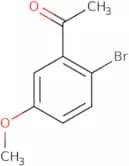

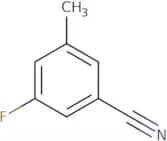
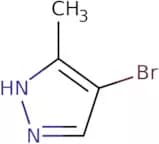
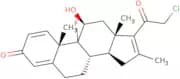

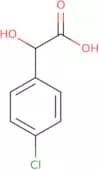
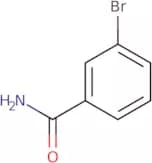
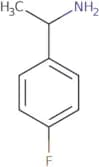
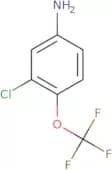
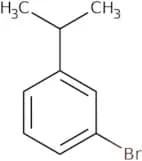


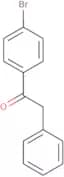
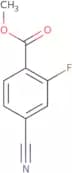
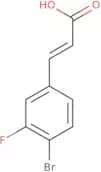
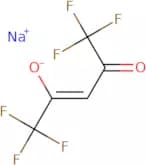

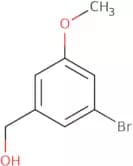
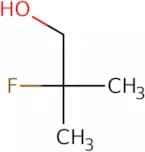
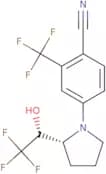
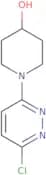
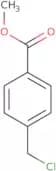
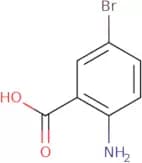
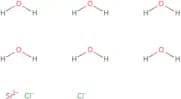
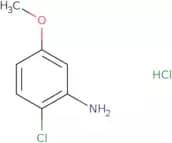
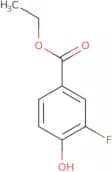
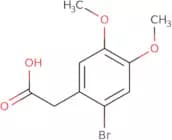
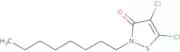
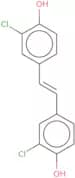
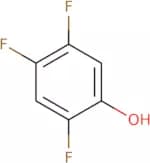
![2-[Methyl[(tridecafluorohexyl)sulphonyl]amino]ethyl acrylate](/_next/image/?url=https%3A%2Fstatic.cymitquimica.com%2Fproducts%2F3D%2Fthumb-webp%2FFM96258.webp&w=3840&q=75)
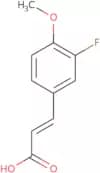
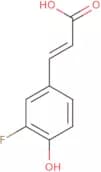
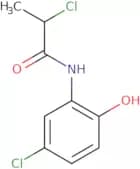
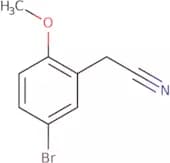
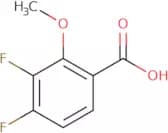

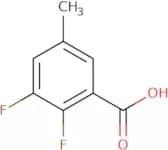
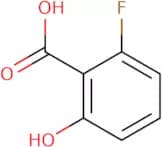
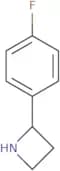
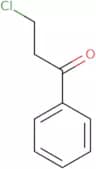
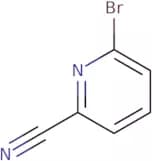
![(6α,11β,16α,17α)-6,9-Difluoro-11-hydroxy-16-methyl-spiro[androsta-1,4-diene-17,5'-[1,3]oxathiolane…](/_next/image/?url=https%3A%2Fstatic.cymitquimica.com%2Fproducts%2F3D%2Fthumb-webp%2FFD103607.webp&w=3840&q=75)
![N-[(2Z)-Piperazin-2-ylidene]-2,2,2-trifluoroacetohydrazide](/_next/image/?url=https%3A%2Fstatic.cymitquimica.com%2Fproducts%2F3D%2Fthumb-webp%2FFP95705.webp&w=3840&q=75)
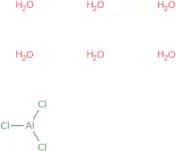
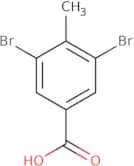
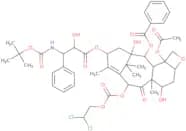
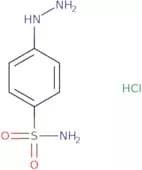
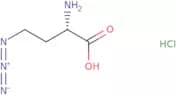
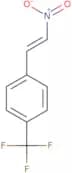

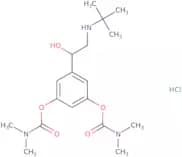
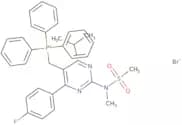
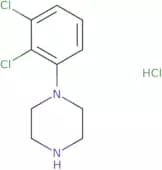
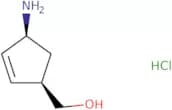
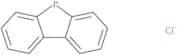
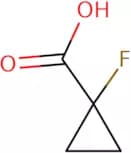

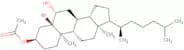
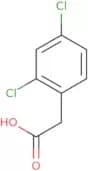

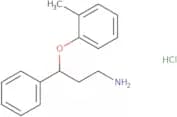
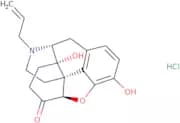
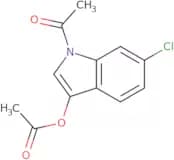
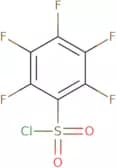
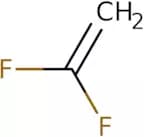
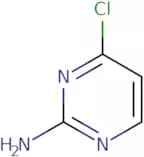
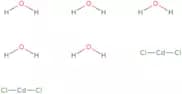
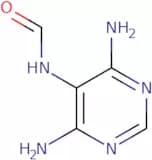
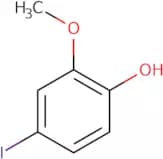
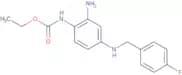

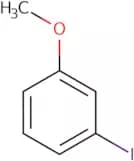
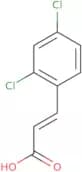
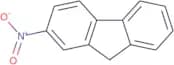
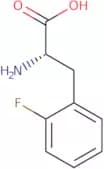
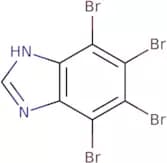

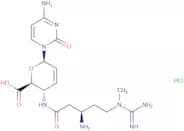
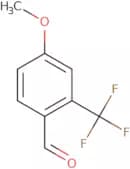
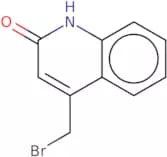
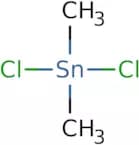
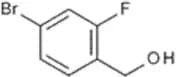
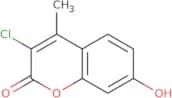
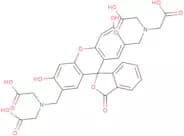
![[1-(Morpholin-4-ylcarbonyl)butyl]amine hydrochloride](/_next/image/?url=https%3A%2Fstatic.cymitquimica.com%2Fproducts%2F3D%2Fthumb-webp%2FFM130676.webp&w=3840&q=75)
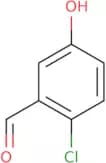
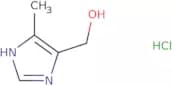
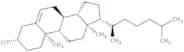
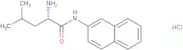

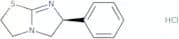
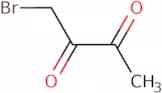
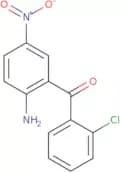
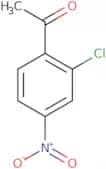
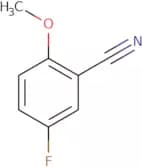


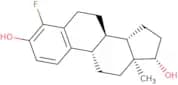

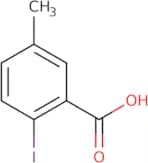
![1-[(5-Chloro-1-methyl-1H-indol-3-yl)methyl]piperidine-4-carboxylic acid](/_next/image/?url=https%3A%2Fstatic.cymitquimica.com%2Fproducts%2F3D%2Fthumb-webp%2FFC128187.webp&w=3840&q=75)
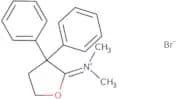
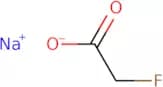

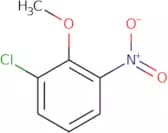
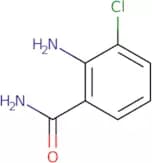
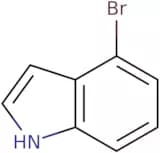
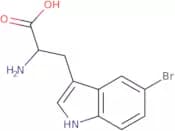

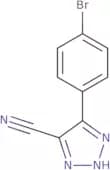

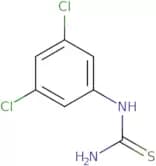
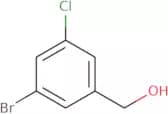
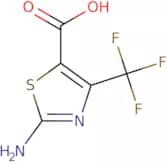
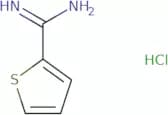
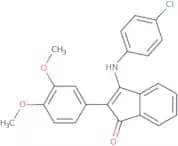
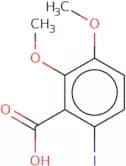
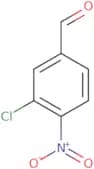
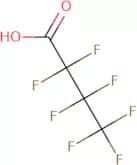
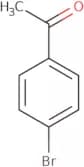
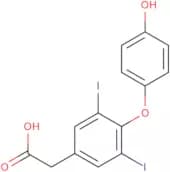
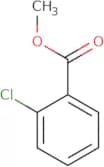
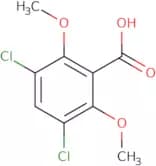
![2-Methyl-2-[3-(trifluoromethyl)phenoxy]propanoic acid](/_next/image/?url=https%3A%2Fstatic.cymitquimica.com%2Fproducts%2F3D%2Fthumb-webp%2FFM112754.webp&w=3840&q=75)
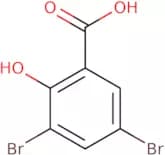
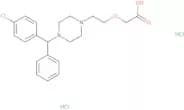
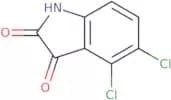
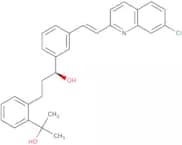
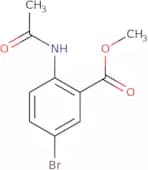
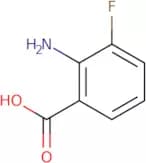
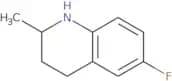

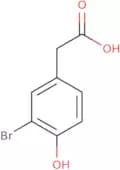
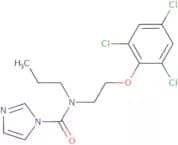
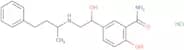
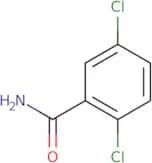
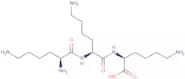
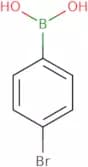
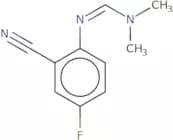
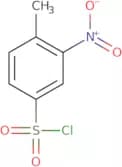
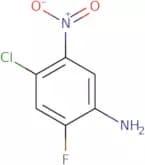
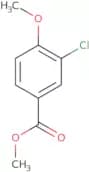
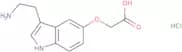
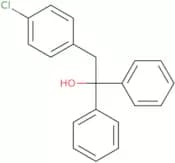
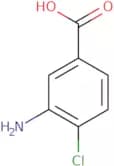
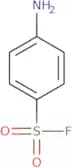
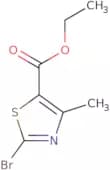

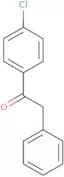
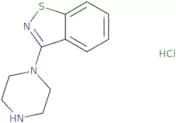
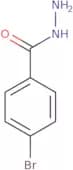

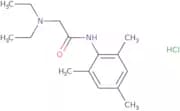

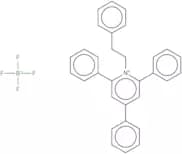
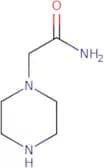
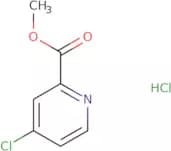

![[2-(1,3-Benzodioxol-5-yloxy)ethyl]amine hydrochloride](/_next/image/?url=https%3A%2Fstatic.cymitquimica.com%2Fproducts%2F3D%2Fthumb-webp%2FFB120300.webp&w=3840&q=75)
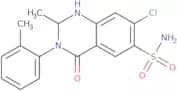
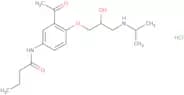
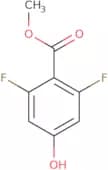
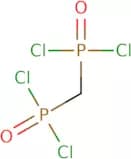
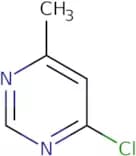
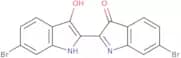
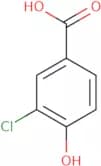
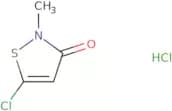
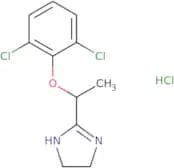
![N-[(3S)-2,5-Dioxotetrahydro-3-furanyl]-2,2,2-trifluoroacetamide](/_next/image/?url=https%3A%2Fstatic.cymitquimica.com%2Fproducts%2F3D%2Fthumb-webp%2FFD97166.webp&w=3840&q=75)
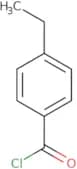
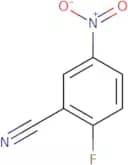
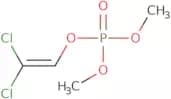
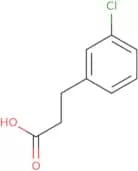
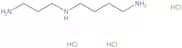
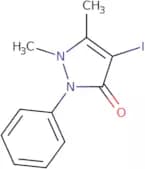
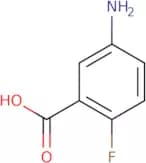
![Ethyl N-ethyl-N-[(heptadecafluorooctyl)sulphonyl]glycinate](/_next/image/?url=https%3A%2Fstatic.cymitquimica.com%2Fproducts%2F3D%2Fthumb-webp%2FFE95451.webp&w=3840&q=75)
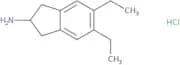
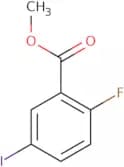
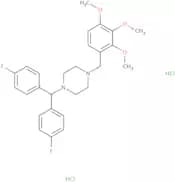
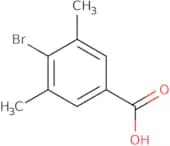

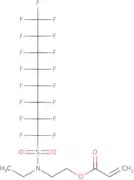
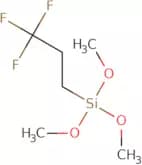
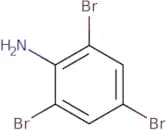
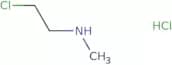
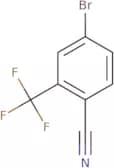
![8-Chloro-3α,4-dihydro-6-(2-fluorophenyl)-1-methyl-3H-imidazo[1,5-α][1,4]benzo-diazepine](/_next/image/?url=https%3A%2Fstatic.cymitquimica.com%2Fproducts%2F3D%2Fthumb-webp%2FFC36926.webp&w=3840&q=75)