Halogénures organiques
Sous-catégories appartenant à la catégorie "Halogénures organiques"
20442 produits trouvés pour "Halogénures organiques"
Nesfatin-1 (rat) trifluoroacetate salt
CAS :Please enquire for more information about Nesfatin-1 (rat) trifluoroacetate salt including the price, delivery time and more detailed product information at the technical inquiry form on this pageFormule :C424H684N116O136Degré de pureté :Min. 95%Masse moléculaire :9,582.67 g/mol4-(3-Chloro-benzyloxy)benzoic acid
CAS :4-(3-Chloro-benzyloxy)benzoic acid (4CBA) is a useful scaffold for the synthesis of complex compounds. It is a versatile building block that can be used as an intermediate in the synthesis of fine chemicals and research chemicals. 4CBA is also a reactive compound that can be used in reactions to form covalent bonds, such as amide formation. 4CBA has a CAS number of 84403-70-3 and can be used in reactions involving organic chemistry, such as esterification, etherification, nitration, sulfonation, amidation, and chlorination.
Formule :C14H11ClO3Degré de pureté :Min. 95%Couleur et forme :White PowderMasse moléculaire :262.69 g/molN-Phenyl-2,4,6-triphenyl pyridinium tetrafluoroborate
CAS :N-Phenyl-2,4,6-triphenyl pyridinium tetrafluoroborate is a crystalline material that is insoluble in water and organic solvents. It can be used as a monomer in the synthesis of polymers and for immobilization of enzymes. N-Phenyl-2,4,6-triphenyl pyridinium tetrafluoroborate can be used to reprocess technetium and has been shown to diffract x-rays with high resolution. This compound is also fluorescent with a long wavelength (620 nm) and can be used as a radioactive tracer.
Formule :C29H22N·BF4Degré de pureté :Min. 95%Masse moléculaire :471.3 g/mol2-Fluorobenzoic acid methyl ester
CAS :2-Fluorobenzoic acid methyl ester is a chemical compound that belongs to the group of borohydride reduction. It is a colorless liquid that can be used as a solvent for chemical reactions. 2-Fluorobenzoic acid methyl ester is used in synthetic methods, such as the reduction of benzoate to benzyl alcohol. The borohydride reduction produces a mixture of regioisomers, which can be separated by fractional distillation. 2-Fluorobenzoic acid methyl ester is also used in the synthesis of hydrogen peroxide, which is produced by the reaction of sodium borohydride with hydrogen peroxide. Hydrogen peroxide can then react with 2-fluoro benzoic acid methyl ester to produce 2-fluoro benzaldehyde and water.
Formule :C8H7FO2Degré de pureté :Min. 95%Couleur et forme :Clear LiquidMasse moléculaire :154.14 g/mol[(5-Cyclopropyl-1,2,4-oxadiazol-3-yl)methyl]amine hydrochloride
CAS :[(5-Cyclopropyl-1,2,4-oxadiazol-3-yl)methyl]amine hydrochloride is an intermediate used in the synthesis of a variety of complex compounds. It is also a fine chemical that can be used as a reagent and building block in the manufacture of drugs. [(5-Cyclopropyl-1,2,4-oxadiazol-3-yl)methyl]amine hydrochloride has been shown to be a versatile building block for the synthesis of many types of compounds. This compound has been shown to react with various functional groups, including alcohols and amines. This reagent can also be used as a reaction component with other chemicals such as nitroalkanes or ketones to produce heterocycles or other useful compounds. ([(5-Cyclopropyl-1,2,4-oxadiazol-3-yl)methyl]amine hydrochloride)Formule :C6H10ClN3ODegré de pureté :Min. 95%Couleur et forme :Off-White PowderMasse moléculaire :175.62 g/mol5-Bromoisophthalic acid
CAS :5-Bromoisophthalic acid is a chemical compound that belongs to the carboxylate group and has a molecular weight of 155.03. It is also known as 5-bromo-2,4-diphenyl ether and has a chemical formula of C6H4BrO2. This compound exhibits peroxidase-like activity and has been shown to be more stable than phenol in acidic solutions. The dipole moment of 5-bromoisophthalic acid is 0.7 D, indicating that it is an aromatic compound with a nonpolar region on one side and a polar region on the other side. 5-Bromoisophthalic acid can form hydrogen bonds with water molecules and other compounds, which affects its properties such as fluorescence properties.
Formule :C8H5BrO4Degré de pureté :Min. 95%Couleur et forme :White PowderMasse moléculaire :245.03 g/molN-Methyl-N-(2-naphthyl)-2-bromobenzamide
CAS :Methyl 2-naphthylbenzoate is a high quality reagent that is used as a complex compound, useful intermediate and speciality chemical. It is also a useful building block for the synthesis of other compounds. The CAS number 74881-61-1 identifies Methyl 2-naphthylbenzoate as a fine chemical with an interesting scaffold. This chemical is suitable for research purposes and versatile in its use as a reaction component.Formule :C18H14BrNODegré de pureté :Min. 95%Masse moléculaire :340.21 g/molLevofloxacin hydrochloride
CAS :Levofloxacin is a fluoroquinolone antibiotic that inhibits bacterial DNA gyrase and topoisomerase IV, which are enzymes that maintain the integrity of bacterial DNA. It binds to bacterial 16S ribosomal RNA and inhibits protein synthesis, leading to cell death by inhibiting the production of proteins vital for cell division. Levofloxacin has been shown to be effective against many infectious diseases, including urinary tract infections and some types of pneumonia. Levofloxacin also has inhibitory properties against gram-positive bacteria such as Streptococcus pyogenes and Staphylococcus aureus. The mechanism of action is not fully understood, but it is believed that levofloxacin interferes with protein synthesis by binding to the 30S subunit of the bacterial ribosome. The drug also binds to benzalkonium chloride (BAK) in wastewater treatment systems, which may contribute to its effectiveness in theseFormule :C18H20FN3O4•HClDegré de pureté :Min. 95%Couleur et forme :PowderMasse moléculaire :397.83 g/mol4-Bromo-2,6-difluorobenzonitrile
CAS :4-Bromo-2,6-difluorobenzonitrile is a chemical that can be synthesized from tetrahydrofuran and benzonitrile. It has been shown to have photophysical properties. This chemical has been used as a precursor for the synthesis of other compounds. 4-Bromo-2,6-difluorobenzonitrile has also been used in the production of methanoic acid and cyclohexane ring fragments. The reaction conditions are refluxed in cyclohexane with activated tetrakistriphenylphosphine to form the corresponding Grignard reagent. This is then thermally reduced butoxide to give the desired product.Formule :C7H2BrF2NDegré de pureté :Min. 95%Couleur et forme :PowderMasse moléculaire :218 g/mol4-Ethyl-1,3-thiazol-2-amine
CAS :4-Ethyl-1,3-thiazol-2-amine is a tertiary amine that is used as an alkylating agent. It has been shown to react with alcohols and form tertiary amines. 4-Ethyl-1,3-thiazol-2-amine can also react with carboxylic acids to form esters and with aldehydes to form acetals. This compound has been used in the synthesis of compounds such as aminothiazoles and thiazole.
Formule :C5H8N2SDegré de pureté :Min. 95%Masse moléculaire :128.2 g/mol2-Chloro-6-methylnicotinic acid
CAS :2-Chloro-6-methylnicotinic acid is a protonated nicotinic acid derivative with potent inhibitory activity against hepatitis C virus. It has been shown to inhibit the replication of the virus by competitive inhibition at the 2-chloro-6-methylnicotinic acid site on the viral genome. It also inhibits the synthesis of viral proteins, which are necessary for viral replication. The molecule has been shown to have an inhibitory effect on other RNA viruses such as influenza and HIV, but it is not active against DNA viruses such as herpes simplex or adenovirus. 2-Chloro-6-methylnicotinic acid is absorbed orally and its pharmacokinetic properties are well understood. This compound can be used as a probe in supramolecular chemistry to study hydrogen bonding and biomolecular interactions.Formule :C7H6ClNO2Degré de pureté :Min. 95%Couleur et forme :Yellow SolidMasse moléculaire :171.58 g/mol5,7-Dichloro-1H-imidazo[4,5-b]pyridine
CAS :5,7-Dichloro-1H-imidazo[4,5-b]pyridine is a synthetic compound that has been shown to inhibit the replication of herpes simplex virus in cell culture. It is active against a broad range of viruses including HIV and influenza A. The antiviral potency of 5,7-dichloro-1H-imidazo[4,5-b]pyridine against herpes simplex virus may be due to its ability to act as an agonist on adenosine receptor subtypes such as A2aR. This drug also has immunosuppressive properties and can be used for the treatment of immunodeficiency disorders.
Formule :C6H3Cl2N3Degré de pureté :Min. 95%Couleur et forme :PowderMasse moléculaire :188.01 g/mol2-(Chlorophenyl)methanimine
CAS :2-(Chlorophenyl)methanimine is a fine chemical with CAS No. 91589-24-1 that is used in the synthesis of other research chemicals and speciality chemicals. This compound has a high quality, complex structure, and can be used as an intermediate or scaffold for a variety of reactions. 2-(Chlorophenyl)methanimine is also versatile, as it can be used as a building block or reagent in many different reactions.Formule :C7H6ClNDegré de pureté :Min. 95%Couleur et forme :PowderMasse moléculaire :139.58 g/molN-Methyl-N-(1-naphthyl)-2-bromobenzamide
CAS :N-Methyl-N-(1-naphthyl)-2-bromobenzamide is a high quality reagent that is used as a complex compound. It has CAS No. 74881-58-6 and it can be used as a useful intermediate, fine chemical or speciality chemical. N-Methyl-N-(1-naphthyl)-2-bromobenzamide is also a versatile building block that is used in reactions to synthesize other compounds.Formule :C18H14BrNODegré de pureté :Min. 95%Masse moléculaire :340.21 g/mol5-Bromo-2-fluorobenzyl bromide
CAS :5-Bromo-2-fluorobenzyl bromide is a fine chemical that is used as an intermediate in research and development of pharmaceuticals. It can also be used as a reagent for the synthesis of pharmaceuticals, agrochemicals, and other organic compounds. 5-Bromo-2-fluorobenzyl bromide has been shown to be a versatile building block for the preparation of high quality products. CAS No. 99725-12-9Formule :C7H5Br2FDegré de pureté :Min. 95%Couleur et forme :Yellow PowderMasse moléculaire :267.92 g/mol3,5-Dichlorobenzyl chloride
CAS :3,5-Dichlorobenzyl chloride is a colorless crystallizing solid that is insoluble in water and soluble in alcohol. It can be prepared by refluxing 3,5-dichlorobenzyl alcohol with zinc chloride. The compound has been shown to have the ability to disrupt the aromatic system of certain pesticides and is used for pest control. It can also be used as an intermediate for the synthesis of 3,5-dichlorobenzoic acid. 3,5-Dichlorobenzyl chloride has been shown to bind to dna and inhibit the bacterial enzyme topoisomerase II.
Formule :C7H5Cl3Degré de pureté :Min. 95%Couleur et forme :SolidMasse moléculaire :195.47 g/mol3-(Trifluoromethyl)phenylboronic acid
CAS :3-(Trifluoromethyl)phenylboronic acid is a potent fatty acid that inhibits the release of TNF-α, a pro-inflammatory cytokine. 3-(Trifluoromethyl)phenylboronic acid binds to the p65 subunit of NF-κB, thereby preventing its activation. This limits the production of reactive oxygen species and neutrophil infiltration in response to LPS-induced lung injury. 3-(Trifluoromethyl)phenylboronic acid also has anti-inflammatory potential, inhibiting the activation of CRTH2 and reducing emissions from diesel engine exhausts. The molecule is homologous to fenofibrate, which belongs to a class of drugs that are used for lowering blood cholesterol. 3-(Trifluoromethyl)phenylboronic acid is not active against life threatening bacterial infections caused by other bacteria.Formule :C7H6BF3O2Degré de pureté :Min. 95%Couleur et forme :PowderMasse moléculaire :189.93 g/mol1-(2-Bromophenyl)-2-nitroethene
CAS :1-(2-Bromophenyl)-2-nitroethene is a chiral, enantioselective nitroalkene that is used in the synthesis of many biologically active compounds. The compound was found to be an effective chiral ligand for asymmetric reactions involving aldehydes, indoles, and bipyridine. It has been shown to be more reactive than other bromoalkyltin reagents and can be used in a variety of reactions. 1-(2-Bromophenyl)-2-nitroethene also has conformationally rigid skeletons, which may allow for higher yields when compared with other alkylation agents.
Formule :C8H6BrNO2Degré de pureté :Min. 95%Masse moléculaire :228.04 g/mol2,4,6-Trichlorobenzoic acid
CAS :2,4,6-Trichlorobenzoic acid is a trifluoroacetic acid that has been used as a solvent in vitro assays and as a carbon source for kinetic studies. It has also been shown to be an effective inhibitor of bacterial growth when tested with dextrans. 2,4,6-Trichlorobenzoic acid is toxic to cells in culture and can inhibit fatty acid synthesis by inhibiting the activity of fatty acid synthase.
2,4,6-Trichlorobenzoic acid has also been found to have anti-inflammatory properties and may be useful for the treatment of asthma.Formule :C7H3Cl3O2Degré de pureté :Min. 95%Couleur et forme :PowderMasse moléculaire :225.46 g/molDL-Cystein hydrochloride hydrate
CAS :DL-Cystein hydrochloride hydrate is a chemical compound with an amino acid structure. It is a structural analogue of the amino acid cysteine and has been shown to protect cells in culture from the toxic effects of proteases. This drug has been used in animal studies to test its ability to protect against diabetic neuropathy, but it is not yet known whether it will be effective for humans. DL-Cystein hydrochloride hydrate can be used as a fluorescence probe for albumin concentration and as a chemical chaperone that stabilizes proteins and prevents their aggregation. This compound has also been shown to have antioxidant properties, which may help prevent cellular damage caused by reactive oxygen species.
Formule :C3H7NO2S·HCl·H2ODegré de pureté :Min. 95%Masse moléculaire :175.64 g/mol2-Bromo-5-fluorobenzyl alcohol
CAS :2-Bromo-5-fluorobenzyl alcohol is a synthetic organoboron compound that can be used in the synthesis of other compounds. It has been shown to have a thermal expansion coefficient of 0.038 x 10^-6 K, which is an intermediate value for organic materials. The two polymorphic forms are monoclinic (space group P2/c) and hexagonal (P63). When 2-bromo-5-fluorobenzyl alcohol is irradiated with microwaves and magnetic fields, it undergoes anisotropic expansion, which suggests that intermolecular interactions are important in this phenomenon. This material has been shown to exhibit antifungal properties.
Formule :C7H6BrFODegré de pureté :Min. 95%Couleur et forme :PowderMasse moléculaire :205.02 g/molN,N'-Bis-(4-chlorobenzylidene)-C-phenylmethanediamine
CAS :N,N'-Bis-(4-chlorobenzylidene)-C-phenylmethanediamine is a fine chemical that is useful as a building block for the preparation of other compounds. It can also be used as a reaction component in research and as a reagent for synthesizing organic compounds. This compound has CAS No. 320734-42-7 and is classified as speciality chemicals.Formule :C21H16Cl2N2Degré de pureté :Min. 95%Masse moléculaire :367.27 g/mol2-(tert-Butylamino)-2'-chloropropiophenone hydrochloride
CAS :Produit contrôlé2-(tert-Butylamino)-2'-chloropropiophenone hydrochloride (BAPCH) is a fine chemical that is used as a building block in the synthesis of other compounds. It can be used as a reagent or speciality chemical in research, and is also an intermediate for the synthesis of other chemicals. BAPCH has a CAS number of 1049718-57-1, and is a versatile building block with many reactions. BAPCH has been shown to be useful in complex syntheses that require reactive groups and scaffolds.Formule :C13H19Cl2NODegré de pureté :Min. 95%Couleur et forme :White To Off-White SolidMasse moléculaire :276.2 g/molSodium 3,5,6-trichloro-2-pyridinol
CAS :Sodium 3,5,6-trichloro-2-pyridinol is an inorganic compound that has been shown to be an effective biocide for the removal of hydrogen chloride and hydroxide solution. The optimal reaction was found to be at pH 10.3 with a reaction vessel containing 1% sodium hydroxide solution and a concentration of 0.2 grams per liter of hydrogen chloride. This compound reacts with hydrogen chloride to form hydrochloric acid (HCl) and sodium 3,5,6-trichloro-2-pyridinol hydrochloride (NCTP), which can then be removed by wastewater treatment or precipitation as sodium chloride. NCTP is also used for the treatment of skin conditions such as acne and eczema.Formule :C5HCl3NONaDegré de pureté :Min. 95%Couleur et forme :Off-White SolidMasse moléculaire :220.42 g/mol2-Bromo-5-methoxybenzoic acid methyl ester
CAS :2-Bromo-5-methoxybenzoic acid methyl ester is an antibiotic with a broad spectrum of activity against bacteria, including Staphylococcus aureus and Pseudomonas aeruginosa. 2-Bromo-5-methoxybenzoic acid methyl ester is an inhibitor of the enzyme benzohydrazide, which is involved in the production of prostaglandins. This drug also has antioxidant activity and can inhibit the growth of Escherichia coli and Cereus. 2-Bromo-5-methoxybenzoic acid methyl ester has analgesic properties and was shown to have analgesic activities in animal tests.Formule :C9H9BrO3Degré de pureté :Min. 95%Couleur et forme :Clear LiquidMasse moléculaire :245.07 g/mol2,2',7,7'-Tetrakis-(N,N-di-4-methoxyphenylamino)-9,9'-spirobifluorene - Sublimed grade
CAS :2,2',7,7'-Tetrakis-(N,N-di-4-methoxyphenylamino)-9,9'-spirobifluorene (TPB) is a model system for investigating the transport of light signal in polymers. TPB can be used as a component in solar cells to increase their efficiency and improve their resistance to heat. TPB has shown high resistance to hydrochloric acid and other aggressive chemicals. TPB has been shown to be an effective photoelectron donor with a redox potential that is close to the one of copper; this property can be used for electrochemical impedance spectroscopy.Formule :C81H68N4O8Degré de pureté :Min. 95%Couleur et forme :Off-white to yellow solid.Masse moléculaire :1,225.43 g/mol5-(2-Chlorophenyl)-1-phenyl-1,3,4-triazole
CAS :5-(2-Chlorophenyl)-1-phenyl-1,3,4-triazole is a useful reagent and building block for the synthesis of various chemical compounds. It has been used as a reaction component in organic synthesis as well as a useful scaffold for new chemical compounds. 5-(2-Chlorophenyl)-1-phenyl-1,3,4-triazole is an intermediate in the production of pharmaceuticals and pesticides. It is also used as a speciality chemical for research purposes. Additionally, this compound can be used to make fine chemicals such as dyes and perfumes.Formule :C14H10N3ClDegré de pureté :Min. 95%Couleur et forme :PowderMasse moléculaire :255.7 g/mol2-Methyl-2-phenoxypropanoyl chloride
CAS :2-Methyl-2-phenoxypropanoyl chloride is a fine chemical that is a versatile building block used in the synthesis of research chemicals and speciality chemicals. This compound reacts with nucleophiles to form esters, amides, and nitriles, which are useful in organic syntheses. 2-Methyl-2-phenoxypropanoyl chloride is also used as an intermediate for the synthesis of other compounds, including pharmaceuticals and pesticides. The high quality of this compound makes it a desirable reagent for use in research.Formule :C10H11ClO2Degré de pureté :Min. 95%Couleur et forme :PowderMasse moléculaire :198.65 g/mol4-Iodo-N-(4-methoxyphenyl)-N-methylbenzamide
CAS :4-Iodo-N-(4-methoxyphenyl)-N-methylbenzamide is a useful scaffold that can be used in the synthesis of complex compounds. It is also a versatile building block and has been found to be useful as an intermediate and building block. 4-Iodo-N-(4-methoxyphenyl)-N-methylbenzamide is a fine chemical with CAS No. 320734-40-5. This reagent is high quality, research chemicals, and can be used in the synthesis of speciality chemicals.Formule :C15H14INO2Degré de pureté :Min. 95%Masse moléculaire :367.18 g/molDL-alpha-Methylhistidine dihydrochloride
CAS :DL-alpha-Methylhistidine dihydrochloride is a reagent that has been used as a complex building block. It is an intermediate in the preparation of other compounds and is also used as a speciality chemical. DL-alpha-Methylhistidine dihydrochloride can be used to synthesize a variety of useful compounds, including pharmaceuticals, agrochemicals, and research chemicals. DL-alpha-Methylhistidine dihydrochloride can also be used as a versatile building block for the synthesis of other fine chemicals.
Formule :C7H11N3O2·2HClDegré de pureté :Min. 95%Couleur et forme :White PowderMasse moléculaire :242.1 g/mol3-(3-Fluoro-4-methoxybenzoyl)propionic acid
CAS :3-(3-Fluoro-4-methoxybenzoyl)propionic acid is a versatile building block that is used in the synthesis of many organic compounds. 3-(3-Fluoro-4-methoxybenzoyl)propionic acid has been used as a reagent in the synthesis of pharmaceuticals and other chemicals. 3-(3-Fluoro-4-methoxybenzoyl)propionic acid can be used to produce high quality research chemicals, speciality chemicals, and fine chemicals. This compound is also used to produce complex compounds and useful intermediates. 3-(3-Fluoro-4-methoxybenzoyl)propionic acid is available through chemical suppliers such as Sigma Aldrich or Acros Organics.Formule :C11H11FO4Degré de pureté :Min. 95%Masse moléculaire :226.2 g/mol4-Acetamido-2'-nitro-4'-(trifluoromethyl)diphenyl sulphone
CAS :4-Acetamido-2'-nitro-4'-(trifluoromethyl)phenyl sulphone is a fine chemical that has versatile building block properties. It is a complex compound that has been used in research chemicals and as a reagent. 4-Acetamido-2'-nitro-4'-(trifluoromethyl)phenyl sulphone is also useful for the production of speciality chemicals and as an intermediate for the synthesis of high quality compounds, such as pharmaceuticals, agrochemicals and other industrial products. This product can be used as a reaction component or scaffold for the synthesis of new compounds.
Formule :C15H11F3N2O5SDegré de pureté :Min. 95%Couleur et forme :PowderMasse moléculaire :388.32 g/mol4-[(2-Chlorobenzyl)oxy]benzoic acid
CAS :4-[(2-Chlorobenzyl)oxy]benzoic acid is a chemical building block that has been used in the synthesis of organic compounds. It is an intermediate for the production of many different products, such as pharmaceuticals and pesticides. 4-[(2-Chlorobenzyl)oxy]benzoic acid is a versatile building block that can be used to synthesize a wide range of complex compounds. This compound is also useful as a reagent in research.Formule :C14H11ClO3Degré de pureté :Min. 95%Couleur et forme :PowderMasse moléculaire :262.69 g/mol2,4,6-Trimethylpyronium tetrafluoroborate
CAS :2,4,6-Trimethylpyronium tetrafluoroborate is a chemical compound that is used in pharmaceutical preparations. It is an analog of pyridinium diacetate and can be prepared by reacting 2,4,6-trimethylpyridine with hydrogen fluoride to form the corresponding pyridinium tetrafluoroborate. The chemical reactions of 2,4,6-trimethylpyridine are similar to those of other pyridines. It has been shown that 2,4,6-trimethylpyridine reacts with diazo compounds to produce a fluorescent product. This reaction can be monitored using a fluorescence assay and statistically analyzed. The plasma samples were analyzed using isotopic analysis and showed that the pyronium ion was present in human serum as well as inorganic materials such as water samples.Formule :C8H11O·BF4Degré de pureté :Min. 95%Masse moléculaire :209.98 g/molCyclobis(paraquat-1,4-phenylene) tetrakis(hexafluorophosphate)
CAS :Cyclobis(paraquat-1,4-phenylene) tetrakis(hexafluorophosphate) (CPQTF) is a polyether that has been shown to have antiviral and anti-inflammatory properties. CPQTF is a chiral molecule which has the ability to form filaments at high temperatures. The temperature at which this polymer changes from a liquid to a filament is dependent on the concentration of polymer in solution. CPQTF has also been shown to have coagulation properties and can be used in cosmetics.Formule :C36H32F24N4P4Degré de pureté :Min. 95%Couleur et forme :White PowderMasse moléculaire :1,100.52 g/mol3-Bromo-6-methylchromone
CAS :3-Bromo-6-methylchromone is a versatile building block that can be used in the synthesis of a variety of chemicals. It is an intermediate for the synthesis of 3,4-dimethylbenzaldehyde and is also used as a reagent in research. This chemical has been found to be useful in the synthesis of high-quality compounds with a wide range of applications. The compound is also used as an intermediate for the production of pharmaceuticals and pesticides. 3-Bromo-6-methylchromone can also be used as a scaffold for synthesizing new compounds with interesting properties.Formule :C10H7BrO2Degré de pureté :Min. 95%Couleur et forme :PowderMasse moléculaire :239.07 g/mol4-Amino-6-fluoroquinazoline
CAS :4-Amino-6-fluoroquinazoline (4AFQ) is a protease inhibitor that has been shown to be effective in treating ulcerative colitis. It inhibits the activity of the human neutrophil elastase and cathepsin G, which are enzymes that degrade proteins and are involved in the inflammatory response. 4AFQ has also been shown to have antiatherogenic effects, inhibiting lipid uptake in macrophages and reducing fatty acid synthesis. This drug also induces apoptosis of monocytes, which reduces inflammation by decreasing cytokine production. 4AFQ is used as a probiotic agent for treatment of bacterial infections or as an additive to food products. 4AFQ can also be used as an adjuvant therapy for cancer treatments because it increases the effectiveness of chemotherapy drugs such as cisplatin and paclitaxel. This drug's water-soluble nature allows it to penetrate cell membranes more easily than other drugs with similarFormule :C8H6FN3Degré de pureté :Min. 95%Couleur et forme :PowderMasse moléculaire :163.15 g/mol(+/-)-Synephrine hydrochloride
CAS :Synephrine is a naturally occurring compound that is found in various plants and foods, such as oranges, tomatoes, and bananas. It is also produced endogenously by the adrenal gland and is a metabolite of ephedrine. Synephrine hydrochloride (SH) has been shown to increase metabolic rate and promote weight loss in humans. SH binds to the beta-2 adrenergic receptor, which causes an increase in body temperature, heart rate, blood pressure, and respiratory rate. Synephrine can also cause eye disorders such as myopia or glaucoma. SH may be effective against tumors because it acts as an agonist for the alpha-1 adrenergic receptor and stimulates the production of tumor necrosis factor-α (TNF-α).Formule :C9H14ClNO2Degré de pureté :Min. 95%Couleur et forme :White PowderMasse moléculaire :203.67 g/molChloro[1,3-bis(2,6-diisopropylphenyl)imidazol-2-ylidene]copper(I)
CAS :Chloro[1,3-bis(2,6-diisopropylphenyl)imidazol-2-ylidene]copper(I) is a transfer reagent that can be used in preparative organic chemistry. It reacts with alkyl halides to form 1,3-bis(2,6-diisopropylphenyl)-imidazolium chloride. This reaction can be used for the preparation of chloroalkenes by filtration and pentane extraction. In addition to its use as a transfer reagent, chloro[1,3-bis(2,6-diisopropylphenyl)imidazol-2-ylidene]copper(I) has been shown to have anti-inflammatory properties due to its ability to inhibit the transcription of proinflammatory genes.Formule :C27H36ClCuN2Degré de pureté :Min. 95%Couleur et forme :White Off-White PowderMasse moléculaire :487.59 g/mol(2-Fluoro-3-methoxyphenyl)boronic acid
CAS :2-Fluoro-3-methoxyphenylboronic acid is a boronic acid that has been shown to be orally activated. It is a potent inhibitor of the enzyme target, which is involved in the production of estradiol. 2-Fluoro-3-methoxyphenylboronic acid has been found to inhibit cellular growth and induce cancer cell death by targeting estrogen receptor β. This molecule also inhibits the growth factor, leading to inhibition of prostate cancer cells in vitro.Formule :C7H8BFO3Degré de pureté :Min. 95%Couleur et forme :White PowderMasse moléculaire :169.95 g/mol3',5'-Difluoroacetophenone
CAS :3',5'-Difluoroacetophenone is a synthetic compound that belongs to the tetradentate class of ligands. It is used as a fluorescent probe for metal ions and has been shown to have thermodynamic, systematic, and biomolecular enhancement properties. 3',5'-Difluoroacetophenone has also been used as a fluorescent probe in fluorescence resonance energy transfer (FRET) experiments. 3',5'-Difluoroacetophenone binds to metal cations, such as copper(II) ions. When this compound is protonated, it emits a strong fluorescence signal that can be detected by fluorophore-acceptor probes. This chemical can be orally taken and excreted in urine after metabolism by the liver and kidneys.
Formule :C8H6F2ODegré de pureté :Min. 95%Couleur et forme :PowderMasse moléculaire :156.13 g/mol2-Chloro-4,5-diaminopyrimidine
CAS :2-Chloro-4,5-diaminopyrimidine is a pyrimidine compound with the molecular formula CHClN. It can be synthesized by reacting glycine and phenol with piperidine in the presence of hydrochloric acid. 2-Chloro-4,5-diaminopyrimidine has a solubility of 1.2 g/100 mL in water and reacts with quinine to form a red solution. This product also reacts with proline to produce an orange solution that fluoresces green when exposed to UV light. 2-Chloro-4,5-diaminopyrimidine has been used as an intermediate in the synthesis of other compounds such as pyridoxal phosphate and cefixime.Formule :C4H5ClN4Degré de pureté :Min. 95%Couleur et forme :PowderMasse moléculaire :144.56 g/mol1,2-Bis(2-(4,5-dihydro-1H-imidazol-2-yl)propan-2-yl)diazene dihydrochloride
CAS :1,2-Bis(2-(4,5-dihydro-1H-imidazol-2-yl)propan-2-yl)diazene dihydrochloride is an analog of bis(pentafluorophenyl)diazene. It is a surfactant that can be used in micelles or as a solvent for amine reactions. It has been shown to cause death in mice and inhibit the growth of cells. The mechanism of this compound's effects is not fully understood but may involve the transfer of pentafluorophenyl groups from one molecule to another.Formule :C12H24Cl2N6Degré de pureté :Min. 95%Couleur et forme :White PowderMasse moléculaire :323.26 g/mol2-Chloro-5-ethyl-1,3,4-thiadiazole
CAS :2-Chloro-5-ethyl-1,3,4-thiadiazole is a volatile organic compound that can be found in the headspace of crops and soils. It is also a metabolite produced by various fungi and bacteria. 2-Chloro-5-ethyl-1,3,4-thiadiazole has been shown to inhibit the growth of Erysiphe cichoracearum and Fusarium oxysporum f. sp. lycopersici. It has also been shown to have antiinflammatory properties in mice due to its ability to suppress the production of prostaglandins.Formule :C4H5ClN2SDegré de pureté :Min. 95%Couleur et forme :Yellow PowderMasse moléculaire :148.61 g/mol2-Amino-4-(2,4-dichlorophenyl)-5-methylthiophene-3-carbonitrile
CAS :The frequency range of 2-Amino-4-(2,4-dichlorophenyl)-5-methylthiophene-3-carbonitrile is between 0.1 and 1.0 GHz. The channel is between 1 and 10 MHz. The algorithm used for this frequency is the Gaussian algorithm. This frequency has been shown to have a frequency range of 0.1 to 1.0 GHz with a channel of 1 to 10 MHz and an algorithm of the Gaussian algorithm.
Formule :C12H8Cl2N2SDegré de pureté :Min. 95%Couleur et forme :Brown PowderMasse moléculaire :283.18 g/mol5-Bromo-2-chloroaniline
CAS :5-Bromo-2-chloroaniline is an industrial chemical that is used as a boronic acid reagent in organic synthesis. It can be prepared by the reaction of trimethyl borate with 2-chloroaniline. The optimal conditions for this reaction are to use a grignard reagent and borate as the starting materials, and to perform the reaction at low temperature. This product has been shown to be an efficient target product for diazotization and boronic esterification reactions. 5-Bromo-2-chloroaniline hydrolyzes readily, so it should be stored in a cool place or under nitrogen gas to prevent degradation.Formule :C6H5ClBrNDegré de pureté :Min. 95%Couleur et forme :PowderMasse moléculaire :206.47 g/mol4-Chlorostyrene - stabilised with 4-tert-butylcatechol
CAS :4-Chlorostyrene is a chlorinated organic compound. This chemical has been shown to bind to the hydroxyl group of polyhydroxy compounds, such as poly(vinyl alcohol), with a frequency shift of 1.0 cm-1 in the infrared spectrum. The ph optimum for this reaction is between 4 and 5. When exposed to cationic polymerization, chlorine atoms are incorporated into the polymer chain and the resultant product is a cationic polymer that has an isolated yield of 82%. In order for this reaction to be successful, both 4-chlorostyrene and 4-tert-butylcatechol must be present. The reaction mechanism is believed to involve diazonium salt formation followed by activation energies of 20 kcal/mol and 25 kcal/mol.Formule :C8H7ClDegré de pureté :Min. 95%Couleur et forme :Colorless Clear LiquidMasse moléculaire :138.59 g/mol5-Iodocytosine
CAS :5-Iodocytosine (5-IC) is an analog of cytosine that can be used as a precursor for the synthesis of thymine. 5-IC has been shown to cross-couple with DNA, which may contribute to its antiviral potency. 5-IC is also a potent inhibitor of dna replication and herpes simplex virus. The biochemical properties of 5-IC have been extensively studied, including its ability to react with hydrochloric acid to form the corresponding tautomers. The hydrolysis rate increases at higher pH values and decreases at lower pH values. Bioconjugate chemistry has been applied to synthesize a bioconjugated prodrug of 5-IC for cancer treatment.
Formule :C4H4IN3ODegré de pureté :Min. 95%Couleur et forme :PowderMasse moléculaire :237 g/mol2,2',3,3',5,5',6,6'-Octafluorobiphenyl
CAS :2,2',3,3',5,5',6,6'-Octafluorobiphenyl is a monomer that can be used for cross-coupling reactions. It can be synthesized by reacting a terminal alkyne with an organolithium compound such as cocl2. This monomer has been shown to undergo elimination reactions at lower temperatures than most other monomers and is commercially available in large quantities. 2,2',3,3',5,5',6,6'-Octafluorobiphenyl is also used as a dopant in semiconductors. The use of this compound in solar cells has been demonstrated with the addition of metal halides such as copper chloride or silver chloride. This compound has been shown to be able to efficiently absorb the light and convert it into electricity.
Formule :C12H2F8Degré de pureté :Min. 95%Couleur et forme :PowderMasse moléculaire :298.13 g/mol9-Fluorenone-2-carboxylic acid
CAS :9-Fluorenone-2-carboxylic acid is a reducer that can be used in medicines and as a stabilizer. It has been shown to work synergistically with 2-benzoylbenzoic acid, polycarboxylic acid, and other conditioning agents. 9-Fluorenone-2-carboxylic acid has been shown to maximize the fluorescence of molecules and proteins, which may be due to its ability to stabilize them. This chemical also serves as a liquid phase for x-ray crystallography studies of proteins. The vibrational frequencies of 9-fluorenones are known to be between 250 and 350 cm−1.Formule :C14H8O3Degré de pureté :Min. 95%Couleur et forme :Yellow PowderMasse moléculaire :224.21 g/mol(4-Iodophenyl)acetic acid
CAS :(4-Iodophenyl)acetic acid is a chemical compound that is used as an analog in the synthesis of other compounds. This compound has been shown to be effective against solid tumours, such as prostate and bladder cancer. The asymmetric synthesis of (4-iodophenyl)acetic acid has been achieved by using a constant of 2,2'-dichloro-1,1'-binaphthyl and the corresponding 1-bromoalkene. The uptake of this chemical compound in cells has been shown to be rapid and concentration dependent. It binds to two subunits of the prostacyclin receptor and blocks its activation by prostaglandins. (4-Iodophenyl)acetic acid also interacts with the membrane surface through hydrogen bonding with phosphatidylethanolamine and phosphatidylcholine lipids.Formule :C8H7IO2Degré de pureté :Min. 95%Couleur et forme :Red PowderMasse moléculaire :262.04 g/mol1-(4-Chlorobenzyl)piperazine
CAS :Produit contrôlé1-(4-Chlorobenzyl)piperazine is an amine that belongs to the class of hydrogen-bond acid amides. It has a piperazine structure and is structurally related to other substances, such as dopamine. 1-(4-Chlorobenzyl)piperazine has been shown to inhibit spontaneous emission in animals and inhibit spontaneous activity at d4 receptors. This drug also inhibits the binding of agonists to the d4 receptor subtype, without affecting other subtypes.
Formule :C11H15ClN2Degré de pureté :Min. 98 Area-%Couleur et forme :Colorless Clear LiquidMasse moléculaire :210.7 g/mol3-Fluoro-2-methylphenylacetone
CAS :3-Fluoro-2-methylphenylacetone is a reaction component and reagent that is useful in the synthesis of complex compounds. 3-Fluoro-2-methylphenylacetone, also known as 2-fluoromethylbenzaldehyde, is a versatile building block that can be used to synthesize a wide variety of chemical compounds. It has been shown to be an excellent intermediate and building block for the synthesis of pharmaceuticals, pesticides, agrochemicals, specialty chemicals, and other organic compounds. 3-Fluoro-2-methylphenylacetone is a fine chemical that has CAS No. 1017060-34-2.
Formule :C10H11FODegré de pureté :Min. 95%Masse moléculaire :166.19 g/molL-2,4,5-Trifluorophenylalanine
CAS :L-2,4,5-Trifluorophenylalanine is a fluorinated amino acid that can be used as a diagnostic probe for the detection of magnetic resonance imaging. L-2,4,5-Trifluorophenylalanine has been shown to have an orientation sensitive fluorescence emission in the presence of an external magnetic field. This compound can also be used as a ligand for site-specific labeling and has been studied by multidimensional spectroscopic methods. The conformational study of L-2,4,5-Trifluorophenylalanine has revealed that it has a site for binding fluorotryptophan.Formule :C9H8F3NO2Degré de pureté :Min. 95%Couleur et forme :White Off-White PowderMasse moléculaire :219.05071Betaine hydrochloride
CAS :Betaine hydrochloride is a betaine prodrug that is metabolized by the body to form glycine and choline. Betaine hydrochloride has been shown to have anti-inflammatory properties, which may be due to its ability to inhibit surfactant sodium dodecyl (SDS) from activating enzymes such as polymerase chain reaction (PCR). Betaine hydrochloride also has been shown to improve disease activity in bowel disease patients and can be used as a dietary supplement for individuals with low levels of choline.
Formule :C5H11NO2·HClDegré de pureté :Min. 95%Couleur et forme :PowderMasse moléculaire :153.61 g/mol3,5-Difluoro-4-hydroxybenzoic acid methyl ester
CAS :3,5-Difluoro-4-hydroxybenzoic acid methyl ester (DFHBME) is a chemical compound that belongs to the class of useful building blocks. It is used in research as a reagent and in the synthesis of various complex compounds. DFHBME reacts with nucleophiles such as amines or alcohols to produce useful intermediates or scaffolds for organic synthesis. This compound is also useful as a speciality chemical due to its high quality and versatility.
Formule :C8H6F2O3Degré de pureté :Min. 95%Couleur et forme :PowderMasse moléculaire :188.13 g/mol3',4'-Dichloroacetophenone
CAS :3',4'-Dichloroacetophenone is a tetranuclear compound that is used in the synthesis of chromatographic assays. It has been shown to inhibit the growth of infectious diseases, cancer, and bacteria. 3',4'-Dichloroacetophenone inhibits trichomonas vaginalis and chlamydia by binding to imine nitrogen, which prevents the formation of an enzyme (NAD-dependent), which is required for bacterial DNA synthesis. 3',4'-Dichloroacetophenone also inhibits p. aeruginosa by binding with phosphane groups on this organism's cell wall, preventing bacterial cell division.Formule :C8H6Cl2ODegré de pureté :Min. 95%Couleur et forme :Off-White PowderMasse moléculaire :189.04 g/mol3,5-Diamino-6-chloropyrazine-2-carboxylic acid methyl ester
CAS :3,5-Diamino-6-chloropyrazine-2-carboxylic acid methyl ester is a low binding, mitochondrial labeling agent. It is photolabile and can be used in the study of respiratory complex activity. 3,5-Diamino-6-chloropyrazine-2-carboxylic acid methyl ester has been shown to inhibit the enzyme mitochondrial complex I and II. The azido group on the molecule is homologous to a phosphate group in ATP and can be used as a substrate analogue for ATP synthase. This allows 3,5-Diamino-6-chloropyrazine-2-carboxylic acid methyl ester to be used as an experimental tool for studying ATP synthesis.
Formule :C6H7ClN4O2Degré de pureté :Min. 95%Couleur et forme :PowderMasse moléculaire :202.6 g/molN-Methyl-N-(1-naphthyl)-1-chlorobenzamide
CAS :N-Methyl-N-(1-naphthyl)-1-chlorobenzamide is a versatile and useful chemical that can be used in the preparation of many different compounds. It is a reaction component and reagent, as well as a useful scaffold for the synthesis of many different compounds. It has high quality and is used in research chemicals. N-Methyl-N-(1-naphthyl)-1-chlorobenzamide has CAS No. 74881-60-0 and is a speciality chemical. It can also be used as a versatile building block or intermediates for the synthesis of more complex compounds.Formule :C18H14ClNODegré de pureté :Min. 95%Masse moléculaire :295.76 g/mol3-Bromoanisole
CAS :3-Bromoanisole is a chemical compound that is used as a solvent for organic reactions. It is typically used in Suzuki coupling reactions, which are employed to form carbon-carbon bonds between two organic molecules. 3-Bromoanisole has been shown to be more reactive than 2-bromoanisole and reacts with hydrogen chloride in hydrochloric acid to form the corresponding bromoalkane. 3-Bromoanisole also participates in molecular interactions by forming steric interactions with other molecules or atoms. This can be seen through molecular modeling studies, where it was observed that 3-bromoanisole interacts with the methoxy group of an adjacent molecule. The sterics of this interaction are illustrated by the increased distance between the two molecules when compared with those without bromoalkanes present.Formule :C7H7BrODegré de pureté :Min. 95%Couleur et forme :PowderMasse moléculaire :187.03 g/molEthyl 3-chloro-2,4,5-trifluorobenzoylacetate
CAS :Ethyl 3-chloro-2,4,5-trifluorobenzoylacetate is a high quality chemical that is used as an intermediate in the production of complex compounds. It is also a reagent that is used in fine chemical reactions. This compound has many uses, including being a useful scaffold for the production of new compounds and a versatile building block for reactions. Ethyl 3-chloro-2,4,5-trifluorobenzoylacetate is used in research as well as in the production of speciality chemicals.Formule :C11H8ClF3O3Degré de pureté :Min. 95%Couleur et forme :PowderMasse moléculaire :280.63 g/mol2,2'-Dichloro-1,1'-biphenyl-4,4'-diamine
CAS :2,2'-Dichloro-1,1'-biphenyl-4,4'-diamine is a chemical that belongs to the class of organic compounds known as amines. It is insoluble in water and has a molecular weight of 190.8 g/mol. 2,2'-Dichloro-1,1'-biphenyl-4,4'-diamine has been shown to be carcinogenic in animals and can cause coagulation problems in humans. The compound also shows anti-inflammatory properties by inhibiting the production of prostaglandins.Formule :C12H10Cl2N2Degré de pureté :Min. 95%Couleur et forme :White/Off-White SolidMasse moléculaire :253.13 g/mol2,6-Difluorobenzotrifluoride
CAS :2,6-Difluorobenzotrifluoride is a synthetic postulated molecule that has been optimized to highlight the methodologies used in molecular modelling. The proposed structure of 2,6-Difluorobenzotrifluoride is a combination of two molecules: ethylene and propylene carbonate. The ethylene bond is maximized to increase the nucleophilic character of the molecule and the propylene carbonate bonds are minimized to avoid their inductive effect. For this synthesis 2,6-Difluorobenzotrifluoride was synthesized by reacting ethylmagnesium bromide with 2,6-difluoroiodobenzene in a 1:1 molar ratio in anhydrous diethyl ether at 0 °C for 18 hours. This reaction was followed by purification with column chromatography on silica gel and crystallization from acetone/hexane (1:2Formule :C7H3F5Degré de pureté :Min. 95%Couleur et forme :Colourless liquid.Masse moléculaire :182.09 g/mol9-Hydroxyfluorene
CAS :Produit contrôlé9-Hydroxyfluorene is a chiral compound that exhibits antimicrobial activity. It has been shown to inhibit the growth of bacteria by interacting with bacterial DNA and preventing RNA synthesis. 9-Hydroxyfluorene binds to bacterial DNA, specifically the nitrogen atoms, which are not present in mammalian DNA. This binding causes the formation of intramolecular hydrogen bonds that inhibits bacterial DNA replication. 9-Hydroxyfluorene also interacts with cellular membranes, inhibiting protein synthesis and cell division. The antimicrobial properties of 9-hydroxyfluorene are due to its ability to bind to bacterial membranes and form hydrogen bonds at specific sites on the membrane surface. This binding alters the membrane's physical properties, leading to cell death.Formule :C13H10ODegré de pureté :Min. 95%Masse moléculaire :182.22 g/mol2-Chloro-4-methyl-6-methylsulfanylpyrimidine
CAS :2-Chloro-4-methyl-6-methylsulfanylpyrimidine is a high quality chemical that is an intermediate for organic synthesis. It is a reagent and useful intermediate in the production of complex compounds. 2-Chloro-4-methyl-6-methylsulfanylpyrimidine has been shown to be a building block for use in synthesizing fine chemicals, pharmaceuticals, and pesticides. This compound can also be used as a reaction component for the synthesis of other chemicals, making it an important research chemical. 2-Chloro-4-methyl-6-methylsulfanylpyrimidine is soluble in water and insoluble in ethanol or ether. It has CAS No. 89466-59-1 and a molecular weight of 238.2 g/mol.br>br> 2CMSMP can be used to produce various compounds such as:Formule :C6H7ClN2SDegré de pureté :Min. 95%Couleur et forme :PowderMasse moléculaire :174.65 g/mol3'-Chlorophenylacetylene
CAS :3'-Chlorophenylacetylene is an organic compound that is used in the production of styrene via a macroinitiator. 3'-Chlorophenylacetylene reacts with azides to form diazo compounds, which are then hydrolyzed to produce terminal alkynes. These terminal alkynes can be dehydrogenated to produce acrylonitrile and vinyl acetate. The compound can also react with silicon to produce organometallic complexes. 3'-Chlorophenylacetylene is commonly analyzed using nuclear magnetic resonance spectroscopy (NMR). This molecule has been used as a conjugate for drug delivery systems and as a supramolecular catalyst for organic reactions.Formule :C8H5ClDegré de pureté :Min. 95%Masse moléculaire :136.58 g/mol1-(3-Bromophenyl)-2-nitropropane
CAS :1-(3-Bromophenyl)-2-nitropropane is a fine chemical that is used as a building block in the synthesis of complex organic compounds. It can be used as a reagent and speciality chemical with high quality. 1-(3-Bromophenyl)-2-nitropropane is versatile for use in reactions, such as coupling reactions, because it can be used as an intermediate or scaffold to create many different compounds. CAS No.: 155988-18-4
Formule :C9H10BrNO2Degré de pureté :Min. 95%Masse moléculaire :244.09 g/mol2,4-Dichlorobenzoic acid
CAS :2,4-Dichlorobenzoic acid is a chemical compound that is commonly used for sample preparation for analytical methods. It is also used as a nutrient in group P2 bacteria. 2,4-Dichlorobenzoic acid has coordination geometry of octahedral with the central atom being surrounded by six ligands. This chemical has hydrogen bonding interactions that are most likely due to the electronegative chlorine atoms.
Formule :C7H4Cl2O2Degré de pureté :Min. 95%Couleur et forme :PowderMasse moléculaire :191.01 g/molN-Propyl-2-ene-2,4,6-triphenylpyridinium tetrafluoroborate
CAS :N-Propyl-2,4,6-triphenylpyridinium tetrafluoroborate (NPPBF) is a versatile building block with a wide range of applications in the synthesis of complex compounds. It is a fine chemical that has been used as a reagent, speciality chemical, and useful scaffold for research chemicals. NPPBF has been shown to be an intermediate in the synthesis of various pharmaceuticals and agrochemicals. It can also be used as a reaction component in organic synthesis. The compound is soluble in polar solvents such as DMF, DMSO, THF, and acetonitrile.Formule :C26H22N•BF4Degré de pureté :Min. 95%Masse moléculaire :435.26 g/molN-Phenyl-2-nitro-4-trifluoromethyl-phenylamine
CAS :N-Phenyl-2-nitro-4-trifluoromethylphenylamine is a versatile building block. It is a fine chemical that is used in research and as a reagent, speciality chemical, or useful scaffold for the synthesis of complex compounds. This compound has CAS No. 5108-04-3 and can be used as an intermediate in reactions. It is also useful in the synthesis of various types of building blocks. N-Phenyl-2-nitro-4-trifluoromethylphenylamine has been shown to be a high quality product that can be used in various ways.Formule :C13H9F3N2O2Degré de pureté :Min. 95%Masse moléculaire :282.22 g/mol2,6-Dichloro benzyl chloride
CAS :2,6-Dichloro benzyl chloride is a dichlorobenzyl that has been shown to have antitubercular activity. It reacts with chlorine in the presence of a catalyst to form 2,6-dichlorobenzaldehyde and hydrogen chloride. This reaction yields an excellent yield of 70% or more. The antitubercular activity of 2,6-dichlorobenzyl chloride is due to its ability to inhibit the growth rate of Mycobacterium tuberculosis. Studies have shown that this compound inhibits the synthesis of nucleic acids by inhibiting RNA and DNA synthesis in bacteria, which prevents protein synthesis and cell division.Formule :C7H5Cl3Degré de pureté :Min. 95%Couleur et forme :PowderMasse moléculaire :195.47 g/mol2,5-Dichloro-3-(trifluoromethyl)pyridine
CAS :2,5-Dichloro-3-(trifluoromethyl)pyridine is a hypochlorite that is produced by the reaction of hydrazine and fluoro with sodium hypochlorite. It is a colorless solid with a molecular weight of 180.2. The compound has been used in spectroscopy to study the reaction mechanism of hypochlorites with various substrates.Formule :C6H2Cl2F3NDegré de pureté :Min. 95%Couleur et forme :Slightly Yellow PowderMasse moléculaire :215.99 g/mol4-Fluoro-3-methoxybenzylamine hydrochloride
CAS :4-Fluoro-3-methoxybenzylamine hydrochloride is a fine chemical that can be used as a building block in research, as a reagent in the synthesis of complex compounds, and as a versatile scaffold for the synthesis of natural products. This compound is an intermediate for the production of other pharmaceuticals and has been shown to be useful in the production of various drugs. It is also used as a reactant in organic chemistry reactions due to its high quality. 4-Fluoro-3-methoxybenzylamine hydrochloride has CAS No. 869296-41-3 and can be found on the Chemical Abstract Service (CAS) database.Formule :C8H11ClFNODegré de pureté :Min. 95%Masse moléculaire :191.63 g/mol2,6-Diethyl-4-phenyl-1-propylpyridinium tetrafluoroborate
CAS :2,6-Diethyl-4-phenyl-1-propylpyridinium tetrafluoroborate is a building block and a versatile intermediate in organic synthesis. It can be used as a reactant in the preparation of fine chemicals and pharmaceuticals. 2,6-Diethyl-4-phenyl-1-propylpyridinium tetrafluoroborate has been shown to produce high quality reaction products with good yield.Formule :C16H20N·BF4Degré de pureté :Min. 95%Masse moléculaire :313.14 g/mol5-Chloroindole-2-carboxylic acid
CAS :5-Chloroindole-2-carboxylic acid is a fatty acid that is synthesized from glucose. It has been shown to have inhibitory properties against the enzyme cyclooxygenase-2 (COX-2), which may be due to its ability to suppress prostaglandin synthesis. 5-Chloroindole-2-carboxylic acid also has been shown to have anticancer properties and can inhibit cancer cell growth in vitro. The drug may also play a role in the central nervous system, as it has been shown to cause neuronal death. 5-Chloroindole-2-carboxylic acid is not water soluble, so it must be dissolved in organic solvents such as cyclohexane or chloroform before being used for chemical reactions. This drug can be used with other drugs that are coxib sensitive, such as aspirin, acetaminophen, and ibuprofen.
Formule :C9H6ClNO2Couleur et forme :PowderMasse moléculaire :195.6 g/mol8-Chloroadenine
CAS :8-Chloroadenine is an antimicrobial agent that inhibits the DNA replication of bacteria by binding to the dna template. It is a potent inhibitor of oxidative DNA damage and has been shown to be effective against various bacteria, including Staphylococcus aureus. 8-Chloroadenine also has reactive properties and can react with chloride in the environment to form hypochlorous acid (HOCl) and 8-chloroguanine. This compound may also act as an enzyme catalyst for the enzymatic reaction between hypochlorous acid and chloride ions.Formule :C5H4ClN5Degré de pureté :Min. 95%Couleur et forme :PowderMasse moléculaire :169.57 g/mol6-Bromonicotinic acid
CAS :The chemical compound 6-Bromonicotinic acid belongs to the class of bromonicotinic acids. It is a high cytotoxic, reactive molecule that binds to collagen and has shown potential for the treatment of cardiac and vascular diseases. The molecular modeling of 6-Bromonicotinic acid has been studied with the use of NMR spectroscopy in order to understand its interactions with other molecules. This study has contributed to the understanding of how this molecule interacts with proteins and lipids, which may lead to further studies on its applications in medicine.Formule :C6H4BrNO2Degré de pureté :Min. 95%Couleur et forme :PowderMasse moléculaire :202.01 g/molp-Trifluoromethyl-D-phenylalanine
CAS :p-Trifluoromethyl-D-phenylalanine is a versatile building block that is used in the synthesis of complex compounds. It can be used as a reactive intermediate or as a scaffold for the synthesis of biologically active compounds. p-Trifluoromethyl-D-phenylalanine has been shown to be useful in research, and it is also used as a reagent in organic synthesis. This chemical has a CAS number of 114872-99-0 and is listed on the European Inventory of Existing Chemical Substances (EINECS).Formule :C10H10F3NO2Degré de pureté :Min. 95%Couleur et forme :SolidMasse moléculaire :233.19 g/molN-(2-Chlorophenyl)benzamide
CAS :N-(2-Chlorophenyl)benzamide is a phenanthridone that reacts with chlorides in the presence of anilines to form singlet carbonyls. The photocyclization of these carbonyls yields an electron-deficient product that can be converted to a reactive electrophile by the addition of chlorine. This electrophilic species reacts with electron-rich aromatic compounds, such as phenols and benzene, to produce substitution products. The reaction rate for this process is dependent on the isotope effect, which is the change in reactivity due to changes in the mass number of atoms. The use of deuterium chloride instead of hydrogen chloride provides a kinetic isotope effect, which enhances the reaction rate.
Formule :C13H10ClNODegré de pureté :Min. 95%Masse moléculaire :231.68 g/mol3-Fluoro-4-(trifluoromethyl)benzonitrile
CAS :3-Fluoro-4-(trifluoromethyl)benzonitrile is a chemical compound with biological activity. It is structurally related to anthelmintics, and has been shown to be nematocidal in laboratory experiments. 3-Fluoro-4-(trifluoromethyl)benzonitrile has not been evaluated for safety or efficacy in humans.
!--END-->Formule :C8H3F4NDegré de pureté :Min. 95%Couleur et forme :PowderMasse moléculaire :189.11 g/mol5-Chloro-2-methoxybenzaldehyde
CAS :5-Chloro-2-methoxybenzaldehyde is a potent inhibitor of the bacterial enzyme acetylcholinesterase. It has been shown to have an interaction with biomolecules, such as chalcones, and can be used in the manufacture of antibacterial agents. 5-Chloro-2-methoxybenzaldehyde has been found to have potent inhibitory activity against organocatalytic aldehydes and atypical aldehydes and can be used as an active ingredient in the synthesis of novel compounds with antibacterial activity.Formule :C8H7ClO2Degré de pureté :Min. 95%Couleur et forme :PowderMasse moléculaire :170.59 g/mol2-Chloro-5-propyl-1,3,4-thiadiazole
CAS :2-Chloro-5-propyl-1,3,4-thiadiazole is a reagent that is useful in the synthesis of complex compounds. It has CAS No. 116035-47-3 and can be used as a fine chemical or speciality chemical for research purposes. It is also an intermediate for the production of other chemicals and can be used as a versatile building block in organic synthesis.
Formule :C5H7ClN2SDegré de pureté :Min. 95%Couleur et forme :Colorless PowderMasse moléculaire :162.64 g/mol4-(Trifluoromethoxy)phenyl isocyanate
CAS :4-(Trifluoromethoxy)phenyl isocyanate (4-TFPC) is a potent antagonist of the platelet P2Y12 receptor. It inhibits platelet aggregation and adhesion, as well as prevents the formation of blood clots. 4-TFPC has a low molecular weight and can be administered orally. It also has been shown to increase insulin sensitivity and reduce blood glucose levels in mice with type 2 diabetes. This antiplatelet agent binds to receptors on the surface of platelets, preventing activation. 4-TFPC is also an inhibitor of protein kinase C and phosphodiesterases, which are enzymes that regulate cell signalling pathways. In vitro studies have shown that 4-TFPC inhibits cycloheptyl (CPH)-induced aggregation in human platelets in a dose-dependent manner with an IC50 value of 0.5 μM.END>
Formule :C8H4F3NO2Degré de pureté :Min. 95%Couleur et forme :Colorless Clear LiquidMasse moléculaire :203.12 g/mol2,6-Dibromopyrazine
CAS :2,6-Dibromopyrazine is a quinoxaline molecule with two nitrogen atoms. It is an electropolymerizable material that can be used to create patterned surfaces. 2,6-Dibromopyrazine has been used in the fabrication of devices such as fluorescent lamps and light emitting diodes (LEDs). The fluorescence of these devices depends on the alignment of molecules within the device. The number and position of nitrogen atoms in the molecule determine the wavelength emission. 2,6-Dibromopyrazine is a structural isomer of 1,8-dibromopyrazine.
2,6-Dibromopyrazine has homologues such as anilines and amines that have been used in organic synthesis for decades.Formule :C4H2Br2N2Degré de pureté :Min. 95%Couleur et forme :SolidMasse moléculaire :237.88 g/mol1-Fluoro-3,5-dimethoxybenzene
CAS :1-Fluoro-3,5-dimethoxybenzene has been shown to be a ferroelectric material with a dielectric constant of approximately 3000. It is soluble in organic solvents and can be isolated as an oil or solid. The crystalline form of 1-fluoro-3,5-dimethoxybenzene is obtained by sublimation at −20 °C. The compound has a molecular weight of 204.17 and melting point of 155 °C. This compound is used as a starting material for the synthesis of fluorotriphenylmethane analogs that are potential CB2 receptor agonists and other organic compounds, including tetrahydrocannabinol (THC) and its analogues. 1-Fluoro-3,5-dimethoxybenzene also reacts with chloride to form difluorobenzene (DFB). DFB's ability to bind aluminium ions allows it to catalyFormule :C8H9FO2Degré de pureté :Min. 98 Area-%Couleur et forme :Clear LiquidMasse moléculaire :156.15 g/mol4-Amino-3,5-dichlorophenol
CAS :4-Amino-3,5-dichlorophenol is a decoupling agent that has been shown to have acute toxicities in cultures. It is also used as a regulatory control for the analysis of hydroxyl groups and for broad-spectrum antimicrobial agents. 4-Amino-3,5-dichlorophenol reacts with hydrochloric acid to form chlorohydrin, which can be detected by an electrochemical detector. This reaction mechanism has been proposed as the basis for the use of this chemical as a decoupling agent in analytical chemistry. Its use as an antimicrobial agent is based on its ability to inhibit bacterial growth by reacting with thiol groups in enzymes or proteins and blocking their activity.
Formule :C6H5Cl2NODegré de pureté :Min. 95%Couleur et forme :PowderMasse moléculaire :178.02 g/molL-Isoleucine amide hydrochloride
CAS :L-Isoleucine amide hydrochloride is a high quality reagent that is useful as an intermediate, fine chemical or speciality chemical. It can be used to synthesize compounds with a wide range of properties and uses. L-Isoleucine amide hydrochloride can be used in research for the development of new drugs or other chemicals. The versatility of this reagent makes it a useful building block for reactions involving amino acids, peptides, nucleosides, and carbohydrates.Formule :C6H14N2O·HClDegré de pureté :Min. 95%Couleur et forme :White PowderMasse moléculaire :166.65 g/mol3-(1,1,2,2-Tetrafluoroethoxy)phenol
CAS :3-(1,1,2,2-Tetrafluoroethoxy)phenol is a versatile building block that can be used in the synthesis of complex compounds. It is also a reagent and speciality chemical and has CAS No. 53997-99-2. 3-(1,1,2,2-Tetrafluoroethoxy)phenol is a useful building block for organic synthesis and has been used as a reaction component or scaffold.
Formule :C8H6F4O2Degré de pureté :Min. 95%Masse moléculaire :210.13 g/mol4-Bromo-5-methyl-1H-indole-2,3-dione
CAS :4-Bromo-5-methyl-1H-indole-2,3-dione is a synthetic molecule that has been shown to have neuroprotective effects. It inhibits the production of proinflammatory cytokines, such as tnf-α and il-6, by binding to survivin. 4Bromo-5 methyl 1Hindole 2,3 dione also binds to the viral capsid protein and blocks virus infection. This compound has been shown to inhibit viral replication in vitro as well as provide protection against alphavirus infection in mice.Formule :C9H6BrNO2Degré de pureté :Min. 95%Masse moléculaire :240.05 g/mol1-(3-Chloropropyl)-pyrrolidine hydrochloride
CAS :1-(3-Chloropropyl)-pyrrolidine hydrochloride is a high quality reagent that can be used as a building block for the synthesis of complex compounds. It is also useful as an intermediate for the production of 1,4-dihydropyridines and piperidones. 1-(3-Chloropropyl)-pyrrolidine hydrochloride is soluble in organic solvents and stable under normal storage conditions. This product can be used to manufacture many fine chemicals including speciality chemicals, research chemicals, and versatile building blocks.Formule :C7H14ClN·HClDegré de pureté :Min. 95%Couleur et forme :Off-White PowderMasse moléculaire :184.11 g/mol1,3-Bis(chloromethyl)tetramethyldisiloxane
CAS :1,3-Bis(chloromethyl)tetramethyldisiloxane is a reaction component that is used for the synthesis of other chemicals. It has a molecular weight of 172.2 g/mol and a CAS No. of 2362-10-9. This chemical is useful as a scaffold for complex compounds or as an intermediate in the synthesis of speciality chemicals. It is also a versatile building block, which can be used to synthesize many different types of compounds. 1,3-Bis(chloromethyl)tetramethyldisiloxane has been shown to have high purity and quality due to its high reactivity and usefulness in the synthesis of organic compounds.Formule :C6H16Cl2OSi2Degré de pureté :Min. 95%Couleur et forme :PowderMasse moléculaire :231.27 g/mol3-Bromo-2-methylbenzoic acid
CAS :3-Bromo-2-methylbenzoic acid is a hydrogen bond donor. Hydrogen bonding may provide an explanation for the functional theory of 3-bromo-2-methylbenzoic acid, which has been shown to have anticancer properties in vitro and in vivo. This compound has been shown to be effective against cancer cells that express PDL1 (programmed cell death protein 1) and is being studied as a potential therapeutic agent for cancers that are resistant to conventional anticancer drugs. 3-Bromo-2-methylbenzoic acid has low solubility in water and is poorly absorbed from the gastrointestinal tract. It also does not bind to plasma proteins, which makes it pharmacologically active even at low doses. 3BBMBA inhibits viral replication by binding to the viral RNA polymerase enzyme, thereby inhibiting transcription and replication of the virus genome. In addition, it inhibits the proliferation of human cancer cells through inhibition of protein synthesis and DNA synthesisFormule :C8H7BrO2Degré de pureté :Min. 95%Couleur et forme :PowderMasse moléculaire :215.04 g/molChlorotoluron
CAS :Chlorotoluron is a herbicide that inhibits the growth of plants by inhibiting photosynthesis. It is used on wheat, corn, sorghum, and rice crops because it has a lower toxicity level than other herbicides. Chlorotoluron binds to the enzyme activity site of acetyl-CoA carboxylase in the chloroplast and inhibits the production of malonyl-CoA. This decreases the incorporation of carbon dioxide into fatty acids, which affects photosynthesis. The reaction mechanism for chlorotoluron is synergistic with nitrogen atoms and nutrient solution. Chlorotoluron also has an inhibitory effect on certain bacteria such as clostridium and mycobacterium species.Formule :C10H13ClN2ODegré de pureté :Min. 97 Area-%Couleur et forme :PowderMasse moléculaire :212.68 g/mol2,3,5,6-Tetrachloro-4-(methylsulfonyl)pyridine
CAS :2,3,5,6-Tetrachloro-4-(methylsulfonyl)pyridine is a n-oxide with antimicrobial activity. It is used in horticultural applications for the control of microbial infection on plants. 2,3,5,6-Tetrachloro-4-(methylsulfonyl)pyridine has been shown to have high bactericidal activity against gram positive and gram negative bacteria. It has also been shown to be effective against fungi and some viruses. This compound is used as an additive in glycol ethers and gel pores. It is also used as a biocide in the form of trifluoroacetic acid or benzalkonium chloride.END>Formule :C6H3Cl4NO2SDegré de pureté :Min. 95%Couleur et forme :White To Light (Or Pale) Yellow SolidMasse moléculaire :294.97 g/mol3,3-Difluoropyrrolidine hydrochloride
CAS :3,3-Difluoropyrrolidine hydrochloride is a pharmacokinetic agent that is used for the treatment of diabetes. It is an inhibitor of dipeptidase and other peptidases, which are enzymes that break down proteins into smaller molecules. 3,3-Difluoropyrrolidine hydrochloride inhibits these enzymes and thus slows the breakdown of proteins in the body. This drug has a high oral bioavailability and is rapidly absorbed after oral administration. It also has a high selectivity for inhibition of dipeptidase over other types of peptidases, which may lead to fewer side effects. 3,3-Difluoropyrrolidine hydrochloride is soluble in water but insoluble in organic solvents such as alcohol or acetone.Formule :C4H8ClF2NDegré de pureté :Min. 95%Couleur et forme :Off-White PowderMasse moléculaire :143.56 g/mol3-(2,2-Dichlorovinyl)-2,2-dimethylcyclopropanecarboxylic acid
CAS :3-(2,2-Dichlorovinyl)-2,2-dimethylcyclopropanecarboxylic acid is a metabolite of the drug dextran sulfate. It is also an industrial chemical that has been used as a cross-linking agent in the manufacture of polymers and plastics. 3-(2,2-Dichlorovinyl)-2,2-dimethylcyclopropanecarboxylic acid binds to chloride ions in the blood and increases blood pressure by blocking the production of renin. This compound can be found in urine samples as a result of its excretion from the body. 3-(2,2-Dichlorovinyl)-2,2-dimethylcyclopropanecarboxylic acid has been shown to increase the levels of coagulation factors VIII and IX in human serum. It also has been shown to react with other chemicals in order to form ion pairs that can be detected using chemical ionFormule :C8H10Cl2O2Degré de pureté :Min. 95%Couleur et forme :PowderMasse moléculaire :209.07 g/mol3-Hydroxyanthranilic acid Hydrochloride
CAS :3-Hydroxyanthranilic acid hydrochloride is a prodrug of 3-hydroxyanthranilic acid. It is metabolized by the liver to 3-hydroxyanthranilic acid, which inhibits the synthesis of proteins and blocks the formation of bacterial cell walls. The carboxyl group on this drug attaches to a hydrogen atom on the phenol group and forms a hydrogen bond with a protonated chloride atom to form an ionic bond. This drug also has an amino group that can donate a proton to become positively charged.Formule :C7H7NO3·ClHDegré de pureté :Min. 95%Masse moléculaire :189.6 g/mol4-Bromo-2-chloroiodobenzene
CAS :4-Bromo-2-chloroiodobenzene is a catalytic agent that is used in the synthesis of aryl halides. It is also used as a reagent for the functionalization of esters and amides. 4-Bromo-2-chloroiodobenzene has been shown to be an effective catalyst for coupling reactions between aromatic compounds and copper, as well as for cross-coupling reactions with aryl halides. This compound may be used in palladium chemistry, where it acts as a chemoselective catalyst.Formule :C6H3BrClIDegré de pureté :Min. 95%Couleur et forme :PowderMasse moléculaire :317.35 g/molMethyl 4-bromopicolinate
CAS :Methyl 4-bromopicolinate is a high quality, reagent and complex compound that is useful as an intermediate for the synthesis of fine chemicals. It is a useful scaffold for the synthesis of other compounds and has been used as a building block for research chemicals. Methyl 4-bromopicolinate is also versatile, being used as a reaction component in the synthesis of pharmaceuticals, agrochemicals, and other compounds.Formule :C7H6BrNO2Degré de pureté :Min. 95%Couleur et forme :White PowderMasse moléculaire :216.03 g/mol2,6-Bistrifluoromethyl benzoic acid
CAS :2,6-Bistrifluoromethyl benzoic acid is a chiral compound that can be detected in urine samples at high concentrations. The compound can be detected by high-performance liquid chromatography (HPLC) after being derivatized with methyl ester. It has been shown to have a dihedral angle of about 180° and an enantiomeric purity of 99%. The efficient method for the synthesis of 2,6-Bistrifluoromethyl benzoic acid is also described. This method involves the use of a template molecule, which is prepared from 1-phenylethyl alcohol and 4-bromobutyraldehyde. The reaction proceeds smoothly using a solvent such as benzene or toluene in the presence of sodium borohydride. After purification, 2,6-Bistrifluoromethyl benzoic acid is obtained in excellent yield and enantiomerically pureFormule :C9H4F6O2Degré de pureté :Min. 95%Couleur et forme :White To Light (Or Pale) Yellow SolidMasse moléculaire :258.12 g/mol2-(3-Chlorophenyl)ethanol
CAS :2-(3-Chlorophenyl)ethanol (CLPE) is an agonist of the beta-adrenergic receptor. It is used in the treatment of asthma and other pulmonary diseases. CLPE binds to the beta-adrenergic receptor, which increases airway opening by relaxing bronchial smooth muscle. The drug also has a backup effect on the alpha-adrenergic receptors in the lungs, which helps to overcome any adverse effects caused by beta-blockers. CLPE has been shown to be effective in treating asthma attacks that are resistant to inhaled corticosteroids and long-acting β2-agonists. It may be used as an alternative treatment for patients who cannot tolerate or have not responded well to first line treatments such as long acting β2 agonists or inhaled corticosteroids.
Formule :C8H9ClODegré de pureté :Min. 95%Couleur et forme :Clear LiquidMasse moléculaire :156.61 g/mol2,2'-Dichloro diphenyl disulfide
CAS :2,2'-Dichloro diphenyl disulfide is a high quality chemical that is widely used as a reagent. It belongs to the category of complex compounds and has been extensively studied as an intermediate for the synthesis of pharmaceuticals. 2,2'-Dichloro diphenyl disulfide is also useful as a building block or scaffold for the preparation of a wide range of useful chemicals. This product can be used in research laboratories and by industry as a versatile building block in organic synthesis, with applications including use as a reaction component in the production of pharmaceuticals and agrochemicals.Formule :C12H8Cl2S2Degré de pureté :Min. 95%Couleur et forme :PowderMasse moléculaire :287.23 g/mol2,4-Dichlorophenoxyacetic acid
CAS :Produit contrôlé2,4-Dichlorophenoxyacetic acid is a chemical that is used to kill plants and has been shown to be toxic in humans. It has been used extensively in the past as an herbicide and insecticide. 2,4-Dichlorophenoxyacetic acid can be broken down by bacteria in wastewater treatment systems. This chemical has been shown to cause sublethal effects on cells, including changes in enzyme activities, protein genes, and gene expression levels. These changes are mediated by the production of reactive oxygen species (ROS). The mechanism of action for 2,4-dichlorophenoxyacetic acid involves the reaction with p-nitrophenyl phosphate (PNPP) to produce 2,4-dichlorobenzoic acid and formaldehyde. 2,4-Dichlorophenoxyacetic acid has also been shown to have an effect on human serum proteins.Formule :C8H6Cl2O3Degré de pureté :Min. 98%Couleur et forme :White PowderMasse moléculaire :221.04 g/mol1-Benzyl-3-hydroxypiperidine hydrochloride
CAS :1-Benzyl-3-hydroxypiperidine hydrochloride is a versatile building block that can be used as a research chemical, reagent, speciality chemical or useful building block. It is a high quality compound with many potential uses as a reaction component or scaffold.Formule :C12H17NO·HClDegré de pureté :Min. 95%Couleur et forme :PowderMasse moléculaire :227.73 g/mol2-Iodo-N-(4-methoxyphenyl)-N-methylbenzamide
CAS :2-Iodo-N-(4-methoxyphenyl)-N-methylbenzamide is a versatile building block that can be used in research and as a reagent. It is a high quality chemical and useful as a building block or intermediate for the synthesis of more complex compounds. This chemical is also a useful scaffold for the synthesis of more complex molecules.Formule :C15H14INO2Degré de pureté :Min. 95%Masse moléculaire :367.18 g/mol4'-Bromo-3'-methylacetophenone, 75%
CAS :4'-Bromo-3'-methylacetophenone, 75% is a high quality reagent that is a useful intermediate for the synthesis of complex compounds. It has CAS No. 37074-40-1 and can be used as a fine chemical or speciality chemical in research. This product is also a versatile building block that can be used as an intermediate in reactions and as a reaction component.
Formule :C9H9BrODegré de pureté :Min. 95%Masse moléculaire :213.07 g/mol3-Chloroisoquinoline
CAS :3-Chloroisoquinoline is a thiolate, which is a reactive chemical group. 3-Chloroisoquinoline has been shown to react with trifluoromethanesulfonic acid to form a compound with biological properties. The amide and palladium complexes of 3-chloroisoquinoline have been prepared in the past. Additionally, the two isomers of 3-chloroisoquinoline are known as the halides and magnetic resonance spectroscopy of this compound has been studied. Structural isomers and functional groups of 3-chloroisoquinoline have also been studied in detail. Tautomers and lactams are structural isomers of 3-chloroisoquinoline that have also been researched extensively. Finally, trifluoroacetic acid reacts with 3-chloroisoquinoline to form an ester product.Formule :C9H6ClNDegré de pureté :Min. 95%Masse moléculaire :163.6 g/mol2-[(4-Chlorophenyl)-2-pyridinylmethoxy]-N,N-dimethylethanamine maleate salt
CAS :Produit contrôlé2-[(4-Chlorophenyl)-2-pyridinylmethoxy]-N,N-dimethylethanamine maleate salt (DCLM) is a controlled-release preparation of an antihistamine that is used for the relief of allergic symptoms. It is a prodrug that is hydrolyzed to 2-[(4-chlorophenyl)-2-pyridinylmethoxy]ethanol (DCPEM) in vivo. DCLM has been shown to be effective against viruses and has been found to have receptor activity in human serum. The drug can be administered either orally or by injection. DCLM has also been shown to suppress allergic symptoms in vitro with LC-MS/MS analysis.
Formule :C20H23ClN2O5Degré de pureté :Min. 95%Couleur et forme :White To Off-White SolidMasse moléculaire :406.86 g/mol2-Bromoindene
CAS :2-Bromoindene is a fluxional molecule that can adopt different conformations. 2-Bromoindene has a high fluxionality, which is the degree to which it undergoes tautomeric or structural change. This property can be attributed to the presence of functional groups such as hydroxyl and carboxyl groups on its structure. 2-Bromoindene has been shown to react with zirconium dichloride in the presence of a base such as potassium carbonate to form a cross-coupling product with ferrocene. It also reacts with stilbene derivatives in the presence of an electron acceptor such as ferric chloride, forming an aryl boronic acid. 2-Bromoindene is soluble in organic solvents, making it easy to extract for analysis by gas chromatography (GC). The compound can also be analyzed by infrared spectroscopy (IR), nuclear magnetic resonance spect
Formule :C9H7BrDegré de pureté :Min. 95%Couleur et forme :PowderMasse moléculaire :195.06 g/mol3-Amino-4-bromopyridine
CAS :3-Amino-4-bromopyridine is a receptor binding ligand that belongs to the group of synthetic, active natural products. It has been shown to stabilize nicotinic acetylcholine receptors and inhibit the release of acetylcholine. 3-Amino-4-bromopyridine has been shown to be a potent antagonist at nicotinic acetylcholine receptors and can be used in the treatment of disorders such as Parkinson's disease, Alzheimer's disease, and schizophrenia. 3-Amino-4-bromopyridine binds to pyridiniums in an inorganic acid environment and stabilizes them, which prevents their interaction with carbolines that are important for the modulation of neuronal activity.
Formule :C5H5BrN2Degré de pureté :Min. 95%Couleur et forme :Off-White PowderMasse moléculaire :173.01 g/mol2,5-Di-(3-fluorophenyl)-1,3,4-oxadiazole
CAS :Please enquire for more information about 2,5-Di-(3-fluorophenyl)-1,3,4-oxadiazole including the price, delivery time and more detailed product information at the technical inquiry form on this page
Formule :C14H8F2N2ODegré de pureté :Min. 95%Couleur et forme :PowderMasse moléculaire :258.22 g/mol4-Chloro-2-methylbenzoic acid
CAS :4-Chloro-2-methylbenzoic acid is a high quality chemical that is used as an intermediate in the preparation of other compounds. It belongs to the group of complex compounds and has CAS No. 7499-07-2. This reagent can be used to synthesize speciality chemicals, research chemicals, and versatile building blocks. 4-Chloro-2-methylbenzoic acid is also useful as a reaction component for the synthesis of fine chemicals, pharmaceuticals, and agrochemicals.Formule :C8H7ClO2Degré de pureté :Min. 95%Masse moléculaire :170.59 g/mol(2S)-Pentan-2-amine hydrochloride
CAS :(2S)-Pentan-2-amine hydrochloride is a versatile building block that can be used as a reaction component, reagent, or useful scaffold for the synthesis of complex organic compounds. It is a high quality chemical that can be used in both research and commercial applications. CAS No. 216237-52-4.
Formule :C5H14ClNDegré de pureté :Min. 95%Couleur et forme :PowderMasse moléculaire :123.62 g/molL-Isoleucine methyl ester hydrochloride
CAS :L-Isoleucine methyl ester hydrochloride (LIME) is a chemical pesticide that inhibits the synthesis of prostaglandins. It is used to treat inflammatory bowel disease and cancer, as well as other inflammatory diseases. LIME is metabolized by an enzyme called synthase to produce L-methionine methyl ester hydrochloride, which is a substrate for another enzyme called nitric oxide synthase. Nitrous acid and butyric acid are two metabolites of LIME that have been shown to inhibit the production of beta-amyloid peptides. One study has also shown that LIME can reduce the levels of vitamin D3 in rats with colitis.Formule :C7H16ClNO2Degré de pureté :Min. 95%Couleur et forme :PowderMasse moléculaire :181.66 g/mol(S)-(-)-2-Chloro-3-[4(5)-imidazolyl]propionic acid
CAS :(S)-(-)-2-Chloro-3-[4(5)-imidazolyl]propionic acid is a high quality reagent that is used as an intermediate in the synthesis of complex compounds. It has been used as a building block for the synthesis of different types of compounds with speciality chemicals, such as research chemicals and reaction components. This compound is also versatile and can be used to synthesize both small and large molecules. The CAS number for this chemical is 17561-26-1.Formule :C6H7ClN2O2Degré de pureté :Min. 95%Couleur et forme :White To Beige SolidMasse moléculaire :174.58 g/mol6-Bromoisatin
CAS :6-Bromoisatin is an antimicrobial agent that belongs to the group of ethylene diamines. It has been shown to be a potent inhibitor of cancer cell viability in vivo and can be used as a potential chemotherapy agent. 6-Bromoisatin is active against human pathogens, such as Staphylococcus aureus and Streptococcus pyogenes. This compound has also been shown to inhibit the growth of LPS-stimulated RAW264.7 macrophages, which are used in vitro for studying innate immunity. The mechanism of action involves inhibition of cyclic AMP production, which leads to cell death in cancer cells. 6-Bromoisatin also inhibits the proliferation and viability of granulosa cells and carcinoma cells, with IC50 values in the range of 0.5 - 2 µM.END>>Formule :C8H4BrNO2Degré de pureté :Min. 95%Couleur et forme :Yellow PowderMasse moléculaire :226.03 g/mol2-Bromo-4-methylphenol
CAS :2-Bromo-4-methylphenol is an organic compound that has interactive effects with hydrochloric acid, molybdenum, and trifluoromethanesulfonic acid. It is soluble in water vapor, but insoluble in polyvinyl. 2-Bromo-4-methylphenol reacts with sodium hydroxide solution to form a hydroxide solution and sodium carbonate. The reaction product of 2-bromo-4-methylphenol with triterpenoid saponin produces fatty acids. This reaction occurs because the hydroxide ion from the sodium hydroxide solution attacks the ester group of the saponin, forming an alcohol group on one end and a carboxylic acid group on the other end. The benzyl groups are removed by hydrogenation to produce phenol.
Formule :C7H7BrODegré de pureté :Min. 95%Masse moléculaire :187.03 g/mol2-(Chloromethyl)nicotinonitrile
CAS :2-(Chloromethyl)nicotinonitrile is a chlorinated organic compound that is used as a reagent, building block, and intermediate in organic synthesis. It is also a useful scaffold for drug design. 2-(Chloromethyl)nicotinonitrile has been shown to be an effective intermediate for the synthesis of complex compounds, such as antibiotics and pharmaceuticals. This chemical is used in the production of fine chemicals, such as pesticides and cosmetics. CAS No. 848774-96-9
Formule :C7H5ClN2Degré de pureté :Min. 95%Couleur et forme :Yellow PowderMasse moléculaire :152.58 g/mol2-Trifluoromethylphenazine
CAS :2-Trifluoromethylphenazine is a fine chemical that can be used as a building block for research chemicals and as a reagent in organic synthesis. 2-Trifluoromethylphenazine has a CAS number of 581-24-8. It is also classified as a speciality chemical and has many uses in the field of chemistry. The compound is versatile, making it an excellent scaffold for complex compounds. 2-Trifluoromethylphenazine is a versatile intermediate that can be used in many reactions, such as cycloadditions, reductive aminations, and reductions.
Formule :C13H7F3N2Degré de pureté :Min. 95%Masse moléculaire :248.2 g/mol4-Methoxydiphenyliodonium chloride
CAS :4-Methoxydiphenyliodonium chloride is a versatile building block with many uses in research and industry. It is used as a reagent to synthesize organic compounds, as well as a speciality chemical and an intermediate. 4-Methoxydiphenyliodonium chloride has been shown to be useful in the synthesis of complex compounds, such as pharmaceuticals, agrochemicals, and pesticides. This compound can also be used in the preparation of high quality products, such as fine chemicals.Formule :C13H12IO·ClDegré de pureté :Min. 95%Masse moléculaire :346.59 g/mol2-Bromo-5-methoxybenzyl bromide
CAS :2-Bromo-5-methoxybenzyl bromide is a ligand in organic chemistry. It is used as a reaction partner for the synthesis of heterocycles, such as 2-pyridone, which are biologically relevant. This ligand can be prepared by refluxing anhydrous potassium carbonate with chloroform and phenol. Macrocyclic compounds can be synthesized from this product through the Witting reaction. The efficiency of this method makes it suitable for use in biological studies.
Formule :C8H8Br2ODegré de pureté :Min. 95%Couleur et forme :White PowderMasse moléculaire :279.96 g/mol2-(2-Chlorophenyl)ethanol
CAS :2-(2-Chlorophenyl)ethanol is a chemical used to synthesize aldehydes and fatty acids. It is also used to validate the purity of products, such as bulk drugs. 2-(2-Chlorophenyl)ethanol can be found in solvents, impurities, and chlorobenzene. It is not recommended for use at temperatures above 50°C or below -10°C. This chemical should not be left in contact with plastic or rubber tubing for extended periods of time because it may cause discoloration or cracking. 2-(2-Chlorophenyl)ethanol is not radioactive, but it may become so after irradiation.
2-(2-Chlorophenyl)ethanol can be found in solvents, impurities, and chlorobenzene. It is not recommended for use at temperatures above 50°C or below -10°C. This chemical should not be left in contact with plastic orFormule :C8H9ClODegré de pureté :Min. 95%Masse moléculaire :156.61 g/mol2,5-Dibromothiophene
CAS :2,5-Dibromothiophene is a reactive intermediate that has been used in the synthesis of ondansetron hydrochloride. 2,5-Dibromothiophene can be prepared by the reaction of triethyl orthoformate and thiophene. The compound spontaneously undergoes bond cleavage to give the dibromo derivative followed by oxidation with aqueous hydrogen peroxide. 2,5-Dibromothiophene has been shown to have photocatalytic activity under visible light irradiation. This compound functions as a monomer in the polymerization of polythiophenes. 2,5-Dibromothiophene can also be used in palladium-catalyzed cross-coupling reactions with azasetron hydrochloride to form x-ray crystal structures and nmr spectra.Formule :C4H2Br2SDegré de pureté :Min. 95%Couleur et forme :Colourless To Yellow LiquidMasse moléculaire :241.93 g/mol4-(Chlorosulfonyl)benzoic acid
CAS :4-(Chlorosulfonyl)benzoic acid is a growth factor that has been shown to stimulate epidermal growth. It is used in the treatment of glaucoma, carbonic anhydrase inhibitor therapy, and immobilization. 4-(Chlorosulfonyl)benzoic acid may also be useful in the treatment of viral infections, as it inhibits viral replication by binding to the virus's envelope protein. This drug has been shown to act as an adrenergic receptor agonist and has molecular modeling properties. 4-(Chlorosulfonyl)benzoic acid inhibits matrix metalloproteinase activity and increases the expression of matrix metalloproteinase inhibitors. The drug was not found to inhibit collagenase and elastase activities in vitro.
Formule :C7H5ClO4SDegré de pureté :Min. 95%Couleur et forme :SolidMasse moléculaire :220.63 g/mol3-Fluorovaline
CAS :3-Fluorovaline is a non-protein amino acid that can be synthesized by substituting a hydrogen atom in the beta position of valine with fluorine. It has been used as an analytical marker for the detection of irradiation, and can also be detected in atypical samples using mass spectrometry. 3-Fluorovaline is not a natural amino acid, but it is produced during protein synthesis under conditions of radiation damage or by enzymatic reactions. The linear range for 3-fluorovaline is from 0.1 to 10 µM, and its detection limit is 0.2 µM. 3-Fluorovaline can be used as an internal standard for propranolol hydrochloride in mass spectrometry analysis and as an analytical marker for the determination of glutamic acid, n-methyl-l-alanine and hypoglycin A levels in fruits and vegetables.
Formule :C5H10FNO2Degré de pureté :Min. 95%Couleur et forme :PowderMasse moléculaire :135.14 g/molMethyl 3,6-dichloropyridine-2-carboxylate
CAS :Methyl 3,6-dichloropyridine-2-carboxylate is a nitro compound that is used as a transport inhibitor. It has been shown to inhibit the transport of some organic compounds in h9c2 cells by binding to the active site of ATP synthase, which is required for energy production. Methyl 3,6-dichloropyridine-2-carboxylate has also been shown to modulate physiological effects in mice, such as modulating the activity of enzymes involved in fatty acid synthesis. This compound is synthetically derived from anthranilic acid and dichlorprop with oxadiazole as a starting material.Formule :C7H5Cl2NO2Degré de pureté :Min. 95%Couleur et forme :PowderMasse moléculaire :206.03 g/molN-1-Adamantyl-2-chloroacetamide
CAS :Adamantyl-2-chloroacetamide is an analog of adamantyl acetamide and has been shown to be a potent inhibitor of Mycobacterium tuberculosis. Adamantyl-2-chloroacetamide inhibits the growth of Mycobacterium tuberculosis by inhibiting the synthesis of DNA, RNA, and protein. This compound also shows selectivity for Mycobacterium tuberculosis over other bacteria such as Escherichia coli. Adamantyl-2-chloroacetamide may have a role in the treatment of tuberculosis because it can inhibit the synthesis of DNA, RNA, and protein in Mycobacterium tuberculosis while leaving these functions intact in other bacteria.
Formule :C12H18ClNODegré de pureté :Min. 95%Couleur et forme :PowderMasse moléculaire :227.73 g/mol2,4-Dichloroquinoline
CAS :2,4-Dichloroquinoline is a chlorinated heterocyclic chemical compound. This drug is used as a monosubstituted palladium complex in organic synthesis. It can be obtained by refluxing 2,4-dichloroquinoline with hydrochloric acid, phosphorus oxychloride, and a terminal alkene in the presence of an excess of dichloromethane. The resulting chloroquine can be converted to the corresponding dichloroquinolines by treatment with acetonitrile in the presence of malonic acid. The final step is the demethylation of the quinoline ring using sodium methoxide in methanol. 2,4-Dichloroquinoline has been shown to exhibit antibacterial activity against gram-negative organisms such as Escherichia coli and Pseudomonas aeruginosa. Magnetic resonance analysis (NMR) has also been used to study its properties.Formule :C9H5Cl2NDegré de pureté :Min. 95%Couleur et forme :SolidMasse moléculaire :198.05 g/mol3-Chloro-5-(trifluoromethyl)pyridine-2-carboxylic acid
CAS :The compound 3-Chloro-5-(trifluoromethyl)pyridine-2-carboxylic acid is a synthetic intermediate that has been used in the synthesis of amides with high analytical quality. It is also an important reagent for the synthesis of many pharmaceuticals and agrochemicals. In addition, 3-chloro-5-(trifluoromethyl)pyridine-2-carboxylic acid has been shown to have dose dependent phytotoxic effects and causes plant growth inhibition.Formule :C7H3ClF3NO2Degré de pureté :Min. 95%Couleur et forme :White PowderMasse moléculaire :225.55 g/mol3,3'-Diaminobenzidine tetrahydrochloride
CAS :3,3'-Diaminobenzidine tetrahydrochloride or DAB hydrochloride is the hydrochloride salt of biphenyl tetra-aniline. DAB hydrochloride is a water-soluble formulation of DAB and is used in immunohistochemical staining of nucleic acids and proteins. DAB hydrochloride is used in Alzheimer's disease research, Aβ protein amyloid plaques are targeted by a primary antibody, and subsequently by a secondary antibody, which is conjugated with a peroxidase enzyme. This will bind DAB as a substrate and oxidize causing a colour change. 3,3’-Diaminobenzidine tetrahydrochloride is also available as the tetrahydrochloride hydrate and as the free base.
Formule :C12H14N4•4HClDegré de pureté :Min. 95%Couleur et forme :Off-White PowderMasse moléculaire :360.12 g/mol5-Chloro-2-nitrotoluene
CAS :5-Chloro-2-nitrotoluene is an anti-cancer drug that has been shown to be effective against a variety of cancer cell lines, including carcinoma and pancreatic cancer cell lines. 5-Chloro-2-nitrotoluene inhibits the growth of cancer cells by binding to sulfhydryl groups in cellular membranes, which prevents the release of essential building blocks for the synthesis of proteins, nucleic acids, and lipids. This compound also inhibits the activity of enzymes that are involved in the synthesis of these compounds. It has been shown to have chemopreventive effects in animal studies.
Formule :C7H6ClNO2Degré de pureté :Min. 95%Masse moléculaire :171.58 g/mol2-(Indenylamino)acetamide, hydrochloride salt
CAS :2-(Indenylamino)acetamide, hydrochloride salt is a potential drug that is an uptake inhibitor. It prevents the uptake of dopamine in the brain and has been shown to be neuroprotective in animal research. It also has potential to treat diabetic neuropathy, inflammatory diseases, and pain. The kinetic properties of this drug were studied using rat striatal cells. 2-(Indenylamino)acetamide, hydrochloride salt inhibits the transport of dopamine into these cells by blocking the movement of dopamine from outside the cell to inside the cell. This drug could potentially be used for treatment of Parkinson's disease or other conditions involving dopaminergic dysfunction.Formule :C11H15ClN2ODegré de pureté :Min. 95%Couleur et forme :PowderMasse moléculaire :226.7 g/mol5-(2-Chloroethyl)-4-methyl-thiazole hydrochloride
CAS :Produit contrôlé5-(2-Chloroethyl)-4-methyl-thiazole hydrochloride is an inorganic acid that can be synthesized from 2-chloroethanol and thiourea. It has been used as a reagent to determine the activity of human liver enzymes, such as butyrolactone and thiocyanation. 5-(2-Chloroethyl)-4-methyl-thiazole hydrochloride has also been used in the study of drug absorption, with chloride as its conjugate base. 5-(2-Chloroethyl)-4-methyl-thiazole hydrochloride has been shown to have significant inhibitory effects on the growth of various infectious bacteria, including S. aureus. This compound is a specific agonist for ThP1 cells and is synthetically produced by reacting 2 chloroethanol with thiourea.Formule :C6H8ClNS·HClDegré de pureté :Min. 95%Couleur et forme :PowderMasse moléculaire :198.11 g/mol4-Nitro-3-(trifluoromethyl)aniline (FLU-1)
CAS :4-Nitro-3-(trifluoromethyl)aniline (FLU-1) is a molecule that has been shown to be carcinogenic in both animals and humans. This compound has an activation energy of 4.2 kcal/mol, which is a measure of the amount of energy required for a reaction to occur. FLU-1 is stable in n-dimethylformamide and reacts with acetic acid to form an ester, which can be hydrolyzed to form 4-nitro-3-(trifluoromethyl)acetic acid. FLU-1 also reacts with ammonia and boron nitride to form 4-(aminocarbonyl)-3-(trifluoromethyl)aniline. The physical properties of this compound are dependent on the solvents used in the reaction. For example, its nmr spectra are different in chloroform than they are in acetone or
Formule :C7H5F3N2O2Degré de pureté :Min. 98 Area-%Couleur et forme :PowderMasse moléculaire :206.12 g/molProcarbazine hydrochloride
CAS :Anti-cancer alkylating agent; inhibits protein, RNA and DNA synthesis
Formule :C12H19N3O•HClDegré de pureté :Min. 95%Couleur et forme :PowderMasse moléculaire :257.76 g/molN-(4-Cyano-2-chlorophenyl)acetamide
CAS :N-(4-Cyano-2-chlorophenyl)acetamide is a versatile building block that is used in the synthesis of complex compounds. N-(4-Cyano-2-chlorophenyl)acetamide has been shown to be a useful intermediate in the synthesis of important compounds such as 4-aminoantipyrine, 4,5-dichloroanthranilic acid and 2,6-dichloropurine. This chemical has also been found to be an effective reagent for the preparation of other chemicals.Formule :C9H7ClN2ODegré de pureté :Min. 95%Masse moléculaire :194.62 g/mol1-(Trifluoroacetyl)imidazole
CAS :1-(Trifluoroacetyl)imidazole is a fatty acid that can be found in the chemical ionization of a sample. It is used as an analytical reagent to prepare chromatographic samples for analysis. 1-(Trifluoroacetyl)imidazole has been shown to have biological properties, such as binding to α2-adrenergic receptors and inhibiting the synthesis of retronecine. The concentration and time course of 1-(Trifluoroacetyl)imidazole in plasma and urine has been studied using an analytical method.Formule :C5H3F3N2ODegré de pureté :Min. 95%Couleur et forme :PowderMasse moléculaire :164.09 g/mol2,2-Difluoro-2-(4-fluorophenyl)acetic acid
CAS :2,2-Difluoro-2-(4-fluorophenyl)acetic acid is a versatile building block that can be used as a reagent in the synthesis of complex compounds. This chemical is also an intermediate in the synthesis of pharmaceuticals and agrochemicals. It can be used as a speciality chemical for research purposes. The compound has been shown to have high quality and is useful as a scaffold for the synthesis of other compounds.Formule :C8H5F3O2Degré de pureté :Min. 95%Couleur et forme :White To Off-White SolidMasse moléculaire :190.12 g/mol3,3'-Diiodoazoxybenzene
CAS :Please enquire for more information about 3,3'-Diiodoazoxybenzene including the price, delivery time and more detailed product information at the technical inquiry form on this pageFormule :C12H8I2N2ODegré de pureté :Min. 95%Masse moléculaire :450.01 g/mol4-Chlorophenol
CAS :4-Chlorophenol is a chemical compound that is found as a byproduct in the manufacturing process of phenol and acetone. It has been found to be stable in the presence of nitrogen atoms, which are present in wastewater treatment plants. The optimum concentration for 4-chlorophenol is 0.2 ppm, but it can be reduced to 0.1 ppm with the addition of malonic acid or surfactant sodium dodecyl sulfate. The reaction mechanism for 4-chlorophenol is an oxidation-reduction reaction with oxygen nucleophiles as electron acceptors and surface methodology through electrochemical impedance spectroscopy.Formule :C6H5ClODegré de pureté :Min. 98%Couleur et forme :Clear LiquidMasse moléculaire :128.56 g/mol5-Chloro-2-methylbenzylamine hydrochloride
CAS :5-Chloro-2-methylbenzylamine hydrochloride is a chemical reagent used in the production of pharmaceuticals and other chemicals. It is also known as 5-Chloro-2-methylbenzaldehyde, or 5-Methoxyindole. 5-Chloro-2-methylbenzylamine hydrochloride is an important building block for the synthesis of many complex compounds with high purity and quality. This compound is also versatile and can be used as a reaction component or as a reagent. CAS No: 28096-37-9.
Formule :C8H10ClN·HClDegré de pureté :Min. 95%Masse moléculaire :192.09 g/mol4-Bromo-3-methylbenzoic acid
CAS :4-Bromo-3-methylbenzoic acid is a synthetic compound that belongs to the group of imidazolidinones. It has been shown to have antimicrobial activity against both Gram-positive and Gram-negative bacteria, including methicillin resistant Staphylococcus aureus (MRSA) and Pseudomonas aeruginosa. 4-Bromo-3-methylbenzoic acid has also demonstrated photochromism, which is the property of changing color in response to light exposure. The chromophore is a phenyl group on the 3rd carbon atom from the carboxylic acid group. It is believed that this chromophore reacts with oxygen in air to form an oxonium ion, which then reacts with benzoate to produce an excited state. This excited state then relaxes back down to ground state by emitting light at wavelengths of approximately 400 nm and above.Formule :C8H7BrO2Couleur et forme :PowderMasse moléculaire :215.04 g/molGuanidine hydrobromide
CAS :Guanidine hydrobromide is a chemical compound that is used in wastewater treatment. It has been shown to interact with human serum and form hydrogen bonding interactions. Guanidine hydrobromide has also been shown to react with metal hydroxides to form guanidinium ions. The guanidinium ions have been shown to be able to bind to the mucin gene, which is an important gene for epithelial cells. This binding can lead to cell death and toxicity in humans. Guanidine hydrobromide has also been shown to react with nitrate and produce toxic products such as cyanogen bromide. The reaction mechanism of guanidine hydrobromide is currently being studied by titration calorimetry, a technique that measures heat released during chemical reactions by observing changes in temperature.
Formule :CH6BrN3Degré de pureté :Min. 95%Couleur et forme :White PowderMasse moléculaire :139.98 g/mol2-Fluoro-6-nitrotoluene
CAS :2-Fluoro-6-nitrotoluene is a nitro compound that is used as an additive in the manufacture of pesticides. It has been shown to have addictive properties and is structurally similar to 2,4-dinitrotoluene and other nitrotoluenes. The conformational and structural stability of 2-fluoro-6-nitrotoluene has been studied using computational methods. These studies revealed that its activation energy for cyclization was about 5 kcal/mol higher than that of 2,4-dinitrotoluene. This difference in activation energy can be attributed to fluorine substitutions on the aromatic ring. In addition, it can be seen from the vibrational spectra of these two compounds that they are not identical.
Formule :C7H6FNO2Degré de pureté :Min. 95%Couleur et forme :LiquidMasse moléculaire :155.13 g/molTetrabutylammonium fluoride - 75 wt. % in H2O
CAS :Tetrabutylammonium fluoride is a strong base which reacts with the hydroxyl group of a carboxylic acid to form a salt and hydrogen fluoride. The nucleophilic nature of tetrabutylammonium and its high polarity make it an excellent catalyst for this reaction. Tetrabutylammonium fluoride has been shown to react with sodium salts in nonpolar solvents, such as benzene or toluene, to form quinoline derivatives. It also has been used in the synthesis of x-ray crystal structures of organic molecules by reacting with carbonyl groups, such as acetaldehyde. Tetrabutylammonium fluoride can interact chemically with other compounds, such as hydrogen bond formation with amines or reactions with amides.Formule :C16H36FNDegré de pureté :Min. 95%Couleur et forme :Clear LiquidMasse moléculaire :261.46 g/mol2-Amino-4,6-dibromophenol
CAS :2-Amino-4,6-dibromophenol is an organic compound that is used in research for the synthesis of benzoxazoles and related compounds. It is a lactam analog that can be synthesized from commercially available starting materials. 2-Amino-4,6-dibromophenol has been shown to have pharmacological activity against tumor cells. This compound has also been used to synthesize regiospecific skeletal analogs of natural products.Formule :C6H5Br2NODegré de pureté :Min. 95 Area-%Couleur et forme :Off-White PowderMasse moléculaire :266.92 g/mol4-Amino-3-chloro-2,5,6-trifluoropyridine
CAS :4-Amino-3-chloro-2,5,6-trifluoropyridine is a reactive and unstable chemical compound that belongs to the group of anilines. It is used in the synthesis of hypsochromic dyes. The compound has been shown to interact with other molecules, such as chemo-, supramolecular-, and synthetically-. The fluorophore has been stabilized by a supramolecular approach. Chemically induced fluorescence properties have been observed for 4-amino-3-chloro-2,5,6-trifluoropyridine.Formule :C5H2ClF3N2Degré de pureté :Min. 95%Couleur et forme :SolidMasse moléculaire :182.53 g/mol1,1'-Di-n-octyl-4,4'-bipyridinium Dibromide
CAS :1,1'-Di-n-octyl-4,4'-bipyridinium Dibromide is a bifunctional organometallic compound. It is used as a catalyst in the reduction of nitro groups or other electron-deficient centers and in the transfer process with azides. This chemical has shown selectivity for aliphatic substrates over aromatic ones. The catalytic activity of 1,1'-Di-n-octyl-4,4'-bipyridinium Dibromide can be enhanced by replacing the hydrogen atom on the nitrogen atom with an alkene group. 1,1'-Di-n-octyl-4,4'-bipyridinium Dibromide is also a radical cation that can be reduced by electron donors to form radicals.Formule :C26H42Br2N2Degré de pureté :Min. 95%Couleur et forme :Slightly Yellow PowderMasse moléculaire :542.43 g/molTris(4-bromophenyl)amine
CAS :Tris(4-bromophenyl)amine is a chemical compound that is used as an intermediate in the synthesis of other compounds. It has been studied for its electrochemical properties, which include its stability and ability to react with ethyl diazoacetate. The reaction mechanism of tris(4-bromophenyl)amine has been studied using electrochemical techniques, including kinetic and spectroscopic studies. Tris(4-bromophenyl)amine reacts with acid to produce nitrite ions and bromine water, which can then react with ethyl diazoacetate to produce aryl diazonium salts such as 3-nitrophenol. This process can be repeated multiple times to form aryl diazonium salts such as 6-nitrophenol or 5-nitrophenol. The electron reduction potential of tris(4-bromophenyl)amine is low enough that it can be easily oxid
Formule :C18H12Br3NDegré de pureté :Min. 95%Couleur et forme :PowderMasse moléculaire :482.01 g/molPerfluoro-3,6,9-trioxatridecanoic acid
CAS :Perfluoro-3,6,9-trioxatridecanoic acid (PFOA) is a fluorinated chemical that is used in the production of zirconium oxide and other metal halides. It is processable, luminescent, and has a constant ligand. PFOA can be toxic to humans and animals through oral exposure or inhalation. PFOA may be bioaccumulated in humans and animals due to its hydrophobicity. It also has been shown to cause adverse effects on the liver and thyroid gland in rats. This chemical may have carcinogenic properties as it was found to induce tumor formation in mice following subcutaneous injection. PFOA has been shown to have toxic effects on cells grown in culture at concentrations greater than 10 μM.Formule :C10HF19O5Degré de pureté :Min. 95%Couleur et forme :LiquidMasse moléculaire :562.08 g/mol4-Bromobiphenyl
CAS :4-Bromobiphenyl is an organic compound that belongs to the group of ethers. It has a nitrogen atom in its structure, which can be substituted with hydrochloric acid or debrominated in the presence of hydrogen chloride. 4-Bromobiphenyl has been shown to have potent antitumor activity in a model system. This agent also binds to the amp-activated protein and can be used for wastewater treatment because it has been shown to be more efficient than other agents at removing biphenyl from wastewaters.Formule :C12H9BrDegré de pureté :Min. 95%Couleur et forme :PowderMasse moléculaire :233.1 g/mol2-Fluoro-5-methylpyridine-3-boronic acid
CAS :2-Fluoro-5-methylpyridine-3-boronic acid is a high quality chemical with CAS No. 1072952-45-4 that is a useful building block for the synthesis of complex compounds and speciality chemicals. 2-Fluoro-5-methylpyridine-3-boronic acid is also a versatile building block that can be used in organic reactions as a reaction component for the synthesis of speciality chemicals and other reagents. It can also be used to make fluoroquinolones and related pharmaceuticals, which are used to treat bacterial infections. This compound has many uses in research, including being a valuable scaffold for the synthesis of new drugs.Formule :C6H7BFNO2Degré de pureté :Min. 95%Couleur et forme :White PowderMasse moléculaire :154.93 g/mol(R)-Benzyl-2-[4-(trifluoromethyl)phenyl]-6,7-dihydro-5H-pyrrolo[2,1-c][1,2,4]triazolium Tetrafluoroborate
CAS :(R)-Benzyl-2-[4-(trifluoromethyl)phenyl]-6,7-dihydro-5H-pyrrolo[2,1-c][1,2,4]triazolium Tetrafluoroborate is a bactericide that inhibits the production of proteins necessary for cellular growth. It has been shown to inhibit the growth of bacteria such as E. coli in vitro and in animal models. The effective dose for this drug is not known at this time.
Formule :C19H17BF7N3Degré de pureté :Min. 95%Couleur et forme :White PowderMasse moléculaire :431.16 g/mol1-Bromopinacolone
CAS :1-Bromopinacolone is a synthetic analogue of the naturally occurring acetylcholine. It is used as a pharmaceutical preparation to treat psychotic disorders and inflammatory diseases, such as asthma. 1-Bromopinacolone has irreversible inhibition of the cholinergic receptor activity, which blocks the neurotransmitter signal from binding to its receptors. This drug also has an effect on the β-unsaturated ketones (PUFA), which are involved in syncytial virus infection. The molecular modelling of 1-bromopinacolone shows that it forms intramolecular hydrogen bonds with neighbouring nitrogen atoms and chlorine atoms, which stabilises its structure and leads to its high stability and low toxicity.
Formule :C6H11BrODegré de pureté :Min. 95%Couleur et forme :Colorless Clear LiquidMasse moléculaire :179.05 g/mol2-(Trifluoromethoxy)phenylboronic acid
CAS :2-(Trifluoromethoxy)phenylboronic acid (2-TFB) is a boronic acid that is used in cross-coupling reactions. It has been shown to be an effective inhibitor of the Vismodegib pathway, which may offer therapeutic benefits for cancer patients. 2-TFB has also been shown to inhibit the activity of other pathways involved in cancer development, such as the benzamide and suzuki pathways. 2-TFB is metabolized through filtration, which can lead to significant pharmacokinetic properties. This compound can be recycled and reused in cross-coupling reactions, which reduces waste production and costs.Formule :C7H6BF3O3Degré de pureté :Min. 95%Couleur et forme :PowderMasse moléculaire :205.93 g/mol2-Chloro-4-(trifluoromethoxy)aniline
CAS :2-Chloro-4-(trifluoromethoxy)aniline is a chemical reagent that is used in organic synthesis. It has a variety of uses including as a building block for complex compounds, an intermediate for the synthesis of other chemicals, and a reagent for the production of pharmaceuticals. 2-Chloro-4-(trifluoromethoxy)aniline is also useful in research to study the mechanism of certain reactions. The high quality and versatility of this compound make it a speciality chemical with many applications.
Formule :C7H5ClF3NOMasse moléculaire :211.57 g/mol3-Cyano-4-fluorobenzoic acid
CAS :3-Cyano-4-fluorobenzoic acid is a fluorinated analog of 3-cyano-4-fluorobenzoic acid, which has been shown to be effective in the treatment of prostate cancer. It is a prodrug that is metabolized by activated esterases to release the active form. The 18F radiolabeled form of 3-Cyano-4-fluorobenzoic acid has a high affinity for prostate carcinoma cells and has been used as a diagnostic agent. This drug also has an excellent pharmacokinetic profile and can be used as a nonradioactive tracer for imaging tumor cells in vivo.Formule :C8H4FNO2Degré de pureté :Min. 95%Couleur et forme :White To Off-White SolidMasse moléculaire :165.12 g/mol4-(Trifluoromethylthio)benzoic acid
CAS :4-(Trifluoromethylthio)benzoic acid is a versatile building block, useful intermediate, and reagent for research and development. 4-(Trifluoromethylthio)benzoic acid has been shown to be a high quality chemical with high purity. The CAS number for 4-(Trifluoromethylthio)benzoic acid is 330-17-6.
Formule :C8H5F3O2SDegré de pureté :Min. 98 Area-%Couleur et forme :PowderMasse moléculaire :222.19 g/mol2-Chlorobenzyl alcohol
CAS :2-Chlorobenzyl alcohol is a chemical compound that is used to synthesize other compounds. It is produced by the reaction of ethyl formate and hydrogen chloride in a reaction vessel. It reacts with benzoates to produce 2-chlorobenzoates, which are used as intermediates in the synthesis of pharmaceuticals. Hydroxyl groups can react with hydrogen fluoride to produce hydrofluoric acid, which is used as an industrial solvent. 2-Chlorobenzyl alcohol also reacts with hydroxide ions to produce ethylene glycol, which is used in making polyester fibers and plastics. This chemical compound has structural studies that show it has a proton and two hydroxyl groups that can react with hydrogen bond. Hydrogen bonds are important for the stability of DNA structures. The molecular structures of velvetleaf plants contain 2-chlorobenzyl alcohol, which may be due to its role in transferring oxygen from leaves to roots for respiration during
Formule :C7H7ClODegré de pureté :Min. 95%Couleur et forme :PowderMasse moléculaire :142.58 g/mol1-Bromo-2-chloro-4-methoxybenzene
CAS :1-Bromo-2-chloro-4-methoxybenzene is a polychlorinated bromoarene. It is used as a precursor to produce the hydroxamic acid, 1-bromo-2,4-dichlorobenzene. This compound has been shown to be a powerful inhibitor of bacterial growth in activated sludge and soil bacteria. It also inhibits plant growth and has been used as an herbicide. The synthesis of this compound starts with acetonitrile and phenol, which are heated together to produce the desired product in high yields. The solvents are then removed by vacuum distillation or crystallization.
Formule :C7H6BrClODegré de pureté :Min. 95%Masse moléculaire :221.48 g/mol3-(Trimethylsilyl)-2-naphthyl trifluoromethanesulfonate
CAS :3-(Trimethylsilyl)-2-naphthyl trifluoromethanesulfonate is a synthetic molecule that is used to synthesize benzofurans. 3-(Trimethylsilyl)-2-naphthyl trifluoromethanesulfonate is activated by reaction with N-bromosuccinimide, which creates an electrophilic carbon center. This electrophilic center reacts with nucleophiles such as alcohols, amines, and thiols to form a new bond. The product of this reaction is benzoylated, which can then undergo further reactions to form other compounds. X-ray crystallography has been used to characterize the structure of 3-(trimethylsilyl)-2-naphthyl trifluoromethanesulfonate.Formule :C14H15F3O3SSiDegré de pureté :Min. 95%Couleur et forme :Colorless Clear LiquidMasse moléculaire :348.41 g/mol2,2'-Diiodobiphenyl
CAS :2,2'-Diiodobiphenyl is a preparative reagent that can be used to prepare diazonium salts. It is prepared by reacting an alkynyl group with an activatable probe. The product of this reaction has the same reactivity as the parent compound, but with a different spatial orientation and chemical properties. The 2,2'-diiodophenyl can be used for the preparation of carbazoles and transfer reactions. The following are some examples of 2,2'-diiodophenyl compounds: -Ethane-1,1'-dibromo-2,2'-diiodobiphenyl -Carbazole-4-carboxaldehyde -Naphthalene-1,5-dicarboxaldehydeFormule :C12H8I2Degré de pureté :Min. 95%Couleur et forme :PowderMasse moléculaire :406 g/molp-Amino-L-phenylalanine hydrochloride
CAS :p-Amino-L-phenylalanine hydrochloride (PABA) is a type of amino acid that is used in the synthesis of melphalan hydrochloride, a drug used to treat cancer. PABA is a white crystalline powder that can be dissolved in water and formic acid. It has been shown to interact with the hydrophilic interaction chromatography column and flow rate sensor in order to improve the chromatographic separation of ammonium formate. PABA has also been found to be chiral and can be converted into its enantiomeric form by means of an organic solvent, such as acetonitrile. The impurities of PABA are mandelic acid and l-phenylalanine. These impurities are separated from PABA by means of HPLC analysis.Formule :C9H13ClN2O2Degré de pureté :Min. 95%Couleur et forme :White/Off-White SolidMasse moléculaire :216.66 g/mol2-Chloro-5-fluoropyridine-3-carboxylic acid
CAS :2-Chloro-5-fluoropyridine-3-carboxylic acid is an intermediate in the synthesis of fluorine compounds used in the industrial process. It can be synthesized by chlorinating 5-fluoropyridine with chlorine gas and a catalyst such as platinum, or by hydrogenating 2-chloro-5-pyridinecarboxylic acid. This chemical is used to manufacture other chemicals such as ethylene oxide, tetrafluoroethylene, and hexafluoroethane.
Formule :C6H3ClFNO2Degré de pureté :Min. 95%Masse moléculaire :175.54 g/mol(2,3,4,5,6-Pentafluorophenyl)cetone
CAS :(2,3,4,5,6-Pentafluorophenyl)cetone is a specialty chemical that is used as a reagent in organic synthesis. It has been used as a building block for the synthesis of other fine chemicals and research chemicals. CAS No. 19225-86-6
Formule :C9H5F5ODegré de pureté :Min. 95%Masse moléculaire :224.13 g/mol3,5-Diiodosalicylic acid
CAS :3,5-Diiodosalicylic acid is a chemical compound that has been used in biological studies to study the kinetic energy of nuclear DNA and to examine the surface glycoprotein receptors. It binds tightly to copper chloride and lithium and can be used as an inhibitor for receptor activity. 3,5-Diiodosalicylic acid has also been shown to have anti-inflammatory effects in hl-60 cells by inhibiting the production of cytokines such as IL-1β, TNFα, IL-6, IL-10, and GM-CSF.Formule :C7H4I2O3Degré de pureté :Min. 95%Couleur et forme :PowderMasse moléculaire :389.91 g/mol4'-Trifluoromethyl-biphenyl-4-carboxylic acid
CAS :4'-Trifluoromethyl-biphenyl-4-carboxylic acid is a versatile building block that is used in the synthesis of complex compounds. It is also a useful reagent, intermediate, and scaffold for organic reactions. The chemical's CAS number is 195457-71-7. This product has a high quality and can be used as a research chemical or speciality chemical.
Formule :C14H9F3O2Degré de pureté :Min. 95%Couleur et forme :PowderMasse moléculaire :266.22 g/mol4-Fluoro-3-(4,4,5,5-tetramethyl-1,3,2-dioxaborolan-2-yl)aniline
CAS :4-Fluoro-3-(4,4,5,5-tetramethyl-1,3,2-dioxaborolan-2-yl)aniline is a fine chemical and a useful building block. It is used as a reagent in research laboratories and as a speciality chemical. 4-Fluoro-3-(4,4,5,5-tetramethyl-1,3,2-dioxaborolan-2-yl)aniline can be used to synthesize complex compounds that are versatile building blocks for the production of pharmaceuticals.
Formule :C12H17BFNO2Degré de pureté :Min. 95%Couleur et forme :White Off-White PowderMasse moléculaire :237.08 g/mol4-Fluorophenyl-5'-oxobutyric acid
CAS :4-Fluorophenyl-5'-oxobutyric acid is an antithrombotic agent that is a member of the group of desfluoro compounds. It is produced by introducing an asymmetric fluorine atom into the molecule, which changes the chemical properties and increases the stability of this compound. 4-Fluorophenyl-5'-oxobutyric acid has been shown to have potent antiplatelet activity in rats with induced stroke and may be used as a feedstock for biofuels or pharmaceuticals. This compound has been shown to increase levels of high density lipoprotein cholesterol (HDL) and decrease levels of low density lipoprotein cholesterol (LDL). 4-Fluorophenyl-5'-oxobutyric acid has been found to inhibit the enzyme dehydrogenase, which may be responsible for its antithrombotic effects. The increased stability due to asymmetric fluorination also leads to higher kinetic constants, whichFormule :C11H11FO3Degré de pureté :Min. 95%Couleur et forme :White PowderMasse moléculaire :210.2 g/mol2-Bromo-5-nitroanisole
CAS :2-Bromo-5-nitroanisole is a chemical compound that has been shown to have glutamate receptor modulating properties. This molecule also has been shown to have allosteric modulating effects on metabotropic glutamate receptors. The molecular mechanism of 2-Bromo-5-nitroanisole involves the formation of a covalent bond with glutamine residues, which may be due to its nucleophilic character. This drug has been studied in clinical trials for the treatment of Alzheimer's disease and Parkinson's disease. It has also been studied for its effects on the frequency and severity of migraines.Formule :C7H6BrNO3Degré de pureté :Min. 98 Area-%Couleur et forme :PowderMasse moléculaire :232.03 g/molTriphenylmethanesulfenyl chloride
CAS :Triphenylmethanesulfenyl chloride is a nucleophilic reagent that reacts with hydrochloric acid to form triphenylmethanesulfonyl chloride. This compound is a key precursor in the synthesis of technetium-99m, which is used in diagnostic nuclear medicine. Triphenylmethanesulfenyl chloride was first synthesized by K. W. James and J. F. Danielli in 1961 as a means to produce Tc-99m by reacting it with Cl- via nucleophilic substitution at the sulfur atom. The macrocyclic structure of this compound has been determined using X-ray crystal structures and isolated yields have been shown to be high (typically >95%). Triphenylmethanesulfenyl chloride can also be used for the preparation of other organic compounds, such as carbodiimides and carboxamides, through its reaction with carbonic anhydrase or carbodiimide respectively.
Formule :C19H15ClSDegré de pureté :Min. 95%Couleur et forme :Yellow PowderMasse moléculaire :310.84 g/mol2-Chloroacetophenone
CAS :Produit contrôlé2-Chloroacetophenone is a chemical that has been shown to be an effective inhibitor of the enzyme form of the human acetylcholinesterase. It is used in experimental studies for its ability to inhibit the activity of other enzymes such as polymerase chain, which is involved in DNA replication. 2-Chloroacetophenone has also been shown to have anti-cancer properties, inhibiting skin cancer cells and cancer cells derived from cardiac tissue. The drug also has anti-inflammatory properties and can be used for the treatment of arthritis. 2-Chloroacetophenone's toxicity has been studied extensively and it does not appear to affect glomerular filtration rate or body mass index significantly, although it may affect receptor activity.Formule :C8H7ClODegré de pureté :Min. 95%Couleur et forme :PowderMasse moléculaire :154.59 g/molMethyl 3-(bromomethyl)benzoate
CAS :Methyl 3-(bromomethyl)benzoate is a hydroxamic acid that has been shown to have potent inhibitory activity against DPP-4, an enzyme that regulates the production of the incretin hormones, GLP-1 and GIP. The compound was also found to have a strong ability to form coordination complexes with palladium and metal ions. Methyl 3-(bromomethyl)benzoate is structurally similar to other hydroxamic acids such as Covid-19 pandemic, which is a drug used for the treatment of HIV infections.
Formule :C9H9BrO2Degré de pureté :Min. 95%Couleur et forme :PowderMasse moléculaire :229.07 g/mol3-Chlorocyclohexene
CAS :Formule :C6H9ClDegré de pureté :>95.0%(GC)Couleur et forme :Colorless to Light yellow clear liquidMasse moléculaire :116.593,4-Difluoro-2-hydroxybenzonitrile
CAS :3,4-Difluoro-2-hydroxybenzonitrile is a fine chemical with a versatile building block. It is a useful intermediate for research chemicals and a reaction component for the synthesis of complex compounds. 3,4-Difluoro-2-hydroxybenzonitrile has been used as a reagent in the synthesis of high quality products such as antihistamines, antibiotics and cosmetics.Formule :C7H3F2NODegré de pureté :Min. 95%Couleur et forme :PowderMasse moléculaire :155.1 g/mol2-Chloro-4-trifluoromethylbenzonitrile
CAS :2-Chloro-4-trifluoromethylbenzonitrile is a fine chemical that belongs to the category of research chemicals, reagents and speciality chemicals. It is a versatile building block which can be used as a reaction component or useful intermediate in the synthesis of complex compounds. This compound also has many different uses, including as a useful scaffold for organic molecules.Formule :C8H3ClF3NDegré de pureté :Min. 95%Couleur et forme :LiquidMasse moléculaire :205.57 g/mol3-Chloro-4-methylbenzonitrile
CAS :3-Chloro-4-methylbenzonitrile is a versatile building block that can be used as a reagent, intermediate, or scaffold for the synthesis of complex compounds. It is an important chemical in the pharmaceutical and chemical industries. 3-Chloro-4-methylbenzonitrile has been shown to react with many different types of functional groups including alcohols, amines, thiols, and halides. This compound has also been shown to have a high yield and purity when synthesized.Formule :C8H6ClNDegré de pureté :Min. 95%Masse moléculaire :151.59 g/mol2-Cyanobenzylamine hydrochloride
CAS :2-Cyanobenzylamine hydrochloride is a chemical building block and intermediate that can be used in the synthesis of many different compounds. It is also a useful reagent for reactions involving nitro compounds. 2-Cyanobenzylamine hydrochloride is a fine chemical that is registered with the Chemical Abstract Service (CAS No. 1134529-25-1). It has been identified as a versatile building block and useful intermediate in the synthesis of pharmaceuticals, agrochemicals, and other organic chemicals.
Formule :C8H8N2·HClDegré de pureté :Min. 95%Couleur et forme :White/Off-White SolidMasse moléculaire :168.62 g/mol3-(Bromomethyl)-5-methyl-1,2,4-oxadiazole
CAS :3-(Bromomethyl)-5-methyl-1,2,4-oxadiazole is an activating molecule that can be used as a histochemical stain. It forms a blue dye when reacted with the amino acid histidine in tissue. This compound stains cells and tissues blue, which can be used to identify different types of cells. 3-(Bromomethyl)-5-methyl-1,2,4-oxadiazole is also useful for identifying the location of specific proteins by detecting their presence in different types of cells. This compound can also be used in vivo to activate angiotensinogen in wild-type mice and then analyzing the effects on angiotensin levels.
Formule :C4H5BrN2ODegré de pureté :Min. 95 Area-%Couleur et forme :Yellow Clear LiquidMasse moléculaire :177 g/mol1-Cyclopropyl-6,7-difluoro-1,4-dihydro-8-methoxy-4-oxo-3-quinolinecarboxylic acid
CAS :Moxifloxacin is an analog of the antibiotic quinolone. It is a prodrug that is hydrolyzed in vivo to its active form, moxifloxacin. Moxifloxacin has been shown to be effective against a variety of bacteria, including methicillin-resistant Staphylococcus aureus (MRSA), Mycobacterium tuberculosis and Mycobacterium avium complex. The reaction yield for the synthesis of moxifloxacin is very high, with an industrial production capacity in excess of 500 tons per year. Impurities are not usually found in the final product due to the use of methyl alcohol as a solvent during the reaction process. The drug has discoloring properties and deuterium atoms are often substituted for hydrogen atoms on the molecule to make it more stable. Deuterium atoms can be easily identified by mass spectrometry analysis. MoxifloxacFormule :C14H11F2NO4Degré de pureté :Min. 95%Couleur et forme :PowderMasse moléculaire :295.24 g/mol2-Iodo-N-methyl-N-p-tolylbenzamide
CAS :2-Iodo-N-methyl-N-p-tolylbenzamide is a fine chemical that has the CAS No. 1387529-49-8 and is a versatile building block with a wide range of applications, including research chemicals, reaction components and speciality chemicals. 2-Iodo-N-methyl-N-p-tolylbenzamide is soluble in organic solvents such as ethers, chloroform and benzene, while insoluble in water. It has been shown to be a useful intermediate for the synthesis of complex compounds and can be used as a reagent to prepare other compounds. 2Iodo-Nmethyl--Np--tolylbenzamide has been shown to have high quality and is an excellent building block for synthesizing pharmaceuticals.
Formule :C15H13BrINODegré de pureté :Min. 95%Masse moléculaire :430.08 g/molN-alpha-[2,4-Dinitro-5-fluorophenyl]-D-alanine amide
CAS :N-alpha-[2,4-Dinitro-5-fluorophenyl]-D-alanine amide is a potential drug for the treatment of cancer. It has been shown to be effective in inhibiting the proliferation of human prostate carcinoma cells in culture. This compound is a potential anticancer drug that binds to DNA and inhibits topoisomerase II, which is an enzyme involved in DNA replication. The mechanism of action of this drug was studied using methods such as optimization, isomers, plates, trifluoroacetic acid, tautomers, amino acid analysis and nanomolar concentrations. N-alpha-[2,4-Dinitro-5-fluorophenyl]-D-alanine amide has also been shown to inhibit cyanobacteria growth.Formule :C9H9N4O5FDegré de pureté :Min. 95%Couleur et forme :Light (Or Pale) Yellow To Yellow SolidMasse moléculaire :272.05571H-Benzimidazol-2-ylmethylamine dihydrochloride
CAS :VX-950 is an antibacterial agent that inhibits the synthesis of bacterial protein. It binds to a small molecule, benzimidazol-2-ylmethylamine, which reduces the production of proteins in the bacterial cell by inhibiting the enzyme dihydrofolate reductase. VX-950 has been shown to be effective against a number of pathogens including fungi and bacteria. VX-950 has also been shown to bind to two ligands, imidazolines and diazepinones, that are found in mammalian tissue. This binding allows it to reduce the production of proteins in hepatocytes as well as inhibit growth in Saccharomyces cerevisiae strain.Formule :C8H9N3•(HCl)2Degré de pureté :Min. 95%Couleur et forme :PowderMasse moléculaire :220.1 g/mol5-Chloro-8-iodoimidazo[1,2-a]pyridine HBr
CAS :5-Chloro-8-iodoimidazo[1,2-a]pyridine HBr is a fine chemical that can be used as a versatile building block in the synthesis of complex compounds. This chemical is also useful as a reagent or speciality chemical for research purposes. This product has been shown to have high quality and is an efficient reaction component for organic synthesis. 5-Chloro-8-iodoimidazo[1,2-a]pyridine HBr has CAS No. 1031289-77-6 and is a useful scaffold for the preparation of other compounds.Formule :C7H4ClIN2·HBrDegré de pureté :Min. 95%Couleur et forme :Pale yellow solid.Masse moléculaire :359.39 g/mol6-Bromoquinazolin-4-amine
CAS :6-Bromoquinazolin-4-amine is an alkylamine that is used as a chemical intermediate. It reacts with formamide to produce formamidine, which is a result of the amination of formamide. 6-Bromoquinazolin-4-amine has been shown to react with aromatic amines to produce substituted quinazolines.Formule :C8H6BrN3Degré de pureté :Min. 95%Couleur et forme :White PowderMasse moléculaire :224.06 g/molTri(octyl-decyl)methylammonium chloride - R=C8-C10
CAS :Tri(octyl-decyl)methylammonium chloride (TODMA) is a quaternary ammonium salt that has been used as a wastewater treatment agent. TODMA has shown to adsorb particles of chitosan, which are positively charged and hydrophilic. Chitosan is an acidic polymer that can be used in the development of nanoparticulate compositions for therapeutic use. TODMA has been shown to have physiological effects in the body, such as lowering blood pressure and heart rate and producing a sense of calmness. It also has been shown to affect chloride levels in the body and inhibit water vapor from leaving the lungs. This compound can be synthesized by reacting hydrogen fluoride with chloroethane. The thermodynamic data for this compound is available on line at http://www.webelements.com/trioctyldecylammoniumchloride/.Formule :C25H54ClNDegré de pureté :Min. 95%Couleur et forme :Colorless Clear LiquidMasse moléculaire :404.16 g/molPentafluorobenzeneboronic acid
CAS :Pentafluorobenzeneboronic acid is a boronic acid that is used in the synthesis of cationic polymers for use as an environmentally friendly alternative to perfluoroalkyl compounds. Pentafluorobenzeneboronic acid can be synthesized by the reaction of hydrochloric acid and pentafluorophenol. The energy efficiency of this molecule is low, which makes it an attractive candidate for use in polymer synthesis. Pentafluorobenzeneboronic acid reacts with nucleophiles at its α carbon to form a covalent linkage, which is reversible under certain conditions. This chemical has been shown to react with β-unsaturated ketones and trifluoroacetic acid to form polyenes with control experiments being done by adding ammonia gas or water to the reaction mixture.Formule :C6H2BF5O2Degré de pureté :Min. 95%Couleur et forme :SolidMasse moléculaire :211.88 g/mol2-Amino-5-fluorobenzamide
CAS :2-Amino-5-fluorobenzamide (2AFB) is a compound that has been shown to have neurotoxic properties. 2AFB is a ring-opening agent, which means it can open the six-membered ring of aromatic compounds such as benzene or pyridine. 2AFB also has affinity for metal ions and therefore can be used in magnetic separations. The reaction system of 2AFB includes an enzyme, pentylenetetrazole (PTZ), that catalyzes the reaction between 2AFB and its substrate, 4-nitrophenol (4NP). This reaction produces free radicals that react with oxygen to produce peroxides. These peroxides are then detected by a chemiluminescence assay. In this way, the amount of 2AFB and 4NP can be measured quantitatively.
2AFB also has antioxidant properties, which may be due to its ability to scavenge free radicals fromFormule :C7H7FN2ODegré de pureté :Min. 95%Couleur et forme :PowderMasse moléculaire :154.14 g/mol2-Bromo-3-methoxypyrazine
CAS :2-Bromo-3-methoxypyrazine is a chemical compound that is used as a precursor in the biosynthesis of geosmin. Geosmin, also known as 2-methylisoborneol or 2-MIB, is a volatile organic compound which has a musty or earthy smell. It is produced by some species of bacteria, including Myxobacterium and Chondromyces crocatus. It can be found in soil and water samples from areas with high levels of organic matter. 2-Bromo-3-methoxypyrazine was first isolated from cultures of M. crocatus in 1950. It can be synthesized from 3,4,5-trimethoxybenzaldehyde via bromination followed by reduction with sodium hydrosulfide. This process creates an intermediate called 2-(2'-bromoethyl)pyrazine, which undergoes methylation to create 2Formule :C5H5BrN2ODegré de pureté :Min. 95%Couleur et forme :White Off-White PowderMasse moléculaire :189.01 g/mol1-(4-Bromophenyl)piperazine hydrochloride
CAS :Produit contrôlé1-(4-Bromophenyl)piperazine hydrochloride is a linker that binds to serotonin receptors. It has been shown to inhibit the reuptake of serotonin, which may lead to an increase in the neurotransmitter's level in the synaptic cleft. The compound also inhibits the production of 5-hydroxytryptamine and other monoamine neurotransmitters, which can lead to anaphylactic reactions in humans.Formule :C10H14BrClN2Degré de pureté :Min. 95%Masse moléculaire :277.59 g/mol2-(3,5-Dichlorophenyl)ethanamine
CAS :Produit contrôlé2-(3,5-Dichlorophenyl)ethanamine is a versatile building block that can be used in research and development of many compounds. This compound is a fine chemical that has been used as a reagent in organic synthesis. 2-(3,5-Dichlorophenyl)ethanamine is a useful intermediate and reaction component in the synthesis of other organics. It can also be used as a scaffold to synthesize more complicated molecules.Formule :C8H9Cl2NDegré de pureté :Min. 95%Couleur et forme :Clear LiquidMasse moléculaire :190.07 g/mol4-Trifluoromethylbenzene-1-carbothioamide
CAS :4-Trifluoromethylbenzene-1-carbothioamide (4FBA) is a non-toxic, organosulfur compound that is found in the fructus of Aurantii or Garcinia mangostana. 4FBA inhibits oxidant enzymes by reacting with their sulfhydryl groups and, as a result, prevents oxidation of other molecules. It has been shown to have antioxidant properties and inhibitory activity against two important enzymes that are involved in the progression of oxidative stress and inflammation. 4FBA has also been shown to be an effective inhibitor of chloride channels which may provide therapeutic potential for diseases such as sclerosis.Formule :C8H6F3NSDegré de pureté :Min. 95%Couleur et forme :PowderMasse moléculaire :205.2 g/mol2-Bromomethylquinoline
CAS :2-Bromomethylquinoline is a quinoline derivative that has been synthesized to study the interaction between metal ions, such as copper and zinc, and chelate rings. The reaction products formed by 2-bromomethylquinoline have been shown to have antifungal activity in vitro. It has been found that the addition of a fluorescent probe can be used to detect quinoline derivatives, which fluoresce when excited with light. This makes them useful as fluorescent probes for reactions involving metal ions.Formule :C10H8BrNDegré de pureté :Min. 95%Couleur et forme :SolidMasse moléculaire :222.08 g/mol5-(Bromomethyl)-2-chloropyridine
CAS :5-(Bromomethyl)-2-chloropyridine is a drug with mediated activity. It is a potent inhibitor of the enzyme aldehyde oxidase, which is responsible for the oxidation of aldehydes to carboxylic acids. The inhibition of this enzyme leads to an increase in the concentration of reactive aldehydes and reactive oxygen species, which can lead to cell death. 5-(Bromomethyl)-2-chloropyridine has been shown to be effective as an anti-inflammatory agent in animal models and has also been used as an immunosuppressant in organ transplantation. 5-(Bromomethyl)-2-chloropyridine analogues have been synthesized and shown to be potent inhibitors of aldehyde oxidase, with much better pharmacokinetics than the parent molecule.Formule :C6H5BrClNDegré de pureté :Min. 95%Couleur et forme :SolidMasse moléculaire :206.47 g/mol1-Adamantyl(amino)acetic acid hydrochloride
CAS :1-Adamantyl(amino)acetic acid hydrochloride is an organic compound that is used as a versatile building block and intermediate in the synthesis of complex compounds. It reacts with nitric acid to form 1-Adamantyl nitrate, which is a useful reagent for organic synthesis. This compound has CAS number 16091-96-6 and can be found on the list of speciality chemicals. It is a fine chemical with high quality and is useful for research purposes.
Formule :C12H19NO2·HClDegré de pureté :Min. 95%Couleur et forme :PowderMasse moléculaire :245.75 g/mol3,4-Bis(difluoromethoxy) Roflumilast
CAS :3,4-Bis(difluoromethoxy) roflumilast is a reagent that is used to synthesize fine chemicals. It is an intermediate for the synthesis of 3,4-bis(difluoromethoxy) roflumilast-1-carboxylic acid and can also be used as a building block for other research chemicals. 3,4-Bis(difluoromethoxy) roflumilast has been shown to be useful in reactions that require versatile building blocks.Formule :C14H8Cl2F4N2O3Degré de pureté :Min. 95%Couleur et forme :PowderMasse moléculaire :399.12 g/mol2-Chloro-5-chloromethylpyridine
CAS :2-Chloro-5-chloromethylpyridine is a nicotinic acetylcholine analog. It is synthesized by chlorinating anhydrous sodium and phosphorus pentachloride in the presence of sodium carbonate. 2-Chloro-5-chloromethylpyridine is soluble in water, but insoluble in organic solvents. The synthesis produces a yellow solution that contains hydrogen chloride, hydrogen fluoride, and other products such as 2-chloropyridinol and 2-methylpyridine. The yield of this reaction is not reported.END>Formule :C6H5Cl2NDegré de pureté :Min. 95%Couleur et forme :White To Yellow SolidMasse moléculaire :162.02 g/mol2-Bromo-3-methylthiophene
CAS :2-Bromo-3-methylthiophene (2BMT) is an organic chemical compound that has been used for the Suzuki coupling reaction. It can be prepared by reacting 2-bromo-3-methylthiophene with potassium hydroxide in a hydroxide solution. 2BMT has shown to inhibit the activity of tiagabine hydrochloride, which is a drug that regulates GABA neurotransmission. 2BMT is also used as an intermediate in the synthesis of carbonyl group compounds and halides. The structure and physical properties of 2BMT have been studied in detail by x-ray crystallography and nmr spectroscopy.
Formule :C5H5BrSDegré de pureté :Min. 95%Couleur et forme :Clear LiquidMasse moléculaire :177.06 g/mol4-Methoxy-3-(trifluoromethyl)benzaldehyde
CAS :4-Methoxy-3-(trifluoromethyl)benzaldehyde is a fine chemical that can be used as a building block for pharmaceuticals and other organic compounds. It is also used in research for the synthesis of complex compounds. This chemical has been reported to be a useful intermediate or scaffold for organic syntheses. 4-Methoxy-3-(trifluoromethyl)benzaldehyde is soluble in water and ethanol, and insoluble in ether. It has a melting point of 140°C, boiling point of 249°C, density 1.096 g/cm³, and refractive index (20°C) 1.567.Formule :C9H7F3O2Degré de pureté :Min. 95%Masse moléculaire :204.15 g/mol1-Butyl-1-methylpyrrolidinium bromide
CAS :1-Butyl-1-methylpyrrolidinium bromide is a pyridinium salt with a pyrrolidinium moiety. It forms by the reaction of 1-butylpiperidine and 2 equivalents of Br2 in dichloromethane at -20 degrees Celsius. The formation rate can be determined by measuring the absorbance of the product at 227 nm. 1-Butyl-1-methylpyrrolidinium bromide is an analytical reagent that has been used to determine the viscosity and pH of organic solutions, as well as enzyme activities and kinetic parameters. It has also been used for chemical structures and chromatographic science studies, such as electrochemical impedance spectroscopy.Formule :C9H20BrNDegré de pureté :Min. 95%Couleur et forme :White PowderMasse moléculaire :222.17 g/mol


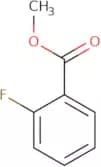
![[(5-Cyclopropyl-1,2,4-oxadiazol-3-yl)methyl]amine hydrochloride](/_next/image/?url=https%3A%2Fstatic.cymitquimica.com%2Fproducts%2F3D%2Fthumb-webp%2FFC121975.webp&w=3840&q=75)
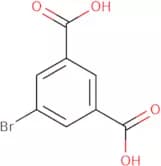
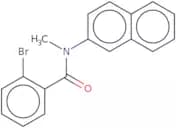
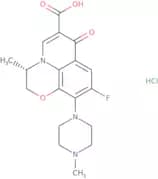
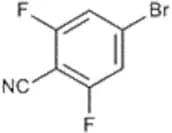
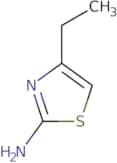
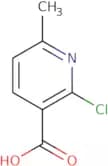
![5,7-Dichloro-1H-imidazo[4,5-b]pyridine](/_next/image/?url=https%3A%2Fstatic.cymitquimica.com%2Fproducts%2F3D%2Fthumb-webp%2FFD139433.webp&w=3840&q=75)
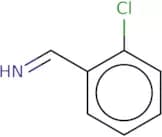
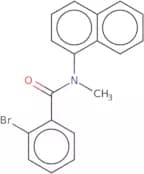
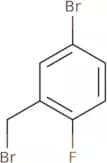
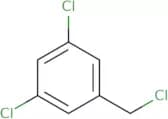
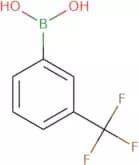
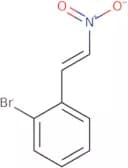
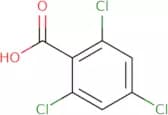
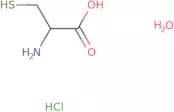
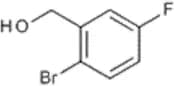
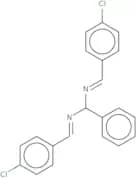
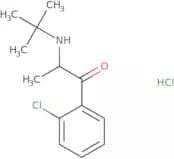
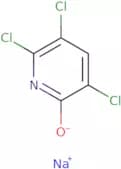
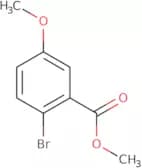
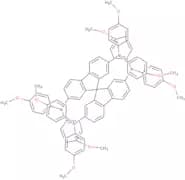
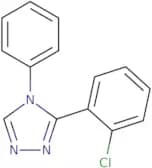
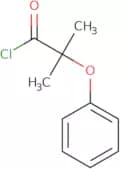
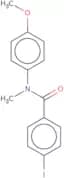

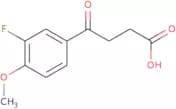

![4-[(2-Chlorobenzyl)oxy]benzoic acid](/_next/image/?url=https%3A%2Fstatic.cymitquimica.com%2Fproducts%2F3D%2Fthumb-webp%2FFC119032.webp&w=3840&q=75)
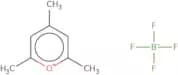
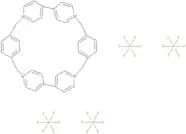
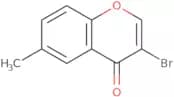
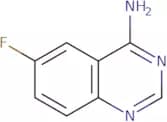
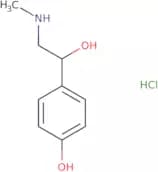
![Chloro[1,3-bis(2,6-diisopropylphenyl)imidazol-2-ylidene]copper(I)](/_next/image/?url=https%3A%2Fstatic.cymitquimica.com%2Fproducts%2F3D%2Fthumb-webp%2FFC60942.webp&w=3840&q=75)
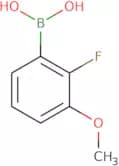
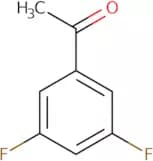
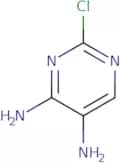
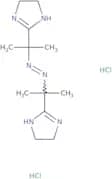
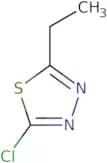

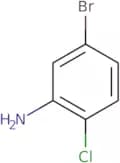
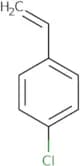
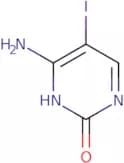
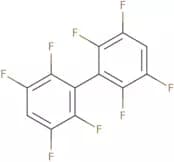
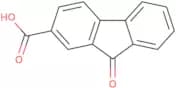
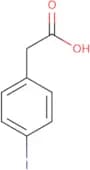
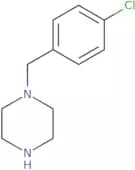
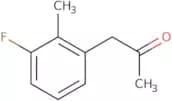
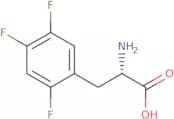
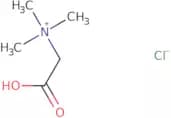
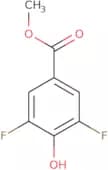
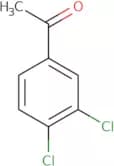
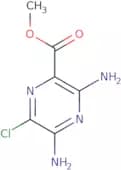
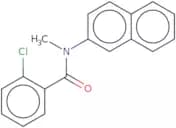
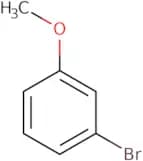
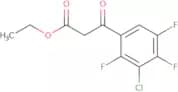
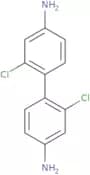
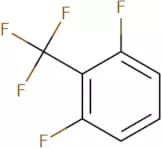
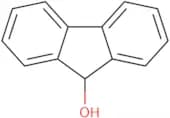

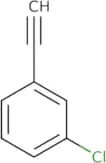
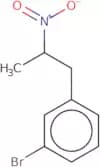
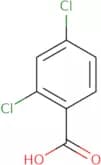
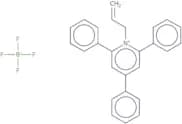
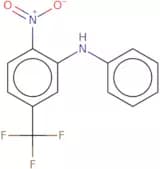
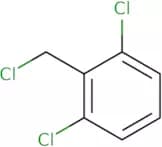
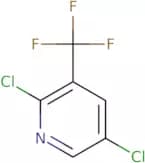
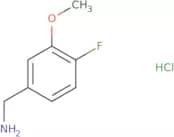
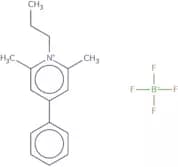
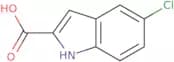
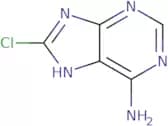
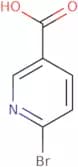
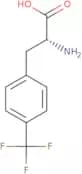
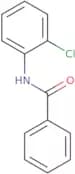
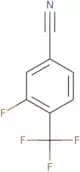
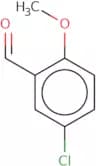
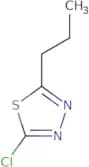
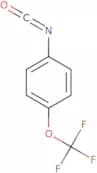

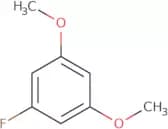
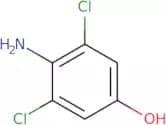
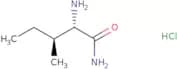
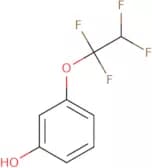
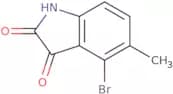
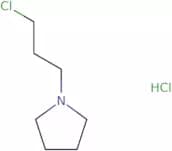
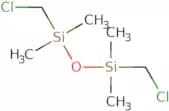
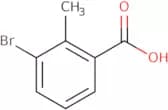
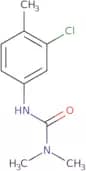
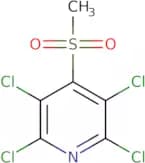
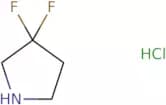
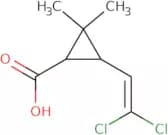
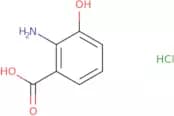
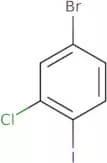
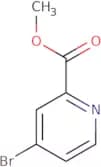
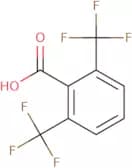
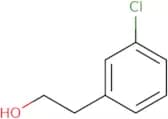
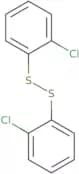
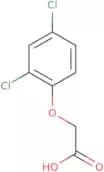
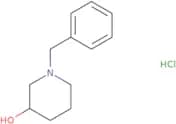
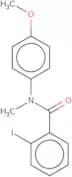
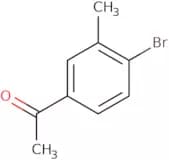

![2-[(4-Chlorophenyl)-2-pyridinylmethoxy]-N,N-dimethylethanamine maleate salt](/_next/image/?url=https%3A%2Fstatic.cymitquimica.com%2Fproducts%2F3D%2Fthumb-webp%2FFC19699.webp&w=3840&q=75)
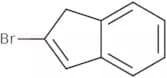
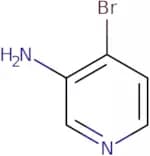
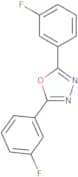
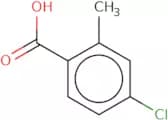
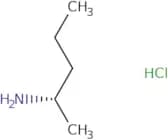
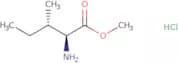
![(S)-(-)-2-Chloro-3-[4(5)-imidazolyl]propionic acid](/_next/image/?url=https%3A%2Fstatic.cymitquimica.com%2Fproducts%2F3D%2Fthumb-webp%2FFC20058.webp&w=3840&q=75)
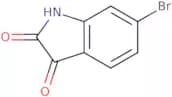

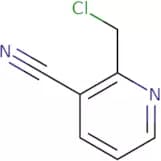
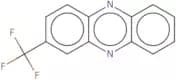

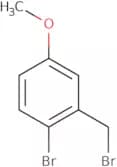
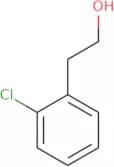
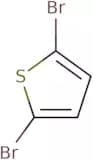
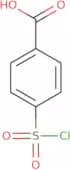
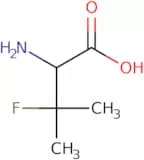
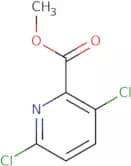
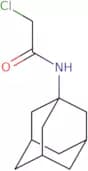
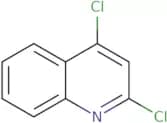
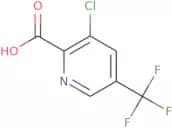
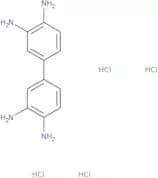
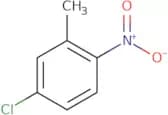
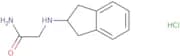
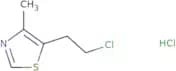
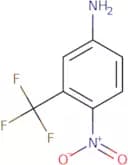
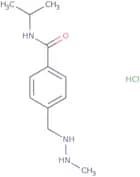
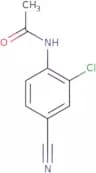
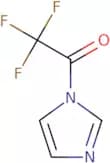
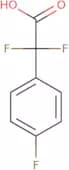
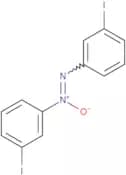

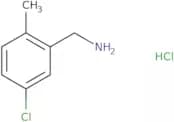
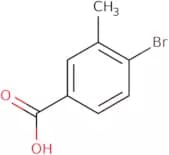

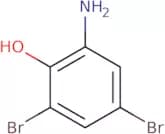
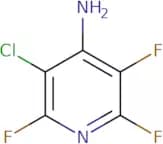
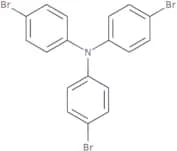
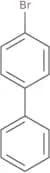
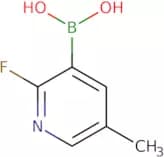
![(R)-Benzyl-2-[4-(trifluoromethyl)phenyl]-6,7-dihydro-5H-pyrrolo[2,1-c][1,2,4]triazolium Tetrafluor…](/_next/image/?url=https%3A%2Fstatic.cymitquimica.com%2Fproducts%2F3D%2Fthumb-webp%2FFB59921.webp&w=3840&q=75)
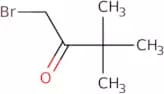

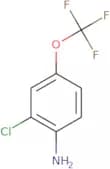
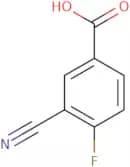

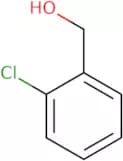
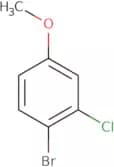
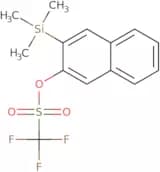
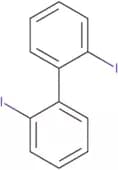
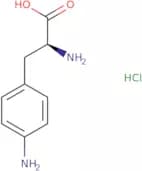
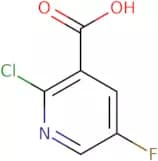
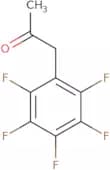
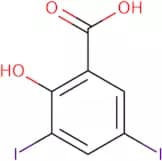
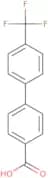
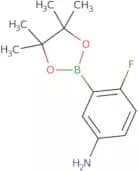
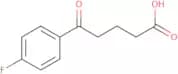
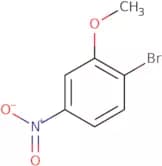
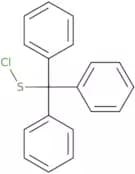
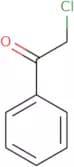
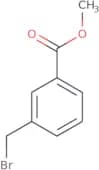


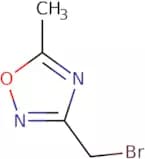
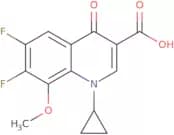
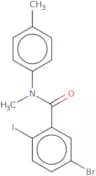
![N-alpha-[2,4-Dinitro-5-fluorophenyl]-D-alanine amide](/_next/image/?url=https%3A%2Fstatic.cymitquimica.com%2Fproducts%2F3D%2Fthumb-webp%2FFD48427.webp&w=3840&q=75)
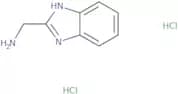
![5-Chloro-8-iodoimidazo[1,2-a]pyridine HBr](/_next/image/?url=https%3A%2Fstatic.cymitquimica.com%2Fproducts%2F3D%2Fthumb-webp%2FFC07295.webp&w=3840&q=75)