Halogénures organiques
Sous-catégories appartenant à la catégorie "Halogénures organiques"
20442 produits trouvés pour "Halogénures organiques"
Fluorescein-6-carbonyl-Ala-Glu(OMe)-Val-DL-Asp(OMe)-fluoromethylketone
CAS :Please enquire for more information about Fluorescein-6-carbonyl-Ala-Glu(OMe)-Val-DL-Asp(OMe)-fluoromethylketone including the price, delivery time and more detailed product information at the technical inquiry form on this page
Formule :C41H43FN4O14Degré de pureté :Min. 95%Masse moléculaire :834.8 g/molNeuropeptide EI (human, mouse, rat) trifluoroacetate salt
CAS :Neuropeptide EI is a cyclic peptide that has been shown to have receptor activity in the caudate putamen, as well as locomotor activity and metabolic rate. Neuropeptide EI has also been shown to inhibit lymphatic vessels and amide sequences in fat cells. It has been shown to have various biological functions, such as an anti-inflammatory agent, an analgesic, and a chemotherapeutic agent. It is active against cancer cells and autoimmune diseases, but is inactive against bacteria.
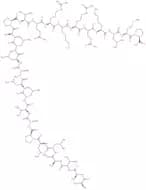
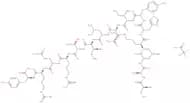
Formule :C63H98N16O23Degré de pureté :Min. 95%Masse moléculaire :1,447.55 g/molNeuropeptide Y (22-36) trifluoroacetate salt
CAS :Please enquire for more information about Neuropeptide Y (22-36) trifluoroacetate salt including the price, delivery time and more detailed product information at the technical inquiry form on this page
Formule :C85H139N29O21Degré de pureté :Min. 95%Masse moléculaire :1,903.2 g/molChloromethyl acetate
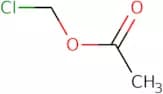
CAS :Chloromethyl acetate is a potent antibacterial agent that inhibits the growth of bacteria by inhibiting the synthesis of fatty acids. It also has an inhibitory effect on adenosine receptors and is used to treat congestive heart failure, inflammatory diseases, metabolic disorders, and other conditions. Chloromethyl acetate has been shown to be effective against a number of bacterial strains, including methicillin-resistant Staphylococcus aureus (MRSA), Streptococcus pneumoniae, and Mycobacterium tuberculosis. Chloromethyl acetate binds to the cyanoformate group in the bacterial cell wall by competitive inhibition. This binding prevents the formation of an antibiotic-inhibitor complex with the enzyme fatty acid synthase that is required for fatty acid biosynthesis, inhibiting protein synthesis and cell division.
Formule :C3H5ClO2Degré de pureté :Min. 95%Masse moléculaire :108.52 g/molRef: 3D-FP171385
Produit arrêté2-Bromoethanesulfonic acid sodium
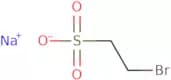
CAS :2-Bromoethanesulfonic acid sodium (2BESA) is a chemical inhibitor that is used to control methanogenic activity. It has been shown to be effective in the treatment of wastewater, although it is not very soluble in water. 2BESA inhibits methanogenesis by binding to the enzyme methane monooxygenase, which blocks electron transfer from methane to oxygen. This prevents the formation of hydrogen and carbon dioxide, which are products of fermentation. 2BESA also has electrochemical properties that make it a good candidate for use as an electrode material in fuel cells. In vitro assays have demonstrated that 2BESA inhibits bacterial growth by inhibiting DNA synthesis and protein synthesis.
Formule :C2H4BrNaO3SDegré de pureté :Min. 95%Masse moléculaire :211.01 g/molTrimethylsulfoxonium bromide
CAS :Trimethylsulfoxonium Bromide is a fungicide that inhibits the growth of fungal cells. It binds to the sterol biosynthesis pathway and disrupts the production of ergosterol, which is an essential component for fungal cell membranes. Trimethylsulfoxonium Bromide has been shown to be effective against chronic bronchitis and other pulmonary diseases. This drug also has a horticultural use as a plant growth regulator. The chemical formula for Trimethylsulfoxonium Bromide is C1-C4-haloalkyl, profile, tebuconazole, fluconazole, triethyl orthoformate, chronic bronchitis, carbonyl group, hydroxyl group, anti-fungal.
Formule :C3H9BrOSDegré de pureté :Min. 95%Masse moléculaire :173.07 g/molRef: 3D-FT61303
Produit arrêté(Beta-Asp5)-delta-Sleep Inducing Peptide trifluoroacetate salt
CAS :(Beta-Asp5)-delta-Sleep Inducing Peptide is a synthetic molecule that has been shown to be an atypical compound. It is a fragment of the natural sleep-inducing peptide, which is also called clostridium sporogenes. The fragment was synthesized and found to have similar properties and structures as the natural form. The fragment is labile in neutral or acidic solution, but stable in basic conditions. (Beta-Asp5)-delta-Sleep Inducing Peptide can be used for the detection of methyltransferase activity, by using it as a substrate for methylation reactions and measuring the rate of spontaneous desorption from a matrix. This compound can also be used for proteomic studies by using matrix-assisted laser desorption ionization time-of-flight mass spectrometry (MALDI TOF MS) techniques.
Formule :C35H48N10O15Degré de pureté :Min. 95%Masse moléculaire :848.81 g/molBradykinin-Like Neuropeptide (Aplysia californica) trifluoroacetate salt
CAS :Please enquire for more information about Bradykinin-Like Neuropeptide (Aplysia californica) trifluoroacetate salt including the price, delivery time and more detailed product information at the technical inquiry form on this page
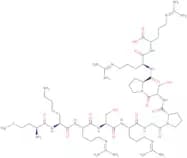
Formule :C53H98N24O14SDegré de pureté :Min. 95%Masse moléculaire :1,327.56 g/molKemptamide trifluoroacetate salt
CAS :Kemptamide is a peptide that has been shown to have cytotoxic and anti-proliferative effects on renal cancer cells. It is a synthetic analogue of an endogenous peptide, Lys-Lys-Arg-Pro-Gln-Arg-Ala-Thr-Ser-Asn-Val-Phe, that is found in porcine kidney. Kemptamide’s cytotoxic activity may be due to its ability to inhibit the activity of phosphatases. Kemptamide also has regulatory properties and can modulate the expression of genes that are involved in cell growth and apoptosis. This peptide has been shown to be reactive with kidney cells, which may lead to its therapeutic effect on renal cancer.
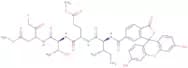
Formule :C65H112N24O18Degré de pureté :Min. 95%Masse moléculaire :1,517.74 g/molFluorescein-6-carbonyl-Ile-Glu(OMe)-Thr-DL-Asp(OMe)-fluoromethylketone
CAS :Please enquire for more information about Fluorescein-6-carbonyl-Ile-Glu(OMe)-Thr-DL-Asp(OMe)-fluoromethylketone including the price, delivery time and more detailed product information at the technical inquiry form on this page
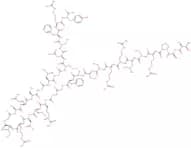
Formule :C43H47FN4O15Degré de pureté :Min. 95%Masse moléculaire :878.85 g/molNeuroendocrine Regulatory Peptide-1 (human) trifluoroacetate salt
CAS :Please enquire for more information about Neuroendocrine Regulatory Peptide-1 (human) trifluoroacetate salt including the price, delivery time and more detailed product information at the technical inquiry form on this pageFormule :C113H192N36O39Degré de pureté :Min. 95%Masse moléculaire :2,678.95 g/molPAR-2 (1-6) (mouse, rat) trifluoroacetate salt
CAS :Please enquire for more information about PAR-2 (1-6) (mouse, rat) trifluoroacetate salt including the price, delivery time and more detailed product information at the technical inquiry form on this page
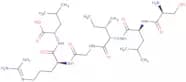
Formule :C29H55N9O8Degré de pureté :Min. 95%Masse moléculaire :657.8 g/molAdrenomedullin (rat) trifluoroacetate salt
CAS :Please enquire for more information about Adrenomedullin (rat) trifluoroacetate salt including the price, delivery time and more detailed product information at the technical inquiry form on this page
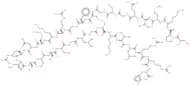
Formule :C242H381N77O75S5Degré de pureté :Min. 95%Masse moléculaire :5,729.42 g/molBNP-32 (human) hydrochloride
CAS :BNP-32 is a peptide hormone that regulates the volume of blood in the heart and lungs. It is used to diagnose congestive heart failure, and also as a treatment for decompensated congestive heart failure. When given as an intravenous infusion, BNP-32 reduces the levels of natriuretic peptides in the blood stream by increasing their breakdown in the kidneys. The disulfide bond between cysteine residues (Cys-Cys) is essential for its activity. BNP-32 has been shown to be effective against infectious diseases such as HIV, hepatitis C, and tuberculosis. It is also used in combination with other drugs to treat high blood pressure. This drug can be administered orally or intravenously and is biocompatible with human tissue because it is chemically stable and non-toxic at therapeutic doses.
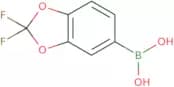
Formule :C143H244N50O42S4Degré de pureté :Min. 95%Masse moléculaire :3,464.04 g/mol2,2-Difluoro-1,3-Benzodioxol-5-Ylboronic Acid
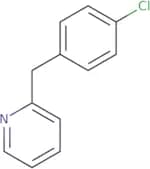
CAS :Please enquire for more information about 2,2-Difluoro-1,3-Benzodioxol-5-Ylboronic Acid including the price, delivery time and more detailed product information at the technical inquiry form on this pageFormule :C7H5BF2O4Degré de pureté :Min. 95%Masse moléculaire :201.92 g/mol2-(4-Chlorobenzyl)pyridine
CAS :2-(4-Chlorobenzyl)pyridine is a synthetic pyridine compound that has been shown to have anti-cancer properties. It is also a potent inducer of the enzyme methane monooxygenase and has been shown to interact with other compounds, such as maleates and sulfoxides, which are also used in this type of experiment. The catalytic mechanism for 2-(4-chlorobenzyl)pyridine is not yet known, but it may involve an acidic chlorine atom or a hydrochloric acid catalyst. 2-(4-Chlorobenzyl)pyridine has been found to be effective at inhibiting the growth of cancer cells in vitro without toxic effects on healthy cells. It has also been shown to inhibit the proliferation of human leukemia cells in vivo.
Formule :C12H10ClNDegré de pureté :Min. 95%Masse moléculaire :203.67 g/molPHM-27 (human) trifluoroacetate salt
CAS :PHM-27 is a human protein that contains a c-terminal histidine and n-terminal lysine. It contains an amino acid composition of histidine, valine, alanine, aspartic acid, glycine, serine, threonine, arginine, and methionine. PHM-27 is present in the cardiovascular system, nervous system, gastrointestinal system, and respiratory system. It has been shown to be involved in the synthesis of peptides important for blood clotting.
Formule :C135H214N34O40SDegré de pureté :Min. 95%Masse moléculaire :2,985.41 g/molPhenylacetyl-(D-Arg2·28,p-chloro-Phe6, Homoarg 9·29,Tyr(Me)10, Abu 15, Nle 27)-GRF (1-29) amide (human)
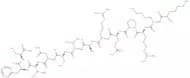
CAS :Please enquire for more information about Phenylacetyl-(D-Arg2·28,p-chloro-Phe6, Homoarg 9·29,Tyr(Me)10, Abu 15, Nle 27)-GRF (1-29) amide (human) including the price, delivery time and more detailed product information at the technical inquiry form on this pageFormule :C172H284ClN53O41Degré de pureté :Min. 95%Masse moléculaire :3,785.88 g/molAmyloid beta-Protein (1-40) (scrambled) trifluoroacetate salt
CAS :Please enquire for more information about Amyloid beta-Protein (1-40) (scrambled) trifluoroacetate salt including the price, delivery time and more detailed product information at the technical inquiry form on this pageFormule :C194H295N53O58SDegré de pureté :Min. 95%Masse moléculaire :4,329.81 g/molZ-Arg-AMC hydrochloride salt
CAS :Z-Arg-AMC hydrochloride salt is a proteolytic agent that inhibits serine proteases. It can be used to study the biological function of proteases and as a tool in the kinetic analysis of protease activity. Z-Arg-AMC hydrochloride salt has been shown to inhibit trypsin, chymotrypsin, and elastase enzymes at nanomolar concentrations. This compound also inhibits human pathogens such as enterovirus 71 and herpes simplex virus type 1, which are associated with severe disease symptoms. The structural analysis of Z-Arg-AMC hydrochloride salt has shown it to be a racemic mixture of L-Arginine and D-Arginine with an average molecular weight of 313.5 Da.
Formule :C24H27N5O5Degré de pureté :Min. 95%Masse moléculaire :465.5 g/mol3-Fluoro-2-nitrobenzaldehyde
CAS :3-Fluoro-2-nitrobenzaldehyde is a pyridine derivative that has been used in the synthesis of a number of important heterocyclic compounds. This compound can be prepared by reacting 3,4-dichloroaniline with nitrous acid and then hydrolyzing the resulting 3-chloroquinoline with hydrochloric acid. The reaction yields anilines and quinolines in regiospecifically, as well as formylation, cyclisation, and condensation products. It is also capable of aromatisation reactions with benzene to produce benzofuran derivatives.
Formule :C7H4FNO3Degré de pureté :Min. 95%Couleur et forme :Yellow PowderMasse moléculaire :169.11 g/molOsteostatin (1-5) (human, bovine, dog, horse, mouse, rabbit, rat) trifluoroacetate salt
CAS :Please enquire for more information about Osteostatin (1-5) (human, bovine, dog, horse, mouse, rabbit, rat) trifluoroacetate salt including the price, delivery time and more detailed product information at the technical inquiry form on this page
Formule :C27H41N9O8Degré de pureté :Min. 95%Masse moléculaire :619.67 g/mol4,5-Dibromo-1,2,6,7-tertahydro-8H-indeno[5,4-b]furan-8-one
CAS :4,5-Dibromo-1,2,6,7-tertahydro-8H-indeno[5,4-b]furan-8-one is a chemical reagent that is used for the debromination of ethyl cyanoacetate. The nucleophilic nature of the hydroxyl group in the target compound makes it an efficient substrate for this reaction. This reagent can be used to synthesize ramelteon which is a drug approved by the U.S. Food and Drug Administration (FDA) for insomnia treatment. This high yield synthesis highlights 4,5-dibromo-1,2,6,7-tertahydro-8H-indeno[5,4b]furan-8one's usefulness as a debrominating agent.
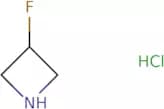
Formule :C11H8Br2O2Degré de pureté :Min. 95%Masse moléculaire :331.99 g/mol3-fluoroazetidine hydrochloride
CAS :3-fluoroazetidine hydrochloride is a chemical compound that can be used as a building block, intermediate or reagent in the synthesis of other compounds. It has been shown to be an effective substitute for 3-fluoropyridine in the synthesis of 1,2,4-triazoles. 3-fluoroazetidine hydrochloride is also used as a reaction component in the manufacture of pharmaceuticals, dyes and pesticides.
Formule :C3H7ClFNDegré de pureté :Min. 95%Couleur et forme :White/Off-White SolidMasse moléculaire :111.55 g/mol1-Chlorobenzotriazole
CAS :1-Chlorobenzotriazole is a nucleophilic reagent that can be used in analytical chemistry, such as the determination of propranolol hydrochloride. It reacts with phospholipid membranes by transferring a chlorine atom to the hydroxyl group on the lipid molecule. The reaction mechanism is not well understood, but it has been shown that the deuterium isotope effect is not involved in this reaction. 1-Chlorobenzotriazole is unsymmetrical and can react with both acidic and alkaline solutions. Hydrochloric acid is often used to activate this compound, which will then react with an amine group to form an iminium ion. Kinetics data for this compound show that activation energies are required for reactions involving nucleophiles, such as ketones, alcohols, or amines.
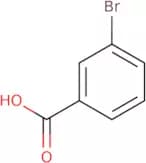
Formule :C6H4ClN3Degré de pureté :Min. 95%Masse moléculaire :153.57 g/mol3-Bromobenzoic acid
CAS :3-Bromobenzoic acid is a molecule that is classified as a Group P2. It has an electronegativity of 1.3 and an acidity of 0.8, which are both in the middle range of values for this group. 3-Bromobenzoic acid is soluble in water and is soluble in ethanol, acetone, and ether. The chemical structure of 3-bromobenzoic acid can be determined by its monoclonal antibody binding sites, electrochemical impedance spectroscopy data, and Langmuir adsorption isotherm data. 3-Bromobenzoic acid reacts with hydrochloric acid to form benzoate and HCl gas. Chronic exposure to 3-bromobenzoic acid has been shown to cause glutamate dehydrogenase inhibition, leading to an accumulation of p-hydroxybenzoic acid in the body. This compound also reacts with thiourea or
Formule :C7H5BrO2Degré de pureté :Min. 95%Couleur et forme :PowderMasse moléculaire :201.02 g/mol(Des-Ser3)-ACTH (1-24) (human, bovine, rat) trifluoroacetate salt
Please enquire for more information about (Des-Ser3)-ACTH (1-24) (human, bovine, rat) trifluoroacetate salt including the price, delivery time and more detailed product information at the technical inquiry form on this pageFormule :C133H205N39O29SDegré de pureté :Min. 95%Masse moléculaire :2,846.36 g/molTRAP-6 (2-6) trifluoroacetate salt
CAS :TRAP-6 (2-6) is a monoclonal antibody that binds to the enzyme collagenase, which is an important factor in tumor invasion and metastasis. The antibody binds to the active site of collagenase, thereby inhibiting its activity. TRAP-6 (2-6) has been shown to reduce the growth of cancer cells by inhibiting the production of β-amino acids and zymogens, which are required for tumor cell proliferation. It also inhibits serine proteases, such as thrombin receptor, which play an important role in tumor invasion and metastasis. TRAP-6 (2-6) also has anti-inflammatory properties and can be used for the treatment of basophilic leukemia.Formule :C31H51N9O7Degré de pureté :Min. 95%Masse moléculaire :661.79 g/molVIP (3-28) (human, mouse, rat) trifluoroacetate salt
CAS :Please enquire for more information about VIP (3-28) (human, mouse, rat) trifluoroacetate salt including the price, delivery time and more detailed product information at the technical inquiry form on this pageFormule :C138H226N40O39SDegré de pureté :Min. 95%Masse moléculaire :3,101.58 g/molpTH (7-84) (human) trifluoroacetate salt
Please enquire for more information about pTH (7-84) (human) trifluoroacetate salt including the price, delivery time and more detailed product information at the technical inquiry form on this page
Formule :C381H629N119O115S2Degré de pureté :Min. 95%Masse moléculaire :8,780.94 g/mol3-Fluorophenyl boronic acid
CAS :Please enquire for more information about 3-Fluorophenyl boronic acid including the price, delivery time and more detailed product information at the technical inquiry form on this page
Formule :C6H6BFO2Degré de pureté :Min. 95%Couleur et forme :PowderMasse moléculaire :139.92 g/molRef: 3D-FF12163
Produit arrêté8-Chloroimidazo[1,2-a]pyrazine
CAS :Please enquire for more information about 8-Chloroimidazo[1,2-a]pyrazine including the price, delivery time and more detailed product information at the technical inquiry form on this page
Formule :C6H4ClN3Degré de pureté :Min. 95%Masse moléculaire :153.57 g/molRef: 3D-FC125475
Produit arrêtéThr-Ala-Pro-Arg-Atrial Natriuretic Factor (1-28) (human, bovine, porcine) trifluoroacetate salt
CAS :Thr-Ala-Pro-Arg-Atrial Natriuretic Factor (1-28) (human, bovine, porcine) trifluoroacetate salt is a peptide hormone that regulates blood pressure by causing the kidneys to excrete sodium and water. It is used as a model system for studying the physiological effects of urodilatin and has been shown to inhibit the cyclase enzyme. Thr-Ala-Pro-Arg-Atrial Natriuretic Factor (1-28) (human, bovine, porcine) trifluoroacetate salt may also have an antihypertensive effect through its ability to reduce levels of natriuretic peptides in plasma. This drug is also being investigated as a possible treatment for congestive heart failure. The small molecular weight makes it suitable for use as a natriuretic or antihypertensive drug with minimal side effects.
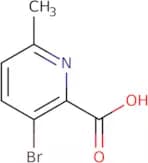
Formule :C145H234N52O44S3Degré de pureté :Min. 95%Masse moléculaire :3,505.93 g/mol3-Bromo-6-methylpicolinic acid
CAS :Please enquire for more information about 3-Bromo-6-methylpicolinic acid including the price, delivery time and more detailed product information at the technical inquiry form on this page
Formule :C7H6BrNO2Degré de pureté :Min. 95%Masse moléculaire :252.49 g/mol3-Bromo-4-chloroaniline
CAS :3-Bromo-4-chloroaniline is a chloroaniline compound. It is synthesized by reacting hexamethylenetetramine with chlorine gas in the presence of formaldehyde and paraformaldehyde. 3-Bromo-4-chloroaniline has been used to produce other compounds, such as trimethylchlorosilane, which is used in the production of silicone rubber. Chloroanilines are toxic chemicals that can be found in the environment and react with formaldehyde to produce carcinogenic substances called halofuginones.
Formule :C6H5BrClNDegré de pureté :Min. 95%Masse moléculaire :206.47 g/molRef: 3D-FB139556
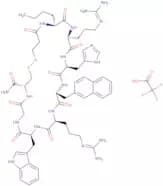
Produit arrêté(Deamino-Cys3, Nle 4,Arg5,D-2-Nal 7,Cys11)-a-MSH (3-11) amide trifluoroacetate salt
CAS :Please enquire for more information about (Deamino-Cys3, Nle 4,Arg5,D-2-Nal 7,Cys11)-a-MSH (3-11) amide trifluoroacetate salt including the price, delivery time and more detailed product information at the technical inquiry form on this pageFormule :C56H76N18O9S2Degré de pureté :Min. 95%Masse moléculaire :1,209.45 g/molNuclear Factor NF-KB Inhibitor SN50 trifluoroacetate salt
CAS :SN50 is a nuclear factor NF-KB inhibitor that blocks the activity of transcription factors that are involved in inflammation and cancer. SN50 inhibits protease activity, which may be due to its ability to bind to response elements on DNA, leading to cytosolic calcium release and activation of signal pathways. It also binds to endothelin-a receptor and induces apoptosis. SN50 has been shown to have anti-tumour effects in resistant breast cancer cells as well as reducing serum aminotransferase levels in rats. This drug also activates transcriptional regulation by binding toll-like receptors and inducing colony stimulating factors. SN50 also has cardioprotective properties, which may be due to its ability to inhibit fatty acid synthase in cardiomyocytes.Formule :C129H230N36O29SDegré de pureté :Min. 95%Masse moléculaire :2,781.5 g/mol2-Amino-6-(trifluoromethyl)benzothiazole
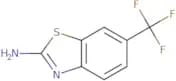
CAS :2-Amino-6-(trifluoromethyl)benzothiazole is a new, optimised insecticide with alkylthio, halogen and alkoxy groups. It is highly toxic to insects and has been shown to be active against various species of Lepidoptera, Coleoptera and Diptera. 2-Amino-6-(trifluoromethyl)benzothiazole is also a broad spectrum contact insecticide that exhibits systemic properties. This insecticide can be used on plants, crops, livestock and pets.Formule :C8H5F3N2SDegré de pureté :Min. 95%Masse moléculaire :218.2 g/mol3-Fluoro-4-methoxybenzoic acid
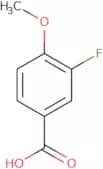
CAS :3-Fluoro-4-methoxybenzoic acid is a dipolar molecule with a fluorine atom. It has been synthesized experimentally and the yields are determined by the experimental conditions. 3-Fluoro-4-methoxybenzoic acid has two isomers, which can be differentiated by their resonances. The molecule also has an asymmetric C3(CF)2Cl group in the middle of its structure that can rotate freely.
Formule :C8H7FO3Degré de pureté :Min. 95%Couleur et forme :PowderMasse moléculaire :170.14 g/mol2,6-Dichloro-5-fluoronicotinic acid
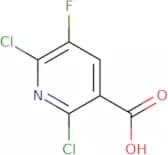
CAS :2,6-Dichloro-5-fluoronicotinic acid (2,6-DCFNA) is a chlorinating agent that is activated in acidic solutions. It is used to produce the disinfectant peracetic acid and in the industrial process of producing phenol. 2,6-DCFNA reacts with chloride to form hypochlorous acid (HOCl), which causes inflammation in cells by activating inflammatory cells such as neutrophils and macrophages. 2,6-DCFNA also inhibits tyrosine kinase activity, which may contribute to its anti-inflammatory properties. The toxic effects of 2,6-DCFNA have been studied on hematopoietic cells in vitro. Studies show that this compound can cause apoptosis or death of these cells and may be useful for the treatment of inflammatory diseases such as rheumatoid arthritis. 2,6-DCFNA has also been shown to inhibit tumor growth when
Formule :C6H2Cl2FNO2Degré de pureté :Min. 95%Couleur et forme :PowderMasse moléculaire :209.99 g/mol(D-Pen 2,p-chloro-Phe4,D-Pen 5)-Enkephalin
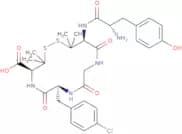
CAS :D-Pen 2,p-chloro-Phe4,D-Pen 5)-Enkephalin H-Tyr-D-Pen-Gly-p-chloro-Phe-D-Pen (Disulfide bond) is a peptide that belongs to the family of opioid drugs. It has low potency and is used in pharmacological studies as a nonselective antagonist of δ-, μ-, and κ-(kappa) receptors. This drug blocks pain by binding to the same receptor sites that are activated by endogenous opioids and has been shown to be effective against both inflammatory and neuropathic pain. DPDPE has also been shown to have a high safety profile with minimal side effects.
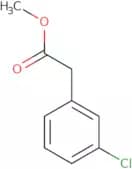
Formule :C30H38ClN5O7S2Degré de pureté :Min. 95%Masse moléculaire :680.24 g/molMethyl 3-chlorophenylacetate
CAS :Methyl 3-chlorophenylacetate is a chemical intermediate that has been used in the synthesis of pharmaceuticals and organic compounds. It has also been used as a reagent for research, especially in the study of organic chemistry. Methyl 3-chlorophenylacetate is a versatile building block and can be used as a reaction component to synthesize other chemicals. This compound is also an excellent scaffold for medicinal chemistry.
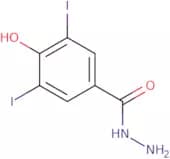
Formule :C9H9ClO2Degré de pureté :Min. 95%Couleur et forme :Clear LiquidMasse moléculaire :184.62 g/mol3,5-Diiodo-4-hydroxybenzhydrazide
CAS :3,5-Diiodo-4-hydroxybenzhydrazide is a chemical compound that is useful as a building block in organic synthesis. It is a versatile intermediate and can be used in the preparation of heterocyclic compounds and pharmaceuticals. 3,5-Diiodo-4-hydroxybenzhydrazide reacts with alkyl halides to form alkyl iodides, which are important reagents for organic synthesis. 3,5-Diiodo-4-hydroxybenzhydrazide has been used as an effective reagent for the formation of new carbon–carbon bonds and has been shown to be an excellent starting point for the synthesis of biologically active molecules.
Formule :C7H6I2N2O2Degré de pureté :Min. 95%Couleur et forme :PowderMasse moléculaire :403.94 g/molBiotinyl-Atrial Natriuretic Factor (1-28) (human) trifluoroacetate salt
CAS :Please enquire for more information about Biotinyl-Atrial Natriuretic Factor (1-28) (human) trifluoroacetate salt including the price, delivery time and more detailed product information at the technical inquiry form on this pageFormule :C137H217N47O41S4Degré de pureté :Min. 95%Masse moléculaire :3,306.75 g/mol2-Aminoacetophenone hydrochloride
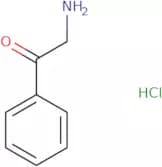
CAS :Produit contrôlé2-Aminoacetophenone hydrochloride is a chemical compound that is used in analytical chemistry as a reagent for the determination of protein and amino acid concentrations. This reagent can be prepared in various forms, depending on the type of analysis being performed. 2-Aminoacetophenone hydrochloride is used to determine the concentration of free amino acids in a sample by binding to it. It can also be used for determining the concentration of bound amino acids by reacting with them with hydrochloric acid. 2-Aminoacetophenone hydrochloride is an excellent substrate for matrix effect, which may cause errors in measurement due to interference from other substances present in the sample. The use of light exposure reduces this problem by removing interfering substances from the sample.
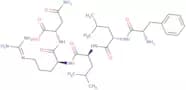
Formule :C8H9NO·HClDegré de pureté :Min. 95%Couleur et forme :PowderMasse moléculaire :171.62 g/molNociceptin trifluoroacetate salt
CAS :Nociceptin trifluoroacetate salt is an opioid with low potency that is used in the treatment of pain. It has been shown to bind to the protein and inhibit protease, which has been proposed as a possible mechanism for its analgesic effects. Nociceptin trifluoroacetate salt may also have indirect effects on brain functions by regulating levels of nociceptin, a neuropeptide that interacts with nociceptive neurons in the brain. This drug has been shown to have nootropic effects in mice, including increased locomotor activity and improved memory retention. Nociceptin trifluoroacetate salt inhibits kappa-opioid receptors and is therefore used as a pharmacological tool for research into opioid receptor function.
Formule :C79H129N27O22Degré de pureté :Min. 95%Masse moléculaire :1,809.04 g/molH-Val-Tyr-Ser-betaNA hydrochloride salt
CAS :Please enquire for more information about H-Val-Tyr-Ser-betaNA hydrochloride salt including the price, delivery time and more detailed product information at the technical inquiry form on this pageFormule :C27H32N4O5Degré de pureté :Min. 95%Masse moléculaire :492.57 g/molLIP2 (human) trifluoroacetate salt
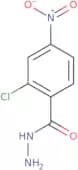
Please enquire for more information about LIP2 (human) trifluoroacetate salt including the price, delivery time and more detailed product information at the technical inquiry form on this pageFormule :C184H288N58O58Degré de pureté :Min. 95%Masse moléculaire :4,240.61 g/mol2-Chloro-4-nitrobenzhydrazide
CAS :2-Chloro-4-nitrobenzhydrazide is a fine chemical that can be used as a versatile building block, useful intermediate, and reaction component. CAS No. 67345-78-2 is a speciality chemical that is useful in research chemicals and complex compounds. It has high quality and can be used to make reagents.
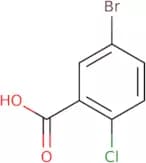
Formule :C7H6ClN3O3Degré de pureté :Min. 95%Masse moléculaire :215.59 g/mol5-Bromo-2-chlorobenzoic acid
CAS :Intermediate in the synthesis of dapagliflozin
Formule :C7H4BrClO2Degré de pureté :Min. 95%Couleur et forme :PowderMasse moléculaire :235.46 g/molRef: 3D-FB64184
Produit arrêté








![4,5-Dibromo-1,2,6,7-tertahydro-8H-indeno[5,4-b]furan-8-one](/_next/image/?url=https%3A%2Fstatic.cymitquimica.com%2Fproducts%2F3D%2Fthumb-webp%2FFD21568.webp&w=3840&q=75)




![8-Chloroimidazo[1,2-a]pyrazine](/_next/image/?url=https%3A%2Fstatic.cymitquimica.com%2Fproducts%2F3D%2Fthumb-webp%2FFC125475.webp&w=3840&q=75)