


Produits biochimiques et réactifs
Les biochimiques et réactifs sont des substances fondamentales pour la recherche et le développement dans des domaines tels que la biotechnologie, la biologie moléculaire, la pharmacologie et la médecine. Ces produits sont essentiels pour une variété d'applications, y compris la synthèse de composés, l'analyse d'échantillons biologiques, la recherche sur les processus métaboliques et la production de médicaments. Chez CymitQuimica, nous proposons une large sélection de biochimiques et réactifs de haute qualité et pureté, adaptés à divers besoins scientifiques et industriels. Notre catalogue comprend des enzymes, des anticorps, des acides nucléiques, des acides aminés et de nombreux autres produits, tous conçus pour soutenir les chercheurs et les professionnels dans leurs projets de recherche et développement, garantissant des résultats fiables et reproductibles.
Sous-catégories appartenant à la catégorie "Produits biochimiques et réactifs"
- Biomolécules(99.117 produits)
- Par Biological Target(99.161 produits)
- Par usage/effets pharmacologiques(6.787 produits)
- Cryoconservation et composés associés aux cryoconservateurs(21 produits)
- Désinfectants, additifs pour les fluides pour bains chauffants et composés apparentés(28 produits)
- Hormones(346 produits)
- Biologie végétale(6.705 produits)
- Métabolites secondaires(14.220 produits)
130581 produits trouvés pour "Produits biochimiques et réactifs"
Trier par
Degré de pureté (%)
0
100
|
0
|
50
|
90
|
95
|
100
Influenza Virus Nucleoprotein (311 - 325)
<p>The Influenza Virus Nucleoprotein (311 - 325) is a component of the viral ribonucleotide complex, derived from the influenza virus and it is involved in viral replication, RNA packing and nuclear trafficking. As a monomer it contains basic residues which allow it to bind to single stranded RNA and through its flexible tail loop it has the ability to form NP oligomers.Furthermore NP is able to support the viral polymerase structurally, through associating with the two subunits PB1 and PB2, and it allows the viral ribonucleotide complex to be transported in and out of the nucleus due to its nuclear localisation and nuclear export signals.During influenza viral replication messenger RNA, viral genome RNA and complementary positive-sense RNA are produced and NP is crucial for this replication.Inhibitors of NP have potential to be used to prevent the influenza virus in humans.</p>Masse moléculaire :1,764.9 g/molBID amide
<p>BID (BH3 Interacting Domain Death Agonist) is a pro-apoptotic protein and a member of the BH3-only family, which is part of the larger Bcl-2 family of proteins. BID plays a critical role in the regulation of apoptosis (programmed cell death) by linking two major pathways that trigger cell death: the extrinsic (death receptor-mediated) and intrinsic (mitochondria-mediated) pathways.BID is typically present in an inactive form in the cytosol. In response to death signals from the extrinsic apoptotic pathway, such as when death receptors (e.g., Fas or TNF receptors) are activated, BID gets cleaved by caspase-8. This cleavage produces a truncated, active form of BID called tBID (truncated BID).<br>Once activated, tBID translocates to the mitochondria, where it interacts with pro-apoptotic Bcl-2 family proteins like Bax and Bak. This interaction causes mitochondrial outer membrane permeabilization (MOMP), leading to the release of cytochrome c and other apoptogenic factors from the mitochondria into the cytosol. The release of cytochrome c activates the caspase cascade, which ultimately leads to the execution of apoptosis.</p>Couleur et forme :PowderLeuprolide Acetate
<p>Leuprolide acetate is a synthetic peptide analogue of naturally occurring gonadotropin releasing hormone (GnRH also known as luteinising hormone-releasing hormone, LHRH). Leuprolide Acetate has a longer half-life and a higher affinity to the pituitary GnRH-receptor than physiological GnRH due to the presence of a D-amino acid. Leuprolide acts as a super-agonist of the pituitary gonadotropin-releasing hormone (GnRH) receptor in the hypothalamo-pituitary-gonadal axis and disrupts the maintenance of the normal hypothalamo-pituitary-gonadal axis and desensitizes the GnRH receptor. This results in lower levels of testosterone in the blood. Leuprolide is used to treat prostate cancer, endometriosis, fibroids and precocious puberty. Peptide is for research purposes only, strictly not for human use.</p>Masse moléculaire :1,208.6 g/molβ-Amyloid (1-6)-GGC Human
<p>Amino acids 1-6 of amyloid β peptide (Aβ). This fragment represents an immunogenic portion of Aβ which has been used as the basis for potential immunotherapies for Alzheimer's disease. Aβ has been identified as the key subunit of the extracellular plaques found in the brains of patients with Alzheimer's disease (AD) and Down's syndrome (DS). Aβ has therefore been extensively studied as a potential target for treatment of AD. Aβ is formed from the cleavage of the large, transmembrane protein- APP (amyloid precursor protein). Cleavage of APP by β- and then γ-secretases results in the formation of Aβ. Aβ can aggregate to produce amyloid-β oligomers, which are thought to be highly neurotoxic. Over time Aβ can further aggregate to produce the characteristic senile plaques present in AD and DS. Aβ can be degraded by enzymes such as neprilysin, insulin degrading enzyme or endothelin converting enzyme. At physiological levels Aβ may be involved in controlling synaptic activity and neuronal survival.Contains a GGC linker, the thiol on the Cysteine can be used for conjugation to dyes and other molecules.</p>Couleur et forme :PowderMasse moléculaire :990.4 g/molExendin-4
CAS :<p>Custom research peptide; min purity 95%. For different specs please use the Peptide Quote Tool</p>Formule :C184H282N50O60SMasse moléculaire :4,186.63 g/mol[Leu5]-Enkephalin Heavy
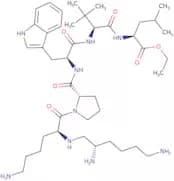
<p>Leu-enkephalin is one of the two forms of enkephalin pentapeptides- the other is met-enkephalin. Enkephalins are found in the thalamus of the brain and in some parts of the spinal cord that transmit pain impulses. In the spinal cord, enkephalins inhibit painful sensations by reacting with specific receptor sites on the sensory nerve endings. The tyrosine residue at position 1 of Leu-Enkephalin is thought to be analogous to the 3-hydroxyl group on morphine. Leu-enkephalin has agonistic actions at both the μ- and θ-opioid receptors, with significantly greater preference for θ-opioid receptors.</p>Degré de pureté :Min. 95%Couleur et forme :PowderMasse moléculaire :565.3 g/molGAPDH antibody
<p>The 6-Fluoro-3-indoxyl-beta-D-galactopyranoside is an antituberculosis drug that falls under the class of rifamycins. It is highly effective in treating tuberculosis infections. This active compound exhibits bactericidal activity by inhibiting bacterial growth through binding to DNA-dependent RNA polymerase, preventing transcription and replication. The efficacy of this drug has been demonstrated through extensive research using advanced techniques such as the patch-clamp technique on human erythrocytes. It undergoes various metabolic transformations, including hydrolysis by esterases or glucuronidases, oxidation by cytochrome P450 enzymes, reduction by glutathione reductase, or conjugation with glucuronic acid. Additionally, it specifically targets markers expressed at high levels in Mycobacterium tuberculosis strains and inhibits cell growth in culture.</p>(Arg8) Vasopressin Heavy
<p>Vasopressin Heavy stable labelled peptide, CY-[U-13C9,15N-Phe]-QNCPRG-amide. Arginine vasopressin (AVP) is a neurohypophysial hormone that is synthesized in the supraoptic nucleus and paraventricular nucleus of the hypothalamus. The major function of AVP is to regulate extracellular fluid volume and electrolyte homeostasis via its anti-diuretic action. It is also a vasoconstrictor and pressor agent. AVP is important to the central nervous system (CNS) and also has physiological actions in the peripheral organs, such as the kidney, heart and vascular beds.</p>Degré de pureté :Min. 95%Couleur et forme :PowderMasse moléculaire :1,093.5 g/molPD 149163 tetrahydrochloride hydrate
CAS :<p>Neurotensin 1 (NT1) receptor agonist</p>Formule :C42H71N9O6·4HCl·xH2ODegré de pureté :Min. 95%Couleur et forme :White To Light Brown SolidMasse moléculaire :943.91 g/molKGLWE (EYGF-56)
<p>During extraction of lecithin from egg yolk, peptide by-products can be isolated and purified by gel filtration. Within the by-products this has led to the discovery of biologically active value-added products. The egg yolk gel filtration (EFGF) fractions were analysed for their antioxidant and angiotensin converting enzyme (ACE) inhibitory activities. EYGF-56 predominantly contained 3 peptides - SDNRNQGY, KGLWE, and IQVPL. KGLWE in EYGF-56 was found to have very strong antioxidant activity. KGLWE showed minimal angiotensin converting enzyme (ACE) inhibitory activity.</p>Degré de pureté :Min. 95%Masse moléculaire :630.3 g/molSARS-CoV-2 Nucleocapsid (376-385) Heavy
<p>SARS-CoV-2 is an enveloped single-stranded, positive-sense RNA virus. The SARS-CoV-2 nucleocapsid (N) protein is essential for viral RNA replication and new virion assembly. The N protein assembles the positive strand viral genome RNA forming a helical ribonucleocapsid (RNP) during the packaging of the RNA genome. The N protein is also involved in regulating viral RNA synthesis during replication and RNA transcription and modulating metabolism in infected subjects. The arginine residue at position 10 of this peptide is isotopically labelled with carbon-13 (6) and nitrogen-15 (4), giving this peptide a mass increase of 10 compared to the unlabelled peptide.</p>Degré de pureté :Min. 95%Masse moléculaire :1,137.6 g/molHistone H3 (1-21) K4Me2
<p>Histone H3 (1-21) K4Me2 is derived from Histone 3 (H3) which is one of the four core histones (H2A, H2B, H3 and H4) fundamental in compacting eukaryotic DNA into the nucleosome. The nucleosome arises when 147 base pairs of DNA wrap around a H3-H4 tetramer and two H2A-H2B dimers, forming the histone octamer core. Both H4 and H3 are highly conserved and perform roles in binding to segments of DNA which enter and leave the nucleosome and in chromatin formation. Similar to the other core histone, H3 has a globular domain and a flexible N-terminal domain, 'histone tail' which can undergo modifications such as acetylation, methylation, phosphorylation and ubiquitination. Due to histones containing a large number of lysine and arginine residues they have a positive net charge which interacts in an electrostatic manner with the negatively charged phosphate groups in DNA. The transcriptional activation or silencing of the chromatin is controlled by ATP-dependent chromatin remodelling factors and histone modifying enzymes which target histone proteins. Both processes function to alter to change the positioning of the nucleosome, allowing the DNA it to be either available to the transcription machinery or inaccessible.The Histone H3 (1-21) lysine 4 has been dimethylated.</p>Masse moléculaire :2,281.3 g/molSARS-CoV-2 Nucleoprotein (266-280)
<p>The coronavirus (CoV) nucleoprotein is the major component of CoV structural proteins. Also known as the nucleocapsid protein, it is an abundant RNA-binding protein critical for viral genome packaging. These factors make nucleoprotein a good target for developing new antiviral drugs. In addition, the identification of epitopes within the nucleoprotein sequence can help design more effective SARS-CoV-2 vaccines.Models have predicted epitopes exhibiting antigenicity, stability and interactions with MHC class-I and class-II molecules. Nucleoprotein (266-280) is an epitope candidate with various HLA restrictions. This epitope can be used to better vaccine design for more durable CD4+ and CD8+ T cell responses for long-lasting immunity.</p>Masse moléculaire :1,692.9 g/molLCBiot-VPAPRYTVELAC-OH
<p>Peptide LCBiot-VPAPRYTVELAC-OH is a Research Peptide with significant interest within the field academic and medical research. This peptide is available for purchase at Cymit Quimica in multiple sizes and with a specification of your choice.</p>PUMA BH3
<p>Apoptosis can be triggered by permeabilization of the mitochondrial membrane leading to leakage of cytochrome c. Work shows this mitochondrial pathway to apoptosis involves pro-apoptotic proteins of the Bcl-2 family including Bak that directly permeabilise the mitochondrial membrane leading to leakage and catastrophic cell damage. The activities of apoptotic proteins are held in check by antiapoptotic paralogs, including Bcl-2. The interactions between these proteins are modulated by BH3-only proteins. BH3 proteins have 9 -15 amino acid BH3 domain and act as direct activators or sensitizers of pro-apoptotic proteins including Bak. PUMA has been identified as a BH3 protein, but its role is less clear. PUMA BH3 peptide provided here is the full 15 residue domain shown to act as a direct activator of Bak activity leading to caspase activity and apoptosis. A direct interaction with Bak has been demonstrated by surface plasmon resonance analysis. Critical data of PUMA and Bak regulation has not been well established. Further work with this peptide may help to clarify the function and role of the PUMA BH3 domain as a direct Bak activator.</p>Couleur et forme :PowderMasse moléculaire :3,047.5 g/molH-IFLTEQPLEGLEKC-OH
<p>H-IFLTEQPLEGLEKC-OH is a custom peptide that can be synthesized rapidly by our peptide experts in under 2 weeks. H-IFLTEQPLEGLEKC-OH is provided at greater that >85% purity (HPLC) from Cymit Quimica for a variety of research applications. We also offer H-IFLTEQPLEGLEKC-OH in bulk quantities in addition to our standard pack sizes.Please enquire for more information about H-IFLTEQPLEGLEKC-OH at the technical inquiry form on this page</p>Degré de pureté :Min. 95%Leptin (93 - 105) Human
<p>Leptin is a member of the adipocytokines or adipokines group of cytokines primarily produced in adipose tissue. Leptin is a hormone involved in multiple endocrine functions, bone metabolism and thermoregulation, and a cytokine promoting inflammatory responses. There are elevated levels of leptin found in people with obesity. This contributes to the state of low-grade inflammation that makes those individuals more likely to develop cardiovascular diseases, type II diabetes, degenerative disease and autoimmune disease. Reduced levels of leptin, found in malnourished individuals, have been linked to an increased risk of infection and reduced cell-mediated immunity.Leptin binds to leptin receptors (ObRs), of which there are at least six isoforms (ObRa, ObRb, ObRc, ObRd, ObRe, and ObRf). Leptin-related analogs such as (93-105) fragment can mimic the interaction and activation of the ObR to improve their anti-obesity effects. Peptide vectors with a linker to a leptin fragment were patented as new leptin agonists with an improved permeability through the blood-brain barrier. Administration of leptin or leptin (93-105) to rats was shown to raise the blood levels of aldosterone and corticosterone. The use of the (93-105) fragment has allowed a better understanding of full-length leptin and its function in its various roles.</p>Couleur et forme :PowderMasse moléculaire :1,526.8 g/molIndolicidin
<p>Indolicidin is a natural cationic cathelicidin family anti-microbial peptide (AMP) with a very wide killing spectrum which includes: Gram-positive and Gram-negative bacteria, fungi, protozoa and HIV. It is also an immune system modulator and an inhibitor of aminoglycoside antibiotic-resistance enzymes.Indolicidin contains 5 tryptophan residues (39% of peptide content)- the highest tryptophan proportion ever seen in a peptide or protein.When indolicidin interacts with biological membranes it assumes a wedge- shaped conformation, with the hydrophobic tryptophan residues in the trough of the wedge, and positively charged regions flanking them at each end. If fully extended, indolicidin is able to span both lipid bilayers despite only consisting of 13 amino acid residues. This is possible because indolicidin adopts an approximate poly-l-proline type II helix conformation, which is characterized by very high helical pitches.The exact mode of action of indolicidin is still unknown. At bactericidal concentrations the peptide appears to translocate through the membrane into the cytosol where it may bind to nucleic acids, whereas at higher concentrations it is membranolytic.</p>Couleur et forme :PowderMasse moléculaire :1,906.28 g/molRKOpep
<p>Peptide identified through phage display that binds to colorectal cancer cell line RKO cells, as well as other cancer cells including Caco-2, HCT 116 and HCT-15, but not to normal cells, possibly through targeting the monocarboxylate transporter 1, which has been implicated in colorectal cancer progression and prognosis.</p>Masse moléculaire :920.4 g/mol[5-FAM]-PTH (1-34)
<p>PTH 1-34, is a biologically active peptide fragment of parathyroid hormone (PTH). PHT 1-34 has been shown to enhance bone fracture healing by promoting osteogenesis. PTH 1-34 also has chondrogenic properties.PTH is an 84-amino-acid polypeptide hormone (PTH 1-84) which is secreted by the parathyroid glands along with its fragments (such as PTH 1-34 and PTH 7-84). PTH increases calcium and decrease phosphate levels in the blood and the abundance of PTH-derived peptides is regulated by blood calcium levels. PTH inhibits the bone growth-promoting activity of osteoblasts and induces osteoclasts to resorb bone and release calcium and phosphate ions into the blood. PTH binds to and activates the receptor parathyroid hormone receptor 1 (PTHR1). PTHR1 is a G-protein-coupled receptor (GPCR) which regulates mineral ion homeostasis, bone turnover and skeletal development.It contains 5-Carboxyfluorescein (5-FAM), a widely used green fluorescent tag.</p>Couleur et forme :PowderMasse moléculaire :4,473.2 g/molPentoxifylline
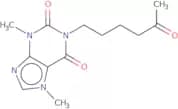
CAS :Produit contrôlé<p>Phosphodiesterase inhibitor</p>Formule :C13H18N4O3Degré de pureté :Min. 95%Couleur et forme :White PowderMasse moléculaire :278.31 g/molH-AFVFPK^-OH
<p>Peptide H-AFVFPK^-OH is a Research Peptide with significant interest within the field academic and medical research. This peptide is available for purchase at Cymit Quimica in multiple sizes and with a specification of your choice.</p>Galanin (2-12) acid
<p>Galanin is a neuropeptide synthesised and released by the brainstem locus coeruleus (LC). Galanin is expressed in most LC neurons in rodents and humans. Galanin has been shown to inhibit LC activity by hyperpolarising LC neurons, suppressing their spontaneous firing rate, and enhancing alpha2-adrenergic receptor-mediated negative feedback. Galanin is also a potent trophic and neuroprotective factor throughout the nervous system.Galanin is widely distributed from the central nervous, peripheral, and endocrine systems. Galanin's overarching function is as an inhibitory, hyper-polarizing neuromodulator for classical neurotransmitters like acetylcholine and serotonin. Galanin interacts with 3 receptor subtypes, GalR1-3 G protein-coupled receptors which are inserted into the plasma membrane. GalR1 is believed to activate a Gβγ pathway to regulate MAPK activation. GalR2 can also activate the MAPK pathway, but unlike GalR1, there is detectable inositol phosphate production. GalR3 is associated with the Galphai/o pathway. Activation of the receptor leads to a cellular influx of K+. Each receptor has been associated with neurological diseases such as GalR3 and epilepsy.Some N-terminal fragments naturally occur in vivo but their relevance is unclear. The physiological relevance of the galanin fragment (2-12) and its affinity to the various GalR receptors has yet to be made clear. Binding assays and displacement assays in rat brain tissue have been performed with similar N-terminal galanin fragments to try and elucidate their function. . The use of N-terminal fragments such as galanin (2-12) can help clarify the function of full-length galanin. This may highlight new agonists/antagonists for the galanin GalR receptors that can be putative therapeutic targets for treatments of conditions such as cardiovascular disease.NMR has used this galanin fragment (2-12) to help characterise the structure of galanin. It shows the critical residues Tyr(9), Leu(10), and Leu(11) for interaction with the galR receptors. They cluster together as collapsed hydrophobic residues irrelevant to forming higher-order structures.</p>Masse moléculaire :1,193.6 g/molAZD 5069
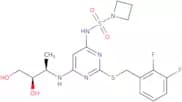
CAS :<p>CXCR2 antagonist</p>Formule :C18H23F2N5O4S2Degré de pureté :Min. 95%Couleur et forme :White To Off-White SolidMasse moléculaire :475.11595ACTH (11-24)
<p>C- terminal fragment of adrenocorticotropic hormone (ACTH) also known as corticotropin, and competitive antagonist of ACTH receptor (ACTHR), also known as melanocortin type 2 receptor (MC2R).ACTH is a member of the melanocortins-peptide family, this tropic hormone is produced and secreted by the anterior pituitary gland. ACTH is an important component of the hypothalamic-pituitary-adrenal (HPA) axis and is often produced in response to biological stress. ACTH acts to increase the production and release of cortisol via its interaction with ACTHR. Receptor activation increases the intracellular concentration of cAMP via adenylyl cyclase. Abnormal ACTH levels in the body have been linked to primary adrenal insufficiency/Addison's disease, Cushing's disease and secondary adrenal insufficiency.</p>Couleur et forme :PowderMasse moléculaire :1,650.1 g/molMotilin Heavy
<p>Peptide derived from the gastrointestinal hormone motilin, secreted from endocrine cells in the small intestines, mainly from the jejunum and duodenum, in response to the fasting, drinking water or the mechanical stimulus of eating. The phenylalanine at position 5 is isotopically labelled with carbon-13(9) and nitrogen-15(1) and the leucine at position 10 is isotopically labelled with carbon-13(6) and nitrogen-15(1).</p>Degré de pureté :Min. 95%Masse moléculaire :2,714.4 g/molIrisin (48-57) Heavy
<p>In recent years, muscle function and dysfunction has become relevant in metabolic homeostasis. Irisin is an exercise-induced myokine, and is the product of type I membrane protein cleavage encoded by the fibronectin type III domain containing 5 (FNDC5) gene. The main beneficial function attributable to irisin is the change of subcutaneous and visceral adipose tissue into brown adipose tissue, with a consequential increase in thermogenesis.Irisin has also been described as a hormone that may have a key role in glucose homeostasis.The valine residue has been isotopically labelled with carbon-13 (5) and nitrogen-15 (1).</p>Degré de pureté :Min. 95%Couleur et forme :PowderMasse moléculaire :1,213.6 g/molIQVPL (EYGF-56)
<p>During extraction of lecithin from egg yolk, peptide by-products can be isolated and purified by gel filtration. Within the by-products this has led to the discovery of biologically active value-added products. The egg yolk gel filtration (EFGF) fractions were analysed for their antioxidant and angiotensin converting enzyme (ACE) inhibitory activities. EYGF-56 predominantly contained 3 peptides - SDNRNQGY, IQVPL, and KGLWE. IQVPL in EYGF-56 was found to have minimal antioxidant activity. YPSPV showed some angiotensin converting enzyme (ACE) inhibitory activity.</p>Degré de pureté :Min. 95%Masse moléculaire :567.4 g/molPip6a
<p>Pip6a is part of a novel series of transduction peptides termed Pips (PNA/PMO internalisation peptides). Pip peptides were designed around an original R6-penetratin cell penetrating peptide (CPP) and are able to transport PNA/PMO molecules across cell membranes. Pip peptides can be covalently conjugated to PNAs/PMOs to deliver them to a variety of adult tissues, including liver, kidney, skeletal muscle, diaphragm, and heart.Due to its ability to target the heart, pip6a has important implications for the development of therapeutic antisense oligonucleotide therapy using PMOs for diseases such as Duchenne muscular dystrophy (DMD). DMD causes progressive muscle weakening and often results in cardiac failure and death. Pip6a has also been studied for delivery of antisense oligonucleotide therapy in spinal muscular atrophy (SMA).</p>Degré de pureté :Min. 95%Couleur et forme :PowderMasse moléculaire :2,952.6 g/molLCBiot-YGGFLRRQFKVVT-OH
<p>Peptide LCBiot-YGGFLRRQFKVVT-OH is a Research Peptide with significant interest within the field academic and medical research. This peptide is available for purchase at Cymit Quimica in multiple sizes and with a specification of your choice.</p>Bordetella Parapertussis Positive Nasopharyngeal Swabs (Liquid)
<p>Please enquire for more information about Bordetella Parapertussis Positive Nasopharyngeal Swabs (Liquid) including the price, delivery time and more detailed product information at the technical inquiry form on this page</p>H-VPFWVRMS-OH
<p>H-VPFWVRMS-OH is a custom peptide that can be synthesized rapidly by our peptide experts in under 2 weeks. H-VPFWVRMS-OH is provided at greater that >98% purity (HPLC) from Cymit Quimica for a variety of research applications. We also offer H-VPFWVRMS-OH in bulk quantities in addition to our standard pack sizes.Please enquire for more information about H-VPFWVRMS-OH at the technical inquiry form on this page</p>Degré de pureté :Min. 95%Ig heavy chain V-III region Heavy
<p>Peptide from the human immunoglobulin heavy chain variable region 3 (IGHV3). The IGHV region is divided into 6 families and participates in antigen recognition. Mutations of IGHV are associated with better responses to some treatments and prolonged survival of some B-cell neoplasms like chronic lymphocytic leukaemia.Immunoglobulins are membrane-bound or secreted glycoproteins produced by B lymphocytes which help shape the adaptive immune response. The antigen binding site is formed by the variable domain of one heavy chain, and with that of its associated light chain. Therefore each immunoglobulin has two antigen binding sites with remarkable affinity for a particular antigen. The arginine residue at position 19 of this peptide is isotopically labelled with carbon-13 (6) and nitrogen-15 (4), giving this peptide a mass increase of 10 compared to the unlabelled peptide.</p>Degré de pureté :Min. 95%Masse moléculaire :1,891 g/molD-AP7
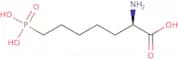
CAS :<p>Please enquire for more information about D-AP7 including the price, delivery time and more detailed product information at the technical inquiry form on this page</p>Formule :C7H16NO5PDegré de pureté :Min. 95%Masse moléculaire :225.18 g/molHistone H3 (22-30) K27Me3
<p>The Histone H3 (22-30)-K27Me3 is derived from Histone 3 (H3) which is one of the four core histones (H2A, H2B, H3 and H4) fundamental in compacting eukaryotic DNA into the nucleosome. The nucleosome arises when 147 base pairs of DNA wrap around a H3-H4 tetramer and two H2A-H2B dimers, forming the histone octamer core. Both H4 and H3 are highly conserved and perform roles in binding to segments of DNA which enter and leave the nucleosome and in chromatin formation. Similar to the other core histone, H3 has a globular domain and a flexible N-terminal domain, 'histone tail' which can undergo modifications such as acetylation, methylation, phosphorylation and ubiquitination. Due to histones containing a large number of lysine and arginine residues they have a positive net charge which interacts in an electrostatic manner with the negatively charged phosphate groups in DNA. The transcriptional activation or silencing of the chromatin is controlled by ATP-dependent chromatin remodelling factors and histone modifying enzymes which target histone proteins. Both processes function to alter to change the positioning of the nucleosome, allowing the DNA it to be either available to the transcription machinery or inaccessible.The Histone H3 (20-36) lysine 27 has been trimethylated which is usually a marker of repressive chromatin. H3K27 trimethylation also prevents H3 from interacting with SET1-like complexes, thus inhibiting the trimethylation of H3K4.</p>Couleur et forme :PowderMasse moléculaire :1,012.6 g/molInfluenza A protein
<p>Influenza A protein is a versatile molecule that plays a crucial role in various biological processes. It has been extensively studied in the field of Life Sciences due to its diverse characteristics and functions. This protein is involved in important signaling pathways, such as the epidermal growth factor and β-catenin pathways, which regulate cell growth and development.</p>Degré de pureté :Min. 95%SARS-CoV-2 Spike (991-1000)
<p>The SARS-CoV-2 spike protein is present on the outside of the virus particles and can bind to angiotensin-converting enzyme II (ACE2) present on the host cells. The C-terminal receptor binding domain (RBD) of the spike protein binds to the N-terminal peptidase M2 domain of ACE2. This receptor binding results in the internalisation of the virus-receptor complex and is, therefore the mechanism of entry of SARS-CoV-2 into host cells.The spike protein residues VQIDRLITGR (991-1000) from SARS-CoV-2 have been identified as a T-cell epitope with a predicted HLA restriction. Immune targeting of confirmed epitopes may potentially offer protection against SARS-CoV-2 and help the development of vaccines for long-lasting immunity.</p>Masse moléculaire :1,170 g/molInsulin B (9-23)
<p>This insulin B-chain peptide binds to a class II histocompatibility complex (MHC) allele called I-Ag7. A number of autoimmune diseases has been linked to class II proteins encoded by the MHC. Type 1 diabetes, or insulin-dependent diabetes mellitus, is a T cell-mediated disease that results in autoimmune destruction of pancreatic ß cells leading to hyperglycemia. This insulin β peptide may be a self-antigen candidate that could initiate the disease. Immunisation with this peptide in mice led to autoantibodies and insulitis. In the non-obese diabetic (NOD) mouse model, this peptide represents the dominant insulin peptide driving disease initiation.Insulin is a polypeptide composed of two peptide chains referred to as the alpha chain and β chain. Insulin is normally secreted rapidly from the β-cells of the pancreatic islets in response to nutrients absorbed after a meal. In type 1 diabetes mellitus, there may be an absolute insulin deficiency as a consequence of autoimmune destruction of the β-cells.</p>Couleur et forme :PowderMasse moléculaire :1,644.8 g/molBiotinylated L57
<p>The blood-brain barrier (BBB) is a major obstacle to drug delivery into the central nervous system (CNS), in particular for macromolecules such as peptides and proteins. However, certain macromolecules can reach the CNS via a receptor-mediated transcytosis (RMT) pathway, and low-density lipoprotein receptor-related protein 1 (LRP1) is one of the promising receptors for RMT. Recent studies have shown that biotinylated L57 binds to LRP1 (CL4)-Fc more efficiently than Angiopep-7 (a different LRP1 ligand), which might explain the improved BBB permeability of L57.</p>Masse moléculaire :3,110.6 g/molDystrophin (50-61)
<p>Forms of inherited muscular dystrophy such as Duchenne muscular dystrophy (DMD) and Becker muscular dystrophy (BMD) result from mutations targeting the dystrophin gene. These disorders are X-linked, progressive, and cause the gradual weakening of the muscles leading to respiratory failure and ultimately reduces the patient lifespan.In DMD, mutations lead to the production of premature stop codons and hence the truncated dystrophin protein product is vulnerable to nonsense mediated decay and degradation. Therefore, dystrophin production in muscle cells is reduced. On the other hand, nonsense mutations which also contribute to DMD, cause exon skipping in BMD and result in an internally truncated protein product which are partially functional. The symptoms of BMD are later onset compared with DMD which develop in patients between 2 to 7 years.Treatments of dystrophin disorders are in clinical trials including antisense oligonucleotide exon skipping and gene therapy. However, the efficacies of these treatments are not easily quantified. Currently levels of muscular dystrophin are quantified by western blot which can be unreliable. The peptide provided here, aligning residues dystrophin (50-61), has been used to try and create a quantifiable method that is reproducible. The method used was not successful, but dystrophin (50-61) remains a useful tool to create a potential quantification method for diagnosis and progress of dystrophin disorders as it was effectively detected by mass spectrometry and Western blot. Within our catalogue we also have other peptides tested for dystrophin quantification available plus the full-length dystrophin protein.</p>I-RW
<p>The peptide IRW, characterised from egg protein, exhibits inhibitory properties against the angiotensin converting enzyme (ACE2) and could be used to prevent cardiovascular disease with further research. Treatment of hypertensive mice with IRW induced endothelium-dependent vasorelaxation and reduced vascular inflammation. The IRW tripeptide acts as anti-hypertensive by upregulating ACE2 activity via the Mas receptor (MasR) and upregulating Akt/eNOS signalling in the aorta. IRW also induces superoxide dismutase (SOD), catalase (CAT), and glutathione peroxidase (GPx) activity. These may play a factor in IRW's role as an anti-inflammatory. IRW shows promise as a nutraceutical for inflammatory conditions and a tool for drug development in cardiovascular disease.</p>Degré de pureté :Min. 95%Masse moléculaire :1,830.9 g/molAldehyde Dehydrogenase antibody
<p>Aldehyde dehydrogenase antibody was raised in rabbit using aldehyde dehydrogenase isolated from yeast as the immunogen.</p>Degré de pureté :Min. 95%Ubiquitin K48 Light
<p>This sequence corresponds to the peptide bond between mammalian Lys48- (K48) linked Ub proteins- where (GG) corresponds to the C-terminus of the side chain appended Ub.K48-linked chains are the most abundant Ub chain types, and target proteins for proteasomal degradation.</p>Degré de pureté :Min. 95%Masse moléculaire :1,459.8 g/molAlbumin (51-62) Bovine
<p>Albumin (51-62) Bovine is derived from the globular protein Albumin and is found in the blood plasma of humans (known as Human Serum Albumin, HSA) where it serves to maintain plasma pressure and nutritional balance. Another role it carries out is the transportation of bound molecules through the blood. Bovine serum albumin (BSA), composed of 583 amino acids, is very similar to HSA thus allowing BSA to be used as a successful model and a standard protein in laboratory experiments.Although BSA and HAS share homology in their three domains, I, II and III, BSA contains 2 tryptophan whereas HAS only contains 1 tryptophan residue.In agriculture the presence of the albumin protein has been used to assess the health of cows to ensure that a suitable quality of milk and meat are produced. Moreover it is important to detect bovine albumin in food and pharmaceutical products due to it being an allergenic protein.</p>Couleur et forme :PowderMasse moléculaire :1,510.8 g/molOVA (323 - 339) amide
<p>Ova (323-339) is an epitope of interest from egg white albumen, which is widely used in allergy research. Ovalbumin is a glycoprotein that is sufficiently large and complex to be mildly immunogenic. It has been demonstrated that ovalbumin contains B-cell epitopes which are recognized by specific IgE antibodies, and CD4 T cell epitopes restricted by the MHC I-Ad molecule in mice and by HLA-D molecule in human.OVA (323-339) can be used to study binding of class II MHC-peptide and T-cell activation in PBMCs by ELISPOT assays. This method quantifies peptide-epitope specificity and IFN-γ releasing effector cells. It has been shown that OVA (323-339) was responsible for 25-35% of T-cell response of isolated BALB/c mouse. An investigation has demonstrated that OVA and OVA (323-339) induced similar lung inflammation and a Th2-like dominant immune response in mouse model.</p>Masse moléculaire :1,771.9 g/molACTH (1-13), human
CAS :<p>Custom research peptide; min purity 95%. For different specs please use the Peptide Quote Tool</p>Formule :C75H106N20O19SMasse moléculaire :1,623.9 g/molAc-REALSNKVDELAHC-NH2
<p>Ac-REALSNKVDELAHC-NH2 is a custom peptide that can be synthesized rapidly by our peptide experts in under 2 weeks. Ac-REALSNKVDELAHC-NH2 is provided at greater that >95% purity (HPLC) from Cymit Quimica for a variety of research applications. We also offer Ac-REALSNKVDELAHC-NH2 in bulk quantities in addition to our standard pack sizes.Please enquire for more information about Ac-REALSNKVDELAHC-NH2 at the technical inquiry form on this page</p>Degré de pureté :Min. 95%Annexin A1 (2-12)
<p>Annexin A1 (2-12) is derived from the Annexin A1 protein which is a member of the Ca2+ dependent phospholipid binding protein family of Annexins A1 to A13. Structurally Annexin is comprised of a C-terminal core region and an N-terminal region. Calcium binding sites featured in the core region allow Annexin A1 to bind to cell membranes to induce membrane aggregation in a calcium dependent manner. Furthermore Annexin A1's N-terminal region performs extracellular signalling through forming complexes with SH2 domain containing proteins. Different lengths of the Annexin family's N-terminus contributes to how the Annexins effect key processes such as cell proliferation, apoptosis, growth and differentiation.Annexin A1 can be categorised as being both anti-inflammatory and pro-inflammatory. One example of how Annexin A1 demonstrates anti-inflammatory properties is through activating the formyl peptide receptor family's (FGRs) downstream cascade. Consequently the extracellular regulated kinase (ERK) and mitogen-activated protein kinase (MAPK) are phosphorylated, causing subsequent transcription factors involved in the regulation of T cells to generate anti-inflammatory effects. Another is through inhibiting phospholipase A2 which prevents the release of inflammatory factors and the formation of arachidonic acid precursors. This property has contributed to inflammation studies such as where the inhibition of pro-inflammatory prostaglandins by Annexin A1 was used to investigate leukocyte aggregation.During its anti-inflammatory role Annexin A1 uses the active peptide Ac2-26 located on its N-terminus. It is evident Annexin A1 can be labelled as being pro-inflammatory due to it inducing pro-inflammatory cytokines, following its phosphorylation by PKC. This results in its translocation into the nucleus of BV-2 microglial cells.</p>Couleur et forme :PowderMasse moléculaire :1,351.59 g/mol[5-FAM]-Galanin (1-30) Human
<p>Galanin (1-30) (human) is an endogenous neuropeptide with endocrine, metabolic and behavioural effects. Galanin has a role in intestinal smooth muscle contraction, insulin and somatostatin release, and synaptic neurotransmission.Galanin is widely distributed in the central nervous, peripheral, and endocrine systems. Galanin's overarching function is as an inhibitory, hyper-polarizing neuromodulator for classical neurotransmitters like acetylcholine and serotonin. Galanin interacts with 3 receptor subtypes, GalR1-3 which are G protein-coupled receptors inserted into the plasma membrane. GalR1 is believed to activate a Gβγ pathway to regulate MAPK activation. GalR2 can also activate the MAPK pathway, but unlike GalR1, there is detectable inositol phosphate production. GalR3 is associated with the Galphai/o pathway. Activation of the receptor leads to a cellular influx of K+. Each receptor has been associated with neurological diseases such as GalR3 and epilepsy.Galanin protects against various physiological insults in vitro, including excitotoxicity and β-amyloid toxicity. Changes in galanin have been widely studied concerning Alzheimer's disease, and galaninergic neurons are spared in late-stage Alzheimer's relative to non-galaninergic neurones.Galanin (1-30) has been used as an agonist for the GalR2 receptor in vitro for calcium mobilisation assays to understand the role Galanin/GalR2 play in multiple sclerosis.Galanin (1-30) is provided with an N-terminal 5-FAM, a widely used green fluorescent reagent ideal for peptide labelling and detection. The excitation/emission for this reagent is 490 nm/520 nm.</p>Masse moléculaire :3,513.6 g/mol






![[Leu5]-Enkephalin Heavy](/_next/image/?url=https%3A%2Fstatic.cymitquimica.com%2Fproducts%2F3D%2Fthumb-webp%2FCRB1300673.webp&w=3840&q=75)












![[5-FAM]-PTH (1-34)](/_next/image/?url=https%3A%2Fstatic.cymitquimica.com%2Fproducts%2F3D%2Fthumb-webp%2FCRB1100983.webp&w=3840&q=75)

























![[5-FAM]-Galanin (1-30) Human](/_next/image/?url=https%3A%2Fstatic.cymitquimica.com%2Fproducts%2F3D%2Fthumb-webp%2FCRB1101476.webp&w=3840&q=75)