Antibiotiques
Les antibiotiques sont des composés conçus pour détruire ou inhiber la croissance de divers microorganismes, jouant un rôle crucial dans le traitement des infections et la prévention de la propagation des maladies. Cette catégorie offre une gamme diversifiée d'ingrédients actifs spécifiquement destinés à la recherche dans le domaine biochimique. Ces composés sont des outils essentiels pour étudier les mécanismes bactériens, les modèles de résistance et le développement de nouveaux agents thérapeutiques. Les chercheurs peuvent explorer une large variété d'antibiotiques pour comprendre leurs effets, optimiser leur utilisation et développer de nouveaux traitements pour combattre les menaces microbiennes émergentes. La disponibilité d'un spectre aussi large d'antibiotiques soutient la recherche avancée et l'innovation en microbiologie et en sciences pharmaceutiques.
Sous-catégories appartenant à la catégorie "Antibiotiques"
- Antibiotiques macrolides(26 produits)
- Antibiotiques stéroïdiens(31 produits)
- Antibiotiques de type tétracycline(20 produits)
- antibiotiques β-lactames(11 produits)
4086 produits trouvés pour "Antibiotiques"
Trier par
Degré de pureté (%)
0
100
|
0
|
50
|
90
|
95
|
100
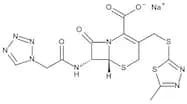
Cefazolin Sodium Salt (CFZL), 89-110%
CAS :Formule :C14H13N8NaO4S3Degré de pureté :89 - 110%Couleur et forme :White to off-white, Powder, ClearMasse moléculaire :476.49Doxycycline Hyclate (DXH), 800U/mg
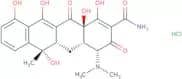
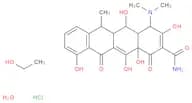
CAS :Formule :C22H24N2O8·HClH2OC2H6OCouleur et forme :Yellow, Hygroscopic crystalline powderMasse moléculaire :512.94Allantoin ExiPlus, 98.5%
CAS :Formule :C4H6N4O3Degré de pureté :min, 98.5%Couleur et forme :White, Powder or crystal, Almost clearMasse moléculaire :158.12Streptavidin (SA) ex. Streptomyces Avidinii for molecular biology, 15U/mg Protein
CAS :Couleur et forme :White to off-white, Powder, Clear to hazy, Colourless to faint yellowMasse moléculaire :60000.00Kanamycin Acid Sulphate (KS) extrapure, 670U/mg
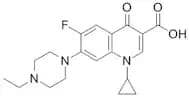
CAS :Formule :C18H40N4O19S2Couleur et forme :White to off white, Powder, Clear, Colourless to pale yellowMasse moléculaire :680.65Enrofloxacin (EFX), 98%
CAS :Formule :C19H22FN3O3Degré de pureté :min. 98%Couleur et forme :Pale yellow to light yellow, Crystalline powderMasse moléculaire :359.39Mecillinam (MCL) extrapure, 95%
CAS :Formule :C15H23N3O3SDegré de pureté :min. 95.0%Couleur et forme :White to Light yellow to Light beige, PowderMasse moléculaire :325.43Ticarcillin Disodium Salt extrapure, 85%, Endotoxin (BET) 0.05EU/mg
CAS :Formule :C15H14N2O6S2Na2Degré de pureté :min. 85%Couleur et forme :White to pale yellow, PowderMasse moléculaire :428.39Ciprofloxacin Hydrochloride Hydrate (CPFX), 98-102%
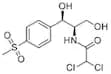
CAS :Formule :C17H18FN3O3·HCl·xH20Degré de pureté :98% - 102%Couleur et forme :Pale yellow, Crystalline powder, Clear, Pale yellowMasse moléculaire :367.80 (anhydrous)Thiamphenicol (TMP), 98%
CAS :Formule :C12H15Cl2NO5SDegré de pureté :min. 98%Couleur et forme :White to off white, Crystalline powderMasse moléculaire :356.22Tauroxicum
CAS :<p>Tauroxicum (Taurox) is formulated by COBAT to reduce fatigue and improve quality of life.</p>Formule :C31H46N8O5Degré de pureté :>99.99%Couleur et forme :SolidMasse moléculaire :610.76Lincomycin-B
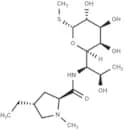
CAS :Lincomycin-B is a lincosamide antibiotic isolated from the actinomycete Streptomyces lincolnensis.Formule :C17H32N2O6SDegré de pureté :98%Couleur et forme :SolidMasse moléculaire :392.514-Epitetracycline hydrochloride
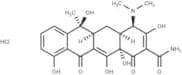
CAS :<p>Epitetracycline is an epimer of the antibiotic tetracycline . Epimers of tetracycline form without catalysis and are considered degradation products. Epitetracycline has decreased activity as an antibiotic or a Tet repressor effector but may have stronger toxic effects in animals.</p>Formule :C22H25ClN2O8Couleur et forme :SolidMasse moléculaire :480.90N4Py
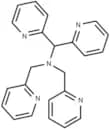
CAS :<p>N4Py is a good synthetic mimic of the Bleomycins (BLMs), which are a family of natural antibiotics used clinically in the treatment of certain cancers.</p>Formule :C23H21N5Degré de pureté :98%Couleur et forme :SolidMasse moléculaire :367.45Ionomycin calcium
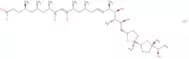
CAS :<p>Ionomycin calcium (SQ23377 calcium) is an effective and selective calcium ionophore, exhibiting high specificity for calcium ions. Cost-effective and quality-assured.</p>Formule :C41H70CaO9Degré de pureté :98% - 98.11%Couleur et forme :SolidMasse moléculaire :747.07Azaserine
CAS :<p>Azaserine (CI-337) is a tumor-inhibiting antibiotic isolated from a species of Streptomyces and functions as an inhibitor of glutamine amidotransferase.</p>Formule :C5H7N3O4Degré de pureté :98% - 99.84%Couleur et forme :SolidMasse moléculaire :173.13Myriocin
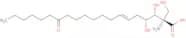
CAS :<p>Myriocin is a potent fungal metabolite that is an inhibitor of sphingolipid biosynthesis. It is originally sourced from the ascomycete fungus *Isaria* sinclairii. Myriocin functions by specifically inhibiting serine palmitoyltransferase, the key enzyme in the de novo sphingolipid biosynthesis pathway, effectively reducing the production of ceramides and sphingomyelins. This mechanism of action makes Myriocin a significant tool in the study of sphingolipid metabolism and signaling pathways.</p>Formule :C21H39NO6Degré de pureté :Min. 95%Couleur et forme :PowderMasse moléculaire :401.54 g/molActinomycin V
CAS :<p>An analogue of Actinomycin D and an antitumor agent. Due to lower hepatotoxicity, Actinomycin V is more often used than Actynomycin D in chemotherapy and shows great efficiency against human breast cancer cells.</p>Formule :C62H84N12O17Degré de pureté :Min. 95%Couleur et forme :PowderMasse moléculaire :1,269.4 g/molIonomycin calcium
CAS :<p>Ionomycin calcium is a potent calcium ionophore, which is derived from natural sources such as certain Streptomyces species. Its primary mode of action involves facilitating the translocation of calcium ions (Ca^2+) across biological membranes, specifically transporting them from external environments or intracellular stores into the cytoplasm. This action significantly elevates intracellular calcium levels.</p>Formule :C41H70O9•CaDegré de pureté :Min. 95%Masse moléculaire :747.07 g/molDesacetylcephalothin sodium
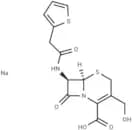
CAS :<p>Deacetylcephalothin Sodium Salt is an impurity in the synthesis of Cefalonium. It used as a long-acting intramammary cerate for the infusion of dairy cows.</p>Formule :C14H14N2NaO5S2Couleur et forme :SolidMasse moléculaire :377.38L-Azatyrosine
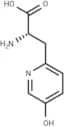
CAS :<p>L-Azatyrosine from Streptomyces chibaensis is an antitumor antibiotic reversing Ras-transformed cell behavior.</p>Formule :C8H10N2O3Couleur et forme :SolidMasse moléculaire :182.179L-(+)-Ampicillin
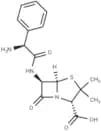
CAS :<p>L-(+)-Ampicillin is an isomer of Ampicillin. Ampicillin is a β-lactam antibiotic used for treating bacterial infections.</p>Formule :C16H19N3O4SDegré de pureté :98%Couleur et forme :SolidMasse moléculaire :349.40Tebipenem
CAS :<p>Tebipenem is an orally available carbapenem antibiotic. It displays broad-spectrum activity against Gram-positive and -negative bacteria.</p>Formule :C16H21N3O4S2Degré de pureté :98% - 99.77%Couleur et forme :SolidMasse moléculaire :383.49Sinafloxacin Mesylate
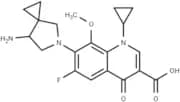
CAS :<p>Sinafloxacin Mesylate is a quinolone antibiotic potentially for the treatment of bacterial infections.</p>Formule :C20H22FN3O4Degré de pureté :98%Couleur et forme :SolidMasse moléculaire :387.40D,L-Alanosine Sodium Salt
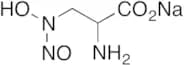
CAS :Produit contrôlé<p>Stability Hygroscopic<br>Applications D,L-Alanosine is an antibiotic substance from the fermentation of Streptomyces alanosinicus. An experimental insect reproduction inhibitor.<br>References Gale, et al.: Biochem. Pharmacol., 17, 363 (1968); Kenaga, E.E.: J. Econ. Entomol., 62, 1006 (1969); Matsumoto, S., et al.: Agric. Biol. Chem., 48, 827 (1984)<br></p>Formule :C3H6N3NaO4Couleur et forme :NeatMasse moléculaire :171.09(S)-(-)-Ofloxacin-d3 (N-methyl-d3)
CAS :Produit contrôlé<p>Applications (S)-(-)-Ofloxacin-d3 (N-methyl-d3) (CAS# 2208780-63-4) is a useful isotopically labeled research compound.<br></p>Formule :C18H17D3FN3O4Couleur et forme :NeatMasse moléculaire :364.395-Hydroxyhexanoic Acid Sodium Salt
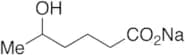
CAS :Produit contrôlé<p>Stability Hygroscopic<br>Applications A new constituent of bacterial polyhydroxyalkanoic acids.<br>References Bollard, M., et al.: Toxicol. Appl. Pharmacol., 204, 135 (2005), Slupsky, C., et al.: Anal. Chem., 79, 6995 (2007),<br></p>Formule :C6H11NaO3Couleur et forme :NeatMasse moléculaire :154.14A 54556A (~90%)
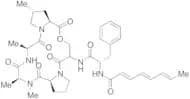
CAS :Produit contrôléFormule :C38H50N6O8Degré de pureté :~90%Couleur et forme :NeatMasse moléculaire :718.84N-MOM-Cefditoren Pivoxil
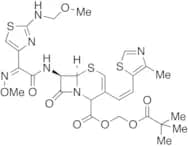
Produit contrôlé<p>Applications N-MOM-Cefditoren Pivoxil is a derivative of Cefditoren Pivoxil (C242700), an antibacterial, third generation cephalosporin.<br>References Sakagami, K., et al.: J. Antibiot., 43, 1047 (1990), Felmingham, D., Drugs Exp. Clin. Res., 20, 127 (1994), Iwai, N., et al.: Jpn. J. Antibiot., 47, 181 (1994)<br></p>Formule :C27H32N6O8S3Couleur et forme :NeatMasse moléculaire :664.77(Z)-7-(((2R)-2-Carboxy-2-((4-oxopentan-2-yl)amino)ethyl)thio)-2-((S)-2,2-dimethylcyclopropanecarboxamido)hept-2-enoic Acid (>90%)
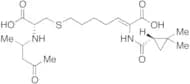
Produit contrôlé<p>Applications (Z)-7-(((2R)-2-Carboxy-2-((4-oxopentan-2-yl)amino)ethyl)thio)-2-((S)-2,2-dimethylcyclopropanecarboxamido)hept-2-enoic Acid is an impurity of Cilastatin (C441100), prevents renal metabolism of penem and carbapenem antibiotics by specific and reversible dehydropeptidase I inhibition. Antibacterial adjunct.<br>References Finlay, K.R., et al.: Invest. Ophthalmol. Visual Sci., 24, 1147 (1983), Norrby, S.R., et al.: Antimicrob. Agents Chemother., 23, 300 (1983), Washburn, D.E., et al.: J. Antimicrob. Chemother., 12, 39 (1983),<br></p>Formule :C21H34N2O6SDegré de pureté :>90%Couleur et forme :NeatMasse moléculaire :442.57Furazabol (1mg/ml in Acetonitrile)
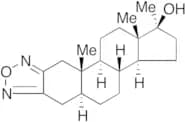
CAS :Produit contrôléFormule :C20H30N2O2Couleur et forme :Single SolutionMasse moléculaire :330.462,3-Bis[(acetyloxy)methyl]-1-oxoquinoxalin-1-ium-4(1H)-olate
CAS :Produit contrôlé<p>Applications 2,3-Bis[(acetyloxy)methyl]-1-oxoquinoxalin-1-ium-4(1H)-olate is an antibiotic.<br>References Marrero-Ponce, Yovani, et al.: Bioorg. & Med. Chem., 13(8), 2881-2899 (2005)<br></p>Formule :C14H14N2O6Couleur et forme :NeatMasse moléculaire :306.27(17α)-Hydroxy-6α,17a-dimethyl-D-homoandrost-4-ene-3,17-dione 17-Acetate
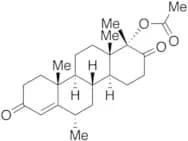
Produit contrôlé<p>Applications (17α)-Hydroxy-6α,17a-dimethyl-D-homoandrost-4-ene-3,17-dione 17-Acetate is an impurity of Medroxyprogesterone 17-Acetate (M203560).<br></p>Formule :C24H34O4Couleur et forme :NeatMasse moléculaire :386.53Methylthymol Blue Sodium Salt
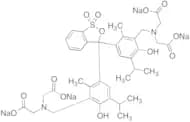
CAS :Produit contrôlé<p>Applications Methylthymol Blue Sodium Salt is a thymol containing organic dye.<br></p>Formule :C37H40N2Na4O13SCouleur et forme :NeatMasse moléculaire :844.74Tropodithietic acid
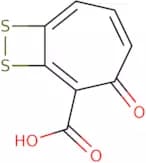
CAS :<p>Tropodithietic acid is a bioactive compound, which is a potent antibacterial agent derived from certain marine bacteria, including the genus Phaeobacter. This antibiotic is characterized by its ability to disrupt quorum sensing, a mechanism that bacteria use for communication and coordination of group behaviors, including virulence. By interfering with this process, tropodithietic acid impedes bacterial colonization and biofilm formation, effectively inhibiting pathogenic activity.</p>Degré de pureté :Min. 95%Lincomycin B hydrochloride
CAS :<p>Inhibitor of protein synthesis; lincosamide</p>Formule :C17H33ClN2O6SDegré de pureté :Min. 95%Masse moléculaire :428.97 g/molKanamycin A
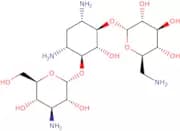
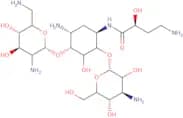
CAS :<p>Inhibitor of protein synthesis; aminoglycoside</p>Formule :C18H36N4O11Degré de pureté :Min. 95%Couleur et forme :White Clear LiquidMasse moléculaire :484.5 g/molClindamycin-2,4-diphosphate
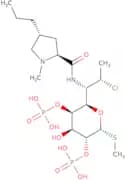
CAS :<p>Clindamycin-2,4-diphosphate is a phosphorylated derivative of the antibiotic clindamycin, which is a semi-synthetic lincosamide antibiotic originally derived from Streptomyces lincolnensis. Its mode of action involves the inhibition of bacterial protein synthesis by binding to the 50S ribosomal subunit, thereby preventing peptide chain elongation during translation. This mechanism effectively disrupts protein production in susceptible bacteria, leading to their growth inhibition or death.</p>Formule :C18H35ClN2O11P2SDegré de pureté :Min. 95%Masse moléculaire :584.94 g/molErythromycin iactobionate
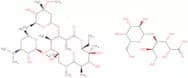
CAS :<p>Erythromycin lactobionate is a macrolide antibiotic, which is derived from the bacterium *Saccharopolyspora erythraea*. Its mode of action involves binding to the 50S subunit of the bacterial ribosome, thereby inhibiting protein synthesis and leading to the suppression of bacterial growth. This mechanism effectively targets gram-positive bacteria and some gram-negative bacteria, making it a crucial agent in the fight against various bacterial infections.</p>Formule :C49H87NO24Degré de pureté :Min. 95%Couleur et forme :White To Off-White SolidMasse moléculaire :1,074.21 g/molClindamycin B hydrochloride
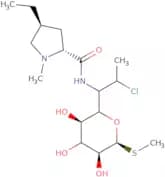
CAS :<p>Clindamycin B hydrochloride is a semi-synthetic antibiotic, which is derived from the parent compound, lincomycin, obtained from the bacterium *Streptomyces lincolnensis*. It exerts its antibacterial effects by binding to the 50S subunit of the bacterial ribosome, inhibiting protein synthesis by preventing peptide bond formation, which is essential for bacterial growth and survival.</p>Formule :C17H31ClN2O5S•HClDegré de pureté :Min. 95%Couleur et forme :White To Off-White SolidMasse moléculaire :447.42 g/molCefotiam
CAS :<p>Cefotiam is a broad-spectrum cephalosporin antibiotic, which is a beta-lactam compound derived from the mold Acremonium. It functions by inhibiting bacterial cell wall synthesis, particularly by targeting penicillin-binding proteins, which leads to cell lysis and death in susceptible bacteria. This mechanism of action makes it effective against various Gram-positive and Gram-negative bacteria.</p>Formule :C18H23N9O4S3Degré de pureté :Min. 95%Couleur et forme :PowderMasse moléculaire :525.62 g/molAmikacin B Sulfate
CAS :<p>Inhibitor of protein synthesis; aminoglycoside</p>Formule :C22H44N6O12xH2so4Degré de pureté :Min. 95%Masse moléculaire :584.62 g/molCeftobiprole medocaril
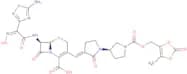
CAS :<p>Ceftobiprole medocaril is a prodrug of the cephalosporin class, which is a beta-lactam antibiotic. It is synthetically derived, designed to combat Gram-positive and Gram-negative bacteria. The mode of action involves binding to penicillin-binding proteins (PBPs), crucial for bacterial cell wall synthesis, ultimately leading to bacterial cell lysis and death.</p>Formule :C26H26N8O11S2Degré de pureté :Min. 95%Masse moléculaire :690.66 g/molNarasin
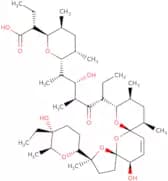
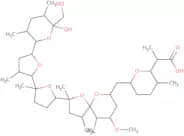
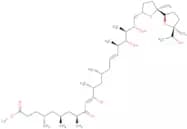
CAS :<p>Narasin is an ionophore antibiotic, which is a fermentation product derived from certain strains of the bacterium *Streptomyces aureofaciens*. It functions by disrupting the ion gradients across cell membranes, specifically facilitating the transport of sodium and potassium ions. This action interferes with the energy metabolism of certain pathogenic microorganisms, rendering them unable to proliferate effectively.</p>Formule :C43H72O11Degré de pureté :Min. 95%Masse moléculaire :765.03 g/molRolitetracycline
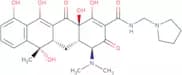
CAS :<p>Rolitetracycline is a semi-synthetic tetracycline antibiotic, which is derived from the natural compound tetracycline. It functions primarily by inhibiting protein synthesis in susceptible bacteria. This is achieved through the binding to the 30S ribosomal subunit, effectively blocking the attachment of aminoacyl-tRNA to the mRNA-ribosome complex, thereby preventing the addition of new amino acids to the nascent peptide chain. As a result, bacterial cell growth is inhibited, leading to bacteriostatic effects.</p>Formule :C27H33N3O8Degré de pureté :Min. 95%Couleur et forme :PowderMasse moléculaire :527.57 g/molPiericidin A
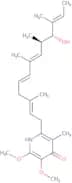
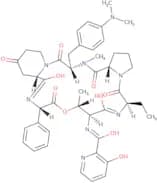
CAS :<p>Piericidin A is a microbial metabolite, specifically a type of polyketide, which is derived from the bacterium of the genus Streptomyces. This compound acts as an electron transport chain inhibitor by specifically binding to the ubiquinone binding site of complex I (NADH:ubiquinone oxidoreductase) in mitochondria. This mode of action results in the disruption of ATP production through oxidative phosphorylation.</p>Formule :C25H37NO4Degré de pureté :Min. 95%Masse moléculaire :415.57 g/molPristinamycin IA
CAS :<p>Pristinamycin IA is a streptogramin antibiotic, which is a natural product derived from the bacterium *Streptomyces pristinaespiralis*. It operates by inhibiting bacterial protein synthesis through the disruption of ribosomal function, specifically targeting the 50S ribosomal subunit. This mode of action is effective in halting bacterial growth, making it particularly significant in combating resistant strains.</p>Formule :C45H54N8O10Degré de pureté :Min. 95%Masse moléculaire :866.96 g/molLydicamycin
CAS :<p>Lydicamycin is an antibacterial compound, which is a polyketide-derived antibiotic produced by the microorganism Streptomyces. This natural compound functions by inhibiting bacterial protein synthesis, effectively interrupting critical cellular processes within susceptible bacteria. The mode of action primarily focuses on binding to the bacterial ribosome, thereby disrupting protein production and inhibiting bacterial growth.</p>Formule :C47H74N4O10Degré de pureté :Min. 95%Masse moléculaire :855.11 g/mol2'-Deoxycoformycin
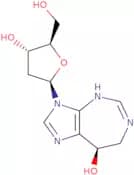
CAS :<p>2'-Deoxycoformycin is a potent adenosine deaminase inhibitor, which is derived from the fermentation of Streptomyces antibioticus, a species of actinomycete bacteria. This compound acts by specifically inhibiting the enzyme adenosine deaminase, leading to an accumulation of toxic deoxyadenosine triphosphate in lymphocytes. This buildup hinders DNA synthesis, effectively suppressing the proliferation of lymphoid cells.</p>Formule :C11H16N4O4Degré de pureté :Min. 95%Masse moléculaire :268.27 g/mol25-Desacetyl rifapentin
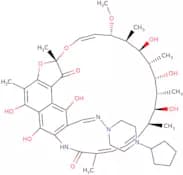
CAS :<p>25-Desacetyl rifapentin is a derivative of rifapentin, an antibiotic belonging to the rifamycin class, sourced from the bacterial species *Amycolatopsis rifamycinica*. This compound functions by inhibiting bacterial DNA-dependent RNA polymerase, which is crucial for transcription in susceptible bacterial strains. By inhibiting this enzyme, 25-Desacetyl rifapentin effectively hampers RNA synthesis, ultimately leading to bacterial cell death.</p>Formule :C45H62N4O11Degré de pureté :Min. 95%Couleur et forme :PowderMasse moléculaire :834.99 g/molVirginiamycin - Complex of M1+S1
CAS :<p>Virginiamycin - Complex of M1+S1 is an antibiotic compound, which is derived from the actinobacterium Streptomyces virginiae. It functions through the inhibition of bacterial protein synthesis by binding to the 50S ribosomal subunit, thereby obstructing peptide bond formation and impeding microbial growth. The complex is composed of two major components: Virginiamycin M1 and Virginiamycin S1, which synergistically enhance antimicrobial efficacy.</p>Formule :C71H84N10O17Degré de pureté :Min. 95%Masse moléculaire :1,349.48 g/molPC 190723
CAS :<p>PC 190723 is a synthetic chemical compound, which is derived through targeted chemical synthesis processes involving precise organic reactions. Its mode of action involves disrupting cellular division by inhibiting specific protein functions essential for the mitotic process. This molecular interaction results in potent effects on cell division, making it a valuable tool for studying cellular mechanics and developing therapeutic strategies.</p>Formule :C14H8ClF2N3O2SDegré de pureté :Min. 95%Masse moléculaire :355.75 g/molCefodizime
CAS :<p>Cefodizime is a third-generation cephalosporin antibiotic, which is derived from the fungus Acremonium. It exerts its bactericidal effects by inhibiting bacterial cell wall synthesis. This action is achieved through binding to penicillin-binding proteins (PBPs), leading to the interruption of peptidoglycan cross-linking essential for the bacterial cell wall integrity. The breakdown of cell wall synthesis results in the lysis and death of the bacterial cell.</p>Degré de pureté :Min. 95%Tunicamycin
CAS :<p>Inhibitor of N-glycosylation in eukaryotes</p>Formule :C37H60N4O16Degré de pureté :Min. 95%Couleur et forme :PowderMasse moléculaire :816.89Porfiromycin
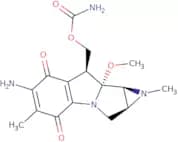
CAS :<p>Porfiromycin is an antineoplastic antibiotic with action on DNA alkylation and cross-linking and is used for research on cancer treatment, particularly for hypoxic tumors.</p>Formule :C16H20N4O5Degré de pureté :Min. 95 Area-%Couleur et forme :PowderMasse moléculaire :348.35 g/molSitafloxacin
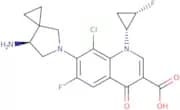
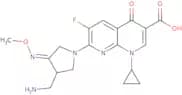
CAS :<p>Sitafloxacin is an antibacterial agent belonging to the fluoroquinolone class of antibiotics, which is synthetically derived from chemical processes involving fluorinated quinolones. Its mode of action involves the inhibition of bacterial DNA gyrase and topoisomerase IV, enzymes crucial for bacterial DNA replication and transcription. By interfering with these enzymes, Sitafloxacin effectively hampers bacterial DNA synthesis, leading to the eventual demise of the bacterial cell.</p>Formule :C19H18ClF2N3O3Degré de pureté :Min. 95%Couleur et forme :SolidMasse moléculaire :409.81 g/molImipenem Monohydrate, Antibiotic for Culture Media Use Only
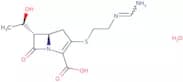
CAS :<p>Imipenem acts as an antimicrobial through inhibiting cell wall synthesis of various gram-positive and gram-negative bacteria. It remains very stable in the presence of beta-lactamase (both penicillinase andcephalosporinase) produced by some bacteria, and is a strong inhibitor of beta-lactamases from some gram-negative bacteria that are resistant to most beta-lactam antibiotics.</p>Formule :C12H19N3O5SDegré de pureté :Min. 98.0 Area-%Masse moléculaire :317.36 g/molPiperacillin oxalylamide
CAS :<p>Piperacillin oxalylamide is an investigational antibiotic, which is a synthetic derivative of the widely used β-lactam antibiotic, piperacillin. Its development is rooted in the quest to combat β-lactamase-producing resistant bacterial strains, which are a growing threat in clinical settings. It operates by inhibiting bacterial cell wall synthesis, similar to other β-lactam antibiotics, but possesses a modified structure that enhances its resistance to enzymatic degradation by β-lactamases.</p>Formule :C23H29N5O8SDegré de pureté :Min. 95%Masse moléculaire :535.57 g/molBiotinamidocaproate tobramycin amide
CAS :<p>Biotinamidocaproate tobramycin amide is a chemical conjugate, serving as an innovative antimicrobial agent derived from the integration of biotin with tobramycin, an aminoglycoside antibiotic. This product embodies the amalgamation of tobramycin’s robust antibacterial properties with biotin’s ability to guide compounds specifically to targets through biotin-avidin interactions.</p>Formule :C34H62N8O12SDegré de pureté :Min. 95%Masse moléculaire :806.97 g/molDicloxacillin sodium salt monohydrate
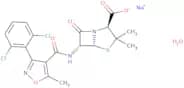
CAS :<p>Dicloxacillin sodium salt monohydrate is a beta-lactam antibiotic with action on bacterial cell wall synthesis and is used for treating infections caused by penicillinase-producing bacteria.</p>Formule :C19H16Cl2N3NaO5S·H2ODegré de pureté :Min. 95%Couleur et forme :White PowderMasse moléculaire :510.32 g/molTigecycline hydrate
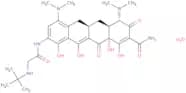
CAS :<p>Inhibitor of protein synthesis; glycylcycline class</p>Formule :C29H39N5O8Degré de pureté :Min. 95%Masse moléculaire :585.65 g/molBleomycin HCl
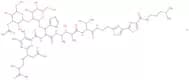
CAS :<p>Inducer of DNA strand breaks; glycopeptide antibiotic, anti-neoplastic</p>Formule :C50H71N16O21S2R•(HCl)xDegré de pureté :Min. 95%Couleur et forme :White To Off-White SolidAnhydro erythromycin A
CAS :<p>Anhydro erythromycin A is a semi-synthetic derivative of erythromycin A, which has been shown to be an effective inhibitor of bacterial growth, showing higher selectivity for this inhibition. It is a prodrug that is activated by acid catalysis and can be used as a substitute against methicillin-resistant staphylococcus. Anhydro erythromycin A was developed with the goal of increasing its stability and its potency against methicillin-resistant Staphylococcus aureus, which has been shown to be resistant to erythromycin.</p>Formule :C37H65NO12Degré de pureté :Min. 95%Couleur et forme :White PowderMasse moléculaire :715.91 g/molTridehydro pirlimycin
CAS :<p>Tridehydro pirlimycin is an antibiotic compound, which is a synthetic derivative with origins in the lincosamide family. It is characterized by its ability to inhibit bacterial protein synthesis by binding to the 50S ribosomal subunit, leading to a bacteriostatic effect. The compound is primarily developed for its use in veterinary medicine, particularly in the treatment and management of bacterial infections in animals.</p>Formule :C17H25ClN2O5SDegré de pureté :Min. 95%Masse moléculaire :404.91 g/molClarithromycin-13CD3
CAS :<p>Clarithromycin-13CD3 is an isotopically labeled macrolide antibiotic, which is synthesized to include deuterium (D) and carbon-13 (^13C) in its molecular structure. This modified compound serves as a stable isotope-labeled standard, primarily sourced from chemical synthesis. The incorporation of these isotopes differentiates it from the naturally occurring antibiotic, enabling its use in precise analytical studies.</p>Formule :C37CH66D3NO13Degré de pureté :Min. 95%Masse moléculaire :751.97 g/molNafcilllin sodium monohydrate
CAS :<p>Nafcillin sodium monohydrate is a beta-lactam antibiotic, which is derived from the penicillin class of antimicrobials. It is specifically a semi-synthetic penicillin and is commonly sourced through chemical synthesis to enhance its stability and spectrum of activity. Nafcillin primarily exerts its bactericidal effects by inhibiting bacterial cell wall synthesis. It achieves this through its strong affinity for penicillin-binding proteins (PBPs), which are essential for maintaining the bacterial cell wall structure. By disrupting the formation of peptidoglycan cross-links, nafcillin effectively weakens the bacterial cell wall, leading to cell lysis and death, especially in gram-positive bacteria such as Staphylococcus aureus, including methicillin-sensitive strains (MSSA).</p>Formule :C21H21N2O5SNa·H2ODegré de pureté :Min. 95%Couleur et forme :White to off-white solid.Masse moléculaire :454.47 g/molArbekacin sulfate
CAS :<p>Inhibitor of DNA replication; aminoglycoside class</p>Formule :C22H44N6O10·xH2SO4Degré de pureté :Min. 95%Couleur et forme :White PowderMasse moléculaire :650.7 g/molNorvancomycin trifluoroacetate
CAS :<p>Norvancomycin trifluoroacetate is an antibiotic compound, which is a glycopeptide derived from the bacterium Amycolatopsis orientalis. Its mode of action involves inhibiting bacterial cell wall synthesis. Specifically, Norvancomycin disrupts the cross-linking of peptidoglycan layers in the bacterial cell wall by binding to the D-alanyl-D-alanine terminus of cell wall precursors. This disruption weakens the bacterial cell wall, ultimately leading to cell lysis and death, thereby exerting a bactericidal effect.</p>Formule :C65H73Cl2N9O24•(C2HF3O2)xDegré de pureté :Min. 95%3'-N-Desmethyl-3'-N-tosyl azithromycin
CAS :<p>3'-N-Desmethyl-3'-N-tosyl azithromycin is a semi-synthetic macrolide antibiotic analog, which is a derivative of azithromycin, a well-known member of the macrolide class of antibiotics. This compound is synthesized through chemical modifications of the parent molecule, azithromycin, to potentially enhance its pharmacokinetic and pharmacodynamic properties.</p>Formule :C44H76N2O14SDegré de pureté :Min. 95%Masse moléculaire :889.15 g/molent NAP 226-90
CAS :<p>ent NAP 226-90 is an organic compound functioning as an antibacterial agent, which is derived from a biologically active natural product. Its mode of action involves the inhibition of essential bacterial enzymes, leading to the disruption of cellular processes within susceptible microorganisms. This compound is particularly effective against a broad spectrum of gram-positive bacteria, making it valuable in medical microbiology research for understanding bacterial resistance mechanisms.</p>Formule :C10H15NODegré de pureté :Min. 95%Masse moléculaire :165.23 g/mol11-Deoxyfusidic acid
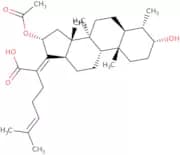
CAS :<p>11-Deoxyfusidic acid is a steroidal antibiotic, which is derived from the fermentation broth of certain strains of fungi, specifically within the Fusidium genus. Its mode of action involves inhibiting bacterial protein synthesis by interacting with elongation factor G (EF-G) on the ribosome, thus disrupting essential processes and impeding bacterial growth.</p>Formule :C31H48O5Degré de pureté :Min. 95%Masse moléculaire :500.71 g/molChlortetracycline
CAS :<p>Chlortetracycline is a tetracycline antibiotic, which is derived from the bacterium *Streptomyces aureofaciens*. It functions by inhibiting protein synthesis through binding to the 30S ribosomal subunit, thereby preventing the attachment of aminoacyl-tRNA to the mRNA-ribosome complex. This mechanism effectively impedes the growth and replication of both gram-positive and gram-negative bacteria.</p>Formule :C22H23ClN2O8Degré de pureté :Min. 95%Masse moléculaire :478.88 g/molTri-O-benzyl FR 900098
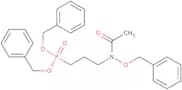
CAS :<p>Tri-O-benzyl FR 900098 is a chemical compound, often referenced in biochemical research contexts. It is a synthetic derivative that originates from complex chemical synthesis, involving multiple benzylation steps to modify the original molecular framework. This structural transformation lends the compound unique chemical properties.</p>Formule :C26H30NO5PDegré de pureté :Min. 95%Masse moléculaire :467.49 g/molVirginiamycin M1
CAS :<p>Inhibitor of protein synthesis; streptogramin</p>Formule :C28H35N3O7Degré de pureté :Min. 95%Masse moléculaire :525.59 g/mol7-O-Demethyl rapamycin
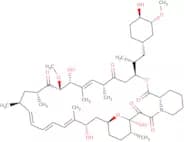
CAS :<p>7-O-Demethyl rapamycin is a macrolide compound, which is a derivative of rapamycin, originally sourced from the bacterial species *Streptomyces hygroscopicus*. This compound operates by binding to the FK506-binding protein 12 (FKBP12), forming a complex that inhibits the mammalian target of rapamycin (mTOR) pathway. This inhibition interferes with cellular processes such as cell growth, proliferation, and survival by altering the phosphorylation state of downstream targets.</p>Formule :C50H77NO13Degré de pureté :80%MinMasse moléculaire :900.15 g/mol3'-N-Desmethyl-3'-N-formyl azithromycin
CAS :<p>3'-N-Desmethyl-3'-N-formyl azithromycin is a semi-synthetic macrolide antibiotic, derived from the well-known azithromycin. It is created through structural modification, where the 3'-N-demethylated and 3'-N-formyl groups enhance its pharmacokinetic properties and potentially improve its antimicrobial efficacy.</p>Formule :C38H70N2O13Degré de pureté :Min. 95%Masse moléculaire :762.97 g/molBorrelidin
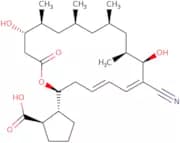
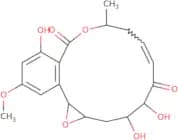
CAS :<p>Borrelidin is a potent antibiotic of the polyketide class, which is isolated from various Streptomyces species. Its mode of action is characterized by its inhibition of threonyl-tRNA synthetase, effectively disrupting protein synthesis within bacteria. Additionally, Borrelidin is known for its unique anti-angiogenic properties, which result from the inhibition of endothelial cell proliferation, making it a compound of interest in cancer research.</p>Degré de pureté :Min. 95%4-Epitetracycline hydrochloride
CAS :<p>4-Epitetracycline hydrochloride is a tetracycline antibiotic derivative, which is a secondary metabolite derived from bacterial sources, particularly Streptomyces species. It functions primarily by inhibiting protein synthesis in bacteria through binding to the 30S ribosomal subunit, preventing the attachment of aminoacyl-tRNA to the RNA-ribosome complex. This action hinders bacterial growth by interfering with vital processes necessary for bacterial survival and replication.</p>Formule :C22H25ClN2O8Degré de pureté :Min. 95%Couleur et forme :PowderMasse moléculaire :480.9 g/molHypothemycin
CAS :<p>Hypothemycin is a natural product that serves as a potent inhibitor of protein kinases. It is derived from the fungus Hypomyces subiculosus and belongs to the class of resorcylic acid lactones. Its mode of action involves binding covalently to the ATP-binding site of kinases, leading to the inhibition of their activity. This covalent modification is achieved through the formation of a Michael-type addition with a reactive ene-diene functionality within its structure. By targeting these critical enzymes, hypothemycin disrupts key signaling pathways that are essential for cell growth and proliferation.</p>Degré de pureté :Min. 95%Herbimycin
CAS :<p>Herbimycin is an antibiotic, which is a natural product derived from Streptomyces bacteria. It functions primarily as a tyrosine kinase inhibitor, disrupting cellular signaling pathways by binding to the ATP-binding site of kinases and inhibiting phosphorylation events. This mode of action makes it an effective tool for scientists studying signal transduction processes and oncogenic transformation.</p>Formule :C30H42N2O9Degré de pureté :Min. 95%Masse moléculaire :574.66 g/mol(+)-Madindoline A
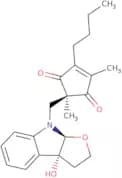
CAS :<p>(+)-Madindoline A is a chemical substance that inhibits the growth of cancer cells. It has been shown to inhibit colon cancer cell proliferation and induce apoptosis by inhibiting signal pathways and suppressing inflammatory responses. (+)-Madindoline A is an experimental model for the study of bowel disease and inflammatory diseases, as it can be used to treat both bowel disease and inflammatory diseases. It also has inhibitory effects on the production of proinflammatory cytokines in human protein cells and natural compounds in experimental models. (+)-Madindoline A is found in small amounts in food compositions such as apples, carrots, cauliflower, celery, cucumbers, garlic, leeks, lettuce, onions, peas, peppers, potatoes and tomatoes.</p>Formule :C22H27NO4Degré de pureté :Min. 95%Masse moléculaire :369.45 g/molClarithromycin - EP
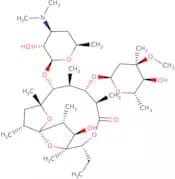
CAS :<p>A macrolide, broad-spectrum antibiotic that targets cytochrome P4503A4 (CYP3A4). Clarithromycin has been used to potentiate the pharmacological effects of some drugs that are metabolised by the cytochrome P450.</p>Formule :C38H69NO13Degré de pureté :Min. 95%Masse moléculaire :747.95 g/molDecoyinine
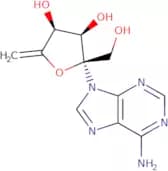
CAS :<p>Decoyinine is an antibiotic compound, which is derived from the bacterium *Streptomyces hygroscopicus*. Its mode of action involves the inhibition of guanine nucleotide synthesis. By targeting the biosynthesis pathway of nucleotides, Decoyinine effectively impedes the growth and proliferation of bacterial cells.</p>Formule :C11H13N5O4Degré de pureté :Min. 95%Masse moléculaire :279.25 g/molNigericin sodium
CAS :<p>Nigericin transports cations across the membrane of the cell and it is used to study anion transport. It can be used as a buffer to control pH value inside of the cell.</p>Formule :C40H67NaO11Degré de pureté :Min. 95%Masse moléculaire :746.94 g/molCefquinome sulfate
CAS :<p>Cefquinome sulfate is a cephalosporin antibiotic, which is a synthetic, broad-spectrum antimicrobial agent. It is derived from the beta-lactam family, specifically designed to combat Gram-positive and Gram-negative bacterial pathogens. The mode of action involves inhibiting bacterial cell wall synthesis. It achieves this by binding to penicillin-binding proteins (PBPs) within the bacterial cell wall, ultimately leading to cell lysis and death due to the interruption of necessary cell wall components.</p>Formule :C23H26N6O9S3Degré de pureté :Min. 95%Couleur et forme :White To Light (Or Pale) Yellow To Beige To Light Brown SolidMasse moléculaire :626.69 g/mol3'-N,N-Di(desmethyl)-3'-N-formyl azithromycin
CAS :<p>3'-N,N-Di(desmethyl)-3'-N-formyl azithromycin is a semisynthetic macrolide antibiotic derivative, which is synthesized through chemical modification of azithromycin. Azithromycin is originally derived from erythromycin, which is produced by the bacterium Saccharopolyspora erythraea. The modifications in this derivative result in enhanced specificity and altered pharmacokinetic properties compared to the parent compound.</p>Formule :C37H68N2O13Degré de pureté :Min. 95%Couleur et forme :White/Off-White SolidMasse moléculaire :748.94 g/molDoxycycline hydrochloride hemiethanolate hemihydrate, Antibiotic for Culture Media Use Only
CAS :<p>Doxycycline is an antibiotic that inhibits bacterial growth by inhibiting protein synthesis, respiratory chain, DNA gyrase, DNA topoisomerase IV. Doxycycline inhibits papaverine by blocking the expression of both cytochrome P450 and epoxide hydrolase. Doxycycline is commonly found in studies for bacterial infections, drug therapy, histopathological studies, cell culture and chemometric analysis.</p>Formule :C22H24N2O8·HClH2OC2H6ODegré de pureté :Min. 97.0 Area-%Masse moléculaire :512.90 g/molThiostrepton
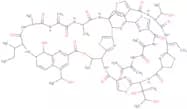
CAS :<p>Thiostrepton is a thiopeptide antibiotic with action on bacterial protein synthesis by binding to the ribosome and is used for treating bacterial infections in veterinary medicine and research applications.</p>Formule :C72H85N19O18S5Degré de pureté :Min. 95%Couleur et forme :White To Light (Or Pale) Yellow SolidMasse moléculaire :1,664.89 g/molDicloxacillin sodium salt
CAS :<p>Dicloxacillin is a penicillin antibiotic that is used to treat bacterial infections of the gastrointestinal tract, skin, and urinary tract. It binds to the penicillin-binding proteins in bacterial cell walls by competitive inhibition. Dicloxacillin inhibits bacterial growth by binding to the enzyme cell wall synthesis that is required for cell wall biosynthesis, inhibiting protein synthesis and cell division. This drug also has a toxic effect on respiratory system cells, which may be due to its ability to induce apoptosis. Dicloxacillin sodium salt is available as tablets for oral administration or as an intravenous solution for injection. It can interact with other drugs, such as benzalkonium chloride and matrix effect; it also has analytical methods such as chromatographic analysis and rate constant.</p>Formule :C19H17Cl2N3O5S·NaDegré de pureté :Min. 95%Masse moléculaire :493.32 g/molEnrofloxacin HCl
CAS :<p>Enrofloxacin HCl is a fluoroquinolone antibiotic, which is a synthetic compound derived from chemical synthesis. Its mode of action involves the inhibition of bacterial DNA gyrase and topoisomerase IV, critical enzymes in bacterial DNA replication and transcription processes. This action disrupts bacterial cellular division and transcription, leading to cell death.</p>Formule :C19H22FN3O3•HClDegré de pureté :Min. 95%Masse moléculaire :395.86 g/mol10, 11-Dehydrocurvularin
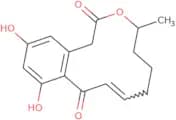
CAS :<p>10, 11-Dehydrocurvularin is a fungal phytotoxin with heat shock response and immune-modulatory activitie. Curvularins inhibit the expression of the inducible nitric oxide synthase (iNOS), thereby acting as anti-inflammatory agents and immune system modulators</p>Degré de pureté :Min. 95%Couleur et forme :PowderFinafloxacin
CAS :<p>Finafloxacin is a fluoroquinolone antibacterial agent, which is a synthetic compound derived from the quinolone family. It functions through the inhibition of bacterial DNA gyrase and topoisomerase IV, crucial enzymes in the replication, transcription, and repair of bacterial DNA. This mechanism leads to the prevention of bacterial cell division and ultimately results in cell death.</p>Formule :C20H19FN4O4Degré de pureté :Min. 95%Masse moléculaire :398.39 g/molSulfadiazine-d4
CAS :<p>Sulfadiazine-d4 is an isotopically labeled antibiotic, which is a derivative of sulfadiazine containing four deuterium atoms. This compound is synthesized using advanced chemical techniques to replace hydrogen atoms with deuterium in the molecular structure. The mechanism of action involves inhibition of bacterial dihydropteroate synthase, an enzyme critical in the folate synthesis pathway. By preventing the production of folic acid, sulfadiazine-d4 effectively halts bacterial growth and replication.</p>Formule :C10H6D4N4O2SDegré de pureté :Min. 95%Masse moléculaire :254.3 g/molGemifioxacin
CAS :<p>Gemifloxacin is an antibacterial agent primarily classified as a fluoroquinolone antibiotic, which is a synthetic compound derived from chemical processes in pharmaceutical manufacturing. Its mechanism of action involves the inhibition of key bacterial enzymes, namely DNA gyrase and topoisomerase IV. These enzymes are crucial for bacterial DNA replication, transcription, repair, and recombination. By obstructing these enzymes, Gemifloxacin effectively inhibits bacterial cell division and growth, leading to the eradication of susceptible bacterial strains.</p>Formule :C18H20FN5O4Degré de pureté :Min. 95%Masse moléculaire :389.38 g/molThienamycin
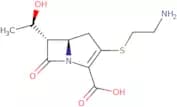
CAS :<p>Thienamycin is a β-lactam antibiotic, which originates from the fermentation of the bacterium *Streptomyces cattleya*. Its mode of action involves inhibiting the synthesis of bacterial cell walls. Thienamycin accomplishes this by binding to penicillin-binding proteins (PBPs) critical for peptidoglycan construction, thereby disrupting cell wall integrity and leading to bacterial lysis.</p>Formule :C11H16N2O4SDegré de pureté :80%MinCouleur et forme :PowderMasse moléculaire :272.32 g/molL-Carnitine fumarate
CAS :<p>L-Carnitine fumarate is a compound that functions as a dietary supplement, which is synthesized by combining L-carnitine, an amino acid derivative naturally found in the body, with fumaric acid. This product is primarily sourced from fermentation or chemical synthesis processes to produce L-carnitine, which is then reacted with fumaric acid to form the fumarate salt. This combination enhances the stability and bioavailability of L-carnitine.</p>Formule :C7H15NO3·C4H4O4Degré de pureté :Min. 95%Masse moléculaire :277.27 g/mol(10E)-3-O-De(a-L-cladinose)-10-dehydro-11-dehydroxy-6-O-methyl-erythromycin
CAS :<p>Erythromycin derivative</p>Formule :C30H53NO9Degré de pureté :Min. 95%Masse moléculaire :571.74 g/molPirlimycin HCl
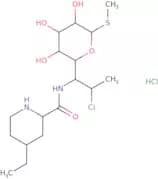
CAS :<p>Pirlimycin HCl is an antibacterial product, which is a semi-synthetic derivative of the natural antibiotic lincomycin produced by Streptomyces lincolnensis. Its mode of action involves the inhibition of bacterial protein synthesis by binding to the 50S ribosomal subunit, thereby preventing the elongation of peptide chains. This action is particularly effective against Gram-positive bacteria, including Staphylococcus and Streptococcus species.</p>Formule :C17H31ClN2O5S·HClDegré de pureté :Min. 95%Couleur et forme :White PowderMasse moléculaire :447.42 g/mol14-Chloro daunorubicin
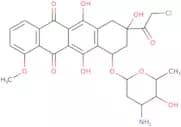
CAS :<p>14-Chloro daunorubicin is a chemotherapeutic agent, which is a synthetic derivative of the naturally occurring anthracycline antibiotic, daunorubicin. This compound is specifically modified to include a chlorine atom at the 14th position, which enhances its pharmacological effectiveness compared to its parent compound. The drug acts primarily by intercalating into DNA, disrupting the function of topoisomerase II, and generating free radicals. These mechanisms collectively inhibit DNA replication and transcription, leading to cell apoptosis, particularly in rapidly dividing cancer cells.</p>Formule :C27H28ClNO10Degré de pureté :Min. 95%Masse moléculaire :561.96 g/mol









![2,3-Bis[(acetyloxy)methyl]-1-oxoquinoxalin-1-ium-4(1H)-olate](/_next/image/?url=https%3A%2Fstatic.cymitquimica.com%2Fproducts%2FTR%2Fthumb-webp%2FB325620.webp&w=3840&q=75)