Hétérocycles azotés (N)
Sous-catégories appartenant à la catégorie "Hétérocycles azotés (N)"
- Azépane(436 produits)
- Benzotriazoles(438 produits)
- Diazépanes(335 produits)
- Imidazoles(4.031 produits)
- Imidazolines(385 produits)
- Isoxazole(1.088 produits)
- Piperazines(3.759 produits)
- Pipéridines(8.446 produits)
- Pyrazines(1.304 produits)
- Pyrazole(5.960 produits)
- Pyrazolidine(21 produits)
- Pyrazoline(143 produits)
- Pyridazine(860 produits)
- Pyridines(22.005 produits)
- Pyrimidine(6.085 produits)
- Pyrroles(2.450 produits)
- Pyrrolidines(5.840 produits)
- Pyrroline(48 produits)
- Pyrrolo[1,2-b]pyridazine(10 produits)
- Tétrazole(531 produits)
- Triazines(468 produits)
- Triazoles(1.689 produits)
17863 produits trouvés pour "Hétérocycles azotés (N)"
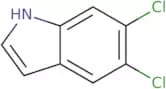
5,6-Dichloroindole
CAS :5,6-Dichloroindole is a chemical compound that contains a functional group with acidic properties. The compound has been shown to inhibit the activity of bafilomycin A1, which is an inhibitor of vacuolar ATPase. This inhibition leads to an increase in intracellular phosphate levels and an accumulation of lysosomal membrane proteins. 5,6-Dichloroindole has also been found to inhibit bone resorption in gramine-fed rats. It also has anti-inflammatory effects and inhibits the growth of zoobotryon pinnatum cells and algal cells. 5,6-Dichloroindole can be used as a molecular descriptor for predicting the presence or absence of bryozoan species in a sample.Formule :C8H5Cl2NCouleur et forme :PowderMasse moléculaire :186.04 g/mol5-Fluoro-4-hydroxy-2-methoxypyrimidine
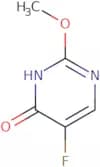
CAS :5-Fluoro-4-hydroxy-2-methoxypyrimidine (5FMMP) is a chemical intermediate that is used in the synthesis of various pharmaceuticals, including antibiotics. It can be obtained by reacting phosphorus oxychloride with activated 2-methoxybenzaldehyde. This chemical intermediate is highly reactive and has been shown to be virulent against some strains of bacteria, such as E. coli and Proteus mirabilis. 5FMMP binds to the bacterial cell wall using its primary amine group, which prevents the formation of an antibiotic-inhibitor complex with the enzyme cell wall synthesis that is required for cell wall biosynthesis, inhibiting protein synthesis and cell division. The chlorinating reaction between 5FMMP and sodium hypochlorite results in hydrochloric acid generation. This chemical intermediate can also be synthesized from recycled chemicals such as ethyl chloride or chloroform.Formule :C5H5FN2O2Degré de pureté :Min. 95%Couleur et forme :PowderMasse moléculaire :144.1 g/mol3H-Spiro[Isobenzofuran-1,4'-piperidine] hydrochloride
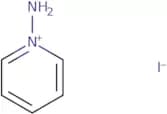
CAS :3H-Spiro[Isobenzofuran-1,4'-piperidine] hydrochloride is a high quality reagent that is used as a complex compound for the synthesis of various fine chemicals. It has been shown to be an excellent building block for drug discovery and development. 3H-Spiro[Isobenzofuran-1,4'-piperidine] hydrochloride is available in bulk quantities and can be shipped worldwide. This chemical is also used as a reaction component in the synthesis of various speciality chemicals. 3H-Spiro[Isobenzofuran-1,4'-piperidine] hydrochloride is versatile and can be used in reactions with different functional groups.Formule :C12H15NO·HClDegré de pureté :Min. 95%Couleur et forme :PowderMasse moléculaire :225.71 g/mol1-Aminopyridinium iodide
CAS :1-Aminopyridinium iodide is a reactive compound that can bind to receptors, including the epidermal growth factor receptor. It is also a pyridinium salt and a type of chlorine. The compound has been shown to be effective in inhibiting cancer cell growth and has been used in chemotherapy treatments. 1-Aminopyridinium iodide binds to the glycogen synthase kinase 3 enzyme, which regulates cellular processes such as cell division, and inhibits its activity. This causes the process of glycogen synthesis to stop and leads to cell death by apoptosis. 1-Aminopyridinium iodide is most commonly used in cancer research because of its ability to inhibit tumor growth.
Formule :C5H7IN2Degré de pureté :Min. 95%Couleur et forme :PowderMasse moléculaire :222.03 g/molN'-[3-Cyano-1-[2,6-dichloro-4-(trifluoromethyl)phenyl]-4-(trifluoromethyl)-1H-pyrazol-5-yl]-N,N-dimethylmethanimidamide
CAS :Please enquire for more information about N'-[3-Cyano-1-[2,6-dichloro-4-(trifluoromethyl)phenyl]-4-(trifluoromethyl)-1H-pyrazol-5-yl]-N,N-dimethylmethanimidamide including the price, delivery time and more detailed product information at the technical inquiry form on this pageFormule :C15H9Cl2F6N5Degré de pureté :Min. 95%Masse moléculaire :444.16 g/mol2-Chloroquinoline
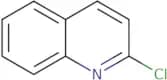
CAS :2-Chloroquinoline is a compound that has antimicrobial properties. It acts by inhibiting bacterial RNA synthesis and protein synthesis. 2-Chloroquinoline has been shown to have toxicological effects in animal studies, including cancer. It also inhibits the activity of the cb2 receptor and the CCR5 receptor, which are involved in tumor growth. The molecular docking analysis for this compound is available, which can be found on PubChem.Formule :C9H6ClNDegré de pureté :Min. 98%Couleur et forme :PowderMasse moléculaire :163.6 g/mol2-Methyl-5-nitropyridine
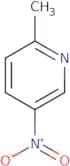
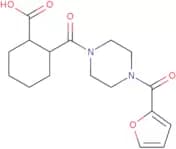
CAS :2-Methyl-5-nitropyridine is an enamine that can be synthesized by the reaction of a primary amine with nitrous acid. It has been shown to react with hydrazines to form 2-methyl-5-nitropyridinium hydrazones, which are useful in organic synthesis. The reaction of 2-methyl-5-nitropyridine with acid anhydrides yields protonated carboxylic acids, which can be used as nucleophiles in the presence of metal ions. This amino acid also forms aliphatic amines and anions and reacts with aldehydes to form nitroalkenes.Formule :C6H6N2O2Degré de pureté :Min. 95%Couleur et forme :Beige PowderMasse moléculaire :138.12 g/mol2-((4-(2-Furylcarbonyl)piperazinyl)carbonyl)cyclohexanecarboxylic acid
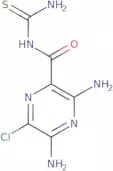
CAS :Please enquire for more information about 2-((4-(2-Furylcarbonyl)piperazinyl)carbonyl)cyclohexanecarboxylic acid including the price, delivery time and more detailed product information at the technical inquiry form on this pageFormule :C17H22N2O5Degré de pureté :Min. 95%Couleur et forme :PowderMasse moléculaire :334.37 g/mol3,5-Diamino-N-carbamothioyl-6-chloropyrazine-2-carboxamide
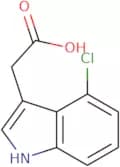
CAS :3,5-Diamino-N-carbamothioyl-6-chloropyrazine-2-carboxamide is a high quality, useful intermediate and reagent for the production of fine chemicals. It is also a speciality chemical that has been used as a reaction component in research. 3,5-Diamino-N-carbamothioyl-6-chloropyrazine-2-carboxamide is an important versatile building block that can be used to produce many other compounds.Formule :C6H7ClN6OSDegré de pureté :Min. 95%Couleur et forme :White PowderMasse moléculaire :246.68 g/mol4-Chloroindole-3-acetic acid
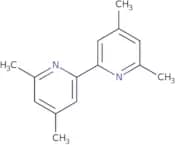
CAS :4-Chloroindole-3-acetic acid is a plant hormone that belongs to the group of auxins. It has been shown to stimulate root formation in plants by increasing the amount of auxin present in the plant's tissues. 4-Chloroindole-3-acetic acid is an intramolecular hydrogen donor and can form hydrogen bonds with other molecules. It also has a receptor binding site and cyclic peptide backbone, which allow it to act as a transcription factor or enzyme inhibitor. This molecule has been shown to be an optimum concentration for root formation in physiology experiments, and can be used as a model system for auxin research.Formule :C10H8ClNO2Degré de pureté :Min. 95%Couleur et forme :Off-White PowderMasse moléculaire :209.63 g/mol4,4',6,6'-Tetramethyl-2,2'-bipyridine
CAS :4,4',6,6'-Tetramethyl-2,2'-bipyridine (TMTB) is a small molecule that can be used as an efficient and cost-effective catalyst for the production of hydrogen from water. TMTB is able to transform solar energy into chemical energy by converting light absorbed in a semiconductor material to an electric current. TMTB has been shown to improve the efficiency of solar cells by boosting the performance of the catalysts that drive chemical reactions in the devices. This effect was found to be synergistic with other materials such as graphene oxide and tungsten disulfide. In addition, TMTB nanoparticles were shown to have a normalizing effect on the charge density in photoelectrochemical cells, which may lead to improved stability and durability.Formule :C14H16N2Degré de pureté :Min. 95 Area-%Couleur et forme :PowderMasse moléculaire :212.30 g/molN'-[3-Cyano-1-[2,6-dichloro-4-(trifluoromethyl)phenyl]-4-iodo-1H-pyrazol-5-yl]-N,N-dimethylmethanimidamide
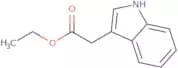
CAS :Please enquire for more information about N'-[3-Cyano-1-[2,6-dichloro-4-(trifluoromethyl)phenyl]-4-iodo-1H-pyrazol-5-yl]-N,N-dimethylmethanimidamide including the price, delivery time and more detailed product information at the technical inquiry form on this pageFormule :C14H9Cl2F3IN5Degré de pureté :Min. 95%Masse moléculaire :502.06 g/molEthyl indole-3-acetate
CAS :Ethyl indole-3-acetate (EIA) is a compound that inhibits the growth of certain cancer cells. It belongs to the group of acyl halides. EIA inhibits the synthesis of nucleic acids, proteins and other macromolecules by the cancer cells. It has been shown to be effective in reducing the size of tumors in mice with prostate and breast cancer. This compound also inhibits enzymes such as abscisic acid oxidase, which is responsible for converting abscisic acid into reactive oxygen species. EIA has been shown to have hemolytic activity in human lung tissue, but not ovules or human erythrocytes. This may be due to its ability to inhibit hormone production and cause an increase in progesterone levels.Formule :C12H13NO2Degré de pureté :Min. 95%Couleur et forme :PowderMasse moléculaire :203.24 g/mol5-Amino-1-[2,6-dichloro-4-(trifluoromethyl)phenyl]-4-[(trifluoromethyl)sulfinyl]-1H-pyrazole-3-carbonitrile
CAS :5-Amino-1-[2,6-dichloro-4-(trifluoromethyl)phenyl]-4-[(trifluoromethyl)sulfinyl]-1H-pyrazole-3-carbonitrile (TCFP), also known as CX-546, is a photosynthetic activity enhancer that inhibits oxidative injury to chloroplasts. TCFP is a pyrazole ring with a sulfinyl group and a chlorine atom. TCFP has been shown to have no genotoxic or carcinogenic potential in vitro and in vivo studies. TCFP is not active against infectious diseases. TCFP can be used as an analytical reagent for the detection of cytochrome P450 activities in human serum.
Formule :C12H4Cl2F6N4OSDegré de pureté :Min. 95%Couleur et forme :PowderMasse moléculaire :437.15 g/mol6-Chloroindole
CAS :6-Chloroindole is a reagent that is used as a reaction component in the synthesis of organic compounds.Formule :C8H6ClNMasse moléculaire :151.60 g/mol2-Chloro-5-cyanopyrazine
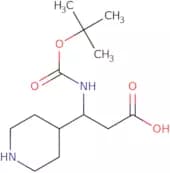
CAS :2-Chloro-5-cyanopyrazine is a synthetic compound that has been shown to have anti-cancer properties. It is an acceptor molecule that has a nucleophilic character and can react with electrophiles to form covalent bonds. This compound has been shown to selectively inhibit the growth of cancer cells in vitro. The mechanism of action is not yet clear, but it may be due to its ability to induce apoptosis and arrest cell cycle progression at the G1 phase. 2-Chloro-5-cyanopyrazine also has the potential for use as an analytical reagent because of its high solubility in organic solvents. In addition, this compound can be used as a copper donor in reactions involving carboxylic acids or other nucleophiles. 2-Chloro-5-cyanopyrazine can be synthesized from benzene and chloropicrin in the presence of copper(II)Formule :C5H2ClN3Degré de pureté :Min. 95%Couleur et forme :Off-White To Yellow SolidMasse moléculaire :139.54 g/mol3-tert-Butoxycarbonylamino-3-piperidin-4-yl-propionicacid
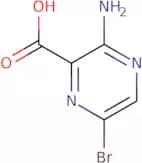
CAS :3-tert-Butoxycarbonylamino-3-piperidin-4-yl-propionic acid is a fine chemical that is used as a versatile building block in many chemical syntheses. It can be used as an intermediate in the synthesis of other compounds, such as pharmaceuticals and agrochemicals. 3-tert-Butoxycarbonylamino-3-piperidin-4-yl propionic acid is also useful for research purposes, for example in the study of enzyme inhibition. This compound has been shown to be a high quality reagent with a CAS number of 372144-03-1.Formule :C13H24N2O4Degré de pureté :Min. 95%Couleur et forme :White/Off-White SolidMasse moléculaire :272.34 g/mol2-Amino-5-bromopyrazine-3-carboxylic acid
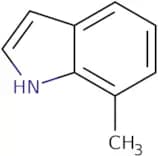
CAS :2-Amino-5-bromopyrazine-3-carboxylic acid is an organic compound that belongs to the group of boronic acids. It has a molecular weight of 138.14 and a melting point of 198°C. The compound has been characterized by x-ray crystallography, revealing its molecular structure. 2-Amino-5-bromopyrazine-3-carboxylic acid is soluble in water and can be isolated from the reaction mixture using conventional methods such as recrystallization. The compound reacts with alkyl halides through cross coupling reactions to form pyridyl compounds. This reagent is used for Suzuki, Miyaura, and other cross coupling reactions with high yield.Formule :C5H4BrN3O2Degré de pureté :Min. 95%Couleur et forme :Brown PowderMasse moléculaire :218.01 g/mol7-Methylindole
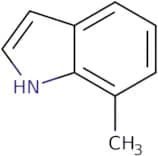
CAS :7-Methylindole is a biochemical substance that is synthesized in the body. It is produced in the liver, and it can be found in the brain, heart, and kidney. 7-Methylindole has been shown to have cancer-fighting properties. 7-Methylindole binds to DNA by methylating nucleic acid bases, which causes a change in the genetic code. This leads to tumor cells being more sensitive to treatment with other substances that inhibit DNA synthesis or repair, such as anthranilate and 5-methoxyindole.
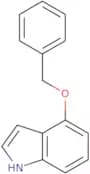
Formule :C9H9NDegré de pureté :Min 98%Couleur et forme :PowderMasse moléculaire :131.17 g/mol4-Benzyloxyindole
CAS :4-Benzyloxyindole is a serotonin receptor binding agent. It has a macrocyclic structure that is composed of four benzyloxy groups and a nitrogen atom in the center. The 4-benzyloxyindole binds to the serotonin receptors, specifically to those that are G-protein coupled and mediate intracellular signaling cascades. 4-Benzyloxyindole has been shown to be an inhibitor of calcium channels and may be used for treatment of diseases such as hypertension, schizophrenia, depression, migraine headaches, and epilepsy.Formule :C15H13NOCouleur et forme :Off-White PowderMasse moléculaire :223.27 g/mol2,4-Dichloro-6-phenyl-1,3,5-triazine
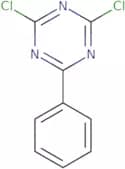
CAS :2,4-Dichloro-6-phenyl-1,3,5-triazine is a triazine that has been synthesized and characterized by gel permeation chromatography and powder diffraction analysis. This compound is insoluble in organic solvents due to its high molecular weight. 2,4-Dichloro-6-phenyl-1,3,5-triazine has a number of different applications in the field of polymer science as an acceptor for activated polymers. It can also be used for thermally or photophysically activated polymers. The molecular structure of this compound was determined using x-ray crystallography and molecular modelling techniques.
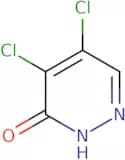
Formule :C9H5Cl2N3Degré de pureté :Min. 98%Couleur et forme :PowderMasse moléculaire :226.06 g/mol4,5-Dichloro-3-hydroxypyridazine
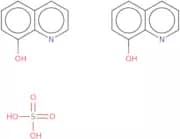
CAS :4,5-Dichloro-3-hydroxypyridazine is an organic compound that is used as a precursor to other compounds. It has been shown to be genotoxic and mutagenic in a number of assays with mammalian cells. 4,5-Dichloro-3-hydroxypyridazine reacts with phenols in the presence of Friedel-Crafts catalysts to form pyridine derivatives. It has also been shown to regulate transcriptional activity by binding to the prostacyclin receptor and α2-adrenergic receptor. This compound has been studied for its potential diagnostic value in the diagnosis of triticum aestivum (wheat) sensitivity.Formule :C4H2Cl2N2ODegré de pureté :Min. 95%Couleur et forme :PowderMasse moléculaire :164.98 g/mol8-Hydroxyquinoline sulfate
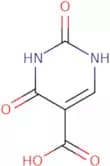
CAS :8-Hydroxyquinoline sulfate is a drug that has been used to study the cancer tissue response to various drugs. The 8-hydroxyl group in the molecule interacts with metals and forms chelate complexes, which may be the reason for its cytotoxic effect. 8-Hydroxyquinoline sulfate also inhibits mitochondrial membrane potential and blocks the receptor activity of some cell types. It has been shown to be significantly cytotoxic to HL-60 cells, as well as other cell lines.Formule :C18H14N2O2·H2SO4Degré de pureté :Min. 95%Couleur et forme :Yellow PowderMasse moléculaire :388.4 g/mol2,4-Dihydroxypyrimidine-5-carboxylic acid anhydrous
CAS :2,4-Dihydroxypyrimidine-5-carboxylic acid anhydrous (2,4DPA) is a metabolite of the drug 2,4-diaminopyrimidine. It inhibits protein synthesis in cells through hydrogen bonding interactions with dna duplexes and has been shown to be toxic to bacteria by inhibiting fatty acid biosynthesis. 2,4DPA is used as a standard in biological assays to measure uptake and light exposure. The analytical method for measuring 2,4DPA relies on hydrochloric acid (HCl) as a solvent that converts the material into its dimethyl ester derivative. This derivative can be quantified by gas chromatography/mass spectrometry (GCMS).Formule :C5H4N2O4Degré de pureté :Min. 94.0 Area-%Couleur et forme :White Off-White PowderMasse moléculaire :156.1 g/mol6-Methoxypyrimidine-2,4(1H,3H)-dione
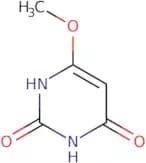
CAS :Produit contrôlé6-Methoxypyrimidine-2,4(1H,3H)-dione is a nucleophilic compound that is formed by the reaction of an electron with a carbon atom in an organic molecule. It is used as a reagent in organic synthesis. 6-Methoxypyrimidine-2,4(1H,3H)-dione can be synthesized from 2-amino-5-methoxybenzaldehyde and chloroacetic acid in three steps. The chloride ion reacts with the 6-methoxypyridine to form the desired product. 6-Methoxypyrimidine-2,4(1H,3H)-dione can also be used as a reagent to catalyze chemical reactions such as alkylation and allylation reactions. 6-Methoxypyrimidine-2,4(1H,3H)-dione has been shown to have barbiturate activityFormule :C5H6N2O3Degré de pureté :Min. 95%Masse moléculaire :142.11 g/mol5-Nitroindole
CAS :5-Nitroindole is a nitro functionalized indole. It is a fine chemical that has a wide range of uses in research, industry and education. 5-Nitroindole can be used as a versatile building block for the synthesis of complex compounds and as an intermediate for the production of other chemicals. 5-Nitroindole is soluble in organic solvents and can be used to synthesize other compounds with high purity. This compound is also known as CAS No. 6146-52-7 and is considered to be of high quality.Formule :C8H6N2O2Degré de pureté :Min. 99.0 Area-%Masse moléculaire :162.15 g/molRef: 3D-N-3000
-Unit-ggÀ demander1kgÀ demander100gÀ demander250gÀ demander500gÀ demander2500gÀ demander3-Hydroxy-2-hydroxymethyl-6-methylpyridine
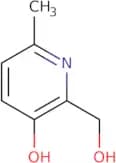
CAS :3-Hydroxy-2-hydroxymethyl-6-methylpyridine is an intermediate in the synthesis of a variety of organic compounds. It can be prepared by the cross-coupling reaction of 3,4-dihydroquinoline with aniline, which is catalyzed by copper (II) chloride. This compound has a chlorine atom and a hydroxyl group that are both trisubstituted with alkyl groups and it can be oxidized to produce different oxidation products. 3-Hydroxy-2-hydroxymethyl-6-methylpyridine also reacts with halides and triflates to form enolates, which are activated for nucleophilic substitution reactions. The molecular ion [M+H]+, which corresponds to the neutral molecule, can be observed by mass spectrometry when this compound is ionized in the gas phase. The chemical formula is C8H5NClO2.
Formule :C7H9NO2Degré de pureté :Min. 95%Couleur et forme :SolidMasse moléculaire :139.15 g/mol8-Hydroxy-2-quinolinecarbonitrile
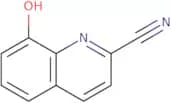
CAS :8-Hydroxy-2-quinolinecarbonitrile is an uncomplexed ligand that can be used for the synthesis of metal complexes. 8-Hydroxy-2-quinolinecarbonitrile is insoluble in most solvents, including water, and has a high melting point. This compound can be synthesized from acetonitrile and primary amines by condensing with formaldehyde. It is not possible to catalyze this reaction, as it does not undergo homolysis or heterolysis reactions. The uncomplexed ligand has been shown to bind to metal ions such as copper and silver. Its diffraction pattern was found to have a polynuclear nature with a number of diffraction peaks within the range of 5–9 Å.Formule :C10H6N2ODegré de pureté :Min. 95%Couleur et forme :PowderMasse moléculaire :170.17 g/mol1,2,4-Triazole
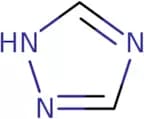
CAS :1,2,4-Triazole is a heterocyclic compound that is used as an intermediate in the synthesis of many other organic compounds. It can be obtained by reacting trifluoroacetic acid with nitrobenzene in the presence of ammonia. This reaction yields a protonated 1,2,4-triazole and ammonium chloride as byproducts. The thermodynamic data for this compound has been determined using an electrochemical impedance spectroscopy method and it was found that the protonation state of 1,2,4-triazole depends on pH. 1,2,4-Triazole has been shown to cause genotoxic effects in carcinoma cell lines. It is also capable of inhibiting the growth of bacteria by binding to nitrogen atoms present on their surface. This leads to a decrease in bacterial activity and may be useful for biological treatment purposes. Nitro groups are able to react with 1,2,4Formule :C2H3N3Degré de pureté :Min. 95%Couleur et forme :PowderMasse moléculaire :69.07 g/mol2-Chloro-4-nitroimidazole
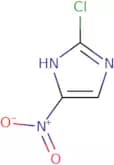
CAS :Radiosensitiser in hypoxic tumoursFormule :C3H2ClN3O2Degré de pureté :Min. 95%Couleur et forme :PowderMasse moléculaire :147.52 g/mol7-Methylindole technical grade
CAS :7-Methylidole is a heterocyclic chemical compound that is used as a precursor in the synthesis of many pharmaceuticals. It has been shown to have an inhibitory effect on the growth of cancer cells in tissue cultures and can be used as a marker for cancer cells. 7-Methylidole is also a virulence factor, which can be seen through assays on bacterial strains. This compound has been proven to be reactive with Polygonum cuspidatum. The reaction produces indirubin, which is a red pigment that is found in some species of Polygonum and other plants.Formule :C9H9NDegré de pureté :Min. 95%Couleur et forme :PowderMasse moléculaire :131.17 g/molPiperonyl butoxide
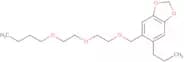
CAS :An insecticide synergist; P450-dependent monooxygenase inhibitor
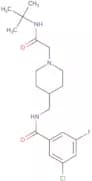
Formule :C19H30O5Degré de pureté :Min. 90 Area-%Couleur et forme :Clear LiquidMasse moléculaire :338.44 g/molN-((1-(2-(tert-Butylamino)-2-oxoethyl)piperidin-4-yl)methyl)-3-chloro-5-fluorobenzamide
CAS :N-((1-(2-(tert-Butylamino)-2-oxoethyl)piperidin-4-yl)methyl)-3-chloro-5-fluorobenzamide is a novel antiarrhythmic drug that inhibits the activation of cardiac cells. It was shown to inhibit proliferation and migration of human leukemia cells in vitro and to inhibit tumor growth in vivo. N-(1-(2-(tert-Butylamino)-2-oxoethyl)piperidin-4-yl)methyl)-3-chloro-5-fluorobenzamide has been shown to have cardioprotective effects in Sprague Dawley rats, reducing the incidence of ventricular tachycardia and fibrillation. The clinical studies conducted so far have not revealed any adverse effects on the heart or other organs.Formule :C19H27ClFN3O2Degré de pureté :Min. 95%Couleur et forme :White SolidMasse moléculaire :383.89 g/mol5-Chloro-2-hydroxypyridine
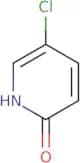
CAS :5-Chloro-2-hydroxypyridine is an organic molecule that contains a water molecule. It has been shown to inhibit the enzyme diaphorase, which is involved in the production of acid in the body. 5-Chloro-2-hydroxypyridine also interacts with dipole molecules and forms a carbonyl group with them, which is a chemical bond. This compound has been shown to be effective against mouse mammary carcinoma cells, human colon carcinoma cells, and human carcinoma cells. FTIR spectroscopy has revealed that 5-chloro-2-hydroxypyridine absorbs light at around 1615 cm−1 and 1742 cm−1.Formule :C5H4ClNODegré de pureté :Min. 95%Couleur et forme :PowderMasse moléculaire :129.55 g/mol(S)-2,5-Dihydro-3,6-dimethoxy-2-isopropylpyrazine
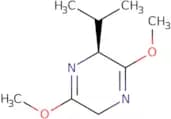
CAS :(S)-2,5-Dihydro-3,6-dimethoxy-2-isopropylpyrazine and its enantiomer, (R)-2,5-Dihydro-3,6-dimethoxy-2-isopropylpyrazine, are also known as Schöllkopf chiral auxiliaries or Schöllkopf reagents, and are used to produce optically pure α-amino acids via asymmetric synthesis. The Schöllkopf reagent can be deprotonated at the prochiral α-carbon, and the resulting enolate is trapped with electrophiles to yield adducts with high (typically > 95% d.e.) diastereoselectivity. The enolate is essentially planar, and the steric bulk of the isopropyl group directs the incoming electrophile to attack from the opposite face, yielding trans adducts. A wide range of electrophiles including alkyl halides, alkyl sulfonates, acyl chlorides, aldehydes, ketones, epoxides, thioketones and enones can be used. Hydrolysis, typically under mild acidic conditions, yields the non-substituted amino acid with high (typically > 95 e.e.) enantiopurity.Formule :C9H16N2O2Degré de pureté :Min. 97%Couleur et forme :Colorless Clear LiquidMasse moléculaire :184.24 g/molIndole-3-butyric acid
CAS :Plant hormone; auxin; inducer of root development; used in plant rooting
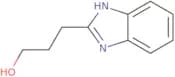
Formule :C12H13NO2Degré de pureté :Min 98%Couleur et forme :White Yellow PowderMasse moléculaire :203.24 g/mol2-(3-Hydroxypropyl)benzimidazole
CAS :2-(3-Hydroxypropyl)benzimidazole is a chloroform extract of the bark of the tree, Pongamia pinnata. It has been shown to have antibacterial and antitumor activity. 2-(3-Hydroxypropyl)benzimidazole has been found to be active against methicillin-resistant Staphylococcus aureus (MRSA), showing strong inhibitory effects on bacterial cell growth in vitro. The mechanism of action may be due to its ability to bind to DNA and RNA, preventing transcription and replication. 2-(3-Hydroxypropyl)benzimidazole also inhibits protein synthesis by binding to ribosomes and interfering with the function of enzymes that are involved in this process such as cytochrome c reductase, glutathione reductase, and 3-ketoacyl coenzyme A thiolase.
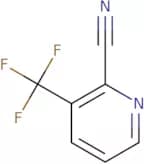
Formule :C10H12N2ODegré de pureté :Min. 95%Couleur et forme :White PowderMasse moléculaire :176.22 g/mol2-Cyano-3-trifluoromethylpyridine
CAS :2-Cyano-3-trifluoromethylpyridine is a fine chemical that is used as a versatile building block in the synthesis of complex compounds. It can be used as an intermediate in research chemicals, reaction components, and speciality chemicals. 2-Cyano-3-trifluoromethylpyridine is a high quality reagent that can be used for the synthesis of various derivatives. It is also a useful scaffold for the development of new drugs and other chemical compounds.
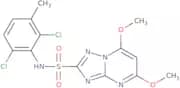
Formule :C7H3F3N2Degré de pureté :Min. 95%Couleur et forme :liquid.Masse moléculaire :172.11 g/molMetosulam
CAS :Metosulam is a triazolopyrimidine herbicide that inhibits the growth of weeds by interfering with plant photosynthesis. Metosulam binds to fatty acids and carbohydrates, which prevents these molecules from binding to the enzyme ATP synthase. This results in a loss of energy production, leading to cell death. Metosulam has been shown to cause chronic cough in mice when given at sublethal doses for long periods of time. The chronic cough was found to be due to an interactive effect between metosulam and polymeric matrix in the lungs that caused inflammation.
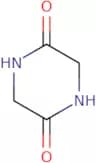
Formule :C14H13Cl2N5O4SDegré de pureté :Min. 90%Couleur et forme :Beige PowderMasse moléculaire :418.26 g/molGlycine anhydride
CAS :Glycine anhydride is a fine chemical that is used as a building block in the synthesis of many other compounds. It is also used as a reagent, and can be found in research chemicals, speciality chemicals, or high-quality products. Glycine anhydride is also used as a reaction component to make other molecules. It is versatile and can be used as a scaffold for complex compounds. Glycine anhydride has CAS No. 106-57-0 and can be found in the following chemical name: 3-(2-Aminoethyl)glycine anhydrideFormule :C4H6N2O2Masse moléculaire :114.1 g/molRef: 3D-G-4600
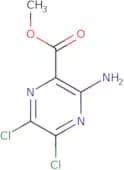
-Unit-kgkgÀ demander1kgÀ demander5kgÀ demander10kgÀ demander25kgÀ demander2500gÀ demanderMethyl 3-amino-5,6-dichloro-2-pyrazine carboxylate
CAS :Methyl 3-amino-5,6-dichloro-2-pyrazine carboxylate is a synthetic molecule that has been synthesized from dimethylamiloride. This chemical has been labeled and used for a variety of homologous and synthetic modifications. It may be used in labeling experiments to identify an unknown compound or to determine the structure of a known compound. The methyl 3-amino-5,6-dichloro-2-pyrazine carboxylate can also be used as a ligand to bind with subunits of proteins or nucleic acids. Photolabile methyl 3-amino-5,6-dichloro-2-pyrazine carboxylate can be synthesized by using light energy to cleave the ester bonds in the chemical. This chemical is useful for assays and techniques such as spectroscopy and nuclear magnetic resonance (NMR).Formule :C6H5Cl2N3O2Degré de pureté :Min. 96.5 Area-%Couleur et forme :PowderMasse moléculaire :222.03 g/mol4-(2,6-Dichlorobenzamido)-N-(piperidin-4-yl)-1H-pyrazole-3-carboxamide HCl
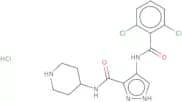
CAS :4-(2,6-Dichlorobenzamido)-N-(piperidin-4-yl)-1H-pyrazole-3-carboxamide HCl (PD1693) is a small molecule that has been shown to selectively inhibit the transcriptional coactivator HIF-1α. PD1693 inhibits the hypoxic response in tumor cells by preventing the upregulation of HIF-1α. This leads to an increase in hypoxia-inducible genes, which are involved in the regulation of cell proliferation, angiogenesis and apoptosis. PD1693 also affects the expression of genes involved in metabolism and energy production. The subpopulation algorithm was used to identify differentially expressed transcripts in glioma cells following exposure to PD1693. The data from this algorithm were validated using qRT-PCR and Western blotting on human glioma cells.Formule :C16H17Cl2N5O2·HClDegré de pureté :Min. 95%Couleur et forme :PowderMasse moléculaire :418.7 g/mol5-Methylpyrazine-2-carboxylic acid 4-oxide
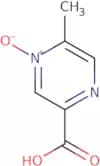
CAS :Niacin receptor 1 (NIACR1) antagonist; lipid loweringFormule :C6H6N2O3Degré de pureté :Min. 98 Area-%Couleur et forme :PowderMasse moléculaire :154.12 g/mol4,5-Dichloro-3-hydroxypyridine
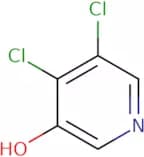
CAS :4,5-Dichloro-3-hydroxypyridine is a reactive chemical that is a building block in organic synthesis. It is used as a reactant in the preparation of other compounds and as a reagent for various reactions, such as those involving amines, alcohols, and thiols. 4,5-Dichloro-3-hydroxypyridine has been found to be useful in the synthesis of heterocyclic compounds with an aromatic ring. It can also be used as an intermediate in the synthesis of pharmaceuticals. This chemical is classified by CAS number 1261269-63-9 and has an MW of 138.2 g/mol.Formule :C5H3Cl2NODegré de pureté :Min. 95%Couleur et forme :White PowderMasse moléculaire :163.99 g/mol5-Aminopyrimidine
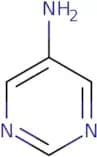
CAS :5-Aminopyrimidine is a synthetic compound that has been shown to have inhibitory effects on the nervous system. The structural formula of 5-aminopyrimidine is C6H4N3O2. It is a structural analogue of pyrimidine and can be used as an anticancer drug. 5-Aminopyrimidine can also be used in the treatment of diseases such as diabetes and Parkinson’s disease. The reaction mechanism of 5-aminopyrimidine begins with the formation of an unstable diazonium salt, which then reacts with a chloride ion to form an alloxan intermediate. This intermediate then reacts with phosphate group to form a product that is soluble in water.Formule :C4H5N3Degré de pureté :Min. 95%Couleur et forme :White PowderMasse moléculaire :95.1 g/mol2-Hydroxy-4-bromopyridine
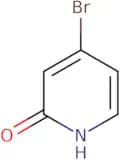
CAS :2-Hydroxy-4-bromopyridine (2HBP) is a product with genotoxic activity that can be used for research. 2HBP has been shown to inhibit the synthesis of DNA by inhibiting the enzymatic reaction or binding to DNA. 2HBP is also an inhibitor of virus replication and causes monolayer cell death through radiation or chemical structures. It can be used as an anti-tumor agent and has been shown to have inhibitory properties on dna replication.Formule :C5H4BrNODegré de pureté :Min. 98 Area-%Couleur et forme :White PowderMasse moléculaire :174 g/mol6,7-Dihydrothieno[3,2-c]pyridine
CAS :6,7-Dihydrothieno[3,2-c]pyridine is a synthetic compound which has been used as a starting material in the synthesis of clopidogrel. 6,7-Dihydrothieno[3,2-c]pyridine has been shown to be an inhibitor of platelet aggregation. It is also a bifunctional compound that can act as either an acid or base catalyst. This property has led to its use in organic chemistry as a means of converting nitro groups into amines. The synthesis pathway for 6,7-dihydrothieno[3,2-c]pyridine begins with 5-azaindole and ends with the desired product after two steps: hydrogen sulfate reduction and hydrolysis.Formule :C7H7NSDegré de pureté :Min. 95%Couleur et forme :Brown PowderMasse moléculaire :137.2 g/mol3-(Bromomethyl)pyridine hydrobromide
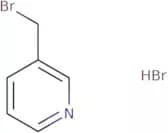
CAS :3-(Bromomethyl)pyridine hydrobromide is a small molecule that inhibits the influenza virus by binding to its neuraminidase enzyme. This binding prevents the virus from attaching to host cells and spreading. 3-(Bromomethyl)pyridine hydrobromide has been shown to inhibit the growth of influenza A in both cell culture and animal models. The drug also has anti-influenza virus activity against strains of the virus that are resistant to amantadine and rimantadine. 3-(Bromomethyl)pyridine hydrobromide could be used as a diagnostic tool for influenza, as well as an antiviral agent for treatment of influenza infections.Formule :C6H7Br2NDegré de pureté :Min. 95%Couleur et forme :PowderMasse moléculaire :252.93 g/mol4,4' -Bis(N,N-dimethylamino)-2,2' -bipyridine
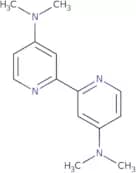
CAS :4,4' -Bis(N,N-dimethylamino)-2,2' -bipyridine (DMAB) is a ligand that is used in electrochemical studies. It has been shown to have ancillary properties, which means that it does not interact directly with the substrate but modifies its environment. DMAB can form a complex with the proton at the electrode surface and x-ray crystal structures have been obtained for this interaction. These structures demonstrate that DMAB binds to the tetrazole ring of pyridine and stabilizes the molecule by increasing its redox potentials.Formule :C14H18N4Degré de pureté :Min. 95%Couleur et forme :PowderMasse moléculaire :242.32 g/mol2-n-Propylpyridine
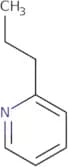
CAS :2-n-Propylpyridine is a carbonyl compound that can inhibit the growth of bacteria and fungi. It has been shown to have inhibitory activities against Covid-19 pandemic, n-oxide, inflammatory diseases, and polymer film formation. 2-n-Propylpyridine has also been found to be an inhibitor of methicillin resistant Staphylococcus aureus (MRSA). The inhibition activity may be due to its interaction with the bacterial cell membrane and inhibition of the synthesis of prostaglandins.
Formule :C8H11NDegré de pureté :Min. 95%Couleur et forme :Clear LiquidMasse moléculaire :121.18 g/mol

![3H-Spiro[Isobenzofuran-1,4'-piperidine] hydrochloride](/_next/image/?url=https%3A%2Fstatic.cymitquimica.com%2Fproducts%2F3D%2Fthumb-webp%2FFS53076.webp&w=3840&q=75)
![N'-[3-Cyano-1-[2,6-dichloro-4-(trifluoromethyl)phenyl]-4-(trifluoromethyl)-1H-pyrazol-5-yl]-N,N-di…](/_next/image/?url=https%3A%2Fstatic.cymitquimica.com%2Fproducts%2F3D%2Fthumb-webp%2FFN182822.webp&w=3840&q=75)
![N'-[3-Cyano-1-[2,6-dichloro-4-(trifluoromethyl)phenyl]-4-iodo-1H-pyrazol-5-yl]-N,N-dimethylmethani…](/_next/image/?url=https%3A%2Fstatic.cymitquimica.com%2Fproducts%2F3D%2Fthumb-webp%2FFN182821.webp&w=3840&q=75)
![5-Amino-1-[2,6-dichloro-4-(trifluoromethyl)phenyl]-4-[(trifluoromethyl)sulfinyl]-1H-pyrazole-3-car…](/_next/image/?url=https%3A%2Fstatic.cymitquimica.com%2Fproducts%2F3D%2Fthumb-webp%2FFA23290.webp&w=3840&q=75)




![6,7-Dihydrothieno[3,2-c]pyridine](/_next/image/?url=https%3A%2Fstatic.cymitquimica.com%2Fproducts%2F3D%2Fthumb-webp%2FFD22047.webp&w=3840&q=75)