Hétérocycles azotés (N)
Sous-catégories appartenant à la catégorie "Hétérocycles azotés (N)"
- Azépane(436 produits)
- Benzotriazoles(438 produits)
- Diazépanes(335 produits)
- Imidazoles(4.031 produits)
- Imidazolines(385 produits)
- Isoxazole(1.088 produits)
- Piperazines(3.758 produits)
- Pipéridines(8.443 produits)
- Pyrazines(1.304 produits)
- Pyrazole(5.960 produits)
- Pyrazolidine(21 produits)
- Pyrazoline(143 produits)
- Pyridazine(860 produits)
- Pyridines(22.007 produits)
- Pyrimidine(6.084 produits)
- Pyrroles(2.450 produits)
- Pyrrolidines(5.840 produits)
- Pyrroline(48 produits)
- Pyrrolo[1,2-b]pyridazine(10 produits)
- Tétrazole(531 produits)
- Triazines(466 produits)
- Triazoles(1.689 produits)
17863 produits trouvés pour "Hétérocycles azotés (N)"
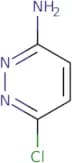
3-Amino-6-chloropyridazine
CAS :3-Amino-6-chloropyridazine is a synthetic compound that is soluble in hydrochloric acid. It has been shown to inhibit the proliferation of cells and induce apoptosis, which may be due to its inhibition of the growth factor receptor, factor. 3-Amino-6-chloropyridazine also inhibits bcr-abl kinase, an enzyme that is involved in the development of chronic myelogenous leukemia (CML). This chemical can be synthesized by coupling amino acids with chloropyridazine using cross coupling reactions. 3-Amino-6-chloropyridazine is a synthetic analogue of pyridoxal phosphate and may have use as an antiinflammatory agent.
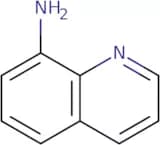
Formule :C4H4ClN3Degré de pureté :Min. 95%Couleur et forme :PowderMasse moléculaire :129.55 g/mol8-Aminoquinoline
CAS :8-Aminoquinoline is a fluorescent probe that is used to detect the presence of nitrite ions in biological samples. It is used in electron paramagnetic resonance (EPR) experiments and can be used as a chemical inhibitor of cytochrome P450 enzymes. 8-Aminoquinoline has been shown to have minimal toxicity in animal models. It has been shown to inhibit the growth of Leishmania, an organism that causes leishmaniasis, by arresting protein synthesis at the ribosome level. The drug interactions of 8-aminoquinoline have not been well studied, but it may be necessary for patients to avoid other drugs that are metabolized by cytochrome P450 enzymes when taking this agent.
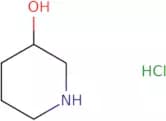
Formule :C9H8N2Degré de pureté :Min. 95%Couleur et forme :Slightly Yellow PowderMasse moléculaire :144.17 g/mol3-Hydroxypiperidine hydrochloride
CAS :3-Hydroxypiperidine hydrochloride is a synthetic compound that inhibits the enzyme acetylcholinesterase, which breaks down the neurotransmitter acetylcholine. The specificity of this inhibitor has been shown to be high in human urine samples. 3-Hydroxypiperidine hydrochloride can be used as a tethering agent in exploratory assays. This drug also has an effect on chemokine production and citric acid levels in the urine.
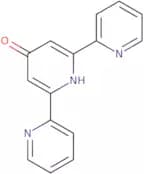
Formule :C5H11NO•HClDegré de pureté :Min. 95%Couleur et forme :PowderMasse moléculaire :137.61 g/mol4'-Hydroxy-2,2':6',2''-terpyridine
CAS :4'-Hydroxy-2,2':6',2''-terpyridine is a molecule with the molecular formula C24H22N4O8. It is an organic compound that belongs to the group of heterocycles. It has been found to be a ligand for metal ions and has been shown to interact with particles at temperatures below 20°C. 4'-Hydroxy-2,2':6',2''-terpyridine crystallizes in two polymorphs: tetragonally (alpha) at room temperature and trigonally (beta) at temperatures below 20°C. The alpha form has been observed to undergo a photophysical reaction as it absorbs light and emits light in the ultraviolet region of the spectrum.
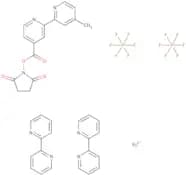
Formule :C15H11N3ODegré de pureté :Min. 95%Couleur et forme :PowderMasse moléculaire :249.27 g/molBis(2,2'-bipyridine)-4'-methyl-4-carboxybipyridine-ruthenium N-succinimidyl ester-bis(hexafluorophosphate)
CAS :Bis(2,2'-bipyridine)-4'-methyl-4-carboxybipyridine-ruthenium N-succinimidyl ester-bis(hexafluorophosphate) is a molecule that inhibits the activity of matrix metalloproteinases. It binds to the active site of the enzyme and blocks its activity. This drug has been shown to be effective in inhibiting the activity of MMPs in cells, but not in tissue culture because it does not cross cell membranes. Bis(2,2'-bipyridine)-4'-methyl-4-carboxybipyridine-ruthenium N-succinimidyl ester-bis(hexafluorophosphate) has also been shown to have a low detection limit and can detect low levels of matrix metalloproteinase activity in cells.
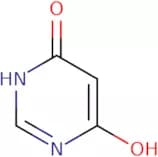
Formule :C36H29F12N7O4P2RuDegré de pureté :Min. 95%Couleur et forme :PowderMasse moléculaire :1,014.66 g/mol4,6-Dihydroxypyrimidine
CAS :4,6-Dihydroxypyrimidine is a competitive inhibitor of the bacterial enzyme DNA gyrase. It binds to the ATP-binding site and blocks the conversion of ATP to ADP. This leads to inhibition of the DNA replication process. 4,6-Dihydroxypyrimidine has shown inhibition constants against various bacterial strains. The kinetic data indicate that this compound is a noncompetitive inhibitor for DNA gyrase. 4,6-Dihydroxypyrimidine also binds to sodium hydroxide solution and forms a Langmuir adsorption isotherm that can be described by an equation with a single binding site. The chemical structure of 4,6-dihydroxypyrimidine consists of three atoms: two hydrogen atoms and one oxygen atom. This molecule has been found in electrochemical impedance spectroscopy experiments using methanol solvent as an electrolyte and monosodium salt as a supporting electrolyte.
Formule :C4H4N2O2Degré de pureté :Min. 95%Couleur et forme :Yellow PowderMasse moléculaire :112.09 g/mol2-Aminoacridone
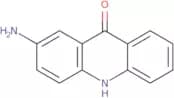
CAS :2-Aminoacridone is a fluorescent dye. The applications of 2-Aminoacridone are extensive in biochemical and analytical research. It is commonly employed in glycoprotein and glycoconjugate studies, leveraging its high sensitivity and specificity in detecting saccharide structures. Researchers utilize this dye in various assays, including high-performance liquid chromatography (HPLC) and electrophoresis, to analyze carbohydrate content and structure. Its role is critical in advancing our understanding of carbohydrate-related biological processes, such as cell signaling and disease pathogenesis, facilitating developments in both diagnostics and therapeutic strategies.
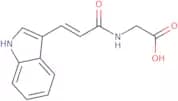
Formule :C13H10N2ODegré de pureté :Min. 95%Couleur et forme :PowderMasse moléculaire :210.23 g/molIndole-3-acryloylglycine
CAS :Indole-3-acryloylglycine is a metabolite of tryptophan, which is an essential amino acid for humans. It has been shown to be a potential biomarker for inflammatory bowel disease (IBD). Indole-3-acryloylglycine can be detected in urine samples and can be used as a diagnostic tool to identify IBD patients. This method has also been validated using chromatographic and mass spectrometry methods. Dietary intake of 3-hydroxyanthranilic acid or kynurenine may affect the concentration of indole-3-acryloylglycine in the body.
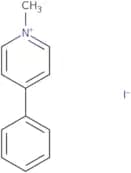
Formule :C13H12N2O3Degré de pureté :Min. 98 Area-%Couleur et forme :White Off-White PowderMasse moléculaire :244.25 g/molN-Methyl-4-phenylpyridinium iodide
CAS :N-Methyl-4-phenylpyridinium iodide is an experimental drug that has been shown to have a number of biological effects in vitro. These include the inhibition of dopamine uptake and mitochondrial membrane potential, leading to neuronal death. This drug also inhibits the uptake of gamma-aminobutyric acid (GABA) and the synthesis of tubule cells. N-Methyl-4-phenylpyridinium iodide has been shown to cause microglia cell activation by binding with the CB2 receptor on these cells. The compound also causes increased uptake of lithium ions into mitochondria, which leads to a reduction in mitochondrial membrane potential and subsequent neuronal death.
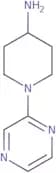
Formule :C12H12INDegré de pureté :Min. 95%Masse moléculaire :297.14 g/mol1-Pyrazin-2-ylpiperidin-4-amine dihydrochloride
CAS :1-Pyrazin-2-ylpiperidin-4-amine dihydrochloride is a fine chemical that is used as an intermediate for the synthesis of research chemicals, speciality chemicals and other complex compounds. This compound has been shown to be useful in the synthesis of a variety of building blocks, including pharmaceuticals and agrochemicals. It can be used in reactions with a wide range of reagents and catalysts, which makes it an excellent starting point for new product development.Formule :C9H14N4·2HClDegré de pureté :Min. 95%Couleur et forme :PowderMasse moléculaire :251.16 g/mol2-[4-(4-Chloro-a-phenylbenzyl)-1-piperazinyl]-ethoxyacetic acid hydrochloride
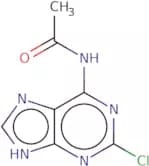
CAS :2-[4-(4-Chloro-a-phenylbenzyl)-1-piperazinyl]-ethoxyacetic acid hydrochloride is a chemical compound that has been used to investigate the possible neuroprotective effects of cetirizine, an antihistamine. This drug was developed as a prodrug of cetirizine, which is converted in vivo to its active form. The main mechanism of action for this drug is inhibition of histamine release from mast cells and basophils by blocking H1 receptors. 2-[4-(4-Chloro-a-phenylbenzyl)-1-piperazinyl]-ethoxyacetic acid hydrochloride has also been shown to have beneficial effects on allergic symptoms and bowel disease in experimental models and clinical properties.Formule :C21H25ClN2O3·HClDegré de pureté :Min. 95%Couleur et forme :PowderMasse moléculaire :425.35 g/mol2-Acetamido-6-chloropurine
CAS :2-Acetamido-6-chloropurine (2ACAP) is a nucleophilic agent that inhibits cancer cells by binding to the enzyme cholinesterase. It is used in the treatment of T-cell leukemia and herpes simplex virus. 2ACAP binds to the amine group of cholinesterase, which prevents it from breaking down acetylcholine. This inhibition leads to accumulation of acetylcholine, which has been shown to induce apoptosis in k562 cells. The molecular modeling study showed that 2ACAP binds to both chlorine atom and benzyl groups in the active site of cholinesterase. 2ACAP also has a potent inhibitory effect on cancer cell proliferation and can be used as an anti-cancer agent for many types of cancers including colon, breast, and prostate cancer.
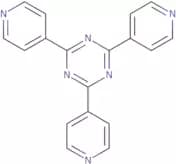
Formule :C7H6ClN5ODegré de pureté :Min. 97 Area-%Couleur et forme :Yellow PowderMasse moléculaire :211.61 g/mol2,4,6-Tri(4-pyridyl)-1,3,5-triazine (purified by sublimation)
CAS :2,4,6-Tri(4-pyridyl)-1,3,5-triazine (TPTZ) is a diamagnetic molecule. It has been shown to have anticancer activity in vitro and in vivo. TPTZ is luminescent when exposed to UV light and its emission spectrum is dependent on the environment. TPTZ has been synthesized by organic solution chemistry and by transfer from inorganic materials. The organic solution synthesis involves the formation of TPTZ from an organic ligand and triazine. The transfer mechanism occurs when an azo compound reacts with an amine precursor to form an iminium salt intermediate that reacts with triazine to form TPTZ.Formule :C18H12N6Degré de pureté :Min. 95%Couleur et forme :PowderMasse moléculaire :312.33 g/mol2-Aminopurine
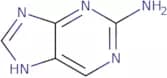
CAS :Purine analog; fluorescent probe; kinase inhibitor; mutagenic
Formule :C5H5N5Degré de pureté :Min. 95%Couleur et forme :White PowderMasse moléculaire :135.13 g/mol7-Hydroxyindole
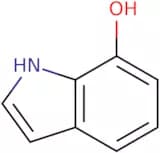
CAS :7-Hydroxyindole is a biochemical that is produced by wild-type strains of Escherichia coli. It has been shown to inhibit the action of an efflux pump, which is a protein that pumps drugs and other foreign substances out of the cell. The alkoxy radical reacts with 7-hydroxyindole to form a hydroperoxide intermediate. This intermediate then reacts with molecular oxygen to form hydrogen peroxide, which may be responsible for the antimicrobial activity of 7-hydoxyindole. Studies have shown that this compound can also inhibit multidrug efflux pumps in Pseudomonas aeruginosa cells, which may lead to an increase in antibiotic uptake.
Formule :C8H7NODegré de pureté :Min. 98 Area-%Couleur et forme :Off-White PowderMasse moléculaire :133.15 g/mol2-Amino-4,6-dimethylpyridine
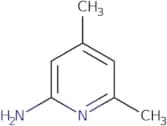
CAS :2-Amino-4,6-dimethylpyridine is a nonsteroidal anti-inflammatory drug that inhibits the production of prostaglandins and leukotrienes. 2-Amino-4,6-dimethylpyridine binds to the cyclooxygenase enzyme and blocks its conversion of arachidonic acid to prostaglandin H2. This compound has been shown to have potent inhibitory effects against Leishmania, with high values in reactive compounds. The molecular modeling of this compound shows that it has an unpaired amino function and an amide.
Formule :C7H10N2Degré de pureté :Min. 97%Couleur et forme :PowderMasse moléculaire :122.17 g/mol3,4-Dimethoxy-2-hydroxymethylpyridine
CAS :Pantoprazole is a proton pump inhibitor (PPI) that blocks the production of stomach acid by inhibiting the H+/K+-ATPase enzyme in gastric parietal cells. The chemical compound 3,4-Dimethoxy-2-hydroxymethylpyridine is a sodium salt of pantoprazole. It is commercially available as the anhydrous form, which is a white crystalline powder. This chemical has been used to regulate the amount of water in industrial processes and to salify materials such as lead oxide. Pantoprazole sodium chloride can be prepared by evaporating and drying with anhydrous sodium chloride or by heating an aqueous solution of pantoprazole sulfate.
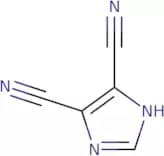
Formule :C8H11NO3Degré de pureté :Min. 95%Couleur et forme :PowderMasse moléculaire :169.18 g/mol4,5-Dicyanoimidazole
CAS :Please enquire for more information about 4,5-Dicyanoimidazole including the price, delivery time and more detailed product information at the technical inquiry form on this page
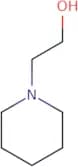
Formule :C5H2N4Degré de pureté :Min. 98 Area-%Couleur et forme :White Off-White PowderMasse moléculaire :118.1 g/mol1-Piperidineethanol
CAS :1-Piperidineethanol is an active analogue of 1-piperidinepropanol. It has been shown to be a 5-HT4 receptor agonist that can inhibit the enzyme matrix polymerase, which is involved in the production of brain infarctions. The reaction mechanism for 1-piperidineethanol is not well understood, but it has been shown to react with hydrogen ions and amines to form a ternary complex. This complex reacts with hydrogen bond donors such as water or alcohols to form a reaction rate. The reaction rate depends on the concentration of hydrogen ions and amines in the solution.
Formule :C7H15NODegré de pureté :Min. 99%Couleur et forme :Colorless Clear LiquidMasse moléculaire :129.2 g/molRef: 3D-FP16835
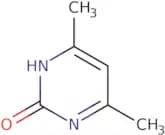
Produit arrêté4,6-Dimethyl-2-hydroxypyrimidine
CAS :4,6-Dimethyl-2-hydroxypyrimidine (DMHP) is an antibiotic drug that inhibits the activity of lipoprotein lipase. DMHP is a broad-spectrum antibiotic that has been shown to have inhibitory effects on bacterial growth in vitro assays. The chemical ionization method was used to measure the amount of DMHP in plasma samples. Results showed that DMHP levels were below the limit of detection in all samples. This suggests that DMHP does not accumulate in the body and may be metabolized quickly. Liquid chromatography with ultra violet light detection was used to analyze the chemical structure of DMHP and found it to be a mixture of two compounds: 4,6-dimethylpyrimidin-2(1H)-one and 2,4,6-trimethoxypyrimidine. The surface methodology was used to identify target tissues for toxicity studies, showing that this compound preferentially binds to liver tissue.
Formule :C6H8N2ODegré de pureté :Min. 95%Couleur et forme :PowderMasse moléculaire :124.14 g/mol5-Iodoindole
CAS :5-Iodoindole is an organic compound that is used as a nematicide. It has been shown to have cytostatic effects on the growth of human pathogens, juveniles, and model systems. 5-Iodoindole inhibits the production of reactive amines and pyridine in vivo. It also inhibits glutamine metabolism by competitive inhibition at the glutamate dehydrogenase enzyme. 5-Iodoindole also has hemolytic activity and is able to induce transcriptomic changes in P. aeruginosa cells.
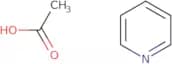
Formule :C8H6NIDegré de pureté :Min. 95%Couleur et forme :PowderMasse moléculaire :243.04 g/molPyridinium acetate
CAS :Produit contrôléPyridinium acetate is a chemical compound with the molecular formula of C6H5N3O2. It is a white solid with a melting point of 61 °C. This compound belongs to the class of organic compounds called heterocycles, which contain atoms other than carbon in their ring structures. Pyridinium acetate has been shown to have an inhibitory effect on collagen synthesis and can be used for the treatment of high blood pressure. The synthesis of pyridinium acetate is done by a synthetase enzyme that requires ATP, citric acid, and sodium citrate as substrates. This pathway creates pyridinium acetate from two molecules of aspartic acid and one molecule of acetic acid. The final product contains a carbonyl group, which gives it its acidic properties. Pyridinium acetate also has an acidic pH optimum at 3-4 and is resistant to mutants such as E. coli K-12 that
Formule :C5H5N·C2H4O2Degré de pureté :Min. 95%Couleur et forme :PowderMasse moléculaire :139.15 g/mol2,3-Dihydroxypyridine
CAS :2,3-Dihydroxypyridine is a chemical compound that is a metabolite of the amino acid histidine. It is an important hydrogen bond donor in biological systems. 2,3-Dihydroxypyridine has been shown to have anti-pandemic influenza activity against influenza A (H1N1) and B. The mechanism of this activity may be due to its ability to inhibit the synthesis and release of proinflammatory cytokines such as IL-6 and TNF-α. 2,3-Dihydroxypyridine also has potent anti-fungal activity against Candida albicans. This activity is due to its ability to bind to amine groups on proteins and disrupt hydrogen bonding interactions within the cell membrane. 2,3-Dihydroxypyridine has been shown to have transcriptional regulatory properties in vitro by binding to DNA at specific sequences near promoters or enhancers and inhibiting binding of other transcription factors
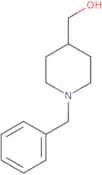
Formule :C5H5NO2Degré de pureté :Min. 95%Couleur et forme :White PowderMasse moléculaire :111.1 g/mol(1-Benzyl-4-piperidyl)methanol
CAS :1-Benzyl-4-piperidyl)methanol is a linker molecule that can be used to connect a variety of heterocycles with the ability to modulate their biological activities. This molecule has been shown to be a potent inhibitor of 5-HT receptor activity and has been used in molecular modeling studies. 1-Benzyl-4-piperidyl)methanol also has the potential for use as an environmental pollutant, which may be due to its reactivity with naphthalene compounds. The modifications that are possible on this molecule include introducing substituents on the benzene ring or amide groups, which can provide potent inhibitory activity.
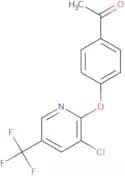
Formule :C13H19NODegré de pureté :Min. 95 Area-%Couleur et forme :Clear LiquidMasse moléculaire :205.3 g/mol2-(4-Acetophenoxy)-3-chloro-5-trifluoromethyl pyridine
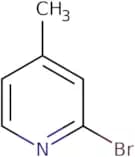
CAS :Please enquire for more information about 2-(4-Acetophenoxy)-3-chloro-5-trifluoromethyl pyridine including the price, delivery time and more detailed product information at the technical inquiry form on this pageFormule :C14H9ClF3NO2Degré de pureté :Min. 95%Couleur et forme :PowderMasse moléculaire :315.67 g/mol2-Bromo-4-methylpyridine
CAS :2-Bromo-4-methylpyridine is an organic compound that is used in the synthesis of other compounds. It has been shown to be a potent anticancer agent, inhibiting cell function and inducing apoptosis. 2-Bromo-4-methylpyridine can be used to detect autofluorescent cells by photoreceptor cell fluorescence. This compound also induces lipofuscin accumulation in red blood cells as a result of its protonation, which leads to decreased membrane fluidity and oxidative stress.
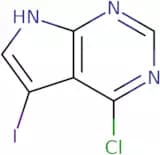
Formule :C6H6BrNDegré de pureté :Min. 95%Couleur et forme :PowderMasse moléculaire :172.02 g/mol6-Chloro-7-iodo-7-deazapurine
CAS :6-Chloro-7-iodo-7-deazapurine is a nucleoside analogue that is synthesized by a cross-coupling reaction between 6-chloro-2,4(1H,3H)-pyrimidinedione and 7-iodo-7-(trifluoromethyl)purine. 6CIDP has been shown to inhibit growth of epidermal cells at concentrations as low as 0.1 µM, with cytostatic effects seen at 10 µM. 6CIDP has also been shown to potently inhibit the replication of the human papilloma virus in vitro and in vivo. 6CIDP is currently being investigated for the treatment of AIDS and other viral infections. The molecular modeling studies on this compound have revealed that it may be a potent inhibitor of the epidermal growth factor receptor (EGFR).
Formule :C6H3ClIN3Degré de pureté :Min. 98 Area-%Couleur et forme :White PowderMasse moléculaire :279.47 g/molH-Imidazoleacetic acid
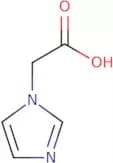
CAS :H-Imidazoleacetic acid is a synthetic compound that can be used to produce other compounds. It is soluble in water and has a hydrophilic interaction with calcium carbonate. H-Imidazoleacetic acid may be recycled, as it is easily synthesized from ethyl bromoacetate by reaction with hydrochloric acid. This substance has shown anticancer activity and may be used to treat blood pressure. The chromatographic method for H-Imidazoleacetic acid involves the use of extracellular medium to remove the organic solvent, followed by reversed phase chromatography on an ion exchange column. H-Imidazoleacetic acid is soluble in water and has a hydrophilic interaction with calcium carbonate. It may be recycled, as it is easily synthesized from ethyl bromoacetate by reaction with hydrochloric acid. This substance has shown anticancer activity and may be used to treat blood pressure. The
Formule :C5H6N2O2Degré de pureté :Min. 95%Couleur et forme :PowderMasse moléculaire :126.11 g/mol4-[(2,3,4Trimethoxyphenyl)methyl]piperazine-1-carbaldehyde
CAS :Please enquire for more information about 4-[(2,3,4Trimethoxyphenyl)methyl]piperazine-1-carbaldehyde including the price, delivery time and more detailed product information at the technical inquiry form on this page
Formule :C15H22N2O4Degré de pureté :Min. 95%Couleur et forme :PowderMasse moléculaire :294.35 g/molPyrazine-2-carbohydrazide
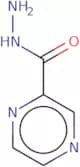
CAS :Pyrazine-2-carbohydrazide is a chemical compound with significant cytotoxicity. It has been used as an antimicrobial agent, but is not effective against all types of human pathogens. Pyrazine-2-carbohydrazide forms stable complexes with metal ions, such as carbon disulphide and pyrazine-2-carboxylic acid. Magnetic resonance spectroscopy has shown that the active analogs of pyrazine-2-carbohydrazide are pyrazinoic acid and other compounds containing this functional group. Pyrazinoic acid is synthesized from pyrazine-2-carboxylic acid by oxidation with hydrogen peroxide or a strong oxidizing agent. The antimicrobial resistance of bacteria to these compounds can be attributed to the hydrogen bond between the hydroxyl group of pyrazinoic acid and the amino group of bacterial peptidoglycan (a component of bacterial cell walls).
Formule :C5H6N4ODegré de pureté :Min. 95%Couleur et forme :PowderMasse moléculaire :138.13 g/mol[2-(Pyridin-2-ylthio)ethyl]amine dihydrochloride
CAS :2-(Pyridin-2-ylthio)ethyl]amine dihydrochloride is a chemical compound that has been used as a research reagent. It reacts with other compounds to produce new substances, and it can be used as a building block for more complex compounds. 2-(Pyridin-2-ylthio)ethyl]amine dihydrochloride is soluble in water and organic solvents such as acetone and ethanol, making it useful for reactions that require both types of solvents. This product also has CAS No. 40379-31-5, which means it is listed on the Chemical Abstracts Service registry. 2-(Pyridin-2-ylthio)ethyl]amine dihydrochloride has an interesting chemical structure that makes it a versatile building block or intermediate for many different reactions.
Formule :C7H10N2S•(HCl)2Degré de pureté :Min. 95%Couleur et forme :PowderMasse moléculaire :227.15 g/mol2-(Azidomethyl)pyridine
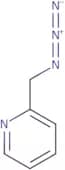
CAS :2-(Azidomethyl)pyridine (2-AP) is an organopalladium complex with a molecular weight of 206.2 g/mol. It has been used in magnetic resonance spectroscopy and has been shown to bind to all-trans retinoic acid, which is an active metabolite of vitamin A. 2-AP has also been shown to inhibit the growth of cancer cells by binding to the glycan on cell surfaces. The copper complex has been shown to have anti-inflammatory properties and can inhibit the activity of enzymes such as cyclooxygenase and lipoxygenase, which are involved in inflammatory responses. 2-AP is a second-order rate constant for the exothermic reaction between hydrogen peroxide and azide ion, which produces nitrous oxide ((NO)) and water molecules.
Formule :C6H6N4Degré de pureté :Min. 95%Couleur et forme :Brown PowderMasse moléculaire :134.14 g/mol4-(Piperazin-1-yl)benzoic acid hydrochloride
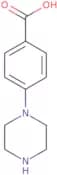
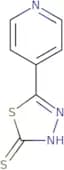
CAS :4-(Piperazin-1-yl)benzoic acid hydrochloride is a chemical intermediate that is used in the synthesis of pharmaceuticals. It has been shown to be a useful scaffold, and can be used as a reaction component and building block in the synthesis of complex compounds. 4-(Piperazin-1-yl)benzoic acid hydrochloride is also versatile, as it has been shown to be an intermediate for the synthesis of fine chemicals.Formule :C11H14N2O2•HClDegré de pureté :Min. 95%Couleur et forme :PowderMasse moléculaire :242.7 g/mol5-Pyridin-4-yl-1,3,4-thiadiazole-2-thiol
CAS :5-Pyridin-4-yl-1,3,4-thiadiazole-2-thiol is a molecule that is used as an immunosuppressant. It inhibits the production of cytokines and chemokines by inhibiting the activation of nuclear factor kappa B (NF-κB). This leads to less inflammation and a decrease in the ability of immune cells to proliferate. 5-Pyridin-4-yl-1,3,4-thiadiazole-2-thiol has been shown to have synergistic effects with other drugs, such as antifungal agents.
Formule :C7H5N3S2Degré de pureté :Min. 95%Couleur et forme :PowderMasse moléculaire :195.27 g/mol1,1'-(Azodicarbonyl)dipiperidine
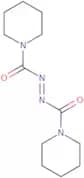
CAS :1,1'-(Azodicarbonyl)dipiperidine is an organic compound that has been shown to be a radiosensitizing agent. It is used in the treatment of ovarian cancer and inhibits cell growth by inducing apoptosis. 1,1'-(Azodicarbonyl)dipiperidine modifies the cellular response to ionizing radiation by sensitizing cells to radiation and increasing the amount of DNA damage caused by radiation. This compound was found to increase the radiosensitivity of cells in vitro; however, it does not induce apoptosis in non-malignant cells. The effects are observed at low doses and are more pronounced when combined with other agents such as 3-aminobenzamide (3AB).
Formule :C12H20N4O2Degré de pureté :Min. 95%Couleur et forme :Yellow PowderMasse moléculaire :252.31 g/mol2-Methyl-1,4-oxazepane
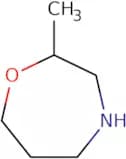
CAS :2-Methyl-1,4-oxazepane is a fine chemical that can be used as a building block in organic synthesis. It is a versatile building block and can be used as a reaction component or intermediate. 2-Methyl-1,4-oxazepane has been used as an intermediate in the synthesis of various pharmaceutical drugs, including benzodiazepines and beta blockers. This compound is also used in the production of polyurethanes and other plastics.
2-Methyl-1,4-oxazepane has been classified by the Chemical Abstracts Service (CAS) as a speciality chemical with the number 1018614-41-9.Formule :C6H13NODegré de pureté :Min. 95%Couleur et forme :Colorless PowderMasse moléculaire :115.17 g/molN4-Benzoylcytosine
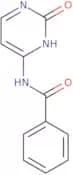
CAS :Building block in the synthesis of nucleoside antiviral agents
Formule :C11H9N3O2Degré de pureté :Min. 95%Couleur et forme :White PowderMasse moléculaire :215.21 g/mol1-Acetyl-3-indolecarboxaldehyde
CAS :1-Acetyl-3-indolecarboxaldehyde is a ligand that binds to the cannabinoid receptor 1 (CB1). It has been shown to bind to the CB1 receptor with high affinity and selectivity. In addition, it has been demonstrated to inhibit the proliferation of human breast cancer cells in vitro. The compound is used as a fluorescent probe for cb1 receptor binding. Data obtained from molecular modelling studies have suggested that the hydroxyl group might be involved in binding to the CB1 receptor. 1-Acetyl-3-indolecarboxaldehyde also binds carotenoids, which are molecules responsible for giving plants and other photosynthetic organisms their coloration. This compound can be found in many different plants, such as carrots and bananas, where it acts as an antioxidant.
Formule :C11H9NO2Degré de pureté :Min. 95%Couleur et forme :PowderMasse moléculaire :187.19 g/mol11-Piperazinyldibenzo[b,e][1,4]diazepine
CAS :Piperazine diazepines are a class of synthetic compounds that have been used as anticonvulsants, anxiolytics and muscle relaxants. The compound 11-piperazinyldibenzo[b,e][1,4]diazepine (PBD) belongs to this class of drugs. PBD is an analog of the amino acid phenylalanine and has been shown to be a potent acetylcholine receptor antagonist. It also has high penetrability into brain cells and can activate these cells in vivo studies.
Formule :C17H18N4Degré de pureté :Min. 95%Couleur et forme :PowderMasse moléculaire :278.35 g/mol4-Bromo-2-fluoropyridine
CAS :4-Bromo-2-fluoropyridine is a heterocyclic amine that belongs to the class of cannabinoid type. It has been shown to be stereoselective, and can be used as a sulfamidate in biomolecular studies. 4-Bromo-2-fluoropyridine is activated by chloride and nucleophilic, which are properties that make it useful for functional groups. The fluorine atom on this molecule also makes it reactive, making it possible to use the substance as an enantiopure catalyst for organic reactions.
Formule :C5H3BrFNDegré de pureté :Min. 98 Area-%Couleur et forme :Colorless Clear LiquidMasse moléculaire :175.99 g/mol1-(5-Trifluoromethyl-[1,3,4]thiadiazol-2-yl)-piperazine
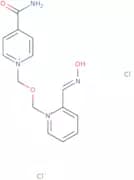
CAS :1-(5-Trifluoromethyl-[1,3,4]thiadiazol-2-yl)-piperazine is a high quality and versatile building block for the synthesis of various chemical compounds. It is an intermediate for the synthesis of other organic substances and can be used in reactions involving nucleophilic substitution, elimination, or addition reactions. 1-(5-Trifluoromethyl-[1,3,4]thiadiazol-2-yl)-piperazine is a reagent that can be used as a complex compound to create fine chemicals. This compound is also useful as a reaction component in research chemicals and speciality chemicals.Formule :C7H9F3N4SDegré de pureté :(Hplc-Ms) Min. 95 Area-%Couleur et forme :PowderMasse moléculaire :238.23 g/molAsoxime chloride
CAS :A Hagedorn oxime used in the treatment of organophosphate poisoning.
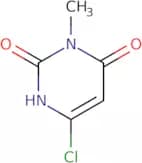
Formule :C14H16Cl2N4O3Degré de pureté :Min. 95%Couleur et forme :PowderMasse moléculaire :359.21 g/mol6-Chloro-3-methyluracil
CAS :Intermediate in the synthesis of alogliptin
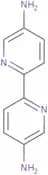
Formule :C5H5ClN2O2Degré de pureté :Min. 98 Area-%Couleur et forme :Off-White PowderMasse moléculaire :160.56 g/mol5,5'-Diamino-2,2'-bipyridine
CAS :5,5'-Diamino-2,2'-bipyridine is an acidic metalloporphyrin that has been shown to react with epoxides to form nucleophilic adducts. This compound can be used as a ligand for lanthanide ions and reacts with aminopyridine to form bromoethane. 5,5'-Diamino-2,2'-bipyridine has been shown to have carcinogenic properties and may induce bromoethane mutagenicity in the liver. This compound is also mutagenic when added to propylene carbonate. 5,5'-Diamino-2,2'-bipyridine is luminescent in air or water when exposed to UV light.
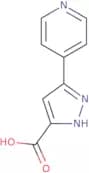
Formule :C10H10N4Degré de pureté :Min. 97 Area-%Couleur et forme :PowderMasse moléculaire :186.21 g/mol5-Pyridin-4-yl-1H-pyrazole-3-carboxylic acid
CAS :5-Pyridin-4-yl-1H-pyrazole-3-carboxylic acid is a white crystalline solid. It is soluble in water, methanol and ethanol. The molecular weight of 5-Pyridin-4-yl-1H-pyrazole-3 carboxylic acid is 177.17 g/mol. This compound has been found to have an elemental composition of C, H, N and O with a calculated density of 1.62 g/cm3 in the form of a single crystal x ray diffraction pattern. 5-Pyridin 4 yl 1H pyrazole 3 carboxylic acid has synergistic effects with other drugs used for chemotherapy such as cisplatin and doxorubicin against cancer cells.Formule :C9H7N3O2Degré de pureté :Min. 95%Couleur et forme :PowderMasse moléculaire :189.17 g/molPyridinoline
CAS :Please enquire for more information about Pyridinoline including the price, delivery time and more detailed product information at the technical inquiry form on this page
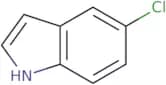
Formule :C18H28N4O8Degré de pureté :Min. 95%Couleur et forme :PowderMasse moléculaire :428.44 g/mol5-Chloroindole
CAS :5-Chloroindole is a molecule that can bind to the CB2 cannabinoid receptor. It has been shown in experiments to be an allosteric modulator of this receptor. 5-Chloroindole has been found to have an inhibitory effect on degenerative diseases, such as Huntington's disease and Alzheimer's disease, and may have therapeutic potential for these disorders. 5-Chloroindole binds to a metal surface by forming hydrogen bonds with the oxygen atom of its carboxyl group and the metal surface. The nucleophilic nature of 5-chloroindole allows it to react with chloride ions present in solution. 5-Chloroindole reacts with the carbon source in tissue culture, which leads to receptor activity and inhibition of cell proliferation.
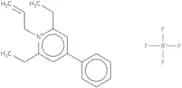
Formule :C8H6ClNCouleur et forme :White PowderMasse moléculaire :151.59 g/molN-Propyl-1-ene-2,6-diethyl-4-phenylpyridinium tetrafluoroborate
CAS :N-Propyl-1-ene-2,6-diethyl-4-phenylpyridinium tetrafluoroborate (NPEEDPBF) is a fine chemical that has been used as a building block in research and industrial chemistry. The synthesis of NPEEDPBF typically involves the reaction of diethyl phenylpyridinium bromide with n propyl iodide. It can be used as a reagent for organic syntheses and as an intermediate for other compounds. NPEEDPBF is also a versatile building block for complex compounds.Formule :C18H22N•BF4Degré de pureté :Min. 95%Masse moléculaire :339.18 g/mol(2R)-1-(Phenylmethyl)-N-[3-(spiro[isobenzofuran-1(3H),4'-piperidin]-1-yl)propyl-2-pyrrolidinecarboxamide HCl
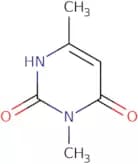
CAS :(2R)-1-(Phenylmethyl)-N-[3-(spiro[isobenzofuran-1(3H),4'-piperidin]-1-yl)propyl-2-pyrrolidinecarboxamide HCl is an endogenous opioid that has been shown to have antidepressant-like effects. It can bind to γ-aminobutyric acid (GABA) receptors, catecholamine receptors, and nociceptin receptors. This drug also has anti-cancer properties and may be used for the treatment of autoimmune diseases. The interaction of this drug with other drugs is not well understood, but it has been shown to modulate the effects of opioids and increase the aversive nature of some substances.Formule :C27H35N3O2Degré de pureté :Min. 95%Couleur et forme :PowderMasse moléculaire :433.59 g/mol3,6-Dimethylpyrimidine-2,4(1H,3H)-dione
CAS :3,6-Dimethylpyrimidine-2,4(1H,3H)-dione is a chemical compound that has been found to be active against influenza virus. It is an acidic compound that binds to positively charged amino acids on the viral envelope and inhibits viral fusion with host cells. The linker group in 3,6-dimethylpyrimidine-2,4(1H,3H)-dione is the same as that of dimethylsulfate, which is a chemical compound used for the synthesis of other compounds. X-ray diffraction data for this compound have been obtained at high resolution and show it to be a chloride salt. The chloride ion may be important in the antiviral activity of 3,6-dimethylpyrimidine-2,4(1H,3H)-dione because it can react with radicals formed during influenza replication. This compound also has antiradical activities against Coxsackievirus B3 (
Formule :C6H8N2O2Degré de pureté :Min. 95%Masse moléculaire :140.14 g/mol

![2-[4-(4-Chloro-a-phenylbenzyl)-1-piperazinyl]-ethoxyacetic acid hydrochloride](/_next/image/?url=https%3A%2Fstatic.cymitquimica.com%2Fproducts%2F3D%2Fthumb-webp%2FFC33467.webp&w=3840&q=75)



![4-[(2,3,4Trimethoxyphenyl)methyl]piperazine-1-carbaldehyde](/_next/image/?url=https%3A%2Fstatic.cymitquimica.com%2Fproducts%2F3D%2Fthumb-webp%2FFT46258.webp&w=3840&q=75)
![[2-(Pyridin-2-ylthio)ethyl]amine dihydrochloride](/_next/image/?url=https%3A%2Fstatic.cymitquimica.com%2Fproducts%2F3D%2Fthumb-webp%2FFP121658.webp&w=3840&q=75)

![11-Piperazinyldibenzo[b,e][1,4]diazepine](/_next/image/?url=https%3A%2Fstatic.cymitquimica.com%2Fproducts%2F3D%2Fthumb-webp%2FFP76915.webp&w=3840&q=75)

![1-(5-Trifluoromethyl-[1,3,4]thiadiazol-2-yl)-piperazine](/_next/image/?url=https%3A%2Fstatic.cymitquimica.com%2Fproducts%2F3D%2Fthumb-webp%2FFT50922.webp&w=3840&q=75)

![(2R)-1-(Phenylmethyl)-N-[3-(spiro[isobenzofuran-1(3H),4'-piperidin]-1-yl)propyl-2-pyrrolidinecarbo…](/_next/image/?url=https%3A%2Fstatic.cymitquimica.com%2Fproducts%2F3D%2Fthumb-webp%2FFP73252.webp&w=3840&q=75)