


Hétérocycles azotés (N)
Sous-catégories appartenant à la catégorie "Hétérocycles azotés (N)"
- Azépane(436 produits)
- Benzotriazoles(438 produits)
- Diazépanes(335 produits)
- Imidazoles(4.031 produits)
- Imidazolines(385 produits)
- Isoxazole(1.088 produits)
- Piperazines(3.758 produits)
- Pipéridines(8.442 produits)
- Pyrazines(1.304 produits)
- Pyrazole(5.960 produits)
- Pyrazolidine(21 produits)
- Pyrazoline(143 produits)
- Pyridazine(860 produits)
- Pyridines(22.005 produits)
- Pyrimidine(6.084 produits)
- Pyrroles(2.449 produits)
- Pyrrolidines(5.840 produits)
- Pyrroline(48 produits)
- Pyrrolo[1,2-b]pyridazine(10 produits)
- Tétrazole(531 produits)
- Triazines(466 produits)
- Triazoles(1.689 produits)
17863 produits trouvés pour "Hétérocycles azotés (N)"
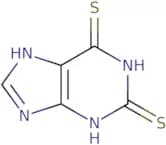
2,6-Dimercaptopurine
CAS :2,6-Dimercaptopurine (2,6-DMP) is an immunosuppressive drug that is used to prevent organ transplants from being rejected. It blocks the synthesis of DNA and RNA in cells by inhibiting the enzyme thymidylate synthase. The reaction mechanism involves a nucleophilic attack on the phosphorus atom of 2,6-DMP by a proton from water or another nucleophile such as urea or ammonia. 2,6-DMP is metabolized through a number of tautomeric forms, which are neutral and acidic in pH. One example of this is when 2,6-DMP reacts with hydrochloric acid to form a conjugate base that can be excreted in urine.
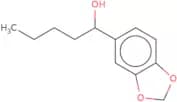
Formule :C5H4N4S2Degré de pureté :Min. 95%Couleur et forme :Yellow PowderMasse moléculaire :184.24 g/mola-Butylpiperonyl alcohol
CAS :Produit contrôléa-Butylpiperonyl alcohol is a chiral molecule that is used in the synthesis of esters. It can be produced by microbial fermentation and low-temperature chemical reactions. This compound has been shown to inhibit the growth of Gram-positive bacteria, such as Staphylococcus aureus and Streptococcus pneumoniae. The biosynthetic pathway for a-butylpiperonyl alcohol is not yet well understood, but it has been hypothesized that this compound is synthesized from an intermediate, acetic acid. The enzyme responsible for this conversion is unknown, but it may be catalysed by an acylase or acetate kinase. A study on the genome sequence of Coelicolor revealed that this organism produces a-butylpiperonyl alcohol from the intermediate 3-hydroxypropanoic acid.
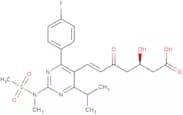
Formule :C12H16O3Degré de pureté :Min. 95%Masse moléculaire :208.25 g/mol5-Oxo Rosuvastatin
CAS :5-Oxo Rosuvastatin is a drug product that has been synthesized from natural ingredients. It is an analytical standard for the impurity, 5-oxo-rosuvastatin, which is a potential impurity in the API, rosuvastatin. This drug product has been custom synthesized in order to provide an Impurity Standard for HPLC. This drug product is also used as a Synthetic Reference Standard for Drug Development and Research and Development.
Formule :C22H26FN3O6SDegré de pureté :Min. 95%Couleur et forme :Off-White To Light (Or Pale) Yellow To Dark Yellow SolidMasse moléculaire :479.52 g/molRef: 3D-FF103553
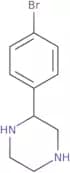
Produit arrêté2-(4-Bromophenyl)piperazine
CAS :Please enquire for more information about 2-(4-Bromophenyl)piperazine including the price, delivery time and more detailed product information at the technical inquiry form on this page
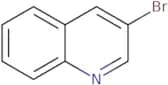
Formule :C10H13BrN2Degré de pureté :Min. 95%Masse moléculaire :241.13 g/mol3-Bromoquinoline
CAS :3-Bromoquinoline is a brominated quinoline derivative that can be synthesized by cross-coupling reactions. The compound's chemical structure is similar to the 3-azidoquinoline, which was studied in quantum theory and molecular modeling. The 3-bromoquinoline molecule has been shown to exist in two different coordination geometries: octahedral and trigonal bipyramidal. In the octahedral geometry, the 3-bromoquinoline molecule is bound to three bromine atoms and one nitrogen atom, with an intramolecular hydrogen bond between the nitrogen atom and the quinoline ring system. The trigonal bipyramidal geometry also features an intramolecular hydrogen bond between the nitrogen atom and quinoline ring system, as well as a halogen bonding interaction with one of the three bromine atoms.
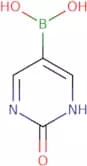
Formule :C9H6BrNDegré de pureté :Min. 95%Couleur et forme :Yellow PowderMasse moléculaire :208.05 g/mol2-Hydroxypyrimidine-5-boronicacid
CAS :Please enquire for more information about 2-Hydroxypyrimidine-5-boronicacid including the price, delivery time and more detailed product information at the technical inquiry form on this page
Formule :C4H5BN2O3Degré de pureté :Min. 95%Masse moléculaire :139.91 g/molRef: 3D-FH151148
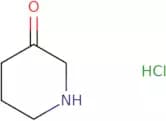
Produit arrêtéPiperidin-3-one hydrochloride
CAS :Piperidin-3-one hydrochloride is an organic solvent that belongs to the group of benzyl compounds. It is a reagent for the synthesis of sulfides, which are used in the production of dyes, pharmaceuticals, and other products. Piperidin-3-one hydrochloride can be used as a constant in calculating the shift of tetrafluoroborate ions. This compound has been shown to be assembled into planar structures with six atoms per side. The resonance frequencies of this compound depend on the solvents and its aliphatic nature. Piperidin-3-one hydrochloride can be used to generate dimethyl sulfide by reacting with methanol or methyl chloride.
Formule :C5H10NOClDegré de pureté :Min. 95%Couleur et forme :White PowderMasse moléculaire :135.59 g/mol7-Chlorothieno[3,2-B]Pyridine
CAS :7-Chlorothieno[3,2-B]pyridine is a nucleophilic compound that is used as an inhibitor of the tyrosine kinase enzyme. It binds to the ATP binding site and blocks the enzymatic activity of the enzyme, preventing cell proliferation. 7-Chlorothieno[3,2-B]pyridine has been shown to inhibit growth in tumour cell lines and has been shown to be effective against tyrosine kinase receptor positive cancer cells. This drug also shows a cytotoxic activity against tumour cells in vivo, which may be due to its ability to inhibit factor receptor and receptor tyrosine.
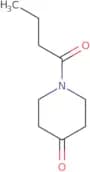
Formule :C7H4ClNSDegré de pureté :Min. 95%Masse moléculaire :169.63 g/mol1-Butyrylpiperidin-4-one
CAS :Produit contrôléPlease enquire for more information about 1-Butyrylpiperidin-4-one including the price, delivery time and more detailed product information at the technical inquiry form on this page
Formule :C9H15NO2Degré de pureté :Min. 95%Masse moléculaire :169.22 g/molN-Isopropyl carvedilol
CAS :Please enquire for more information about N-Isopropyl carvedilol including the price, delivery time and more detailed product information at the technical inquiry form on this page
Formule :C27H32N2O4Degré de pureté :Min. 95%Masse moléculaire :448.56 g/mol10-[2-(1-Methyl-2-piperidinyl)ethyl]-2-(methylthio)-10H-phenothiazine hydrochloride
CAS :Produit contrôléThe drug, 10-[2-(1-methyl-2-piperidinyl)ethyl]-2-(methylthio)-10H-phenothiazine hydrochloride (CGP 46660), is a competitive antagonist at the human histamine H3 receptor. It has been shown to bind to the histamine H3 receptor in the range of 0.001 to 1 μM and is selective for this receptor over other receptors. CGP 46660 is an optical sensor that can be used in titration calorimetry experiments to measure changes in heat production when it binds to histamine H3 receptors. The drug also has been shown to inhibit guanine nucleotide-binding protein (G protein) signaling pathways and brain functions such as memory formation, learning, and attention span. These effects were demonstrated in humans by measuring EEG activity. The optimum concentration of CGP 46660 for these effects was found to be between 0.01 and 10 μM.
Formule :C21H27ClN2S2Degré de pureté :Min. 95%Couleur et forme :PowderMasse moléculaire :407.04 g/molHaloperidol nonanoate
CAS :Produit contrôléPlease enquire for more information about Haloperidol nonanoate including the price, delivery time and more detailed product information at the technical inquiry form on this page
Formule :C30H39ClFNO3Degré de pureté :Min. 95%Masse moléculaire :516.09 g/mol(5-Chloropyridin-3-yl)boronic acid
CAS :Please enquire for more information about (5-Chloropyridin-3-yl)boronic acid including the price, delivery time and more detailed product information at the technical inquiry form on this page
Formule :C5H5BClNO2Degré de pureté :Min. 95%Masse moléculaire :157.36 g/molN,N-Dimethyl-2-(1-(1-(pyridin-2-yl)ethyl)-1H-inden-2-yl)ethan-1-amine hydrochloride
CAS :Please enquire for more information about N,N-Dimethyl-2-(1-(1-(pyridin-2-yl)ethyl)-1H-inden-2-yl)ethan-1-amine hydrochloride including the price, delivery time and more detailed product information at the technical inquiry form on this page
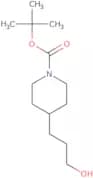
Formule :C20H24N2•(HCl)2Degré de pureté :Min. 95%Masse moléculaire :365.34 g/molTert-butyl 4-(3-hydroxypropyl)tetrahydro-1(2H)-pyridinecarboxylate
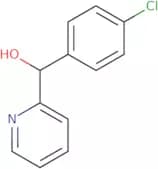
CAS :Please enquire for more information about Tert-butyl 4-(3-hydroxypropyl)tetrahydro-1(2H)-pyridinecarboxylate including the price, delivery time and more detailed product information at the technical inquiry form on this pageFormule :C13H25NO3Degré de pureté :Min. 95%Masse moléculaire :243.34 g/mol4-Chlorophenyl-2-pyridinylmethanol
CAS :Please enquire for more information about 4-Chlorophenyl-2-pyridinylmethanol including the price, delivery time and more detailed product information at the technical inquiry form on this page
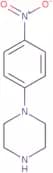
Formule :C12H10ClNODegré de pureté :Min. 95%Masse moléculaire :219.67 g/mol1-(4-Nitrophenyl)piperazine
CAS :1-(4-Nitrophenyl)piperazine is a nitro compound with a molecular weight of 147.2. It is soluble in DMSO and ethanol, but not in water. 1-(4-Nitrophenyl)piperazine has the ability to absorb ultraviolet radiation (UV) and it can be used as a UV-absorbing agent in plastics. 1-(4-Nitrophenyl)piperazine can also be used as an intermediate for the synthesis of triazole antifungal agents. The molecule has been shown to have high values at magnetic resonance spectroscopy (NMR). The crystal structure of 1-(4-nitrophenyl)piperazine was determined by x-ray diffraction data and molecular modeling techniques. This molecule's melting point was determined by titration calorimetry, which showed that its melting point is around 195 degrees Celsius.br> 1-(4-Nitrophenyl)piper
Formule :C10H13N3O2Degré de pureté :Min. 95%Masse moléculaire :207.23 g/moltert-Butyl6-[(1e)-2-[4-(4-fluorophenyl)-6-(1-methylethyl)-2-[methyl(methylsulfonyl)amino]-5-pyrimidinyl]ethenyl]-2,2-dimethyl-1,3-di oxane-4-acetate
CAS :Please enquire for more information about tert-Butyl6-[(1e)-2-[4-(4-fluorophenyl)-6-(1-methylethyl)-2-[methyl(methylsulfonyl)amino]-5-pyrimidinyl]ethenyl]-2,2-dimethyl-1,3-di oxane-4-acetate including the price, delivery time and more detailed product information at the technical inquiry form on this page
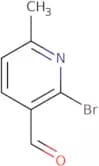
Formule :C29H40FN3O6SDegré de pureté :Min. 95%Masse moléculaire :577.71 g/mol2-Bromo-6-methylpyridine-3-carboxaldehyde
CAS :2-Bromo-6-methylpyridine-3-carboxaldehyde (BMPCA) is a pharmacological agent that belongs to the group of antagonists. It has been shown to be a potent antagonist at the NMDA receptor and may be used for treating neuropathic pain. BMPCA also has been shown to have competitive inhibition at the naphthyridine receptor, which may allow it to act as an antagonist or an agonist depending on its binding site. The regioisomeric analogs of BMPCA are 2-(2,5-dichloropyridyl)-6-methylpyridine-3-carboxaldehyde and 2-(2,5-dimethylpyridyl)-6-methylpyridine-3-carboxaldehyde. These analogs have been shown to inhibit the growth of tumor cells in vitro and in vivo.
Formule :C7H6BrNODegré de pureté :Min. 95%Masse moléculaire :200.03 g/mol(2E)-1-[5,6-Dihydro-3-(trifluoromethyl)-1,2,4-triazolo[4,3-a]pyrazin-7(8H)-yl]-4-(2,4,5-trifluorophenyl)-2-buten-1-one
CAS :Please enquire for more information about (2E)-1-[5,6-Dihydro-3-(trifluoromethyl)-1,2,4-triazolo[4,3-a]pyrazin-7(8H)-yl]-4-(2,4,5-trifluorophenyl)-2-buten-1-one including the price, delivery time and more detailed product information at the technical inquiry form on this page
Formule :C16H12F6N4ODegré de pureté :95%NmrMasse moléculaire :390.28 g/molRef: 3D-FD103313
Produit arrêtétert-Butyl 2-amino-6,7-dihydrothiazolo[5,4-c]pyridine-5(4H)-carboxylate
CAS :Please enquire for more information about tert-Butyl 2-amino-6,7-dihydrothiazolo[5,4-c]pyridine-5(4H)-carboxylate including the price, delivery time and more detailed product information at the technical inquiry form on this page
Degré de pureté :Min. 95%3-Boc-amino-2,6-dioxopiperidine
CAS :Please enquire for more information about 3-Boc-amino-2,6-dioxopiperidine including the price, delivery time and more detailed product information at the technical inquiry form on this page
Formule :C10H16N2O4Degré de pureté :Min. 95%Masse moléculaire :228.25 g/molRef: 3D-FB151965
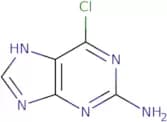
Produit arrêté2-Amino-6-chloropurine
CAS :2-Amino-6-chloropurine is a nucleophilic substituent that is used in the synthesis of 2-amino-6-chloropurine. It reacts with hydroxyl groups to form a palladium-catalyzed coupling reaction solution, which is then treated with hydrochloric acid and trifluoroacetic acid. The product is purified by crystallization and recrystallization. This compound has potent antitumor activity against carcinoma cell lines, but it has not been shown to have any effect against Mycobacterium tuberculosis.
Formule :C5H4ClN5Degré de pureté :Min. 95%Couleur et forme :Off-White PowderMasse moléculaire :169.57 g/molIsocytosine
CAS :Isocytosine is a prodrug that has been synthesized with the intramolecular hydrogen on the nitrogen atoms, which makes it more chemically stable. Isocytosine is a reactive molecule, and can react with tautomers to form isocytosine derivatives. Isocytosine contains three hydrogen atoms that are transferable through reactions to other molecules. The chemical stability of isocytosine allows for its use in wastewater treatment. It also has metabolic effects, such as the inhibition of colorectal adenocarcinoma and metabolic disorders. Isocytosine can be used as a model system for studying transfer reactions and reaction mechanisms.
Formule :C4H5N3ODegré de pureté :Min. 95%Couleur et forme :PowderMasse moléculaire :111.1 g/mol5,7-Dimethyl-[1,2,4]triazolo[1,5-a]pyrimidine-2-carboxylic acid
CAS :Please enquire for more information about 5,7-Dimethyl-[1,2,4]triazolo[1,5-a]pyrimidine-2-carboxylic acid including the price, delivery time and more detailed product information at the technical inquiry form on this page
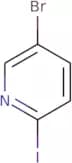
Formule :C8H8N4O2Degré de pureté :Min. 95%Masse moléculaire :192.17 g/mol5-Bromo-2-iodopyridine
CAS :5-Bromo-2-iodopyridine is an antibiotic that is used to treat bacterial infections. It has been shown to inhibit the growth of bacteria by binding to the 50S ribosomal subunit. This drug also has a toxic effect on respiratory system cells, which may be due to its ability to induce apoptosis. 5-Bromo-2-iodopyridine interacts with DNA in a triazine ring and inhibits bacterial growth by inhibiting protein synthesis. The drug binds to the 50S ribosomal subunit at a site that is different from that of rifampin and other antibiotics. The reaction is catalyzed by palladium at high temperatures and takes place in organic solvents such as chloroform or benzene. This synthetic process can be made more efficient by using inexpensive starting materials, such as bromine, iodine, and acetone, rather than expensive starting materials like platinum or gold salts.
Formule :C5H3BrINDegré de pureté :Min. 95%Couleur et forme :Slightly Yellow PowderMasse moléculaire :283.89 g/molRef: 3D-FB07067
Produit arrêté11-(1-Piperazinyl)-dibenzo[b,f][1,4]thiazepine dihydrochloride
CAS :11-(1-Piperazinyl)-dibenzo[b,f][1,4]thiazepine dihydrochloride is a long-acting drug that has been synthesized as an analog of diazepam. The compound is characterized by high diffraction, interaction and evaporation constants and low molecular weight. It is soluble in water and methanol. 11-(1-Piperazinyl)-dibenzo[b,f][1,4]thiazepine dihydrochloride has been shown to have a constant pharmacokinetic profile and high chemical stability in vivo.Formule :C17H17N3S·2HClDegré de pureté :Min. 98 Area-%Couleur et forme :White Off-White PowderMasse moléculaire :368.32 g/molRef: 3D-FP32447
Produit arrêté4,5-Dihydro-1H-imidazol-2-amine hydrochloride
CAS :Please enquire for more information about 4,5-Dihydro-1H-imidazol-2-amine hydrochloride including the price, delivery time and more detailed product information at the technical inquiry form on this page
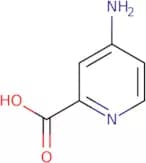
Formule :C3H7N3•HClDegré de pureté :Min. 95%Masse moléculaire :121.57 g/mol4-Aminopicolinic acid
CAS :4-Aminopicolinic acid is a synthetic amine that has been shown to activate plant science. 4-Aminopicolinic acid is a cyclic peptide with two subunits, one of which is 4-amino-3-pyridinecarboxylic acid. This compound has been synthesized from picolinic acid, an agriculturally important compound that is found in plant and animal tissues. The synthesis of 4-aminopicolinic acid involves the reaction of picolinic acid with nitrous oxide, followed by hydrolysis and oxidation to form the desired product. Hplc analyses have confirmed the presence of picolinic acid in extracts from various plants containing this compound.
Formule :C6H6N2O2Degré de pureté :Min. 95%Couleur et forme :White To Beige Or Pink To Light Brown SolidMasse moléculaire :138.12 g/molRef: 3D-FA12646
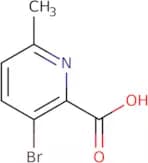
Produit arrêté3-Bromo-6-methylpicolinic acid
CAS :Please enquire for more information about 3-Bromo-6-methylpicolinic acid including the price, delivery time and more detailed product information at the technical inquiry form on this page
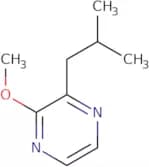
Formule :C7H6BrNO2Degré de pureté :Min. 95%Masse moléculaire :252.49 g/mol2-Isobutyl-3-methoxypyrazine
CAS :2-Isobutyl-3-methoxypyrazine is a hydrophobic compound that is not soluble in water. It has a bound form and can be titrated with calorimetry. 2-Isobutyl-3-methoxypyrazine is synthesized by reacting 2,2,4-trimethylpentane with methoxyacetone in the presence of sodium methylate. The compound has been detected as an odorant in numerous plant species and is believed to play a role in plant physiology. 2-Isobutyl-3-methoxypyrazine has been shown to have potent antiviral activity against infectious diseases such as HIV, herpes simplex virus type 1 (HSV1), and varicella zoster virus (VZV). This specific antiviral activity may be due to its ability to bind fatty acids by hydrogen bonds, which may interfere with the synthesis of viral membranes.
Formule :C9H14N2ODegré de pureté :Min. 95%Masse moléculaire :166.22 g/mol4-[(4-chlorophenyl)-2-pyridinylmethoxy]-1-piperidinecarboxylic acid ethylester
CAS :Please enquire for more information about 4-[(4-chlorophenyl)-2-pyridinylmethoxy]-1-piperidinecarboxylic acid ethylester including the price, delivery time and more detailed product information at the technical inquiry form on this pageFormule :C20H23ClN2O3Degré de pureté :Min. 95%Masse moléculaire :374.86 g/molRef: 3D-FP152183
Produit arrêté4-Bromopyridine hydrochloride
CAS :4-Bromopyridine HCl is a chemical compound with the molecular formula C6H5BrN. It is an aromatic heterocycle and is used in organic synthesis as a coupling partner in cross-coupling reactions. The bromine atom of 4-bromopyridine is replaced by chloride, resulting in 4-chloropyridine. The chlorination reaction can be conducted using either hydrochloric acid or thionyl chloride. This process can be done on an industrial scale and the chlorinated product has been used in the manufacture of pharmaceuticals, dyes, and pesticides. The reaction mechanism for this substitution reaction involves a nucleophilic attack by chlorine on the pyridine ring at carbon atom 2 followed by displacement of hydrogen from the adjacent position on nitrogen atom 3. Acylation reactions are oxidation processes that involve conversion of carboxylic acids to acyl halides or acyl chlorides through treatment with acidified halogenating agents such
Formule :C5H4BrN•HClDegré de pureté :Min. 95%Couleur et forme :White PowderMasse moléculaire :194.46 g/molRef: 3D-FB05483
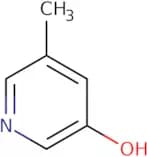
Produit arrêté3-Hydroxy-5-methylpyridine
CAS :3-Hydroxy-5-methylpyridine (3HMP) is a chemical substance that has been classified as an amine. It is a product of the metabolism of purines, which are nitrogenous bases found in DNA and RNA. 3HMP is produced by aerogenic bacteria (such as Enterobacter), and can be used to estimate the number of these bacteria present in water samples. 3HMP has been shown to have antiviral properties against influenza virus, and can be used as a biomarker for the presence of other viruses in animals. 3HMP also has mineralization properties, which have been studied extensively, particularly with regards to pancreatic disease.
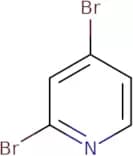
Formule :C6H7NODegré de pureté :Min. 95%Couleur et forme :PowderMasse moléculaire :109.13 g/mol2,4-Dibromopyridine
CAS :2,4-Dibromopyridine is a brominated derivative of pyridine. It is synthesized through the substitution of two bromine atoms for two hydrogens on the pyridine ring. This synthesis can be achieved by disubstitution or cross-coupling reactions. The reaction products are nucleophilic and react with electrophiles to produce substitution products. The reaction mechanism is thought to involve a six-membered transition state, which has been observed using X-ray absorption spectroscopy.
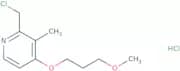
Formule :C5H3Br2NDegré de pureté :Min. 95%Couleur et forme :White To Off-White SolidMasse moléculaire :236.89 g/mol2-Chloromethyl-4-(3-methoxypropoxy)-3-methylpyridine hydrochloride
CAS :Please enquire for more information about 2-Chloromethyl-4-(3-methoxypropoxy)-3-methylpyridine hydrochloride including the price, delivery time and more detailed product information at the technical inquiry form on this page
Formule :C11H17Cl2NO2Degré de pureté :Min. 95%Masse moléculaire :266.16 g/molRef: 3D-FC20276
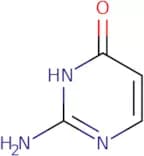
Produit arrêté2-Amino-6-chloropyrimidin-4(3h)-one
CAS :2-Amino-6-chloropyrimidin-4(3H)-one (ACPP) is a betaine that has been shown to exhibit potent activity against clinical isolates of methicillin-resistant Staphylococcus aureus (MRSA). It is a mesomeric molecule, which means that it can exist as two different tautomers. The frequency of the absorption bands in the FTIR spectra for ACPP are characteristic of the carbenes and ethanolamine tautomers. The presence of these tautomers may be due to stabilization from the nucleophilic character of the nitrogen atom in betaines. Betaines are also able to form polymersized chains by reacting with themselves or other molecules, such as ethanolamine.
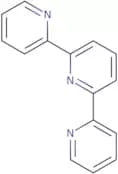
Formule :C4H4ClN3ODegré de pureté :Min. 95%Couleur et forme :PowderMasse moléculaire :145.55 g/mol2,2', 2'' -Terpyridine
CAS :2,2', 2'' -Terpyridine is a chelate ligand that is used in wastewater treatment. It can be synthesized by reacting 2-aminopyridine with ethylene diamine and 2,4-dichloro-1,3-dithiolane. The x-ray crystal structures of the ligand show that it has a coordination geometry of octahedral and its reaction mechanism is an oxidation. The chelate ligand binds to the metal ion in the same way as other ligands and stabilizes it by forming hydrogen bonds. This compound has significant cytotoxicity against carcinoma cell lines and also inhibits the mitochondrial membrane potential (MMP). 2,2', 2'' -Terpyridine is classified as group p2 due to its redox potentials and cytotoxicity.
Formule :C15H11N3Degré de pureté :Min. 95%Masse moléculaire :233.27 g/molRef: 3D-FT05419
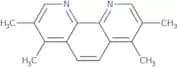
Produit arrêté3,4,7,8-Tetramethyl-1,10-phenanthroline
CAS :Metal-chelating agent
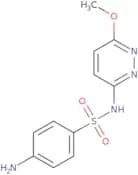
Formule :C16H16N2Degré de pureté :Min. 98 Area-%Couleur et forme :White PowderMasse moléculaire :236.31 g/molSulfamethoxypyridazine
CAS :Sulfamethoxypyridazine is a sulfa drug that inhibits bacterial growth by inhibiting the synthesis of folic acid, which is essential for DNA and RNA production. It has been shown to be effective in the treatment of urinary infections and infectious diseases. Sulfamethoxypyridazine interacts with other drugs, such as oral contraceptives, to increase their blood levels. This drug also has a matrix effect on urine samples, which can be used to detect the presence of bacteria. The matrix effect is due to its hydrophobic nature and ability to form aggregates with other compounds. Sulfamethoxypyridazine is used in wastewater treatment plants as an analytical method for nitrogen atoms.
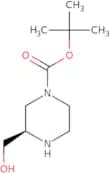
Formule :C11H12N4O3SDegré de pureté :Min. 95%Masse moléculaire :280.3 g/mol(R)-4-N-Boc-2-hydroxymethyl-piperazine
CAS :Please enquire for more information about (R)-4-N-Boc-2-hydroxymethyl-piperazine including the price, delivery time and more detailed product information at the technical inquiry form on this page
Formule :C10H20N2O3Degré de pureté :Min. 95%Masse moléculaire :216.28 g/molRef: 3D-FB151258
Produit arrêté2,4-Dichloropyrido [2,3-D] pyrimidine
CAS :2,4-Dichloropyrido [2,3-D] pyrimidine is a regioselective chlorination agent that can be used for the synthesis of various organic compounds. It is often used in cross-coupling reactions to form carbon-carbon bonds. 2,4-Dichloropyrido [2,3-D] pyrimidine has been shown to give high yields and is selective for disubstituted or monosubstituted substrates. This compound is also useful for the functionalization of C-H bonds via palladium-catalyzed coupling reactions.
Formule :C7H3Cl2N3Degré de pureté :Min. 95%Couleur et forme :White PowderMasse moléculaire :200.02 g/mol5-Bromo-2-(methylthio)pyrimidine
CAS :5-Bromo-2-(methylthio)pyrimidine is a synthetic compound that has been used to synthesize palladium complexes. It can also be used in the synthesis of vitamin B1, which is an essential nutrient for humans and animals. 5-Bromo-2-(methylthio)pyrimidine binds with magnesium and reacts with sulfoxide, nucleophilic attack and electronegativity. 5-Bromo-2-(methylthio)pyrimidine is activated by 2-chlorobenzothiazole and hydrogen chloride, which leads to nucleophilic attack on the electrophilic carbon atom. This causes a displacement reaction with the elimination of chlorine gas and production of dihydro.
Formule :C5H5BrN2SDegré de pureté :Min. 95%Masse moléculaire :205.08 g/molRef: 3D-FB139356
Produit arrêtéChlorpheniramine N-oxide
CAS :Please enquire for more information about Chlorpheniramine N-oxide including the price, delivery time and more detailed product information at the technical inquiry form on this page
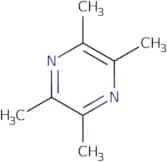
Formule :C16H19ClN2ODegré de pureté :Min. 95%Masse moléculaire :290.79 g/mol2,3,5,6-Tetra-methyl-pyrazine
CAS :2,3,5,6-Tetra-methyl-pyrazine is a chemical compound that is structurally similar to ATP. It has been shown to inhibit the mitochondrial membrane potential and induce apoptosis in rat heart cells. 2,3,5,6-Tetra-methyl-pyrazine has also been shown to inhibit ATP synthase activity and increase lactate levels in the presence of glucose. This compound inhibits cyclase activity and increases microdialysis probe signal pathways. 2,3,5,6-Tetra-methyl-pyrazine may be useful for the treatment of myocardial infarcts.
Formule :C8H12N2Degré de pureté :Min. 95%Masse moléculaire :136.19 g/mol1-Acetyl-4-(4-hydroxyphenyl)piperazine
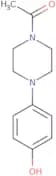
CAS :1-Acetyl-4-(4-hydroxyphenyl)piperazine is a triazole antifungal that inhibits the synthesis and activity of nitric oxide. It binds to the N1 atom of the molecule, which is the site of nitrite ion, and prevents it from reacting with chloride ions. This binding also prevents nucleophilic attack on imine bonds in proteins and DNA. The photophysical properties of 1-acetyl-4-(4-hydroxyphenyl)piperazine are determined by its coumarin derivatives, which absorb light at wavelengths between 400 and 500 nm. The compound has been found to be specific for fungi, but not bacteria or yeast. 1-Acetyl-4-(4-hydroxyphenyl)piperazine has been shown to be effective against Candida albicans and other strains of yeast when used as an oral or topical treatment.
Formule :C12H16N2O2Degré de pureté :Min. 95%Masse moléculaire :220.27 g/mol8-Chloroimidazo[1,2-a]pyrazine
CAS :Please enquire for more information about 8-Chloroimidazo[1,2-a]pyrazine including the price, delivery time and more detailed product information at the technical inquiry form on this page
Formule :C6H4ClN3Degré de pureté :Min. 95%Masse moléculaire :153.57 g/molRef: 3D-FC125475
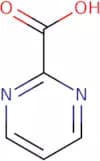
Produit arrêté2-Pyrimidine-carboxylic acid
CAS :2-Pyrimidine-carboxylic acid is a biologically active molecule that can be found in the human body. It is a derivative of pyrimidine, which belongs to the group of purines. 2-Pyrimidine-carboxylic acid has been shown to inhibit the nicotinic acetylcholine receptor and α7 nicotinic acetylcholine receptor, which are receptors for acetylcholine. This molecule also has antihypertensive activity and has been shown to have therapeutic effects in psychotic disorders. 2-Pyrimidine-carboxylic acid binds to picolinic acid, which is an important intermediate in the metabolism of tryptophan, and hydroxyl group, which is essential for many biological functions. It also reacts with copper ions and forms a complex that is x-ray crystal structure confirmed. This complex may be used as a herbicide resistance inducer or as a chemical species for receptor binding studies or chemical reactions.
Formule :C5H4N2O2Degré de pureté :Min. 95%Couleur et forme :PowderMasse moléculaire :124.1 g/mol2-Bromopyrazine
CAS :2-Bromopyrazine is a heterocyclic chemical compound that inhibits the activity of enzymes such as kinases. It has been shown to have anti-tumor properties in clinical studies and has been used in cancer research. 2-Bromopyrazine binds to nicotinic acetylcholine receptors, which are found on the surface of tumor cells. The binding of 2-bromopyrazine to these receptors causes an increase in ion flow across the membrane and leads to cell death. This drug also inhibits kinase activity, leading to decreased protein synthesis, which may account for its anti-tumor properties. 2-Bromopyrazine is soluble in organic solvents and insoluble in water. 2-Bromopyrazine is stable under acidic conditions but undergoes hydrolysis by hydrochloric acid, forming a salt and hydrogen bromide gas.
Formule :C4H3BrN2Degré de pureté :Min. 95%Couleur et forme :Colorless Clear LiquidMasse moléculaire :158.98 g/molRef: 3D-FB11224
Produit arrêté6-Bromo-pyrazolo[1,5-a]pyrimidine
CAS :6-Bromo-pyrazolo[1,5-a]pyrimidine is a bone morphogenetic protein (BMP) inhibitor. It has been shown to be a potent inhibitor of the tyrosine kinase activity of BMP receptors and may be useful for the development of new strategies for the treatment of osteoporosis. 6-Bromo-pyrazolo[1,5-a]pyrimidine is also an effective inhibitor of the proliferation and survival of cancer cells. It inhibits cell growth by interfering with cellular signaling pathways that regulate these processes. 6-Bromo-pyrazolo[1,5-a]pyrimidine was also found to inhibit the production of bone morphogenetic protein 2 (BMP2) in mouse calvaria cells without affecting other bone metabolism markers such as alkaline phosphatase or osteocalcin.
Formule :C6H4BrN3Degré de pureté :Min. 95%Couleur et forme :PowderMasse moléculaire :198.02 g/molRef: 3D-FB140359
Produit arrêté

![7-Chlorothieno[3,2-B]Pyridine](/_next/image/?url=https%3A%2Fstatic.cymitquimica.com%2Fproducts%2F3D%2Fthumb-webp%2FFC53344.webp&w=3840&q=75)

![10-[2-(1-Methyl-2-piperidinyl)ethyl]-2-(methylthio)-10H-phenothiazine hydrochloride](/_next/image/?url=https%3A%2Fstatic.cymitquimica.com%2Fproducts%2F3D%2Fthumb-webp%2FFT28238.webp&w=3840&q=75)



![tert-Butyl6-[(1e)-2-[4-(4-fluorophenyl)-6-(1-methylethyl)-2-[methyl(methylsulfonyl)amino]-5-pyrimi…](/_next/image/?url=https%3A%2Fstatic.cymitquimica.com%2Fproducts%2F3D%2Fthumb-webp%2FFB148489.webp&w=3840&q=75)
![(2E)-1-[5,6-Dihydro-3-(trifluoromethyl)-1,2,4-triazolo[4,3-a]pyrazin-7(8H)-yl]-4-(2,4,5-trifluorop…](/_next/image/?url=https%3A%2Fstatic.cymitquimica.com%2Fproducts%2F3D%2Fthumb-webp%2FFD103313.webp&w=3840&q=75)
![tert-Butyl 2-amino-6,7-dihydrothiazolo[5,4-c]pyridine-5(4H)-carboxylate](/_next/image/?url=https%3A%2Fstatic.cymitquimica.com%2Fproducts%2F3D%2Fthumb-webp%2FFB143127.webp&w=3840&q=75)

![5,7-Dimethyl-[1,2,4]triazolo[1,5-a]pyrimidine-2-carboxylic acid](/_next/image/?url=https%3A%2Fstatic.cymitquimica.com%2Fproducts%2F3D%2Fthumb-webp%2FFD12883.webp&w=3840&q=75)
![11-(1-Piperazinyl)-dibenzo[b,f][1,4]thiazepine dihydrochloride](/_next/image/?url=https%3A%2Fstatic.cymitquimica.com%2Fproducts%2F3D%2Fthumb-webp%2FFP32447.webp&w=3840&q=75)

![4-[(4-chlorophenyl)-2-pyridinylmethoxy]-1-piperidinecarboxylic acid ethylester](/_next/image/?url=https%3A%2Fstatic.cymitquimica.com%2Fproducts%2F3D%2Fthumb-webp%2FFP152183.webp&w=3840&q=75)


![2,4-Dichloropyrido [2,3-D] pyrimidine](/_next/image/?url=https%3A%2Fstatic.cymitquimica.com%2Fproducts%2F3D%2Fthumb-webp%2FFD31600.webp&w=3840&q=75)


![8-Chloroimidazo[1,2-a]pyrazine](/_next/image/?url=https%3A%2Fstatic.cymitquimica.com%2Fproducts%2F3D%2Fthumb-webp%2FFC125475.webp&w=3840&q=75)

![6-Bromo-pyrazolo[1,5-a]pyrimidine](/_next/image/?url=https%3A%2Fstatic.cymitquimica.com%2Fproducts%2F3D%2Fthumb-webp%2FFB140359.webp&w=3840&q=75)